TRIGGER WARNING: This essay contains discussion of racism, racial violence, police brutality, and psychological trauma in a literary context.
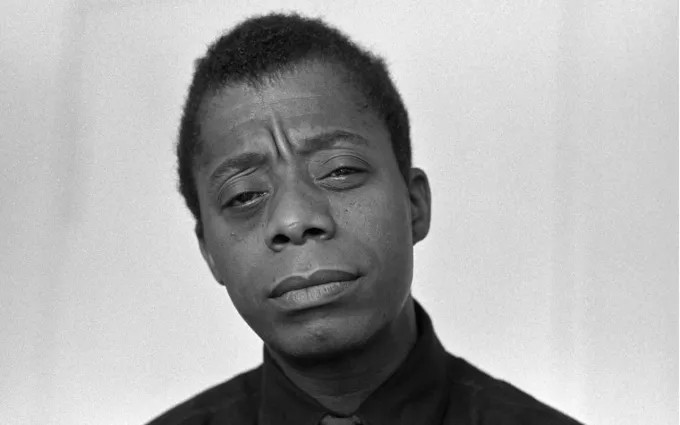
Baldwin’s writings seem to assert that all people deserve the opportunity to be understood, and barring that, at least given a fair shake to make their way in the world. A self-proclaimed witness to the treatment of his people, he uses story to persuade others to open themselves to the possibility of relationship, or at least the ability to visualize the other. In “Previous Condition”, the main character is a black man having an affair with a white woman. She grew up in poverty and argues with him when he implies that only black people have it hard economically. The argument sounds as though it could have been heard on YouTube with its layers of race, class, gender, and privilege still such hot current issues. However, Ida the white woman, does not get kicked out of a dwelling simply because of the color of her skin, as is the case for the black actor she is debating. Even more horrible is the description in “Sonny’s Blues” of white men running over and murdering Sonny’s uncle just for the fun of it. Evil breeds hatred. Sonny’s father “never really did get right again. Till the day he died he weren’t sure but that every white man he saw was the man that killed his brother” (Going 118). These are examples of the ways in which people as individuals interact in his stories showing the depth of conflict created by race in relationships.
In “This Morning, This Evening, So Soon” Baldwin paints the scene of a black man who has forgotten how to play the game of pacifying the white police officers as is so often necessary to ensure minority safety. The main character says, “I had once known how to pitch my voice precisely between curtness and servility…” (Going 163). He’s been in France so long and interacted with white people under a different social contract for so long that he has forgotten the tricks he used to know to keep himself safe around white people with power who hate him. This speaks to the “armies” of whom Baldwin speaks. The police represent the powers that be and are an ever-present menace to the black characters in his books. In “Going to Meet the Man,” the main character is a white police officer who truly believes he is simply enforcing rules God himself established. He says it wasn’t his fault the black people “fight against God and go against the rules laid down in the Bible” (Baldwin Going 235). This is an example of the way church gets mixed up in all the oppression in people’s minds. All these systems interact to create menaces of themselves.
Yet, somehow, despite all the horrors Baldwin witnessed and wrote about, he continually returns to the theme of love. He seems to believe that love can prevail. I am in awe of his optimism. In “A Letter to My Nephew,” he writes, “love shall force our brothers to see themselves as they are, to cease fleeing from reality and begin to change it” (Baldwin Letter). I hope and pray that he is right.
Works Cited
Baldwin, James. “A Letter to My Nephew.” The Progressive. 1 Dec, 1962, progressive.org/magazine/letter-nephew/
Baldwin, James. Going to Meet the Man. Vintage International, 1948.
 rebekahjmarshall