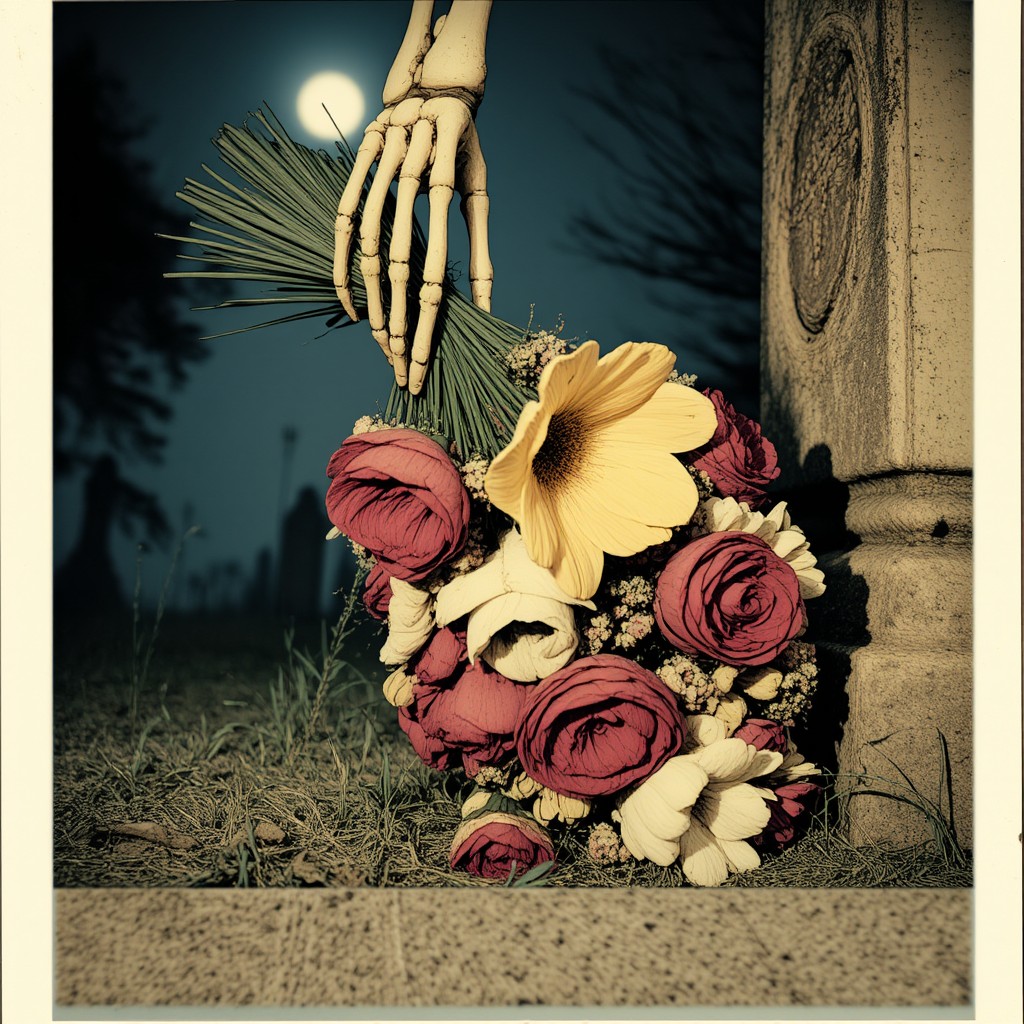
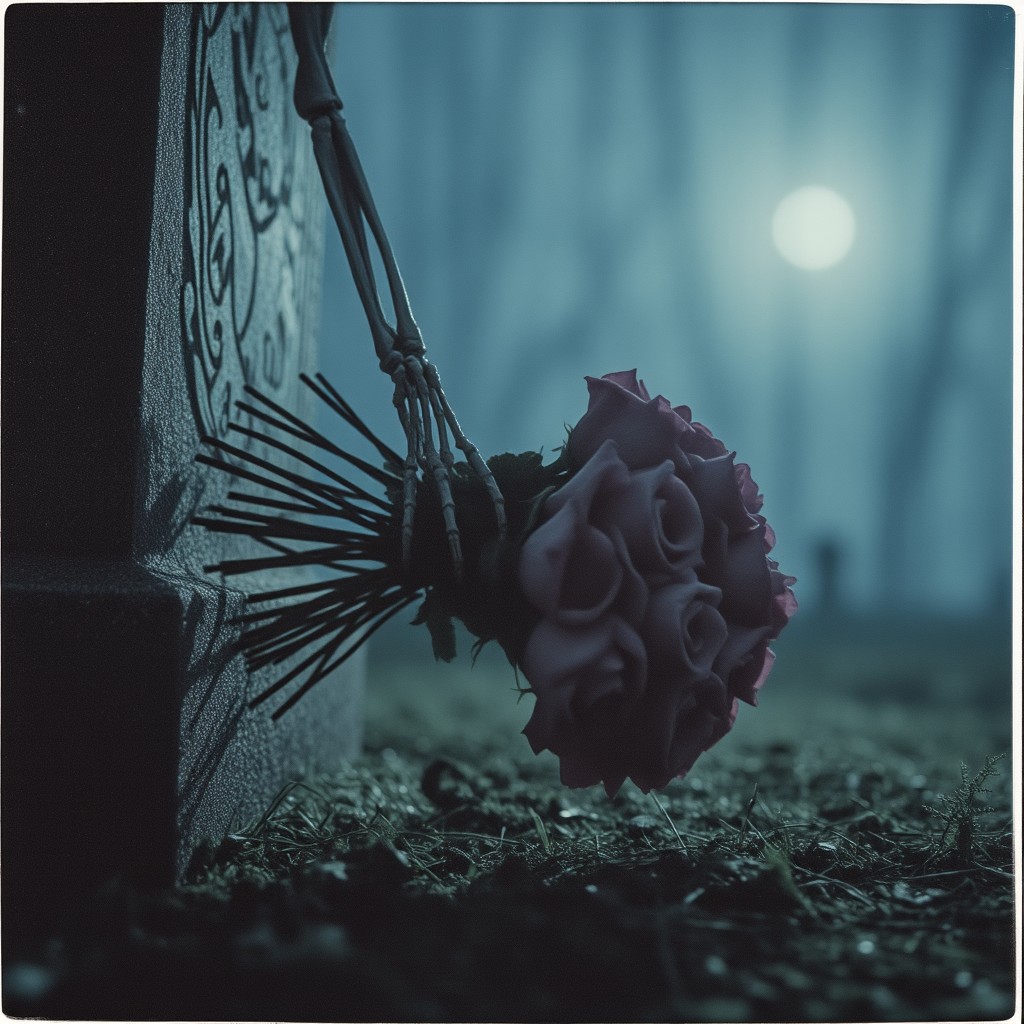
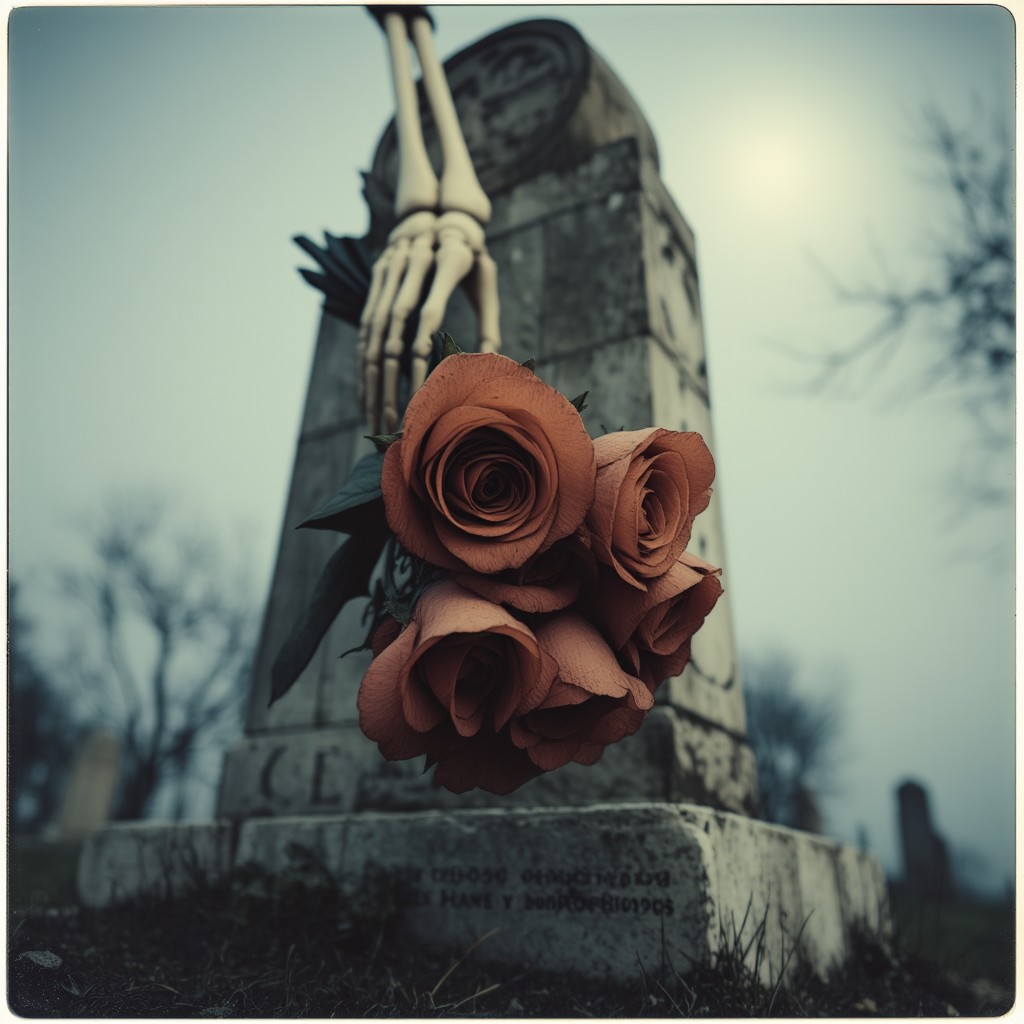
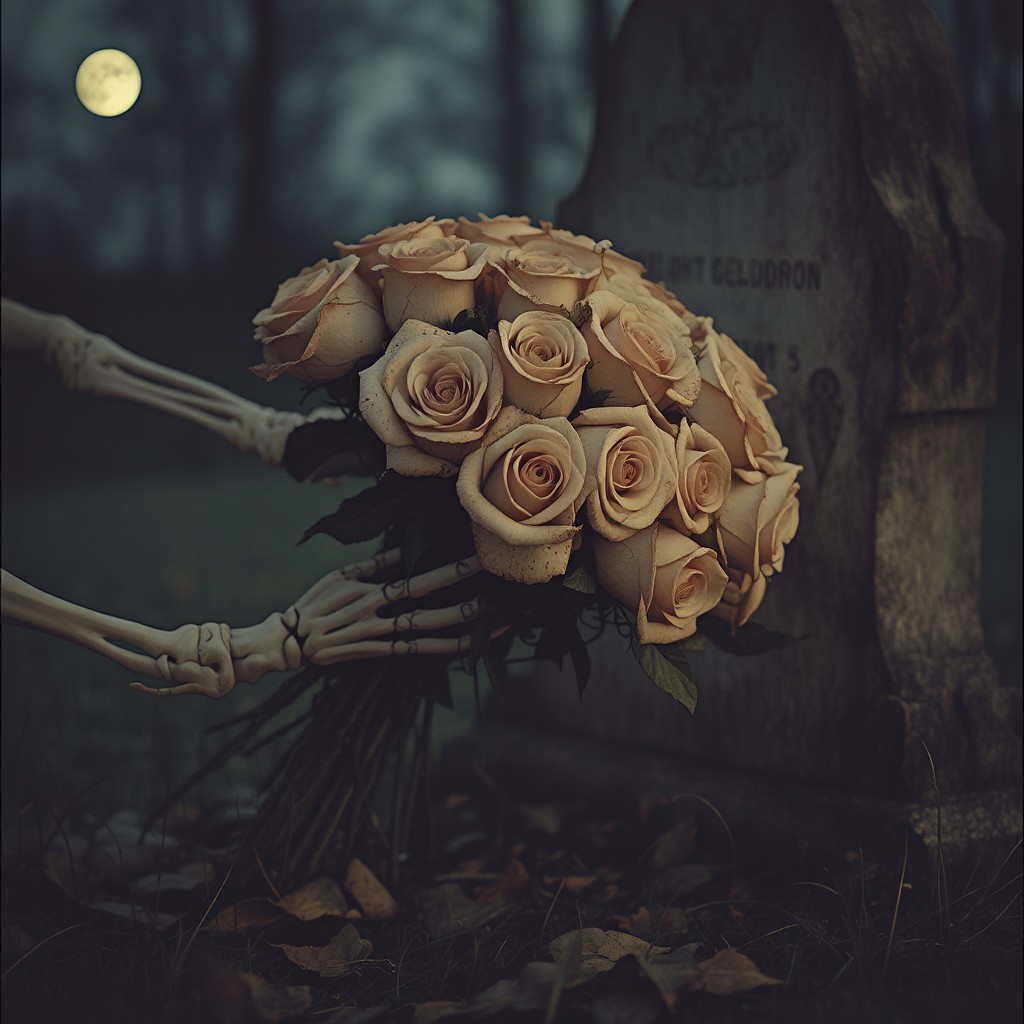
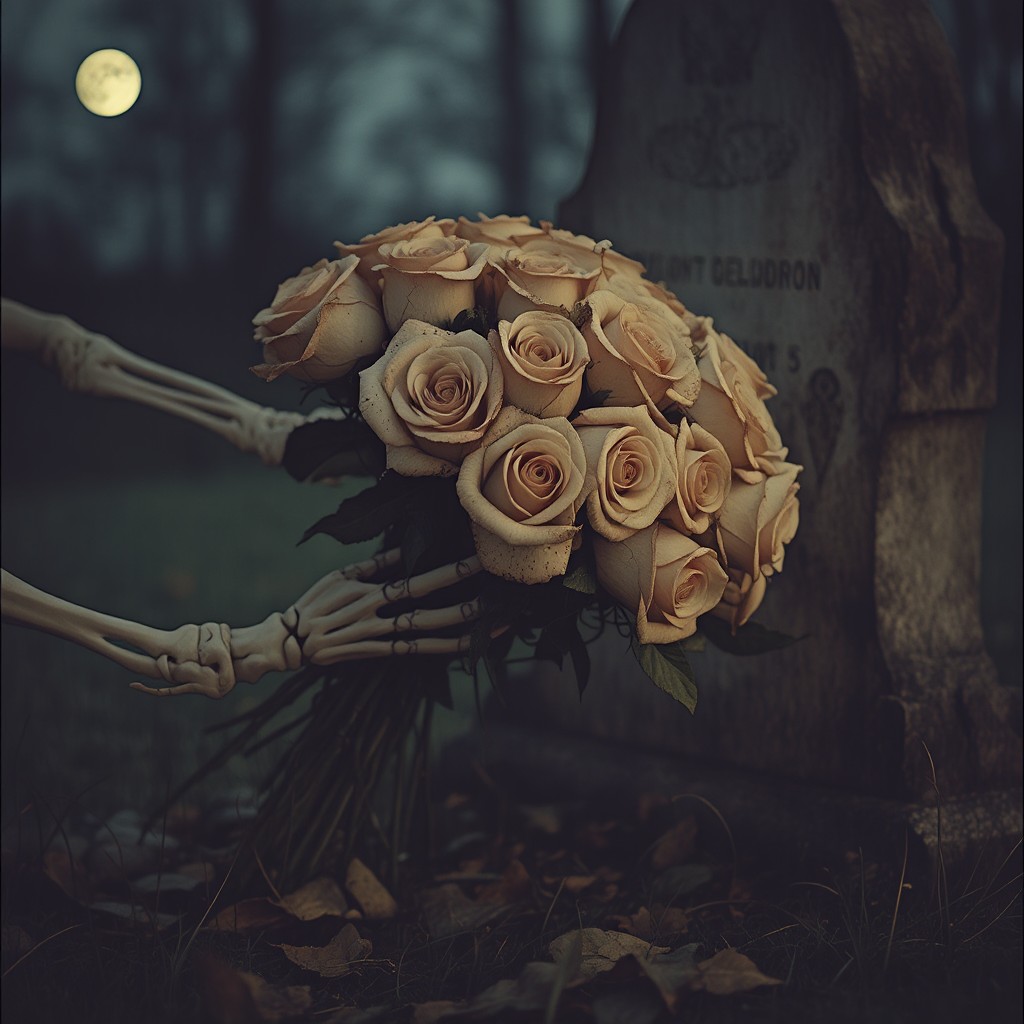
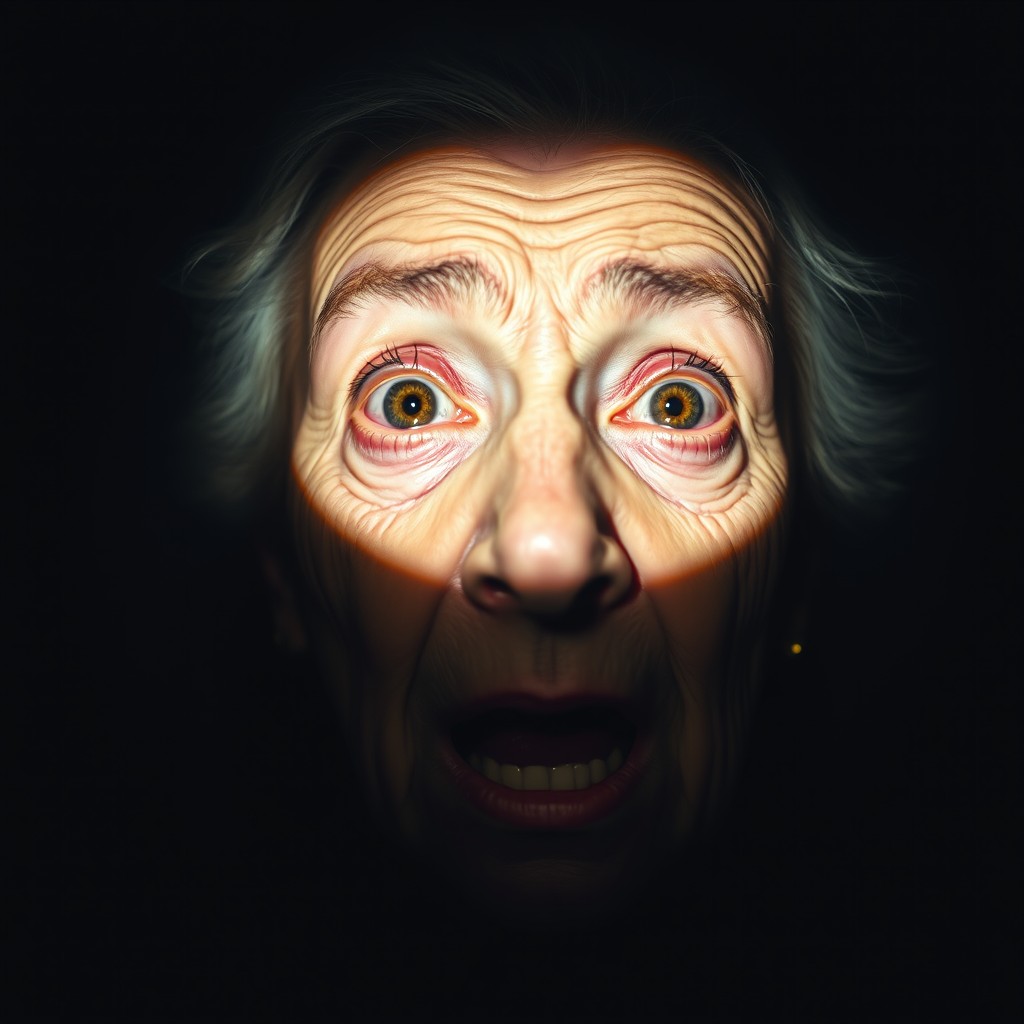
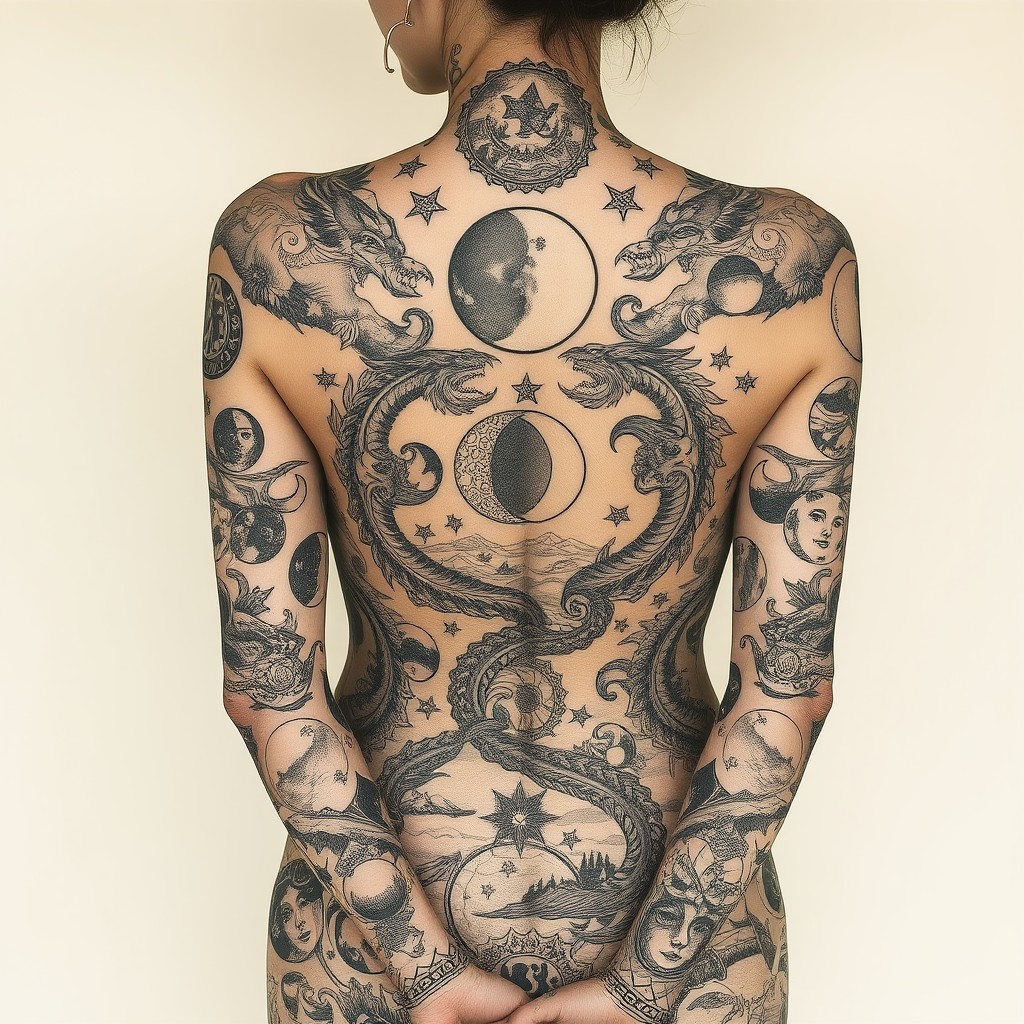
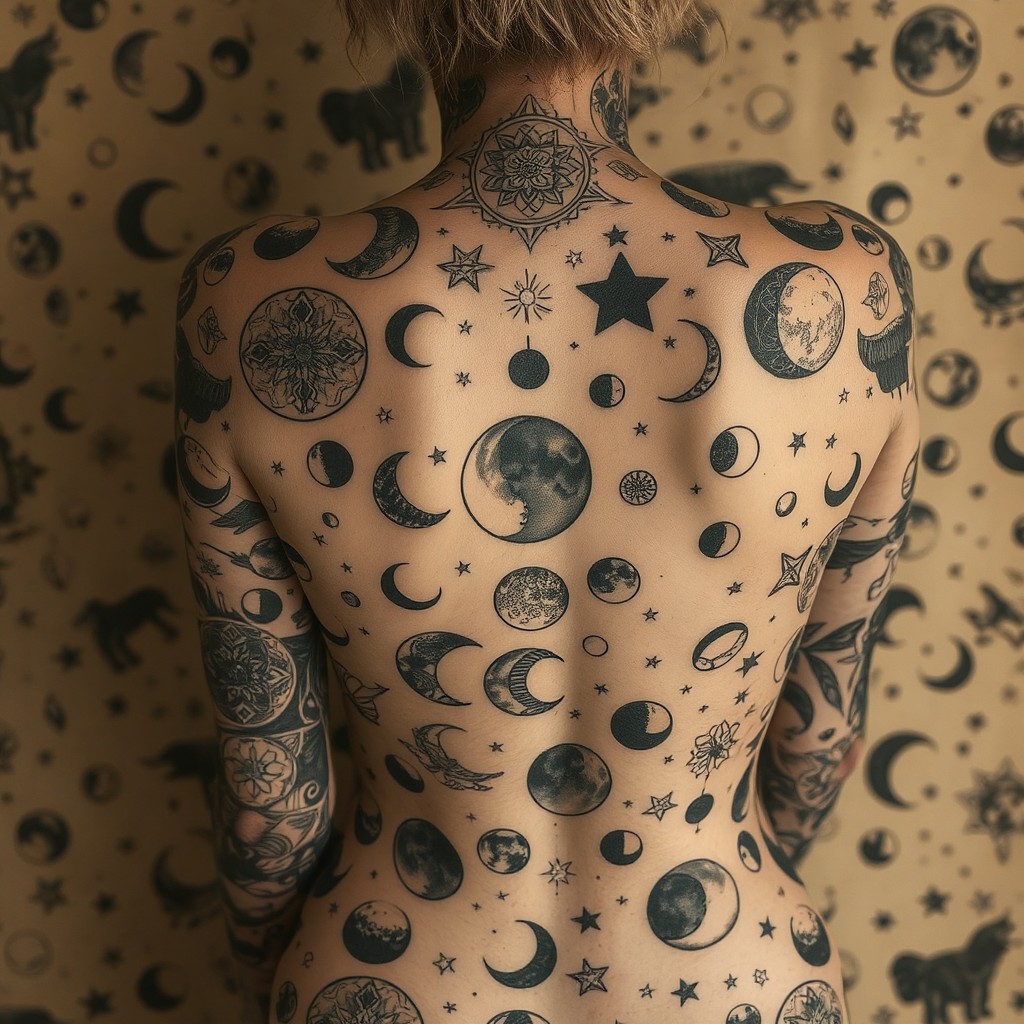
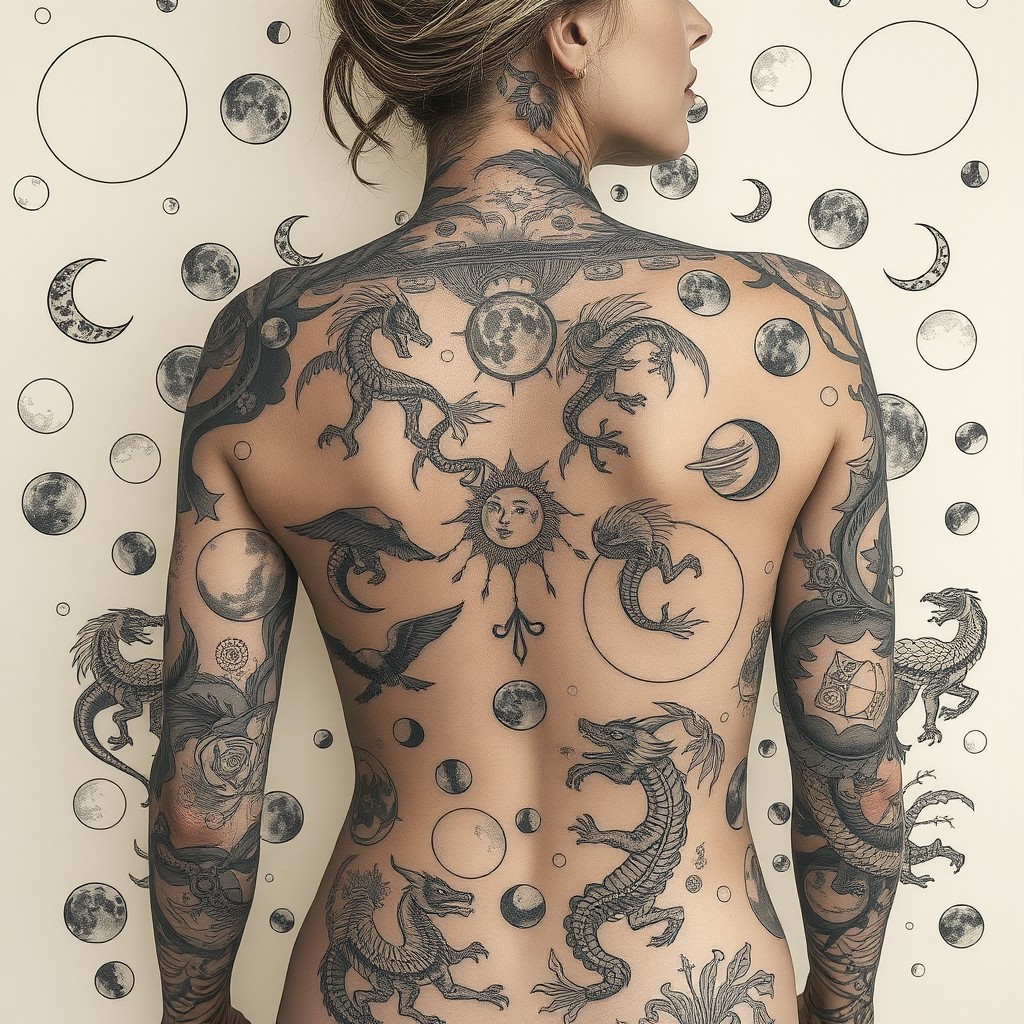
This week’s Prompt Challenge was called “Classic Horror.” We were supposed to create an original horror piece using at least three classic horror clichés in one cohesive scene. No villains, characters, movies, or references to existing horror franchises were allowed.
“Enduring Love”
All the rest of these images created by Rebekah Marshall’s prompts using AI on Gencraft.com website.
Prompt: Close up of a skeleton hand holding a large bouquet of flowers by the stems and placing them on the ground near the base of an ancient gravestone by dim moonlight. The flowers on laying on the ground with the hand still touching them.
Platform: Gencraft;
Model: Olafs-Whimgear 3.0
Style: Polaroid
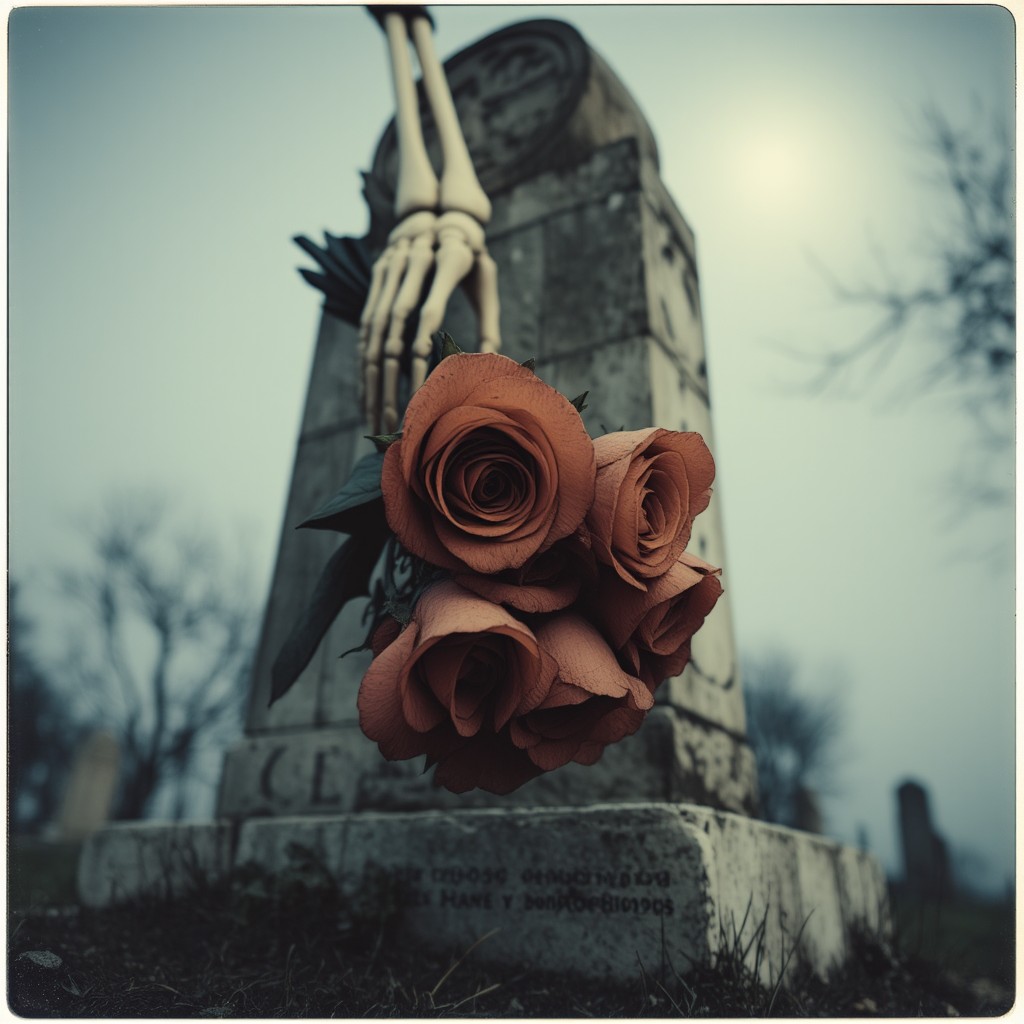
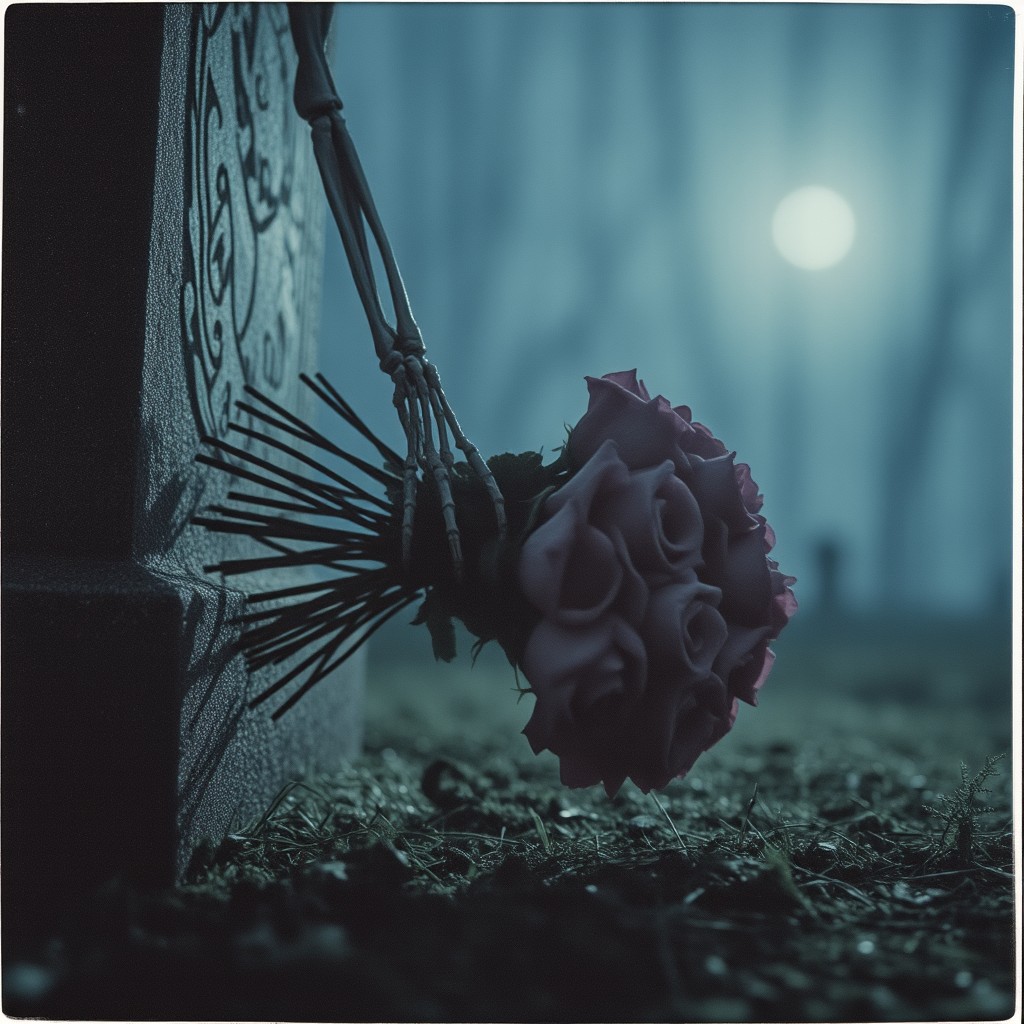
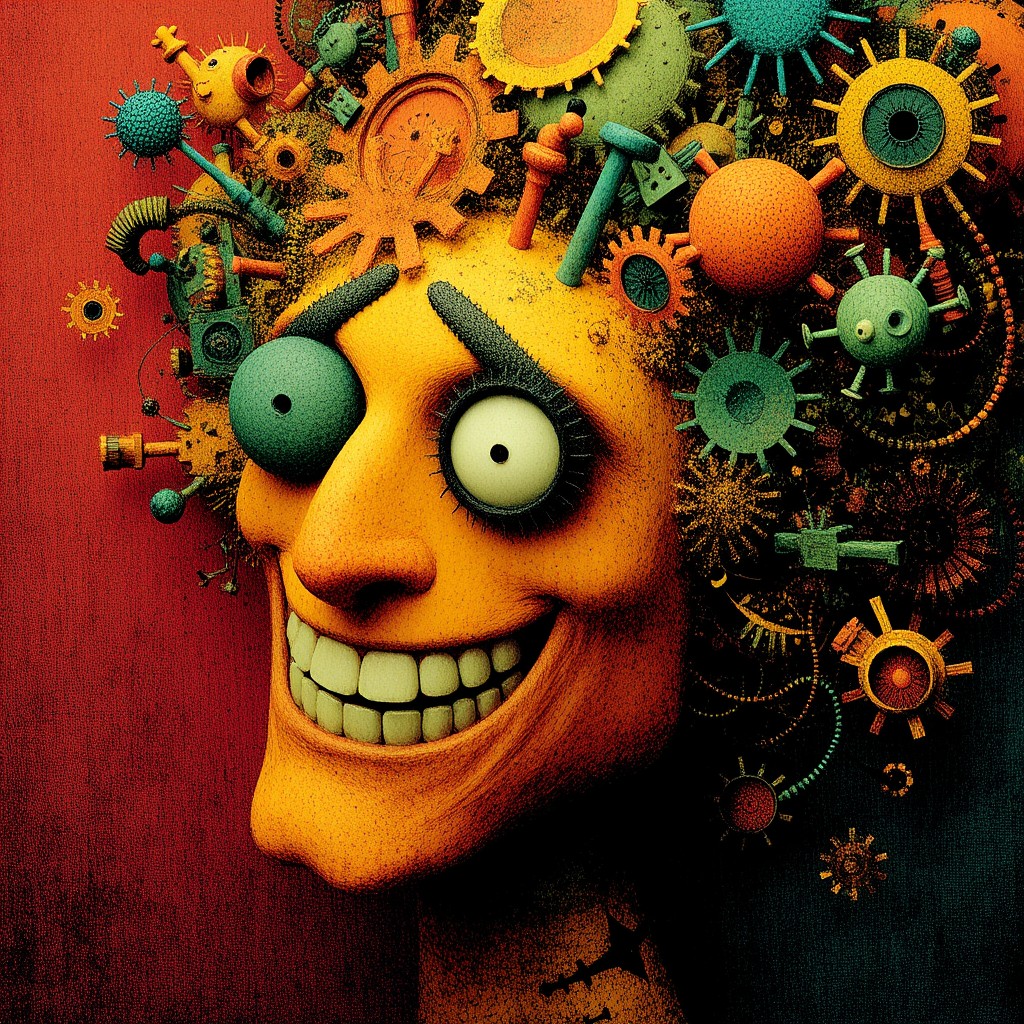
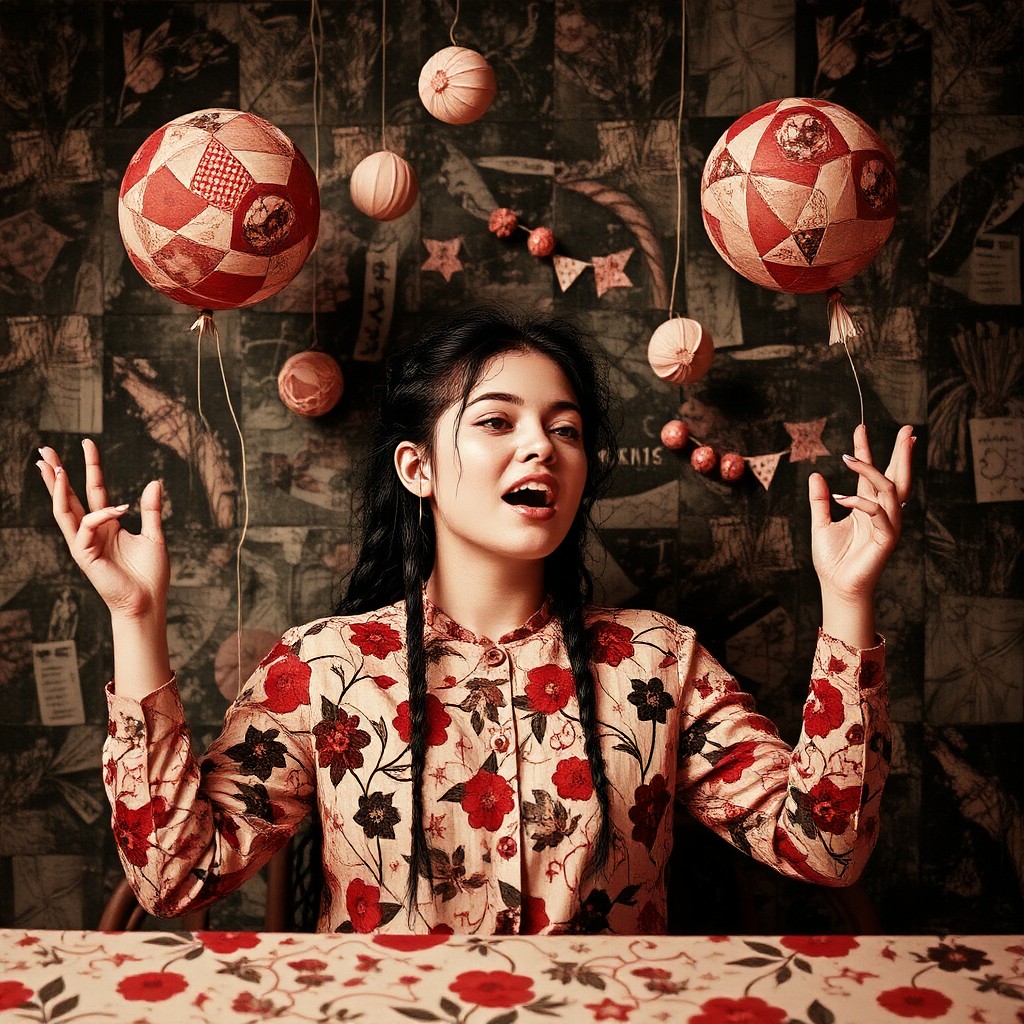
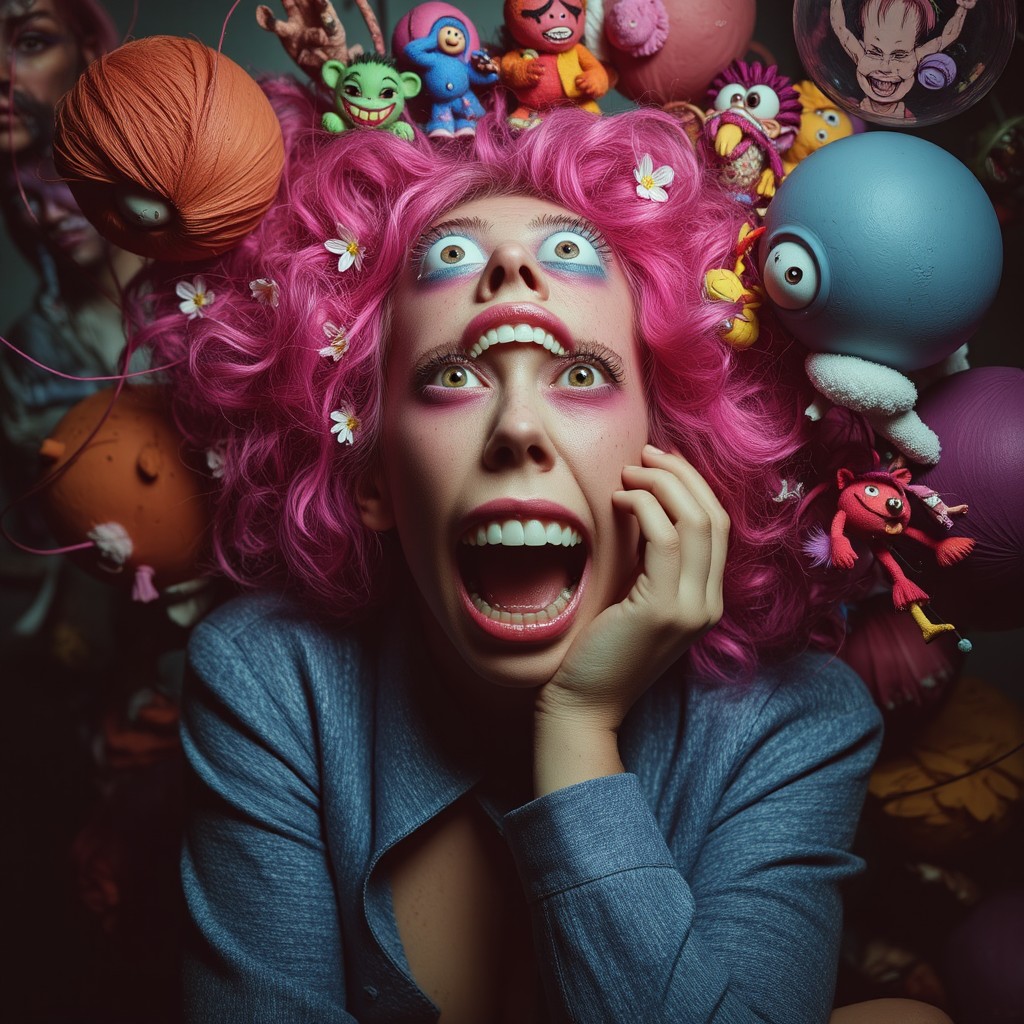
Some runner-up images that I did not enter into the contest, but still published on Gencraft:
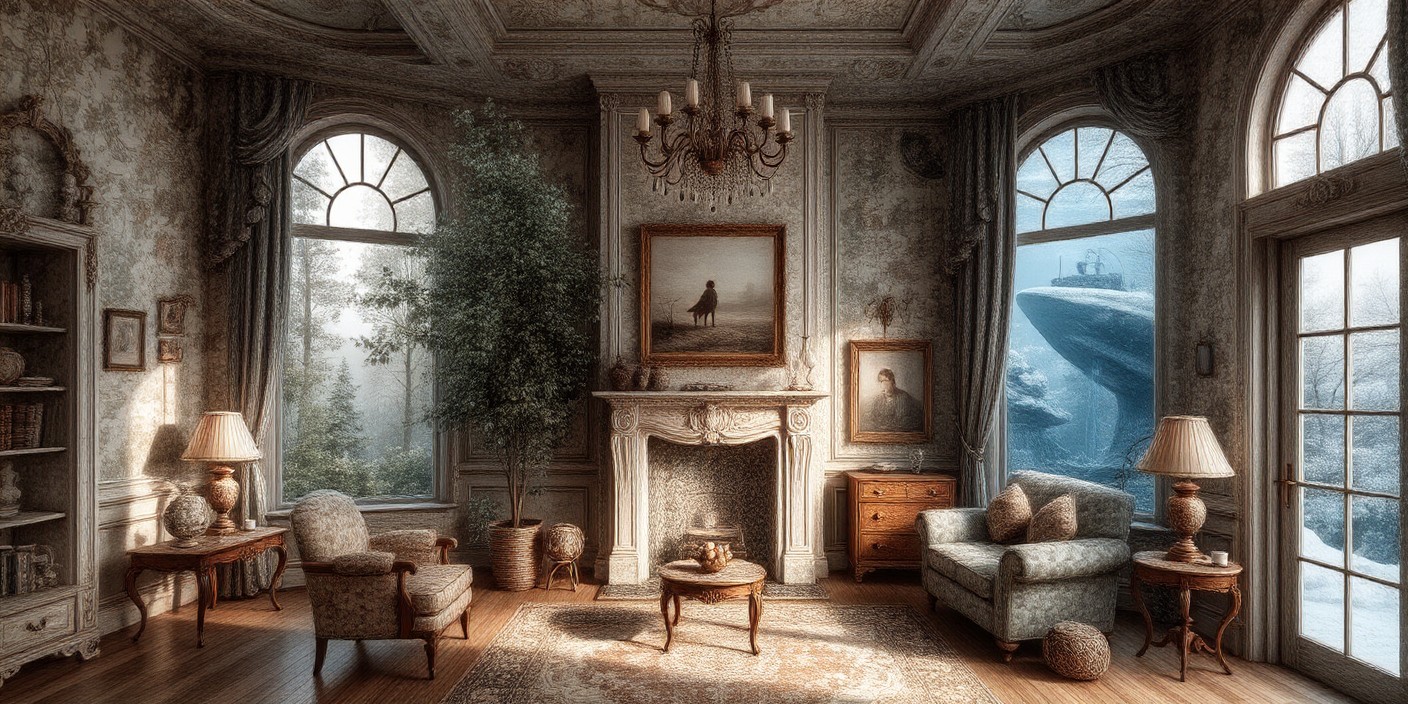
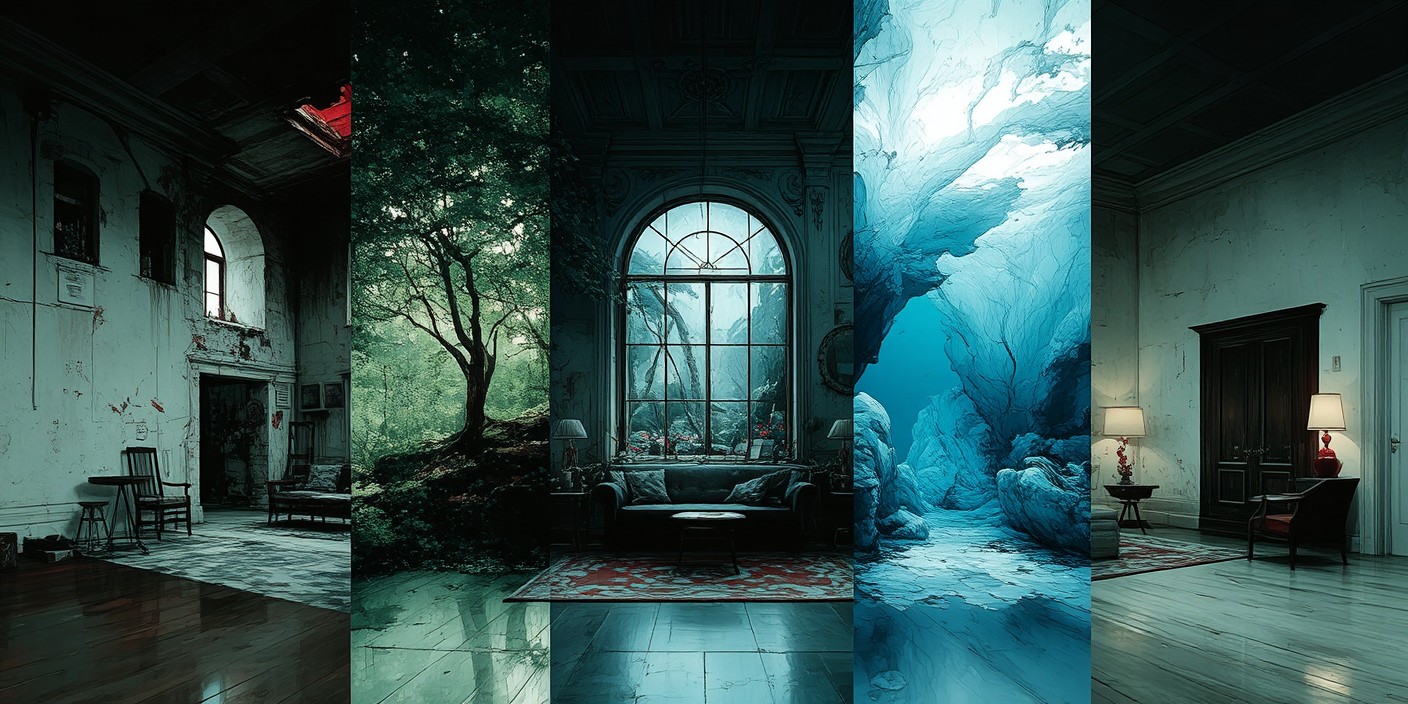
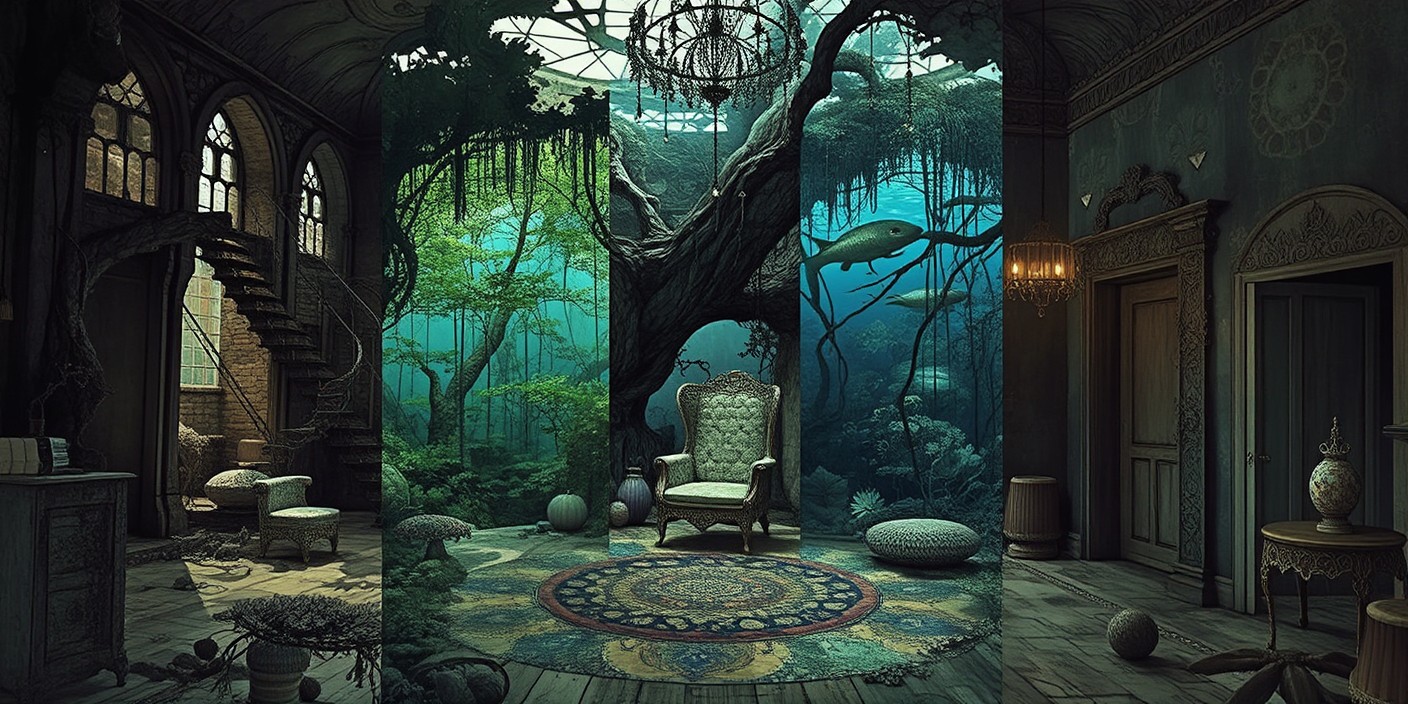
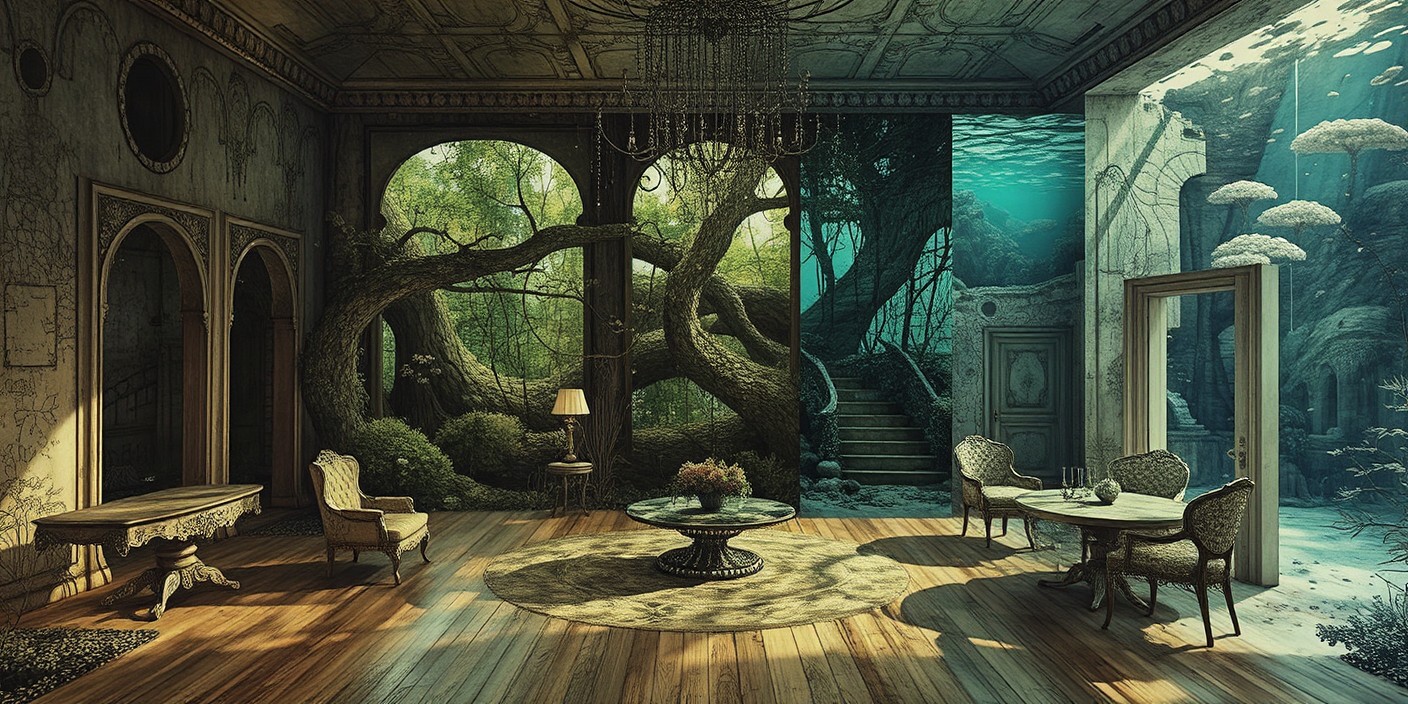
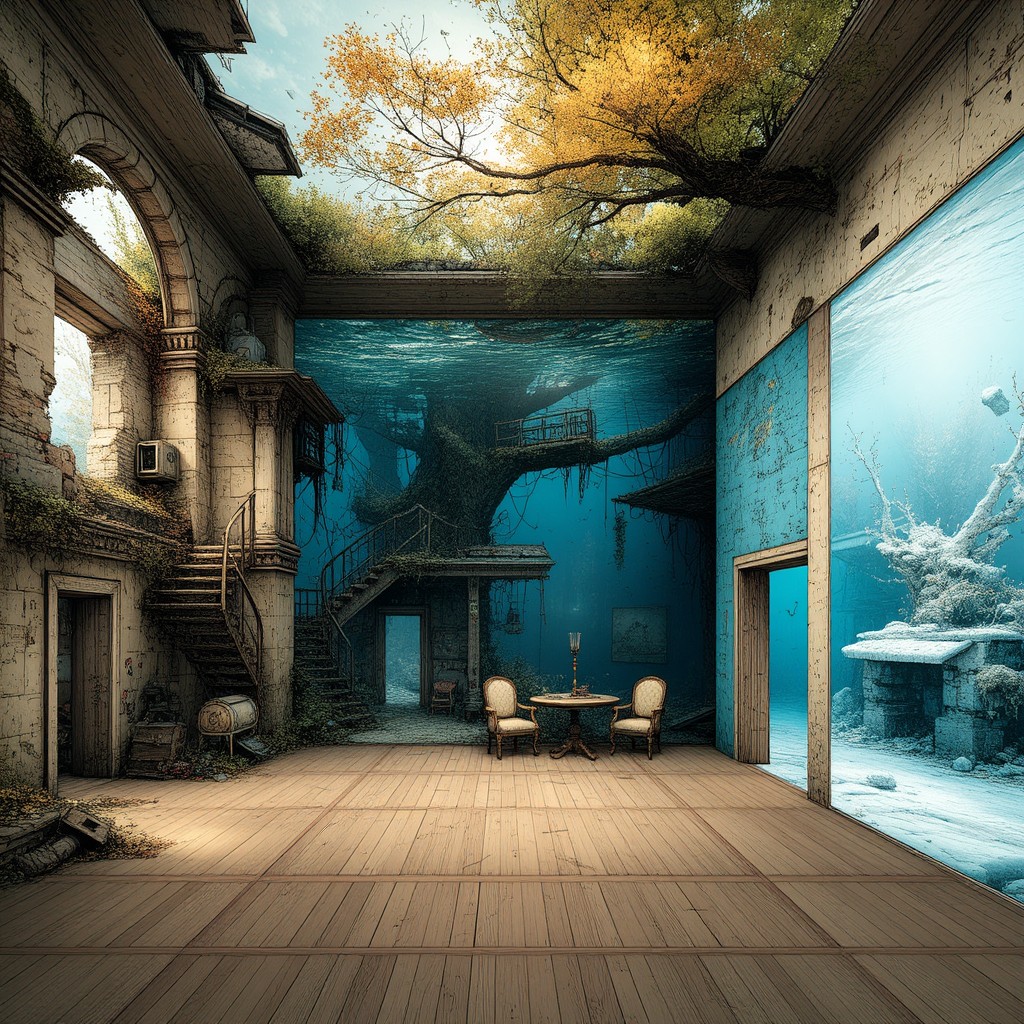
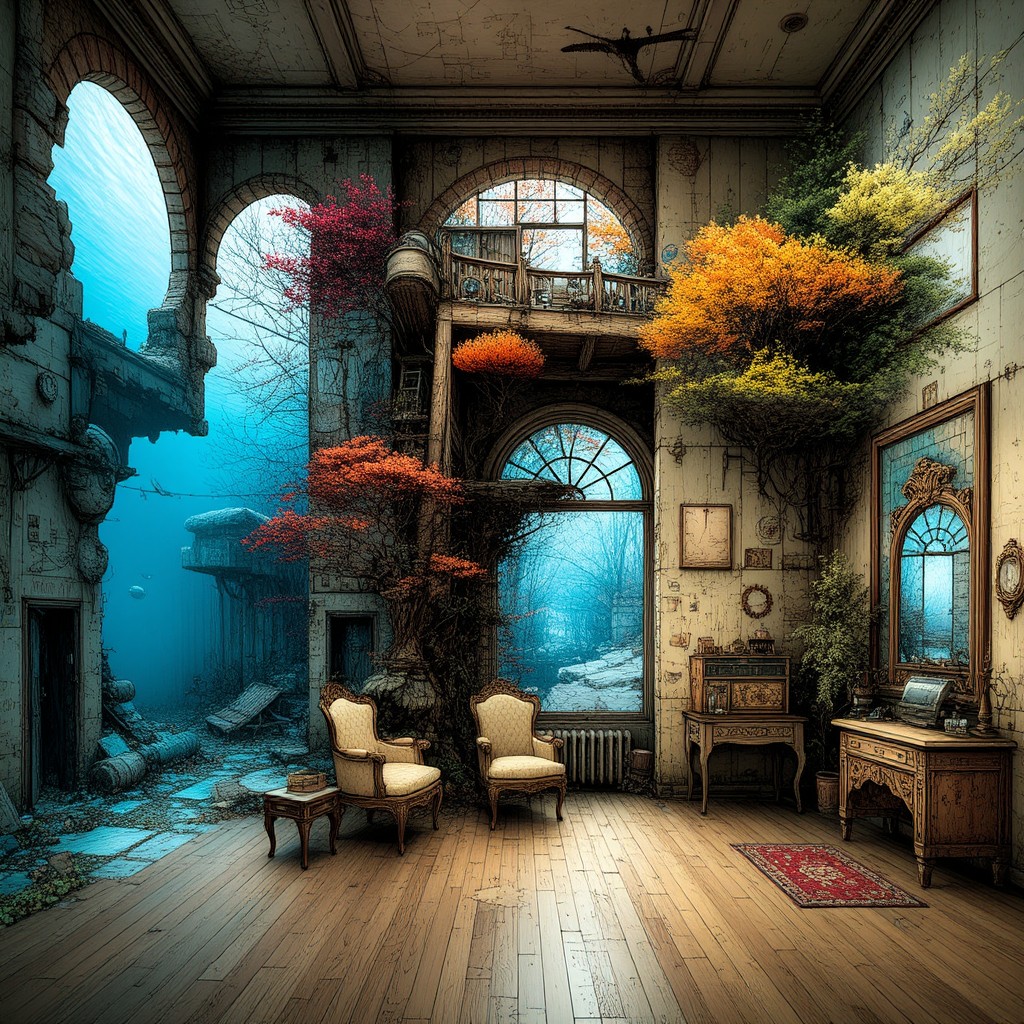
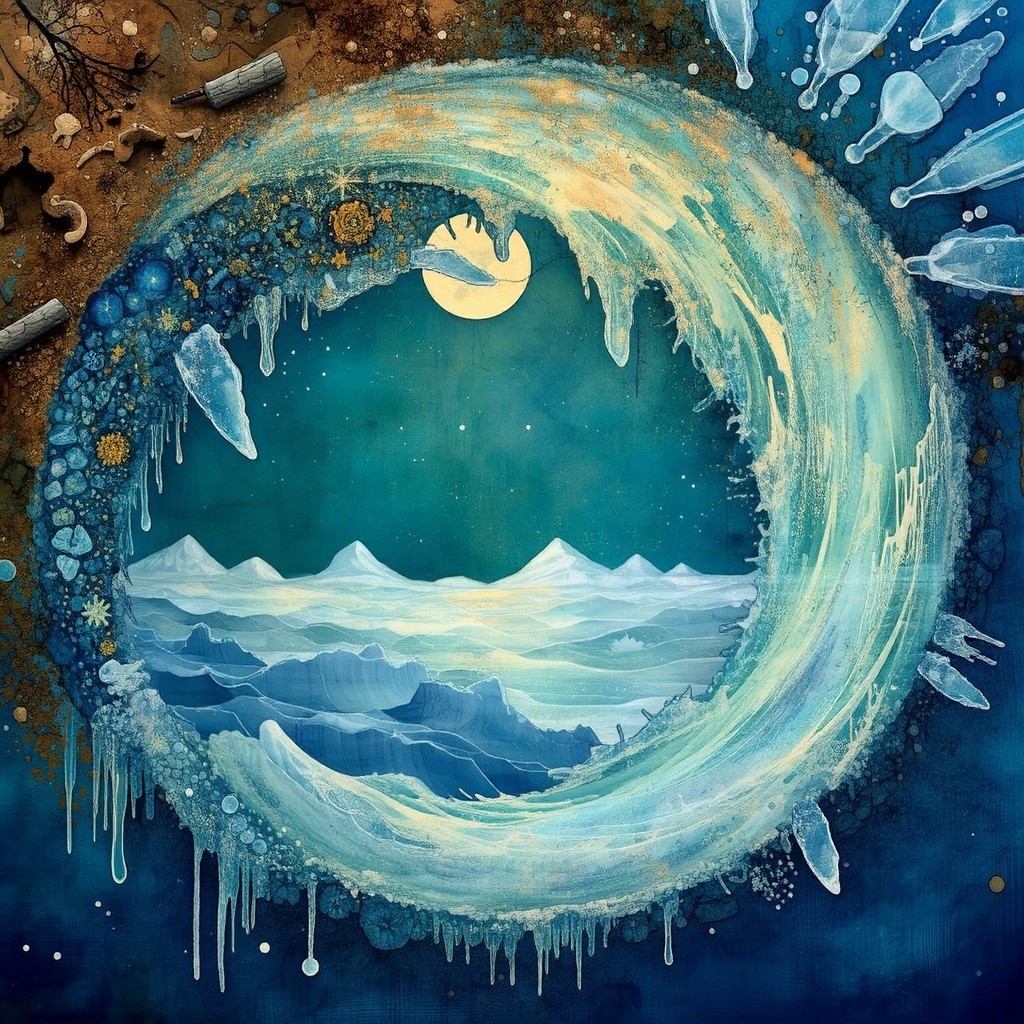
This first challenge of the week was to create an image of a beautiful room that exists in 5 different realities transforming from abandoned ruin to living forest to underwater world to luxurious inhabited room to frozen world.
8/23/26 “Reality Room”
Image created by Rebekah Marshall’s prompt using AI on Gencraft.com website.
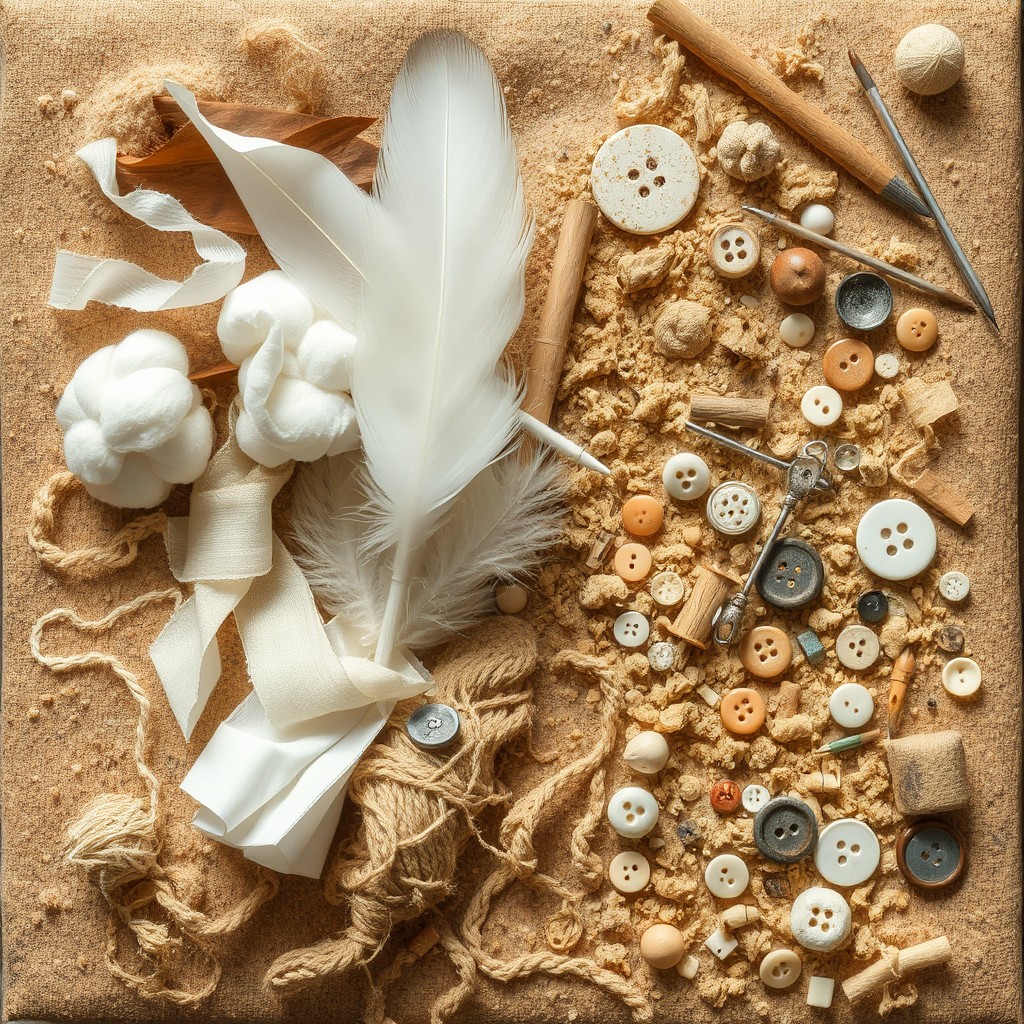
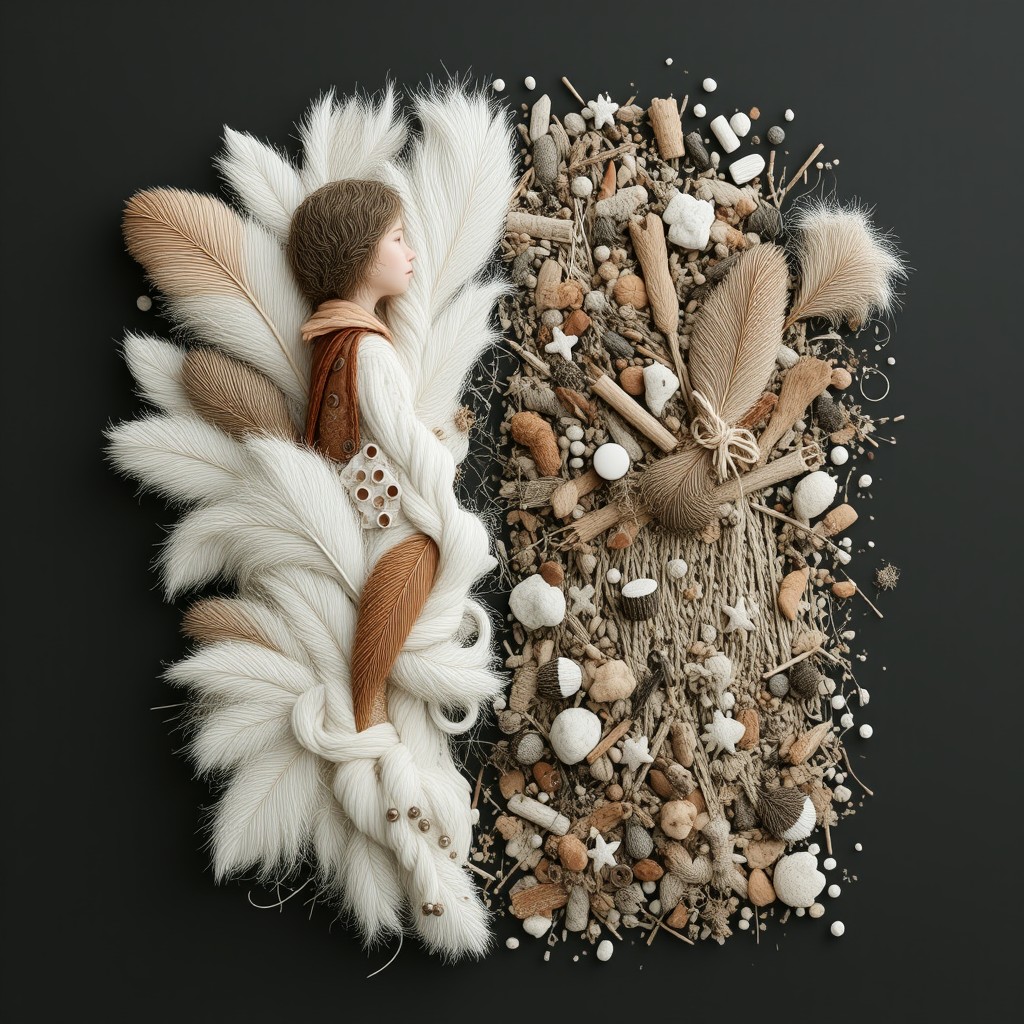
The next challenge was in to depict the struggle between good and evil using materials such as wood, metal, glass, leather, or wadding.
8/24/26 “I Choose Soft”
Image created by Rebekah Marshall’s prompt using AI on Gencraft.com website.
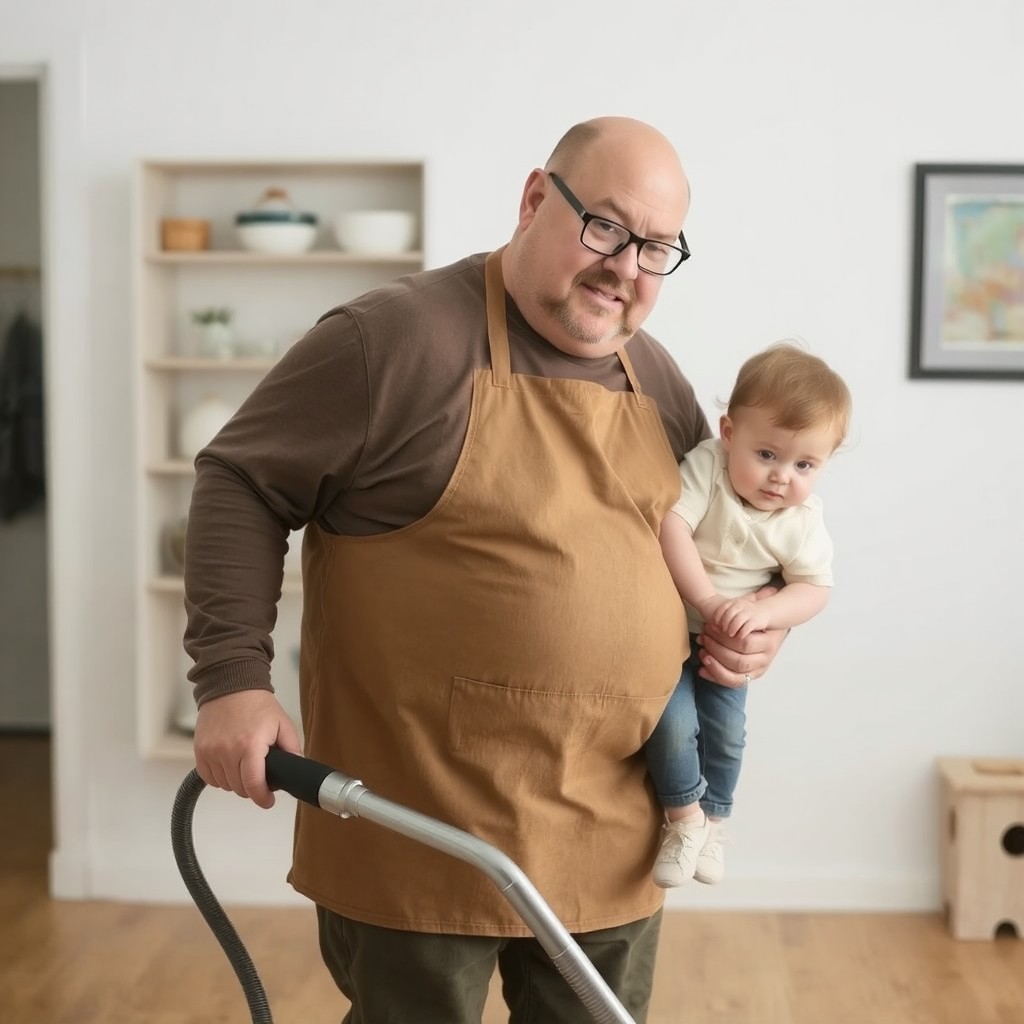
The next challenge was The Female Choice. As in nature, brilliant plumage, elaborate displays, songs, dances and rituals are used to lure the female gaze, our challenge was to invent the ultimate example. Mine did not get many votes, but I stand by it.
8/25/26 “Sexiest Man Alive”
Image created by Rebekah Marshall’s prompt using AI on Gencraft.com website.
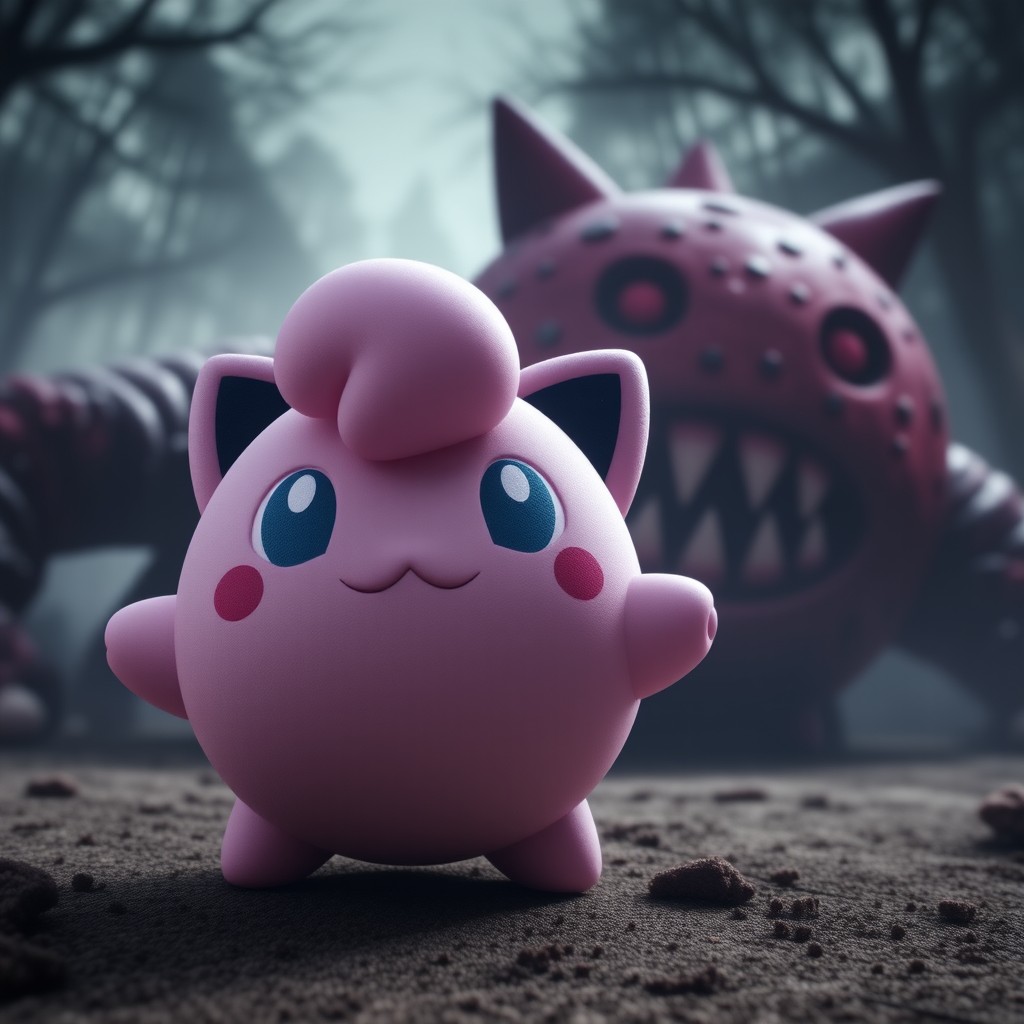
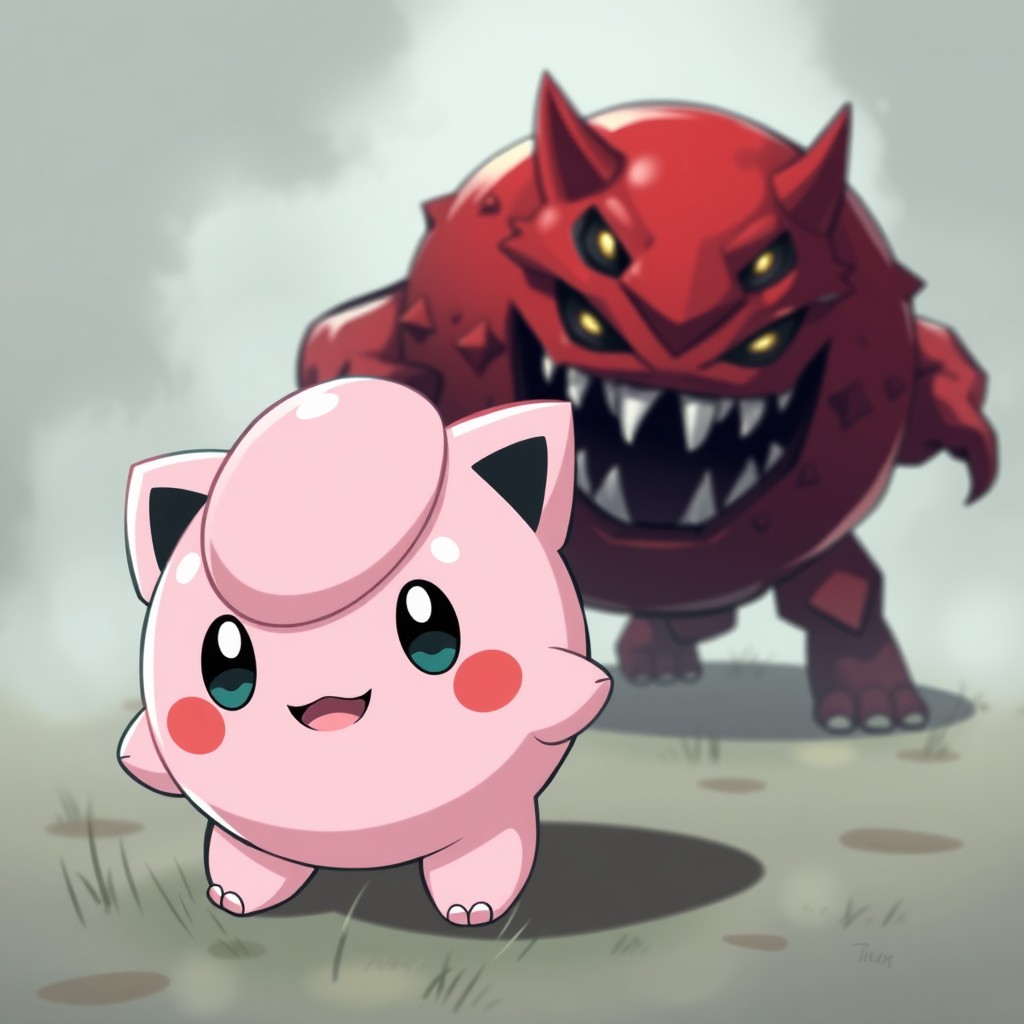
Our next challenge was to share a picture of a Pokémon with its dark evil form. I chose the one I thought was the cutest Jigglypuff because I thought that might be good contrast.
8/26/26 “JigglyBeast”
Image created by Rebekah Marshall’s prompt using AI on Gencraft.com website.
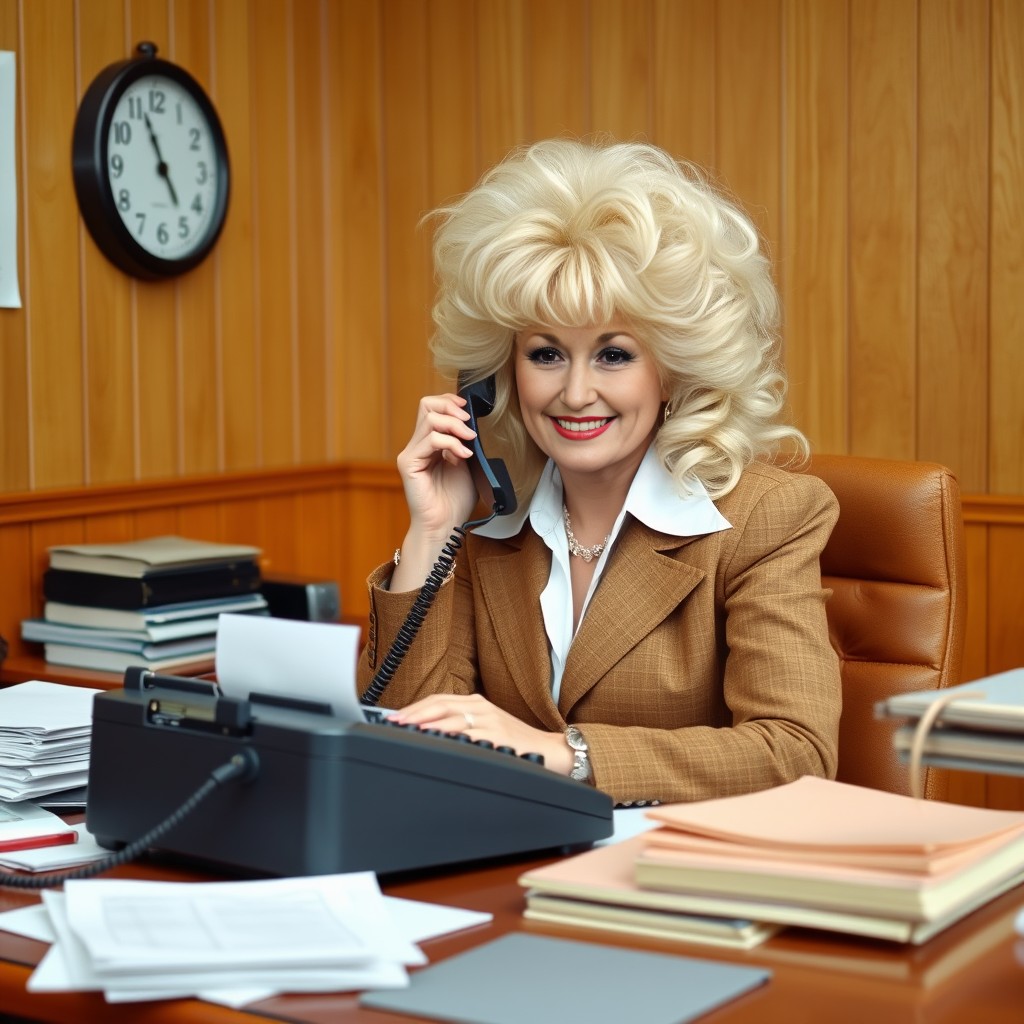
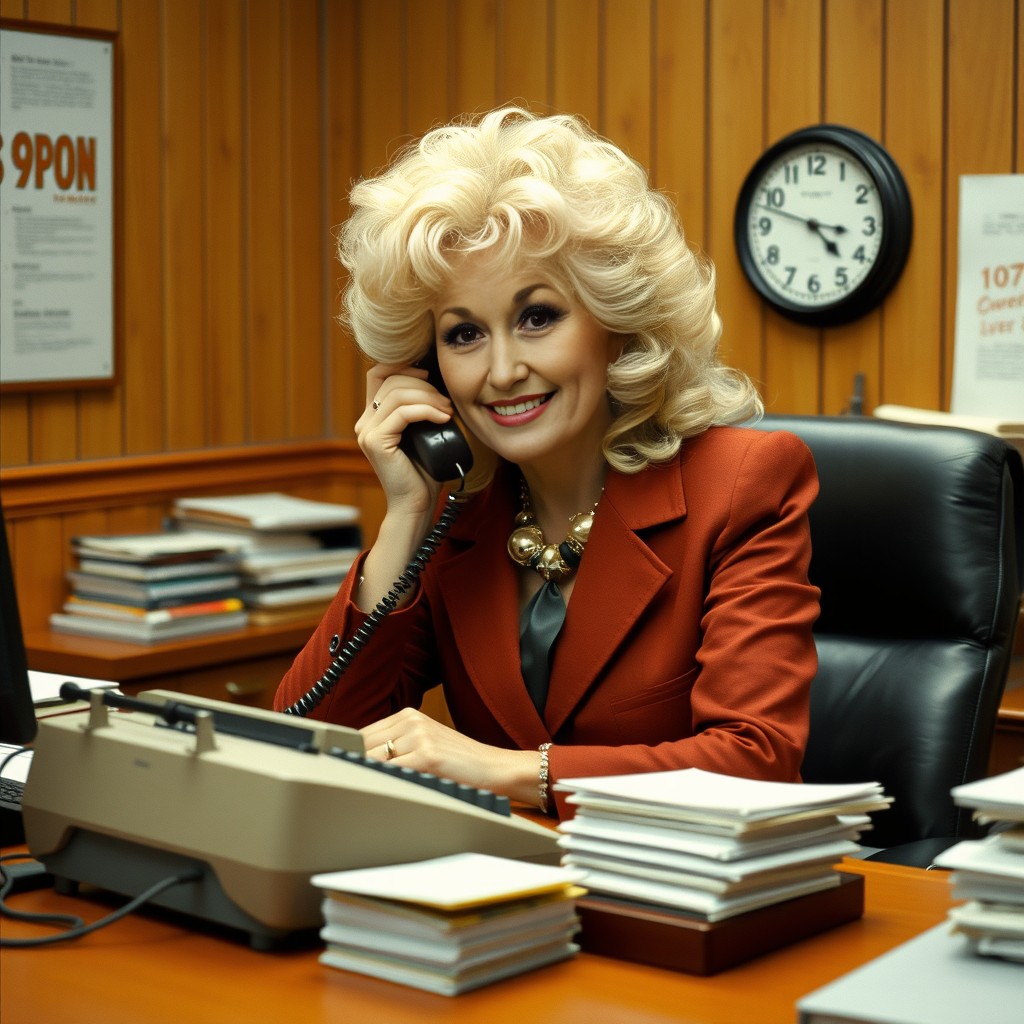
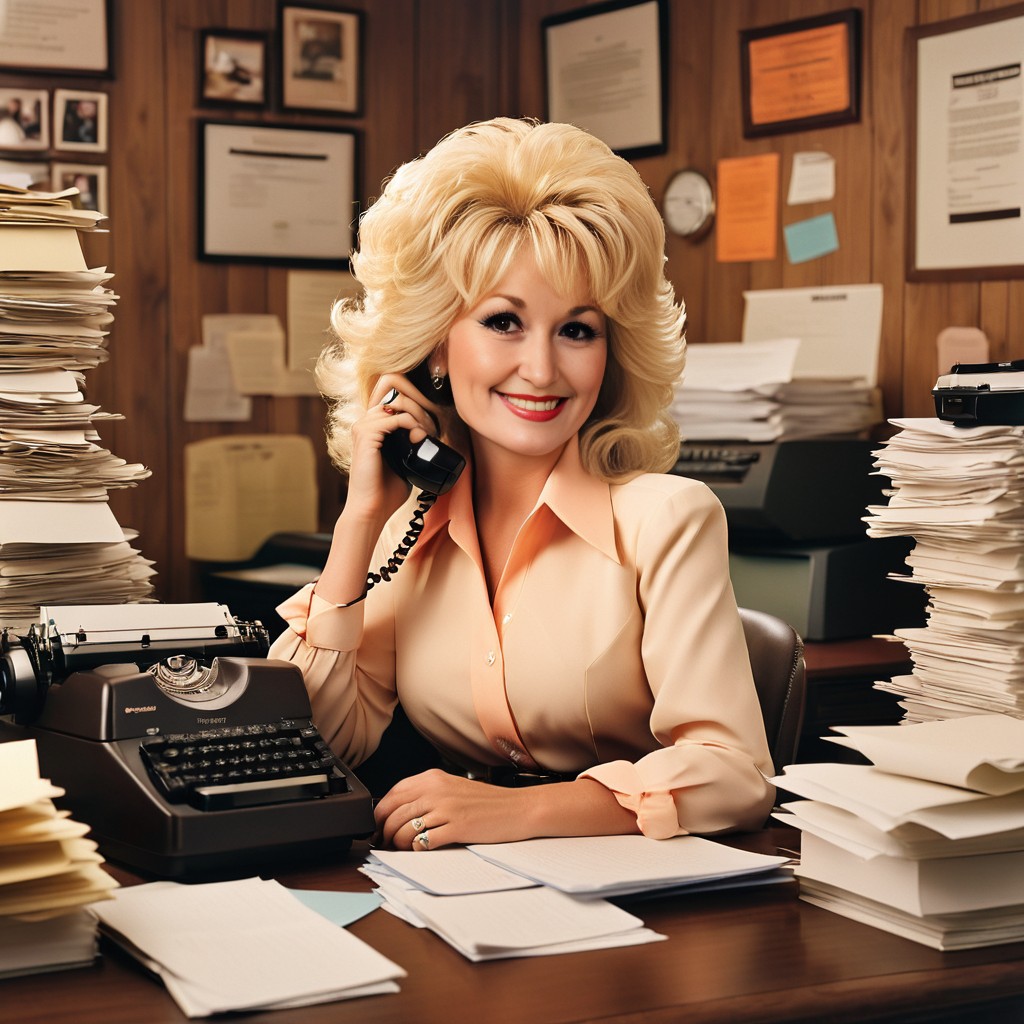
The next day’s challenge was to recreate a poster for an internationally famous film. I decided to honor someone who had recently passed away. Can you guess the movie?
8/27/26 “9-5”
Image created by Rebekah Marshall’s prompt using AI on Gencraft.com website.
That one won! So I had to come up with the next challenge. Here is what I wrote:
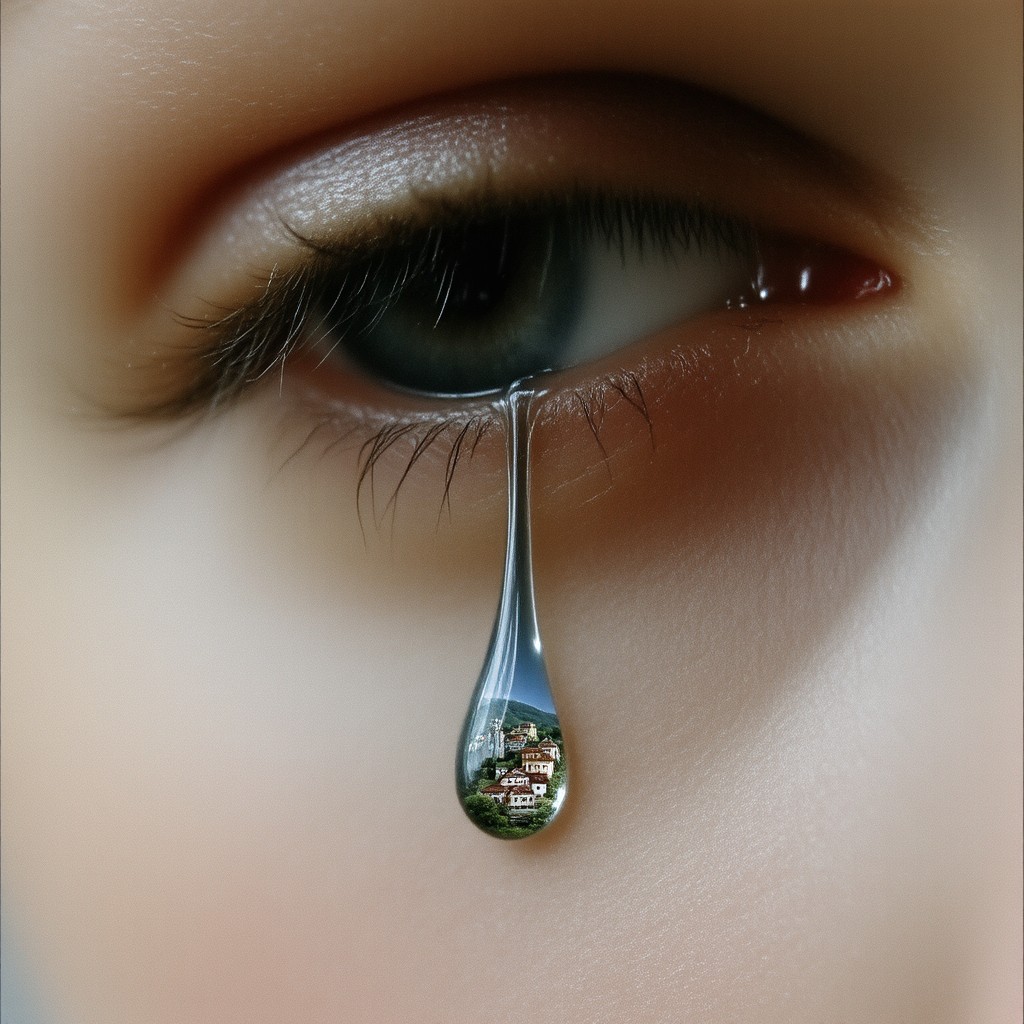
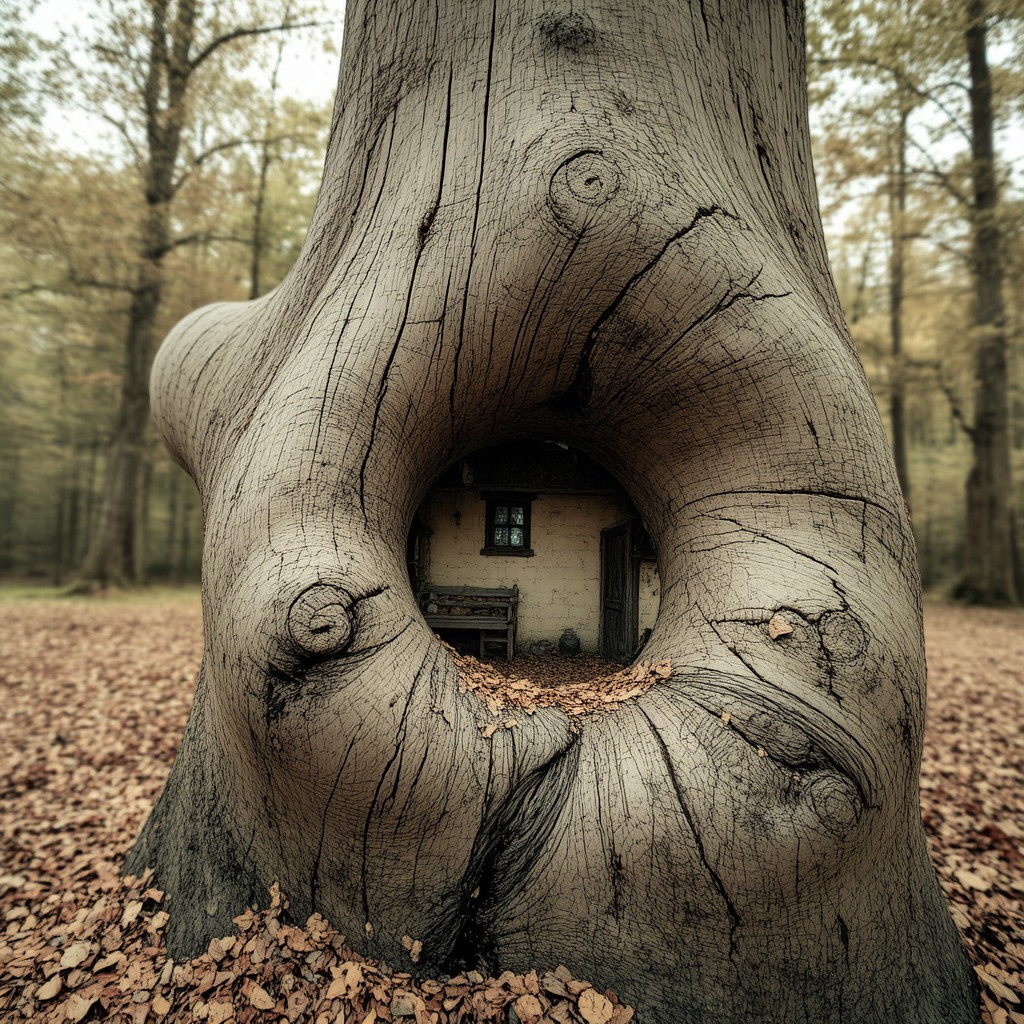
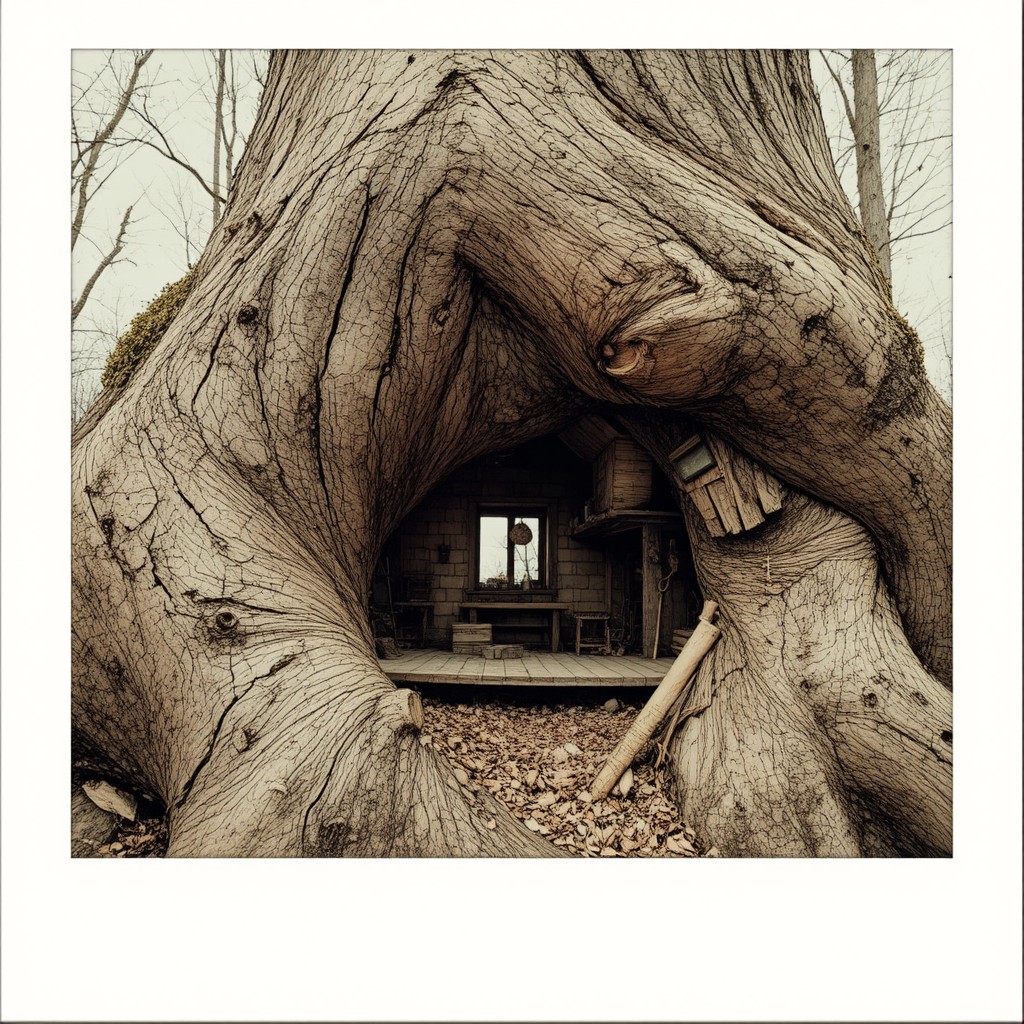
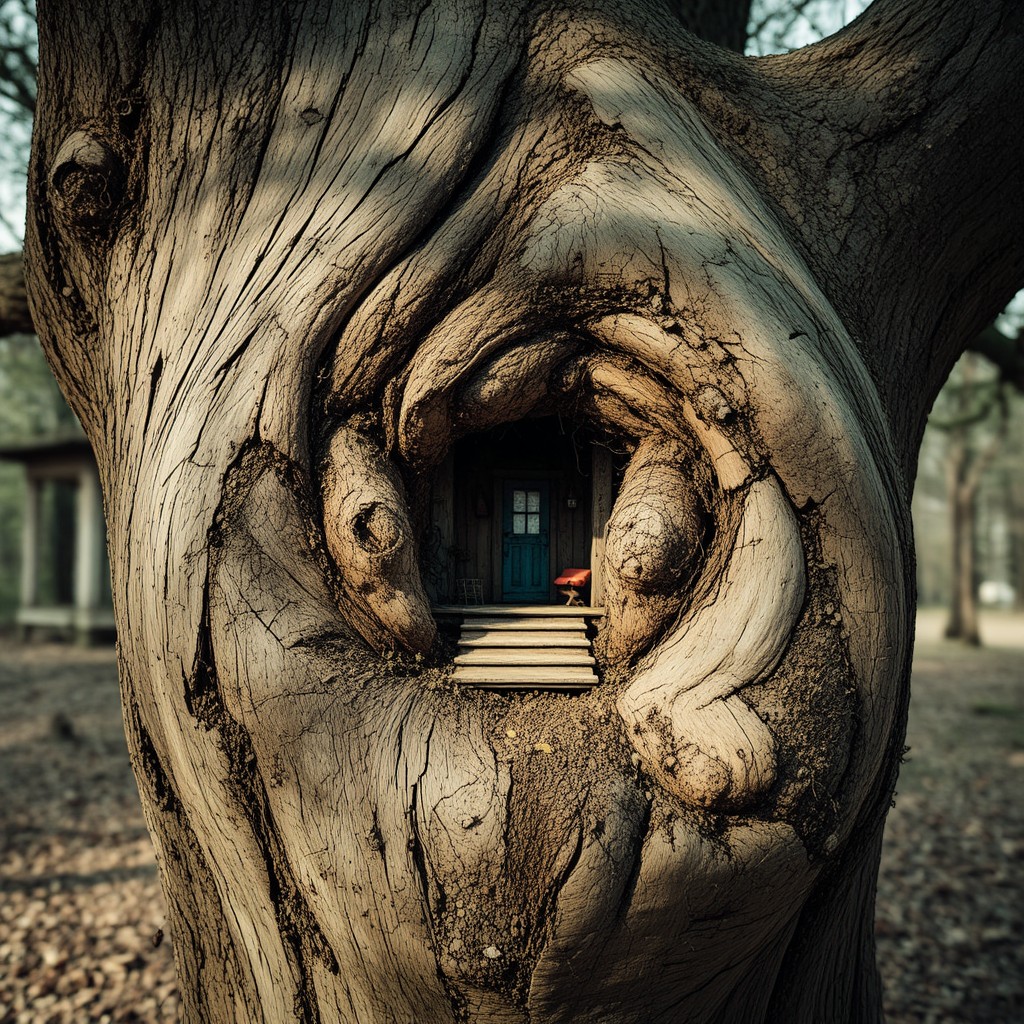
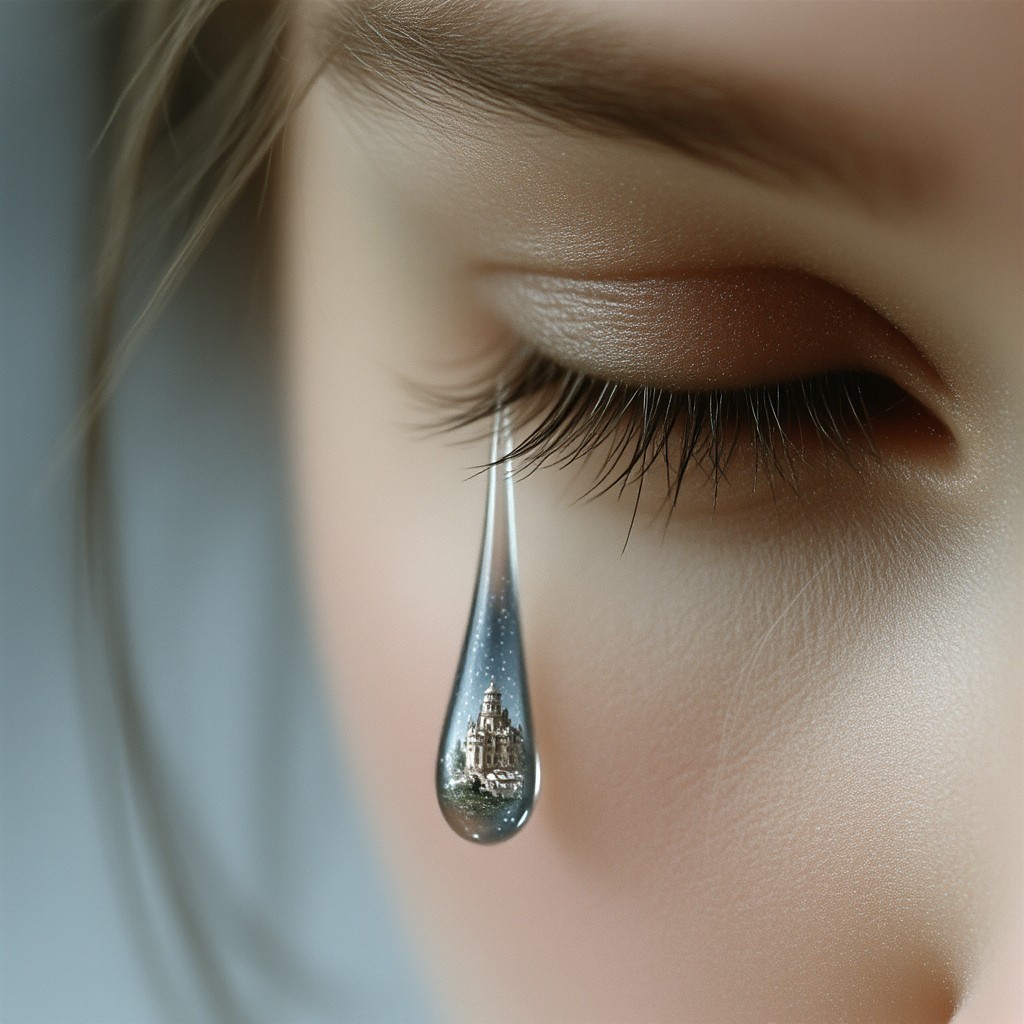
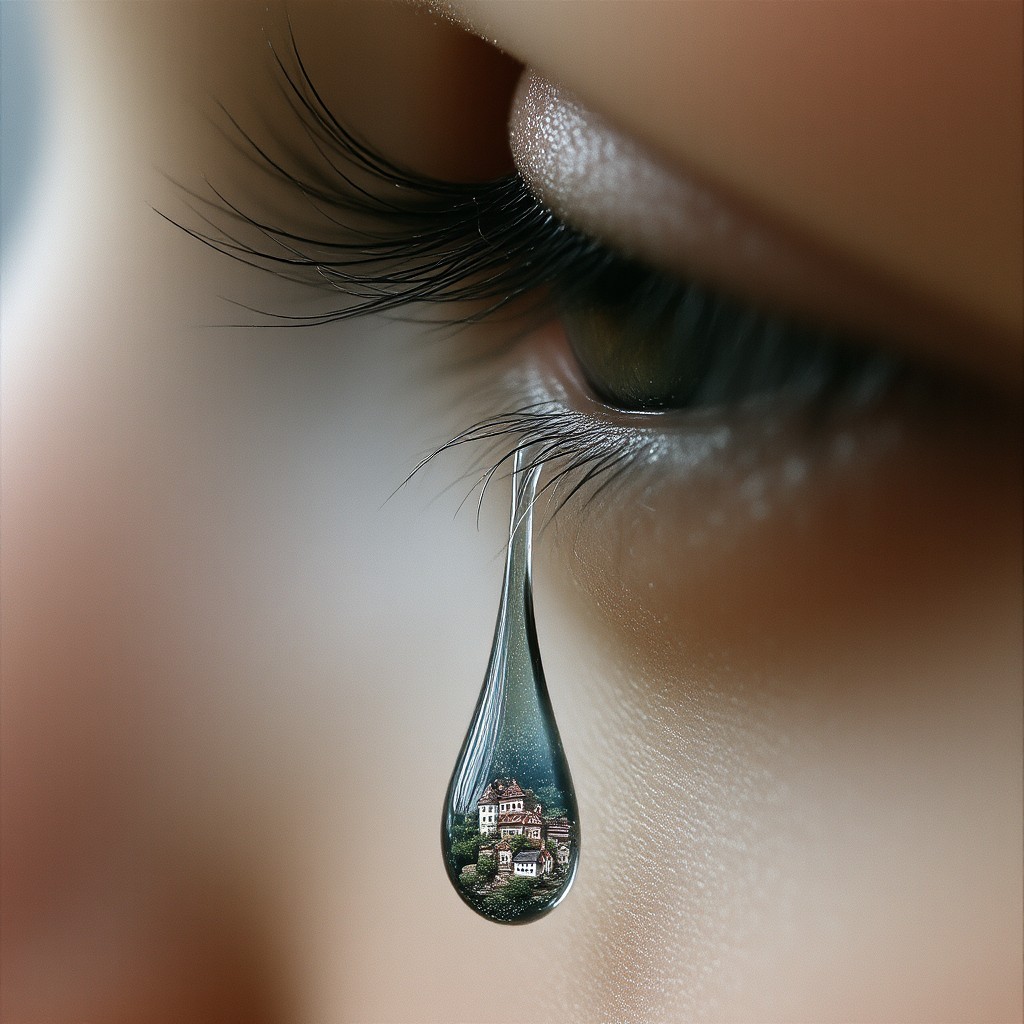
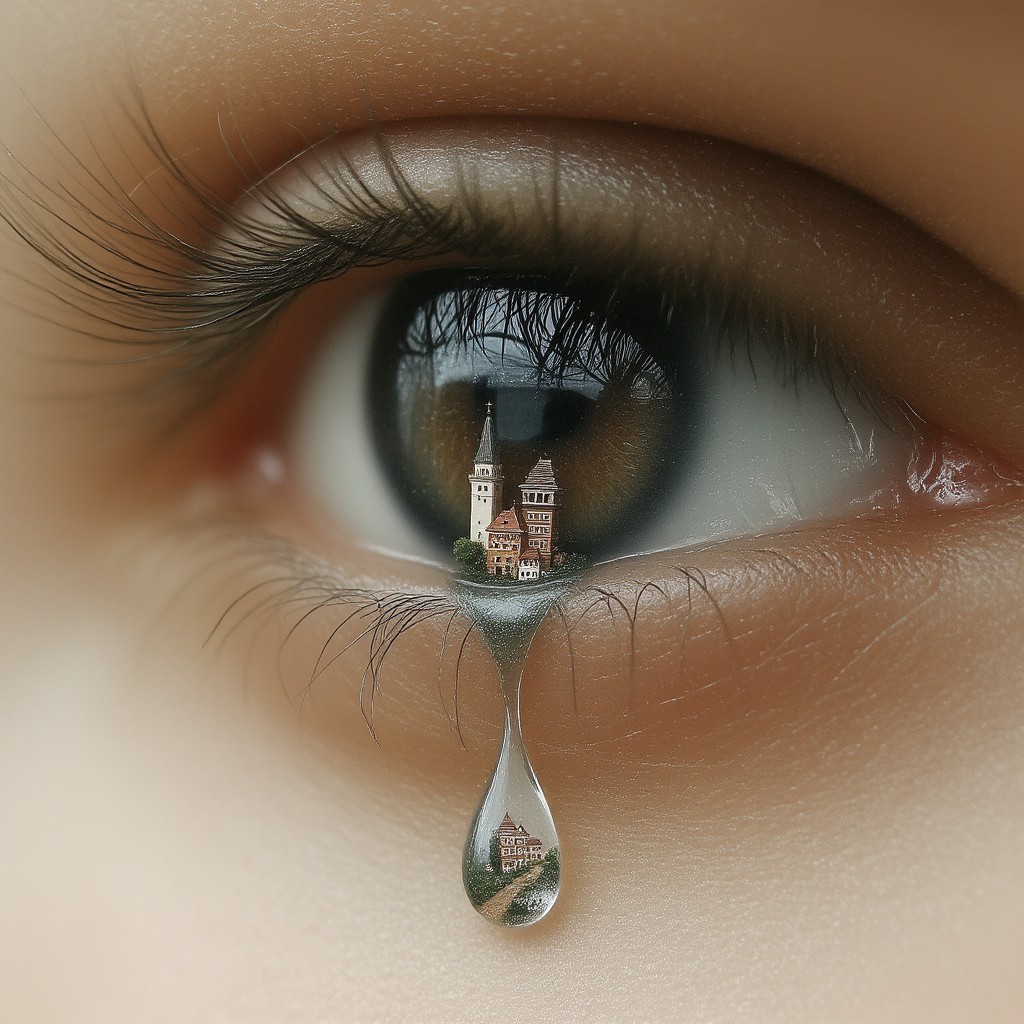
Let’s look at the world through a magnifying glass! The New Challenge: “Tiny Worlds”
Show us a macro-perspective of something small that holds a whole world inside. It could be an entire ecosystem inside a glass teardrop, a tiny magical village built inside a tree stump, or a whole galaxy captured within a single marble. Think big by looking small! Have fun, and may the best prompt win!
8/28/26 “Missing Home”
Image created by Rebekah Marshall’s prompt using AI on Gencraft.com website.
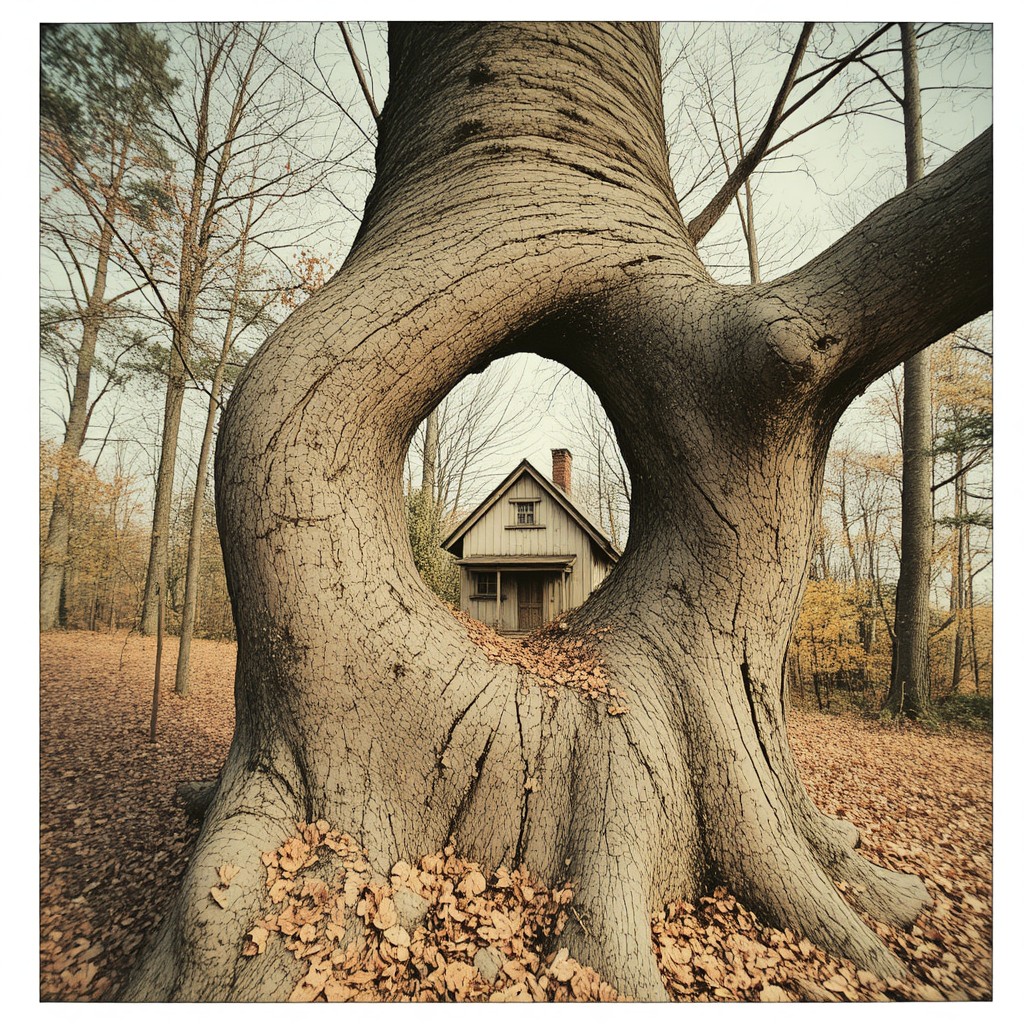
The last challenge of the week was to make a house or building in any theme. The only rule was that it needed to be fictional or imaginative.
8/29/26 “Knot For Rent”
Image created by Rebekah Marshall’s prompt using AI on Gencraft.com website.
And here are some of the honorable mentions that I did not submit, but still published on my art website:
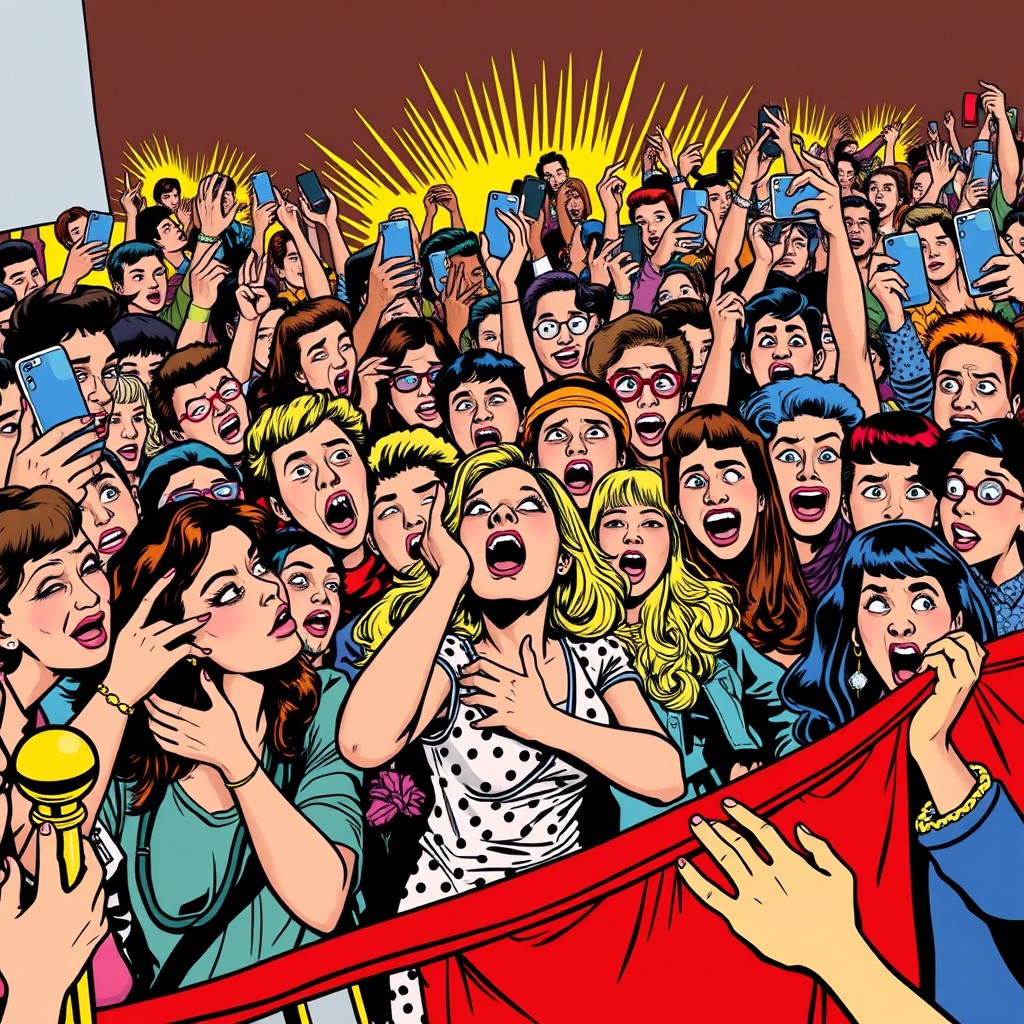
Because I won the Prompt Challenge about Silence last week, it was my turn to come up with a challenge for the others. I called it “The Scene Outside the Frame”. Create an image where the most important thing happening is completely outside the picture. We never see it. The expressions, body language, lighting, movement, reflections, or reactions of objects inside the frame must make us understand what is happening beyond it.
Some examples might include a fishing pole bending dramatically into the water with a fisherperson’s facial expressions showing awe, the facial expressions of a groom seeing his bride coming down the aisle, a horror scene with the scary thing behind the viewer, people staring at the sky as a giant shadow covers them, etc.
My example is called “Celebrity Worship”.
Image created by Rebekah Marshall’s prompt using AI on Gencraft.com website.
Platform – Gencraft; Model – Image 3.0;
Prompt – Bright, pop-art comic scene of an ecstatic crowd packed behind a red velvet rope at a celebrity event. Everyone looks toward the same off-screen point with exaggerated excitement: screaming, gasping, pointing, reaching, holding smartphones high to take photos, hands on cheeks, wide eyes and open mouths; one overwhelmed woman dramatically faints in the crowd. Diverse colorful characters, dynamic poses, vintage comic-book illustration, bold yellow starburst background, bright colors contrast, crisp detail.
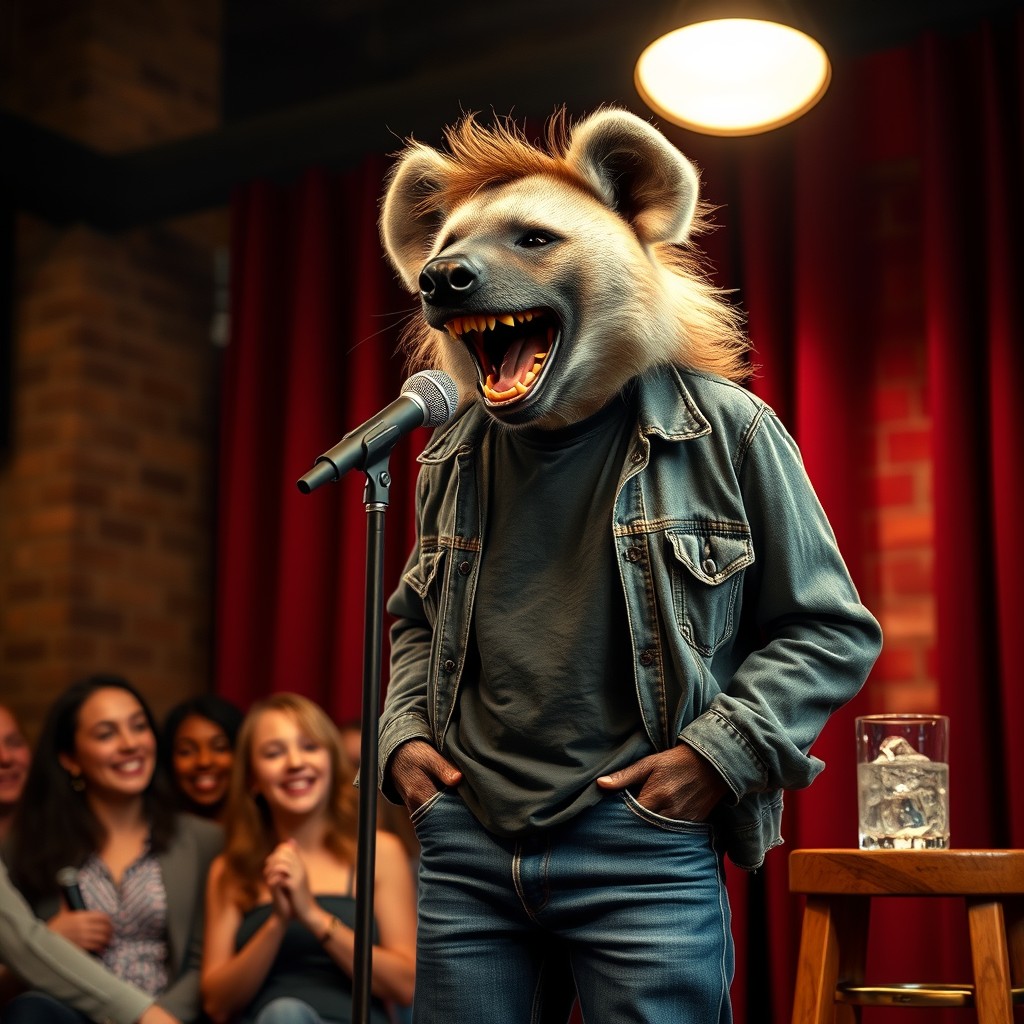
This first challenge of the week was to create an image of an animal working in a professional career. We had to demonstrate technical control and a distinct point of view.
8/16/26 “Hyena Comedian”
Image created by Rebekah Marshall’s prompt using AI on ChatGPT.
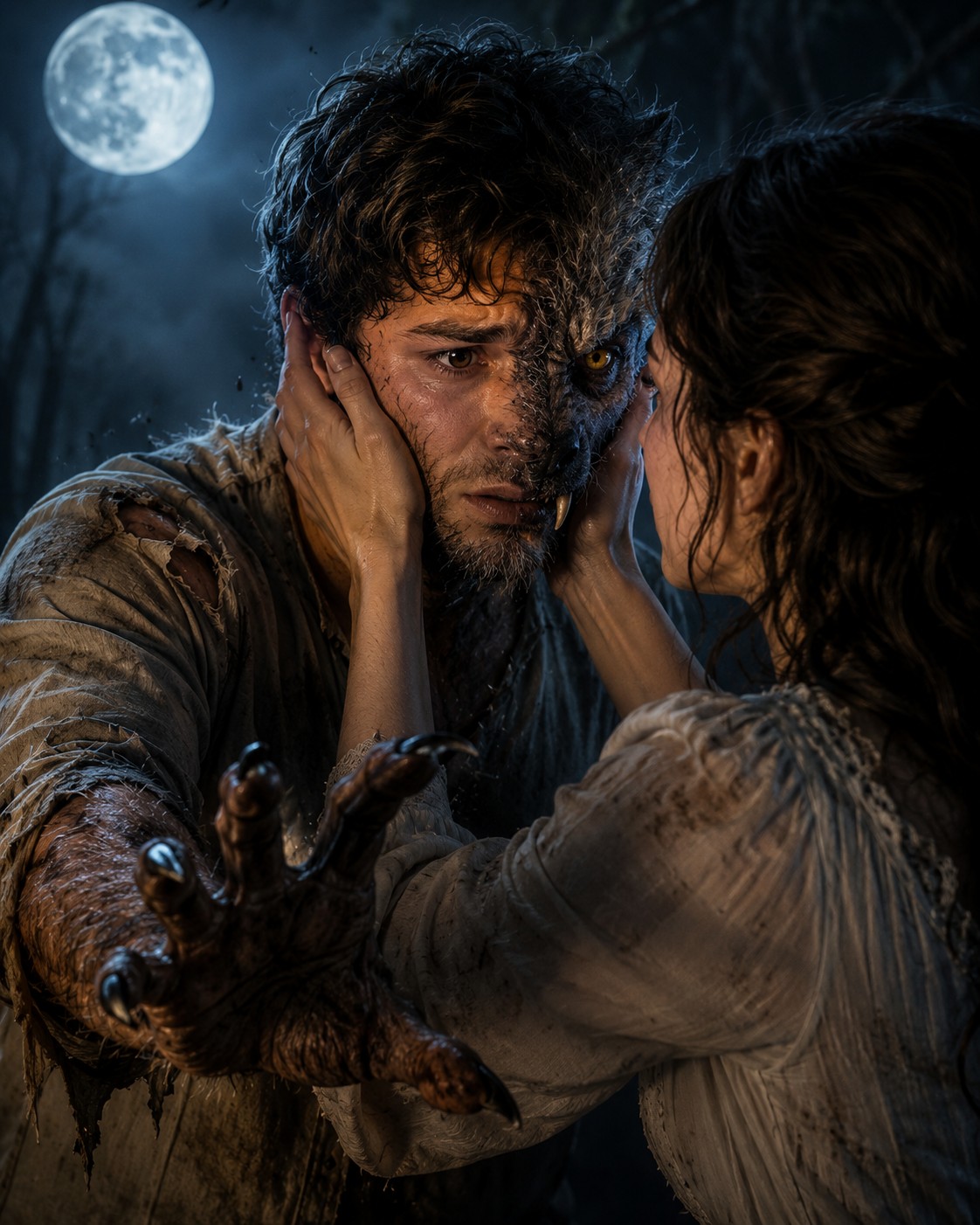
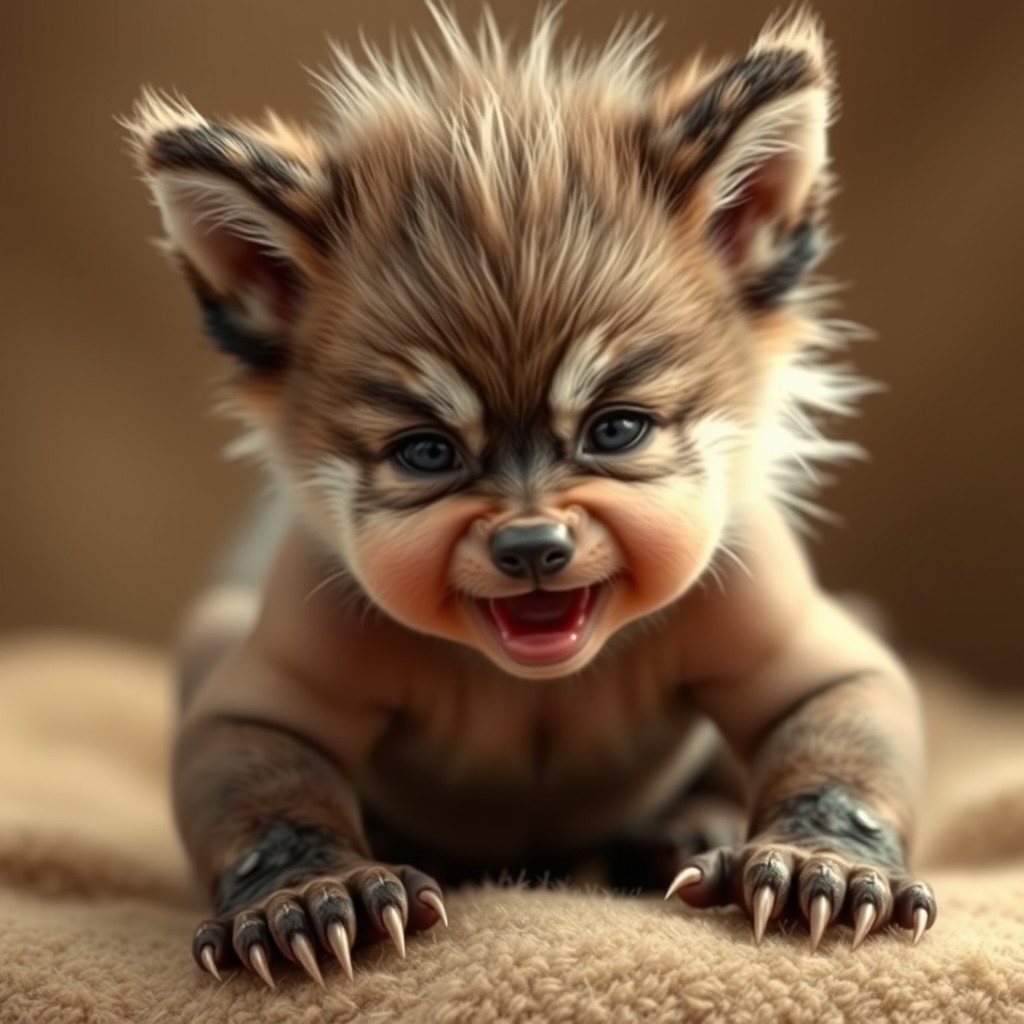
The next challenge was in honor of Curt Siodak who is the inventor of the modern werewolf myth. We had to pick an element of the modern myth to illustrate.
8/17/26 “Werewolf”
Image created by Rebekah Marshall’s prompt using AI on ChatGPT.
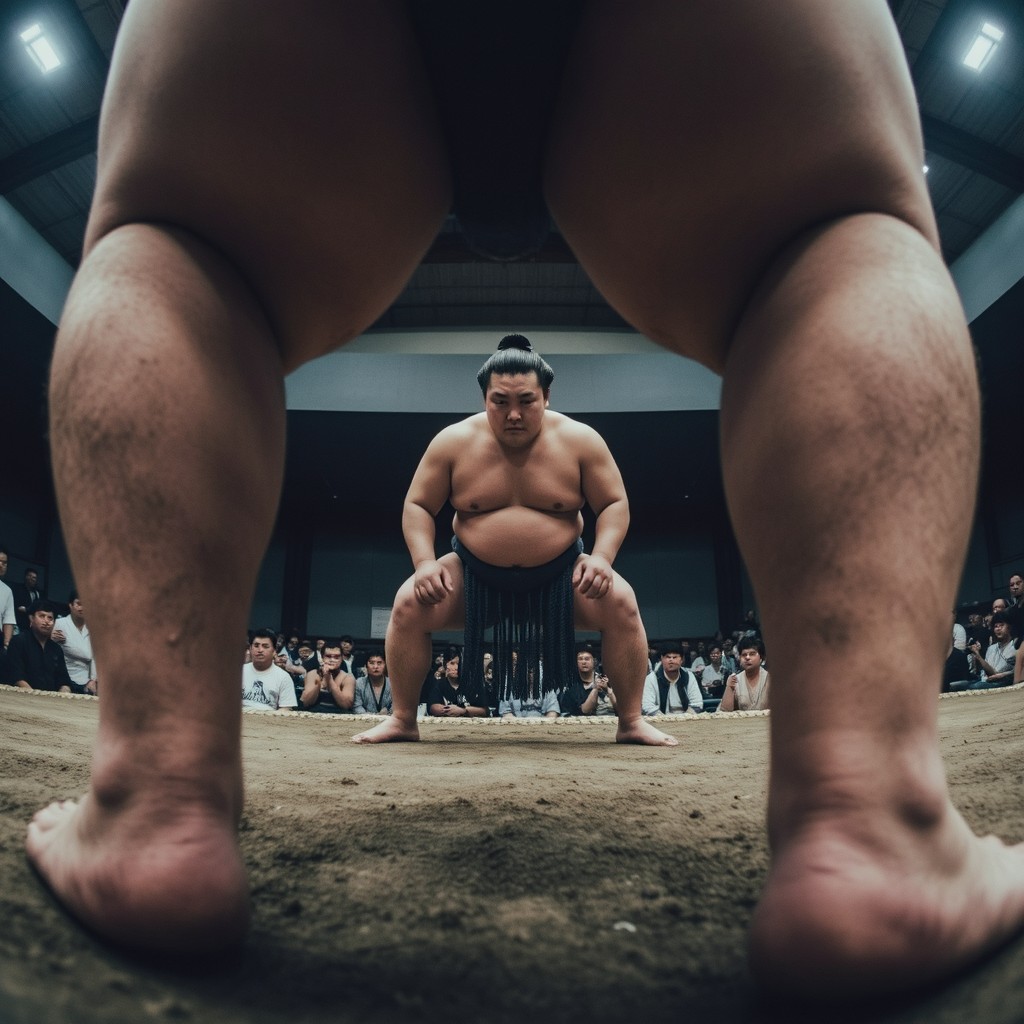
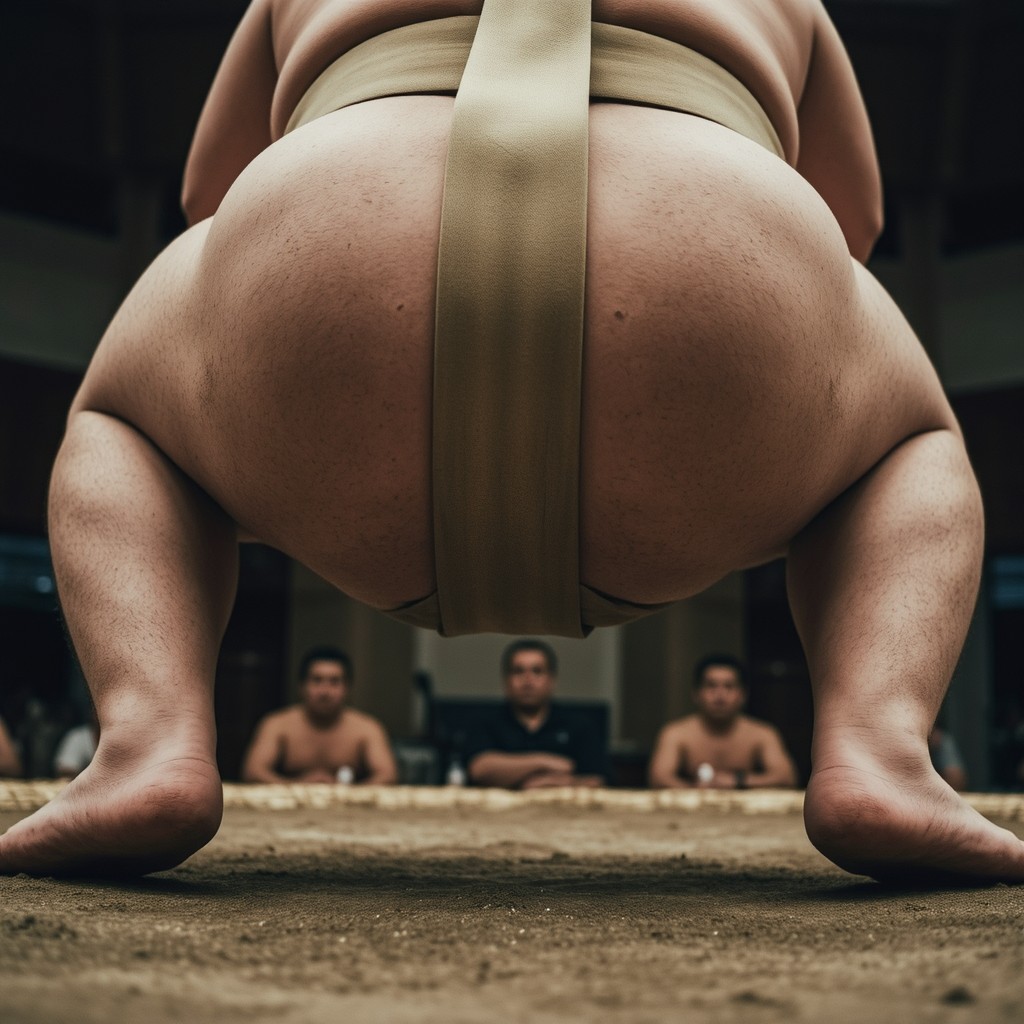
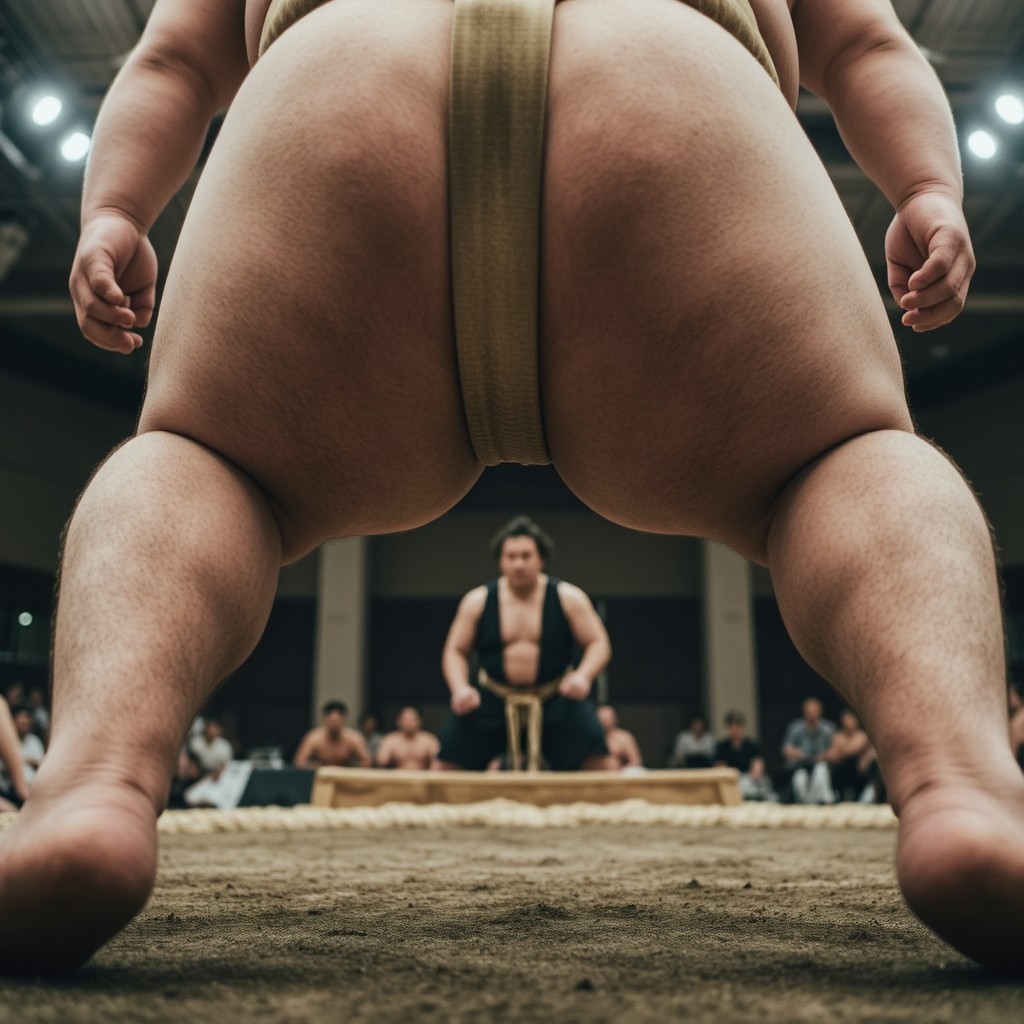
The next challenge was to create an image that shows only a tiny part of something absolutely enormous. Without showing the complete thing, perspective, surroundings, or other clues should imply size. Mine was not as colossal as everyone else’s.
8/18/26 “Giant Athlete”
Image created by Rebekah Marshall’s prompt using AI on Gencraft.com website.
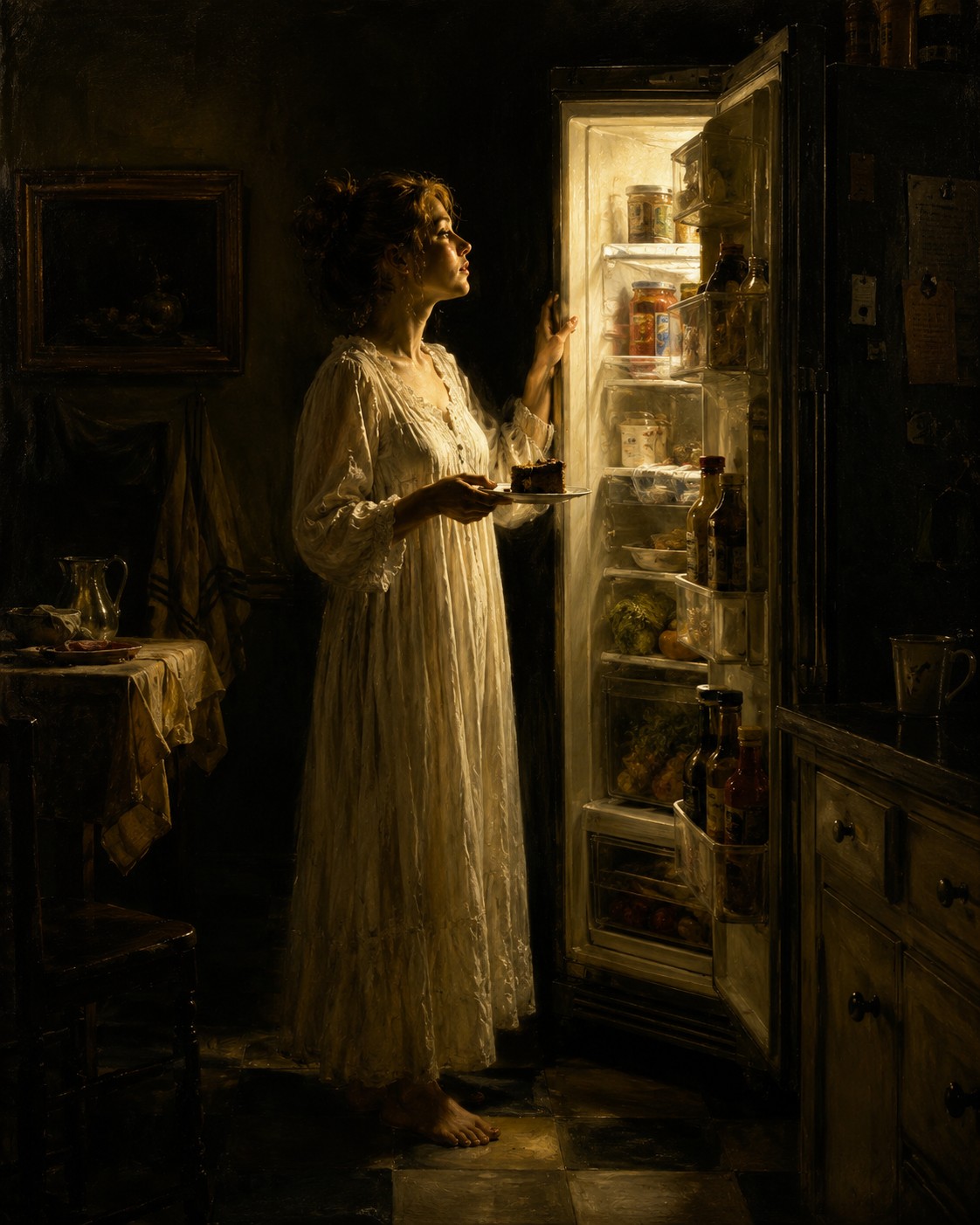
The next day’s challenge was in the style of the Dutch Old Masters.
8/19/26 “Midnight Snack”
Image created by Rebekah Marshall’s prompt using AI on ChatGPT.
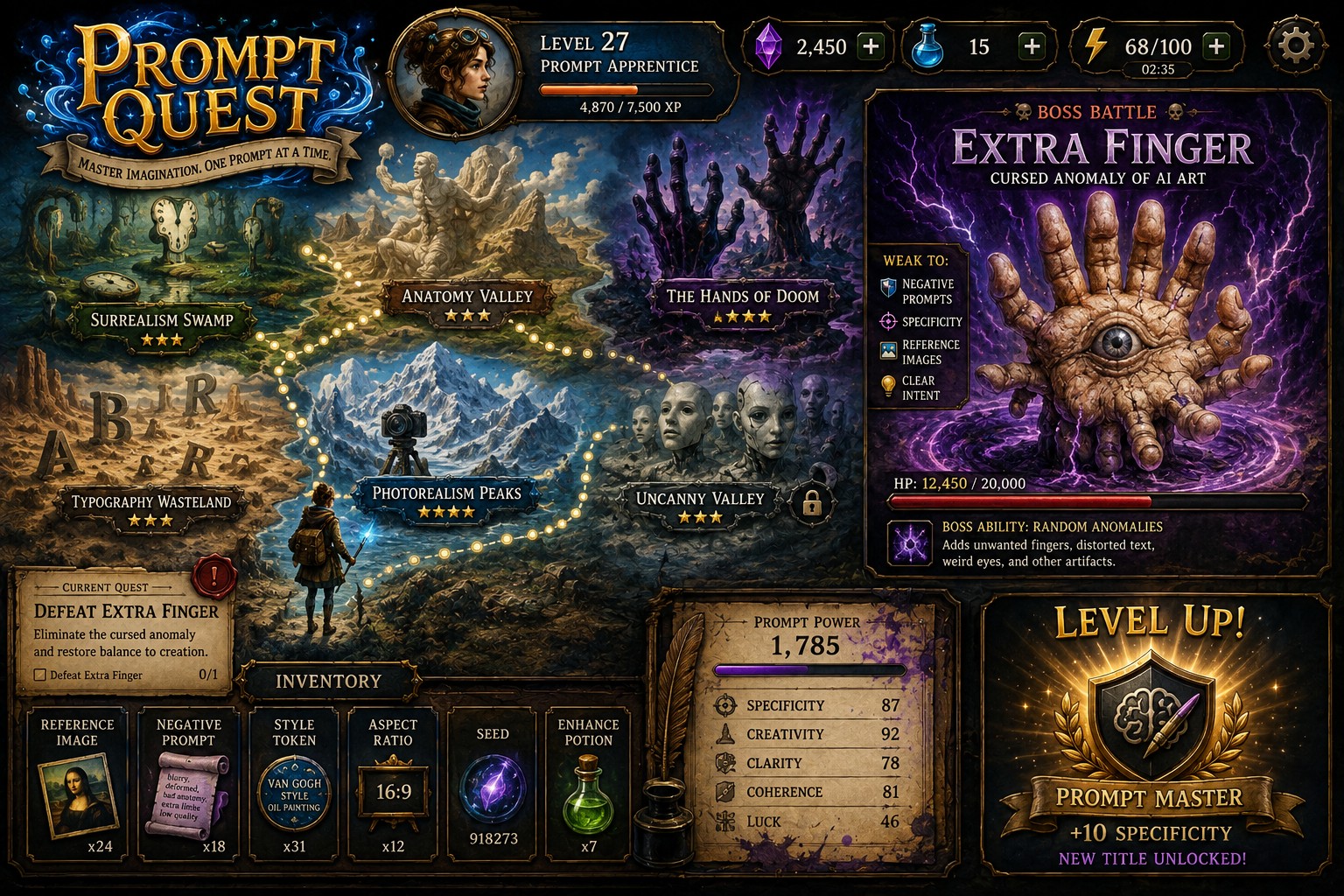
The next challenge was a hard one that I needed ChatGPT’s help to complete. It had to be a video game including LEVEL UP or LEVEL COMPLETE and the interface with gaming features. I know very little about video games, so I needed quite a bit of guidance. I made a game about making AI art!
8/20/26 “Prompt Quest”
Image created by Rebekah Marshall’s prompt using AI on ChatGPT.
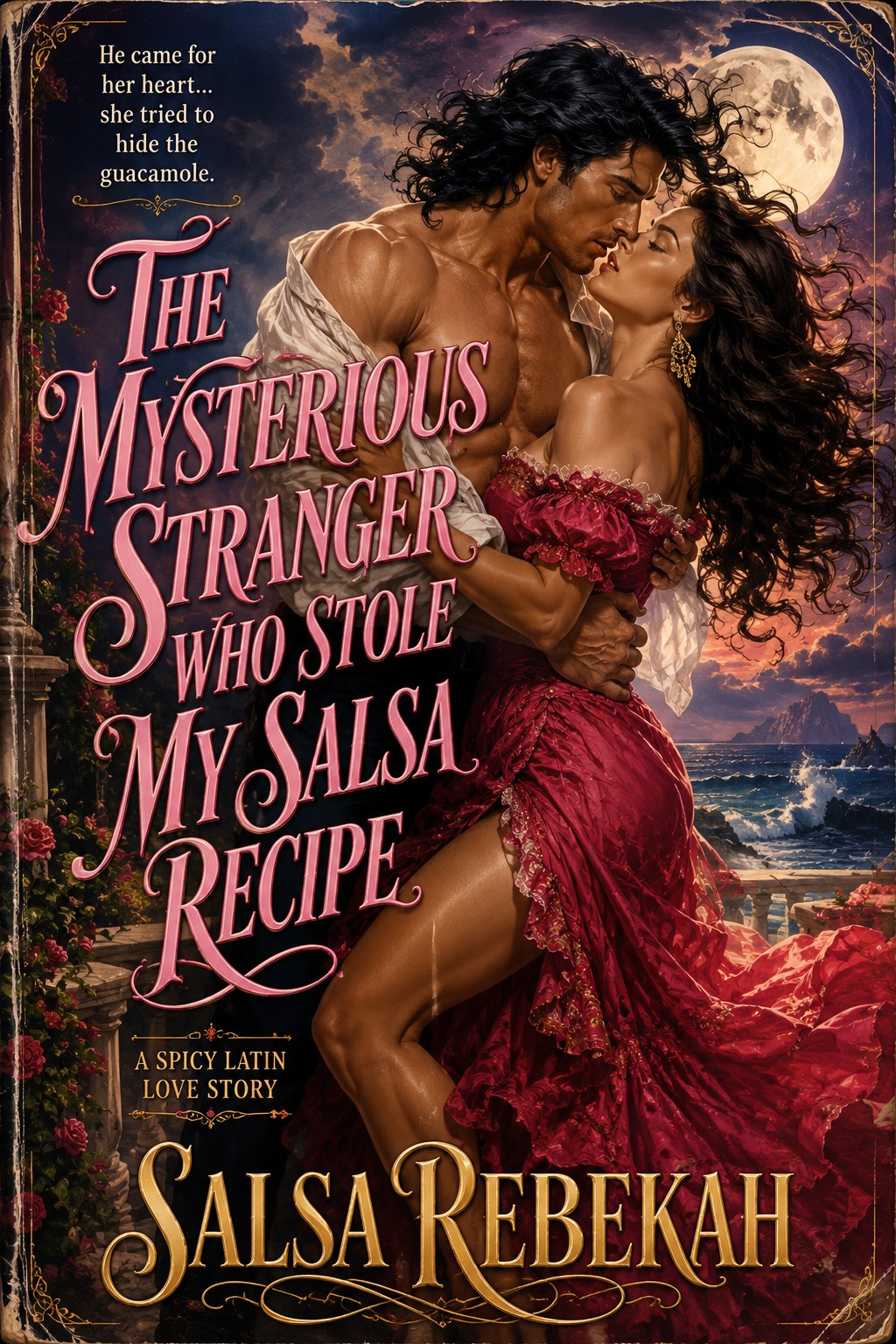
To my shock and surprise, I won the video game image challenge. So I had to make up the next one. I had everyone make a book cover for any genre with an image, title, and author name, at minimum. And I provided a silly example.
8/21/26 “Romance Novel”
Image created by Rebekah Marshall’s prompt using AI on ChatGPT.
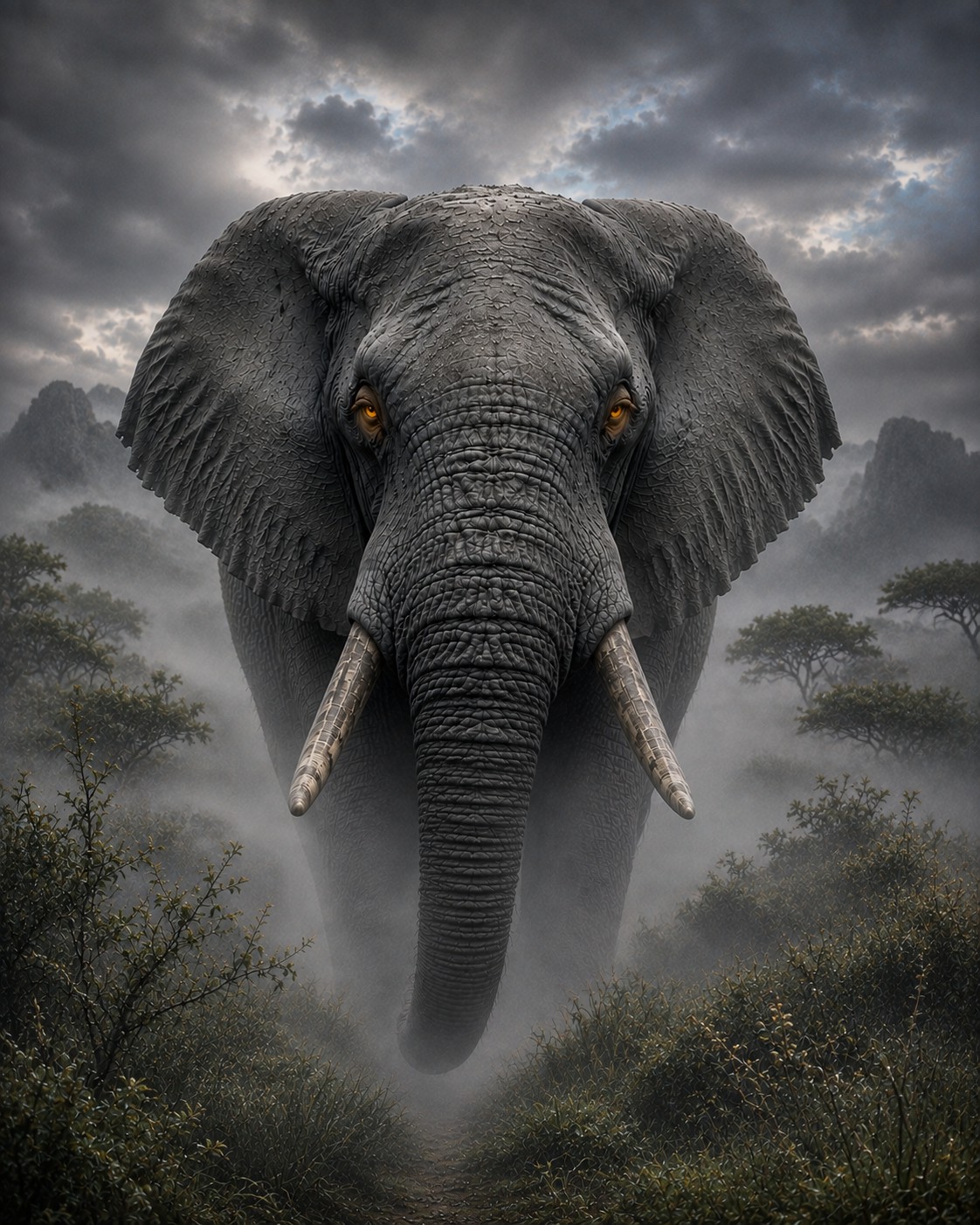
The last challenge of the week was to use shades of grey to create an image and only use subtle hints of others colors to distinguish it from a traditional black-and-white image.
8/22/26 “Elephant in the Mist”
Image created by Rebekah Marshall’s prompt using AI on ChatGPT.
And here are some of the honorable mentions that I did not submit, but still published on my art website:
These images created by Rebekah Marshall’s prompts using AI on Gencraft.com website.
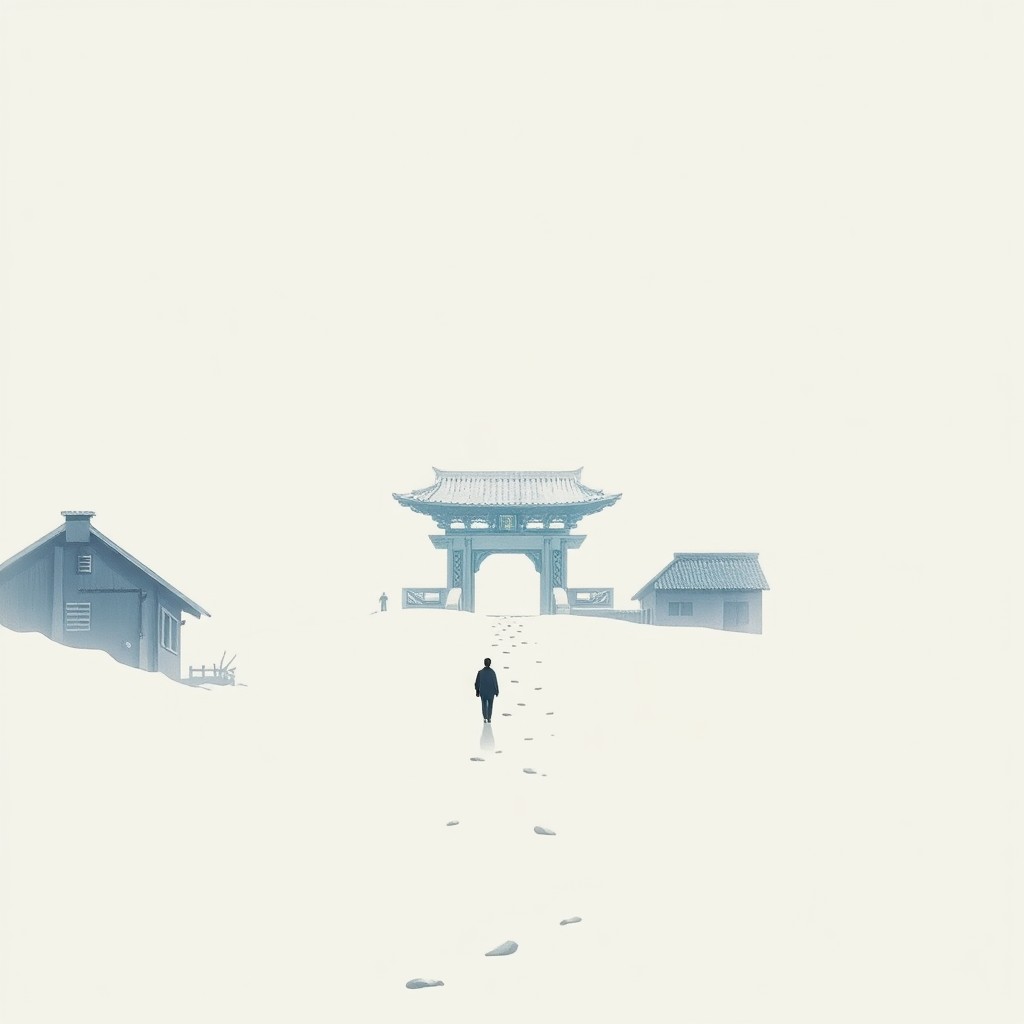
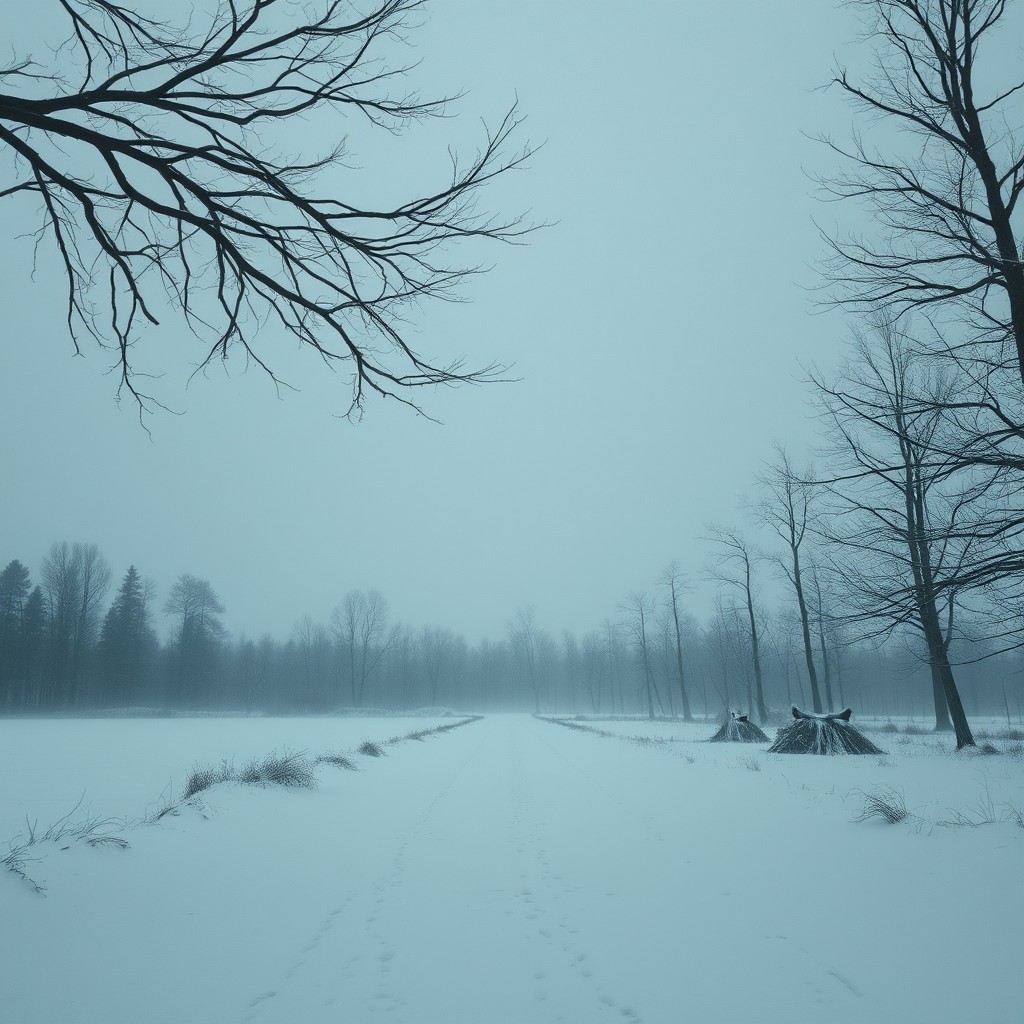
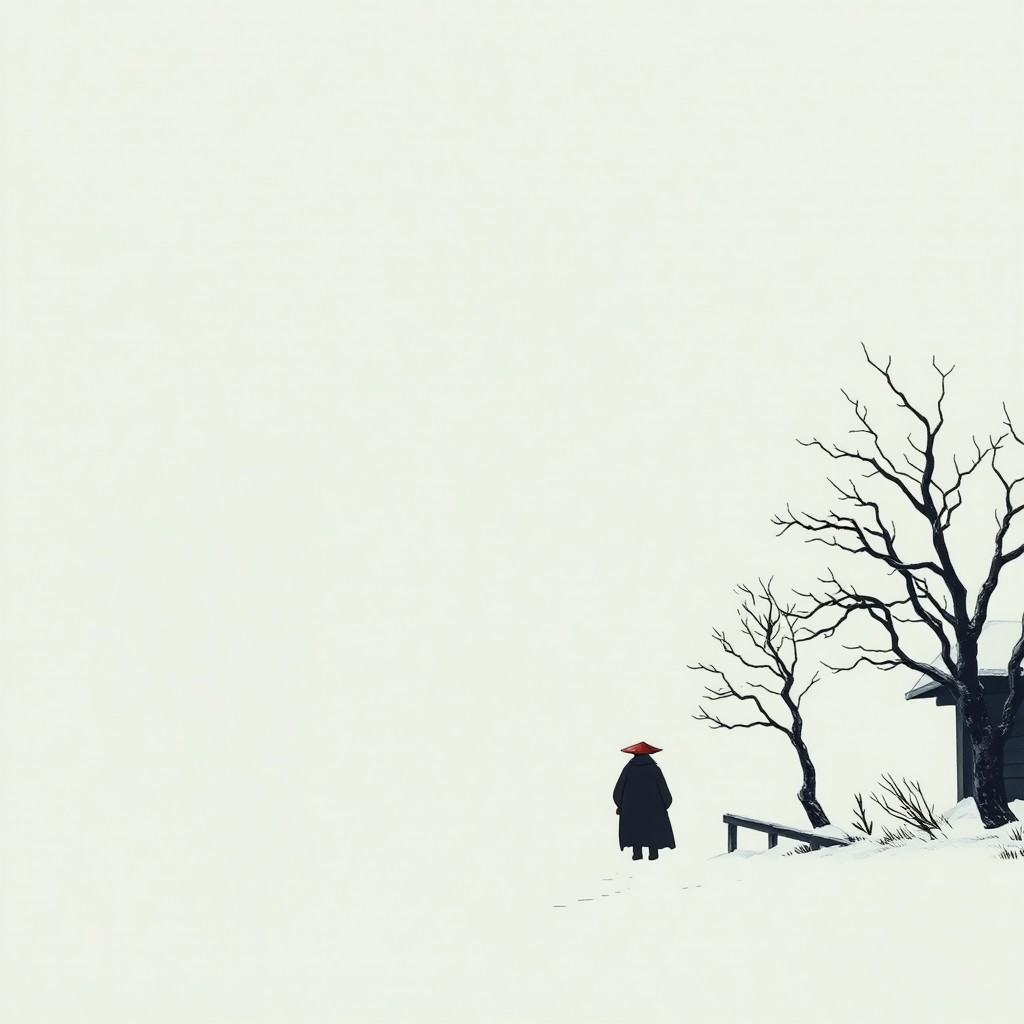
This week’s prompt challenge was to create artwork where silence is physically visible, but without text, mouths sewn shut, chains, tears, clocks, mirrors, wings, or obvious surreal objects.
Mine was chosen as the winner this week.
“Heavy Silence”
These images created by Rebekah Marshall’s prompts using AI on Gencraft.com website.
Prompt – physically visible silence heavy oppressive stark white
Platform – Gencraft; Model – Studio Ghibli 3.0; Style – Transparent
And here are some of the honorable mentions that I did not submit, but still published on my art website:
This first challenge of the week was called “Borrowed Light”. We were to create an image where the light is reflected or indirect.
8/9/26 “Illumination”
These images created by Rebekah Marshall’s prompts using AI on Gencraft.com website.
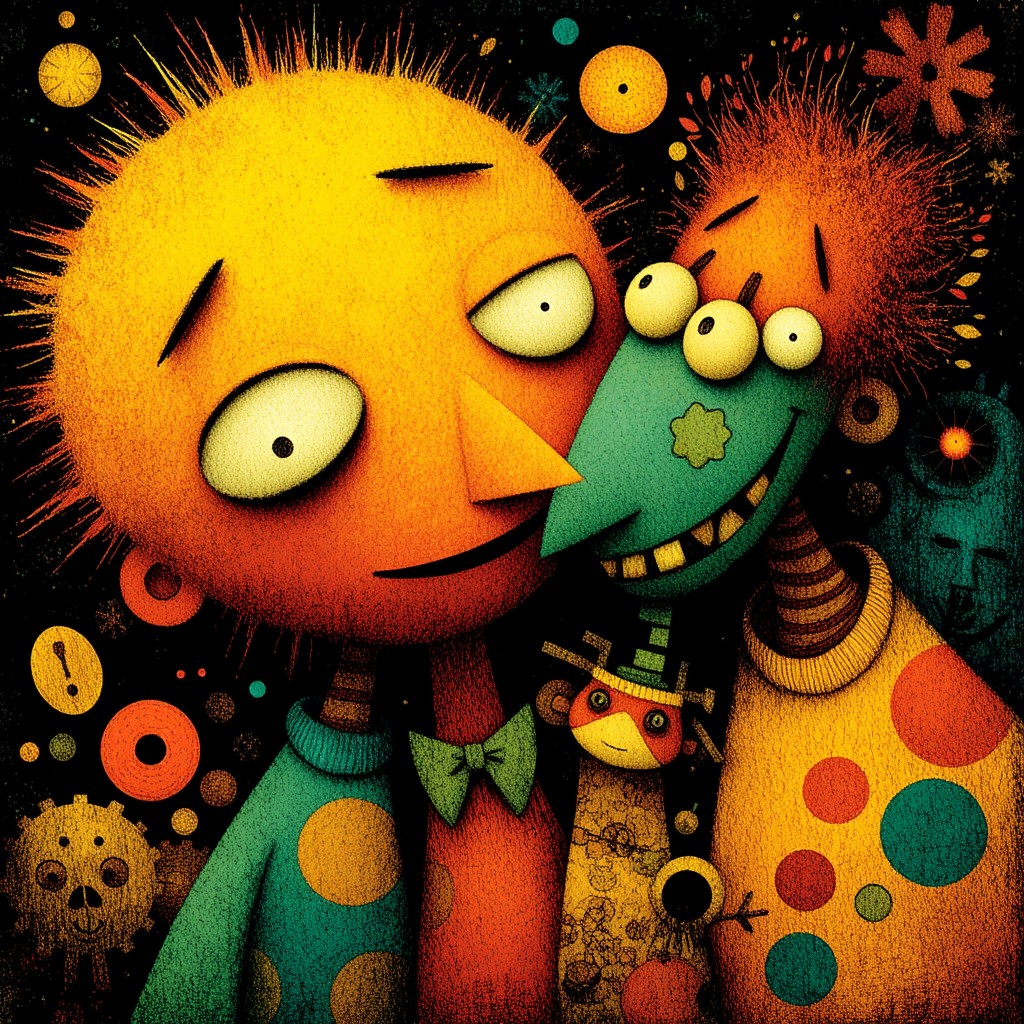
The next challenge was to demonstrate “Surreal silliness”. We were going for playful, chaotic, humorous visuals. It was also described as exaggerated proportions, cartoonish lighting, bright, saturated colors, and a mood of joyful absurdity.
8/10/26 “Maximum Shenanigans”
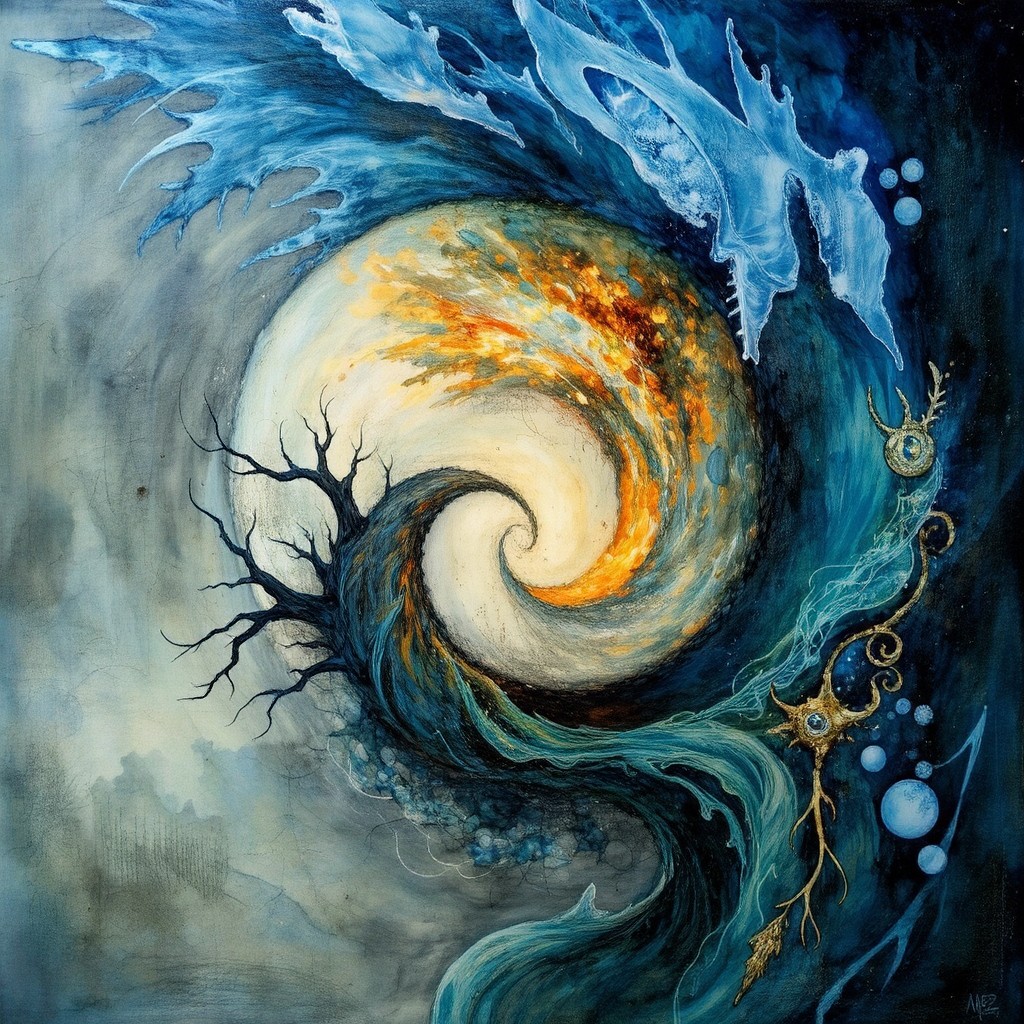
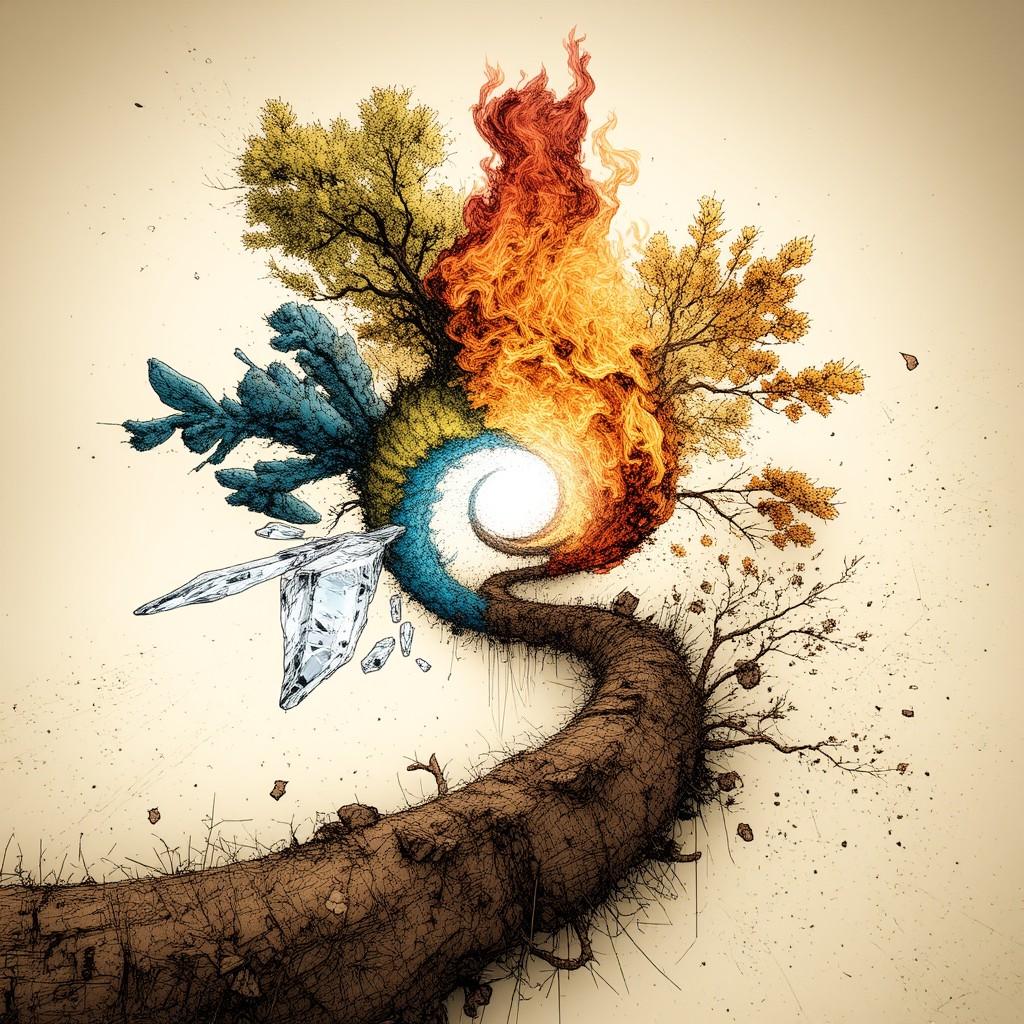
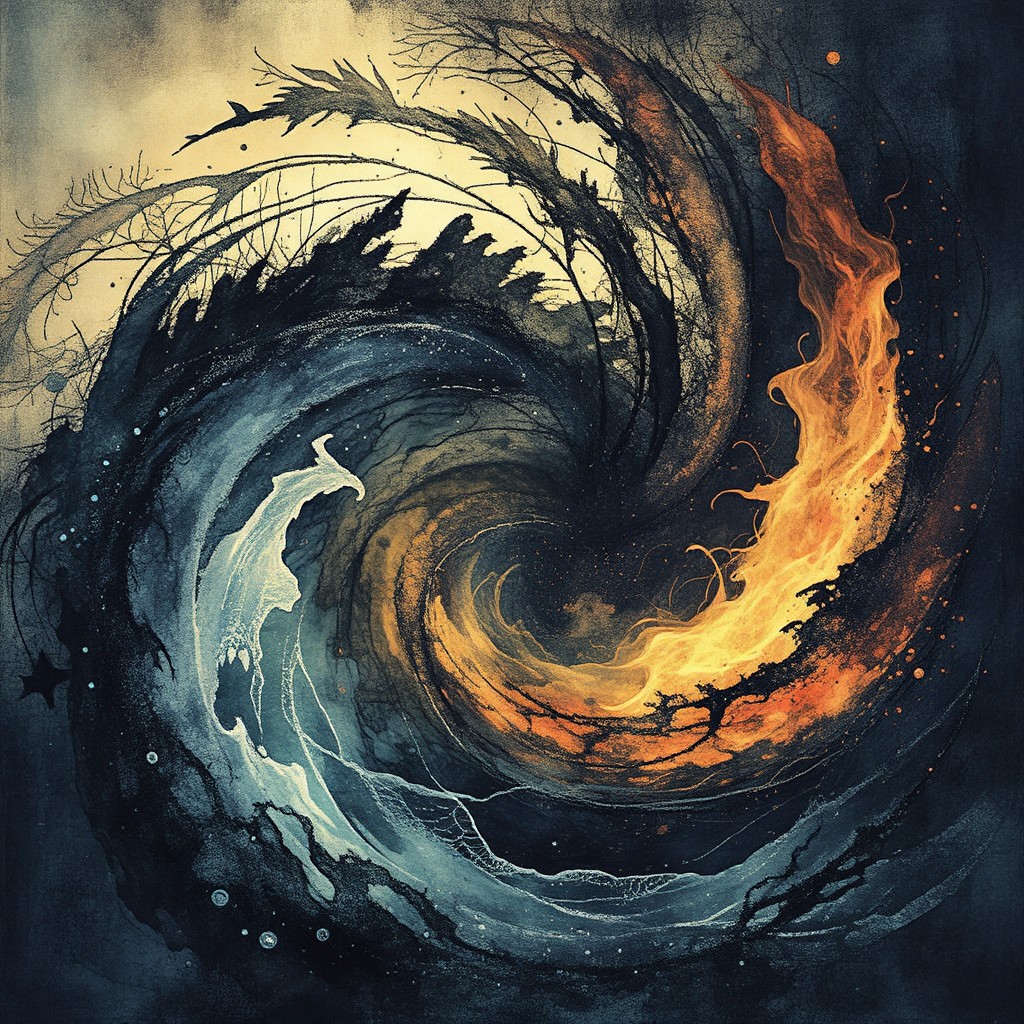
The next challenge was to depict the five elements (water, fire, air, earth, and ice) with smooth transitions between elements and a slight surrealist touch.
8/11/26 “Elemental Beauty”
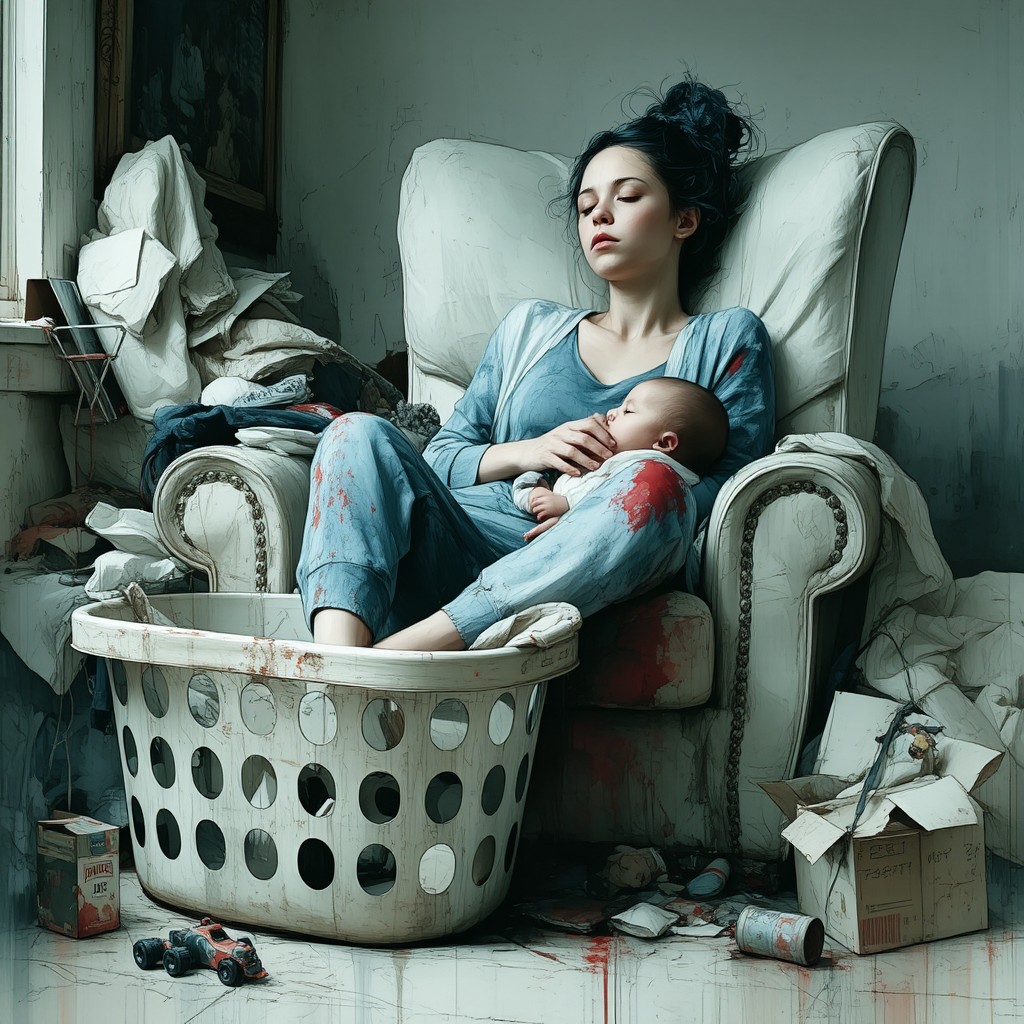
The next day’s challenge was called “A Mother’s Quiet Light” and was to depict a serene, loving moment between mother and child. I decided to show love as sacrifice.
8/12/26 “This Is Love”
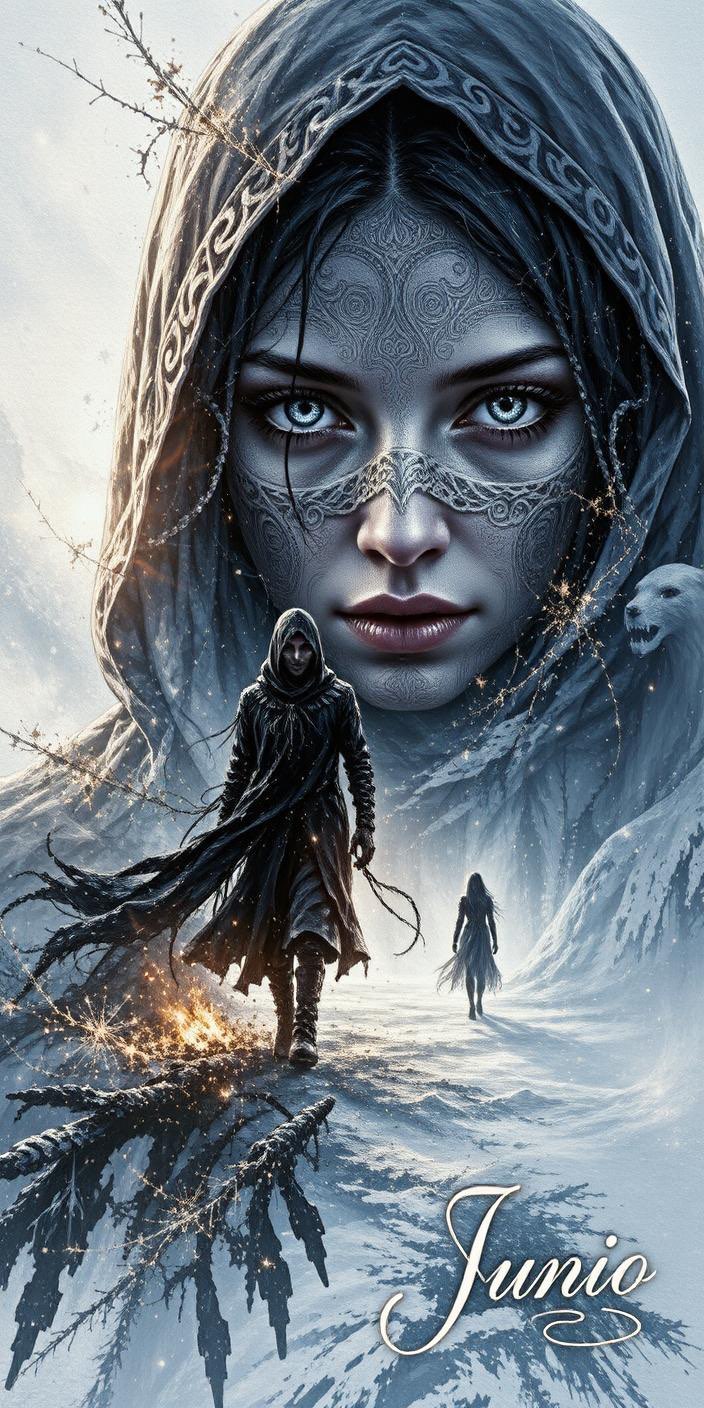
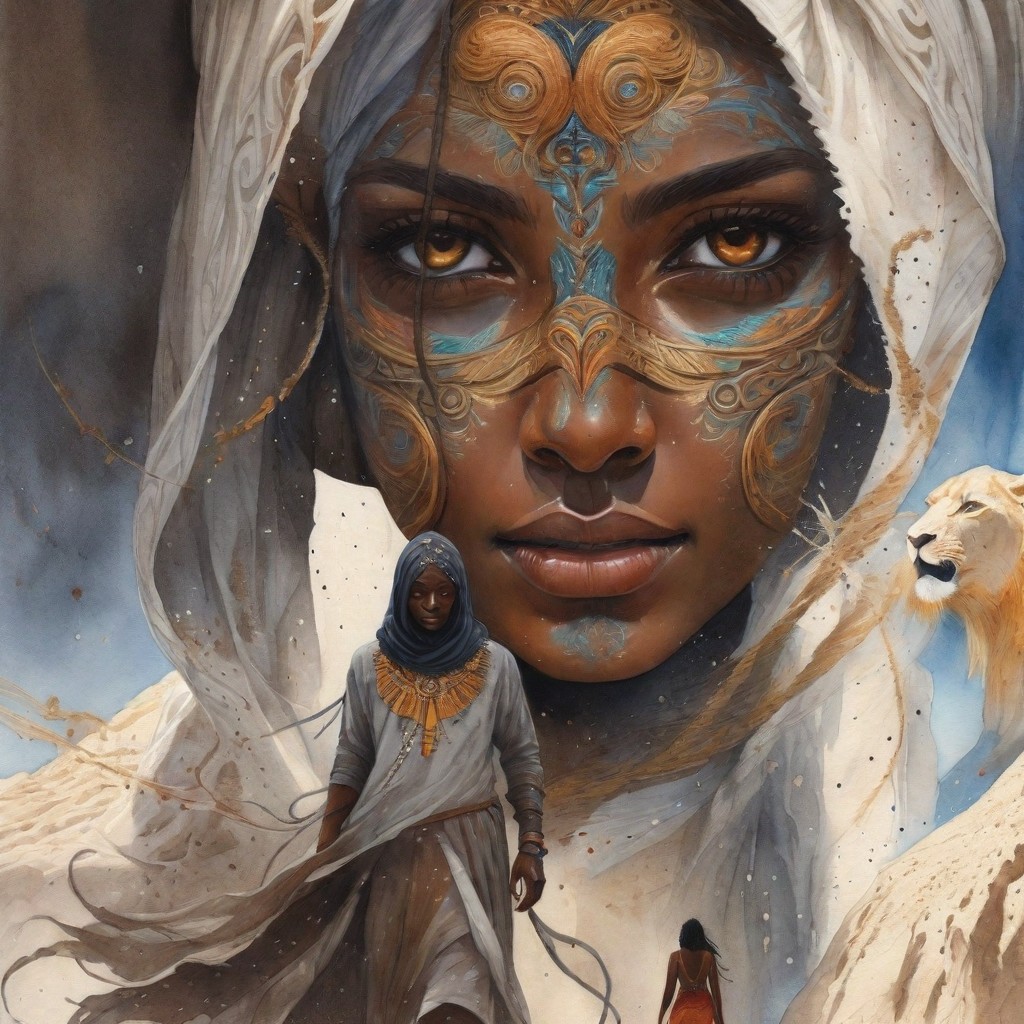
The next challenge was to recreate an image we were given as accurately as possible and focus on composition, proportion, perspective, lighting, facial expression, texture, depth, and atmosphere. We were supposed to capture the same cinematic feeling and level of detail rather than simply drawing the individual elements. Reference Image from creator Junio:
8/13/26 “Journey With Junio”
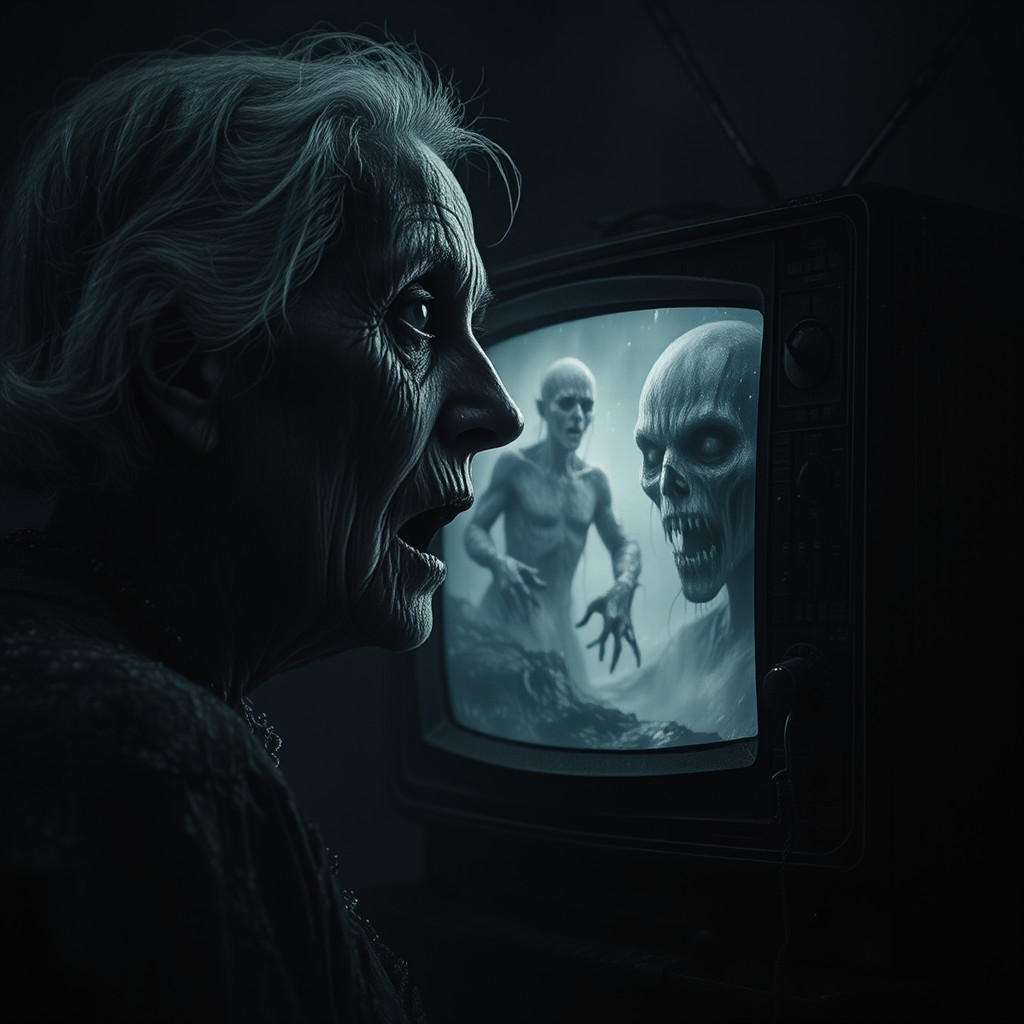
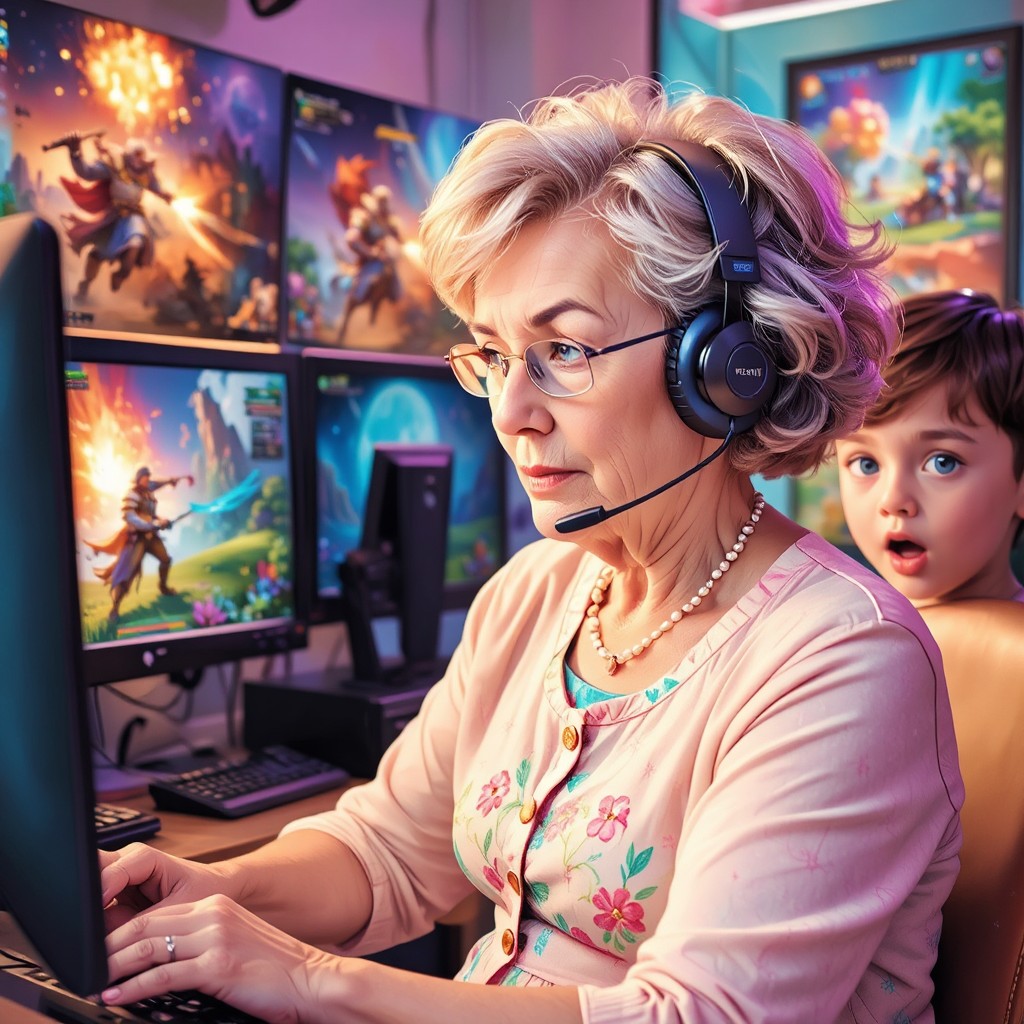
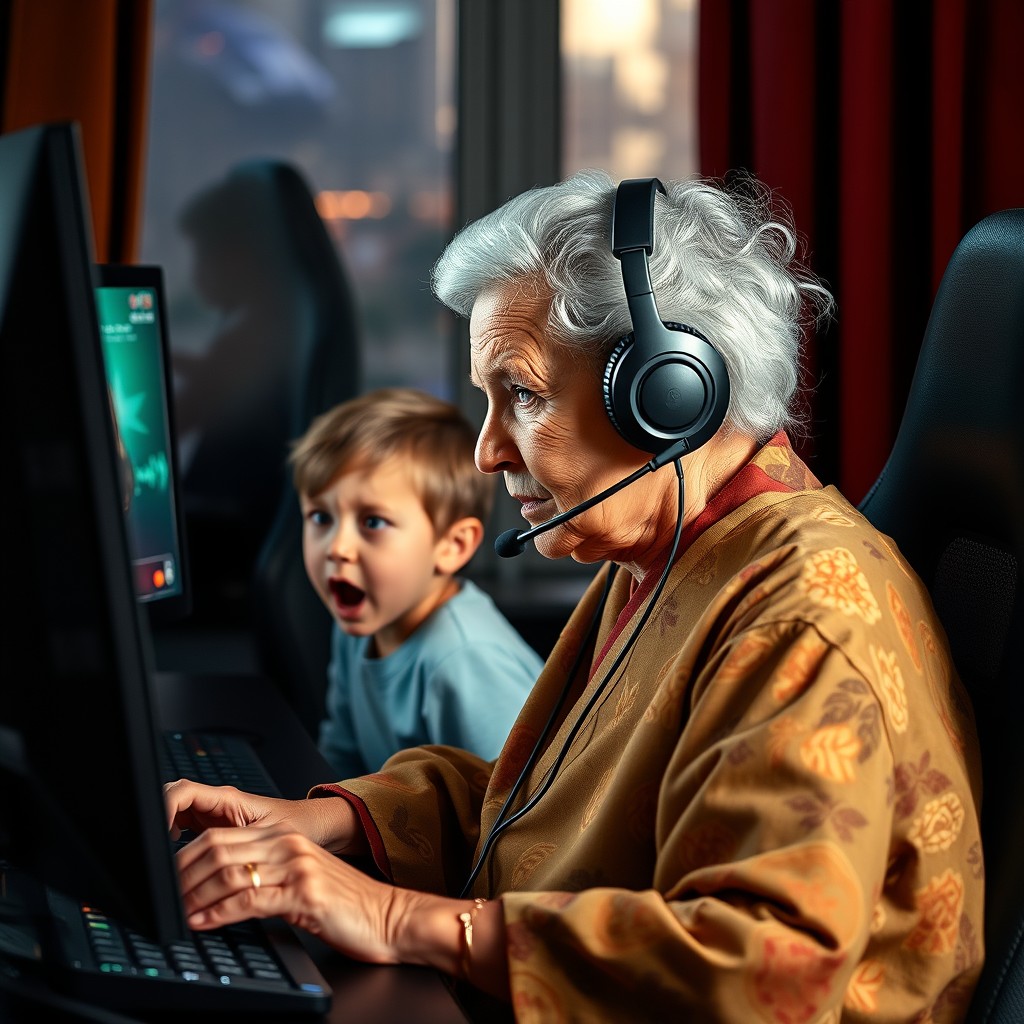
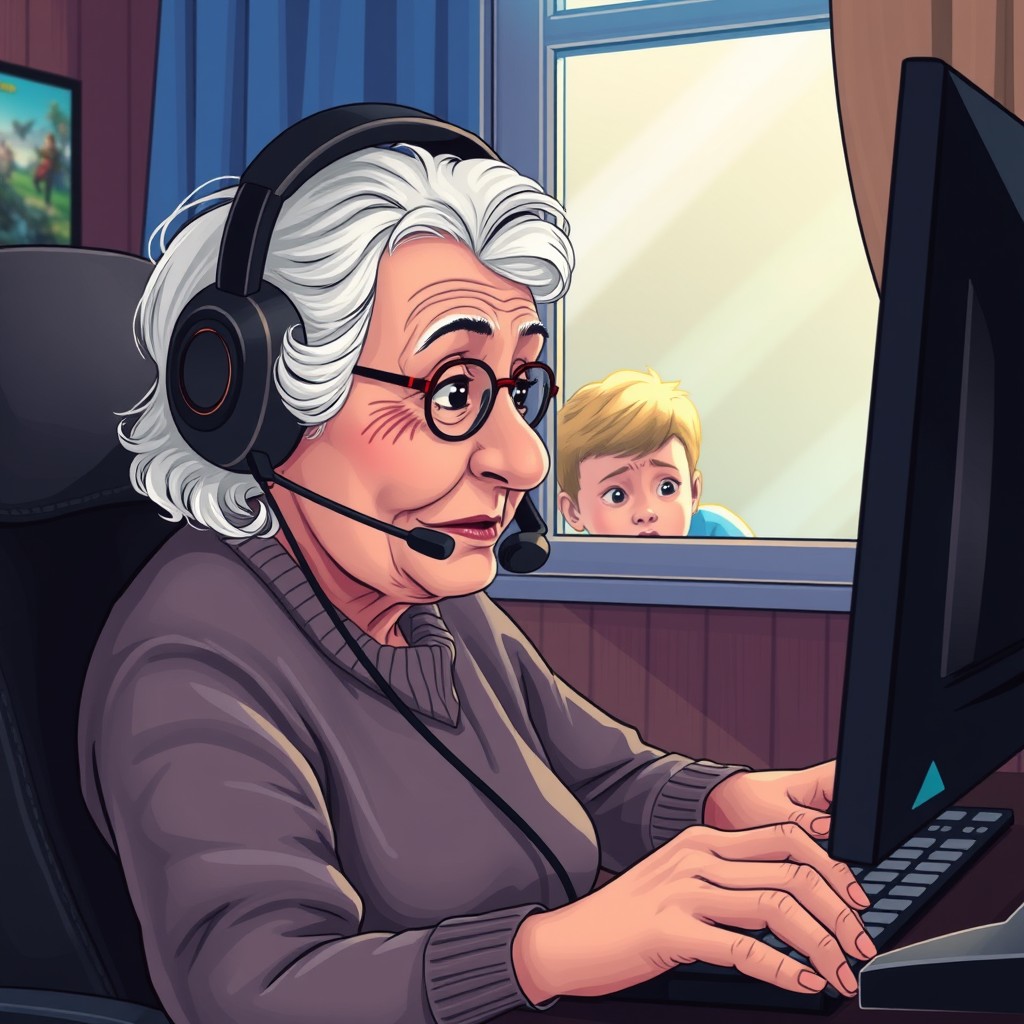
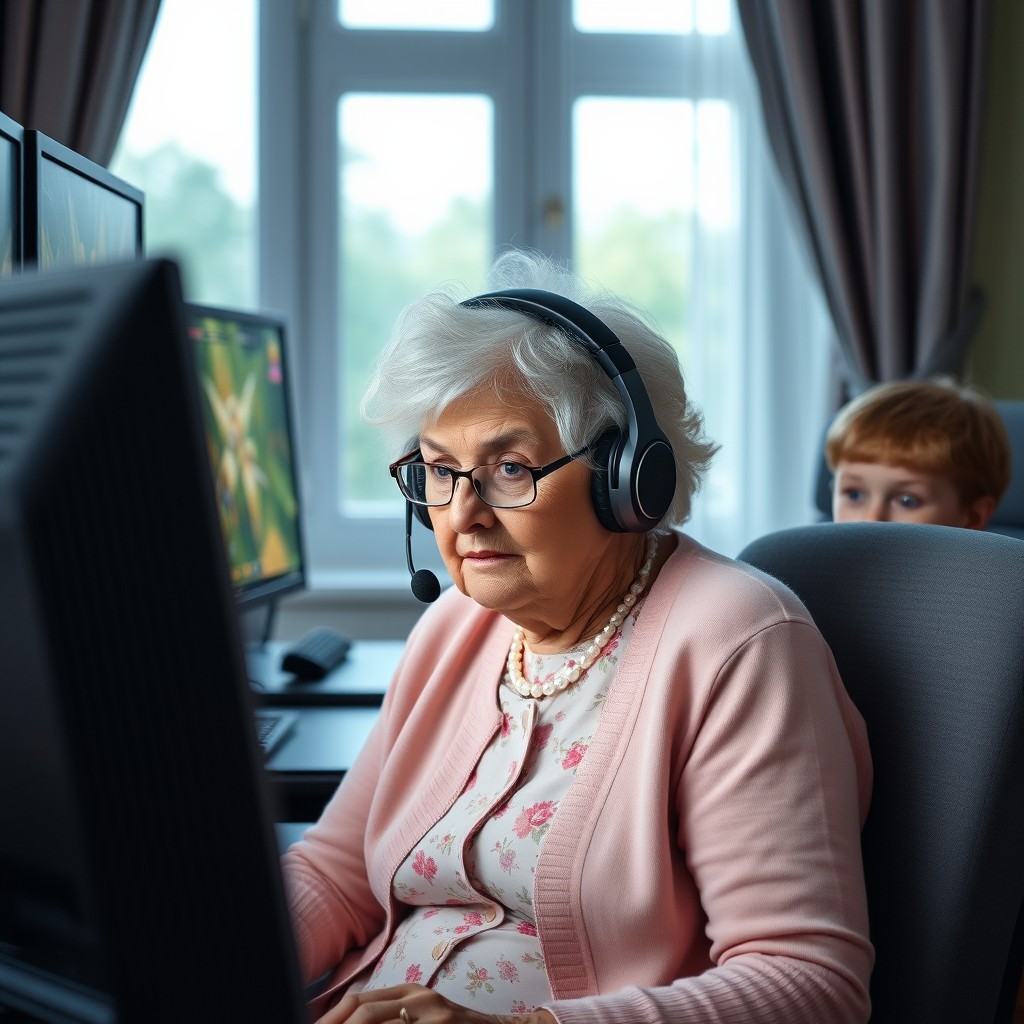
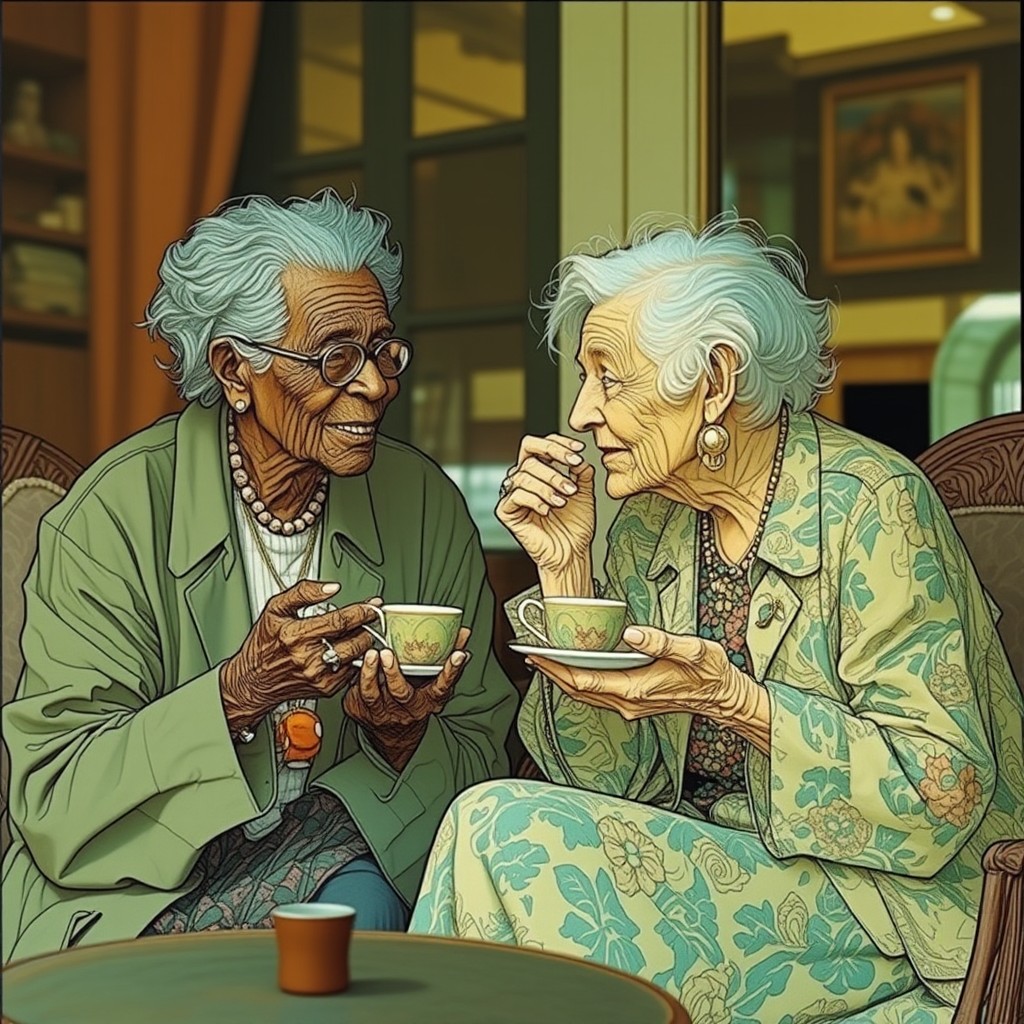
For the next one, the idea was to create an image of a scene you’re not supposed to see: through a window of a neighbor, through the crack of a door left open, etc.
8/14/26 “Gaming Granny”
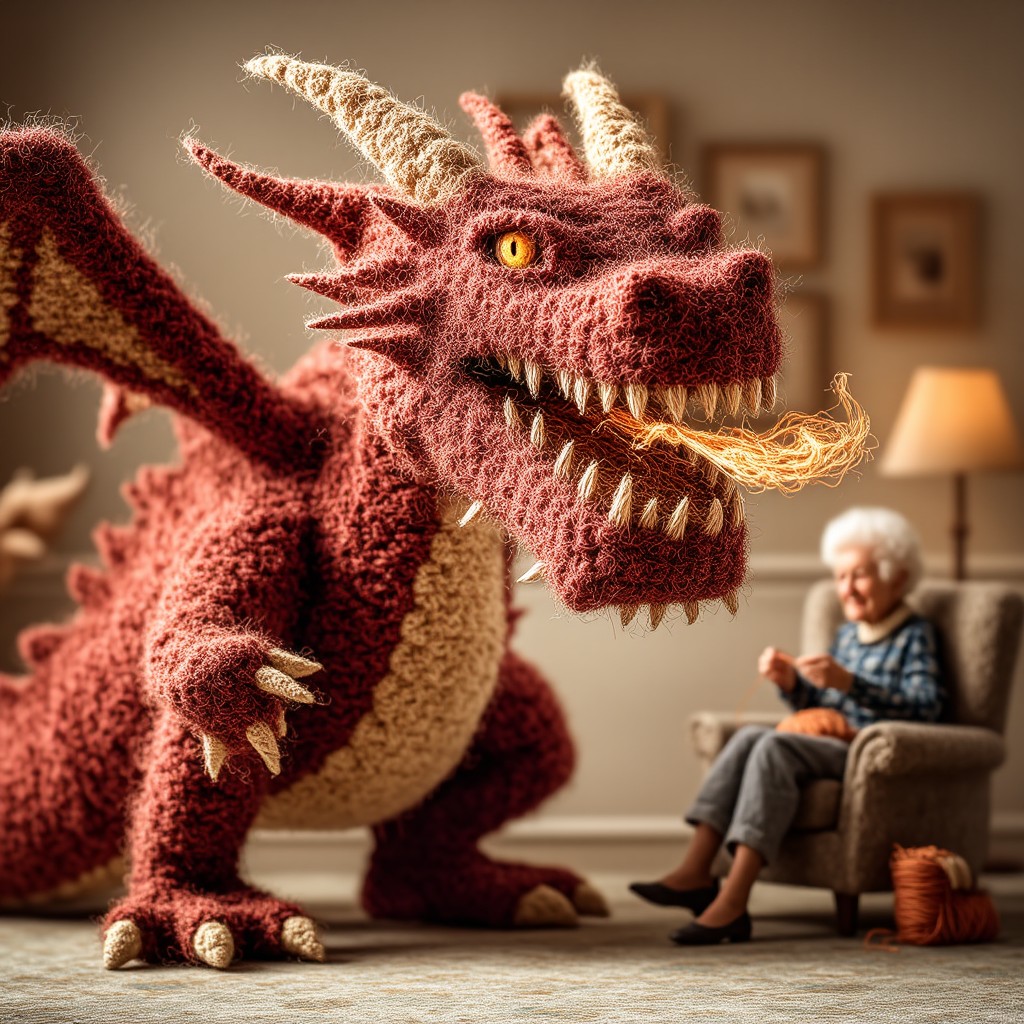
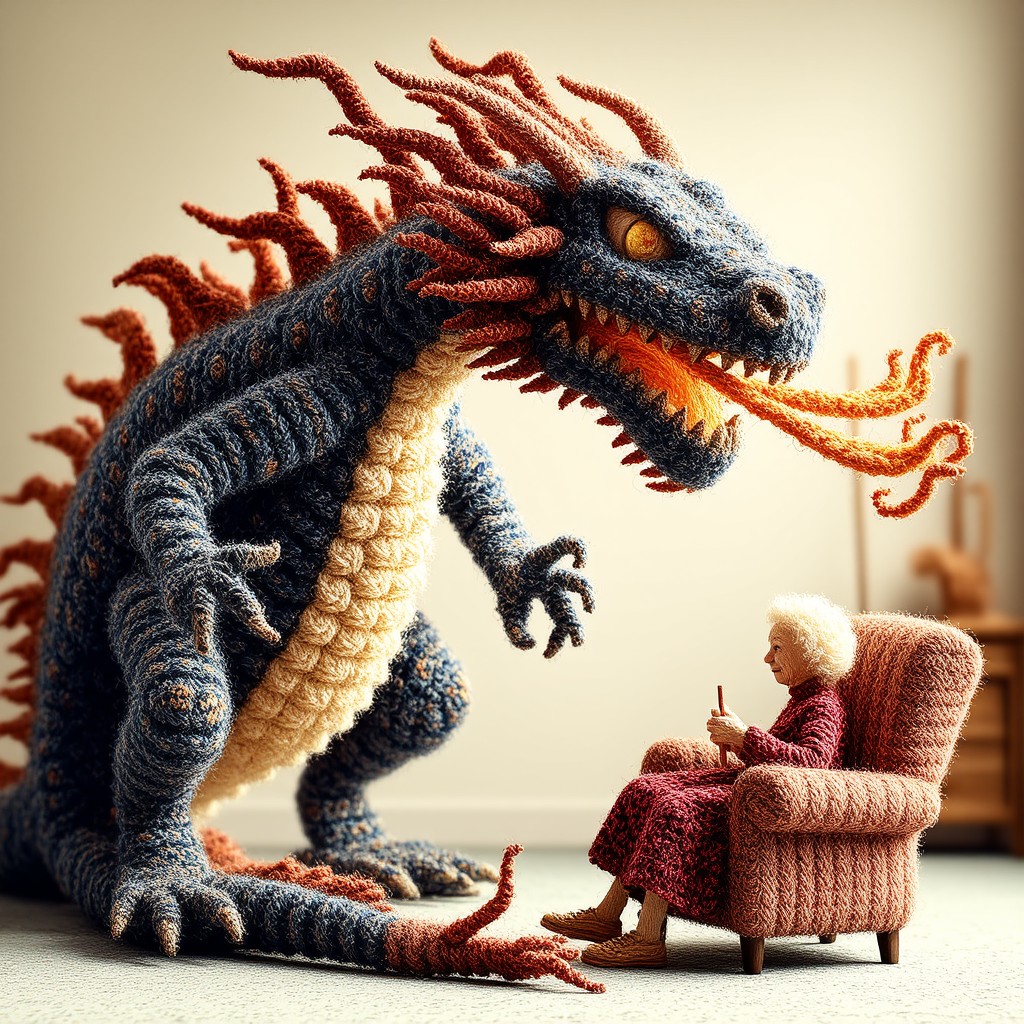
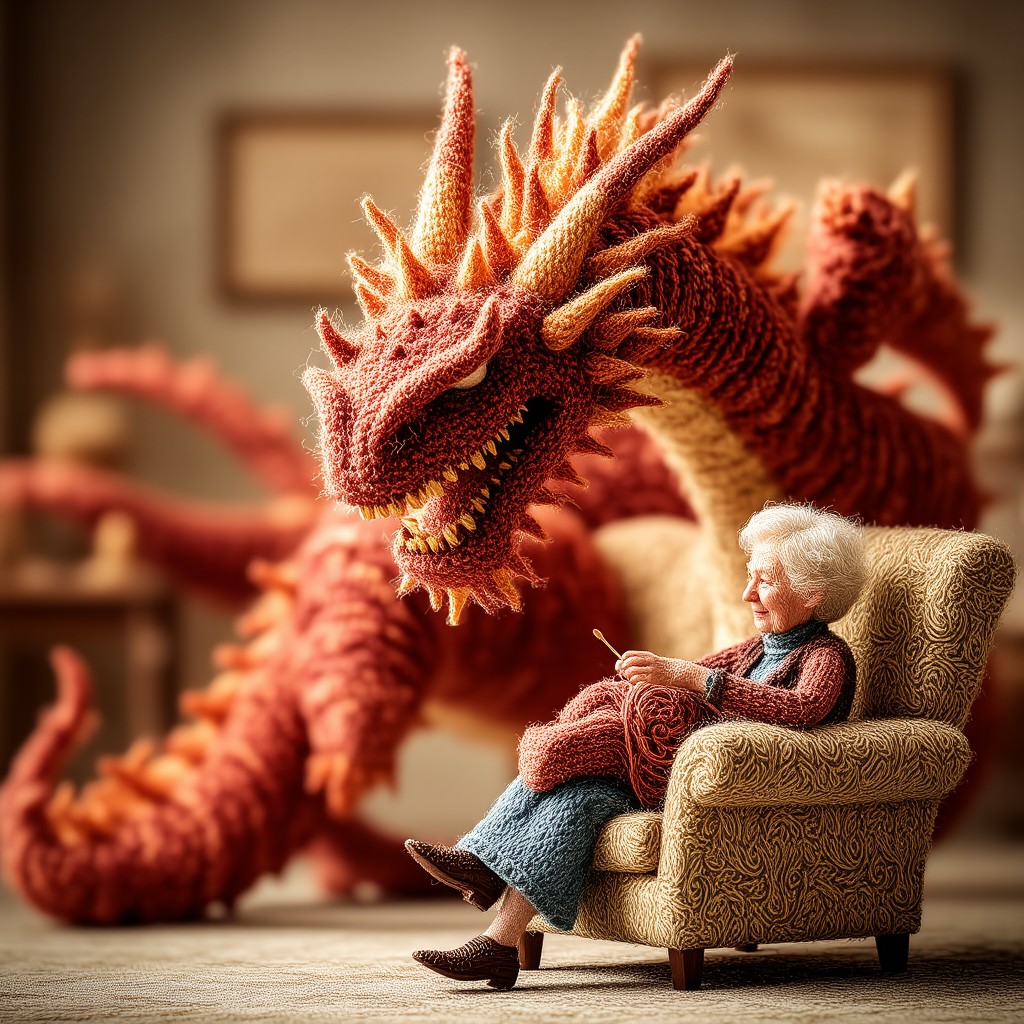
The last challenge of the week was to make the viewer think of danger first and delicacy second. The art should look scary or dangerous, but actually be made of soft material.
8/15/26 “Dragon Doll”
And here are some of the honorable mentions that I did not submit, but still published on my art website:
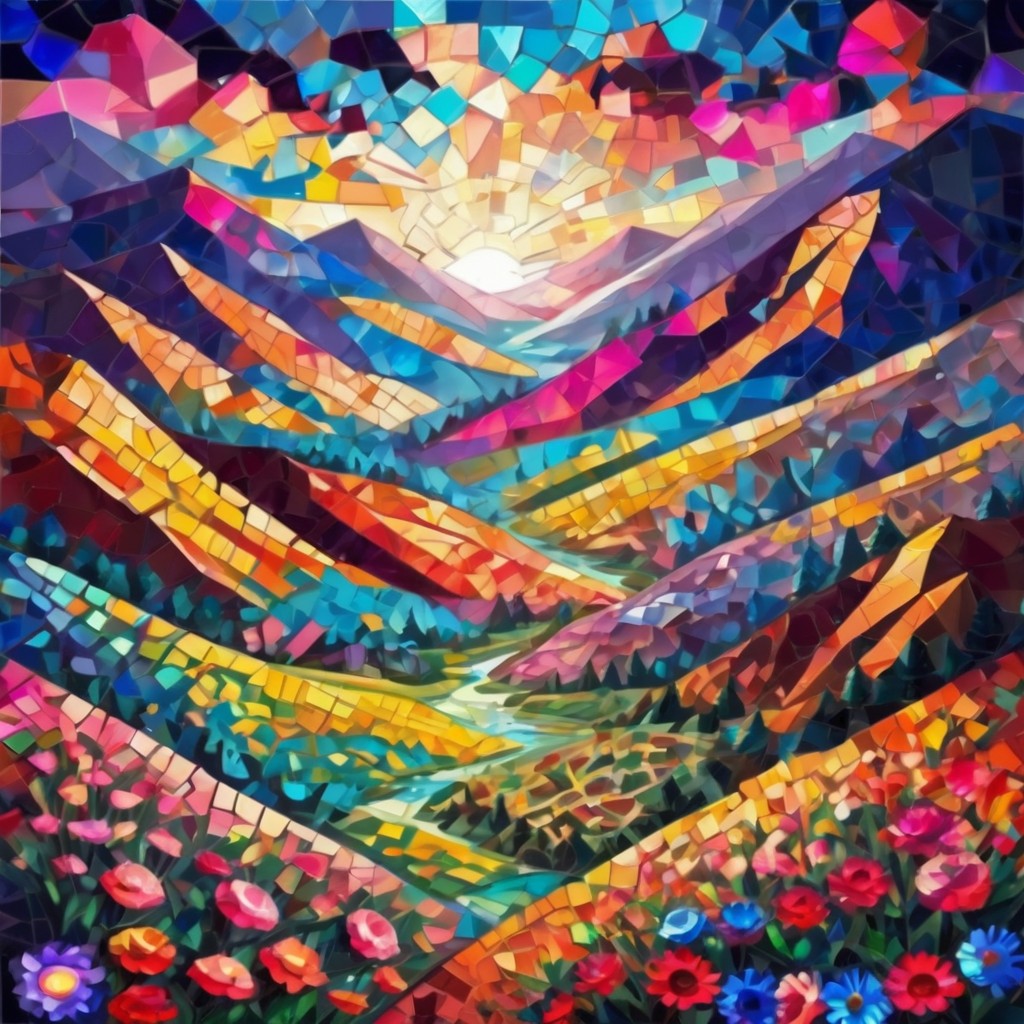
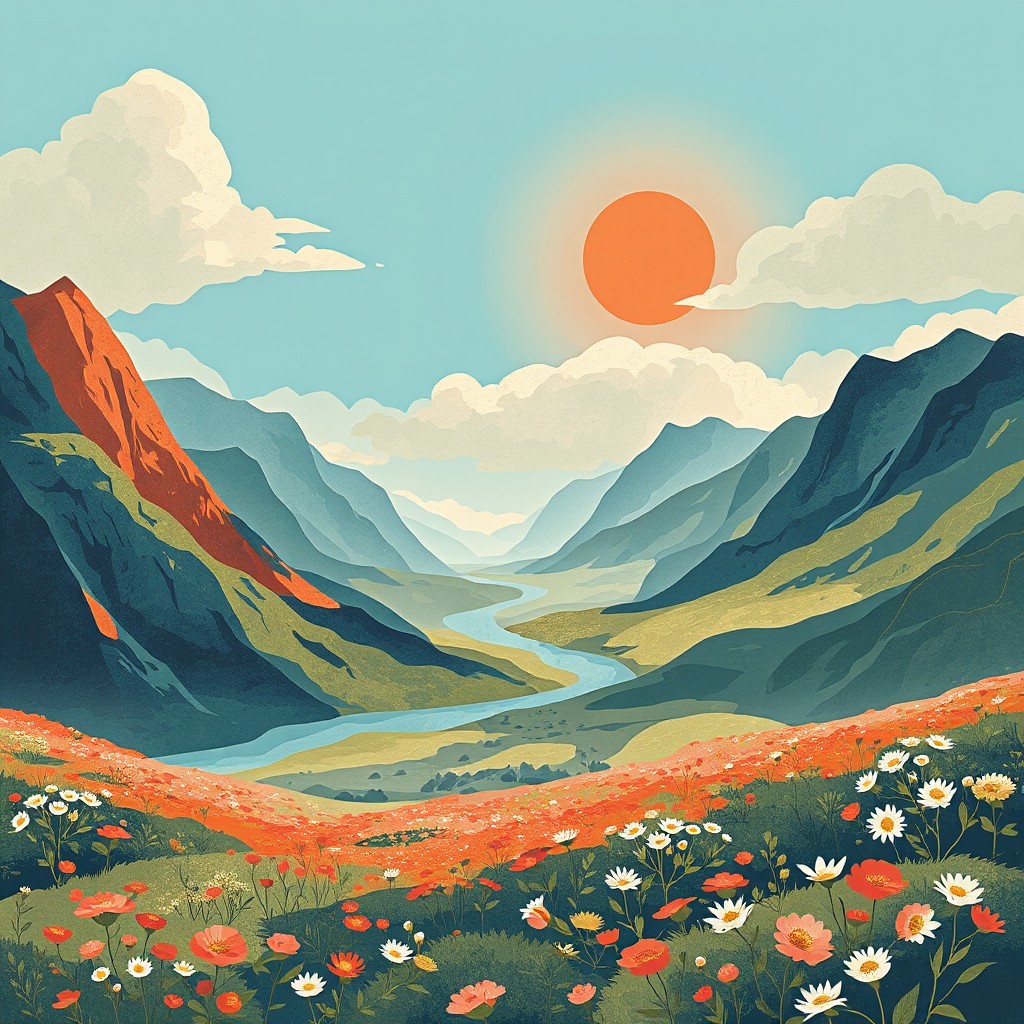
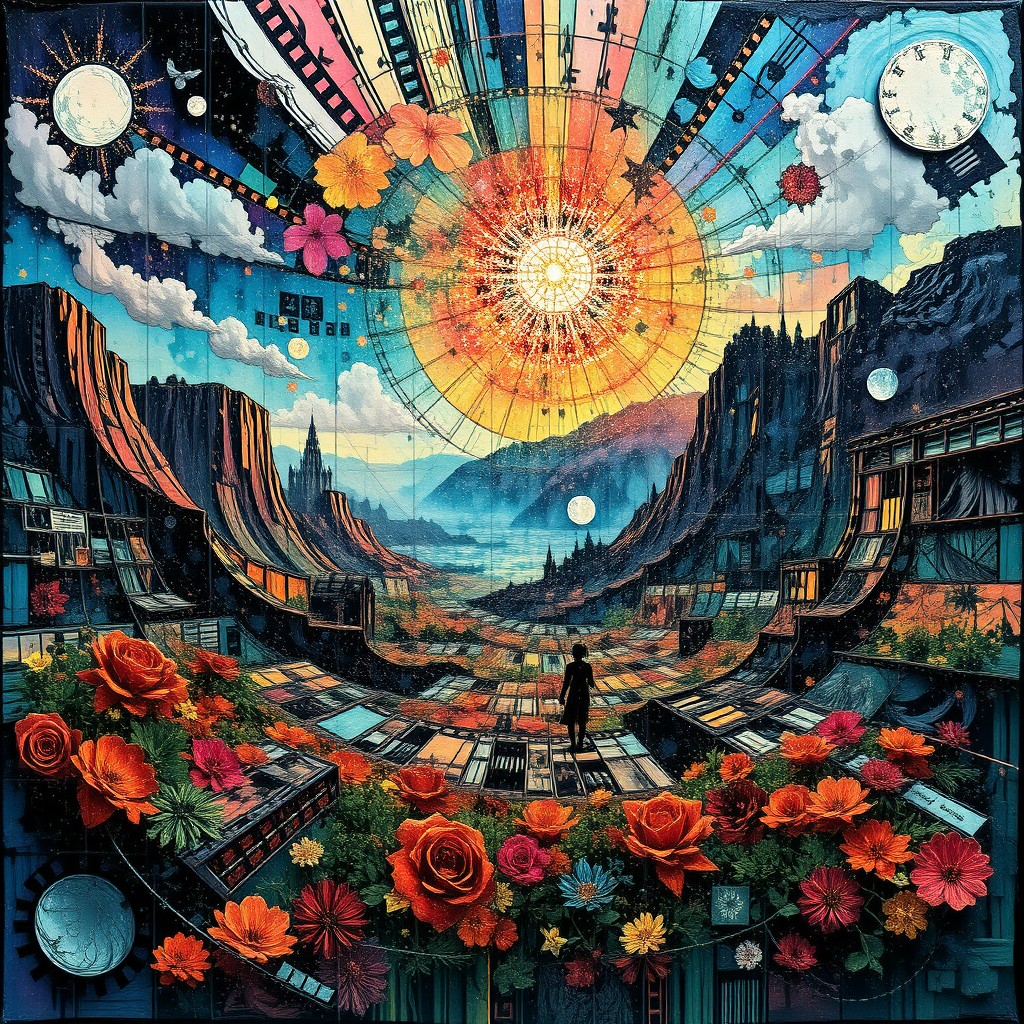
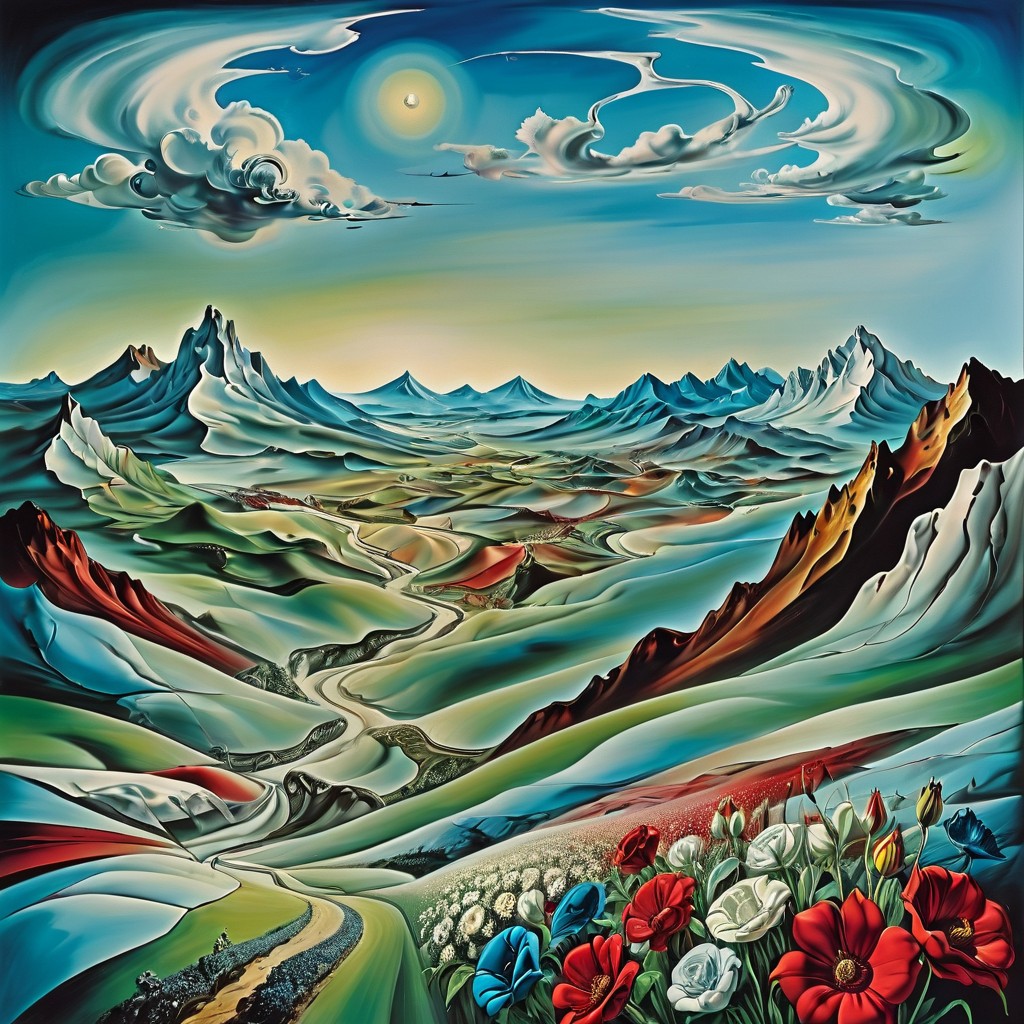
This week’s prompt challenge was to create a landscape scene using some form of collage or abstract style. I decided to go with a mosaic model that I wanted to play around with.
“Mountain Mosaic”
All of these images created by Rebekah Marshall’s prompts using AI on Gencraft.com website.
Prompt – gorgeous landscape of mountains, valleys, rivers, and fields of flowers with a brilliant sky splashy incandescent wide angle layered and textured collage colorful mosaic
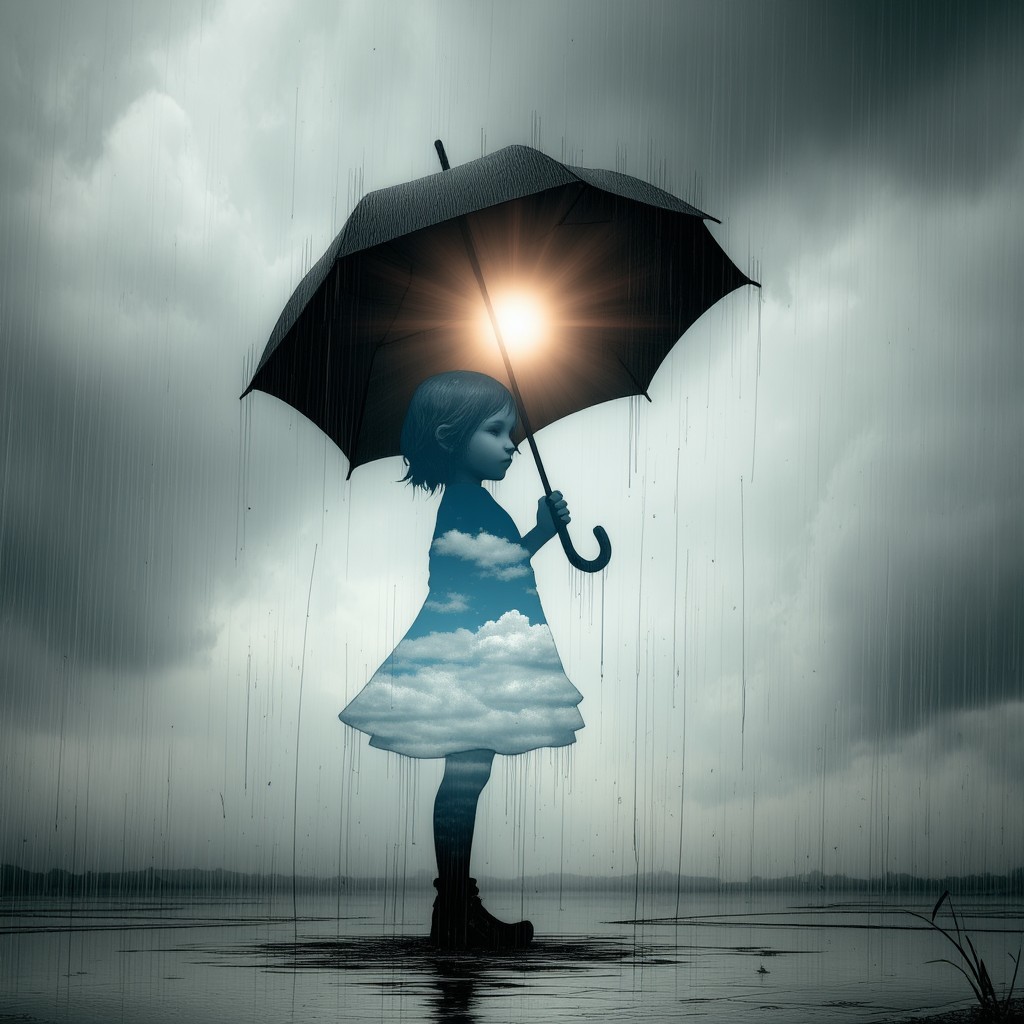
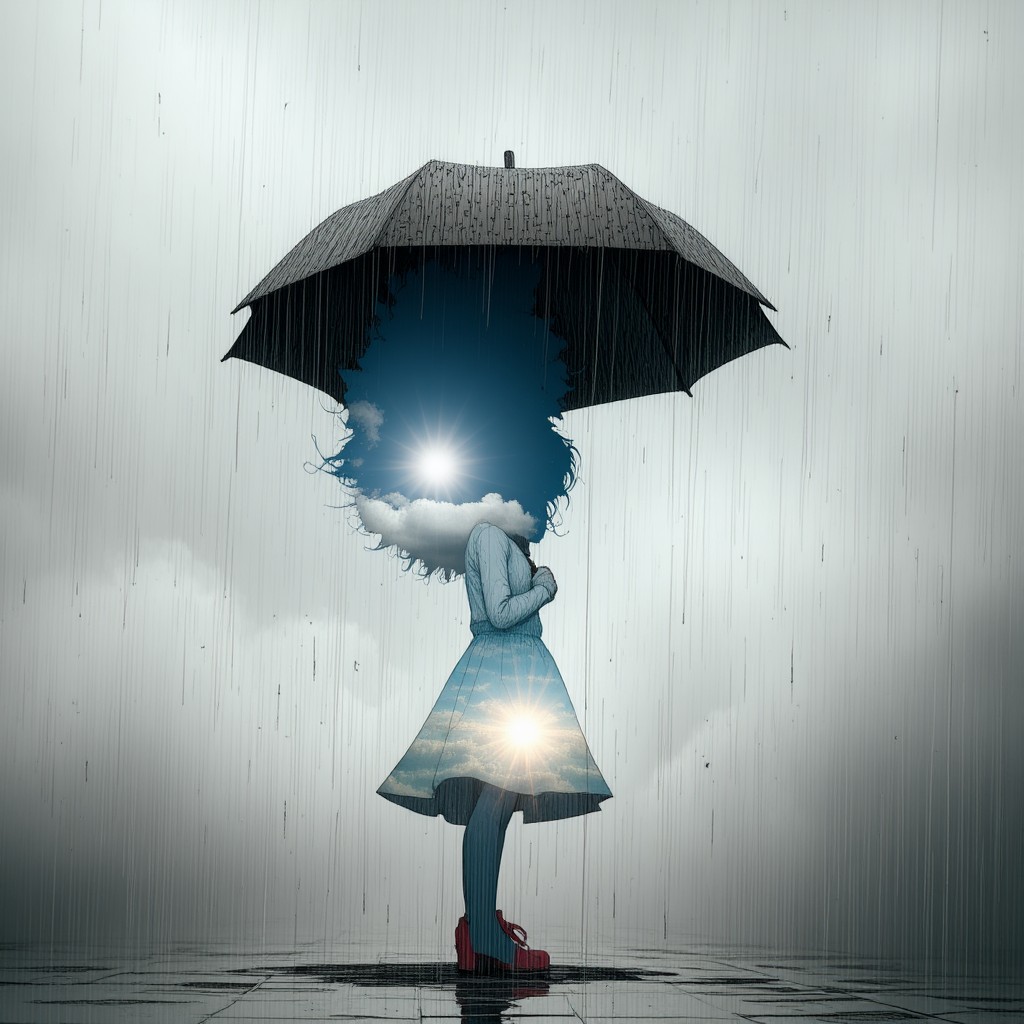
This first challenge of the week was to create art where weather exists inside a person, animal, room or object—but nowhere else.
8/2/26 “Make Your Own Weather”
Image created by Rebekah Marshall’s prompt using AI on Gencraft.com website.
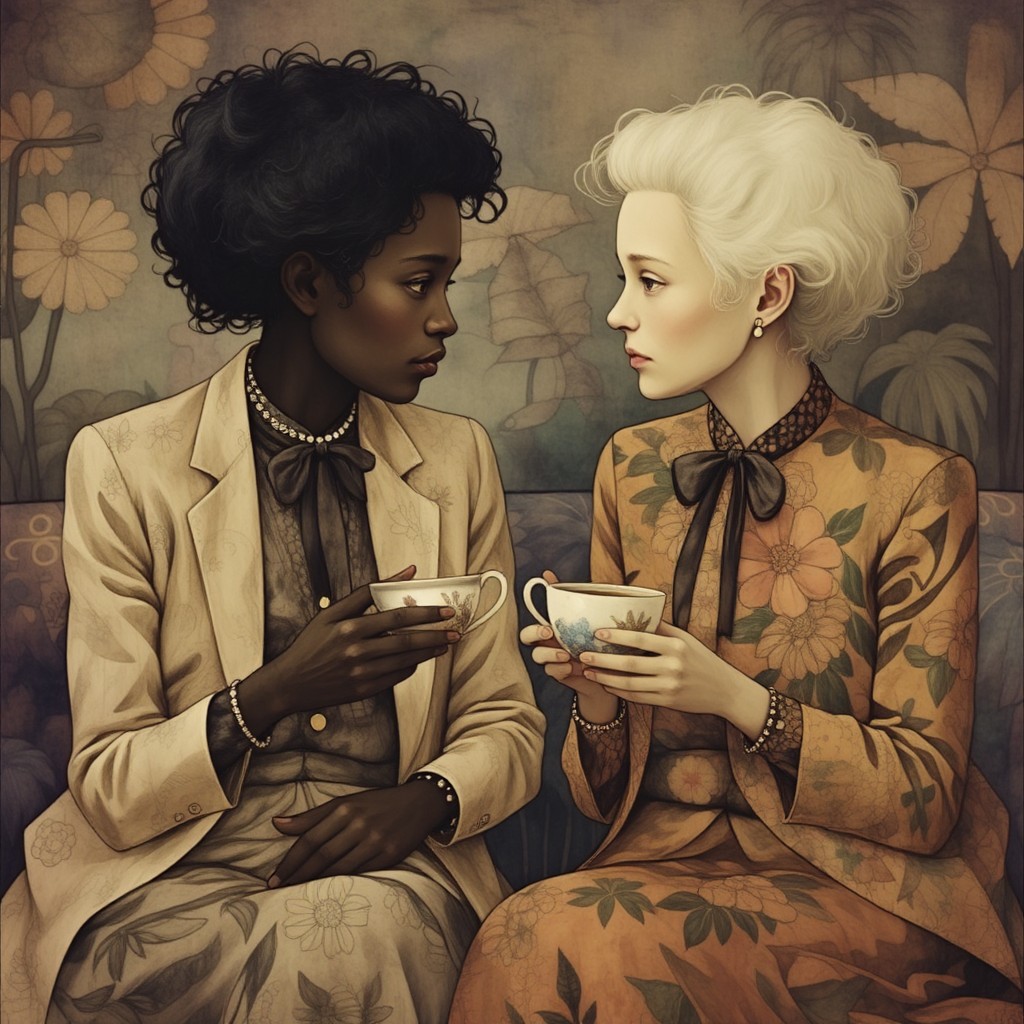
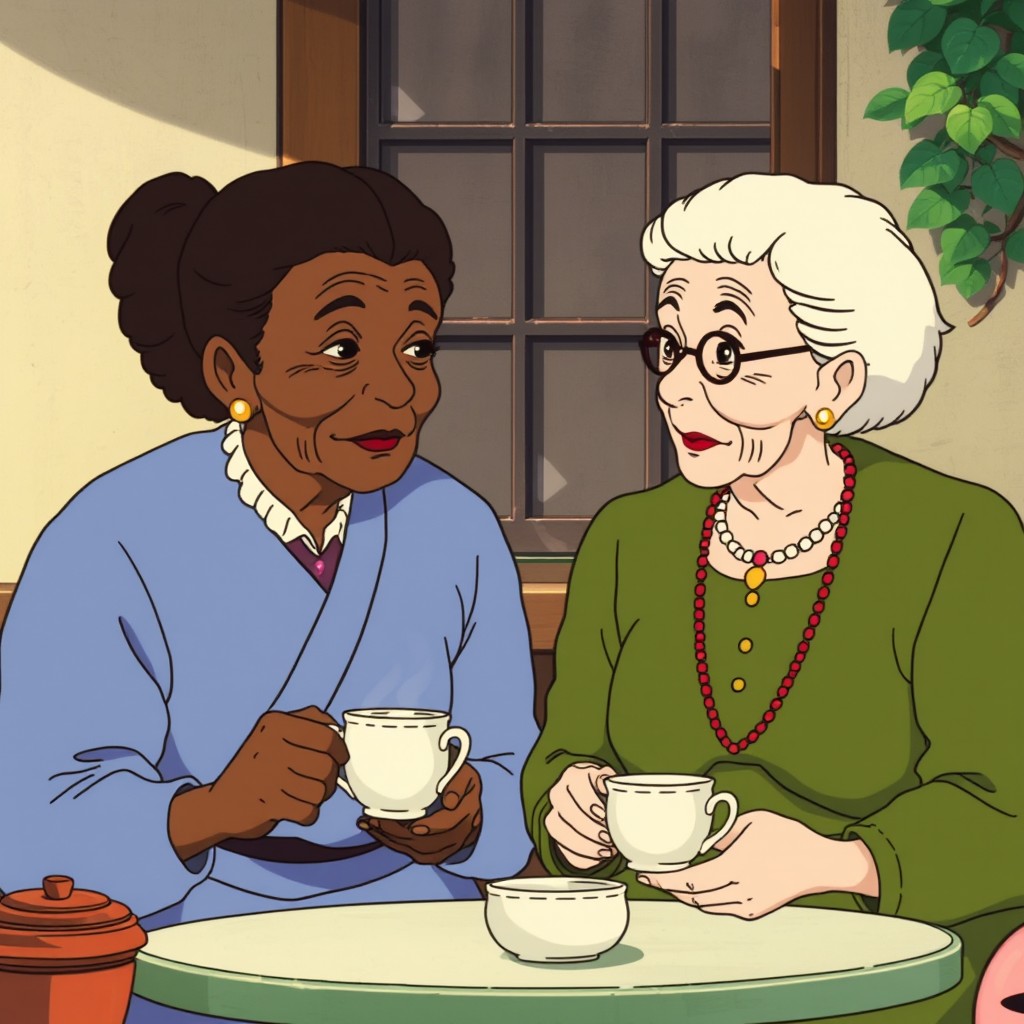
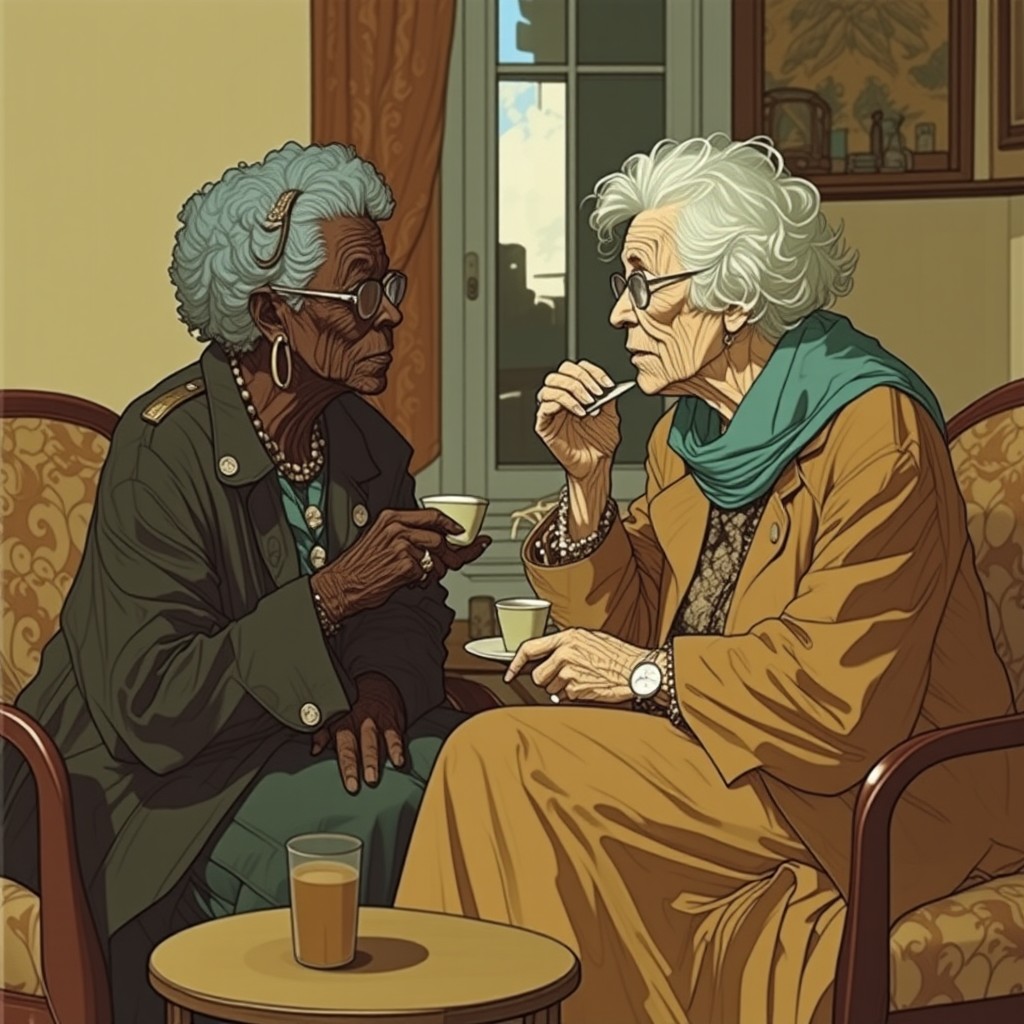
The next challenge was titled “The Person Who Feels Like Home.” The idea was to show emotional connection and warmth, belonging and trust in an image.
8/3/26 “BFFs”
Image created by Rebekah Marshall’s prompt using AI on Gencraft.com website.
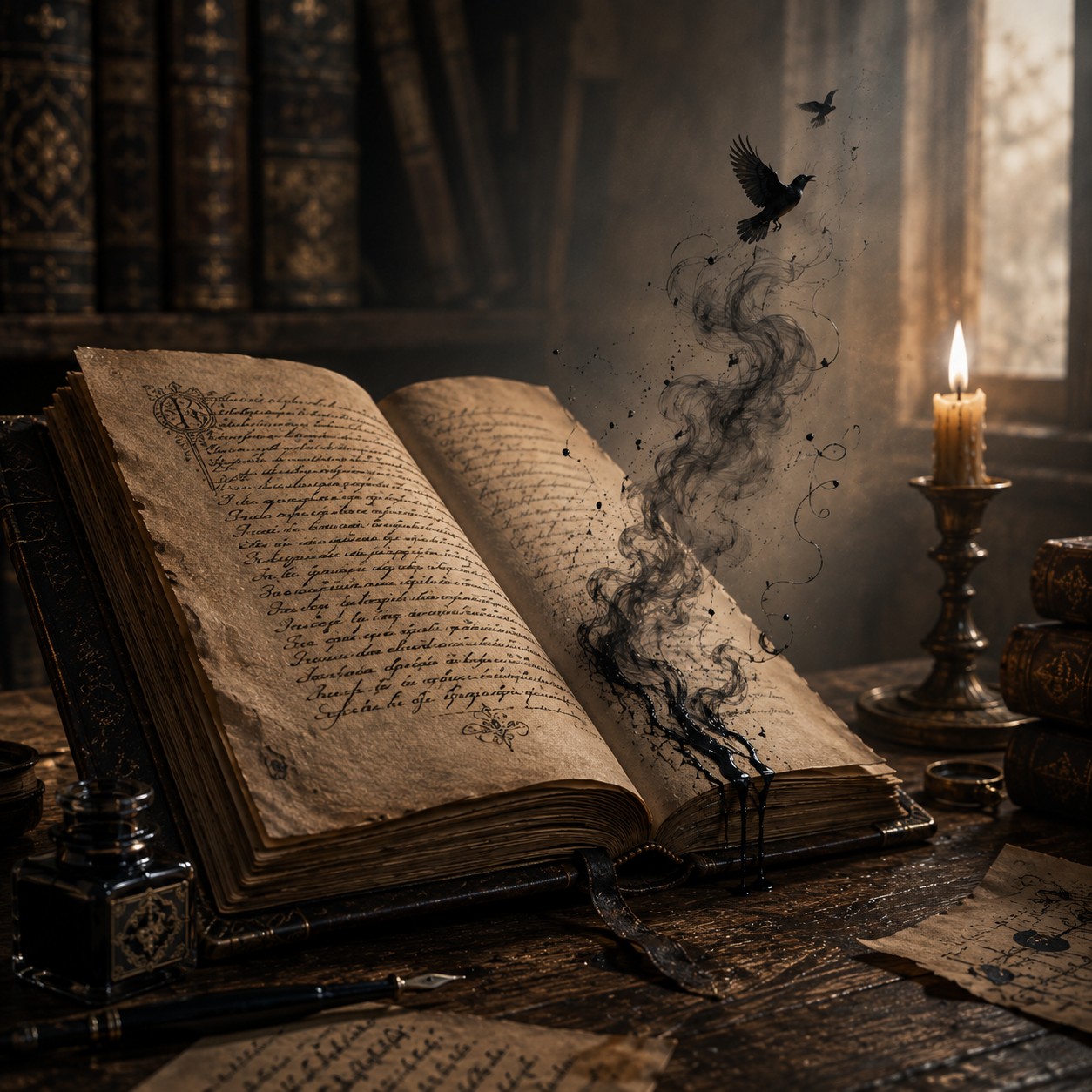
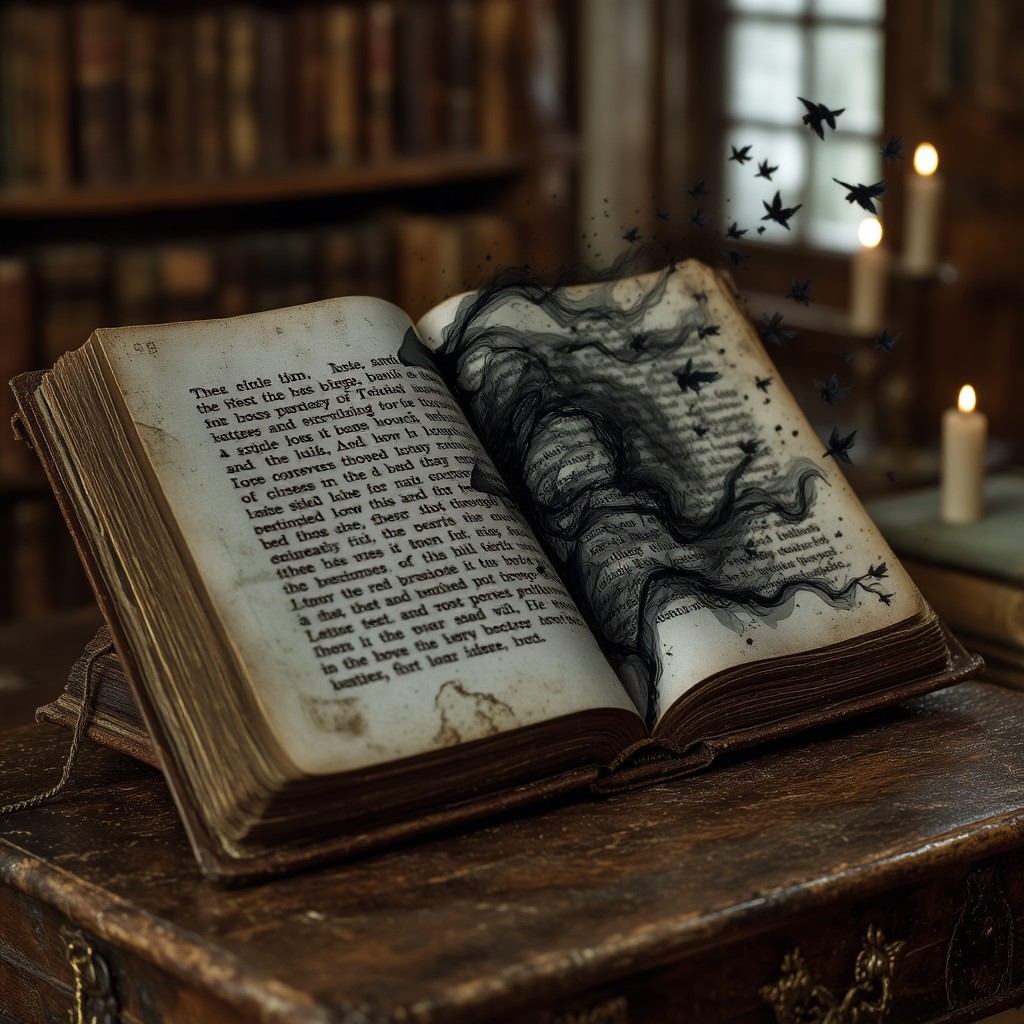
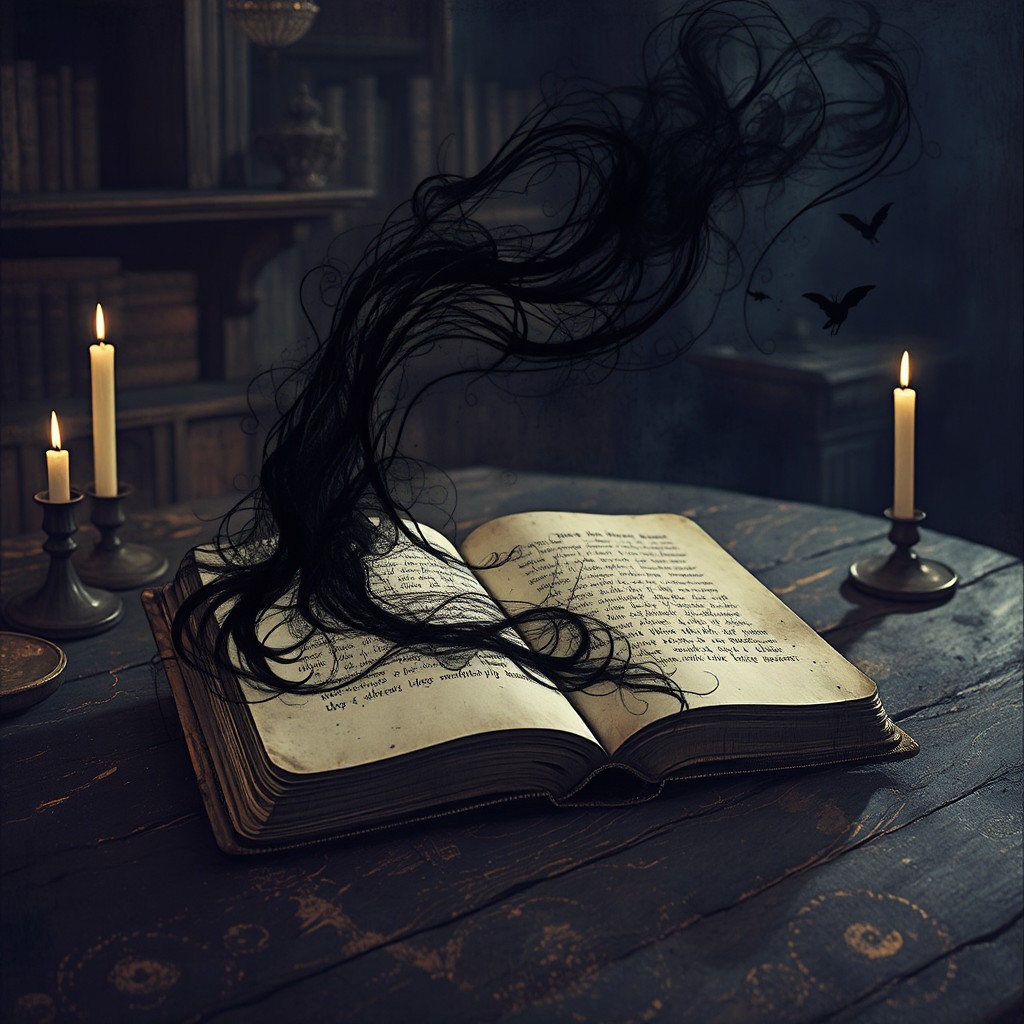
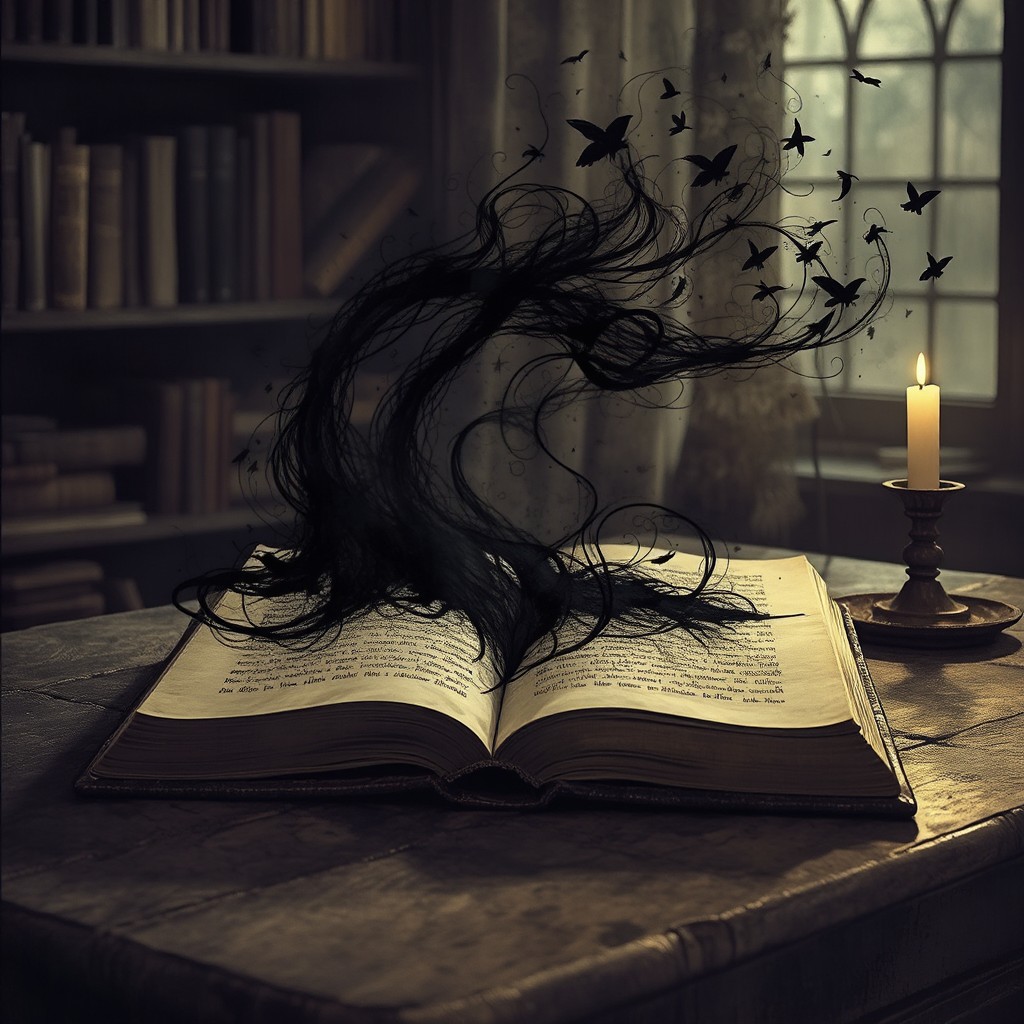
The next challenge was about transformation and that moment when a solid, liquid, or gas is changing to another state. I chose the word becoming flesh, story coming to life, ink turning from solid to liquid to smoke and on to another transformation.
8/4/26 “Alchemy of Story”
Image created by Rebekah Marshall’s prompt using AI on Gencraft.com website.
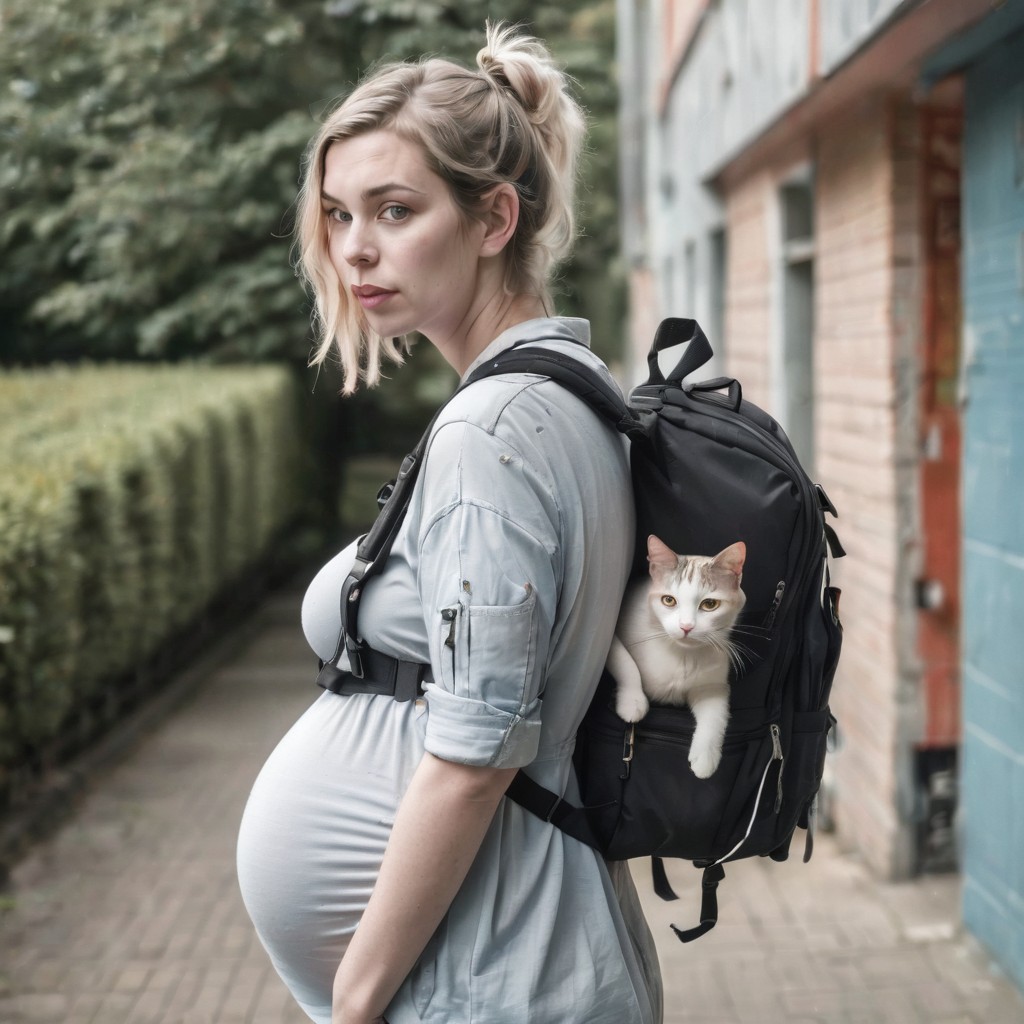
The next day’s challenge was to depict a cause that we support or that is close to our hearts. I chose protection of pregnant women. 25% of women globally experience violence at the hands of their romantic partners when they are pregnant or postpartum. Pregnant women are 40% more likely to be murdered than non-pregnant women. 65% of all pregnant women who are murdered die at the hands of a current or former intimate partner. 80% of domestic violence survivors who own pets report that their abusive partner has threatened, harmed, or killed their companion animals (used as a deliberate tool for psychological coercion.) I am passionate about protecting all women, but especially the most vulnerable and their beloveds (animals, children, etc.)
8/5/26 “She Matters”
Image created by Rebekah Marshall’s prompt using AI on Gencraft.com website.
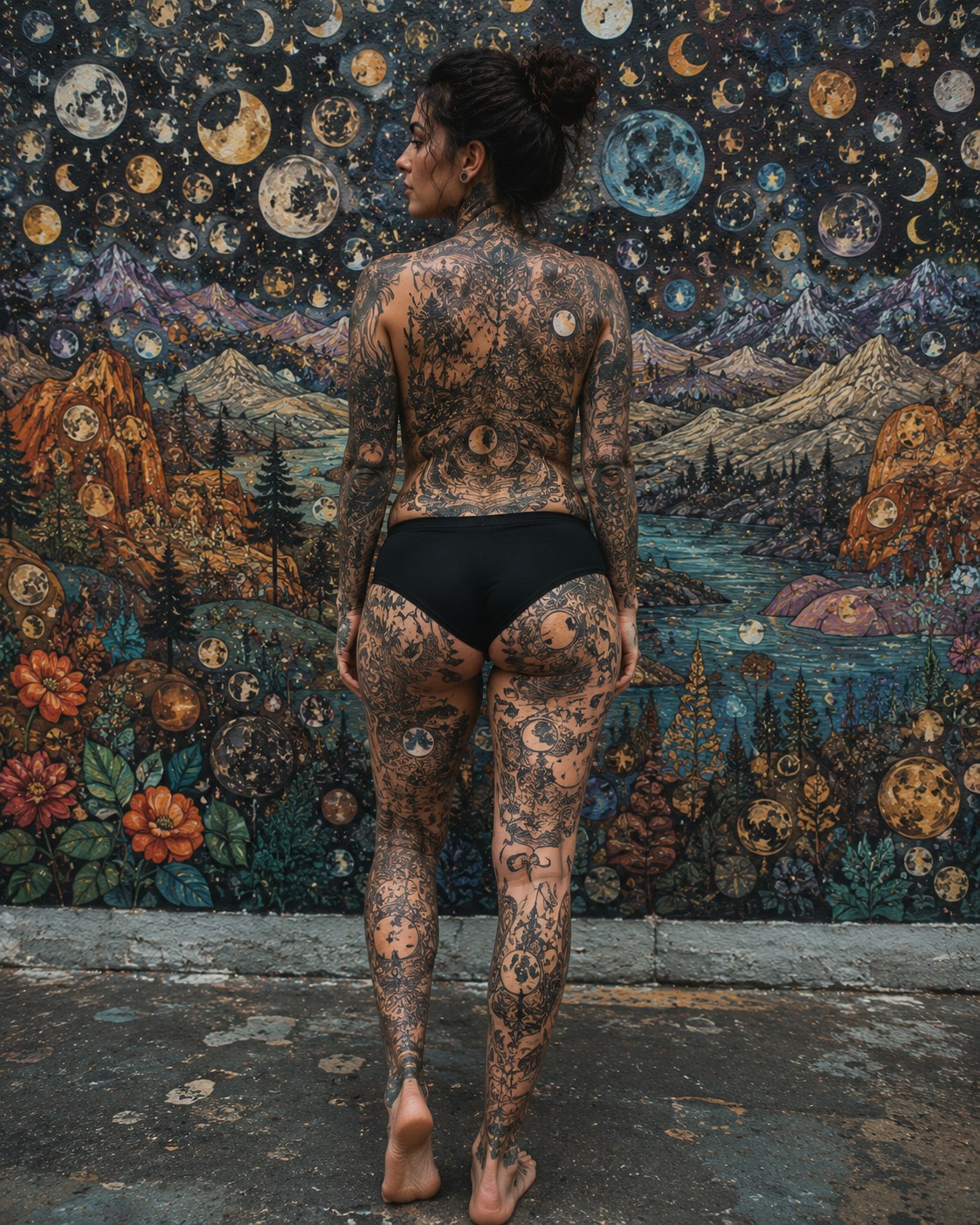
The next challenge was to create an ordinary daytime scene with moons hidden in impossible places. Mine was not impossible, but had lots of moons.
8/6/26 “Many Moons”
Image created by Rebekah Marshall’s prompt using AI on ChatGPT.
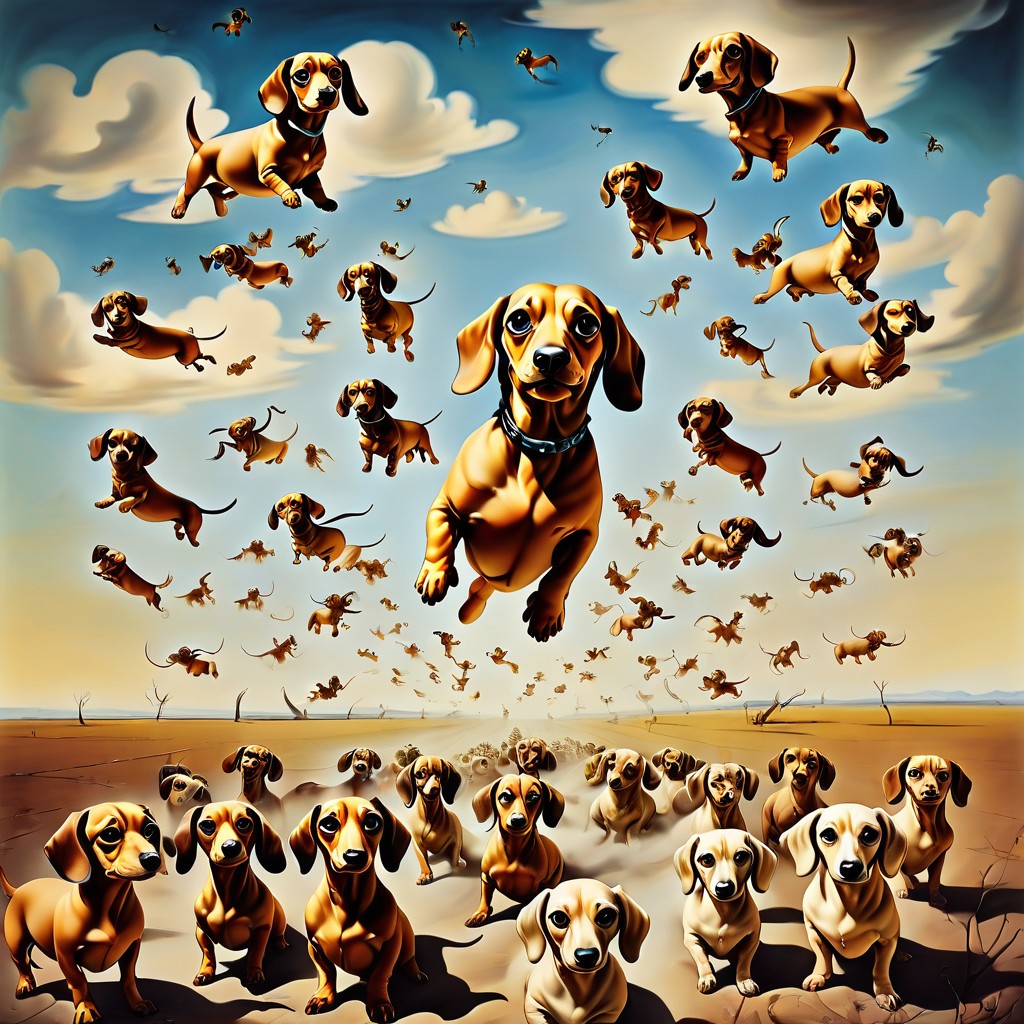
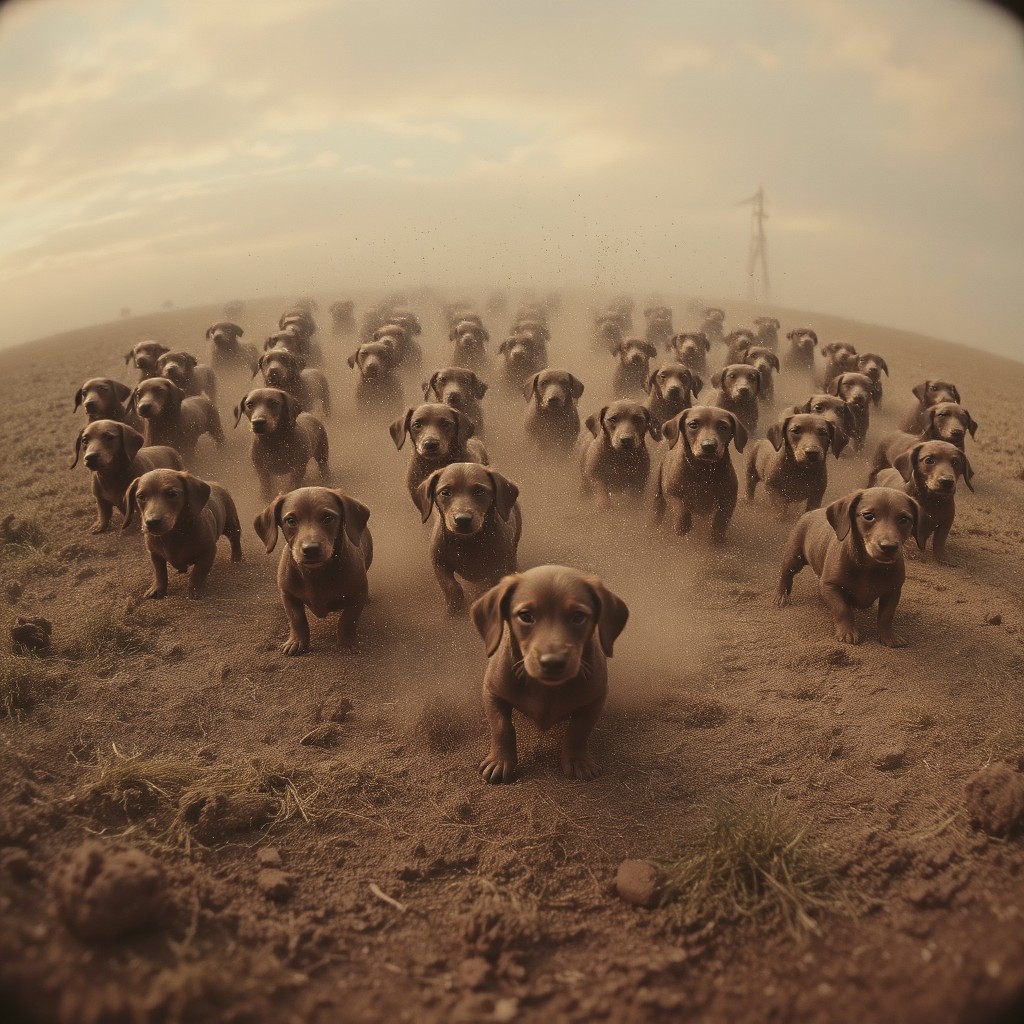
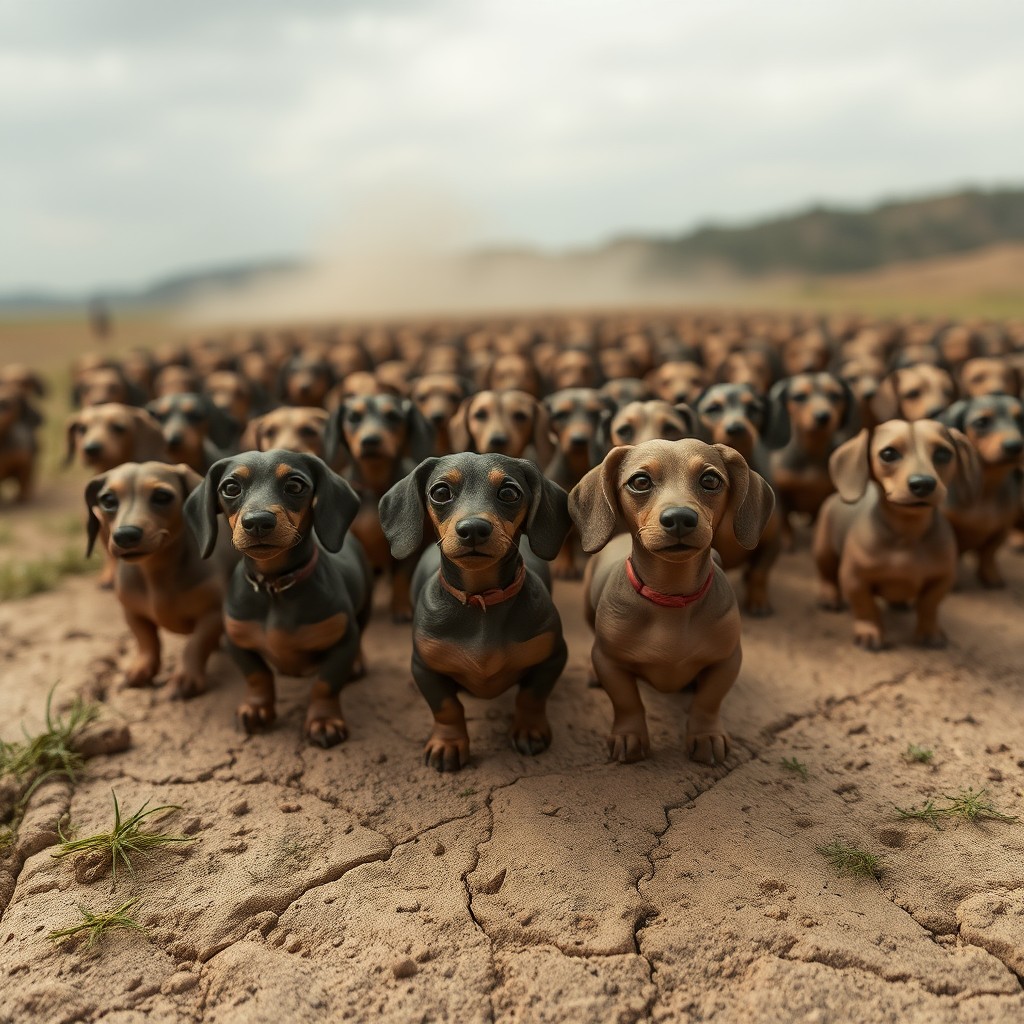
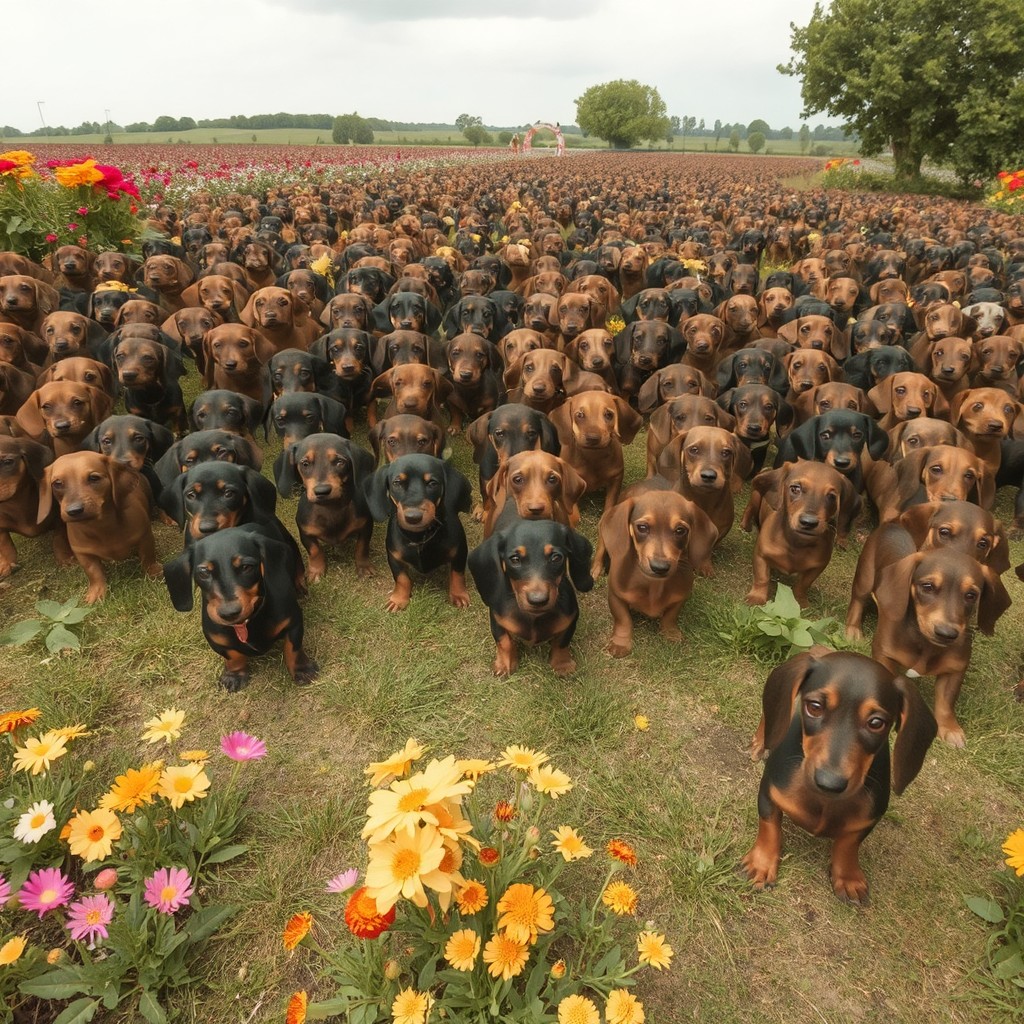
For the next one, we were supposed to create a scene of mass invasion in a sci-fi, horror, or fantasy setting (no zombies or robots allowed.) I thought of my sister’s horde of wiener dogs and how when they all run in a pack they are like a swarm of invading aliens. lol
8/7/26 “Dachshund Invasion”
Image created by Rebekah Marshall’s prompt using AI on Gencraft.com website.
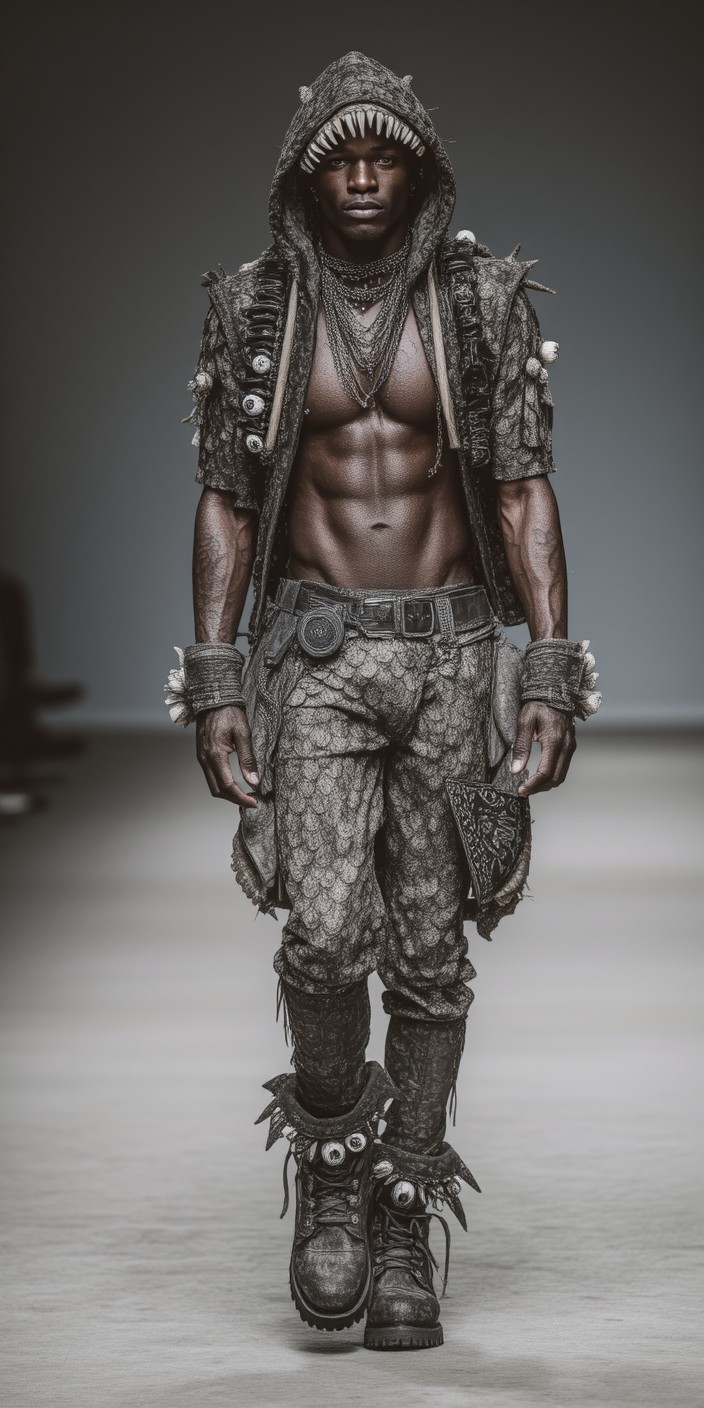
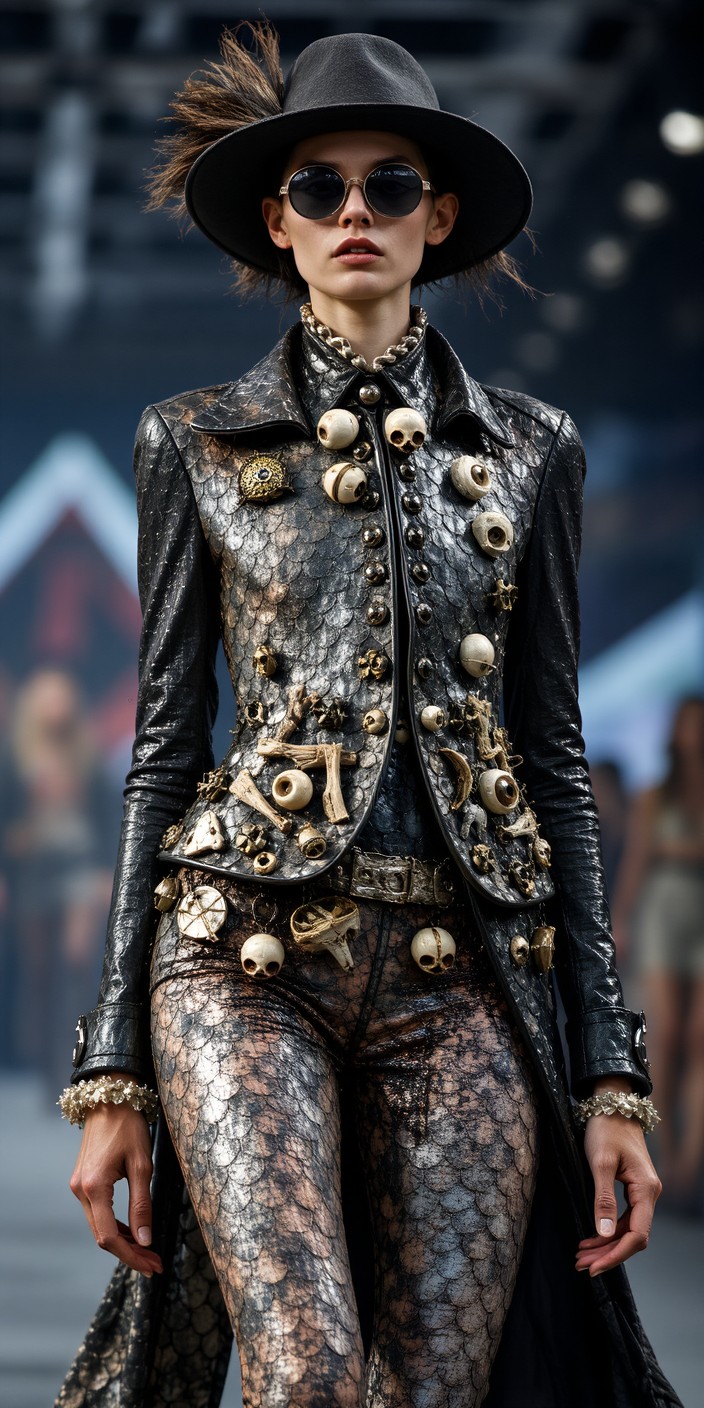
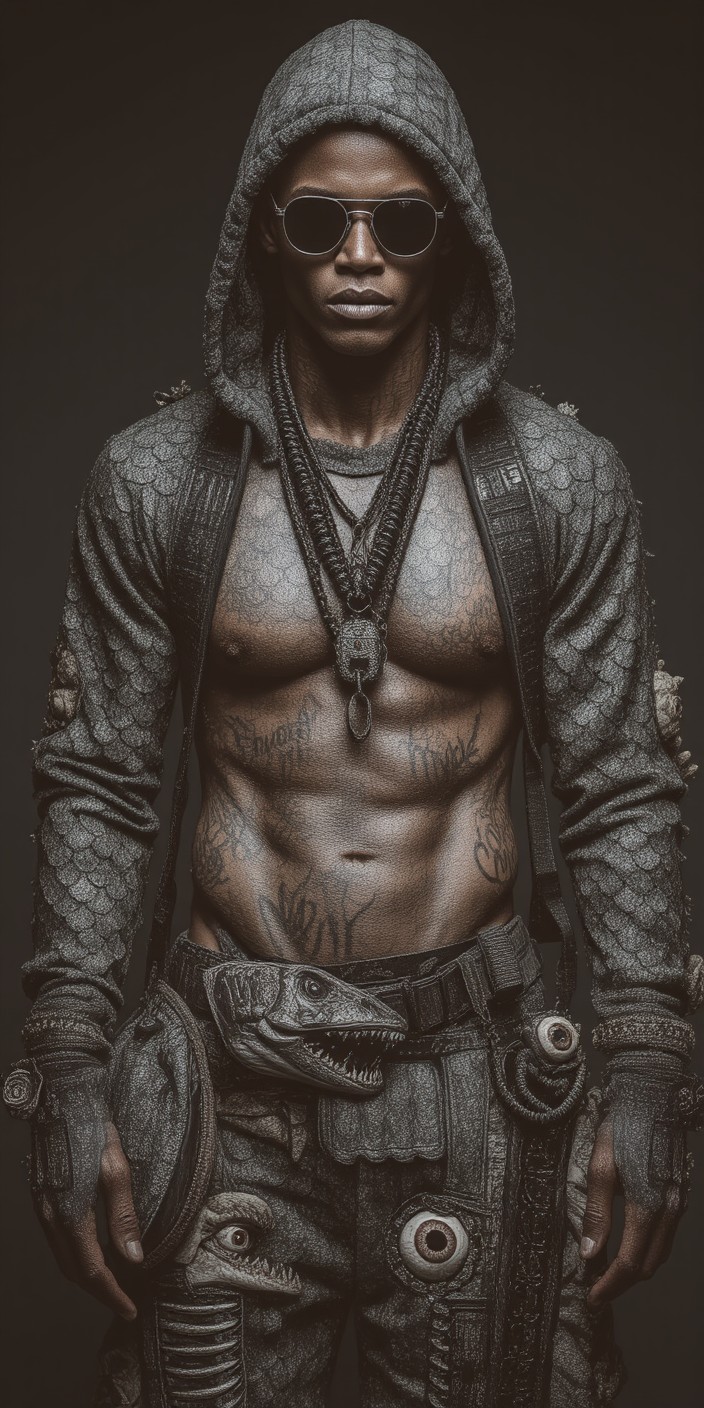
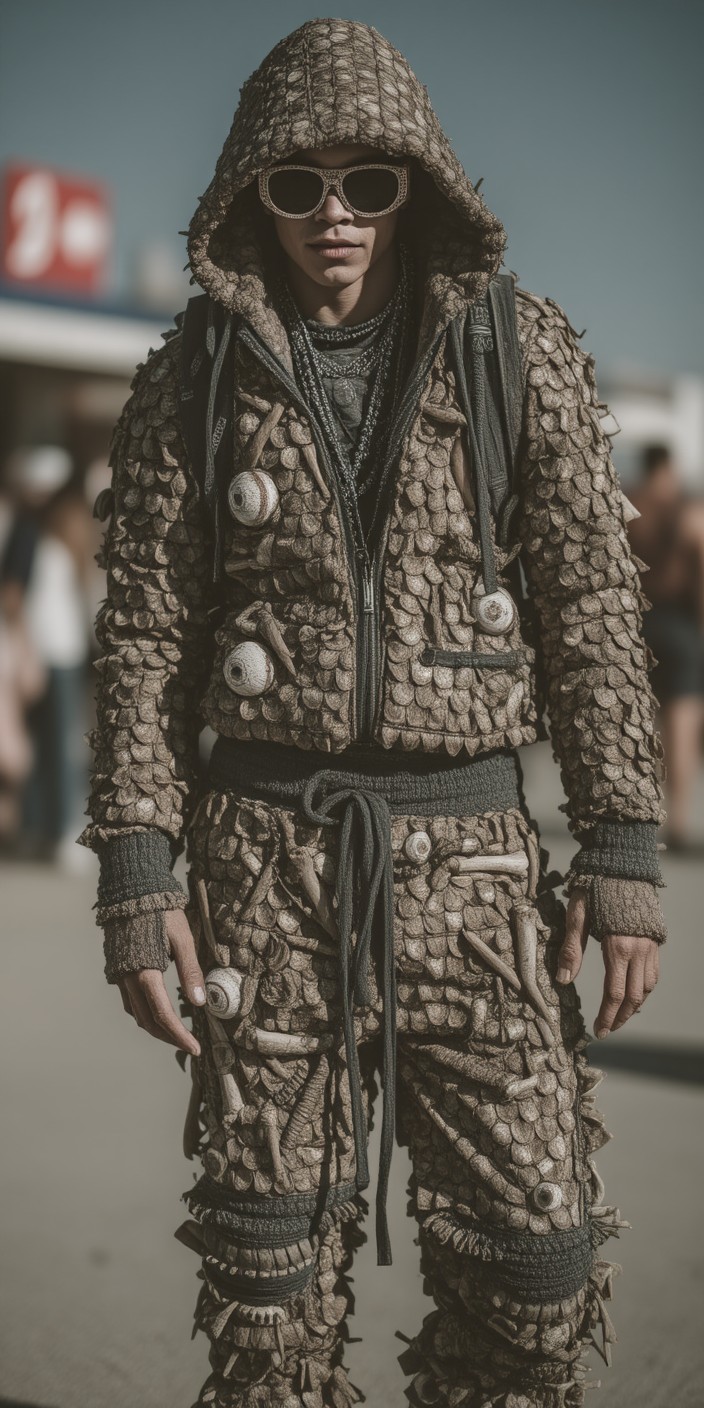
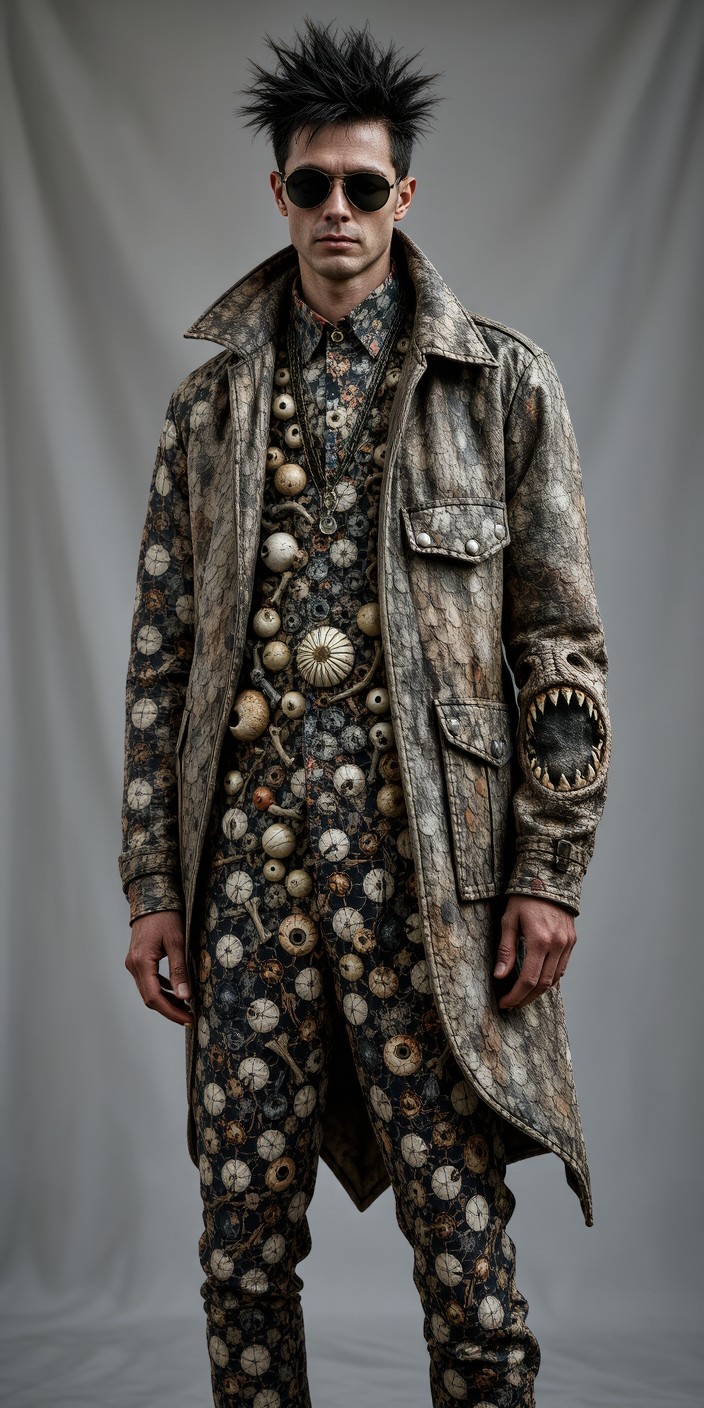
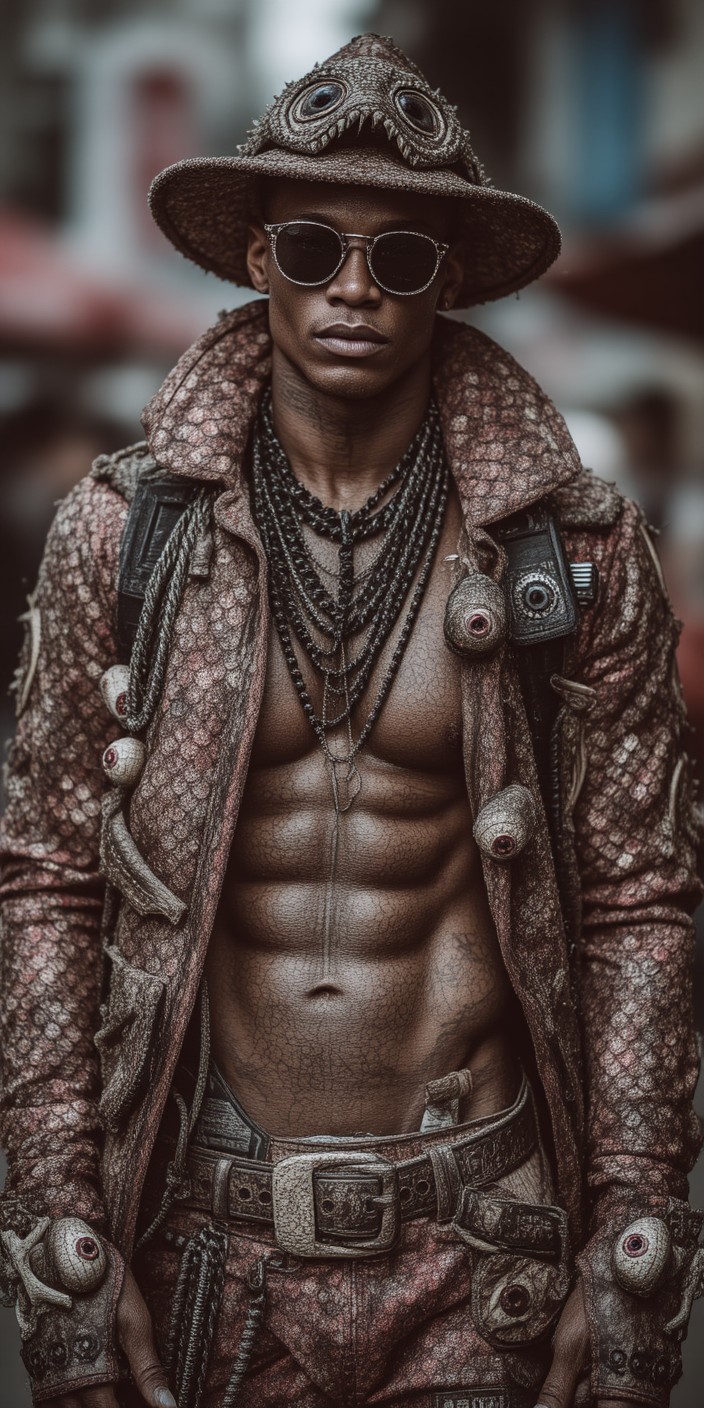
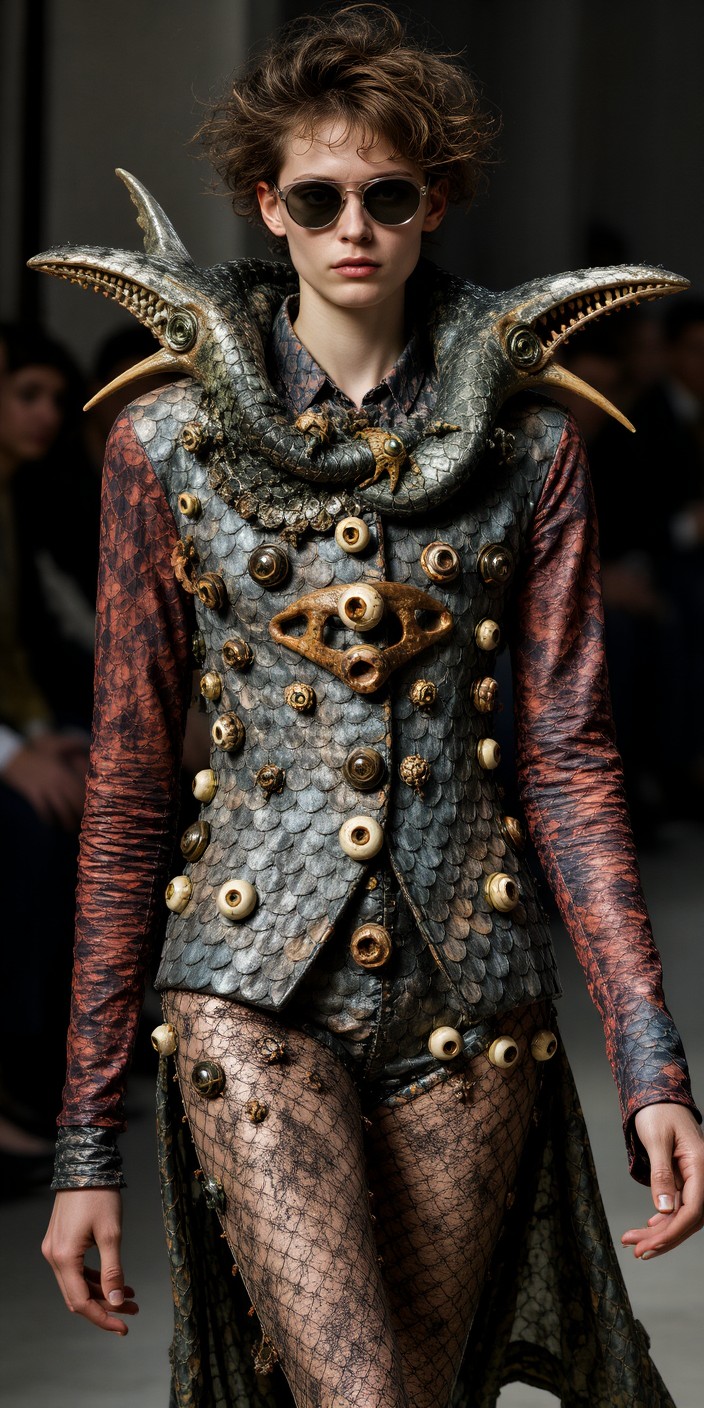
The last challenge of the week was fashion show, only it had to be outrageous. Weird, ugly mix of patterns, sculptured, structural, etc. Worst dressed fashion sort of esthetic. I thought of things like bones, teeth, and eyes that could be really cool.
“Survival of the Fittest” – Darwin never specified how the fittest should dress. Draped in scales, teeth, ancient bones, and watchful eyes, this evolutionary ensemble turns millions of years of adaptation and a few unfortunate extinctions into haute couture. On this runway, we’re all about natural selection.
8/8/26 “Survival of the Fittest”
Image created by Rebekah Marshall’s prompt using AI on Gencraft.com website.
And here are some of the honorable mentions that I did not submit, but still published on my art website:
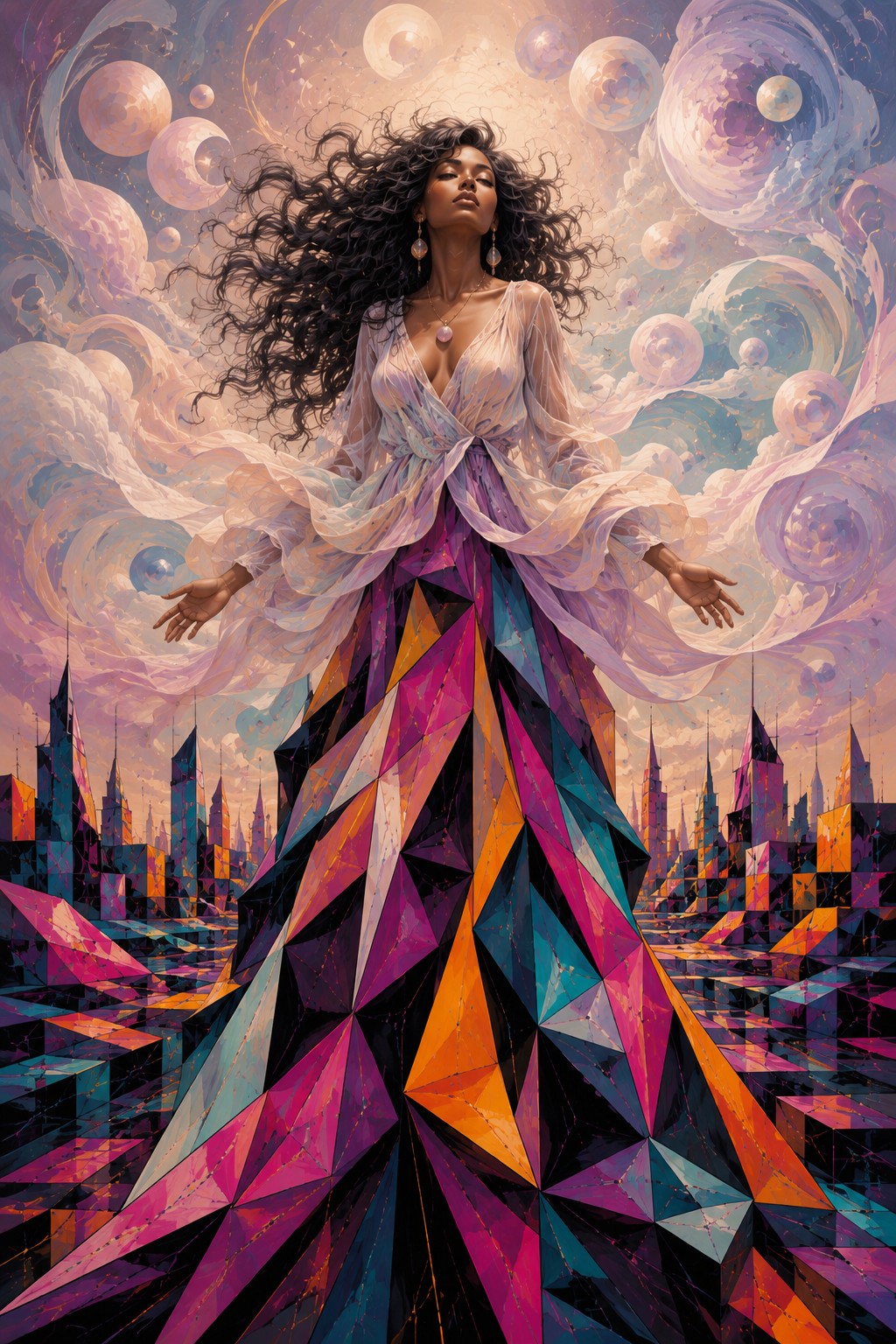
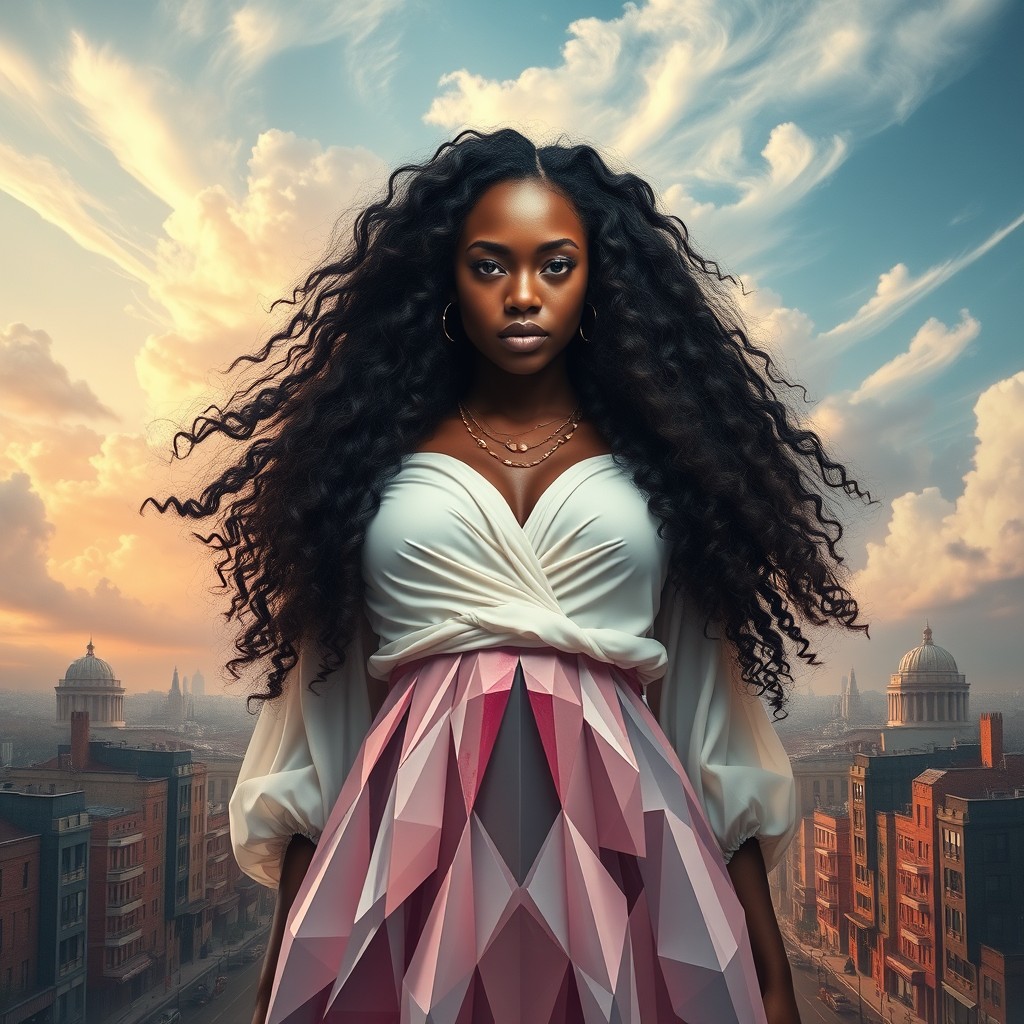
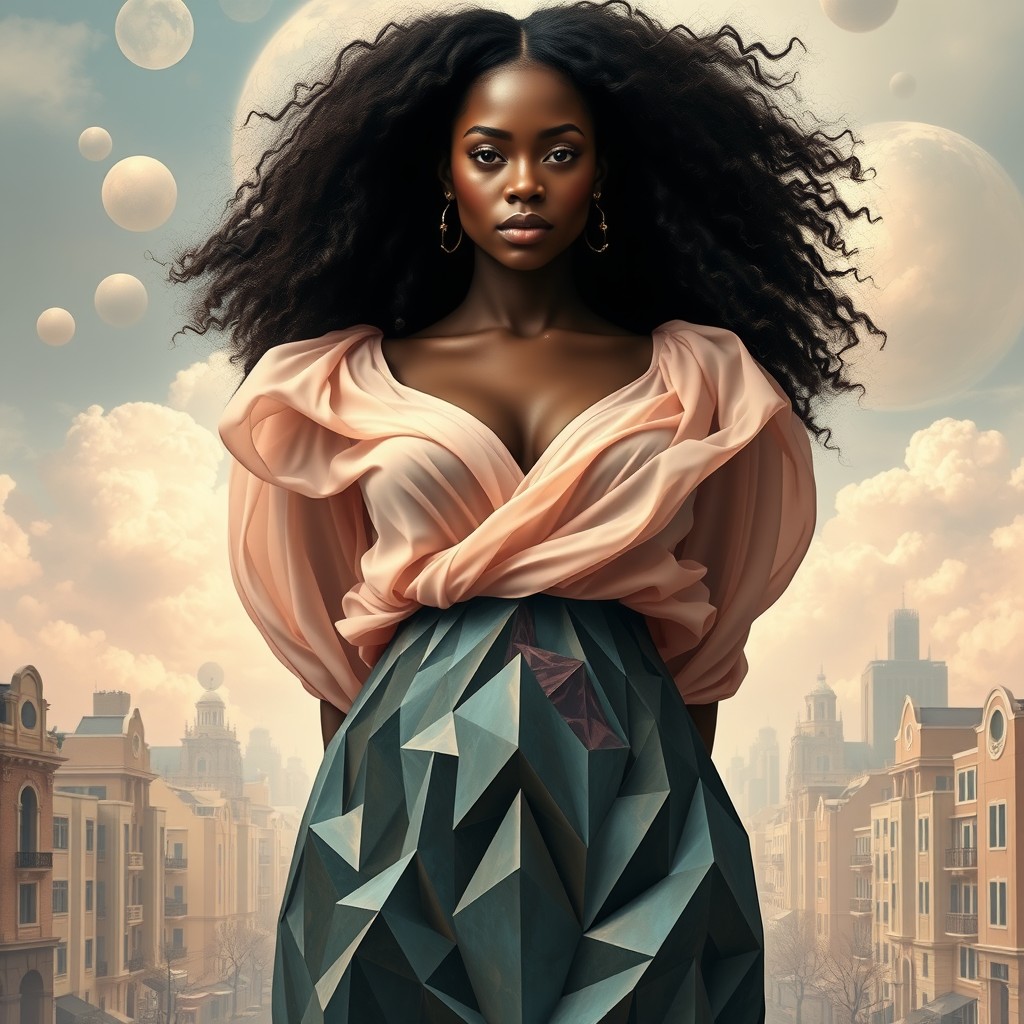
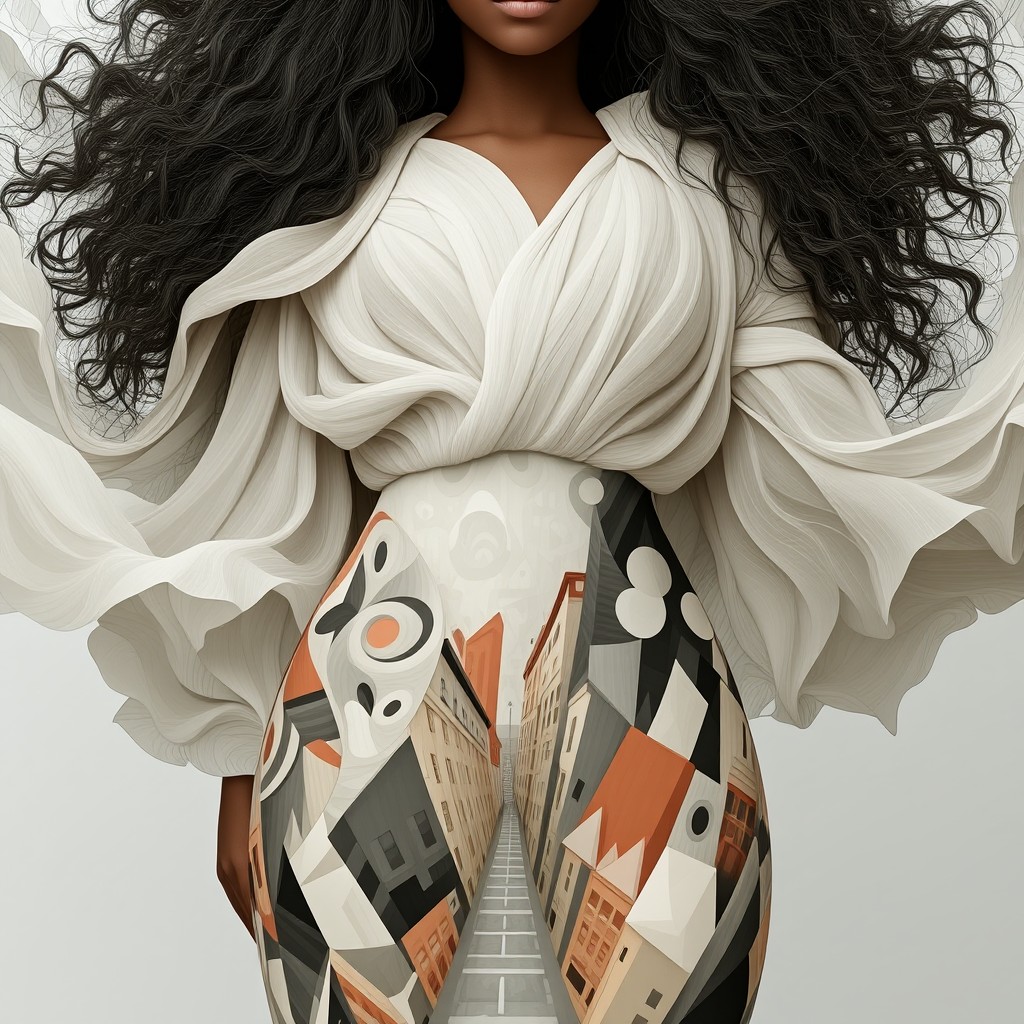
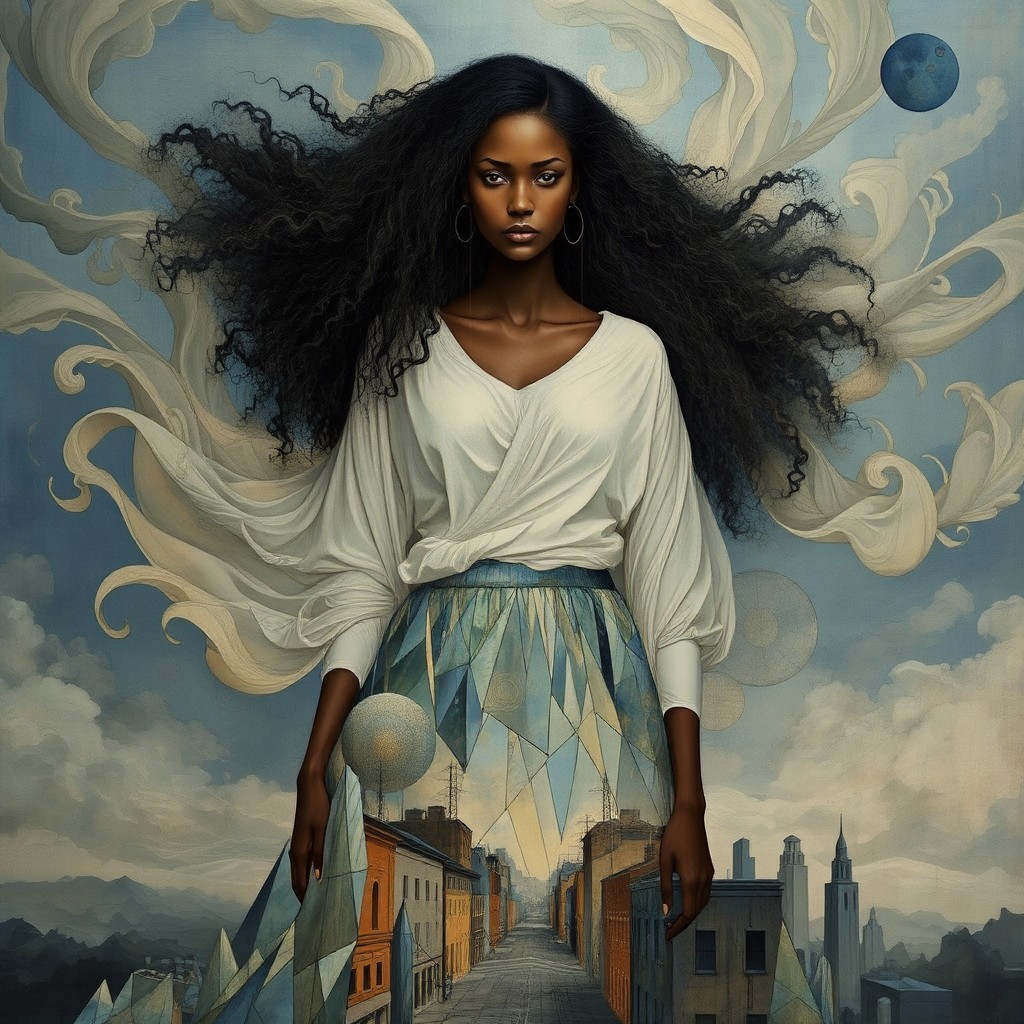
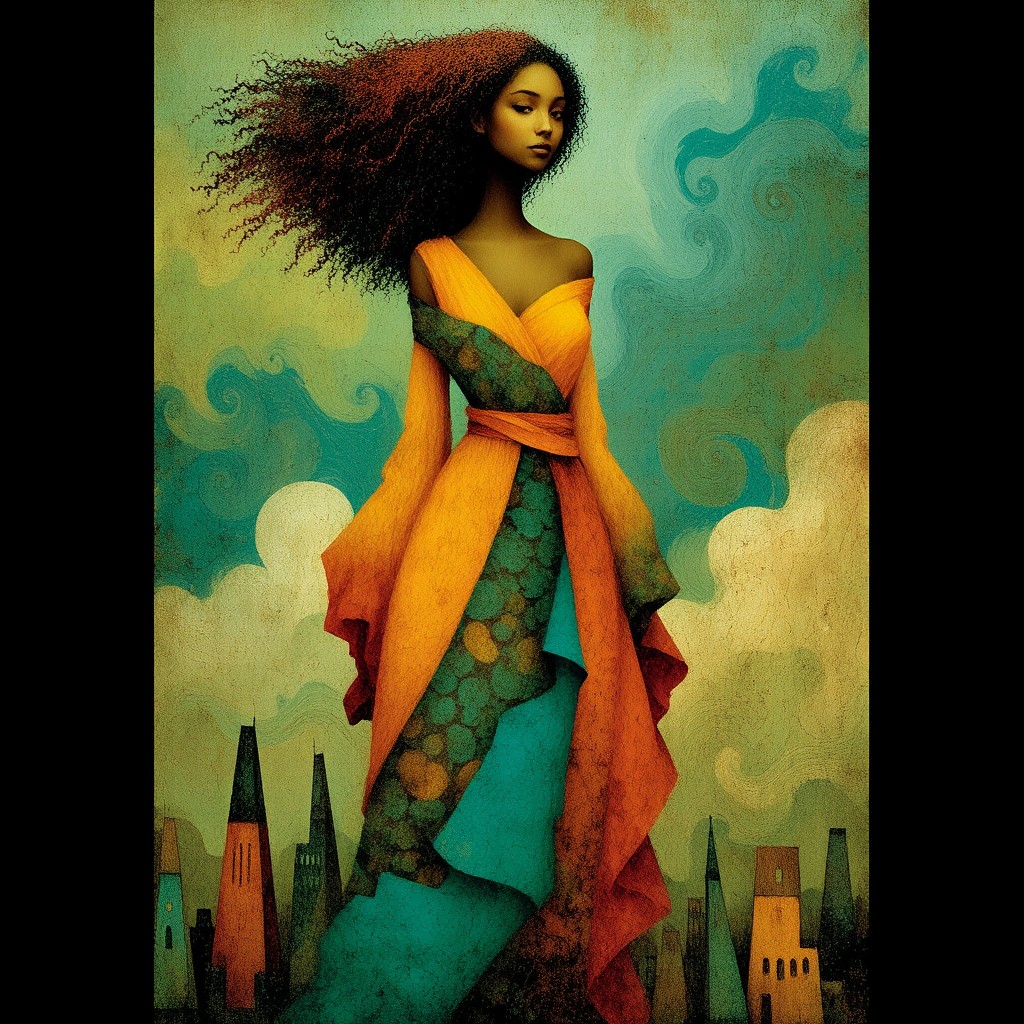
This week’s prompt challenge was to write a prompt that will create a person who represents opposing concepts or elements, such as chaos and order, fire and water, etc. I chose sharp, rigid and bright contrasting with soft, curvy, and pastel.
“Curves & Corners”
Image created by Rebekah Marshall’s prompt using AI on ChatGPT.
Prompt – A front view surreal portrait of a beautiful African American woman with long, naturally curly flowing hair. The image is divided conceptually at her waist, everything above is soft, organic, flowing, and rounded, including the background image of flowing sky. Her clothing above her waist is loose and ethereal with flowing chiffon, billowing sleeves, gentle folds, swirling ribbons, soft curves, elegance, circles, orbs, swirling clouds, rounded forms, graceful waves, smooth gradients, delicate mist, pastel and muted colors, blended, dreamy, feminine, soft. Below her waist the skirt crystallizes into sharp angular geometry. Faceted polygons, jagged shards, triangles, diamonds, hard edges, sharp corners, fractured crystalline planes, sharp folds, Cubist architecture, geometric abstraction, rigid structures, loud clashing colors, black accents, bold graphic contrast. The landscape behind her lower half is angular buildings, polygonal streets, fractured perspective, sharp architecture.
Platform – ChatGPT
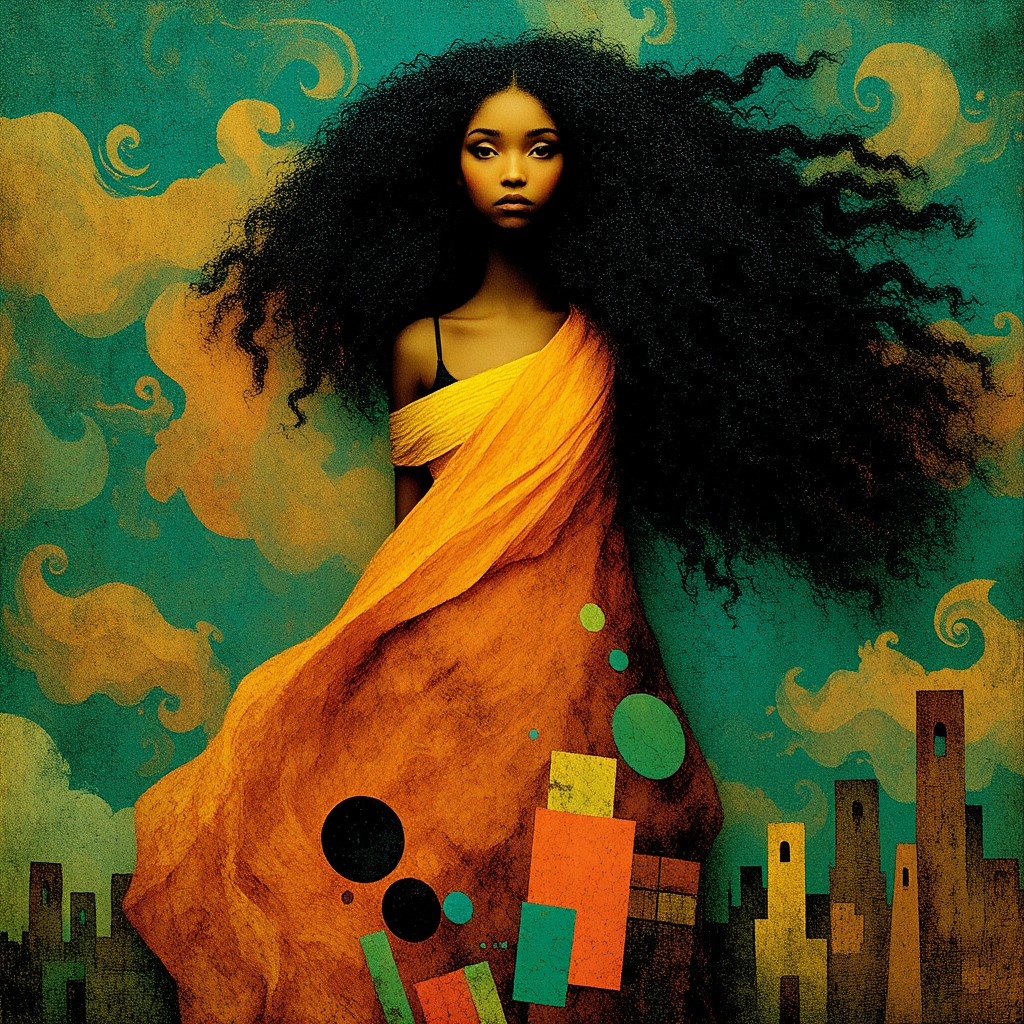
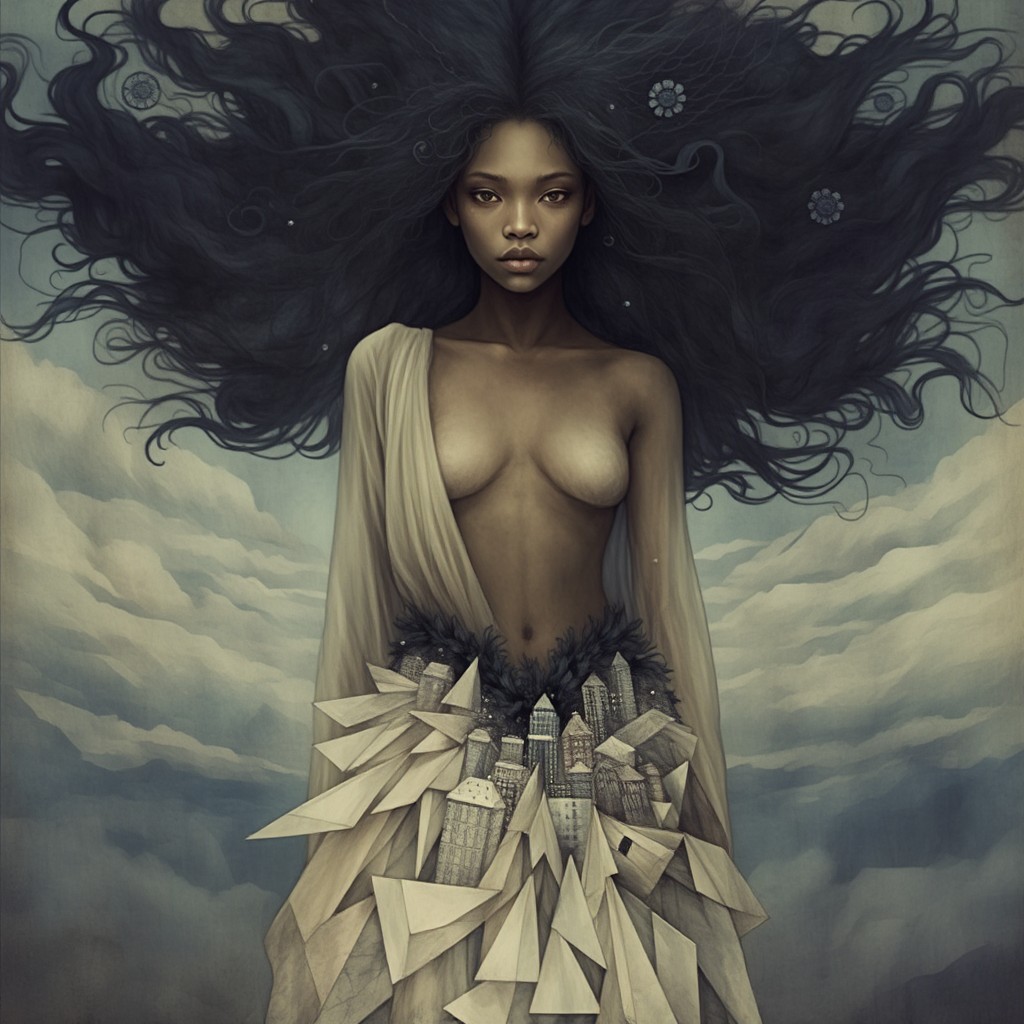
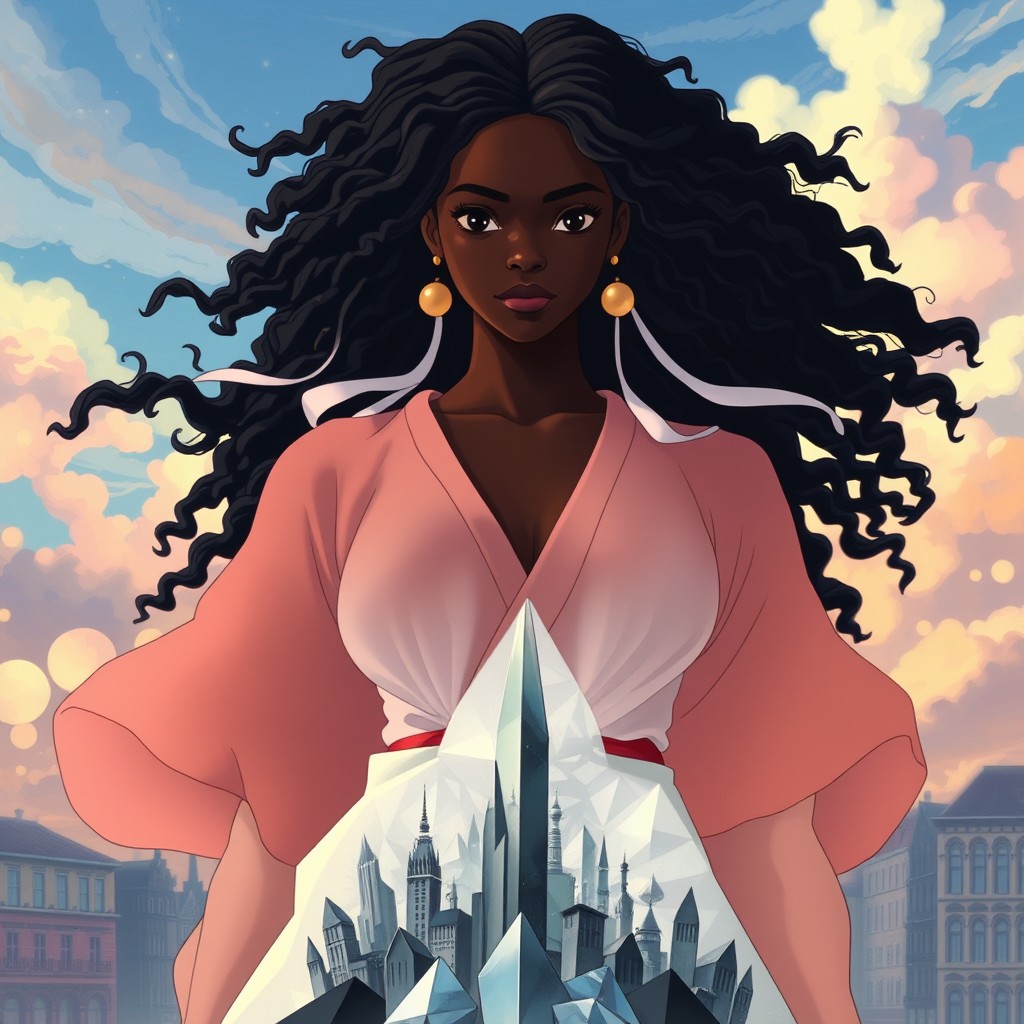
And here are some of the honorable mentions that I did not submit, but still published on my art website:
These images created by Rebekah Marshall’s prompts using AI on Gencraft.com website.
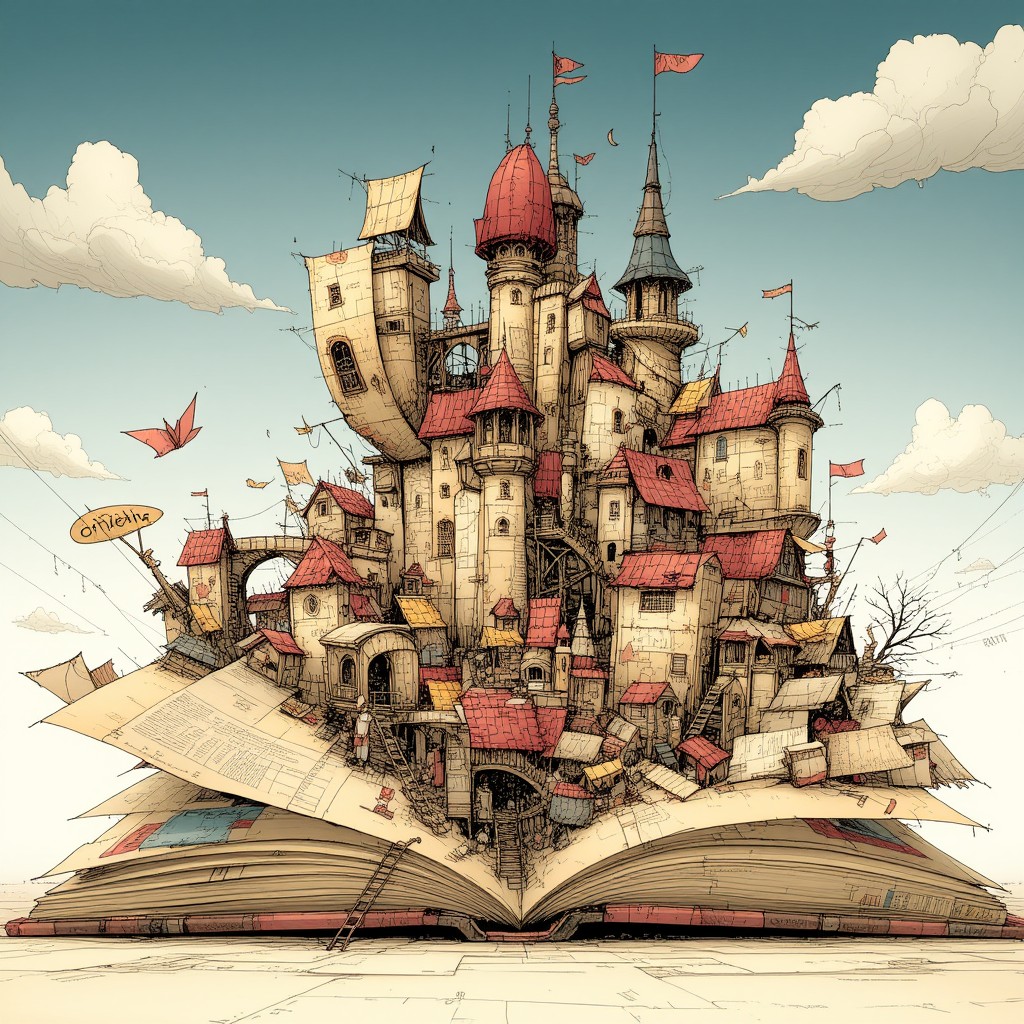
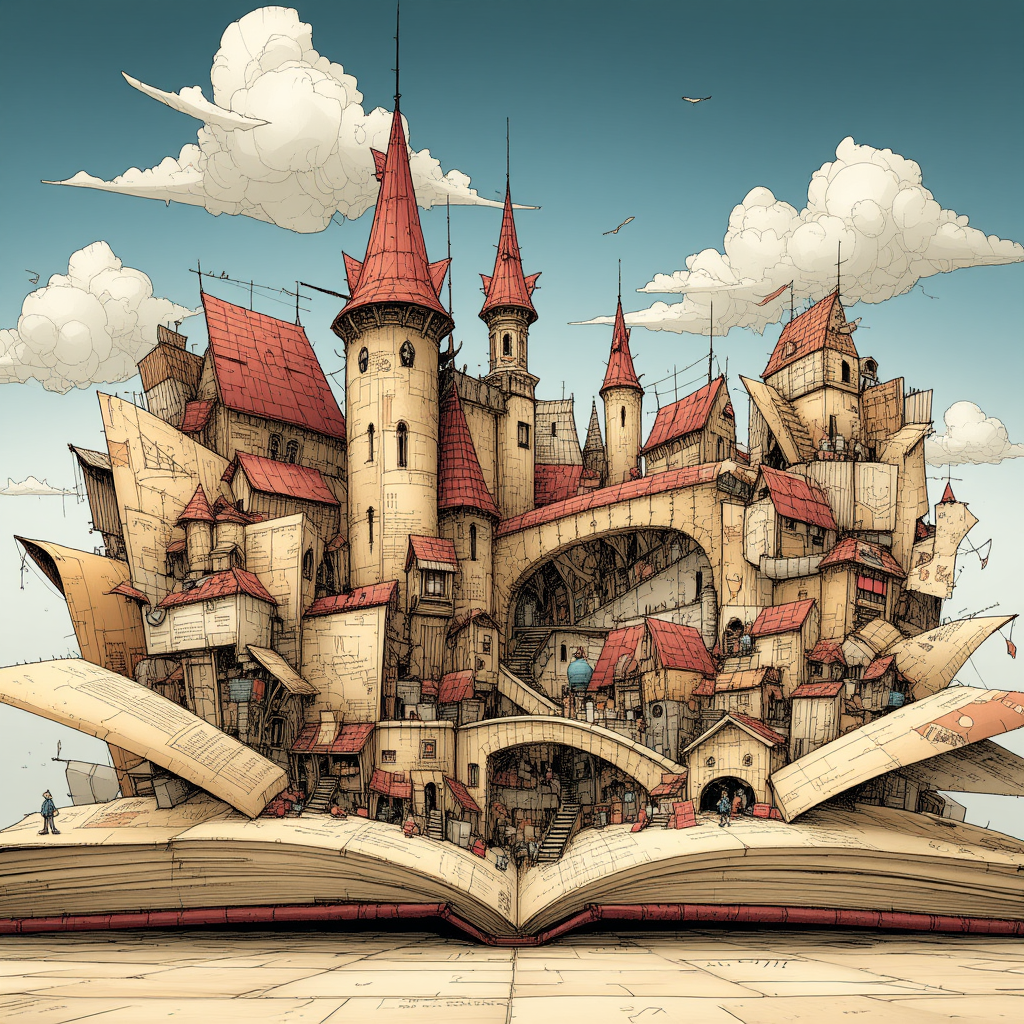
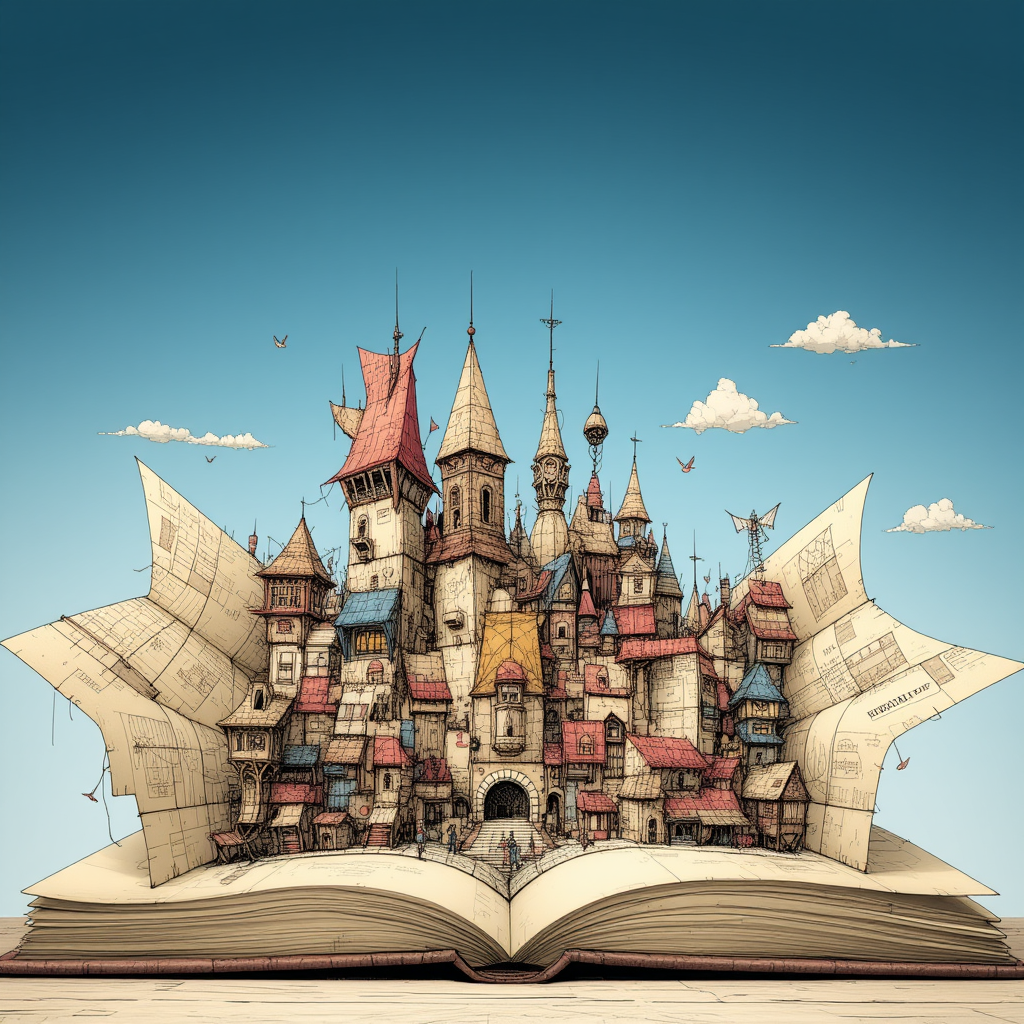
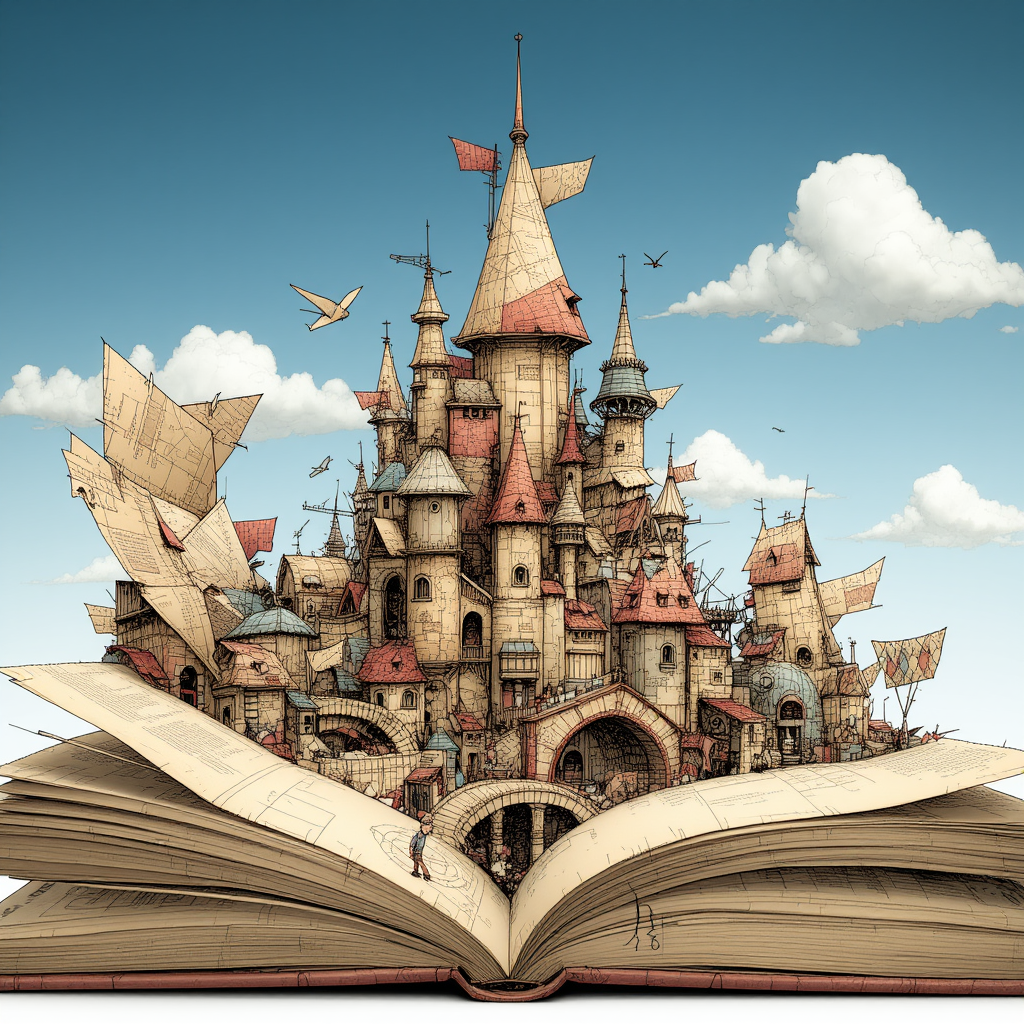
This week’s prompt challenge was to write a prompt that will create an image of a building that defies gravity and physics, such as a skyscraper built of water or a castle resting on the back of a whale. I decided to make mine out of paper in the spine of a book.
“Origami Book Village”
Image created by Rebekah Marshall’s prompt using AI on Gencraft.com website.
Prompt – A whimsical origami town built entirely from giant folded sheets of paper and scraps of newspaper rises up from the pages of an open book. Geometric folds with sharp creases and patchwork paper engineering form every palace, cathedral, tower, bridge, staircase, archway, rooftop, fortress wall and home. The surfaces show faint ink sketches, faded diagrams, typeprint, and calligraphy. Realistic paper texture and hodgepodge of mismatched pieces. Pretty blue sky with a few fluffy clouds, tiny people wandering the streets of the city. The entire town should look delicate and fragile, a paper village.
Gencraft – Model: 40% Olafs-Whimgear 3.0.
Style – Cartoon.
And here are some of the honorable mentions that I did not submit, but still published on my art website: