Category Archives: Writing

This is all of my writing including poetry, fiction, essays, longform, musings, thoughts, journaling, and ideas.

Don’t Believe Everything You Think (Book Review)               

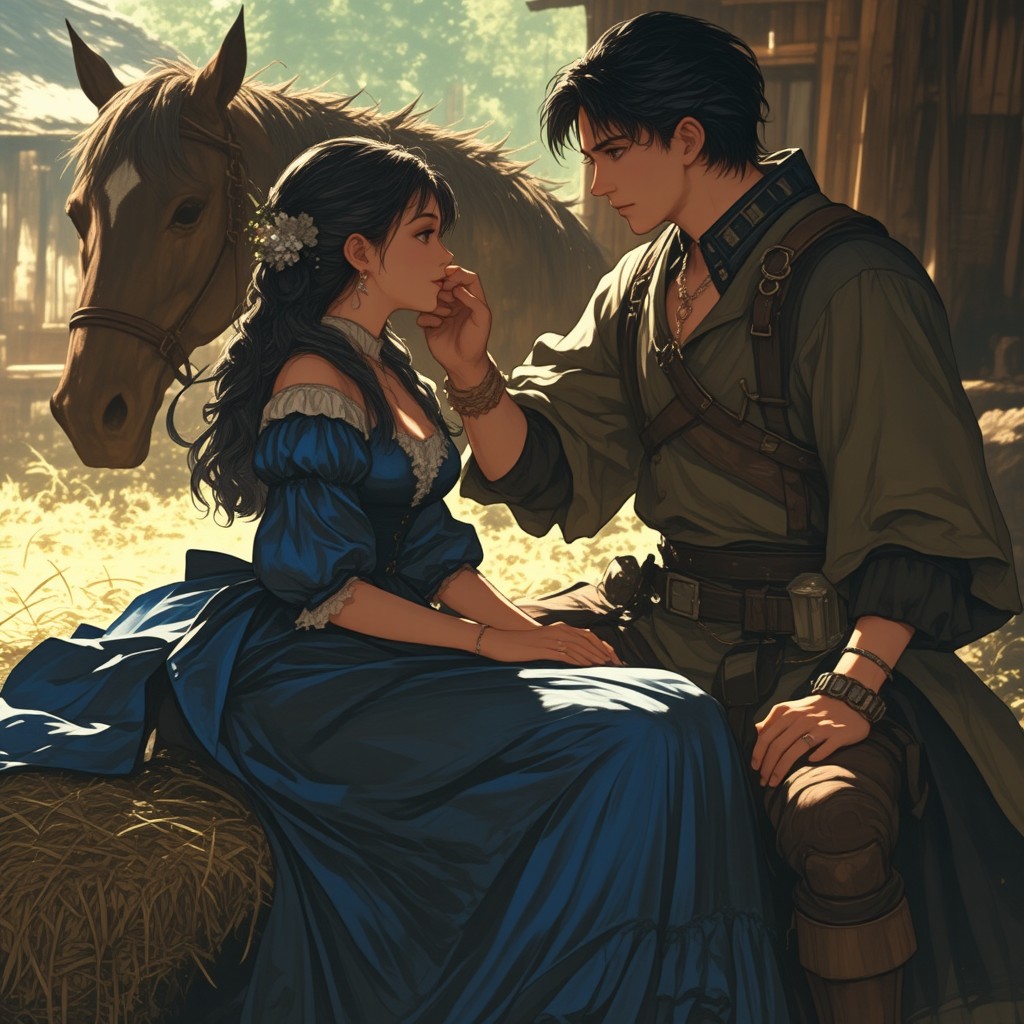
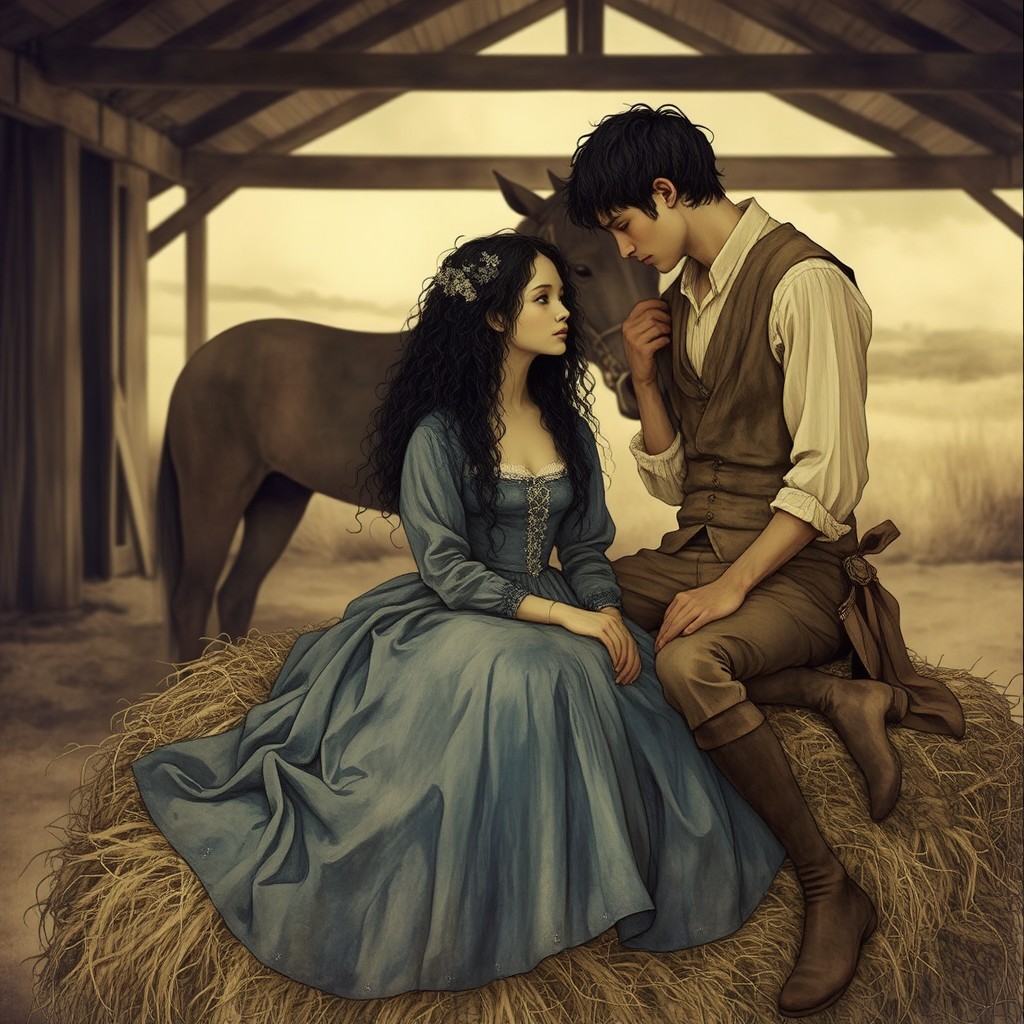
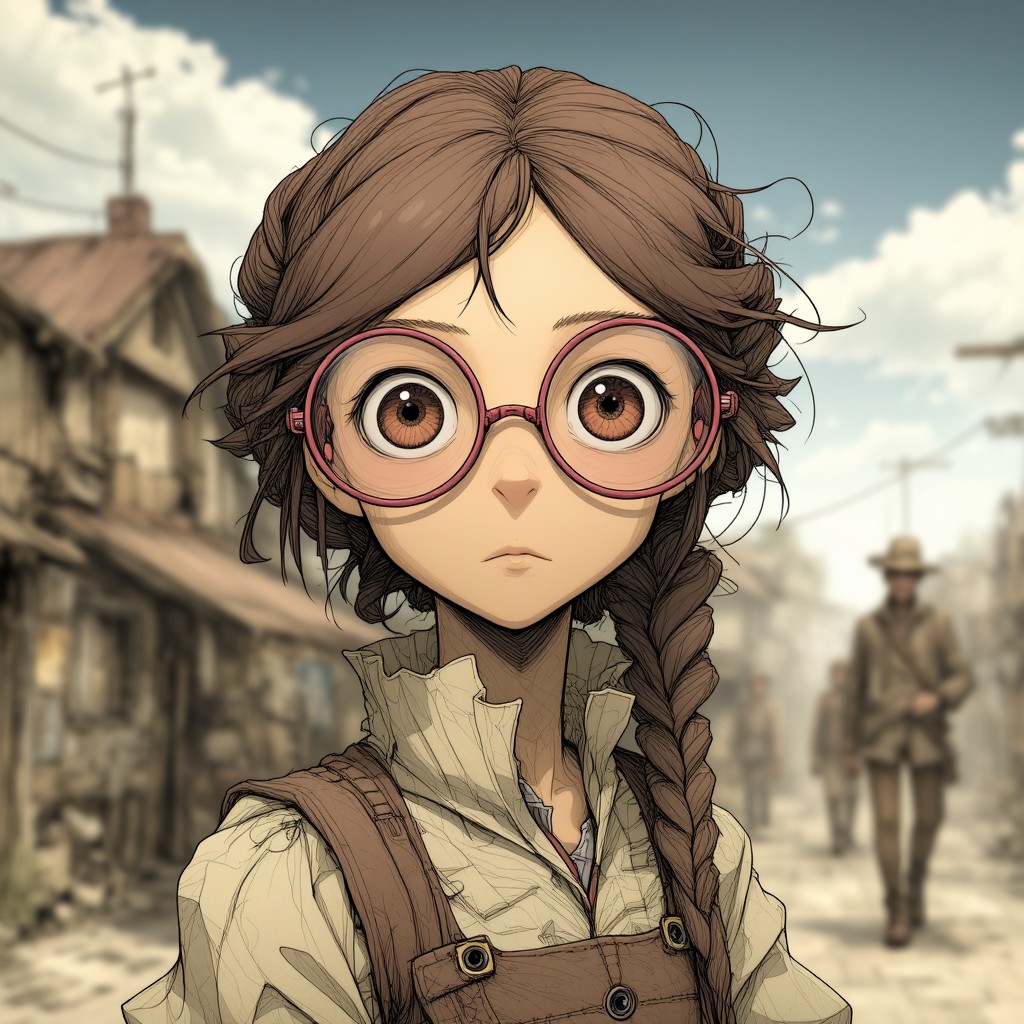
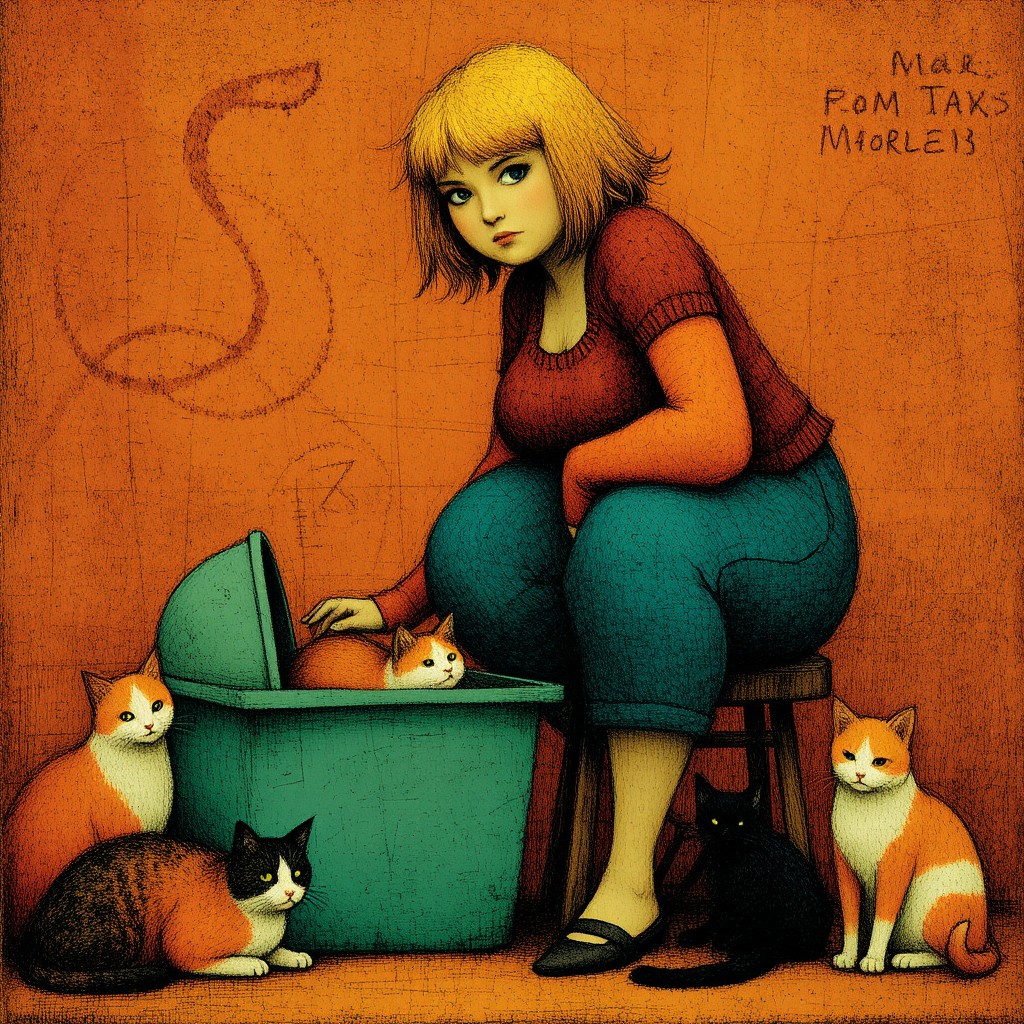
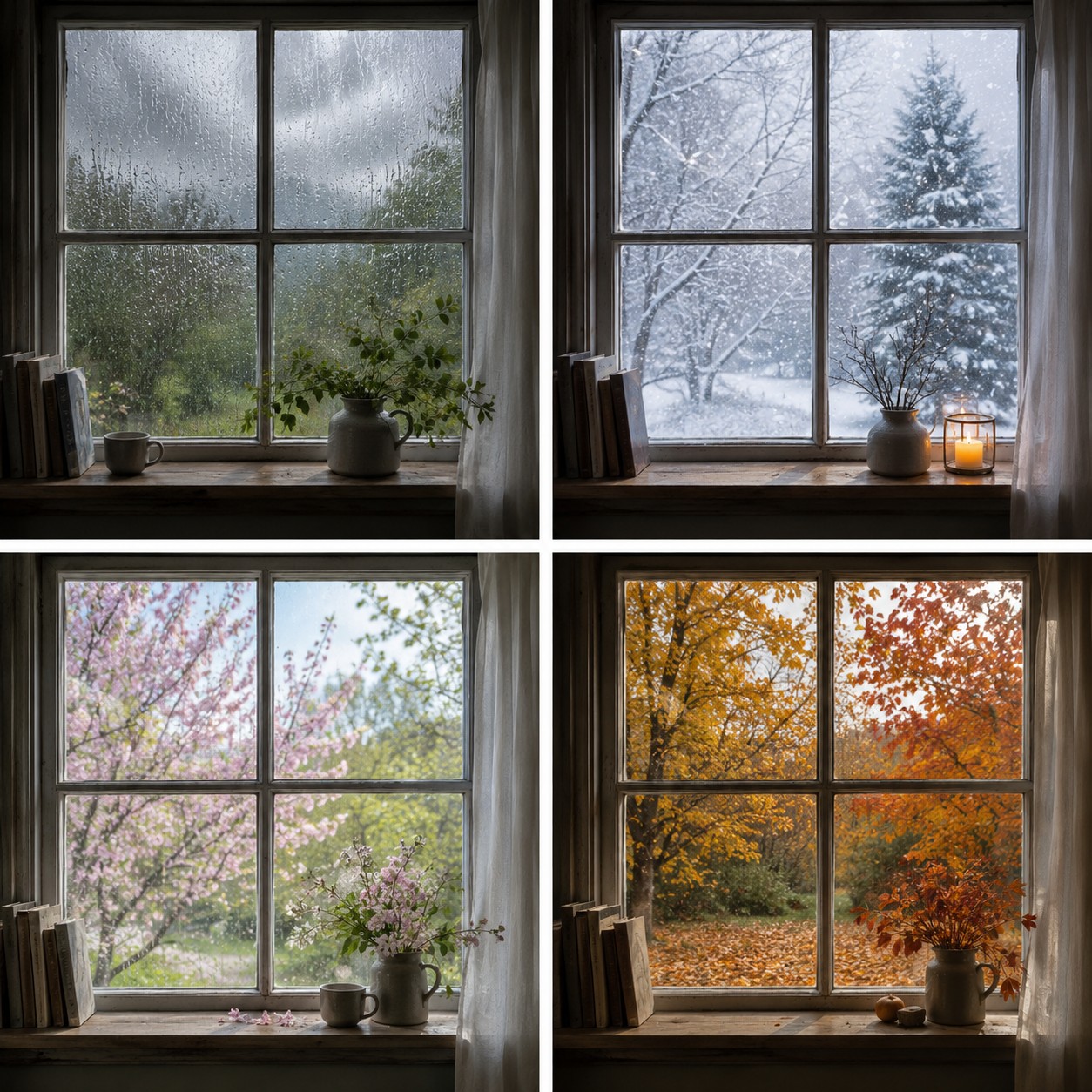
All the rest of these images created by Rebekah Marshall’s prompts using AI on Gencraft.com website.

Thinking is the beginning and end of suffering. So says Joseph Nguyen in his book Don’t Believe Everything You Think. His basic philosophy is that we will be happier and more content if we spend more time in the flow state of experience rather than thinking or ruminating endlessly. Accepting reality as it is without judgment and layering of meaning via our perception of reality does not create as many negative feelings that derail us.

Christine Evangelou said, “A crowded mind leaves no space for a peaceful heart.” And Dostoyevsky said something about thinking too much being a disease. I think that is true. Not being able to turn off the mind, enter peace, creativity, flow, and just rest sounds terrible to me. Nguyen’s little book offers practical advice about how to quiet the thinking, stop judging ourselves and others so much, follow our intuition more, and develop unconditional love. He teaches the PAUSE method, which is a mnemonic for Pause with deep breathing, Ask yourself if your thinking is making you feel the way you way, Understand that you have the choice to let go, Say that thinking is the root of suffering, and Experience emotions fully without judgment.

And the back of the book is full of resources, journaling ideas, inner and outer work, practice suggestions, intentions, and reflections. I found the short chapters easy to read, helpful, and very beneficial to my peace of mind.

Nguyen, Joseph. Don’t Believe Everything You Think, Authors Equity, 2024.

Hafiz – Poem 40

All images created by Rebekah Marshall’s prompts using AI on Gencraft.com website.

I am reading Hafiz’s Little Book of Life, poetry by Hafiz-e Shirazi. He is challenging me to become more comfortable with ambiguity. I will share his poem and some of my thoughts on his poem (sometimes with the help of experts when the concepts are too hard for me), followed by a poem and some art inspired by his poem.

Hafiz’s Poem 39:

Peace in both realms
Depends on your interpretation
Of these two utterances

“Be merciful with friends”

“Be tolerant of foes”

Some thoughts:

I’m not sure what two realms Hafiz is conceptualizing in this poem. There are so many options including: private life v. public life; religious life v. secular life; inner existence v. outer existence; human/earthly realm v. spiritual/divine realm; etc. I am going to keep it simple and consider the two realms “those who think like us” v. “those who do not think like us” as a simple way of saying “friend” or “foe.” That could apply to a number of different realms and is certainly relevant in current society where so much seems to balance on scales of dichotomy. Liberal v. Conservative; Rich v. Poor; Science v. Religion; Nature v. Progress; etc. We tend to be painted into black and white corners in nearly every conversation we enter.

I think Hafiz is suggesting that true peace depends on the way we perceive the gray areas that are not so easy to navigate. Can we be friends with someone who fails us? Those we love often hurt us the most because we care about their opinions and count on them. Can we be soft and loving to maintain relationships with those closest to us, even during the tough times? They are only human. And with our foes, can we allow for complexity and seek to understand without dehumanizing, othering, and judging too harshly? They are only human.

We will never have peace if we demand our way is the only way and there can be no other. Yes, we should have ideals, but then we must be merciful, tolerant, and gentle in our application of those principles as regards others. Can we hold compassion for those close to us and restraint toward those who oppose us? Will our differences and our interactions expand our hearts or harden them? The way we interpret these concepts holds the key to lasting peace.

My Poem 40:

Loving another means
accepting that they are human,
with all that entails,
including:
lateness, forgetfulness, distraction,
fear, ailments, impatience, frustration,
weakness, faults, arguments, disappointment,
and the list could go on…

The other we love may be friend or foe.
Both are in the same category of human,
with all that entails,
including:
beating heart, breathing lungs, thoughts,
opinions, feet to walk away, mouths that open,
hands that ball up into fists and clasp in prayer,
and the list could go on…

Hafiz. Hafiz’s Little Book of Life. Translated by Erfan Mojib and Gary Gach, Hampton Roads Publishing, 2023.
May TBR

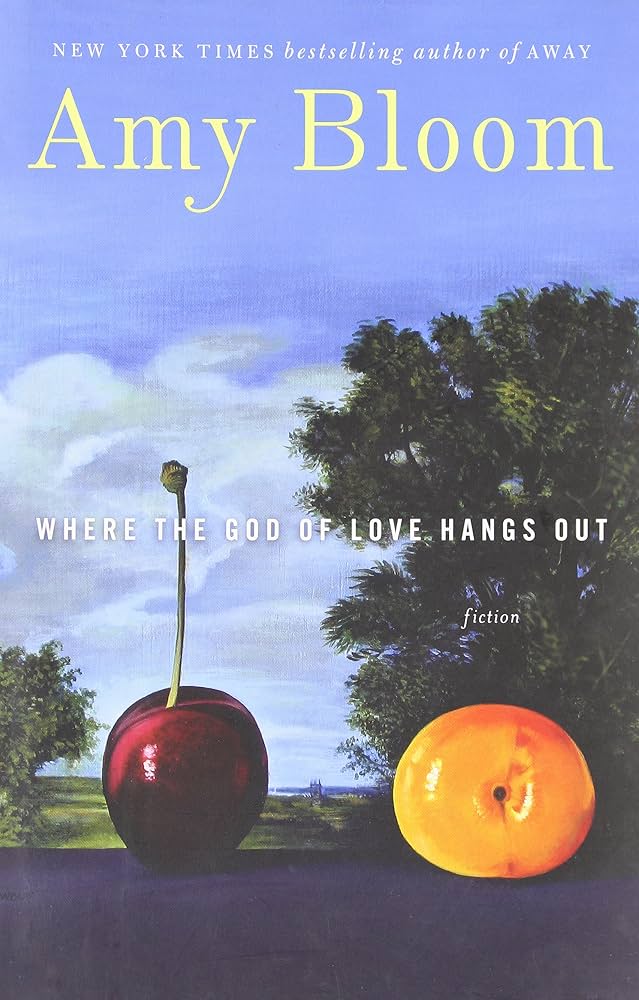
Good readers make better writers. So this is the latest stack of books that I am diving into because of topics I find interesting, writing styles I want to analyze, bookclubs I am in, and in support of authors I know personally. The top half are ones I have been reading for a while now and am doling out in bite-size bits a few pages at a time.

Hafiz’s Little Book of Life by Hafiz
The Book of Delights by Ross Gay
Do This Before Bed by Oliver Niño
Braiding Sweetgrass by Robin Wall Kimmerer
Poems & Prayers by Matthew McConaughey
The Bible for Gen Z (not pictured – I forgot to put it on the stack)

The bottom half are new ones I am adding to my stack to read through at probably a faster pace.

Where the God Of Love Hangs Out by Amy Bloom
Don’t Believe Everything You Think by Joseph Nguyen
Secrets of the Millionaire Mind T. Harv Eker
You Are a Badass by Jen Sincero
The Brain That Changes Itself by Normal Doidge, M.D.
The Other Side of Shutter by Jade B. Allen
Sand to Snow by Thelma Garnand, R.N.

The Birds Don’t Care If You’re Pretty (Book Review)            

All the rest of these images created by Rebekah Marshall’s prompts using AI on Gencraft.com website.

Ava Caldwell’s debut novel The Birds Don’t Care If You’re Pretty is a story of community, friendship, tragedy, and redemption. The fact that the main characters are members of a magical coven in an idyllic setting cranks up the friction and suspense quite a few notches. Teen bullying, romantic rivalries, and risk taking all become tinged with the potential for life and death consequences when dangerous magic is involved.

How far will the characters go to be included, to get their way, to feel love, or to get revenge? Who can be trusted? How does one cope if their magic is taken away from them? And what happens when the reality becomes clear that no one is coming to save them from fate? This story has surprising twists, satisfying character development, and could totally be a movie or tv series. It is a standalone novel, but I would love to read follow up stories or books about the characters because I came to admire some of them and only felt like I was beginning to know their real selves by the end of the book.

I look forward to more from this author if this is only the beginning of her novel-writing career. I’m ready for more!

Caldwell, Ava. The Birds Don’t Care If You’re Pretty, 2024.

Blue Mind (Book Review)      

All the rest of these images created by Rebekah Marshall’s prompts using AI on Gencraft.com website.

Blue Mind by Wallace Nichols soothed my soul. I’ve always known water is healing, transformative, magical…but learning some of the science behind those less concrete concepts was extremely affirming. Water is a great equalizer. Some people who are not as mobile as others are buoyed up, gravity no longer a concern. Others who are not comfortable with the vastness of open space can feel protected and enveloped by the extra pressure of water’s embrace. Anxiety and stress can be washed away. Addictions and obsessions can be rinsed off and replaced with water’s allure. And all of us benefit from even a glimpse of an image or painting of water, whether pond, lake, ocean waves, or waterfall.

I’ve always loved the sound of rain and waves. I think most humans’ nervous systems are calmed by those sounds, possibly because they mimic the earliest sounds we heard in our mothers’ wombs. This book delves into nearly any topic you can think of related to our love of water, from surfing, scuba diving, boating, fishing, snorkeling, sightseeing, swimming, and beyond. And even more fascinating, our brains on water can now be studied with advances in technology like fMRI machines. They are learning that spending time in, on, around, or near water enhances our focus, perception, creativity, memory, cognition, connection to others and nature, empathy, health, and mood.

The main thing this book confirmed for me is that I need to take more vacations to the beach, swim in the pool more often, and watch it rain every chance I get. And I probably need to drink more water, too. And science says so!

Nichols, Wallace J. Blue Mind, Little Brown and Company, 2014.

A Happy Pocket Full of Money (Book Review)

Oh my goodness, this book was hard for me to slog through. I’m not exactly sure what was so challenging for me, but I was unable to keep focused for more than a few pages at a time. A Happy Pocket Full of Money by David Cameron Gikandi was chosen as a book club pick for a women’s trading group I’m a part of for Day Trading. I try to play along but this one did not do it for me.

Perhaps I have read too many “Think Yourself Rich” books and have grown weary of the sound bites and platitudes. There must be something to said concepts for so many wealthy people to espouse them. I’m not saying they are false, but perhaps the constant koan-like paradoxes have exhausted me. I don’t know. My brain could not jump from one metaphor to another quote to a different story across a leap of faith required to accept the link between quantum physics and wealth generation. It is probably a failing or weakness on my part, but the threads were too loosely connected for me to follow.

My favorite chapter was the last one, and no, not because it was bringing the ordeal to a close. It was truly the chapter that made the clearest argument that my brain could comprehend. It focuses on money as symbol, only worth the value ascribed by those using it in trade. There is advice about taxes, offshore accounts, investing, energy transfer, ethics, etc., but no practical advice about how to make ends meet when living paycheck to paycheck. It remains a theoretical argument only the rich can claim as proof of success, while pointing to the poor as proof of failure. At some point, those doing all they can to better themselves grow weary of being told if only they believe harder, invest smarter, and intuit better, they too can become rich.

Gikandi, David Cameron. A Happy Pocket Full of Money, Hampton Roads Publishing Company, Inc., 2008.

The following was repeated no less than 500 times in the book:
“I am wealth. I am abundance. I am joy.”
I decided to use those words with AI to see what kind of images would emerge. These are the result:

These images created by Rebekah Marshall’s prompts using AI on Gencraft.com website.

How to Stop Time (Book Review)     

I can think of few premises more horrible than that of Matt Haig’s novel How to Stop Time. It is a world where some among us age painstakingly slower than average. The protagonist appears to be in his early 40s but has been alive on this earth for over 400 years. From French aristocracy to quaint village life in old England, from the dangerous streets of Shakespeare’s London to the London of the 21st Century, we are swept along with his story almost against our will. If life is a serious of tragedies with bright spots in between, imagine the tragedies of more than 5 lifetimes. The body still has aches and pains, the mind battles ups and downs, depression, anxiety, but with the added fears of being discovered, labeled a witch, a modern miracle, or a danger.

There are networks built to “protect” these long-living humans, but there are also organizations bent on finding and studying them like lab rats to enhance the lifespan of the rest of humanity. Staying hidden from both is nearly impossible, especially as modern technology advances to the point of photography, video, then internet and cell phones, and eventually social media. And how is one to love, to open the heart to vulnerability, knowing you will outlive any partner, child, grandchild, or friend? Oh, living with the pain of loss would be most unbearable for someone like me. I don’t even enjoy pondering this fictional concept any longer than I must.

But Mr. Haig has masterfully pondered these question and more in his tribute to family, humanity, love, and ode to living in the present. If nothing else, this book has made me thankful that my time here is brief in comparison. It is a good reminder to appreciate what we have and take no one we care about for granted. Change and death are inevitable constants that we must learn to accept; the alternative being the illusion of stagnation until the day we die. 

Haig, Matt. How to Stop Time, Penguin Books, 2017.

Hafiz – Poem 39

All images created by Rebekah Marshall’s prompts using AI on Gencraft.com website.

I am reading Hafiz’s Little Book of Life, poetry by Hafiz-e Shirazi. He is challenging me to become more comfortable with ambiguity. I will share his poem and some of my thoughts on his poem (sometimes with the help of experts when the concepts are too hard for me), followed by a poem and some art inspired by his poem.

Hafiz’s Poem 39:

Forgive the warring of the 72 nations
Not having seen the truth
They’ve gone down the road of fantasy

Some thoughts:

This poem took a little digging to learn about the number 72 in mystical Sufism and other Islamic cultural contexts. Apparently, it was a known phrase representing division or splits that people would have recognized as symbolic, rather than literal. The idea of 72 sects or religious groups became shorthand for fragmentation of what was once unified in hadith literature and early Islamic traditions. For Hafiz to mention 72 nations was to at once tap into phrasing his audience would recognize as representative of all the human groups of the world.

What is even more interesting to me is that he is not condemning all these nations for their shortsightedness but asking for their forgiveness. “They know not what they do.” They are caught in “the illusion” rather than recognizing the truth of peace and harmony. All the nations of the earth come from the same source. We all return to the same source after death. Why not live united in kindness, shared humanity, and communal peace during our short time in this reality? Such a question we could pose to the 197 nations in existence on our planet right now.

My Poem 39:

Can you truly not see
the shimmering promise
of a peaceful tomorrow?

The glow of city lights lies just over the horizon
where nation shall not rise up against nation.

This morass of darkness and despair
is not the truth you seek in your waiting
but merely an illusory nonsensical hellscape.

Continue to put one foot
in front of the other until you reach
the promised land of unity and peace,
where bees drip honey into mouths
open only to speak kind words,
and dams nurse calves languidly,
without fear of being separated by war.

Flowers are grown along every path purely
for making friendship wreaths and decorative
garlands to be given away free of cost or consequence
because nothing is required nor demanded of citizens
in this place beyond breath and awareness and love.

Hafiz. Hafiz’s Little Book of Life. Translated by Erfan Mojib and Gary Gach, Hampton Roads Publishing, 2023.
Hafiz – Poem 38

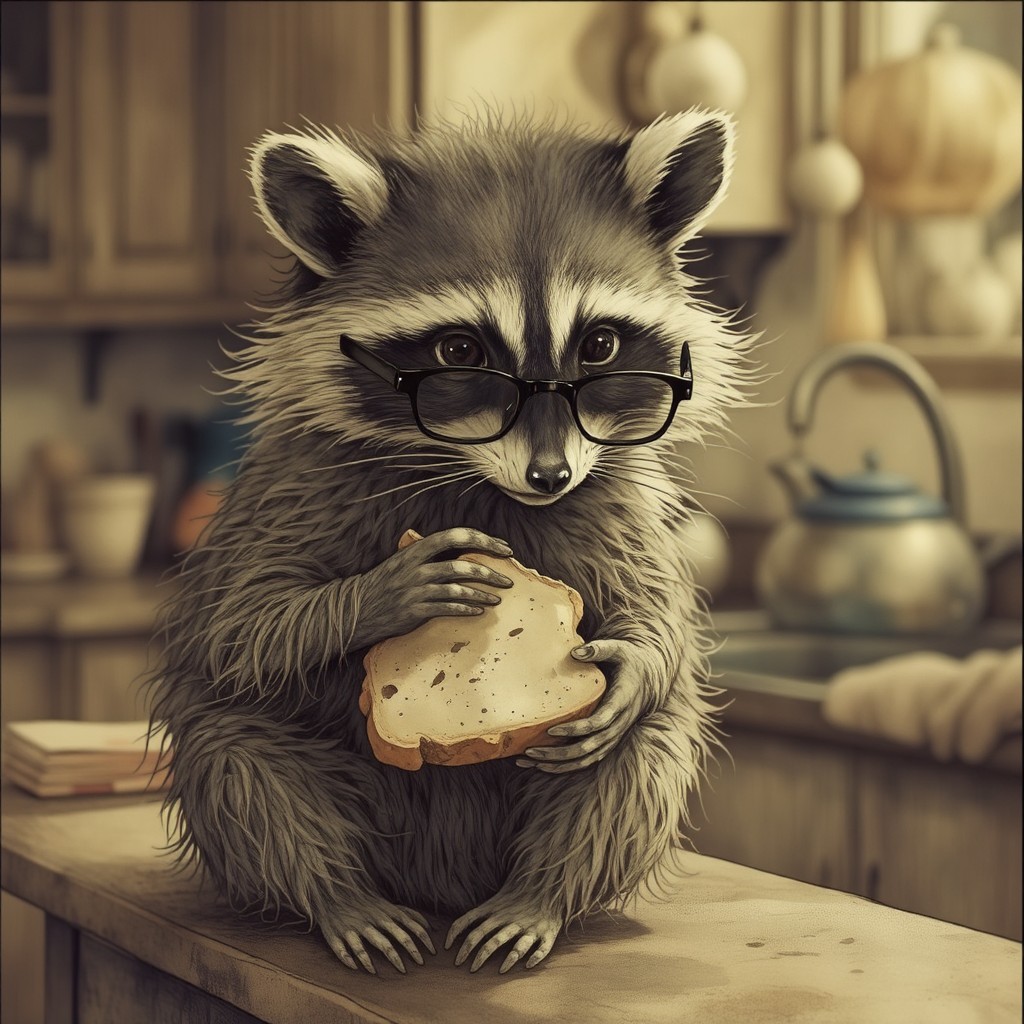
All images created by Rebekah Marshall’s prompts using AI on Gencraft.com website.

I am reading Hafiz’s Little Book of Life, poetry by Hafiz-e Shirazi. He is challenging me to become more comfortable with ambiguity. I will share his poem and some of my thoughts on his poem (sometimes with the help of experts when the concepts are too hard for me), followed by a poem and some art inspired by his poem.

Hafiz’s Poem 38:

I’m not the color of hypocrisy
Either I am a red lion
Or a black serpent

Some thoughts:

I must admit that I am not at all certain of my interpretation of this one. It certainly seems to be along the similar vein of lukewarm water that is repugnant in the Bible verse of the New Testament. Be hot or cold, confident and decisive, real and certain, as opposed to waffling and on the fence. It reminds me a bit of the quote by Yann Martel in Life of Pi when the main character says, “It is not atheists who get stuck in my craw, but agnostics. Doubt is useful for a while…but we must move on. To choose doubt as a philosophy of life is akin to choosing immobility as a means of transportation.” I do not agree with that take, but understand the passion behind the utterance.

The sentiment I do agree with is that of being authentic rather than performative. Whatever the red lion and black serpent represent, they are the poet’s honest opinions. He is claiming that he will not speak untruth merely to save face or impress a certain crowd. Though the opinion may not be well received, might be complex, might be considered too intense, or venture into unsanctioned territory, he would rather speak his truth than be false or diluted.

I’m sorry, good teacher, but I am quite the fence sitter about some things. It is not always a comfortable position to be in, and one might argue, requires balance, a level head, and an open mind. We will have to agree to disagree for now, though that would also require fence-sitting, so you probably would not agree. lol

My Poem 38:

Rippling ember mane
flows like sun-blood
from roaring flame,
molten courage lava hot,
intense burning marrow
dissolves any tangled knot.

Coiled hidden spine,
a dark river eclipsed
by shadowed night,
deep as space unseen
conceals sudden movement,
striking stragglers of the in between.

Hafiz. Hafiz’s Little Book of Life. Translated by Erfan Mojib and Gary Gach, Hampton Roads Publishing, 2023.

Martel, Yann. Life of Pi. Harcourt, 2001.

The Bible. Authorized King James Version, Oxford UP, 1998.

Black Girl, Call Home (Book Review)

I just finished reading a fabulous book of poetry by Jasmine Mans called Black Girl, Call Home. Her dedication is written “For Mommy and Nana”, which spoke to me because I recently lost my grandmother and have been thinking about my relationships with my mother(s), daughter(s), and granddaughters. Her poems are commentary on world events, pop culture, race, gender, sex, family, you name it. Nothing is off limits for a poetic turn of phrase for Ms. Mans. I admire her fierce, unflinching insistence on speaking her true voice about topics I have never been brave enough to write about.

Rather than sharing my thoughts, I thought I would share a few lines of Mans’ poetry.

On mothers: I resent my mother / for things she has sacrificed / on my behalf.

On mothers: I know grace and mercy was raised / by the same single mother.

On God: I have reason to believe / God made dandelions / and metaphors / on the same day.

On Jay-Z: If we past kneeling, / How come we ain’t past dying?

On death: He died / as if / God / thought / he / outstayed / the welcome / in his own skin.

On Kanye (& the Black Aunties): …we know / we made you, / and who are we / to just let / our sister’s son / die?

On Whitney: She sits on an octave / past heaven… / A choir of collateral… / Enough voice to stretch / across the Pacific or the ghetto…

On time: Time / is a Black girl / tapping her red, / 4-inch / nails, against / a mahogany / kitchen table / on Springfield Ave.

There are poems in honor of Serena & Venus Williams, Michelle Obama, Sandra Bland, Halle Bailey, Alysia Harris, Sean Bell, a whole list of women who were sterilized without consent by American doctors, Henrietta Lacks and her immortal cells, a list of missing black girls, lovers, exes, and relatives, including parents, siblings, cousins, aunts, and uncles, as well as friends, neighbors, shop owners, and community members. She speaks with a bold, clear voice as a Black, queer, feminist. And I am inspired to broaden the scope of fodder for poetic consideration.

Mans, Jasmine, Black Girl, Call Home, Penguin Random House, 2021.

These images created by Rebekah Marshall’s prompts using AI on Gencraft.com website.