(Poem 15 for 2024 – I am writing a poem a day)

Sor Juana of the Spanish Golden Age
refused to see through rose-colored glasses.
She says she preferred, with words on the page,
a different view from all the masses.
With both of her eyes in both of her hands,
she would rather her vision be by touch,
than live life lost in nonsensical lands
created by imagination’s crutch.
But optimism was filtered through green
instead of rose when that great lady lived.
The color of aloe, basil, and trees;
nature’s youth, death’s only alternative.
Her sight was such that she must have foreseen
more colors than anyone could forgive.
@ Home Studio after reading “Sonnet 152” by Sor Juana Inés de la Cruz translated by Edith Grossman -15th poem of the year.
Sor Juana Inés de la Cruz – Selected Works. Translated by Edith
Grossman, W.W. Norton and Company, New York, 2014,
pp. 64.
Runner ups for the AI Sor Juana blind rose-colored glasses photos to accompany my poem:




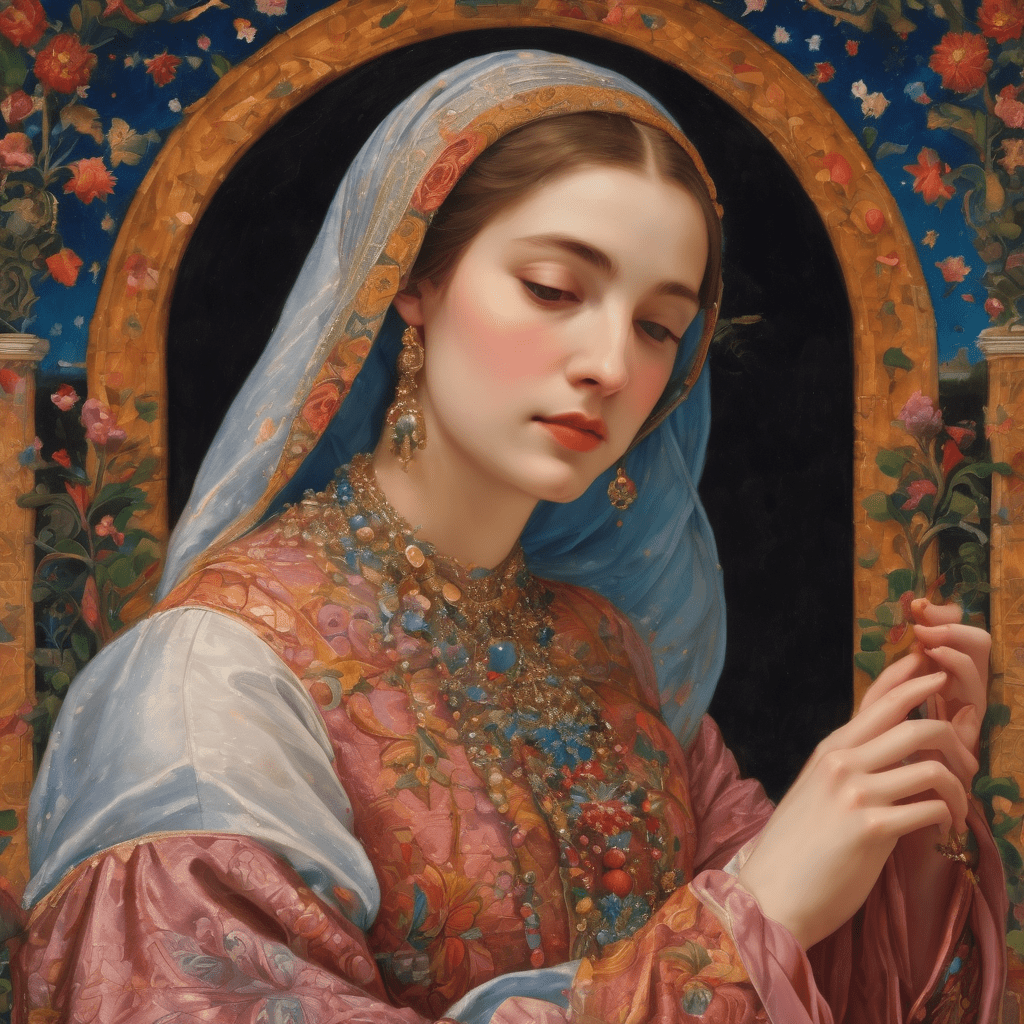
And a few more because they turned out so pretty:

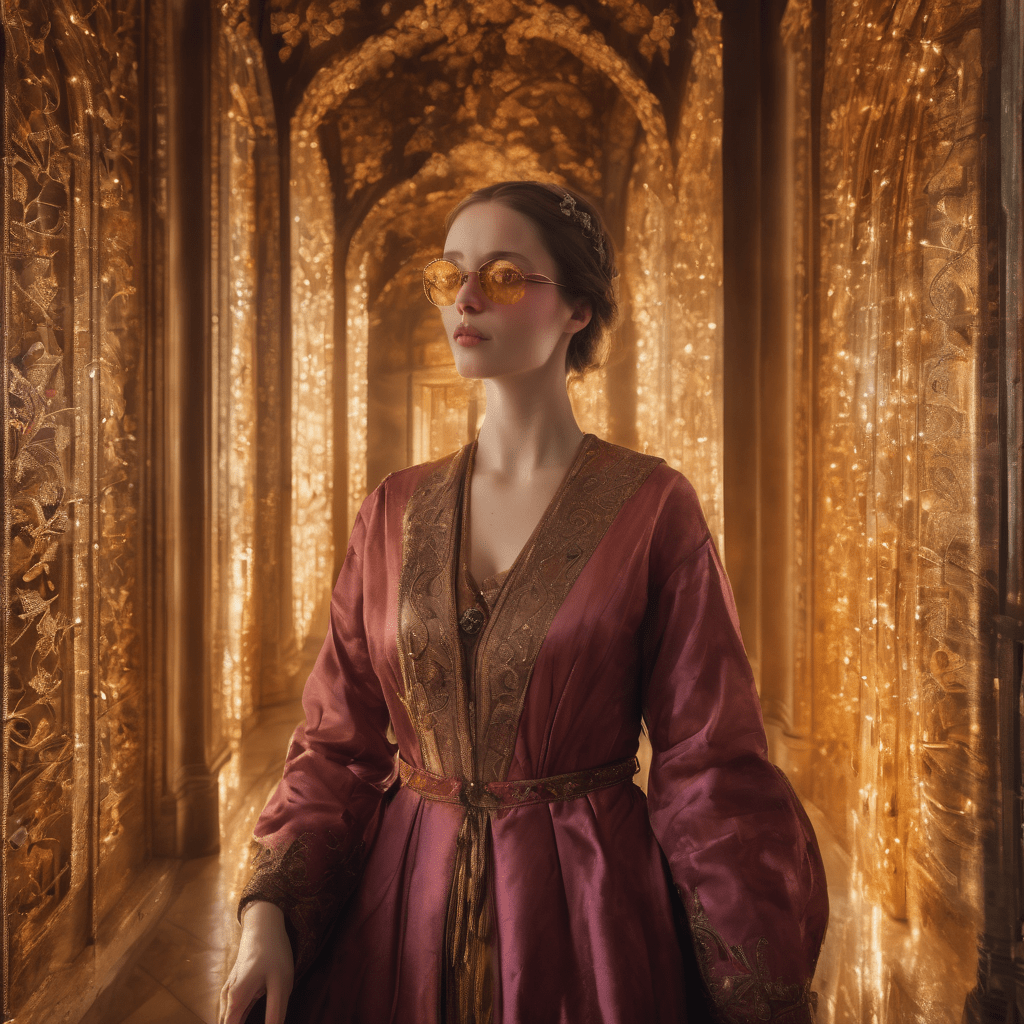
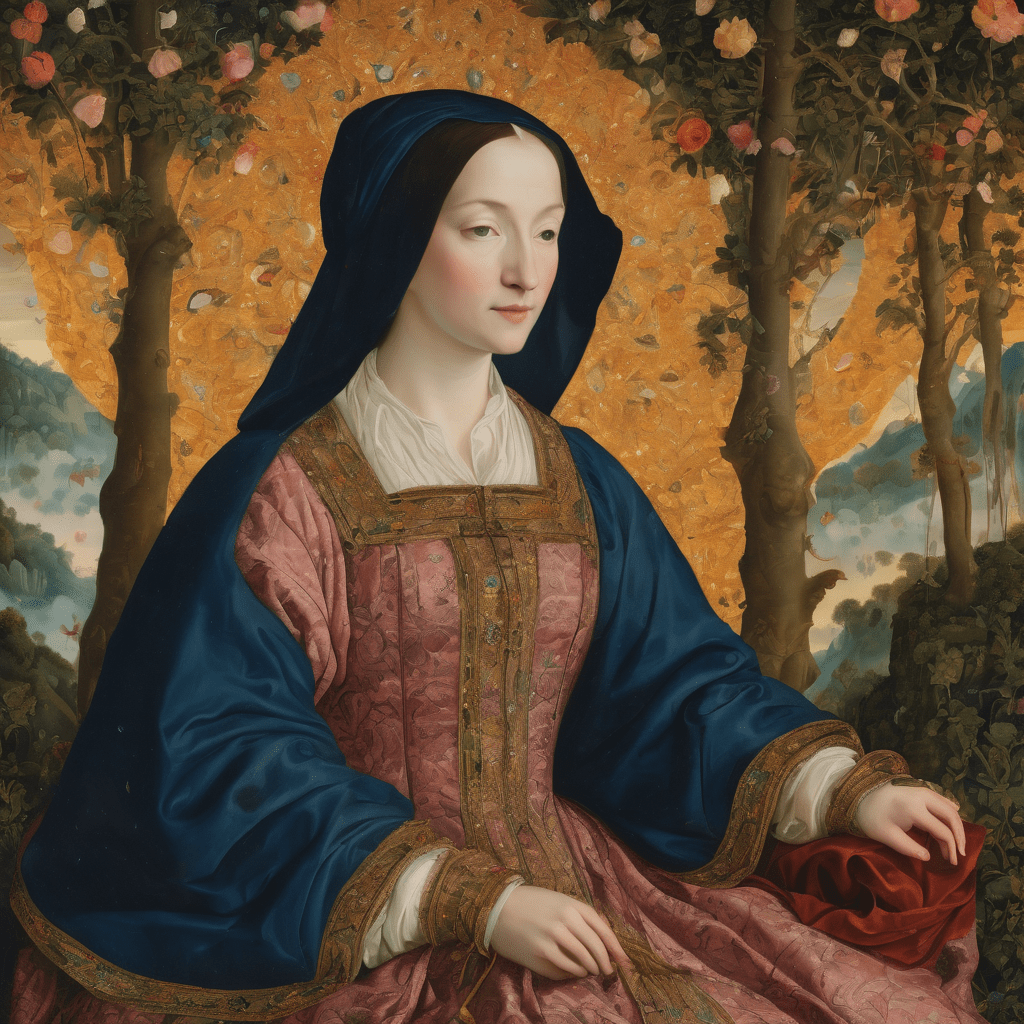


Sor Juana was a feminist nun intellect writer (etc.) who lived from 1651-1695 and is often called the 10th Muse of Mexico. I am reading a book of her writings currently that has been translated into English. I was struck by “Sonnet 152” and the imagery used in her time of green hues rather than rose-colored glasses as the tint of false optimism we recognize currently. I happen to like my glasses quite rose-colored, thank you very much, but I get what she’s saying, especially since she lived in a time when women were much more oppressed. Her criticism of misogyny led to her censure by the church and confiscation of her possessions including over 4,000 books, musical instruments, scientific equipment, etc. She died a year later of the plague.
 rebekahjmarshall