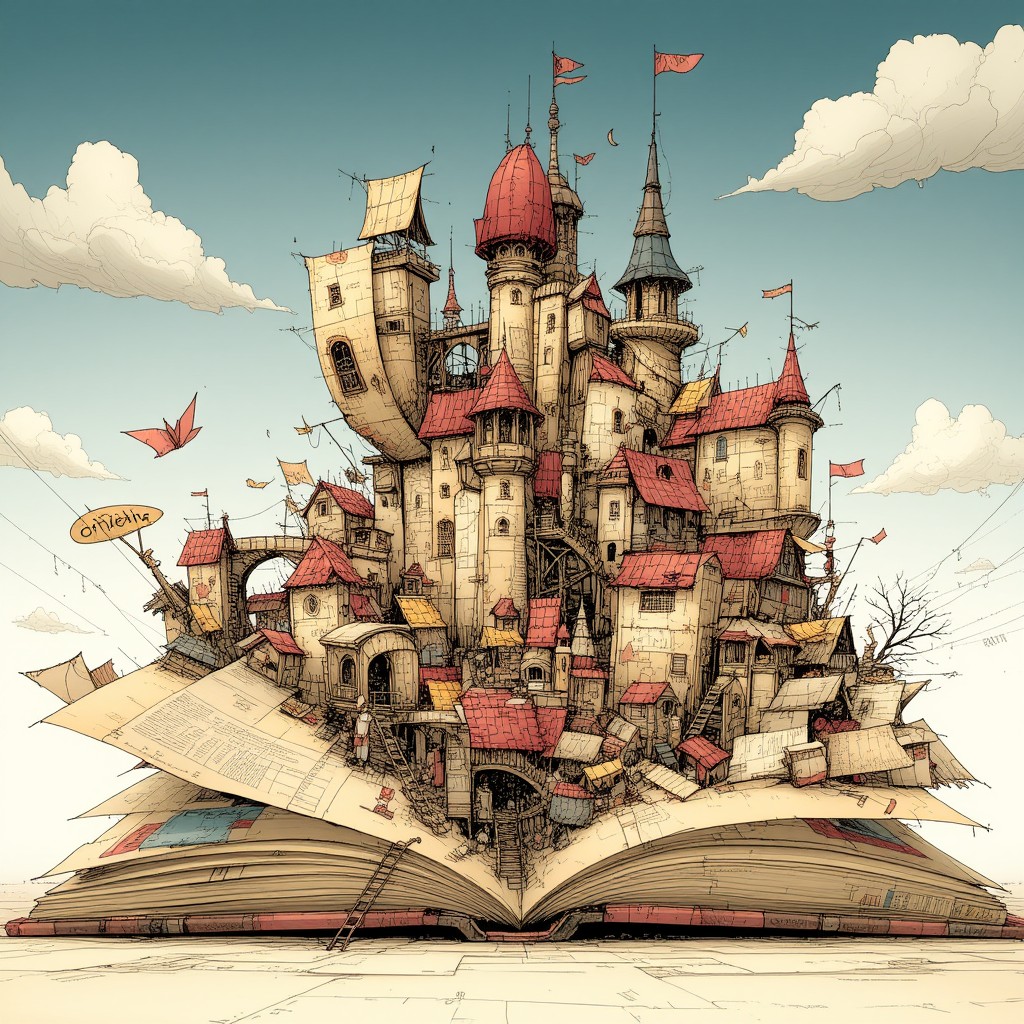
This week’s prompt challenge was to write a prompt that will create an image of a building that defies gravity and physics, such as a skyscraper built of water or a castle resting on the back of a whale. I decided to make mine out of paper in the spine of a book.
“Origami Book Village”
Image created by Rebekah Marshall’s prompt using AI on Gencraft.com website.
Prompt – A whimsical origami town built entirely from giant folded sheets of paper and scraps of newspaper rises up from the pages of an open book. Geometric folds with sharp creases and patchwork paper engineering form every palace, cathedral, tower, bridge, staircase, archway, rooftop, fortress wall and home. The surfaces show faint ink sketches, faded diagrams, typeprint, and calligraphy. Realistic paper texture and hodgepodge of mismatched pieces. Pretty blue sky with a few fluffy clouds, tiny people wandering the streets of the city. The entire town should look delicate and fragile, a paper village.
Gencraft – Model: 40% Olafs-Whimgear 3.0.
Style – Cartoon.
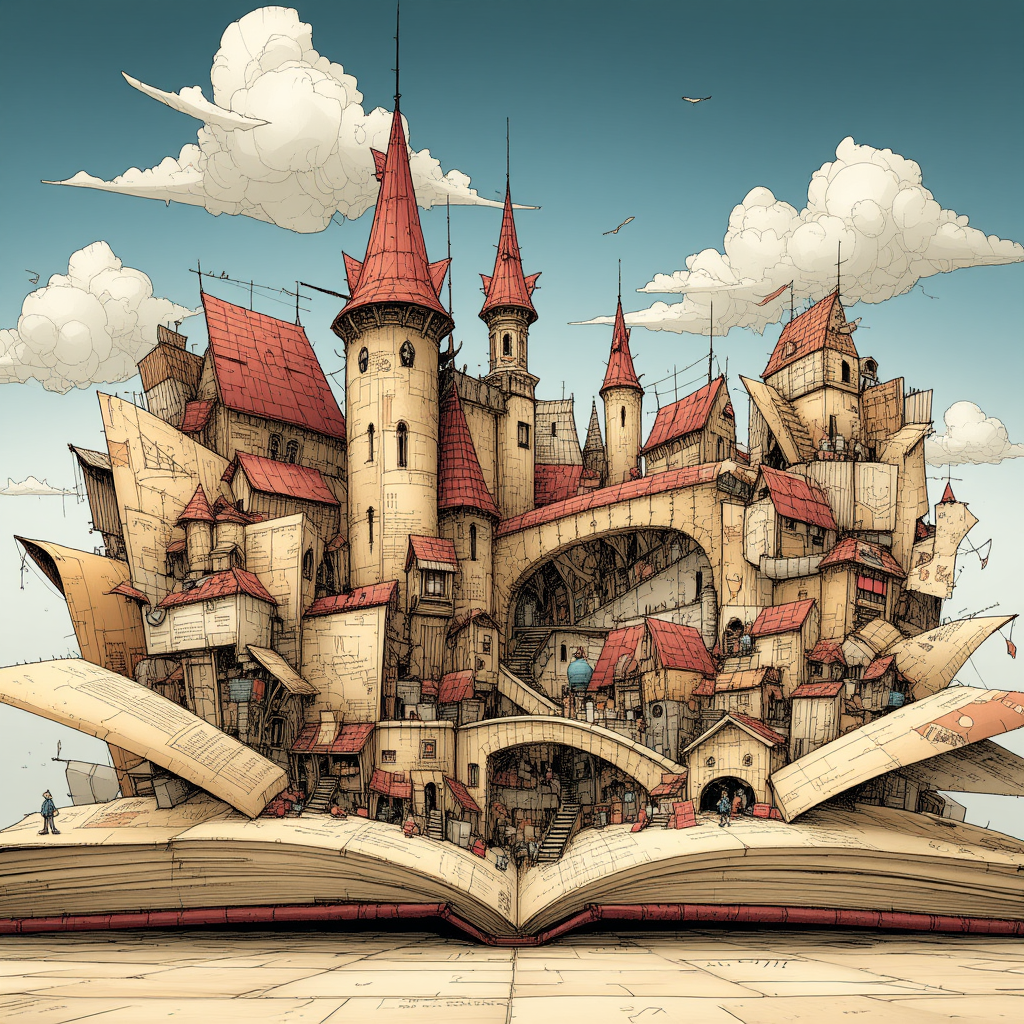
And here are some of the honorable mentions that I did not submit, but still published on my art website:
Image created by Rebekah Marshall’s prompts using AI on Gencraft.com website.
I am reading Hafiz’s Little Book of Life, poetry by Hafiz-e Shirazi. He is challenging me to become more comfortable with ambiguity. I will share his poem and some of my thoughts on his poem (sometimes with the help of experts when the concepts are too hard for me), followed by a poem and some art inspired by his poem.
Hafiz’s Poem 43:
Life’s conditions Constantly Vary
Do not despair
Some thoughts:
This is another one that reminds me of an AA slogan. One of the sayings in that program is, “This too shall pass.” The circumstances we find ourselves in are constantly changing. We don’t have to necessarily identify with them, make them a part of our identity, or focus on them too much. It doesn’t say we are unaffected by the varying conditions. They might be difficult. They might deeply affect us. But they are not permanent. There is no need to be in the depths of despair, as Anne in Anne of Green Gables would say. It is not for forever, no matter how it feels in the moment.
The flip side of the equation is that fabulous conditions are also temporary. Not to be a wet blanket, but sometimes when things are going well, we expect them to stay wonderful forever. The reality is that there will always be ups and downs, dips and crests; that is just life. It is all part of the ride. And maybe the fluctuations are what remind us to cherish the good times.
My Poem 43:
This too shall pass the needling uncertainty pricking the skin from within the insistent clamor that it’s not enough more must be done
Change is a constant the swell of pride perhaps undeserved but so much better than the crushing weight of being a disappointment
Despair serves no purpose save to root one to permanent inactivity rather screw courage to the sticking place so the arrow may fly
Hafiz. Hafiz’s Little Book of Life. Translated by Erfan Mojib and Gary Gach, Hampton Roads Publishing, 2023.
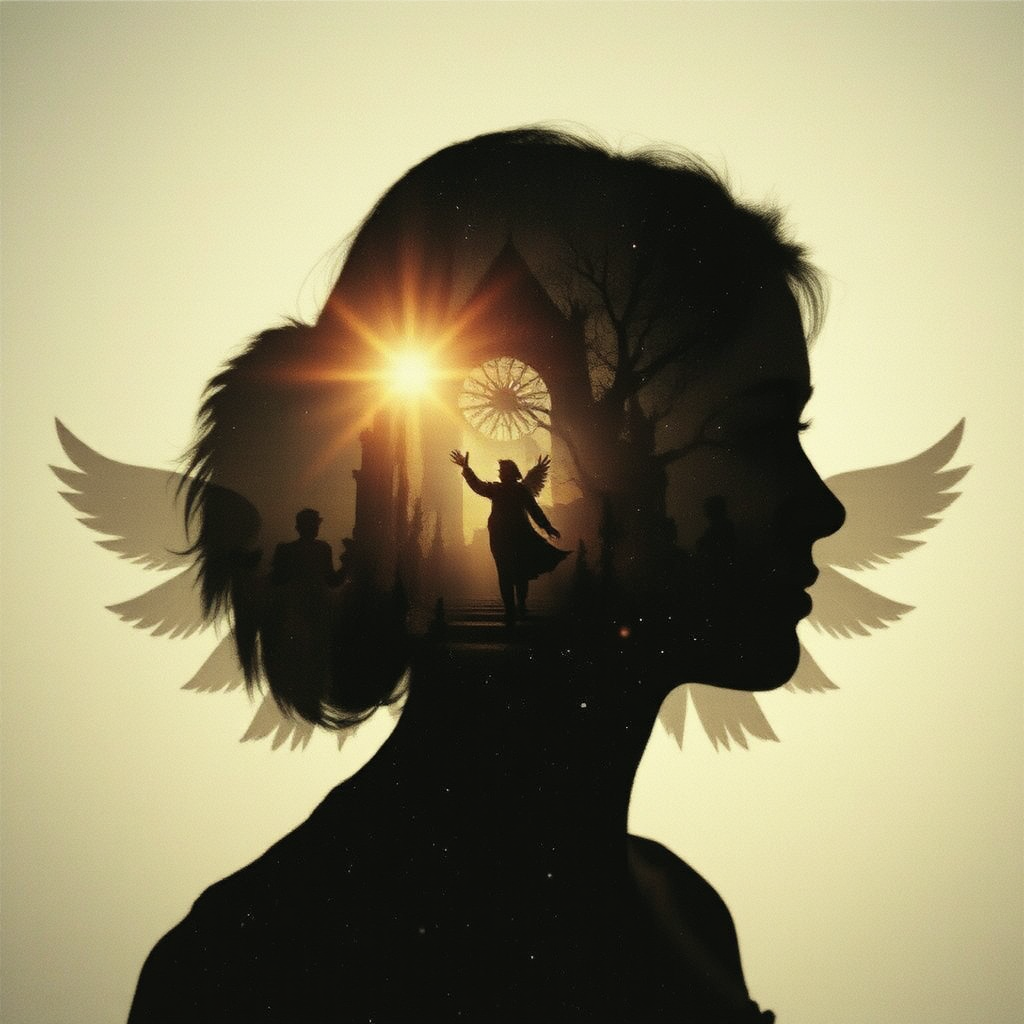
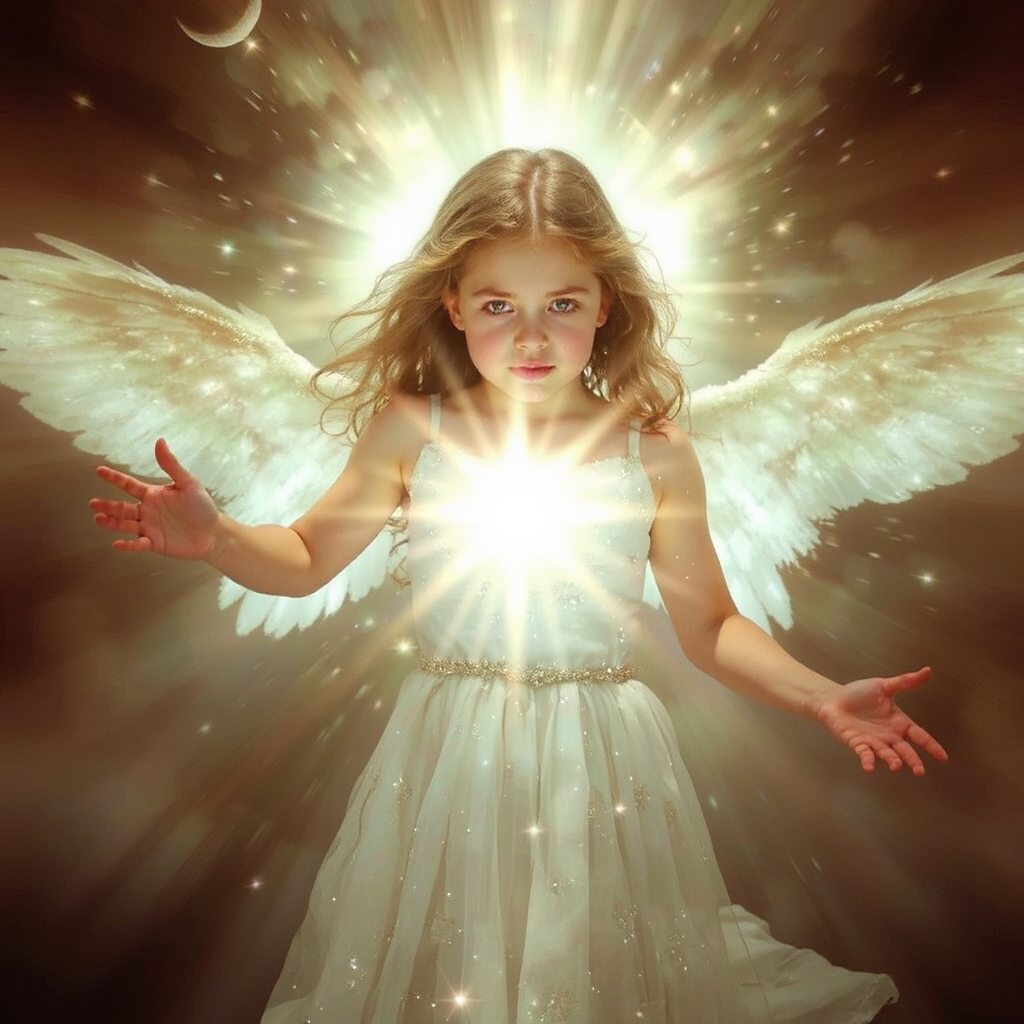
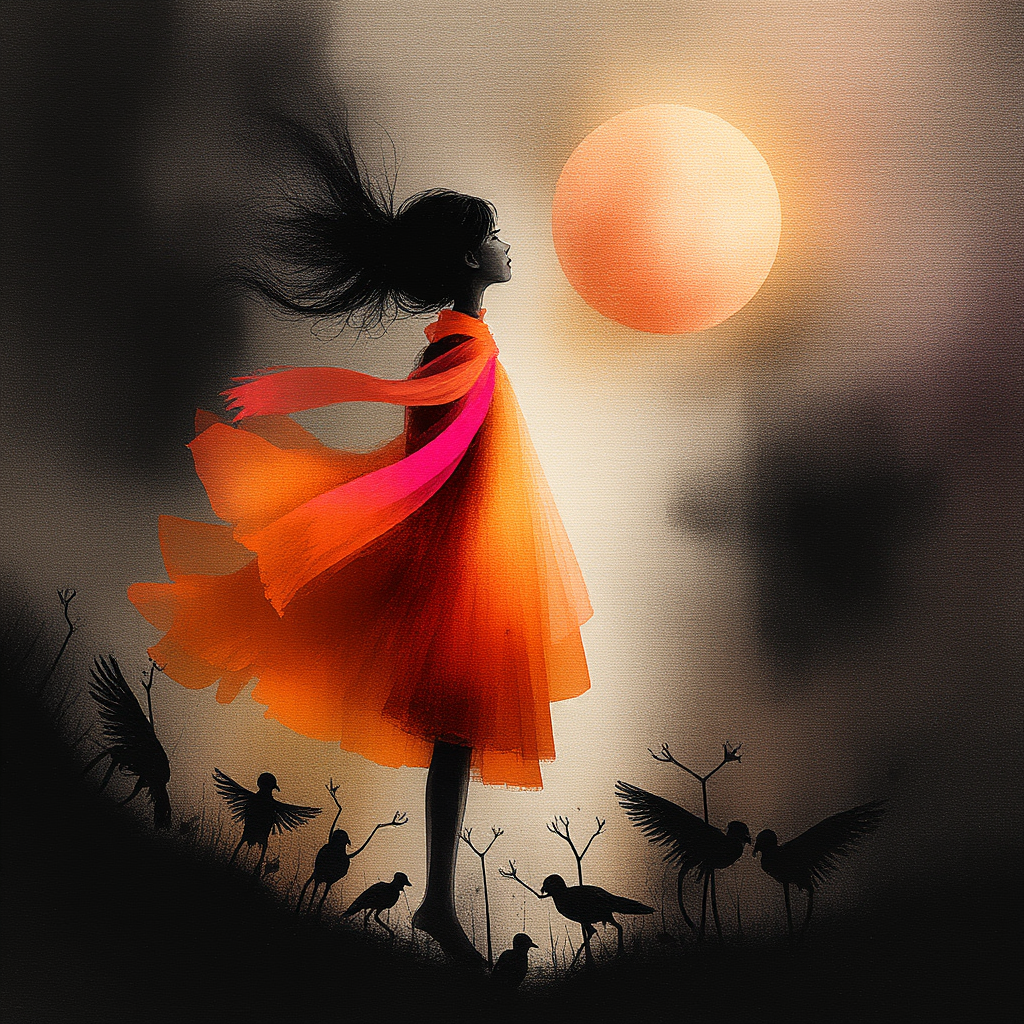
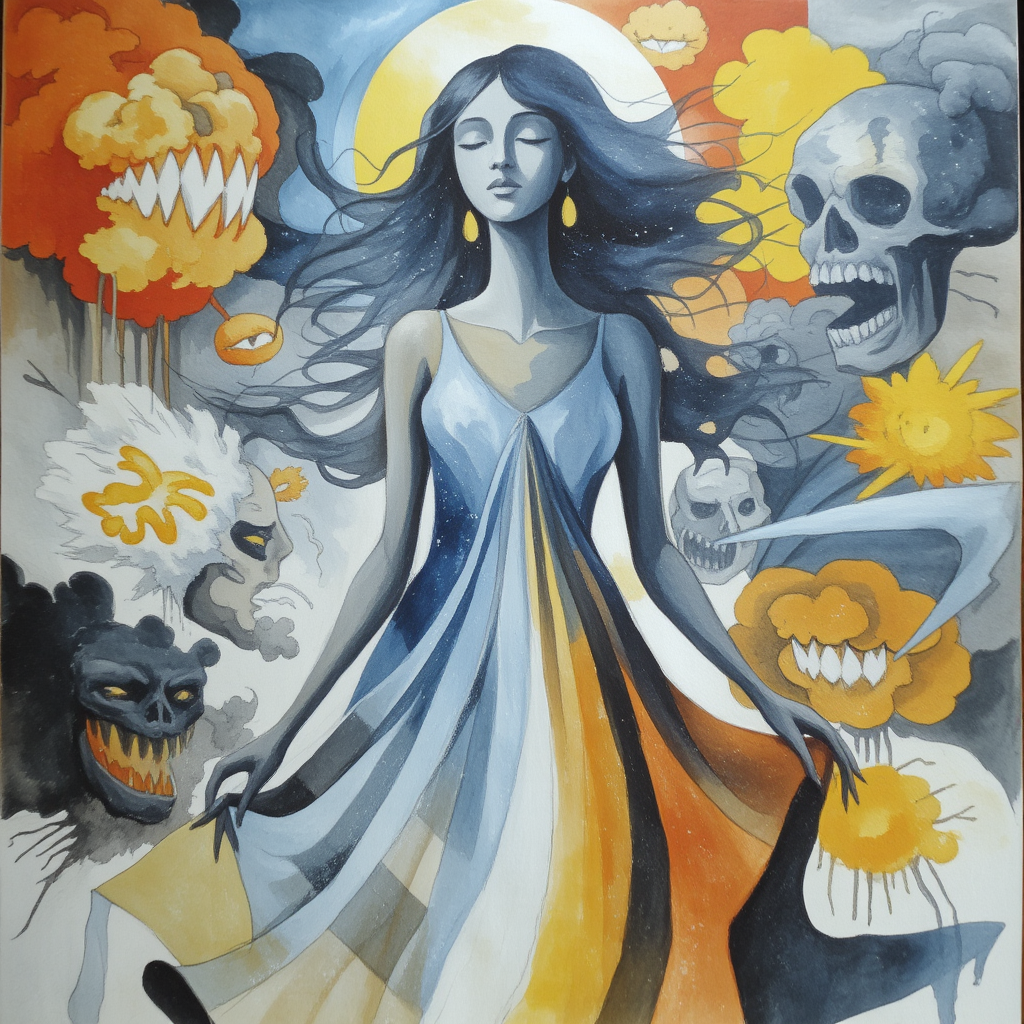
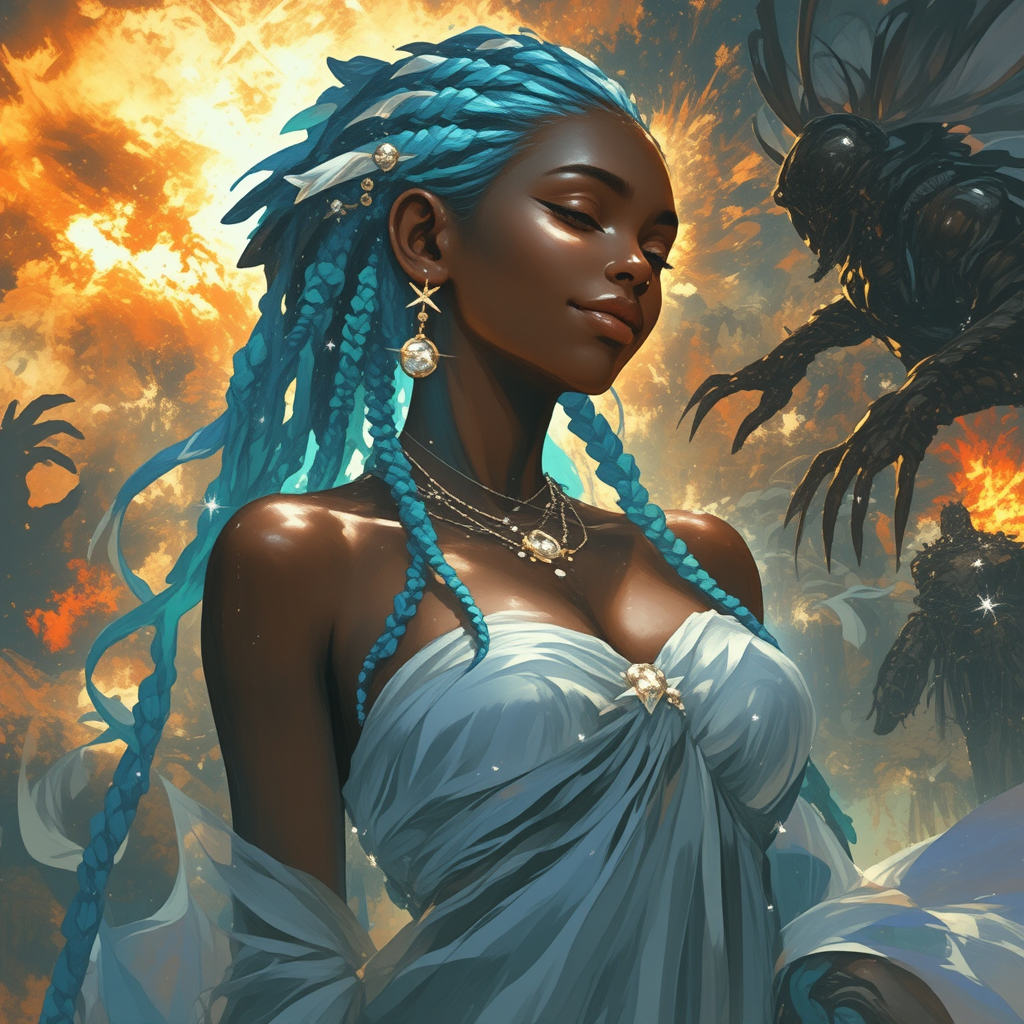
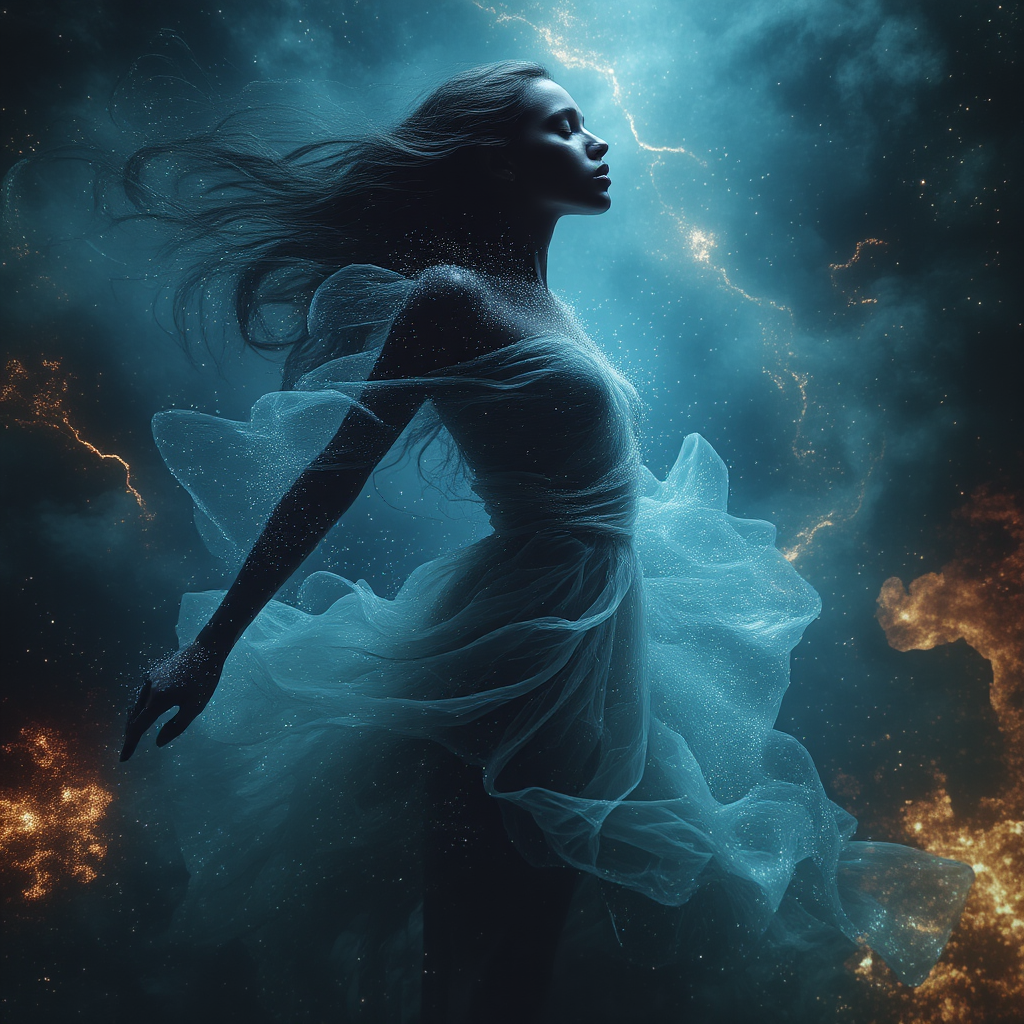
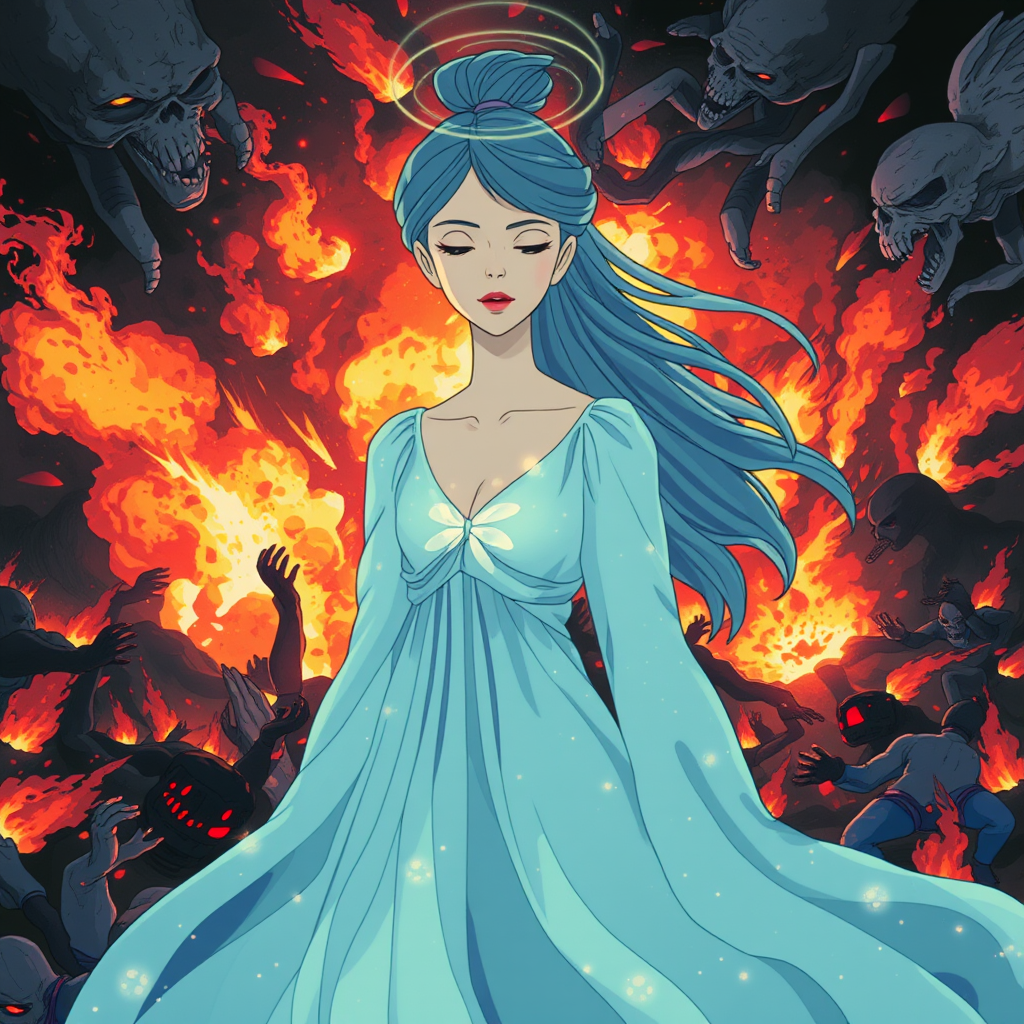
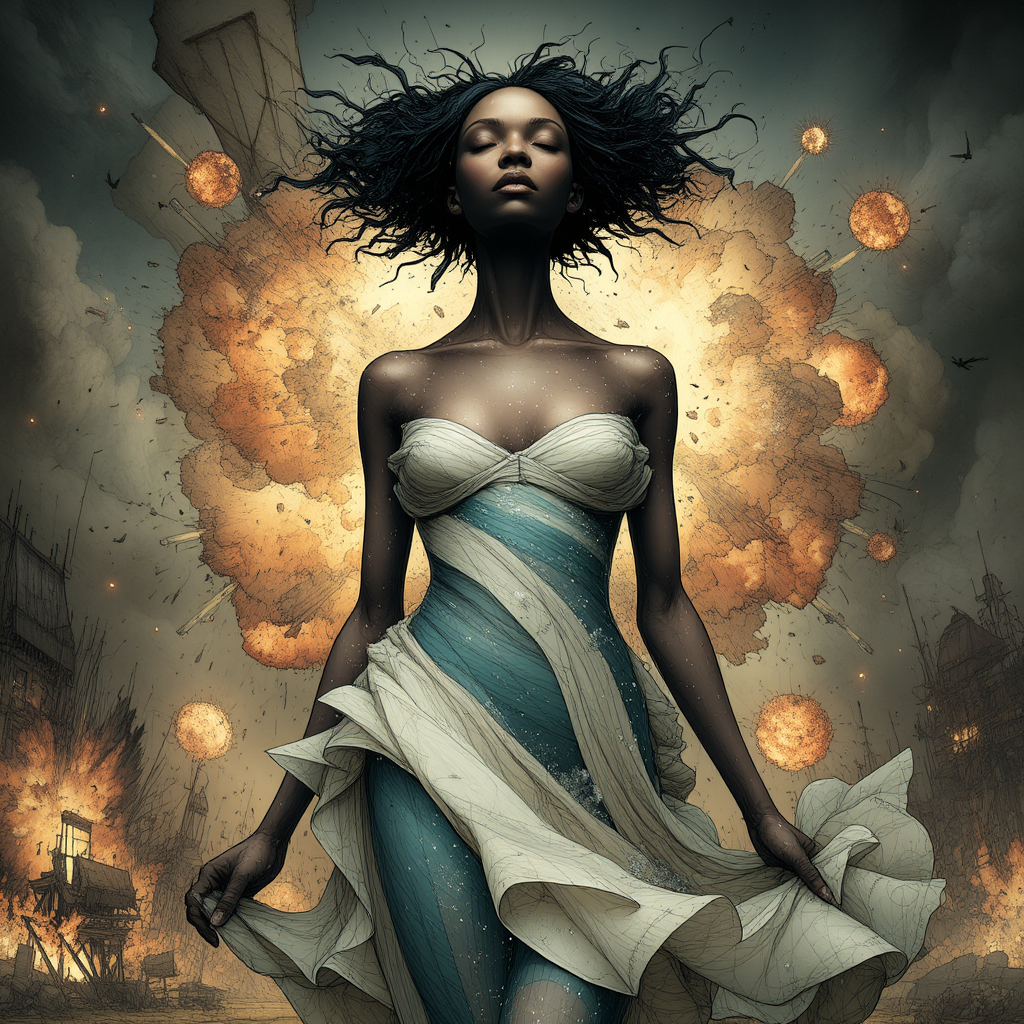
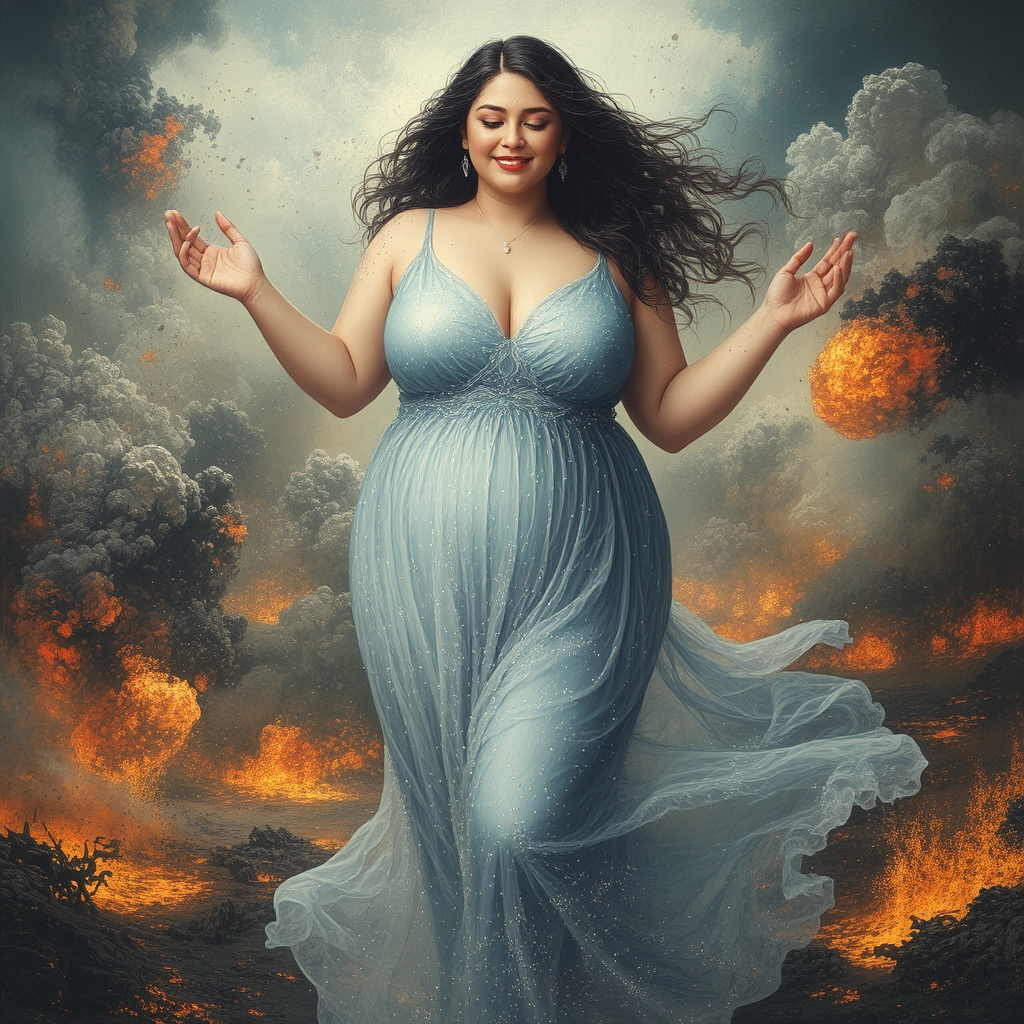
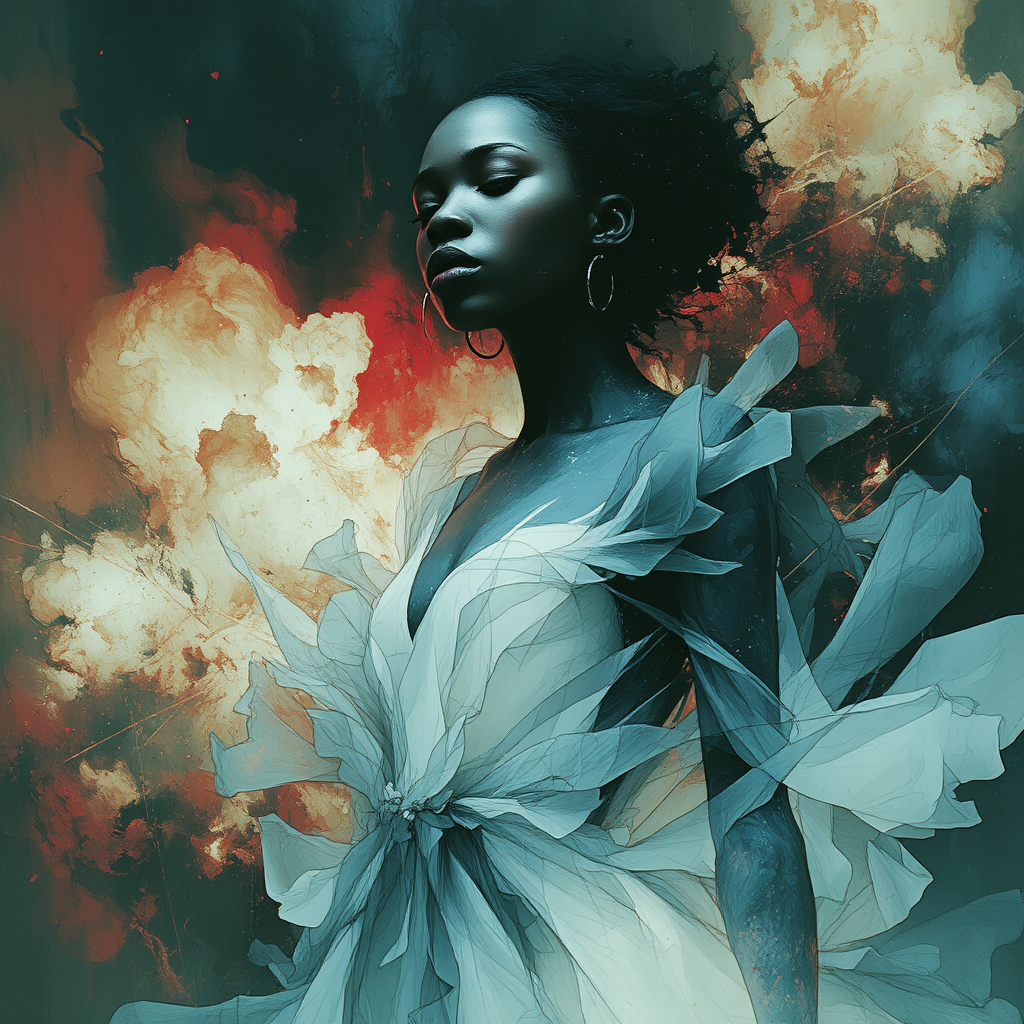
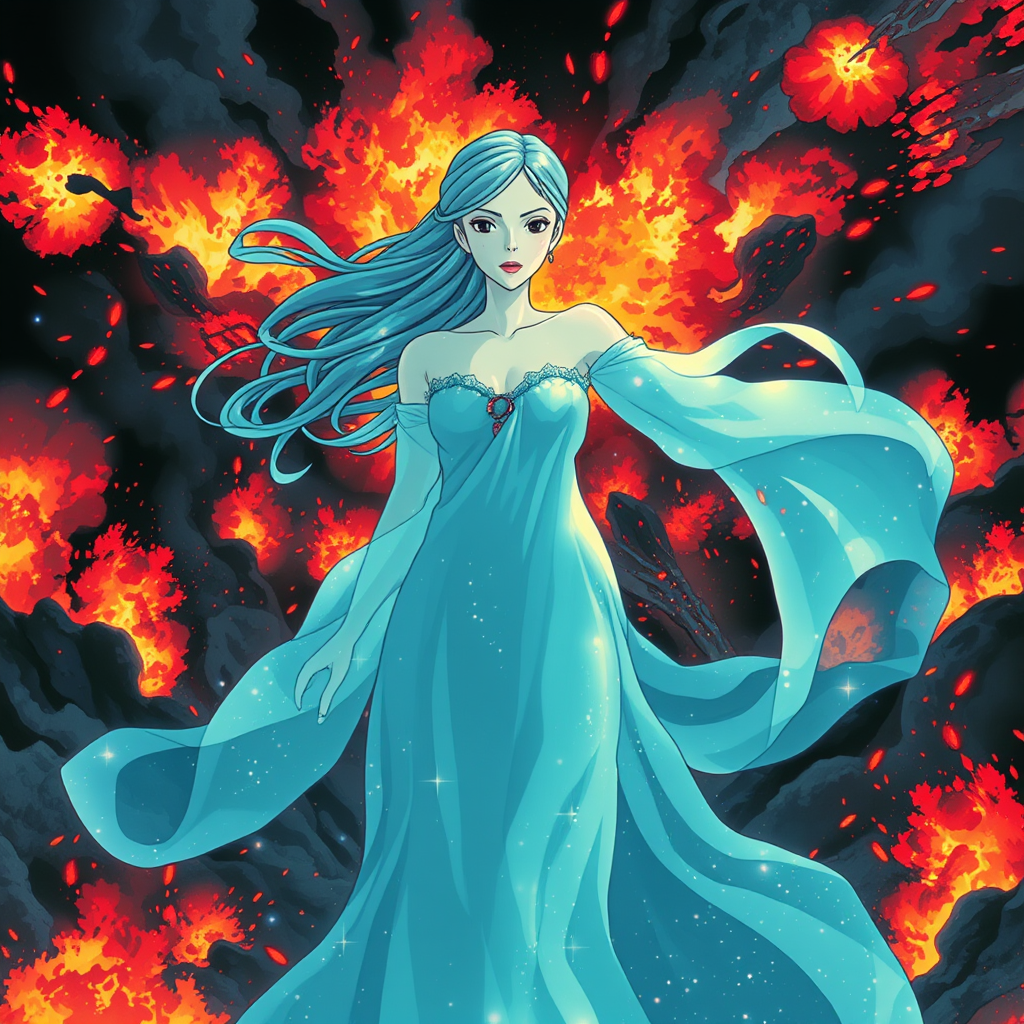
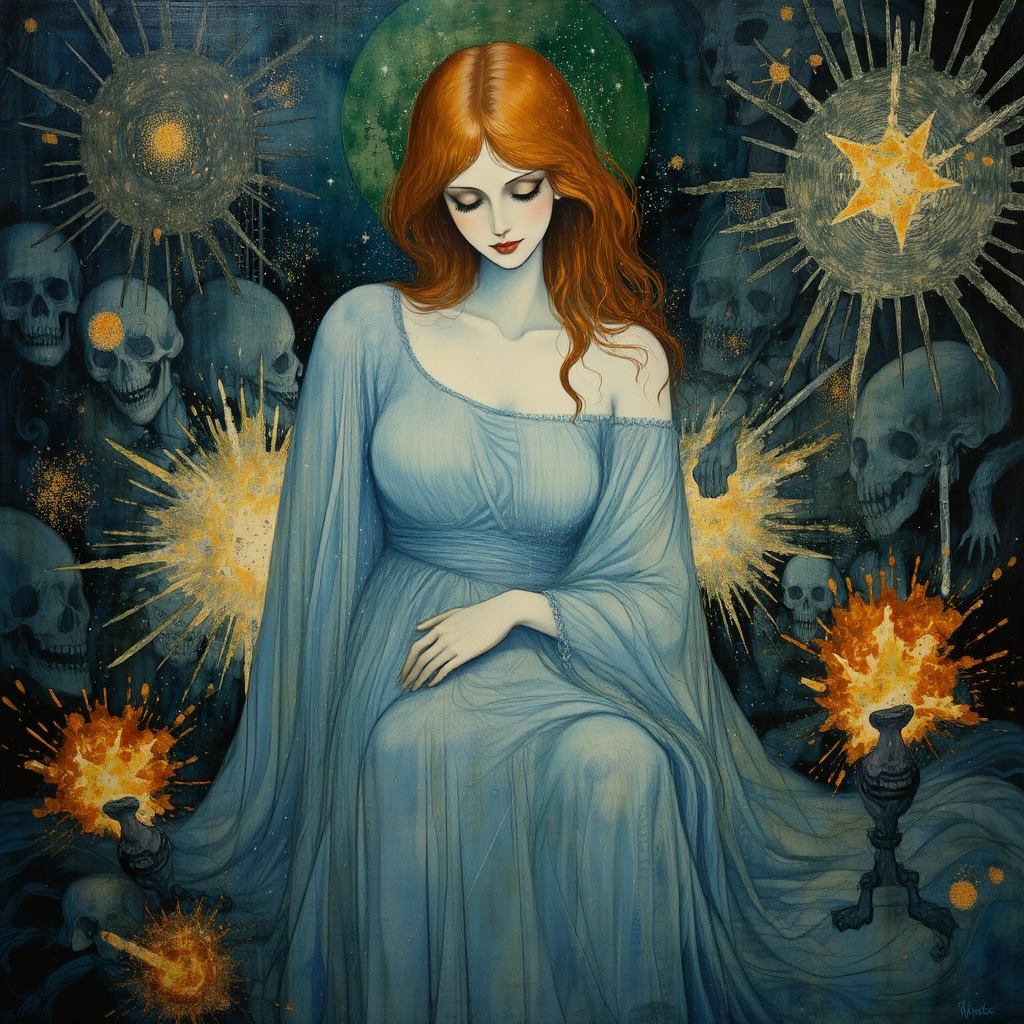
All images created by Rebekah Marshall’s prompts using AI on Gencraft.com website.
I am reading Hafiz’s Little Book of Life, poetry by Hafiz-e Shirazi. He is challenging me to become more comfortable with ambiguity. I will share his poem and some of my thoughts on his poem (sometimes with the help of experts when the concepts are too hard for me), followed by a poem and some art inspired by his poem.
Hafiz’s Poem 42:
Doing good work There’s no room For hesitation
Some thoughts:
I like the simplicity of this poem. It reminds me of the AA saying to do the next right thing or do the next thing right. If there is work to be done, do it. Don’t procrastinate, let fear stand in the way, second-guess yourself, doubt. Do what needs to be done, whatever that may be. Create that piece of art, write that song, clean that closet, give that gift, send that letter, make that phone call, speak that kindness. There is no point delaying the goodness that can flow from the blessing you can be.
My Poem 42:
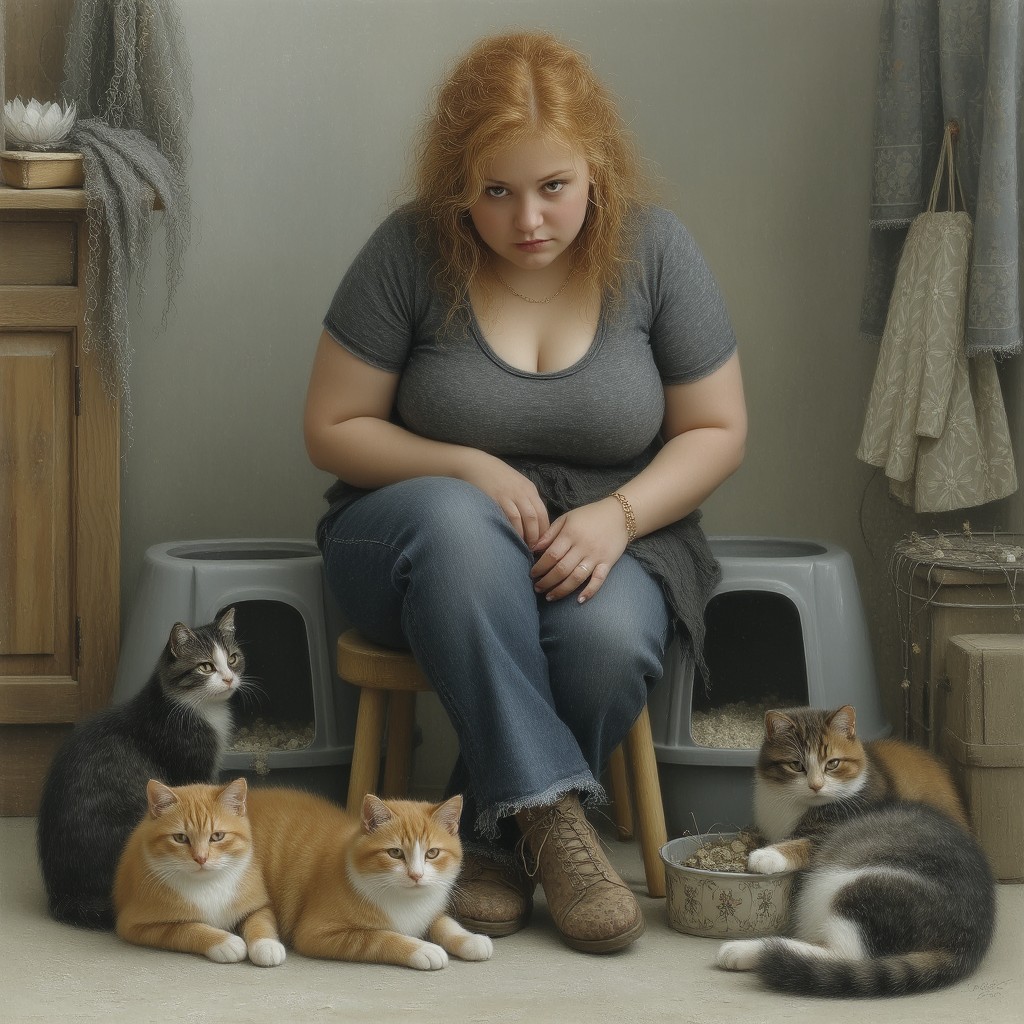
Cleaning the cat box should not require such extreme exertion of will, but I find myself psyching current me up with pep talks, giving little motivational speeches, calling my own name in my mind, reminding present me that future me will be grateful the chore is done.
Hafiz. Hafiz’s Little Book of Life. Translated by Erfan Mojib and Gary Gach, Hampton Roads Publishing, 2023.
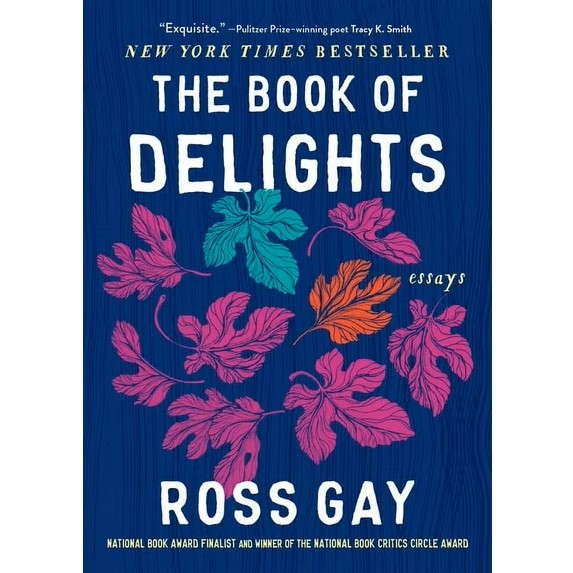
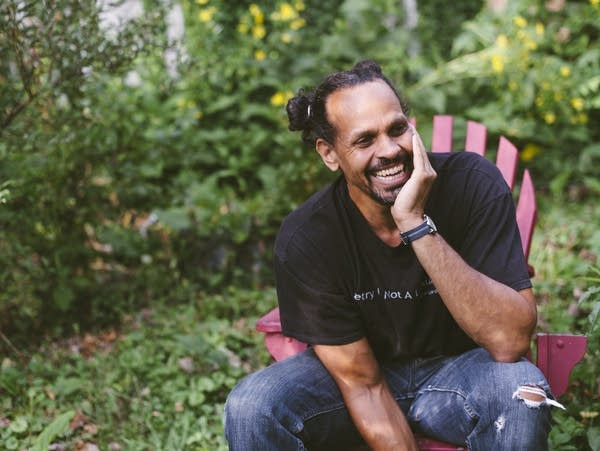
The Book of Delights, essays by Ross Gay, is a “delightful” read. He is a bit of a rambler, as far as his writing style and sounds like he does quite a bit of happy ambling in other areas of his life, as well. He shares musings, observations, and anecdotes about the little things that bring him joy, like unexpected laughter, birthdays, gardening, and good music. Even his essay titles are a delight. “My Birthday, Kinda,” “Joy Is Such a Human Madness,” “Tomato on Board,” and “The Do-Over,” to name a few. I, myself, am a huge fan of the do-over in life. I share in that delight, unless I am the one winning the game and think the other person does not deserve a do-over.
I love his comparison between all that we are and all that we love and all that makes up our experience to a healthy forest where “the roots” reach down into “the earth below” and in that place “there exists a constant communication between those roots and mycelium, where often the ill or weak or stressed are supported by the strong and surplused.” In another essay he discusses his love of finding delightful things and then the immediate desire he has to share that delight with anyone nearby. This impulse to share seems to be universal, “the urge to elbow your neighbor, who maybe was not even your neighbor until the bird flew between you.” He suggests that this urge might be because “our delight grows as we share it.
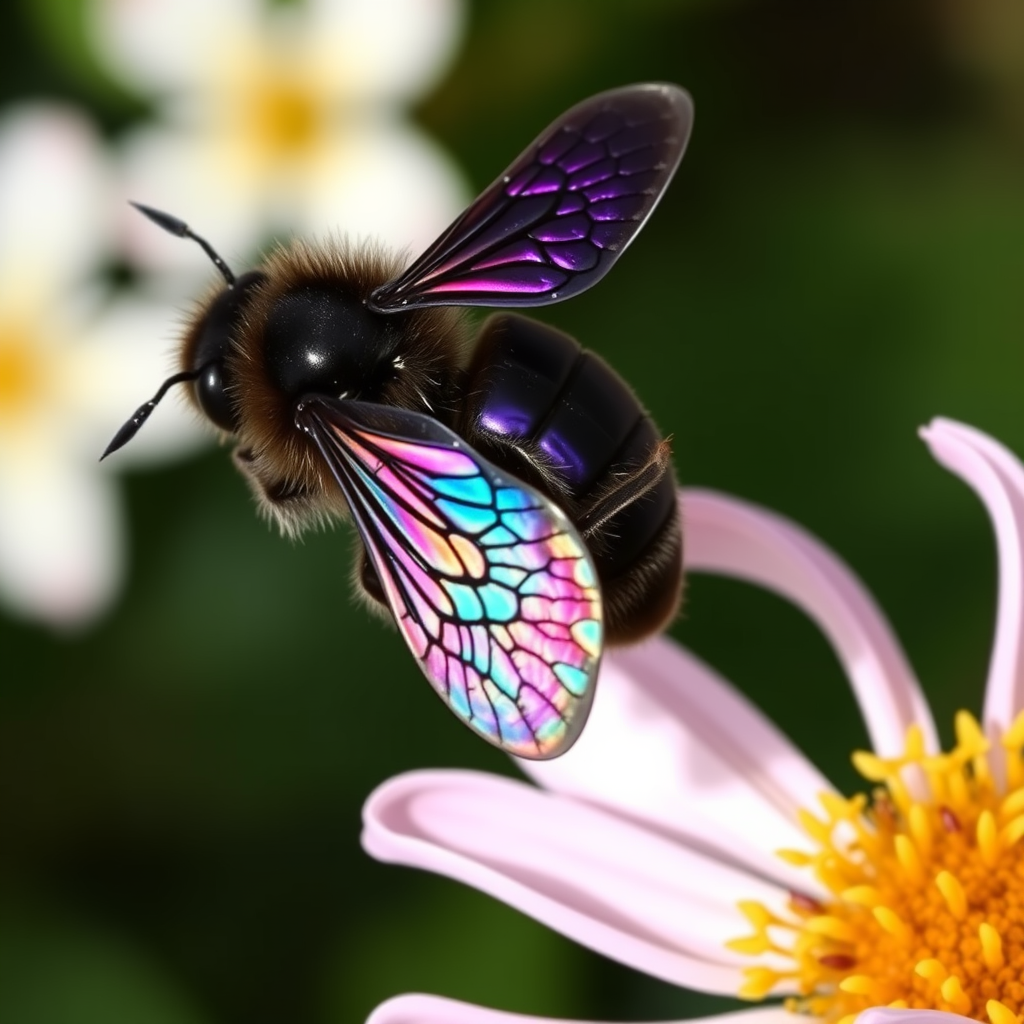
An example of his beautifully descriptive writing is this about bees. “There is a kind of flowering bush, new to me, that I’ve been studying on my walks in Marfa. On that bush, whose blooms exude a curtain of syrupy fragrance, a beckoning of it, there are always a few thumb-size all-black bumblebees. Their wings appear, when the light hits them right, metallic blue-green. I have never seen anything so beautiful.” His delight and description of these beautiful black bees inspired me to make some AI art about black bees with iridescent other-worldly wings, an example of contagious delight spreading beyond the observation to the page to the reader to AI to many platforms where I post my art.
Whether it is recording sweet hellos, feeling the wind from a hummingbird wing, a cup of good coffee, or a nap in the rain, Mr. Gay delights in sharing his special moments with us, and for that, I am grateful. I should warn that nothing is off limits in Mr. Gay’s writing. Inappropriate dreams, aging private body parts, bowel movements, peeing his pants, etc., are all fodder for pondering and finding delight, even if the joy is simply in the crisis being over. I am inspired to begin jotting down moments in my day that bring me joy. I have begun journals of this very same type of writing many times. I think it is time again, thanks to being reminded how delightful our little lives are at times.
Gay, Ross. The Book of Delights, Algonquin Books of Chapel Hill, 2022.
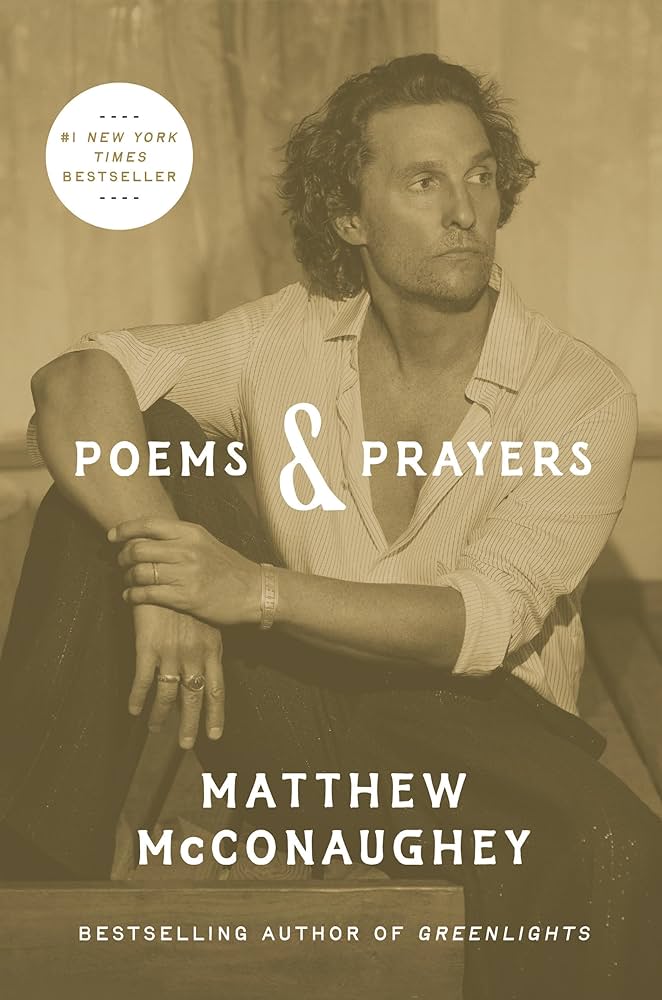
I had the lovely experience of going to Bass Concert Hall and listening to Matthew McConaughey share poetry, while his good friend John Batiste played piano. They had conversations on stage, shared musings, ideas on faith, doubt, life, and death, and entertained us like we were in their living room with a personal intimacy that is hard to create in crowds that size. Both of those men are very talented and charismatic, so it was a night to remember. With the purchase of the ticket, we were handed a copy of Mr. McConaughey’s book Poems & Prayers. I have been reading it in little bite-size chunks since that evening many months ago.
I am always pleased to support local artists and writers and have always felt that Mr. McConaughey’s southern charm feels comfortable and known. I like that nothing is off limits in his poetry. He is vulnerable, disarming, and honest. He likes to rhyme, isn’t afraid to cuss, talk about sex, drugs, and rock & roll, and tell on himself. There are pithy proverbs, notes on what was happening in his life when he wrote some of the poems, and little life lessons he learned along the way. His middle ground views are just radical enough that leftists could find concepts to love. And they are just conservative enough that people on the right can say, “He’s one of us.” But he refuses to commit to a lane and instead calls on everyone to love, have integrity, and believe in something.
His faith is not too preachy. Here’s an example of his faith poetry:
I believe that faith is the answer in the end.
But for now all I know is that it helps on the way there.
Until then. Amen.
I would argue that Mr. McConaughey is a better actor than poet or preacher, but if clever rhymes, simple meter, and faith-filled/recovery poetry sound appealing, this book is worth a read. Poems & Prayers has found a place in my poetry collection on my shelf of local writers.
McConaughey, Matthew Poems & Prayers, Crown Publishing, 2025.
All images created by Rebekah Marshall’s prompts using AI on Gencraft.com website.
I am reading Hafiz’s Little Book of Life, poetry by Hafiz-e Shirazi. He is challenging me to become more comfortable with ambiguity. I will share his poem and some of my thoughts on his poem (sometimes with the help of experts when the concepts are too hard for me), followed by a poem and some art inspired by his poem.
Hafiz’s Poem 41:
The sanctuary of the heart is no place For the company of antagonists
Where a demon departs An angel arrives
Some thoughts:
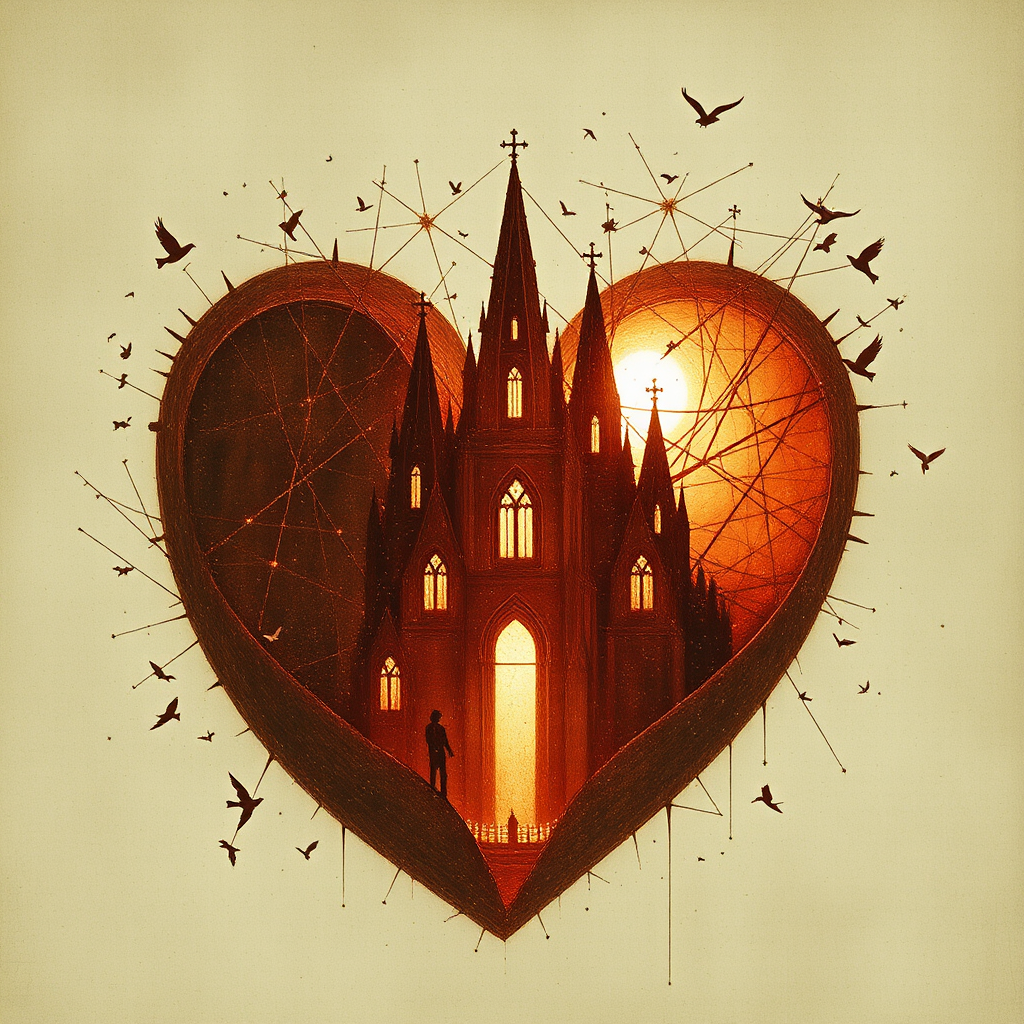
This one is lovely. The imagery is that of simply letting go of negativity to make space for the beauty and love that will naturally flow into the vacuum created. We don’t have to do anything special to fill ourselves with goodness. We simply must make room. Remove bitterness and compassion can enter. Release antagonistic thoughts and peace has a place. Let go of prideful arrogance and humility will naturally make a home inside us. Release fear and love can breathe easily. There is no demon to fight, no dragon to slay, no war to be waged. They are simply not invited in, like vampires whose welcome has been rescinded. We would not walk into a sacred temple and spit on the floor. Our hearts deserve as much respect.
What are we allowing to dwell in our inner sanctuaries? Is it time for some hangers-on to be evicted? Our heart is not supposed to house every wound, fear, resentment, and lie we have ever been told. When harm finally leaves, healing can walk in quietly and take up occupancy. Instead of having to vanquish foes, we must merely open a window and allow pain to exit so holiness can enter. Time to do some inner house cleaning.
My Poem 41:
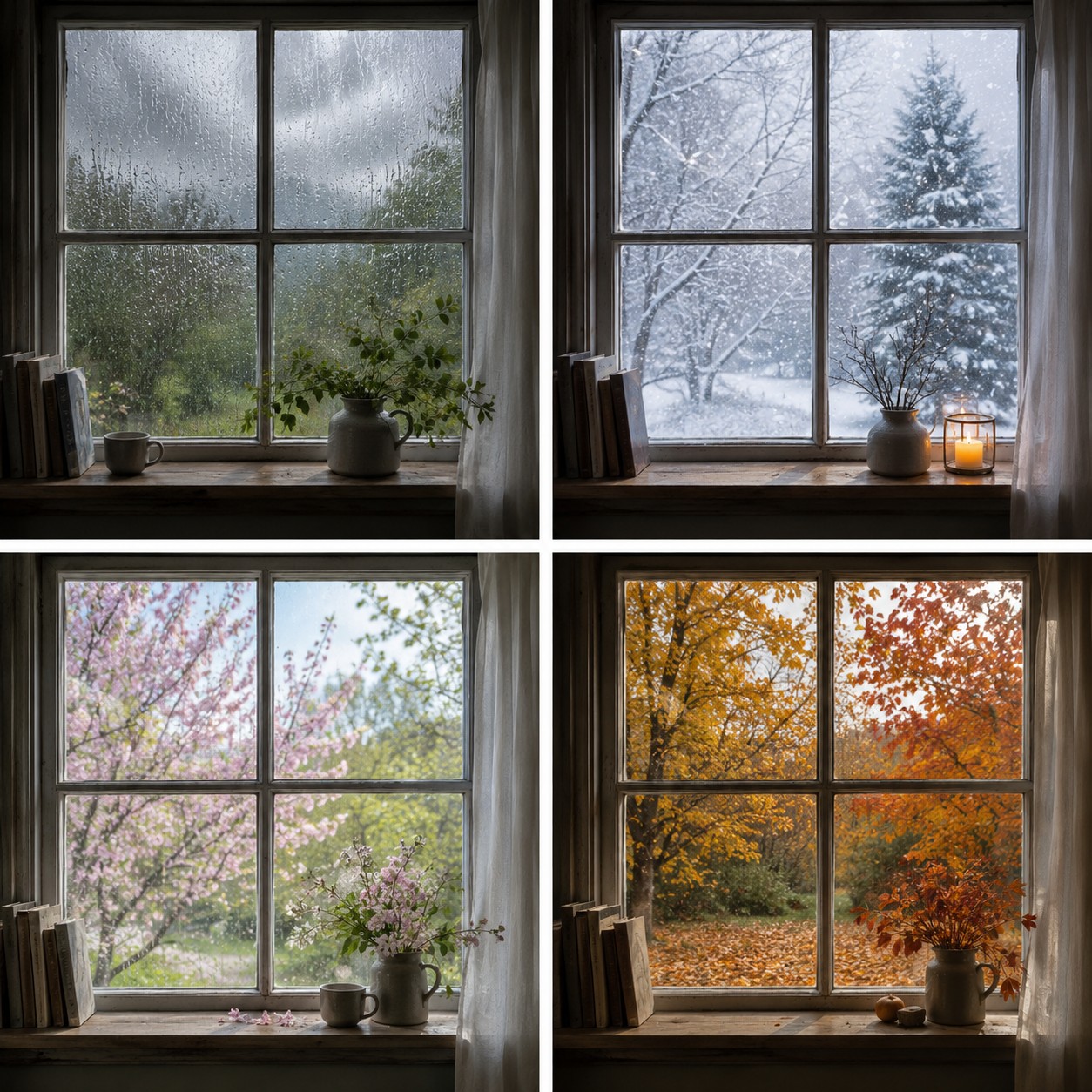
Sweep out the house. Dirt belongs outside, not in our hearts. Throw back the curtains and open the windows.
The stale air must exit, so a fresh breeze, sweet with spring scents, can fill our space. Then healing can begin.
Hafiz. Hafiz’s Little Book of Life. Translated by Erfan Mojib and Gary Gach, Hampton Roads Publishing, 2023.
All images created by Rebekah Marshall’s prompts using AI on Gencraft.com website.
I am reading Hafiz’s Little Book of Life, poetry by Hafiz-e Shirazi. He is challenging me to become more comfortable with ambiguity. I will share his poem and some of my thoughts on his poem (sometimes with the help of experts when the concepts are too hard for me), followed by a poem and some art inspired by his poem.
Hafiz’s Poem 39:
Peace in both realms Depends on your interpretation Of these two utterances
“Be merciful with friends”
“Be tolerant of foes”
Some thoughts:
I’m not sure what two realms Hafiz is conceptualizing in this poem. There are so many options including: private life v. public life; religious life v. secular life; inner existence v. outer existence; human/earthly realm v. spiritual/divine realm; etc. I am going to keep it simple and consider the two realms “those who think like us” v. “those who do not think like us” as a simple way of saying “friend” or “foe.” That could apply to a number of different realms and is certainly relevant in current society where so much seems to balance on scales of dichotomy. Liberal v. Conservative; Rich v. Poor; Science v. Religion; Nature v. Progress; etc. We tend to be painted into black and white corners in nearly every conversation we enter.
I think Hafiz is suggesting that true peace depends on the way we perceive the gray areas that are not so easy to navigate. Can we be friends with someone who fails us? Those we love often hurt us the most because we care about their opinions and count on them. Can we be soft and loving to maintain relationships with those closest to us, even during the tough times? They are only human. And with our foes, can we allow for complexity and seek to understand without dehumanizing, othering, and judging too harshly? They are only human.
We will never have peace if we demand our way is the only way and there can be no other. Yes, we should have ideals, but then we must be merciful, tolerant, and gentle in our application of those principles as regards others. Can we hold compassion for those close to us and restraint toward those who oppose us? Will our differences and our interactions expand our hearts or harden them? The way we interpret these concepts holds the key to lasting peace.
My Poem 40:
Loving another means accepting that they are human, with all that entails, including: lateness, forgetfulness, distraction, fear, ailments, impatience, frustration, weakness, faults, arguments, disappointment, and the list could go on…
The other we love may be friend or foe. Both are in the same category of human, with all that entails, including: beating heart, breathing lungs, thoughts, opinions, feet to walk away, mouths that open, hands that ball up into fists and clasp in prayer, and the list could go on…
Hafiz. Hafiz’s Little Book of Life. Translated by Erfan Mojib and Gary Gach, Hampton Roads Publishing, 2023.
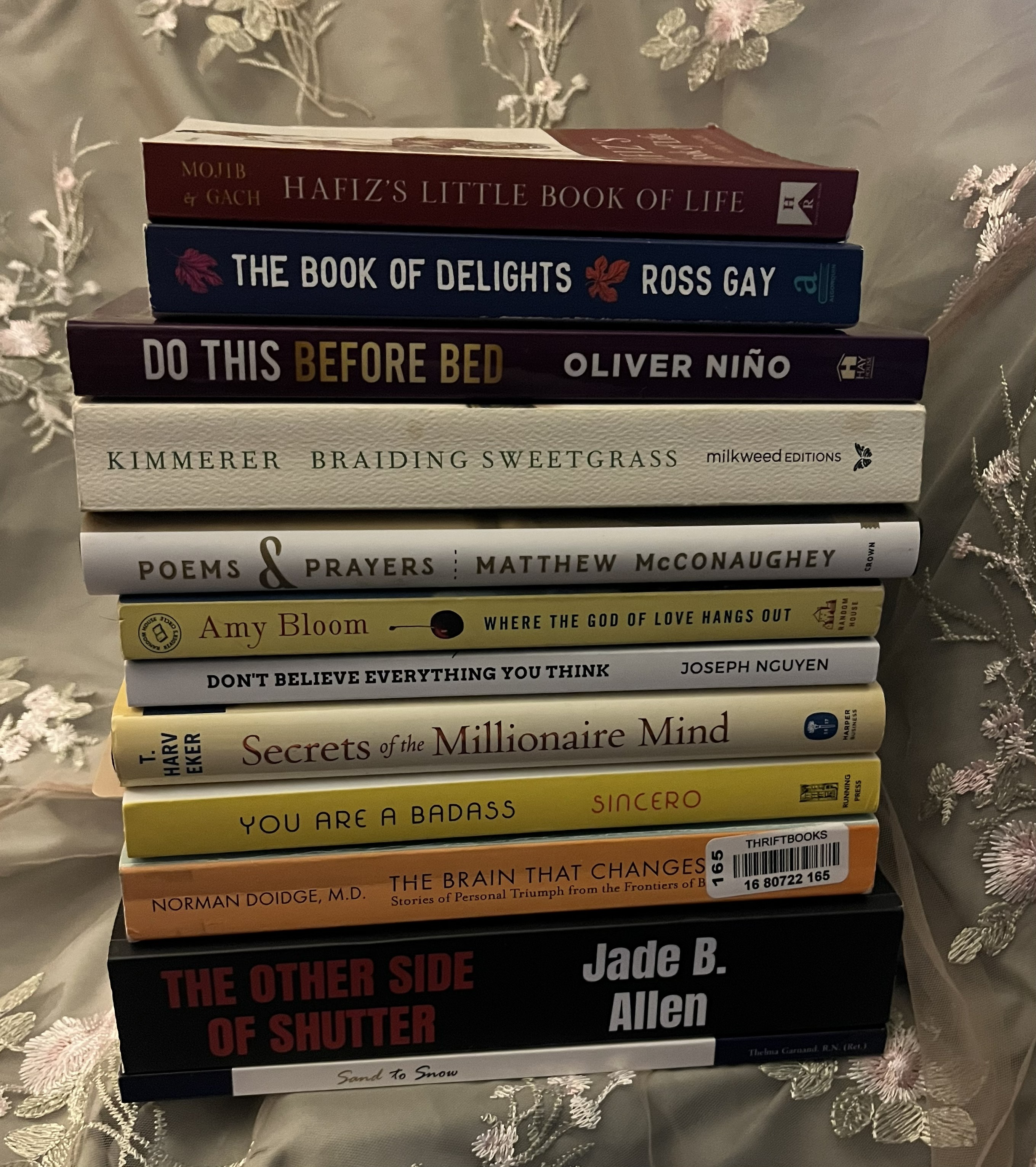
Good readers make better writers. So this is the latest stack of books that I am diving into because of topics I find interesting, writing styles I want to analyze, bookclubs I am in, and in support of authors I know personally. The top half are ones I have been reading for a while now and am doling out in bite-size bits a few pages at a time.
Hafiz’s Little Book of Life by Hafiz The Book of Delights by Ross Gay Do This Before Bed by Oliver Niño Braiding Sweetgrass by Robin Wall Kimmerer Poems & Prayers by Matthew McConaughey The Bible for Gen Z (not pictured – I forgot to put it on the stack)
The bottom half are new ones I am adding to my stack to read through at probably a faster pace.
Where the God Of Love Hangs Out by Amy Bloom Don’t Believe Everything You Think by Joseph Nguyen Secrets of the Millionaire Mind T. Harv Eker You Are a Badass by Jen Sincero The Brain That Changes Itself by Normal Doidge, M.D. The Other Side of Shutter by Jade B. Allen Sand to Snow by Thelma Garnand, R.N.
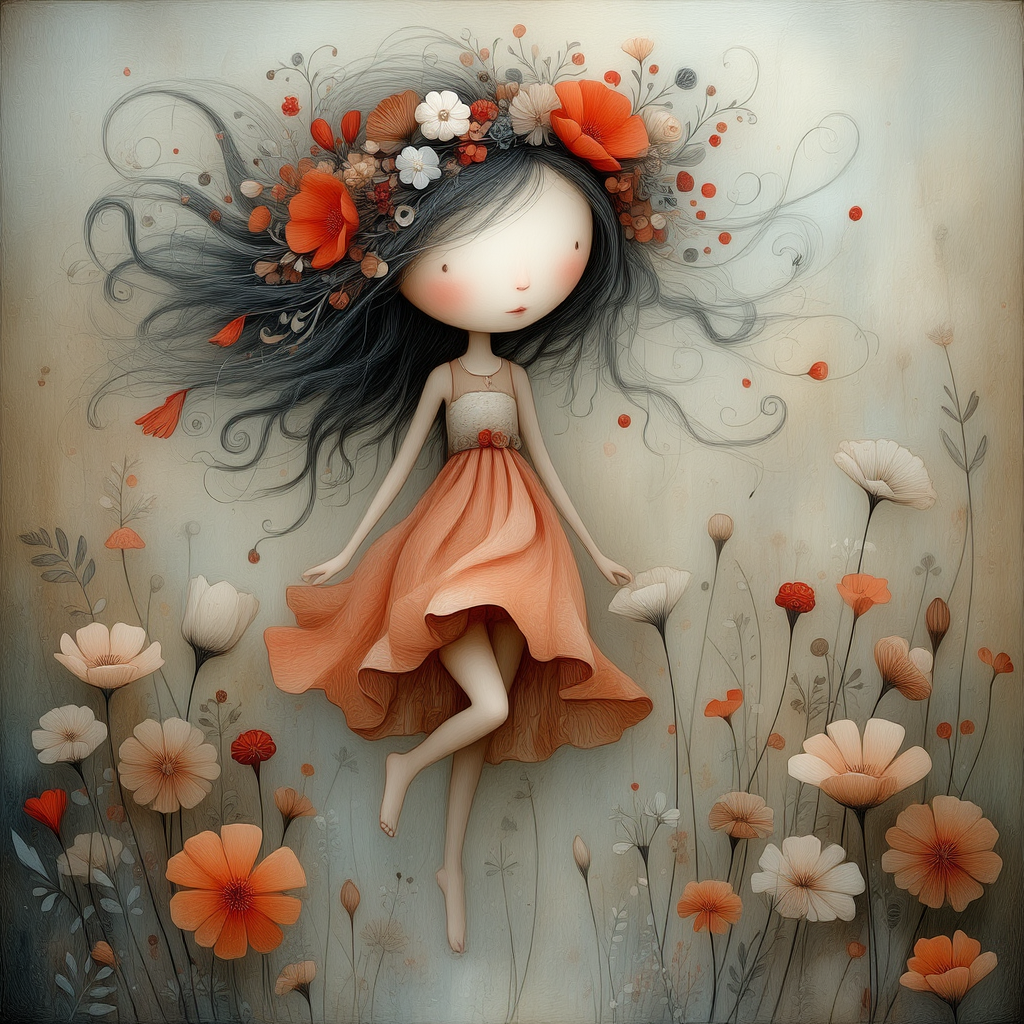
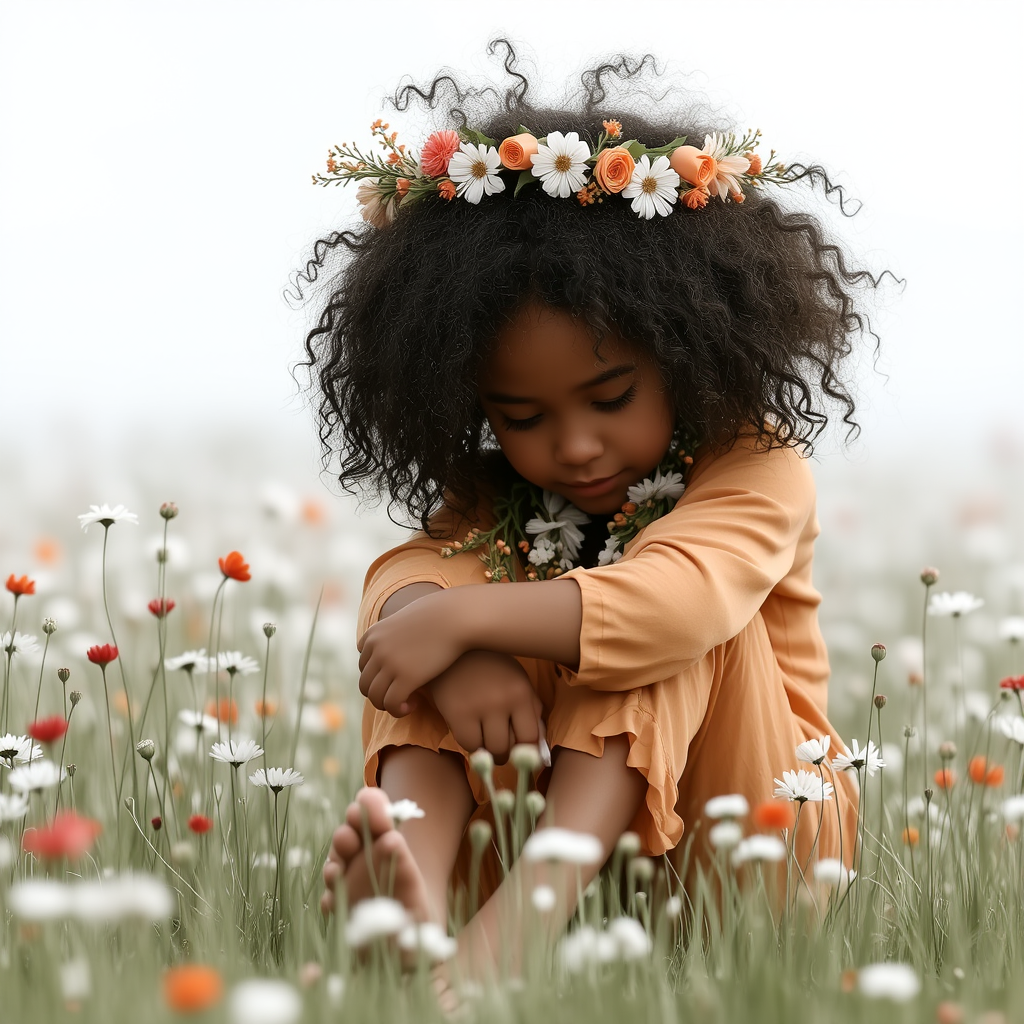
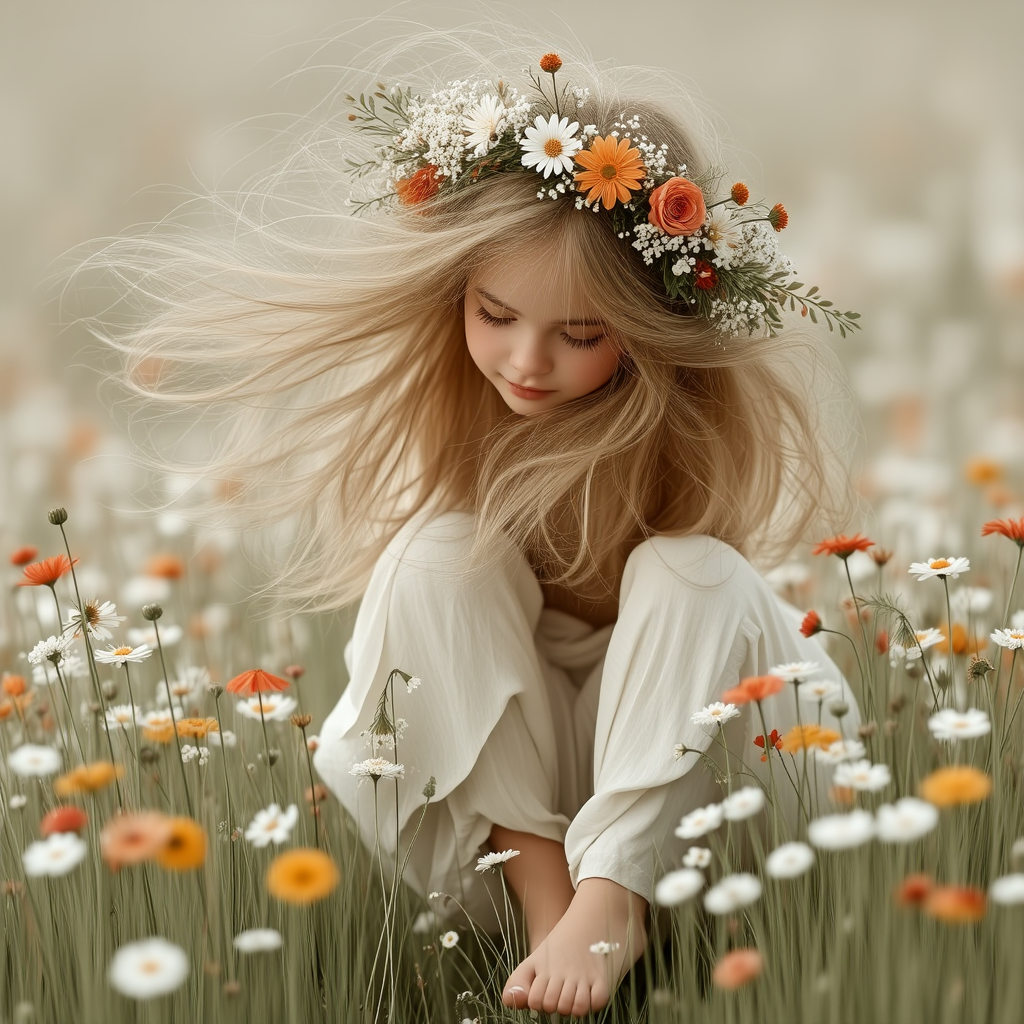
All images created by Rebekah Marshall’s prompts using AI on Gencraft.com website.
I am reading Hafiz’s Little Book of Life, poetry by Hafiz-e Shirazi. He is challenging me to become more comfortable with ambiguity. I will share his poem and some of my thoughts on his poem (sometimes with the help of experts when the concepts are too hard for me), followed by a poem and some art inspired by his poem.
Hafiz’s Poem 39:
Forgive the warring of the 72 nations Not having seen the truth They’ve gone down the road of fantasy
Some thoughts:
This poem took a little digging to learn about the number 72 in mystical Sufism and other Islamic cultural contexts. Apparently, it was a known phrase representing division or splits that people would have recognized as symbolic, rather than literal. The idea of 72 sects or religious groups became shorthand for fragmentation of what was once unified in hadith literature and early Islamic traditions. For Hafiz to mention 72 nations was to at once tap into phrasing his audience would recognize as representative of all the human groups of the world.
What is even more interesting to me is that he is not condemning all these nations for their shortsightedness but asking for their forgiveness. “They know not what they do.” They are caught in “the illusion” rather than recognizing the truth of peace and harmony. All the nations of the earth come from the same source. We all return to the same source after death. Why not live united in kindness, shared humanity, and communal peace during our short time in this reality? Such a question we could pose to the 197 nations in existence on our planet right now.
My Poem 39:
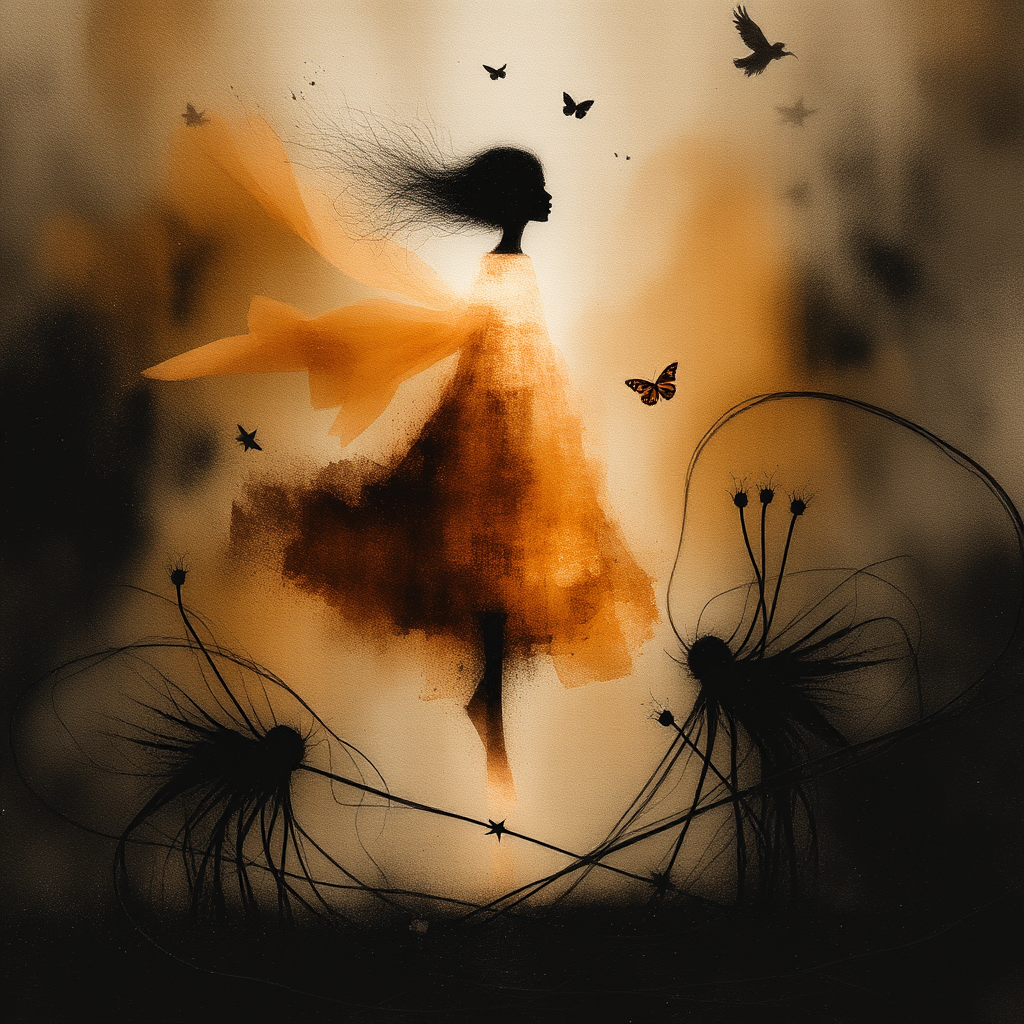
Can you truly not see the shimmering promise of a peaceful tomorrow?
The glow of city lights lies just over the horizon where nation shall not rise up against nation.
This morass of darkness and despair is not the truth you seek in your waiting but merely an illusory nonsensical hellscape.
Continue to put one foot in front of the other until you reach the promised land of unity and peace, where bees drip honey into mouths open only to speak kind words, and dams nurse calves languidly, without fear of being separated by war.
Flowers are grown along every path purely for making friendship wreaths and decorative garlands to be given away free of cost or consequence because nothing is required nor demanded of citizens in this place beyond breath and awareness and love.
Hafiz. Hafiz’s Little Book of Life. Translated by Erfan Mojib and Gary Gach, Hampton Roads Publishing, 2023.
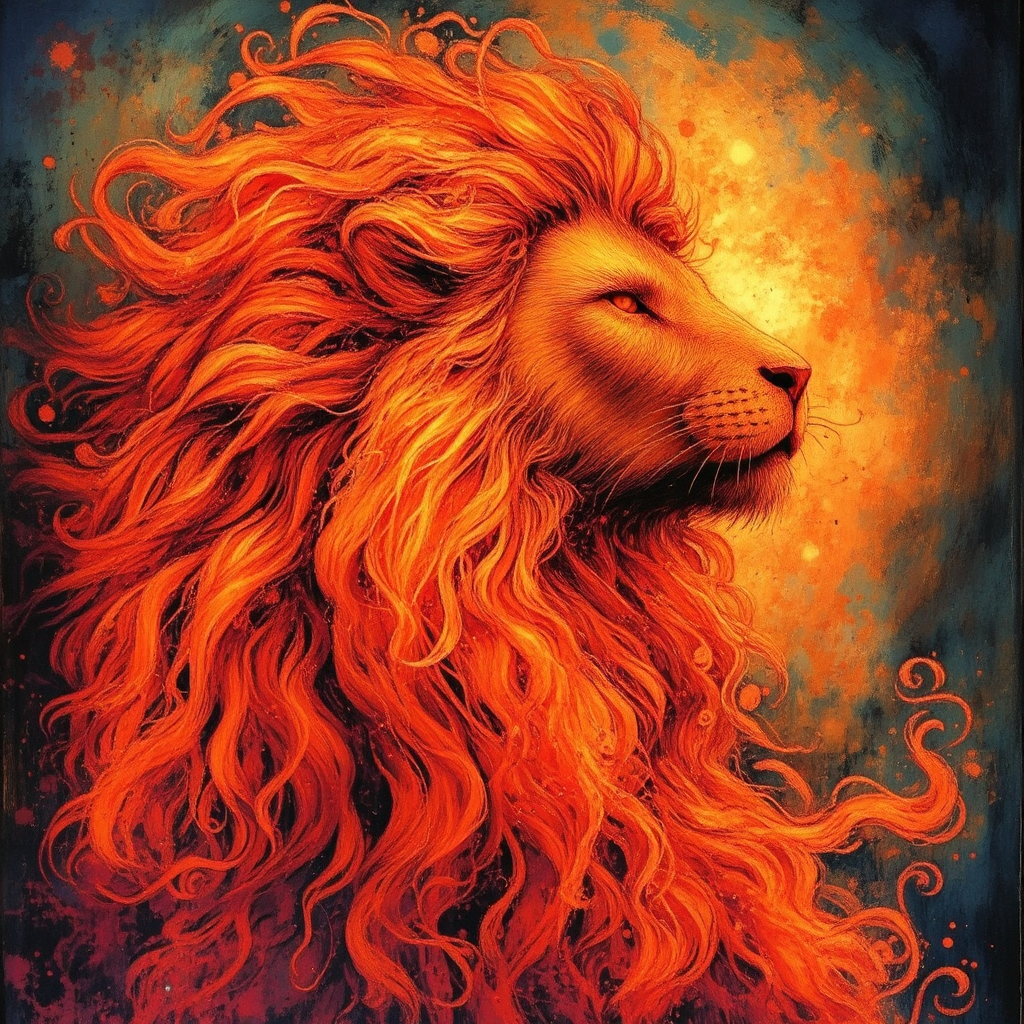
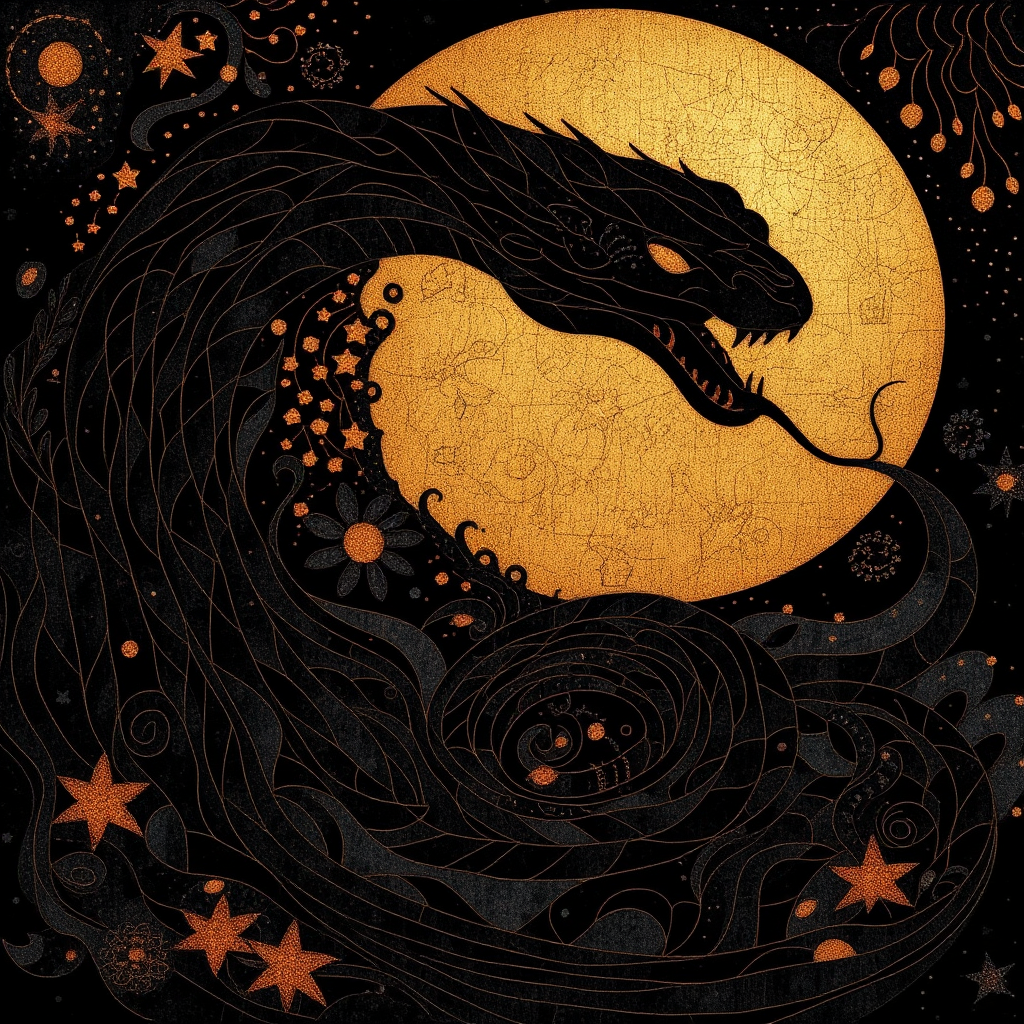
All images created by Rebekah Marshall’s prompts using AI on Gencraft.com website.
I am reading Hafiz’s Little Book of Life, poetry by Hafiz-e Shirazi. He is challenging me to become more comfortable with ambiguity. I will share his poem and some of my thoughts on his poem (sometimes with the help of experts when the concepts are too hard for me), followed by a poem and some art inspired by his poem.
Hafiz’s Poem 38:
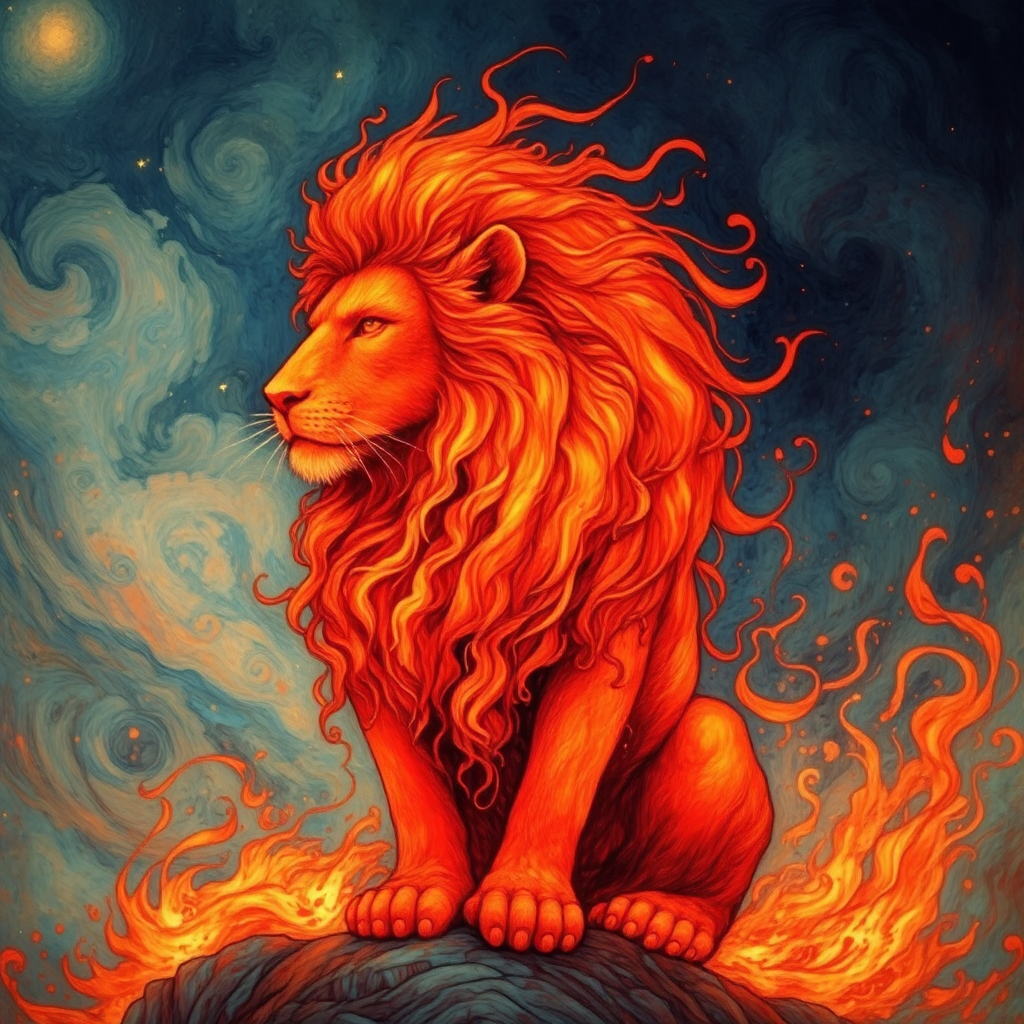
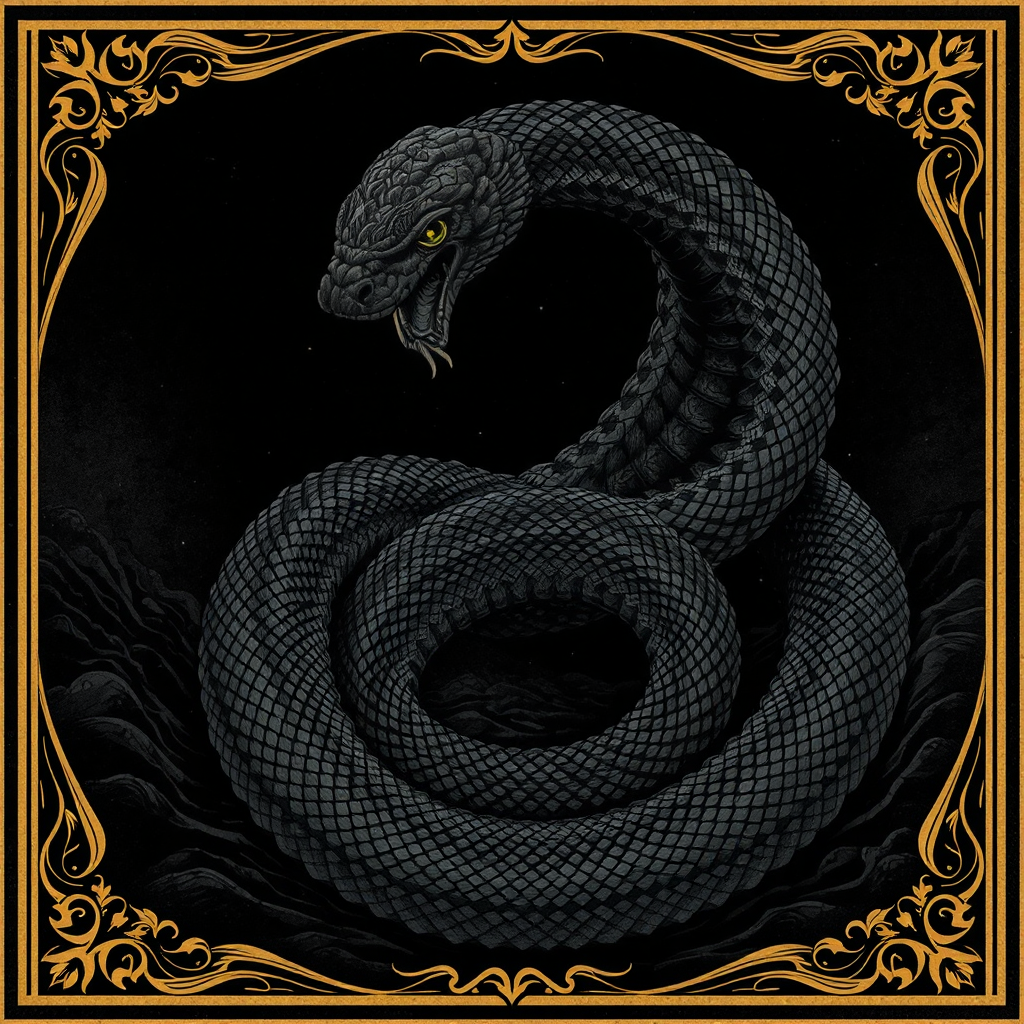
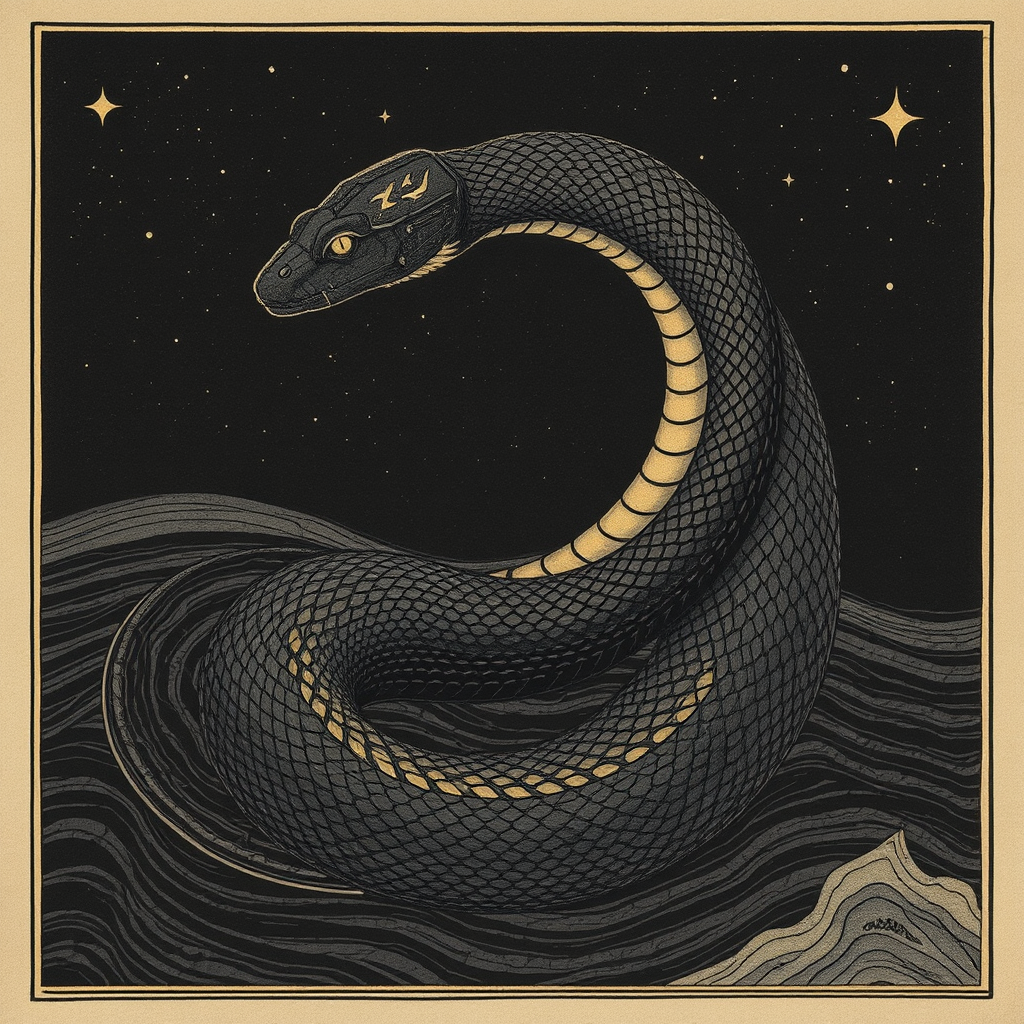
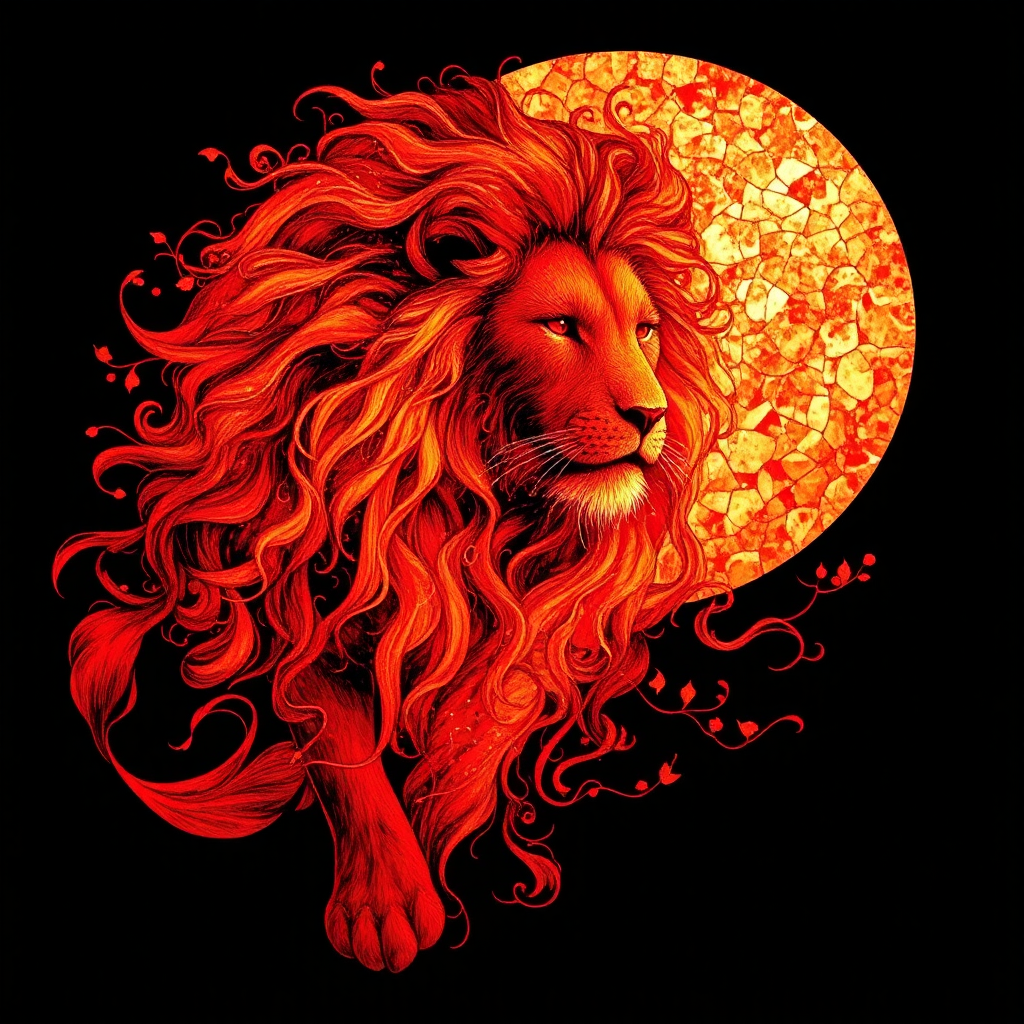
I’m not the color of hypocrisy Either I am a red lion Or a black serpent
Some thoughts:
I must admit that I am not at all certain of my interpretation of this one. It certainly seems to be along the similar vein of lukewarm water that is repugnant in the Bible verse of the New Testament. Be hot or cold, confident and decisive, real and certain, as opposed to waffling and on the fence. It reminds me a bit of the quote by Yann Martel in Life of Pi when the main character says, “It is not atheists who get stuck in my craw, but agnostics. Doubt is useful for a while…but we must move on. To choose doubt as a philosophy of life is akin to choosing immobility as a means of transportation.” I do not agree with that take, but understand the passion behind the utterance.
The sentiment I do agree with is that of being authentic rather than performative. Whatever the red lion and black serpent represent, they are the poet’s honest opinions. He is claiming that he will not speak untruth merely to save face or impress a certain crowd. Though the opinion may not be well received, might be complex, might be considered too intense, or venture into unsanctioned territory, he would rather speak his truth than be false or diluted.
I’m sorry, good teacher, but I am quite the fence sitter about some things. It is not always a comfortable position to be in, and one might argue, requires balance, a level head, and an open mind. We will have to agree to disagree for now, though that would also require fence-sitting, so you probably would not agree. lol
My Poem 38:
Rippling ember mane flows like sun-blood from roaring flame, molten courage lava hot, intense burning marrow dissolves any tangled knot.
Coiled hidden spine, a dark river eclipsed by shadowed night, deep as space unseen conceals sudden movement, striking stragglers of the in between.
Hafiz. Hafiz’s Little Book of Life. Translated by Erfan Mojib and Gary Gach, Hampton Roads Publishing, 2023.
Martel, Yann. Life of Pi. Harcourt, 2001.
The Bible. Authorized King James Version, Oxford UP, 1998.




















 rebekahjmarshall