Tag Archives: reflections

Hafiz – Poem 1

I am reading Hafiz’s Little Book of Life, poetry by Hafiz-e Shirazi. He is challenging me to become more comfortable with ambiguity. I will share his poem and some of my thoughts on his poem (sometimes with the help of experts when the concepts are too hard for me), followed by a poem and some art inspired by his poem.

Hafiz’s Poem 1:

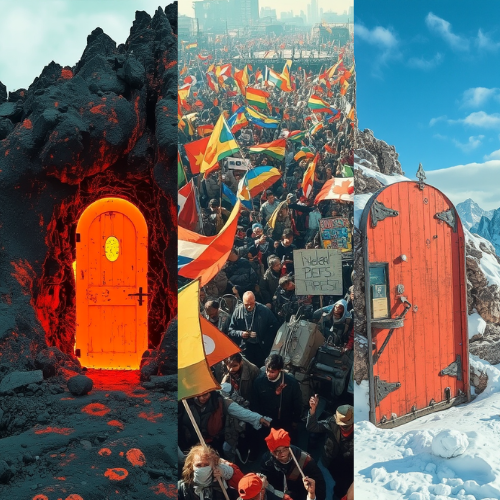
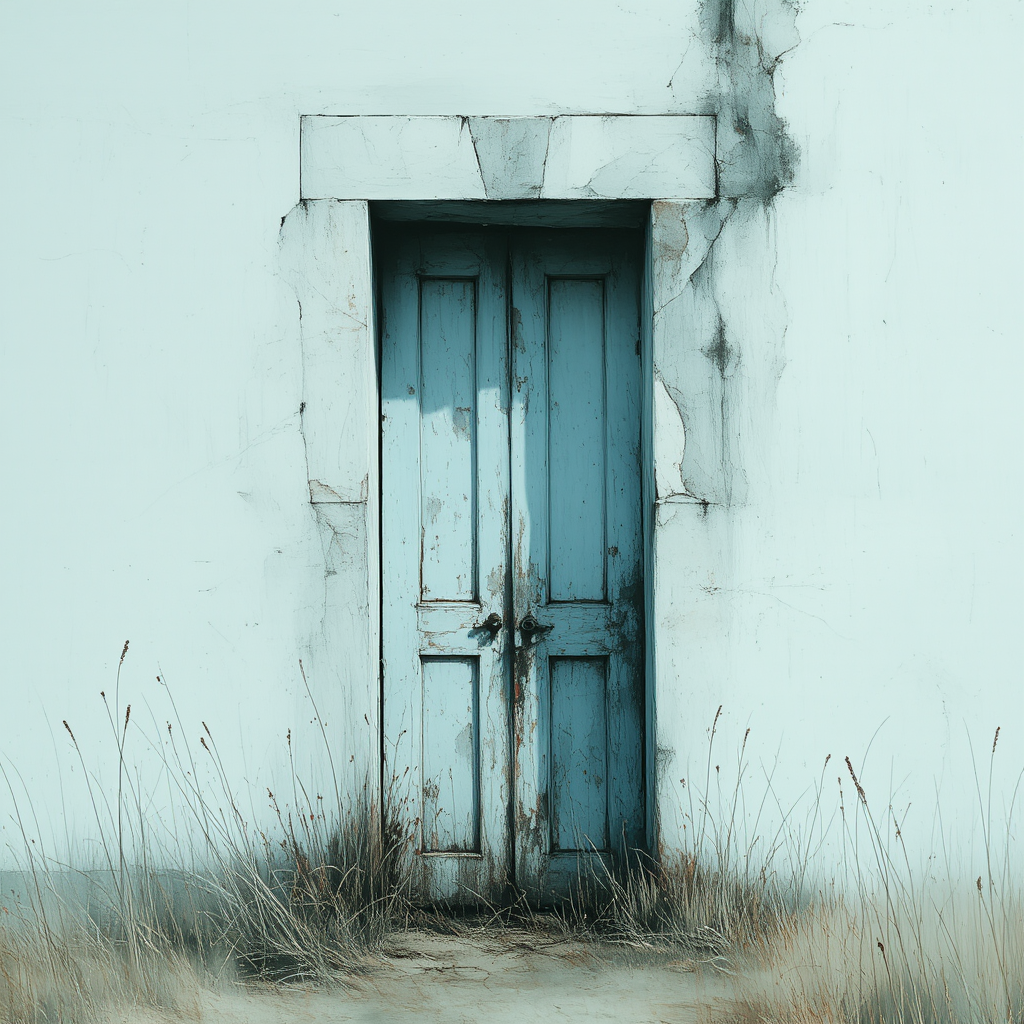
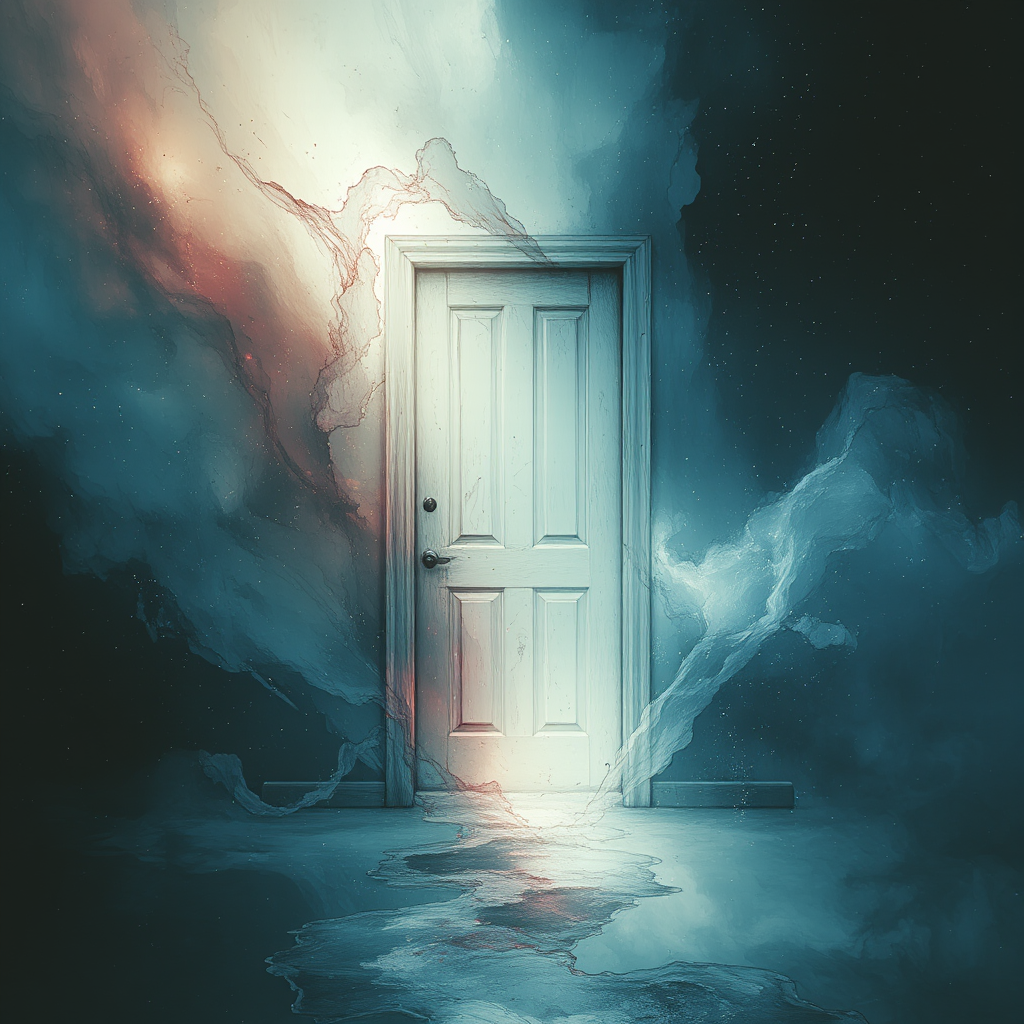
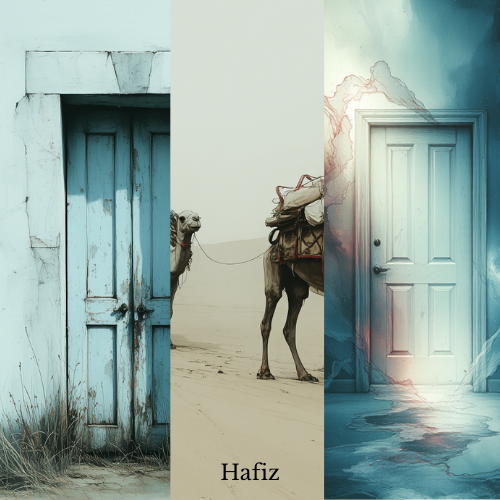
Between these two doors
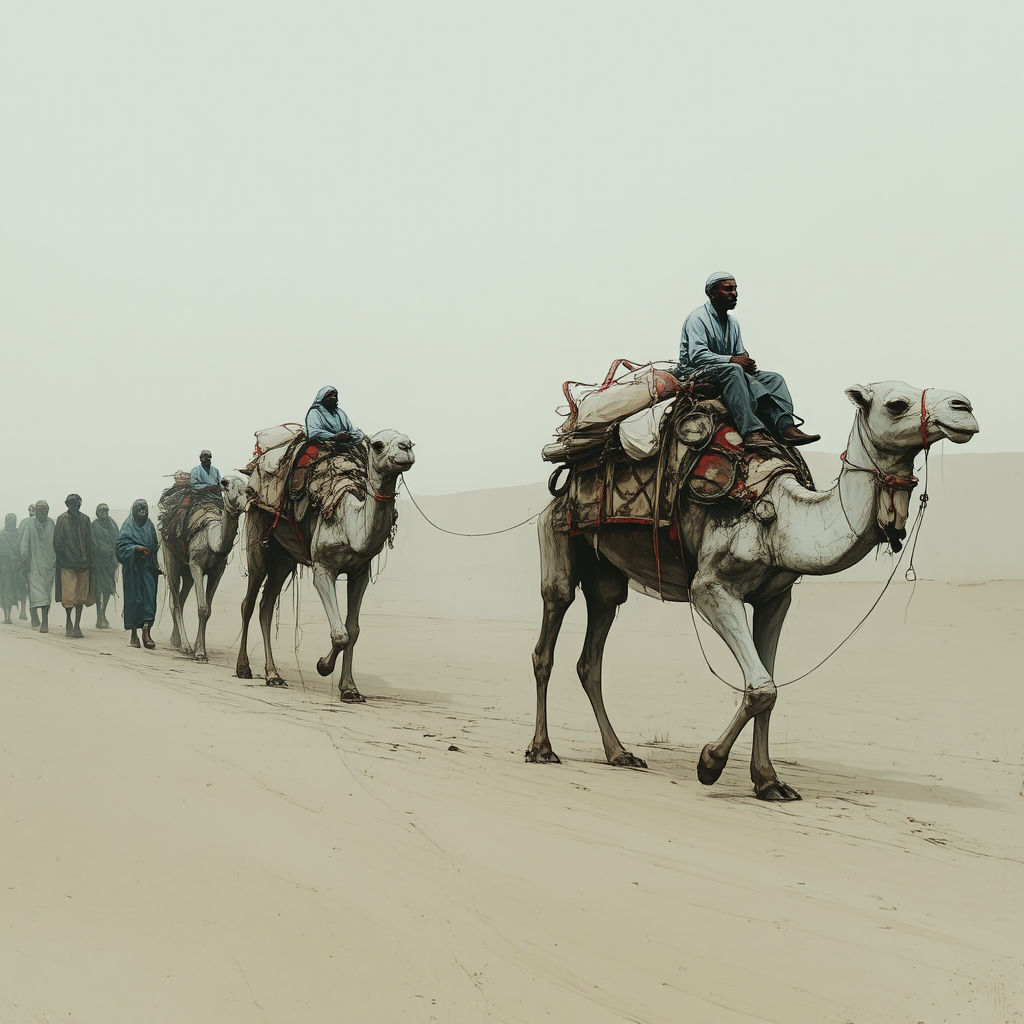
                                 This caravan

Some thoughts:

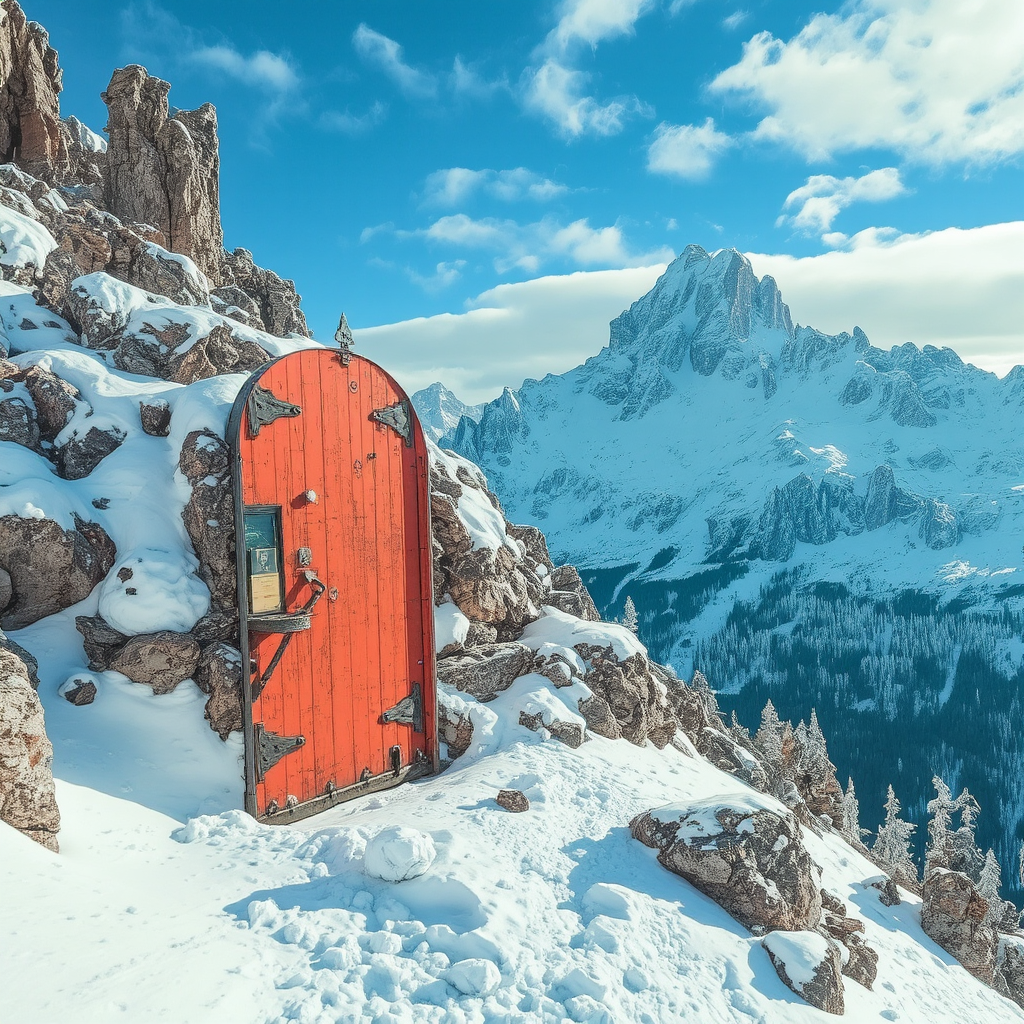
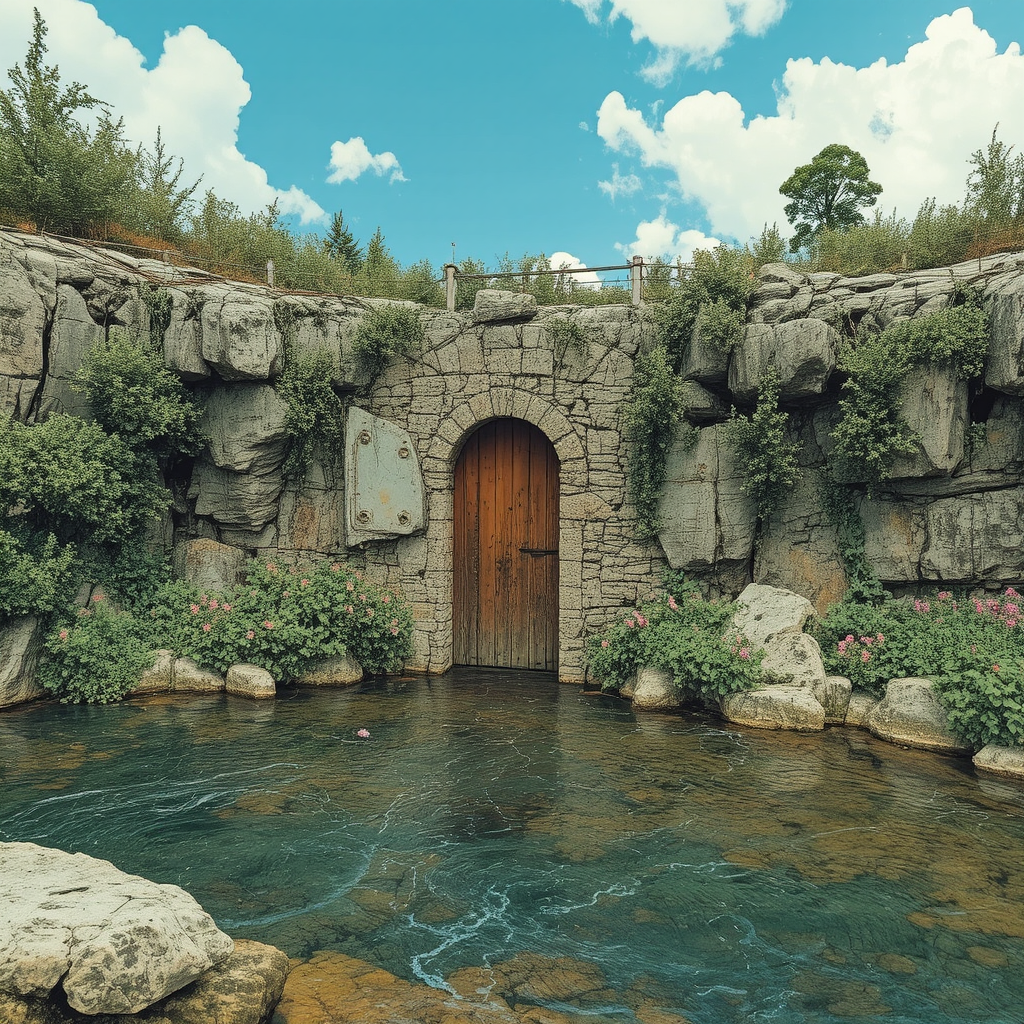
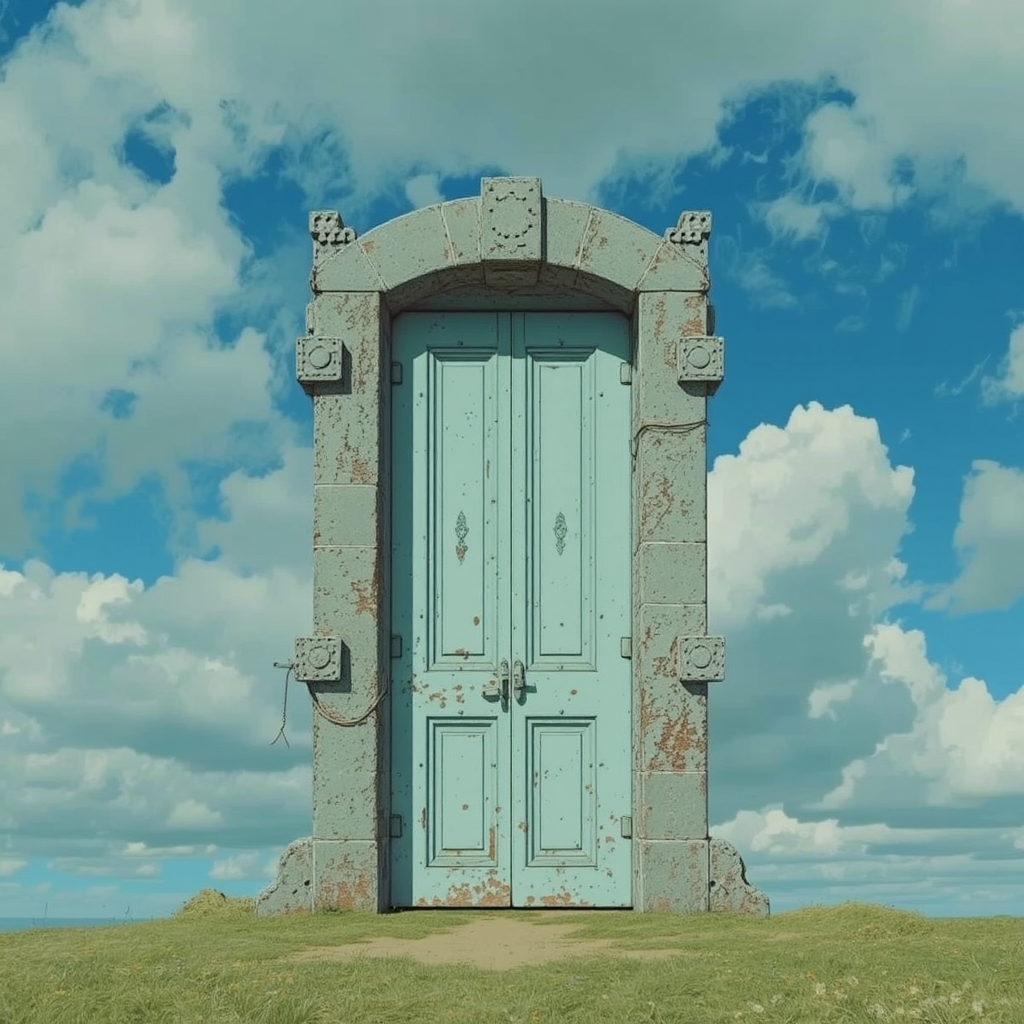
The imagery of doors implies entrances and exits, passageways, or boundaries. Two doors suggest pillars of demarcation in time, place, awareness or perhaps binary contrasts. Opposite ends of conceptual delineations like birth and death or past and future seem like reasonable possibilities.

But those don’t seem to be what Hafiz is concerned with. He is pointing out the between. What is happening in the interim, the dash? Of course, the interesting part is the journey. We get so hyper-focused on reaching the destination that we become uncomfortable with the time spent in the now learning to be patient.

I picture a caravan of camels carrying the worldly goods of travelers long distances, the people eager for trade, companionship, good food, fresh water, music, romance, and laughter. It is life in motion. The doors are really of no consequence right now. They are the least of our concern when we have all this living to do.

My Poem 1:

Unmoored, afloat, uncertain if hope
is a delusion or a virtue
stillness sits where ambition
once cracked her knuckles

the in-between is where?
beginning was once easy to define
though ending is unknown
the certainty of it was assumed

now nothing reveals itself as absolute
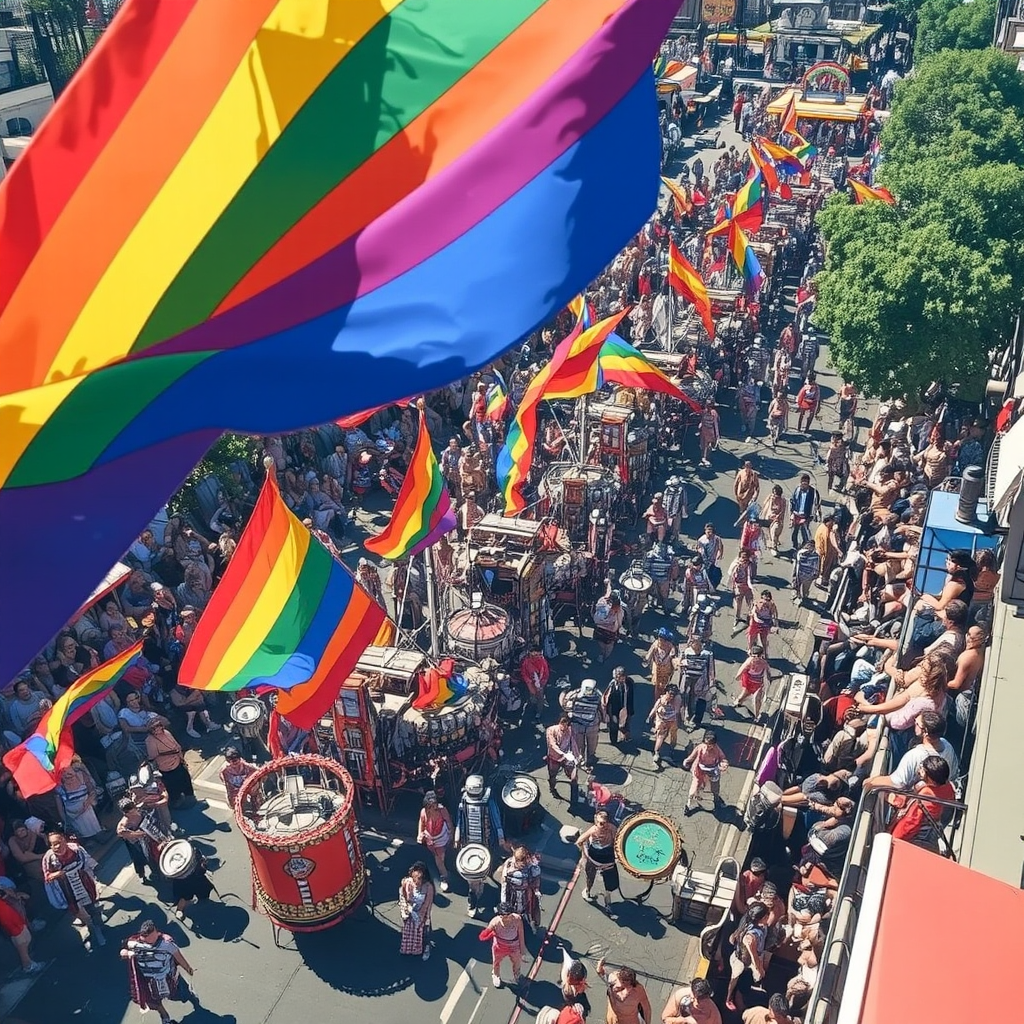
except this protest march
that might possibly transform
into a celebratory parade

Hafiz. Hafiz’s Little Book of Life. Translated by Erfan Mojib and Gary Gach, Hampton Roads Publishing, 2023.
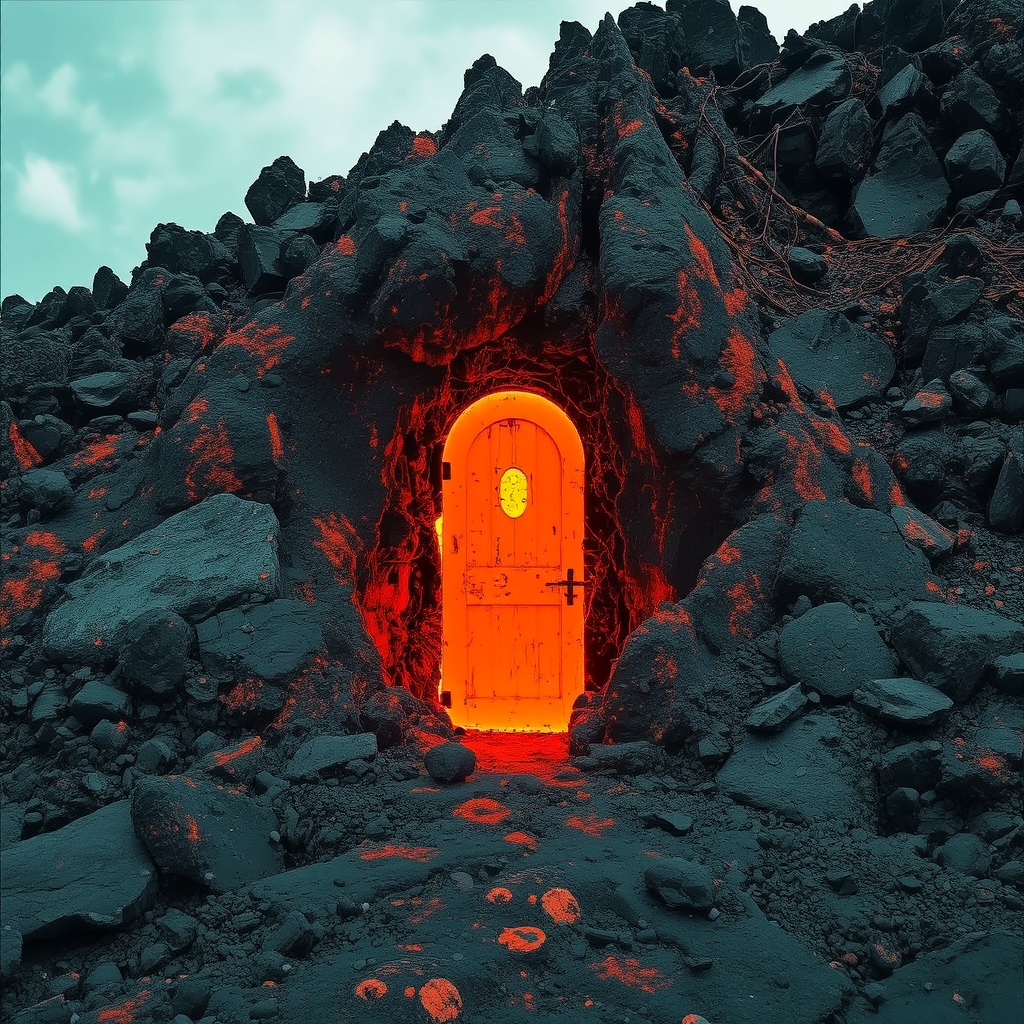
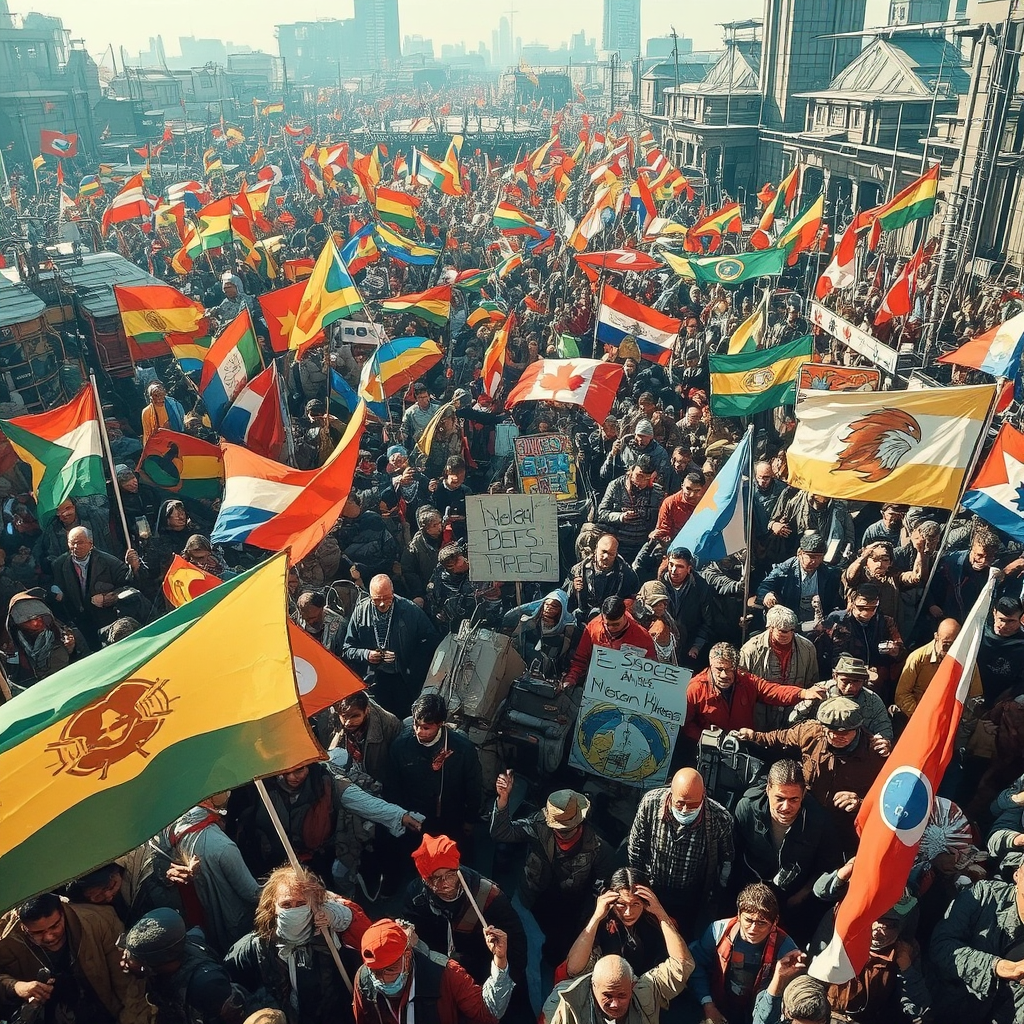
All images created by Rebekah Marshall’s prompts using AI on Gencraft.com website.
Reflecting on Creating a Writing Space (John August & Aline Brosh McKenna as Inspiration)

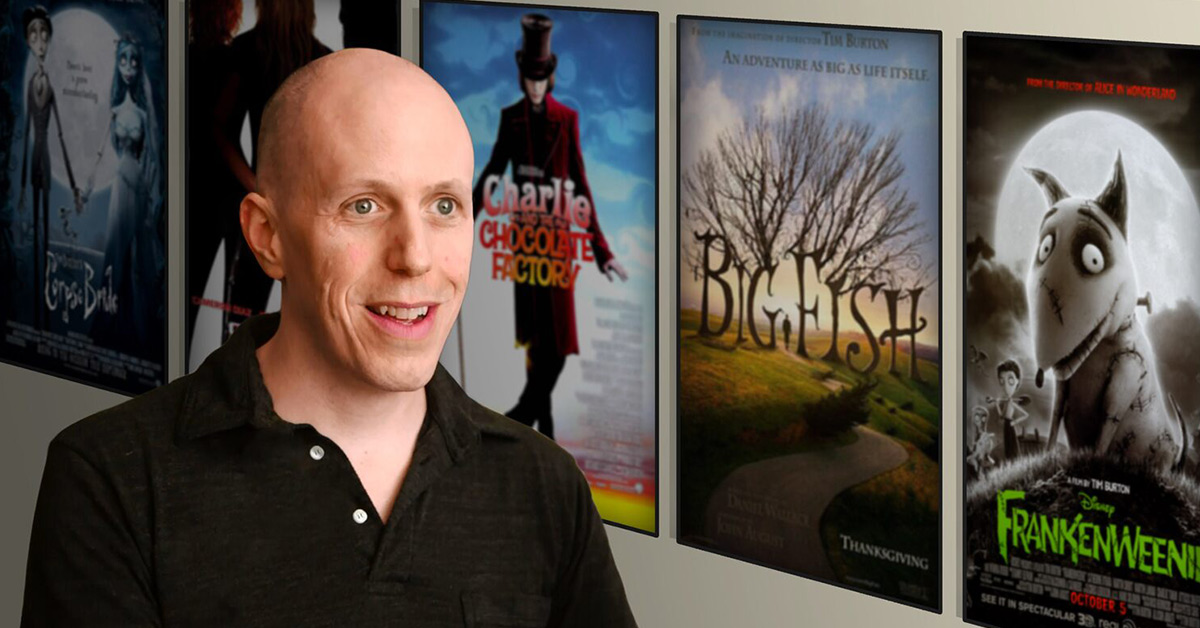
John August Differences

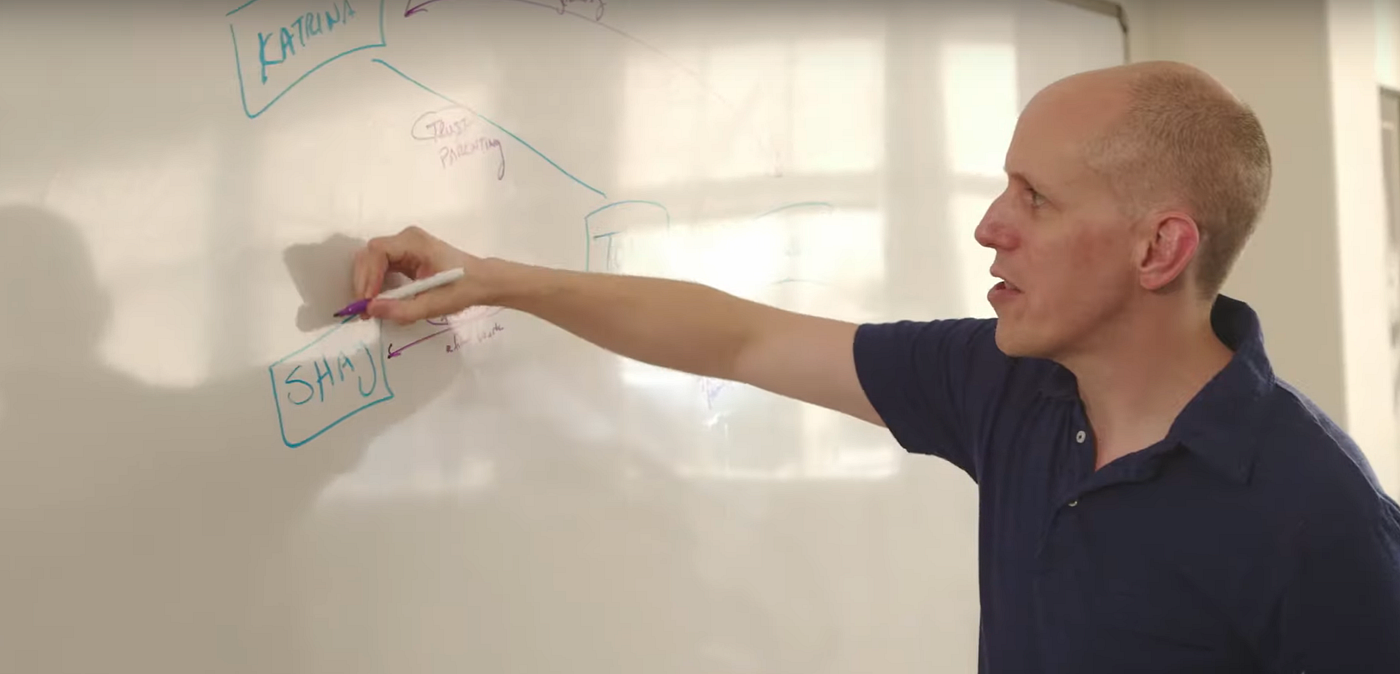
August uses a white board to explore and make a big mess connecting all the characters and mapping their relationships. August points out that after he has pictured the scene over and over again, then he gets it onto paper as fast as possible and it may appear as gibberish, bare bones, with awful dialogue.  Besides using a standing desk to help with focus, he types on a bent broken keyboard to type sideways and spare his wrists. He tends to write whatever scene appeals to him and skips around a lot. Though he writes the very end early on so he knows the destination, his main focus is on the middle. He likes to write about people navigating between two worlds.

Aline Brosh McKenna Differences

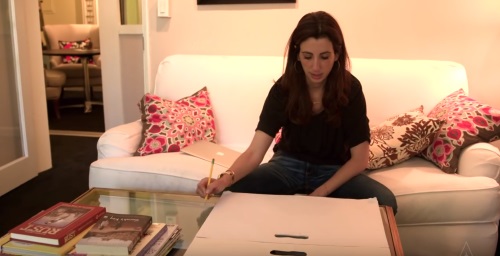
McKenna sets specific goals for herself to feel that she has completed real work in a day. She needs an expanse of time that she is alone and able to “do her thing.” She says that she only has a few good ideas a year. She sees creativity as giving sudden birth to the idea and then has to work on it from there. It may come out fully formed, but other times it may need some work or you may need to start over. When she is ready to write the outline for her movie, she creates bullet points of all key scenes on big paper in three acts. She prefers to take the big paper to show people her idea instead of using cards. McKenna thinks it is more important to write something authentic than to worry about if it has ever been done before. For her, creativity happens due to habitual, consistent practice.

John August & Aline Brosh McKenna Similarities

Both writers work in office spaces they have designated for their craft. McKenna points out that she is able to get more done without the distractions of domestic life fighting for attention. Both writers use big spaces to initially plan their movie ideas. Both work at standing desks often. Both start with bare bones and end up handwriting the ideas after brainstorming. Both picture the movie in their head before writing it down. Both say they get many ideas, but only a few end up being really usable.

Ideas I will use

After watching these videos, I recommitted to setting up my writing space to make it more accessible for after my hip surgery and more user-friendly to make writing in the space productive. My husband and cousin worked all day Saturday with me to clean, sort, and declutter. Then they moved all of the heavy furniture around in our bedroom to create a corner with open-floor access to both my bed, the exit, and the restroom. I am quite pleased with the results and am currently working on this assignment in my new office. I love the idea of writing on large paper and am going to purchase some this week online. I am envisioning putting it on my wall next to my desk as I work and adding elements as I brainstorm. I plan to outline the bullet points of my movie like McKenna, which is already a technique I have used in writing. However, I am going to give myself permission to work on whichever scenes appeal to me the most, rather than feeling like I have to go in order, like August suggests. I am excited to give that a try.

Works Cited

“Creative Spark: Aline Brosh McKenna.” Academy Originals. YouTube. 14 July, 2014,www.youtube.com/watch?app=desktop&v=aE_BekA3GWE&list=PLsruNZel-SDQj6OIG7M8uFzSGX6SMa3iS&index=16

“Creative Spark: John August.” Academy Originals. YouTube. 1 Dec 2014, http://www.youtube.com/ watch?app=desktop&v=EbngAEH5Lis