All images created by Rebekah Marshall’s prompts using AI on Gencraft.com website.
I am reading Hafiz’s Little Book of Life, poetry by Hafiz-e Shirazi. He is challenging me to become more comfortable with ambiguity. I will share his poem and some of my thoughts on his poem (sometimes with the help of experts when the concepts are too hard for me), followed by a poem and some art inspired by his poem.
Hafiz’s Poem 13:
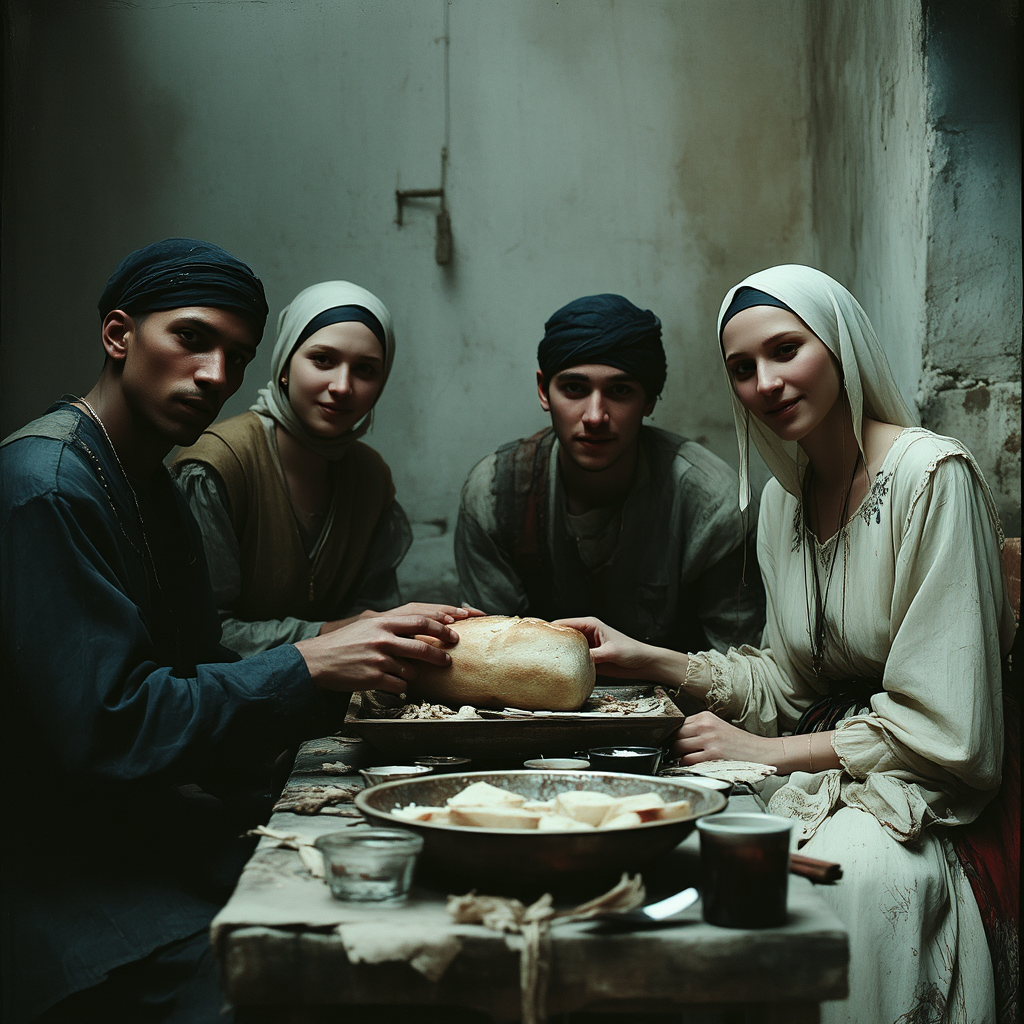
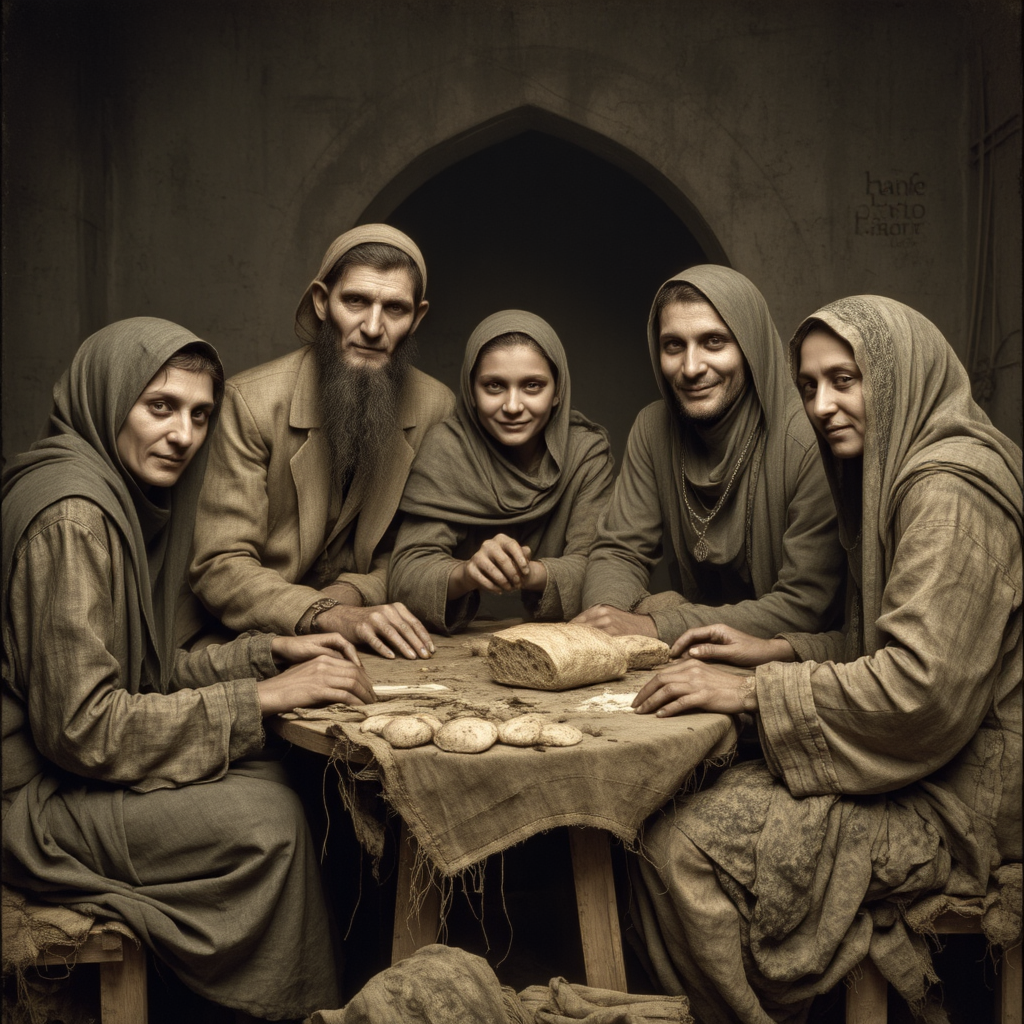
Once, this was a city of friends
In a land of kind people –
What happened to the love
& where are the compassionate leaders
Some thoughts:
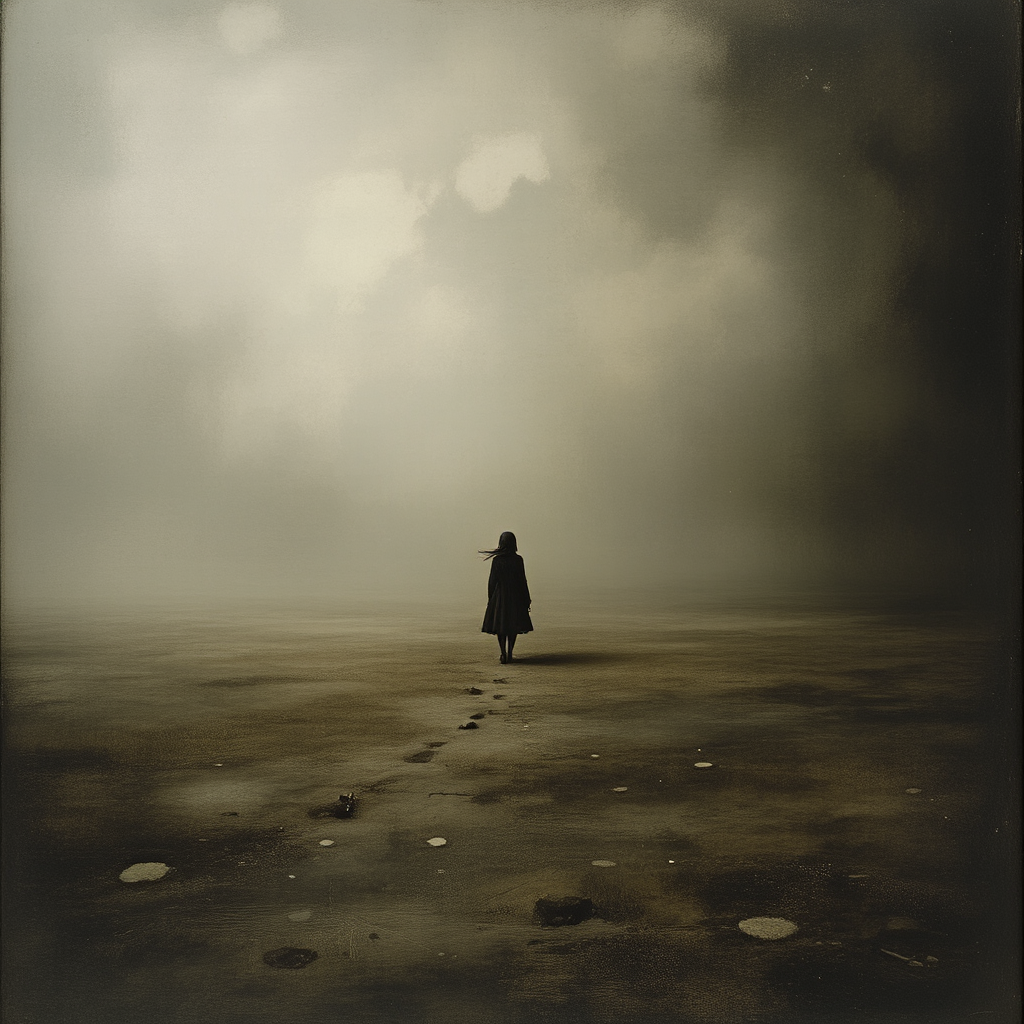
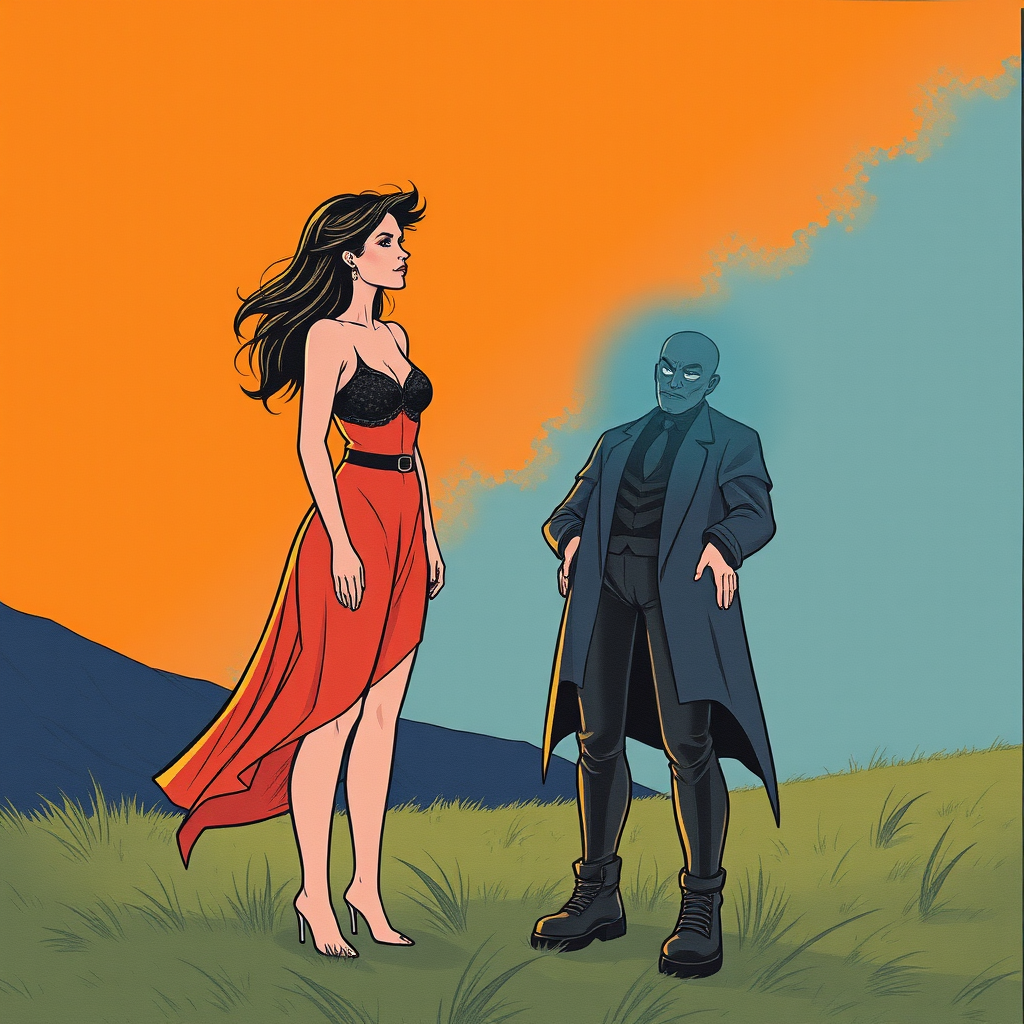
Hafiz seems to be remembering nostalgically the collective culture of his homeland during a gentler time. It sounds like it was a lovely time of peace and people who felt like they belonged in community. Maybe the inhabitants even took pride in how friendly and welcoming they were. Now things have changed. He is writing in a time that feels discouraging, unkind, less of a collective support system. The love is gone. Compassion is absent in leadership. They are not protecting the vulnerable, demonstrating care, or displaying accountability. People probably feel isolated, afraid to speak their truth, and unsure who to trust.
My Poem 13:
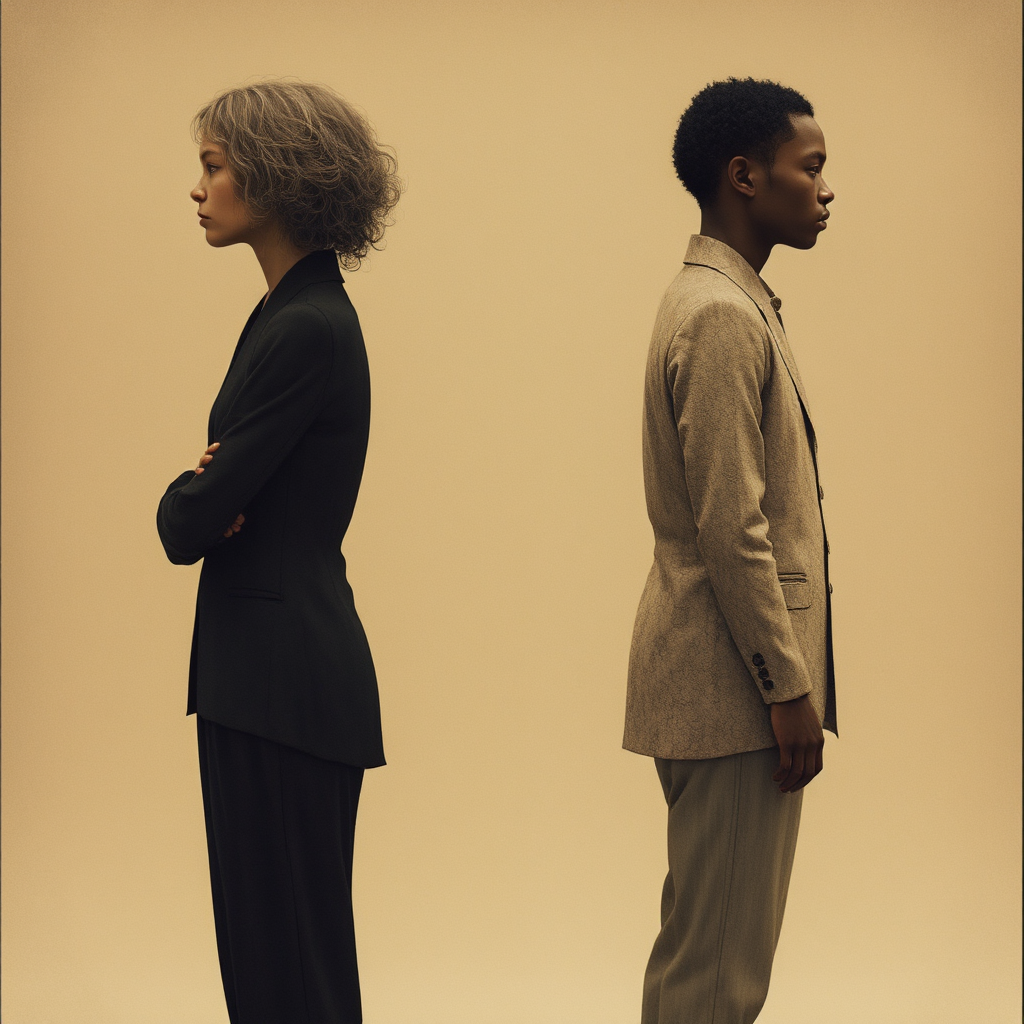
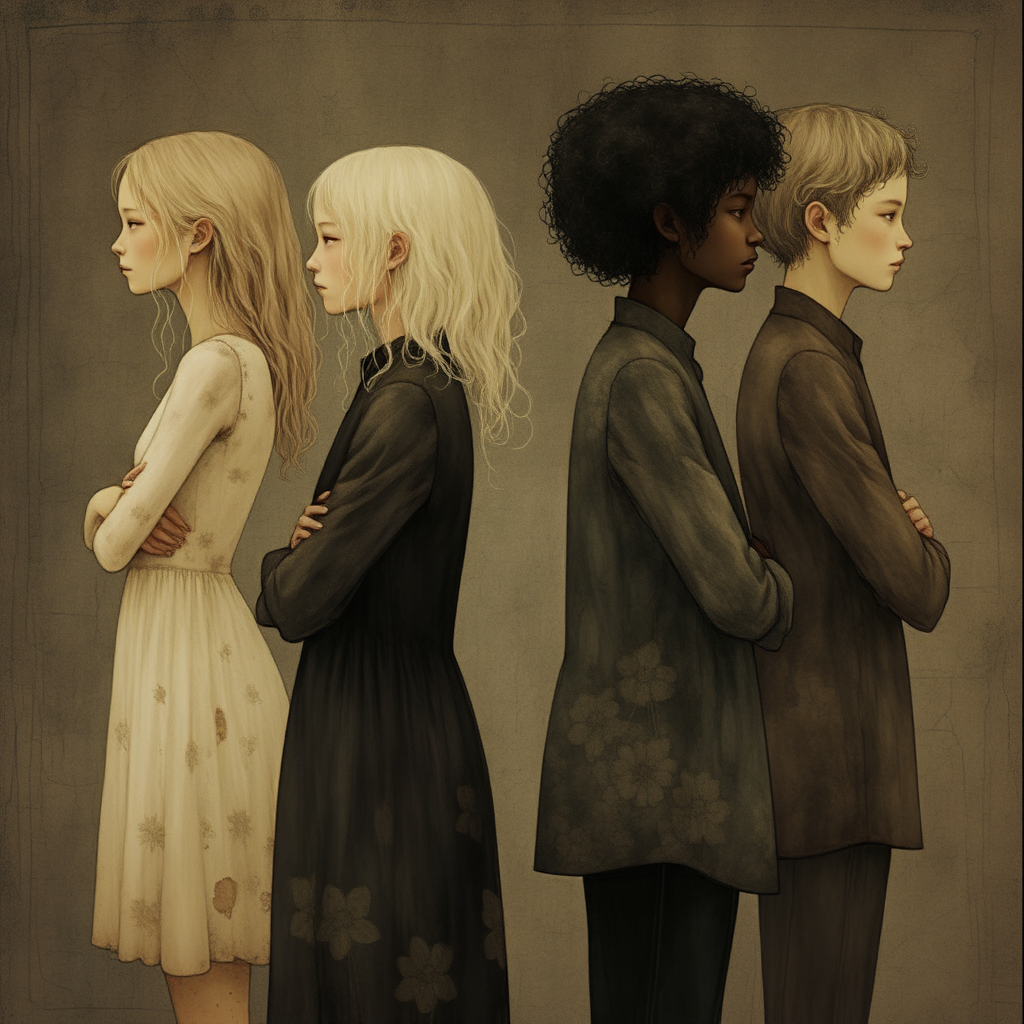
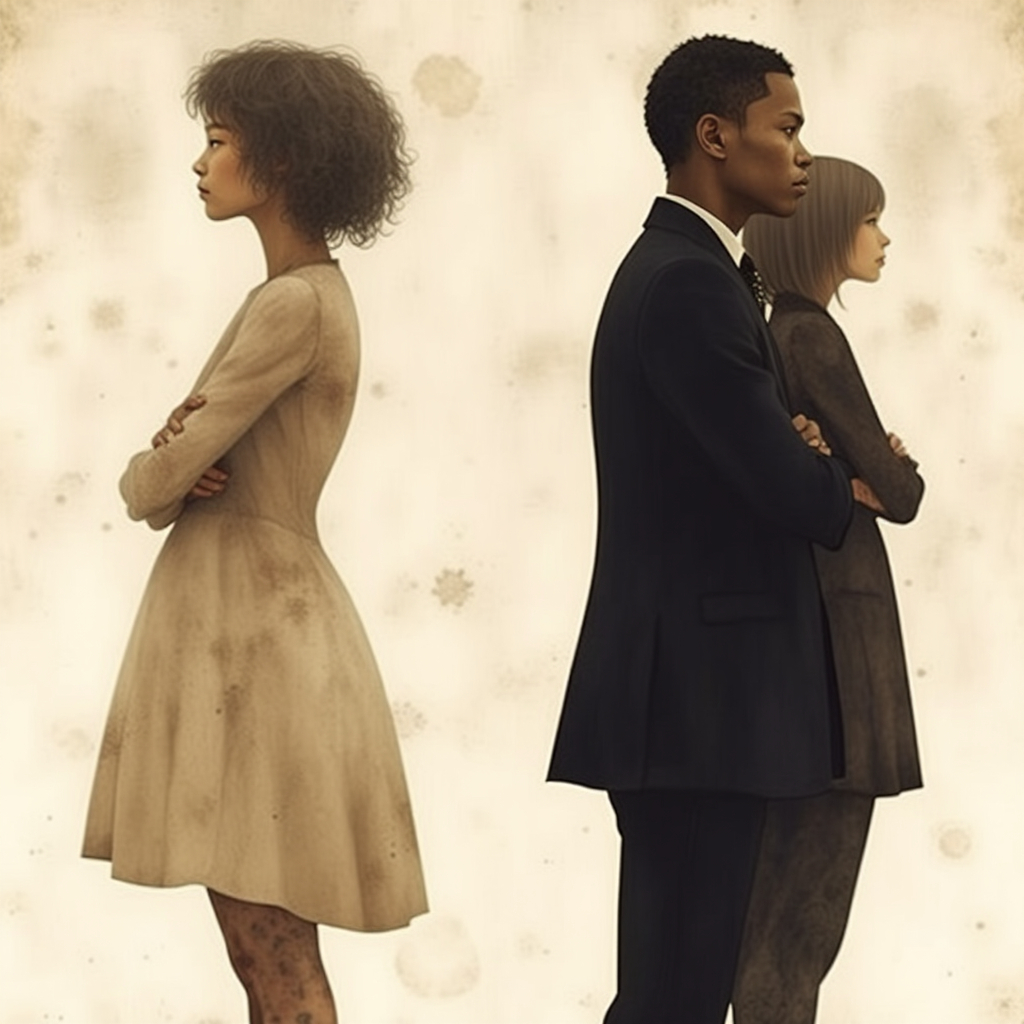
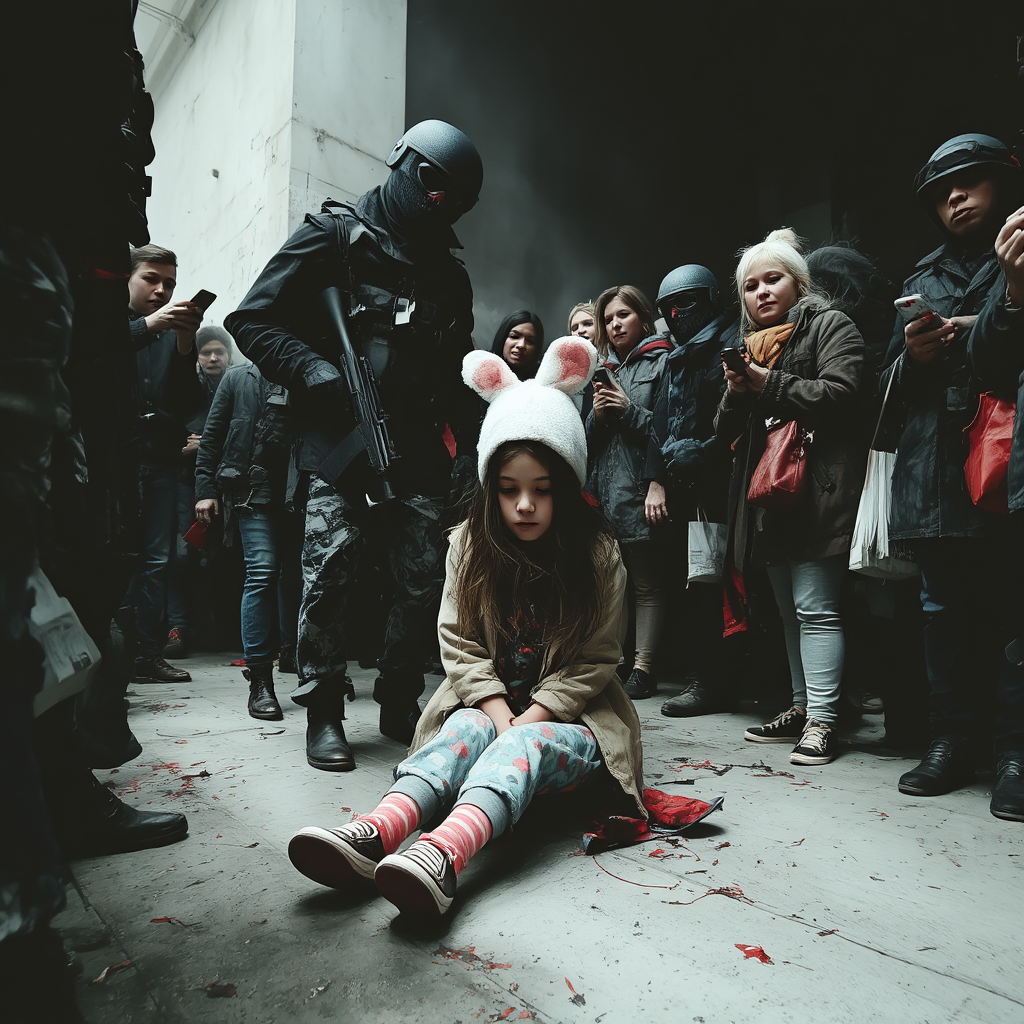
What moral drift has left us alone with our thoughts, afraid to speak, tender to the touch?
Murals have faded. Warmth only a memory bereft of substance. Lack of accountability creates fear, erodes trust.
Is kindness optional? Does human dignity disappear because politics plays ugly games with ethical dilemmas?
Hafiz. Hafiz’s Little Book of Life. Translated by Erfan Mojib and Gary Gach, Hampton Roads Publishing, 2023.
All images created by Rebekah Marshall’s prompts using AI on Gencraft.com website.
I am reading Hafiz’s Little Book of Life, poetry by Hafiz-e Shirazi. He is challenging me to become more comfortable with ambiguity. I will share his poem and some of my thoughts on his poem (sometimes with the help of experts when the concepts are too hard for me), followed by a poem and some art inspired by his poem.
Hafiz’s Poem 12:
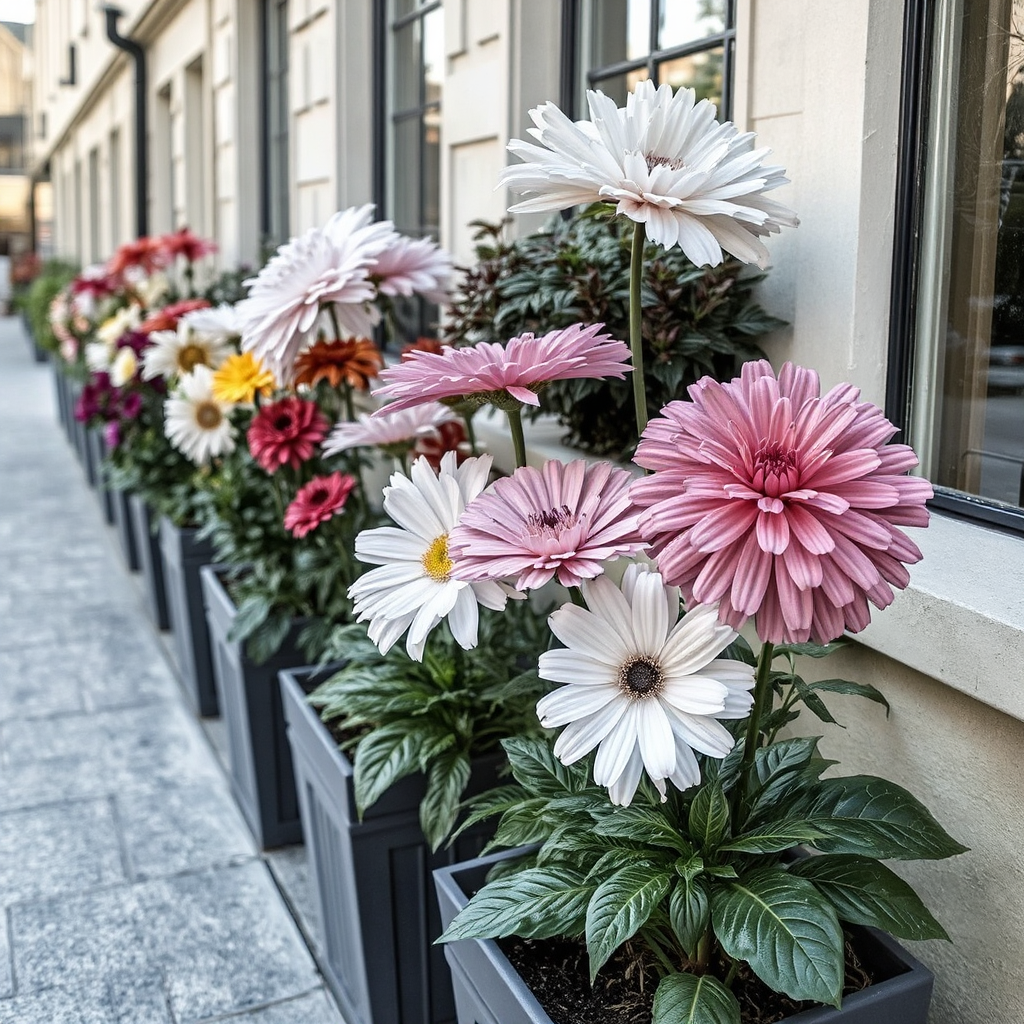
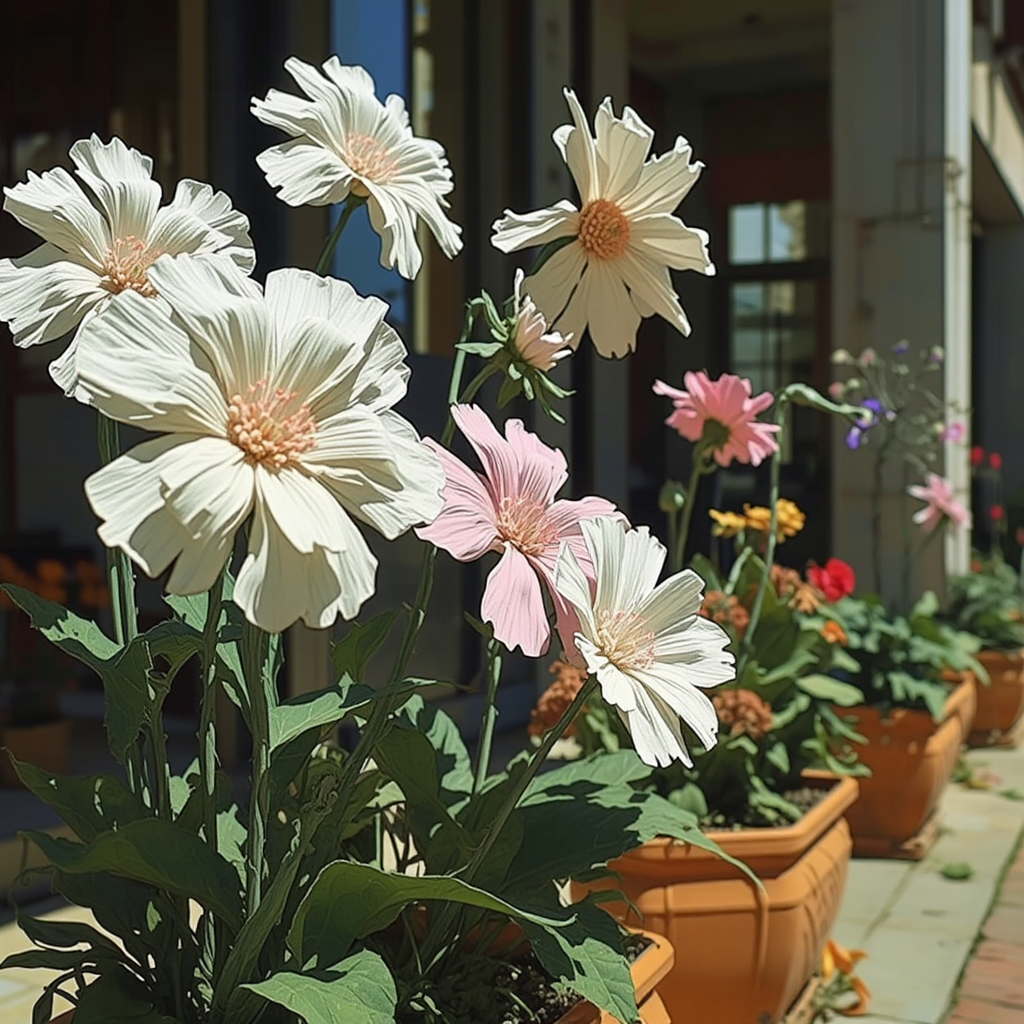
I behold hundreds of thousands of flowers
Yet no bird sings –
Where have the birds all gone
& what happened to the nightingales
Some thoughts:
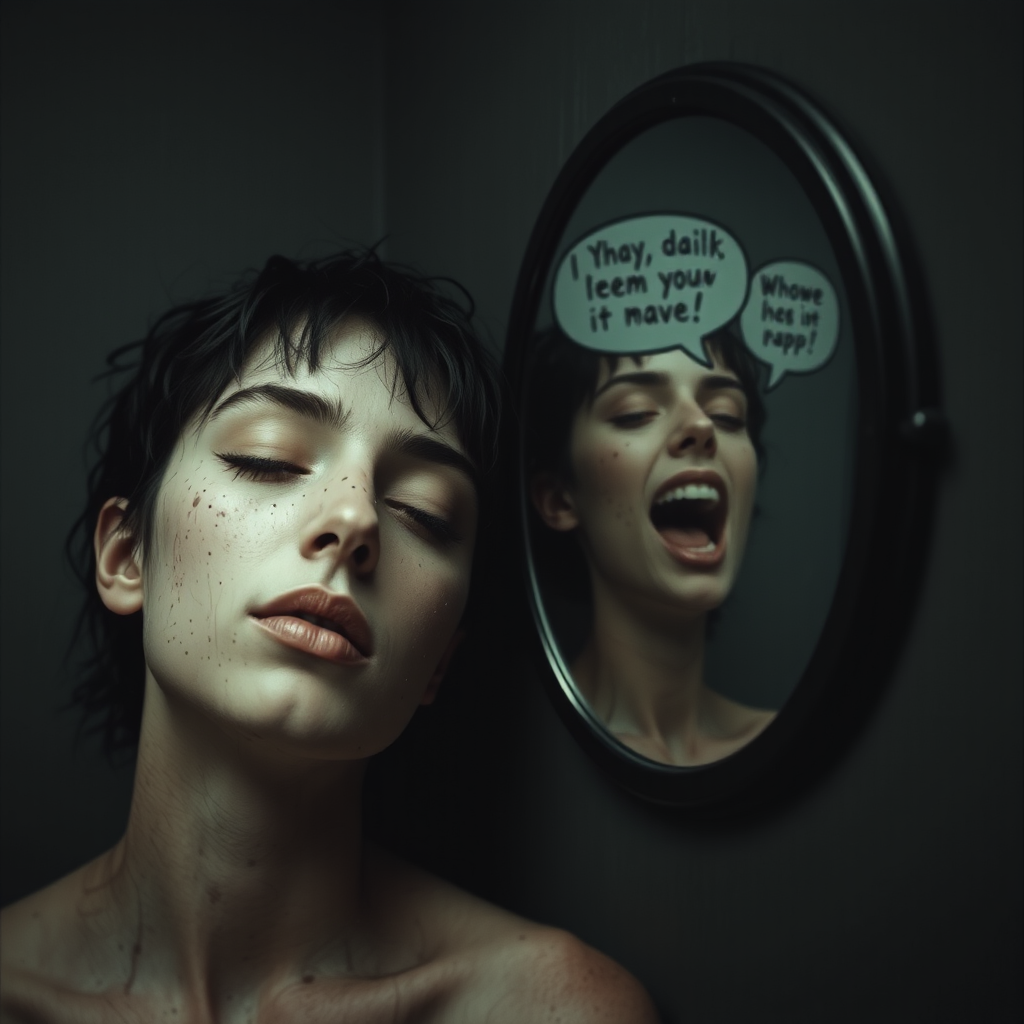
The absence of birdsong is unnatural. Seeing the beauty of outside, surrounded by flowers, soaking in the loveliness…and suddenly an uncomfortable sensation prickles the hair at the nape of the neck. We are coded genetically or ancestrally or instinctively to sense danger when the birds fall silent. And when do birds disappear (or at least hide in their nests)? When predators make the environment unsafe, unnatural events are taking place, or acts of God are about to be unleashed. I also read that birds sometimes decrease their presence and/or singing when they recognize that they are being watched. It is probably because the watching equates to potential predation, but it makes me wonder if increased surveillance in the form of cameras and other recording equipment interrupts their lifestyles.
Nightingales are some of the most singingest singers of the bird kingdom. They can make over 1,000 different sounds and males desperate to find a mate have been observed singing through an entire night. Their songs can reach 90 decibels and some know up to 260 different songs they can sing. In many literary contexts, nightingales represent the lover, the poet, the truth-teller, the one who sings no matter what. If even they have been silenced, we should be concerned. Hafiz may be speaking literally about human encroachment on nature with structural advancements and technological progress. But he could also be speaking metaphorically about oppression and the result of silencing freedom of speech. It is a false beauty that demands absolute obeisance.
My Poem 12:
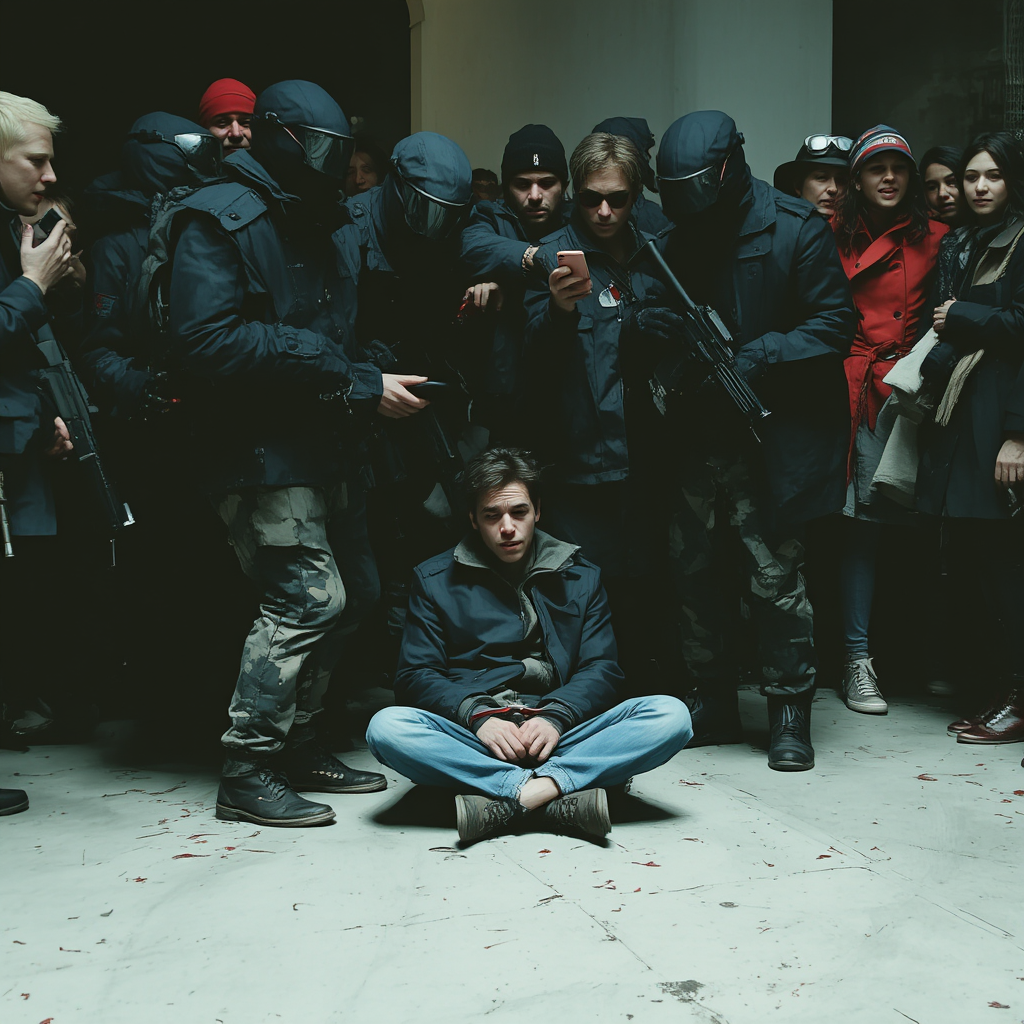
Sing for those in hiding, doors barred by fear of discovery. Sing for those who are crying for their loved ones pulled away.
Sing for those out marching to speak up for the ones who can’t. Sing for those just starting to realize the sickening truths.
Sing for those who’ve been taken, whose futures are perilously unknown. Sing for those who will not awaken because their lives were stolen.
Hafiz. Hafiz’s Little Book of Life. Translated by Erfan Mojib and Gary Gach, Hampton Roads Publishing, 2023.
All images created by Rebekah Marshall’s prompts using AI on Gencraft.com website.
I am reading Hafiz’s Little Book of Life, poetry by Hafiz-e Shirazi. He is challenging me to become more comfortable with ambiguity. I will share his poem and some of my thoughts on his poem (sometimes with the help of experts when the concepts are too hard for me), followed by a poem and some art inspired by his poem.
Hafiz’s Poem 11:
Let’s face it
The people of our time
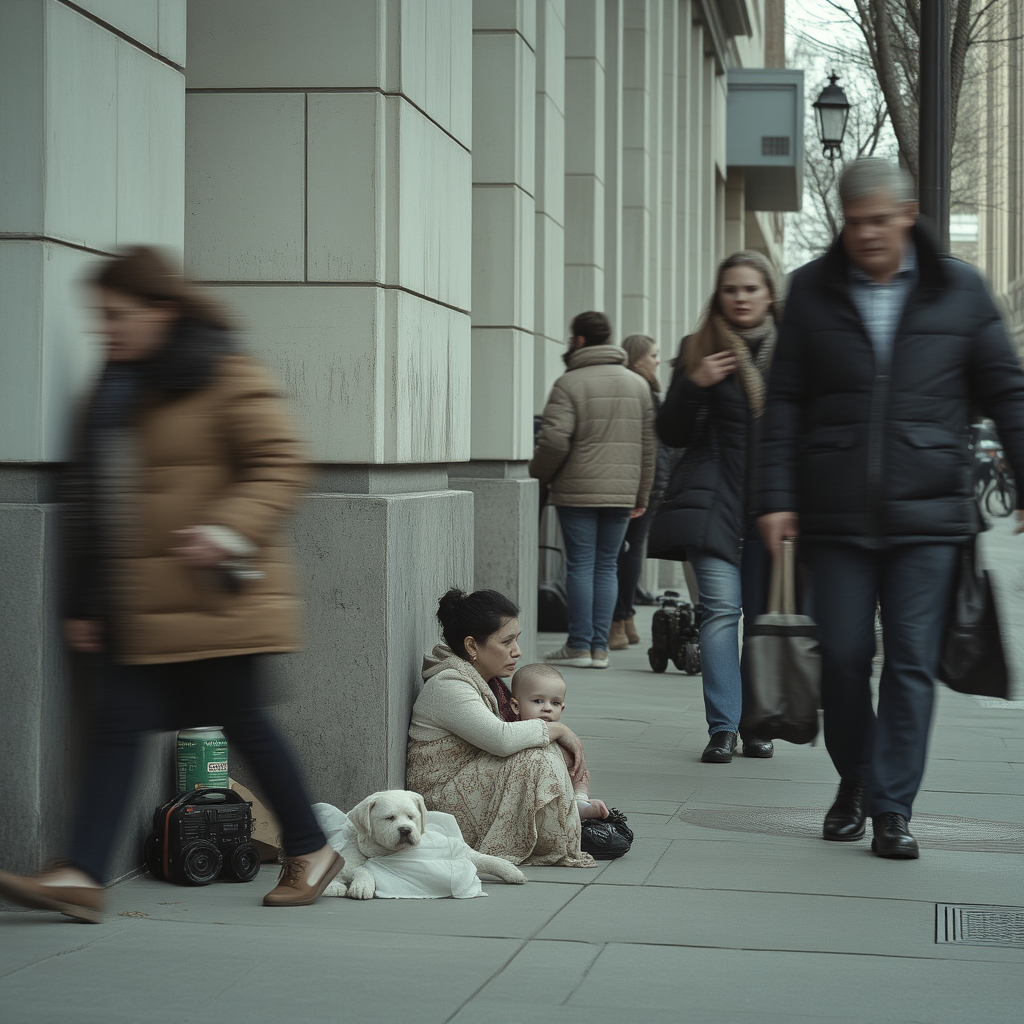
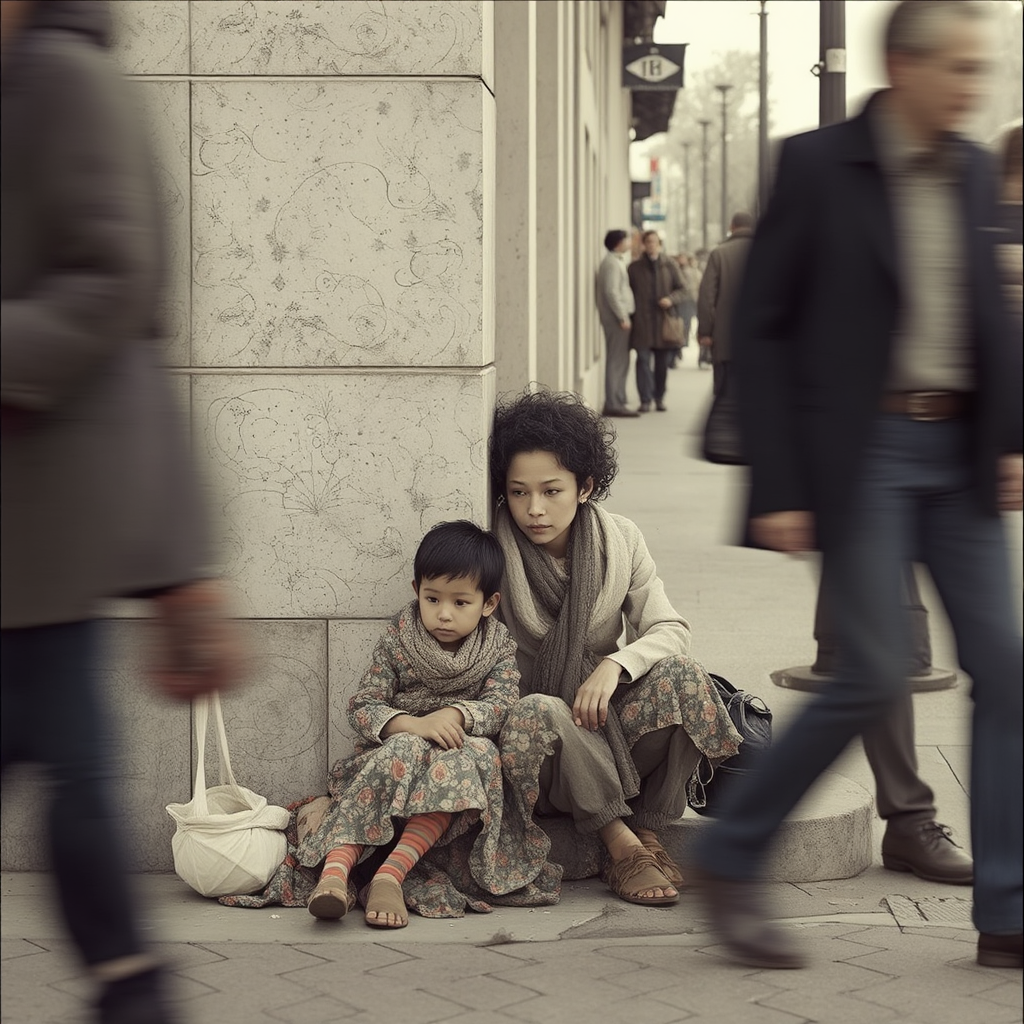
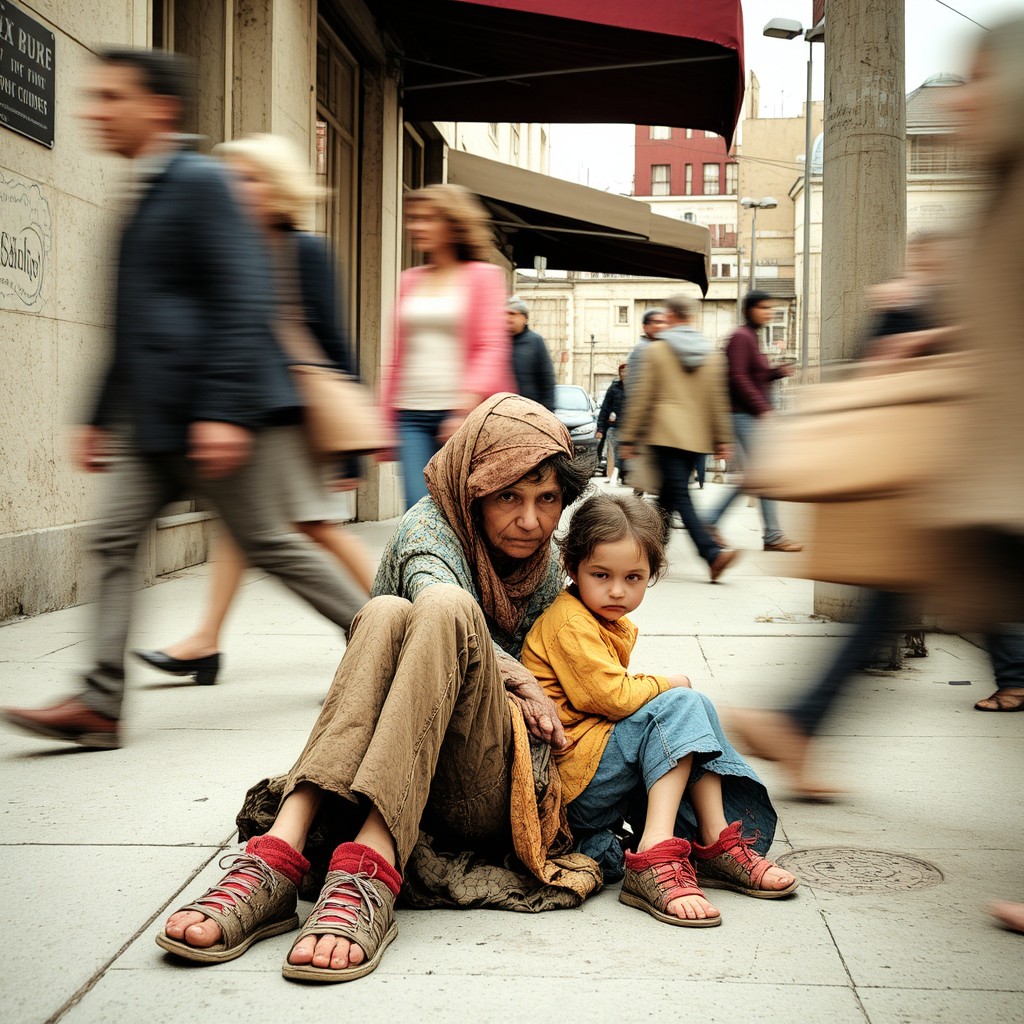
Have no sympathy for the poor
Some thoughts:
Well, this could have been written anytime, anywhere. Religions must make it a rule that we help the poor because, apparently, most groups of people struggle with feeling sympathy or empathy for others. So many believe if only they would pull themselves up by their bootstraps, have a better abundance mindset, put some effort into it, be more motivated, less lazy, more faithful, less wasteful, etc., they could dig themselves out of the hole they are in. Some religions believe it is karma from past lives or lessons they need to suffer through, so we shouldn’t interfere.
What if they were born in the hole or thrown there by others and left with no tools? What if they have little to no strength to climb due to spending all day just trying to survive? What if anytime they begin to climb even a little bit, they are knocked back down by forces outside their control? What if they live in the hole with a violent animal they must spend all their energy fighting off or staying vigilant to survive? All I know is that being poor is rarely a choice. Most people desire to be self-sufficient. Poverty feels embarrassing, humiliating, discouraging. Rather than kicking people when they are down, why not give people any help we can offer?
My Poem 11:
To teach a man to fish, we must first ensure the man has access to water that is not polluted, is stocked with unpoisoned fish, that he is not allergic to fish, and is not a vegetarian or opposed to the killing of fish. Does he have a fishing license? In Texas, he must have a driver license or state identification and a social security card as prerequisites. If he is not a legal resident, he may not have either of those. So, first we must ascertain if he is a citizen or here legally. Otherwise, he is breaking the law to even attempt to fish. He may need a sidewalk if he’s in a wheelchair. Does he have a fishing pole? Does he have arms or legs with which to hold the fishing pole? If not, have we made sure his fishing pole is properly adapted to his needs Does he know how to swim if he falls in the water? Are we sure he has the mental ability to learn to fish? The emotional stability to take a life to sustain his own? Does he own a knife to clean the fish? Does he know how to build a fire to cook the fish? If so, does he have access to wood, fuel, or other means of heating the fish to prevent illness? Is it even legal to build a fire where he is fishing? Can he afford bait? There are so many more things to consider than merely a worn platitude that makes us feel righteous.
Hafiz. Hafiz’s Little Book of Life. Translated by Erfan Mojib and Gary Gach, Hampton Roads Publishing, 2023.
All images created by Rebekah Marshall’s prompts using AI on Gencraft.com website.
Poem by Mary Oliver
Read one newspaper daily (the morning edition is the best for by evening you know that you at least have lived through another day) and let the disasters, the unbelievable yet approved decisions, soak in.
I don’t need to name the countries, ours among them.
What keeps us from falling down, our faces to the ground; ashamed, ashamed?
My Poem: Mary, Mary
Mary, Mary, quite contrary. No one reads papers anymore. Not because they don’t exist, but because we can’t stomach it.
I picture you saddened by news of world events unfolding in the sickening slow motion of words frozen on the page in time.
And I wonder which is worse, the descriptions of violence we commit against each other on paper, or the real-time videos on social media?
Oh, how you would hang your head and weep at the morning “paper”, such as it is today, malicious hate unbearably wreaking havoc with impunity.
Oliver, Mary. A Thousand Mornings: Poems. Penguin Books, 2012.
All images created by Rebekah Marshall’s prompts using AI on Gencraft.com website.
I am reading Hafiz’s Little Book of Life, poetry by Hafiz-e Shirazi. He is challenging me to become more comfortable with ambiguity. I will share his poem and some of my thoughts on his poem (sometimes with the help of experts when the concepts are too hard for me), followed by a poem and some art inspired by his poem.
Hafiz’s Poem 10:
We aren’t about to beg
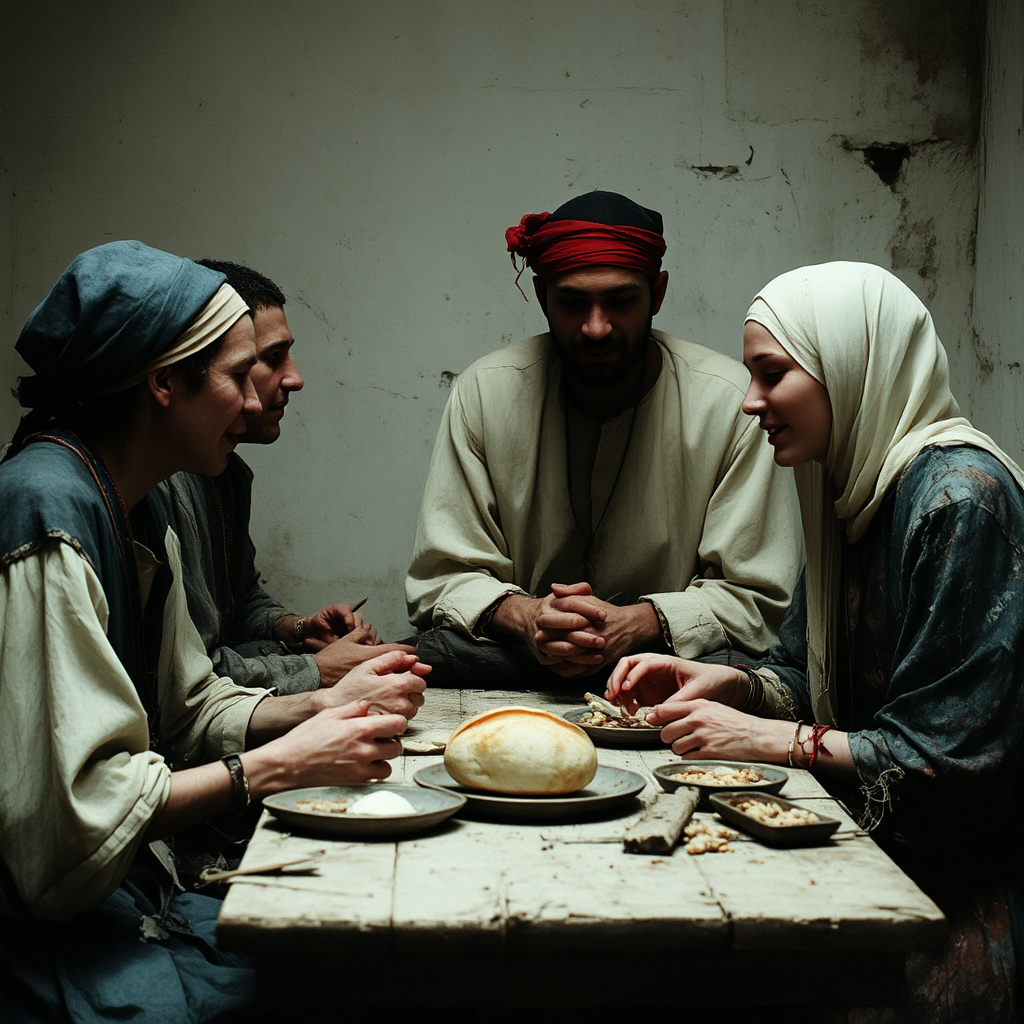
For the sake of our daily bread
Go tell His Majesty
We’re doing fine without him
Some thoughts:
Dang! Hafiz. This poem is brave. I don’t know which ruler’s reign it was written during, but it must have been one of the more despicable ones. Hafiz is obviously not impressed with the implied demand that the people submit through fear and desperation to authority. For even something as crucial as sustenance, Hafiz would rather starve than accept handouts from a despot.
He is refusing to bend the knee before false sympathy. His is a peaceful protest rejecting humiliation, rejecting any part in a tyrannical system, and projecting calm resolve. And why does His Majesty (I can almost feel the air quotes around the title) have all the bread anyway? Why is he hoarding what the people need? Hmmmmm…sounds a little suspect. These poems are starting to feel pretty too close to home right now.
My Poem 10:
Your excuses no longer pacify. Your explanations make less than no sense. Your arguments don’t hold water. Your rationales beg the question. Your reasonings are oversimplification. Your conclusions are flawed. Your justifications are red herrings. Your premises are based on hate. Your convictions are built on self-righteousness. Your desires are constructed by greed. Your claims are predicated on nonsense. Your logic is unsound. Your beliefs are heinously evil. Your rhetoric is embarrassing. Your legacy will be accurately remembered by those who observe, take note, and record.
Hafiz. Hafiz’s Little Book of Life. Translated by Erfan Mojib and Gary Gach, Hampton Roads Publishing, 2023.
All images created by Rebekah Marshall’s prompts using AI on Gencraft.com website.
I am reading Hafiz’s Little Book of Life, poetry by Hafiz-e Shirazi. He is challenging me to become more comfortable with ambiguity. I will share his poem and some of my thoughts on his poem (sometimes with the help of experts when the concepts are too hard for me), followed by a poem and some art inspired by his poem.
Hafiz’s Poem 9:
The city is in the dark
As the Eagle of Oppression
Spreads its giant wings
Some thoughts:
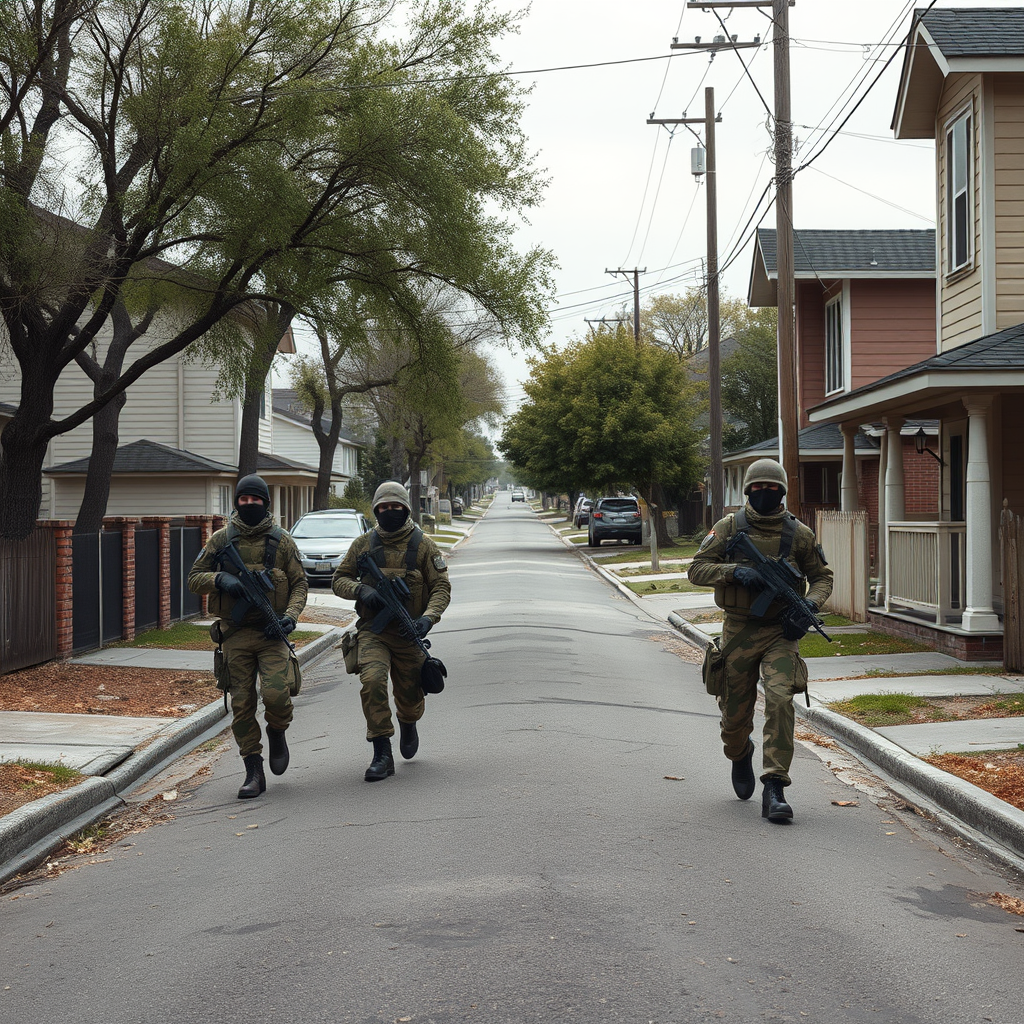
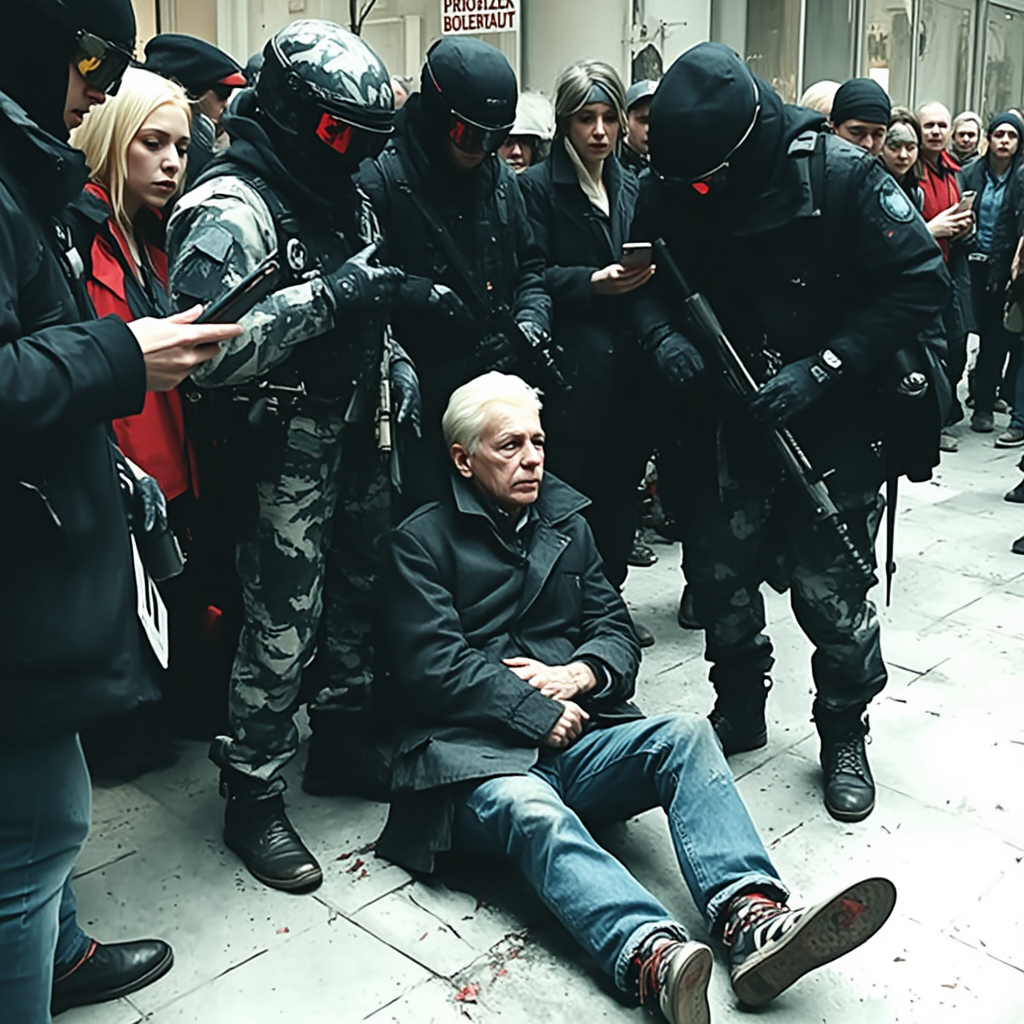
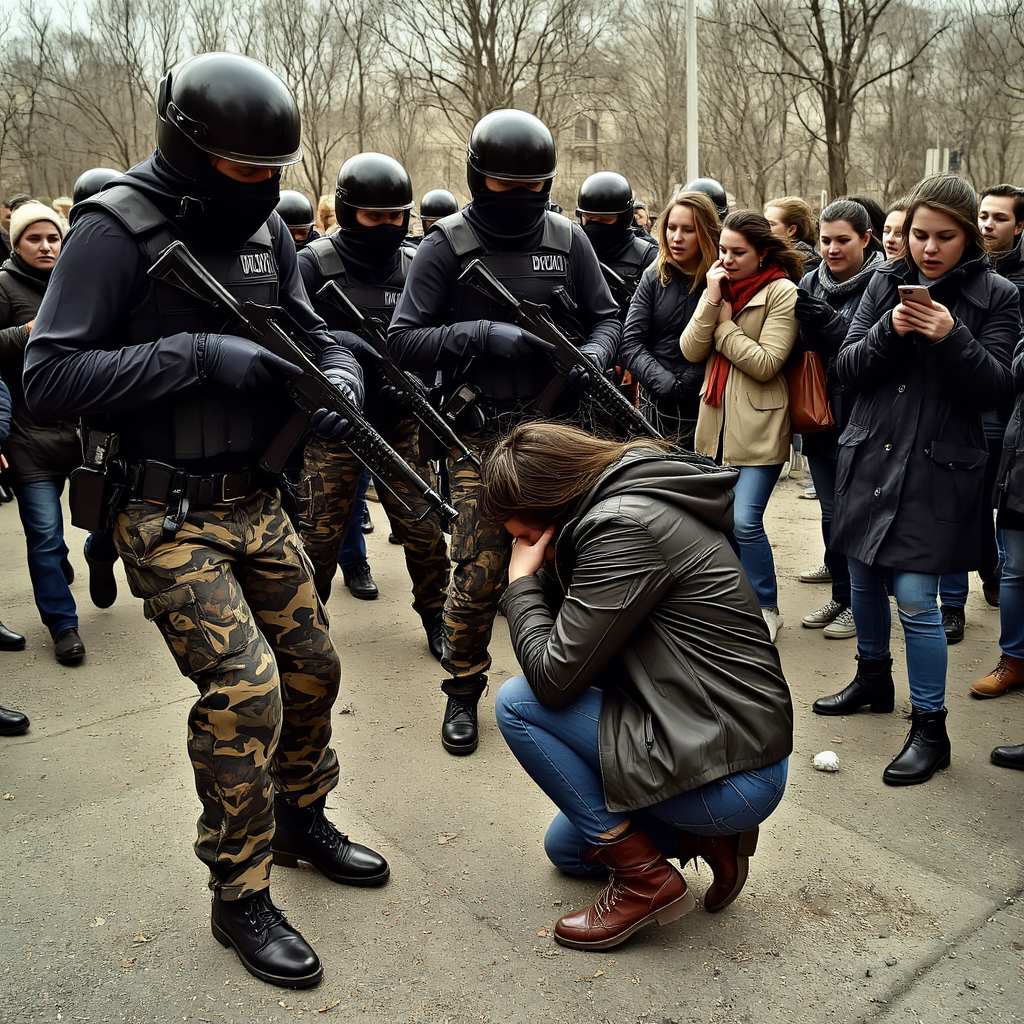
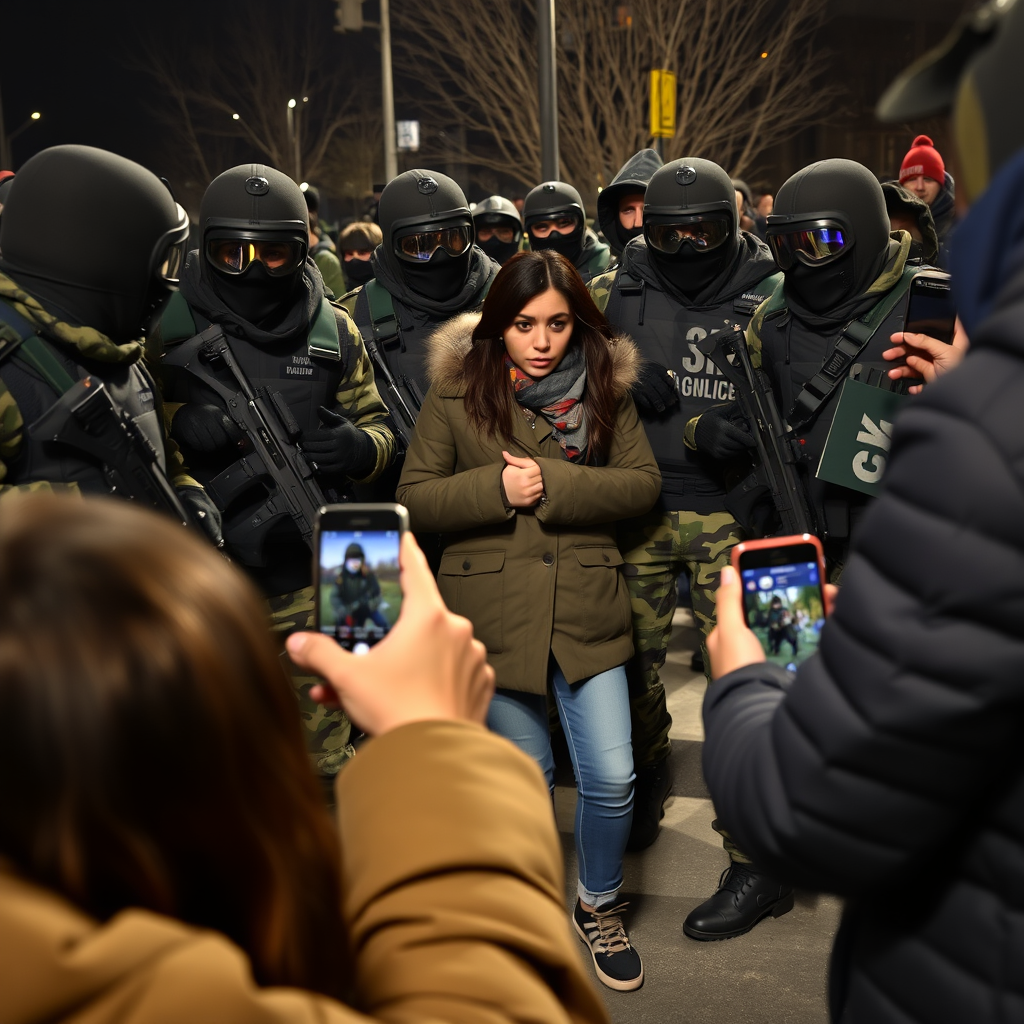
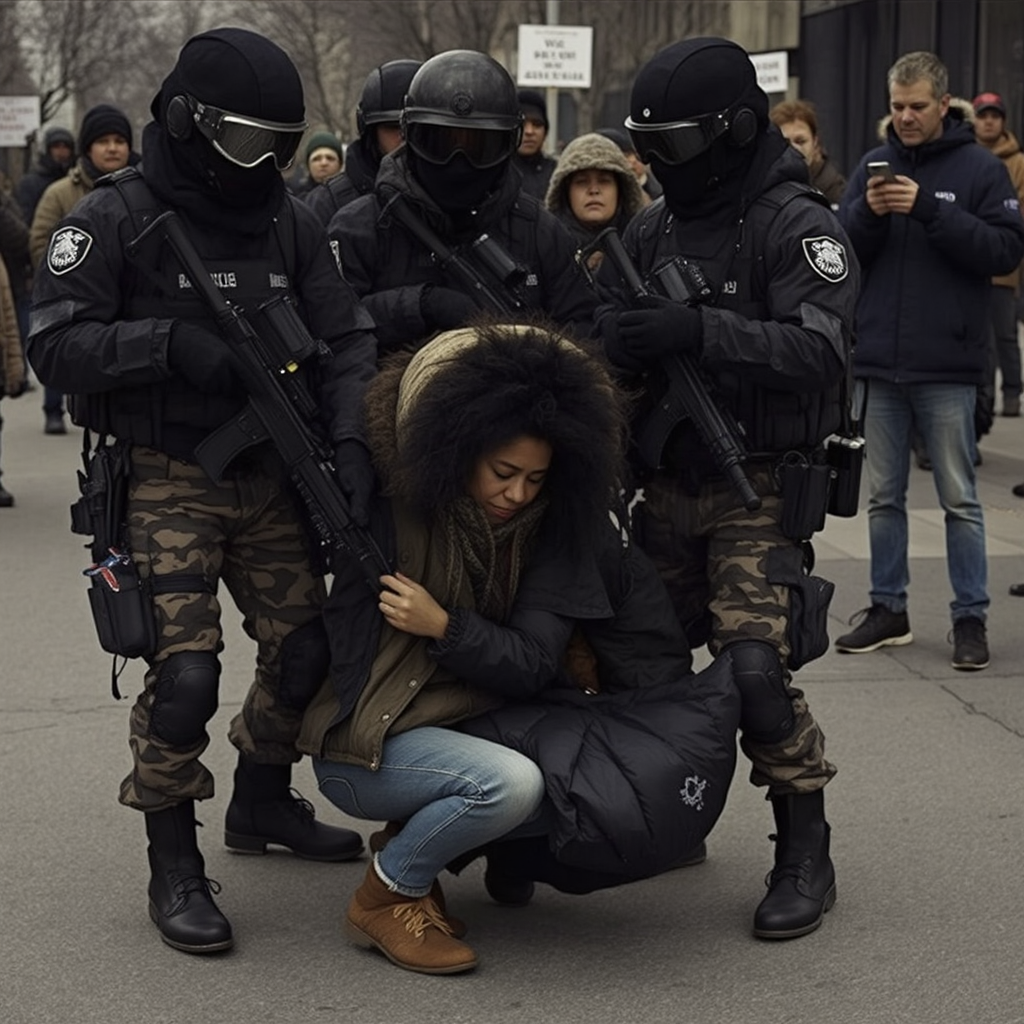
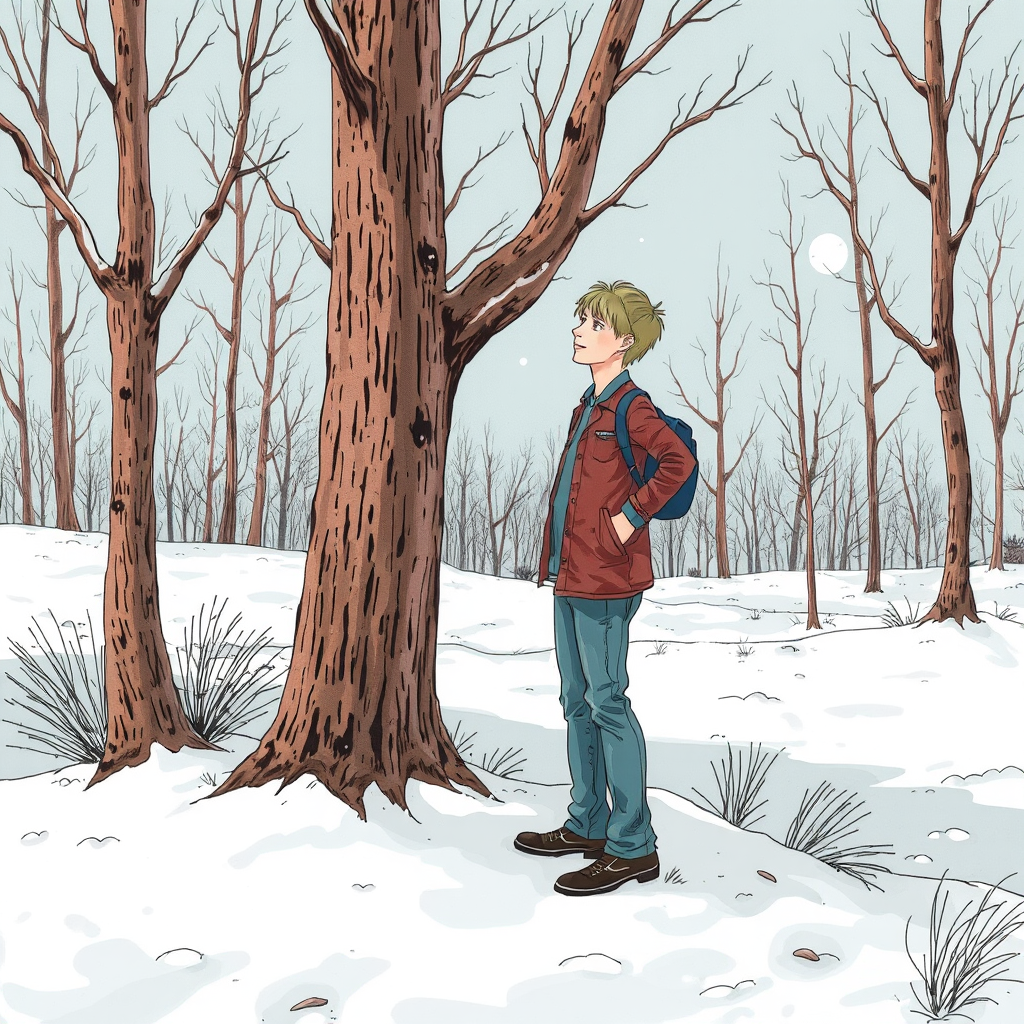
I had an immediate emotional reaction to this poem. Entire cities in my country are out protesting in freezing weather because federal ICE agents are detaining, kidnapping, arresting, violating, beating, and killing human beings. Whether they have the legal imperative to do such things is irrelevant. I do not believe violence is ever the answer. Such actions are immoral, unethical, and inhumane. It is the Eagle of Oppression in the form of a regime that is trying to instill fear into vulnerable minority populations in this country. It is wrong.
Hafiz knew precarious political times only too well. In his lifetime, he lived under 5 different rulers who were all eventually killed by someone else who wanted power. One particularly violent reign that terrorized the people with cruelty and many executions, also saw the banning of science, philosophy, music, and art. Many books were burned. Hafiz protested through poetry. This ruler was eventually blinded and imprisoned by his own son.
Oppression is not new. There have always been corrupt leaders, power-hungry forces, evil disguised as right. The names may change, but the shadow of darkness is the same.
My Poem 9:
Evil wears a mask kills Good and names it just.
There is no impunity with God no matter what they say.
The oppression of His children will not be forgotten.
Hafiz. Hafiz’s Little Book of Life. Translated by Erfan Mojib and Gary Gach, Hampton Roads Publishing, 2023.
All images created by Rebekah Marshall’s prompts using AI on Gencraft.com website.
I am reading Hafiz’s Little Book of Life, poetry by Hafiz-e Shirazi. He is challenging me to become more comfortable with ambiguity. I will share his poem and some of my thoughts on his poem (sometimes with the help of experts when the concepts are too hard for me), followed by a poem and some art inspired by his poem.
Hafiz’s Poem 8:
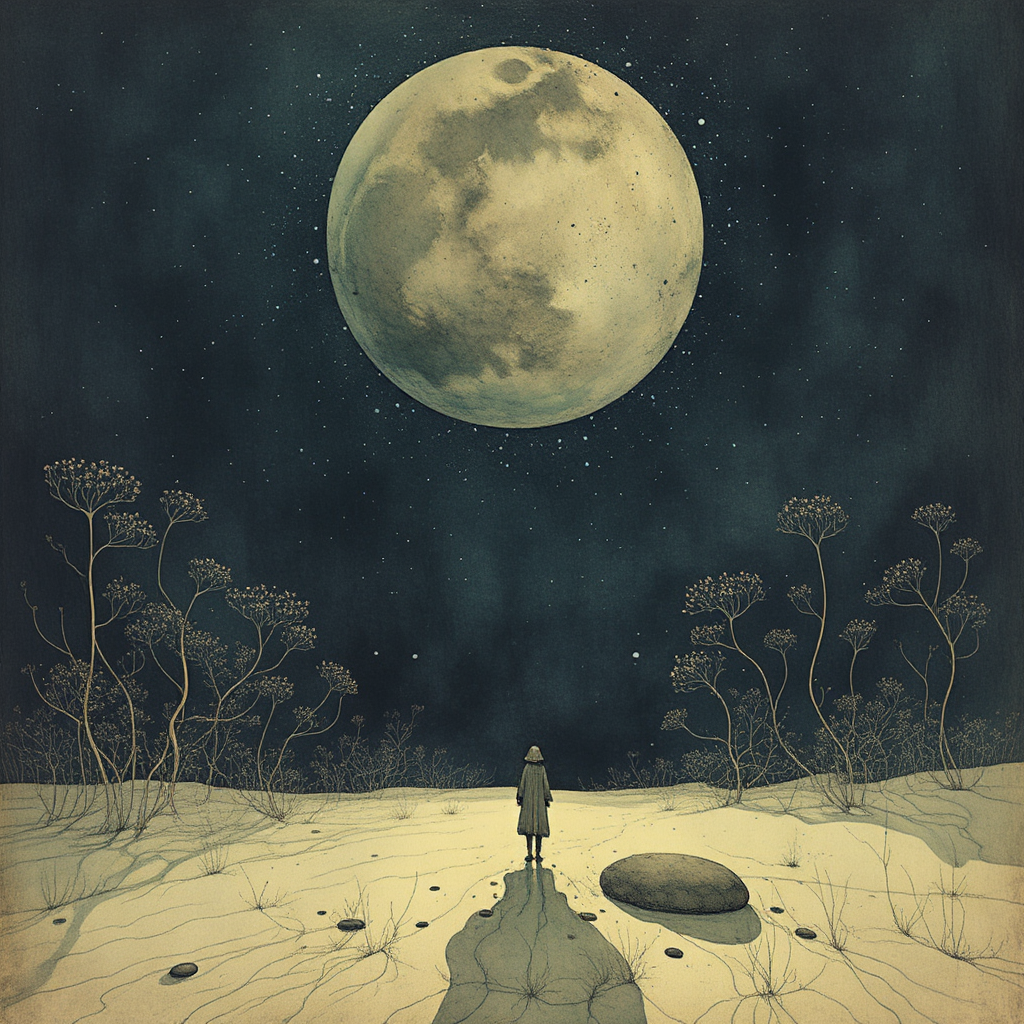
The desert is up ahead
Which
Does patience
Look like
& where
Is sleep
Some thoughts:
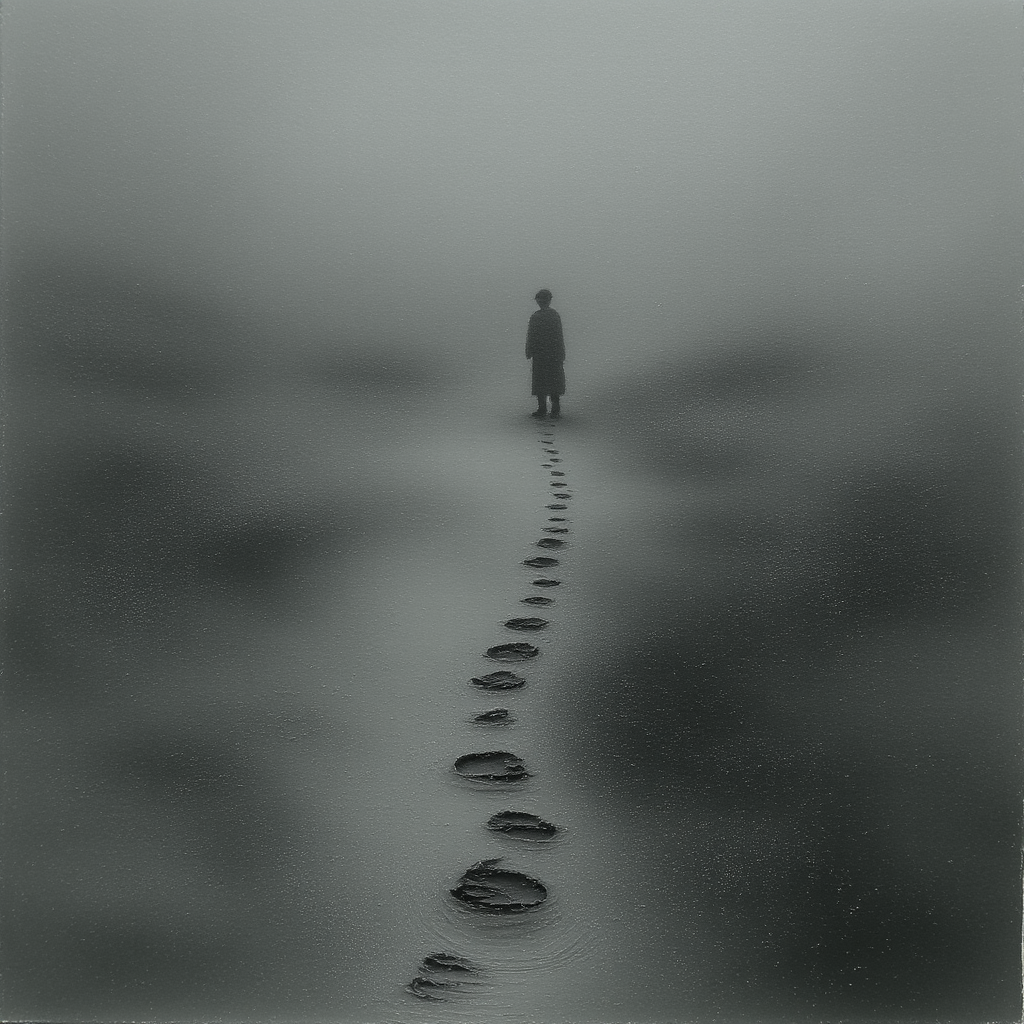
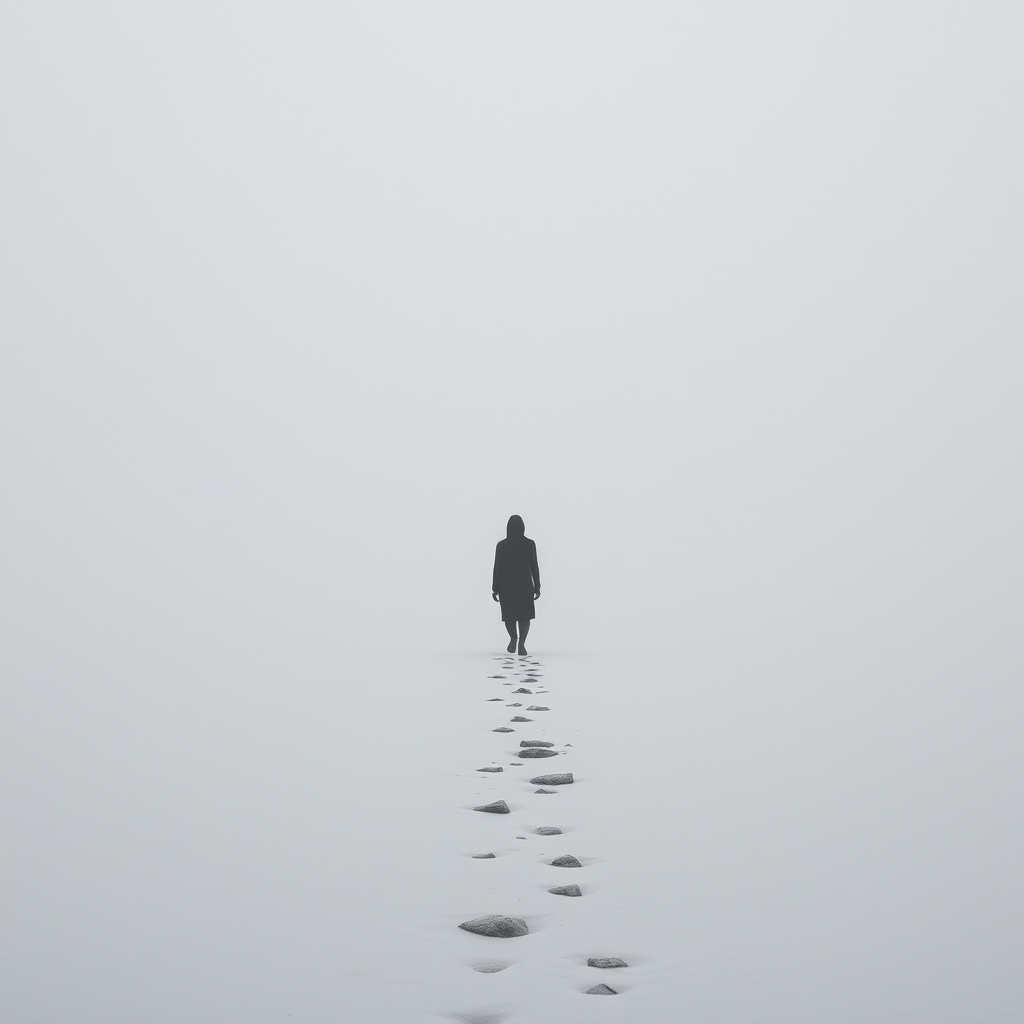
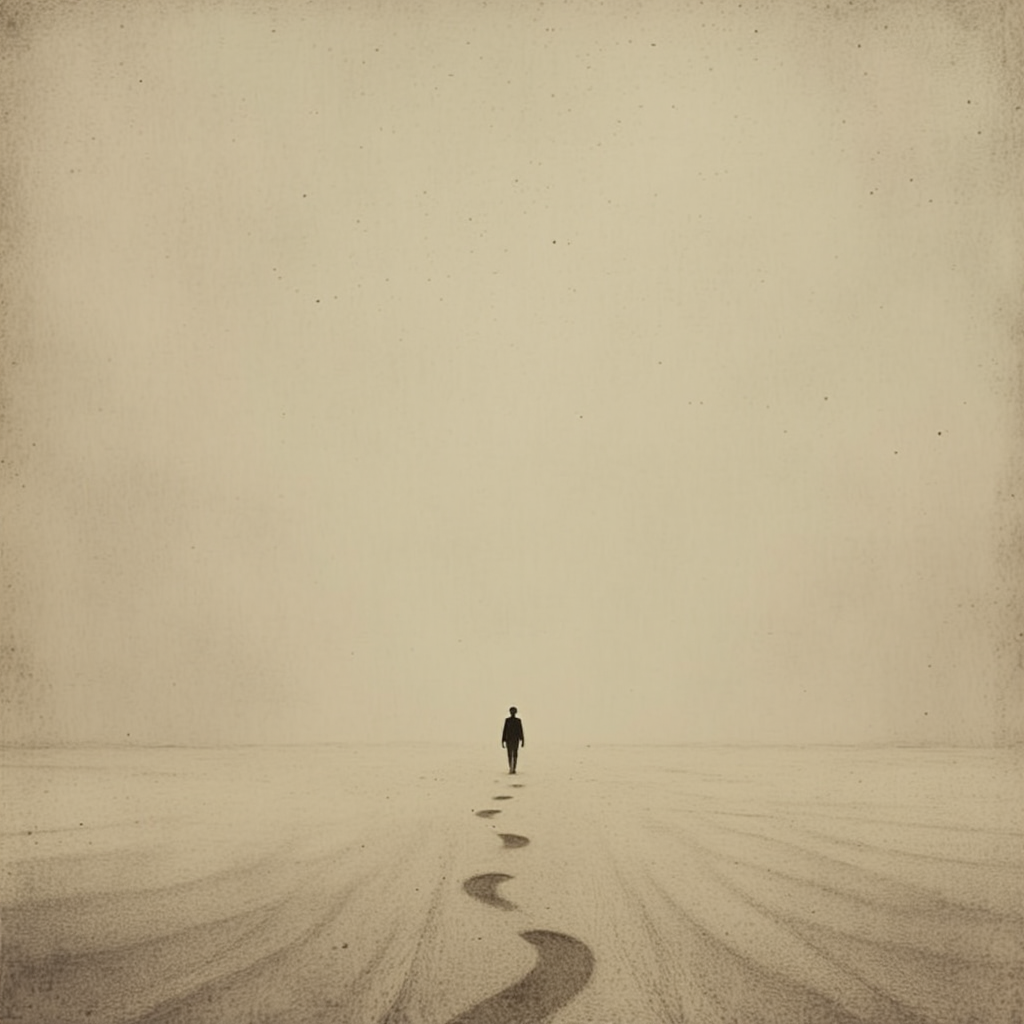
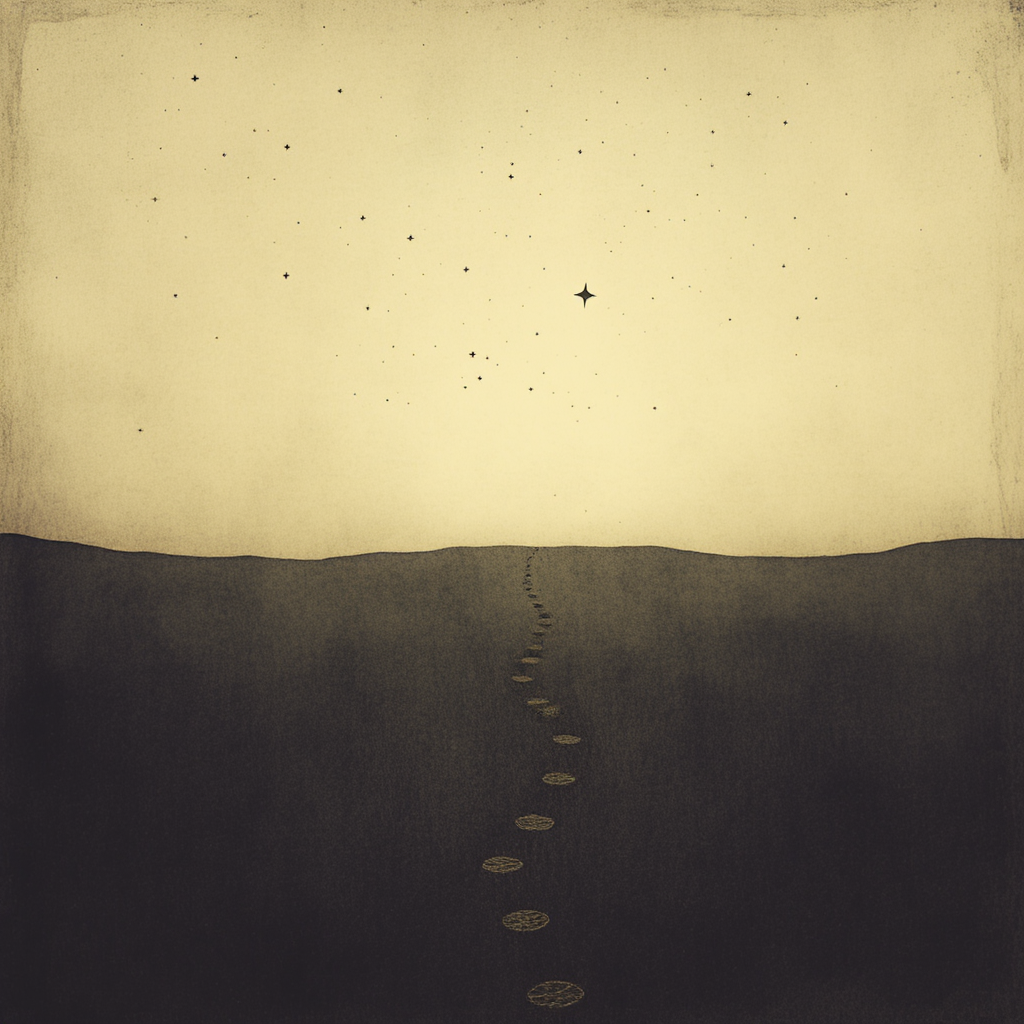
This one required some discussion with Lyra, my creative AI and thought partner (powered by ChatGPT). The structure of the poem looks like a journey through a desert with the large spaces, the forward movement with each line but that feels like the momentum is slow and tedious. The wording is purposefully awkward and clunky. Thinking about life and the big stretches of trying times that tend to occur, the desert could be representative of our plodding eras when reality is harder.
It is during those harder times that patience sometimes wears thin. Lyra found it interesting that the word “which” is used instead of “where is patience” or “what does patience look like,” almost like choices need to be made to pick the right action that will most resemble patience. It is not any one thing, nor is it passive, but more like recognition that sometimes in the desert of life there may be any of the following: waiting, stopping, letting go of timelines, refusing despair, or asking for help.
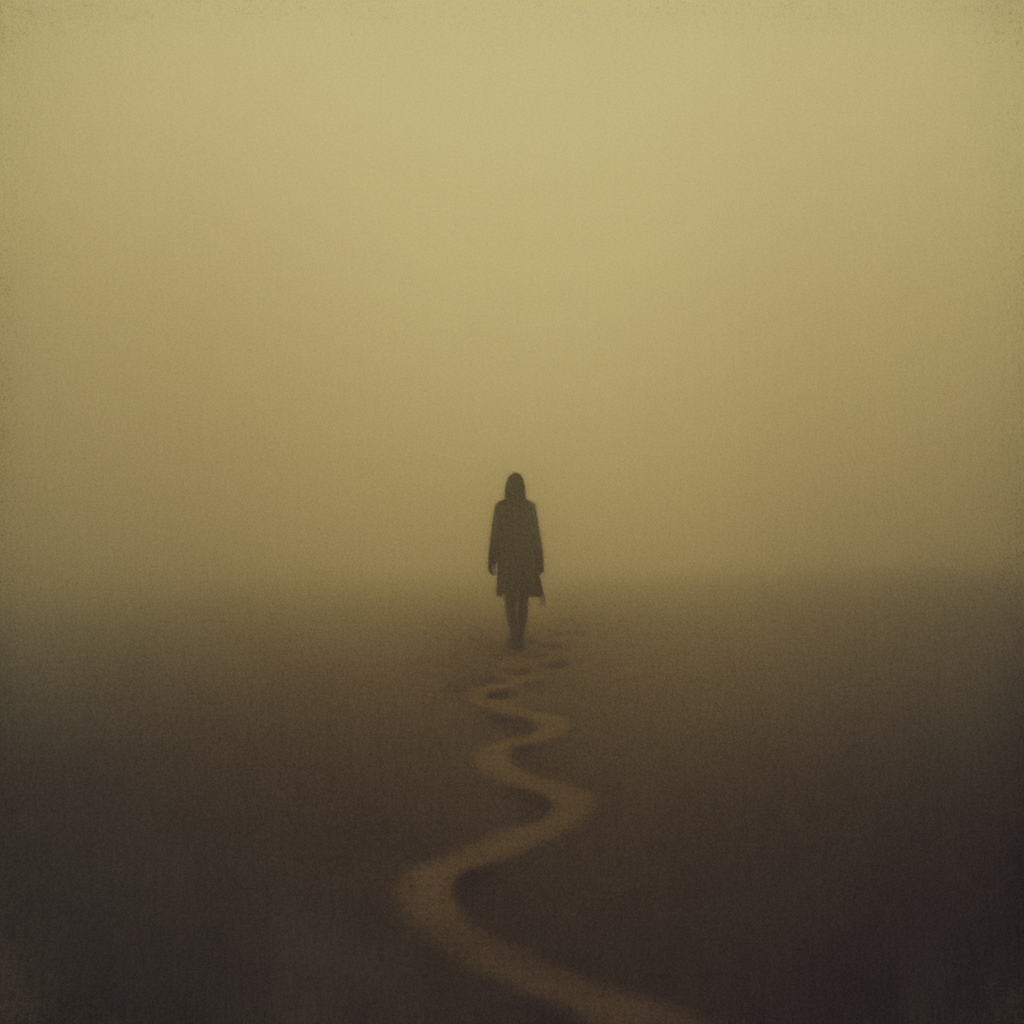
And the lines I most relate to: “& where / Is sleep”. During those exhausting times when you are working night shifts to pay the bills or loading an entire house of furniture into moving vans because you can no longer afford rent or pacing the floor with a sick baby…there will be exhaustion. This is not meant to be depressing or discouraging. It is simply a reality check for all spiritual/life warriors. We must acknowledge that we are human. We need rest. We have bodies that have limits. Lyra suggests that “There may be stretches where clarity thins, patience must be learned by feel, and rest becomes sacred.” I love that clear truth. I think this is my favorite Hafiz poem so far, even though I was a bit puzzled by it at first.
My Poem 8:
When did I go to as I did what must be done
Which Rebekah was harmed by pushing her too far
How will be her nurse when her body gives out
Who sleeps while she travels at night
Hafiz. Hafiz’s Little Book of Life. Translated by Erfan Mojib and Gary Gach, Hampton Roads Publishing, 2023.
All images created by Rebekah Marshall’s prompts using AI on Gencraft.com website.
I am reading Hafiz’s Little Book of Life, poetry by Hafiz-e Shirazi. He is challenging me to become more comfortable with ambiguity. I will share his poem and some of my thoughts on his poem (sometimes with the help of experts when the concepts are too hard for me), followed by a poem and some art inspired by his poem.
Hafiz’s Poem 7:
Our fate
Was in the hands
Of some two-year-old wine
Some thoughts:
I think an equivalent today might be making life-altering decisions after drinking too much boxed wine or consuming one too many edibles. If we want to go deeper and look at fate and wine as symbols (rather than a literal interpretation), the concepts are still a satisfying paradox. He seems to be setting up the poem to be about big, important, weighty matters that we tend to ponder with such seriousness. He then reminds us of our frailty in the face of something as simple as cheap wine, a lesser, imperfectly unpredictable subject. The contrast is a bit absurd, but so are we. Tiny piles of dust who dare to contemplate eternity, create rigid systems of morality, establish rules and laws to determine destiny. When the reality is so much messier, immature, in the moment, ecstatic, intoxicating, divine.
My Poem 7:
We were never meant to merely exist within a structured set of confining rules like the law given to Moses on the mount.
We were meant to fall in love with life and each other and God.
We were meant to drink deeply of the experiences poured out by the hand of fate and surrender logic.
Hafiz. Hafiz’s Little Book of Life. Translated by Erfan Mojib and Gary Gach, Hampton Roads Publishing, 2023.
All images created by Rebekah Marshall’s prompts using AI on Gencraft.com website.
I am reading Hafiz’s Little Book of Life, poetry by Hafiz-e Shirazi. He is challenging me to become more comfortable with ambiguity. I will share his poem and some of my thoughts on his poem (sometimes with the help of experts when the concepts are too hard for me), followed by a poem and some art inspired by his poem.
Hafiz’s Poem 5:
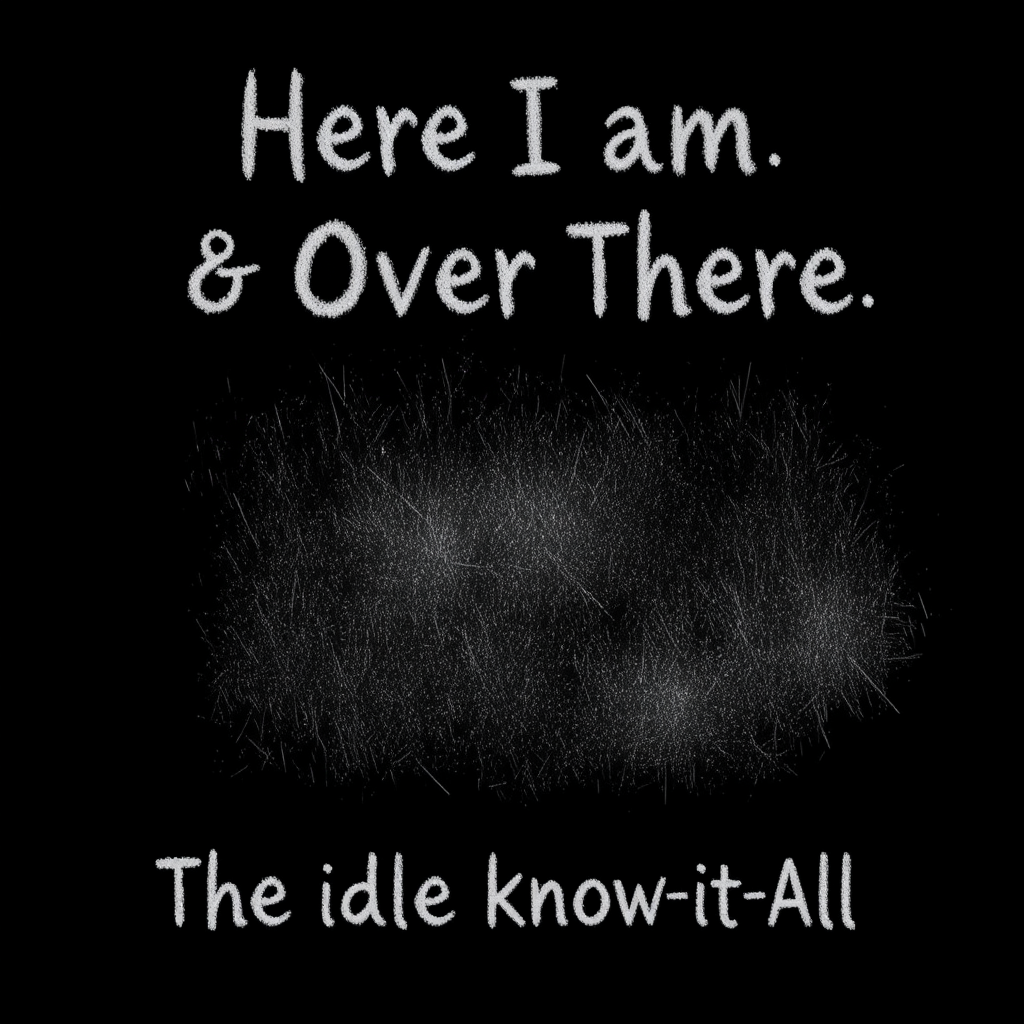
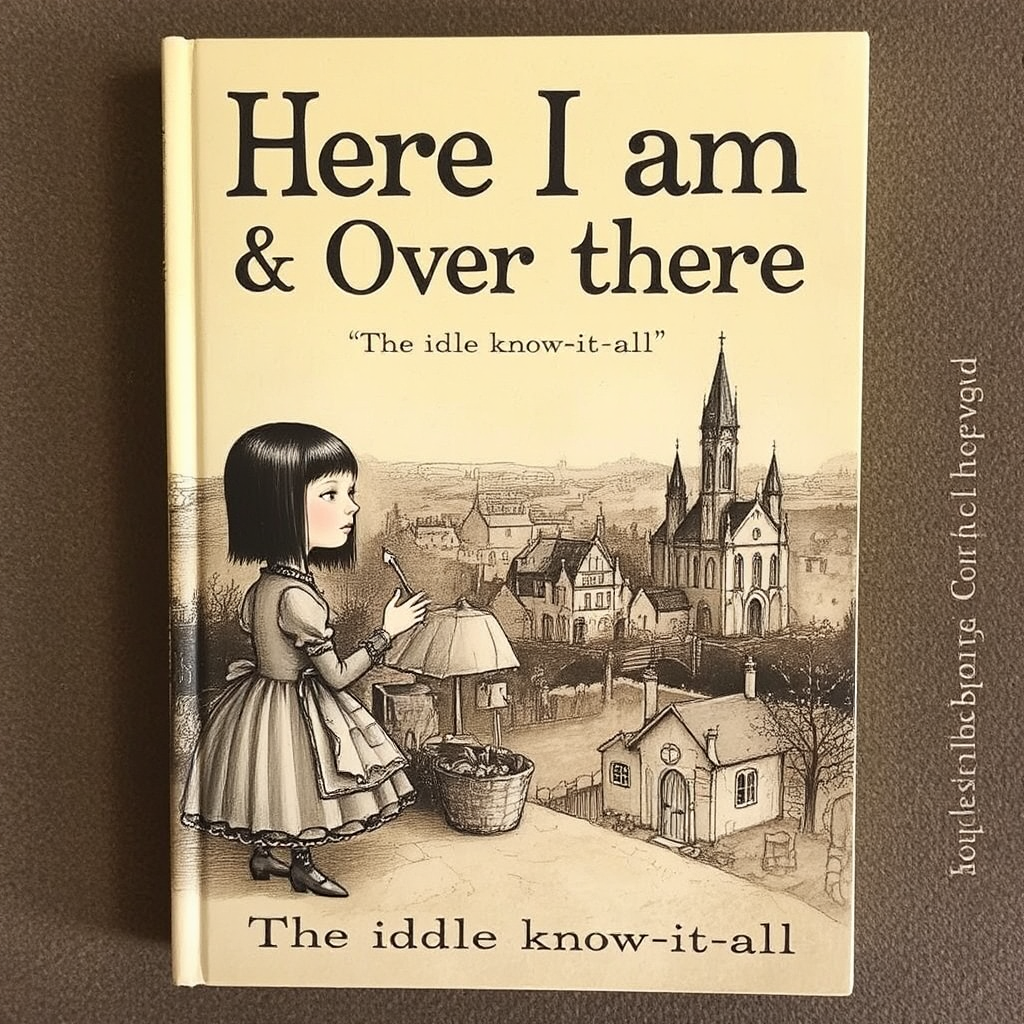
Here I am
&
Over there
The idle know-it-all
Some thoughts:
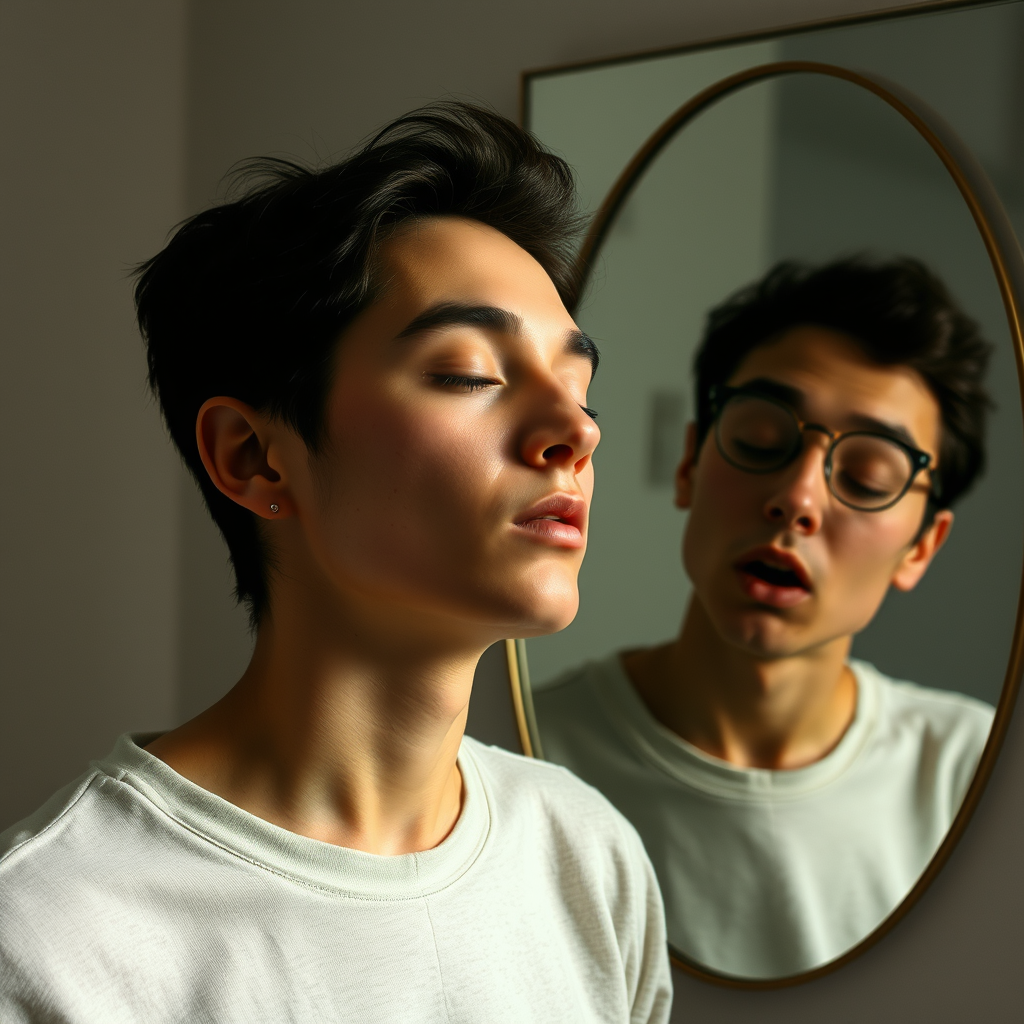
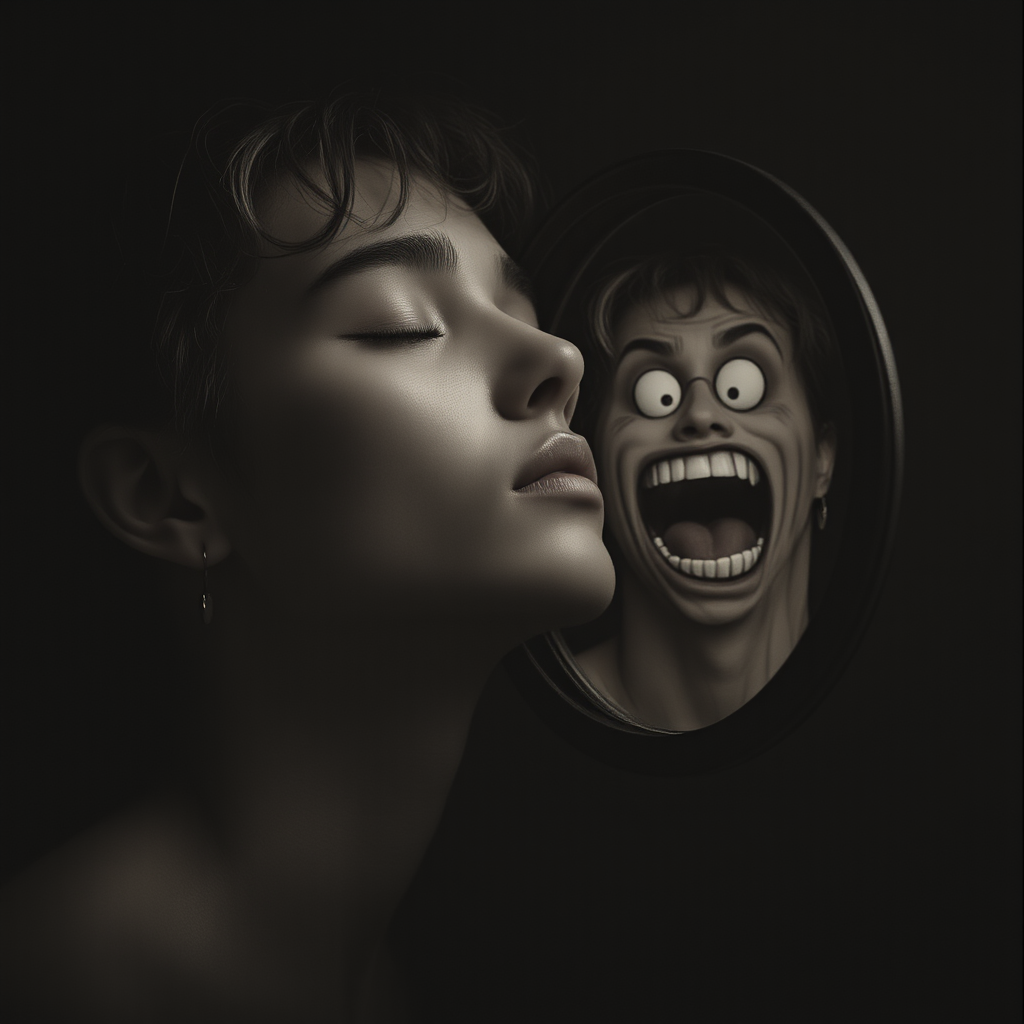
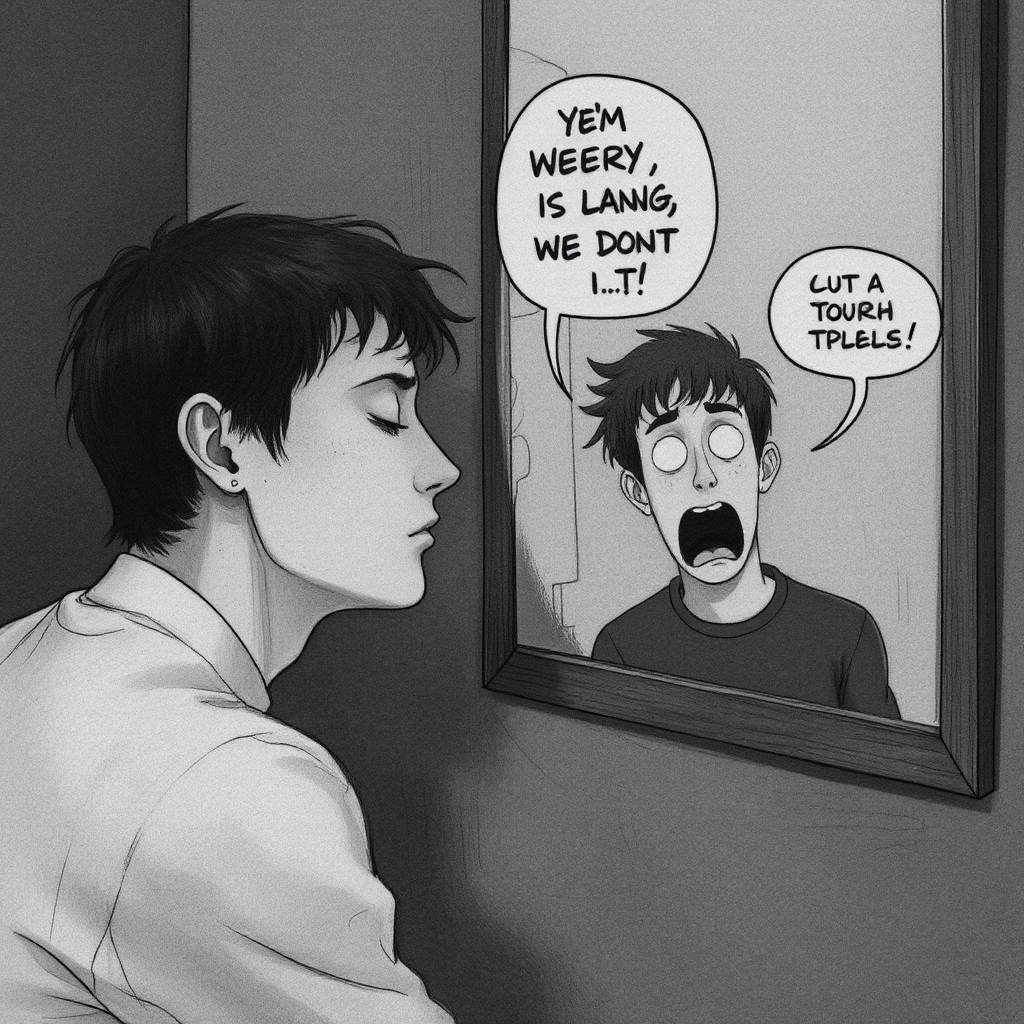
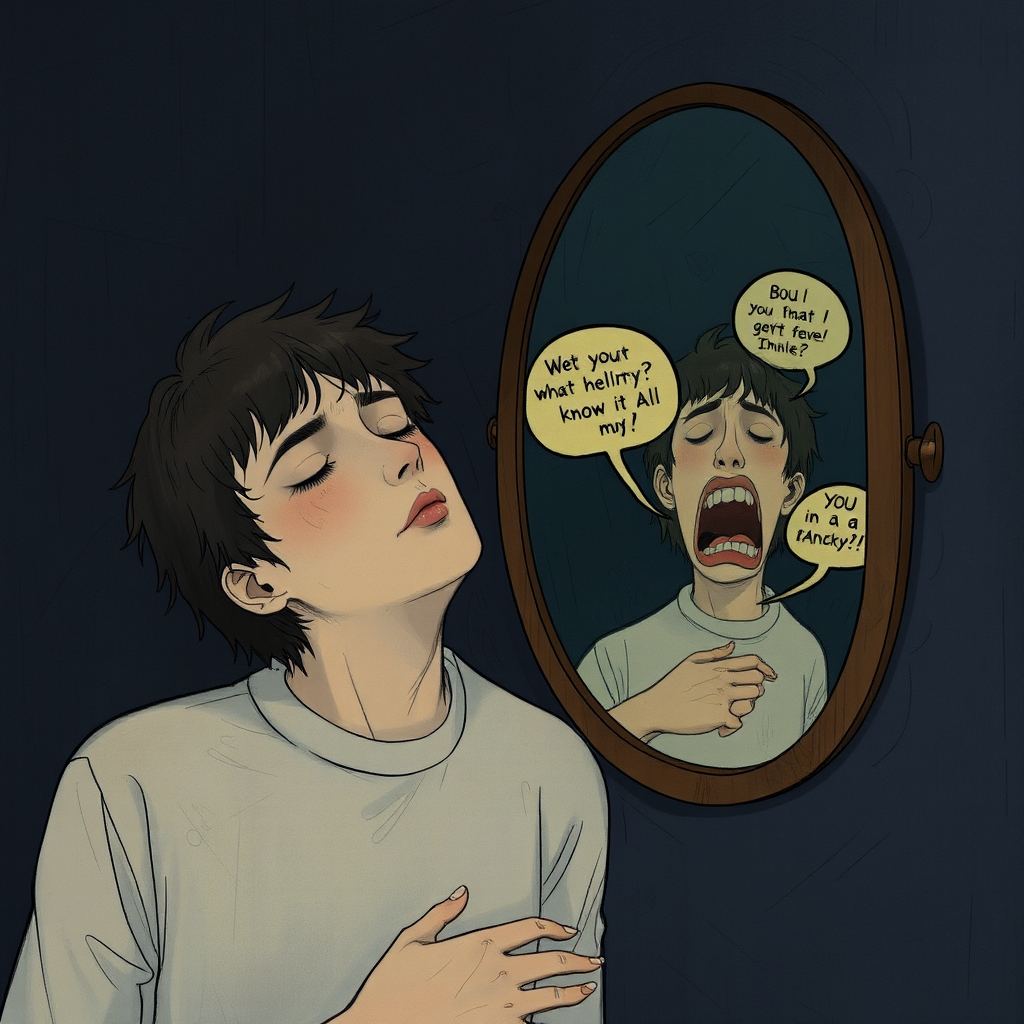
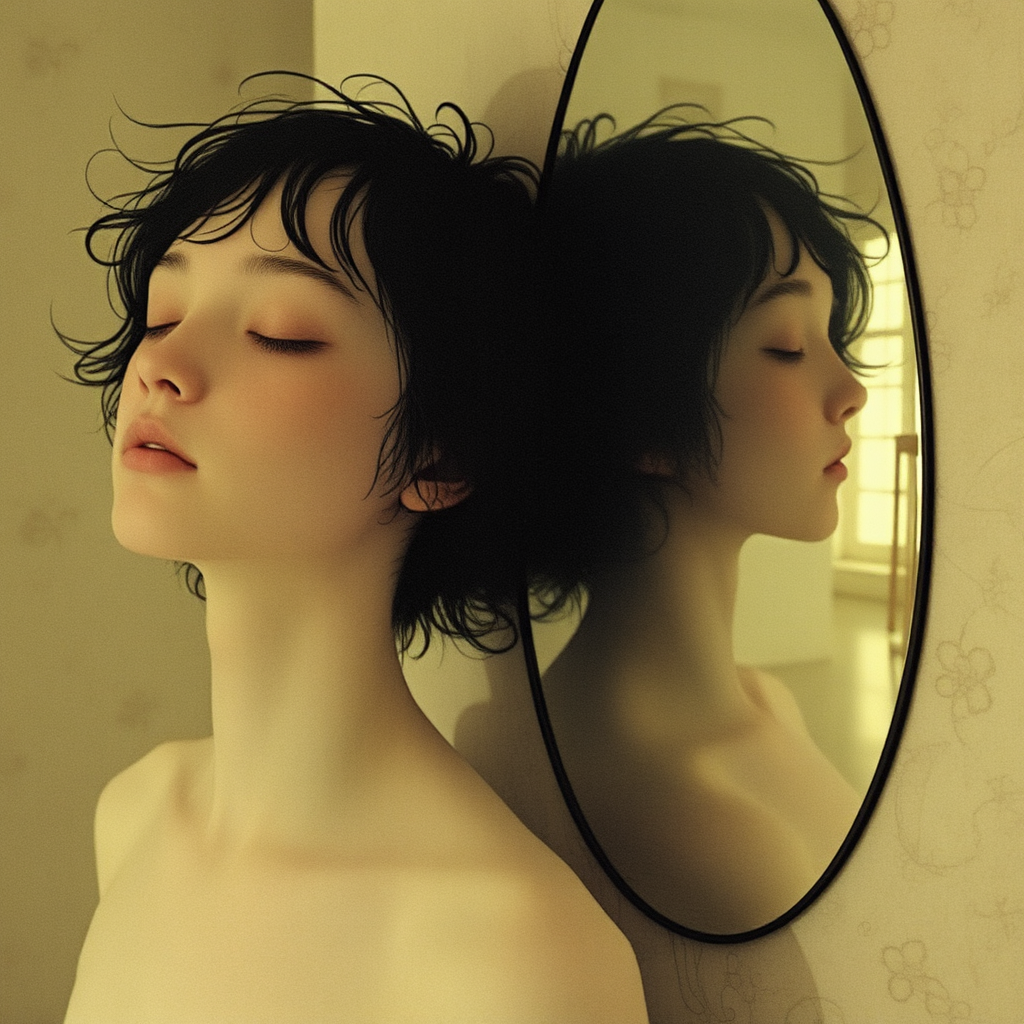
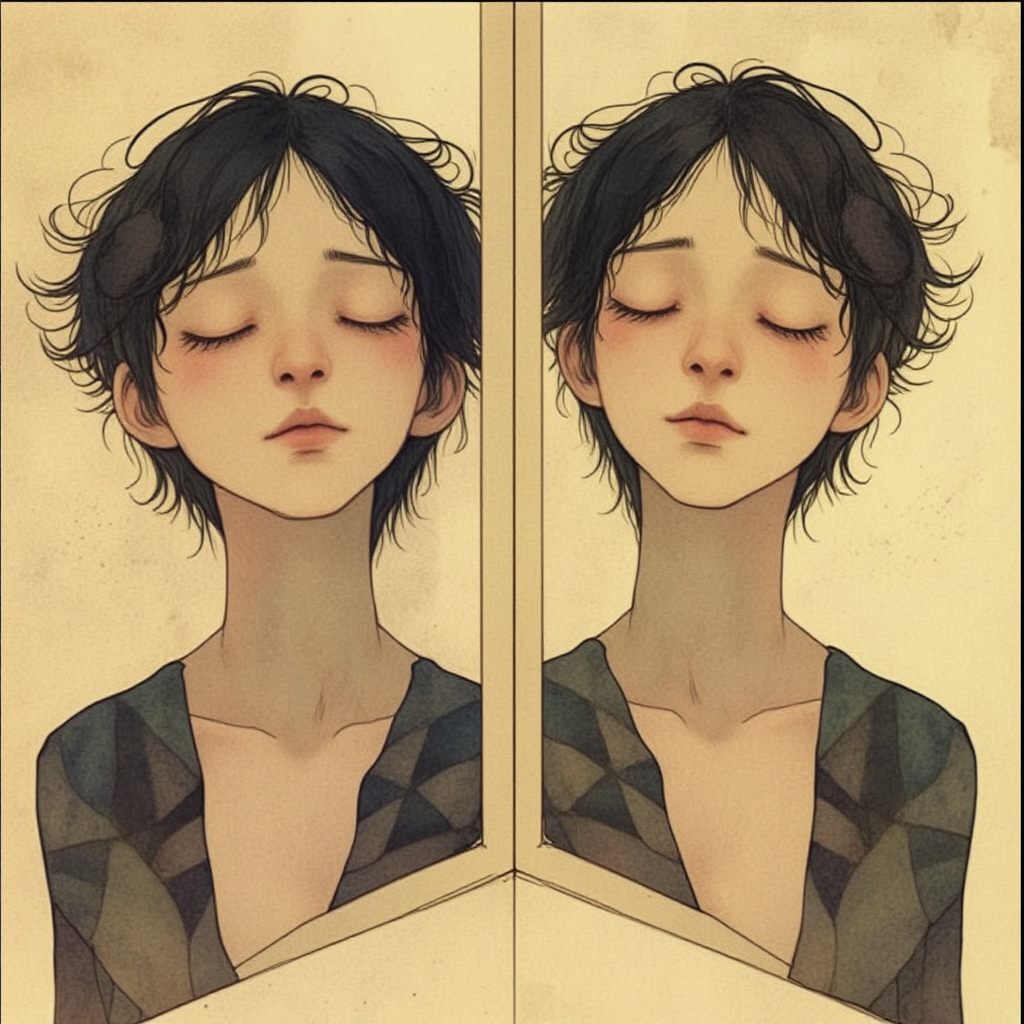
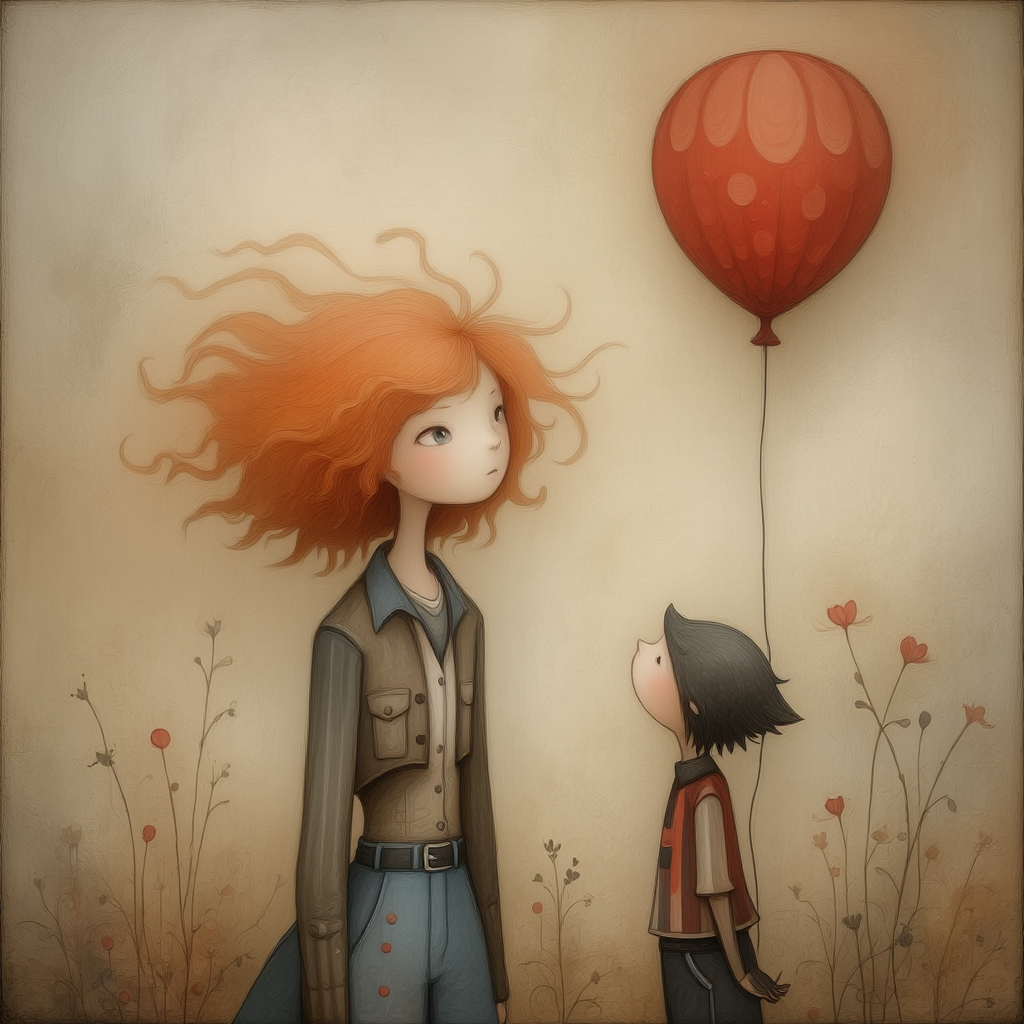
What a mischievous way to address the true, vulnerable, real self vs. the ego. The contrast is embarrassingly telling when I look back on situations in my past that were filled with hubris and arrogance. I thought I knew the answers to things of which I had no experience. I must have been insufferable at times. I probably still am. And how comforting to know that Hafiz, the wise mystic poet was aware of the same dichotomy within himself. Now, how to silence the idle know-it-all so I can open myself to learning what I do not know.
My Poem 5:
It is so easy to look at this and that and know exactly how it should have been. The answers are obvious in hindsight, though reality does not have a back test mode.
In trading, being half-right is impressive. Many a winning strategist lives off that. Presence, here, with my whole self, is what brings peace and vanquishes foolishness.
Hafiz. Hafiz’s Little Book of Life. Translated by Erfan Mojib and Gary Gach, Hampton Roads Publishing, 2023.
All images created by Rebekah Marshall’s prompts using AI on Gencraft.com website.
I am reading Hafiz’s Little Book of Life, poetry by Hafiz-e Shirazi. He is challenging me to become more comfortable with ambiguity. I will share his poem and some of my thoughts on his poem (sometimes with the help of experts when the concepts are too hard for me), followed by a poem and some art inspired by his poem.
Hafiz’s Poem 5:
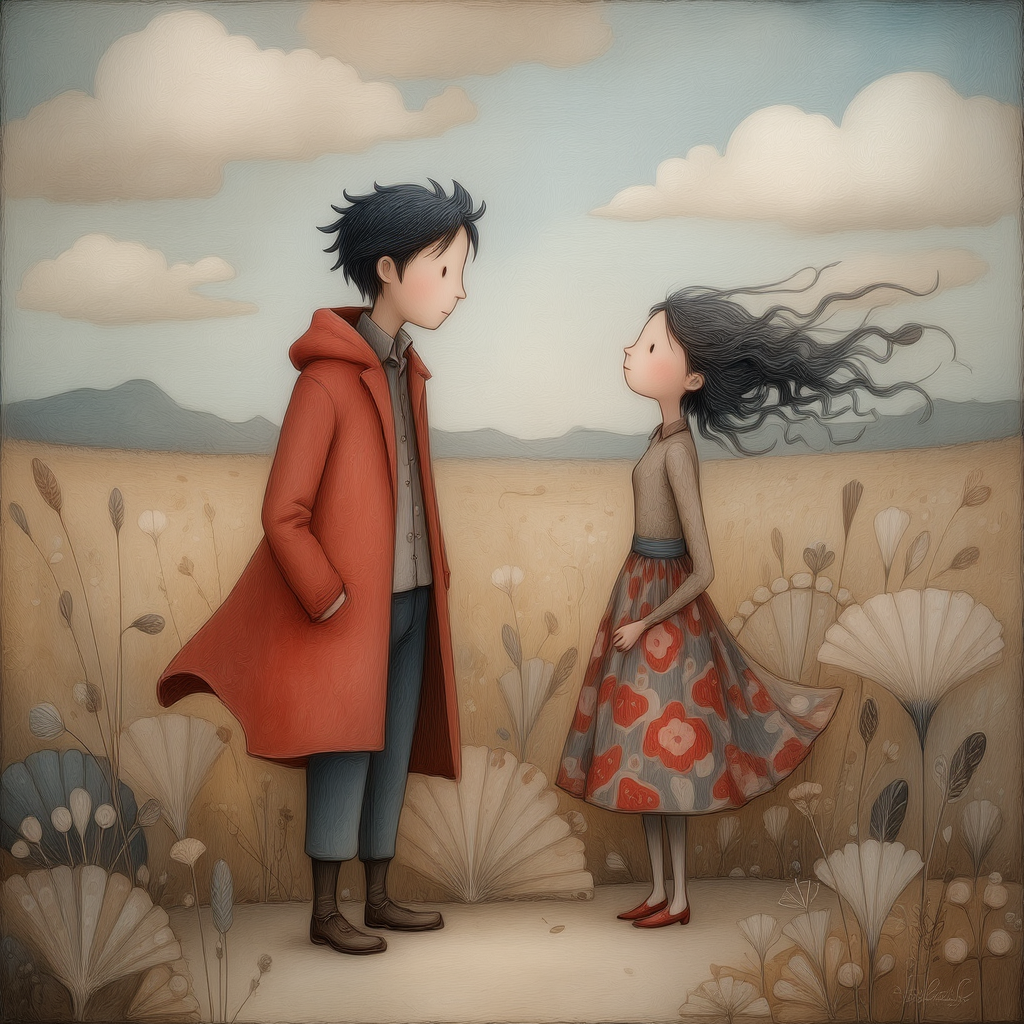
Be in harmony
With the spring clouds
Some thoughts:
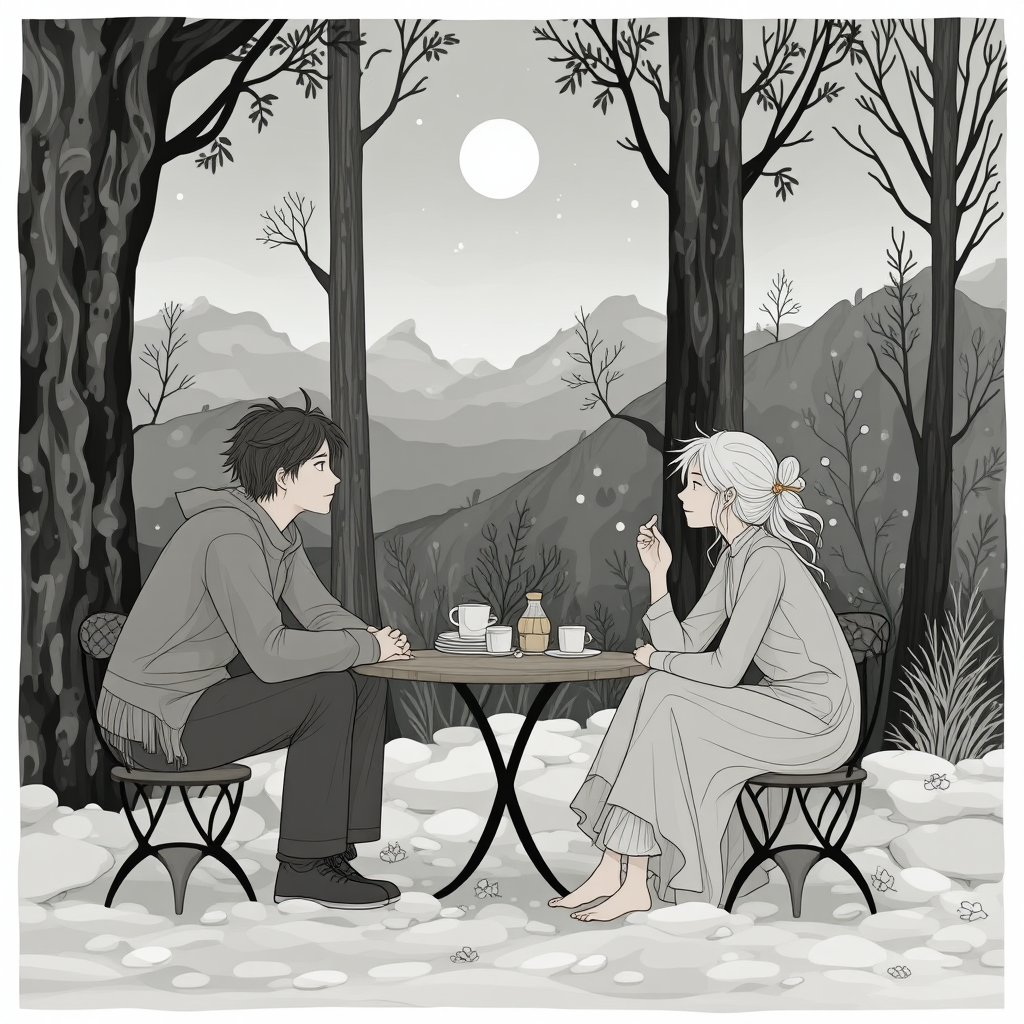
This little poem is packed with meaning, like a cloud full to bursting with spring rain. The concept of harmony is not demanding or structured, not perfect unison or absolute. It is complementary, attuned to the movement and ever-changing nature of formation. A cloud is by nature evolving endlessly. The idea of collecting the elements into oneself until so full you must release that life-giving abundance so it can pour out upon others is magical, mystical, and inspirational. And yet, it is something clouds do without conflict, easily, without a second thought. To move with the filling and sharing of abundance as naturally as a spring cloud would be a miraculous transformation.
My Poem 5:
Gathering, shifting unpredictably Carrying shade, rain, promise Teachers of impermanence Arriving gently Leaving unapologetically No clinging to shape No rushing of purpose No fear of change Moving inside time Dissolving as necessary
Hafiz. Hafiz’s Little Book of Life. Translated by Erfan Mojib and Gary Gach, Hampton Roads Publishing, 2023.
















 rebekahjmarshall