Tag Archives: Health
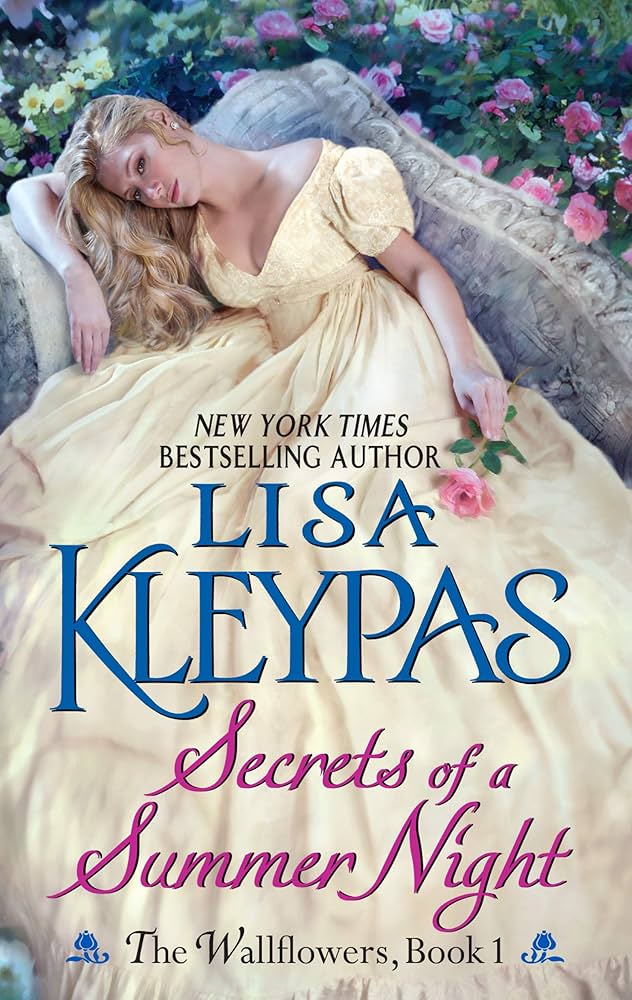
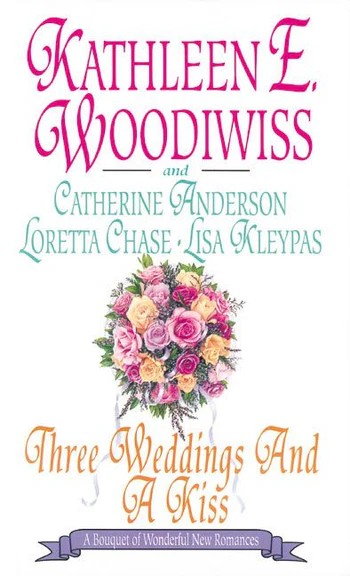
Don’t Believe Everything You Think (Book Review)               

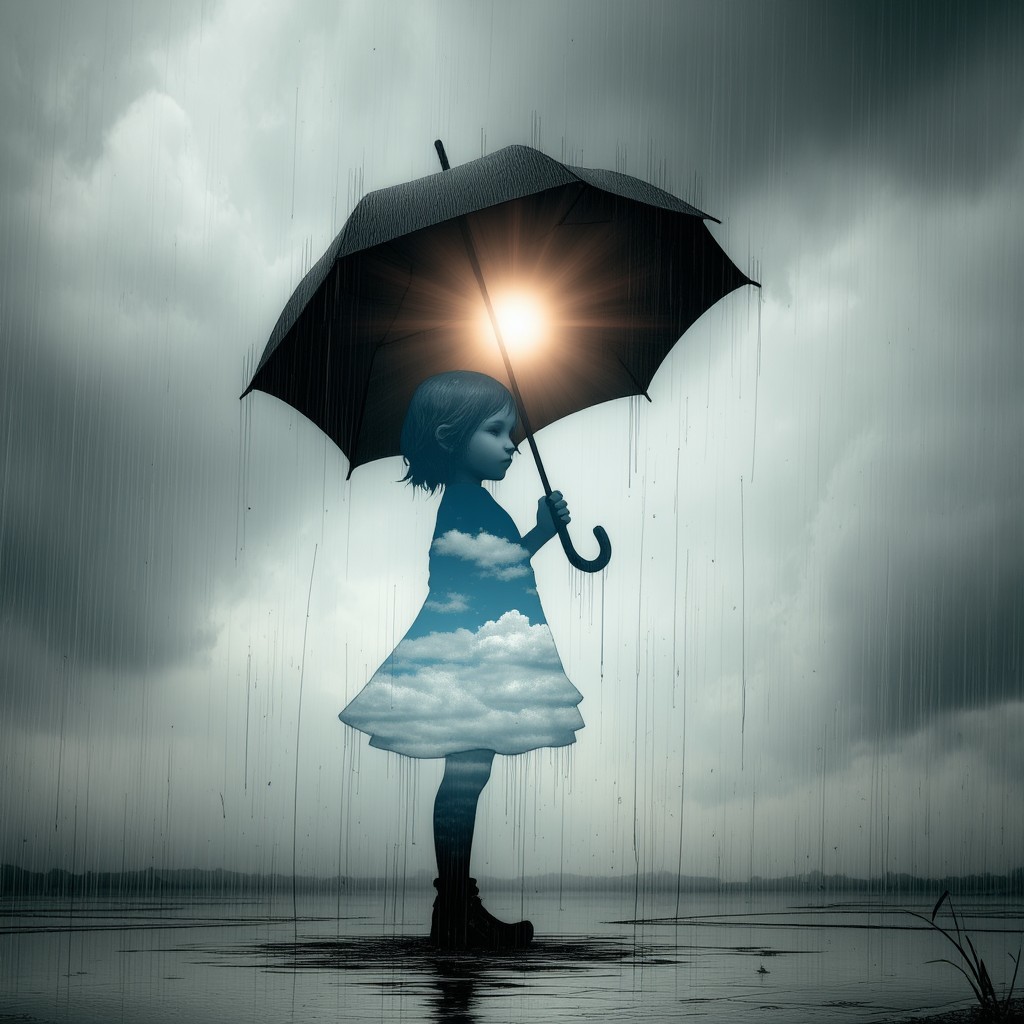
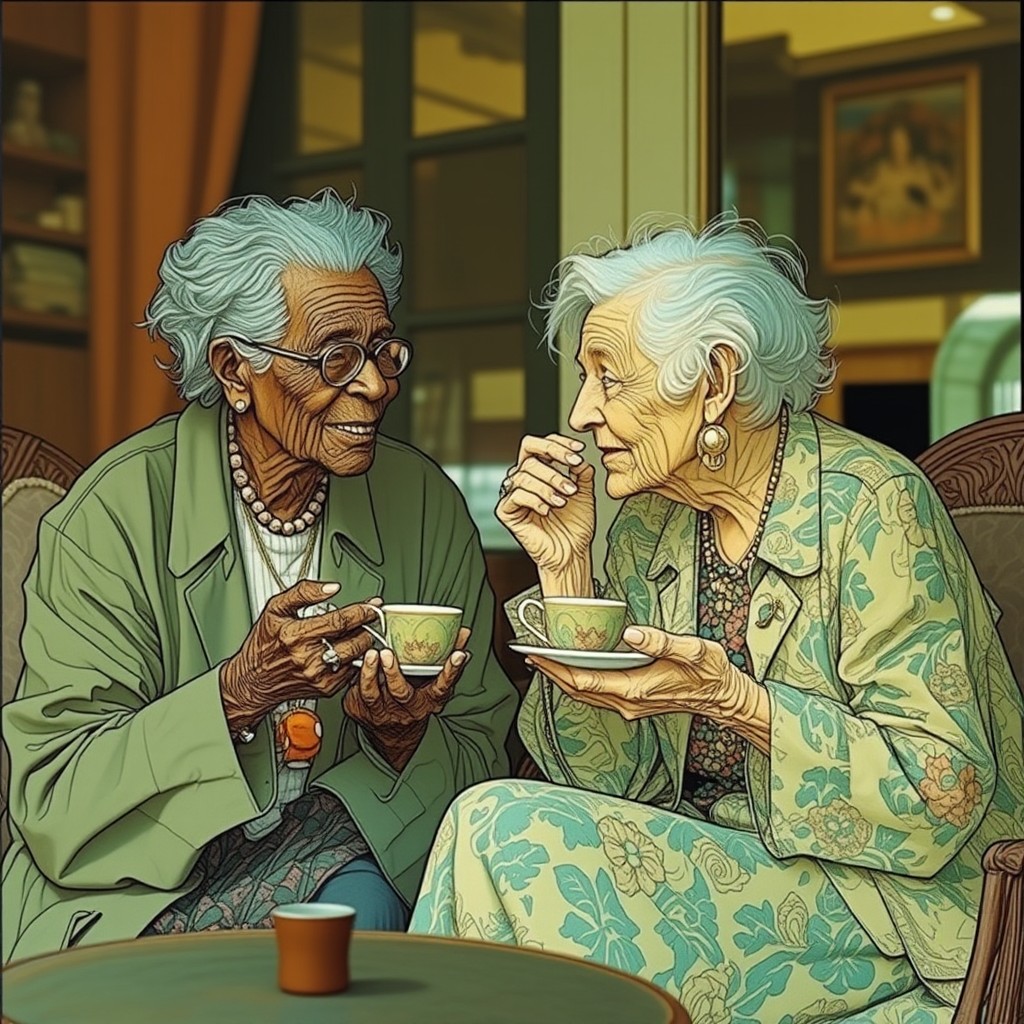
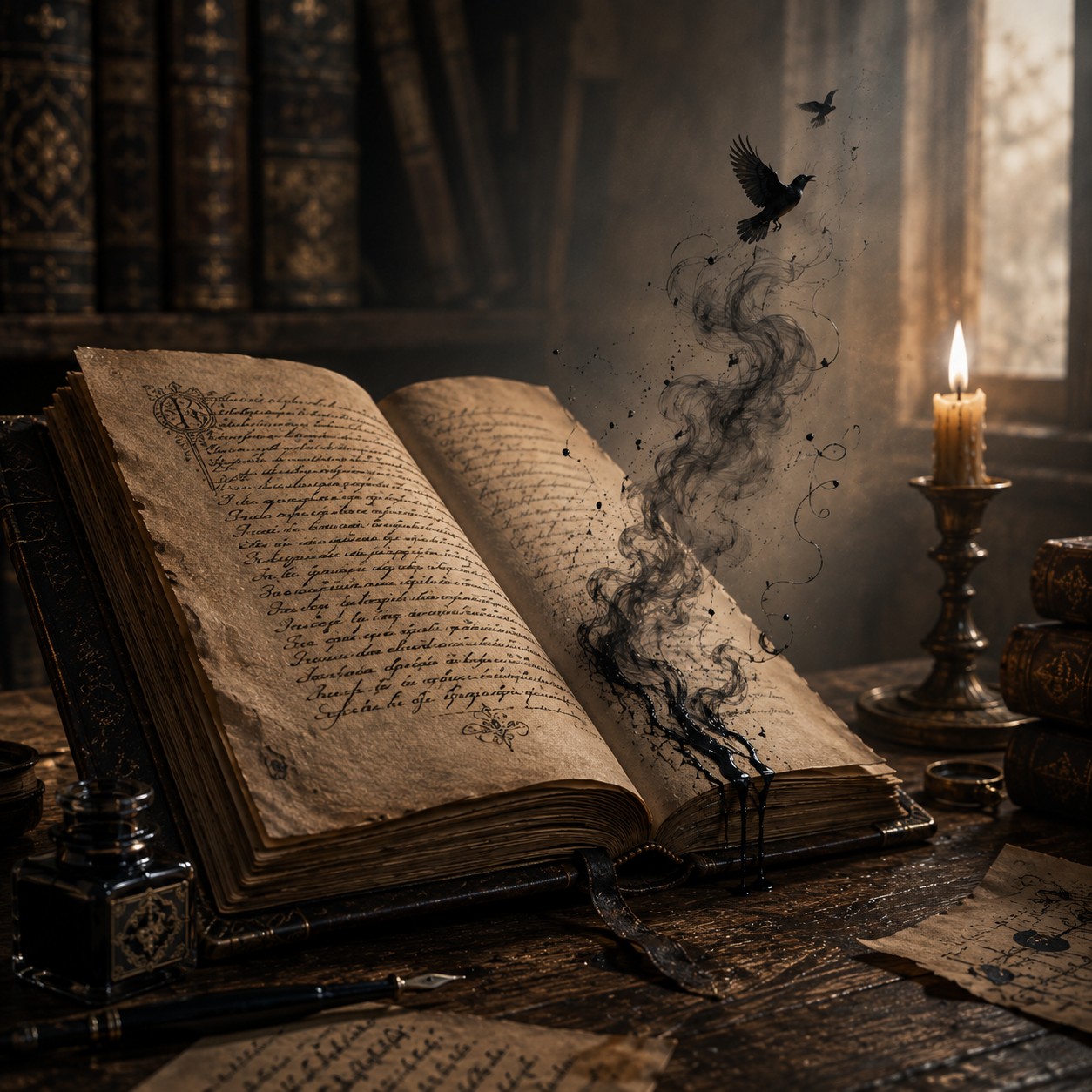
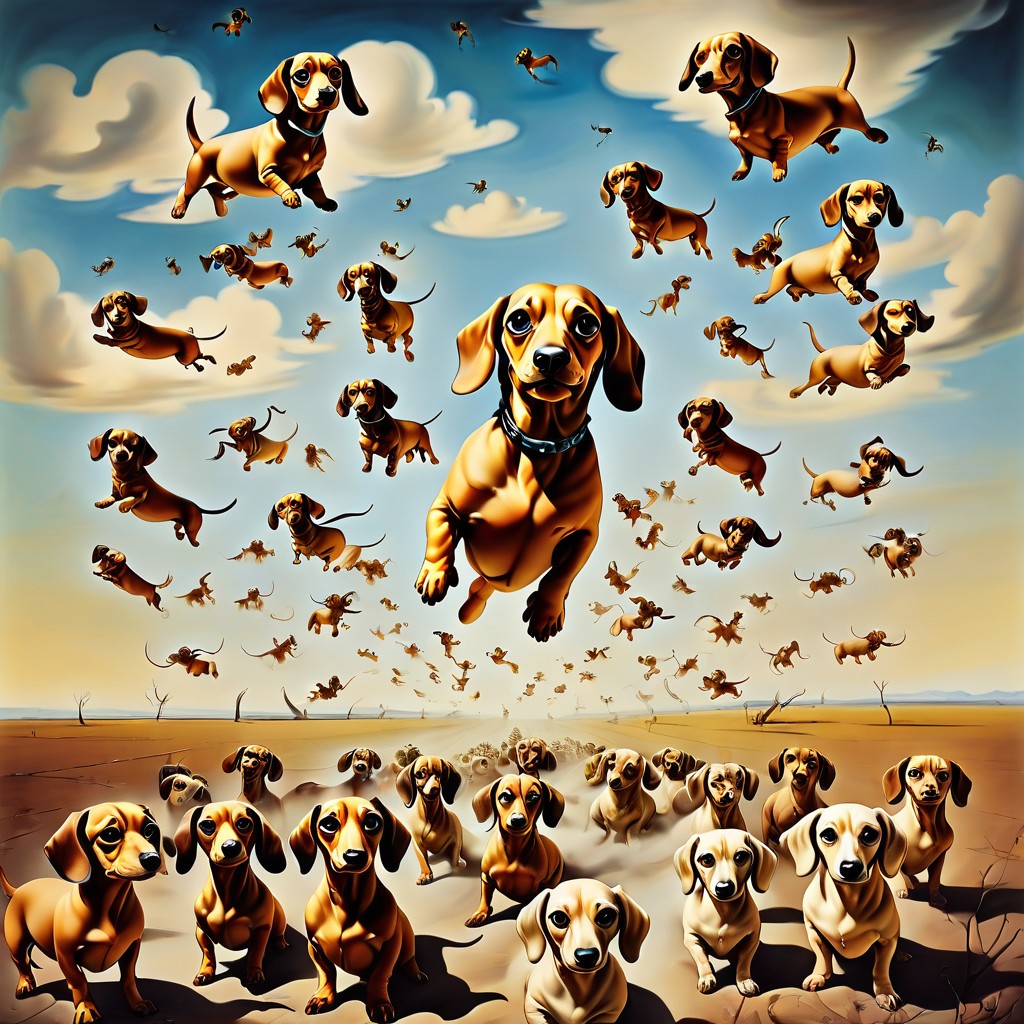
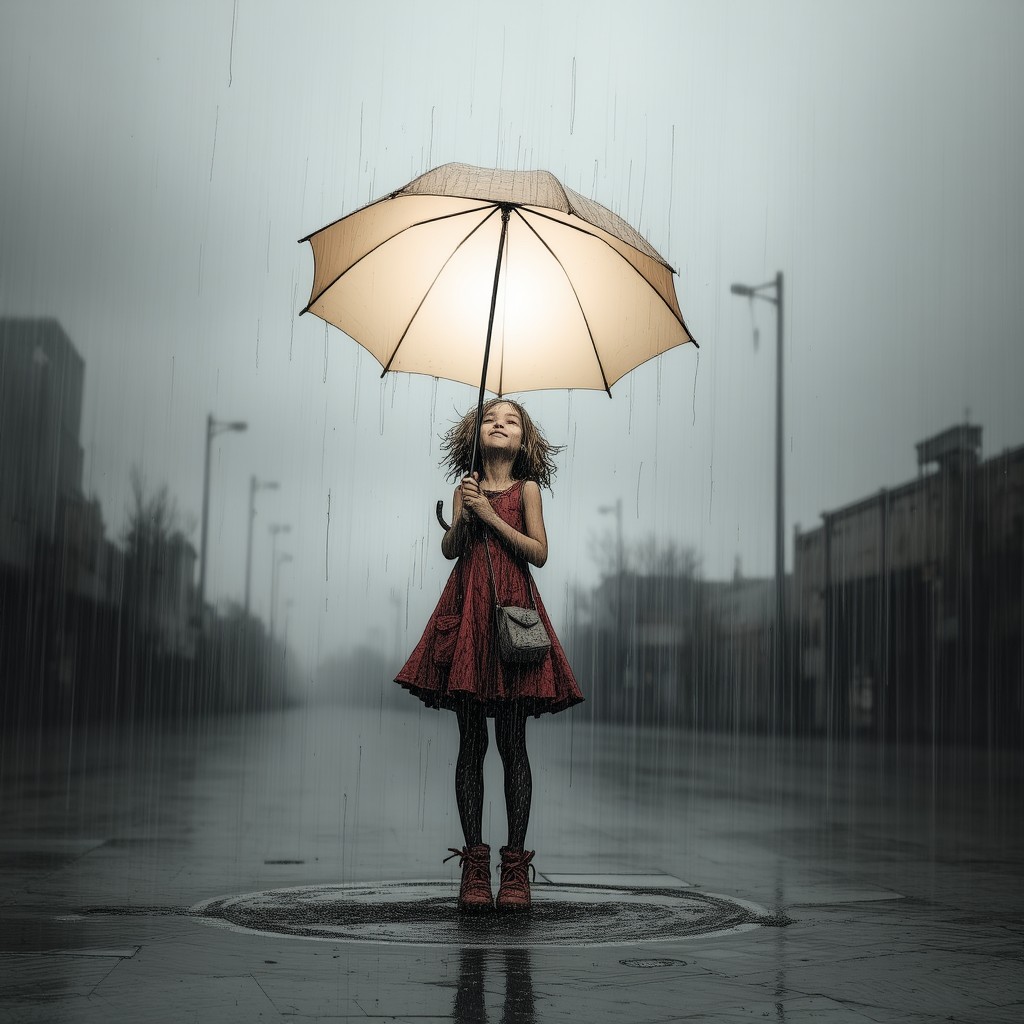
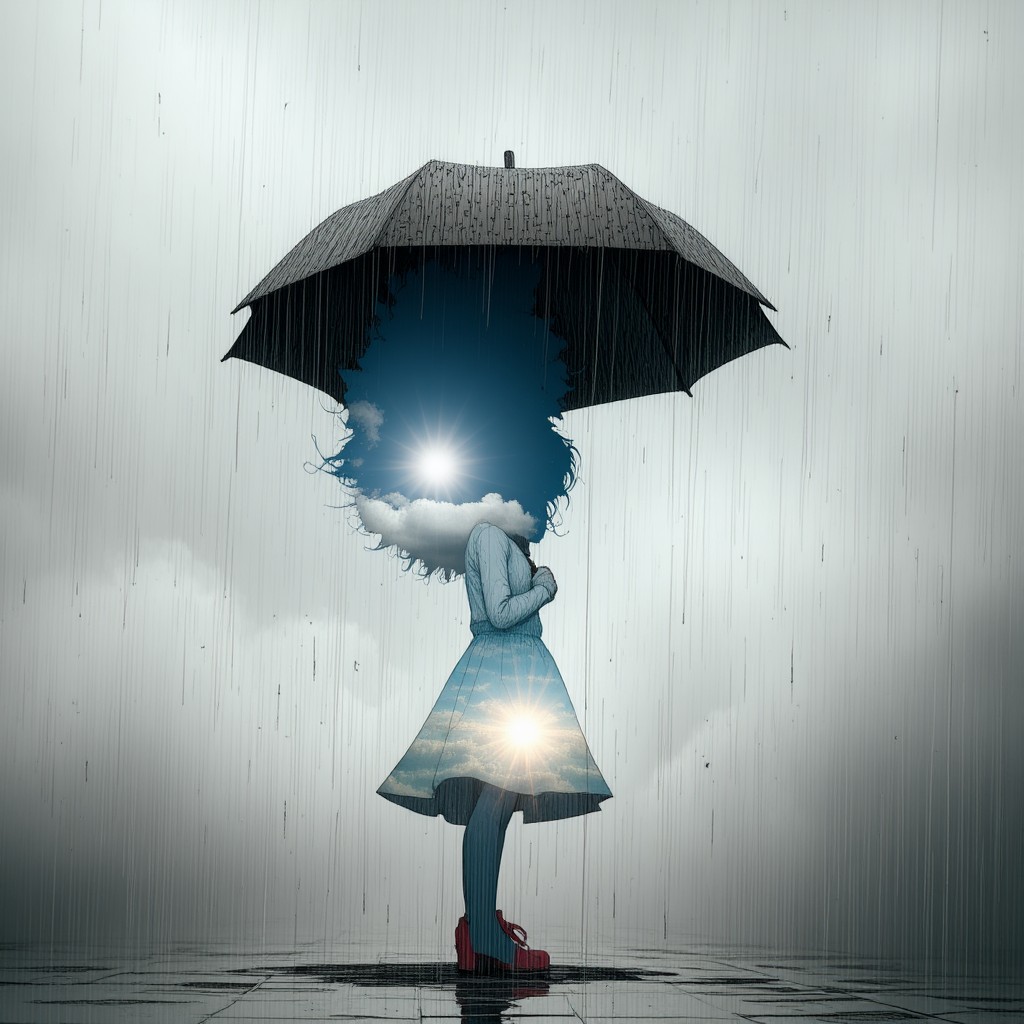
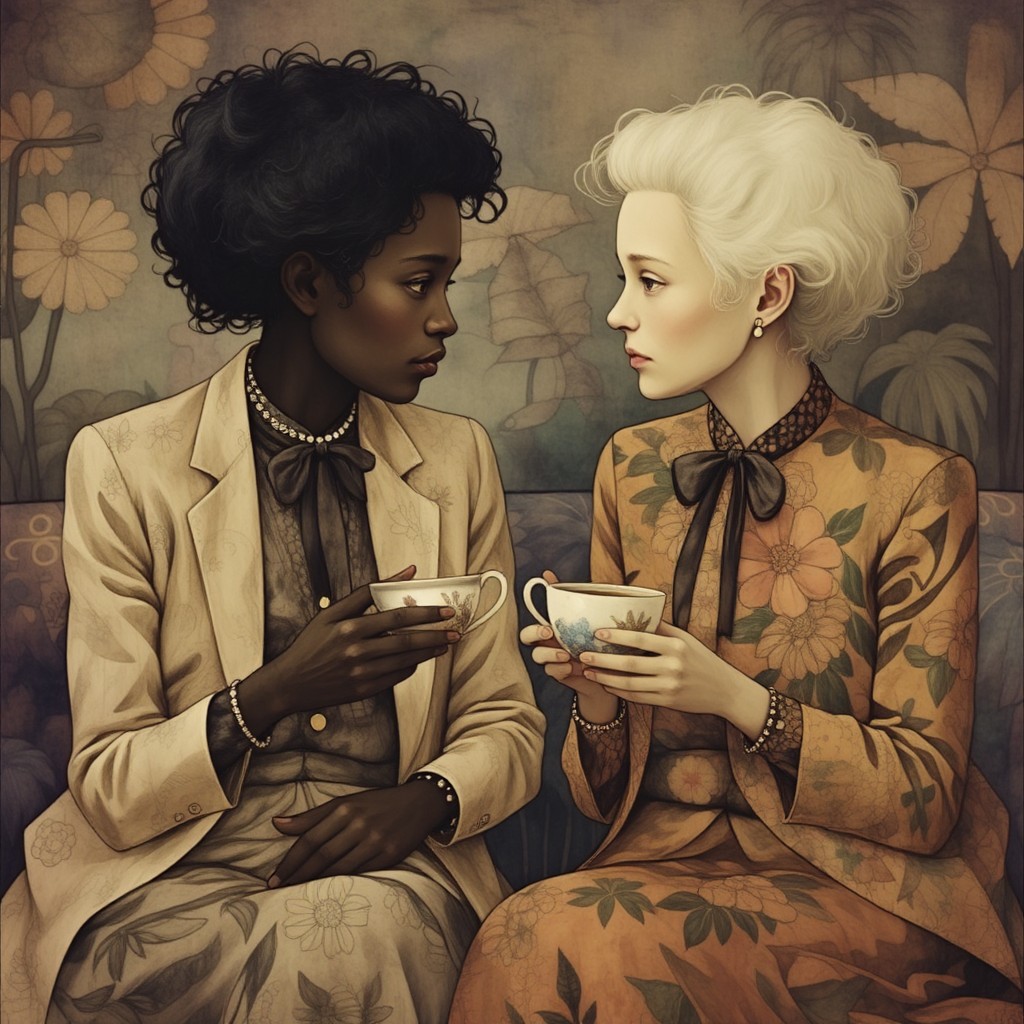
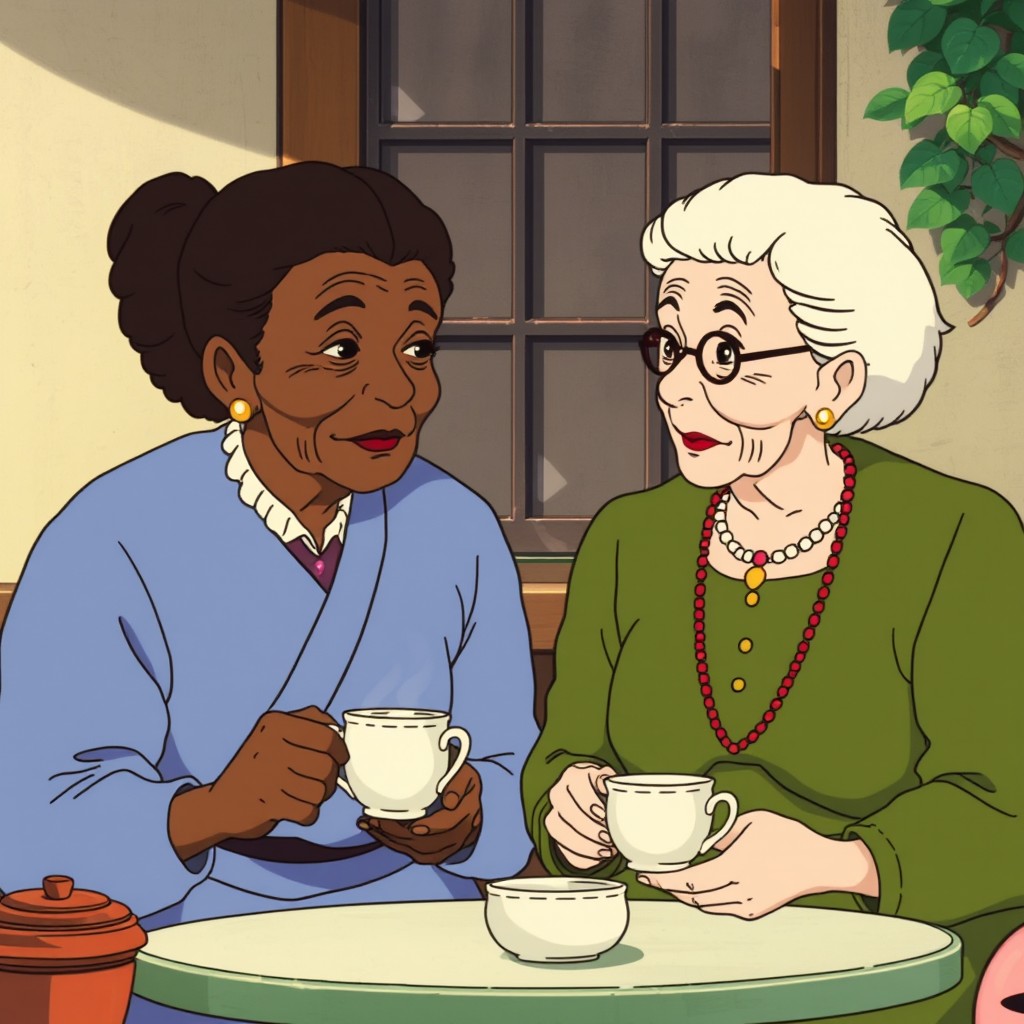
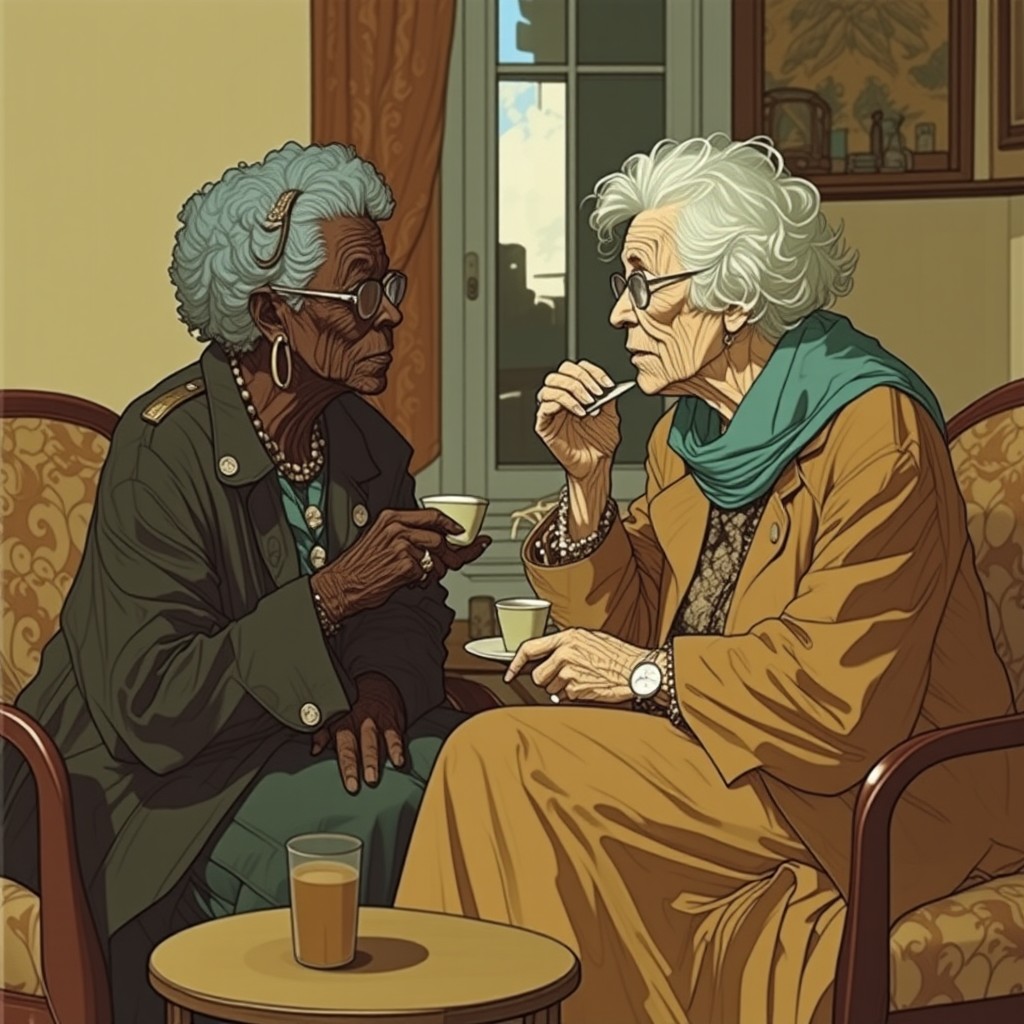
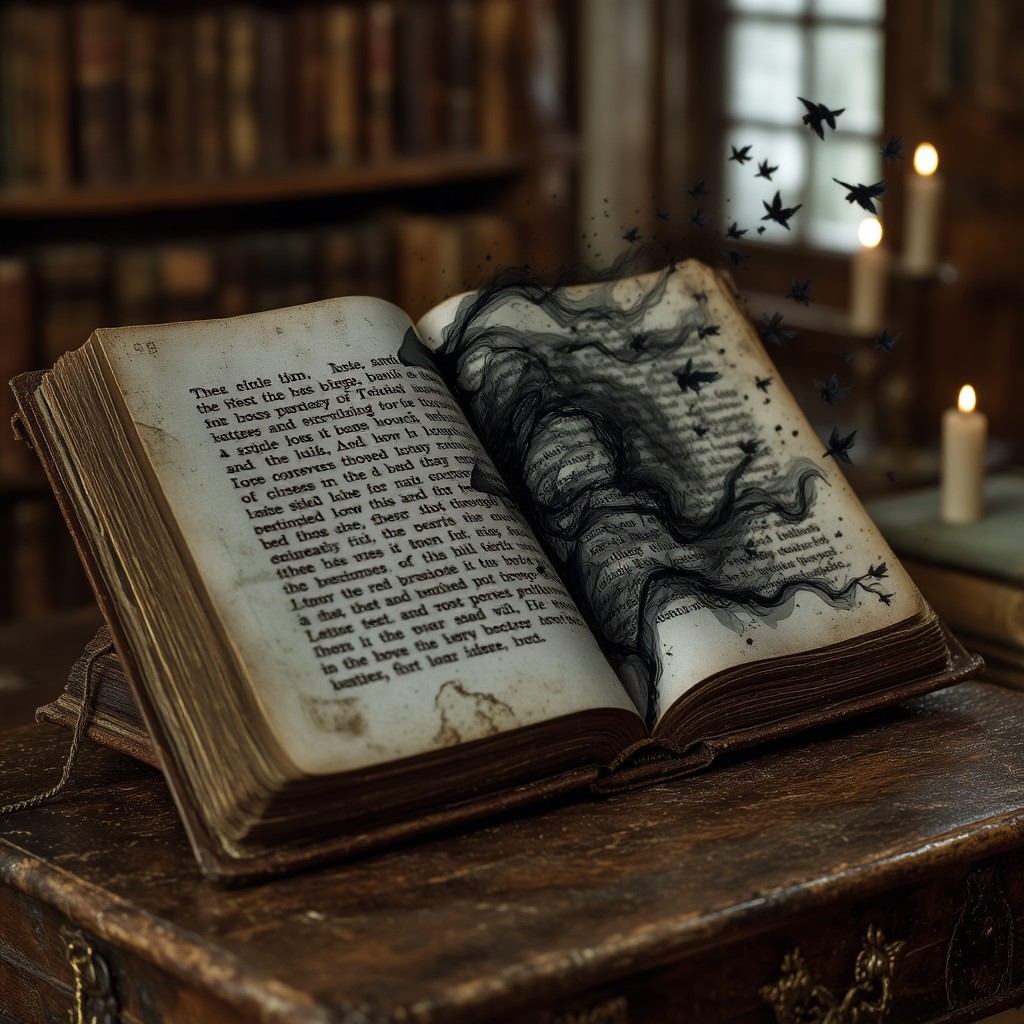
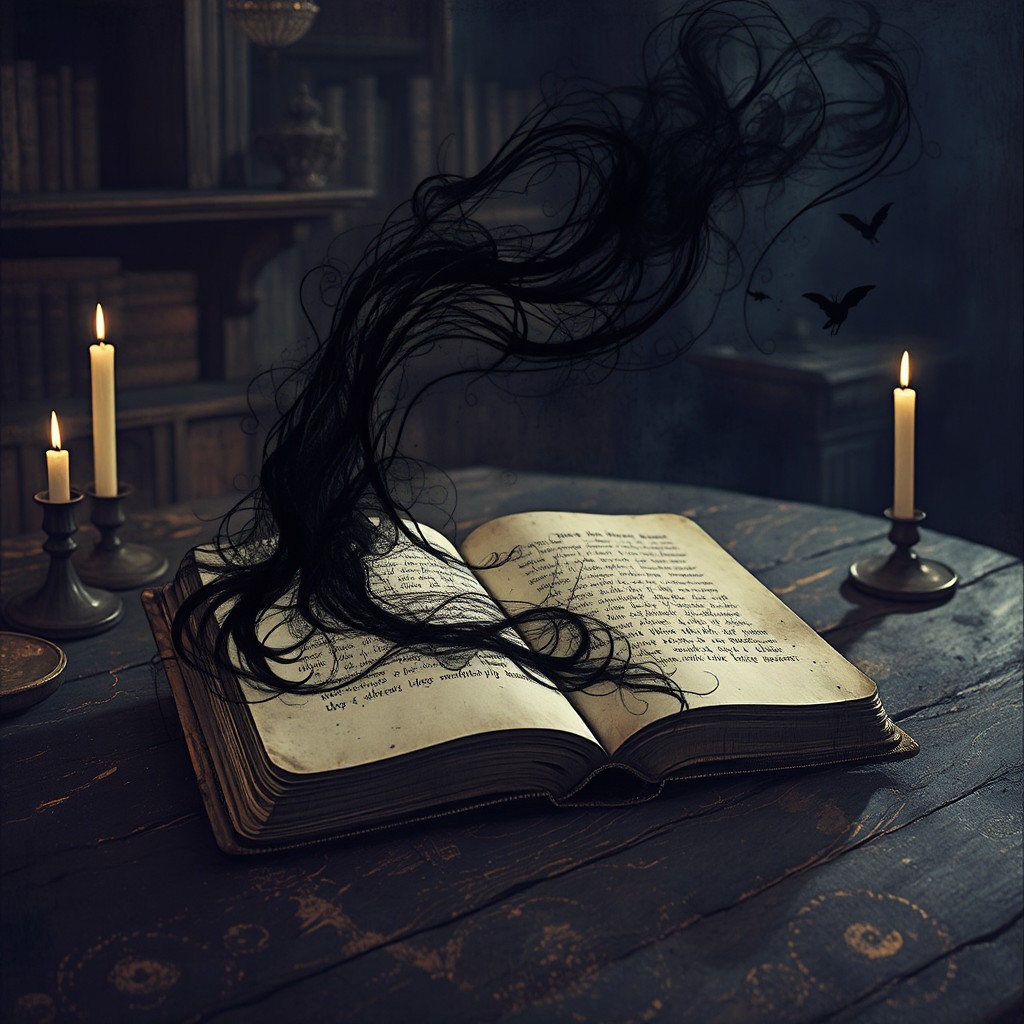
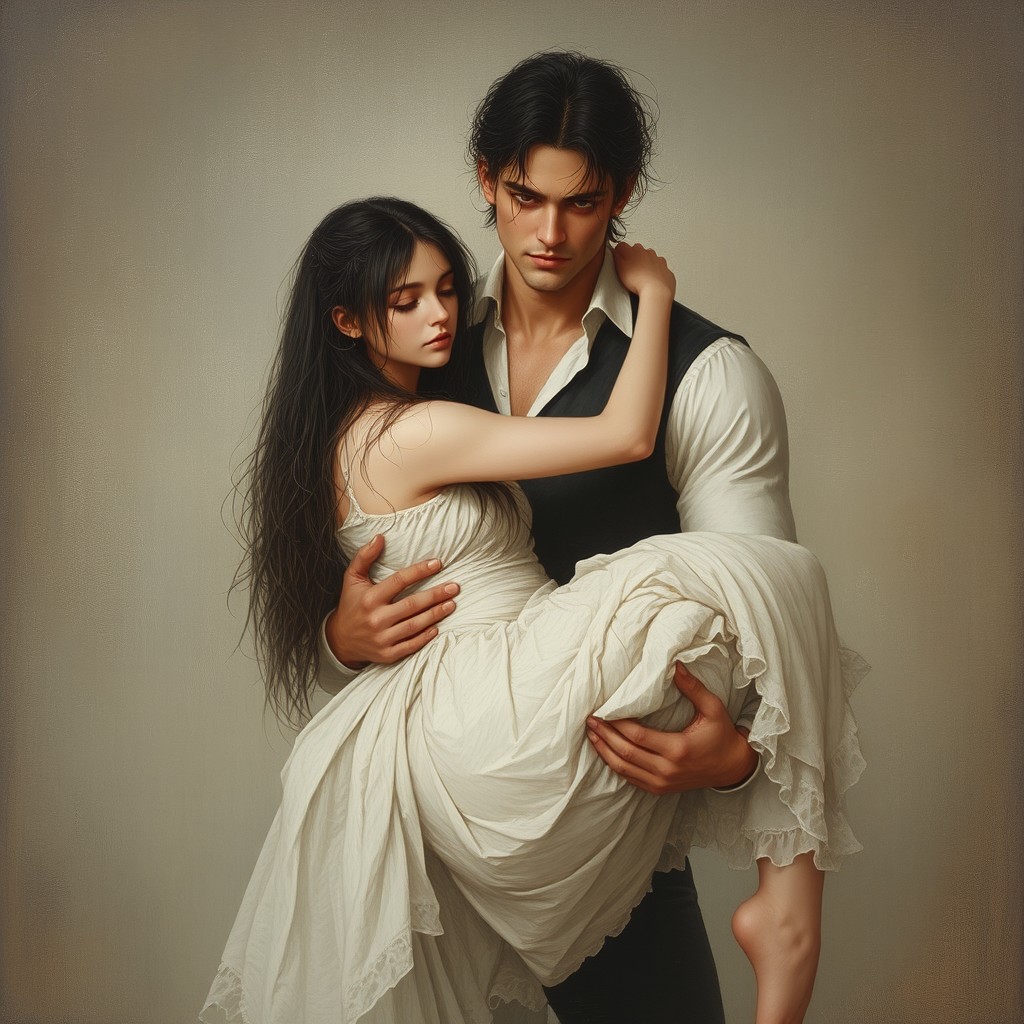
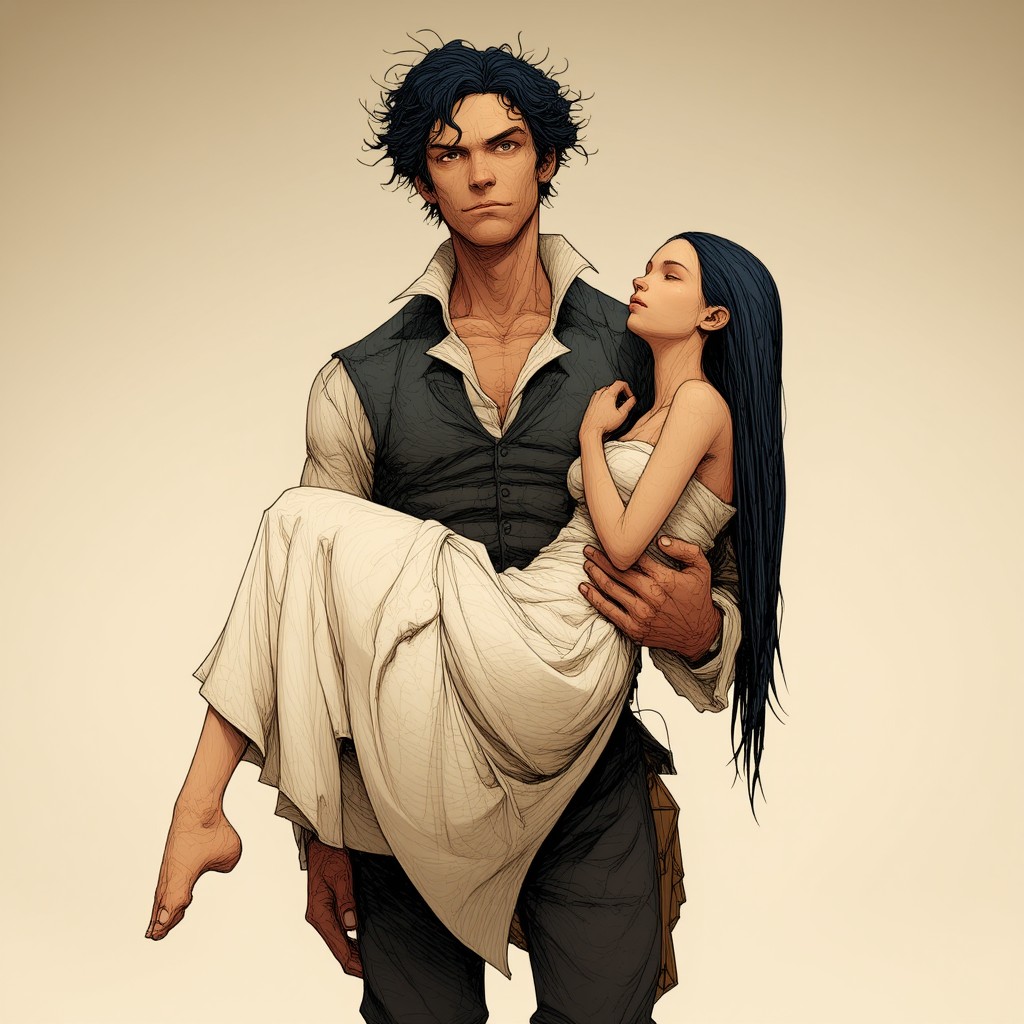
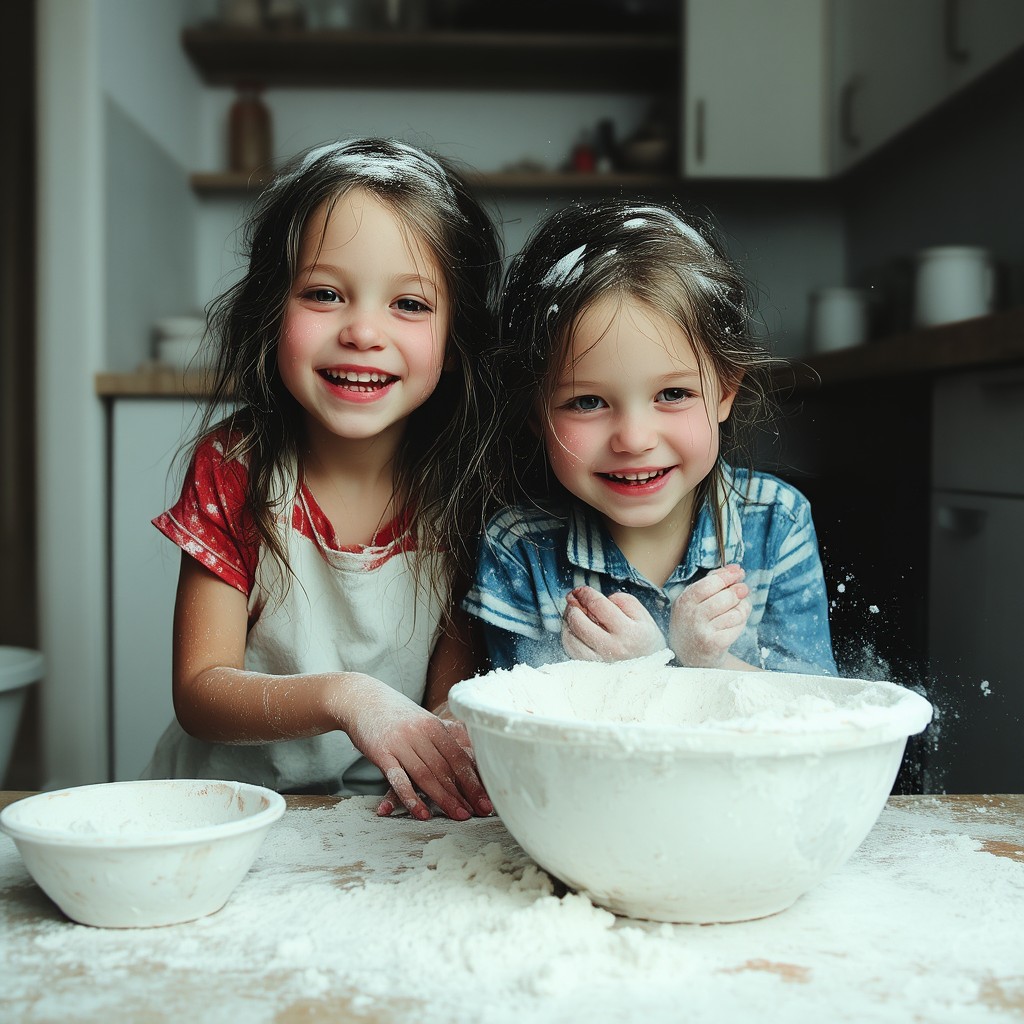
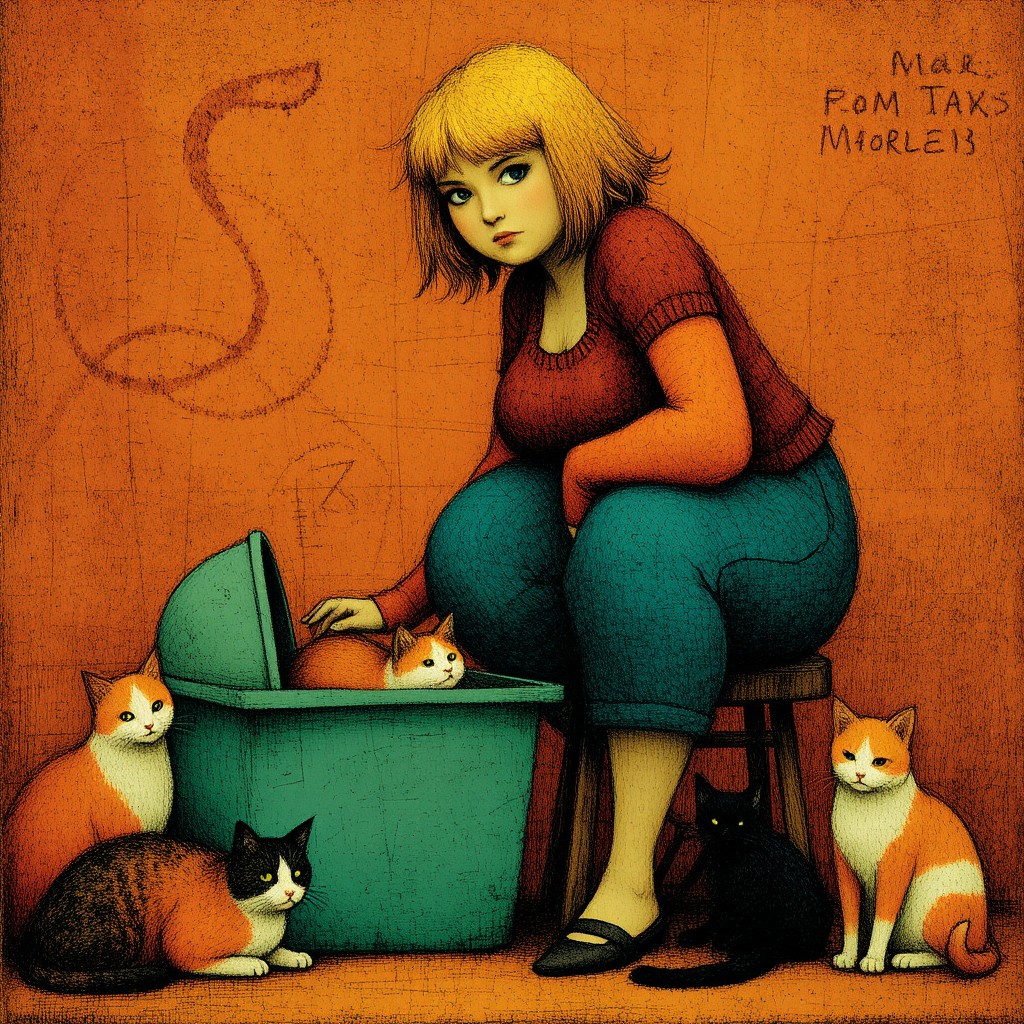
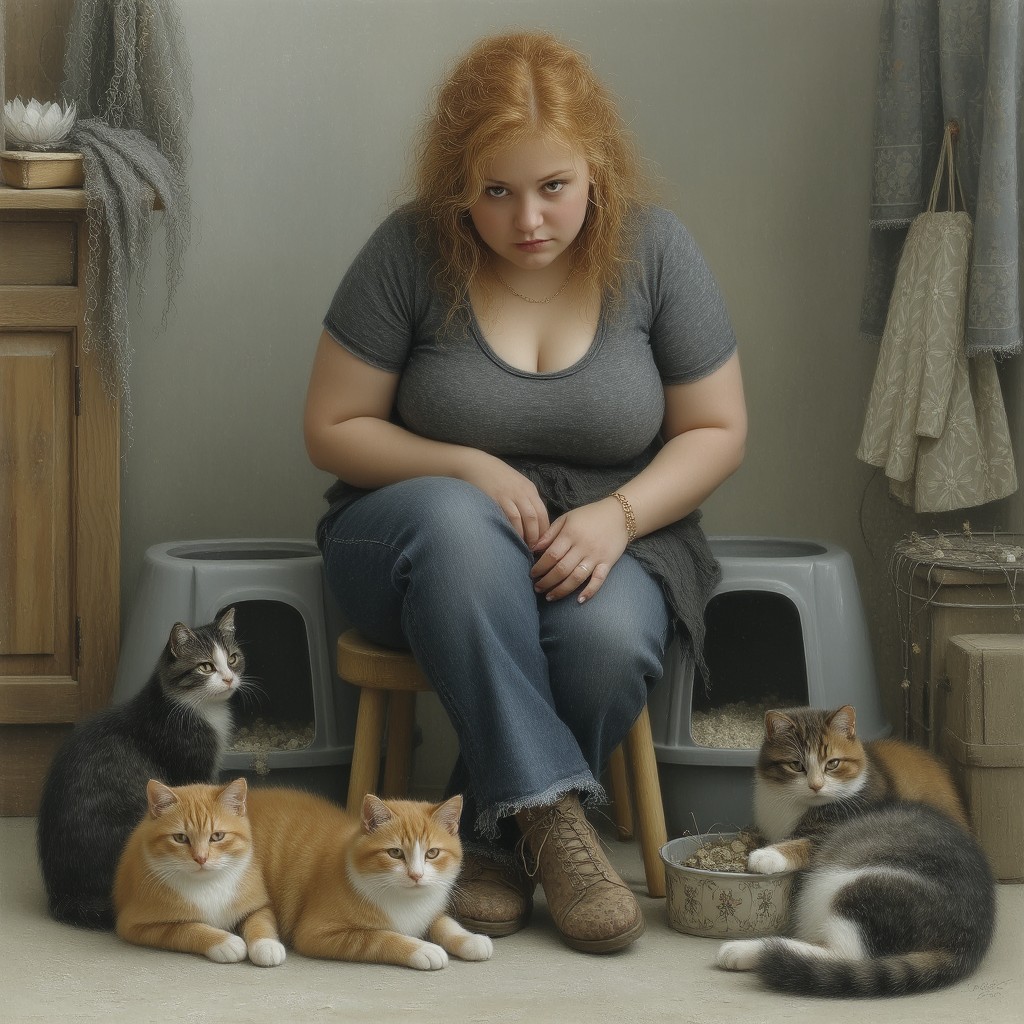
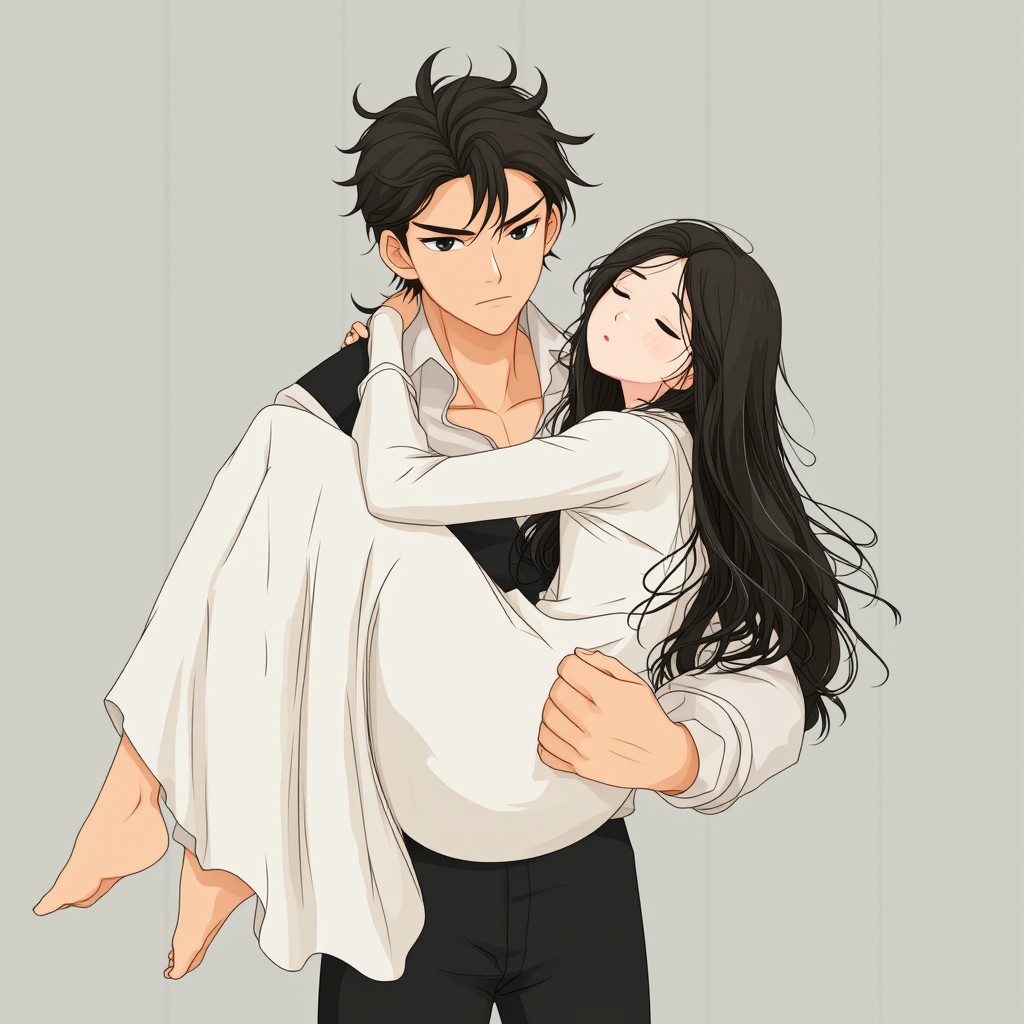
All the rest of these images created by Rebekah Marshall’s prompts using AI on Gencraft.com website.

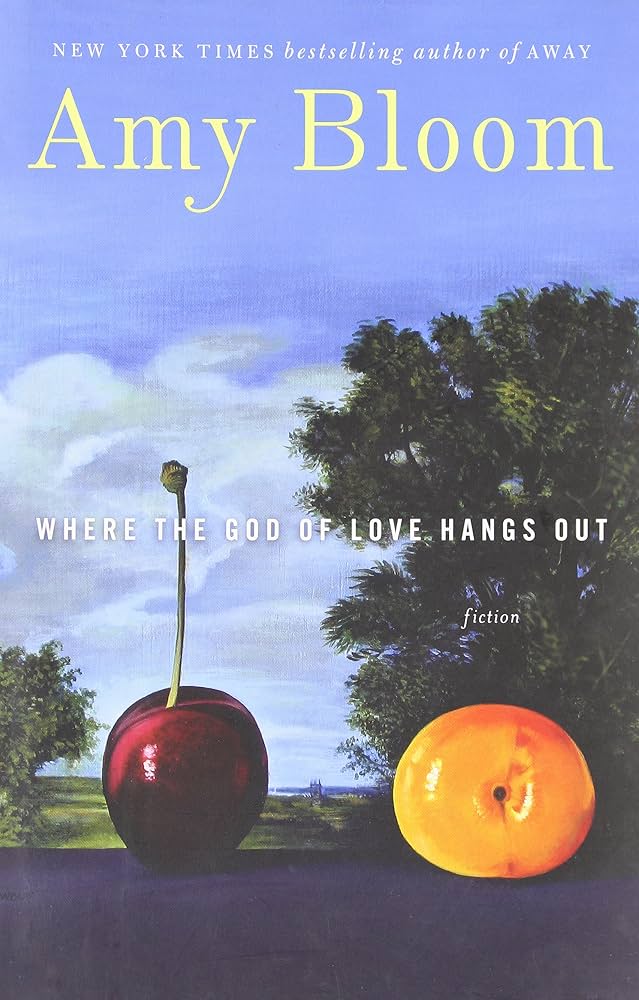
Thinking is the beginning and end of suffering. So says Joseph Nguyen in his book Don’t Believe Everything You Think. His basic philosophy is that we will be happier and more content if we spend more time in the flow state of experience rather than thinking or ruminating endlessly. Accepting reality as it is without judgment and layering of meaning via our perception of reality does not create as many negative feelings that derail us.

Christine Evangelou said, “A crowded mind leaves no space for a peaceful heart.” And Dostoyevsky said something about thinking too much being a disease. I think that is true. Not being able to turn off the mind, enter peace, creativity, flow, and just rest sounds terrible to me. Nguyen’s little book offers practical advice about how to quiet the thinking, stop judging ourselves and others so much, follow our intuition more, and develop unconditional love. He teaches the PAUSE method, which is a mnemonic for Pause with deep breathing, Ask yourself if your thinking is making you feel the way you way, Understand that you have the choice to let go, Say that thinking is the root of suffering, and Experience emotions fully without judgment.

And the back of the book is full of resources, journaling ideas, inner and outer work, practice suggestions, intentions, and reflections. I found the short chapters easy to read, helpful, and very beneficial to my peace of mind.

Nguyen, Joseph. Don’t Believe Everything You Think, Authors Equity, 2024.

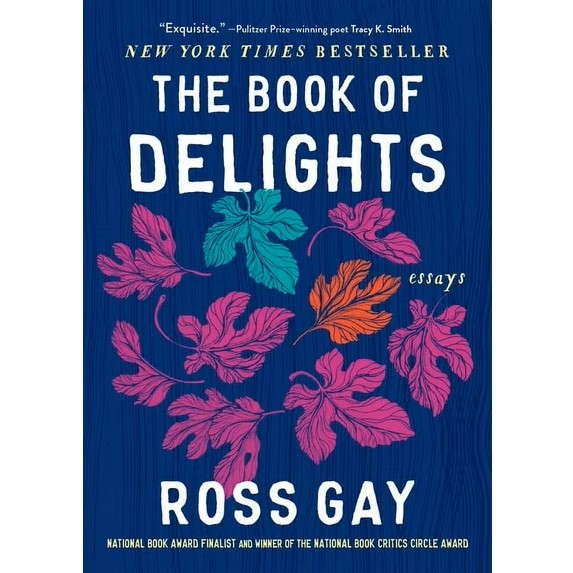
Blue Mind (Book Review)      

All the rest of these images created by Rebekah Marshall’s prompts using AI on Gencraft.com website.

Blue Mind by Wallace Nichols soothed my soul. I’ve always known water is healing, transformative, magical…but learning some of the science behind those less concrete concepts was extremely affirming. Water is a great equalizer. Some people who are not as mobile as others are buoyed up, gravity no longer a concern. Others who are not comfortable with the vastness of open space can feel protected and enveloped by the extra pressure of water’s embrace. Anxiety and stress can be washed away. Addictions and obsessions can be rinsed off and replaced with water’s allure. And all of us benefit from even a glimpse of an image or painting of water, whether pond, lake, ocean waves, or waterfall.

I’ve always loved the sound of rain and waves. I think most humans’ nervous systems are calmed by those sounds, possibly because they mimic the earliest sounds we heard in our mothers’ wombs. This book delves into nearly any topic you can think of related to our love of water, from surfing, scuba diving, boating, fishing, snorkeling, sightseeing, swimming, and beyond. And even more fascinating, our brains on water can now be studied with advances in technology like fMRI machines. They are learning that spending time in, on, around, or near water enhances our focus, perception, creativity, memory, cognition, connection to others and nature, empathy, health, and mood.

The main thing this book confirmed for me is that I need to take more vacations to the beach, swim in the pool more often, and watch it rain every chance I get. And I probably need to drink more water, too. And science says so!

Nichols, Wallace J. Blue Mind, Little Brown and Company, 2014.

How to Stop Time (Book Review)     

I can think of few premises more horrible than that of Matt Haig’s novel How to Stop Time. It is a world where some among us age painstakingly slower than average. The protagonist appears to be in his early 40s but has been alive on this earth for over 400 years. From French aristocracy to quaint village life in old England, from the dangerous streets of Shakespeare’s London to the London of the 21st Century, we are swept along with his story almost against our will. If life is a serious of tragedies with bright spots in between, imagine the tragedies of more than 5 lifetimes. The body still has aches and pains, the mind battles ups and downs, depression, anxiety, but with the added fears of being discovered, labeled a witch, a modern miracle, or a danger.

There are networks built to “protect” these long-living humans, but there are also organizations bent on finding and studying them like lab rats to enhance the lifespan of the rest of humanity. Staying hidden from both is nearly impossible, especially as modern technology advances to the point of photography, video, then internet and cell phones, and eventually social media. And how is one to love, to open the heart to vulnerability, knowing you will outlive any partner, child, grandchild, or friend? Oh, living with the pain of loss would be most unbearable for someone like me. I don’t even enjoy pondering this fictional concept any longer than I must.

But Mr. Haig has masterfully pondered these question and more in his tribute to family, humanity, love, and ode to living in the present. If nothing else, this book has made me thankful that my time here is brief in comparison. It is a good reminder to appreciate what we have and take no one we care about for granted. Change and death are inevitable constants that we must learn to accept; the alternative being the illusion of stagnation until the day we die. 

Haig, Matt. How to Stop Time, Penguin Books, 2017.

Hafiz – Poem 37

All images created by Rebekah Marshall’s prompts using AI on Gencraft.com website.

I am reading Hafiz’s Little Book of Life, poetry by Hafiz-e Shirazi. He is challenging me to become more comfortable with ambiguity. I will share his poem and some of my thoughts on his poem (sometimes with the help of experts when the concepts are too hard for me), followed by a poem and some art inspired by his poem.

Hafiz’s Poem 37:

In our neighborhood we care
Only for broken hearts

If you are peddling ego
Take it to the other side of town

Some thoughts:

Around these parts, we expect you to be genuine (pronounced “gin-you-wine.”) Your word is your bond. A handshake is iron clad. Our currency is honest to goodness salt of the earth authenticity. I’m pretending Hafiz is from the South. The parts of the South that truly honor integrity and character as proof of moral fortitude. There’s no room for someone who’s gotten too big for their britches. Too many sheriffs and other metaphors that are getting lost in the weeds.

The point is that Hafiz wanted to live in a community that valued real dyed-in-the-wool neighbors, the Mr. Rogers kind. People whose hearts were open to love and kindness, who were not self-serving and selfish. Anyone coming into that type of community and trying to appeal to pride and better than logic would not fit in, would not be welcome, would not fare well. Go elsewhere with that toxic culture of competition and keeping up with the Joneses. Here in our neighborhood, we help one another, take care of each other, and have the humble brokenness to admit when we need to lean on someone’s shoulder.

My Poem 37:

Would you look what the cat drug in.

Of course you are always welcome to show up around these parts, so long as you leave your muddy boots at the door. Don’t go and make me mop again today.

I’ve got a casserole in the oven and a pitcher of iced tea brewin’.

How ‘bout you pull up a seat and tell me what you’ve been up to since I saw you last. Goodness knows it’s been ages since we’ve caught up. Don’t mind me; I’m usually doin’ chores ‘til I fall in bed, but I can listen while I work.

How’s your mama? Everybody doin’ ok after that last flood? We lost our chicken coop and two outer sheds, but our trailer’s still standin’, so we can’t complain.

Can I send you home with some eggs? We’ve got plenty to spare. To tell you the truth, I’m kind of sick of egg salad sandwiches these days. Up to my eyeballs in ‘em. Wish it was closer to Easter. I’d dye a bunch for the neighborhood kids.

You can’t stay for dinner? Well, I understand. But at least let me pack you up a few servings in a Tupperware. Don’t you argue with me.

Here you go. Be safe out there and come back now, you hear?

Hafiz. Hafiz’s Little Book of Life. Translated by Erfan Mojib and Gary Gach, Hampton Roads Publishing, 2023.

the Echo of Old Books (Book Review)

All the rest of these images created by Rebekah Marshall’s prompts using AI on Gencraft.com website.

I love stories where loose ends are tied up, wrongs are righted, and resolutions are satisfying. I will not give away which elements of this tale adequately meet my criteria, so as not to spoil the ending for anyone, but I will say that I was sufficiently pleased. The Echo of Old Books by Barbara Davis spans the 1940s to the 1980s. The technology of those worlds is so different from today that we forget how differently life was lived until we are placed back in those settings. No social media, no internet, no Googling, no cell phones. Newspapers, books, telephones, and eventually micro phish.

There are layers of intrigue surrounding the uber-rich, pre-WWII antisemitism, psychiatry as a weapon against women (especially the act of having women committed to asylums), and societal shame surrounding children born out of wedlock. But my favorite parts are of course, the tragic romance threaded throughout both the books and the decades. The world seems to always have a problem with letting people who love one another be together, whether because they are the wrong nationalities, colors, classes, genders, ages, or religions. Add family rivalry, childhood loss, and war, and the chances of happily ever after go way down.

At least four generations are affected by the racism, classism, and evil perpetrated by several characters in this story. And the question of whether it is safe to open the heart, heal from the past, and give love a second chance, must be answered by multiple characters, each in their own time and place. Though the specifics of this tale are rooted in one family, the concept is universal. If people are unwilling to face truth, have the hard conversations, and find a safe home where they can be vulnerable, there can be no hope of reconciliation.

Davis, Barbara, the Echo of Old Books, Lake Union Publishing, 2023.

The Love of My Life (Book Review)

This image created by Rebekah Marshall’s prompt using AI on Gencraft.com website.

From The Love of My Life by Rosie Walsh:

“I invite you to think about an event in your past you’d do anything to erase.

You’re bound to have one, even if you’re young. And if you’re good at hiding it, it’ll be there on the strandlines of your own story: sand-camouflaged, unremarkable; visible only to those who know what to look for.

I was good at hiding mine.”

Rosie Walsh does an excellent job of making us question everything about the main character in her novel The Love of My Life. What sort of nefarious past has she kept hidden? Whose side should we be on? The quirky, adorable relationship between her and her unsuspecting husband makes us ache for them, wishing their tale could be less complicated. Can’t there be a happily ever after? Must there be ominous uncovering of stalkers, affairs, criminal activities, deception, danger, loss, and more? Why, yes…yes, there must because Rosie Walsh wants to drag her readers kicking and screaming through every revelation as though we are a character in her book.

Who is the love of Emma’s life? Is it her husband? Is it another man she is meeting in secret? Is it someone yet to be revealed? The twists and turns are well-timed, suspenseful in a way that makes the reader distrust nearly everyone and are satisfyingly straightened out by the end. I enjoyed every second of the tension in this book because it made me love the characters all the more for having endured the stress along with them.

Walsh, Rosie, The Love of My Life, Penguin Books, 2022.

Hafiz – Poem 36

All images created by Rebekah Marshall’s prompts using AI on Gencraft.com website.

I am reading Hafiz’s Little Book of Life, poetry by Hafiz-e Shirazi. He is challenging me to become more comfortable with ambiguity. I will share his poem and some of my thoughts on his poem (sometimes with the help of experts when the concepts are too hard for me), followed by a poem and some art inspired by his poem.

Hafiz’s Poem 36:

Alas for the mockers of those
Who drink life to the very dregs

Only to abandon their own beliefs
At the open door of any tavern
Where their faith will be restored

Some thoughts:

Hafiz supposedly has double meanings in many of his poems, according to various experts. In this one, he could be talking about real drinking/partying, or the spiritual equivalent of feeling everything deeply, including joy, sorrow, and love. The people willing to drink to the dregs are the ones there until closing time. The real Mcoys. The mockers are those who set themselves up in judgment of and ridicule those kinds of people. Whether judgment of the literal drunkards or judgment of the deeply emotional/openly vulnerable/ecstatically connected people. Both can look rather similar to the untrained eye.

Either way, the reversal is the heart of this poem. The very people who judge others for their predisposition to revelry, might be the ones who crave it most. They can’t let themselves go, but when given the chance or suddenly set free to experience something ecstatic, they are the wildest ones you’ve ever seen. So much tightly wound, principled, rigorous defense of faith can sometimes reveal a lot about a person. They are just waiting for that moment to be unleashed, to experience, to feel something. And only then will they get it. The only way to connect is to leap into the unknown and grab for the ring or trapeze or whatever metaphor works.

Now, as a recovering alcoholic, I can’t finish without adding a cautionary note. I am not suggesting real alcoholics go live it up and fall off the wagon. Those of us with the disease of alcoholism and who are in recovery have already had our substance-induced revelry experiences and should have now graduated to the more spiritual/emotional side of celebration. Learning to find the depth of love, sit in grief, experience the full spectrum of emotions life puts us through without altering our brain chemistry IS drinking to the dregs the way Hafiz means it. It is learning to live fully, without needing to escape. And nary a one of us should sit in judgment of anyone going through the same hell of the disease of alcoholism that we have been through.

My Poem 36:

When you get sober
no one explains how much
you’ll miss turning off your brain.
It’s something you discover
when the thoughts won’t stop,
and you have to process the pain.

Hafiz. Hafiz’s Little Book of Life. Translated by Erfan Mojib and Gary Gach, Hampton Roads Publishing, 2023.

The Storied Life of A.J. Fikry (Book Review)

This book was a lovely little slice of life capturing the people of a small island town as they supported one another through the ups and downs we all experience. The quirky characters made me feel reminiscent of the Doc Martin show I used to watch with my husband about characters set in Portwenn, a fictional town on the coast of Cornwall, England. The gruff bookstore owner A.J., certain of never finding love after tragically losing his wife, reminded me of the doctor in Doc Martin with minimal people skills. A.J. loves books. Doc Martin loves practicing medicine. I’ll stop with the comparisons, but I should say that I am a fan of whatever this type of story is—odd outsider becomes an instrumental part of the community. He may be off-putting, but he’s our bookstore owner who is off-putting, sort of thing.

When a special gift is left for him in his bookshop, the life-changing effects are as dramatic and satisfying as one could expect. There is mystery, romance, tragedy, and comedy. And it is all wrapped in a heartwarming tale of people taking care of people. Now I will allow myself to watch the movie, since I finally read the book. I hope it is just as satisfying as the book was. I also enjoyed comparing notes with A.J. about his favorite short stories. I felt quite accomplished that I had read some of the ones he mentions at the beginning of the chapters.

Zevin, Gabrielle, The Storied Life of A.J. Fikry, Algonquin Books of Chapel Hill, 2014.

Not Up For Easter

All images created by Rebekah Marshall’s prompts using AI on Gencraft.com website.

Holidays take so much energy. Energy I do not have to share right now. The last month has been a lot. I don’t want to decorate, host any dinners or brunches, clean my house, buy gifts, make treats, bake desserts, dye eggs, hide candy, grocery shop, cook, or do anything involving pastel shades. I don’t have anything against any of those things, but the thought of participating in any of it makes me feel more tired than I already am. Add to that, I came down with a stomach bug and I just want to lie in bed for a few days.

I know holidays are important and create special memories, especially for children. I’m just not in the mood for all the hoopla and rigamarole. Thankfully, all 3 of my grandkids are in different states with different family members having wonderful times without me. That probably sounds horrible to say. I love them and want to be with them but also love that they have many relatives who want to spend time with them. I am very thankful for a large, extended family at times when my energy has been completely depleted.

Maybe next year. For this year, the newest granddaughter is snug as a bug in a rug with her parents up in Michigan, Charlotte is at a wedding with her father and his father at her aunt’s wedding up in New York, Julian is with his Abo and Aba in Texas, and I am going to take a nap. That sounds like the perfect Easter activity for me.      

Hafiz – Poem 33

All images created by Rebekah Marshall’s prompts using AI on Gencraft.com website.

I am reading Hafiz’s Little Book of Life, poetry by Hafiz-e Shirazi. He is challenging me to become more comfortable with ambiguity. I will share his poem and some of my thoughts on his poem (sometimes with the help of experts when the concepts are too hard for me), followed by a poem and some art inspired by his poem.

Hafiz’s Poem 33:

Adam gave up Paradise

For just one nice ripe apple

What if one world is only worth

One hard stale raisin

?

Some thoughts:

This poem feels a little cheeky. Irony keeps the interpretation in question. If Adam was willing to give up Paradise for an apple, was it worth it? What did he gain? Is Hafiz suggesting that the fall was an opportunity for growth? Most religious leaders of Abrahamic faiths would argue that such thinking is blasphemous, yet Hafiz goes on to ask about the possibility that such a trade could occur for even less of a temptation, a hard stale raisin. Maybe the eating of the fruit was not really of any consequence. Perhaps the development of knowing right and wrong, choosing free will, embarking on an individual hero’s journey was the inevitable event, given the curiosity of the creations who resembled the creator.

Hafiz doesn’t commit to any one view. He simply asks the question, suggesting that perhaps we do not fully understand the exchange that was made, beyond the basic information passed down through the ages. What is one world worth? Did Adam and Eve take their world for granted? Probably. Don’t we take our world for granted most of the time? But what if they also desired more? More than blind obedience. What are we willing to trade for peace? What are we willing to trade for safety? What are we willing to compromise on for those we love? Had Adam not eaten of the fruit, would he have lost Eve? There are so many questions left unanswered that only a fool would claim to know what they would do in the same circumstances.

My Poem 33:

By the light of a mid-month moon,
my love gathered figs by the handful.
Her plump, ripe lips, a sticky, sweet boon,
as I kissed the taste of the tree’s jewel.

That rich ambrosia, nectar of gods,
forbidden for reasons unknown.
Angels eat the fruit, so I find it odd,
that the restriction applies to us alone.

Why was I made and given this mate,
if not to experience all and to learn?
To know good and evil, not to hesitate,
is the knowledge for which I yearn.

The taste of truth, bittersweet and bold,
that’s what this is, what I’ve come to crave.
The consequence is growing old,
and learning pain only taught by the grave.

Hafiz. Hafiz’s Little Book of Life. Translated by Erfan Mojib and Gary Gach, Hampton Roads Publishing, 2023.