Tag Archives: historical racism

Letters Everyone Should Read: James Baldwin & Ta-Nehisi Coates

TRIGGER WARNING: This essay contains discussion of racism, police violence, death, and racial trauma in a critical and literary context.
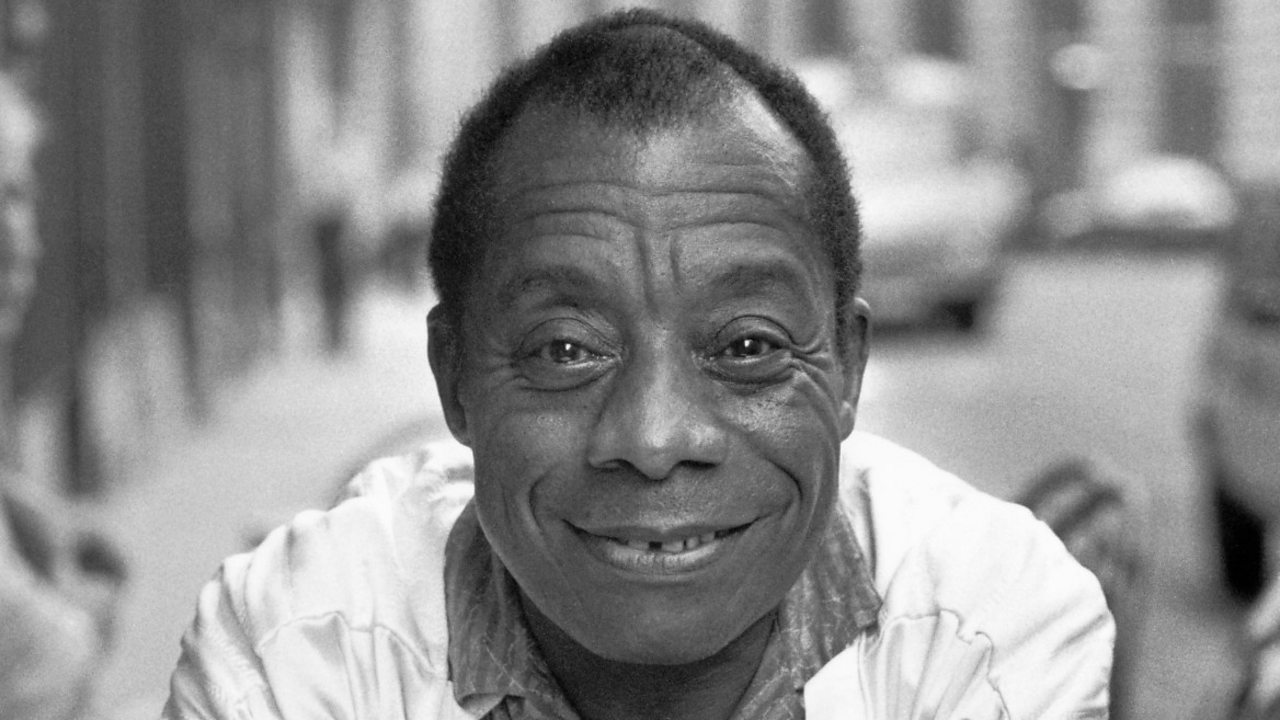

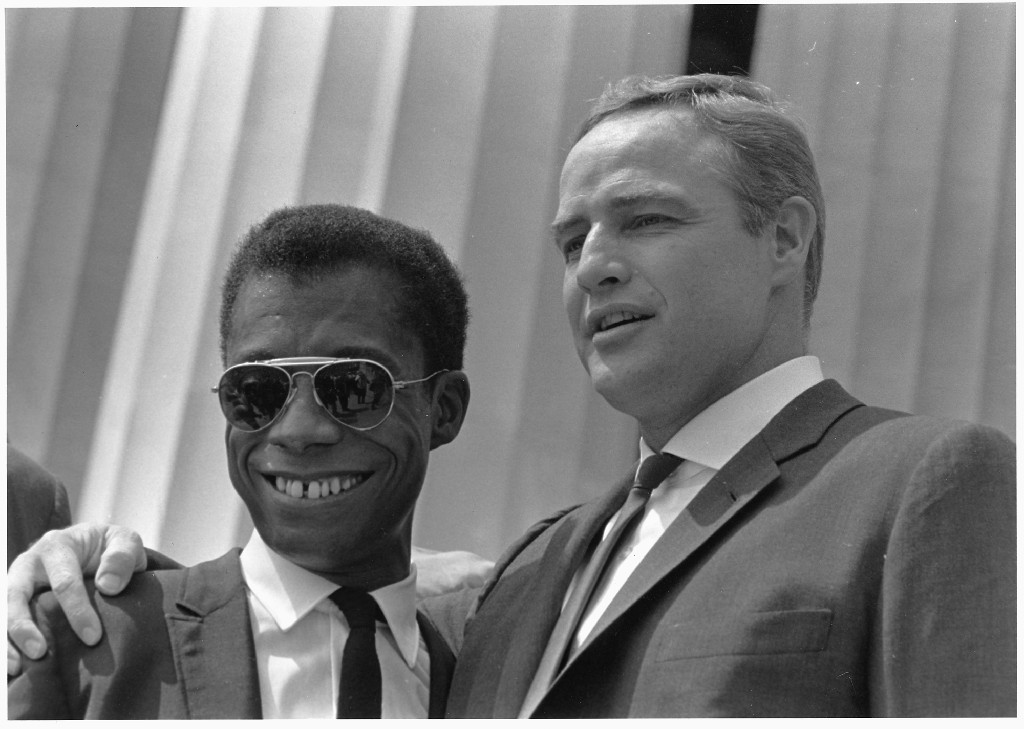
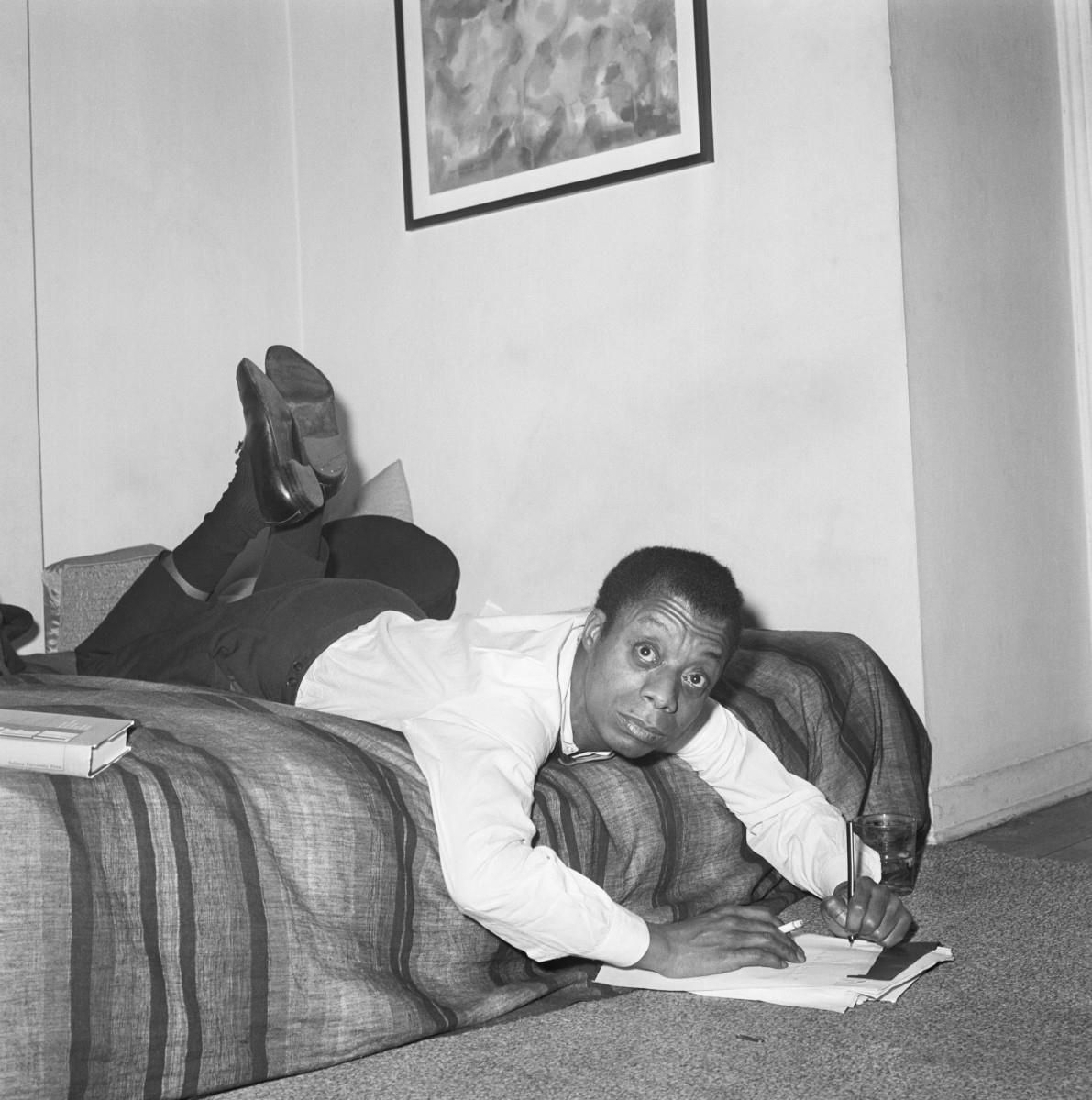
James Baldwin’s letter to his nephew is both personal and national in appeal as a publicly published letter to inspire black Americans and scold white. Likewise, Ta-Nehisi Coates’s letter to his son reveals extremely personal details that may encourage black Americans and spur white Americans to pick up the mantle of struggle alongside their darker brothers. Both letters speak to the lack of equality present for black Americans and the need for white mindset change for improvement to occur.

In “A Letter to my Nephew”, Baldwin moves chronologically through his life telling the tale of his nephew’s origins. He weaves into the personal story of his family’s tale, the historical context that affects them all including the results of geographic constraints, political, economic, legal, etc. that make life harder for African Americans. For example, Baldwin writes, “This innocent country set you down in a ghetto in which, in fact, it intended that you should perish.” He goes on to attempt to explain the thinking of the white “countrymen” that would permit such unfair treatment of their brothers. “They are in effect still trapped in a history which they do not understand and until they understand it, they cannot be released from it.” This calling out of uninformed white people is the way Baldwin throws down his gauntlet. It is up to everyone to become informed and prepare for change. The rest of the letter is encouragement to his nephew to be brave and loving as he continues the fight. And near the end he makes the inclusive statement, “We cannot be free until they are free” (Baldwin). He flips the idea of oppression on its head. The oppressor is the one who is in chains due to their refusal to educate themselves and grow with the changes that terrify them.

Coates’s Between the World and Me tells the tale of significant points in his life, including the birth of his son, but it is not strictly chronological. He jumps around in time, beginning with a recent interview and meanders through different time periods throughout the book. Coates weaves historical incidents like police shootings of unarmed black people, redefines terms to his preferences – terms like race and racism, dreamers, and white – glorifies black culture including music, art, literature, and fashion, and includes interviews with mothers who lost children to police violence. His letter feels at once even more personal in connection to his son and, at the same time, even more broadly an accusation of all Americans complicit in the conspiracy to oppress black people.

As Coates meanders through white on black oppression, he addresses his own fear that grew out of living while black. He admits that he does not want to raise his son with the same fearful perspective but also recognizes that fear might be what has helped him stay alive. He tells stories showing that constant awareness of potential danger is necessary for safety. He also admits that hyper-sensitivity to danger sometimes removes the ability to live in the moment and enjoy the present. Using so many resources to remain in fight or flight mode steals reserves that could have been used for learning, experiencing, connecting, and joy. These are the things that make him angry, that make him feel hopeless and make him realize that there is still much struggle left for all to endure. He encourages his son to struggle but does not seem to call him to love the same as Baldwin. He encourages him to endure but does not provide the same hopeful outlook as Baldwin. It seems like a public shaming of white America. They have continued to oppress, even in the face of countless opportunities to change. Perhaps Coates is hoping to guilt them into an awakening. Coates’s letter ends with witnessing the same crumbling infrastructure that has been the setting for so many black lives – “and I felt the fear” (Coates 152).

Works Cited

Baldwin, James. “A Letter to My Nephew.” The Progressive. 1 Dec, 1962, progressive.org/magazine/letter-nephew/

Coates, Ta-Nehisi. Between the World and Me. Spiegel & Grau, 2015.
Reflections on James Baldwin’s Appeal to the Possibility of Relationship

TRIGGER WARNING: This essay contains discussion of racism, racial violence, police brutality, and psychological trauma in a literary context.

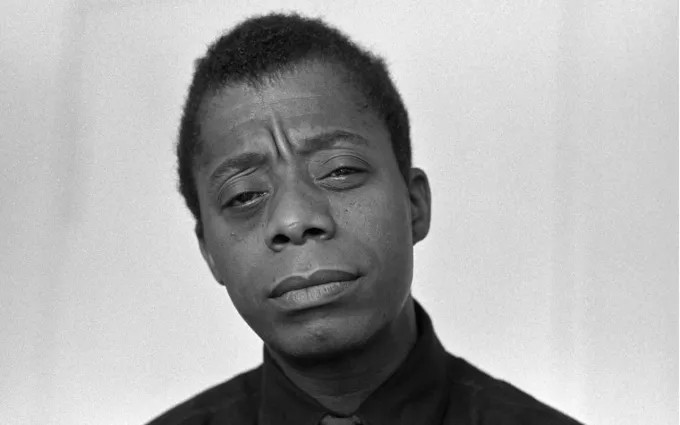
Baldwin’s writings seem to assert that all people deserve the opportunity to be understood, and barring that, at least given a fair shake to make their way in the world. A self-proclaimed witness to the treatment of his people, he uses story to persuade others to open themselves to the possibility of relationship, or at least the ability to visualize the other. In “Previous Condition”, the main character is a black man having an affair with a white woman. She grew up in poverty and argues with him when he implies that only black people have it hard economically. The argument sounds as though it could have been heard on YouTube with its layers of race, class, gender, and privilege still such hot current issues. However, Ida the white woman, does not get kicked out of a dwelling simply because of the color of her skin, as is the case for the black actor she is debating. Even more horrible is the description in “Sonny’s Blues” of white men running over and murdering Sonny’s uncle just for the fun of it. Evil breeds hatred. Sonny’s father “never really did get right again. Till the day he died he weren’t sure but that every white man he saw was the man that killed his brother” (Going 118). These are examples of the ways in which people as individuals interact in his stories showing the depth of conflict created by race in relationships.

In “This Morning, This Evening, So Soon” Baldwin paints the scene of a black man who has forgotten how to play the game of pacifying the white police officers as is so often necessary to ensure minority safety. The main character says, “I had once known how to pitch my voice precisely between curtness and servility…” (Going 163). He’s been in France so long and interacted with white people under a different social contract for so long that he has forgotten the tricks he used to know to keep himself safe around white people with power who hate him. This speaks to the “armies” of whom Baldwin speaks. The police represent the powers that be and are an ever-present menace to the black characters in his books. In “Going to Meet the Man,” the main character is a white police officer who truly believes he is simply enforcing rules God himself established. He says it wasn’t his fault the black people “fight against God and go against the rules laid down in the Bible” (Baldwin Going 235). This is an example of the way church gets mixed up in all the oppression in people’s minds. All these systems interact to create menaces of themselves.

Yet, somehow, despite all the horrors Baldwin witnessed and wrote about, he continually returns to the theme of love. He seems to believe that love can prevail. I am in awe of his optimism. In “A Letter to My Nephew,” he writes, “love shall force our brothers to see themselves as they are, to cease fleeing from reality and begin to change it” (Baldwin Letter). I hope and pray that he is right.

Works Cited

Baldwin, James. “A Letter to My Nephew.” The Progressive. 1 Dec, 1962, progressive.org/magazine/letter-nephew/

Baldwin, James. Going to Meet the Man. Vintage International, 1948.

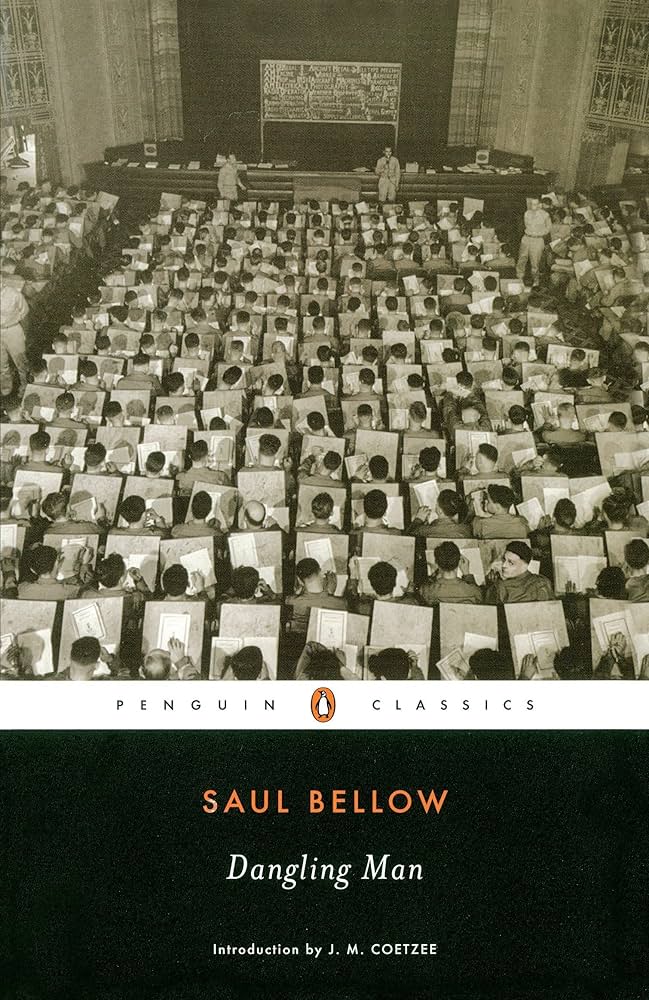
Jewish American Identity in Saul Bellow’s Dangling Man and Philip Roth’s Goodbye, Columbus

TRIGGER WARNING: This essay analyzes Jewish American identity in mid-20th-century literature and includes discussion of antisemitism, cultural and gender stereotypes, prejudice, and historical references to World War II. These topics are discussed in a literary and analytical context.

The main characters in Saul Bellow’s Dangling Man and Philip Roth’s Goodbye, Columbus react to Jewish stereotypes by challenging some and confirming others. The writers allow the characters to explore their Jewish identity within the context of the larger American culture of which they are a product.

Joseph in Dangling Man lives in early 1940’s Chicago. Antisemitism was prevalent in American culture. Jews were often characterized as greedy and dishonest. Vandalization of synagogues and Jewish cemeteries were a common occurrence. Literature spouting antisemitic rhetoric and symbols like swastikas were the norm (Freeman). Joseph does not mention any of this, but it is the reality in which he resides. He is not always honest with his wife and has an affair. His hot-headed temper gets him into trouble off and on. And his judgmental views of others reveal hypocrisy. In these ways, he upholds some stereotypes that others may have had concerning Jews. However, his pondering journal entries debate such concepts as materialism, honor, integrity, and truth, inner wrestling that defies the stereotypes of the time while he waits to be drafted to fight in WWII.

In one case he struggles with how to view the world and find his own place in it. “Joseph suffers a feeling of strangeness, of not quite belonging to the world…” (Bellow 17). He mentions the complicated nature of the world with both good and malevolence present to contend with and it bothers him when people try to simplify life to either good or bad. Yet, he has his own standards that he struggles to uphold. He endeavors to be honest with himself. He battles against his brother who wants to give him a handout. He is judgmental of his brother’s family and their materialism, viewing their desire for more than four rationed pairs of shoes per year as vanity. (Bellow 42). And he is disappointed that his wife Iva does not want to improve herself and her way of thinking to become a more enlightened person like him.

Neil in Goodbye, Columbus lives in late 1950’s Boston and is a secular Jew unsure of his position within his culture. He has definite opinions regarding what good Jews should do, like not get nose jobs to hide their Jewishness. He lived in a time “when antisemitism was at an all-time low” compared to the 1940s. However, non-Jews reported worrying about the materialism, excessive amounts of freedom, and lack of values that Jewish youth were perceived as possessing (Prell). Neil verifies that these stereotypes may have been founded concerning some of the more well-to-do Jewish families as he describes Brenda’s family’s wealth. He is amazed and seems critical of their “sporting goods trees”, housekeeper, giant home with guest bedrooms, multiple well-stocked refrigerators, and extra rooms full of outdated furniture (Roth).

This was also the time period when the Jewish American Princess began to be talked about. Brenda is the perfect example of this stereotype, the spoiled, bratty, argumentative Jewish girl who gets her way by manipulating her father. There is also a stereotype of the critical Jewish mother who is difficult to endure. Mrs. Patimkin certainly fits this description quite well. It is as though Neil is painting his experience with Brenda’s family as a lesson in all of the stereotypes Americans believed during the 1950s. Though he does not fit most of these, he is very aware of their presence and is looking in like a non-Jewish outsider observing this family as a case study.  

By the end of the book, Neil returns to his world that is not connected to the Patimkins (Roth 135). Despite being the first day of Jewish New Year, he goes to work and resumes his life as the kind of Jew that does not fit into most of the stereotypes he has encountered during his previous summer romance. He may not have it all figured out, but his experience with Brenda’s family has at least provided him with an example of what he doesn’t want in his life.

Works Cited

Bellow, Saul. Dangling Man. Penguin Group, 1944.

Freeman, Lauren. “The US and the Holocaust Project Group: Antisemitism.” Dec 2003, updated H. Marcuse March 26, 2012, marcuse.faculty.history.ucsb.edu/classes/33d/projects/ usholo/LaurenAntisemPage.htm

Prell, Riv-Ellen. “Stereotypes in the United States.” Jewish Women’s Archive – Encyclopedia. jwa.org/encyclopedia/article/stereotypes-in-united-states

Roth, Philip. Goodbye, Columbus. Vintage International Edition, September, 1993.