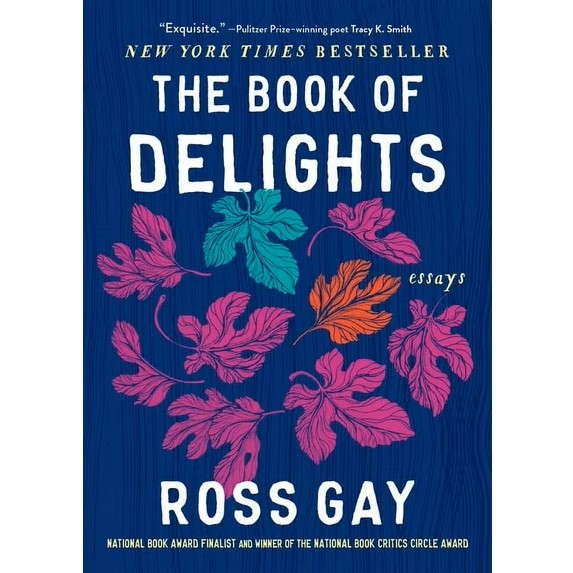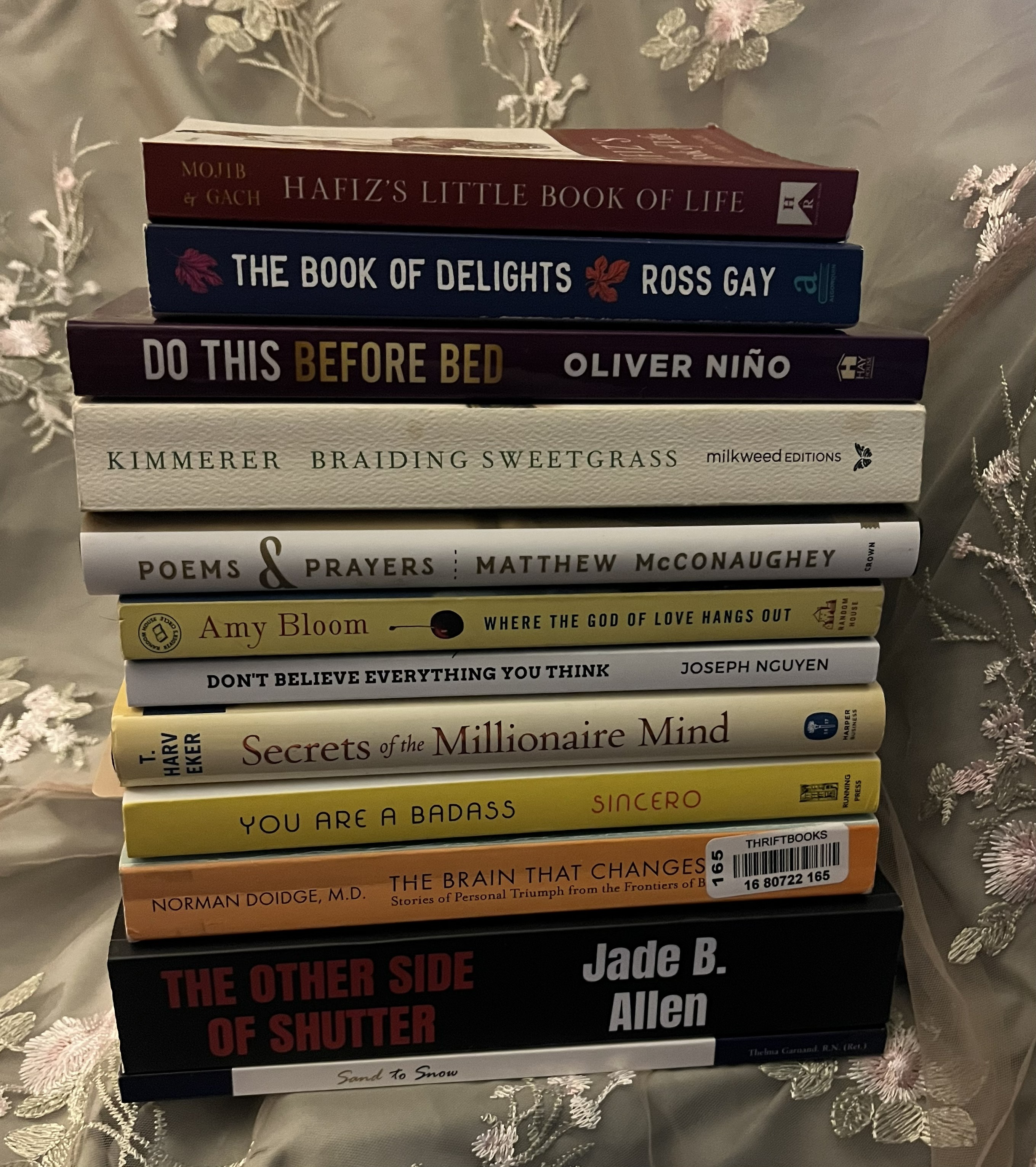

Good readers make better writers. So this is the latest stack of books that I am diving into because of topics I find interesting, writing styles I want to analyze, bookclubs I am in, and in support of authors I know personally. The top half are ones I have been reading for a while now and am doling out in bite-size bits a few pages at a time.

Hafiz’s Little Book of Life by Hafiz The Book of Delights by Ross Gay Do This Before Bed by Oliver Niño Braiding Sweetgrass by Robin Wall Kimmerer Poems & Prayers by Matthew McConaughey The Bible for Gen Z (not pictured – I forgot to put it on the stack)
The bottom half are new ones I am adding to my stack to read through at probably a faster pace.
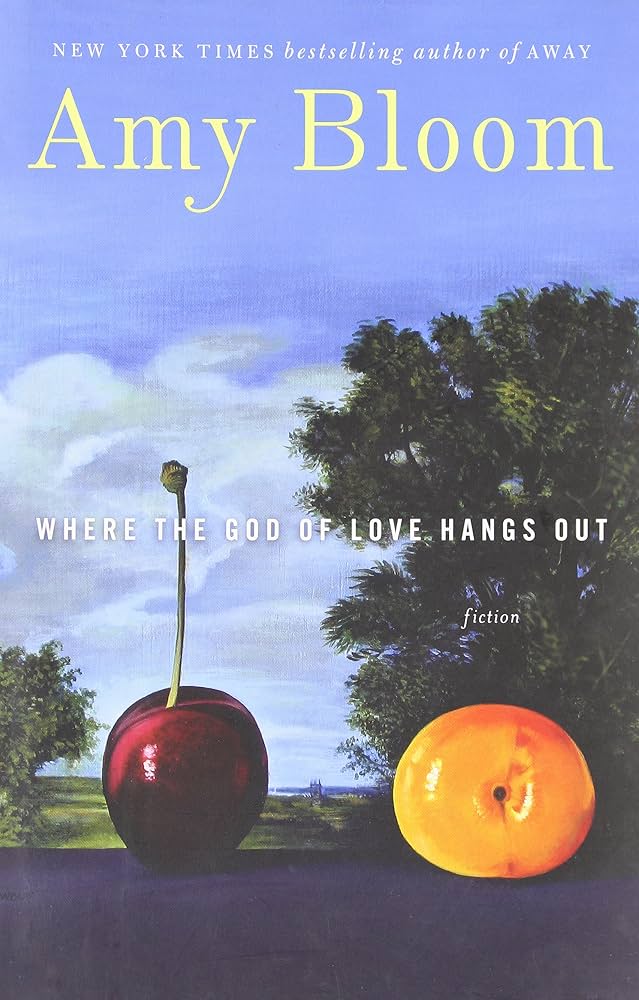
Where the God Of Love Hangs Out by Amy Bloom Don’t Believe Everything You Think by Joseph Nguyen Secrets of the Millionaire Mind T. Harv Eker You Are a Badass by Jen Sincero The Brain That Changes Itself by Normal Doidge, M.D. The Other Side of Shutter by Jade B. Allen Sand to Snow by Thelma Garnand, R.N.
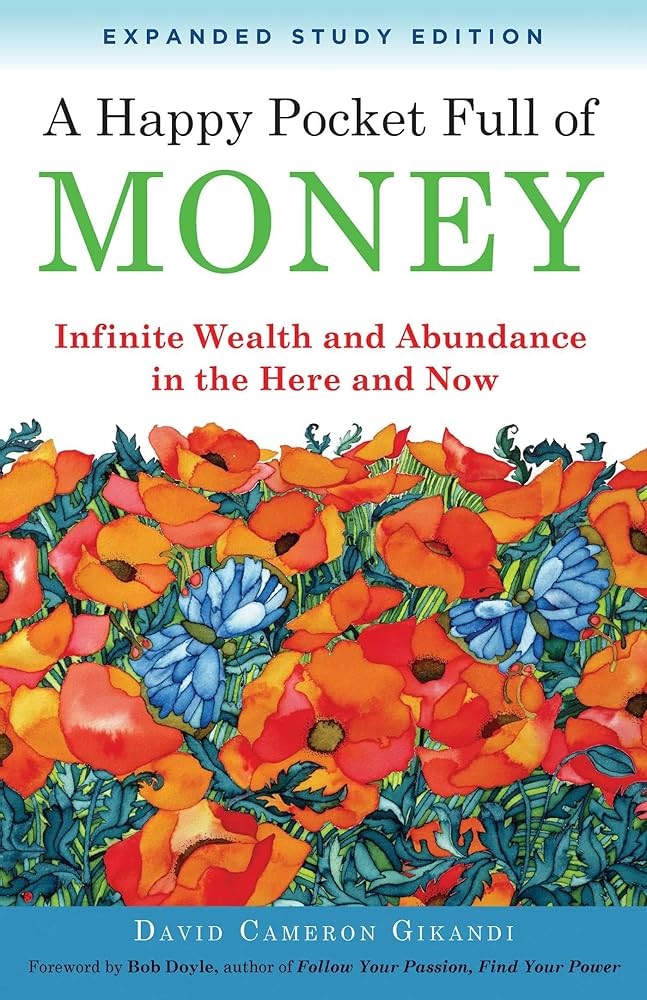
Oh my goodness, this book was hard for me to slog through. I’m not exactly sure what was so challenging for me, but I was unable to keep focused for more than a few pages at a time. A Happy Pocket Full of Money by David Cameron Gikandi was chosen as a book club pick for a women’s trading group I’m a part of for Day Trading. I try to play along but this one did not do it for me.
Perhaps I have read too many “Think Yourself Rich” books and have grown weary of the sound bites and platitudes. There must be something to said concepts for so many wealthy people to espouse them. I’m not saying they are false, but perhaps the constant koan-like paradoxes have exhausted me. I don’t know. My brain could not jump from one metaphor to another quote to a different story across a leap of faith required to accept the link between quantum physics and wealth generation. It is probably a failing or weakness on my part, but the threads were too loosely connected for me to follow.
My favorite chapter was the last one, and no, not because it was bringing the ordeal to a close. It was truly the chapter that made the clearest argument that my brain could comprehend. It focuses on money as symbol, only worth the value ascribed by those using it in trade. There is advice about taxes, offshore accounts, investing, energy transfer, ethics, etc., but no practical advice about how to make ends meet when living paycheck to paycheck. It remains a theoretical argument only the rich can claim as proof of success, while pointing to the poor as proof of failure. At some point, those doing all they can to better themselves grow weary of being told if only they believe harder, invest smarter, and intuit better, they too can become rich.
Gikandi, David Cameron. A Happy Pocket Full of Money, Hampton Roads Publishing Company, Inc., 2008.
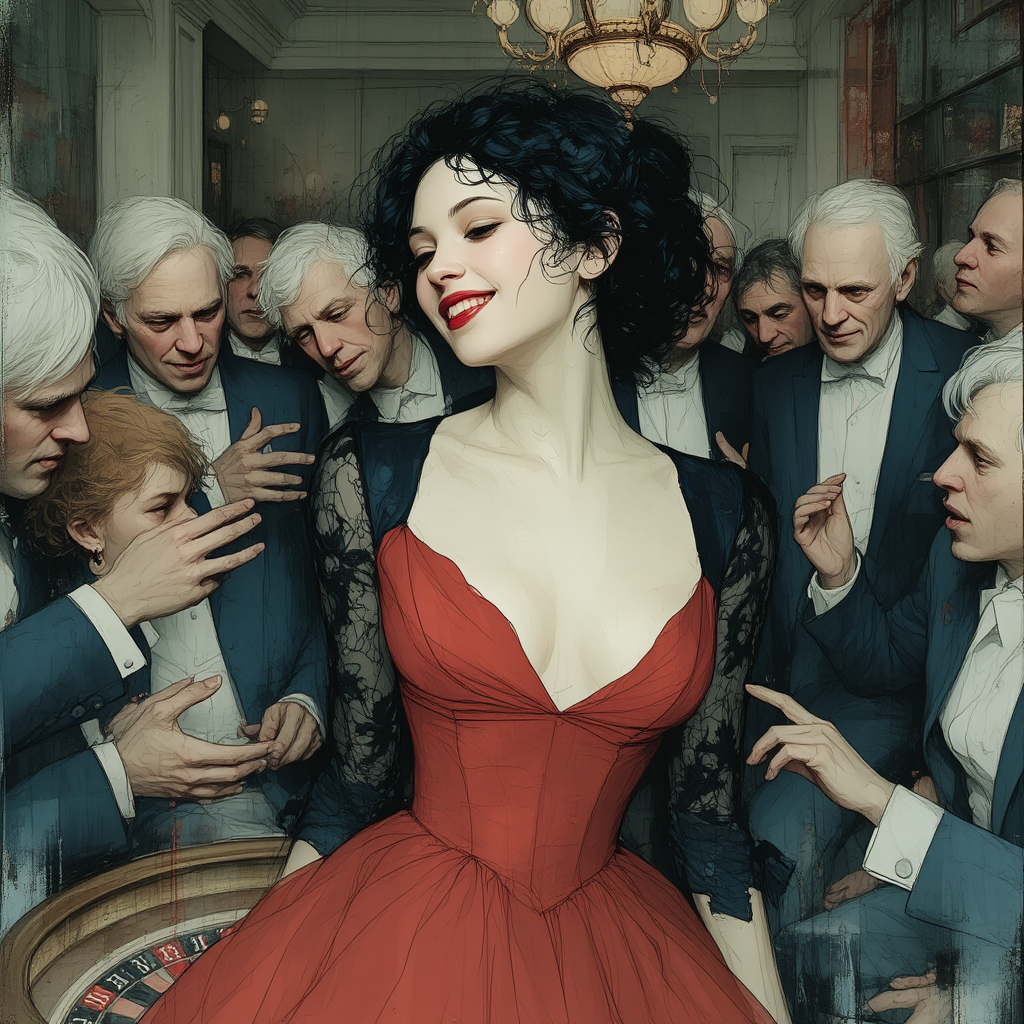
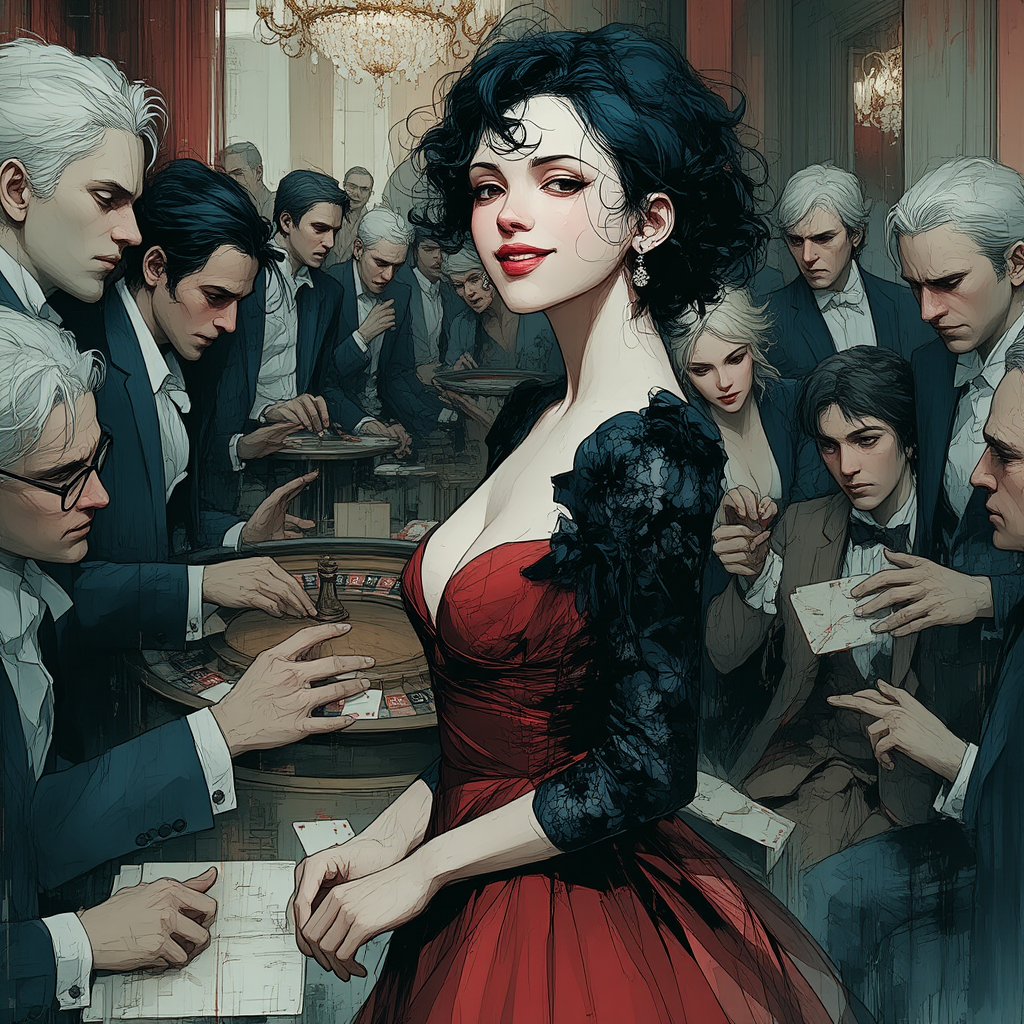
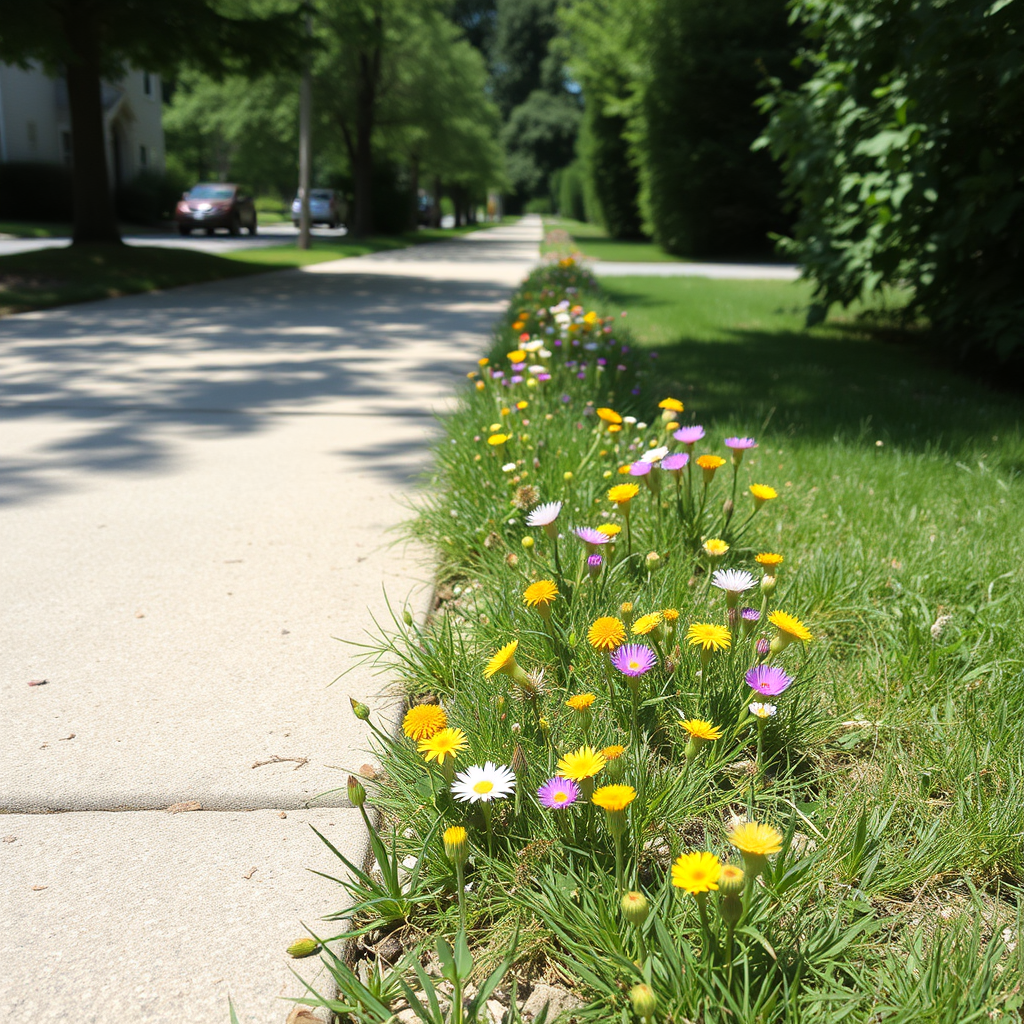
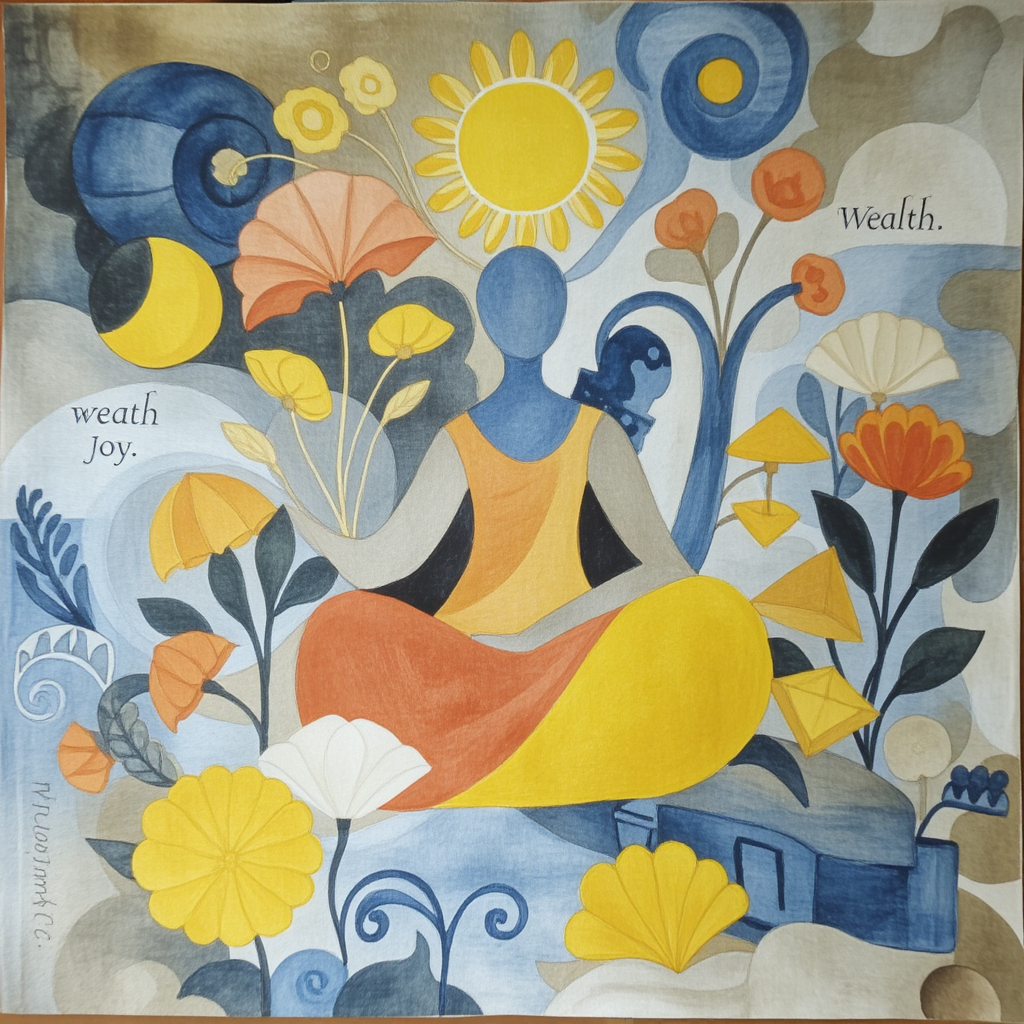
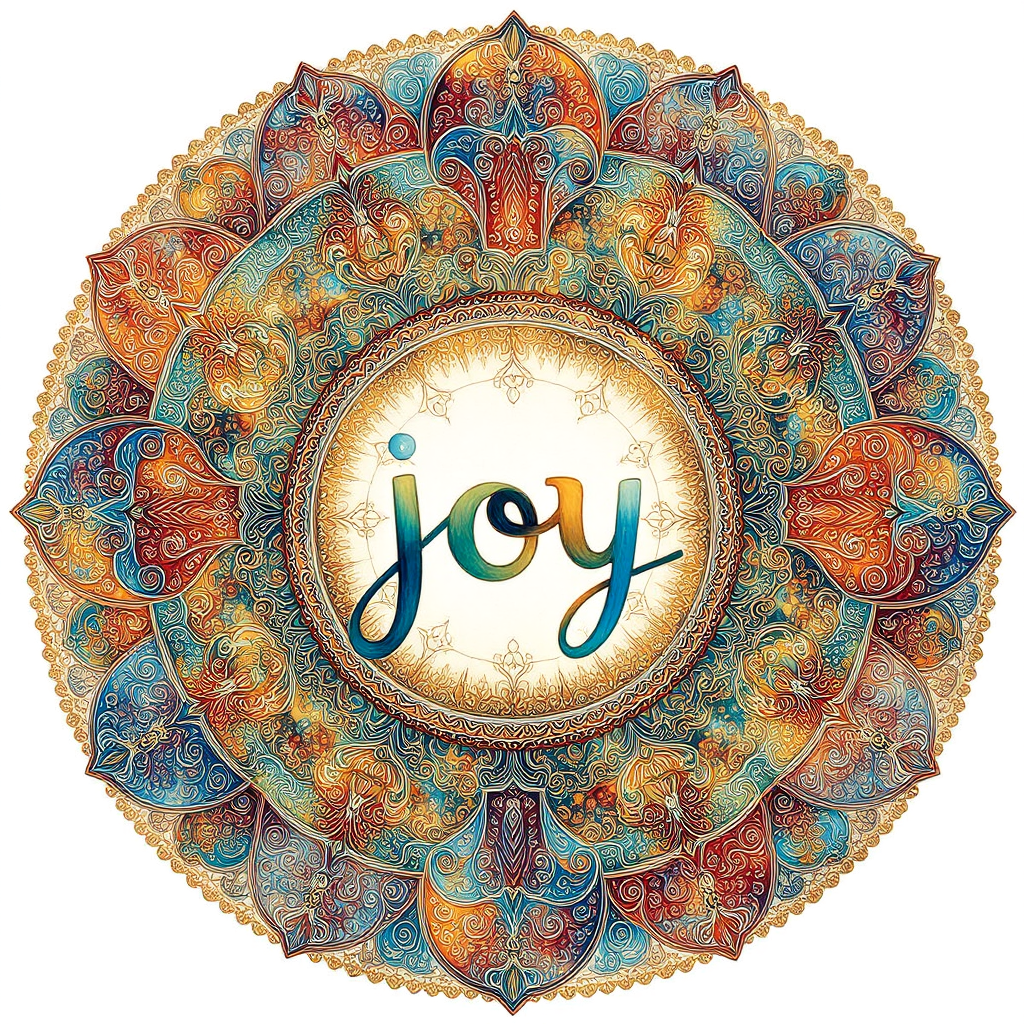
The following was repeated no less than 500 times in the book: “I am wealth. I am abundance. I am joy.” I decided to use those words with AI to see what kind of images would emerge. These are the result:
These images created by Rebekah Marshall’s prompts using AI on Gencraft.com website.
I can think of few premises more horrible than that of Matt Haig’s novel How to Stop Time. It is a world where some among us age painstakingly slower than average. The protagonist appears to be in his early 40s but has been alive on this earth for over 400 years. From French aristocracy to quaint village life in old England, from the dangerous streets of Shakespeare’s London to the London of the 21st Century, we are swept along with his story almost against our will. If life is a serious of tragedies with bright spots in between, imagine the tragedies of more than 5 lifetimes. The body still has aches and pains, the mind battles ups and downs, depression, anxiety, but with the added fears of being discovered, labeled a witch, a modern miracle, or a danger.
There are networks built to “protect” these long-living humans, but there are also organizations bent on finding and studying them like lab rats to enhance the lifespan of the rest of humanity. Staying hidden from both is nearly impossible, especially as modern technology advances to the point of photography, video, then internet and cell phones, and eventually social media. And how is one to love, to open the heart to vulnerability, knowing you will outlive any partner, child, grandchild, or friend? Oh, living with the pain of loss would be most unbearable for someone like me. I don’t even enjoy pondering this fictional concept any longer than I must.
But Mr. Haig has masterfully pondered these question and more in his tribute to family, humanity, love, and ode to living in the present. If nothing else, this book has made me thankful that my time here is brief in comparison. It is a good reminder to appreciate what we have and take no one we care about for granted. Change and death are inevitable constants that we must learn to accept; the alternative being the illusion of stagnation until the day we die.
Haig, Matt. How to Stop Time, Penguin Books, 2017.
All the rest of these images created by Rebekah Marshall’s prompts using AI on Gencraft.com website.
I love stories where loose ends are tied up, wrongs are righted, and resolutions are satisfying. I will not give away which elements of this tale adequately meet my criteria, so as not to spoil the ending for anyone, but I will say that I was sufficiently pleased. The Echo of Old Books by Barbara Davis spans the 1940s to the 1980s. The technology of those worlds is so different from today that we forget how differently life was lived until we are placed back in those settings. No social media, no internet, no Googling, no cell phones. Newspapers, books, telephones, and eventually micro phish.
There are layers of intrigue surrounding the uber-rich, pre-WWII antisemitism, psychiatry as a weapon against women (especially the act of having women committed to asylums), and societal shame surrounding children born out of wedlock. But my favorite parts are of course, the tragic romance threaded throughout both the books and the decades. The world seems to always have a problem with letting people who love one another be together, whether because they are the wrong nationalities, colors, classes, genders, ages, or religions. Add family rivalry, childhood loss, and war, and the chances of happily ever after go way down.
At least four generations are affected by the racism, classism, and evil perpetrated by several characters in this story. And the question of whether it is safe to open the heart, heal from the past, and give love a second chance, must be answered by multiple characters, each in their own time and place. Though the specifics of this tale are rooted in one family, the concept is universal. If people are unwilling to face truth, have the hard conversations, and find a safe home where they can be vulnerable, there can be no hope of reconciliation.
Davis, Barbara, the Echo of Old Books, Lake Union Publishing, 2023.
This image created by Rebekah Marshall’s prompt using AI on Gencraft.com website.
From The Love of My Life by Rosie Walsh:
“I invite you to think about an event in your past you’d do anything to erase.
You’re bound to have one, even if you’re young. And if you’re good at hiding it, it’ll be there on the strandlines of your own story: sand-camouflaged, unremarkable; visible only to those who know what to look for.
I was good at hiding mine.”
Rosie Walsh does an excellent job of making us question everything about the main character in her novel The Love of My Life. What sort of nefarious past has she kept hidden? Whose side should we be on? The quirky, adorable relationship between her and her unsuspecting husband makes us ache for them, wishing their tale could be less complicated. Can’t there be a happily ever after? Must there be ominous uncovering of stalkers, affairs, criminal activities, deception, danger, loss, and more? Why, yes…yes, there must because Rosie Walsh wants to drag her readers kicking and screaming through every revelation as though we are a character in her book.
Who is the love of Emma’s life? Is it her husband? Is it another man she is meeting in secret? Is it someone yet to be revealed? The twists and turns are well-timed, suspenseful in a way that makes the reader distrust nearly everyone and are satisfyingly straightened out by the end. I enjoyed every second of the tension in this book because it made me love the characters all the more for having endured the stress along with them.
Walsh, Rosie, The Love of My Life, Penguin Books, 2022.
This book was a lovely little slice of life capturing the people of a small island town as they supported one another through the ups and downs we all experience. The quirky characters made me feel reminiscent of the Doc Martin show I used to watch with my husband about characters set in Portwenn, a fictional town on the coast of Cornwall, England. The gruff bookstore owner A.J., certain of never finding love after tragically losing his wife, reminded me of the doctor in Doc Martin with minimal people skills. A.J. loves books. Doc Martin loves practicing medicine. I’ll stop with the comparisons, but I should say that I am a fan of whatever this type of story is—odd outsider becomes an instrumental part of the community. He may be off-putting, but he’s our bookstore owner who is off-putting, sort of thing.
When a special gift is left for him in his bookshop, the life-changing effects are as dramatic and satisfying as one could expect. There is mystery, romance, tragedy, and comedy. And it is all wrapped in a heartwarming tale of people taking care of people. Now I will allow myself to watch the movie, since I finally read the book. I hope it is just as satisfying as the book was. I also enjoyed comparing notes with A.J. about his favorite short stories. I felt quite accomplished that I had read some of the ones he mentions at the beginning of the chapters.
Zevin, Gabrielle, The Storied Life of A.J. Fikry, Algonquin Books of Chapel Hill, 2014.
TRIGGER WARNING: This novel contains themes related to immigration challenges, economic hardship, race and class dynamics, and complex family relationships. It also touches on substance use and addiction, overdose, and instances of domestic conflict and violence. Some readers may find these topics emotionally intense.
All the rest of these images created by Rebekah Marshall’s prompts using AI on Gencraft.com website.
Behold the Dreamers by Imbolo Mbue provided a peek into the lives of some families quite unfamiliar to me—those of immigrants from Cameroon living in New York, trying to make a living in less than ideal conditions, and those of the privileged Wall Street rich executives with fancy cars and vacation homes in the Hamptons. I found the descriptions and complex relationships between the characters fascinating and believable.
The character I connected with the most was Neni, the wife of Jende, who follows her husband to New York from Cameroon with their toddler in tow when she is able. She is hard-working, persistent, hopeful, and resourceful. She jumps into every challenge with grit and is determined to become a pharmacist to help support her family. In one scene, she finally finishes her chores at midnight and must now study until at least 3:00 AM. Her toil is such a different pace in America than when she lived in Cameroon. I felt such empathy with her plight.
“She rested her head in her right hand, closed her eyes, and exhaled…Her mind was always active, it seemed—what needed to be done, by when, how long it would take to get done. Even when she sang during her chores, she was mindful of the next chore. And the one after that. Life in America had made her into someone who was always thinking and planning the next step.”
If only life could be different for all of us. Why must every step forward be two steps back, no matter how hard people try? So many in this world are giving the best they have to offer of their hearts, minds, and bodies, but all the wishful thinking, determination, prayer, and planning in the world does not always bring about success. There are no perfect answers or happily ever afters in this novel, but the spirit of survival, family, learning from our mistakes, and perseverance are inspiring nonetheless. And it is a wonderful reminder to treat everyone we meet as though they could be an angel, like the weary men Abraham offered hospitality to in the Bible. What a wonderful world we would live in if that were our perspective.
Mbue, Imbolo, Behold the Dreamers, Penguin Random House, 2016.
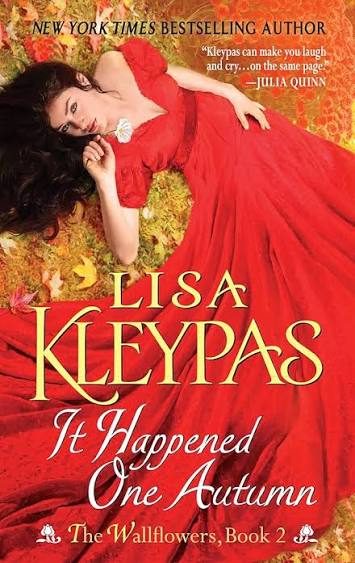
My sweet Valentine David Marshall gave me books and a lovely kimono shawl (behind the books) as Valentine’s Day gifts. I was very surprised and so happy with presents I will wear, read, and enjoy immensely.
The Storied Life of A.J. Fikry is about a grieving bookstore owner who receives a surprise “package” (I think it’s a baby, but I’ll have to read it to see) that changes his life. I want to read it before I watch the movie on Netflix. The Love Of My Life is a suspenseful romance thriller about an obituary writer who finds out his wife has a secret identity. Both of these look fabulous!
TRIGGER WARNING: This book addresses difficult topics including mental illness, suicide, abuse, violence, and trauma. Some scenes and references may be distressing for certain readers.
Gail Honeyman is a master of dry wit and understatement in Eleanor Oliphant is completely fine. Eleanor is so unpleasant and awkward as to render her completely unlikeable at the beginning of the novel. I don’t want to see her bullied by her coworkers or strangers in public, but I could certainly see why they might. She invites side-glances with her oblivious rudeness and is a closed book. She doesn’t want anything to do with anybody and seems perfectly content in her isolation. Of course, it’s all a ruse and protective defenses, but those walls are tall and seem impenetrable.
The chance encounters, unusual incidents, and course of events that occur begin to bring about a soft opening of Eleanor. And the unfolding of her past, the development of some friendships, and her observations and realizations throughout the process are so endearing that I couldn’t help falling in love with her. She and her circle of people are everything that is wonderful about humanity, especially when coping with everything that is horrible with humanity.
Once again, I was disappointed by the rushed feel of the ending. I hoped for the same level of deep introspection at the end of the book that was delved into throughout the rest. What is with these authors rushing their endings? They need to be every bit as perfect as the beginnings and middles. But other than wanting more, I can find no fault with this witty, honest, hilarious look at a lovely woman who is absolutely NOT completely fine, but who will be. The author’s voice is refreshing, hilarious, and wonderful.
Honeyman, Gail, Eleanor Oliphant is completely fine, Penguin Random House, 2017.
I loved the ideas and interwoven timelines that crossed generations, countries, and realities in The Midnight Library by Evie Woods. It is magical, mythical, fairy tale-ical (I made up that word), and beautiful. It is so beautiful that my main complaint is that I wanted more. The first half of the book is deeply fleshed out, letting us into the characters detailed inner lives and minute by minute adventures. The second half of the book feels rushed, almost like it should have been several more books in a series so the author could have gone deeper into the story lines and better tied together the threads she was so masterfully weaving.
I want to know so much more about the eccentric elderly woman Martha works for. Martha’s childhood is left untapped, so much potential for background to show how she might find herself trapped in such a terrible marriage. Her mother signs and does not speak, which opens the door to so many questions that could be answered and scenes that could be elaborated on. The events that occur around the World War II timeline are barely mentioned and could be so many chapters of fascinating detail. Giant chunks of time are skipped over that could be filled with story. And some of the puzzle pieces like the tattoos, living bookshelves, missing manuscripts, and love affairs feel like fragments that could be such an epic saga were we to have their stories told in many more chapters.
It would make a fabulous series on a streaming service, especially if they fleshed out more of the characters, their backgrounds, motivations, and dynamic growth. One thing is for certain; Woods does a great job of creating protagonists I want to root for, women who never give up no matter how many times they get knocked down.
Woods, Evie, The Lost Bookshop, Harper Collins Publisher, 2023.