Tag Archives: oppression

Hafiz – Poem 24

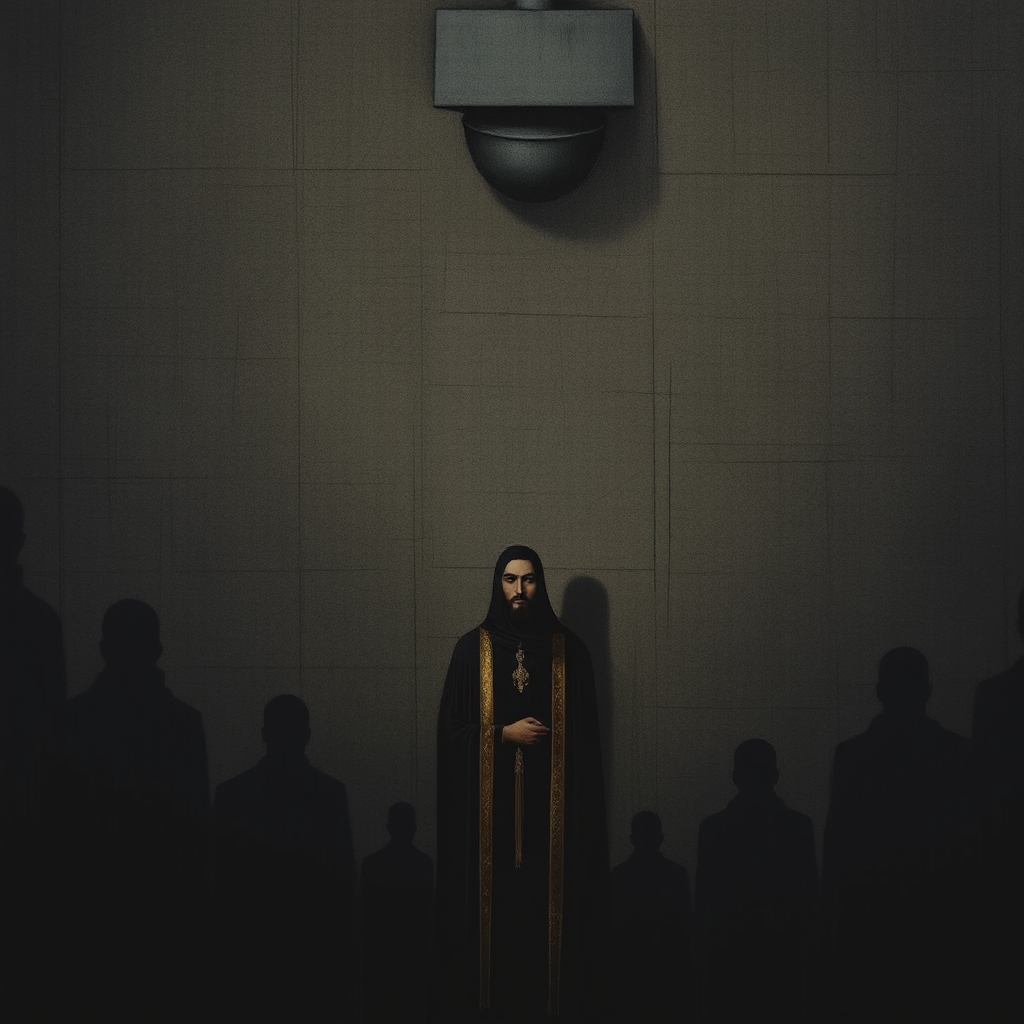
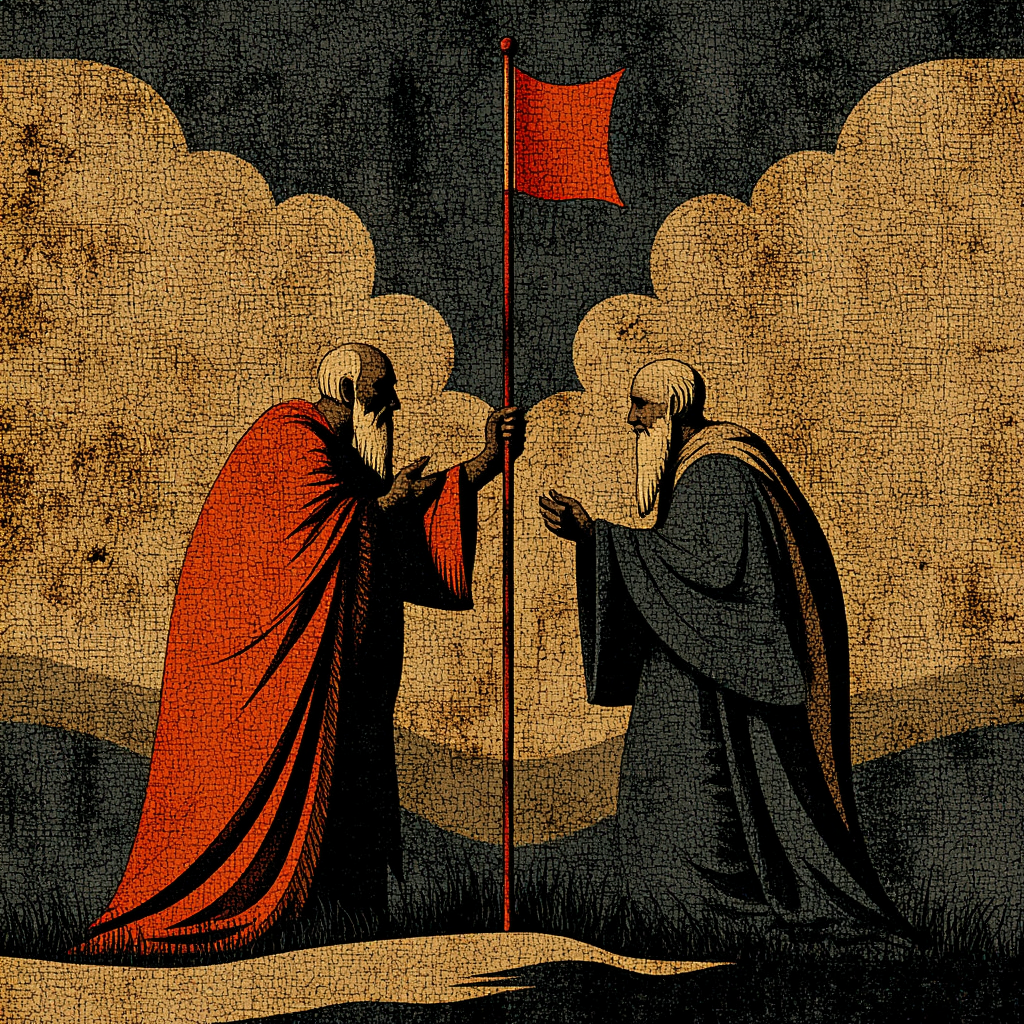
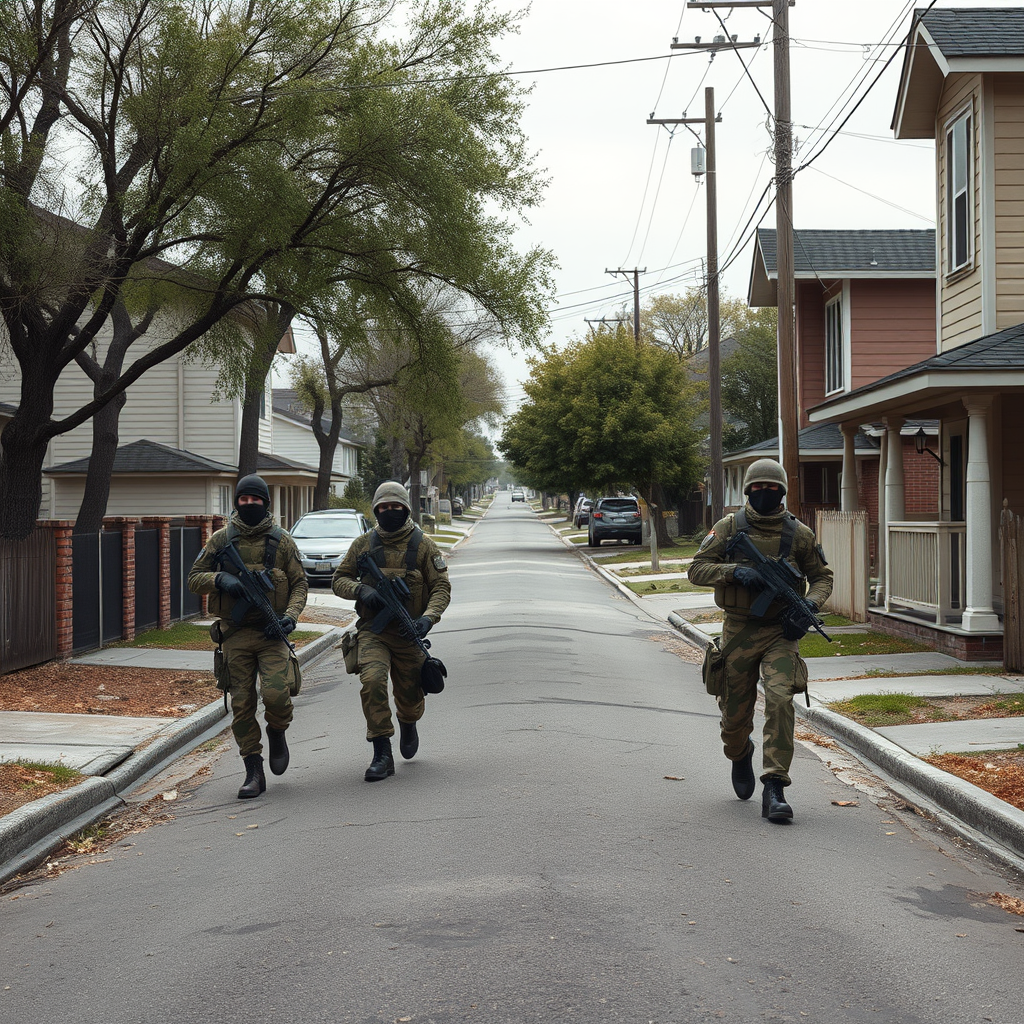
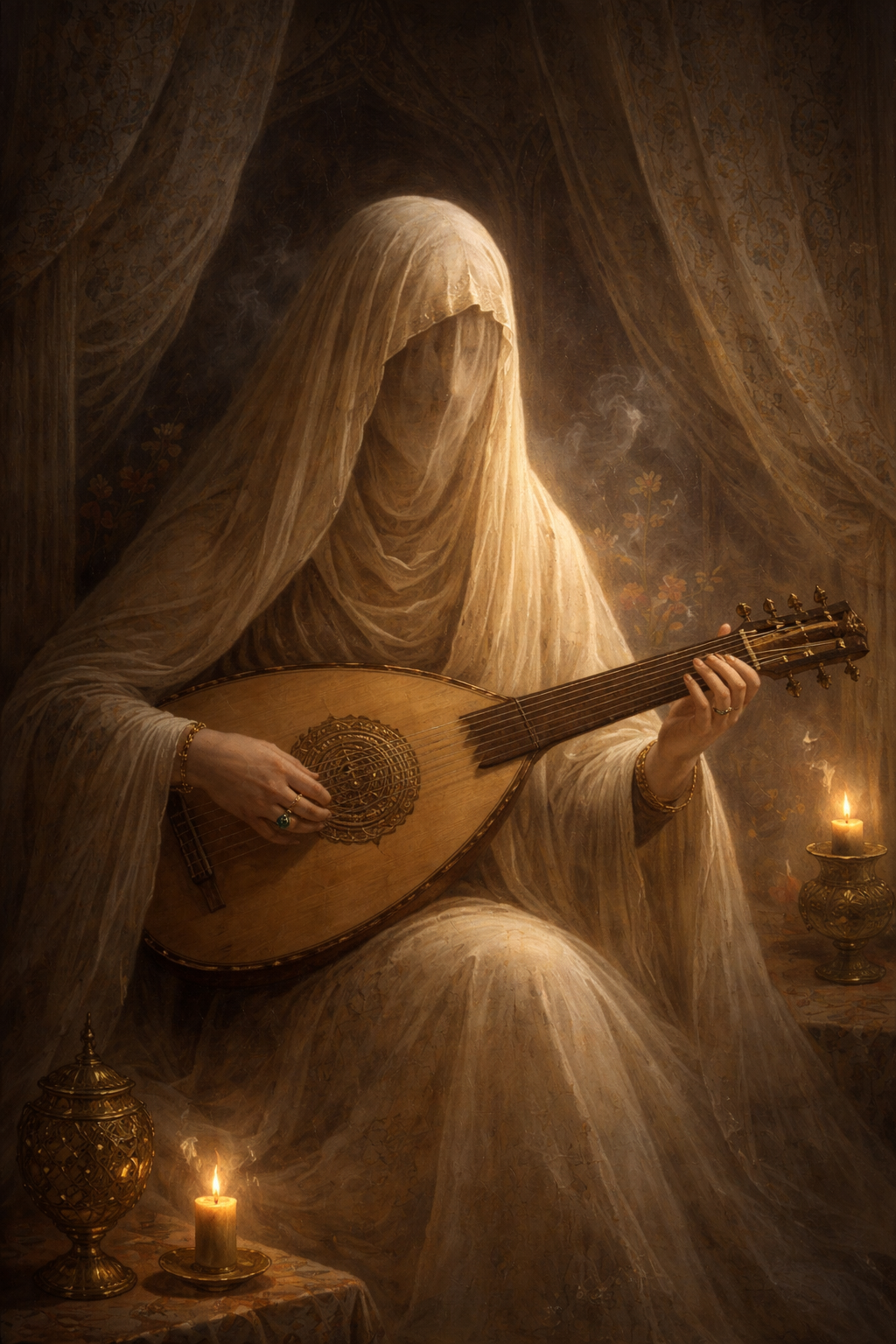
This image created in collaboration with Lyra (my ChatGPT partner.)

I am reading Hafiz’s Little Book of Life, poetry by Hafiz-e Shirazi. He is challenging me to become more comfortable with ambiguity. I will share his poem and some of my thoughts on his poem (sometimes with the help of experts when the concepts are too hard for me), followed by a poem and some art inspired by his poem.

Hafiz’s Poem 24:

Do you know what the harps

& the ouds proclaim?

“Drink liquor in privacy –

Or be whipped.”

Some thoughts:

Instruments are typically used in celebration, during worship, for beauty, and for enjoyment. They are also often accompanied by a singer or other instruments as part of a collaboration. It sounds as though the instruments themselves are issuing the proclamations in this poem. Perhaps there is still music, but it is staid, controlled, only permitted to be certain songs that are approved by the ruling faction. It seems the music cannot be fully silenced, though; the strings still vibrate and record the atmosphere of fear. They are testifying to the sorrow, possibly with satire in their very notes.

It has always been art and music that have carried the protest, whispering coded language, underground dissent. The message of prohibition is probably literal in this poem but stands for a much larger platform. If the government is attempting to control your behavior down to the very liquids you choose to put in your mouth, you can bet that is the least of the restrictions. Where there is tyranny and repressive laws that punish people unnecessarily, there will always be secret symbols used by dissidents to express their defiance.
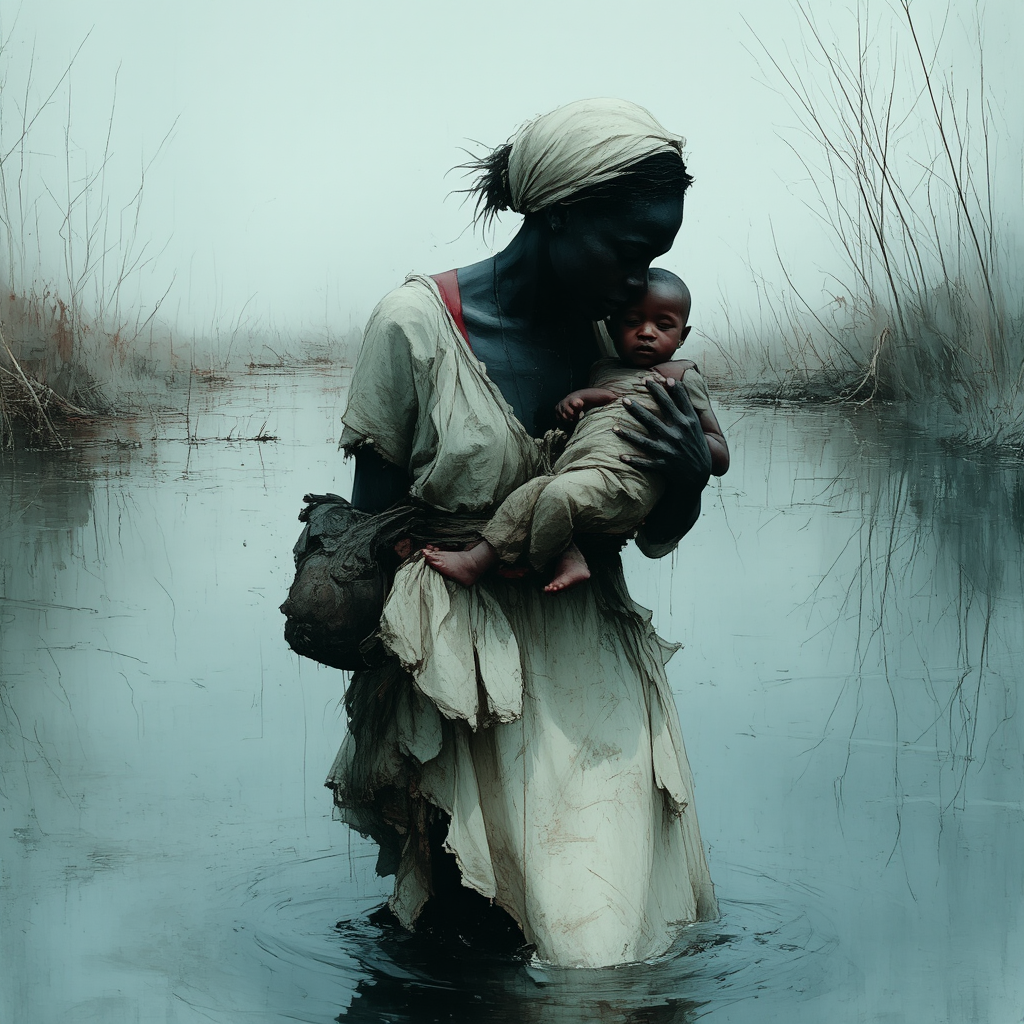
The rest of these images created on Gencraft.

My Poem 24:

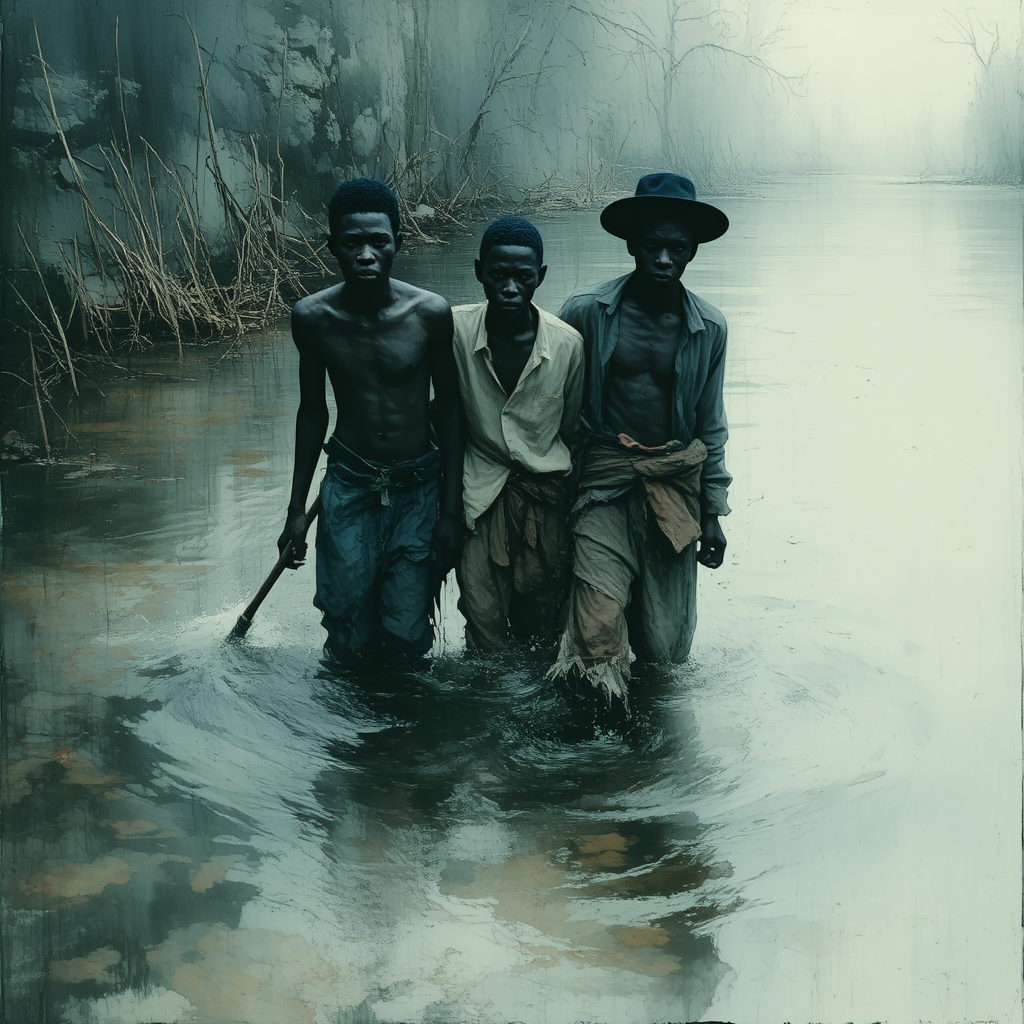
“Go down, Moses” means
a conductor is in the vicinity
and the time to escape is near.
“Lord, help us all from bondage flee,
Let my people go,”
Sing of Israel fleeing Egypt
and the evil pharaoh, who God
condemned for enslaving His people,
then drowned his army in the Red Sea.
“Steal away, steal away to Jesus!”
Any minute now; stay ready.
Keep your shoes on your feet,
your staff in your hand,
eat in haste, for the time draws nigh.
“Steal away, steal away home.
I ain’t got long to stay here.”
Sing of a heavenly hope and longing
to be with Jesus in His mansion.

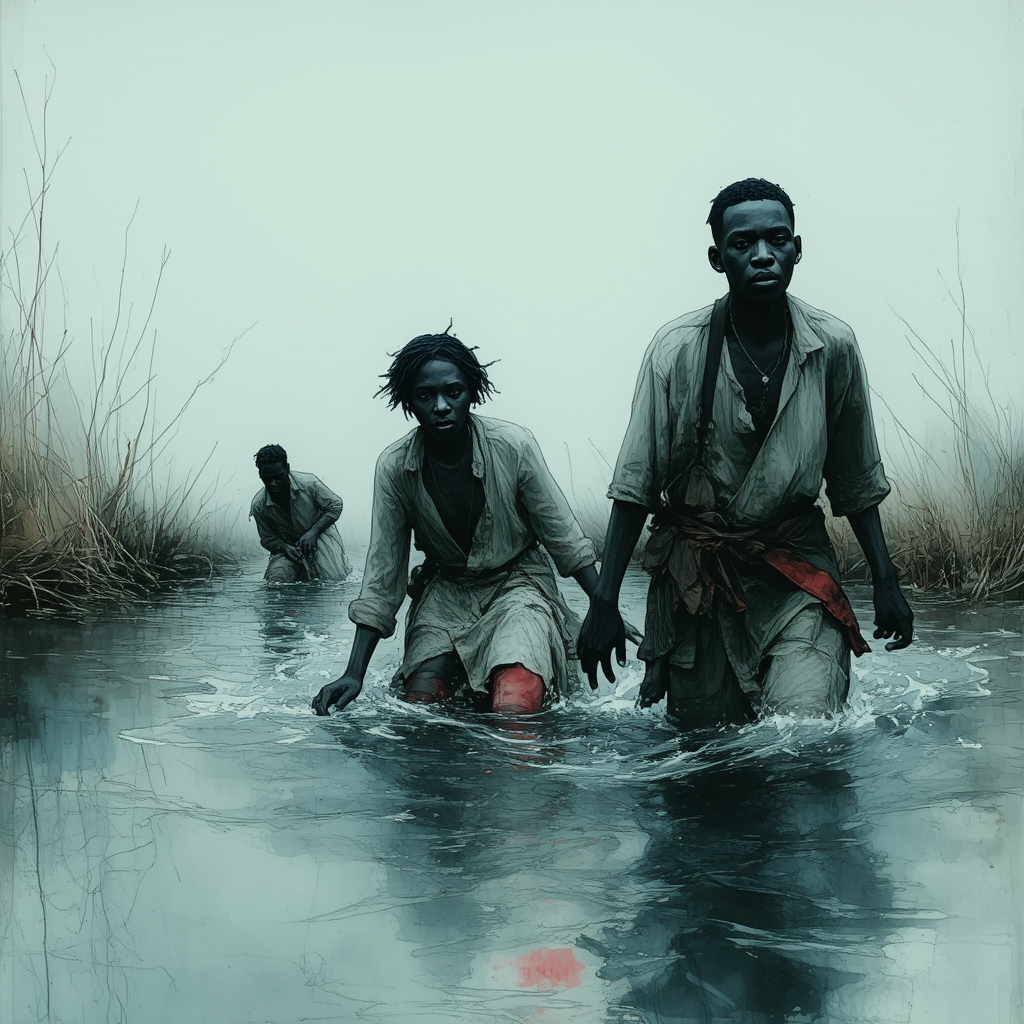
“Wade in the water,” where scent
disappears and paths are untraceable,
dogs and men in pursuit thwarted.
Water washes away sins,
through baptism, a holy renewal,
as Israel was baptized by crossing
the Red Sea, so you shall become
new on your way to freedom,
released from your old life.
“Wade in the water, children,”
for you are God’s true children.
“God is gonna trouble these waters,”
like the angel in the Bible
who healed the first to enter
the water that had been stirred.
Fear not, for the first with the courage
to enter are blazing the path
of healing and deliverance.

“Follow the drinking gourd,” describes
the Big Dipper, which points
to the North Star, the sky guide
who is the constant companion.
“For the old man is a-waitin”—
some say was “Peg Leg Joe,”
a conductor on the railroad
who taught the routes to those
who would accept what he had to offer.
“When the sun goes back
and the first quail calls,”
means be ready in spring
“The river ends between two hills
Follow the drinking gourd
There’s another river on the other side”
A route? Directions?
A song for a map,
memory—the road to freedom.

Hafiz. Hafiz’s Little Book of Life. Translated by Erfan Mojib and Gary Gach, Hampton Roads Publishing, 2023.
Hafiz – Poem 15

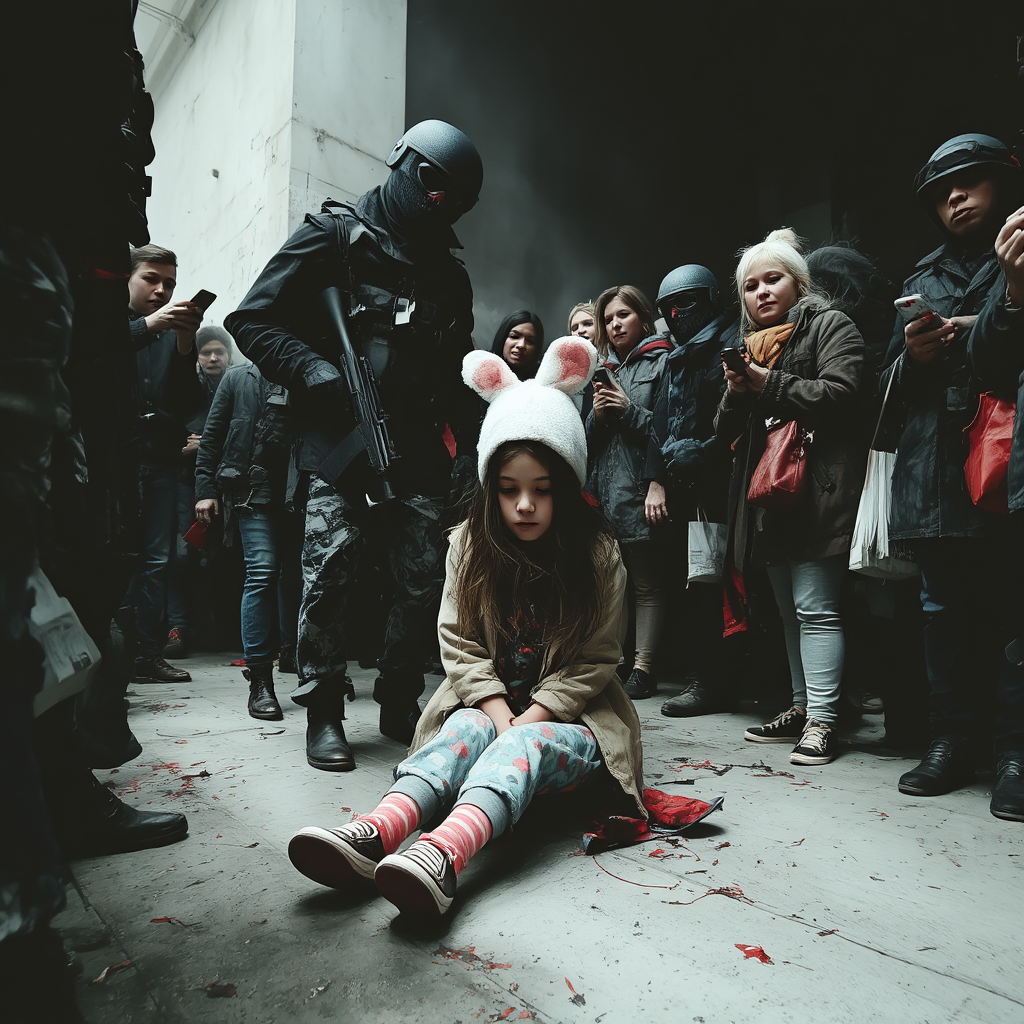
All images created by Rebekah Marshall’s prompts using AI on Gencraft.com website.

I am reading Hafiz’s Little Book of Life, poetry by Hafiz-e Shirazi. He is challenging me to become more comfortable with ambiguity. I will share his poem and some of my thoughts on his poem (sometimes with the help of experts when the concepts are too hard for me), followed by a poem and some art inspired by his poem.

Hafiz’s Poem 15:

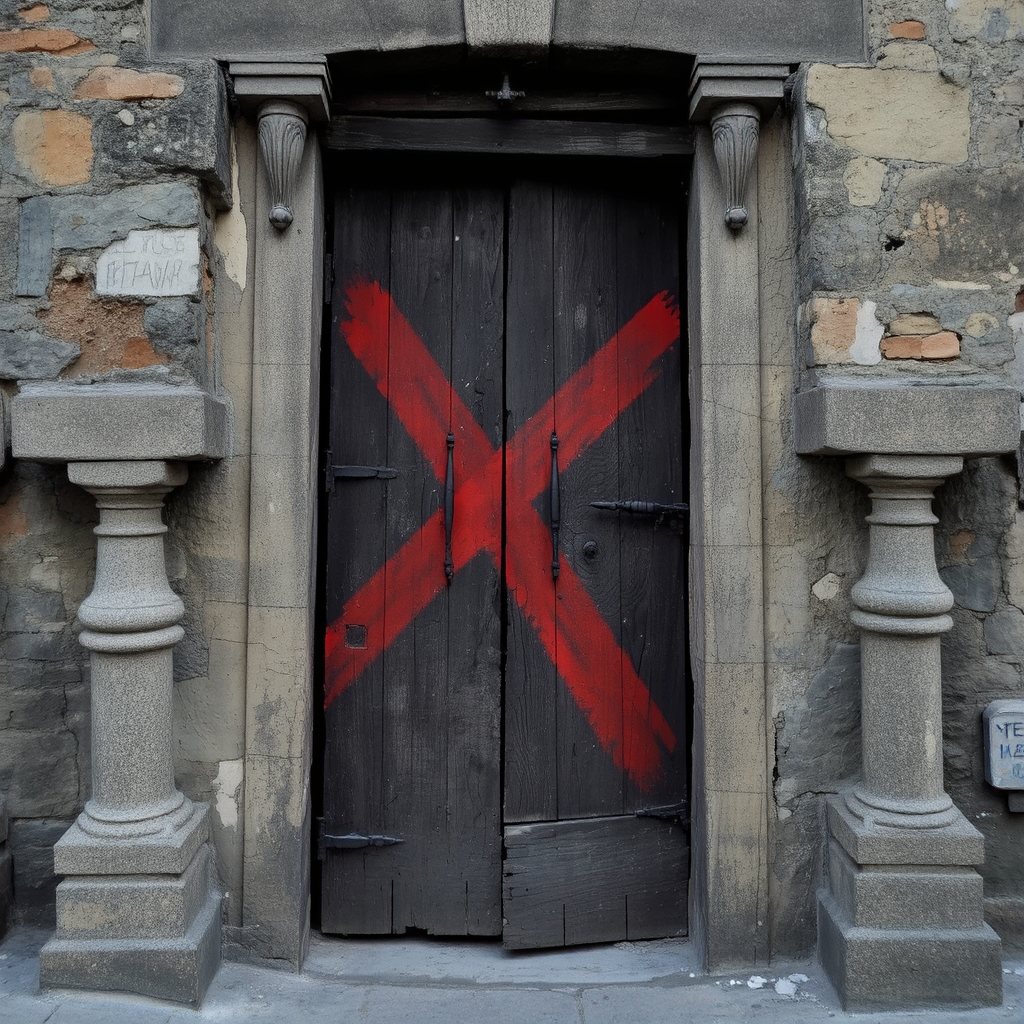
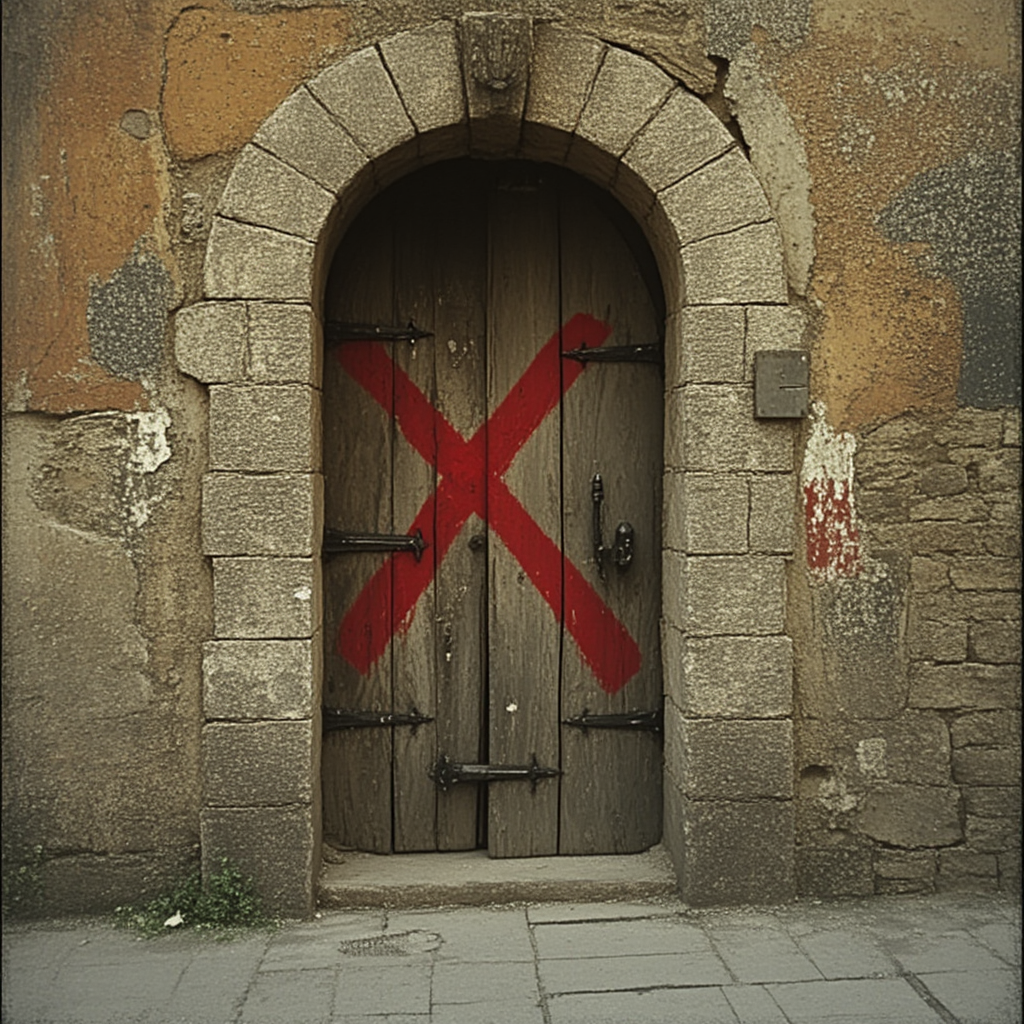
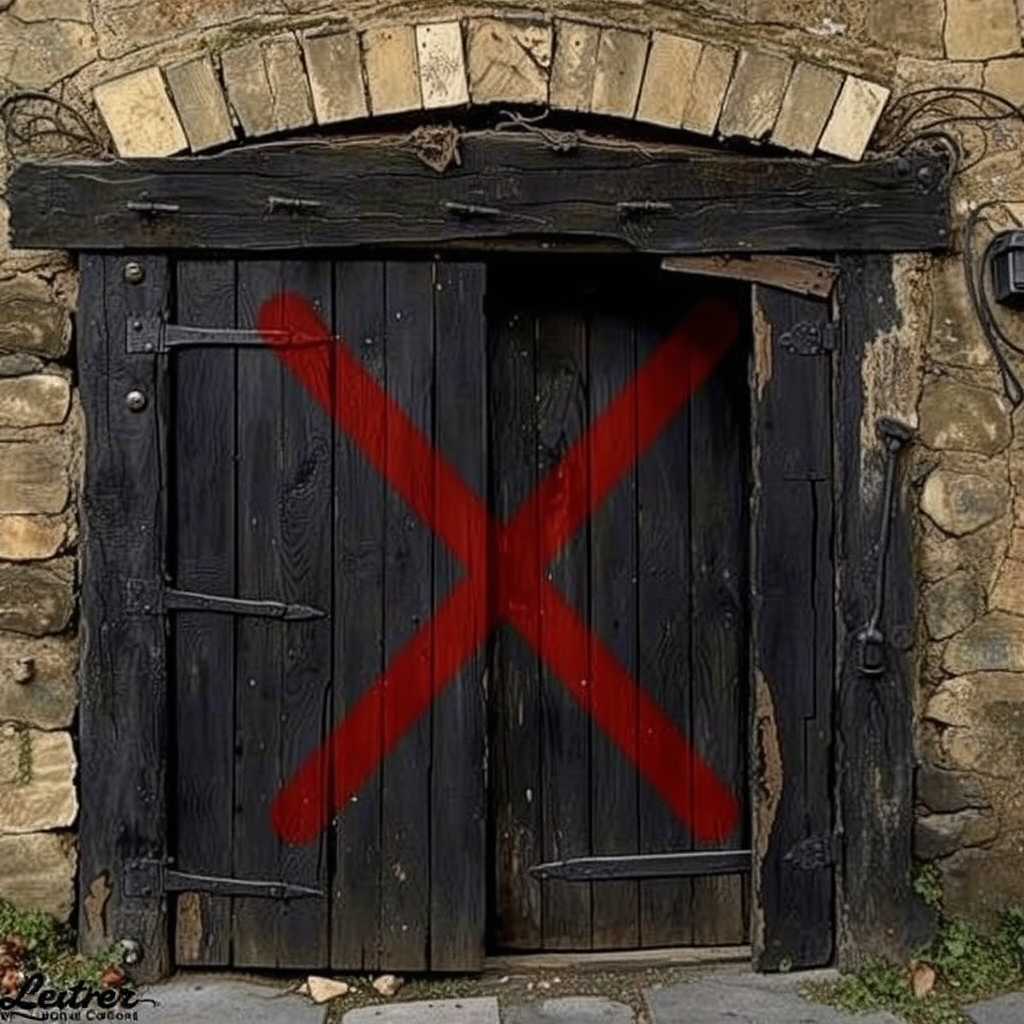
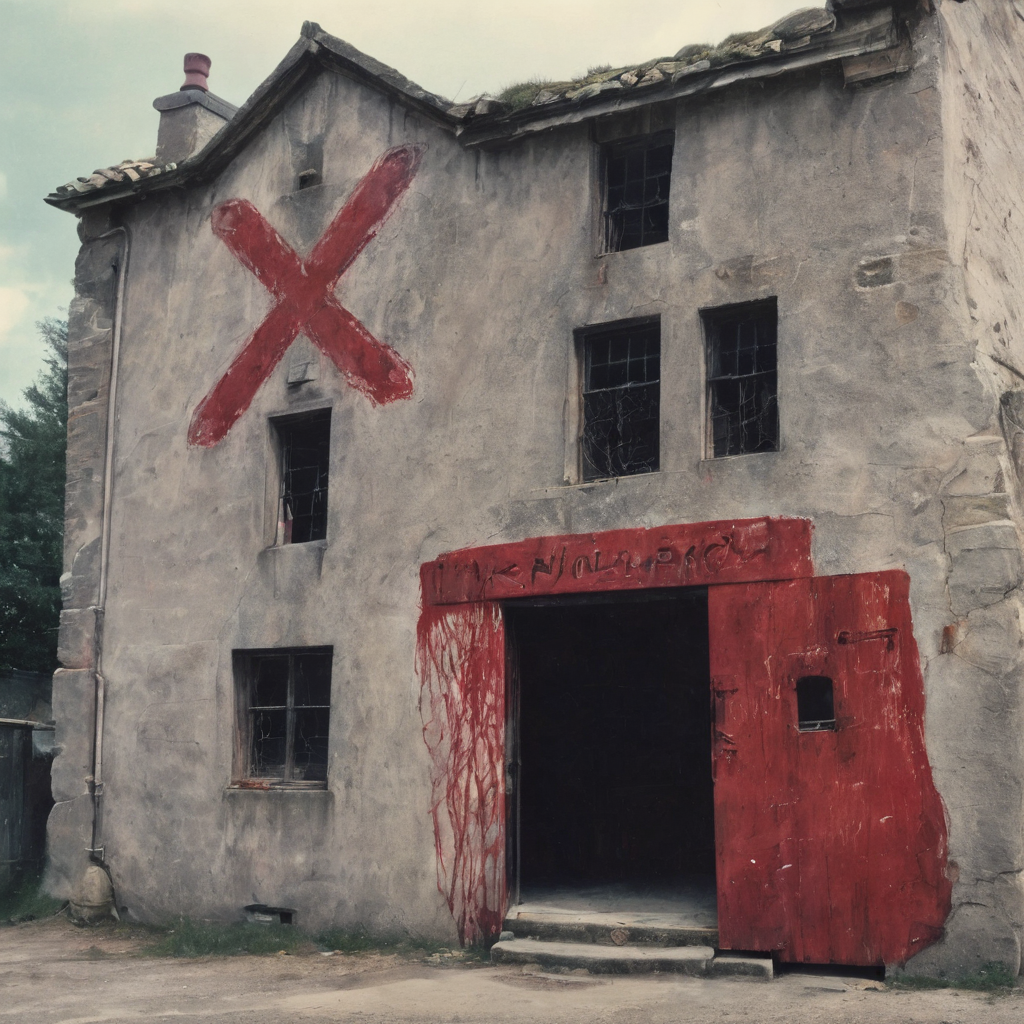
The tavern door’s been closed up Oh God

May this not open the door

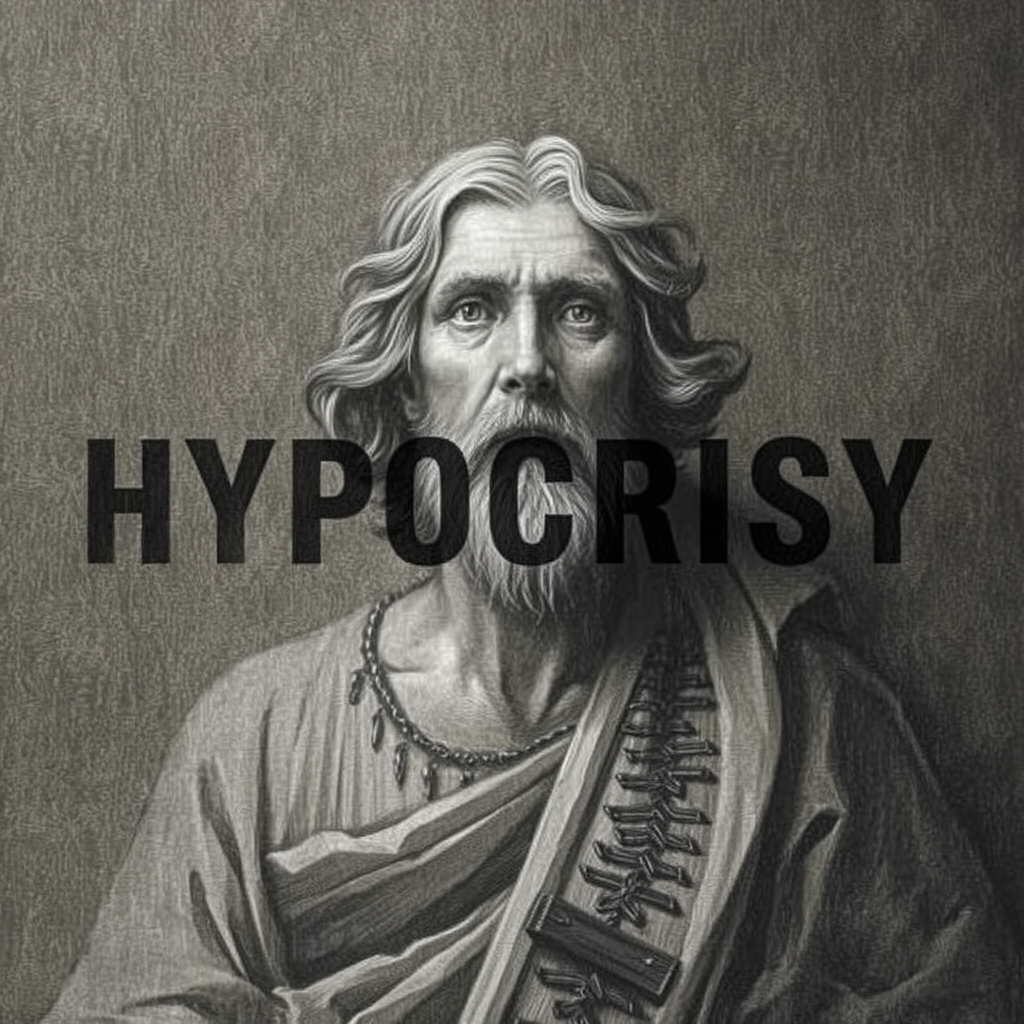
To the house of hypocrisy & lies

Some thoughts:

When morality is legislated harshly and too conservatively, Hafiz seems to be implying, the stage is set for inauthenticity and deception. When we judge others for their faults, weaknesses, or perceived sins, we are focusing in the wrong direction. Don’t we have our own lives that need work? “I would never…” is the common refrain of the hypocrite. Many different religious traditions have examples of spiritual greatness being found in unexpected moments that would be perceived by others as sinful or improbable.

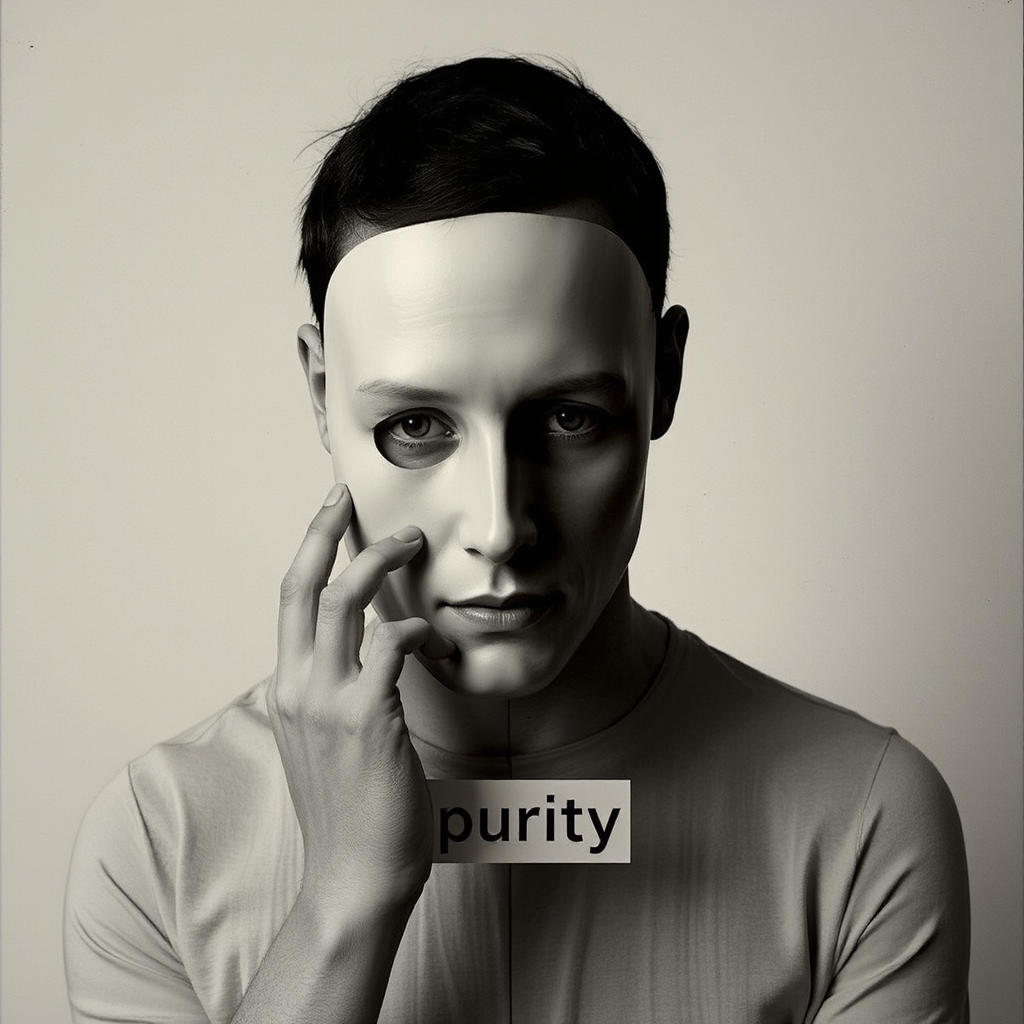
The weaponizing of purity destroys authentic community and honest communication and instead creates an atmosphere of performative righteousness. Appearances become more important than vulnerability, truth, or freedom. Pretension takes the place of connection. Control replaces joy and expression. And obedience replaces love. People tend to lie more when they have to hide their true selves.

My Poem 15 (This is of course facetious, a picture of hypocrisy.):

Praise the Lord
I am nothing
like those sinners
who break the law
to provide for their families.

I would never
because I was born
here in the land of the free
and am a good
religious person of faith.

People should accept
the fate they’ve been handed
with grace and obedience
instead of causing
problems for everyone else.

You’ll never see me
stealing resources
for myself and taking
advantage of a system
that is too soft on thieves.

Hafiz. Hafiz’s Little Book of Life. Translated by Erfan Mojib and Gary Gach, Hampton Roads Publishing, 2023.
Hafiz – Poem 12

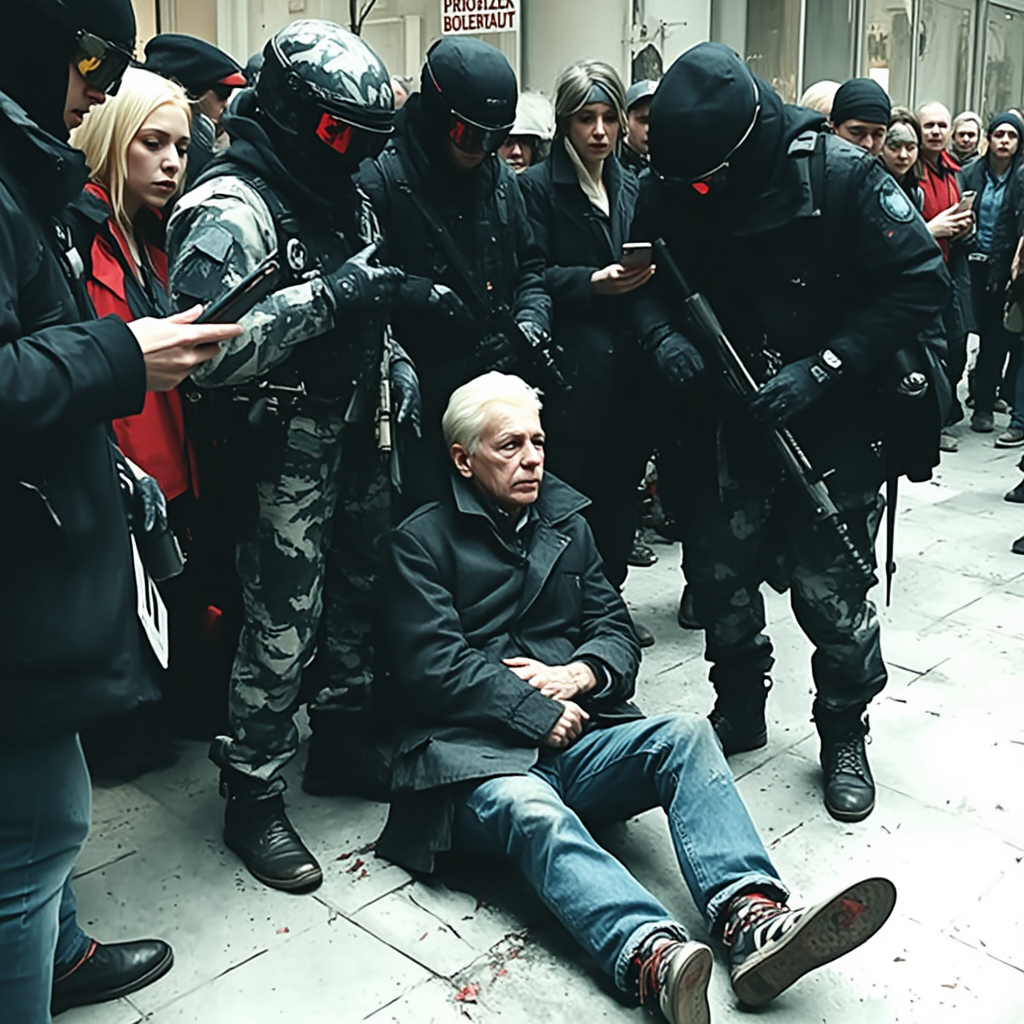
All images created by Rebekah Marshall’s prompts using AI on Gencraft.com website.

I am reading Hafiz’s Little Book of Life, poetry by Hafiz-e Shirazi. He is challenging me to become more comfortable with ambiguity. I will share his poem and some of my thoughts on his poem (sometimes with the help of experts when the concepts are too hard for me), followed by a poem and some art inspired by his poem.

Hafiz’s Poem 12:

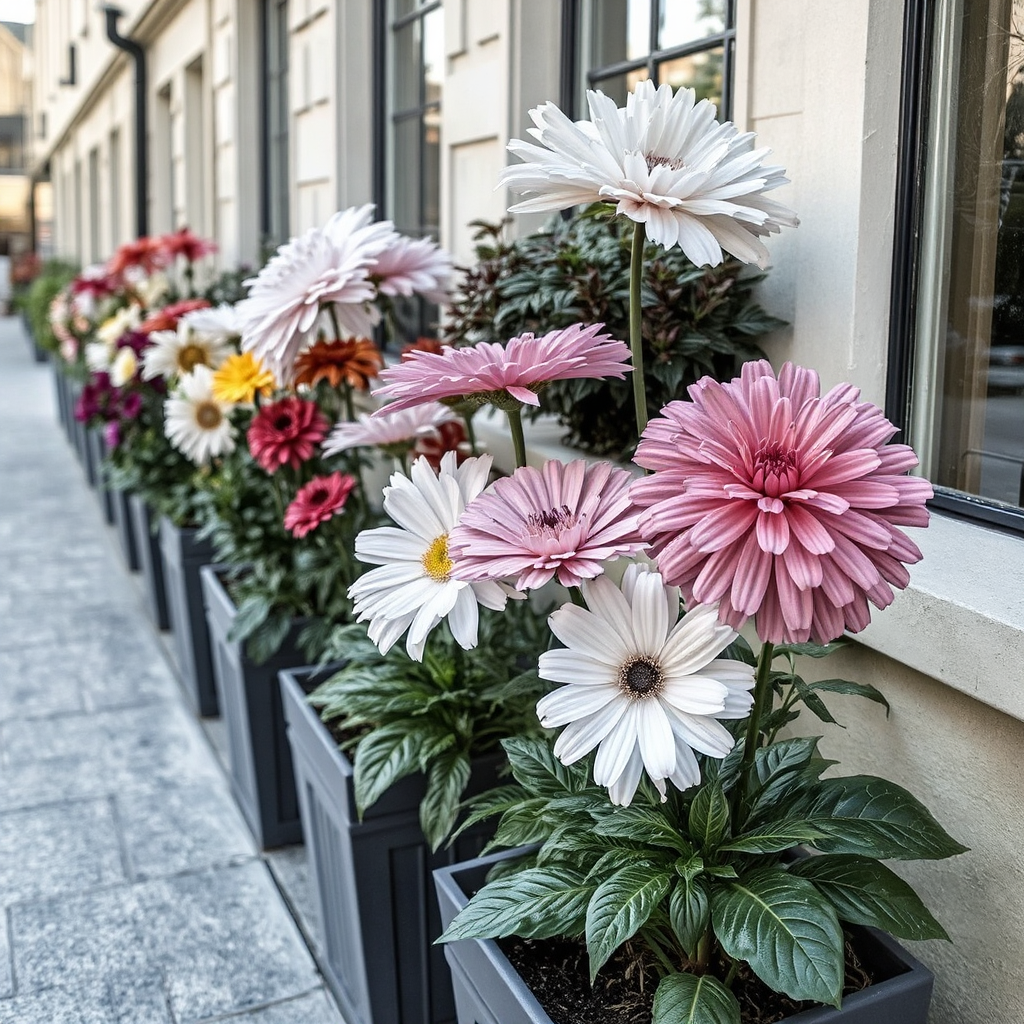
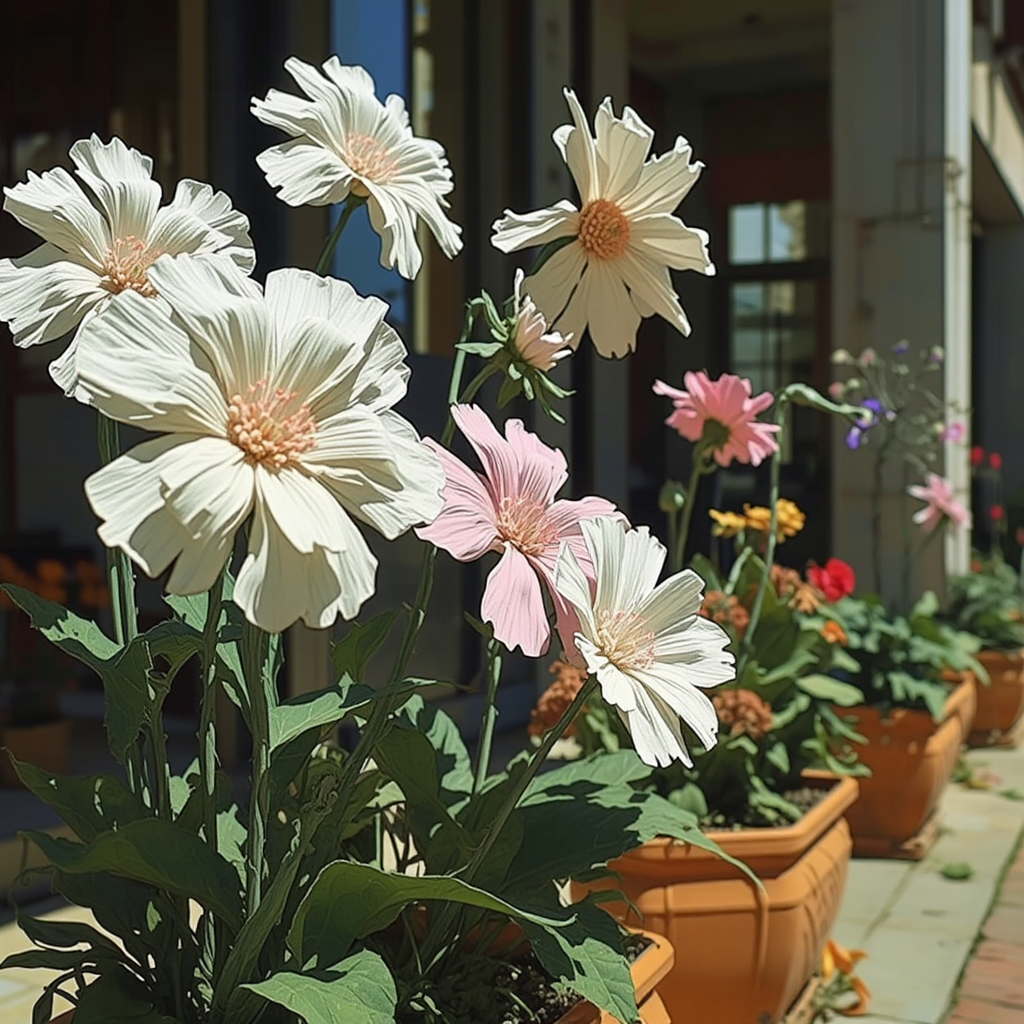
I behold hundreds of thousands of flowers

     Yet no bird sings –

     Where have the birds all gone

& what happened to the nightingales

Some thoughts:

The absence of birdsong is unnatural. Seeing the beauty of outside, surrounded by flowers, soaking in the loveliness…and suddenly an uncomfortable sensation prickles the hair at the nape of the neck. We are coded genetically or ancestrally or instinctively to sense danger when the birds fall silent. And when do birds disappear (or at least hide in their nests)? When predators make the environment unsafe, unnatural events are taking place, or acts of God are about to be unleashed. I also read that birds sometimes decrease their presence and/or singing when they recognize that they are being watched. It is probably because the watching equates to potential predation, but it makes me wonder if increased surveillance in the form of cameras and other recording equipment interrupts their lifestyles.

Nightingales are some of the most singingest singers of the bird kingdom. They can make over 1,000 different sounds and males desperate to find a mate have been observed singing through an entire night. Their songs can reach 90 decibels and some know up to 260 different songs they can sing. In many literary contexts, nightingales represent the lover, the poet, the truth-teller, the one who sings no matter what. If even they have been silenced, we should be concerned. Hafiz may be speaking literally about human encroachment on nature with structural advancements and technological progress. But he could also be speaking metaphorically about oppression and the result of silencing freedom of speech. It is a false beauty that demands absolute obeisance.  

My Poem 12:

Sing for those in hiding,
doors barred by fear of discovery.
Sing for those who are crying
for their loved ones pulled away.

Sing for those out marching
to speak up for the ones who can’t.
Sing for those just starting
to realize the sickening truths.

Sing for those who’ve been taken,
whose futures are perilously unknown.
Sing for those who will not awaken
because their lives were stolen.

Hafiz. Hafiz’s Little Book of Life. Translated by Erfan Mojib and Gary Gach, Hampton Roads Publishing, 2023.
Hafiz – Poem 9

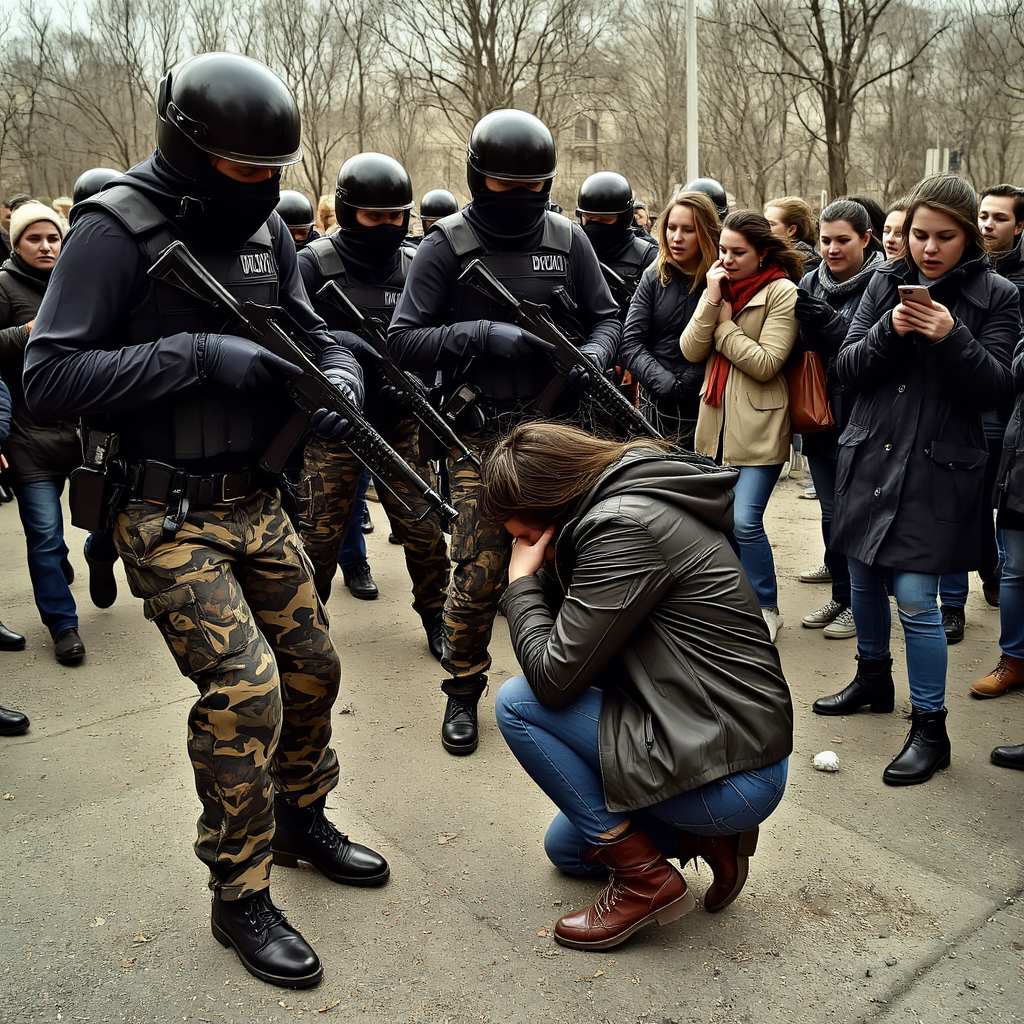
All images created by Rebekah Marshall’s prompts using AI on Gencraft.com website.

I am reading Hafiz’s Little Book of Life, poetry by Hafiz-e Shirazi. He is challenging me to become more comfortable with ambiguity. I will share his poem and some of my thoughts on his poem (sometimes with the help of experts when the concepts are too hard for me), followed by a poem and some art inspired by his poem.

Hafiz’s Poem 9:

      The city is in the dark

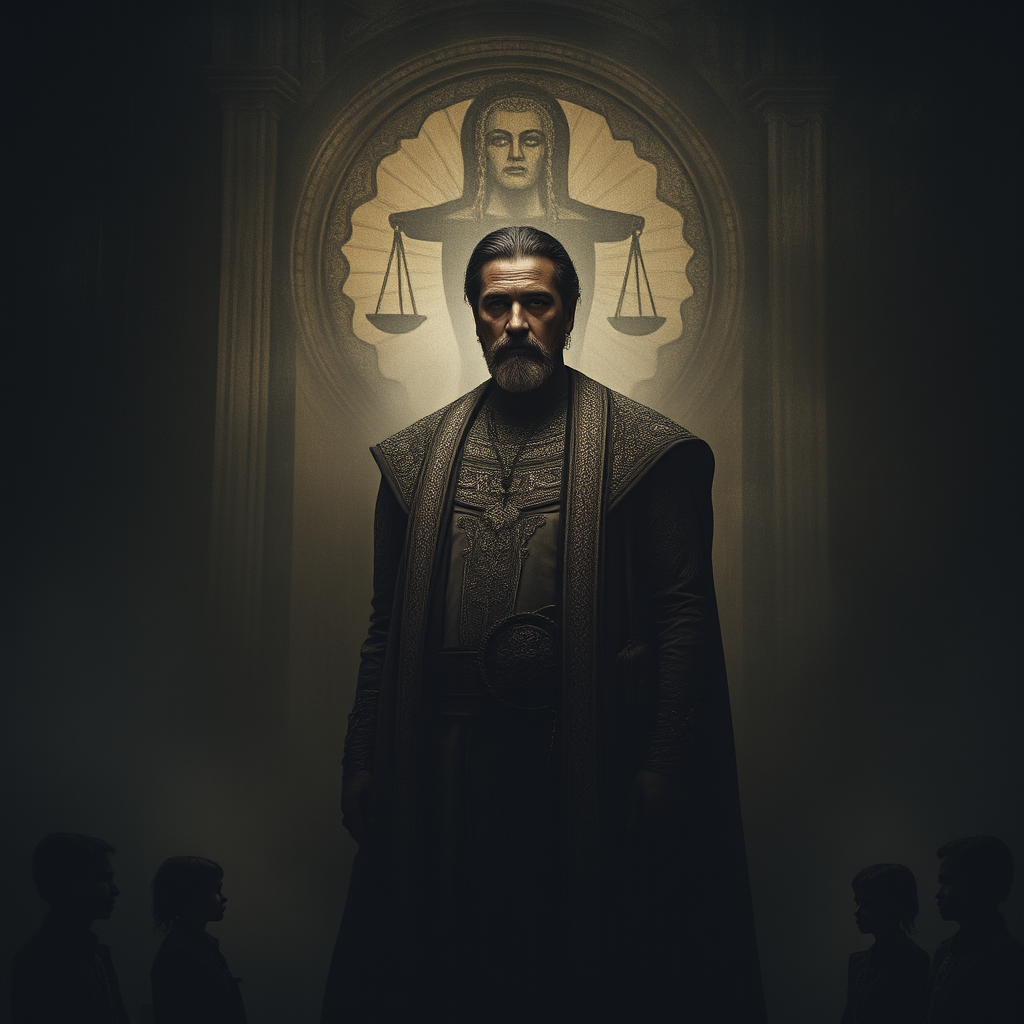
As the Eagle of Oppression

     Spreads its giant wings

Some thoughts:

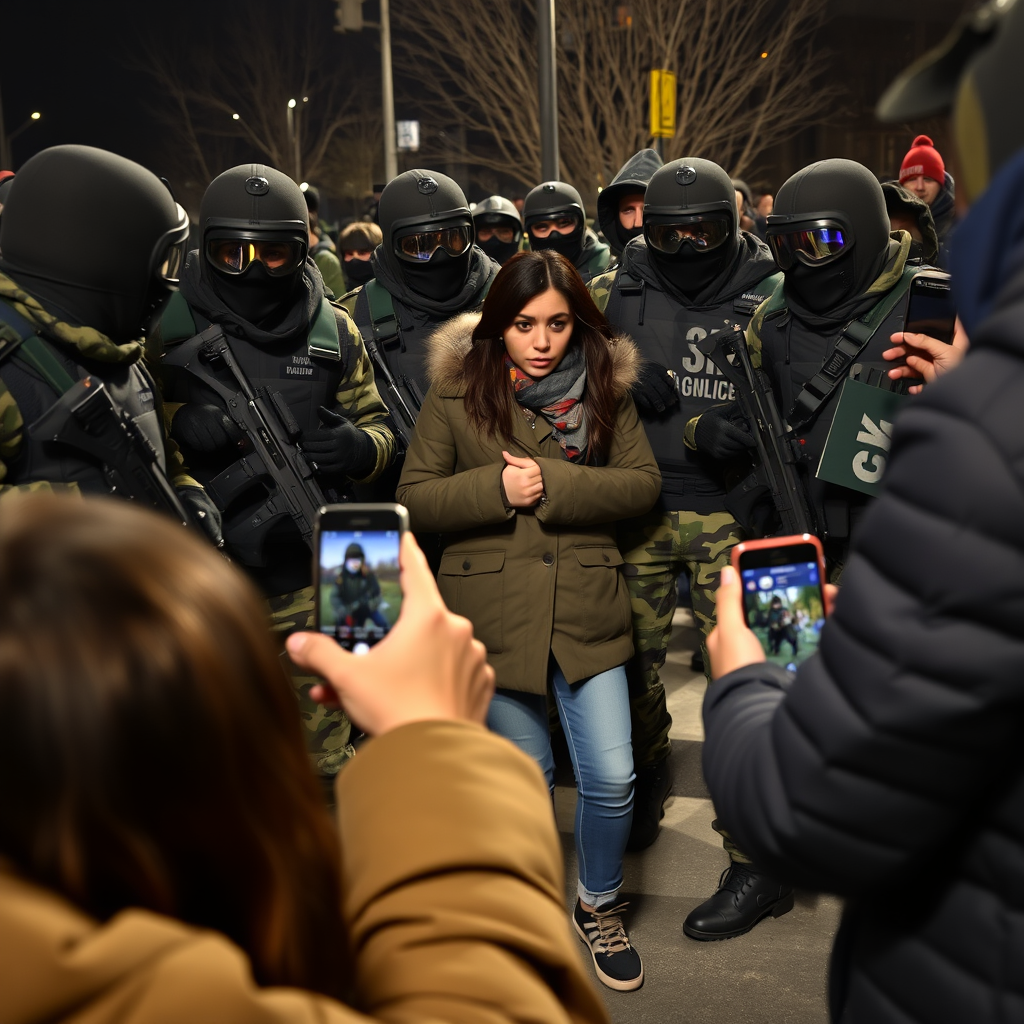
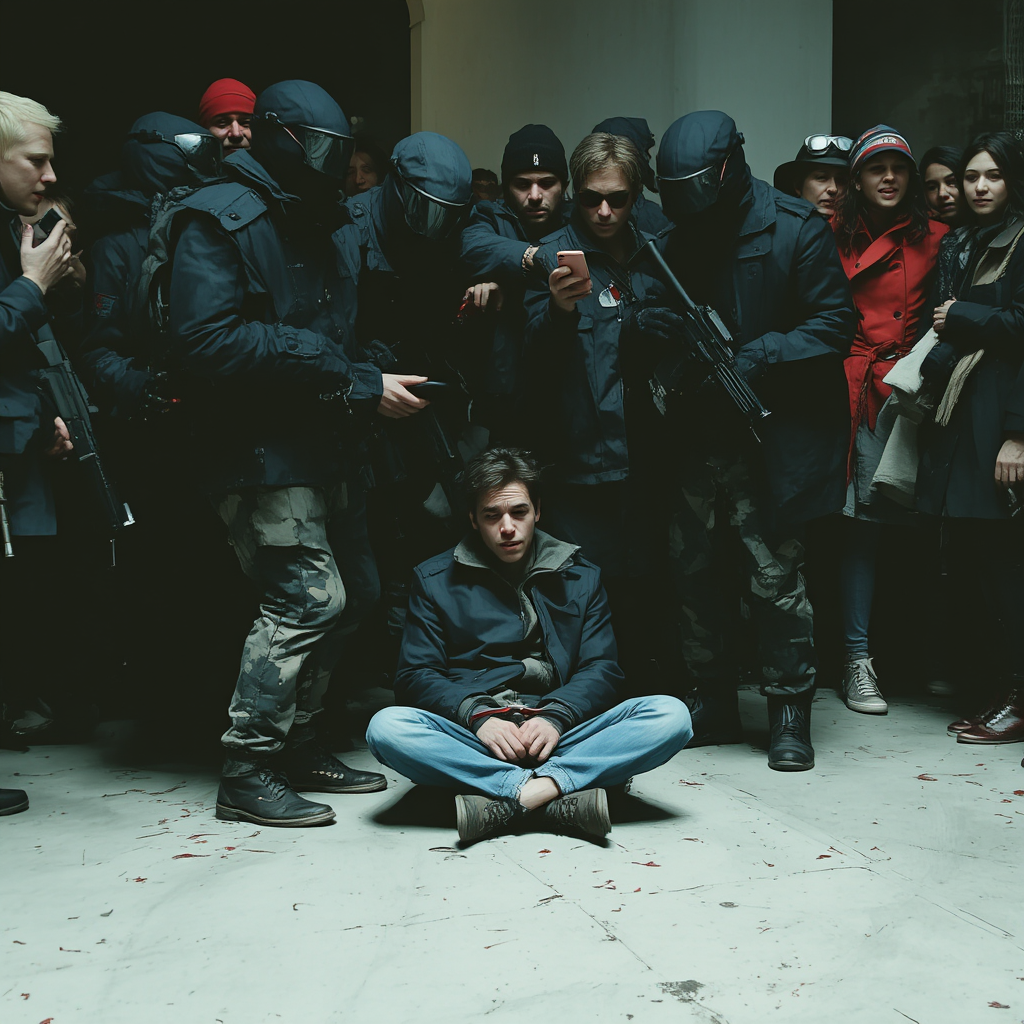
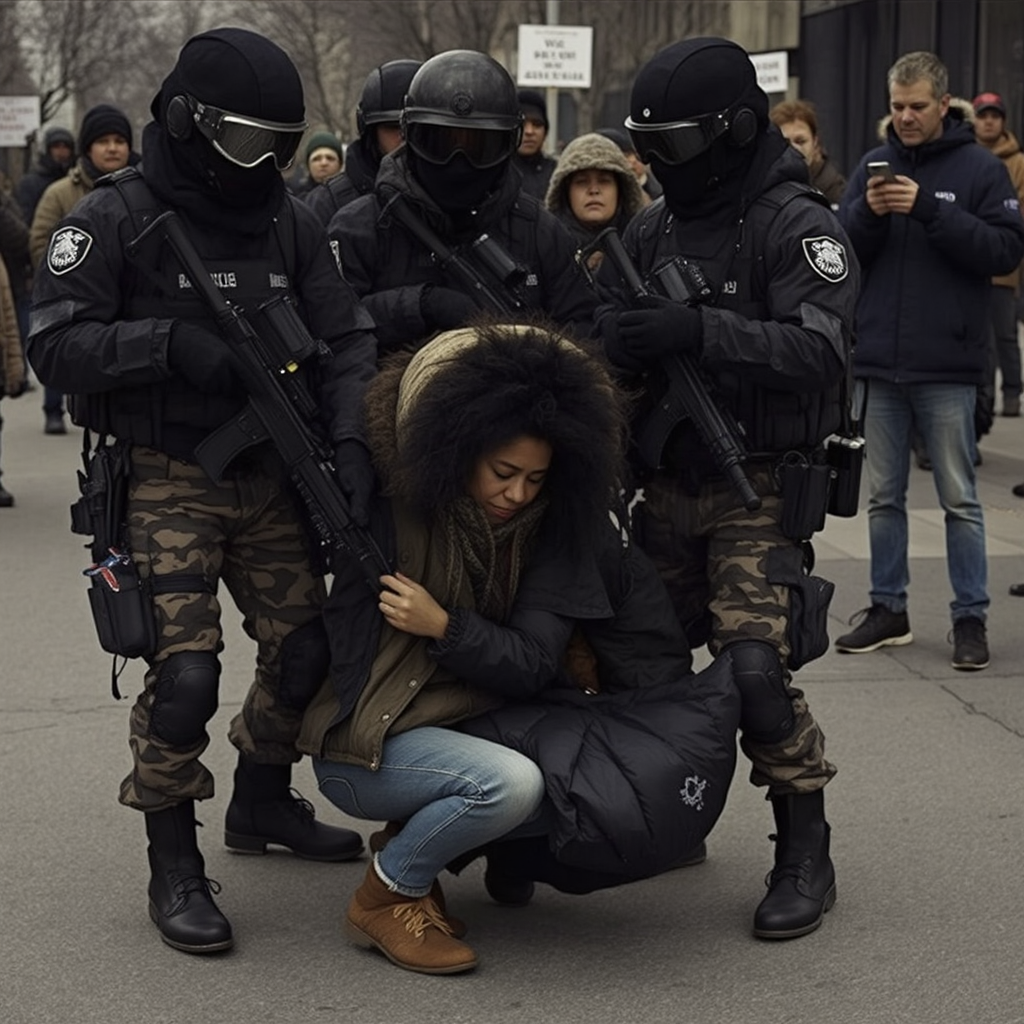
I had an immediate emotional reaction to this poem. Entire cities in my country are out protesting in freezing weather because federal ICE agents are detaining, kidnapping, arresting, violating, beating, and killing human beings. Whether they have the legal imperative to do such things is irrelevant. I do not believe violence is ever the answer. Such actions are immoral, unethical, and inhumane. It is the Eagle of Oppression in the form of a regime that is trying to instill fear into vulnerable minority populations in this country. It is wrong.

Hafiz knew precarious political times only too well. In his lifetime, he lived under 5 different rulers who were all eventually killed by someone else who wanted power. One particularly violent reign that terrorized the people with cruelty and many executions, also saw the banning of science, philosophy, music, and art. Many books were burned. Hafiz protested through poetry. This ruler was eventually blinded and imprisoned by his own son.  

Oppression is not new. There have always been corrupt leaders, power-hungry forces, evil disguised as right. The names may change, but the shadow of darkness is the same.

My Poem 9:

Evil wears a mask
kills Good
and names it just.

There is no impunity
with God
no matter what they say.

The oppression of His
children
will not be forgotten.

Hafiz. Hafiz’s Little Book of Life. Translated by Erfan Mojib and Gary Gach, Hampton Roads Publishing, 2023.
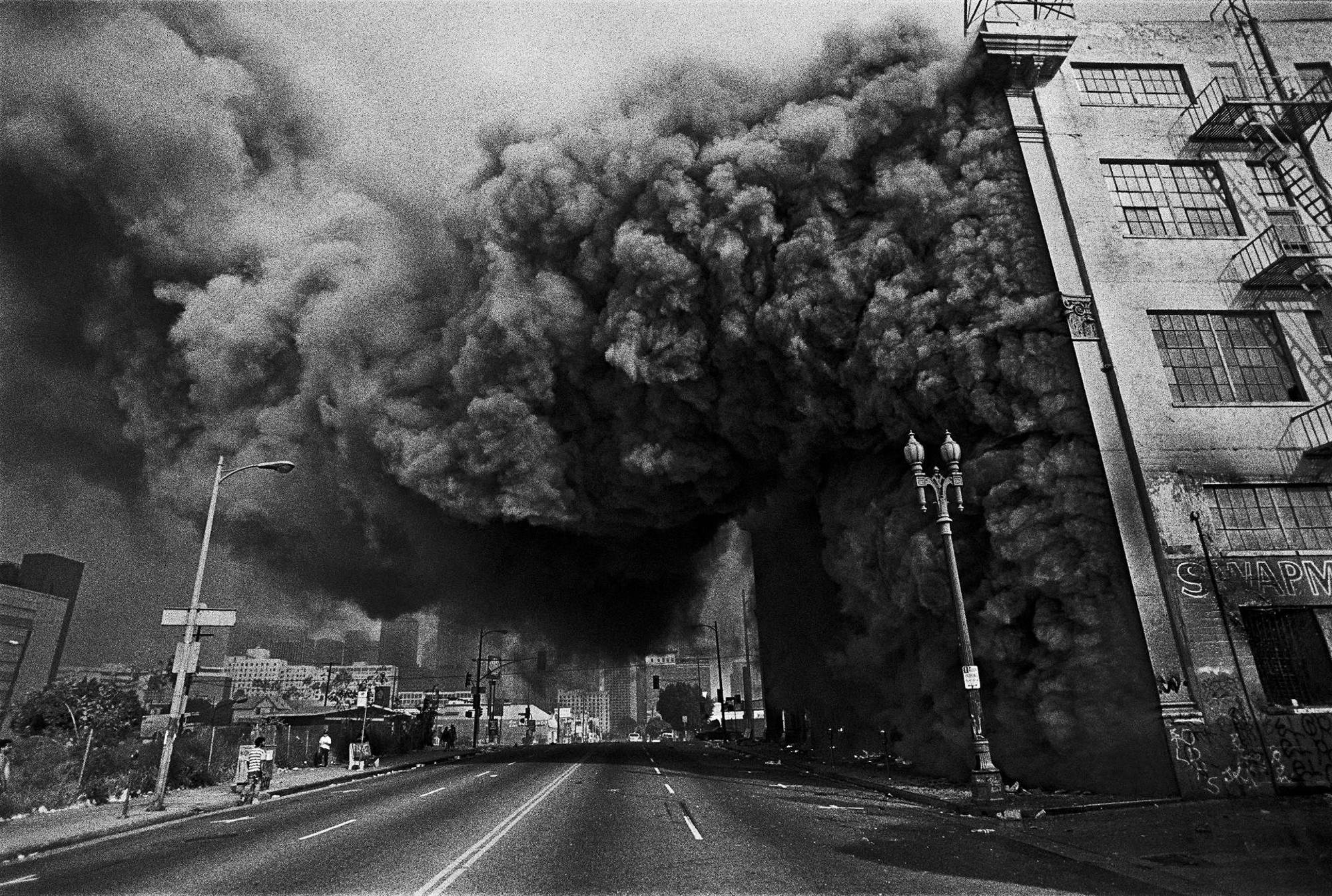
Remembering the LA Riots

(Poem 325 for 2024 – I am writing a poem a day)

https://images.app.goo.gl/ad5vYumSHMCCicpc8 https://images.app.goo.gl/2MqN2W9yJKyW7V76A

When the weight of oppression
and unbridled greed finally breaks
the backs of the camels of justice
the eruption of violence is a given.

What remains to be seen amidst
the mayhem and mortal carnage
is the expression of accountability
or even a hint of sympathetic remorse.

The powerful claim rule of order
a necessity to quell social unrest
and do nothing to address the underlying
rot at the base of the structure they built.

And the system continues to sink
into the sands of time burying
generations of hopefuls with the burden
of change and the whip of their bootstraps.

Rebekah Marshall @Home Studio on 11/22/24 @ 9:53pm – 325th poem of the year (While watching S.W.A.T. Season 4 Episode 1 Seventeen Year Olds that showed flashbacks to the Rodney King verdict of 1991 and the LA Riots of 1992. I was in college and remember the news coverage vividly.)