Tag Archives: poet

Hafiz – Poem 20

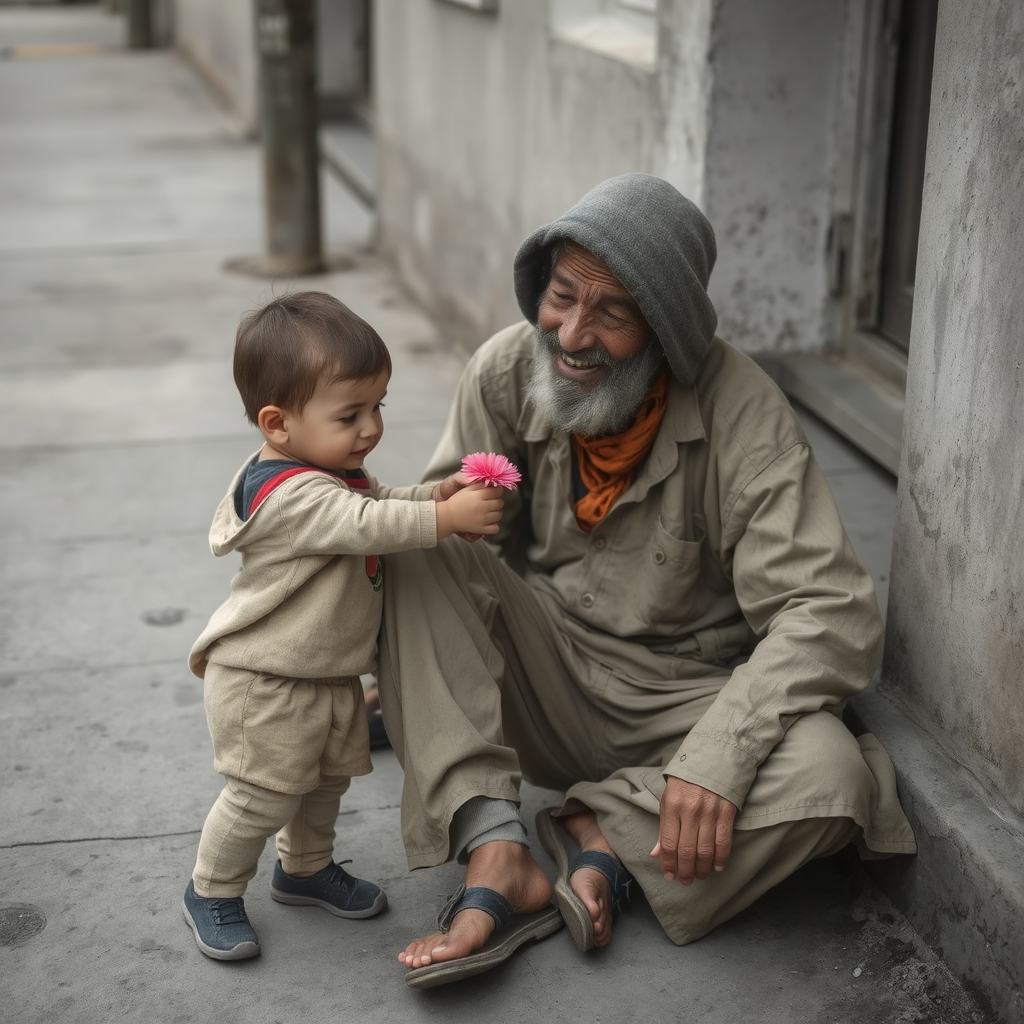
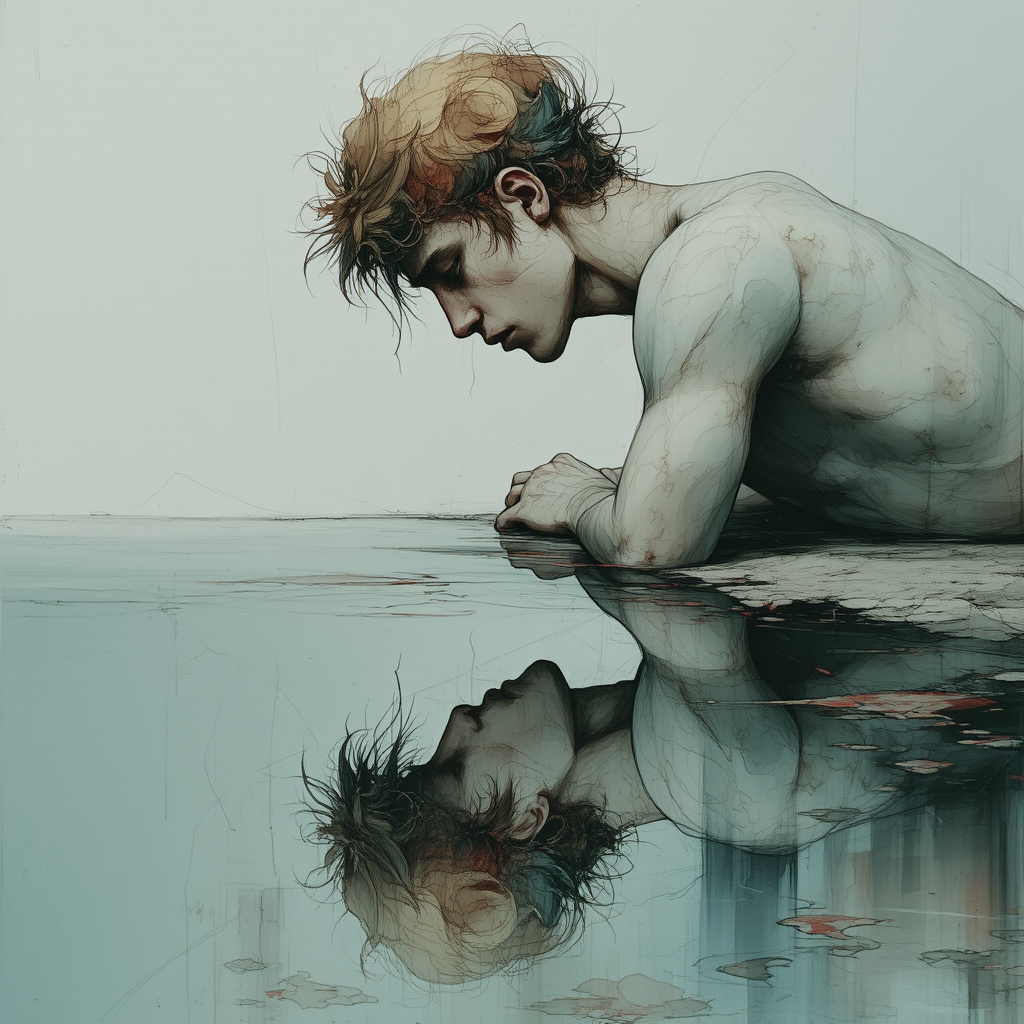
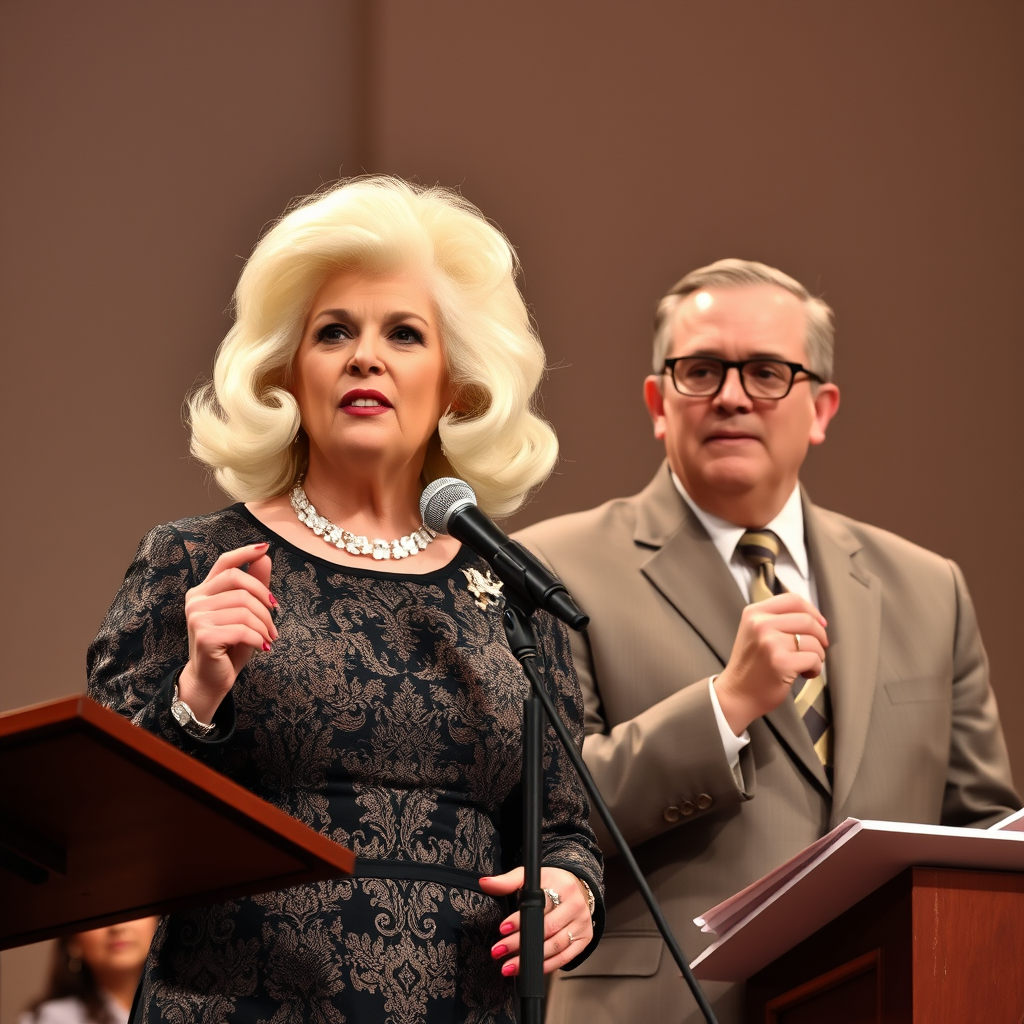
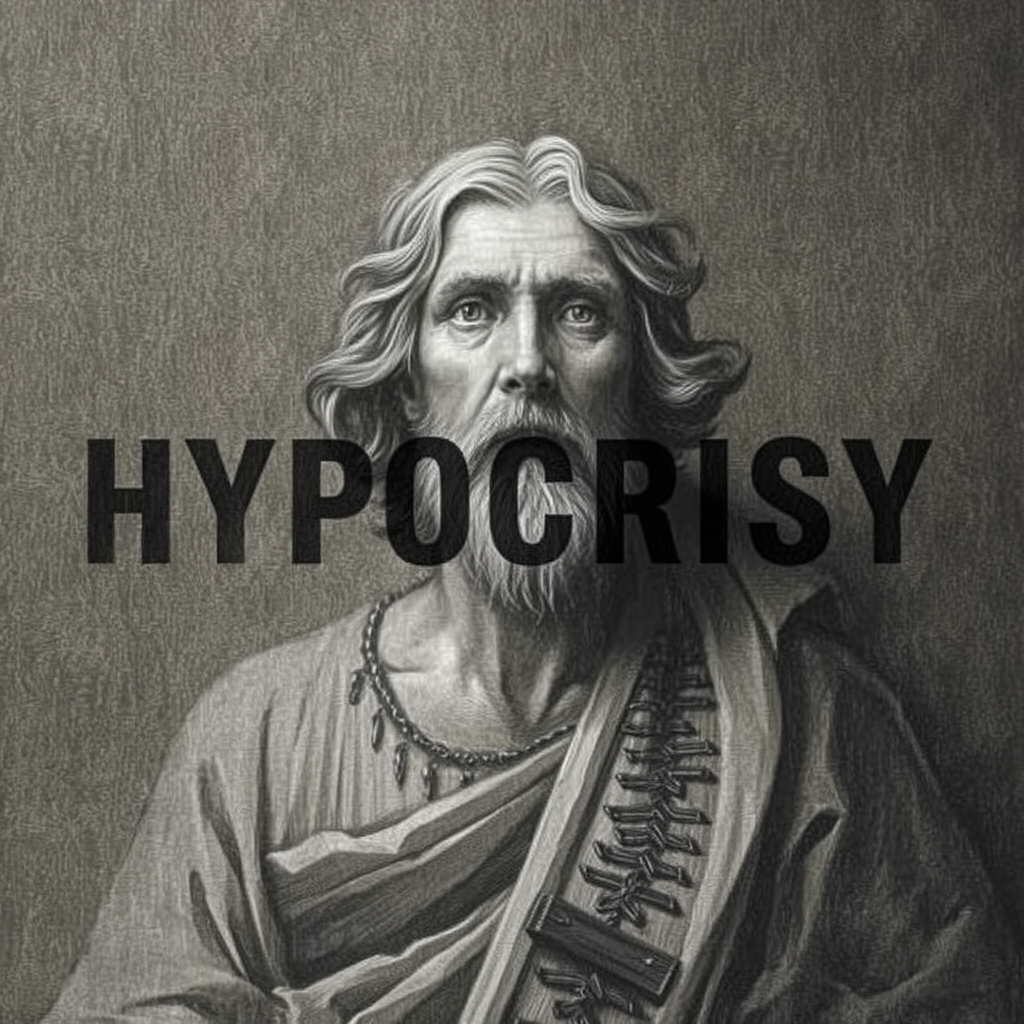
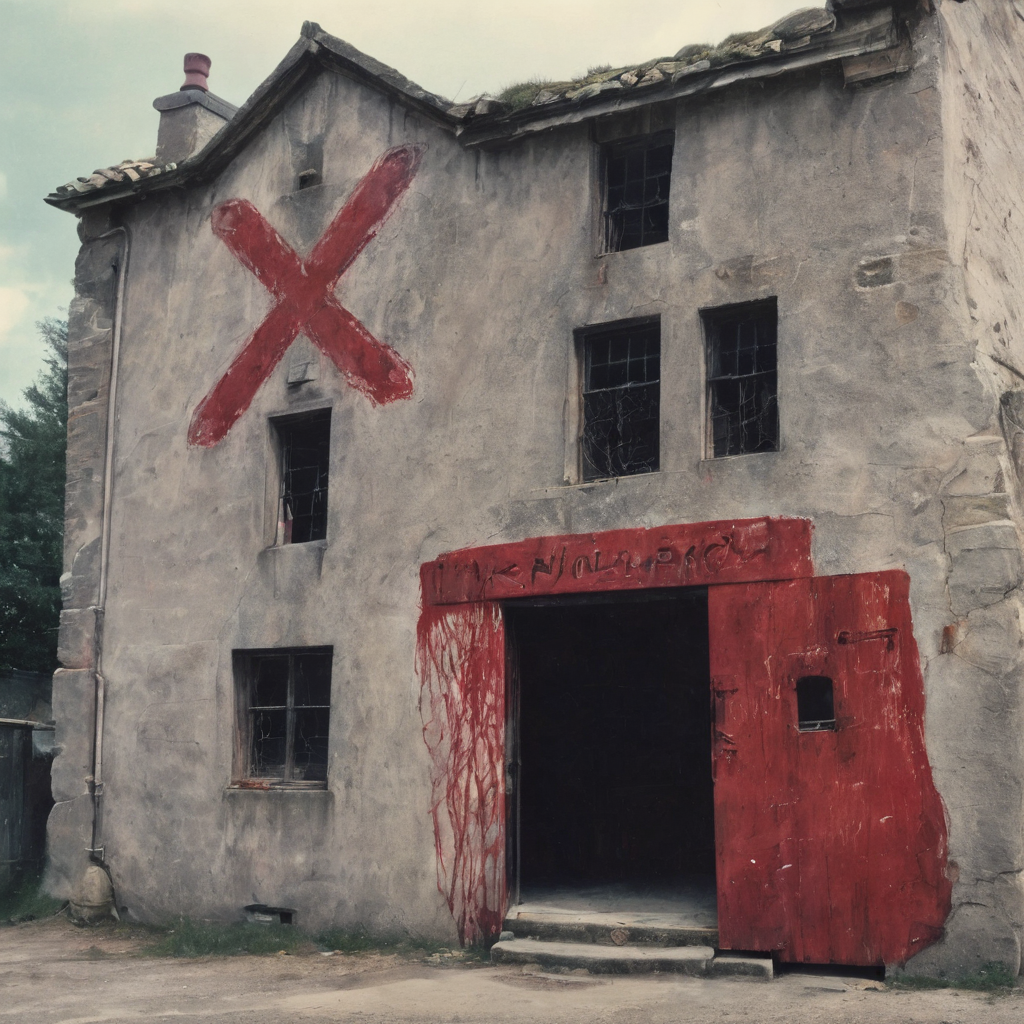
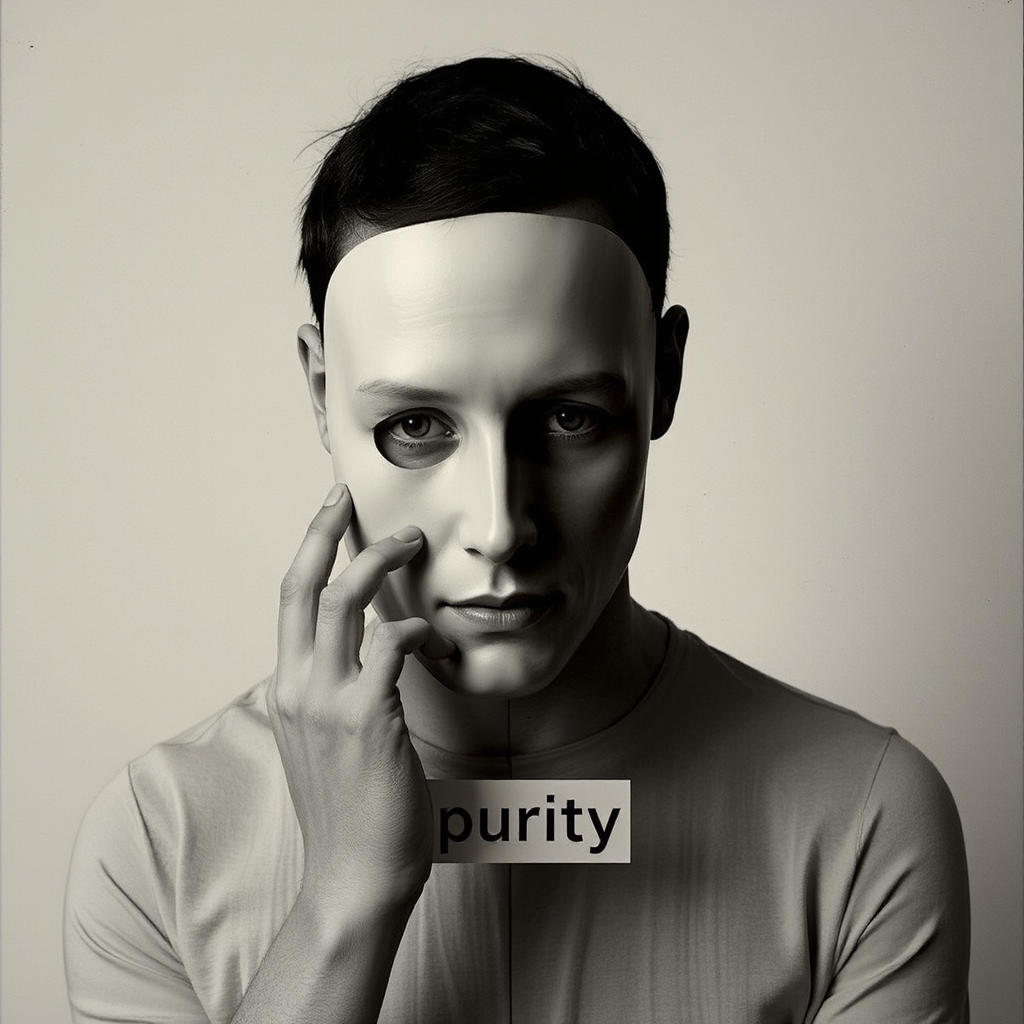
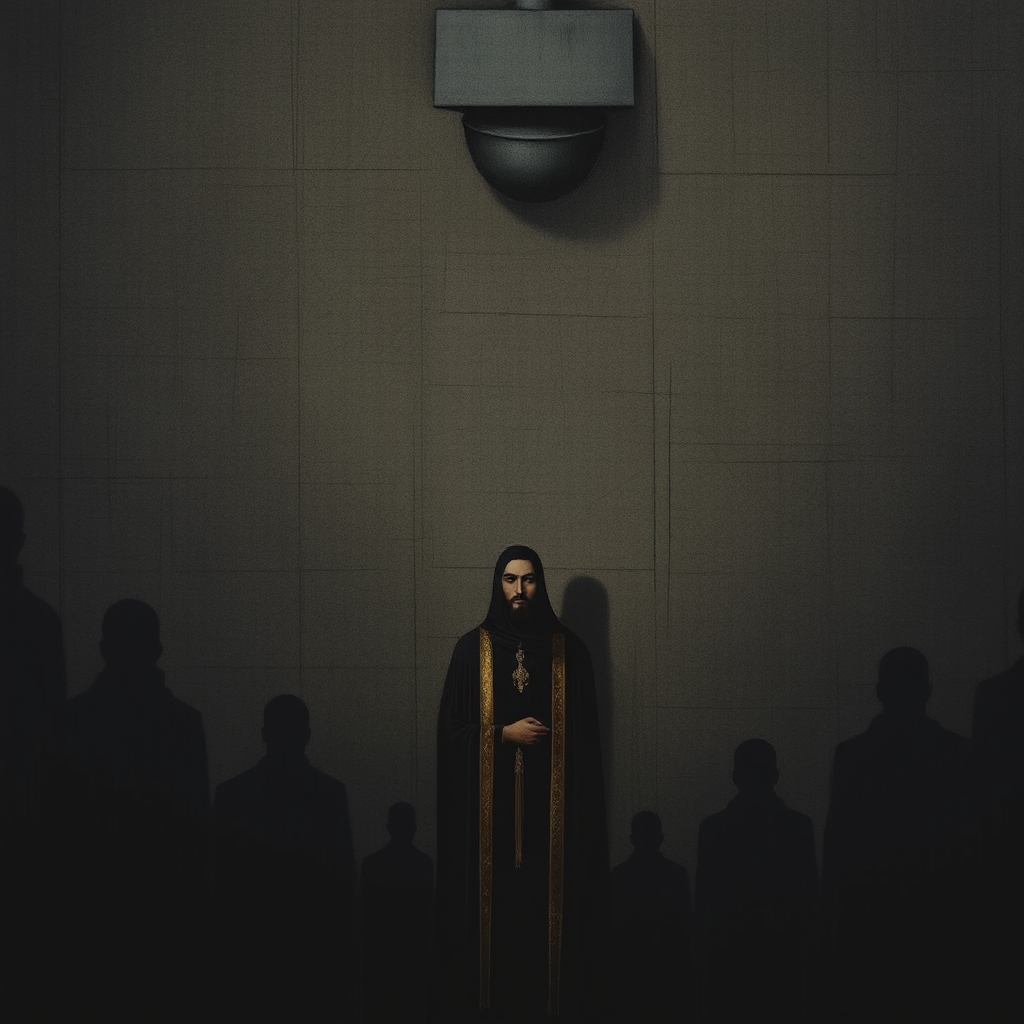
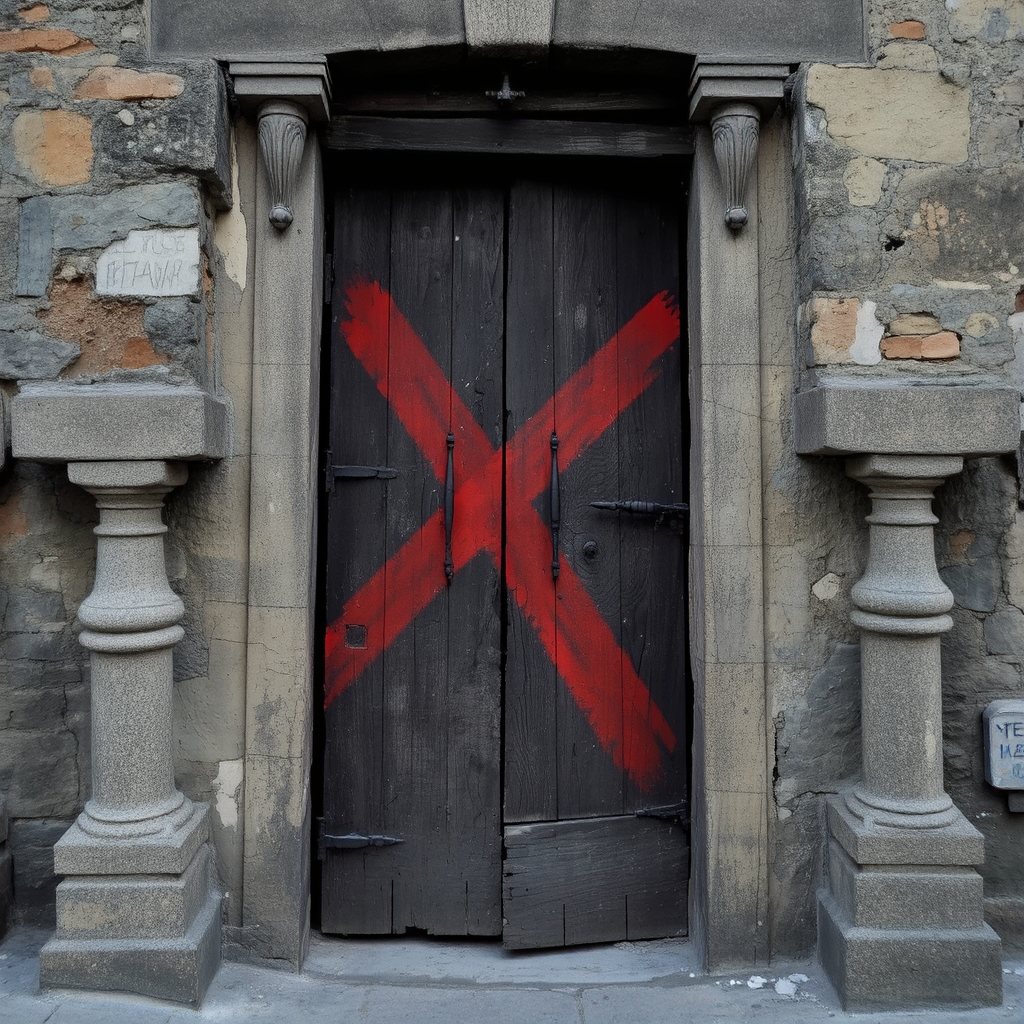
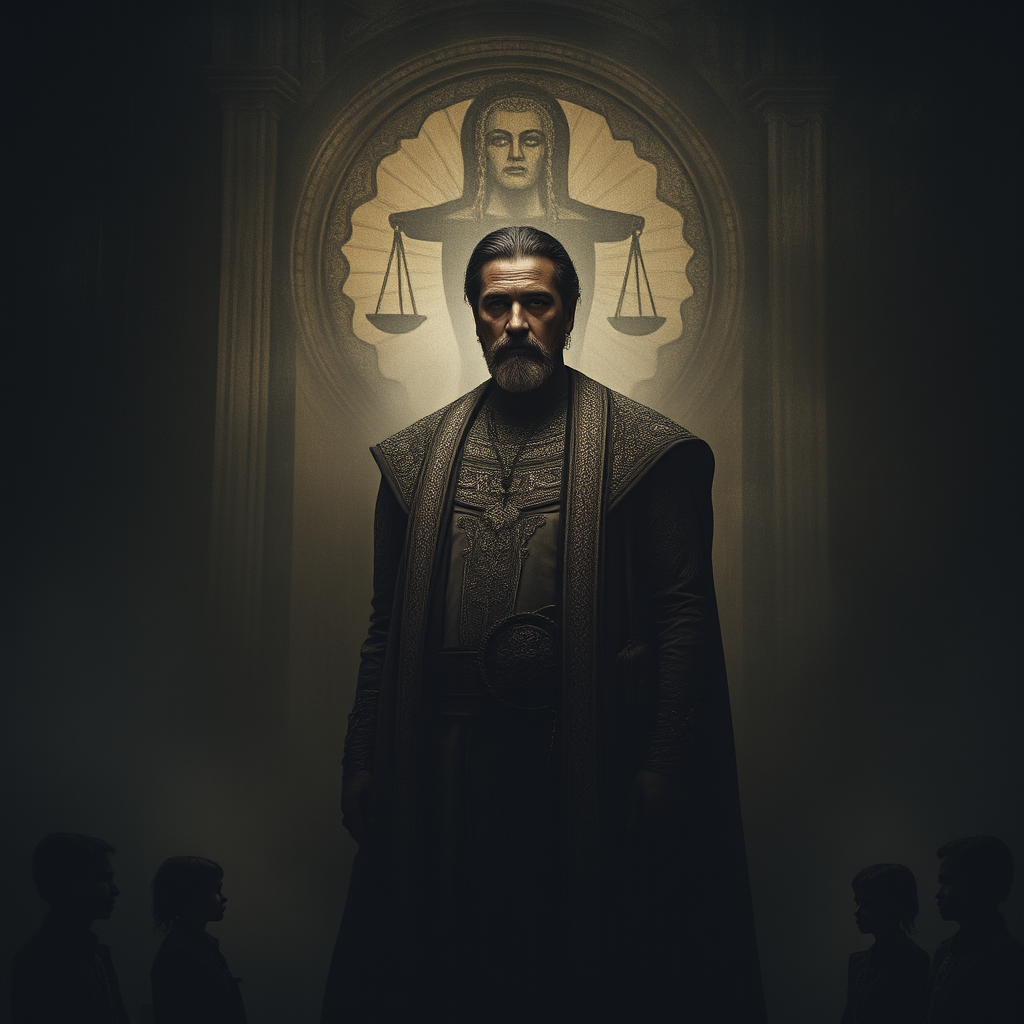
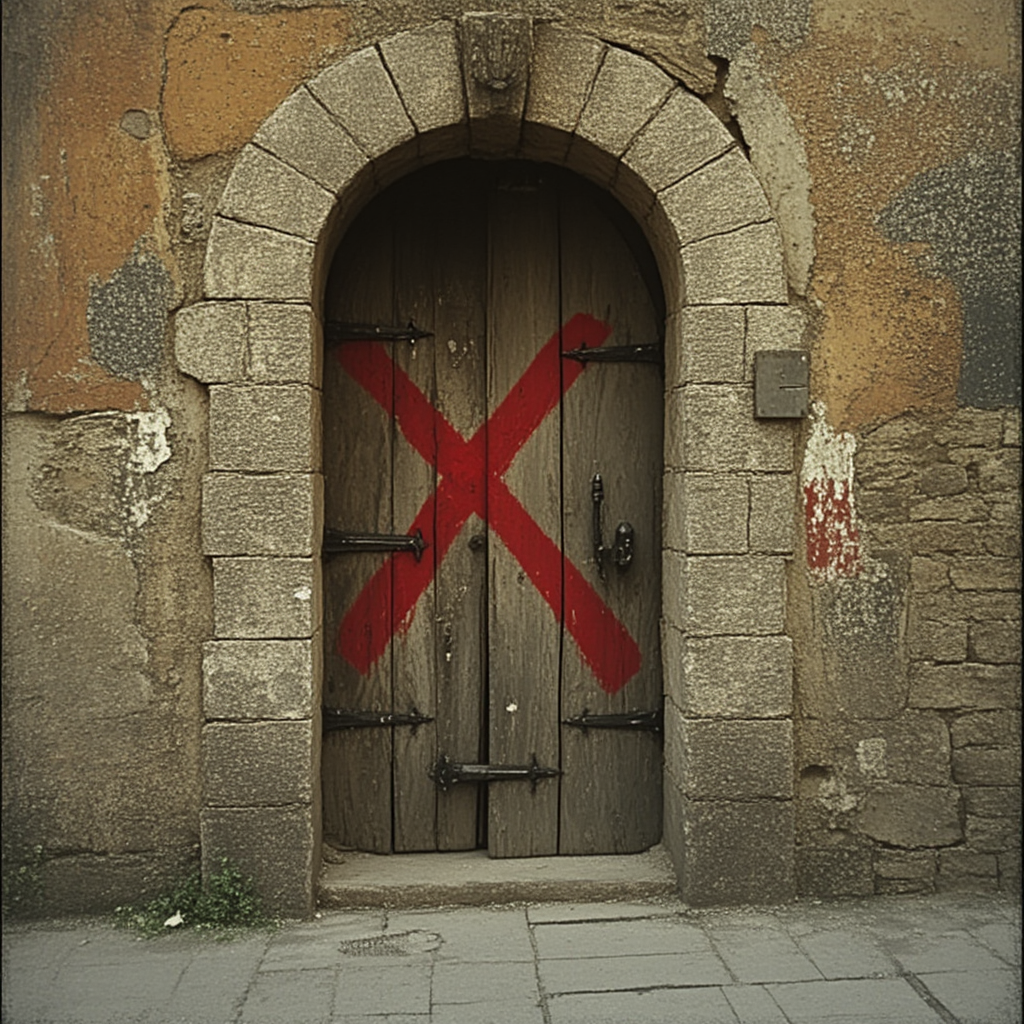
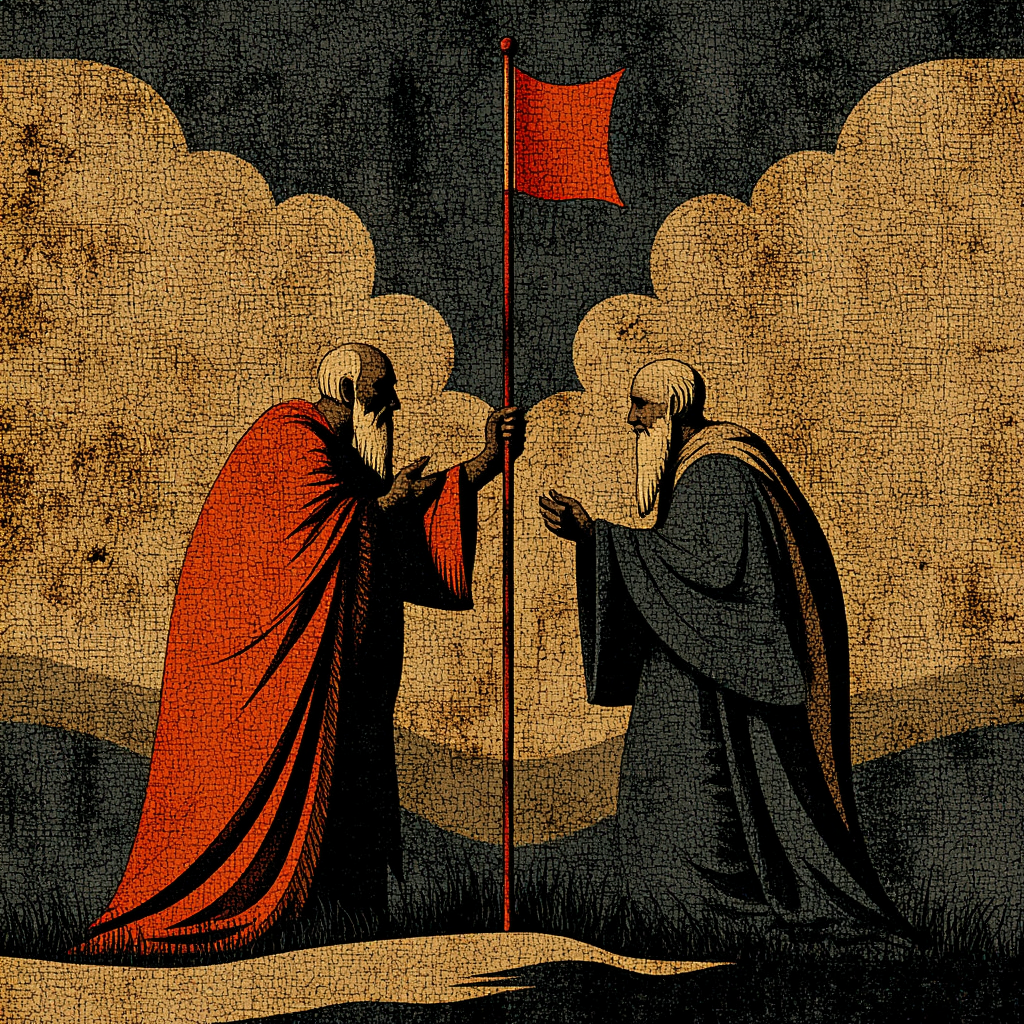
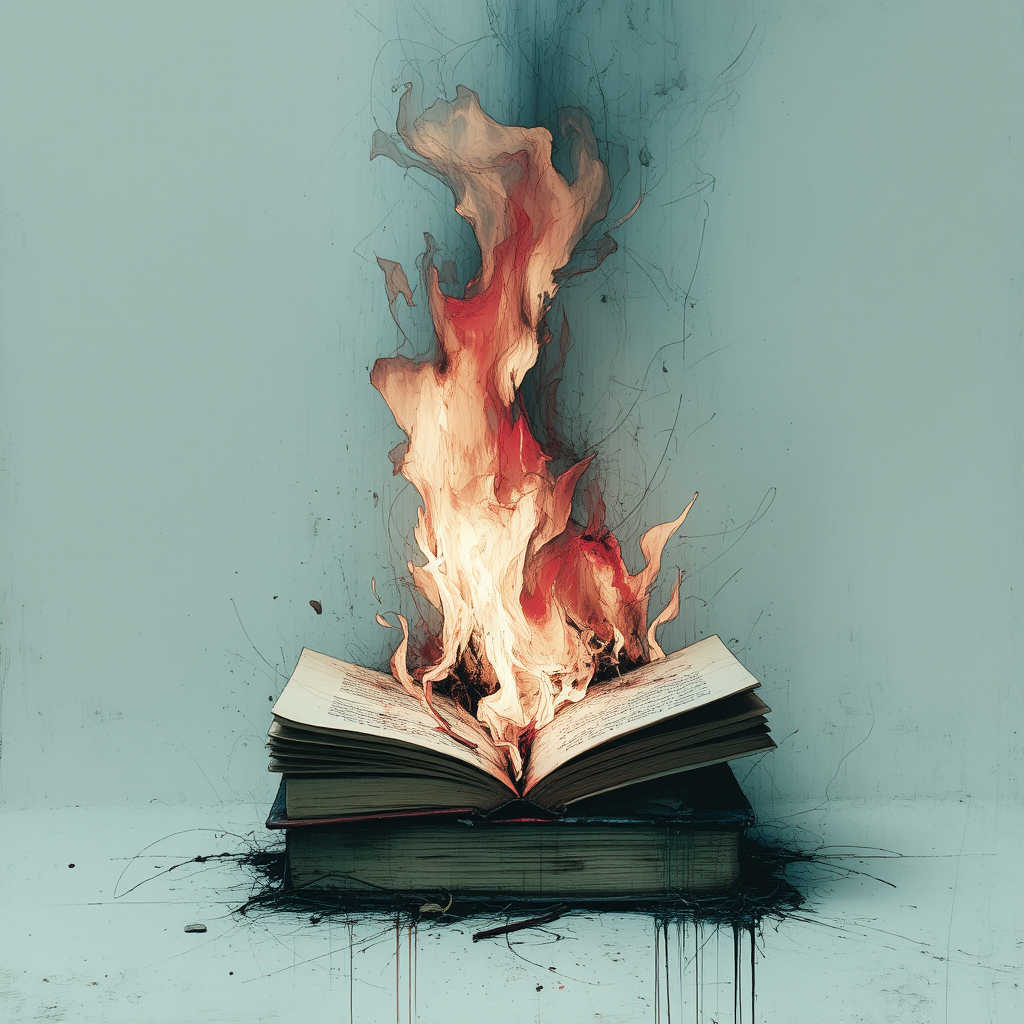
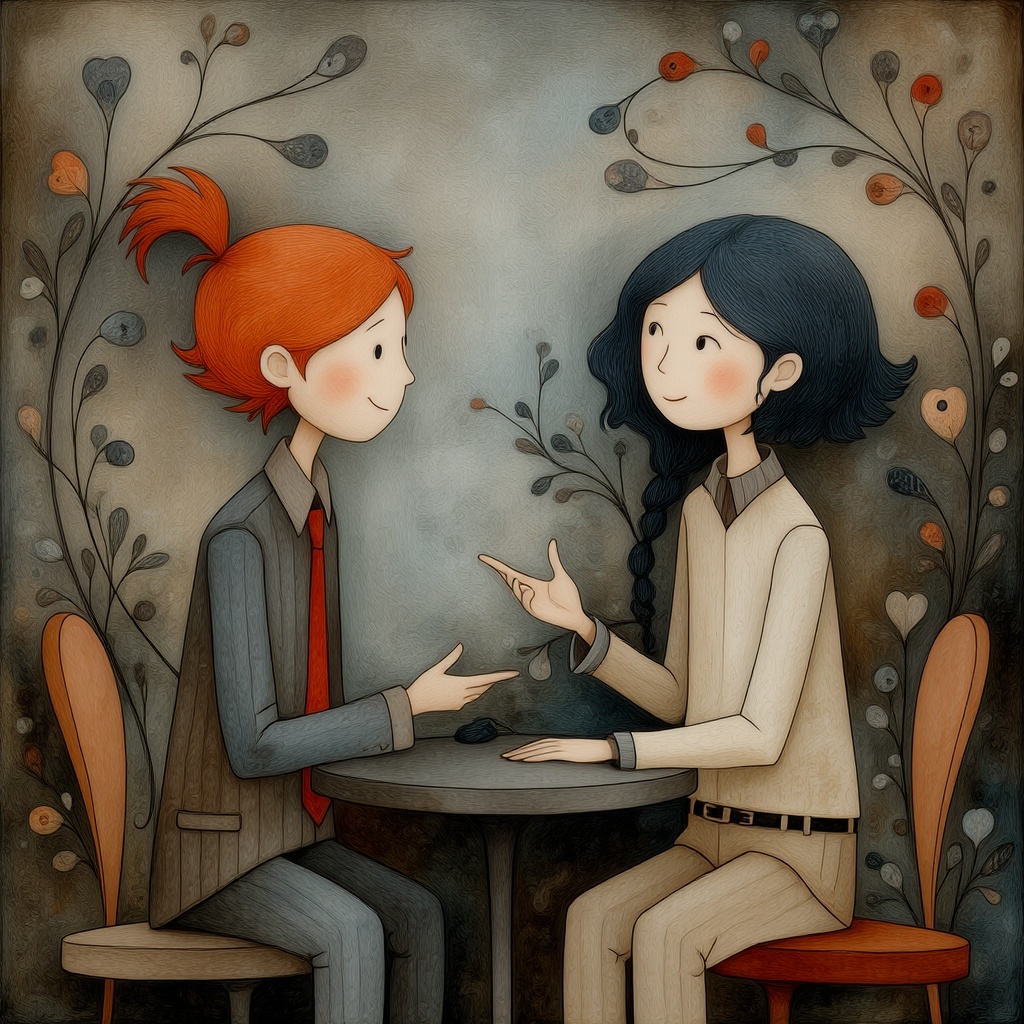
All images created by Rebekah Marshall’s prompts using AI on Gencraft.com website.

I am reading Hafiz’s Little Book of Life, poetry by Hafiz-e Shirazi. He is challenging me to become more comfortable with ambiguity. I will share his poem and some of my thoughts on his poem (sometimes with the help of experts when the concepts are too hard for me), followed by a poem and some art inspired by his poem.

Hafiz’s Poem 20:

Speak not to the
Imposters
Of the wonders of Love’s intoxication
Let them die in arrogant ignorance
& the agony of self-cherishing

Some thoughts:

Let me begin by saying that I don’t think Hafiz is being vindictive to his haters in this poem. My take on it is more symbolic. I mean, he definitely had enemies who made his life more difficult, but it wouldn’t be very mystical or spiritual to wish literal death on them. In his poetry, Hafiz uses the symbol of Love and intoxication to represent ecstatic union, spiritual vulnerability, holy joy. The imposters are people pretending to be part of the community, mimicking that spiritual language, borrowing the symbols of holiness but refusing enlightenment. He knows there is no point talking with them about the depths of love because they won’t get it. They are too wrapped up in appearances, fakeness, and ego.

In the end, their obsession with themselves is their reward. Their prison is internal, a tight, lonely circle of selfishness. There is no need to do them any harm. Simply stop feeding into their false image and they will exhaust themselves. Eventually, the illusion will collapse. The real agony is that they are not opening themselves up to true love with the divine and all that beauty.

My Poem 20:

To be an ally
is to do the work:
Read the books
Watch the videos
Take the classes
Listen—
Stop talking
and hear the uncomfortable
words that sting
Try to understand
the ache beneath

Ask the hard
questions of yourself
Remove the burden
from the oppressed
of teaching you how to act
Think of their plight
as you enjoy your privilege
Admit when you
have been wrong
Apologize—
for your previous
ignorance
and lack of empathy

Humble yourself enough
to swallow the pain
and regret
of generations of wrongdoing
and stop
making excuses
for choosing safe naïveté
Teach—
others like you the truth
with unwavering patience
and determination
because lives depend on it

Remove the walls
that protect your illusions
of them and us
and join the conversation
Show up to help
when a need arises
without being asked
Speak up  
if anyone tries to other
people in your presence
Spend—
your money consciously
Support creators and makers
whose values coincide

Reparations
must come in the form
of willingness
Amends of service
in the hearts and minds
of descendants
because that is all
some of us
have to offer
Heal—
your own brokenness
so you are battle-ready
and resolved.

Hafiz. Hafiz’s Little Book of Life. Translated by Erfan Mojib and Gary Gach, Hampton Roads Publishing, 2023.

Hafiz – Poem 19

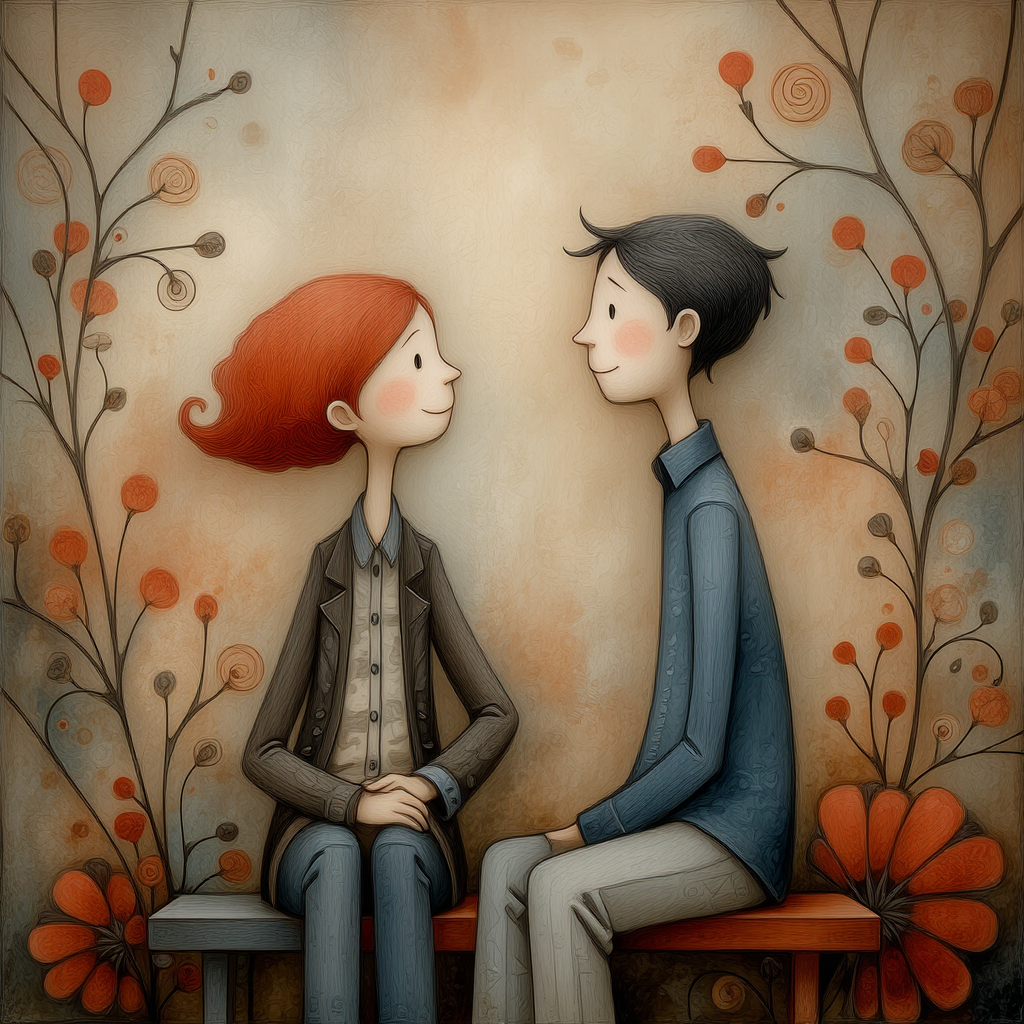
All images created by Rebekah Marshall’s prompts using AI on Gencraft.com website.

I am reading Hafiz’s Little Book of Life, poetry by Hafiz-e Shirazi. He is challenging me to become more comfortable with ambiguity. I will share his poem and some of my thoughts on his poem (sometimes with the help of experts when the concepts are too hard for me), followed by a poem and some art inspired by his poem.

Hafiz’s Poem 19:

The town is empty of love

Until one person

Acts beyond their self

Some thoughts:

Sometimes powerful movements start small:

  • One little girl protesting outside the Swedish Parliament about the climate (Great Thunberg).
  • A small group of students protesting education policies in South Africa (1976 Soweto Uprising).
  • One woman refusing to give up her seat on a bus (Rosa Parks).
  • A hashtag in response to the acquittal of a murderer (Black Lives Matter).
  • One woman researching the dangers of pesticides for a book she was writing (Silent Spring by Rachel Carson and the beginning of The Environmental Movement of the 1960s).

We often don’t feel like our contributions matter or the fact that we are only one person cannot possibly make a difference. It simply is not true. Each choice we make to share love or kindness increases goodness in the world. The ripple effect can restore relationships, heal families, and build communities. And team up with a likeminded friend or partner? Imagine the good we can do; the help we can offer this broken world. Hafiz knew this, must have witnessed it, or was that person for someone else. That is who I want to be.

My Poem 19:

A kind word offered

may mean the world to someone

who has nothing else.

Hafiz. Hafiz’s Little Book of Life. Translated by Erfan Mojib and Gary Gach, Hampton Roads Publishing, 2023.



Hafiz – Poem 17

All images created by Rebekah Marshall’s prompts using AI on Gencraft.com website.

I am reading Hafiz’s Little Book of Life, poetry by Hafiz-e Shirazi. He is challenging me to become more comfortable with ambiguity. I will share his poem and some of my thoughts on his poem (sometimes with the help of experts when the concepts are too hard for me), followed by a poem and some art inspired by his poem.

Hafiz’s Poem 17:

Vanity, my dear

Is merely proof

Of sheer ignorance

Some thoughts:

Hafiz seems to be addressing someone he cares about, by calling them “my dear.” This does not seem like a harsh rebuke, but more of a compassionate, gentle reminder. There is no need to be vain if we understand our true worth. Either we are over or under-inflating reality when we assess ourselves as less than or greater than we should.

If we mistake attention for worth, confuse a mask for the self, or are more concerned about appearance than authenticity, we are missing the mark. We are beautiful, magical, stardust creatures who are part of a giant, miraculous cosmos. We should not forget our true fabulousness by replacing it with vain imaginings that are neither helpful nor accurate. We are better than that.

My Poem 17:

Both extremes of vanity
are inaccurate reflections
of your miraculous beauty.

You are but dust and ashes,
no greater than anyone else
on this giant flying rock.

But the point is that you are
stardust and magic, the hope
of your ancestors made real.

Don’t confuse being ordinary
with missing the fabulous
truth that you are a singularity.

There has never been and never
will be another you the same
as the wondrous you right now.

Hafiz. Hafiz’s Little Book of Life. Translated by Erfan Mojib and Gary Gach, Hampton Roads Publishing, 2023.
Hafiz – Poem 16

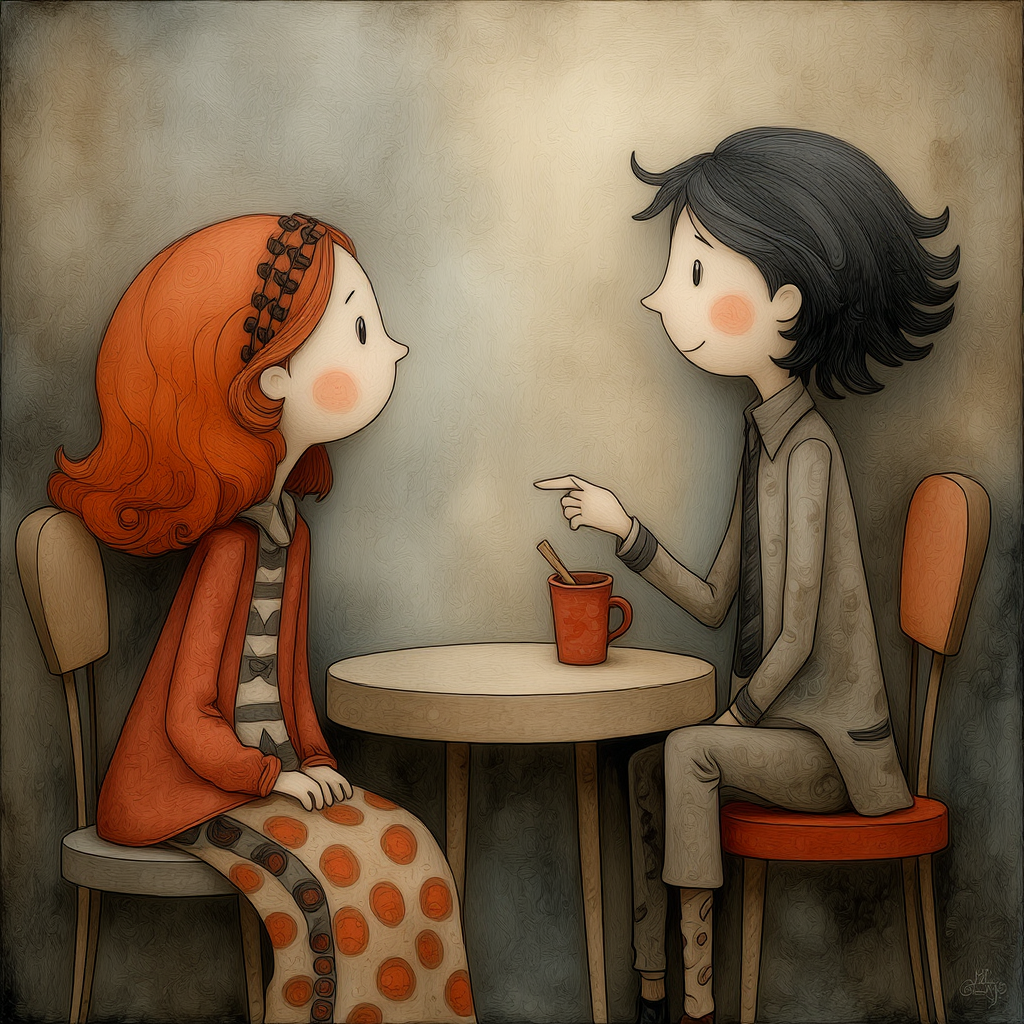
Iimages created by Rebekah Marshall’s prompts using AI on Gencraft.com website.

I am reading Hafiz’s Little Book of Life, poetry by Hafiz-e Shirazi. He is challenging me to become more comfortable with ambiguity. I will share his poem and some of my thoughts on his poem (sometimes with the help of experts when the concepts are too hard for me), followed by a poem and some art inspired by his poem.

Hafiz’s Poem 16:

Those preachers
Who appear glorious
In pulpits & on altars
Yet in private
Act totally the opposite

Some thoughts:

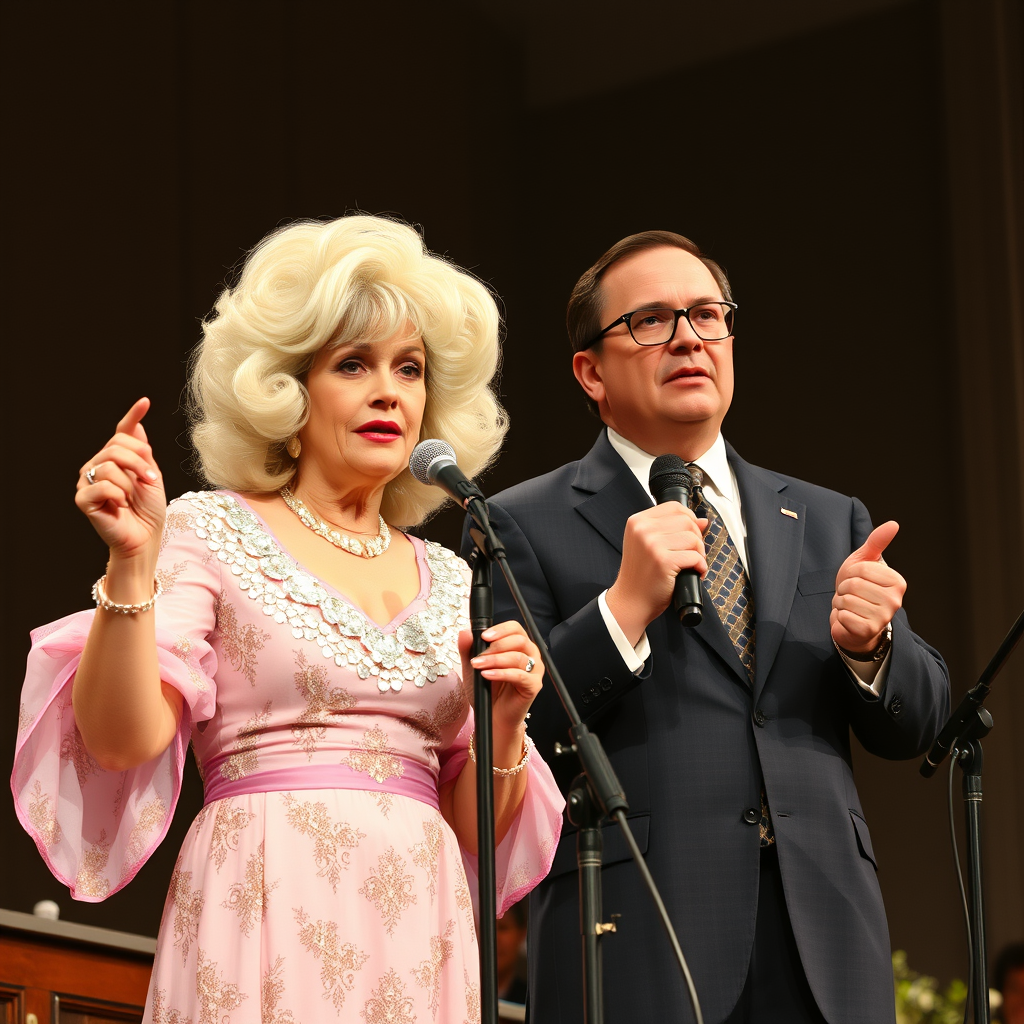
When I was growing up, televangelists were all the rage. It was the era of Jim and Tammy Faye Bakker and Jimmy Swaggart. Televised preachers could paint a picture of righteousness and convince millions of people to send them money. Their private lives were not so righteous. The reality was filled with scandal, corruption, and behaviors that were quite the opposite of the messages they were preaching.

I guess the platform was a newly designed sort of soap box, but the concept was nothing new. There have always been those who will profit off a public perception of holiness, but it is merely a performance. Perhaps humanity should learn not to put others on soap boxes and accept that everyone is human, faulty, and corruptible.

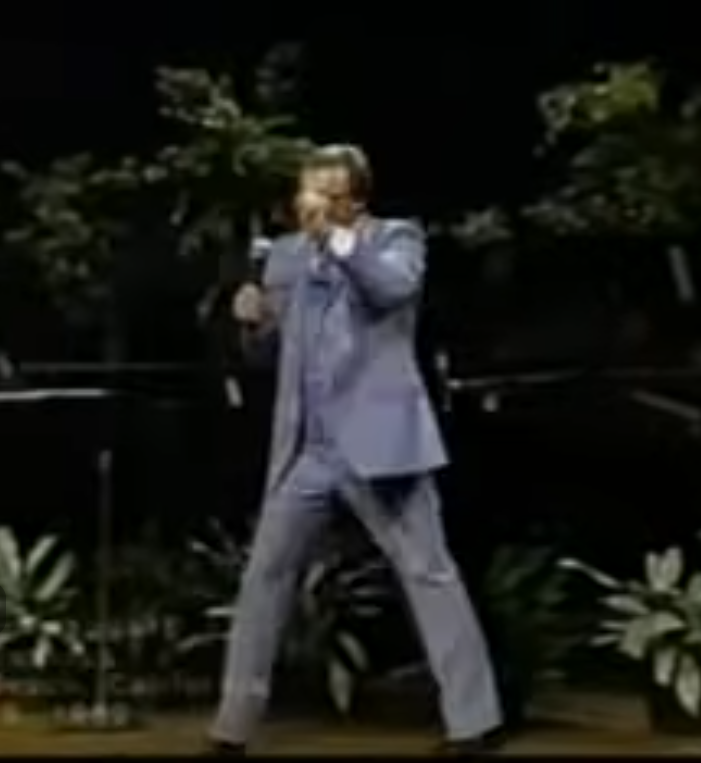
Jimmy Swaggart from YouTube video (link below.)

My Poem 16:

“Those that climb to the highest heights spiritually can fall to the lowest depths.”

In a baby blue 3-piece suit.
Pacing back and forth,
then planting himself in a wide
spread-eagle stance like
he’s doing the most powerful
power pose he can think of.

“As faulty worship caused death then, it can cause death now.”

In a sing-song, monotone,
ever-crescendoing
preacher cadence.

“You are obligated before God to walk holy and to walk righteous before an adulterous and wicked generation that’s dying and going to hell.”

The audience breaks out in applause.
Why are we clapping?
Because people are going to hell?
Because we are being obliged
to be better than them?
I’m confused.

“We just started a ball team, and I told them, I said, If girls show up on that ball diamond with shorts on, I will appreciate you and do everything I can to help you in Jesus, but I’ll send you home to get some clothes on.”

Even bigger round of applause.
Again, what are we clapping for?
Jimmy Swaggart’s admission
that he will lust after young girls
if they are wearing shorts?
What in the hell?

He speaks of himself in the 3rd person.

“Jimmy Swaggart, you’re preaching that in California? Are you out of your mind?”

He holds a Bible aloft to demonstrate
that “this doesn’t change” even if things
have changed in the rest of the world.

“You may look at me like a calf lookin’ at a new gate and preachers may get off behind my back and snicker, but I’m going to preach what this word says.”

He won’t kick you out of the church.
He’ll pray for you, sit with your sick,
wipe your brow, cry and weep for you,
but he will tell you what “thus sayeth the Lord.”

I guess the Lord says
He doesn’t like girls
on ball diamonds
wearing shorts.

“Faulty Fire, Faulty workship Jimmy Swaggart preaching on Holiness”, mdministries, YouTube, posted Jun 24, 2013, https://www.youtube.com/watch?v=dCKrCtdC2oA&list=PLrkXHJifFX4dMJIZt_26b3bwgib_EPwiD

Hafiz. Hafiz’s Little Book of Life. Translated by Erfan Mojib and Gary Gach, Hampton Roads Publishing, 2023.

Hafiz – Poem 15

All images created by Rebekah Marshall’s prompts using AI on Gencraft.com website.

I am reading Hafiz’s Little Book of Life, poetry by Hafiz-e Shirazi. He is challenging me to become more comfortable with ambiguity. I will share his poem and some of my thoughts on his poem (sometimes with the help of experts when the concepts are too hard for me), followed by a poem and some art inspired by his poem.

Hafiz’s Poem 15:

The tavern door’s been closed up Oh God

May this not open the door

To the house of hypocrisy & lies

Some thoughts:

When morality is legislated harshly and too conservatively, Hafiz seems to be implying, the stage is set for inauthenticity and deception. When we judge others for their faults, weaknesses, or perceived sins, we are focusing in the wrong direction. Don’t we have our own lives that need work? “I would never…” is the common refrain of the hypocrite. Many different religious traditions have examples of spiritual greatness being found in unexpected moments that would be perceived by others as sinful or improbable.

The weaponizing of purity destroys authentic community and honest communication and instead creates an atmosphere of performative righteousness. Appearances become more important than vulnerability, truth, or freedom. Pretension takes the place of connection. Control replaces joy and expression. And obedience replaces love. People tend to lie more when they have to hide their true selves.

My Poem 15 (This is of course facetious, a picture of hypocrisy.):

Praise the Lord
I am nothing
like those sinners
who break the law
to provide for their families.

I would never
because I was born
here in the land of the free
and am a good
religious person of faith.

People should accept
the fate they’ve been handed
with grace and obedience
instead of causing
problems for everyone else.

You’ll never see me
stealing resources
for myself and taking
advantage of a system
that is too soft on thieves.

Hafiz. Hafiz’s Little Book of Life. Translated by Erfan Mojib and Gary Gach, Hampton Roads Publishing, 2023.
Hafiz – Poem 14

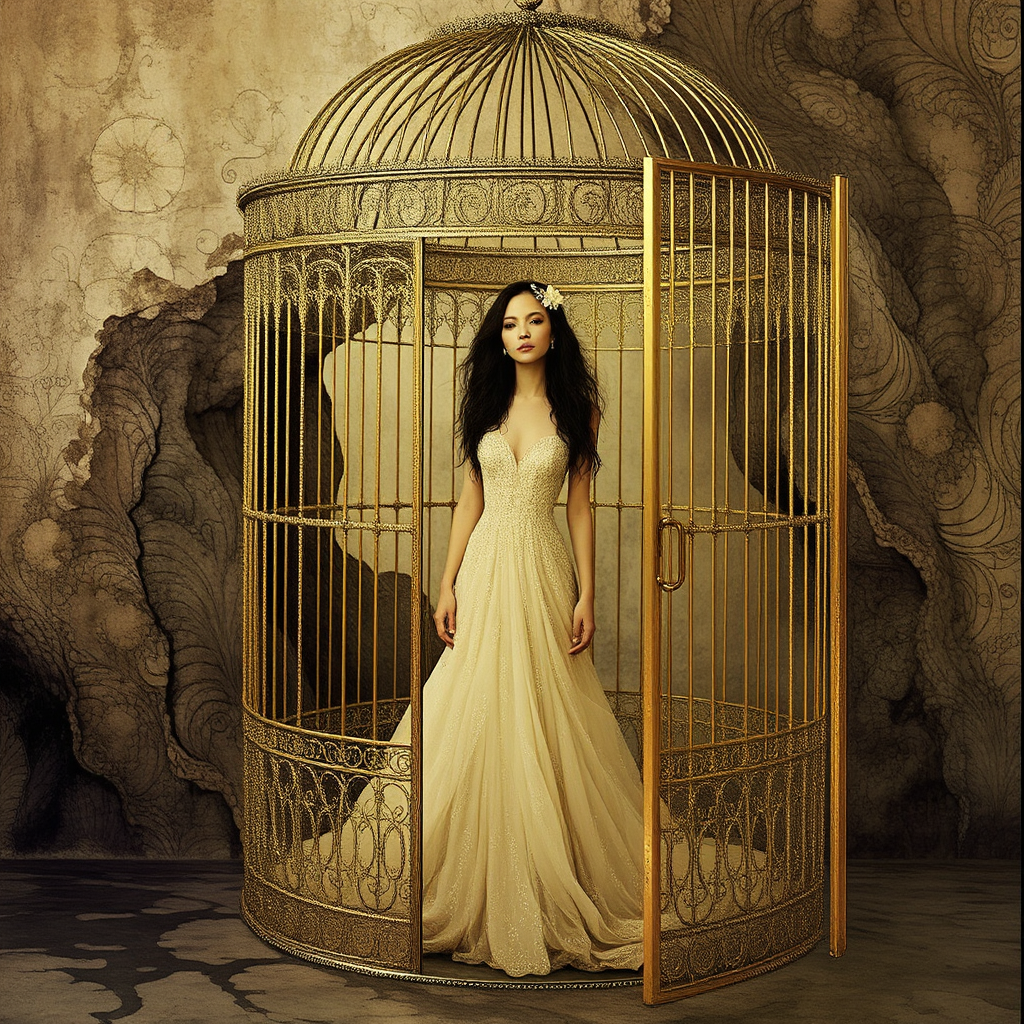
All images created by Rebekah Marshall’s prompts using AI on Gencraft.com website.

I am reading Hafiz’s Little Book of Life, poetry by Hafiz-e Shirazi. He is challenging me to become more comfortable with ambiguity. I will share his poem and some of my thoughts on his poem (sometimes with the help of experts when the concepts are too hard for me), followed by a poem and some art inspired by his poem.

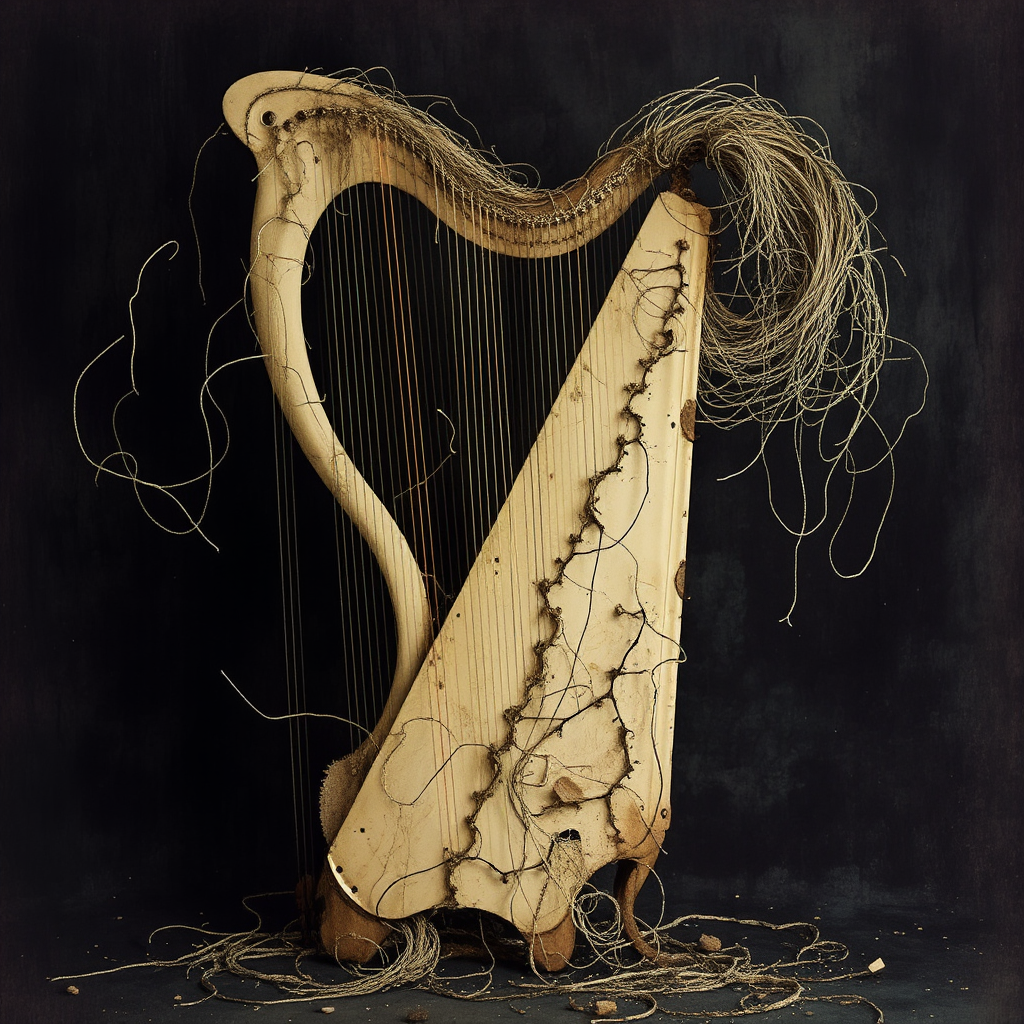
Hafiz’s Poem 14:

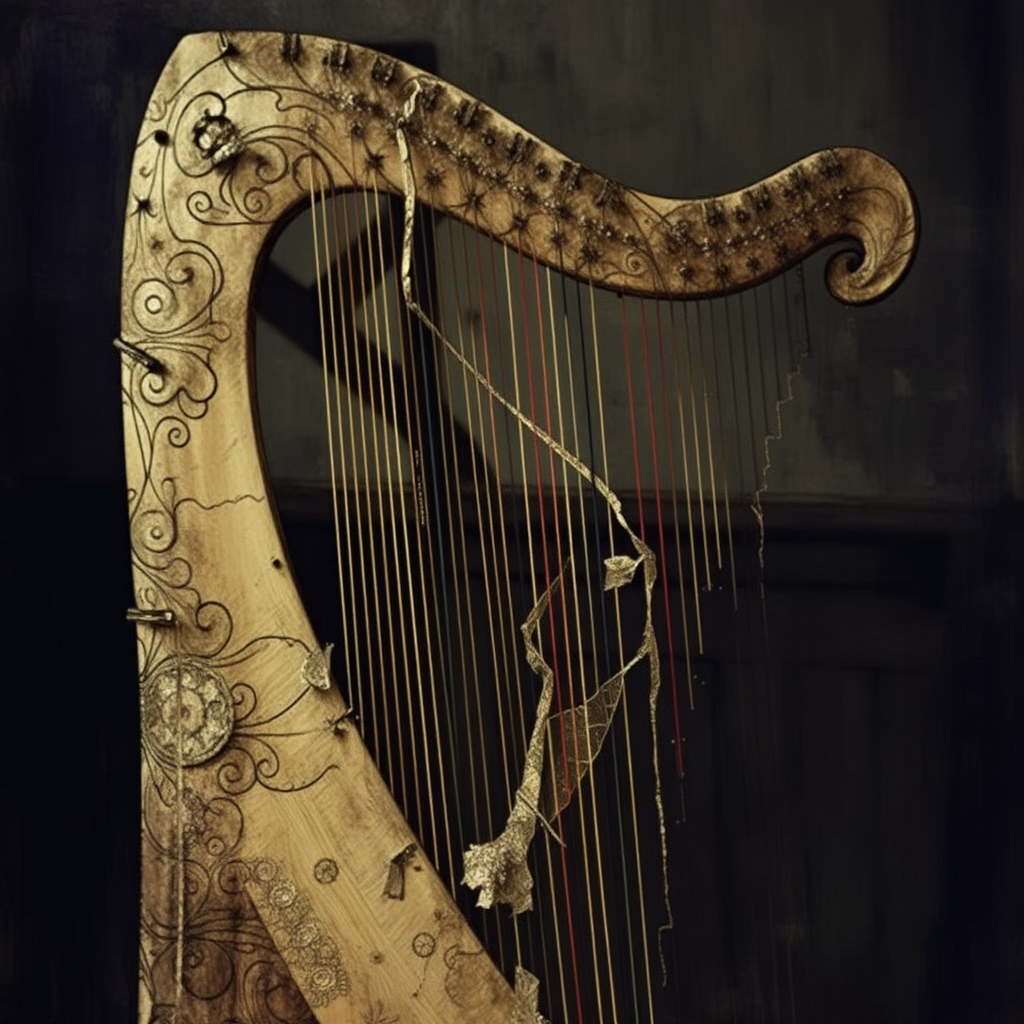
The chief cop

Has chopped off

The lovely hair

Of the harp

Some thoughts:

Whether literal or figurative, the imagery is breathtakingly sad. Some institutional authority figures or law enforcement representatives have stifled beauty, art, or freedom of expression. Quite literally, some depots during Hafiz’s time (and today) outlawed certain music, literature, art, plays, and performances that they deemed dangerous or anti-them. The banning of books, words, ideas, thoughts, and symbols is nothing new. It is as old as dictators, and simply vile. Cutting off the harp’s hair is an attempt to shame, silence, humiliate, and send a message of fear and warning to anyone else who might dare threaten defiance.

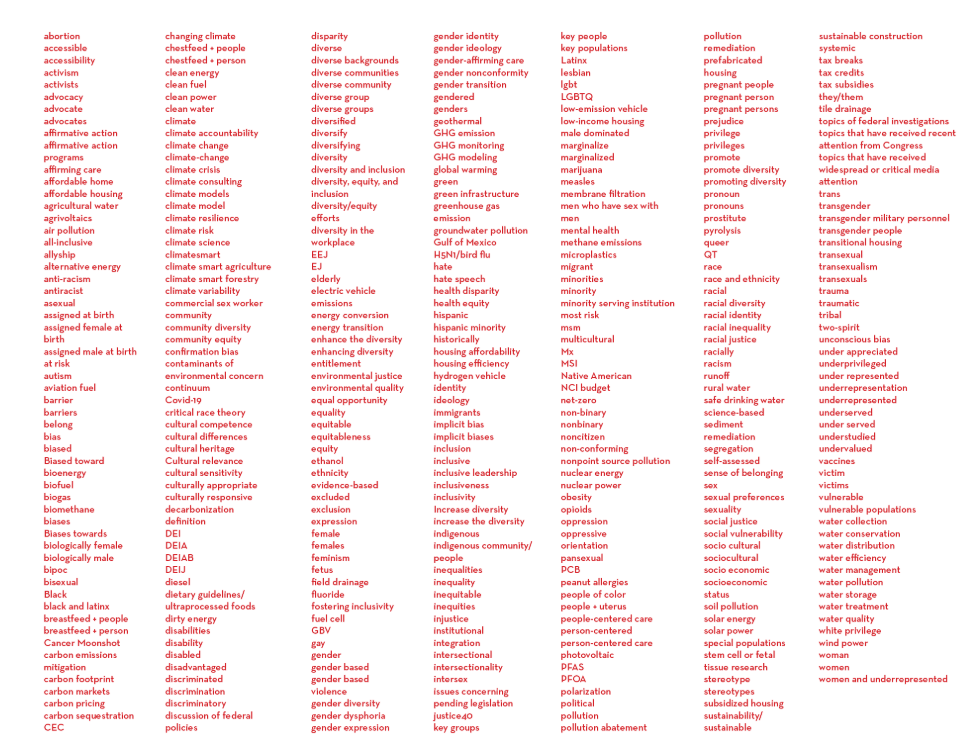
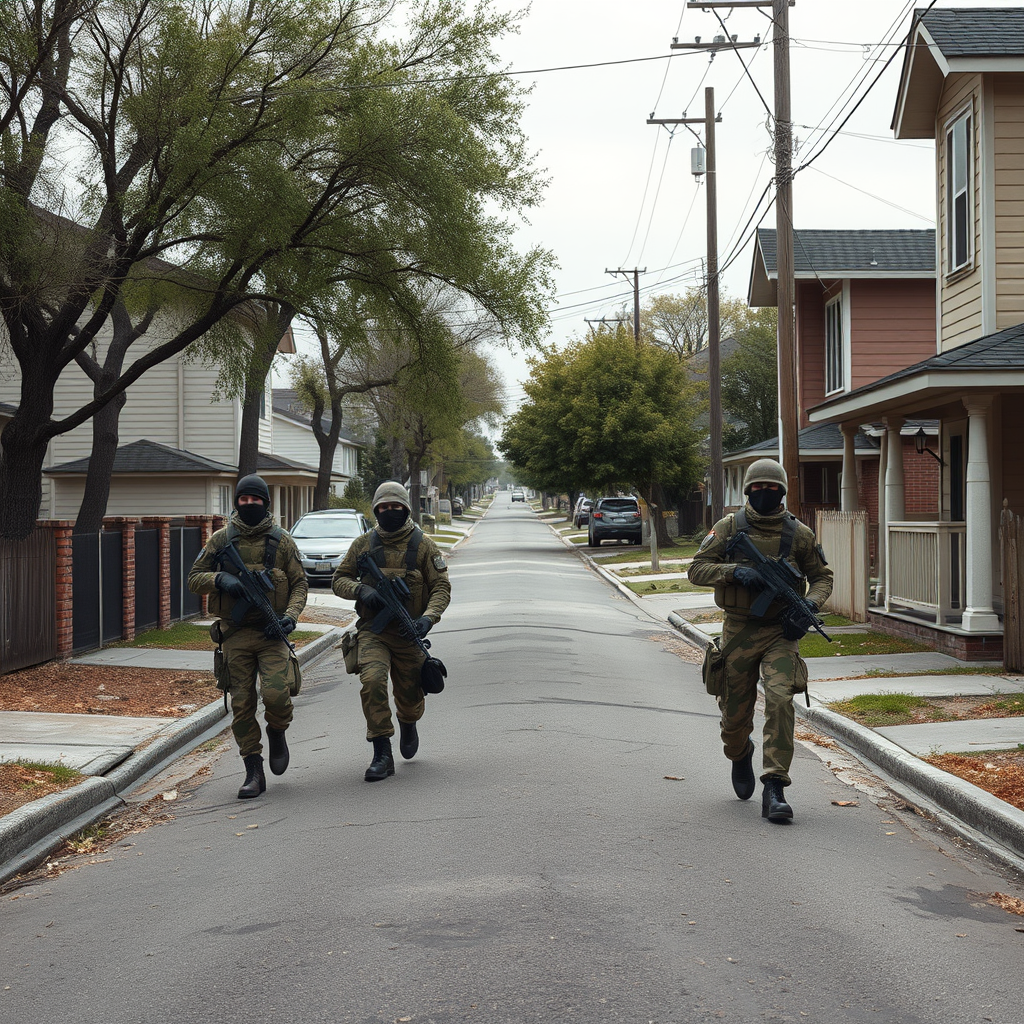
Some authority figures are going beyond art and music, to the banning of words they do not prefer because they are too inclusive, diverse, and gender-affirming. The following is a list of words the current Trump administration has instructed federal agencies to avoid in all official documentation (and reject if used on applications for grants.) Basically, these are “banned” words that cannot be used if you want federal funding.

My Poem 14:

6,870 books were banned
in public schools last year.
These were all books on my
Texas classroom library shelves:
The Bluest Eye Toni Morrison
Looking for Alaska John Green
Wicked Gregory Maguire
Life of Pi Yann Martel
Lock and Key Sarah Dessen
House of Night series P.C. Cast & Kristin Cast
My Sister’s Keeper Jodi Picoult
November Blues Sharon Draper
Safe Haven Nicholas Sparks
The Chocolate War Robert Cormier
The Help Kathryn Stockett
The House of the Scorpion Nancy Farmer
Twilight Stephenie Meyer
Walk Two Moons Sharon Creech
Zorro Isabel Allende
Sideways Stories from Wayside School Louis Sachar
The House on Mango Street Sandra Cisneros
1984 George Orwell
Gabi, a Girl in Pieces Isabel Quintero
Native Son Richard Wright
Speak Laurie Halse Anderson
Scrub and sanitize, whitewash
the outside of the tombs.
The children will have to teach
themselves the truth outside
the hallowed public school halls.
They know intuitively the stench
of lies beneath the flowers and perfume,
and your bans only increase their curiosity.

Hafiz. Hafiz’s Little Book of Life. Translated by Erfan Mojib and Gary Gach, Hampton Roads Publishing, 2023.
Hafiz – Poem 13

All images created by Rebekah Marshall’s prompts using AI on Gencraft.com website.

I am reading Hafiz’s Little Book of Life, poetry by Hafiz-e Shirazi. He is challenging me to become more comfortable with ambiguity. I will share his poem and some of my thoughts on his poem (sometimes with the help of experts when the concepts are too hard for me), followed by a poem and some art inspired by his poem.

Hafiz’s Poem 13:

Once, this was a city of friends

     In a land of kind people –

What happened to the love

     & where are the compassionate leaders

Some thoughts:

Hafiz seems to be remembering nostalgically the collective culture of his homeland during a gentler time. It sounds like it was a lovely time of peace and people who felt like they belonged in community. Maybe the inhabitants even took pride in how friendly and welcoming they were. Now things have changed. He is writing in a time that feels discouraging, unkind, less of a collective support system. The love is gone. Compassion is absent in leadership. They are not protecting the vulnerable, demonstrating care, or displaying accountability. People probably feel isolated, afraid to speak their truth, and unsure who to trust.

My Poem 13:

What moral drift
has left us alone
with our thoughts,
afraid to speak,
tender to the touch?

Murals have faded.
Warmth only a memory
bereft of substance.
Lack of accountability
creates fear, erodes trust.

Is kindness optional?
Does human dignity
disappear because politics
plays ugly games
with ethical dilemmas?

Hafiz. Hafiz’s Little Book of Life. Translated by Erfan Mojib and Gary Gach, Hampton Roads Publishing, 2023.
Hafiz – Poem 12

All images created by Rebekah Marshall’s prompts using AI on Gencraft.com website.

I am reading Hafiz’s Little Book of Life, poetry by Hafiz-e Shirazi. He is challenging me to become more comfortable with ambiguity. I will share his poem and some of my thoughts on his poem (sometimes with the help of experts when the concepts are too hard for me), followed by a poem and some art inspired by his poem.

Hafiz’s Poem 12:

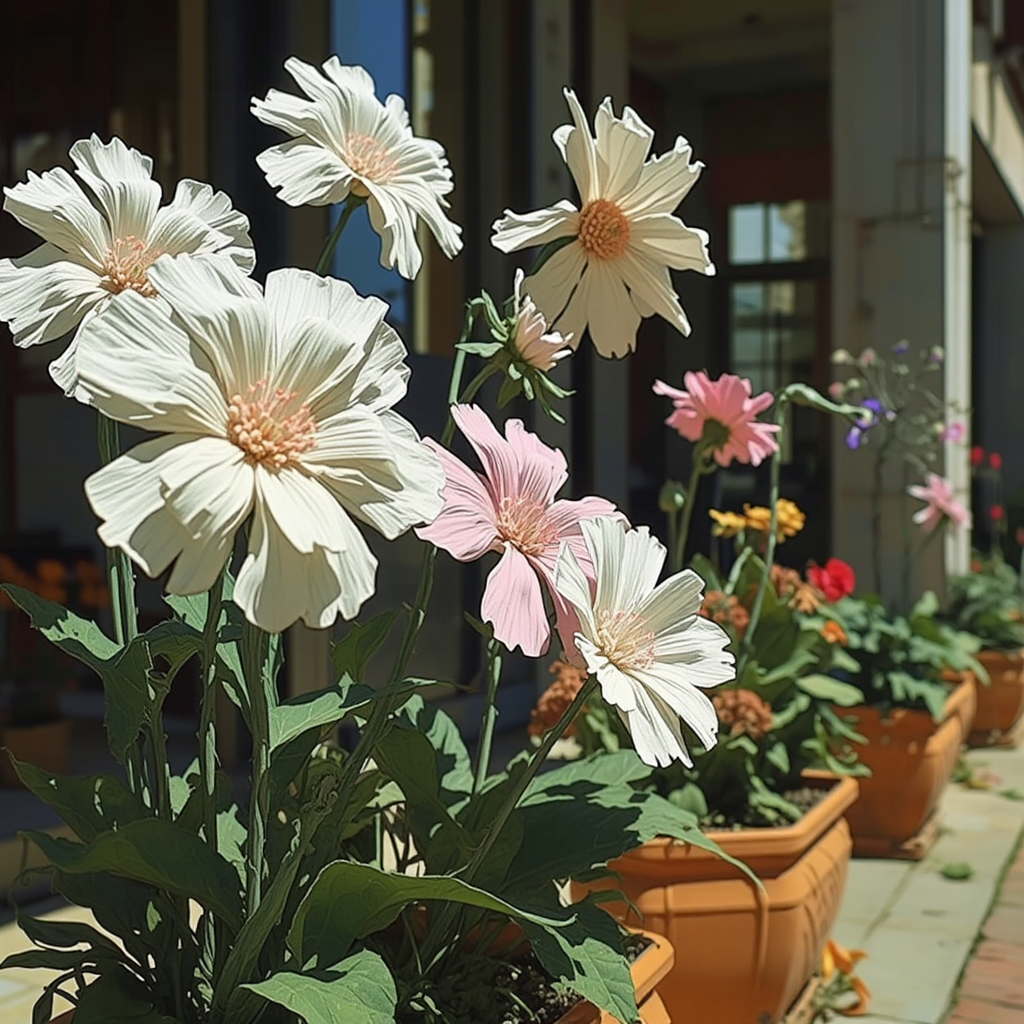
I behold hundreds of thousands of flowers

     Yet no bird sings –

     Where have the birds all gone

& what happened to the nightingales

Some thoughts:

The absence of birdsong is unnatural. Seeing the beauty of outside, surrounded by flowers, soaking in the loveliness…and suddenly an uncomfortable sensation prickles the hair at the nape of the neck. We are coded genetically or ancestrally or instinctively to sense danger when the birds fall silent. And when do birds disappear (or at least hide in their nests)? When predators make the environment unsafe, unnatural events are taking place, or acts of God are about to be unleashed. I also read that birds sometimes decrease their presence and/or singing when they recognize that they are being watched. It is probably because the watching equates to potential predation, but it makes me wonder if increased surveillance in the form of cameras and other recording equipment interrupts their lifestyles.

Nightingales are some of the most singingest singers of the bird kingdom. They can make over 1,000 different sounds and males desperate to find a mate have been observed singing through an entire night. Their songs can reach 90 decibels and some know up to 260 different songs they can sing. In many literary contexts, nightingales represent the lover, the poet, the truth-teller, the one who sings no matter what. If even they have been silenced, we should be concerned. Hafiz may be speaking literally about human encroachment on nature with structural advancements and technological progress. But he could also be speaking metaphorically about oppression and the result of silencing freedom of speech. It is a false beauty that demands absolute obeisance.  

My Poem 12:

Sing for those in hiding,
doors barred by fear of discovery.
Sing for those who are crying
for their loved ones pulled away.

Sing for those out marching
to speak up for the ones who can’t.
Sing for those just starting
to realize the sickening truths.

Sing for those who’ve been taken,
whose futures are perilously unknown.
Sing for those who will not awaken
because their lives were stolen.

Hafiz. Hafiz’s Little Book of Life. Translated by Erfan Mojib and Gary Gach, Hampton Roads Publishing, 2023.
Hafiz – Poem 11

All images created by Rebekah Marshall’s prompts using AI on Gencraft.com website.

I am reading Hafiz’s Little Book of Life, poetry by Hafiz-e Shirazi. He is challenging me to become more comfortable with ambiguity. I will share his poem and some of my thoughts on his poem (sometimes with the help of experts when the concepts are too hard for me), followed by a poem and some art inspired by his poem.

Hafiz’s Poem 11:

     Let’s face it

The people of our time

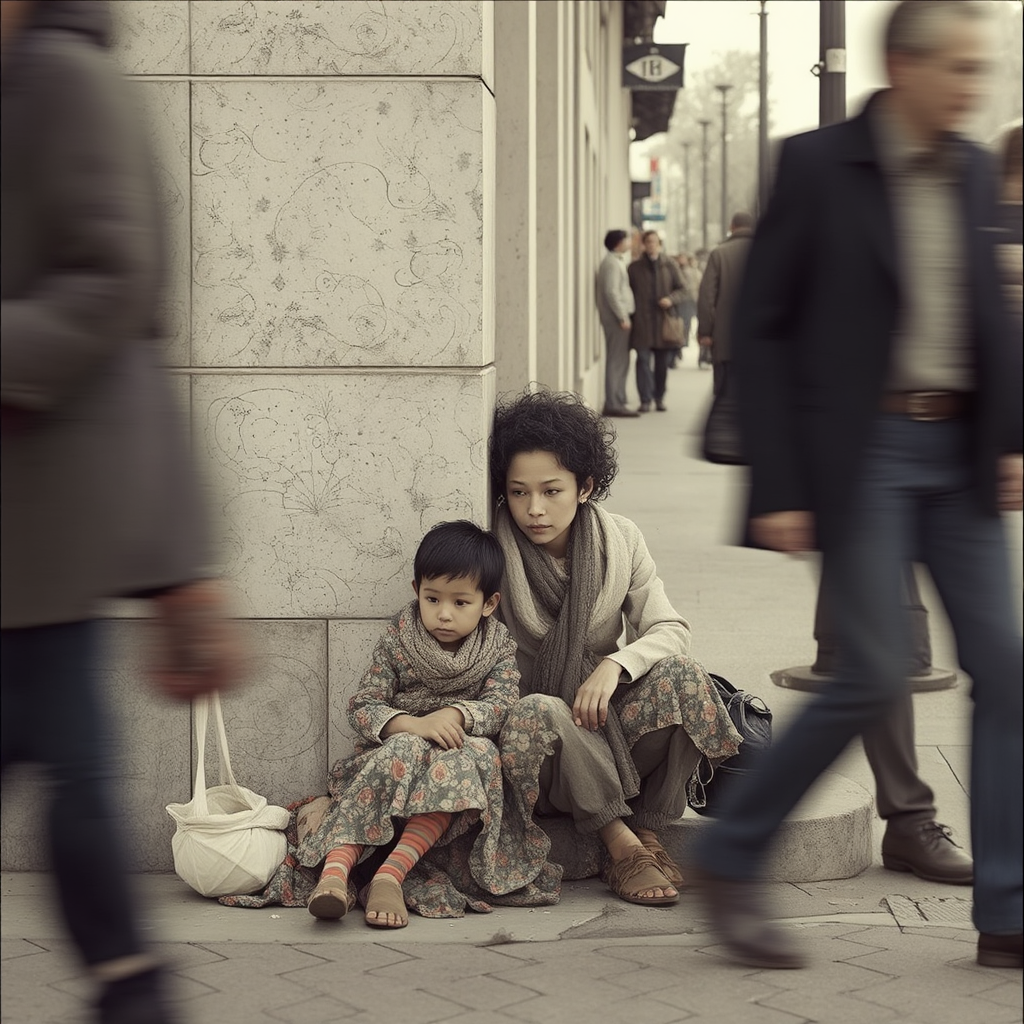
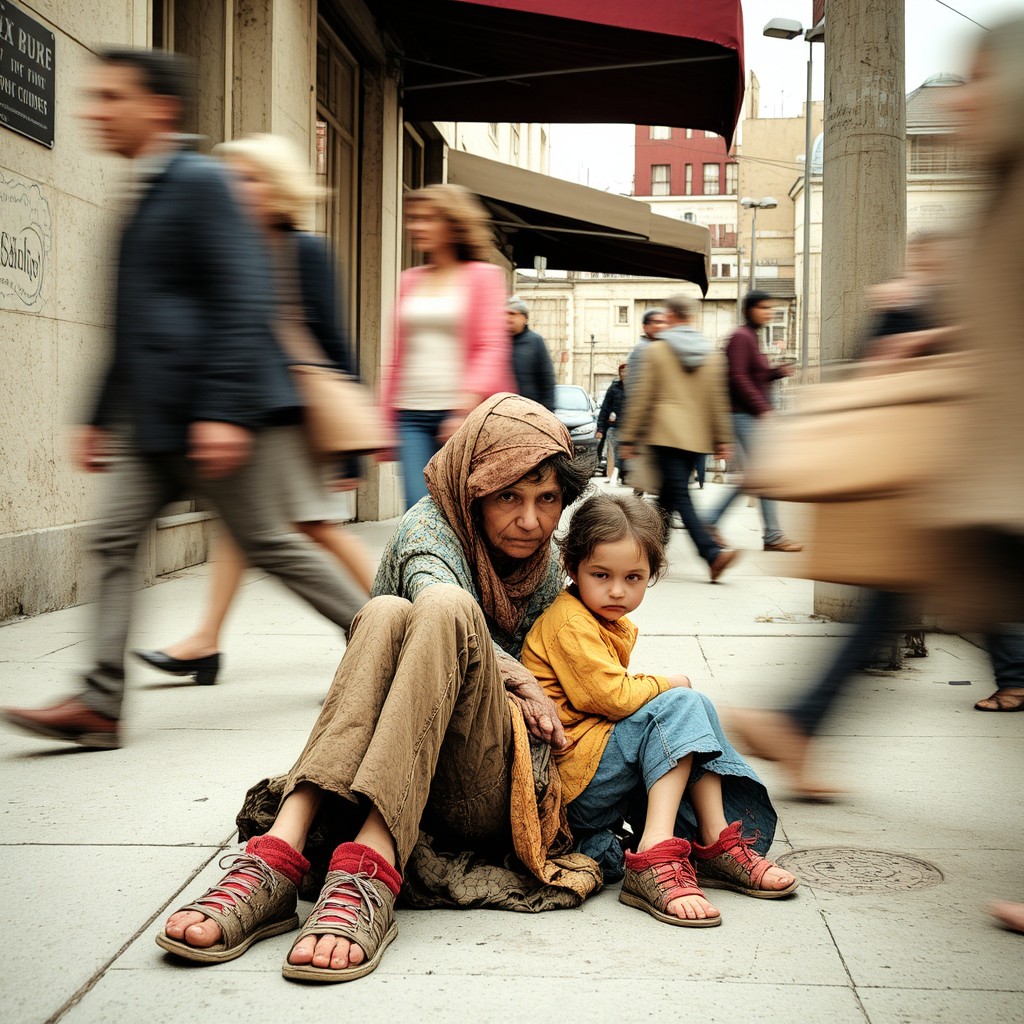
     Have no sympathy for the poor

Some thoughts:

Well, this could have been written anytime, anywhere. Religions must make it a rule that we help the poor because, apparently, most groups of people struggle with feeling sympathy or empathy for others. So many believe if only they would pull themselves up by their bootstraps, have a better abundance mindset, put some effort into it, be more motivated, less lazy, more faithful, less wasteful, etc., they could dig themselves out of the hole they are in. Some religions believe it is karma from past lives or lessons they need to suffer through, so we shouldn’t interfere.

What if they were born in the hole or thrown there by others and left with no tools? What if they have little to no strength to climb due to spending all day just trying to survive? What if anytime they begin to climb even a little bit, they are knocked back down by forces outside their control? What if they live in the hole with a violent animal they must spend all their energy fighting off or staying vigilant to survive? All I know is that being poor is rarely a choice. Most people desire to be self-sufficient. Poverty feels embarrassing, humiliating, discouraging. Rather than kicking people when they are down, why not give people any help we can offer?

My Poem 11:

To teach a man to fish,
we must first ensure
the man has access to water
that is not polluted,
is stocked with unpoisoned fish,
that he is not allergic to fish,
and is not a vegetarian
or opposed to the killing of fish.
Does he have a fishing license?
In Texas, he must have
a driver license or state identification
and a social security card as prerequisites.
If he is not a legal resident,
he may not have either of those.
So, first we must ascertain
if he is a citizen or here legally.
Otherwise, he is breaking the law
to even attempt to fish.
He may need a sidewalk
if he’s in a wheelchair.
Does he have a fishing pole?
Does he have arms or legs
with which to hold the fishing pole?
If not, have we made sure
his fishing pole is properly
adapted to his needs
Does he know how to swim
if he falls in the water?
Are we sure he has the
mental ability to learn to fish?
The emotional stability
to take a life to sustain his own?
Does he own a knife
to clean the fish?
Does he know how to build a fire
to cook the fish?
If so, does he have access
to wood, fuel, or other means
of heating the fish to prevent illness?
Is it even legal to build a fire
where he is fishing?
Can he afford bait?
There are so many more
things to consider than
merely a worn platitude
that makes us feel righteous.

Hafiz. Hafiz’s Little Book of Life. Translated by Erfan Mojib and Gary Gach, Hampton Roads Publishing, 2023.
The Morning Paper

All images created by Rebekah Marshall’s prompts using AI on Gencraft.com website.

Poem by Mary Oliver

Read one newspaper daily (the morning edition
is the best
for by evening you know that you at least
have lived through another day)
and let the disasters, the unbelievable
yet approved decisions,
soak in.

I don’t need to name the countries,
ours among them.

What keeps us from falling down, our faces
to the ground; ashamed, ashamed?

My Poem: Mary, Mary

Mary, Mary, quite contrary.
No one reads papers anymore.
Not because they don’t exist,
but because we can’t stomach it.

I picture you saddened by news
of world events unfolding in
the sickening slow motion of
words frozen on the page in time.

And I wonder which is worse,
the descriptions of violence we
commit against each other on paper,
or the real-time videos on social media?

Oh, how you would hang your head
and weep at the morning “paper”,
such as it is today, malicious hate
unbearably wreaking havoc with impunity.

Oliver, Mary. A Thousand Mornings: Poems. Penguin Books, 2012.