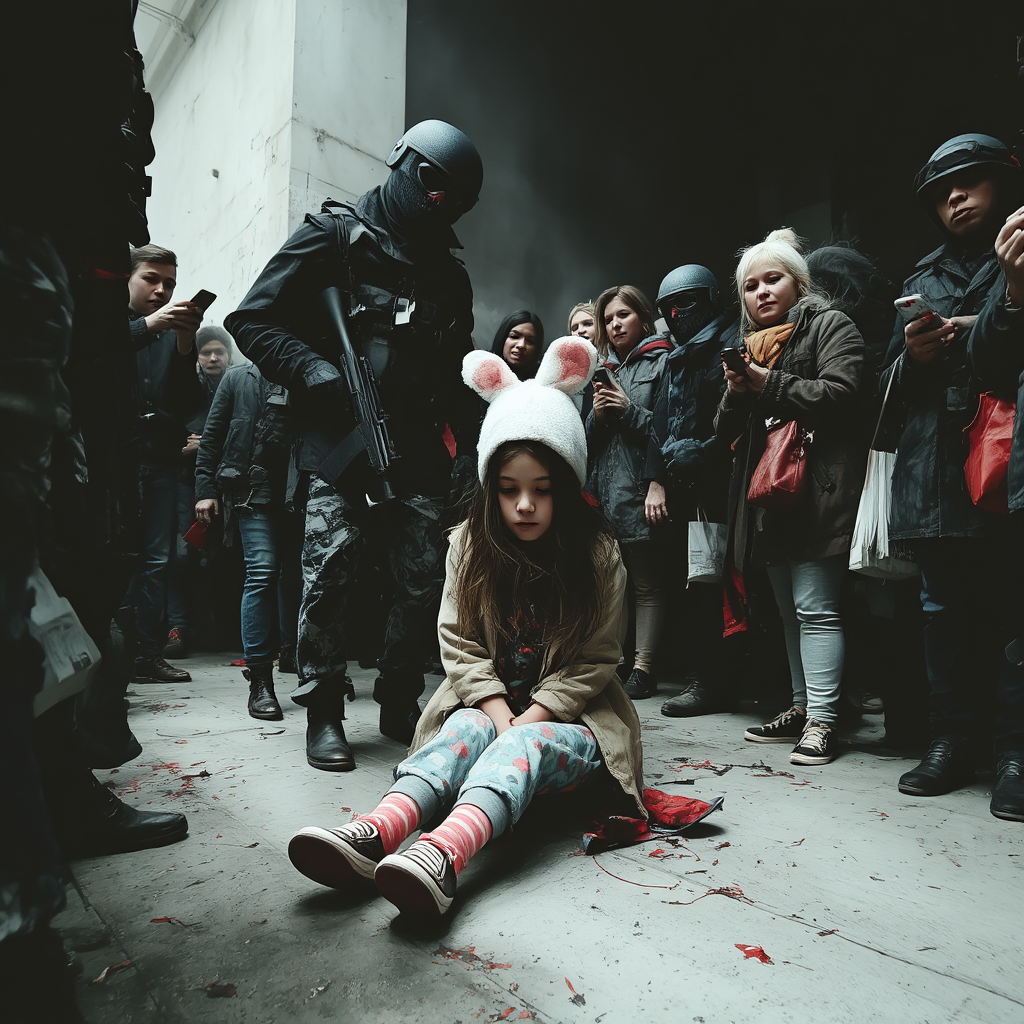
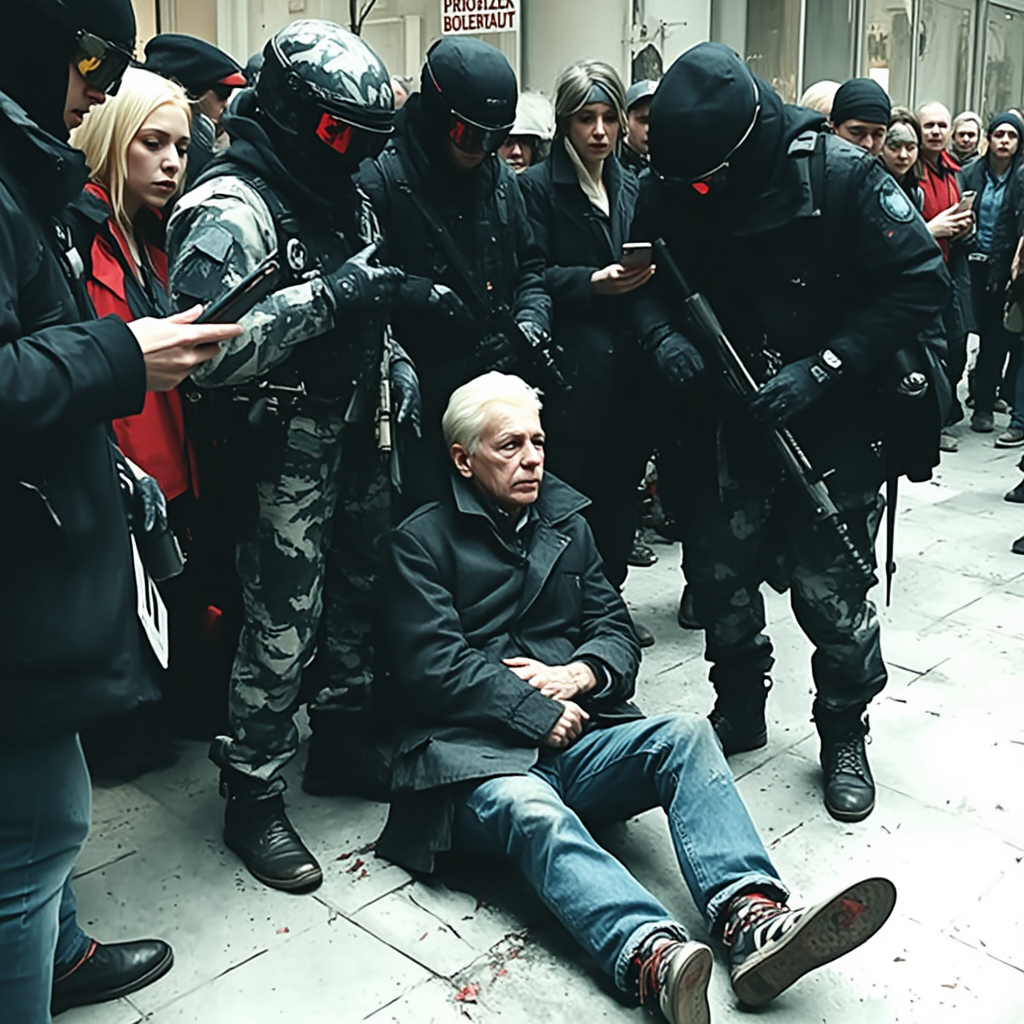
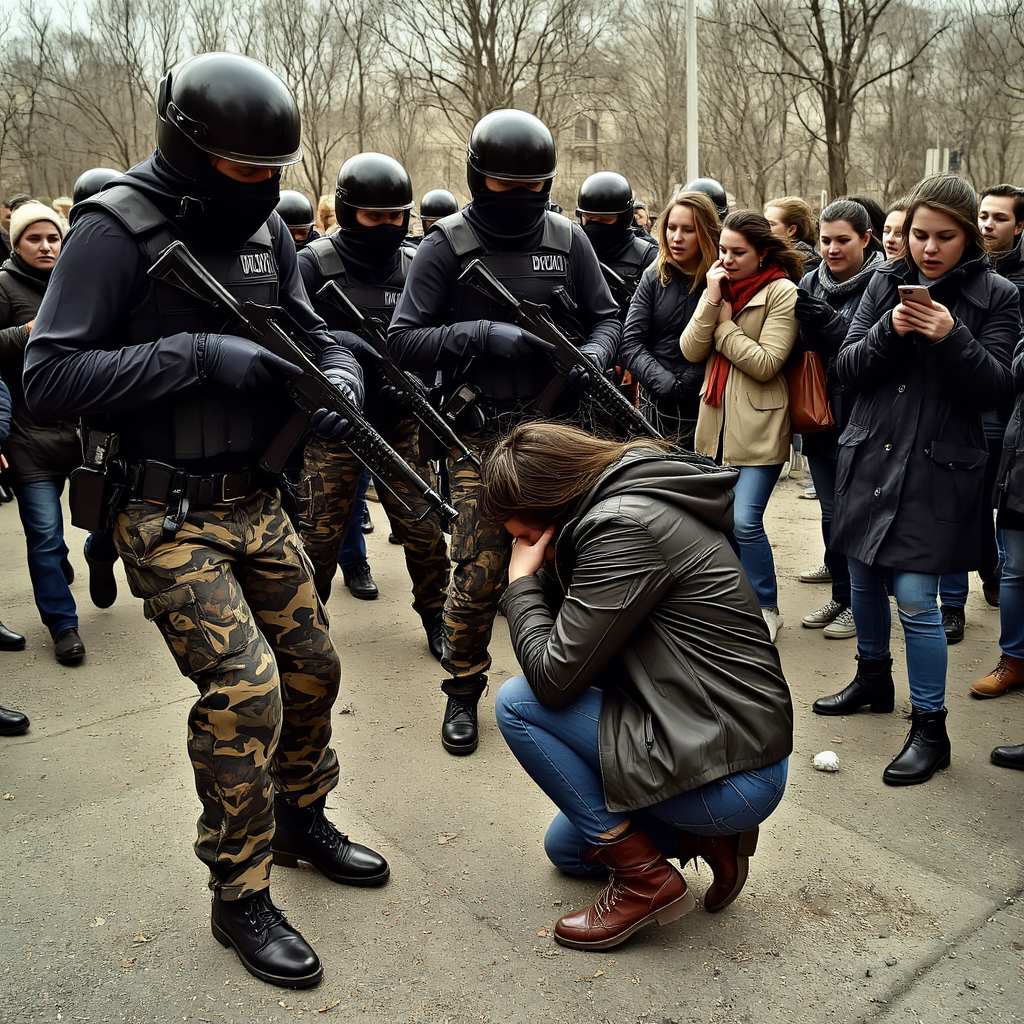
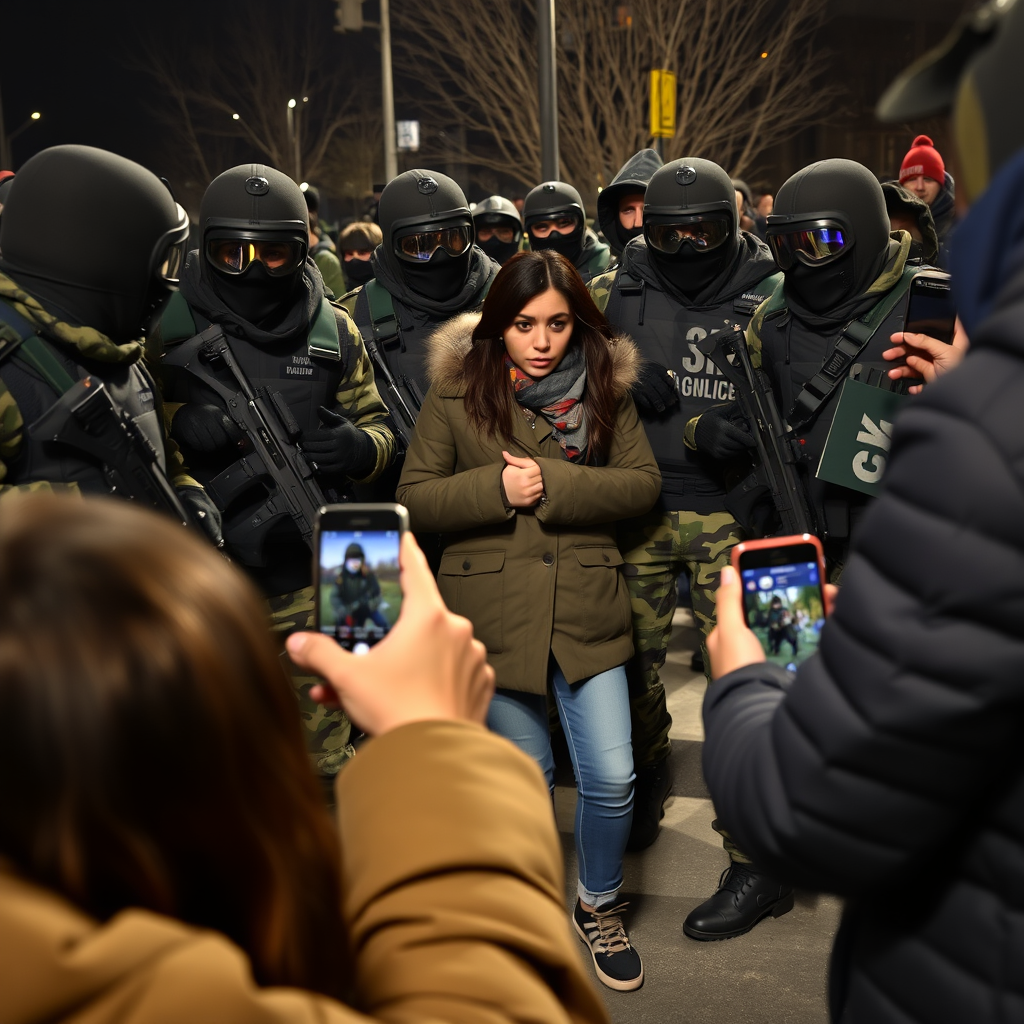
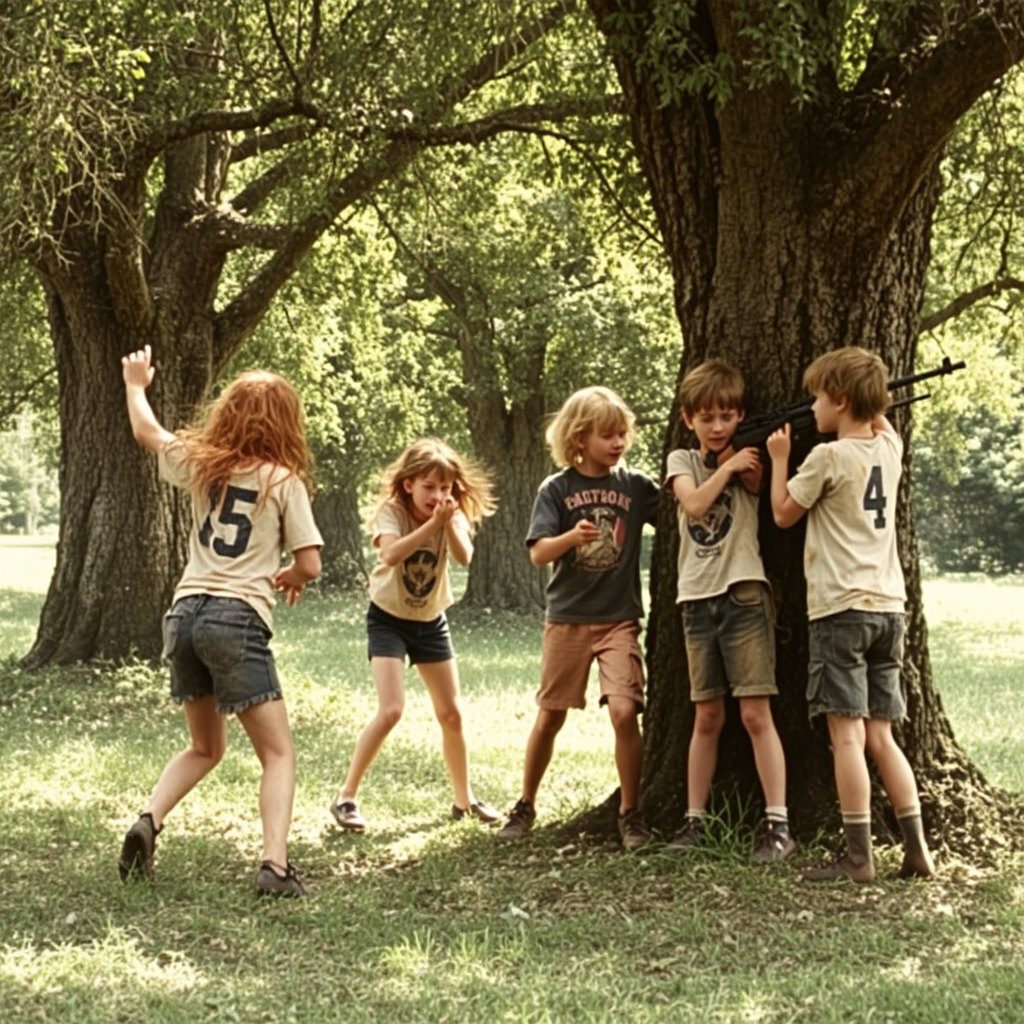
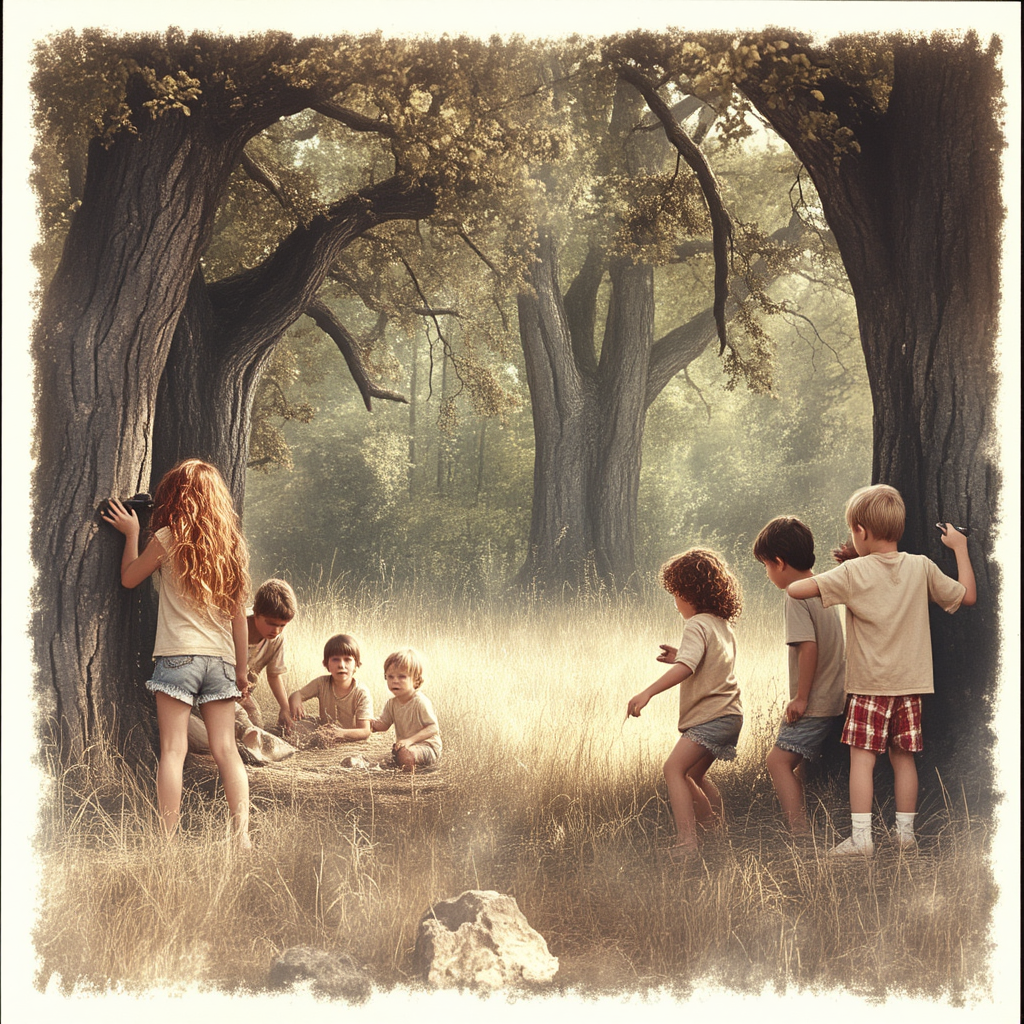
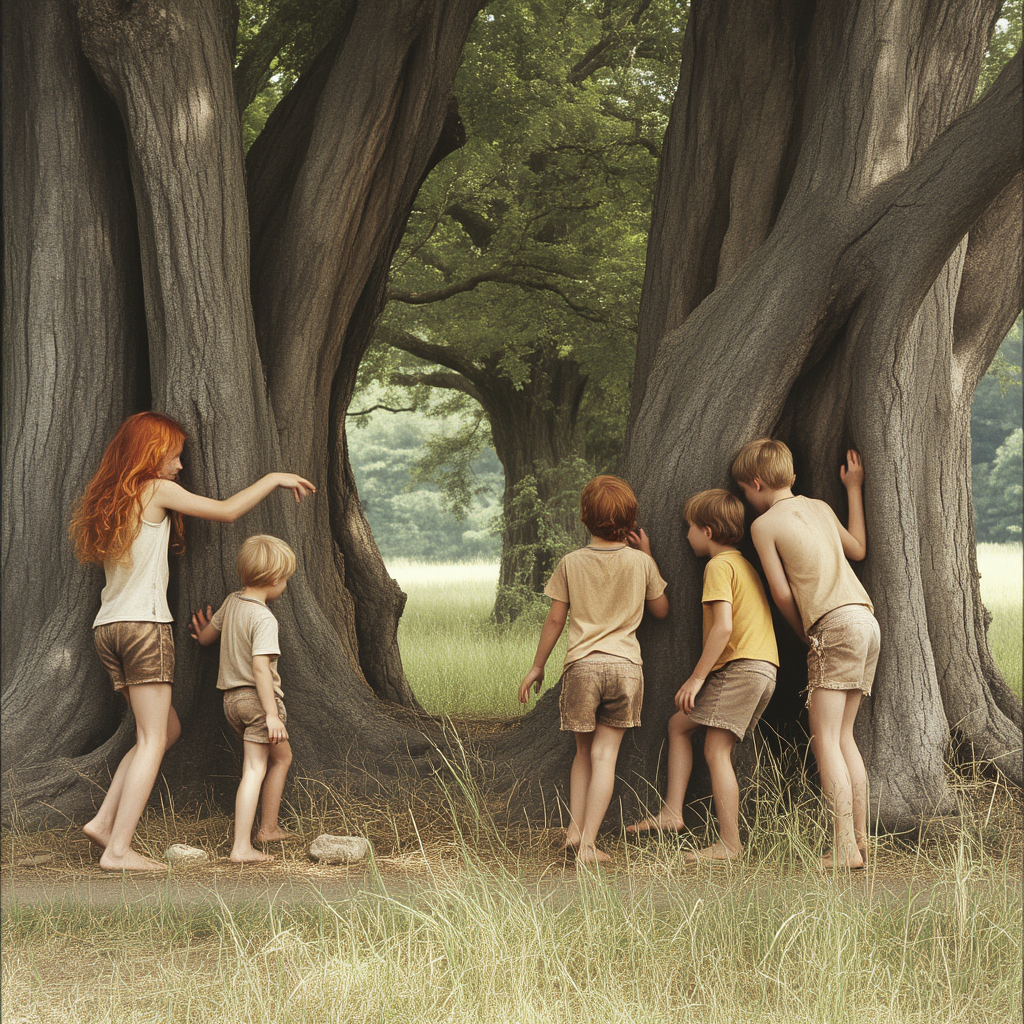
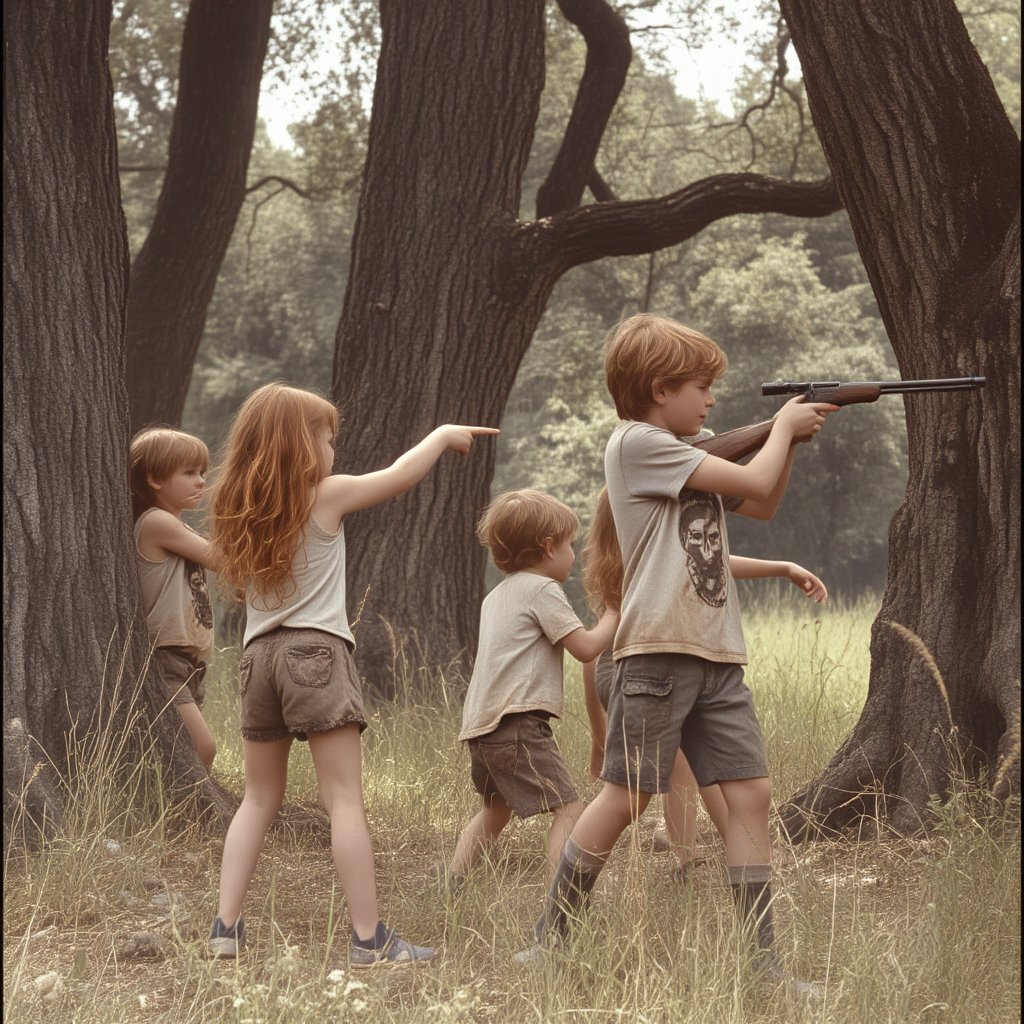
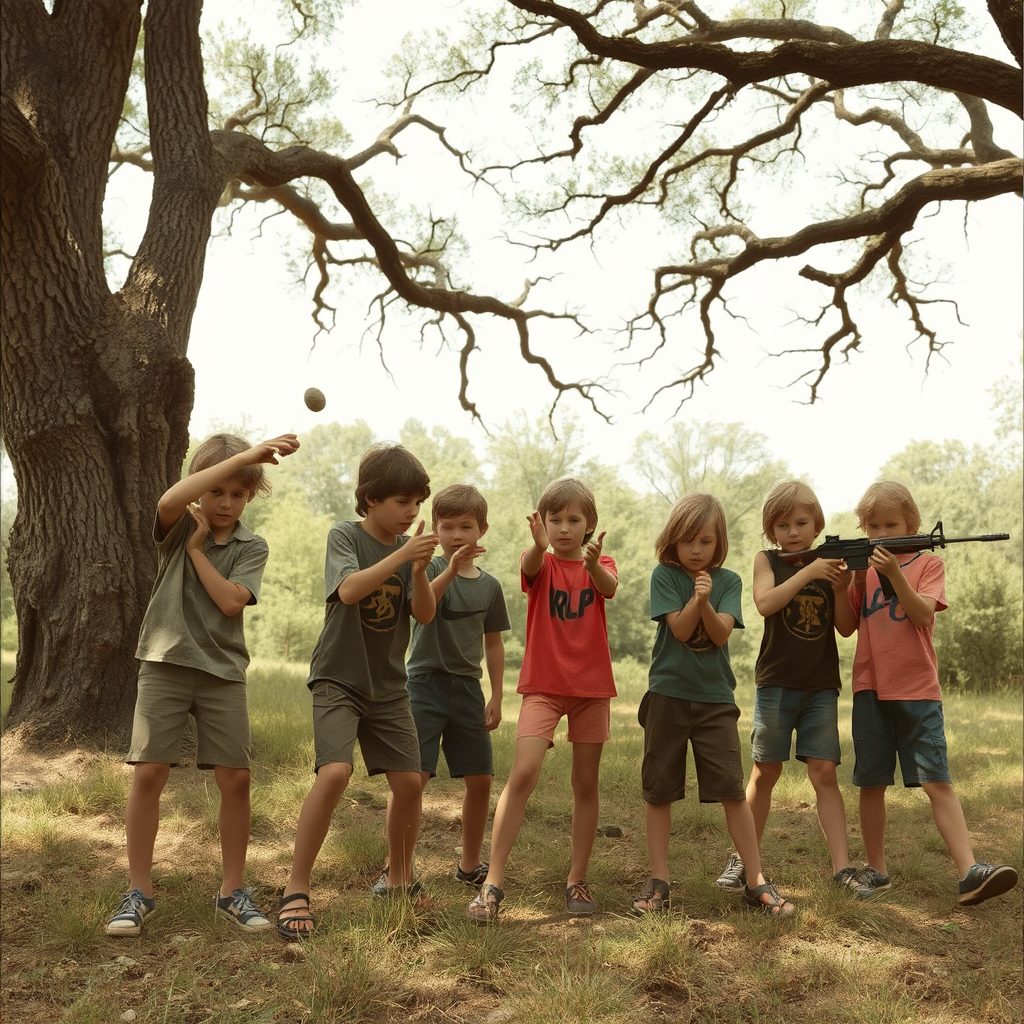
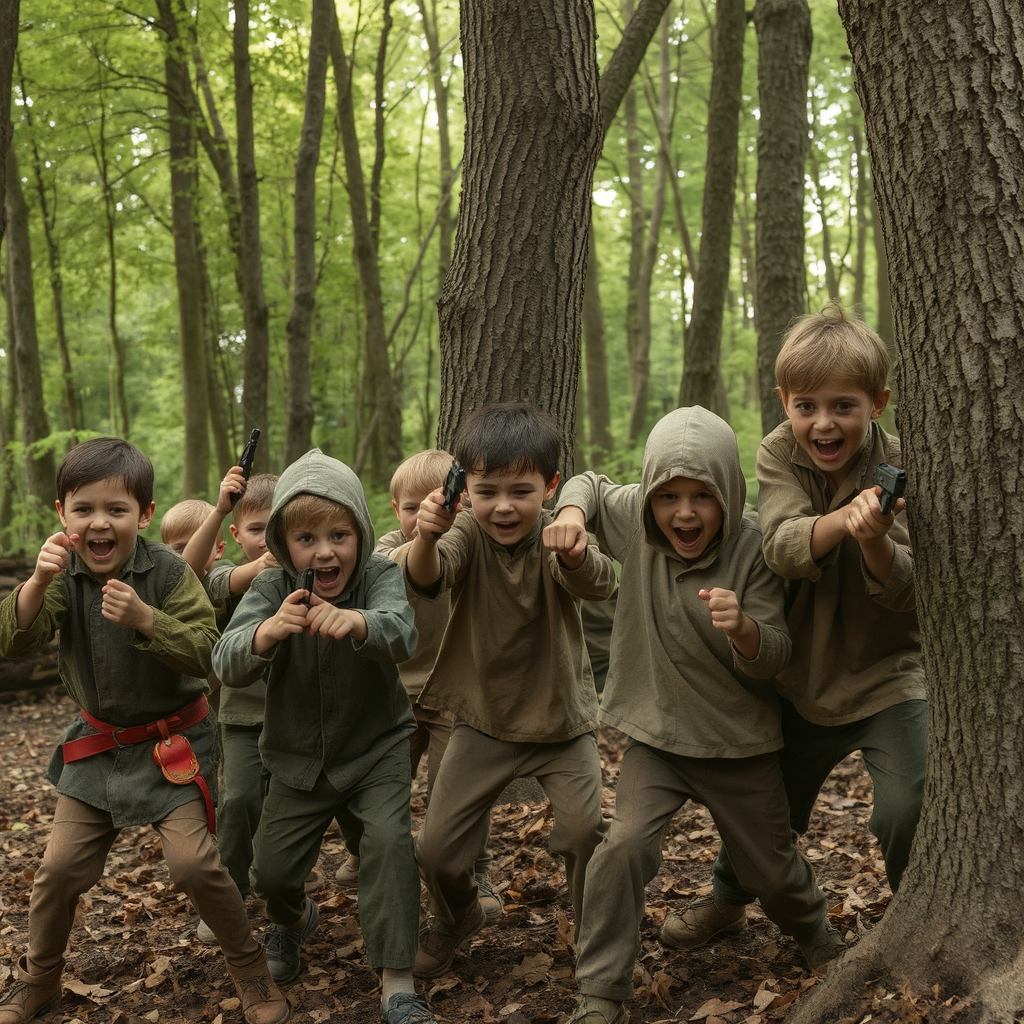
All images created by Rebekah Marshall’s prompts using AI on Gencraft.com website.
Poem by Mary Oliver
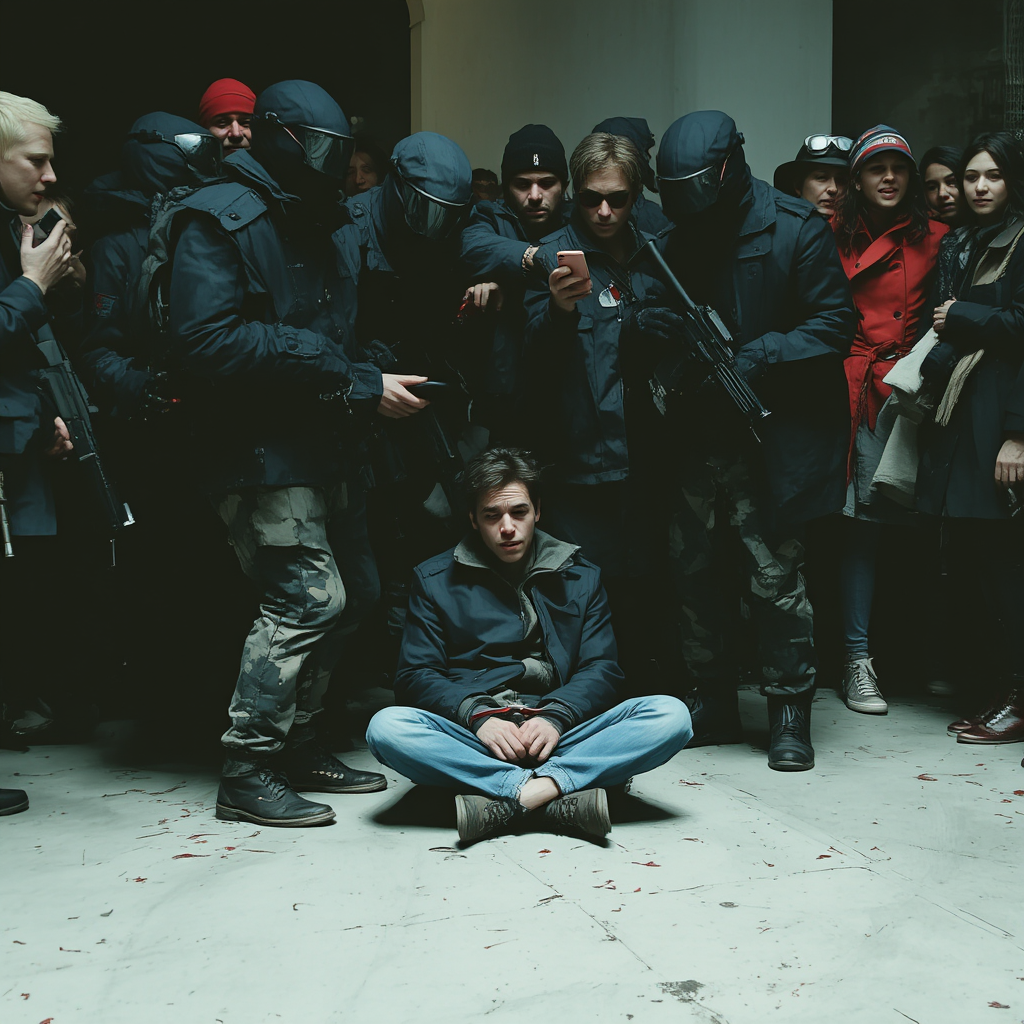
Read one newspaper daily (the morning edition is the best for by evening you know that you at least have lived through another day) and let the disasters, the unbelievable yet approved decisions, soak in.
I don’t need to name the countries, ours among them.
What keeps us from falling down, our faces to the ground; ashamed, ashamed?
My Poem: Mary, Mary
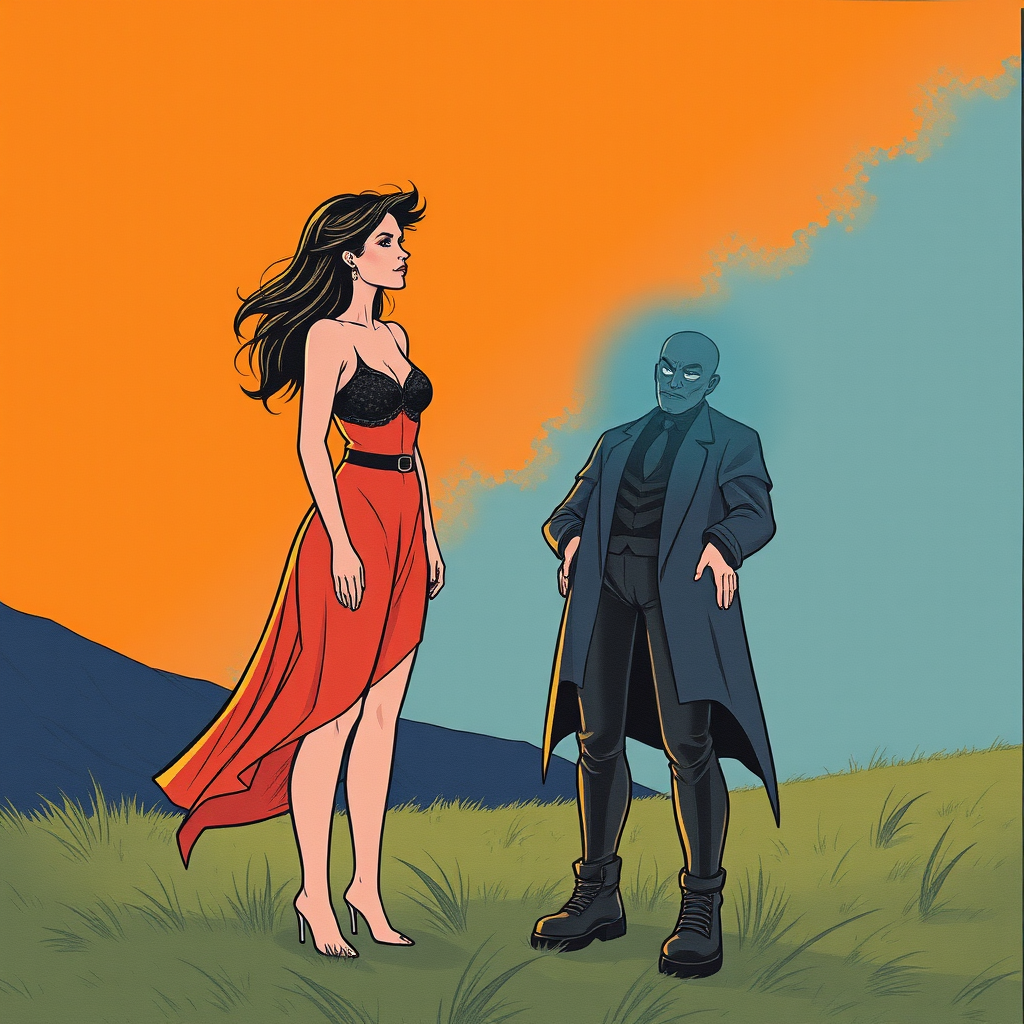
Mary, Mary, quite contrary. No one reads papers anymore. Not because they don’t exist, but because we can’t stomach it.
I picture you saddened by news of world events unfolding in the sickening slow motion of words frozen on the page in time.
And I wonder which is worse, the descriptions of violence we commit against each other on paper, or the real-time videos on social media?
Oh, how you would hang your head and weep at the morning “paper”, such as it is today, malicious hate unbearably wreaking havoc with impunity.
Oliver, Mary. A Thousand Mornings: Poems. Penguin Books, 2012.
All images created by Rebekah Marshall’s prompts using AI on Gencraft.com website.
I am reading Hafiz’s Little Book of Life, poetry by Hafiz-e Shirazi. He is challenging me to become more comfortable with ambiguity. I will share his poem and some of my thoughts on his poem (sometimes with the help of experts when the concepts are too hard for me), followed by a poem and some art inspired by his poem.
Hafiz’s Poem 9:
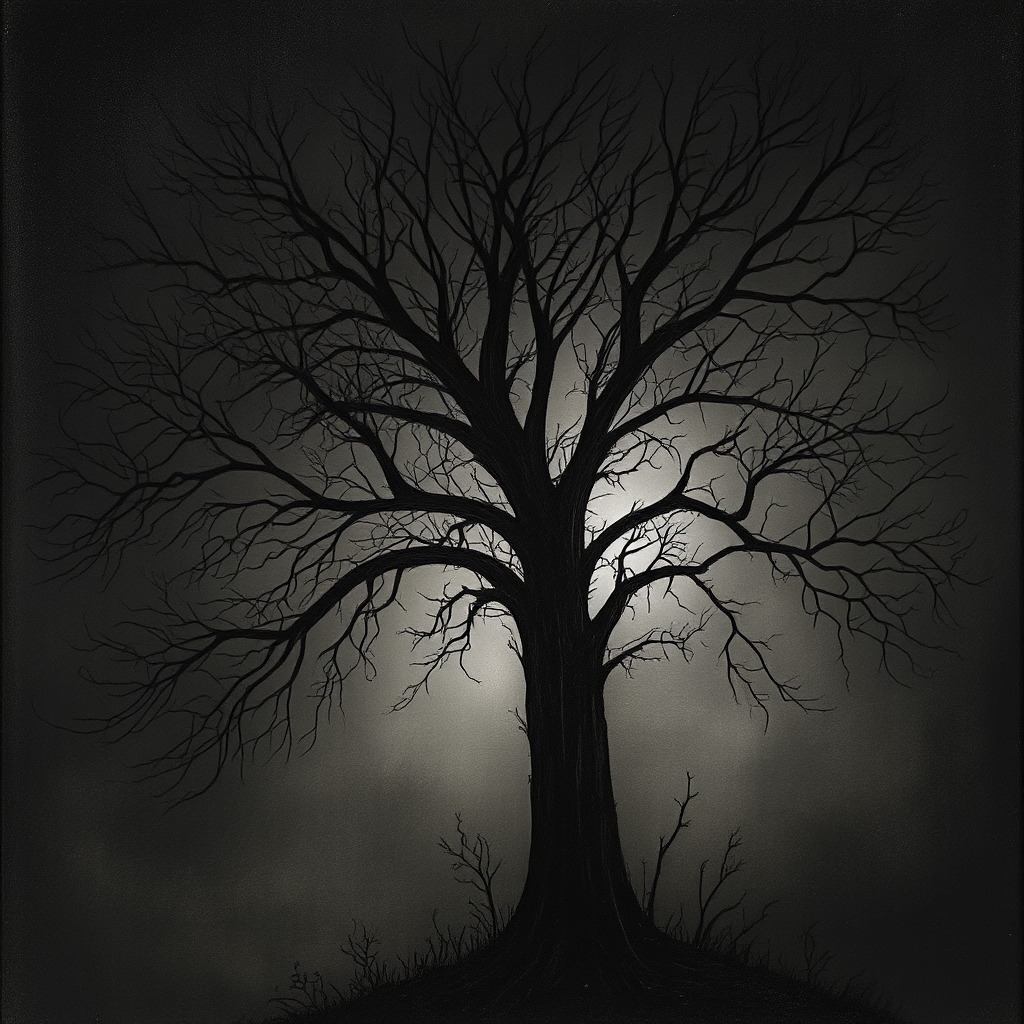
The city is in the dark
As the Eagle of Oppression
Spreads its giant wings
Some thoughts:
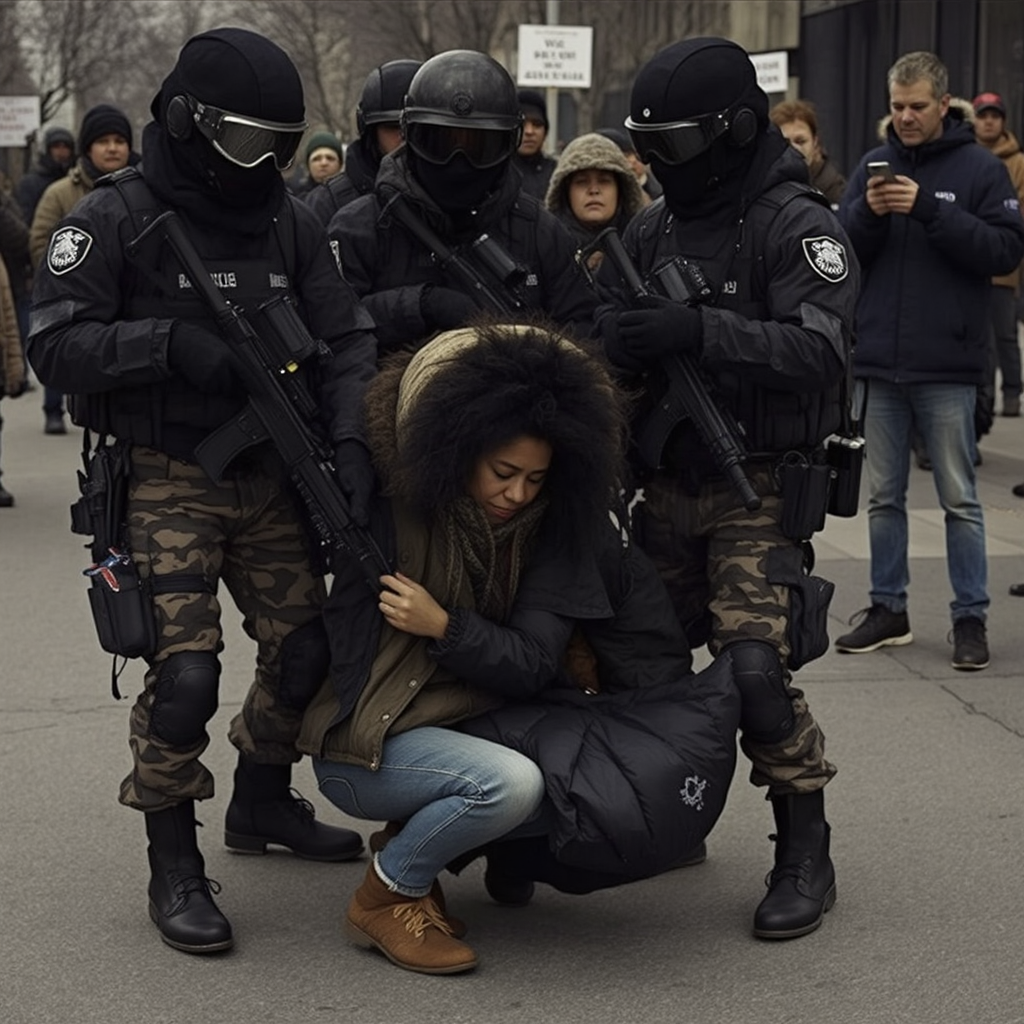
I had an immediate emotional reaction to this poem. Entire cities in my country are out protesting in freezing weather because federal ICE agents are detaining, kidnapping, arresting, violating, beating, and killing human beings. Whether they have the legal imperative to do such things is irrelevant. I do not believe violence is ever the answer. Such actions are immoral, unethical, and inhumane. It is the Eagle of Oppression in the form of a regime that is trying to instill fear into vulnerable minority populations in this country. It is wrong.
Hafiz knew precarious political times only too well. In his lifetime, he lived under 5 different rulers who were all eventually killed by someone else who wanted power. One particularly violent reign that terrorized the people with cruelty and many executions, also saw the banning of science, philosophy, music, and art. Many books were burned. Hafiz protested through poetry. This ruler was eventually blinded and imprisoned by his own son.
Oppression is not new. There have always been corrupt leaders, power-hungry forces, evil disguised as right. The names may change, but the shadow of darkness is the same.
My Poem 9:
Evil wears a mask kills Good and names it just.
There is no impunity with God no matter what they say.
The oppression of His children will not be forgotten.
Hafiz. Hafiz’s Little Book of Life. Translated by Erfan Mojib and Gary Gach, Hampton Roads Publishing, 2023.
All images created by Rebekah Marshall’s prompts using AI on Gencraft.com website.
I am reading Hafiz’s Little Book of Life, poetry by Hafiz-e Shirazi. He is challenging me to become more comfortable with ambiguity. I will share his poem and some of my thoughts on his poem (sometimes with the help of experts when the concepts are too hard for me), followed by a poem and some art inspired by his poem.
Hafiz’s Poem 5:
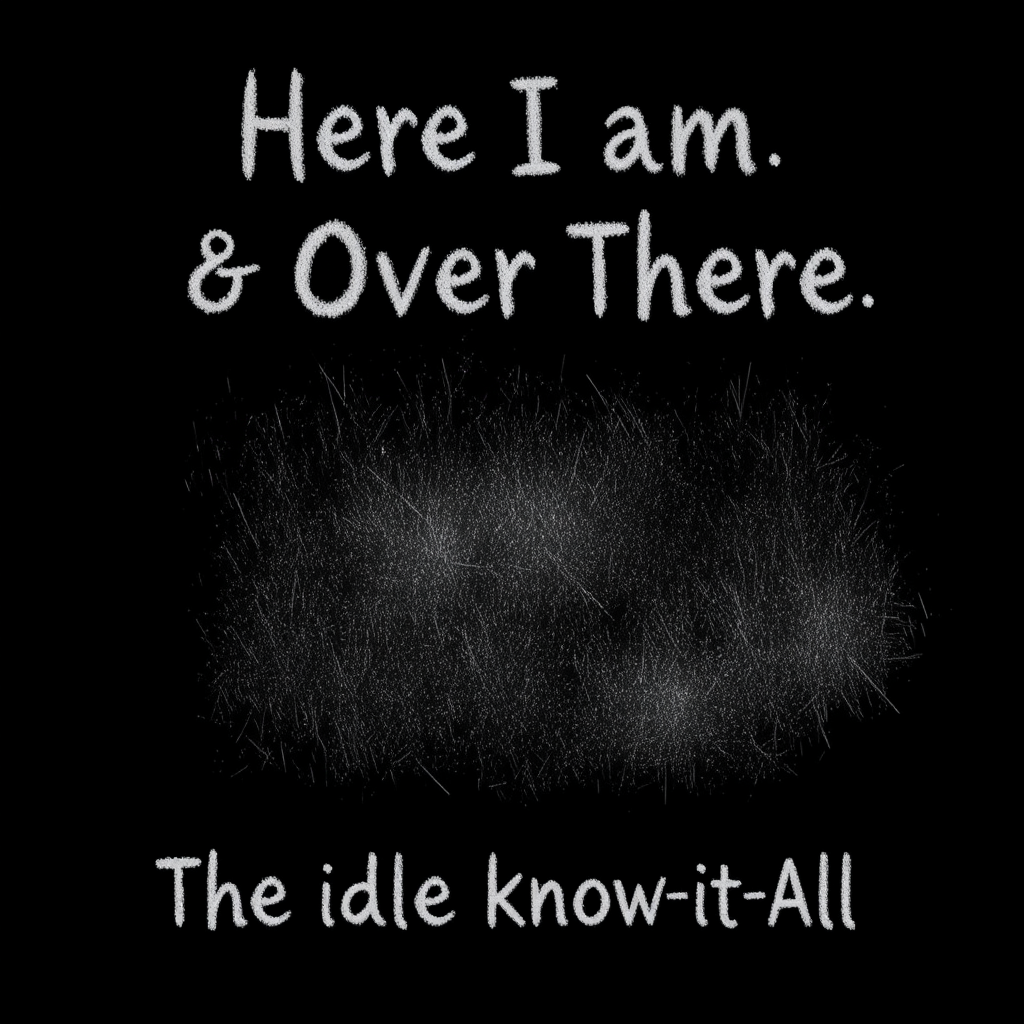
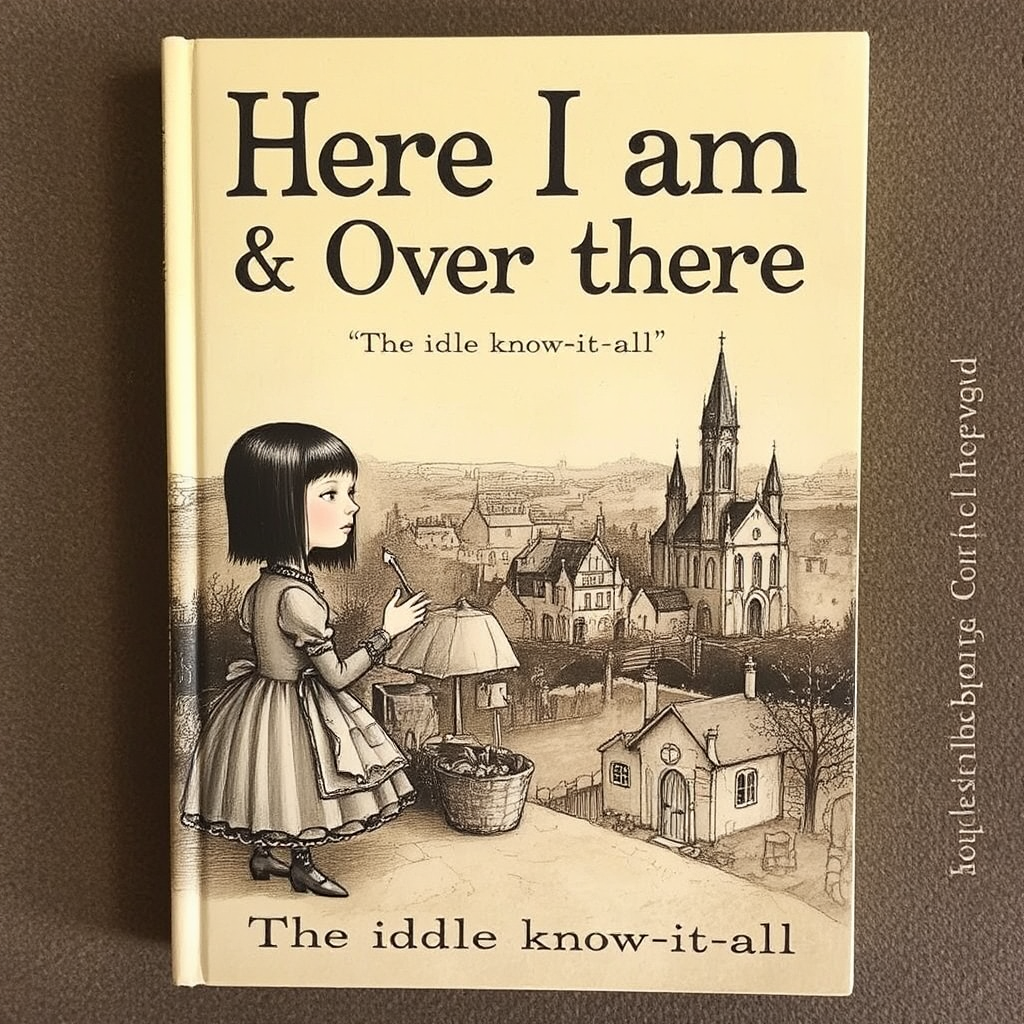
Here I am
&
Over there
The idle know-it-all
Some thoughts:
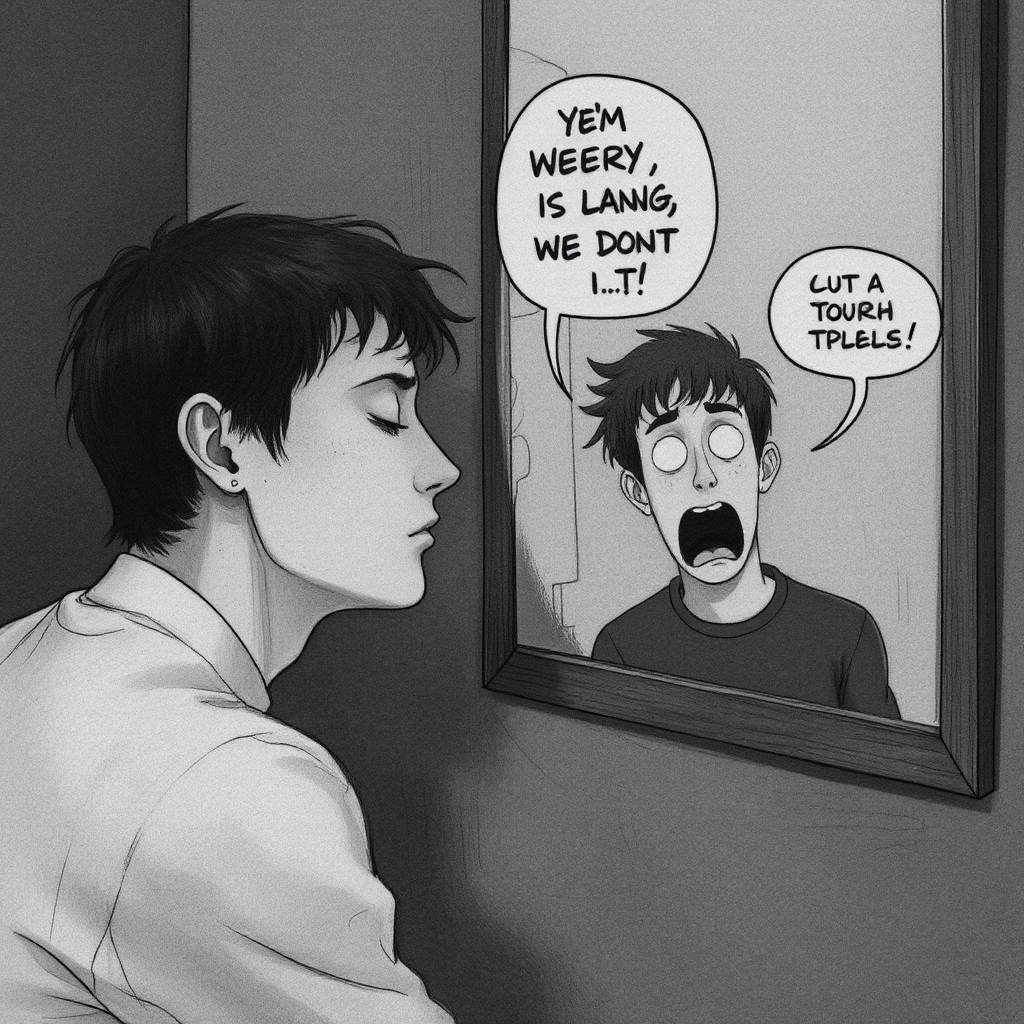
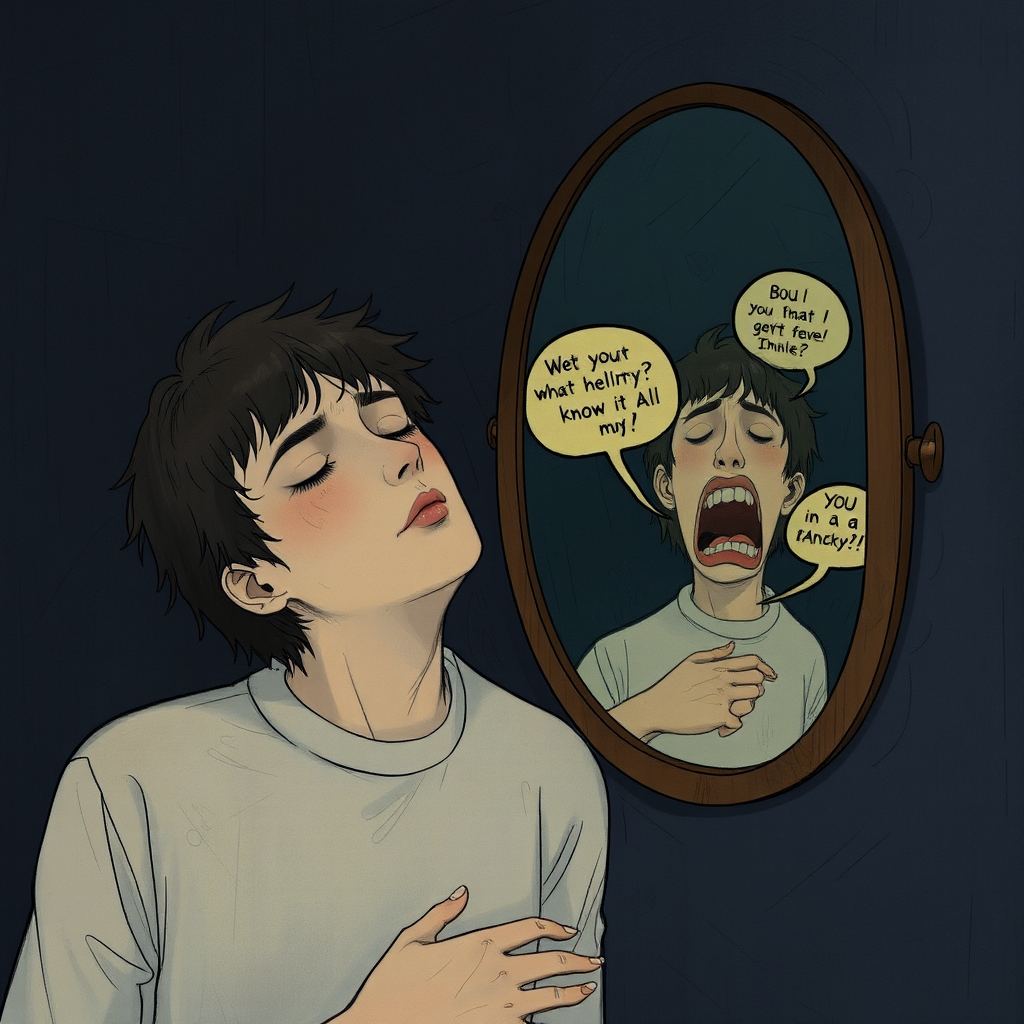
What a mischievous way to address the true, vulnerable, real self vs. the ego. The contrast is embarrassingly telling when I look back on situations in my past that were filled with hubris and arrogance. I thought I knew the answers to things of which I had no experience. I must have been insufferable at times. I probably still am. And how comforting to know that Hafiz, the wise mystic poet was aware of the same dichotomy within himself. Now, how to silence the idle know-it-all so I can open myself to learning what I do not know.
My Poem 5:
It is so easy to look at this and that and know exactly how it should have been. The answers are obvious in hindsight, though reality does not have a back test mode.
In trading, being half-right is impressive. Many a winning strategist lives off that. Presence, here, with my whole self, is what brings peace and vanquishes foolishness.
Hafiz. Hafiz’s Little Book of Life. Translated by Erfan Mojib and Gary Gach, Hampton Roads Publishing, 2023.
All images created by Rebekah Marshall’s prompts using AI on Gencraft.com website.
I am reading Hafiz’s Little Book of Life, poetry by Hafiz-e Shirazi. He is challenging me to become more comfortable with ambiguity. I will share his poem and some of my thoughts on his poem (sometimes with the help of experts when the concepts are too hard for me), followed by a poem and some art inspired by his poem.
Hafiz’s Poem 5:
Be in harmony
With the spring clouds
Some thoughts:
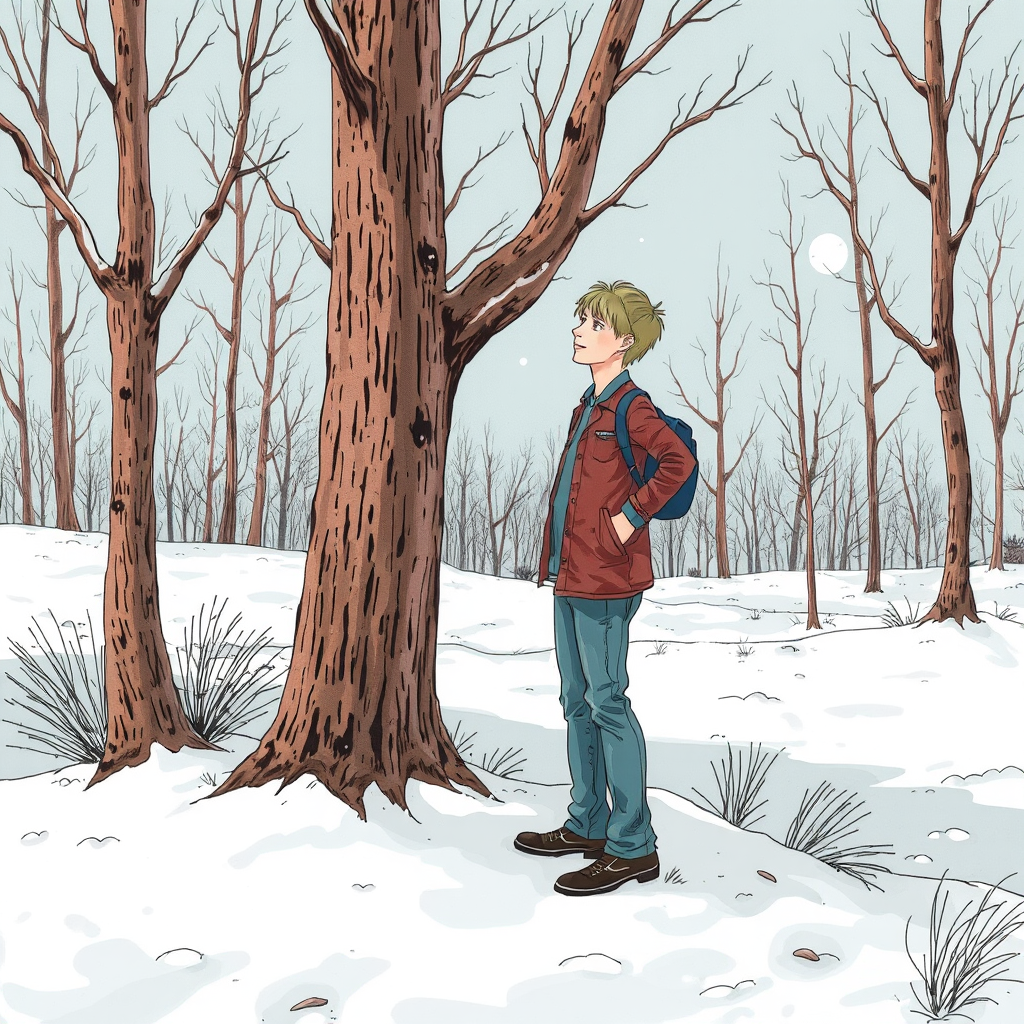
This little poem is packed with meaning, like a cloud full to bursting with spring rain. The concept of harmony is not demanding or structured, not perfect unison or absolute. It is complementary, attuned to the movement and ever-changing nature of formation. A cloud is by nature evolving endlessly. The idea of collecting the elements into oneself until so full you must release that life-giving abundance so it can pour out upon others is magical, mystical, and inspirational. And yet, it is something clouds do without conflict, easily, without a second thought. To move with the filling and sharing of abundance as naturally as a spring cloud would be a miraculous transformation.
My Poem 5:
Gathering, shifting unpredictably Carrying shade, rain, promise Teachers of impermanence Arriving gently Leaving unapologetically No clinging to shape No rushing of purpose No fear of change Moving inside time Dissolving as necessary
Hafiz. Hafiz’s Little Book of Life. Translated by Erfan Mojib and Gary Gach, Hampton Roads Publishing, 2023.
I am reading Hafiz’s Little Book of Life, poetry by Hafiz-e Shirazi. He is challenging me to become more comfortable with ambiguity. I will share his poem and some of my thoughts on his poem (sometimes with the help of experts when the concepts are too hard for me), followed by a poem and some art inspired by his poem.
Hafiz’s Poem 3:
To cut off my desire for life Would be easy, next to cutting off Dear Friends
Some thoughts:
If the desire for life in mystical philosophy is wrapped up in ego, renouncing the world, releasing ambition, etc., then Hafiz is saying that surrendering control is a piece of cake compared to severing relationships with dear friends. And the contrast he is setting up implies that he has no intention of severing ties with those he loves for supposed holiness or spiritual advancement. Perhaps he is even critiquing some of the spiritual asceticism some practices require of their members, like abstinence from human relationships and connection to others. Detachment does not mean abandoning those we love. God is love, so intimacy with others must be sacred.
My Poem 3:
Dissolve the untrue.
The last thing standing is love,
for love is not false.
Hafiz. Hafiz’s Little Book of Life. Translated by Erfan Mojib and Gary Gach, Hampton Roads Publishing, 2023.
I am reading Hafiz’s Little Book of Life, poetry by Hafiz-e Shirazi. He is challenging me to become more comfortable with ambiguity. I will share his poem and some of my thoughts on his poem (sometimes with the help of experts when the concepts are too hard for me), followed by a poem and some art inspired by his poem.
Hafiz’s Poem 2:
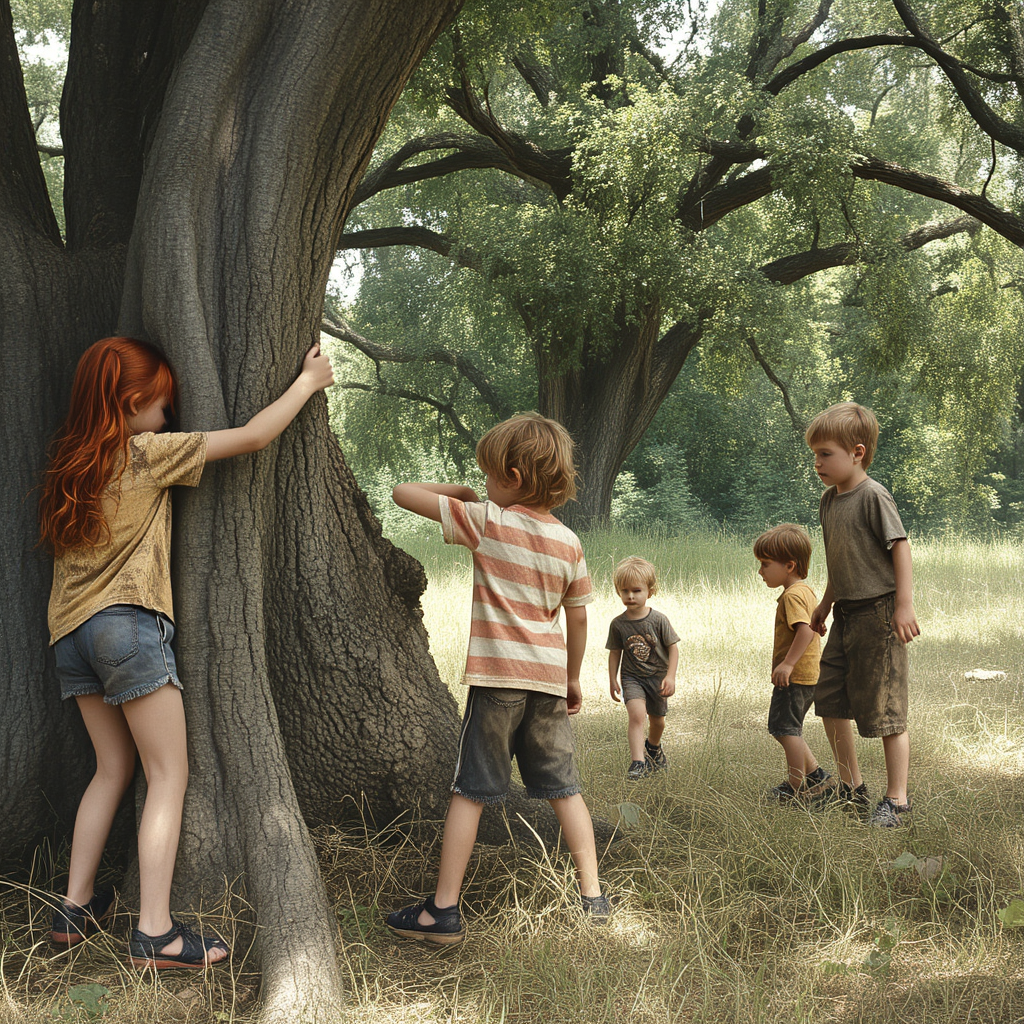
Everyone Drives by While I Walk on alone
Some thoughts:
I can only relate metaphorically to this poem because walking is difficult for me. With my joint degeneration and chronic pain, driving is much more my speed. However, I respect the deeper meanings that might be of the walking-to-the-beat-of-your-own-drum sort of metaphor. If “I” am doing something that seems to be different from “Everyone,” but I believe it to be what is best for me, I must persist, despite the aloneness. Perhaps because of the aloneness.
Sometimes solitude is the best way to connect to purpose, find center, ground. The harried rush of this world can sap our energy and distract us from the quiet inner contemplation that can connect us to our better selves. We cannot be of service to others if we are barreling through life so fast we have lost our own ability to reflect, to ponder, to get to know the quiet of our own minds. It is only here that most of us can hear the still, small voice.
I’m not sure what kind of drivers were racing past Hafiz on his alone walk in the 1300s, but I assume they were carts pulled by horses and people on horseback mostly. Faster than the pace of a walker, but nothing compared to the 80mph drivers on Texas highways. My, the poems he would have written about the rush of life we live today.
My Poem 2:
My H.E.B. has electric shopping carts for people like me to use in their store. They are slow, so as not to endanger other shoppers who could be run over.
They beep loudly and embarrassingly if I need to back up for overshooting. They are awkward for direction changes, and can be the cause of traffic jams.
But I no longer feel anything other than thankfulness when I drive them to shop. The lack of pain while choosing for myself provides autonomy and independence.
I may drag the cord behind me like a tail, stall and get stranded by a depleted battery, and back into the occasional display or wall, but I move at a pace that is mine alone.
Hafiz. Hafiz’s Little Book of Life. Translated by Erfan Mojib and Gary Gach, Hampton Roads Publishing, 2023.
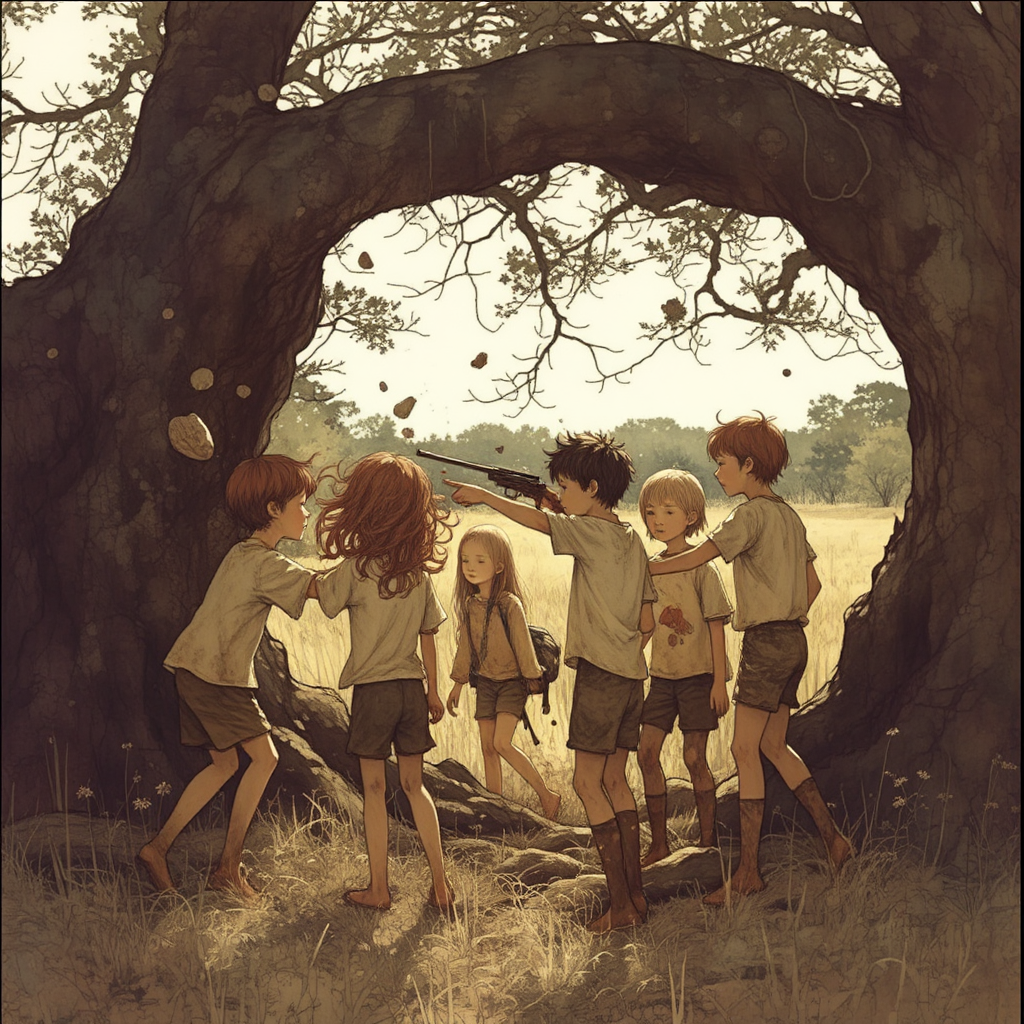
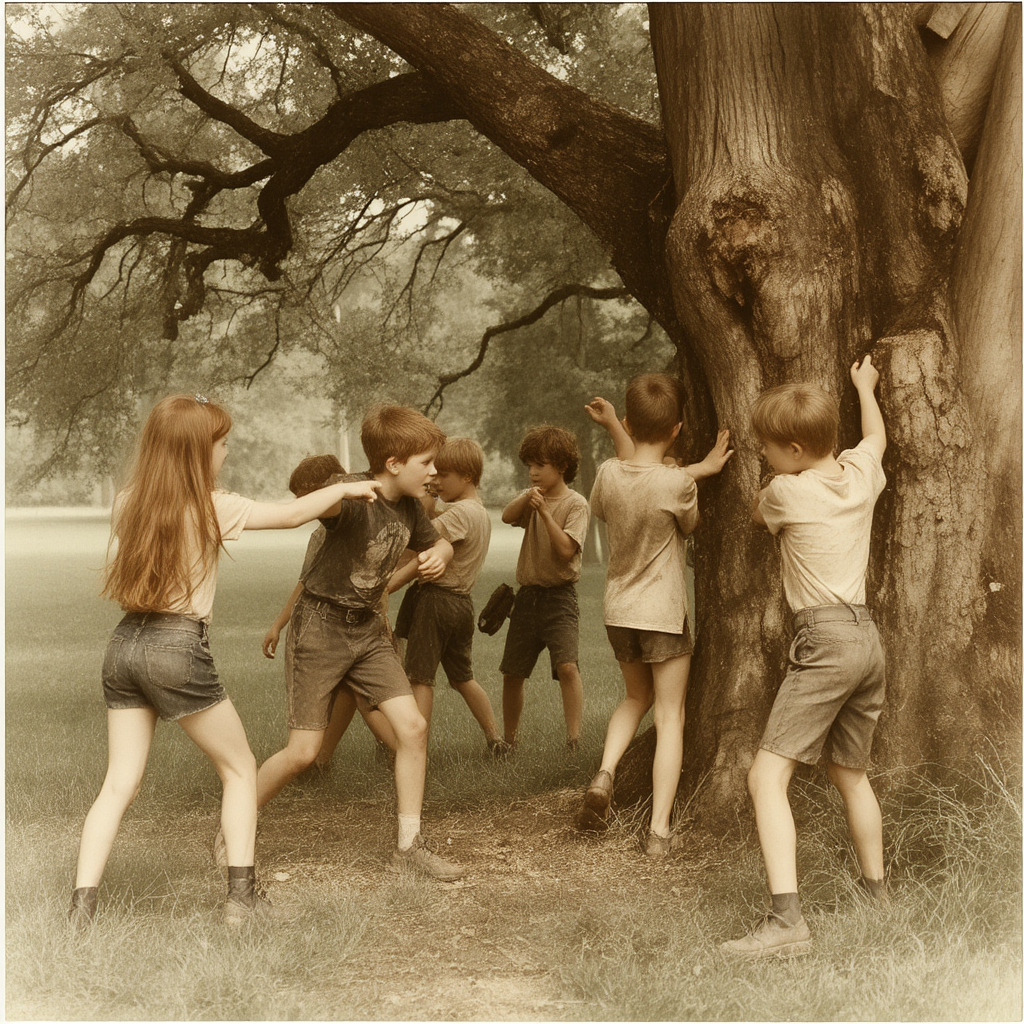
TRIGGER WARNING: This poem contains references to childhood trauma, gun violence, animal death and desecration, and disturbing imagery involving cruelty to animals. It reflects lived experience and may be distressing for some readers. Please read with care.
My son Trey, short for Trajectory, lives in a parallel universe. With my whiteness stirred in, he is a lighter-skinned miniature version of his father, right down to the little glasses that he’s needed since he started reading at the age of two. He stands in the driveway waiting for the school bus, swishing his skirts back and forth, and my heart aches because I know the teasing he will endure. He is a queen for the Living History Museum whose merits he and his father talked excitedly about while I made the costume, torn between pride that my son’s favorite person is a woman and the compulsion to pressure him to pick a man. This morning as I sip my tea in my present universe, tears spring unbidden at this memory. Here, my history-loving husband and I chose not to have Trey or any other children. Oh, how I miss my sweet boy.