My elephant thinks she’s invisible, despite the fact that I speak to her daily and offer to take her wherever she may wish to go.
She prefers to lurk in doorways, eavesdrop on my conversations with prospective employers and watch Korean dramas over my shoulder.
We’ve settled nicely into a routine of keeping each other at trunk’s length and eyeing suspiciously any behaviors indicative of confidence.
She likes it when I nap, over-schedule, talk on the phone, or make pictures of elephants in living rooms with other elephants in paintings and televisions.
I like it when she forgets her vow of silence, tells me what it’s like to take up so much space, to fill the room with herself, and trumpet her name.
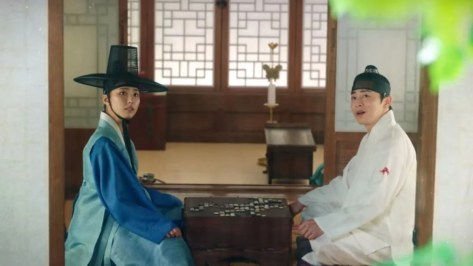
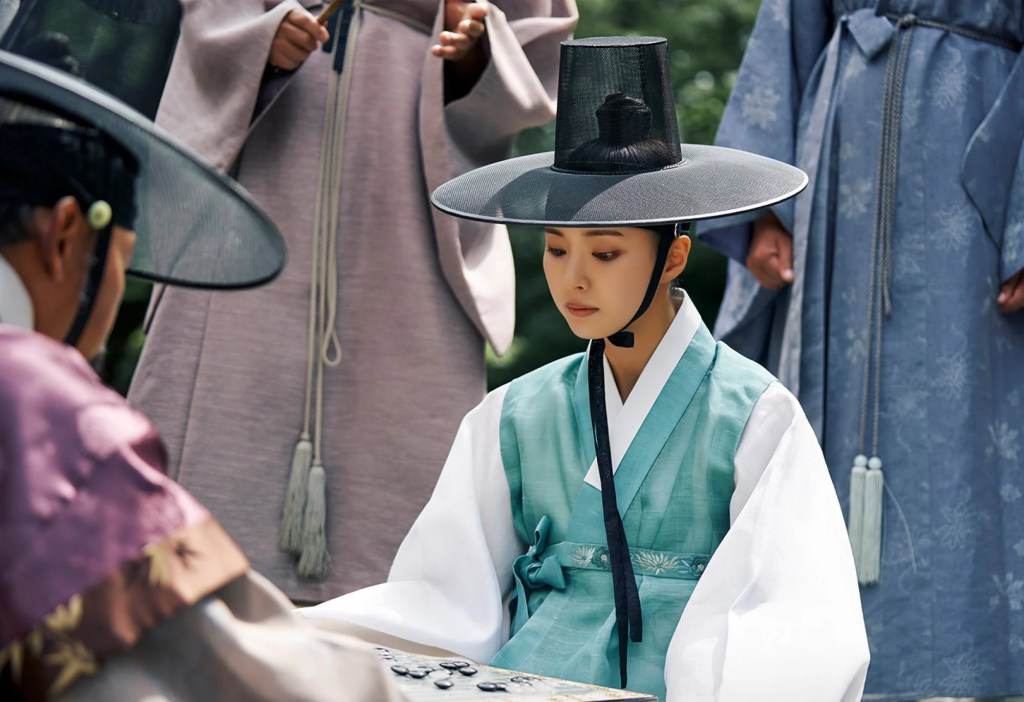
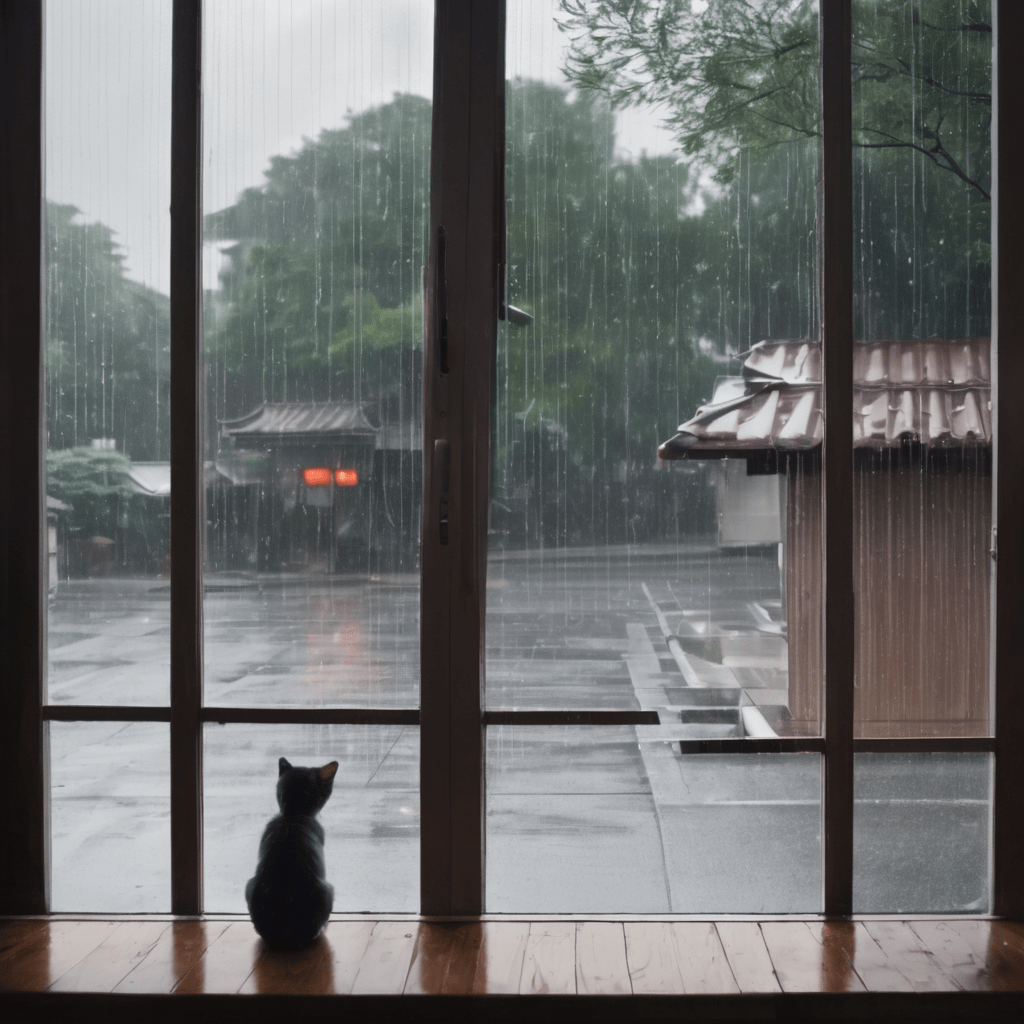
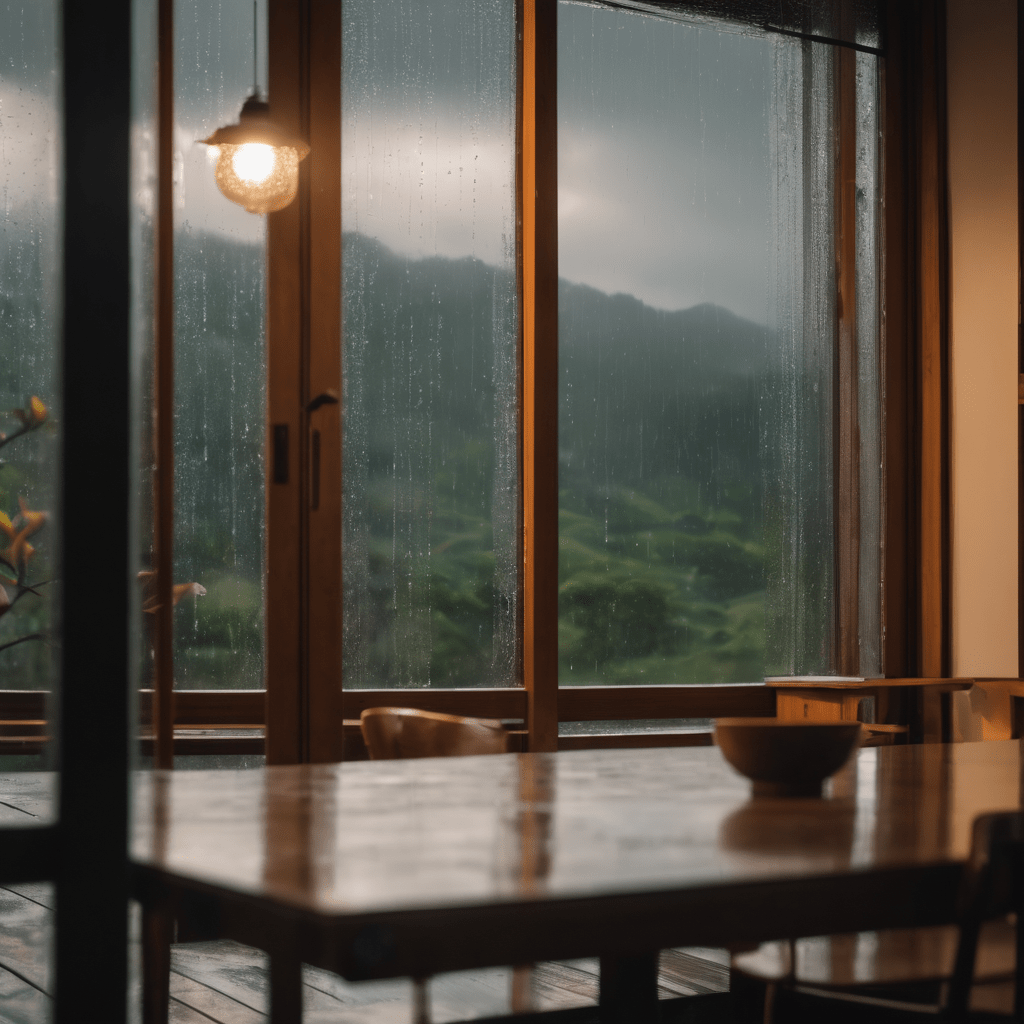
This person so intrigued the Crown Prince that he nicknamed them Drizzle in honor of his favorite weather.
Friendship born of intellect, shared sensibilities, and wit creates the game board on which all future maneuvers rely, regardless of gender.
The game is set, the stones properly aligned, the trash talk spoken in earnest, and thus begins the falling in love one move at a time.
@Home Studio after watching the 1st 2 episodes of the Korean period drama Captivating the King – 22nd poem of the year
In the Joseon era in Korea, they played a board game called Baduk (Go) an abstract strategy game with pieces called stones. Mongwoo is the Korean word for drizzle and the nickname given to the opponent by the Crown Prince because it drizzles the first time they play against each other.
Merlin once ran around waving a butcher’s knife like a mad man. Arthur, alarmed, pleaded with him to stop and explain himself. Merlin said he wanted to try thinking the way mortals seem to do, chopping and dissecting, using the mind like a blade.
The violent force of rationality divides, dissociates, isolates, detaches. It is the opposite of awareness which unites, marries, coalesces. The intellectual universe glue is knowingness, not “knowing things”. We see not by sight, but by tapping into the water of life at the source.
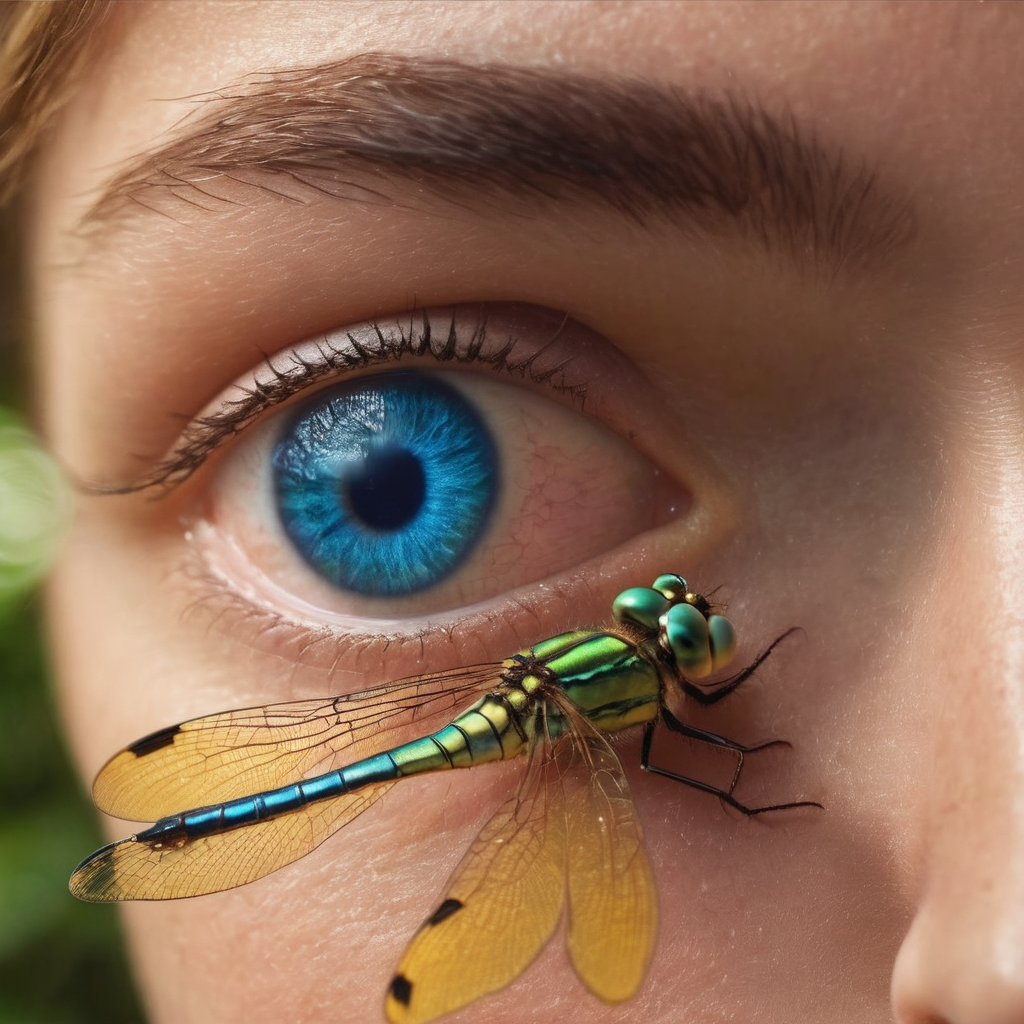
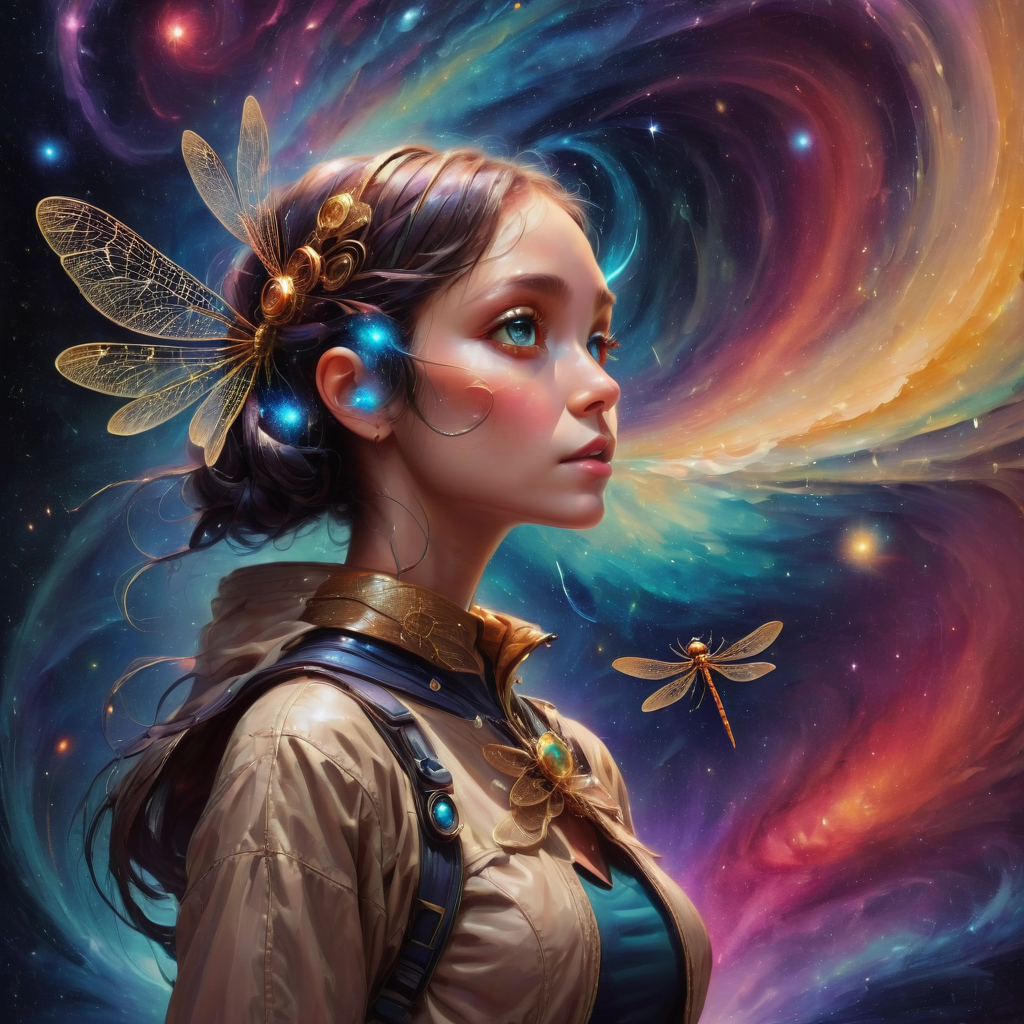
The “mind behind the mind” must be the “eye behind the eye” for the seer to stay the same no matter the scenery. Depending on the observer, this poem could be merely ink dots on wood pulp or electronic pixels rendered on a screen, or it could be ideas and information—awareness manifesting itself in “storable form”.
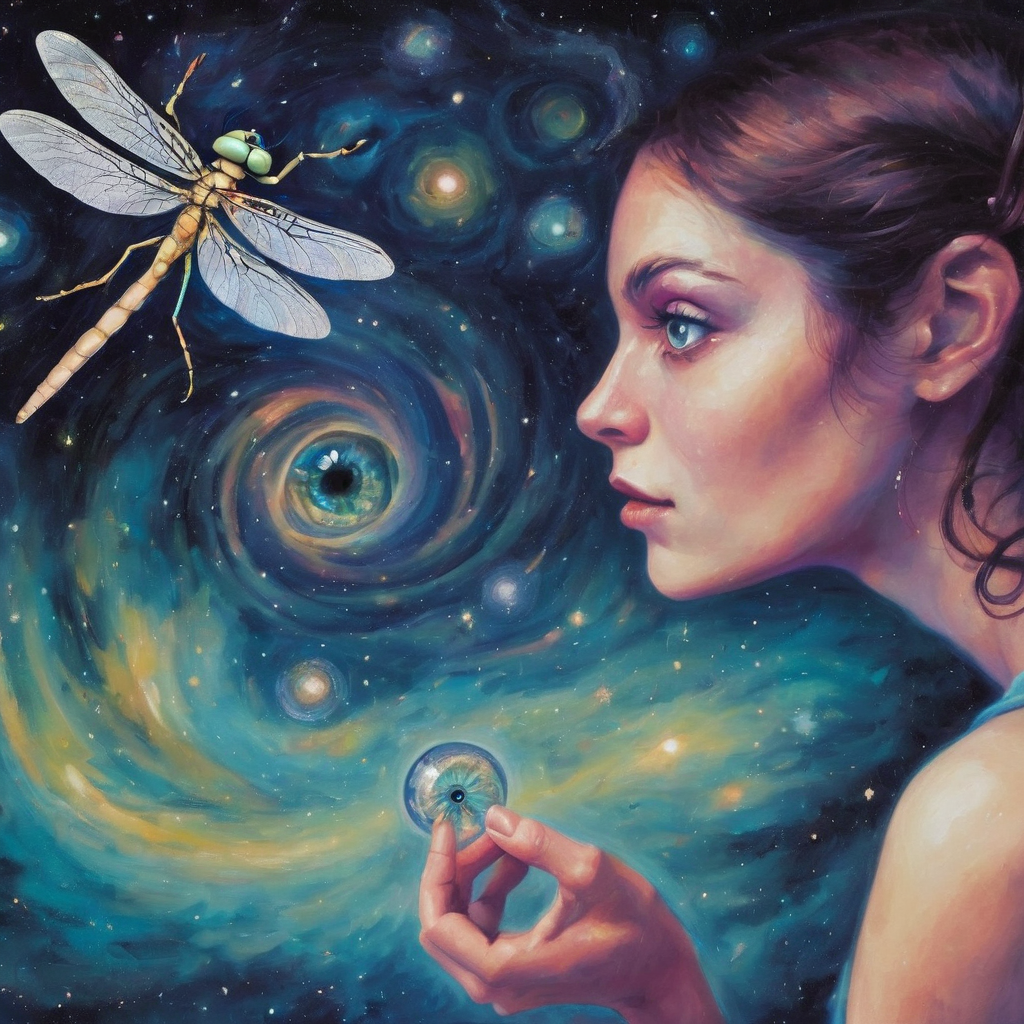
The eye reading this poem is an energy cloud miraculously capable of perceiving images. Yet, that same eye cannot see radio waves, neutrinos, dark matter, love.
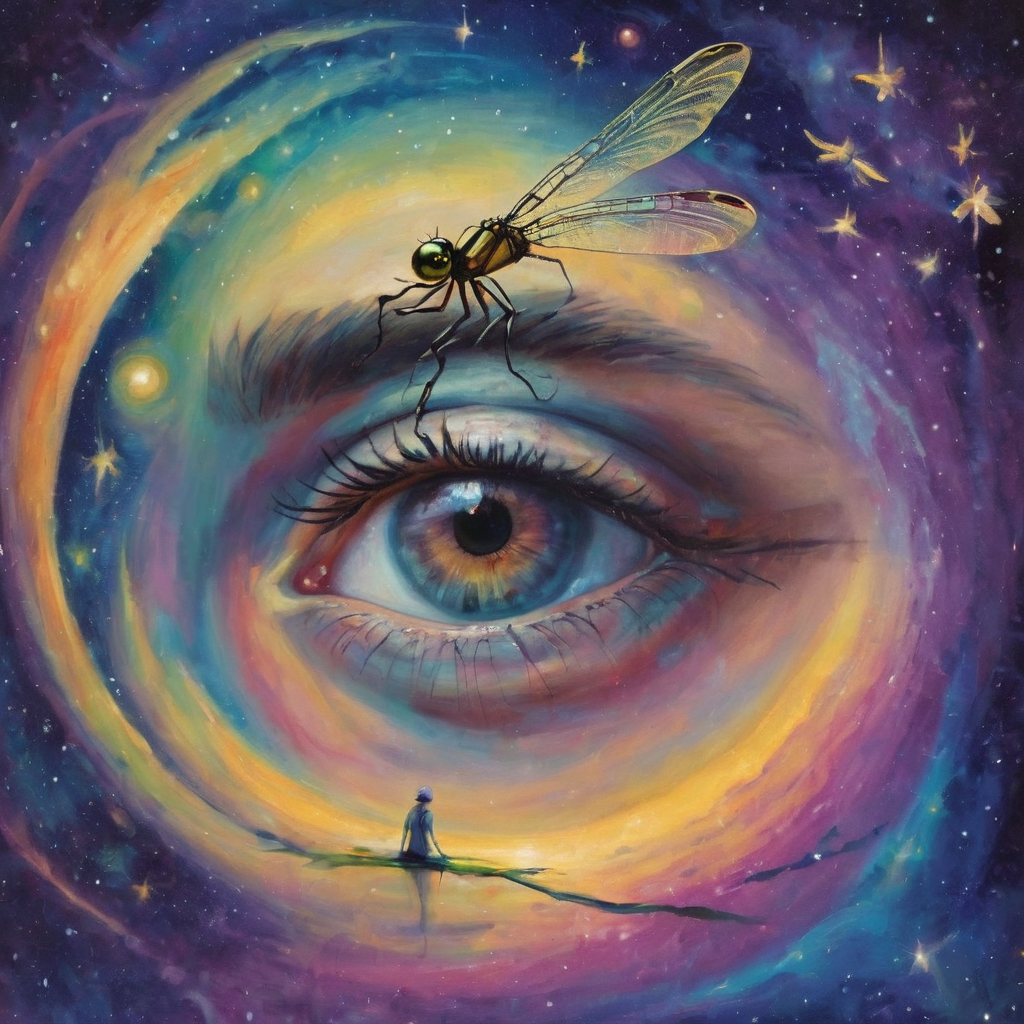
“Who saw the eye before the eye saw anything?”
This poem exists because a consciousness wanted to share this code and unfold strands of energy to be revealed to another consciousness, you.
Are you dreaming this poem or is this poem dreaming you?
@Home Studio – 21st poem of the year
Chopra, Deepak. The Way of the Wizard: Twenty Spiritual Lessons for Creating the Life You Want. New York, United States of America, Harmony Books, 1995, pp.29-34.
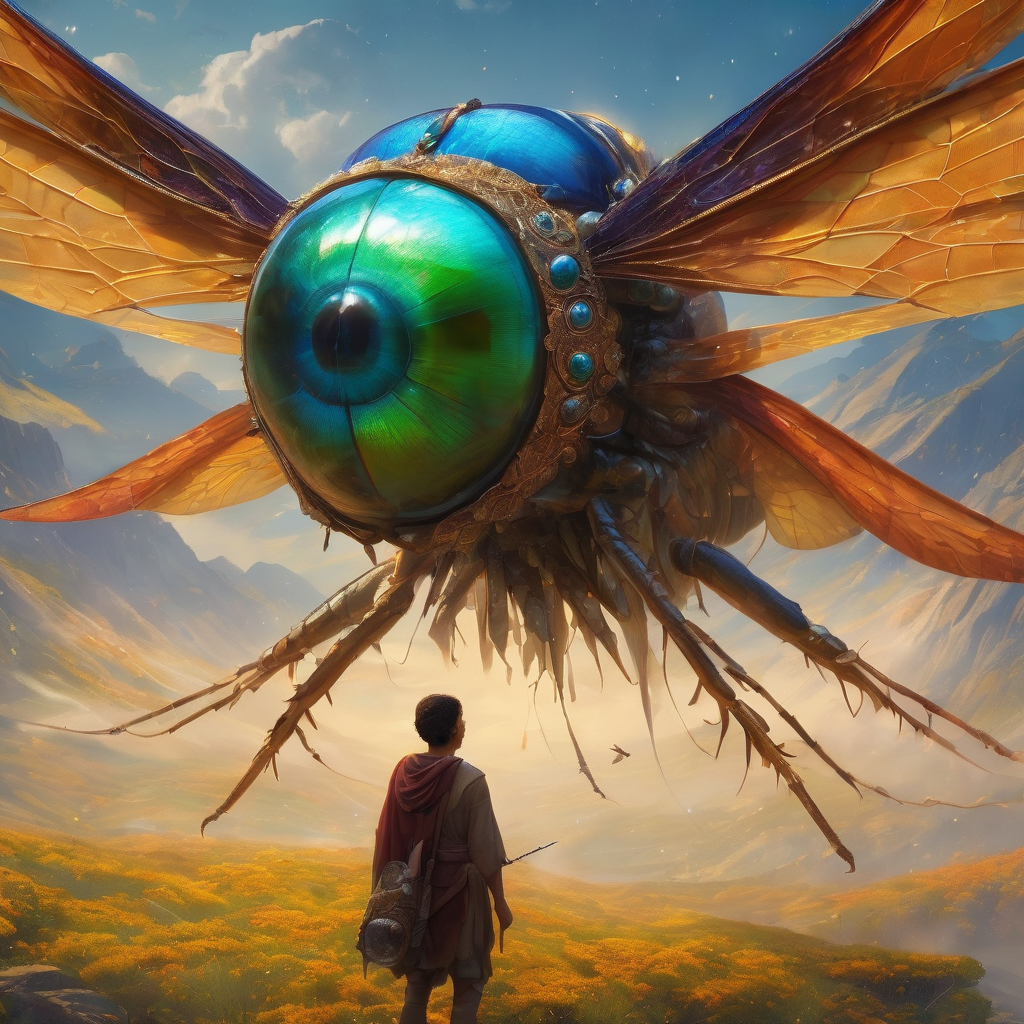
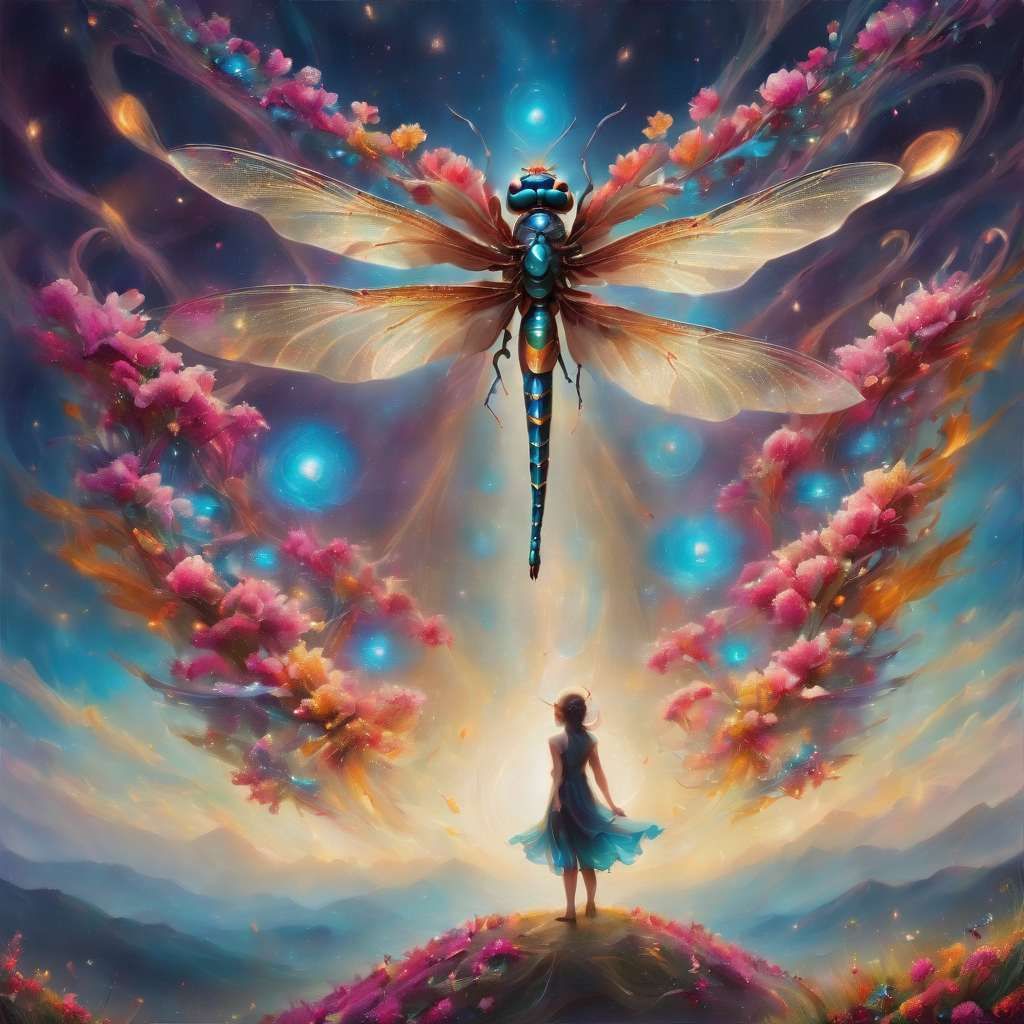
Runner ups for the AI cosmic oneness dragonfly observer photos to accompany my poem:
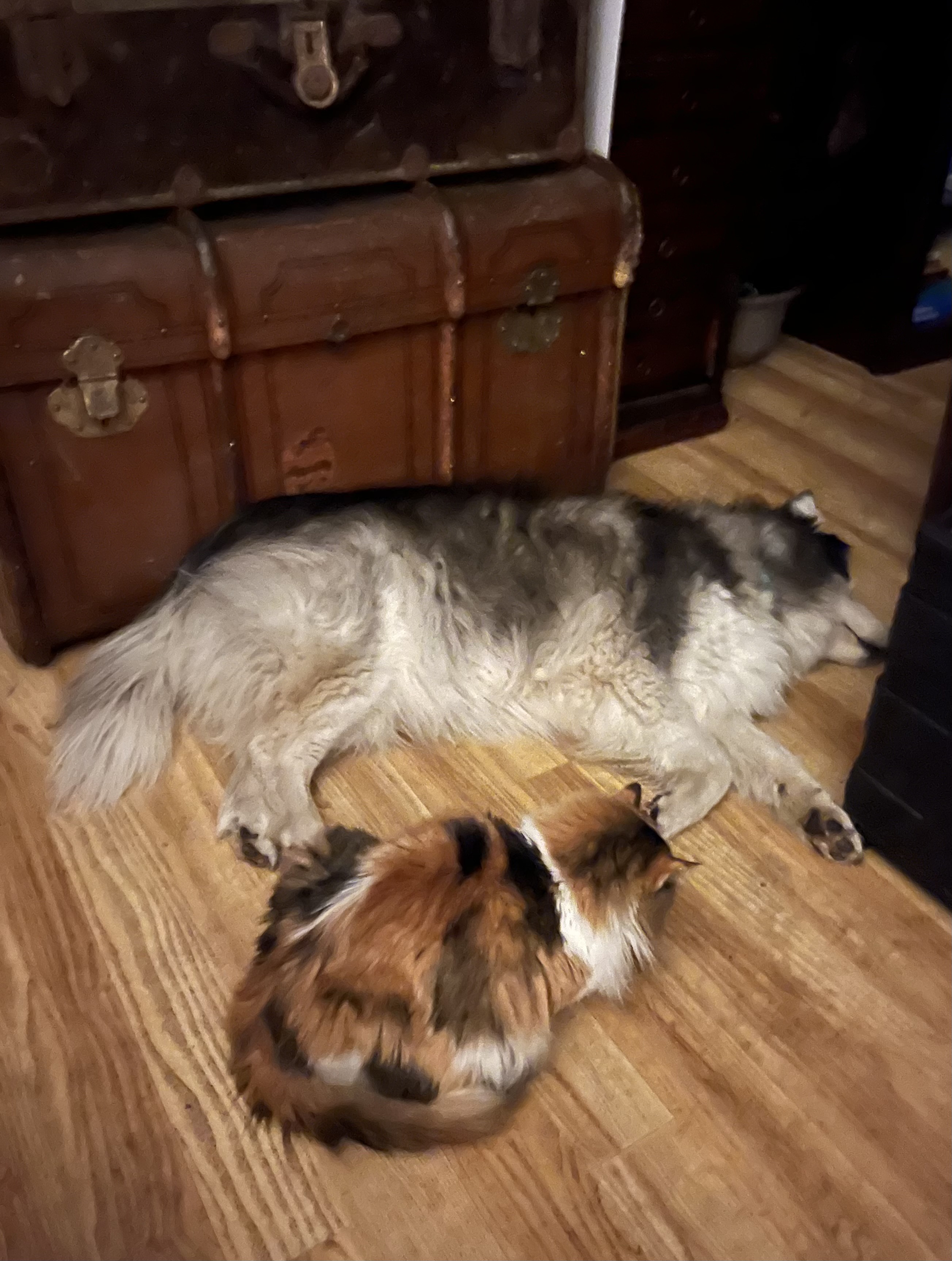
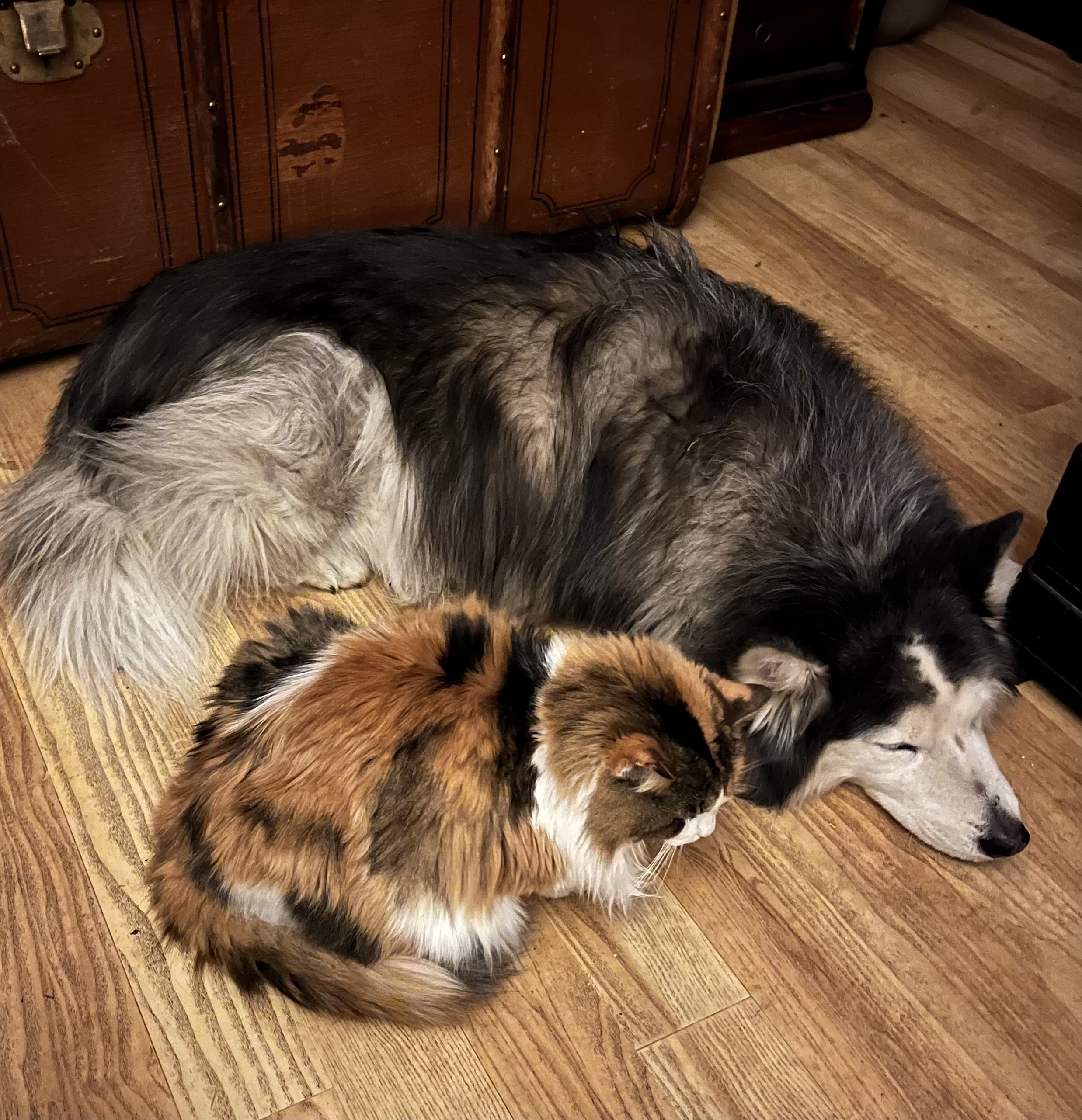
Beauty watches Aiko (the husky) sleep. She studies the paws positioned in perfect running formation, as though young again, racing at breakneck speed faster than thought. She notices the rise and fall of breath and memory, dream and peace. A double winter coat invites nestling, and Beauty contemplates placement, position, cause of least disturbance, optimal geographic juxtaposition of functional grace, busy relaxation, dutiful nonchalance, operative indifference. There is an art to being both beautiful and resolute, relevant and immaterial– a skill to pondering both nothing and everything—and she has perfected it.
@Home Studio – Watching Aiko and Beauty together – 20th poem of the year
If he rejects all your broken parts, he doesn’t deserve any of you. If she can’t accept you scars and all, she doesn’t need the pretty smooth layer. If they want to kick you while you’re down, they don’t get to celebrate your triumph.
If he hopes to bring you guilt and shame, he shouldn’t earn your praise or loyalty. If she turns away from your deepest pain, she doesn’t merit sharing your joy. If their words are meant to bruise and cut, they are not entitled to your heart.
Make no apologies; there is nothing you are not worthy of. You are a glorious, barricade busting, drum major marching, get back up again, not scared to be seen, flood sending, meant to be, proud bringer of this is me.
@Home Studio after attending Alamo Village Drafthouse’s The Greatest Showman sing along with Debbie and Liz – 19th poem of the year
Gracey, Michael. The Greatest Showman. Twentieth Century Fox, 2017.
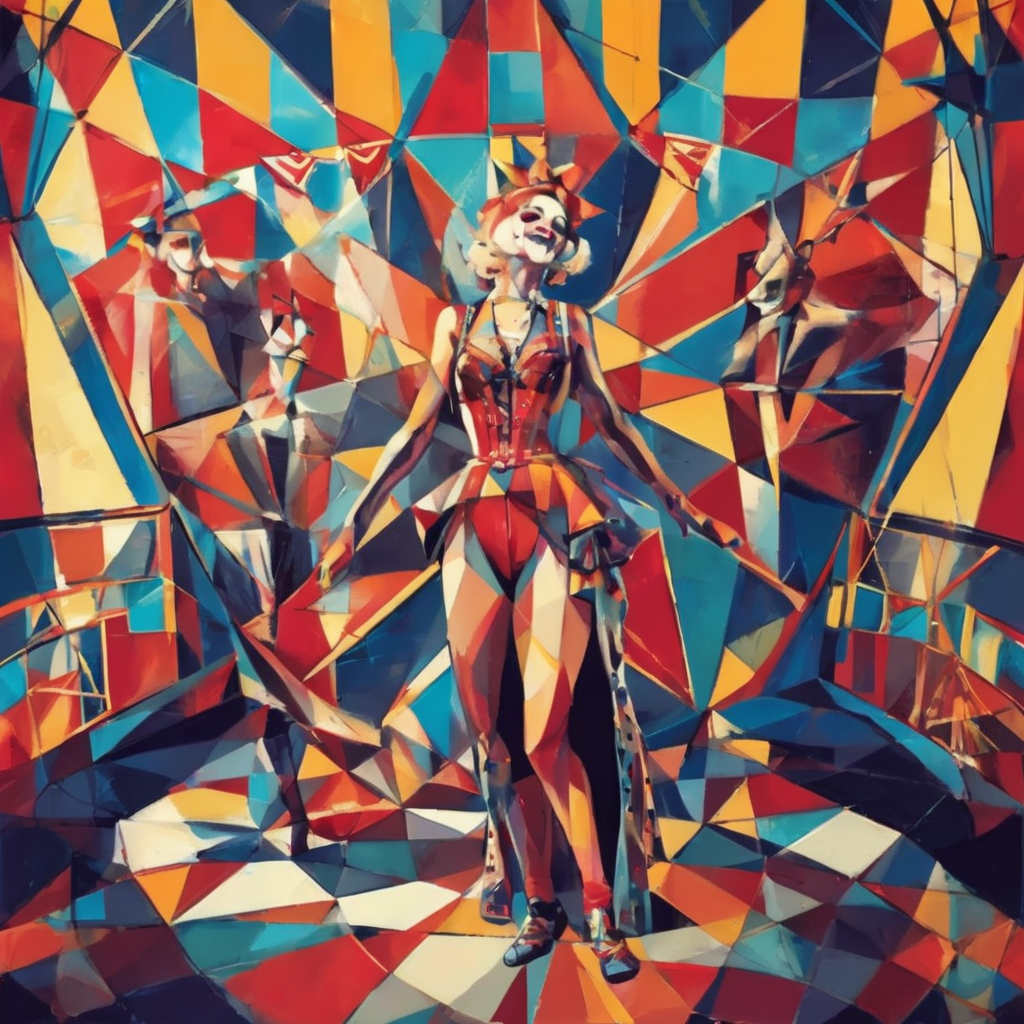
Runner ups for the AI circus proud and unique photos to accompany my poem:
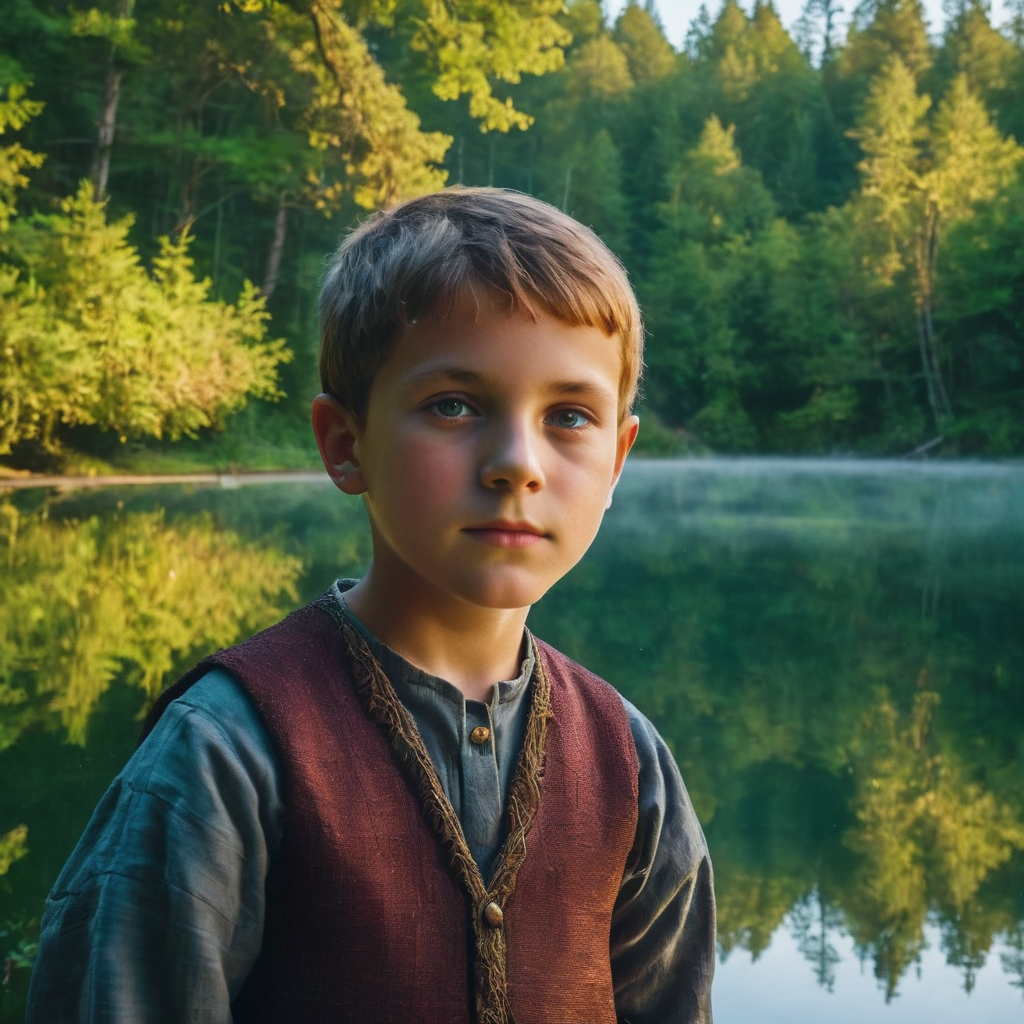
Arthur could not see his own reflection in the clear water pond and was afraid to confess as much to Merlin. I thought of him today and the lesson he was taught in response to the wonderful news that a lack of self-image is a sign of innocence.
To gaze peacefully out my sliding glass door is an act of creation, for the observer plants the seed of life by noticing, recalling, becoming invested in, and growing to love the deer who stand munching, daring the dogs to bark, antlers high in defiance, the squirrels chittering angrily as they race along the fence top, provoking growls and menace, the birds who nest, the possums who hide, the mice who find their way inside, the skunks who waddle around in the dark, magical beasts who sparkle with newness if only we clean our lenses, witness them afresh, and listen for the faintest of songs sung by them all called, “Behold yourself.”
@Home Studio – 18th poem of the year
Chopra, Deepak. The Way of the Wizard: Twenty Spiritual Lessons for Creating the Life You Want. New York, United States of America, Harmony Books, 1995, pp. 23-28.
Runner ups for the AI cosmic oneness photos to accompany my poem:
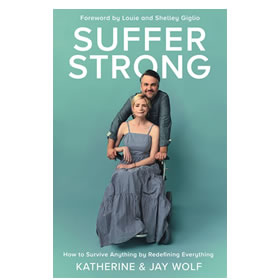
“When we insulate ourselves from the possibility of harm, we also deprive ourselves of the beauty that our brokenness can display.” -Jay Wolf in Suffer Strong
Strong suffering bears little resemblance to gritting of teeth, white-knuckled grip, muffled cries to spare sensibilities ill-suited to pain.
No, strong suffering is the unfurling of a closed heart to her lover, a ripening of self, splitting apart of shell to reveal the vulnerable underbelly of fear.
Strong suffering does not batten down the hatches and bolt the doors against all possible atrocities, real or imagined.
No, she flings open the shutters to welcome the wind and invites the intruders to break bread at her table, her only intention to pay attention.
@Home Studio after finishing the book Suffer Strong by Katherine and Jay Wolf – 16th poem of the year
Wolf, Katherine and Jay, Suffer Strong– How to Survive Anything by Redefining Everything, Zondervan, Michigan, 2020.
Sor Juana of the Spanish Golden Age refused to see through rose-colored glasses. She says she preferred, with words on the page, a different view from all the masses.
With both of her eyes in both of her hands, she would rather her vision be by touch, than live life lost in nonsensical lands created by imagination’s crutch.
But optimism was filtered through green instead of rose when that great lady lived. The color of aloe, basil, and trees;
nature’s youth, death’s only alternative. Her sight was such that she must have foreseen more colors than anyone could forgive.
@ Home Studio after reading “Sonnet 152” by Sor Juana Inés de la Cruz translated by Edith Grossman -15th poem of the year.
Sor Juana Inés de la Cruz – Selected Works. Translated by Edith Grossman, W.W. Norton and Company, New York, 2014, pp. 64.
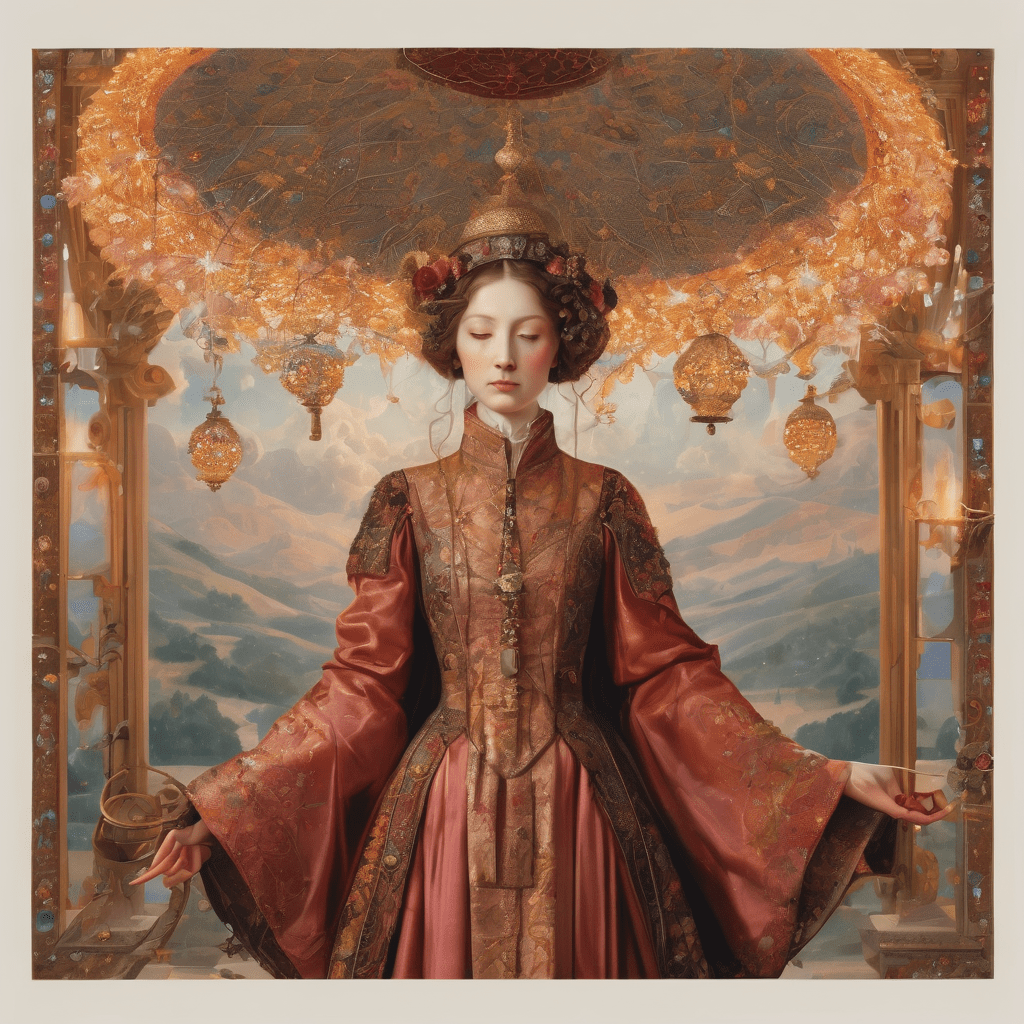
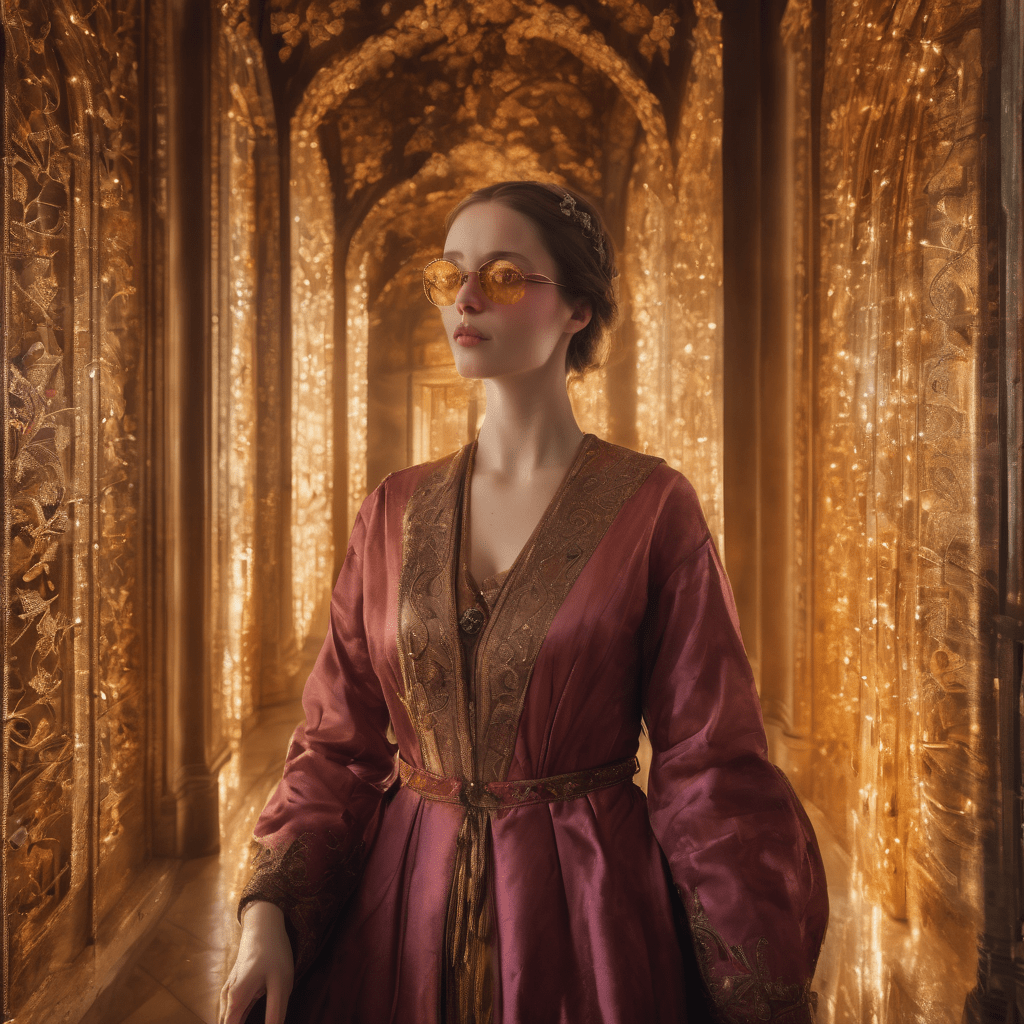
Runner ups for the AI Sor Juana blind rose-colored glasses photos to accompany my poem:
And a few more because they turned out so pretty:
Sor Juana was a feminist nun intellect writer (etc.) who lived from 1651-1695 and is often called the 10th Muse of Mexico. I am reading a book of her writings currently that has been translated into English. I was struck by “Sonnet 152” and the imagery used in her time of green hues rather than rose-colored glasses as the tint of false optimism we recognize currently. I happen to like my glasses quite rose-colored, thank you very much, but I get what she’s saying, especially since she lived in a time when women were much more oppressed. Her criticism of misogyny led to her censure by the church and confiscation of her possessions including over 4,000 books, musical instruments, scientific equipment, etc. She died a year later of the plague.
“Oh, there’s no need to cry because life is a carnival, and it’s more beautiful to live singing.” -Celia Cruz “Life is a Carnival”
“Ay, no hay que llorar que la vida es un carnaval, y es más bello vivir cantando.” -Celia Cruz “La Vida Es Un Carnaval”
“Ay, no hay que llorar…” Tears don’t heal a scar. Instead, accept la paz granted only by loss to those hit by the rule “Que la vida es cruel.”
You see, it’s a lie, this compunction to cry, for it says we’re alone, pero “nunca estará solo.” Dios está contigo. God is where we go.
And when we hate or raise complaint, sin, pollute, make war, “Ay, no hay que llorar…” Rather, sing one and all “que la vida es un carnaval.”
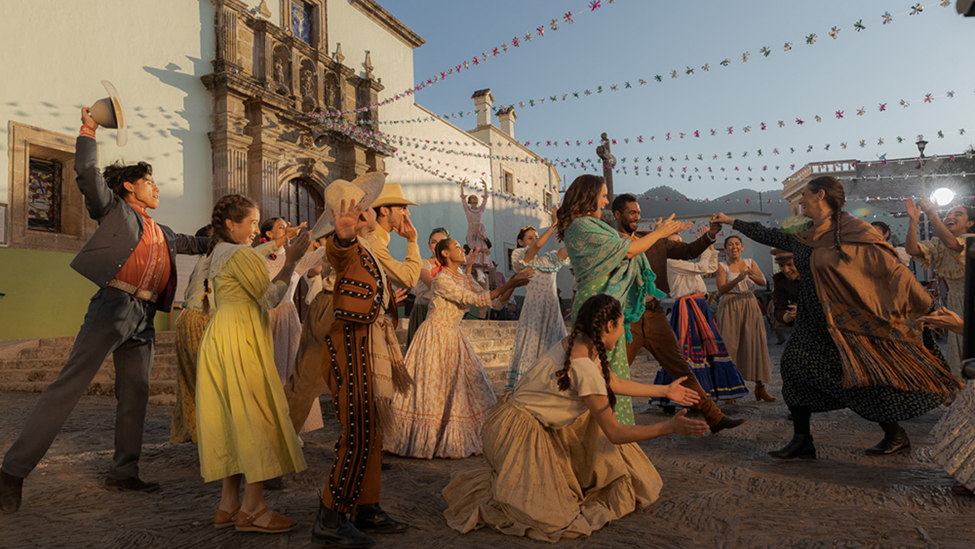
(@ Home Studio after watching the Spanish musical La Usurpadora: The Musical with Celinda and Debbie, which featured Celia Cruz’s song as the opening number. I have many happy Salsa memories dancing to this song – 14th poem of the year.)
Translation Spanish to English (It will not rhyme in the translation):
“Oh, there’s no need to cry…” Tears don’t heal a scar. Instead, accept the peace granted only by loss to those hit by the rule “that life is cruel.”
You see, it’s a lie, this compunction to cry, for it says we’re alone, but “we are never alone.” God is with us. God is where we go.
And when we hate or raise complaint, sin, pollute, make war, “Oh, there’s no need to cry…” Rather, sing one and all “because life is a carnival.”
Cruz, Celia; Daniel, Victor, “La Vida Es Un Carnaval,” Mi Vida Es Cantar, 1998. La Usurpadora: The Musical, Limón; Santiago, Hiojos, María. Walden Entertainment, Inc., 2023.





























 rebekahjmarshall