Tag Archives: family

Hafiz – Poem 40

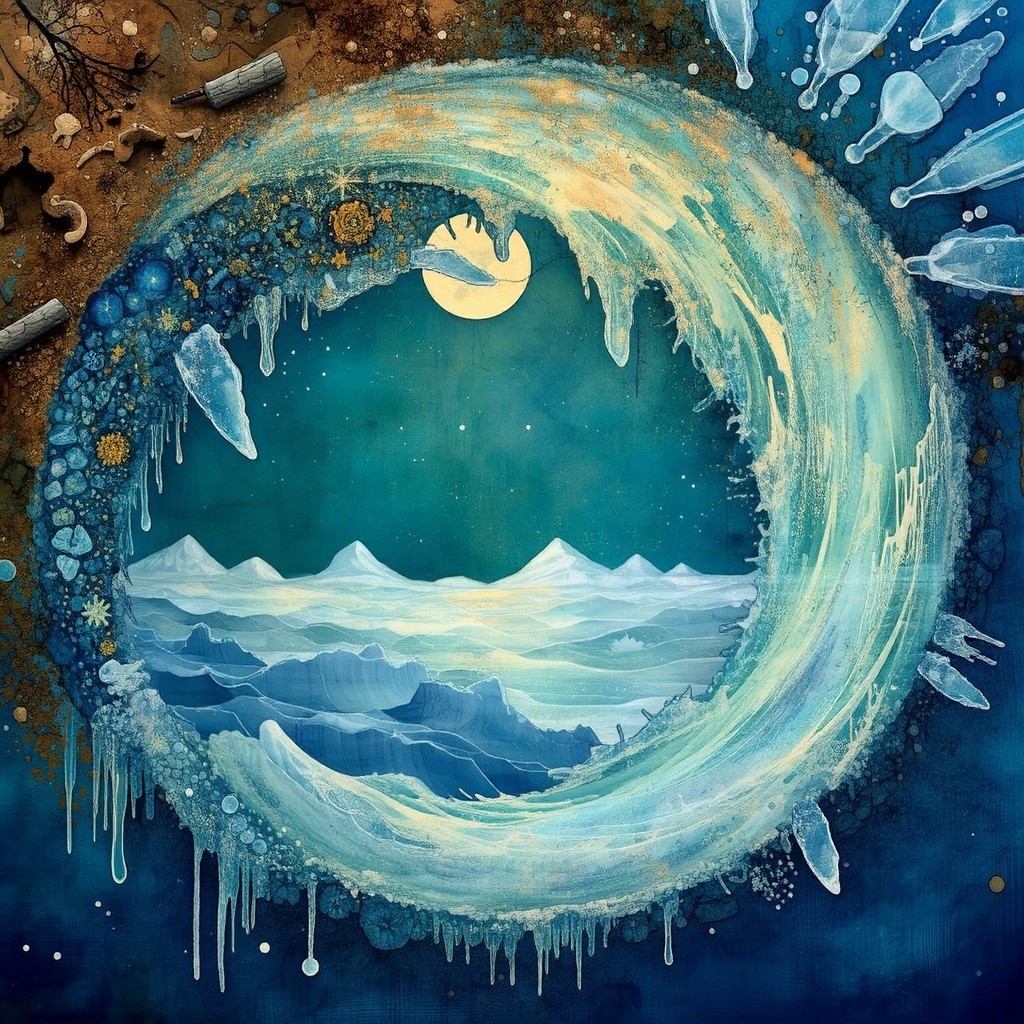
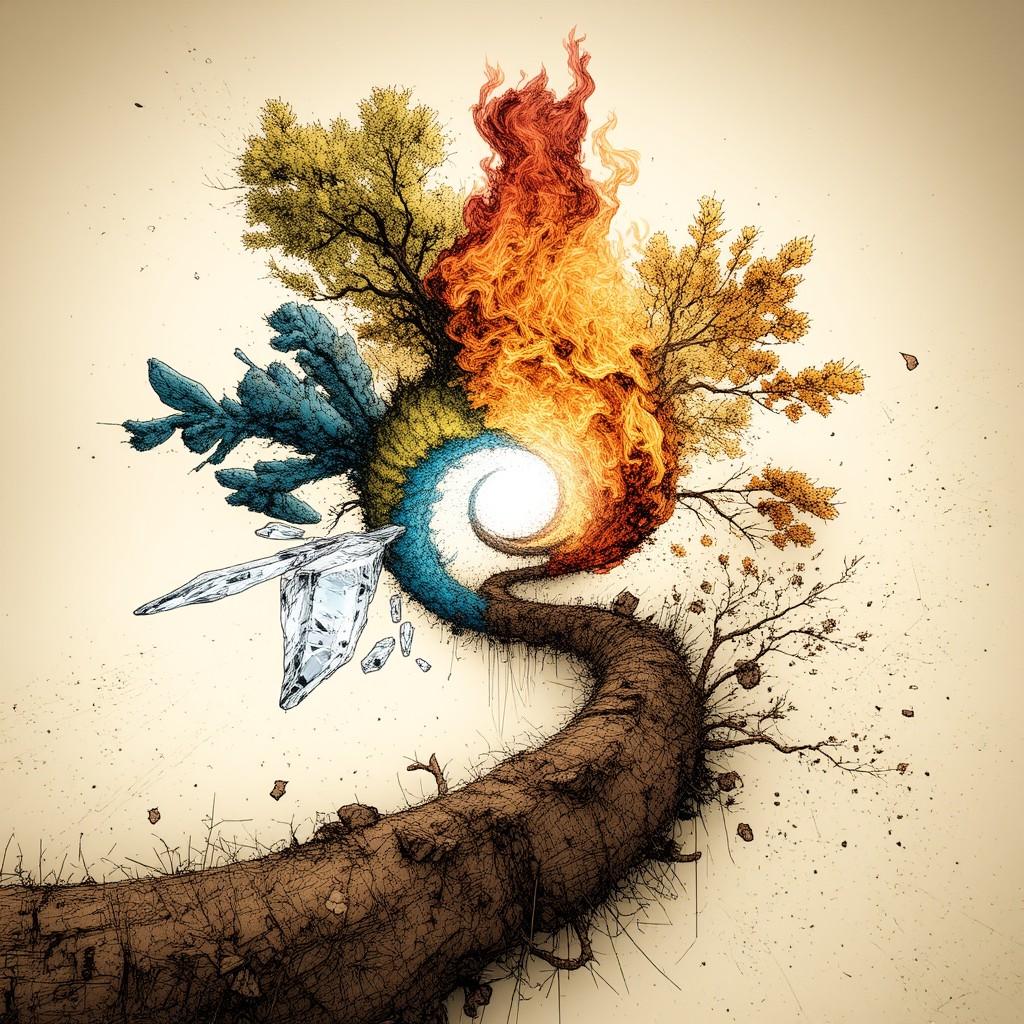
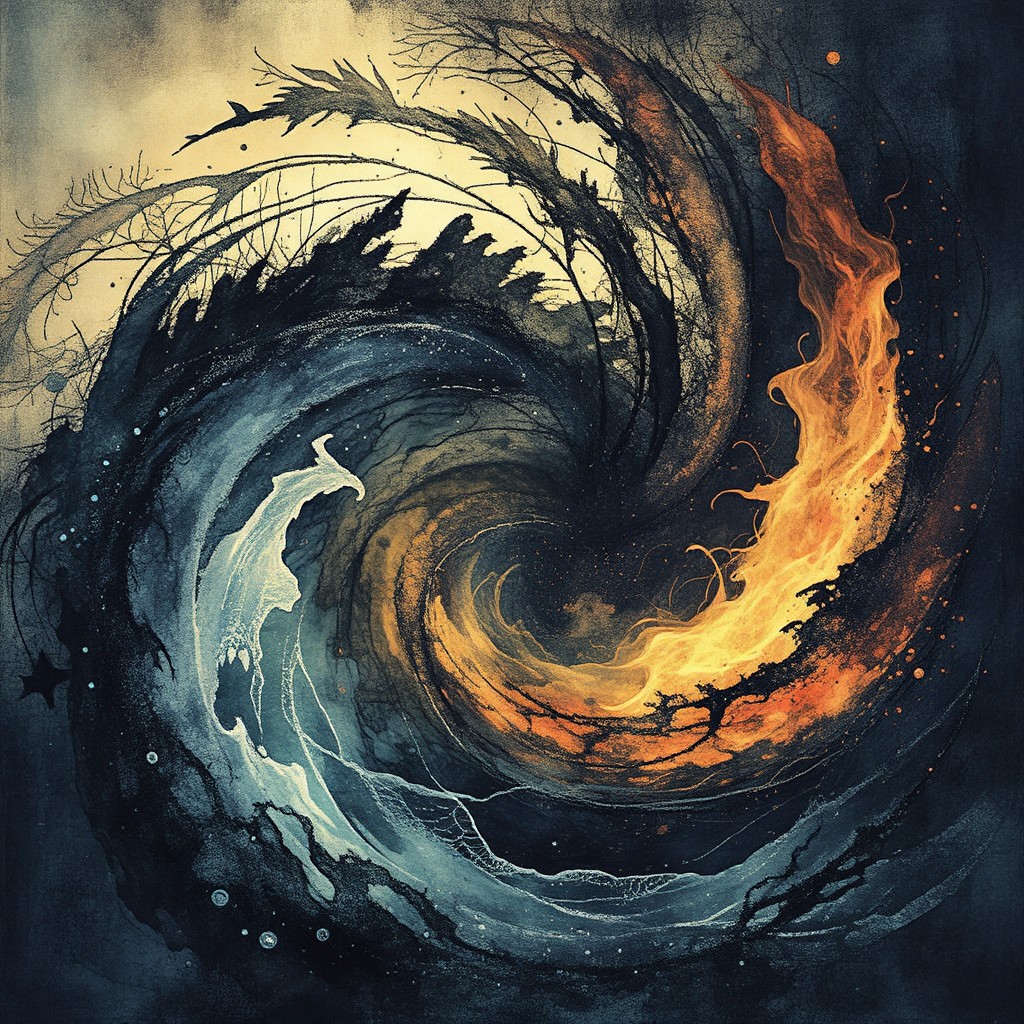
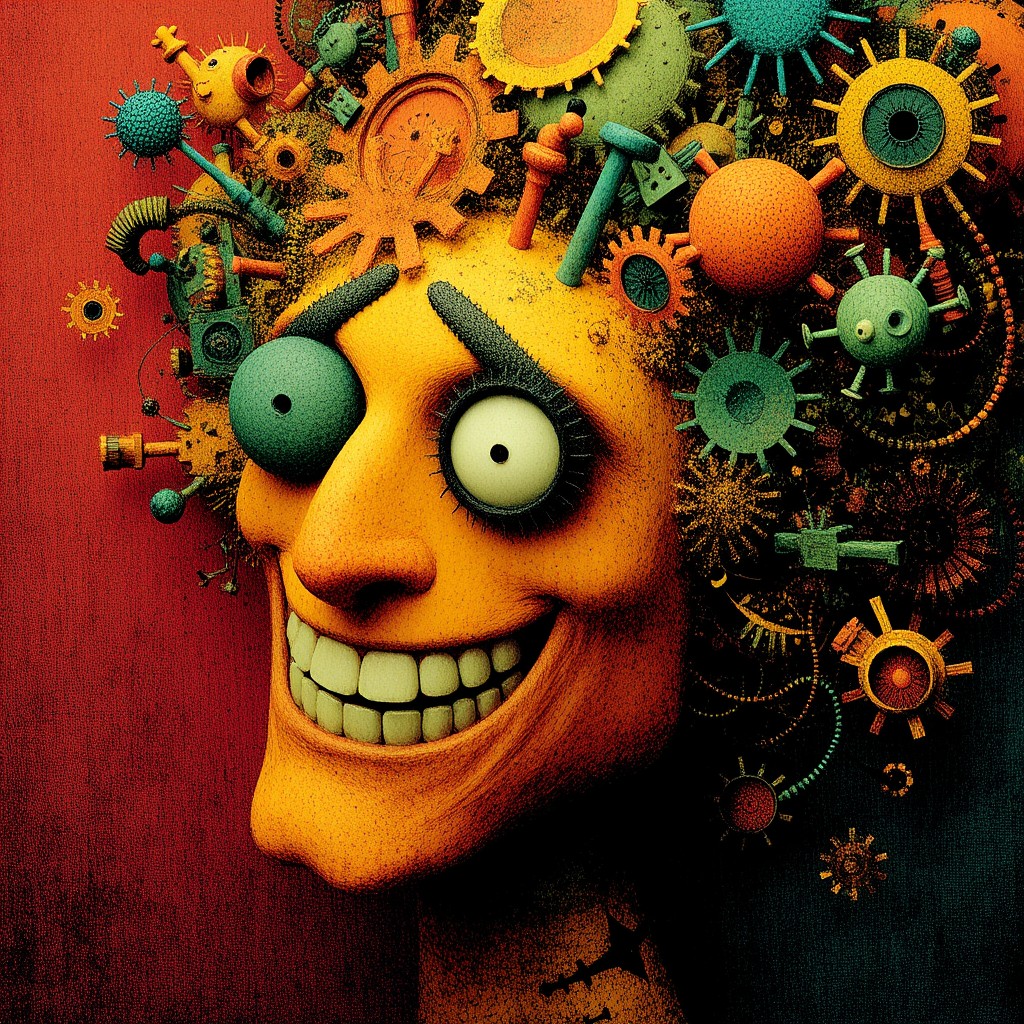
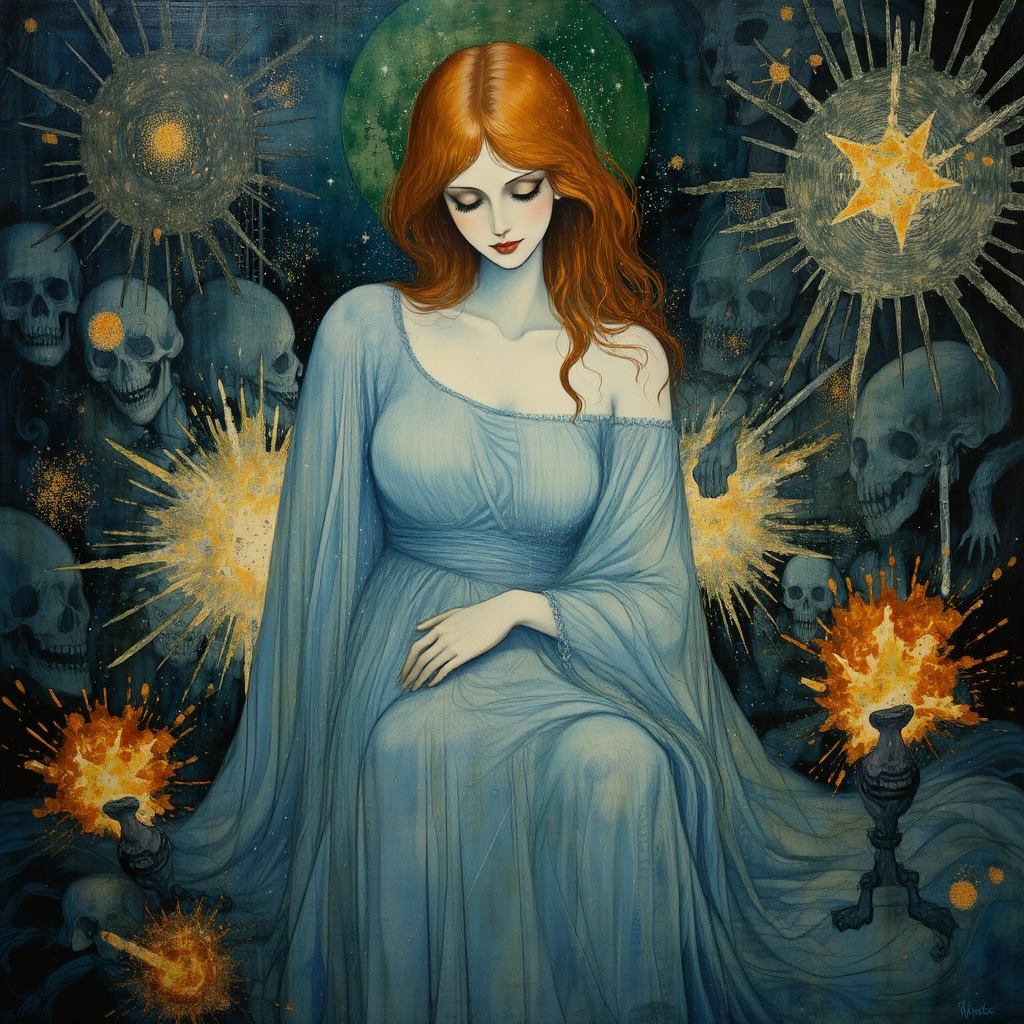
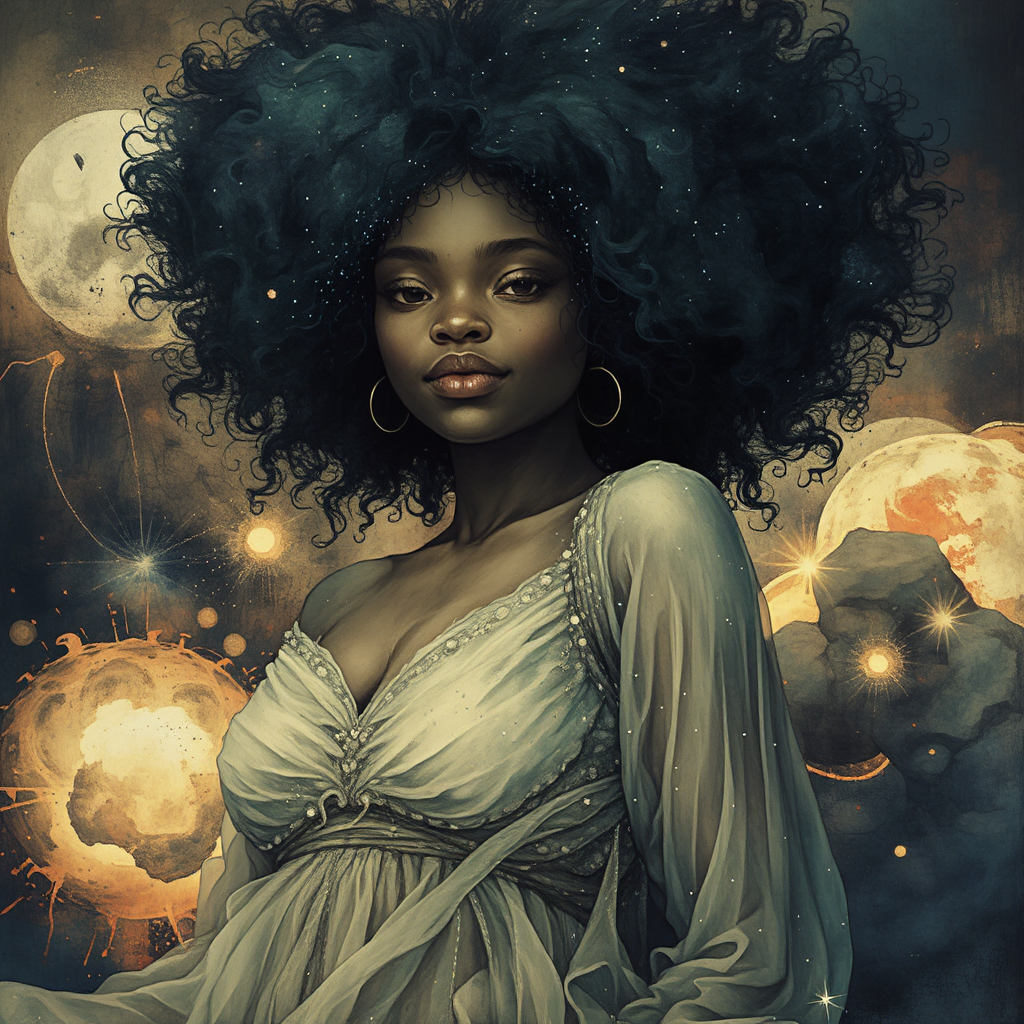
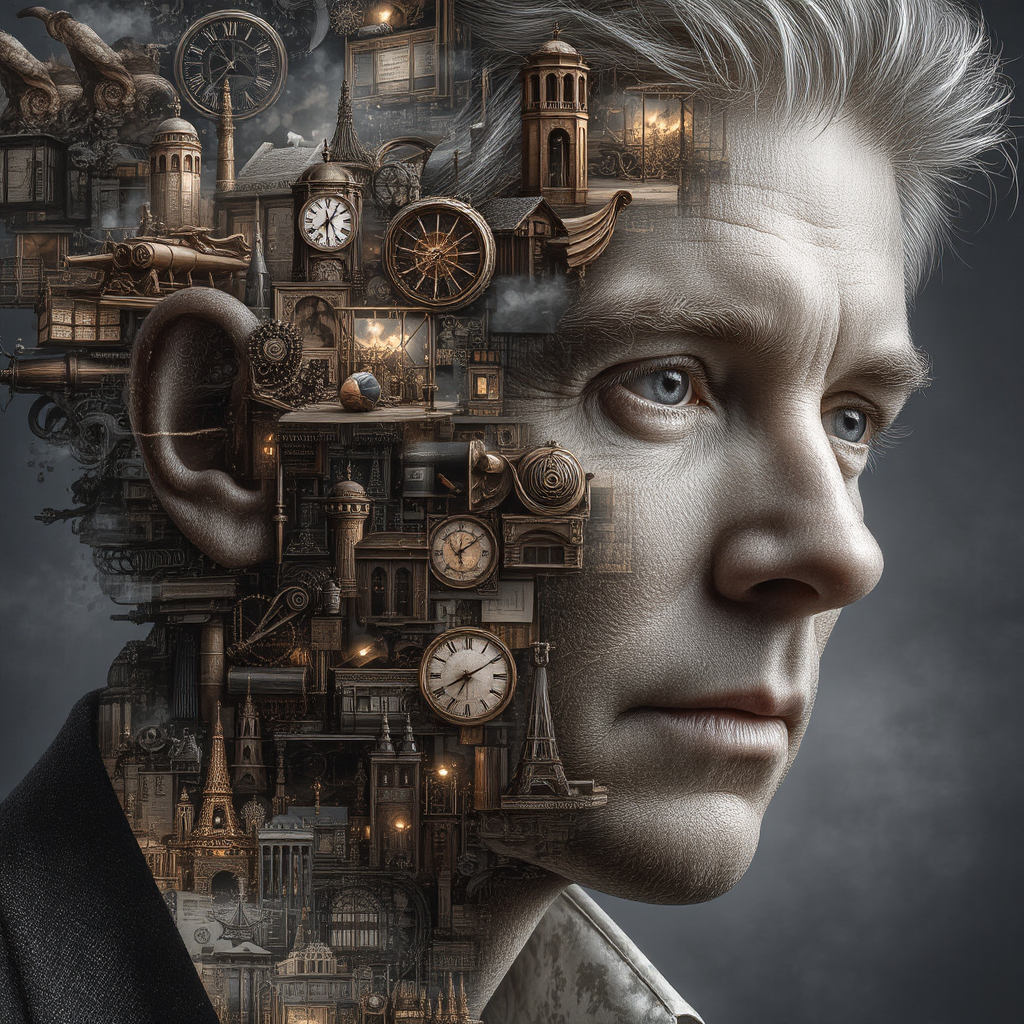
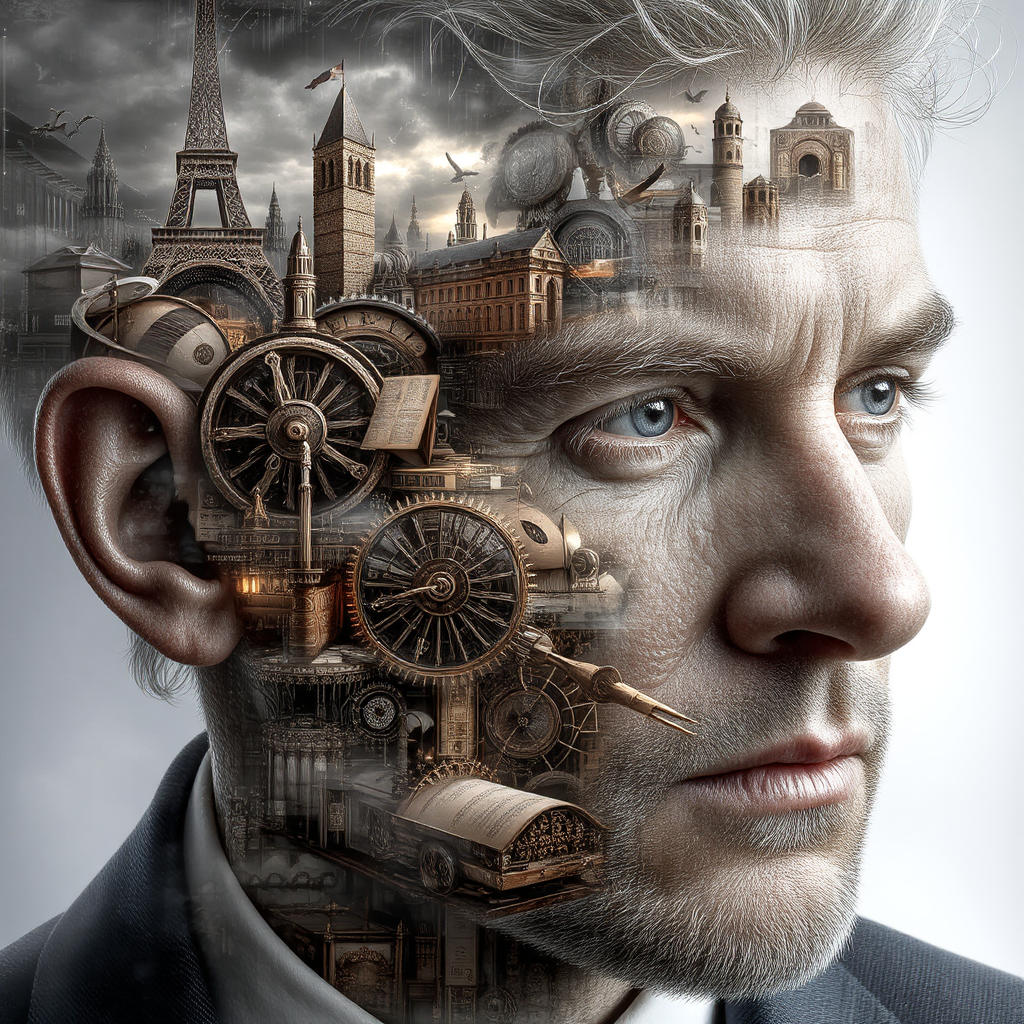
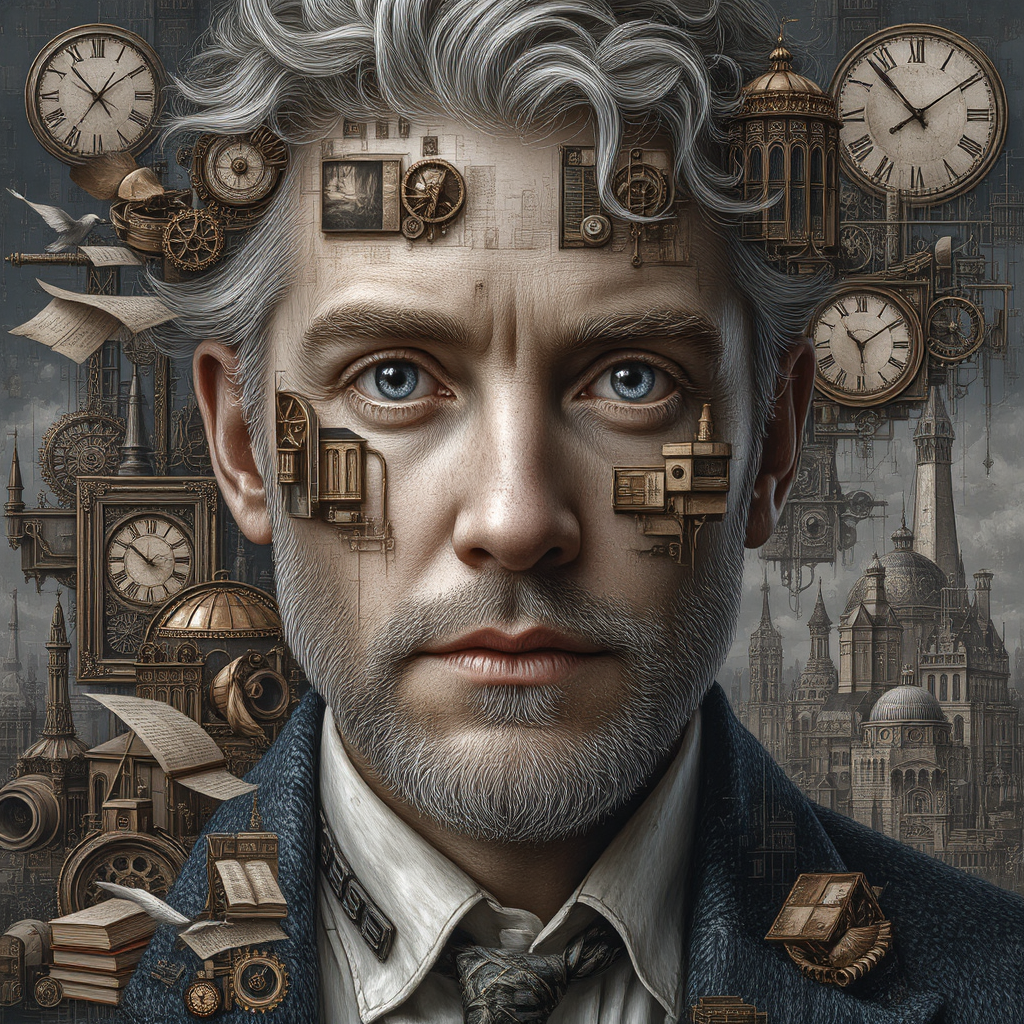
All images created by Rebekah Marshall’s prompts using AI on Gencraft.com website.

I am reading Hafiz’s Little Book of Life, poetry by Hafiz-e Shirazi. He is challenging me to become more comfortable with ambiguity. I will share his poem and some of my thoughts on his poem (sometimes with the help of experts when the concepts are too hard for me), followed by a poem and some art inspired by his poem.

Hafiz’s Poem 39:

Peace in both realms
Depends on your interpretation
Of these two utterances

“Be merciful with friends”

“Be tolerant of foes”

Some thoughts:

I’m not sure what two realms Hafiz is conceptualizing in this poem. There are so many options including: private life v. public life; religious life v. secular life; inner existence v. outer existence; human/earthly realm v. spiritual/divine realm; etc. I am going to keep it simple and consider the two realms “those who think like us” v. “those who do not think like us” as a simple way of saying “friend” or “foe.” That could apply to a number of different realms and is certainly relevant in current society where so much seems to balance on scales of dichotomy. Liberal v. Conservative; Rich v. Poor; Science v. Religion; Nature v. Progress; etc. We tend to be painted into black and white corners in nearly every conversation we enter.

I think Hafiz is suggesting that true peace depends on the way we perceive the gray areas that are not so easy to navigate. Can we be friends with someone who fails us? Those we love often hurt us the most because we care about their opinions and count on them. Can we be soft and loving to maintain relationships with those closest to us, even during the tough times? They are only human. And with our foes, can we allow for complexity and seek to understand without dehumanizing, othering, and judging too harshly? They are only human.

We will never have peace if we demand our way is the only way and there can be no other. Yes, we should have ideals, but then we must be merciful, tolerant, and gentle in our application of those principles as regards others. Can we hold compassion for those close to us and restraint toward those who oppose us? Will our differences and our interactions expand our hearts or harden them? The way we interpret these concepts holds the key to lasting peace.

My Poem 40:

Loving another means
accepting that they are human,
with all that entails,
including:
lateness, forgetfulness, distraction,
fear, ailments, impatience, frustration,
weakness, faults, arguments, disappointment,
and the list could go on…

The other we love may be friend or foe.
Both are in the same category of human,
with all that entails,
including:
beating heart, breathing lungs, thoughts,
opinions, feet to walk away, mouths that open,
hands that ball up into fists and clasp in prayer,
and the list could go on…

Hafiz. Hafiz’s Little Book of Life. Translated by Erfan Mojib and Gary Gach, Hampton Roads Publishing, 2023.

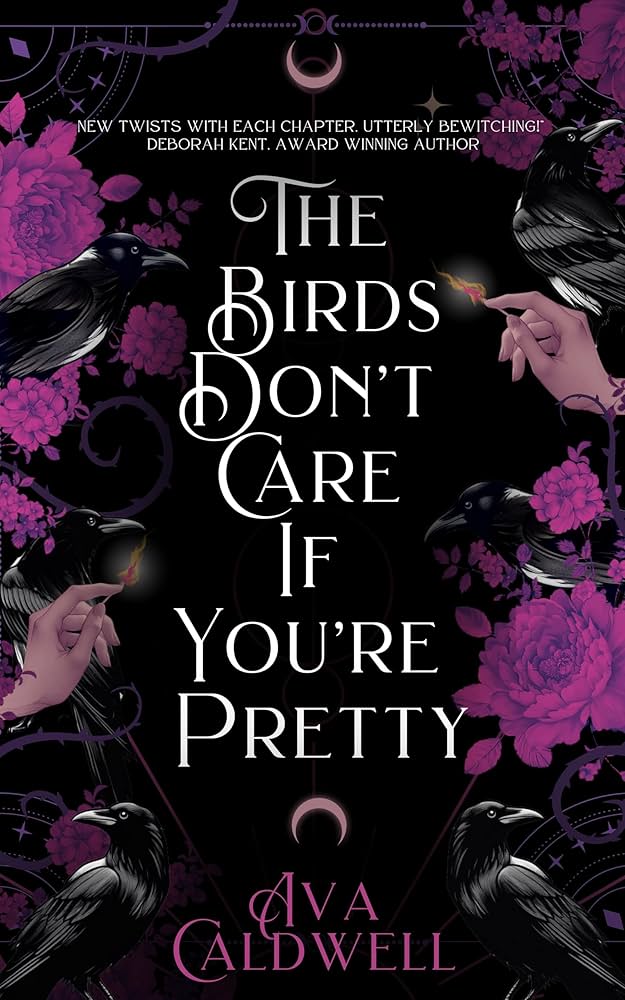
The Birds Don’t Care If You’re Pretty (Book Review)            

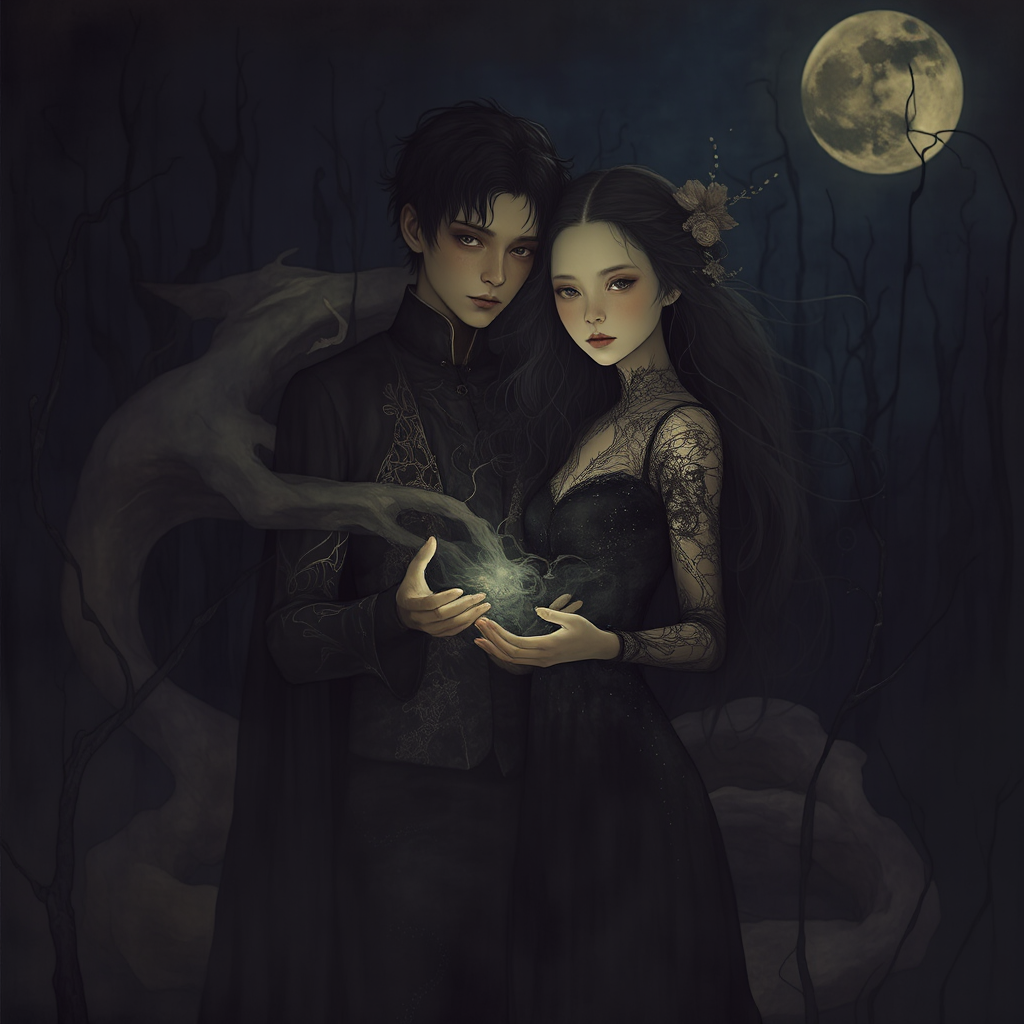
All the rest of these images created by Rebekah Marshall’s prompts using AI on Gencraft.com website.

Ava Caldwell’s debut novel The Birds Don’t Care If You’re Pretty is a story of community, friendship, tragedy, and redemption. The fact that the main characters are members of a magical coven in an idyllic setting cranks up the friction and suspense quite a few notches. Teen bullying, romantic rivalries, and risk taking all become tinged with the potential for life and death consequences when dangerous magic is involved.

How far will the characters go to be included, to get their way, to feel love, or to get revenge? Who can be trusted? How does one cope if their magic is taken away from them? And what happens when the reality becomes clear that no one is coming to save them from fate? This story has surprising twists, satisfying character development, and could totally be a movie or tv series. It is a standalone novel, but I would love to read follow up stories or books about the characters because I came to admire some of them and only felt like I was beginning to know their real selves by the end of the book.

I look forward to more from this author if this is only the beginning of her novel-writing career. I’m ready for more!

Caldwell, Ava. The Birds Don’t Care If You’re Pretty, 2024.

How to Stop Time (Book Review)     

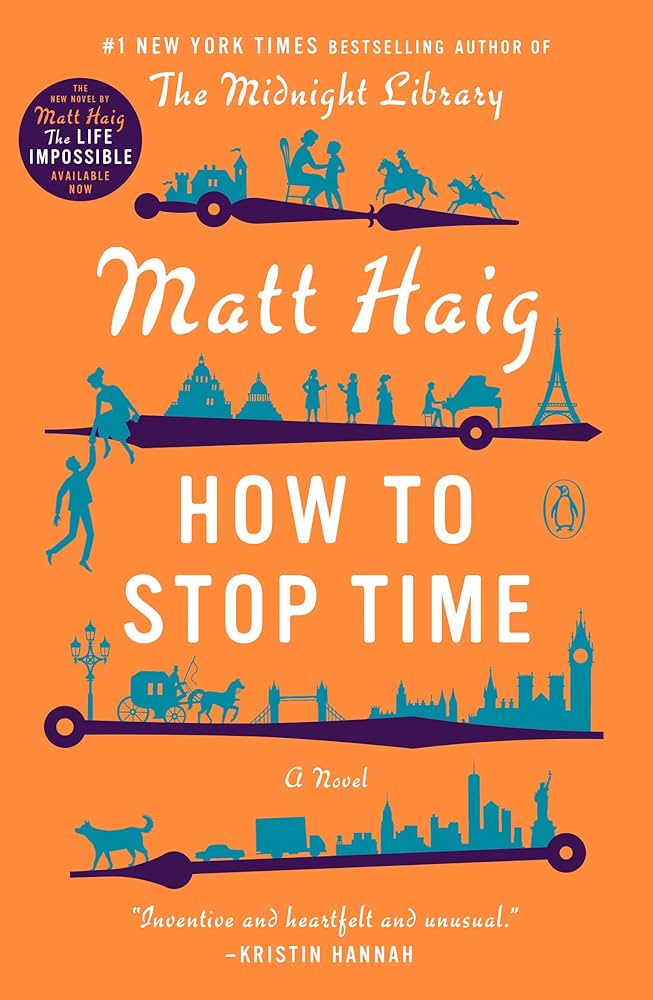
I can think of few premises more horrible than that of Matt Haig’s novel How to Stop Time. It is a world where some among us age painstakingly slower than average. The protagonist appears to be in his early 40s but has been alive on this earth for over 400 years. From French aristocracy to quaint village life in old England, from the dangerous streets of Shakespeare’s London to the London of the 21st Century, we are swept along with his story almost against our will. If life is a serious of tragedies with bright spots in between, imagine the tragedies of more than 5 lifetimes. The body still has aches and pains, the mind battles ups and downs, depression, anxiety, but with the added fears of being discovered, labeled a witch, a modern miracle, or a danger.

There are networks built to “protect” these long-living humans, but there are also organizations bent on finding and studying them like lab rats to enhance the lifespan of the rest of humanity. Staying hidden from both is nearly impossible, especially as modern technology advances to the point of photography, video, then internet and cell phones, and eventually social media. And how is one to love, to open the heart to vulnerability, knowing you will outlive any partner, child, grandchild, or friend? Oh, living with the pain of loss would be most unbearable for someone like me. I don’t even enjoy pondering this fictional concept any longer than I must.

But Mr. Haig has masterfully pondered these question and more in his tribute to family, humanity, love, and ode to living in the present. If nothing else, this book has made me thankful that my time here is brief in comparison. It is a good reminder to appreciate what we have and take no one we care about for granted. Change and death are inevitable constants that we must learn to accept; the alternative being the illusion of stagnation until the day we die. 

Haig, Matt. How to Stop Time, Penguin Books, 2017.

Black Girl, Call Home (Book Review)

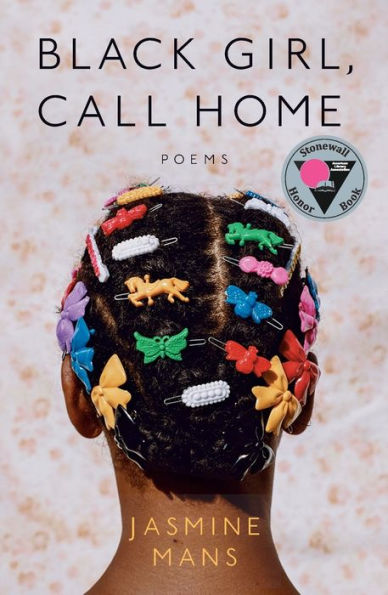
I just finished reading a fabulous book of poetry by Jasmine Mans called Black Girl, Call Home. Her dedication is written “For Mommy and Nana”, which spoke to me because I recently lost my grandmother and have been thinking about my relationships with my mother(s), daughter(s), and granddaughters. Her poems are commentary on world events, pop culture, race, gender, sex, family, you name it. Nothing is off limits for a poetic turn of phrase for Ms. Mans. I admire her fierce, unflinching insistence on speaking her true voice about topics I have never been brave enough to write about.

Rather than sharing my thoughts, I thought I would share a few lines of Mans’ poetry.

On mothers: I resent my mother / for things she has sacrificed / on my behalf.

On mothers: I know grace and mercy was raised / by the same single mother.

On God: I have reason to believe / God made dandelions / and metaphors / on the same day.

On Jay-Z: If we past kneeling, / How come we ain’t past dying?

On death: He died / as if / God / thought / he / outstayed / the welcome / in his own skin.

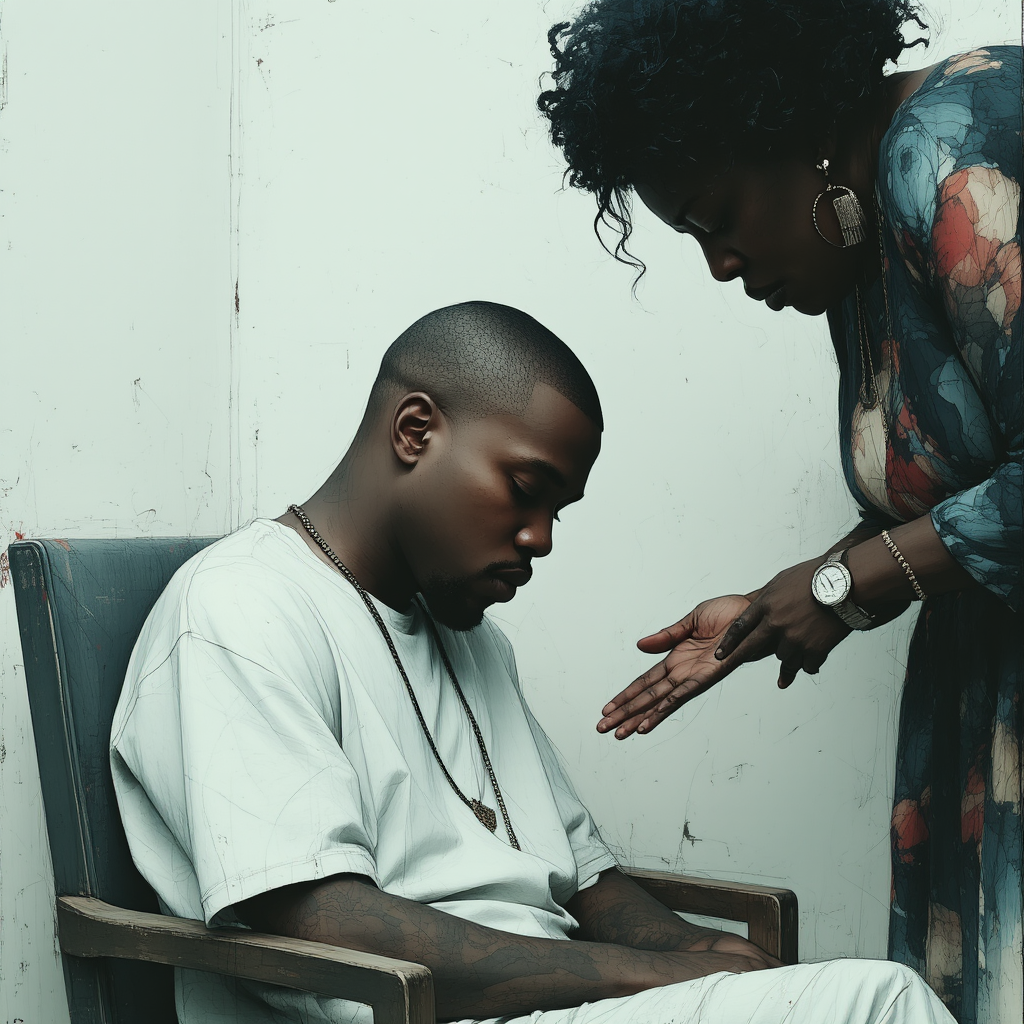
On Kanye (& the Black Aunties): …we know / we made you, / and who are we / to just let / our sister’s son / die?

On Whitney: She sits on an octave / past heaven… / A choir of collateral… / Enough voice to stretch / across the Pacific or the ghetto…

On time: Time / is a Black girl / tapping her red, / 4-inch / nails, against / a mahogany / kitchen table / on Springfield Ave.

There are poems in honor of Serena & Venus Williams, Michelle Obama, Sandra Bland, Halle Bailey, Alysia Harris, Sean Bell, a whole list of women who were sterilized without consent by American doctors, Henrietta Lacks and her immortal cells, a list of missing black girls, lovers, exes, and relatives, including parents, siblings, cousins, aunts, and uncles, as well as friends, neighbors, shop owners, and community members. She speaks with a bold, clear voice as a Black, queer, feminist. And I am inspired to broaden the scope of fodder for poetic consideration.

Mans, Jasmine, Black Girl, Call Home, Penguin Random House, 2021.

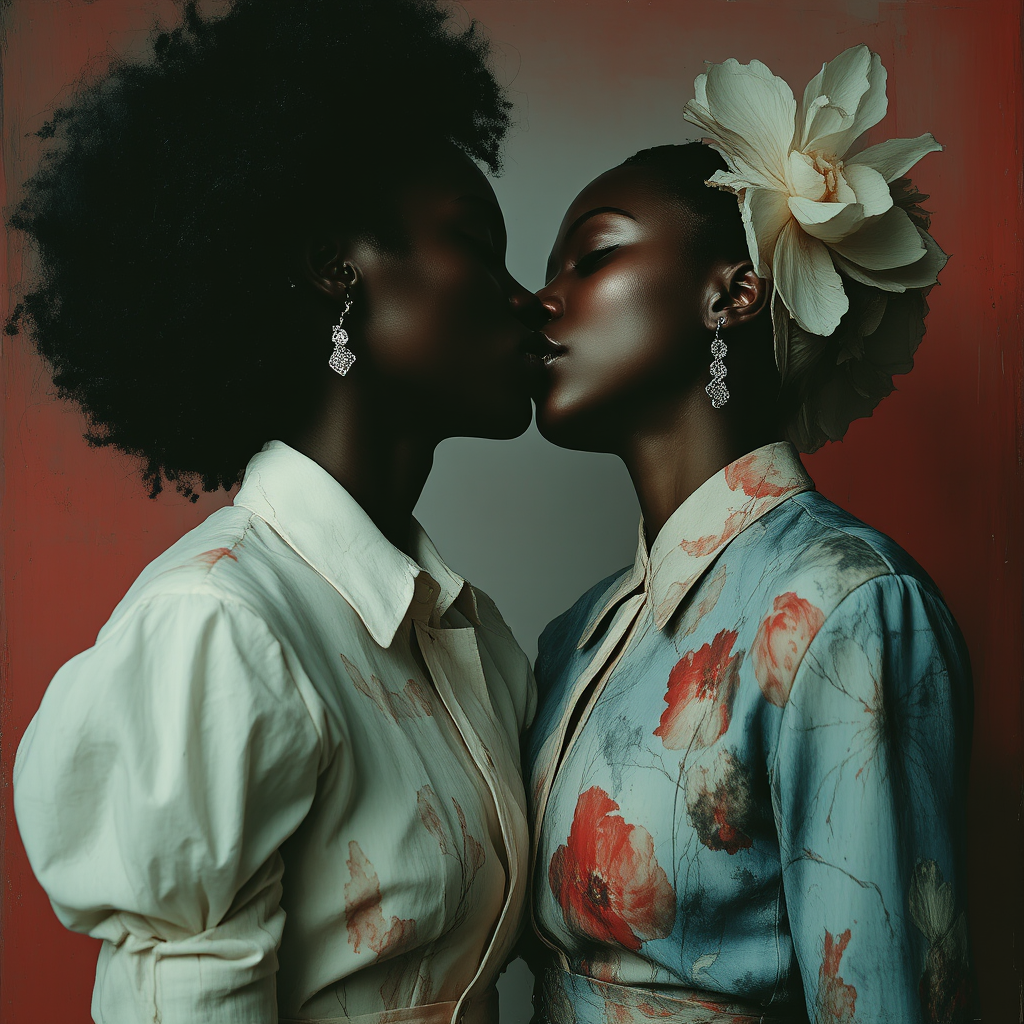
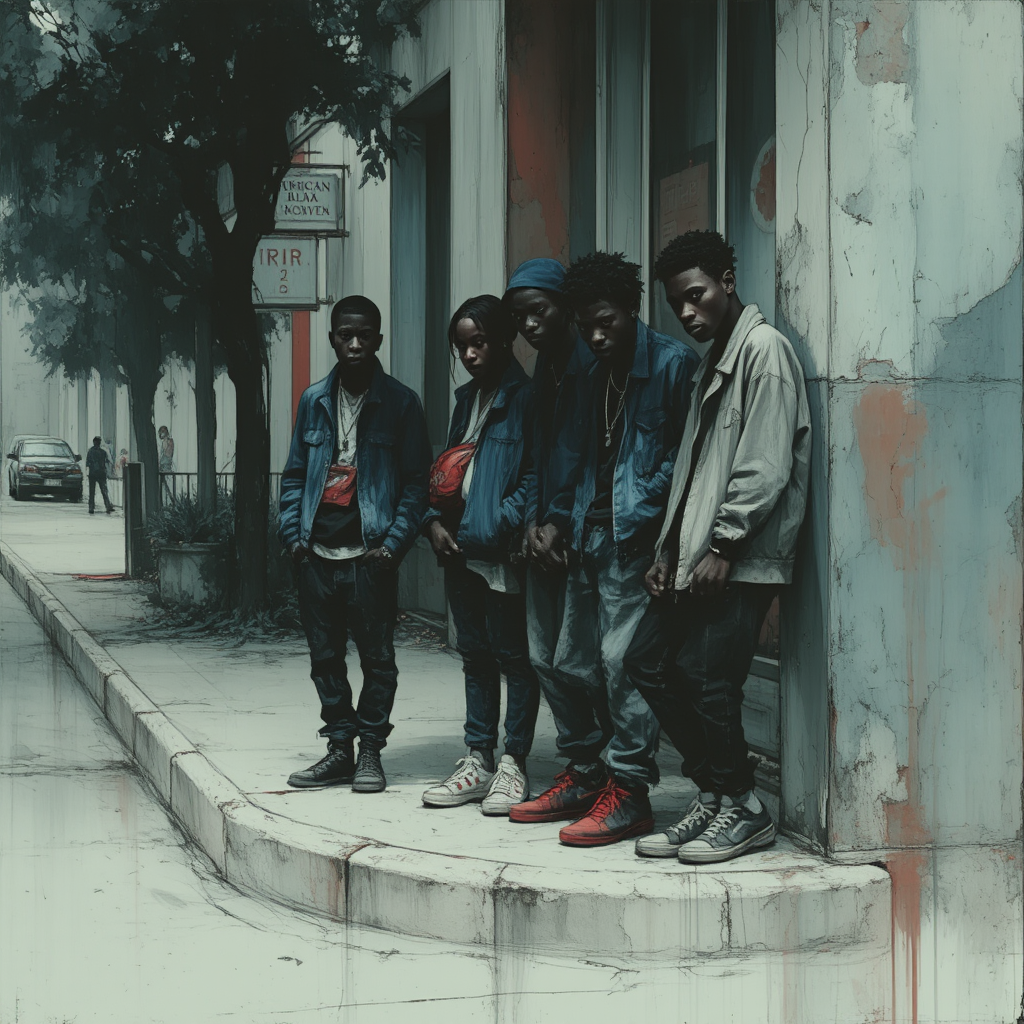
These images created by Rebekah Marshall’s prompts using AI on Gencraft.com website.

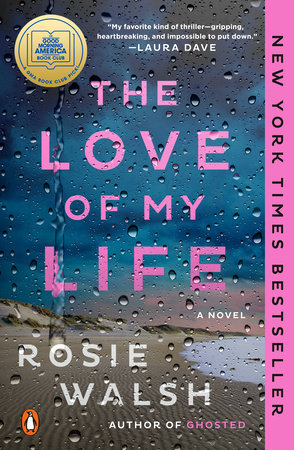
The Love of My Life (Book Review)

This image created by Rebekah Marshall’s prompt using AI on Gencraft.com website.

From The Love of My Life by Rosie Walsh:
“I invite you to think about an event in your past you’d do anything to erase.

You’re bound to have one, even if you’re young. And if you’re good at hiding it, it’ll be there on the strandlines of your own story: sand-camouflaged, unremarkable; visible only to those who know what to look for.

I was good at hiding mine.”

Rosie Walsh does an excellent job of making us question everything about the main character in her novel The Love of My Life. What sort of nefarious past has she kept hidden? Whose side should we be on? The quirky, adorable relationship between her and her unsuspecting husband makes us ache for them, wishing their tale could be less complicated. Can’t there be a happily ever after? Must there be ominous uncovering of stalkers, affairs, criminal activities, deception, danger, loss, and more? Why, yes…yes, there must because Rosie Walsh wants to drag her readers kicking and screaming through every revelation as though we are a character in her book.

Who is the love of Emma’s life? Is it her husband? Is it another man she is meeting in secret? Is it someone yet to be revealed? The twists and turns are well-timed, suspenseful in a way that makes the reader distrust nearly everyone and are satisfyingly straightened out by the end. I enjoyed every second of the tension in this book because it made me love the characters all the more for having endured the stress along with them.

Walsh, Rosie, The Love of My Life, Penguin Books, 2022.

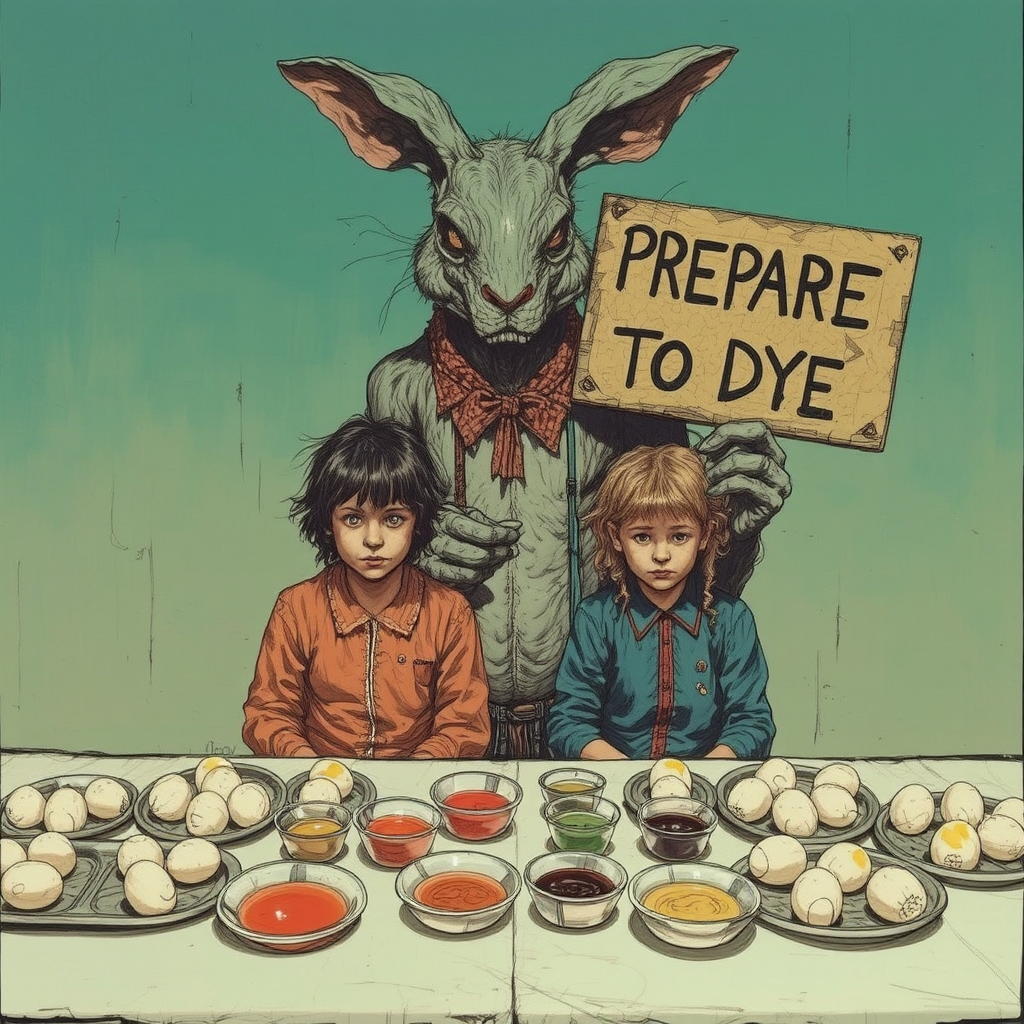
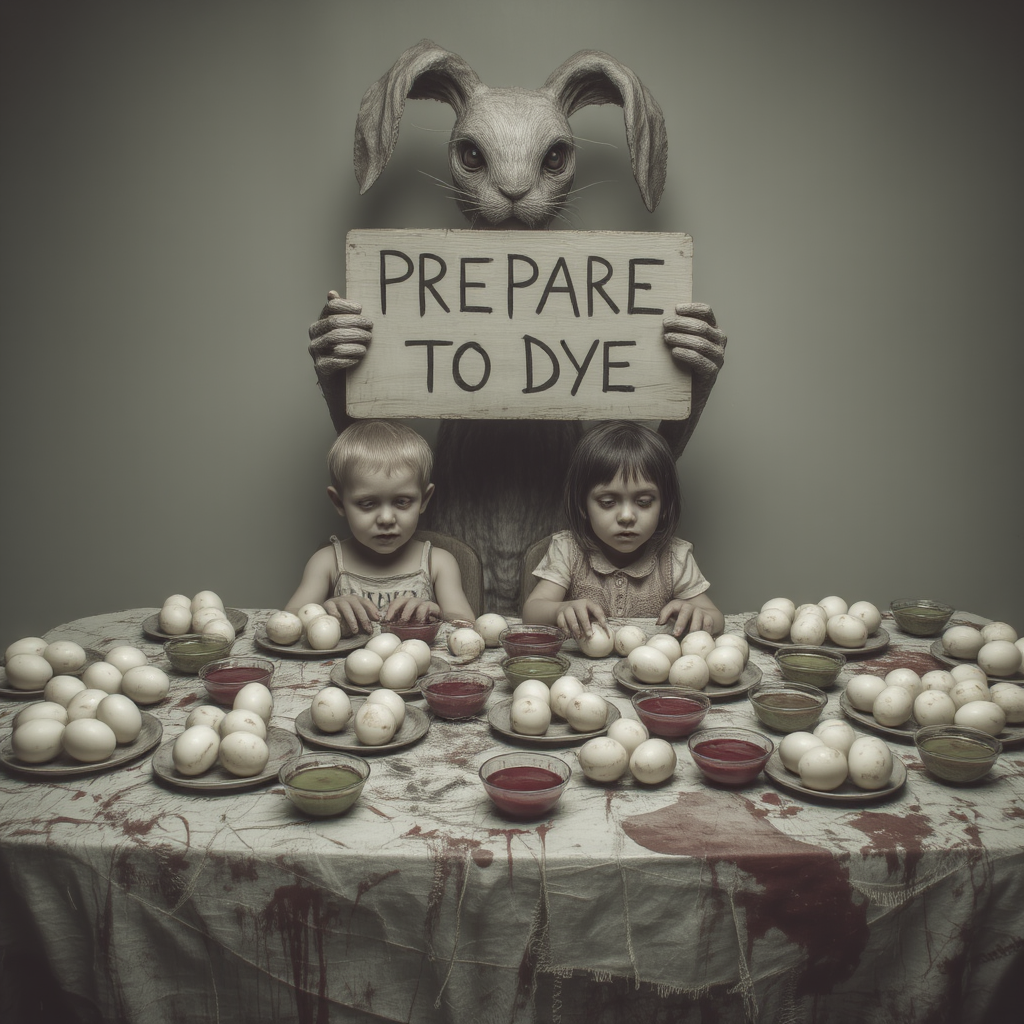
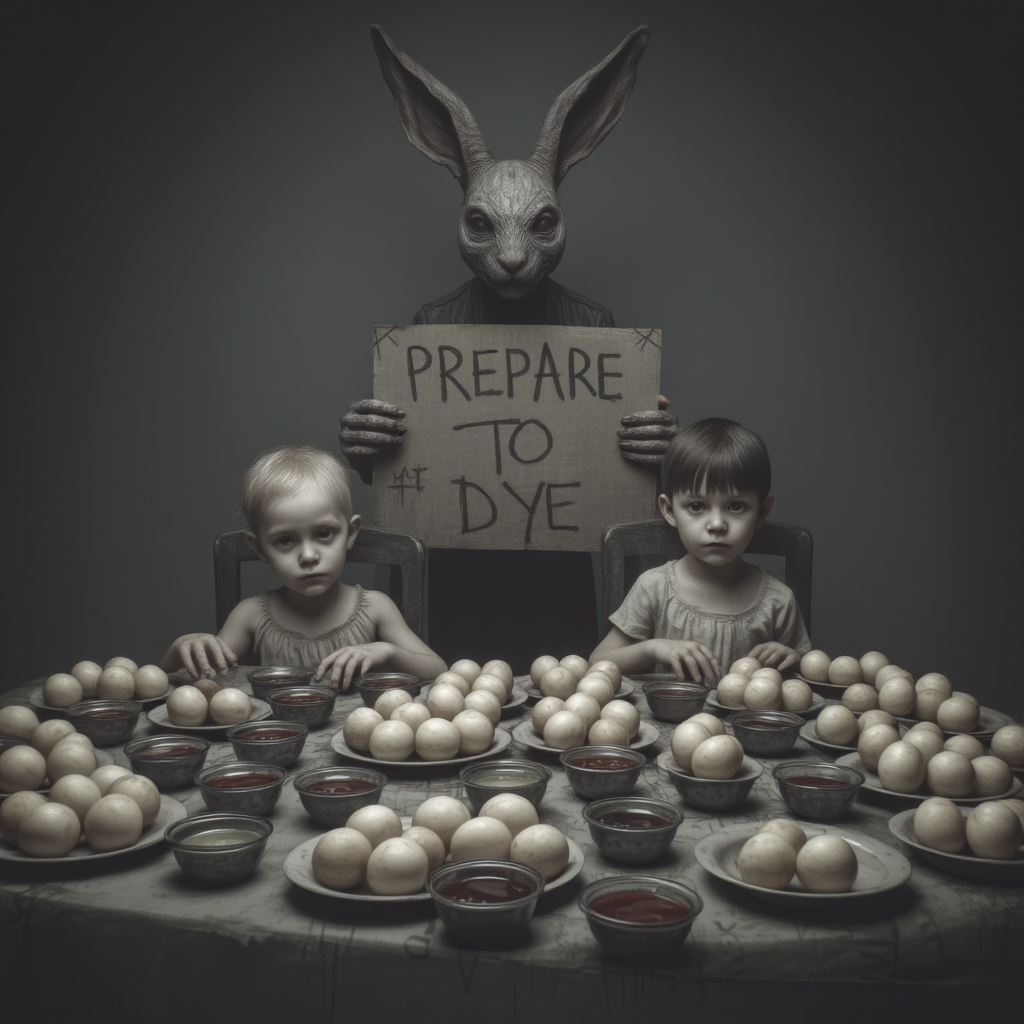
Not Up For Easter

All images created by Rebekah Marshall’s prompts using AI on Gencraft.com website.

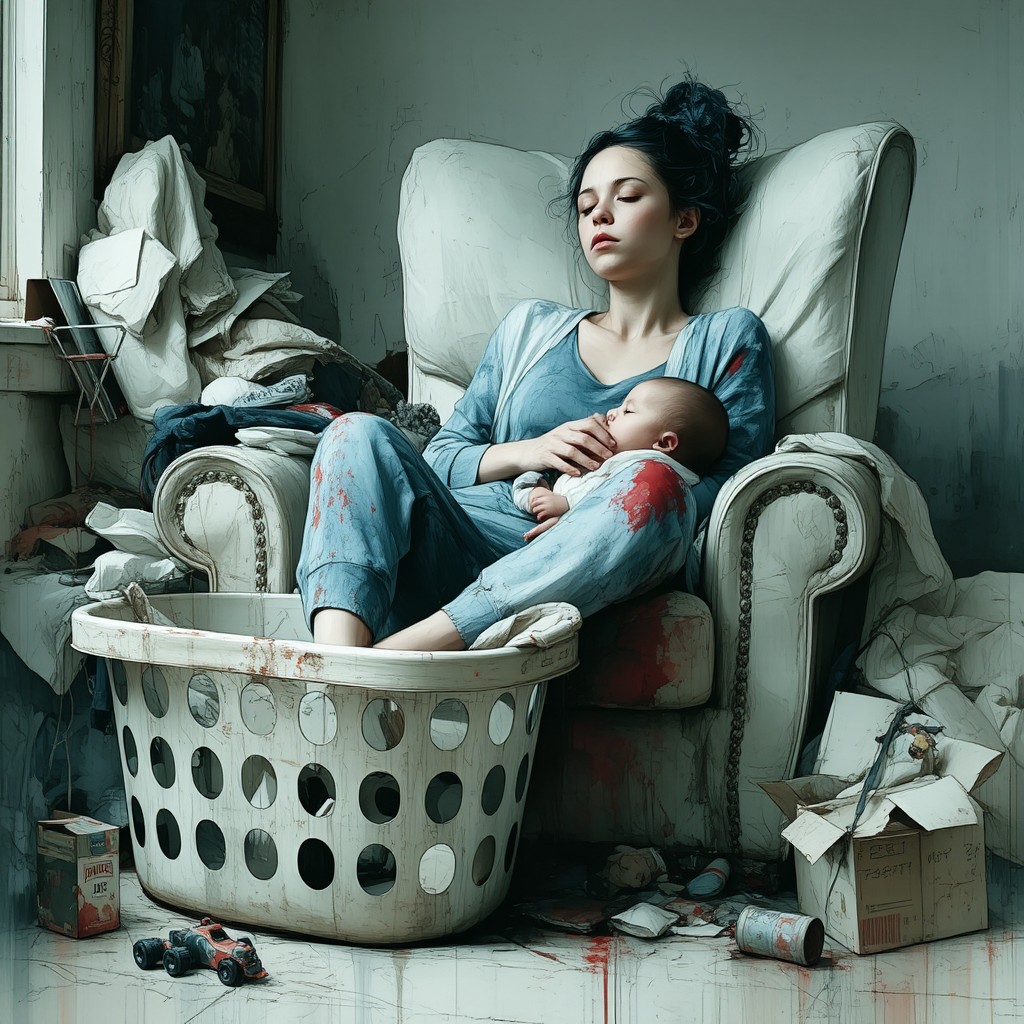
Holidays take so much energy. Energy I do not have to share right now. The last month has been a lot. I don’t want to decorate, host any dinners or brunches, clean my house, buy gifts, make treats, bake desserts, dye eggs, hide candy, grocery shop, cook, or do anything involving pastel shades. I don’t have anything against any of those things, but the thought of participating in any of it makes me feel more tired than I already am. Add to that, I came down with a stomach bug and I just want to lie in bed for a few days.

I know holidays are important and create special memories, especially for children. I’m just not in the mood for all the hoopla and rigamarole. Thankfully, all 3 of my grandkids are in different states with different family members having wonderful times without me. That probably sounds horrible to say. I love them and want to be with them but also love that they have many relatives who want to spend time with them. I am very thankful for a large, extended family at times when my energy has been completely depleted.

Maybe next year. For this year, the newest granddaughter is snug as a bug in a rug with her parents up in Michigan, Charlotte is at a wedding with her father and his father at her aunt’s wedding up in New York, Julian is with his Abo and Aba in Texas, and I am going to take a nap. That sounds like the perfect Easter activity for me.      

Grandad Passed Away This Morning

All images created by Rebekah Marshall’s prompts using AI on Gencraft.com website.

My grandad passed away this morning peacefully in his sleep. He was 92 years old and loved by 5 generations. He got to spend time with his newest great-great-granddaughter about a week ago and still said the prayer for our breakfast 4 days ago. The last few days, he was lost in his thoughts and seemed to be remembering projects and work assignments from many years past, his mind constantly trying to be productive and wrap up loose ends. We kept reassuring him that he could rest. All his hard work was complete and there were no more deadlines to meet.

His belief to the end was that his next waking moment would be in a resurrected body free of pain, reunited with those who passed before him, like his wife (my Mema) who we lost 2 years ago.

I felt like being creative with my grief and made some AI art in honor of Grandad (and Mema.)   

Hafiz – Poem 25

All images created by Rebekah Marshall’s prompts using AI on Gencraft.com website.

I am reading Hafiz’s Little Book of Life, poetry by Hafiz-e Shirazi. He is challenging me to become more comfortable with ambiguity. I will share his poem and some of my thoughts on his poem (sometimes with the help of experts when the concepts are too hard for me), followed by a poem and some art inspired by his poem.

Hafiz’s Poem 25:

Dear Hafiz

Drink up
Be a free soul
Make merry
But don’t make the Qur’an
Bait for hypocrisy
As others have done

Some thoughts:

Is it so wrong to “Eat, drink, and be merry?” Some religious people act as though being spiritual or loving God means having to be a stick in the mud and forego all fun. Hafiz is addressing this poem to himself as a reminder that he has the freedom to enjoy the abundance the world has to offer. He is not restricted and litigious about his beliefs. But on the other hand, freedom with grace is not license to debauchery either. There is a balance that must be walked like a tightrope if one is to maintain a life of love and spiritual connection.

His belief in freedom must not be taken to excess, which could make his faith seem like a farse. There must be some level of respect for the holiness of the prescribed religious doctrines and those who adhere to them meticulously. There is no need to flaunt the merry making in the face of someone who is weeping. Finding a path that respects personal spiritual autonomy and still honors the traditions and beliefs of the ancestors is not always easy. But being in community means grappling with these truths and finding a balance that works.

My Poem 25:

I think dusting intentionally
can be meditative,
spiritual,
removing the layers of past ancestors
to reveal
a shiny surface
uncluttered
by so much static noise.

Dimming the lights
and lighting a candle,
watering a plant,
petting a cat.

I’ve yet to wipe
my dog’s weeping eye
and feel nothing
because she stares
into my soul,
communing,
as if with the source
of love.

Hafiz. Hafiz’s Little Book of Life. Translated by Erfan Mojib and Gary Gach, Hampton Roads Publishing, 2023.

The Argonauts (Book Review)

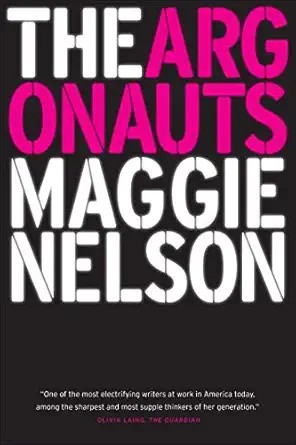
The Argonauts by Maggie Nelson felt like a slap in the face, a comforting hug, an electric shock, and a soothing warm bath. The format was unique and felt experimental—blocks of text, quotes, memories, verbal snapshots, reporting, and textbook-like excerpts all woven into a seamless narrative. The subject matter is raw, often unfiltered, intimate details that feel way more personal than I would ever be comfortable sharing with total strangers. But good for Maggie Nelson for having the chutzpah to attempt such a thing. I love that she finds her own voice by the end by admitting that she is still searching and leaving room for vulnerability in a way that is honest and impressively real.

Her descriptions of pregnancy, sexuality, dealing with loss, giving birth, holding on to self, nursing, her relationship with her partner, gender identity, and expert opinions, *in no particular order, combine to weave almost a stream-of-consciousness-style memoir that defies classification. I think I might have blushed a few times, certainly opened my eyes a bit wider, and definitely wondered why my college courses weren’t quite as shocking as some of hers. But the fact that I felt a connection shows the depth of both her humanity and her fabulous writing talent (since I am a southern, more conservative than her, heterosexual, certainly more comfortable with conventional-vanilla bedroom activities sort of gal. I’ll put it this way—I learned a lot from this book.)

*I jest about the “no particular order” comment because I am sure there is a well-crafted method to her madness that makes it feel like a jumble of thoughts and also a coherent work.

Also, if you are interested in the book, I recommend Googling “Why is Maggie Nelson’s book titled The Argonauts?” It gives a fabulous description of what you are getting yourself into. A brief quote from that Google search using their AI is as follows: “The title reflects the “constantly shifting” nature of queer identity, family-making, and language.”

AI Overview, Google, searched 31 Jan 2026.

Nelson, Maggie, The Argonauts, Graywolf Press, 2015.

The Four Loves (Book Review)

All images created by Rebekah Marshall’s prompts using AI on Gencraft.com website.

I’m not sure what I was expecting of C.S. Lewis’s The Four Loves, but I was surprised by the conversational tone. Though I did not agree with all his assertions, many of the ideas and categorizations of types of love made sense. He breaks love into the categories of Affection, Friendship, Eros, and Charity. Then he has another discussion around the Likings and Loves for the Sub-Human, like when we say we like taking naps or love cheesecake. Many examples within each of the categories also fall into what he calls Need-love vs. Gift-love. Need-love would be assigned to necessary-for-survival-type loves, like a child to a parent or water to quench thirst. Gift-love would be assigned to unnecessary-type loves, like appreciation of a beautiful piece of art or taking care of a sick person.

The reader should be prepared for strict opinions based on Lewis’s beliefs regarding gender roles, nature, science, the fall of mankind, sin, the afterlife, and other principles that Lewis views as black or white, rather than a possible spectrum of interpretation of Biblical text. If that is an accepted foundation going in, the concept of love can be the focus for analysis. I find the idea of even attempting to categorize love somewhat grandiose. However, Lewis’s arguments are well thought out. There are probably many more nuances that could be catalogued by culture, historical context, language, psychotropically induced vs. naturally occurring, gender-related, conscious v. subconscious, etc. I wonder if there are as many different types of love as there are people on the planet. That would be a much thicker book, though.

Lewis, C.S. The Four Loves, Houghton Mifflin Harcourt Publishing Company, 1960.