Category Archives: Poetry

My original poetry.

Hafiz – Poem 10

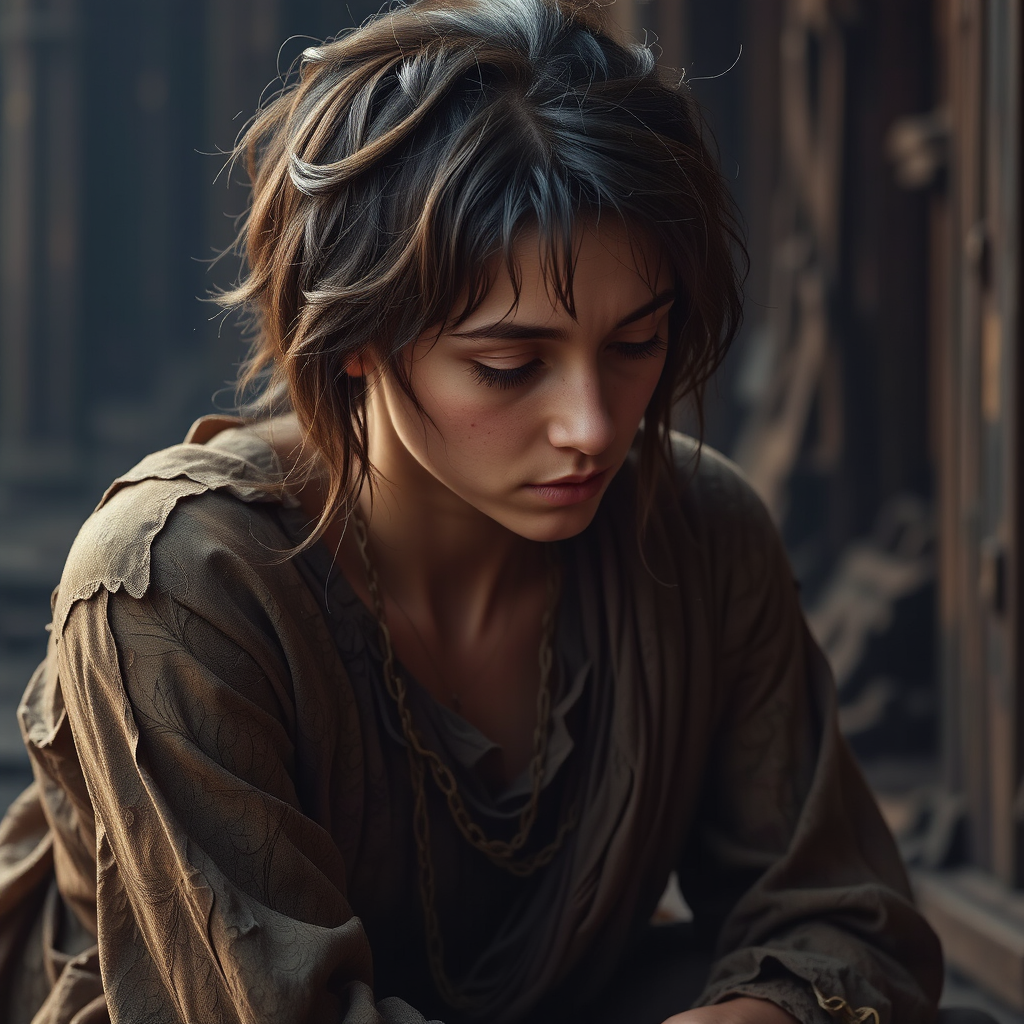
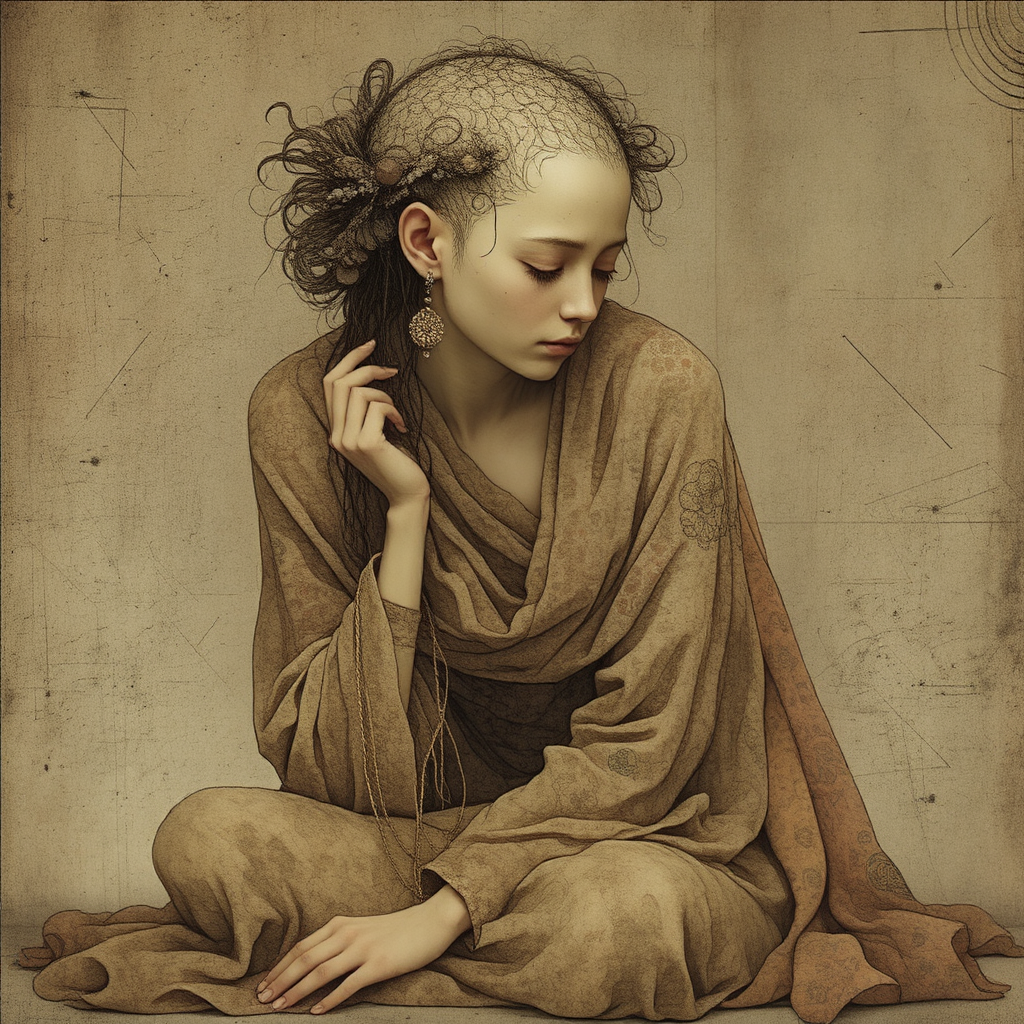
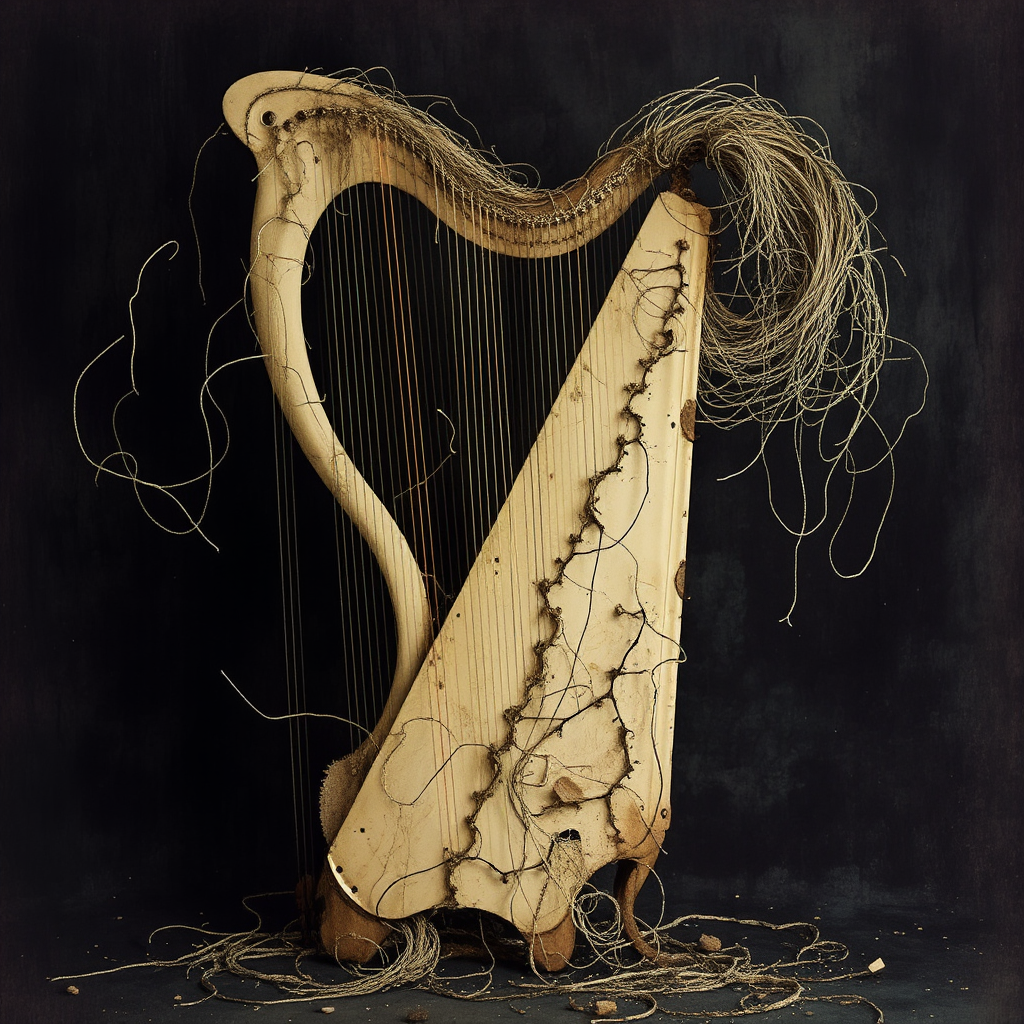
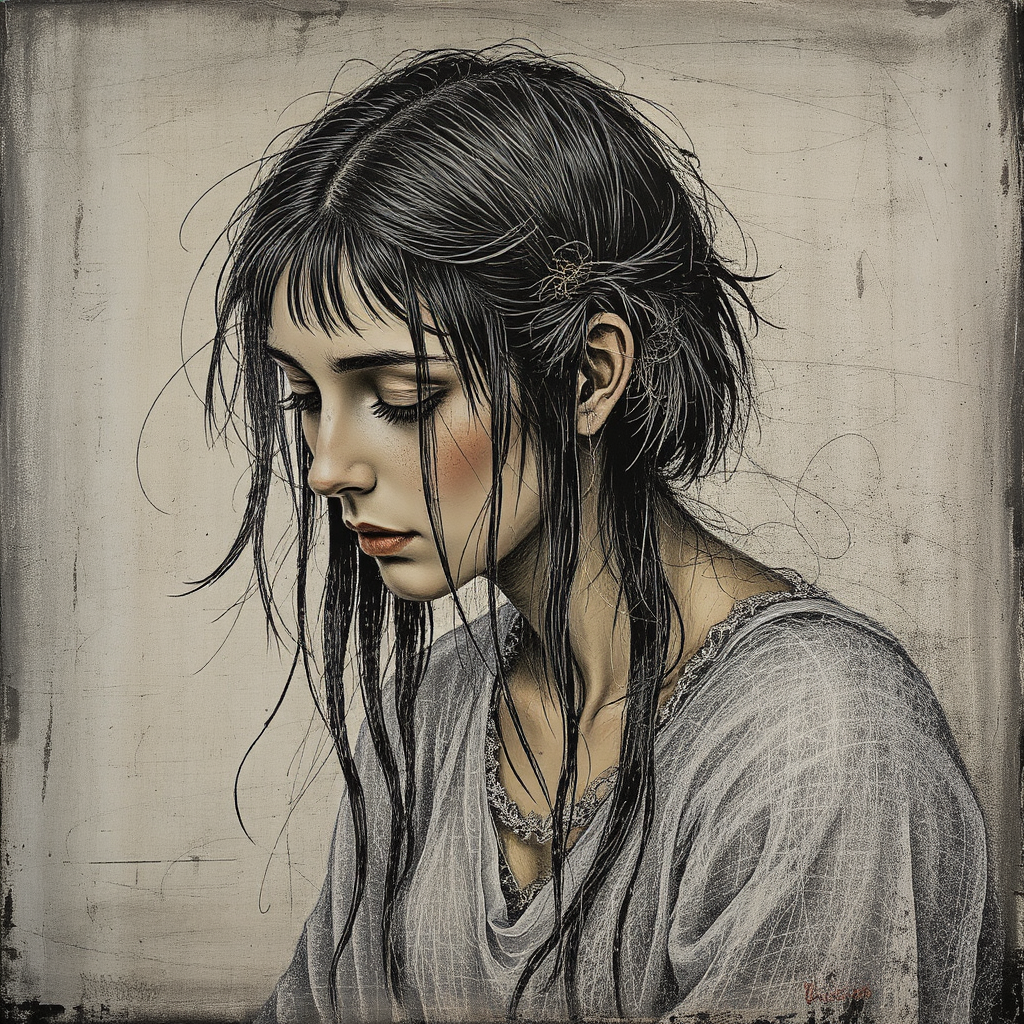
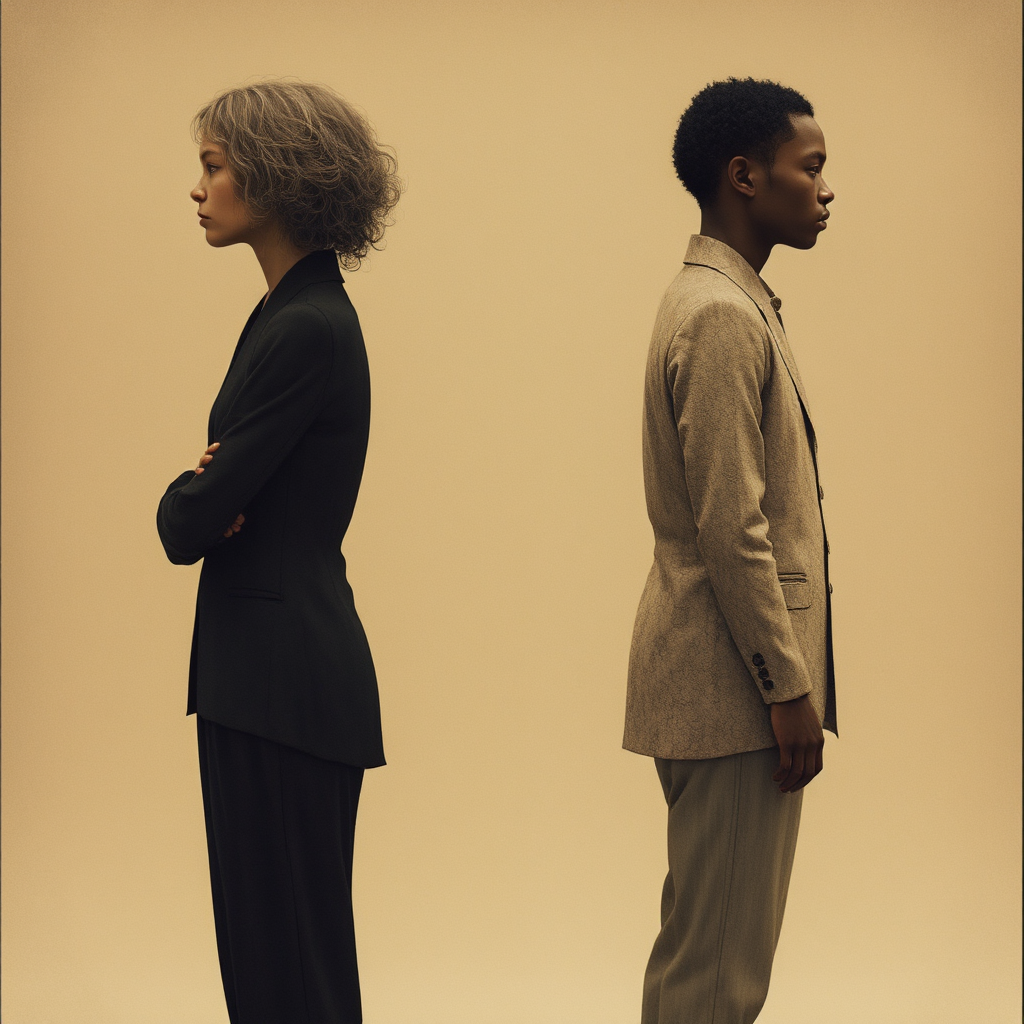
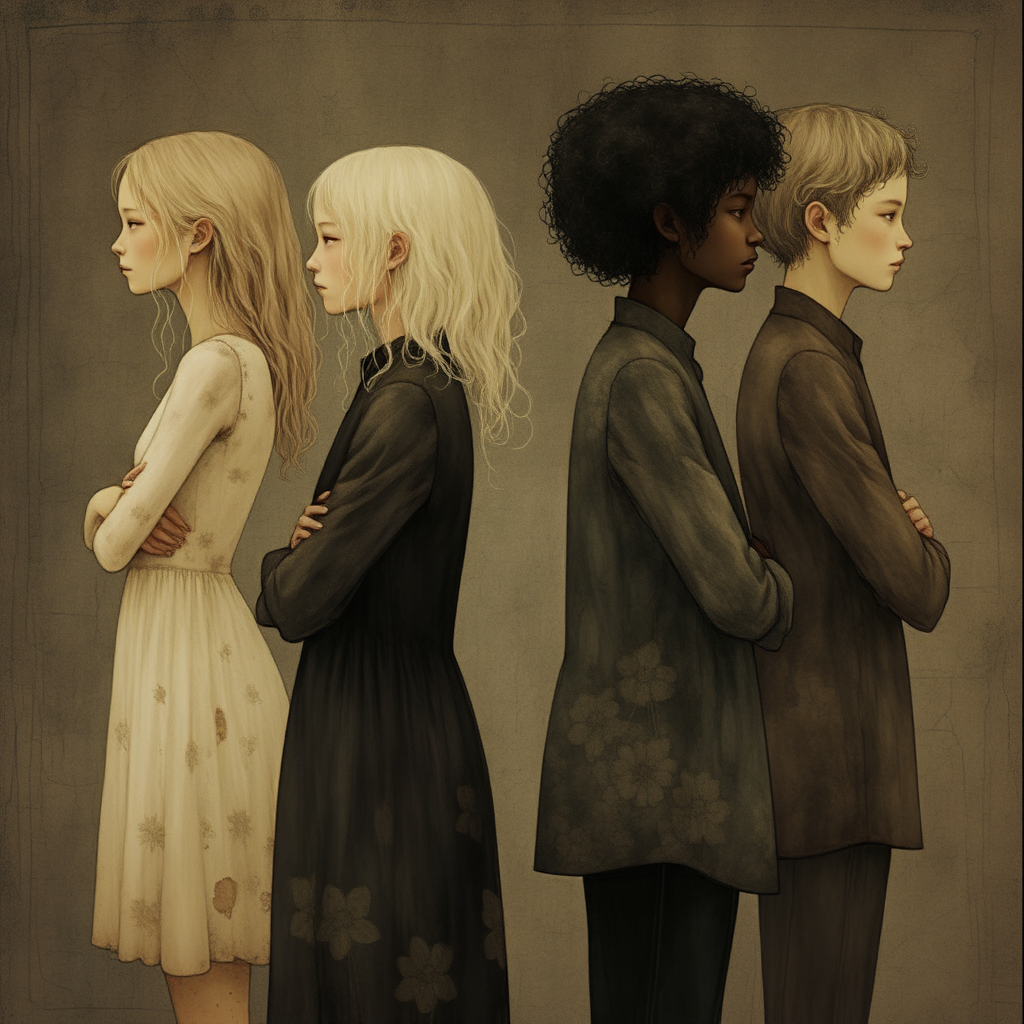
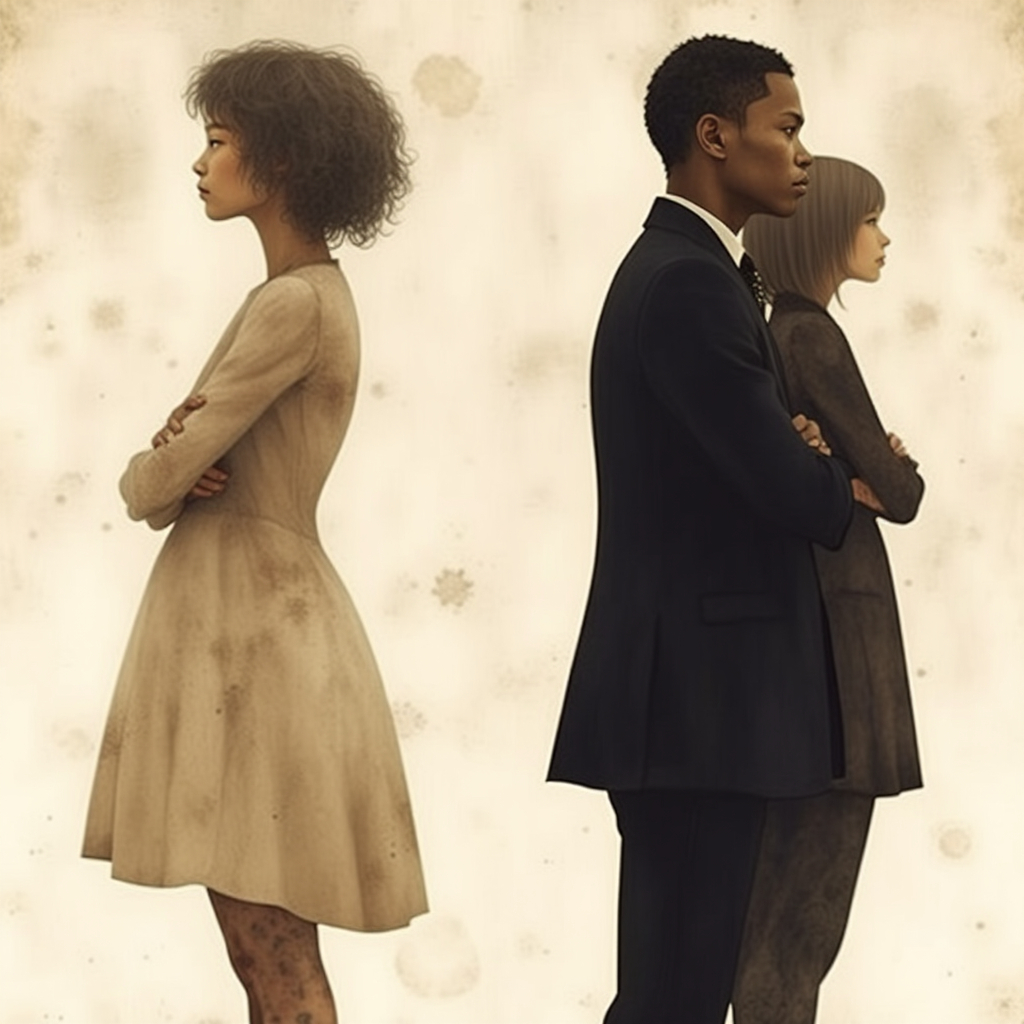
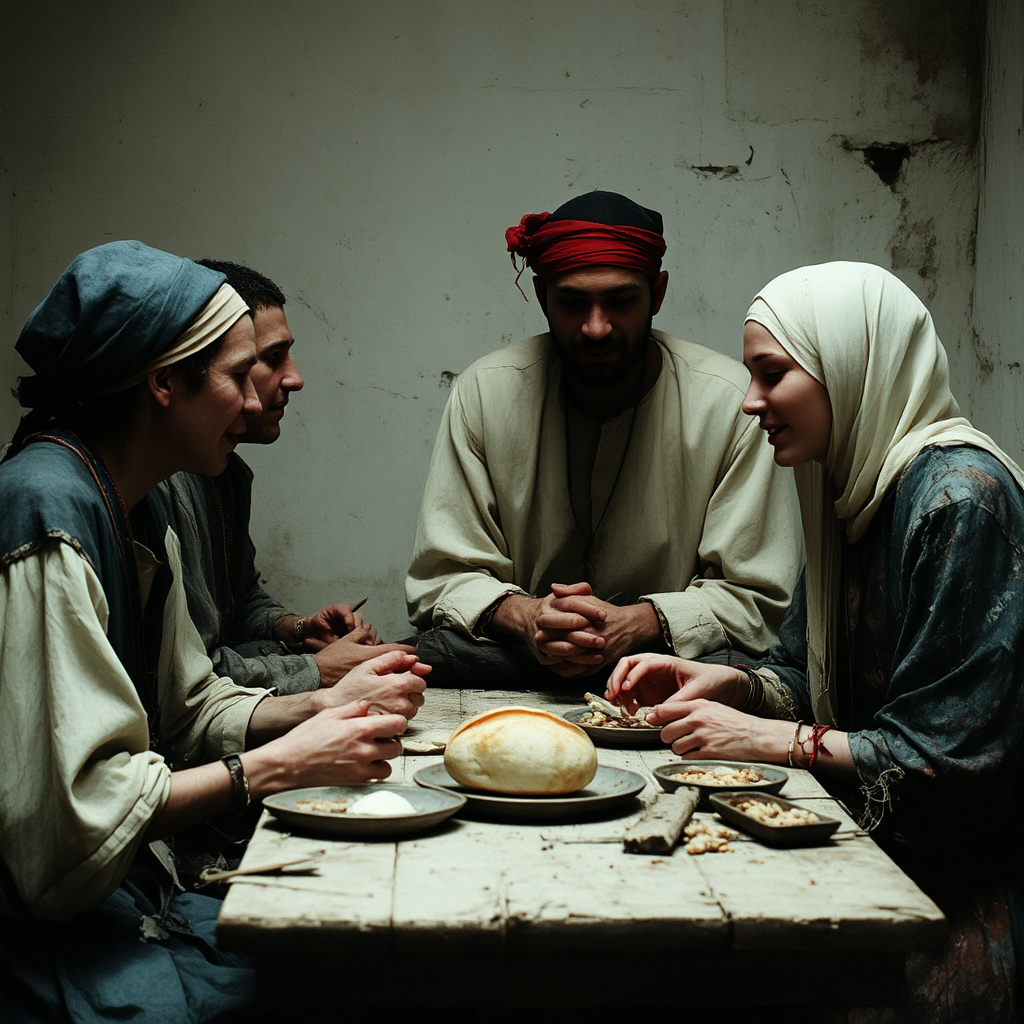
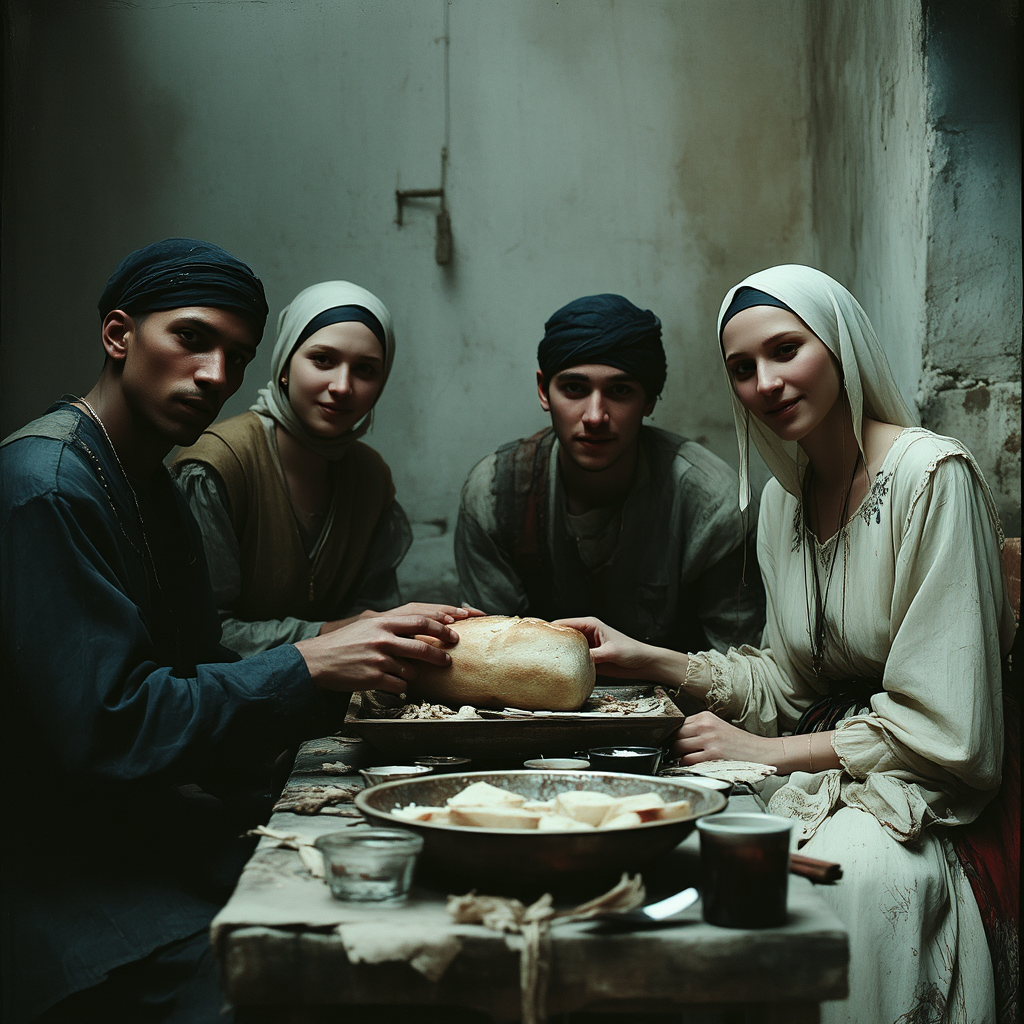
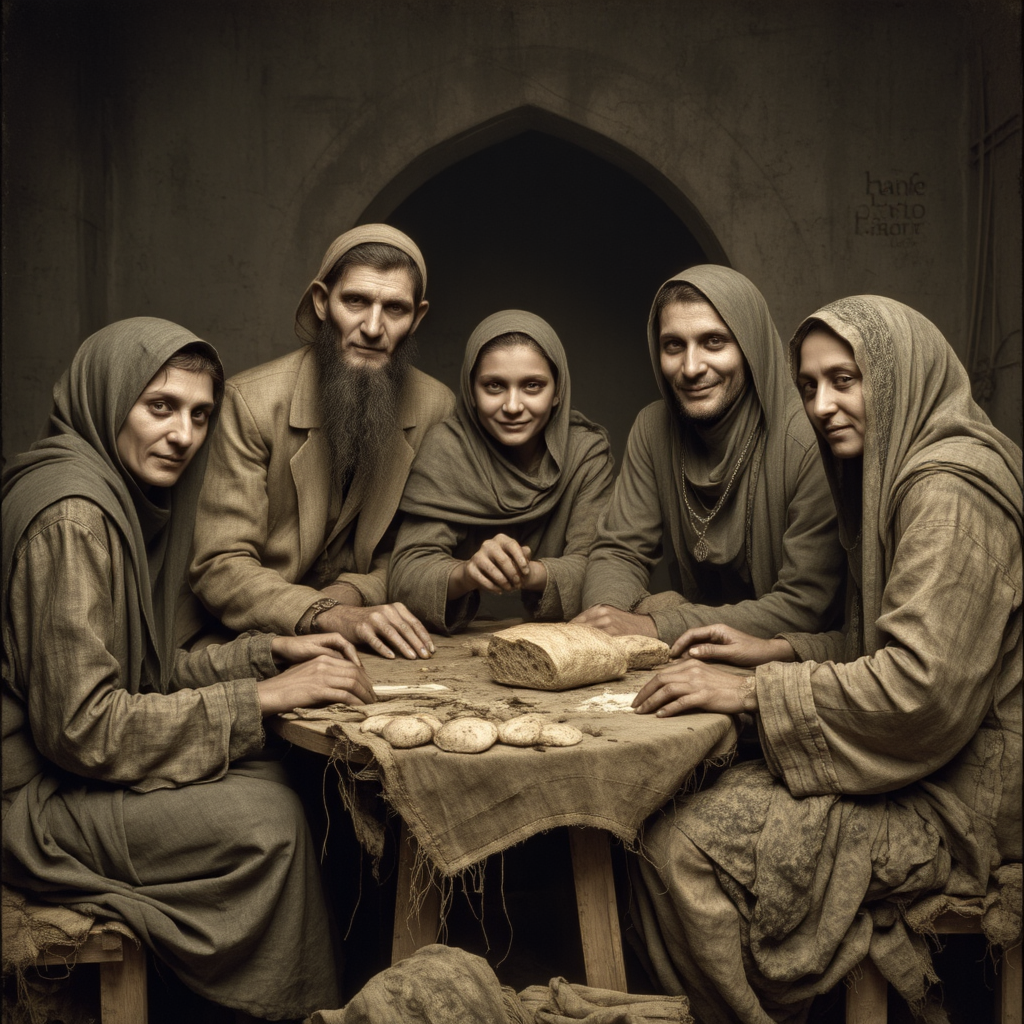
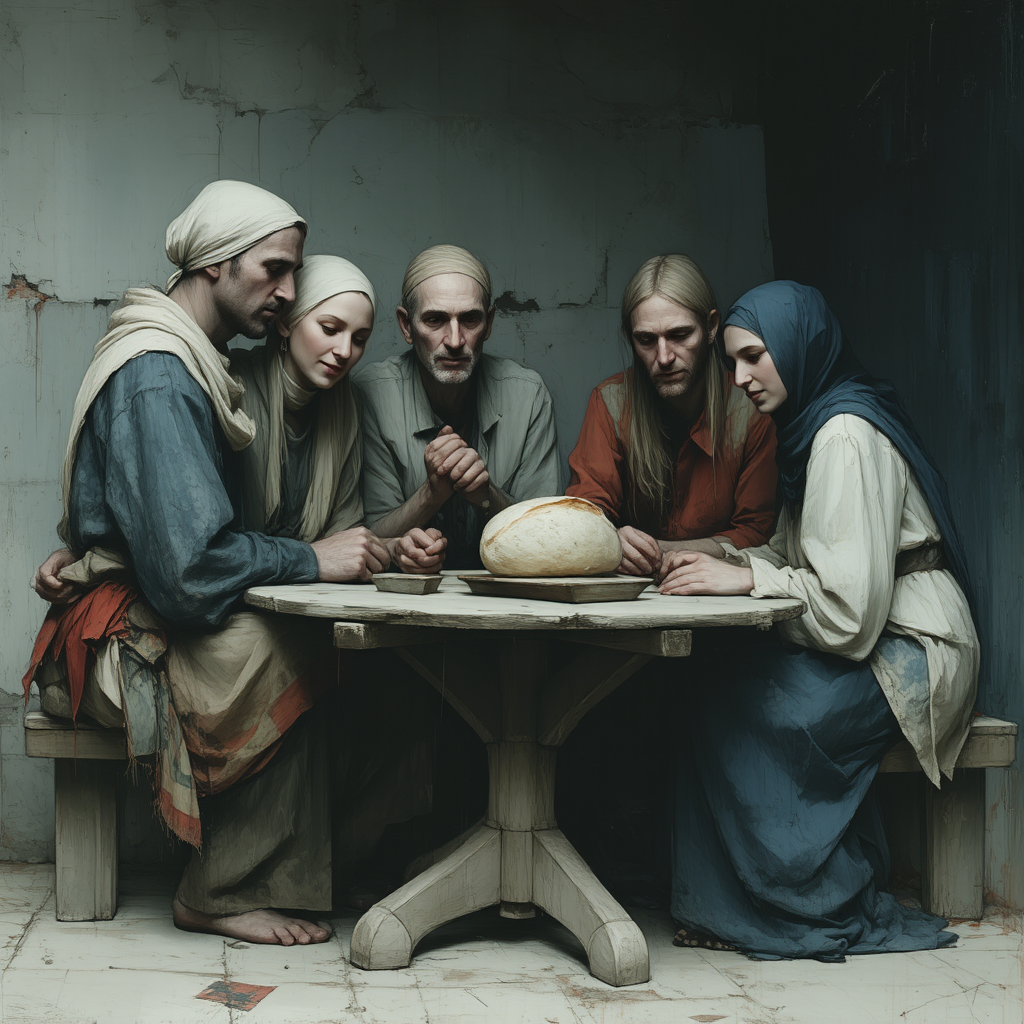
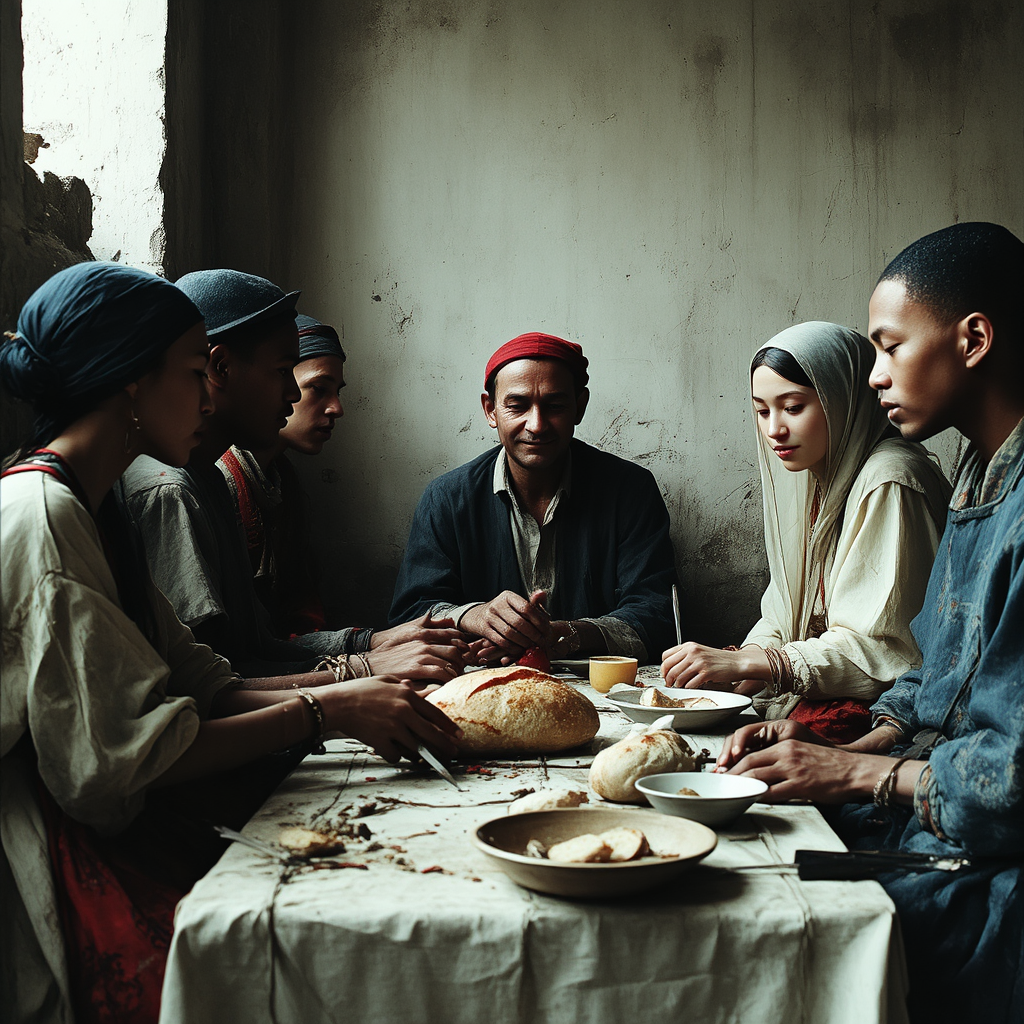
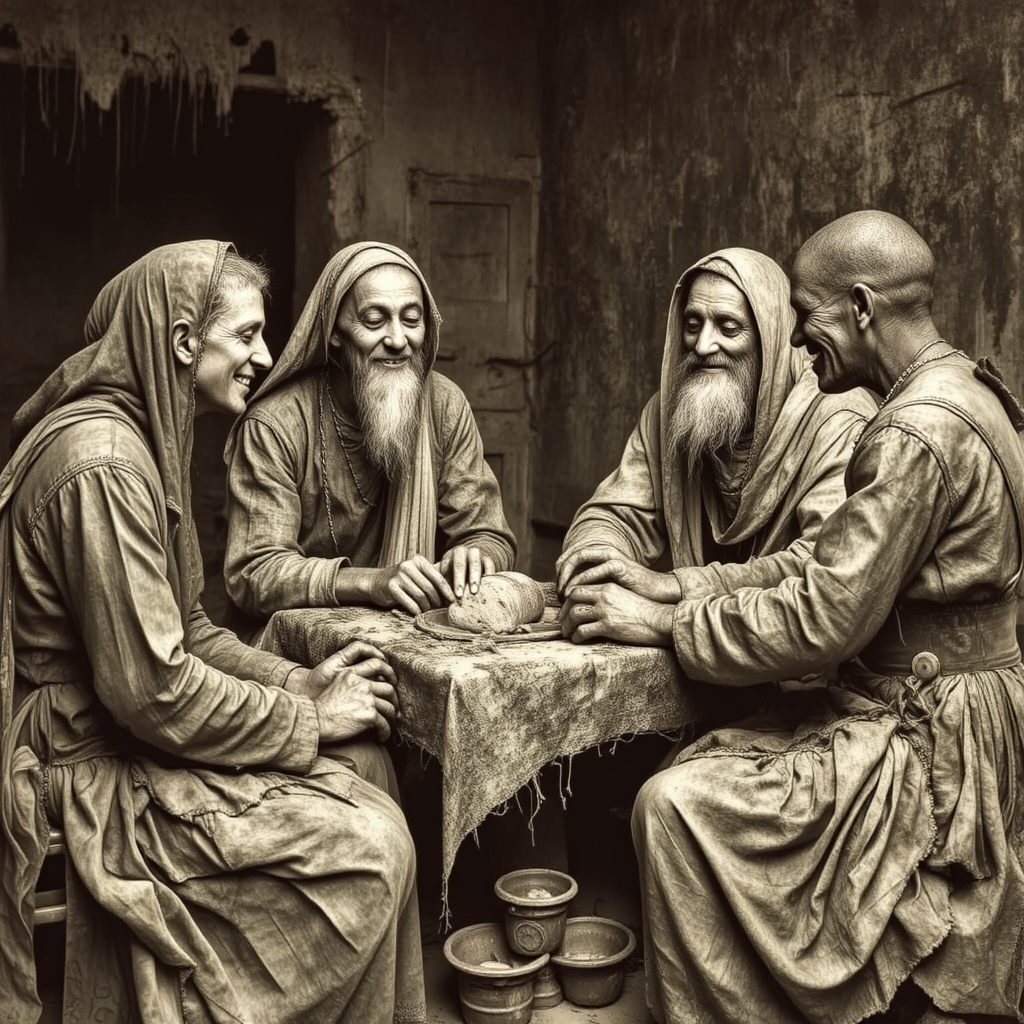
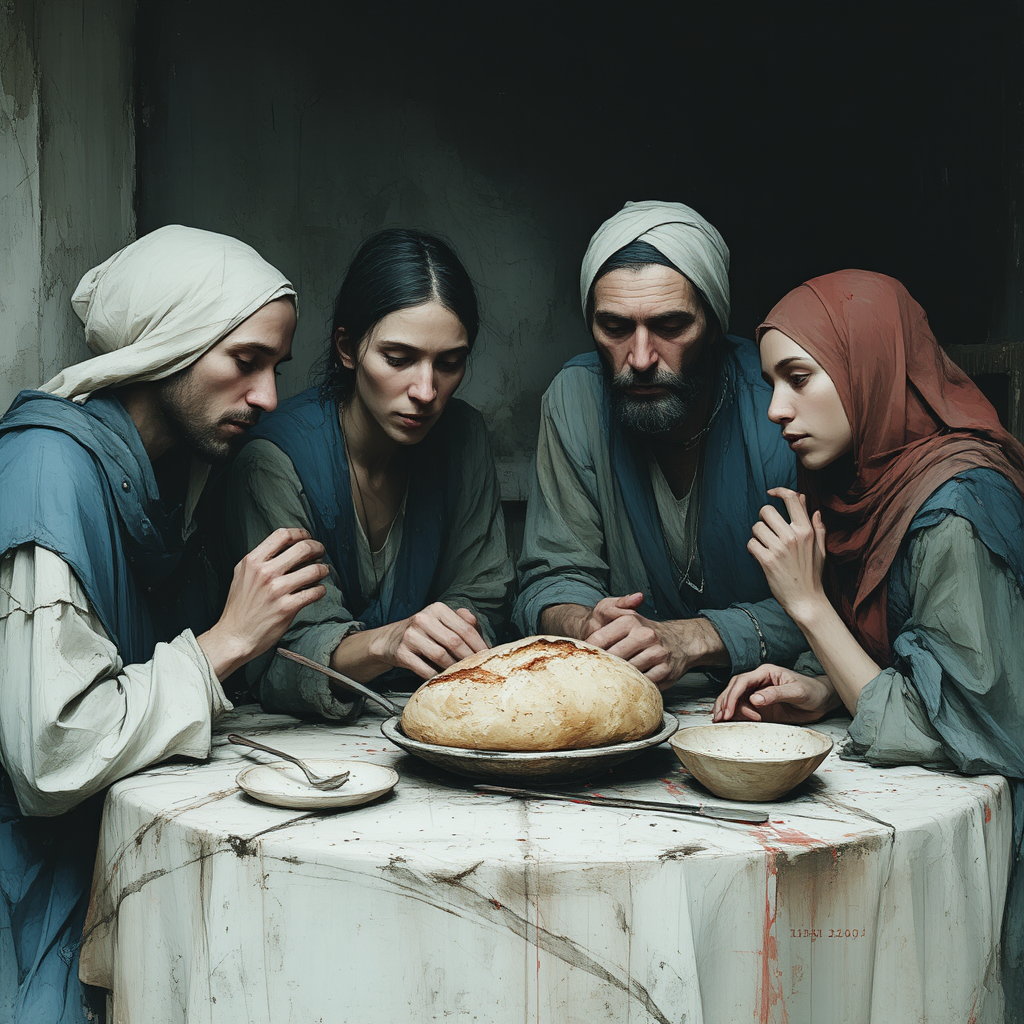
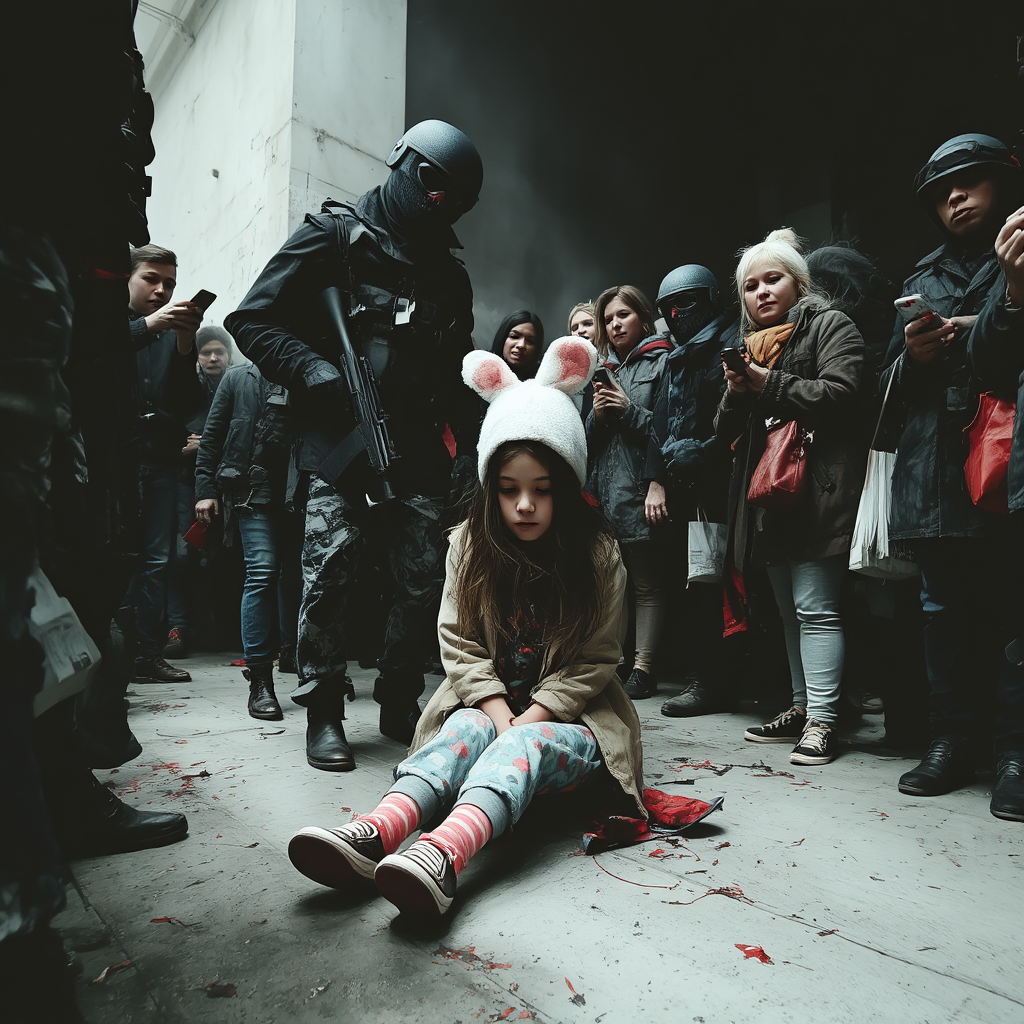
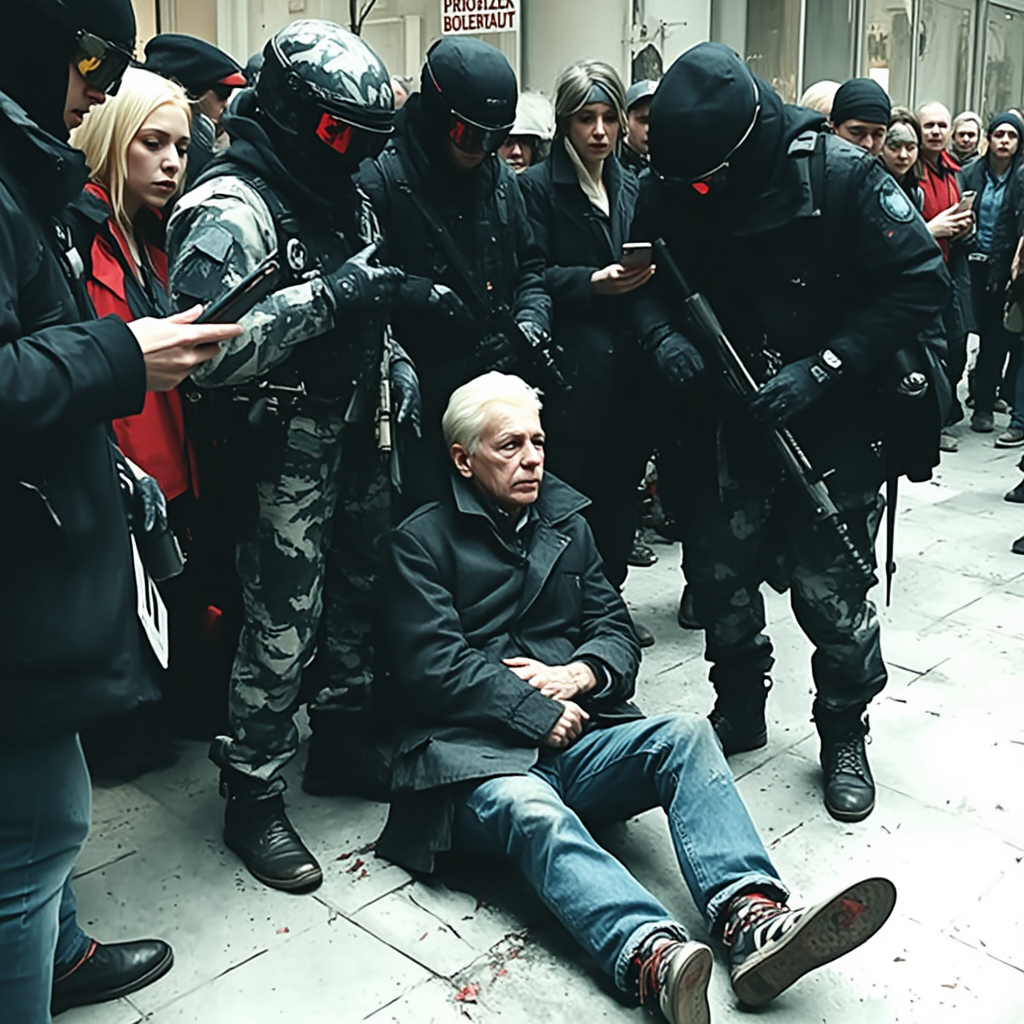
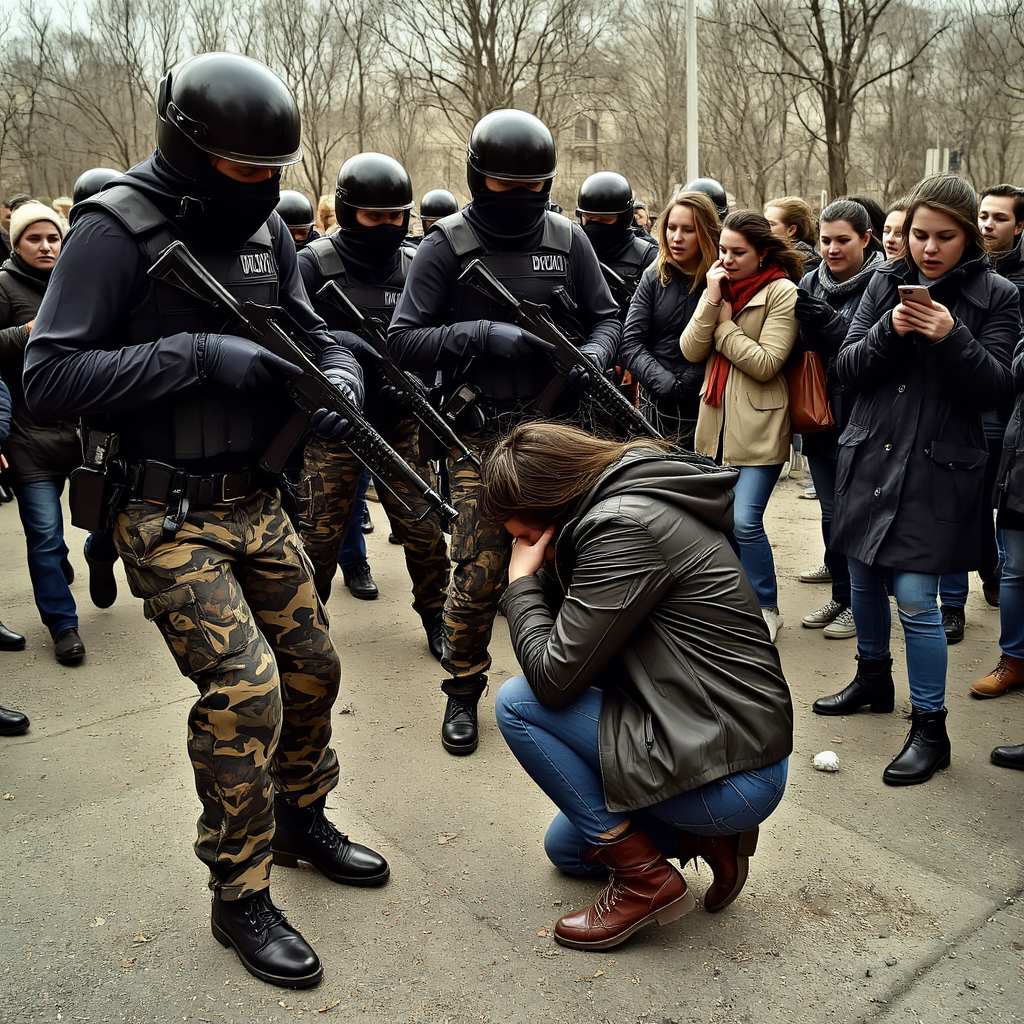
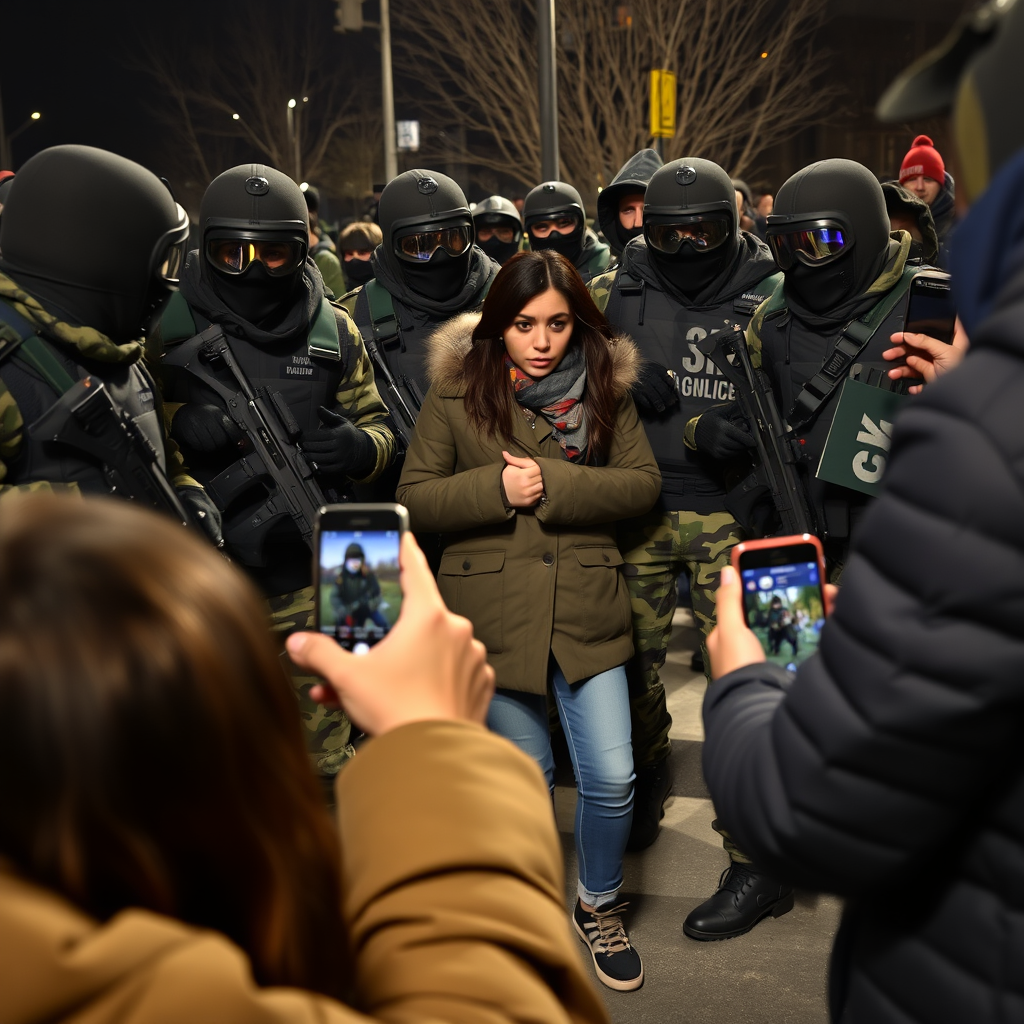
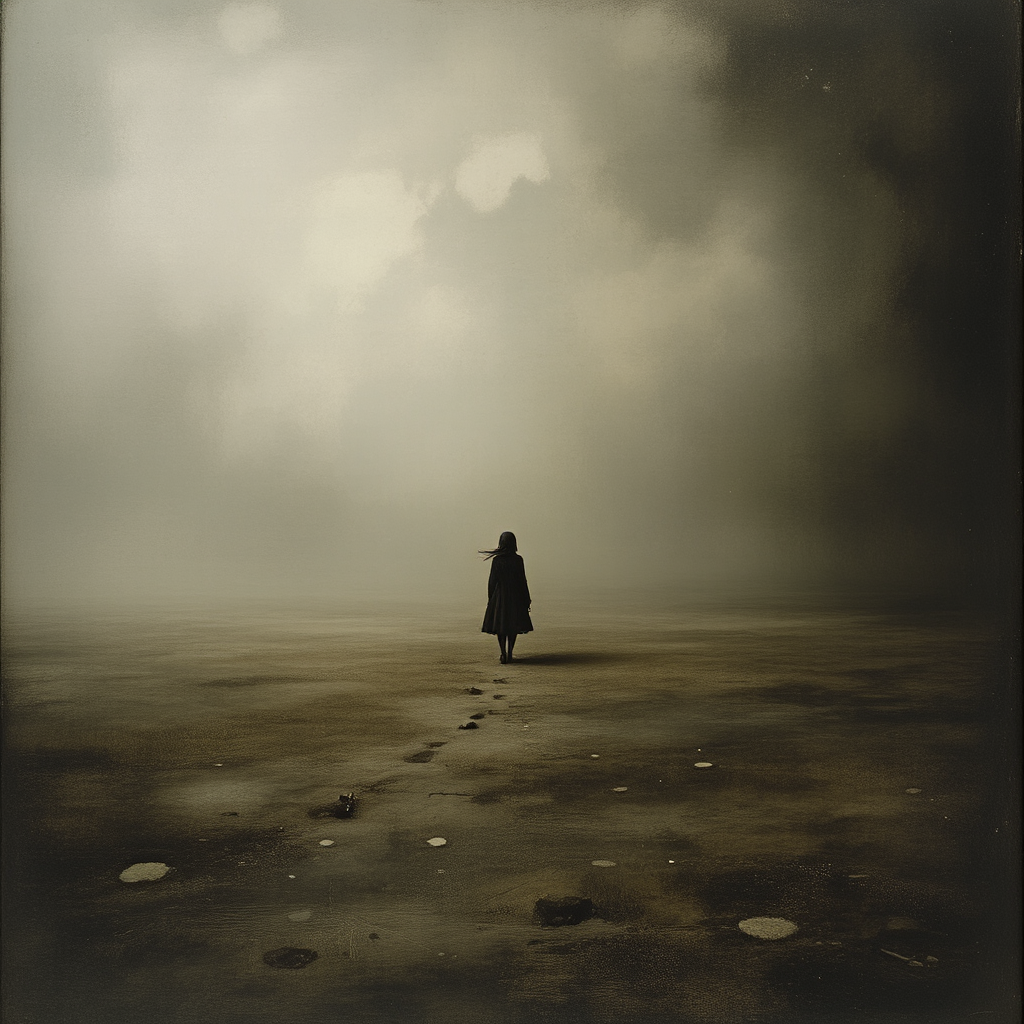
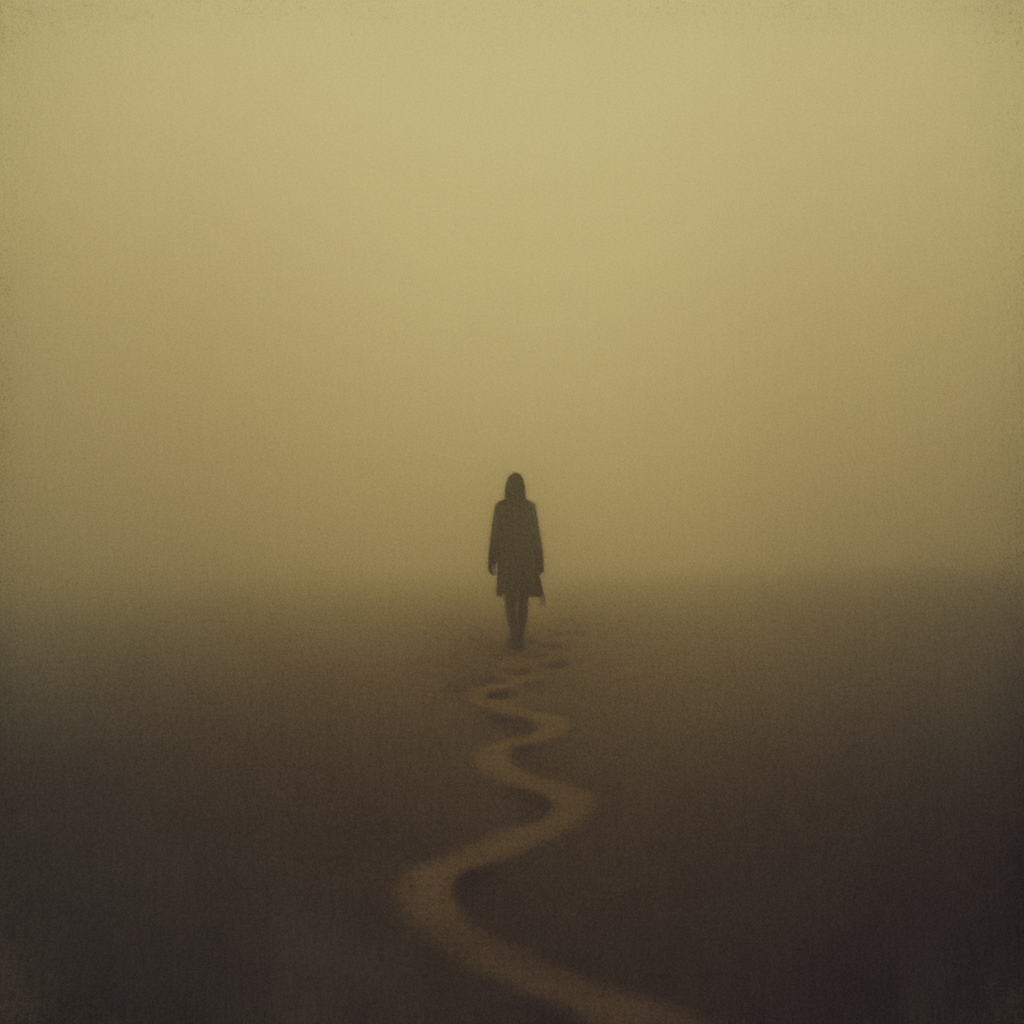
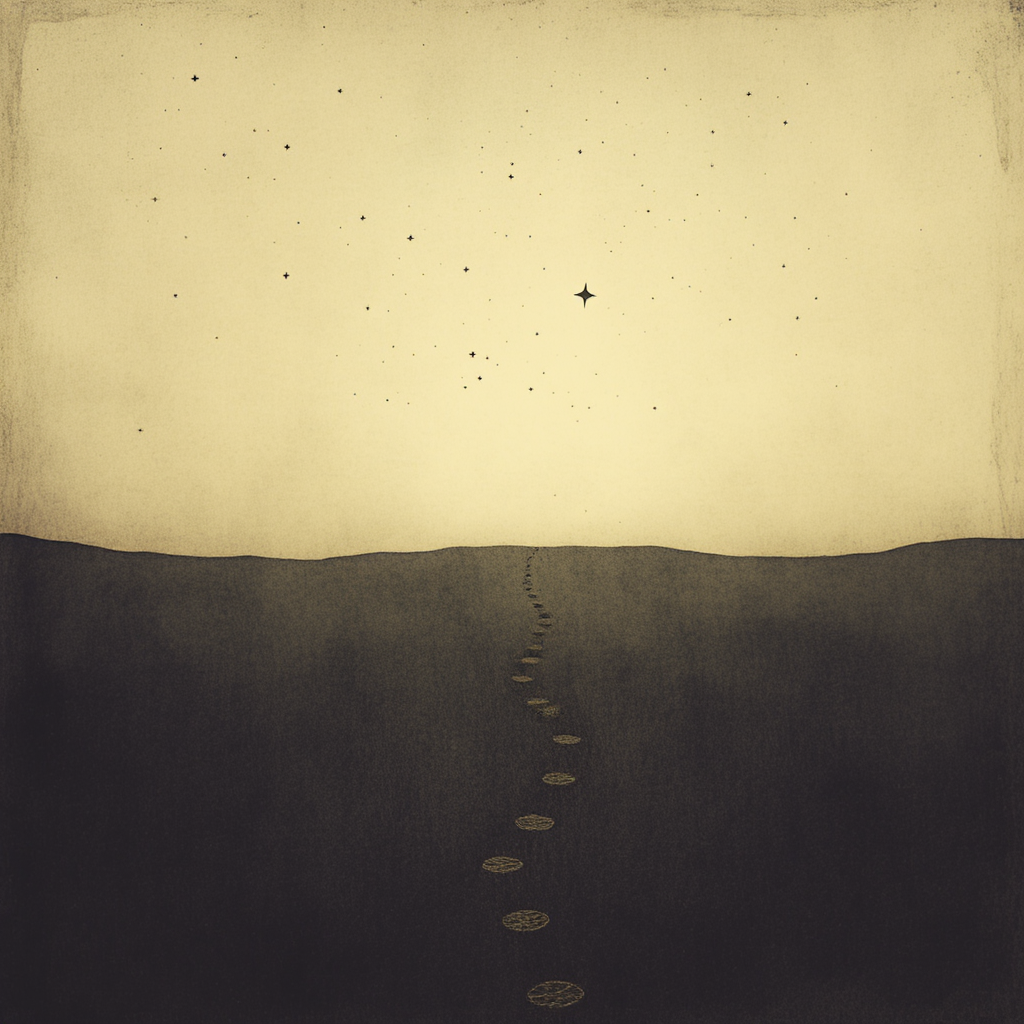
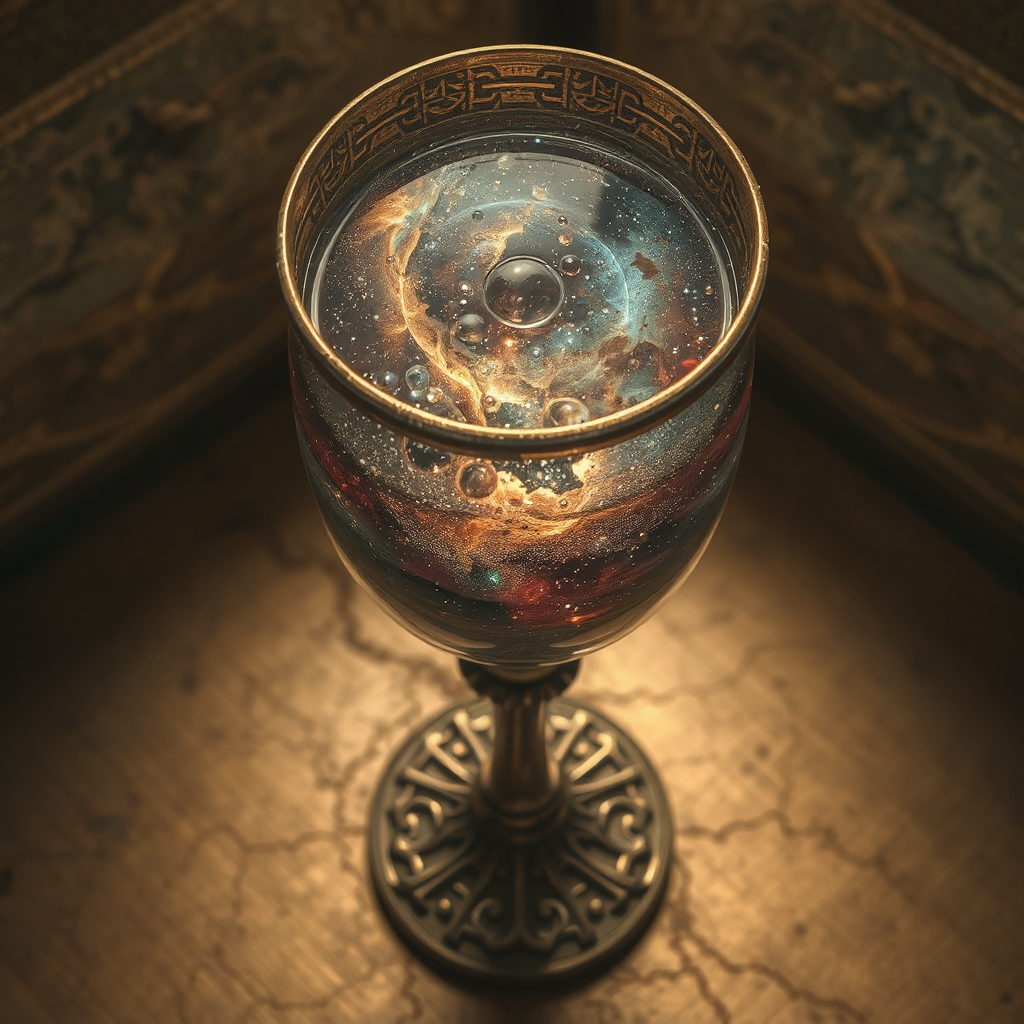
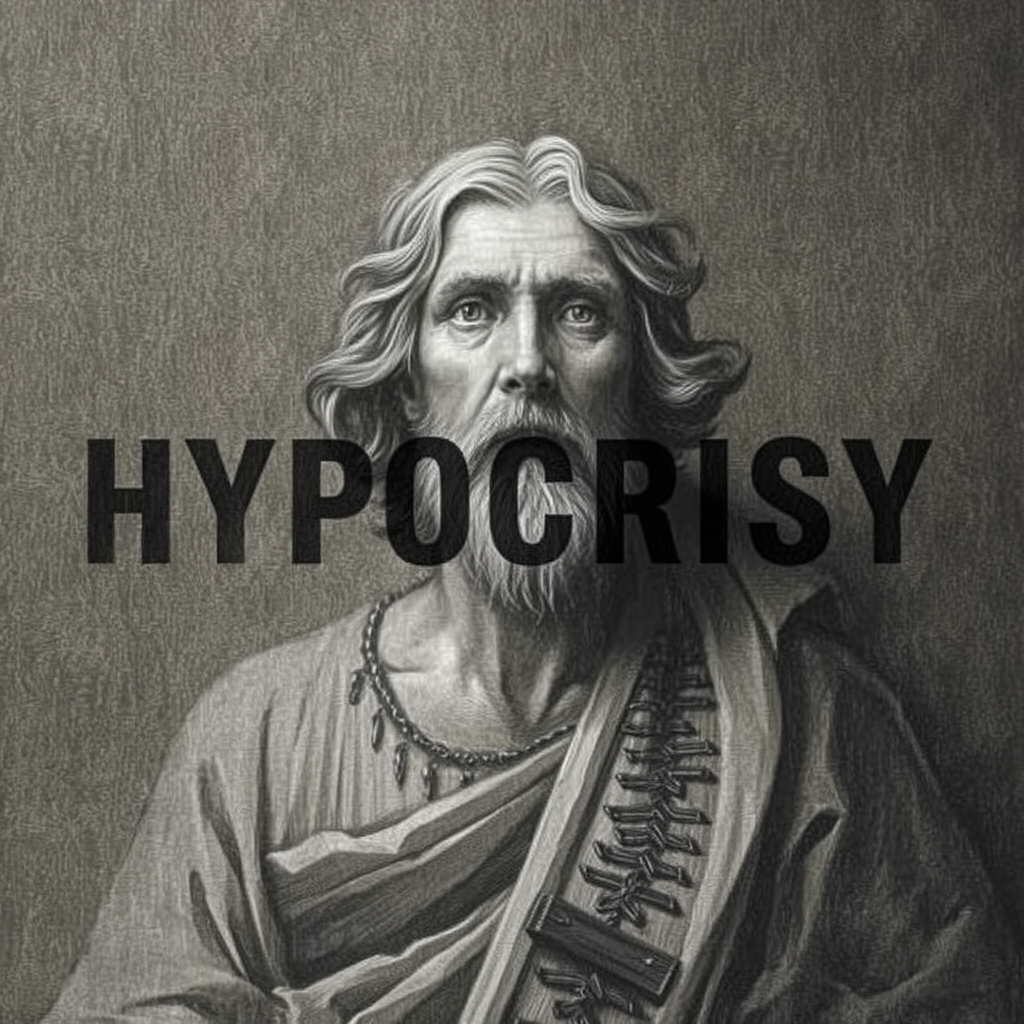
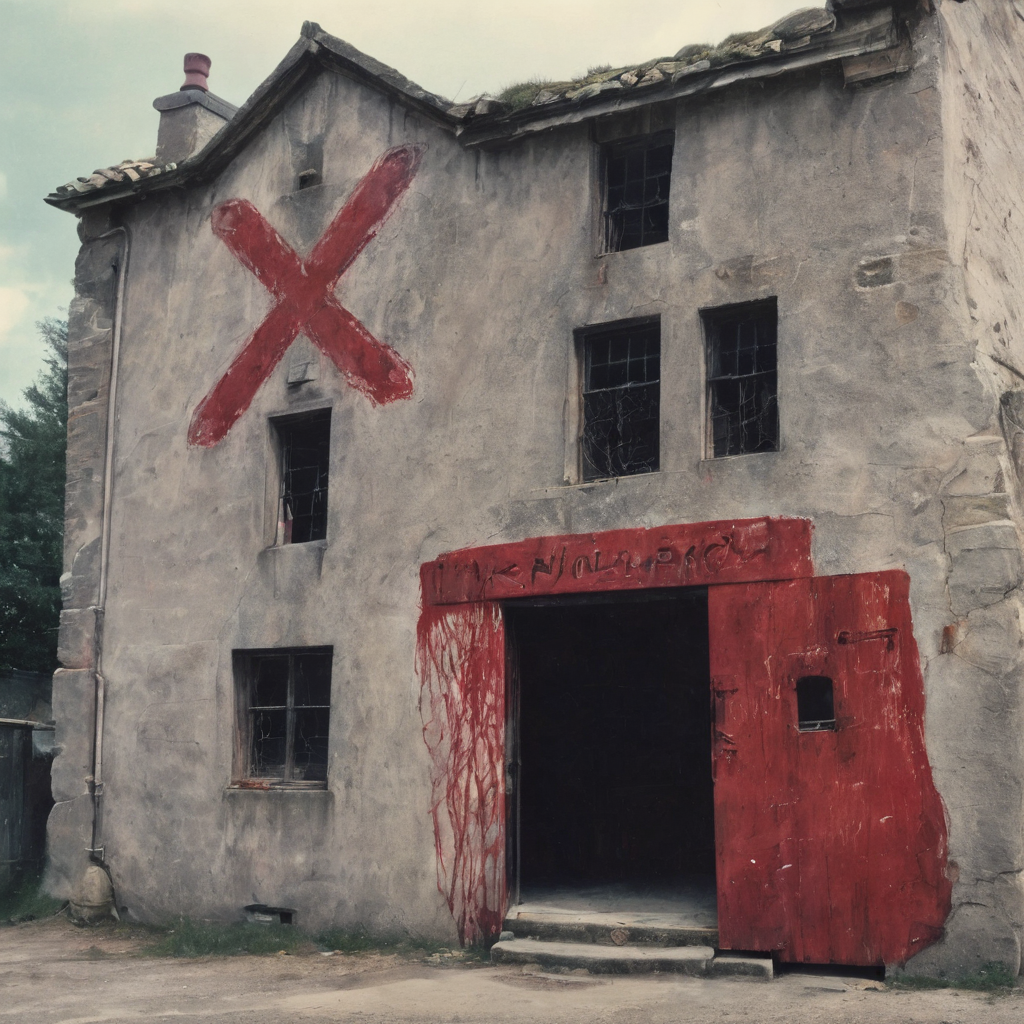
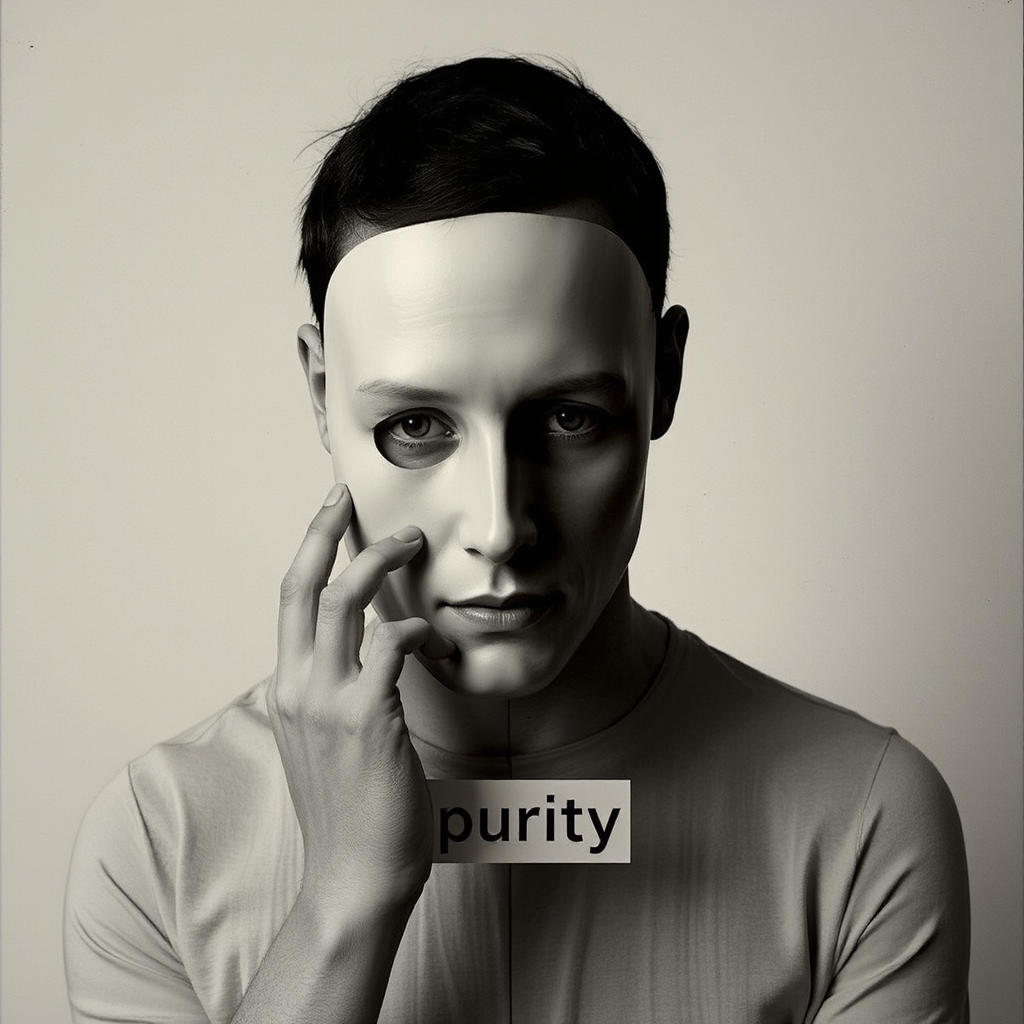
All images created by Rebekah Marshall’s prompts using AI on Gencraft.com website.

I am reading Hafiz’s Little Book of Life, poetry by Hafiz-e Shirazi. He is challenging me to become more comfortable with ambiguity. I will share his poem and some of my thoughts on his poem (sometimes with the help of experts when the concepts are too hard for me), followed by a poem and some art inspired by his poem.

Hafiz’s Poem 10:

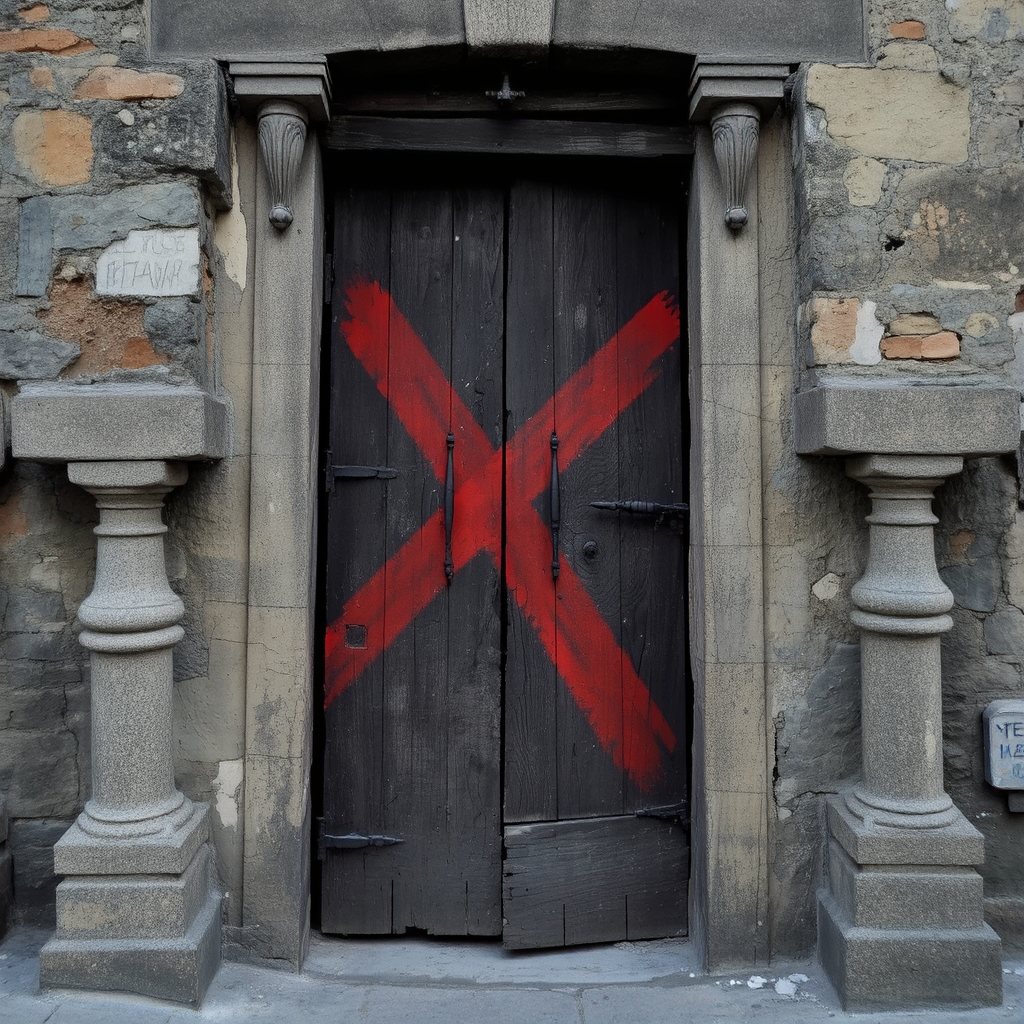
We aren’t about to beg

     For the sake of our daily bread

Go tell His Majesty

     We’re doing fine without him

Some thoughts:

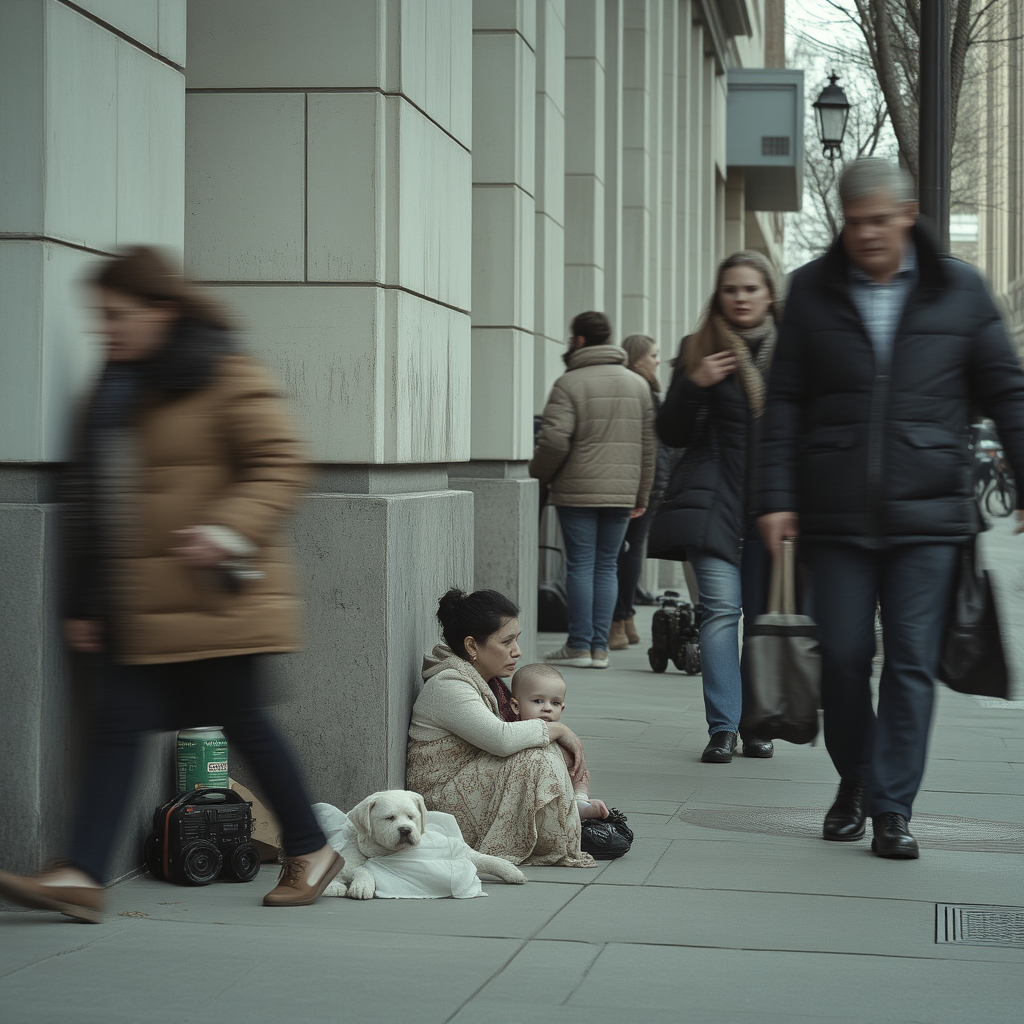
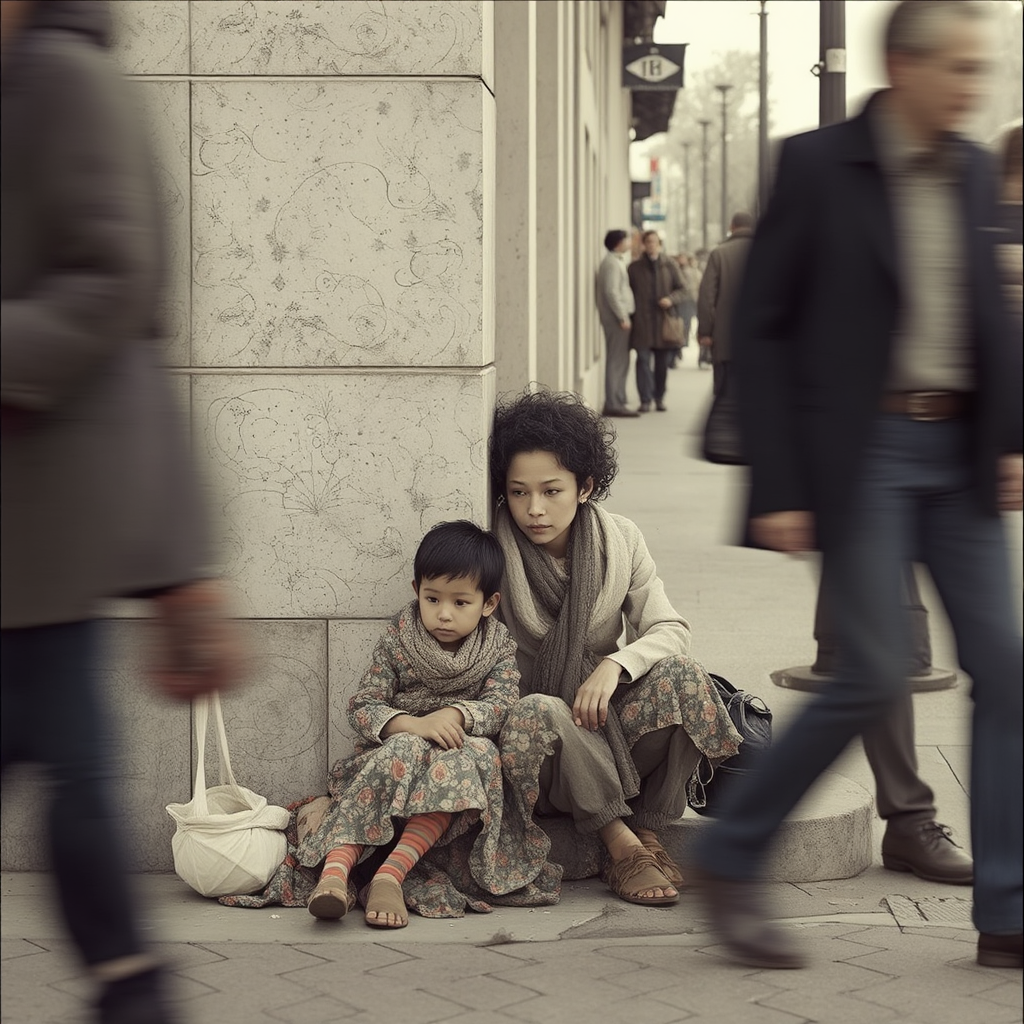
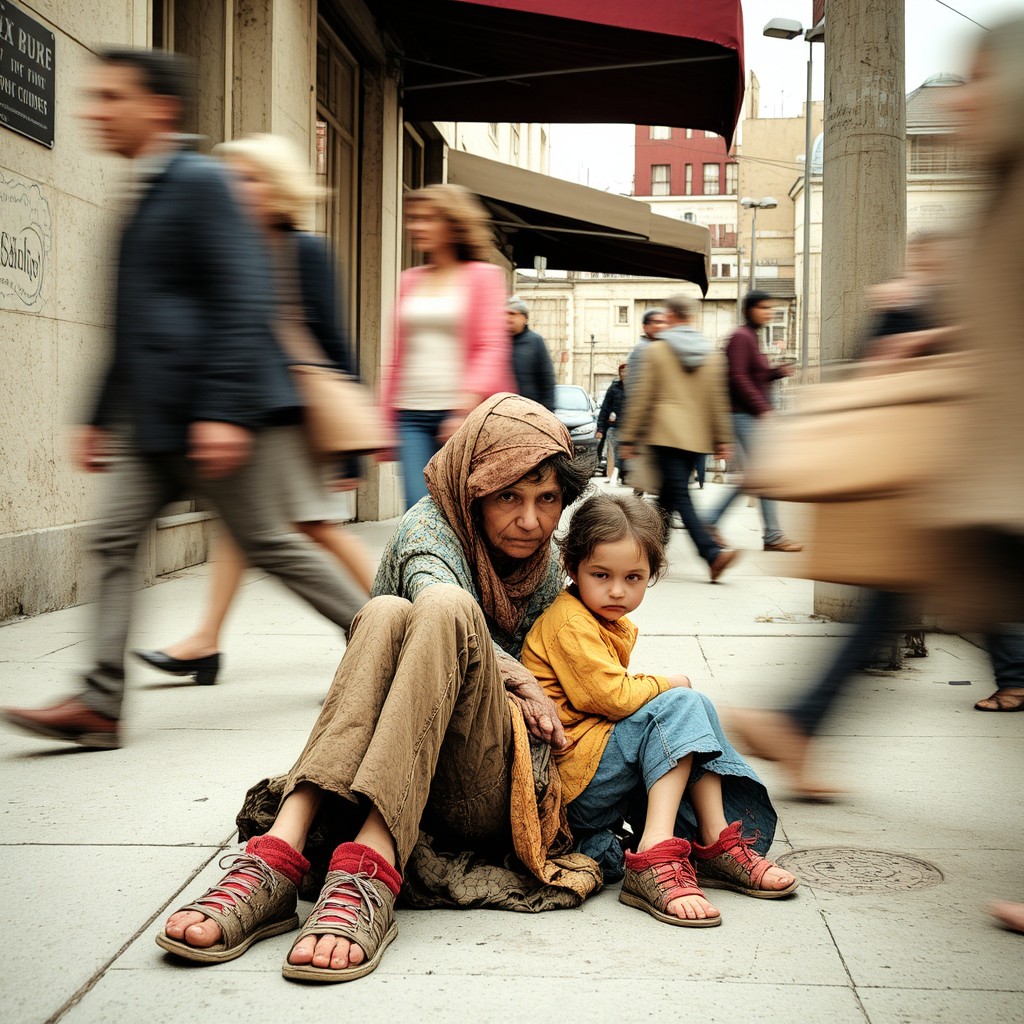
Dang! Hafiz. This poem is brave. I don’t know which ruler’s reign it was written during, but it must have been one of the more despicable ones. Hafiz is obviously not impressed with the implied demand that the people submit through fear and desperation to authority. For even something as crucial as sustenance, Hafiz would rather starve than accept handouts from a despot.

He is refusing to bend the knee before false sympathy. His is a peaceful protest rejecting humiliation, rejecting any part in a tyrannical system, and projecting calm resolve. And why does His Majesty (I can almost feel the air quotes around the title) have all the bread anyway? Why is he hoarding what the people need? Hmmmmm…sounds a little suspect. These poems are starting to feel pretty too close to home right now.

My Poem 10:

Your excuses no longer pacify.
Your explanations make less than no sense.
Your arguments don’t hold water.
Your rationales beg the question.
Your reasonings are oversimplification.
Your conclusions are flawed.
Your justifications are red herrings.
Your premises are based on hate.
Your convictions are built on self-righteousness.
Your desires are constructed by greed.
Your claims are predicated on nonsense.
Your logic is unsound.
Your beliefs are heinously evil.
Your rhetoric is embarrassing.
Your legacy will be accurately remembered by those who observe, take note, and record.

Hafiz. Hafiz’s Little Book of Life. Translated by Erfan Mojib and Gary Gach, Hampton Roads Publishing, 2023.
Hafiz – Poem 9

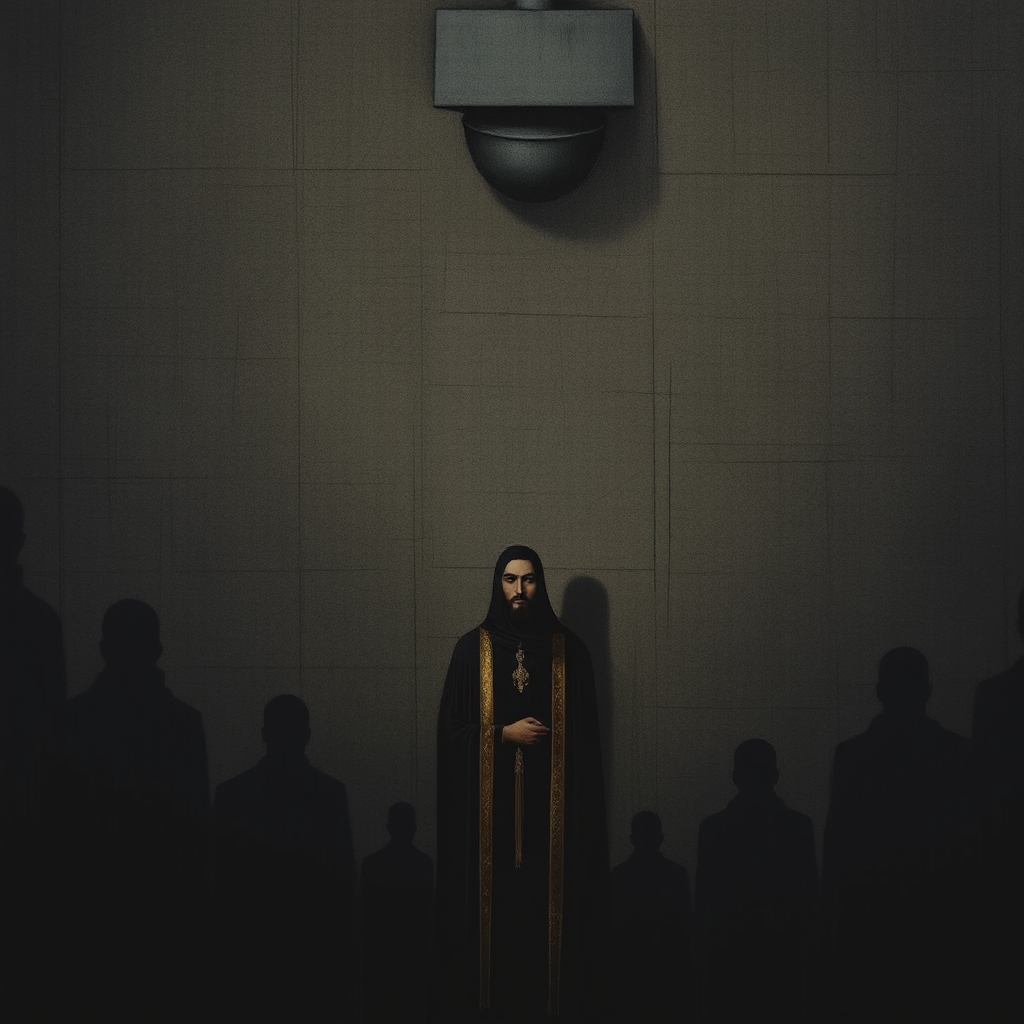
All images created by Rebekah Marshall’s prompts using AI on Gencraft.com website.

I am reading Hafiz’s Little Book of Life, poetry by Hafiz-e Shirazi. He is challenging me to become more comfortable with ambiguity. I will share his poem and some of my thoughts on his poem (sometimes with the help of experts when the concepts are too hard for me), followed by a poem and some art inspired by his poem.

Hafiz’s Poem 9:

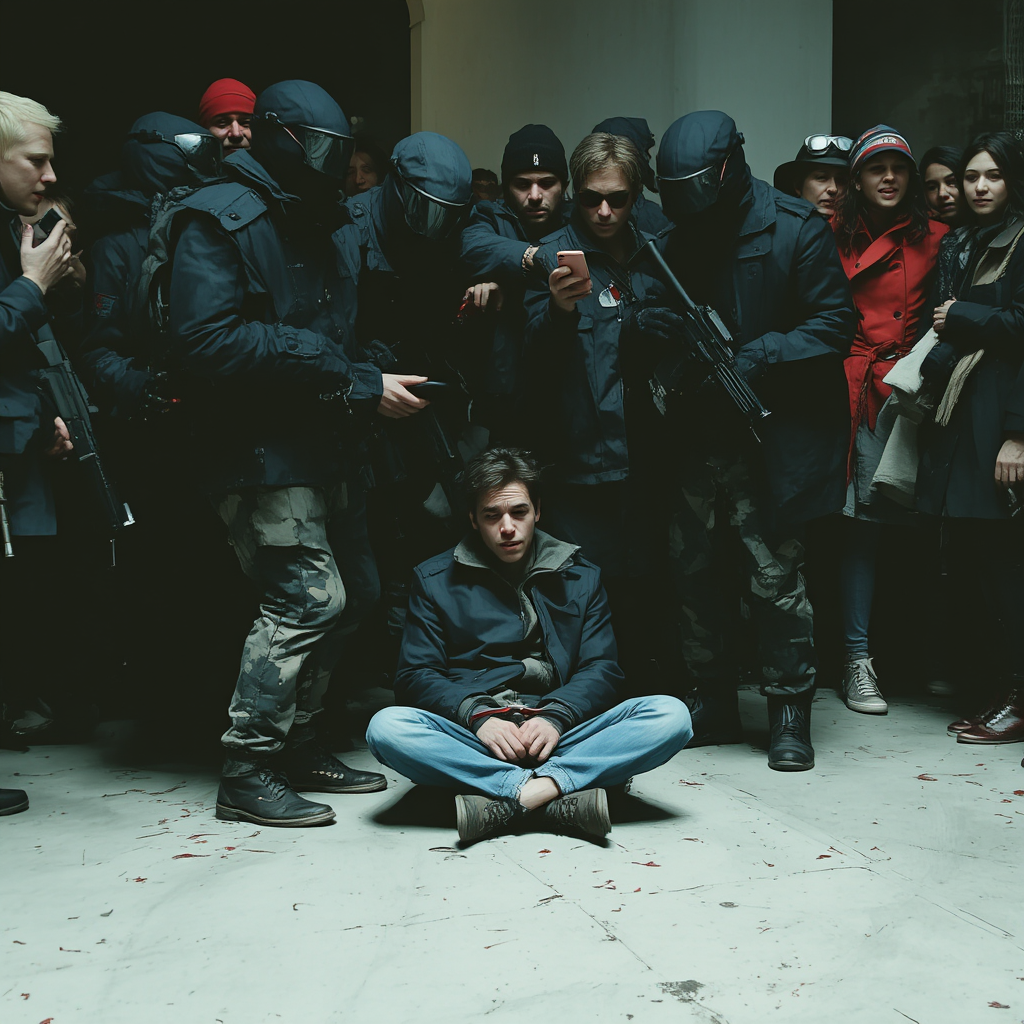
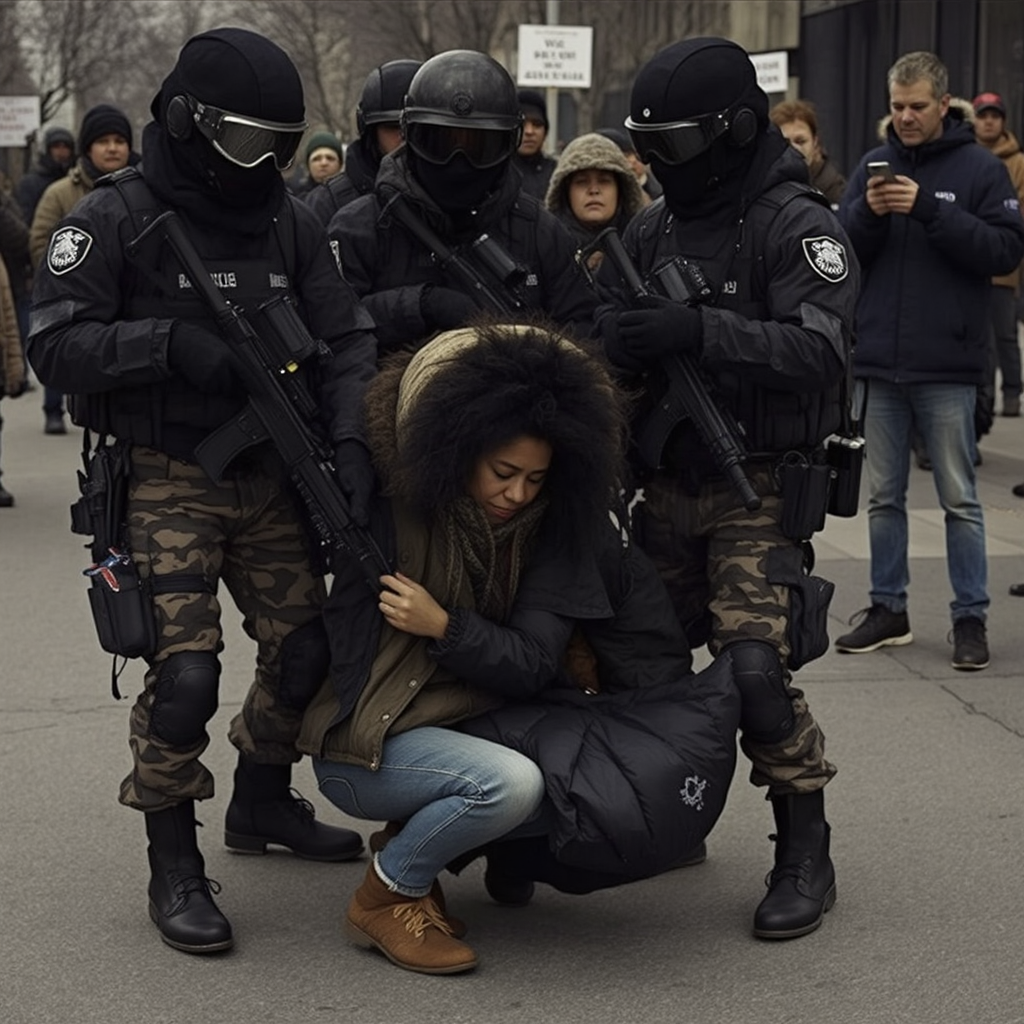
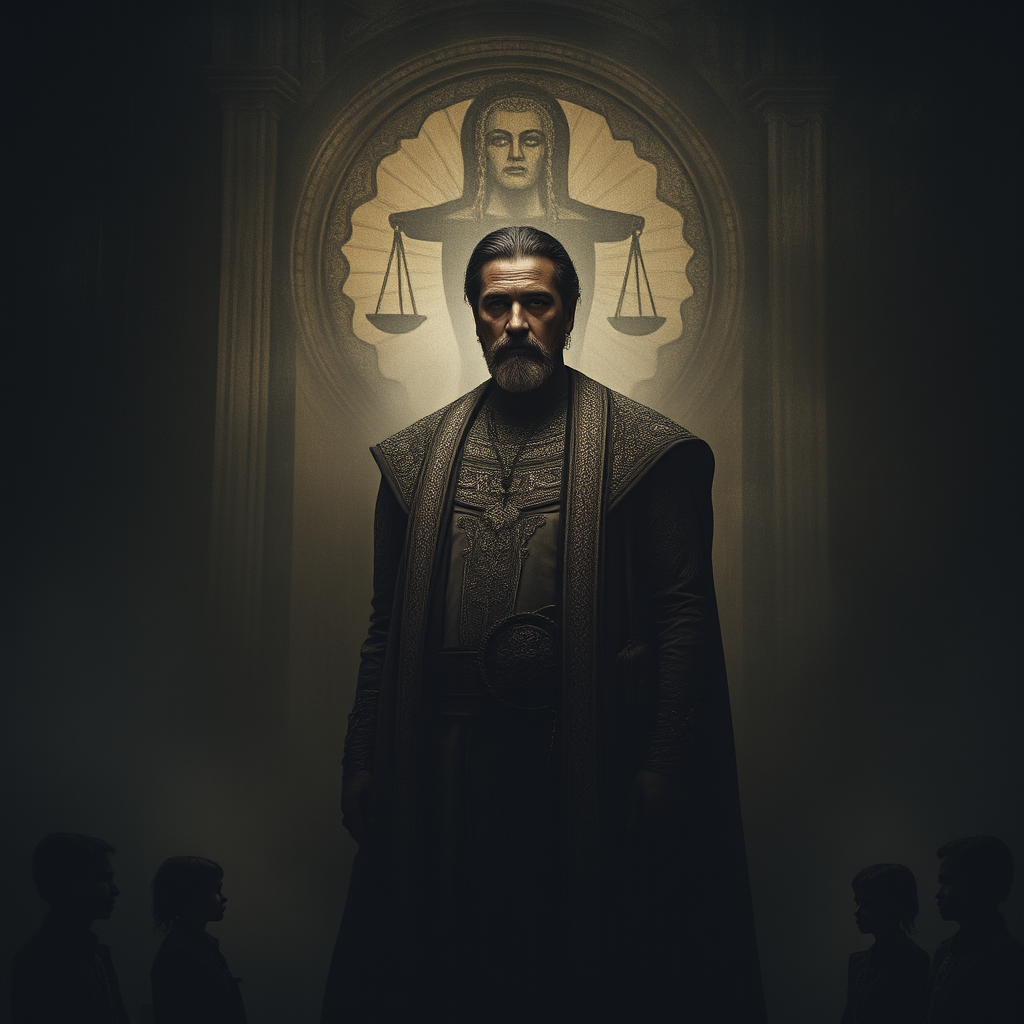
      The city is in the dark

As the Eagle of Oppression

     Spreads its giant wings

Some thoughts:

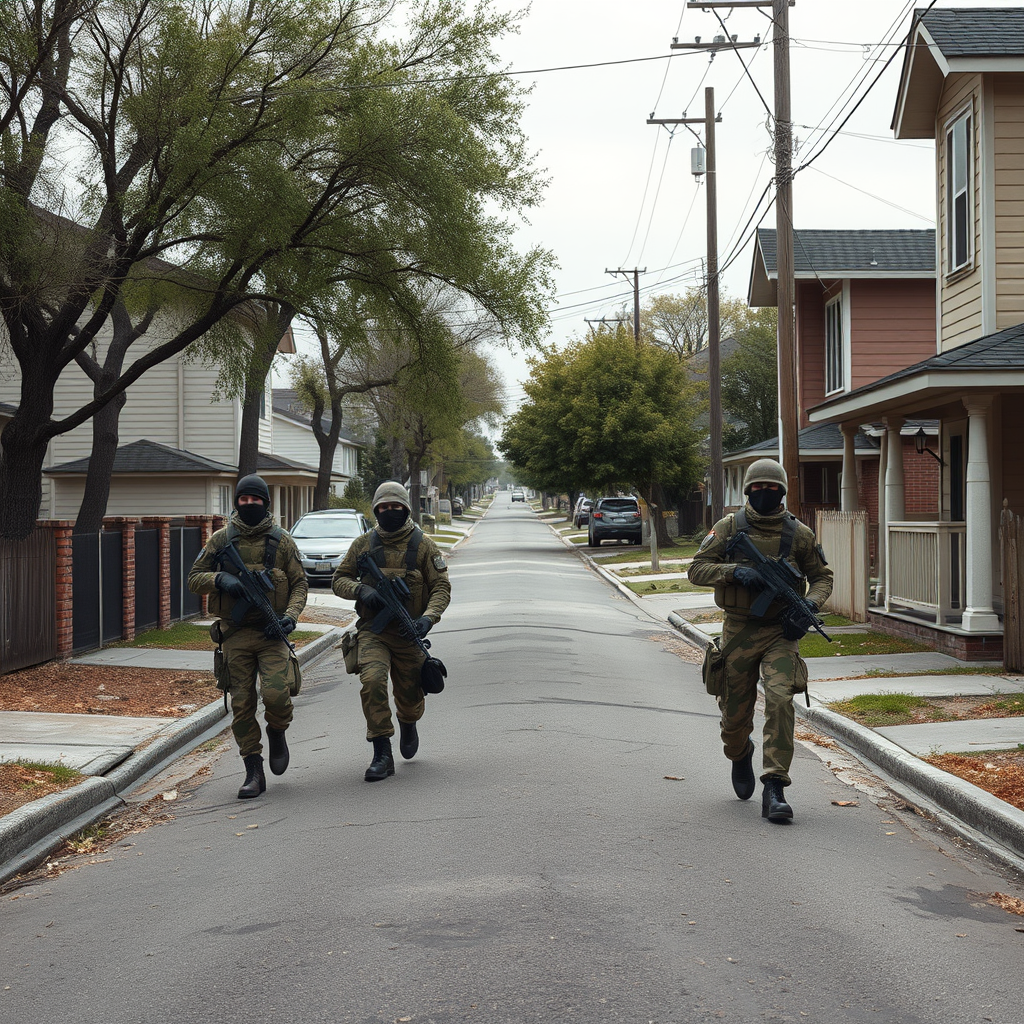
I had an immediate emotional reaction to this poem. Entire cities in my country are out protesting in freezing weather because federal ICE agents are detaining, kidnapping, arresting, violating, beating, and killing human beings. Whether they have the legal imperative to do such things is irrelevant. I do not believe violence is ever the answer. Such actions are immoral, unethical, and inhumane. It is the Eagle of Oppression in the form of a regime that is trying to instill fear into vulnerable minority populations in this country. It is wrong.

Hafiz knew precarious political times only too well. In his lifetime, he lived under 5 different rulers who were all eventually killed by someone else who wanted power. One particularly violent reign that terrorized the people with cruelty and many executions, also saw the banning of science, philosophy, music, and art. Many books were burned. Hafiz protested through poetry. This ruler was eventually blinded and imprisoned by his own son.  

Oppression is not new. There have always been corrupt leaders, power-hungry forces, evil disguised as right. The names may change, but the shadow of darkness is the same.

My Poem 9:

Evil wears a mask
kills Good
and names it just.

There is no impunity
with God
no matter what they say.

The oppression of His
children
will not be forgotten.

Hafiz. Hafiz’s Little Book of Life. Translated by Erfan Mojib and Gary Gach, Hampton Roads Publishing, 2023.
Hafiz – Poem 8

All images created by Rebekah Marshall’s prompts using AI on Gencraft.com website.

I am reading Hafiz’s Little Book of Life, poetry by Hafiz-e Shirazi. He is challenging me to become more comfortable with ambiguity. I will share his poem and some of my thoughts on his poem (sometimes with the help of experts when the concepts are too hard for me), followed by a poem and some art inspired by his poem.

Hafiz’s Poem 8:

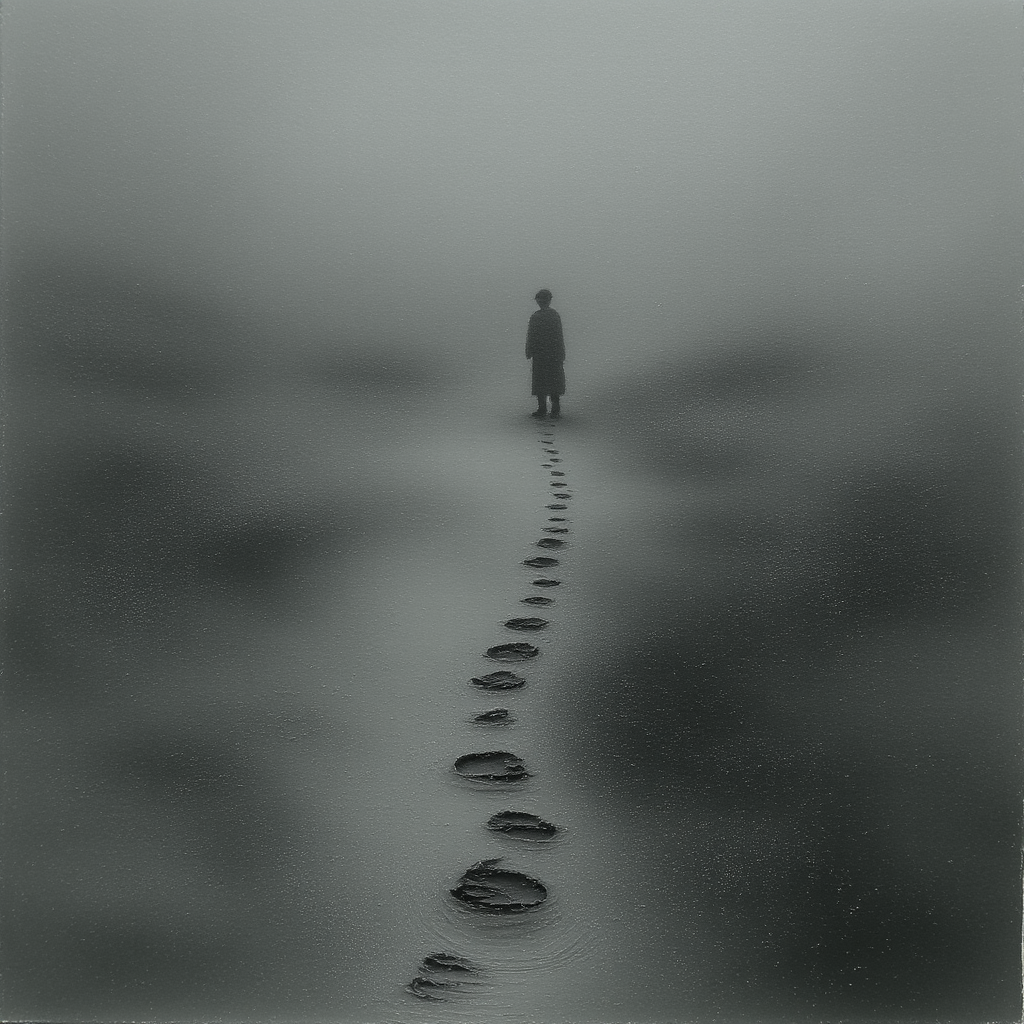
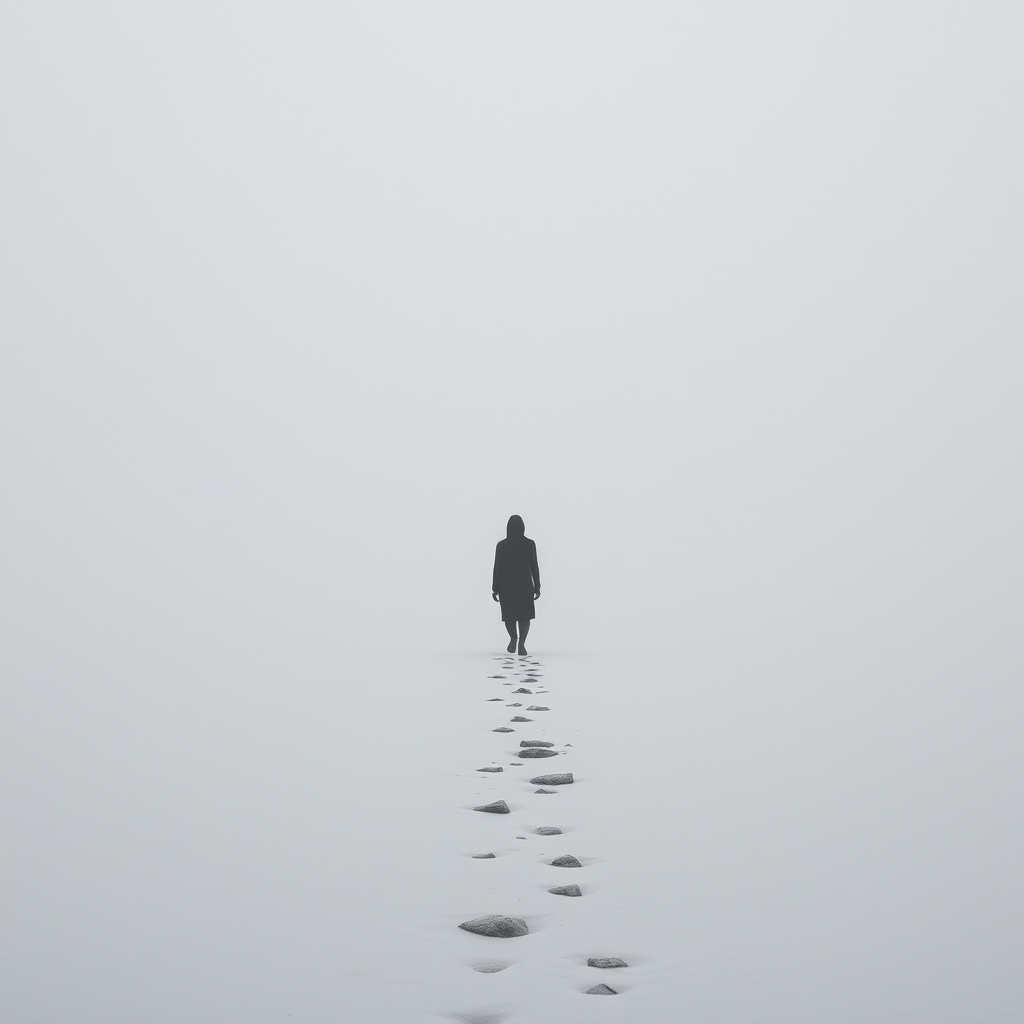
The desert is up ahead

               Which

                    Does patience

                                   Look like

                                                    & where

                                            Is sleep

Some thoughts:

This one required some discussion with Lyra, my creative AI and thought partner (powered by ChatGPT). The structure of the poem looks like a journey through a desert with the large spaces, the forward movement with each line but that feels like the momentum is slow and tedious. The wording is purposefully awkward and clunky. Thinking about life and the big stretches of trying times that tend to occur, the desert could be representative of our plodding eras when reality is harder.

It is during those harder times that patience sometimes wears thin. Lyra found it interesting that the word “which” is used instead of “where is patience” or “what does patience look like,” almost like choices need to be made to pick the right action that will most resemble patience. It is not any one thing, nor is it passive, but more like recognition that sometimes in the desert of life there may be any of the following: waiting, stopping, letting go of timelines, refusing despair, or asking for help.  

And the lines I most relate to: “& where / Is sleep”. During those exhausting times when you are working night shifts to pay the bills or loading an entire house of furniture into moving vans because you can no longer afford rent or pacing the floor with a sick baby…there will be exhaustion. This is not meant to be depressing or discouraging. It is simply a reality check for all spiritual/life warriors. We must acknowledge that we are human. We need rest. We have bodies that have limits. Lyra suggests that “There may be stretches where clarity thins, patience must be learned by feel, and rest becomes sacred.” I love that clear truth. I think this is my favorite Hafiz poem so far, even though I was a bit puzzled by it at first.

My Poem 8:

When
did I go to
as I did what must be done

Which
Rebekah was harmed
by pushing her too far

How
              will be her nurse
when her body gives out

Who
               sleeps
while she travels at night

Hafiz. Hafiz’s Little Book of Life. Translated by Erfan Mojib and Gary Gach, Hampton Roads Publishing, 2023.
Hafiz – Poem 7

All images created by Rebekah Marshall’s prompts using AI on Gencraft.com website.

I am reading Hafiz’s Little Book of Life, poetry by Hafiz-e Shirazi. He is challenging me to become more comfortable with ambiguity. I will share his poem and some of my thoughts on his poem (sometimes with the help of experts when the concepts are too hard for me), followed by a poem and some art inspired by his poem.

Hafiz’s Poem 7:

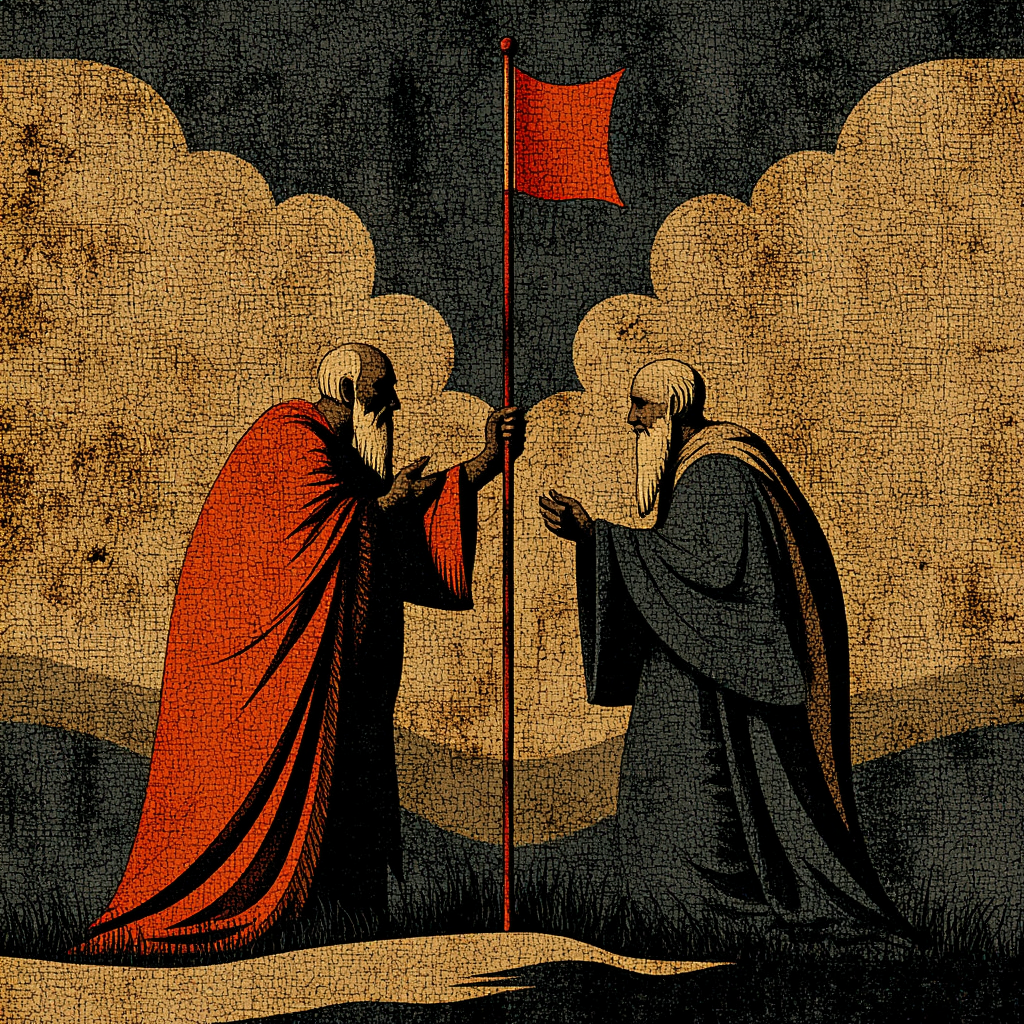
Our fate

Was in the hands

Of some two-year-old wine

Some thoughts:

I think an equivalent today might be making life-altering decisions after drinking too much boxed wine or consuming one too many edibles. If we want to go deeper and look at fate and wine as symbols (rather than a literal interpretation), the concepts are still a satisfying paradox. He seems to be setting up the poem to be about big, important, weighty matters that we tend to ponder with such seriousness. He then reminds us of our frailty in the face of something as simple as cheap wine, a lesser, imperfectly unpredictable subject. The contrast is a bit absurd, but so are we. Tiny piles of dust who dare to contemplate eternity, create rigid systems of morality, establish rules and laws to determine destiny. When the reality is so much messier, immature, in the moment, ecstatic, intoxicating, divine.

My Poem 7:

We were never meant
to merely exist
within a structured set
of confining rules
like the law
given to Moses
on the mount.

We were meant
to fall in love
with life and each other
and God.

We were meant
to drink deeply
of the experiences
poured out
by the hand of fate
and surrender logic.

Hafiz. Hafiz’s Little Book of Life. Translated by Erfan Mojib and Gary Gach, Hampton Roads Publishing, 2023.
Hafiz – Poem 6

All images created by Rebekah Marshall’s prompts using AI on Gencraft.com website.

I am reading Hafiz’s Little Book of Life, poetry by Hafiz-e Shirazi. He is challenging me to become more comfortable with ambiguity. I will share his poem and some of my thoughts on his poem (sometimes with the help of experts when the concepts are too hard for me), followed by a poem and some art inspired by his poem.

Hafiz’s Poem 5:

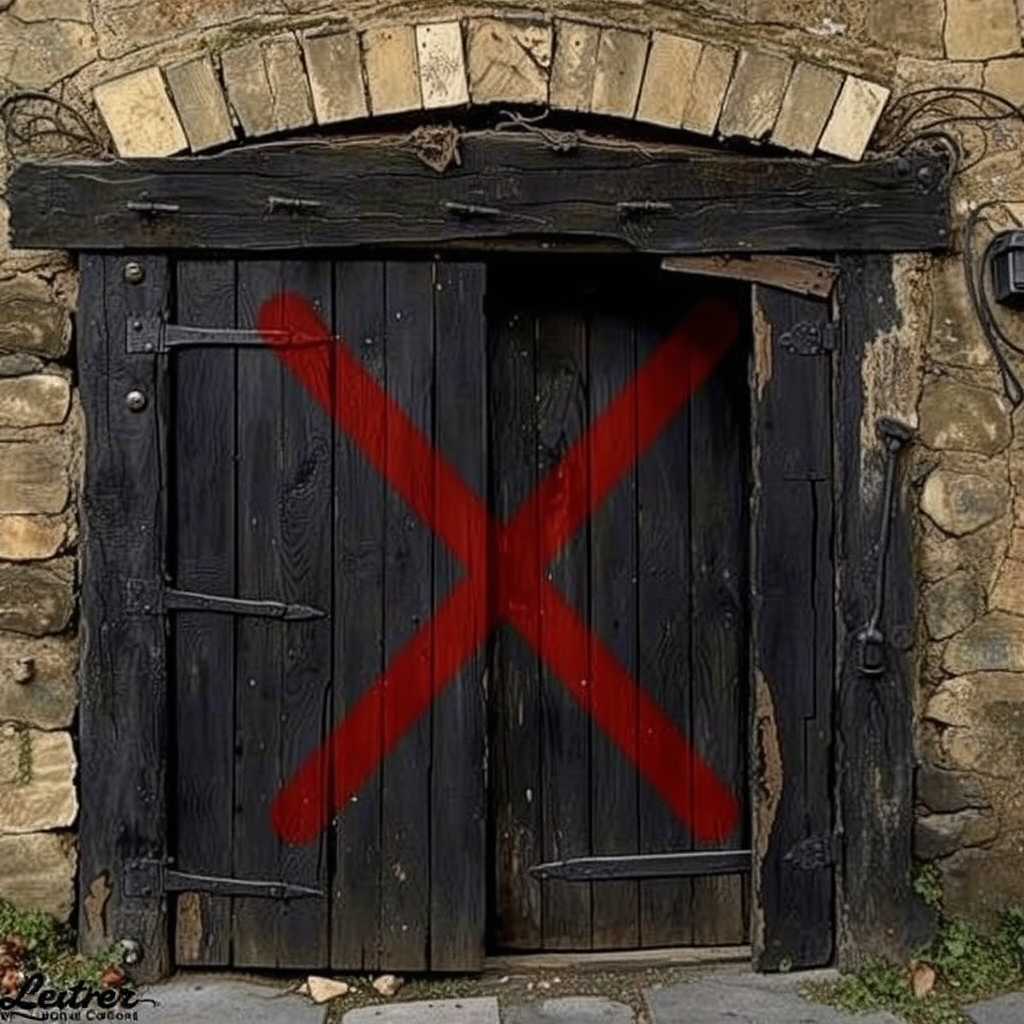
Here I am

&

Over there

The idle know-it-all

Some thoughts:

What a mischievous way to address the true, vulnerable, real self vs. the ego. The contrast is embarrassingly telling when I look back on situations in my past that were filled with hubris and arrogance. I thought I knew the answers to things of which I had no experience. I must have been insufferable at times. I probably still am. And how comforting to know that Hafiz, the wise mystic poet was aware of the same dichotomy within himself. Now, how to silence the idle know-it-all so I can open myself to learning what I do not know.

My Poem 5:

It is so easy to look at this and that
and know exactly how it should have been.
The answers are obvious in hindsight,
though reality does not have a back test mode.

In trading, being half-right is impressive.
Many a winning strategist lives off that.
Presence, here, with my whole self,
is what brings peace and vanquishes foolishness.

Hafiz. Hafiz’s Little Book of Life. Translated by Erfan Mojib and Gary Gach, Hampton Roads Publishing, 2023.
Hafiz – Poem 5

All images created by Rebekah Marshall’s prompts using AI on Gencraft.com website.

I am reading Hafiz’s Little Book of Life, poetry by Hafiz-e Shirazi. He is challenging me to become more comfortable with ambiguity. I will share his poem and some of my thoughts on his poem (sometimes with the help of experts when the concepts are too hard for me), followed by a poem and some art inspired by his poem.

Hafiz’s Poem 5:

     Be in harmony

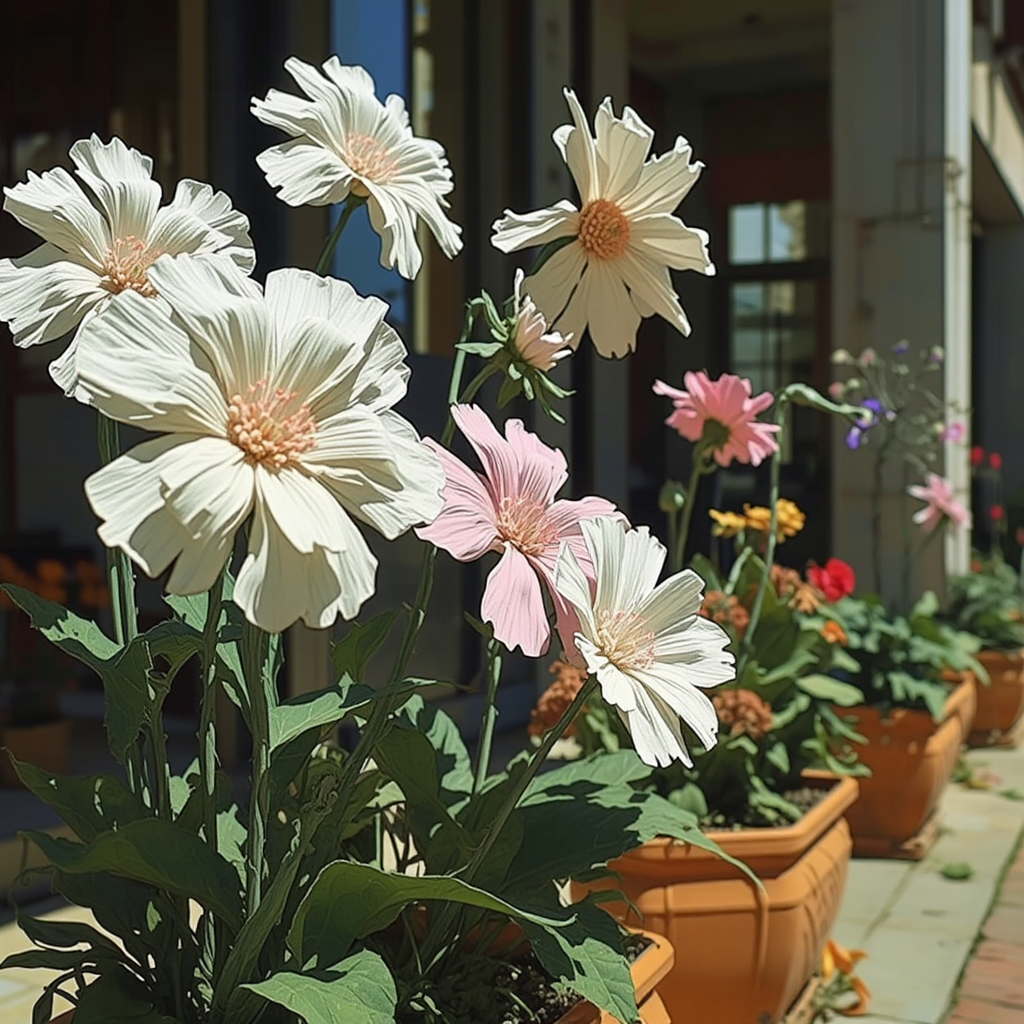
With the spring clouds

Some thoughts:

This little poem is packed with meaning, like a cloud full to bursting with spring rain. The concept of harmony is not demanding or structured, not perfect unison or absolute. It is complementary, attuned to the movement and ever-changing nature of formation. A cloud is by nature evolving endlessly. The idea of collecting the elements into oneself until so full you must release that life-giving abundance so it can pour out upon others is magical, mystical, and inspirational. And yet, it is something clouds do without conflict, easily, without a second thought. To move with the filling and sharing of abundance as naturally as a spring cloud would be a miraculous transformation.

My Poem 5:

Gathering, shifting unpredictably
Carrying shade, rain, promise
Teachers of impermanence
Arriving gently
Leaving unapologetically
No clinging to shape
No rushing of purpose
No fear of change
Moving inside time
Dissolving as necessary

Hafiz. Hafiz’s Little Book of Life. Translated by Erfan Mojib and Gary Gach, Hampton Roads Publishing, 2023.

Hafiz – Poem 4

All images created by Rebekah Marshall’s prompts using AI on Gencraft.com website.

I am reading Hafiz’s Little Book of Life, poetry by Hafiz-e Shirazi. He is challenging me to become more comfortable with ambiguity. I will share his poem and some of my thoughts on his poem (sometimes with the help of experts when the concepts are too hard for me), followed by a poem and some art inspired by his poem.

Hafiz’s Poem 4:

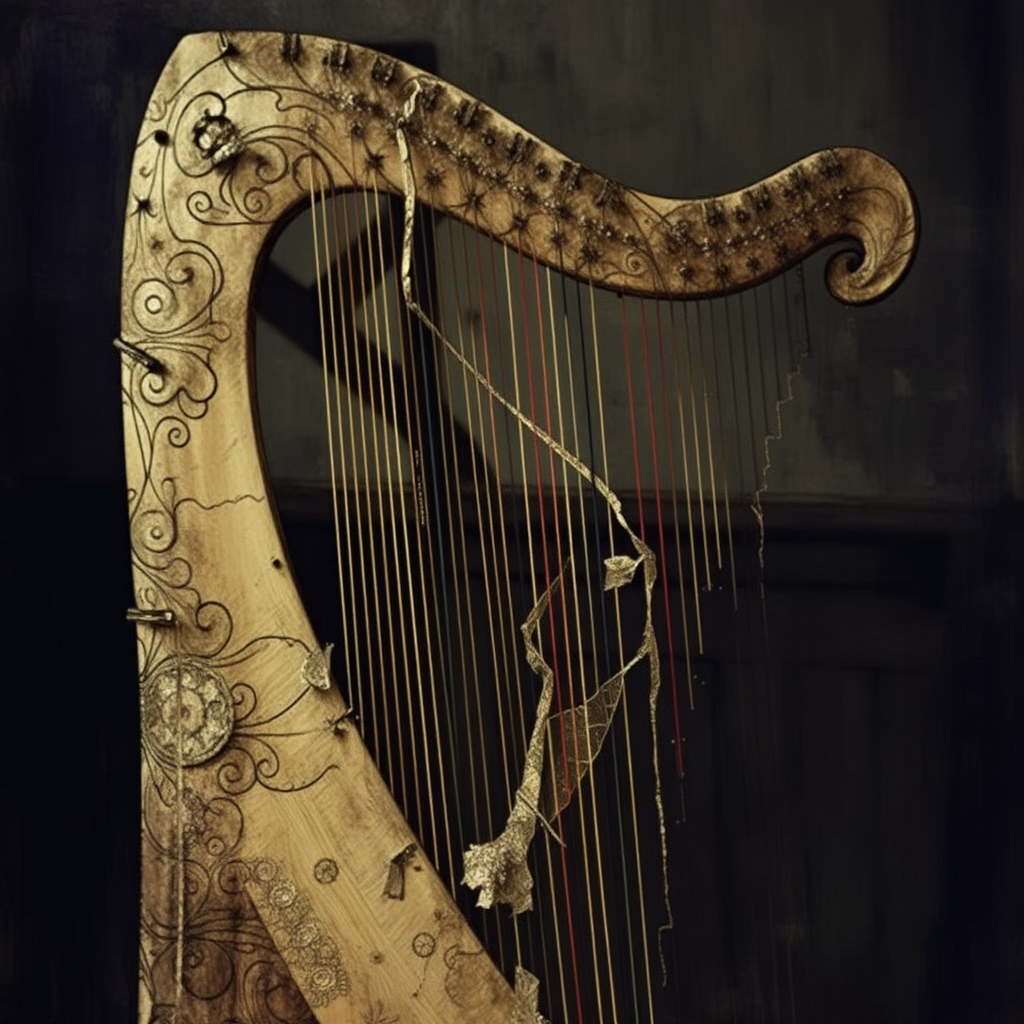
Commemorate

The ones who are gone

&

Those who love

Some thoughts:

To commemorate requires action. We must put effort into planning, preparing, and enacting some sort of ceremony, creation, or event. Many cultures have traditions for the purpose of remembering those who have exited this life. During Hafiz’s life, he may have participated in rituals that included reading the Quran, giving to the poor, and honoring God on behalf of the deceased. The tombs of some spiritual masters and saints became pilgrimage sites where people would pray and meditate. This does not seem like something Hafiz would have taken part in, but he certainly would have been aware of people who did.

What is striking about this poem is the balance Hafiz creates between our remembrance of our loved ones we have lost and those who are still living. How often do we commemorate the living? Are we putting effort into planning, preparing, and enacting ceremonies, creative works, celebratory events on their behalf? In the hustle of life, sometimes the people in our lives are not made priority and get taken for granted. Hafiz seems to be saying not to wait for a funeral to honor our loved ones. Let’s take the time and make it a priority to celebrate their lives and presence in ours regularly.

My Poem 4:

The Malagasy people
are intimately connected
with decomposition,
since every five years or so
they open the tombs
and bring out the bones
of their ancestors
to wrap in fresh cloth.

Oh, the joy those wilting
bones must feel to dance
among the living in clean silk
garments newly bound,
feast and sing, celebrate reunion,
before returning to slumber.
The long process of disappearing
is lovingly witnessed by the living.

Hafiz. Hafiz’s Little Book of Life. Translated by Erfan Mojib and Gary Gach, Hampton Roads Publishing, 2023.
Hafiz – Poem 3

I am reading Hafiz’s Little Book of Life, poetry by Hafiz-e Shirazi. He is challenging me to become more comfortable with ambiguity. I will share his poem and some of my thoughts on his poem (sometimes with the help of experts when the concepts are too hard for me), followed by a poem and some art inspired by his poem.

Hafiz’s Poem 3:

To cut off my desire for life
Would be easy, next to cutting off
Dear
Friends

Some thoughts:

If the desire for life in mystical philosophy is wrapped up in ego, renouncing the world, releasing ambition, etc., then Hafiz is saying that surrendering control is a piece of cake compared to severing relationships with dear friends. And the contrast he is setting up implies that he has no intention of severing ties with those he loves for supposed holiness or spiritual advancement. Perhaps he is even critiquing some of the spiritual asceticism some practices require of their members, like abstinence from human relationships and connection to others. Detachment does not mean abandoning those we love. God is love, so intimacy with others must be sacred.

My Poem 3:

Dissolve the untrue.

The last thing standing is love,

for love is not false.

Hafiz. Hafiz’s Little Book of Life. Translated by Erfan Mojib and Gary Gach, Hampton Roads Publishing, 2023.
Hafiz – Poem 2

I am reading Hafiz’s Little Book of Life, poetry by Hafiz-e Shirazi. He is challenging me to become more comfortable with ambiguity. I will share his poem and some of my thoughts on his poem (sometimes with the help of experts when the concepts are too hard for me), followed by a poem and some art inspired by his poem.

Hafiz’s Poem 2:

Everyone
Drives by
While I
Walk on alone

Some thoughts:

I can only relate metaphorically to this poem because walking is difficult for me. With my joint degeneration and chronic pain, driving is much more my speed. However, I respect the deeper meanings that might be of the walking-to-the-beat-of-your-own-drum sort of metaphor. If “I” am doing something that seems to be different from “Everyone,” but I believe it to be what is best for me, I must persist, despite the aloneness. Perhaps because of the aloneness.

Sometimes solitude is the best way to connect to purpose, find center, ground. The harried rush of this world can sap our energy and distract us from the quiet inner contemplation that can connect us to our better selves. We cannot be of service to others if we are barreling through life so fast we have lost our own ability to reflect, to ponder, to get to know the quiet of our own minds. It is only here that most of us can hear the still, small voice.

I’m not sure what kind of drivers were racing past Hafiz on his alone walk in the 1300s, but I assume they were carts pulled by horses and people on horseback mostly. Faster than the pace of a walker, but nothing compared to the 80mph drivers on Texas highways. My, the poems he would have written about the rush of life we live today.

My Poem 2:

My H.E.B. has electric shopping carts
for people like me to use in their store.
They are slow, so as not to endanger
other shoppers who could be run over.

They beep loudly and embarrassingly
if I need to back up for overshooting.
They are awkward for direction changes,
and can be the cause of traffic jams.

But I no longer feel anything other than
thankfulness when I drive them to shop.
The lack of pain while choosing for myself
provides autonomy and independence.

I may drag the cord behind me like a tail,
stall and get stranded by a depleted battery,
and back into the occasional display or wall,
but I move at a pace that is mine alone.

Hafiz. Hafiz’s Little Book of Life. Translated by Erfan Mojib and Gary Gach, Hampton Roads Publishing, 2023.

Hafiz – Poem 1

I am reading Hafiz’s Little Book of Life, poetry by Hafiz-e Shirazi. He is challenging me to become more comfortable with ambiguity. I will share his poem and some of my thoughts on his poem (sometimes with the help of experts when the concepts are too hard for me), followed by a poem and some art inspired by his poem.

Hafiz’s Poem 1:

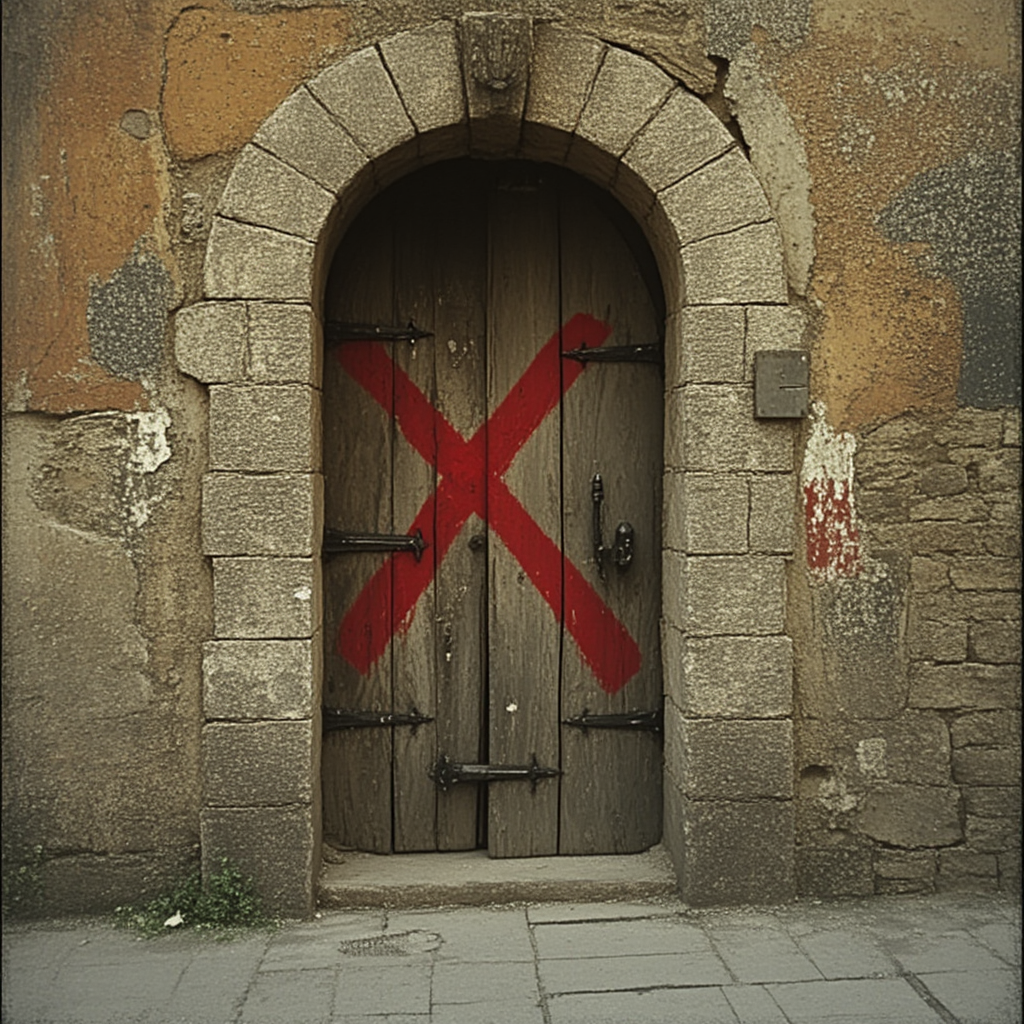
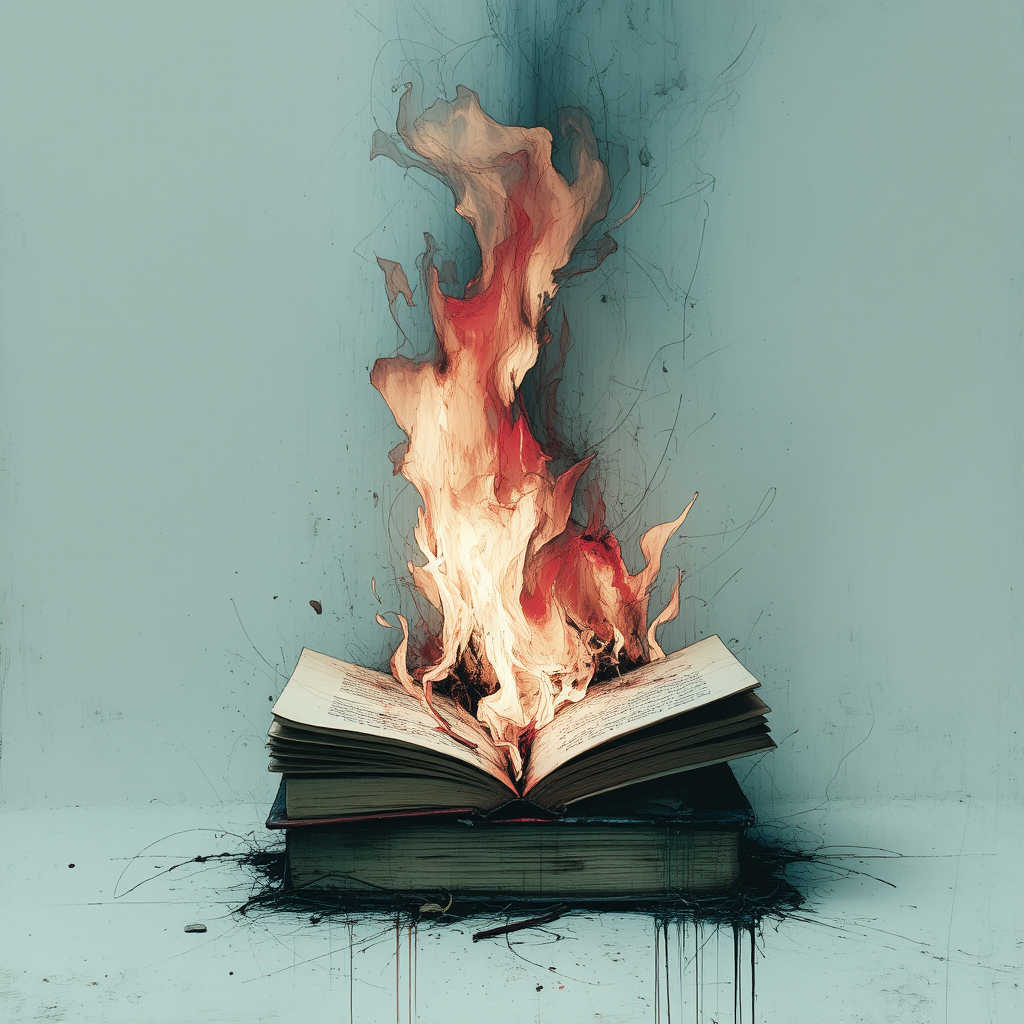
Between these two doors
                                 This caravan

Some thoughts:

The imagery of doors implies entrances and exits, passageways, or boundaries. Two doors suggest pillars of demarcation in time, place, awareness or perhaps binary contrasts. Opposite ends of conceptual delineations like birth and death or past and future seem like reasonable possibilities.

But those don’t seem to be what Hafiz is concerned with. He is pointing out the between. What is happening in the interim, the dash? Of course, the interesting part is the journey. We get so hyper-focused on reaching the destination that we become uncomfortable with the time spent in the now learning to be patient.

I picture a caravan of camels carrying the worldly goods of travelers long distances, the people eager for trade, companionship, good food, fresh water, music, romance, and laughter. It is life in motion. The doors are really of no consequence right now. They are the least of our concern when we have all this living to do.

My Poem 1:

Unmoored, afloat, uncertain if hope
is a delusion or a virtue
stillness sits where ambition
once cracked her knuckles

the in-between is where?
beginning was once easy to define
though ending is unknown
the certainty of it was assumed

now nothing reveals itself as absolute
except this protest march
that might possibly transform
into a celebratory parade

Hafiz. Hafiz’s Little Book of Life. Translated by Erfan Mojib and Gary Gach, Hampton Roads Publishing, 2023.
All images created by Rebekah Marshall’s prompts using AI on Gencraft.com website.