Tag Archives: academic writing

Reflections on The Woman Warrior by Maxine Hong Kingston

TRIGGER WARNING: This essay discusses patriarchal oppression, gender-based violence and punishment, sexual shaming, social ostracism, and cultural trauma. These topics are examined in a literary and analytical context.

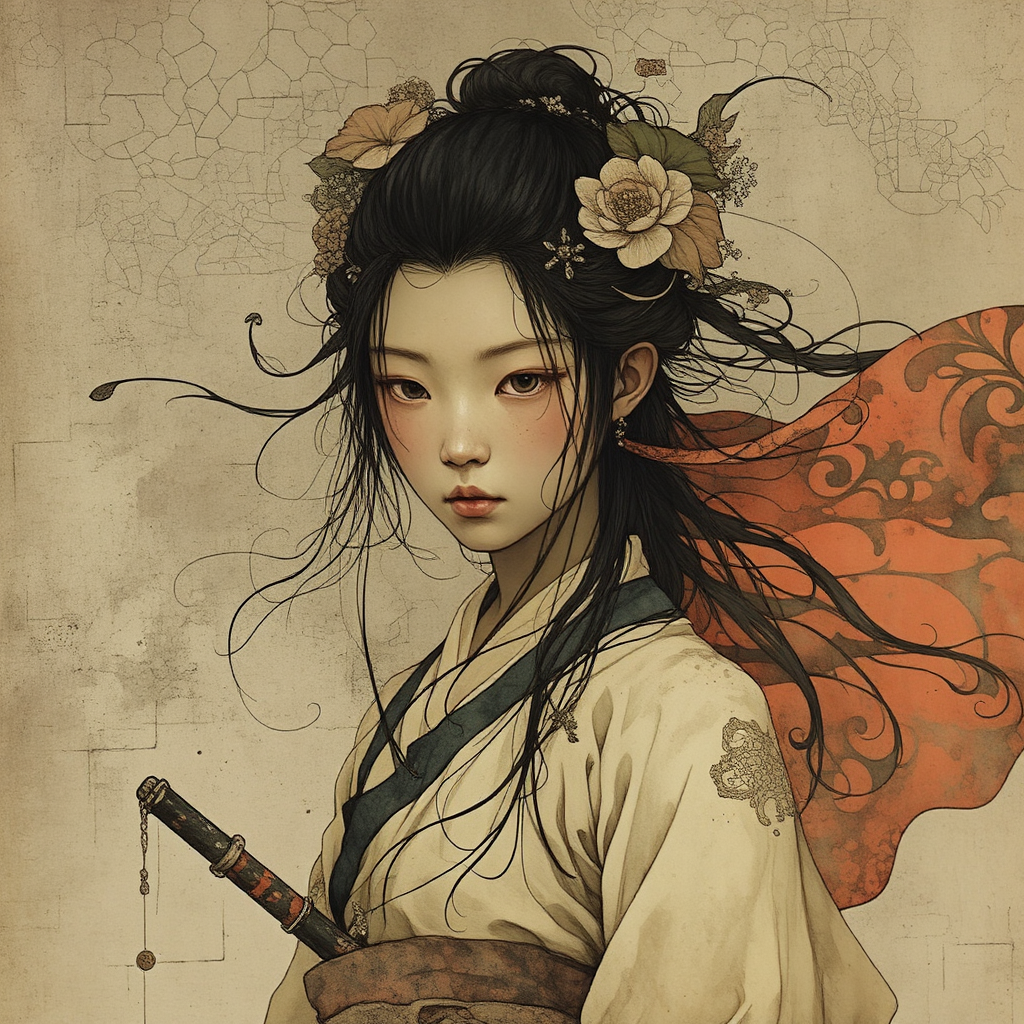
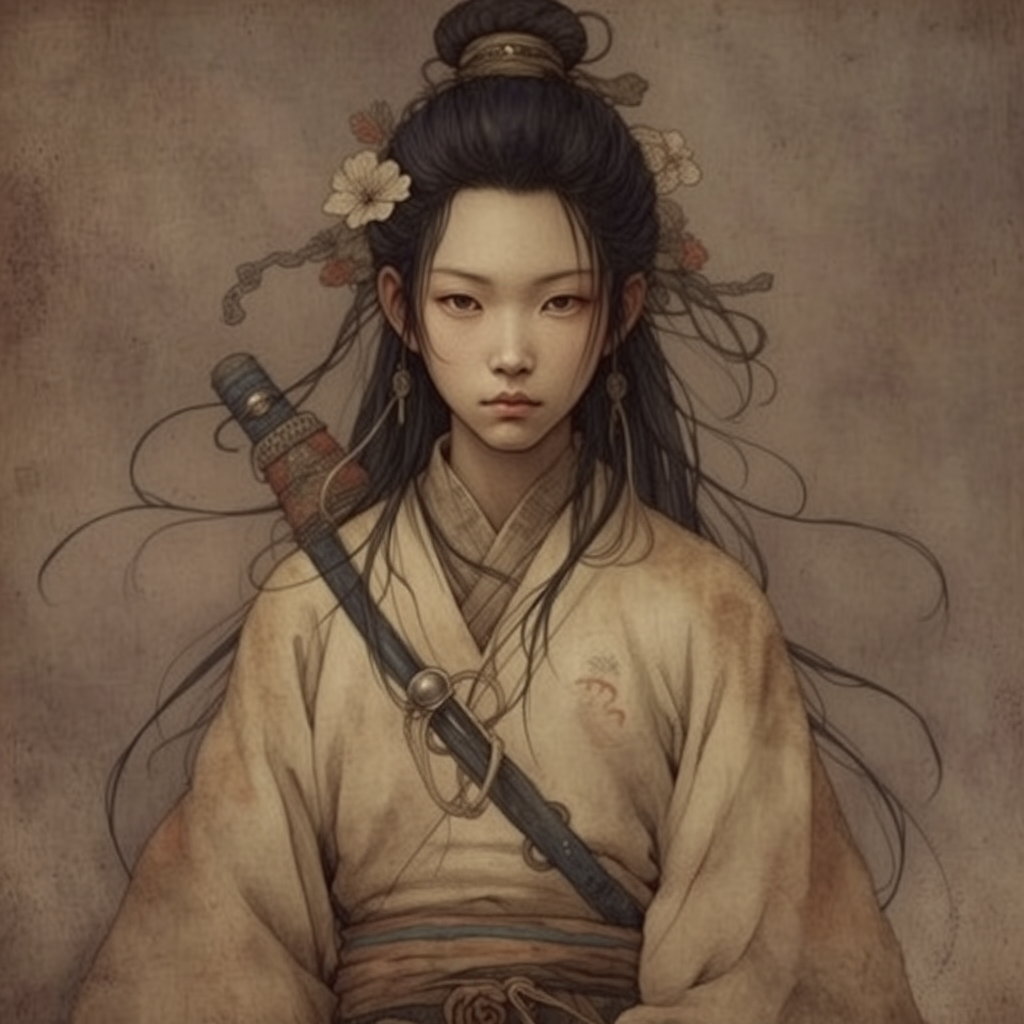
The Woman Warrior by Maxine Hong Kingston paints a picture of harsh expectations placed upon Chinese/Chinese American women. Though the narrator rejects some of the notions and attempts to forge her own path, she still feels duty-bound to uphold some of the traditions. Each section of the book focuses on a different woman and explores the expectations placed upon her specific to the time and place where that portion of the story is set.

For instance, No Name Woman lives in a village in China early in the 20th Century. She is expected to remain “pure” (no sex) until her husband’s return from war. Her sexual desires are not a consideration and her ensuing pregnancy is punished by shaming the family and destroying their crops, livestock, and stored foods. The family then disowns her and never speaks her name again, ensuring she would “suffer forever, even after death” (16). There is no mention of the man who must have impregnated her on the part of the villagers or her family. She must bear the full weight of the “crime” of having sex and becoming pregnant.

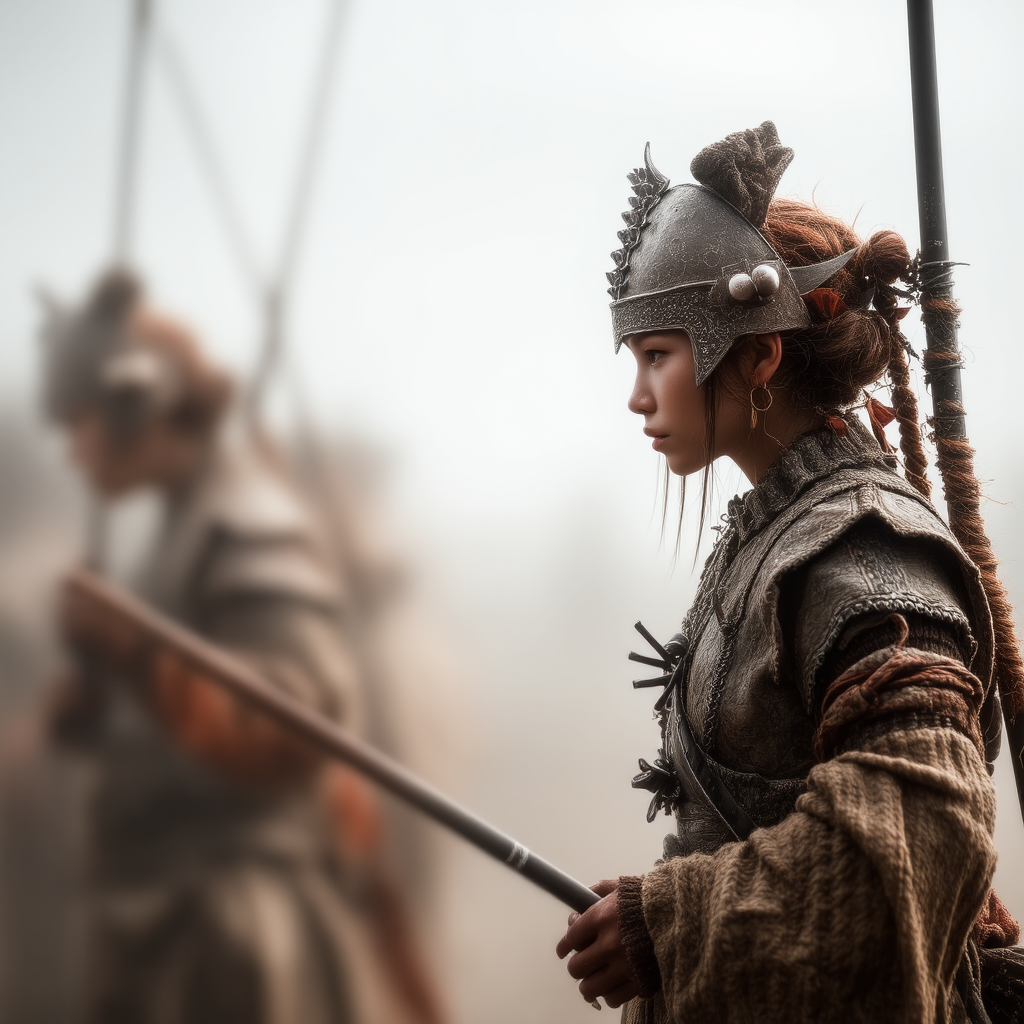
Fa-Mulan in the “White Tigers” section of the book becomes the greatest hero in the land saving her family, her village, and her country from evil rulers. She is a warrior, savior, and leader who has trained for 14 years to become the best hero possible. Yet, once her mission ends, she is expected to return to the “appropriate” role of wife, daughter-in-law, mother. There is no option for leadership in her world. This character is thought to have lived sometime around the year 500 in China. Women were not supposed to use their brains or their brawn, except in service to men. Any woman who attempted to pass as male enter the military or school would be executed, “no matter how bravely they fought or how high they scored on the examinations” (19).

The “Shaman” section about Brave Orchid shows the variety of domestic expectations placed on Chinese women. Brave Orchid lives the first half of her life in China and the second half in America spanning the 20th Century. She works as a medical practitioner in China and then in the family laundry business in America. Besides working long hours, she picks tomatoes as a part-time job to make more money, does all the cooking and cleaning, and manages all aspects of the household. She is also expected to carry on the traditions of the culture by keeping the rituals, ceremonies, and talk story alive so that it will pass on to the next generation. She must also protect everyone’s souls by calling them back when they have forgotten their way home. Brave Orchid’s eyes fill with tears as she tells her adult daughter, “I work so hard” (103). Chinese women are unrealistically expected to do more than their fair share of the work.        

The section “At the Western Palace” highlights the way Chinese women in the past had little power in marital situations. Their partners were chosen for them and husbands might take multiple wives. The women were expected to tolerate and support these traditions without question. When Moon Orchid comes to America in the 1950’s, she is confronted by a different reality in which women have more rights and her husband rejects their marriage. She is expected to accept his continued financial support without living as his wife. Chinese American women seem to still have parents attempting to meddle with selecting their potential suitors according to the narrator.

In the final section “A Song For a Barbarian Reed Pipe” the narrator implies that a “good” Chinese American girl in America in the 1950’s should be able to speak fluent English and Chinese. She should attend Chinese school and American school. It is an interesting note that “good manners…is the same word as traditions” in Chinese (171). To please the Chinese, she should be obedient and demure, soft-spoken, and graceful, domestically competent – able to cook, clean, serve, and heal, and pleasant in interactions while not making eye contact, use opposites to confuse evil spirits, keep all Chinese traditions, send money to family members in China, lie to Americans so no one can trap her or deport her or trick her somehow, and remember that men are valued more highly than women. To please the Americans, she should be assertive and firm of voice, intelligent, sexy, able to defend herself, and independent making strong eye contact, speaking from a place of science and logic rather than any mention of evil spirits, creating a comfortable lifestyle that is America-focused, be a patriot, and believe that women and men are equal. A Chinese American woman is expected to do all of this and figure out how to be healthy, happy, and prosperous without driving herself crazy over the paradoxes such disparate expectations create. 

Works Cited

Kingston, Maxine. The Woman Warrior – Memoirs of a Girlhood Among Ghosts. Vintage Books, New York, 1975.

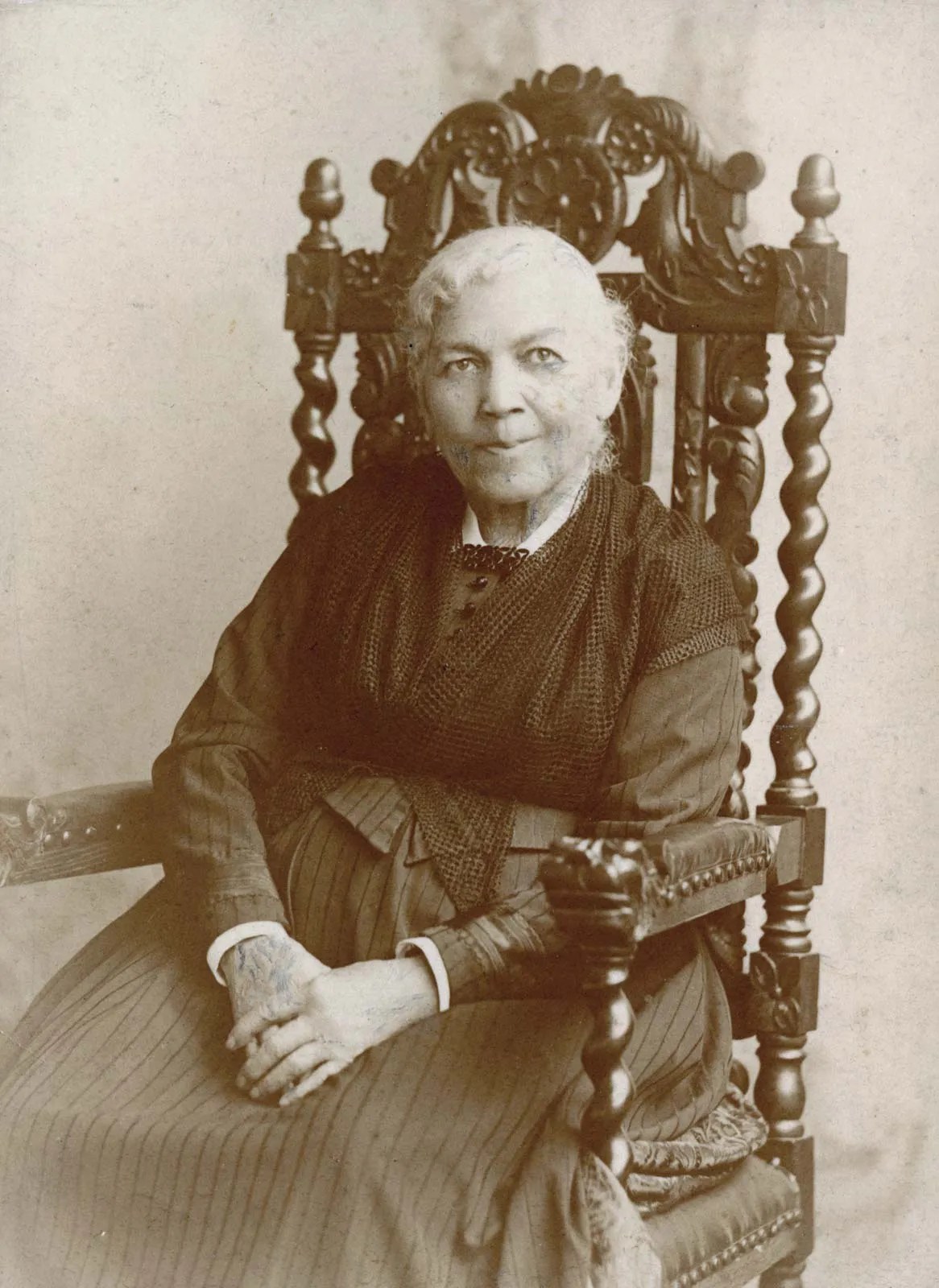
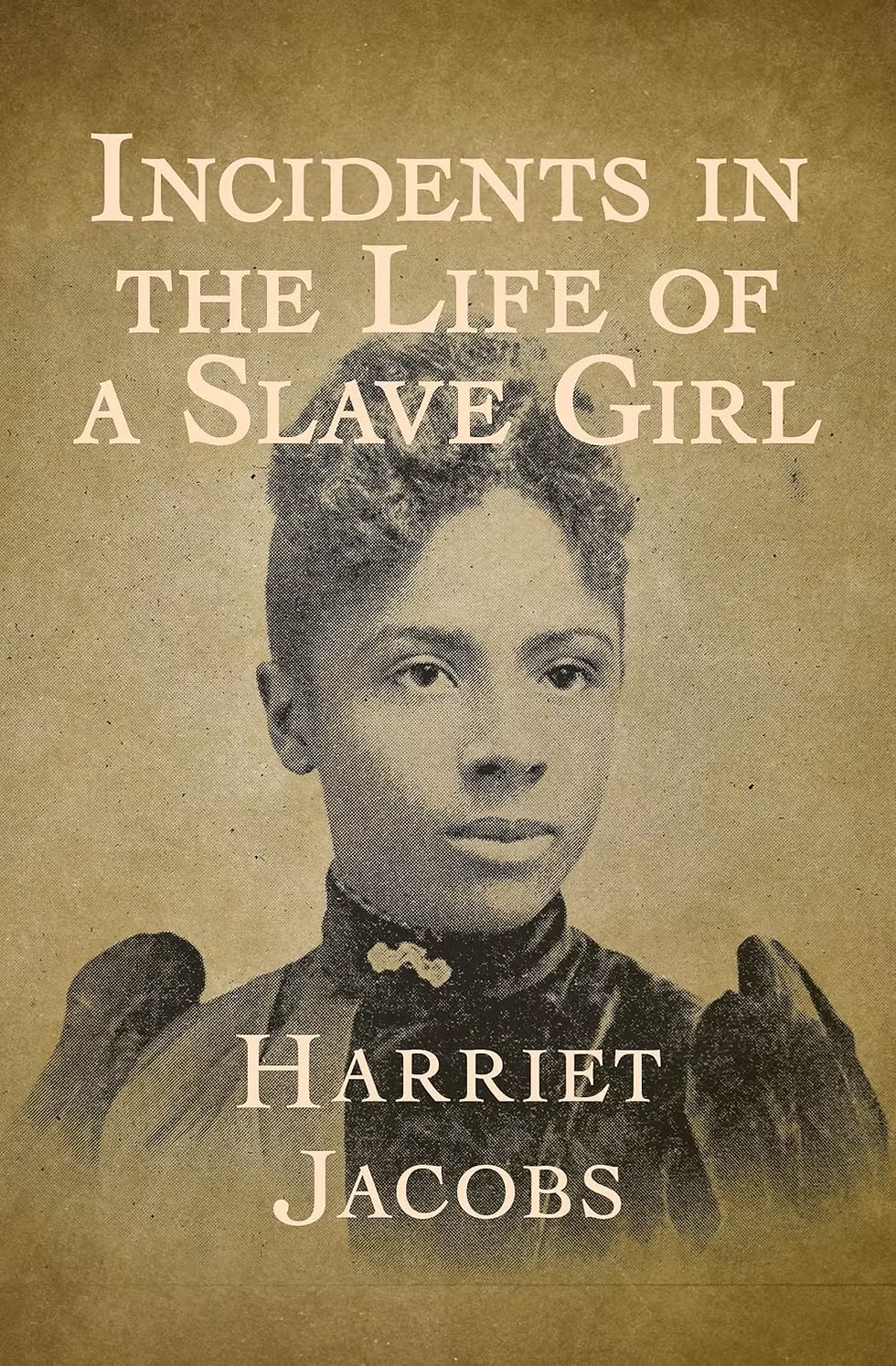
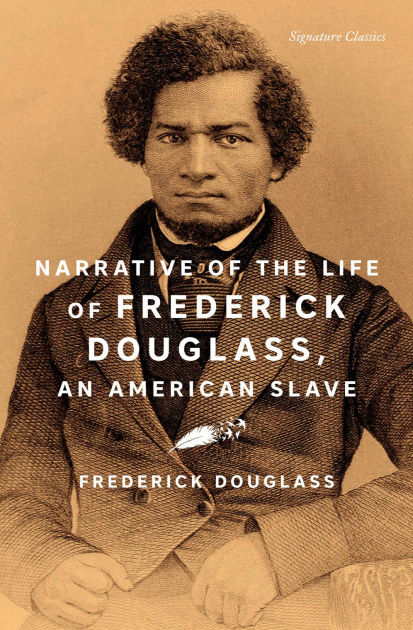
Gender differences as depicted in the enslaved Africans’ narratives Incidents in the Life of a Slave Girl by Harriet Jacobs and Narrative of the Life of Frederick Douglass by Frederick Douglass.

TRIGGER WARNING: This essay examines historical slave narratives and includes discussion of slavery, sexual violence and exploitation, rape, human trafficking, physical and psychological abuse, forced reproduction, separation of families, infant and maternal death, religious abuse, and systemic racism. These topics are addressed in an academic and analytical context but may be distressing to some readers. Please proceed with care.

Introduction

People brought to America for the purpose of enslavement were expected to learn English, adopt Christianity as their religion, and accept the social, cultural, and gender norms of white America. They had to leave behind their own languages, customs, and beliefs. Add to the confusion the conflicting messages created by abusive practices used to manipulate, control, and dominate the humans forced into slavery, and healthy psychological development becomes extremely difficult. Gender affected the daily experiences of enslaved people, the means by which they escaped to freedom, and the values by which their characters were judged once they told their stories. Frederick Douglass and Harriet Jacobs both endured the horrors of slavery and escaped to freedom, but their stories focus on different attributes to be exalted because they were appealing to white America and complying with their understanding of the gender norms expected of them.

Literature Review

Kimberly Drake writes of the concept of slaves being forced to accept the gender norms of American culture in her article “Rewriting the American Self…”  Jennie Lightweis-Goff argues that Douglass could only have experienced some of his story as a male due to the social constraints about female violence and male independence at the time that would not have permitted the same actions for a woman. Both narratives describe sexual abuse of women to a greater degree than that of men. Jill LeRoy-Frazier asserts that Jacobs uses skills only a female would possess to escape slavery by way of tricking her captor with feigned innocence and a scheme to avoid seduction (LeRoy-Frazier). These sources support the ideas that male and female roles as perceived in American culture in the 1800’s contributed to differing experiences for black people both during enslavement and after they found freedom.

Theoretical Model

Because slaves were forced to accept the model of male and female as presented by the American culture in which they were enslaved, it would make sense to use a psychoanalytic lens to study gender differences as depicted in the narratives of people who have been enslaved. Several key concepts of the human psyche are severely interrupted by the institution of slavery including the following: the formation of a sense of self that is developed in relation to the mother, the ability to express and process trauma (instead of repression of trauma that leads to psychological imbalance), and healthy creation of individual and collective identities. The stories told by people traumatized by the violent institution of slavery are colored by their psychologically-affected views of themselves, the society in which they live, and the amount of healing they have been able to experience individually and collectively. Little healing was able to occur in a culture that continued to place burdens based on race and gender upon people who escaped from slavery.

Analysis – Male Independence v. Female Submission

The quest for freedom through struggle, physical feats, and courage are part of the age-old hero’s tale respected and admired by culture. However, in the 1800’s such heroism was admired and expected more as regards men than women. The cultural norm for women was submission and quiet acceptance, whereas men were expected to voice their complaint and strive for physical mastery in situations of inequity. Such double standards had root in Christian principles of hierarchy and their belief that gender roles were ordained by God. Only men were supposed to strive for independence. Women were expected to be in a household guided by a man of some sort, whether a father, husband, or older brother. Therefore, it seemed more natural in white American culture for a male slave to strike out on his own for freedom and build a new life – to become a self-made man. A woman desiring to do the same thing had hurdles to overcome besides those men had to endure. They also had to face the scrutiny of white cultural norms demanding that they find a place to submit to male dominance.

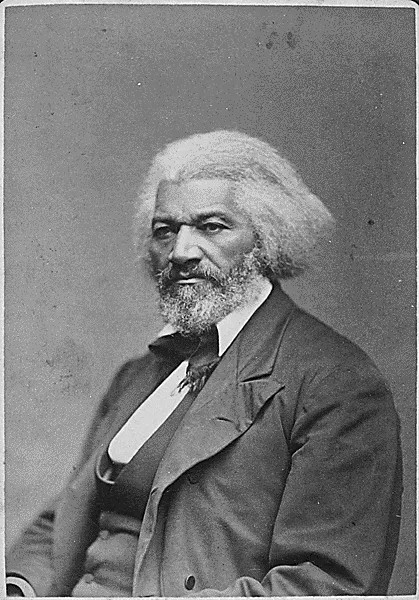
When Douglass narrates the moment that he decides to fight back against the white slave master Covey, readers are shocked and impressed by his courage. Prior to his revolt, Douglass masterfully details the tortures Covey enacts on the slaves in his employ after renting them from their owners. He has profited from a cheap labor system to work his land by building a “reputation as a slave breaker.” Douglass’s rebellion “subverts the oppressive powers” and demonstrates the beginnings of his psychological differentiation from the institution he has grown up in (Hoffman). He no longer accepts that slavery must be his reality and determines to separate himself from the system. The description is full of action and bloody, with Douglass the clear victor and a white slave master who “trembled like a leaf” (Douglass 368). He goes on to detail his seven-mile walk “covered in blood from head to toe” (Brown) to petition his owner for redress and looks “like a man who had escaped a den of wild beasts” (Douglass 367).

Another concept of male independence less available to females in the 1800’s was the ability to earn a living respectably. Douglass was able to do physical labor while in Boston and negotiate a percentage to keep for himself despite being a slave. It is not an easy affair and his enslaver ends up taking quite a bit of his money, but Douglass is able to save enough to use for his escape. Such industry is highly valued and admired for men and key to independence. Once free, he is able to support himself and his family with the wages he is able to earn. He buys a modest home and can furnish it comfortably with his income. Douglass also focuses on the lengths to which he strives to educate himself. Through sly actions and quick thinking, he sneaks books to read and bribes boys in the streets to give him lessons, while studying secretly to advance his knowledge. Such tenacity is viewed as commendable for a boy. Douglass harnesses the concepts esteemed by the dominant white American culture of education, physical power, and self-preservation and uses those to assist in developing his own individual identity, as well as to secure his own freedom (Webster).

In contrast, Jacobs mentions little of her path to literacy. Almost in passing and as a reason to let go of bitterness at not being freed, she mentions that her mistress taught her “to read and spell” (Jacobs 227). In another section when she is telling of the sexual advances that are becoming more frequent from her master Mr. Flint, she writes, “One day he caught me teaching myself to write” (Jacobs online 49). If anything, she downplays her ability to read and write and uses her skills to conceal rather than proclaim (Le-Roy Frazier 154). For example, Mr. Flint begins sending her notes filled with seductive language. She claims she cannot read them. Later, when hiding in the attic, she sends letters covertly from cities in the North to trick Mr. Flint and keep him from knowing her true location. She also feigns innocence multiple times about the meaning of Mr. Flint’s intentions. Her refusal to participate in his advances buys her time and admiration from white audiences reading her accounts because a woman is expected to be virtuous in sexual matters. Even her eventual affair with another white man resulting in several children is presented as an understandable moral failing after years of suggestive training at the hands of Mr. Flint and her foiled marriage to an eligible freed black man.

Rather than focus on the independence and strength necessary for escape, Jacobs highlights the communal assistance she receives. She describes the family efforts to protect her hiding place in the attic while feeding and nurturing her the best they can. The focus continues to shine on the grandmother’s sacrifices and the generations of love built into her concealment. When she finally escapes to the North, she remains determined to liberate her children and reunite her family. This family-oriented focus was the socially acceptable mindset for a woman in American culture in the 1800’s. Not only would Jacobs receive more support from white Christian readers for this attitude, but it would correspond to the psychological development of a woman living in that culture. She is also unable to write about earning money to aid in escape because she does not have a way to do that. Even once she is free, it is difficult for her to earn a living except in housekeeping or childcare. There are few opportunities for women in the labor force in the 1800’s. Jacobs says she dreams of owning her own small home where her daughter can be with her, but recognizes that her vision will probably never become a reality. Without marriage which would provide the income of a man, it is nearly impossible for a woman to live independently and afford a home of her own. She is bound by the restrictions of her time and place. The desire to be independent is seen “as a deviation” in a woman, whereas it is normal for a man (Drake 98).

Analysis – Sexual Exploitation

The brunt of sexual exploitation fell to women to endure in slavery. Jacobs claims that slavery “is far more terrible for women” because of the sexual abuse they must endure (Jacobs 240). Their white masters deemed them property with which they had the right to copulate (increasing their wealth by producing more property.) Douglass gives the example of an enslaved woman named Caroline who was purchased for the express purpose of being a “breeder” (Douglass 364). They also viewed slaves as possessions they could use to fulfil their own sexual pleasures. The enslaved women did not have a say in the matter and were often raped if they refused the master’s advances. Certainly, enslaved men also experienced sexual exploitation, but the social mores were less forgiving for women masters participating in such behavior than for that of male masters, so the instances were less frequent. Jacobs mentions one instance of an enslaved male being sexually exploited in her narrative by the daughter of a slave owner. The girl forces an enslaved man who is “the most brutalized, over whom her authority could be exercised with less fear of exposure” to impregnated her. Then she gives him documents asserting his freedom and sends him to another state (Jacobs online 81).

Enslaved people were often unable to form healthy sexual identities due to the constant fear of abuse, pregnancy resulting in children doomed to lives of slavery, and the threat of offspring being sold off and sent away. They were also often not permitted to legally marry and told by their newly adopted Christian religion (which they were supposed to obey) that marriage was a requirement for sex. Any sex that occurred for slaves was viewed as sinful, so many struggled with feelings of guilt for giving in to natural human desires. These conflicting emotional struggles added to the trauma and turmoil many slaves experienced on a daily basis.

After being sexually assaulted and traumatized, enslaved people were often blamed for the ensuing pregnancies or jealousies of the spouse. Jacobs was mistreated, scrutinized, yelled at, hit, and manipulated frequently by either Mr. or Mrs. Flint related to the marital friction caused by Mr. Flint’s preoccupation with Jacobs. Jacobs was even afraid to speak to her grandmother about the constant incursions on her propriety because she was ashamed and afraid she would be blamed for the situation. Women were often considered at least in part at fault for the sexual indiscretions of the men. For example, Jacobs tells of a white woman furious that her husband had sex with a slave girl. She stands by the beside of the girl who is dying after giving birth and mocks her, saying she is glad and that the girl deserves to die (Jacobs 230). She “rejoices in her suffering” (Zimmerman). The white woman goes on to declare that both the girl and the child will not go to heaven, implying that the girl’s behavior is too sinful and the bastard child such an abomination that not even God will accept them. Her declaration is the ultimate hypocritical irony since the very religion, impregnation, and death have been brought on by the slavery inflicted upon them by the white woman and her husband in the first place. Enslaved people are forced to accept the American norms thrust upon them in order to create identities, then forbidden from actually participating fully in those norms by their enslavers. The result is a confusion of identity that is fractured (Drake 92).

Analysis – Maintaining Familial Structure for Generations

Most forms of mistreatment visited upon enslaved people appears to affect both genders equally, however, a greater degree of emotional trauma seems to be sustained by women attempting to maintain familial structures to manage care of multiple generations. Enslaved women are expected to be wet-nurses and caregivers to white babies and behave in a nurturing maternal fashion. They are expected to bear children as deemed fit by the masters in order to add to his wealth. They are required to be mothers, but only as long as the master deems it expedient. They are expected to turn off their mothering instincts and accept the ripping of their children from their arms if that is the decision of the owner. They were considered “chattel, entirely subject to the will of another” (Jacobs 234). Sometimes babies were sold shortly after birth to protect the dignity of the slave owner who might not want people to know he had sex with his slave (Burke). Douglass says that “It was a common custom, in the part of Maryland from which I ran away, to part children from their mothers at a very early age. Frequently, before the child has reached his twelfth month, its mother is taken from it and hired out on some farm a considerable distance off, and the child is placed under the care of an old woman, too old for field labor.” Douglass suggests that the point of this practice was to “hinder the development of the child’s affection toward its mother, and to blunt and destroy the natural affection of the mother for the child” (Douglass 338). The result of this also damages the psychological development of a child who needs to be able to form bonds in order to reach important milestones of growth. Douglass did not know much of his own mother. She was a field hand and had to walk seven miles after work to come see him, so she was only able to make the trip three or four times before her early death.

Mothers who are able to raise their children and bond with them still run the risk of seeing their children sold off when they reach an age at which they can do more labor. When Jacobs’s grandmother’s master died, her grandmother’s children were divvied up as inheritance to each of his four children. Because she had five children, her youngest son was sold (to keep things even and fair) and the money from his sale split between the four heirs. He was only 10 years old (Jacobs 225). Jacobs’s grandmother had multiple generations of children to attempt to care for. It was the grandmother who raised them when Jacobs decided to go into hiding and eventually escape. Though she could watch their growth from her attic peephole, Jacobs was unable to assist in their care in any way. It is significant that Jacobs hides for seven years in the attic watching over her children. Her escape from slavery still keeps her bound to her children who are in slavery, unlike Douglass who simply disappears without a trace and relinquishes all ties. It is not always as easy for women to leave their families behind and escape because so many people depend on them for literal survival. Mothers who were permitted to keep their children often had to find ways to feed them and care for them if their masters did not provide enough food or clothing. They also had to put the needs of their white charges ahead of their own children. Jacobs narrates that her own mother had to be weaned at only three months old because her grandmother was a wet nurse for the white baby of her master. They wanted to be sure that their baby was getting enough food. They did not care if the wet nurse’s own child received enough nourishment.

Women of childbearing age also had to endure the frequent physical stress of pregnancy, difficult labor without proper resources, and increased infant and maternal mortality rates due to poor prenatal care and unsafe living conditions. As mentioned previously, Jacobs tells of the woman and child who died in childbirth and were mocked by the white wife of the slave owner. The dying woman’s mother was by her side through the whole ordeal, hoping to save her own child and grandchild. She is the one who exclaims, “I hope my poor child will soon be in heaven,” and is blasted by the woman for even hoping her daughter could enter heaven (Jacobs 230). Jacobs herself was mistreated by her slave owner only four days after giving birth to her child. She was weak and having a slow recovery, but he made her stand so that he could verbally abuse her as he examined the baby. The ordeal caused her to lose consciousness and fall to the ground with the baby in her arms. She thought she might die and says, “I should have been glad to be released by death, though I had lived only nineteen years” (Jacobs 241). Enslaved women were tortured with the knowledge that their daughters would have to endure the same sexual exploitation as them. There was nothing they could do to protect their young daughters from being raped (Hoffman). Jacobs’s most earnest prayer was probably that of every black parent who was enslaved. “I prayed that she might never feel the weight of slavery’s chain” (Jacobs 241).    

Women who were caregivers for multiple generations of white and black children often found themselves without care once they were ailing or unable to be of use to the white slave owners. Douglass says the metaphorical straw that broke the camel’s back for him as regards the evils of slavery was the “ingratitude to my poor old grandmother” (Douglass 357). It broke his heart to find out that his grandmother whose service spanned lifetimes of white owners from birth to death was rewarded with being turned out into a lonely forest to die. They put her there in a little mud hut and left her to fend for herself in complete isolation, basically waiting to die. How can such cruelty and inhumanity possibly permit the victims to develop any semblance of healthy psyches?

Results and Conclusion

It is no wonder that inter-generational trauma and complicated painful legacies continue to be unearthed in the collective consciousness of the black descendants of enslaved people in America. Enslaved men and women were forced to create identities influenced by American cultural norms, but were denied the tools, resources, and freedom to do so. They were actively thwarted at every turn by opposing demands such as men being required to act in a subservient manner, though male culture admires dominance and independence. Women were required to work hard like men and “breed like an animal”, though female culture expects domesticity and protection of their virginity (Drake 94). It is no wonder that people of color have grievances toward white America and the lack of empathy for their current situation in the socio-economic, political, and cultural milieu in which they are forced to exist.

Works Cited

Brown, Danisha. “2-2 Blog – Female and Male Slave Narratives.” LIT-550-Q3765 Black

Literary Traditions 21T23. SNHU, Mar. 3, 2021, learn.snhu.edu/d2l/le/content/ 673815/viewContent/12036773/View

Burk, Christine. “2-2 Blog – Female and Male Slave Narratives.” LIT-550-Q3765 Black Literary Traditions 21T23. SNHU, Mar. 3, 2021, learn.snhu.edu/d2l/le/content/ 673815/viewContent/12036773/View

Douglass, Frederick. Narrative of the Life of Frederick Douglass. The Norton Anthology of African American Literature Third Edition Volume 1. W.W. Norton & Company, 2014.

Drake, Kimberly. “Rewriting the American Self: Race, Gender, and Identity in the Autobiographies of Frederick Douglass and Harriet Jacobs.” MELUS, vol. 22, no. 4, 1997, pp. 91–108. JSTOR, www.jstor.org/stable/467991. Accessed 28 Mar. 2021.

Hoffman, Catherine. “2-2 Blog – Female and Male Slave Narratives.” LIT-550-Q3765 Black

Literary Traditions 21T23. SNHU, Mar. 3, 2021, learn.snhu.edu/d2l/le/content/673815/ viewContent/12036773/View

Jacobs, Harriet. Incidents in the Life of a Slave Girl. The Norton Anthology of African American Literature Third Edition Volume 1. W.W. Norton & Company, 2014.

Jacobs, Harriet. Incidents in the Life of a Slave Girl. Documenting the American South. Online version Second edition, University of North Carolina at Chapel Hill, 2003, docsouth.unc. edu/fpn/jacobs/jacobs.html

LeRoy-Frazier, Jill. “’Reader, my story end with freedom:’ Literacy, Authorship, and Gender in Harriet Jacobs’s ‘Incidents in the Life of a Slave Girl.’” Obsidian III. 5(1):152-161; North Carolina Arts Council and the national Endowment for the Arts in Washington, D.C., 2004, eds-b-ebscohost-com.ezproxy.snhu.edu/eds/pdfviewer/pdfviewer?vid=6&sid=f7b7c976-06b0-4ccb-b9b8-d8a17ab92ce7%40sessionmgr101

Lightweis-Goff, Jennie. “Interior Travelogues and ‘Inside Views’: Gender, Urbanity, and the Genre of the Slave Narrative.” Signs: Journal of Women in Culture & Society, 00979740, Autumn2015, Vol. 41, Issue 1. eds-b-ebscohost-com.ezproxy.snhu.edu/eds/detail/detail? vid=3&sid=f7b7c976-06b0-4ccb-b9b8-d8a17ab92ce7%40sessionmgr101&bdata=JnNpd GU9ZWRzLWxpdmUmc2NvcGU9c2l0ZQ%3d%3d#AN=108825638&db=sih

Webster, Emily. “2-2 Blog – Female and Male Slave Narratives.” LIT-550-Q3765 Black Literary Traditions 21T23. SNHU, Mar. 3, 2021, learn.snhu.edu/d2l/le/content/673815/ viewContent/12036773/View

Zimmerman, Bernadine. “2-2 Blog – Female and Male Slave Narratives.” LIT-550-Q3765 Black Literary Traditions 21T23. SNHU, Mar. 3, 2021, learn.snhu.edu/d2l/le/content/673815/ viewContent/12036773/View

Healing the Whole Person – in Leslie Marmon Silko’s Ceremony

Introduction

Leslie Marmon Silko’s Ceremony follows the healing journey of a man named Tayo who has been devasted by a lifetime of abuse, neglect, and discrimination, and is now a surviving WWII prisoner of war. Silko addresses an important idea about healing that can be applied to many suffering from trauma. People need healing that touches mind, body, soul, relationships, nature, and society. Each strand is like a string of a spider web. Navajo tradition teaches that the world was created in part by a spider spinning a web of thoughts into existence. Tayo’s web strands become entangled due to evil influences and must be carefully untangled. Silko creates a variety of characters who help Tayo along his journey and is asserting that there is no one right way to heal. Tayo must reject the techniques that do not work and continue to search for methods that will bring peace, healing, and wholeness to his life. Integral to his healing will be the recognition of archetypes necessary to unify his self.

Literature Review

Many scholars have addressed different aspects of healing in Silko’s Ceremony, including Kristin Czarnecki’s focus on psychological healing in “Melted Flesh and Tangled Threads…” The trauma of being orphaned, mistreated for his mixed heritage, confused about his loyalty and pride in being Native American when others around are ashamed, and suffering from PTSD after returning home from WWII where he saw his cousin killed are carefully addressed in this piece (Czarnecki). Jude Todd addresses the physical healing Tayo must experience in his essay “Knotted Bellies and Fragile Webs…” Though the illness cannot be explained, it is very real for the protagonist. “Tayo’s ailment…he vomits repeatedly…if he continues this way he will die…”(Todd). Others focus on the spiritual/soul healing that needs to happen for Tayo’s health including Anthony Obst’s “Ceremony Found…” (Obst) and Jin Man Jeong’s “How and What to Recollect…” (Jeong). Gloria Bird explains that Christianity does not work for Tayo in her essay “Towards a Decolonization” (Bird). And others focus on the relationships that must be strengthened or severed, depending on how healthy they are to Tayo. Kurt Caswell addresses those that need to be released in “The Totem Meal…” (Caswell) and Jeong points out the people that should be remembered and embraced (Jeong). Still others focus in on the need to heal the land and claim a rightful place in society that is not subservient to colonial influences. Aaron Derosa’s “Cultural Trauma” (Derosa), Ana Brigido-Corachan’s “Things which don’t grow…” (Brigido), and Martin Premoli’s “His sickness…” (Premoli) are a few that analyze these aspects of healing that are larger than any one individual person. With so many elements necessary for Tayo’s healing, it is clear that there is no one right way to achieve that end. He must search and persevere through as many modalities as necessary until he finds the help and healing he needs. I will also show that part of that process is uncovering the conscious and subconscious archetypes present in his psyche so that he can unify his self.

Theoretical Model

The healing journey Tayo experiences can be viewed through a psychoanalytic lens due to the multiple layers of collective unconscious that he must sift through to find the images that work for him. Carl Jung theorizes that people wear a mask that is an outward representation of self, but must grapple with the shadow that is the inner darker self. Jung’s theories focus on myth, religion, and ritual as well as archetypes that for Tayo show up as people and creatures from his cultural stories. It is only by healing and unifying the disparate parts of himself that Tayo can become whole again and be a true self, which is the term Jung uses to define a whole, healthy human being.

Archetypes are like prototypes or symbols that represent common ways of thinking, behaving, or believing among people. People hold within their unconscious beings multiple archetypes that present themselves in different situations or as the need arises for that particular archetype’s qualities or strengths to be utilized. Jung believed that archetypes “are continually…reproduced in all cultures in all ages” (Mackey-Kallis). Because the stories recorded by humans throughout time have consistently utilized these archetypes, it is believed that they are a part of the collective unconscious for all humans, hardwired like instinct into the human psyche. To have a healthy self, people must find balance between their unconscious and conscious realities. Because Tayo is struggling with this unification, he is unwell, and his personality is fractured. He must embark upon a journey to unify his unconscious and conscious realities while uncovering the strengths of his innate wisdom found in each of his archetypes.

The main archetypes he will access are as follows: the child, the hero, the hunter, the shadow, and the anima. He will also interact and learn from archetypes that affect him including the father, the trickster, the mother, and the wise old man. It is through these various experiences and interactions that Tayo will be able to heal and unify the different aspects of his consciousness so he will no longer be a fractured self.

Analysis – Healing the Mind and Body

In the beginning of Ceremony, Tayo cannot stop throwing up. He is unable to function and remains bedridden most of the time because of overwhelming nausea. Western medicine in the form of medication, sedation, talk-therapy, and hospitalization have been unable to help him get a grip on his illness. The doctor from the military says “No Indian Medicine” but back home on the reservation, his family decides to call in a healer from their community (Silko 31). Silko shows that accepting help from within the community may be crucial in times of crisis. Ku’oosh is called in and reminds Tayo of the rattlesnakes who slither on their bellies near the cave that goes so deep it “enters into the very belly of the earth” (Todd). This memory makes Tayo’s stomach feel slightly better and Ku’oosh can go on to try to heal Tayo the old traditional way, reserved for warriors who have killed. Tayo has not killed anyone whose eyes he could see and cannot find words to explain to Ku’oosh the way modern warfare works, “…white warfare—killing across great distances without knowing who or how any had died” (Silko 33). Yet, he seems to feel better after the healing and keeps down some food. It is one step in his healing, though only the beginning.

He must also heal from the emotional trauma he has suffered throughout his life and especially recently in war time that has created mental anguish in the form of PTSD. Tayo has attempted to self-medicate with alcohol, like the other young veterans on the reservation, but his body often throws up the liquid and it is not the panacea for him that others experience. Silko seems to be addressing the issue with alcoholism that is prevalent in native communities, but does not decide to make that the focus of Tayo’s problems. He finds an unconventional healer Betonie who talks him through the trauma he experienced when the Japanese soldiers were executed in front of him and he saw his uncle Josiah as one of them. Betonie reassures Tayo that he is right and explains it in a way that works with his culture and the stories of his people, showing the collective unconscious that exists for humanity (Silko 114).  

Through his interactions with Betonie, Tayo becomes influenced by the archetype of the wise old man. He learns from Betonie and accepts the help he has to offer. Because something deep in his instinct recognizes the wise old man in Betonie, he is finally willing and able to accept that help unlike when it was offered before by others. Not only is the advice in line with what Tayo senses as true to his circumstances, but he follows through with the suggestions of Betonie showing that he develops trust in his ways.

Beonie’s rituals and ceremonies have an impression on Tayo’s healing. An article by Ted Kaptchuk analyzes ways in which Navajo rituals for healing affect the sick. It is couched in the scientific realm of placebo studies that compares rituals, acupuncture, and biomedical healing. After examining multiple ritual healings in which many participants reported improvement of their symptoms, conclusions were drawn that rituals can be affective. “Patient improvement…represents changes in neurobiology…Specific areas of the brain are activated and specific neurotransmitters and immune markers may be released” (Kaptchuk). Also, just as Tayo had to find a healer that was affective for him, the study showed that “different healers can have different effects on patients” (Kaptchuk). Even though Tayo engages in the ceremony and hopes that it will help, he is not completely convinced until he reaches the end and experiences healing. The same study reports that “when engaged in a ritual, patients do not abandon practical sensibilities. Hope, openness and positive expectancy are tempered with uncertainty and realistic assessment” (Kaptchuk). According to the science perspective, or as Silko might label it, the white man’s perspective, “ritual effects are examples of how environmental cues and learning processes activate psychobiological mechanisms of healing” (Kaptchuk).

Over time and through many days of adventures, Tayo begins to build his strength and improve his stamina. By the time he arrives at the apricot tree to encounter Ts’eh, he can keep down food more consistently. She cooks chili with corn and venison, and he eats. They make love and he sleeps peacefully having pleasant dreams. Each of these is a sign that he is improving, healing, gathering the pieces of himself to himself. When he awakens the next morning, he remembers the ritual of singing for the sunrise. His memories are coming alive and he is reconnecting with his people. He is now ready for the most rigorous portion of his adventure.

Analysis – Healing the Soul and Relationships

Tayo has been told terrible things about his mother his entire life. His aunt resents raising him, so he does not receive the motherly love that a child needs. When he returns to the makeshift village on the banks of the muddy river where he lived as a child, he is overcome by memories of pain, starvation, and neglect. His healing cannot begin until he recognizes the wounded child archetype within himself. He must relate to the people who continue to struggle for survival in much the same way he did as a child. The painful memories are nurtured when he gives spare change to several destitute people begging for money. Silko allows each piece of the healing to unfold naturally, as part of a journey or process that cannot be rushed or forced. Tayo also welcomes the reassurance from Betonie that part of his big story is the fact that he is a combination of cultures. Betonie is also mixed blood and is unconventional because he takes imagery and samplings of medicine from different cultures, “the ultimate collector and recycler of Western refuse” (Brigido). He is not afraid to adapt the methods to the person and the changing culture that accompanies the situation. He recognizes that without change, the ways of his people will die. These are lessons that Tayo must learn as well, in order to heal. It is through the ceremonies Tayo experiences that he realizes fully his spiritual place is with the native traditions, not Christianity. He needs the mother he never had, which he can only find in native stories, not Christianity. “Christianity separated the people from themselves…Jesus Christ was not like the Mother who cared for them as her children…” (Silko, Bird). Silko does not shy away from depicting the influence of Christianity as a negative force for the native community.

Tayo also has the opportunity to fall in love with a woman who brings him great comfort and help in his time of need. By embarking on the journey Betonie helps him to begin, he opens himself to the experience and is able to love and be loved in a way that has never happened for him before. The love that Tayo receives from Ts’eh shows him the archetype of the mother.  Her archetype provides comfort, is reassuring, and makes Tayo feel secure. Her presence is a key element in the final resolution of Tayo’s healing by helping him to capture the missing cattle he has been searching for and giving him a mission to plant the seeds that will rejuvenate the land. By passing on the task of planting, preservation, and regeneration, Ts’eh is awakening Tayo’s anima archetype. He will now show growth by presenting feminine qualities in a balanced way that was not available to him before. Tayo is only able to experience these things because he decides to accept help from the people who have his best interests at heart including “Old Grandma, Ku’oosh, Betonie,…Night Swan, Ts’eh, and Josiah” (Caswell).

Tayo must come to the realization that Josiah represented the father archetype for him. For years he receives advice, comfort, and companionship from Josiah. Tayo works the land with Josiah, chases the cattle with him, and protects Josiah’s secrets. He struggles with Josiah’s loss more than he can bear and needs help coming to terms with that loss. Because he must come to recognize the father archetype in Josiah, he is unable to heal until he makes right the loss of cattle and plight of the family’s farm. He must take ownership of his part in healing the financial and subsistence aspects of the family.

There are relationships Tayo must sever so he can heal. He can no longer cavort with his war buddies if he hopes to be healthy. Not only do their behaviors lead to negative outcomes regularly for Tayo, but they truly intend evil for him. Silko weaves myth into their final act, which is a ceremonial scene of witchery where two people are murdered. Tayo is the originally intended victim, and he is nearly pulled into the plot by the desire to save one of the victims. It is only after realizing that his involvement would result in a needless sacrifice or in him murdering another that he stays hidden and removed from further traumatizing himself with their evil. Tayo recognizes the trickster archetype in Emo as they are preparing the ceremony to kill the human sacrifice. Only once he sees the trickster for who he really is can he free himself from acting on his instincts. “The witchery had almost ended the story according to its plan…He would have been another victim” (Silko 235). This also required that Tayo recognize his own shadow archetype. He wants to ram the screwdriver he is holding into Emo’s head. He is trembling with the anticipation of being the savior turned martyr of the scene. Knowing he will kill, which will fulfil the witchery and make him implicit in the evil is what stops him from carrying out the murder.  In the terms of his cultural stories, he does not participate in the ceremony and thwarts evil’s desire to consume him. This releases the bond he shared with them and will no longer pull him from the healthy path he has embarked upon. After Silko shows Tayo avoiding the evil ceremony, she carefully constructs another ceremony for Tayo to participate in that shows the people he has decided to align himself with. He sits with the Laguna elders and tells “his story of healing” which “counters the witch’s story of destruction” (Caswell). With these people, he breaks bread and drinks healthy water, not alcohol (Silko 239). He is once again the hero archetype. He has broken the cycle of evil and good may bloom.

Analysis – Healing the Land and Society

Tayo’s pain is tied up in the plight of his people after white culture has stolen their resources (including uranium to make their atomic bombs), fenced off their grazing and hunting lands, and contributed to the “degradation of the…landscape” (Premoli). In order to begin to reconnect with the land, Tayo must spend time in nature. Silko uses the movement of Tayo’s journey to undo the curse of witchery by following the sunwise cycle (Swan). He must use his knowledge of the land and the ways of animals to track the cattle, a form of amends to his Uncle Josiah. His experiences observing the stars, clouds, weather patterns, herbs and plants used for healing, animal tracking, and geography remind him of his roots and further his healing. Silko shows the “boundarylessness” that should be when she has him cut open the fencing that white people used to slice up the land. During the scalp ceremony, Tayo first feels this lack of boundaries and realizes that it will take a long time for this type of healing to reach the entire world. Silko opens the door to that possibility, however, and implies that more tellings of stories that bring healing are the way to a future that is no longer bent on destruction.

As Tayo endures the difficulties of inclement weather, exhaustion, physical pain, and fear necessary to track the cattle he is determined to reclaim, he relies on instinct and ritual. When he thinks he can go no farther he receives help in the form of a mountain lion. He has collapsed beneath a tree in the pine needles overwhelmed by fatigue. He is sure his search is over until a mountain lion shows him the direction he needs to go to find the cattle. His rituals teach him that the mountain lion is the helper of the hunter. He sprinkles “yellow pollen into the four footprints” of the mountain lion in honor of the guidance with which he has been blessed (Silko 182). Once he finds the cattle, his instincts tell him that they will follow the fence line and head south. He hopes that their collective consciousness will drive them toward Mexico as their ancestors have always done. His instincts are relying on their instincts and he is right to do so. The animals do exactly as he hopes, and his patience pays off. He reclaims the cattle who have been unjustly stolen from Josiah and strengthens his own hunter archetype in the process.

The story Silko tells of Tayo’s pain demonstrates in one character the ways society has damaged an entire group of people. In English public schools, the native language is discouraged, their religious views and traditional ways of looking at the world are argued to be merely superstition, and the model for a future is to leave the reservation and make something of yourself elsewhere in white society. Tayo must fight back against the lies he has been told throughout his childhood of white superiority, shame for his appearance, language, and culture, and resentment at being used for violence in war by that same culture. He remembers a time in a science class when the teacher presented dead frogs for a lab. They were “bloated with formaldehyde, and the Navajos all left the room” (Silko 181). The teacher does not respect the traditions of the Navajos and is not even apologetic once he understands the offense. Rather, he laughs so hard he cries and makes fun of the children. He tells them their beliefs are “stupid” (Silko 181). These types of interactions occur throughout Tayo’s life. As an adult returned from war, he is told by the army doctors that his beliefs are merely “superstitions” (Silko 181). 

When Tayo is caught by the white cowboys for trespassing on a white man’s property, he is treated like a thief. They assume he is poaching deer or trying to steal a cow so he can have beef. Though Tayo does not confirm or deny their accusations, they decide to let him go so they can try to track the mountain lion. Once again, the mountain lion helps the hunter. They believe they have put him in his place and taught him a lesson. The Texan says, “These…Indians got to learn whose property this is” (Silko 188). They do not understand that they are the ones trespassing on Indian land, that they are the ones partitioning with fencing, hindering the natural grazing lands and flow of nature, the hunting grounds for all. When they finally leave, “he lay there and hated them” (Silko 189). He imagines tracking and killing them the way they are planning to harm the mountain lion. They do not understand the significance of the graceful cat they hope to kill. The more Tayo ponders his hatred of the white people, he comes to the realization that “it was the white people who were suffering as thieves do, never able to forget that their pride was wrapped in something stolen.” He comes to understand that the “destroyers had sent them to ruin the world” (Silko 189). He says that the white people had been tricked by the destroyers just as the Indians had. He cannot blame them for succumbing to the very same evil that his own people had.

Rather than devolve into a place of hatred toward white society or trying to figure out who to blame for all the evil, Tayo determines that witchery is the root cause of the evil unleashed on the world. He chooses to believe that people’s trickster archetypes and shadow archetypes have come to the fore. Silko seems to be saying through her text that rather than spend time seeking vengeance, people should put their energies into figuring out how to heal.

Results and Conclusion

The ending of Silko’s novel implies that Tayo has unified his self archetype and will be able to call upon the strengths of each of his archetypes as needed. If he is to heal the land and raise the cattle, he may need to call upon the nurturing of his anima (mother) archetype. If he needs to lead his family in tandem with Robert, he may need to call upon the father archetype (whether his aunt likes it or not.) He will need to continue to be the hero archetype so that he can help to heal his tribe and his family from the pain they have endured. Tayo probably has more healing to continue participating in, as creating a healthy life can take a lifetime, but he is on the right path. His journey is a model for anyone desiring to bring healing into their own lives.

Silko has created a model for analyzing which portions of a journey are ours, which portions belong to others, and which portions are a shared experience. Some aspects of Tayo’s journey are his alone to deal with. He must recognize that he gave his power over to the white government when he signed up to take part in World War II. He reveled in being treated like a war hero when in uniform and liking the way white women wanted him. He tried to escape with alcohol, self-pity, and sleep. He must come to terms with the fact that he survived when his cousin did not. These are his parts in the healing journey that he can take ownership of. The areas that are not his to own occurred at the hands of others. He cannot bear the guilt of his mother’s lifestyle that brought him into the world. He cannot bear the shame of his aunt’s negativity toward him because of his bi-racial genetics. He cannot take on the oppression he suffered at the hands of both Indians and white people who would not accept him as he was. Other people did these acts causing him to be a victim of those circumstances. Tayo must take part in a shared process of healing when it comes to his community, his family, and his relationships. He must be willing to work with his family to keep them provided for and functioning. He must be willing to work with the religious leaders in his community to strengthen their rituals and grow as a people. Ultimately, he must be vulnerable and giving if he hopes to love and be loved in the future.

This is the same for all humans. If we hope to heal from trauma, engage in meaningful relationships, and be part of the community in which we find ourselves, we will have to become empowered to experience a journey much like Tayo. Silko has written a myth and a parable that

is both inspiring and powerful because it examines the pain and recovery that is possible for anyone willing to face their shadow archetypes. If we are willing to examine our own archetypes and see those of others, we can unify our divided selves. Only then can we take responsibility for the ways we and our ancestors have harmed others and begin to rectify those evils.

Works Cited

Bird, Gloria. “Towards a Decolonization of the Mind and Text 1: Leslie Marmon Silko’s Ceremony.” Wicazo Sa Review. Vol. 9, No. 2 (Autumn, 1993), pp. 1-8, www-jstor-org.ezproxy.snhu.edu/stable/1409177?seq=1#metadata_info_tab_contents

Brigido, Anna. “’Things which don’t shift and grow are dead things’: Revisiting Betonie’s Waste-Lands in Leslie Silko’s Ceremony.” Alicante Journal of English Studies. 27(2014): 7-23, eds-a-ebscohost-com.ezproxy.snhu.edu/eds/pdfviewer/pdfviewer?vid=22&sid=280ec025-fedb-4ba3-9945-98d3d1a25659%40sdc-v-sessmgr03

Caswell, Kurt. “The Totem Meal in Leslie Marmon Silko’s Ceremony.” Interdisciplinary Studies in Literature and Environment. 15(2): 175-183; Association for the Study of Literature and Environment (ASLE), 2008, 1 July 2008, eds-a-ebscohost-com.ezproxy.snhu.edu/ eds/pdfviewer/pdfviewer?vid=3&sid=e07b3eb9-ba2a-4fa5-bac1-05895319b975%40sdc-v-sessmgr01

Causey, Tara. “The Only Cure Is a Dance – The Role of Night Swan in Silko’s Ceremony.” Western American Literature. 1 Oct, 2015, eds-b-ebscohost-com.ezproxy.snhu.edu/eds/ pdfviewer/pdfviewer?vid=1&sid=97020738-c912-40a7-9306-bc301c837a14%40pdc-v-sessmgr02

Czarnecki, Kristin. “Melted Flesh and Tangled Threads: War Trauma and Modes of Healing in Virginia Woolf’s Mrs. Dalloway and Leslie Marmon Silko’s Ceremony.” Woolf Studies Annual, 1 Jan. 2015, eds-a-ebscohost-com.ezproxy.snhu.edu/eds/pdfviewer/pdfviewer? vid=1&sid=a9b0de2e-ed92-4a23-8cb3-d88432b7baa9%40sdc-v-sessmgr03

Derosa, Aaron. “Cultural Trauma, Evolution, and America’s Atomic Legacy in Silko’s Ceremony.” Journal of Literary Theory. 1 Jan., 2012, eds-a-ebscohost-com.ezproxy.snhu.edu/eds/pdfviewer/pdfviewer?vid=2&sid=134fbcaa-3dea-454f-8b07-8dbbf22bd7d0%40sdc-v-sessmgr03

Jeong, Jin Man. “How and What to Recollect: Political and Curative Storytelling in Silko’s Ceremony.” Mosaio: An Interdisciplinary Cricial Journal. Vol. 49, No. 3 (September 2016), pp. 1-17, www-jstor-org.ezproxy.snhu.edu/stable/44030746?seq=1#metadatainfo_tab_content

Kaptchuk, Ted. “Placebo studies and ritual theory: a comparative analysis of Navajo, acupuncture and biomedical healing.” Philosophical Transactions of The Royal Society Biological Sciences. Volume 366, Issue 1572, 27 June 2011, doi-org.ezproxy.snhu.edu/10.1098/rstb.2010.0385

Mackey-Kallis, Susan. “Jungian archetypes and the collective unconscious.” Salem Press Encyclopedia of Health, 2019, eds-a-ebscohost-com.ezproxy.snhu.edu/eds/detail/detail? vid=1&sid=fab8f0e6-92c3-49d0-a751-9410de786517%40sdc-v-sessmgr01&bdata=JnNp dGU9ZWRzLWxpdmUmc2NvcGU9c2l0ZQ%3d%3d#AN=93872068&db=ers

Obst, Anthony. “Ceremony Found: Sylvia Wynter’s Hybrid Human and Leslie Marmon Silko’s Ceremony.” as/peers – emerging voices in American studies. www.aspeers.com/2019/obst?fulltext

Phillips, Bernard. “Jung and Sociological Theory: Readings and Appraisal – Review.” Contemporary Sociology. 48, 5, journals-sagepub-com.ezproxy.snhu.edu/ doi/pdf/10.1177/0094306119867060pp

Plaut, Alfred. “Freud’s ‘id’ and Jung’s ‘self’ as aids in self-analysis.” The Journal of Analytical Psychology. 1 Feb., 2005, eds-a-ebscohost-com.ezproxy.snhu.edu/eds/pdfviewer/ pdfviewer?vid=14&sid=b9e8529d-0d1c-4a49-be56-d08f263dfddc%40sdc-v-sessmgr03

Premoli, Martin. “’His sickness was only part of something larger’: Slow Trauma and Climate Change in Leslie Marmon Silko’s Ceremony.” American Imago, Volume 77, Number 1, Spring 2020, Johns Hopkins University Press, muse-jhu-edu.ezproxy.snhu.edu/article/753067

Silko, Leslie Marmon. Ceremony. Penguin Group, 1977.

Swan, Edith. “Healing Via the Sunwise Cycle in Silko’s Ceremony.” American Indian Quarterly. Vol. 12, No. 4 (Autumn, 1988), pp. 313-328, University of Nebraska Press, www-jstor-org.ezproxy.snhu.edu/stable/1184404?seq=1#metadata_info_tab_contents

Todd, Jude. “Knotted Bellies and Fragile Webs: Untangling and Re-spinning in Tayo’s Healing Journey.” American Indian Quarterly. Spring95, Vol. 19 Issue 2, p 155-170. 16p. muse-jhu-edu.ezproxy.snhu.edu/article/753067


Don DeLillo’s White Noise: Marxist & Deconstructionist Analysis

The human condition is filled with confusion, dread of impending death, and a yearning for a sense of peace to cope with the uncertainty. One author who has taken a stark look at these topics is Don DeLillo in his novel White Noise. When examined through both Marxist and Deconstructionist theoretical lenses, clear patterns emerge that reveal people caught in a cycle of consumerism and turning to technology for spiritual experience. One aspect of the Marxist concept of alienation applies to this novel because it considers the way in which people cannot live their best lives; they must spend all their time working to make money to buy things and then work more to continue the cycle. Another Marxist concept observed in White Noise is fetishism of commodities as pertains to equating objects with inherent value.

One deconstructionist concept that threads its way throughout the novel is hyperreality. Technology has become so interwoven into people’s lives, that symbols and representations of things are indistinguishable from the actual things themselves; technology can create spiritual connections that defy reason. Another deconstructionist idea is that of ambiguity or the impossibility of finding a definitive meaning through language. White Noise demonstrates that the disquiet caused by humanity’s fear of mortality can be comforted by participating in the cycle of consumerism, allowing objects to make us whole, experiencing the sublime using technology, and making peace with the random white noise inherent in existence.

For the characters in White Noise, consumerism is a panacea for both socioeconomic and existential angst. Purchases must occur as one of the economic functions necessary to perpetuate the cycle of consumerism. The Gladneys use the experience of shopping routinely throughout the novel to placate themselves. For example, in one passage of the book Jack decides to shop, and his family is enthused by his sudden interest. Jack says, “When I could not decide between two shirts they encouraged me to buy both. When I said I was hungry, they fed me pretzels…My family gloried in the event…” (DeLillo 3-4). Jack’s family enjoys using his purchasing power to meet each and every need or desire that arises. They revel in the experience of being consumers and helping Jack along in the process. The entire family seems to participate in the shopping experience each time they go to the supermarket, as well. “We moved together…Wilder sat in the shopping cart trying to grab items off the shelves…Steffie took my hand…” (DeLillo 35-36). They hold hands, stick together, and spend time as a family. Even the youngest child grabs items that interest him and adds them to the cart. Alienation (according to Marxism) has created a situation where families must carve out time together any way they can because work for survival has taken such a large chunk of time out of every day. One way the Gladneys have found time for each other is to shop together. They can purchase the items they need and spend time together in the process. This comforts them and helps them to bond.

Tom LeClair discusses this concept of using consumerism as a way to manage fear and comfort themselves in the face of uncertainty. It is a way for the Gladneys to enjoy time together in the outside world, but it is also a form of a sedative to dull their senses so they are not thinking about their real fears, including death (LeClair 394-395). The supermarket is also one of the spaces where Murray interacts with Jack; it is where Jack seems most susceptible to Murray’s suggestions. “This place recharges us spiritually…Here we don’t die, we shop” (DeLillo 37-38). There is a clear pattern in the novel of Murray’s ideas becoming Jack’s reality. In this instance, Murray’s ideas about shopping as a safe space where death is kept at bay seem to become a part of Jack’s way of thinking (Duvall 447). If shopping is a way to delay death, then more shopping will occur the more death is contemplated or feared. The experience of purchasing here is being used as a comfort when faced with the finality of mortality.

In order to create a continuation of the consumer cycle, there must be a phase of discarding old goods to make room for new goods. As Jack’s anxiety about death grows, he begins throwing away old possessions that he no longer thinks he needs. He says, “I threw away fishing lures, dead tennis balls, torn luggage…flinging things into cardboard boxes” (DeLillo 262). Ironically, his sense of security is always increased by having the resources to buy more and using his income to purchase whatever he wants.  In another passage of the novel where he is throwing away random items, his musings end with more buying potential arriving in the mail. “I was…discarding used bars of soap, damp towels…In several days, your new automated banking card will arrive…” (DeLillo 294). The entire process is a never-ending loop of consumerism. Jack makes room for more goods by throwing away old ones. In the process he finds the bank card he will use to purchase more goods. LeClair points out that when Jack is getting more fearful about dying, he goes on sprees “throwing objects away, trying to ‘say goodbye to himself’” (DeLillo 294). When he checks his bank balance by moving through a complicated set of electronic instructions, Jack says, “The system had blessed my life” (LeClair 395). He is even alienated from his own money by a system in place to provide buying power via electronic means. Though he has done work to earn the money, he must use a card sent to him in the mail to access that money to purchase the goods that will provide him the comfort from having to do the work that earned the money in the first place. The cycle is constant and unending.  

Fetishism of commodities also drives the need for more purchases in the novel. Adam Szetela addresses the phenomenon of commodity fetishism and explains how it connects to human psychology. “’The commodity image-system… provides…a vision of the world…self-validation that is…what one has rather than what one is (Jhally)’…a person ceases to be when they cease to have” (Szetela). Jack considers certain objects to be of weighty importance, like his glasses that are part of his persona as a professor. He doesn’t actually need them to see, but they make him look more professorial. “…I wore an academic gown and dark glasses day and night when I was on campus…” (DeLillo 32).  If anything, dark glasses that he does not need would be a hindrance at night, but he wears them anyway because they make him feel more like a professor. They cover up his insecurities. Because Jack sees some objects as characteristics of a person rather than simply items one owns, he is embarrassed when a coworker sees him in a store and says he looks totally different. “You look different without your glasses and gown…A big, harmless, aging, indistinct sort of guy” (DeLillo 82-82). He immediately has to go buy items to “reestablish his identity” (Szetela). If he does not have his costume on and is not viewed as a professor, perhaps Jack does not know who he is. If he does not know who he is, he must purchase other items to try and determine his reality.

This same fetishism of commodities is apparent in the Gladney children, as well. For example, when “Denise was wearing a green visor…Something about the visor seemed to speak to her, to offer wholeness and identity” (DeLillo 37). Objects can make people feel whole and help them to create an identity. Denise wears this item everywhere she goes and does not feel right without it. It temporarily becomes a part of her, an extension of or representation of her reality. Jack understands this and is not bothered by Denise’s need to wear the visor everywhere she goes. Toward the end of the novel when Jack contemplates murder as a means to extend his own life, he begins to cling to his new object of choice, a weapon. “I started carrying my Zumwalt automatic to school…The gun created a second reality…” (DeLillo 297). The object becomes a new piece of his secret identity. He is considering murder and carrying around a gun ensures that future reality will come to pass. If life can be prolonged by another’s death, a gun is a logical security object.

Besides using objects and purchasing power to manage misery, technology increasingly takes a front seat as a primary comfort for the characters. Technology has replaced nature as the source of the sublime. The television is always on in the Gladney’s home and even moves about the house depending on who is claiming ownership at the moment. All important information is gleaned from the device. The spiritual moments in the novel emerge from technology’s ever-present influence on the characters. One moment is when Jack is watching over Steffie sleeping. “Steffie…muttered something in her sleep…words that seemed to have a ritual meaning, part of a verbal spell or ecstatic chant…Toyota Celica” (DeLillo 154-155).

Paul Maltby analyzes the concept of technology as the source of the sublime and calls Jack’s spiritual experiences “visionary moments.” Even in their dreams, children are murmuring prayer-like chants of commercials. “Henceforth, even the most personal visionary experience appears to be constituted by the promotional discourses of a consumer society” (Maltby 500). Jack is desperate for a spiritual encounter of any kind. He is looking for signs everywhere because he is continually in crisis. When he hears magical sounding words spoken aloud by his sleeping daughter, he takes it as something religious, imbued with meaning. In reality, she’s been watching tv and has ads running through her brain even while she’s sleeping. Technology has taken over the dreams of children. In another instance, a sublime encounter occurs when a family member appears disembodied before them on the television. “…they followed my gaze to the…TV…The face on the screen was Babette’s…What did it mean? What was she doing there, in black and white…was this her spirit…” (DeLillo 104). It is a spiritual encounter for all of the family members to see Babette on the screen. The hyperreality created by the image of her, a symbolic representation of their mother/wife is before them in two dimensional moving pictures and they are in awe of the magic of it all. She is not physically present, yet her essence fills the room in a way they do not understand. Thanks to technology, they share in a moment of awe together. It leaves them disoriented and with a feeling of strangeness, much like other forms of spiritual encounters people experience.

Even the machines that manage the characters’ money are imbued with a sense of the divine. After checking his balance at an ATM, Jack has a sublime encounter. “Waves of relief and gratitude flowed over me. The system had blessed my life. I felt its support and approval…What a pleasing interaction…The system was invisible…” (DeLillo 46). Jack experiences a sense of awe, gratitude, and joy at interacting with the machine that can confirm how much money he possesses. It is as though he and the machine have shared communion and are one. His spiritual experience is tied up in systems of technology, labor, and financial security, but he merely recognizes it as a good feeling.

All attempts to purchase, find comfort, and achieve connection with others or a sense of the sublime in the novel are shrouded in the fog of white noise. White noise in the form of random static nonsense is part of the reality in which the characters live and try to create meaning for themselves. Bonca analyzes the concept of white noise as a natural part of human interaction. He says, “White noise is media noise, the techno-static of a consumer culture that penetrates our homes and our minds…” (Bonca 463). White noise in the form of random soundbites from the news, unusual observations by the narrator, annoying arguments from teenagers, siren cries from children, diatribes by coworkers, radio, television, reading aloud, car horns, dog barks, etc. assault the senses and create a backdrop out of input. People have convinced themselves that this is normal and life must consist of stimuli. One passage in the supermarket exemplifies this idea. “I realized the place was awash in noise. The toneless systems…the cries of children. And…under it all, a dull and unlocatable roar, as of some form of swarming life just outside the range of human apprehension” (DeLillo 36). The supermarket is one of the locations where the Gladneys appease their worries. They purchase items and connect with family members while shopping. In this very sanctuary of comfort, white noise is ever present. At the famous “tourist attraction known as the most photographed barn in America” there is white noise in the form of tourists, flashes, cars, signs, and mostly, the clicking of camera shutters. Everywhere the Gladneys go, white noise seems to be present.

Another passage speaks directly to white noise and explains its significance. Jack is speaking to his wife and contemplating the great fear between them, death. “What if death is nothing but sound?” Then a few lines later he says, “Sometimes it sweeps over me…I try to talk to it. ‘Not now, Death’” (DeLillo 198-199). Bonca says that every example of white noise in the book “shares a passion…to bridge the lonely distances…the denial of death, as the evasion of what cannot be evaded” (Bonca 464). If white noise is the nonsensical sounds all around, the constant input from technology, people, and the busy world we inhabit, then white noise represents life. Death would be the absence of those sounds. From a deconstructionist perspective, Babette and Jack have recognized the randomness of death when they equate it to white noise. In attempting to describe death, their words miss the mark and no ultimate meaning can be found. They remain unable to accept their fates as demonstrated by their constant attempts to prolong life via illogical means like harming others, taking dangerous drugs, and purchasing unnecessary goods. To truly make peace with death, the Gladneys must come to understand that it is already a constant they experience every day in the form of the randomness of white noise.

Using the Marxist theoretical lens to analyze White Noise, comfort can be found in life by connecting with family through the shopping experience. Confusion and dread can be calmed with the pocketbook. People can create personas and become whole when chosen objects become a part of their identities. Through the deconstructionist theoretical lens, moments of awe can be experienced through technological “magic” that creates a bond between humanity and machines. There is no ultimate meaning in life, but the novel implies that accepting that reality brings humans one step closer to peace. The need to find meaning is part of the white noise (also known as death) and serves no purpose but to disquiet the soul. Making peace with the random white noise inherent in existence is the same as making peace with the reality of death. Perhaps some who can relate to the themes in White Noise may examine the farcical experiences of the characters and find comfort for their own disquiet.

Works Cited

Bonca, Cornel. “Don DeLillo’s White Noise: The Natural Language of the Species.” College Literature, 00933139, , Vol. 23, Issue 2

California State University, Fullerton. “Biography.” College of Humanities and Social Sciences, Department of English, Comparative Literature, and Linguistics, english.fullerton.edu/faculty/profile/c_bonca.aspx

Curry College. “Employee Directory.” www.curry.edu/directory/szetela-adam#:~:text=Adam%20Szetela%20is%20an%20associate,politics%20in%20the%20United%20States&text=His%20personal%20website%20is%20Adam%2DSzetela.com.

DeLillo, Don. White Noise. Penguin Books, 1998.

Duvall, John. “The (Super)Marketplace of Images: Television as Unmediated Mediation in DeLillo’s White Noise.” White Noise Text and Criticism Edited by Mark Osteen. Penguin Books, 1998.

Dziech, Billie. “Meet…Tom LeClair.” College of Arts and Sciences, University of Cincinnati, 14 June 2004, www.uc.edu/profiles/profile.asp?id=6373

Henneberg, Julian. “’Something Extraordinary Hovering Just Outside Our Touch’: The Technological Sublime in Don DeLillo’s White Noise.” Aspeers, April 2011 p 51-73, 23p

Jhally, Sut. “Image­-Based Culture: Advertising and Popular Culture.” from “The World and I” July 1990, www.worldandilibrary.com

LaFave, Sandra. “The Marxist Critique of Consumer Culture.” 2 October, 2016, https://lafavephilosophy.x10host.com/marxism_and_culture.html#:~:text=As%20we%20have%20seen%20above,economic%20conditions%20have%20never%20existed.

Maltby, Paul. “The Romantic Metaphysics of Don DeLillo.” White Noise Text and Criticism Edited by Mark Osteen. Penguin Books, 1998.

Moffatt, Mike. “White Noise Process Definition – The Significance of White Noise in Economics.” ThoughtCo., 2 April 2018, www.thoughtco.com/white-noise-process-definition1147342#:~:text=White%20Noise%20in%20Economics%20%26%20in,relationship%20with%20any%20other%20phenomenon

Osteen, Mark. “Introduction” to DeLillo, Don. White Noise. Penguin Books, 1998.

“Postmodernism.” Standford Encyclopedia of Philosophy. 5 February, 2015, https://plato.stanford.edu/entries/postmodernism/#6

Rettew, Bill. “WCU Professor is First-Time Playwright.” Daily Local News, 16 Oct 2018, www.dailylocal.com/news/national/wcu-professor-is-first-time-playwright/article_ c43713e5-059c-59ad-abd3-dfd365fb3759.html

Szetela, Adam. “Fetishism and Form: Advertising and Ironic Distance in Don DeLillo’s White Noise.” European Journal of American Studies; London Vol. 13, Iss. 2,  (Summer 2018). DOI:10.4000/ejas.12950

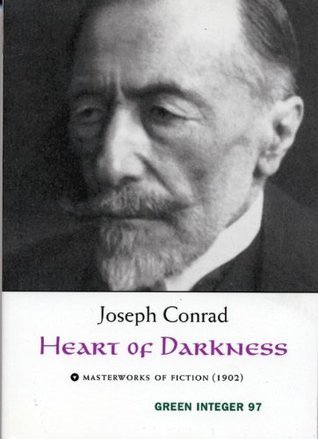
Joseph Conrad’s Heart of Darkness: Feminist v. Deconstructionist Analysis

A feminist v. deconstructionist analysis of Heart of Darkness by Joseph Conrad reveals differing concepts relevant to the ideologies inherent in the worldview of the author. Because so few women are present in the text, a deconstructionist perspective is the more productive methodology for analysis; however, the few mentions of females exhibit misogynistic leanings.

Marlowe gets desperate for a job fitting his dreams and turns to a woman for help. “Then—would you believe it?—I tried the women. I…set the women to work—to get a job.” His comments reveal that he is ashamed of sinking to the level of someone who would need a woman’s help to procure employment, but her involvement works and successfully lands him the job he desires. He pays her a visit before heading for the jungle and is once again internally demeaning when she says, “You forget, dear Charlie, that the labourer is worthy of his hire.” He thinks, “It’s queer how out of touch with truth women are. They live in a world of their own… It is too beautiful altogether, and if they were to set it up it would go to pieces before the first sunset” (Conrad). Marlowe thinks women are unable to fathom the realities of his hard man’s world and create a nicer imaginary version with which to soothe their fragile nerves.

Kurtz seconds this mentality when he is quoted as saying, “Girl! What? Did I mention a girl? Oh, she is out of it—completely. They—the women, I mean—are out of it—should be out of it. We must help them to stay in that beautiful world of their own, lest ours gets worse” (Conrad). He implies that the separateness of their worlds somehow keeps the men less barbaric than they might become if the women join in on the mayhem, or perhaps holding on to the illusion that women are treasures to strive for helps the men to keep their sights on something more than the horrors of their realities. This form of sex segregation and defense of female virtue is similar to the reasoning that led to lynchings in the American South because white women needed protection (Jordan 568). 

After Kurtz’s death, Marlow speaks to the girl who had to be left “out of it” and a deconstructionist lens shows a binary of illusion/reality. “’Who was not his friend who had heard him speak once?’ she was saying. ‘Yes, I know,’ I said with something like despair in my heart, but bowing my head before the faith that was in her, before that great and saving illusion that shone with an unearthly glow in the darkness…’ ‘And of all this,’ she went on mournfully, ‘of all his promise, and of all his greatness, of his generous mind, of his noble heart, nothing remains—nothing but a memory. You and I—’ ‘We shall always remember him,’ I said hastily” (Conrad). She does not realize the level of absurdity to which her words rise when speaking of Kurtz’s ability to win friends. He inspires devotion through fear and intimidation as far as the natives are concerned. She clings to the illusion that her love was a great man who was noble and generous. The meaning behind Marlowe’s insistence that he will remember Kurtz holds a completely different connotation than the mourner’s illusory memories. She mourns a man she thought she knew or knew when the man was in polite society surrounded by creature comforts and minimal moral dilemmas to face. Marlowe knew the man Kurtz became when thrust into the harsh environs of the jungle, left to discover his basest desires, with no moral arbiter to keep him in check.

A paradox arises from the different realities the two speakers experienced related to Kurtz. It is the dimension Plato invites us to analyze “of a pure becoming without measure, a veritable becoming‐mad, which never rests. It moves in both directions at once. It always eludes the present, causing future and past, more and less, too much and not enough to coincide in the simultaneity of a rebellious matter…The paradox of this pure becoming, with its capacity to elude the present, is the paradox of infinite identity” (Deleuze).  This slippery reality can be traced through every scene in Heart of Darkness.

Works Cited

Conrad, Joseph. Heart of Darkness. The Project Gutenberg EBook. 2 March 2018, www.gutenberg.org/files/219/219-h/219-h.htm

Deleuze, Gilles. “What is Becoming.” Rivkin, Julie; Ryan, Michael. Literary Theory: An Anthology, 3rd edition. Wiley Blackwell.

Jordan, Emma. “Crossing the River of Blood Between Us: Lynching, Violence, Beauty, and the Paradox of Feminist History.” The Journal of Gender, Race & Justice, Georgetown University Law Center, pp.568, January 2010, scholarship.law.georgetown.edu/cgi/viewcontent.cgi?article=1117&context=facpub