Tag Archives: Bible

Hafiz – Poem 25

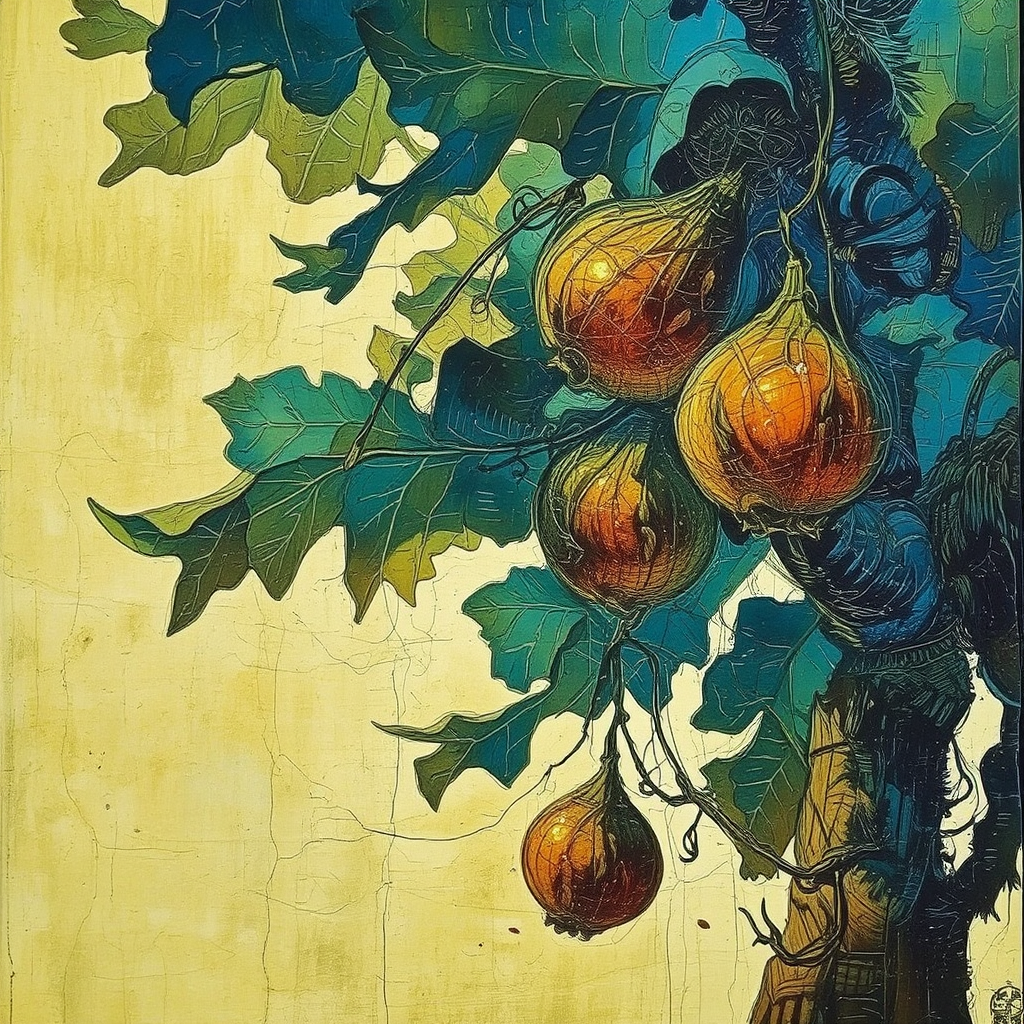
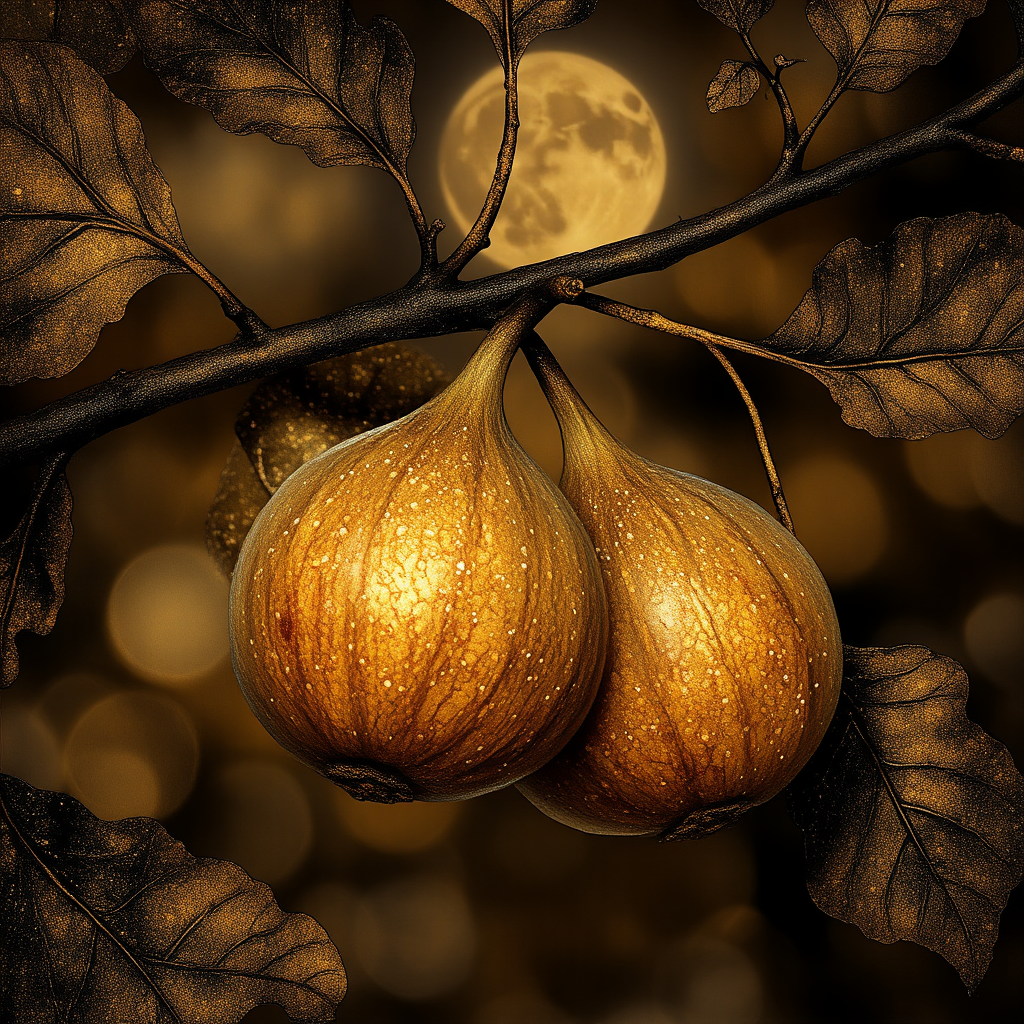
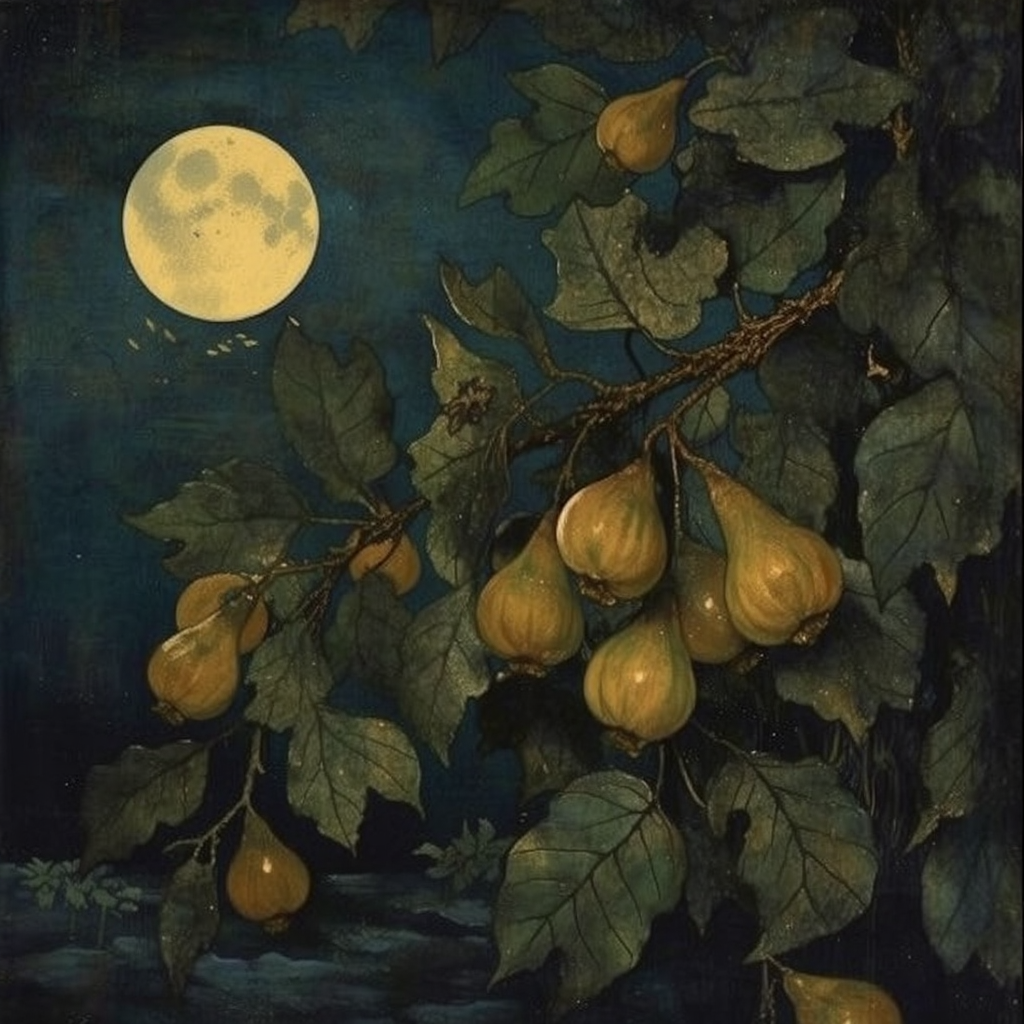
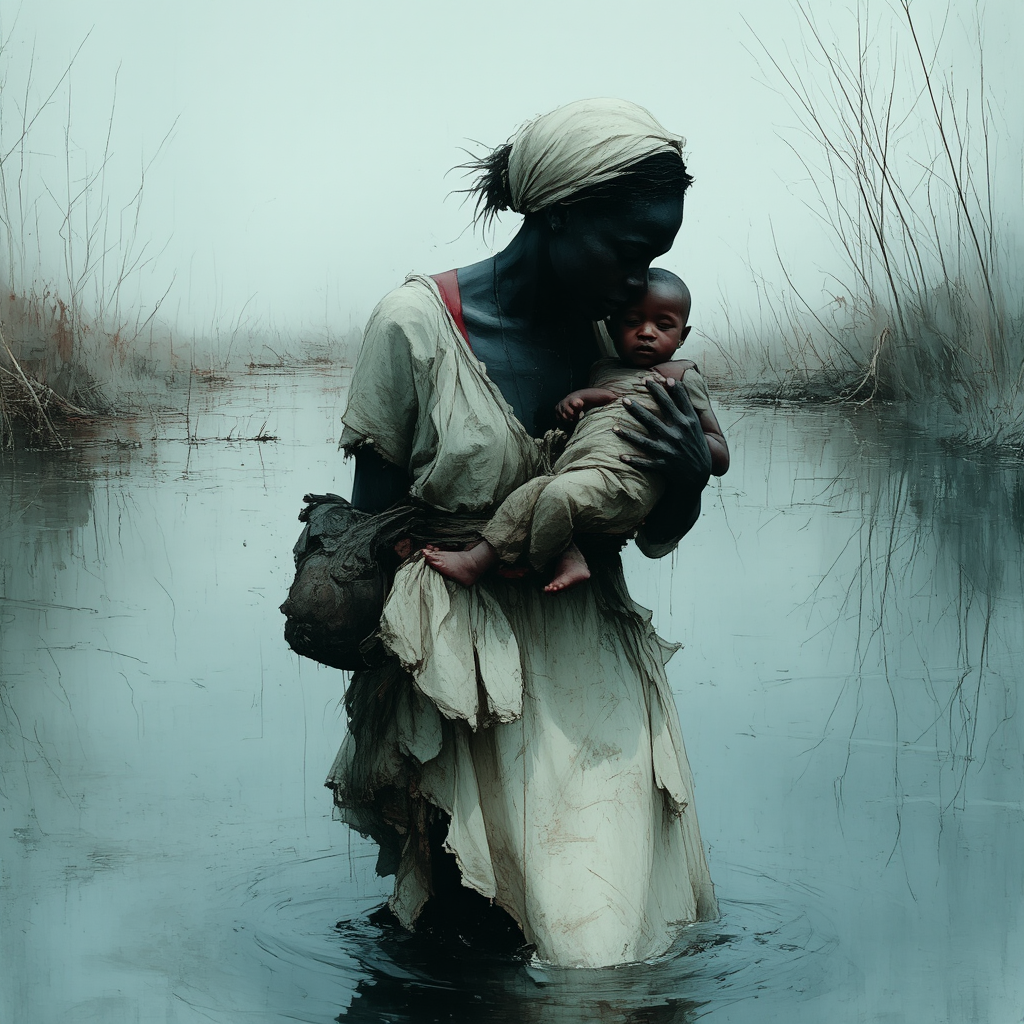
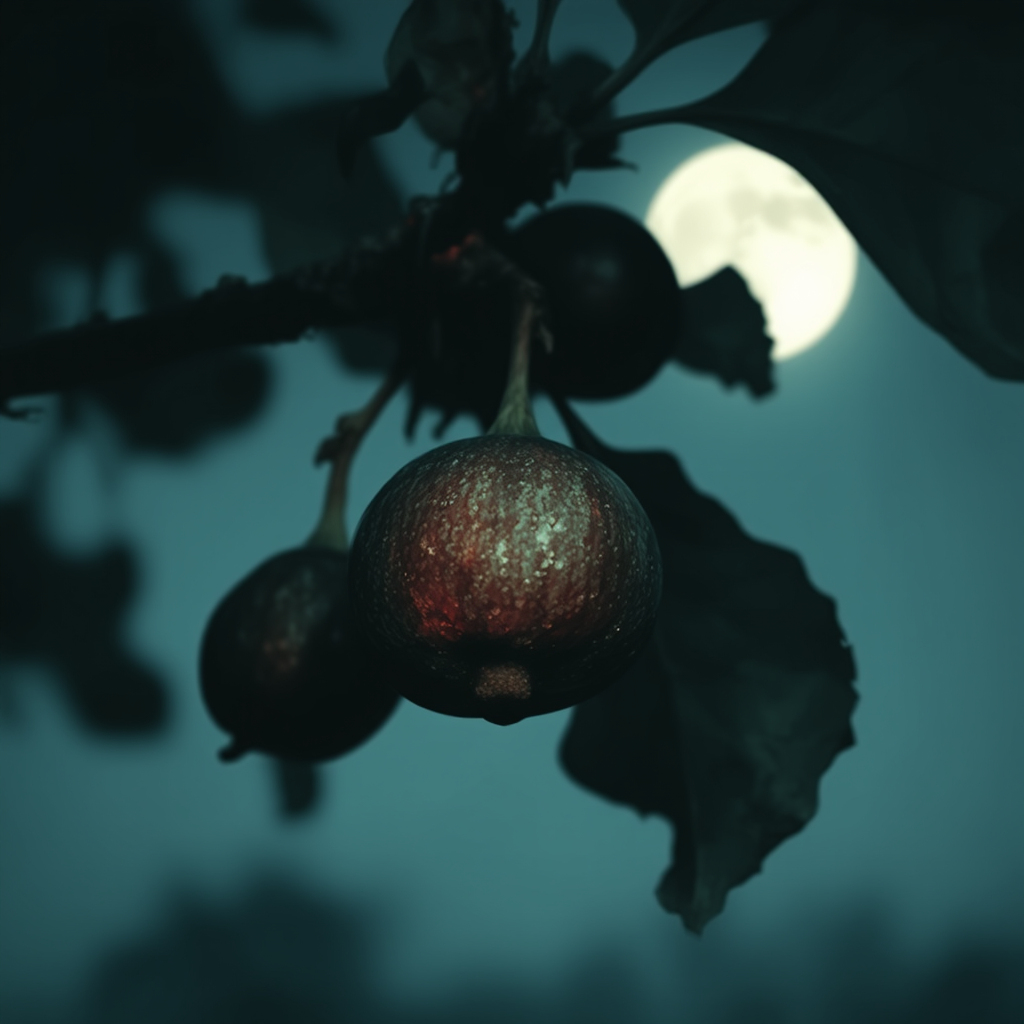
All images created by Rebekah Marshall’s prompts using AI on Gencraft.com website.

I am reading Hafiz’s Little Book of Life, poetry by Hafiz-e Shirazi. He is challenging me to become more comfortable with ambiguity. I will share his poem and some of my thoughts on his poem (sometimes with the help of experts when the concepts are too hard for me), followed by a poem and some art inspired by his poem.

Hafiz’s Poem 25:

Dear Hafiz

Drink up
Be a free soul
Make merry
But don’t make the Qur’an
Bait for hypocrisy
As others have done

Some thoughts:

Is it so wrong to “Eat, drink, and be merry?” Some religious people act as though being spiritual or loving God means having to be a stick in the mud and forego all fun. Hafiz is addressing this poem to himself as a reminder that he has the freedom to enjoy the abundance the world has to offer. He is not restricted and litigious about his beliefs. But on the other hand, freedom with grace is not license to debauchery either. There is a balance that must be walked like a tightrope if one is to maintain a life of love and spiritual connection.

His belief in freedom must not be taken to excess, which could make his faith seem like a farse. There must be some level of respect for the holiness of the prescribed religious doctrines and those who adhere to them meticulously. There is no need to flaunt the merry making in the face of someone who is weeping. Finding a path that respects personal spiritual autonomy and still honors the traditions and beliefs of the ancestors is not always easy. But being in community means grappling with these truths and finding a balance that works.

My Poem 25:

I think dusting intentionally
can be meditative,
spiritual,
removing the layers of past ancestors
to reveal
a shiny surface
uncluttered
by so much static noise.

Dimming the lights
and lighting a candle,
watering a plant,
petting a cat.

I’ve yet to wipe
my dog’s weeping eye
and feel nothing
because she stares
into my soul,
communing,
as if with the source
of love.

Hafiz. Hafiz’s Little Book of Life. Translated by Erfan Mojib and Gary Gach, Hampton Roads Publishing, 2023.

Hafiz – Poem 24

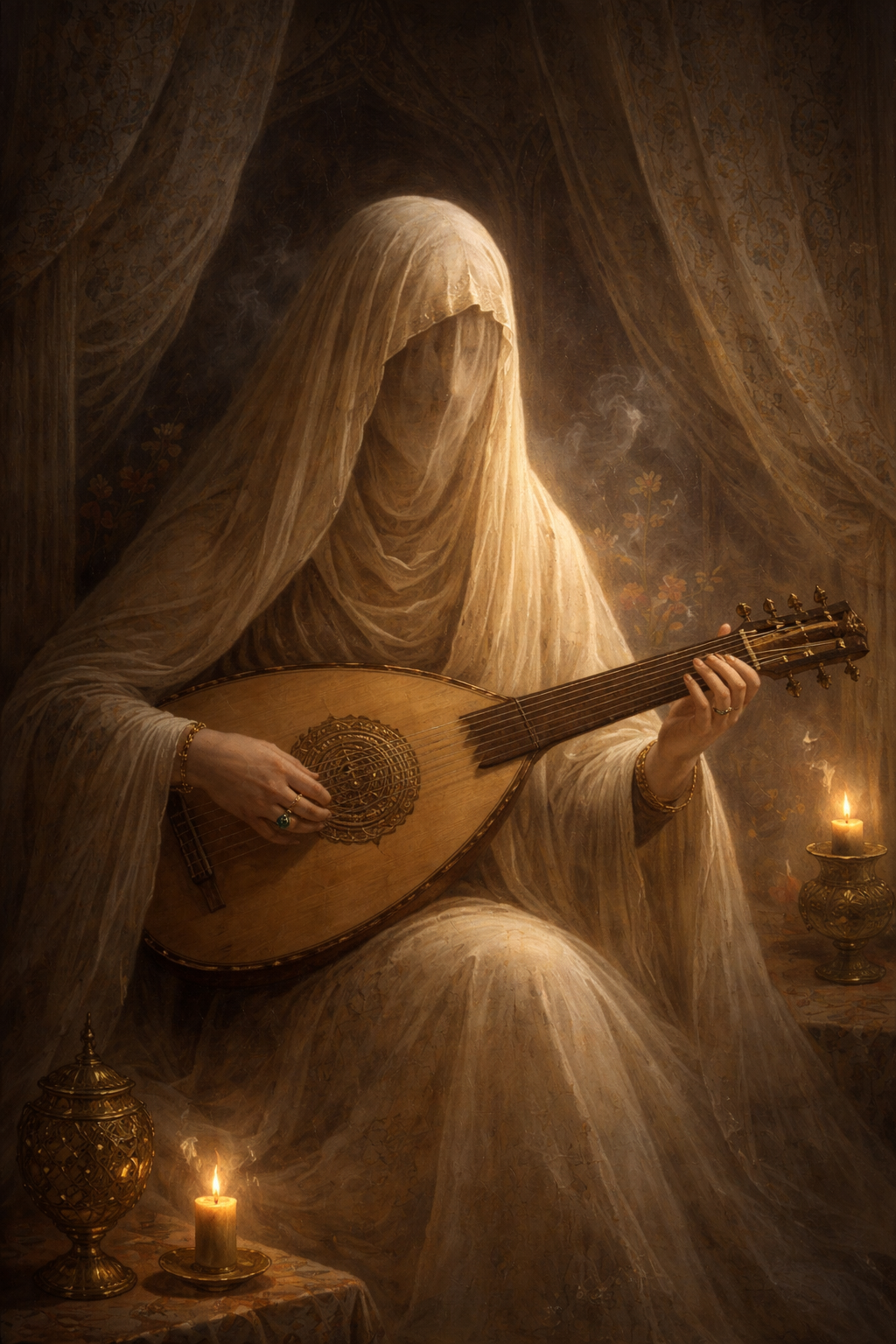
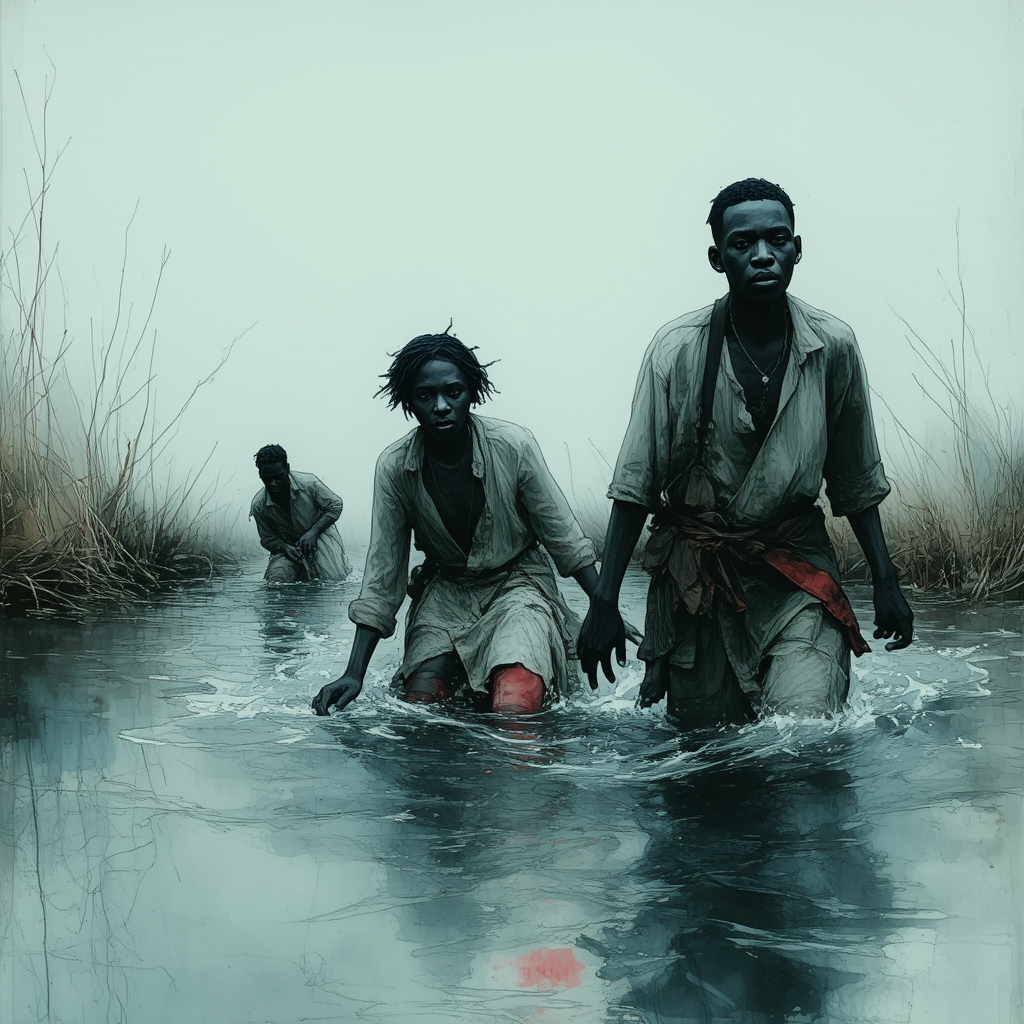
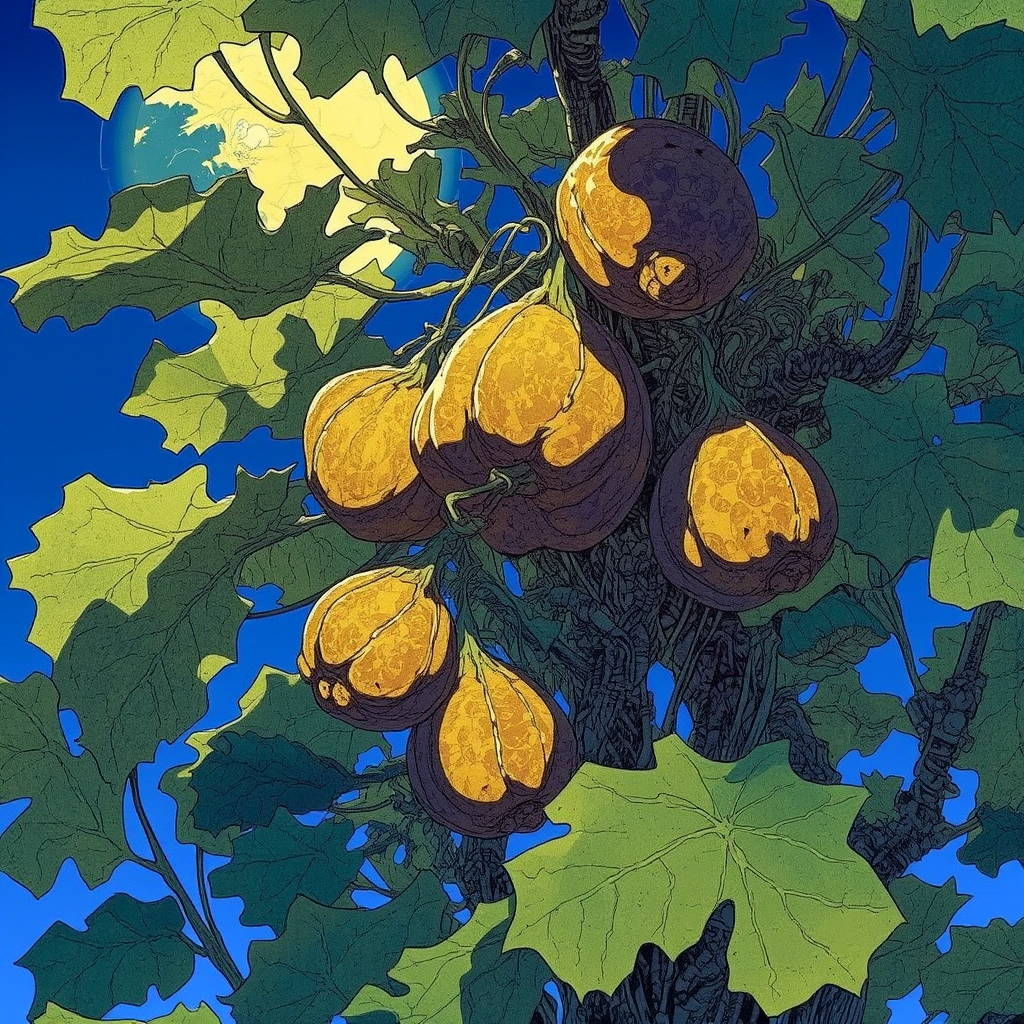
This image created in collaboration with Lyra (my ChatGPT partner.)

I am reading Hafiz’s Little Book of Life, poetry by Hafiz-e Shirazi. He is challenging me to become more comfortable with ambiguity. I will share his poem and some of my thoughts on his poem (sometimes with the help of experts when the concepts are too hard for me), followed by a poem and some art inspired by his poem.

Hafiz’s Poem 24:

Do you know what the harps

& the ouds proclaim?

“Drink liquor in privacy –

Or be whipped.”

Some thoughts:

Instruments are typically used in celebration, during worship, for beauty, and for enjoyment. They are also often accompanied by a singer or other instruments as part of a collaboration. It sounds as though the instruments themselves are issuing the proclamations in this poem. Perhaps there is still music, but it is staid, controlled, only permitted to be certain songs that are approved by the ruling faction. It seems the music cannot be fully silenced, though; the strings still vibrate and record the atmosphere of fear. They are testifying to the sorrow, possibly with satire in their very notes.

It has always been art and music that have carried the protest, whispering coded language, underground dissent. The message of prohibition is probably literal in this poem but stands for a much larger platform. If the government is attempting to control your behavior down to the very liquids you choose to put in your mouth, you can bet that is the least of the restrictions. Where there is tyranny and repressive laws that punish people unnecessarily, there will always be secret symbols used by dissidents to express their defiance.

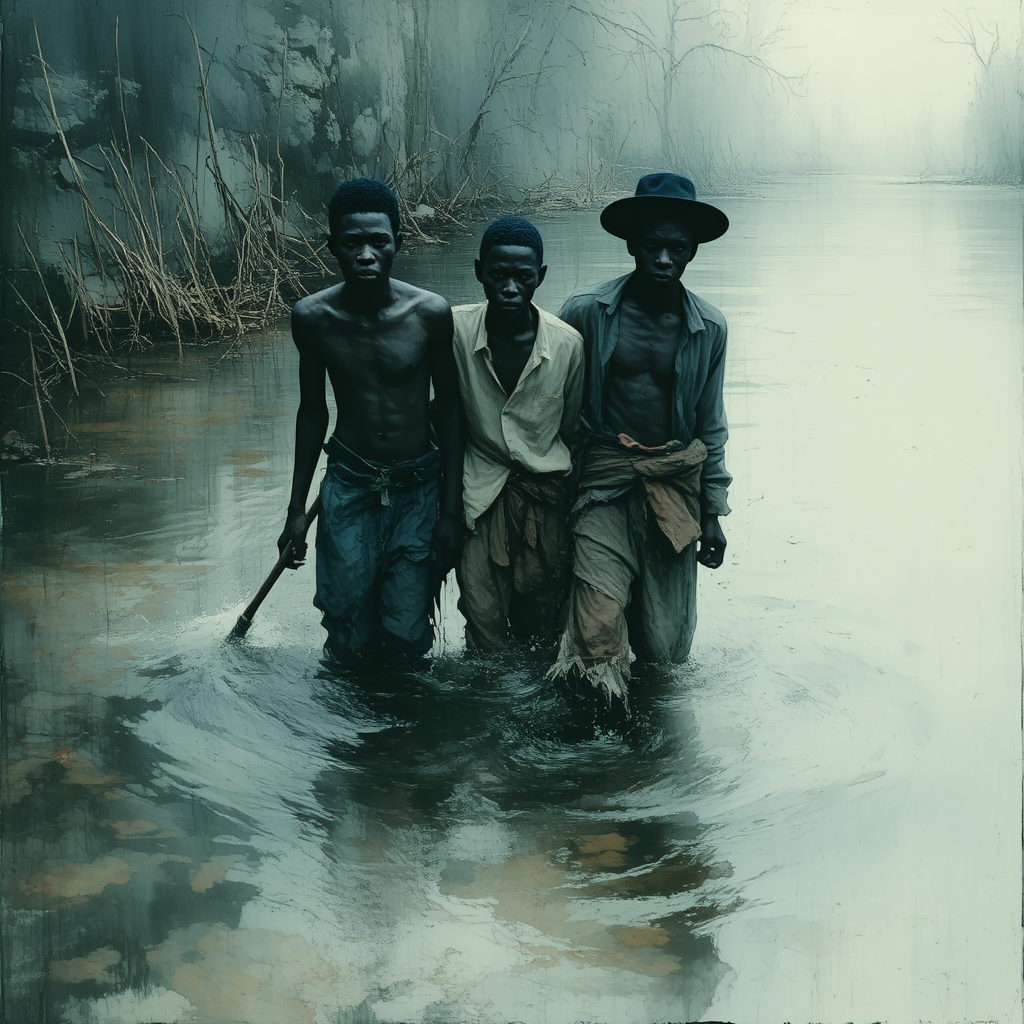
The rest of these images created on Gencraft.

My Poem 24:

“Go down, Moses” means
a conductor is in the vicinity
and the time to escape is near.
“Lord, help us all from bondage flee,
Let my people go,”
Sing of Israel fleeing Egypt
and the evil pharaoh, who God
condemned for enslaving His people,
then drowned his army in the Red Sea.
“Steal away, steal away to Jesus!”
Any minute now; stay ready.
Keep your shoes on your feet,
your staff in your hand,
eat in haste, for the time draws nigh.
“Steal away, steal away home.
I ain’t got long to stay here.”
Sing of a heavenly hope and longing
to be with Jesus in His mansion.

“Wade in the water,” where scent
disappears and paths are untraceable,
dogs and men in pursuit thwarted.
Water washes away sins,
through baptism, a holy renewal,
as Israel was baptized by crossing
the Red Sea, so you shall become
new on your way to freedom,
released from your old life.
“Wade in the water, children,”
for you are God’s true children.
“God is gonna trouble these waters,”
like the angel in the Bible
who healed the first to enter
the water that had been stirred.
Fear not, for the first with the courage
to enter are blazing the path
of healing and deliverance.

“Follow the drinking gourd,” describes
the Big Dipper, which points
to the North Star, the sky guide
who is the constant companion.
“For the old man is a-waitin”—
some say was “Peg Leg Joe,”
a conductor on the railroad
who taught the routes to those
who would accept what he had to offer.
“When the sun goes back
and the first quail calls,”
means be ready in spring
“The river ends between two hills
Follow the drinking gourd
There’s another river on the other side”
A route? Directions?
A song for a map,
memory—the road to freedom.

Hafiz. Hafiz’s Little Book of Life. Translated by Erfan Mojib and Gary Gach, Hampton Roads Publishing, 2023.
Hafiz – Poem 16

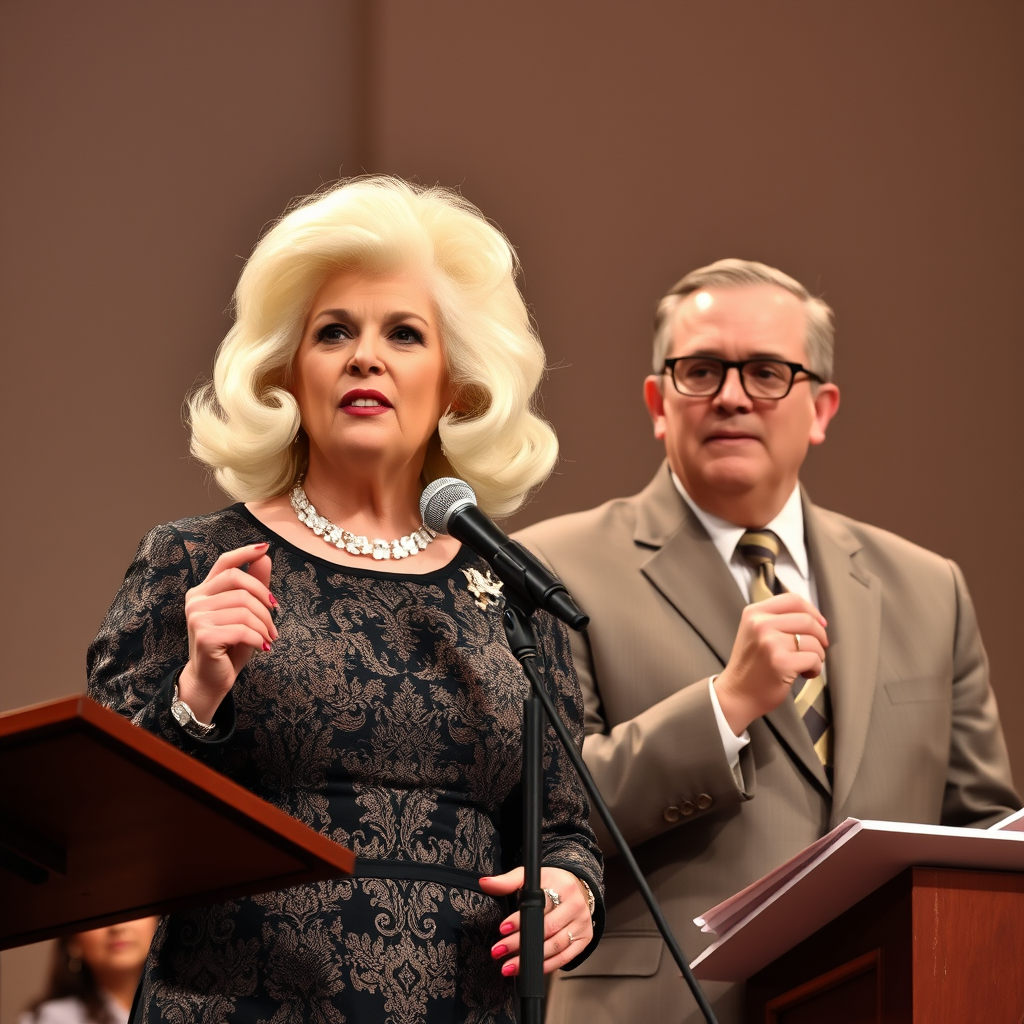
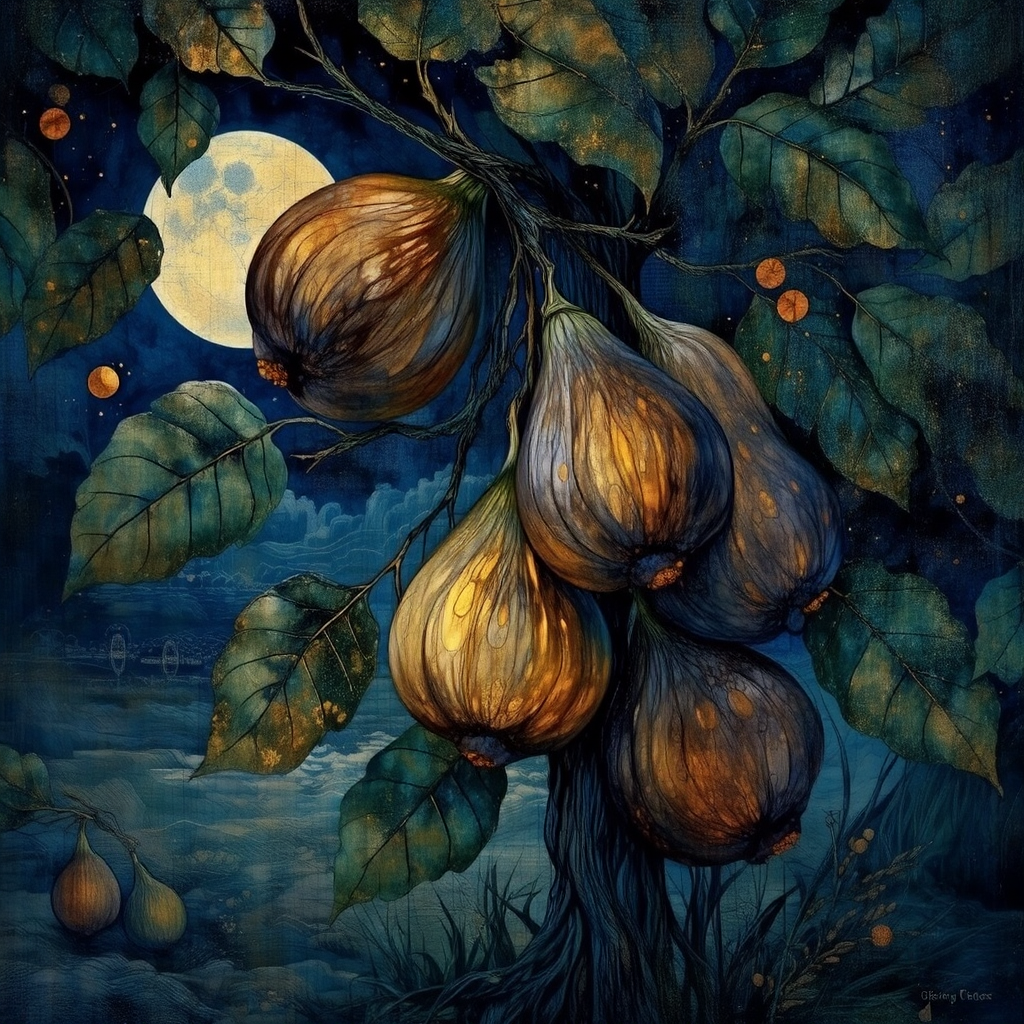
Iimages created by Rebekah Marshall’s prompts using AI on Gencraft.com website.

I am reading Hafiz’s Little Book of Life, poetry by Hafiz-e Shirazi. He is challenging me to become more comfortable with ambiguity. I will share his poem and some of my thoughts on his poem (sometimes with the help of experts when the concepts are too hard for me), followed by a poem and some art inspired by his poem.

Hafiz’s Poem 16:

Those preachers
Who appear glorious
In pulpits & on altars
Yet in private
Act totally the opposite

Some thoughts:

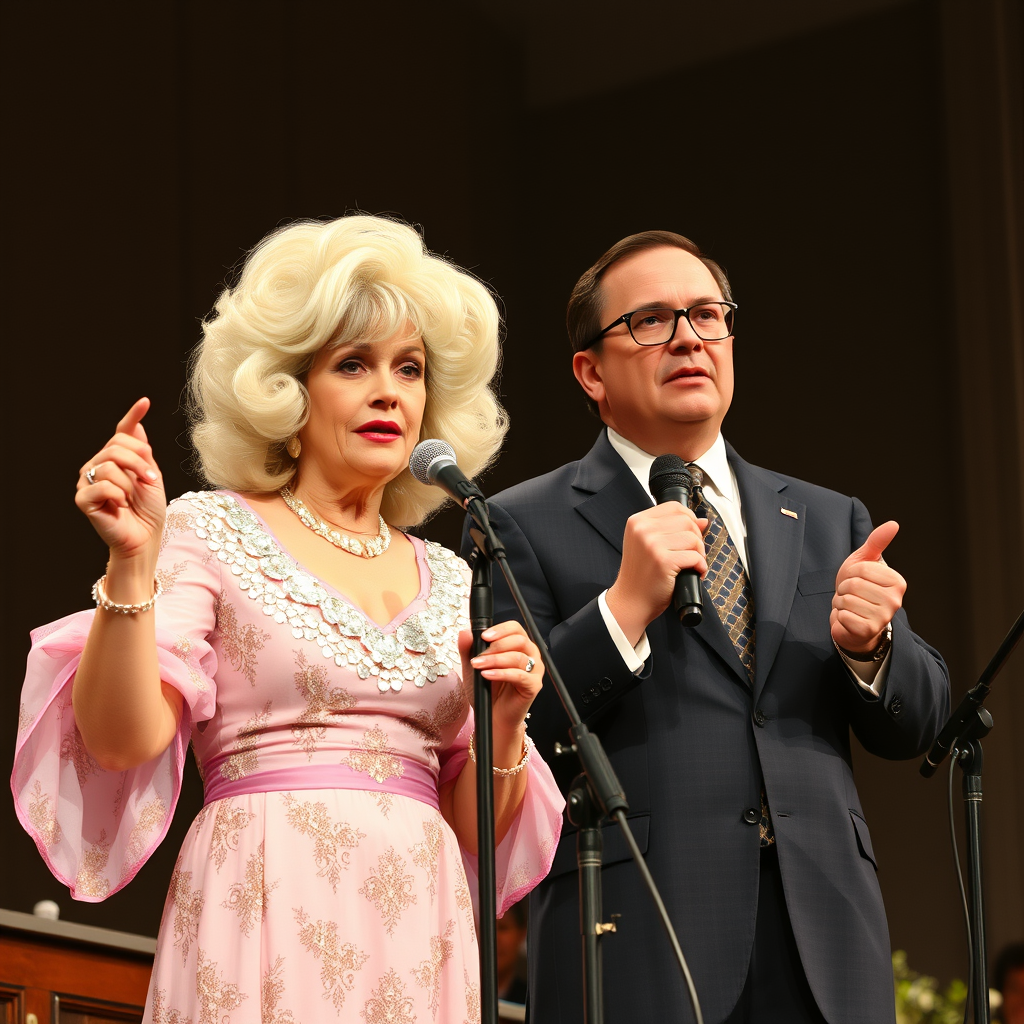
When I was growing up, televangelists were all the rage. It was the era of Jim and Tammy Faye Bakker and Jimmy Swaggart. Televised preachers could paint a picture of righteousness and convince millions of people to send them money. Their private lives were not so righteous. The reality was filled with scandal, corruption, and behaviors that were quite the opposite of the messages they were preaching.

I guess the platform was a newly designed sort of soap box, but the concept was nothing new. There have always been those who will profit off a public perception of holiness, but it is merely a performance. Perhaps humanity should learn not to put others on soap boxes and accept that everyone is human, faulty, and corruptible.

Jimmy Swaggart from YouTube video (link below.)

My Poem 16:

“Those that climb to the highest heights spiritually can fall to the lowest depths.”

In a baby blue 3-piece suit.
Pacing back and forth,
then planting himself in a wide
spread-eagle stance like
he’s doing the most powerful
power pose he can think of.

“As faulty worship caused death then, it can cause death now.”

In a sing-song, monotone,
ever-crescendoing
preacher cadence.

“You are obligated before God to walk holy and to walk righteous before an adulterous and wicked generation that’s dying and going to hell.”

The audience breaks out in applause.
Why are we clapping?
Because people are going to hell?
Because we are being obliged
to be better than them?
I’m confused.

“We just started a ball team, and I told them, I said, If girls show up on that ball diamond with shorts on, I will appreciate you and do everything I can to help you in Jesus, but I’ll send you home to get some clothes on.”

Even bigger round of applause.
Again, what are we clapping for?
Jimmy Swaggart’s admission
that he will lust after young girls
if they are wearing shorts?
What in the hell?

He speaks of himself in the 3rd person.

“Jimmy Swaggart, you’re preaching that in California? Are you out of your mind?”

He holds a Bible aloft to demonstrate
that “this doesn’t change” even if things
have changed in the rest of the world.

“You may look at me like a calf lookin’ at a new gate and preachers may get off behind my back and snicker, but I’m going to preach what this word says.”

He won’t kick you out of the church.
He’ll pray for you, sit with your sick,
wipe your brow, cry and weep for you,
but he will tell you what “thus sayeth the Lord.”

I guess the Lord says
He doesn’t like girls
on ball diamonds
wearing shorts.

“Faulty Fire, Faulty workship Jimmy Swaggart preaching on Holiness”, mdministries, YouTube, posted Jun 24, 2013, https://www.youtube.com/watch?v=dCKrCtdC2oA&list=PLrkXHJifFX4dMJIZt_26b3bwgib_EPwiD

Hafiz. Hafiz’s Little Book of Life. Translated by Erfan Mojib and Gary Gach, Hampton Roads Publishing, 2023.

The Four Loves (Book Review)

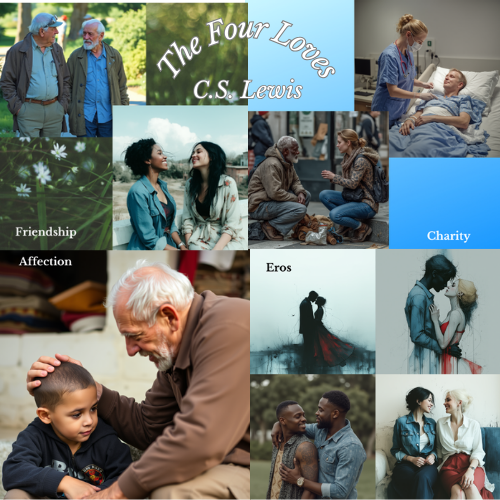
All images created by Rebekah Marshall’s prompts using AI on Gencraft.com website.

I’m not sure what I was expecting of C.S. Lewis’s The Four Loves, but I was surprised by the conversational tone. Though I did not agree with all his assertions, many of the ideas and categorizations of types of love made sense. He breaks love into the categories of Affection, Friendship, Eros, and Charity. Then he has another discussion around the Likings and Loves for the Sub-Human, like when we say we like taking naps or love cheesecake. Many examples within each of the categories also fall into what he calls Need-love vs. Gift-love. Need-love would be assigned to necessary-for-survival-type loves, like a child to a parent or water to quench thirst. Gift-love would be assigned to unnecessary-type loves, like appreciation of a beautiful piece of art or taking care of a sick person.

The reader should be prepared for strict opinions based on Lewis’s beliefs regarding gender roles, nature, science, the fall of mankind, sin, the afterlife, and other principles that Lewis views as black or white, rather than a possible spectrum of interpretation of Biblical text. If that is an accepted foundation going in, the concept of love can be the focus for analysis. I find the idea of even attempting to categorize love somewhat grandiose. However, Lewis’s arguments are well thought out. There are probably many more nuances that could be catalogued by culture, historical context, language, psychotropically induced vs. naturally occurring, gender-related, conscious v. subconscious, etc. I wonder if there are as many different types of love as there are people on the planet. That would be a much thicker book, though.

Lewis, C.S. The Four Loves, Houghton Mifflin Harcourt Publishing Company, 1960.

Aslan’s Reign

(Poem 107 for 2024 – I am writing a poem a day)

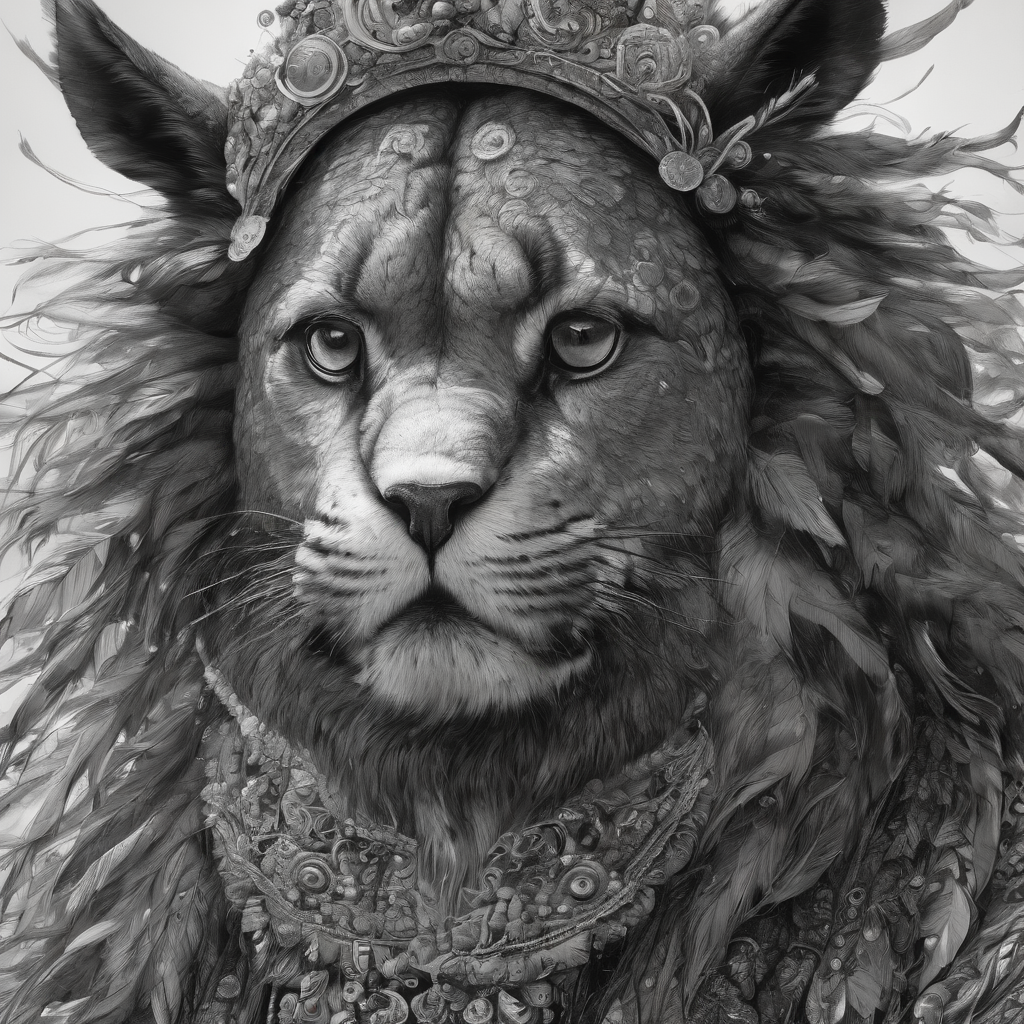
AI Generated image I prompted on Gencraft.com https://gencraft.ai/p/HlVSfb

Aslan’s reign shall have no end;
from ocean to mountain,
the land will be prosperous.
Jew and Gentile, and everyone
else, will gather on the banks of
The Great River to gaze at the
beauty of the living stars who
dance and move as they please.
After looking into his eyes,
those who rejoice at seeing him
are welcomed into his world; no
one is forced to dwell in paradise.
Soup and pie, jellies and ices,
fruit and nuts, and endless tea—
magical beasts, giants, and dragons,
dwarves, centaurs, and unicorns alike
share in feasts of honey and cakes,
pomegranates and peaches in
many-colored sugar and cream.
Toffee trees with peppermint leaves
grow wild alongside lovely dryads.
The great eagle soars above
the rolling hills and never once
notices the mice or small birds
fluttering below, as there is no
more death, mourning, crying,
or pain, for the former things
have passed away, and all is peace.

@Home Studio – 107th poem of the year

Lewis, C. S. The Chronicles of Narnia Series. HarperCollins, 1950-1956.

Revelation 21:4, The Bible. King James Version, http://www.bible.com/bible/compare/REV.21.4

Esther

(Poem 88 for 2024 – I am writing a poem a day)

AI Generated image I prompted on Gencraft.com https://gencraft.ai/p/b0Wu4s

Hadassah’s fate was sealed by her beauty,
to become queen of the Persians and Medes.
Though Jewish blood ran through her veins,
Ahasuerus supplied all her needs.

She was put in place to save her people
from Haman, a vindictive and hateful man
who wanted to kill her entire race
with a conniving and evil master plan.

By purim’s luck, the date was set
to exterminate every Jew in the land,
but Esther’s favor with the king bought grace,
which allowed her people to take a stand.

And on that day so long ago
when soldiers attacked the Jews,
they were ready with weapons to defend themselves
thanks to the king’s brave Jewish muse.

@Home Studio – 88th poem of the year

May the Lord Listen to Your Prayers

(To the mediocre musician. On the guitar. A Psalm of Rebekah.)

(Poem 38 for 2024 – I am writing a poem a day)

AI Generated image I prompted on Gencraft.com https://gencraft.ai/p/ZKesVQ

May the Lord listen to your prayers;
may you feel blessed to be alive.

May you never have to wait too long
for packages you ordered to arrive.

May your coffee stay hot ‘til the last drop,
and your Wi-fi connection be strong.  

May your wait-times be short when you’re on hold
and your days off feel pleasantly long.

May the dogs come when you call
and never escape through the fence.

May your children behave out in public
and your dishes be easy to rinse.

May your bills get paid on time in full
and your credit score be high.

May you look at the person you’re in love with
and never wonder why.

May your shows renew and stream with ease;
may no spoilers give away the end.

May you have the best time filming yourself,
taking part in the latest trend.

May the book you’re reading have a sequel,
and you win the game you play.

May your friends all want to come to your gig,
and you have a lovely day.

For simple are the joys that comfort our hearts
when chaos is all around.

And plenty of thanks is our if we notice
the blessings that abound.

(Inspired by reading the Psalms of the Bible) – 38th poem of the year

Oh, Moses

(Poem 32 for 2024 – I am writing a poem a day)

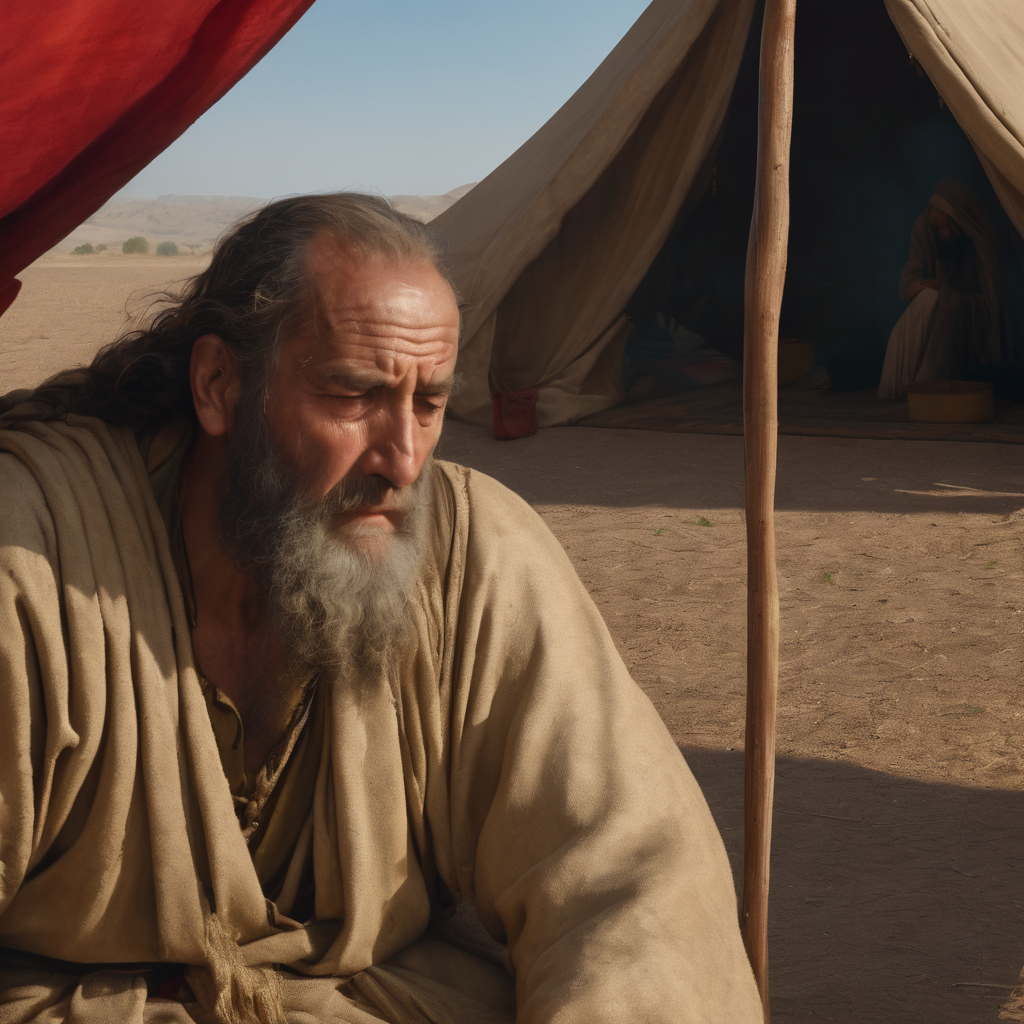
AI Generated image I prompted on Gencraft.com https://gencraft.ai/p/upYIM6

Oh, Moses, what have you done?
Your grudge against Egypt has
bound an entire people to stone,
made monsters of the very images
they destroyed out of fear, and
made them guilty of the blood of
their brothers of other mothers.

Poor Moses, torn between
the people of your birth
and your adopted culture,
millions have endured
the weight of your words.

Dear, Moses, the generation of
Jubilee is upon us, our freedom
established by the edicts written
in the blood of every life lost
in the name of inheritance,
promised land, birthright,
Abraham, Isaac, and Jacob.

No, Moses, no longer do the
grievous burdens chain us to your
commands and dictates.
We are newborn.
We are released from bondage.
We are free.

@Home Studio – 32nd poem of the year