Tag Archives: charity

Hafiz – Poem 19

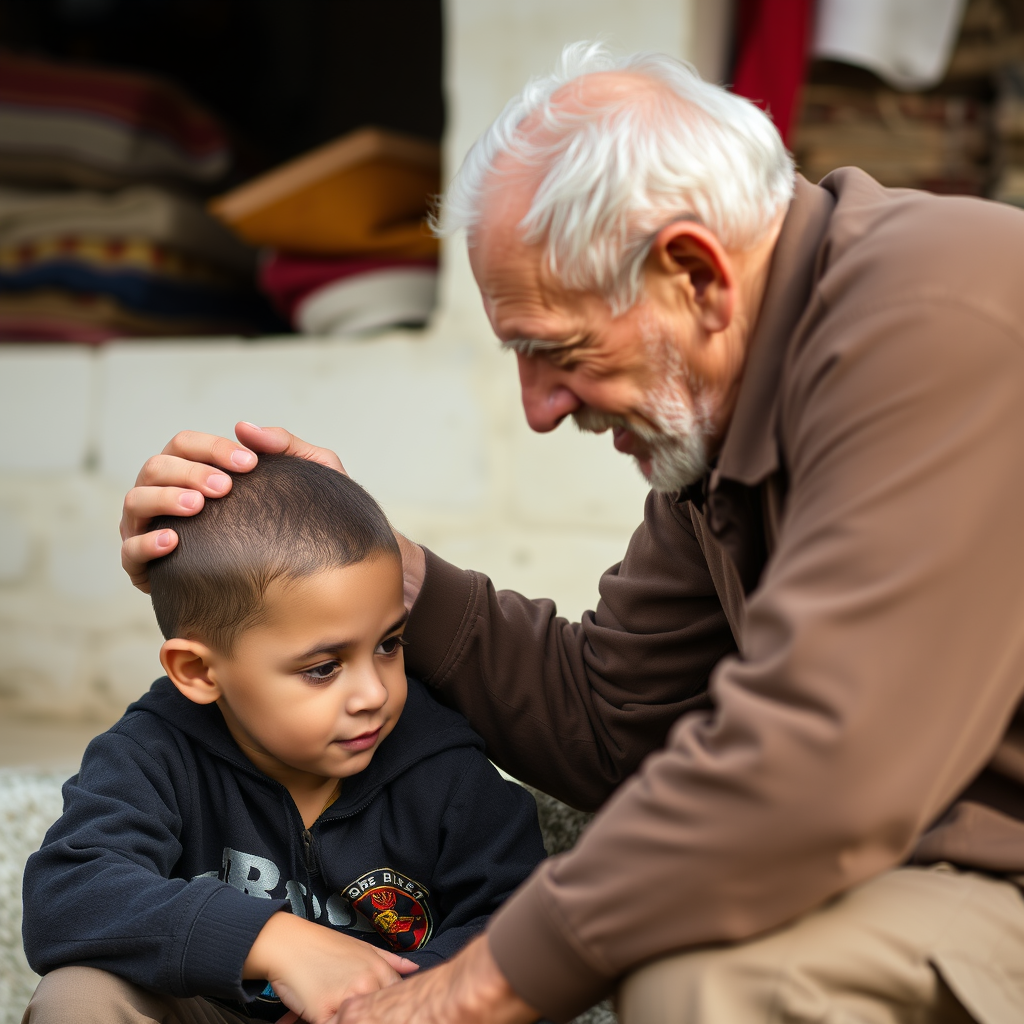
All images created by Rebekah Marshall’s prompts using AI on Gencraft.com website.

I am reading Hafiz’s Little Book of Life, poetry by Hafiz-e Shirazi. He is challenging me to become more comfortable with ambiguity. I will share his poem and some of my thoughts on his poem (sometimes with the help of experts when the concepts are too hard for me), followed by a poem and some art inspired by his poem.

Hafiz’s Poem 19:

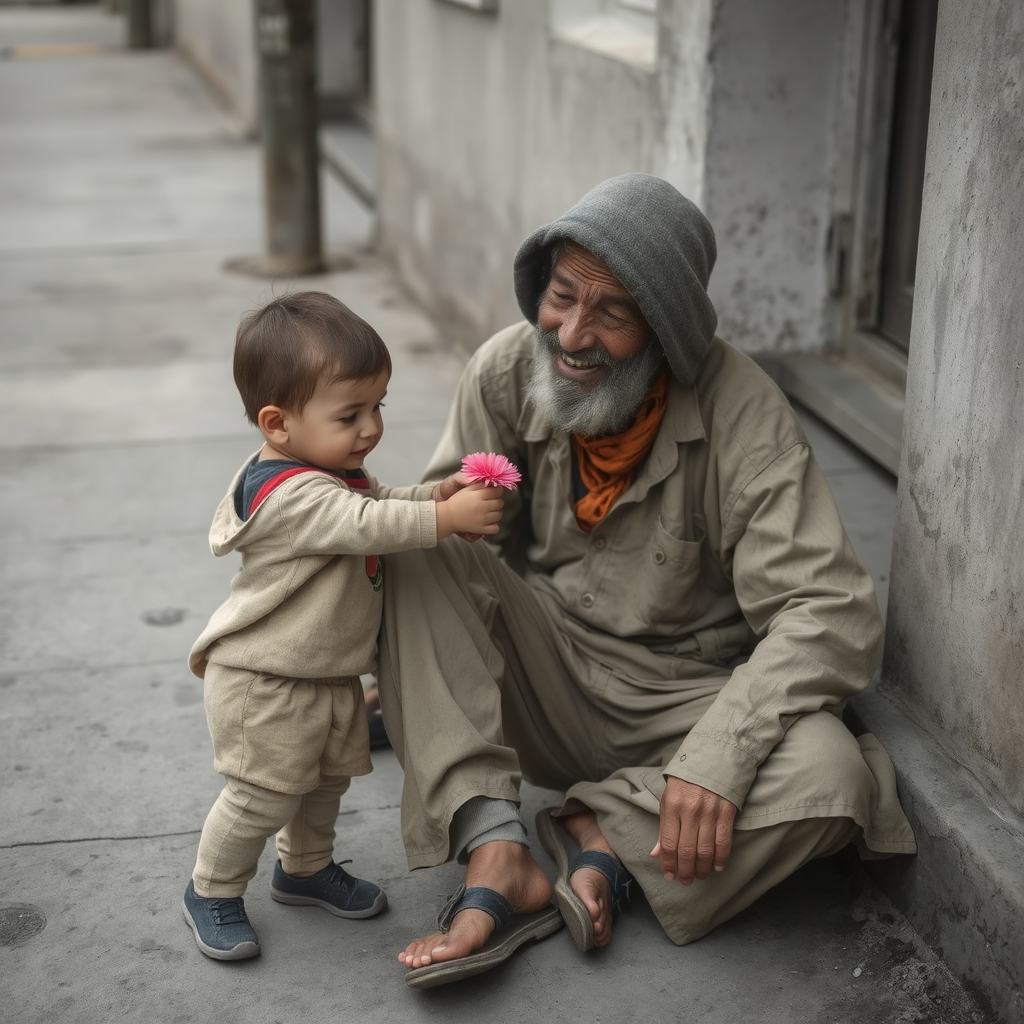
The town is empty of love

Until one person

Acts beyond their self

Some thoughts:

Sometimes powerful movements start small:

  • One little girl protesting outside the Swedish Parliament about the climate (Great Thunberg).
  • A small group of students protesting education policies in South Africa (1976 Soweto Uprising).
  • One woman refusing to give up her seat on a bus (Rosa Parks).
  • A hashtag in response to the acquittal of a murderer (Black Lives Matter).
  • One woman researching the dangers of pesticides for a book she was writing (Silent Spring by Rachel Carson and the beginning of The Environmental Movement of the 1960s).

We often don’t feel like our contributions matter or the fact that we are only one person cannot possibly make a difference. It simply is not true. Each choice we make to share love or kindness increases goodness in the world. The ripple effect can restore relationships, heal families, and build communities. And team up with a likeminded friend or partner? Imagine the good we can do; the help we can offer this broken world. Hafiz knew this, must have witnessed it, or was that person for someone else. That is who I want to be.
My Poem 19:

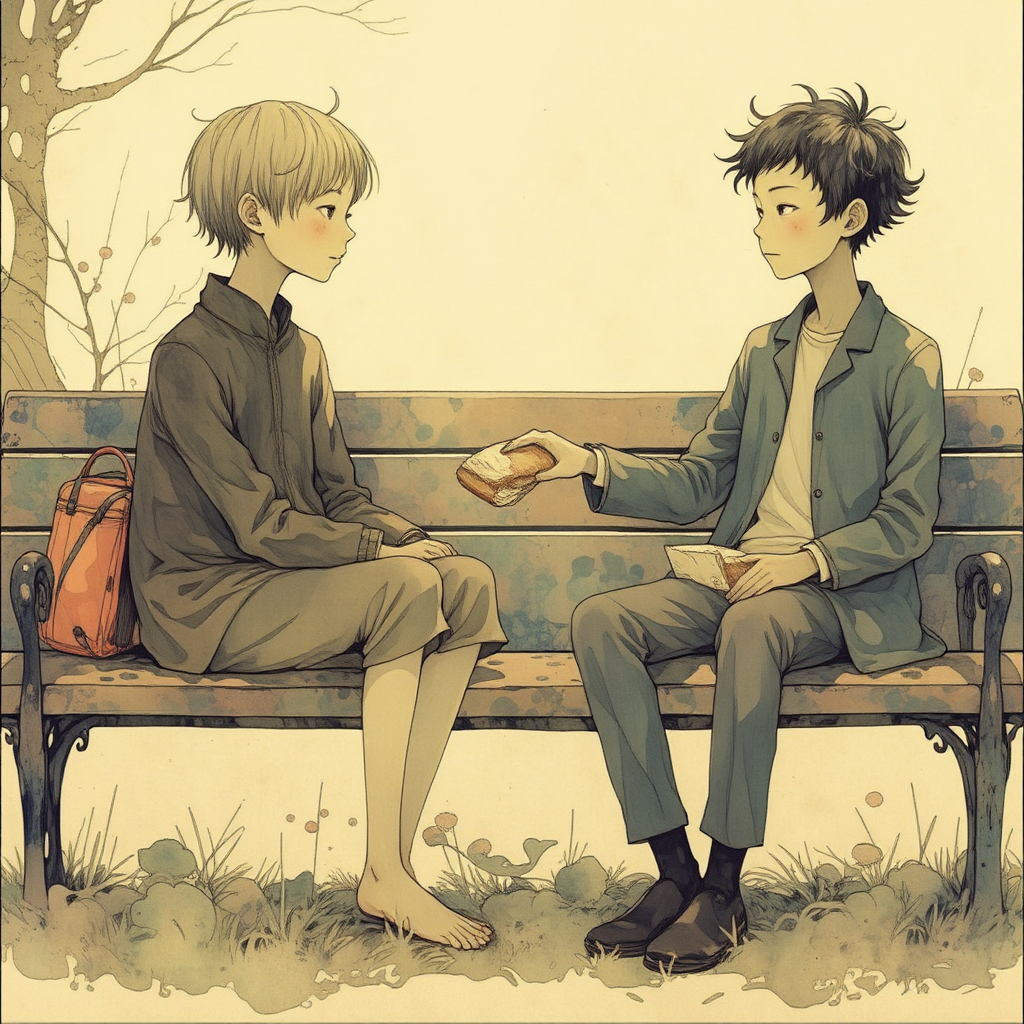
A kind word offered

may mean the world to someone

who has nothing else.

Hafiz. Hafiz’s Little Book of Life. Translated by Erfan Mojib and Gary Gach, Hampton Roads Publishing, 2023.

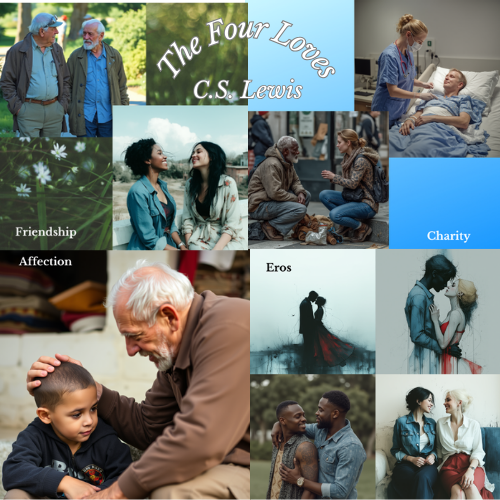

The Four Loves (Book Review)

All images created by Rebekah Marshall’s prompts using AI on Gencraft.com website.

I’m not sure what I was expecting of C.S. Lewis’s The Four Loves, but I was surprised by the conversational tone. Though I did not agree with all his assertions, many of the ideas and categorizations of types of love made sense. He breaks love into the categories of Affection, Friendship, Eros, and Charity. Then he has another discussion around the Likings and Loves for the Sub-Human, like when we say we like taking naps or love cheesecake. Many examples within each of the categories also fall into what he calls Need-love vs. Gift-love. Need-love would be assigned to necessary-for-survival-type loves, like a child to a parent or water to quench thirst. Gift-love would be assigned to unnecessary-type loves, like appreciation of a beautiful piece of art or taking care of a sick person.

The reader should be prepared for strict opinions based on Lewis’s beliefs regarding gender roles, nature, science, the fall of mankind, sin, the afterlife, and other principles that Lewis views as black or white, rather than a possible spectrum of interpretation of Biblical text. If that is an accepted foundation going in, the concept of love can be the focus for analysis. I find the idea of even attempting to categorize love somewhat grandiose. However, Lewis’s arguments are well thought out. There are probably many more nuances that could be catalogued by culture, historical context, language, psychotropically induced vs. naturally occurring, gender-related, conscious v. subconscious, etc. I wonder if there are as many different types of love as there are people on the planet. That would be a much thicker book, though.

Lewis, C.S. The Four Loves, Houghton Mifflin Harcourt Publishing Company, 1960.

Hafiz – Poem 11

All images created by Rebekah Marshall’s prompts using AI on Gencraft.com website.

I am reading Hafiz’s Little Book of Life, poetry by Hafiz-e Shirazi. He is challenging me to become more comfortable with ambiguity. I will share his poem and some of my thoughts on his poem (sometimes with the help of experts when the concepts are too hard for me), followed by a poem and some art inspired by his poem.

Hafiz’s Poem 11:

     Let’s face it

The people of our time

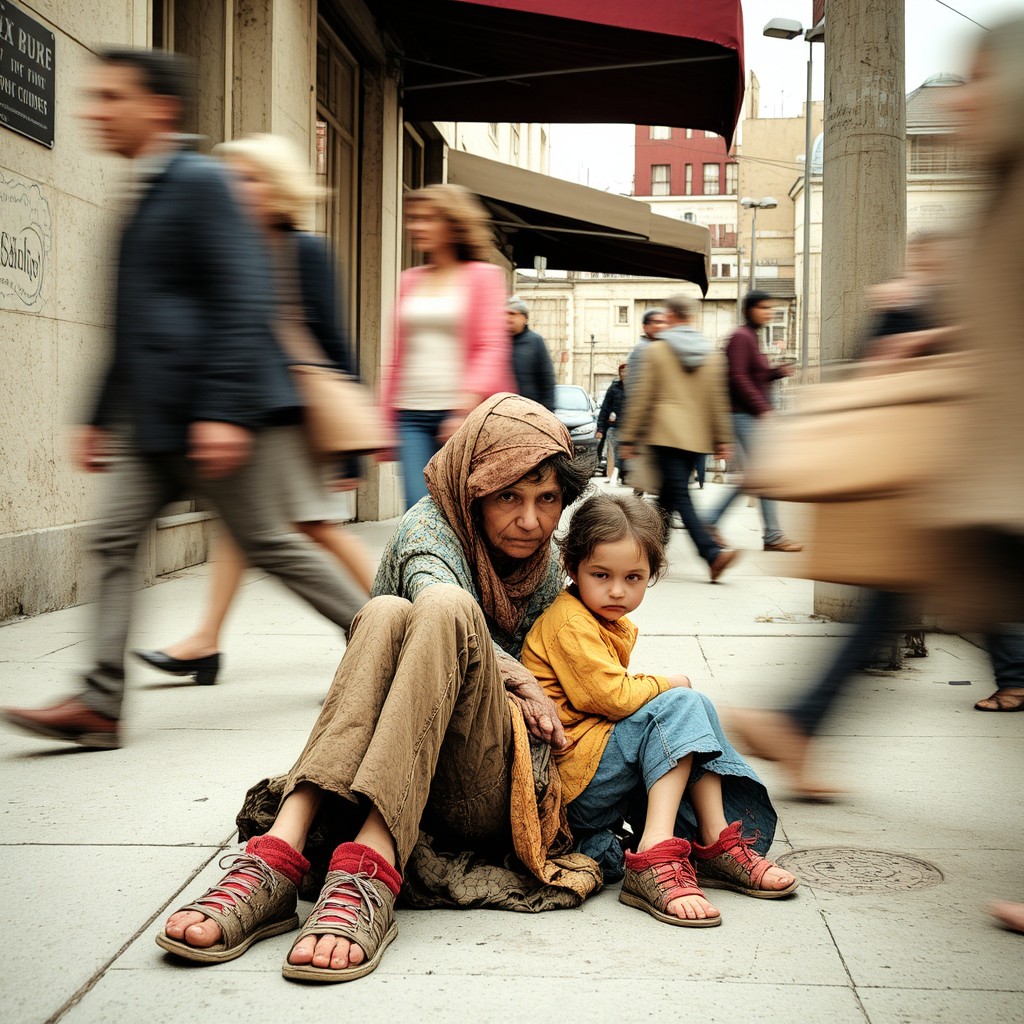
     Have no sympathy for the poor

Some thoughts:

Well, this could have been written anytime, anywhere. Religions must make it a rule that we help the poor because, apparently, most groups of people struggle with feeling sympathy or empathy for others. So many believe if only they would pull themselves up by their bootstraps, have a better abundance mindset, put some effort into it, be more motivated, less lazy, more faithful, less wasteful, etc., they could dig themselves out of the hole they are in. Some religions believe it is karma from past lives or lessons they need to suffer through, so we shouldn’t interfere.

What if they were born in the hole or thrown there by others and left with no tools? What if they have little to no strength to climb due to spending all day just trying to survive? What if anytime they begin to climb even a little bit, they are knocked back down by forces outside their control? What if they live in the hole with a violent animal they must spend all their energy fighting off or staying vigilant to survive? All I know is that being poor is rarely a choice. Most people desire to be self-sufficient. Poverty feels embarrassing, humiliating, discouraging. Rather than kicking people when they are down, why not give people any help we can offer?

My Poem 11:

To teach a man to fish,
we must first ensure
the man has access to water
that is not polluted,
is stocked with unpoisoned fish,
that he is not allergic to fish,
and is not a vegetarian
or opposed to the killing of fish.
Does he have a fishing license?
In Texas, he must have
a driver license or state identification
and a social security card as prerequisites.
If he is not a legal resident,
he may not have either of those.
So, first we must ascertain
if he is a citizen or here legally.
Otherwise, he is breaking the law
to even attempt to fish.
He may need a sidewalk
if he’s in a wheelchair.
Does he have a fishing pole?
Does he have arms or legs
with which to hold the fishing pole?
If not, have we made sure
his fishing pole is properly
adapted to his needs
Does he know how to swim
if he falls in the water?
Are we sure he has the
mental ability to learn to fish?
The emotional stability
to take a life to sustain his own?
Does he own a knife
to clean the fish?
Does he know how to build a fire
to cook the fish?
If so, does he have access
to wood, fuel, or other means
of heating the fish to prevent illness?
Is it even legal to build a fire
where he is fishing?
Can he afford bait?
There are so many more
things to consider than
merely a worn platitude
that makes us feel righteous.

Hafiz. Hafiz’s Little Book of Life. Translated by Erfan Mojib and Gary Gach, Hampton Roads Publishing, 2023.