TRIGGER WARNING: This essay analyzes Jewish American identity in mid-20th-century literature and includes discussion of antisemitism, cultural and gender stereotypes, prejudice, and historical references to World War II. These topics are discussed in a literary and analytical context.
The main characters in Saul Bellow’s Dangling Man and Philip Roth’s Goodbye, Columbus react to Jewish stereotypes by challenging some and confirming others. The writers allow the characters to explore their Jewish identity within the context of the larger American culture of which they are a product.
Joseph in Dangling Man lives in early 1940’s Chicago. Antisemitism was prevalent in American culture. Jews were often characterized as greedy and dishonest. Vandalization of synagogues and Jewish cemeteries were a common occurrence. Literature spouting antisemitic rhetoric and symbols like swastikas were the norm (Freeman). Joseph does not mention any of this, but it is the reality in which he resides. He is not always honest with his wife and has an affair. His hot-headed temper gets him into trouble off and on. And his judgmental views of others reveal hypocrisy. In these ways, he upholds some stereotypes that others may have had concerning Jews. However, his pondering journal entries debate such concepts as materialism, honor, integrity, and truth, inner wrestling that defies the stereotypes of the time while he waits to be drafted to fight in WWII.
In one case he struggles with how to view the world and find his own place in it. “Joseph suffers a feeling of strangeness, of not quite belonging to the world…” (Bellow 17). He mentions the complicated nature of the world with both good and malevolence present to contend with and it bothers him when people try to simplify life to either good or bad. Yet, he has his own standards that he struggles to uphold. He endeavors to be honest with himself. He battles against his brother who wants to give him a handout. He is judgmental of his brother’s family and their materialism, viewing their desire for more than four rationed pairs of shoes per year as vanity. (Bellow 42). And he is disappointed that his wife Iva does not want to improve herself and her way of thinking to become a more enlightened person like him.
Neil in Goodbye, Columbus lives in late 1950’s Boston and is a secular Jew unsure of his position within his culture. He has definite opinions regarding what good Jews should do, like not get nose jobs to hide their Jewishness. He lived in a time “when antisemitism was at an all-time low” compared to the 1940s. However, non-Jews reported worrying about the materialism, excessive amounts of freedom, and lack of values that Jewish youth were perceived as possessing (Prell). Neil verifies that these stereotypes may have been founded concerning some of the more well-to-do Jewish families as he describes Brenda’s family’s wealth. He is amazed and seems critical of their “sporting goods trees”, housekeeper, giant home with guest bedrooms, multiple well-stocked refrigerators, and extra rooms full of outdated furniture (Roth).
This was also the time period when the Jewish American Princess began to be talked about. Brenda is the perfect example of this stereotype, the spoiled, bratty, argumentative Jewish girl who gets her way by manipulating her father. There is also a stereotype of the critical Jewish mother who is difficult to endure. Mrs. Patimkin certainly fits this description quite well. It is as though Neil is painting his experience with Brenda’s family as a lesson in all of the stereotypes Americans believed during the 1950s. Though he does not fit most of these, he is very aware of their presence and is looking in like a non-Jewish outsider observing this family as a case study.
By the end of the book, Neil returns to his world that is not connected to the Patimkins (Roth 135). Despite being the first day of Jewish New Year, he goes to work and resumes his life as the kind of Jew that does not fit into most of the stereotypes he has encountered during his previous summer romance. He may not have it all figured out, but his experience with Brenda’s family has at least provided him with an example of what he doesn’t want in his life.
Works Cited
Bellow, Saul. Dangling Man. Penguin Group, 1944.
Freeman, Lauren. “The US and the Holocaust Project Group: Antisemitism.” Dec 2003, updated H. Marcuse March 26, 2012, marcuse.faculty.history.ucsb.edu/classes/33d/projects/ usholo/LaurenAntisemPage.htm
Prell, Riv-Ellen. “Stereotypes in the United States.” Jewish Women’s Archive – Encyclopedia. jwa.org/encyclopedia/article/stereotypes-in-united-states
Roth, Philip. Goodbye, Columbus. Vintage International Edition, September, 1993.
Cristina Garcia’s novel Dreaming in Cuban paints a portrait of two different Cuban American women and the way exile has helped to shape their identities as American citizens. Lourdes is a wife and mother at the time she flees to America to escape Fidel Castro’s Cuba. She leaves behind her parents and siblings to build her new life with her husband and daughter. Her American ideal is the stuff of movies and 50’s sitcoms. She has no patience for non-believers in the American dream and goes about creating her new identity from scratch. Pilar is a toddler when she leaves Cuba and it is not by choice. She is ripped from the arms of her grandmother and must accompany her parents to the U.S. She is torn between Cuba and America throughout her childhood due to her memories of her grandmother and a yearning to be reconnected with her. She resents the patriotism and blind faith her mother Lourdes places in the American dream and rebels against her mother’s ideals.
Lourdes owns a chain of Yankee Doodle Bakeries and is proud of the business she is building. She is a volunteer for the police force who patrols the neighborhood and believes it to be her “civic duty” (Garcia 136). She does things she believes to be distinctly American like she makes “Jello-O molds with miniature marshmallows” and “barbecues anything she can get her hands on” (Garcia 137). She attends the Thanksgiving Day parade on Fifth Avenue and watches the Rose Parade for New Year’s on television. For the American bicentennial, she plans to sell “tricolor cupcakes and Uncle Sam marzipan” (Garcia 136). She openly opposes anything that hints of communism or Cuban patriotism. “She’s convinced she can fight Communism from behind her bakery counter” (Garcia 136). Her daughter thinks she dreams of sponsoring her own float someday, “maybe a huge burning effigy of El Lider” (Garcia 137).
She only begrudgingly returns for a visit to Cuba in 1980 at the request of her daughter and is miserable the entire time arguing with the locals, complaining about the poor accommodations, criticizing the economy, etc. Garcia shows the contrast of Lourdes’s praise and pride in America with her disdain for Cuba. When she comes within killing distance of El Lider, Lourdes fantasizes about assassinating him, and her final act on the island is helping her nephew escape. She becomes a patriotic American whose love for her new country is partially a reaction to her escape and hatred of her old country. Her exile is her salvation and she is proud of her choice.
In contrast, Pilar struggles to figure out her identity. She takes for granted the country she grows up in because she did not have negative experiences in Cuba. She longs for a return to the island to see her grandmother and views those who bar her way as obstinate for no good reason. Pilar is a product of American society. She is drawn to the rebellious punk culture and uses her art to protest societal norms. She says she likes to “confront people” and that her art says, “Hey, we’re here too and what we think matters!” (Garcia 135). It is not until she returns to Cuba for a visit to her grandmother that she is confronted with the reality of the social, political, and economic unrest of her birthplace. Though she loves Cuba, she belongs in New York. “I know now it’s where I belong – not instead of here, but more than here” (Garcia 236). Her exile becomes real to her and that is when Pilar truly chooses America as her own, ready to claim it as part of her identity.
Works Cited
Garcia, Cristina. Dreaming in Cuban. New York, Ballantine Books, 1992.
Image created by Rebekah Marshall’s prompt using AI on Gencraft.
Silence has become the standard by which I judge all things. People who talk too much or too loudly, chew food in a way that amplifies the crunch, have loud ringers on their phones, or wear hard soled shoes that clomp across the floor…well, let’s just say I don’t let them into my inner circle. So, when a mewling kitten showed up in the drainage ditch near my house, I was reluctant to take it in. The incessant screeching forced me to rescue it, if for no other reason than to try to stop the sound.
She needed to be bottle fed, not an easy feat for a person with no sense of time. I am a book scout and read all day for a living. I will sometimes read for six or seven hours straight if I’ve got enough material, only taking quick restroom breaks and snacking while I read. I set alarms for my alarms because I also sometimes fall asleep while I read, my brain giving out without notice. And they aren’t supposed to be held like human babies. They have to be on their bellies and knead something like they would on their mother’s teat. I look all of this up so I would do it right, including stimulating her anus with a wet cotton swab to imitate the attentions her mother would naturally provide.
Phoebe is an ugly kitten. Her face is squished, not in a cute way; what little hair she has is a non-descript greyish-brown. Her mother probably abandoned her because her front paws have something wrong with them. The four fingers and one thumb on each seem to be fused together and the paws twist inward slightly. Even worse, she’s loud. Her back paws seem fine.
My small rental is situated on a cul-de-sac near an elementary school. The plan is to advertise as close to the school as I can once Phoebe is old enough to wean. Children are suckers and their parents are even worse. A disabled kitty will have a home in no time. I just have to make it another month.
We’ve settled into a routine, Phoebe and I. She cries, I respond to stop the horrific noise with whatever I think she needs most right then, she falls asleep, and I get some work done. The longest stretch of silence we have achieved is 2 hours. In all honesty, it might have gone longer, but I got worried and jiggled her to make sure she was alive. She awoke with a vengeance and ate until her belly nearly burst.
It’s a ridiculously silly comparison, I know, but this experience has made me appreciate my mother more. When I was born, she had no one to help her and worked long hours to provide for us. My stepdad came into the picture when I was nine, but for years it was just us. All on her own, she kept me alive – the nighttime feedings and diaper changes, the cooking and cleaning. The woman deserves an award. I can’t wait until this kitten can eat solid food and I can find her a home. I’m worn out.
She likes to sleep in the hood of my hoodie and makes a great neck warmer. It gets chilly in the alcove where I like to work, looking out at a pecan tree growing in the neighbor’s yard. The branches hang down over the privacy fence that connects our back yards and pecans spill onto my property. I don’t mind at all because I take them all every year and make pecan pies for the holidays. This year I’m planning to make praline. Last year some of the pies went to waste because I have no one to share them with other than my parents.
I decide to take a walk to the mailbox at the end of my street with Phoebe curled up in my hood. Movement doesn’t seem to wake her, only hunger, but it is about time for a feeding and she has begun to wiggle and squeak. On the way back home, she begins climbing the cloth of her makeshift bed with her tiny claws and I fear she might fall out of my hood. In my haste to grab her I drop my mail rather dramatically. A man raking leaves in his yard stops mid-rake and waves; I pretend not to notice, busy with my mail. He doesn’t take the hint and assumes my lack of eye-contact requires a verbal interaction.
“Hey!” he says, tilting the rake he is holding away from himself and adjusting his baseball cap with his free hand. He could be on the cover of a men’s health or fitness magazine. His every movement draws my eyes, the unabashed grin demanding my attention. I stop, say hello, and even force a smile. He seems genuine in his attempt to be friendly, but as he starts to walk toward me a compulsion to bolt wells up. I squelch it because he is really cute.
“Can I see?” His hazel eyes light up and the corners crinkle the way I find sexy in men of that age. I am confused for a second, but then realize he is talking about Phoebe. He gathers all of my mail for me. I find gentlemanly manners quite sexy, as well.
“My turn,” he says, and offers a trade, the mail for the kitten. A wave of overprotective fear grips me. No one else can hold my baby kitten. He might not do it right. What if he drops her? I push back the irrational panic and gently place Phoebe in his big hand. She looks so vulnerable it makes me want to cry.
We chat amiably about kittens and how much work they are. He tells me he is new to the area, having moved here to be closer to his 11-year-old daughter and in a home where he can have her over every other weekend. I can see I may have found a home for Phoebe already.
I warm up a little and decide to offer some neighborly advice. “If you’ve never eaten at the Thai restaurant on Main, you have to check it out. Their lunch specials are really cheap and the food is authentic.”
“I love Thai,” he says. “How about tomorrow at noon?”
I smile and nod, then realize he is asking me to join him and I freeze. I guess I started it. I might have even sounded like I was angling for a date. “I wasn’t trying to ask you out,” I fumble. “I was just trying to tell you about some good places around here.”
“I know,” he says, the twinkle in his eye giving away amusement at my back peddling.
I decide to be brave. It’s just lunch.
*************************************
Styling my shoulder-length thick brown hair into some semblance of order proves impossible. A messy bun with a few loose curls hanging here and there will have to do. Phoebe is wiggling around in the bathroom sink where she was curled up in a hand towel sleeping only a moment ago. I imagine she can sense my excitement and is nervous about being left home alone. I begin to worry that this was a bad idea. What if she cries so hard that she stops breathing and dies? What if, in her panic, she escapes her box and gets trapped inside the couch and can’t be rescued? I almost cancel my lunch date, then scoop Phoebe into a snuggle, willing myself some of her spunky courage. She is my little good luck charm. She begins to scream because she’s learned that is what gets her a bottle. I sigh and roll my eyes, knowing her pathetic cries are fake.
“Little drama queen, I already fed you,” I tease before putting her into the box on the bathroom floor. I check my mascara in the mirror, take a deep breath, and head out. When I am almost to the front door, her cries intensify and I run back to the bathroom. I decide to set the box in the bathtub as an added safety measure.
***************************************
Phoebe stretches out between us, one paw across Mitchell’s forehead. Her intermittent purring blends with Mitchell’s rhythmic soft snore, but all I hear is silence. My sweet lover bought me custom molded shooting earplugs that hunters use to block out the loud sounds of weapons blasting next to ears.
I moved into his place because it made sense, but we brought most of my furniture because his consisted of bean bags and futons. His back yard has a wide oak that shades the patio and there is a pecan tree in the front. He loves to work outside and keeps the lawn pristine. I hate the sound of the lawn mower revving up, knowing I’ll have to put in my earplugs to get any of my own work done. I do occasionally miss the silence of my manless sanctuary, but then I take in the stunning view – not of the trees, of him muscling things into place along the fence or digging a hole for who-knows-what-reason men dig holes. And for the adorable way he clangs and bangs and slams tools around outside, then slips off his boots at the door and wears socks in the house so I don’t hear footfalls.
Things are a little more raucous when Mitchell’s daughter comes over for a weekend, but I’ve found I can tolerate joyful exuberance more than I realized. And it is worth it to see how happy it makes Mitchell when she’s sprawled on our couch watching movies with us while scrolling through her phone. They make fun of me by doing fake sign language and whispering dramatically when I’m in the room. When they are at work and school and I have the house to myself, I revel in the quiet – absolute peace for me to dig into my books.
I obviously never tried to find Phoebe another home. After a few months of never leaving my side, I couldn’t bear to part with her. She nestled her way right into my heart. And the only time she puts up a fuss is when I am taking too long to feed her and she thinks I deserve a scolding. She walks just fine, though her paws curve in, so she looks a little like she’s walking on the wrists of her front legs. She doesn’t climb well, but can jump really high because her back legs are quite powerful. She rarely needs help doing anything. She likes to curl up on my lap, and every once in a while, when I’ve had my fill of silence, I’ll take out my ear plugs and listen to her purr while I read.
Image created by Rebekah Marshall’s prompt using AI on Gencraft.
Story Structure:
The Dark Side of Yuma is a young adult fantasy romance novel that will be written in chapters. Each chapter will be written in the third-person limited perspective from the point of view of different characters. For instance, I imagine the opening chapter as being told through the eyes of Ibeji, a traveler in the desert who proclaims that his kingdom extends as far as the eye can see just before he passes out on his camel-like creature from dehydration and exposure to the two suns in the sky. This will actually be a flash-forward. The second chapter will begin in medias res with a young prince Olorun learning of the death of his father the king, mother, sister, and a number of palace staff to a virulent illness.
The death of Olorun’s father is the inciting incident that leads to his crowning, expectation of marriage, and beginning his rule. His one remaining younger brother Kwento survived the sickness and is raised in Olorun’s household. The intricacies of the patriarchal society unfold alongside his first love affair with his young wife as the new king learns to rule. Interesting laws of note include a merit-based society that can only be circumvented by redemption (i.e. wealth), failing to prove oneself results in slavery, and each country must send resources including choice slaves yearly to the service of the religious structure and/or royal family. Interesting customs of note include a living wage for all citizens, freedom of religion and culture (as long as basic laws are met), and clear dark skin bias that is apparent in all transactions. Women prove merit by giving birth to a child and men prove merit by advancing any field as judged by a panel of elders. Olorun’s first wife is unable to bear children, so Olorun begins a quest for a wife who can birth an heir. Daughters do not count, so Olorun ends up with six wives before twin sons are born (an heir and a spare.) The saga of finding wives will be its own storyline that shows the perspective of several different women and slaves in the household.
The inciting incident that leads to the second act will be Ibeji’s birth as told through the eyes of the midwife Abeabah. He is actually the firstborn, but has obvious skin pigmentation issues, so the midwife switches him with his brother and declares Imana firstborn. The same night of the heir’s birth, the king’s brother Kwento and all his family are killed in a house fire. Ibeji must struggle from early on to overcome judgement for his skin issues (a condition like Vitiligo) and being the second-born always runner-up to his brother in his parents’ eyes. He excels in every way and overcomes numerous obstacles on his path to proving himself including earning his manhood by finding the lost crown of Olokun, the goddess of the sea. Several chapters will be written from the perspective of Ibeji’s main slave, other siblings in the royal family including Odafin (a brother from another mother), and Ala the first wife who was never able to give the king a child. The decision of Olorun to retire and crown Imana king creates a conflict for Ibeji. He must decide what he wants to do with his life. In the midst of all the coronation activities he foils a plot by a radical organization to kill the heir by posing as his brother. His reward from his father is anything he asks for. Ibeji asks to rule some part of their world, to help his brother. King Olorun says that cannot be done. The whole world from the mountains to the sea are ruled by one king. So Ibeji asks to rule whatever is beyond the mountains and the sea. The king consents, believing such a quest to be a death sentence for his son.
Ibeji and his crew set out for beyond the mountains and the sea in act three of the narrative and experience more adventures like shipwreck, cannibals, mountain creatures that steal sight, and an endless desert that drives people insane. The story circles back to the opening scene with Ibeji unconscious, alone in the desert, near death. This chapter is from the perspective of a military woman on patrol who finds him and checks for a pulse. She puts a piece of plant between his bottom lip and teeth, then drags him on a stretcher to a camp. Her thoughts flash back to a memory of finding another man in the desert with a similar tattoo some 20 years past. He pleaded for his wife and children to be saved, but they were all dead by the time they were found. This soldier vowed then and there to search harder and faster as soon as one was found and since then had saved over 88 people from the desert. She went on to fall in love with the man she found and he became her beloved. Flitting moments of consciousness through the eyes of Ibeji reveal that some of his party have also been rescued and the camp they have been brought to is a lush oasis with beautiful women, plenty of resources, and a completely different society than they have ever seen. It is a matriarchal system with women running everything and men being seen as less-than. He is introduced to his uncle Kwento that he had only heard stories of. He is told the truth about his family’s fate, that all are killed with the death of the king or the birth of the next heir. By way of resolution, he and his crew are welcomed into the oasis society as long as they are willing to follow the rules and make themselves useful. The strangeness of this new society is barely introduced by the end of the novel, but enough to pique the interest in another novel to come about The Bright Side of Yuma.
Character Objective:
Ibeji desires to prove his worth and compensate for his mottled skin coloring. Ultimately, he wants to rule a kingdom.
Scene Breakdown:
Ch. 1 – Ibeji perspective – Ibeji is on a camel-like creature the size of a giraffe with zebra stripes the color of sand. He is barely conscious and fading. There is dessert as far as the eye can see. He passes out and falls from the giant creature. The creature keeps walking.
Ch. 2 – Olorun perspective – The 15-year-old young man is told that his family is dead except for him and his younger brother Kwento. He will now be crowned king, must marry quickly, and begin his reign.
Ch. 3 – Ala perspective – This young 15-year-old girl falls in love immediately with King Olorun. Their romance is sweet and tender. After an exciting pregnancy, their first son is stillborn. They both grieve, but comfort one another and will keep trying.
Ch. 4 – Sulola perspective – She is chosen as a 2nd wife for Olorun because Queen Ala continues to have miscarriages. Sulola is ordered to give her firstborn child to Queen Ala when it is born; but begin by showing life in her country…peaceful and pleasant, happy family, but she is too beautiful…chosen as the girl to be given to the higher purpose (doesn’t know until she gets to the island that she will be a queen)
Ch. 5-7 – Kwento perspective – tell of Sulola’s daughter, proves self, falls in love with Sulola, gets her pregnant, king marries again and gets wife pregnant, Sulola has not been with the king in a long time so they hatch a plan for her to petition the king to give her a child, go in to the king and get him really drunk, tell him afterward that they had sex, Kwento gets married, son, Sulola has her own daughter (by Kwento), Obba 3rd wife also has daughter
Ch. 8 –Lulu Isoken’s mother – tells of her daughter being taken 4th wife, gives birth to twin daughters
Ch. 9 – Mobo perspective – Proves self, name changed to Ogun. Chosen as the gift from a country to go to the island because he was the best swordsman. Fine with it because he only wanted to serve. 14 when he proved himself and was chosen. Leaves family behind.
Ch. 10 – Maha 5th wife’s servant perspective – 5th wife, pregnant with son (she believes), did not have a baby within a year, so Olorun took a 6th wife, race to give birth, took herbs to try to have her son come out first
Ch. 11 – Sulola perspective – 2nd wife gets pregnant by Kwento again; tells Kwento she will go with him; then at the last minute goes to the King to be with him to ensure the baby is seen as a prince or princess; does not go with Kwento
Ch. 12 – Abeabah (Midwife) perspective – 6th wife having twins, switches babies at birth (hints of Ogun possibly seeing the switch); 5th wife also gives birth to baby shortly after the twins; news of Kwento and his family fleeing
Ch. 13 – Odafin perspective – best friends with Ibeji and Imana; adventures and scuffles at 9; oldest of 6 brothers; in line for the throne if the twins die; determined to keep them alive because he does not want to be a king. That looks super boring. The twins get a new brother.
Ch. 14 – Ibeji perspective – He decides to prove himself on the greatest quest ever! He wants to find the lost crown of Olokun, the goddess of the sea.
Ch. 15 – Ogun perspective – Tells of the quest. Sailing, battling sea monsters, the treacherous storms of the southern seas, reaching the black snows of the south, finding the cave where the crown has been hidden for thousands of years, and Ibeji retrieving the crown.
Ch. 16 – Ibeji perspective – The long trip home is easier now that they know how to avoid the pitfalls, the arrival home, meeting his new baby sister, and presenting the crown to king. He has proven himself and is now a man. (So has Odafin.)
Ch. 17 – Sulola perspective – She is having secret meetings with her birth daughter that was given to the first wife and their grandchildren because it makes Ala jealous when she sees them together.
Ch. 18 – Ibeji perspective – He goes along with Imana for him to prove himself on a journey to kill the three-horned beast of the eastern jungles. Multiple near death experiences bring them closer together, but Ibeji also starts to worry about Imana’s ruthlessness.
Ch. 19 – Zane (Sulola & Kwento son) perspective – A tournament of champions takes place in the capital of Szansila. Zane wins the bow and arrow competition (proving himself); His brothers win many prizes, too. Imana wins the curved sword competition, but kills his competitor rather than sparing him. Ibeji does not agree with his choice. Ibeji wins the overall competition.
Ch. 20 – Imana perspective – A battle with uprisers has been building. Now that he and Ibeji are 18, they will accompany their father to the lands where some of the troops are fighting. The rebels want the royal family destroyed, their own children not taken as slaves, women to have more equality, and relax the achievement requirements.
Ch. 21 – Ibeji perspective – Rebel woman captured and tells Ibeji tales of a world beyond the mountains where women rule and men are slaves. She is put to death, but before she dies she tells Ibeji his whole family will be dead soon anyway, so there is no point to all that he is doing. Ibeji keeps pondering what she is talking about and decides she was issuing idle threats.
Ch. 22 – Olorun perspective – The battle must be won because the entire economic system depends on unity. He confers with Imana and they decide to slay all who are related to the rebels. I beji does not agree, but his wishes are not taken into consideration.
Ch. 23 – Ibeji perspective – Everyone is put to death whose men partook in the uprising. They squash the 11 countries that have banded together. They spare the young women as spoils of war to be concubines. Ibeji lets a household live while they are going door to door killing families. His brother comes along behind him and kills them. Ibeji is furious and confronts his brother afterward. Imana demands his obedience as he is his future king. Ibeji stands down.
Ch. 24 – Maha perspective – Imana is preparing to take over the throne and getting married. There is pressure on Ibeji to get married, as well and women are constantly being paraded in front of him as possible wives. Ibeji discovers the plot to kill and Ibeji decides to save him, though he tempted to let him die. Ibeji saves Imana.
Ch. 25 – Ibeji is offered whatever he likes for saving his brother and he asks for land to rule. His father grants him the land beyond the mountains and the seas. He starts planning; the king gives him a sword; Ibeji says his goodbyes.
Ch. 26 – Zane (Kwento’s son) perspective – He sneaks onto the ship as a stowaway; they head off with excitement; he steals food and hides behind a panel below deck. He sneaks around at night and falls in love with the whole adventure. He is eventually discovered below deck, but they are too far from home to turn around. They will send him back at the next port. Instead, his protector catches up by boat with the message from his mother that he may stay on in the journey if Ibeji will have him. She is not happy, but will let him be a man.
Ch. 27 – Ogun perspective – Land in port town and buy supplies to make it to the mountains; carts and horses, food and drinks. Ogun thinks this is a suicide mission but is with Ibeji to the end. It turns out he likes men…finds a brothel…
Ch. 28 – Odafin perspective – Gnome men are more dangerous than they appear. They must find a way to convince these mighty tiny warriors that they respect them in order to receive their help. Once accomplished by battling them like men, they are able to purchase the mountain equipment they need. They must weather mountain climbing in freezing cold temperatures. They are bundled up in furs, but some die on the mountain, including Ogun who cuts his own line to save Ibeji.
Ch. 29 – Kali (Woman servant) perspective – They make it to base camp on other side of mountain. She asks if they can just stay there. They purchase camel-type creatures, water flasks, linen garments and scarves that keep the sun from burning the skin. They start out in the rocky terrain, move on to grasslands that still have some pools of water, but it slowly turns to dry ground with cracks and eventually becomes sand as far as the eye can see; Bandits attack and kill a few and steal some camels and supplies.
Ch. 30 – Katsu (Military Woman) perspective – She is on patrol and finds Ibeji in the sand alive but unconscious.
Ch. 31 – Ibeji perspective – He wakes up at an oasis camp and is introduced to his Uncle Kwento; he learns of this matriarchal system that he must agree to comply with if he wants to live…then he may stay. He decides for his entire group that they will comply and all agree.
Ch. 32 – Maowai (Religious leader) perspective – She speaks to the congregation and says that danger has entered their realm. These are men from another world who claim to have power over women. “When some have come before, we have had to kill them, castrate them, imprison them, and blind them to keep them from hurting us. Nothing good comes from welcoming in this many men. The stars are speaking to me and it is not good.” It is revealed that one of Ibeji’s men has raped a girl, so he is put to death. Ibeji does not intervene because he has agreed to follow their customs.
Ch. 33 – Zane (Kwento’s son) perspective – Kwento realizes the boy is his and begins to ask him about his family. Kwento finds out Zane’s sister is alive and is surprised when Kwento begins crying. He takes Zane under his wing and teaches him the ways of the women’s world.
Ch. 34 – Ibeji perspective – He thanks the women for their kindness, but tells them he must move on because he must find a land he can rule. The women laugh at him because men don’t rule. Some of his group decide to stay with the oasis women, but the rest head off and are given their weapons back because they have earned trust. Maowai stares in disbelief and shakes her head cursing as they leave.
Significant Story Points:
The exposition could be considered chapters 2 through 11 since the character of interest is Ibeji and he is born in chapter 12. It will give the background, customs, history, and family lines of Ibeji to make his entire saga make sense. This is intended to be a 3-book series, so it makes sense to have quite a bit of background.
The climax is the collapse of Ibeji when he seems to fall to his death in the desert.
The falling action is Ibeji waking up in the oasis camp and learning the fate of his crew and the strange world he has found.
The denouement is Kwento’s discovery that Zane is his son.
The resolution is Ibeji’s willingness to learn the ways of the women, but still wanting to travel on to find the place he can rule.
Tension and resolution:
There are multiple points of tension between Ibeji and his brother as they are finding that they would rule in different manners.
There is tension as King Olorun marries woman after woman in hopes of the birth of a son and his plans are constantly thwarted. There is finally resolution when three boys are born on the same day.
Tension occurs between the 2 mothers of Ada and is only resolved by secrecy.
Tension exists between the families losing their children to the ruling class and religion. It will lead to conflict in the form of rebellion and war.
Tension occurs when Kwento runs away and asks Sulola to come with him. She must decide whether to stay in safety or go with her true love. The resolution is heartbreaking when she decides to remain.
Tension occurs in the scene with the rapist who cries out for Ibeji to save him from the death penalty, but Ibeji honors his commitment to the women of the community.
Conflict of Characters:
The main conflict is within Ibeji as he is deciding what he wants to do with his life since he cannot be the ruler of the land.
He must also deal with the conflicting ways in which society judges his skin condition, though he is in a position of privilege by birth.
He also has conflict with Imana because he does not agree with the way he wields his power.
The wives have conflict amongst themselves.
There is war that is literal conflict. It is also ideological because the rebels are wanting to change key human rights laws and make the world a safer place for all people, including women.
When Ibeji makes it to the world beyond the mountains and the sea, his entire world view conflicts with a matriarchal society.
Impact of Conflict:
Ibeji is forced to look at the reality of his father’s rule and his brother’s intentions as ruler. He is able to formulate the possibility of a different way of governing.
Ibeji begins to question the skin-biased culture in which he lives and begins to reconcile power and humility within himself.
Ibeji is still struggling by the end with the conflict that the Queens create. He does not know the answer, but has begun to believe that his father’s way is not the best.
He fights in the war, but begins to question his beliefs when confronted with valid arguments of the human rights abuses committed so that he can continue his way of life.
His mind is blown and he is still reeling at the end of the novel from the matriarchal society he has found. It is hinted that he assumes this is a strange little microcosm he has found and more than likely will be able to carve out his own kingdom elsewhere, which implies he still has more to learn in the next novel.
Setting Details – Place and Time:
This story takes place on Yuma, a planet in the galaxy Tamashi Hoikuen. Yuma is part of a binary solar system with five planets total. The orbit of Yuma around the two stars is widely elliptical creating 10-hour cycles of light and dark. Yuma has two moons, Chikara who orbits Yuma, and a moon’s moon Iwa who orbits Chikara. At any given moment, there may be two daystars and two moons in the sky, or none at all. Stars from their own galaxy and beyond are always visible when it is dark.
Only the eastern hemisphere of the planet will receive much attention in this first novel because it is telling the story of the dark side of Yuma. The main character Ibeji will traverse his known-world on adventures proving himself on missions of greatness. The known-planet holds a wide variety of climates (mostly inhabitable) with countries varying in culture, language, diversity of appearance, clothing, and traditions. Ibeji is from Oba Island and grew up in a mild climate with very short winters and very long summers in which to surf and enjoy adventures on and around the pristine beaches. His immediate siblings and his mother have their own castle on the island with a connecting mote to the main palace. Their mother can close the drawbridge at will and post her own guards if she needs to feel more secure. In technological advancement, an equivalent era to Earth might be the 16th Century, though advancements in astronomy are limited due to severe religious restrictions. The printing press exists and the entire hemisphere uses a common written language and sign language, though many others exist, as well.
I chose Yuma because I wanted to create a world from scratch that was half dark, half bright like the yin yang symbol. The dark side is a patriarchal society and the bright side is a matriarchal society. I want there to be strengths and weaknesses to both sides that can only be balanced when they decide to help one another.
Time and Profluence:
Each chapter will tell the narrator, legal and illegal dates in history to help keep track of the constantly changing perspectives and the timeline. For example, the first chapter title will include Prince Ibeji’s name, Year 1 King Imana’s reign, Year 10,021 Forbidden Calendar. The second chapter will go back in time to Prince Olorun, end of King Oyelowo’s reign, Year 9,984 Forbidden Calendar. For profluence, my intention is to using active verbs that indicate activity implying passage of time. In travels I will show people having to cover their eyes with masks to sleep even though it is light outside because it the time of sleep. Meals will be served, chores completed, plans hatched and carried out. The pace of the story should pull the reader to the end of the chapter and make them want to keep reading on to the next.
Story Development:
My main character will need to be born in a privileged setting to survive his skin condition in a society that values darker skin. Yet, it is also his position that will give him the training and power to possibly do something to help others in similar situations to his own someday. A hemisphere hemmed in by tall mountain ranges and seemingly impassable oceans, capped by deadly black snows, and no one with the desire to adventure beyond creates the perfect setting for someone who feels they have nothing to lose and everything to gain by proving themselves so dramatically. Ibeji is convinced land exists if he can overcome the obstacles and has the resources to attempt the journey. Only then can he find a world that is in some ways the flip side of his own and come to terms with the belief systems he has based his entire worldview on.
Archetypes:
Light v. Darkness – though I hope to flip this one a bit, with strengths and weaknesses existing within both lands. The bright side will have desserts, white sand beaches, and paler waters due to the currents on the planet.
The Threshold – Each challenge will essentially grant Ibeji entrance to another phase of his journey.
Innate Wisdom v. Educated Stupidity – Some things the servants are capable of will save Ibeji, surprising him (though I wouldn’t call him stupid and hope to live.)
Heaven v. Wilderness – Short stays in safe places will be welcomed rest and recuperation before venturing out on dangerous quests as part of the overall journey.
Water v. Desert – The story begins with Ibeji dying of thirst, and ends with him being rescued and taken to an oasis. Water will save him (and a strong woman carrying the water.)
These archetypes fit with the characters and journey undertaken to get Ibeji from one world to another and make him a better man because of it. It will still take another novel to make him fit to rule, but he will be on the right track.
Character Sketches:
Prince Ibeji Character Sketch
Prince Ibeji is the twin spare heir to the throne with a skin condition similar to vitiligo in a society that is positively biased toward darker skin. At the start of the novel he is 20 years old, 6 foot 5 inches tall, and his muscled frame is dressed in the remnants of a white turban and linen desert clothing to protect from the sun. The left half of his face is a deep ebony, but the other half is mottled with pale splotches. When the turban slips from his head, his thick dreadlocks fall halfway down his back, half stark white, half black. Ibeji’s posture belies training in formal etiquette, the lift of his chin and no fear of direct eye contact are indicative of royal blood. His insistence that people look at his face rather than away from him shows the internal struggle he continues to fight to overcome the prejudice and personal embarrassment at being so marked. He overcompensates with extreme achievement and is the best at a number of sporting events including surfing, fighting with the dagger, several instruments he has chosen to master, and one branch of mathematics that he took an interest in. He is fiercely loyal to his family and loves his baby sister (who is 6 at this point) more than anything on earth. He feels the need to continually prove himself to his father King Olorun and is willing to risk his life to find a kingdom to rule even if it means traveling beyond the known boundaries of his planet.
Character Profile
Basic Statistics
Name: Prince Ibeji son of King Olorun and Queen Jol Age: 20 at start of novel, then goes back in time to his birth Nationality: the royal family does not maintain a nationality as they rule the entire world Socioeconomic Level as a child: wealthy Socioeconomic Level as an adult: at the start of the novel, he is moderately wealthy for his world, but extremely wealthy for the new world he has “discovered” Hometown: Oba Island Current Residence: homeless wanderer roaming the desert on camel-back Occupation: Prince; N/A Income: money has never been an issue for him because he was born into royalty and is given all he needs or wants Talents/Skills: dagger fighting, sports in general and specifically surfing, mathematics, several instruments Salary: N/A Birth order: 1st born, but he thinks he is the 2nd born twin Siblings (describe relationship): twin brother Imana, close but competitive and begin to have different ideas about ruling that start to drive a wedge between them ; half-brother Odafin, very close – probably his best friend besides his twin; 11 year old full brother, 17 year old full sister, 6 year old full sister (that he adores); 7 half-sisters, 8 other half-brothers, 2 cousins that he thinks are half-siblings, but are actually fathered by his Uncle Kwento Spouse (describe relationship): N/A Children (describe relationship): N/A Grandparents (describe relationship): deceased Grandchildren (describe relationship): N/A Significant Others (describe relationship): N/A Relationship skills: suspicious of authentic kindness as he assumes everyone is judging his vitiligo or is only being polite out of obligation to his rank
Physical Characteristics
Height: 6 foot 5 inches Weight: 230 pounds Race: Oba race (black skin) Eye Color: brown Hair Color: half black, half white Glasses or contact lenses? N/A Skin color: black with vitiligo, left half of face black, other half mottled with pale splotches Shape of Face: chiseled, strong jaw Distinguishing features: vitiligo, thick dreadlocks that fall halfway down his back, half stark white, half black How does he/she dress? Royal garb, but at start of novel in white turban and linen desert clothing Mannerisms: fiddles with his dagger, posture belies training in formal etiquette, the lift of his chin and no fear of direct eye contact are indicative of royal blood Habits: (smoking, drinking etc.) a bit of a womanizer Health: strong and healthy – in the prime of life Hobbies: developing new talents that strike his fancy, pulling pranks on schoolmasters and religious clerics Favorite Sayings: Words mean nothing; Are you trying to die today? Speech patterns: formal diction due to training in royal language Disabilities: N/A Style (Elegant, shabby etc.): finest quality clothing available on the planet, can’t look shabby even when he tries Greatest flaw: overcompensates for his vitiligo and being the spare heir with accomplishments; distrustful of kindness in others because he thinks they are only doing so out of obligation and are really judging him silently for his skin Best quality: loyalty, perseverance Intellectual/Mental/Personality Attributes and Attitudes: extremely intelligent in an analytical way; closed-minded about the views he has grown up with until some experiences along the way in his adventure to the other side of the world opens his horizons a bit; cocky; thinks he’s the gods gift to women (except for the whole skin thing) Educational Background: full education that is offered to the royals Intelligence Level: super smart Any Mental Illnesses? N/A Learning Experiences: hands on learner; his adventures teach him even more than the classroom; but also digs into his studies Character’s short-term goals in life: achieve every possible goal he sets to prove himself to his father the king Character’s long-term goals in life: rule a kingdom of his own How does Character see himself/herself? Capable, just needs to be given a chance to ultimately prove himself How does Character believe he/she is perceived by others? Less-than because of his vitiligo, but he also knows he has earned respect due to his achievements How self-confident is the character? Extremely self-confident in his abilities, lacking in some self-esteem because of his vitiligo Does the character seem ruled by emotion or logic or some combination thereof? Logic, with an undercurrent of emotion What would most embarrass this character? Admitting failure
Emotional Characteristics
Strengths: compassionate, fair, loyal Weaknesses: easily angered, holds grudges, self-conscious about his vitiligo Introvert or Extrovert? Ambivert – loves to be the life of the party, but it drains him and then needs time to recuperate alone How does the character deal with anger? Snaps, then has to apologize With sadness? Does not admit sadness to himself, buries it With conflict? Addresses it head on With change? Very adaptable With loss? Has not really experienced much loss and doesn’t like to think about it What does the character want out of life? To prove himself to his father and rule a kingdom – ultimately to prove that he would be a good leader What would the character like to change in his/her life? Find a cure for his vitiligo, become a ruler, not let his vitiligo bother him What motivates this character? Achievement, proving himself to others to overcompensate for his vitiligo What frightens this character? failure What makes this character happy? Spending time with his baby sister (6 years old at the start of the novel), surfing/being out in nature on the island, family Is the character judgmental of others? He is judgmental of laziness or lack of achievement Is the character generous or stingy? He is generous, but he has not really earned any of the items or goods he shares with others Is the character generally polite or rude? polite Spiritual Characteristics: He is spiritual and follows the religious customs of the royal family; he is not above being a little sacrilegious for a laugh, though Does the character believe in God? yes What are the character’s spiritual beliefs? The gods determined the patriarchal order of the world, as well as the royal order of his family and the way each country is to contribute to the monarchy Is religion or spirituality a part of this character’s life? both If so, what role does it play? It is a very important part and will ultimately be a crisis for him when he finds another world with other religious beliefs How the Character is Involved in the Story: he will end up being the main focus by the end of the novel Character’s role in the novel (main character? hero? heroine? Romantic interest? etc.): hero Scene where character first appears: opening scene How character is different at the end of the novel from when the novel began: he has been humbled, thrown into a completely different world than he expected, but still determined to reach his goals and undaunted by the obstacles ahead of him
Prince Kwento Character Sketch
Prince Kwento is the only brother of King Olorun, the uncle of Prince Ibeji. He disappeared the night of Prince Ibeji’s birth, though he has quite the interesting backstory. He was orphaned at age 11 and grew up under the rule of his brother being schooled by the prophets, clergy, and educational system on the royal island. He grew to be a sturdy figure 6 feet tall with brown skin the color of dark caramel. He wears the traditional dreadlocks, though he keeps them a more manageable length since he does not think he will ever rule. He is skilled in painting and poetry, though he is also an expert longbow marksman. Kwento is romantically inclined, his head in the clouds at times about falling in love and finds himself smitten with a beautiful girl who turns out to be his brother’s betrothed. (She will be the 2nd wife.) Kwento tends to question the ways of tradition much more than most and it gets him into trouble often. Kwento yearns for freedom from the old ways and rigid structure of palace life.
Character Profile
Basic Statistics
Name: Prince Kwento son of King Oyelowo and Queen Fadekemi Age: he is 11 when he is first seen in the novel; when he is reintroduced at the end he is 47 Nationality: the royal family does not maintain a nationality as they rule the entire world Socioeconomic Level as a child: wealthy Socioeconomic Level as an adult: at the start of the novel he is one of the wealthiest people in his world, when he is reintroduced, he is poor Hometown: Oba Island at the start; reintroduced at an oasis camp Current Residence: Oba Island Occupation: Prince; N/A Income: money has never been an issue for him because he was born into royalty and is given all he needs or wants; he will learn to work to survive by the end Talents/Skills: painting, poetry, expert longbow marksman Salary: N/A Birth order: 2nd born son spare heir, 3rd born child Siblings (describe relationship): King Olorun – some animosity because his brother became an authority figure over him when their parents died, though just the day before they had been scuffling in the courtyard; 2 sisters – one older, 1 younger – both died when his parents did Spouse (describe relationship): Eriayomi – cordial, but not a relationship of passion; becomes all about the children; was in love with his brother’s 2nd wife Sulola and that was a relationship of passion Children (describe relationship): from Eriayomi – son 7, daughter 4, son 1 (all killed around those ages); from Sulola – Adana daughter 27, Zane son 19 (they do not know he is their father) Grandparents (describe relationship): deceased Grandchildren (describe relationship): has 3 grandchildren that he does not know about because he fled the country; he will find out about them when he reconnects with Zane at the end of the novel Significant Others (describe relationship): he is now in a strong relationship with Katsu, a military woman who patrols the deserts in the world “discovered” beyond the mountains and the sea Relationship skills: super romantic, girls fall for him easily, easy to talk to, kind
Physical Characteristics
Height: 6 foot Weight: 195 pounds Race: Oba race (black skin) Eye Color: brown Hair Color: black Glasses or contact lenses? N/A Skin color: black (brown the color of dark caramel) Shape of Face: square, strong jaw Distinguishing features: caramel skin color and dreamy brown eyes How does he/she dress? Royal garb and kind of likes pretty things, but at end of novel he looks rugged, windswept, and a bit tattered; clothing is more about necessity than appearance Mannerisms: daydreams, stares off into space formulating poems and picturing how he would paint whatever he is looking at Habits: (smoking, drinking etc.) falls in love too easily Health: strong and healthy Hobbies: painting, writing poetry Favorite Sayings: Quotes of the great poets of old like “Fire licks water to create love steam” Speech patterns: poetic, rambles a bit if given the chance Disabilities: N/A Style (Elegant, shabby etc.): likes elegant dress at the first, but not by the end Greatest flaw: easily angered Best quality: protective Intellectual/Mental/Personality Attributes and Attitudes: creative, extremely intelligent verbally; open-minded about the views he has grown up with and the possibility that other ways might be valid; loves women; Educational Background: full education that is offered to the royals Intelligence Level: smart Any Mental Illnesses? Some depression Learning Experiences: reader, gets all of his information from books Character’s short-term goals in life: love women and create art Character’s long-term goals in life: survive How does Character see himself/herself? As a survivor How does Character believe he/she is perceived by others? Less-than because he is the spare heir; expendable How self-confident is the character? self-confident in his appearance and verbal abilities, lacking in some self-worth because he is the spare heir Does the character seem ruled by emotion or logic or some combination thereof? Entirely by emotion What would most embarrass this character? Being unable to perform sexually
Emotional Characteristics
Strengths: romantic, gentle, caring Weaknesses: easily angered, lets his romantic urges take over instead of thinking things through Introvert or Extrovert? Introvert – enjoys one on one conversations, but prefers to be alone reding and painting How does the character deal with anger? Snaps, then has to apologize With sadness? Struggles, cries, lingers over the sadness With conflict? Tends to avoid With change? Struggles with change, wants things to stay the same With loss? Struggles, has never gotten over losing his parents, sisters, then eventually his wife and children. His whole life is characterized by loss, but he doesn’t know how to manage it. What does the character want out of life? Peace and safety What would the character like to change in his/her life? He would love to have a relationship with his children What motivates this character? Love What frightens this character? Fear that he won’t be able to protect his family What makes this character happy? Being in love, being with his children, art, poetry Is the character judgmental of others? somewhat Is the character generous or stingy? He is generous, but he has not really earned any of the items or goods he shares with others; at the end he is generous with his lack and that is more telling Is the character generally polite or rude? polite Spiritual Characteristics: He is spiritual and follows the religious customs of the royal family, though he questions often and does not agree with everything Does the character believe in God? yes What are the character’s spiritual beliefs? He believes there must be some truth to common threads in the religion of the two halves of the world, but he is not sure of exact truth; he has come to believe in kindness as a guiding principle Is religion or spirituality a part of this character’s life? More spirituality now If so, what role does it play? It is part of why he runs How the Character is Involved in the Story: he will end up being the person who tells the main character the truth about his family and their destiny. He will motivate the main character to eventually return and save his family. Character’s role in the novel (main character? hero? heroine? Romantic interest? etc.): uncle to the main character and moral balance Scene where character first appears: chapter 2 How character is different at the end of the novel from when the novel began: he has been humbled, thrown into a completely different world than he expected, and has found what really matters in life
Character Interaction
Prince Ibeji and his Uncle Kwento will not meet until late in the novel, but the information Kwento shares with Ibeji will send him into a tailspin. Kwento proposes an overthrow of the kingdom in order to save the lives of people Ibeji loves. It will make him question his faith in the world he knows. Ibeji wants to find his own kingdom to rule, but Kwento makes a case for returning home to rule.
Proust Questionnaire
What do you consider your greatest achievement?
Ibeji – It is known by all that I recovered the lost crown of Olokun for the honor and glory of my father King Olorun and to seal my manhood. However, I am most proud of saving my brother from certain death at the hands of radical misandrists. I could have let nature take its course and I would be planning my own coronation, but I remained loyal and upheld the nobility to which I was born.
What is your idea of perfect happiness?
Ibeji – My loved ones safe, a beautiful woman by my side, the sun on my skin, surfing all afternoon before taking a nap on the beach while lessers fan me.
What is your current state of mind?
Ibeji – Excited, eager, impatient to head out on the greatest quest a man has ever undertaken. I will either gain the world or die trying.
What is your favorite occupation?
Ibeji – I am not a shamed lesser. I was born to the ruling class. This must be a list of questions for commoners.
What is your most treasured possession?
Ibeji – My father gave me a jeweled scepter that has been in our family vault for centuries to take with me on my quest. I will use it to rule when I am sitting on my throne beyond the mountains and the sea. It is priceless. But if I am honest, the only object that is on my person at all times is my dagger given to me by my mother when I was 12. It has proved the most useful and most valuable of all my belongings.
What or who is the greatest love of your life?
Ibeji – My baby sister Tujuka. She is five and is the most joyful person I know.
What is your favorite journey?
Ibeji – The one I have yet to take.
What is your most marked characteristic?
Ibeji – My skin curse has marked me as second born. People must show me respect because I am a prince, but I see the disgust and judgment in their eyes, nonetheless.
When and where were you the happiest?
Ibeji – It was the moment I arrived home from earning my manhood at 14 years old. My mother had given birth to my baby sister while I was on my journey and she was rocking the little one to sleep when I surprised her with my arrival. I could see the pride in her eyes. Then she laid the baby on a cushion, got down on her knees, and placed her forehead on my feet. It was the first time my mother showed me due reverence as a grown man. Later, before presenting the crown to Father, I slipped baby Tujuka into the crown. Her whole body fit through it like it was a giant golden suit of armor. She began to bubble with laughter like only babies can do and my heart was filled to bursting.
What is it that you most dislike?
Ibeji – Judgment from others.
What is your greatest fear?
Ibeji – Failure.
What is your greatest extravagance?
Ibeji – I’m not sure I understand the question. I partake of what I am owed by divine right. Nothing is extravagant. It is as it should be.
Which living person do you most despise?
Ibeji – Cleric Abiola. He knows why.
What is your greatest regret?
Ibeji – That I never met my Uncle Kwento who died the day I was born. I am told I am like him in many ways.
Which talent would you most like to have?
Ibeji – I do not need to wish. If I desire a skill, I hire the greatest teacher, devote myself to the practice of it, and master said skill.
Where would you like to live?
Ibeji – I will live in my own palace in the world beyond the mountains and the sea.
What do you regard as the lowest depth of misery?
Ibeji – I would imagine being born lesser and unable to prove yourself worthy.
What is the quality you most like in a man?
Ibeji – Loyalty.
What is the quality you most like in a woman?
Ibeji – Beauty.
What is the trait you most deplore in yourself?
Ibeji – That I let others’ opinions of my skin bother me.
What is the trait you most deplore in others?
Ibeji – That they are bothered by my skin.
What do you most value in your friends?
Ibeji – I do not have friends. I have brothers and lessers.
Who is your favorite hero of fiction?
Ibeji – I do not read fiction. That is for women.
Who are your heroes in real life?
Ibeji – I have no heroes. I make my own fortune.
Which living person do you most admire?
Ibeji – Myself.
What do you consider the most overrated virtue?
Ibeji – Patience. How many more questions are there?
On what occasions do you lie?
Ibeji – When women ask if they are my favorite.
Which words or phrases do you most overuse?
Ibeji – Are you trying to die today?
If you could change one thing about yourself, what would it be?
Ibeji – Being born second.
What are your favorite names?
Ibeji – Tujuka (my sister) and Jol (my mother)
How would you like to die?
Ibeji – With honor. Perhaps defending my own throne.
If you were to die and come back as a person or thing, what do you think it would be?
Ibeji – A moon.
What is your motto?
Ibeji – Words mean nothing.
Theme Development:
One main theme I would like to explore in this novel is the need for constant approval in a merit-based society where every person’s worth is dependent on achievement. There is not room for people who lack ambition to be at peace in this world. It will create a culture of constant competition and outdoing what has been done before. This will build animosity within families and social groupings and lead to disastrous consequences as people risk everything to be the best. This will be seen between Ibeji and Imana and others within the royal family. Because women must bear children, their worth is entirely based on reproductive abilities, which will lead to dangerous treatments, life-risking procedures, and women taking their own lives rather than becoming slaves. It could also lead to infant trafficking and all sorts of other evils to trick the system. These ideas will be explored in act one of the novel, especially as regards the six wives of King Olorun. The meaning I hope readers will gain is that people should be accepted as they are rather than requiring achievement or progeny to be of value.
Because the elaborate structure of the royal family invites competition and resentment between the different wives, children, and slaves, the question of loyalty also becomes a theme. The reader will hopefully value the eventual loyalty of Ibeji to his brother and the loyalty of people like the midwife to her women. She will be depicted as a fighter for female sovereignty. Some of her methods that seem questionable will save lives and ultimately keep people safe. Odafin (Ibeji’s brother from another mother) will be a constant companion in his adventures and will prove to be one of the most loyal characters in the book. He is third in line for the throne and has multiple opportunities to kill Ibeji in order to become the spare heir, but is steadfast in his fidelity to his best friend and brother Ibeji. The meaning imbedded in developing this theme is that loyalty to beliefs, honor, and integrity are noble.
Revisions:
The following feedback has made its way into my revision process:
(From Jeanne)
Kwento is already likeable since he is an artist, poet, and romantic. He needs to have more flaws like jealousy for the thrown, or he wants to do away with the old traditions, but he thinks way outside the box. Like instead of the “old ways,” he wants to have free love incorporated where anyone can sleep with whomever they please. All the babies conceived would be taken care of communally. Something along those lines.
As far as Ibeji goes, maybe he can also have a short temper that he works on controlling because of his insecurities.
(From Kody)
Giving the character a color-coded condition like vitiligo has a lot of sociopolitical nuance behind it, and as a white person I don’t consider myself qualified to comment overmuch on it. Because you’re writing fantasy, though, you do have a bit of power here. Because it’s closely tied with a real-world phenomenon, changing it overmuch might dilute the message you are trying to send about body acceptance or societal pressure surrounding vitiligo. You do not have to be accurate to the real world, but whether you want to or not your story will be compared to the real world. The movie Bright, for instance, drew some scrutiny when it made its orcs (a fantasy species generally portrayed as brutish, savage, and ugly) heavily coded as Black. Even though the orcs were made up, the fact that it tied orc stereotypes to Black stereotypes sent a negative message to some people. So, if you’re trying to send a message about Black beauty stereotypes or vitiligo, adding something extra to it (unique eye colors) might dilute that message! It’ll definitely be worthwhile to see how vitiligo is handled in other characters. Is there something you would gain by giving him heterochromia that would make it worthwhile to your story? If it’s simply an aesthetic choice, I’d say drop it and focus more on how vitiligo affects him, making that aspect of your story stronger.
I’d recommend checking out books or other media where a main character struggles with acne, since it’s also a skin condition that has a lot of stigma attached to it. Just as vitiligo was once conflated with leprosy, acne is often assumed to be from uncleanliness or poor health, and acne can be immensely damaging to one’s self-esteem. Of course, if you can find a source on vitiligo that would be even better, but those may be harder to find unfortunately
(From Dariusz)
after I finished reading your Book Description/Plot Summary: I would love to see you at least hint on what are Ibeji’s ‘constant achievements’ in the book’s description?
The following feedback has been evaluated and I have decided not to implement it:
(From Dariusz)
P.S. When I first looked at your post’s title, my thoughts went straight to Arizona 🙂 I know it isn’t a biggie, but is that something that you are at all concerned, as far as the audience and the marketing of your book?
I am honestly still considering changing the name of the planet, but have not yet come across a name that works using the Japanese definitions I am going for. Yuma means “Calm truth” in Japanese. I like the idea of that for the Yin/Yang concept I am going for that will culminate in meaning in the 3rd book of the series. I have not ruled out changing the name; I simply have not found another one that mean something significant for my story. Dariusz makes an excellent point (especially since the name will be in the title.)
Goals Statement:
I have never planned out my entire novel with chapter summaries before. I have simply started writing and seen where it takes me. This method feels more structured and gives me hope that I will create something with much more thematic value that also takes the reader on a better-defined journey. For example, while planning the chapter summaries the half-brother Odafin surfaced as a key witness to the main character’s adventures and made me realize he should narrate a chapter.
The Proust Questionnaire was an excellent exercise to explore my character that I have never done before. Taking the time to get to know my main characters before jumping into the story has created layers of personality that will hopefully produce better-rounded characters in the long run.
I have also never delved into the setting as intensely before. This exercise has made me excited about creating a fantasy world and made me believe that I have a shot at actually writing a fantasy novel. This is a first for me and I am as nervous as I am excited!
Receiving peer feedback was nerve-wracking, especially because it was during the formation process. I am used to sharing pieces with others after I have perfected them, but this was a much more vulnerable experience. Surprisingly, I found it affirming and helpful. The suggestions made by fellow writers were spot on for consideration and shared in a spirit of mutual growth. I would love to find a community to write with in the future that could be equally supportive.
My goal now is to begin crafting portions of the story that seem crucial to character development. Because I have spent so much time working on Ibeji (my main character’s) part of the story, I would like to jump right into his part of the book, which is actually about 1/3 of the way in. Then, as I realize I need bits of history to make sense of things, I will go back and work on his father’s story. That may be a bit backward, but it seems logical to me as a way to start. I am going to set a goal of writing at least one scene or chapter every week to keep the momentum going.
TRIGGER WARNING: This essay discusses mental health (including OCD), grief, emotional distress, strong language, and social inequality as they appear in John Green’s novels.
Authors of young adult fiction have the difficult task of creating characters, situations, and dialogue that teenagers will believe. If a novel’s plot is boring, the characters lack development, or the dialogue sounds fake, teenagers are quick to toss the book aside and look for a different author. However, once an author captures their hearts, young adults create a loyal fan-base who will read every book the writer produces and pass them among friends like contraband. John Green has successfully built just such a fan base. An analysis of three of his novels reveals the techniques he uses to create a reality that young adults will believe using language that is authentic to their worldview. Looking for Alaska is one of Green’s earliest books, Turtles All The Way Down one of his newest, and An Abundance of Katherines one of his most unique. Each contains myriad examples of masterful writing to which teenagers connect.
One method is invented vocabulary through methods of functional shifting, combining, reanalysis, clipping, and suffixing. Another is changing syntax by manipulating the expected word order to indicate southern diction, English as a second language, and creative thinking. In the area of semantics, Green creates meaning using a variety of registers within different specializations, word choices with teen-geared connotations, and vague wording to leave meaning ambiguous at times when the characters are being mysterious. He also uses word choices to indicate various socio-economic classes of people and audience-specific dialogue that incorporates youthful diction and slang. John Green utilizes invented vocabulary, syntax, and semantic strategies in his novels to successfully appeal to young adults.
The use of invented vocabulary speaks to youth because people in this stage challenge rules and push boundaries, a sort of “verbal revolution” to quote Walt Whitman (Curzan 120). Green capitalizes on this invention of words to make young adults feel connected to his writing. In Looking for Alaska, Miles says he has come to boarding school “looking for a Great Perhaps” (Alaska 219). Changing perhaps from its usual part of speech as an adverb to a proper noun is a creative way of connecting the main character to a sense of adventure as he begins his search for meaning in life. At another point, Miles says he uses “the friend card” which is a popular phrase taking the noun friend and shifting it to use as an adjective (Alaska 77). Then Alaska calls Miles a “perv”, a clipping of the word pervert (Alaska 41). At the boarding school, Alaska invents the name of their favorite meal “a deep-fried bean burrito, the bufriedo” by combining the words burrito, fried, and beans. Miles goes on to talk about “savoring the bean-y crunch” and creates the word bean-y by suffixing or adding a y to the end of the word (Alaska 22). Some of the most entertaining inventions are the reanalysis of common sayings. At one point when discussing the destruction of Alaska’s books that she bought at garage sales, Miles says, “Ashes to Ashes. Garage sale to garage sale,” rather than stating the oft-quoted ashes to ashes; dust to dust (Alaska 154). At another point Miles mixes the sayings switch conversations and change horses midstream using reanalysis to claim that Alaska tended to “switch conversational horses midstream” (Alaska 53).
John Green plays with syntax in An Abundance of Katherines to show the speech patterns of an elderly man named Starnes from Tennessee who was born and raised in the country. He says, “Hollis…took good care of us every one” (Katherines 81). The usual word order for Standard English is took good care of every one of us. Placing the indefinite pronouns at the end of the sentence is more common among southern dialects of years past. Green also uses changes in word order to indicate broken English. Hassan pretends he is French and tells some girls that Colin has Tourette’s by saying, “He has the disease with the talking…I do not know how you say in English” (Katherines 52). He is trying to be funny but characteristic of English language learners who sometimes rearrange words and leave out words necessary to form complete sentences.
Green also permits characters to order their words interestingly to indicate intellect and creative/poetic thinking. In Turtles All the Way Down, Davis is a creative poet and writes with unique syntax for a teenager. One computer entry reads, “My mother’s footsteps/were so quiet/I barely heard her leave.” Placing the footsteps of his mother at the beginning of the poem creates more poignant imagery at the end when the reader realizes the mother is no longer around. Another says, “Gravity differs from affection: only one is constant” (Turtles 189). This quote could be put simply, Gravity is constant, but affection is fickle. Davis’s wording sets up a contrast that is meant to be pondered prior to providing an open-ended answer following the colon to ponder some more. In another entry, Davis types in response to Shakespeare’s quote Doubtthat the sun doth move, “It dothn’t move…not around us…Who knows what lies I believe…Who knows what we shouldn’t doubt” (Turtles 207-208). This could be written, Our faith may be unfounded. Things we doubt might be true. His method is more creative and permits the reader to play with the words, mulling them over for meaning.
Linguistic social markers are another technique Green uses to indicate different classes of people. In Turtles All the Way Down when a lawyer for a wealthy family is speaking, his diction is crisp and word choice selective. “Your concern is admirable, Ms. Holmes, but I assure you that everything is cared for…Do you have any other questions of pertinence to your situation” (Turtles 127). The attorney says pertinence which could be considered within his legal register of terminology and is a variation as he could have just as easily said simpler synonyms for a teenage audience (he was speaking to a teenager at the time.) Contrast his speech with Daisy’s. She is a poor teenager who hustles to get anything she wants and fills her sentences with slang, cursing, and different grammatical structures. Her vernacular is a stereotype of underprivileged teenagers. “You got a car and a laptop and all that shit, and you think it’s natural. You think it’s just normal to have a house with your own room and a mom who helps with your homework” (Turtles 216).
When demonstrating the intellect of a psychiatrist, Green gives Dr. Singh the ability to recall quotes from a philosopher in Latin. This ability in speech is a social marker of being well-educated in American society. “A fuller formation of Descartes’s philosophy would be Dubito, ergo cogito, ergo sum. I doubt, therefore I think, therefore I am” (Turtles 166). Along the same vein, when a teenager from a rich family is discussing a painting in his mansion, he shortens the name of the artist (Kerry James Marshall) in question to initials. This familiarity with an artist’s work implies wealth and privilege. “I really love KJM’s work” (Turtles 100). He also invites his friends to watch a movie in his home theater. He uses a word most teenagers have never uttered in the context of a home service. “When I was a kid, we had to have a projectionist come out, but now it’s all digital” (Turtles 98). These are indicators that his social experiences are quite different from the other teenagers in the book. In An Abundance of Katherines Hassan’s humor and intellect are demonstrated in the following exchange when he is invited to say “grace” in a Christian home, despite the fact that he is Muslim:
“Hassan cleared his throat. Bismillah. Then he picked up his fork.That’s it? Hollis wondered. That’s it. We are a terse people. Terse, and also hungry” (Katherines 62).
Average teenagers do not tend to use a word like terse. A more common phrase might be we don’t talk a lot.
More examples of slang and teenage diction in Green’s work permit young adult readers to connect with the characters. In An Abundance of Katherines, Hassan says, “Sup?” instead of What is up? (Katherines 128). Lindsey says, “I’m a’ight,” instead of I am alright (Katherines 99). At one point when Colin is being awakened by a rooster crowing Cock-a-doodle-do, Colin responds in typical annoyance. His witty response; however, is less than typical. “Cock-a-doodle-don’t, Motherfugger” (Katherines 77). The connotations of his invented words are obviously negative. In Looking for Alaska Takumi refers to the authorities with the slang term pig that is sometimes used in reference to the police. “The pigs can’t stop the fox” (Alaska 106). The group of teens make up names for each other, their cars, and different locations as young people are known to do. They call McDonald’s “McInedible” (Alaska 76). The leader of their group is called The Colonel, the authority figure who catches them and has the power to expel them is called The Eagle, and the skinny main character is ironically called Pudge. Green uses these name choices to show the way young people play with language and make it their own.
One character in Looking for Alaska named Alaska is described as moody and is meant to be mysterious, her motivations and goals unknown. The reader is left trying to solve her like a puzzle. The 1st person limited narrator Miles makes the interesting point about her, “…the way her mouth curled up on the right side all the time, like she was preparing to smirk, like she’d mastered the right half of the Mona Lisa’s inimitable smile…” (Alaska 30). He alludes to a mesmerizing painting, the subject of which has created generations to guess what that smile is about. The narrator is also perplexed in another scene by Alaska’s mood swings and thinks, “How could the girl who told that joke three hours before become a sobbing mess” (Alaska 86)? During a game, Alaska is supposed to describe the best day of her life. “Best day of my life was January 9, 1997. I was eight years old, and my mom and I went to the zoo on a class trip” (Alaska 115). When a friend tries to get to know her better and find out how she is, Alaska responds, “I’m really not up for questions that start with how, when, where, why, or what” (Alaska 68). When confronted by a confused friend who says, “I don’t get you,” she responds with, “You never get me. That’s the whole point” (Alaska 55). Green uses vague descriptions and non-committal vocabulary to keep the Alaska character a mystery for the other characters and the reader.
The ability to create realistic characters who can play with language as they speak with authentic teen dialogue and about topics young adults care about is what makes John Green’s books relatable. Readers are drawn into the minds and hearts of each person and the relationships they build while they struggle to make sense of the chaos of life. The universal questions tackled by Green are balanced with humor and enough teenage nonsense to keep the books from seeming pretentious. Miles says at the end of Looking for Alaska “I came here looking for the Great Perhaps…maybe the afterlife is just something we made up to ease the pain of loss…Thomas Edison’s last words were: It’s very beautiful over there. I don’t know where there is, but I believe it’s somewhere, and I hope it’s beautiful” (Alaska 220-221). The invented vocabulary, syntax and semantic choices John Green uses in his novels combine to create works that appeal to young adult readers due to authenticity and the ability to connect to teenage concerns.
Works Cited
Curzan, Anne and Michael P. Adams. How English works : a linguistic introduction – 3rd ed. p.cm. Glenview, IL: Pearson Education, Inc., 2012.
Green, John. An Abundance of Katherines. Dutton and Speak, 2006.
Green, John. Looking For Alaska. Dutton Juvenile, 2005.
Green, John. Turtles All The Way Down. Dutton Penguin, 2017.
Hurst, Mary Jane. The VOICE of the CHILD in American Literature: Linguistic Approaches to Fictional Child Language. The University Press of Kentucky, 1990.
Mohamed, Dr. Theresa. “Learning Modules”, Eng-550-Q4588 Grad Studies in English Lang 20TW4, Southern New Hampshire University, 2020, learn.snhu.edu/d2l/home/398756.
Nilsen, Aleen Pace; Donelson, Kenneth L. Literature for Today’s Young Adults, 8th Edition. Pearson, 2009.
Image created by Rebekah Marshall’s prompt using AI on Gencraft.
Agatha Blum is a 70-year-old triplet who tends to her youngest triplet sister Edith (a stroke victim) and drives for a ride sharing company. She says it is for extra spending money, but it is also her escape from the responsibilities of her household. She is the oldest of the three identical triplets but is not speaking to the middle triplet Capitola, whose offense is as yet unknown (the characters must reveal what happened to cause such a rift.) Capitola comes to help care for their sister Edith, but all communication goes through Edith because Capitola and Agatha are not speaking. She also has a baby sister named Roxy (short for Roxeanne) who is 56 and lives the next town over. She will come help with Edith, as well, but is not quite as reliable and has twice given Edith the wrong medications. Agatha is married to a mostly deaf man named Robert who refuses to wear hearing aids and likes to watch the television turned up so loudly that it drives everyone crazy. They live in a small country town outside of Austin, Texas and are all native to the state.
Agatha is unhappy with her situation but believes in making the best of circumstances. Her husband Robert is a retired school maintenance man and keeps the house in good repair, so she figures that is good enough as far as their marriage is concerned. They are able to live off his retirement fairly well, especially since her parents left them the house and property when they passed. Agatha and Robert started a family right after she graduated high school in 1969 and she was a stay-at-home mother until the last of her three children went off to college. Then she began doing volunteer work and odd jobs trying to find something that she enjoyed. She enrolled in a few college courses, but she was miserable in a classroom. The only thing that brought her joy was driving back country roads listening to 60’s music like The Beatles, Creedence Clearwater Revival, The Beach Boys, and Aretha Franklin with the dogs hanging their heads out the windows.
Agatha grew up comfortably with parents who were overwhelmed by having triplets but did their best to instill discipline and provide a loving environment. She is a member of the local church, but her attendance has dropped off in recent years. Her husband still attends but has given up pressuring her to go and simply tells people she is home taking care of her sister. When people from the church visit her and Edith, she is welcoming but has begun to question many of her own long-held beliefs. She keeps her thoughts to herself because she does not want to cause ripples of conflict in her family. The only chance she gets to speak freely is with strangers she gives rides to through the ride sharing app. She has three adult daughters, five granddaughters, and four great-granddaughters. Her sisters each have daughters, as well. No one in her immediate family has ever had a boy.
Agatha is afraid her sister Edith will die. Even worse, Agatha is afraid her sister Edith will not recover fully and will remain dependent on her forever. Agatha feels guilty for not wanting to continue to care for Edith, but also feels that it is her duty because she was given the house and property by her parents knowing that they expected her as the oldest to continue to look after the family. She does not want to be in the matriarchal role she has been assigned and wants to hop in her car and drive away, never to be heard from again. She is hurt by the rift with Capitola, worried about her 2nd oldest granddaughter who has developed an opioid addiction, her middle daughter Imogene who seems lonely and depressed, and her baby sister Roxy who is separated from her 5th husband and struggling to find her footing.
All images created by Rebekah Marshall’s prompts using AI on Gencraft.com website.
WARNING – SPOILERS
A Court of Wings & Ruin, the 3rd book in the ACOTAR series, held its own in the cannon. It was not my favorite of the books but was a necessary middle step to Feyre righting her life and fully coming into her own. She must make more heartbreaking decisions to save herself, save those she loves, and end things once and for all with her past relationships that keep weighing her down.
I like that the book is messy, things don’t go as planned quite often, pivots must be made, and even immortal beings must repeatedly circle back to try to fix things over and over again. It feels very human, very relatable to not have everything be an easy win as these magnificent beings battle their way to try to save the world. There are gigantic beasts, ulterior motives, dark ancient magic, impossible choices, and unlikely alliances.
Elaine (Feyer’s sister) begins to come into her own as she wrestles with her powerful gifts in this book. And her lack of interest in the being to whom fate has declared her a mate is a fascinating twist. Nesta must figure out how to live in this world she hates, and grapple with why she is strangely drawn to Cassian. I love that her character is super cantankerous. She is not very likeable, and that makes her interesting. She doesn’t seem to care about being liked. Feyre and her mate keep our hearts pounding with their love. And Mor’s secrets about her love life are a perfectly revealing piece of the puzzle.
I must say that the deaths in this book had me sobbing. I will say no more about that, so I don’t ruin anything too grievous for anyone. I will simply say that the toll of war is well-depicted and heartbreakingly devastating.
Maas, Sarah J. A Court of Wings and Ruin. Bloomsbury Publishing, 2017.
AI Generated images prompted on Gencraft.com by Rebekah Marshall.
My first time in the ocean today, I got knocked down. I was trying to get to waist deep but did not have the strength to stand against her playful nudges. She seemed surprised and almost irritated that her friendly gesture toppled me and sent several really hard slaps to push me further toward shore.
Maybe she was trying to help, trying to get me back to safety, saying, “This one’s too delicate to be out here. She won’t last a minute.”
What she didn’t know is that I’m too weak to stand up once knocked down in her waves. I must get deeper to be more buoyant to be able to stand, especially with no balance and ever-increasing frequency of waves. Trying to crawl further out to sea became impossible. She made it impossible.
“You don’t understand, tiny human. I am dangerous. Go back to your dry land!”
We were not communicating in the same languages. Mine became unstoppable laughter, hers, ever-strengthening waves bent on pushing me to shore.
Somewhere about here my husband grew concerned. He wasn’t sure if I was communing with nature or in trouble and came closer from his comfortable beach chair to see.
“Thumbs up?” he questioned.
I shook my head no and waved for him to come rescue me. I couldn’t stop laughing as he began the slow trek my way, the gulf all the more insistent I exit the way I came.
I could stand or steady myself. I could not do both. So, with his presence, I stood, then grabbed his hand to help with balance, his stable strength what I needed to walk back to shore.
It was lovely. Not scary. Not painful, beyond the usual discomfort of being upright with joint pain. I went back to watching and listening from my shaded chair, exactly where I belong. This is how the ocean and I commune best. We sing to one another and just enjoy each other’s presence. Everyone is happier with that arrangement, especially my husband.
Addendum: I went back in twice more. He had to rescue me the 2nd time, as well. But the 3rd time, I made it to waist deep and back on my own two feet and felt so very, very pleased with myself.
Feyre and the fey wolf. Image created by Rebekah Marshall’s prompts using AI on Gencraft.com website.
A Court of Thorns and Roses by Sarah J. Maas is a fabulous fantasy tale of personal discovery, growth, and becoming. Feyre reminds me of myself, willing to work herself to the bone to provide for her family, while usually putting her needs last. As often happens in unhealthy family units, her sacrifices are taken for granted.
Accidentally killing a wolf who is fey, she finds herself bound and forced into a world of magic, terror, and beauty unlike anything she has ever experienced. She falls in love with her gift of painting that has never before had the chance to blossom. She begins to see herself as capable of much more than she ever thought possible. And she even falls in love.
Little does she know that every step she takes toward her new life brings her closer to death.
I was terribly disappointed in so many of the characters in this story who did nothing to protect Feyre. Sarah J. Maas is the master of making us dislike characters before letting them redeem themselves. I hope future books give me something to like about some of them because at the end of this book, I was not impressed with anyone but Feyre. Ok, maybe I see some hope for one of the males, but I don’t want to spoil the surprises for anyone who hasn’t read the books yet.
Mass, Sarah J. A Court of Thorns and Roses. Bloomsbury Publishing, 2020.
An eagle egg cradled against the heart incubates a hunter, and nurtures a lifelong bond. Only those who know the song to call the great birds will be saved with Noa from the flood. It seems a world where all species somehow coexist would be best for everyone. Why must someone always strive to dominate others rather than share space? Caesar gave his life to bring his clan to the promised land where “ape shall not kill ape.” According to the tenets he espoused, everyone should show generosity and compassion. Raka of the Order of Caesar led by example when he offered food to the Nova. Life lost is his recompense, and Mae safeguarding her own rather than caring for all.
@Home Studio – 140th poem of the year
Ball, Wes, director. Kingdom of the Planet of the Apes. 20th Century Studios, 2024.
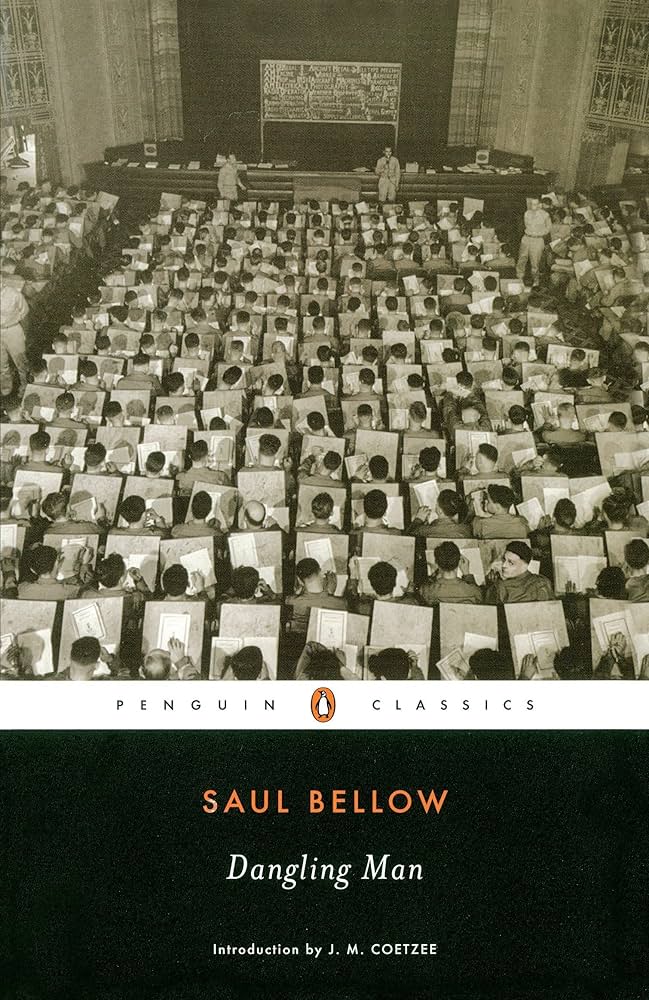


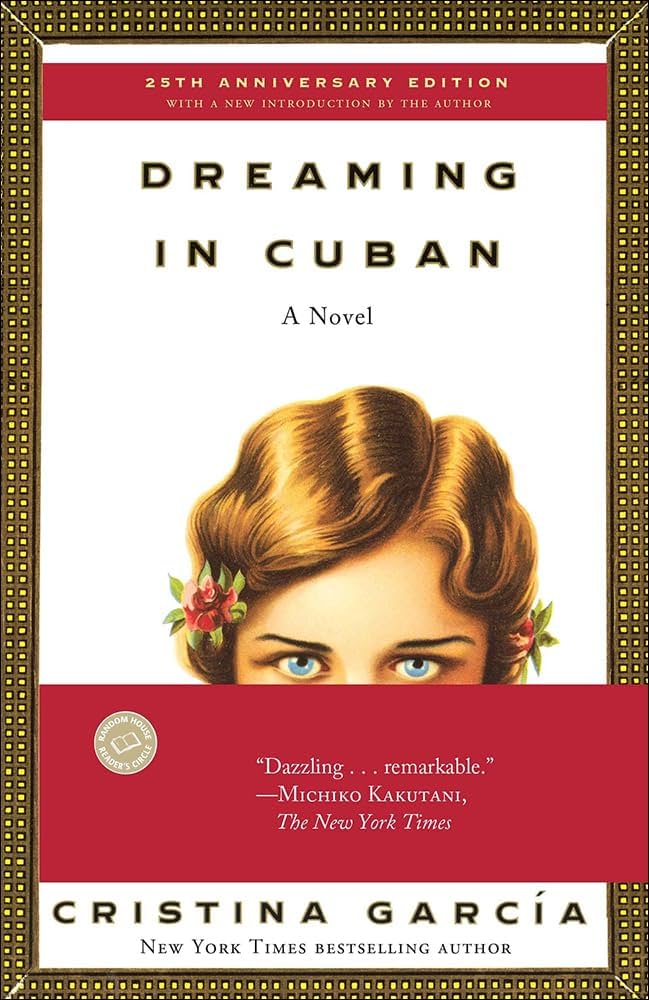
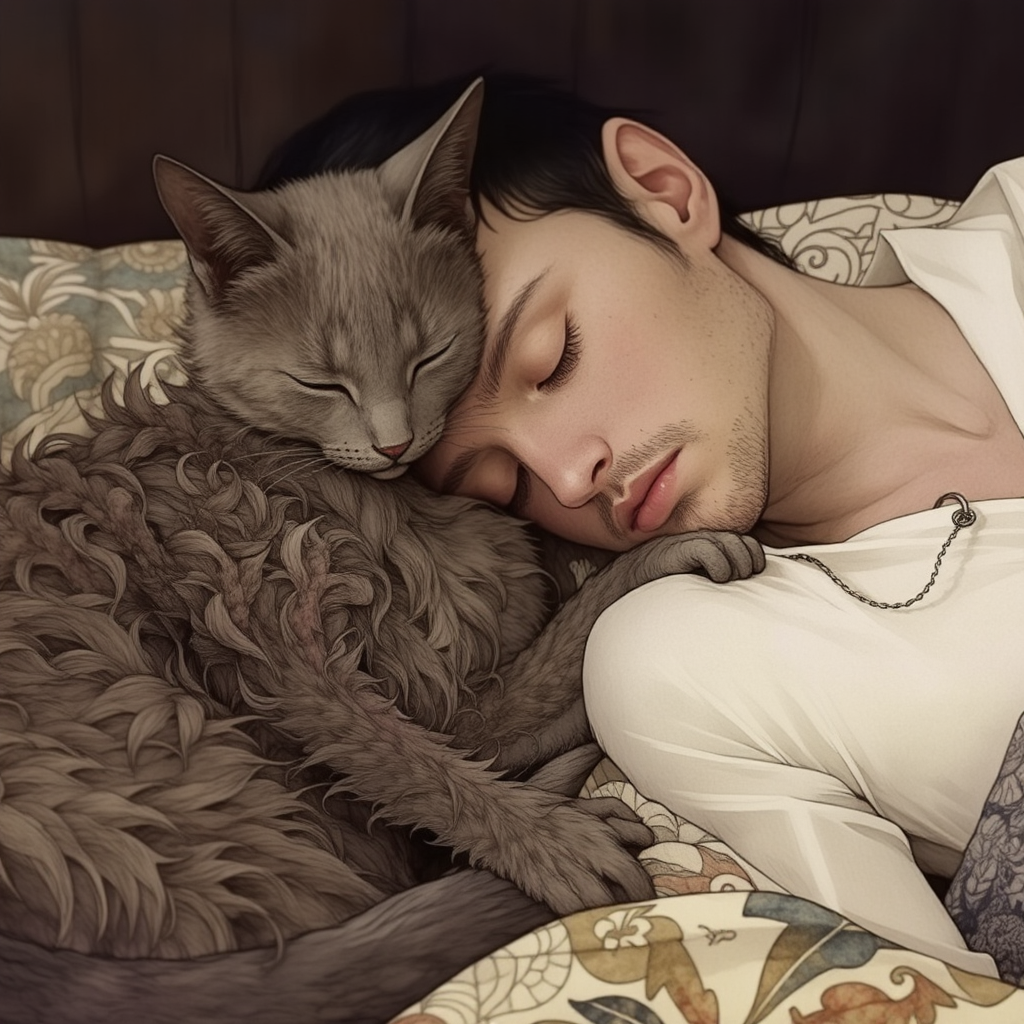




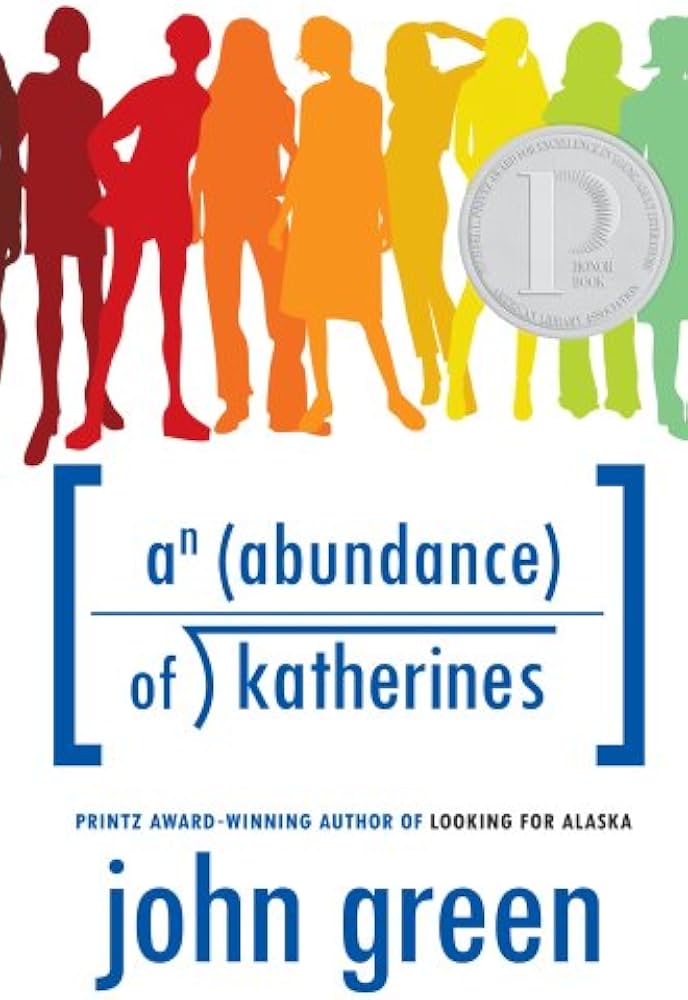










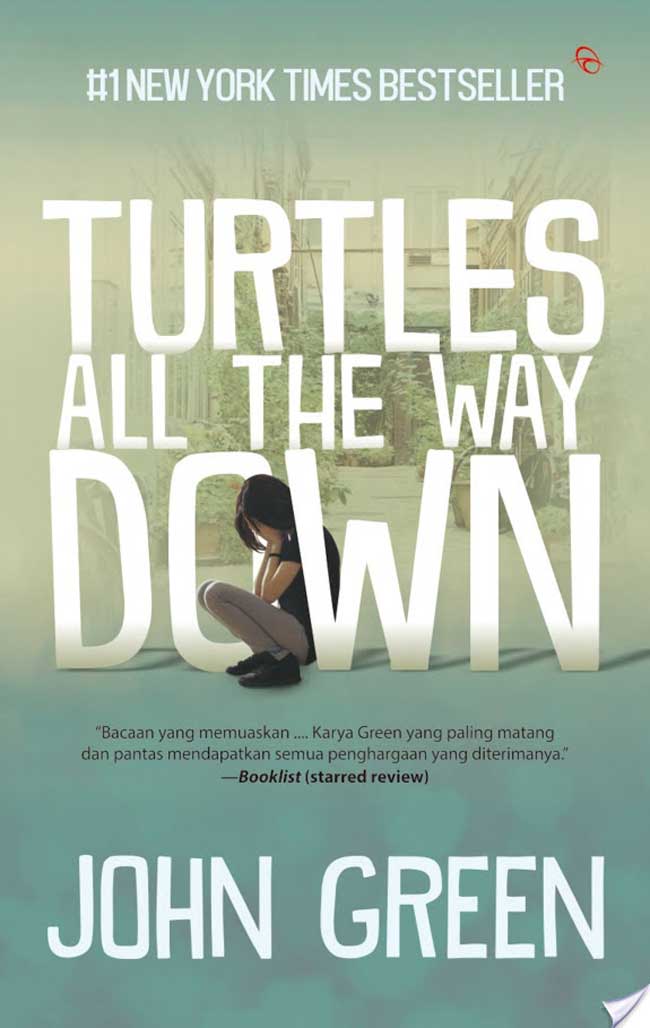
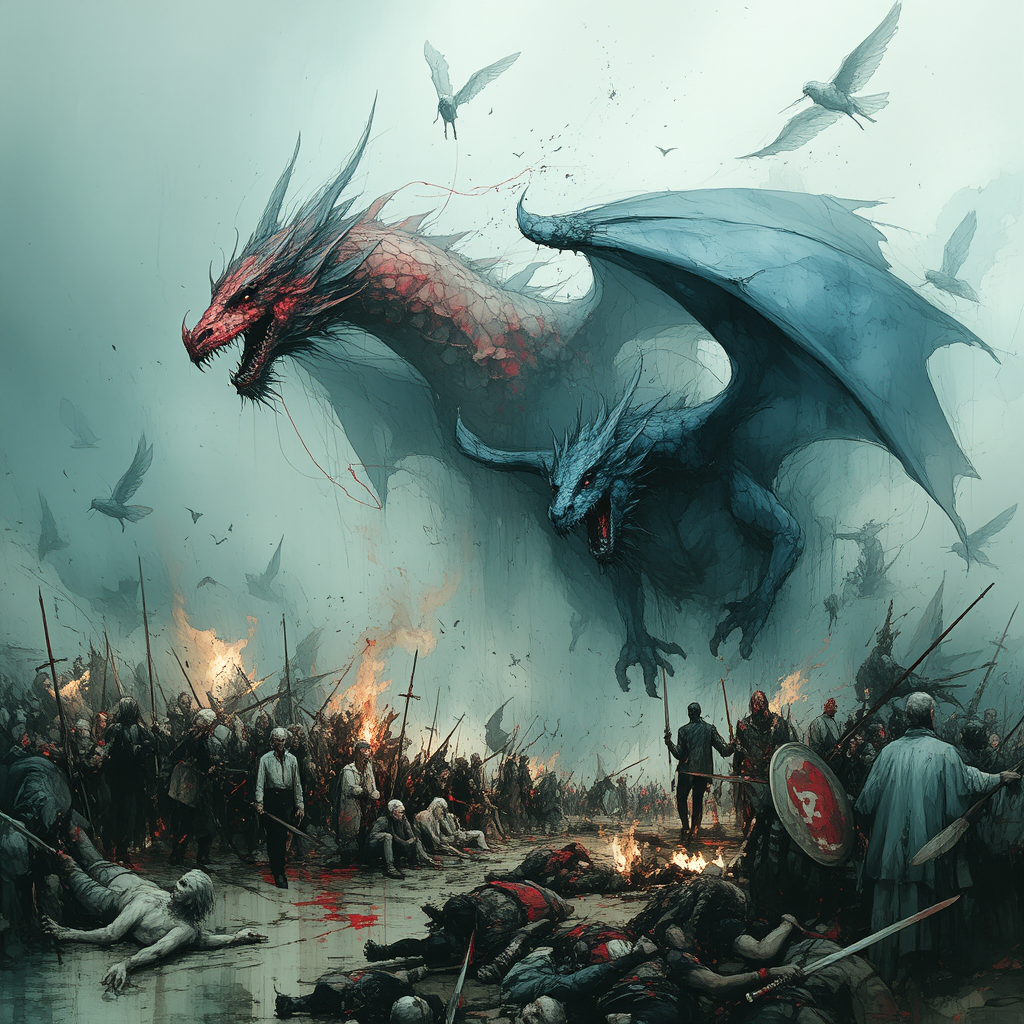




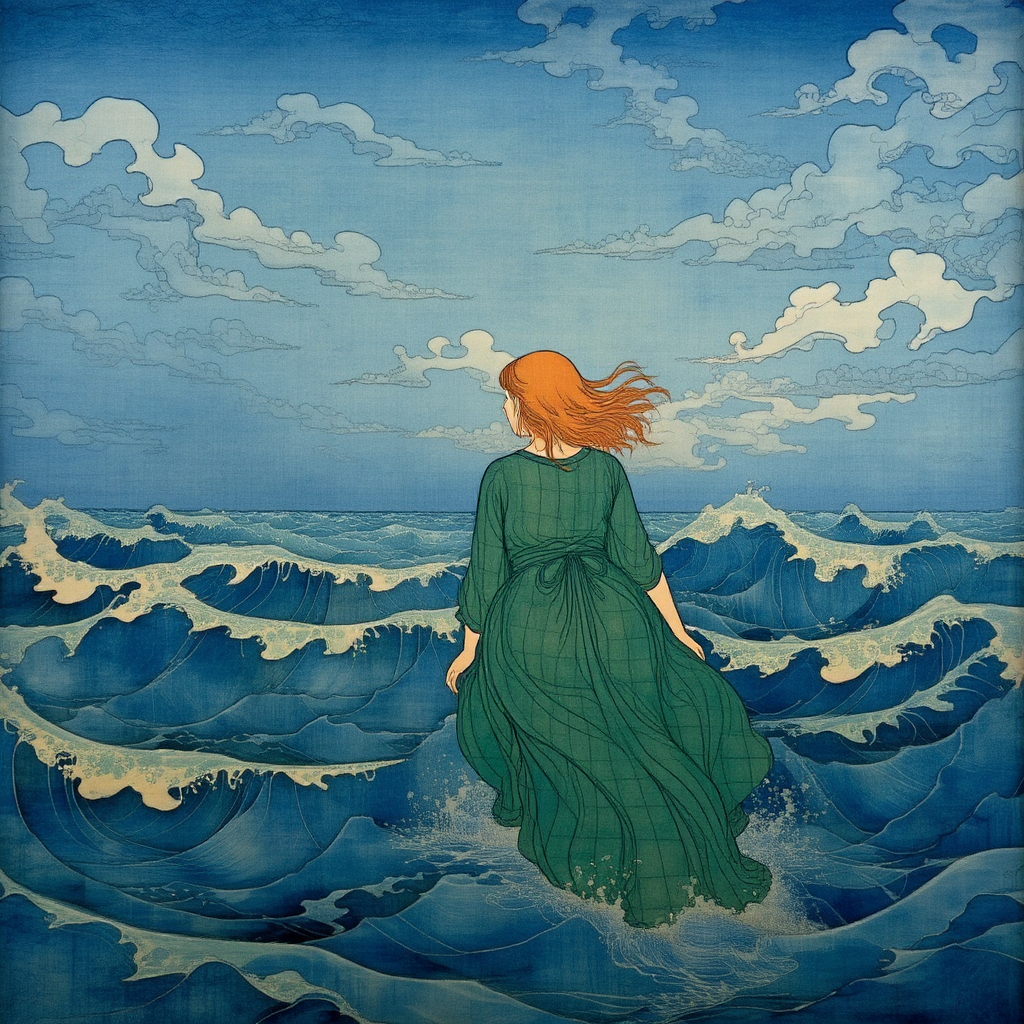





 rebekahjmarshall