All images created by Rebekah Marshall’s prompts using AI on Gencraft.com website.
I am reading Hafiz’s Little Book of Life, poetry by Hafiz-e Shirazi. He is challenging me to become more comfortable with ambiguity. I will share his poem and some of my thoughts on his poem (sometimes with the help of experts when the concepts are too hard for me), followed by a poem and some art inspired by his poem.
Hafiz’s Poem 7:
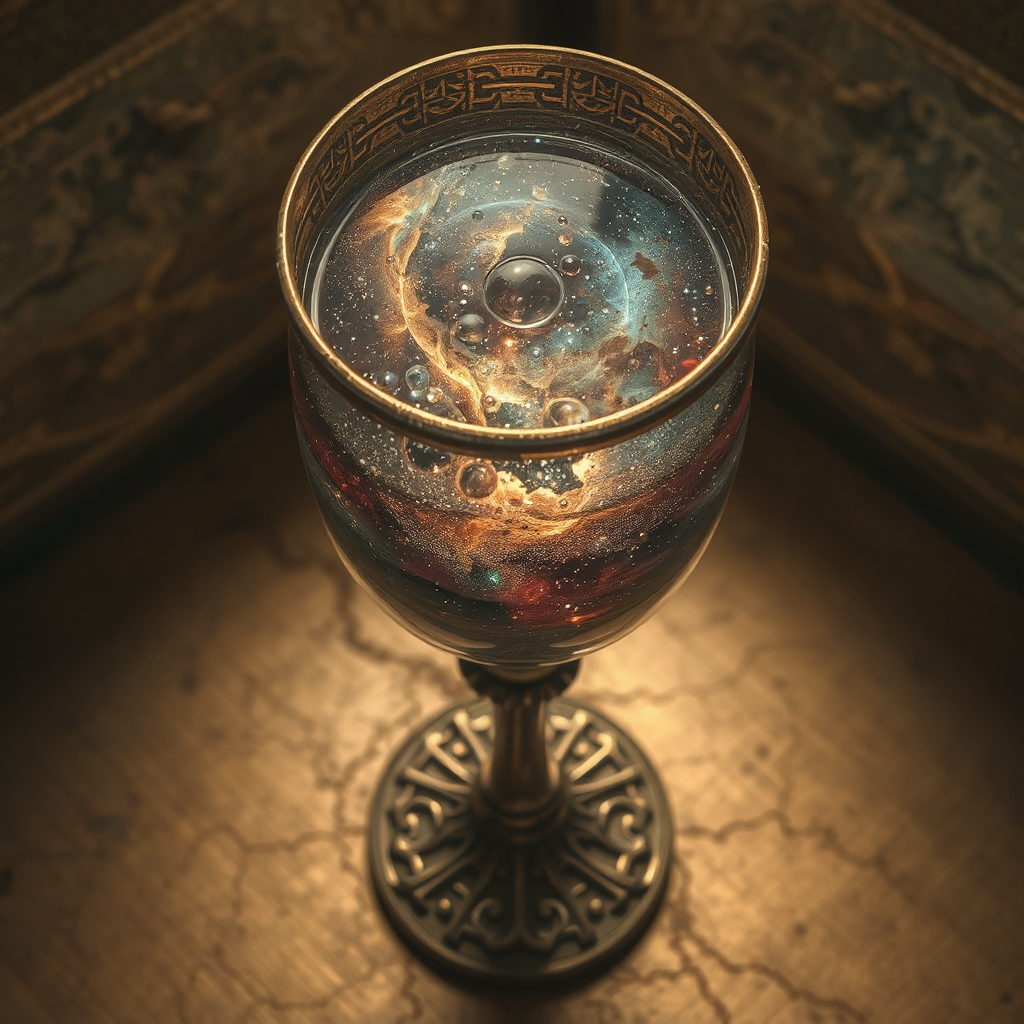
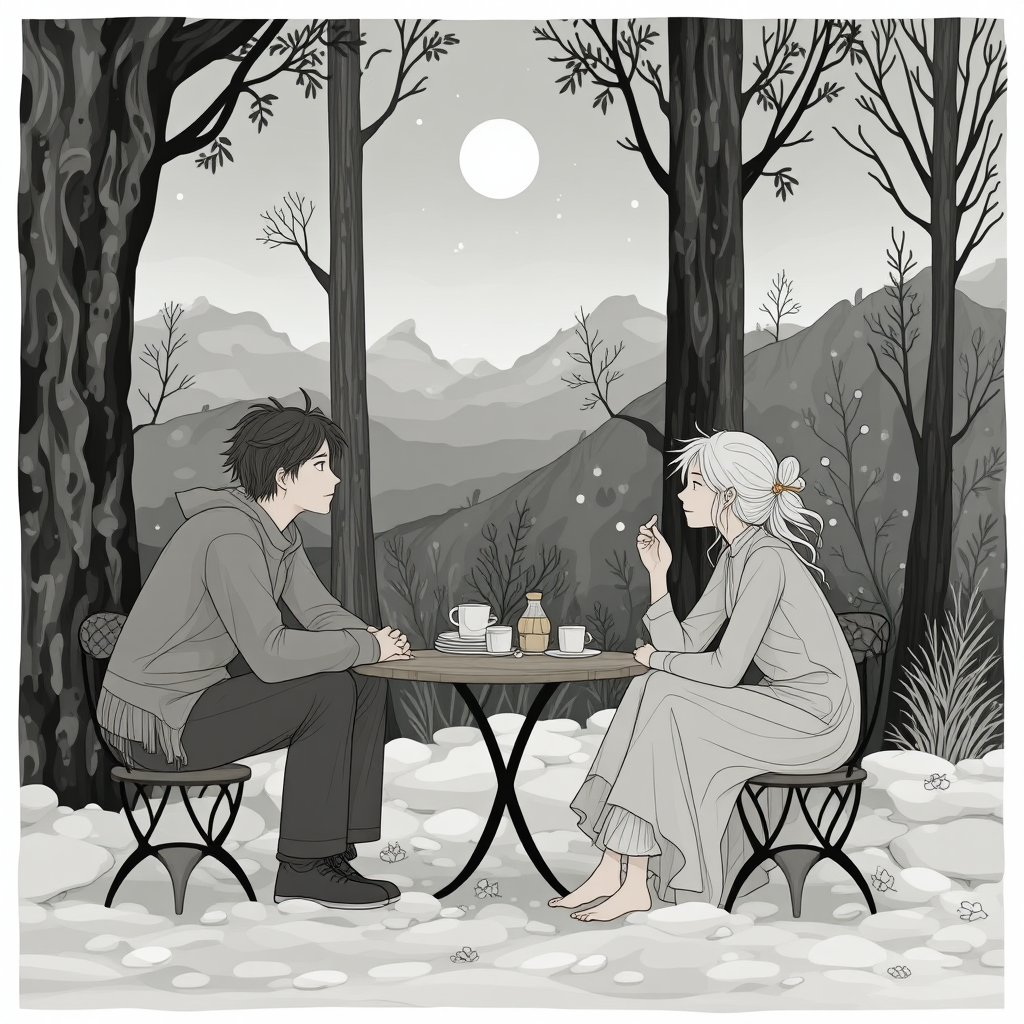
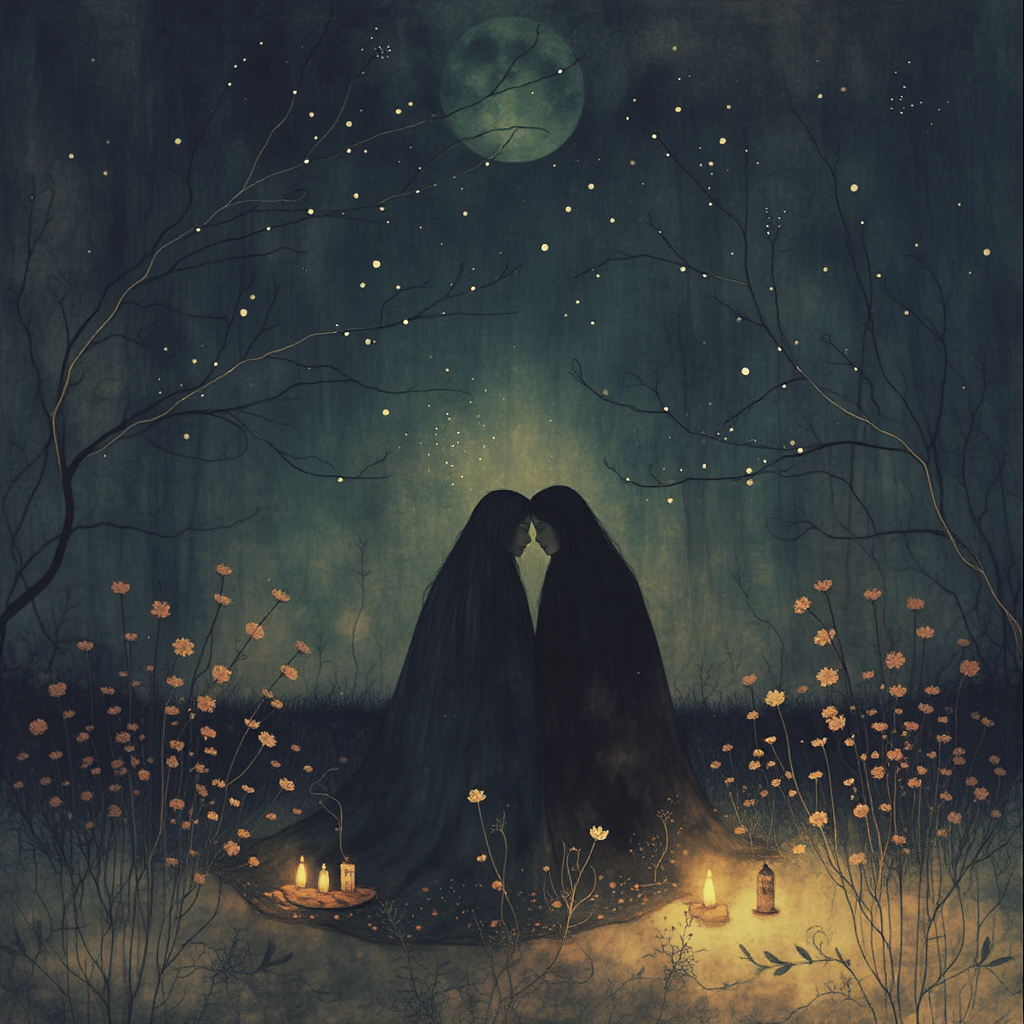
Our fate
Was in the hands
Of some two-year-old wine
Some thoughts:
I think an equivalent today might be making life-altering decisions after drinking too much boxed wine or consuming one too many edibles. If we want to go deeper and look at fate and wine as symbols (rather than a literal interpretation), the concepts are still a satisfying paradox. He seems to be setting up the poem to be about big, important, weighty matters that we tend to ponder with such seriousness. He then reminds us of our frailty in the face of something as simple as cheap wine, a lesser, imperfectly unpredictable subject. The contrast is a bit absurd, but so are we. Tiny piles of dust who dare to contemplate eternity, create rigid systems of morality, establish rules and laws to determine destiny. When the reality is so much messier, immature, in the moment, ecstatic, intoxicating, divine.
My Poem 7:
We were never meant to merely exist within a structured set of confining rules like the law given to Moses on the mount.
We were meant to fall in love with life and each other and God.
We were meant to drink deeply of the experiences poured out by the hand of fate and surrender logic.
Hafiz. Hafiz’s Little Book of Life. Translated by Erfan Mojib and Gary Gach, Hampton Roads Publishing, 2023.
All images created by Rebekah Marshall’s prompts using AI on Gencraft.com website.
I am reading Hafiz’s Little Book of Life, poetry by Hafiz-e Shirazi. He is challenging me to become more comfortable with ambiguity. I will share his poem and some of my thoughts on his poem (sometimes with the help of experts when the concepts are too hard for me), followed by a poem and some art inspired by his poem.
Hafiz’s Poem 5:
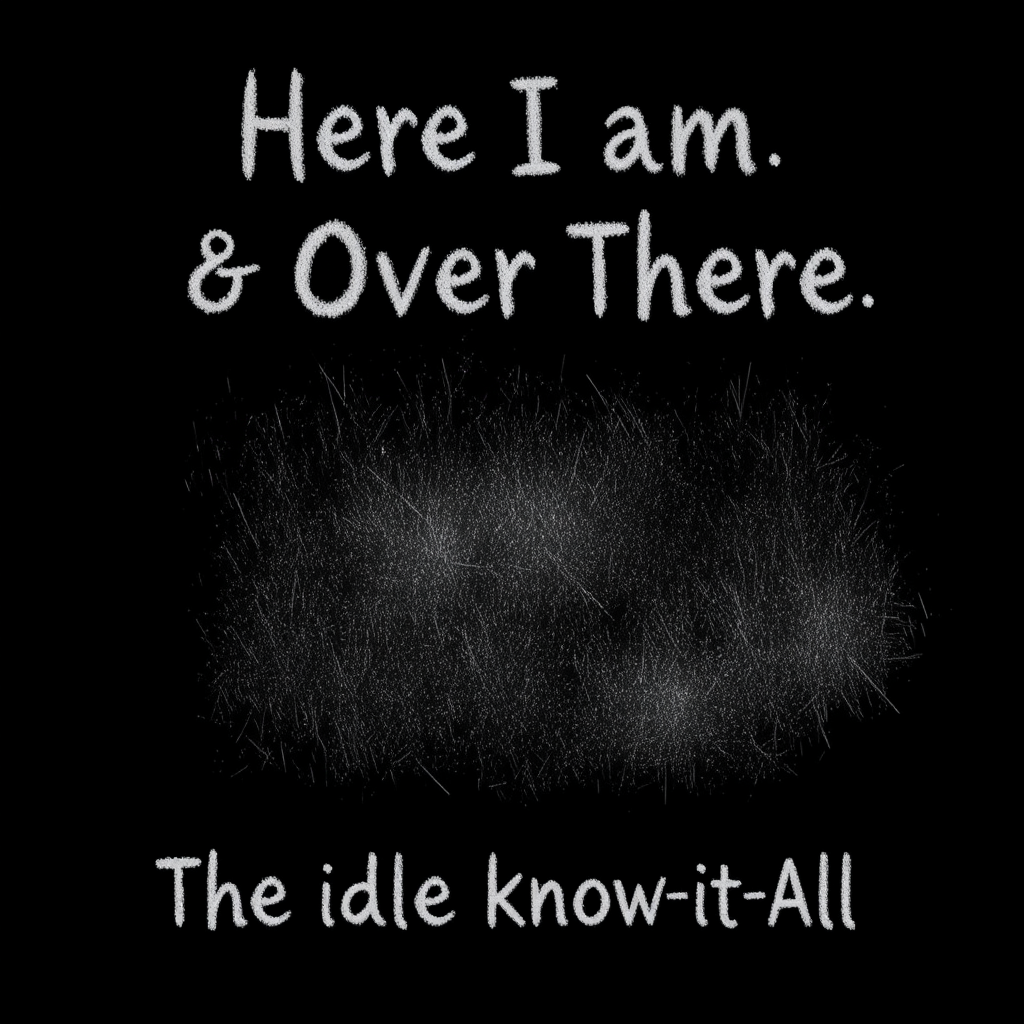
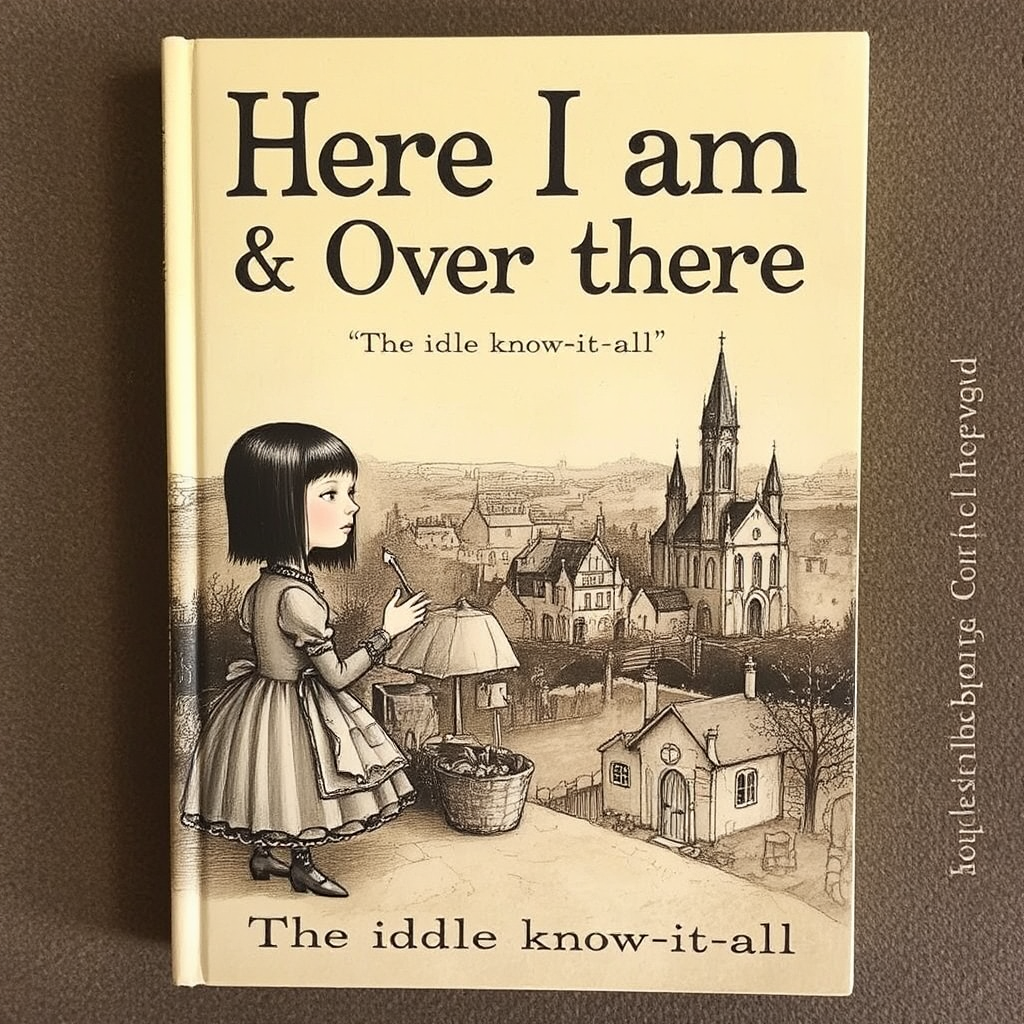
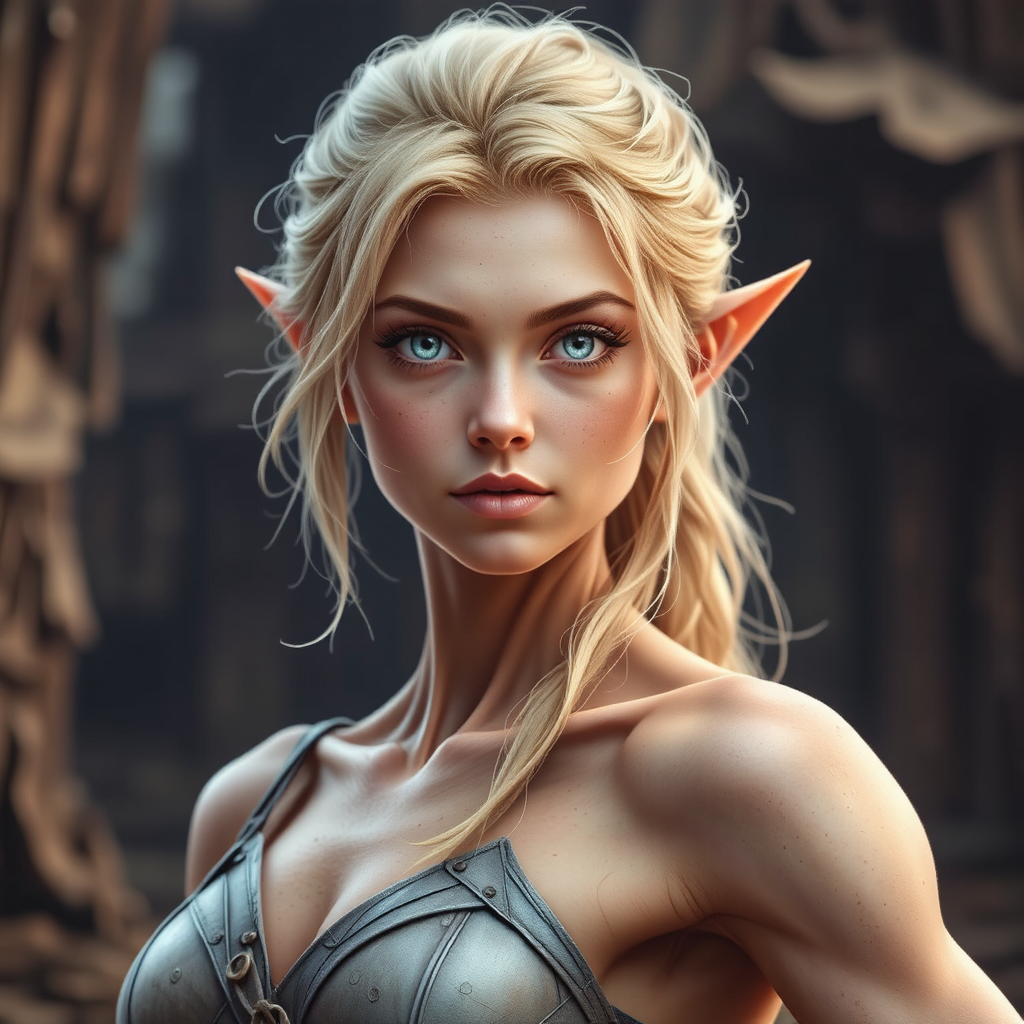
Here I am
&
Over there
The idle know-it-all
Some thoughts:
What a mischievous way to address the true, vulnerable, real self vs. the ego. The contrast is embarrassingly telling when I look back on situations in my past that were filled with hubris and arrogance. I thought I knew the answers to things of which I had no experience. I must have been insufferable at times. I probably still am. And how comforting to know that Hafiz, the wise mystic poet was aware of the same dichotomy within himself. Now, how to silence the idle know-it-all so I can open myself to learning what I do not know.
My Poem 5:
It is so easy to look at this and that and know exactly how it should have been. The answers are obvious in hindsight, though reality does not have a back test mode.
In trading, being half-right is impressive. Many a winning strategist lives off that. Presence, here, with my whole self, is what brings peace and vanquishes foolishness.
Hafiz. Hafiz’s Little Book of Life. Translated by Erfan Mojib and Gary Gach, Hampton Roads Publishing, 2023.
All images created by Rebekah Marshall’s prompts using AI on Gencraft.com website.
I am reading Hafiz’s Little Book of Life, poetry by Hafiz-e Shirazi. He is challenging me to become more comfortable with ambiguity. I will share his poem and some of my thoughts on his poem (sometimes with the help of experts when the concepts are too hard for me), followed by a poem and some art inspired by his poem.
Hafiz’s Poem 5:
Be in harmony
With the spring clouds
Some thoughts:
This little poem is packed with meaning, like a cloud full to bursting with spring rain. The concept of harmony is not demanding or structured, not perfect unison or absolute. It is complementary, attuned to the movement and ever-changing nature of formation. A cloud is by nature evolving endlessly. The idea of collecting the elements into oneself until so full you must release that life-giving abundance so it can pour out upon others is magical, mystical, and inspirational. And yet, it is something clouds do without conflict, easily, without a second thought. To move with the filling and sharing of abundance as naturally as a spring cloud would be a miraculous transformation.
My Poem 5:
Gathering, shifting unpredictably Carrying shade, rain, promise Teachers of impermanence Arriving gently Leaving unapologetically No clinging to shape No rushing of purpose No fear of change Moving inside time Dissolving as necessary
Hafiz. Hafiz’s Little Book of Life. Translated by Erfan Mojib and Gary Gach, Hampton Roads Publishing, 2023.
All images created by Rebekah Marshall’s prompts using AI on Gencraft.com website.
I am reading Hafiz’s Little Book of Life, poetry by Hafiz-e Shirazi. He is challenging me to become more comfortable with ambiguity. I will share his poem and some of my thoughts on his poem (sometimes with the help of experts when the concepts are too hard for me), followed by a poem and some art inspired by his poem.
Hafiz’s Poem 4:
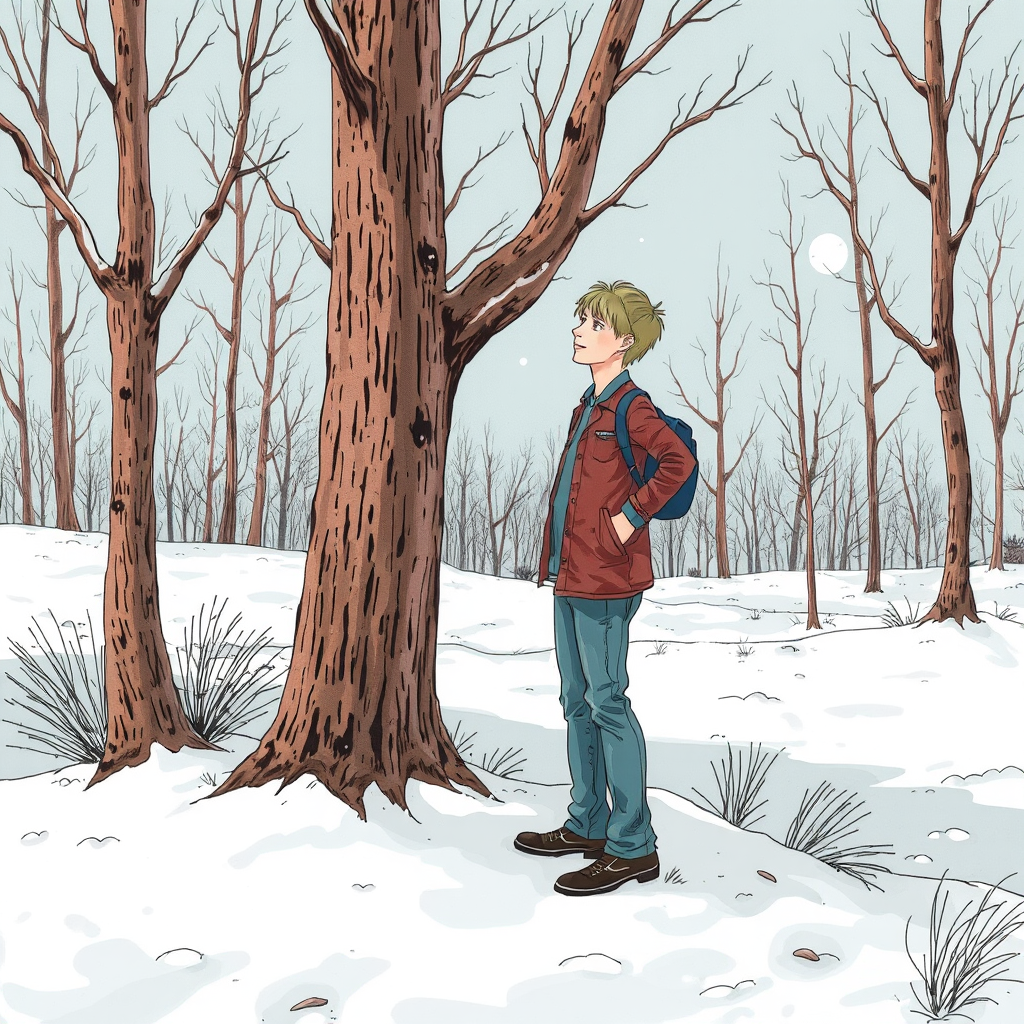
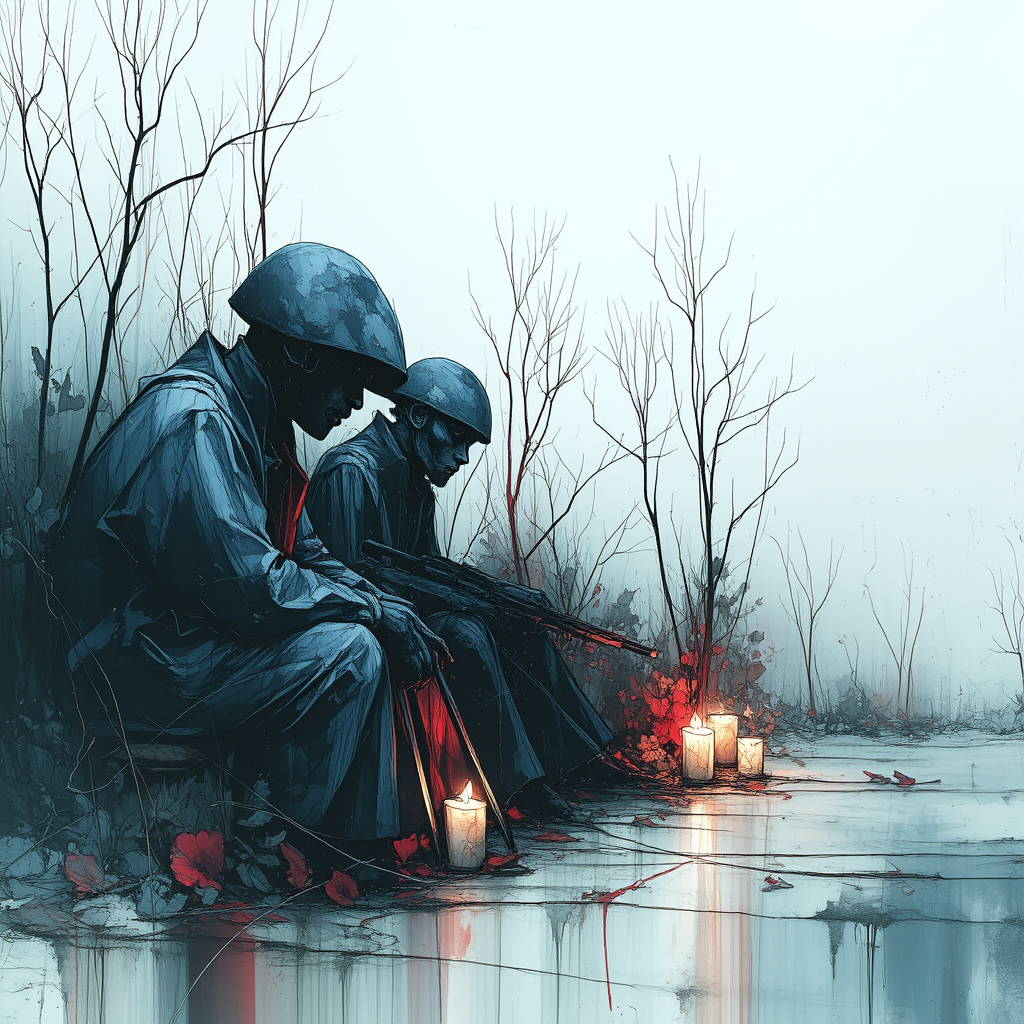
Commemorate
The ones who are gone
&
Those who love
Some thoughts:
To commemorate requires action. We must put effort into planning, preparing, and enacting some sort of ceremony, creation, or event. Many cultures have traditions for the purpose of remembering those who have exited this life. During Hafiz’s life, he may have participated in rituals that included reading the Quran, giving to the poor, and honoring God on behalf of the deceased. The tombs of some spiritual masters and saints became pilgrimage sites where people would pray and meditate. This does not seem like something Hafiz would have taken part in, but he certainly would have been aware of people who did.
What is striking about this poem is the balance Hafiz creates between our remembrance of our loved ones we have lost and those who are still living. How often do we commemorate the living? Are we putting effort into planning, preparing, and enacting ceremonies, creative works, celebratory events on their behalf? In the hustle of life, sometimes the people in our lives are not made priority and get taken for granted. Hafiz seems to be saying not to wait for a funeral to honor our loved ones. Let’s take the time and make it a priority to celebrate their lives and presence in ours regularly.
My Poem 4:
The Malagasy people are intimately connected with decomposition, since every five years or so they open the tombs and bring out the bones of their ancestors to wrap in fresh cloth.
Oh, the joy those wilting bones must feel to dance among the living in clean silk garments newly bound, feast and sing, celebrate reunion, before returning to slumber. The long process of disappearing is lovingly witnessed by the living.
Hafiz. Hafiz’s Little Book of Life. Translated by Erfan Mojib and Gary Gach, Hampton Roads Publishing, 2023.
All images created by Rebekah Marshall’s prompts using AI on Gencraft.com website.
WARNING – SPOILERS
A Court of Silver Flames, the 5th book in the ACOTAR series, kept me on the edge of my seat. The female-centered, recovery-journey, inner-struggle deep dive is both inspirational and aspirational. I was never made to feel pity for the women fighting to regain their power but something more akin to sisterhood, hope, and absolute celebration. Every step of the way, each woman had to come into her own and claim her strength. Those are the role models girls need today.
This book is definitely some of the steamiest spiciness out of the five books so far. I was fanning myself a few times. It is more concentrated on Nesta’s story, but all the main characters appear hear and there so we can keep up with their lives, as well. We fear for the lives of several main characters whose love has set them on a straight course for death. I won’t give anything away, but the tension and concern are intense. I’ve grown to love these characters and always yearn for happy endings.
The newer characters that have been added to our family hold up their end of making us fall in love with them. When they are endangered multiple times, I am guilty of getting pre-mad at Sarah J. Maas. Creating characters for us to bond with only to kill them off would be the grossest form of manipulation and might lead to reader protests in the streets. I kept hoping she would not break my heart.
Maas, Sarah J. A Court of Silver Flames. Bloomsbury Publishing, 2021.
I am reading Hafiz’s Little Book of Life, poetry by Hafiz-e Shirazi. He is challenging me to become more comfortable with ambiguity. I will share his poem and some of my thoughts on his poem (sometimes with the help of experts when the concepts are too hard for me), followed by a poem and some art inspired by his poem.
Hafiz’s Poem 2:
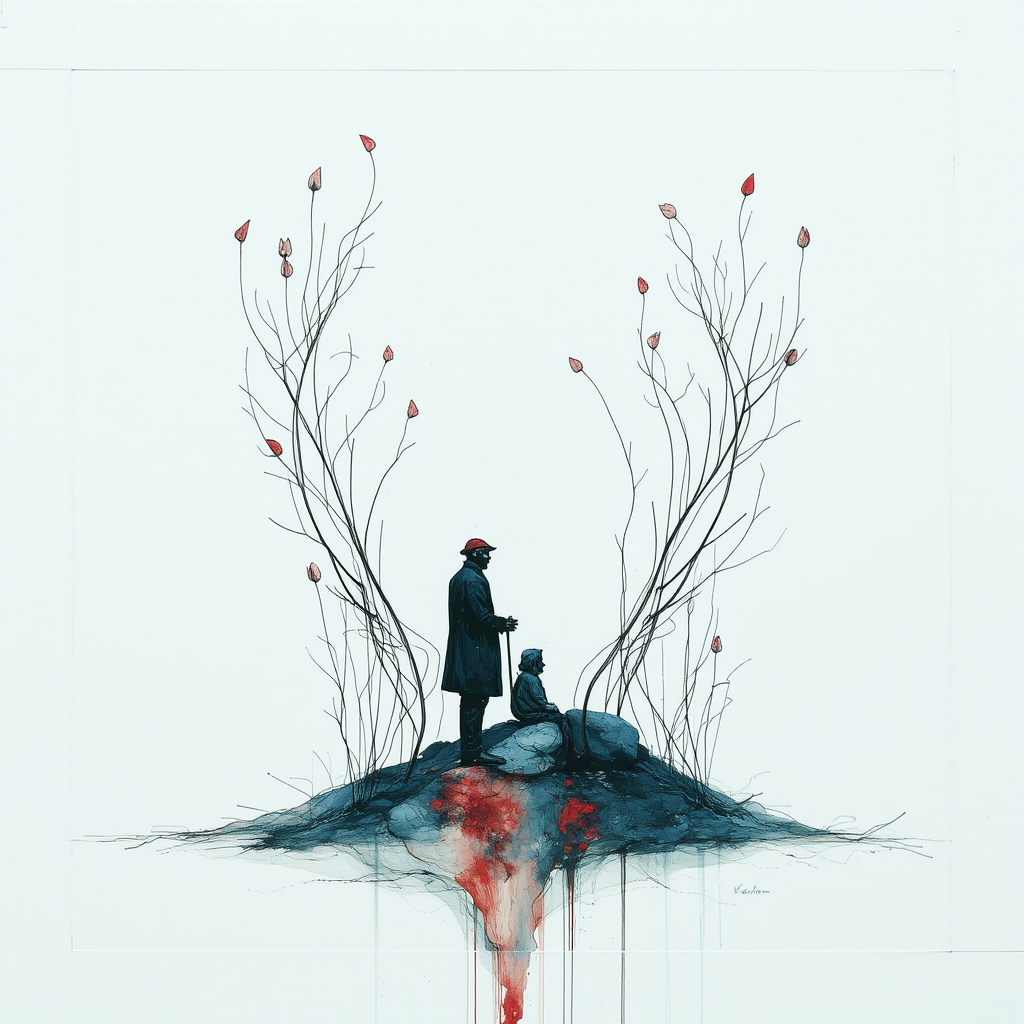
Everyone Drives by While I Walk on alone
Some thoughts:
I can only relate metaphorically to this poem because walking is difficult for me. With my joint degeneration and chronic pain, driving is much more my speed. However, I respect the deeper meanings that might be of the walking-to-the-beat-of-your-own-drum sort of metaphor. If “I” am doing something that seems to be different from “Everyone,” but I believe it to be what is best for me, I must persist, despite the aloneness. Perhaps because of the aloneness.
Sometimes solitude is the best way to connect to purpose, find center, ground. The harried rush of this world can sap our energy and distract us from the quiet inner contemplation that can connect us to our better selves. We cannot be of service to others if we are barreling through life so fast we have lost our own ability to reflect, to ponder, to get to know the quiet of our own minds. It is only here that most of us can hear the still, small voice.
I’m not sure what kind of drivers were racing past Hafiz on his alone walk in the 1300s, but I assume they were carts pulled by horses and people on horseback mostly. Faster than the pace of a walker, but nothing compared to the 80mph drivers on Texas highways. My, the poems he would have written about the rush of life we live today.
My Poem 2:
My H.E.B. has electric shopping carts for people like me to use in their store. They are slow, so as not to endanger other shoppers who could be run over.
They beep loudly and embarrassingly if I need to back up for overshooting. They are awkward for direction changes, and can be the cause of traffic jams.
But I no longer feel anything other than thankfulness when I drive them to shop. The lack of pain while choosing for myself provides autonomy and independence.
I may drag the cord behind me like a tail, stall and get stranded by a depleted battery, and back into the occasional display or wall, but I move at a pace that is mine alone.
Hafiz. Hafiz’s Little Book of Life. Translated by Erfan Mojib and Gary Gach, Hampton Roads Publishing, 2023.
I am reading Hafiz’s Little Book of Life, poetry by Hafiz-e Shirazi. He is challenging me to become more comfortable with ambiguity. I will share his poem and some of my thoughts on his poem (sometimes with the help of experts when the concepts are too hard for me), followed by a poem and some art inspired by his poem.
Hafiz’s Poem 1:
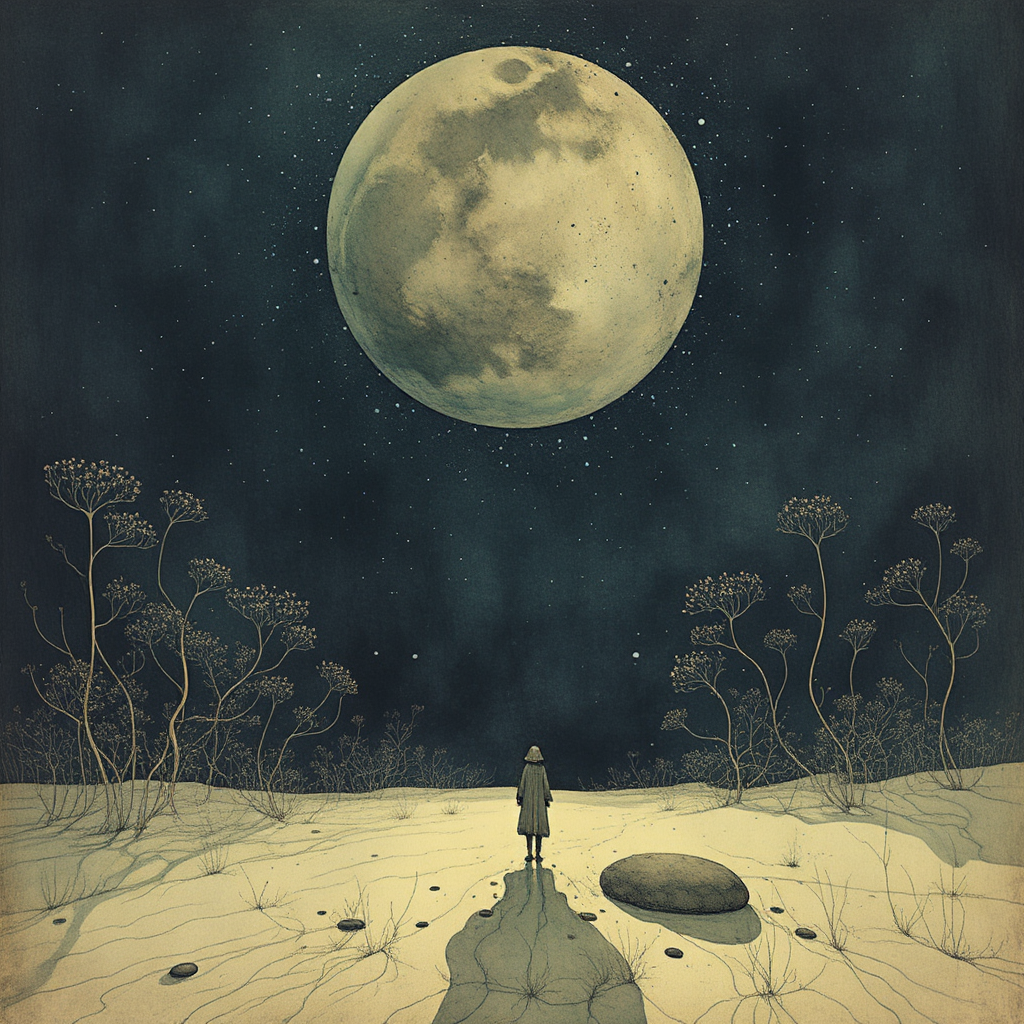
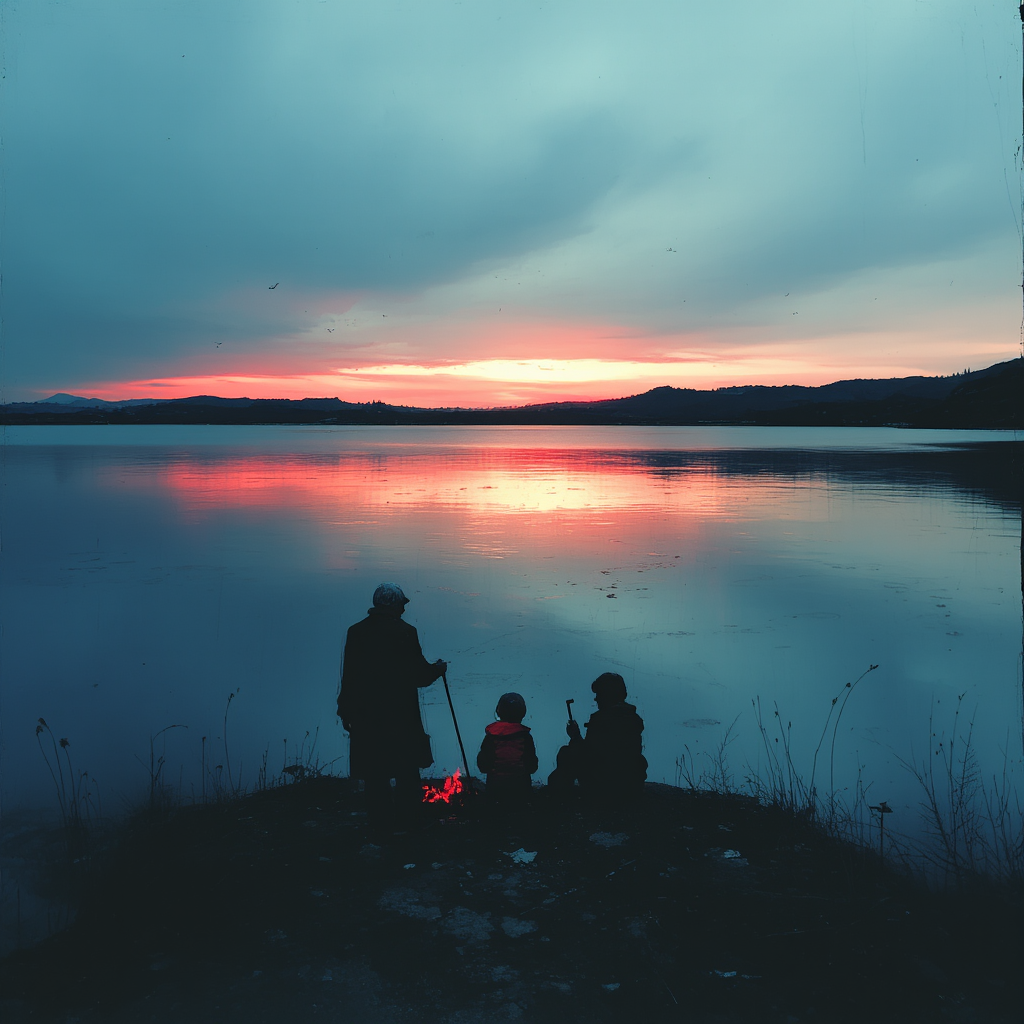
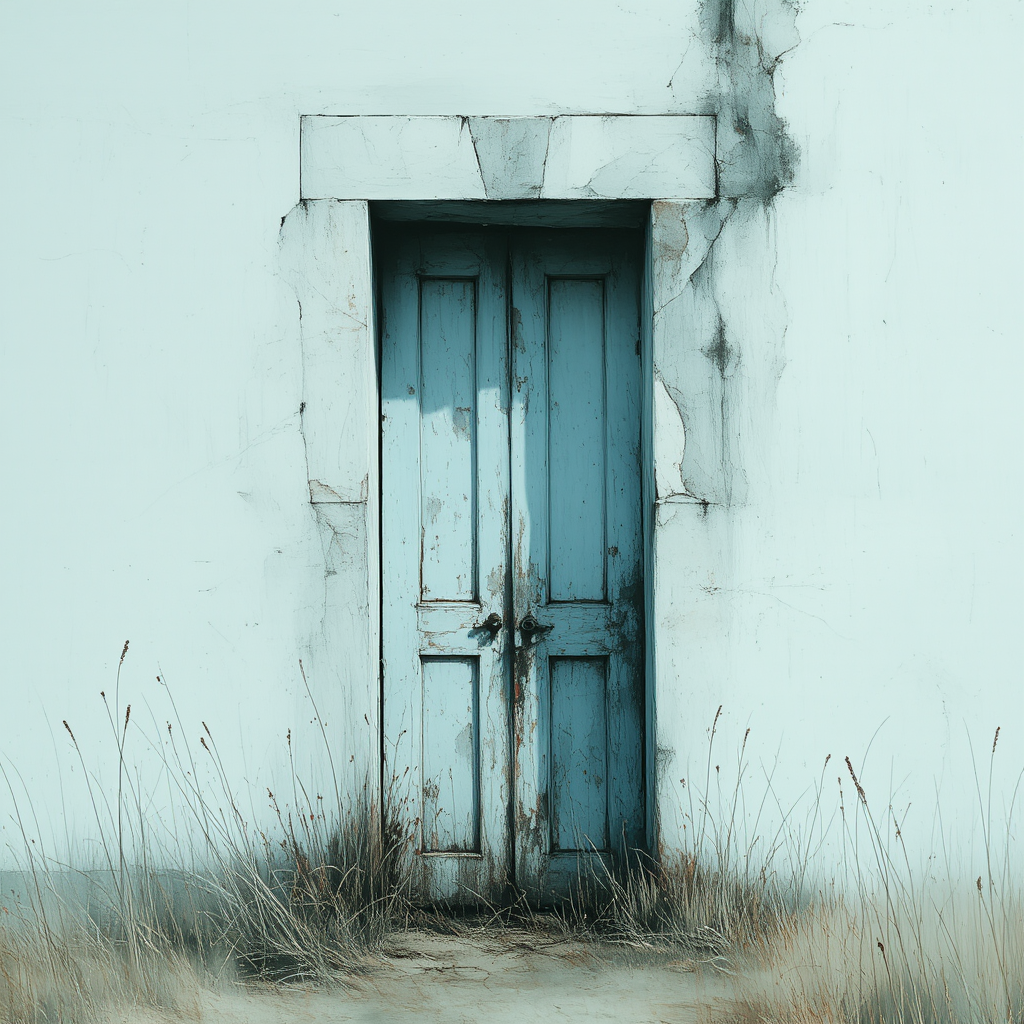
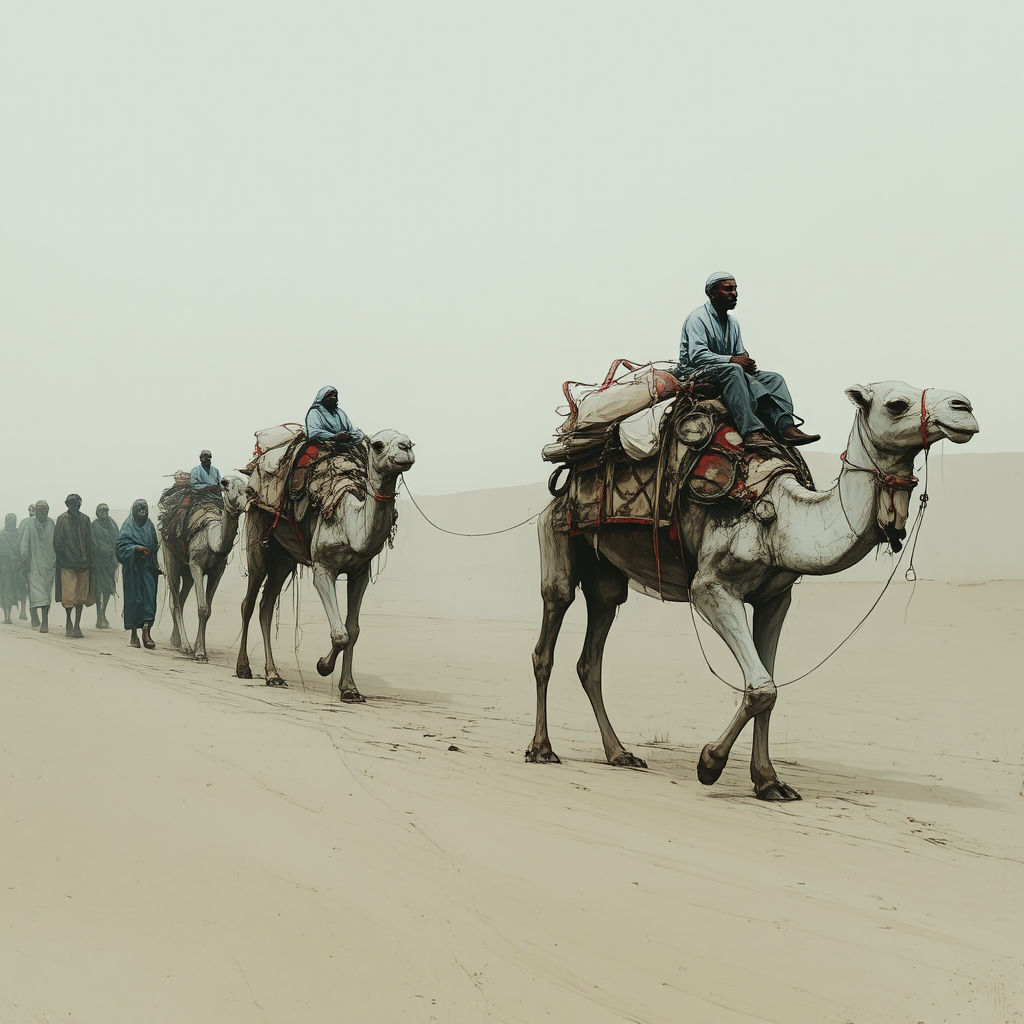
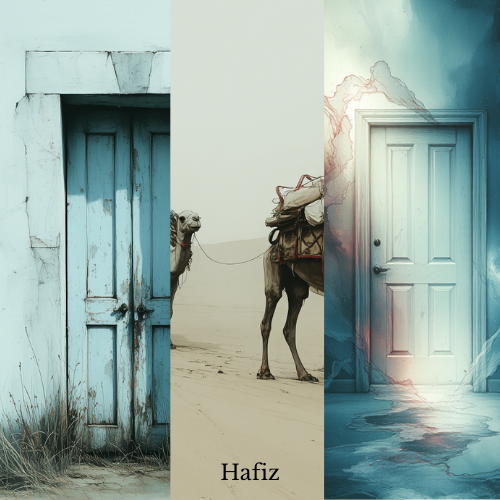
Between these two doors This caravan
Some thoughts:
The imagery of doors implies entrances and exits, passageways, or boundaries. Two doors suggest pillars of demarcation in time, place, awareness or perhaps binary contrasts. Opposite ends of conceptual delineations like birth and death or past and future seem like reasonable possibilities.
But those don’t seem to be what Hafiz is concerned with. He is pointing out the between. What is happening in the interim, the dash? Of course, the interesting part is the journey. We get so hyper-focused on reaching the destination that we become uncomfortable with the time spent in the now learning to be patient.
I picture a caravan of camels carrying the worldly goods of travelers long distances, the people eager for trade, companionship, good food, fresh water, music, romance, and laughter. It is life in motion. The doors are really of no consequence right now. They are the least of our concern when we have all this living to do.
My Poem 1:
Unmoored, afloat, uncertain if hope is a delusion or a virtue stillness sits where ambition once cracked her knuckles
the in-between is where? beginning was once easy to define though ending is unknown the certainty of it was assumed
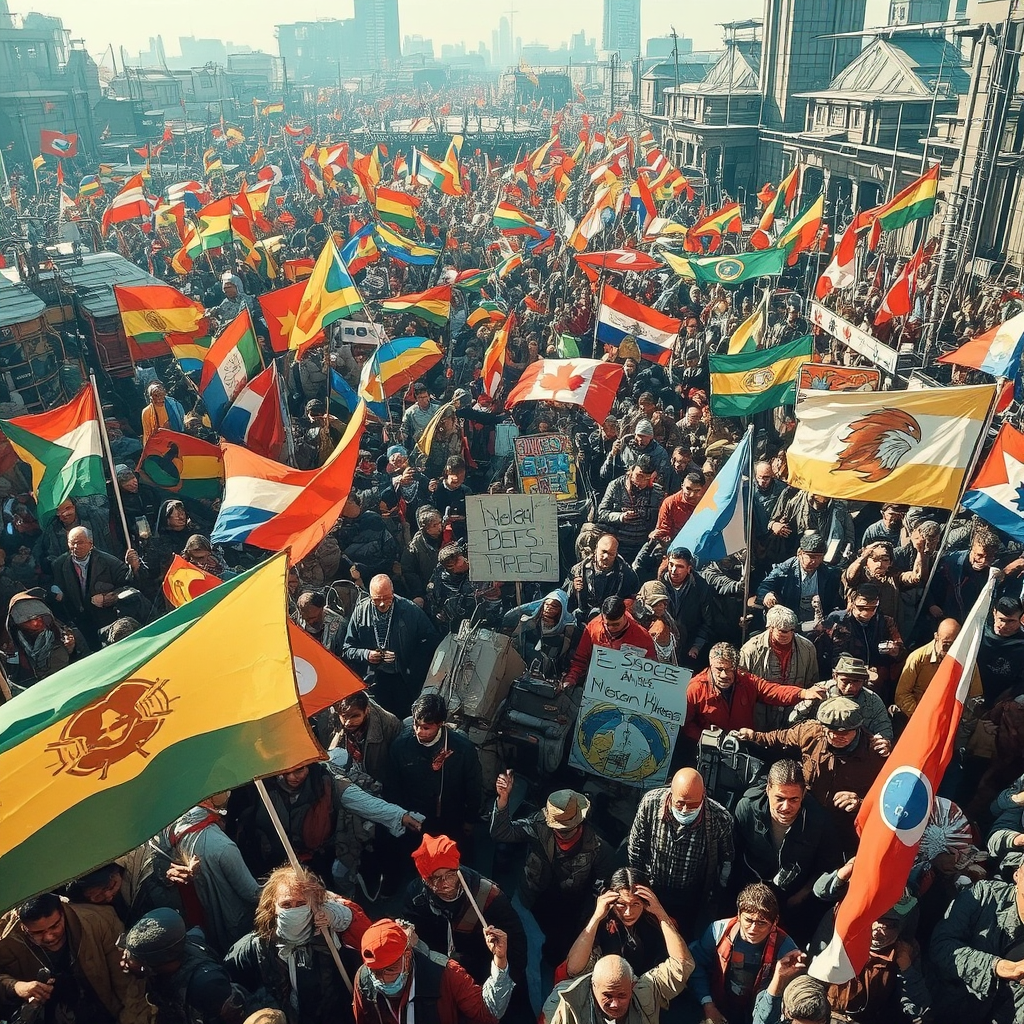
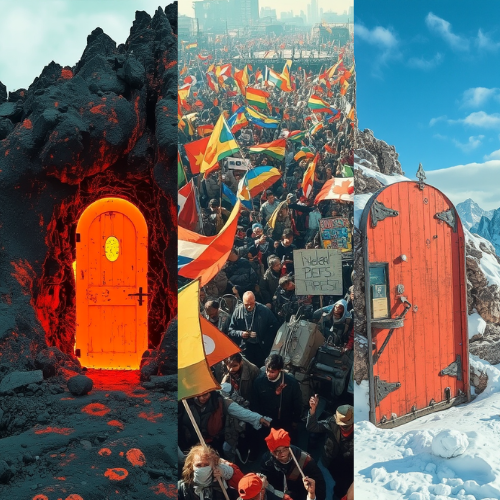
now nothing reveals itself as absolute except this protest march that might possibly transform into a celebratory parade
Hafiz. Hafiz’s Little Book of Life. Translated by Erfan Mojib and Gary Gach, Hampton Roads Publishing, 2023.
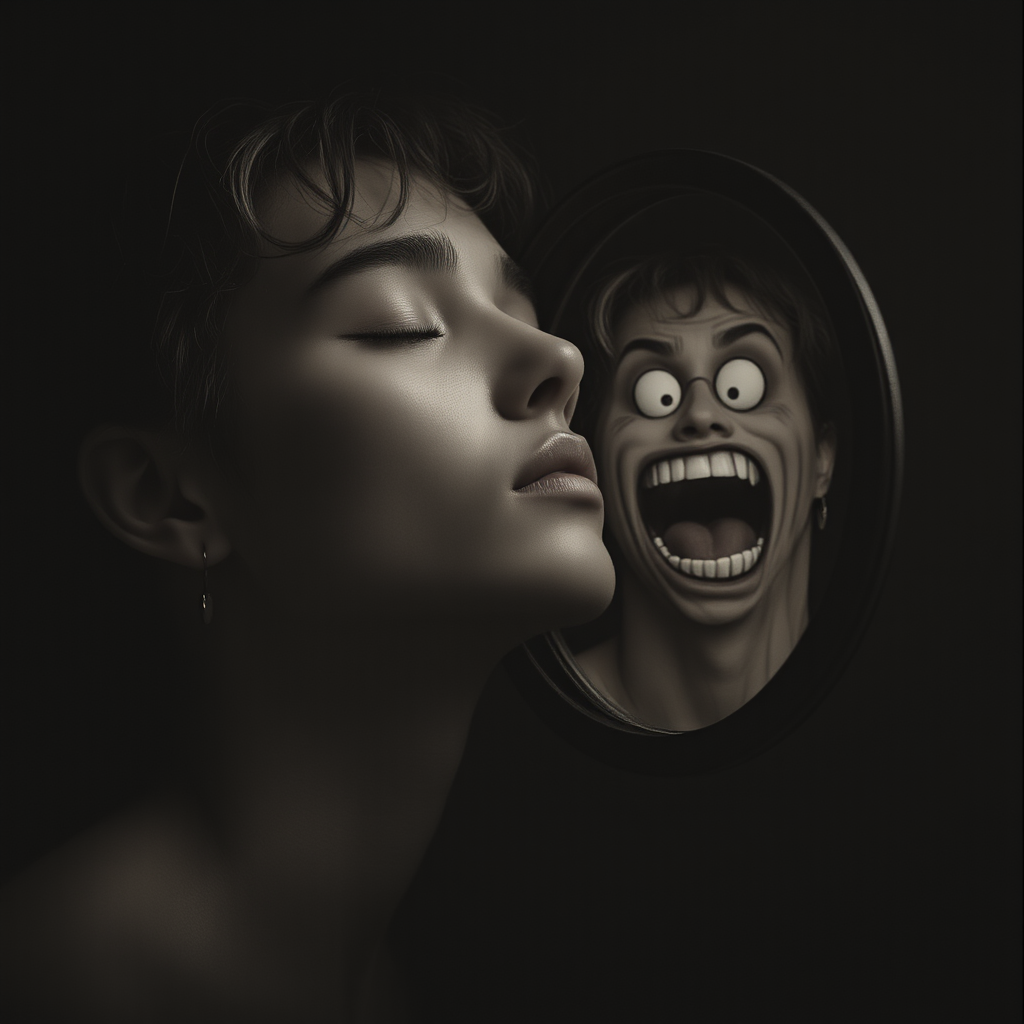
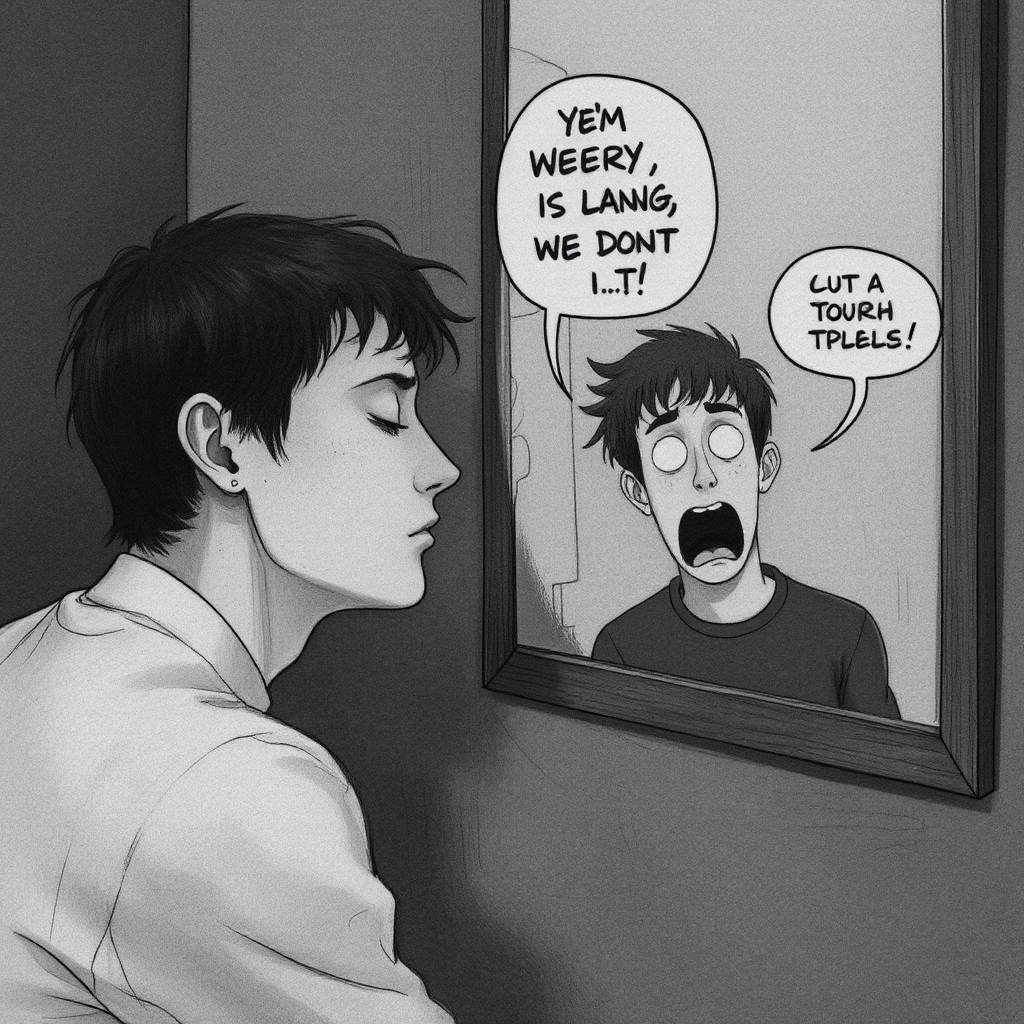
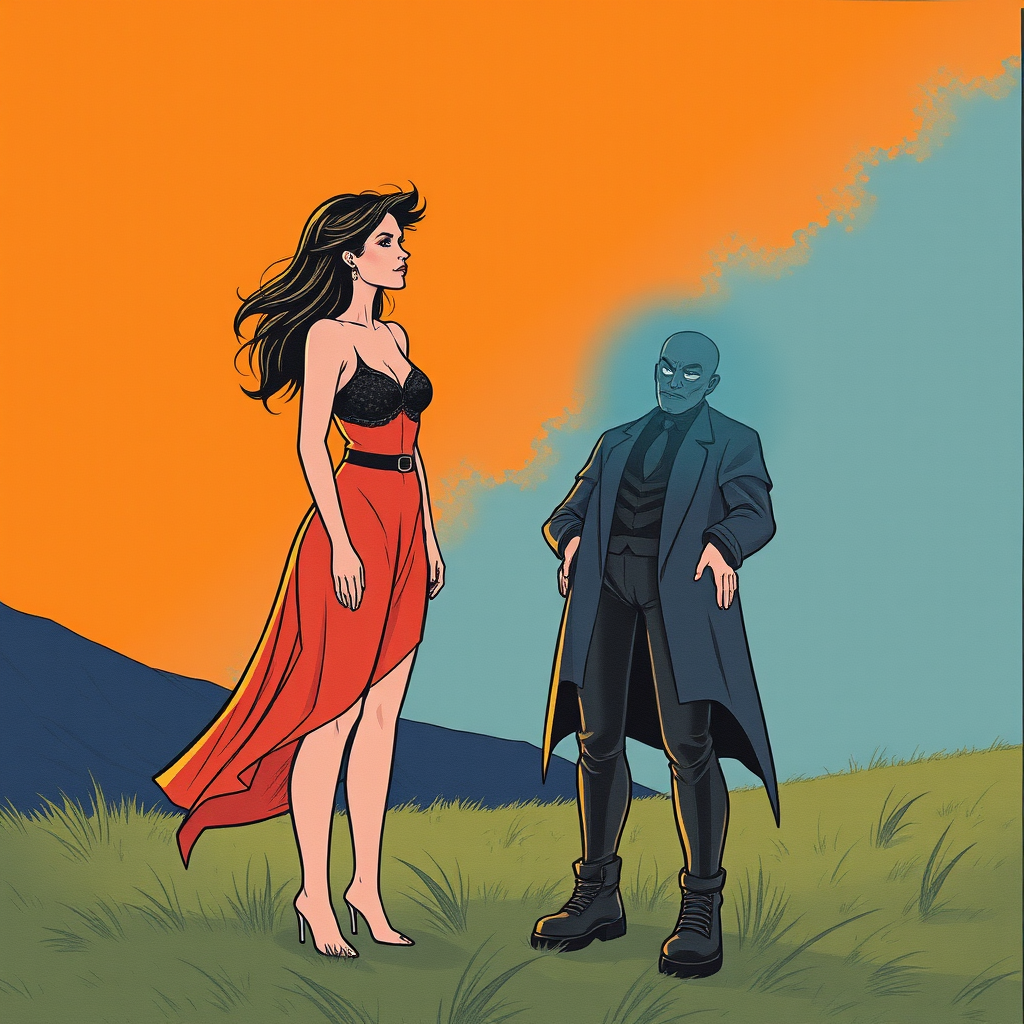
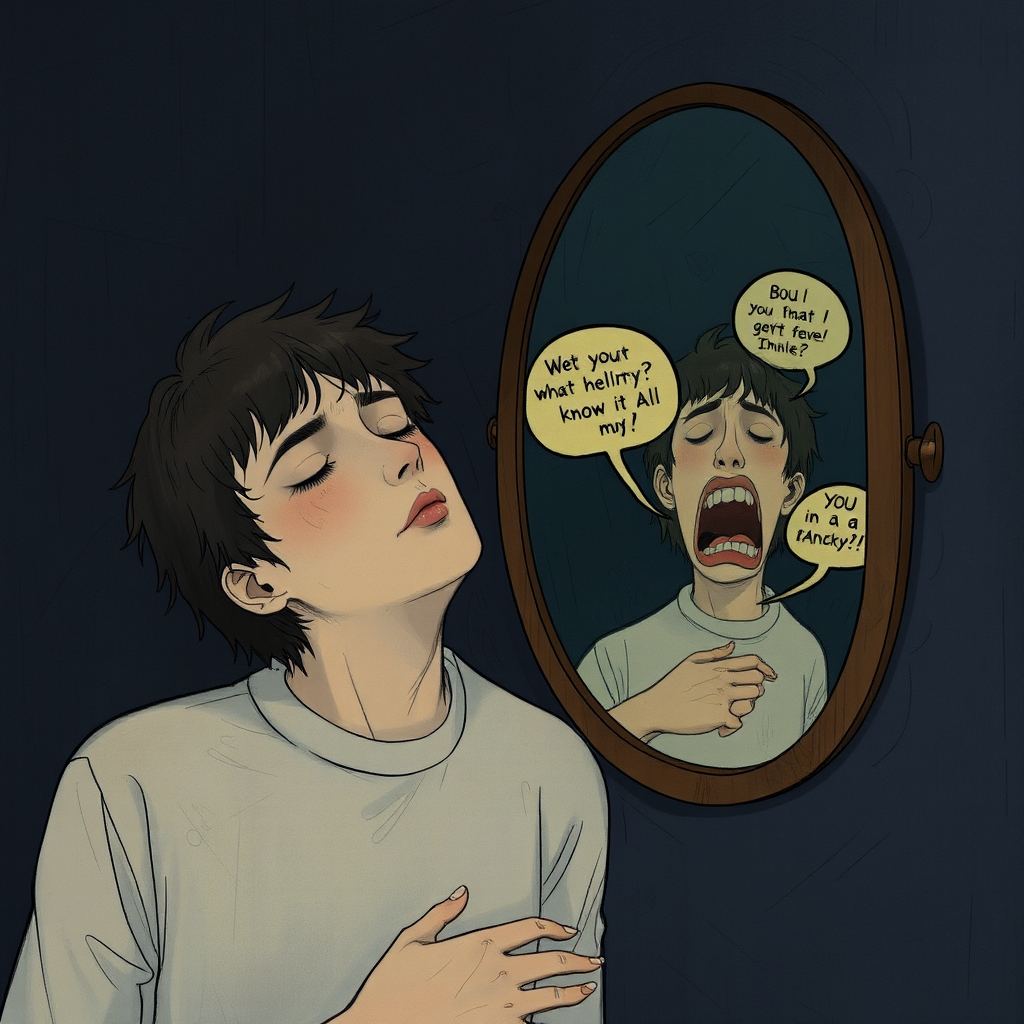
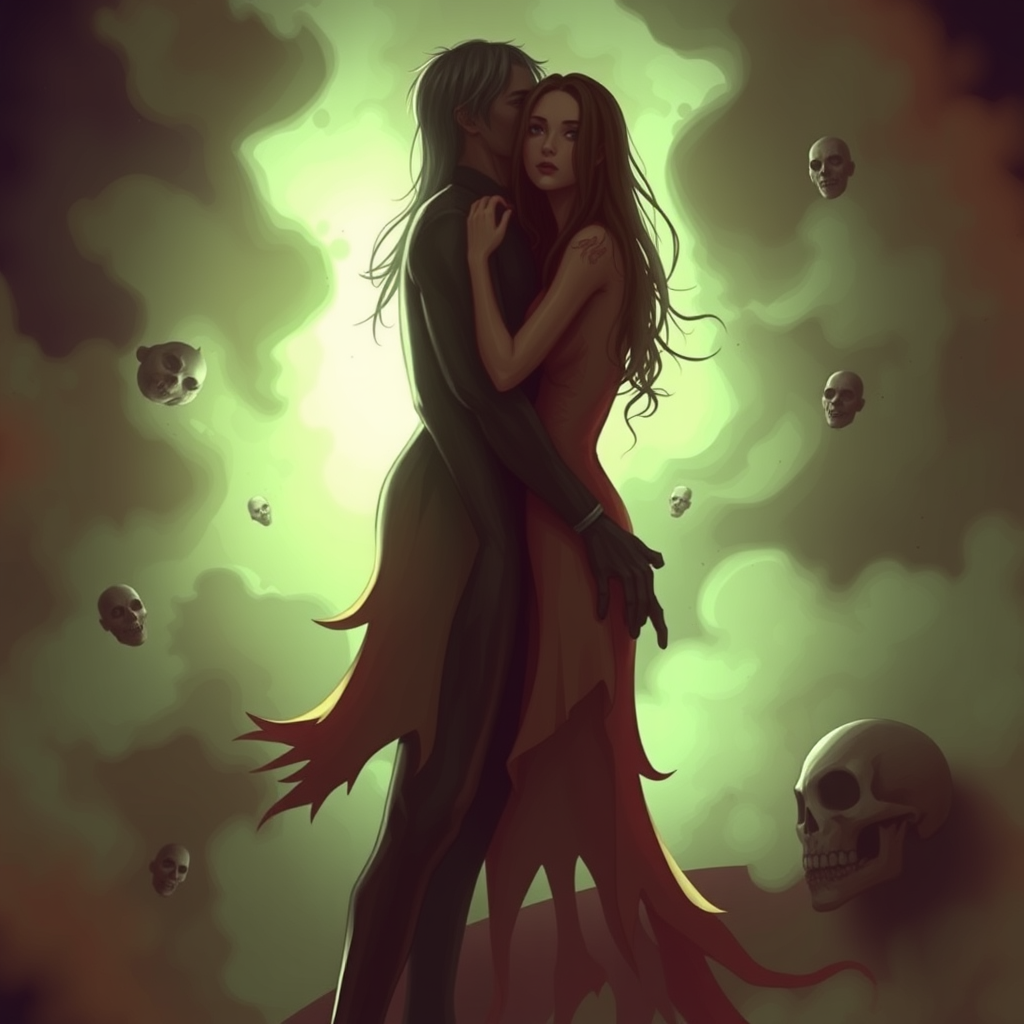
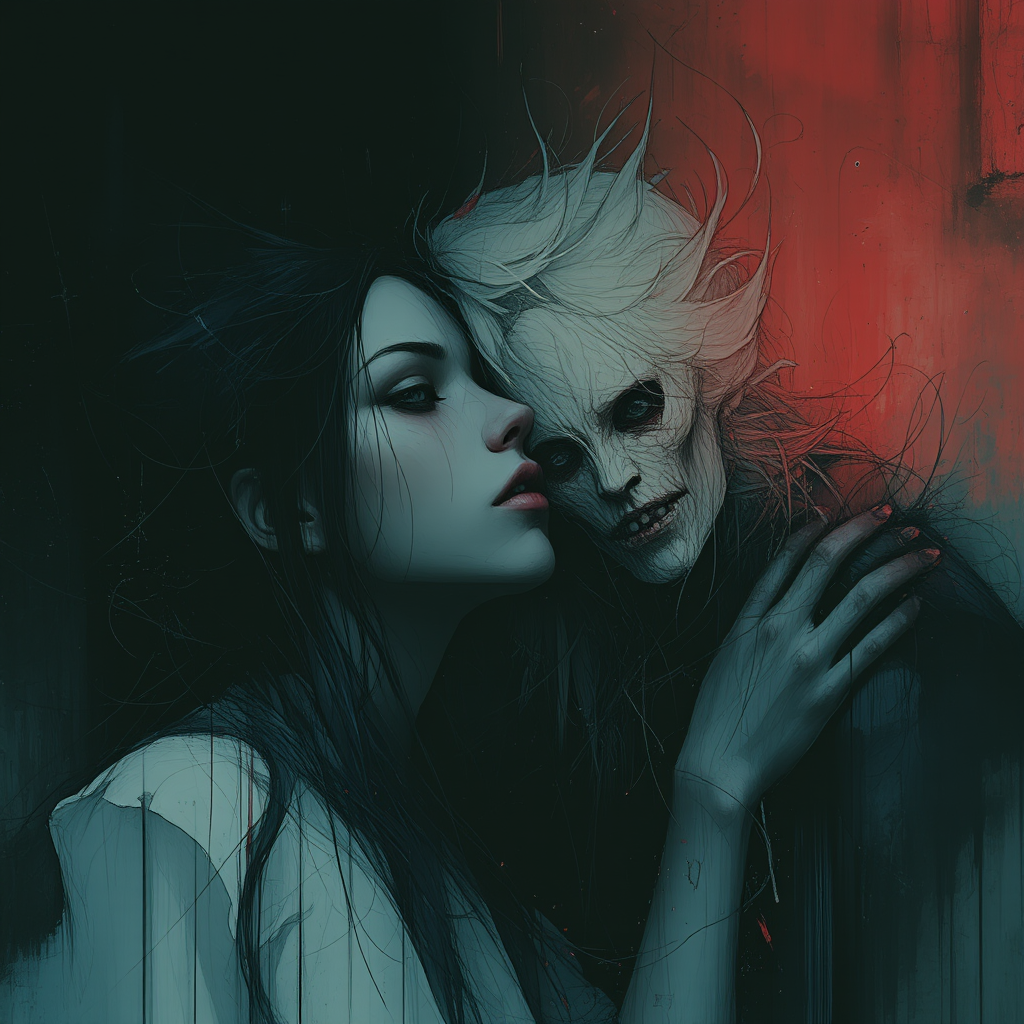
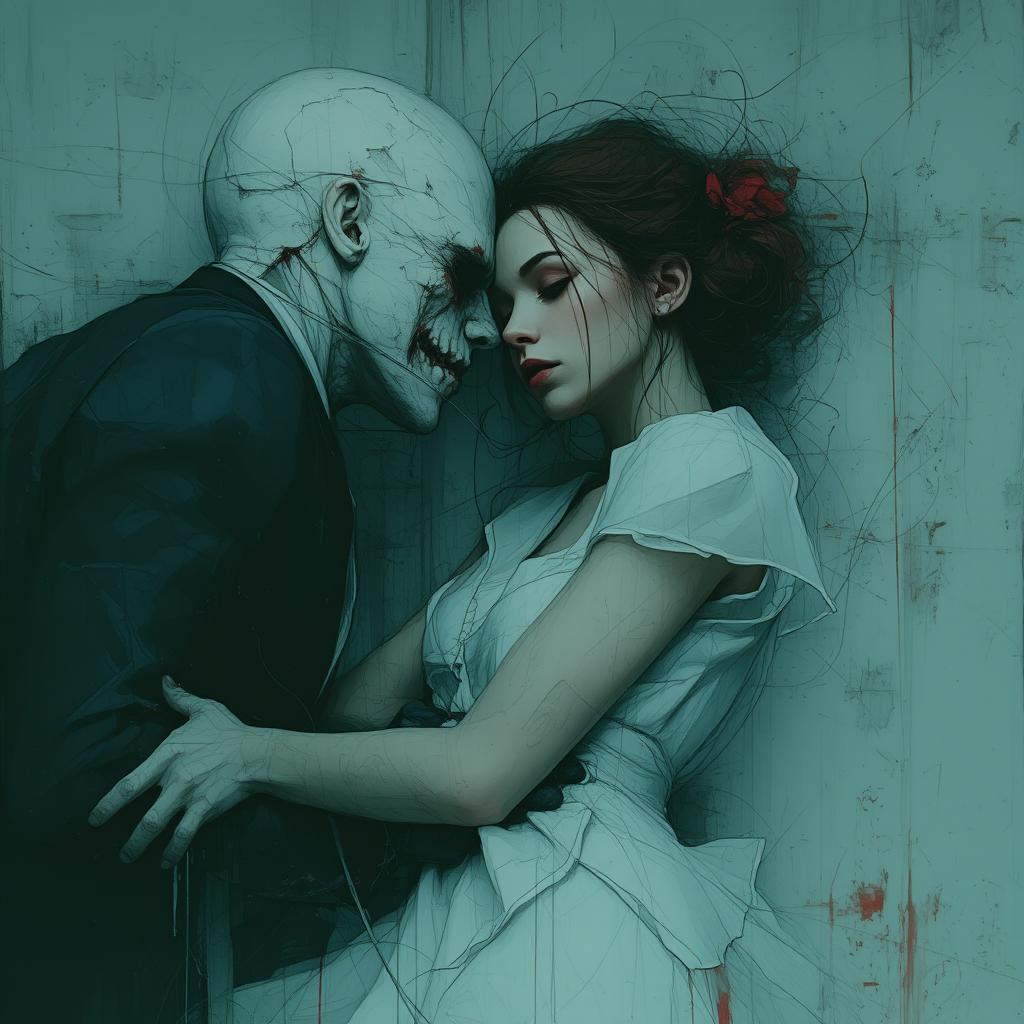
TRIGGER WARNING: This poem contains graphic metaphoric language and imagery related to physical harm, violence, and bodily injury, presented in a stylized and symbolic manner. While not literal, the content may be disturbing for some readers, particularly those sensitive to themes of abuse or violence in relationships. Reader discretion is advised.
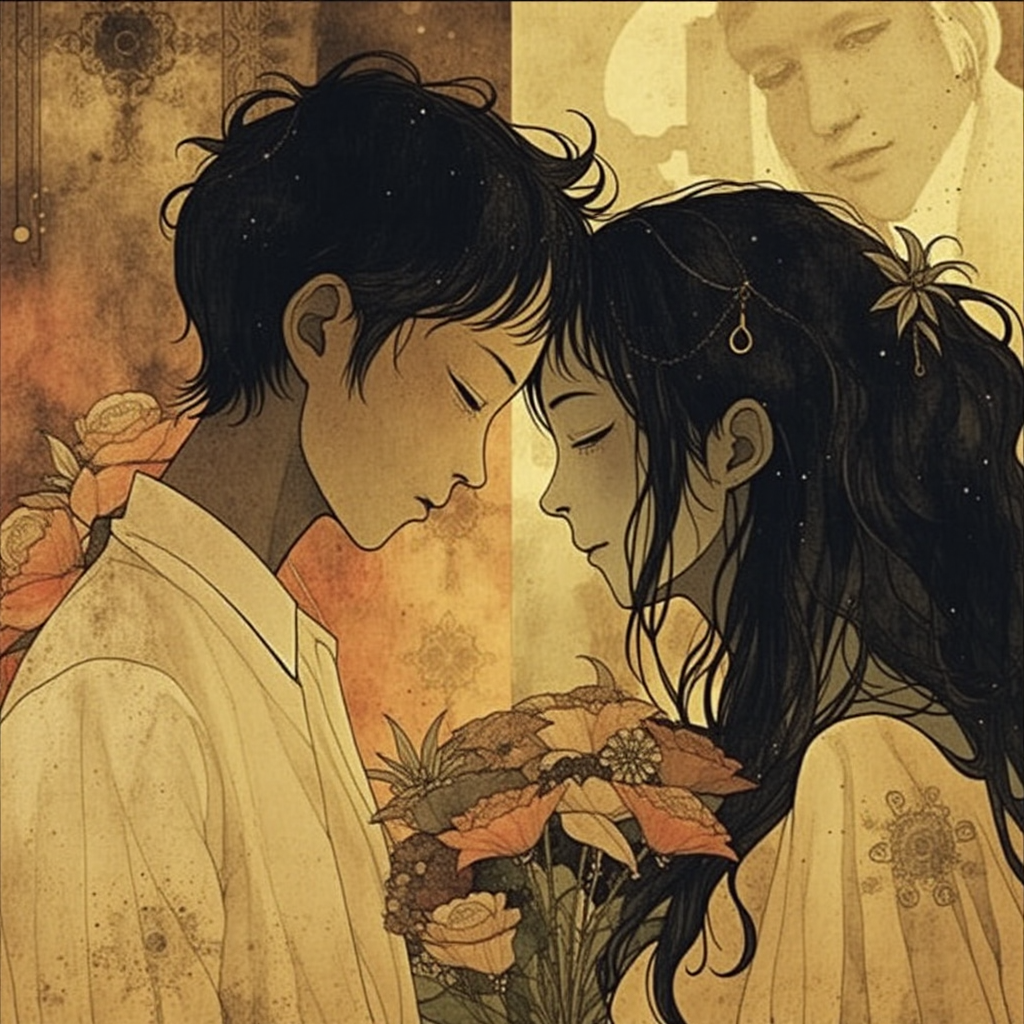
Start with the pinky, snap the tip Then work your way up the hand to the wrist To break the arm, you’ll need a tight grip.
When love takes hold and makes the heart skip You might hesitate, but I must insist Start with the pinky, snap the tip
The signal an upward curve of the lip Ignore all attempts if one tries to resist To break the arm, you’ll need a tight grip.
Dresses are easy, they merely unzip Buttons are harder; they require a twist Start with the pinky, snap the tip
If all else fails, just give it a rip No need to worry, no one will be missed To break the arm, you’ll need a tight grip.
The best way to tackle a relationship is to find the one who’s never been kissed Start with the pinky, snap the tip To break the arm, you’ll need a tight grip.






























 rebekahjmarshall