Tag Archives: poem

Hafiz – Poem 12

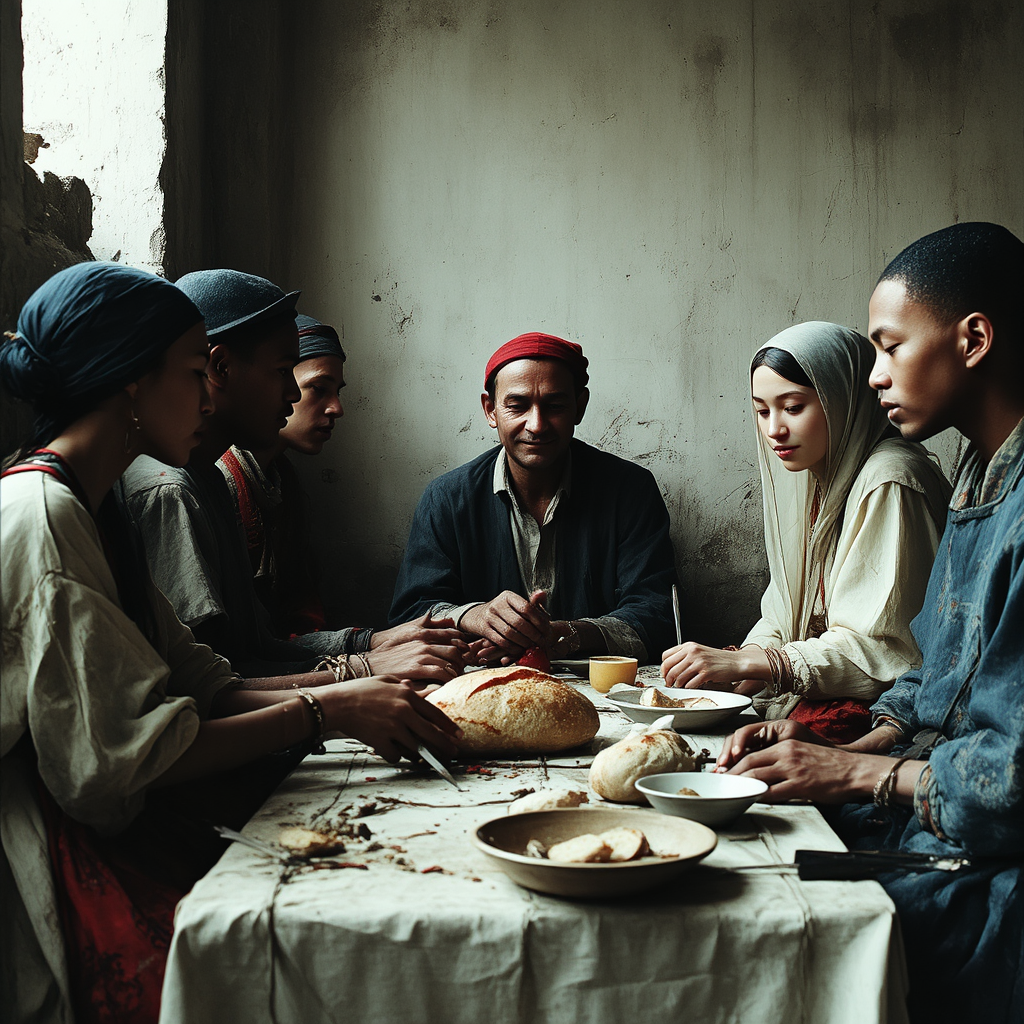
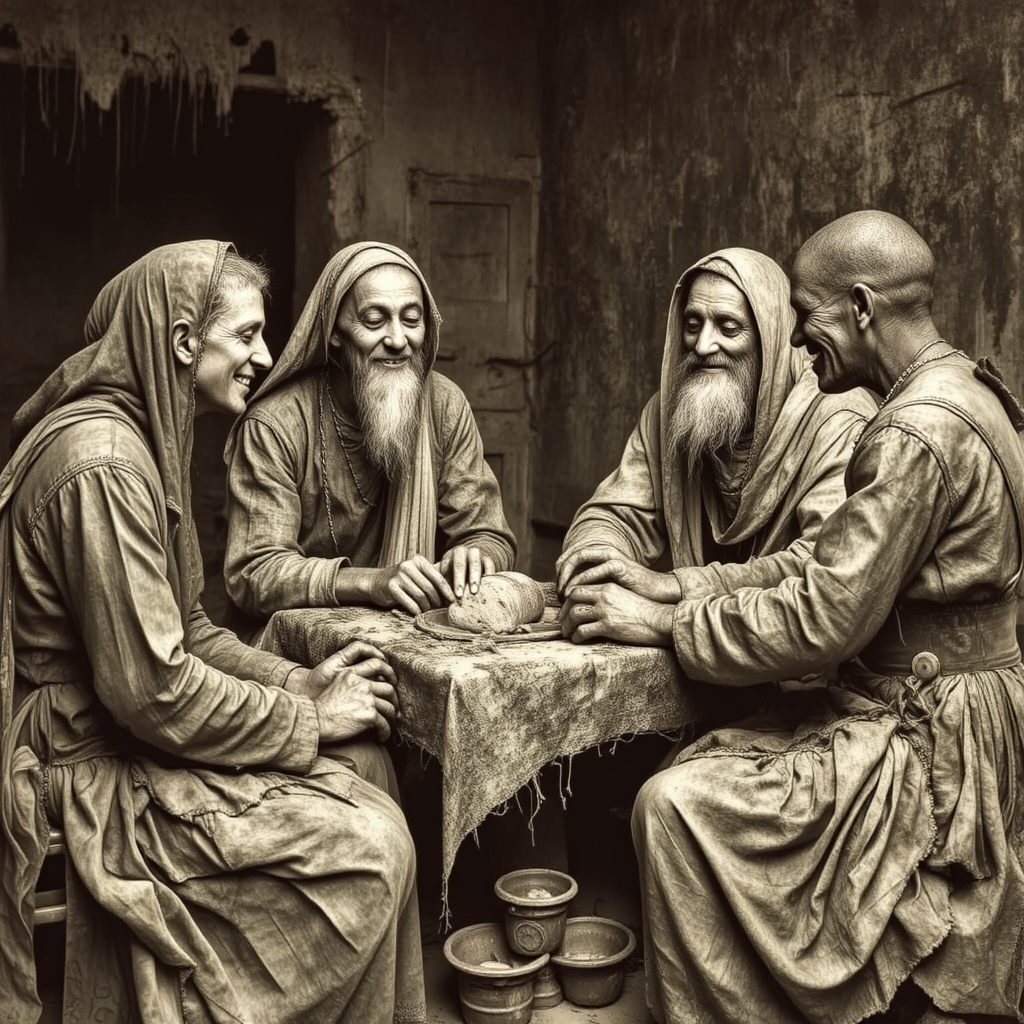
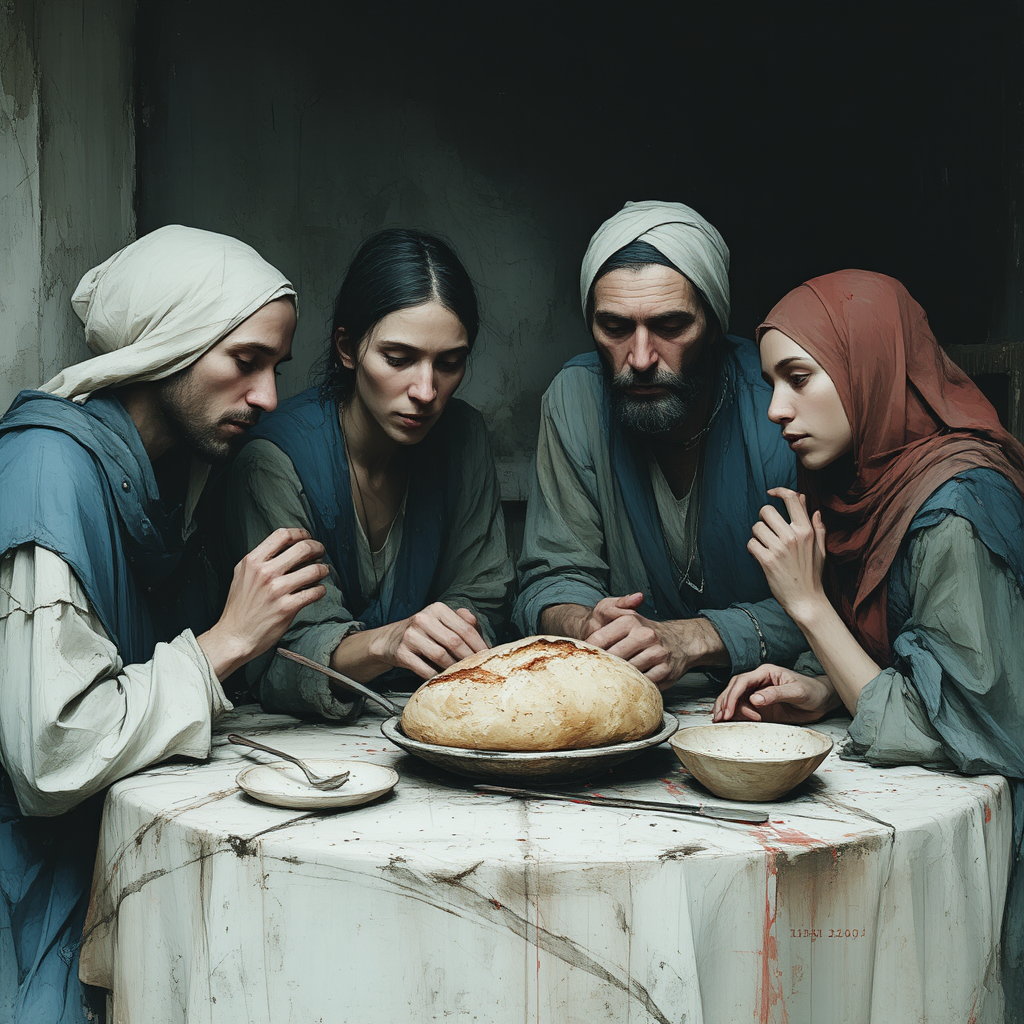
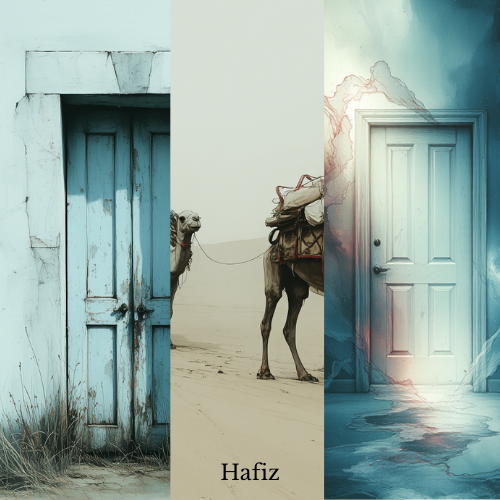
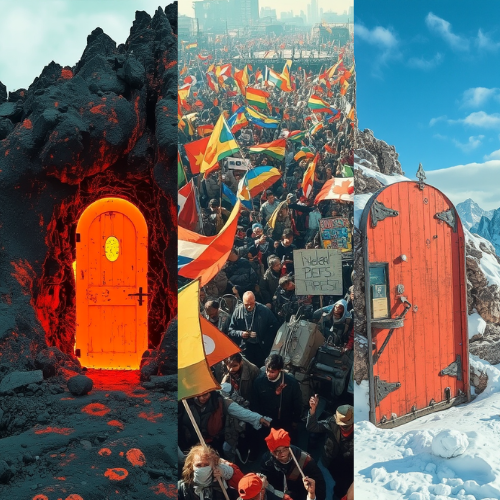
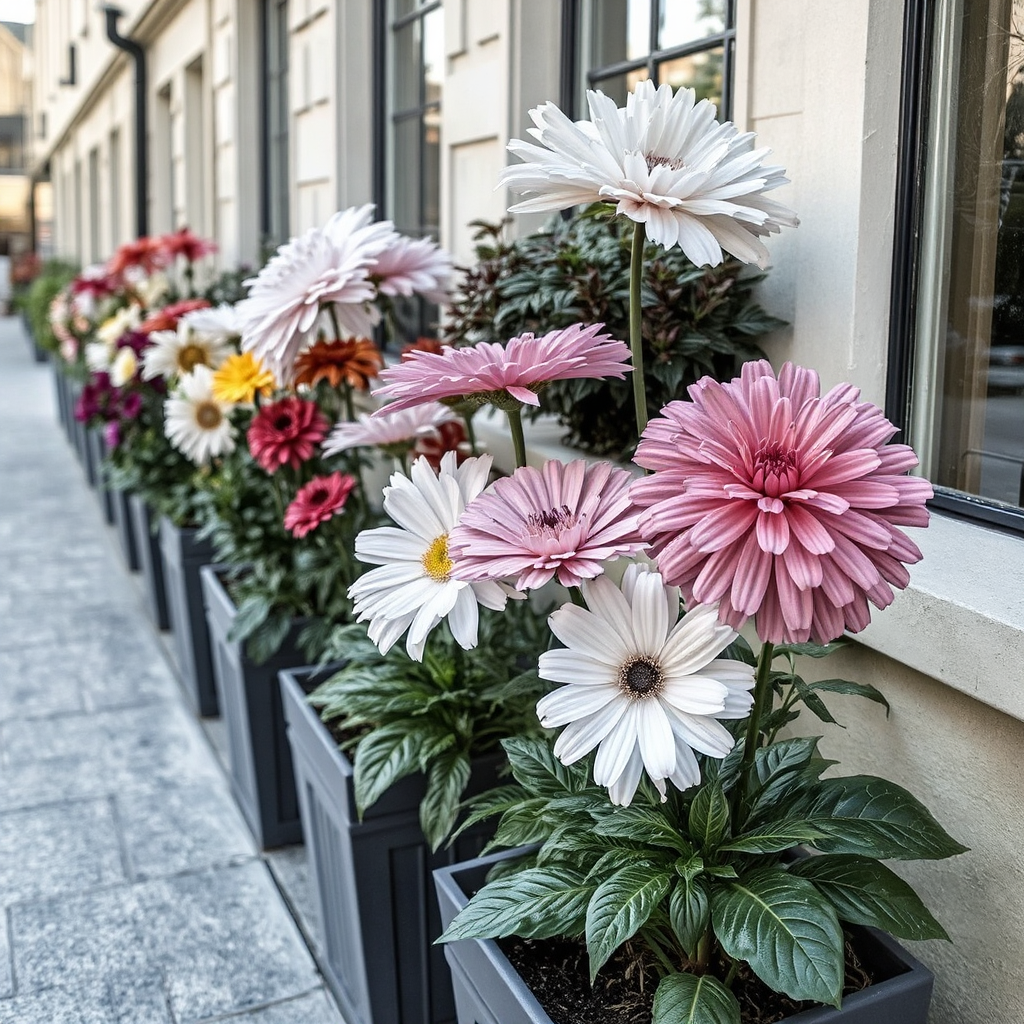
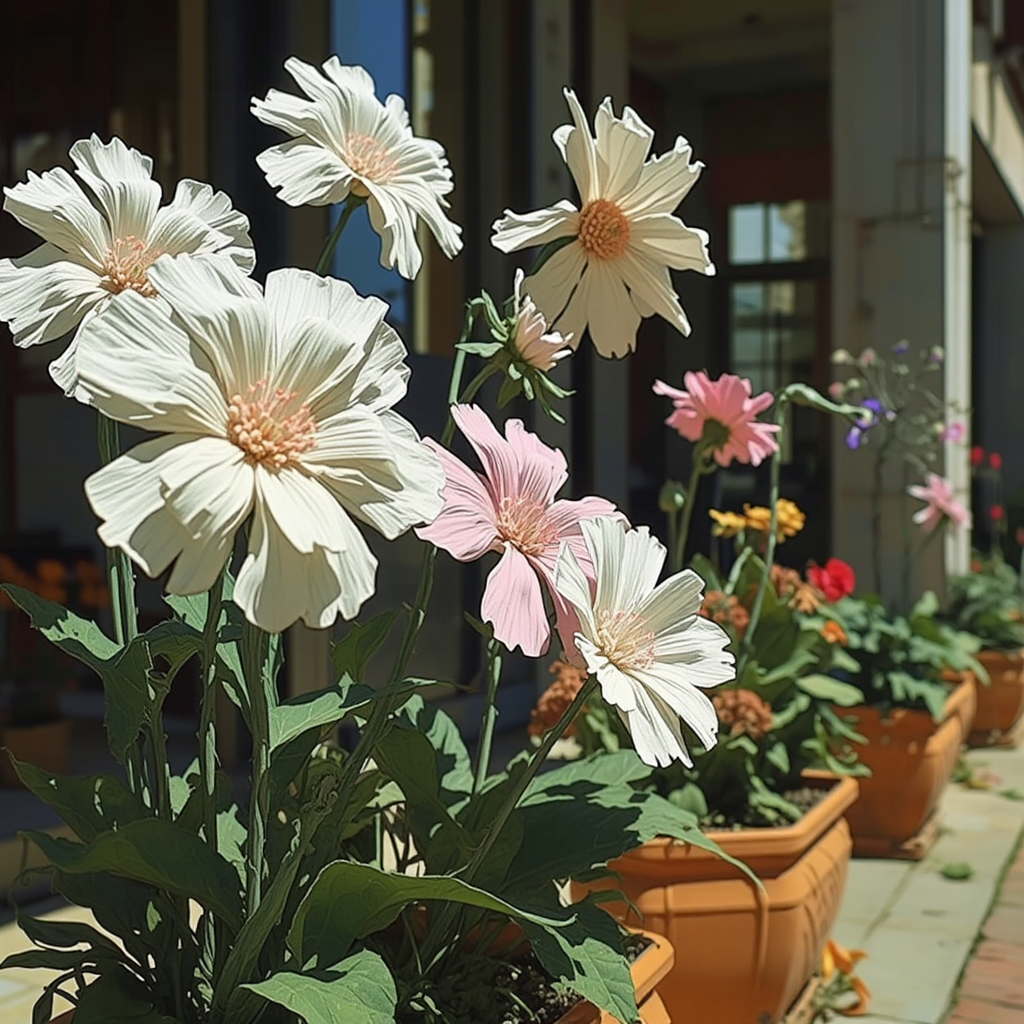
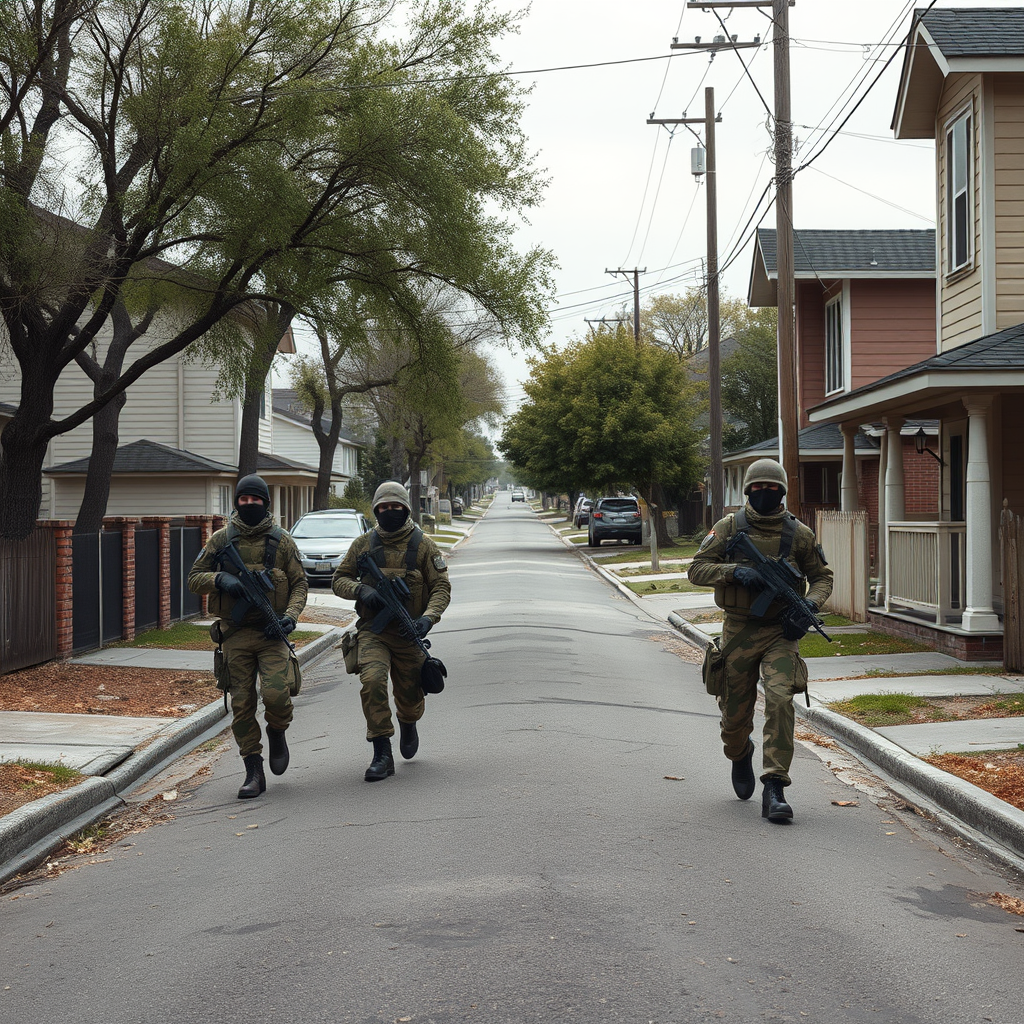
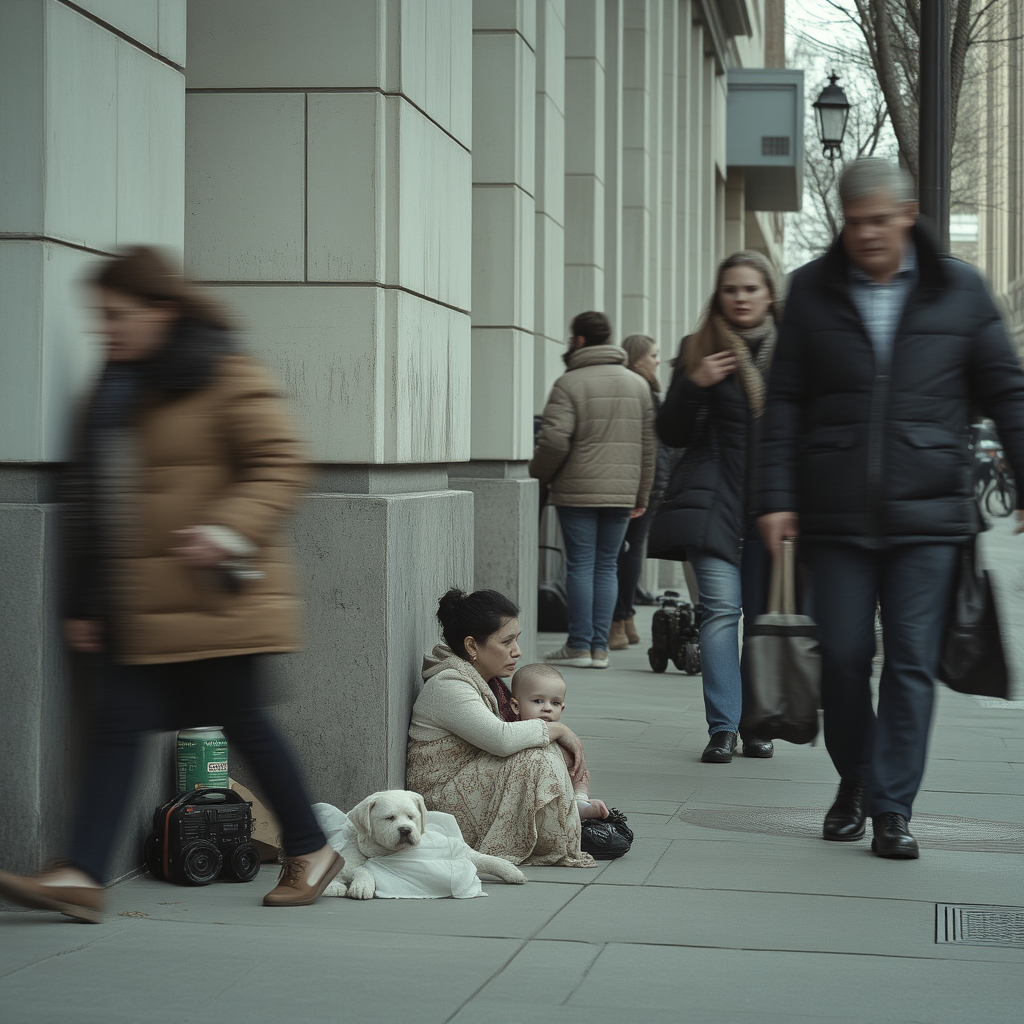
All images created by Rebekah Marshall’s prompts using AI on Gencraft.com website.

I am reading Hafiz’s Little Book of Life, poetry by Hafiz-e Shirazi. He is challenging me to become more comfortable with ambiguity. I will share his poem and some of my thoughts on his poem (sometimes with the help of experts when the concepts are too hard for me), followed by a poem and some art inspired by his poem.

Hafiz’s Poem 12:

I behold hundreds of thousands of flowers

     Yet no bird sings –

     Where have the birds all gone

& what happened to the nightingales
Some thoughts:

The absence of birdsong is unnatural. Seeing the beauty of outside, surrounded by flowers, soaking in the loveliness…and suddenly an uncomfortable sensation prickles the hair at the nape of the neck. We are coded genetically or ancestrally or instinctively to sense danger when the birds fall silent. And when do birds disappear (or at least hide in their nests)? When predators make the environment unsafe, unnatural events are taking place, or acts of God are about to be unleashed. I also read that birds sometimes decrease their presence and/or singing when they recognize that they are being watched. It is probably because the watching equates to potential predation, but it makes me wonder if increased surveillance in the form of cameras and other recording equipment interrupts their lifestyles.

Nightingales are some of the most singingest singers of the bird kingdom. They can make over 1,000 different sounds and males desperate to find a mate have been observed singing through an entire night. Their songs can reach 90 decibels and some know up to 260 different songs they can sing. In many literary contexts, nightingales represent the lover, the poet, the truth-teller, the one who sings no matter what. If even they have been silenced, we should be concerned. Hafiz may be speaking literally about human encroachment on nature with structural advancements and technological progress. But he could also be speaking metaphorically about oppression and the result of silencing freedom of speech. It is a false beauty that demands absolute obeisance.  

My Poem 12:

Sing for those in hiding,
doors barred by fear of discovery.
Sing for those who are crying
for their loved ones pulled away.

Sing for those out marching
to speak up for the ones who can’t.
Sing for those just starting
to realize the sickening truths.

Sing for those who’ve been taken,
whose futures are perilously unknown.
Sing for those who will not awaken
because their lives were stolen.

Hafiz. Hafiz’s Little Book of Life. Translated by Erfan Mojib and Gary Gach, Hampton Roads Publishing, 2023.
Hafiz – Poem 11

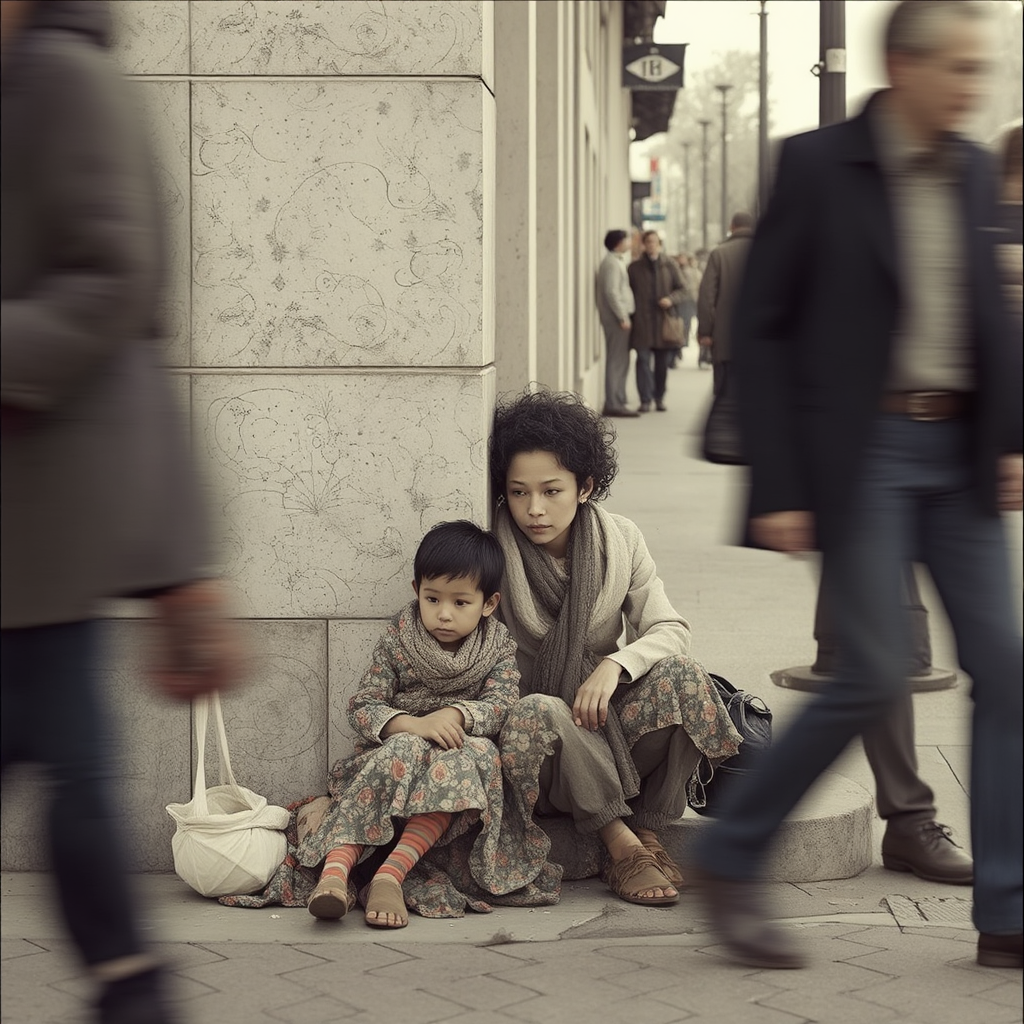
All images created by Rebekah Marshall’s prompts using AI on Gencraft.com website.

I am reading Hafiz’s Little Book of Life, poetry by Hafiz-e Shirazi. He is challenging me to become more comfortable with ambiguity. I will share his poem and some of my thoughts on his poem (sometimes with the help of experts when the concepts are too hard for me), followed by a poem and some art inspired by his poem.

Hafiz’s Poem 11:

     Let’s face it

The people of our time

     Have no sympathy for the poor

Some thoughts:

Well, this could have been written anytime, anywhere. Religions must make it a rule that we help the poor because, apparently, most groups of people struggle with feeling sympathy or empathy for others. So many believe if only they would pull themselves up by their bootstraps, have a better abundance mindset, put some effort into it, be more motivated, less lazy, more faithful, less wasteful, etc., they could dig themselves out of the hole they are in. Some religions believe it is karma from past lives or lessons they need to suffer through, so we shouldn’t interfere.

What if they were born in the hole or thrown there by others and left with no tools? What if they have little to no strength to climb due to spending all day just trying to survive? What if anytime they begin to climb even a little bit, they are knocked back down by forces outside their control? What if they live in the hole with a violent animal they must spend all their energy fighting off or staying vigilant to survive? All I know is that being poor is rarely a choice. Most people desire to be self-sufficient. Poverty feels embarrassing, humiliating, discouraging. Rather than kicking people when they are down, why not give people any help we can offer?

My Poem 11:

To teach a man to fish,
we must first ensure
the man has access to water
that is not polluted,
is stocked with unpoisoned fish,
that he is not allergic to fish,
and is not a vegetarian
or opposed to the killing of fish.
Does he have a fishing license?
In Texas, he must have
a driver license or state identification
and a social security card as prerequisites.
If he is not a legal resident,
he may not have either of those.
So, first we must ascertain
if he is a citizen or here legally.
Otherwise, he is breaking the law
to even attempt to fish.
He may need a sidewalk
if he’s in a wheelchair.
Does he have a fishing pole?
Does he have arms or legs
with which to hold the fishing pole?
If not, have we made sure
his fishing pole is properly
adapted to his needs
Does he know how to swim
if he falls in the water?
Are we sure he has the
mental ability to learn to fish?
The emotional stability
to take a life to sustain his own?
Does he own a knife
to clean the fish?
Does he know how to build a fire
to cook the fish?
If so, does he have access
to wood, fuel, or other means
of heating the fish to prevent illness?
Is it even legal to build a fire
where he is fishing?
Can he afford bait?
There are so many more
things to consider than
merely a worn platitude
that makes us feel righteous.

Hafiz. Hafiz’s Little Book of Life. Translated by Erfan Mojib and Gary Gach, Hampton Roads Publishing, 2023.
Hafiz – Poem 10

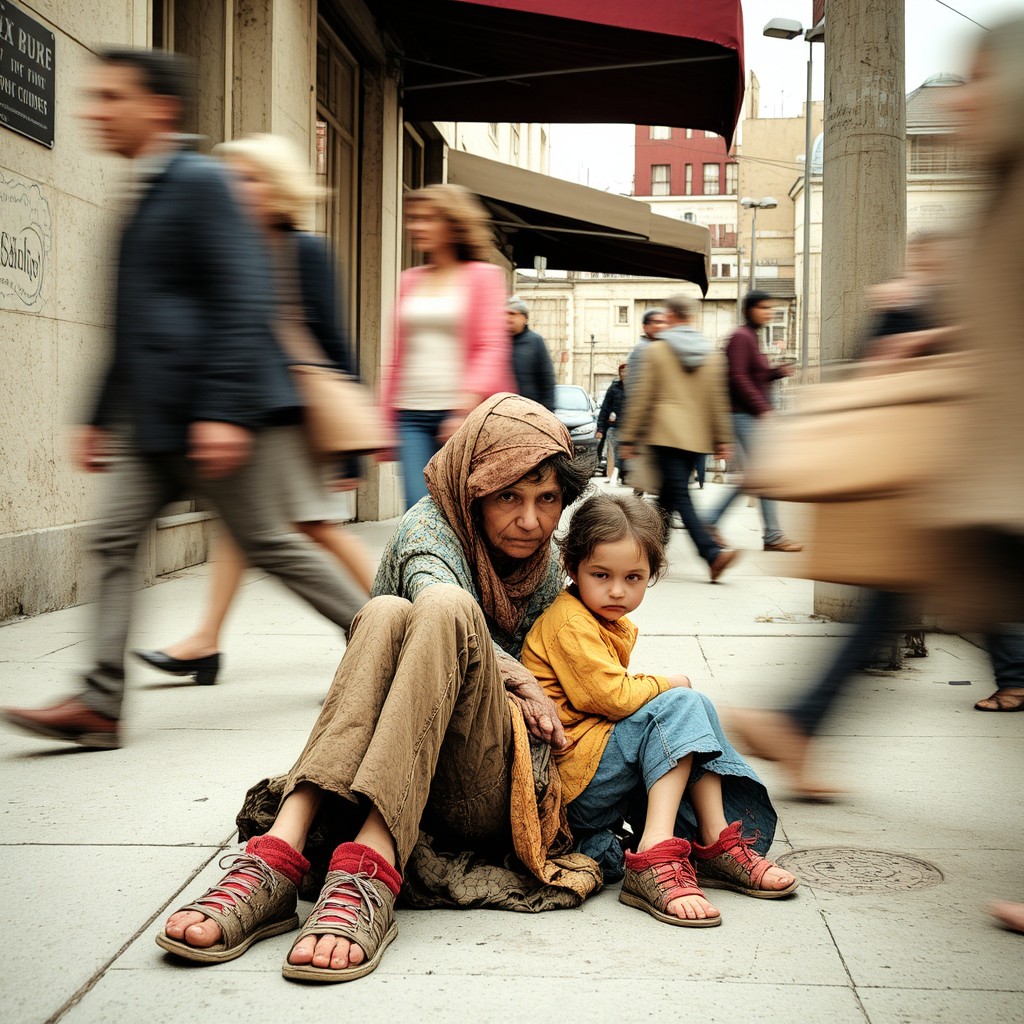
All images created by Rebekah Marshall’s prompts using AI on Gencraft.com website.

I am reading Hafiz’s Little Book of Life, poetry by Hafiz-e Shirazi. He is challenging me to become more comfortable with ambiguity. I will share his poem and some of my thoughts on his poem (sometimes with the help of experts when the concepts are too hard for me), followed by a poem and some art inspired by his poem.

Hafiz’s Poem 10:

We aren’t about to beg

     For the sake of our daily bread

Go tell His Majesty

     We’re doing fine without him

Some thoughts:

Dang! Hafiz. This poem is brave. I don’t know which ruler’s reign it was written during, but it must have been one of the more despicable ones. Hafiz is obviously not impressed with the implied demand that the people submit through fear and desperation to authority. For even something as crucial as sustenance, Hafiz would rather starve than accept handouts from a despot.

He is refusing to bend the knee before false sympathy. His is a peaceful protest rejecting humiliation, rejecting any part in a tyrannical system, and projecting calm resolve. And why does His Majesty (I can almost feel the air quotes around the title) have all the bread anyway? Why is he hoarding what the people need? Hmmmmm…sounds a little suspect. These poems are starting to feel pretty too close to home right now.

My Poem 10:

Your excuses no longer pacify.
Your explanations make less than no sense.
Your arguments don’t hold water.
Your rationales beg the question.
Your reasonings are oversimplification.
Your conclusions are flawed.
Your justifications are red herrings.
Your premises are based on hate.
Your convictions are built on self-righteousness.
Your desires are constructed by greed.
Your claims are predicated on nonsense.
Your logic is unsound.
Your beliefs are heinously evil.
Your rhetoric is embarrassing.
Your legacy will be accurately remembered by those who observe, take note, and record.

Hafiz. Hafiz’s Little Book of Life. Translated by Erfan Mojib and Gary Gach, Hampton Roads Publishing, 2023.
Hafiz – Poem 5

All images created by Rebekah Marshall’s prompts using AI on Gencraft.com website.

I am reading Hafiz’s Little Book of Life, poetry by Hafiz-e Shirazi. He is challenging me to become more comfortable with ambiguity. I will share his poem and some of my thoughts on his poem (sometimes with the help of experts when the concepts are too hard for me), followed by a poem and some art inspired by his poem.

Hafiz’s Poem 5:

     Be in harmony

With the spring clouds

Some thoughts:

This little poem is packed with meaning, like a cloud full to bursting with spring rain. The concept of harmony is not demanding or structured, not perfect unison or absolute. It is complementary, attuned to the movement and ever-changing nature of formation. A cloud is by nature evolving endlessly. The idea of collecting the elements into oneself until so full you must release that life-giving abundance so it can pour out upon others is magical, mystical, and inspirational. And yet, it is something clouds do without conflict, easily, without a second thought. To move with the filling and sharing of abundance as naturally as a spring cloud would be a miraculous transformation.

My Poem 5:

Gathering, shifting unpredictably
Carrying shade, rain, promise
Teachers of impermanence
Arriving gently
Leaving unapologetically
No clinging to shape
No rushing of purpose
No fear of change
Moving inside time
Dissolving as necessary

Hafiz. Hafiz’s Little Book of Life. Translated by Erfan Mojib and Gary Gach, Hampton Roads Publishing, 2023.
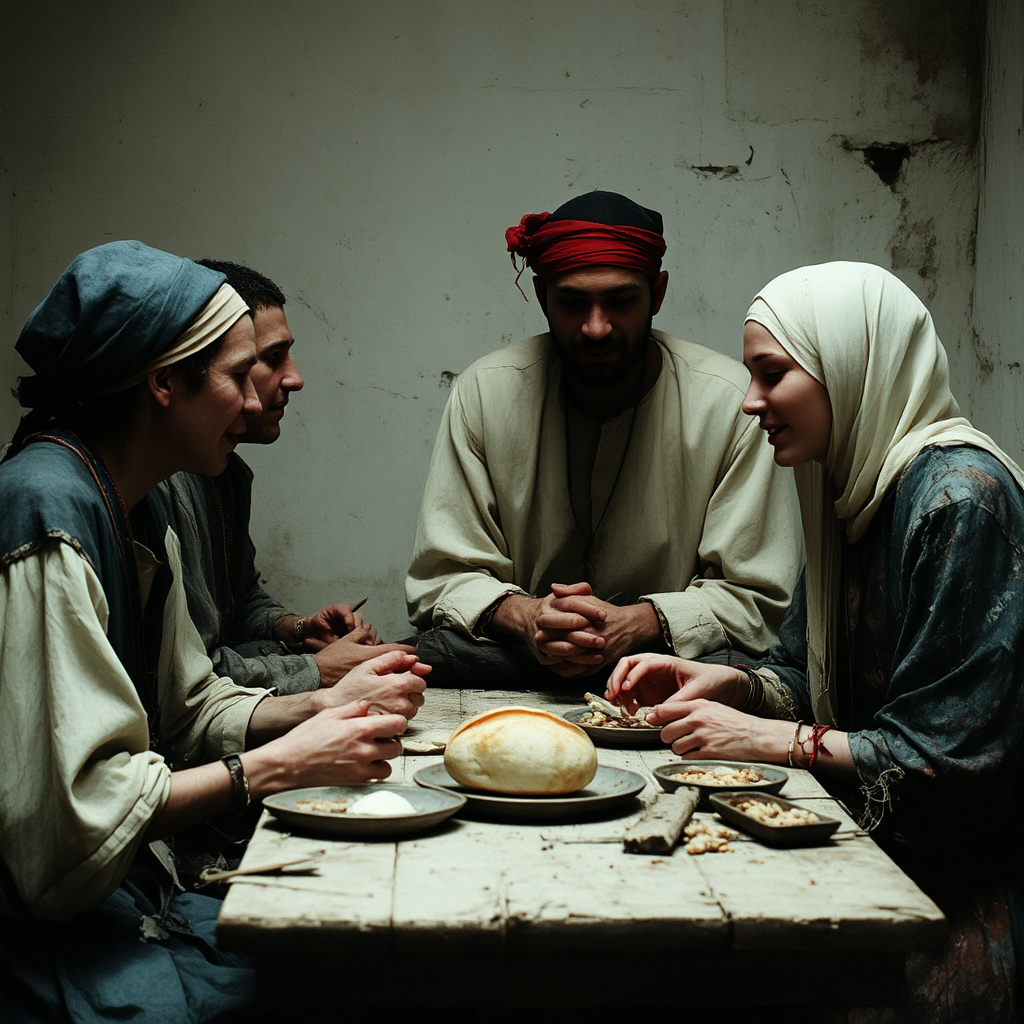
Hafiz – Poem 3

I am reading Hafiz’s Little Book of Life, poetry by Hafiz-e Shirazi. He is challenging me to become more comfortable with ambiguity. I will share his poem and some of my thoughts on his poem (sometimes with the help of experts when the concepts are too hard for me), followed by a poem and some art inspired by his poem.

Hafiz’s Poem 3:

To cut off my desire for life
Would be easy, next to cutting off
Dear
Friends

Some thoughts:

If the desire for life in mystical philosophy is wrapped up in ego, renouncing the world, releasing ambition, etc., then Hafiz is saying that surrendering control is a piece of cake compared to severing relationships with dear friends. And the contrast he is setting up implies that he has no intention of severing ties with those he loves for supposed holiness or spiritual advancement. Perhaps he is even critiquing some of the spiritual asceticism some practices require of their members, like abstinence from human relationships and connection to others. Detachment does not mean abandoning those we love. God is love, so intimacy with others must be sacred.

My Poem 3:

Dissolve the untrue.

The last thing standing is love,

for love is not false.

Hafiz. Hafiz’s Little Book of Life. Translated by Erfan Mojib and Gary Gach, Hampton Roads Publishing, 2023.
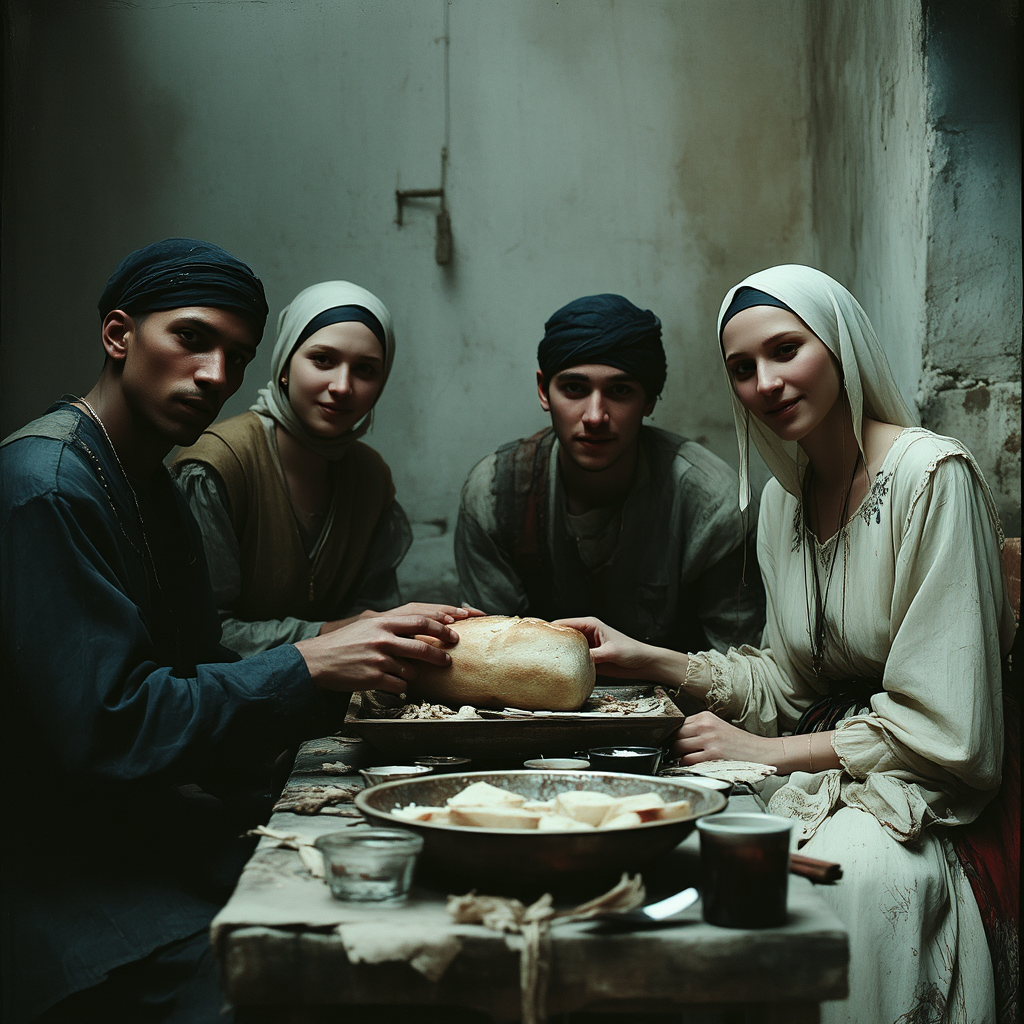
Hafiz – Poem 2

I am reading Hafiz’s Little Book of Life, poetry by Hafiz-e Shirazi. He is challenging me to become more comfortable with ambiguity. I will share his poem and some of my thoughts on his poem (sometimes with the help of experts when the concepts are too hard for me), followed by a poem and some art inspired by his poem.

Hafiz’s Poem 2:

Everyone
Drives by
While I
Walk on alone

Some thoughts:

I can only relate metaphorically to this poem because walking is difficult for me. With my joint degeneration and chronic pain, driving is much more my speed. However, I respect the deeper meanings that might be of the walking-to-the-beat-of-your-own-drum sort of metaphor. If “I” am doing something that seems to be different from “Everyone,” but I believe it to be what is best for me, I must persist, despite the aloneness. Perhaps because of the aloneness.

Sometimes solitude is the best way to connect to purpose, find center, ground. The harried rush of this world can sap our energy and distract us from the quiet inner contemplation that can connect us to our better selves. We cannot be of service to others if we are barreling through life so fast we have lost our own ability to reflect, to ponder, to get to know the quiet of our own minds. It is only here that most of us can hear the still, small voice.

I’m not sure what kind of drivers were racing past Hafiz on his alone walk in the 1300s, but I assume they were carts pulled by horses and people on horseback mostly. Faster than the pace of a walker, but nothing compared to the 80mph drivers on Texas highways. My, the poems he would have written about the rush of life we live today.

My Poem 2:

My H.E.B. has electric shopping carts
for people like me to use in their store.
They are slow, so as not to endanger
other shoppers who could be run over.

They beep loudly and embarrassingly
if I need to back up for overshooting.
They are awkward for direction changes,
and can be the cause of traffic jams.

But I no longer feel anything other than
thankfulness when I drive them to shop.
The lack of pain while choosing for myself
provides autonomy and independence.

I may drag the cord behind me like a tail,
stall and get stranded by a depleted battery,
and back into the occasional display or wall,
but I move at a pace that is mine alone.

Hafiz. Hafiz’s Little Book of Life. Translated by Erfan Mojib and Gary Gach, Hampton Roads Publishing, 2023.
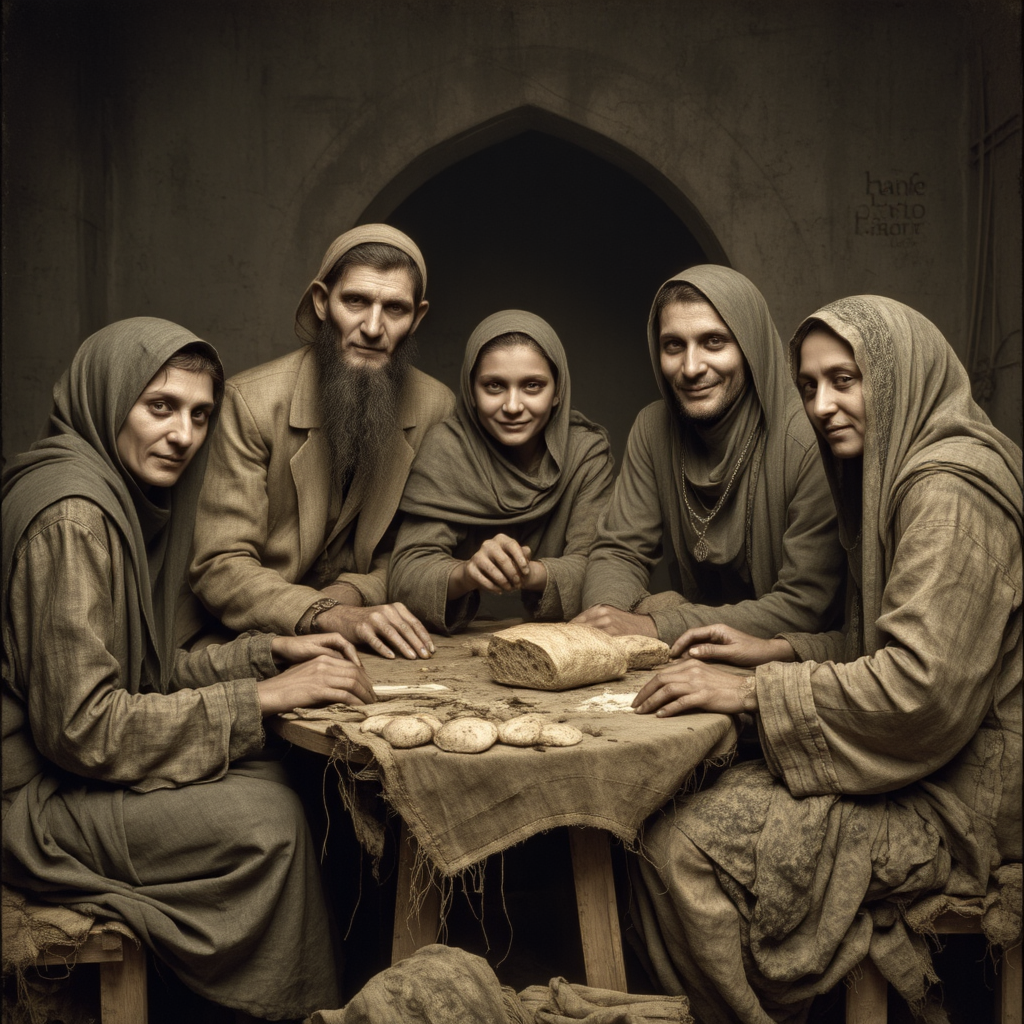
Hafiz – Poem 1

I am reading Hafiz’s Little Book of Life, poetry by Hafiz-e Shirazi. He is challenging me to become more comfortable with ambiguity. I will share his poem and some of my thoughts on his poem (sometimes with the help of experts when the concepts are too hard for me), followed by a poem and some art inspired by his poem.

Hafiz’s Poem 1:

Between these two doors
                                 This caravan

Some thoughts:

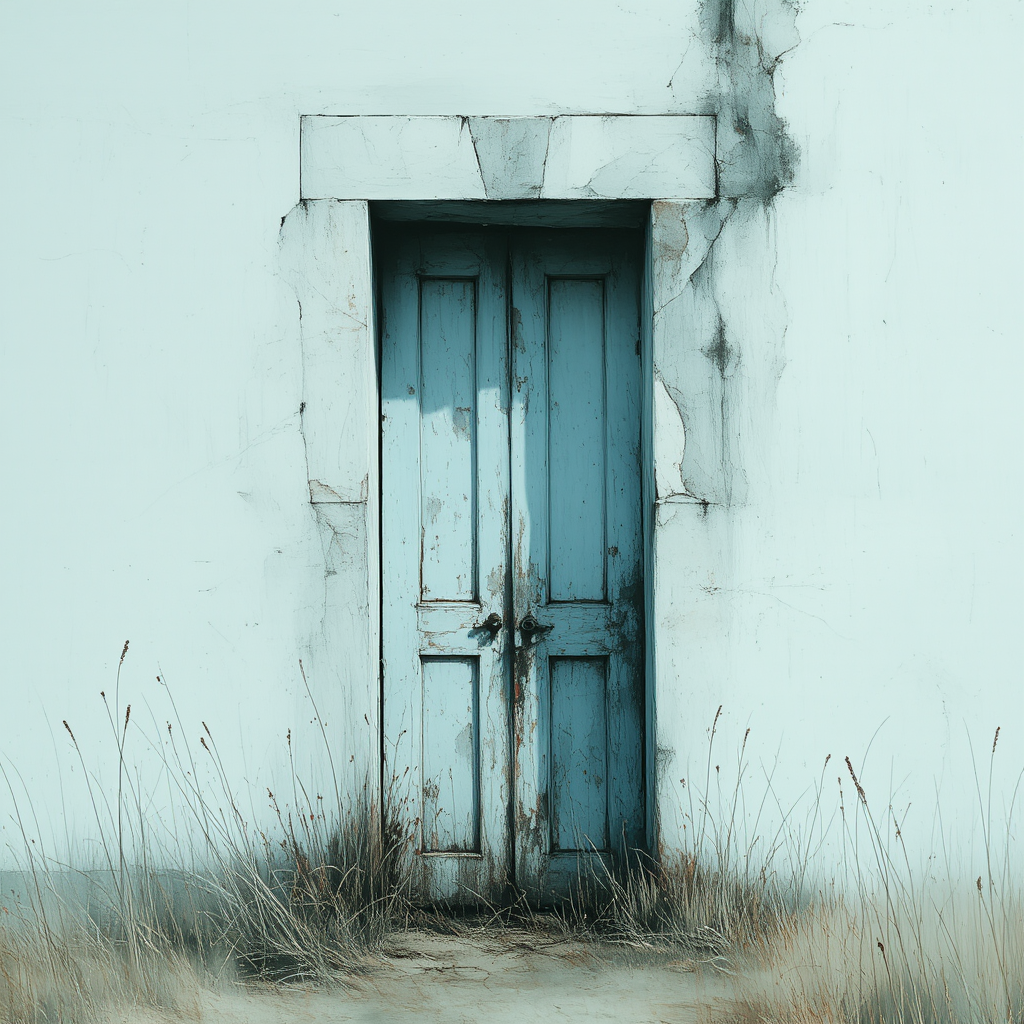
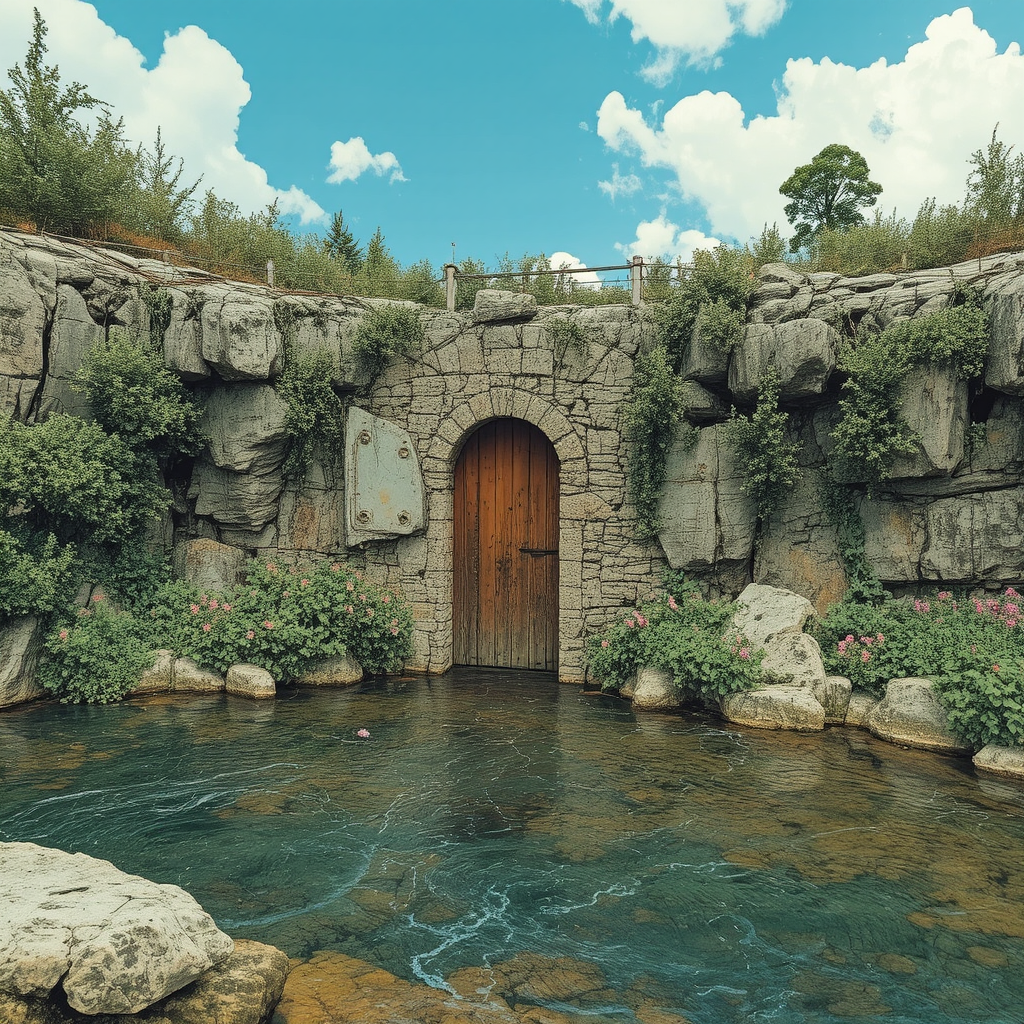
The imagery of doors implies entrances and exits, passageways, or boundaries. Two doors suggest pillars of demarcation in time, place, awareness or perhaps binary contrasts. Opposite ends of conceptual delineations like birth and death or past and future seem like reasonable possibilities.

But those don’t seem to be what Hafiz is concerned with. He is pointing out the between. What is happening in the interim, the dash? Of course, the interesting part is the journey. We get so hyper-focused on reaching the destination that we become uncomfortable with the time spent in the now learning to be patient.

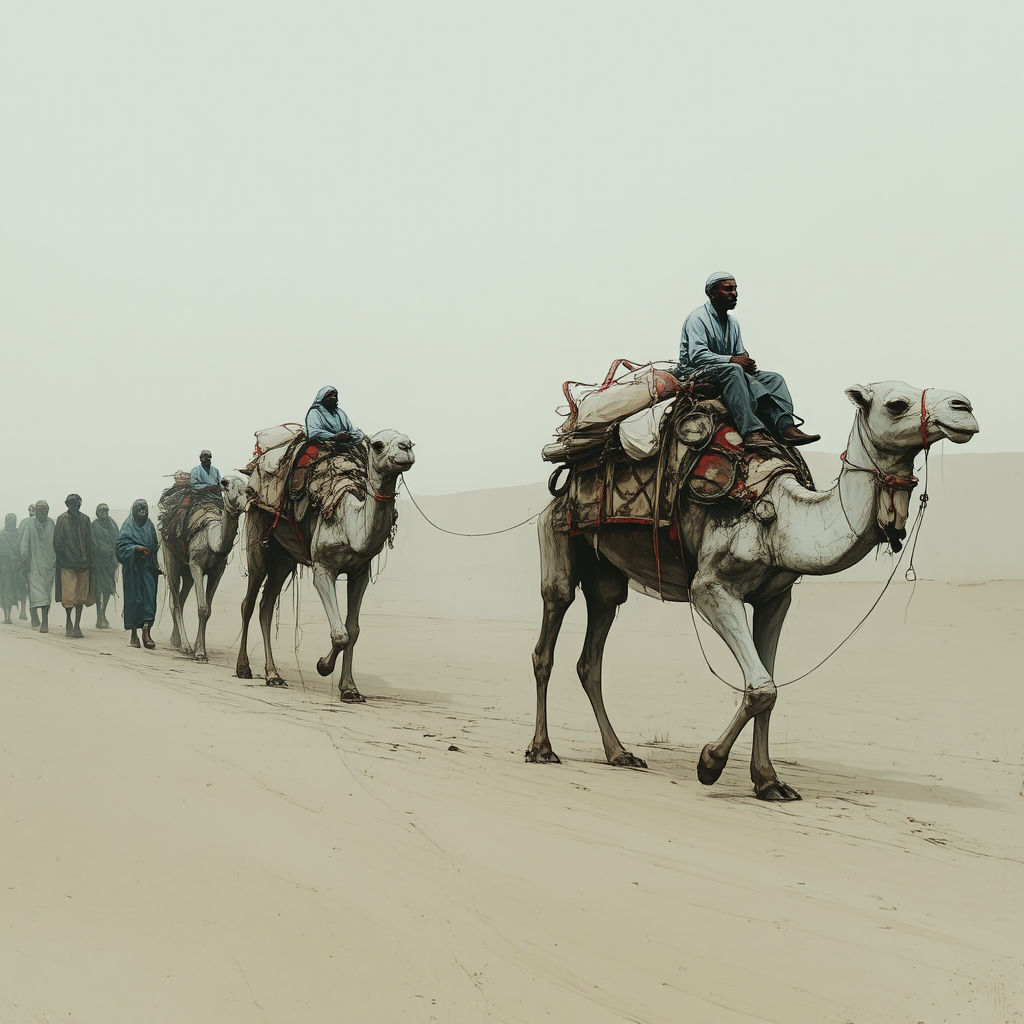
I picture a caravan of camels carrying the worldly goods of travelers long distances, the people eager for trade, companionship, good food, fresh water, music, romance, and laughter. It is life in motion. The doors are really of no consequence right now. They are the least of our concern when we have all this living to do.

My Poem 1:

Unmoored, afloat, uncertain if hope
is a delusion or a virtue
stillness sits where ambition
once cracked her knuckles

the in-between is where?
beginning was once easy to define
though ending is unknown
the certainty of it was assumed

now nothing reveals itself as absolute
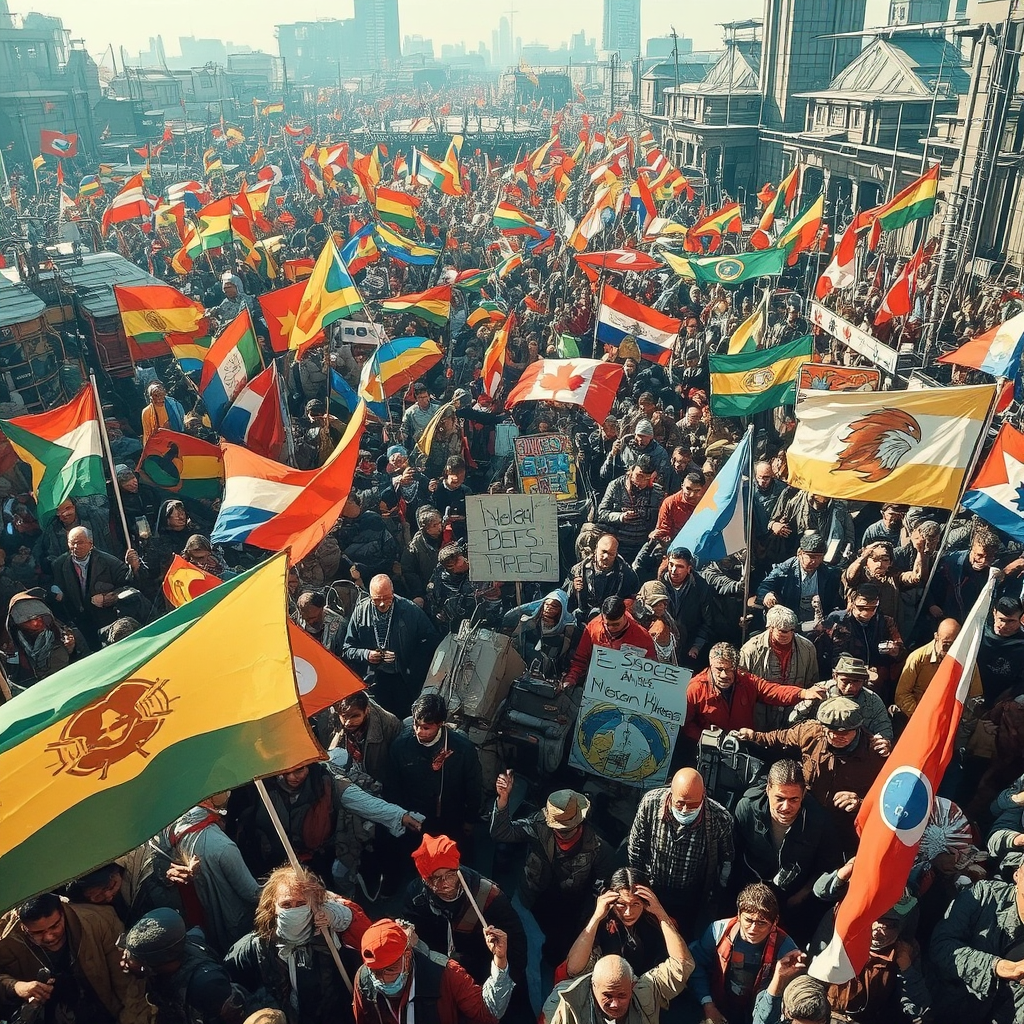
except this protest march
that might possibly transform
into a celebratory parade

Hafiz. Hafiz’s Little Book of Life. Translated by Erfan Mojib and Gary Gach, Hampton Roads Publishing, 2023.
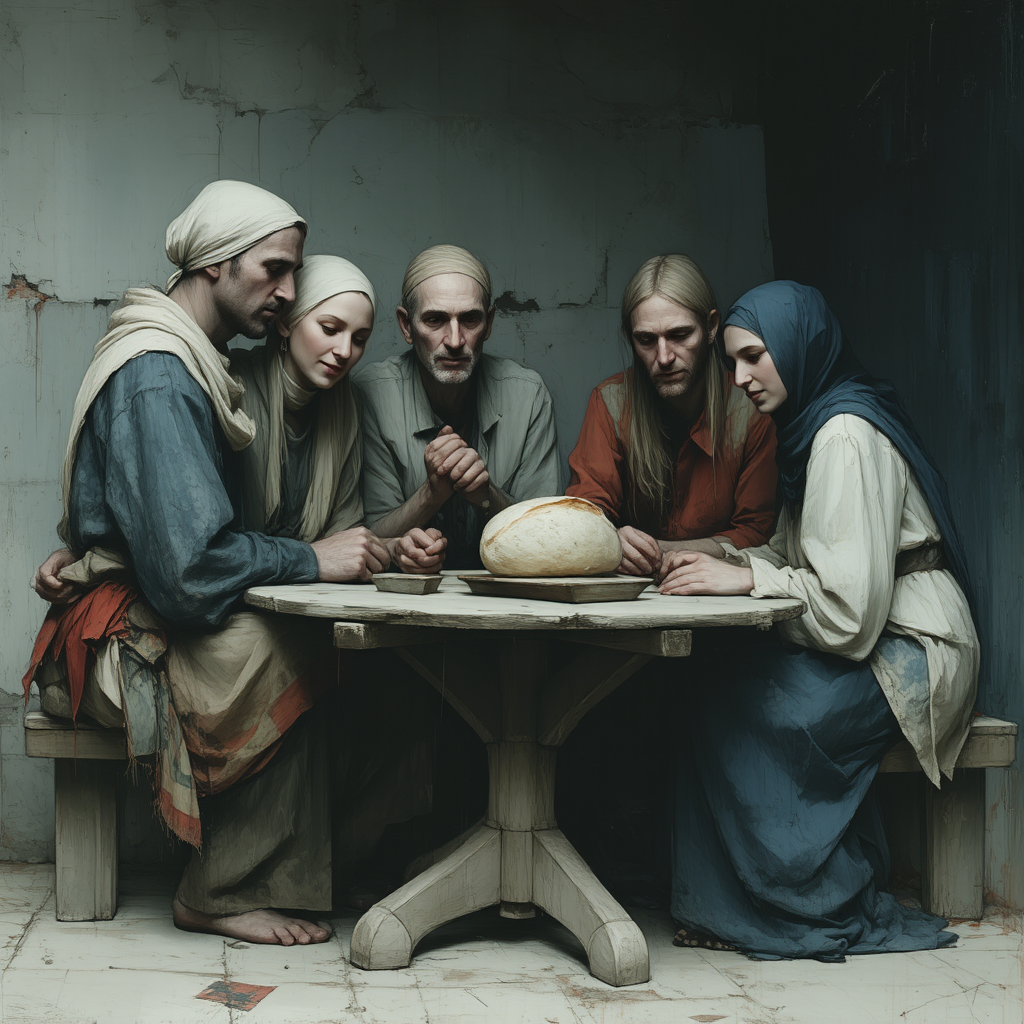
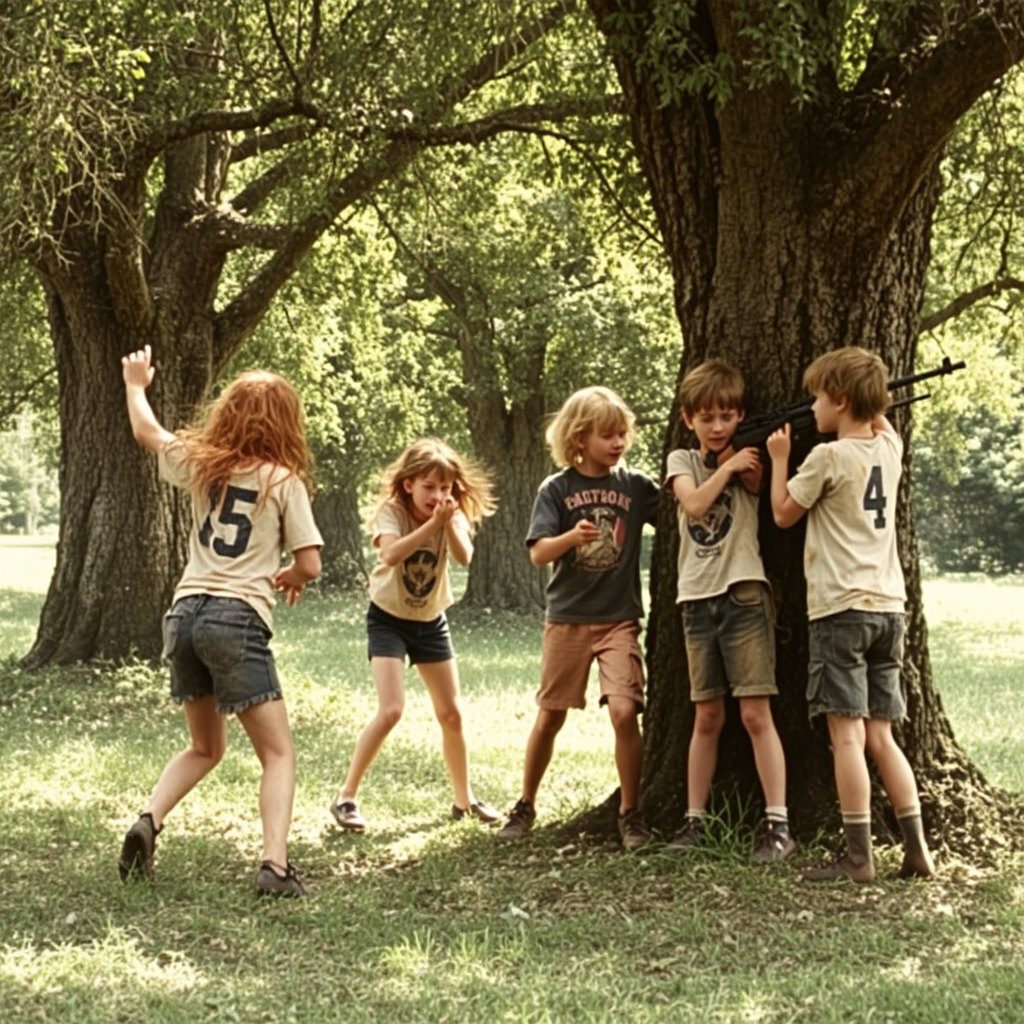
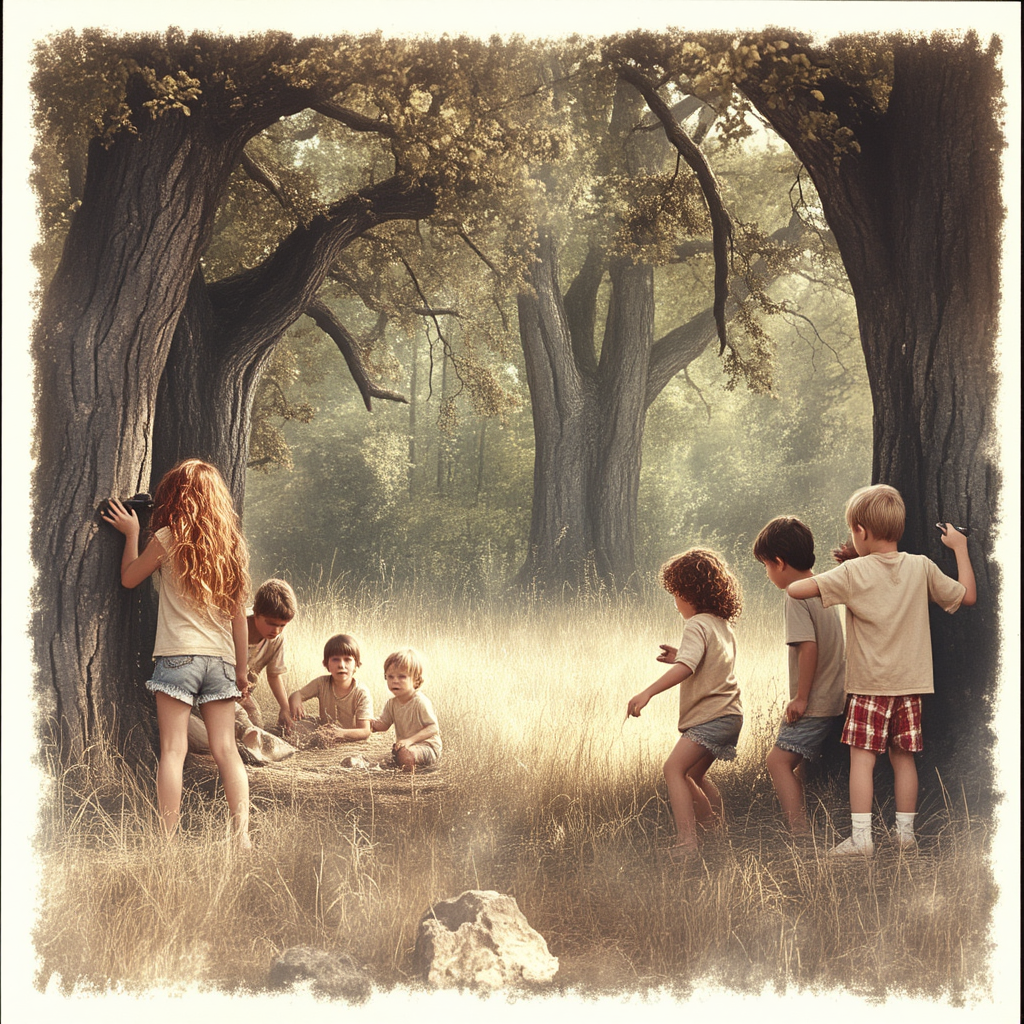
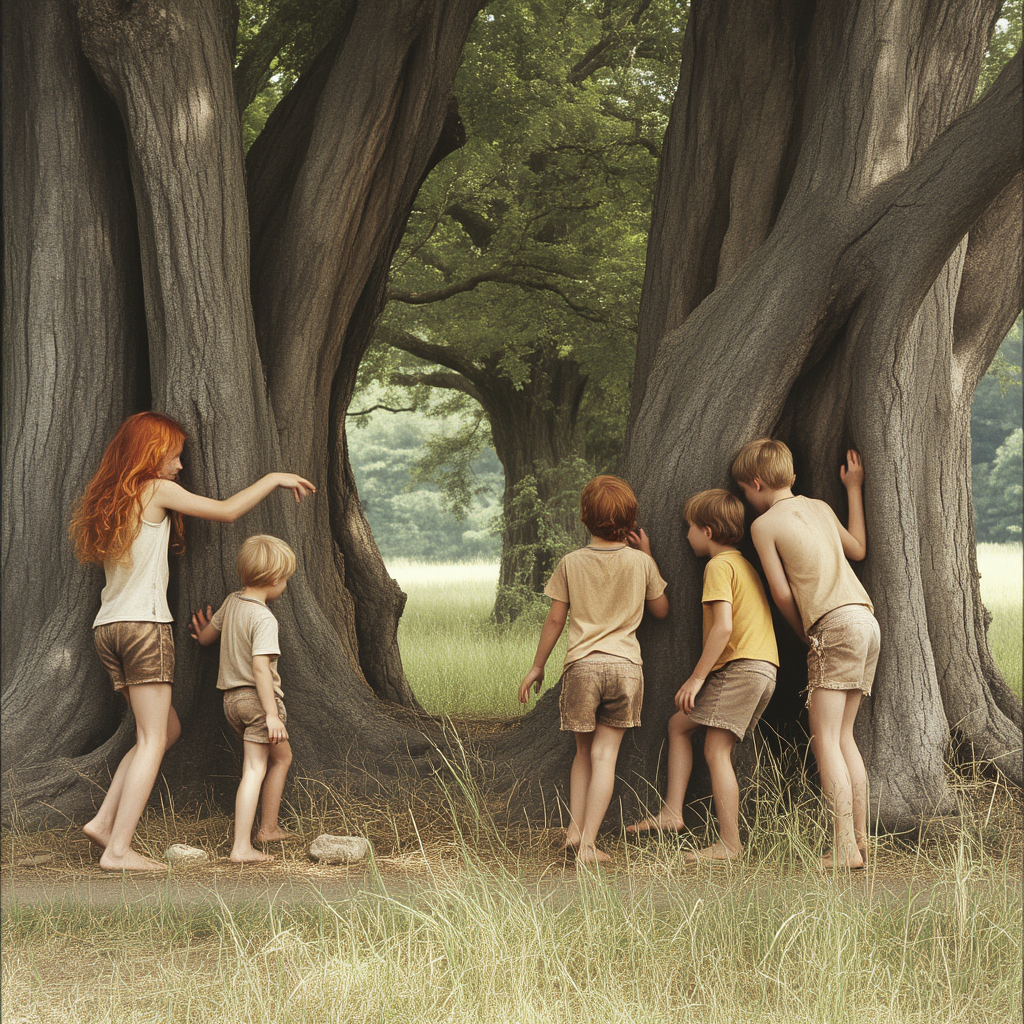
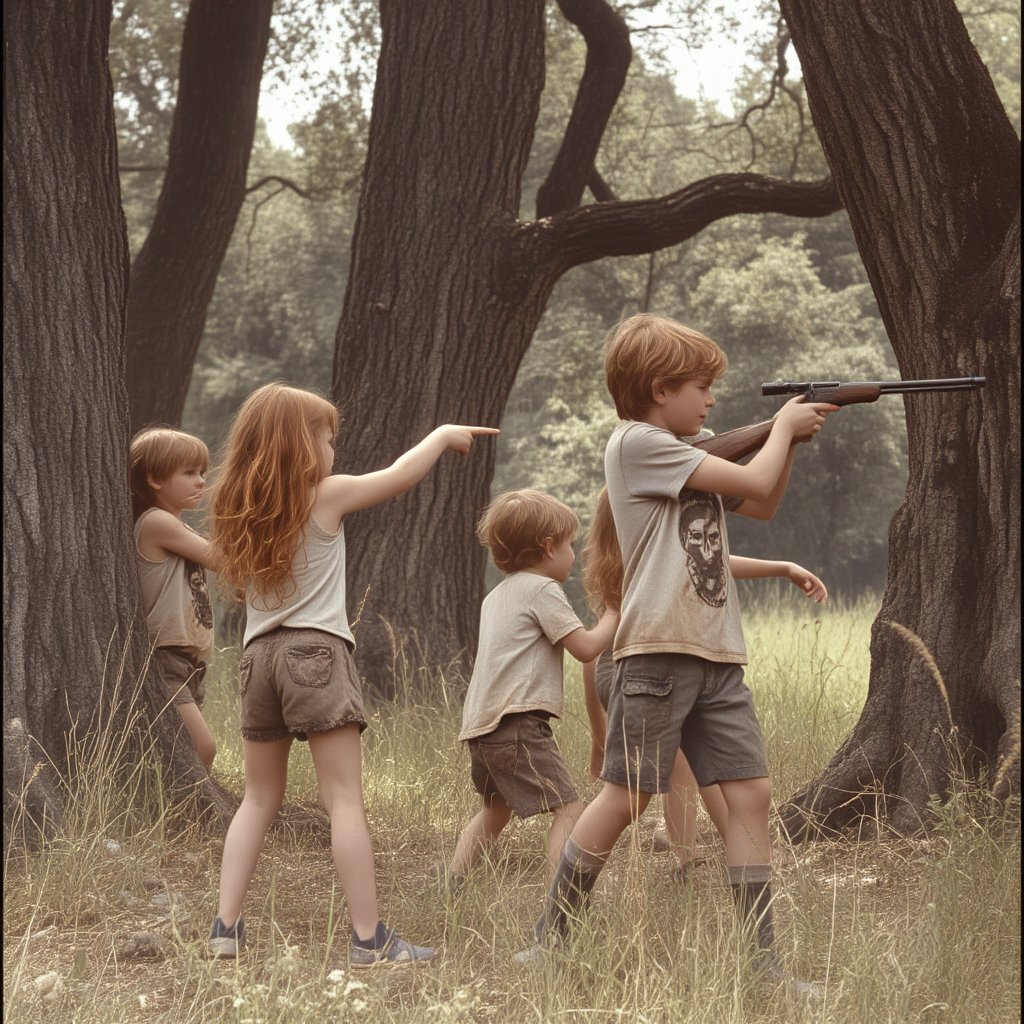
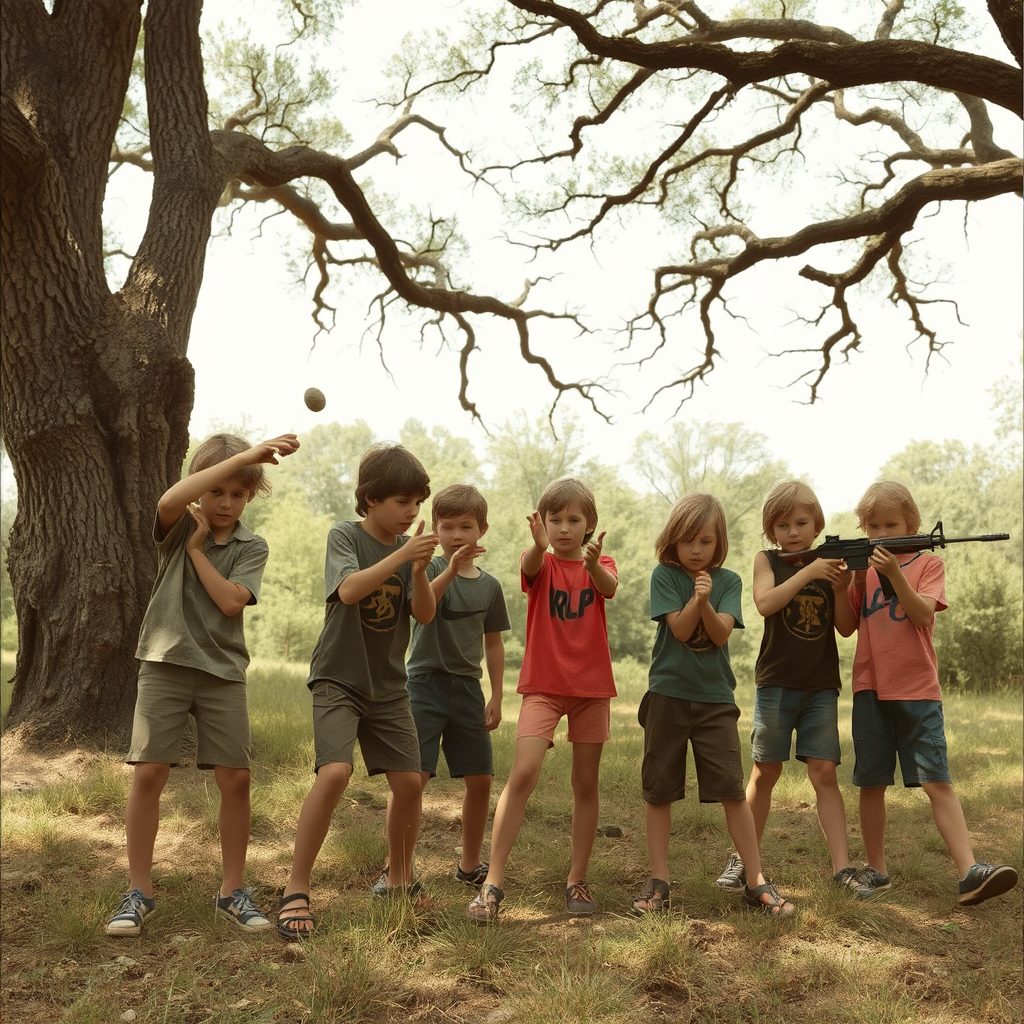
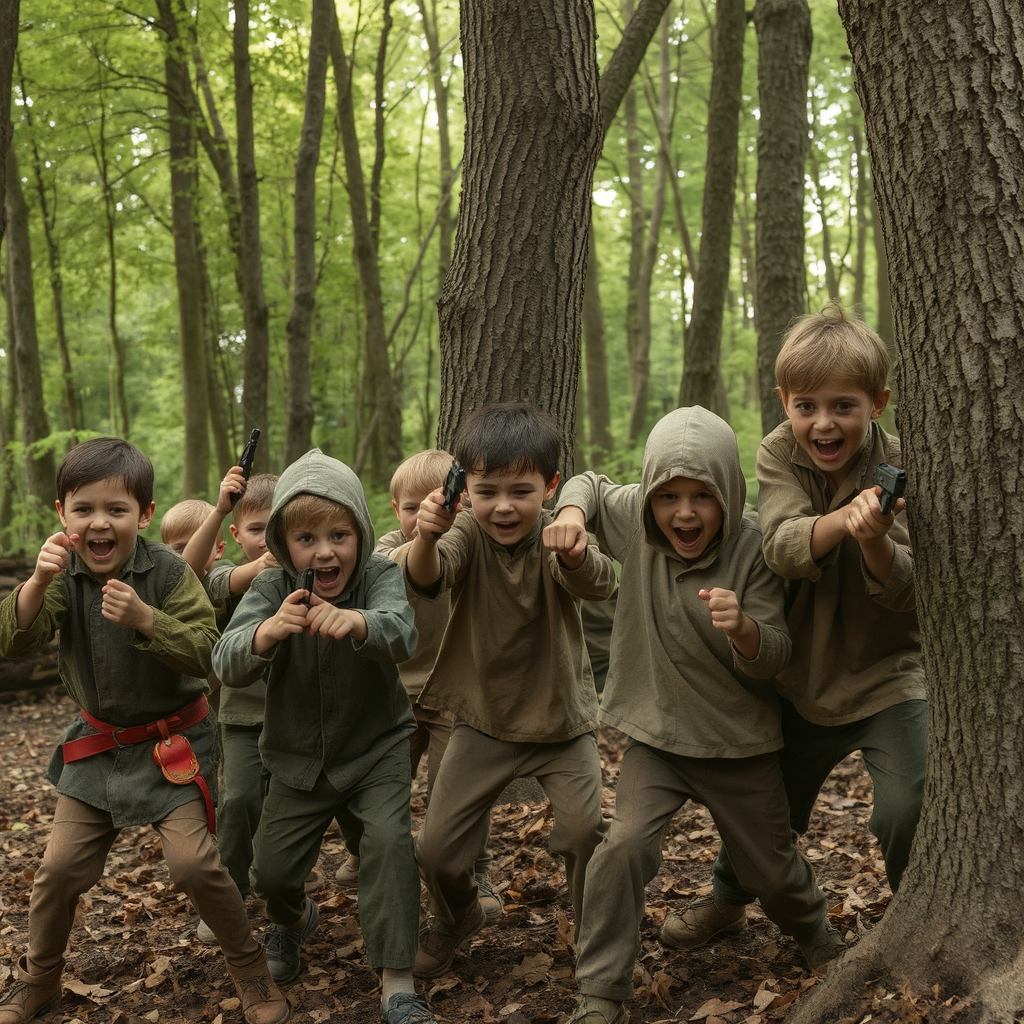
All images created by Rebekah Marshall’s prompts using AI on Gencraft.com website.
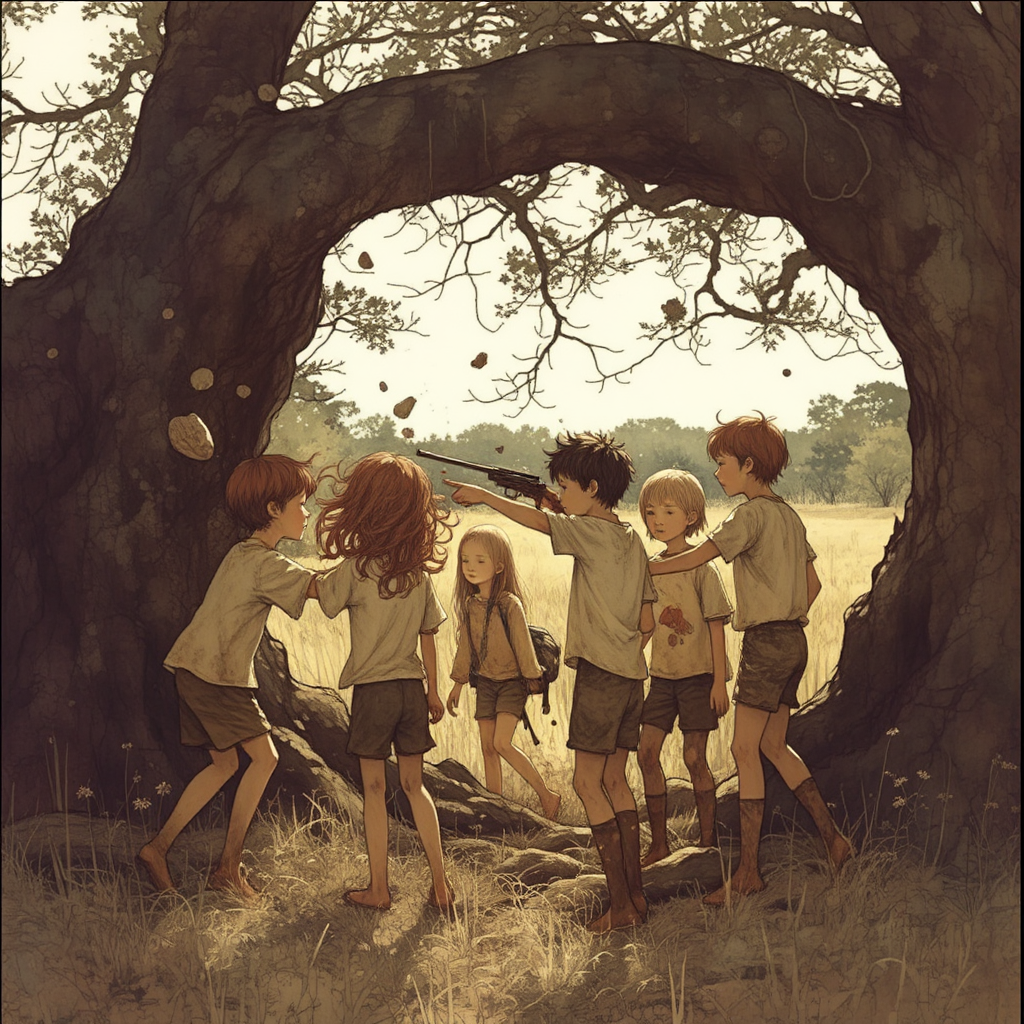
Childhood

TRIGGER WARNING: This poem contains references to childhood trauma, gun violence, animal death and desecration, and disturbing imagery involving cruelty to animals. It reflects lived experience and may be distressing for some readers. Please read with care.

Apparently, it is not most people’s
experience to be shot at on a
summer morning before the heat
forces children indoors to rest.

I guess we thought it was a mostly
fair fight, since we were lobbing
rocks and they couldn’t hit moving
targets if their lives depended on it.

Two neighbor boys teamed up with
their boredom and a whole summer
of scheming to counter our riotous
fun they were not invited to join.

But they took it too far when they
unburied Daisy Bo Kay, our freshly
dead basset hound, and strung her up
in a tree hoping we’d find her corpse.

She didn’t do anything to deserve
such treatment, just sit and sigh,
howl when we got too rambunctious,
witness the strangeness of our survival.