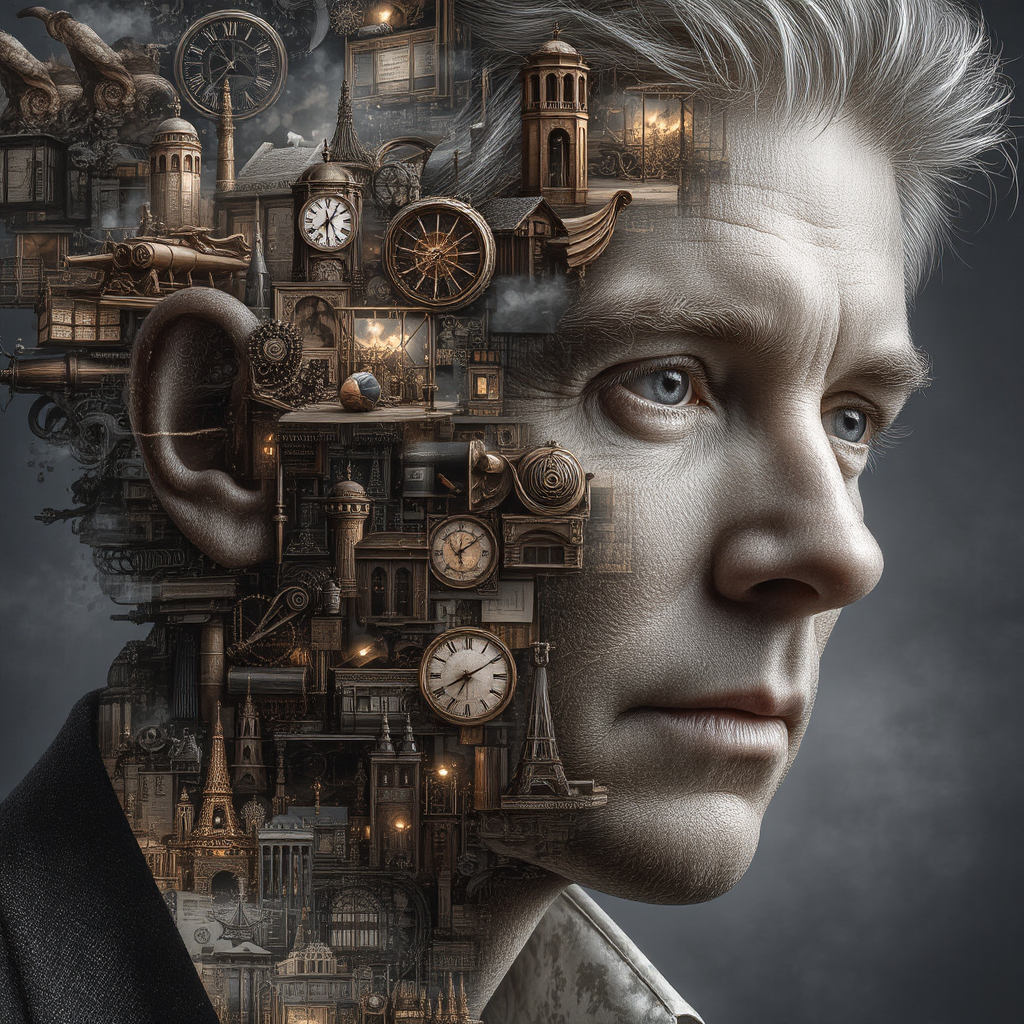
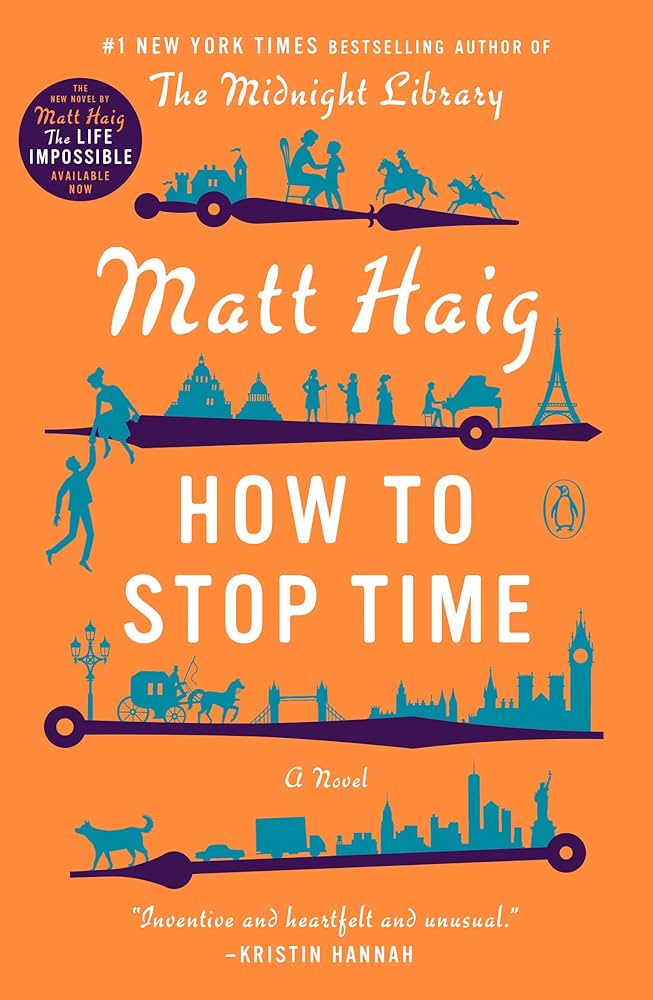
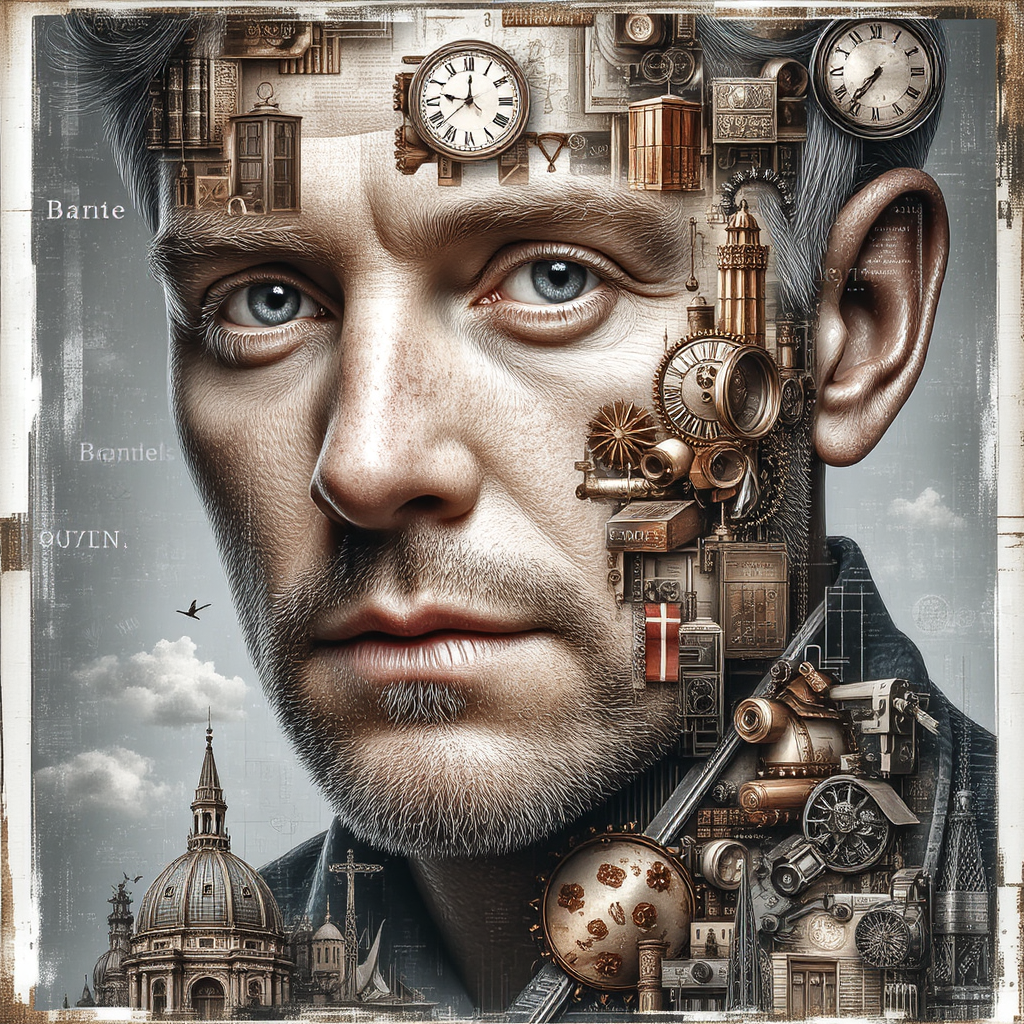
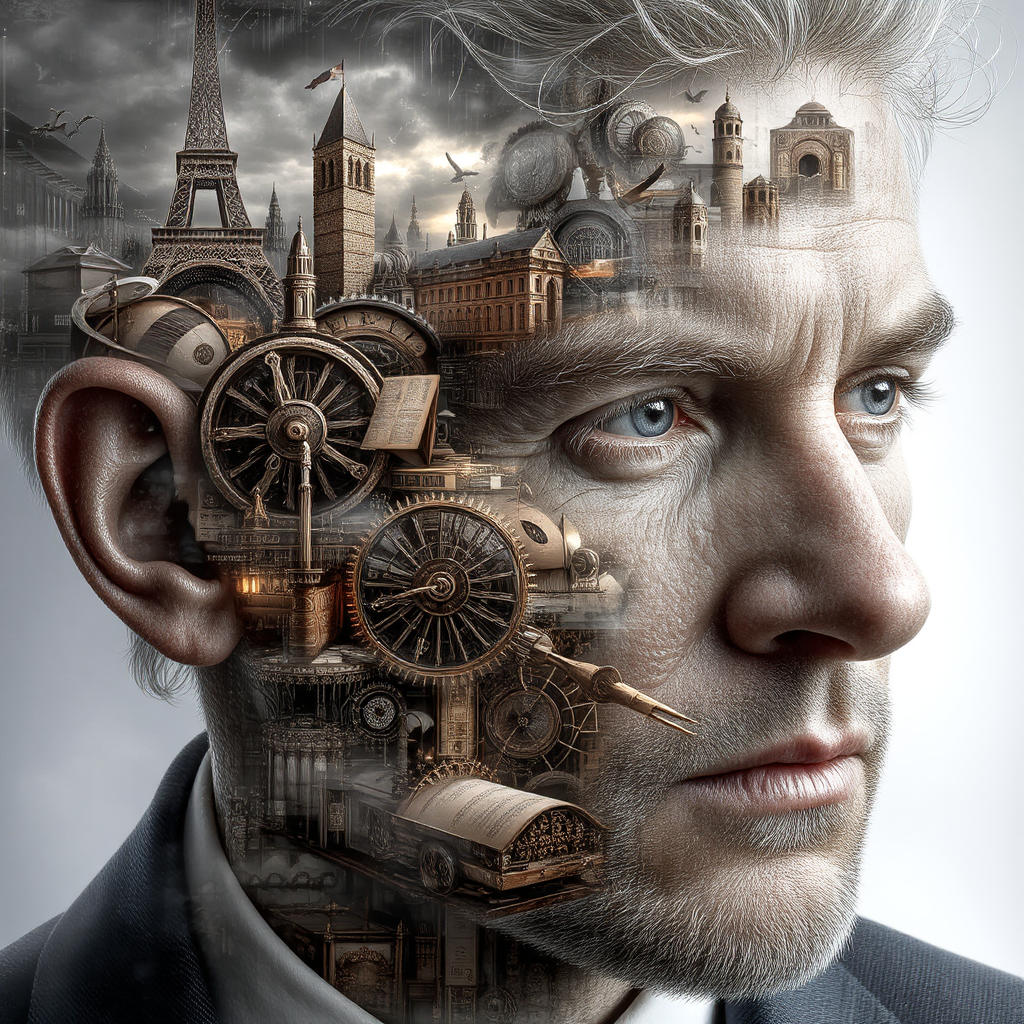
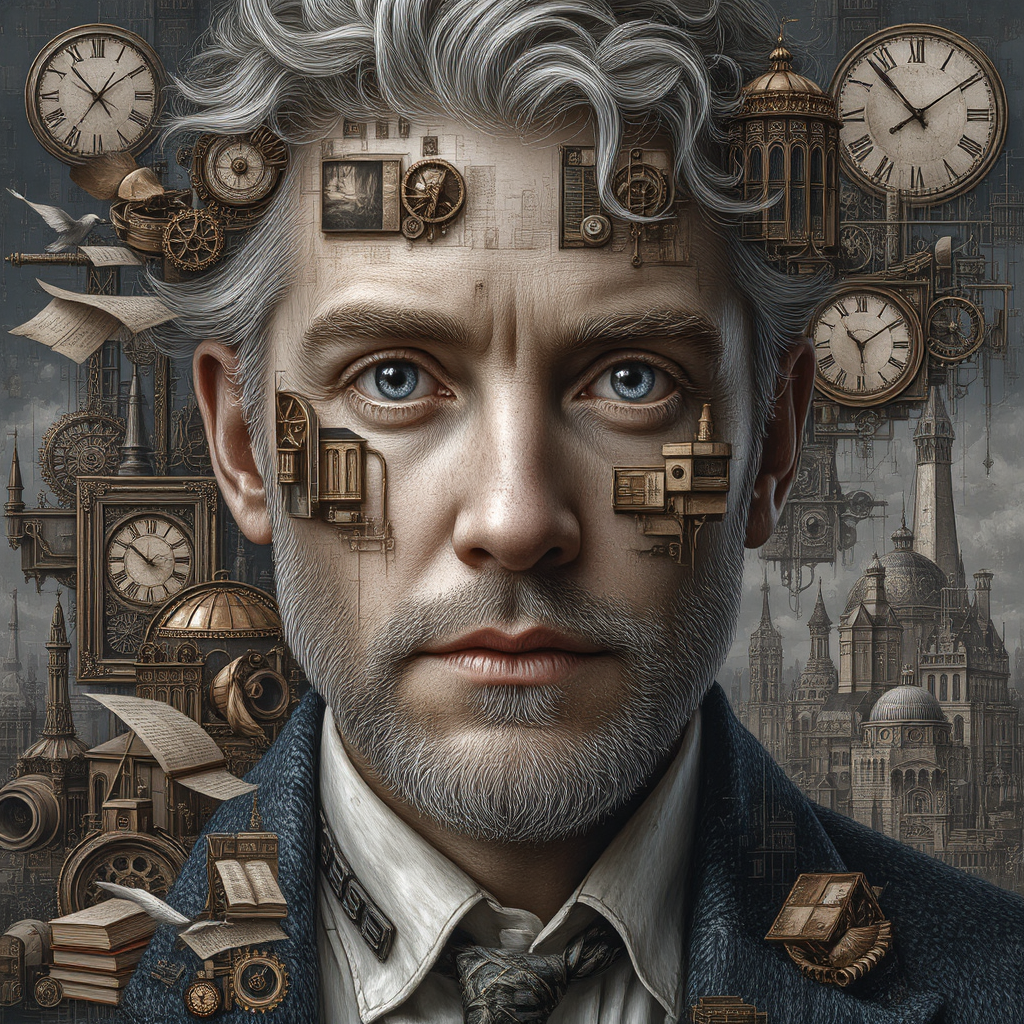
I can think of few premises more horrible than that of Matt Haig’s novel How to Stop Time. It is a world where some among us age painstakingly slower than average. The protagonist appears to be in his early 40s but has been alive on this earth for over 400 years. From French aristocracy to quaint village life in old England, from the dangerous streets of Shakespeare’s London to the London of the 21st Century, we are swept along with his story almost against our will. If life is a serious of tragedies with bright spots in between, imagine the tragedies of more than 5 lifetimes. The body still has aches and pains, the mind battles ups and downs, depression, anxiety, but with the added fears of being discovered, labeled a witch, a modern miracle, or a danger.
There are networks built to “protect” these long-living humans, but there are also organizations bent on finding and studying them like lab rats to enhance the lifespan of the rest of humanity. Staying hidden from both is nearly impossible, especially as modern technology advances to the point of photography, video, then internet and cell phones, and eventually social media. And how is one to love, to open the heart to vulnerability, knowing you will outlive any partner, child, grandchild, or friend? Oh, living with the pain of loss would be most unbearable for someone like me. I don’t even enjoy pondering this fictional concept any longer than I must.
But Mr. Haig has masterfully pondered these question and more in his tribute to family, humanity, love, and ode to living in the present. If nothing else, this book has made me thankful that my time here is brief in comparison. It is a good reminder to appreciate what we have and take no one we care about for granted. Change and death are inevitable constants that we must learn to accept; the alternative being the illusion of stagnation until the day we die.
Haig, Matt. How to Stop Time, Penguin Books, 2017.
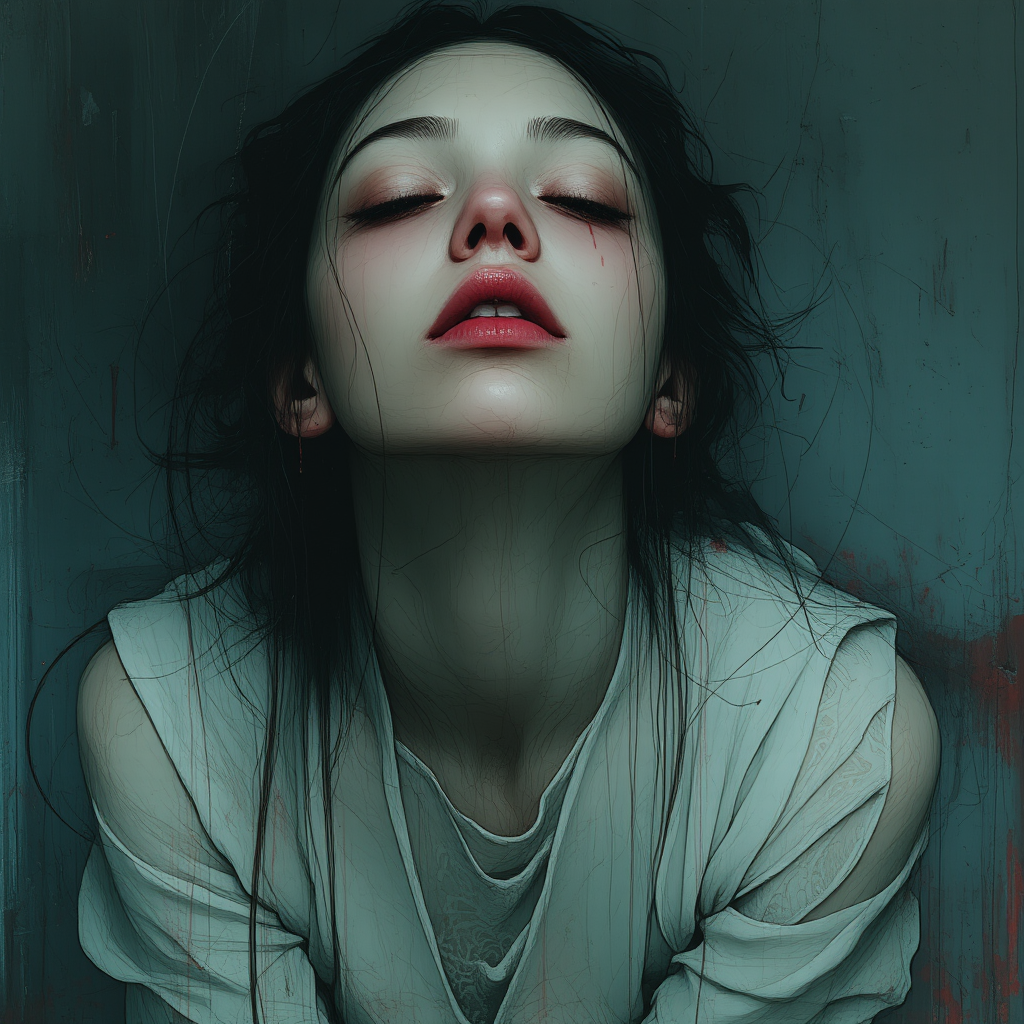
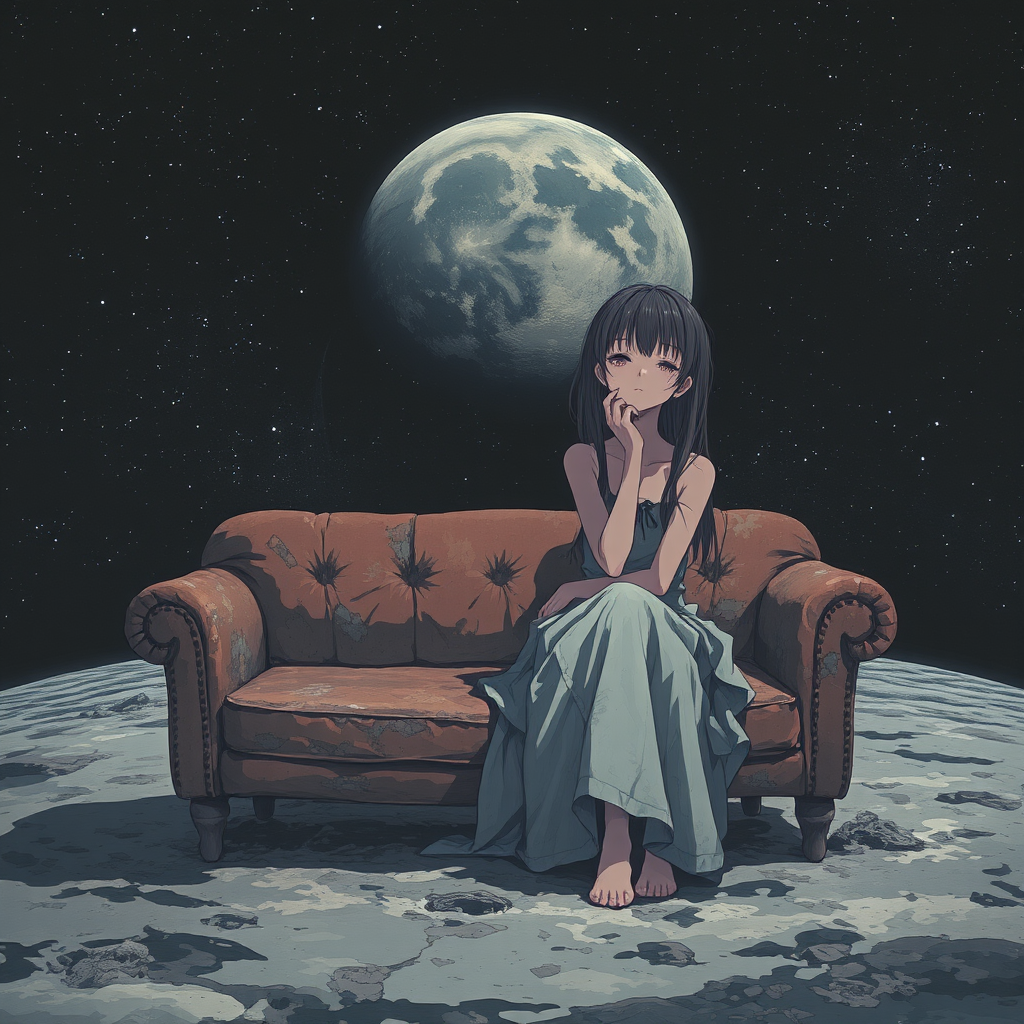
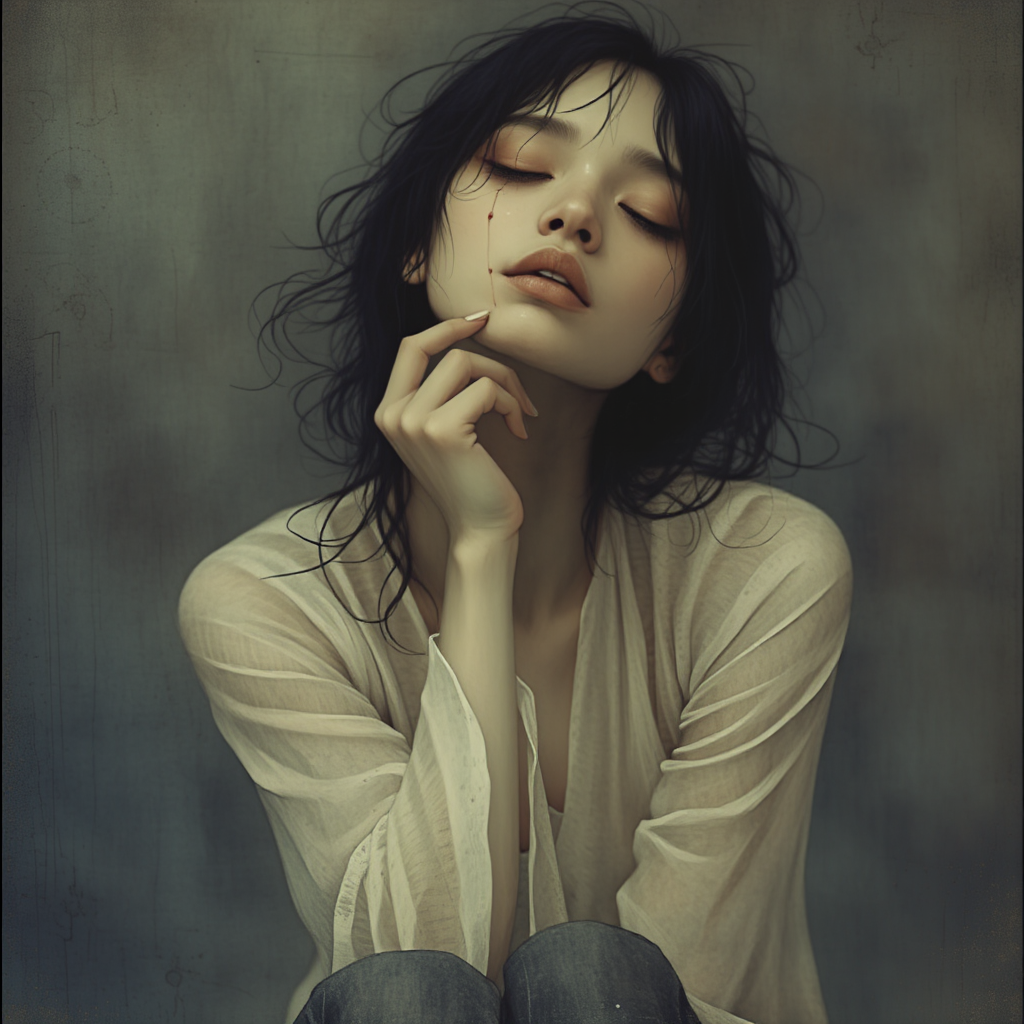
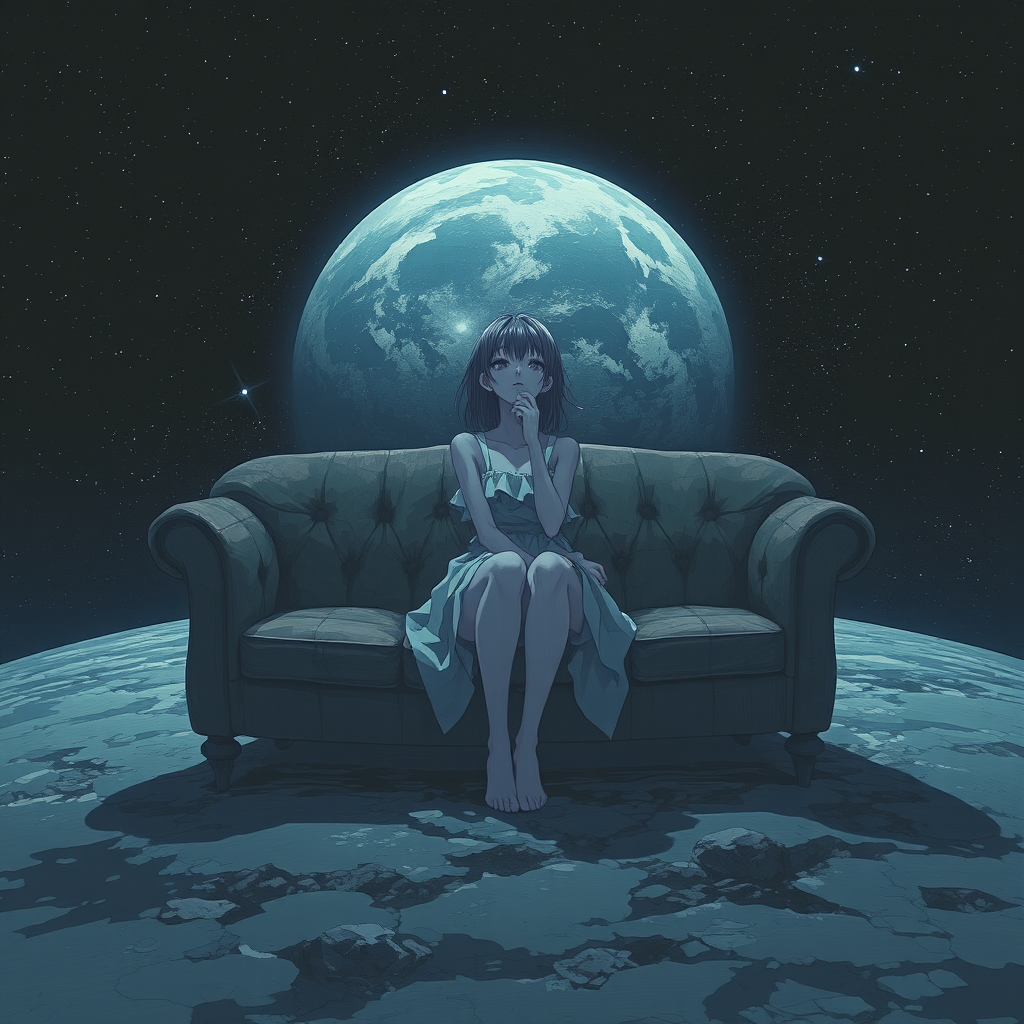
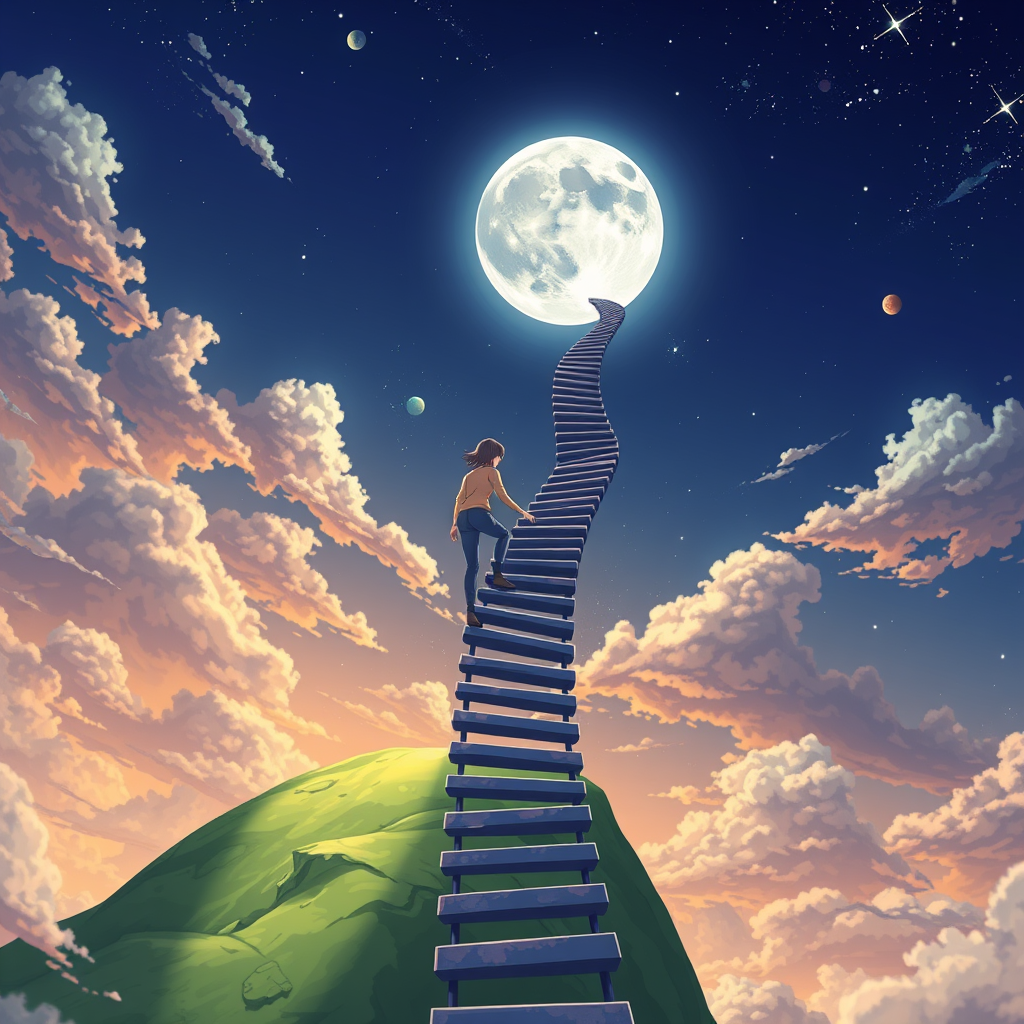
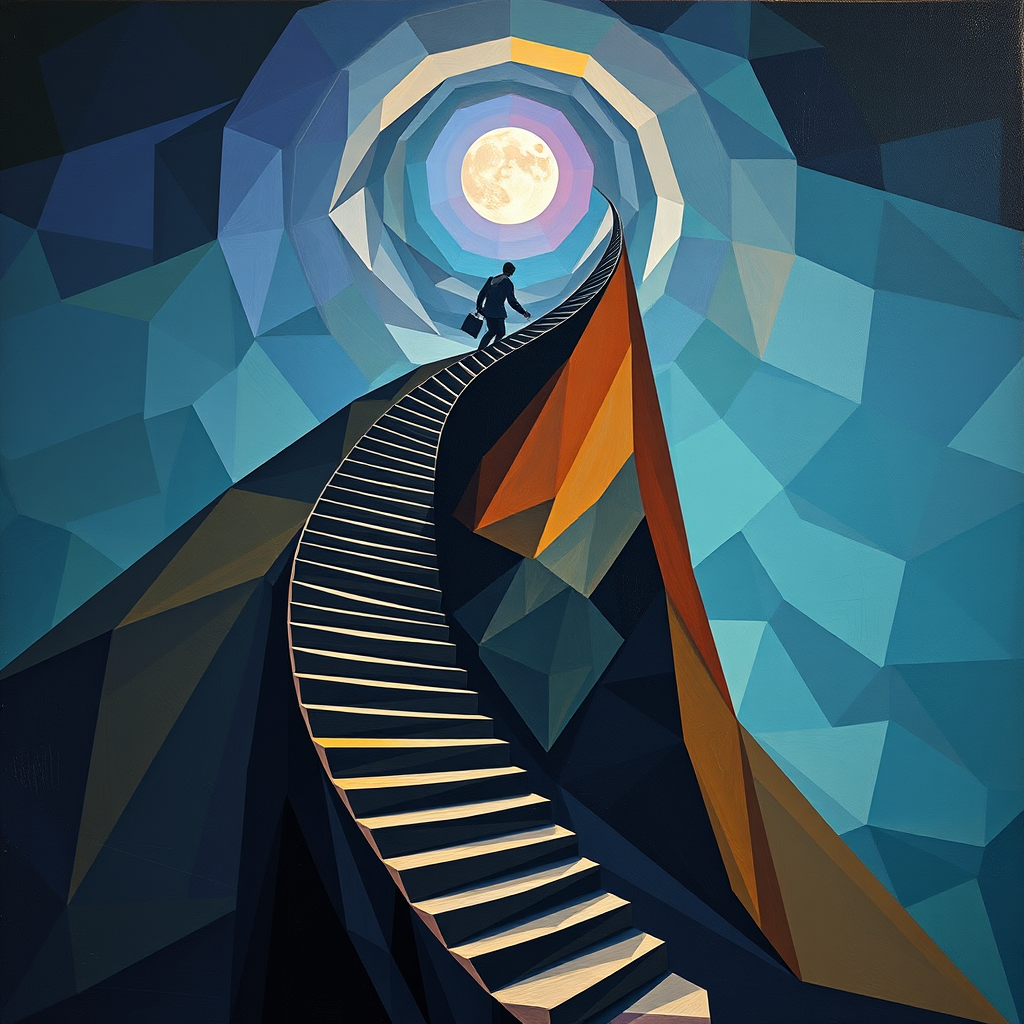
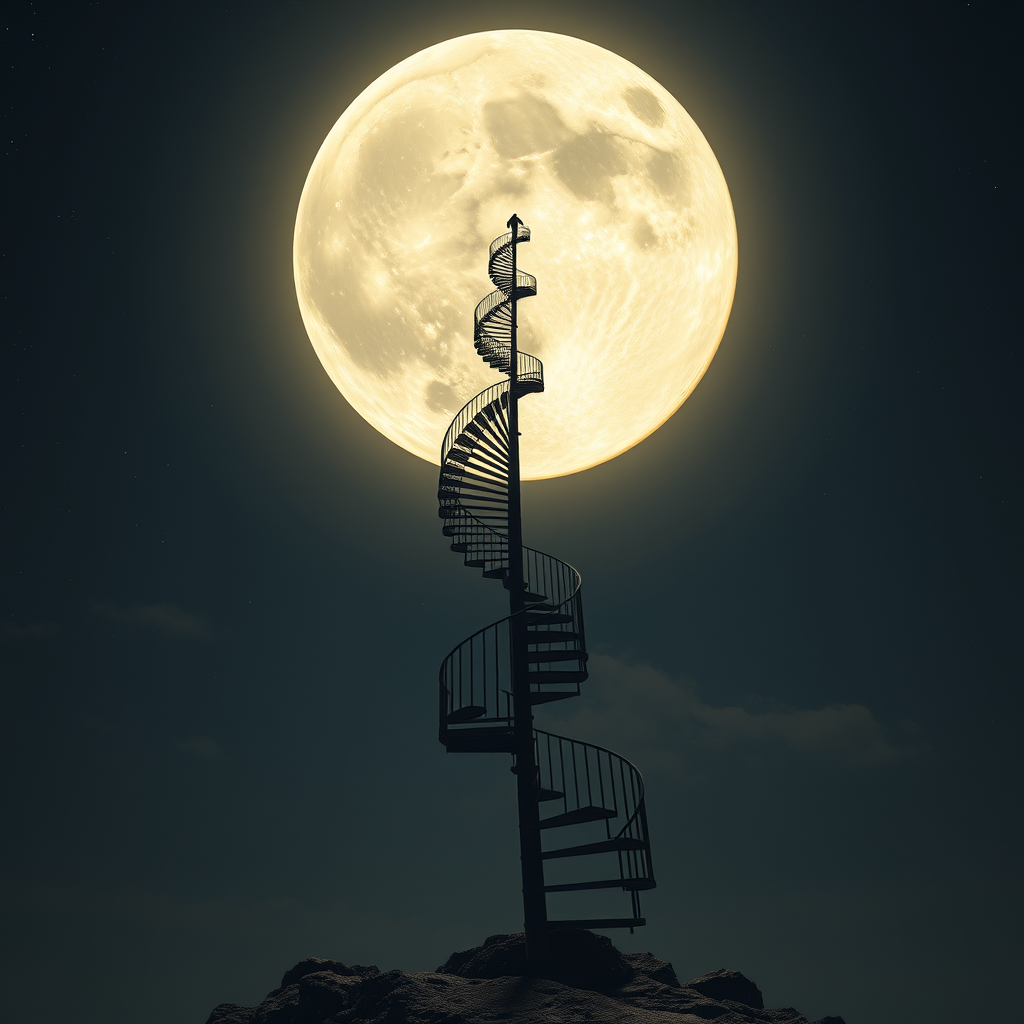
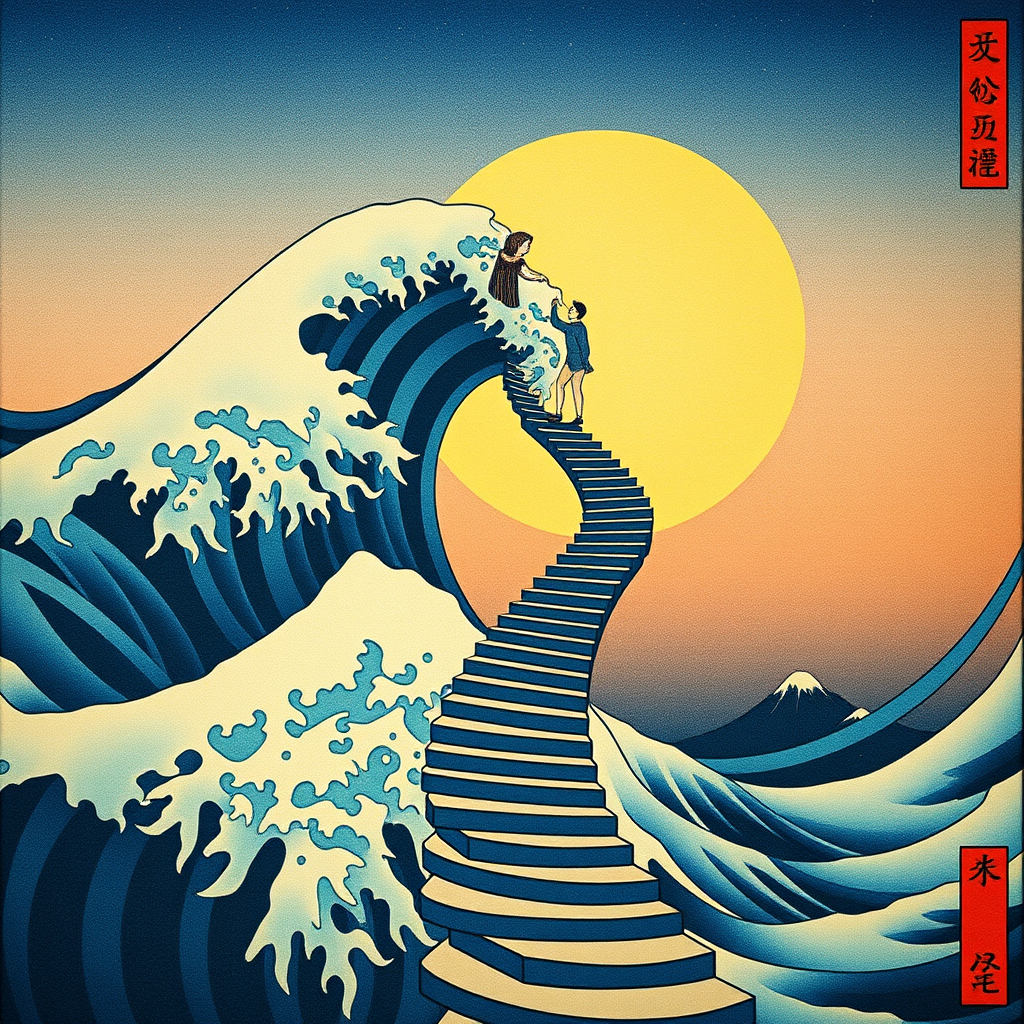
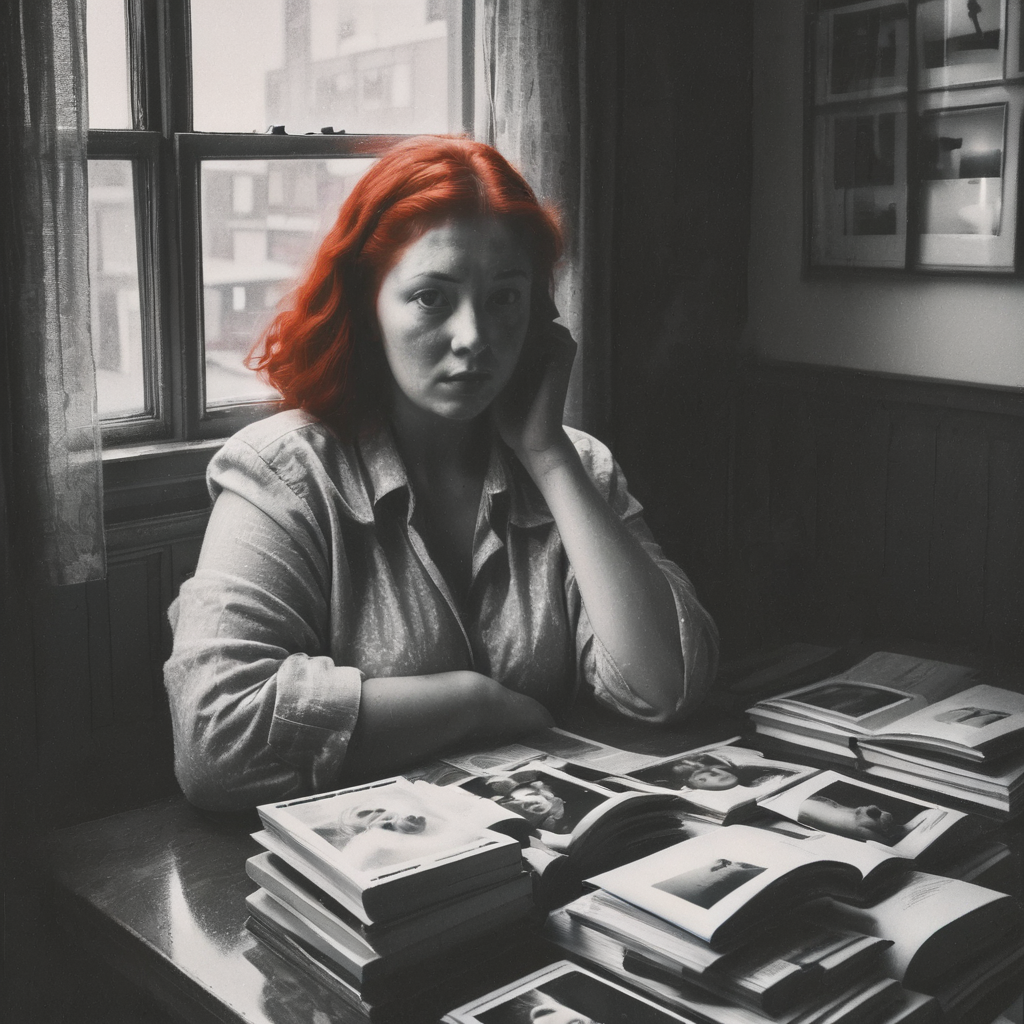
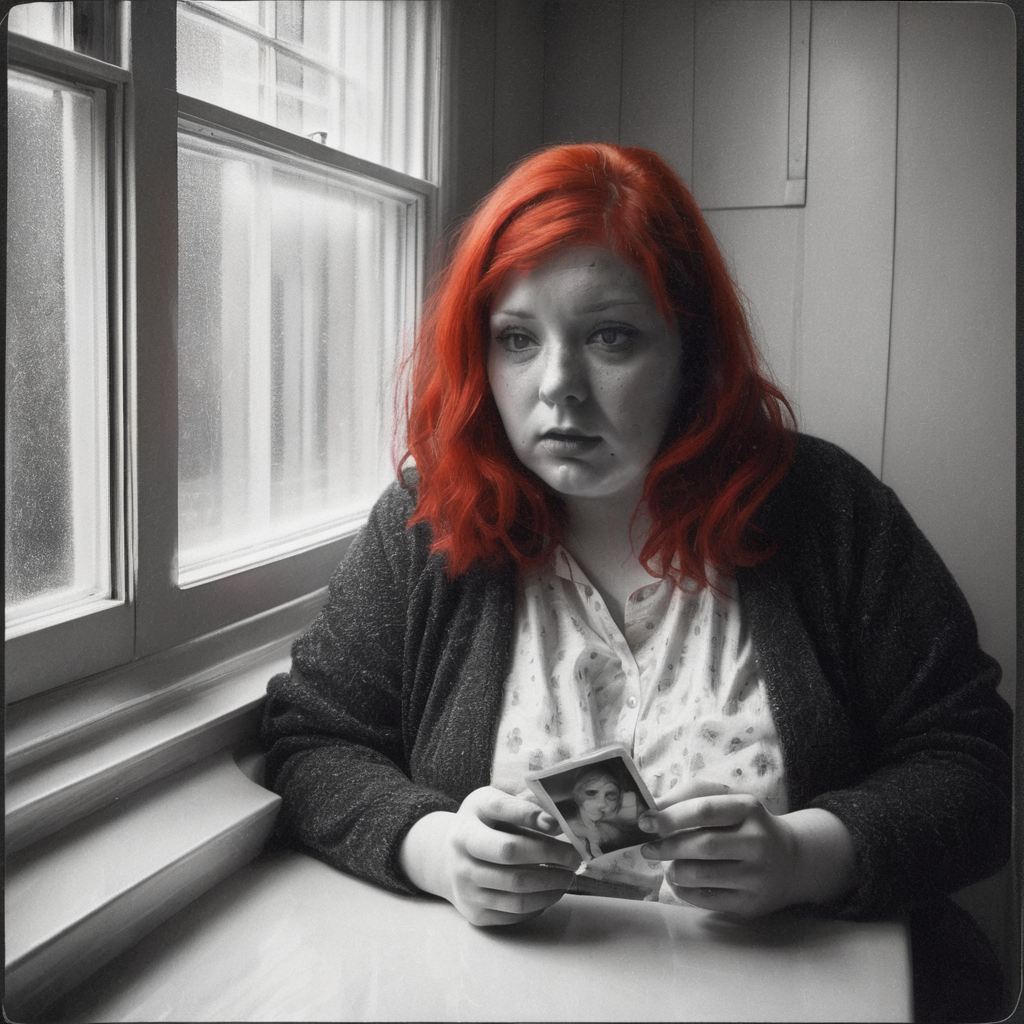
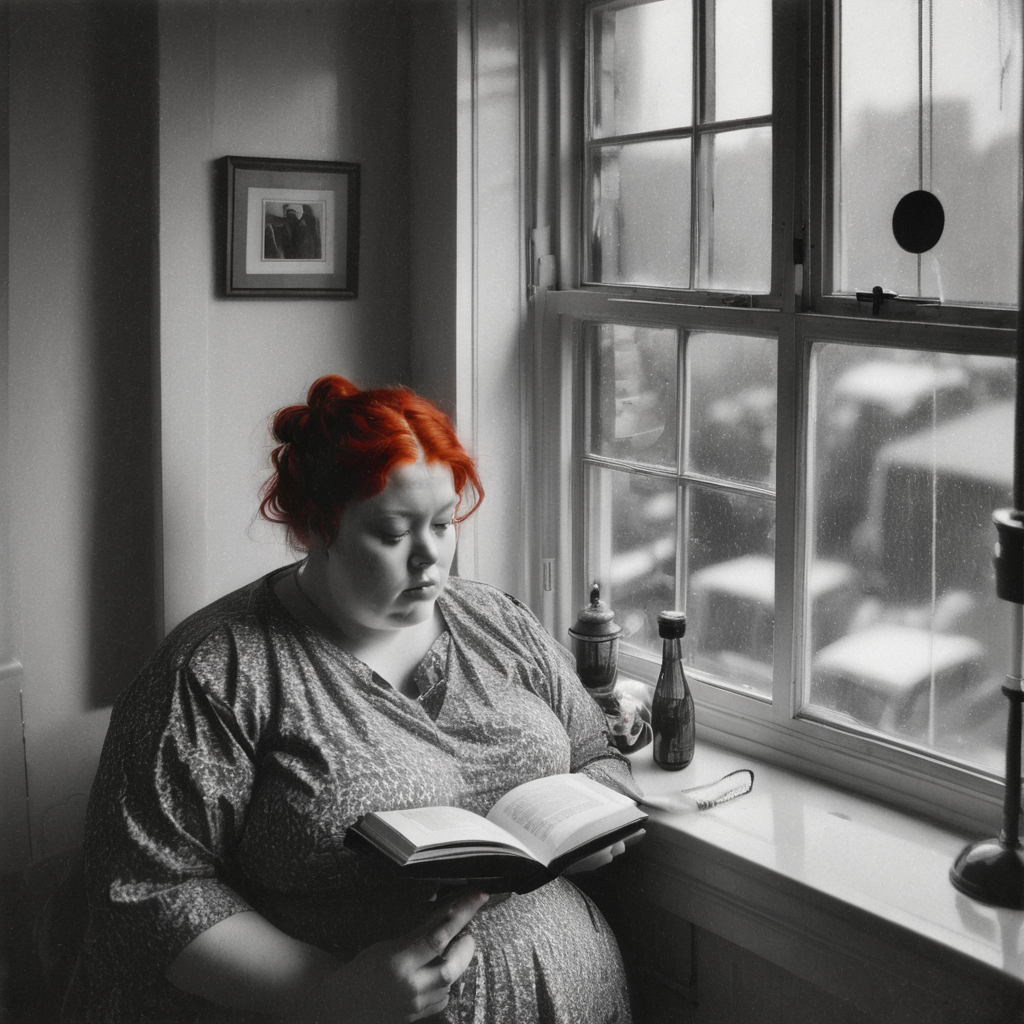
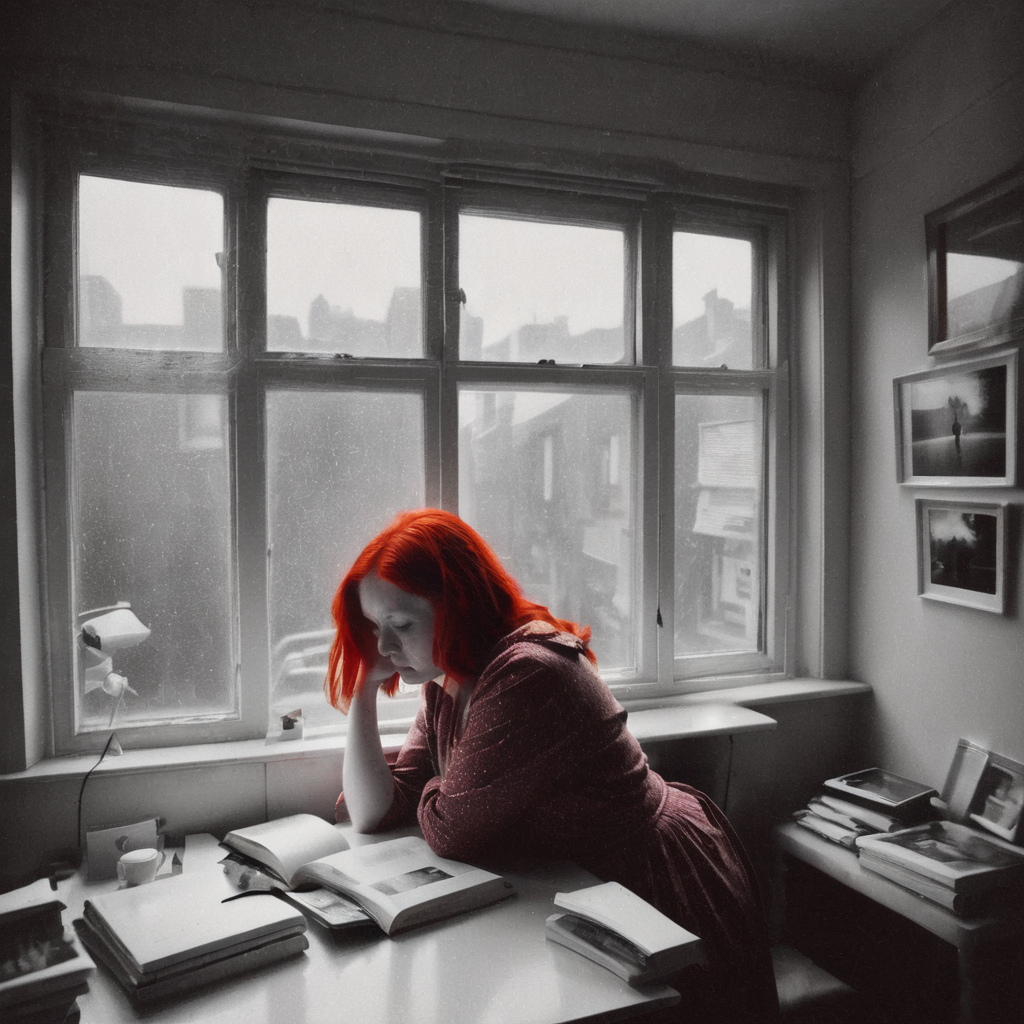
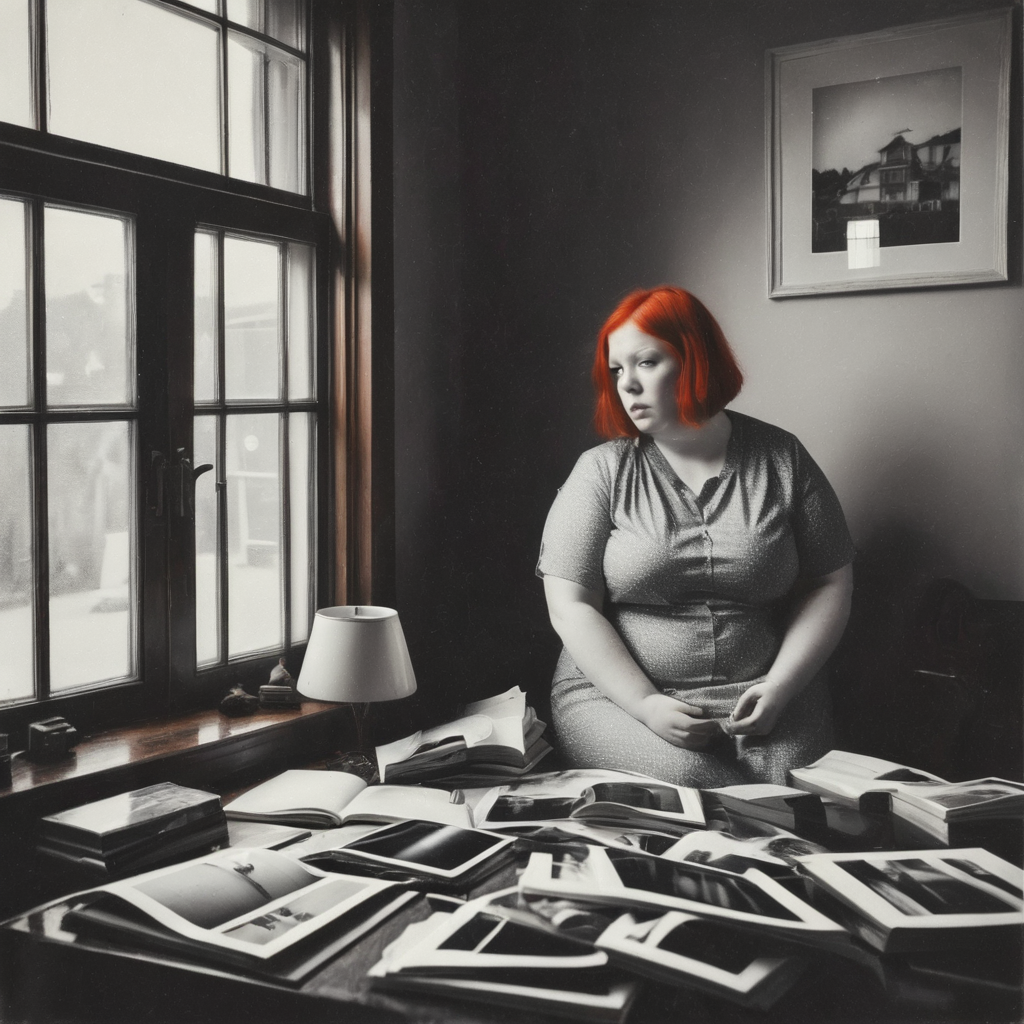
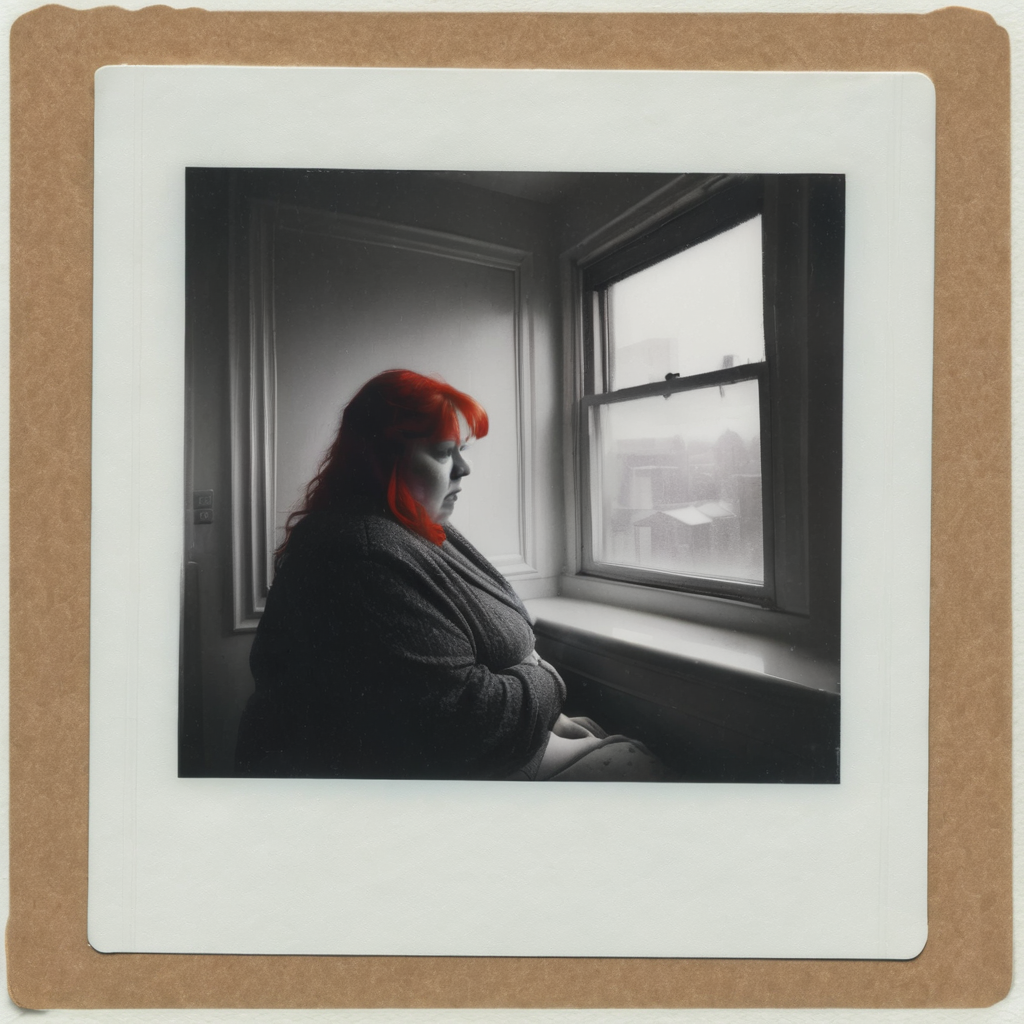
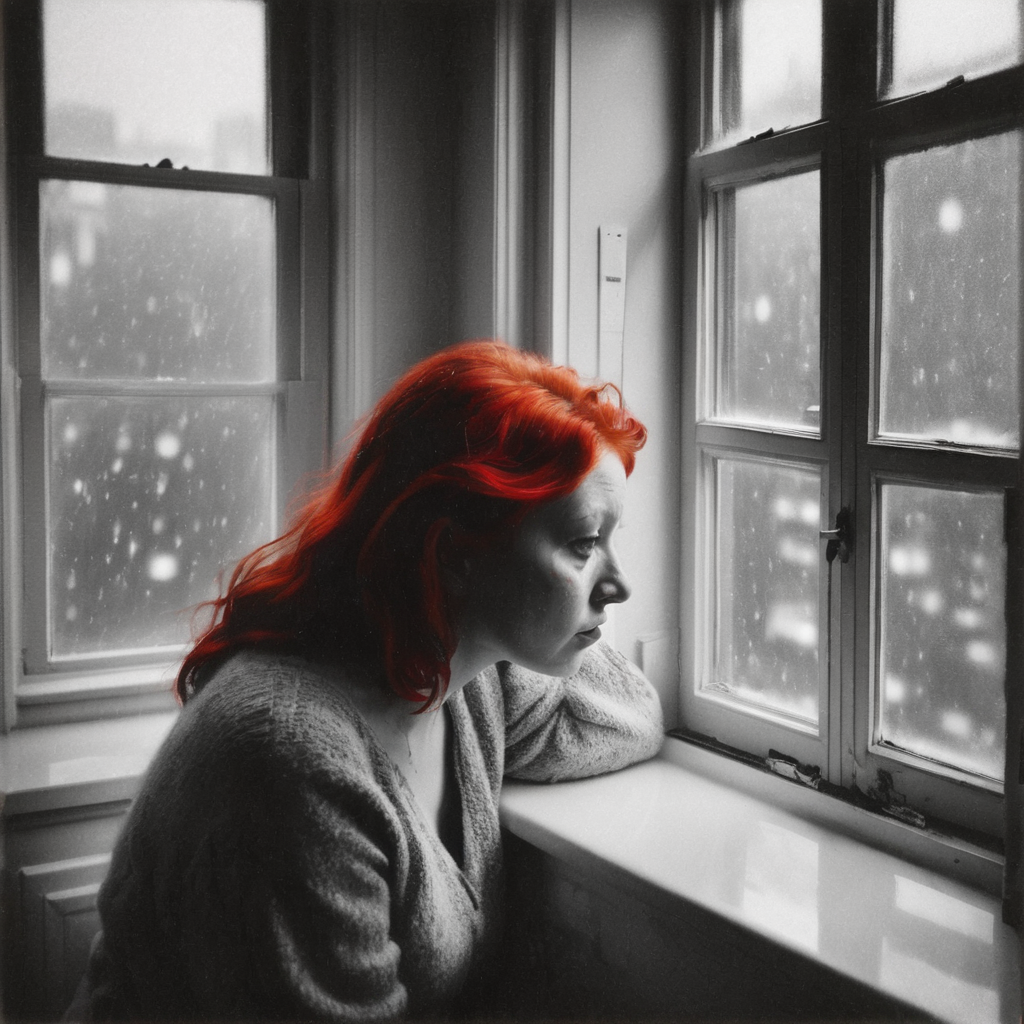
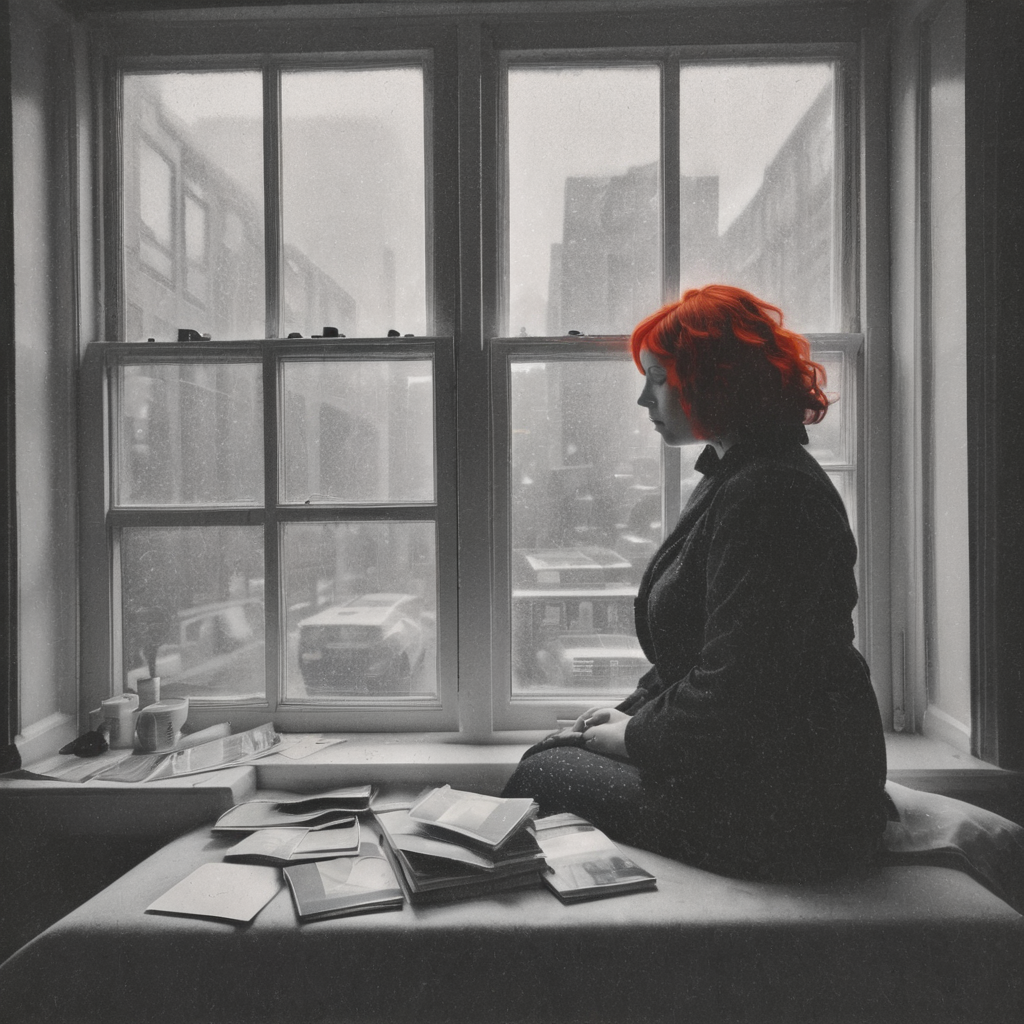
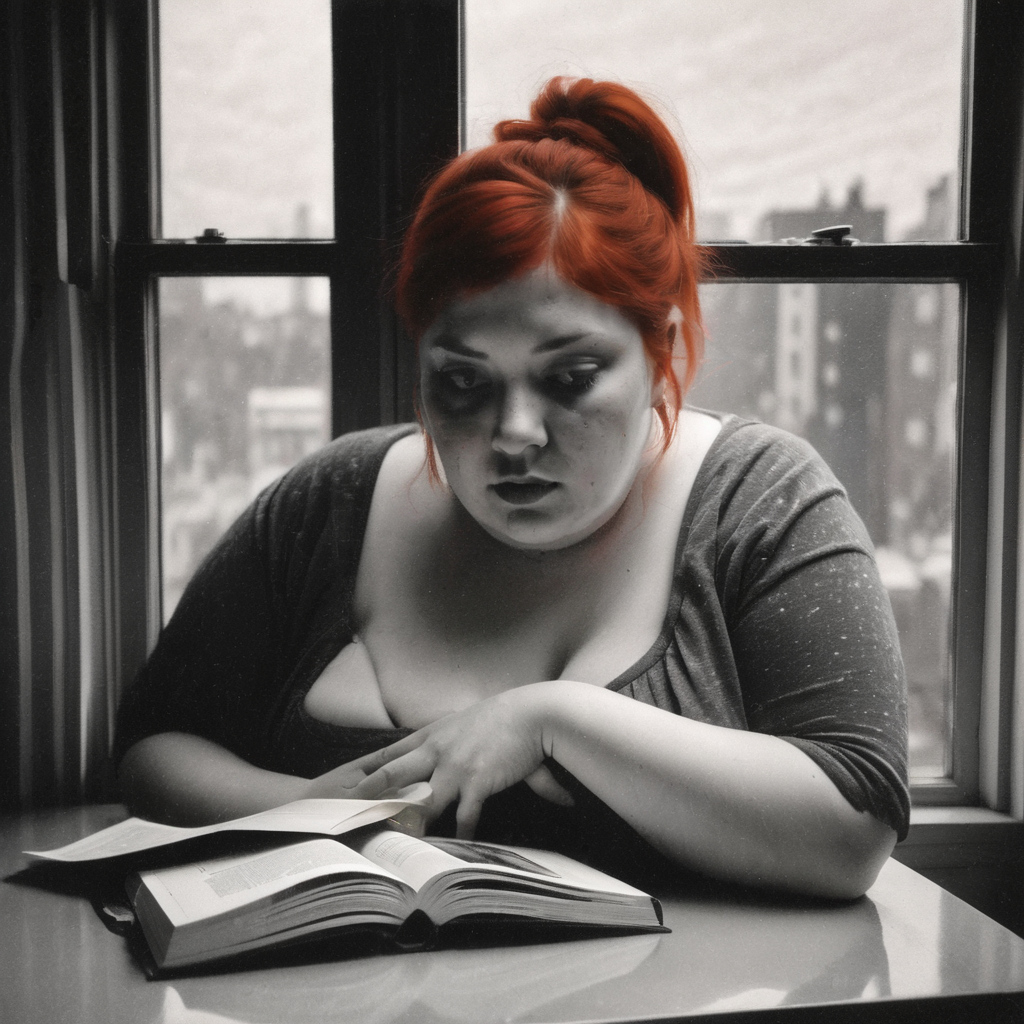
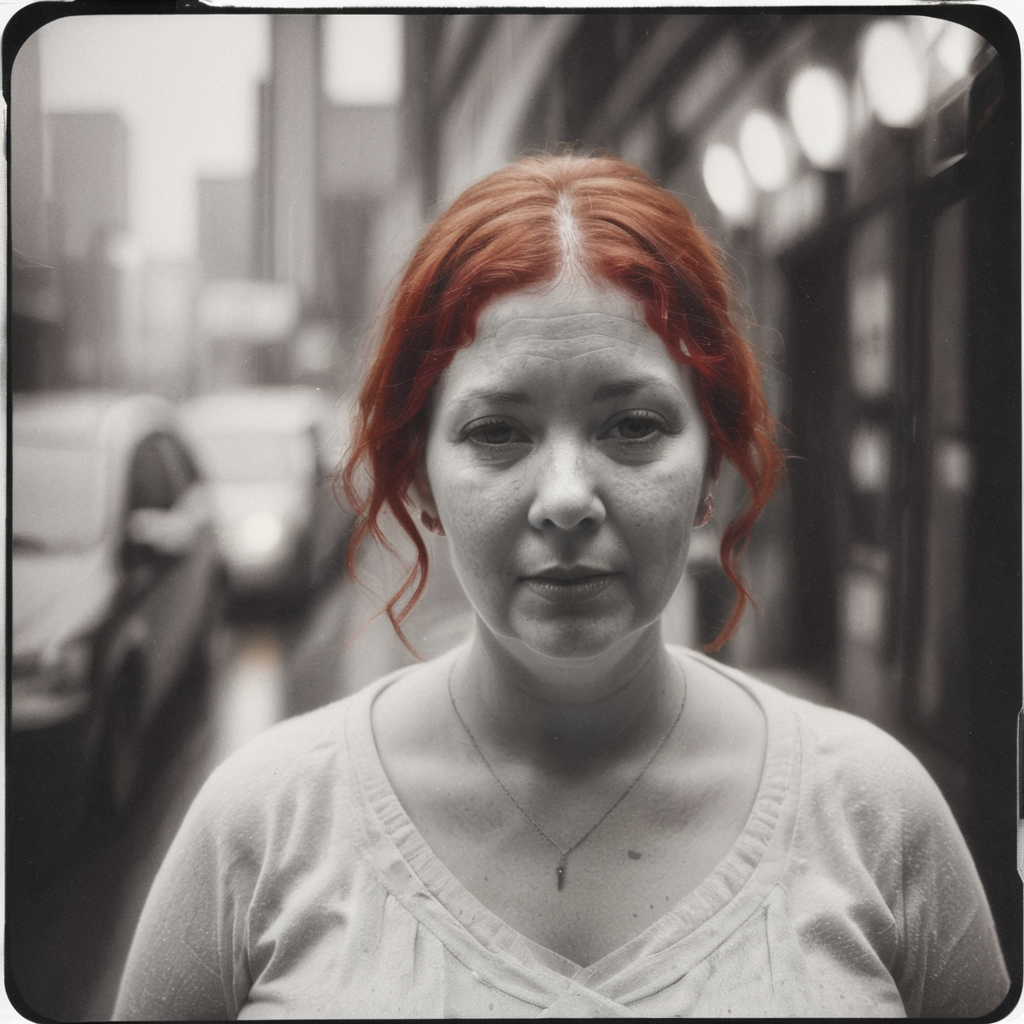
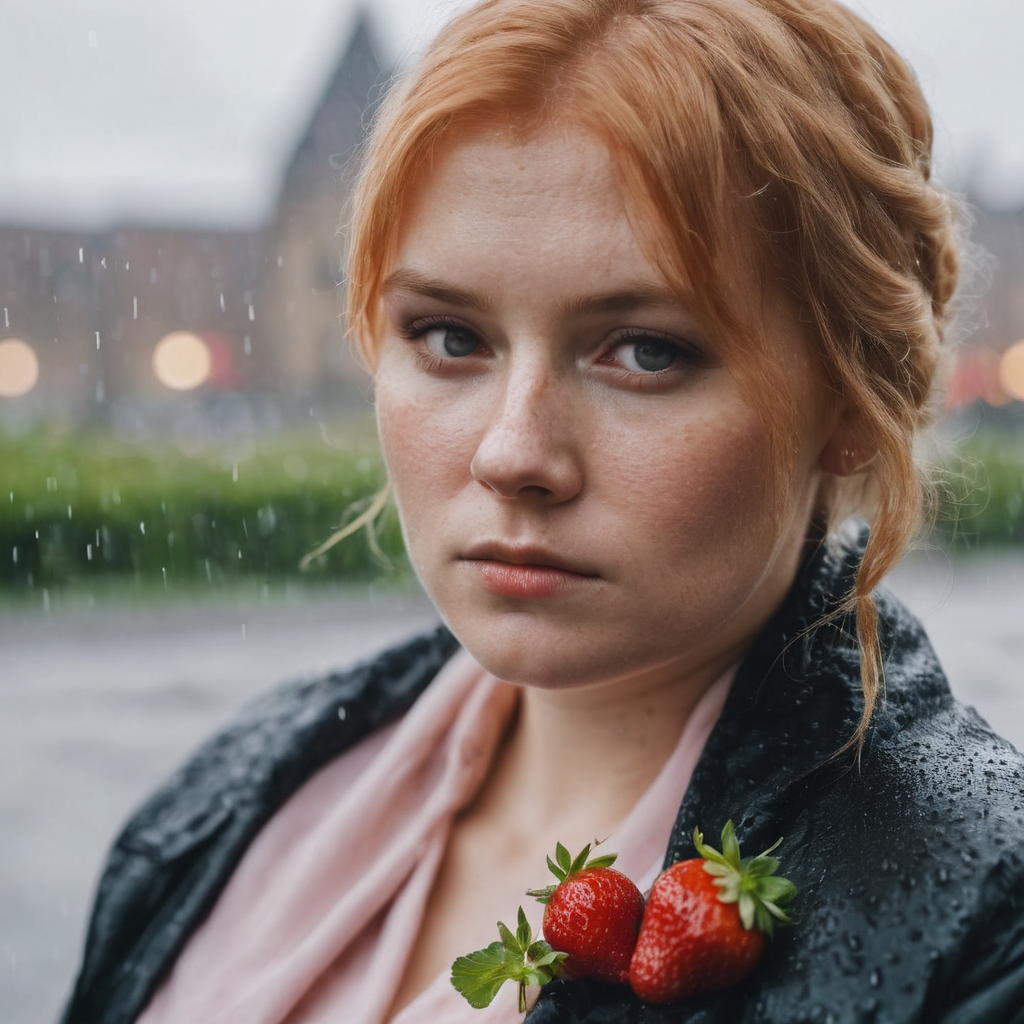
All images created by Rebekah Marshall’s prompts using AI on Gencraft.com website.
I am reading Hafiz’s Little Book of Life, poetry by Hafiz-e Shirazi. He is challenging me to become more comfortable with ambiguity. I will share his poem and some of my thoughts on his poem (sometimes with the help of experts when the concepts are too hard for me), followed by a poem and some art inspired by his poem.
Hafiz’s Poem 36:
Alas for the mockers of those Who drink life to the very dregs
Only to abandon their own beliefs At the open door of any tavern Where their faith will be restored
Some thoughts:
Hafiz supposedly has double meanings in many of his poems, according to various experts. In this one, he could be talking about real drinking/partying, or the spiritual equivalent of feeling everything deeply, including joy, sorrow, and love. The people willing to drink to the dregs are the ones there until closing time. The real Mcoys. The mockers are those who set themselves up in judgment of and ridicule those kinds of people. Whether judgment of the literal drunkards or judgment of the deeply emotional/openly vulnerable/ecstatically connected people. Both can look rather similar to the untrained eye.
Either way, the reversal is the heart of this poem. The very people who judge others for their predisposition to revelry, might be the ones who crave it most. They can’t let themselves go, but when given the chance or suddenly set free to experience something ecstatic, they are the wildest ones you’ve ever seen. So much tightly wound, principled, rigorous defense of faith can sometimes reveal a lot about a person. They are just waiting for that moment to be unleashed, to experience, to feel something. And only then will they get it. The only way to connect is to leap into the unknown and grab for the ring or trapeze or whatever metaphor works.
Now, as a recovering alcoholic, I can’t finish without adding a cautionary note. I am not suggesting real alcoholics go live it up and fall off the wagon. Those of us with the disease of alcoholism and who are in recovery have already had our substance-induced revelry experiences and should have now graduated to the more spiritual/emotional side of celebration. Learning to find the depth of love, sit in grief, experience the full spectrum of emotions life puts us through without altering our brain chemistry IS drinking to the dregs the way Hafiz means it. It is learning to live fully, without needing to escape. And nary a one of us should sit in judgment of anyone going through the same hell of the disease of alcoholism that we have been through.
My Poem 36:
When you get sober no one explains how much you’ll miss turning off your brain. It’s something you discover when the thoughts won’t stop, and you have to process the pain.
Hafiz. Hafiz’s Little Book of Life. Translated by Erfan Mojib and Gary Gach, Hampton Roads Publishing, 2023.
My daughter and I have a state of being we have labeled Too Many Steps. When we reach this place of unbearable overwhelm, there will surely be a meltdown, emotional outburst, argument, full depressive episode, a day or two of bed rot, or at the least, tears.
I reached Too Many Steps this evening. Overall, I had a restful day. I slept in, took a nice nap, mostly watched shows and attended book club via Zoom. Perhaps my brain is gearing up to return to my work schedule tomorrow after a much-needed weekend off. Or maybe I’m getting sick again; I certainly don’t feel fully recovered from the upper respiratory infection I have been fighting since before Christmas. What is that, over 20 days now? I can feel a new cold sore springing up, my nose is tender and raw from the drainage, and my lungs feel heavy.
Honestly, I feel a bit like I did when I had long COVID some time back—the fatigue, dizziness, winded just from walking across the room, depressed, irritable, a darkness that has reached down my throat, and the need to isolate, cocoon inside my covers and sleep. And in this already depleted state, I decided it was high time I take a shower. Some might think a shower would feel good, be relaxing, be a welcome distraction, or pleasant end to the day. Maybe on a normal day when I am well.
Today is not that day. As a person with a chronic condition, when my body is fighting illness, for some reason it attacks everything—my joints, my skin, my hair. My immune system doesn’t seem to know what is virus and what is me. Everything hurts. Right this second, the backs of my ears, my elbows, and my finger joints hurt—for no good reason. Anyway, undressing takes effort. Taking my hair down strains my right arm. Gathering the towels to dry off with is a chore. I place one towel carefully so I can sit when I get out of the shower because I cannot stand the length of time required to dry off without causing too much pain. Another towel, I place on the laundry hamper for my hair. I get the floor towel from its hanging spot and lay it on the floor, so I won’t slip when I get out of the shower. We can’t leave it on the floor because the cat has decided that is the best place to poop if it is left there. It is finally time to get in the shower. My energy is flagging, but I’m almost there. I can make it.
Nope, there is a pile of wet towels on the shower bench where I need to sit. You’ve got to be kidding. My daughter overloaded the washing machine earlier and had to take out some of the towels because the machine would not finish the spin cycle. She never came back to complete the task. I’m sure she forgot. It is now late in the evening, and everyone has gone to bed. It will take more energy to get someone to remove the towels, so I decide to handle it myself. My back screams at me with each hefting of sopping towels I plop onto another surface. I’m reaching the breaking point.
The self-contained shower-bath set-up I have is a wonderful jacuzzi-like seated bath situation with a locking door, lights, jets, the works. My grandparents got it to make bathing easier in their elder years. It is a wonderful contraption. However, it is built for skinny people. I must wedge myself through the sliver of a door opening to get in and it is uncomfortable. Then I must twist my body in a strange contortion to close the door and be able to sit inside the contraption. Once in, it is comfortable, but the mount and dismount are not graceful.
Door locked. Check. Suction cup portable shower head holder located. Check. Suction cup portable shower head holder placed in the perfect position to make my seated shower just right. Check. Made sure my shampoo is reachable. Check. Double made sure my conditioner is there because sometimes my granddaughter borrows it and forgets to return it. Check. I have made it. I have used all my remaining energy to get into the shower, but I am ready and seated, with everything I need. Then I take ahold of the hand-held shower head to stretch out the steel hose and fit it into the holder, but it only extends a few inches, then hangs on something inside the housing of the bathtub. It is the final straw…or hose…or whatever.
Too Many Steps has been reached. I begin to wail. I cry harder than I cried at my grandmother’s funeral. The grief that spills out of me is a tidal wave of pain. On a normal day, it would be logical to remove the portable shower head holder, unlock the door, dismount through the skinny door, open the side of the bath, and unstick the steel hose—like a grownup. But, no, not once Too Many Steps has been reached. At that point, the only logical option is to sit in the shower bath forever and cry.
I don’t know how long I stayed stuck in the land of Too Many Steps. Truly, I can’t tell you. There is no time there. It is only a place of I’m done, the end, it’s over, forget it, too bad, whatever the hell, I can’t, and no more. I might still be there had my husband not eventually come to my rescue, though our interaction was with raised voices, anger, and more tears because of other Too Many Steps that I won’t go into here.
I don’t know the moral to this story. I just thought I would describe Too Many Steps in case anyone else can relate, I suppose. Also, because this one seemed extra emotionally violent, I felt the need to write about it, hopefully processing some of what led to the limp, energyless, wet dishrag feeling I now embody. I can never predict which step will be the one upon which I will collapse, unable to climb even one more inch, but I can certainly relate to that poor camel, his knees buckling under the weight of the load, all his muscles straining to stay upright, carrying the burdens of the world until that one last straw.
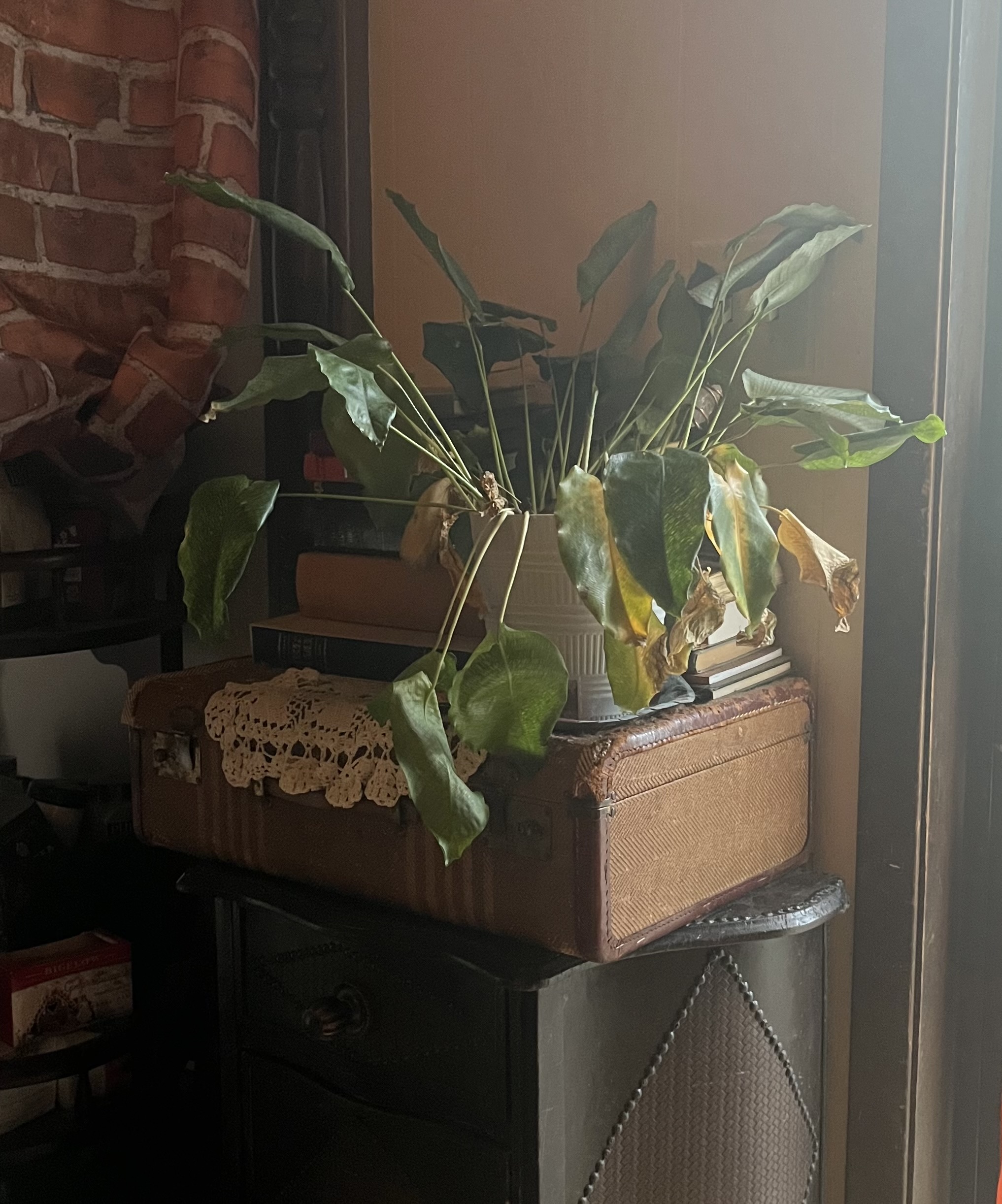
I am so sorry, sweet Kura, for being a bad steward. I am treading water and barely staying afloat. Between trying to keep people, dogs, cats, plants, and an opossum alive, none can really thrive, certainly not me and, obviously, not you. I am guilty of neglect, and you deserve better. I already spoke with your former caretaker, and she has agreed to nurse you back to health, I only hope it is not too late.
@Home Studio on 6/18/24 @ 10:37pm – 164th poem of the year
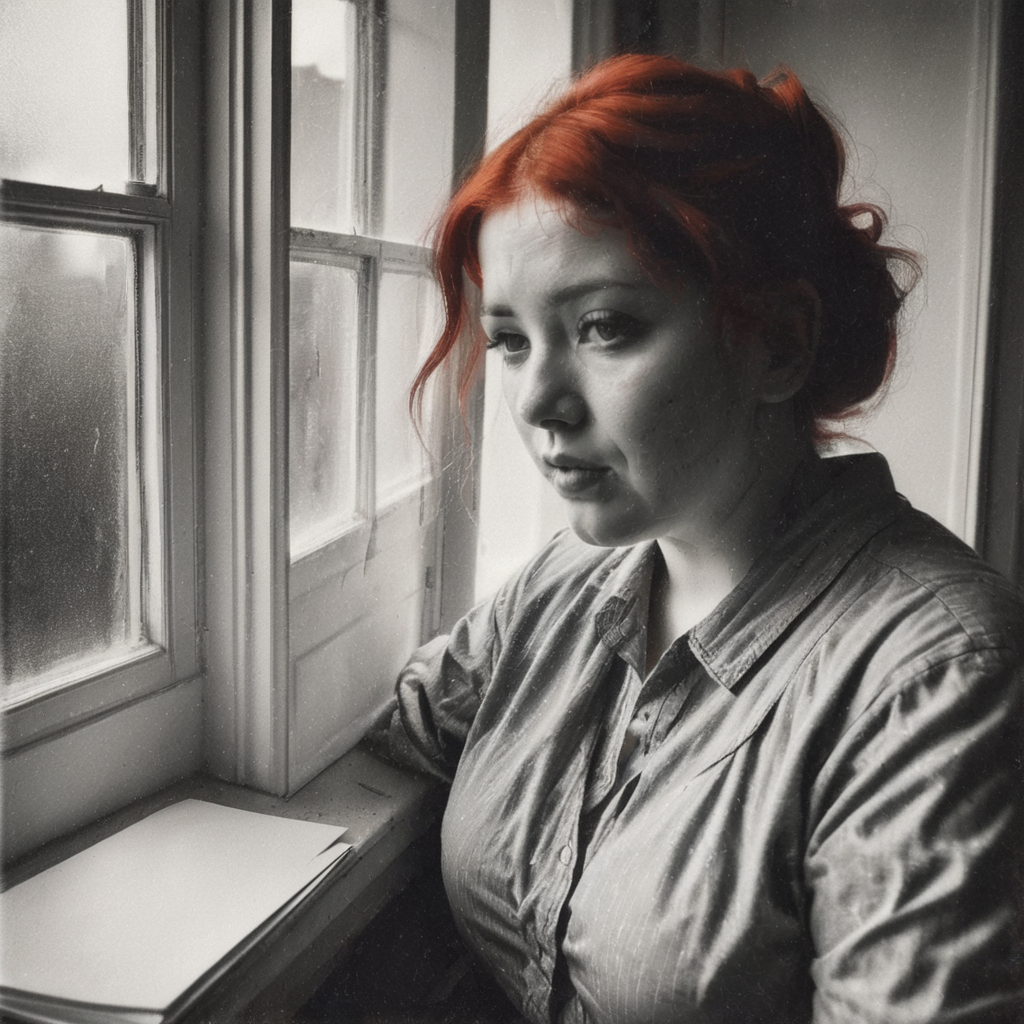
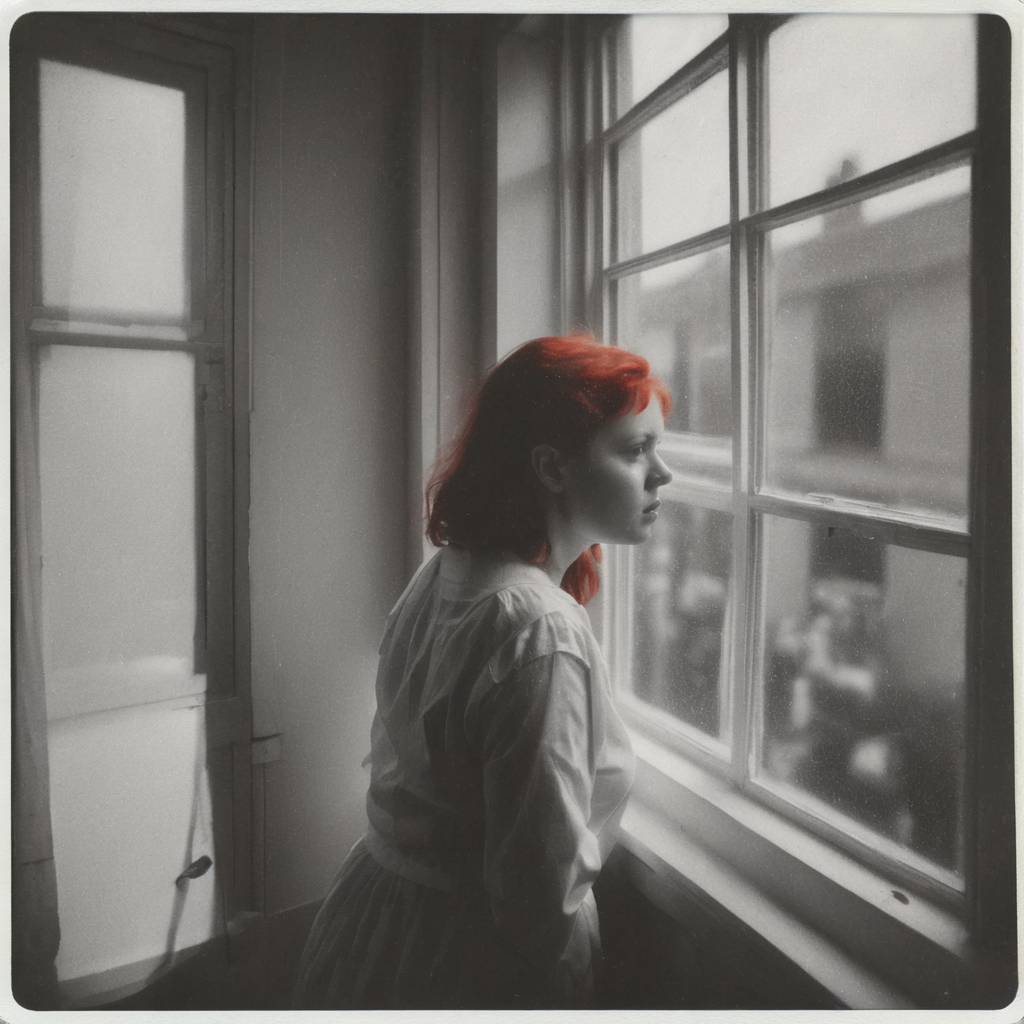
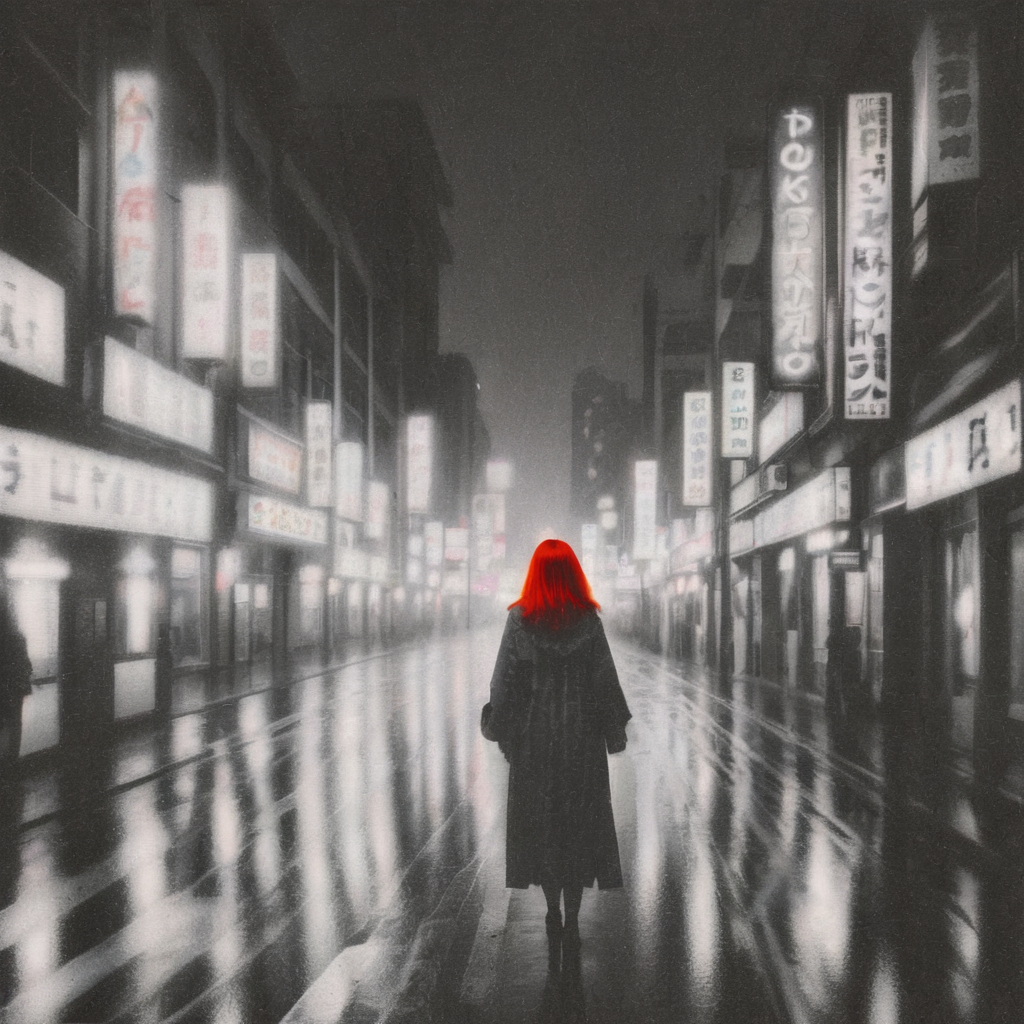
A black and white image slowly forms in developing solution. A woman emerges with unkempt hair and the same gown she’s been wearing for several days. The dampness permeating her garments and droplets beading on her hair clue her in that she is standing outside in the elements. She was meant to be completing a task, doing something important. Awareness dawns that she has not been well for a while now, how long is undetermined, vague, but the lifting fog begins to reveal color, just hints of expression, a reminder that there is life beyond the slog of slow-motion survival she has been swimming through indefinitely unmoored. The awakening is gradual, subtle, and incremental, yet essential.





 rebekahjmarshall