Tag Archives: poems

Hafiz – Poem 18

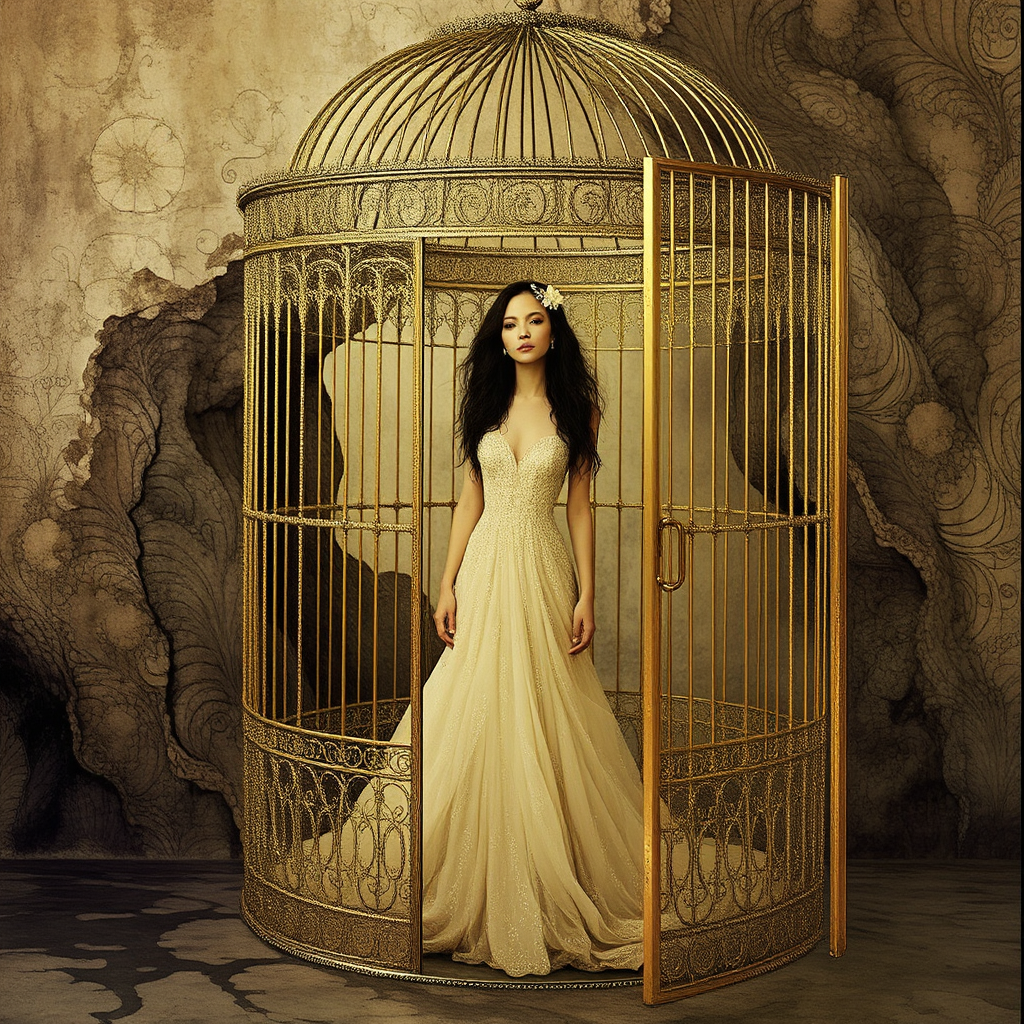
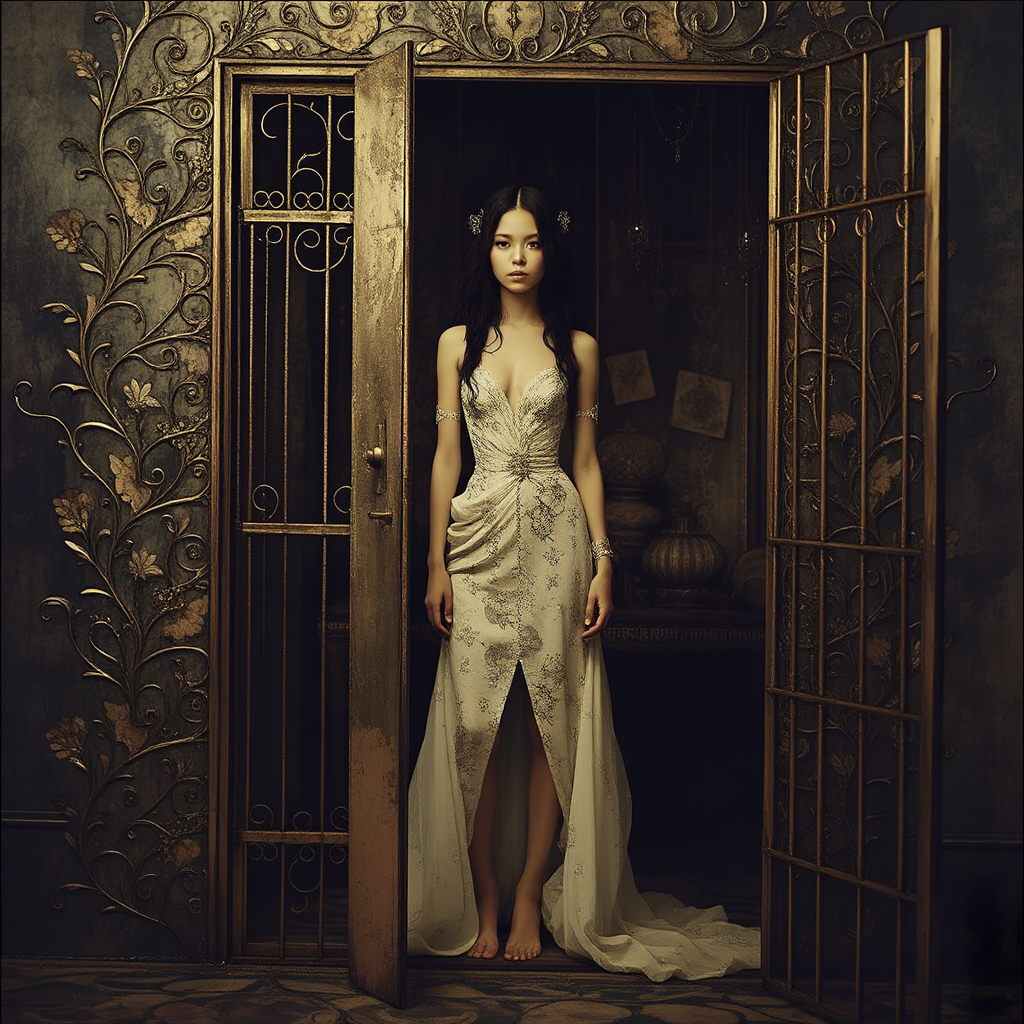
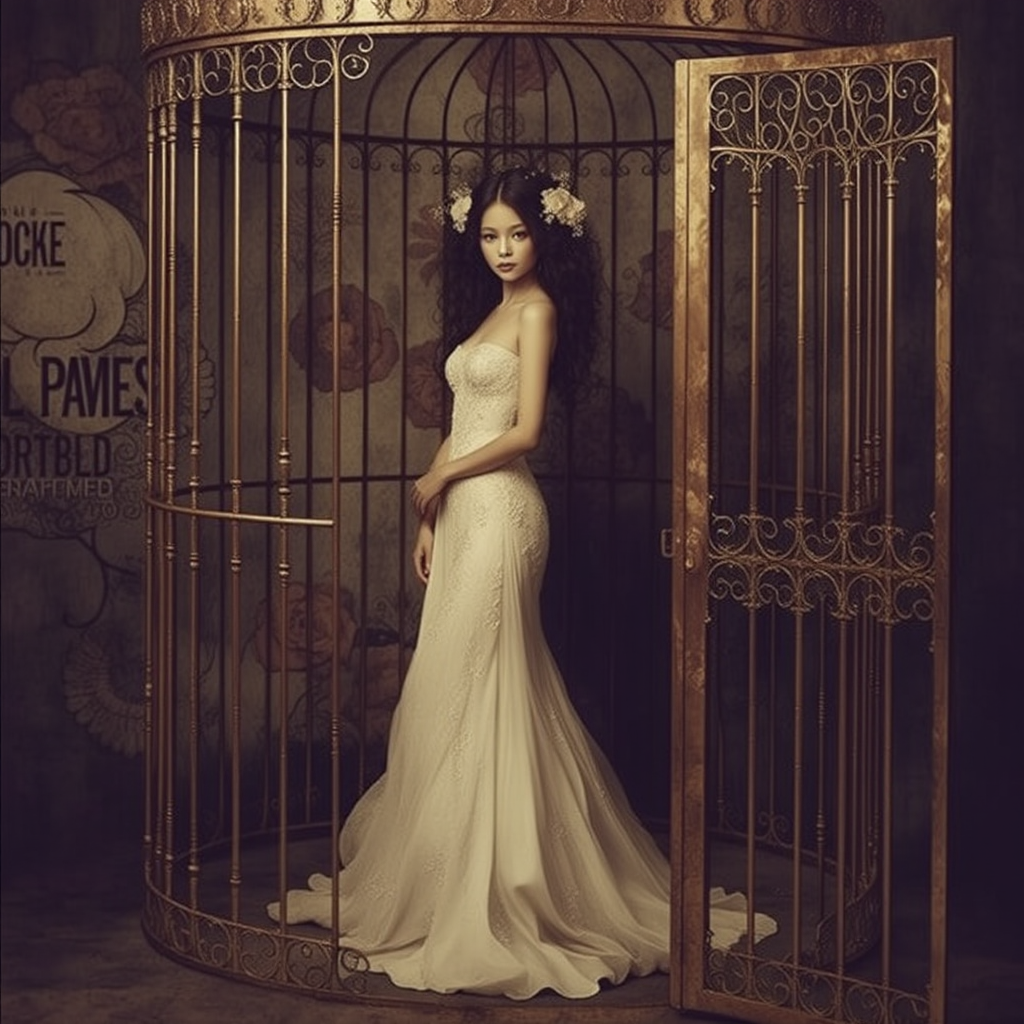
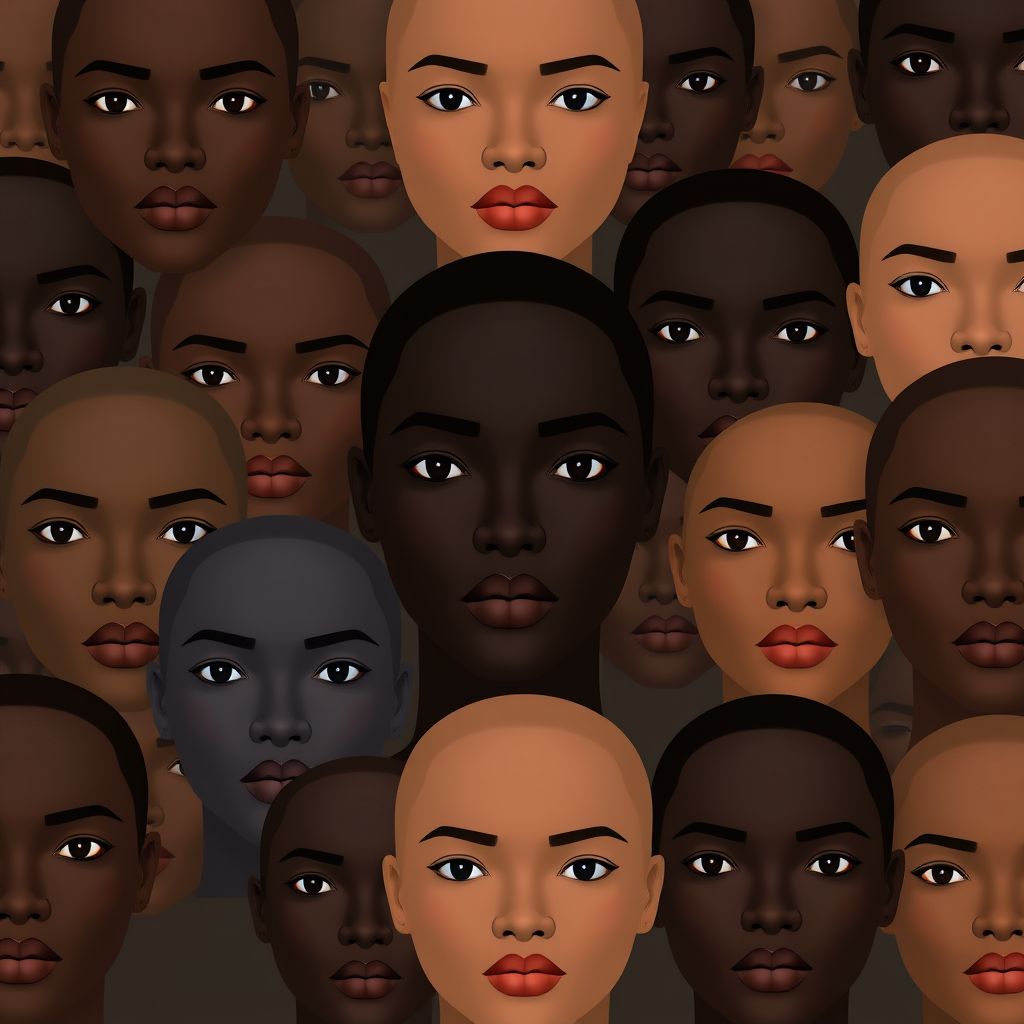
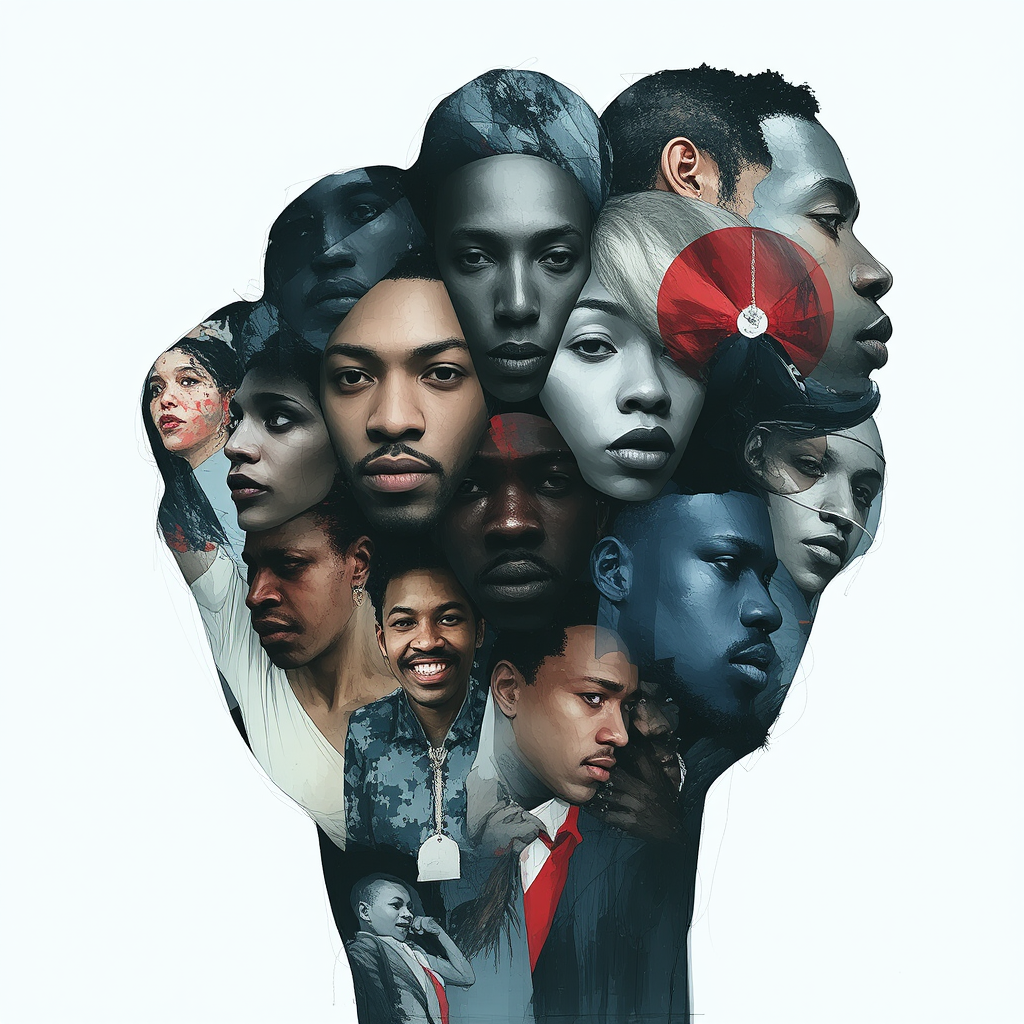
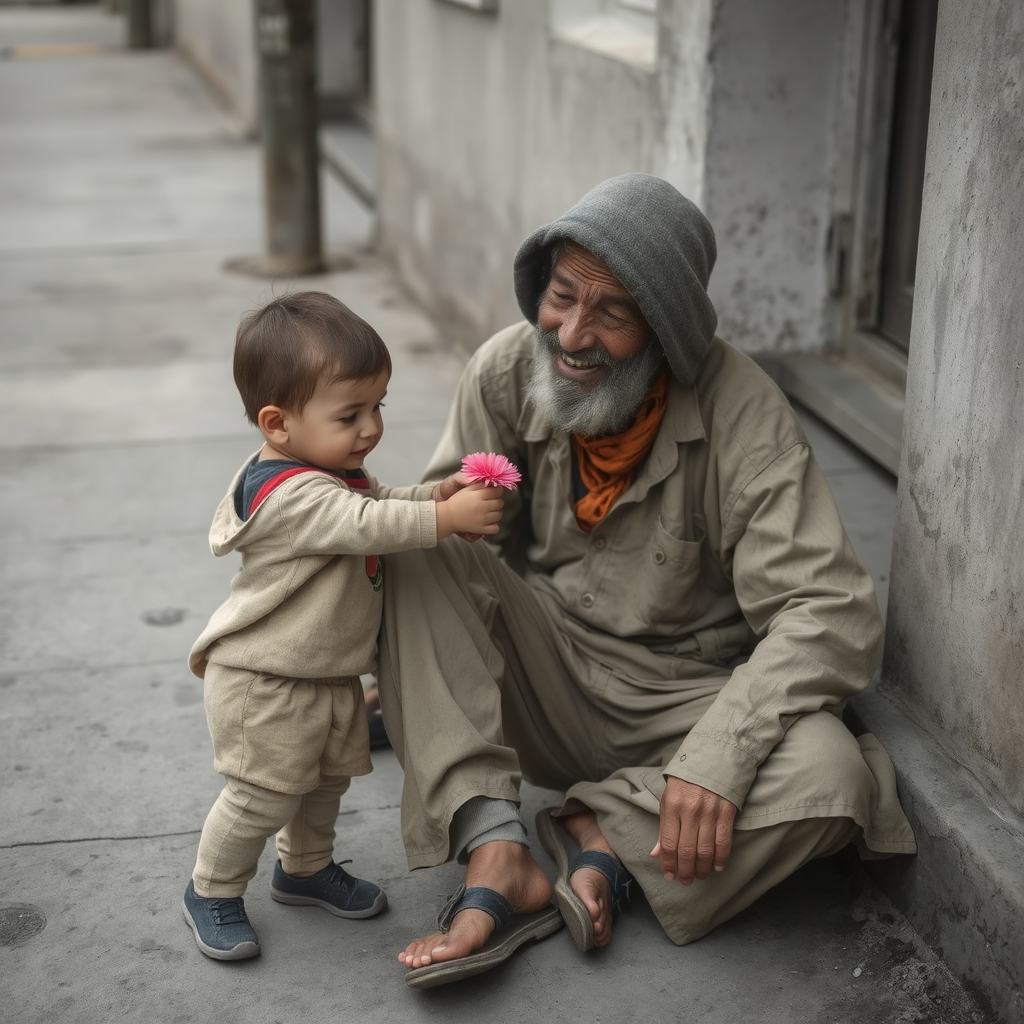
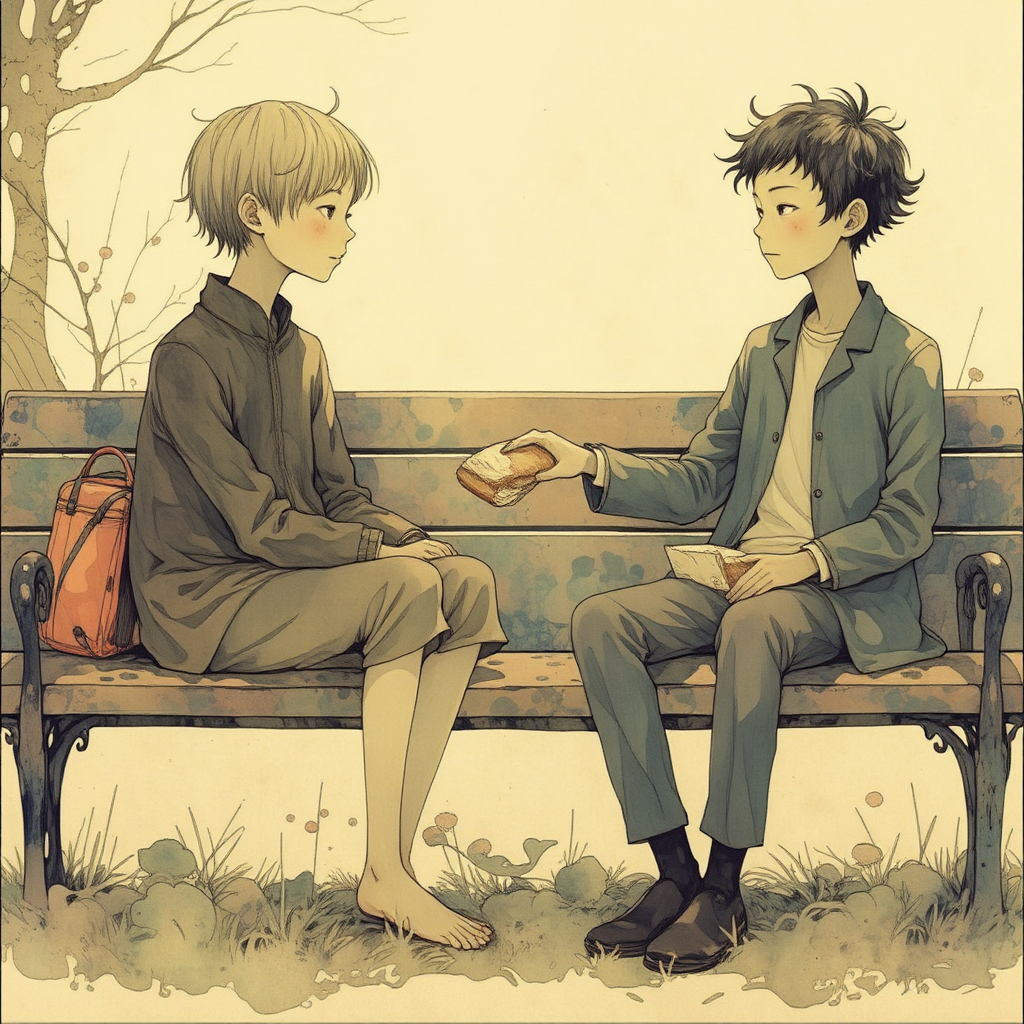
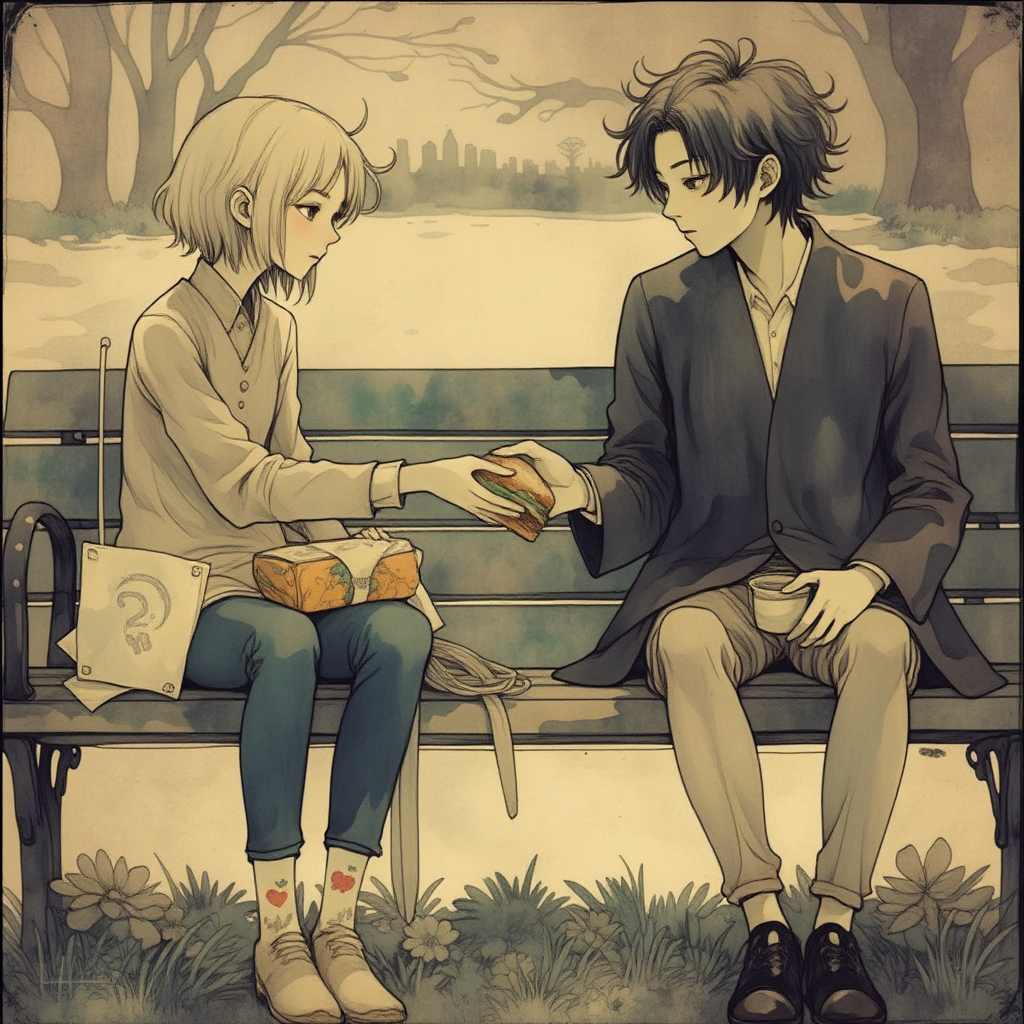
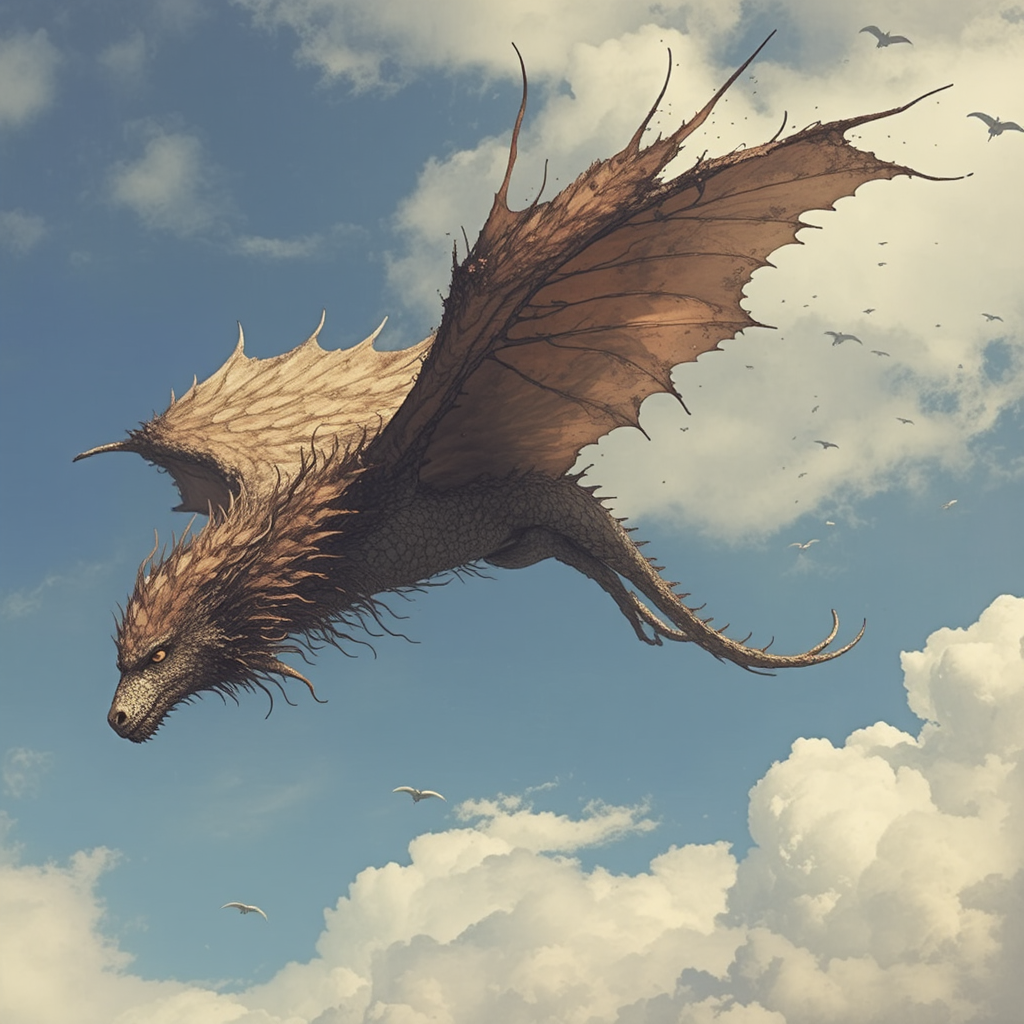
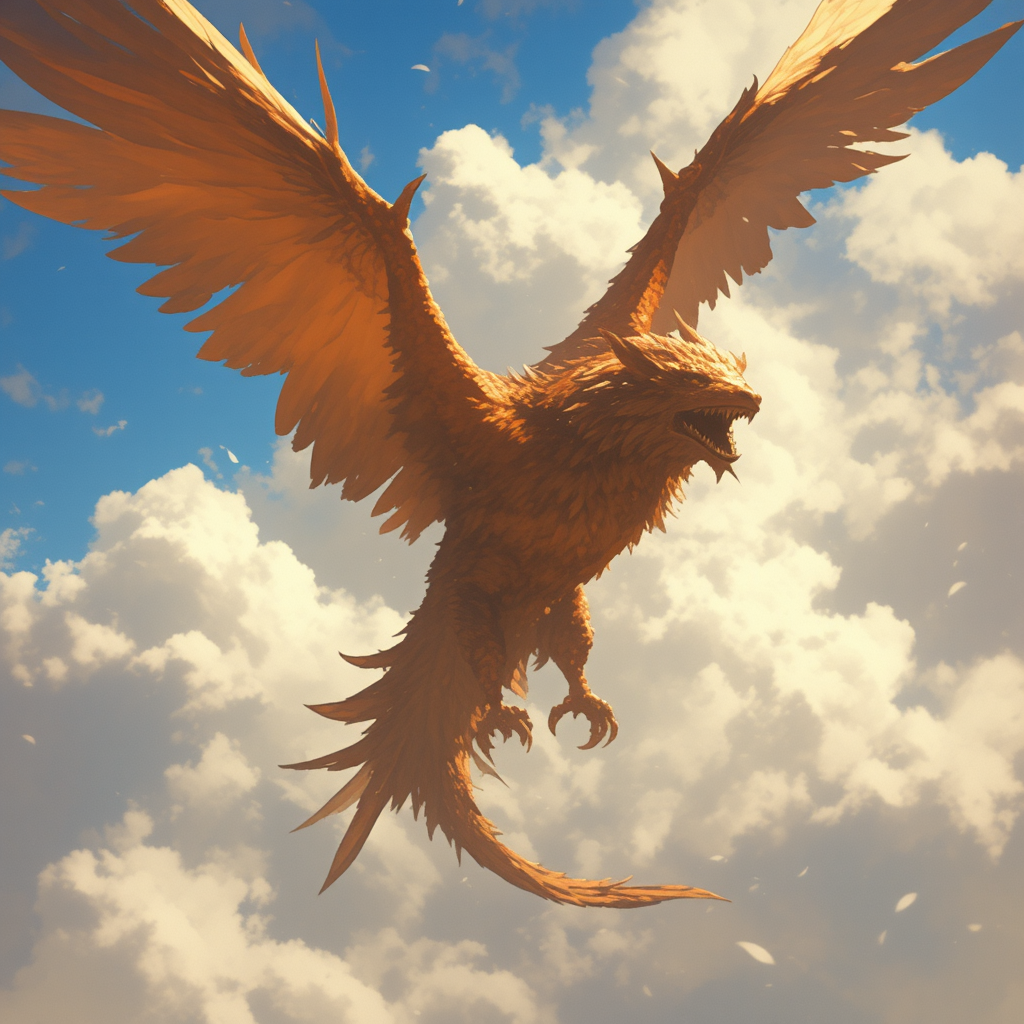
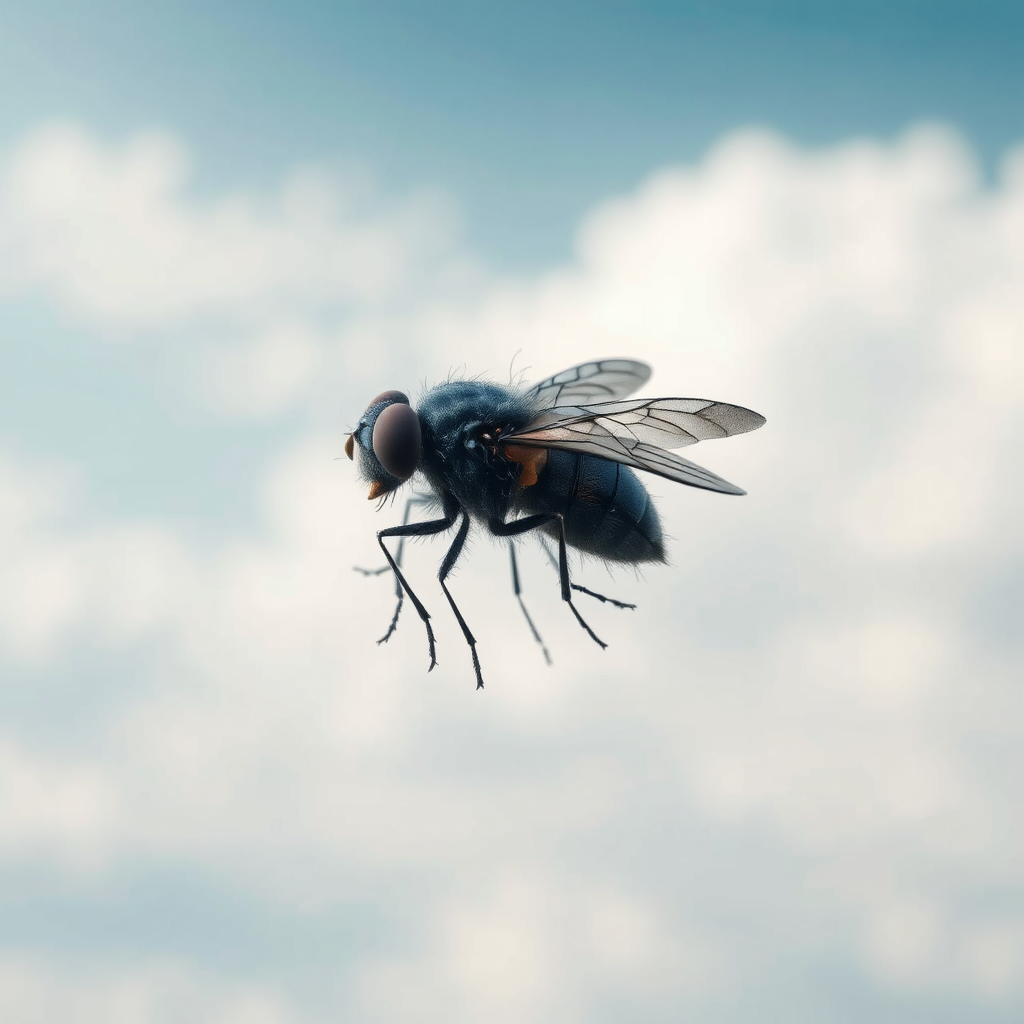
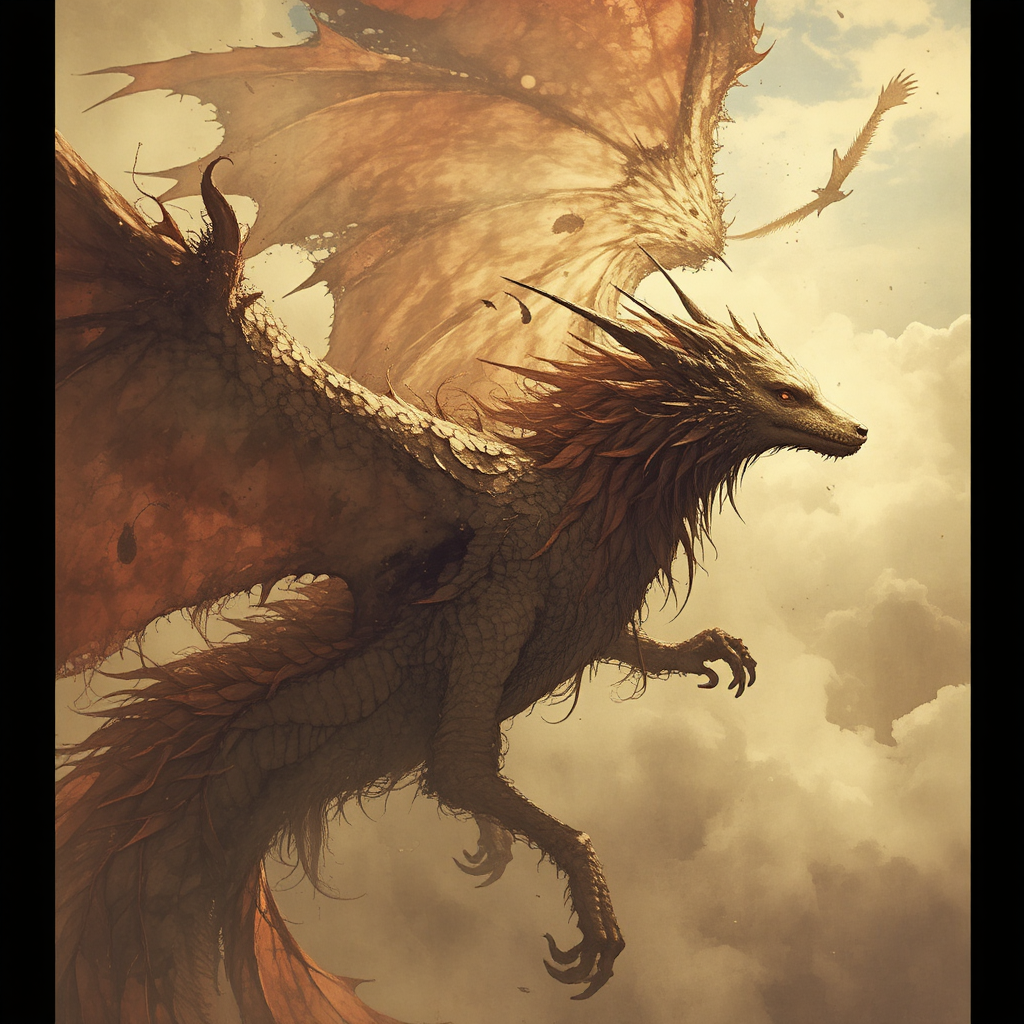
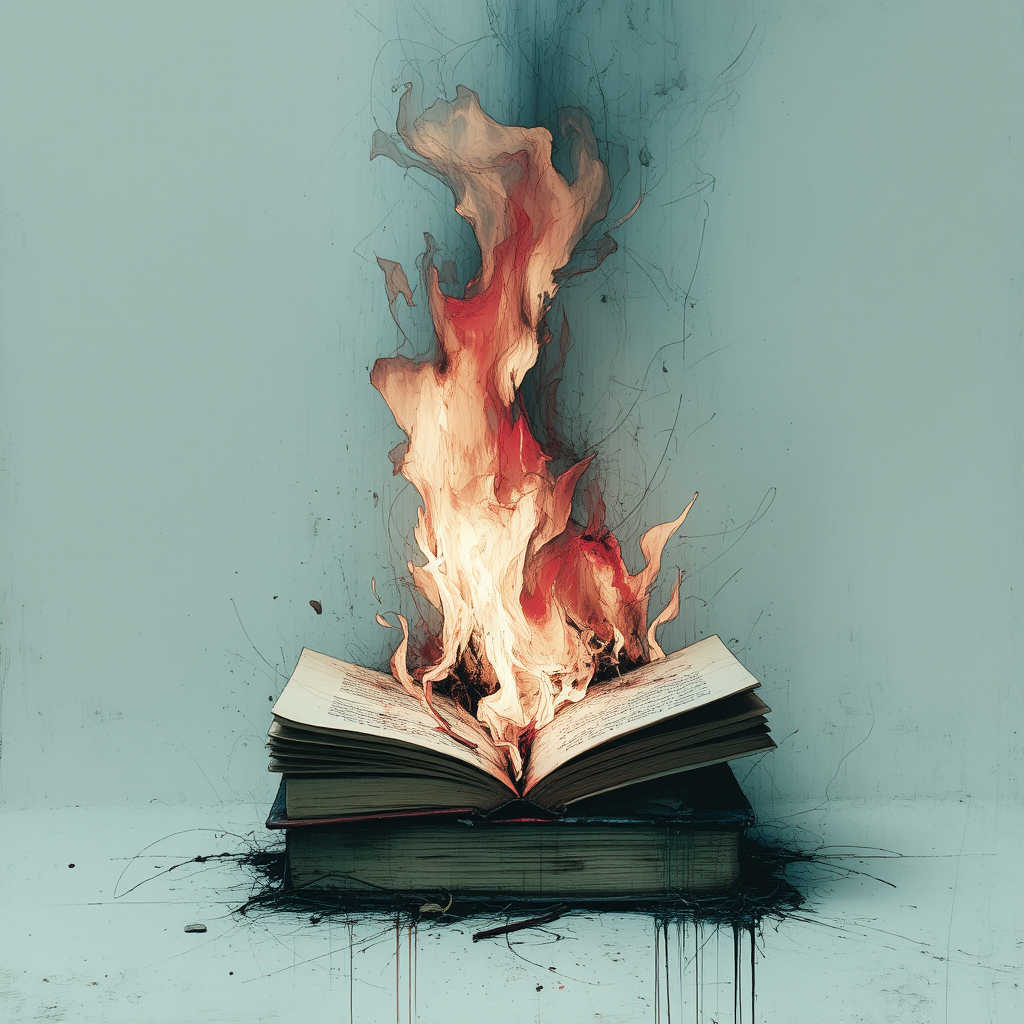
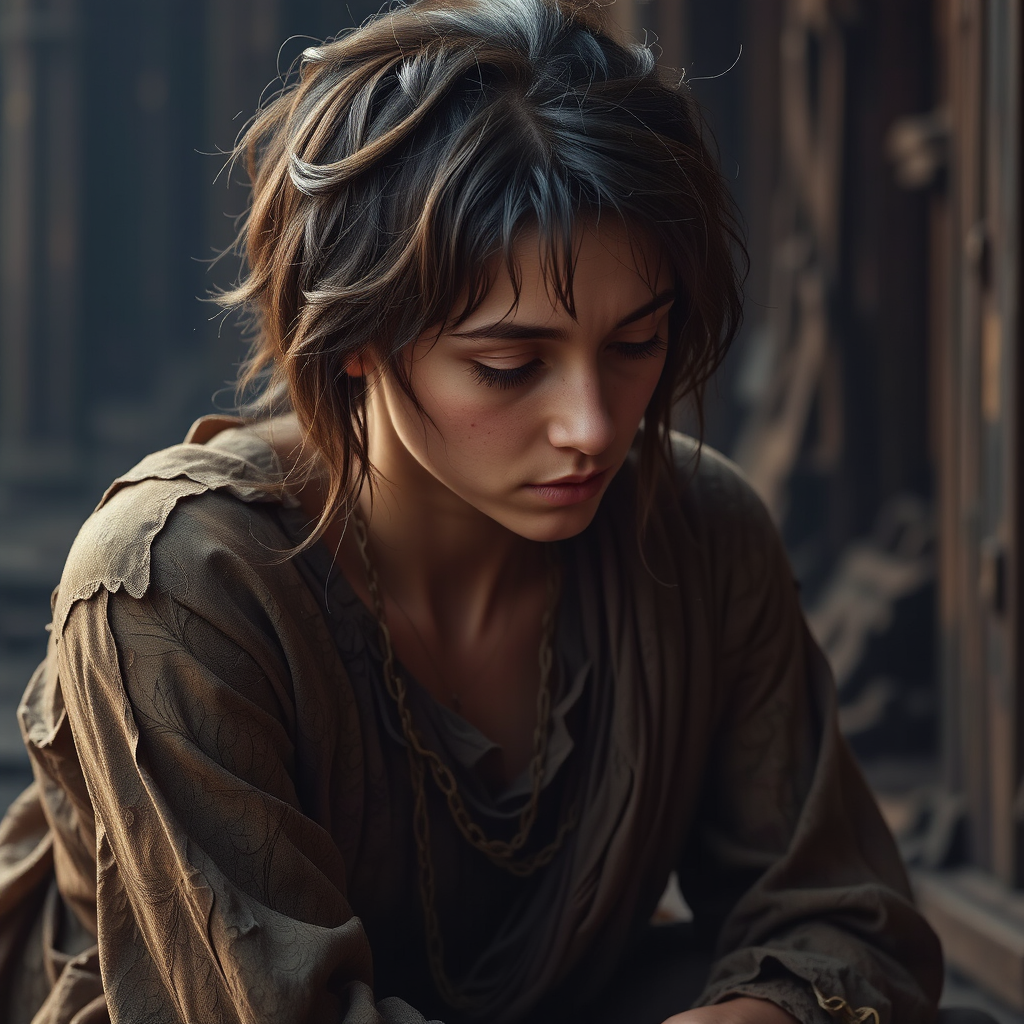
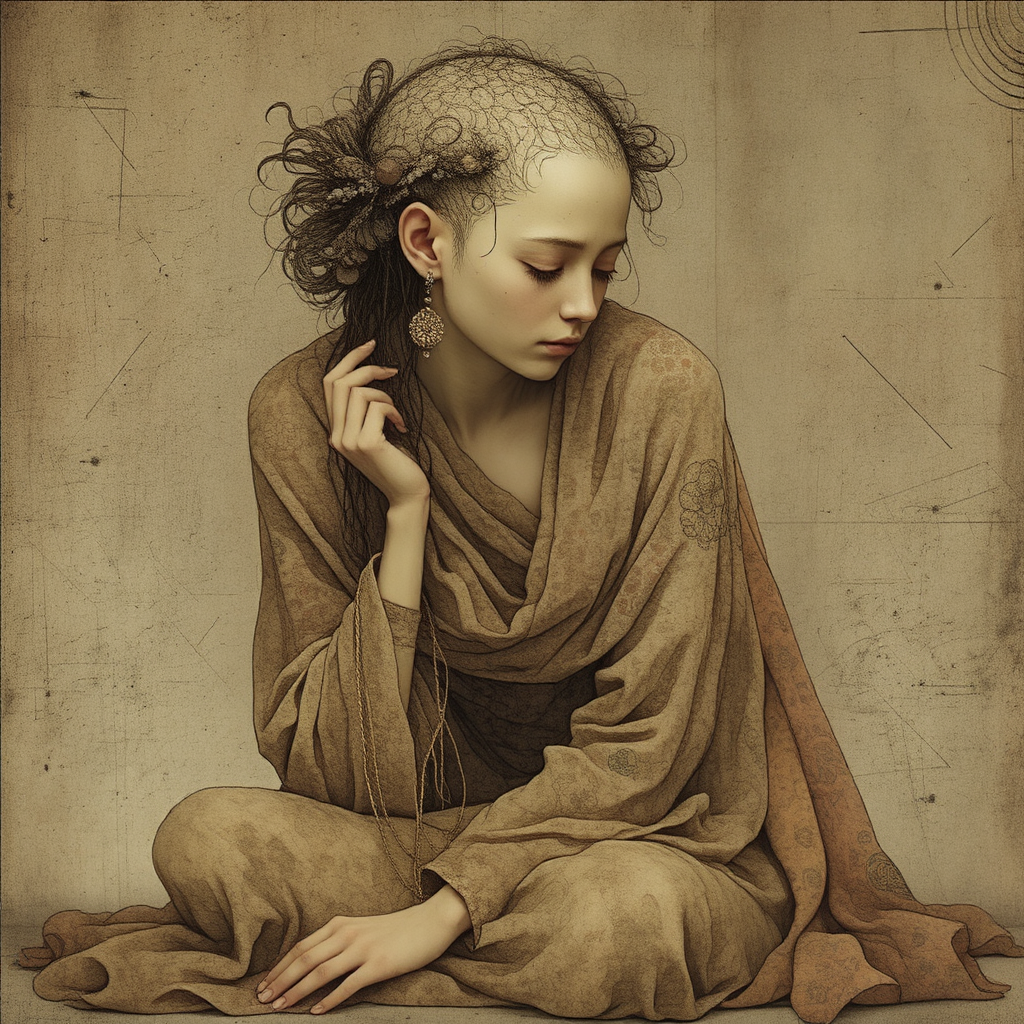
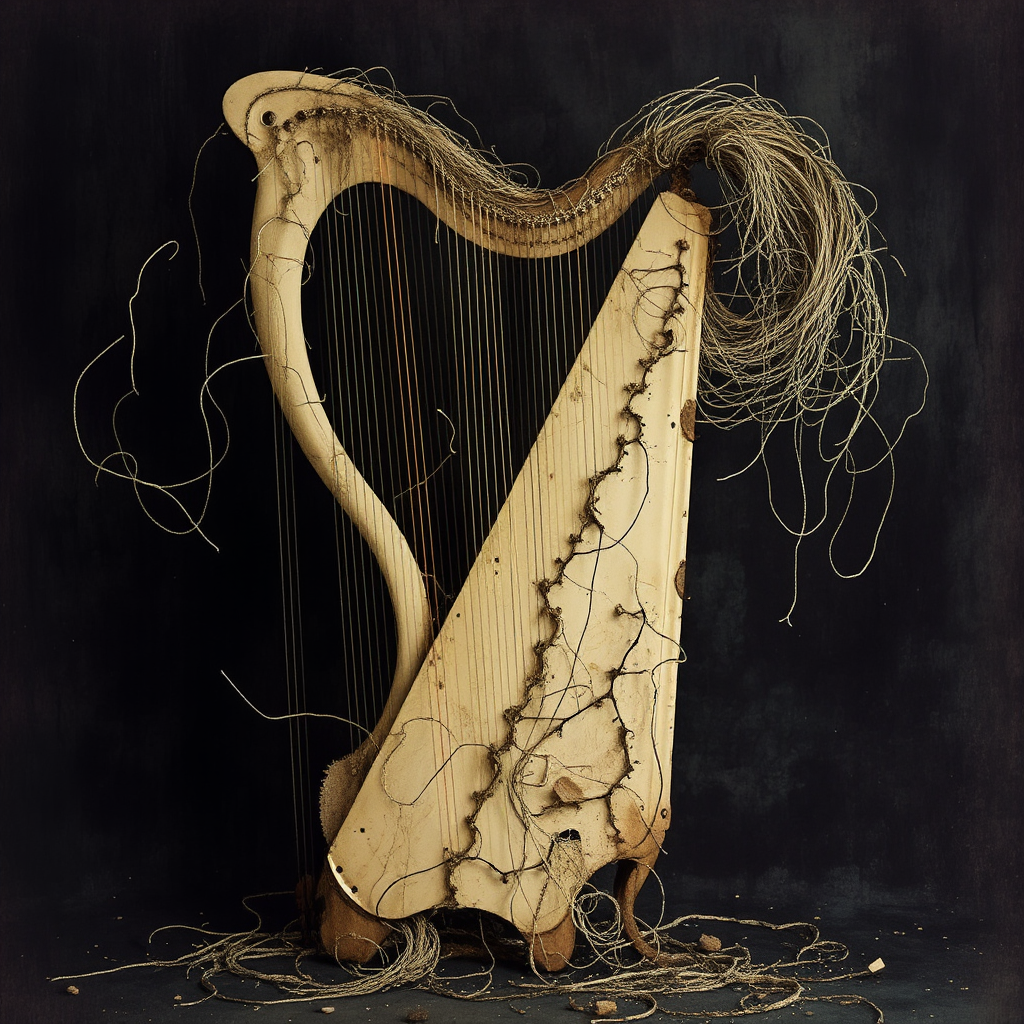
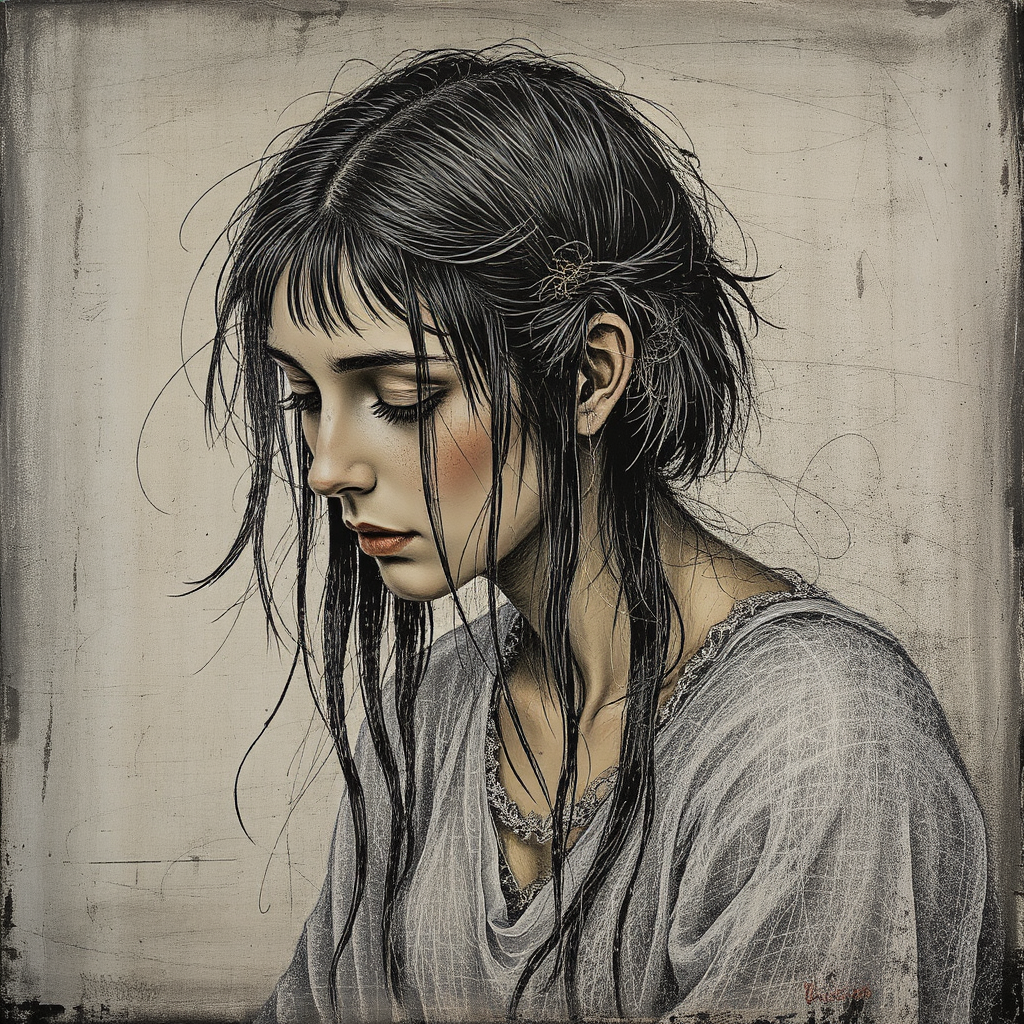
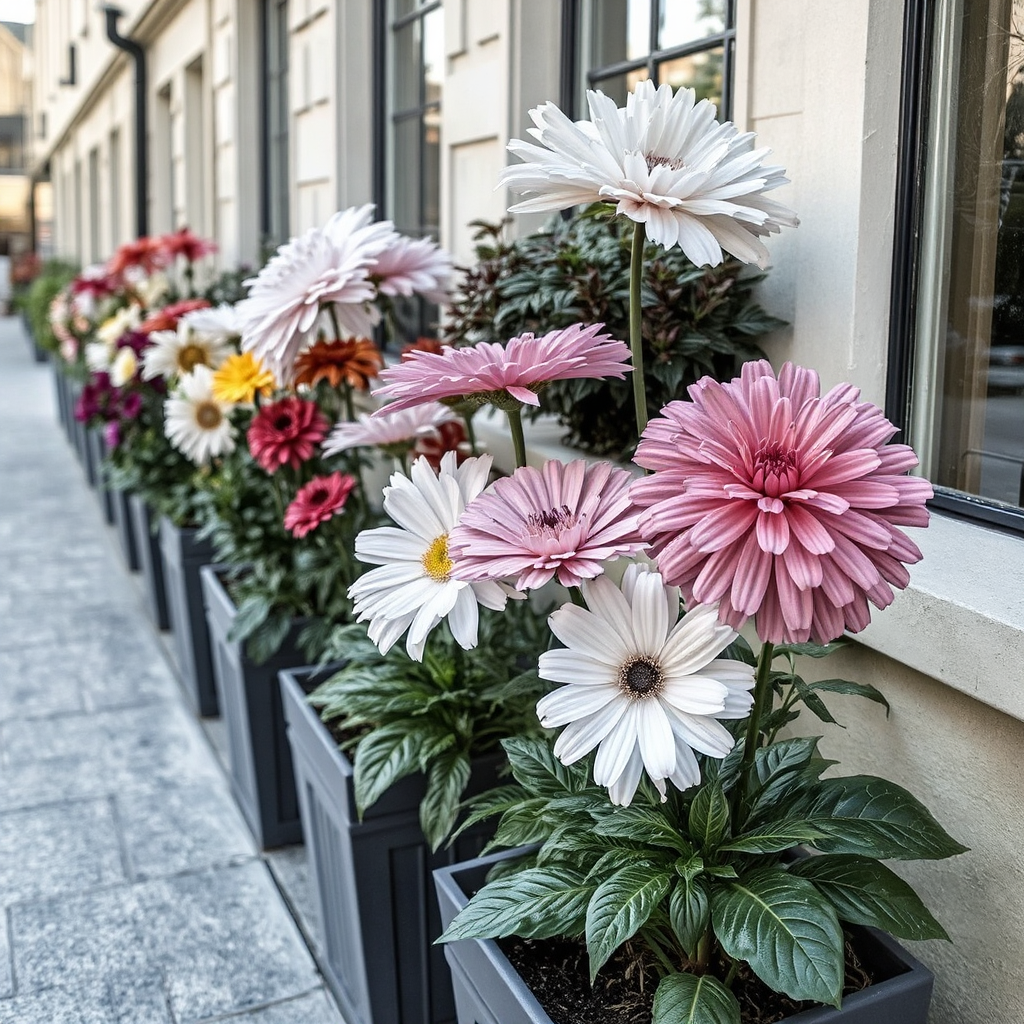
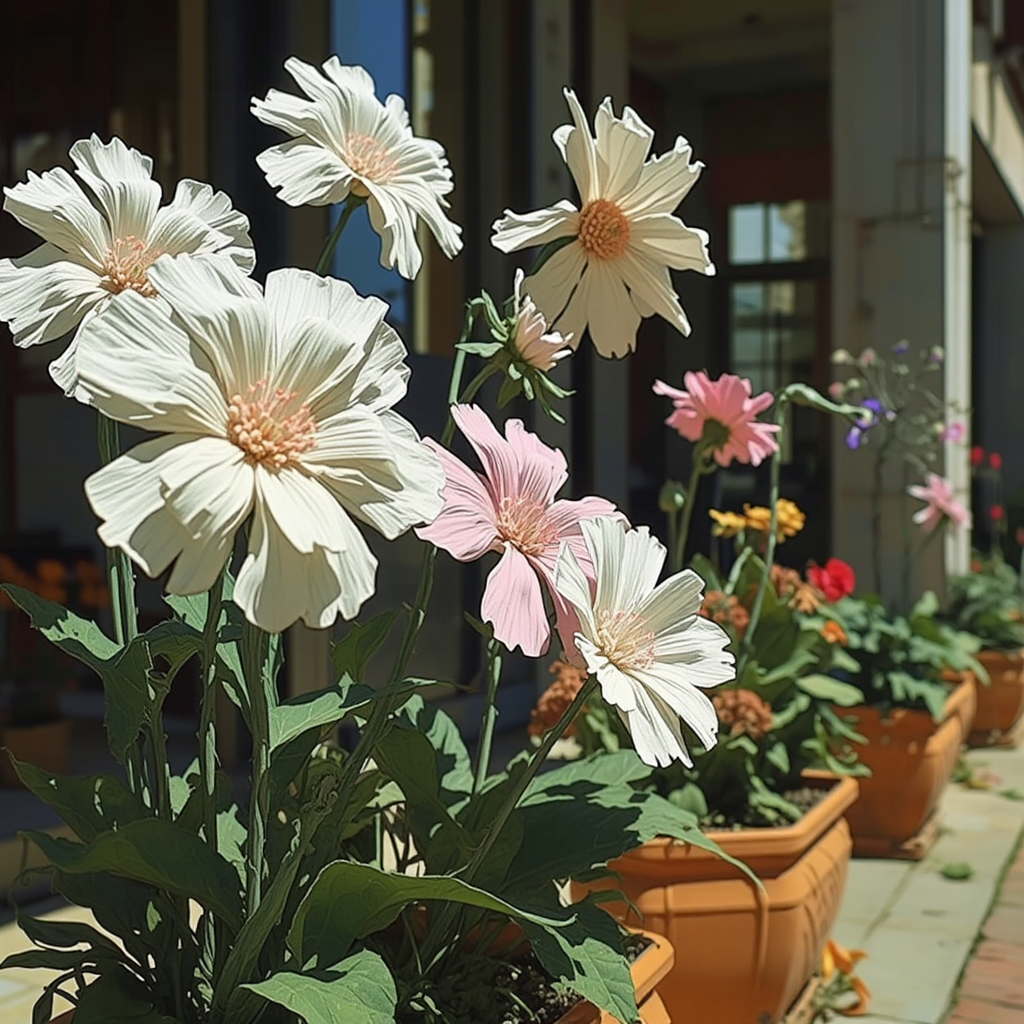
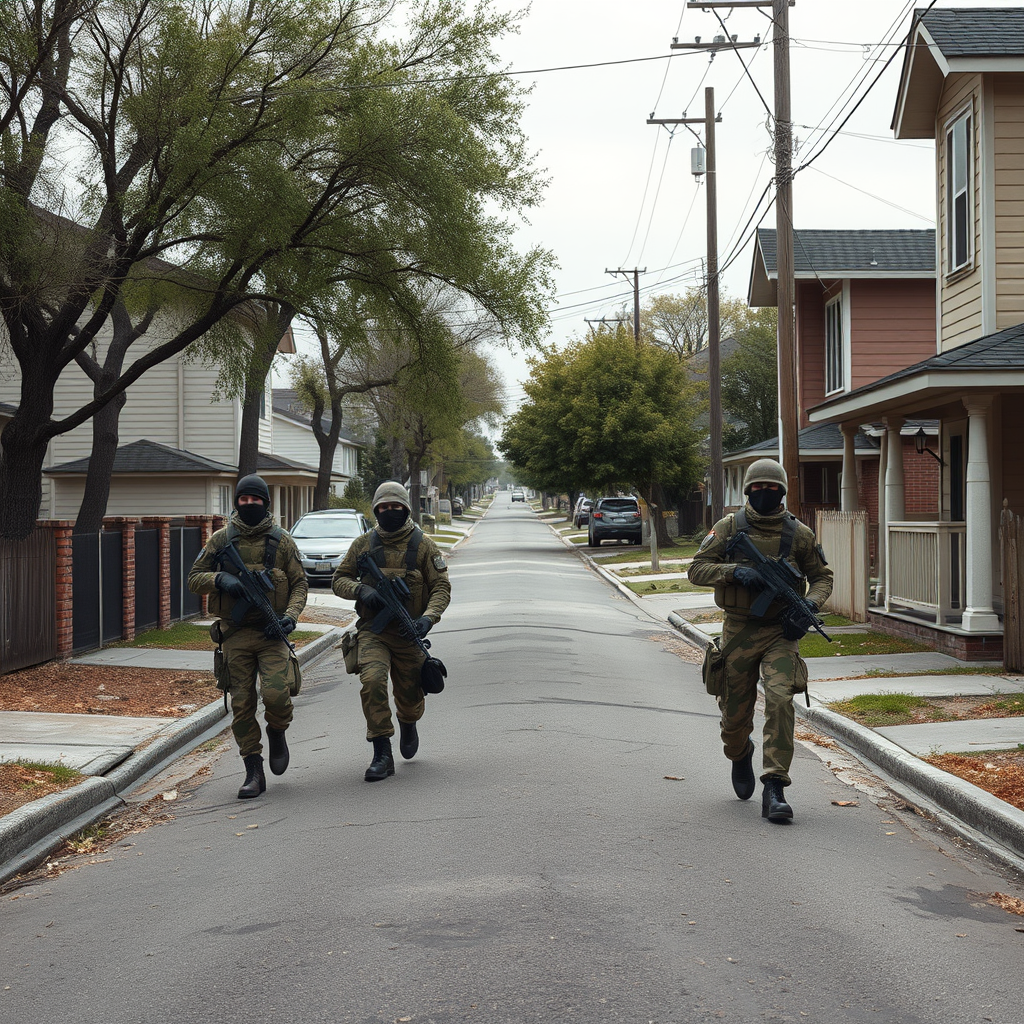
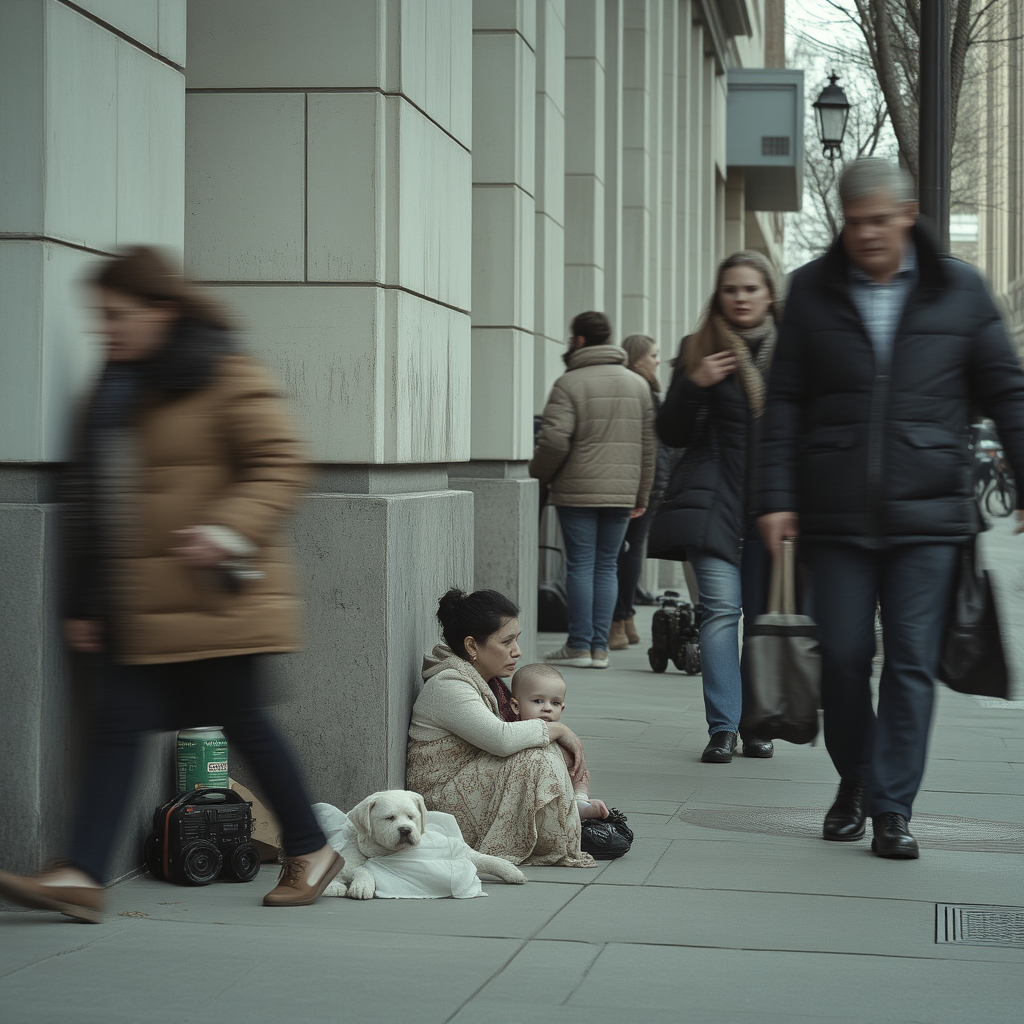
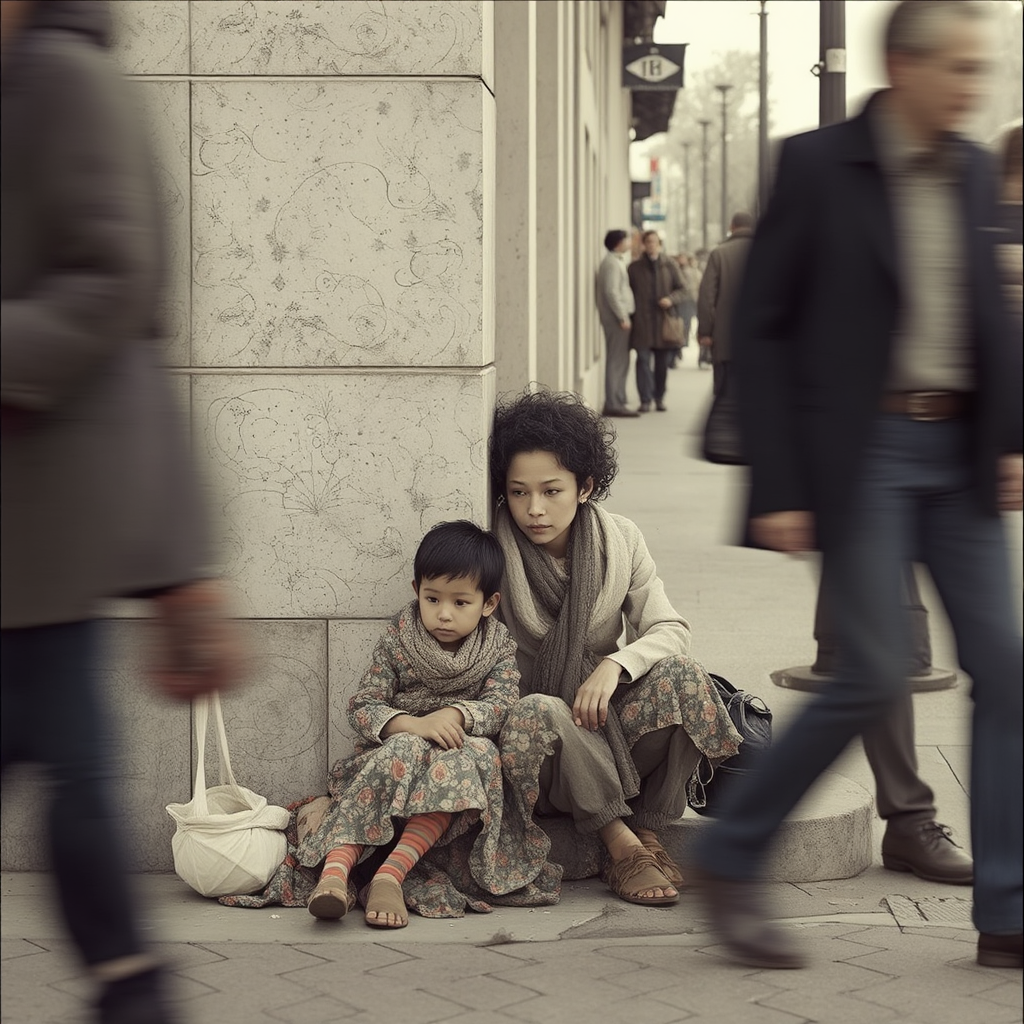
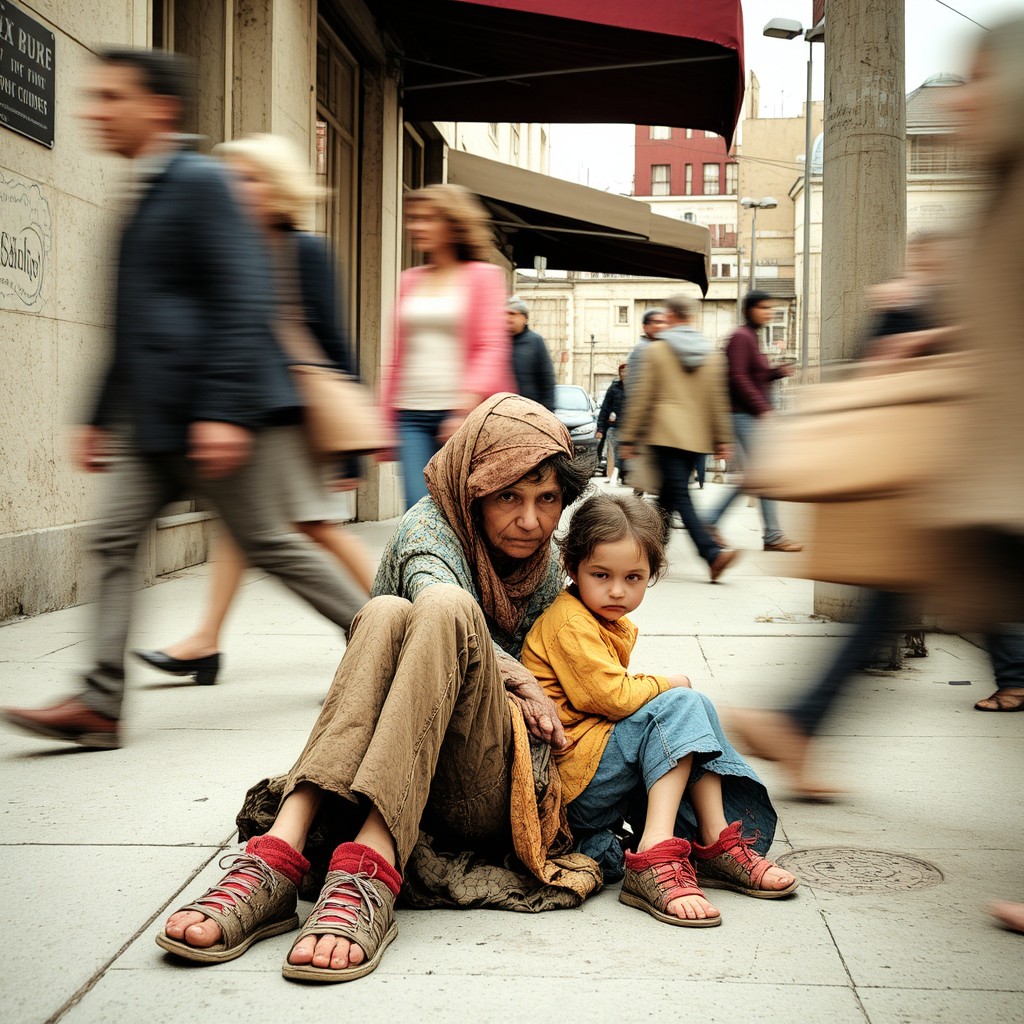
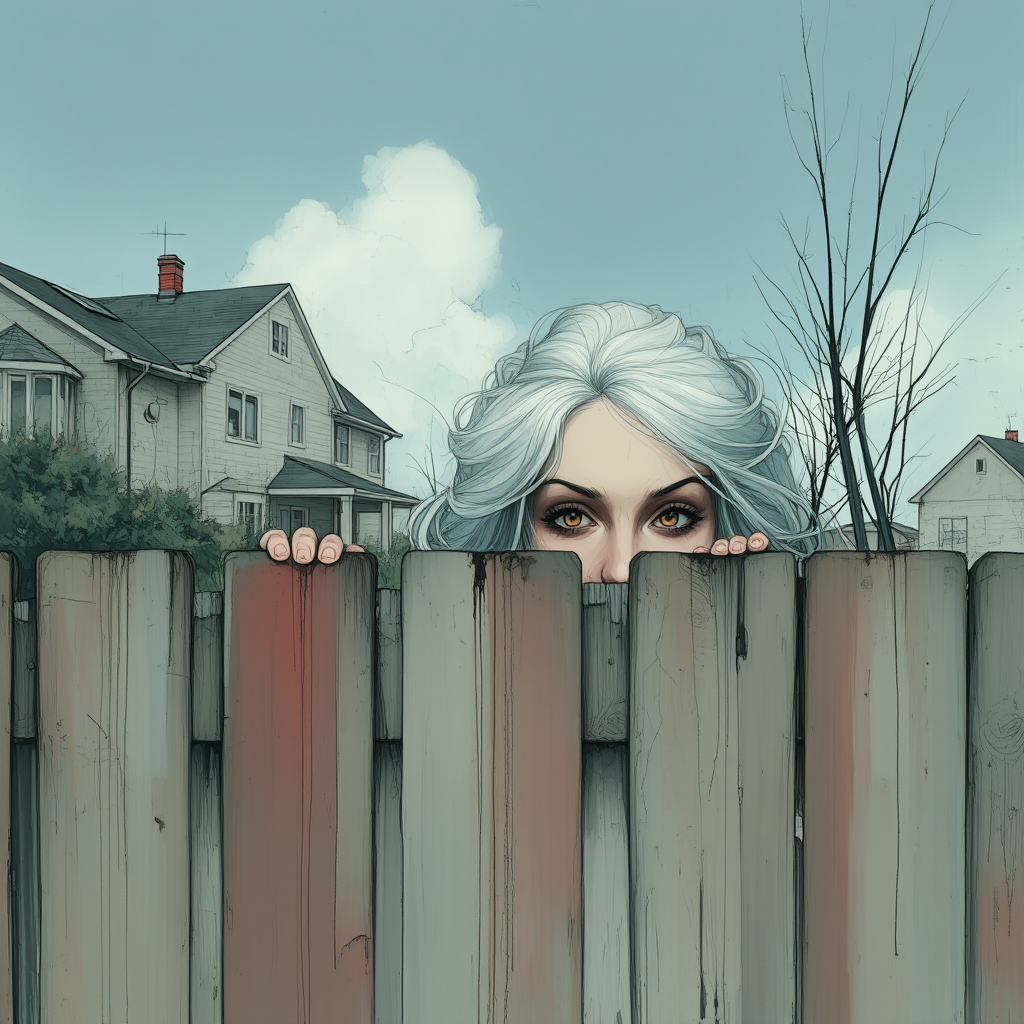
All images created by Rebekah Marshall’s prompts using AI on Gencraft.com website.

I am reading Hafiz’s Little Book of Life, poetry by Hafiz-e Shirazi. He is challenging me to become more comfortable with ambiguity. I will share his poem and some of my thoughts on his poem (sometimes with the help of experts when the concepts are too hard for me), followed by a poem and some art inspired by his poem.

Hafiz’s Poem 18:

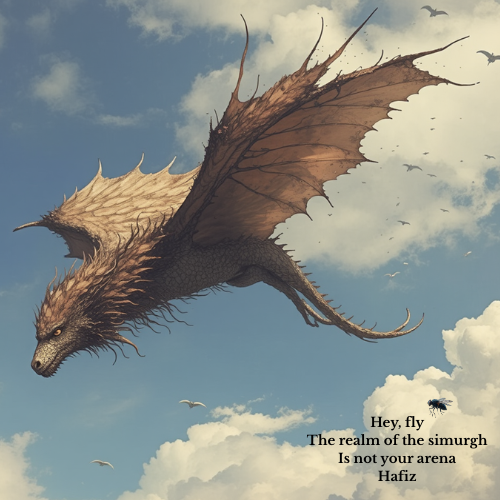
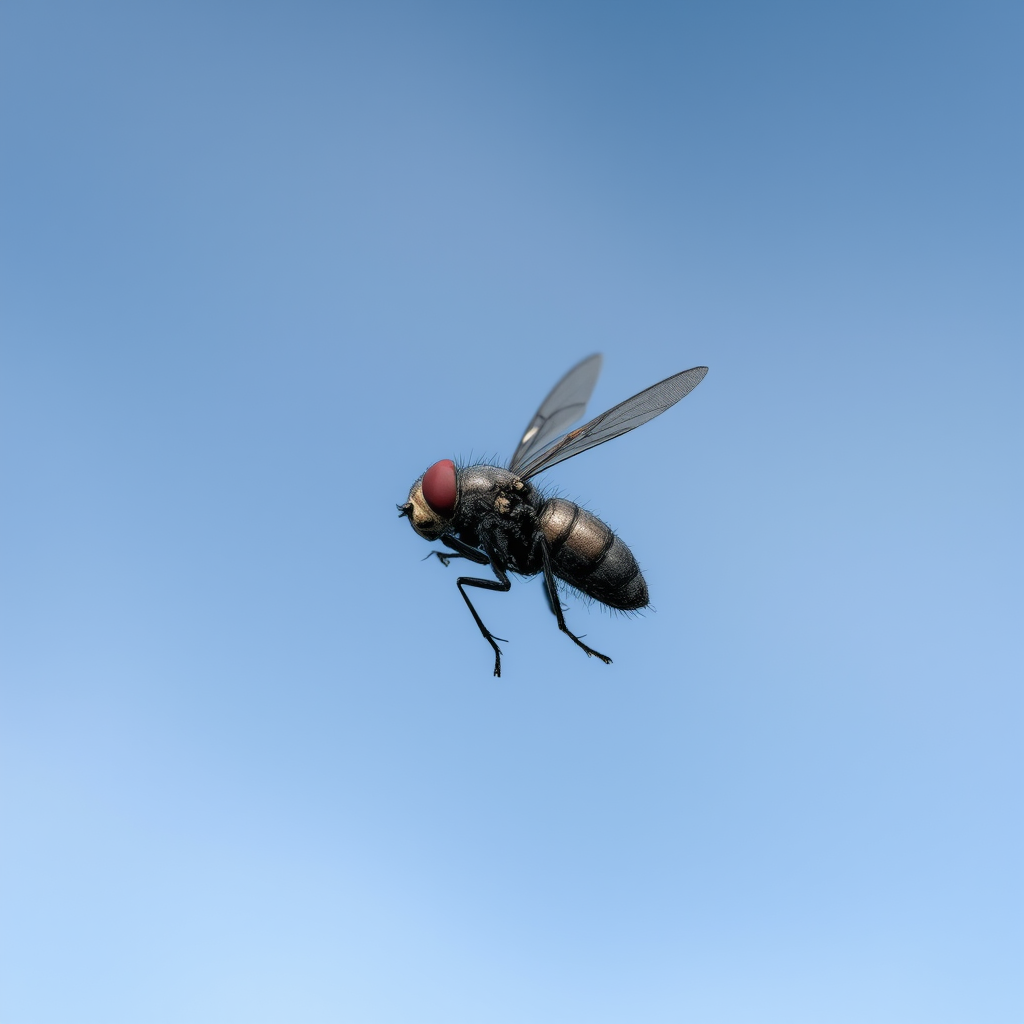
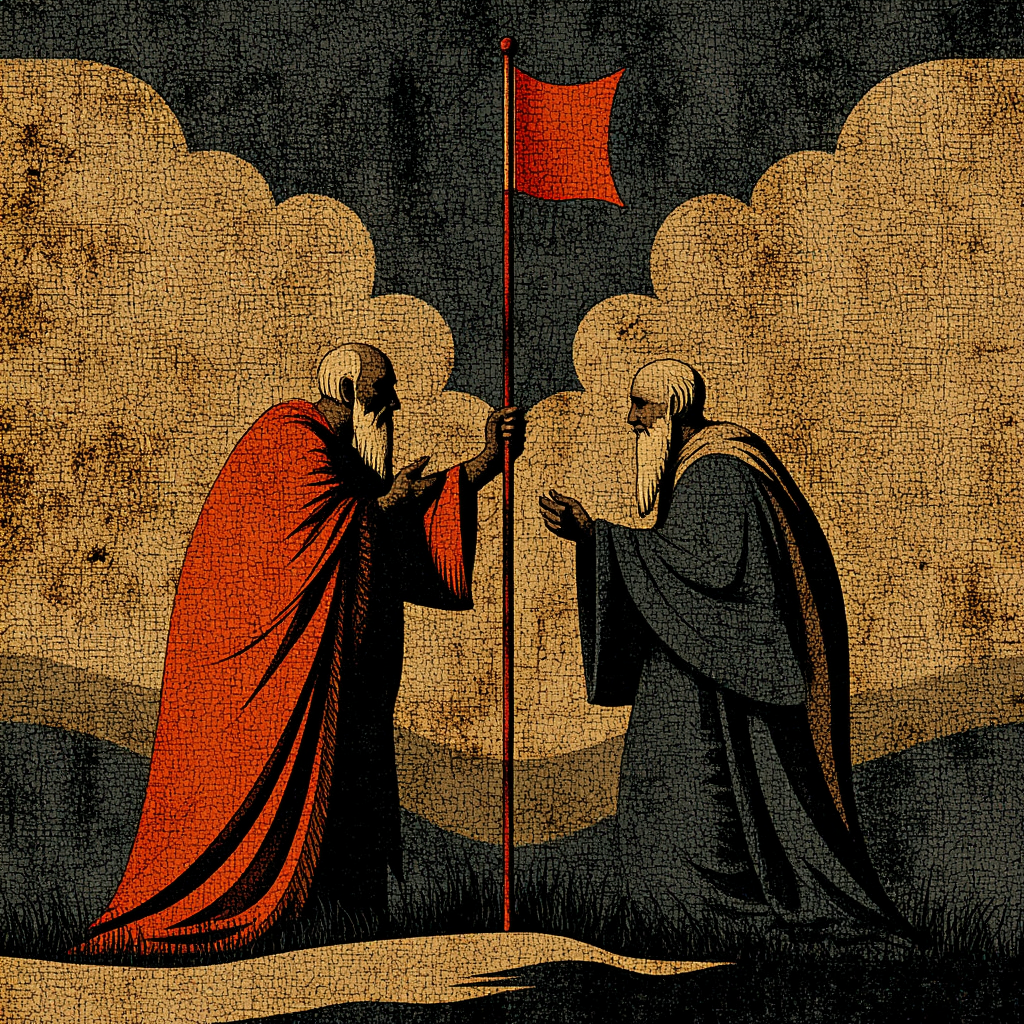
Hey, fly

The realm of the simurgh

Is not your arena

Some thoughts:

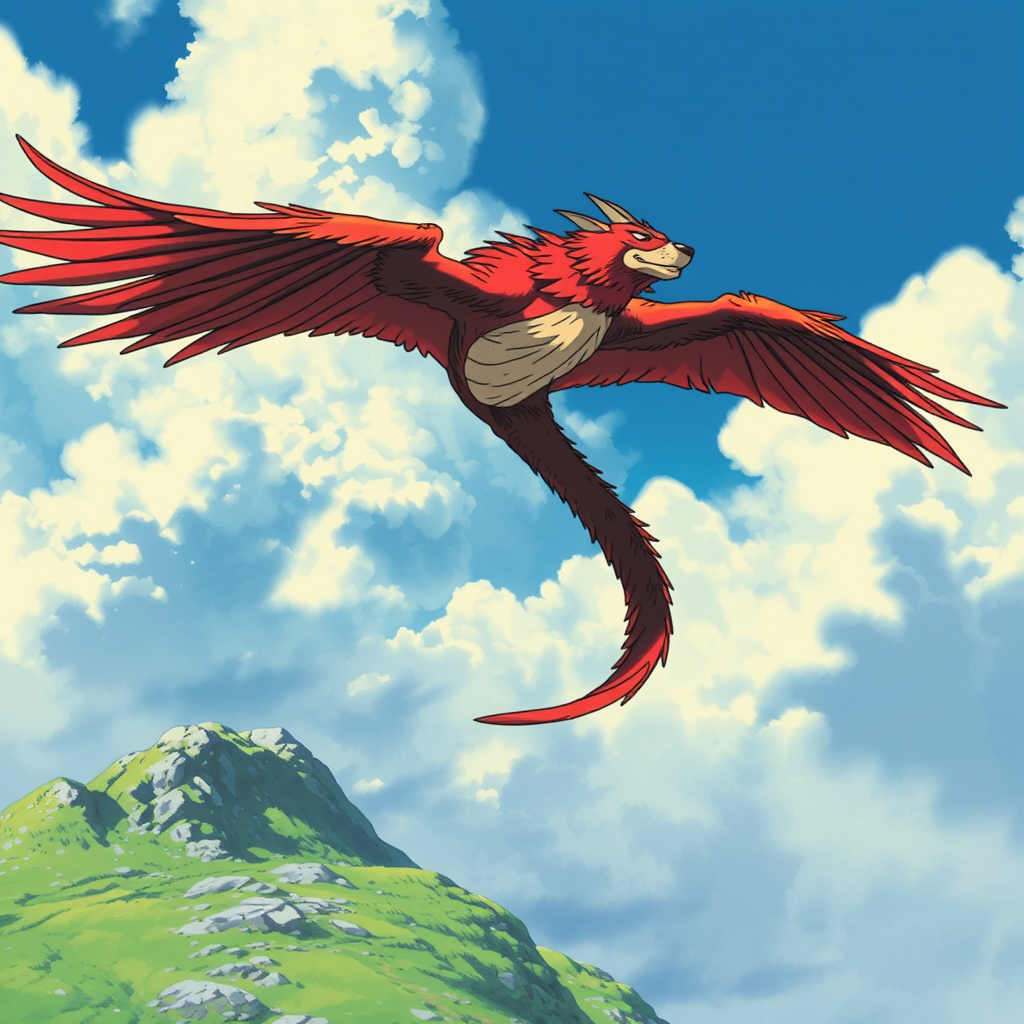
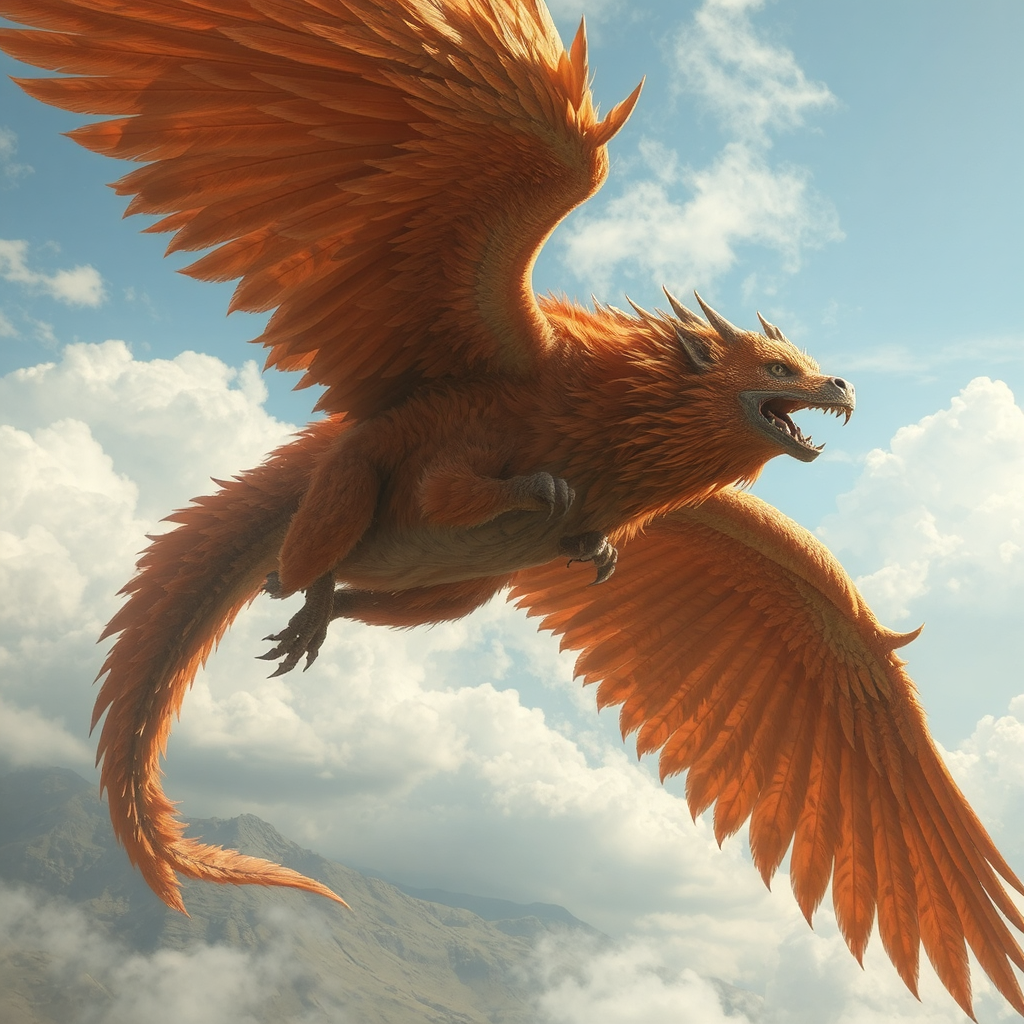
A simurgh is a mythical beast in Persian mythology that is a huge benevolent bird creature who is part dog and all amazing. They are said to be older than the dinosaurs, so old they have seen the destruction of the earth at least 3 times. They return like the phoenix and are powerful enough to carry off an elephant. When one took flight, it shook the tree of life and all the seeds of the entire plant kingdom scattered on the wind to populate the earth with every herb, vegetable, and fruit we now have.

Flies…not so much. No one is as impressed by a fly. Perhaps Hafiz is gently telling someone to stay in their lane. Walk before they run. Learn the basics before trying to take on more complex levels. Whoever or whatever he is referring to sounds like a little chihuahua who thinks she can take on a bear. The spirit is impressive, but the reality it a little harsher. As much as we all want to dream big and believe we are capable of anything we set our minds to, it is probably best to also prepare and take the right steps to get to the next level of progress. Who knows, maybe someday we’ll fly with the simurgh.

My Poem 18:

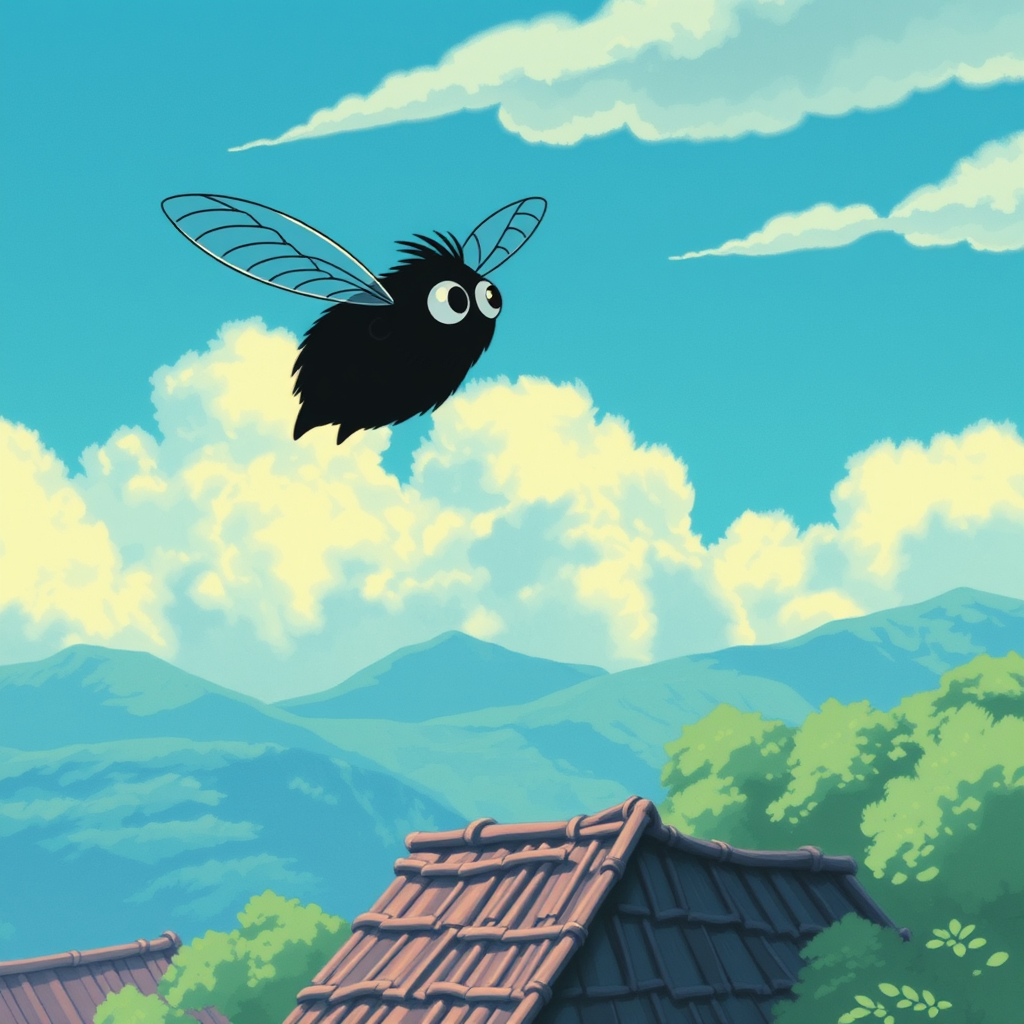
Fly is an opportunistic nuisance,
irritating background noise with
indiscriminate hunger drawn to rot.
Thin whine, buzz, hum, restless—
nervous energy that confuses
access with belonging mistakes
nearness for importance embodies
hunger without wisdom living
on lilfe’s leftover crumbs.

Simurgh scans the heavens silently,
sound swallowed by altitude and
casts a mountain-sized shadow.
Wingspan vast, immense presence—
motion that reshapes air with stillness.
Benevolent creature glides effortlessly,
witnesses creation and destruction,
participates in the process of transformation
burns away death to feast on forever.

Hafiz. Hafiz’s Little Book of Life. Translated by Erfan Mojib and Gary Gach, Hampton Roads Publishing, 2023.


Hafiz – Poem 17

All images created by Rebekah Marshall’s prompts using AI on Gencraft.com website.

I am reading Hafiz’s Little Book of Life, poetry by Hafiz-e Shirazi. He is challenging me to become more comfortable with ambiguity. I will share his poem and some of my thoughts on his poem (sometimes with the help of experts when the concepts are too hard for me), followed by a poem and some art inspired by his poem.

Hafiz’s Poem 17:

Vanity, my dear

Is merely proof

Of sheer ignorance

Some thoughts:

Hafiz seems to be addressing someone he cares about, by calling them “my dear.” This does not seem like a harsh rebuke, but more of a compassionate, gentle reminder. There is no need to be vain if we understand our true worth. Either we are over or under-inflating reality when we assess ourselves as less than or greater than we should.

If we mistake attention for worth, confuse a mask for the self, or are more concerned about appearance than authenticity, we are missing the mark. We are beautiful, magical, stardust creatures who are part of a giant, miraculous cosmos. We should not forget our true fabulousness by replacing it with vain imaginings that are neither helpful nor accurate. We are better than that.

My Poem 17:

Both extremes of vanity
are inaccurate reflections
of your miraculous beauty.

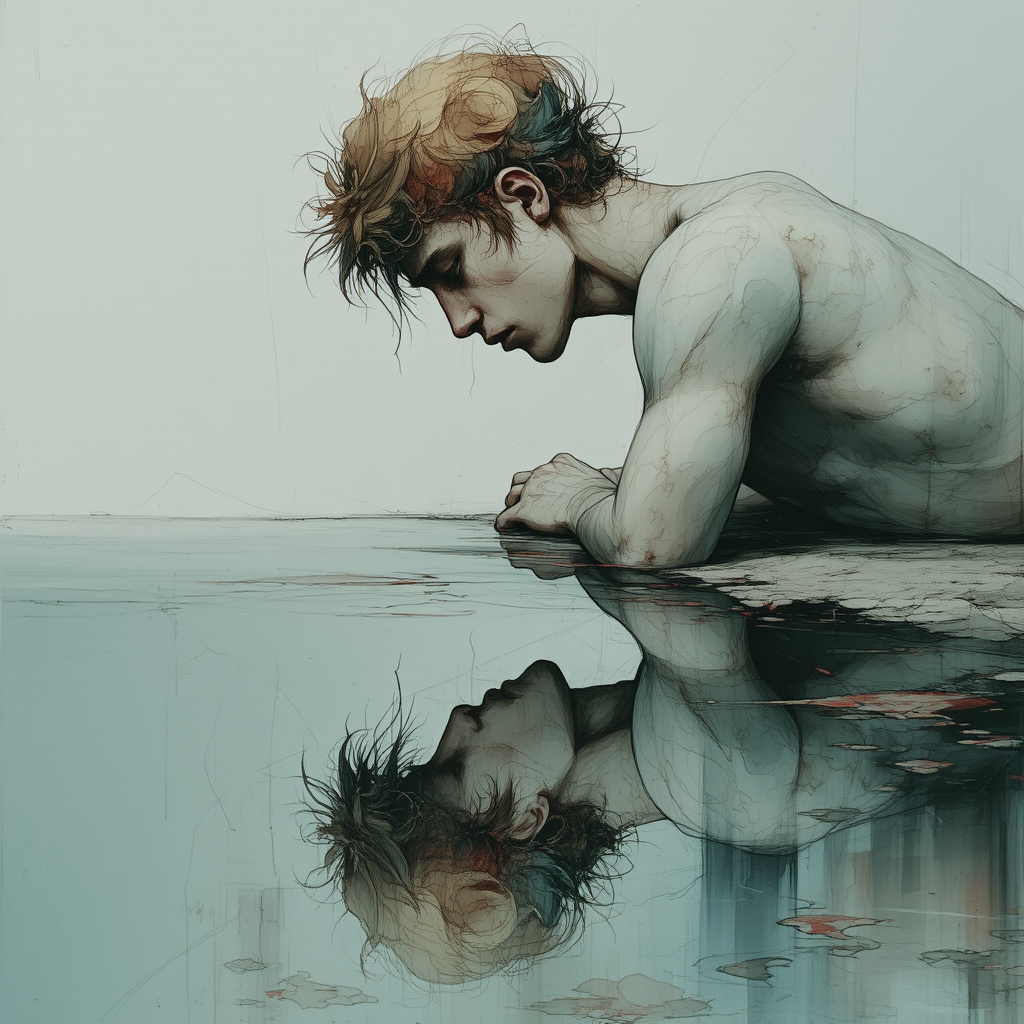
You are but dust and ashes,
no greater than anyone else
on this giant flying rock.

But the point is that you are
stardust and magic, the hope
of your ancestors made real.

Don’t confuse being ordinary
with missing the fabulous
truth that you are a singularity.

There has never been and never
will be another you the same
as the wondrous you right now.

Hafiz. Hafiz’s Little Book of Life. Translated by Erfan Mojib and Gary Gach, Hampton Roads Publishing, 2023.
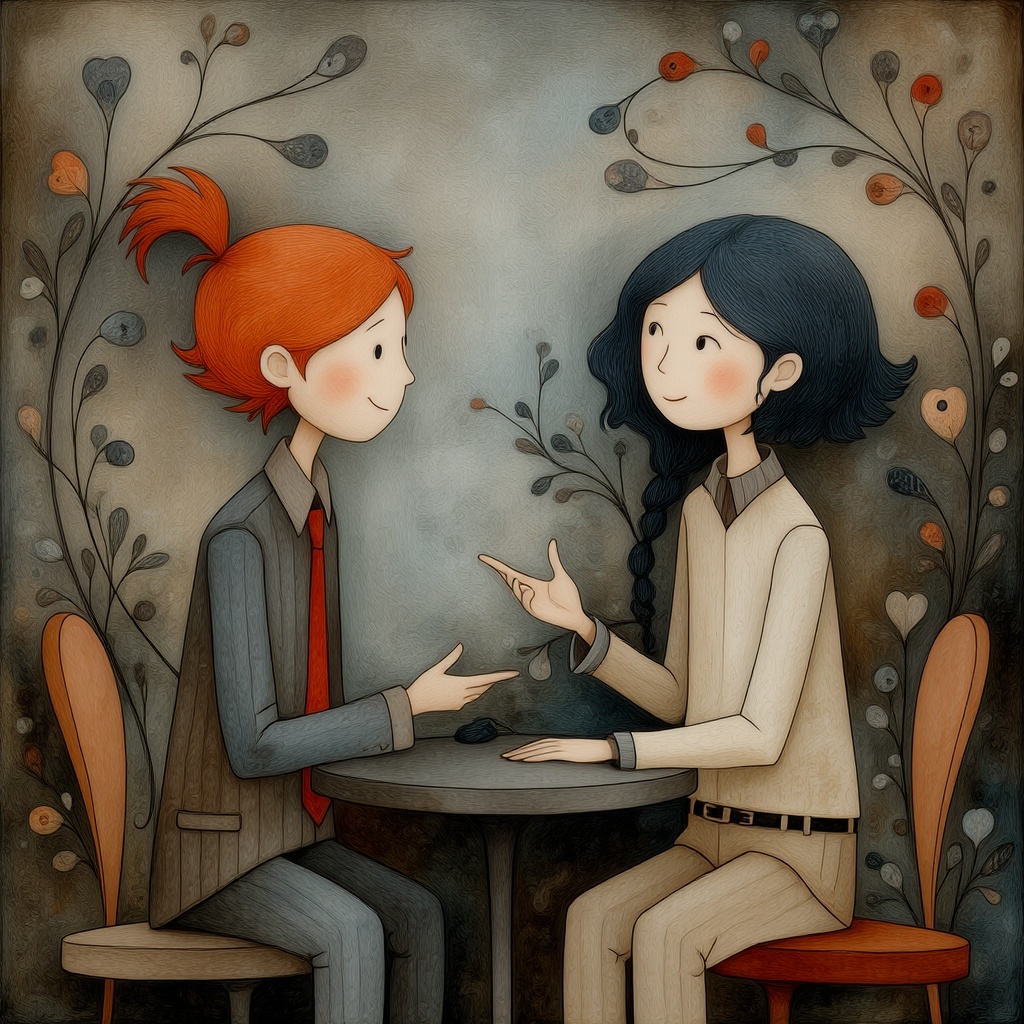
Hafiz – Poem 15

All images created by Rebekah Marshall’s prompts using AI on Gencraft.com website.

I am reading Hafiz’s Little Book of Life, poetry by Hafiz-e Shirazi. He is challenging me to become more comfortable with ambiguity. I will share his poem and some of my thoughts on his poem (sometimes with the help of experts when the concepts are too hard for me), followed by a poem and some art inspired by his poem.

Hafiz’s Poem 15:

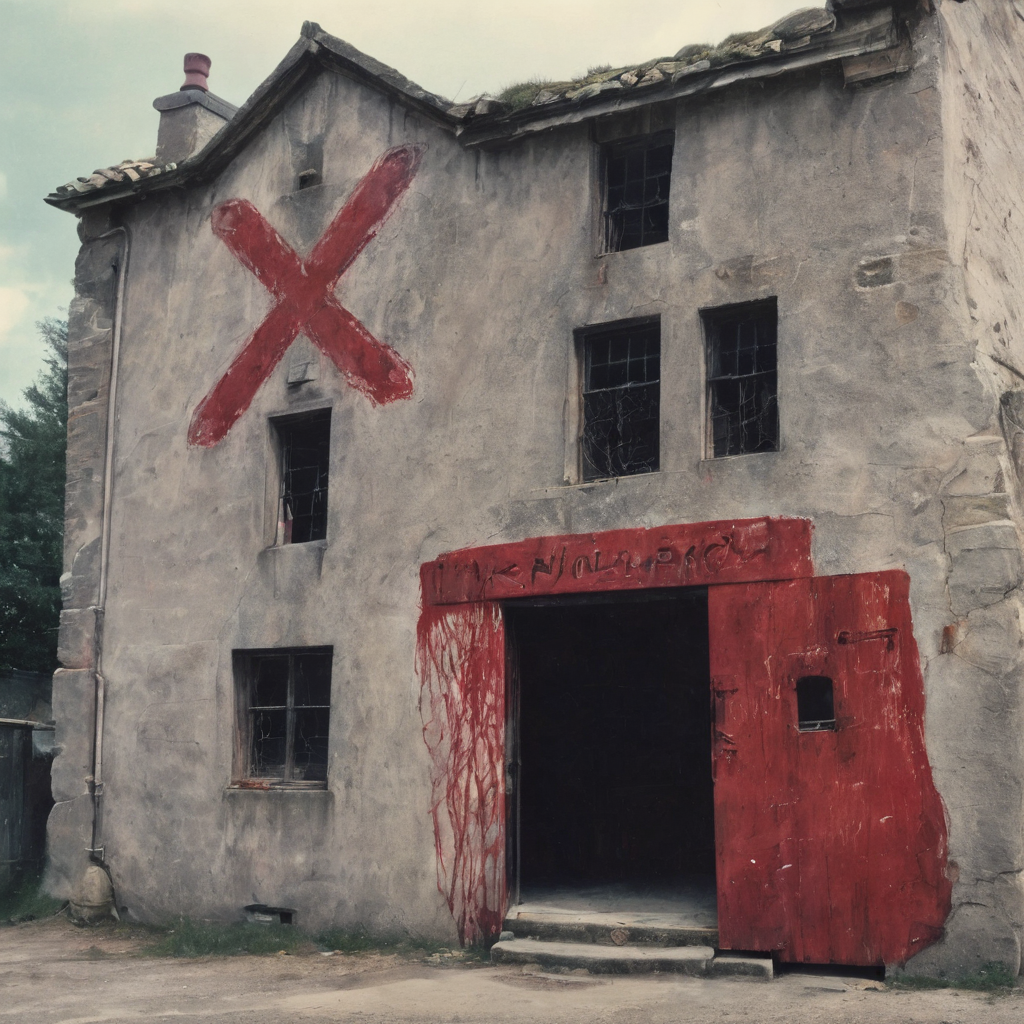
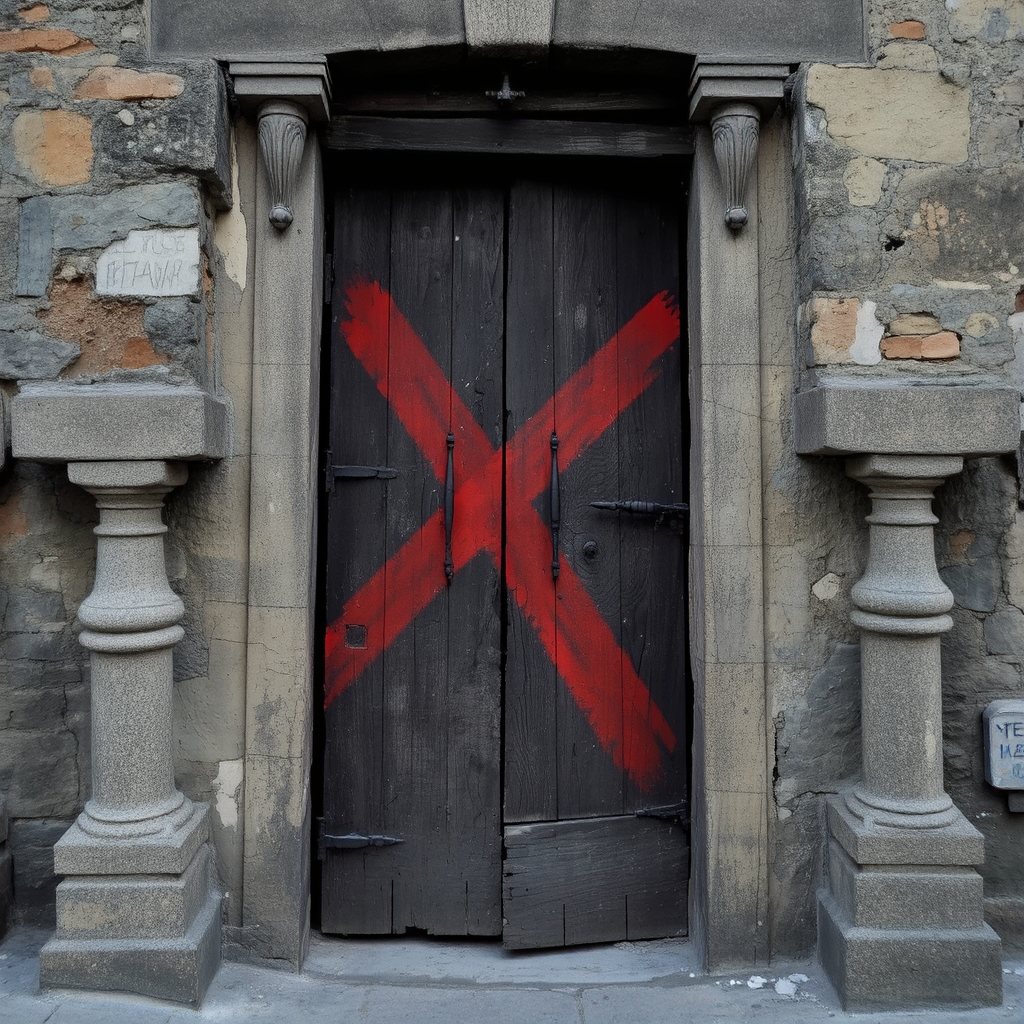
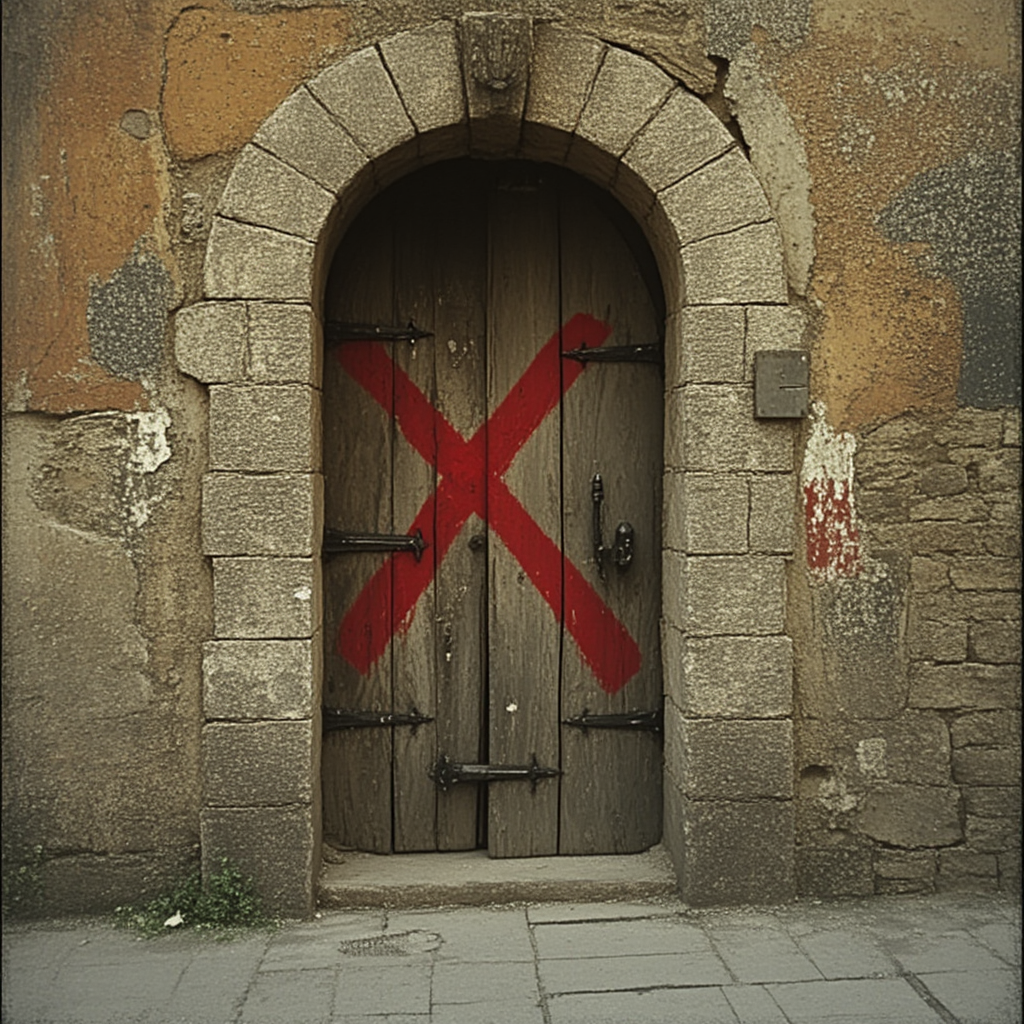
The tavern door’s been closed up Oh God

May this not open the door

To the house of hypocrisy & lies

Some thoughts:

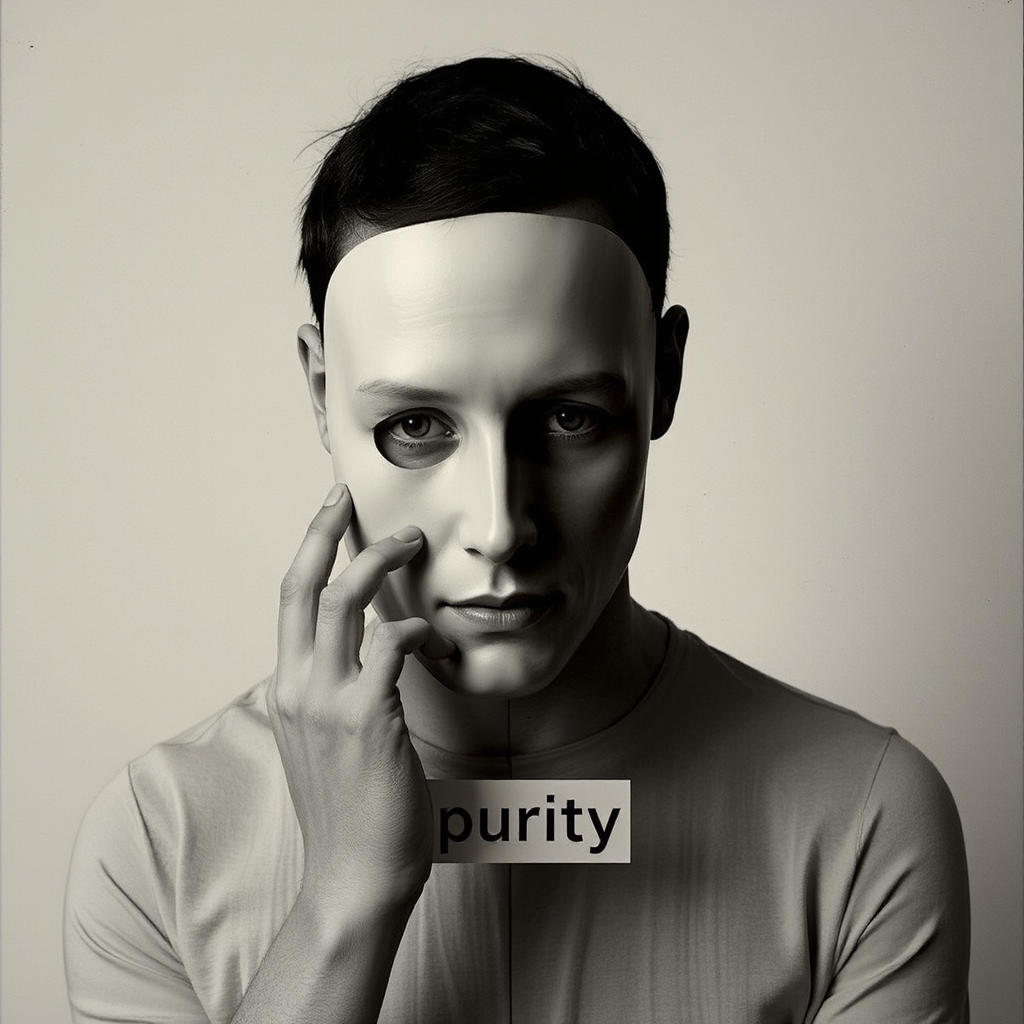
When morality is legislated harshly and too conservatively, Hafiz seems to be implying, the stage is set for inauthenticity and deception. When we judge others for their faults, weaknesses, or perceived sins, we are focusing in the wrong direction. Don’t we have our own lives that need work? “I would never…” is the common refrain of the hypocrite. Many different religious traditions have examples of spiritual greatness being found in unexpected moments that would be perceived by others as sinful or improbable.

The weaponizing of purity destroys authentic community and honest communication and instead creates an atmosphere of performative righteousness. Appearances become more important than vulnerability, truth, or freedom. Pretension takes the place of connection. Control replaces joy and expression. And obedience replaces love. People tend to lie more when they have to hide their true selves.

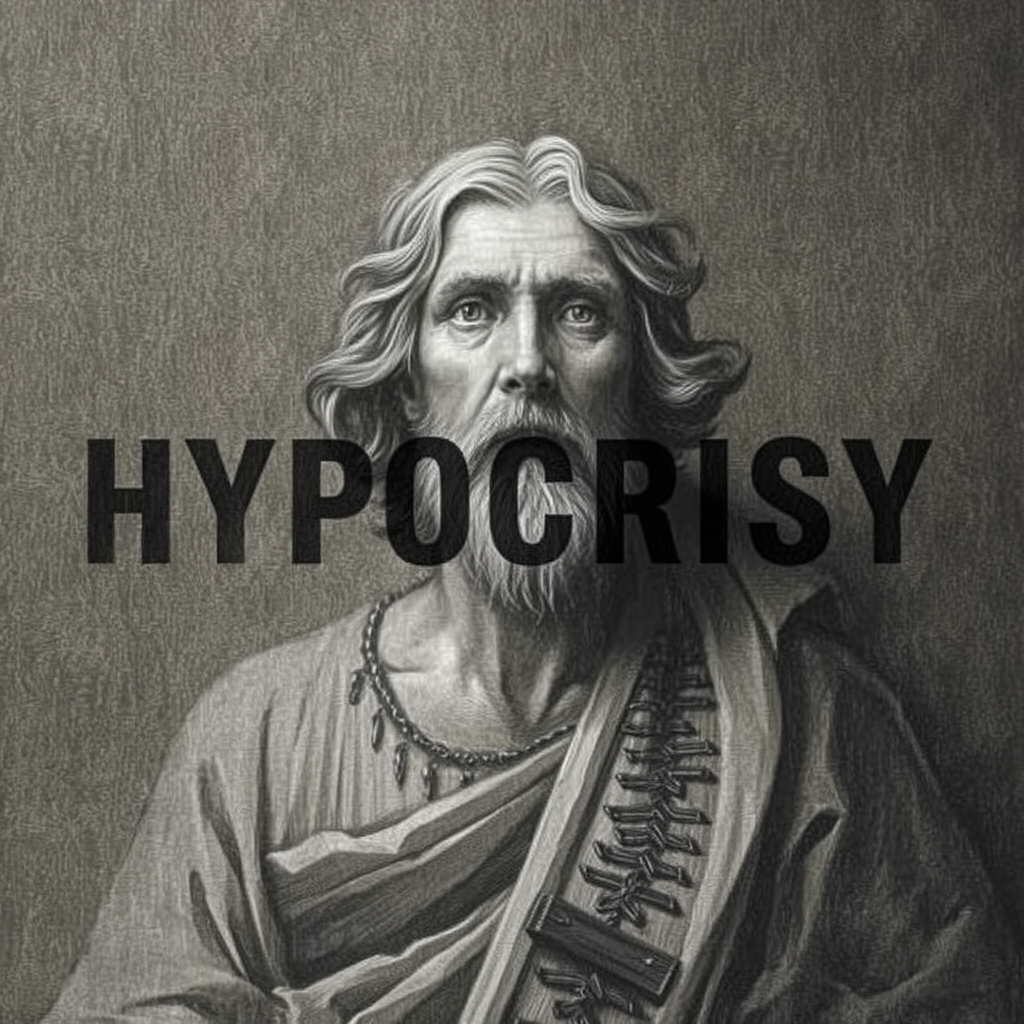
My Poem 15 (This is of course facetious, a picture of hypocrisy.):

Praise the Lord
I am nothing
like those sinners
who break the law
to provide for their families.

I would never
because I was born
here in the land of the free
and am a good
religious person of faith.

People should accept
the fate they’ve been handed
with grace and obedience
instead of causing
problems for everyone else.

You’ll never see me
stealing resources
for myself and taking
advantage of a system
that is too soft on thieves.

Hafiz. Hafiz’s Little Book of Life. Translated by Erfan Mojib and Gary Gach, Hampton Roads Publishing, 2023.
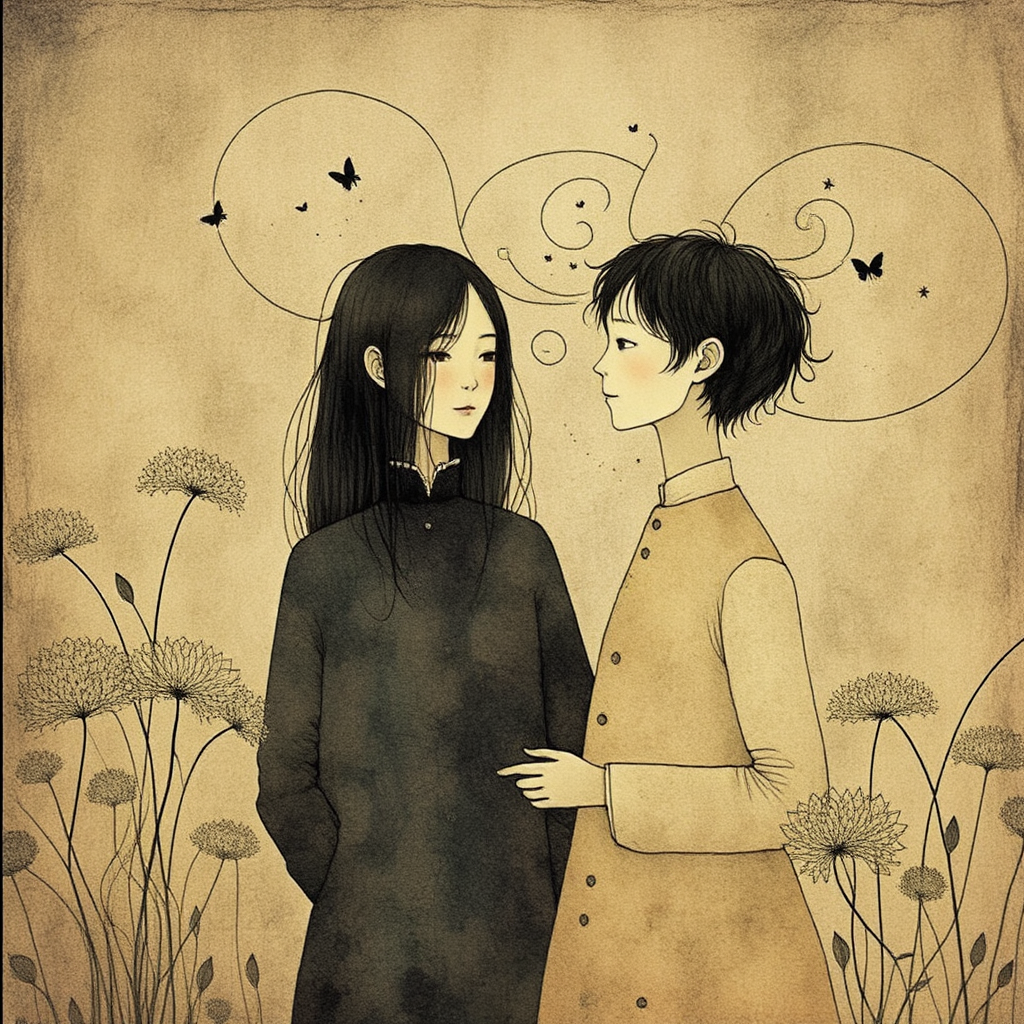
Hafiz – Poem 14

All images created by Rebekah Marshall’s prompts using AI on Gencraft.com website.

I am reading Hafiz’s Little Book of Life, poetry by Hafiz-e Shirazi. He is challenging me to become more comfortable with ambiguity. I will share his poem and some of my thoughts on his poem (sometimes with the help of experts when the concepts are too hard for me), followed by a poem and some art inspired by his poem.

Hafiz’s Poem 14:

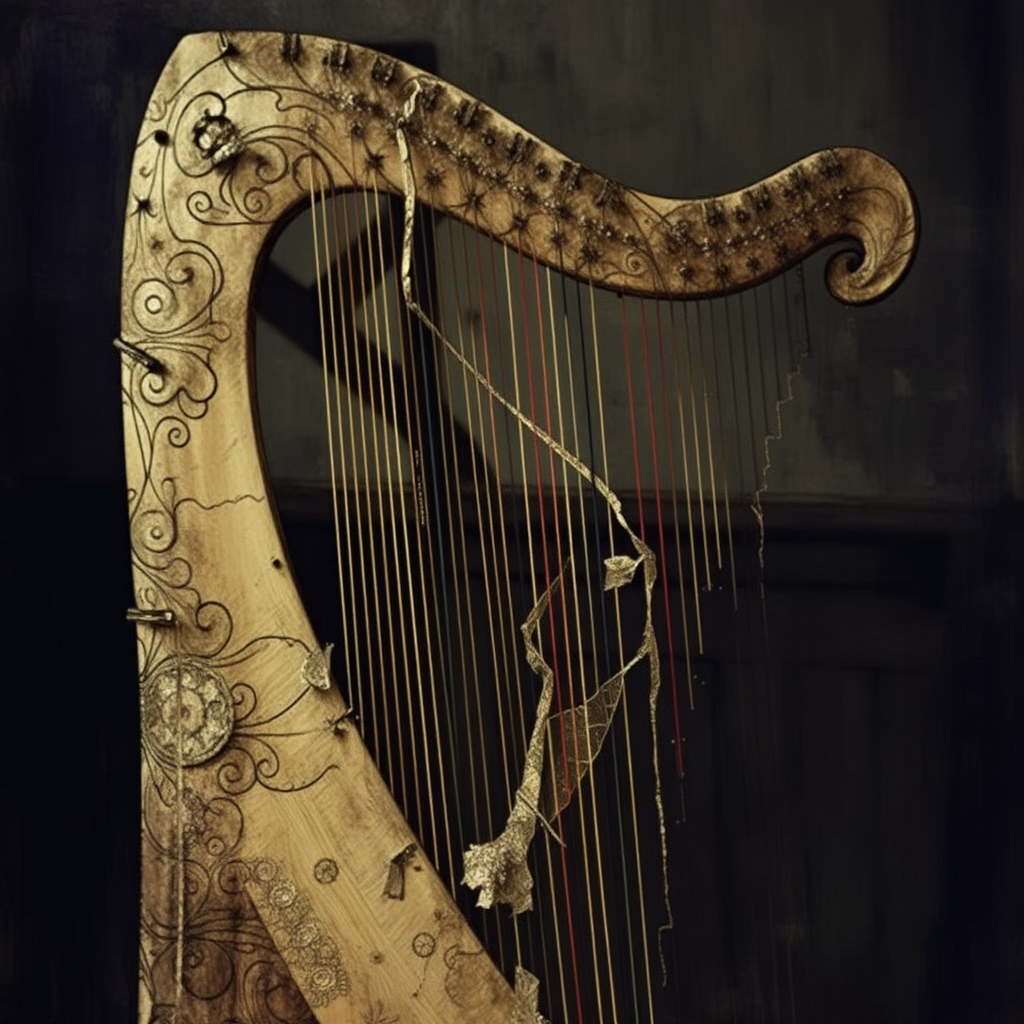
The chief cop

Has chopped off

The lovely hair

Of the harp

Some thoughts:

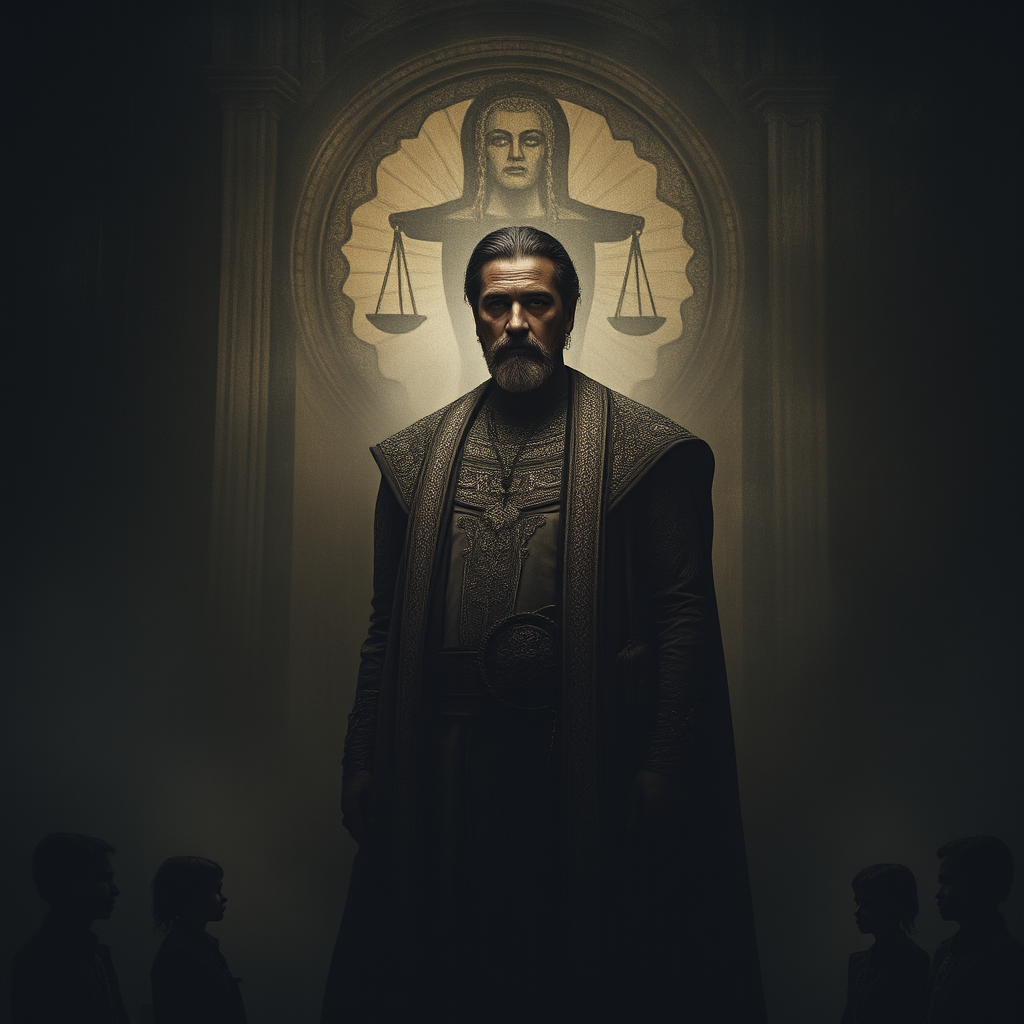
Whether literal or figurative, the imagery is breathtakingly sad. Some institutional authority figures or law enforcement representatives have stifled beauty, art, or freedom of expression. Quite literally, some depots during Hafiz’s time (and today) outlawed certain music, literature, art, plays, and performances that they deemed dangerous or anti-them. The banning of books, words, ideas, thoughts, and symbols is nothing new. It is as old as dictators, and simply vile. Cutting off the harp’s hair is an attempt to shame, silence, humiliate, and send a message of fear and warning to anyone else who might dare threaten defiance.

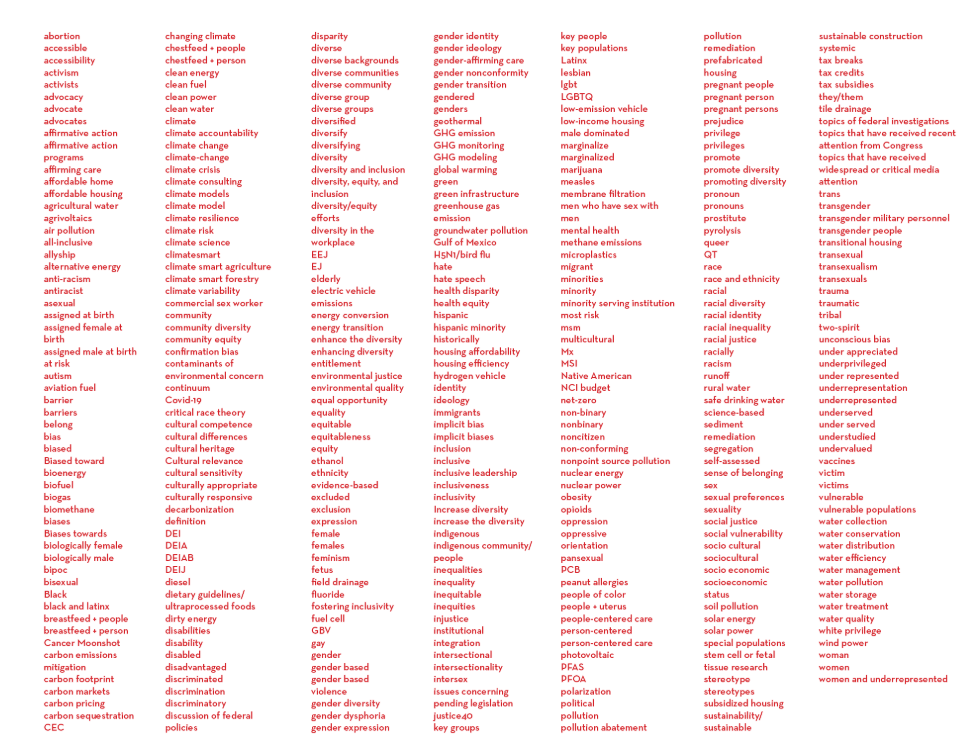
Some authority figures are going beyond art and music, to the banning of words they do not prefer because they are too inclusive, diverse, and gender-affirming. The following is a list of words the current Trump administration has instructed federal agencies to avoid in all official documentation (and reject if used on applications for grants.) Basically, these are “banned” words that cannot be used if you want federal funding.

My Poem 14:

6,870 books were banned
in public schools last year.
These were all books on my
Texas classroom library shelves:
The Bluest Eye Toni Morrison
Looking for Alaska John Green
Wicked Gregory Maguire
Life of Pi Yann Martel
Lock and Key Sarah Dessen
House of Night series P.C. Cast & Kristin Cast
My Sister’s Keeper Jodi Picoult
November Blues Sharon Draper
Safe Haven Nicholas Sparks
The Chocolate War Robert Cormier
The Help Kathryn Stockett
The House of the Scorpion Nancy Farmer
Twilight Stephenie Meyer
Walk Two Moons Sharon Creech
Zorro Isabel Allende
Sideways Stories from Wayside School Louis Sachar
The House on Mango Street Sandra Cisneros
1984 George Orwell
Gabi, a Girl in Pieces Isabel Quintero
Native Son Richard Wright
Speak Laurie Halse Anderson
Scrub and sanitize, whitewash
the outside of the tombs.
The children will have to teach
themselves the truth outside
the hallowed public school halls.
They know intuitively the stench
of lies beneath the flowers and perfume,
and your bans only increase their curiosity.

Hafiz. Hafiz’s Little Book of Life. Translated by Erfan Mojib and Gary Gach, Hampton Roads Publishing, 2023.

Hafiz – Poem 12

All images created by Rebekah Marshall’s prompts using AI on Gencraft.com website.

I am reading Hafiz’s Little Book of Life, poetry by Hafiz-e Shirazi. He is challenging me to become more comfortable with ambiguity. I will share his poem and some of my thoughts on his poem (sometimes with the help of experts when the concepts are too hard for me), followed by a poem and some art inspired by his poem.

Hafiz’s Poem 12:

I behold hundreds of thousands of flowers

     Yet no bird sings –

     Where have the birds all gone

& what happened to the nightingales

Some thoughts:

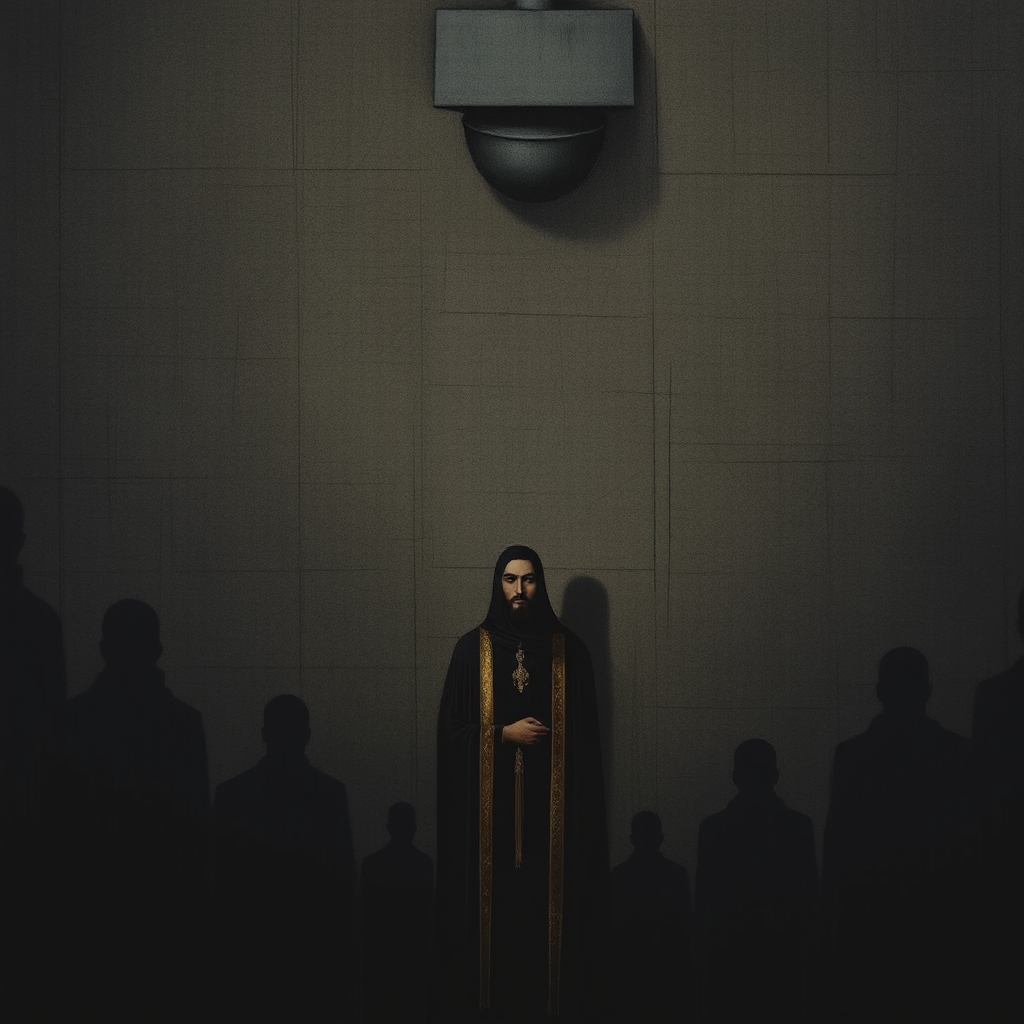
The absence of birdsong is unnatural. Seeing the beauty of outside, surrounded by flowers, soaking in the loveliness…and suddenly an uncomfortable sensation prickles the hair at the nape of the neck. We are coded genetically or ancestrally or instinctively to sense danger when the birds fall silent. And when do birds disappear (or at least hide in their nests)? When predators make the environment unsafe, unnatural events are taking place, or acts of God are about to be unleashed. I also read that birds sometimes decrease their presence and/or singing when they recognize that they are being watched. It is probably because the watching equates to potential predation, but it makes me wonder if increased surveillance in the form of cameras and other recording equipment interrupts their lifestyles.

Nightingales are some of the most singingest singers of the bird kingdom. They can make over 1,000 different sounds and males desperate to find a mate have been observed singing through an entire night. Their songs can reach 90 decibels and some know up to 260 different songs they can sing. In many literary contexts, nightingales represent the lover, the poet, the truth-teller, the one who sings no matter what. If even they have been silenced, we should be concerned. Hafiz may be speaking literally about human encroachment on nature with structural advancements and technological progress. But he could also be speaking metaphorically about oppression and the result of silencing freedom of speech. It is a false beauty that demands absolute obeisance.  

My Poem 12:

Sing for those in hiding,
doors barred by fear of discovery.
Sing for those who are crying
for their loved ones pulled away.

Sing for those out marching
to speak up for the ones who can’t.
Sing for those just starting
to realize the sickening truths.

Sing for those who’ve been taken,
whose futures are perilously unknown.
Sing for those who will not awaken
because their lives were stolen.

Hafiz. Hafiz’s Little Book of Life. Translated by Erfan Mojib and Gary Gach, Hampton Roads Publishing, 2023.
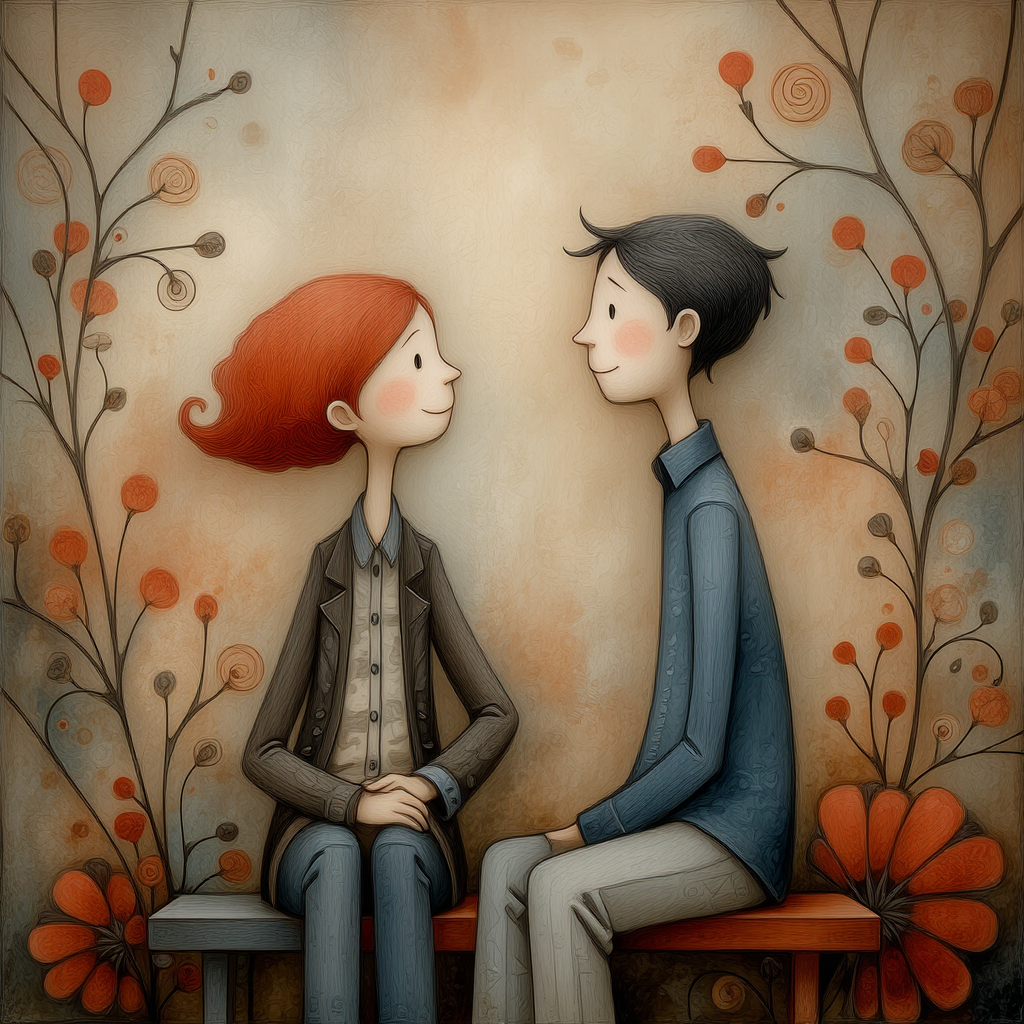
Hafiz – Poem 11

All images created by Rebekah Marshall’s prompts using AI on Gencraft.com website.

I am reading Hafiz’s Little Book of Life, poetry by Hafiz-e Shirazi. He is challenging me to become more comfortable with ambiguity. I will share his poem and some of my thoughts on his poem (sometimes with the help of experts when the concepts are too hard for me), followed by a poem and some art inspired by his poem.

Hafiz’s Poem 11:

     Let’s face it

The people of our time

     Have no sympathy for the poor

Some thoughts:

Well, this could have been written anytime, anywhere. Religions must make it a rule that we help the poor because, apparently, most groups of people struggle with feeling sympathy or empathy for others. So many believe if only they would pull themselves up by their bootstraps, have a better abundance mindset, put some effort into it, be more motivated, less lazy, more faithful, less wasteful, etc., they could dig themselves out of the hole they are in. Some religions believe it is karma from past lives or lessons they need to suffer through, so we shouldn’t interfere.

What if they were born in the hole or thrown there by others and left with no tools? What if they have little to no strength to climb due to spending all day just trying to survive? What if anytime they begin to climb even a little bit, they are knocked back down by forces outside their control? What if they live in the hole with a violent animal they must spend all their energy fighting off or staying vigilant to survive? All I know is that being poor is rarely a choice. Most people desire to be self-sufficient. Poverty feels embarrassing, humiliating, discouraging. Rather than kicking people when they are down, why not give people any help we can offer?

My Poem 11:

To teach a man to fish,
we must first ensure
the man has access to water
that is not polluted,
is stocked with unpoisoned fish,
that he is not allergic to fish,
and is not a vegetarian
or opposed to the killing of fish.
Does he have a fishing license?
In Texas, he must have
a driver license or state identification
and a social security card as prerequisites.
If he is not a legal resident,
he may not have either of those.
So, first we must ascertain
if he is a citizen or here legally.
Otherwise, he is breaking the law
to even attempt to fish.
He may need a sidewalk
if he’s in a wheelchair.
Does he have a fishing pole?
Does he have arms or legs
with which to hold the fishing pole?
If not, have we made sure
his fishing pole is properly
adapted to his needs
Does he know how to swim
if he falls in the water?
Are we sure he has the
mental ability to learn to fish?
The emotional stability
to take a life to sustain his own?
Does he own a knife
to clean the fish?
Does he know how to build a fire
to cook the fish?
If so, does he have access
to wood, fuel, or other means
of heating the fish to prevent illness?
Is it even legal to build a fire
where he is fishing?
Can he afford bait?
There are so many more
things to consider than
merely a worn platitude
that makes us feel righteous.

Hafiz. Hafiz’s Little Book of Life. Translated by Erfan Mojib and Gary Gach, Hampton Roads Publishing, 2023.

Hafiz – Poem 10

All images created by Rebekah Marshall’s prompts using AI on Gencraft.com website.

I am reading Hafiz’s Little Book of Life, poetry by Hafiz-e Shirazi. He is challenging me to become more comfortable with ambiguity. I will share his poem and some of my thoughts on his poem (sometimes with the help of experts when the concepts are too hard for me), followed by a poem and some art inspired by his poem.

Hafiz’s Poem 10:

We aren’t about to beg

     For the sake of our daily bread

Go tell His Majesty

     We’re doing fine without him

Some thoughts:

Dang! Hafiz. This poem is brave. I don’t know which ruler’s reign it was written during, but it must have been one of the more despicable ones. Hafiz is obviously not impressed with the implied demand that the people submit through fear and desperation to authority. For even something as crucial as sustenance, Hafiz would rather starve than accept handouts from a despot.

He is refusing to bend the knee before false sympathy. His is a peaceful protest rejecting humiliation, rejecting any part in a tyrannical system, and projecting calm resolve. And why does His Majesty (I can almost feel the air quotes around the title) have all the bread anyway? Why is he hoarding what the people need? Hmmmmm…sounds a little suspect. These poems are starting to feel pretty too close to home right now.

My Poem 10:

Your excuses no longer pacify.
Your explanations make less than no sense.
Your arguments don’t hold water.
Your rationales beg the question.
Your reasonings are oversimplification.
Your conclusions are flawed.
Your justifications are red herrings.
Your premises are based on hate.
Your convictions are built on self-righteousness.
Your desires are constructed by greed.
Your claims are predicated on nonsense.
Your logic is unsound.
Your beliefs are heinously evil.
Your rhetoric is embarrassing.
Your legacy will be accurately remembered by those who observe, take note, and record.

Hafiz. Hafiz’s Little Book of Life. Translated by Erfan Mojib and Gary Gach, Hampton Roads Publishing, 2023.
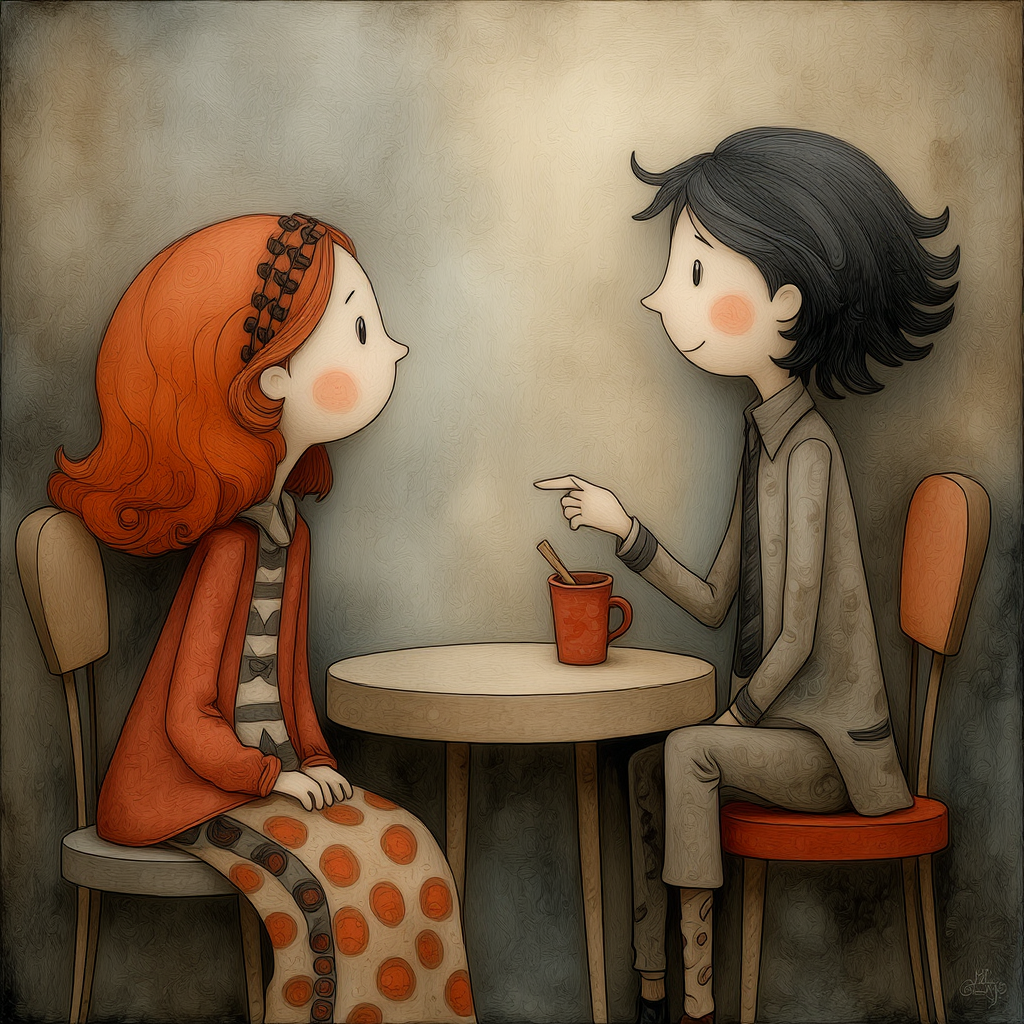
Hafiz – Poem 1

I am reading Hafiz’s Little Book of Life, poetry by Hafiz-e Shirazi. He is challenging me to become more comfortable with ambiguity. I will share his poem and some of my thoughts on his poem (sometimes with the help of experts when the concepts are too hard for me), followed by a poem and some art inspired by his poem.

Hafiz’s Poem 1:

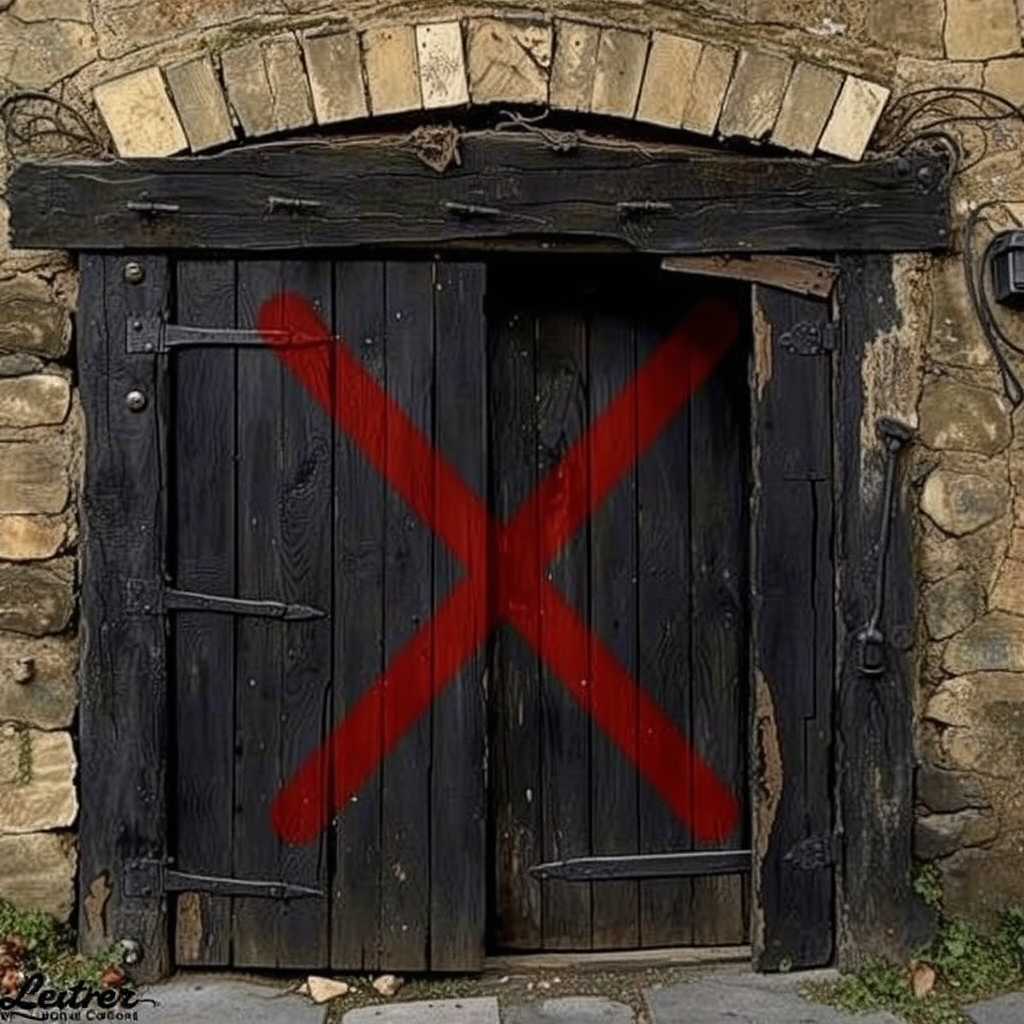
Between these two doors
                                 This caravan

Some thoughts:

The imagery of doors implies entrances and exits, passageways, or boundaries. Two doors suggest pillars of demarcation in time, place, awareness or perhaps binary contrasts. Opposite ends of conceptual delineations like birth and death or past and future seem like reasonable possibilities.

But those don’t seem to be what Hafiz is concerned with. He is pointing out the between. What is happening in the interim, the dash? Of course, the interesting part is the journey. We get so hyper-focused on reaching the destination that we become uncomfortable with the time spent in the now learning to be patient.

I picture a caravan of camels carrying the worldly goods of travelers long distances, the people eager for trade, companionship, good food, fresh water, music, romance, and laughter. It is life in motion. The doors are really of no consequence right now. They are the least of our concern when we have all this living to do.

My Poem 1:

Unmoored, afloat, uncertain if hope
is a delusion or a virtue
stillness sits where ambition
once cracked her knuckles

the in-between is where?
beginning was once easy to define
though ending is unknown
the certainty of it was assumed

now nothing reveals itself as absolute
except this protest march
that might possibly transform
into a celebratory parade

Hafiz. Hafiz’s Little Book of Life. Translated by Erfan Mojib and Gary Gach, Hampton Roads Publishing, 2023.

All images created by Rebekah Marshall’s prompts using AI on Gencraft.com website.
Contentment

(Poem 96 for 2024 – I am writing a poem a day)

AI Generated image I prompted on Gencraft.com https://gencraft.ai/p/JXk1Un

Contentment is pajamas
and a fan blowing straight
on my bare shoulders,
flickering candlelight,
endless streaming of my
favorite shows as long as
I feel like watching them,
sweet tea, lines of poetry,
a chapter of a good novel,
a cool spring breeze that
rustles the tranquil curtains,
salt and pepper kettle chips,
the clickity clack of my
keyboard when my fingers
know what they want to type,
my husband hobbying a
few feet away from me,
the dogs playing outside,
the cats sleeping nearby,
my kids and grandkids off
doing their own things,
and the complete absence
of pain or discomfort.

@Home Studio – 96th poem of the year

Runner ups for the Contentment photos to accompany my poem:

Pondering Woman

(Poem 82 for 2024 – I am writing a poem a day)

AI Generated image I prompted on Gencraft.com https://gencraft.ai/p/jPrvHv

Shall I build a spire atop my roof
and invite the townspeople to a
grand ball with a string quartet?
Or shall I plant a rose garden
hedged in by topiaries and pebble
paths bordered by flower beds?
Or shall I plan a high tea with
clotted cream, scones, and jam,
cucumber sandwiches all around?
If it’s a rainy day, should I pass
the time by taking an afternoon
lover and lounge on satin cushions?
If I’m feeling melancholy, shall I
read a book of poems by candlelight
and cry luxuriously at the romance?
Once I pay bills and file my taxes,
get my oil changed and check the mail,
grocery shop and gas up the car,
shall I start on my new to do list?
Yes, I think I shall.

@Home Studio – 82nd poem of the year