Tag Archives: Persian

Hafiz – Poem 40

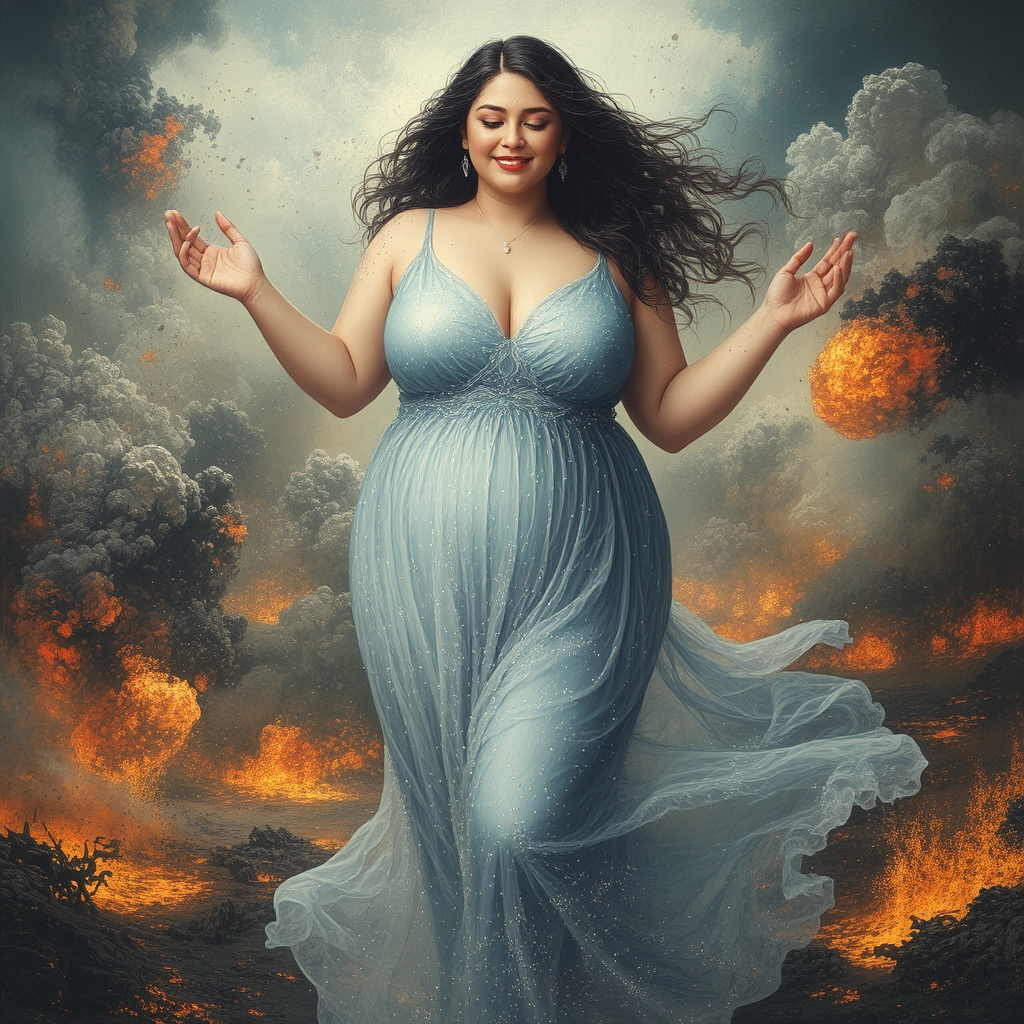
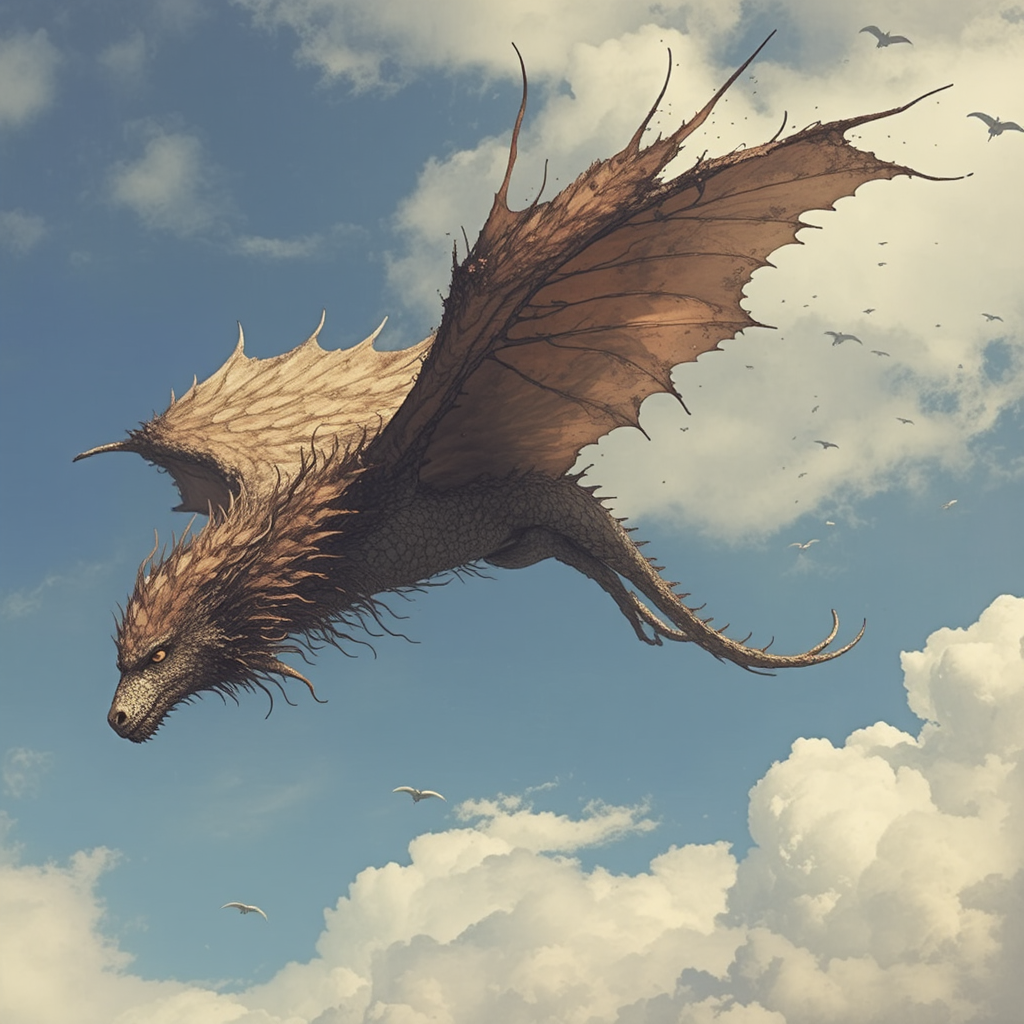
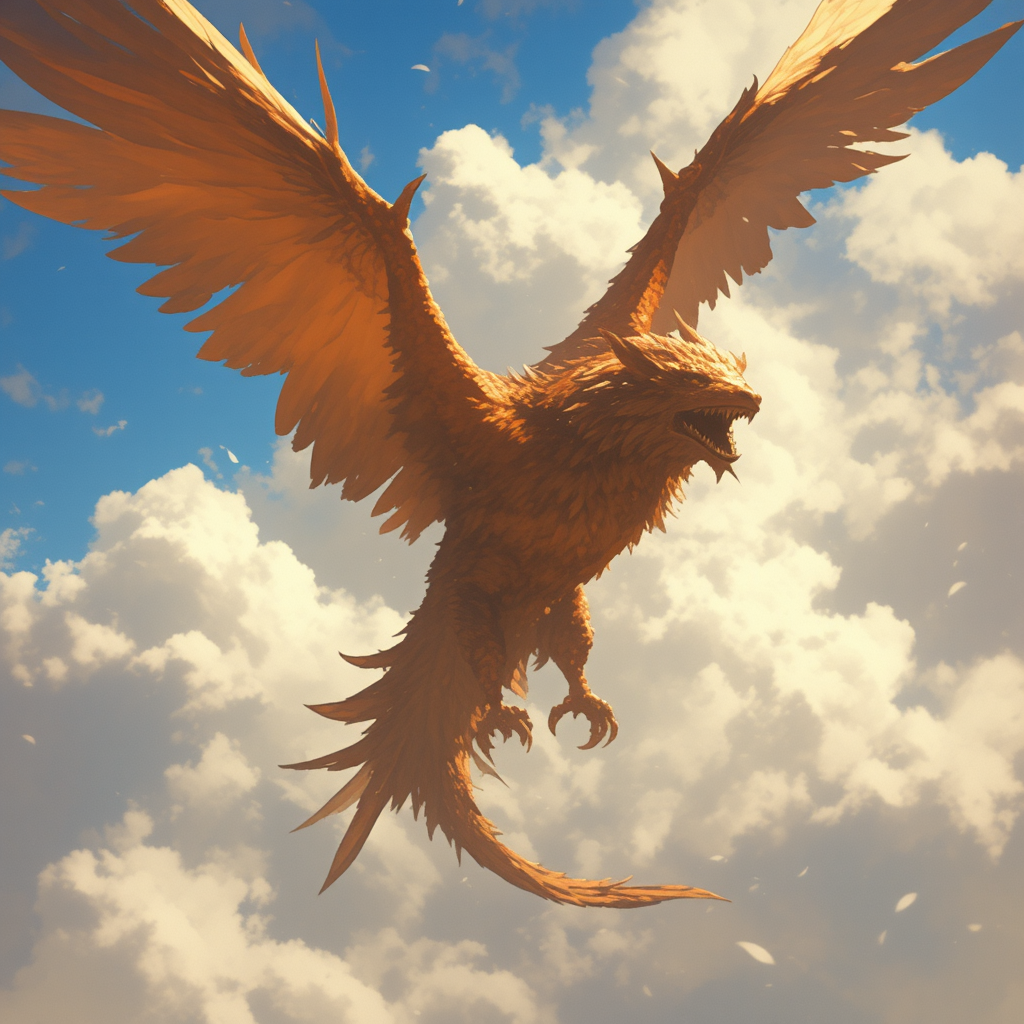
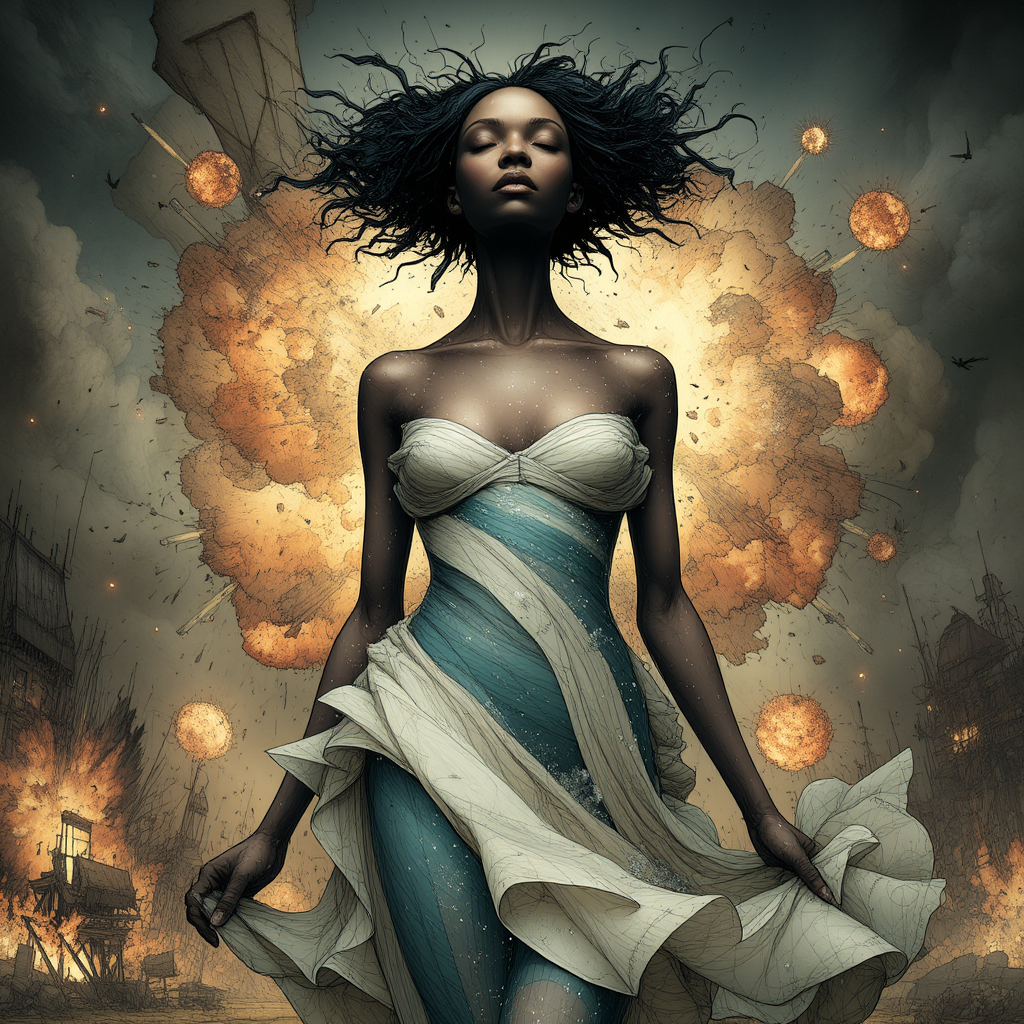
All images created by Rebekah Marshall’s prompts using AI on Gencraft.com website.

I am reading Hafiz’s Little Book of Life, poetry by Hafiz-e Shirazi. He is challenging me to become more comfortable with ambiguity. I will share his poem and some of my thoughts on his poem (sometimes with the help of experts when the concepts are too hard for me), followed by a poem and some art inspired by his poem.

Hafiz’s Poem 39:

Peace in both realms
Depends on your interpretation
Of these two utterances

“Be merciful with friends”

“Be tolerant of foes”
Some thoughts:

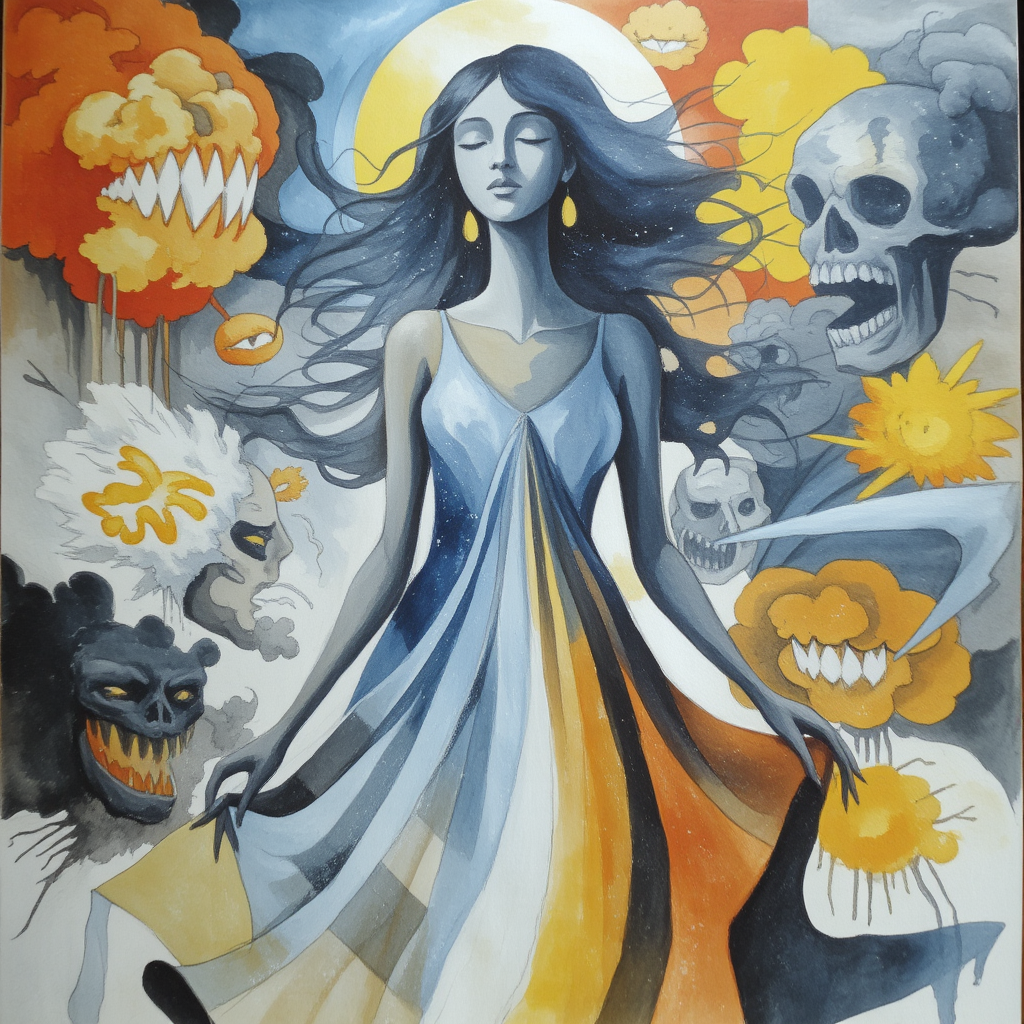
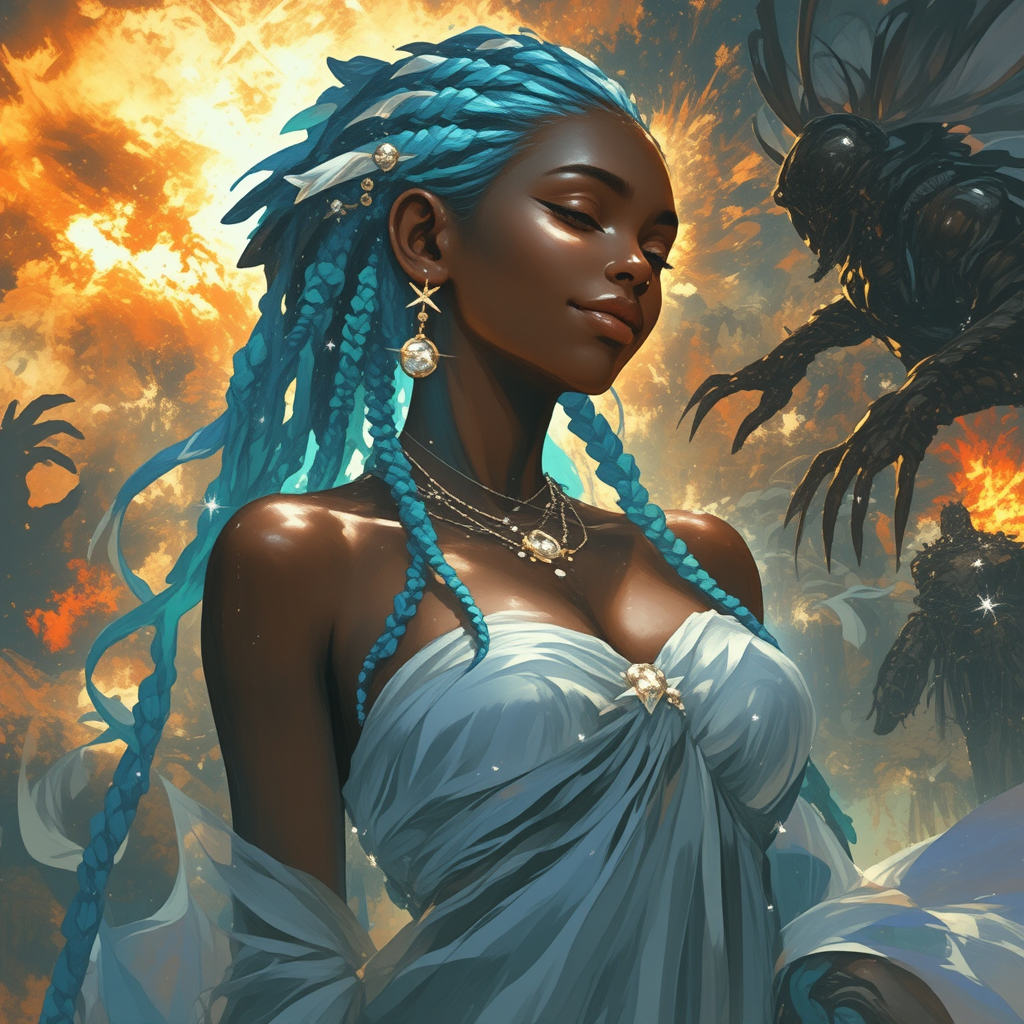
I’m not sure what two realms Hafiz is conceptualizing in this poem. There are so many options including: private life v. public life; religious life v. secular life; inner existence v. outer existence; human/earthly realm v. spiritual/divine realm; etc. I am going to keep it simple and consider the two realms “those who think like us” v. “those who do not think like us” as a simple way of saying “friend” or “foe.” That could apply to a number of different realms and is certainly relevant in current society where so much seems to balance on scales of dichotomy. Liberal v. Conservative; Rich v. Poor; Science v. Religion; Nature v. Progress; etc. We tend to be painted into black and white corners in nearly every conversation we enter.

I think Hafiz is suggesting that true peace depends on the way we perceive the gray areas that are not so easy to navigate. Can we be friends with someone who fails us? Those we love often hurt us the most because we care about their opinions and count on them. Can we be soft and loving to maintain relationships with those closest to us, even during the tough times? They are only human. And with our foes, can we allow for complexity and seek to understand without dehumanizing, othering, and judging too harshly? They are only human.

We will never have peace if we demand our way is the only way and there can be no other. Yes, we should have ideals, but then we must be merciful, tolerant, and gentle in our application of those principles as regards others. Can we hold compassion for those close to us and restraint toward those who oppose us? Will our differences and our interactions expand our hearts or harden them? The way we interpret these concepts holds the key to lasting peace.
My Poem 40:

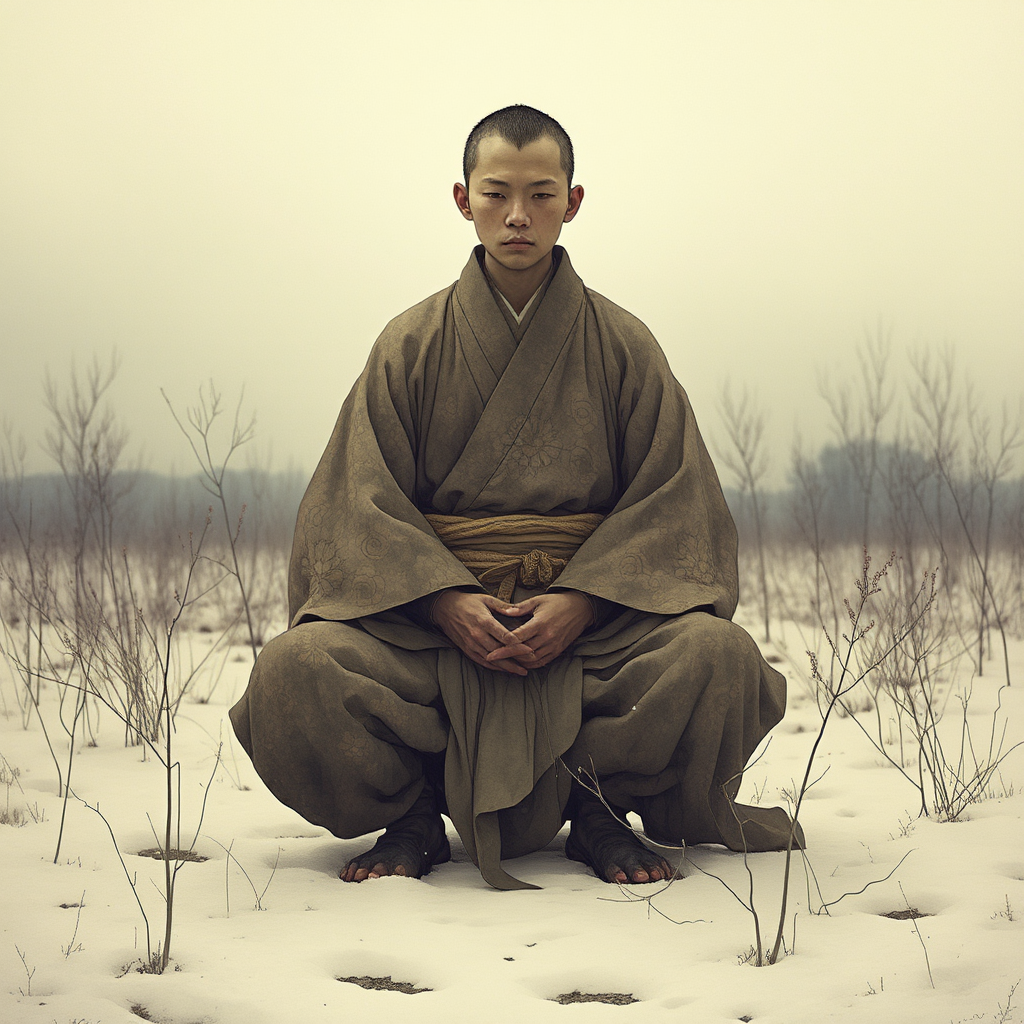
Loving another means
accepting that they are human,
with all that entails,
including:
lateness, forgetfulness, distraction,
fear, ailments, impatience, frustration,
weakness, faults, arguments, disappointment,
and the list could go on…

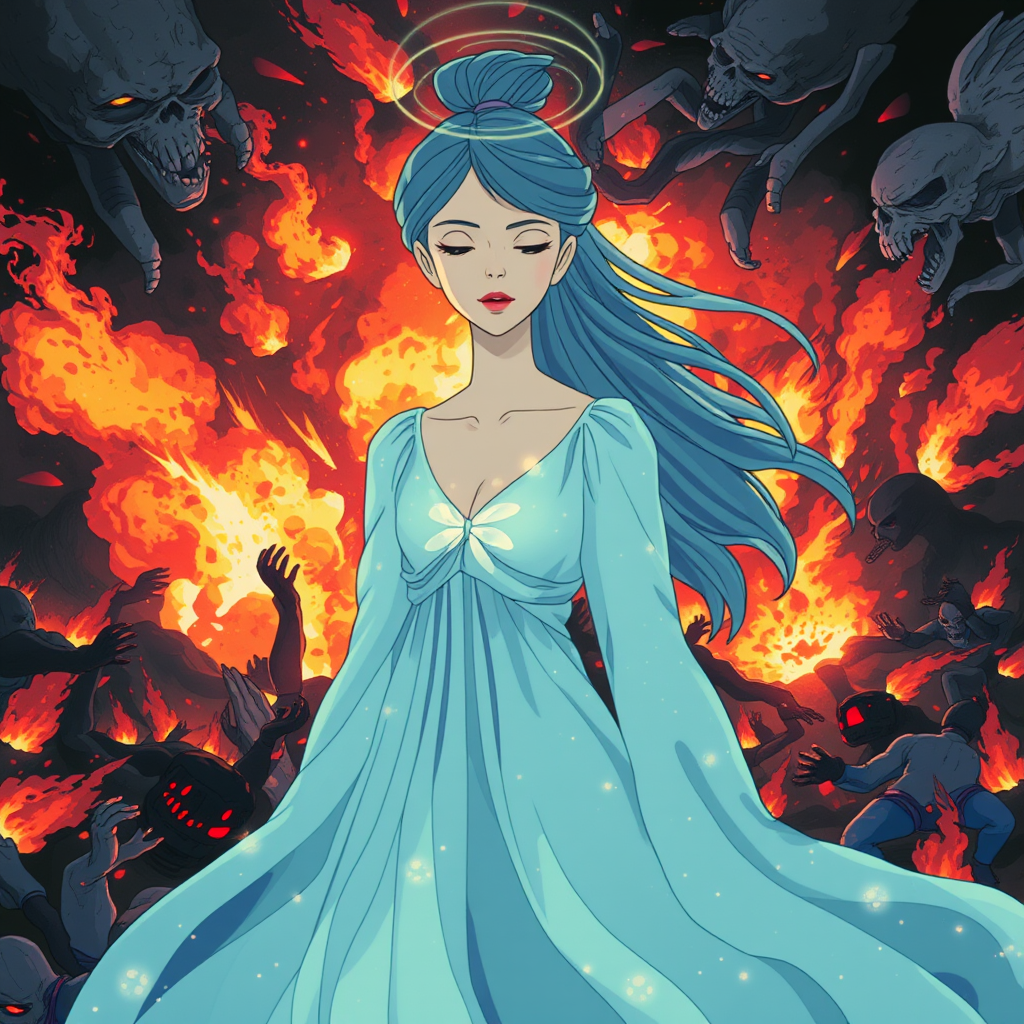
The other we love may be friend or foe.
Both are in the same category of human,
with all that entails,
including:
beating heart, breathing lungs, thoughts,
opinions, feet to walk away, mouths that open,
hands that ball up into fists and clasp in prayer,
and the list could go on…

Hafiz. Hafiz’s Little Book of Life. Translated by Erfan Mojib and Gary Gach, Hampton Roads Publishing, 2023.

Hafiz – Poem 38

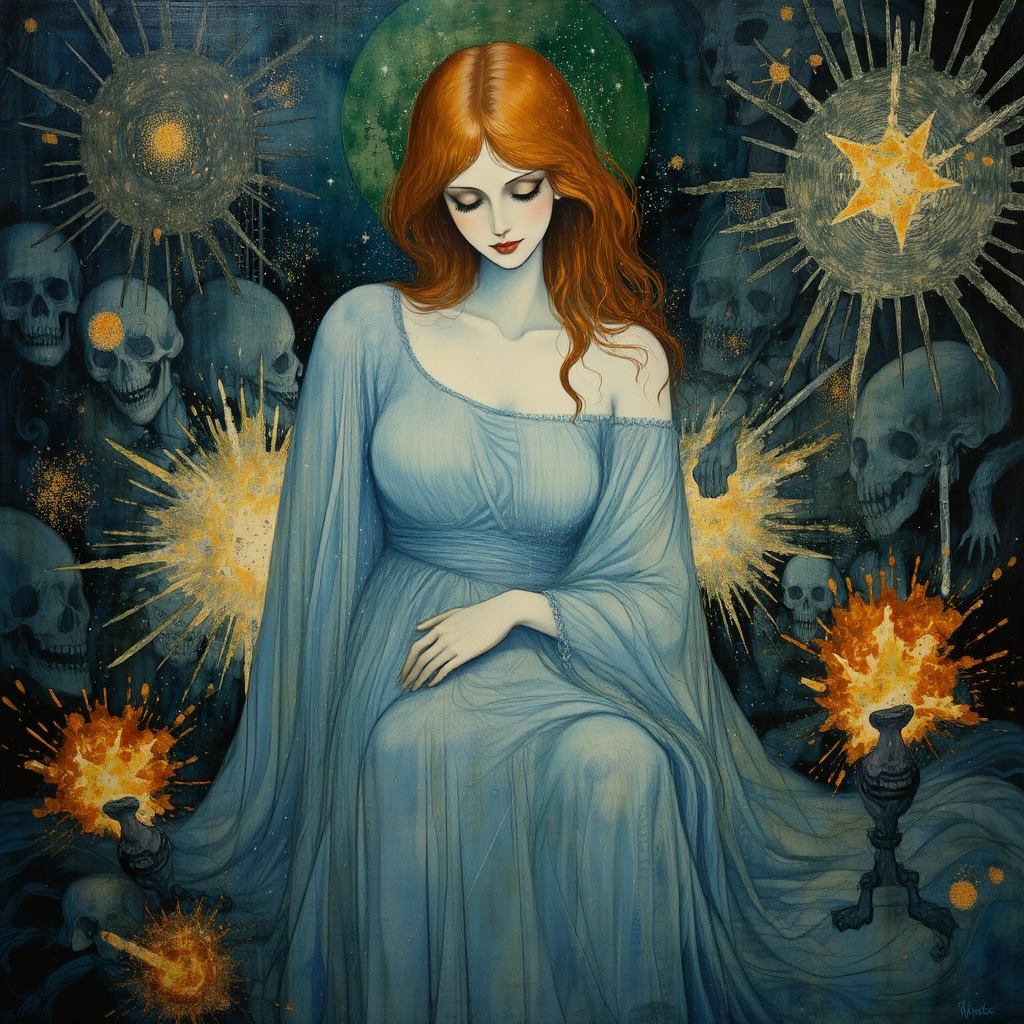
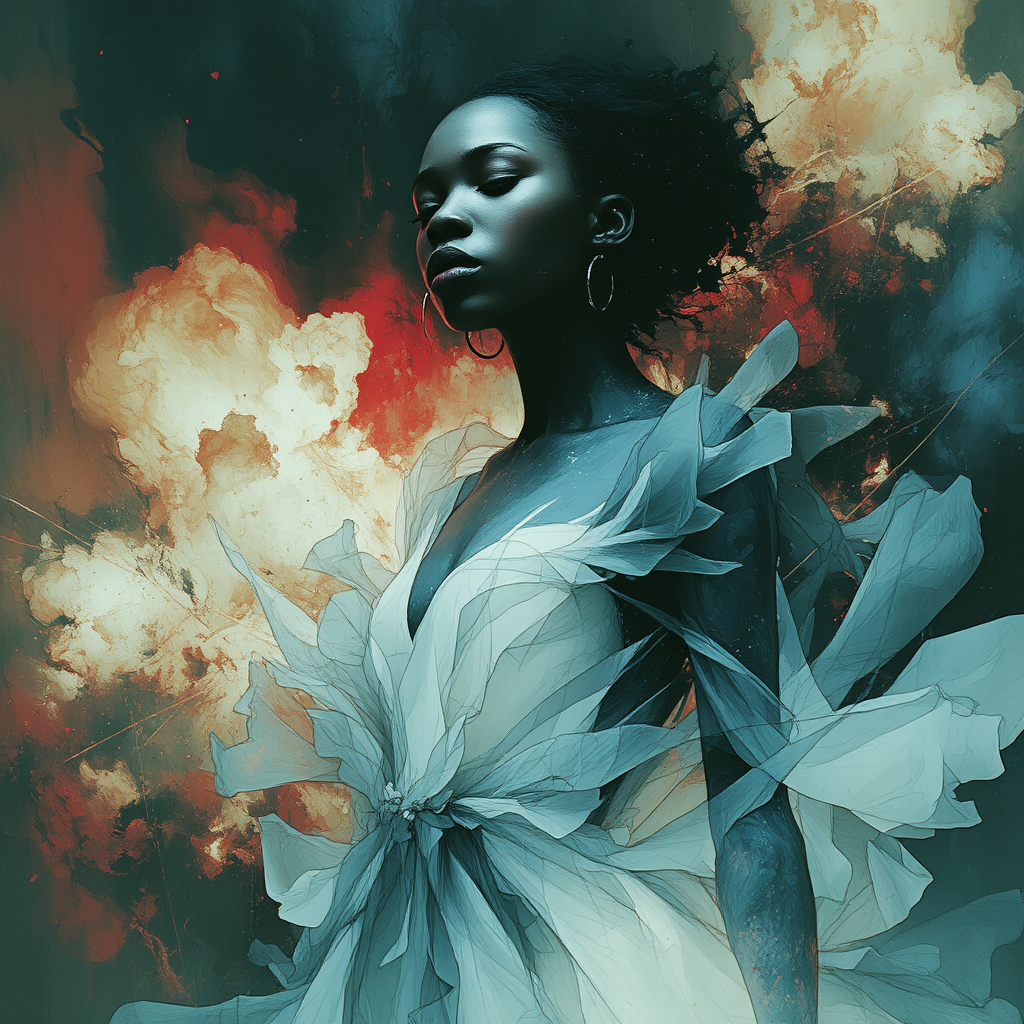
All images created by Rebekah Marshall’s prompts using AI on Gencraft.com website.

I am reading Hafiz’s Little Book of Life, poetry by Hafiz-e Shirazi. He is challenging me to become more comfortable with ambiguity. I will share his poem and some of my thoughts on his poem (sometimes with the help of experts when the concepts are too hard for me), followed by a poem and some art inspired by his poem.

Hafiz’s Poem 38:

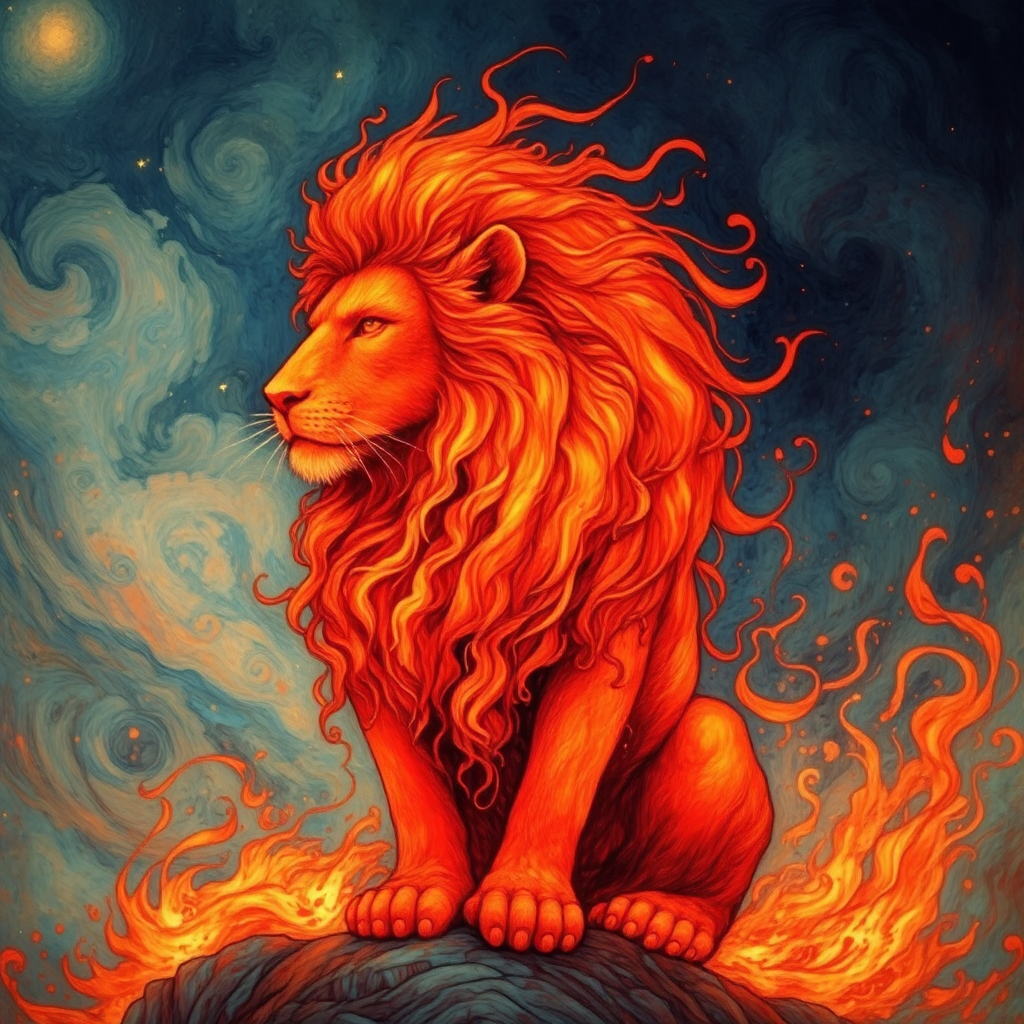
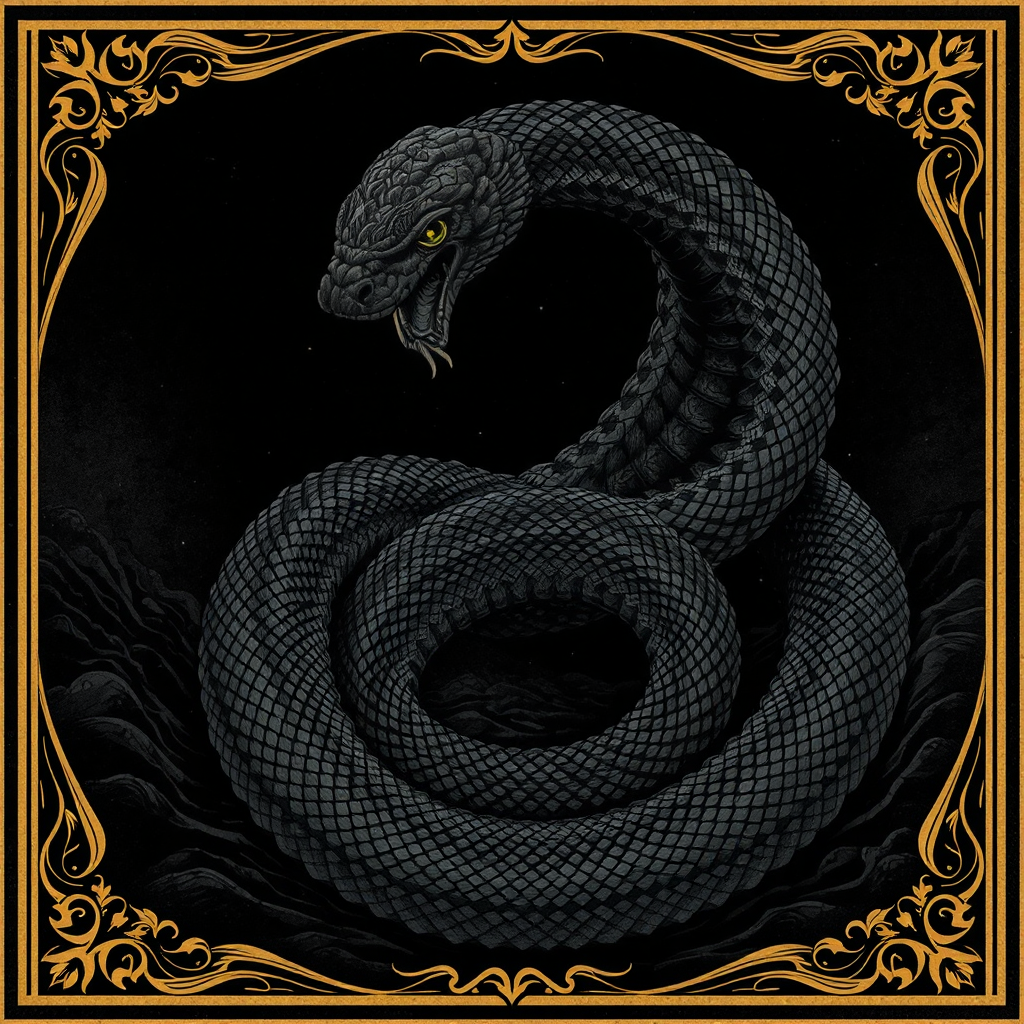
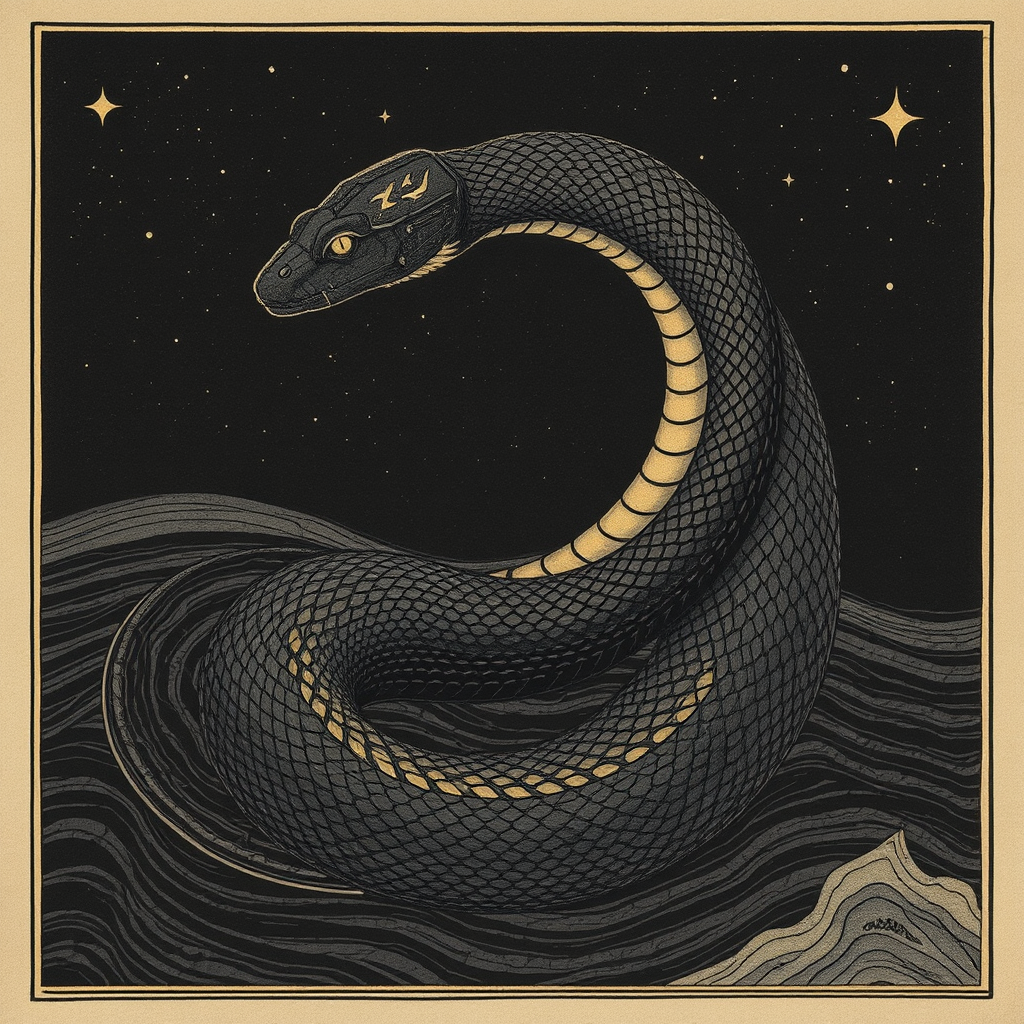
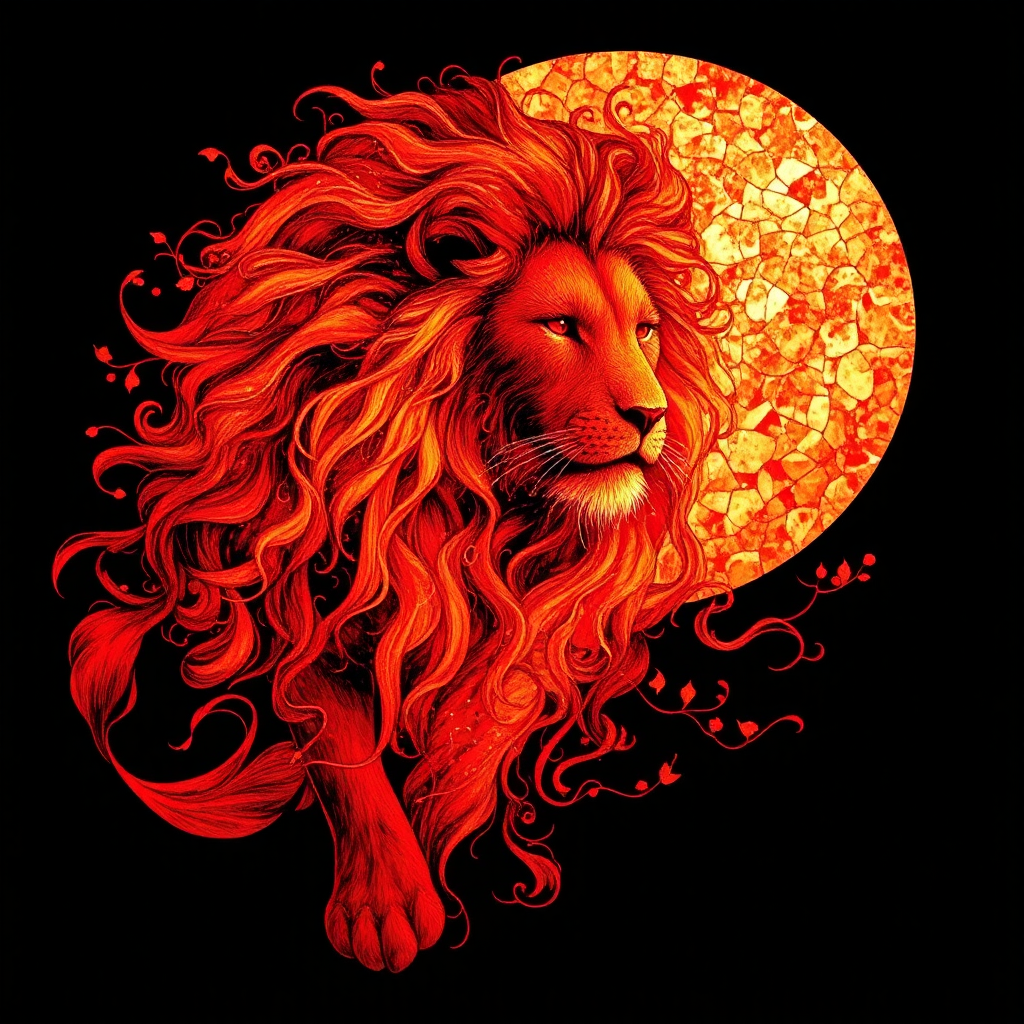
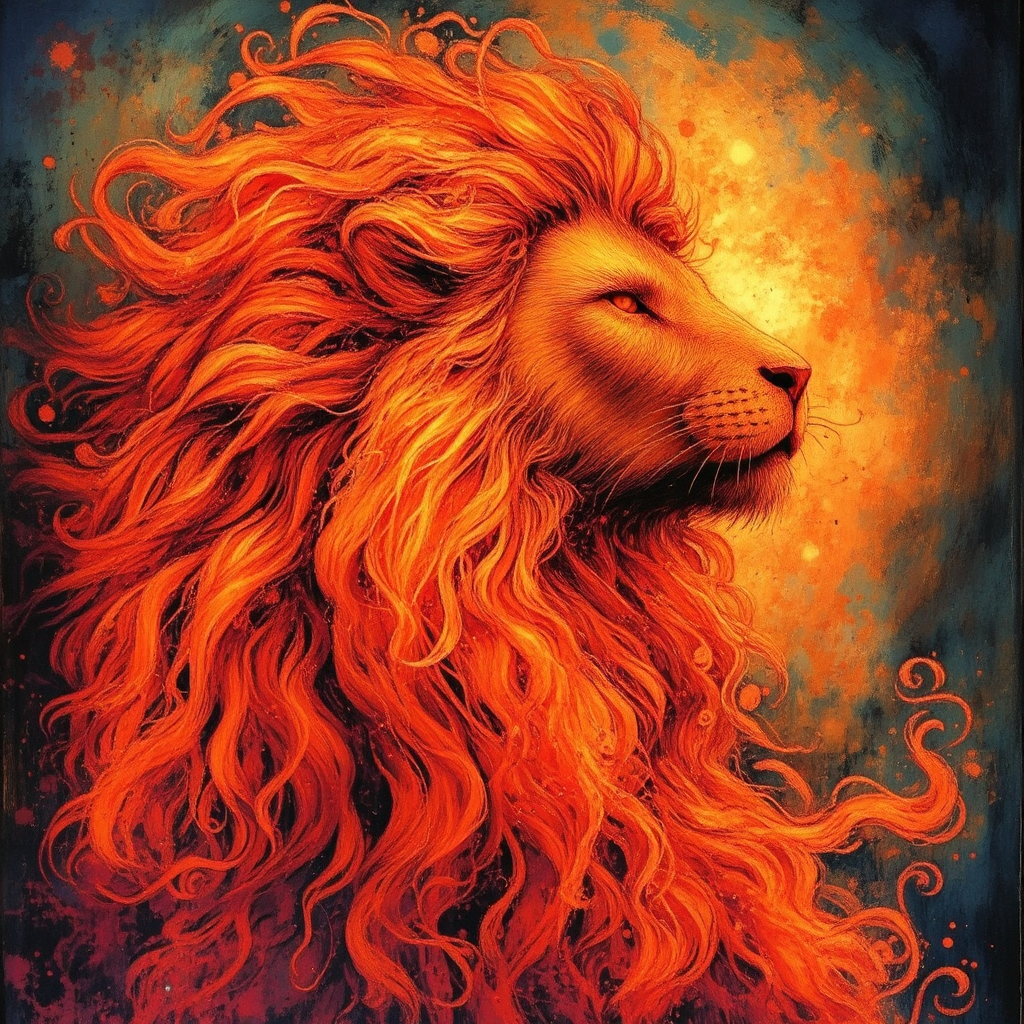
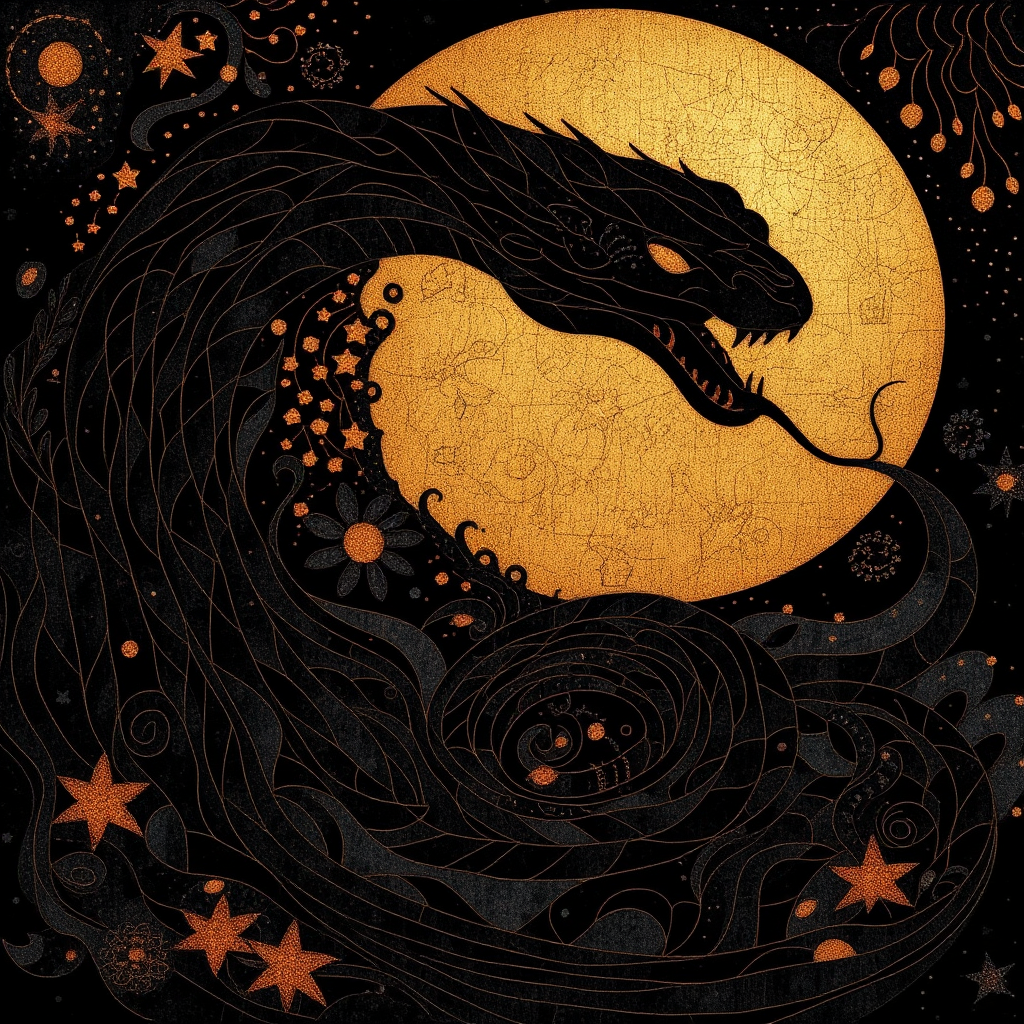
I’m not the color of hypocrisy
Either I am a red lion
Or a black serpent

Some thoughts:

I must admit that I am not at all certain of my interpretation of this one. It certainly seems to be along the similar vein of lukewarm water that is repugnant in the Bible verse of the New Testament. Be hot or cold, confident and decisive, real and certain, as opposed to waffling and on the fence. It reminds me a bit of the quote by Yann Martel in Life of Pi when the main character says, “It is not atheists who get stuck in my craw, but agnostics. Doubt is useful for a while…but we must move on. To choose doubt as a philosophy of life is akin to choosing immobility as a means of transportation.” I do not agree with that take, but understand the passion behind the utterance.

The sentiment I do agree with is that of being authentic rather than performative. Whatever the red lion and black serpent represent, they are the poet’s honest opinions. He is claiming that he will not speak untruth merely to save face or impress a certain crowd. Though the opinion may not be well received, might be complex, might be considered too intense, or venture into unsanctioned territory, he would rather speak his truth than be false or diluted.

I’m sorry, good teacher, but I am quite the fence sitter about some things. It is not always a comfortable position to be in, and one might argue, requires balance, a level head, and an open mind. We will have to agree to disagree for now, though that would also require fence-sitting, so you probably would not agree. lol

My Poem 38:

Rippling ember mane
flows like sun-blood
from roaring flame,
molten courage lava hot,
intense burning marrow
dissolves any tangled knot.

Coiled hidden spine,
a dark river eclipsed
by shadowed night,
deep as space unseen
conceals sudden movement,
striking stragglers of the in between.

Hafiz. Hafiz’s Little Book of Life. Translated by Erfan Mojib and Gary Gach, Hampton Roads Publishing, 2023.

Martel, Yann. Life of Pi. Harcourt, 2001.

The Bible. Authorized King James Version, Oxford UP, 1998.

Hafiz – Poem 28

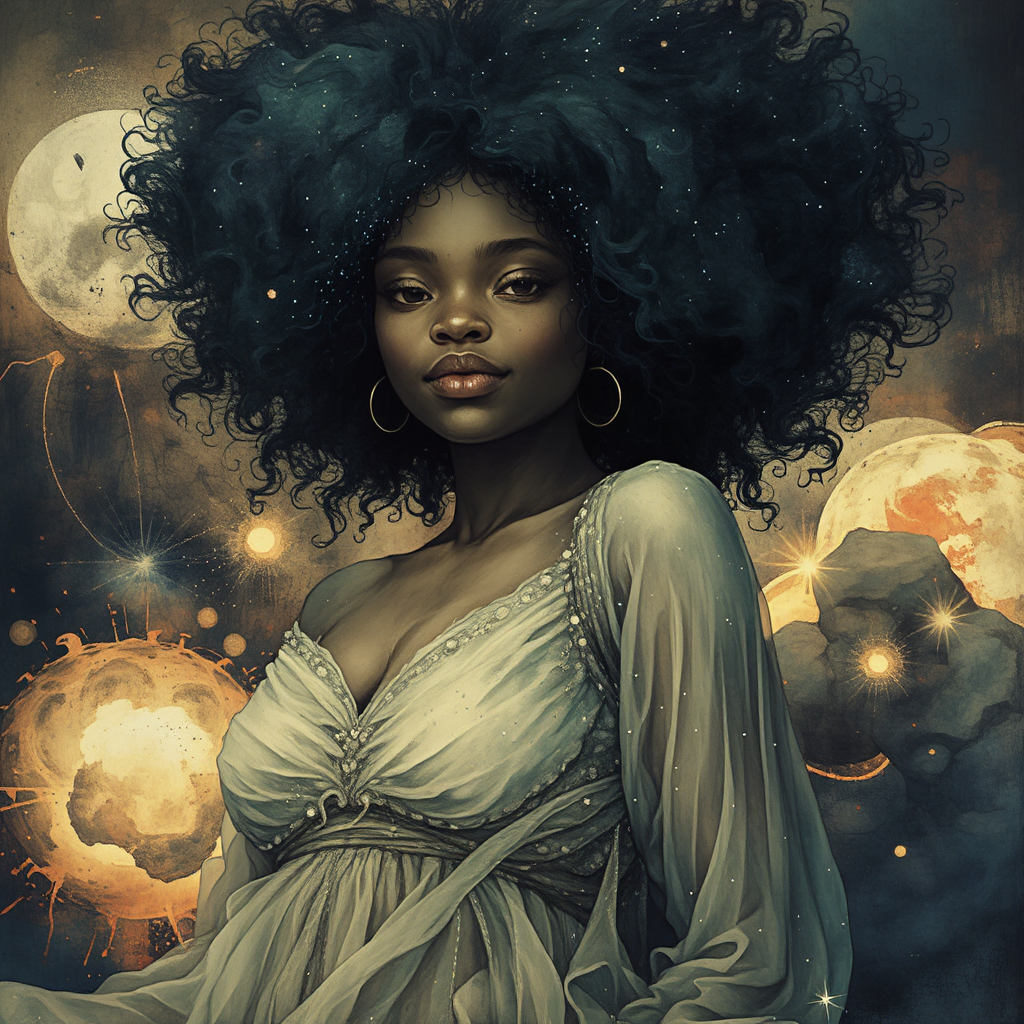
All images created by Rebekah Marshall’s prompts using AI on Gencraft.com website.

I am reading Hafiz’s Little Book of Life, poetry by Hafiz-e Shirazi. He is challenging me to become more comfortable with ambiguity. I will share his poem and some of my thoughts on his poem (sometimes with the help of experts when the concepts are too hard for me), followed by a poem and some art inspired by his poem.

Hafiz’s Poem 28:

Last night
In the Alley of the Tavern
The local imam
With his perennial prayer rug on his back
Was carried out on somebody else’s back

Some thoughts:

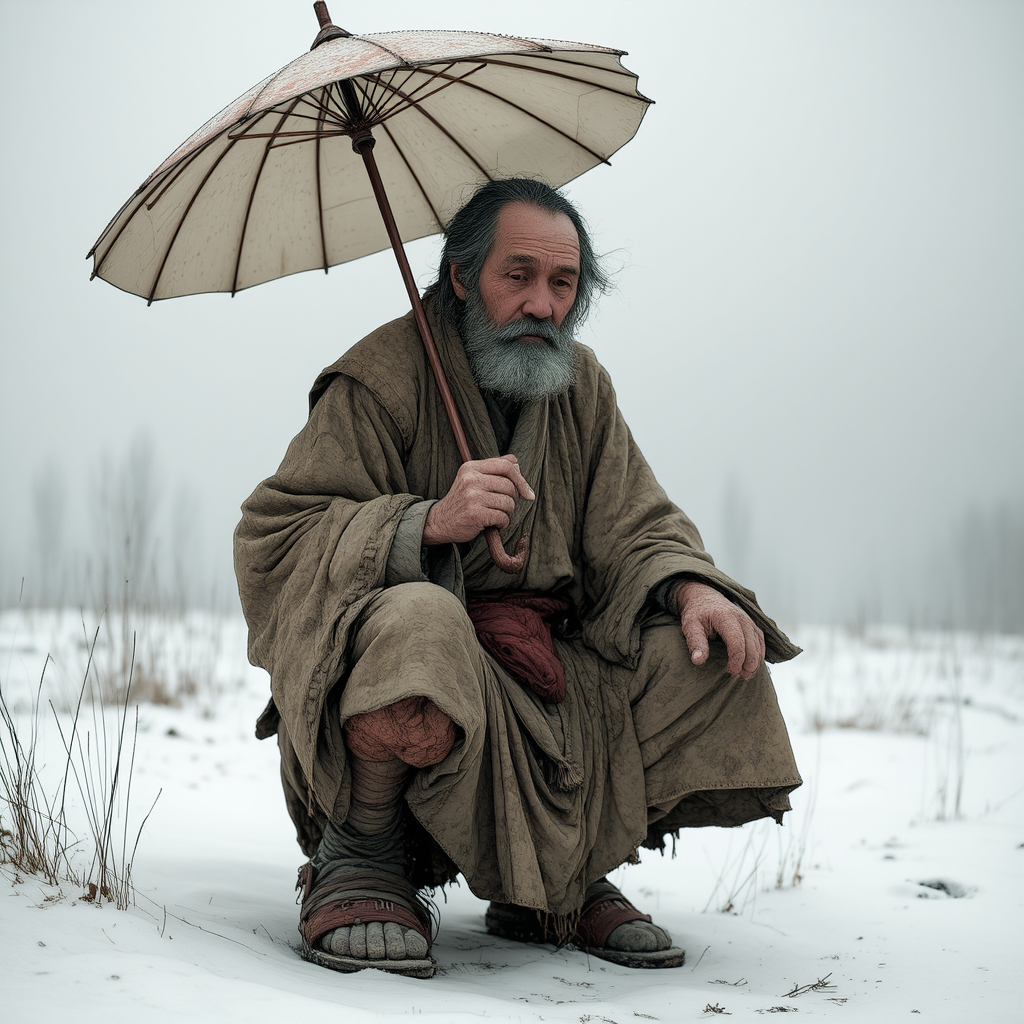
I love this poem. It is a gentle reminder that we are all human. Anytime we put someone up on a pedestal, we are bound to be disappointed because people are flawed. We are weak and faulty, even when we have good intentions. Not only that, we all get sick, have to attend to bodily needs like eating, drinking, sleeping, urinating, and taking a dump. The president, the king, nuns, the most famous movie star you’ve ever admired, Oprah—everyone blows their nose, coughs, sneezes, hiccups, burps, farts, and sweats. No one is immune from the humbling effects of being mortal. If the most religious person out there drinks too much, they are going to get drunk and have to be carried home—them and their religious book, prayer rug, or other holy items they have on them.

This reminds me of some haikus that speak to a similar idea of mortality leveling the playing field a bit if we begin to think people are too far above us:

A high priest empties his bowels in the withered fields—
—Buson

Ah, the bamboo shoots—a priest from Saga visits the outhouse
—Onitsura

sôjô ga no-guso asobasu higasa kana
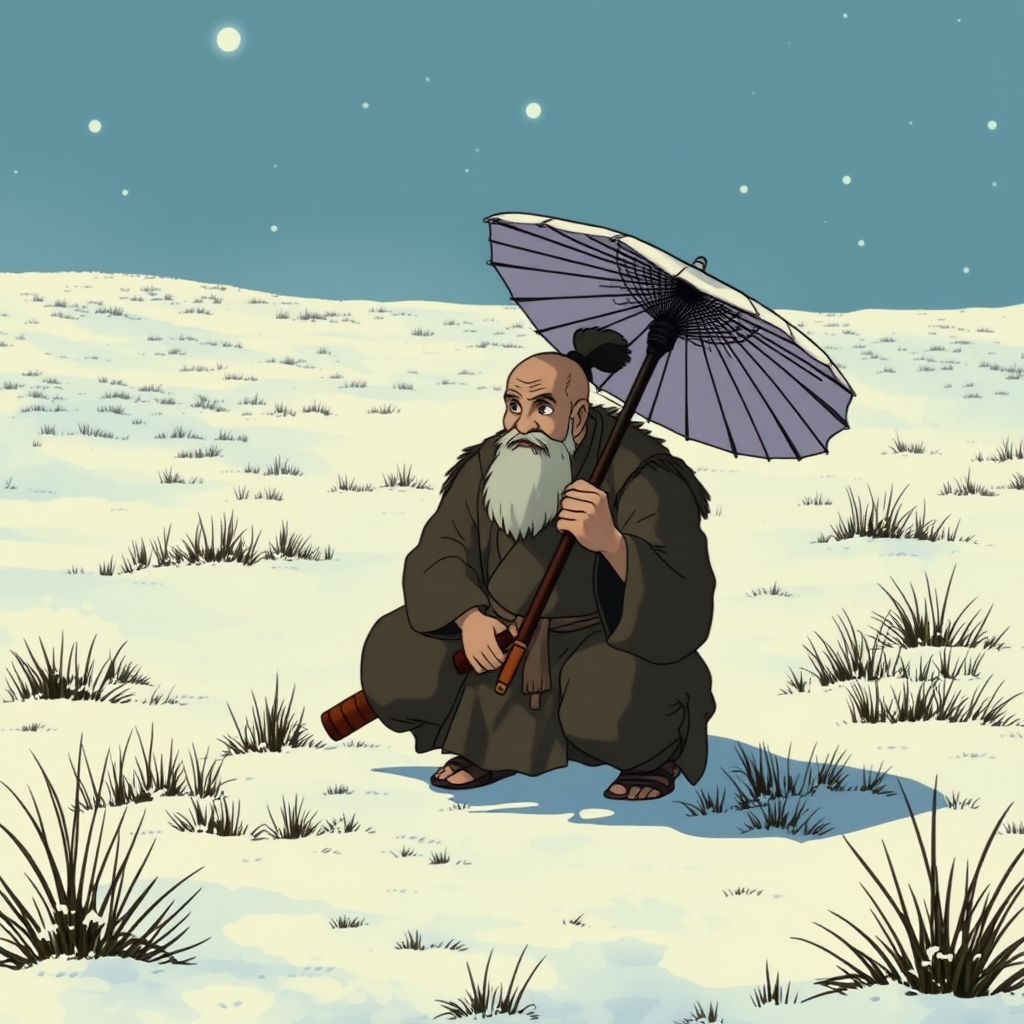
in the middle of the field
the high priest’s parasol—
taking a dump
Kobayashi Issa

With no underrobes,
bare butt suddenly exposed —
a gust of spring wind.
Yosa Buson, 18th century Zen poet

Some more sayings I’ve heard that speak to the same concept:

  • We all bleed the same color.
  • Death is the great equalizer.
  • Everyone puts their pants on one leg at a time.

These are also good reminders to us, so we don’t start “thinking our poop don’t stink,” another saying to keep us humble. As a recovering alcoholic, I can never allow my mindset to be, “I can drink now. I can handle it.” If I begin to think that I can somehow control my body’s natural reactions to a chemical I put inside it, all hell will break loose eventually. I must be honest with myself and accept my limitations. And I sure shouldn’t be acting like I couldn’t fall off the wagon, like I’m somehow better than others or impervious to temptation. My “prayer rug” would be the delusion that I’m above all that and would never take another drink, no matter what. What’s that saying, “There but for the grace of God go I?” Ameen.

My Poem 28:

While the president
sits on the toilet to poop
are they still in charge?

Hafiz. Hafiz’s Little Book of Life. Translated by Erfan Mojib and Gary Gach, Hampton Roads Publishing, 2023.

Hafiz – Poem 18

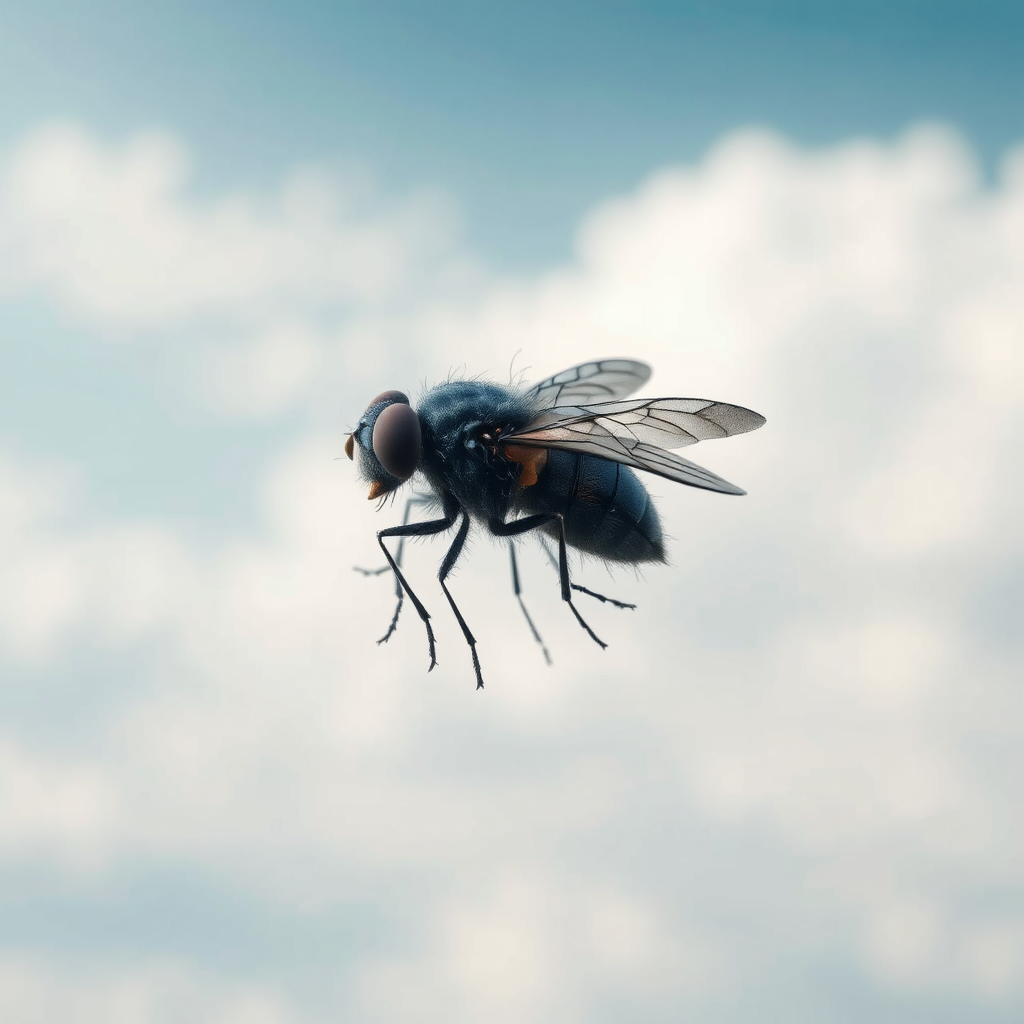
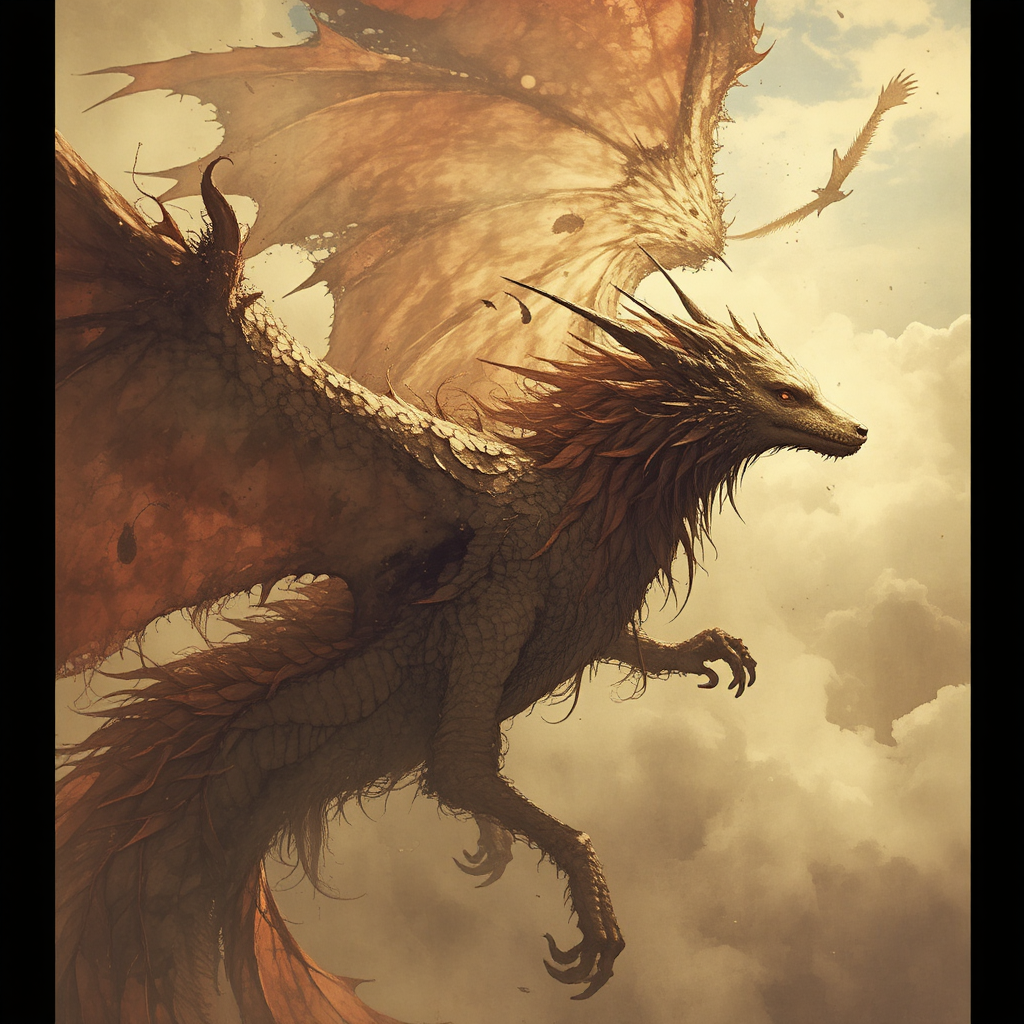
All images created by Rebekah Marshall’s prompts using AI on Gencraft.com website.

I am reading Hafiz’s Little Book of Life, poetry by Hafiz-e Shirazi. He is challenging me to become more comfortable with ambiguity. I will share his poem and some of my thoughts on his poem (sometimes with the help of experts when the concepts are too hard for me), followed by a poem and some art inspired by his poem.

Hafiz’s Poem 18:

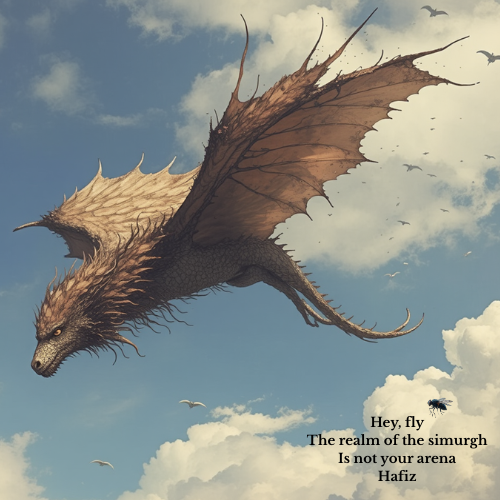
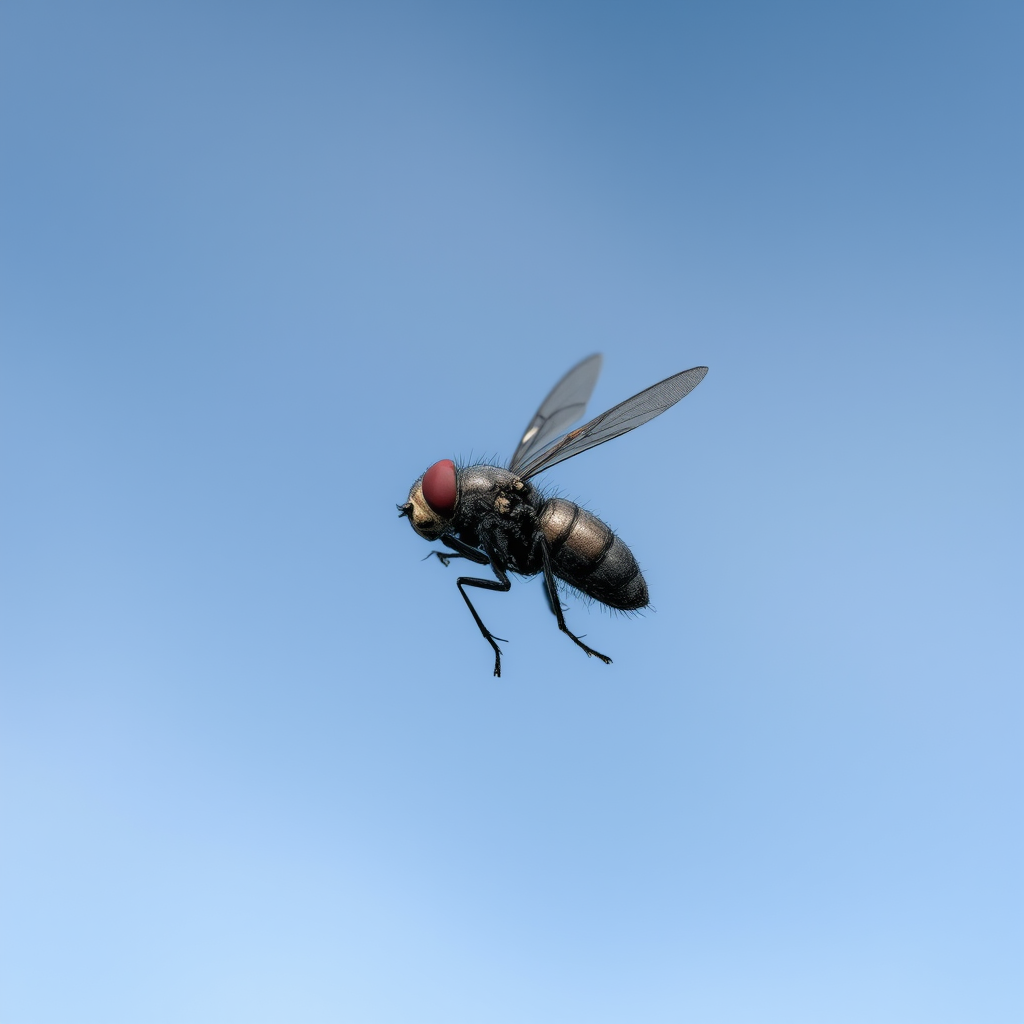
Hey, fly

The realm of the simurgh

Is not your arena

Some thoughts:

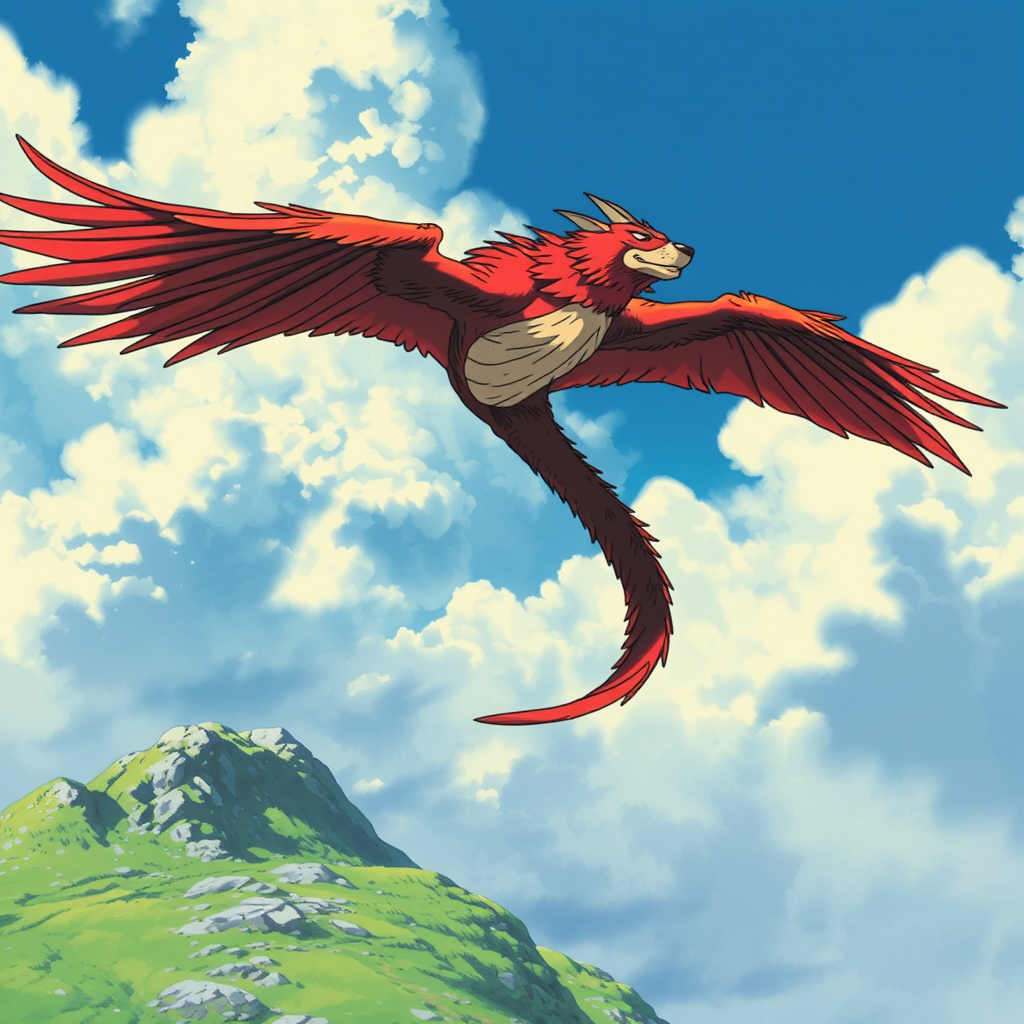
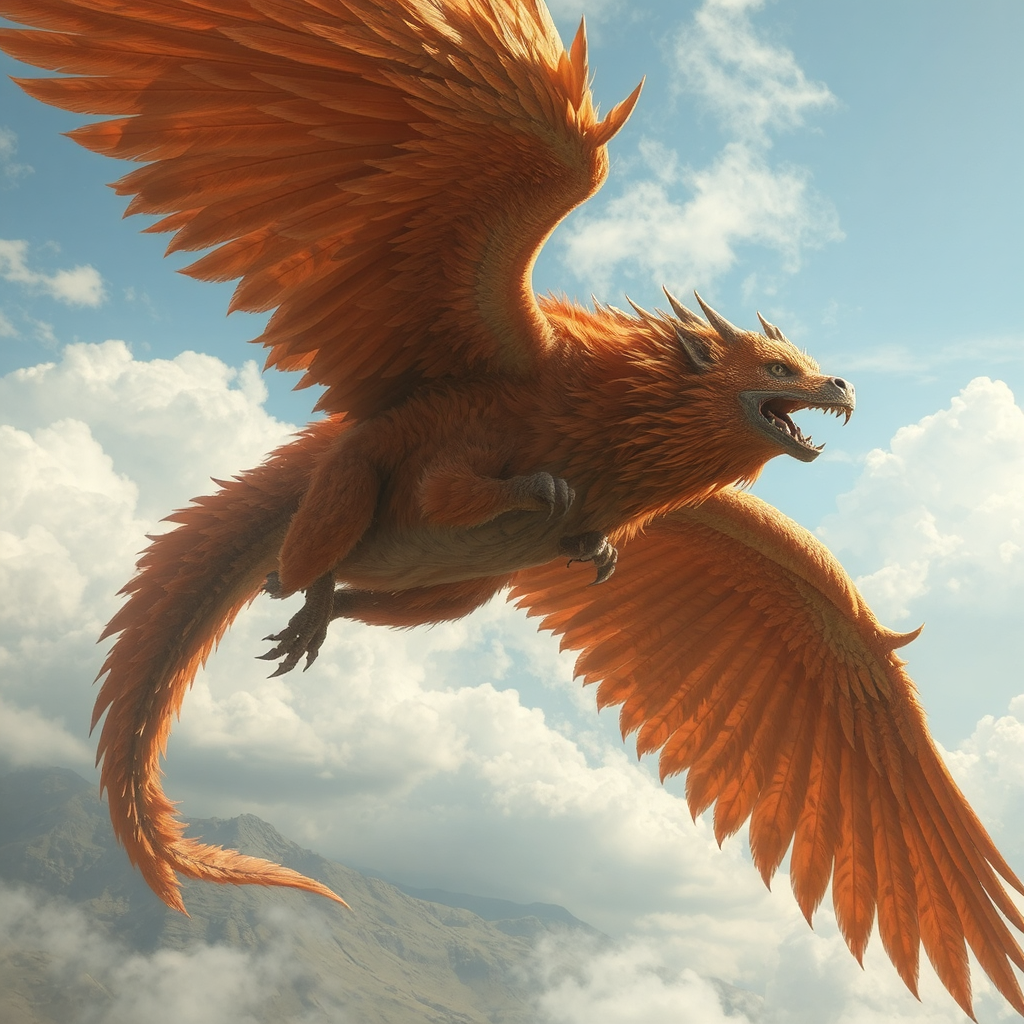
A simurgh is a mythical beast in Persian mythology that is a huge benevolent bird creature who is part dog and all amazing. They are said to be older than the dinosaurs, so old they have seen the destruction of the earth at least 3 times. They return like the phoenix and are powerful enough to carry off an elephant. When one took flight, it shook the tree of life and all the seeds of the entire plant kingdom scattered on the wind to populate the earth with every herb, vegetable, and fruit we now have.

Flies…not so much. No one is as impressed by a fly. Perhaps Hafiz is gently telling someone to stay in their lane. Walk before they run. Learn the basics before trying to take on more complex levels. Whoever or whatever he is referring to sounds like a little chihuahua who thinks she can take on a bear. The spirit is impressive, but the reality it a little harsher. As much as we all want to dream big and believe we are capable of anything we set our minds to, it is probably best to also prepare and take the right steps to get to the next level of progress. Who knows, maybe someday we’ll fly with the simurgh.

My Poem 18:

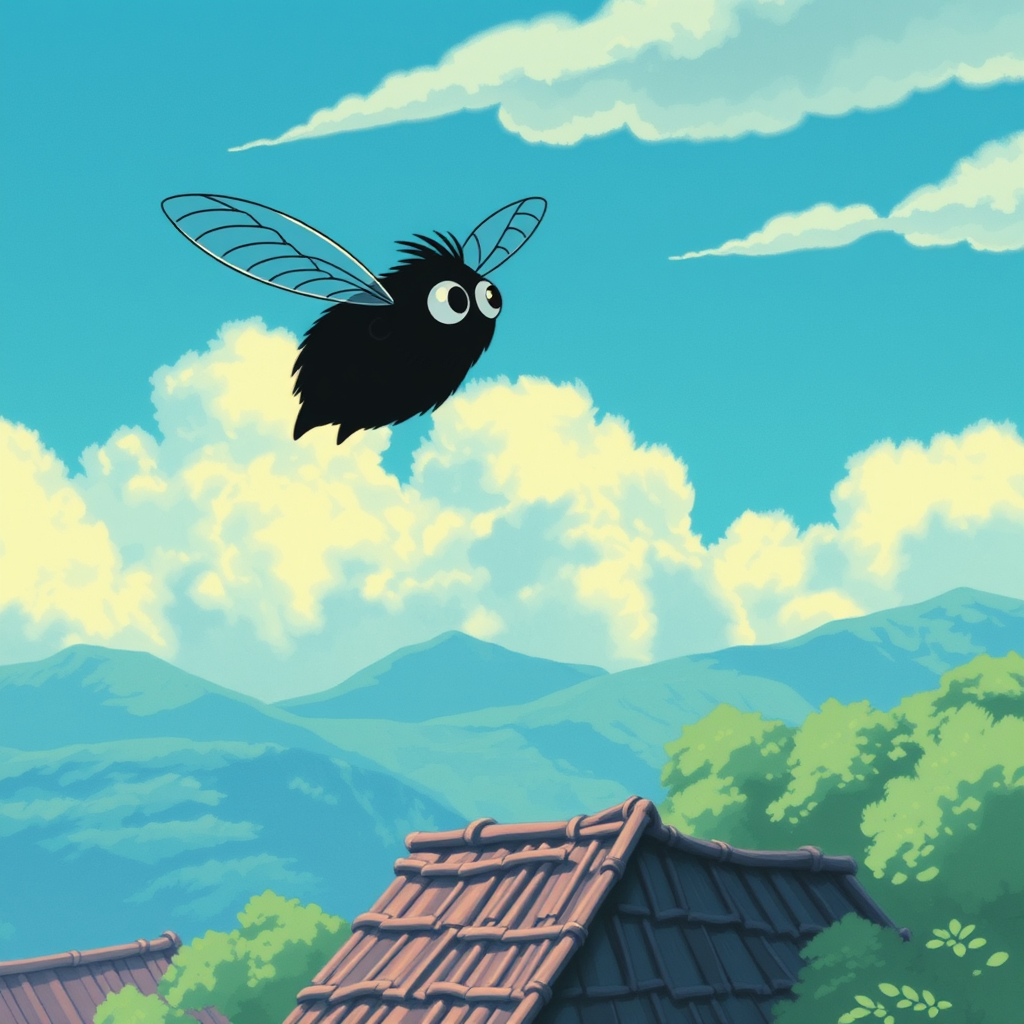
Fly is an opportunistic nuisance,
irritating background noise with
indiscriminate hunger drawn to rot.
Thin whine, buzz, hum, restless—
nervous energy that confuses
access with belonging mistakes
nearness for importance embodies
hunger without wisdom living
on lilfe’s leftover crumbs.

Simurgh scans the heavens silently,
sound swallowed by altitude and
casts a mountain-sized shadow.
Wingspan vast, immense presence—
motion that reshapes air with stillness.
Benevolent creature glides effortlessly,
witnesses creation and destruction,
participates in the process of transformation
burns away death to feast on forever.

Hafiz. Hafiz’s Little Book of Life. Translated by Erfan Mojib and Gary Gach, Hampton Roads Publishing, 2023.