Category Archives: Essays

Musings and personal thoughts on life, family, memories, and events.

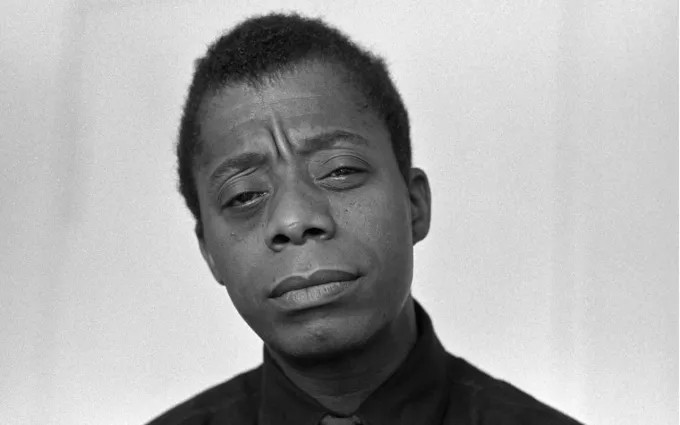
Letters Everyone Should Read: James Baldwin & Ta-Nehisi Coates

TRIGGER WARNING: This essay contains discussion of racism, police violence, death, and racial trauma in a critical and literary context.
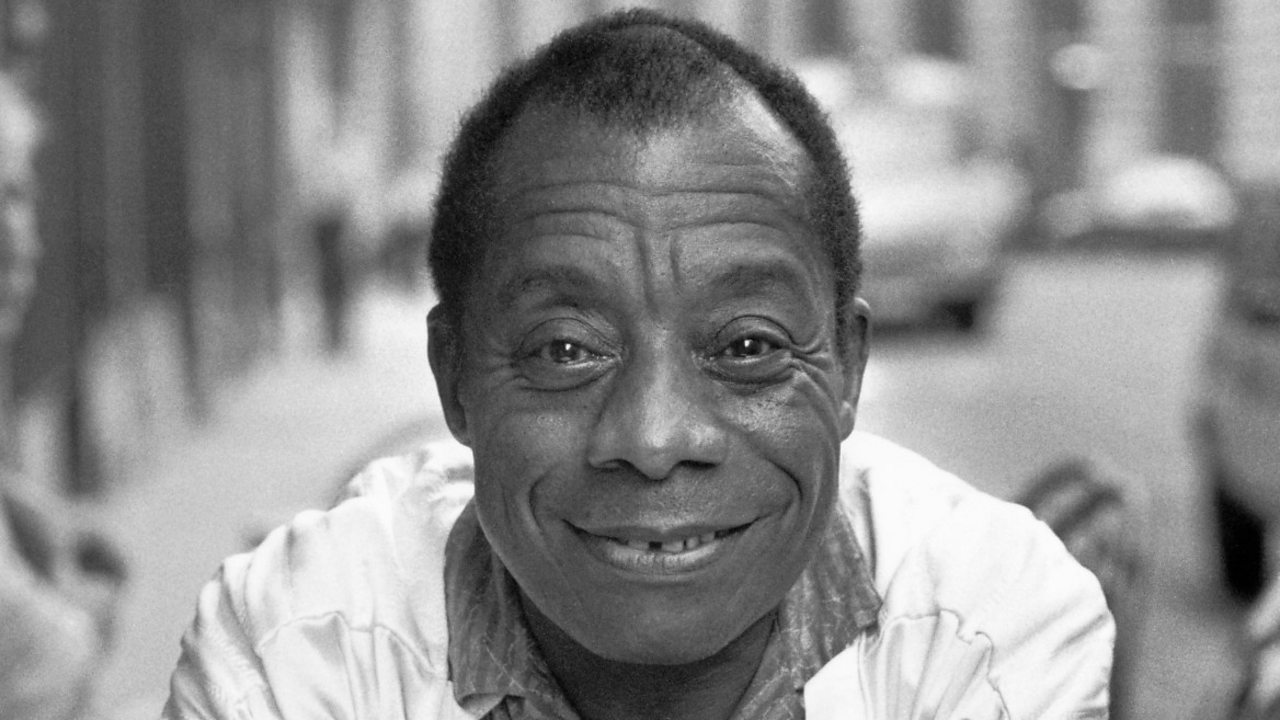
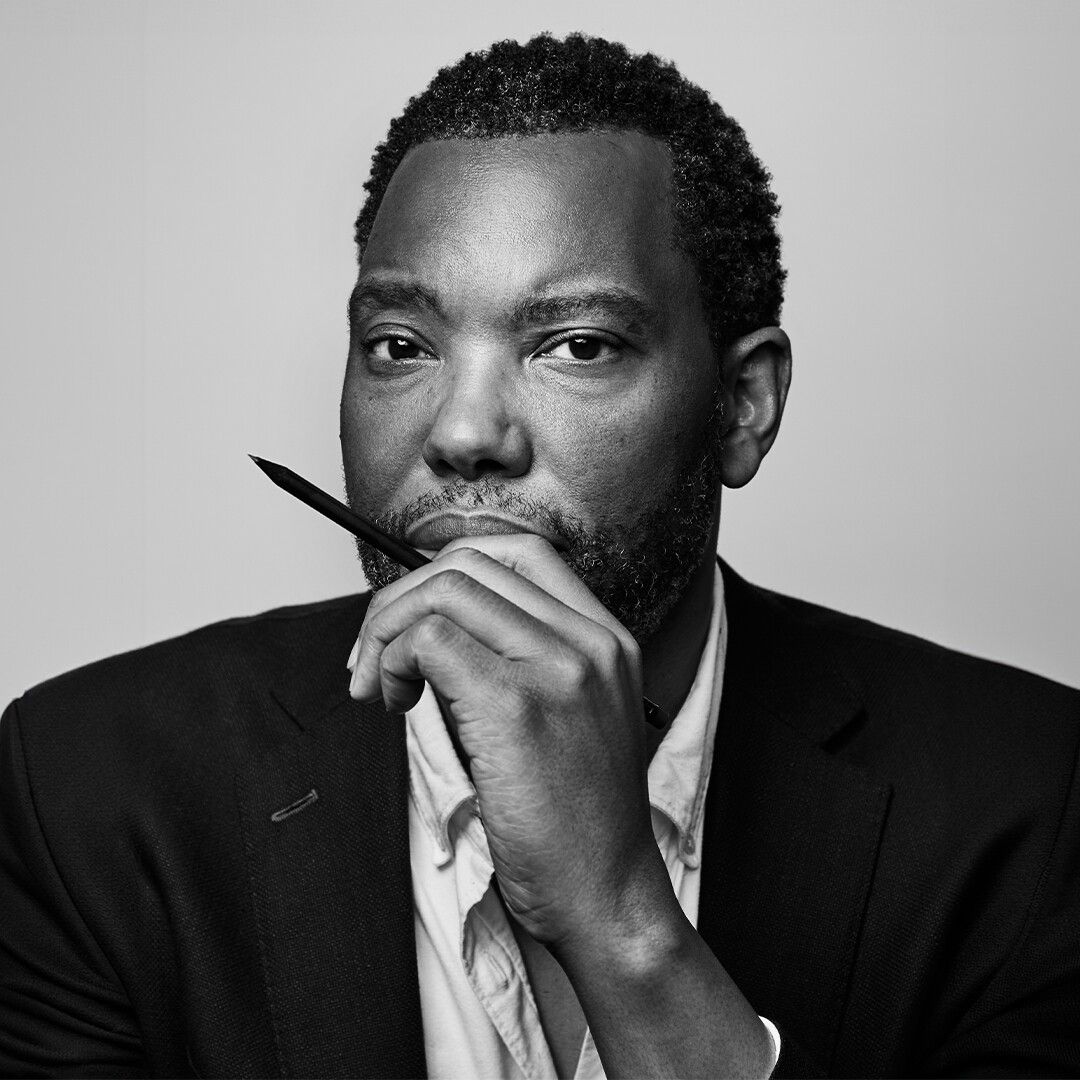
James Baldwin’s letter to his nephew is both personal and national in appeal as a publicly published letter to inspire black Americans and scold white. Likewise, Ta-Nehisi Coates’s letter to his son reveals extremely personal details that may encourage black Americans and spur white Americans to pick up the mantle of struggle alongside their darker brothers. Both letters speak to the lack of equality present for black Americans and the need for white mindset change for improvement to occur.

In “A Letter to my Nephew”, Baldwin moves chronologically through his life telling the tale of his nephew’s origins. He weaves into the personal story of his family’s tale, the historical context that affects them all including the results of geographic constraints, political, economic, legal, etc. that make life harder for African Americans. For example, Baldwin writes, “This innocent country set you down in a ghetto in which, in fact, it intended that you should perish.” He goes on to attempt to explain the thinking of the white “countrymen” that would permit such unfair treatment of their brothers. “They are in effect still trapped in a history which they do not understand and until they understand it, they cannot be released from it.” This calling out of uninformed white people is the way Baldwin throws down his gauntlet. It is up to everyone to become informed and prepare for change. The rest of the letter is encouragement to his nephew to be brave and loving as he continues the fight. And near the end he makes the inclusive statement, “We cannot be free until they are free” (Baldwin). He flips the idea of oppression on its head. The oppressor is the one who is in chains due to their refusal to educate themselves and grow with the changes that terrify them.

Coates’s Between the World and Me tells the tale of significant points in his life, including the birth of his son, but it is not strictly chronological. He jumps around in time, beginning with a recent interview and meanders through different time periods throughout the book. Coates weaves historical incidents like police shootings of unarmed black people, redefines terms to his preferences – terms like race and racism, dreamers, and white – glorifies black culture including music, art, literature, and fashion, and includes interviews with mothers who lost children to police violence. His letter feels at once even more personal in connection to his son and, at the same time, even more broadly an accusation of all Americans complicit in the conspiracy to oppress black people.

As Coates meanders through white on black oppression, he addresses his own fear that grew out of living while black. He admits that he does not want to raise his son with the same fearful perspective but also recognizes that fear might be what has helped him stay alive. He tells stories showing that constant awareness of potential danger is necessary for safety. He also admits that hyper-sensitivity to danger sometimes removes the ability to live in the moment and enjoy the present. Using so many resources to remain in fight or flight mode steals reserves that could have been used for learning, experiencing, connecting, and joy. These are the things that make him angry, that make him feel hopeless and make him realize that there is still much struggle left for all to endure. He encourages his son to struggle but does not seem to call him to love the same as Baldwin. He encourages him to endure but does not provide the same hopeful outlook as Baldwin. It seems like a public shaming of white America. They have continued to oppress, even in the face of countless opportunities to change. Perhaps Coates is hoping to guilt them into an awakening. Coates’s letter ends with witnessing the same crumbling infrastructure that has been the setting for so many black lives – “and I felt the fear” (Coates 152).

Works Cited

Baldwin, James. “A Letter to My Nephew.” The Progressive. 1 Dec, 1962, progressive.org/magazine/letter-nephew/

Coates, Ta-Nehisi. Between the World and Me. Spiegel & Grau, 2015.
Reflections on James Baldwin’s Appeal to the Possibility of Relationship

TRIGGER WARNING: This essay contains discussion of racism, racial violence, police brutality, and psychological trauma in a literary context.
Baldwin’s writings seem to assert that all people deserve the opportunity to be understood, and barring that, at least given a fair shake to make their way in the world. A self-proclaimed witness to the treatment of his people, he uses story to persuade others to open themselves to the possibility of relationship, or at least the ability to visualize the other. In “Previous Condition”, the main character is a black man having an affair with a white woman. She grew up in poverty and argues with him when he implies that only black people have it hard economically. The argument sounds as though it could have been heard on YouTube with its layers of race, class, gender, and privilege still such hot current issues. However, Ida the white woman, does not get kicked out of a dwelling simply because of the color of her skin, as is the case for the black actor she is debating. Even more horrible is the description in “Sonny’s Blues” of white men running over and murdering Sonny’s uncle just for the fun of it. Evil breeds hatred. Sonny’s father “never really did get right again. Till the day he died he weren’t sure but that every white man he saw was the man that killed his brother” (Going 118). These are examples of the ways in which people as individuals interact in his stories showing the depth of conflict created by race in relationships.

In “This Morning, This Evening, So Soon” Baldwin paints the scene of a black man who has forgotten how to play the game of pacifying the white police officers as is so often necessary to ensure minority safety. The main character says, “I had once known how to pitch my voice precisely between curtness and servility…” (Going 163). He’s been in France so long and interacted with white people under a different social contract for so long that he has forgotten the tricks he used to know to keep himself safe around white people with power who hate him. This speaks to the “armies” of whom Baldwin speaks. The police represent the powers that be and are an ever-present menace to the black characters in his books. In “Going to Meet the Man,” the main character is a white police officer who truly believes he is simply enforcing rules God himself established. He says it wasn’t his fault the black people “fight against God and go against the rules laid down in the Bible” (Baldwin Going 235). This is an example of the way church gets mixed up in all the oppression in people’s minds. All these systems interact to create menaces of themselves.

Yet, somehow, despite all the horrors Baldwin witnessed and wrote about, he continually returns to the theme of love. He seems to believe that love can prevail. I am in awe of his optimism. In “A Letter to My Nephew,” he writes, “love shall force our brothers to see themselves as they are, to cease fleeing from reality and begin to change it” (Baldwin Letter). I hope and pray that he is right.

Works Cited

Baldwin, James. “A Letter to My Nephew.” The Progressive. 1 Dec, 1962, progressive.org/magazine/letter-nephew/

Baldwin, James. Going to Meet the Man. Vintage International, 1948.

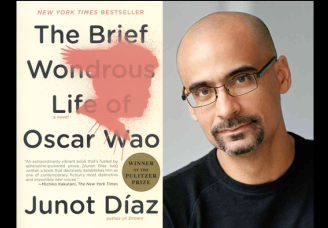
Oscar’s Lack of Dominican Machismo in Junot Diaz’s The Brief Wondrous Life of Oscar Wao

TRIGGER WARNING: This essay discusses gender roles, sexuality, cultural expectations, and references to violence and death in a literary context.

Oscar de Leon, the main protagonist of Junot Diaz’s The Brief Wondrous Life of Oscar Wao, is woefully terrible with the ladies. “His lack of game” is noticed by everyone around him and he often cries “in the bathroom where nobody could hear him” over “his love of some girl or another” (Diaz 23-24). A pickup line he actually uses is, “If you were in my game I would give you an eighteen Charisma” (Diaz 174). Though many people offer advice including Yunior, his uncle, and Lola, none of it sticks. Yunior says “he tried to get him to stop hollering at strange girls on the street…” but Oscar insisted that “nothing else has any efficacy, I might as well be myself” (Diaz 174).

When Oscar finally falls for a woman who seems to accept him, Ybon, she is the wrong woman according to Dominican culture. She is too old, too promiscuous, too “claimed-by-a-cop” already. However, he perseveres and gets himself killed in the process. Whether that is stubbornness, machismo, or crazy (maybe all three) it is certainly along the lines of grabbing “a muchacha, y meteselo” like his uncle advised (Diaz 24). And when he finally gets Ybon to himself for a week, it sounds as though he makes the most of his time enjoying sexual exploits like the best of them. However, even then, what he really loves are the little unanticipated intimacies like “combing her hair”, the way she would “sit on his lap”, or “watching her walk naked to the bathroom” (Diaz 334). He is well-rounded in his appreciation of the entire experience, which is more admirable than simply enjoying the sex. At the end when he says, “The beauty! The beauty!” it sounds like a counter to Conrad’s Heart of Darkness “The horror! The horror!” (Diaz 334, Conrad 12). To him, the sacrifice is worth it.

If the willingness to face violence or defend women against violence is any part of machismo, then Oscar qualifies as a Dominican male at least a few times in his life. He takes a gun and is willing to confront Manny in order to defend Ana (Diaz 47). Thankfully, Manny does not show up and Oscar gets to remain a lover, not a fighter. He knows he could be beaten, but continues spending time with Ybon right up until he is beaten near to death (Diaz 298-299). And he knows he will be killed for his determination to be with Ybon in the end. He faces his death with the fervor of “a hero, an avenger”, and tells his killers he will be waiting for them on the other side (Diaz 320). That takes some guts.

To the degree that the American ideal is “all men are created equal”, Oscar’s lack of “Dominicanness” makes him more American. But, suffice it to say, America does not do a great job with equality either. Both cultures still have a long way to go toward treating all people with the decency and kindness that humans deserve despite gender, sexual orientation, ethnicity, etc. Perhaps that is why Yunior talks about Oscar’s niece Isis as the future hope of breaking the curse. The beginnings of the end of the fuku were in Oscar’s rebellion. But if the original curse was put in place by a machismo man whose ultimate power over women caused death and evil, then a woman will be needed to end it once and for all. Who better than someone named after Isis, the goddess who protected the dead and invented marriage? Nice job, Diaz.

Works Cited

Conrad, Joseph, and D.C.R.A. Goonetilleke. Heart of Darkness. Peterborough, Ont: Broadview, 1999.

Diaz, Junot. The Brief Wondrous Life of Oscar Wao. Riverhead Books, New York, 2007.

Tyldesley, Joyce. “Isis.” Britannica. Dec. 3, 2020, http://www.britannica.com/topic/Isis-Egyptian-goddess

Appearance Reflections from Junot Diaz’s The Brief Wondrous Life of Oscar Wao

TRIGGER WARNING: This essay discusses fatphobia, body shaming, bullying, racial and ethnic stereotyping, and includes quoted ableist and homophobic language from the source text.

Image created by Rebekah Marshall’s prompt using AI on Gencraft.

Oscar, the main character in Junot Diaz’s novel The Brief Wondrous Life of Oscar Wao, is less concerned about his appearance than everyone around him, especially the narrator Yunior. If others could accept his size, color, eyes, and nerdy persona, things might go a little better for the protagonist. Alas, such is not to be in poor Oscar’s world populated by people who demand that stereotypes be enacted and maintained in order for the world they understand to continue to turn on its carefully constructed axis. In high school Oscar was the “fat, lonely, nerdy kid” who weighed “260 when he was depressed, which was often” (Diaz 19). He wore his “semikink hair in a Puerto Rican afro”, maintained a non-stylish mustache, had thick black-rimmed glasses, behind which eyes too “close-set…made him look retarded” (Diaz 20). Yunior says of him that he “wore his nerdiness like a Jedi wore his light saber…couldn’t have passed for Normal if he’d wanted to” (Diaz 21). The way Yunior (Diaz’s narrator) words it, Oscar didn’t want to hide his nerdiness. It was who he was, and he was ok with that.

The fact that girls don’t love him back seems to be what most makes Oscar feel unattractive. When he falls in love with Ana and is still hoping she might love him, too, Oscar “wakes up feeling like he’d been unshackled from his fat” (Diaz 40). He seems to simply want others to accept him as he is, but they refuse. The white kids think he’s black because of his skin color; the “kids of color” can’t accept him as Dominican because of the way he speaks and moves. He does not fit into any of their versions of who he should be. Even the narrator, especially the narrator, Yunior, can’t accept Oscar’s size. As he writes about him, he calls him “the fat loser”, “some fat kid I roomed with”, “the gordo”, “that fat homo Oscar Wilde” (which is of course where he gets the nickname Oscar Wao), “his monstro-ness”, and “fatboy” to name a few (Diaz 176-181). Yunior goes on a mission to change Oscar into a more acceptable version and fails miserably, damaging their relationship in the process. Oscar shuts him down in no uncertain terms and firmly remains himself.

So I don’t spoil the ending, I will reserve the comments about self-acceptance I was planning to mention. I simply would like to point out that Oscar is fine with who he is and the consequences of his choices by the end of the novel. I am not arguing that his mindset is necessarily the mentally healthy or smart path to take, but he does not seem concerned with his appearance at all by the end of the book. And perhaps that is a bit of the humanity that Yunior needed to learn in the process of writing this book. (Yes, I know the real author is Diaz, but I’m going with the story here of Yunior as author and life lessons learned from Oscar being a thing.)

Works Cited

Diaz, Junot. The Brief Wondrous Life of Oscar Wao. Riverhead Books, New York, 2007.

A Court of Wings and Ruin (ACOTAR Book Review 3)

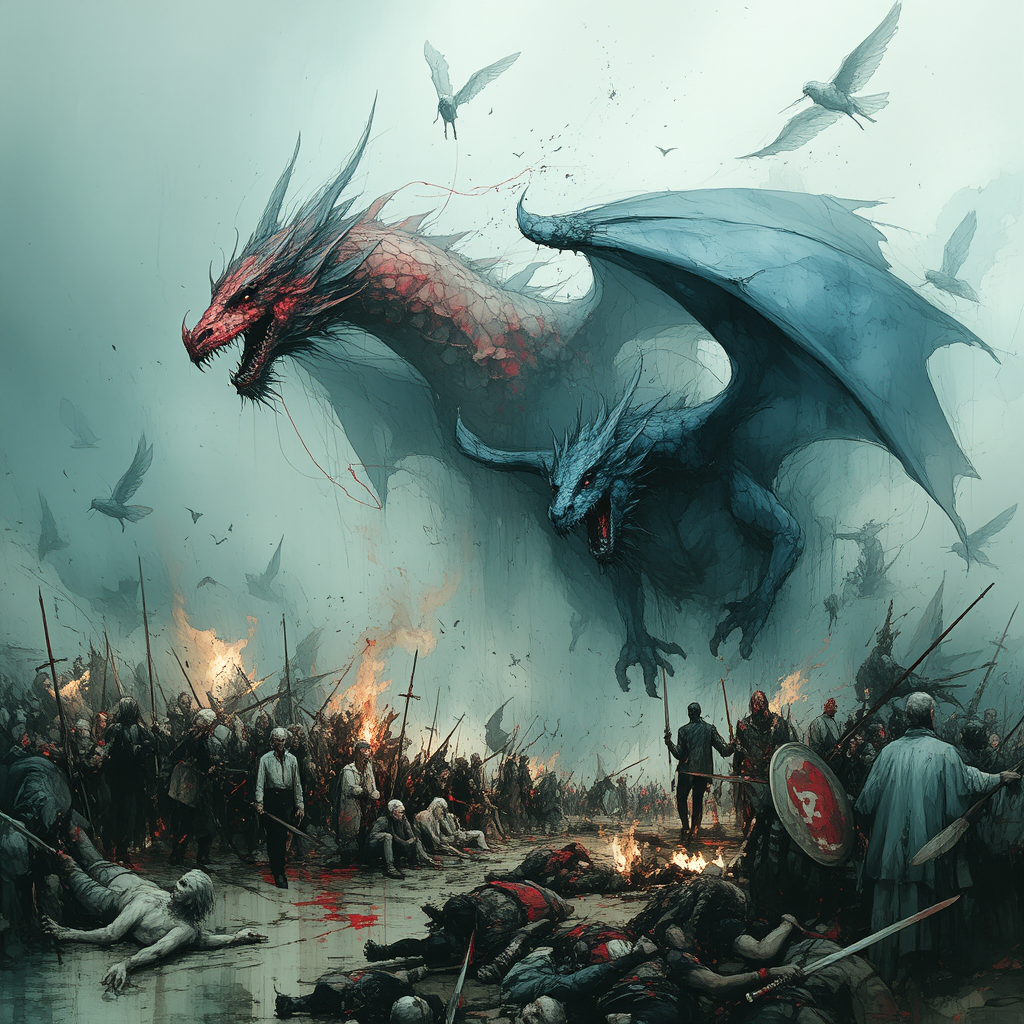
All images created by Rebekah Marshall’s prompts using AI on Gencraft.com website.

WARNING – SPOILERS

A Court of Wings & Ruin, the 3rd book in the ACOTAR series, held its own in the cannon. It was not my favorite of the books but was a necessary middle step to Feyre righting her life and fully coming into her own. She must make more heartbreaking decisions to save herself, save those she loves, and end things once and for all with her past relationships that keep weighing her down.

I like that the book is messy, things don’t go as planned quite often, pivots must be made, and even immortal beings must repeatedly circle back to try to fix things over and over again. It feels very human, very relatable to not have everything be an easy win as these magnificent beings battle their way to try to save the world. There are gigantic beasts, ulterior motives, dark ancient magic, impossible choices, and unlikely alliances.

Elaine (Feyer’s sister) begins to come into her own as she wrestles with her powerful gifts in this book. And her lack of interest in the being to whom fate has declared her a mate is a fascinating twist. Nesta must figure out how to live in this world she hates, and grapple with why she is strangely drawn to Cassian. I love that her character is super cantankerous. She is not very likeable, and that makes her interesting. She doesn’t seem to care about being liked. Feyre and her mate keep our hearts pounding with their love. And Mor’s secrets about her love life are a perfectly revealing piece of the puzzle.

I must say that the deaths in this book had me sobbing. I will say no more about that, so I don’t ruin anything too grievous for anyone. I will simply say that the toll of war is well-depicted and heartbreakingly devastating.

Maas, Sarah J. A Court of Wings and Ruin. Bloomsbury Publishing, 2017.

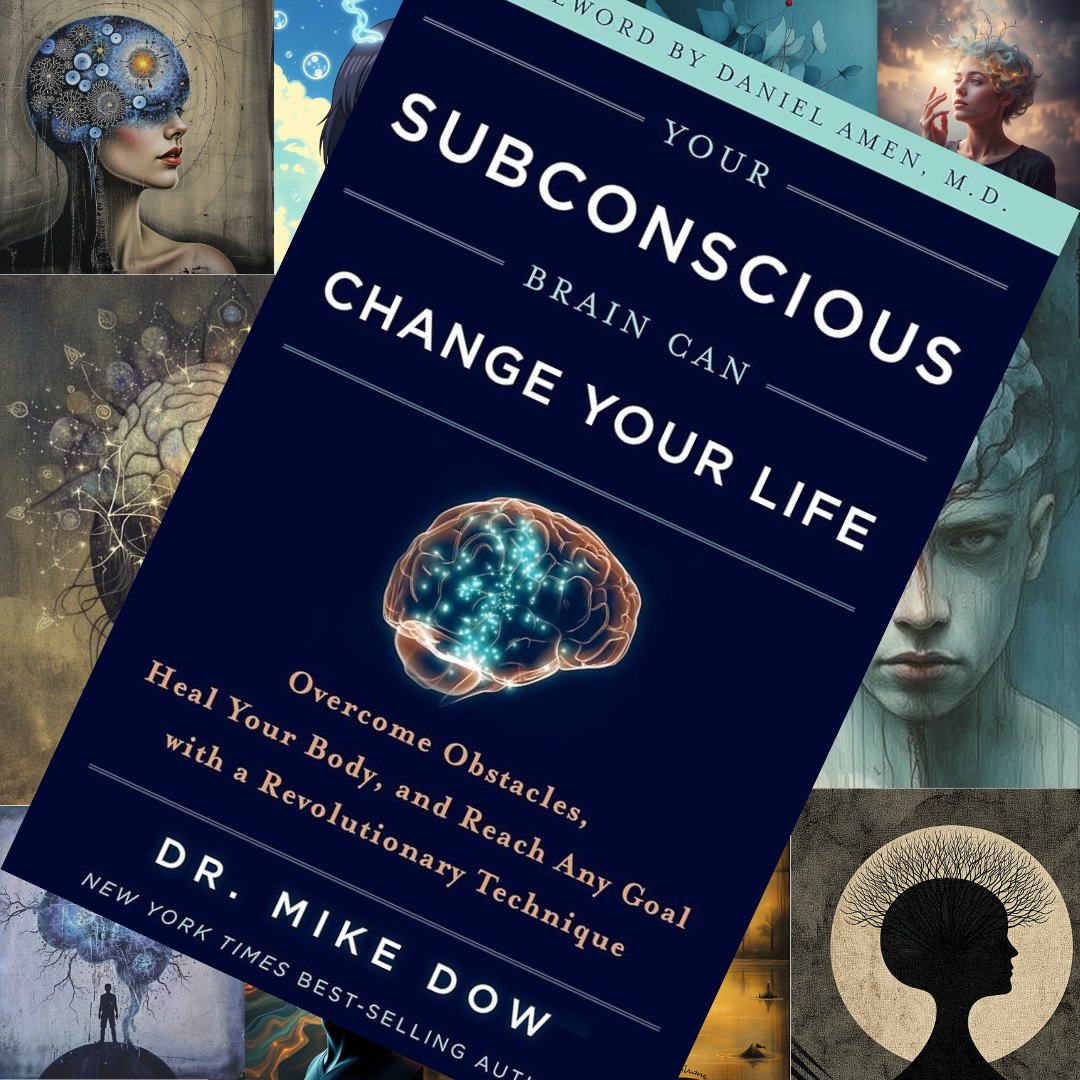
Your Subconscious Brain Can Change Your Life (Book Review)   

All images created by Rebekah Marshall’s prompts using AI on Gencraft.com website.

I struggled to finish Your Subconscious Brain Can Change Your Life by Dr. Mike Dow. Though the information is fabulous, and the techniques seem like valuable hypnotherapeutic practices, it felt like a medical textbook. That said, in the back of the book is a link to recorded resources for retraining the subconscious by listening to scripts. I have only just begun listening to them, but think I might have stumbled across some really helpful tools this way. Perhaps I should have listened to this book as an audio book, rather than reading it.

The practice is called Subconscious Visualization Technique and is recommended to be paired with other more traditional methods like medication, Cognitive Behavioral Therapy, etc. The author shows in study after study that SVT, when paired with other strategies, boosts recovery, decreases pain, and increases positive desired effects beyond traditional strategies only. And in some cases, SVT alone outpaces the traditional treatments.

The mind can be a very powerful ally if we learn to partner with it, train it, and set it to work on the systems that run these complex machines we live in. Though I cannot recommend the book as an enjoyable read, it is certainly an excellent resource and provides access to hypnotherapeutic recordings via links in the back that could prove invaluable. I have only listened to one so far, so the jury is still out, but I plan to continue listening to them and seeing how they help with reducing pain and inflammation, and increasing joy and contentment in my life.

Dow, Dr, Mike, Your Subconscious Brain Can Change Your Life, Hay House, Inc., 2019.

WHAT TO SAY WHEN YOU TALK TO YOUR SELF (Book Review)

All images created by Rebekah Marshall’s prompts using AI on Gencraft.com website.

I highly recommend What to Say When You Talk to Your Self by Shad Helmstetter, PhD. As a practitioner of positive self-talk for years, I was thrilled to find a book that helped to explain some of the basic reasoning behind the practice, as well as a framework with clear instructions for the most productive forms of self-talk.

The concept is outlined as such:
Programming creates beliefs.
Beliefs create attitudes.
Attitudes create feelings.
Feelings determine actions.
Actions create results.

The general idea is that we are programmed by others from the second we are born without any choice in the matter. Much of the results we are experiencing in the present are due to that programming that may or may not suit our true selves. We may not even realize that some of our deeply held beliefs, attitudes, and feelings are because of programming that might not even be accurate. We have acted on these beliefs, attitudes, and feelings building our lives, sometimes with faulty programming.

This book is about rewriting our own code through more carefully structured instructions to our subconscious that will in turn make our lives easier as we work toward outcomes that are more in line with our current ideals. I think I just really love the idea that there is something we can do to dig in deep and rewrite the underlying messages.

My first script that I began today is as follows:
I practice positive self-talk every day and make it a permanent part of my life by monitoring my thoughts and speech, editing all negative messaging, and listening to self-talk sessions a minimum of 15 minutes each day.

I’m going to experiment on myself for 90 days and see if any improvements occur in my life. I’ll do a follow-up post with anything I notice after 90 days.

Helmstetter, PhD, Shad, What to Say When You Talk to Your Self, Simon & Schuster, Inc., 1986.

A Court of Mist and Fury (ACOTAR Book 2 Review)

Starfall on the balcony – Feyre & Rhysand. All images created by Rebekah Marshall’s prompts using AI on Gencraft.com website.

WARNING – SPOILERS

A Court of Mist & Fury, the 2nd book in the ACOTAR series, far surpasses the first book in emotional depth, relationship dynamics, and character development. I was sucked in from page 1 and devoured the 600+ tome.

After the crippling life and death decisions Feyre was forced to make at the end of Book 1, she must grapple with the fall-out of those choices. Not only is she tormented by inner turmoil and grief, but her relationship with Tamlin is troubled. His controlling behaviors and unwillingness to see Feyre as an equal, spell the crumbling of their bond.

When she returns to the Winter Court to recover and rediscover her autonomy, the awakenings of power, self, and abilities are a welcome adventure. Rhysand is equal parts challenge, equal parts friend, and most of all, gives her the space she needs to find herself again. The budding friendships, fierce battles, growing romance, and discovery of abilities make for a fabulously rich world Sarah J. Maas creates in this 2nd book.

The most pleasant surprise for me (stop reading right here if you don’t want a spoiler) is Feyre’s sisters coming back into her life. I hoped there could be more to their story, potential growth or reconciliation, anything. That is still to be seen, but at least the opportunity for healing exists. The most shocking surprise for me are the betrayals at the end. I can’t bear the thought of Feyre existing in the world she has chosen, once again, out of self-sacrifice. But I must read on.

Maas, Sarah J. A Court of Mist and Fury. Bloomsbury Publishing, 2016.

The Gulf of Mexico

AI Generated images prompted on Gencraft.com by Rebekah Marshall.

My first time in the ocean today, I got knocked down. I was trying to get to waist deep but did not have the strength to stand against her playful nudges. She seemed surprised and almost irritated that her friendly gesture toppled me and sent several really hard slaps to push me further toward shore.

Maybe she was trying to help, trying to get me back to safety, saying, “This one’s too delicate to be out here. She won’t last a minute.”

What she didn’t know is that I’m too weak to stand up once knocked down in her waves. I must get deeper to be more buoyant to be able to stand, especially with no balance and ever-increasing frequency of waves. Trying to crawl further out to sea became impossible. She made it impossible.

“You don’t understand, tiny human. I am dangerous. Go back to your dry land!”

We were not communicating in the same languages. Mine became unstoppable laughter, hers, ever-strengthening waves bent on pushing me to shore.

Somewhere about here my husband grew concerned. He wasn’t sure if I was communing with nature or in trouble and came closer from his comfortable beach chair to see.

“Thumbs up?” he questioned.

I shook my head no and waved for him to come rescue me. I couldn’t stop laughing as he began the slow trek my way, the gulf all the more insistent I exit the way I came.

I could stand or steady myself. I could not do both. So, with his presence, I stood, then grabbed his hand to help with balance, his stable strength what I needed to walk back to shore.

It was lovely. Not scary. Not painful, beyond the usual discomfort of being upright with joint pain. I went back to watching and listening from my shaded chair, exactly where I belong. This is how the ocean and I commune best. We sing to one another and just enjoy each other’s presence. Everyone is happier with that arrangement, especially my husband.

Addendum: I went back in twice more. He had to rescue me the 2nd time, as well. But the 3rd time, I made it to waist deep and back on my own two feet and felt so very, very pleased with myself.

Book Review – The Big Leap

AI Generated image prompted on Gencraft.com by Rebekah Marshall.

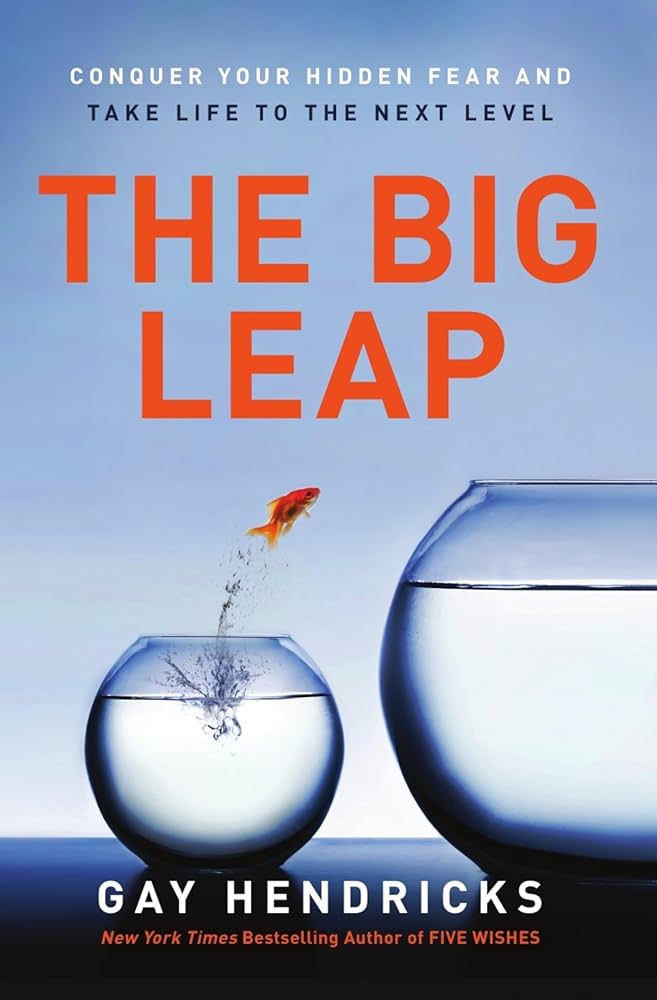
According to Gay Hendricks, PH.D., the only problem we need to solve is the Upper Limit Problem. He believes all avenues of discontent in life flow from the ways in which we limit ourselves or allow ourselves to be limited without breaking into our Zones of Genius. He posits that a universal human trait is the tendency to sabotage ourselves and others when artificial upper limits are exceeded.

The barriers we and society put in place are often unconsciously constructed by our upbringing, religion, politics, and education, but we buy into them and keep the scaffolding exactly where it’s always been. Phrases like, “She’s getting above her raising,” “He thinks he’s better than us,” “They aim too high,” “She’s greedy to want more,” “He needs to be brought down a peg,” “They didn’t do anything to earn that position,” etc. These aren’t phrases from his book, but common enough phrases in society that his hypothesis feels like commentary on most communities I know.

Whatever the complex social issues surrounding the lack of support for growth, he suggests there are ways to push beyond and live our best lives while still loving and supporting others. Instead of having a mindset of lack—lack of time, lack of money, lack of energy, lack of ideas, lack of community—we recognize that we are the creators of our realities and do our utmost to tap into our own genius.

The first step is to recognize the barriers and make conscious decisions to overcome them:

1. We are fundamentally flawed and don’t deserve success.

2. We are disloyal to expand beyond the expected norms of our families of origin.

3. We are a burden to others.

4. We must dim our brilliance, so we don’t outshine others.

Once we have expelled these faulty concepts from our thinking, we must find what our gifts are, find ways to express them, dislodge the notion that time is not on our side, and bring our best selves to the world. Only then will we be fulfilled in our relationships, our careers, our finances, and our spirituality.

I am intrigued, especially by his idea that time comes from within us, or at least the concept of time. It is only perception of time that makes each moment feel gruesome or fabulous. I’m sure he would agree that this concept does not apply in all circumstances because there are situations outside of our control and factors in this world that force time constraints on people against their will.

Disclaimers would have been appreciated that some of these deep concepts might not apply to people in the midst of horrific situations beyond their power, like war, extreme poverty, abuse, trauma, and other life-altering dilemmas that can create struggle. But given basic needs met, semi-peaceful conditions, and non-traumatic circumstances, his ideas are worth considering.

I for one commit to recognizing language of lack related to money, time, energy, etc. Instead of saying, “I can’t afford that,” or “I don’t have money for that,” I want to say, “I can buy that if I save for it,” or “I’m choosing to spend my money on something else.” It is a choice to reframe my language. Instead of saying, “I don’t have time to do that,” or “I wish there were more hours in the day,” I want to say, “I’m choosing to spend my time on other priorities,” or “I have plenty of time to do everything I am meant to do today.” The one I need to work the most on is energy. With chronic health issues, I am very aware of my energy levels and am known to complain about lack of energy. But Instead of saying, “I don’t have the energy to do this,” or “I wish I had more energy for x,y,z,” I want to say, “I have enough energy to do these things today, so I am going to prioritize them,” or “I have exactly the amount of energy I need and then I will take a nap to recharge.”

This self-development journey is fascinating. However much I learn, I always discover something more to expand my growth. The Big Leap is absolutely worth the read, but I recommend tackling it when things are at a fairly stable place in life. I would not have been willing to hear his ideas when I was at the apex of pain, in the middle of my divorce, during a crisis when my kids were teenagers, or when I was working 7 days a week to survive with no end in sight. These are concepts I am willing to consider with all bases covered and the privilege and opportunity to navel gaze and ponder things like expanding into my zone of genius.

Hendricks, Gay. The Big Leap, Harper Collins, 2009.