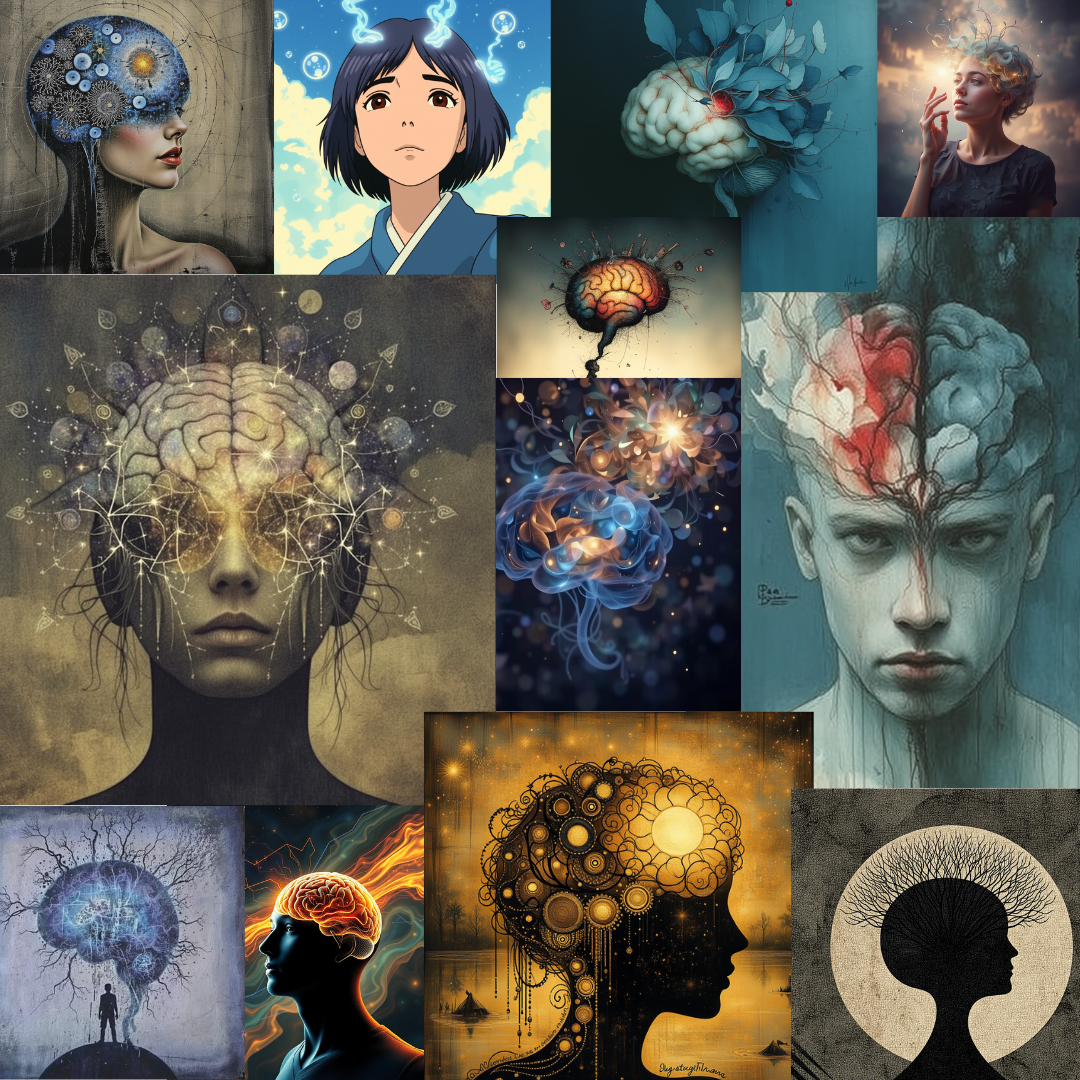
All the rest of these images created by Rebekah Marshall’s prompts using AI on Gencraft.com website.
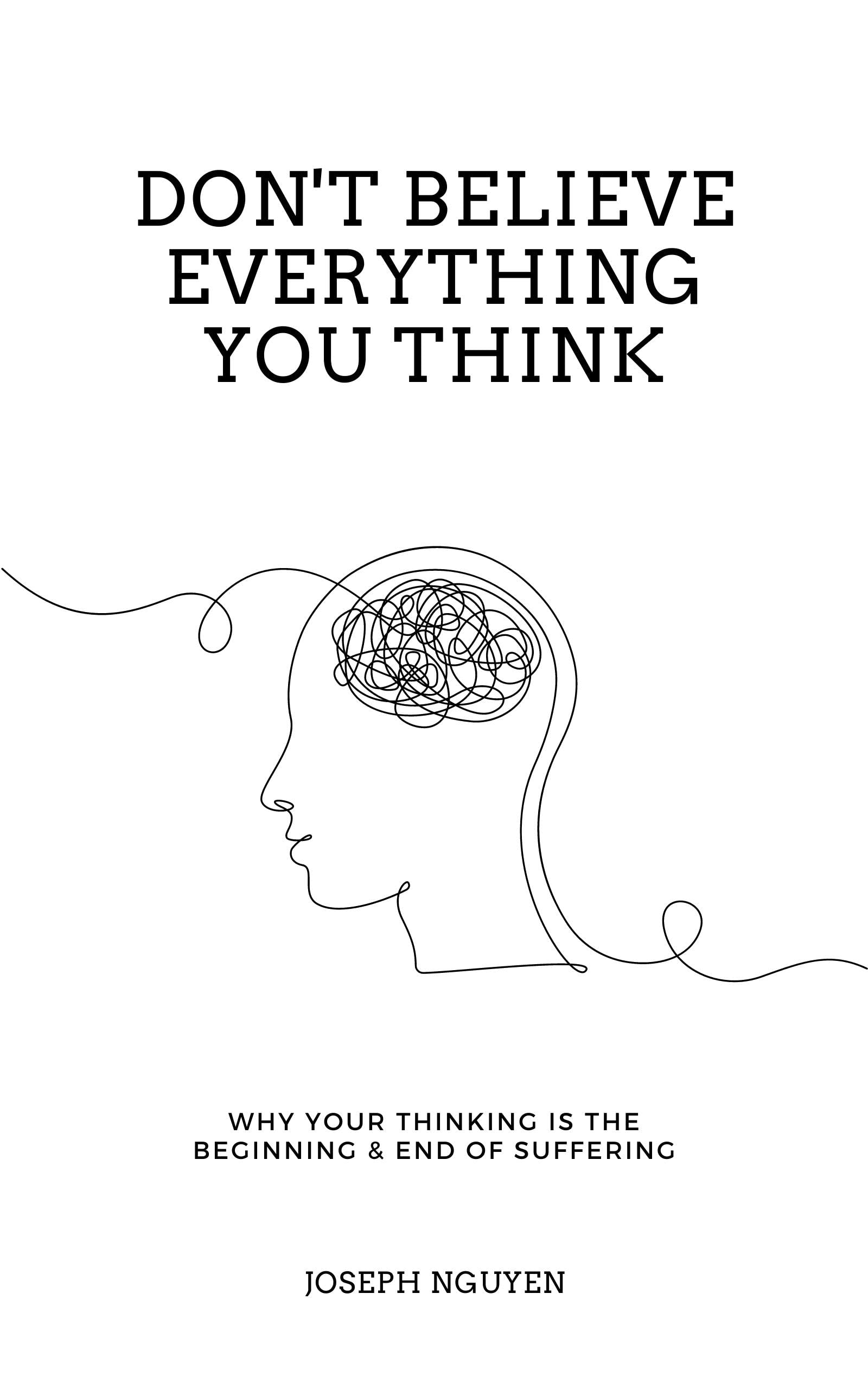
Thinking is the beginning and end of suffering. So says Joseph Nguyen in his book Don’t Believe Everything You Think. His basic philosophy is that we will be happier and more content if we spend more time in the flow state of experience rather than thinking or ruminating endlessly. Accepting reality as it is without judgment and layering of meaning via our perception of reality does not create as many negative feelings that derail us.
Christine Evangelou said, “A crowded mind leaves no space for a peaceful heart.” And Dostoyevsky said something about thinking too much being a disease. I think that is true. Not being able to turn off the mind, enter peace, creativity, flow, and just rest sounds terrible to me. Nguyen’s little book offers practical advice about how to quiet the thinking, stop judging ourselves and others so much, follow our intuition more, and develop unconditional love. He teaches the PAUSE method, which is a mnemonic for Pause with deep breathing, Ask yourself if your thinking is making you feel the way you way, Understand that you have the choice to let go, Say that thinking is the root of suffering, and Experience emotions fully without judgment.
And the back of the book is full of resources, journaling ideas, inner and outer work, practice suggestions, intentions, and reflections. I found the short chapters easy to read, helpful, and very beneficial to my peace of mind.
Nguyen, Joseph. Don’t Believe Everything You Think, Authors Equity, 2024.
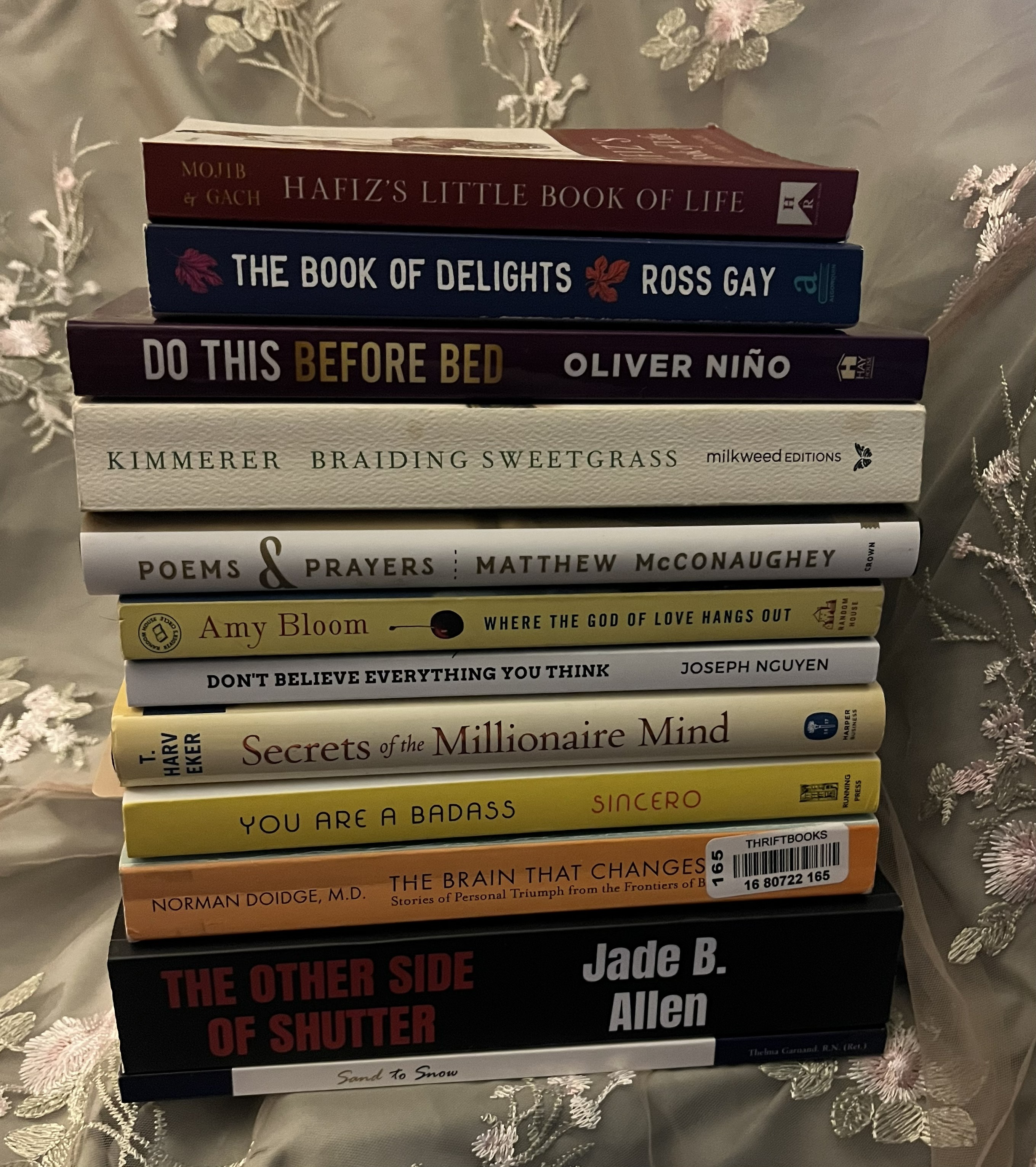
Good readers make better writers. So this is the latest stack of books that I am diving into because of topics I find interesting, writing styles I want to analyze, bookclubs I am in, and in support of authors I know personally. The top half are ones I have been reading for a while now and am doling out in bite-size bits a few pages at a time.
Hafiz’s Little Book of Life by Hafiz The Book of Delights by Ross Gay Do This Before Bed by Oliver Niño Braiding Sweetgrass by Robin Wall Kimmerer Poems & Prayers by Matthew McConaughey The Bible for Gen Z (not pictured – I forgot to put it on the stack)
The bottom half are new ones I am adding to my stack to read through at probably a faster pace.
Where the God Of Love Hangs Out by Amy Bloom Don’t Believe Everything You Think by Joseph Nguyen Secrets of the Millionaire Mind T. Harv Eker You Are a Badass by Jen Sincero The Brain That Changes Itself by Normal Doidge, M.D. The Other Side of Shutter by Jade B. Allen Sand to Snow by Thelma Garnand, R.N.
All images created by Rebekah Marshall’s prompts using AI on Gencraft.com website.
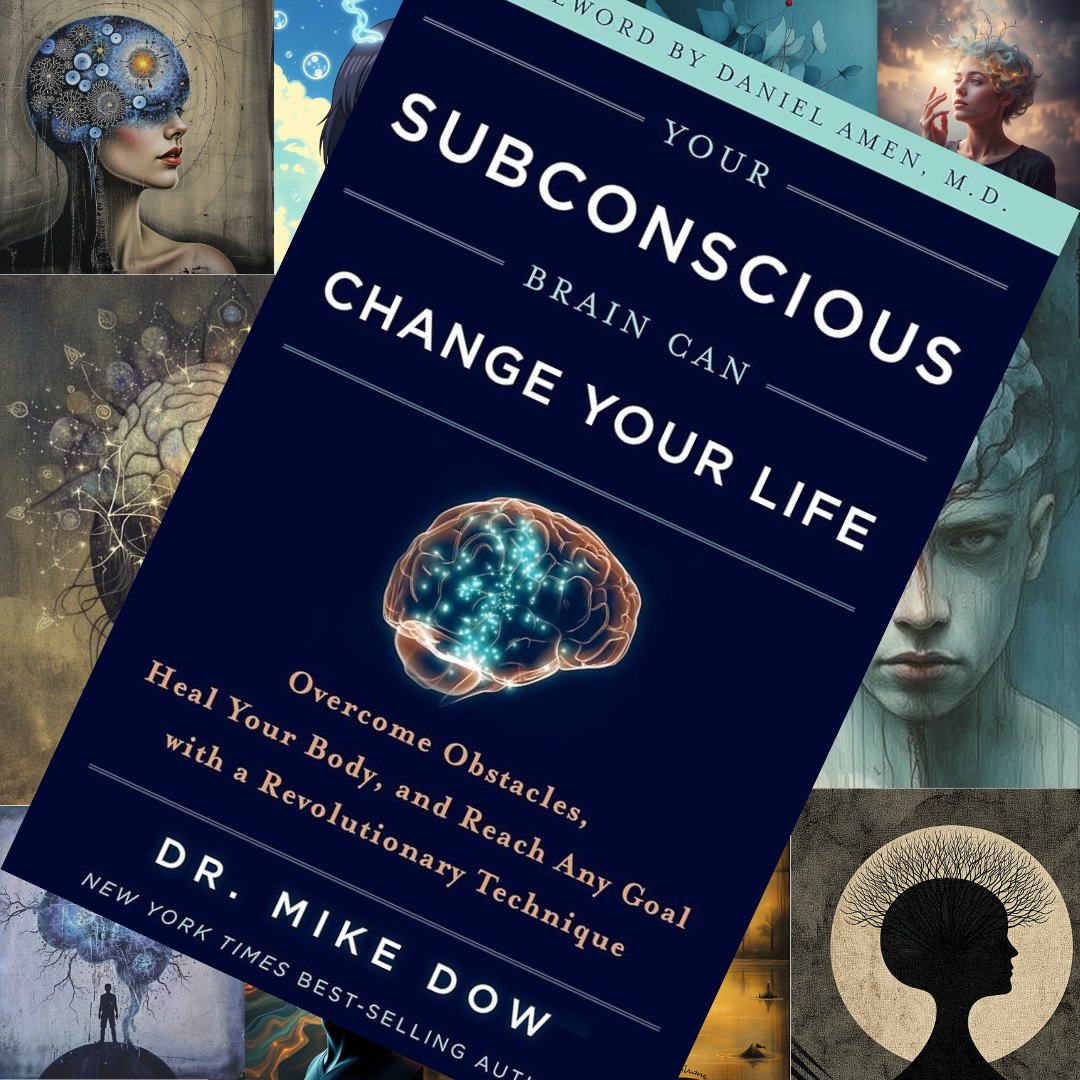
I struggled to finish Your Subconscious Brain Can Change Your Life by Dr. Mike Dow. Though the information is fabulous, and the techniques seem like valuable hypnotherapeutic practices, it felt like a medical textbook. That said, in the back of the book is a link to recorded resources for retraining the subconscious by listening to scripts. I have only just begun listening to them, but think I might have stumbled across some really helpful tools this way. Perhaps I should have listened to this book as an audio book, rather than reading it.
The practice is called Subconscious Visualization Technique and is recommended to be paired with other more traditional methods like medication, Cognitive Behavioral Therapy, etc. The author shows in study after study that SVT, when paired with other strategies, boosts recovery, decreases pain, and increases positive desired effects beyond traditional strategies only. And in some cases, SVT alone outpaces the traditional treatments.
The mind can be a very powerful ally if we learn to partner with it, train it, and set it to work on the systems that run these complex machines we live in. Though I cannot recommend the book as an enjoyable read, it is certainly an excellent resource and provides access to hypnotherapeutic recordings via links in the back that could prove invaluable. I have only listened to one so far, so the jury is still out, but I plan to continue listening to them and seeing how they help with reducing pain and inflammation, and increasing joy and contentment in my life.
Dow, Dr, Mike, Your Subconscious Brain Can Change Your Life, Hay House, Inc., 2019.
All images created by Rebekah Marshall’s prompts using AI on Gencraft.com website.
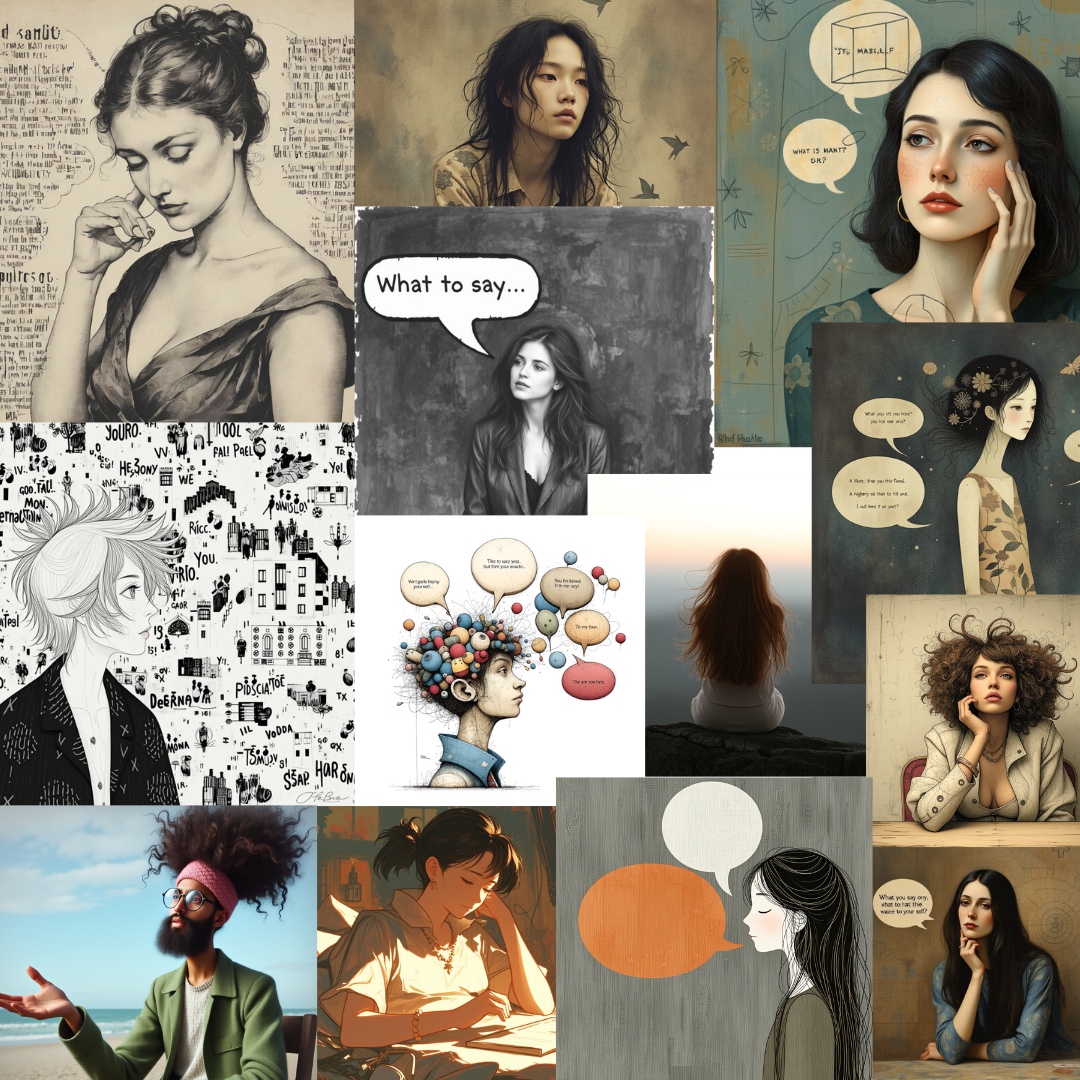
I highly recommend What to Say When You Talk to Your Self by Shad Helmstetter, PhD. As a practitioner of positive self-talk for years, I was thrilled to find a book that helped to explain some of the basic reasoning behind the practice, as well as a framework with clear instructions for the most productive forms of self-talk.
The concept is outlined as such: Programming creates beliefs. Beliefs create attitudes. Attitudes create feelings. Feelings determine actions. Actions create results.
The general idea is that we are programmed by others from the second we are born without any choice in the matter. Much of the results we are experiencing in the present are due to that programming that may or may not suit our true selves. We may not even realize that some of our deeply held beliefs, attitudes, and feelings are because of programming that might not even be accurate. We have acted on these beliefs, attitudes, and feelings building our lives, sometimes with faulty programming.
This book is about rewriting our own code through more carefully structured instructions to our subconscious that will in turn make our lives easier as we work toward outcomes that are more in line with our current ideals. I think I just really love the idea that there is something we can do to dig in deep and rewrite the underlying messages.
My first script that I began today is as follows: I practice positive self-talk every day and make it a permanent part of my life by monitoring my thoughts and speech, editing all negative messaging, and listening to self-talk sessions a minimum of 15 minutes each day.
I’m going to experiment on myself for 90 days and see if any improvements occur in my life. I’ll do a follow-up post with anything I notice after 90 days.
Helmstetter, PhD, Shad, What to Say When You Talk to Your Self, Simon & Schuster, Inc., 1986.
AI Generated image prompted on Gencraft.com by Rebekah Marshall.
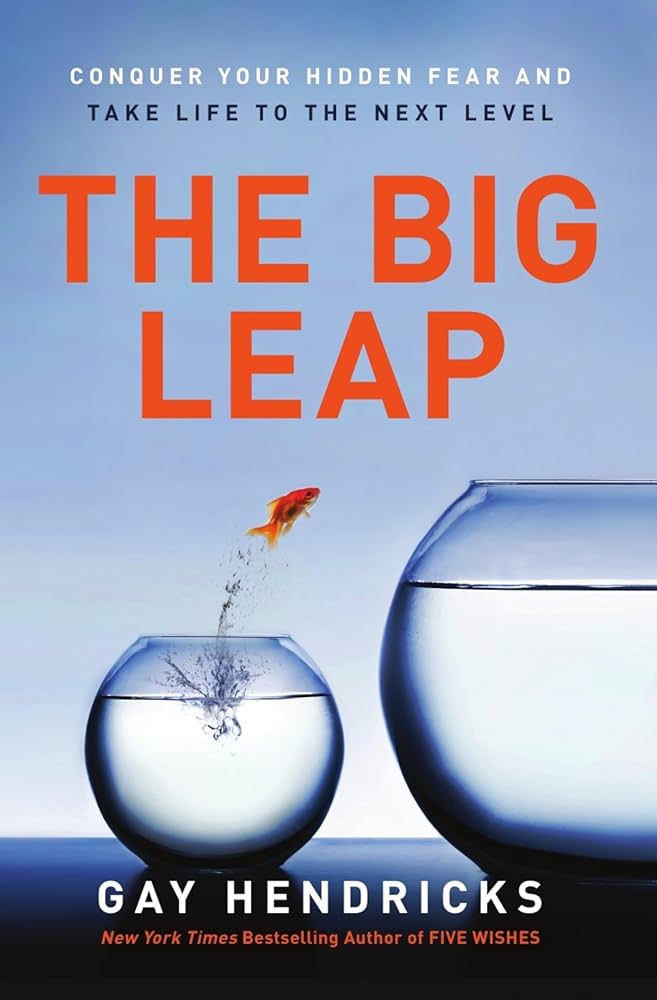
According to Gay Hendricks, PH.D., the only problem we need to solve is the Upper Limit Problem. He believes all avenues of discontent in life flow from the ways in which we limit ourselves or allow ourselves to be limited without breaking into our Zones of Genius. He posits that a universal human trait is the tendency to sabotage ourselves and others when artificial upper limits are exceeded.
The barriers we and society put in place are often unconsciously constructed by our upbringing, religion, politics, and education, but we buy into them and keep the scaffolding exactly where it’s always been. Phrases like, “She’s getting above her raising,” “He thinks he’s better than us,” “They aim too high,” “She’s greedy to want more,” “He needs to be brought down a peg,” “They didn’t do anything to earn that position,” etc. These aren’t phrases from his book, but common enough phrases in society that his hypothesis feels like commentary on most communities I know.
Whatever the complex social issues surrounding the lack of support for growth, he suggests there are ways to push beyond and live our best lives while still loving and supporting others. Instead of having a mindset of lack—lack of time, lack of money, lack of energy, lack of ideas, lack of community—we recognize that we are the creators of our realities and do our utmost to tap into our own genius.
The first step is to recognize the barriers and make conscious decisions to overcome them:
1. We are fundamentally flawed and don’t deserve success.
2. We are disloyal to expand beyond the expected norms of our families of origin.
3. We are a burden to others.
4. We must dim our brilliance, so we don’t outshine others.
Once we have expelled these faulty concepts from our thinking, we must find what our gifts are, find ways to express them, dislodge the notion that time is not on our side, and bring our best selves to the world. Only then will we be fulfilled in our relationships, our careers, our finances, and our spirituality.
I am intrigued, especially by his idea that time comes from within us, or at least the concept of time. It is only perception of time that makes each moment feel gruesome or fabulous. I’m sure he would agree that this concept does not apply in all circumstances because there are situations outside of our control and factors in this world that force time constraints on people against their will.
Disclaimers would have been appreciated that some of these deep concepts might not apply to people in the midst of horrific situations beyond their power, like war, extreme poverty, abuse, trauma, and other life-altering dilemmas that can create struggle. But given basic needs met, semi-peaceful conditions, and non-traumatic circumstances, his ideas are worth considering.
I for one commit to recognizing language of lack related to money, time, energy, etc. Instead of saying, “I can’t afford that,” or “I don’t have money for that,” I want to say, “I can buy that if I save for it,” or “I’m choosing to spend my money on something else.” It is a choice to reframe my language. Instead of saying, “I don’t have time to do that,” or “I wish there were more hours in the day,” I want to say, “I’m choosing to spend my time on other priorities,” or “I have plenty of time to do everything I am meant to do today.” The one I need to work the most on is energy. With chronic health issues, I am very aware of my energy levels and am known to complain about lack of energy. But Instead of saying, “I don’t have the energy to do this,” or “I wish I had more energy for x,y,z,” I want to say, “I have enough energy to do these things today, so I am going to prioritize them,” or “I have exactly the amount of energy I need and then I will take a nap to recharge.”
This self-development journey is fascinating. However much I learn, I always discover something more to expand my growth. The Big Leap is absolutely worth the read, but I recommend tackling it when things are at a fairly stable place in life. I would not have been willing to hear his ideas when I was at the apex of pain, in the middle of my divorce, during a crisis when my kids were teenagers, or when I was working 7 days a week to survive with no end in sight. These are concepts I am willing to consider with all bases covered and the privilege and opportunity to navel gaze and ponder things like expanding into my zone of genius.
Hendricks, Gay. The Big Leap, Harper Collins, 2009.