Tag Archives: earth

Astrophysics for People in a Hurry (Book Review)

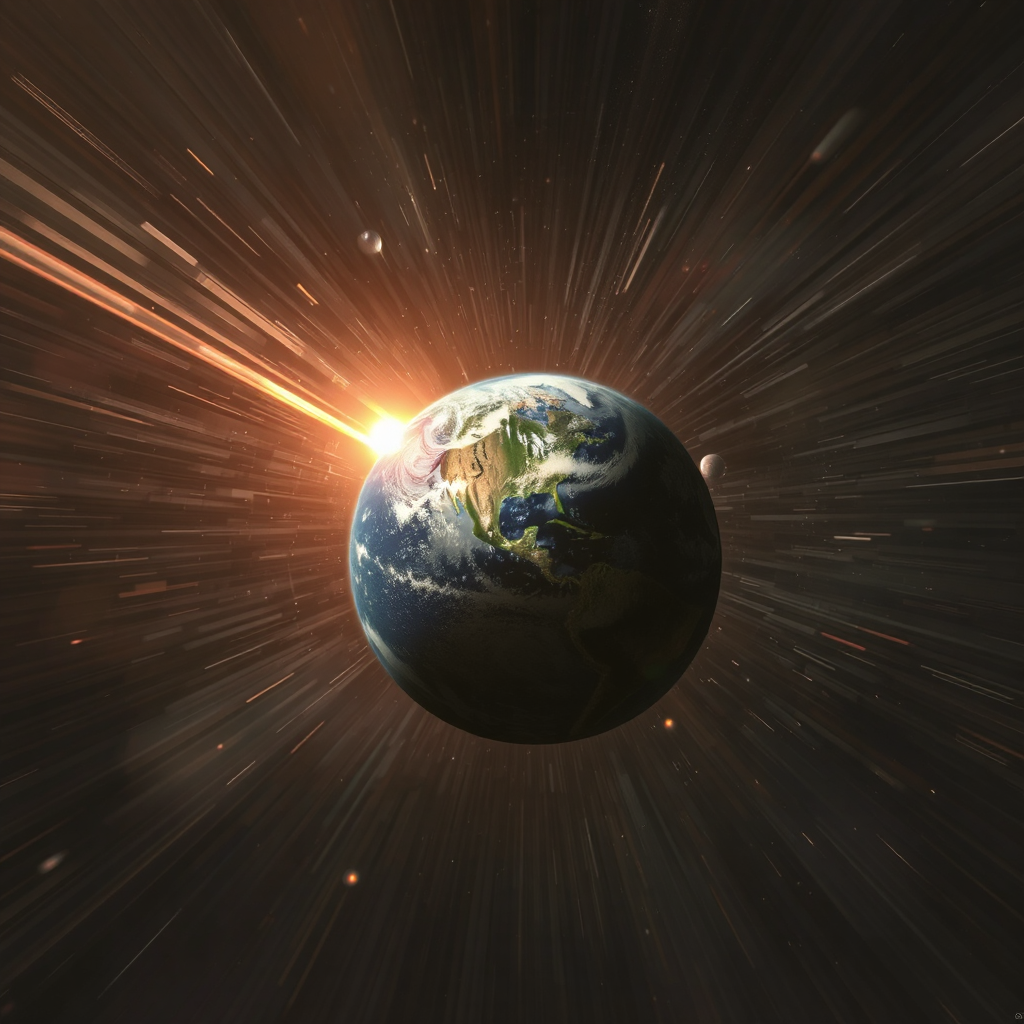
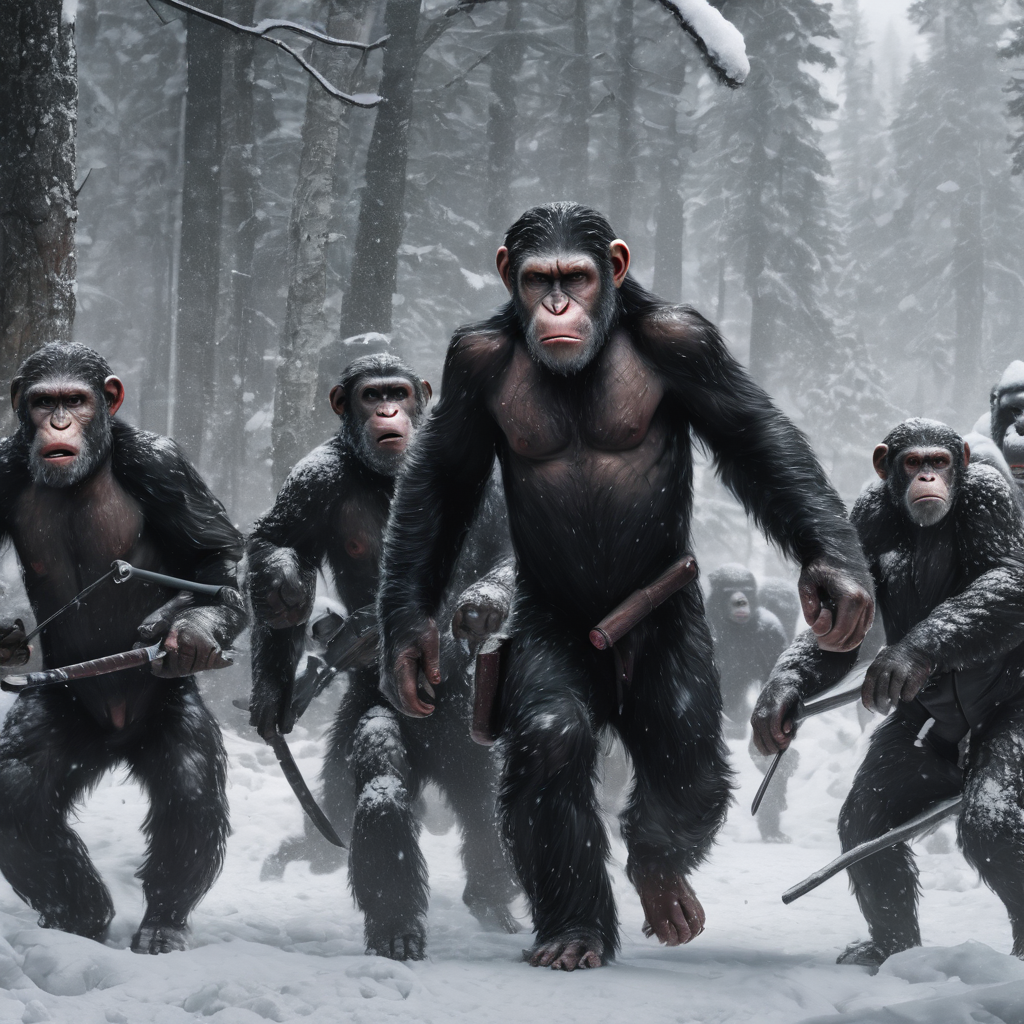
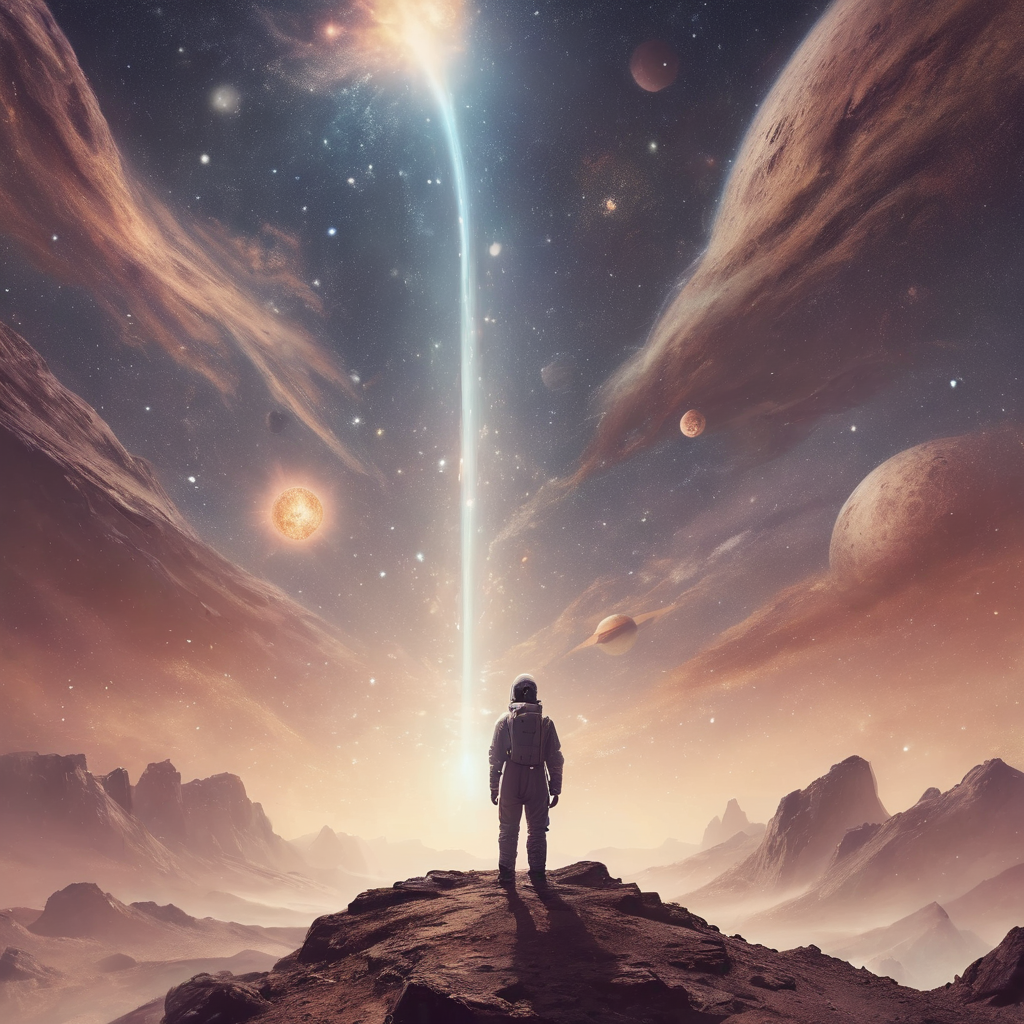
All images created by Rebekah Marshall’s prompts using AI on Gencraft.com website.

Astrophysics for People in a Hurry by Neil deGrasse Tyson was simplified enough that I could almost begin to fathom parts of it. The grand scale of the universe or multiverse or whatever hugeness is out there seems like a great imaginary tale. My little, tiny reality does not mesh with the vastness of trillions of miles as a measurement or billions of galaxies, our Milky Way being only one little spiral among many. Tyson says scientists think the gigantic, galactic, humongous universe, as we know it, was at one time smaller than one-trillionth the size of the period at the end of this sentence. It might as well be a magical fairy tale.

Some fascinating science-y things I learned:

  • Helium was detected in the sun’s corona in the 1800s before it was ever discovered on Earth.
  • Planets don’t really fly through space orbiting the sun but are carried across the fabric of space-time.
  • Iridium is the densest element we know of—2 cubic feet of it weighs as much as a car.
  • Pluto is not a planet. I have finally released my hold on the poor thing. It turns out, this mistake has been made before. Two other “planets” were discovered in the 1800s named Ceres and Pallas. We eventually figured out they were asteroids and now know Pluto is a comet. Sigh. I think we hung on so long because it was the first planet discovered by an American.
  • About 1,000 tons of Martian rocks rain down on earth each year. Possibly a similar amount reaches us from our Moon. When meteors and asteroids hit them, they send debris flying our way. When we pick up a rock and put it in our pocket, it could be from Mars or the Moon.

Tyson, Neil deGrasse, Astrophysics for People in a Hurry, W.W. Norton & Company, Inc., 2017.
You Ever Wonder?

You ever wonder how we keep from flying off this giant muffin when it’s going over 60,000 miles an hour? Like, a spaceship made of dirt and water, it’s outer skin nothing more than a layer of air holding all us guts in while screaming through space at 60,000 miles an hour. And any second another chunk of rock could slam into our bowling ball hot air balloon and we could shoot off like fireworks spraying out of a soda bottle at 60,000 miles an hour. Unless we’re more like a frisbee ‘cause we’re flat earthers and this giant paper plate planet is flinging and boomeranging around the sun at 60,000 miles an hour. Maybe the whole way to survive in this solar system is to keep moving as fast as you can, ‘cause if we stop, we die, and nobody wants to die, well, some people want to die, but not like that in a crash going 60,000 miles an hour. And think about it, these doctors are trying to slow us down with all these meds, making us walk around like zombies eating our own brains, drooling in our sleep, and slurring our speech ‘cause that’s supposedly better somehow, even though they should be smart enough to know that we have to keep the wheel spinning and spinning and spinning and spinning at least 60,000 miles an hour, or we’ll screech to a halt and scream forever like that Munch painting where the squiggledy guy is slapping both hands on his face like the Home Alone kid all because Krakatoa blew and burned and bled.

War

(Poem 130 for 2024 – I am writing a poem a day)

“Vengeance is mine,” sayeth Ceasar, until his
apemanity kicks in and he is able to be better
than human and allow mercy to unfold naturally.
Who gets to determine the value of a life on
this rock hurtling through space we call home?
Does intellect trump simple existence or one
form of communication imply worth over another?
Is birdsong less a language than human speech
or an elephant’s rumble less valid than words?
Someone I know once said their life would not
be affected by animals going extinct and it
made me sad because I believe the tiny pieces
of our humanity that perish with each species
we forget to save hasten our own souls’ decay.

@Home Studio (after watching War for the Planet of the Apes at Greg’s house with Greg and his family, Debbie, and Celinda on 5/18/24) – 130th poem of the year

Matt Reeves et al., War for the Planet of the Apes. Los Angeles, CA, 20th Century Fox Home Entertainment, 2017.

Runner ups for the War of Apes photos to accompany my poem:

Creatures in Space

(Poem 103 for 2024 – I am writing a poem a day)

AI Generated image I prompted on Gencraft.com https://gencraft.ai/p/1pvvI2

There are creatures in space
who have infested a planet,
burrowing into the layers of soil,
creating habitats of wonder.
They are labeled indigenous
because no one is sure how
they were originally seeded.
Tales abound of spontaneous
generation or magical intervention,
but more than likely, they
are an invasive species who
hitched a ride uninvited and
were accidentally released.
Their unwelcome presence
has altered the ecosystem
such that millions of other
species are now extinct,
choked out of existence by
their insatiable hunger and
destructive tendencies, including
but not limited to the following:
“preying on native species
carrying or causing disease
introducing new pathogens
displacing current populations
by living in the same niche
outcompeting native species
for food and other resources
preventing native species from reproducing
and killing native species’ young.”
It is believed that they are the
“leading cause of global biodiversity loss”
and are irreparably and permanently
altering the well-being of the planet.

@Home Studio – 103rd poem of the year


“Invasive Species” prompt. Beta, Google AI, 14 Apr. 2024, http://www.google.com/search