Tag Archives: nonfiction

Don’t Believe Everything You Think (Book Review)               

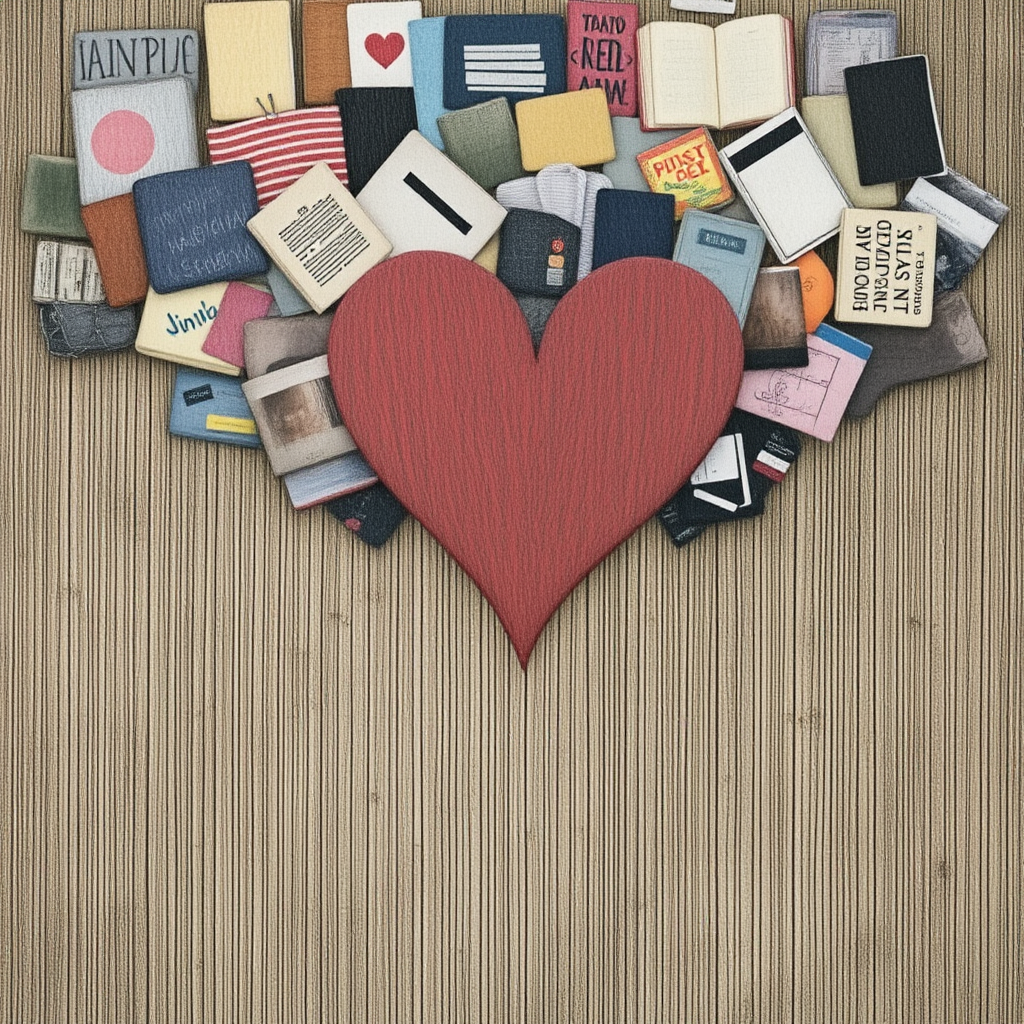
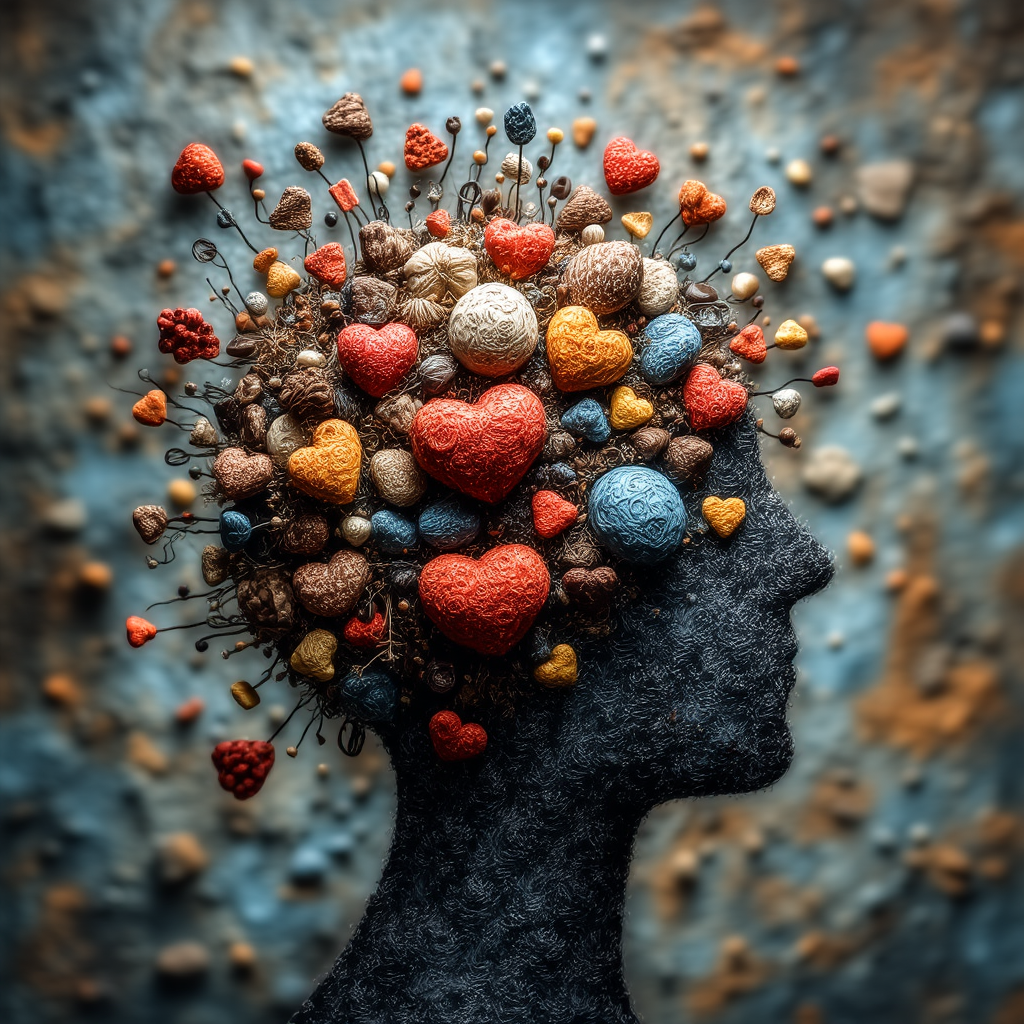
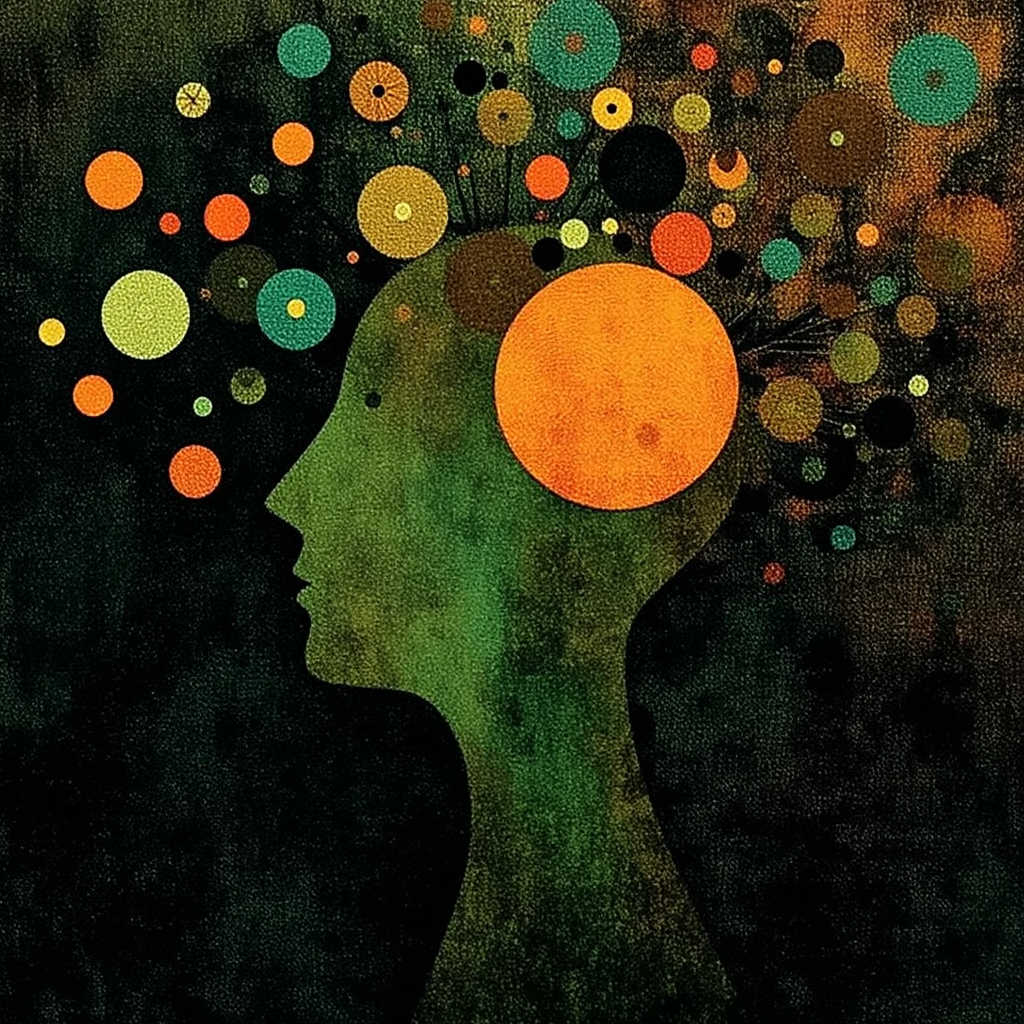
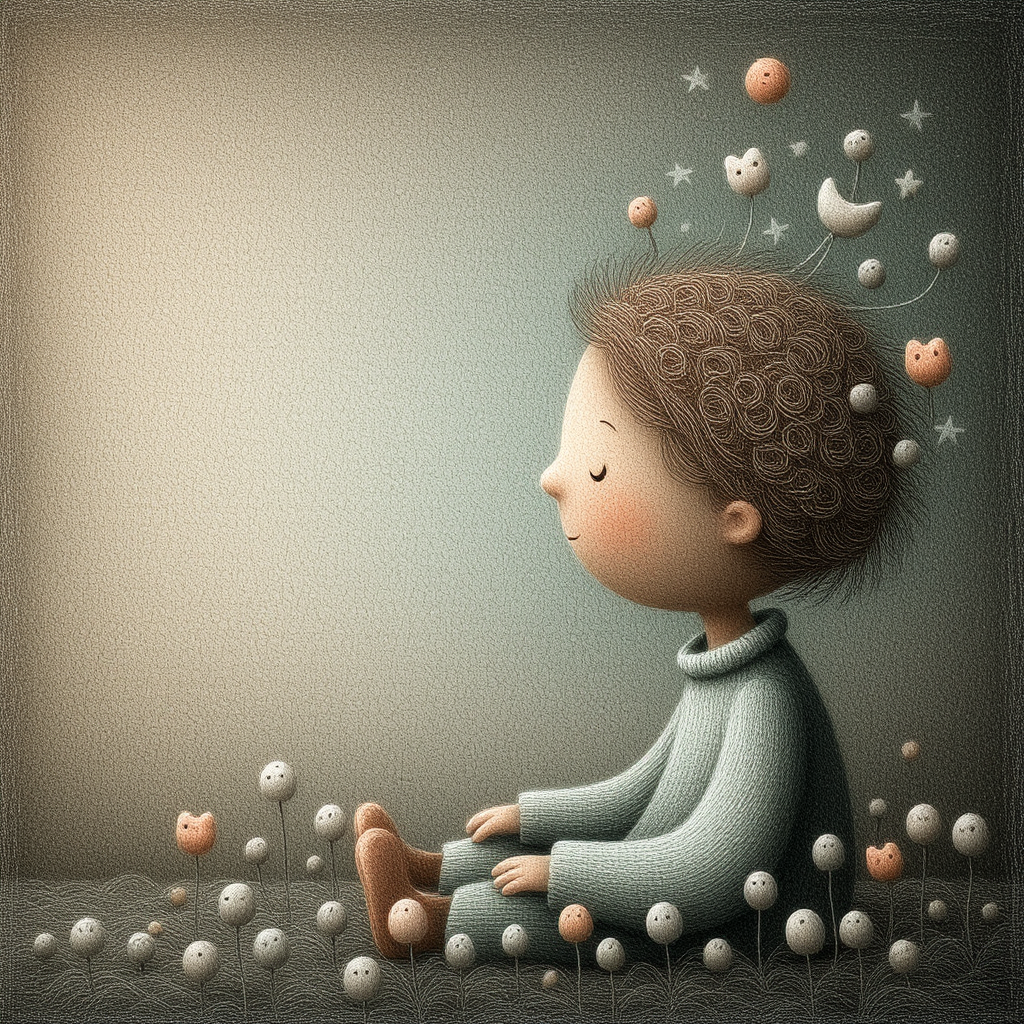
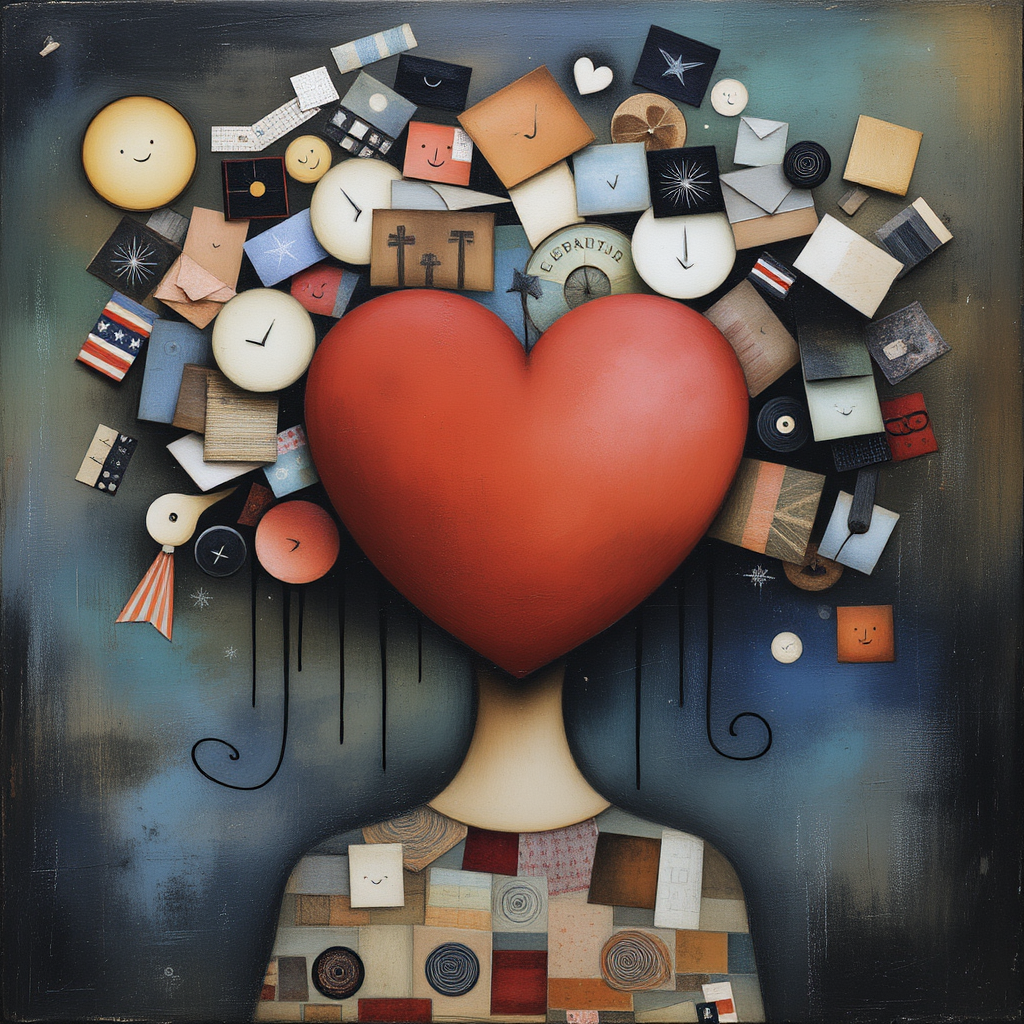
All the rest of these images created by Rebekah Marshall’s prompts using AI on Gencraft.com website.

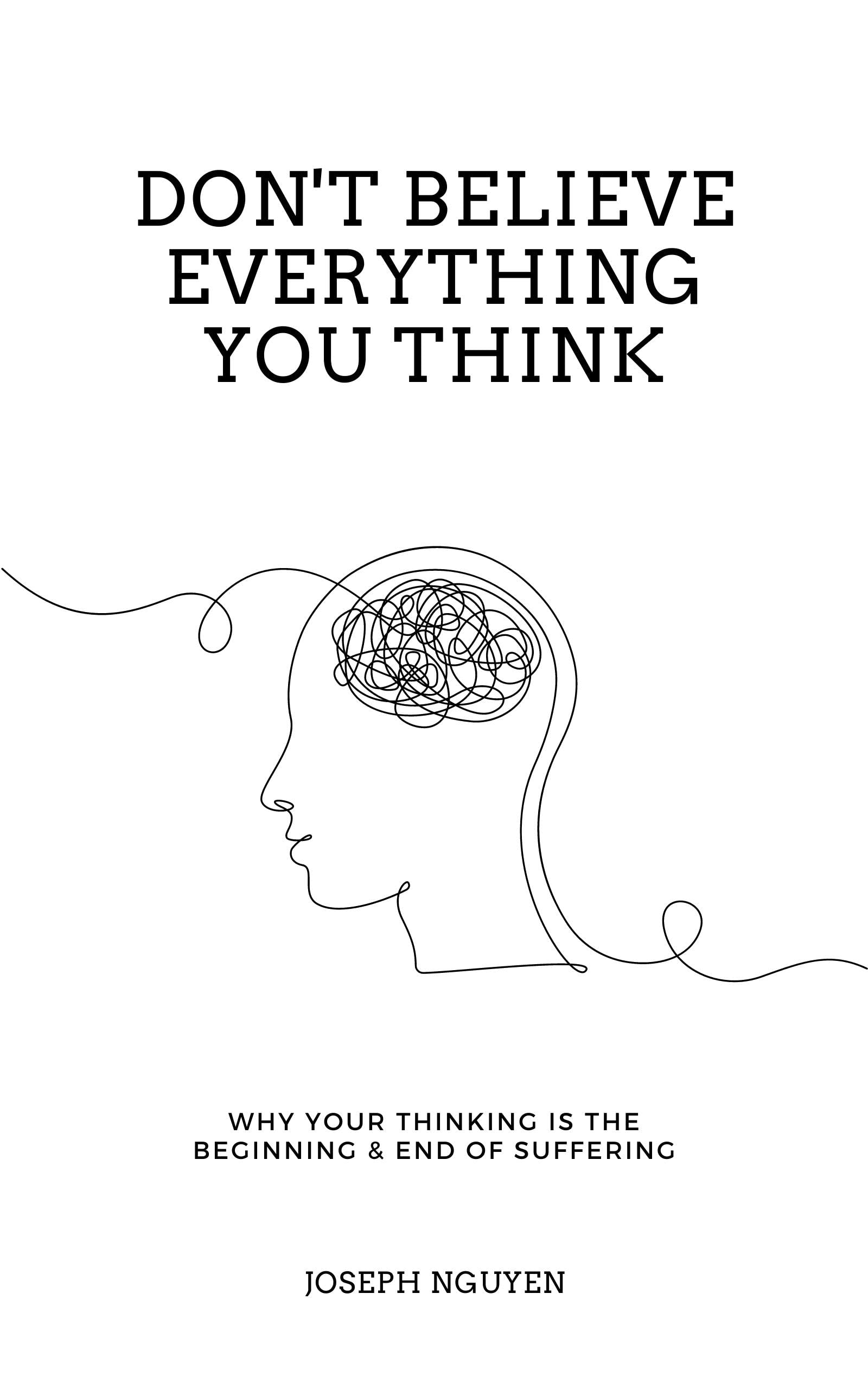
Thinking is the beginning and end of suffering. So says Joseph Nguyen in his book Don’t Believe Everything You Think. His basic philosophy is that we will be happier and more content if we spend more time in the flow state of experience rather than thinking or ruminating endlessly. Accepting reality as it is without judgment and layering of meaning via our perception of reality does not create as many negative feelings that derail us.

Christine Evangelou said, “A crowded mind leaves no space for a peaceful heart.” And Dostoyevsky said something about thinking too much being a disease. I think that is true. Not being able to turn off the mind, enter peace, creativity, flow, and just rest sounds terrible to me. Nguyen’s little book offers practical advice about how to quiet the thinking, stop judging ourselves and others so much, follow our intuition more, and develop unconditional love. He teaches the PAUSE method, which is a mnemonic for Pause with deep breathing, Ask yourself if your thinking is making you feel the way you way, Understand that you have the choice to let go, Say that thinking is the root of suffering, and Experience emotions fully without judgment.

And the back of the book is full of resources, journaling ideas, inner and outer work, practice suggestions, intentions, and reflections. I found the short chapters easy to read, helpful, and very beneficial to my peace of mind.

Nguyen, Joseph. Don’t Believe Everything You Think, Authors Equity, 2024.

May TBR

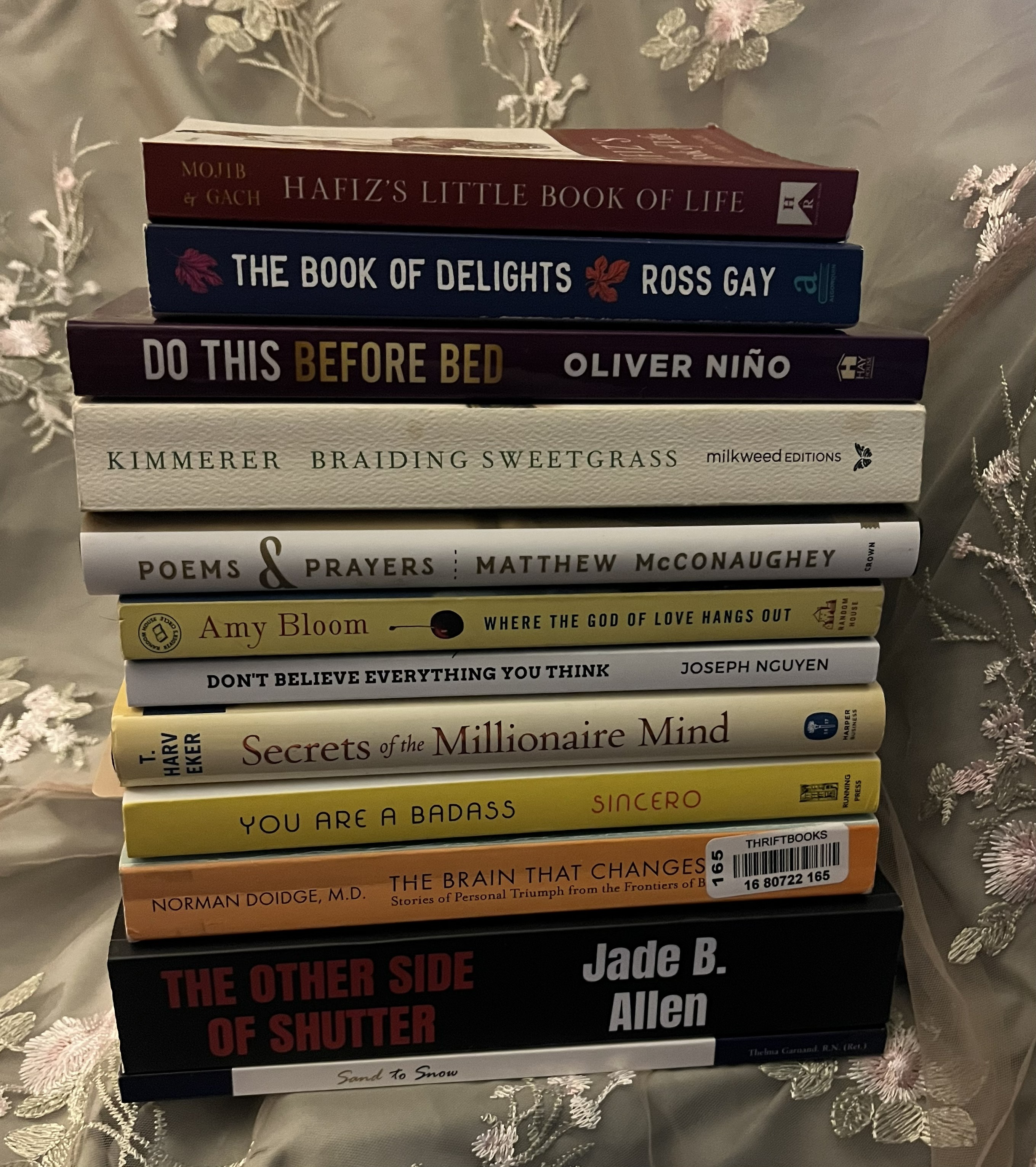
Good readers make better writers. So this is the latest stack of books that I am diving into because of topics I find interesting, writing styles I want to analyze, bookclubs I am in, and in support of authors I know personally. The top half are ones I have been reading for a while now and am doling out in bite-size bits a few pages at a time.

Hafiz’s Little Book of Life by Hafiz
The Book of Delights by Ross Gay
Do This Before Bed by Oliver Niño
Braiding Sweetgrass by Robin Wall Kimmerer
Poems & Prayers by Matthew McConaughey
The Bible for Gen Z (not pictured – I forgot to put it on the stack)

The bottom half are new ones I am adding to my stack to read through at probably a faster pace.

Where the God Of Love Hangs Out by Amy Bloom
Don’t Believe Everything You Think by Joseph Nguyen
Secrets of the Millionaire Mind T. Harv Eker
You Are a Badass by Jen Sincero
The Brain That Changes Itself by Normal Doidge, M.D.
The Other Side of Shutter by Jade B. Allen
Sand to Snow by Thelma Garnand, R.N.

Blue Mind (Book Review)      

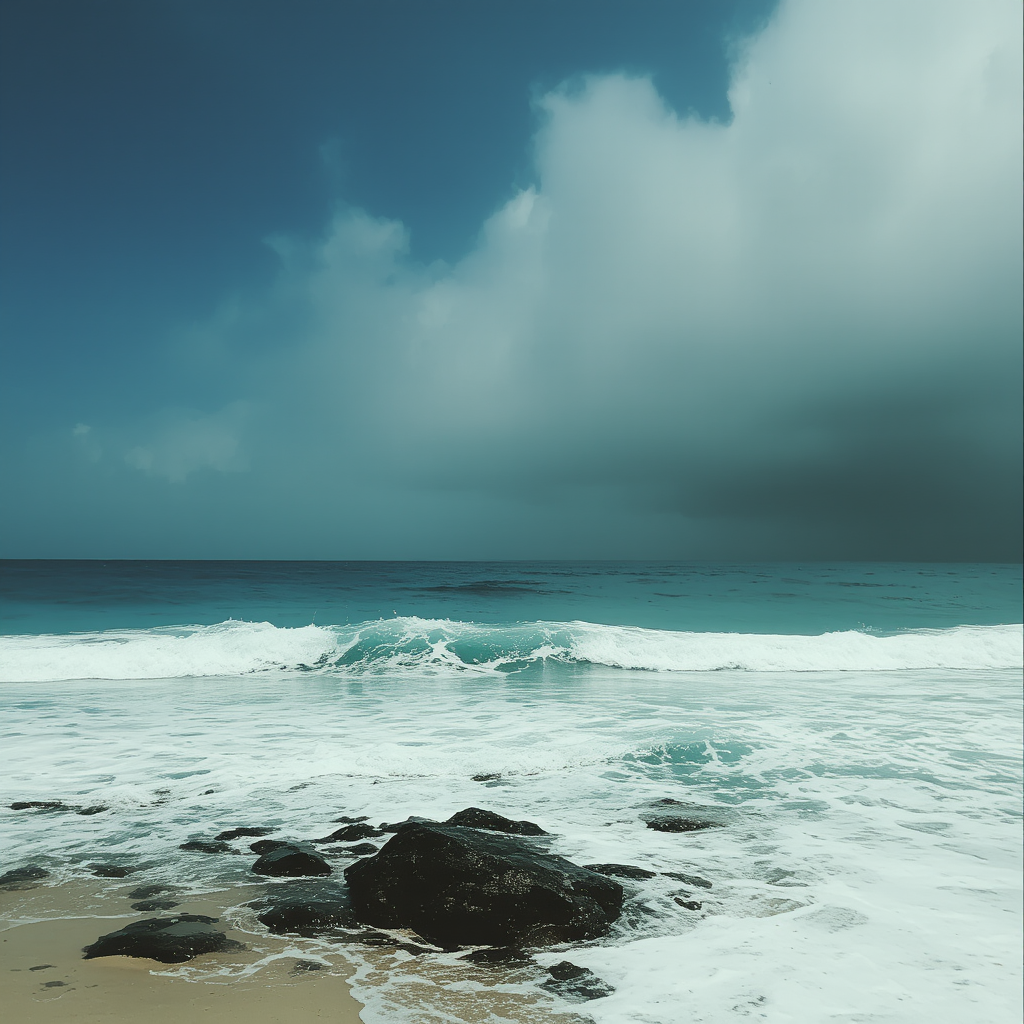
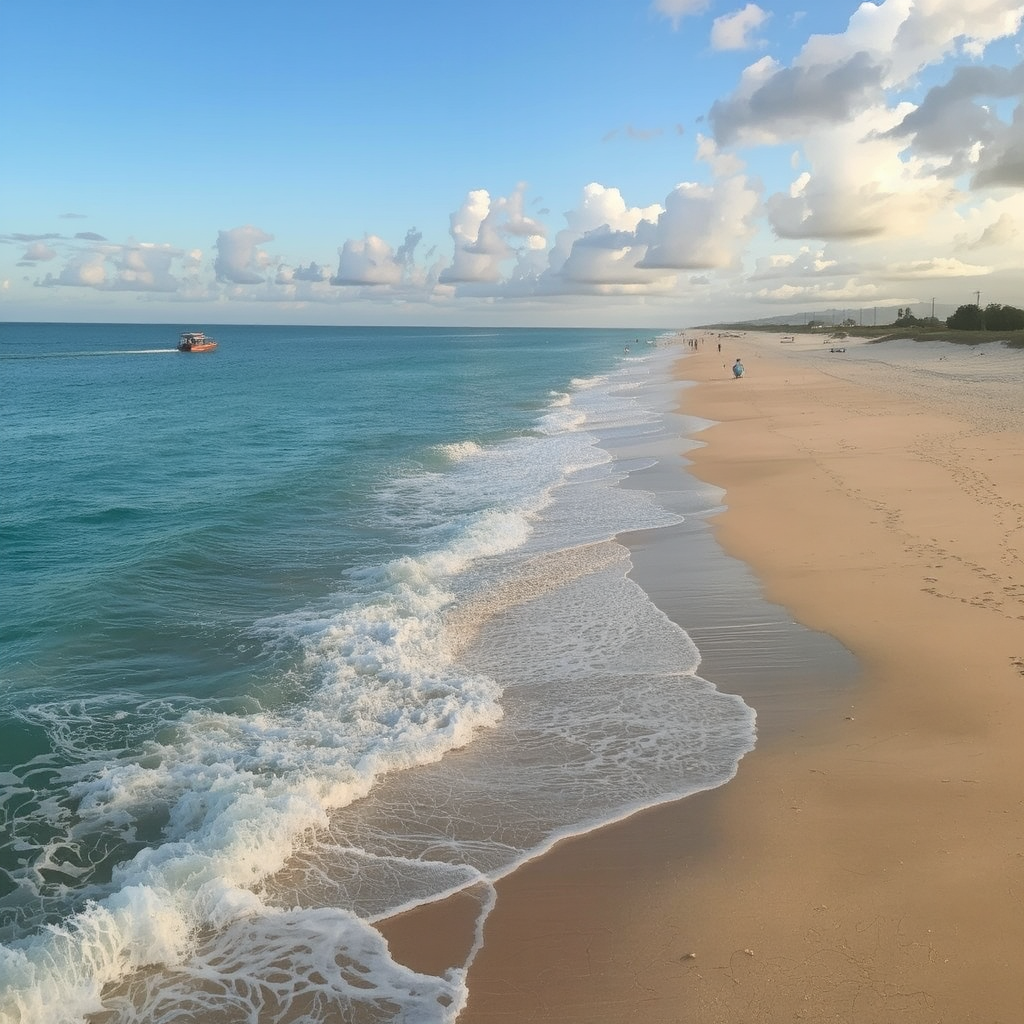
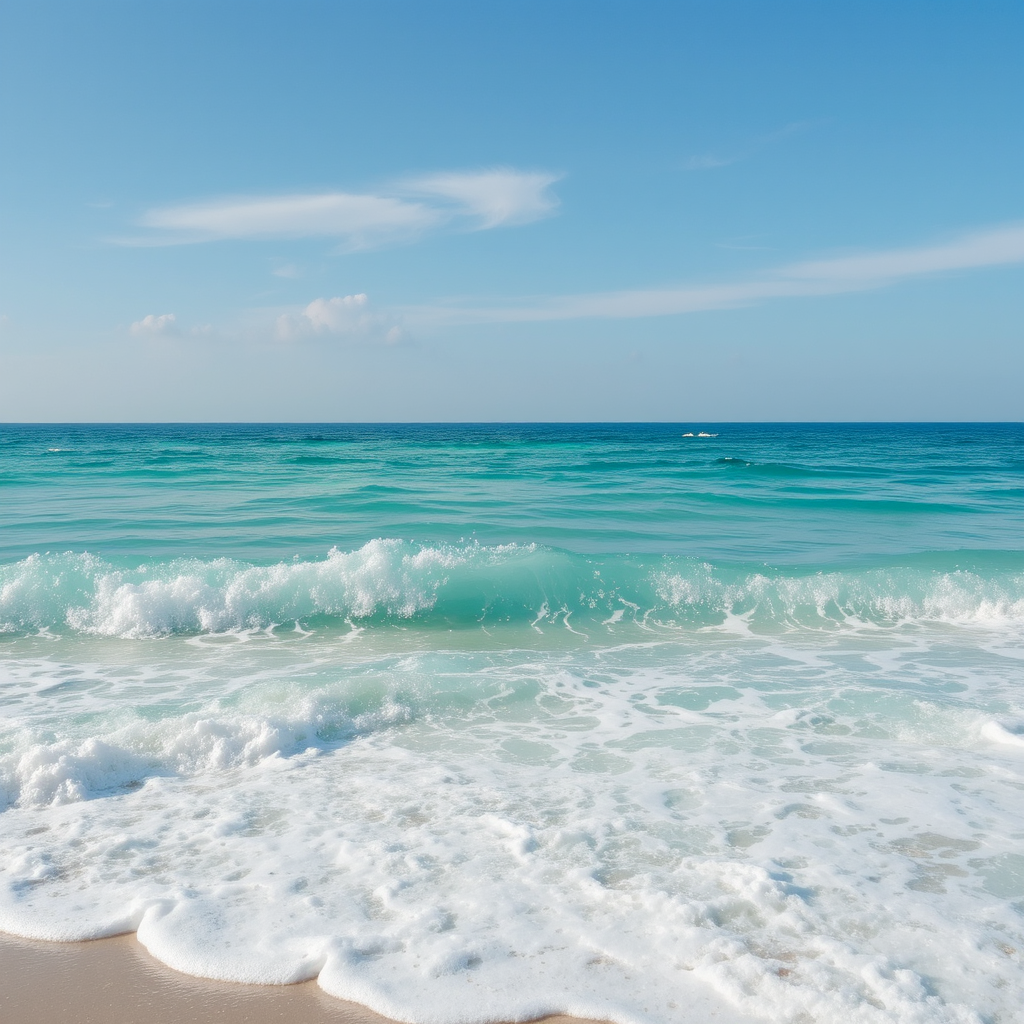
All the rest of these images created by Rebekah Marshall’s prompts using AI on Gencraft.com website.

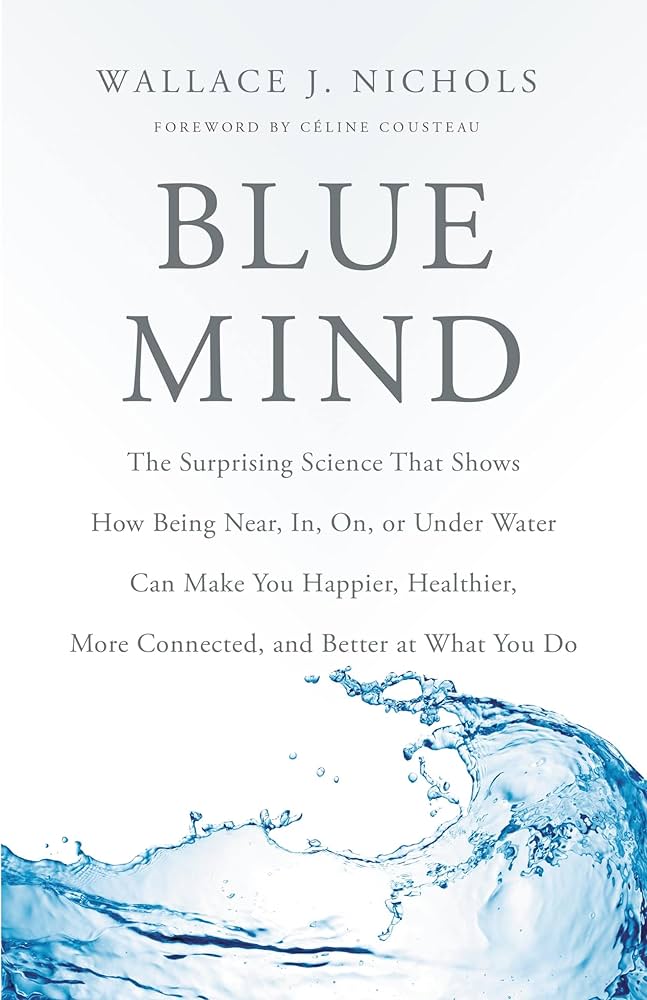
Blue Mind by Wallace Nichols soothed my soul. I’ve always known water is healing, transformative, magical…but learning some of the science behind those less concrete concepts was extremely affirming. Water is a great equalizer. Some people who are not as mobile as others are buoyed up, gravity no longer a concern. Others who are not comfortable with the vastness of open space can feel protected and enveloped by the extra pressure of water’s embrace. Anxiety and stress can be washed away. Addictions and obsessions can be rinsed off and replaced with water’s allure. And all of us benefit from even a glimpse of an image or painting of water, whether pond, lake, ocean waves, or waterfall.

I’ve always loved the sound of rain and waves. I think most humans’ nervous systems are calmed by those sounds, possibly because they mimic the earliest sounds we heard in our mothers’ wombs. This book delves into nearly any topic you can think of related to our love of water, from surfing, scuba diving, boating, fishing, snorkeling, sightseeing, swimming, and beyond. And even more fascinating, our brains on water can now be studied with advances in technology like fMRI machines. They are learning that spending time in, on, around, or near water enhances our focus, perception, creativity, memory, cognition, connection to others and nature, empathy, health, and mood.

The main thing this book confirmed for me is that I need to take more vacations to the beach, swim in the pool more often, and watch it rain every chance I get. And I probably need to drink more water, too. And science says so!

Nichols, Wallace J. Blue Mind, Little Brown and Company, 2014.

Astrophysics for People in a Hurry (Book Review)

All images created by Rebekah Marshall’s prompts using AI on Gencraft.com website.

Astrophysics for People in a Hurry by Neil deGrasse Tyson was simplified enough that I could almost begin to fathom parts of it. The grand scale of the universe or multiverse or whatever hugeness is out there seems like a great imaginary tale. My little, tiny reality does not mesh with the vastness of trillions of miles as a measurement or billions of galaxies, our Milky Way being only one little spiral among many. Tyson says scientists think the gigantic, galactic, humongous universe, as we know it, was at one time smaller than one-trillionth the size of the period at the end of this sentence. It might as well be a magical fairy tale.

Some fascinating science-y things I learned:

  • Helium was detected in the sun’s corona in the 1800s before it was ever discovered on Earth.
  • Planets don’t really fly through space orbiting the sun but are carried across the fabric of space-time.
  • Iridium is the densest element we know of—2 cubic feet of it weighs as much as a car.
  • Pluto is not a planet. I have finally released my hold on the poor thing. It turns out, this mistake has been made before. Two other “planets” were discovered in the 1800s named Ceres and Pallas. We eventually figured out they were asteroids and now know Pluto is a comet. Sigh. I think we hung on so long because it was the first planet discovered by an American.
  • About 1,000 tons of Martian rocks rain down on earth each year. Possibly a similar amount reaches us from our Moon. When meteors and asteroids hit them, they send debris flying our way. When we pick up a rock and put it in our pocket, it could be from Mars or the Moon.

Tyson, Neil deGrasse, Astrophysics for People in a Hurry, W.W. Norton & Company, Inc., 2017.

Safekeeping

(Poem 261 for 2024 – I am writing a poem a day)

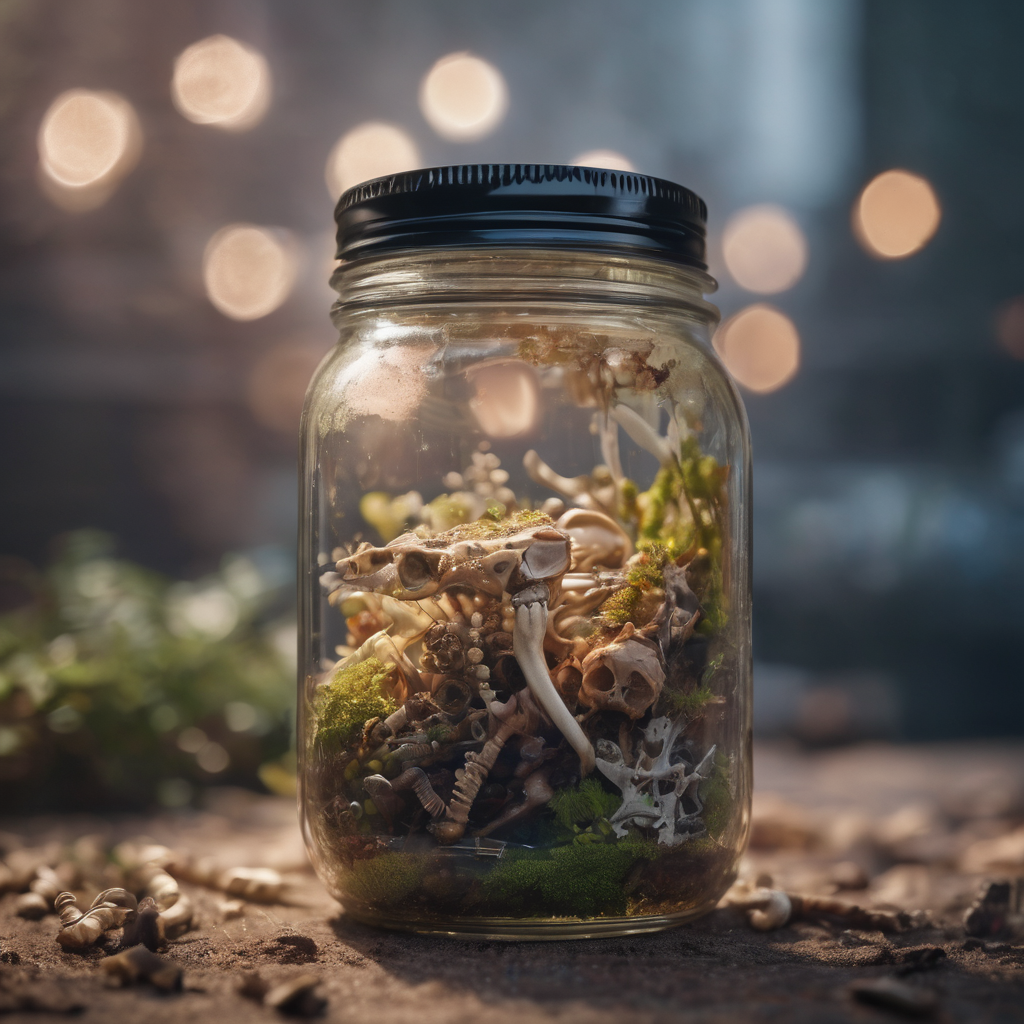
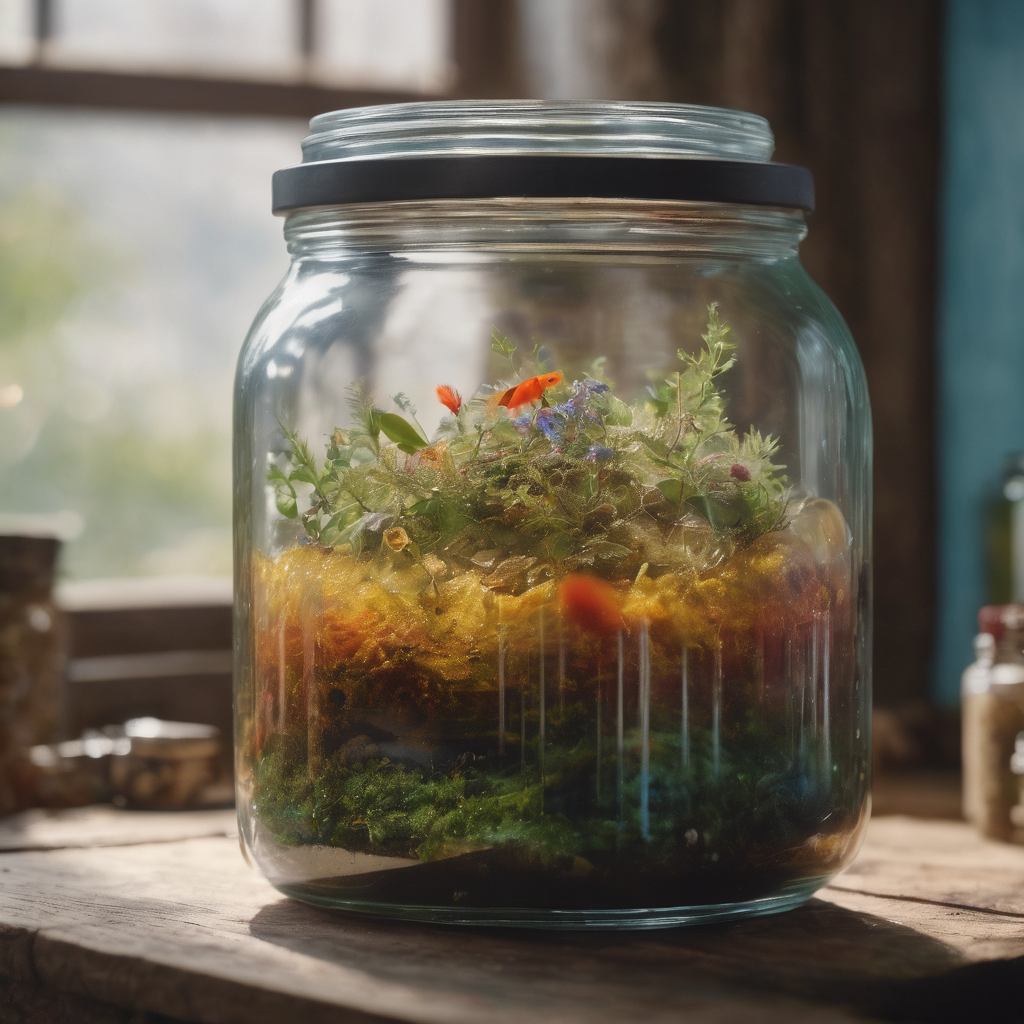
AI Generated image I prompted on Gencraft.com https://gencraft.ai/p/FGMuRf

I am always fascinated
by people unafraid to
share the gruesome
details of their lives
with the rest of us so
we can hold them up
to the light and examine
their every wart and
crack, wrinkle and roll
of fat like specimens.
But the glass jar with
pink paper inside that
made the cover look
warm and inviting was
a trap that forced me
to witness her most
vulnerable moments,
and now I feel sad and
embarrassed for her.

@Home Studio on 9/17/24 @ 7:45pm – 261st poem of the year (After reading Safekeeping-some true stories from a life by Abigail Thomas.)

Thomas, Abigail. Safekeeping -some true stories from a life. Anchor Books, 2001.

Runner ups for the Safekeeping photos to accompany my poem: