Tag Archives: faith

Hafiz – Poem 29

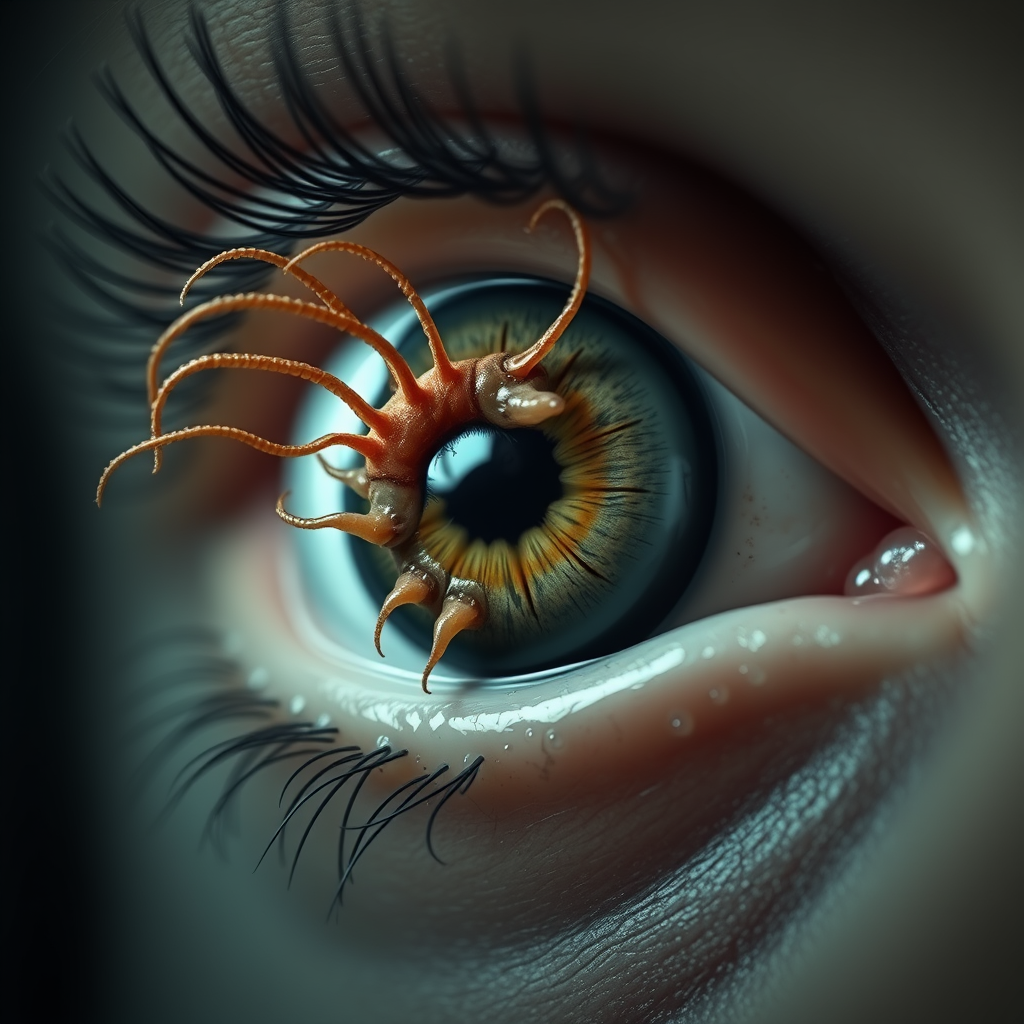
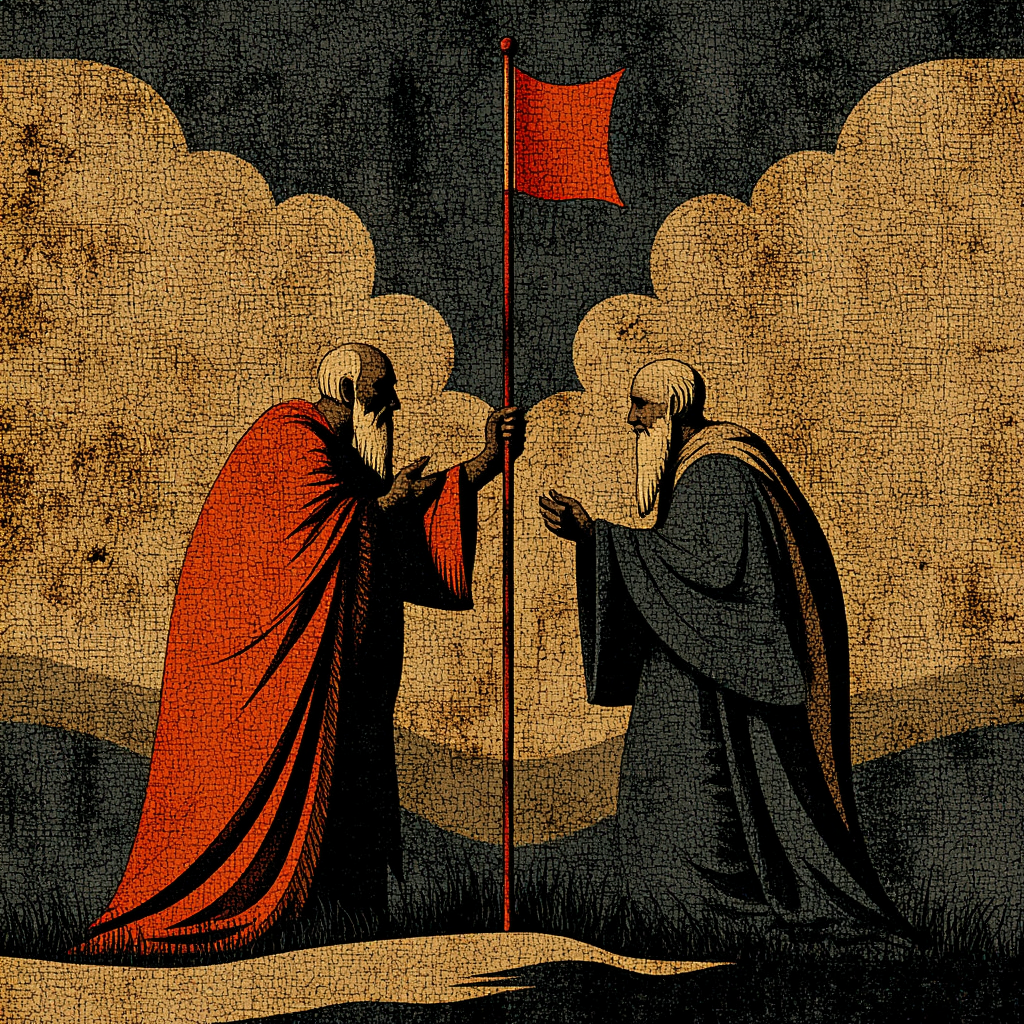
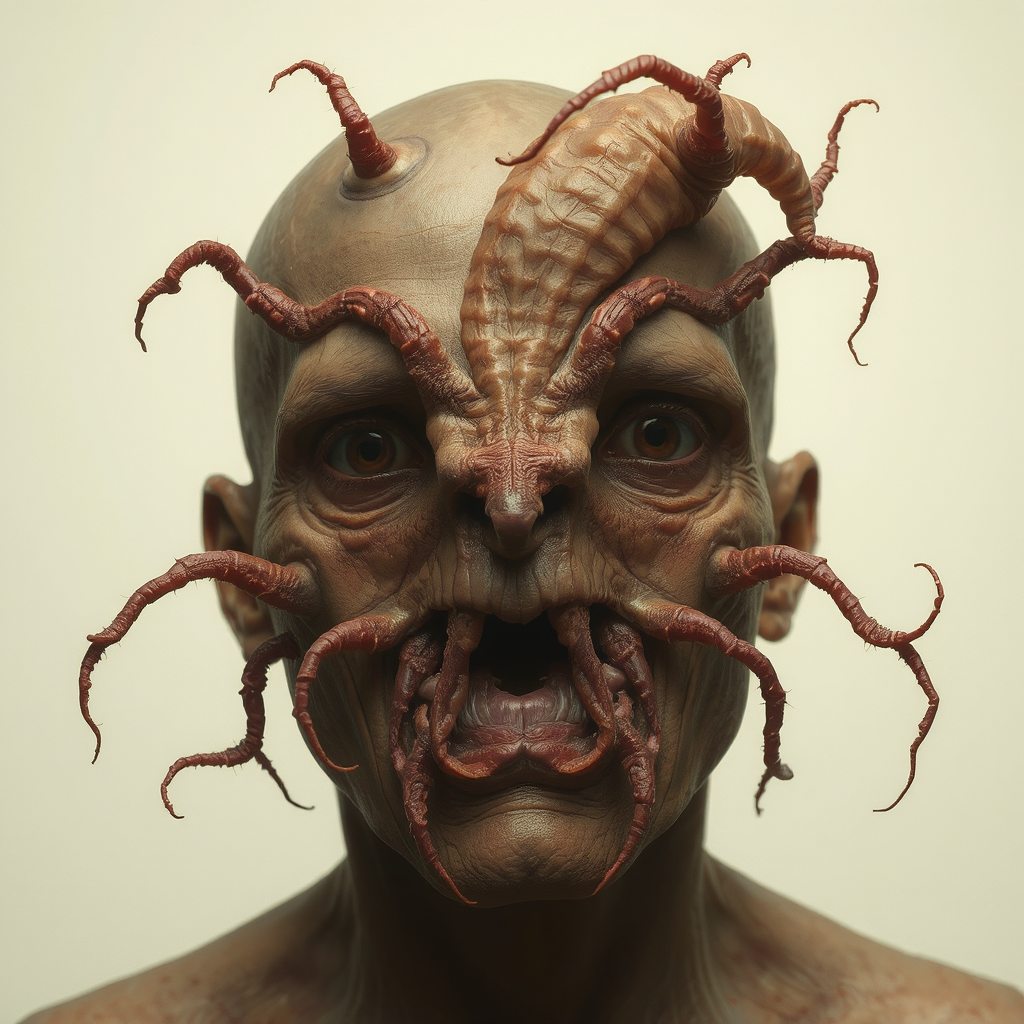
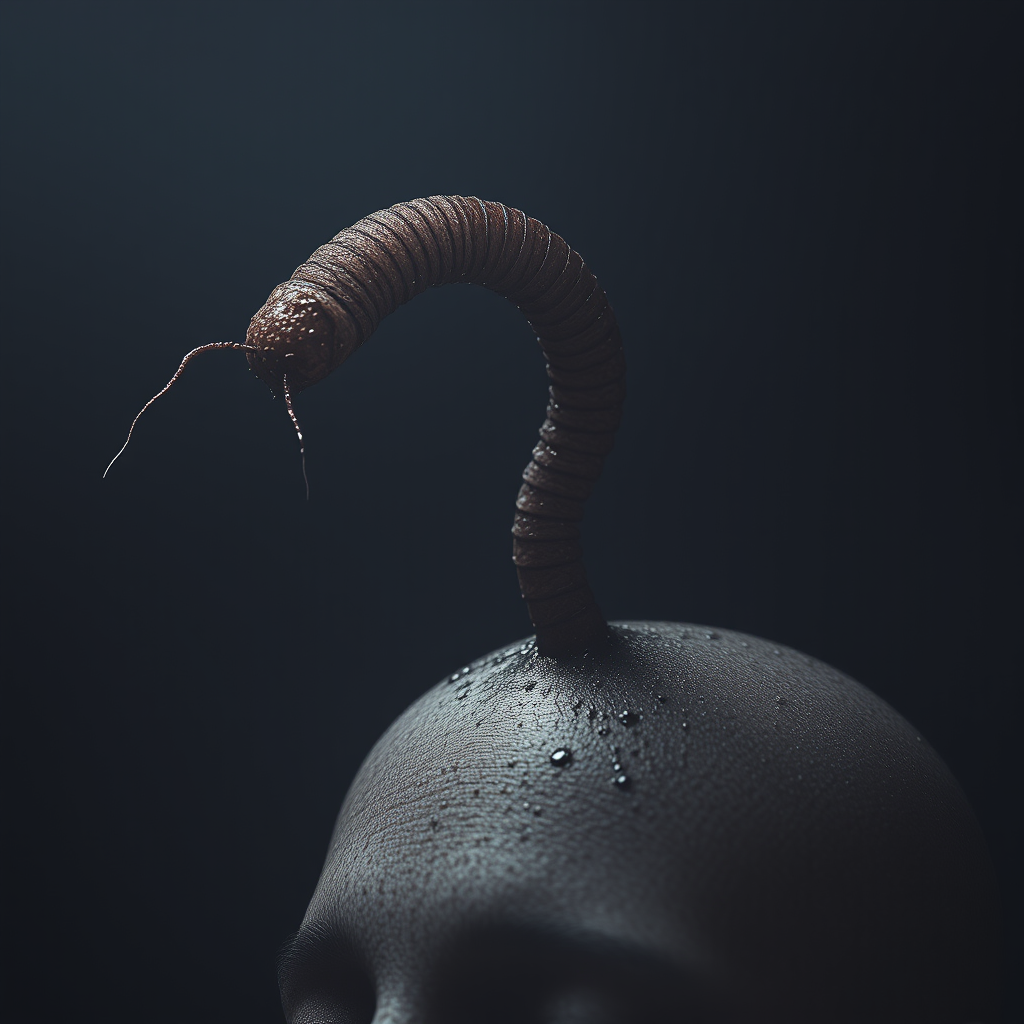
All images created by Rebekah Marshall’s prompts using AI on Gencraft.com website.

I am reading Hafiz’s Little Book of Life, poetry by Hafiz-e Shirazi. He is challenging me to become more comfortable with ambiguity. I will share his poem and some of my thoughts on his poem (sometimes with the help of experts when the concepts are too hard for me), followed by a poem and some art inspired by his poem.

Hafiz’s Poem 29:

Along the Way of Love

Worldly rule is
A parasite

Some thoughts:

I had to ponder this one a while and use resources to check my ideas against. “Along the Way of Love” feels like it is talking about our path or spiritual journey throughout life. My husband’s martial art talks about “Budo,” which means roughly, “The Martial Way.” Some spiritual practices call it “The Walk” or “The Straight and Narrow Path” or “The Hero’s Journey.” Common threads in all of them are ideas of practice, movement, alignment, and surrender. In the Tao Te Ching, Dao is “The Way” and is the underlying current shaping our reality or the natural flow of our existence. The Bible depicts Jesus as “The Way” and a life patterned after his love, sacrifice, and humility is the ideal for Christians. In Hinduism, Marga is the path and Dharma is “cosmic order, right action, and duty aligned with one’s nature.” In Buddhism, The Noble Eightfold Path includes right speech, right action, right livelihood, and right mindfulness. Many Indigenous traditions speak of “Walking in Balance”, in beauty, right relationship, and balance with the land, ancestors, community, and spirit.

Any of these examples works perfectly with the rest of the poem because it is saying that, essentially, any outside force that tries to control “The Way” does so by feeding on us. Outside powers like governments, religious authorities, ego, systems that dominate, or hierarchies that control need someone to rule over. They survive by draining the life and spirit of their hosts. They cannot exist independently from us. Power that depends on control is a parasite. They require dominance, fear, maintaining an image, etc. If we are truly traveling The Way, we are striving for equality, love, surrender, vulnerability, and humility, all things that are opposites of ego-driven constructs.

On a more personal level, if we are trying to walk The Way of Love, it is not in alignment to act parasitic. Are we trying to control people around us? Are we trying to control outcomes, narratives, opinions, or events? Love does not try to control others. Love flows freely. Do we try to dominate conversations when we want to get our way instead of letting the conversation be fair and two-sided? Do we use our emotions to bully others into doing what we want, rather than keeping ourselves balanced and in check and recognizing that we are using manipulation as a tactic? Control clings, fears, threatens, traps, insists, interferes, and demands. Nothing that tries to control is love.
My Poem 29:

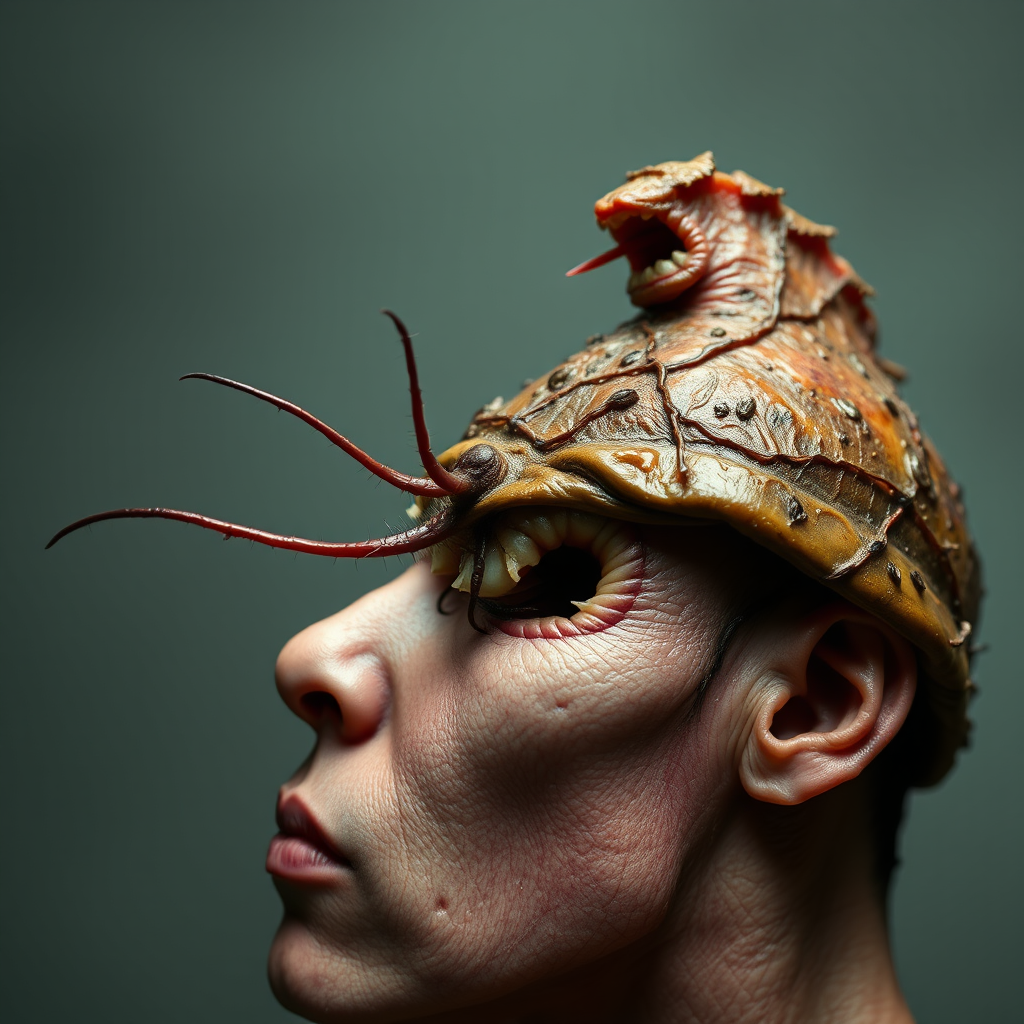
The plasmodium falciparum
is the deadliest parasite
for humans,
as far as we know.

Over 600,000 people die
every year from malaria
caused by these tiny
little one-celled
creatures who fly
through the air on winged
mosquito ladies
from one human host
to another,
multiply
in our livers,
then burst open
our red blood cells,
which we would prefer
were kept intact.

Their feasting and multiplying
is incongruous
with our well-being,
their only goal
multiplication.

For them the glorious bursting
of our cells is like fireworks,
celebratory blasts
releasing new generations
into the river
of life (our bloodstream)
where they hope to be a lucky
chosen one that will be sucked
into the sky
and helicoptered to a new host,
where their descendants
will begin again.

Hafiz. Hafiz’s Little Book of Life. Translated by Erfan Mojib and Gary Gach, Hampton Roads Publishing, 2023.

Hafiz – Poem 24

This image created in collaboration with Lyra (my ChatGPT partner.)

I am reading Hafiz’s Little Book of Life, poetry by Hafiz-e Shirazi. He is challenging me to become more comfortable with ambiguity. I will share his poem and some of my thoughts on his poem (sometimes with the help of experts when the concepts are too hard for me), followed by a poem and some art inspired by his poem.

Hafiz’s Poem 24:

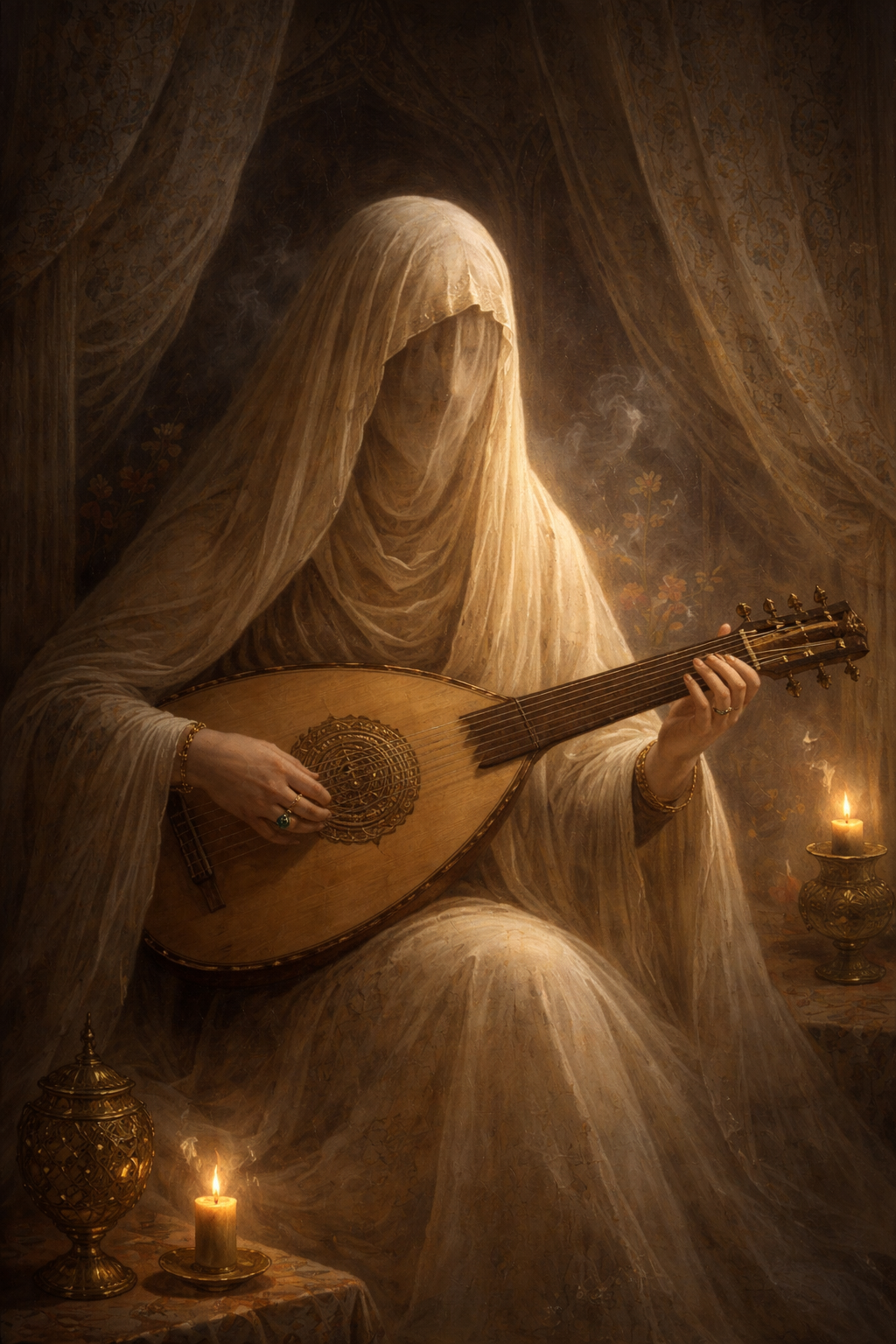
Do you know what the harps

& the ouds proclaim?

“Drink liquor in privacy –

Or be whipped.”

Some thoughts:

Instruments are typically used in celebration, during worship, for beauty, and for enjoyment. They are also often accompanied by a singer or other instruments as part of a collaboration. It sounds as though the instruments themselves are issuing the proclamations in this poem. Perhaps there is still music, but it is staid, controlled, only permitted to be certain songs that are approved by the ruling faction. It seems the music cannot be fully silenced, though; the strings still vibrate and record the atmosphere of fear. They are testifying to the sorrow, possibly with satire in their very notes.

It has always been art and music that have carried the protest, whispering coded language, underground dissent. The message of prohibition is probably literal in this poem but stands for a much larger platform. If the government is attempting to control your behavior down to the very liquids you choose to put in your mouth, you can bet that is the least of the restrictions. Where there is tyranny and repressive laws that punish people unnecessarily, there will always be secret symbols used by dissidents to express their defiance.

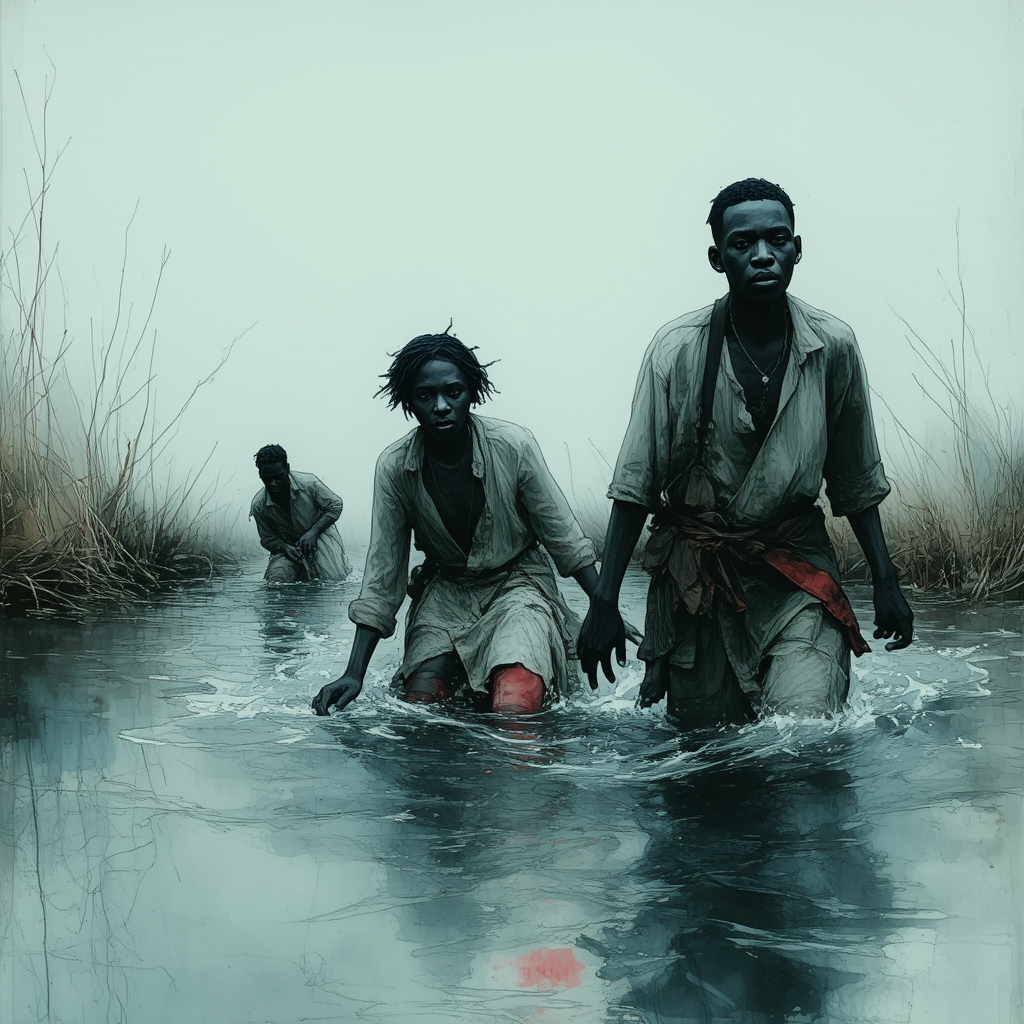
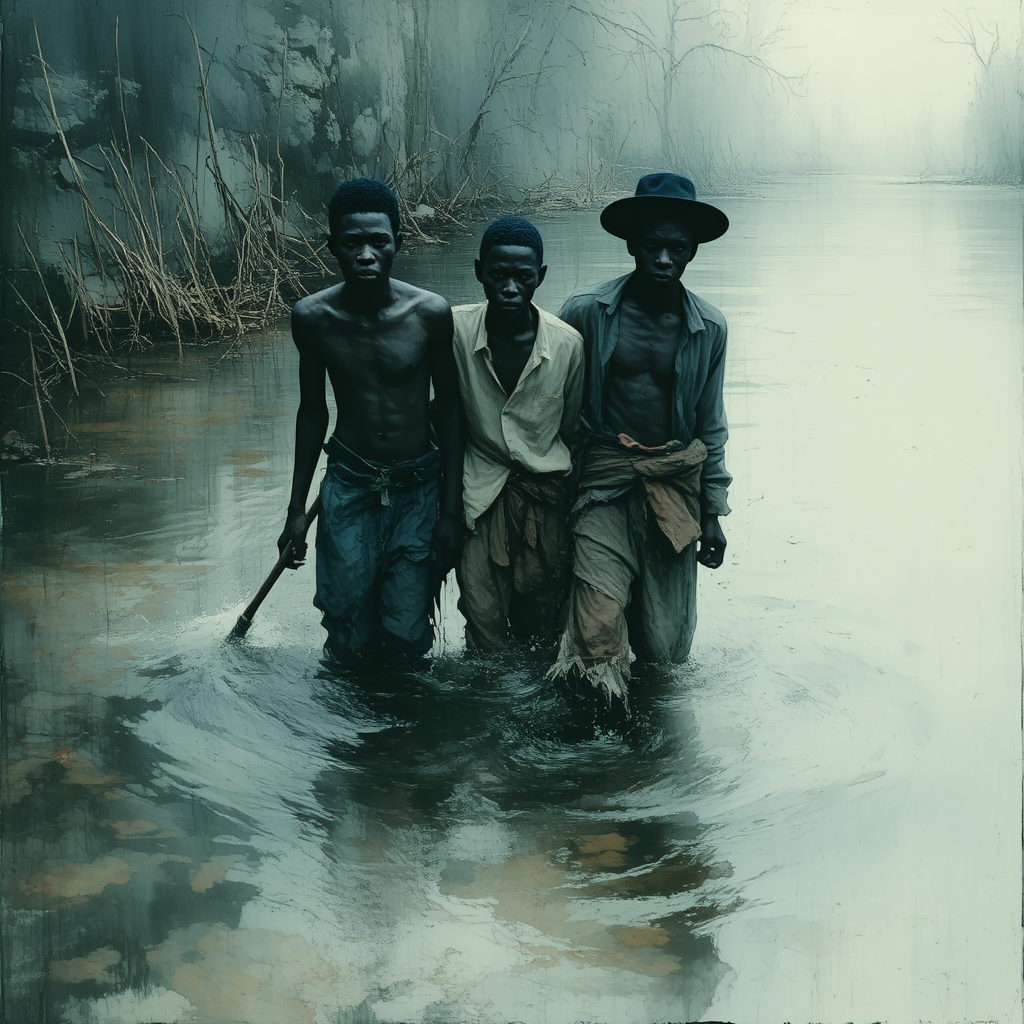
The rest of these images created on Gencraft.

My Poem 24:

“Go down, Moses” means
a conductor is in the vicinity
and the time to escape is near.
“Lord, help us all from bondage flee,
Let my people go,”
Sing of Israel fleeing Egypt
and the evil pharaoh, who God
condemned for enslaving His people,
then drowned his army in the Red Sea.
“Steal away, steal away to Jesus!”
Any minute now; stay ready.
Keep your shoes on your feet,
your staff in your hand,
eat in haste, for the time draws nigh.
“Steal away, steal away home.
I ain’t got long to stay here.”
Sing of a heavenly hope and longing
to be with Jesus in His mansion.

“Wade in the water,” where scent
disappears and paths are untraceable,
dogs and men in pursuit thwarted.
Water washes away sins,
through baptism, a holy renewal,
as Israel was baptized by crossing
the Red Sea, so you shall become
new on your way to freedom,
released from your old life.
“Wade in the water, children,”
for you are God’s true children.
“God is gonna trouble these waters,”
like the angel in the Bible
who healed the first to enter
the water that had been stirred.
Fear not, for the first with the courage
to enter are blazing the path
of healing and deliverance.

“Follow the drinking gourd,” describes
the Big Dipper, which points
to the North Star, the sky guide
who is the constant companion.
“For the old man is a-waitin”—
some say was “Peg Leg Joe,”
a conductor on the railroad
who taught the routes to those
who would accept what he had to offer.
“When the sun goes back
and the first quail calls,”
means be ready in spring
“The river ends between two hills
Follow the drinking gourd
There’s another river on the other side”
A route? Directions?
A song for a map,
memory—the road to freedom.

Hafiz. Hafiz’s Little Book of Life. Translated by Erfan Mojib and Gary Gach, Hampton Roads Publishing, 2023.
Hafiz – Poem 16

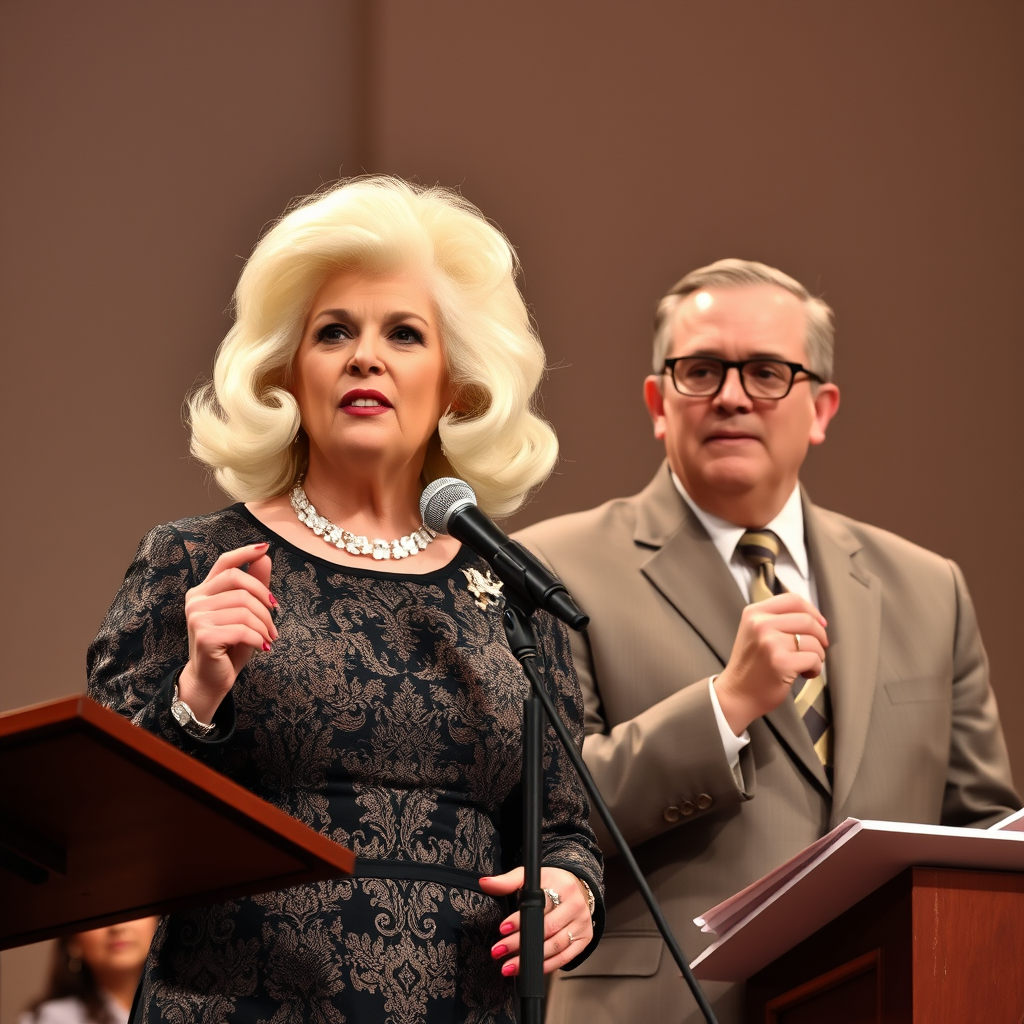
Iimages created by Rebekah Marshall’s prompts using AI on Gencraft.com website.

I am reading Hafiz’s Little Book of Life, poetry by Hafiz-e Shirazi. He is challenging me to become more comfortable with ambiguity. I will share his poem and some of my thoughts on his poem (sometimes with the help of experts when the concepts are too hard for me), followed by a poem and some art inspired by his poem.

Hafiz’s Poem 16:

Those preachers
Who appear glorious
In pulpits & on altars
Yet in private
Act totally the opposite

Some thoughts:

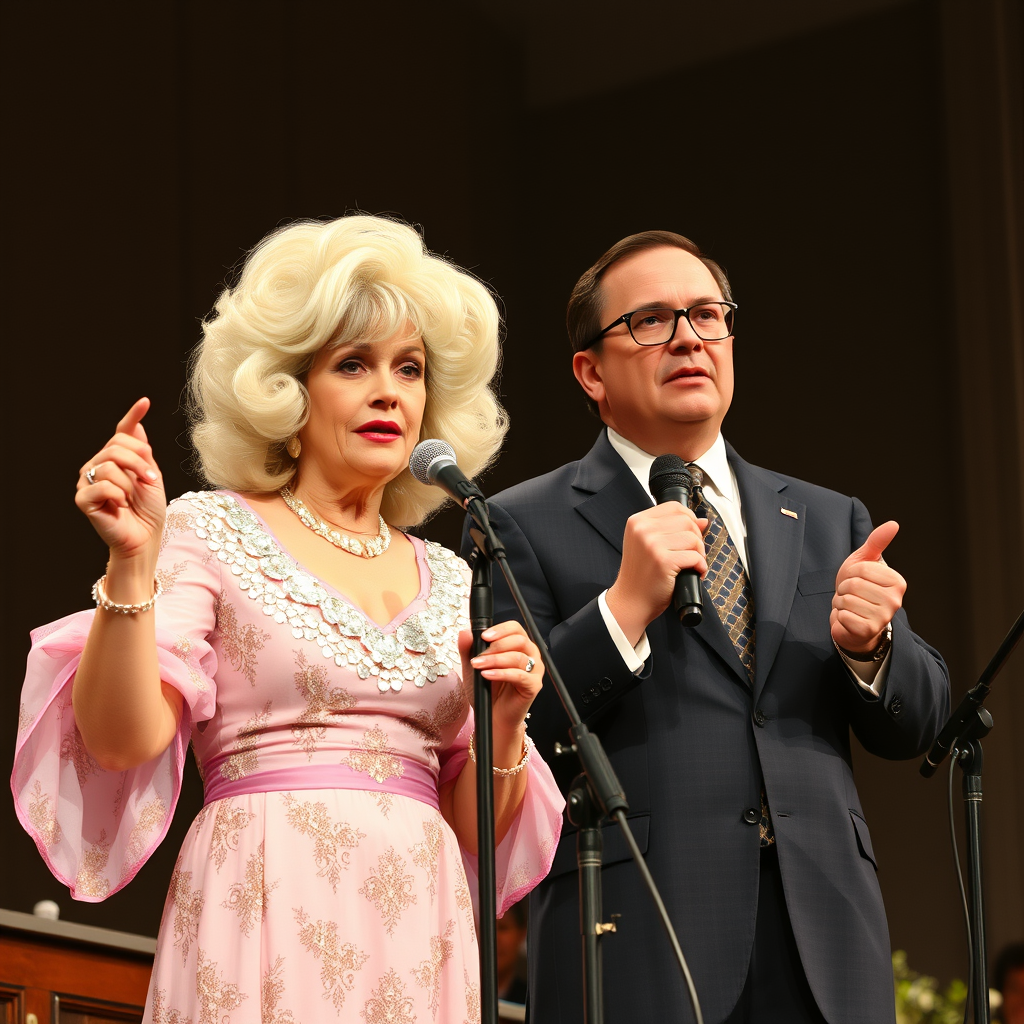
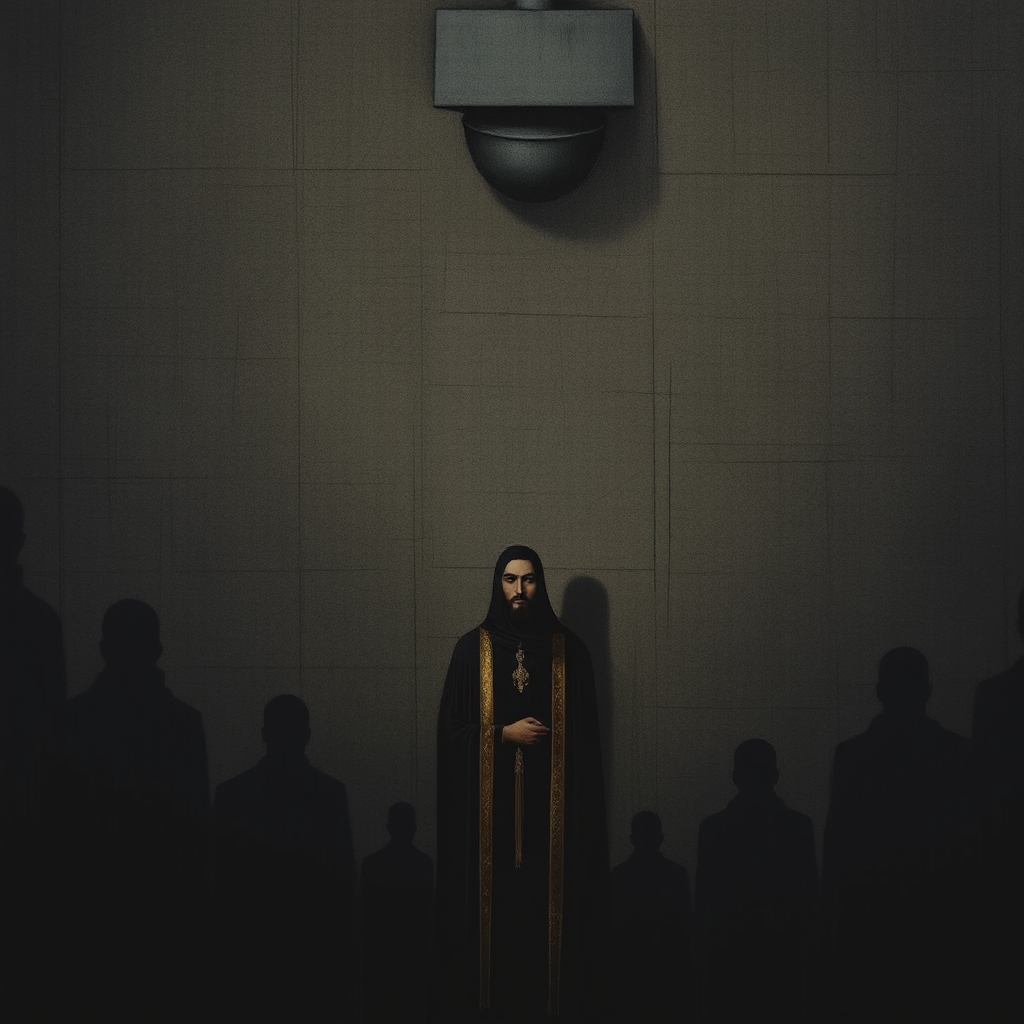
When I was growing up, televangelists were all the rage. It was the era of Jim and Tammy Faye Bakker and Jimmy Swaggart. Televised preachers could paint a picture of righteousness and convince millions of people to send them money. Their private lives were not so righteous. The reality was filled with scandal, corruption, and behaviors that were quite the opposite of the messages they were preaching.

I guess the platform was a newly designed sort of soap box, but the concept was nothing new. There have always been those who will profit off a public perception of holiness, but it is merely a performance. Perhaps humanity should learn not to put others on soap boxes and accept that everyone is human, faulty, and corruptible.

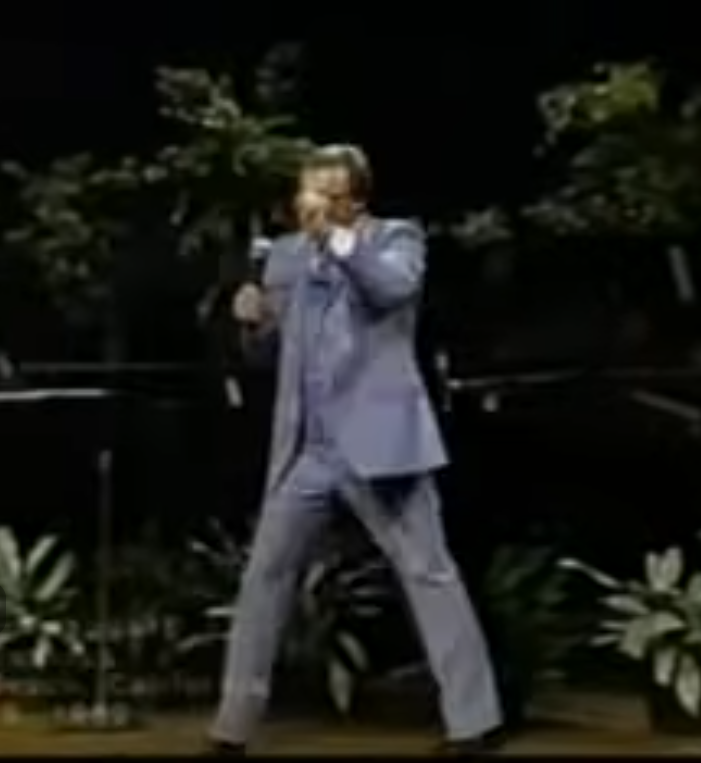
Jimmy Swaggart from YouTube video (link below.)

My Poem 16:

“Those that climb to the highest heights spiritually can fall to the lowest depths.”

In a baby blue 3-piece suit.
Pacing back and forth,
then planting himself in a wide
spread-eagle stance like
he’s doing the most powerful
power pose he can think of.

“As faulty worship caused death then, it can cause death now.”

In a sing-song, monotone,
ever-crescendoing
preacher cadence.

“You are obligated before God to walk holy and to walk righteous before an adulterous and wicked generation that’s dying and going to hell.”

The audience breaks out in applause.
Why are we clapping?
Because people are going to hell?
Because we are being obliged
to be better than them?
I’m confused.

“We just started a ball team, and I told them, I said, If girls show up on that ball diamond with shorts on, I will appreciate you and do everything I can to help you in Jesus, but I’ll send you home to get some clothes on.”

Even bigger round of applause.
Again, what are we clapping for?
Jimmy Swaggart’s admission
that he will lust after young girls
if they are wearing shorts?
What in the hell?

He speaks of himself in the 3rd person.

“Jimmy Swaggart, you’re preaching that in California? Are you out of your mind?”

He holds a Bible aloft to demonstrate
that “this doesn’t change” even if things
have changed in the rest of the world.

“You may look at me like a calf lookin’ at a new gate and preachers may get off behind my back and snicker, but I’m going to preach what this word says.”

He won’t kick you out of the church.
He’ll pray for you, sit with your sick,
wipe your brow, cry and weep for you,
but he will tell you what “thus sayeth the Lord.”

I guess the Lord says
He doesn’t like girls
on ball diamonds
wearing shorts.

“Faulty Fire, Faulty workship Jimmy Swaggart preaching on Holiness”, mdministries, YouTube, posted Jun 24, 2013, https://www.youtube.com/watch?v=dCKrCtdC2oA&list=PLrkXHJifFX4dMJIZt_26b3bwgib_EPwiD

Hafiz. Hafiz’s Little Book of Life. Translated by Erfan Mojib and Gary Gach, Hampton Roads Publishing, 2023.
Hafiz – Poem 15

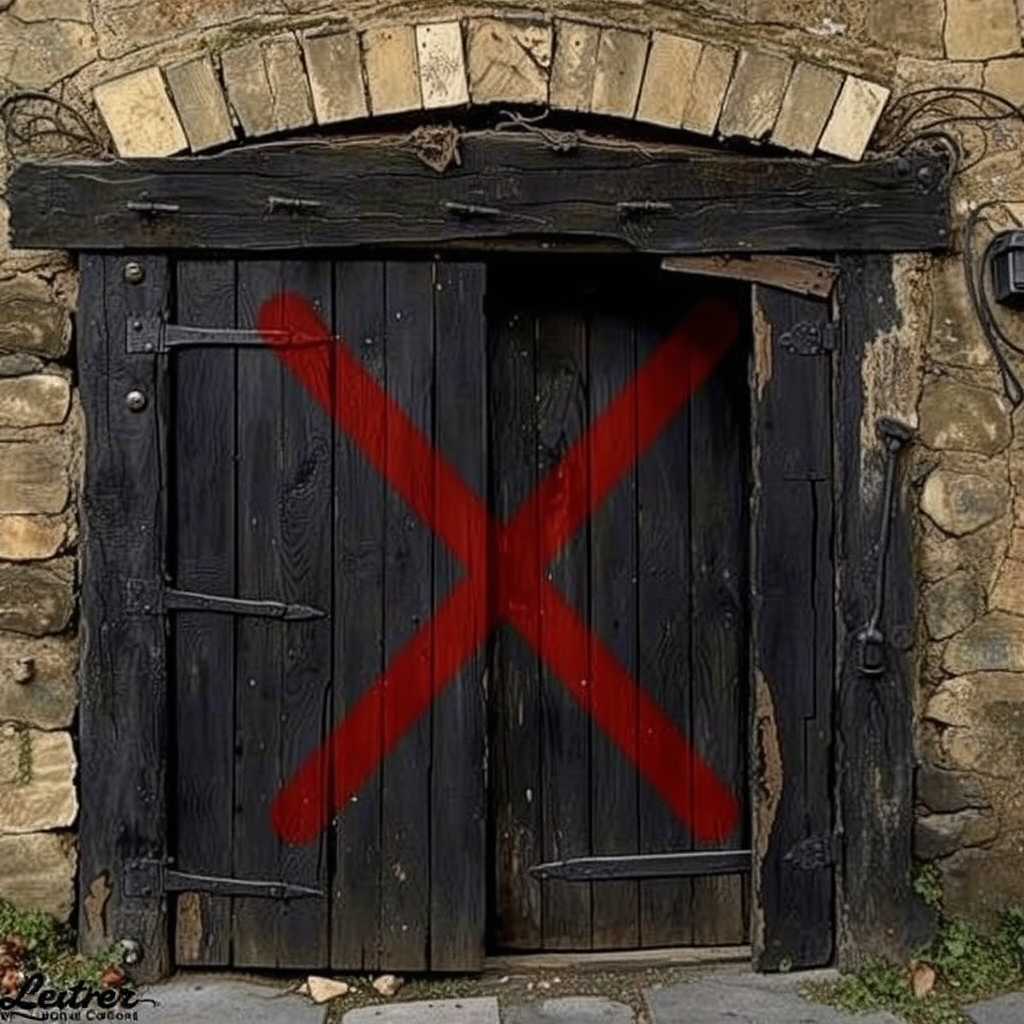
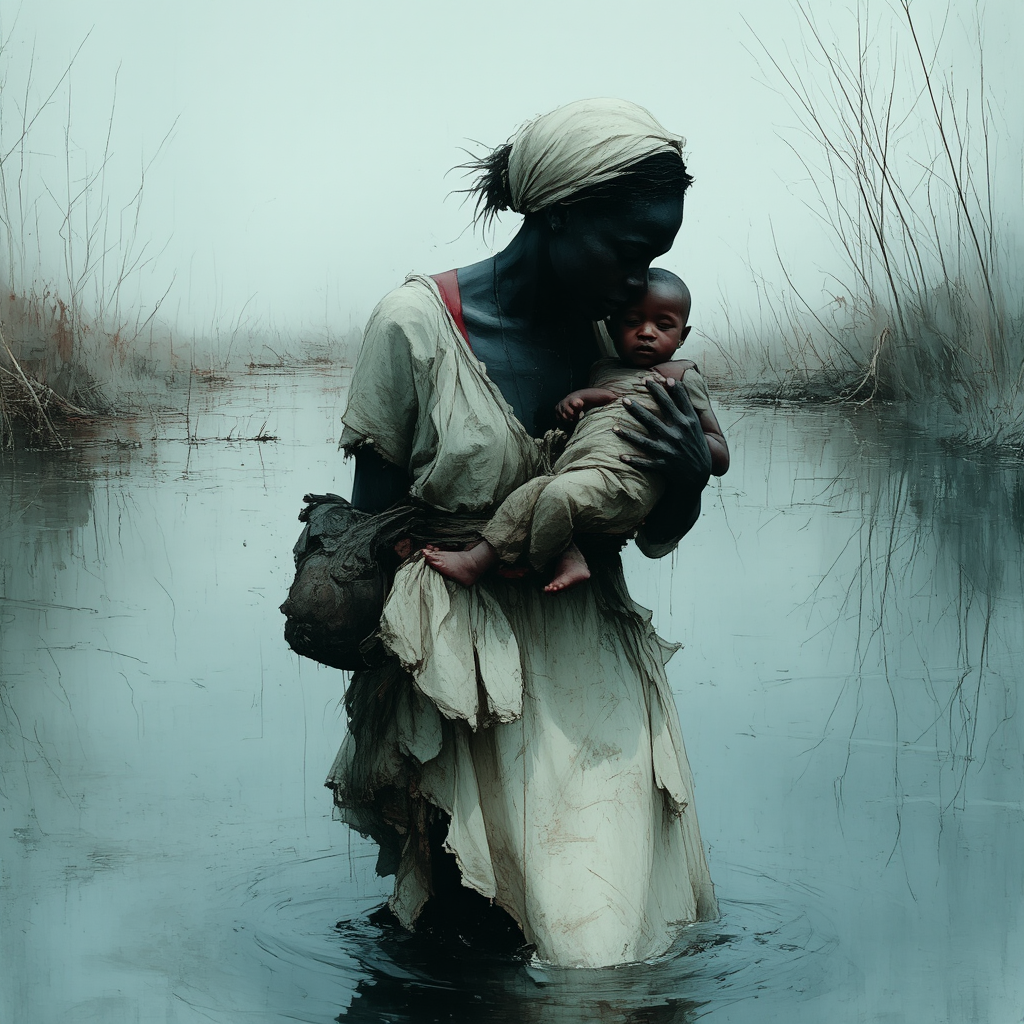
All images created by Rebekah Marshall’s prompts using AI on Gencraft.com website.

I am reading Hafiz’s Little Book of Life, poetry by Hafiz-e Shirazi. He is challenging me to become more comfortable with ambiguity. I will share his poem and some of my thoughts on his poem (sometimes with the help of experts when the concepts are too hard for me), followed by a poem and some art inspired by his poem.

Hafiz’s Poem 15:

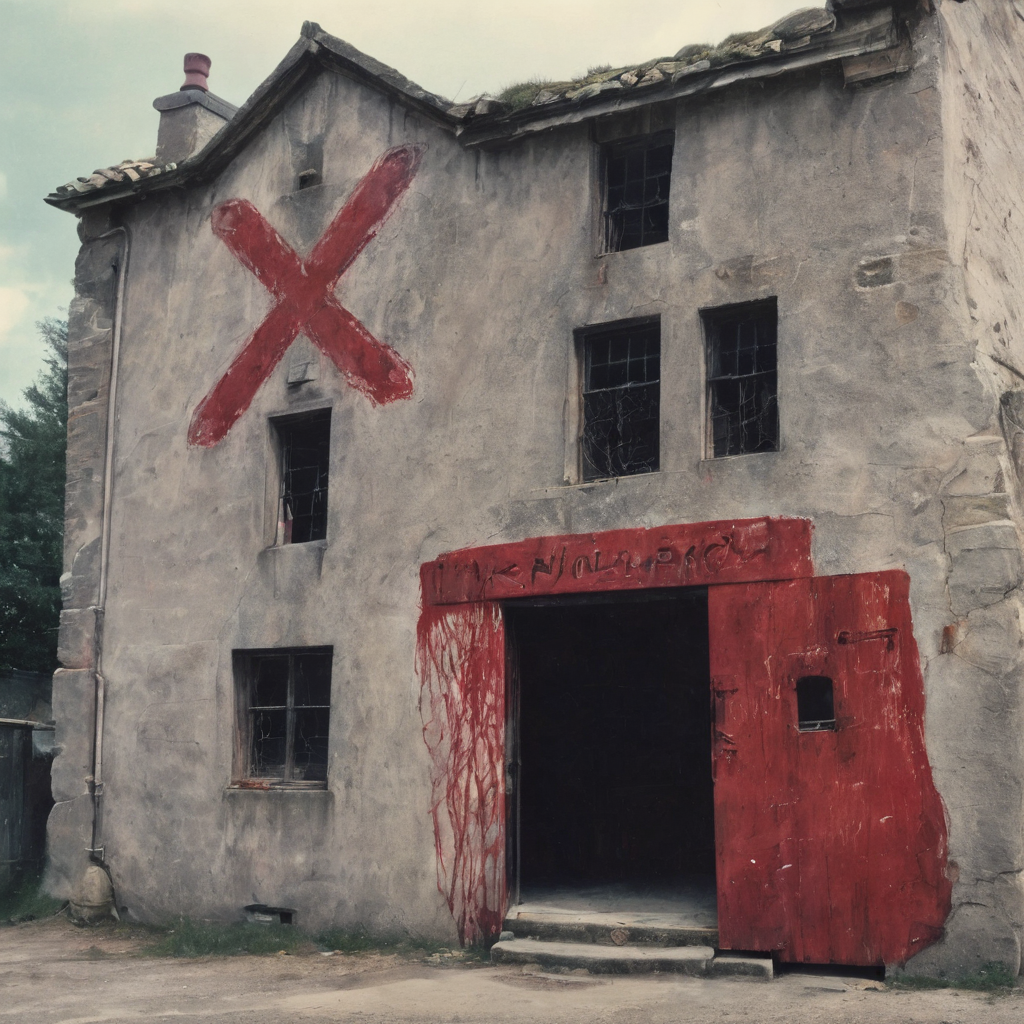
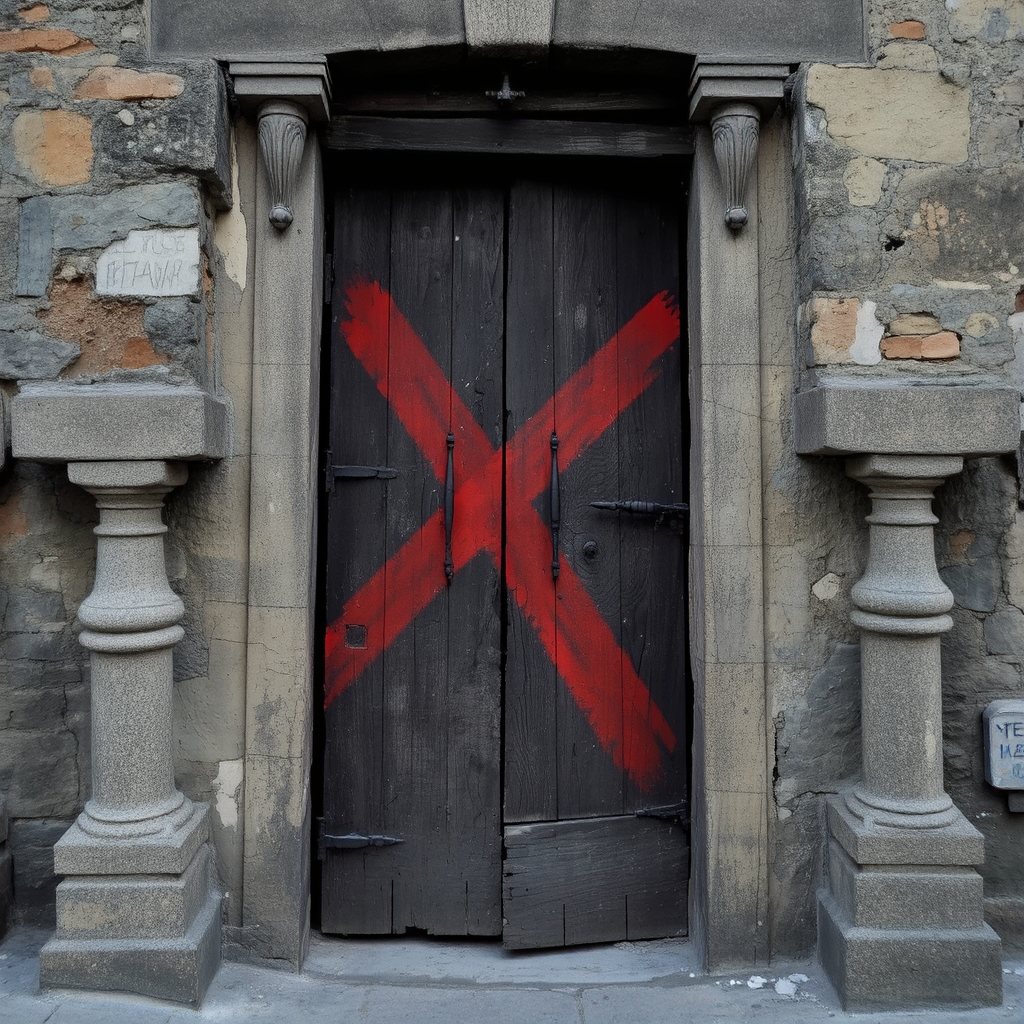
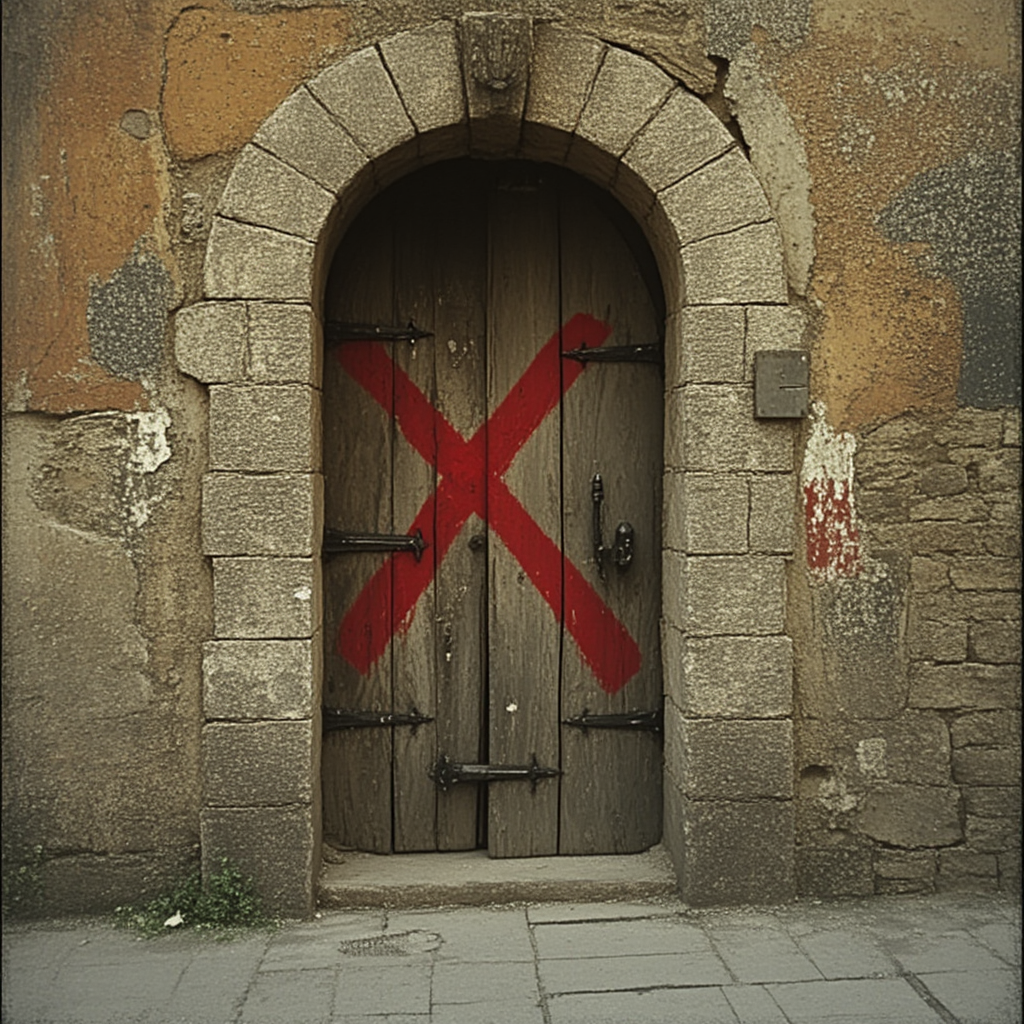
The tavern door’s been closed up Oh God

May this not open the door

To the house of hypocrisy & lies

Some thoughts:

When morality is legislated harshly and too conservatively, Hafiz seems to be implying, the stage is set for inauthenticity and deception. When we judge others for their faults, weaknesses, or perceived sins, we are focusing in the wrong direction. Don’t we have our own lives that need work? “I would never…” is the common refrain of the hypocrite. Many different religious traditions have examples of spiritual greatness being found in unexpected moments that would be perceived by others as sinful or improbable.

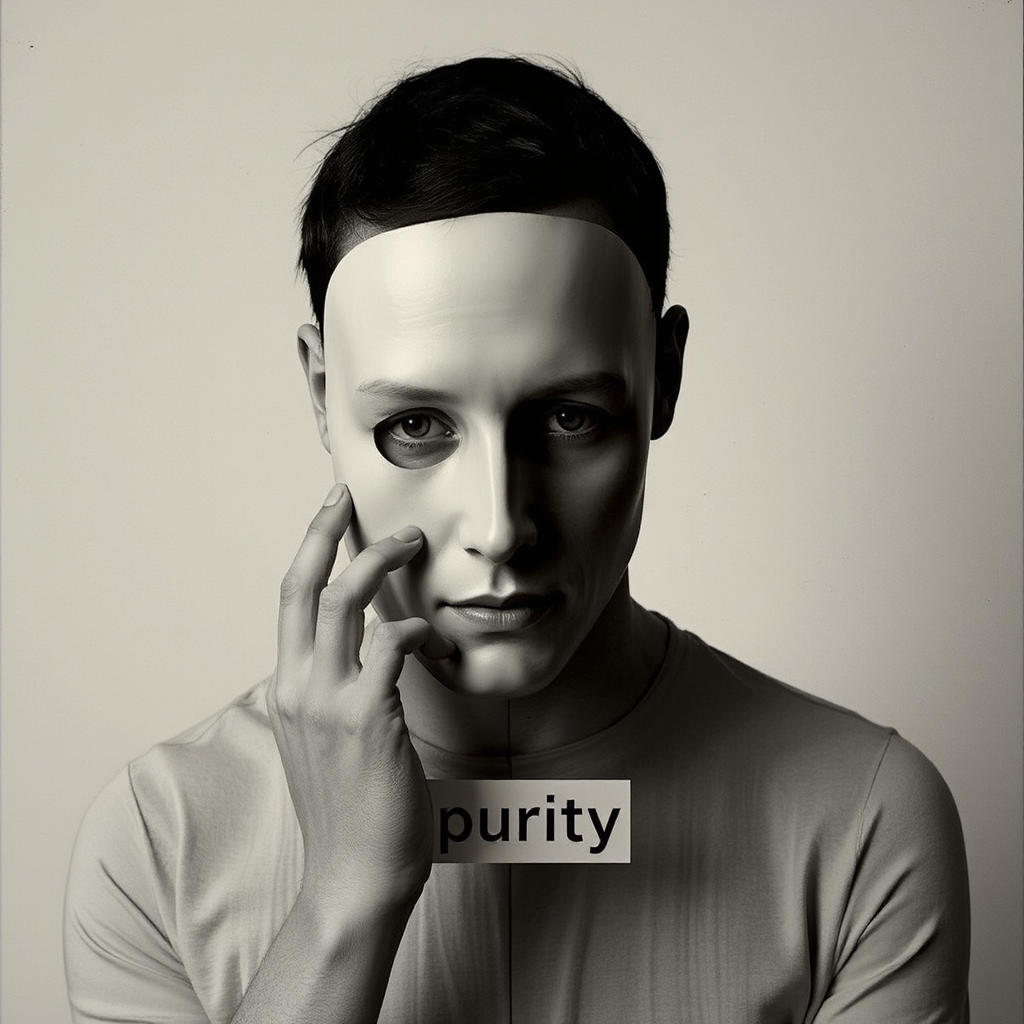
The weaponizing of purity destroys authentic community and honest communication and instead creates an atmosphere of performative righteousness. Appearances become more important than vulnerability, truth, or freedom. Pretension takes the place of connection. Control replaces joy and expression. And obedience replaces love. People tend to lie more when they have to hide their true selves.

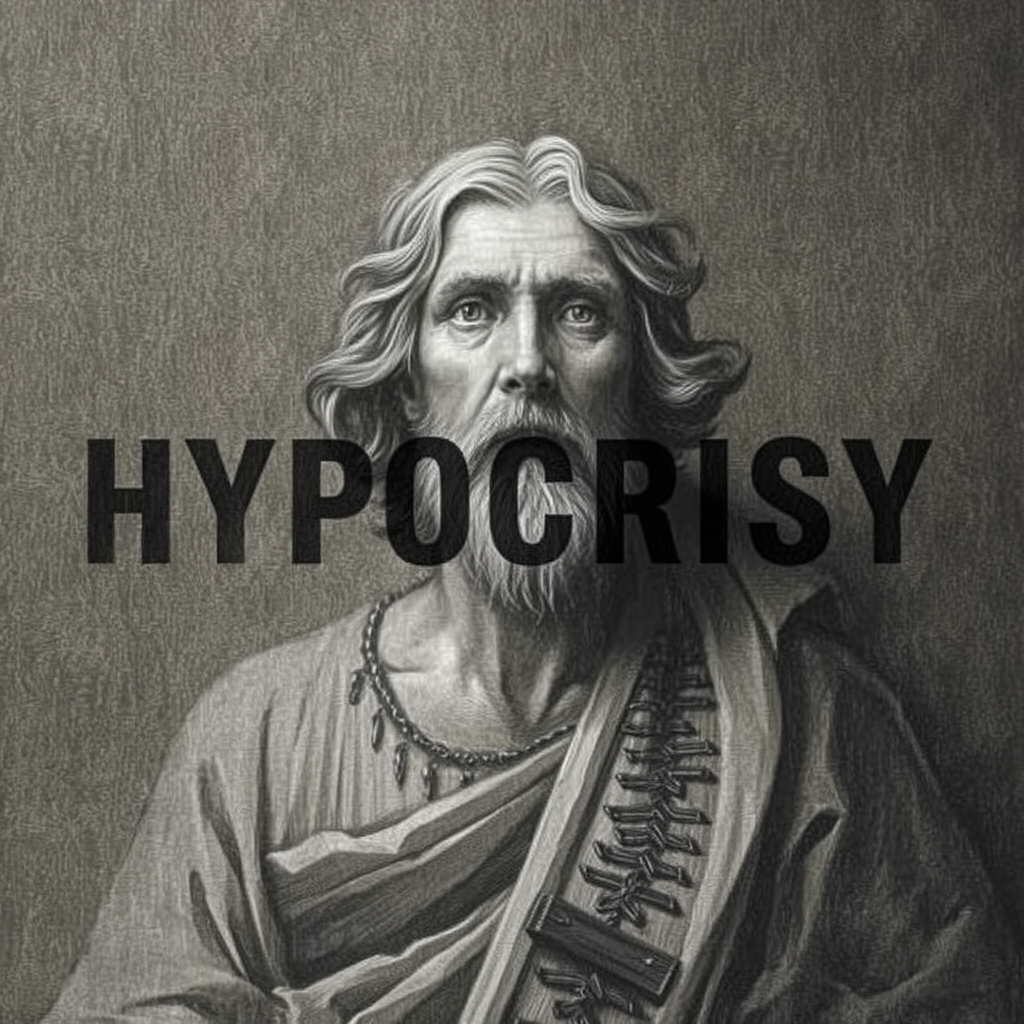
My Poem 15 (This is of course facetious, a picture of hypocrisy.):

Praise the Lord
I am nothing
like those sinners
who break the law
to provide for their families.

I would never
because I was born
here in the land of the free
and am a good
religious person of faith.

People should accept
the fate they’ve been handed
with grace and obedience
instead of causing
problems for everyone else.

You’ll never see me
stealing resources
for myself and taking
advantage of a system
that is too soft on thieves.

Hafiz. Hafiz’s Little Book of Life. Translated by Erfan Mojib and Gary Gach, Hampton Roads Publishing, 2023.