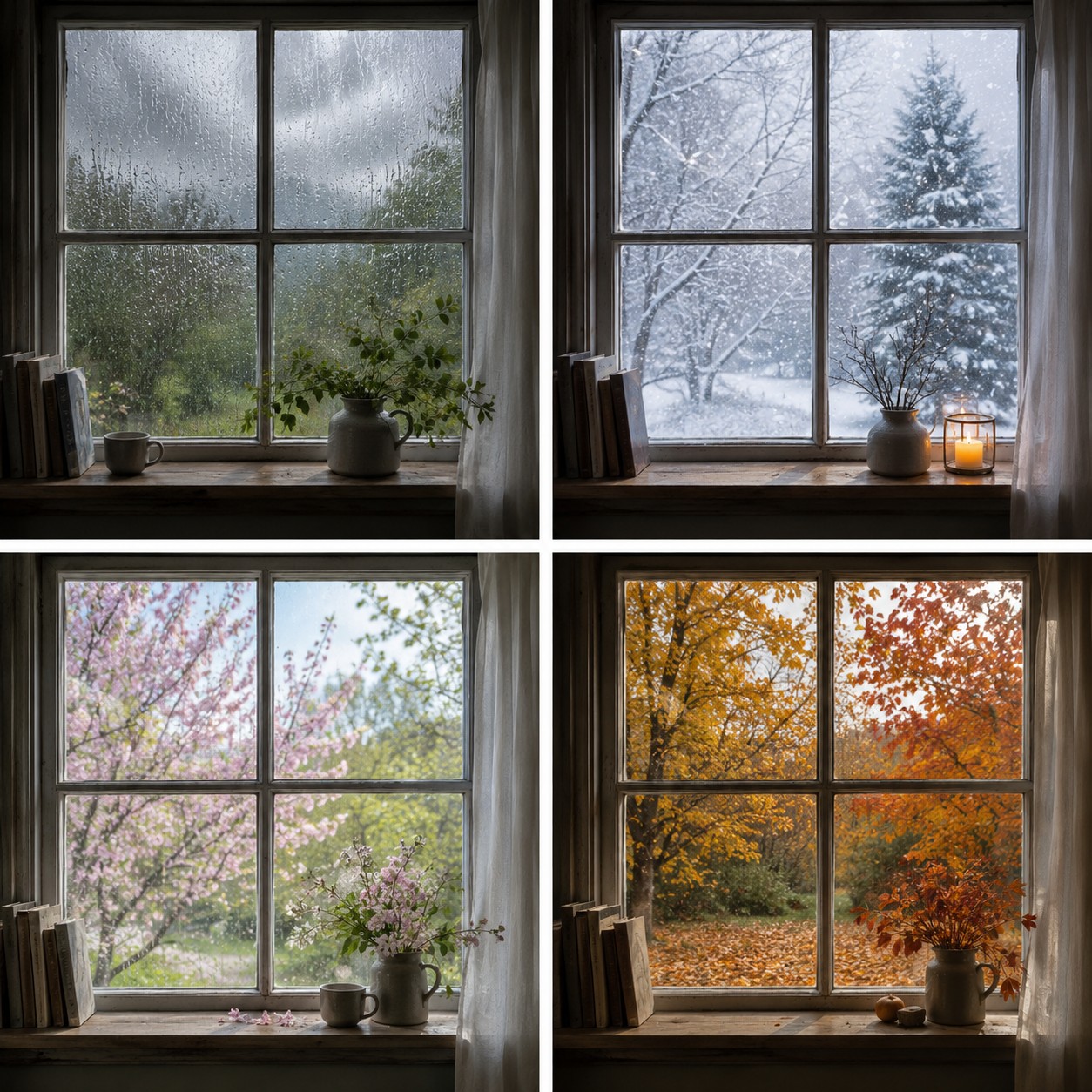
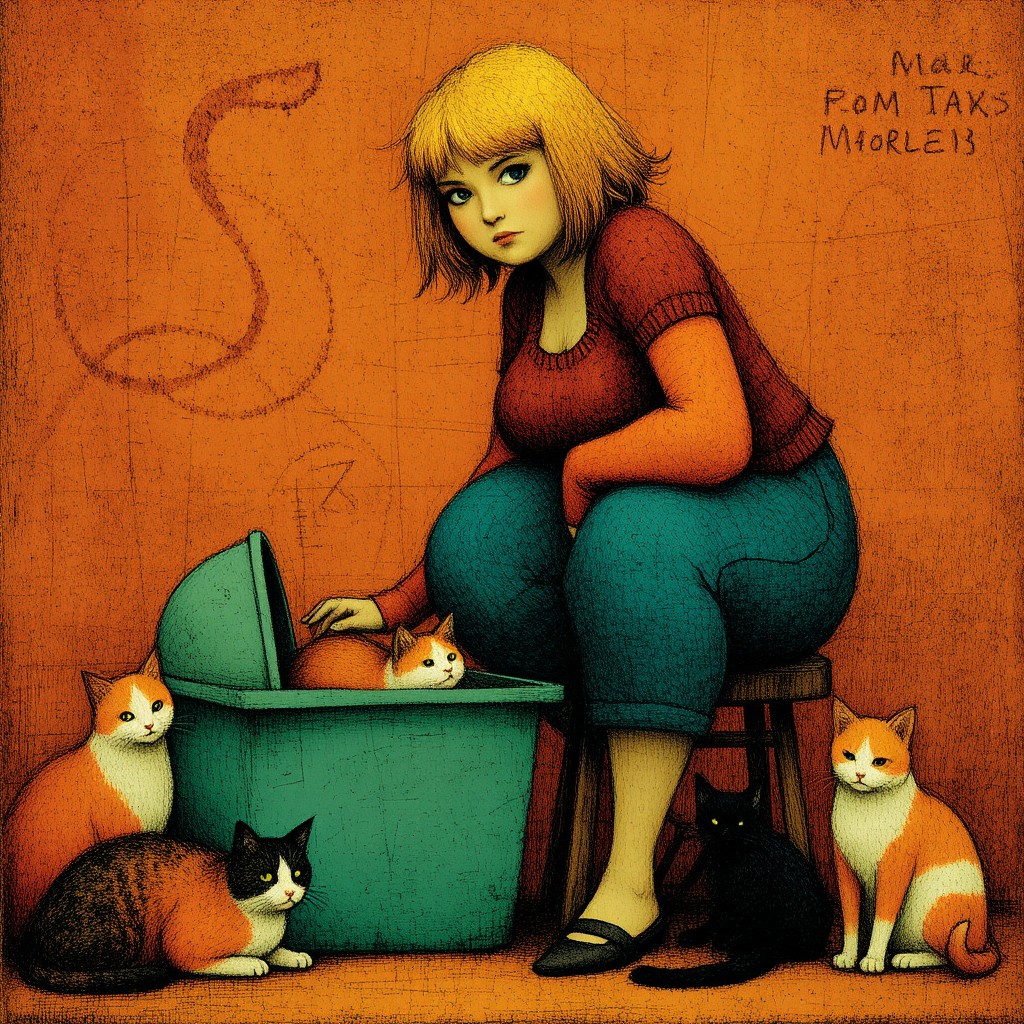
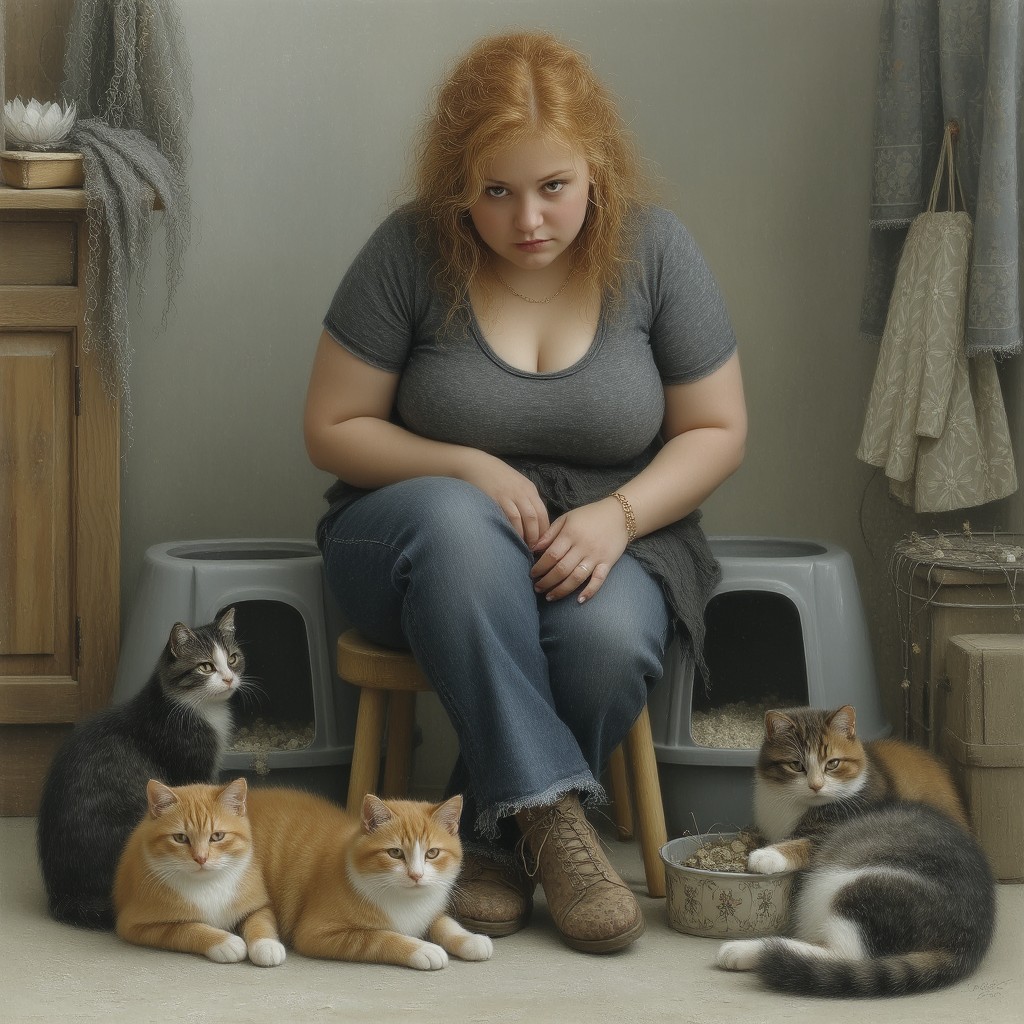
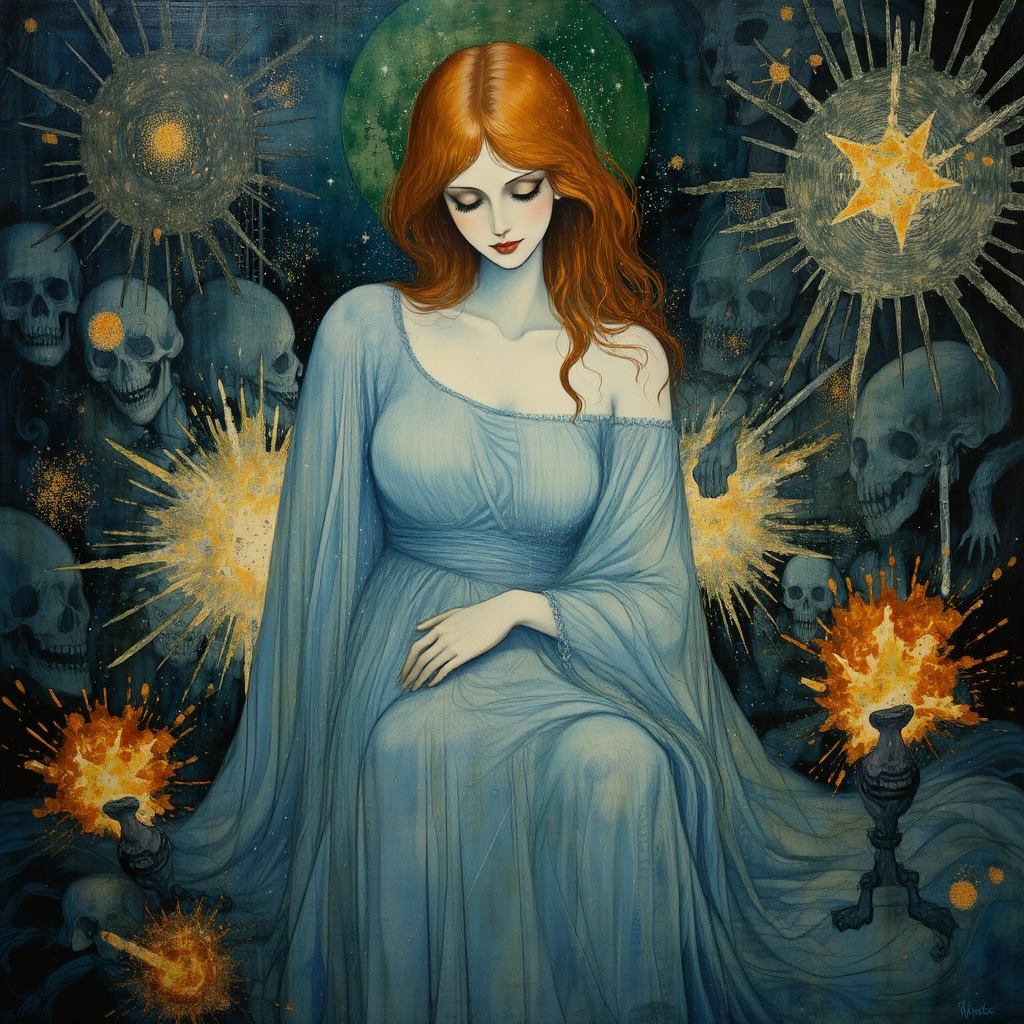
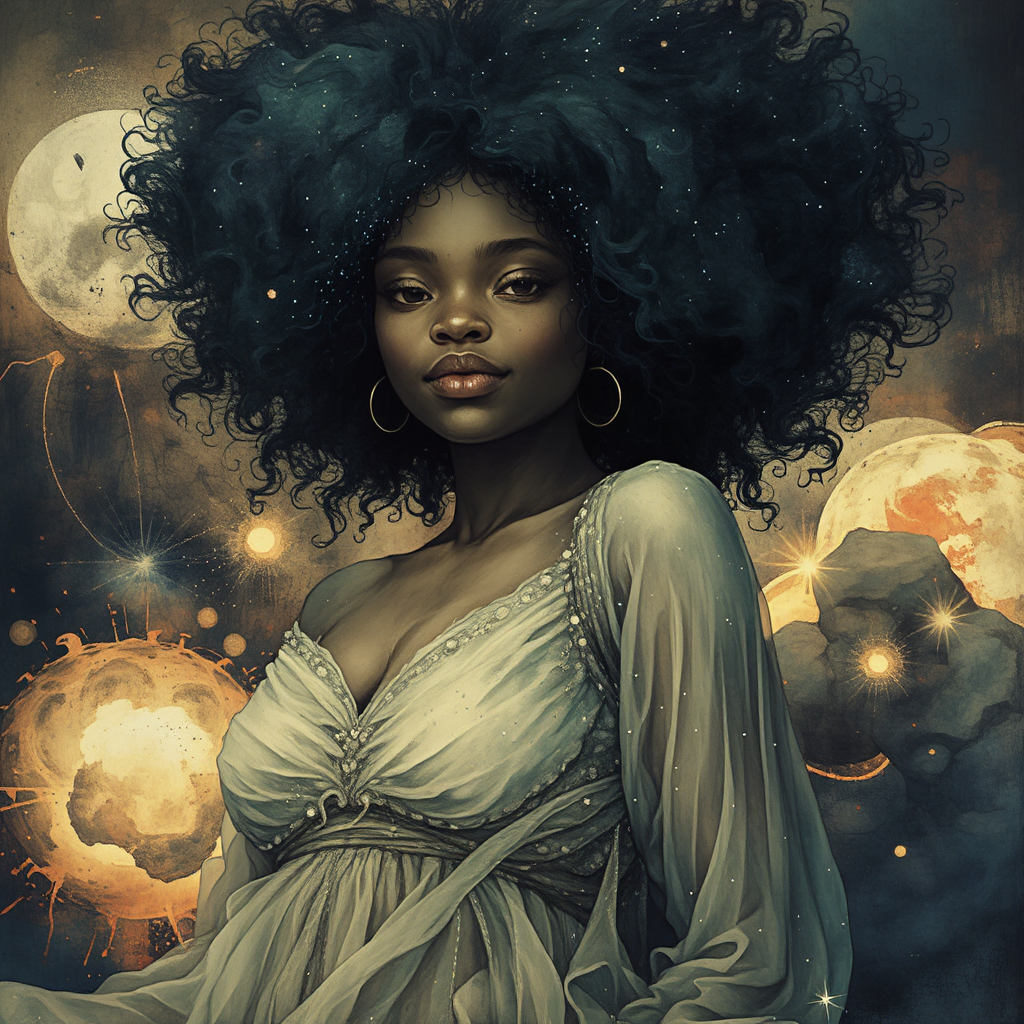
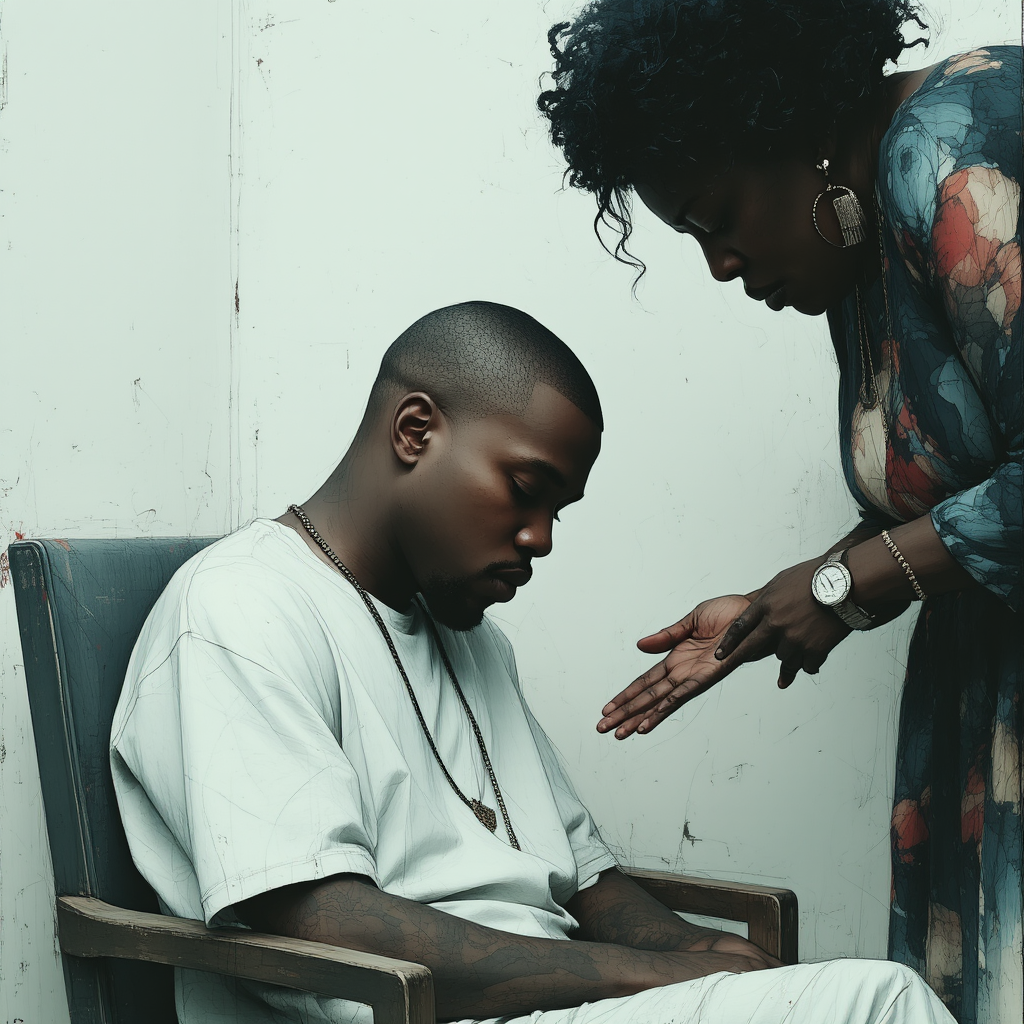
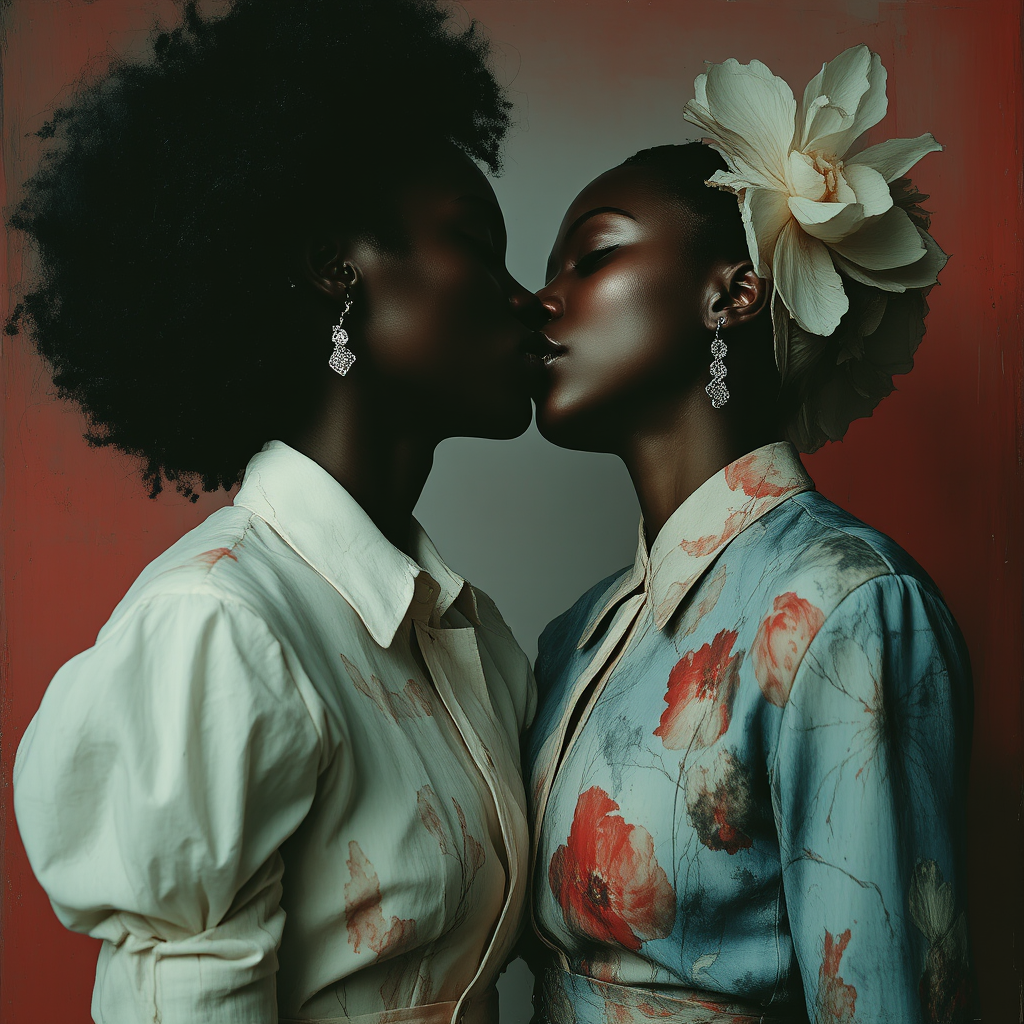
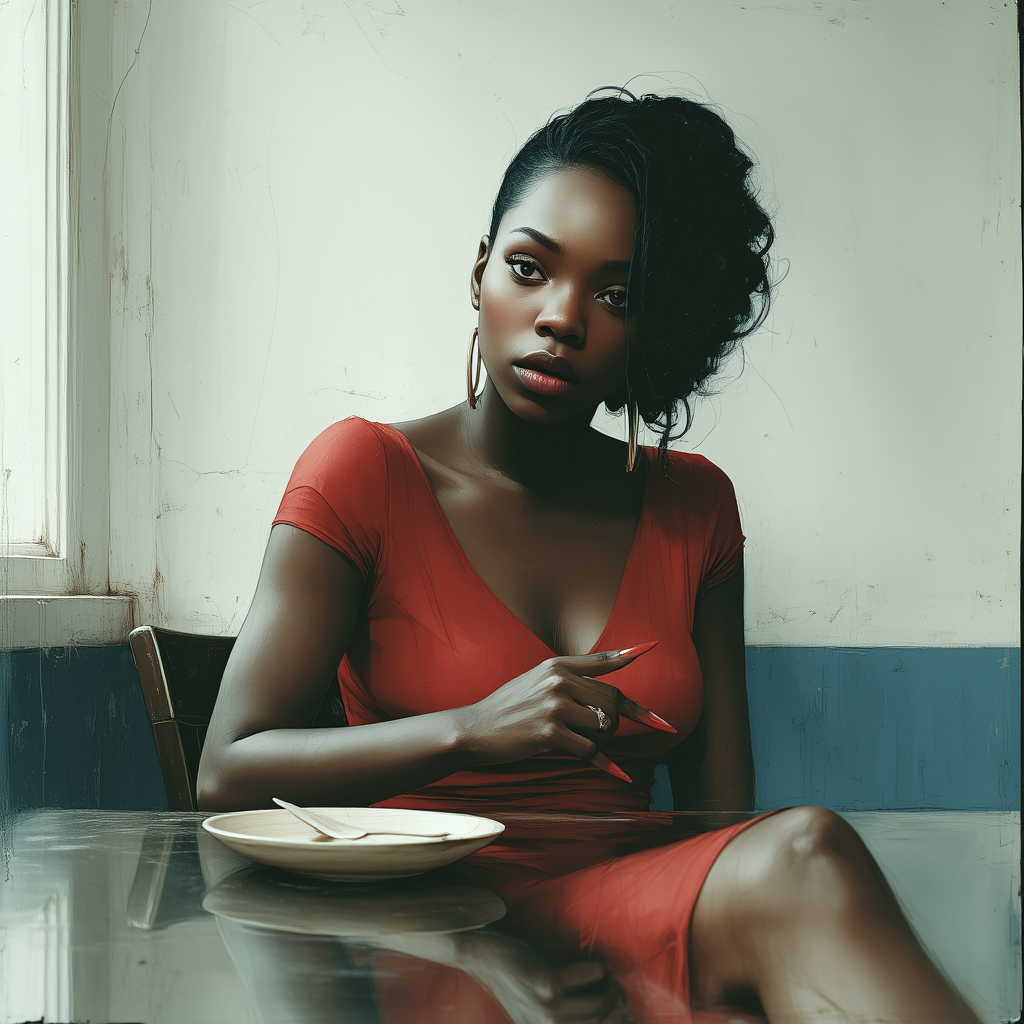
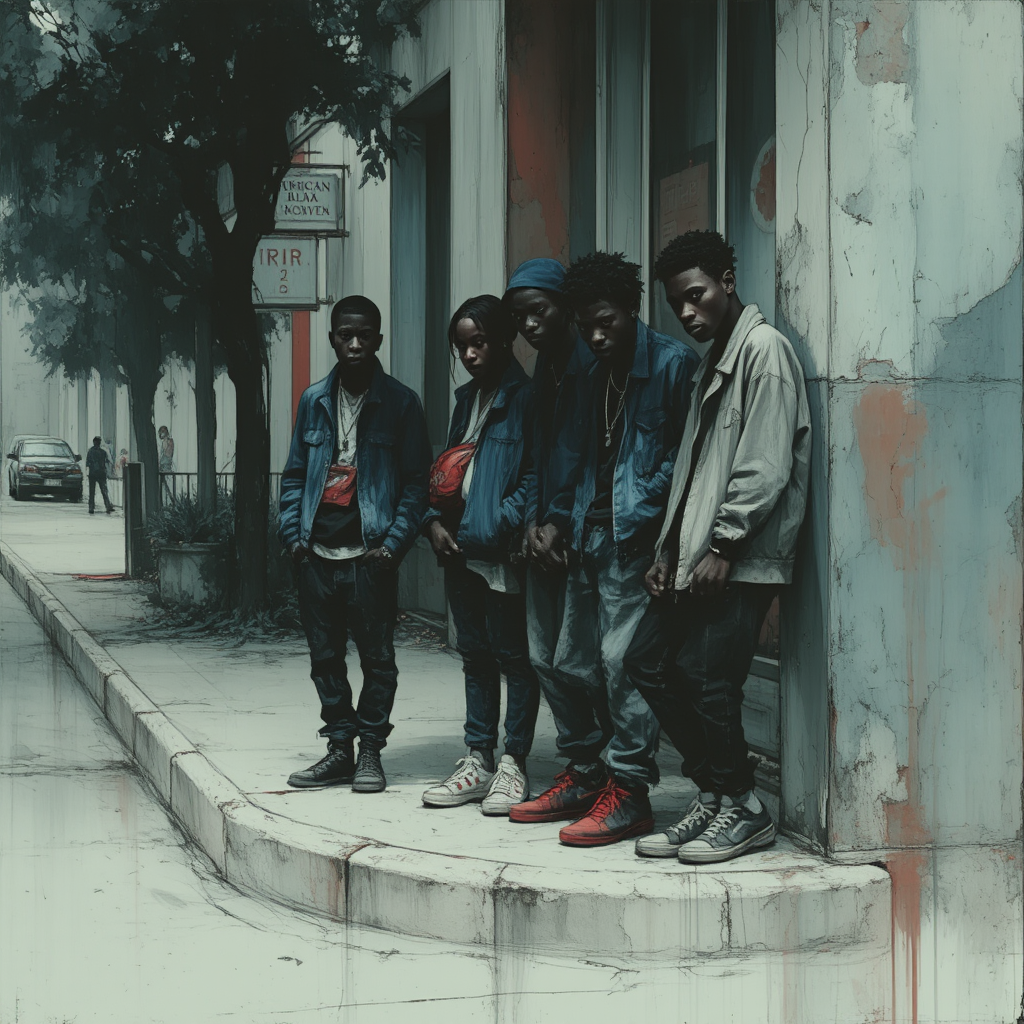
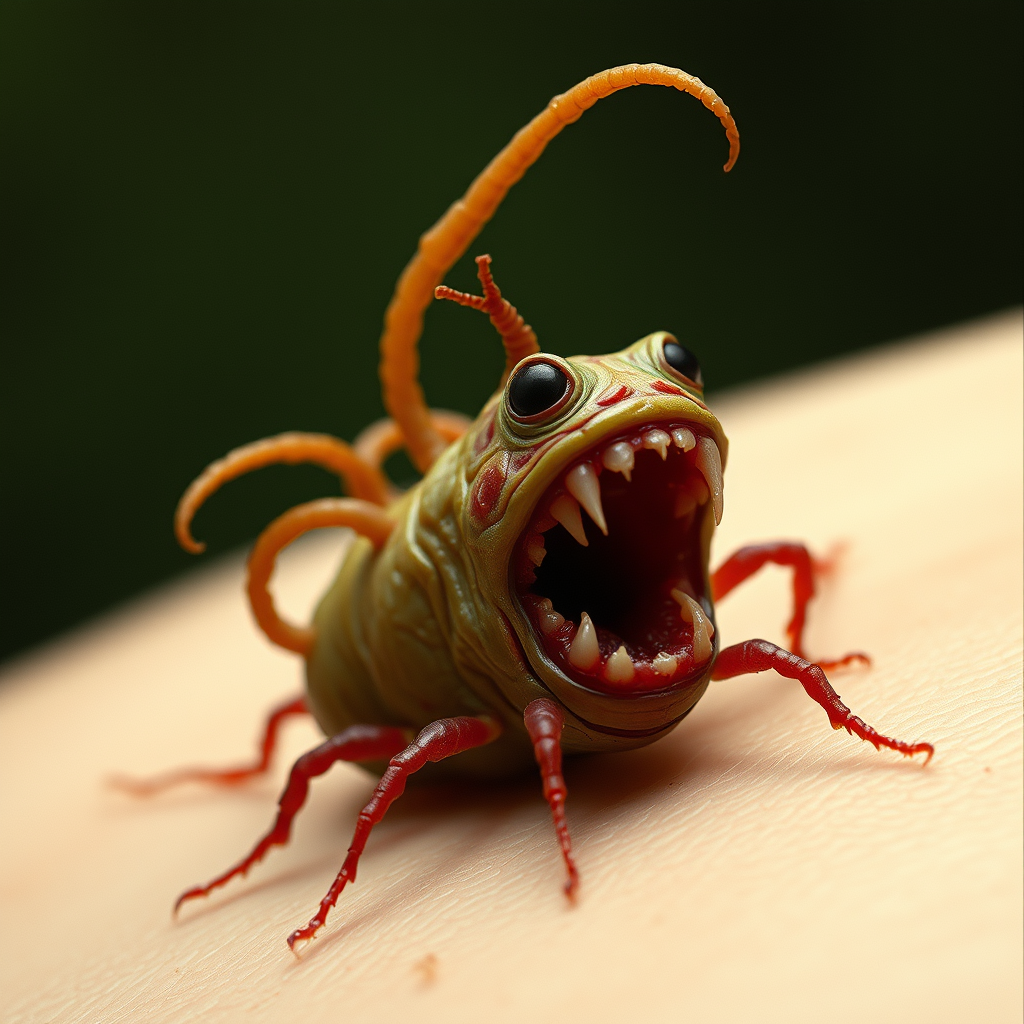
Image created by Rebekah Marshall’s prompts using AI on Gencraft.com website.
I am reading Hafiz’s Little Book of Life, poetry by Hafiz-e Shirazi. He is challenging me to become more comfortable with ambiguity. I will share his poem and some of my thoughts on his poem (sometimes with the help of experts when the concepts are too hard for me), followed by a poem and some art inspired by his poem.
Hafiz’s Poem 43:
Life’s conditions Constantly Vary
Do not despair
Some thoughts:
This is another one that reminds me of an AA slogan. One of the sayings in that program is, “This too shall pass.” The circumstances we find ourselves in are constantly changing. We don’t have to necessarily identify with them, make them a part of our identity, or focus on them too much. It doesn’t say we are unaffected by the varying conditions. They might be difficult. They might deeply affect us. But they are not permanent. There is no need to be in the depths of despair, as Anne in Anne of Green Gables would say. It is not for forever, no matter how it feels in the moment.
The flip side of the equation is that fabulous conditions are also temporary. Not to be a wet blanket, but sometimes when things are going well, we expect them to stay wonderful forever. The reality is that there will always be ups and downs, dips and crests; that is just life. It is all part of the ride. And maybe the fluctuations are what remind us to cherish the good times.
My Poem 43:
This too shall pass the needling uncertainty pricking the skin from within the insistent clamor that it’s not enough more must be done
Change is a constant the swell of pride perhaps undeserved but so much better than the crushing weight of being a disappointment
Despair serves no purpose save to root one to permanent inactivity rather screw courage to the sticking place so the arrow may fly
Hafiz. Hafiz’s Little Book of Life. Translated by Erfan Mojib and Gary Gach, Hampton Roads Publishing, 2023.
All images created by Rebekah Marshall’s prompts using AI on Gencraft.com website.
I am reading Hafiz’s Little Book of Life, poetry by Hafiz-e Shirazi. He is challenging me to become more comfortable with ambiguity. I will share his poem and some of my thoughts on his poem (sometimes with the help of experts when the concepts are too hard for me), followed by a poem and some art inspired by his poem.
Hafiz’s Poem 42:
Doing good work There’s no room For hesitation
Some thoughts:
I like the simplicity of this poem. It reminds me of the AA saying to do the next right thing or do the next thing right. If there is work to be done, do it. Don’t procrastinate, let fear stand in the way, second-guess yourself, doubt. Do what needs to be done, whatever that may be. Create that piece of art, write that song, clean that closet, give that gift, send that letter, make that phone call, speak that kindness. There is no point delaying the goodness that can flow from the blessing you can be.
My Poem 42:
Cleaning the cat box should not require such extreme exertion of will, but I find myself psyching current me up with pep talks, giving little motivational speeches, calling my own name in my mind, reminding present me that future me will be grateful the chore is done.
Hafiz. Hafiz’s Little Book of Life. Translated by Erfan Mojib and Gary Gach, Hampton Roads Publishing, 2023.
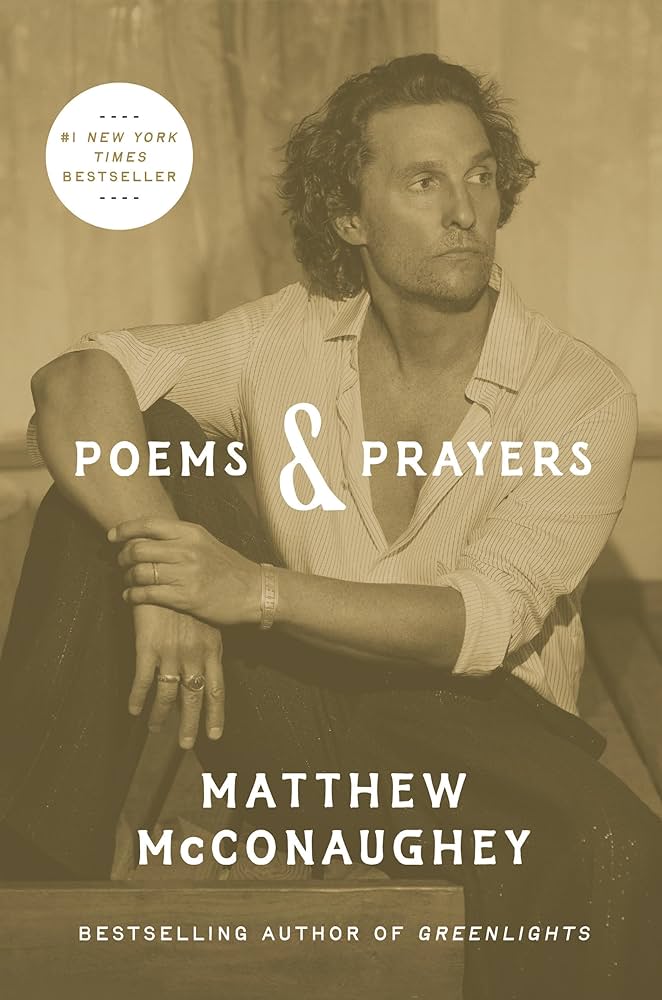
I had the lovely experience of going to Bass Concert Hall and listening to Matthew McConaughey share poetry, while his good friend John Batiste played piano. They had conversations on stage, shared musings, ideas on faith, doubt, life, and death, and entertained us like we were in their living room with a personal intimacy that is hard to create in crowds that size. Both of those men are very talented and charismatic, so it was a night to remember. With the purchase of the ticket, we were handed a copy of Mr. McConaughey’s book Poems & Prayers. I have been reading it in little bite-size chunks since that evening many months ago.
I am always pleased to support local artists and writers and have always felt that Mr. McConaughey’s southern charm feels comfortable and known. I like that nothing is off limits in his poetry. He is vulnerable, disarming, and honest. He likes to rhyme, isn’t afraid to cuss, talk about sex, drugs, and rock & roll, and tell on himself. There are pithy proverbs, notes on what was happening in his life when he wrote some of the poems, and little life lessons he learned along the way. His middle ground views are just radical enough that leftists could find concepts to love. And they are just conservative enough that people on the right can say, “He’s one of us.” But he refuses to commit to a lane and instead calls on everyone to love, have integrity, and believe in something.
His faith is not too preachy. Here’s an example of his faith poetry:
I believe that faith is the answer in the end.
But for now all I know is that it helps on the way there.
Until then. Amen.
I would argue that Mr. McConaughey is a better actor than poet or preacher, but if clever rhymes, simple meter, and faith-filled/recovery poetry sound appealing, this book is worth a read. Poems & Prayers has found a place in my poetry collection on my shelf of local writers.
McConaughey, Matthew Poems & Prayers, Crown Publishing, 2025.
All images created by Rebekah Marshall’s prompts using AI on Gencraft.com website.
I am reading Hafiz’s Little Book of Life, poetry by Hafiz-e Shirazi. He is challenging me to become more comfortable with ambiguity. I will share his poem and some of my thoughts on his poem (sometimes with the help of experts when the concepts are too hard for me), followed by a poem and some art inspired by his poem.
Hafiz’s Poem 41:
The sanctuary of the heart is no place For the company of antagonists
Where a demon departs An angel arrives
Some thoughts:
This one is lovely. The imagery is that of simply letting go of negativity to make space for the beauty and love that will naturally flow into the vacuum created. We don’t have to do anything special to fill ourselves with goodness. We simply must make room. Remove bitterness and compassion can enter. Release antagonistic thoughts and peace has a place. Let go of prideful arrogance and humility will naturally make a home inside us. Release fear and love can breathe easily. There is no demon to fight, no dragon to slay, no war to be waged. They are simply not invited in, like vampires whose welcome has been rescinded. We would not walk into a sacred temple and spit on the floor. Our hearts deserve as much respect.
What are we allowing to dwell in our inner sanctuaries? Is it time for some hangers-on to be evicted? Our heart is not supposed to house every wound, fear, resentment, and lie we have ever been told. When harm finally leaves, healing can walk in quietly and take up occupancy. Instead of having to vanquish foes, we must merely open a window and allow pain to exit so holiness can enter. Time to do some inner house cleaning.
My Poem 41:
Sweep out the house. Dirt belongs outside, not in our hearts. Throw back the curtains and open the windows.
The stale air must exit, so a fresh breeze, sweet with spring scents, can fill our space. Then healing can begin.
Hafiz. Hafiz’s Little Book of Life. Translated by Erfan Mojib and Gary Gach, Hampton Roads Publishing, 2023.
All images created by Rebekah Marshall’s prompts using AI on Gencraft.com website.
I am reading Hafiz’s Little Book of Life, poetry by Hafiz-e Shirazi. He is challenging me to become more comfortable with ambiguity. I will share his poem and some of my thoughts on his poem (sometimes with the help of experts when the concepts are too hard for me), followed by a poem and some art inspired by his poem.
Hafiz’s Poem 39:
Peace in both realms Depends on your interpretation Of these two utterances
“Be merciful with friends”
“Be tolerant of foes”
Some thoughts:
I’m not sure what two realms Hafiz is conceptualizing in this poem. There are so many options including: private life v. public life; religious life v. secular life; inner existence v. outer existence; human/earthly realm v. spiritual/divine realm; etc. I am going to keep it simple and consider the two realms “those who think like us” v. “those who do not think like us” as a simple way of saying “friend” or “foe.” That could apply to a number of different realms and is certainly relevant in current society where so much seems to balance on scales of dichotomy. Liberal v. Conservative; Rich v. Poor; Science v. Religion; Nature v. Progress; etc. We tend to be painted into black and white corners in nearly every conversation we enter.
I think Hafiz is suggesting that true peace depends on the way we perceive the gray areas that are not so easy to navigate. Can we be friends with someone who fails us? Those we love often hurt us the most because we care about their opinions and count on them. Can we be soft and loving to maintain relationships with those closest to us, even during the tough times? They are only human. And with our foes, can we allow for complexity and seek to understand without dehumanizing, othering, and judging too harshly? They are only human.
We will never have peace if we demand our way is the only way and there can be no other. Yes, we should have ideals, but then we must be merciful, tolerant, and gentle in our application of those principles as regards others. Can we hold compassion for those close to us and restraint toward those who oppose us? Will our differences and our interactions expand our hearts or harden them? The way we interpret these concepts holds the key to lasting peace.
My Poem 40:
Loving another means accepting that they are human, with all that entails, including: lateness, forgetfulness, distraction, fear, ailments, impatience, frustration, weakness, faults, arguments, disappointment, and the list could go on…
The other we love may be friend or foe. Both are in the same category of human, with all that entails, including: beating heart, breathing lungs, thoughts, opinions, feet to walk away, mouths that open, hands that ball up into fists and clasp in prayer, and the list could go on…
Hafiz. Hafiz’s Little Book of Life. Translated by Erfan Mojib and Gary Gach, Hampton Roads Publishing, 2023.
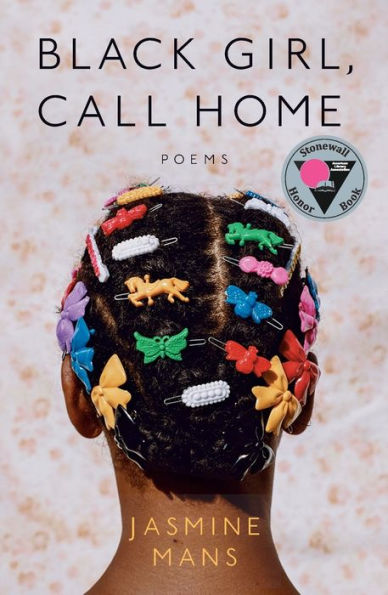
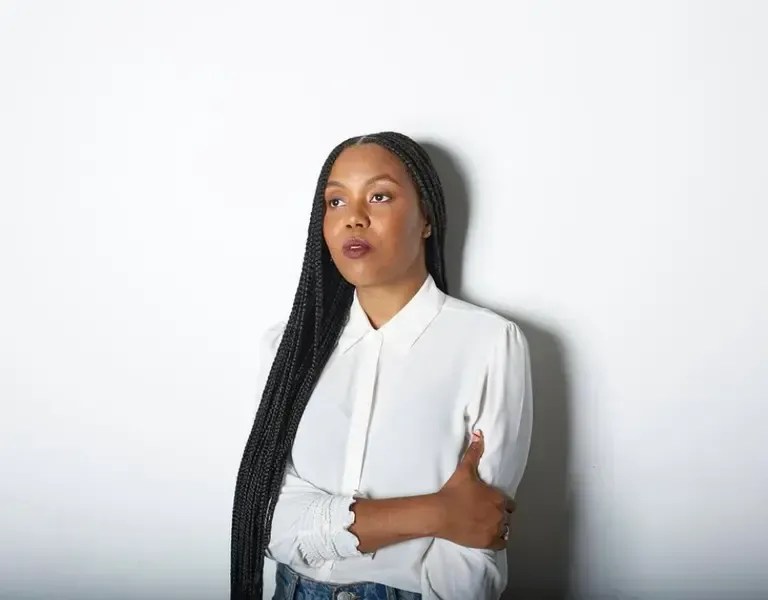
I just finished reading a fabulous book of poetry by Jasmine Mans called Black Girl, Call Home. Her dedication is written “For Mommy and Nana”, which spoke to me because I recently lost my grandmother and have been thinking about my relationships with my mother(s), daughter(s), and granddaughters. Her poems are commentary on world events, pop culture, race, gender, sex, family, you name it. Nothing is off limits for a poetic turn of phrase for Ms. Mans. I admire her fierce, unflinching insistence on speaking her true voice about topics I have never been brave enough to write about.
Rather than sharing my thoughts, I thought I would share a few lines of Mans’ poetry.
On mothers: I resent my mother / for things she has sacrificed / on my behalf.
On mothers: I know grace and mercy was raised / by the same single mother.
On God: I have reason to believe / God made dandelions / and metaphors / on the same day.
On Jay-Z: If we past kneeling, / How come we ain’t past dying?
On death: He died / as if / God / thought / he / outstayed / the welcome / in his own skin.
On Kanye (& the Black Aunties): …we know / we made you, / and who are we / to just let / our sister’s son / die?
On Whitney: She sits on an octave / past heaven… / A choir of collateral… / Enough voice to stretch / across the Pacific or the ghetto…
On time: Time / is a Black girl / tapping her red, / 4-inch / nails, against / a mahogany / kitchen table / on Springfield Ave.
There are poems in honor of Serena & Venus Williams, Michelle Obama, Sandra Bland, Halle Bailey, Alysia Harris, Sean Bell, a whole list of women who were sterilized without consent by American doctors, Henrietta Lacks and her immortal cells, a list of missing black girls, lovers, exes, and relatives, including parents, siblings, cousins, aunts, and uncles, as well as friends, neighbors, shop owners, and community members. She speaks with a bold, clear voice as a Black, queer, feminist. And I am inspired to broaden the scope of fodder for poetic consideration.
Mans, Jasmine, Black Girl, Call Home, Penguin Random House, 2021.
These images created by Rebekah Marshall’s prompts using AI on Gencraft.com website.
All images created by Rebekah Marshall’s prompts using AI on Gencraft.com website.
I am reading Hafiz’s Little Book of Life, poetry by Hafiz-e Shirazi. He is challenging me to become more comfortable with ambiguity. I will share his poem and some of my thoughts on his poem (sometimes with the help of experts when the concepts are too hard for me), followed by a poem and some art inspired by his poem.
Hafiz’s Poem 36:
Alas for the mockers of those Who drink life to the very dregs
Only to abandon their own beliefs At the open door of any tavern Where their faith will be restored
Some thoughts:
Hafiz supposedly has double meanings in many of his poems, according to various experts. In this one, he could be talking about real drinking/partying, or the spiritual equivalent of feeling everything deeply, including joy, sorrow, and love. The people willing to drink to the dregs are the ones there until closing time. The real Mcoys. The mockers are those who set themselves up in judgment of and ridicule those kinds of people. Whether judgment of the literal drunkards or judgment of the deeply emotional/openly vulnerable/ecstatically connected people. Both can look rather similar to the untrained eye.
Either way, the reversal is the heart of this poem. The very people who judge others for their predisposition to revelry, might be the ones who crave it most. They can’t let themselves go, but when given the chance or suddenly set free to experience something ecstatic, they are the wildest ones you’ve ever seen. So much tightly wound, principled, rigorous defense of faith can sometimes reveal a lot about a person. They are just waiting for that moment to be unleashed, to experience, to feel something. And only then will they get it. The only way to connect is to leap into the unknown and grab for the ring or trapeze or whatever metaphor works.
Now, as a recovering alcoholic, I can’t finish without adding a cautionary note. I am not suggesting real alcoholics go live it up and fall off the wagon. Those of us with the disease of alcoholism and who are in recovery have already had our substance-induced revelry experiences and should have now graduated to the more spiritual/emotional side of celebration. Learning to find the depth of love, sit in grief, experience the full spectrum of emotions life puts us through without altering our brain chemistry IS drinking to the dregs the way Hafiz means it. It is learning to live fully, without needing to escape. And nary a one of us should sit in judgment of anyone going through the same hell of the disease of alcoholism that we have been through.
My Poem 36:
When you get sober no one explains how much you’ll miss turning off your brain. It’s something you discover when the thoughts won’t stop, and you have to process the pain.
Hafiz. Hafiz’s Little Book of Life. Translated by Erfan Mojib and Gary Gach, Hampton Roads Publishing, 2023.
All images created by Rebekah Marshall’s prompts using AI on Gencraft.com website.
I am reading Hafiz’s Little Book of Life, poetry by Hafiz-e Shirazi. He is challenging me to become more comfortable with ambiguity. I will share his poem and some of my thoughts on his poem (sometimes with the help of experts when the concepts are too hard for me), followed by a poem and some art inspired by his poem.
Hafiz’s Poem 32:
While you slept The caravan has moved on
The desert is up ahead
Some thoughts:
As an intense sleeper in need of a ridiculous amount of sleep, this poem annoys me at the literal level. But if I look at it a bit more metaphorically, I can see what the poet is saying. We all must sleep, rest, withdraw from the world at times for healing and downtime. But isolation can become a habit if we let it. It is peaceful in our own tent, with our soft furnishings, and our quiet comfort zones. Outside is the noisy bunch with their opinions and foibles and, sometimes, annoying ways. But there are important qualities to community that we must remember to consider. It is only through community that we grow as people who can empathize with others, connect for companionship, and be nurtured and remembered. And in Hafiz’s time, there was safety, especially when travelling through the desert. It could be very dangerous to find yourself alone in a wilderness landscape. You might not survive. I suppose it is a good warning/reminder to find balance in our isolative ways if we are prone to such patterns.
My Poem 32:
While we slept, energy continued to transition from typewriters into clouds, from broadcast to streams, from nickels and dimes into crypto, from desktop computers to quantum AI.
While we slept, families continued to transition from mother, father, two children to whoever can cobble a life together, whatever the gender expression or lack thereof, or anywhere in between, from white with white only to beautiful hues of blended shades.
While we slept, societies continued to transition from patriarchal oppressive regimes to the beginnings of equality and inclusion, from workplace discrimination to women in leadership roles, wheelchair ramps, climate change and mental health awareness.
While we slept, religious institutions continued to transition from exclusive to more inclusive, from in person only to online participatory options, from fundamentalist to deconstructionist, from male-only leadership to some women in high places.
While we slept, culture continued to transition from consumerism to minimalism, from the status quo to conversations about privilege, from fat-shaming to body positivity, from nature destruction to environmental consciousness, from acceptance to accountability.
When we wake, will we bury our heads in the sand and demand a halt to change, a return to the past, or will we lift our chins, with eyes wide open, minds alert, mouths slightly agape, and join the caravan?
The desert is up ahead. It is vast and wide, and we will be left behind in our ruts of “we know best” and “tradition is all,” while the great adventure of life moves on without us.
Hafiz. Hafiz’s Little Book of Life. Translated by Erfan Mojib and Gary Gach, Hampton Roads Publishing, 2023.
All images created by Rebekah Marshall’s prompts using AI on Gencraft.com website.
I am reading Hafiz’s Little Book of Life, poetry by Hafiz-e Shirazi. He is challenging me to become more comfortable with ambiguity. I will share his poem and some of my thoughts on his poem (sometimes with the help of experts when the concepts are too hard for me), followed by a poem and some art inspired by his poem.
Hafiz’s Poem 31:
Our hands are short
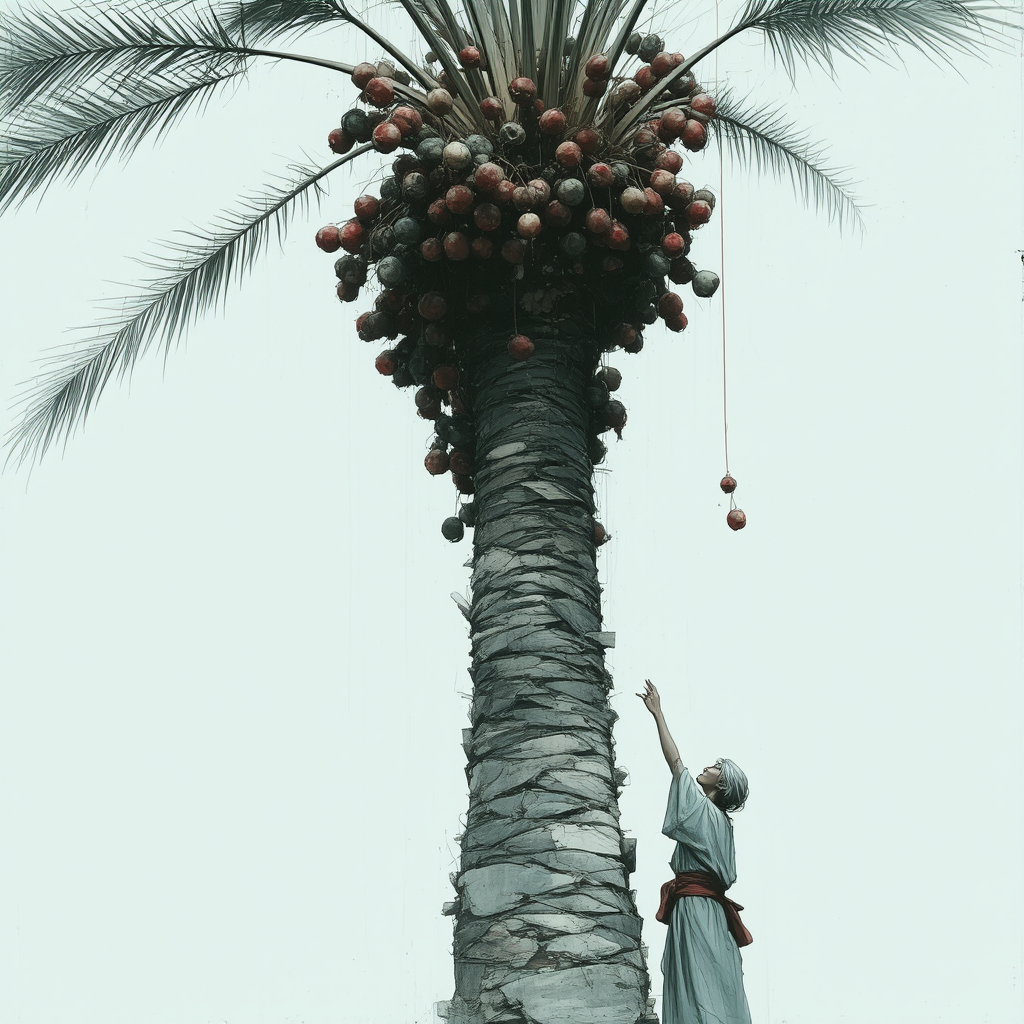
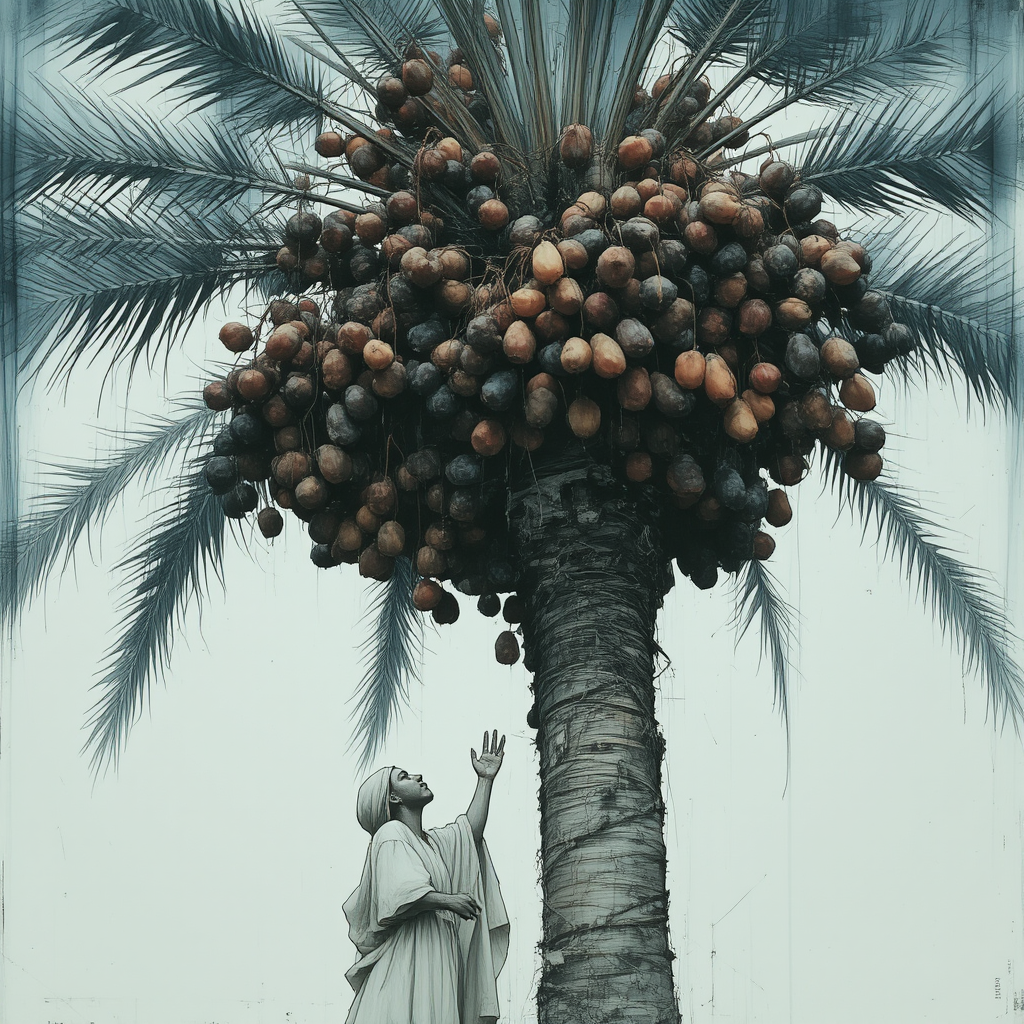
The dates High up on the tree
Some thoughts:
There are so many different directions this poem could go. The dates, out of reach so high up the tree, could represent a goal, a desire, nourishment, or a promise of sweetness, joy deferred. In Hafiz’s Persian culture, they would have been a staple, part of many recipes as a sweetener. The inability to reach the fruit could represent our human limitations, our need for community, or the recognition that we must learn to think outside the box. There are ways to get to the fruit that don’t involve growing longer arms. We can climb, get a ladder, shake the tree, wait until it gets ripe enough to fall, ask for help from others, etc. Perhaps the poem is asking us to ponder our needs and determine what it is we most need to learn from the situation. Do we need to develop patience and wait for the fruit to fall? Do we need to learn to ask for help and get support from our community? Do we need to develop some initiative and do some problem-solving to get our needs met? Do we need to take a class in date harvesting to gather more information about our dilemma? Like I said, there are many ways to look at this and any of them could be a great lesson, depending on our circumstances.
My Poem 31:
I want to be rich enough to pay my bills on the day they are due, if not early each month.
I want to be so rich, the only thing I worry about is who to help next with the extra money I’ve earned.
I want to be the kind of rich that goes grocery shopping without tabulating a total as I go.
I want to be richer than it takes to retire all the great-grandparents in our family so they can rest.
I want to be the richest person who still drives a Toyota Camry and lives in a multi-generational home.
I want rich written all over my receipts for paying off every school loan for every relative and friend I know.
I want richer than rich opportunities to flow into every household of every human on earth who wishes others well.
I want to richify our schools, hospitals, libraries, daycares, nursing homes, and animal shelters with infinite abundance.
Hafiz. Hafiz’s Little Book of Life. Translated by Erfan Mojib and Gary Gach, Hampton Roads Publishing, 2023.
All images created by Rebekah Marshall’s prompts using AI on Gencraft.com website.
I am reading Hafiz’s Little Book of Life, poetry by Hafiz-e Shirazi. He is challenging me to become more comfortable with ambiguity. I will share his poem and some of my thoughts on his poem (sometimes with the help of experts when the concepts are too hard for me), followed by a poem and some art inspired by his poem.
Hafiz’s Poem 29:
Along the Way of Love
Worldly rule is A parasite
Some thoughts:
I had to ponder this one a while and use resources to check my ideas against. “Along the Way of Love” feels like it is talking about our path or spiritual journey throughout life. My husband’s martial art talks about “Budo,” which means roughly, “The Martial Way.” Some spiritual practices call it “The Walk” or “The Straight and Narrow Path” or “The Hero’s Journey.” Common threads in all of them are ideas of practice, movement, alignment, and surrender. In the Tao Te Ching, Dao is “The Way” and is the underlying current shaping our reality or the natural flow of our existence. The Bible depicts Jesus as “The Way” and a life patterned after his love, sacrifice, and humility is the ideal for Christians. In Hinduism, Marga is the path and Dharma is “cosmic order, right action, and duty aligned with one’s nature.” In Buddhism, The Noble Eightfold Path includes right speech, right action, right livelihood, and right mindfulness. Many Indigenous traditions speak of “Walking in Balance”, in beauty, right relationship, and balance with the land, ancestors, community, and spirit.
Any of these examples works perfectly with the rest of the poem because it is saying that, essentially, any outside force that tries to control “The Way” does so by feeding on us. Outside powers like governments, religious authorities, ego, systems that dominate, or hierarchies that control need someone to rule over. They survive by draining the life and spirit of their hosts. They cannot exist independently from us. Power that depends on control is a parasite. They require dominance, fear, maintaining an image, etc. If we are truly traveling The Way, we are striving for equality, love, surrender, vulnerability, and humility, all things that are opposites of ego-driven constructs.
On a more personal level, if we are trying to walk The Way of Love, it is not in alignment to act parasitic. Are we trying to control people around us? Are we trying to control outcomes, narratives, opinions, or events? Love does not try to control others. Love flows freely. Do we try to dominate conversations when we want to get our way instead of letting the conversation be fair and two-sided? Do we use our emotions to bully others into doing what we want, rather than keeping ourselves balanced and in check and recognizing that we are using manipulation as a tactic? Control clings, fears, threatens, traps, insists, interferes, and demands. Nothing that tries to control is love.
My Poem 29:
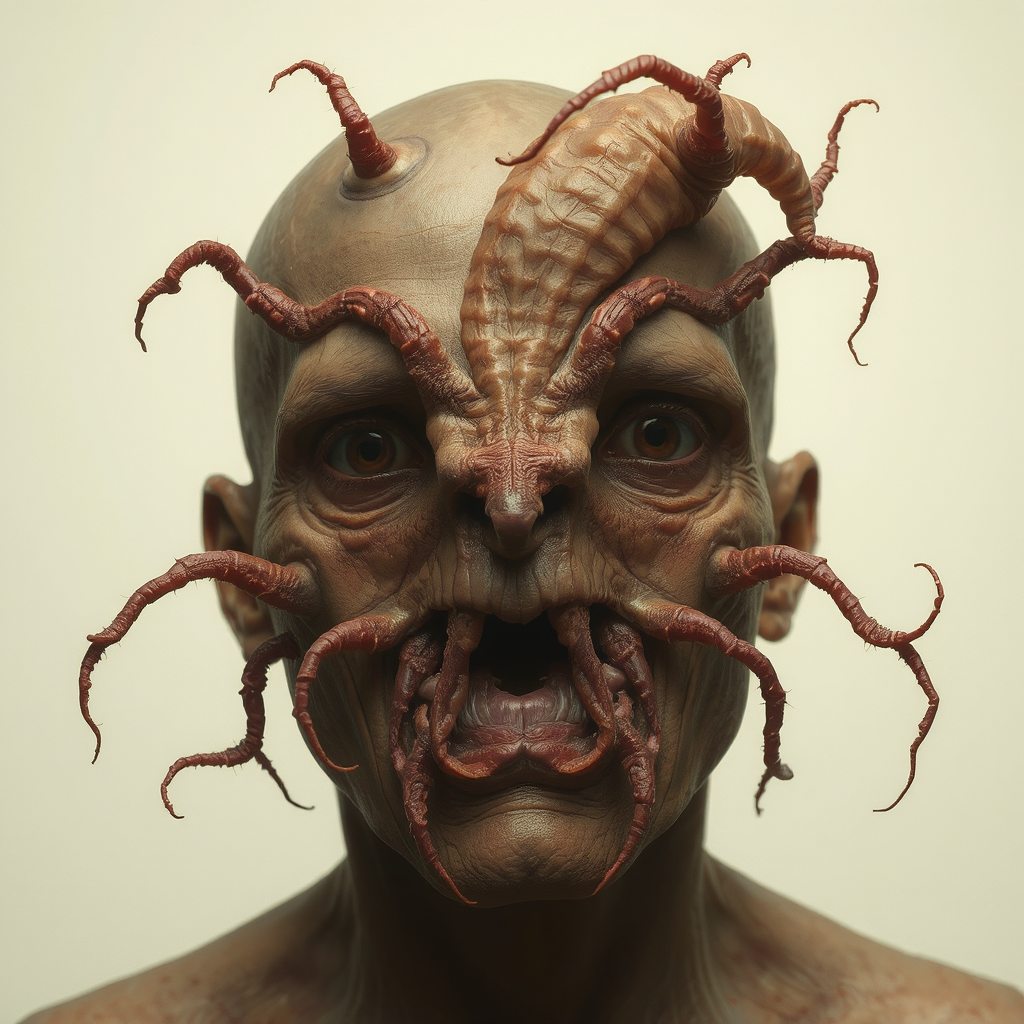
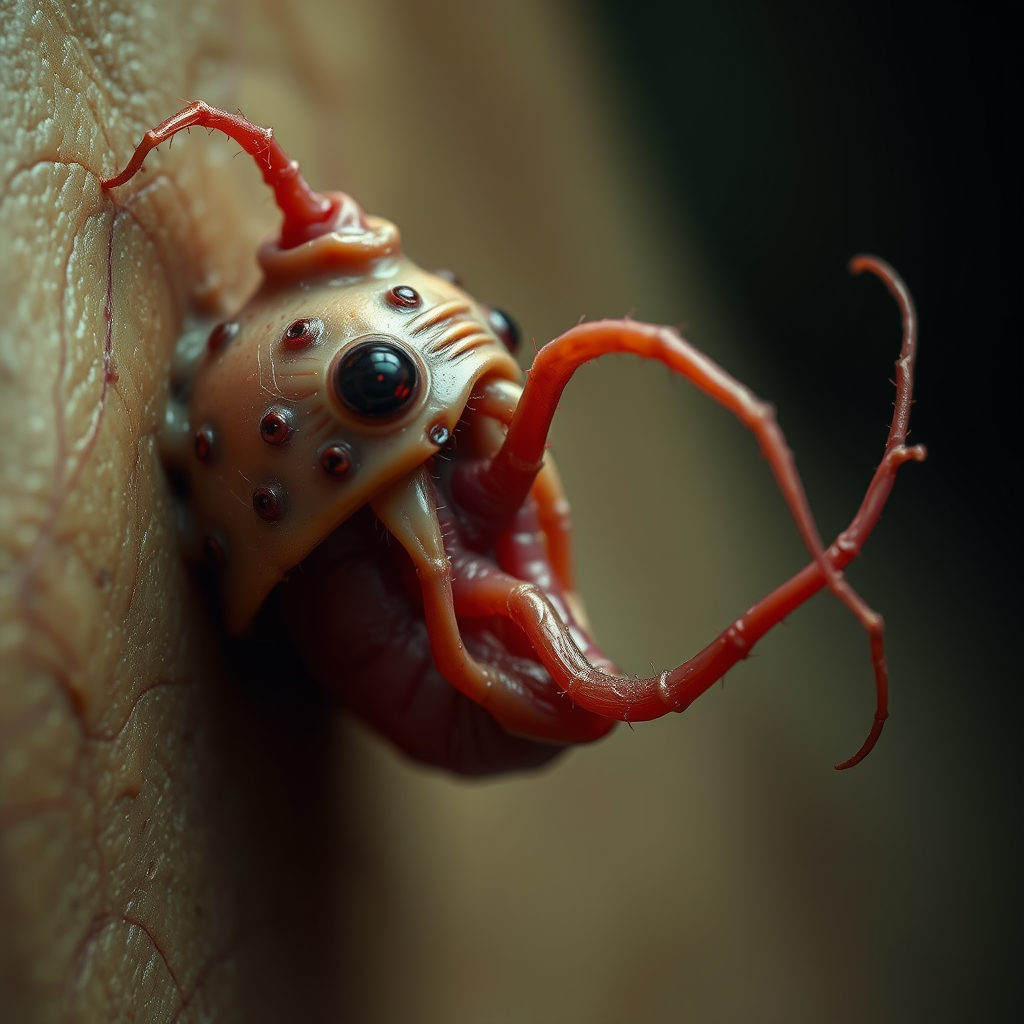
The plasmodium falciparum is the deadliest parasite for humans, as far as we know.
Over 600,000 people die every year from malaria caused by these tiny little one-celled creatures who fly through the air on winged mosquito ladies from one human host to another, multiply in our livers, then burst open our red blood cells, which we would prefer were kept intact.
Their feasting and multiplying is incongruous with our well-being, their only goal multiplication.
For them the glorious bursting of our cells is like fireworks, celebratory blasts releasing new generations into the river of life (our bloodstream) where they hope to be a lucky chosen one that will be sucked into the sky and helicoptered to a new host, where their descendants will begin again.
Hafiz. Hafiz’s Little Book of Life. Translated by Erfan Mojib and Gary Gach, Hampton Roads Publishing, 2023.