Tag Archives: friendship

Hafiz – Poem 27

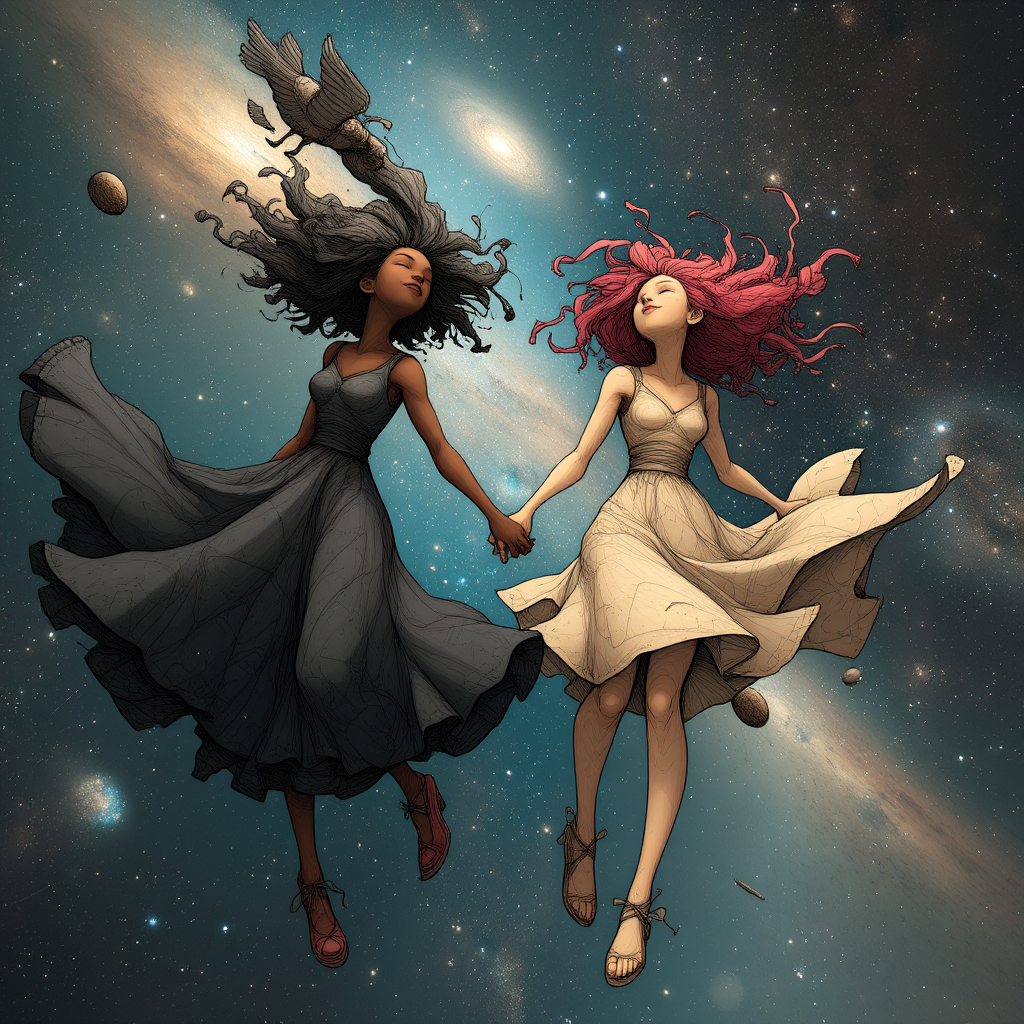
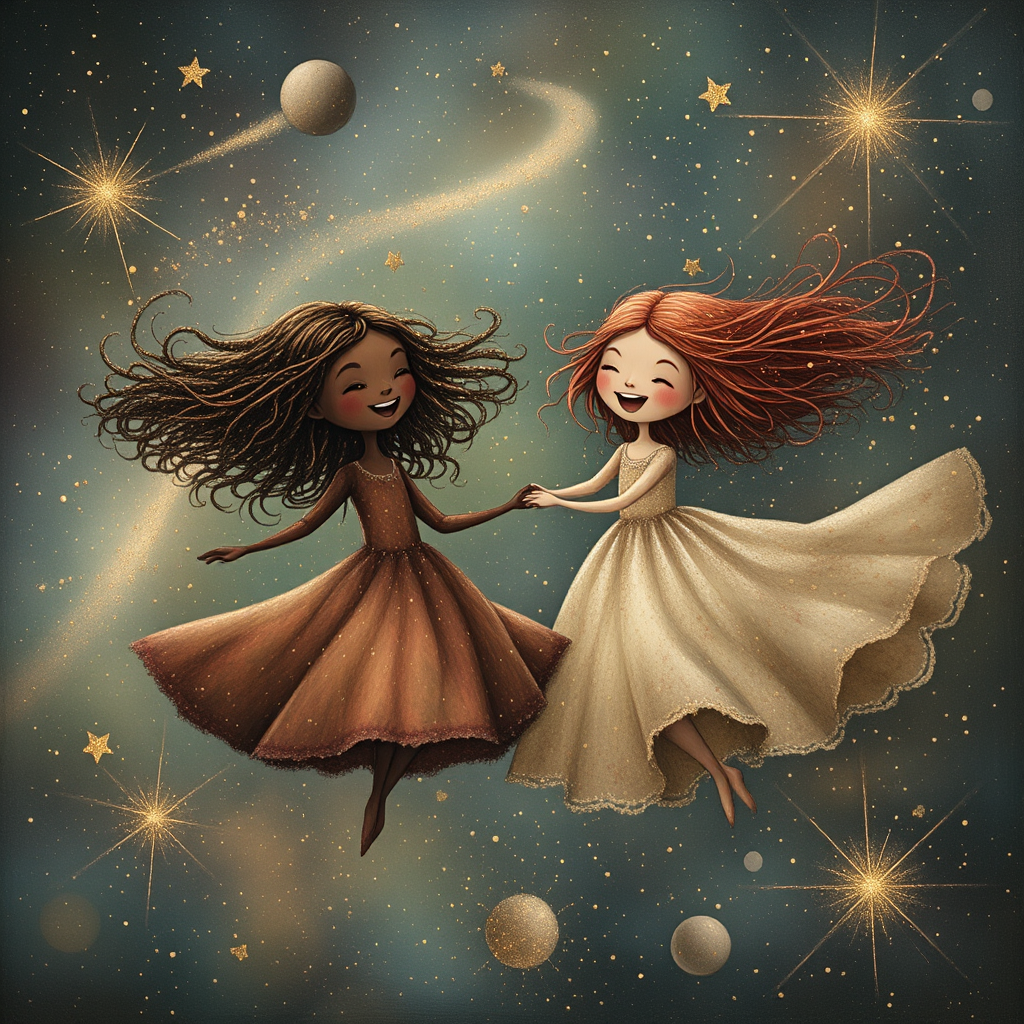
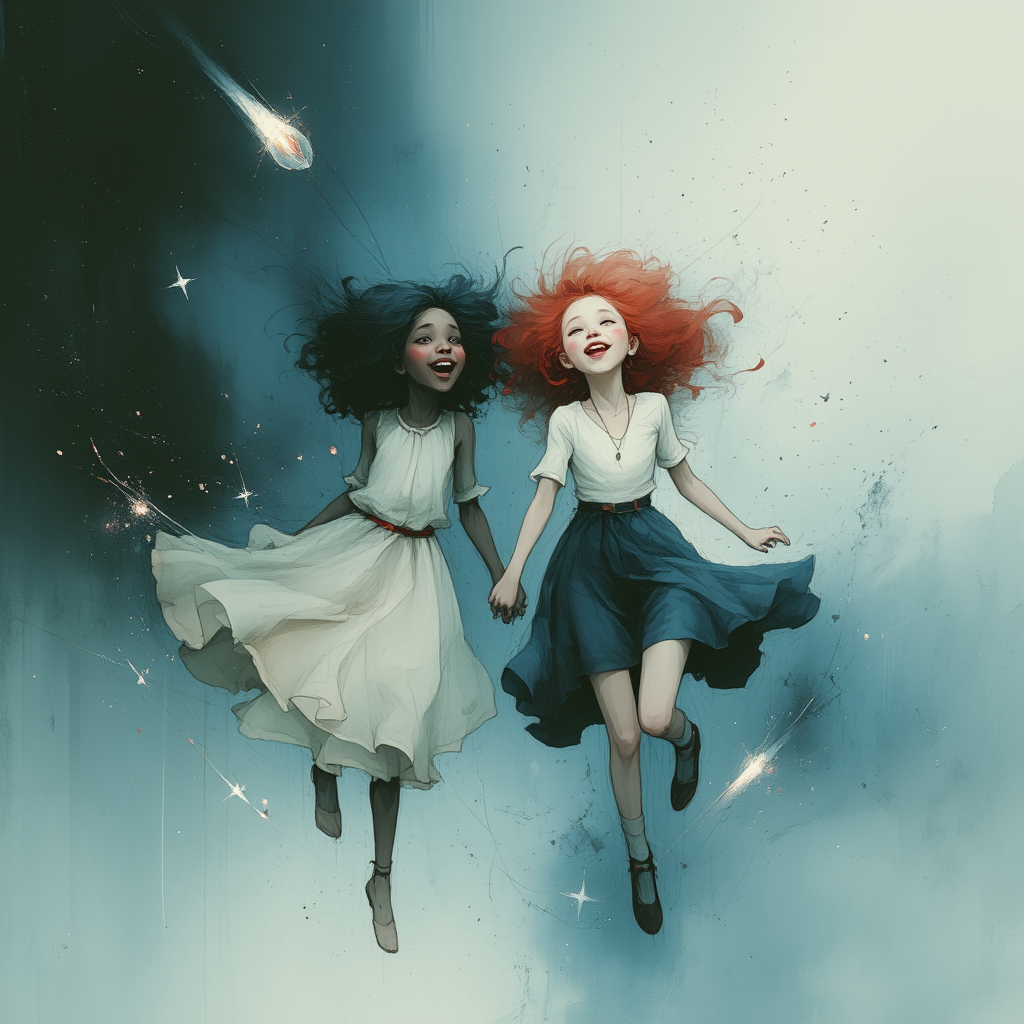
All images created by Rebekah Marshall’s prompts using AI on Gencraft.com website.

I am reading Hafiz’s Little Book of Life, poetry by Hafiz-e Shirazi. He is challenging me to become more comfortable with ambiguity. I will share his poem and some of my thoughts on his poem (sometimes with the help of experts when the concepts are too hard for me), followed by a poem and some art inspired by his poem.

Hafiz’s Poem 27:

My pain

Best left concealed
Than revealed
To dubious do-gooders

Some thoughts:

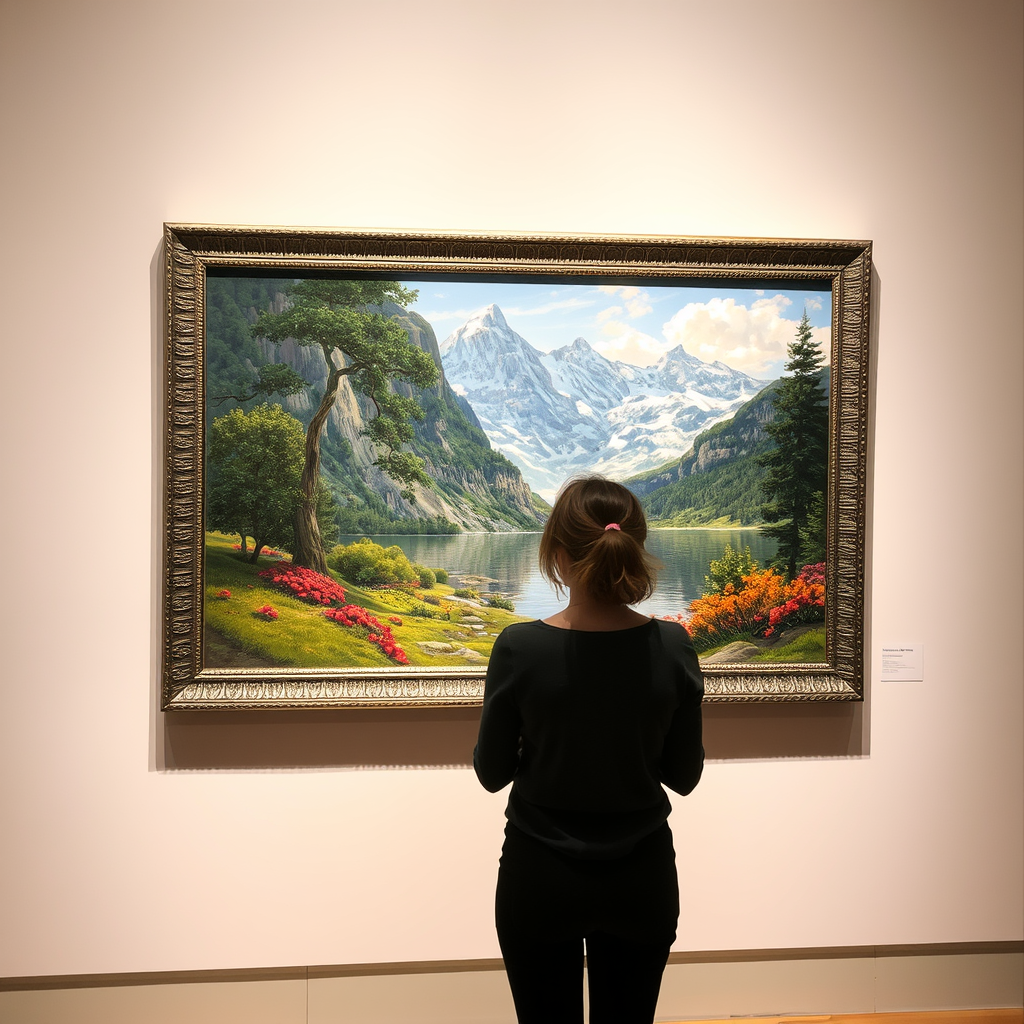
Not everyone has our best interests at heart. Growing up in the south, rather sheltered in a tight-knit family, religious community, and small town, I truly thought most people meant well and could be trusted. My naivete still remains somewhat intact, so this poem is a good reminder for me. I still want to believe that people are kind and honest and compassionate and empathetic. And that may be true about most of the people I have chosen to surround myself with. However, that is not everyone. And we do well to remember that our deepest vulnerabilities should only be shared with individuals who have earned both our respect and fidelity.

I guess in modern days we call this boundaries. A big part of healthy communication in relationships is learning to set boundaries and respect other people’s boundaries. Both can be hard to do consistently but are worth the time and effort. A tight circle of dear friends who I can trust with my life, let alone my pain, are all I need. They know who they are, and for them, I am very grateful.

My Poem 27:

Our deepest wounding
we guard diligently
access denied
until a sliver of light
cracks our resolve
a trusted witness
proves worthy, faithful,
capable of holding
without judgment
keep confidence
without being asked
and a burden shared
becomes lighter.

Hafiz. Hafiz’s Little Book of Life. Translated by Erfan Mojib and Gary Gach, Hampton Roads Publishing, 2023.
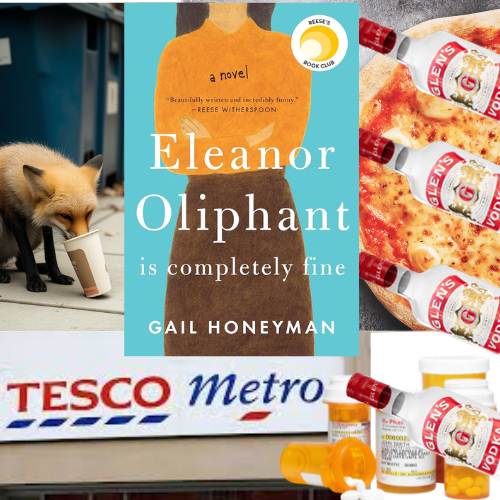
Eleanor Oliphant is completely fine (Book Review)

TRIGGER WARNING: This book addresses difficult topics including mental illness, suicide, abuse, violence, and trauma. Some scenes and references may be distressing for certain readers.

Gail Honeyman is a master of dry wit and understatement in Eleanor Oliphant is completely fine. Eleanor is so unpleasant and awkward as to render her completely unlikeable at the beginning of the novel. I don’t want to see her bullied by her coworkers or strangers in public, but I could certainly see why they might. She invites side-glances with her oblivious rudeness and is a closed book. She doesn’t want anything to do with anybody and seems perfectly content in her isolation. Of course, it’s all a ruse and protective defenses, but those walls are tall and seem impenetrable.

The chance encounters, unusual incidents, and course of events that occur begin to bring about a soft opening of Eleanor. And the unfolding of her past, the development of some friendships, and her observations and realizations throughout the process are so endearing that I couldn’t help falling in love with her. She and her circle of people are everything that is wonderful about humanity, especially when coping with everything that is horrible with humanity.

Once again, I was disappointed by the rushed feel of the ending. I hoped for the same level of deep introspection at the end of the book that was delved into throughout the rest. What is with these authors rushing their endings? They need to be every bit as perfect as the beginnings and middles. But other than wanting more, I can find no fault with this witty, honest, hilarious look at a lovely woman who is absolutely NOT completely fine, but who will be. The author’s voice is refreshing, hilarious, and wonderful.

Honeyman, Gail, Eleanor Oliphant is completely fine, Penguin Random House, 2017.

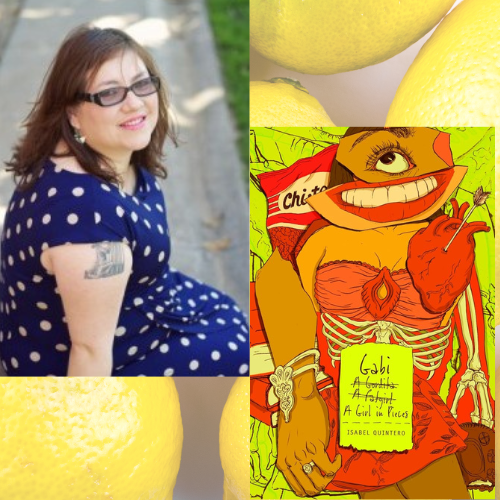
Gabi, A Girl in Pieces (Book Review)

TRIGGER WARNING: This novel addresses themes of teen pregnancy, substance abuse, addiction, death, sexuality, religious pressure, body image struggles, and family conflict. Some material may be sensitive for readers.

Isabel Quintero does a fabulous job in Gabi, A Girl in Pieces of making us fall in love with a messy, smart, creative, beautiful, real-sounding protagonist. Gabi is sharing her journal with us, along with poetry, artwork, letters to her drug-addicted father, and innermost secrets. We are there for the highs and the lows, and we laugh right along with her, just before we grab a box of tissues to sob along with her. It is her senior year, and she is a pale-skinned Mexican American girl proud of her culture and obsessed with her food. (This gordita can relate.)

She tackles relationships with boys, friendship, teen-pregnancy, religious pressure, family dynamics, sibling issues, senior year stress, college applications, drug abuse, death, sex, body image, and more. Her voice is sarcastic, tender, raw, and heartbreakingly vulnerable. Navigating the minefields of adolescence in the 21st century has never seemed more fraught nor more worth celebrating. It is full of issues that make it a commonly banned book in conservative states’ schools. I feel sad for young ladies who may never get the chance to meet Gabi because there are probably many who could find hope and courage from her example.

Quintero, Isabel, Gabi, A Girl in Pieces, Cinco Puntos Press, 2014.

The Four Loves (Book Review)

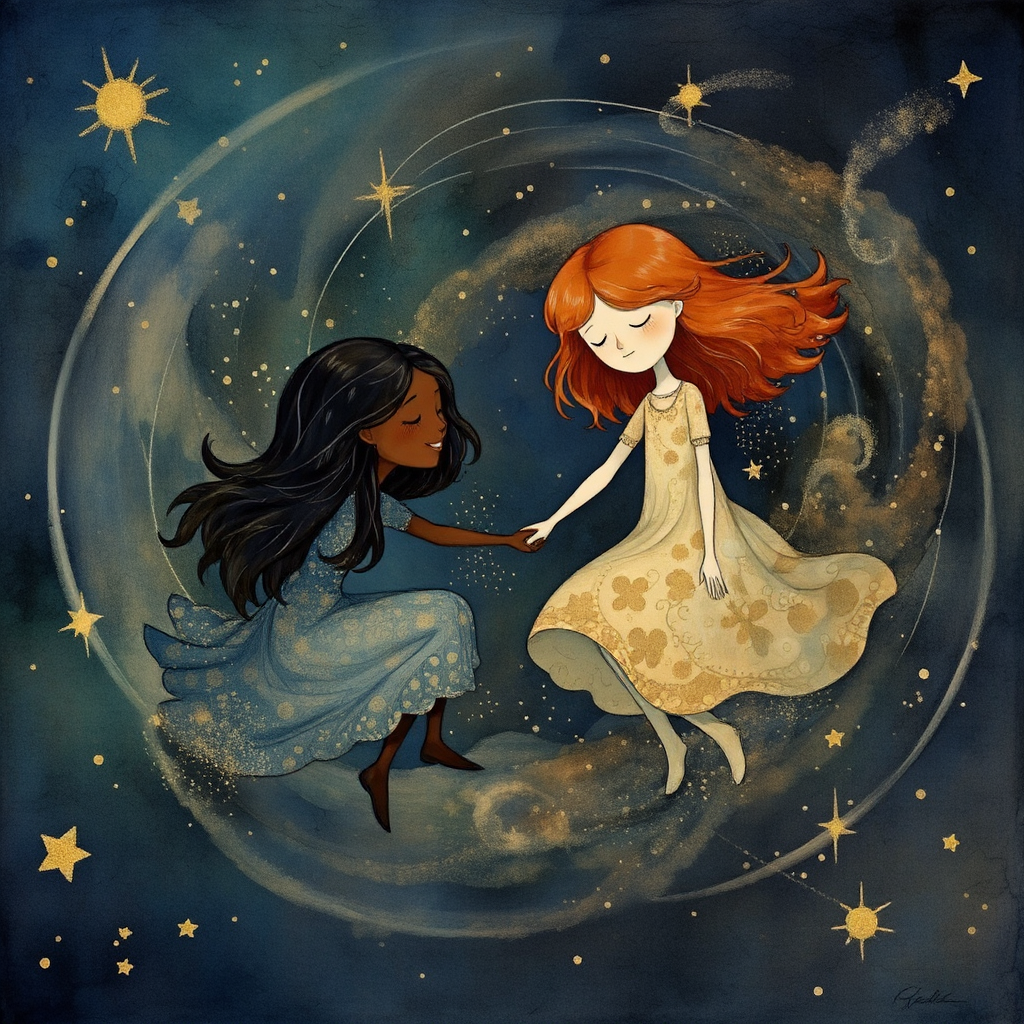
All images created by Rebekah Marshall’s prompts using AI on Gencraft.com website.

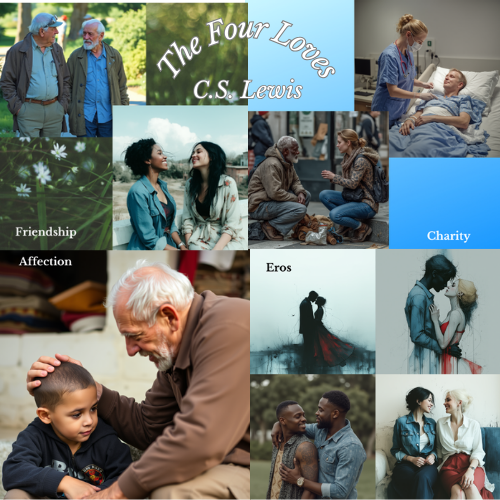
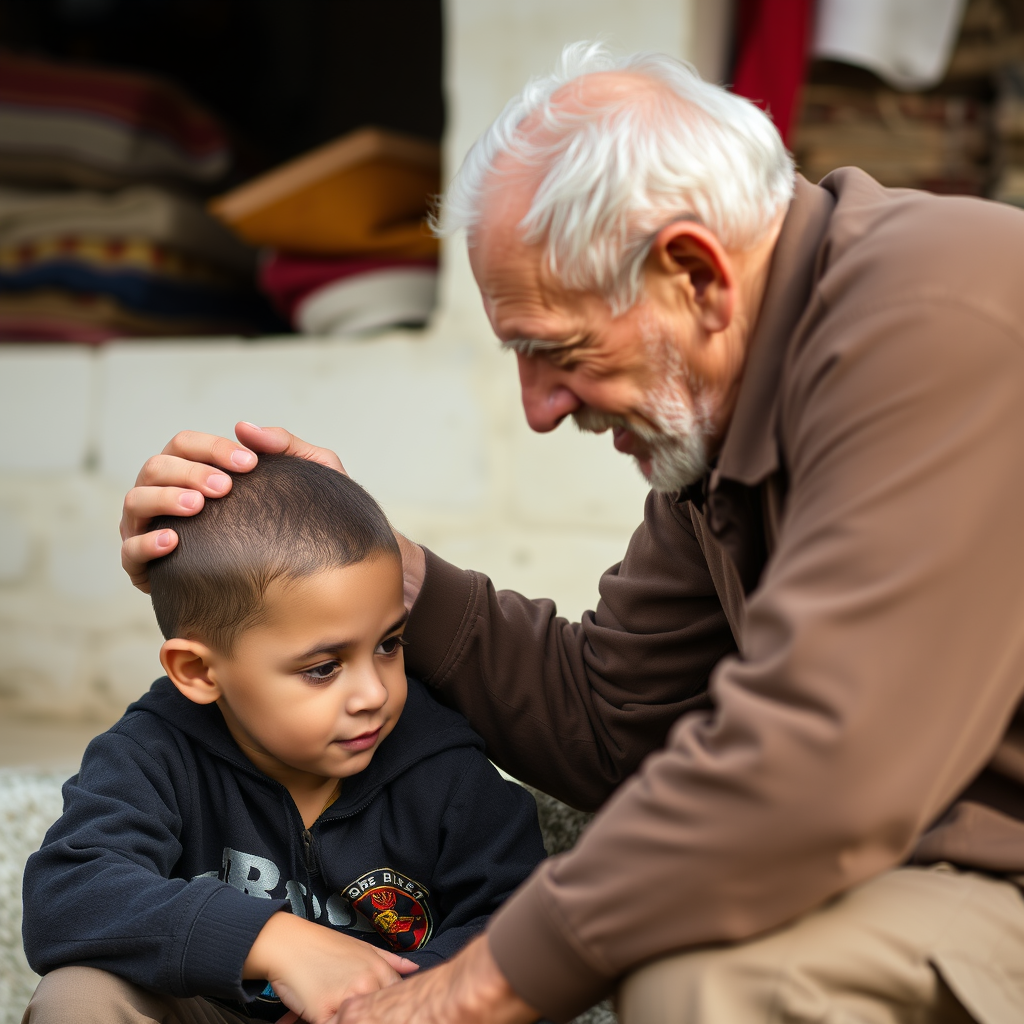
I’m not sure what I was expecting of C.S. Lewis’s The Four Loves, but I was surprised by the conversational tone. Though I did not agree with all his assertions, many of the ideas and categorizations of types of love made sense. He breaks love into the categories of Affection, Friendship, Eros, and Charity. Then he has another discussion around the Likings and Loves for the Sub-Human, like when we say we like taking naps or love cheesecake. Many examples within each of the categories also fall into what he calls Need-love vs. Gift-love. Need-love would be assigned to necessary-for-survival-type loves, like a child to a parent or water to quench thirst. Gift-love would be assigned to unnecessary-type loves, like appreciation of a beautiful piece of art or taking care of a sick person.

The reader should be prepared for strict opinions based on Lewis’s beliefs regarding gender roles, nature, science, the fall of mankind, sin, the afterlife, and other principles that Lewis views as black or white, rather than a possible spectrum of interpretation of Biblical text. If that is an accepted foundation going in, the concept of love can be the focus for analysis. I find the idea of even attempting to categorize love somewhat grandiose. However, Lewis’s arguments are well thought out. There are probably many more nuances that could be catalogued by culture, historical context, language, psychotropically induced vs. naturally occurring, gender-related, conscious v. subconscious, etc. I wonder if there are as many different types of love as there are people on the planet. That would be a much thicker book, though.

Lewis, C.S. The Four Loves, Houghton Mifflin Harcourt Publishing Company, 1960.

Hafiz – Poem 13

All images created by Rebekah Marshall’s prompts using AI on Gencraft.com website.

I am reading Hafiz’s Little Book of Life, poetry by Hafiz-e Shirazi. He is challenging me to become more comfortable with ambiguity. I will share his poem and some of my thoughts on his poem (sometimes with the help of experts when the concepts are too hard for me), followed by a poem and some art inspired by his poem.

Hafiz’s Poem 13:

Once, this was a city of friends

     In a land of kind people –

What happened to the love

     & where are the compassionate leaders

Some thoughts:

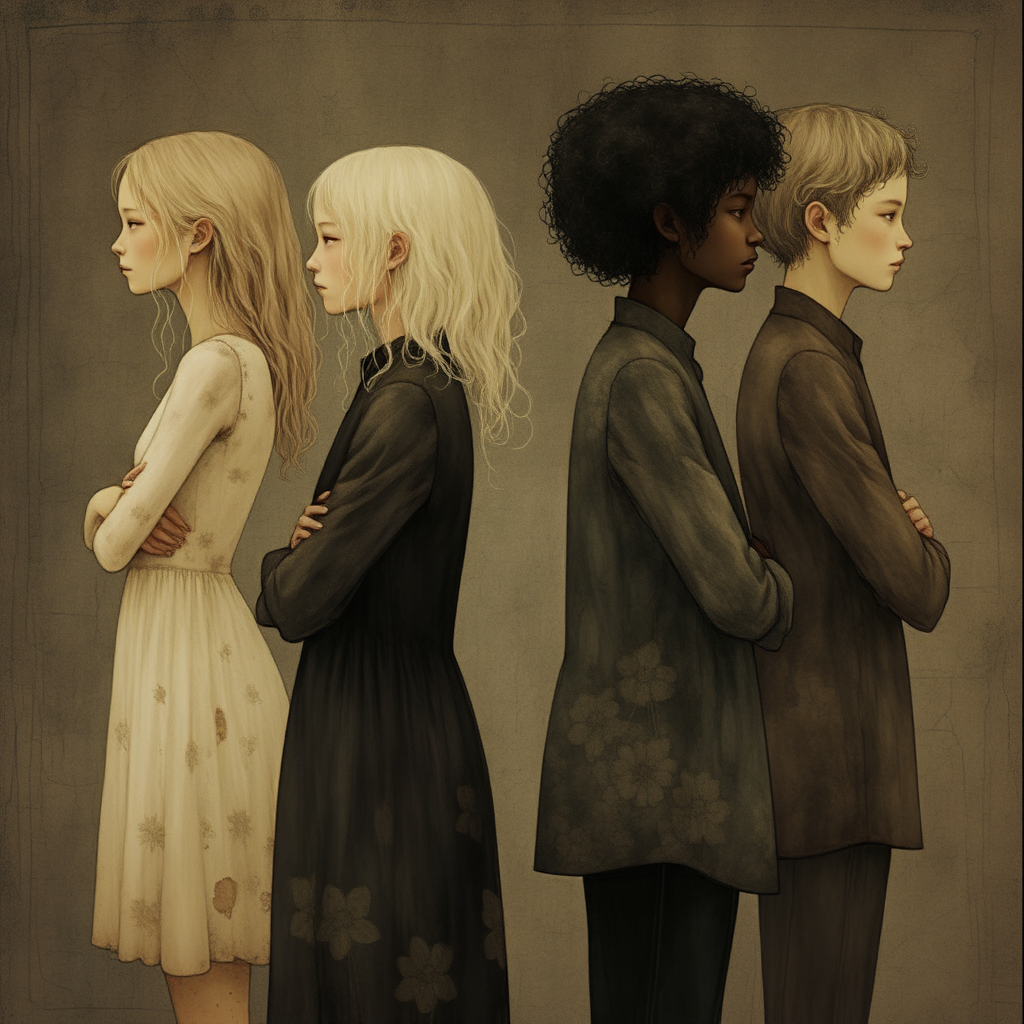
Hafiz seems to be remembering nostalgically the collective culture of his homeland during a gentler time. It sounds like it was a lovely time of peace and people who felt like they belonged in community. Maybe the inhabitants even took pride in how friendly and welcoming they were. Now things have changed. He is writing in a time that feels discouraging, unkind, less of a collective support system. The love is gone. Compassion is absent in leadership. They are not protecting the vulnerable, demonstrating care, or displaying accountability. People probably feel isolated, afraid to speak their truth, and unsure who to trust.

My Poem 13:

What moral drift
has left us alone
with our thoughts,
afraid to speak,
tender to the touch?

Murals have faded.
Warmth only a memory
bereft of substance.
Lack of accountability
creates fear, erodes trust.

Is kindness optional?
Does human dignity
disappear because politics
plays ugly games
with ethical dilemmas?

Hafiz. Hafiz’s Little Book of Life. Translated by Erfan Mojib and Gary Gach, Hampton Roads Publishing, 2023.

Hafiz – Poem 3

I am reading Hafiz’s Little Book of Life, poetry by Hafiz-e Shirazi. He is challenging me to become more comfortable with ambiguity. I will share his poem and some of my thoughts on his poem (sometimes with the help of experts when the concepts are too hard for me), followed by a poem and some art inspired by his poem.

Hafiz’s Poem 3:

To cut off my desire for life
Would be easy, next to cutting off
Dear
Friends

Some thoughts:

If the desire for life in mystical philosophy is wrapped up in ego, renouncing the world, releasing ambition, etc., then Hafiz is saying that surrendering control is a piece of cake compared to severing relationships with dear friends. And the contrast he is setting up implies that he has no intention of severing ties with those he loves for supposed holiness or spiritual advancement. Perhaps he is even critiquing some of the spiritual asceticism some practices require of their members, like abstinence from human relationships and connection to others. Detachment does not mean abandoning those we love. God is love, so intimacy with others must be sacred.

My Poem 3:

Dissolve the untrue.

The last thing standing is love,

for love is not false.

Hafiz. Hafiz’s Little Book of Life. Translated by Erfan Mojib and Gary Gach, Hampton Roads Publishing, 2023.

Painted Skin

(Poem 254 for 2024 – I am writing a poem a day)

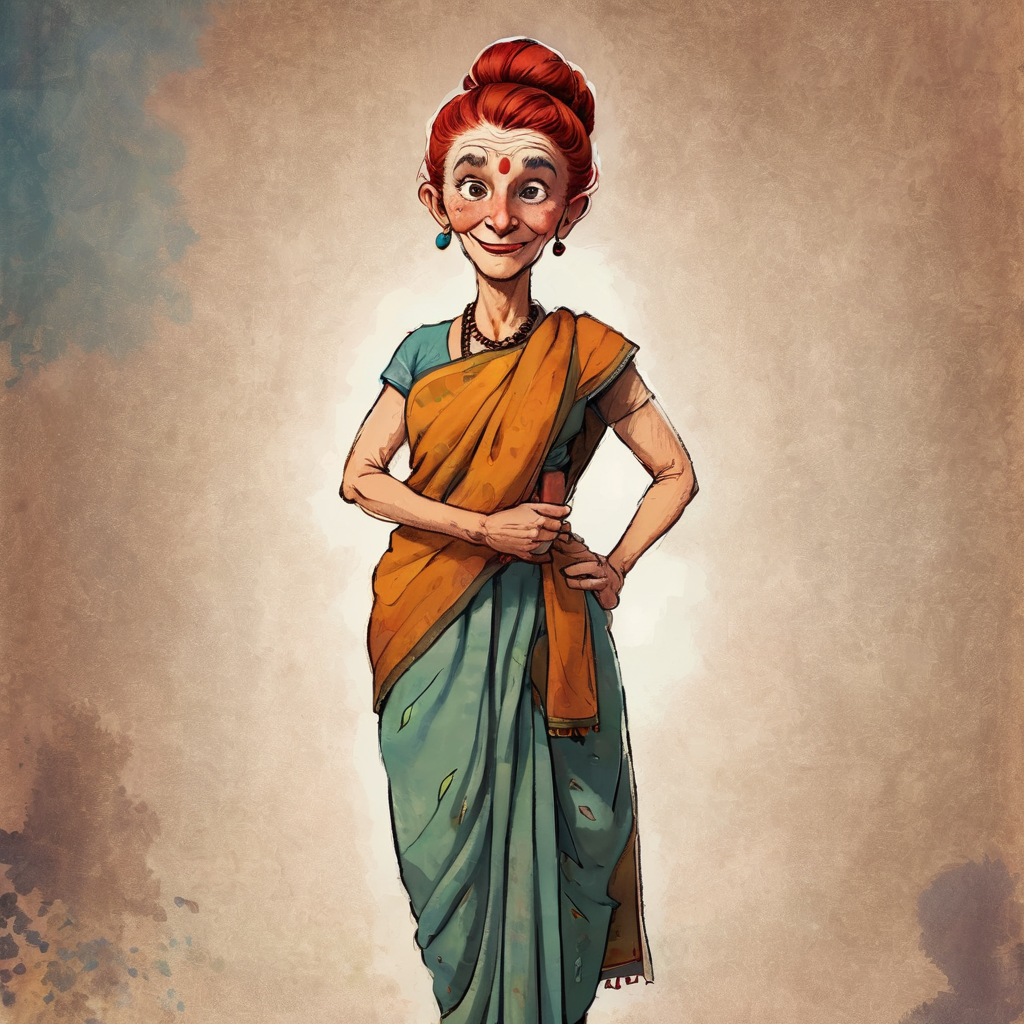
AI Generated image I prompted on Gencraft.com https://gencraft.ai/p/GQuc0J

Jenni married an Indian man,
painted her white skin brown,
and adopted a Hindi accent.

She wore a simple cotton sari
as though it was a ball gown
and dispensed sage advice
with smooth tilts of the head,
as though born in Mumbai.

@Home Studio – 254th poem of the year (After a dream I had about a white friend of mine completely appropriating Indian culture.)

Runner ups for the Indian Jenni photos to accompany my poem:

Harry Potter 7

(Poem 244 for 2024 – I am writing a poem a day)

This time what struck me was
the intimacy of Hermione and
Harry’s friendship as young
adults trying to endure hardship.
They leaned on each other for
support and inspiration and
literally for survival in dire times.
To have even one friend you
would trust with your life and vice
versa is a miracle, yet this story
depicts those depths of friendship
as the norm…what an aspiration.

@Home Studio – 244th poem of the year (After watching it at home while Lydia & Charlotte watched it at Cinemark on 8/31/24 for Back to Hogwarts Week)

Yates, David. Harry Potter and the Deathly Hallows-Part 1. Daniel Radcliffe, Emma Watson, Rupert Grint, Warner Bros., 2010.

Harry Potter 4

(Poem 241 for 2024 – I am writing a poem a day)

I think what I noticed most this
time around the Goblet of Fire
was just how good a young man
Cedric Diggory was depicted as.
He was the lad every girl would
want to bring home to meet the
parents and the British version
of the quarterback All-American—
a man’s man, rugged good looks
and charm, kind to everyone and
if he could be so effortlessly killed,
what did that say for everyone else?

@Home Studio – 241st poem of the year (After watching it at Cinemark with Debbie, Jenny, Celinda, David, & Charlotte on 8/28/24 for Back to Hogwarts Week)

Newell, Mike. Harry Potter and the Goblet of Fire. Daniel Radcliffe, Emma Watson, Rupert Grint, Warner Bros., 2005

Old Friend

(Poem 192 for 2024 – I am writing a poem a day)

AI Generated image I prompted on Gencraft.com https://gencraft.ai/p/zE8jZQ

Lunch with an old friend
is always a nice time to
catch up on family and
career, health and goals,
to reconnect over tales
of the past, memories of
the trials by fire and joys
we endured, tolerated,
and survived in the line
of duty that is a niche
experience most cannot
fathom, nor relate to.

Something about talking
through the time spent
in the trenches of yesterday
reminds us that the alternate
reality that was our daily
existence was real and vital,
and still being here to
talk about it confirms that
we are okay, our sacrifices
mattered and are not forgotten,
at least by us, as long as we
whisper our stories out loud.

@Erica’s – 192nd poem of the year (After lunch with Debbie Rice-Hutchison.)