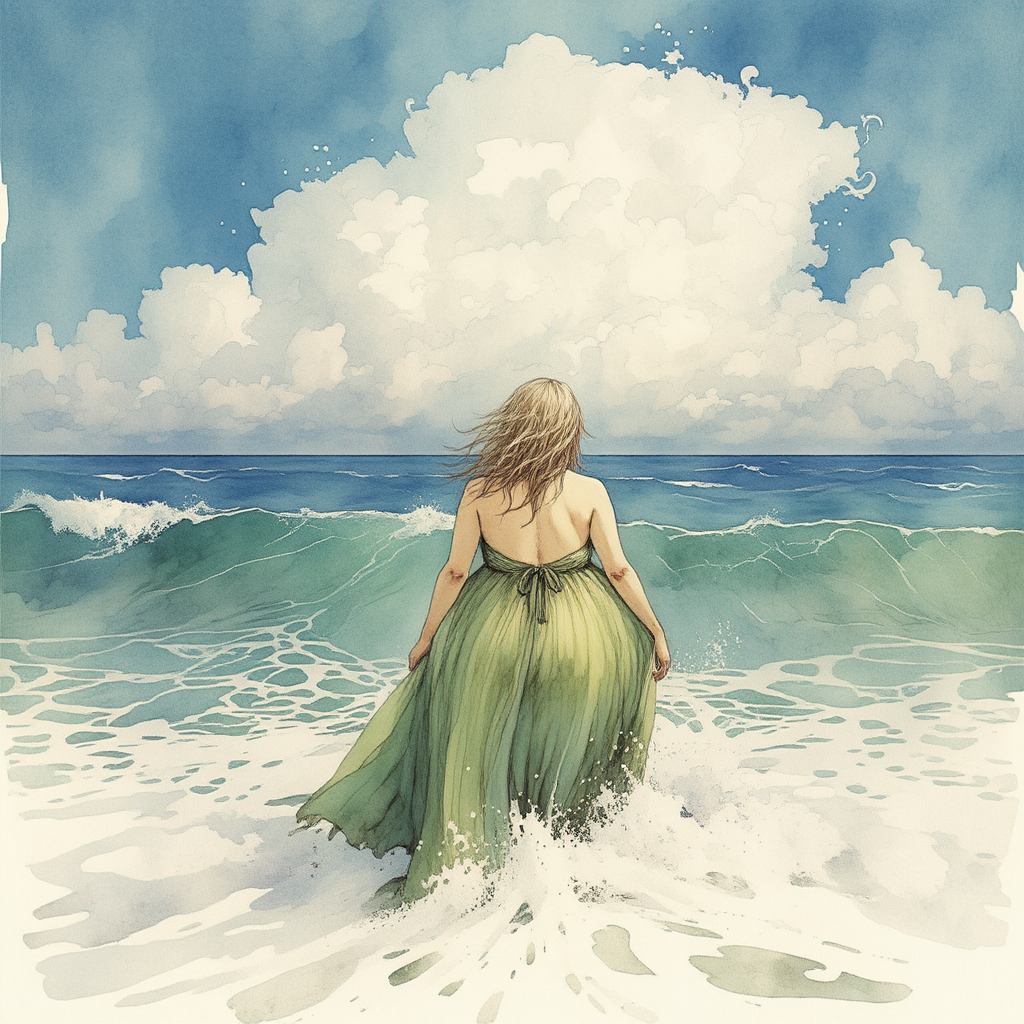
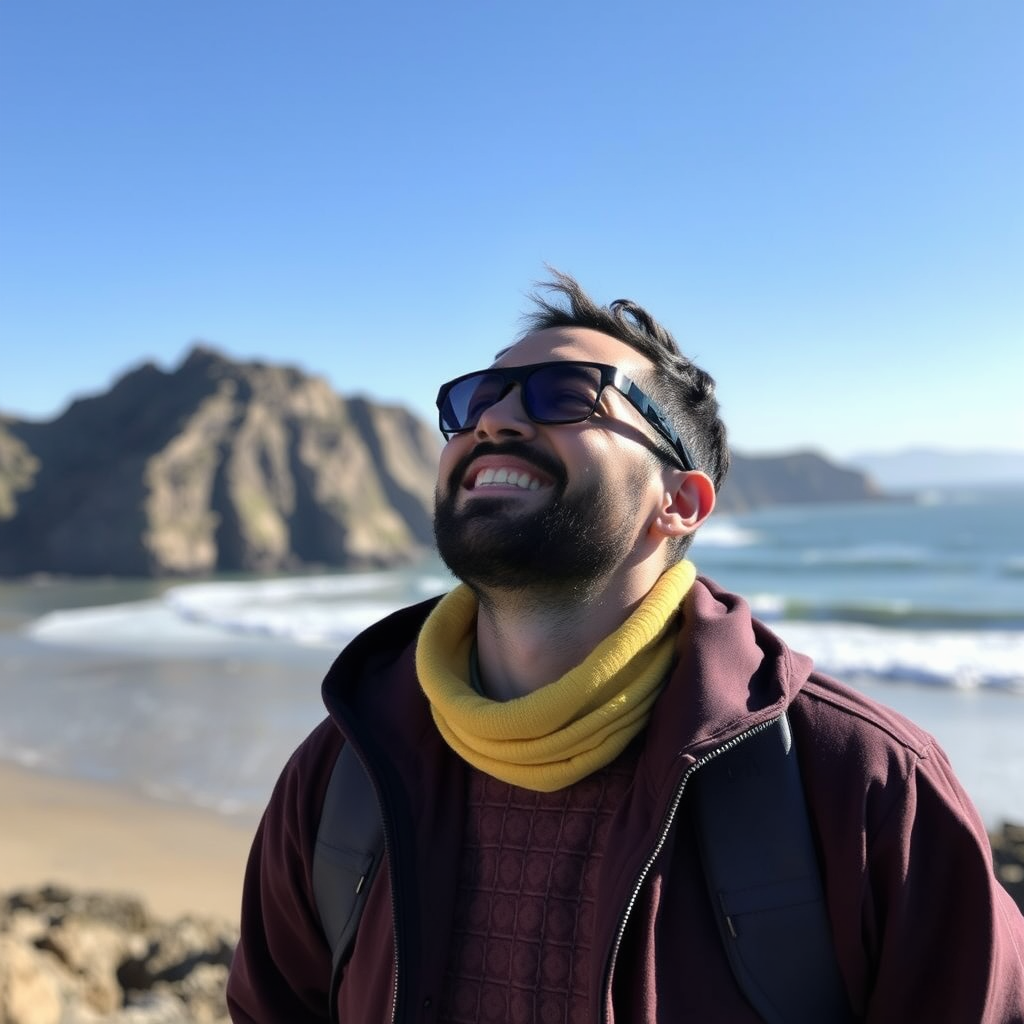
AI Generated images prompted on Gencraft.com by Rebekah Marshall.
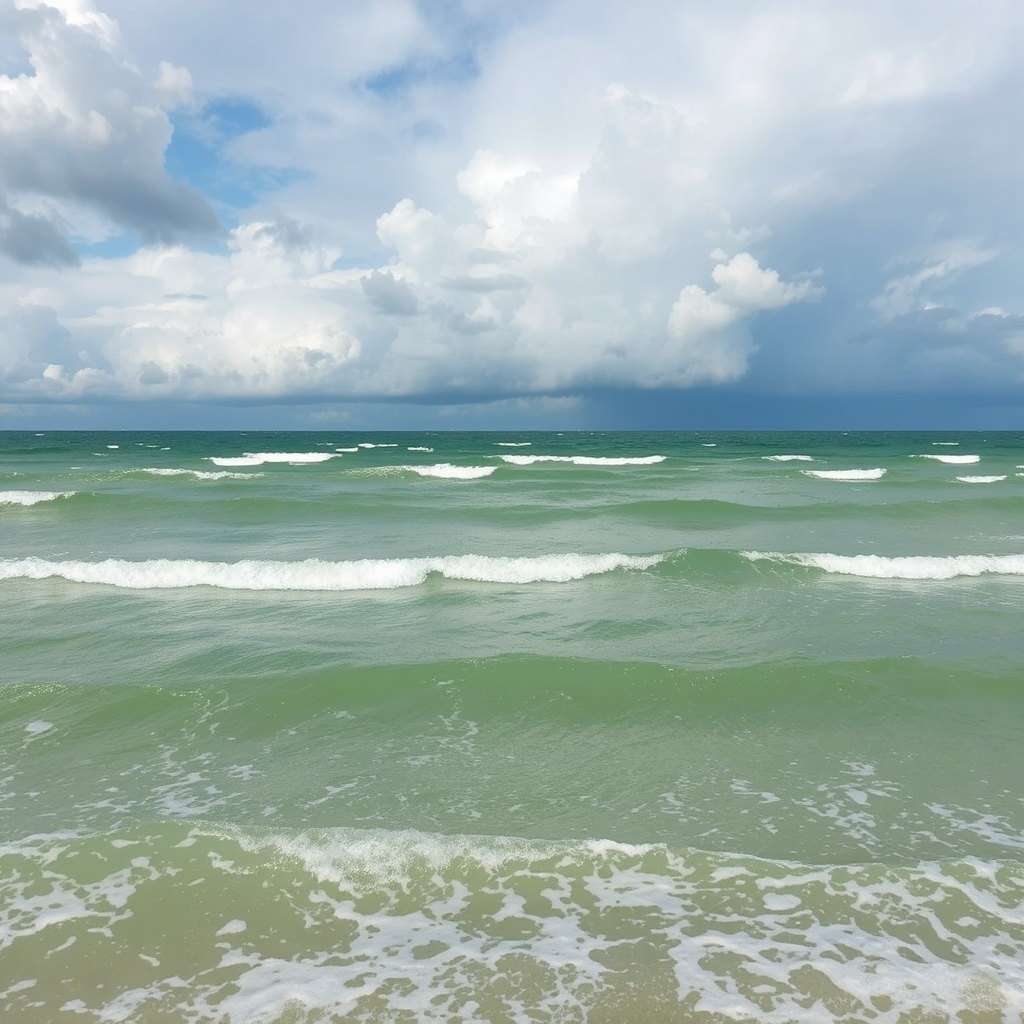
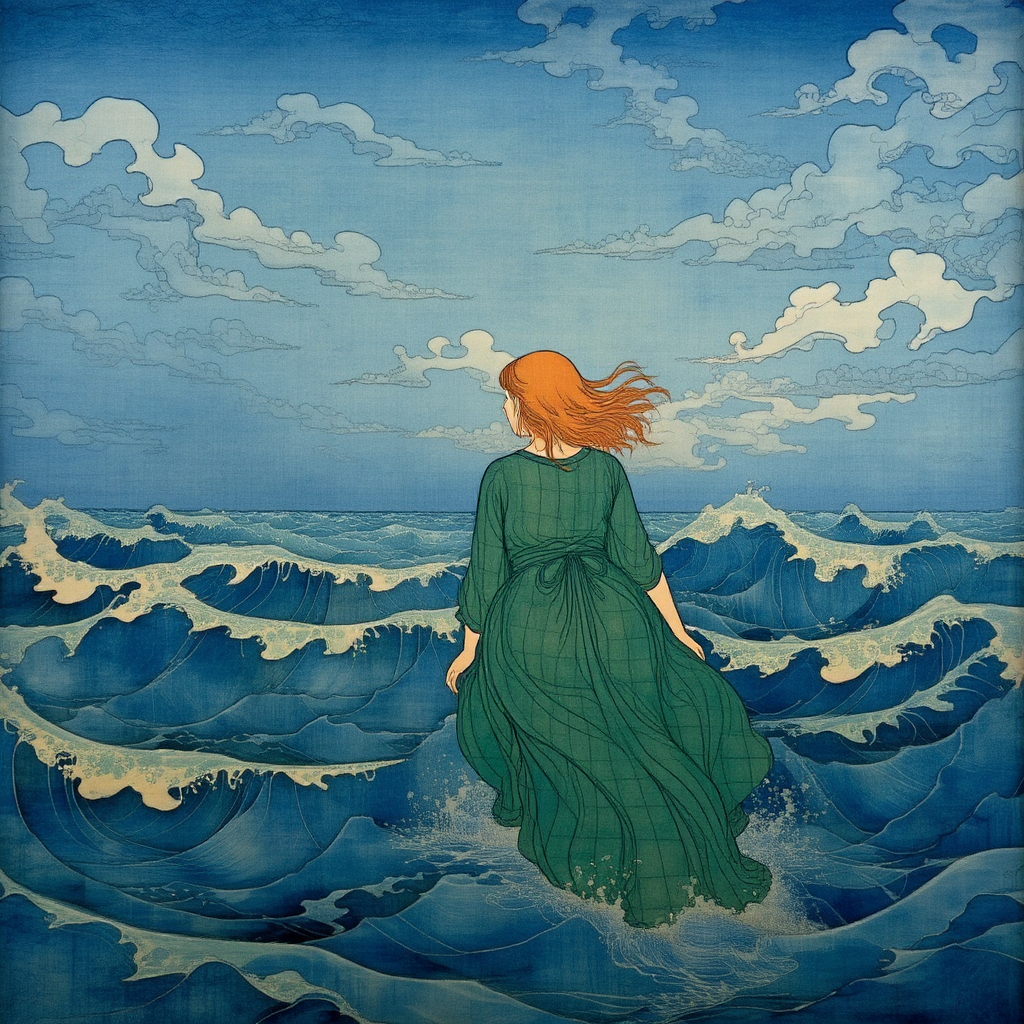
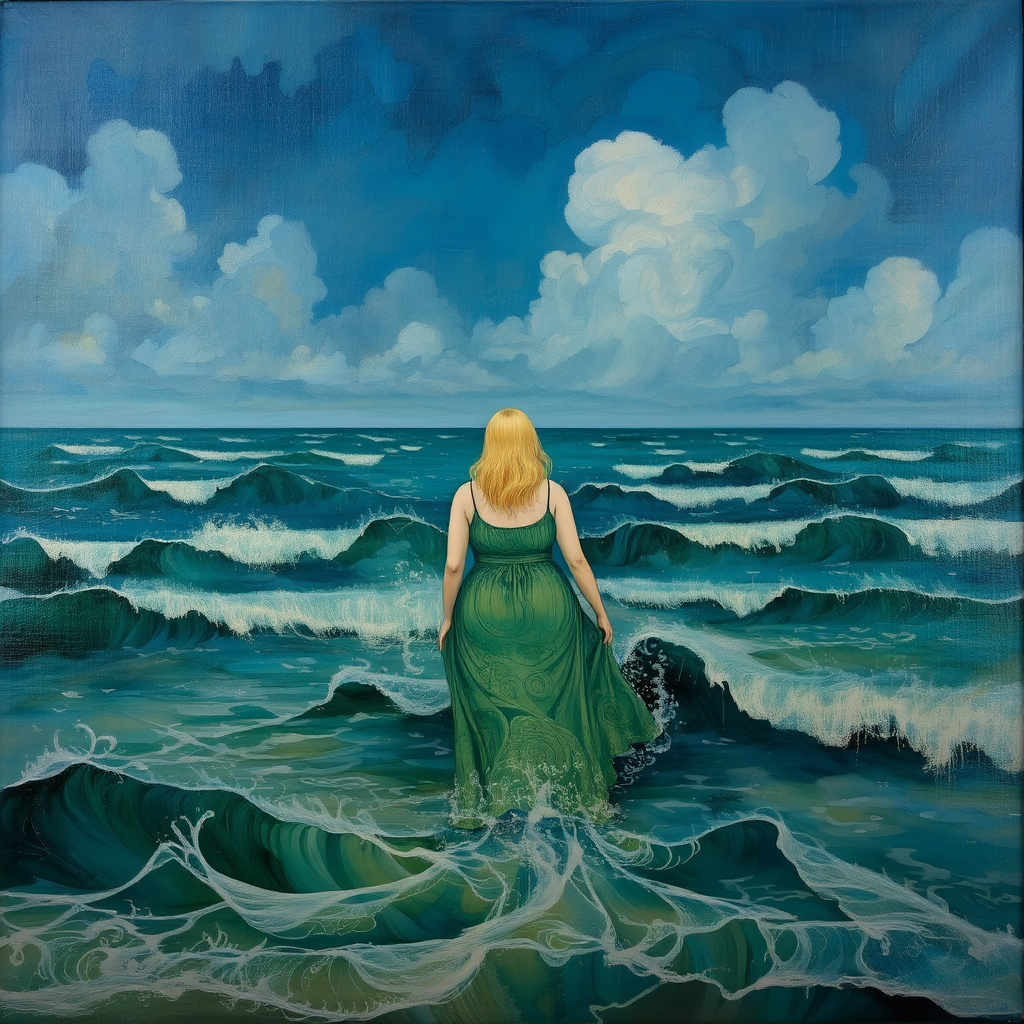
My first time in the ocean today, I got knocked down. I was trying to get to waist deep but did not have the strength to stand against her playful nudges. She seemed surprised and almost irritated that her friendly gesture toppled me and sent several really hard slaps to push me further toward shore.
Maybe she was trying to help, trying to get me back to safety, saying, “This one’s too delicate to be out here. She won’t last a minute.”
What she didn’t know is that I’m too weak to stand up once knocked down in her waves. I must get deeper to be more buoyant to be able to stand, especially with no balance and ever-increasing frequency of waves. Trying to crawl further out to sea became impossible. She made it impossible.
“You don’t understand, tiny human. I am dangerous. Go back to your dry land!”
We were not communicating in the same languages. Mine became unstoppable laughter, hers, ever-strengthening waves bent on pushing me to shore.
Somewhere about here my husband grew concerned. He wasn’t sure if I was communing with nature or in trouble and came closer from his comfortable beach chair to see.
“Thumbs up?” he questioned.
I shook my head no and waved for him to come rescue me. I couldn’t stop laughing as he began the slow trek my way, the gulf all the more insistent I exit the way I came.
I could stand or steady myself. I could not do both. So, with his presence, I stood, then grabbed his hand to help with balance, his stable strength what I needed to walk back to shore.
It was lovely. Not scary. Not painful, beyond the usual discomfort of being upright with joint pain. I went back to watching and listening from my shaded chair, exactly where I belong. This is how the ocean and I commune best. We sing to one another and just enjoy each other’s presence. Everyone is happier with that arrangement, especially my husband.
Addendum: I went back in twice more. He had to rescue me the 2nd time, as well. But the 3rd time, I made it to waist deep and back on my own two feet and felt so very, very pleased with myself.
AI Generated image prompted on Gencraft.com by Rebekah Marshall.
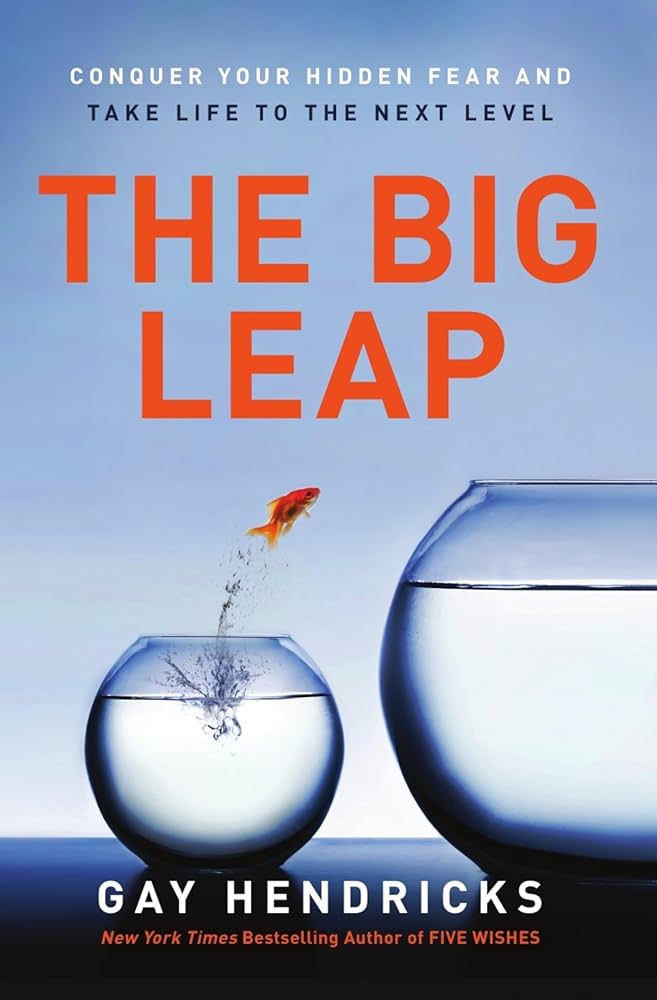
According to Gay Hendricks, PH.D., the only problem we need to solve is the Upper Limit Problem. He believes all avenues of discontent in life flow from the ways in which we limit ourselves or allow ourselves to be limited without breaking into our Zones of Genius. He posits that a universal human trait is the tendency to sabotage ourselves and others when artificial upper limits are exceeded.
The barriers we and society put in place are often unconsciously constructed by our upbringing, religion, politics, and education, but we buy into them and keep the scaffolding exactly where it’s always been. Phrases like, “She’s getting above her raising,” “He thinks he’s better than us,” “They aim too high,” “She’s greedy to want more,” “He needs to be brought down a peg,” “They didn’t do anything to earn that position,” etc. These aren’t phrases from his book, but common enough phrases in society that his hypothesis feels like commentary on most communities I know.
Whatever the complex social issues surrounding the lack of support for growth, he suggests there are ways to push beyond and live our best lives while still loving and supporting others. Instead of having a mindset of lack—lack of time, lack of money, lack of energy, lack of ideas, lack of community—we recognize that we are the creators of our realities and do our utmost to tap into our own genius.
The first step is to recognize the barriers and make conscious decisions to overcome them:
1. We are fundamentally flawed and don’t deserve success.
2. We are disloyal to expand beyond the expected norms of our families of origin.
3. We are a burden to others.
4. We must dim our brilliance, so we don’t outshine others.
Once we have expelled these faulty concepts from our thinking, we must find what our gifts are, find ways to express them, dislodge the notion that time is not on our side, and bring our best selves to the world. Only then will we be fulfilled in our relationships, our careers, our finances, and our spirituality.
I am intrigued, especially by his idea that time comes from within us, or at least the concept of time. It is only perception of time that makes each moment feel gruesome or fabulous. I’m sure he would agree that this concept does not apply in all circumstances because there are situations outside of our control and factors in this world that force time constraints on people against their will.
Disclaimers would have been appreciated that some of these deep concepts might not apply to people in the midst of horrific situations beyond their power, like war, extreme poverty, abuse, trauma, and other life-altering dilemmas that can create struggle. But given basic needs met, semi-peaceful conditions, and non-traumatic circumstances, his ideas are worth considering.
I for one commit to recognizing language of lack related to money, time, energy, etc. Instead of saying, “I can’t afford that,” or “I don’t have money for that,” I want to say, “I can buy that if I save for it,” or “I’m choosing to spend my money on something else.” It is a choice to reframe my language. Instead of saying, “I don’t have time to do that,” or “I wish there were more hours in the day,” I want to say, “I’m choosing to spend my time on other priorities,” or “I have plenty of time to do everything I am meant to do today.” The one I need to work the most on is energy. With chronic health issues, I am very aware of my energy levels and am known to complain about lack of energy. But Instead of saying, “I don’t have the energy to do this,” or “I wish I had more energy for x,y,z,” I want to say, “I have enough energy to do these things today, so I am going to prioritize them,” or “I have exactly the amount of energy I need and then I will take a nap to recharge.”
This self-development journey is fascinating. However much I learn, I always discover something more to expand my growth. The Big Leap is absolutely worth the read, but I recommend tackling it when things are at a fairly stable place in life. I would not have been willing to hear his ideas when I was at the apex of pain, in the middle of my divorce, during a crisis when my kids were teenagers, or when I was working 7 days a week to survive with no end in sight. These are concepts I am willing to consider with all bases covered and the privilege and opportunity to navel gaze and ponder things like expanding into my zone of genius.
Hendricks, Gay. The Big Leap, Harper Collins, 2009.
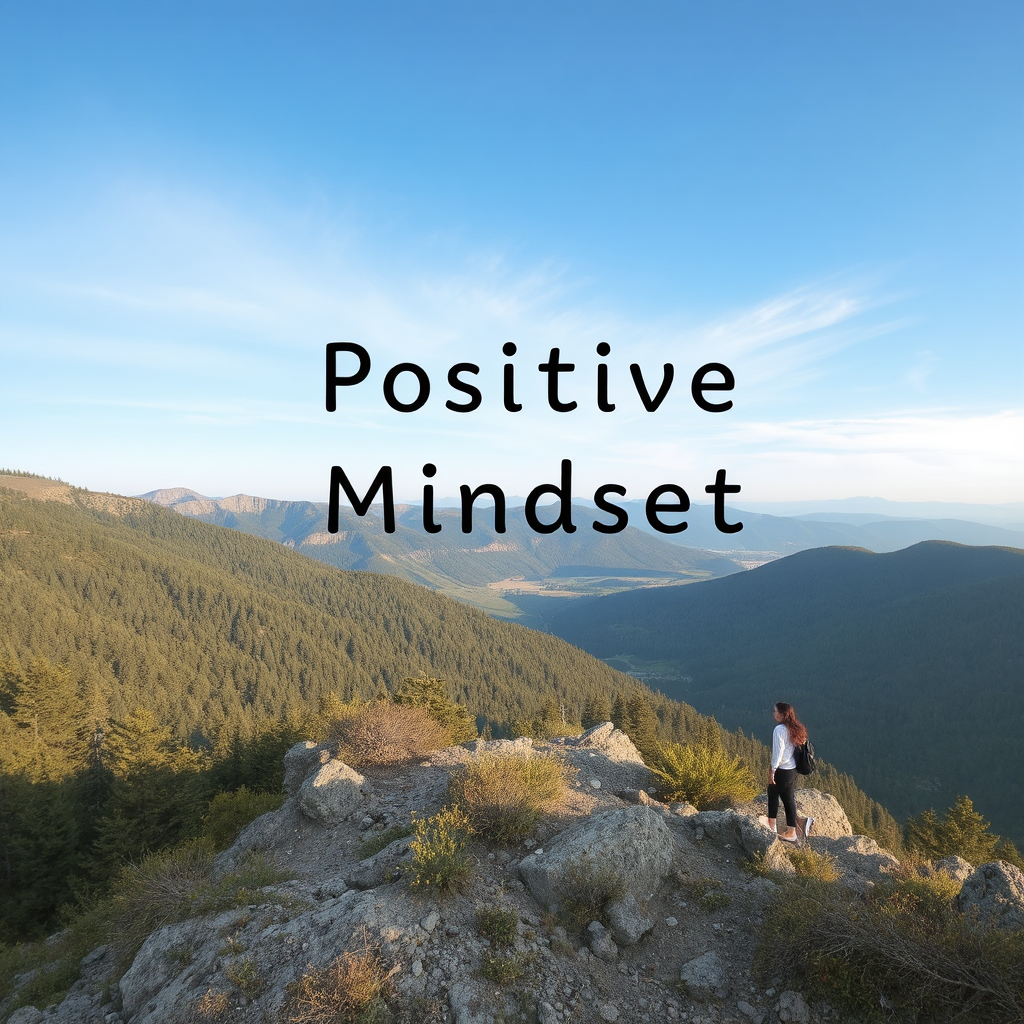
I am trying to learn to keep a positive mindset when all around me feels as though it is crumbling to ashes. That used to be easy for me. People criticized me as being too much of a Pollyanna, who was a character from an old movie who always tried to keep her focus on the positives. People who seem to hold disdain for the upbeat nature of the little girl forget a key theme in the film. Pollyanna maintained this attitude despite having lost both of her parents, having to move in with an aunt she did not know, and enduring unkindness from many people in her little life. She continued looking for the good in people through it all, even people no one else was willing to give the benefit of the doubt. Near the end, she becomes paralyzed and loses the mental fortitude to keep herself positive. She gives up and no longer wants to live through any more struggle. Then all the people whose lives she has touched come back and lift her up by reminding her of the amazing effect she has had on them and the entire community. Their strengthening renews her conviction to stay positive and seek medical help for her paralysis.
I am not dealing with paralysis. Everyone in my life currently is doing fairly well. My house hasn’t burned down. My pets are all ok right now. I have a job. My husband has a job. I have a roof over my head and food to eat. The temperature is comfortable in Texas right now. I am not living in a war zone. I have medical insurance and can get care if needed. I am losing weight and making improvements in my body day by day. I am not in a horrific amount of pain currently. I am ok. But I ache for the fact that people around me are suffering. I cry for the people who don’t have access to the same privileges and comforts that I have. I am saddened by the new laws and regulations that are being enacted in our government currently that will harm people who most need support like people with disabilities, minorities, immigrants, and the poor. How can I be positive and joyful and full of hope for the future when so many other people cannot?
Does optimism turn a blind eye to the suffering of our brothers and sisters, our friends and relatives, our neighbors and communities that are struggling? Does keeping my focus only on concepts of growth and peace and hope and positivity somehow negate their pain or make me less empathetic or out of touch with the reality everyone faces? This is a real struggle. And I do not have an answer that satisfies my conscience.
I would love feedback if anyone has grappled with this same concept and has suggestions.
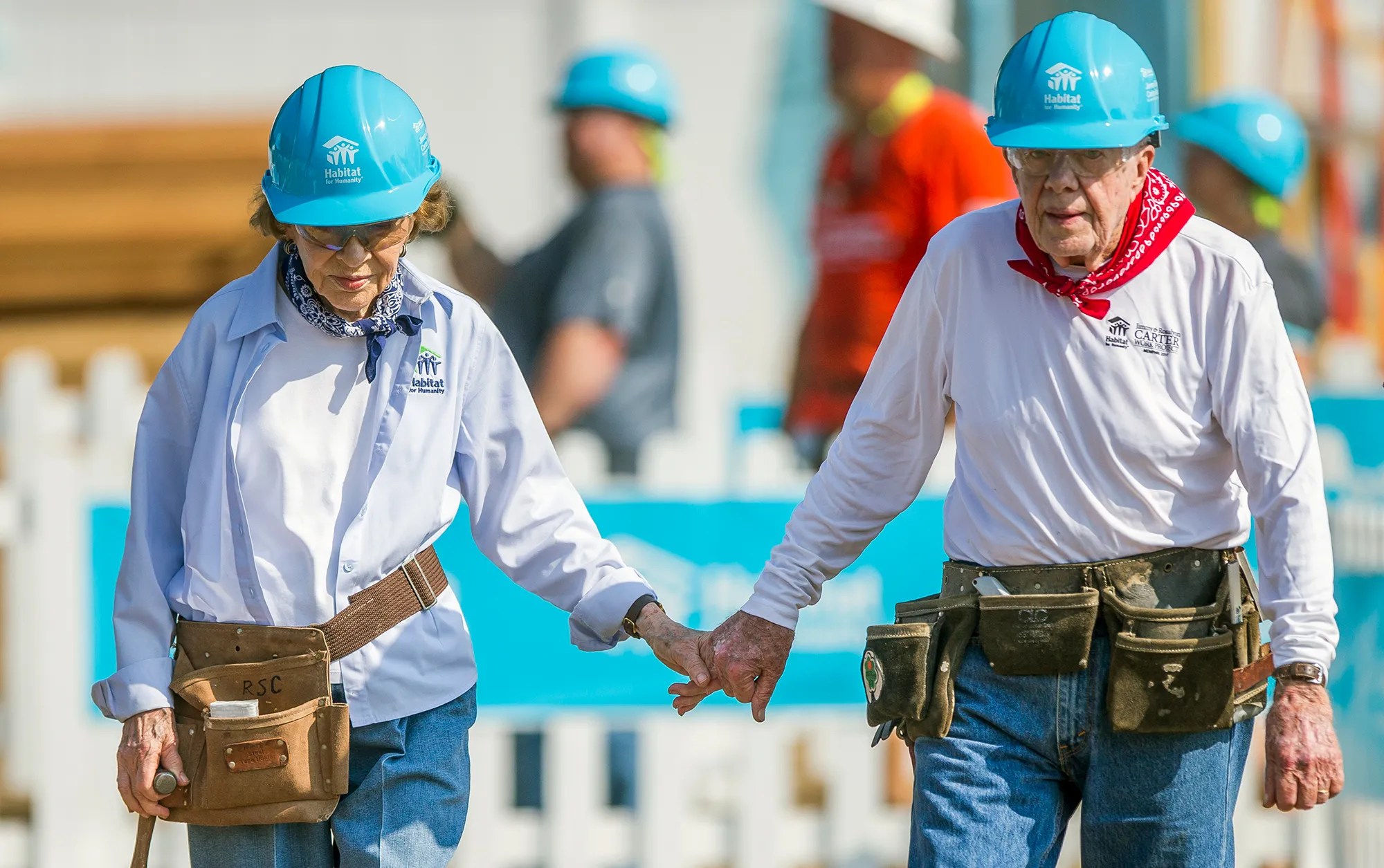
A righteous man puts others before himself, serves his community with humility and grace, and is faithful to his vows, both to God and man.
Born on a farm, no running water, no electricity, salt of the earth, family man, believer in human rights, treating people with dignity, and freedom of religion.
He was the first president to talk about climate change, an environmentalist at heart, a lover of the earth, supported renewable energy by putting solar panels on the White House.
He signed legislation to manage hazardous waste, protected over 100 million acres of Alaskan land, and more than doubled the National Park System.
He passed the Ethics in Government Act to protect whistle-blowers, established FEMA, and was part of some of the first emergency planning in America.
He created the Departments of Education and Energy, and established full diplomatic relations with China, which created the basis for our world economic system.
He championed human rights around the world and was the first president to focus on these issues and appoint a woman as Assistant Secretary of State for Human Rights.
Mr. President Jimmy Carter is the first president I remember, his serious face talking about important things on our black and white television on every single channel, interrupting.
That’s how different it was back then; when the president spoke, everyone stopped what they were doing to listen. I was enamored of this kind man with gentle eyes.
I knew nothing of politics, nothing of the burdens adults endured, but I knew that this sincere man was doing what he could to make the world a better place with every ounce of his soul.
Rest in peace, Sir; your debt to the world has been paid with every house you helped build, person you lifted up, oppressor you held accountable, and kindness you shared.
@Home Studio – 357th poem of the year
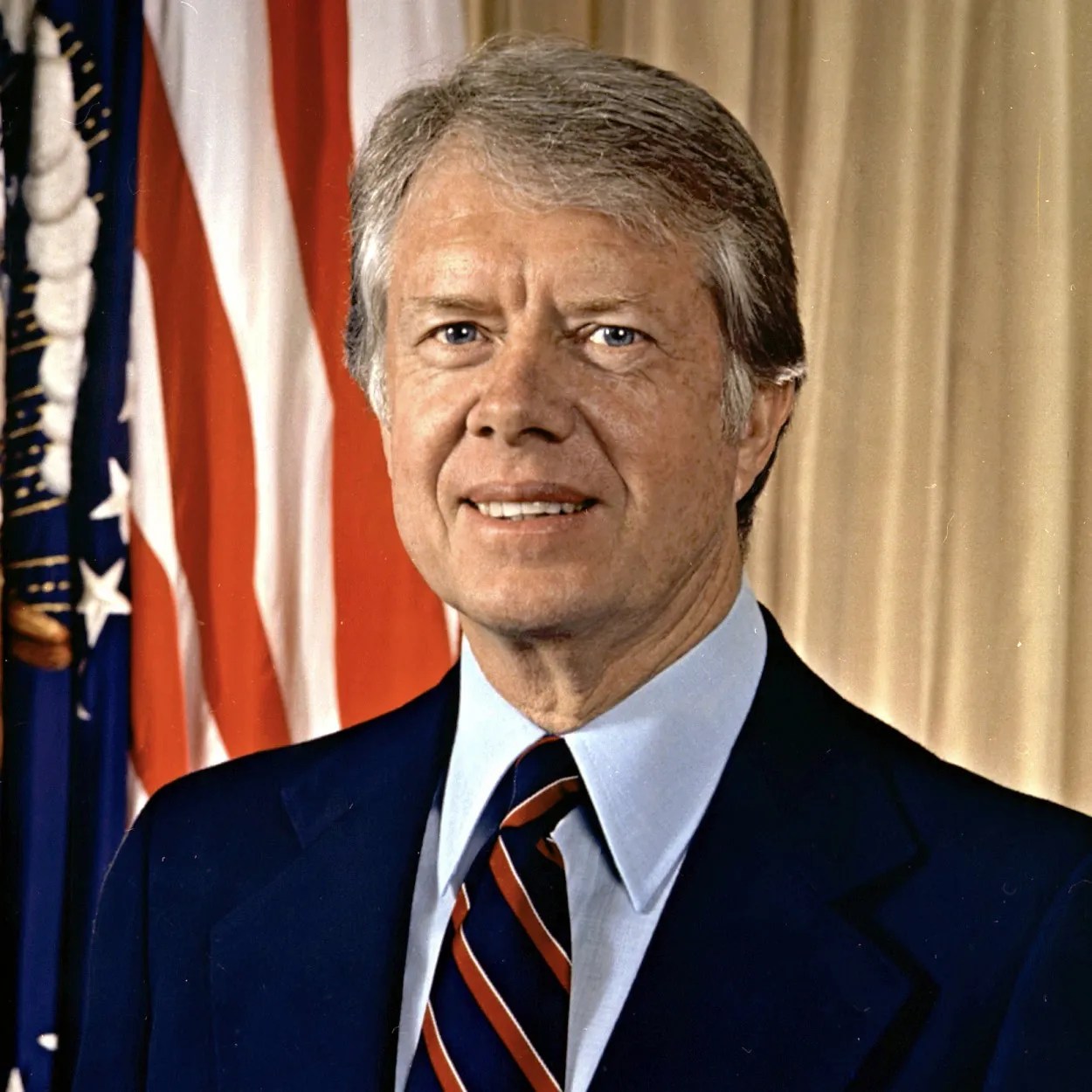
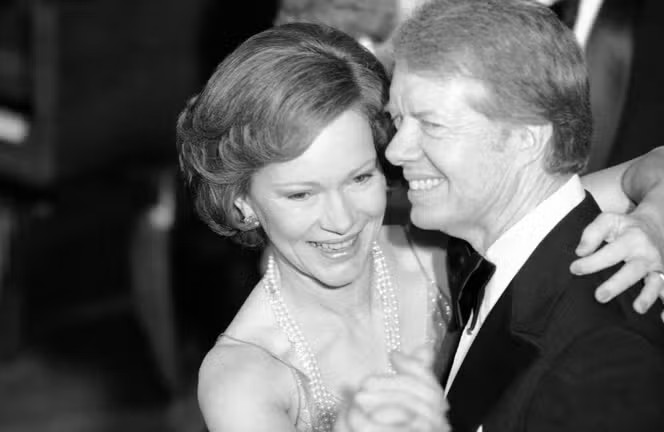
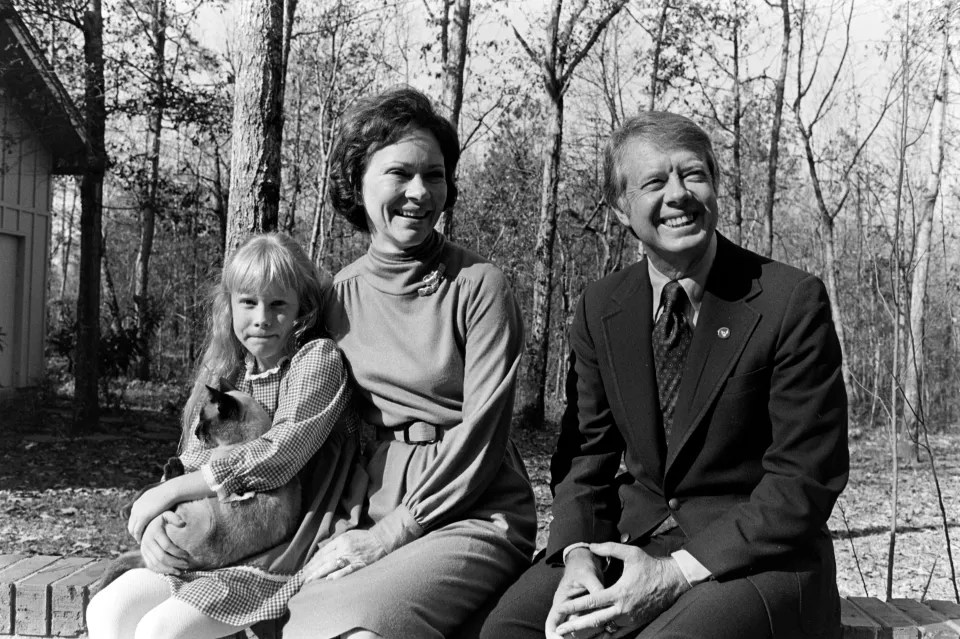
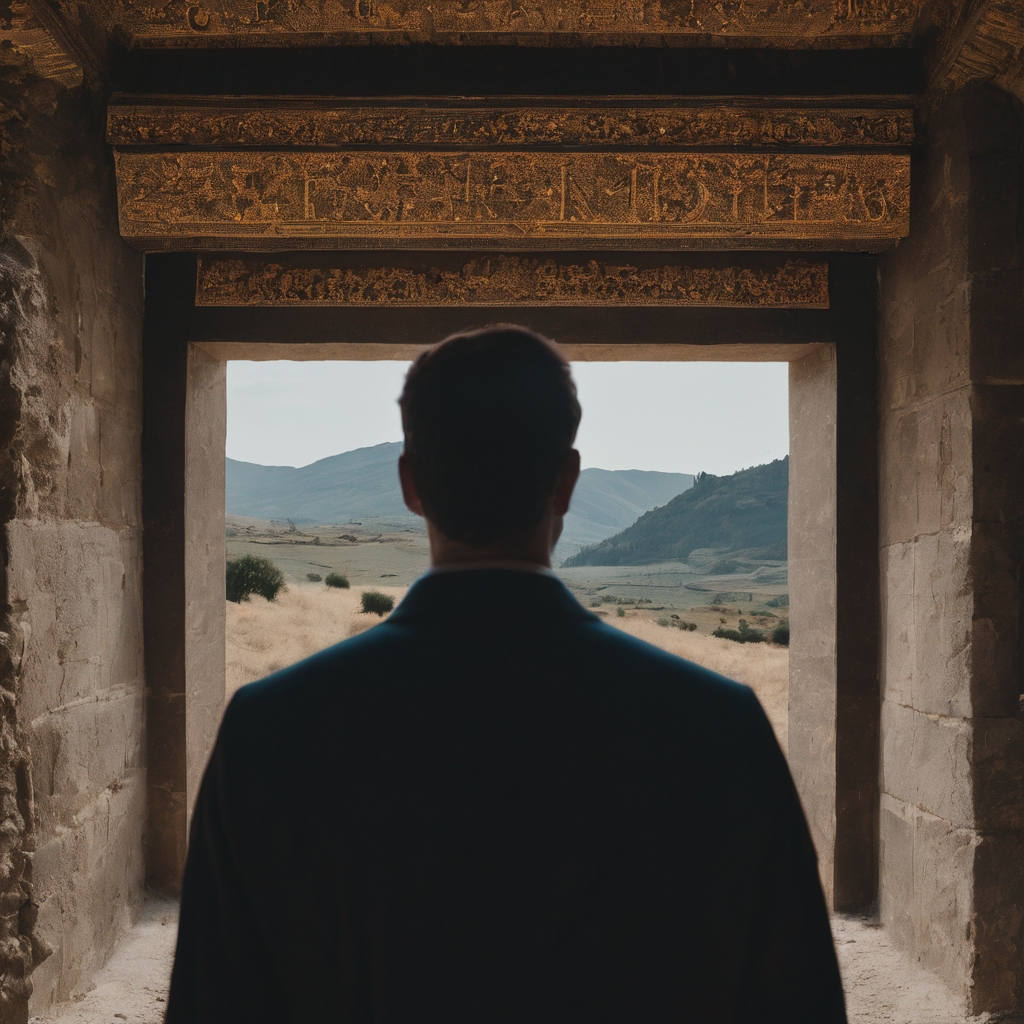
Runner ups for the Jimmy Carter photos to accompany my poem:
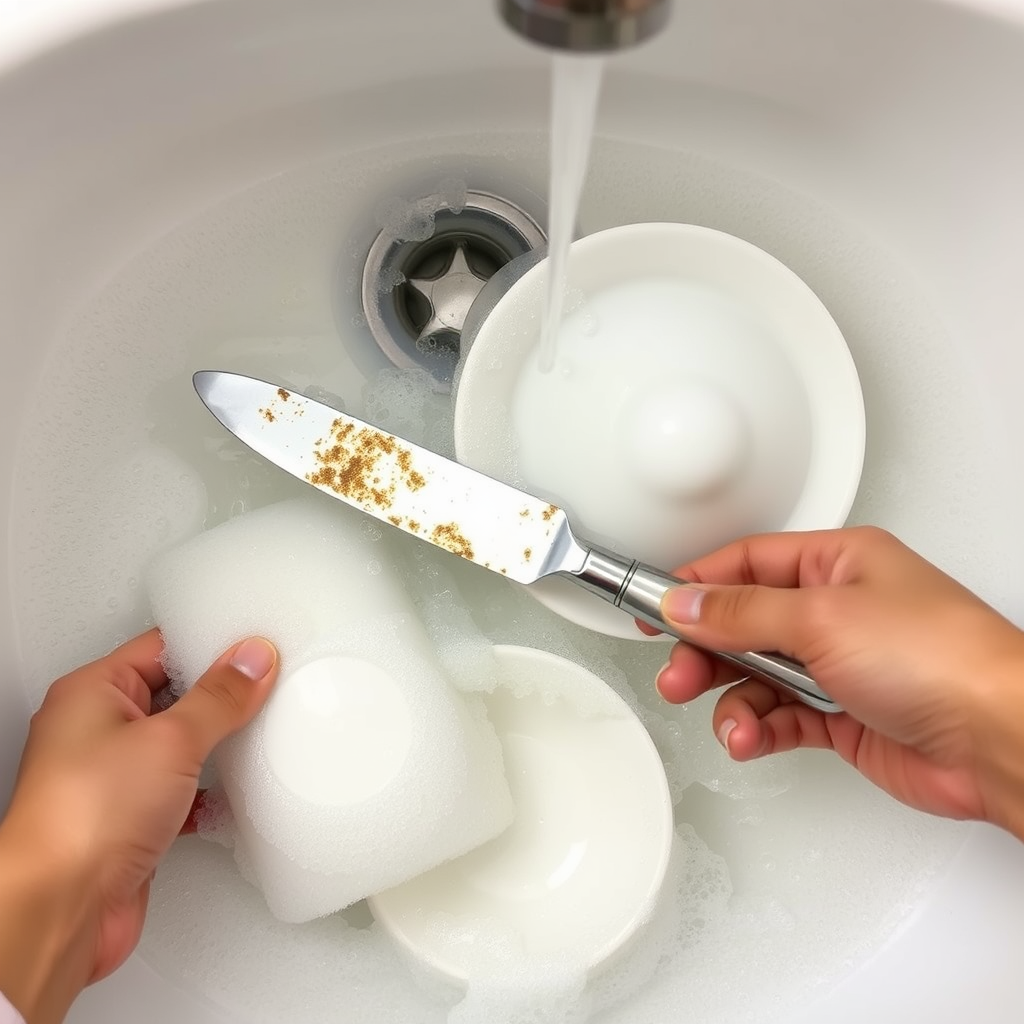
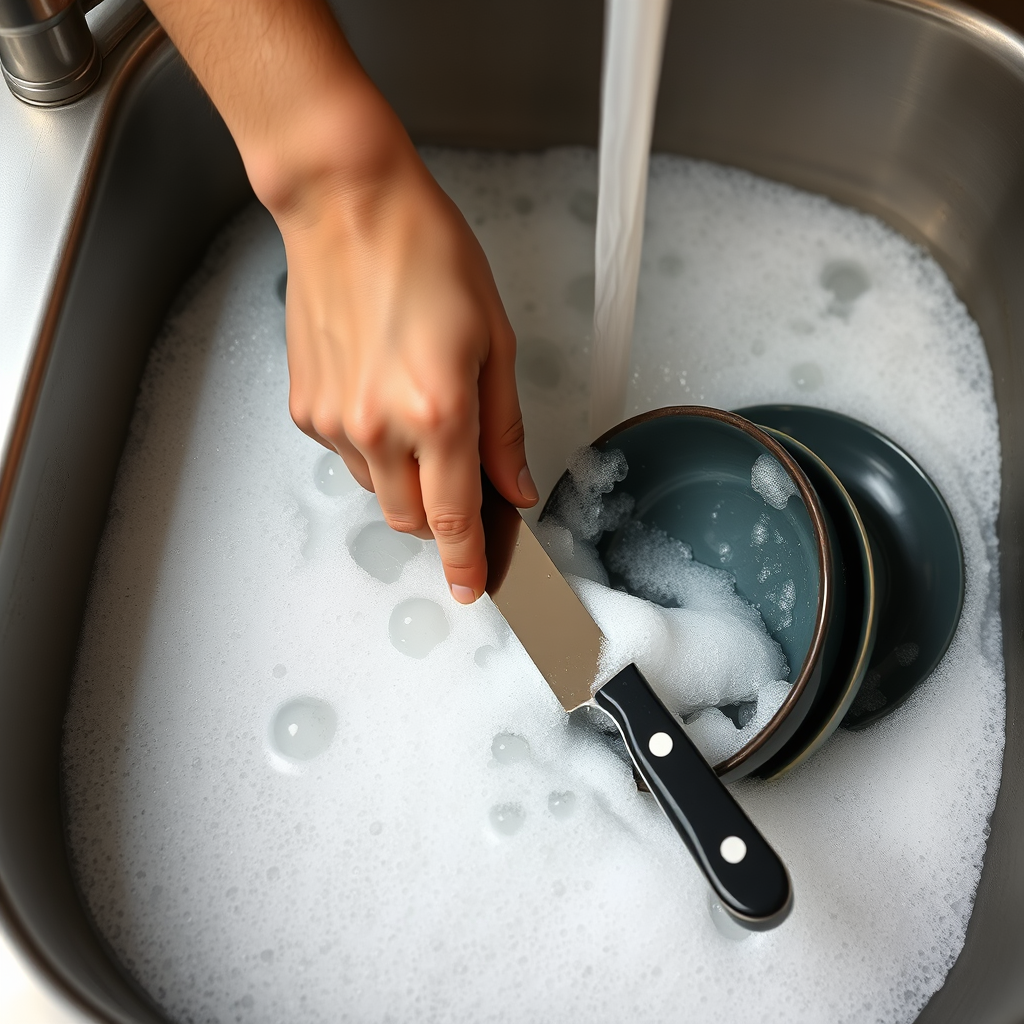
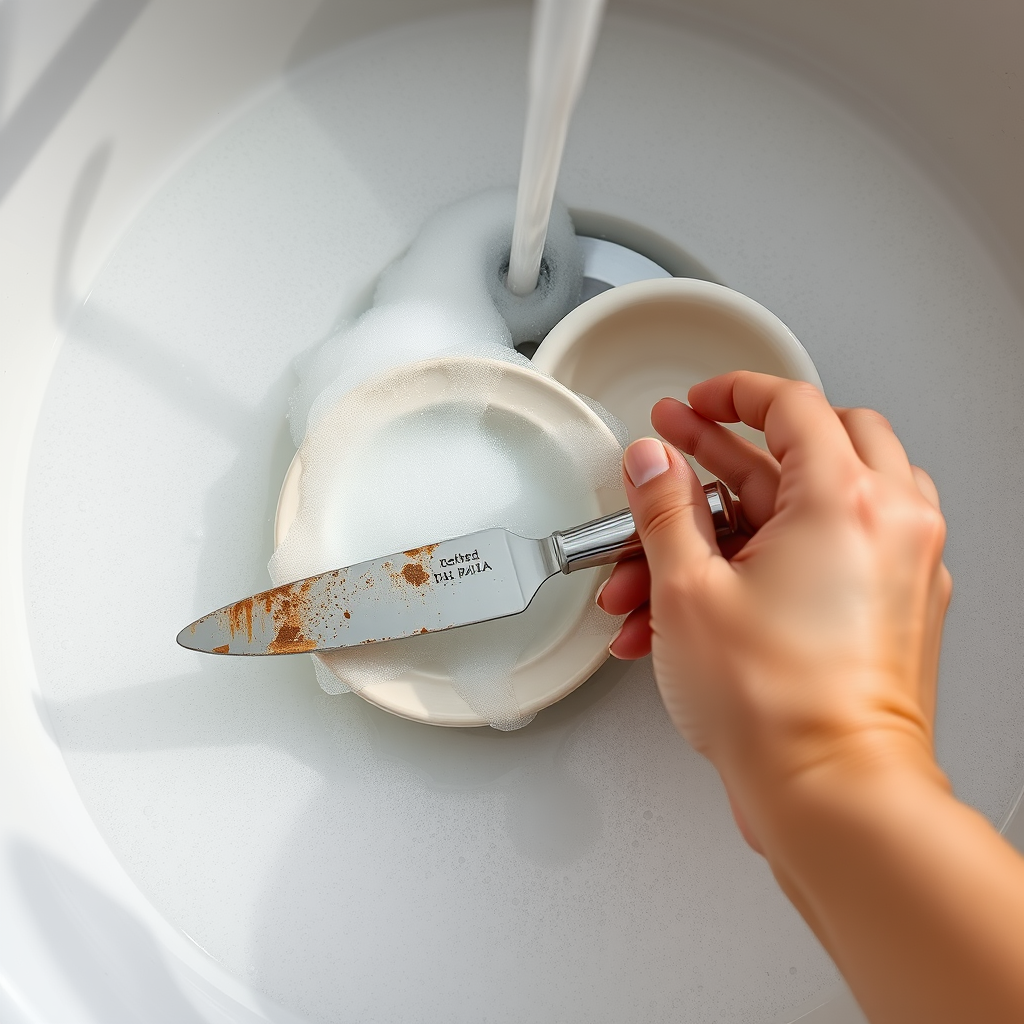
Maybe the way I wash this knife with precision, erasing the past with friction, soap, and molecules is in some little way the meaning of life.
Maybe scraping the crusty remnants of drippage on countertops until the rag slides smooth is its own reward somehow.
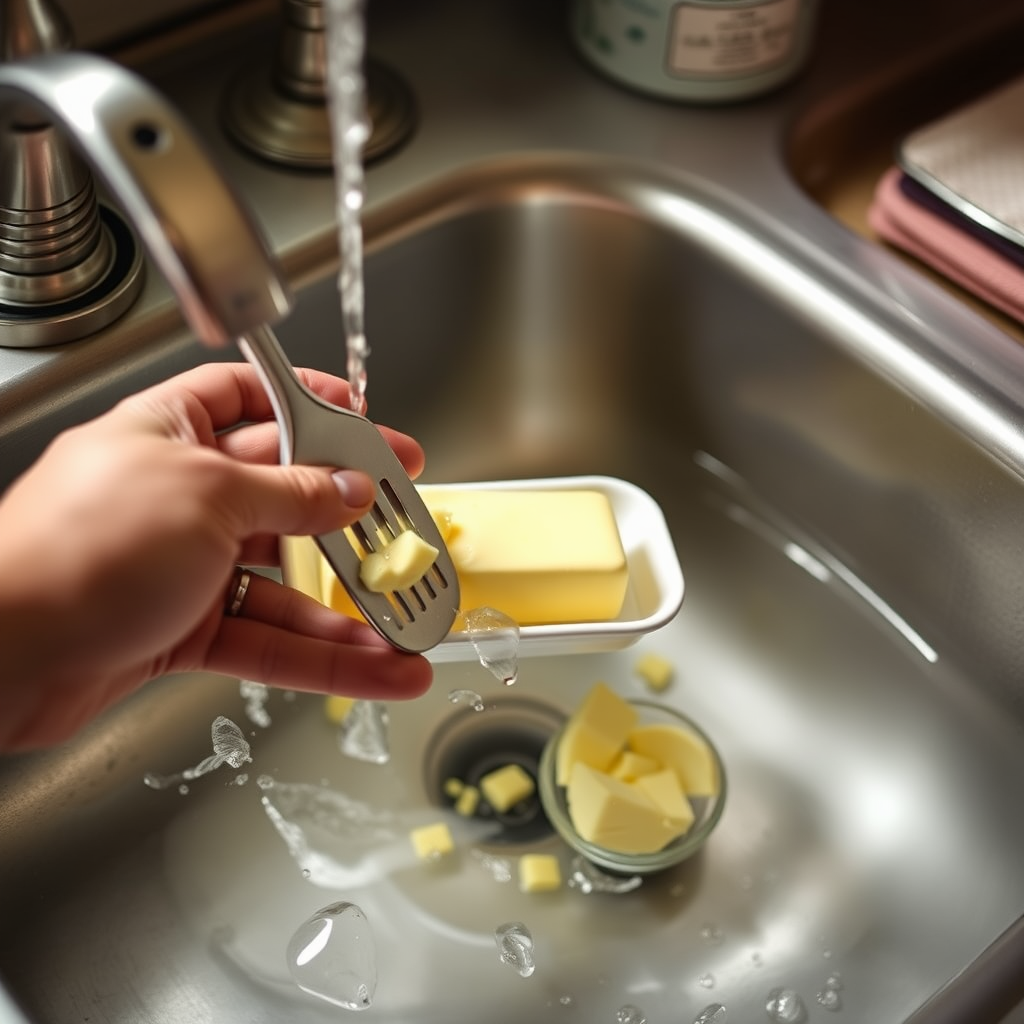
Maybe the fact that hot water melts butter residue from a dish, inviting it to slip effortlessly from its former state and find freedom in movement is the most real thing I know, or think I know, or want to know because knowing is somehow solid, purposeful, sure, and I suspect that I know nothing, or there is nothing to know, or knowing means nothing, thus, washing a knife is the meaning of life.
@Home Studio – 264th poem of the year
Runner ups for the Washing Dishes photos to accompany my poem (AI had a hard time with this one):
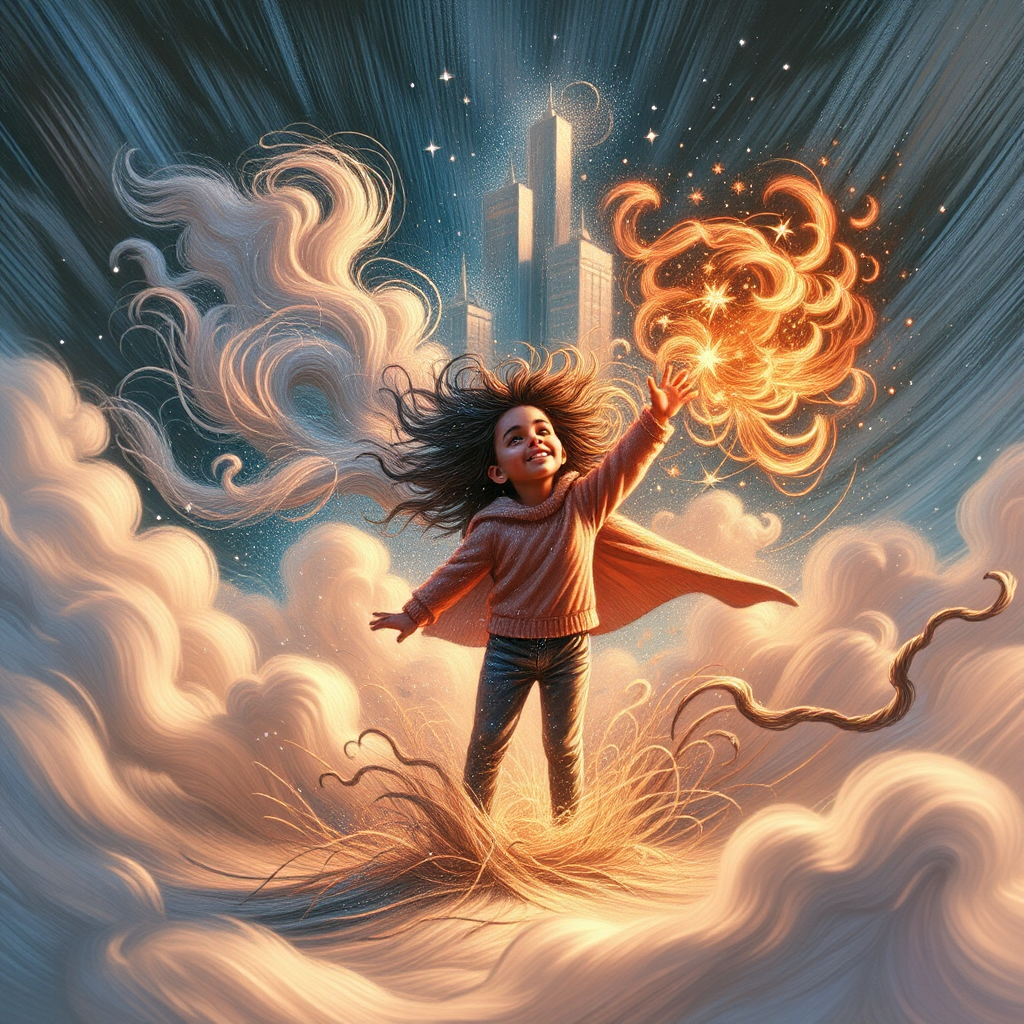
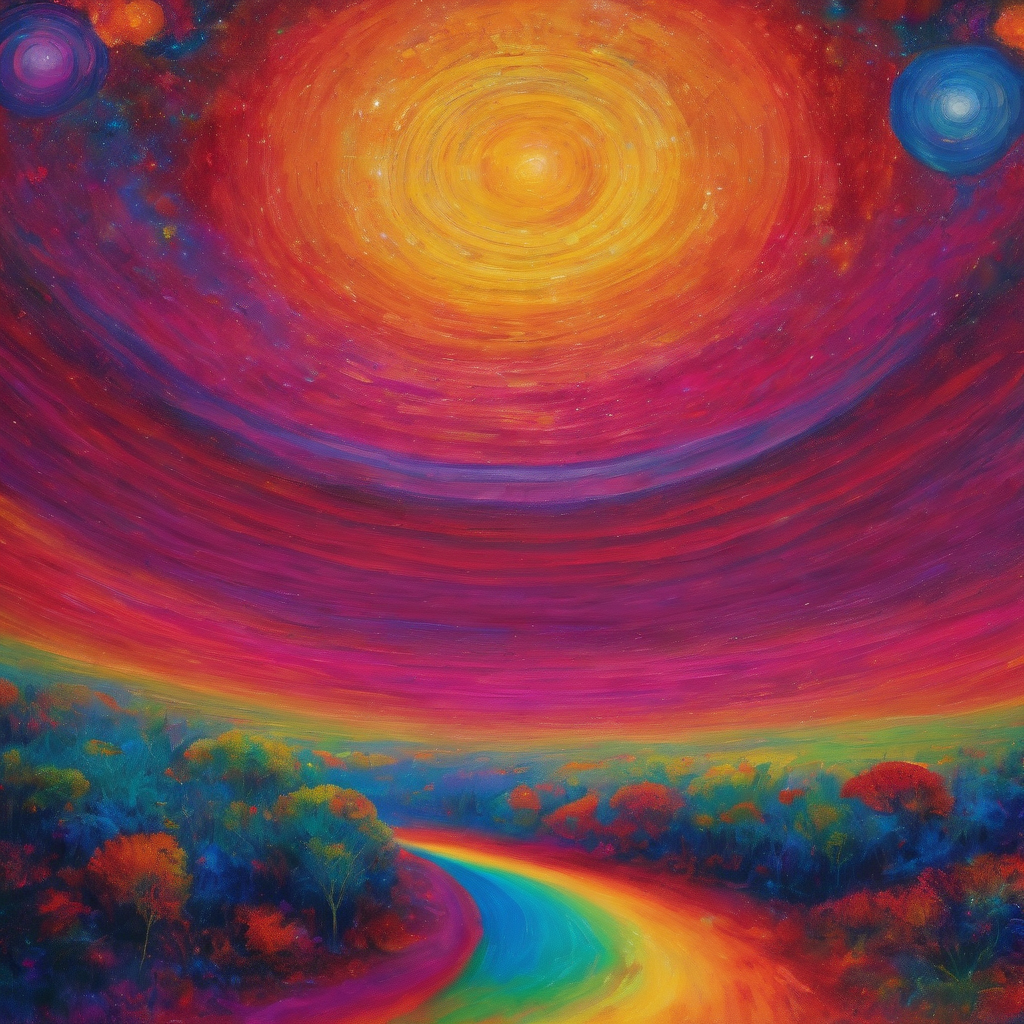
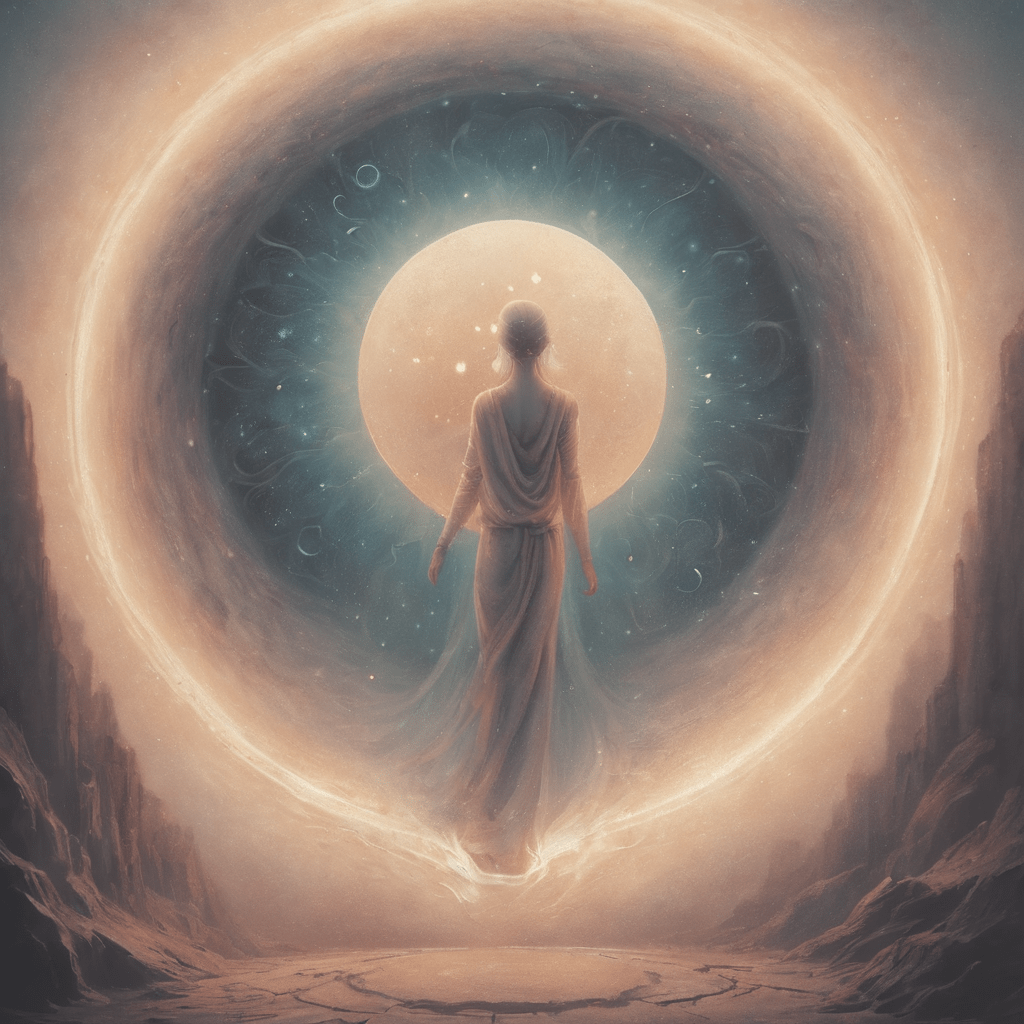
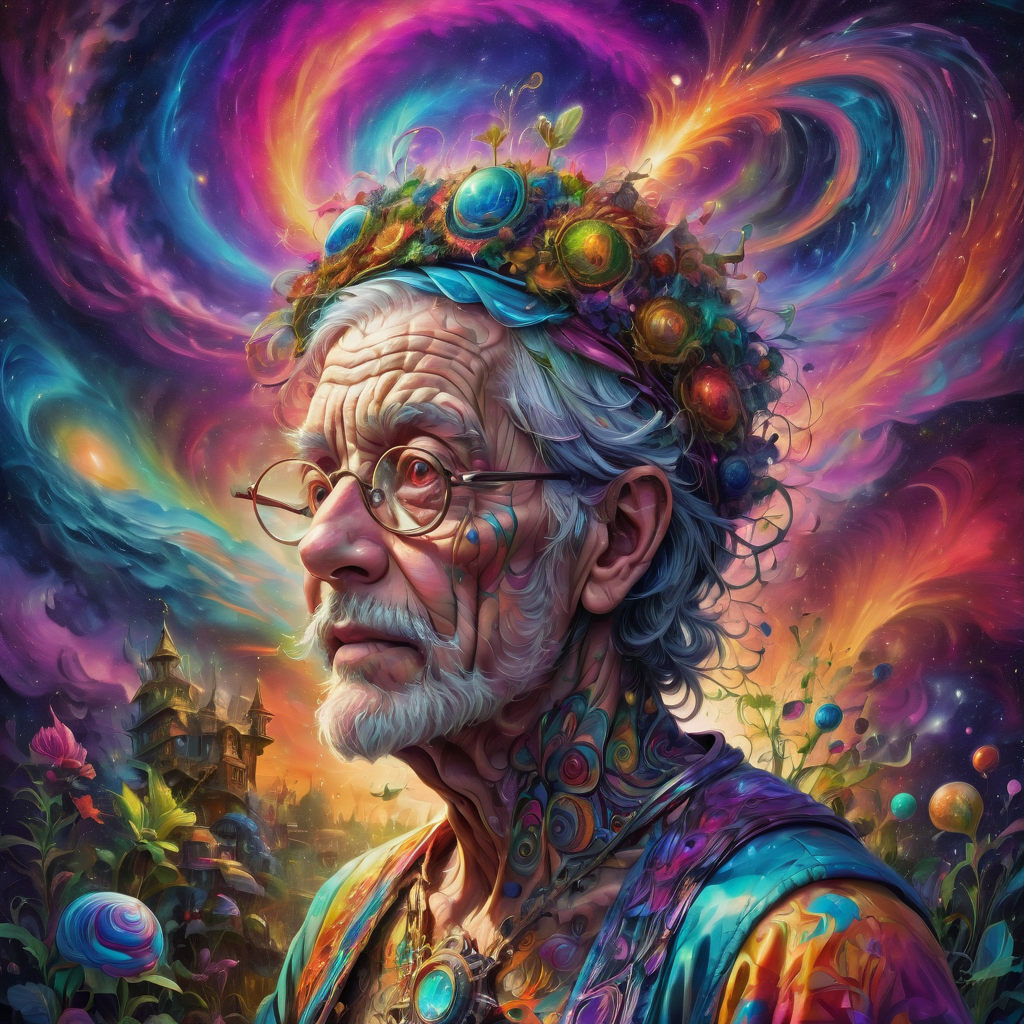
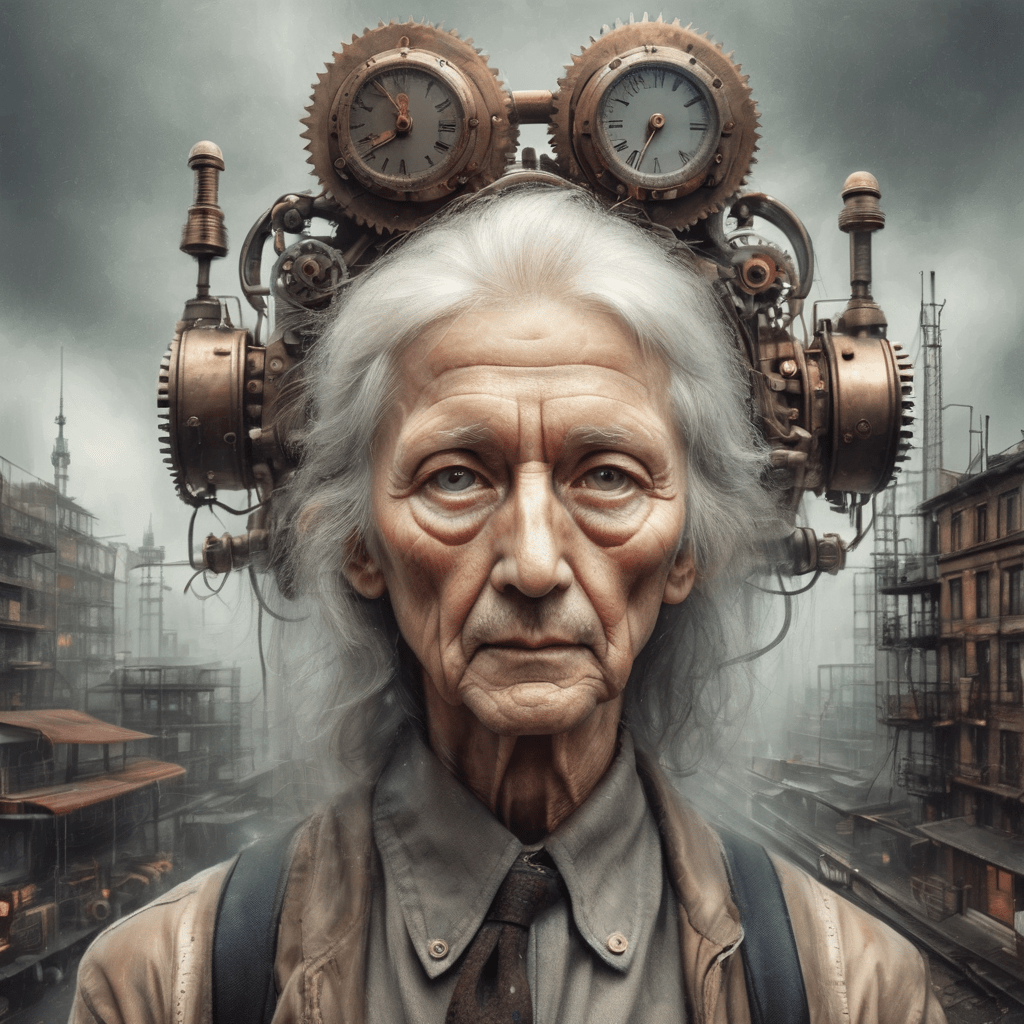
Let’s grow younger each day until we disappear at birth defying immutable laws, escaping such silly fairy tales as death, for we know better.
Growing older is a worn-out habit that traps us in time; beings of light are not subject to the man-made principles of minutes and seconds.
False logic dooms us to repeat the spell of mortality where we insist on quantifying eternity. We must unwrap our layers of contrary beliefs to find immortality.
There at our core beneath our deepest fears, lies the deathless part of ourselves, The part of us that “must be unborn if it is never to die.”
@Home Studio – 26th poem of the year
Chopra, Deepak. The Way of the Wizard: Twenty Spiritual Lessons for Creating the Life You Want. New York, United States of America, Harmony Books, 1995, pp.41-46
Runner ups for the AI birth, death, timeless photos to accompany my poem:
















































 rebekahjmarshall