Tag Archives: reading

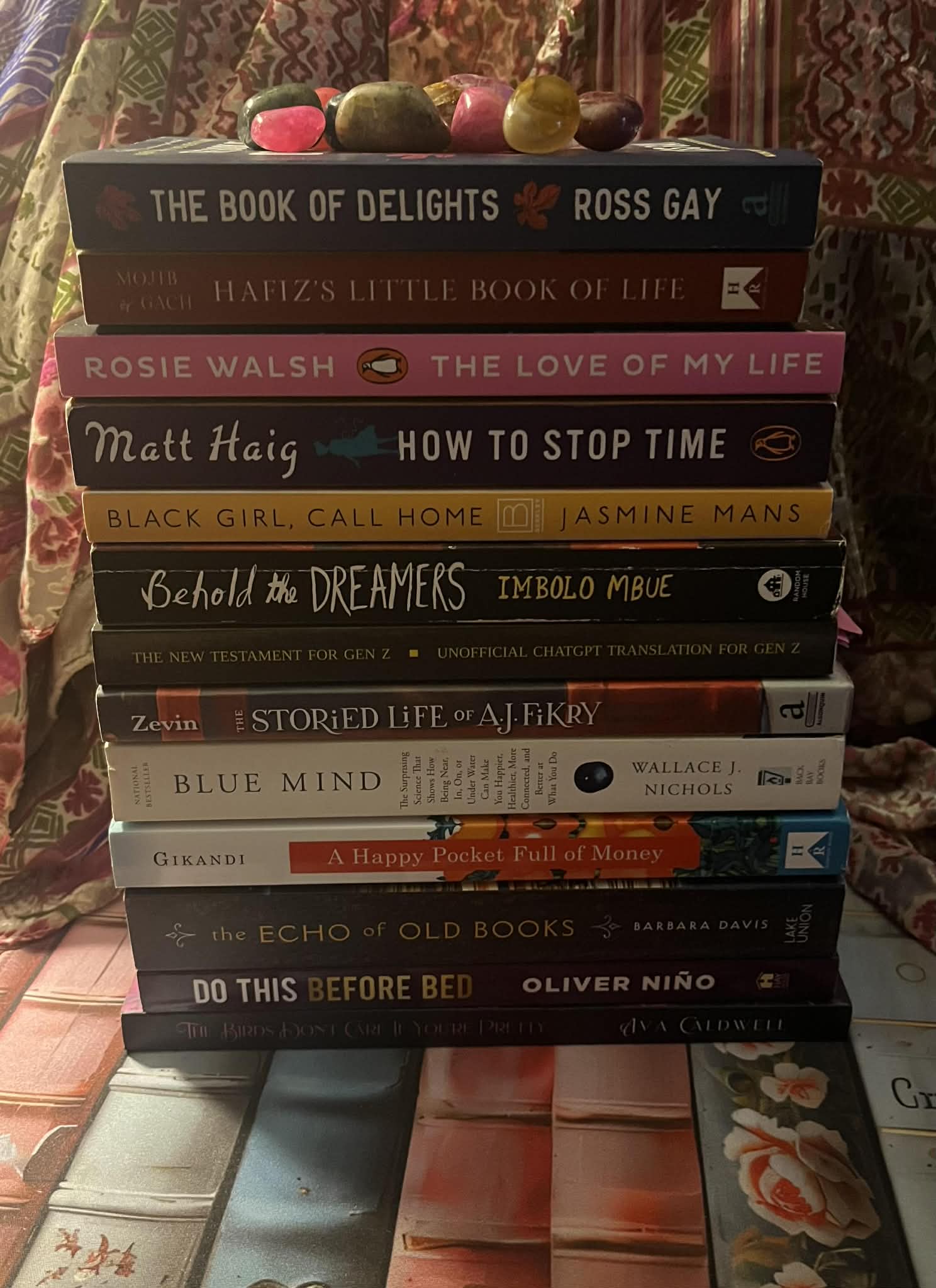
Valentine’s Weekend Book Stack

I finished all but 3 of my last stack from the Texas Winter. I’m still working on the following because they are being savored:
Hafiz’s Little Book of Life by Hafiz, made new by Erfan Mojib & Gary Gach
The New Testament for Gen Z Translated by ChatGPT
Behold the Dreamers by Imbolo Mbue

These are the new ones I am starting:
The Birds Don’t Care if You’re Pretty by Ava Caldwell
Do This Before Bed by Oliver Niño
the Echo of Old Books by Barbara Davis
A Happy Pocket Full of Money by David Cameron Gikandi
Blue Mind by Wallace J. Nichols
The Storied Life of A.J. Fikry by Gabrielle Zevin
Black Girl, Call Home by Jasmine Mans
How to Stop Time by Matt Haig
The Love of My Life by Rosie Walsh
The Book of Delights by Ross Gay

I have a 3-day weekend due to President’s Day on Monday and am truly looking forward to a little light reading!

My Valentine

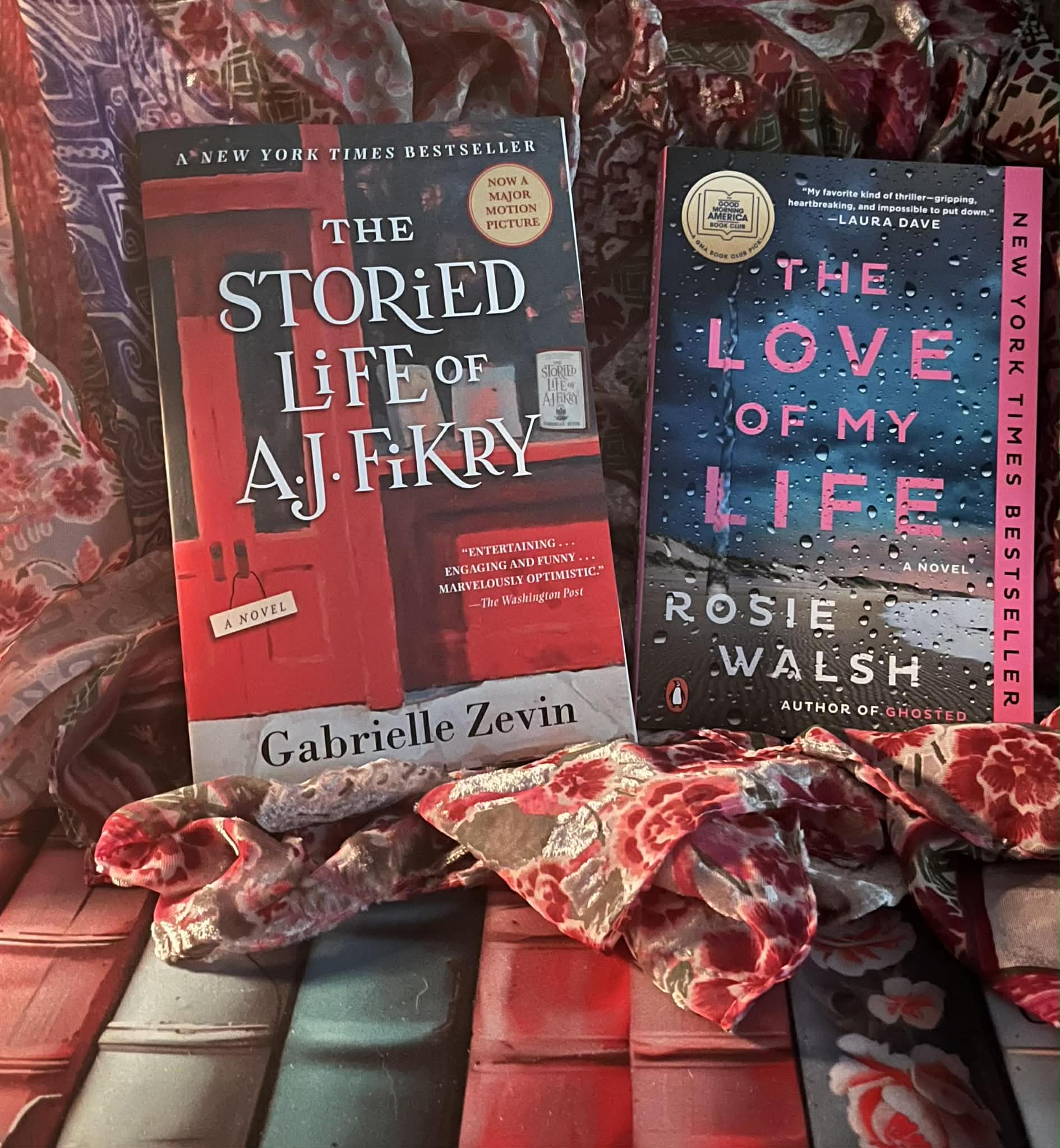
My sweet Valentine David Marshall gave me books and a lovely kimono shawl (behind the books) as Valentine’s Day gifts. I was very surprised and so happy with presents I will wear, read, and enjoy immensely.

The Storied Life of A.J. Fikry is about a grieving bookstore owner who receives a surprise “package” (I think it’s a baby, but I’ll have to read it to see) that changes his life. I want to read it before I watch the movie on Netflix. The Love Of My Life is a suspenseful romance thriller about an obituary writer who finds out his wife has a secret identity. Both of these look fabulous!

Eleanor Oliphant is completely fine (Book Review)

TRIGGER WARNING: This book addresses difficult topics including mental illness, suicide, abuse, violence, and trauma. Some scenes and references may be distressing for certain readers.

Gail Honeyman is a master of dry wit and understatement in Eleanor Oliphant is completely fine. Eleanor is so unpleasant and awkward as to render her completely unlikeable at the beginning of the novel. I don’t want to see her bullied by her coworkers or strangers in public, but I could certainly see why they might. She invites side-glances with her oblivious rudeness and is a closed book. She doesn’t want anything to do with anybody and seems perfectly content in her isolation. Of course, it’s all a ruse and protective defenses, but those walls are tall and seem impenetrable.

The chance encounters, unusual incidents, and course of events that occur begin to bring about a soft opening of Eleanor. And the unfolding of her past, the development of some friendships, and her observations and realizations throughout the process are so endearing that I couldn’t help falling in love with her. She and her circle of people are everything that is wonderful about humanity, especially when coping with everything that is horrible with humanity.

Once again, I was disappointed by the rushed feel of the ending. I hoped for the same level of deep introspection at the end of the book that was delved into throughout the rest. What is with these authors rushing their endings? They need to be every bit as perfect as the beginnings and middles. But other than wanting more, I can find no fault with this witty, honest, hilarious look at a lovely woman who is absolutely NOT completely fine, but who will be. The author’s voice is refreshing, hilarious, and wonderful.

Honeyman, Gail, Eleanor Oliphant is completely fine, Penguin Random House, 2017.
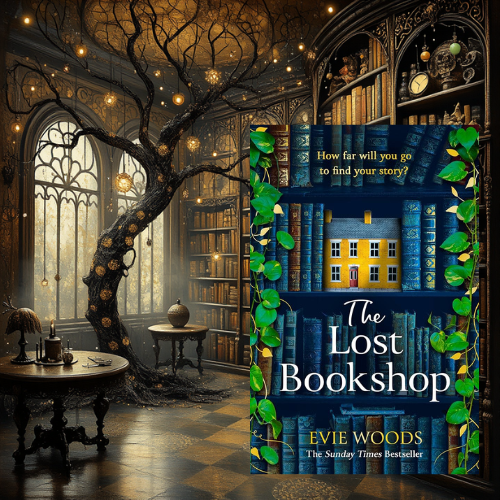
The Lost Bookshop (Book Review)  

I loved the ideas and interwoven timelines that crossed generations, countries, and realities in The Midnight Library by Evie Woods. It is magical, mythical, fairy tale-ical (I made up that word), and beautiful. It is so beautiful that my main complaint is that I wanted more. The first half of the book is deeply fleshed out, letting us into the characters detailed inner lives and minute by minute adventures. The second half of the book feels rushed, almost like it should have been several more books in a series so the author could have gone deeper into the story lines and better tied together the threads she was so masterfully weaving.

I want to know so much more about the eccentric elderly woman Martha works for. Martha’s childhood is left untapped, so much potential for background to show how she might find herself trapped in such a terrible marriage. Her mother signs and does not speak, which opens the door to so many questions that could be answered and scenes that could be elaborated on. The events that occur around the World War II timeline are barely mentioned and could be so many chapters of fascinating detail. Giant chunks of time are skipped over that could be filled with story. And some of the puzzle pieces like the tattoos, living bookshelves, missing manuscripts, and love affairs feel like fragments that could be such an epic saga were we to have their stories told in many more chapters.  

It would make a fabulous series on a streaming service, especially if they fleshed out more of the characters, their backgrounds, motivations, and dynamic growth. One thing is for certain; Woods does a great job of creating protagonists I want to root for, women who never give up no matter how many times they get knocked down.

Woods, Evie, The Lost Bookshop, Harper Collins Publisher, 2023.

Winter Essentials Gathered

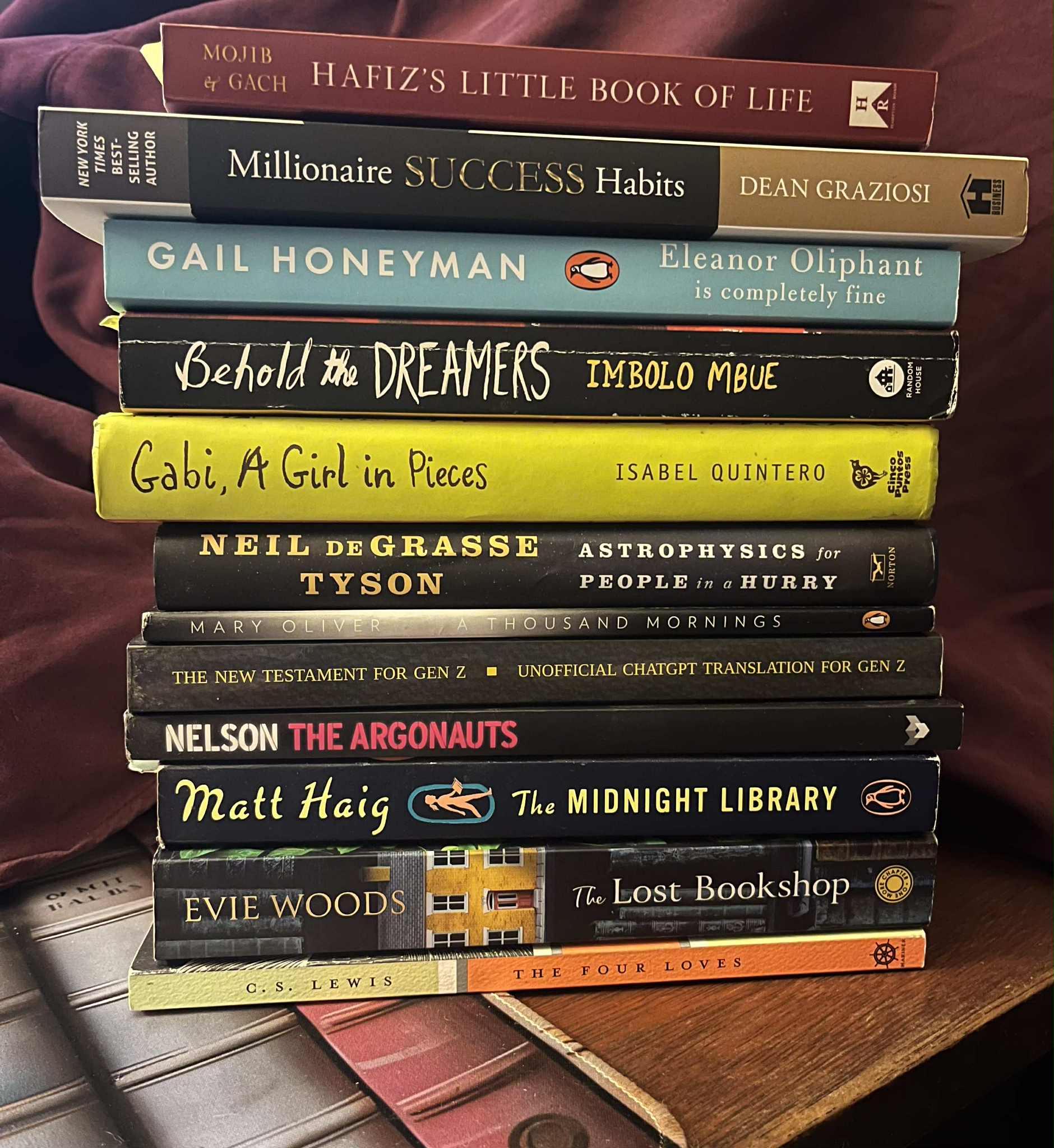
This is my line up for the Texas Winter (a.k.a. this weekend):

Hafiz’s Little Book of Life by Hafiz, made new by Erfan Mojib & Gary Gach

Millionaire Success Habits by Dean Graziosi

Eleanor Oliphant is completely fine by Gail Honeyman

Behold the Dreamers by Imbolo Mbue

Gabi, A Girl in Pieces by Isabel Quintero

Astrophysics for People in a Hurry by Neil DeGrasse Tyson

A Thousand Mornings by Mary Oliver

The New Testament for Gen Z Translated by ChatGPT

The Argonauts by Maggie Nelson

The Midnight Library by Matt Haig

The Lost Bookshop by Evie Woods

The Four Loves by C.S. Lewis

I’ll report back if I finish any of them. Alright, I’m diving under the covers. See you after the freeze.

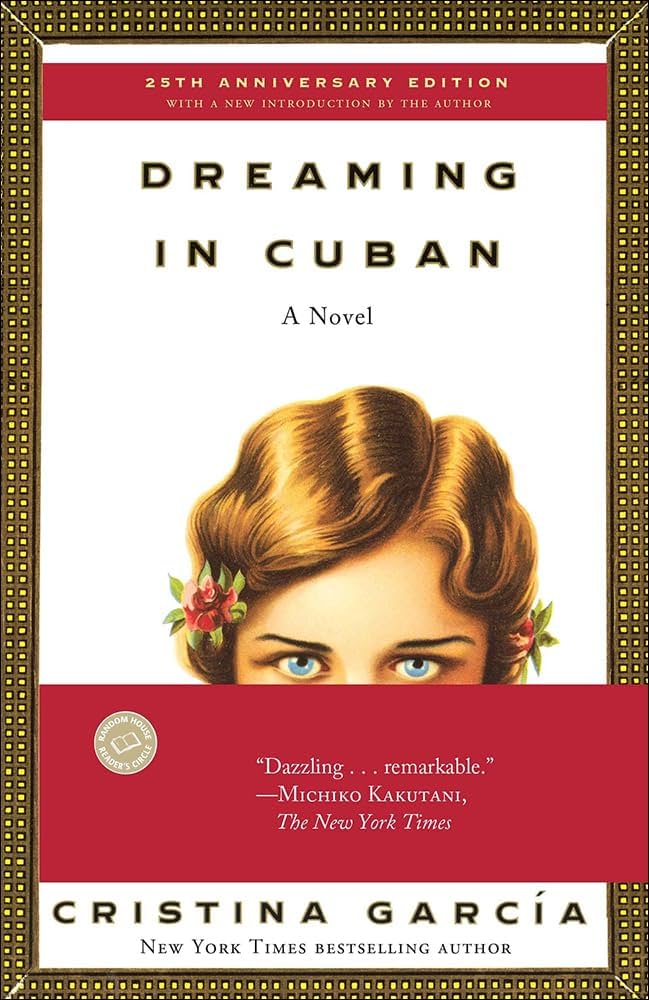
Reflections on Cristina Garcia’s Dreaming in Cuban

Cristina Garcia’s novel Dreaming in Cuban paints a portrait of two different Cuban American women and the way exile has helped to shape their identities as American citizens. Lourdes is a wife and mother at the time she flees to America to escape Fidel Castro’s Cuba. She leaves behind her parents and siblings to build her new life with her husband and daughter. Her American ideal is the stuff of movies and 50’s sitcoms. She has no patience for non-believers in the American dream and goes about creating her new identity from scratch. Pilar is a toddler when she leaves Cuba and it is not by choice. She is ripped from the arms of her grandmother and must accompany her parents to the U.S. She is torn between Cuba and America throughout her childhood due to her memories of her grandmother and a yearning to be reconnected with her. She resents the patriotism and blind faith her mother Lourdes places in the American dream and rebels against her mother’s ideals.

Lourdes owns a chain of Yankee Doodle Bakeries and is proud of the business she is building. She is a volunteer for the police force who patrols the neighborhood and believes it to be her “civic duty” (Garcia 136). She does things she believes to be distinctly American like she makes “Jello-O molds with miniature marshmallows” and “barbecues anything she can get her hands on” (Garcia 137). She attends the Thanksgiving Day parade on Fifth Avenue and watches the Rose Parade for New Year’s on television. For the American bicentennial, she plans to sell “tricolor cupcakes and Uncle Sam marzipan” (Garcia 136). She openly opposes anything that hints of communism or Cuban patriotism. “She’s convinced she can fight Communism from behind her bakery counter” (Garcia 136). Her daughter thinks she dreams of sponsoring her own float someday, “maybe a huge burning effigy of El Lider” (Garcia 137).

She only begrudgingly returns for a visit to Cuba in 1980 at the request of her daughter and is miserable the entire time arguing with the locals, complaining about the poor accommodations, criticizing the economy, etc. Garcia shows the contrast of Lourdes’s praise and pride in America with her disdain for Cuba. When she comes within killing distance of El Lider, Lourdes fantasizes about assassinating him, and her final act on the island is helping her nephew escape. She becomes a patriotic American whose love for her new country is partially a reaction to her escape and hatred of her old country. Her exile is her salvation and she is proud of her choice.

In contrast, Pilar struggles to figure out her identity. She takes for granted the country she grows up in because she did not have negative experiences in Cuba. She longs for a return to the island to see her grandmother and views those who bar her way as obstinate for no good reason. Pilar is a product of American society. She is drawn to the rebellious punk culture and uses her art to protest societal norms. She says she likes to “confront people” and that her art says, “Hey, we’re here too and what we think matters!” (Garcia 135). It is not until she returns to Cuba for a visit to her grandmother that she is confronted with the reality of the social, political, and economic unrest of her birthplace. Though she loves Cuba, she belongs in New York. “I know now it’s where I belong – not instead of here, but more than here” (Garcia 236). Her exile becomes real to her and that is when Pilar truly chooses America as her own, ready to claim it as part of her identity.

Works Cited

Garcia, Cristina. Dreaming in Cuban. New York, Ballantine Books, 1992.

A Court of Wings and Ruin (ACOTAR Book Review 3)

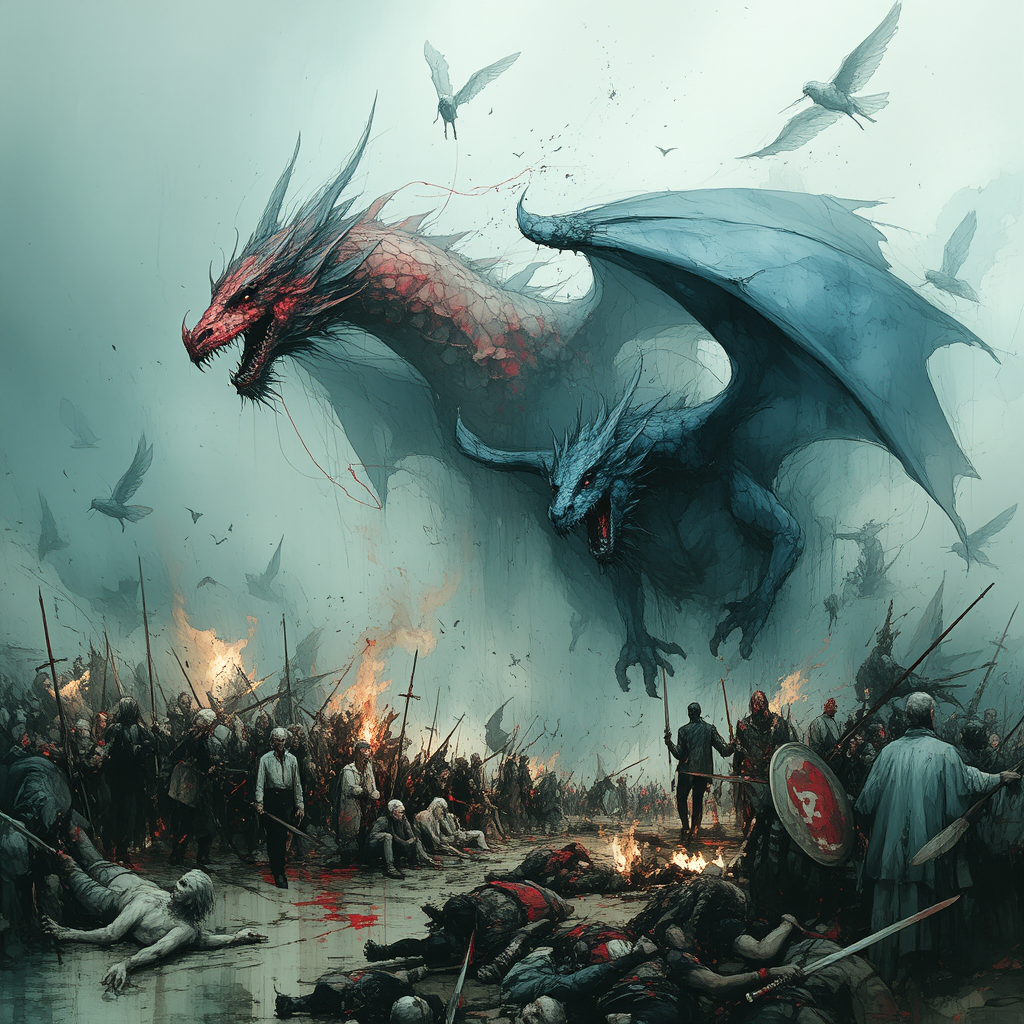
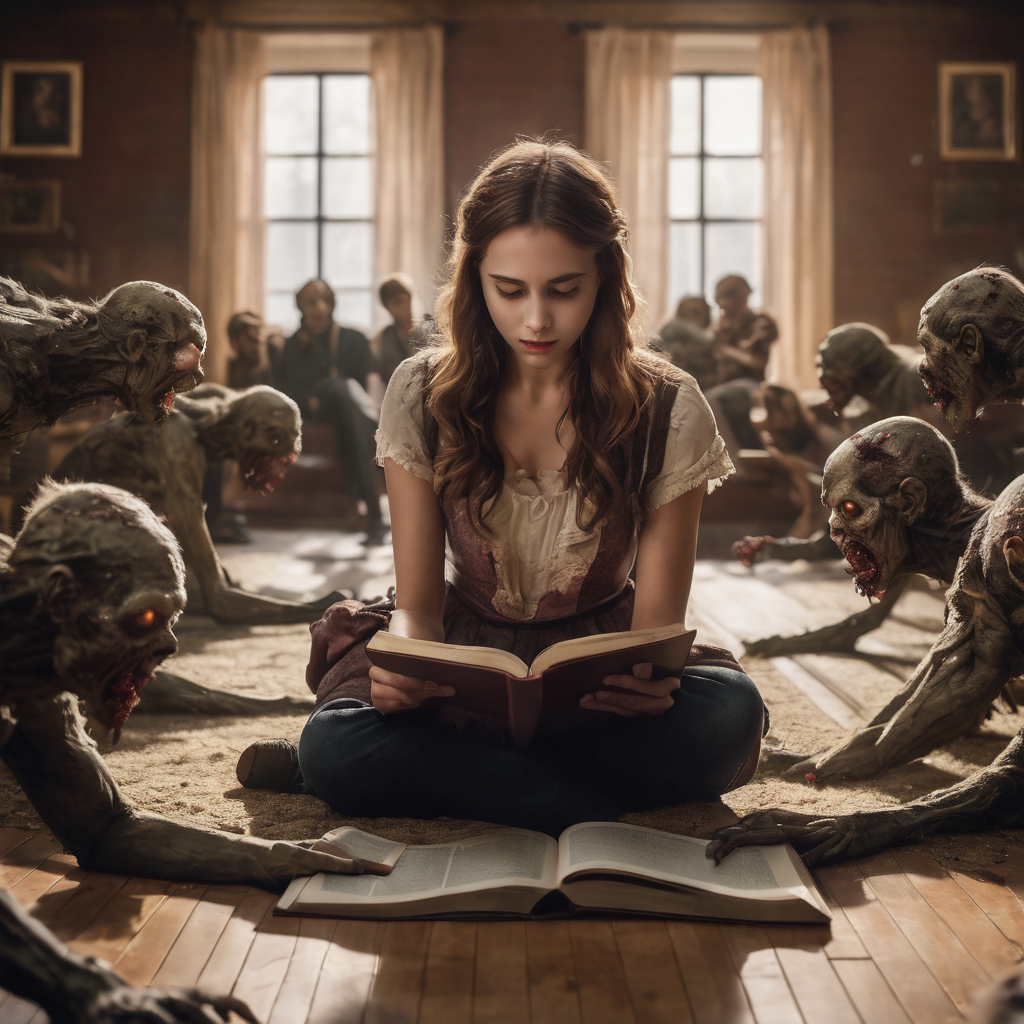
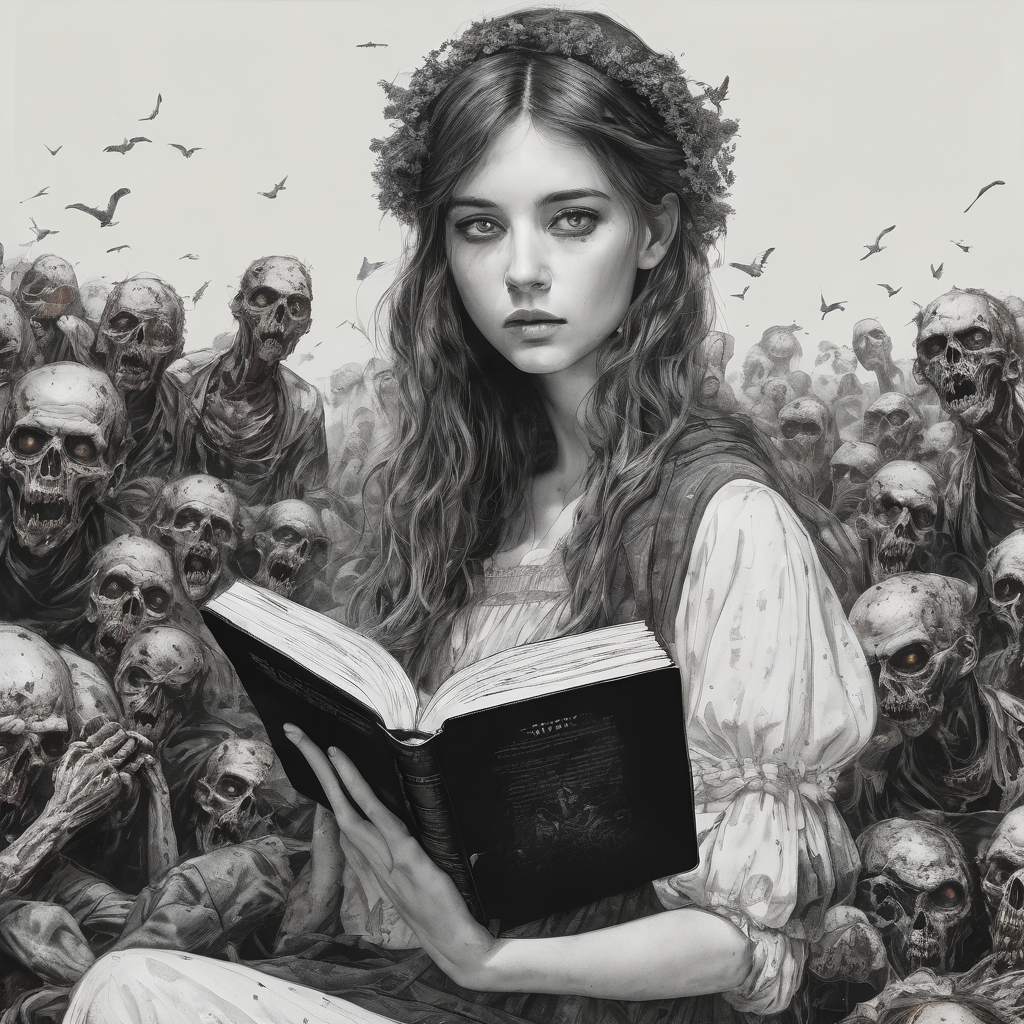
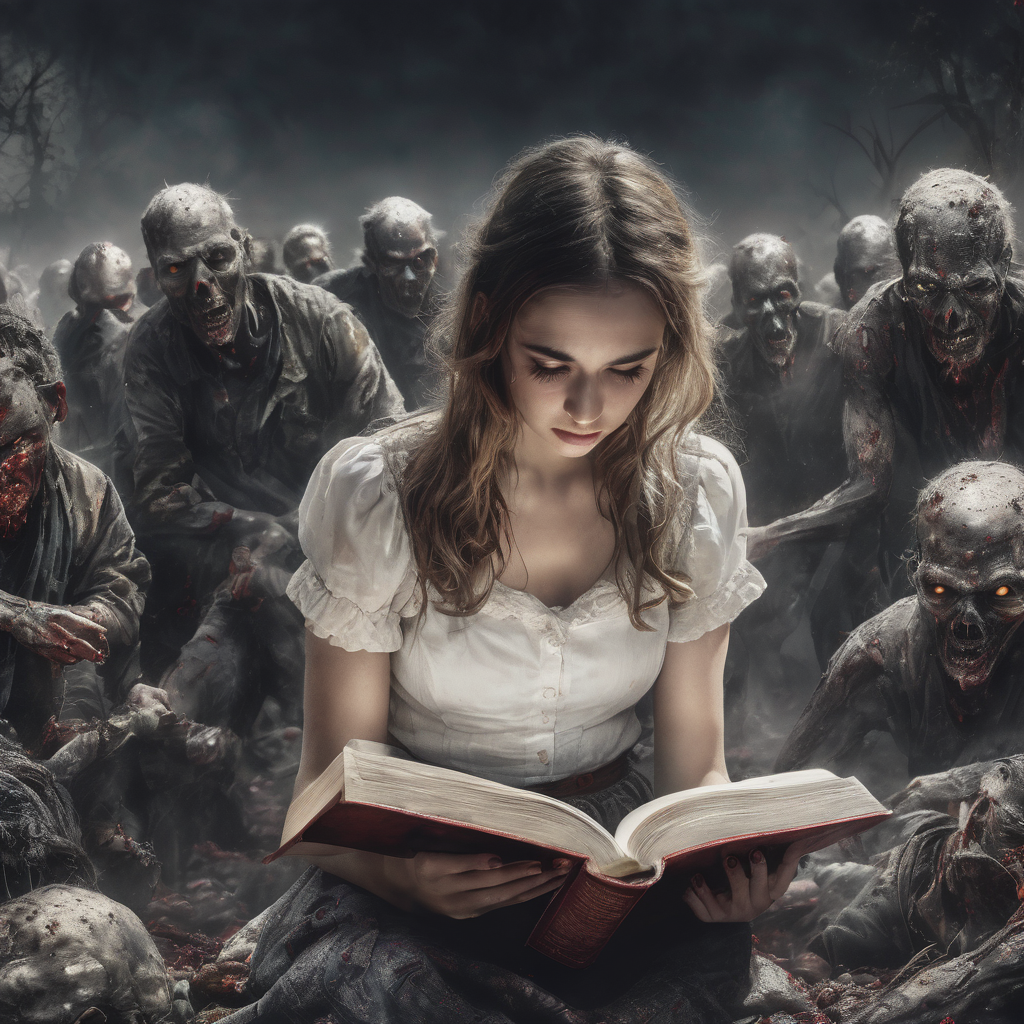
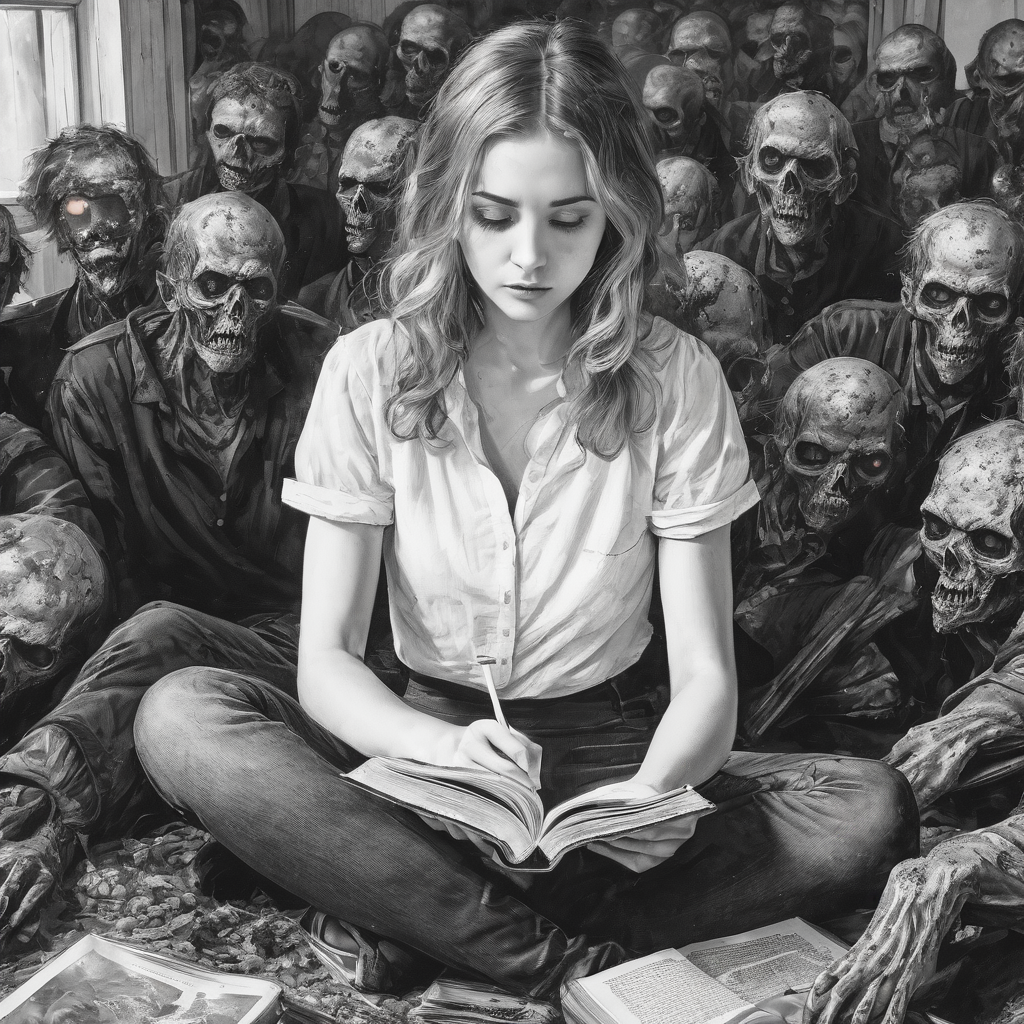
All images created by Rebekah Marshall’s prompts using AI on Gencraft.com website.

WARNING – SPOILERS

A Court of Wings & Ruin, the 3rd book in the ACOTAR series, held its own in the cannon. It was not my favorite of the books but was a necessary middle step to Feyre righting her life and fully coming into her own. She must make more heartbreaking decisions to save herself, save those she loves, and end things once and for all with her past relationships that keep weighing her down.

I like that the book is messy, things don’t go as planned quite often, pivots must be made, and even immortal beings must repeatedly circle back to try to fix things over and over again. It feels very human, very relatable to not have everything be an easy win as these magnificent beings battle their way to try to save the world. There are gigantic beasts, ulterior motives, dark ancient magic, impossible choices, and unlikely alliances.

Elaine (Feyer’s sister) begins to come into her own as she wrestles with her powerful gifts in this book. And her lack of interest in the being to whom fate has declared her a mate is a fascinating twist. Nesta must figure out how to live in this world she hates, and grapple with why she is strangely drawn to Cassian. I love that her character is super cantankerous. She is not very likeable, and that makes her interesting. She doesn’t seem to care about being liked. Feyre and her mate keep our hearts pounding with their love. And Mor’s secrets about her love life are a perfectly revealing piece of the puzzle.

I must say that the deaths in this book had me sobbing. I will say no more about that, so I don’t ruin anything too grievous for anyone. I will simply say that the toll of war is well-depicted and heartbreakingly devastating.

Maas, Sarah J. A Court of Wings and Ruin. Bloomsbury Publishing, 2017.

Space Library

(Poem 351 for 2024 – I am writing a poem a day)

AI Generated image I prompted on Gencraft.com https://gencraft.ai/p/7DkZgi

Reading books in a space library,
unburdened by insignificant
things like gravity or air,
makes for a floating good time.

No day or night means
reading as long as the story
calls for, the library is open,
and the coffee or tea is flowing.

Of course, no one can hear
the laughter that spills over
from the funny parts because
there’s no sound in space.

And if a particularly poignant
part wrenches unbidden tears
from weary eyes, they are unable
to fall; there’s no crying in space.

@Home Studio – 351st poem of the year

Runner ups for the Space Library photos to accompany my poem:

Belladonna Grimm

(Poem 299 for 2024 – I am writing a poem a day)

AI Generated image I prompted on Gencraft.com https://gencraft.ai/p/PUezMq

If you knock on the door
of Belladonna Grimm
you are likely to encounter
a place cluttered and dim,
for never does she clean,
iron, straighten, or dust.
All her walls are moldy,
cook pans coated with rust.
She’s too busy reading,
discovering something new,
engaging in experiments,
trying to cure the flu.
Her conversation ranges
from alchemy to zero,
constellations, philosophy,
how to become a hero.
She zips around night and day
doing who knows what.
Some suspect she is a witch
or a crazy cuckoo nut.
She doesn’t notice anything
but what she is working on.
It’s rumored she eats dinner
at the crack of dawn.
Belladonna Grimm
doesn’t care what people think,
unless they are interested
in her work with medicinal zinc.
So don’t waste your time
hoping she’ll conform;
she’ll keep you there all day
helping her brainstorm.

@Home Studio – 299th poem of the year