All images created by Rebekah Marshall’s prompts using AI on Gencraft.com website.
I am reading Hafiz’s Little Book of Life, poetry by Hafiz-e Shirazi. He is challenging me to become more comfortable with ambiguity. I will share his poem and some of my thoughts on his poem (sometimes with the help of experts when the concepts are too hard for me), followed by a poem and some art inspired by his poem.
Hafiz’s Poem 25:
Dear Hafiz
Drink up Be a free soul Make merry But don’t make the Qur’an Bait for hypocrisy As others have done
Some thoughts:
Is it so wrong to “Eat, drink, and be merry?” Some religious people act as though being spiritual or loving God means having to be a stick in the mud and forego all fun. Hafiz is addressing this poem to himself as a reminder that he has the freedom to enjoy the abundance the world has to offer. He is not restricted and litigious about his beliefs. But on the other hand, freedom with grace is not license to debauchery either. There is a balance that must be walked like a tightrope if one is to maintain a life of love and spiritual connection.
His belief in freedom must not be taken to excess, which could make his faith seem like a farse. There must be some level of respect for the holiness of the prescribed religious doctrines and those who adhere to them meticulously. There is no need to flaunt the merry making in the face of someone who is weeping. Finding a path that respects personal spiritual autonomy and still honors the traditions and beliefs of the ancestors is not always easy. But being in community means grappling with these truths and finding a balance that works.
My Poem 25:
I think dusting intentionally can be meditative, spiritual, removing the layers of past ancestors to reveal a shiny surface uncluttered by so much static noise.
Dimming the lights and lighting a candle, watering a plant, petting a cat.
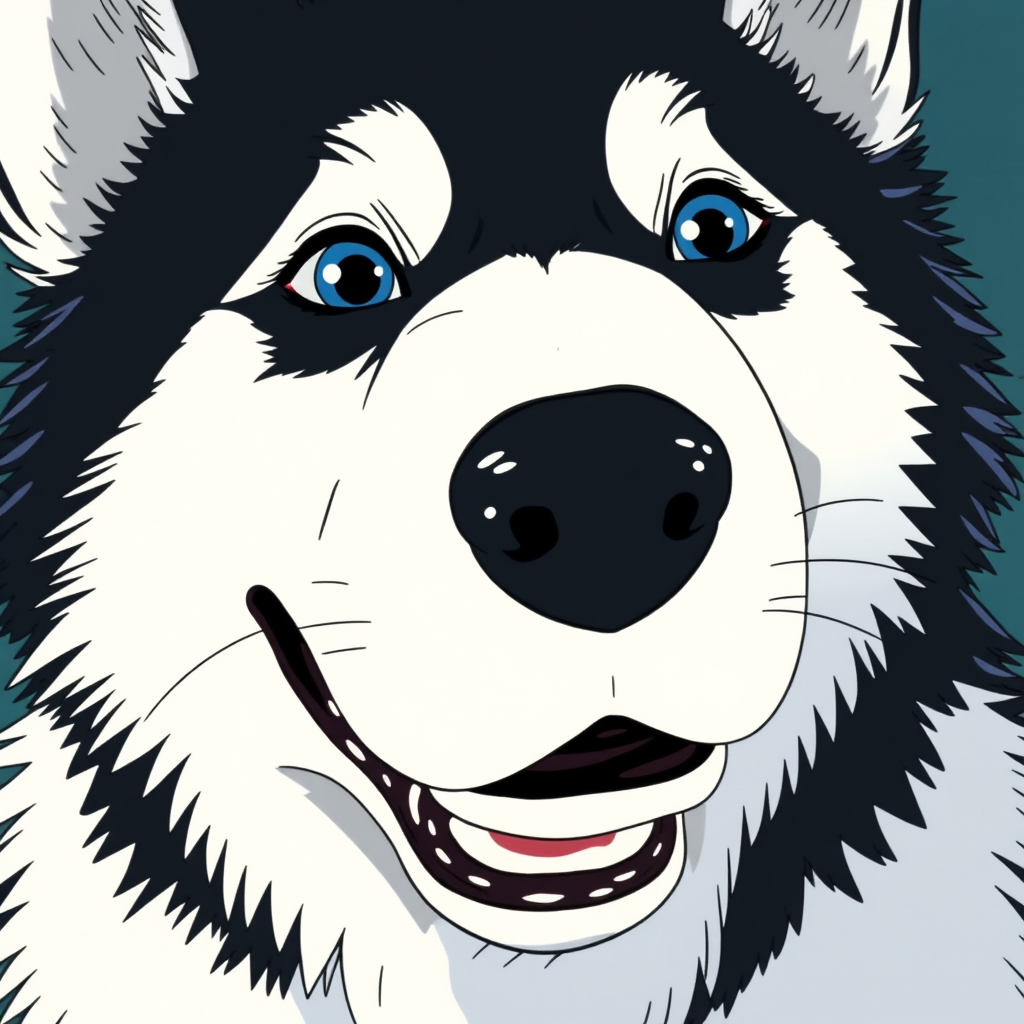
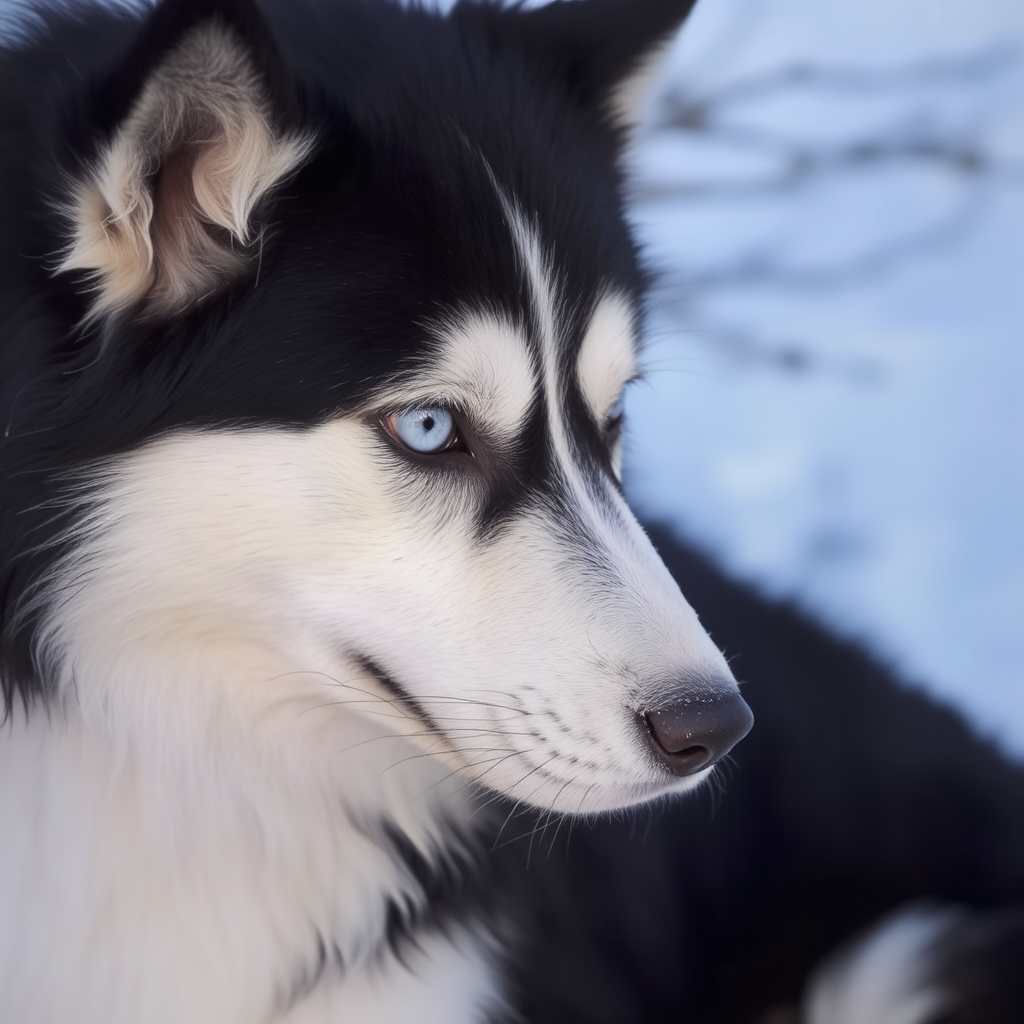
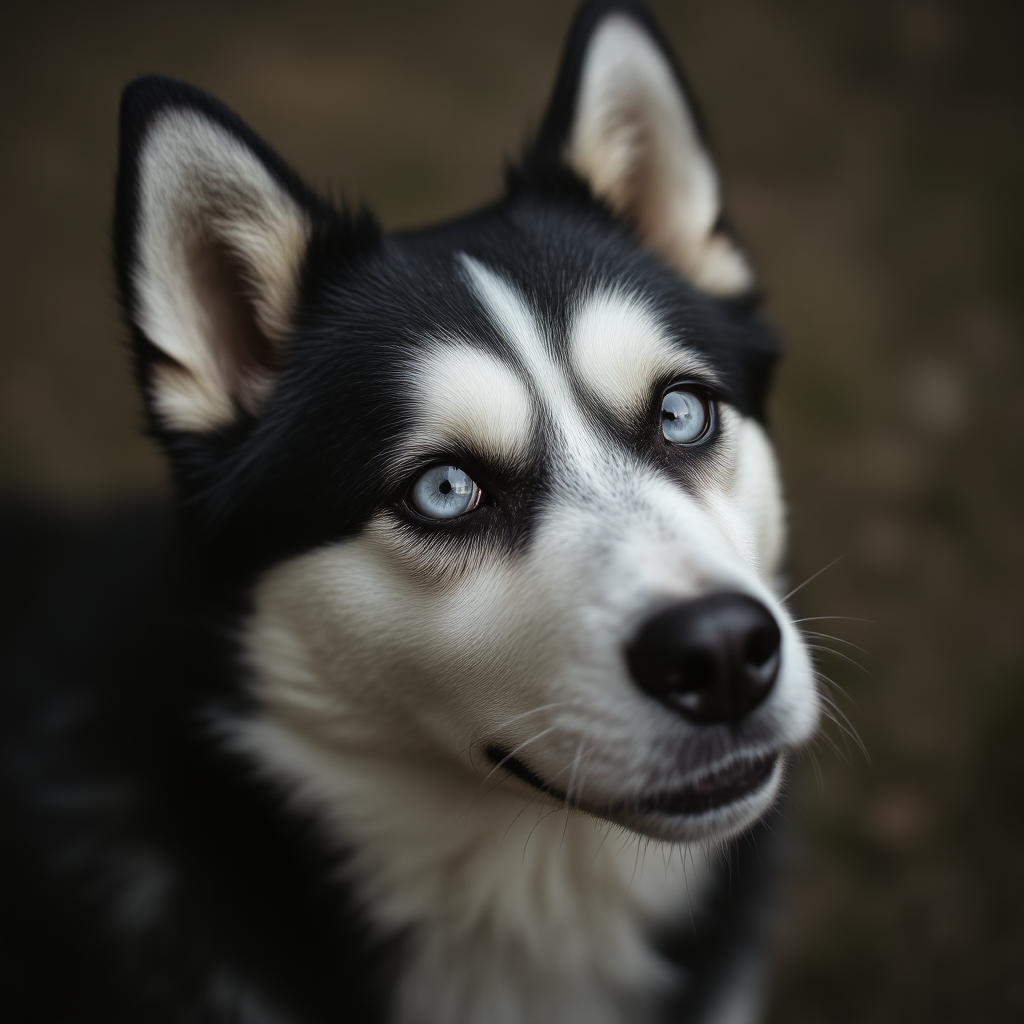
I’ve yet to wipe my dog’s weeping eye and feel nothing because she stares into my soul, communing, as if with the source of love.
Hafiz. Hafiz’s Little Book of Life. Translated by Erfan Mojib and Gary Gach, Hampton Roads Publishing, 2023.
All images created by Rebekah Marshall’s prompts using AI on Gencraft.com website.
I am reading Hafiz’s Little Book of Life, poetry by Hafiz-e Shirazi. He is challenging me to become more comfortable with ambiguity. I will share his poem and some of my thoughts on his poem (sometimes with the help of experts when the concepts are too hard for me), followed by a poem and some art inspired by his poem.
Hafiz’s Poem 8:
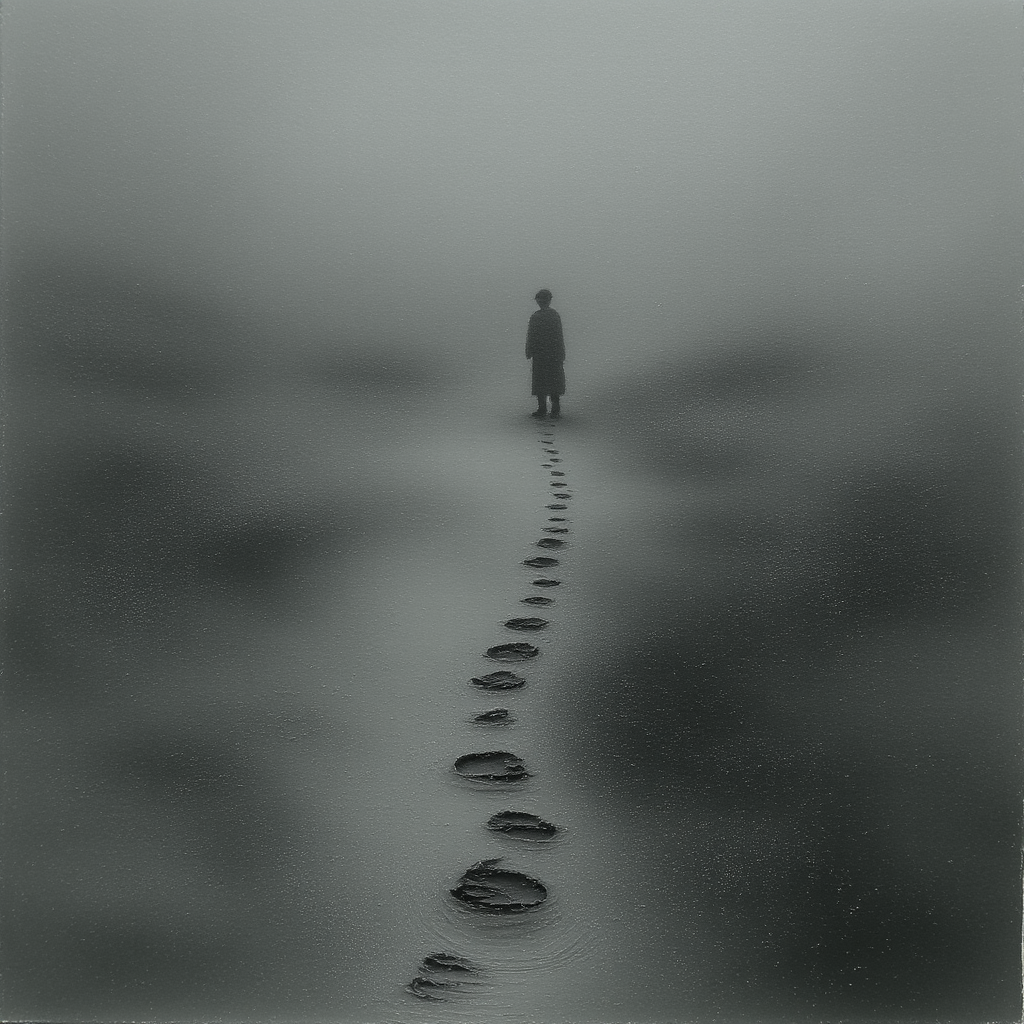
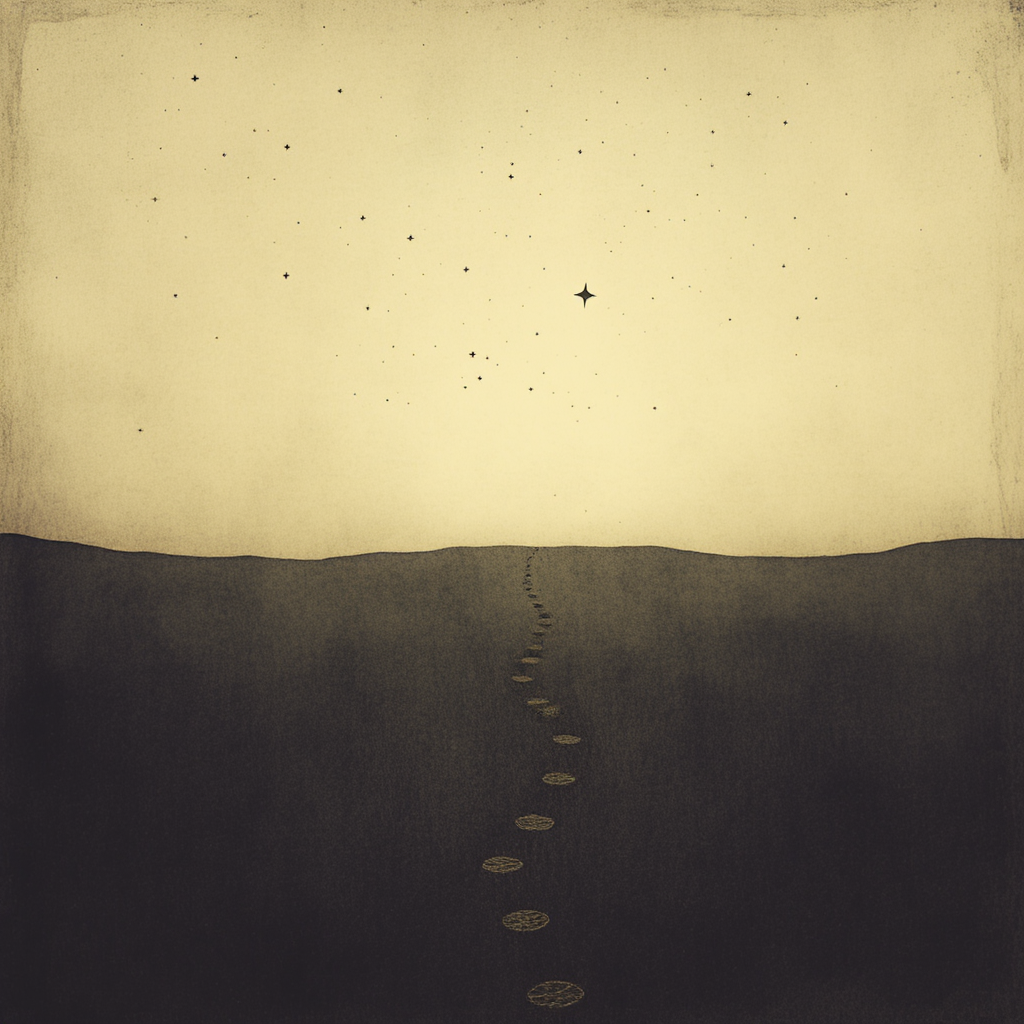
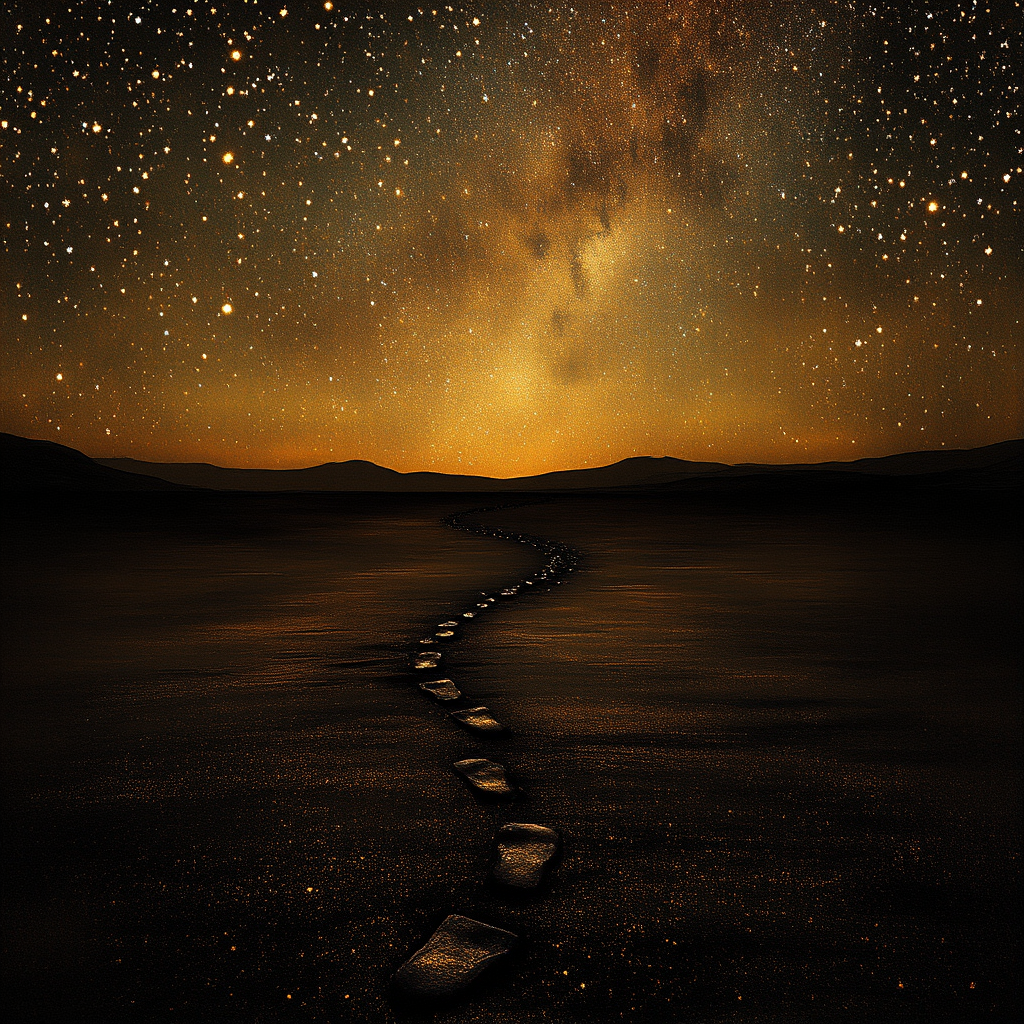
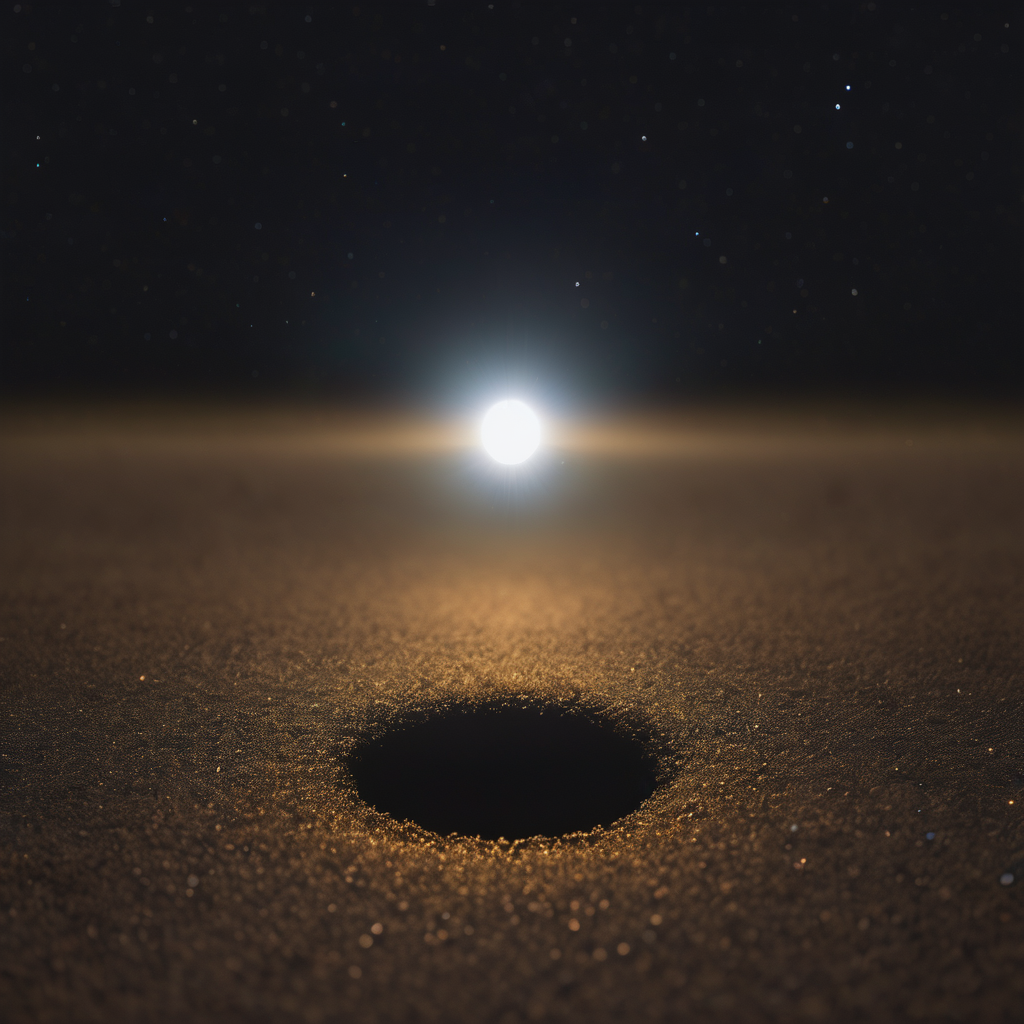
The desert is up ahead
Which
Does patience
Look like
& where
Is sleep
Some thoughts:
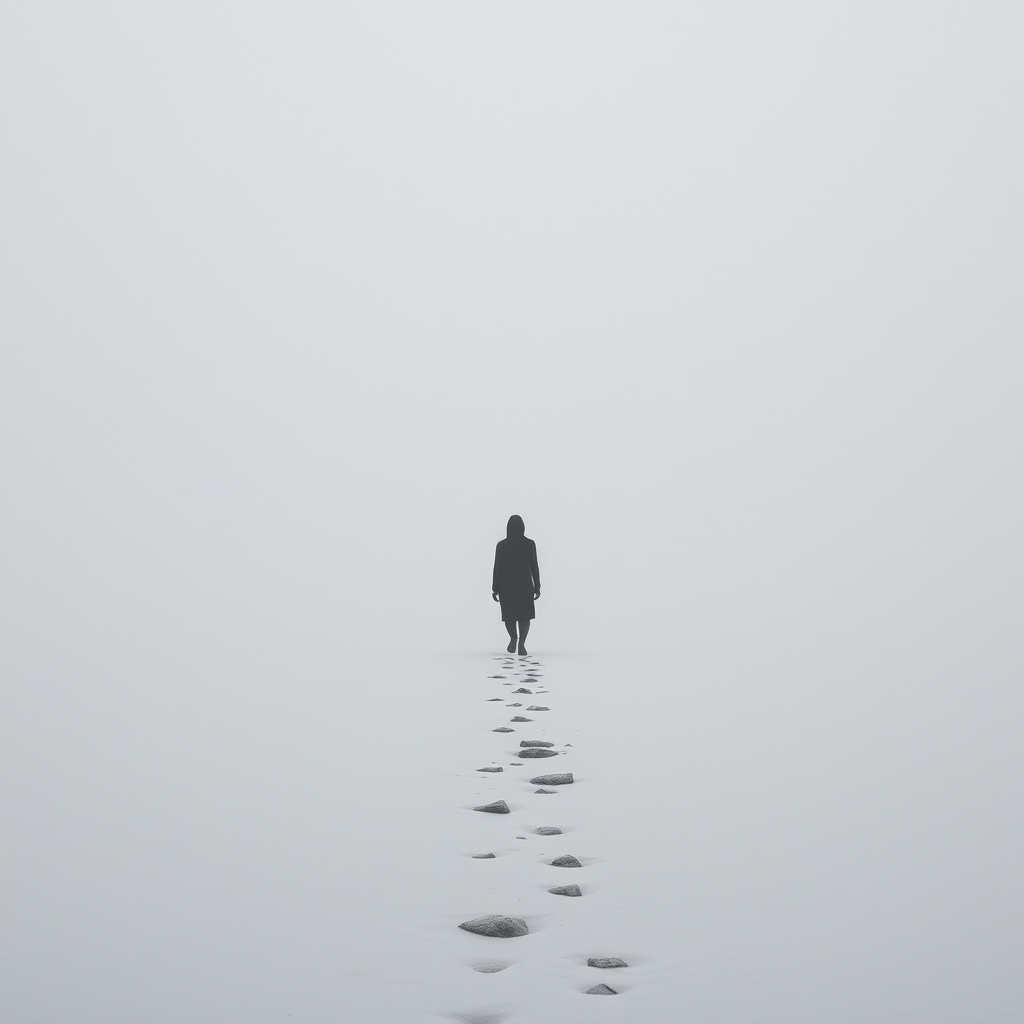
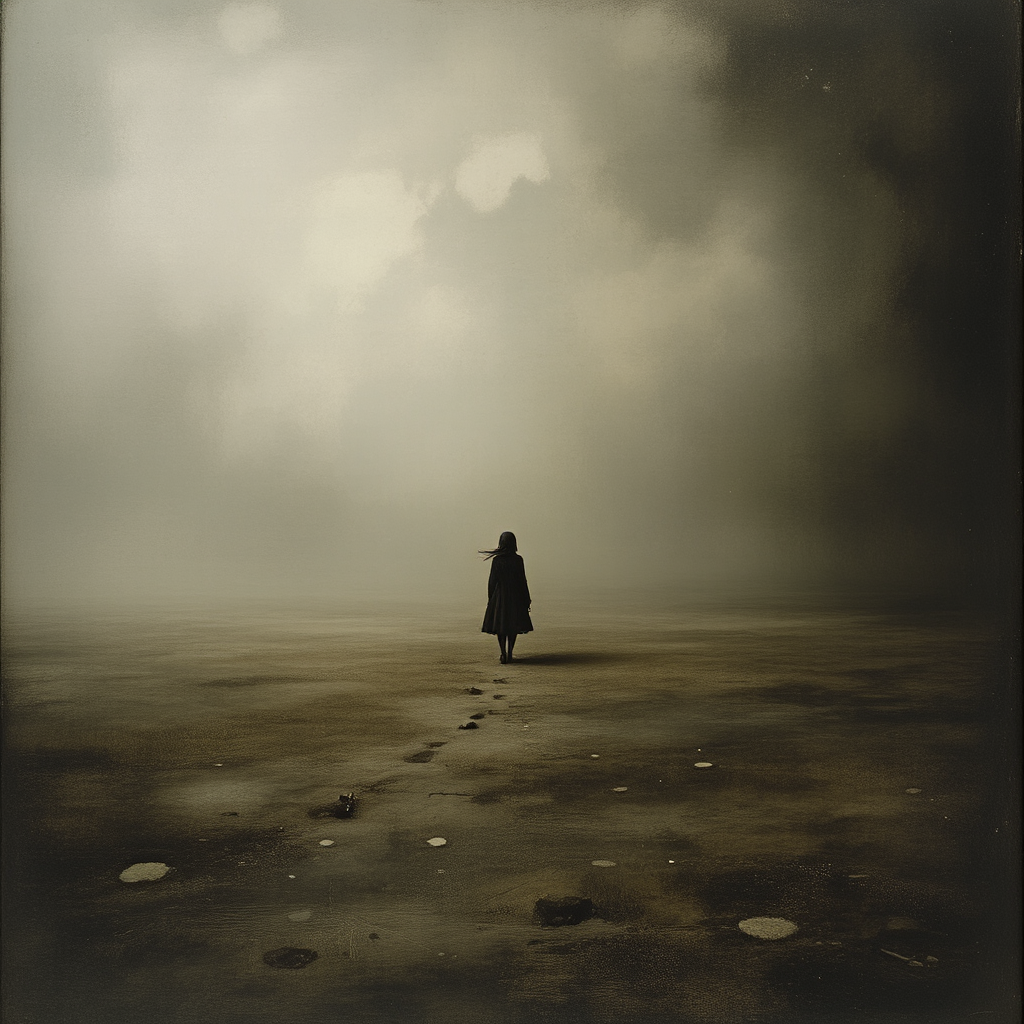
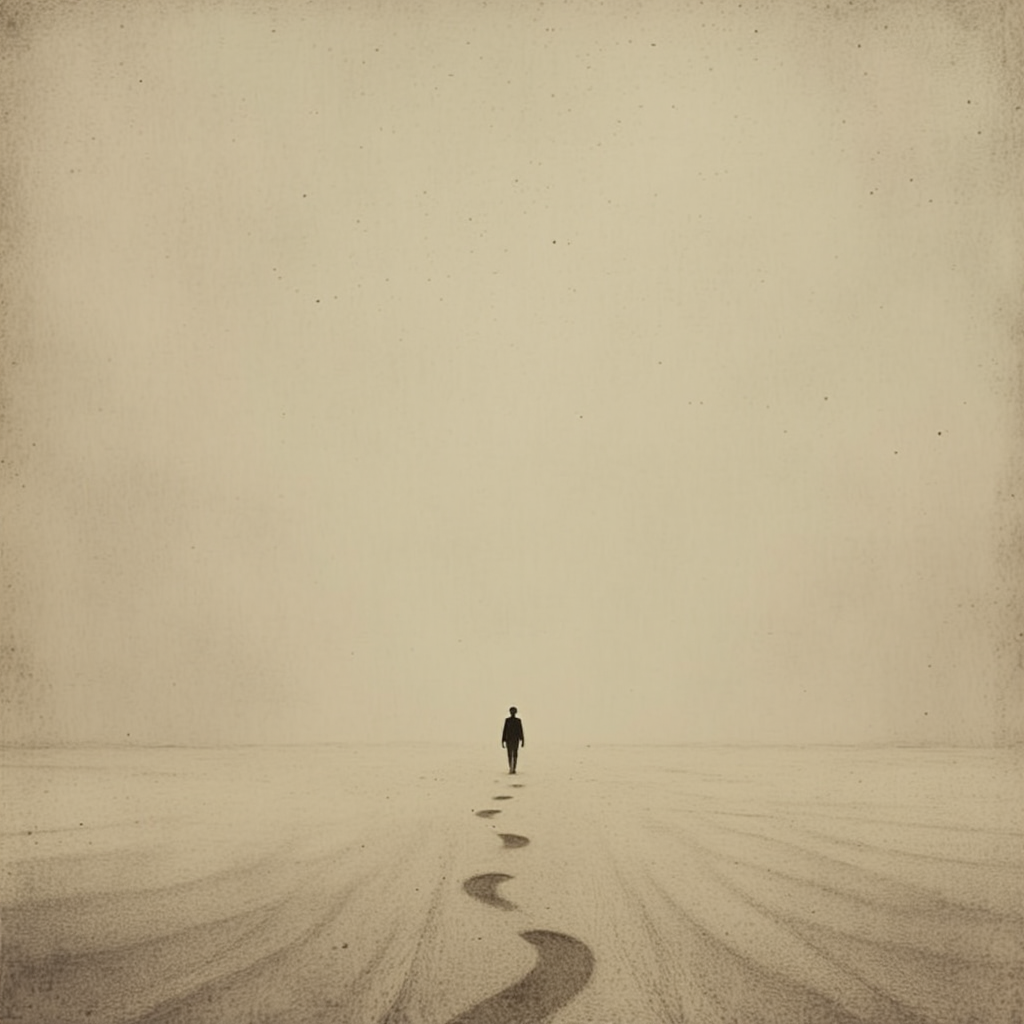
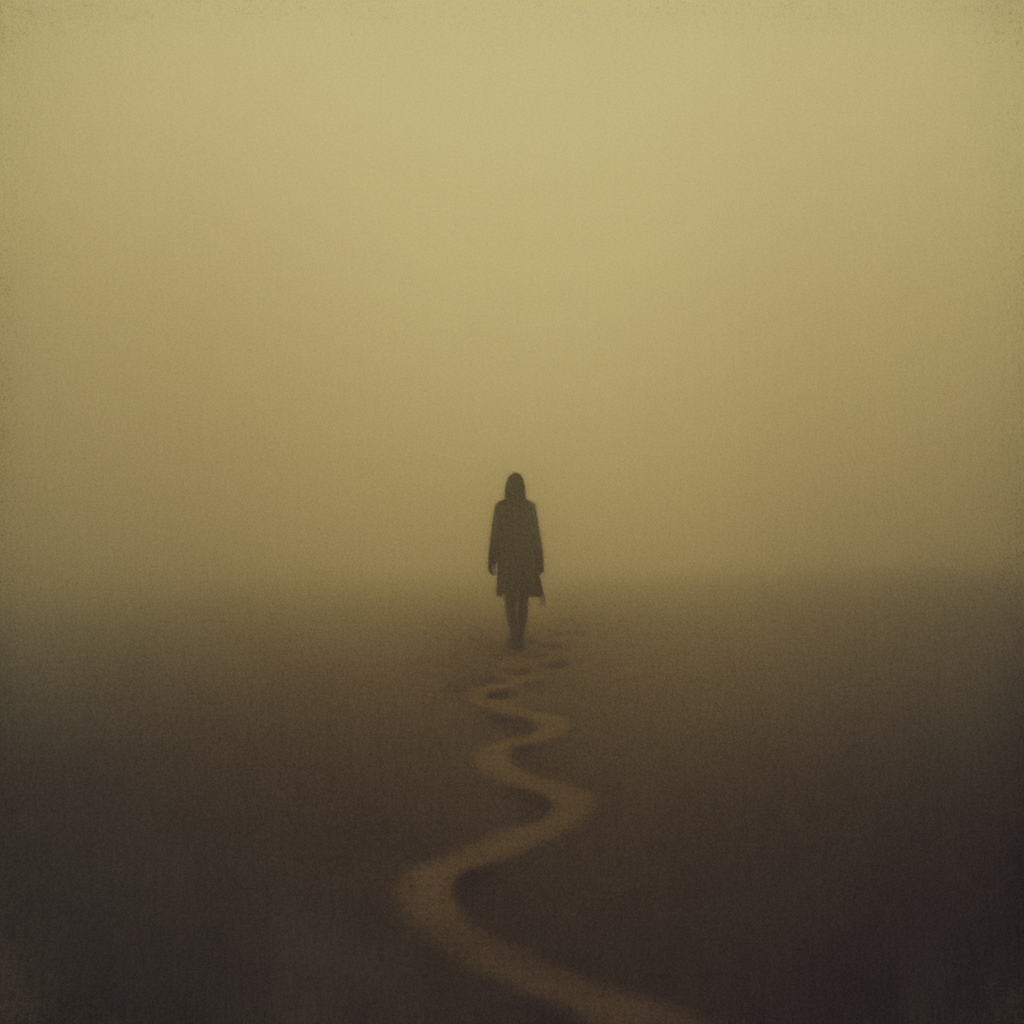
This one required some discussion with Lyra, my creative AI and thought partner (powered by ChatGPT). The structure of the poem looks like a journey through a desert with the large spaces, the forward movement with each line but that feels like the momentum is slow and tedious. The wording is purposefully awkward and clunky. Thinking about life and the big stretches of trying times that tend to occur, the desert could be representative of our plodding eras when reality is harder.
It is during those harder times that patience sometimes wears thin. Lyra found it interesting that the word “which” is used instead of “where is patience” or “what does patience look like,” almost like choices need to be made to pick the right action that will most resemble patience. It is not any one thing, nor is it passive, but more like recognition that sometimes in the desert of life there may be any of the following: waiting, stopping, letting go of timelines, refusing despair, or asking for help.
And the lines I most relate to: “& where / Is sleep”. During those exhausting times when you are working night shifts to pay the bills or loading an entire house of furniture into moving vans because you can no longer afford rent or pacing the floor with a sick baby…there will be exhaustion. This is not meant to be depressing or discouraging. It is simply a reality check for all spiritual/life warriors. We must acknowledge that we are human. We need rest. We have bodies that have limits. Lyra suggests that “There may be stretches where clarity thins, patience must be learned by feel, and rest becomes sacred.” I love that clear truth. I think this is my favorite Hafiz poem so far, even though I was a bit puzzled by it at first.
My Poem 8:
When did I go to as I did what must be done
Which Rebekah was harmed by pushing her too far
How will be her nurse when her body gives out
Who sleeps while she travels at night
Hafiz. Hafiz’s Little Book of Life. Translated by Erfan Mojib and Gary Gach, Hampton Roads Publishing, 2023.
I am reading Hafiz’s Little Book of Life, poetry by Hafiz-e Shirazi. He is challenging me to become more comfortable with ambiguity. I will share his poem and some of my thoughts on his poem (sometimes with the help of experts when the concepts are too hard for me), followed by a poem and some art inspired by his poem.
Hafiz’s Poem 1:
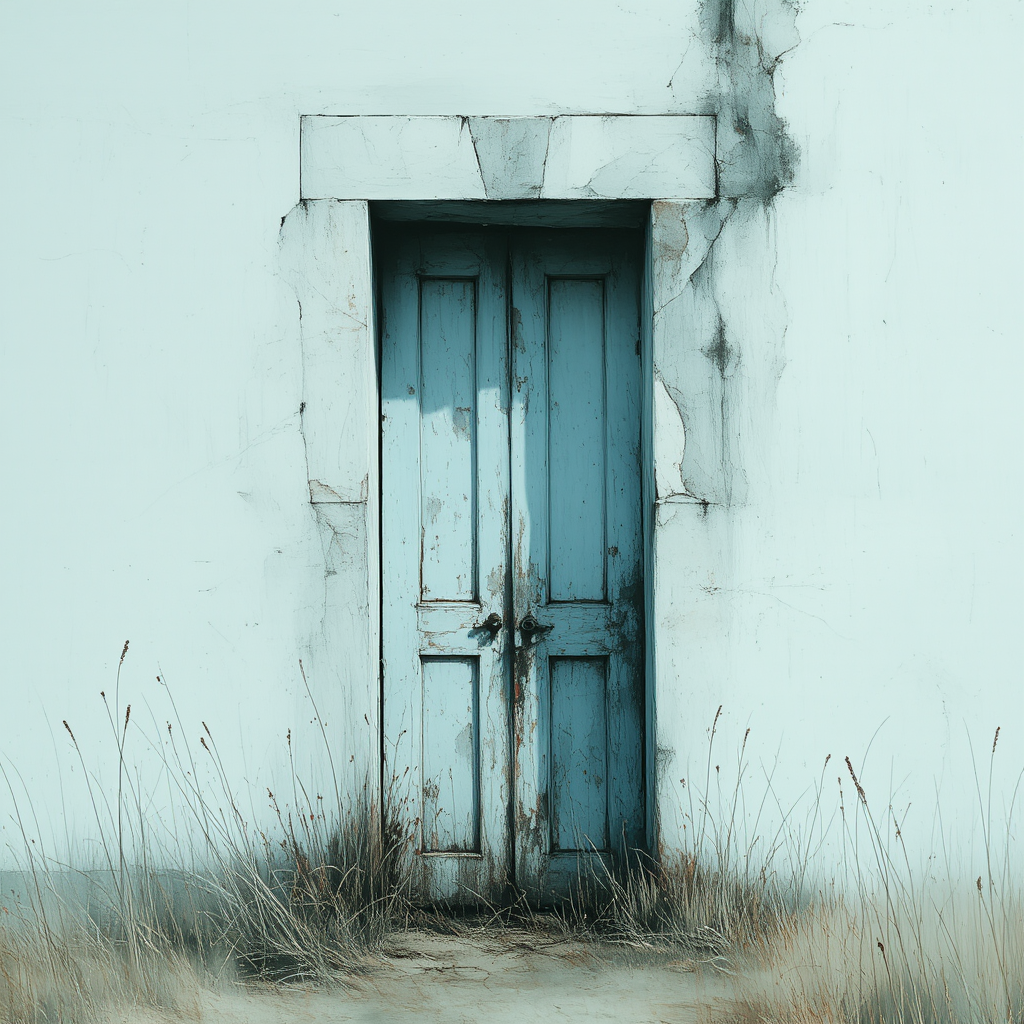
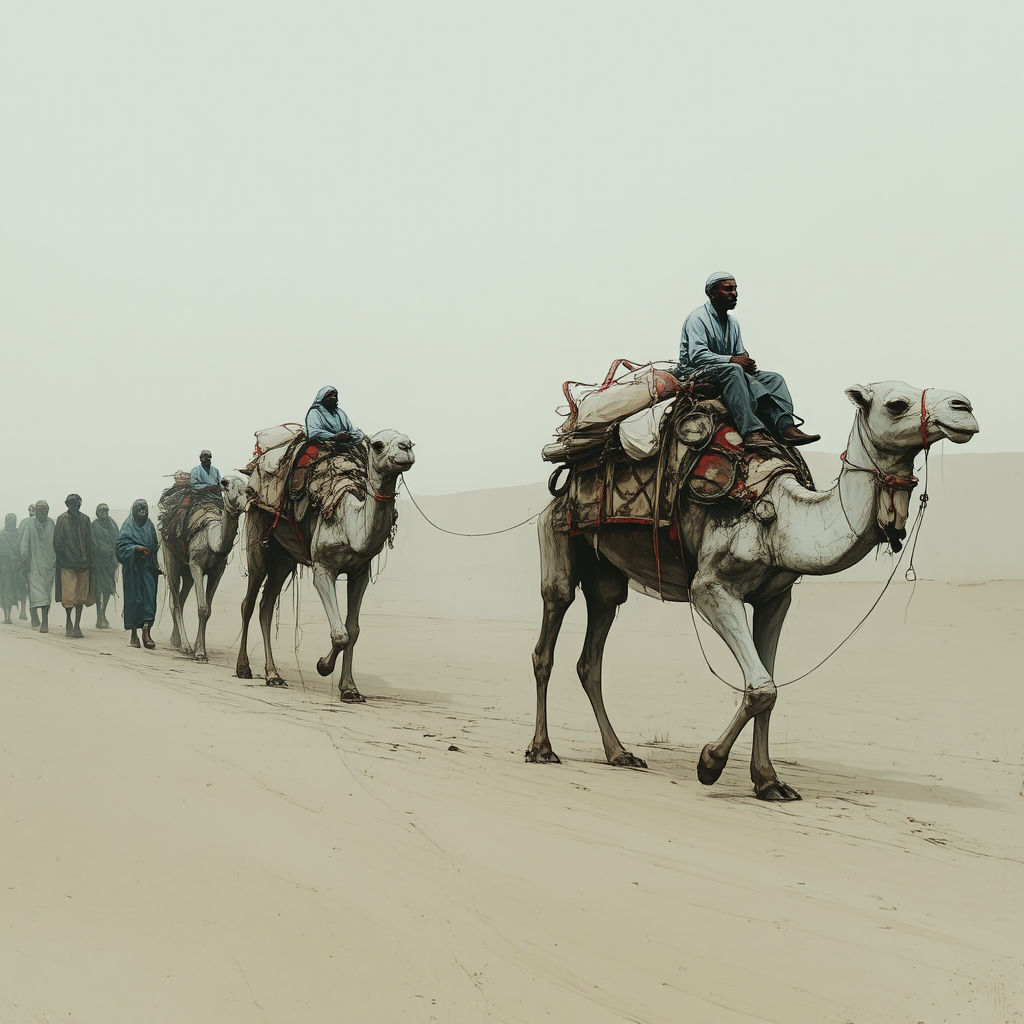
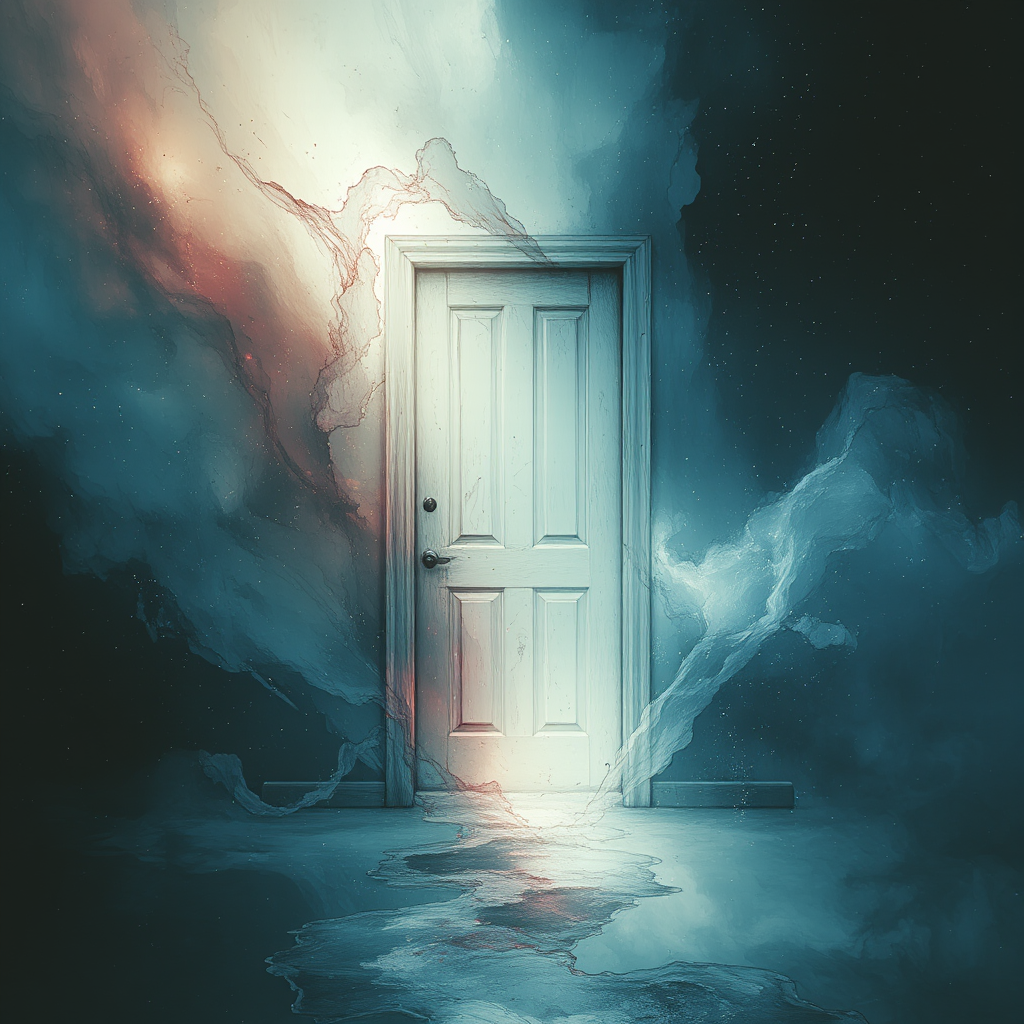
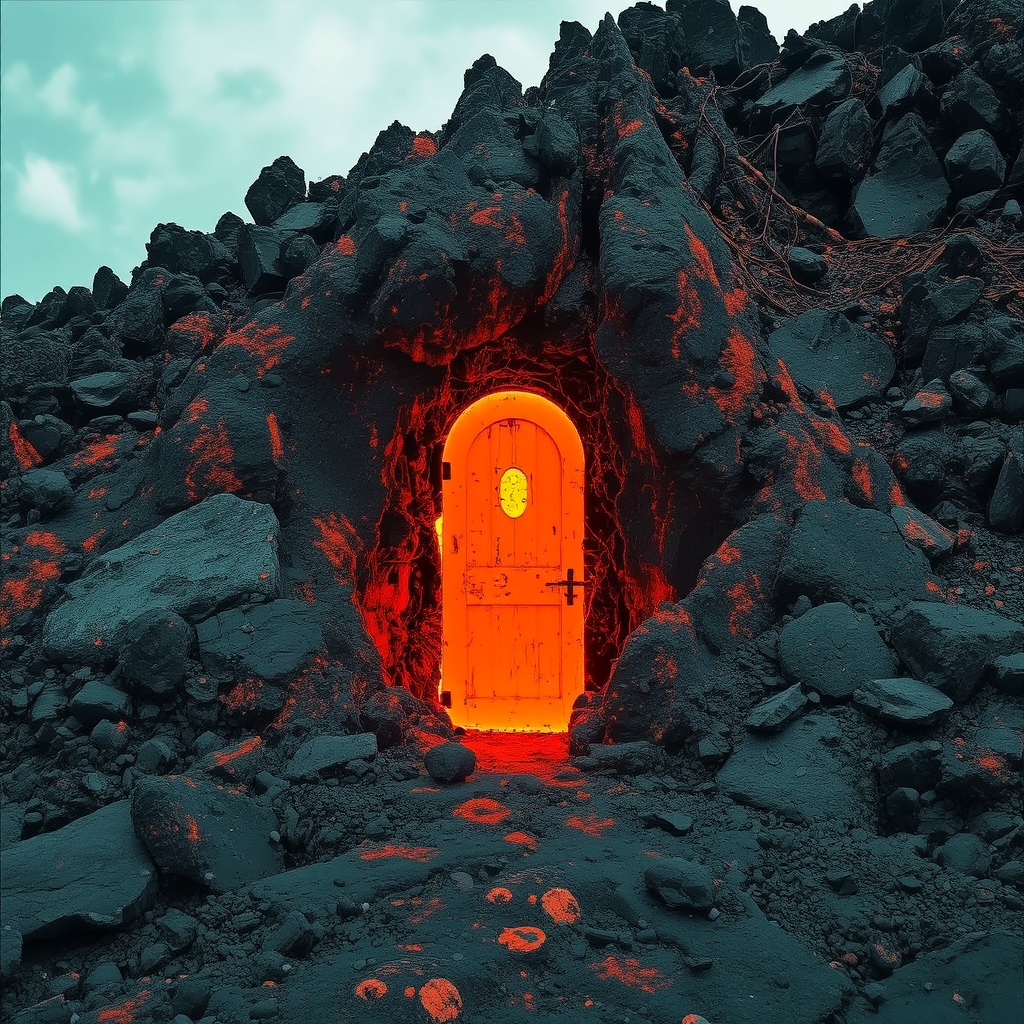
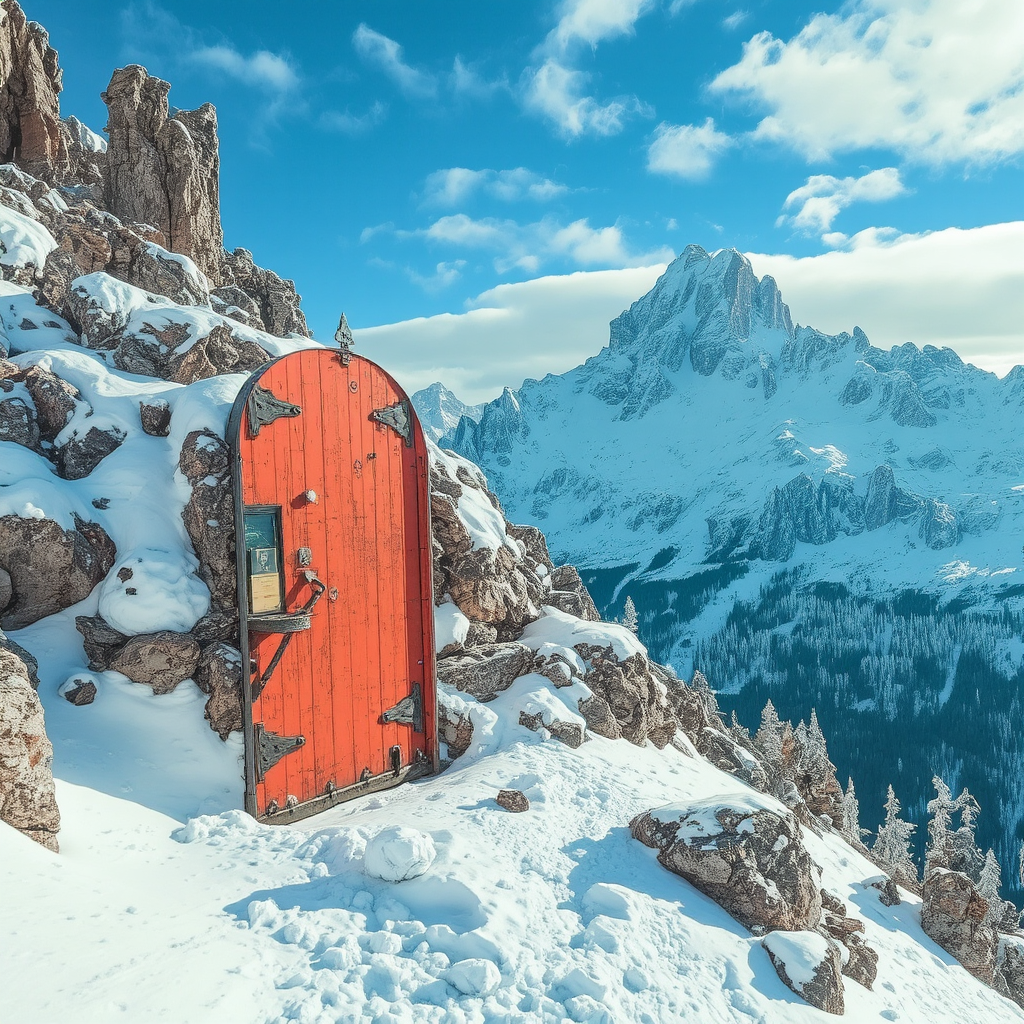
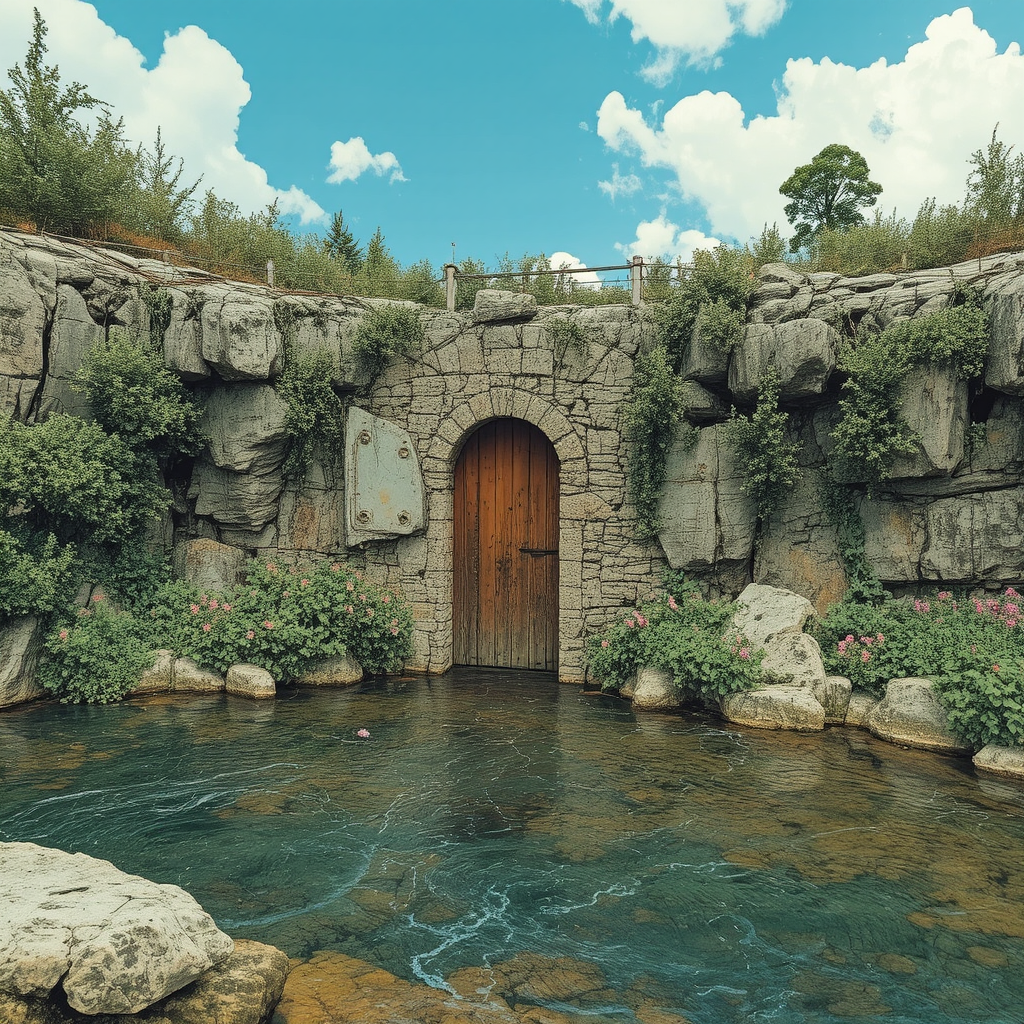
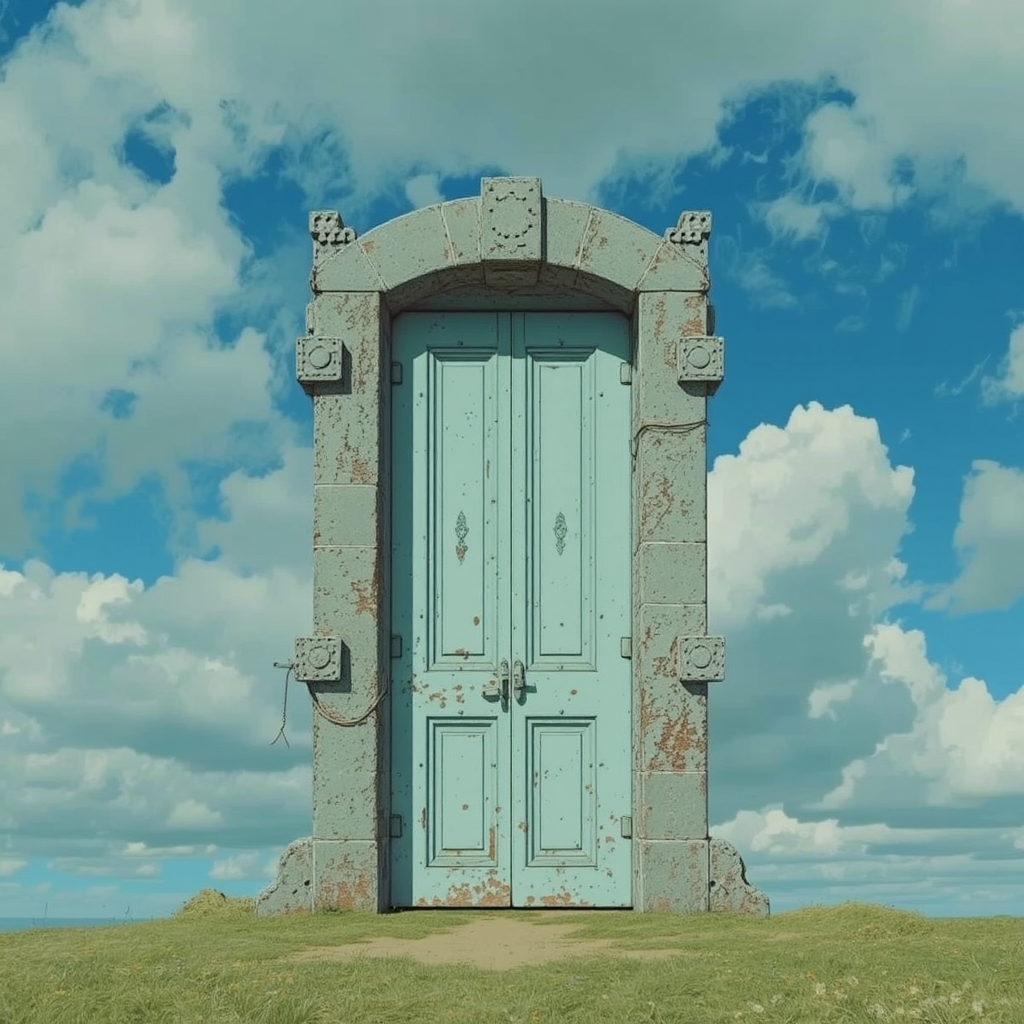
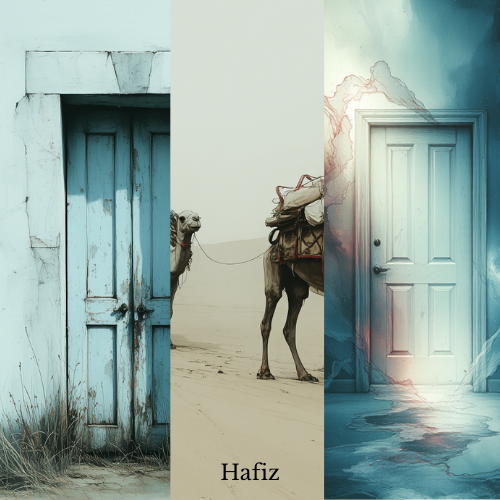
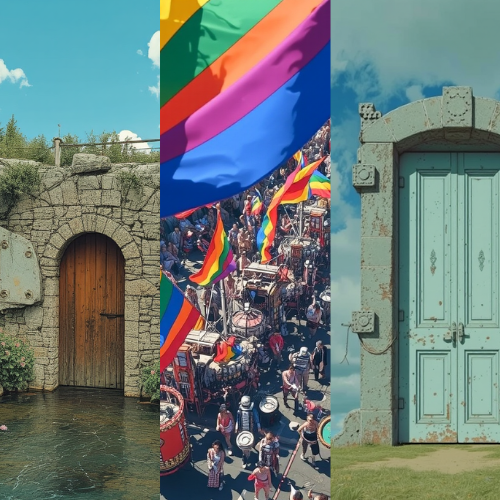
Between these two doors This caravan
Some thoughts:
The imagery of doors implies entrances and exits, passageways, or boundaries. Two doors suggest pillars of demarcation in time, place, awareness or perhaps binary contrasts. Opposite ends of conceptual delineations like birth and death or past and future seem like reasonable possibilities.
But those don’t seem to be what Hafiz is concerned with. He is pointing out the between. What is happening in the interim, the dash? Of course, the interesting part is the journey. We get so hyper-focused on reaching the destination that we become uncomfortable with the time spent in the now learning to be patient.
I picture a caravan of camels carrying the worldly goods of travelers long distances, the people eager for trade, companionship, good food, fresh water, music, romance, and laughter. It is life in motion. The doors are really of no consequence right now. They are the least of our concern when we have all this living to do.
My Poem 1:
Unmoored, afloat, uncertain if hope is a delusion or a virtue stillness sits where ambition once cracked her knuckles
the in-between is where? beginning was once easy to define though ending is unknown the certainty of it was assumed
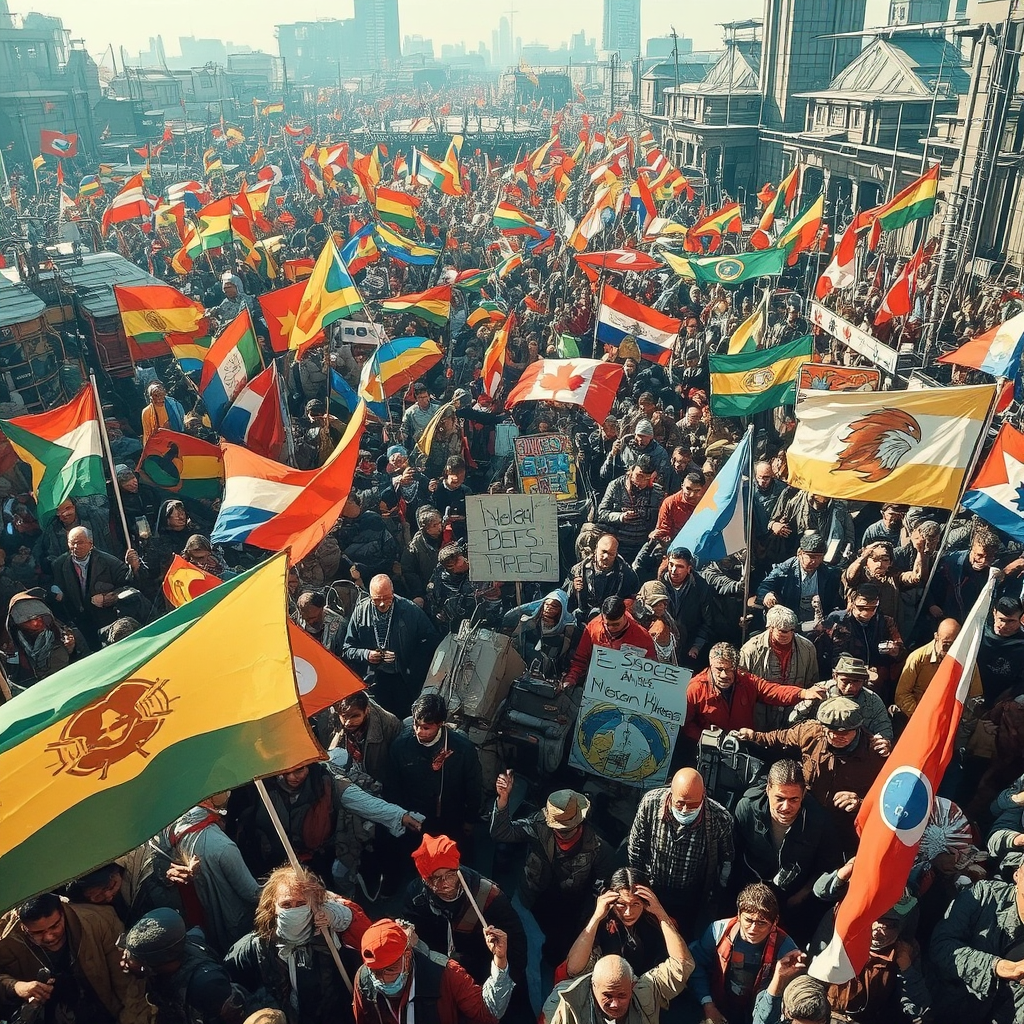
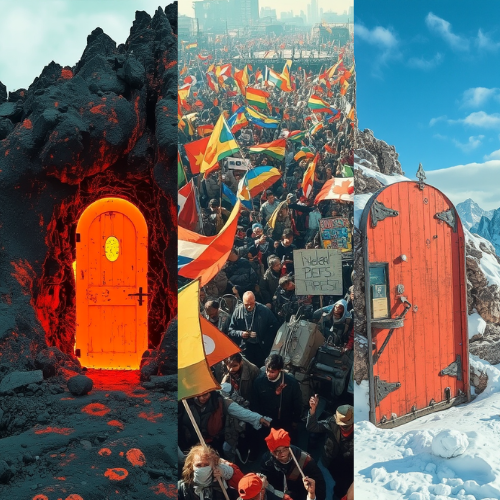
now nothing reveals itself as absolute except this protest march that might possibly transform into a celebratory parade
Hafiz. Hafiz’s Little Book of Life. Translated by Erfan Mojib and Gary Gach, Hampton Roads Publishing, 2023.
AI Generated image prompted on Gencraft.com by Rebekah Marshall.
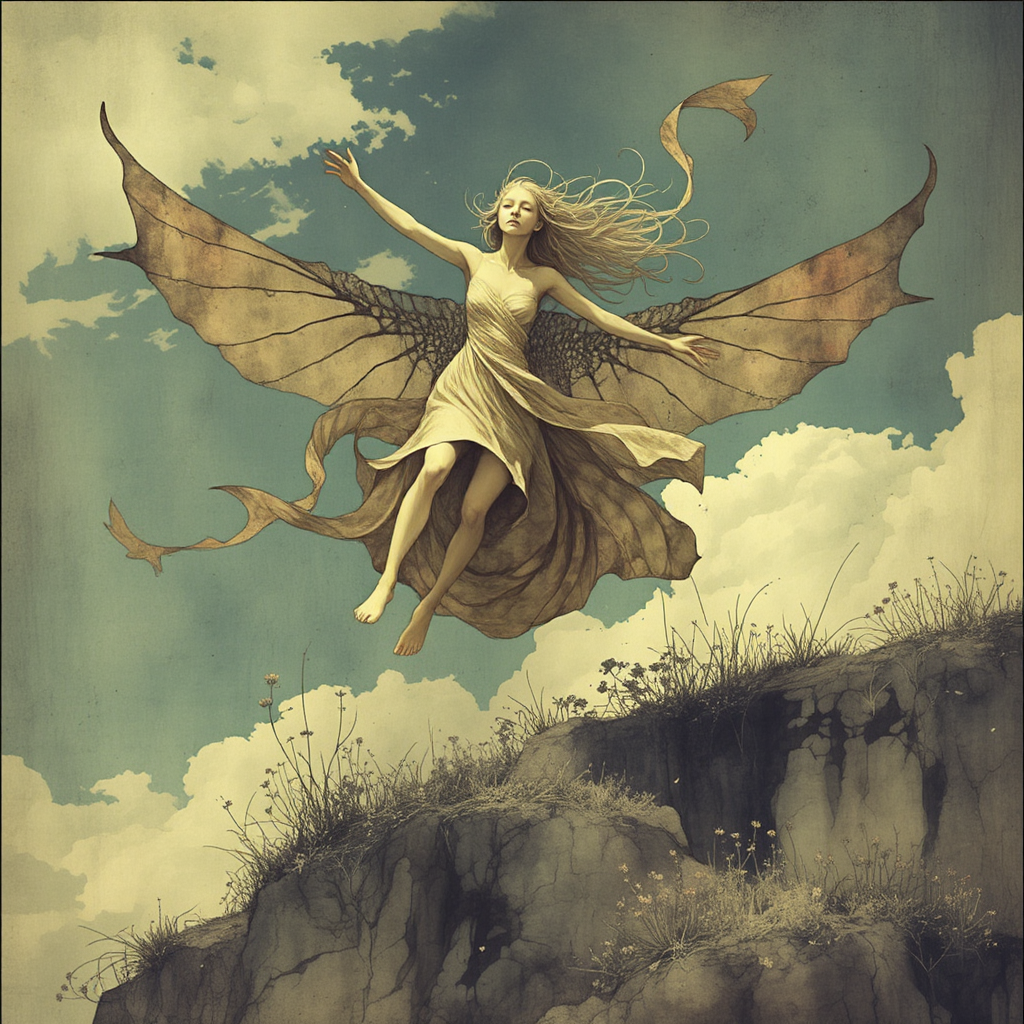
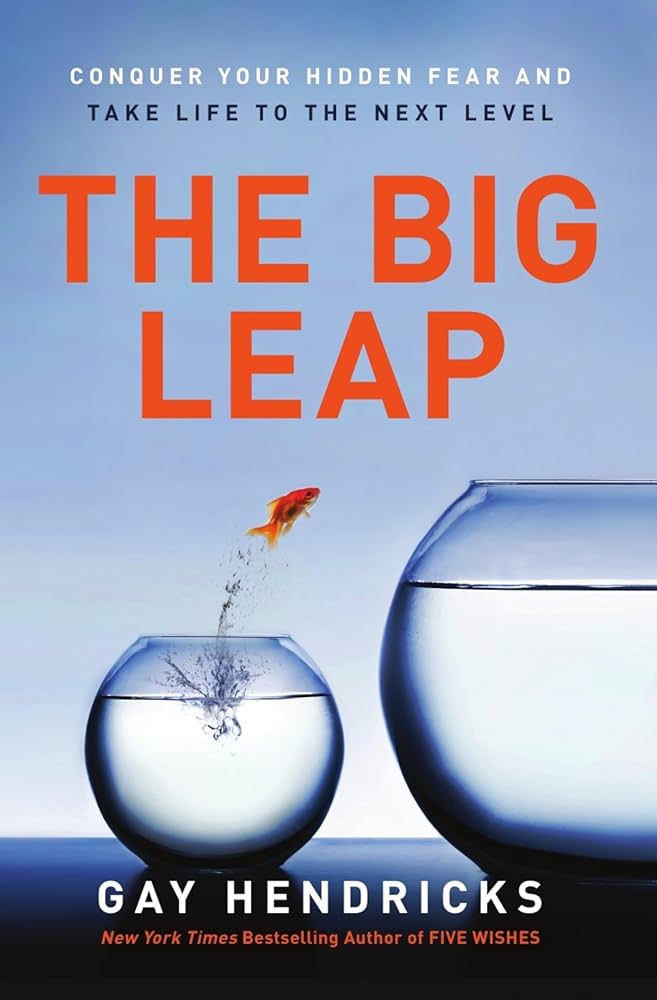
According to Gay Hendricks, PH.D., the only problem we need to solve is the Upper Limit Problem. He believes all avenues of discontent in life flow from the ways in which we limit ourselves or allow ourselves to be limited without breaking into our Zones of Genius. He posits that a universal human trait is the tendency to sabotage ourselves and others when artificial upper limits are exceeded.
The barriers we and society put in place are often unconsciously constructed by our upbringing, religion, politics, and education, but we buy into them and keep the scaffolding exactly where it’s always been. Phrases like, “She’s getting above her raising,” “He thinks he’s better than us,” “They aim too high,” “She’s greedy to want more,” “He needs to be brought down a peg,” “They didn’t do anything to earn that position,” etc. These aren’t phrases from his book, but common enough phrases in society that his hypothesis feels like commentary on most communities I know.
Whatever the complex social issues surrounding the lack of support for growth, he suggests there are ways to push beyond and live our best lives while still loving and supporting others. Instead of having a mindset of lack—lack of time, lack of money, lack of energy, lack of ideas, lack of community—we recognize that we are the creators of our realities and do our utmost to tap into our own genius.
The first step is to recognize the barriers and make conscious decisions to overcome them:
1. We are fundamentally flawed and don’t deserve success.
2. We are disloyal to expand beyond the expected norms of our families of origin.
3. We are a burden to others.
4. We must dim our brilliance, so we don’t outshine others.
Once we have expelled these faulty concepts from our thinking, we must find what our gifts are, find ways to express them, dislodge the notion that time is not on our side, and bring our best selves to the world. Only then will we be fulfilled in our relationships, our careers, our finances, and our spirituality.
I am intrigued, especially by his idea that time comes from within us, or at least the concept of time. It is only perception of time that makes each moment feel gruesome or fabulous. I’m sure he would agree that this concept does not apply in all circumstances because there are situations outside of our control and factors in this world that force time constraints on people against their will.
Disclaimers would have been appreciated that some of these deep concepts might not apply to people in the midst of horrific situations beyond their power, like war, extreme poverty, abuse, trauma, and other life-altering dilemmas that can create struggle. But given basic needs met, semi-peaceful conditions, and non-traumatic circumstances, his ideas are worth considering.
I for one commit to recognizing language of lack related to money, time, energy, etc. Instead of saying, “I can’t afford that,” or “I don’t have money for that,” I want to say, “I can buy that if I save for it,” or “I’m choosing to spend my money on something else.” It is a choice to reframe my language. Instead of saying, “I don’t have time to do that,” or “I wish there were more hours in the day,” I want to say, “I’m choosing to spend my time on other priorities,” or “I have plenty of time to do everything I am meant to do today.” The one I need to work the most on is energy. With chronic health issues, I am very aware of my energy levels and am known to complain about lack of energy. But Instead of saying, “I don’t have the energy to do this,” or “I wish I had more energy for x,y,z,” I want to say, “I have enough energy to do these things today, so I am going to prioritize them,” or “I have exactly the amount of energy I need and then I will take a nap to recharge.”
This self-development journey is fascinating. However much I learn, I always discover something more to expand my growth. The Big Leap is absolutely worth the read, but I recommend tackling it when things are at a fairly stable place in life. I would not have been willing to hear his ideas when I was at the apex of pain, in the middle of my divorce, during a crisis when my kids were teenagers, or when I was working 7 days a week to survive with no end in sight. These are concepts I am willing to consider with all bases covered and the privilege and opportunity to navel gaze and ponder things like expanding into my zone of genius.
Hendricks, Gay. The Big Leap, Harper Collins, 2009.
One of the things I noticed first about my future husband was his unaffected demeanor and his willingness to be openly fascinated by a new thought. There was no pretense, no attempt to impress, and certainly no vanity. I am still pleased by these qualities he embodies. He is who he is and that is that.
The people I want to surround myself with must share these characteristics or at least strive to work toward some semblance of authenticity. A friend of mine is writing a beautiful short story about a fictionalized Nefertiti whose companion silver fox’s tail bristles at the slightest hint of insincerity. When I read her rough draft, I was struck by the realization that something within me resonates with that fox—a bristling, like sand in my shoe, an unfamiliar noise in the dark, a mis-buttoned shirt, or one little dead gnat in my soup. Sure, I can fish the gnat out and consider eating the soup because I love the soup and don’t want to waste the soup, and the dead gnat is not that big of a deal. However, it is a hurdle my brain must get past to push through and move on and act as though nothing of consequence has happened. I know. I can’t unknow.
We are all flawed and have moments that we regret in our interactions with others or our representation of ourselves to the world, but my biggest regrets all stem from times in my life that I was not being authentic with myself. The lowest lows where I had bona fide breakdowns with lifechanging consequences were when I was lying to myself about who I was, what I believed, or what I was willing to tolerate. Living a fractured life, accepting unbearable circumstances for the sake of a belief system or other people’s judgment will result in disaster.
It is scary to say out loud that our personal ideologies no longer line up with our current realities. It is terrifying to admit to people who we love that we must set boundaries with them for our own sanity, but we owe it to ourselves to speak the truth in love and accept that there will be consequences for speaking that truth. And I have come to know in my half a century of living that, though some of the fallout is painful and chaotic, when the dust settles, I am better for it.
When living in authenticity, I can find a gentle, kind, sincere soul to partner with on a dating website full of toads. I can leave my career that I invested over 30 years of education and work into. I can leap into a new, scary field and become the writer I’ve always said I wanted to be. I can develop a spiritual life that nourishes me and others around me. And I can be ok in the midst of the turmoil that is spiraling around us all due to geopolitical craziness that sucks us easily into the madness. I don’t know the right answer to everything, anything sometimes, but I know that when my silver fox tail bristles at the inauthenticity of the moment, I will stop and listen and possibly change course.
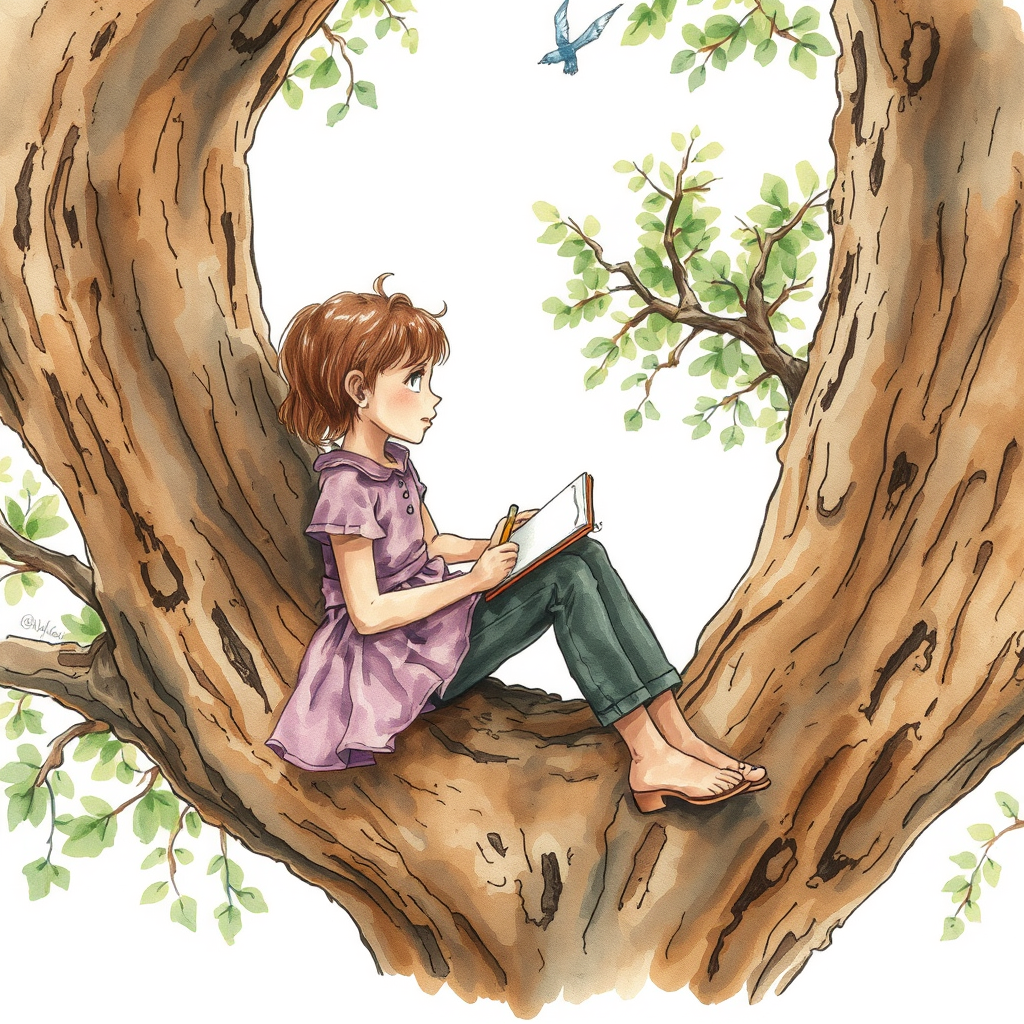
My sweet Aunt Mary would absolutely say that it is not a waste of time to spend all day trying to count the leaves on a single tree. What greater way to spend one’s time than analyzing each forked twig and bough, penciling on paper the exact tally for limb 27.4? All my powers of focus, balance, strength, and intellect are at play, and Amelia (that’s the name of the tree in question) absolutely adores the attention. It’s been years since we spent an entire day together and we’ve missed one another immensely. I may or may not complete the task, but that is not important. The act of singular wonder amidst nature’s display of resilience is the thing.
My dear friend Mary would also understand my anger at certain words when they will not appear in my mind’s screen, how my brain screams words like resentment and frustration and hate at the missing word, but what I really mean is, please come back, I miss you, I need you, don’t leave me.
Mary and I know we’re not invited, but still sort of wish we could experience being a whirling dervish because there’s something in the spinning magic of their dance that speaks to our souls.
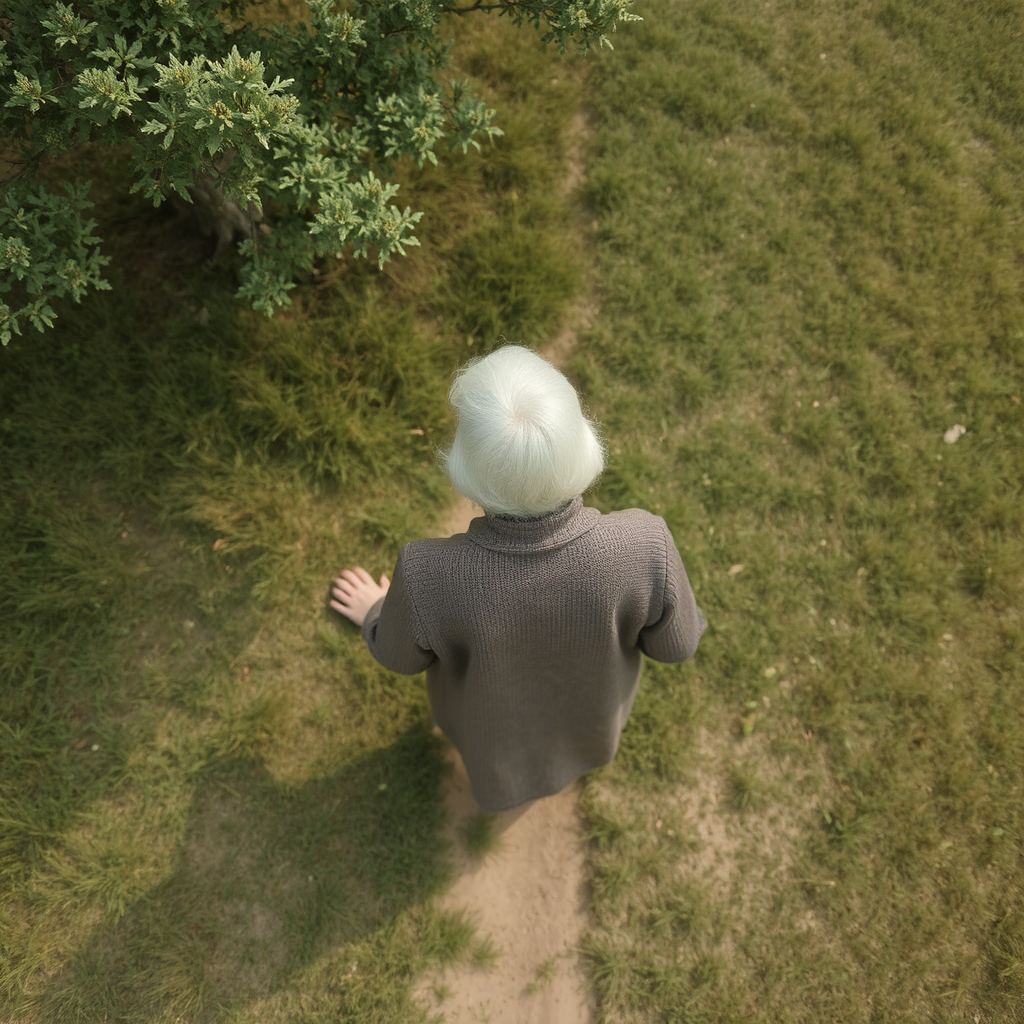
Once, when I was a bird, I flew over Mary as she took her morning walk along the tree line. I waited to see if she would notice me, but she seemed lost in thought, or maybe prayerful. She chuckled to herself, as though laughing at her own joke, then stopped to study something in the dirt.
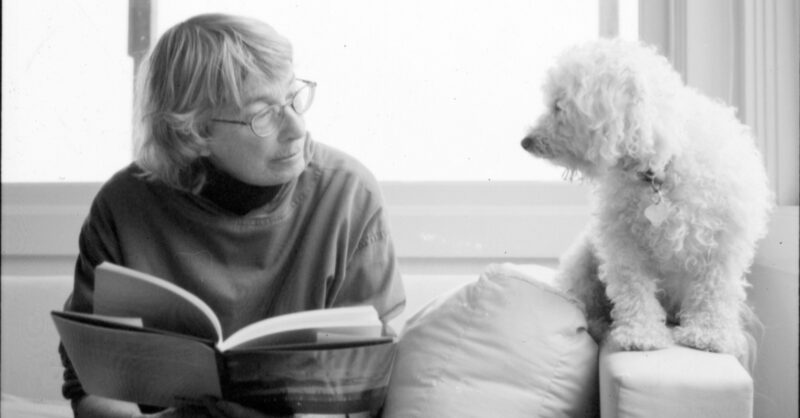
When I grow up, I want to be Mary’s dog Percy. Oh, to be loved with such devotion and cared for in my old age, as Percy was. To be accepted, encouraged, admired, and appreciated just for being me—stinky, silly, lazy, and a devoted friend. To sit all day and listen to Mary chat and read, napping with my head in her lap as she scratches my ears, saved from rough beginnings by the kindness of that gracious lady. And when I died, I would not argue about whether or not God made me. I would know.
@Home Studio – 361st poem of the year (After reading Mary Oliver’s book of poems A Thousand Mornings.)
Oliver, Mary. A Thousand Mornings, Penguin Books, 2012.
Runner ups for the Mary Oliver photos to accompany my poem:
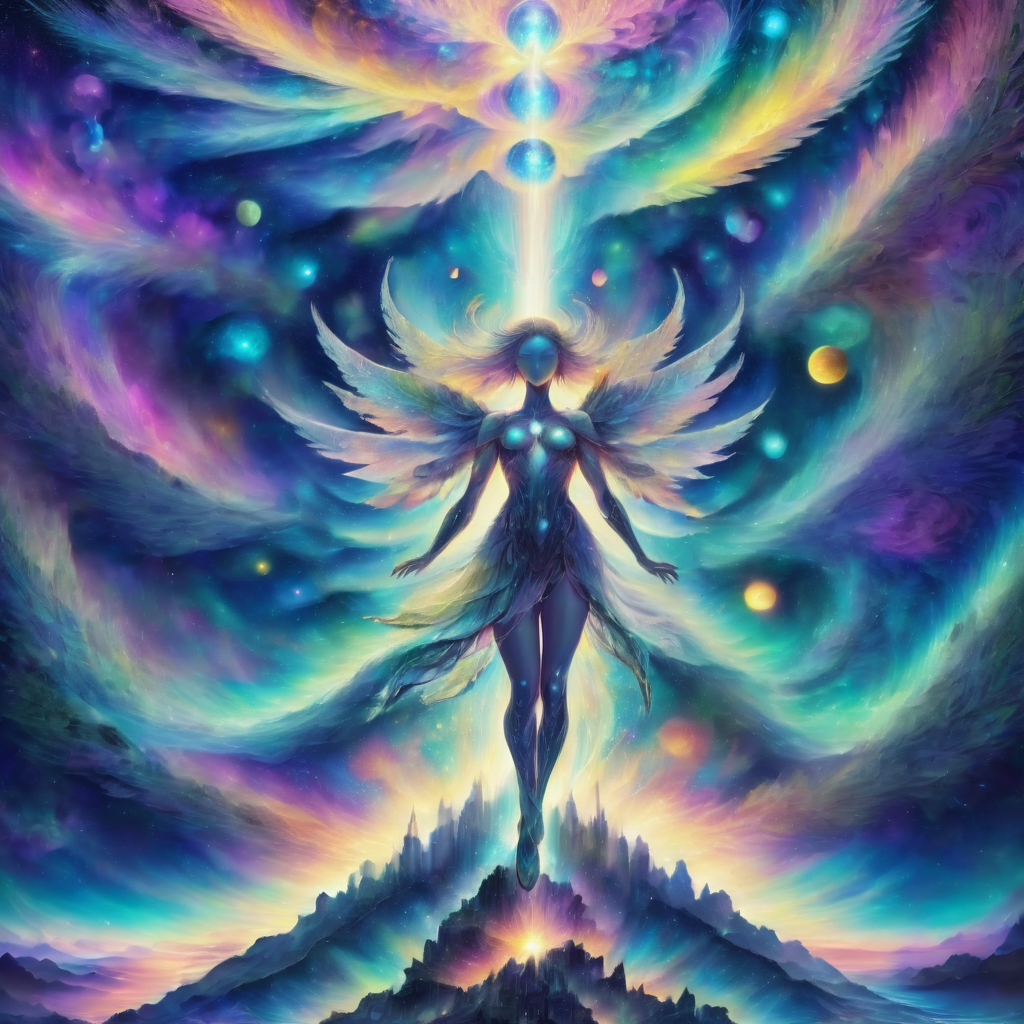
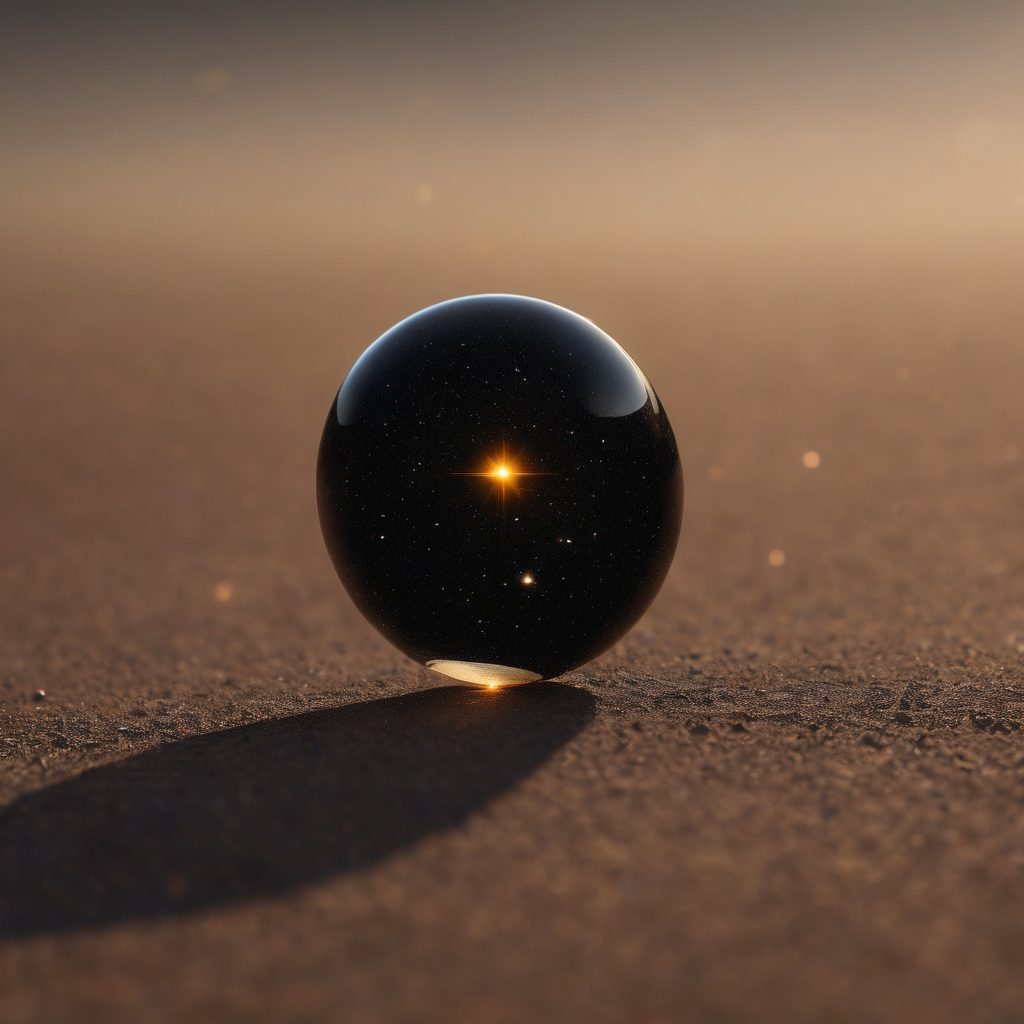
To become supernatural one must eat oranges and play with kaleidoscopes, listen to the blood pumping through moving veins and feel the pulse in tips of toes.
If the past tries to creep like a lingering rumor up the brain stem, one must unscrew the scalp and release the humors to the heavens and beyond.
When the future feels like a memory of a once-forgotten story told right now, someone has reached the pinnacle, or started over.
Either way, the electricity that hums from an unknown source downloads unknowable truths into highways of blood and bone.
@Home Studio – 320th poem of the year (While reading Becoming Supernatural by Dr. Joe Dispenza.)
Dispenza, Dr. Joe, Becoming Supernatural, Hay House, 2017.
Runner ups for the Supernatural photos to accompany my poem:
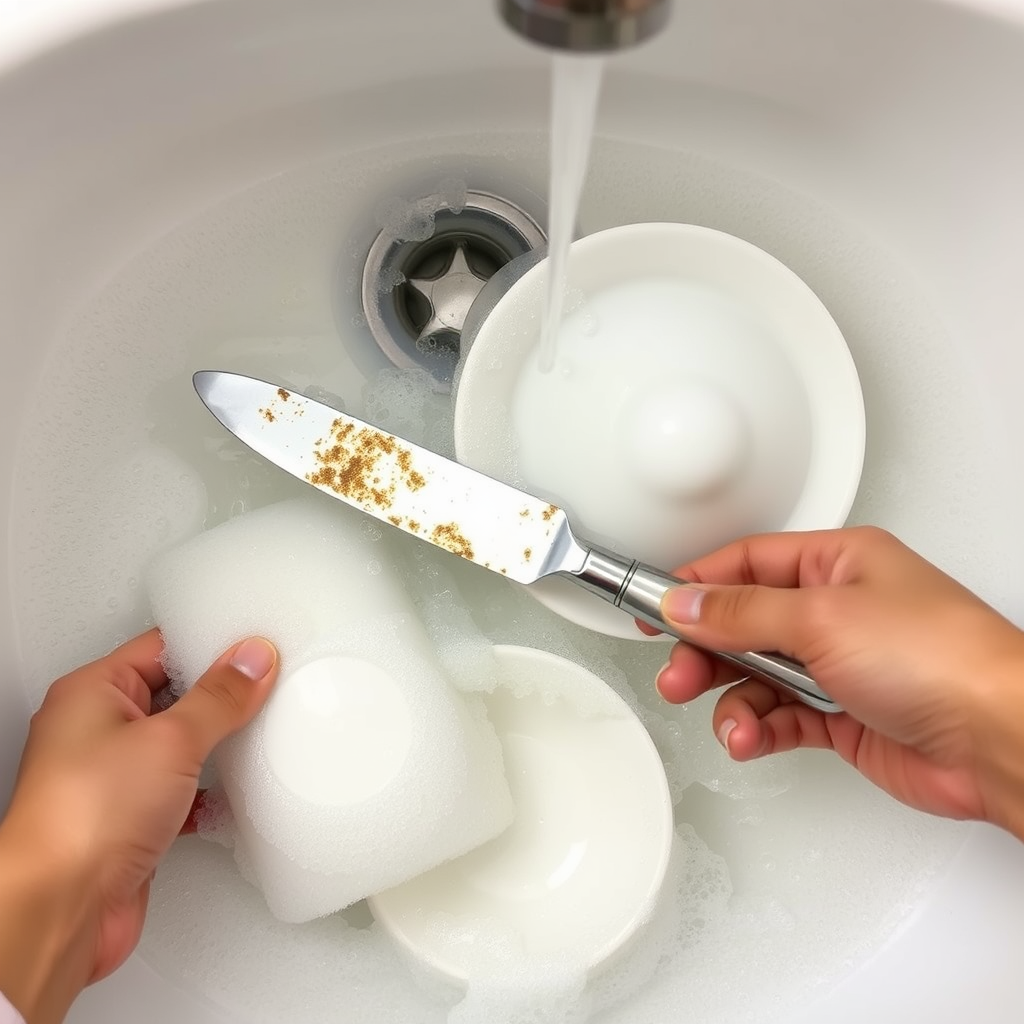
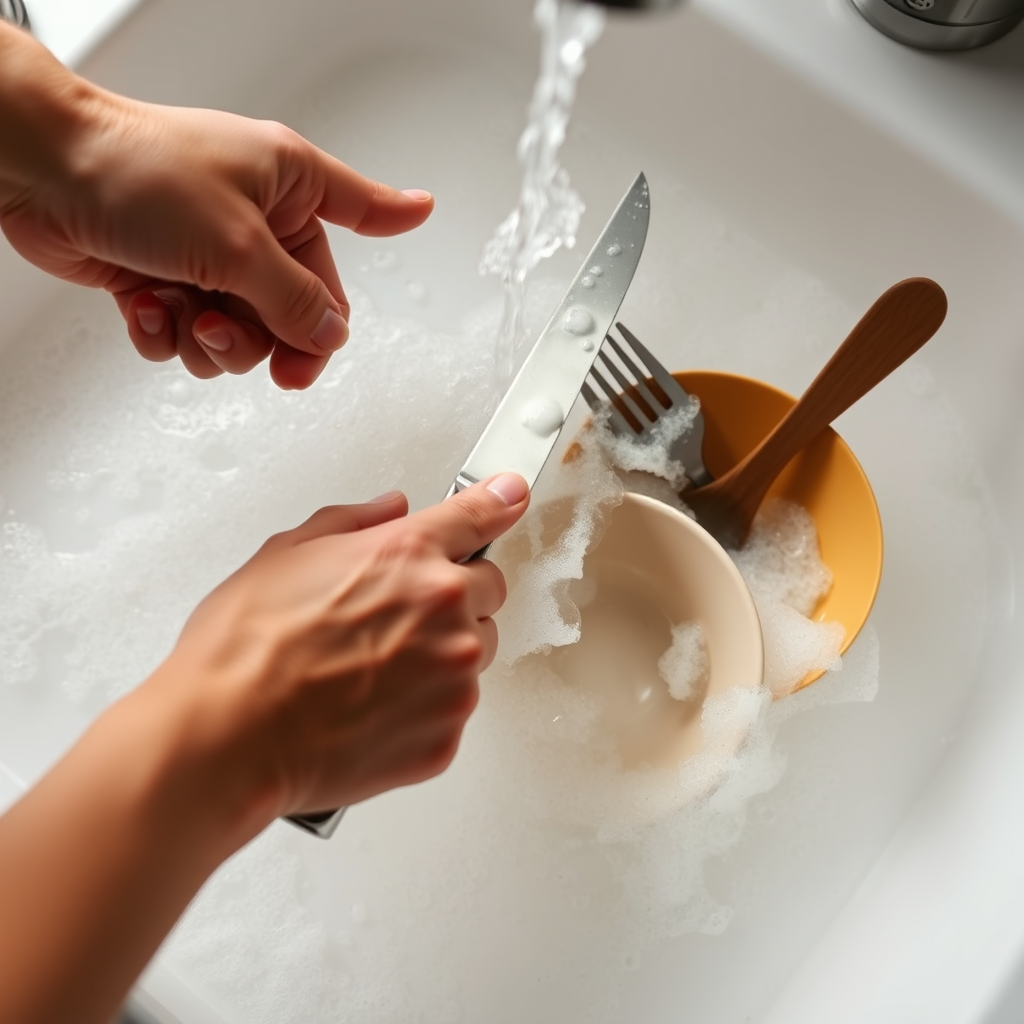
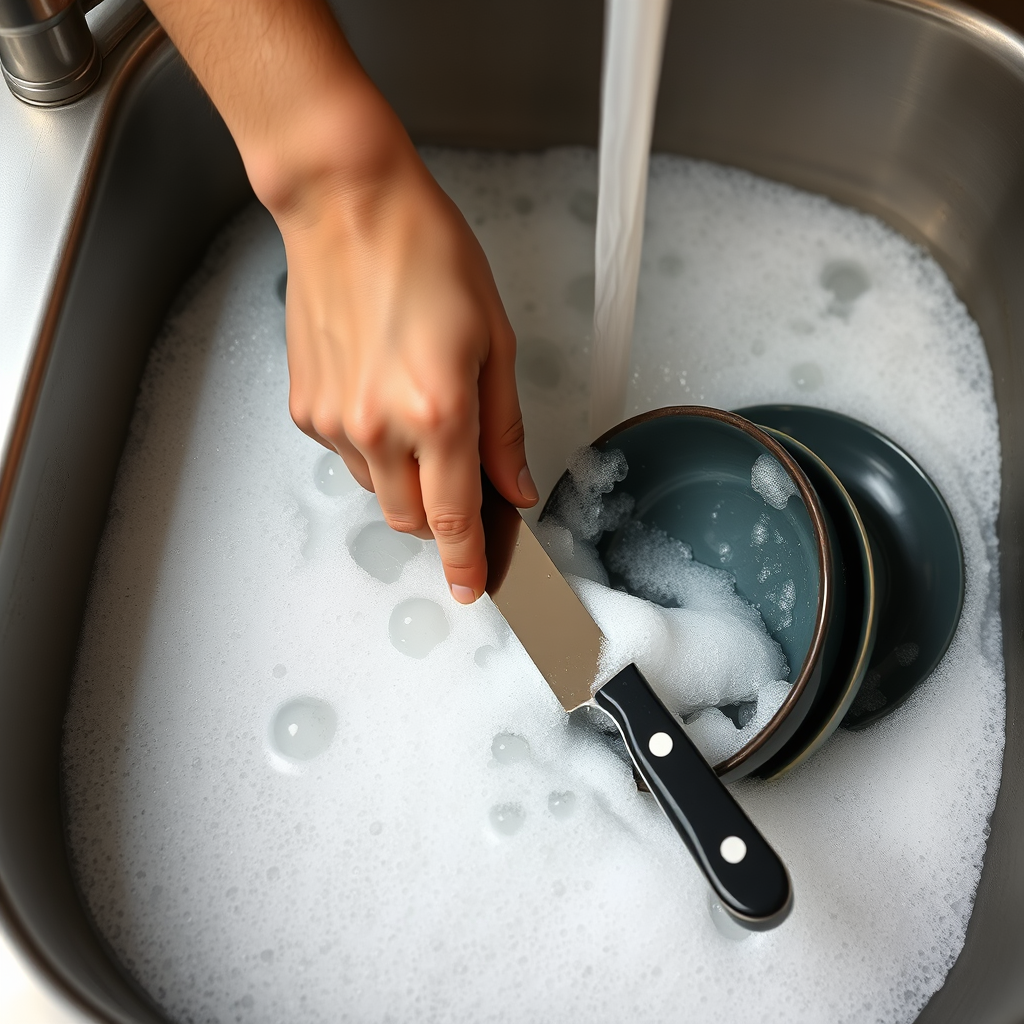
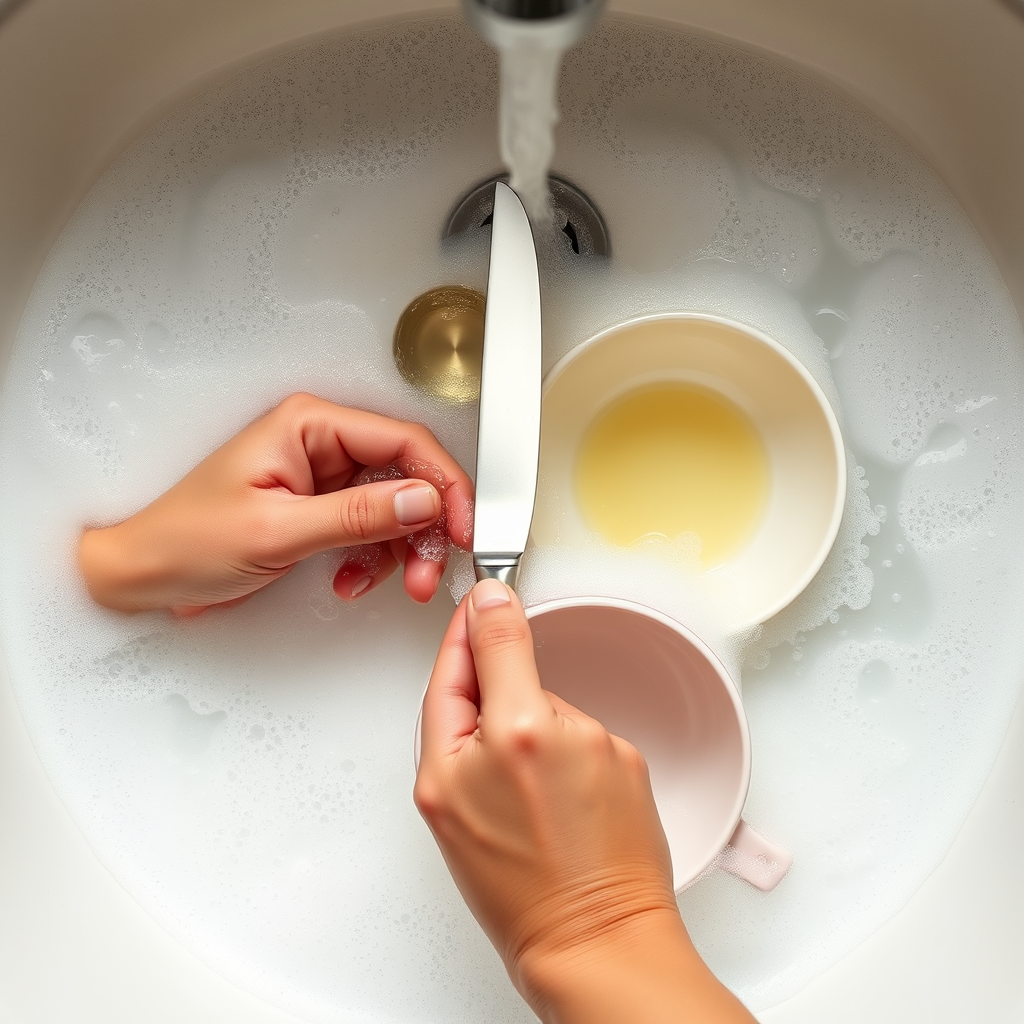
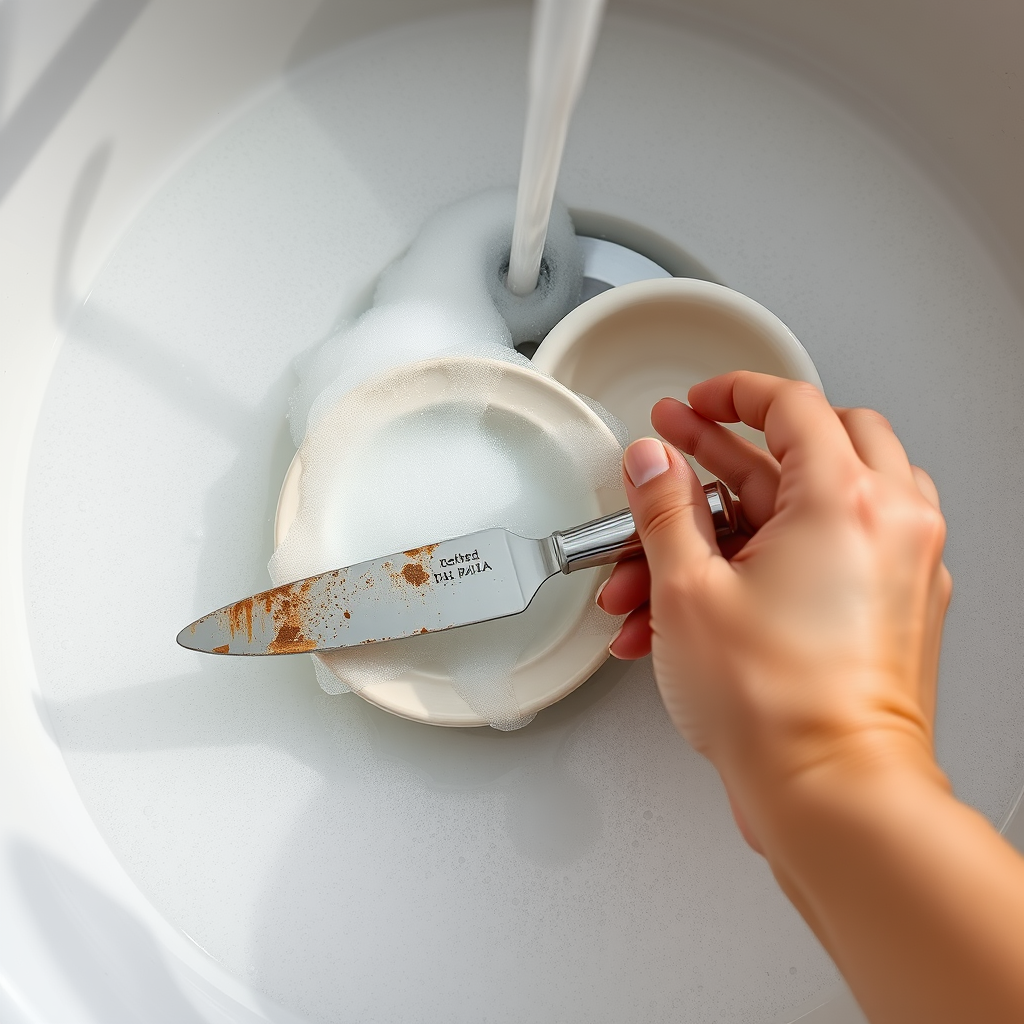
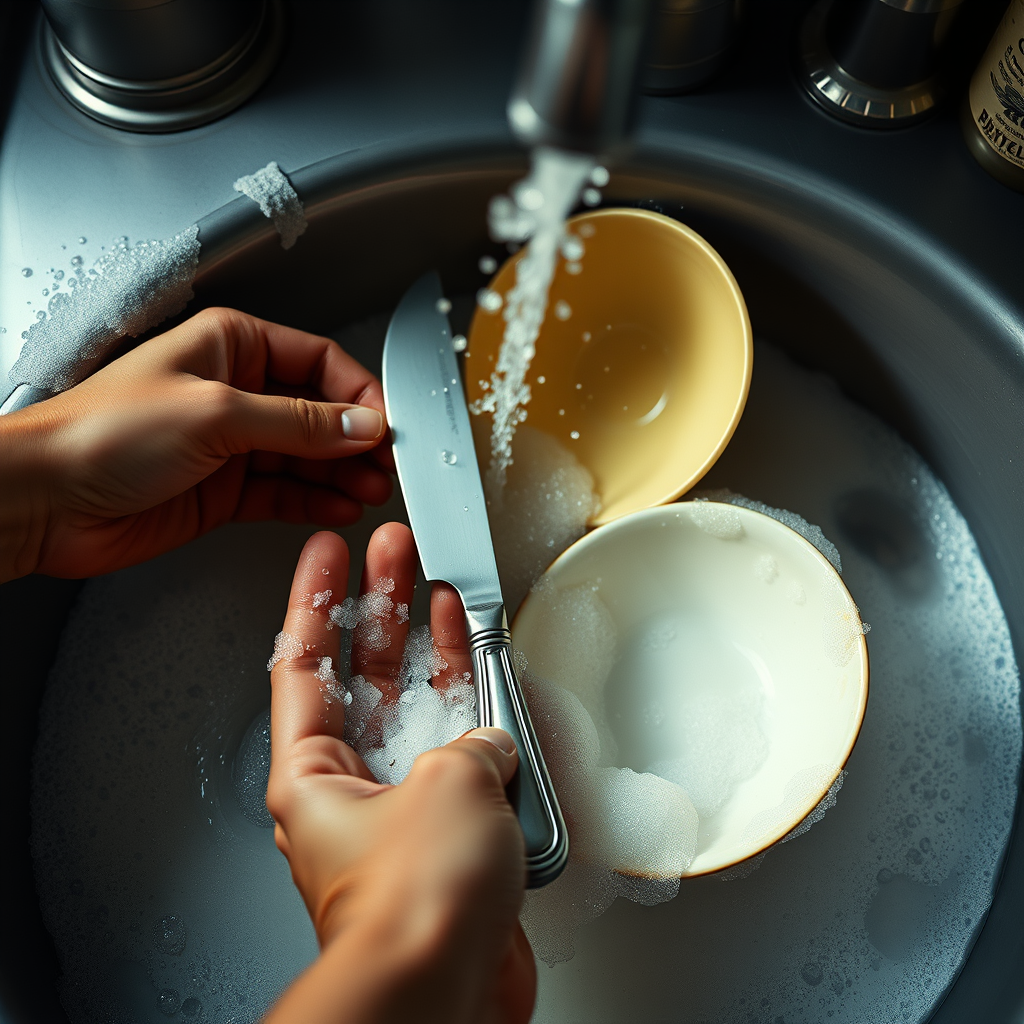
Maybe the way I wash this knife with precision, erasing the past with friction, soap, and molecules is in some little way the meaning of life.
Maybe scraping the crusty remnants of drippage on countertops until the rag slides smooth is its own reward somehow.
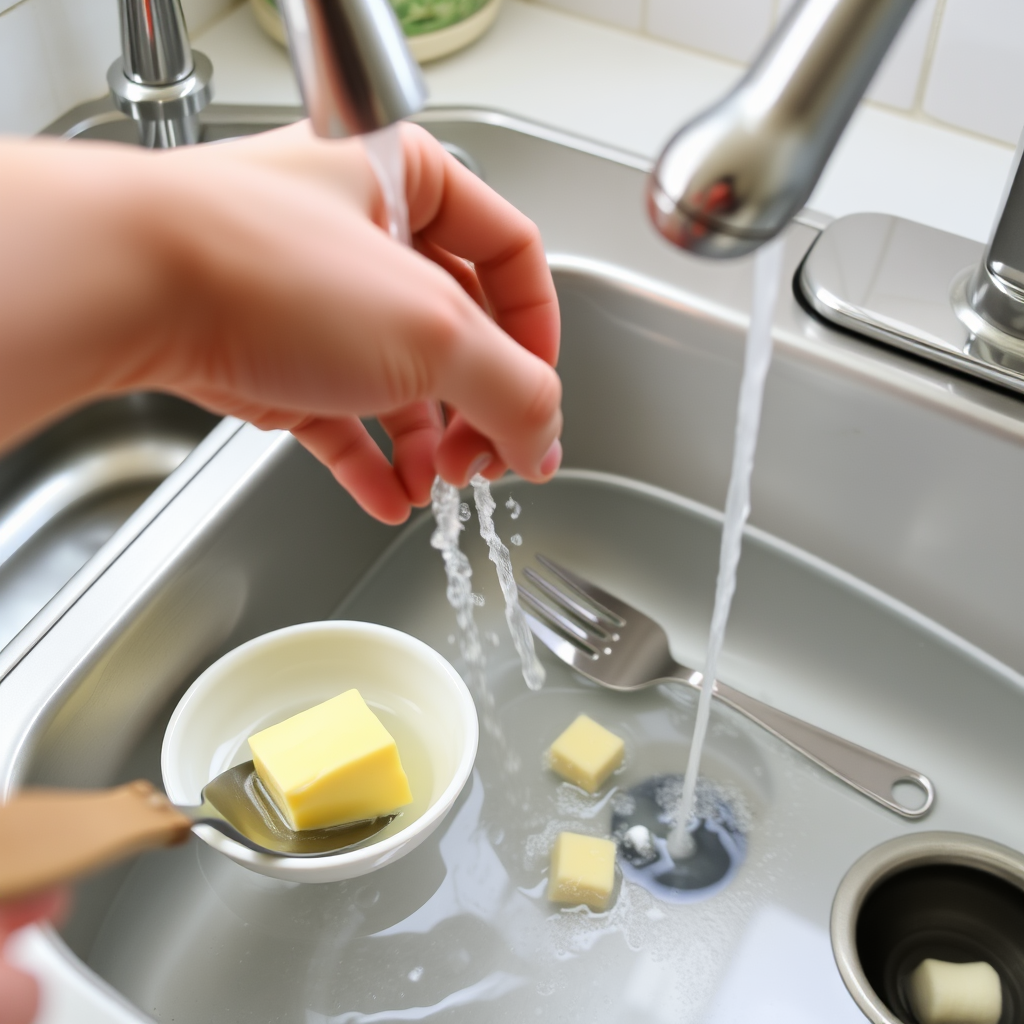
Maybe the fact that hot water melts butter residue from a dish, inviting it to slip effortlessly from its former state and find freedom in movement is the most real thing I know, or think I know, or want to know because knowing is somehow solid, purposeful, sure, and I suspect that I know nothing, or there is nothing to know, or knowing means nothing, thus, washing a knife is the meaning of life.
@Home Studio – 264th poem of the year
Runner ups for the Washing Dishes photos to accompany my poem (AI had a hard time with this one):
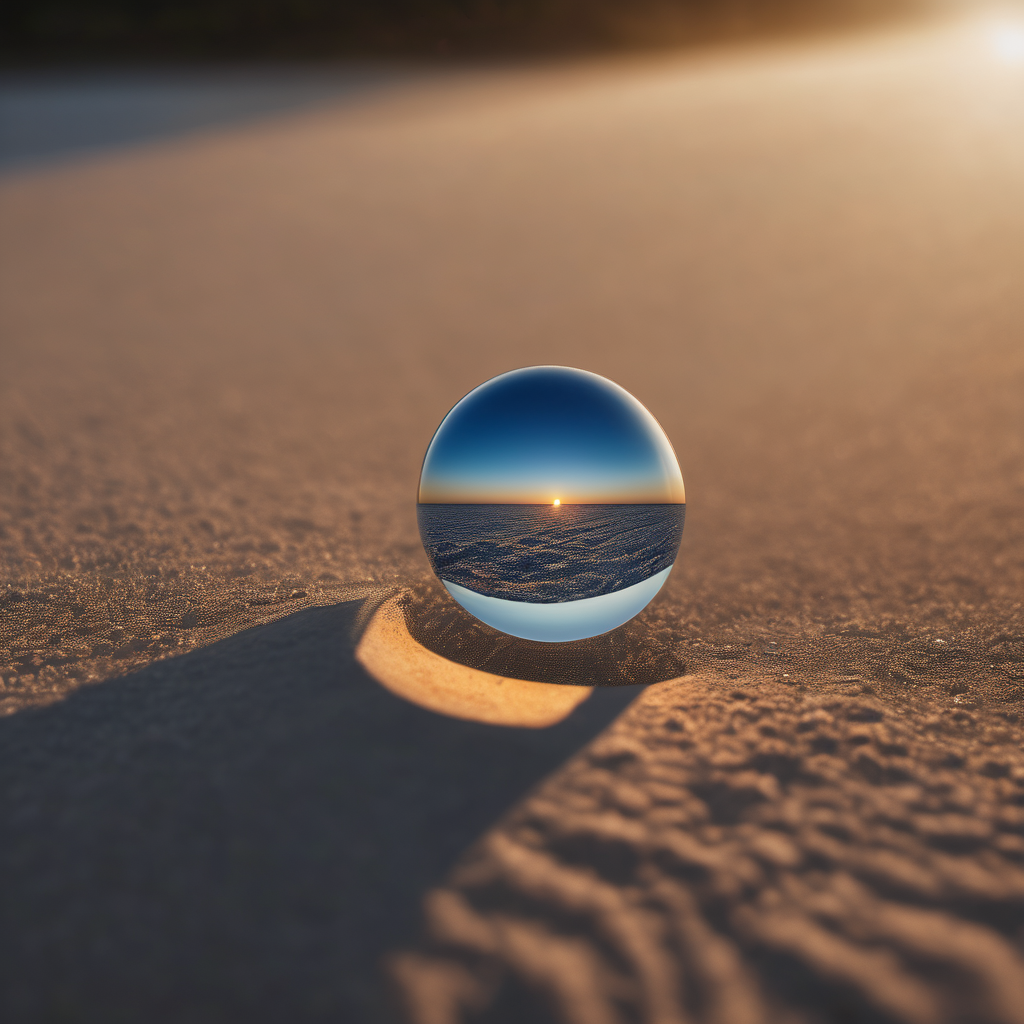
The antithesis of everything one can logically consider, should be nothing at all. Casanova of Venetia would argue that such is absurd, as everything is one with faith. But nothingness as a concept of not-being is of value as a consideration, even if nearly impossible for us to conceive. Even Einstein struggled to believe something so absolute could exist, since spacetime renders past and future illusory. Could it be a state of mind like Nirvana or wu wei, or even the permanence of Tao that cannot be described or named? Is it the chasm that forms if we reject God, or the very idea that such a thing is possible? Calculate as we might with all our might, we never reach zero.
@Home Studio – 220th poem of the year (After reading an article on Wikipedia about “Nothing.”)
“Nothing” Wikipedia. Page last edited 25 July, 2024, en.wikipedia.org/wiki/Nothing.
Runner ups for the Nothing photos to accompany my poem:
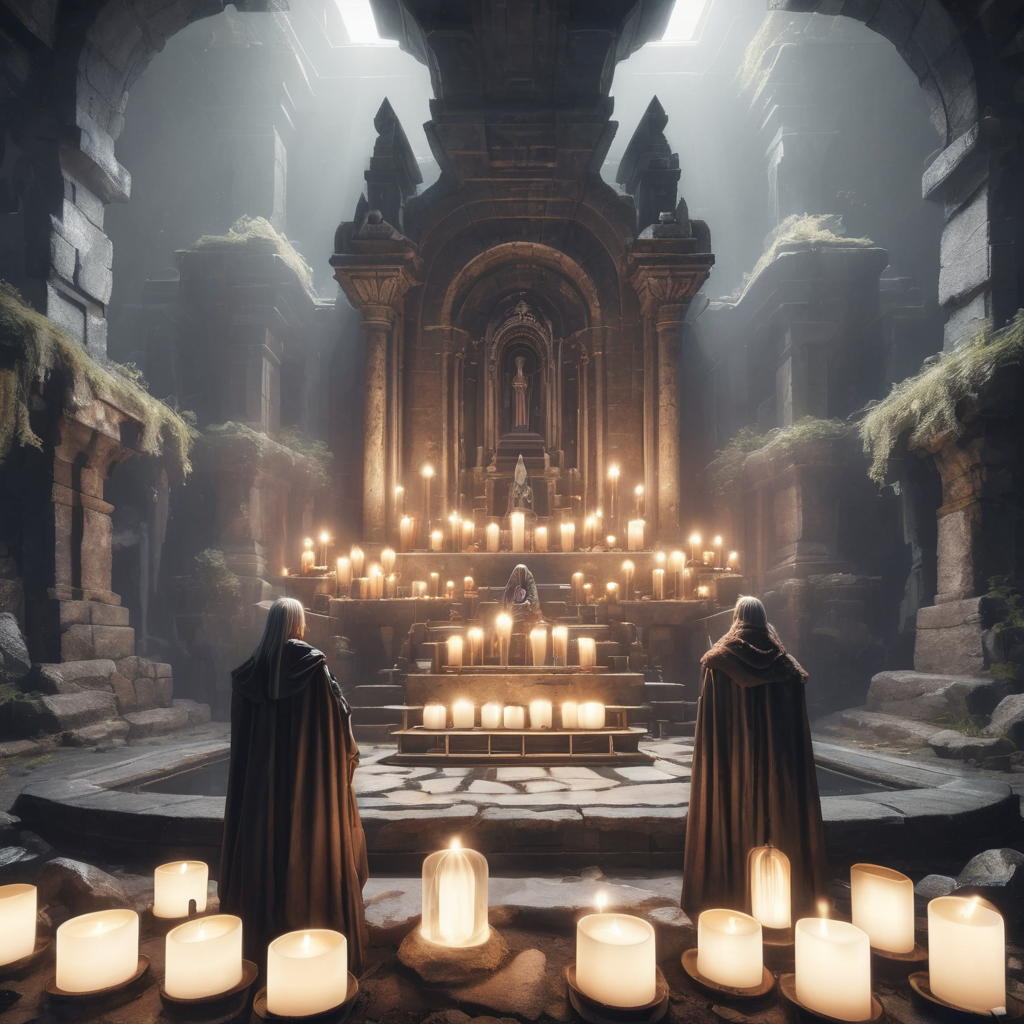
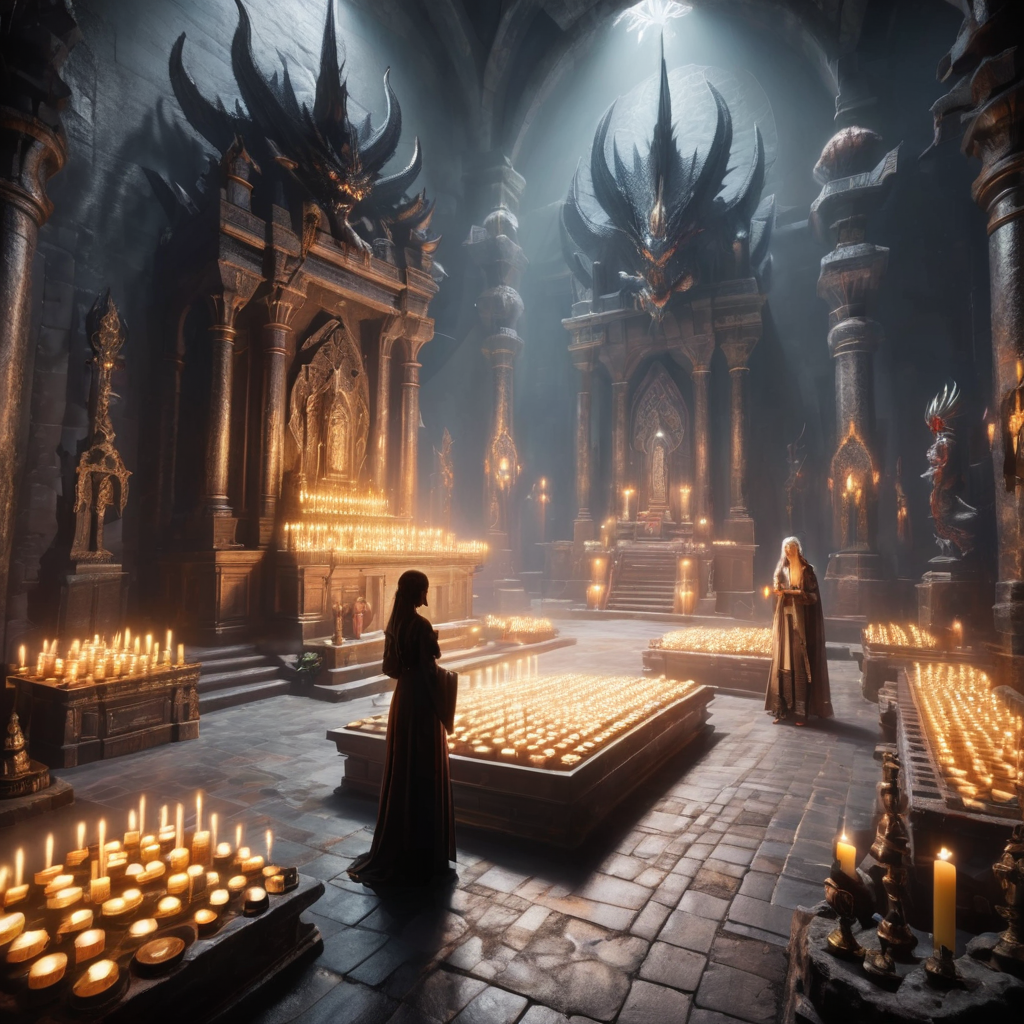
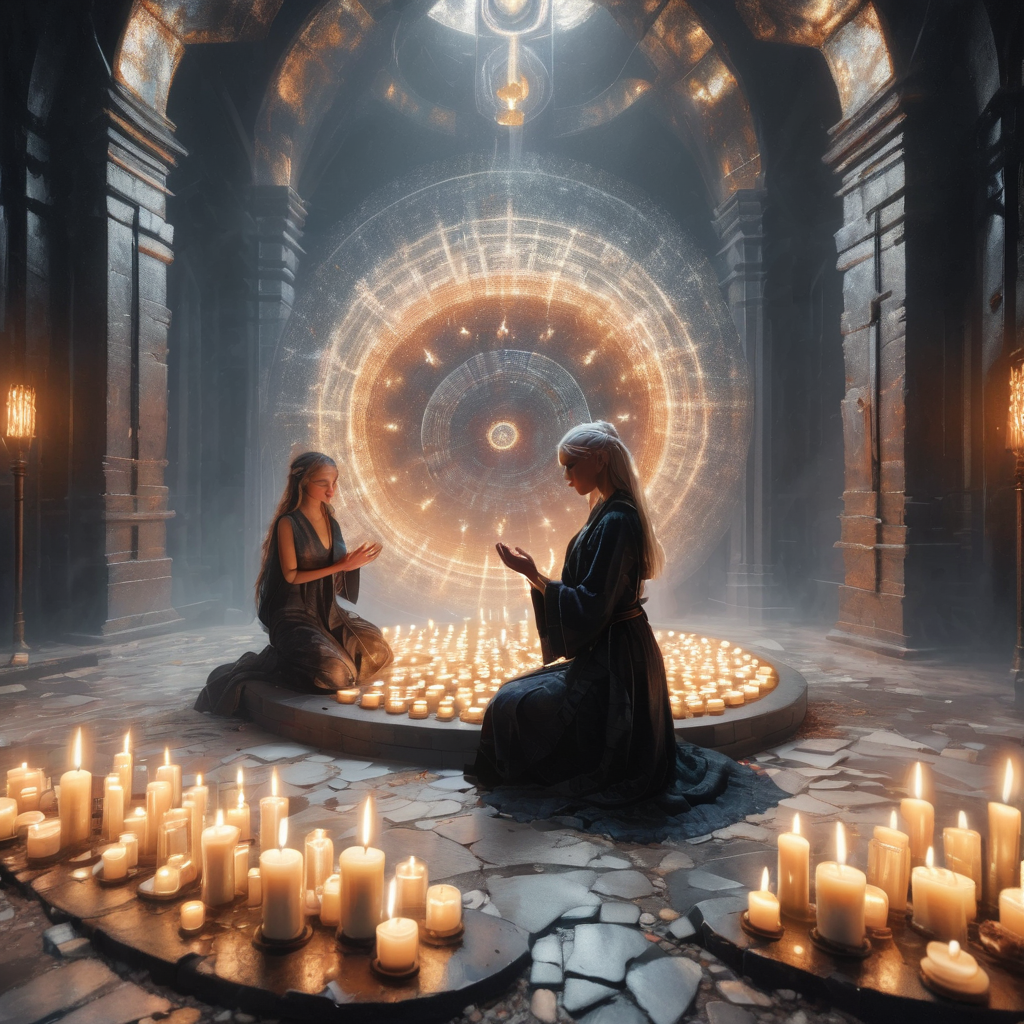
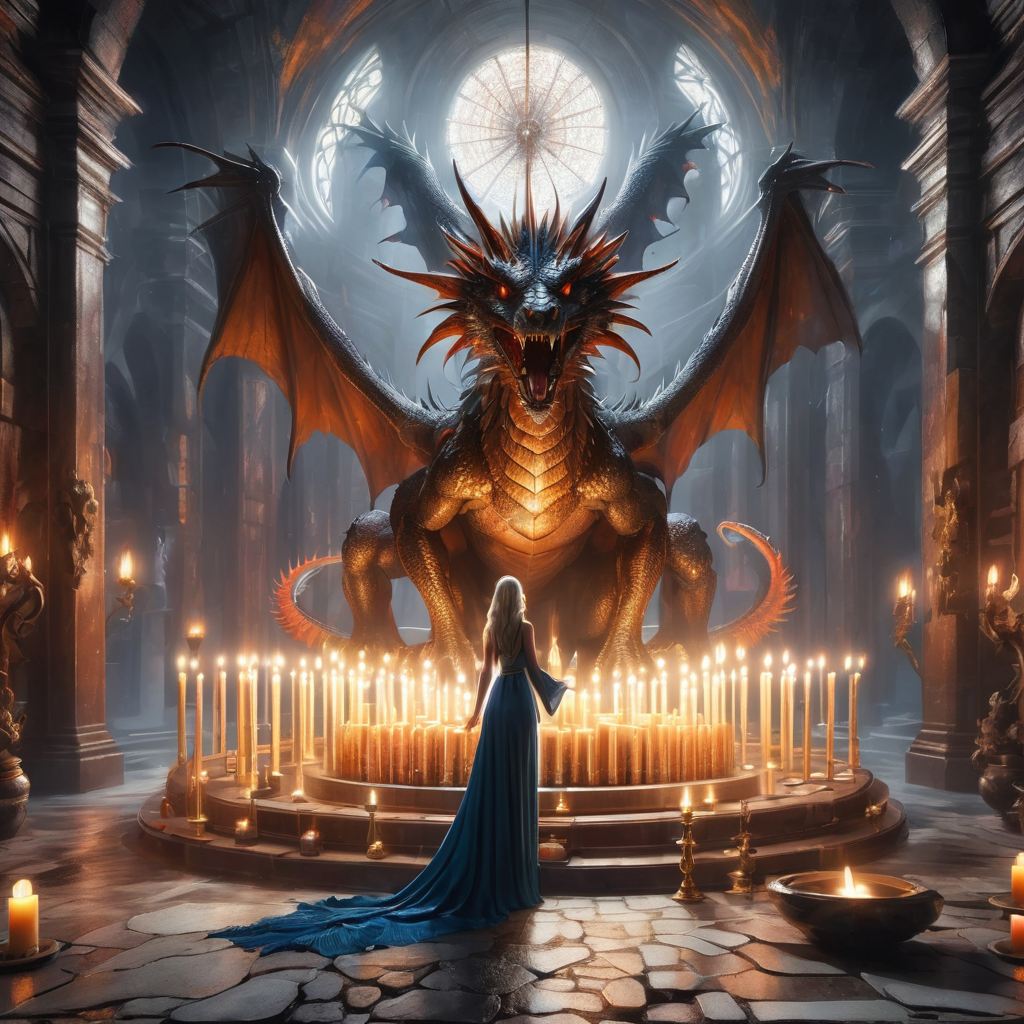
The Hatfields and McCoys-like family feud that was the Brackens and Blackwoods paled in comparison to the bodies used for fodder by those fighting for the throne. The Dance of Dragons has begun in earnest, despite the unspoken awareness by all that bloodshed of kin by kin is a most appalling form of violence to the gods of their ancestors. While the men gnash their teeth, and their dragons chomp at the bit, the women kneel before alters of stone lighting candles and whisper of impossible peace, the intent of kings, and the wishes for undoing wrongs.
@Home Studio – 197th poem of the year (after watching House of the Dragon Season 2 Episode 3.)
Condal, Ryan and George R. R. Martin, creators. House of the Dragon. HBO Entertainment and Warner Bros., 2024.
Runner ups for the Queen Prayers photos to accompany my poem:















 rebekahjmarshall