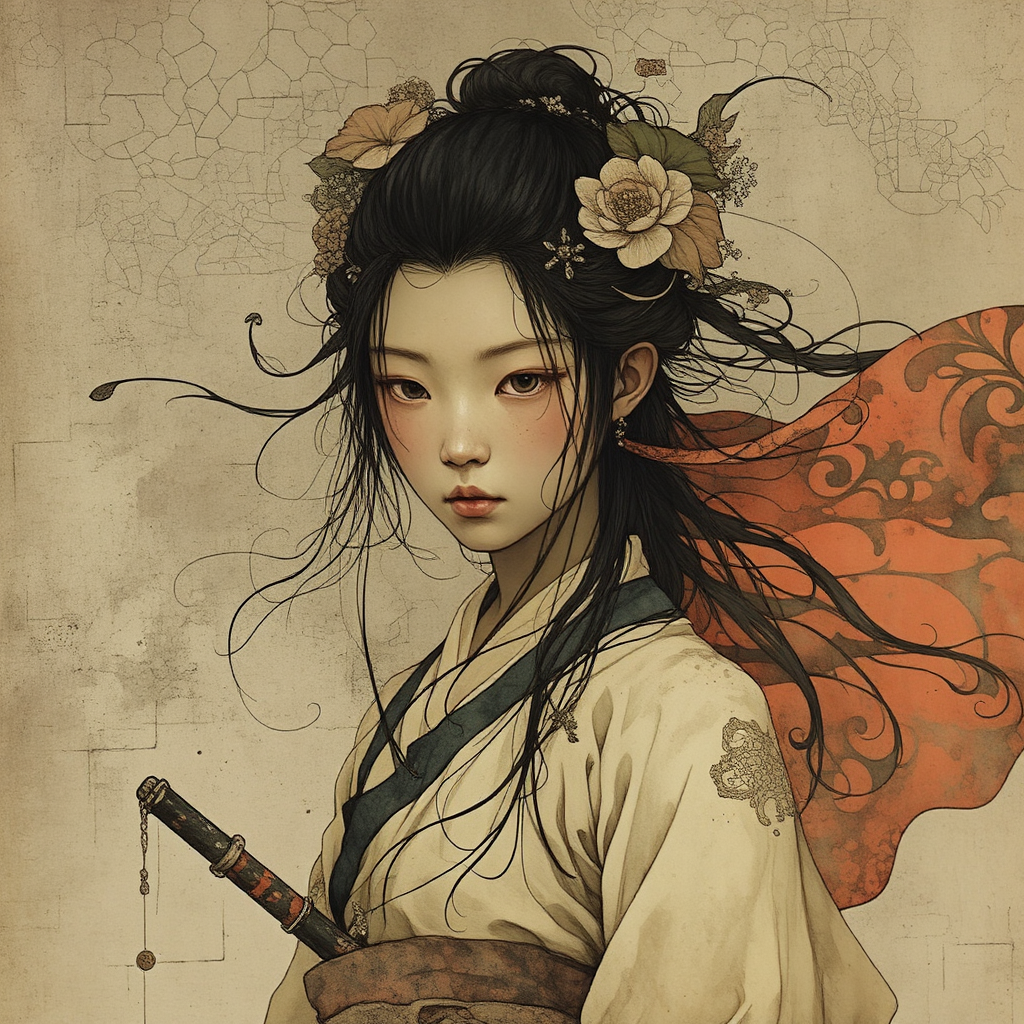
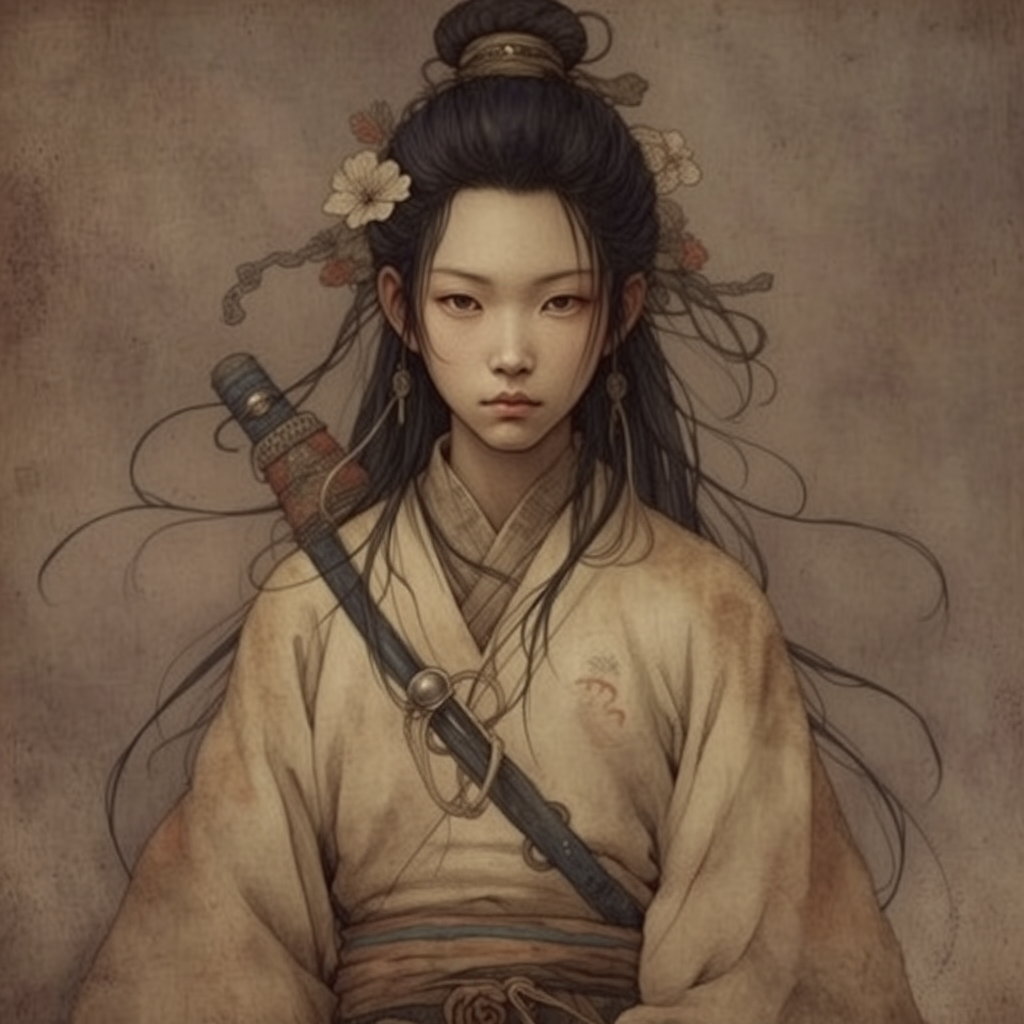
Image created by Rebekah Marshall’s prompt using AI on Gencraft.
WARNING – SPOILERS
A Court of Frost & Starlight, the 4th book in the ACOTAR series is a lovely, little, short novel wrapping up the last remaining threads of Feyre’s transformation. It focuses on her trying on her new role as High Lady and true partner to her love and delves into the parts of her that have been neglected because of war and survival. A key aspect is her art and desire to create, share her creativity, and understand creation as vital to her fulfillment.
It is a peak into homelife, an intimate Winter Solstice celebration, growth and blossoming of friendships, Mor’s self-realizations, and one of Feyre’s sisters suffering from emotional turmoil that gets totally out of hand. Interestingly, different voices begin to emerge. There are portions of the book from the perspectives of Rhysand, Cassian, Nesta, and Mor. The majority are in Feyre’s voice, but it is a nice change experiencing the inner thoughts of some of her loved ones.
This felt like a pause before a storm, a much-needed rest after the war and carnage of the 3rd book. I was disappointed that it was so short, as I wanted to learn more about all the members of the team & family. But book 4 is appropriately long, so I look forward to diving into that one immediately.
Maas, Sarah J. A Court of Frost and Starlight. Bloomsbury Publishing, 2018.
TRIGGER WARNING: This essay discusses patriarchal oppression, gender-based violence and punishment, sexual shaming, social ostracism, and cultural trauma. These topics are examined in a literary and analytical context.
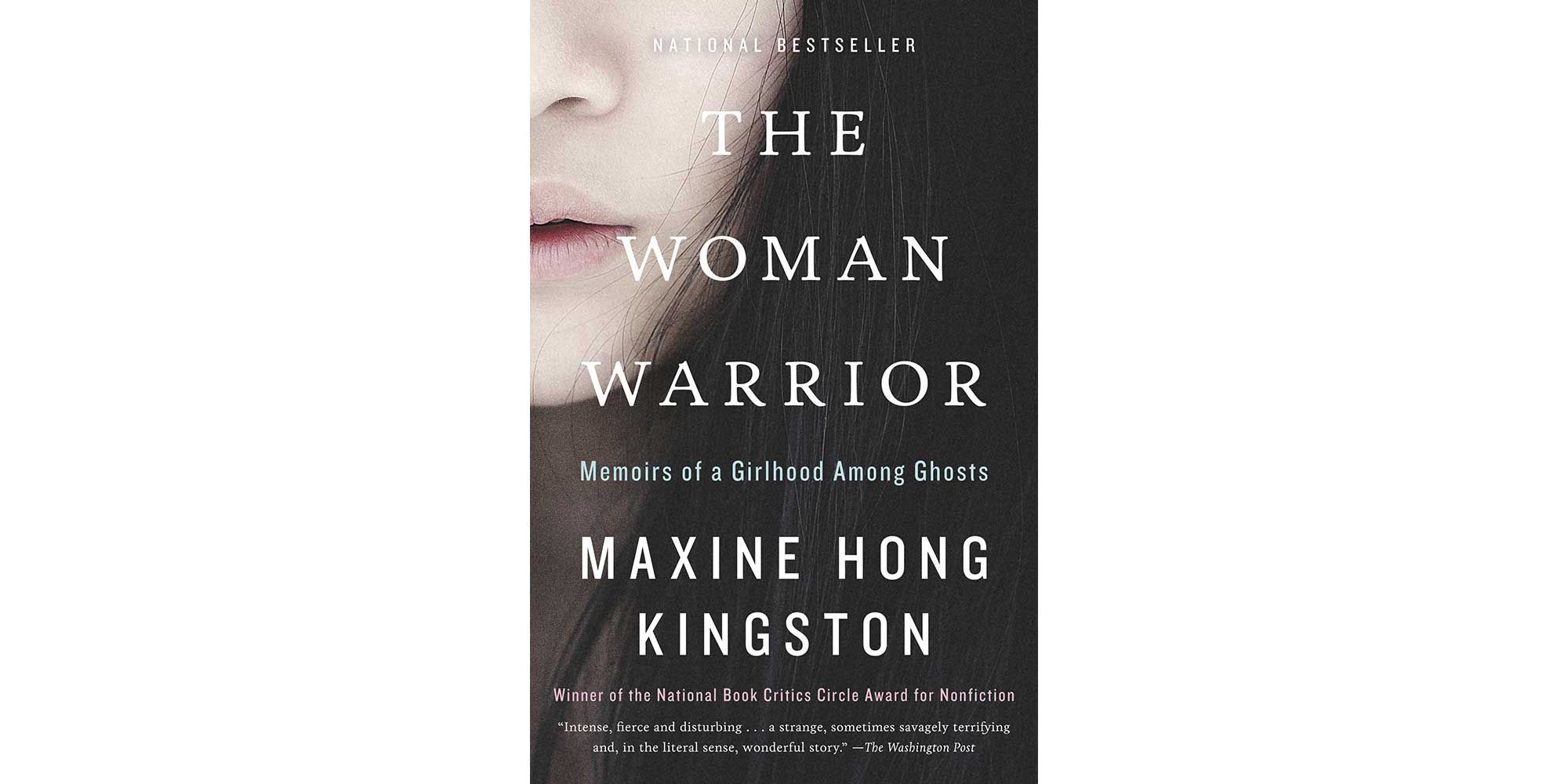
The Woman Warrior by Maxine Hong Kingston paints a picture of harsh expectations placed upon Chinese/Chinese American women. Though the narrator rejects some of the notions and attempts to forge her own path, she still feels duty-bound to uphold some of the traditions. Each section of the book focuses on a different woman and explores the expectations placed upon her specific to the time and place where that portion of the story is set.
For instance, No Name Woman lives in a village in China early in the 20th Century. She is expected to remain “pure” (no sex) until her husband’s return from war. Her sexual desires are not a consideration and her ensuing pregnancy is punished by shaming the family and destroying their crops, livestock, and stored foods. The family then disowns her and never speaks her name again, ensuring she would “suffer forever, even after death” (16). There is no mention of the man who must have impregnated her on the part of the villagers or her family. She must bear the full weight of the “crime” of having sex and becoming pregnant.
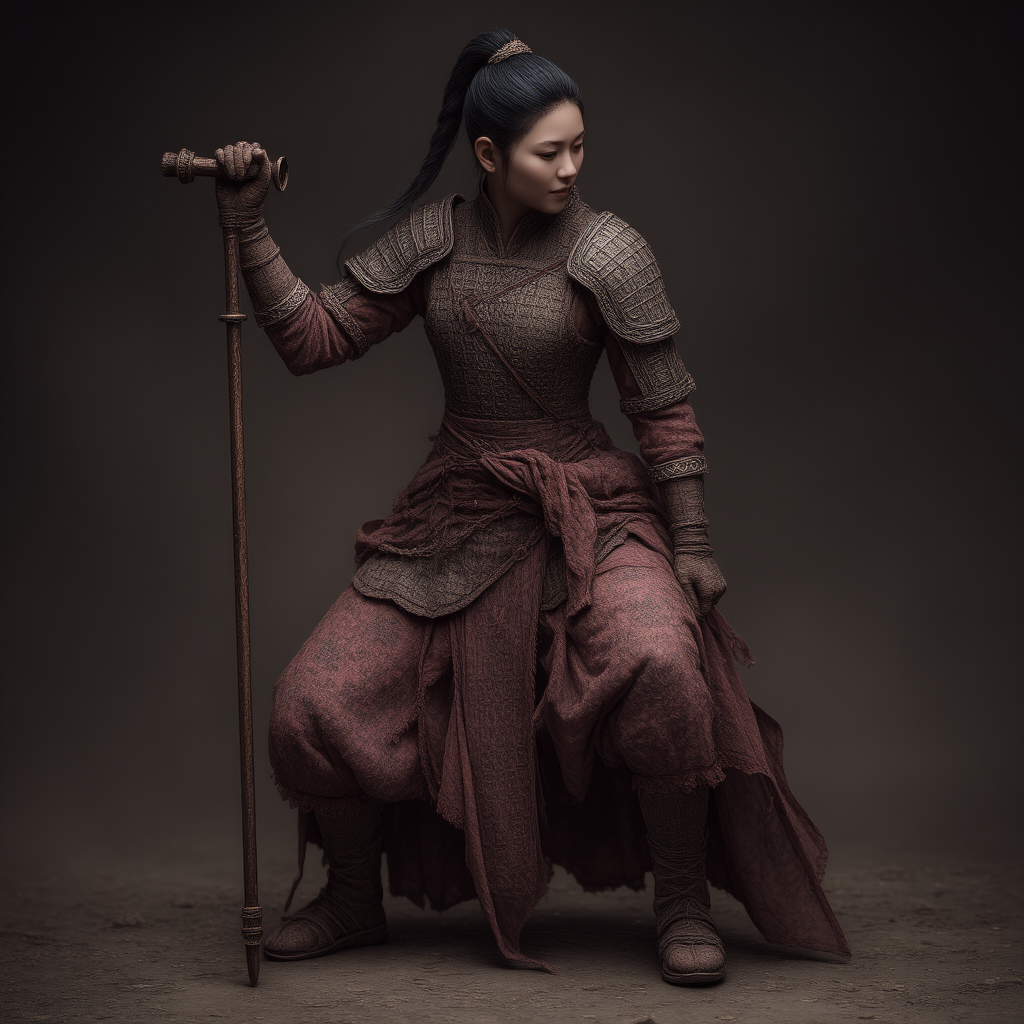
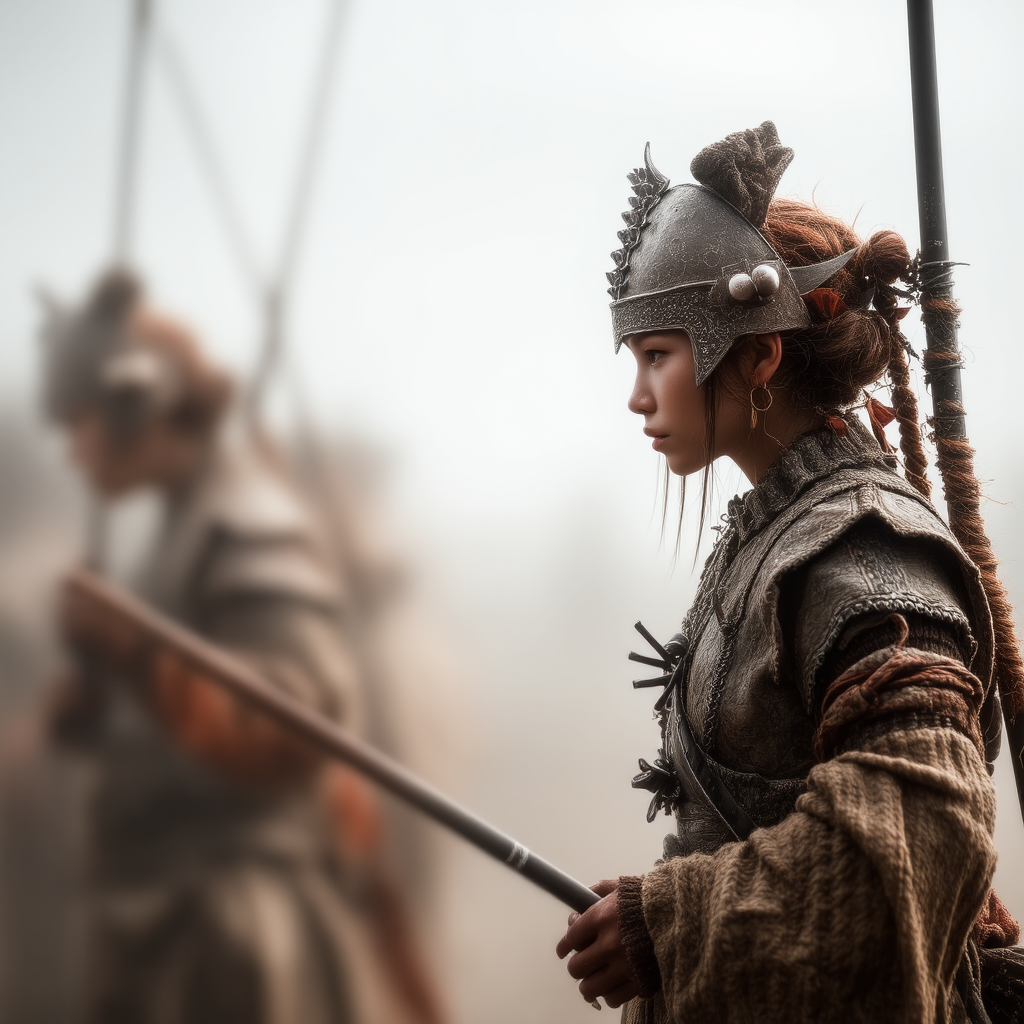
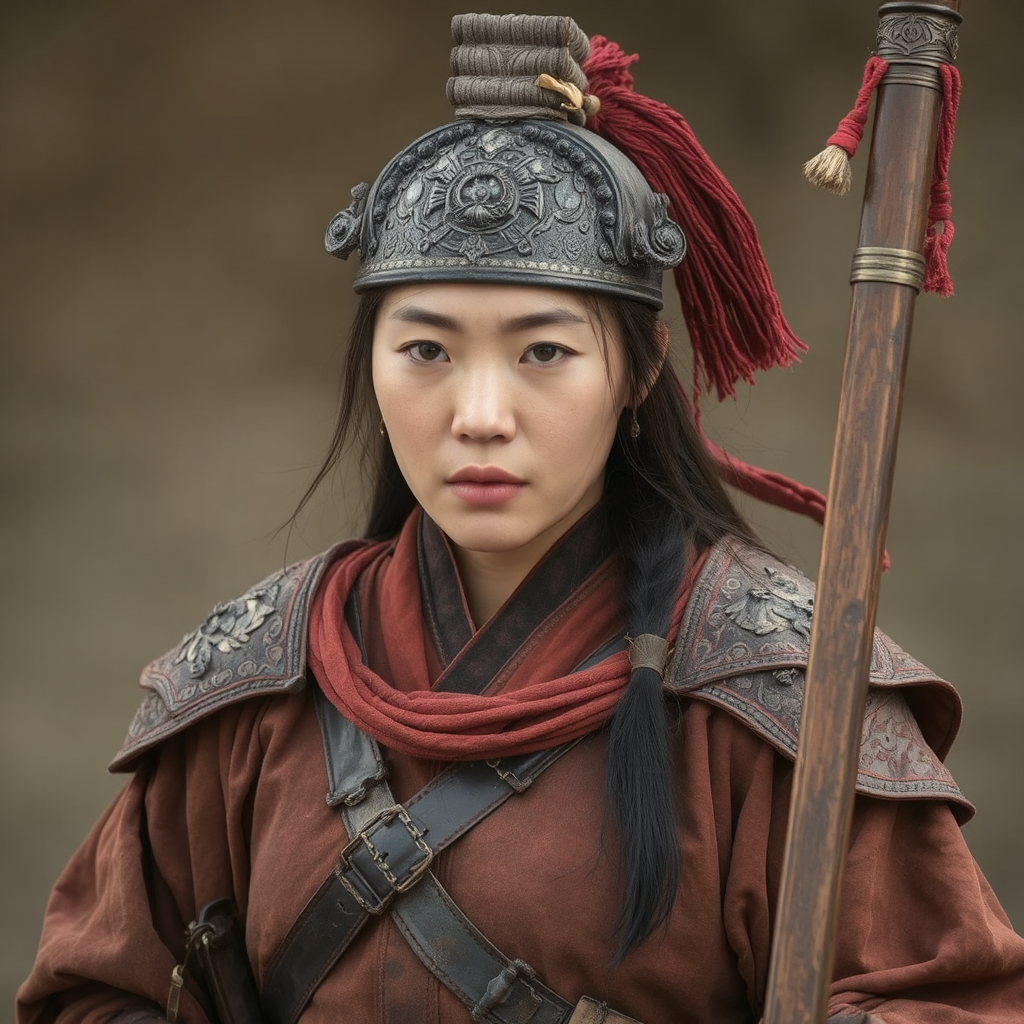
Fa-Mulan in the “White Tigers” section of the book becomes the greatest hero in the land saving her family, her village, and her country from evil rulers. She is a warrior, savior, and leader who has trained for 14 years to become the best hero possible. Yet, once her mission ends, she is expected to return to the “appropriate” role of wife, daughter-in-law, mother. There is no option for leadership in her world. This character is thought to have lived sometime around the year 500 in China. Women were not supposed to use their brains or their brawn, except in service to men. Any woman who attempted to pass as male enter the military or school would be executed, “no matter how bravely they fought or how high they scored on the examinations” (19).
The “Shaman” section about Brave Orchid shows the variety of domestic expectations placed on Chinese women. Brave Orchid lives the first half of her life in China and the second half in America spanning the 20th Century. She works as a medical practitioner in China and then in the family laundry business in America. Besides working long hours, she picks tomatoes as a part-time job to make more money, does all the cooking and cleaning, and manages all aspects of the household. She is also expected to carry on the traditions of the culture by keeping the rituals, ceremonies, and talk story alive so that it will pass on to the next generation. She must also protect everyone’s souls by calling them back when they have forgotten their way home. Brave Orchid’s eyes fill with tears as she tells her adult daughter, “I work so hard” (103). Chinese women are unrealistically expected to do more than their fair share of the work.
The section “At the Western Palace” highlights the way Chinese women in the past had little power in marital situations. Their partners were chosen for them and husbands might take multiple wives. The women were expected to tolerate and support these traditions without question. When Moon Orchid comes to America in the 1950’s, she is confronted by a different reality in which women have more rights and her husband rejects their marriage. She is expected to accept his continued financial support without living as his wife. Chinese American women seem to still have parents attempting to meddle with selecting their potential suitors according to the narrator.
In the final section “A Song For a Barbarian Reed Pipe” the narrator implies that a “good” Chinese American girl in America in the 1950’s should be able to speak fluent English and Chinese. She should attend Chinese school and American school. It is an interesting note that “good manners…is the same word as traditions” in Chinese (171). To please the Chinese, she should be obedient and demure, soft-spoken, and graceful, domestically competent – able to cook, clean, serve, and heal, and pleasant in interactions while not making eye contact, use opposites to confuse evil spirits, keep all Chinese traditions, send money to family members in China, lie to Americans so no one can trap her or deport her or trick her somehow, and remember that men are valued more highly than women. To please the Americans, she should be assertive and firm of voice, intelligent, sexy, able to defend herself, and independent making strong eye contact, speaking from a place of science and logic rather than any mention of evil spirits, creating a comfortable lifestyle that is America-focused, be a patriot, and believe that women and men are equal. A Chinese American woman is expected to do all of this and figure out how to be healthy, happy, and prosperous without driving herself crazy over the paradoxes such disparate expectations create.
Works Cited
Kingston, Maxine. The Woman Warrior – Memoirs of a Girlhood Among Ghosts. Vintage Books, New York, 1975.
TRIGGER WARNING: This essay contains discussion of racism, police violence, death, and racial trauma in a critical and literary context.
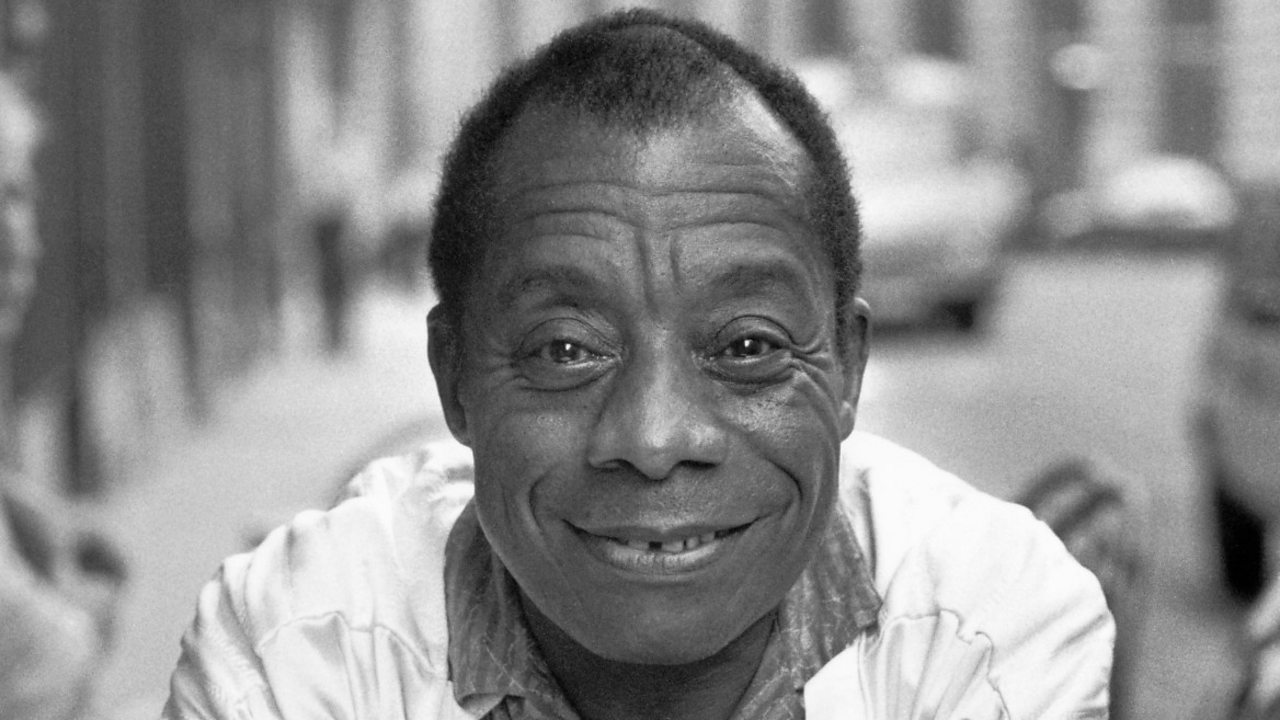
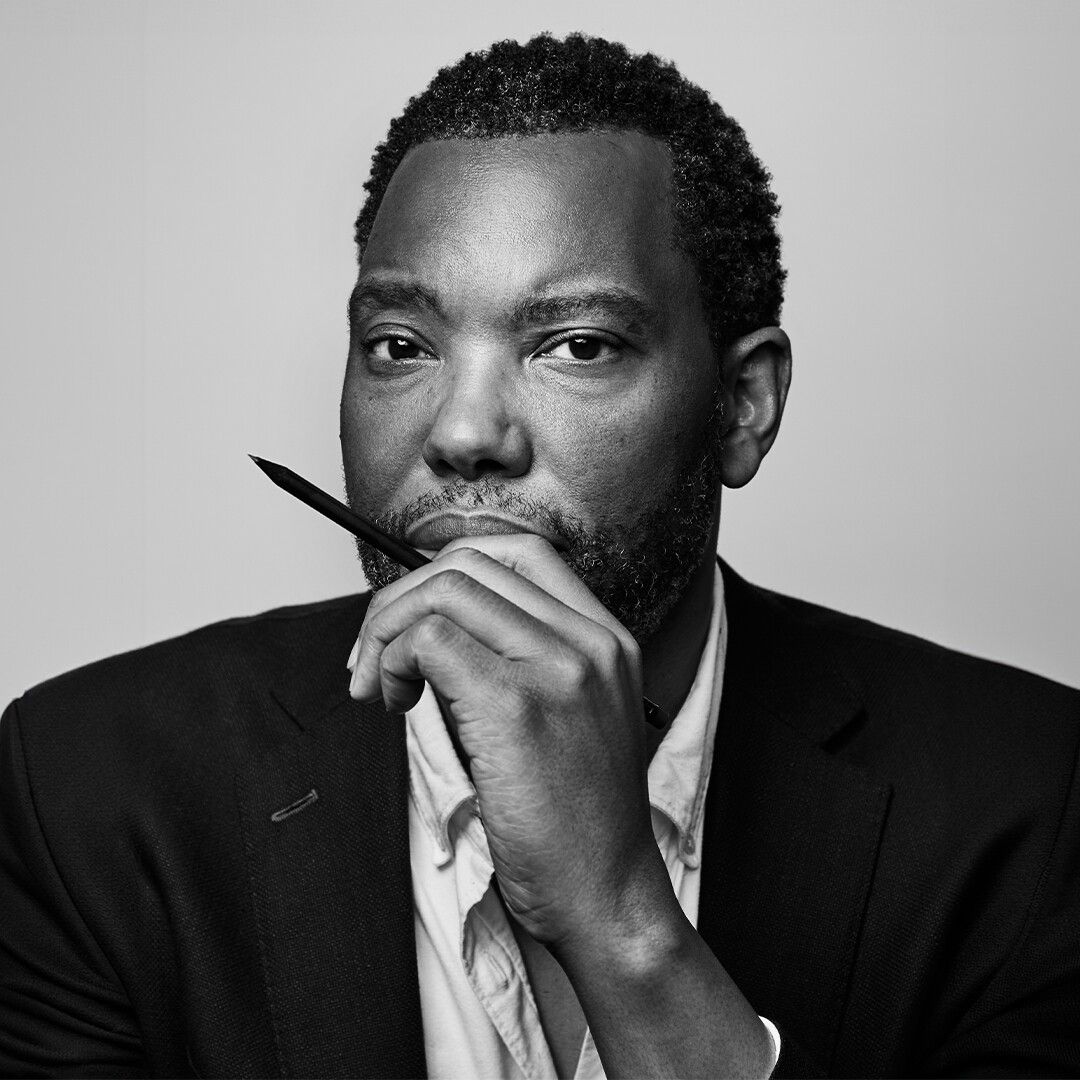
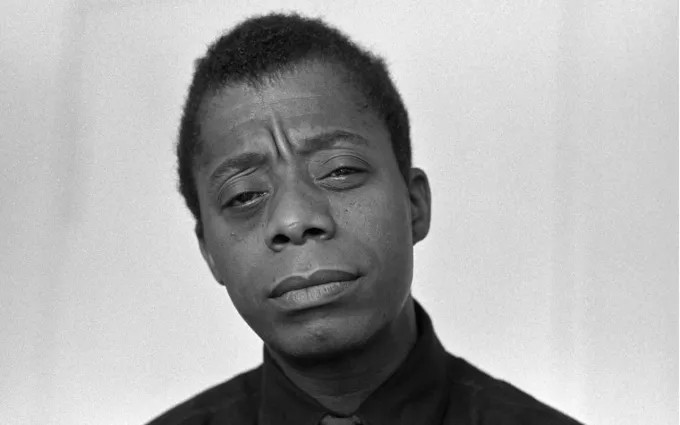
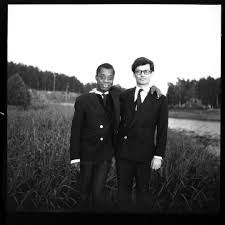
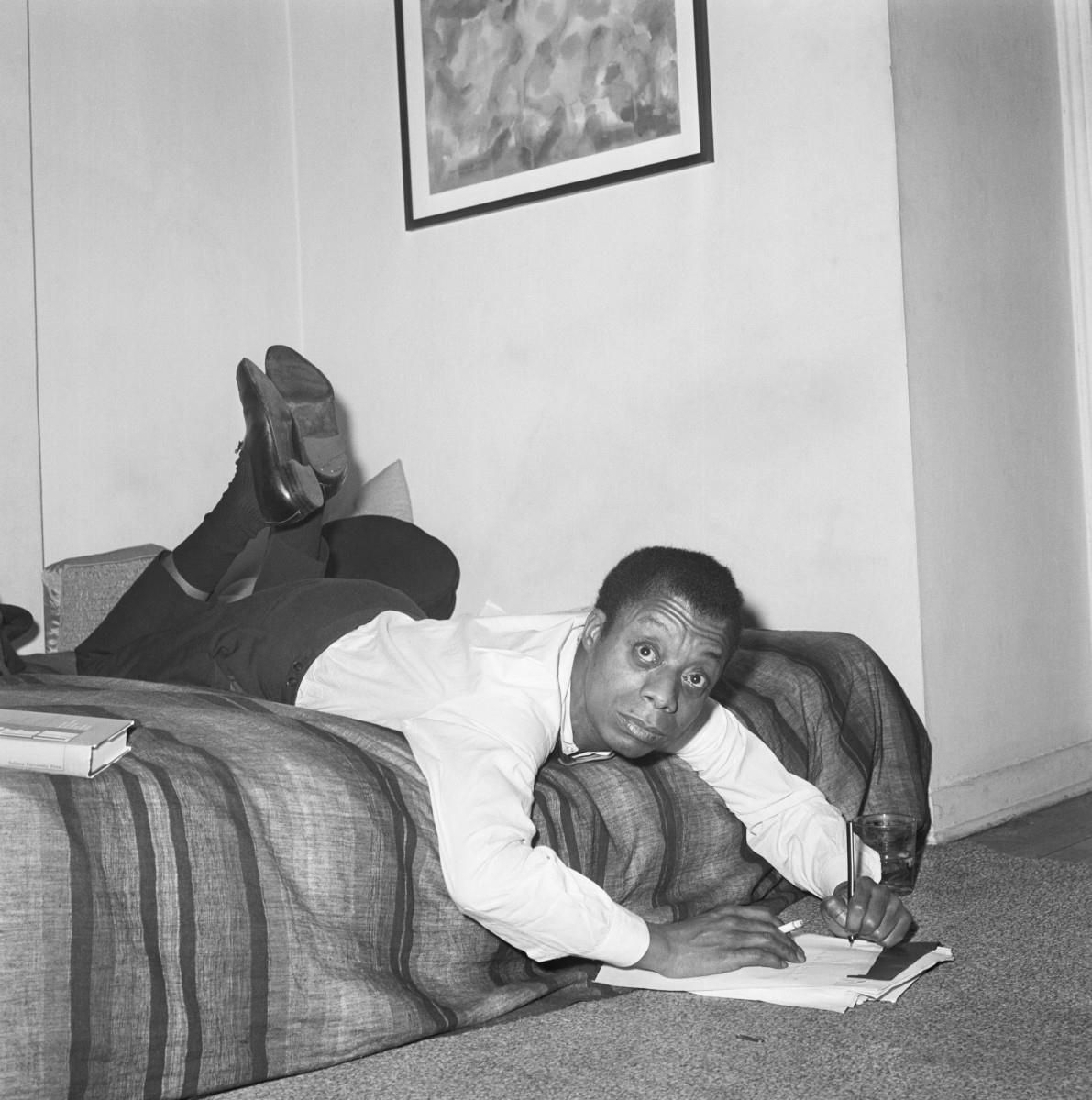
James Baldwin’s letter to his nephew is both personal and national in appeal as a publicly published letter to inspire black Americans and scold white. Likewise, Ta-Nehisi Coates’s letter to his son reveals extremely personal details that may encourage black Americans and spur white Americans to pick up the mantle of struggle alongside their darker brothers. Both letters speak to the lack of equality present for black Americans and the need for white mindset change for improvement to occur.
In “A Letter to my Nephew”, Baldwin moves chronologically through his life telling the tale of his nephew’s origins. He weaves into the personal story of his family’s tale, the historical context that affects them all including the results of geographic constraints, political, economic, legal, etc. that make life harder for African Americans. For example, Baldwin writes, “This innocent country set you down in a ghetto in which, in fact, it intended that you should perish.” He goes on to attempt to explain the thinking of the white “countrymen” that would permit such unfair treatment of their brothers. “They are in effect still trapped in a history which they do not understand and until they understand it, they cannot be released from it.” This calling out of uninformed white people is the way Baldwin throws down his gauntlet. It is up to everyone to become informed and prepare for change. The rest of the letter is encouragement to his nephew to be brave and loving as he continues the fight. And near the end he makes the inclusive statement, “We cannot be free until they are free” (Baldwin). He flips the idea of oppression on its head. The oppressor is the one who is in chains due to their refusal to educate themselves and grow with the changes that terrify them.
Coates’s Between the World and Me tells the tale of significant points in his life, including the birth of his son, but it is not strictly chronological. He jumps around in time, beginning with a recent interview and meanders through different time periods throughout the book. Coates weaves historical incidents like police shootings of unarmed black people, redefines terms to his preferences – terms like race and racism, dreamers, and white – glorifies black culture including music, art, literature, and fashion, and includes interviews with mothers who lost children to police violence. His letter feels at once even more personal in connection to his son and, at the same time, even more broadly an accusation of all Americans complicit in the conspiracy to oppress black people.
As Coates meanders through white on black oppression, he addresses his own fear that grew out of living while black. He admits that he does not want to raise his son with the same fearful perspective but also recognizes that fear might be what has helped him stay alive. He tells stories showing that constant awareness of potential danger is necessary for safety. He also admits that hyper-sensitivity to danger sometimes removes the ability to live in the moment and enjoy the present. Using so many resources to remain in fight or flight mode steals reserves that could have been used for learning, experiencing, connecting, and joy. These are the things that make him angry, that make him feel hopeless and make him realize that there is still much struggle left for all to endure. He encourages his son to struggle but does not seem to call him to love the same as Baldwin. He encourages him to endure but does not provide the same hopeful outlook as Baldwin. It seems like a public shaming of white America. They have continued to oppress, even in the face of countless opportunities to change. Perhaps Coates is hoping to guilt them into an awakening. Coates’s letter ends with witnessing the same crumbling infrastructure that has been the setting for so many black lives – “and I felt the fear” (Coates 152).
Works Cited
Baldwin, James. “A Letter to My Nephew.” The Progressive. 1 Dec, 1962, progressive.org/magazine/letter-nephew/
Coates, Ta-Nehisi. Between the World and Me. Spiegel & Grau, 2015.
TRIGGER WARNING: This essay contains discussion of racism, racial violence, police brutality, and psychological trauma in a literary context.
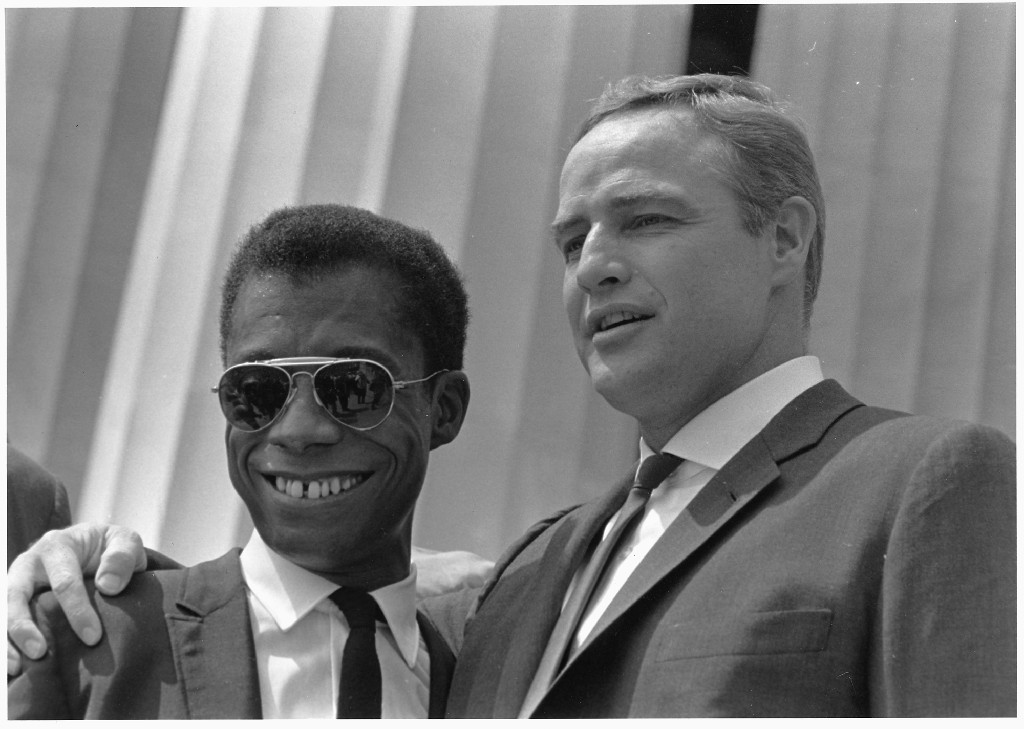
Baldwin’s writings seem to assert that all people deserve the opportunity to be understood, and barring that, at least given a fair shake to make their way in the world. A self-proclaimed witness to the treatment of his people, he uses story to persuade others to open themselves to the possibility of relationship, or at least the ability to visualize the other. In “Previous Condition”, the main character is a black man having an affair with a white woman. She grew up in poverty and argues with him when he implies that only black people have it hard economically. The argument sounds as though it could have been heard on YouTube with its layers of race, class, gender, and privilege still such hot current issues. However, Ida the white woman, does not get kicked out of a dwelling simply because of the color of her skin, as is the case for the black actor she is debating. Even more horrible is the description in “Sonny’s Blues” of white men running over and murdering Sonny’s uncle just for the fun of it. Evil breeds hatred. Sonny’s father “never really did get right again. Till the day he died he weren’t sure but that every white man he saw was the man that killed his brother” (Going 118). These are examples of the ways in which people as individuals interact in his stories showing the depth of conflict created by race in relationships.
In “This Morning, This Evening, So Soon” Baldwin paints the scene of a black man who has forgotten how to play the game of pacifying the white police officers as is so often necessary to ensure minority safety. The main character says, “I had once known how to pitch my voice precisely between curtness and servility…” (Going 163). He’s been in France so long and interacted with white people under a different social contract for so long that he has forgotten the tricks he used to know to keep himself safe around white people with power who hate him. This speaks to the “armies” of whom Baldwin speaks. The police represent the powers that be and are an ever-present menace to the black characters in his books. In “Going to Meet the Man,” the main character is a white police officer who truly believes he is simply enforcing rules God himself established. He says it wasn’t his fault the black people “fight against God and go against the rules laid down in the Bible” (Baldwin Going 235). This is an example of the way church gets mixed up in all the oppression in people’s minds. All these systems interact to create menaces of themselves.
Yet, somehow, despite all the horrors Baldwin witnessed and wrote about, he continually returns to the theme of love. He seems to believe that love can prevail. I am in awe of his optimism. In “A Letter to My Nephew,” he writes, “love shall force our brothers to see themselves as they are, to cease fleeing from reality and begin to change it” (Baldwin Letter). I hope and pray that he is right.
Works Cited
Baldwin, James. “A Letter to My Nephew.” The Progressive. 1 Dec, 1962, progressive.org/magazine/letter-nephew/
Baldwin, James. Going to Meet the Man. Vintage International, 1948.
TRIGGER WARNING: This essay discusses gender roles, sexuality, cultural expectations, and references to violence and death in a literary context.
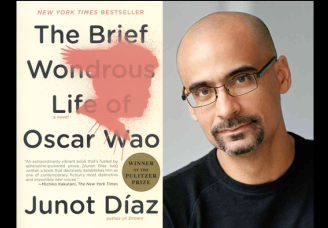
Oscar de Leon, the main protagonist of Junot Diaz’s The Brief Wondrous Life of Oscar Wao, is woefully terrible with the ladies. “His lack of game” is noticed by everyone around him and he often cries “in the bathroom where nobody could hear him” over “his love of some girl or another” (Diaz 23-24). A pickup line he actually uses is, “If you were in my game I would give you an eighteen Charisma” (Diaz 174). Though many people offer advice including Yunior, his uncle, and Lola, none of it sticks. Yunior says “he tried to get him to stop hollering at strange girls on the street…” but Oscar insisted that “nothing else has any efficacy, I might as well be myself” (Diaz 174).
When Oscar finally falls for a woman who seems to accept him, Ybon, she is the wrong woman according to Dominican culture. She is too old, too promiscuous, too “claimed-by-a-cop” already. However, he perseveres and gets himself killed in the process. Whether that is stubbornness, machismo, or crazy (maybe all three) it is certainly along the lines of grabbing “a muchacha, y meteselo” like his uncle advised (Diaz 24). And when he finally gets Ybon to himself for a week, it sounds as though he makes the most of his time enjoying sexual exploits like the best of them. However, even then, what he really loves are the little unanticipated intimacies like “combing her hair”, the way she would “sit on his lap”, or “watching her walk naked to the bathroom” (Diaz 334). He is well-rounded in his appreciation of the entire experience, which is more admirable than simply enjoying the sex. At the end when he says, “The beauty! The beauty!” it sounds like a counter to Conrad’s Heart of Darkness “The horror! The horror!” (Diaz 334, Conrad 12). To him, the sacrifice is worth it.
If the willingness to face violence or defend women against violence is any part of machismo, then Oscar qualifies as a Dominican male at least a few times in his life. He takes a gun and is willing to confront Manny in order to defend Ana (Diaz 47). Thankfully, Manny does not show up and Oscar gets to remain a lover, not a fighter. He knows he could be beaten, but continues spending time with Ybon right up until he is beaten near to death (Diaz 298-299). And he knows he will be killed for his determination to be with Ybon in the end. He faces his death with the fervor of “a hero, an avenger”, and tells his killers he will be waiting for them on the other side (Diaz 320). That takes some guts.
To the degree that the American ideal is “all men are created equal”, Oscar’s lack of “Dominicanness” makes him more American. But, suffice it to say, America does not do a great job with equality either. Both cultures still have a long way to go toward treating all people with the decency and kindness that humans deserve despite gender, sexual orientation, ethnicity, etc. Perhaps that is why Yunior talks about Oscar’s niece Isis as the future hope of breaking the curse. The beginnings of the end of the fuku were in Oscar’s rebellion. But if the original curse was put in place by a machismo man whose ultimate power over women caused death and evil, then a woman will be needed to end it once and for all. Who better than someone named after Isis, the goddess who protected the dead and invented marriage? Nice job, Diaz.
Works Cited
Conrad, Joseph, and D.C.R.A. Goonetilleke. Heart of Darkness. Peterborough, Ont: Broadview, 1999.
Diaz, Junot. The Brief Wondrous Life of Oscar Wao. Riverhead Books, New York, 2007.
TRIGGER WARNING: This essay discusses fatphobia, body shaming, bullying, racial and ethnic stereotyping, and includes quoted ableist and homophobic language from the source text.
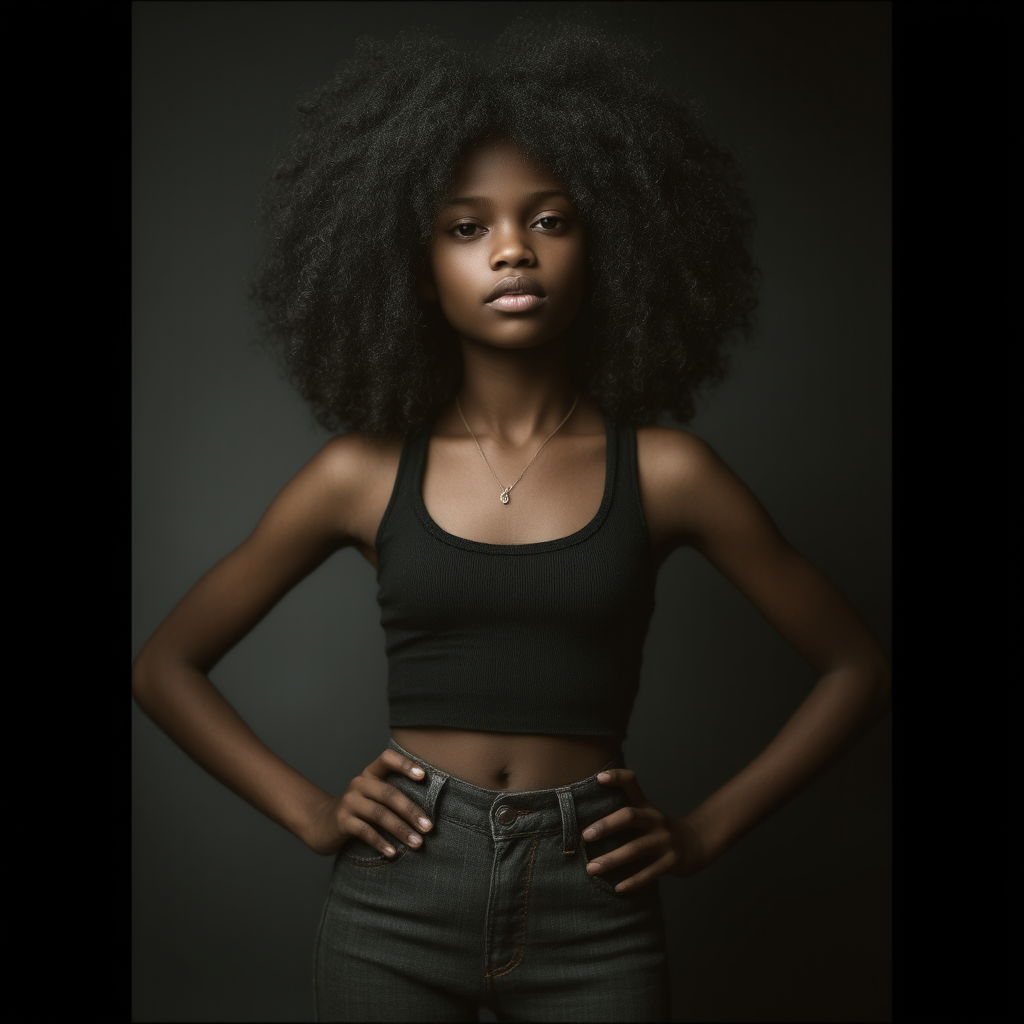
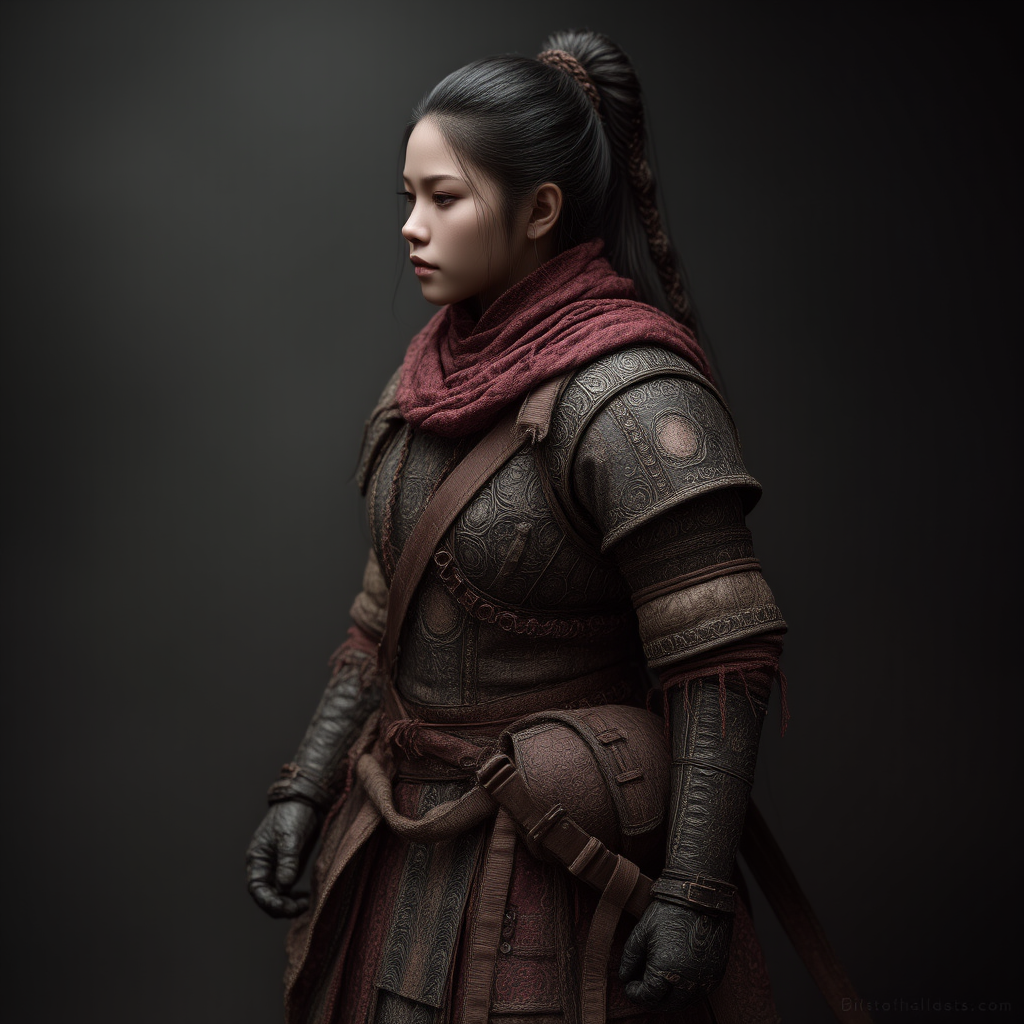
Image created by Rebekah Marshall’s prompt using AI on Gencraft.
Oscar, the main character in Junot Diaz’s novel The Brief Wondrous Life of Oscar Wao, is less concerned about his appearance than everyone around him, especially the narrator Yunior. If others could accept his size, color, eyes, and nerdy persona, things might go a little better for the protagonist. Alas, such is not to be in poor Oscar’s world populated by people who demand that stereotypes be enacted and maintained in order for the world they understand to continue to turn on its carefully constructed axis. In high school Oscar was the “fat, lonely, nerdy kid” who weighed “260 when he was depressed, which was often” (Diaz 19). He wore his “semikink hair in a Puerto Rican afro”, maintained a non-stylish mustache, had thick black-rimmed glasses, behind which eyes too “close-set…made him look retarded” (Diaz 20). Yunior says of him that he “wore his nerdiness like a Jedi wore his light saber…couldn’t have passed for Normal if he’d wanted to” (Diaz 21). The way Yunior (Diaz’s narrator) words it, Oscar didn’t want to hide his nerdiness. It was who he was, and he was ok with that.
The fact that girls don’t love him back seems to be what most makes Oscar feel unattractive. When he falls in love with Ana and is still hoping she might love him, too, Oscar “wakes up feeling like he’d been unshackled from his fat” (Diaz 40). He seems to simply want others to accept him as he is, but they refuse. The white kids think he’s black because of his skin color; the “kids of color” can’t accept him as Dominican because of the way he speaks and moves. He does not fit into any of their versions of who he should be. Even the narrator, especially the narrator, Yunior, can’t accept Oscar’s size. As he writes about him, he calls him “the fat loser”, “some fat kid I roomed with”, “the gordo”, “that fat homo Oscar Wilde” (which is of course where he gets the nickname Oscar Wao), “his monstro-ness”, and “fatboy” to name a few (Diaz 176-181). Yunior goes on a mission to change Oscar into a more acceptable version and fails miserably, damaging their relationship in the process. Oscar shuts him down in no uncertain terms and firmly remains himself.
So I don’t spoil the ending, I will reserve the comments about self-acceptance I was planning to mention. I simply would like to point out that Oscar is fine with who he is and the consequences of his choices by the end of the novel. I am not arguing that his mindset is necessarily the mentally healthy or smart path to take, but he does not seem concerned with his appearance at all by the end of the book. And perhaps that is a bit of the humanity that Yunior needed to learn in the process of writing this book. (Yes, I know the real author is Diaz, but I’m going with the story here of Yunior as author and life lessons learned from Oscar being a thing.)
Works Cited
Diaz, Junot. The Brief Wondrous Life of Oscar Wao. Riverhead Books, New York, 2007.
















































 rebekahjmarshall