









All images created by Rebekah Marshall’s prompts using AI on Gencraft.com website.
All images created by Rebekah Marshall’s prompts using AI on Gencraft.com website.

WARNING – SPOILERS
A Court of Frost & Starlight, the 4th book in the ACOTAR series is a lovely, little, short novel wrapping up the last remaining threads of Feyre’s transformation. It focuses on her trying on her new role as High Lady and true partner to her love and delves into the parts of her that have been neglected because of war and survival. A key aspect is her art and desire to create, share her creativity, and understand creation as vital to her fulfillment.
It is a peak into homelife, an intimate Winter Solstice celebration, growth and blossoming of friendships, Mor’s self-realizations, and one of Feyre’s sisters suffering from emotional turmoil that gets totally out of hand. Interestingly, different voices begin to emerge. There are portions of the book from the perspectives of Rhysand, Cassian, Nesta, and Mor. The majority are in Feyre’s voice, but it is a nice change experiencing the inner thoughts of some of her loved ones.
This felt like a pause before a storm, a much-needed rest after the war and carnage of the 3rd book. I was disappointed that it was so short, as I wanted to learn more about all the members of the team & family. But book 4 is appropriately long, so I look forward to diving into that one immediately.
Maas, Sarah J. A Court of Frost and Starlight. Bloomsbury Publishing, 2018.
Silence has become the standard by which I judge all things. People who talk too much or too loudly, chew food in a way that amplifies the crunch, have loud ringers on their phones, or wear hard soled shoes that clomp across the floor…well, let’s just say I don’t let them into my inner circle. So, when a mewling kitten showed up in the drainage ditch near my house, I was reluctant to take it in. The incessant screeching forced me to rescue it, if for no other reason than to try to stop the sound.
She needed to be bottle fed, not an easy feat for a person with no sense of time. I am a book scout and read all day for a living. I will sometimes read for six or seven hours straight if I’ve got enough material, only taking quick restroom breaks and snacking while I read. I set alarms for my alarms because I also sometimes fall asleep while I read, my brain giving out without notice. And they aren’t supposed to be held like human babies. They have to be on their bellies and knead something like they would on their mother’s teat. I look all of this up so I would do it right, including stimulating her anus with a wet cotton swab to imitate the attentions her mother would naturally provide.
Phoebe is an ugly kitten. Her face is squished, not in a cute way; what little hair she has is a non-descript greyish-brown. Her mother probably abandoned her because her front paws have something wrong with them. The four fingers and one thumb on each seem to be fused together and the paws twist inward slightly. Even worse, she’s loud. Her back paws seem fine.
My small rental is situated on a cul-de-sac near an elementary school. The plan is to advertise as close to the school as I can once Phoebe is old enough to wean. Children are suckers and their parents are even worse. A disabled kitty will have a home in no time. I just have to make it another month.
We’ve settled into a routine, Phoebe and I. She cries, I respond to stop the horrific noise with whatever I think she needs most right then, she falls asleep, and I get some work done. The longest stretch of silence we have achieved is 2 hours. In all honesty, it might have gone longer, but I got worried and jiggled her to make sure she was alive. She awoke with a vengeance and ate until her belly nearly burst.
It’s a ridiculously silly comparison, I know, but this experience has made me appreciate my mother more. When I was born, she had no one to help her and worked long hours to provide for us. My stepdad came into the picture when I was nine, but for years it was just us. All on her own, she kept me alive – the nighttime feedings and diaper changes, the cooking and cleaning. The woman deserves an award. I can’t wait until this kitten can eat solid food and I can find her a home. I’m worn out.
She likes to sleep in the hood of my hoodie and makes a great neck warmer. It gets chilly in the alcove where I like to work, looking out at a pecan tree growing in the neighbor’s yard. The branches hang down over the privacy fence that connects our back yards and pecans spill onto my property. I don’t mind at all because I take them all every year and make pecan pies for the holidays. This year I’m planning to make praline. Last year some of the pies went to waste because I have no one to share them with other than my parents.
I decide to take a walk to the mailbox at the end of my street with Phoebe curled up in my hood. Movement doesn’t seem to wake her, only hunger, but it is about time for a feeding and she has begun to wiggle and squeak. On the way back home, she begins climbing the cloth of her makeshift bed with her tiny claws and I fear she might fall out of my hood. In my haste to grab her I drop my mail rather dramatically. A man raking leaves in his yard stops mid-rake and waves; I pretend not to notice, busy with my mail. He doesn’t take the hint and assumes my lack of eye-contact requires a verbal interaction.
“Hey!” he says, tilting the rake he is holding away from himself and adjusting his baseball cap with his free hand. He could be on the cover of a men’s health or fitness magazine. His every movement draws my eyes, the unabashed grin demanding my attention. I stop, say hello, and even force a smile. He seems genuine in his attempt to be friendly, but as he starts to walk toward me a compulsion to bolt wells up. I squelch it because he is really cute.
“Can I see?” His hazel eyes light up and the corners crinkle the way I find sexy in men of that age. I am confused for a second, but then realize he is talking about Phoebe. He gathers all of my mail for me. I find gentlemanly manners quite sexy, as well.
“My turn,” he says, and offers a trade, the mail for the kitten. A wave of overprotective fear grips me. No one else can hold my baby kitten. He might not do it right. What if he drops her? I push back the irrational panic and gently place Phoebe in his big hand. She looks so vulnerable it makes me want to cry.
We chat amiably about kittens and how much work they are. He tells me he is new to the area, having moved here to be closer to his 11-year-old daughter and in a home where he can have her over every other weekend. I can see I may have found a home for Phoebe already.
I warm up a little and decide to offer some neighborly advice. “If you’ve never eaten at the Thai restaurant on Main, you have to check it out. Their lunch specials are really cheap and the food is authentic.”
“I love Thai,” he says. “How about tomorrow at noon?”
I smile and nod, then realize he is asking me to join him and I freeze. I guess I started it. I might have even sounded like I was angling for a date. “I wasn’t trying to ask you out,” I fumble. “I was just trying to tell you about some good places around here.”
“I know,” he says, the twinkle in his eye giving away amusement at my back peddling.
I decide to be brave. It’s just lunch.
*************************************
Styling my shoulder-length thick brown hair into some semblance of order proves impossible. A messy bun with a few loose curls hanging here and there will have to do. Phoebe is wiggling around in the bathroom sink where she was curled up in a hand towel sleeping only a moment ago. I imagine she can sense my excitement and is nervous about being left home alone. I begin to worry that this was a bad idea. What if she cries so hard that she stops breathing and dies? What if, in her panic, she escapes her box and gets trapped inside the couch and can’t be rescued? I almost cancel my lunch date, then scoop Phoebe into a snuggle, willing myself some of her spunky courage. She is my little good luck charm. She begins to scream because she’s learned that is what gets her a bottle. I sigh and roll my eyes, knowing her pathetic cries are fake.
“Little drama queen, I already fed you,” I tease before putting her into the box on the bathroom floor. I check my mascara in the mirror, take a deep breath, and head out. When I am almost to the front door, her cries intensify and I run back to the bathroom. I decide to set the box in the bathtub as an added safety measure.
***************************************
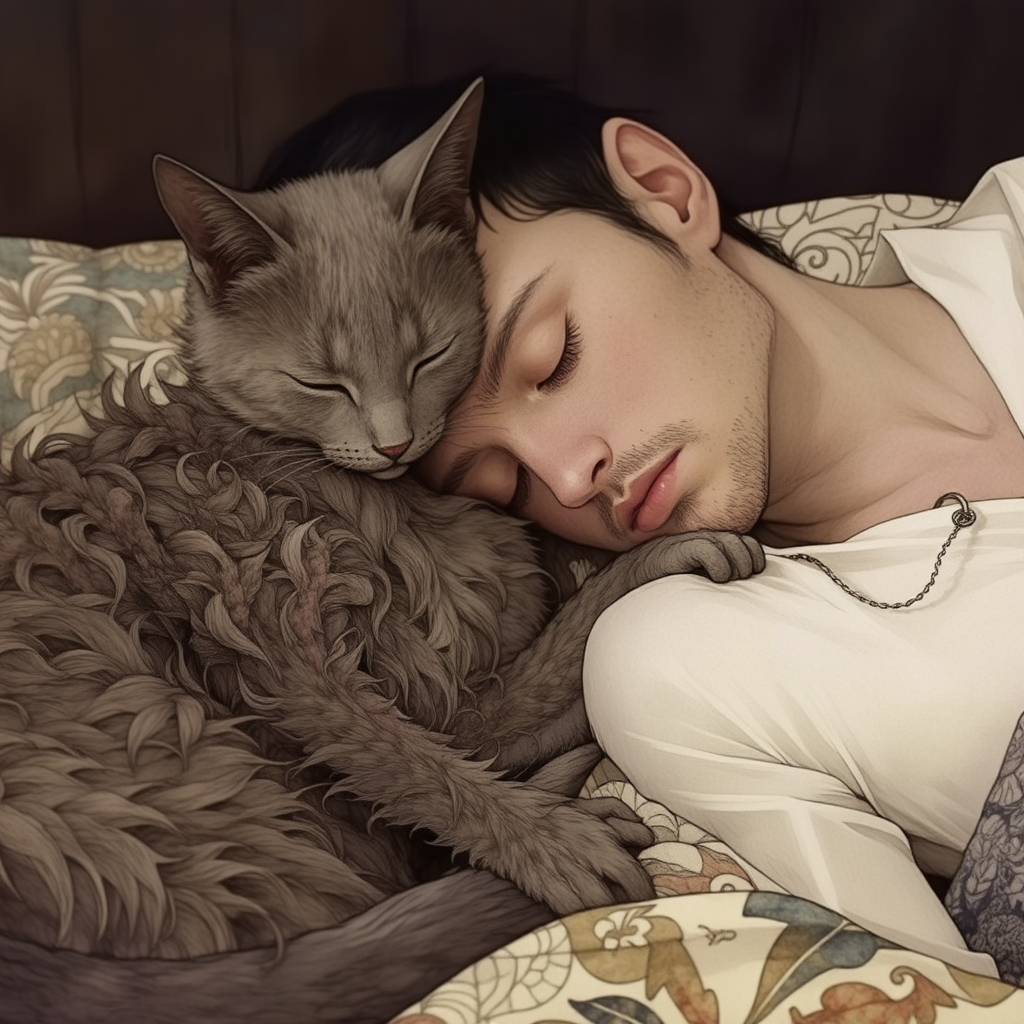
Phoebe stretches out between us, one paw across Mitchell’s forehead. Her intermittent purring blends with Mitchell’s rhythmic soft snore, but all I hear is silence. My sweet lover bought me custom molded shooting earplugs that hunters use to block out the loud sounds of weapons blasting next to ears.
I moved into his place because it made sense, but we brought most of my furniture because his consisted of bean bags and futons. His back yard has a wide oak that shades the patio and there is a pecan tree in the front. He loves to work outside and keeps the lawn pristine. I hate the sound of the lawn mower revving up, knowing I’ll have to put in my earplugs to get any of my own work done. I do occasionally miss the silence of my manless sanctuary, but then I take in the stunning view – not of the trees, of him muscling things into place along the fence or digging a hole for who-knows-what-reason men dig holes. And for the adorable way he clangs and bangs and slams tools around outside, then slips off his boots at the door and wears socks in the house so I don’t hear footfalls.
Things are a little more raucous when Mitchell’s daughter comes over for a weekend, but I’ve found I can tolerate joyful exuberance more than I realized. And it is worth it to see how happy it makes Mitchell when she’s sprawled on our couch watching movies with us while scrolling through her phone. They make fun of me by doing fake sign language and whispering dramatically when I’m in the room. When they are at work and school and I have the house to myself, I revel in the quiet – absolute peace for me to dig into my books.
I obviously never tried to find Phoebe another home. After a few months of never leaving my side, I couldn’t bear to part with her. She nestled her way right into my heart. And the only time she puts up a fuss is when I am taking too long to feed her and she thinks I deserve a scolding. She walks just fine, though her paws curve in, so she looks a little like she’s walking on the wrists of her front legs. She doesn’t climb well, but can jump really high because her back legs are quite powerful. She rarely needs help doing anything. She likes to curl up on my lap, and every once in a while, when I’ve had my fill of silence, I’ll take out my ear plugs and listen to her purr while I read.


WARNING – SPOILERS
A Court of Wings & Ruin, the 3rd book in the ACOTAR series, held its own in the cannon. It was not my favorite of the books but was a necessary middle step to Feyre righting her life and fully coming into her own. She must make more heartbreaking decisions to save herself, save those she loves, and end things once and for all with her past relationships that keep weighing her down.
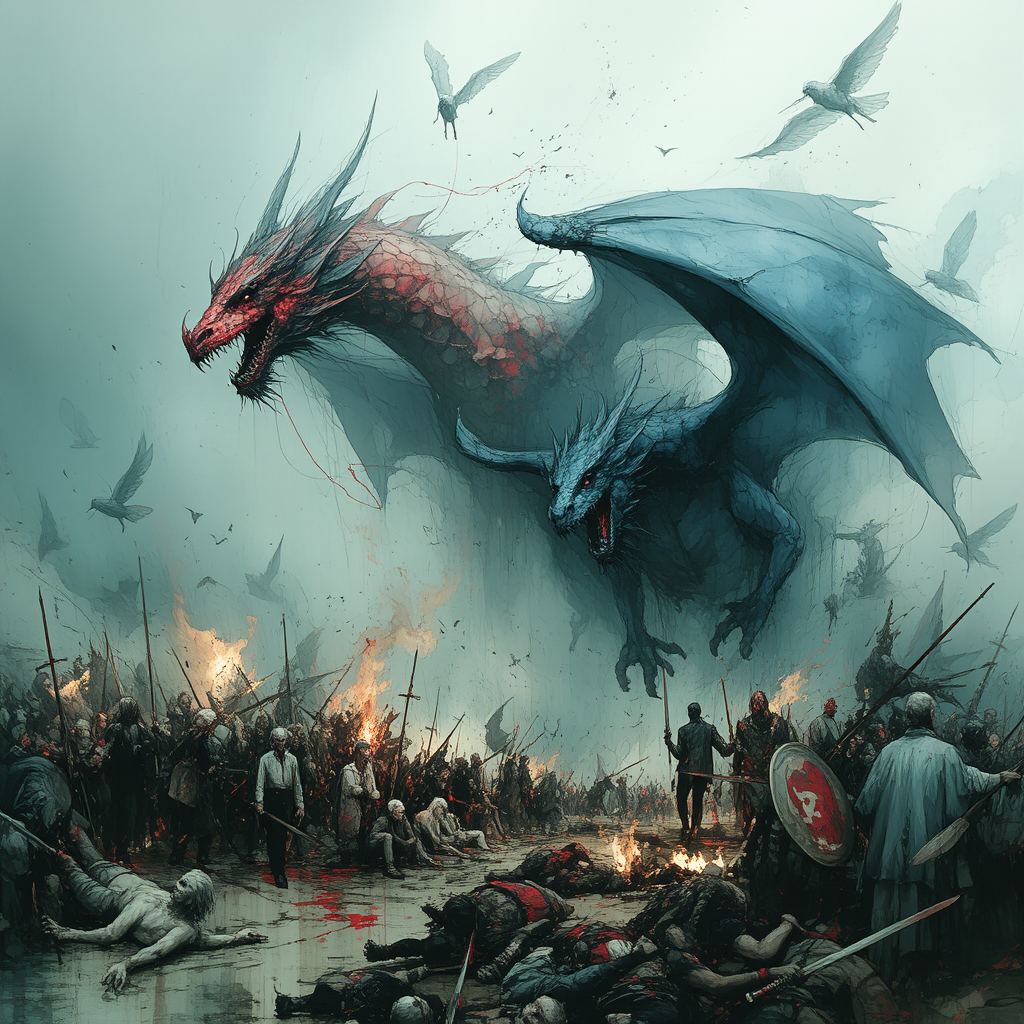
I like that the book is messy, things don’t go as planned quite often, pivots must be made, and even immortal beings must repeatedly circle back to try to fix things over and over again. It feels very human, very relatable to not have everything be an easy win as these magnificent beings battle their way to try to save the world. There are gigantic beasts, ulterior motives, dark ancient magic, impossible choices, and unlikely alliances.
Elaine (Feyer’s sister) begins to come into her own as she wrestles with her powerful gifts in this book. And her lack of interest in the being to whom fate has declared her a mate is a fascinating twist. Nesta must figure out how to live in this world she hates, and grapple with why she is strangely drawn to Cassian. I love that her character is super cantankerous. She is not very likeable, and that makes her interesting. She doesn’t seem to care about being liked. Feyre and her mate keep our hearts pounding with their love. And Mor’s secrets about her love life are a perfectly revealing piece of the puzzle.
I must say that the deaths in this book had me sobbing. I will say no more about that, so I don’t ruin anything too grievous for anyone. I will simply say that the toll of war is well-depicted and heartbreakingly devastating.
Maas, Sarah J. A Court of Wings and Ruin. Bloomsbury Publishing, 2017.
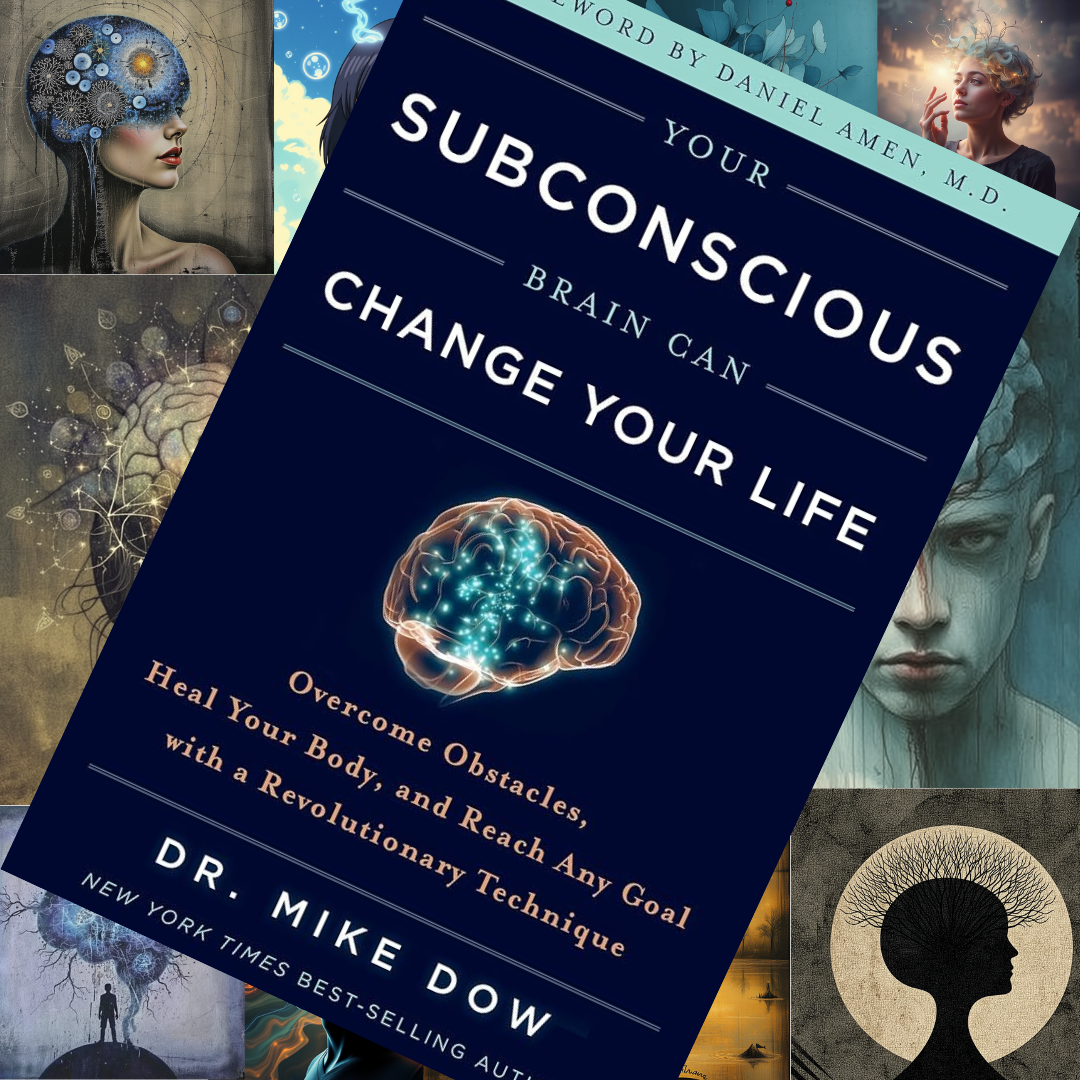
I struggled to finish Your Subconscious Brain Can Change Your Life by Dr. Mike Dow. Though the information is fabulous, and the techniques seem like valuable hypnotherapeutic practices, it felt like a medical textbook. That said, in the back of the book is a link to recorded resources for retraining the subconscious by listening to scripts. I have only just begun listening to them, but think I might have stumbled across some really helpful tools this way. Perhaps I should have listened to this book as an audio book, rather than reading it.
The practice is called Subconscious Visualization Technique and is recommended to be paired with other more traditional methods like medication, Cognitive Behavioral Therapy, etc. The author shows in study after study that SVT, when paired with other strategies, boosts recovery, decreases pain, and increases positive desired effects beyond traditional strategies only. And in some cases, SVT alone outpaces the traditional treatments.
The mind can be a very powerful ally if we learn to partner with it, train it, and set it to work on the systems that run these complex machines we live in. Though I cannot recommend the book as an enjoyable read, it is certainly an excellent resource and provides access to hypnotherapeutic recordings via links in the back that could prove invaluable. I have only listened to one so far, so the jury is still out, but I plan to continue listening to them and seeing how they help with reducing pain and inflammation, and increasing joy and contentment in my life.
Dow, Dr, Mike, Your Subconscious Brain Can Change Your Life, Hay House, Inc., 2019.









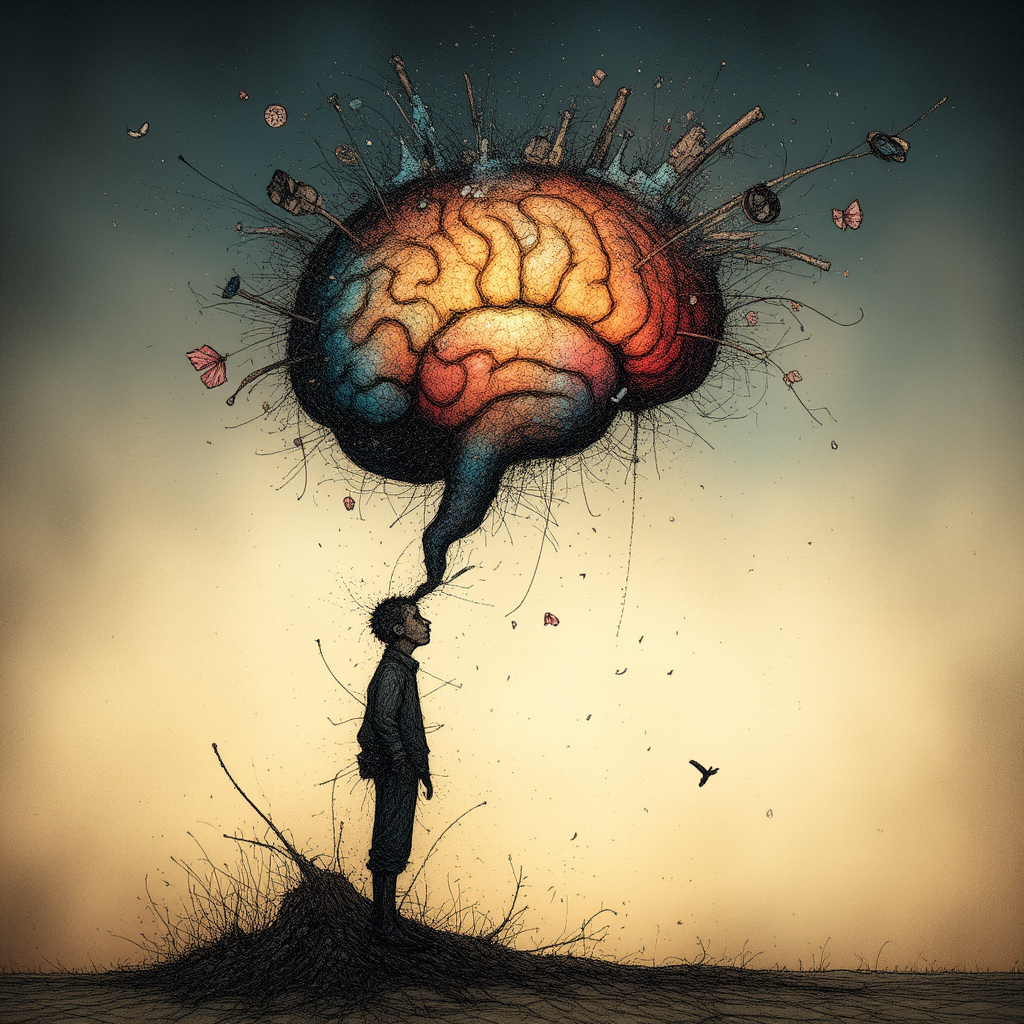

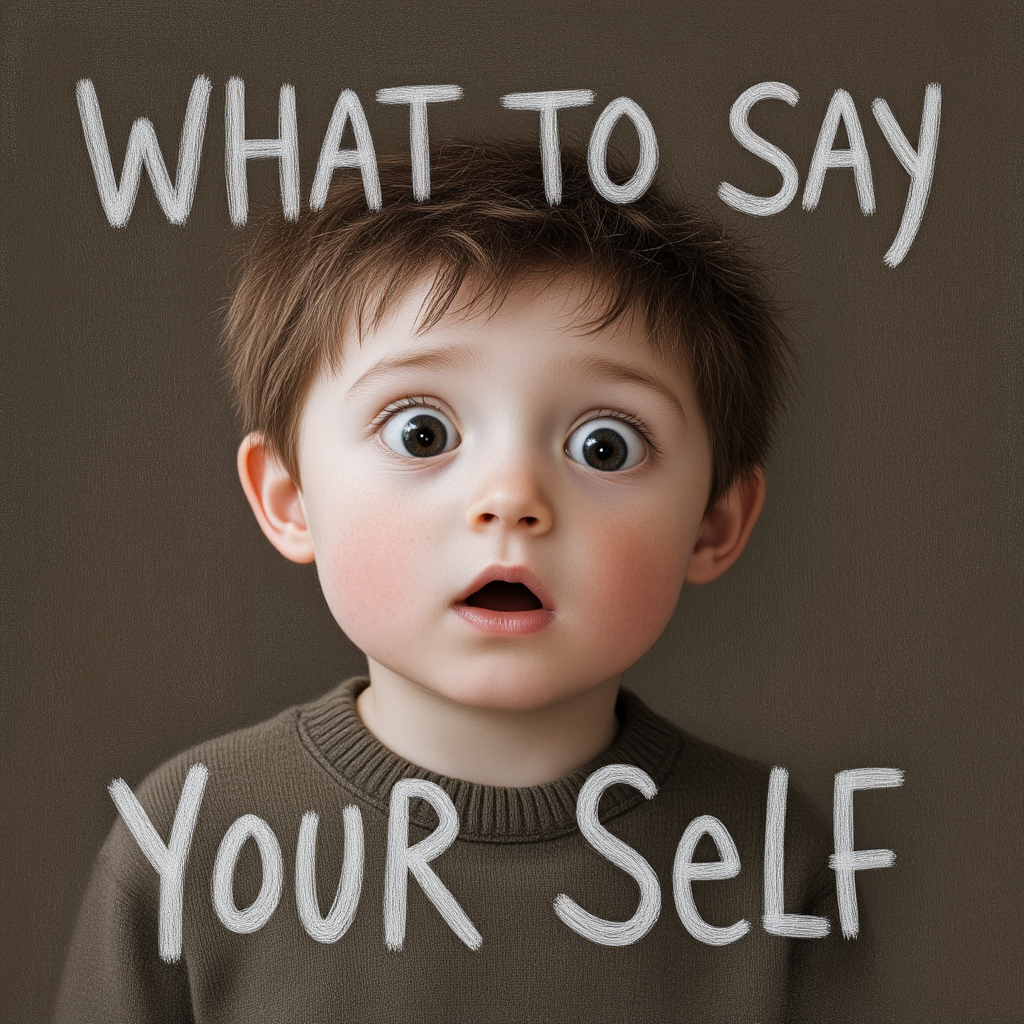
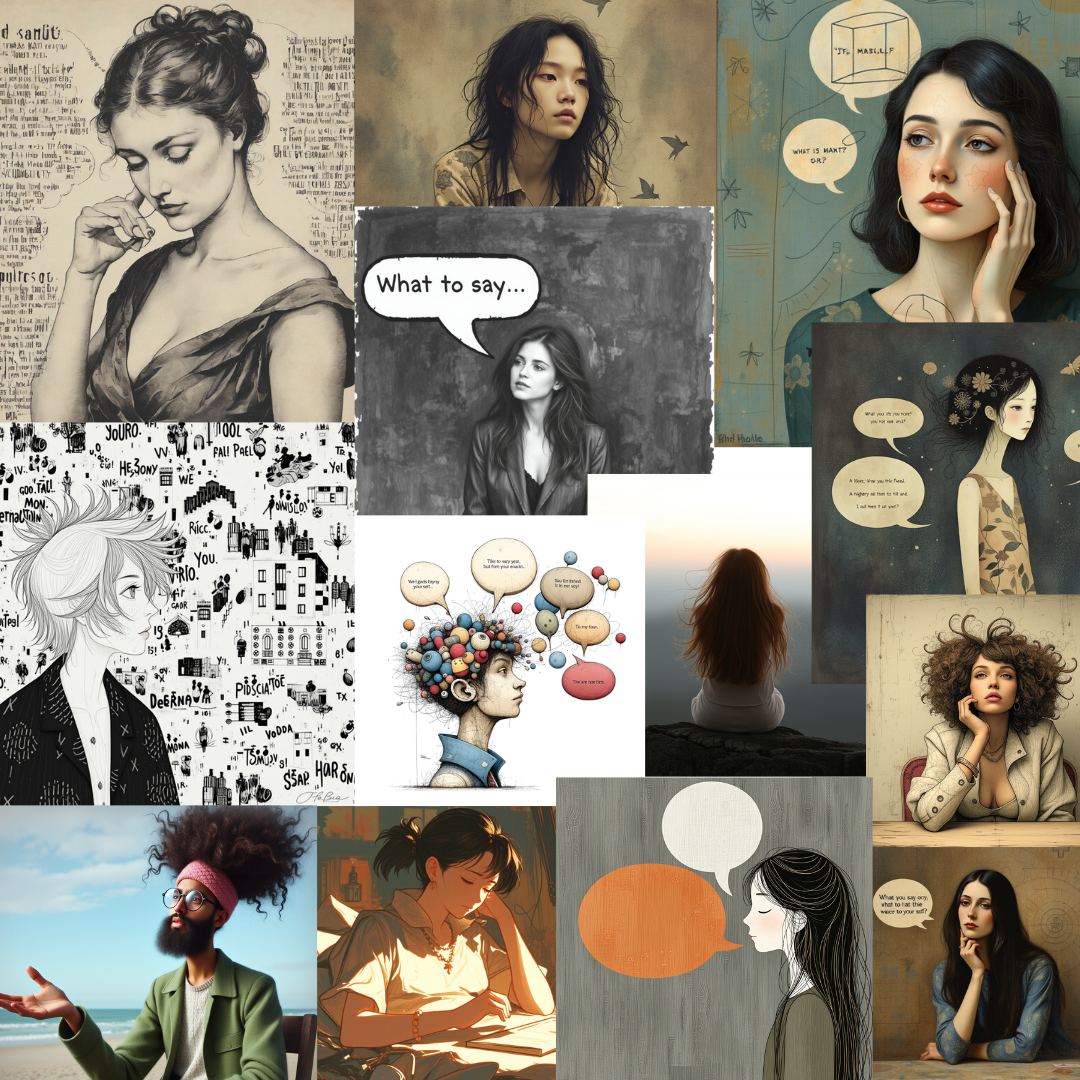
I highly recommend What to Say When You Talk to Your Self by Shad Helmstetter, PhD. As a practitioner of positive self-talk for years, I was thrilled to find a book that helped to explain some of the basic reasoning behind the practice, as well as a framework with clear instructions for the most productive forms of self-talk.
The concept is outlined as such:
Programming creates beliefs.
Beliefs create attitudes.
Attitudes create feelings.
Feelings determine actions.
Actions create results.
The general idea is that we are programmed by others from the second we are born without any choice in the matter. Much of the results we are experiencing in the present are due to that programming that may or may not suit our true selves. We may not even realize that some of our deeply held beliefs, attitudes, and feelings are because of programming that might not even be accurate. We have acted on these beliefs, attitudes, and feelings building our lives, sometimes with faulty programming.
This book is about rewriting our own code through more carefully structured instructions to our subconscious that will in turn make our lives easier as we work toward outcomes that are more in line with our current ideals. I think I just really love the idea that there is something we can do to dig in deep and rewrite the underlying messages.
My first script that I began today is as follows:
I practice positive self-talk every day and make it a permanent part of my life by monitoring my thoughts and speech, editing all negative messaging, and listening to self-talk sessions a minimum of 15 minutes each day.
I’m going to experiment on myself for 90 days and see if any improvements occur in my life. I’ll do a follow-up post with anything I notice after 90 days.
Helmstetter, PhD, Shad, What to Say When You Talk to Your Self, Simon & Schuster, Inc., 1986.







WARNING – SPOILERS
A Court of Mist & Fury, the 2nd book in the ACOTAR series, far surpasses the first book in emotional depth, relationship dynamics, and character development. I was sucked in from page 1 and devoured the 600+ tome.
After the crippling life and death decisions Feyre was forced to make at the end of Book 1, she must grapple with the fall-out of those choices. Not only is she tormented by inner turmoil and grief, but her relationship with Tamlin is troubled. His controlling behaviors and unwillingness to see Feyre as an equal, spell the crumbling of their bond.
When she returns to the Winter Court to recover and rediscover her autonomy, the awakenings of power, self, and abilities are a welcome adventure. Rhysand is equal parts challenge, equal parts friend, and most of all, gives her the space she needs to find herself again. The budding friendships, fierce battles, growing romance, and discovery of abilities make for a fabulously rich world Sarah J. Maas creates in this 2nd book.
The most pleasant surprise for me (stop reading right here if you don’t want a spoiler) is Feyre’s sisters coming back into her life. I hoped there could be more to their story, potential growth or reconciliation, anything. That is still to be seen, but at least the opportunity for healing exists. The most shocking surprise for me are the betrayals at the end. I can’t bear the thought of Feyre existing in the world she has chosen, once again, out of self-sacrifice. But I must read on.
Maas, Sarah J. A Court of Mist and Fury. Bloomsbury Publishing, 2016.







holding hands in starlit silence
the slow-burn spark
of Ferris wheel romance
dizzy laughter tilt-a-whirl
electric heartbeats between
wonderstruck stolen glances
cotton candy carousels
and moon-drunk wishes
made on neon-glow stars
ring-tossed miracles spun
from sugar and candied apples
funhouse mirrors shaping reality
fairground glitter & funnel cake
calliope music & midway games
create heart-shaped memories
suspended between now & forever
hush of hope met by popcorn kisses
magic-dusted beginnings
merry-go-round of spinning lights
show silhouettes of happiness
between breaths & possibility

My first time in the ocean today, I got knocked down. I was trying to get to waist deep but did not have the strength to stand against her playful nudges. She seemed surprised and almost irritated that her friendly gesture toppled me and sent several really hard slaps to push me further toward shore.
Maybe she was trying to help, trying to get me back to safety, saying, “This one’s too delicate to be out here. She won’t last a minute.”
What she didn’t know is that I’m too weak to stand up once knocked down in her waves. I must get deeper to be more buoyant to be able to stand, especially with no balance and ever-increasing frequency of waves. Trying to crawl further out to sea became impossible. She made it impossible.
“You don’t understand, tiny human. I am dangerous. Go back to your dry land!”
We were not communicating in the same languages. Mine became unstoppable laughter, hers, ever-strengthening waves bent on pushing me to shore.
Somewhere about here my husband grew concerned. He wasn’t sure if I was communing with nature or in trouble and came closer from his comfortable beach chair to see.
“Thumbs up?” he questioned.
I shook my head no and waved for him to come rescue me. I couldn’t stop laughing as he began the slow trek my way, the gulf all the more insistent I exit the way I came.
I could stand or steady myself. I could not do both. So, with his presence, I stood, then grabbed his hand to help with balance, his stable strength what I needed to walk back to shore.
It was lovely. Not scary. Not painful, beyond the usual discomfort of being upright with joint pain. I went back to watching and listening from my shaded chair, exactly where I belong. This is how the ocean and I commune best. We sing to one another and just enjoy each other’s presence. Everyone is happier with that arrangement, especially my husband.
Addendum: I went back in twice more. He had to rescue me the 2nd time, as well. But the 3rd time, I made it to waist deep and back on my own two feet and felt so very, very pleased with myself.






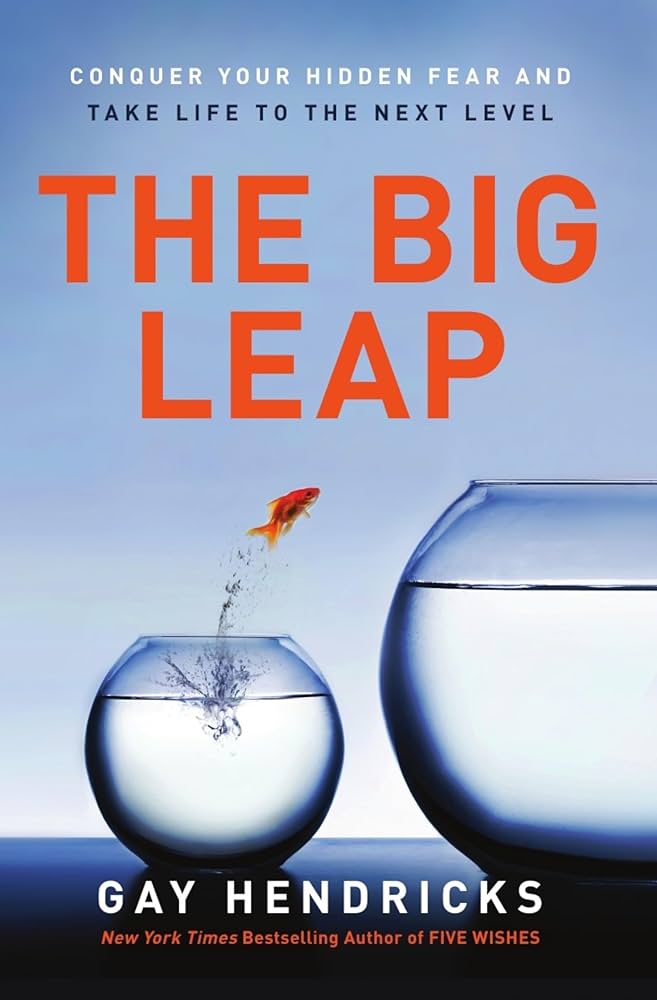
According to Gay Hendricks, PH.D., the only problem we need to solve is the Upper Limit Problem. He believes all avenues of discontent in life flow from the ways in which we limit ourselves or allow ourselves to be limited without breaking into our Zones of Genius. He posits that a universal human trait is the tendency to sabotage ourselves and others when artificial upper limits are exceeded.
The barriers we and society put in place are often unconsciously constructed by our upbringing, religion, politics, and education, but we buy into them and keep the scaffolding exactly where it’s always been. Phrases like, “She’s getting above her raising,” “He thinks he’s better than us,” “They aim too high,” “She’s greedy to want more,” “He needs to be brought down a peg,” “They didn’t do anything to earn that position,” etc. These aren’t phrases from his book, but common enough phrases in society that his hypothesis feels like commentary on most communities I know.
Whatever the complex social issues surrounding the lack of support for growth, he suggests there are ways to push beyond and live our best lives while still loving and supporting others. Instead of having a mindset of lack—lack of time, lack of money, lack of energy, lack of ideas, lack of community—we recognize that we are the creators of our realities and do our utmost to tap into our own genius.
The first step is to recognize the barriers and make conscious decisions to overcome them:
1. We are fundamentally flawed and don’t deserve success.
2. We are disloyal to expand beyond the expected norms of our families of origin.
3. We are a burden to others.
4. We must dim our brilliance, so we don’t outshine others.
Once we have expelled these faulty concepts from our thinking, we must find what our gifts are, find ways to express them, dislodge the notion that time is not on our side, and bring our best selves to the world. Only then will we be fulfilled in our relationships, our careers, our finances, and our spirituality.
I am intrigued, especially by his idea that time comes from within us, or at least the concept of time. It is only perception of time that makes each moment feel gruesome or fabulous. I’m sure he would agree that this concept does not apply in all circumstances because there are situations outside of our control and factors in this world that force time constraints on people against their will.
Disclaimers would have been appreciated that some of these deep concepts might not apply to people in the midst of horrific situations beyond their power, like war, extreme poverty, abuse, trauma, and other life-altering dilemmas that can create struggle. But given basic needs met, semi-peaceful conditions, and non-traumatic circumstances, his ideas are worth considering.
I for one commit to recognizing language of lack related to money, time, energy, etc. Instead of saying, “I can’t afford that,” or “I don’t have money for that,” I want to say, “I can buy that if I save for it,” or “I’m choosing to spend my money on something else.” It is a choice to reframe my language. Instead of saying, “I don’t have time to do that,” or “I wish there were more hours in the day,” I want to say, “I’m choosing to spend my time on other priorities,” or “I have plenty of time to do everything I am meant to do today.” The one I need to work the most on is energy. With chronic health issues, I am very aware of my energy levels and am known to complain about lack of energy. But Instead of saying, “I don’t have the energy to do this,” or “I wish I had more energy for x,y,z,” I want to say, “I have enough energy to do these things today, so I am going to prioritize them,” or “I have exactly the amount of energy I need and then I will take a nap to recharge.”
This self-development journey is fascinating. However much I learn, I always discover something more to expand my growth. The Big Leap is absolutely worth the read, but I recommend tackling it when things are at a fairly stable place in life. I would not have been willing to hear his ideas when I was at the apex of pain, in the middle of my divorce, during a crisis when my kids were teenagers, or when I was working 7 days a week to survive with no end in sight. These are concepts I am willing to consider with all bases covered and the privilege and opportunity to navel gaze and ponder things like expanding into my zone of genius.
Hendricks, Gay. The Big Leap, Harper Collins, 2009.