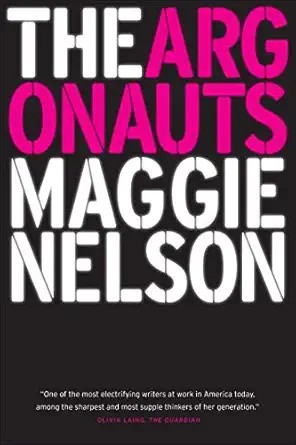
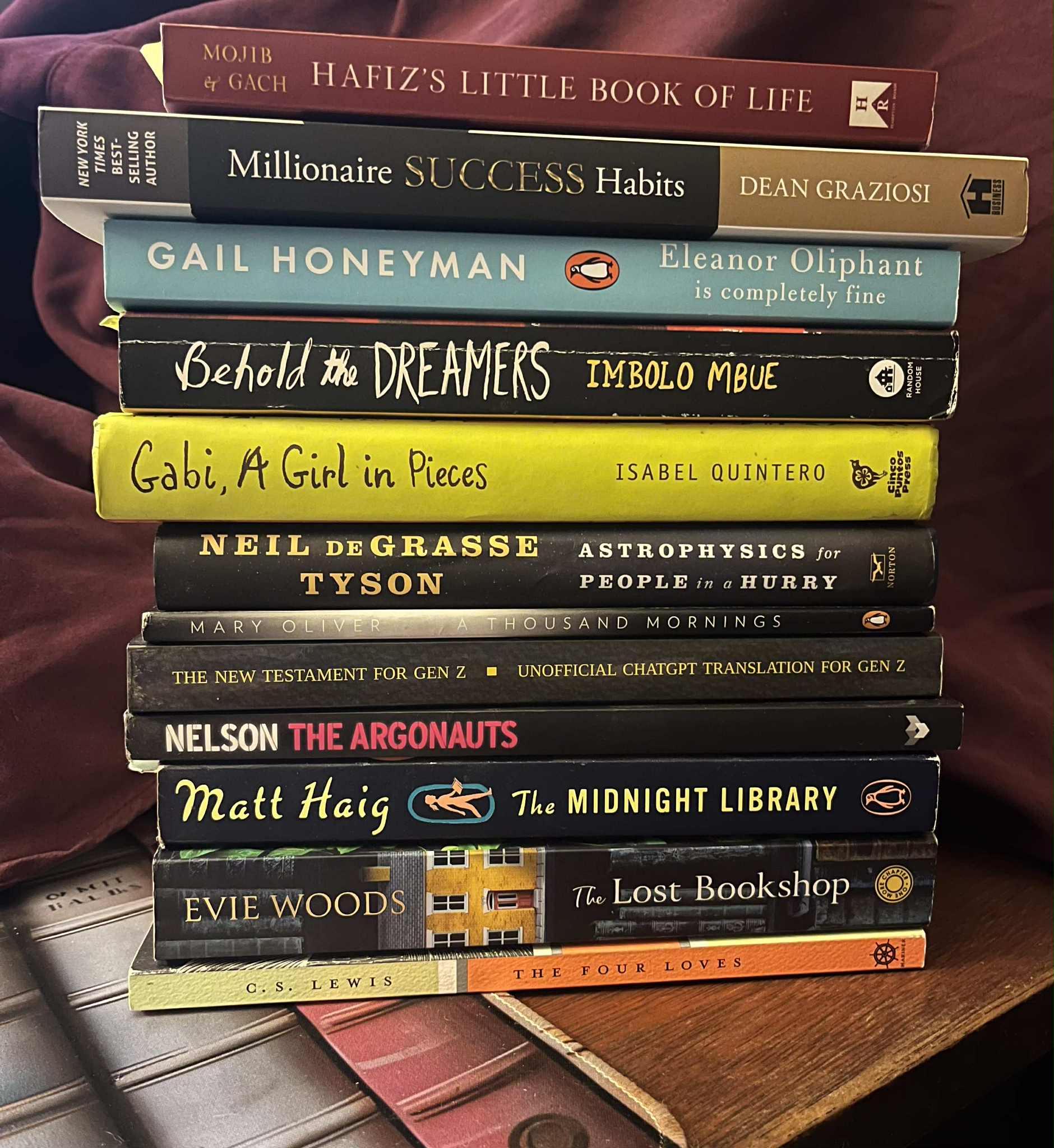
The Argonauts by Maggie Nelson felt like a slap in the face, a comforting hug, an electric shock, and a soothing warm bath. The format was unique and felt experimental—blocks of text, quotes, memories, verbal snapshots, reporting, and textbook-like excerpts all woven into a seamless narrative. The subject matter is raw, often unfiltered, intimate details that feel way more personal than I would ever be comfortable sharing with total strangers. But good for Maggie Nelson for having the chutzpah to attempt such a thing. I love that she finds her own voice by the end by admitting that she is still searching and leaving room for vulnerability in a way that is honest and impressively real.
Her descriptions of pregnancy, sexuality, dealing with loss, giving birth, holding on to self, nursing, her relationship with her partner, gender identity, and expert opinions, *in no particular order, combine to weave almost a stream-of-consciousness-style memoir that defies classification. I think I might have blushed a few times, certainly opened my eyes a bit wider, and definitely wondered why my college courses weren’t quite as shocking as some of hers. But the fact that I felt a connection shows the depth of both her humanity and her fabulous writing talent (since I am a southern, more conservative than her, heterosexual, certainly more comfortable with conventional-vanilla bedroom activities sort of gal. I’ll put it this way—I learned a lot from this book.)
*I jest about the “no particular order” comment because I am sure there is a well-crafted method to her madness that makes it feel like a jumble of thoughts and also a coherent work.
Also, if you are interested in the book, I recommend Googling “Why is Maggie Nelson’s book titled The Argonauts?” It gives a fabulous description of what you are getting yourself into. A brief quote from that Google search using their AI is as follows: “The title reflects the “constantly shifting” nature of queer identity, family-making, and language.”
AI Overview, Google, searched 31 Jan 2026.
Nelson, Maggie, The Argonauts, Graywolf Press, 2015.
All images created by Rebekah Marshall’s prompts using AI on Gencraft.com website.
I am reading Hafiz’s Little Book of Life, poetry by Hafiz-e Shirazi. He is challenging me to become more comfortable with ambiguity. I will share his poem and some of my thoughts on his poem (sometimes with the help of experts when the concepts are too hard for me), followed by a poem and some art inspired by his poem.
Hafiz’s Poem 15:
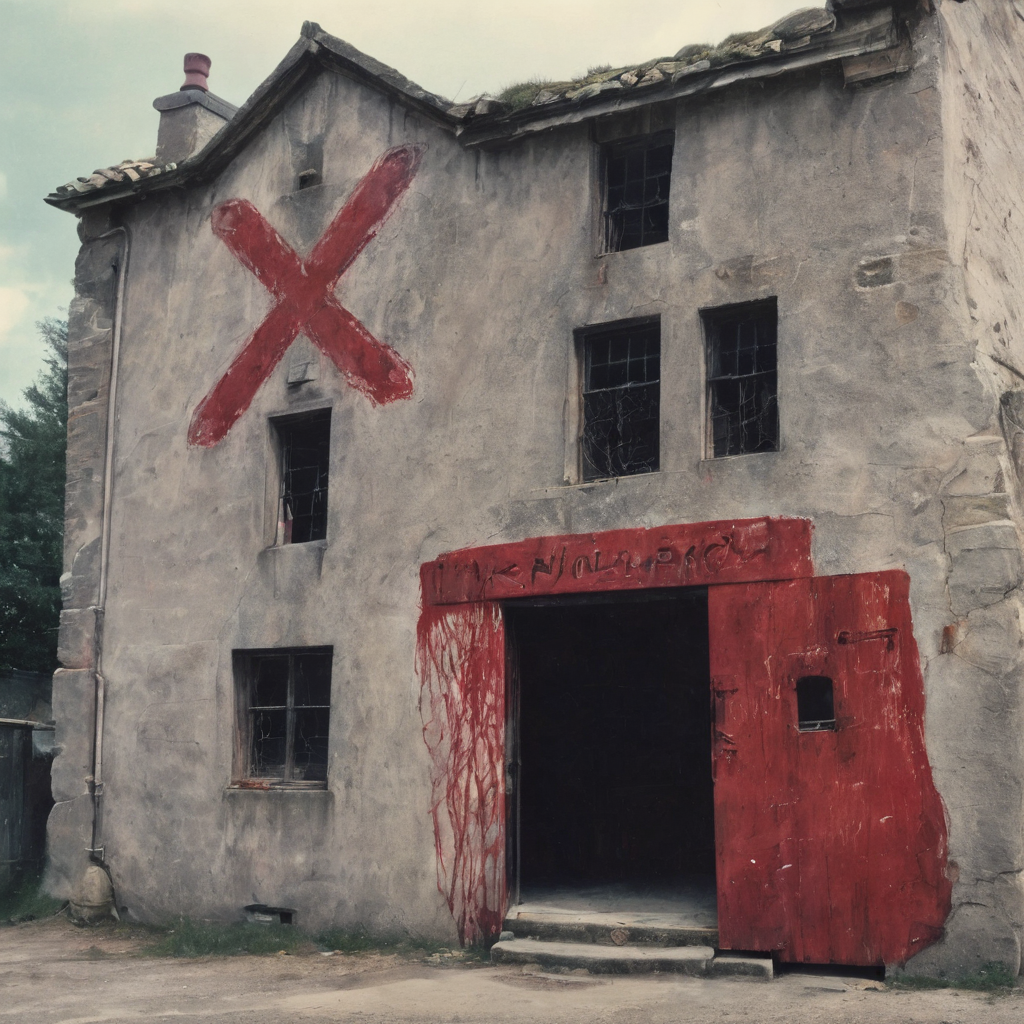
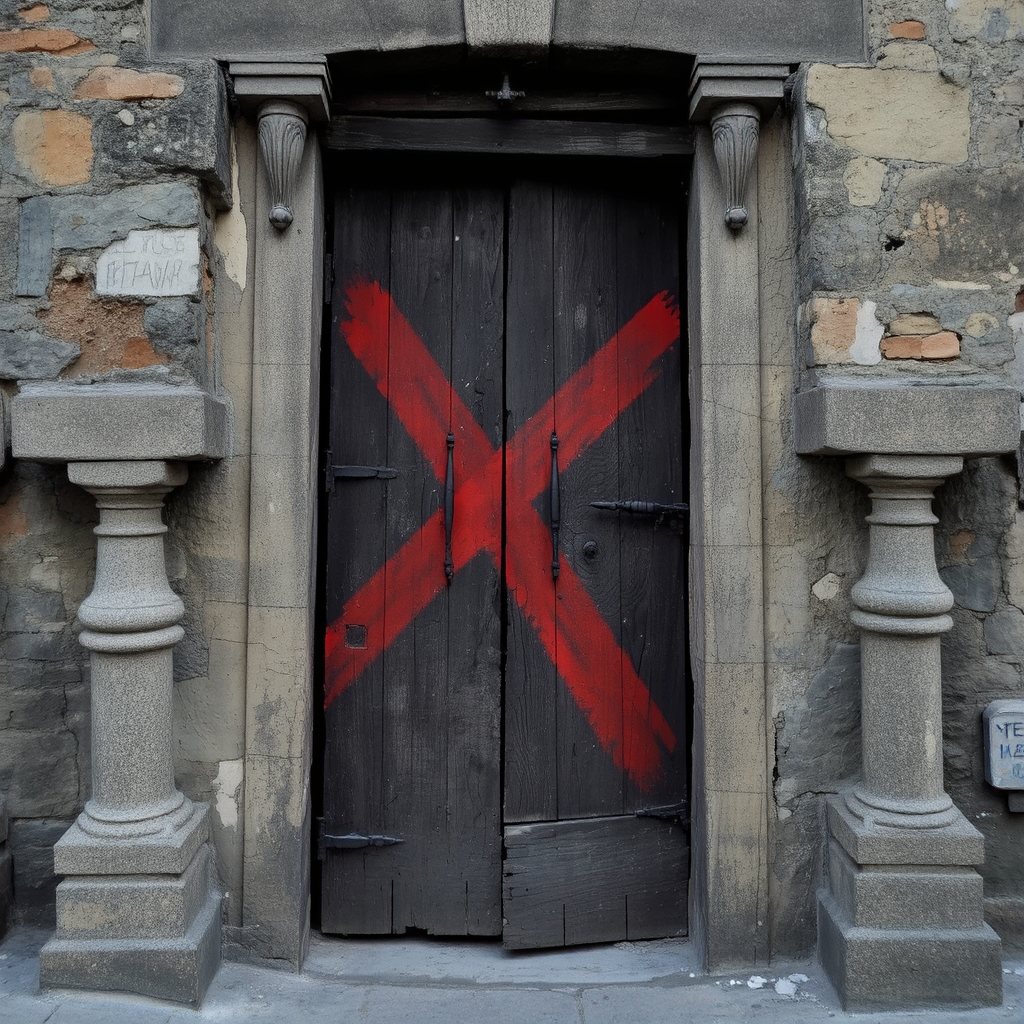
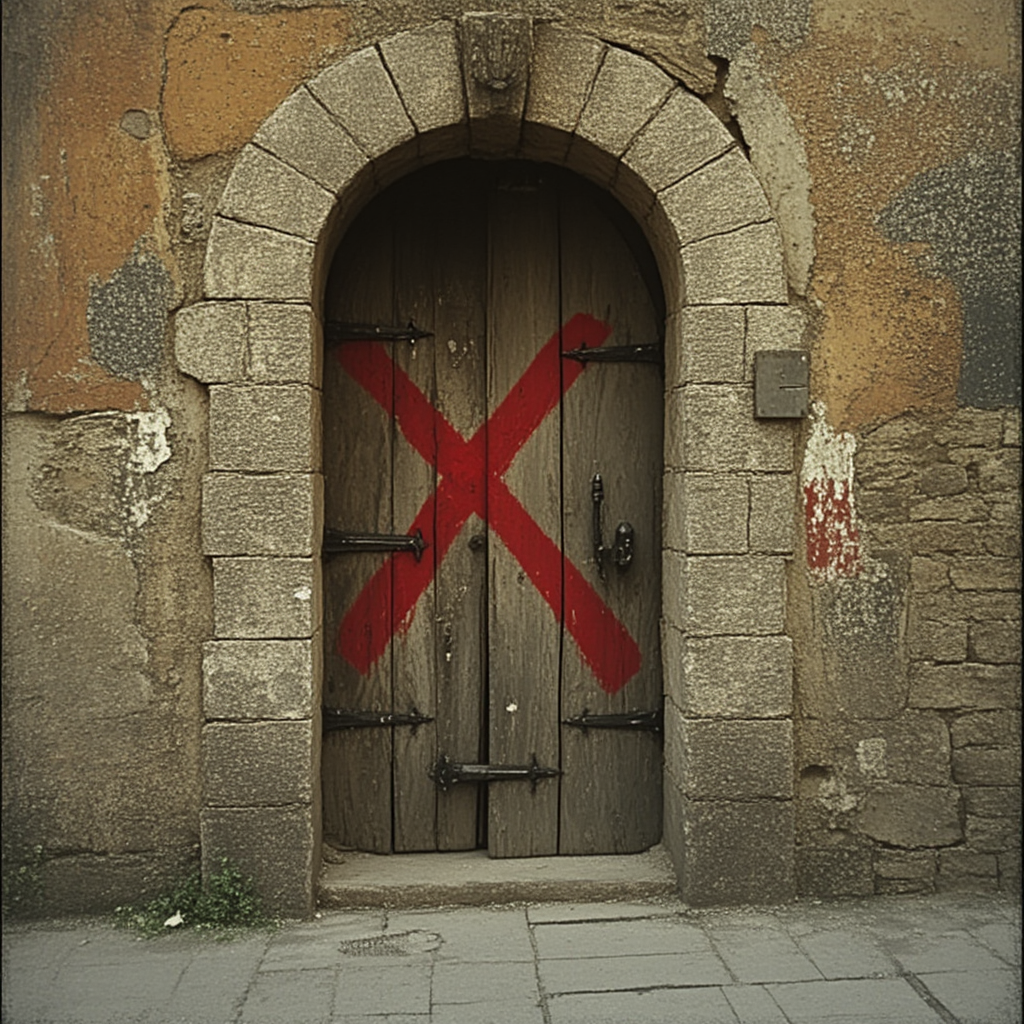
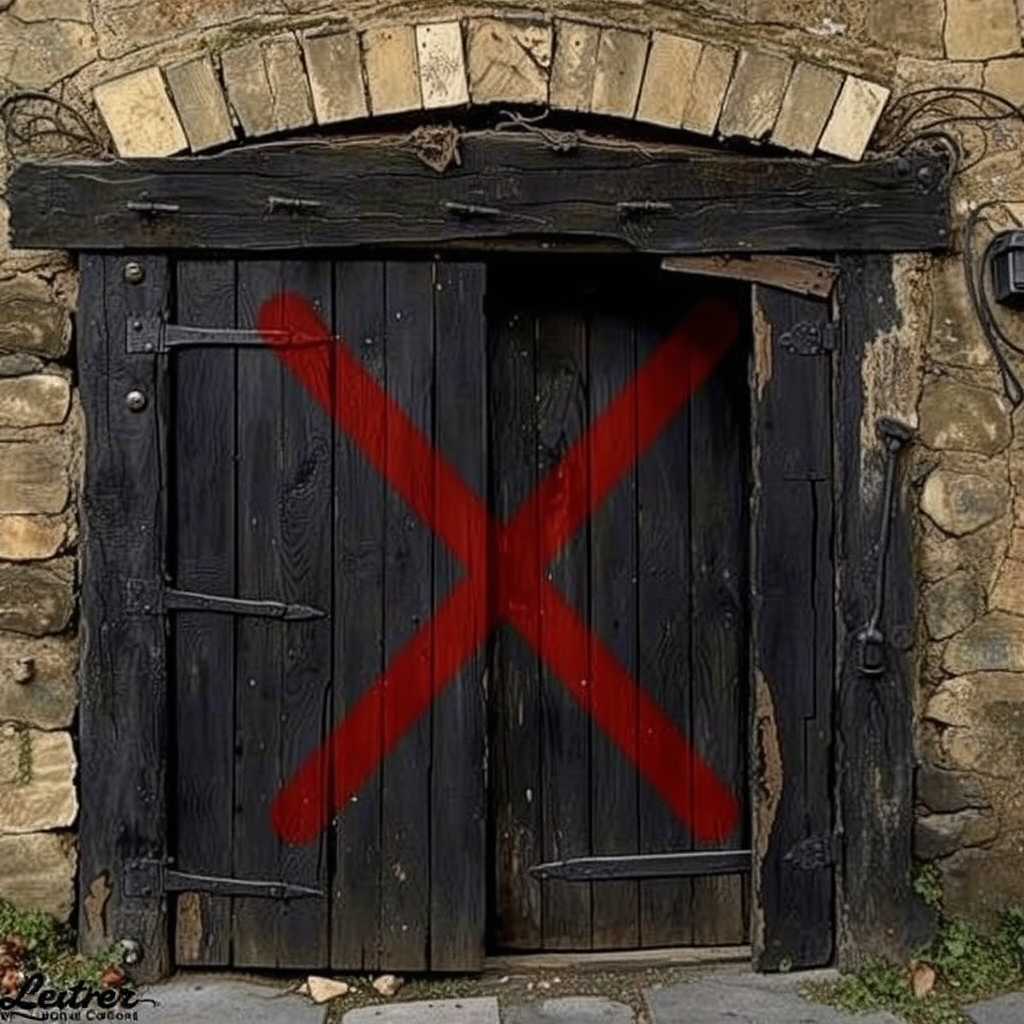
The tavern door’s been closed up Oh God
May this not open the door
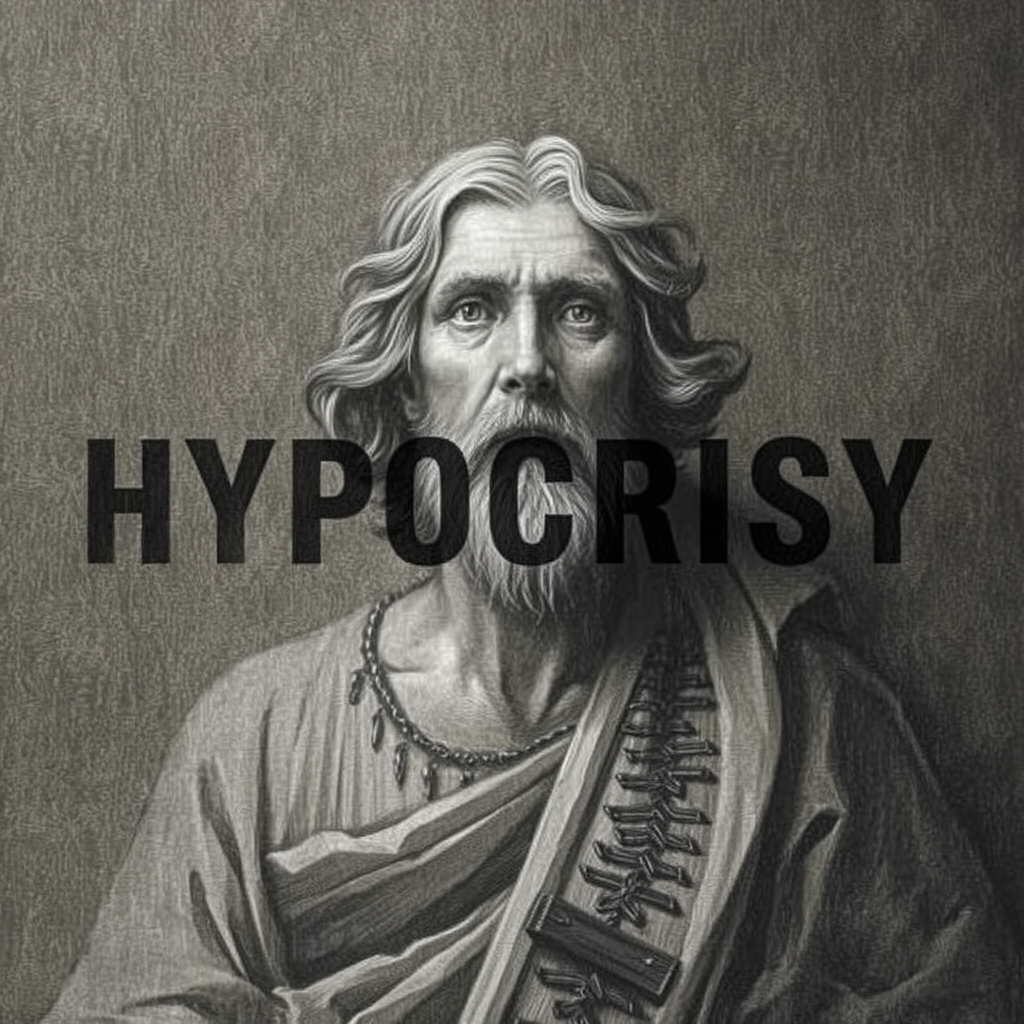
To the house of hypocrisy & lies
Some thoughts:
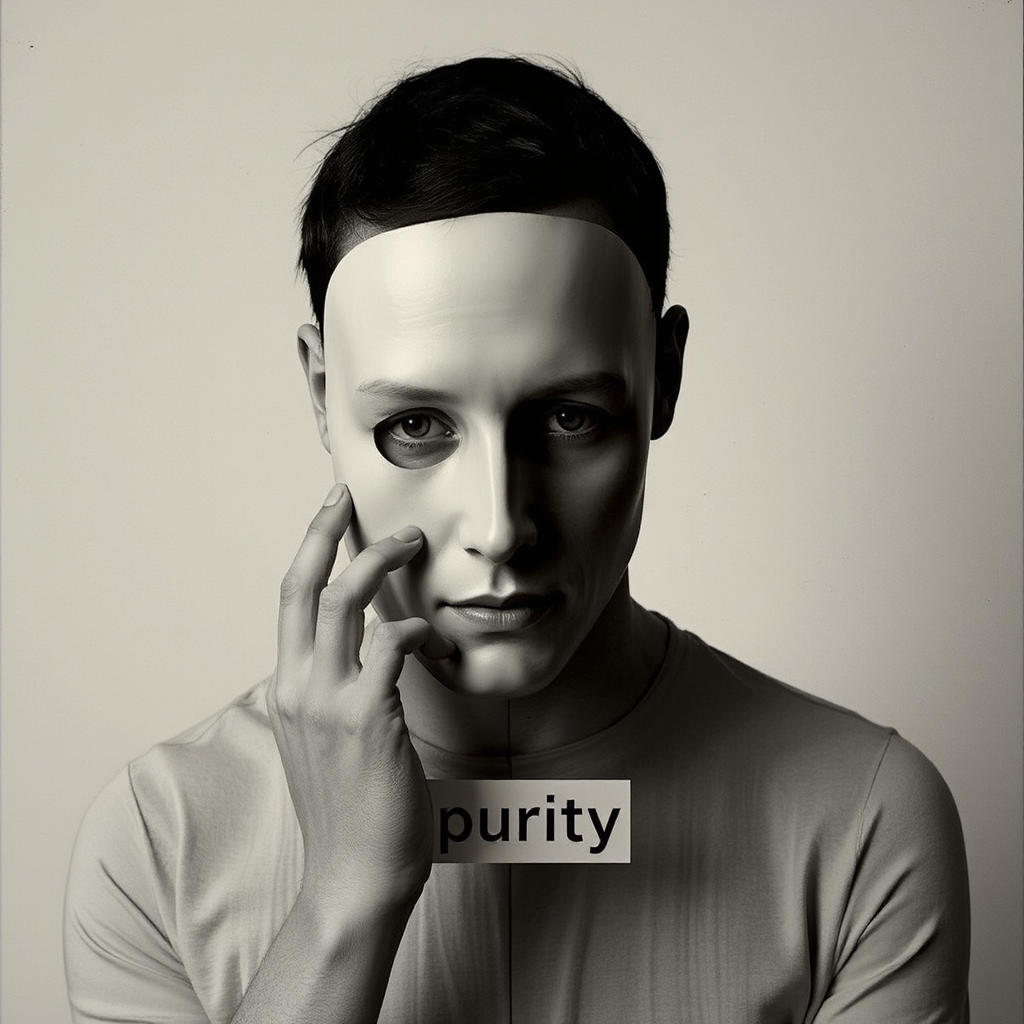
When morality is legislated harshly and too conservatively, Hafiz seems to be implying, the stage is set for inauthenticity and deception. When we judge others for their faults, weaknesses, or perceived sins, we are focusing in the wrong direction. Don’t we have our own lives that need work? “I would never…” is the common refrain of the hypocrite. Many different religious traditions have examples of spiritual greatness being found in unexpected moments that would be perceived by others as sinful or improbable.
The weaponizing of purity destroys authentic community and honest communication and instead creates an atmosphere of performative righteousness. Appearances become more important than vulnerability, truth, or freedom. Pretension takes the place of connection. Control replaces joy and expression. And obedience replaces love. People tend to lie more when they have to hide their true selves.
My Poem 15 (This is of course facetious, a picture of hypocrisy.):
Praise the Lord I am nothing like those sinners who break the law to provide for their families.
I would never because I was born here in the land of the free and am a good religious person of faith.
People should accept the fate they’ve been handed with grace and obedience instead of causing problems for everyone else.
You’ll never see me stealing resources for myself and taking advantage of a system that is too soft on thieves.
Hafiz. Hafiz’s Little Book of Life. Translated by Erfan Mojib and Gary Gach, Hampton Roads Publishing, 2023.
All images created by Rebekah Marshall’s prompts using AI on Gencraft.com website.
I am reading Hafiz’s Little Book of Life, poetry by Hafiz-e Shirazi. He is challenging me to become more comfortable with ambiguity. I will share his poem and some of my thoughts on his poem (sometimes with the help of experts when the concepts are too hard for me), followed by a poem and some art inspired by his poem.
Hafiz’s Poem 14:
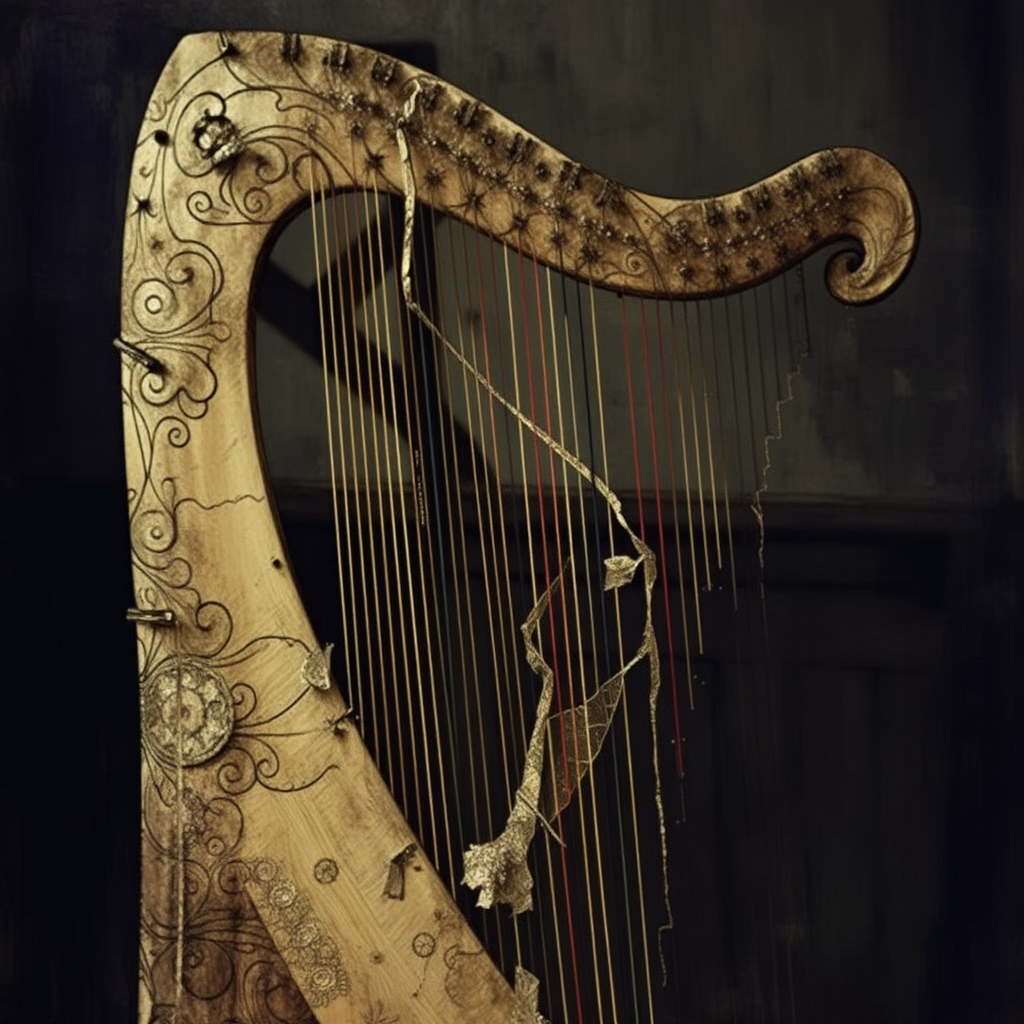
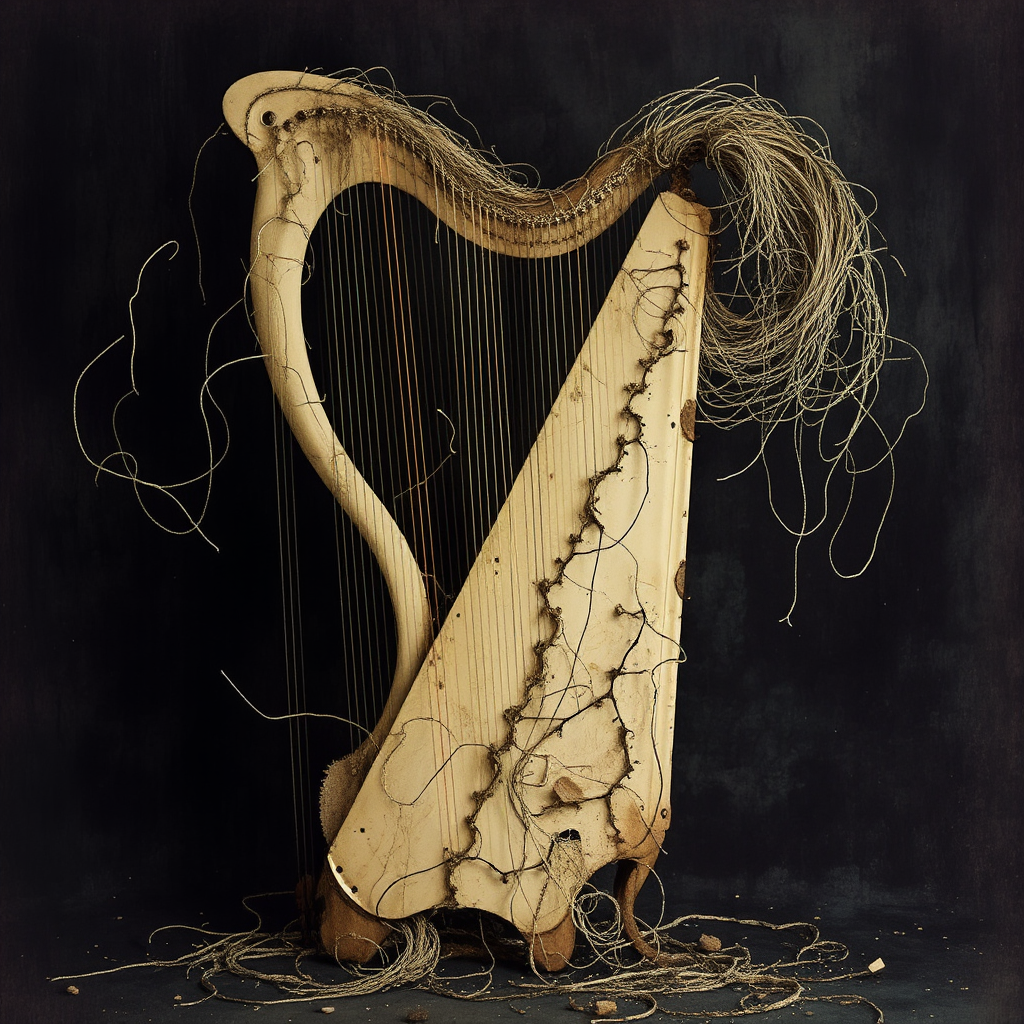
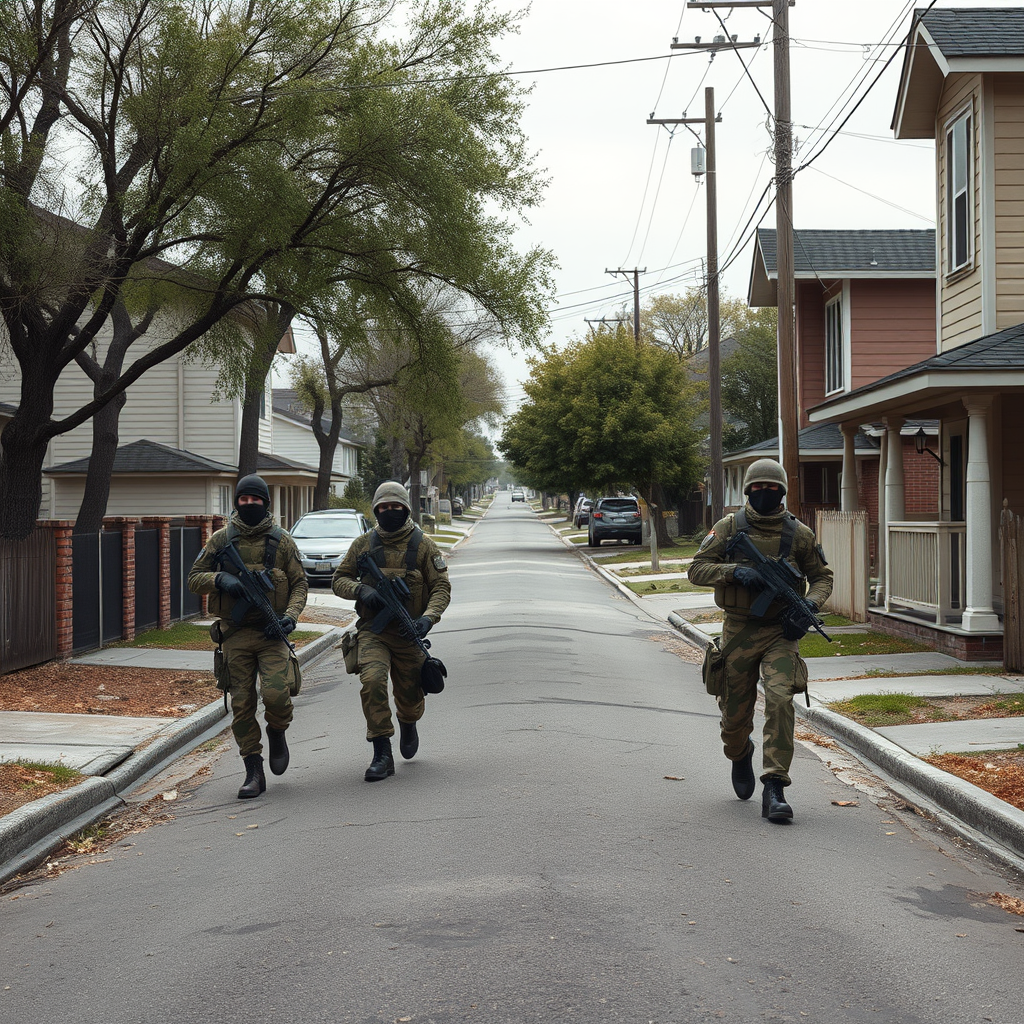
The chief cop
Has chopped off
The lovely hair
Of the harp
Some thoughts:
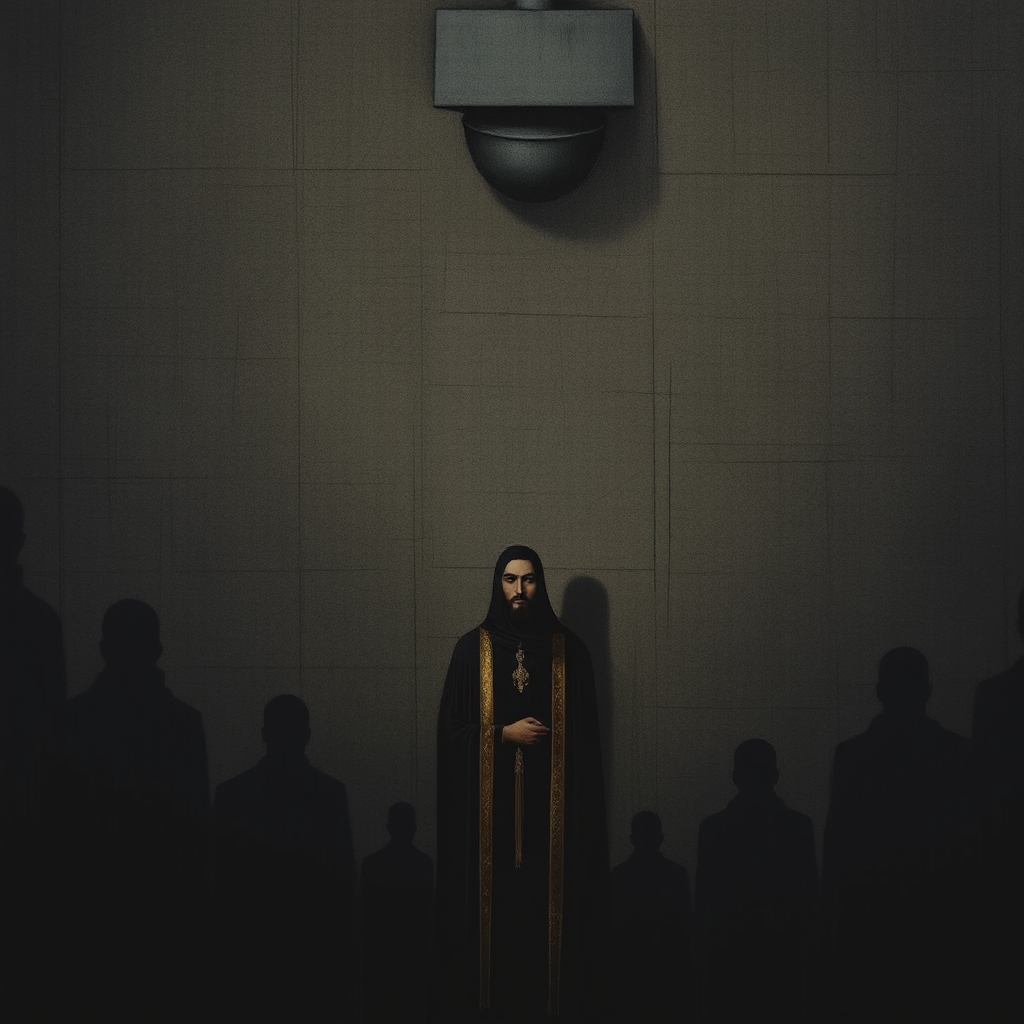
Whether literal or figurative, the imagery is breathtakingly sad. Some institutional authority figures or law enforcement representatives have stifled beauty, art, or freedom of expression. Quite literally, some depots during Hafiz’s time (and today) outlawed certain music, literature, art, plays, and performances that they deemed dangerous or anti-them. The banning of books, words, ideas, thoughts, and symbols is nothing new. It is as old as dictators, and simply vile. Cutting off the harp’s hair is an attempt to shame, silence, humiliate, and send a message of fear and warning to anyone else who might dare threaten defiance.
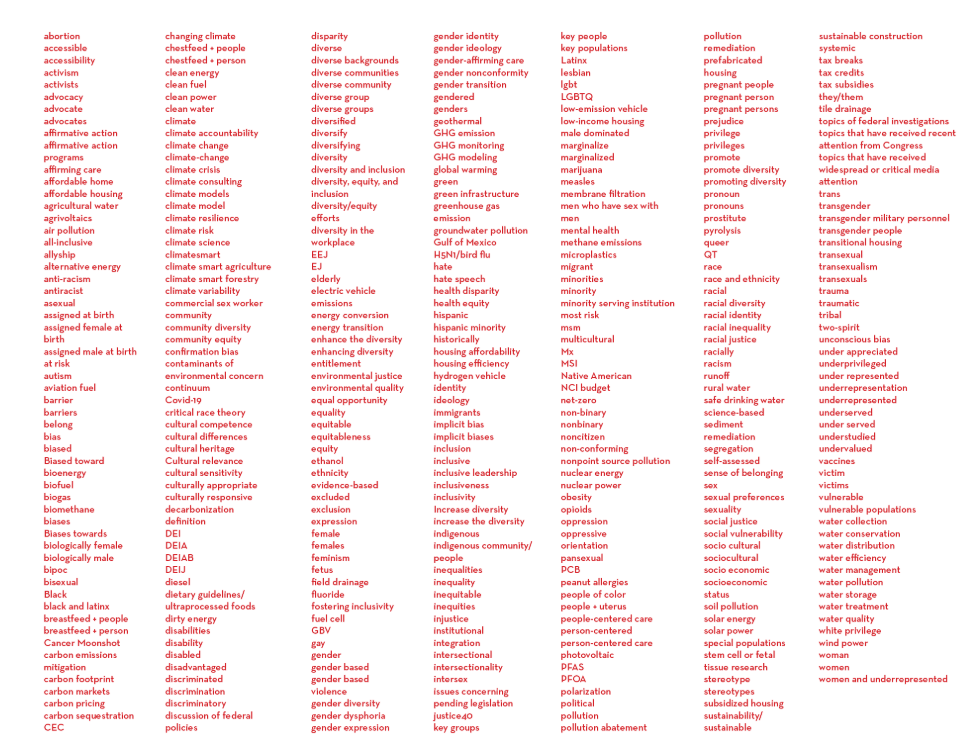
Some authority figures are going beyond art and music, to the banning of words they do not prefer because they are too inclusive, diverse, and gender-affirming. The following is a list of words the current Trump administration has instructed federal agencies to avoid in all official documentation (and reject if used on applications for grants.) Basically, these are “banned” words that cannot be used if you want federal funding.
My Poem 14:
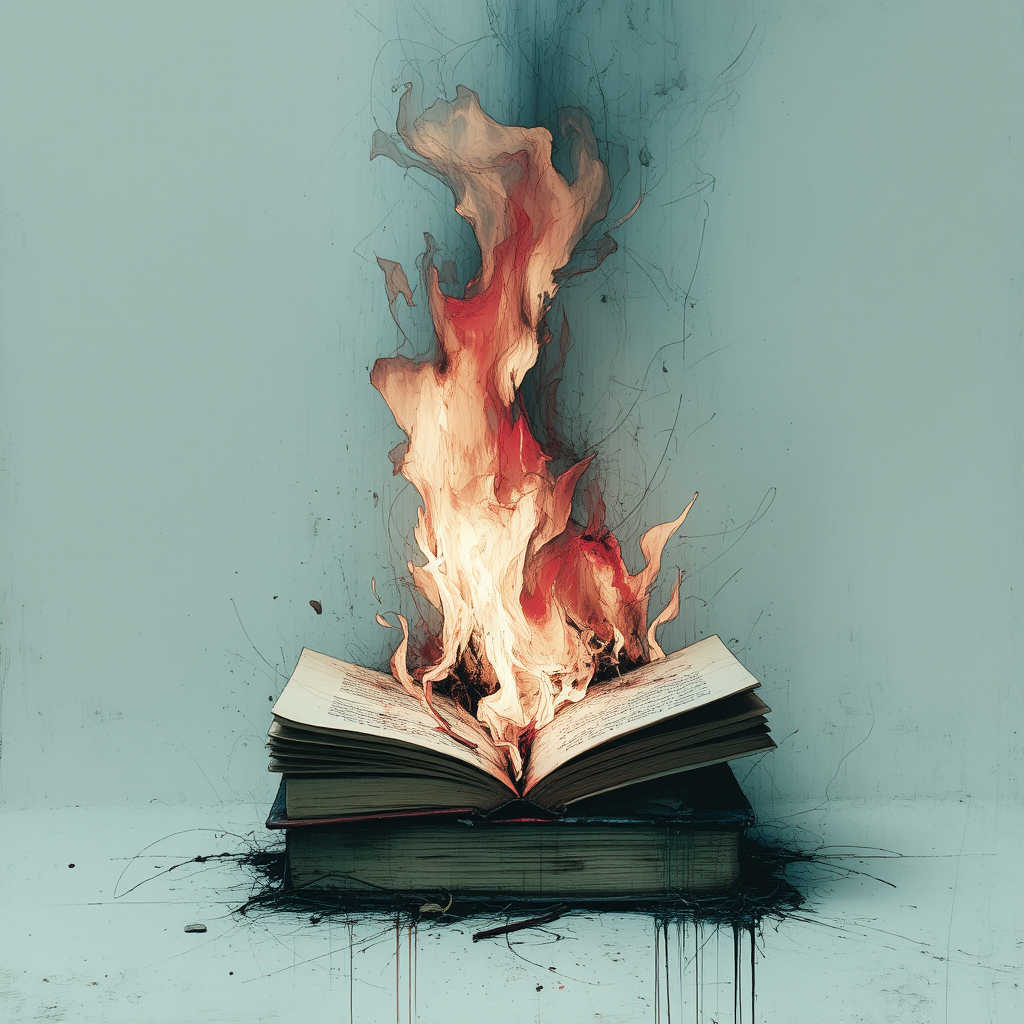
6,870 books were banned in public schools last year. These were all books on my Texas classroom library shelves: The Bluest Eye Toni Morrison Looking for Alaska John Green Wicked Gregory Maguire Life of Pi Yann Martel Lock and Key Sarah Dessen House of Night series P.C. Cast & Kristin Cast My Sister’s Keeper Jodi Picoult November Blues Sharon Draper Safe Haven Nicholas Sparks The Chocolate War Robert Cormier The Help Kathryn Stockett The House of the Scorpion Nancy Farmer Twilight Stephenie Meyer Walk Two Moons Sharon Creech Zorro Isabel Allende Sideways Stories from Wayside School Louis Sachar The House on Mango Street Sandra Cisneros 1984 George Orwell Gabi, a Girl in Pieces Isabel Quintero Native Son Richard Wright Speak Laurie Halse Anderson Scrub and sanitize, whitewash the outside of the tombs. The children will have to teach themselves the truth outside the hallowed public school halls. They know intuitively the stench of lies beneath the flowers and perfume, and your bans only increase their curiosity.
Hafiz. Hafiz’s Little Book of Life. Translated by Erfan Mojib and Gary Gach, Hampton Roads Publishing, 2023.
All images created by Rebekah Marshall’s prompts using AI on Gencraft.com website.
I am reading Hafiz’s Little Book of Life, poetry by Hafiz-e Shirazi. He is challenging me to become more comfortable with ambiguity. I will share his poem and some of my thoughts on his poem (sometimes with the help of experts when the concepts are too hard for me), followed by a poem and some art inspired by his poem.
Hafiz’s Poem 12:
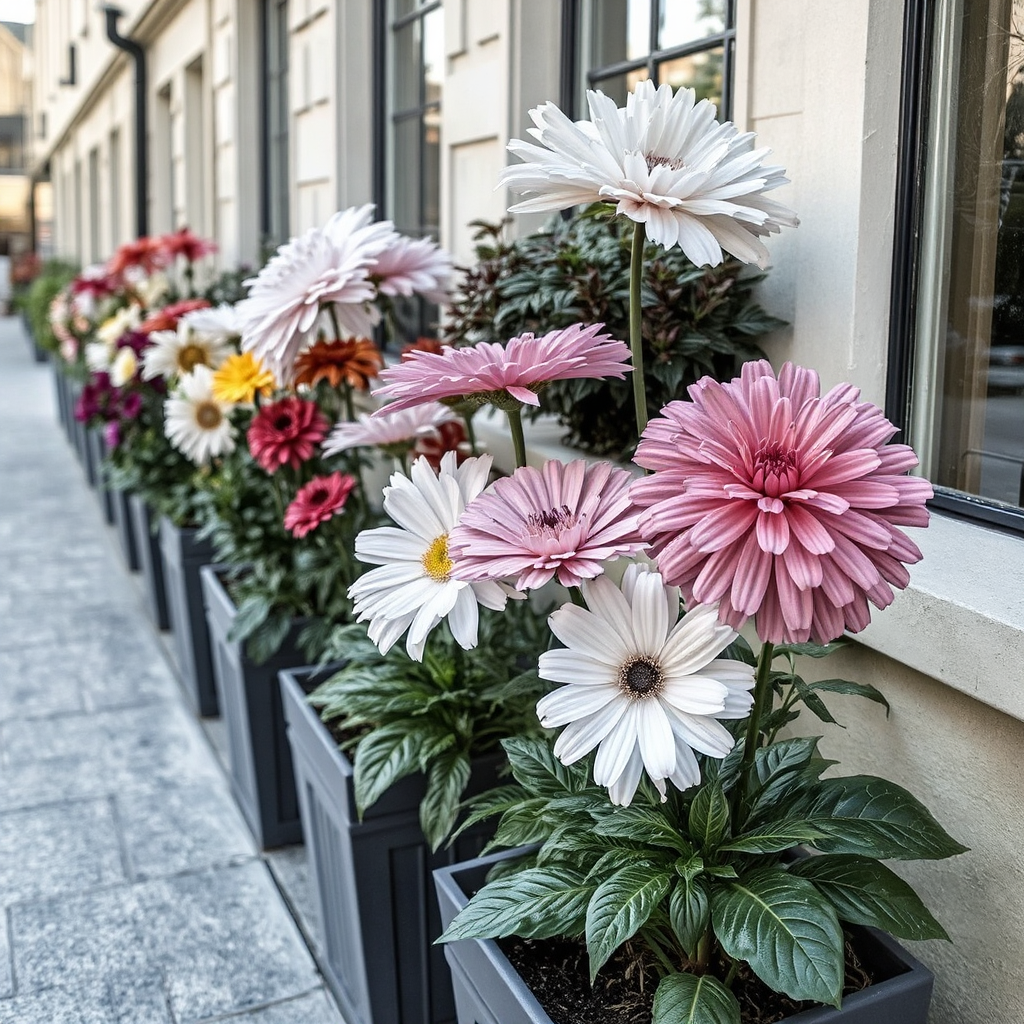
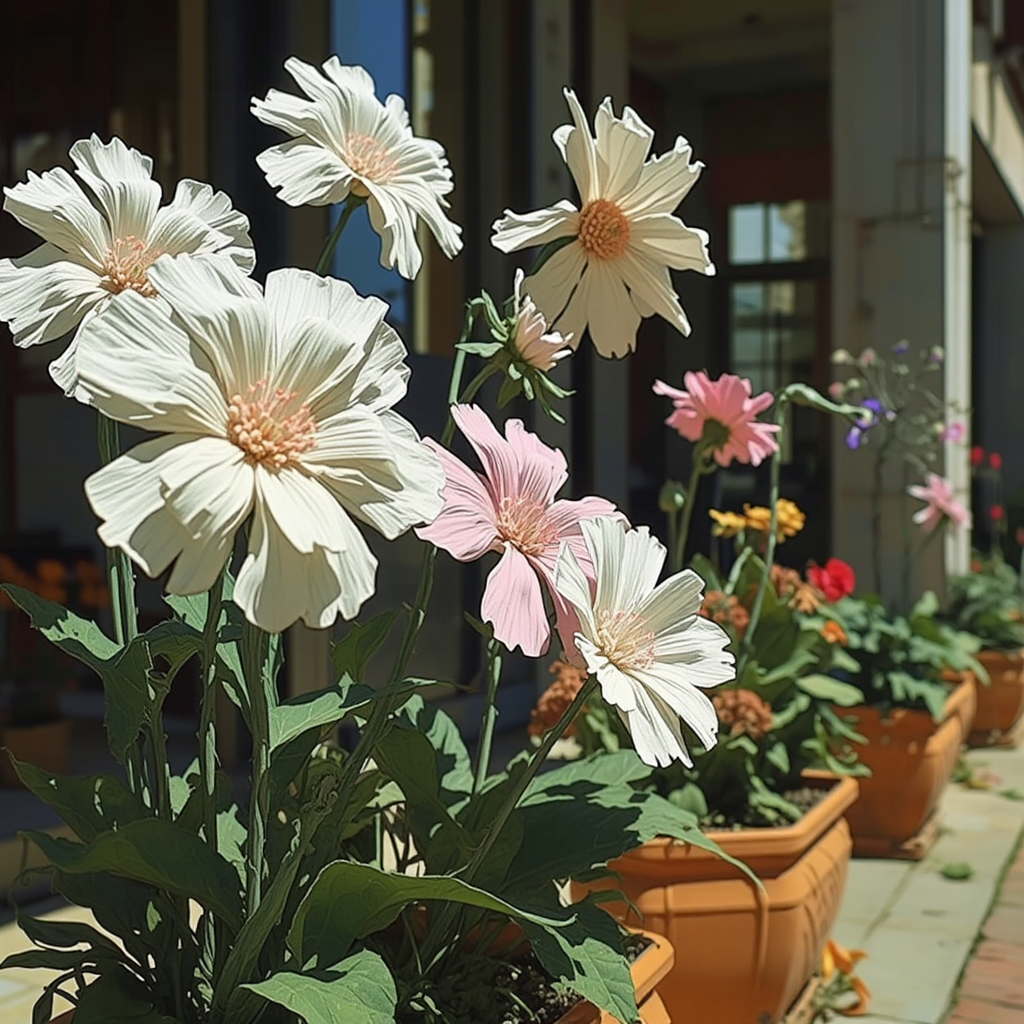
I behold hundreds of thousands of flowers
Yet no bird sings –
Where have the birds all gone
& what happened to the nightingales
Some thoughts:
The absence of birdsong is unnatural. Seeing the beauty of outside, surrounded by flowers, soaking in the loveliness…and suddenly an uncomfortable sensation prickles the hair at the nape of the neck. We are coded genetically or ancestrally or instinctively to sense danger when the birds fall silent. And when do birds disappear (or at least hide in their nests)? When predators make the environment unsafe, unnatural events are taking place, or acts of God are about to be unleashed. I also read that birds sometimes decrease their presence and/or singing when they recognize that they are being watched. It is probably because the watching equates to potential predation, but it makes me wonder if increased surveillance in the form of cameras and other recording equipment interrupts their lifestyles.
Nightingales are some of the most singingest singers of the bird kingdom. They can make over 1,000 different sounds and males desperate to find a mate have been observed singing through an entire night. Their songs can reach 90 decibels and some know up to 260 different songs they can sing. In many literary contexts, nightingales represent the lover, the poet, the truth-teller, the one who sings no matter what. If even they have been silenced, we should be concerned. Hafiz may be speaking literally about human encroachment on nature with structural advancements and technological progress. But he could also be speaking metaphorically about oppression and the result of silencing freedom of speech. It is a false beauty that demands absolute obeisance.
My Poem 12:
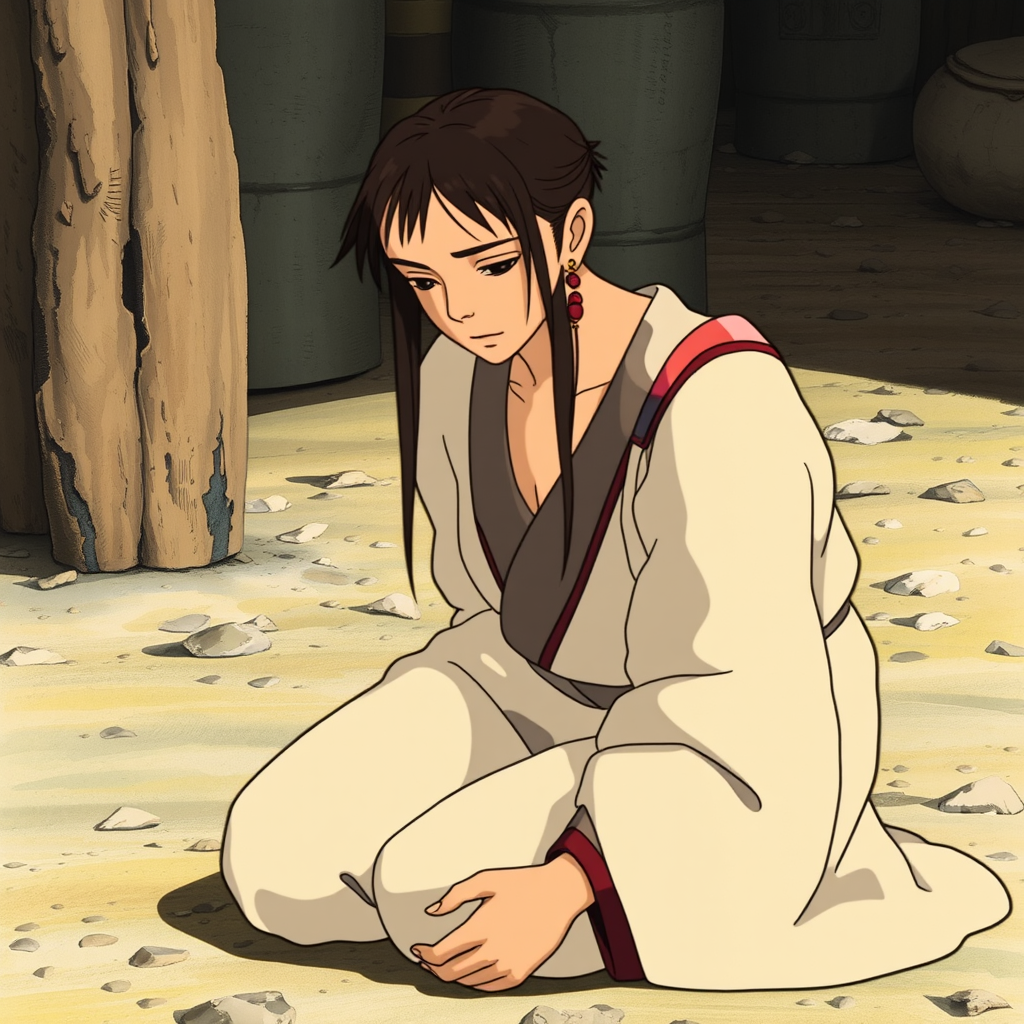
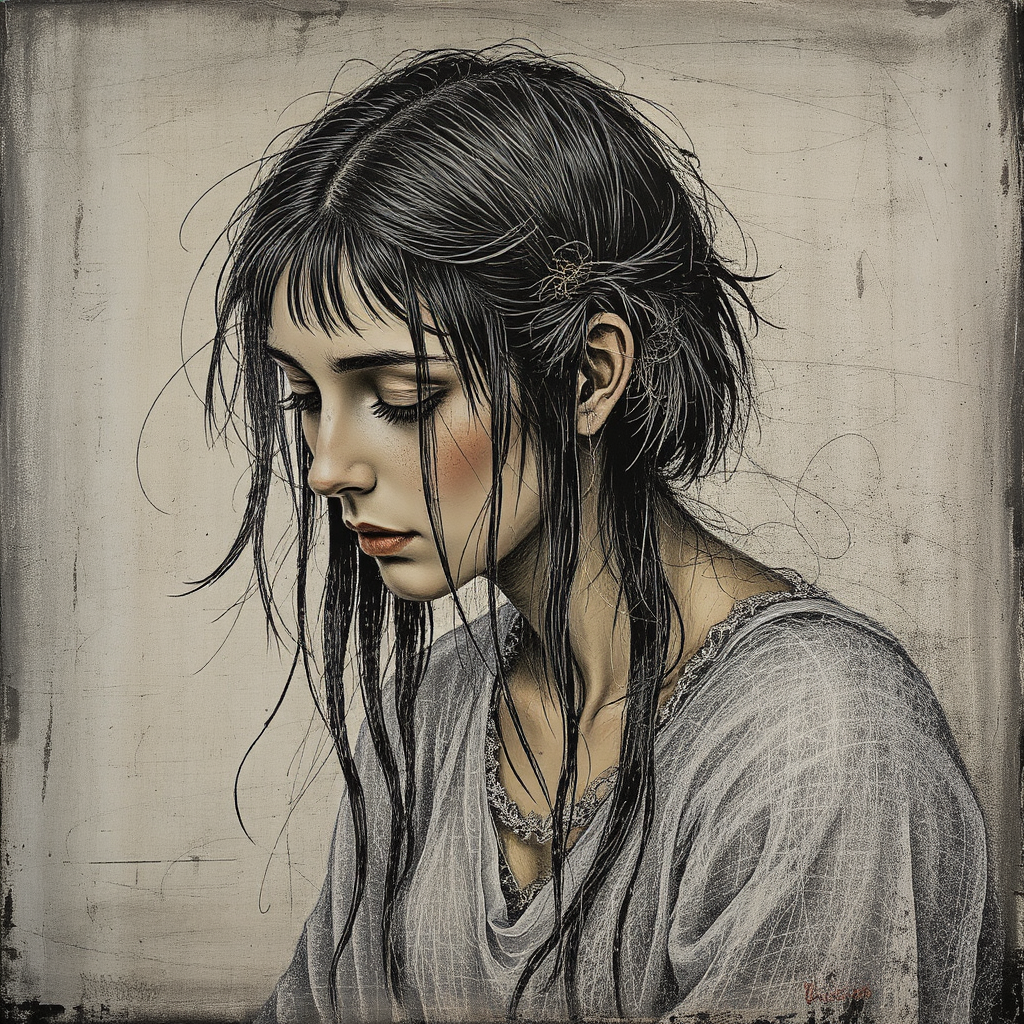
Sing for those in hiding, doors barred by fear of discovery. Sing for those who are crying for their loved ones pulled away.
Sing for those out marching to speak up for the ones who can’t. Sing for those just starting to realize the sickening truths.
Sing for those who’ve been taken, whose futures are perilously unknown. Sing for those who will not awaken because their lives were stolen.
Hafiz. Hafiz’s Little Book of Life. Translated by Erfan Mojib and Gary Gach, Hampton Roads Publishing, 2023.
All images created by Rebekah Marshall’s prompts using AI on Gencraft.com website.
I am reading Hafiz’s Little Book of Life, poetry by Hafiz-e Shirazi. He is challenging me to become more comfortable with ambiguity. I will share his poem and some of my thoughts on his poem (sometimes with the help of experts when the concepts are too hard for me), followed by a poem and some art inspired by his poem.
Hafiz’s Poem 10:
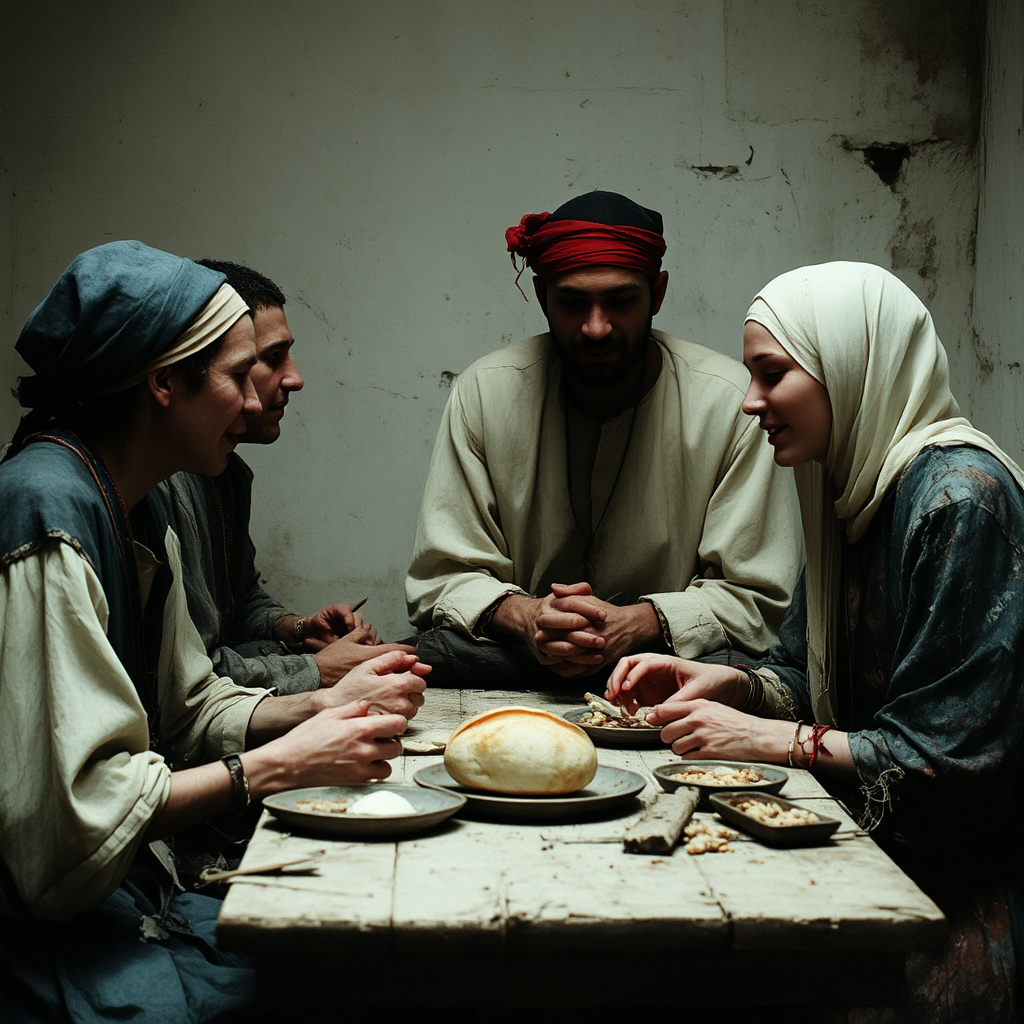
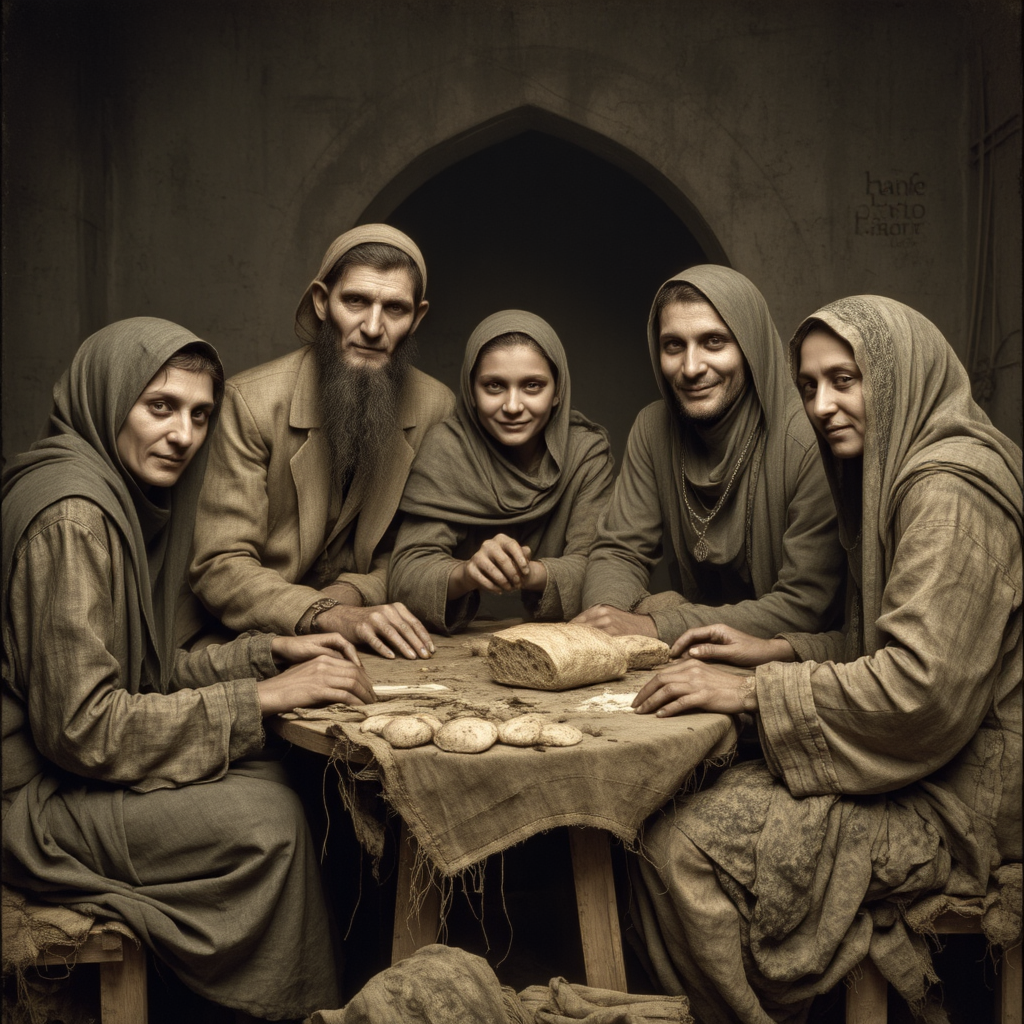
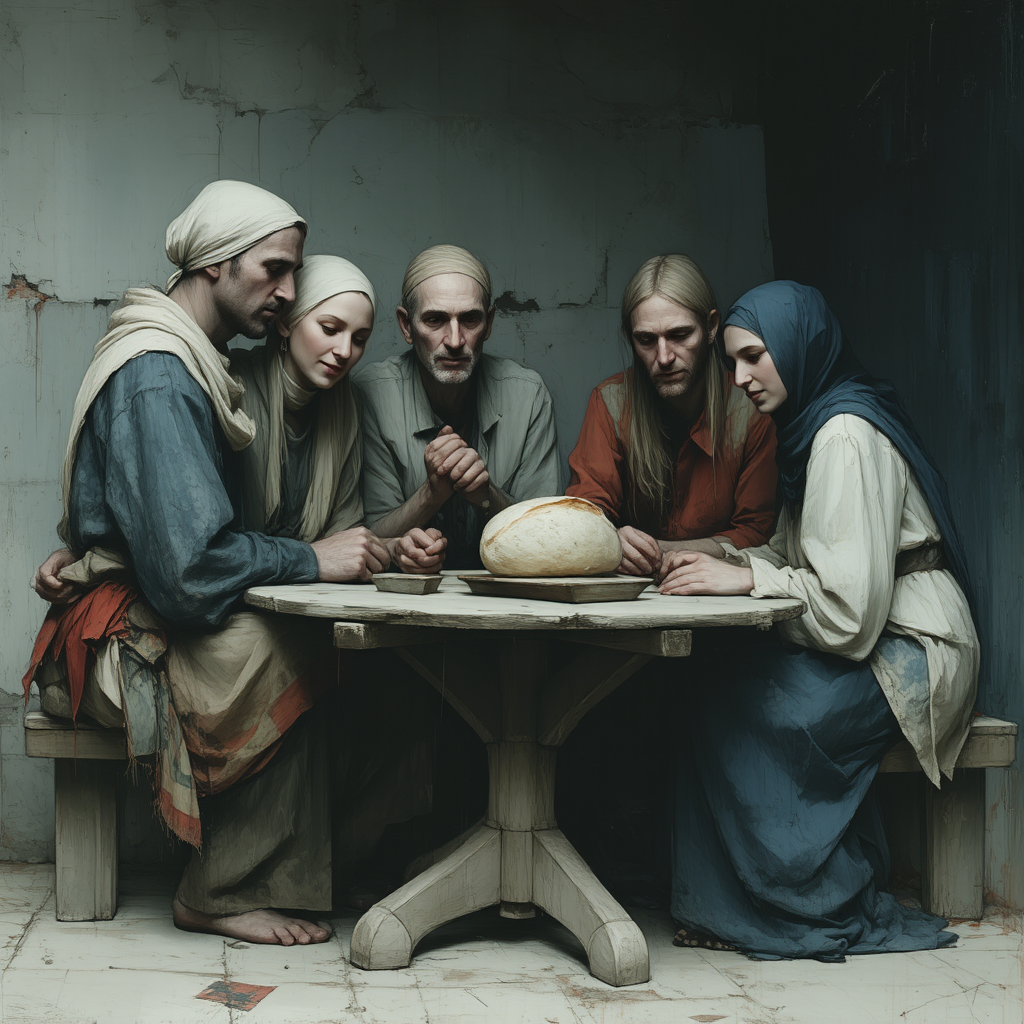
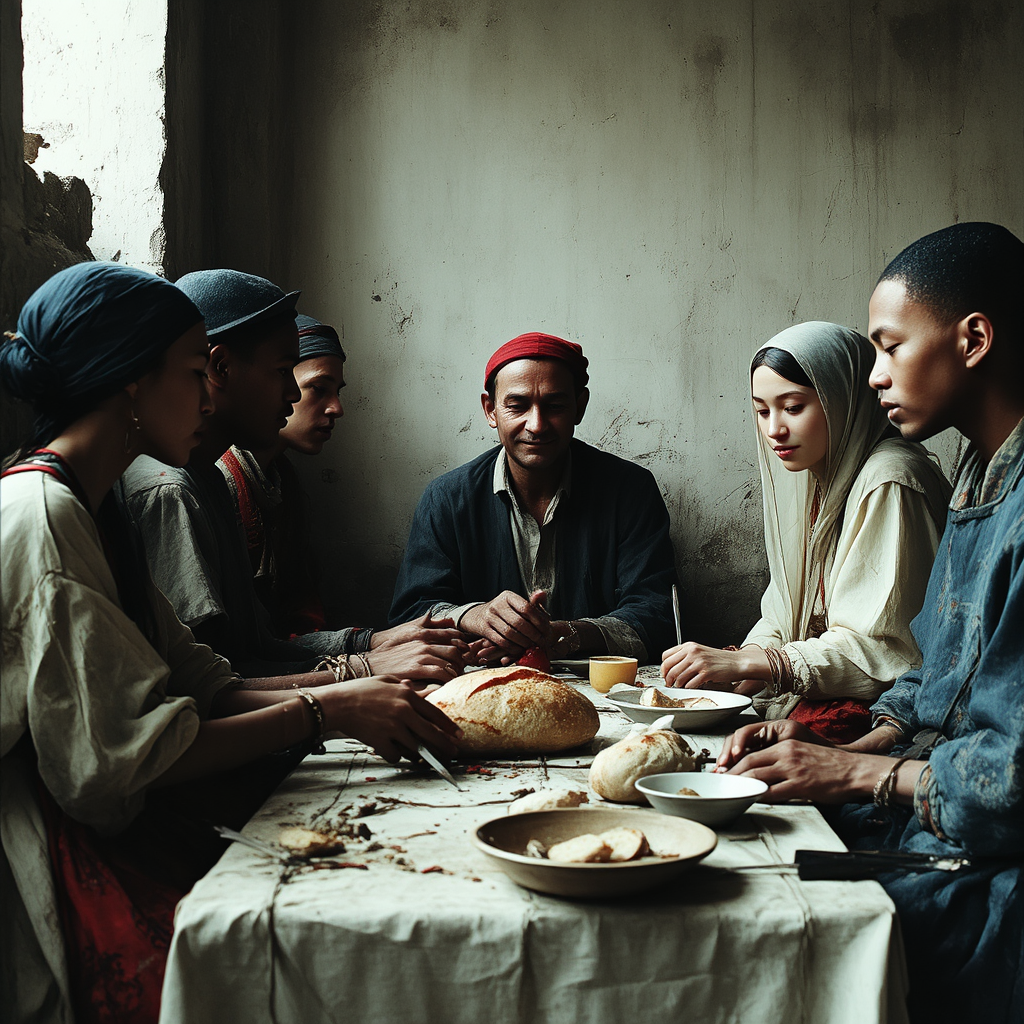
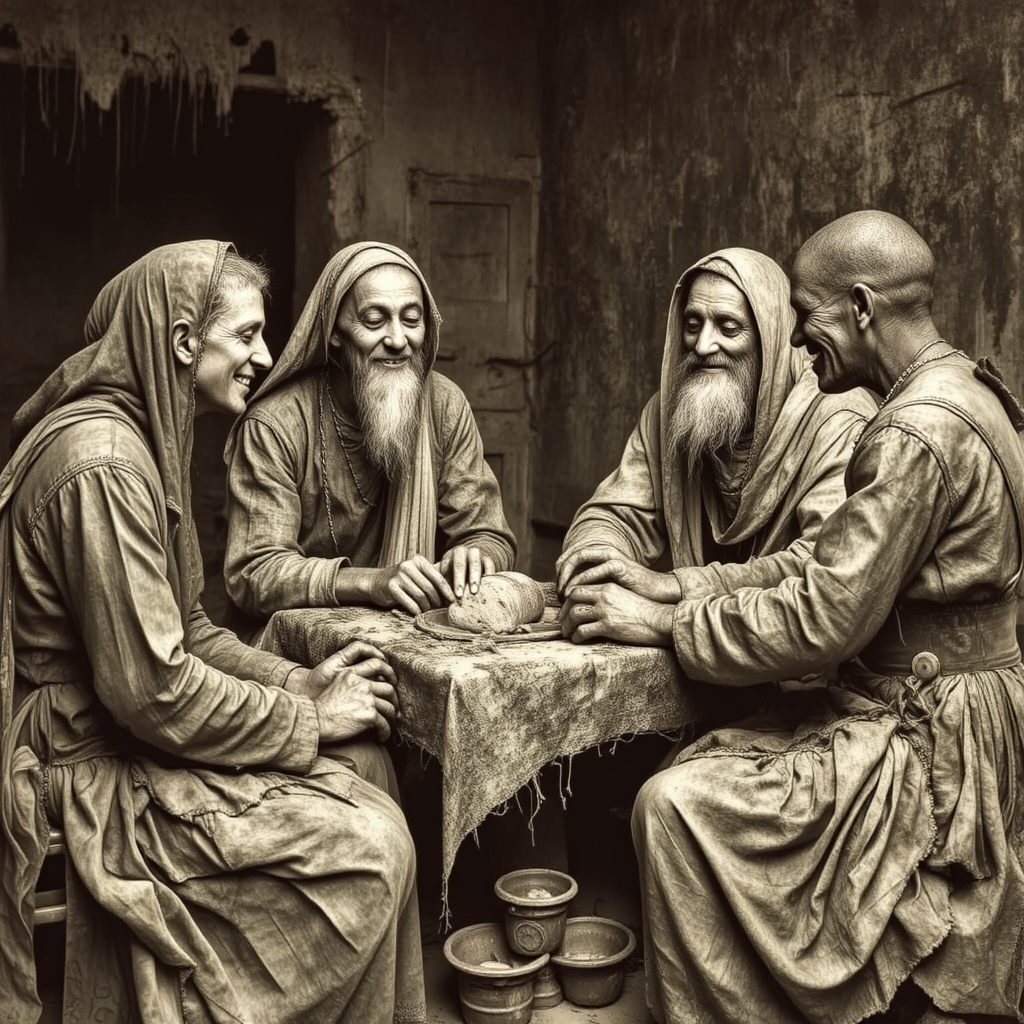
We aren’t about to beg
For the sake of our daily bread
Go tell His Majesty
We’re doing fine without him
Some thoughts:
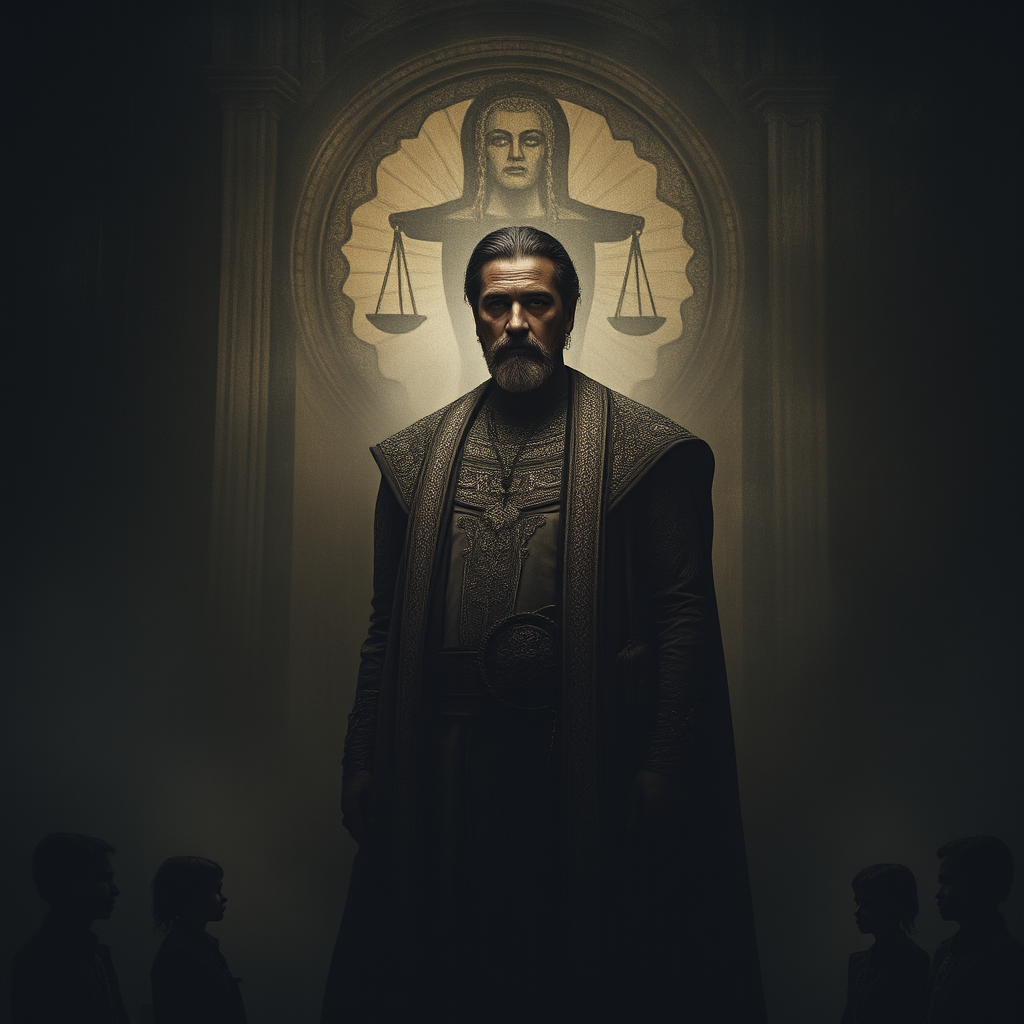
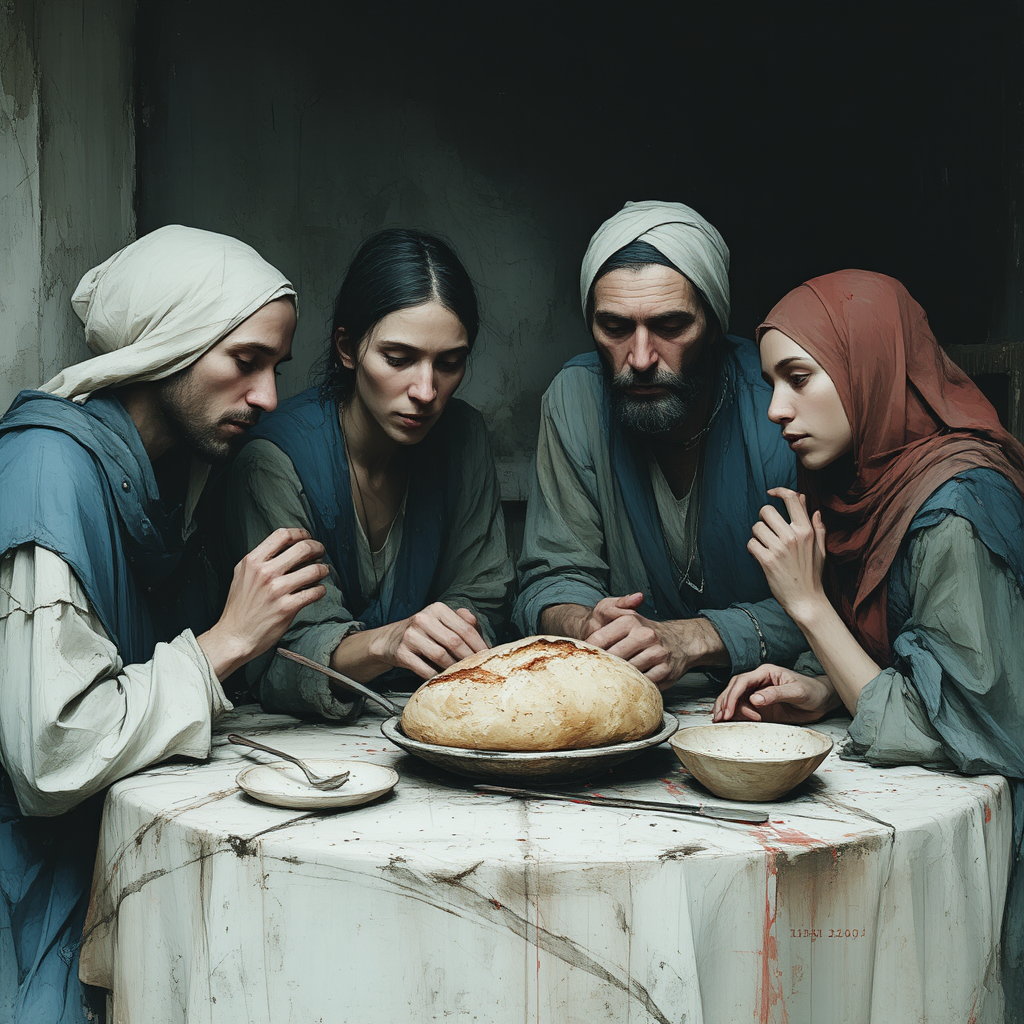
Dang! Hafiz. This poem is brave. I don’t know which ruler’s reign it was written during, but it must have been one of the more despicable ones. Hafiz is obviously not impressed with the implied demand that the people submit through fear and desperation to authority. For even something as crucial as sustenance, Hafiz would rather starve than accept handouts from a despot.
He is refusing to bend the knee before false sympathy. His is a peaceful protest rejecting humiliation, rejecting any part in a tyrannical system, and projecting calm resolve. And why does His Majesty (I can almost feel the air quotes around the title) have all the bread anyway? Why is he hoarding what the people need? Hmmmmm…sounds a little suspect. These poems are starting to feel pretty too close to home right now.
My Poem 10:
Your excuses no longer pacify. Your explanations make less than no sense. Your arguments don’t hold water. Your rationales beg the question. Your reasonings are oversimplification. Your conclusions are flawed. Your justifications are red herrings. Your premises are based on hate. Your convictions are built on self-righteousness. Your desires are constructed by greed. Your claims are predicated on nonsense. Your logic is unsound. Your beliefs are heinously evil. Your rhetoric is embarrassing. Your legacy will be accurately remembered by those who observe, take note, and record.
Hafiz. Hafiz’s Little Book of Life. Translated by Erfan Mojib and Gary Gach, Hampton Roads Publishing, 2023.
I am reading Hafiz’s Little Book of Life, poetry by Hafiz-e Shirazi. He is challenging me to become more comfortable with ambiguity. I will share his poem and some of my thoughts on his poem (sometimes with the help of experts when the concepts are too hard for me), followed by a poem and some art inspired by his poem.
Hafiz’s Poem 1:
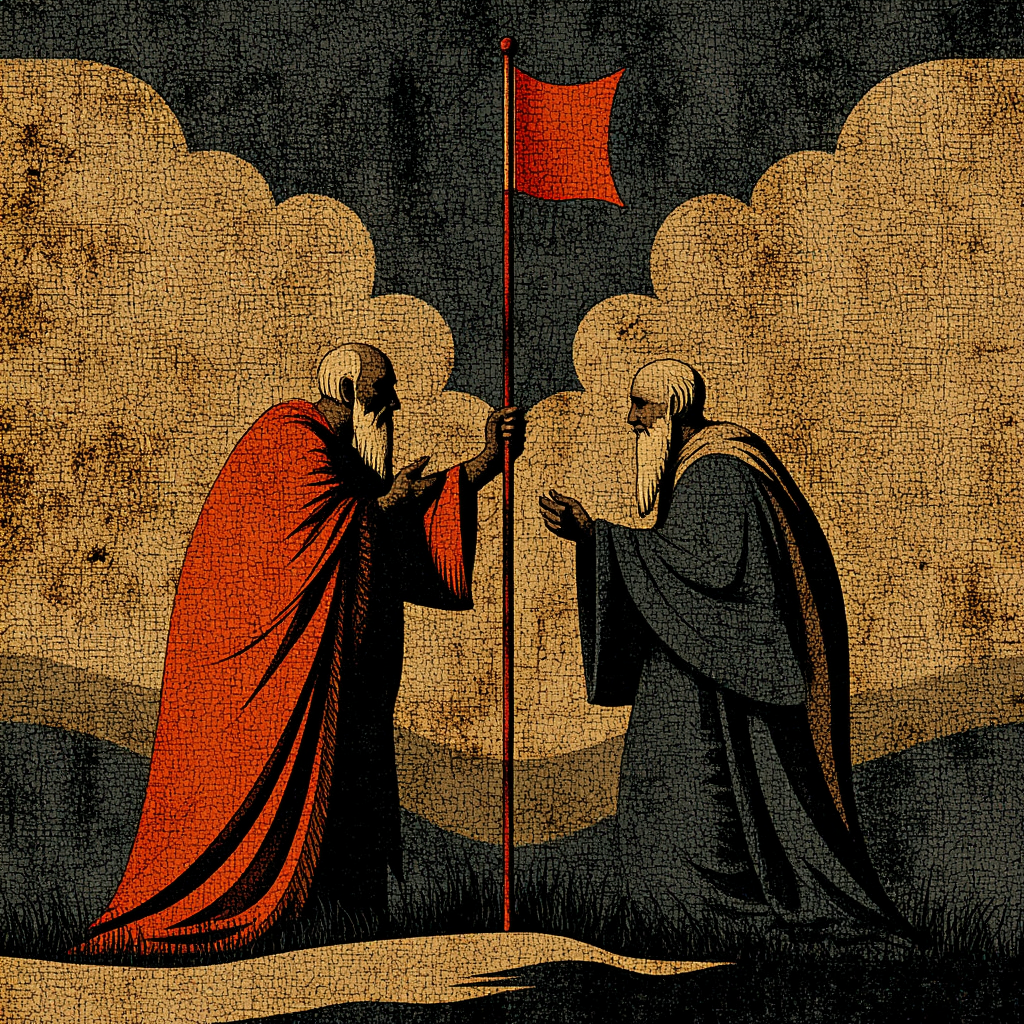
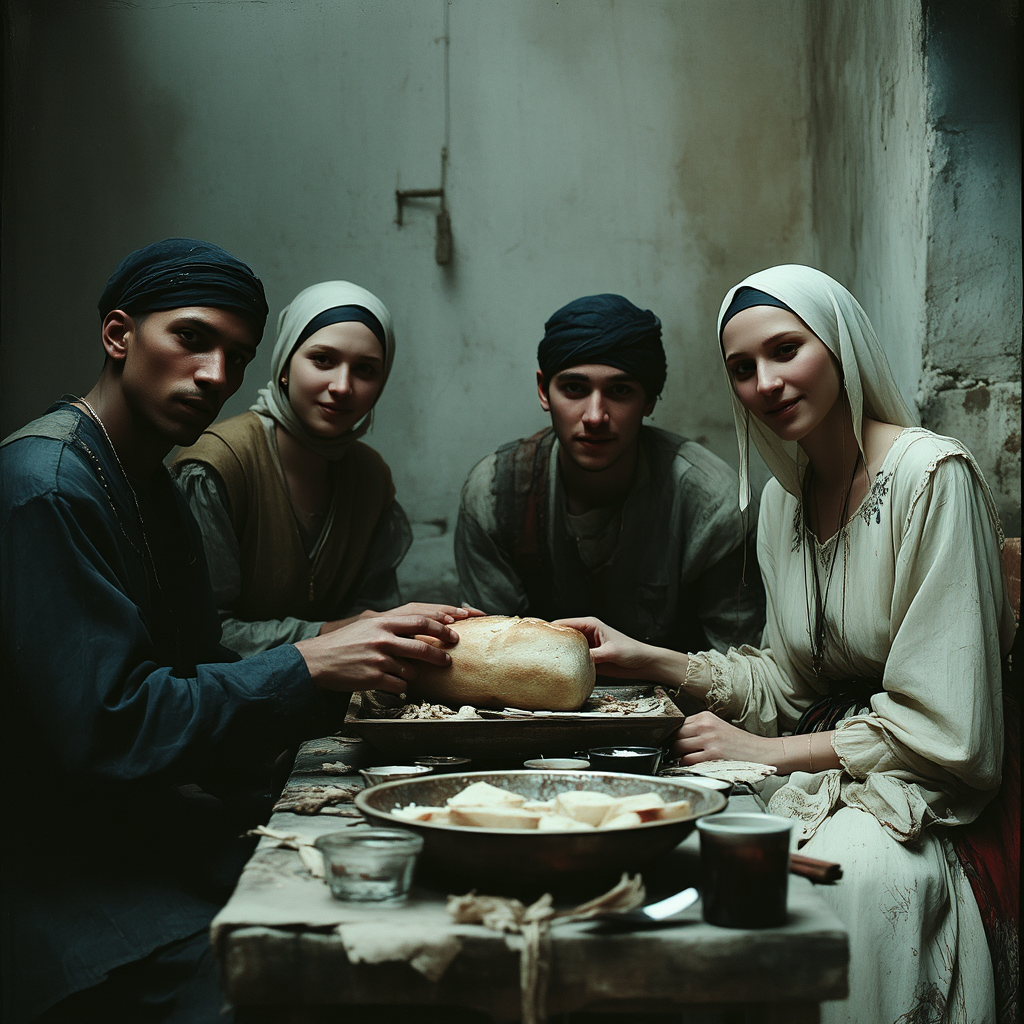
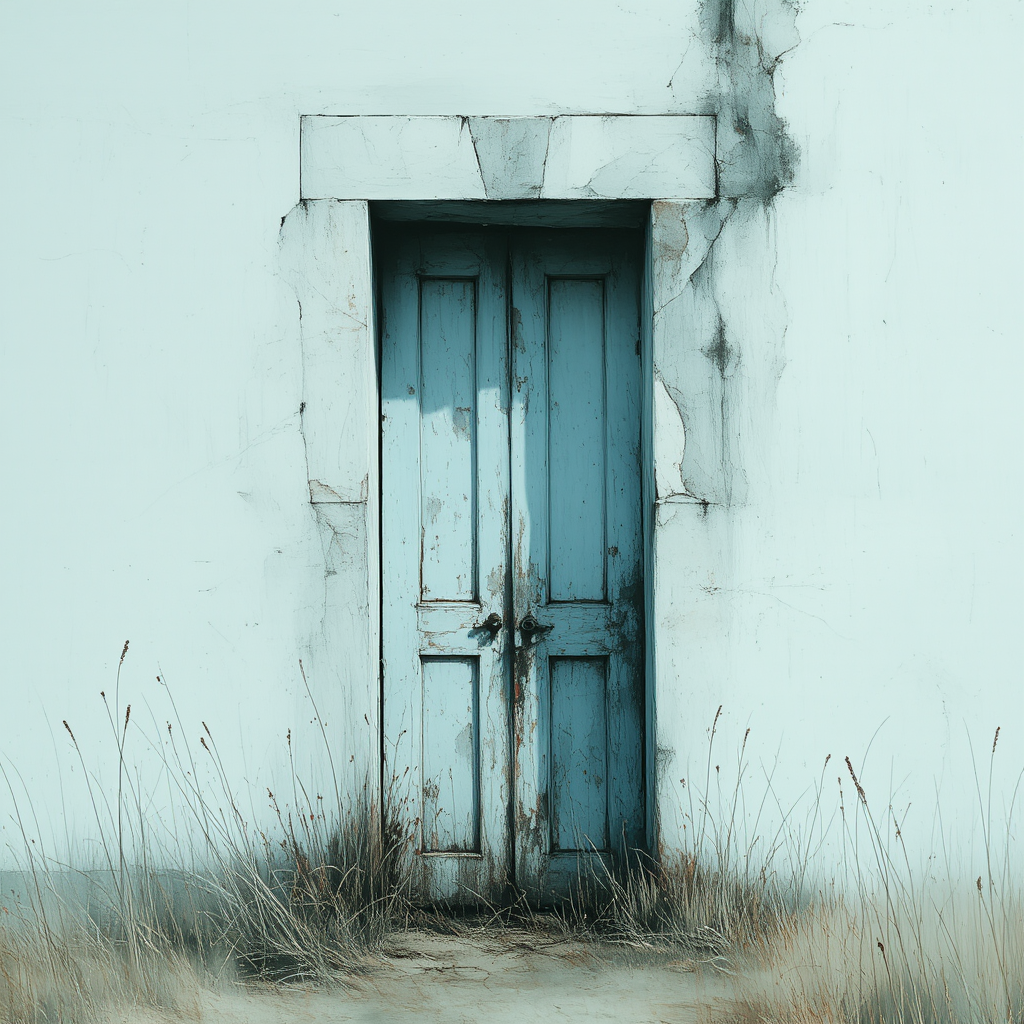
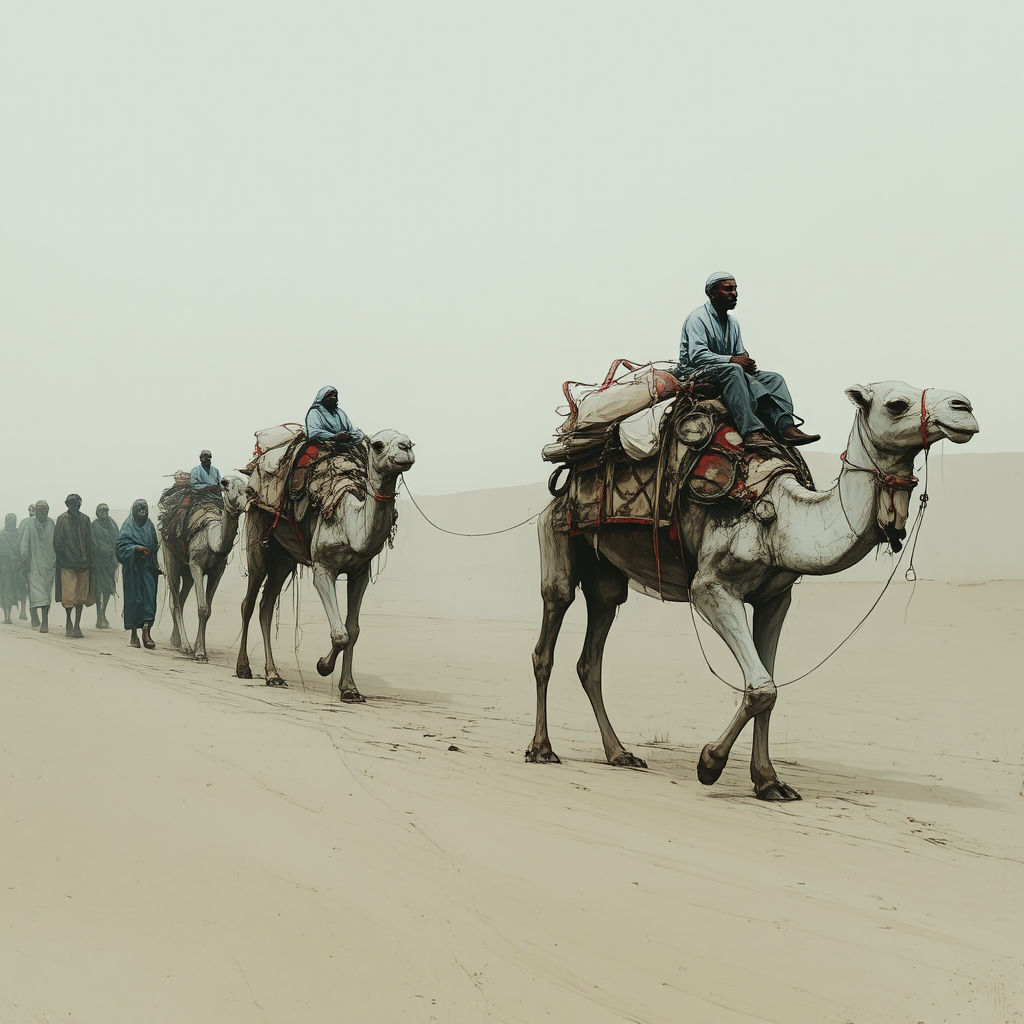
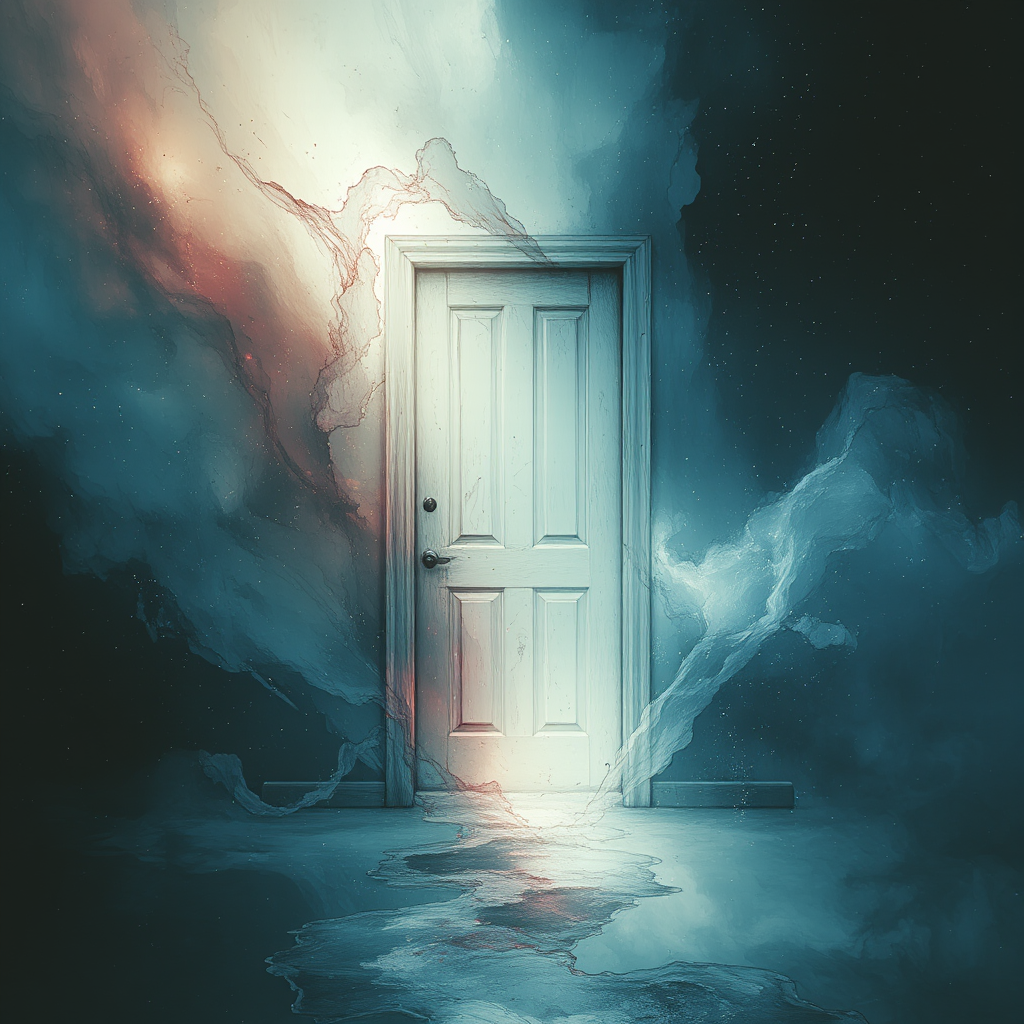
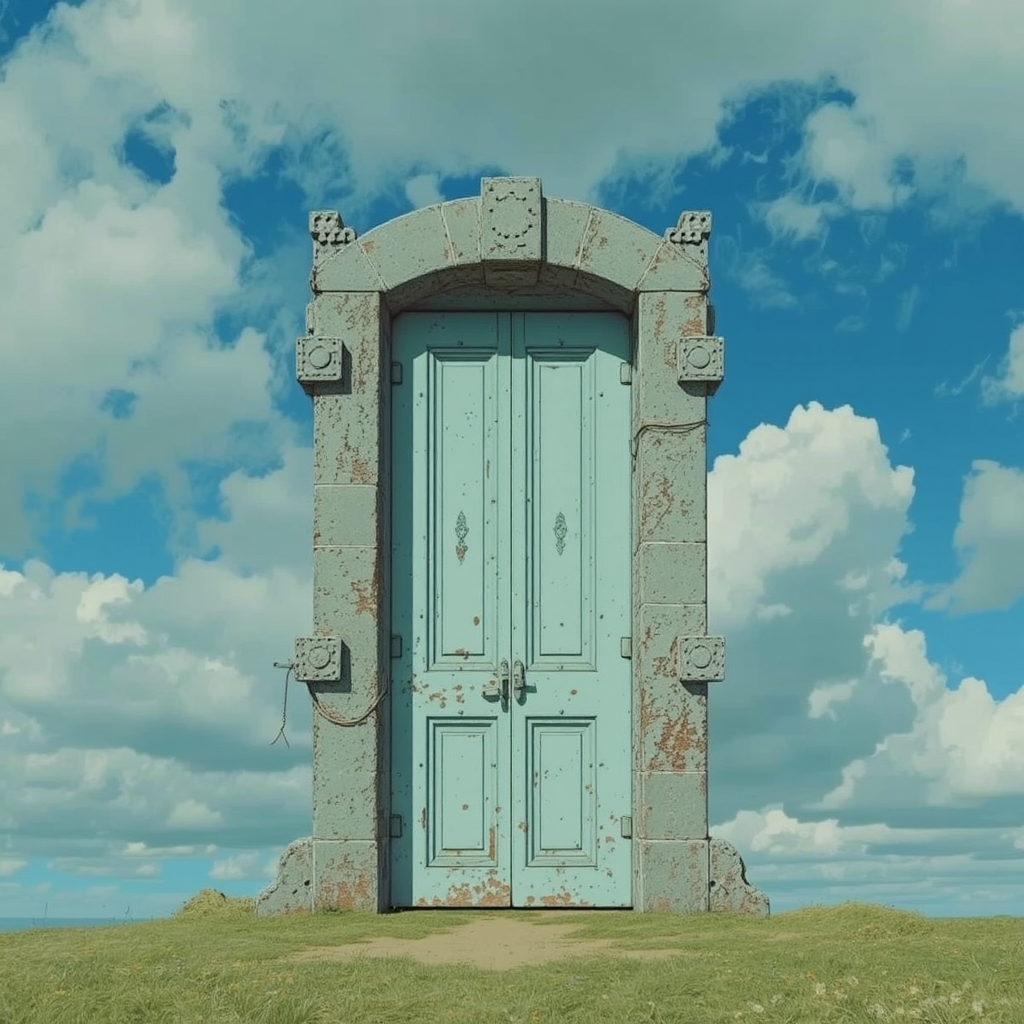
Between these two doors This caravan
Some thoughts:
The imagery of doors implies entrances and exits, passageways, or boundaries. Two doors suggest pillars of demarcation in time, place, awareness or perhaps binary contrasts. Opposite ends of conceptual delineations like birth and death or past and future seem like reasonable possibilities.
But those don’t seem to be what Hafiz is concerned with. He is pointing out the between. What is happening in the interim, the dash? Of course, the interesting part is the journey. We get so hyper-focused on reaching the destination that we become uncomfortable with the time spent in the now learning to be patient.
I picture a caravan of camels carrying the worldly goods of travelers long distances, the people eager for trade, companionship, good food, fresh water, music, romance, and laughter. It is life in motion. The doors are really of no consequence right now. They are the least of our concern when we have all this living to do.
My Poem 1:
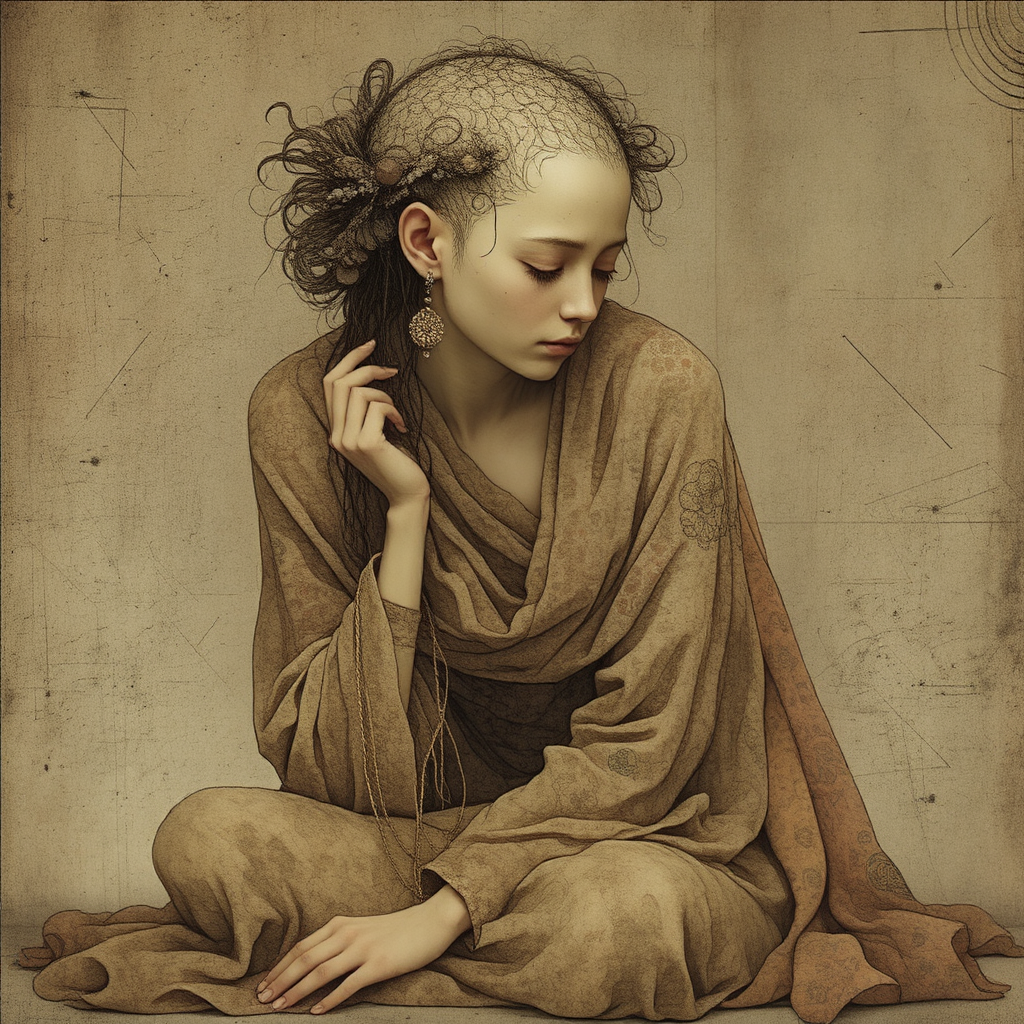
Unmoored, afloat, uncertain if hope is a delusion or a virtue stillness sits where ambition once cracked her knuckles
the in-between is where? beginning was once easy to define though ending is unknown the certainty of it was assumed
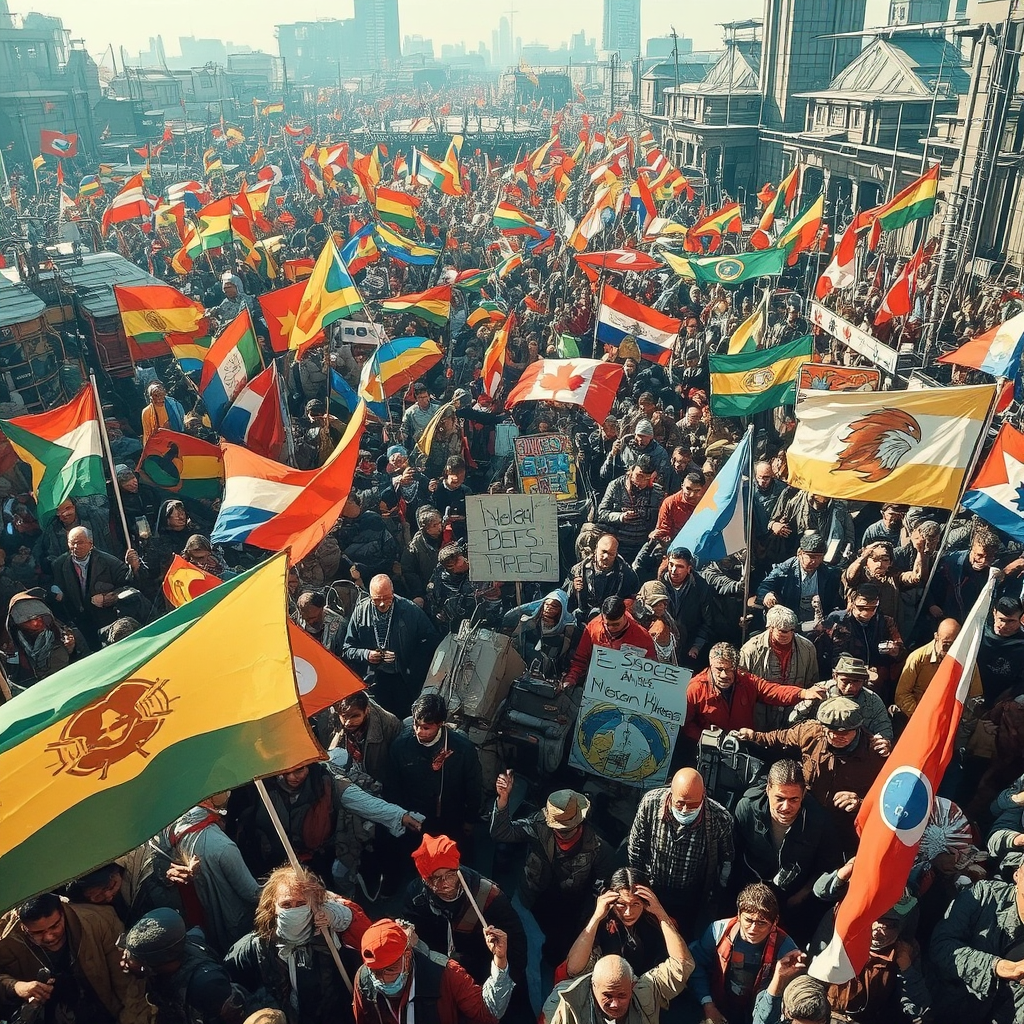
now nothing reveals itself as absolute except this protest march that might possibly transform into a celebratory parade
Hafiz. Hafiz’s Little Book of Life. Translated by Erfan Mojib and Gary Gach, Hampton Roads Publishing, 2023.
Image created by Rebekah Marshall’s prompt using AI on Gencraft.
WARNING – SPOILERS
A Court of Frost & Starlight, the 4th book in the ACOTAR series is a lovely, little, short novel wrapping up the last remaining threads of Feyre’s transformation. It focuses on her trying on her new role as High Lady and true partner to her love and delves into the parts of her that have been neglected because of war and survival. A key aspect is her art and desire to create, share her creativity, and understand creation as vital to her fulfillment.
It is a peak into homelife, an intimate Winter Solstice celebration, growth and blossoming of friendships, Mor’s self-realizations, and one of Feyre’s sisters suffering from emotional turmoil that gets totally out of hand. Interestingly, different voices begin to emerge. There are portions of the book from the perspectives of Rhysand, Cassian, Nesta, and Mor. The majority are in Feyre’s voice, but it is a nice change experiencing the inner thoughts of some of her loved ones.
This felt like a pause before a storm, a much-needed rest after the war and carnage of the 3rd book. I was disappointed that it was so short, as I wanted to learn more about all the members of the team & family. But book 4 is appropriately long, so I look forward to diving into that one immediately.
Maas, Sarah J. A Court of Frost and Starlight. Bloomsbury Publishing, 2018.
TRIGGER WARNING: This essay discusses patriarchal oppression, gender-based violence and punishment, sexual shaming, social ostracism, and cultural trauma. These topics are examined in a literary and analytical context.
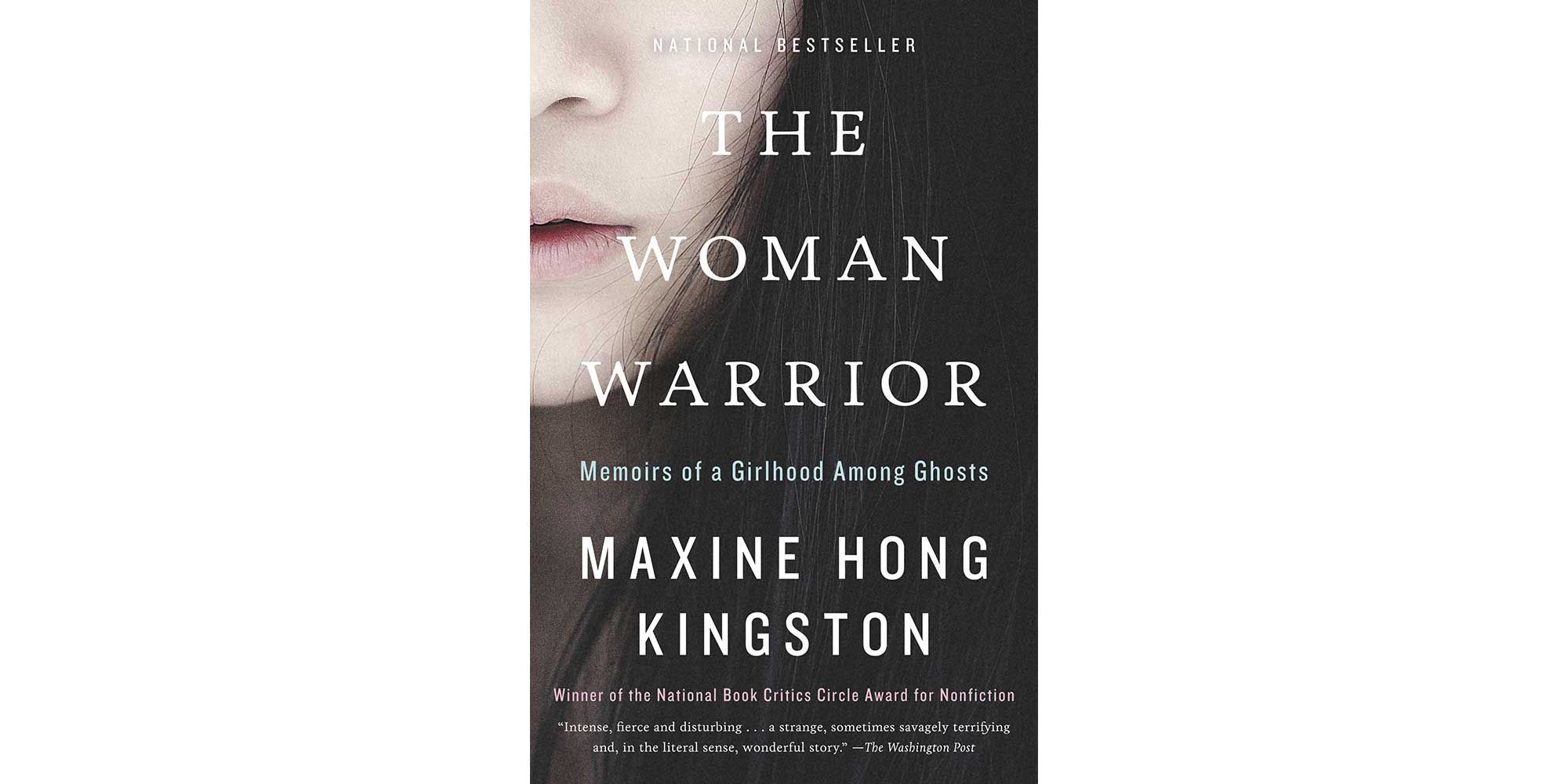
The Woman Warrior by Maxine Hong Kingston paints a picture of harsh expectations placed upon Chinese/Chinese American women. Though the narrator rejects some of the notions and attempts to forge her own path, she still feels duty-bound to uphold some of the traditions. Each section of the book focuses on a different woman and explores the expectations placed upon her specific to the time and place where that portion of the story is set.
For instance, No Name Woman lives in a village in China early in the 20th Century. She is expected to remain “pure” (no sex) until her husband’s return from war. Her sexual desires are not a consideration and her ensuing pregnancy is punished by shaming the family and destroying their crops, livestock, and stored foods. The family then disowns her and never speaks her name again, ensuring she would “suffer forever, even after death” (16). There is no mention of the man who must have impregnated her on the part of the villagers or her family. She must bear the full weight of the “crime” of having sex and becoming pregnant.
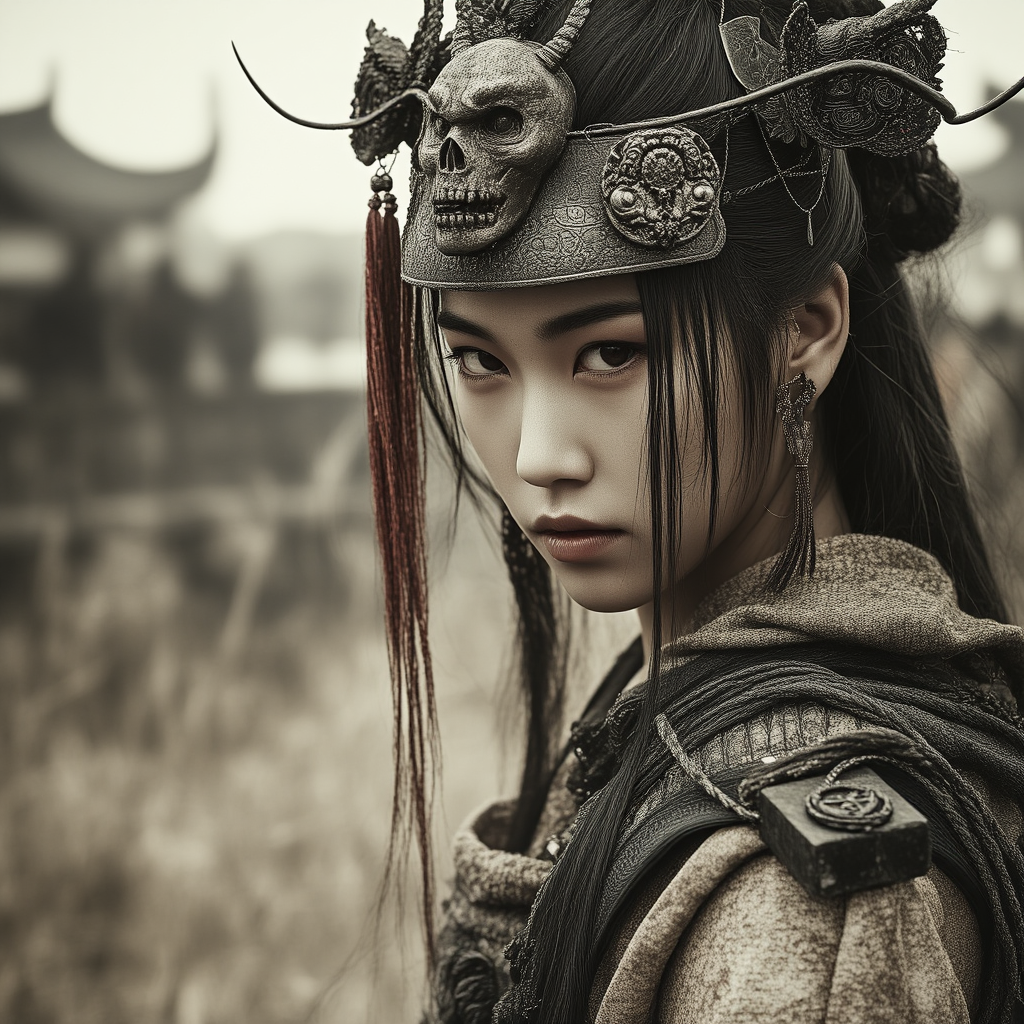
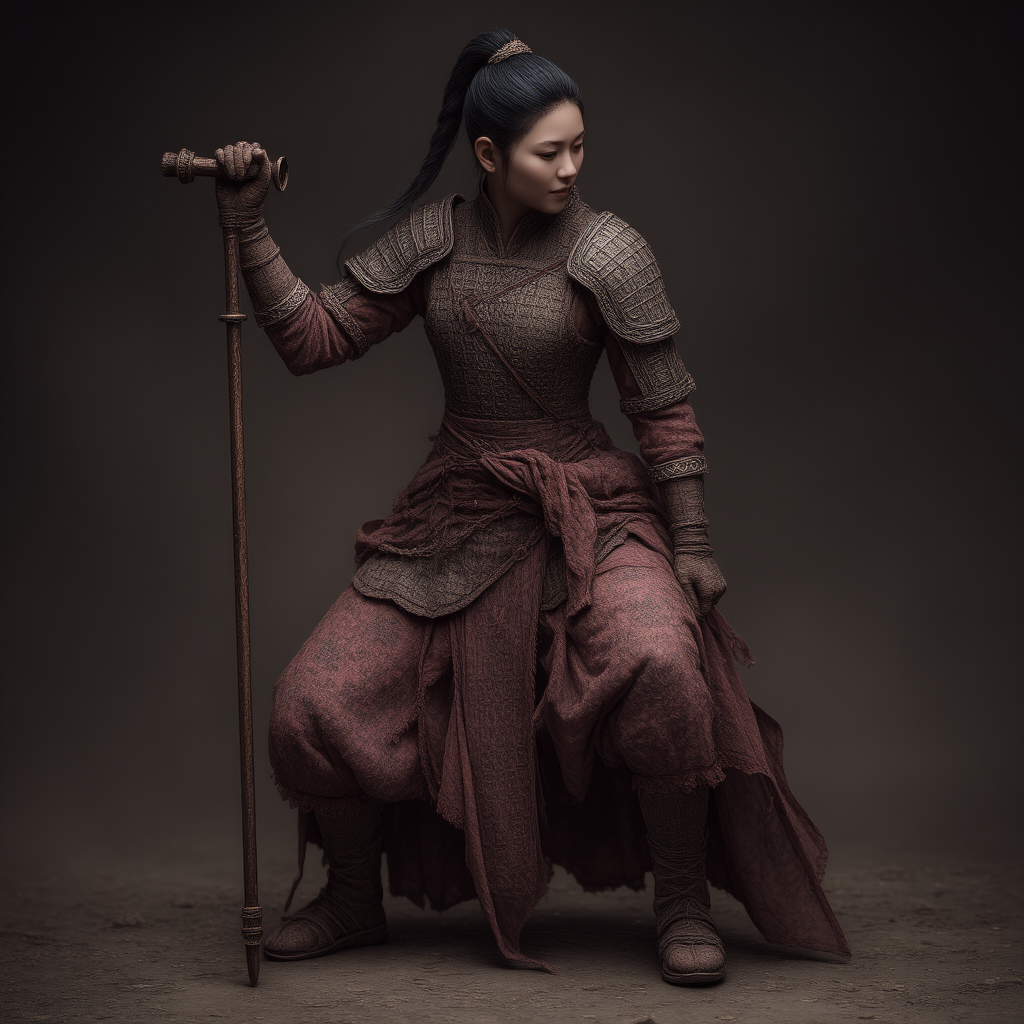
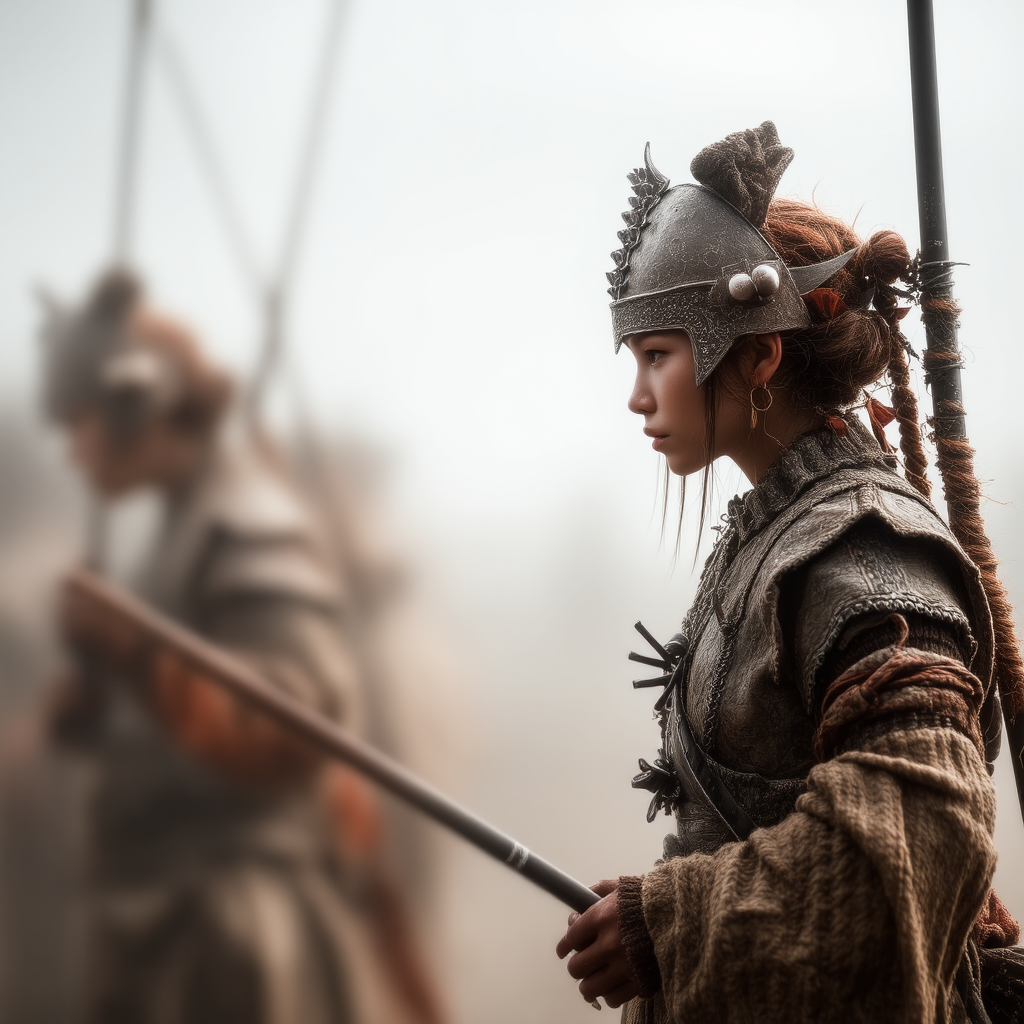
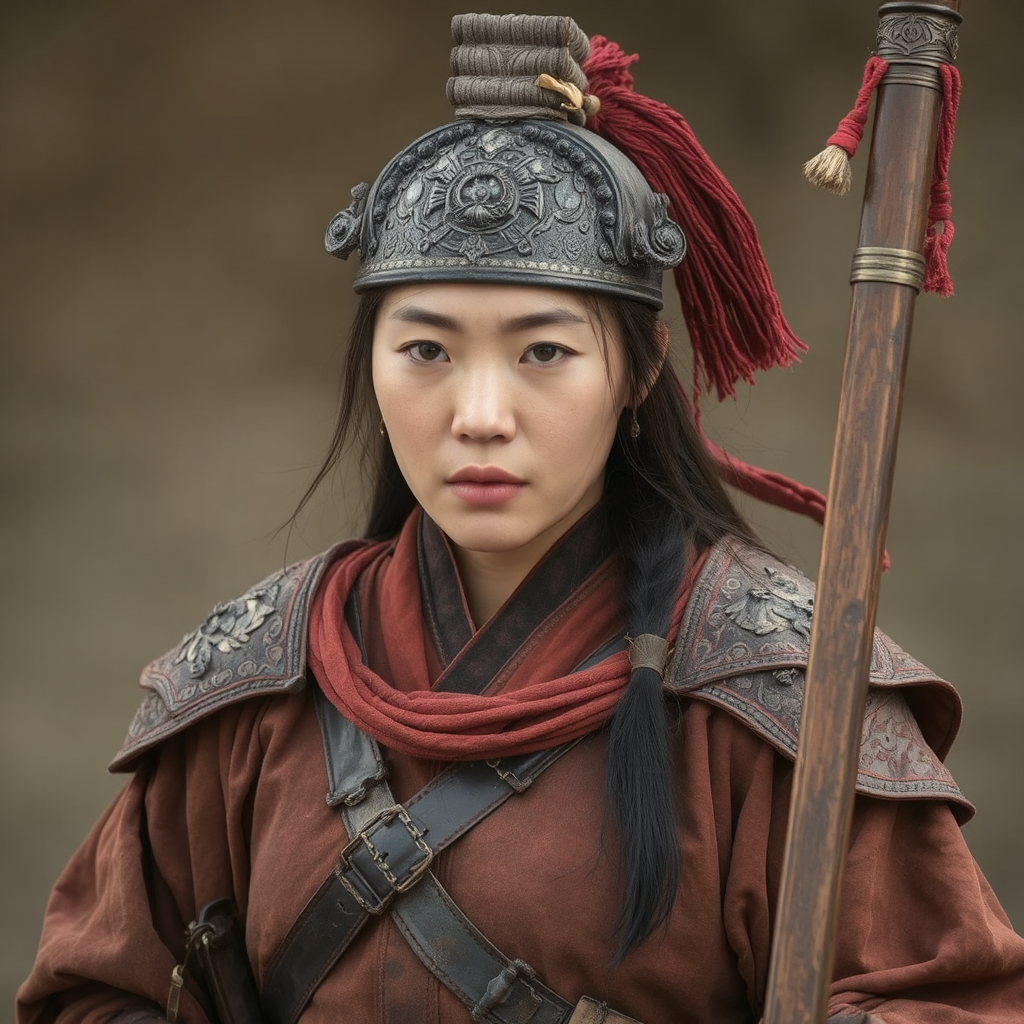
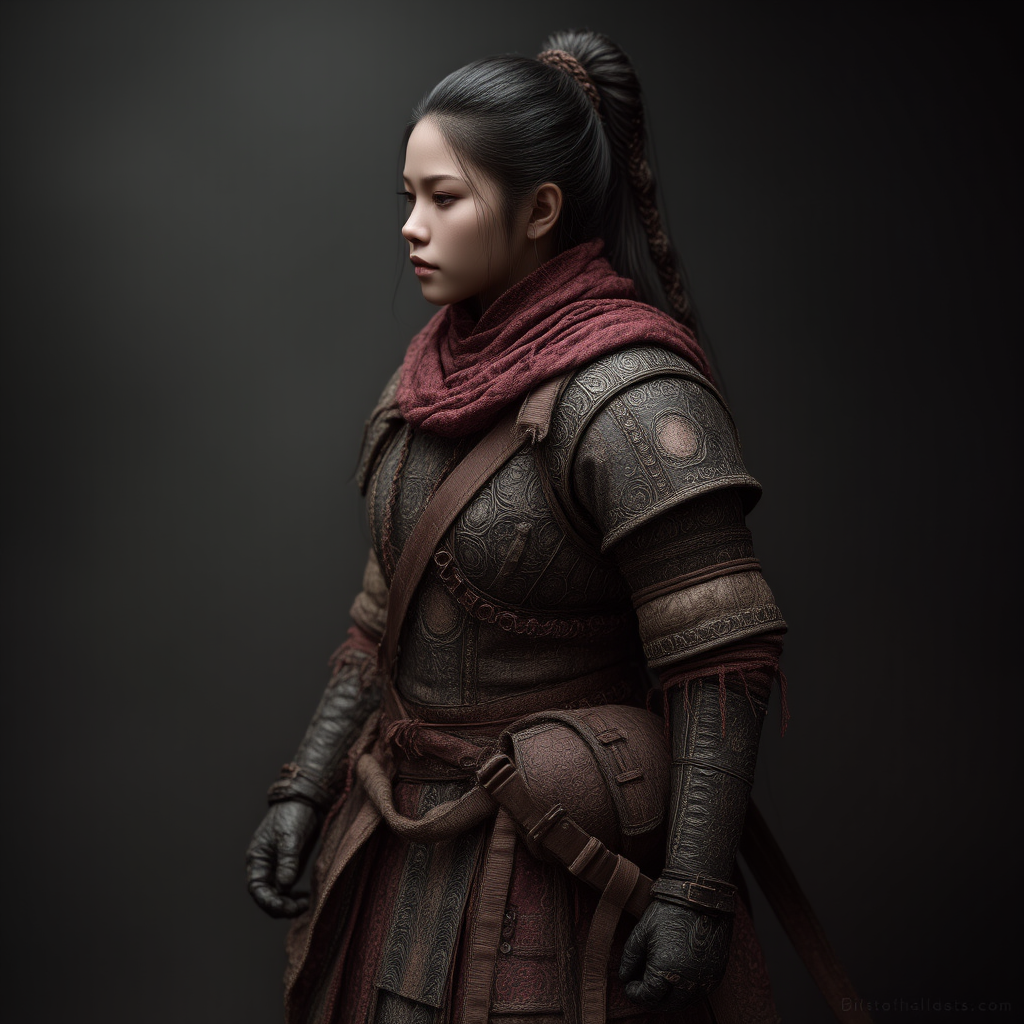
Fa-Mulan in the “White Tigers” section of the book becomes the greatest hero in the land saving her family, her village, and her country from evil rulers. She is a warrior, savior, and leader who has trained for 14 years to become the best hero possible. Yet, once her mission ends, she is expected to return to the “appropriate” role of wife, daughter-in-law, mother. There is no option for leadership in her world. This character is thought to have lived sometime around the year 500 in China. Women were not supposed to use their brains or their brawn, except in service to men. Any woman who attempted to pass as male enter the military or school would be executed, “no matter how bravely they fought or how high they scored on the examinations” (19).
The “Shaman” section about Brave Orchid shows the variety of domestic expectations placed on Chinese women. Brave Orchid lives the first half of her life in China and the second half in America spanning the 20th Century. She works as a medical practitioner in China and then in the family laundry business in America. Besides working long hours, she picks tomatoes as a part-time job to make more money, does all the cooking and cleaning, and manages all aspects of the household. She is also expected to carry on the traditions of the culture by keeping the rituals, ceremonies, and talk story alive so that it will pass on to the next generation. She must also protect everyone’s souls by calling them back when they have forgotten their way home. Brave Orchid’s eyes fill with tears as she tells her adult daughter, “I work so hard” (103). Chinese women are unrealistically expected to do more than their fair share of the work.
The section “At the Western Palace” highlights the way Chinese women in the past had little power in marital situations. Their partners were chosen for them and husbands might take multiple wives. The women were expected to tolerate and support these traditions without question. When Moon Orchid comes to America in the 1950’s, she is confronted by a different reality in which women have more rights and her husband rejects their marriage. She is expected to accept his continued financial support without living as his wife. Chinese American women seem to still have parents attempting to meddle with selecting their potential suitors according to the narrator.
In the final section “A Song For a Barbarian Reed Pipe” the narrator implies that a “good” Chinese American girl in America in the 1950’s should be able to speak fluent English and Chinese. She should attend Chinese school and American school. It is an interesting note that “good manners…is the same word as traditions” in Chinese (171). To please the Chinese, she should be obedient and demure, soft-spoken, and graceful, domestically competent – able to cook, clean, serve, and heal, and pleasant in interactions while not making eye contact, use opposites to confuse evil spirits, keep all Chinese traditions, send money to family members in China, lie to Americans so no one can trap her or deport her or trick her somehow, and remember that men are valued more highly than women. To please the Americans, she should be assertive and firm of voice, intelligent, sexy, able to defend herself, and independent making strong eye contact, speaking from a place of science and logic rather than any mention of evil spirits, creating a comfortable lifestyle that is America-focused, be a patriot, and believe that women and men are equal. A Chinese American woman is expected to do all of this and figure out how to be healthy, happy, and prosperous without driving herself crazy over the paradoxes such disparate expectations create.
Works Cited
Kingston, Maxine. The Woman Warrior – Memoirs of a Girlhood Among Ghosts. Vintage Books, New York, 1975.
TRIGGER WARNING: This essay contains discussion of racism, police violence, death, and racial trauma in a critical and literary context.
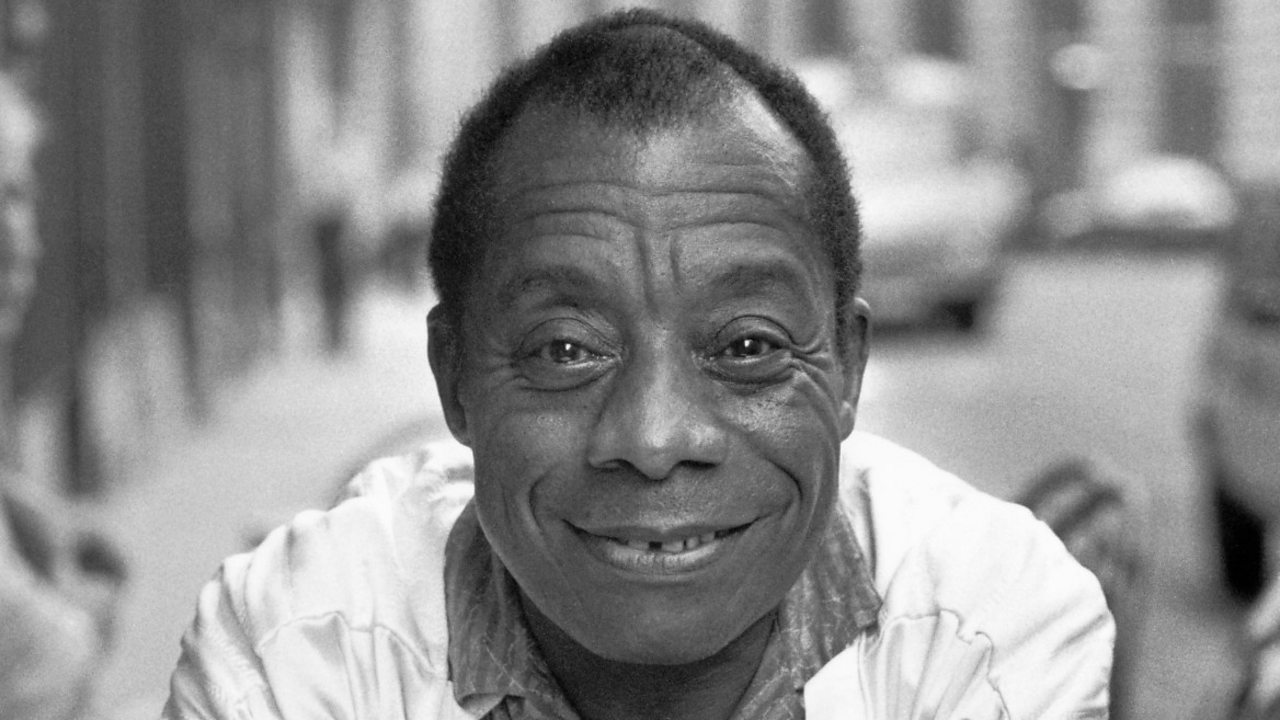
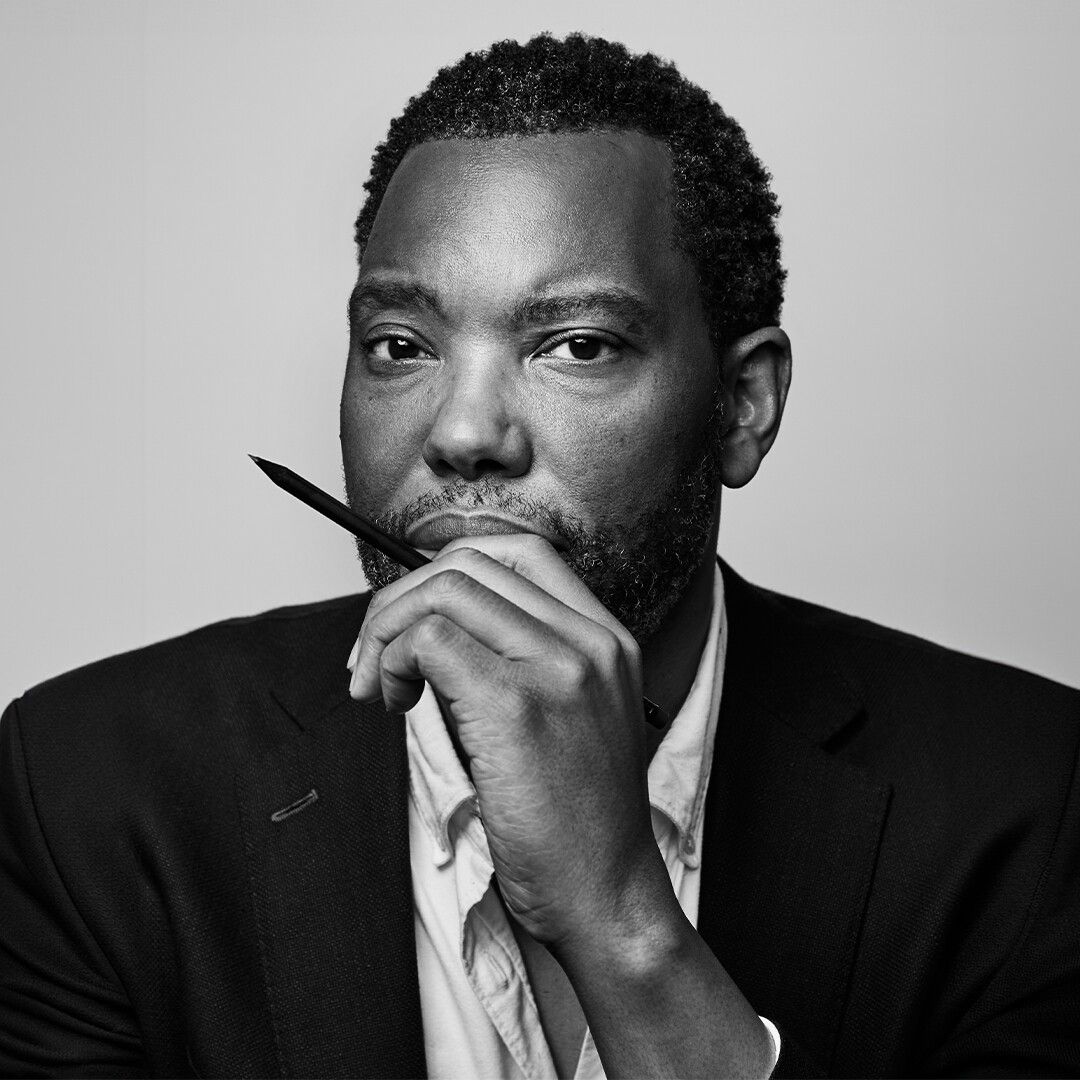
James Baldwin’s letter to his nephew is both personal and national in appeal as a publicly published letter to inspire black Americans and scold white. Likewise, Ta-Nehisi Coates’s letter to his son reveals extremely personal details that may encourage black Americans and spur white Americans to pick up the mantle of struggle alongside their darker brothers. Both letters speak to the lack of equality present for black Americans and the need for white mindset change for improvement to occur.
In “A Letter to my Nephew”, Baldwin moves chronologically through his life telling the tale of his nephew’s origins. He weaves into the personal story of his family’s tale, the historical context that affects them all including the results of geographic constraints, political, economic, legal, etc. that make life harder for African Americans. For example, Baldwin writes, “This innocent country set you down in a ghetto in which, in fact, it intended that you should perish.” He goes on to attempt to explain the thinking of the white “countrymen” that would permit such unfair treatment of their brothers. “They are in effect still trapped in a history which they do not understand and until they understand it, they cannot be released from it.” This calling out of uninformed white people is the way Baldwin throws down his gauntlet. It is up to everyone to become informed and prepare for change. The rest of the letter is encouragement to his nephew to be brave and loving as he continues the fight. And near the end he makes the inclusive statement, “We cannot be free until they are free” (Baldwin). He flips the idea of oppression on its head. The oppressor is the one who is in chains due to their refusal to educate themselves and grow with the changes that terrify them.
Coates’s Between the World and Me tells the tale of significant points in his life, including the birth of his son, but it is not strictly chronological. He jumps around in time, beginning with a recent interview and meanders through different time periods throughout the book. Coates weaves historical incidents like police shootings of unarmed black people, redefines terms to his preferences – terms like race and racism, dreamers, and white – glorifies black culture including music, art, literature, and fashion, and includes interviews with mothers who lost children to police violence. His letter feels at once even more personal in connection to his son and, at the same time, even more broadly an accusation of all Americans complicit in the conspiracy to oppress black people.
As Coates meanders through white on black oppression, he addresses his own fear that grew out of living while black. He admits that he does not want to raise his son with the same fearful perspective but also recognizes that fear might be what has helped him stay alive. He tells stories showing that constant awareness of potential danger is necessary for safety. He also admits that hyper-sensitivity to danger sometimes removes the ability to live in the moment and enjoy the present. Using so many resources to remain in fight or flight mode steals reserves that could have been used for learning, experiencing, connecting, and joy. These are the things that make him angry, that make him feel hopeless and make him realize that there is still much struggle left for all to endure. He encourages his son to struggle but does not seem to call him to love the same as Baldwin. He encourages him to endure but does not provide the same hopeful outlook as Baldwin. It seems like a public shaming of white America. They have continued to oppress, even in the face of countless opportunities to change. Perhaps Coates is hoping to guilt them into an awakening. Coates’s letter ends with witnessing the same crumbling infrastructure that has been the setting for so many black lives – “and I felt the fear” (Coates 152).
Works Cited
Baldwin, James. “A Letter to My Nephew.” The Progressive. 1 Dec, 1962, progressive.org/magazine/letter-nephew/
Coates, Ta-Nehisi. Between the World and Me. Spiegel & Grau, 2015.









 rebekahjmarshall