Tag Archives: books

Hafiz – Poem 12

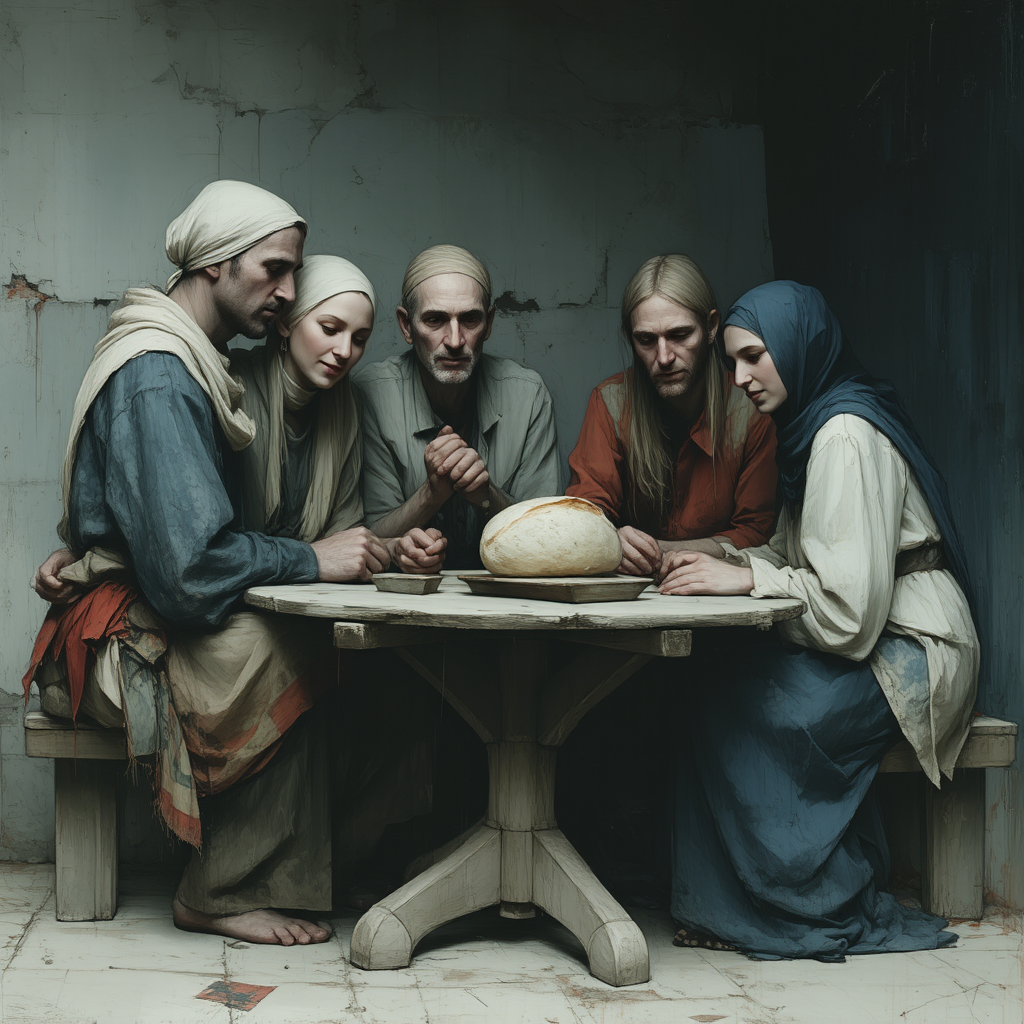
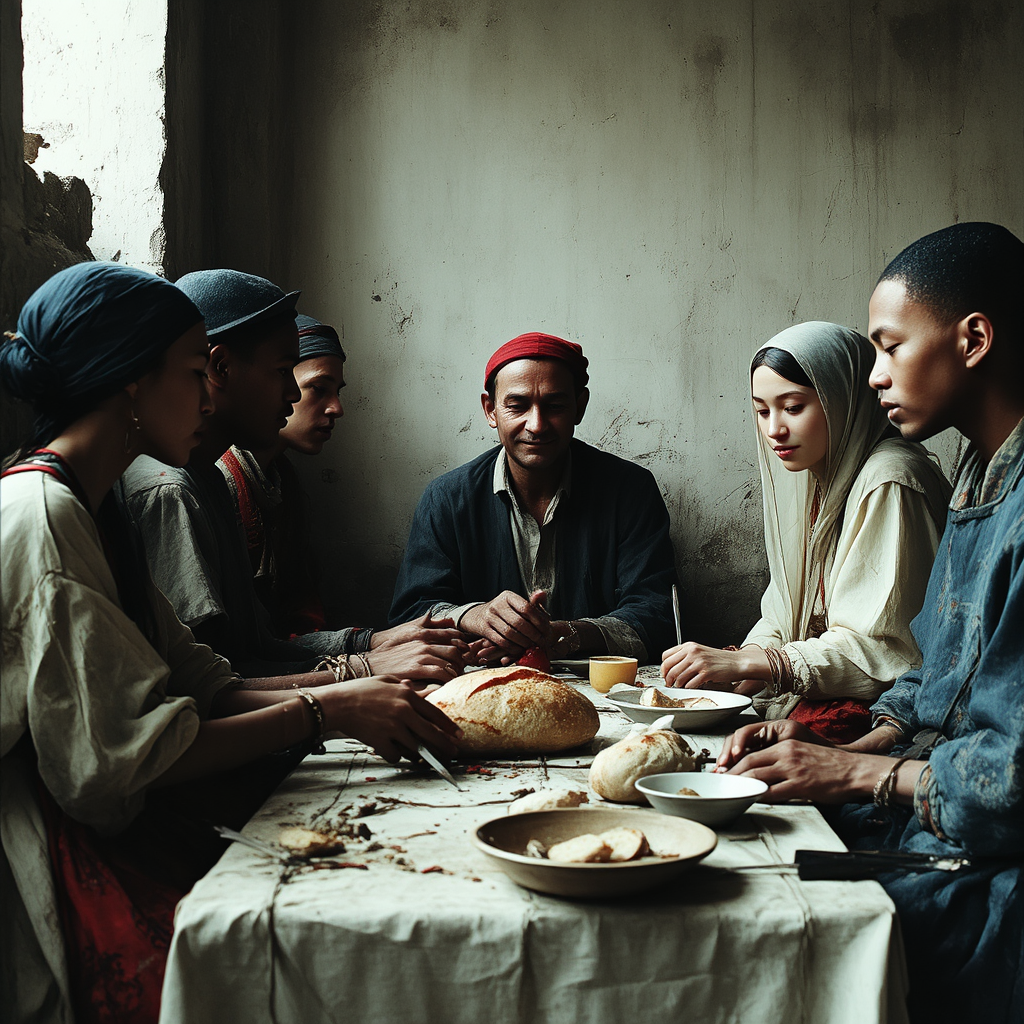
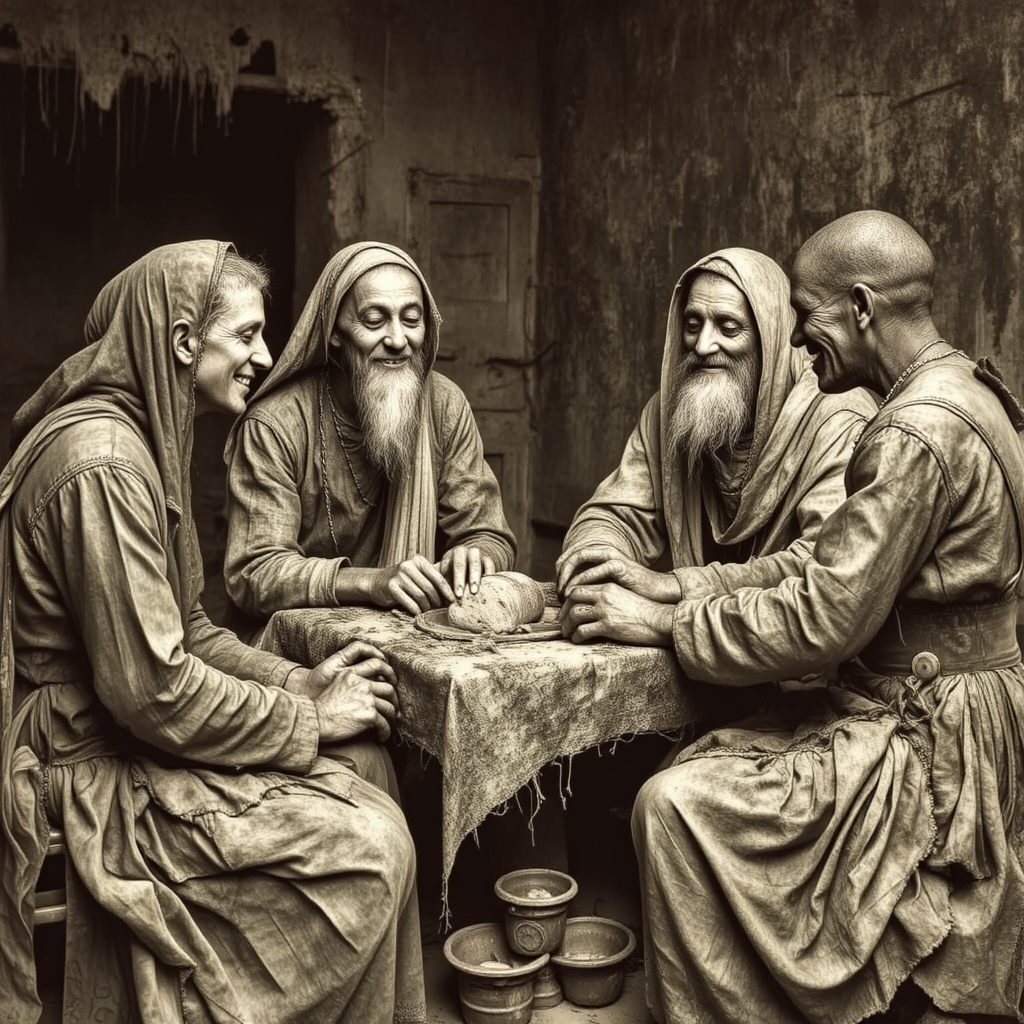
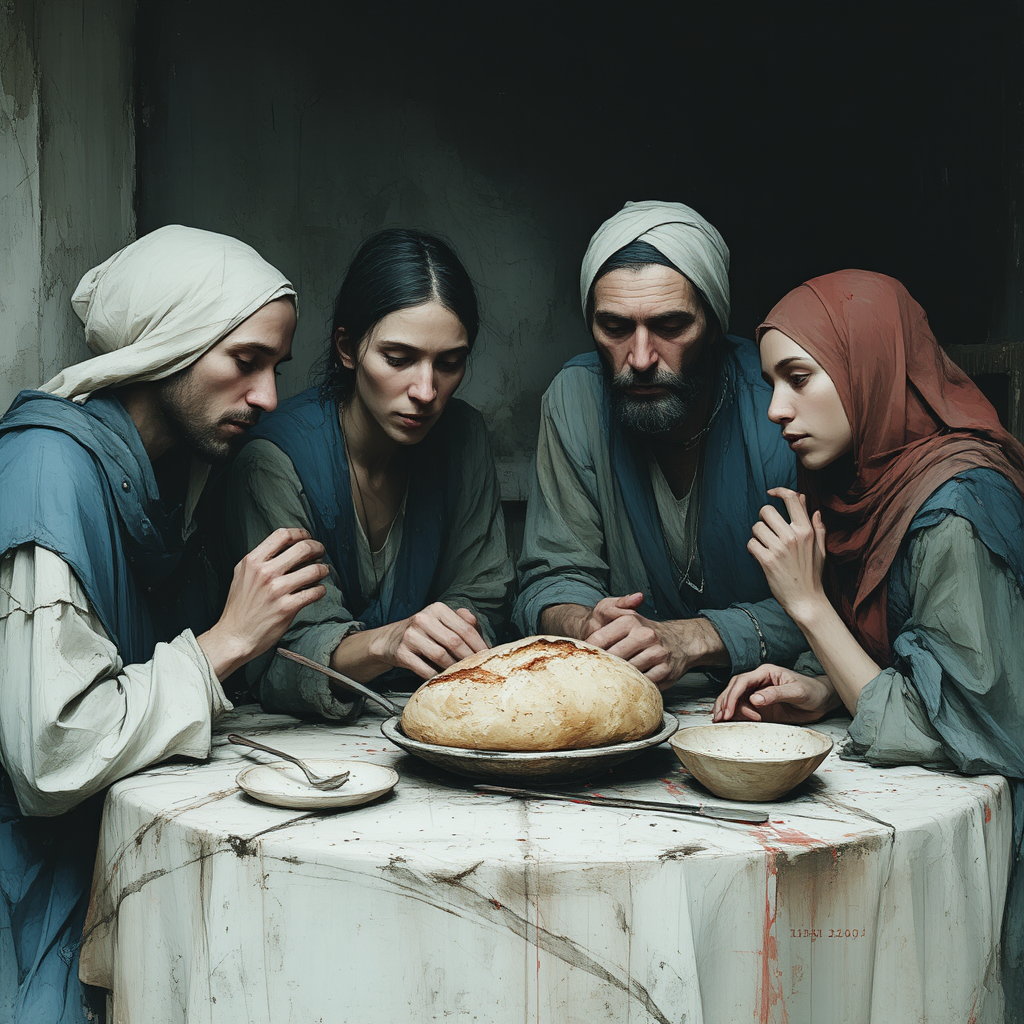
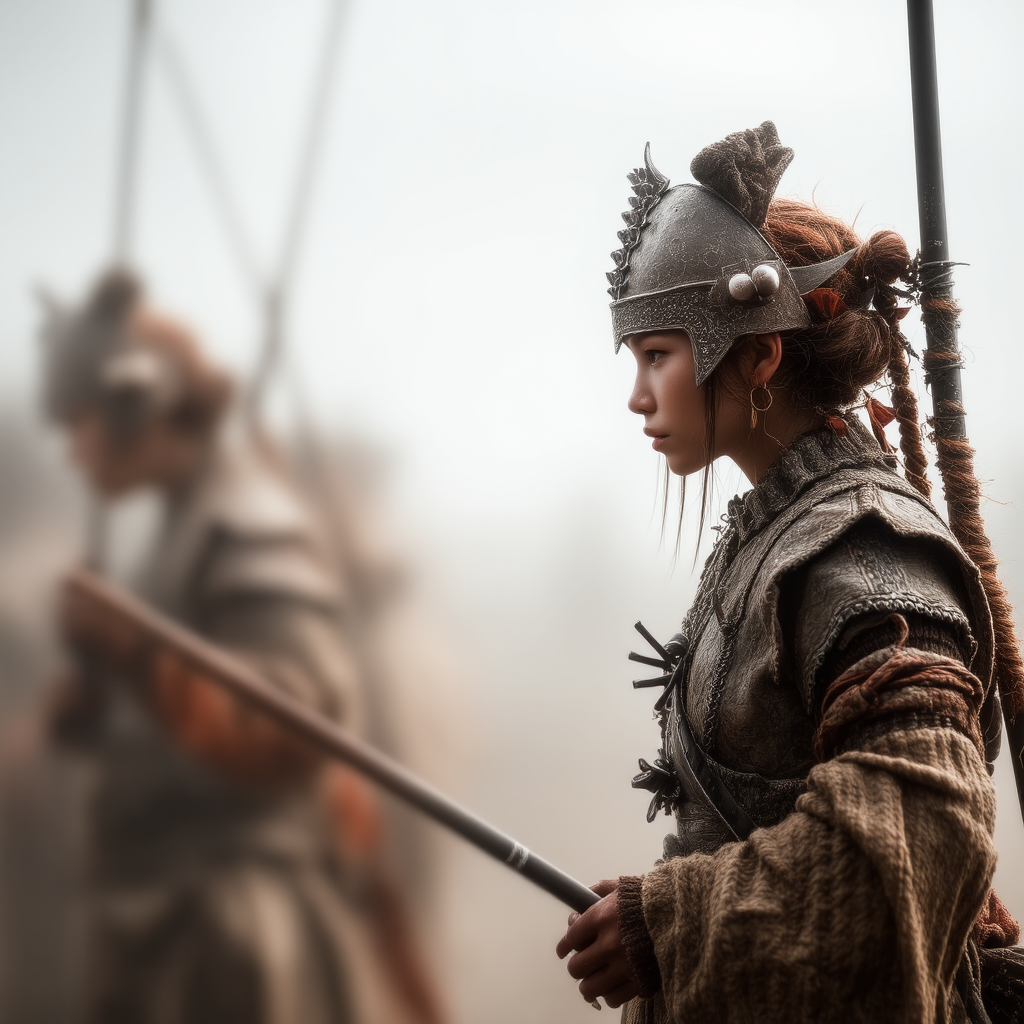
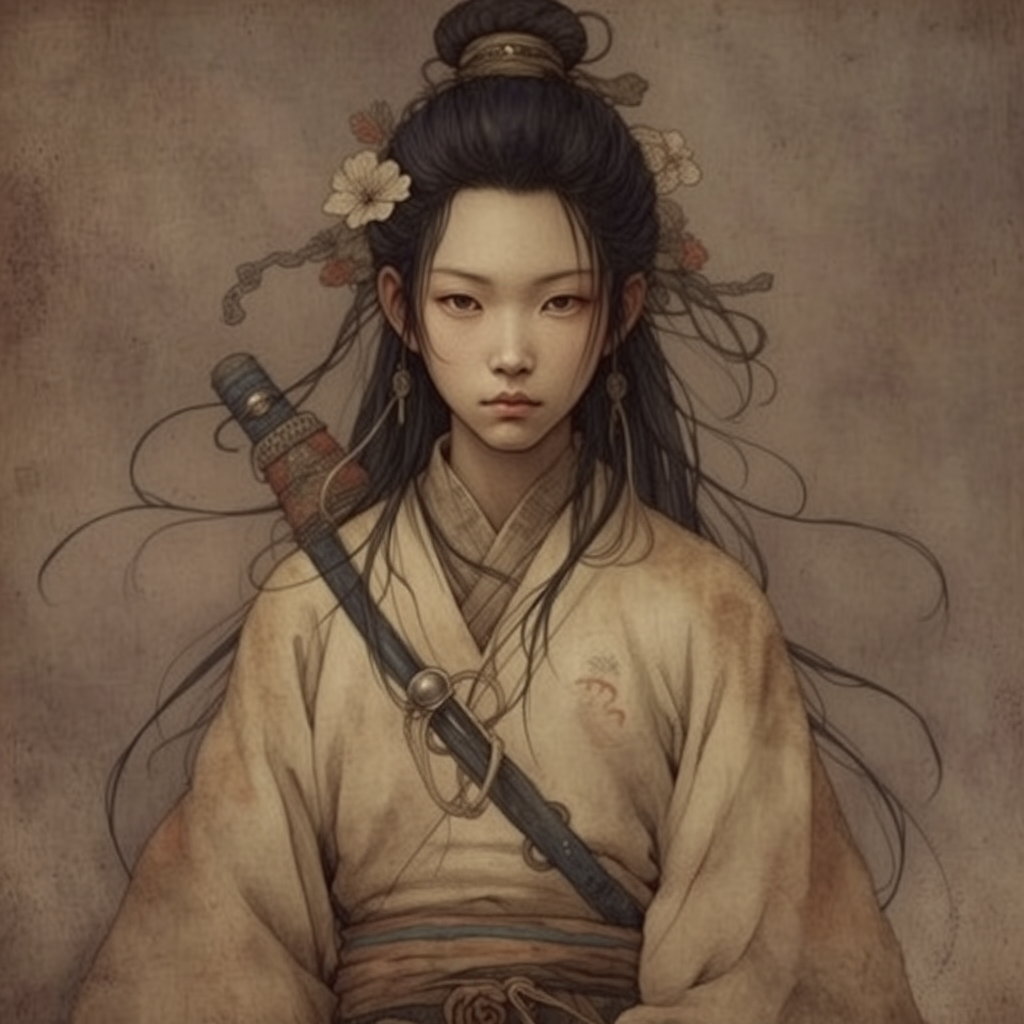
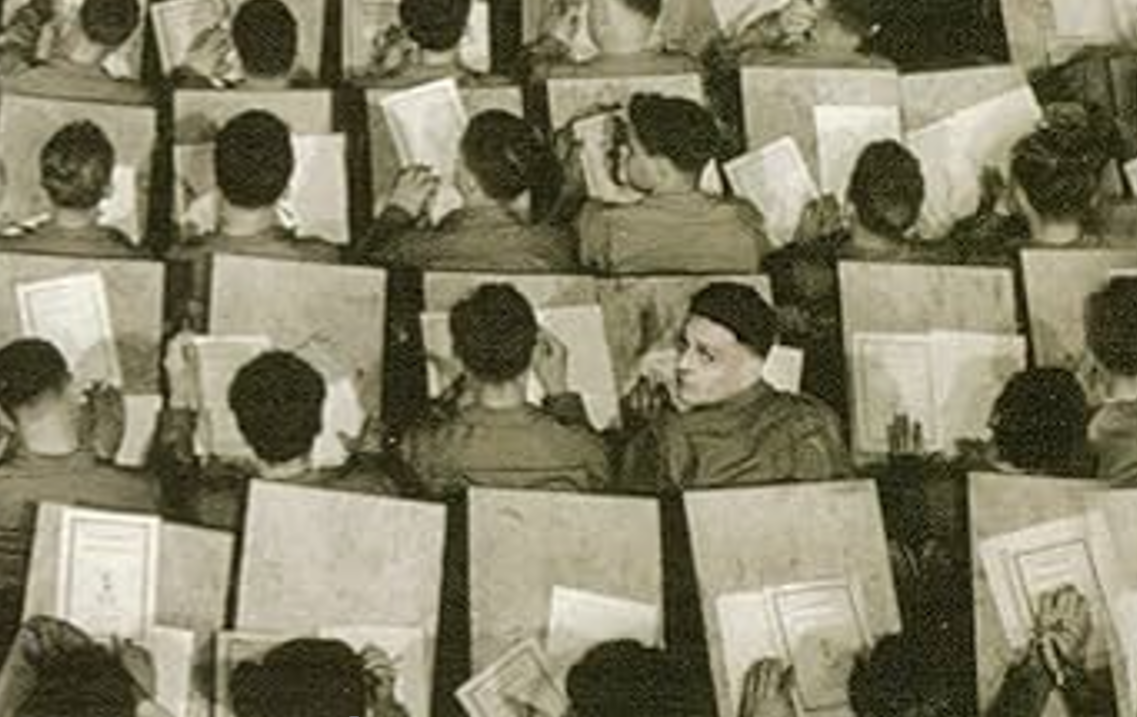
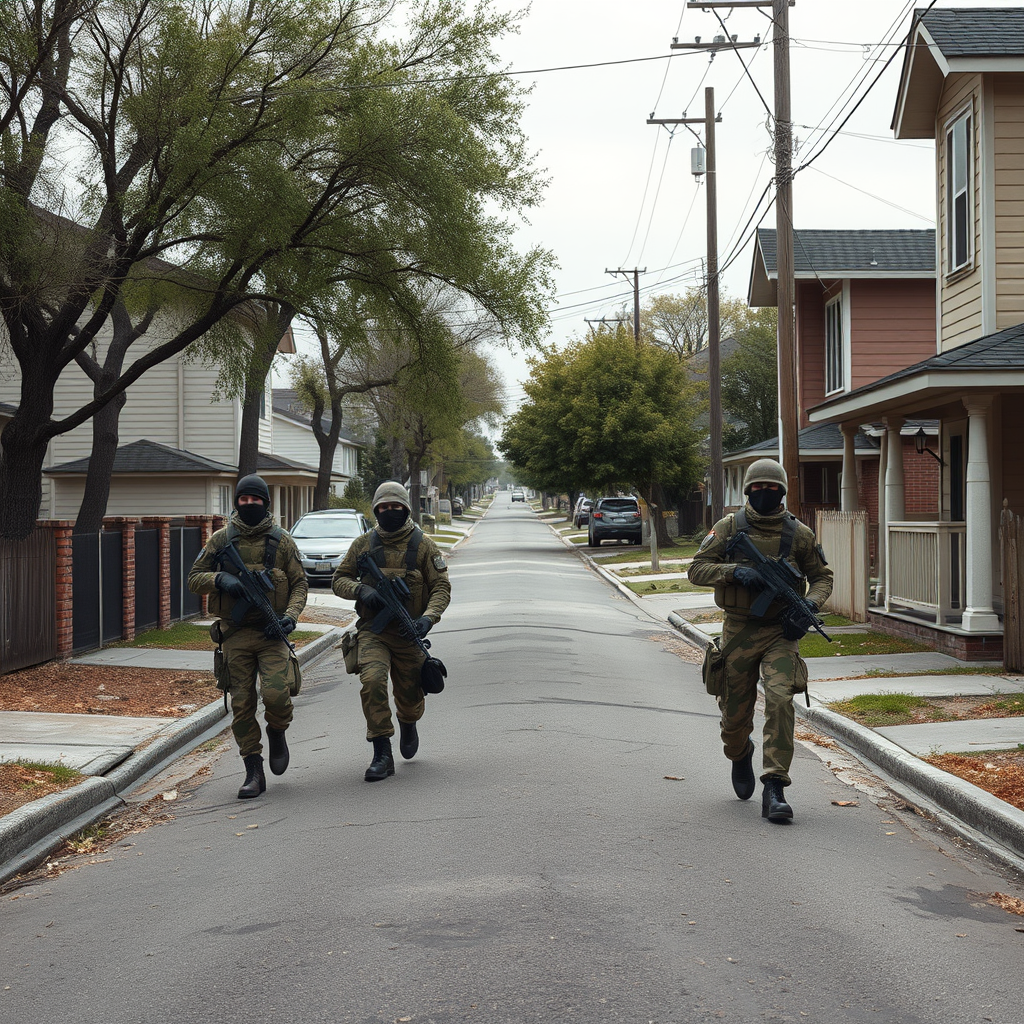
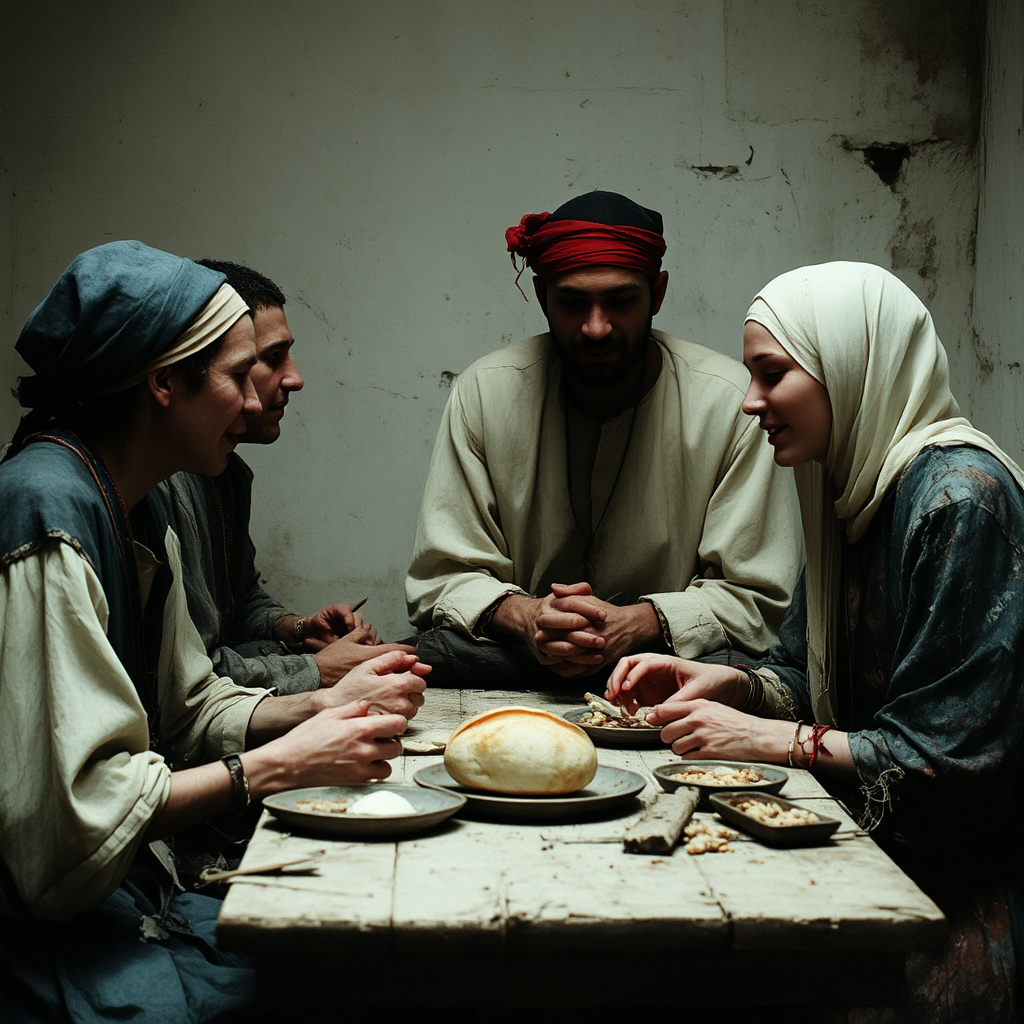
All images created by Rebekah Marshall’s prompts using AI on Gencraft.com website.

I am reading Hafiz’s Little Book of Life, poetry by Hafiz-e Shirazi. He is challenging me to become more comfortable with ambiguity. I will share his poem and some of my thoughts on his poem (sometimes with the help of experts when the concepts are too hard for me), followed by a poem and some art inspired by his poem.

Hafiz’s Poem 12:

I behold hundreds of thousands of flowers

     Yet no bird sings –

     Where have the birds all gone

& what happened to the nightingales

Some thoughts:

The absence of birdsong is unnatural. Seeing the beauty of outside, surrounded by flowers, soaking in the loveliness…and suddenly an uncomfortable sensation prickles the hair at the nape of the neck. We are coded genetically or ancestrally or instinctively to sense danger when the birds fall silent. And when do birds disappear (or at least hide in their nests)? When predators make the environment unsafe, unnatural events are taking place, or acts of God are about to be unleashed. I also read that birds sometimes decrease their presence and/or singing when they recognize that they are being watched. It is probably because the watching equates to potential predation, but it makes me wonder if increased surveillance in the form of cameras and other recording equipment interrupts their lifestyles.

Nightingales are some of the most singingest singers of the bird kingdom. They can make over 1,000 different sounds and males desperate to find a mate have been observed singing through an entire night. Their songs can reach 90 decibels and some know up to 260 different songs they can sing. In many literary contexts, nightingales represent the lover, the poet, the truth-teller, the one who sings no matter what. If even they have been silenced, we should be concerned. Hafiz may be speaking literally about human encroachment on nature with structural advancements and technological progress. But he could also be speaking metaphorically about oppression and the result of silencing freedom of speech. It is a false beauty that demands absolute obeisance.  

My Poem 12:

Sing for those in hiding,
doors barred by fear of discovery.
Sing for those who are crying
for their loved ones pulled away.

Sing for those out marching
to speak up for the ones who can’t.
Sing for those just starting
to realize the sickening truths.

Sing for those who’ve been taken,
whose futures are perilously unknown.
Sing for those who will not awaken
because their lives were stolen.

Hafiz. Hafiz’s Little Book of Life. Translated by Erfan Mojib and Gary Gach, Hampton Roads Publishing, 2023.
Hafiz – Poem 10

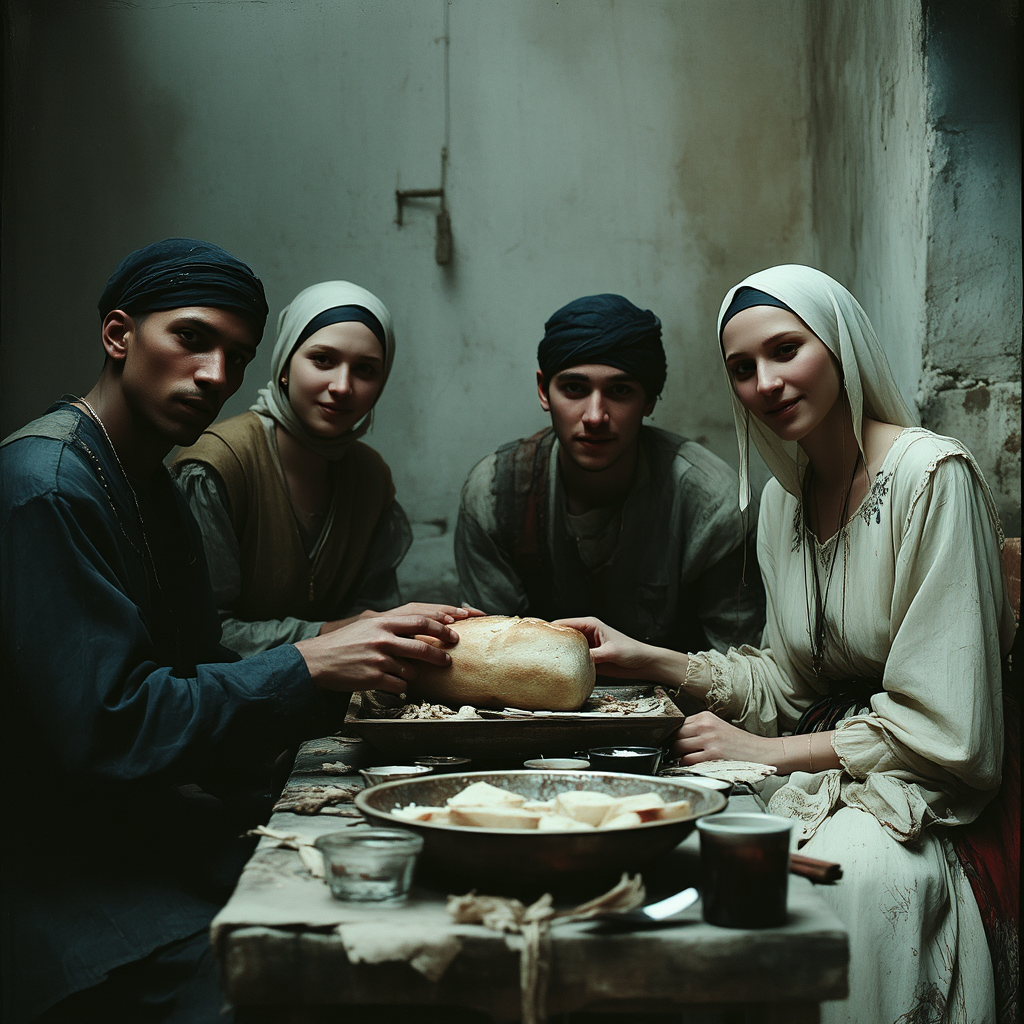
All images created by Rebekah Marshall’s prompts using AI on Gencraft.com website.

I am reading Hafiz’s Little Book of Life, poetry by Hafiz-e Shirazi. He is challenging me to become more comfortable with ambiguity. I will share his poem and some of my thoughts on his poem (sometimes with the help of experts when the concepts are too hard for me), followed by a poem and some art inspired by his poem.

Hafiz’s Poem 10:

We aren’t about to beg

     For the sake of our daily bread

Go tell His Majesty

     We’re doing fine without him

Some thoughts:

Dang! Hafiz. This poem is brave. I don’t know which ruler’s reign it was written during, but it must have been one of the more despicable ones. Hafiz is obviously not impressed with the implied demand that the people submit through fear and desperation to authority. For even something as crucial as sustenance, Hafiz would rather starve than accept handouts from a despot.

He is refusing to bend the knee before false sympathy. His is a peaceful protest rejecting humiliation, rejecting any part in a tyrannical system, and projecting calm resolve. And why does His Majesty (I can almost feel the air quotes around the title) have all the bread anyway? Why is he hoarding what the people need? Hmmmmm…sounds a little suspect. These poems are starting to feel pretty too close to home right now.

My Poem 10:

Your excuses no longer pacify.
Your explanations make less than no sense.
Your arguments don’t hold water.
Your rationales beg the question.
Your reasonings are oversimplification.
Your conclusions are flawed.
Your justifications are red herrings.
Your premises are based on hate.
Your convictions are built on self-righteousness.
Your desires are constructed by greed.
Your claims are predicated on nonsense.
Your logic is unsound.
Your beliefs are heinously evil.
Your rhetoric is embarrassing.
Your legacy will be accurately remembered by those who observe, take note, and record.

Hafiz. Hafiz’s Little Book of Life. Translated by Erfan Mojib and Gary Gach, Hampton Roads Publishing, 2023.
Winter Essentials Gathered

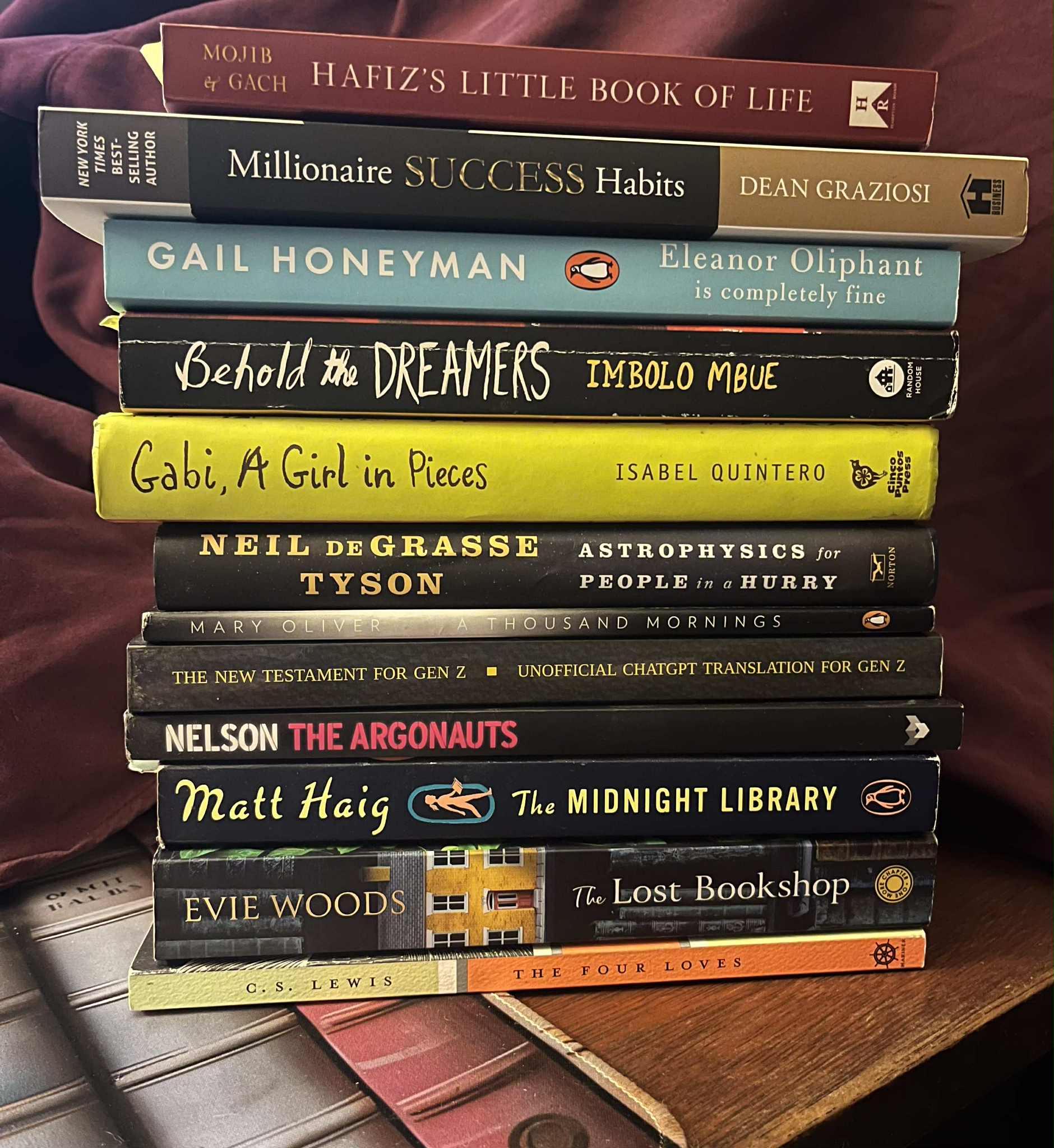
This is my line up for the Texas Winter (a.k.a. this weekend):

Hafiz’s Little Book of Life by Hafiz, made new by Erfan Mojib & Gary Gach

Millionaire Success Habits by Dean Graziosi

Eleanor Oliphant is completely fine by Gail Honeyman

Behold the Dreamers by Imbolo Mbue

Gabi, A Girl in Pieces by Isabel Quintero

Astrophysics for People in a Hurry by Neil DeGrasse Tyson

A Thousand Mornings by Mary Oliver

The New Testament for Gen Z Translated by ChatGPT

The Argonauts by Maggie Nelson

The Midnight Library by Matt Haig

The Lost Bookshop by Evie Woods

The Four Loves by C.S. Lewis

I’ll report back if I finish any of them. Alright, I’m diving under the covers. See you after the freeze.

Hafiz – Poem 1

I am reading Hafiz’s Little Book of Life, poetry by Hafiz-e Shirazi. He is challenging me to become more comfortable with ambiguity. I will share his poem and some of my thoughts on his poem (sometimes with the help of experts when the concepts are too hard for me), followed by a poem and some art inspired by his poem.

Hafiz’s Poem 1:

Between these two doors
                                 This caravan

Some thoughts:

The imagery of doors implies entrances and exits, passageways, or boundaries. Two doors suggest pillars of demarcation in time, place, awareness or perhaps binary contrasts. Opposite ends of conceptual delineations like birth and death or past and future seem like reasonable possibilities.

But those don’t seem to be what Hafiz is concerned with. He is pointing out the between. What is happening in the interim, the dash? Of course, the interesting part is the journey. We get so hyper-focused on reaching the destination that we become uncomfortable with the time spent in the now learning to be patient.

I picture a caravan of camels carrying the worldly goods of travelers long distances, the people eager for trade, companionship, good food, fresh water, music, romance, and laughter. It is life in motion. The doors are really of no consequence right now. They are the least of our concern when we have all this living to do.

My Poem 1:

Unmoored, afloat, uncertain if hope
is a delusion or a virtue
stillness sits where ambition
once cracked her knuckles

the in-between is where?
beginning was once easy to define
though ending is unknown
the certainty of it was assumed

now nothing reveals itself as absolute
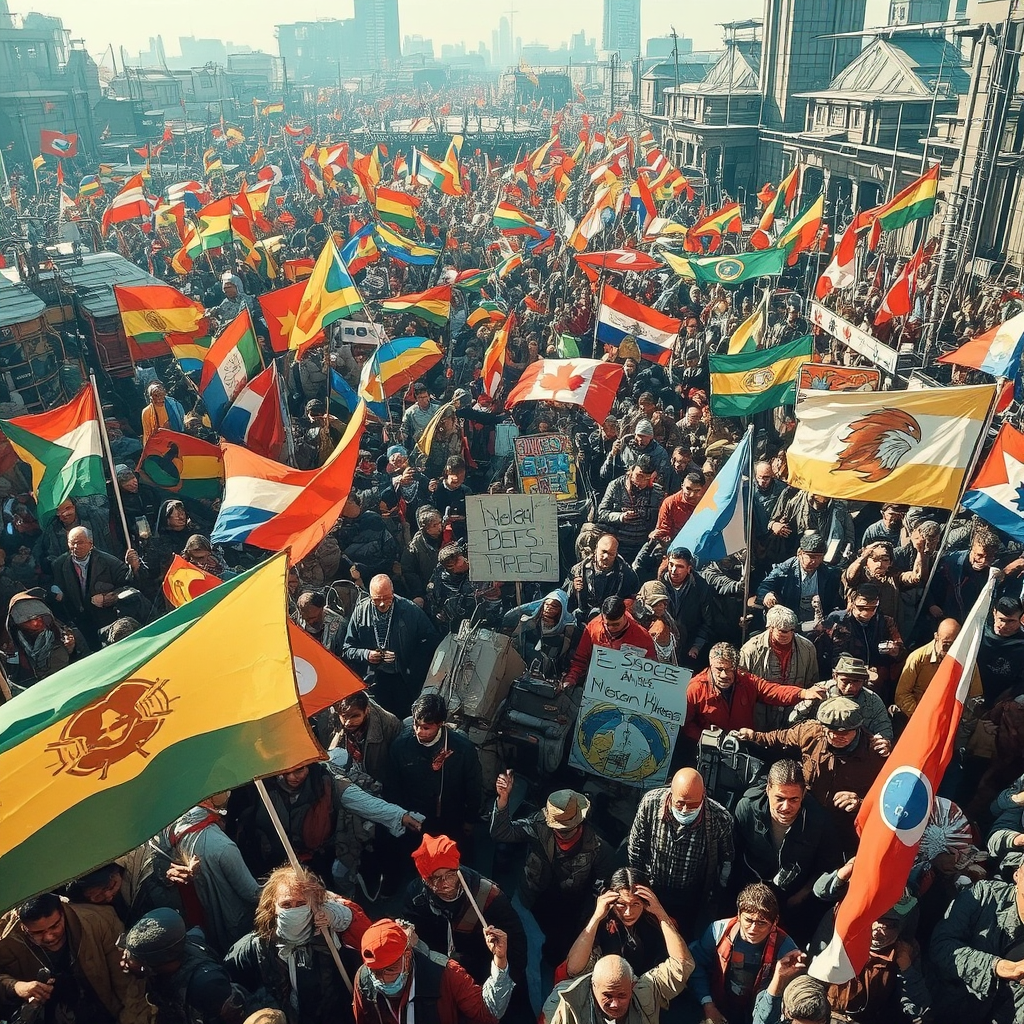
except this protest march
that might possibly transform
into a celebratory parade

Hafiz. Hafiz’s Little Book of Life. Translated by Erfan Mojib and Gary Gach, Hampton Roads Publishing, 2023.
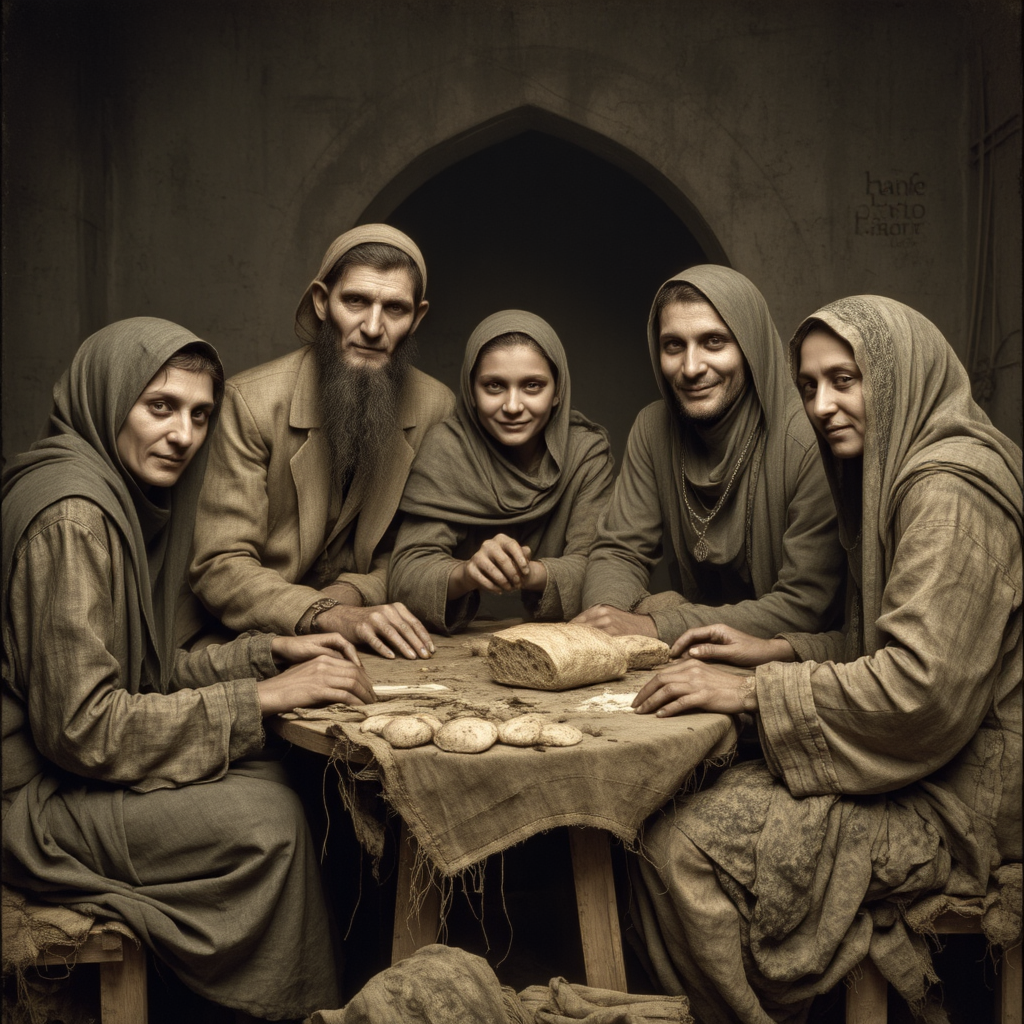
All images created by Rebekah Marshall’s prompts using AI on Gencraft.com website.

A Court of Frost and Starlight (ACOTAR Book Review 4)   

Image created by Rebekah Marshall’s prompt using AI on Gencraft.

WARNING – SPOILERS

A Court of Frost & Starlight, the 4th book in the ACOTAR series is a lovely, little, short novel wrapping up the last remaining threads of Feyre’s transformation. It focuses on her trying on her new role as High Lady and true partner to her love and delves into the parts of her that have been neglected because of war and survival. A key aspect is her art and desire to create, share her creativity, and understand creation as vital to her fulfillment.  

It is a peak into homelife, an intimate Winter Solstice celebration, growth and blossoming of friendships, Mor’s self-realizations, and one of Feyre’s sisters suffering from emotional turmoil that gets totally out of hand. Interestingly, different voices begin to emerge. There are portions of the book from the perspectives of Rhysand, Cassian, Nesta, and Mor. The majority are in Feyre’s voice, but it is a nice change experiencing the inner thoughts of some of her loved ones.

This felt like a pause before a storm, a much-needed rest after the war and carnage of the 3rd book. I was disappointed that it was so short, as I wanted to learn more about all the members of the team & family. But book 4 is appropriately long, so I look forward to diving into that one immediately.

Maas, Sarah J. A Court of Frost and Starlight. Bloomsbury Publishing, 2018.

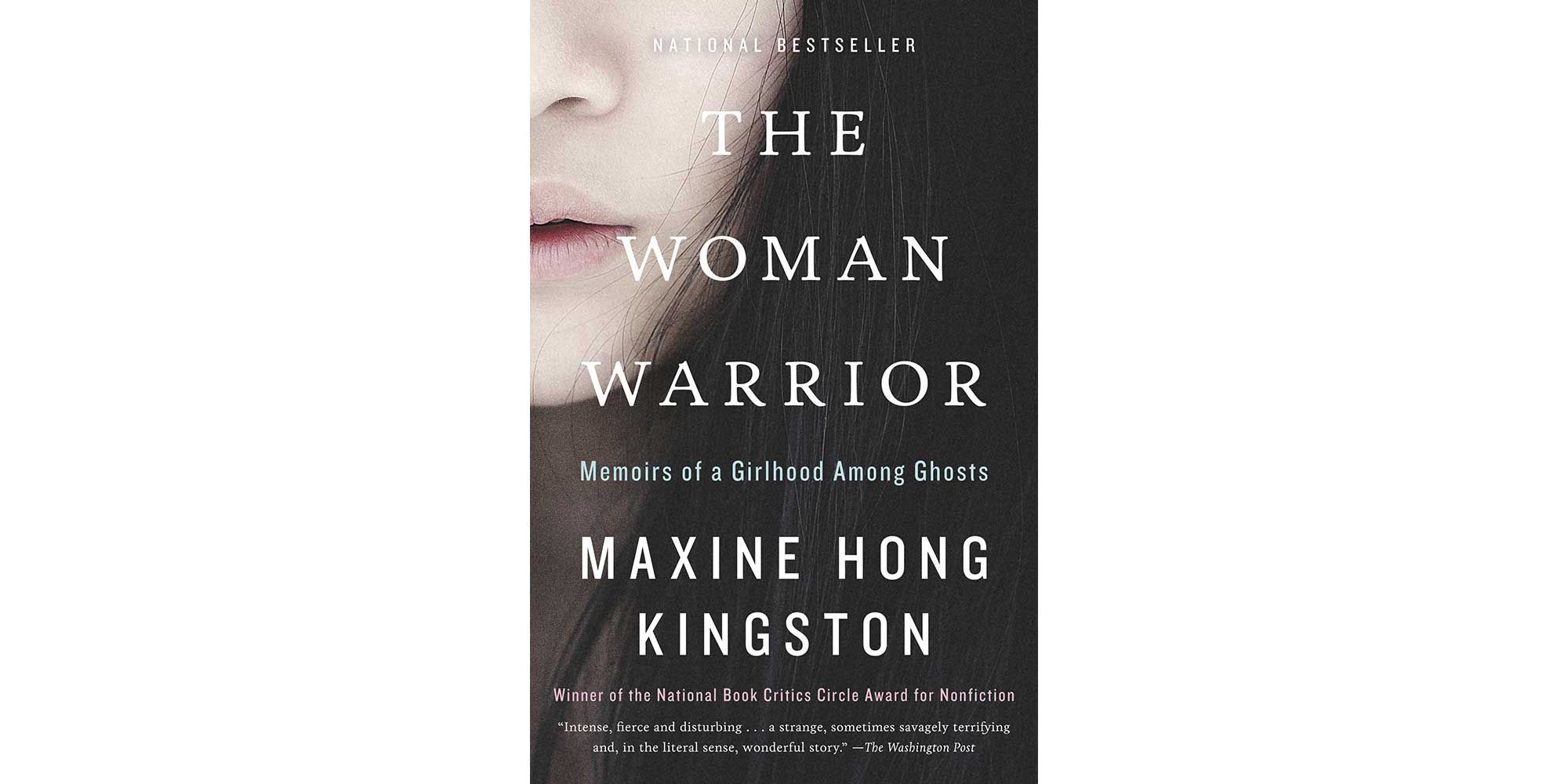
Reflections on The Woman Warrior by Maxine Hong Kingston

TRIGGER WARNING: This essay discusses patriarchal oppression, gender-based violence and punishment, sexual shaming, social ostracism, and cultural trauma. These topics are examined in a literary and analytical context.

The Woman Warrior by Maxine Hong Kingston paints a picture of harsh expectations placed upon Chinese/Chinese American women. Though the narrator rejects some of the notions and attempts to forge her own path, she still feels duty-bound to uphold some of the traditions. Each section of the book focuses on a different woman and explores the expectations placed upon her specific to the time and place where that portion of the story is set.

For instance, No Name Woman lives in a village in China early in the 20th Century. She is expected to remain “pure” (no sex) until her husband’s return from war. Her sexual desires are not a consideration and her ensuing pregnancy is punished by shaming the family and destroying their crops, livestock, and stored foods. The family then disowns her and never speaks her name again, ensuring she would “suffer forever, even after death” (16). There is no mention of the man who must have impregnated her on the part of the villagers or her family. She must bear the full weight of the “crime” of having sex and becoming pregnant.

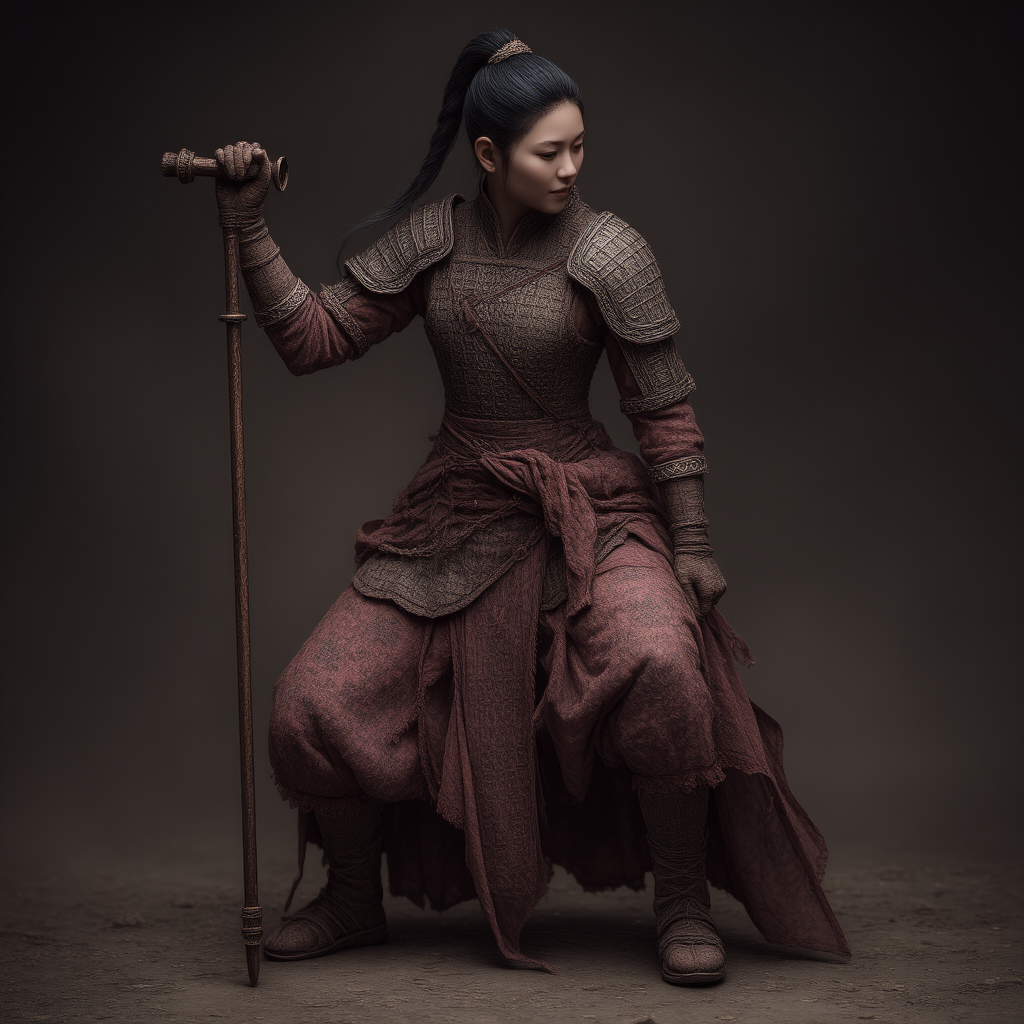
Fa-Mulan in the “White Tigers” section of the book becomes the greatest hero in the land saving her family, her village, and her country from evil rulers. She is a warrior, savior, and leader who has trained for 14 years to become the best hero possible. Yet, once her mission ends, she is expected to return to the “appropriate” role of wife, daughter-in-law, mother. There is no option for leadership in her world. This character is thought to have lived sometime around the year 500 in China. Women were not supposed to use their brains or their brawn, except in service to men. Any woman who attempted to pass as male enter the military or school would be executed, “no matter how bravely they fought or how high they scored on the examinations” (19).

The “Shaman” section about Brave Orchid shows the variety of domestic expectations placed on Chinese women. Brave Orchid lives the first half of her life in China and the second half in America spanning the 20th Century. She works as a medical practitioner in China and then in the family laundry business in America. Besides working long hours, she picks tomatoes as a part-time job to make more money, does all the cooking and cleaning, and manages all aspects of the household. She is also expected to carry on the traditions of the culture by keeping the rituals, ceremonies, and talk story alive so that it will pass on to the next generation. She must also protect everyone’s souls by calling them back when they have forgotten their way home. Brave Orchid’s eyes fill with tears as she tells her adult daughter, “I work so hard” (103). Chinese women are unrealistically expected to do more than their fair share of the work.        

The section “At the Western Palace” highlights the way Chinese women in the past had little power in marital situations. Their partners were chosen for them and husbands might take multiple wives. The women were expected to tolerate and support these traditions without question. When Moon Orchid comes to America in the 1950’s, she is confronted by a different reality in which women have more rights and her husband rejects their marriage. She is expected to accept his continued financial support without living as his wife. Chinese American women seem to still have parents attempting to meddle with selecting their potential suitors according to the narrator.

In the final section “A Song For a Barbarian Reed Pipe” the narrator implies that a “good” Chinese American girl in America in the 1950’s should be able to speak fluent English and Chinese. She should attend Chinese school and American school. It is an interesting note that “good manners…is the same word as traditions” in Chinese (171). To please the Chinese, she should be obedient and demure, soft-spoken, and graceful, domestically competent – able to cook, clean, serve, and heal, and pleasant in interactions while not making eye contact, use opposites to confuse evil spirits, keep all Chinese traditions, send money to family members in China, lie to Americans so no one can trap her or deport her or trick her somehow, and remember that men are valued more highly than women. To please the Americans, she should be assertive and firm of voice, intelligent, sexy, able to defend herself, and independent making strong eye contact, speaking from a place of science and logic rather than any mention of evil spirits, creating a comfortable lifestyle that is America-focused, be a patriot, and believe that women and men are equal. A Chinese American woman is expected to do all of this and figure out how to be healthy, happy, and prosperous without driving herself crazy over the paradoxes such disparate expectations create. 

Works Cited

Kingston, Maxine. The Woman Warrior – Memoirs of a Girlhood Among Ghosts. Vintage Books, New York, 1975.

Letters Everyone Should Read: James Baldwin & Ta-Nehisi Coates

TRIGGER WARNING: This essay contains discussion of racism, police violence, death, and racial trauma in a critical and literary context.

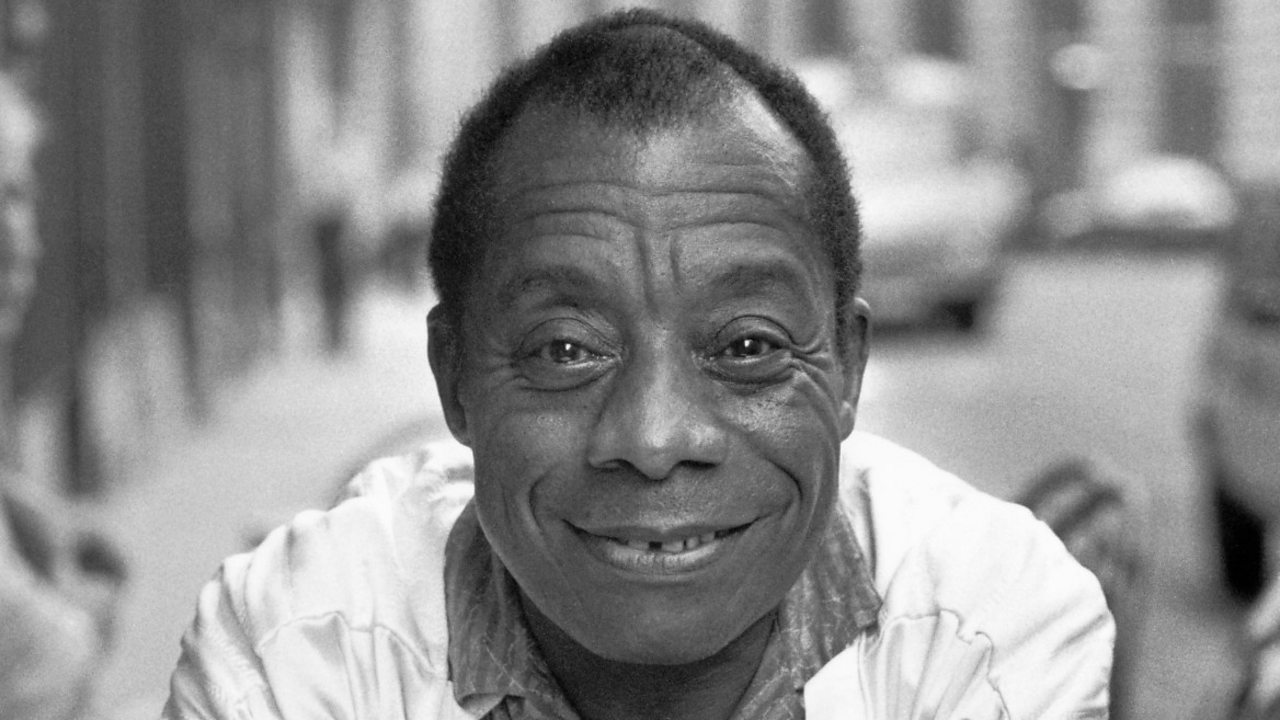
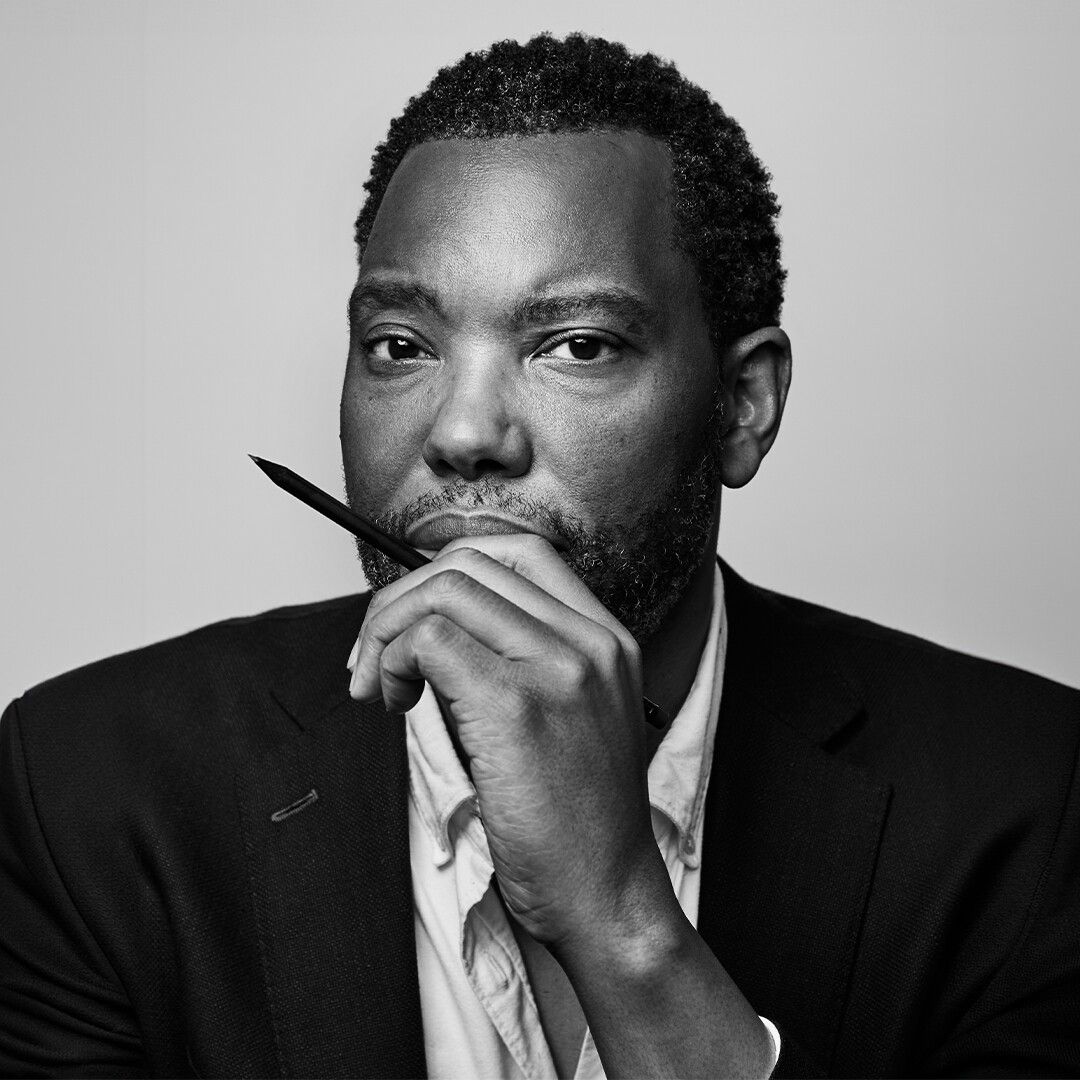
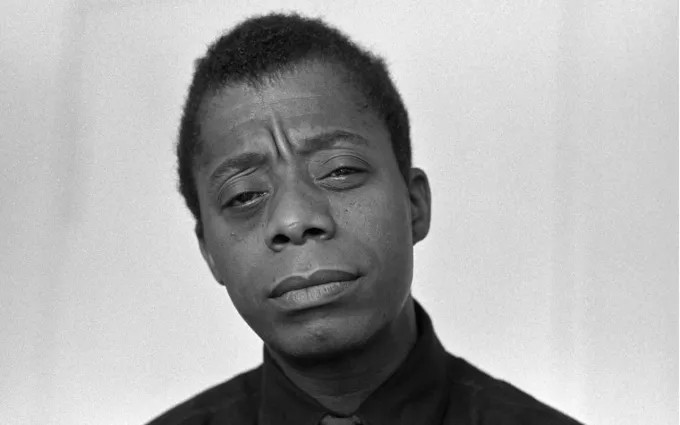
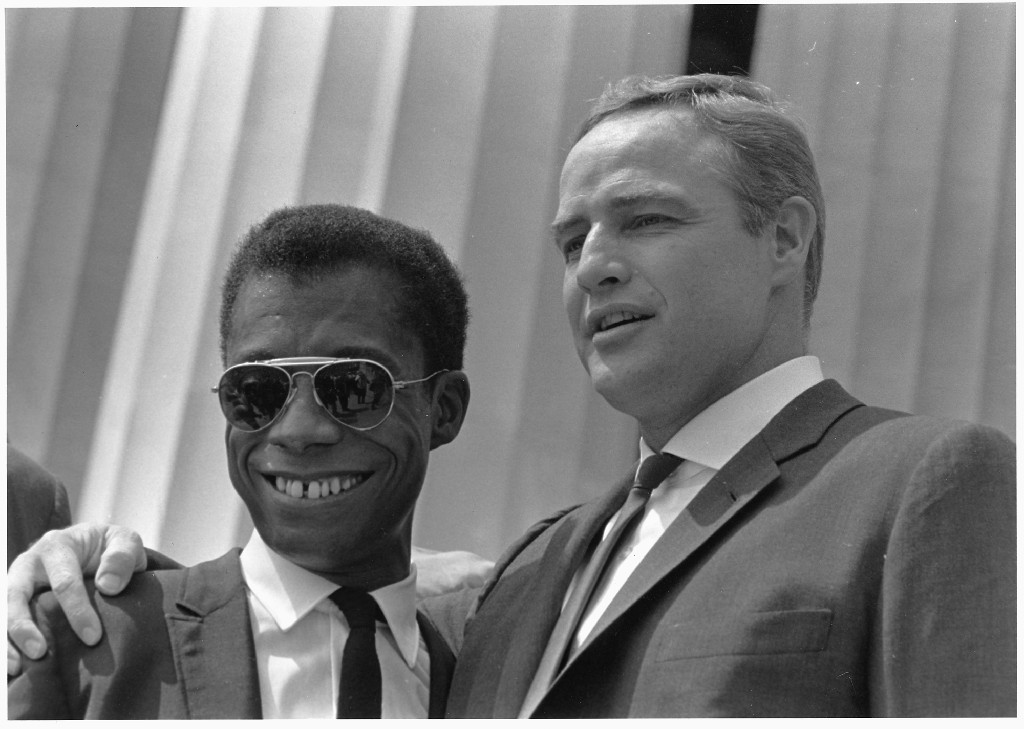
James Baldwin’s letter to his nephew is both personal and national in appeal as a publicly published letter to inspire black Americans and scold white. Likewise, Ta-Nehisi Coates’s letter to his son reveals extremely personal details that may encourage black Americans and spur white Americans to pick up the mantle of struggle alongside their darker brothers. Both letters speak to the lack of equality present for black Americans and the need for white mindset change for improvement to occur.

In “A Letter to my Nephew”, Baldwin moves chronologically through his life telling the tale of his nephew’s origins. He weaves into the personal story of his family’s tale, the historical context that affects them all including the results of geographic constraints, political, economic, legal, etc. that make life harder for African Americans. For example, Baldwin writes, “This innocent country set you down in a ghetto in which, in fact, it intended that you should perish.” He goes on to attempt to explain the thinking of the white “countrymen” that would permit such unfair treatment of their brothers. “They are in effect still trapped in a history which they do not understand and until they understand it, they cannot be released from it.” This calling out of uninformed white people is the way Baldwin throws down his gauntlet. It is up to everyone to become informed and prepare for change. The rest of the letter is encouragement to his nephew to be brave and loving as he continues the fight. And near the end he makes the inclusive statement, “We cannot be free until they are free” (Baldwin). He flips the idea of oppression on its head. The oppressor is the one who is in chains due to their refusal to educate themselves and grow with the changes that terrify them.

Coates’s Between the World and Me tells the tale of significant points in his life, including the birth of his son, but it is not strictly chronological. He jumps around in time, beginning with a recent interview and meanders through different time periods throughout the book. Coates weaves historical incidents like police shootings of unarmed black people, redefines terms to his preferences – terms like race and racism, dreamers, and white – glorifies black culture including music, art, literature, and fashion, and includes interviews with mothers who lost children to police violence. His letter feels at once even more personal in connection to his son and, at the same time, even more broadly an accusation of all Americans complicit in the conspiracy to oppress black people.

As Coates meanders through white on black oppression, he addresses his own fear that grew out of living while black. He admits that he does not want to raise his son with the same fearful perspective but also recognizes that fear might be what has helped him stay alive. He tells stories showing that constant awareness of potential danger is necessary for safety. He also admits that hyper-sensitivity to danger sometimes removes the ability to live in the moment and enjoy the present. Using so many resources to remain in fight or flight mode steals reserves that could have been used for learning, experiencing, connecting, and joy. These are the things that make him angry, that make him feel hopeless and make him realize that there is still much struggle left for all to endure. He encourages his son to struggle but does not seem to call him to love the same as Baldwin. He encourages him to endure but does not provide the same hopeful outlook as Baldwin. It seems like a public shaming of white America. They have continued to oppress, even in the face of countless opportunities to change. Perhaps Coates is hoping to guilt them into an awakening. Coates’s letter ends with witnessing the same crumbling infrastructure that has been the setting for so many black lives – “and I felt the fear” (Coates 152).

Works Cited

Baldwin, James. “A Letter to My Nephew.” The Progressive. 1 Dec, 1962, progressive.org/magazine/letter-nephew/

Coates, Ta-Nehisi. Between the World and Me. Spiegel & Grau, 2015.

Reflections on James Baldwin’s Appeal to the Possibility of Relationship

TRIGGER WARNING: This essay contains discussion of racism, racial violence, police brutality, and psychological trauma in a literary context.

Baldwin’s writings seem to assert that all people deserve the opportunity to be understood, and barring that, at least given a fair shake to make their way in the world. A self-proclaimed witness to the treatment of his people, he uses story to persuade others to open themselves to the possibility of relationship, or at least the ability to visualize the other. In “Previous Condition”, the main character is a black man having an affair with a white woman. She grew up in poverty and argues with him when he implies that only black people have it hard economically. The argument sounds as though it could have been heard on YouTube with its layers of race, class, gender, and privilege still such hot current issues. However, Ida the white woman, does not get kicked out of a dwelling simply because of the color of her skin, as is the case for the black actor she is debating. Even more horrible is the description in “Sonny’s Blues” of white men running over and murdering Sonny’s uncle just for the fun of it. Evil breeds hatred. Sonny’s father “never really did get right again. Till the day he died he weren’t sure but that every white man he saw was the man that killed his brother” (Going 118). These are examples of the ways in which people as individuals interact in his stories showing the depth of conflict created by race in relationships.

In “This Morning, This Evening, So Soon” Baldwin paints the scene of a black man who has forgotten how to play the game of pacifying the white police officers as is so often necessary to ensure minority safety. The main character says, “I had once known how to pitch my voice precisely between curtness and servility…” (Going 163). He’s been in France so long and interacted with white people under a different social contract for so long that he has forgotten the tricks he used to know to keep himself safe around white people with power who hate him. This speaks to the “armies” of whom Baldwin speaks. The police represent the powers that be and are an ever-present menace to the black characters in his books. In “Going to Meet the Man,” the main character is a white police officer who truly believes he is simply enforcing rules God himself established. He says it wasn’t his fault the black people “fight against God and go against the rules laid down in the Bible” (Baldwin Going 235). This is an example of the way church gets mixed up in all the oppression in people’s minds. All these systems interact to create menaces of themselves.

Yet, somehow, despite all the horrors Baldwin witnessed and wrote about, he continually returns to the theme of love. He seems to believe that love can prevail. I am in awe of his optimism. In “A Letter to My Nephew,” he writes, “love shall force our brothers to see themselves as they are, to cease fleeing from reality and begin to change it” (Baldwin Letter). I hope and pray that he is right.

Works Cited

Baldwin, James. “A Letter to My Nephew.” The Progressive. 1 Dec, 1962, progressive.org/magazine/letter-nephew/

Baldwin, James. Going to Meet the Man. Vintage International, 1948.

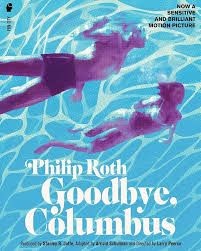
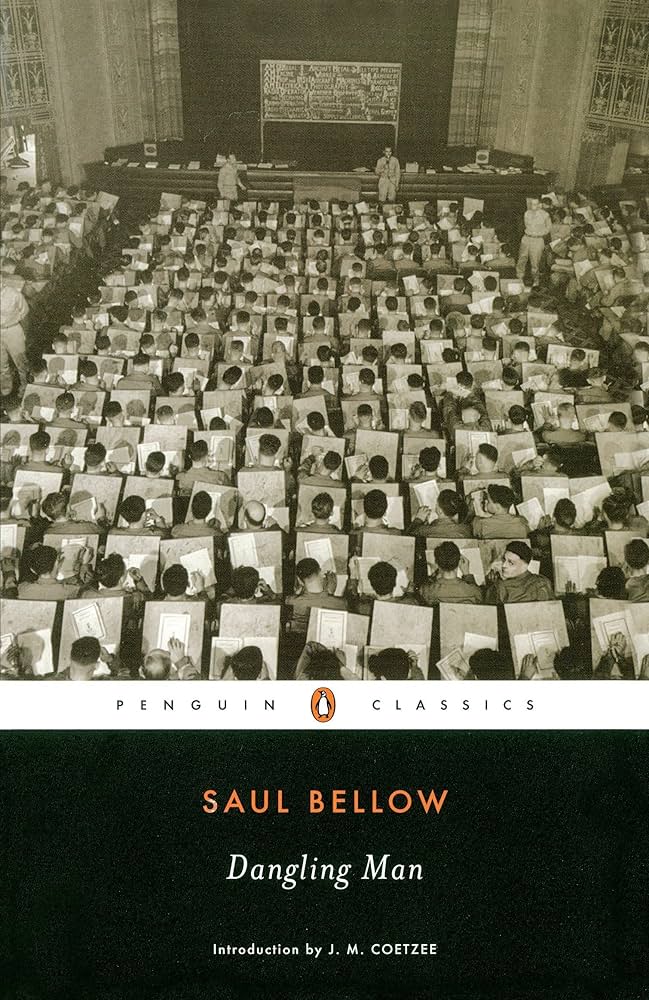
Jewish American Identity in Saul Bellow’s Dangling Man and Philip Roth’s Goodbye, Columbus

TRIGGER WARNING: This essay analyzes Jewish American identity in mid-20th-century literature and includes discussion of antisemitism, cultural and gender stereotypes, prejudice, and historical references to World War II. These topics are discussed in a literary and analytical context.

The main characters in Saul Bellow’s Dangling Man and Philip Roth’s Goodbye, Columbus react to Jewish stereotypes by challenging some and confirming others. The writers allow the characters to explore their Jewish identity within the context of the larger American culture of which they are a product.

Joseph in Dangling Man lives in early 1940’s Chicago. Antisemitism was prevalent in American culture. Jews were often characterized as greedy and dishonest. Vandalization of synagogues and Jewish cemeteries were a common occurrence. Literature spouting antisemitic rhetoric and symbols like swastikas were the norm (Freeman). Joseph does not mention any of this, but it is the reality in which he resides. He is not always honest with his wife and has an affair. His hot-headed temper gets him into trouble off and on. And his judgmental views of others reveal hypocrisy. In these ways, he upholds some stereotypes that others may have had concerning Jews. However, his pondering journal entries debate such concepts as materialism, honor, integrity, and truth, inner wrestling that defies the stereotypes of the time while he waits to be drafted to fight in WWII.

In one case he struggles with how to view the world and find his own place in it. “Joseph suffers a feeling of strangeness, of not quite belonging to the world…” (Bellow 17). He mentions the complicated nature of the world with both good and malevolence present to contend with and it bothers him when people try to simplify life to either good or bad. Yet, he has his own standards that he struggles to uphold. He endeavors to be honest with himself. He battles against his brother who wants to give him a handout. He is judgmental of his brother’s family and their materialism, viewing their desire for more than four rationed pairs of shoes per year as vanity. (Bellow 42). And he is disappointed that his wife Iva does not want to improve herself and her way of thinking to become a more enlightened person like him.

Neil in Goodbye, Columbus lives in late 1950’s Boston and is a secular Jew unsure of his position within his culture. He has definite opinions regarding what good Jews should do, like not get nose jobs to hide their Jewishness. He lived in a time “when antisemitism was at an all-time low” compared to the 1940s. However, non-Jews reported worrying about the materialism, excessive amounts of freedom, and lack of values that Jewish youth were perceived as possessing (Prell). Neil verifies that these stereotypes may have been founded concerning some of the more well-to-do Jewish families as he describes Brenda’s family’s wealth. He is amazed and seems critical of their “sporting goods trees”, housekeeper, giant home with guest bedrooms, multiple well-stocked refrigerators, and extra rooms full of outdated furniture (Roth).

This was also the time period when the Jewish American Princess began to be talked about. Brenda is the perfect example of this stereotype, the spoiled, bratty, argumentative Jewish girl who gets her way by manipulating her father. There is also a stereotype of the critical Jewish mother who is difficult to endure. Mrs. Patimkin certainly fits this description quite well. It is as though Neil is painting his experience with Brenda’s family as a lesson in all of the stereotypes Americans believed during the 1950s. Though he does not fit most of these, he is very aware of their presence and is looking in like a non-Jewish outsider observing this family as a case study.  

By the end of the book, Neil returns to his world that is not connected to the Patimkins (Roth 135). Despite being the first day of Jewish New Year, he goes to work and resumes his life as the kind of Jew that does not fit into most of the stereotypes he has encountered during his previous summer romance. He may not have it all figured out, but his experience with Brenda’s family has at least provided him with an example of what he doesn’t want in his life.

Works Cited

Bellow, Saul. Dangling Man. Penguin Group, 1944.

Freeman, Lauren. “The US and the Holocaust Project Group: Antisemitism.” Dec 2003, updated H. Marcuse March 26, 2012, marcuse.faculty.history.ucsb.edu/classes/33d/projects/ usholo/LaurenAntisemPage.htm

Prell, Riv-Ellen. “Stereotypes in the United States.” Jewish Women’s Archive – Encyclopedia. jwa.org/encyclopedia/article/stereotypes-in-united-states

Roth, Philip. Goodbye, Columbus. Vintage International Edition, September, 1993.
Reflections on Cristina Garcia’s Dreaming in Cuban

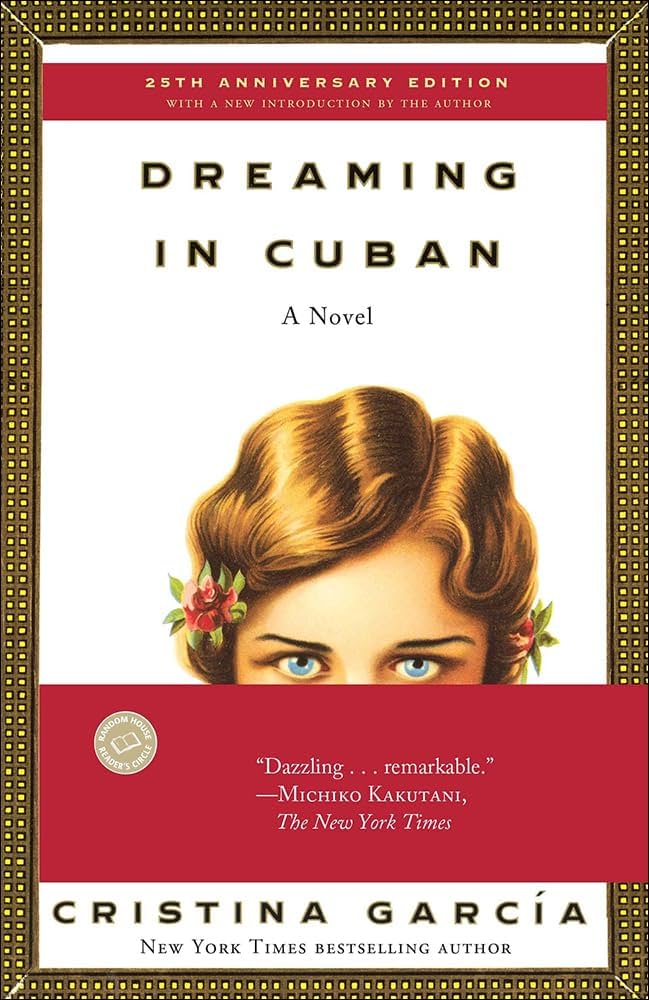
Cristina Garcia’s novel Dreaming in Cuban paints a portrait of two different Cuban American women and the way exile has helped to shape their identities as American citizens. Lourdes is a wife and mother at the time she flees to America to escape Fidel Castro’s Cuba. She leaves behind her parents and siblings to build her new life with her husband and daughter. Her American ideal is the stuff of movies and 50’s sitcoms. She has no patience for non-believers in the American dream and goes about creating her new identity from scratch. Pilar is a toddler when she leaves Cuba and it is not by choice. She is ripped from the arms of her grandmother and must accompany her parents to the U.S. She is torn between Cuba and America throughout her childhood due to her memories of her grandmother and a yearning to be reconnected with her. She resents the patriotism and blind faith her mother Lourdes places in the American dream and rebels against her mother’s ideals.
Lourdes owns a chain of Yankee Doodle Bakeries and is proud of the business she is building. She is a volunteer for the police force who patrols the neighborhood and believes it to be her “civic duty” (Garcia 136). She does things she believes to be distinctly American like she makes “Jello-O molds with miniature marshmallows” and “barbecues anything she can get her hands on” (Garcia 137). She attends the Thanksgiving Day parade on Fifth Avenue and watches the Rose Parade for New Year’s on television. For the American bicentennial, she plans to sell “tricolor cupcakes and Uncle Sam marzipan” (Garcia 136). She openly opposes anything that hints of communism or Cuban patriotism. “She’s convinced she can fight Communism from behind her bakery counter” (Garcia 136). Her daughter thinks she dreams of sponsoring her own float someday, “maybe a huge burning effigy of El Lider” (Garcia 137).

She only begrudgingly returns for a visit to Cuba in 1980 at the request of her daughter and is miserable the entire time arguing with the locals, complaining about the poor accommodations, criticizing the economy, etc. Garcia shows the contrast of Lourdes’s praise and pride in America with her disdain for Cuba. When she comes within killing distance of El Lider, Lourdes fantasizes about assassinating him, and her final act on the island is helping her nephew escape. She becomes a patriotic American whose love for her new country is partially a reaction to her escape and hatred of her old country. Her exile is her salvation and she is proud of her choice.

In contrast, Pilar struggles to figure out her identity. She takes for granted the country she grows up in because she did not have negative experiences in Cuba. She longs for a return to the island to see her grandmother and views those who bar her way as obstinate for no good reason. Pilar is a product of American society. She is drawn to the rebellious punk culture and uses her art to protest societal norms. She says she likes to “confront people” and that her art says, “Hey, we’re here too and what we think matters!” (Garcia 135). It is not until she returns to Cuba for a visit to her grandmother that she is confronted with the reality of the social, political, and economic unrest of her birthplace. Though she loves Cuba, she belongs in New York. “I know now it’s where I belong – not instead of here, but more than here” (Garcia 236). Her exile becomes real to her and that is when Pilar truly chooses America as her own, ready to claim it as part of her identity.

Works Cited

Garcia, Cristina. Dreaming in Cuban. New York, Ballantine Books, 1992.