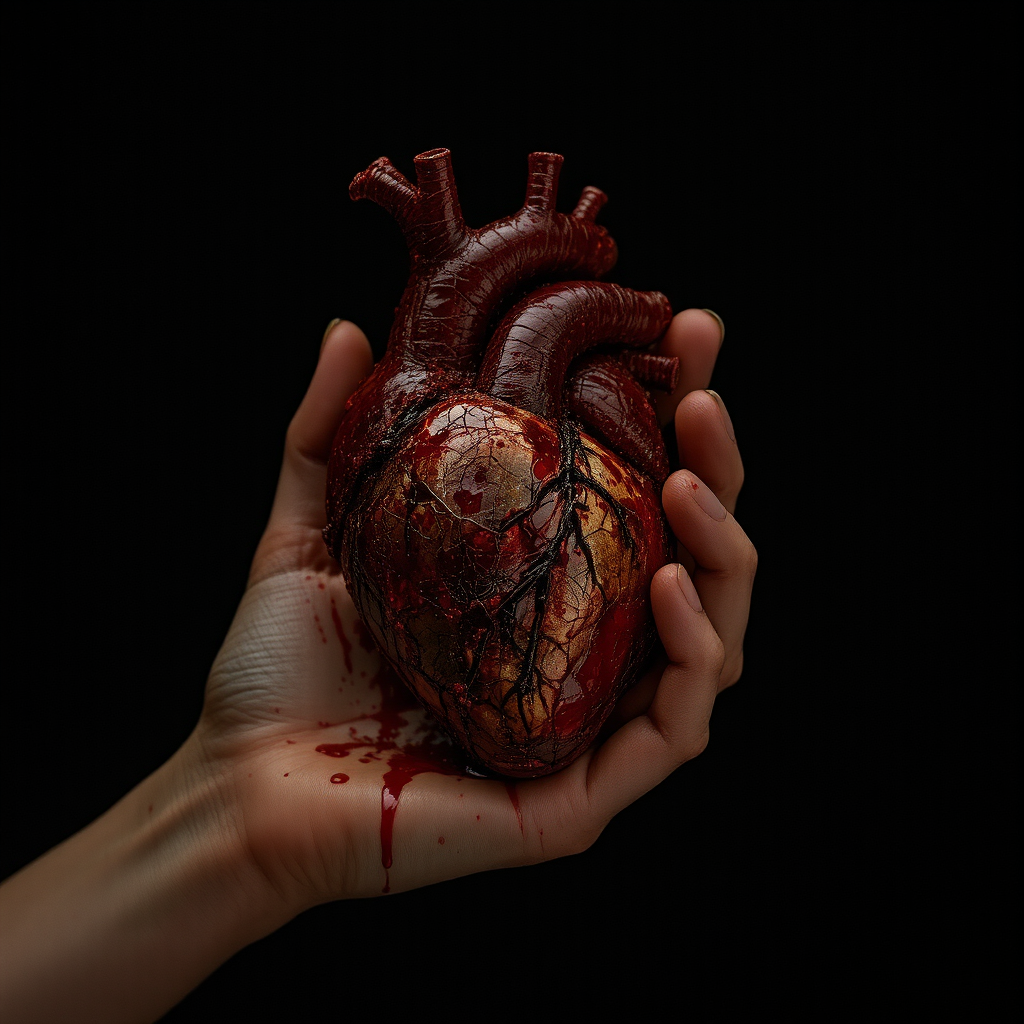
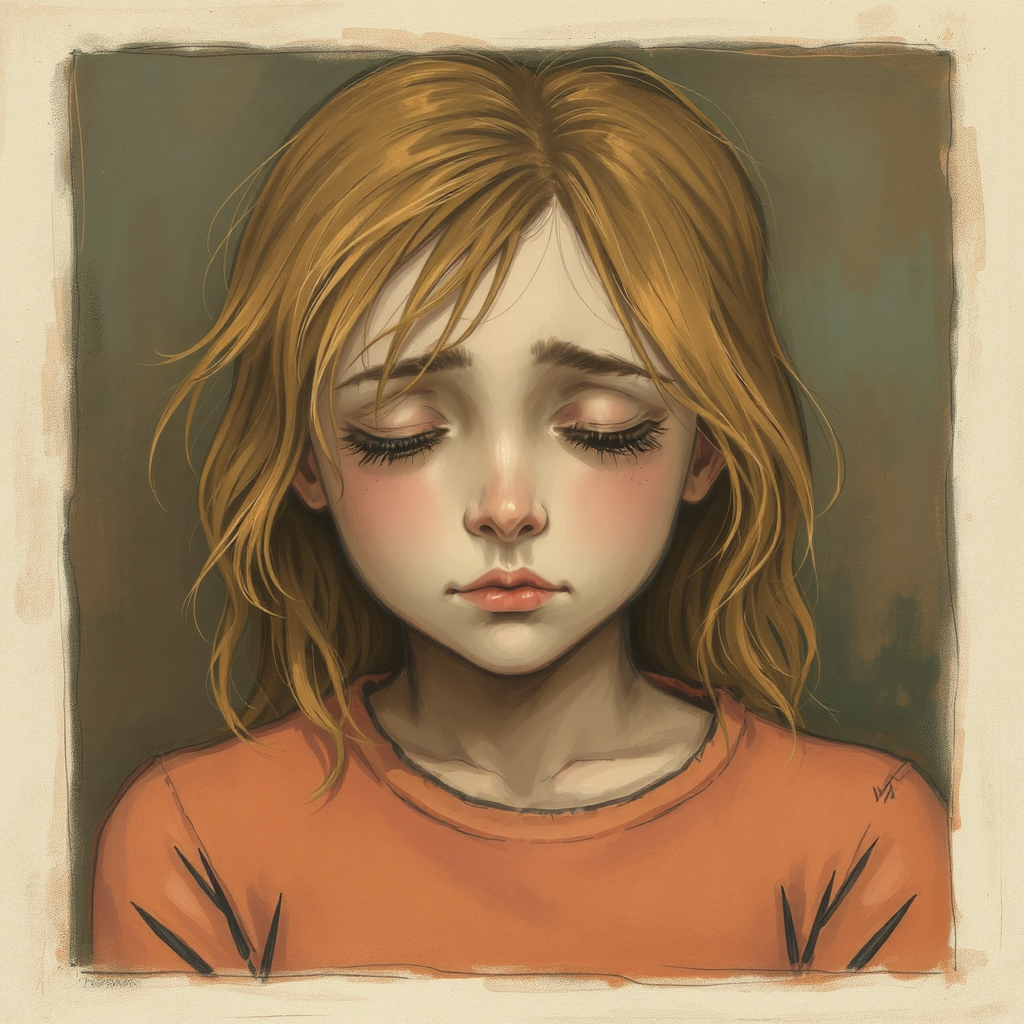
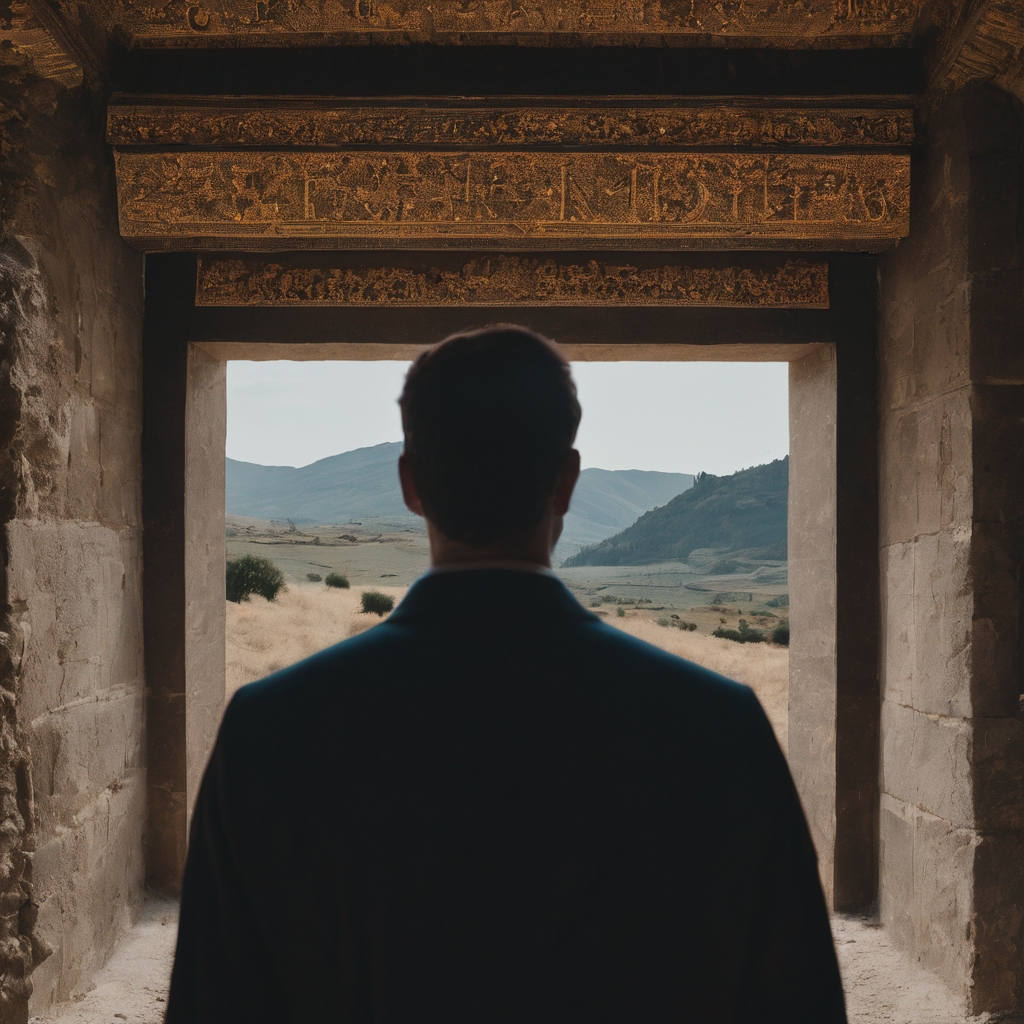
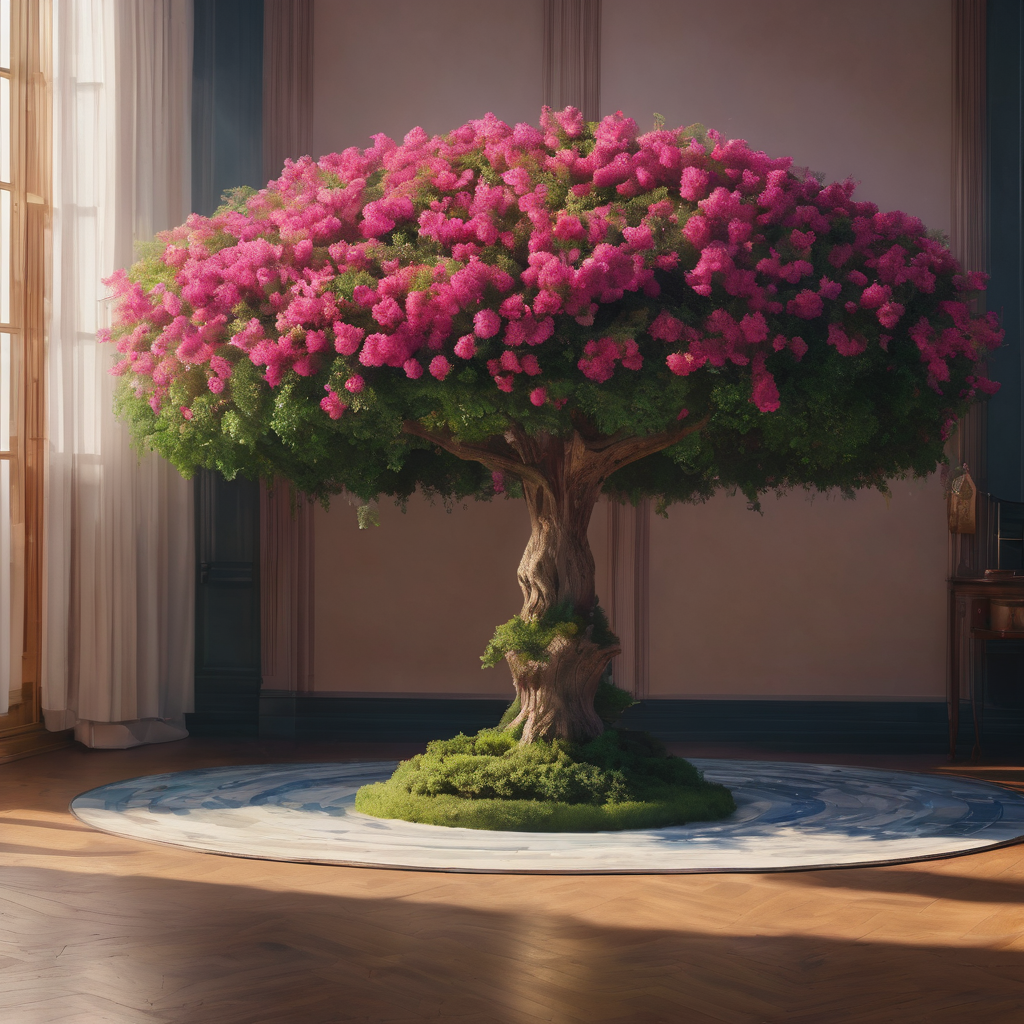
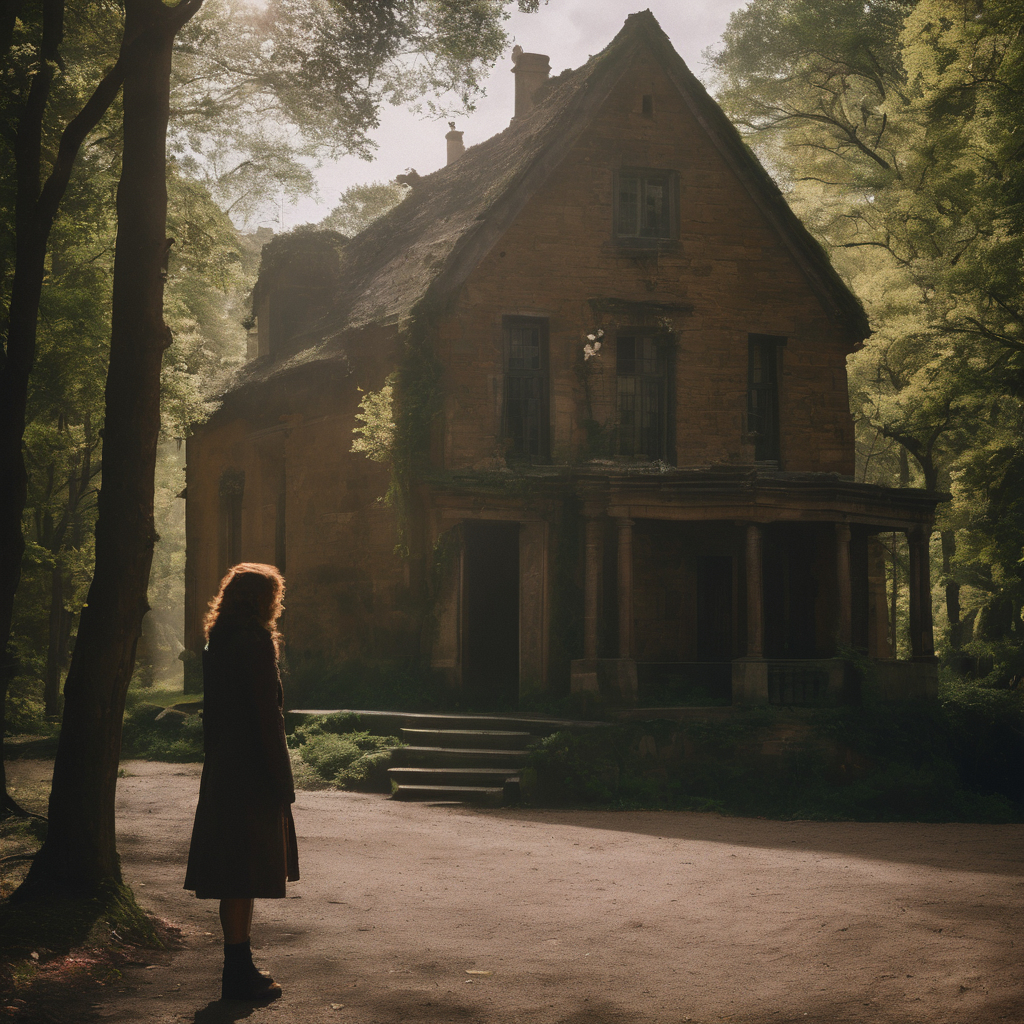
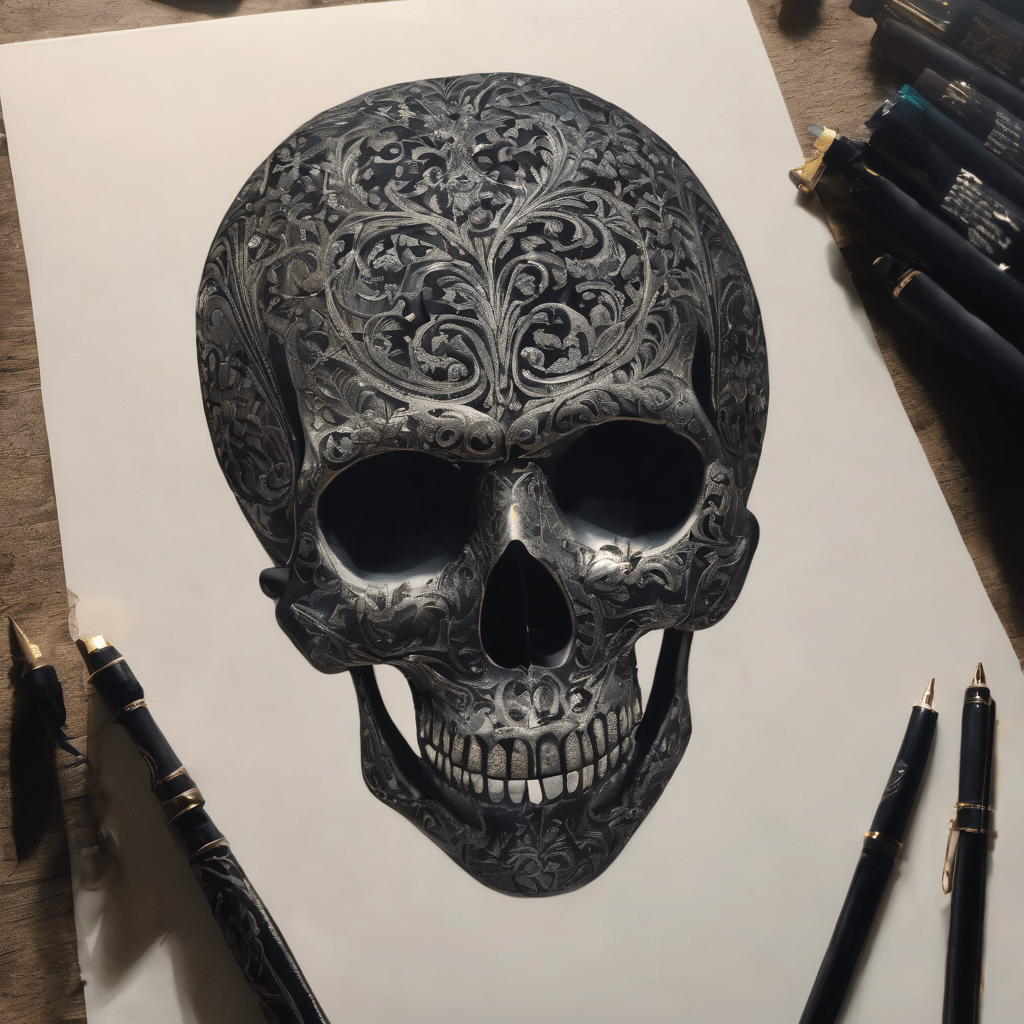
All images created by Rebekah Marshall’s prompts using AI on Gencraft.com website.
I am reading Hafiz’s Little Book of Life, poetry by Hafiz-e Shirazi. He is challenging me to become more comfortable with ambiguity. I will share his poem and some of my thoughts on his poem (sometimes with the help of experts when the concepts are too hard for me), followed by a poem and some art inspired by his poem.
Hafiz’s Poem 26:
How may
Fresh poetry
Come
To a heart heavy with sorrow
Some thoughts:
Some poets find great inspiration in the “depths of despair,” but Hafiz does not seem to be one of them. He, like me, questions how inspiration can flow when the heart is weighed down, when creativity is struggling to breathe. He yearns for something fresh, new, insightful, but is so filled with pain that there is nothing but old blood, recycled phrases, and stale thoughts. Fresh poetry represents the best words in the best order that arrive like an honored guest, flow through the poet, and onto the page. This kind of poetry he seeks cannot be forced or coerced into existence.
I don’t have the answer for Hafiz, since I, too, struggle with this question. But it feels affirming to sit in this space and ponder, with my fellow wordsmith, the slipperiness of inspiration and the heaviness of sorrow. We poets love juxtaposition and imagery. I wonder if Hafiz was inspired to write this little gem while in the depths of sorrow. If so, he has answered his own question by writing, despite the pain. I suppose the only way to know for sure is to experience it for myself.
My Poem 26:
How heavy is a heart?
Google says less than a pound, but it depends on gender, age cardiovascular health, and body size.
I say it depends on how much what is lost meant to the heart that must continue to beat.
Hafiz. Hafiz’s Little Book of Life. Translated by Erfan Mojib and Gary Gach, Hampton Roads Publishing, 2023.
TRIGGER WARNING: This book addresses difficult topics including mental illness, suicide, abuse, violence, and trauma. Some scenes and references may be distressing for certain readers.
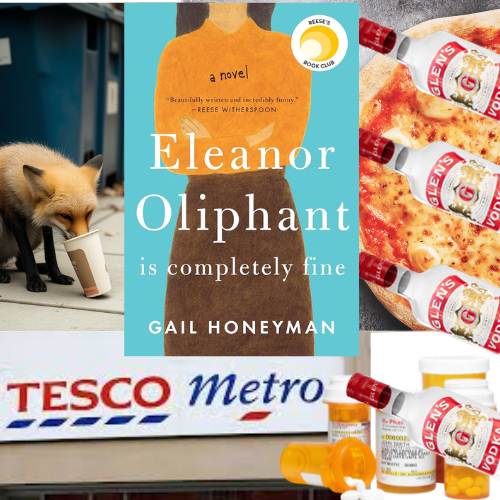
Gail Honeyman is a master of dry wit and understatement in Eleanor Oliphant is completely fine. Eleanor is so unpleasant and awkward as to render her completely unlikeable at the beginning of the novel. I don’t want to see her bullied by her coworkers or strangers in public, but I could certainly see why they might. She invites side-glances with her oblivious rudeness and is a closed book. She doesn’t want anything to do with anybody and seems perfectly content in her isolation. Of course, it’s all a ruse and protective defenses, but those walls are tall and seem impenetrable.
The chance encounters, unusual incidents, and course of events that occur begin to bring about a soft opening of Eleanor. And the unfolding of her past, the development of some friendships, and her observations and realizations throughout the process are so endearing that I couldn’t help falling in love with her. She and her circle of people are everything that is wonderful about humanity, especially when coping with everything that is horrible with humanity.
Once again, I was disappointed by the rushed feel of the ending. I hoped for the same level of deep introspection at the end of the book that was delved into throughout the rest. What is with these authors rushing their endings? They need to be every bit as perfect as the beginnings and middles. But other than wanting more, I can find no fault with this witty, honest, hilarious look at a lovely woman who is absolutely NOT completely fine, but who will be. The author’s voice is refreshing, hilarious, and wonderful.
Honeyman, Gail, Eleanor Oliphant is completely fine, Penguin Random House, 2017.
This winter, my cat Chika died. She wandered out to a far corner of our property to meet her maker. She did as cats are wont to do, sparing her beloved humans the trouble of witnessing their passing. My granddaughter found her and Facetimed me, distraught, tears streaming down her 10-year-old face. She had been missing for a week, and I assumed the worst. A once fat cat, her weight rapidly declined over the preceding month. She had been sickly all eight years of her life with constant upper respiratory infections, allergies, and asthma. Because of her, I now know what cat sneezes and coughs sound like. I became attuned to her different variations of wheezing, knew which ones were minor and which ones warranted a vet visit. Nothing we can do. Another steroid shot might help. A round of antibiotics. Let her live her best life.
I’m surprised she lived as long as she did. I don’t think it was a pleasant existence for a cat, but the vet did not think she was in so much discomfort that she should be put down. Her purring during the exam, passing their breathing tests, and fat physique reassured them that she was as ok as a sick cat could be.
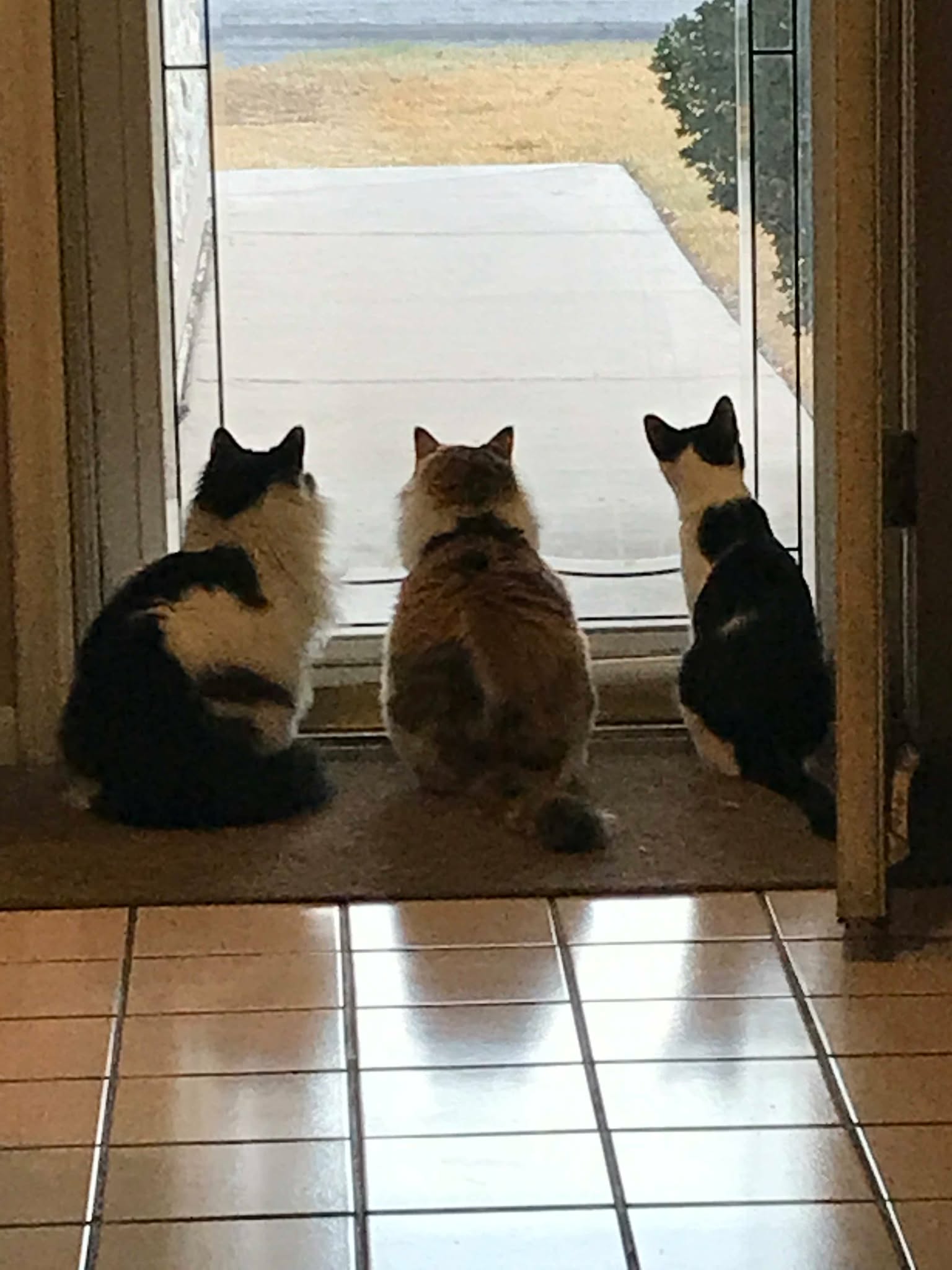
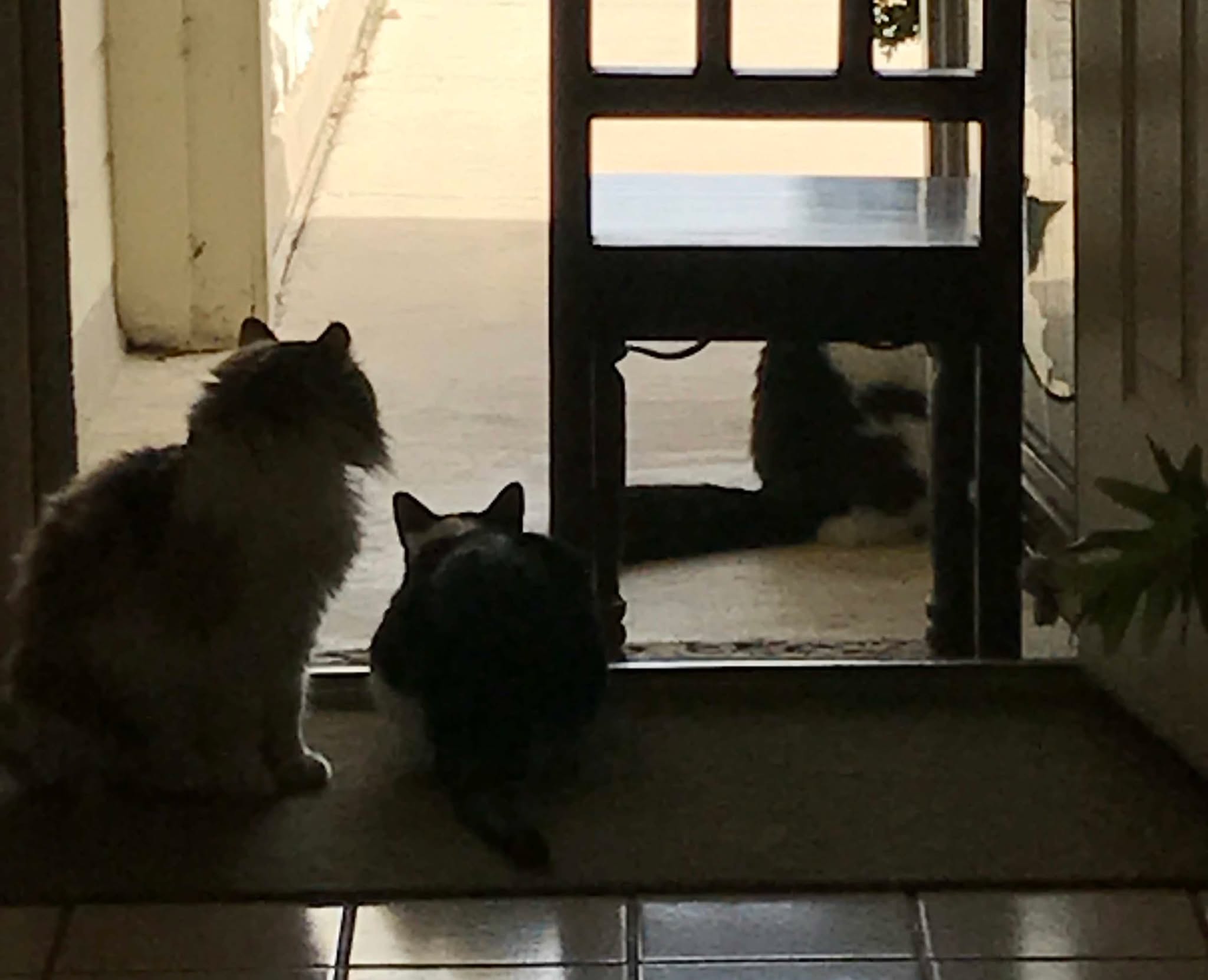
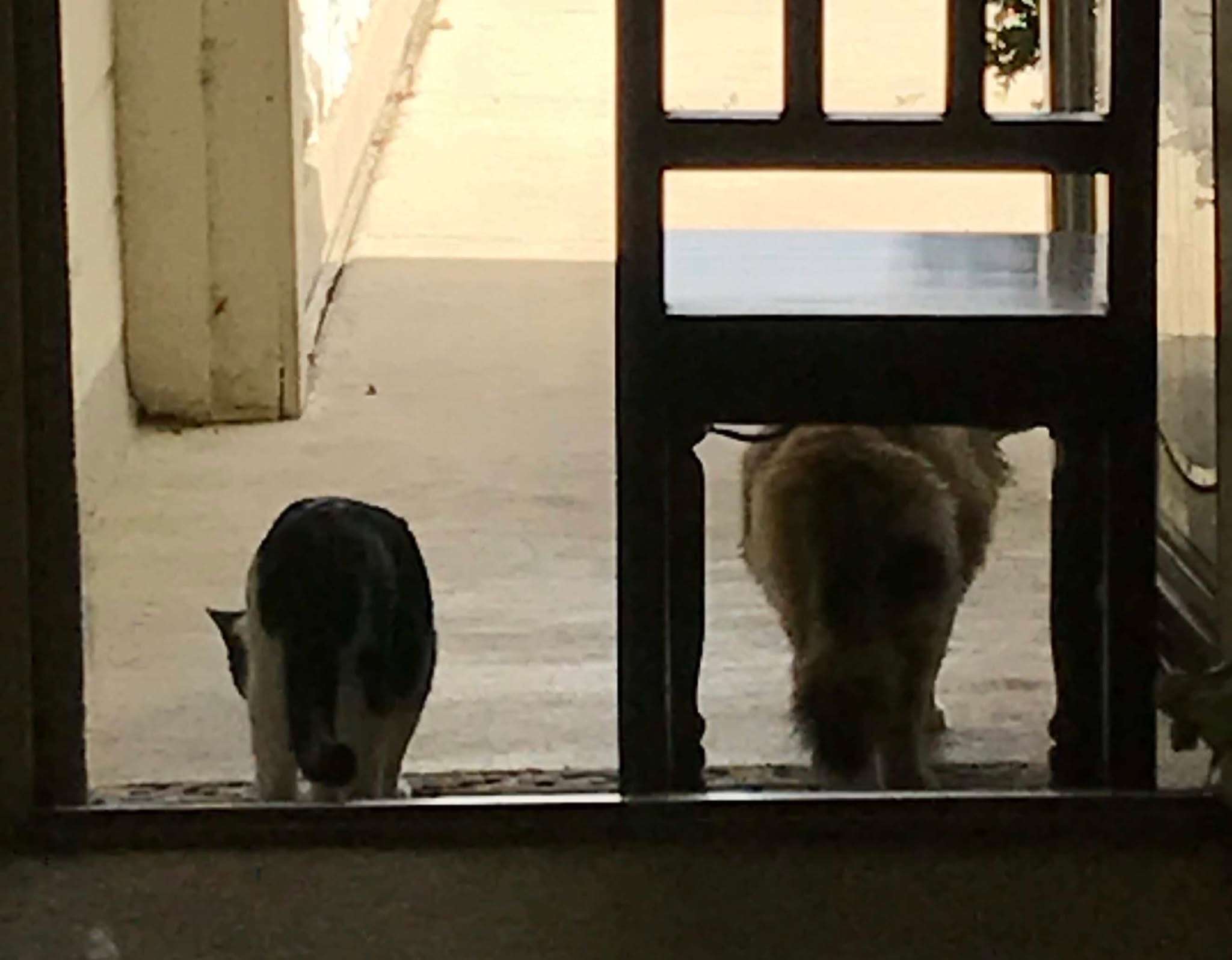
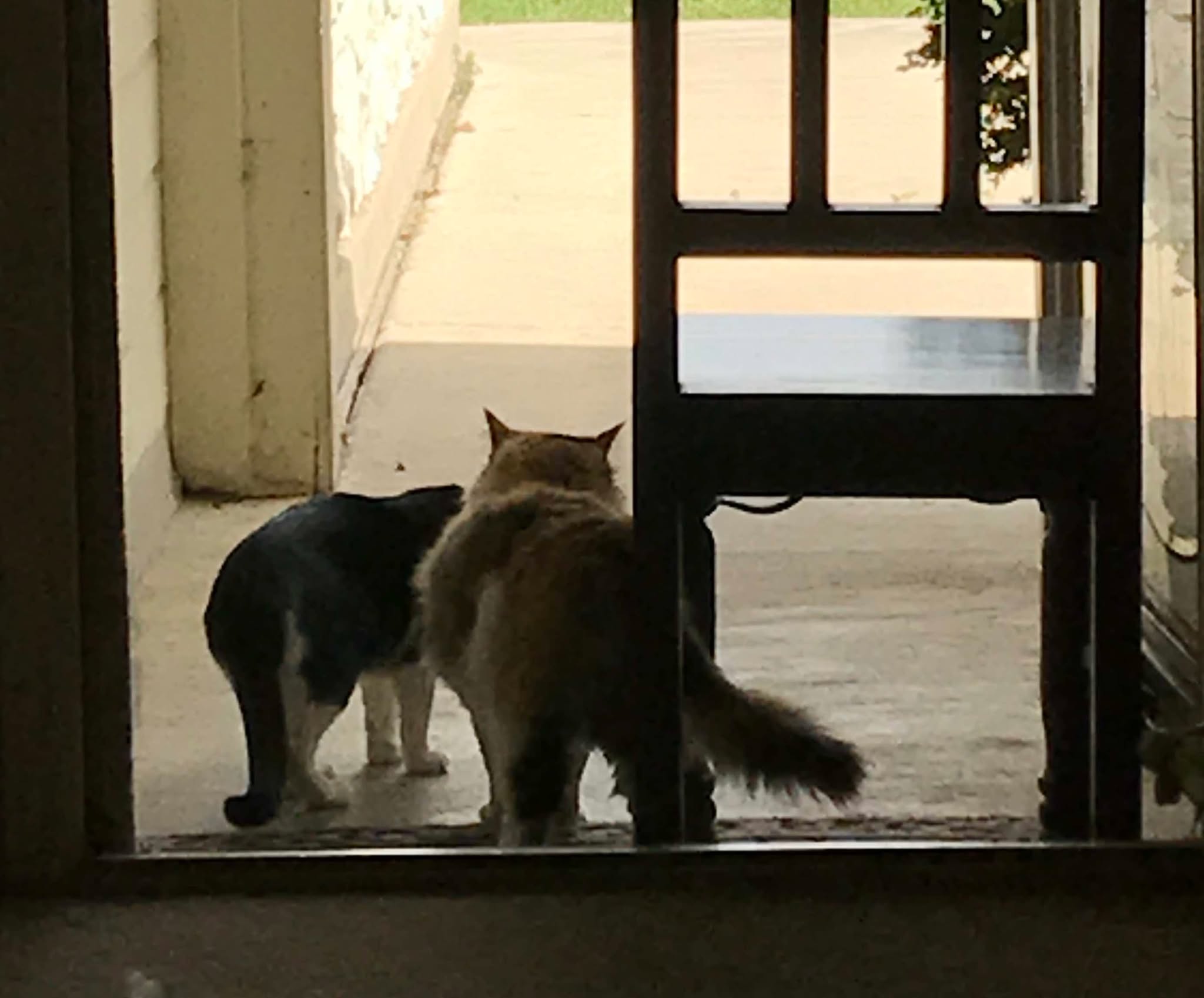
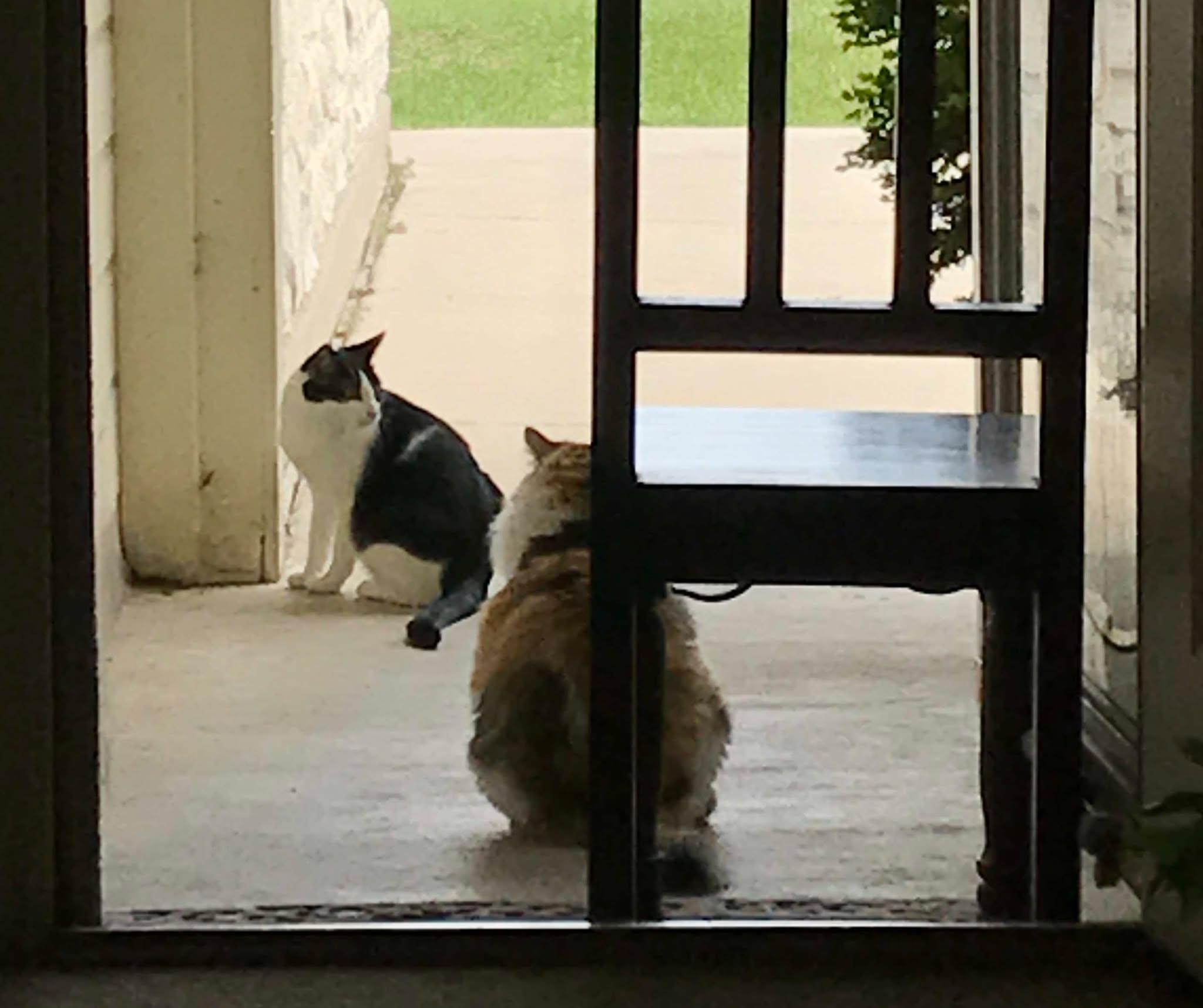
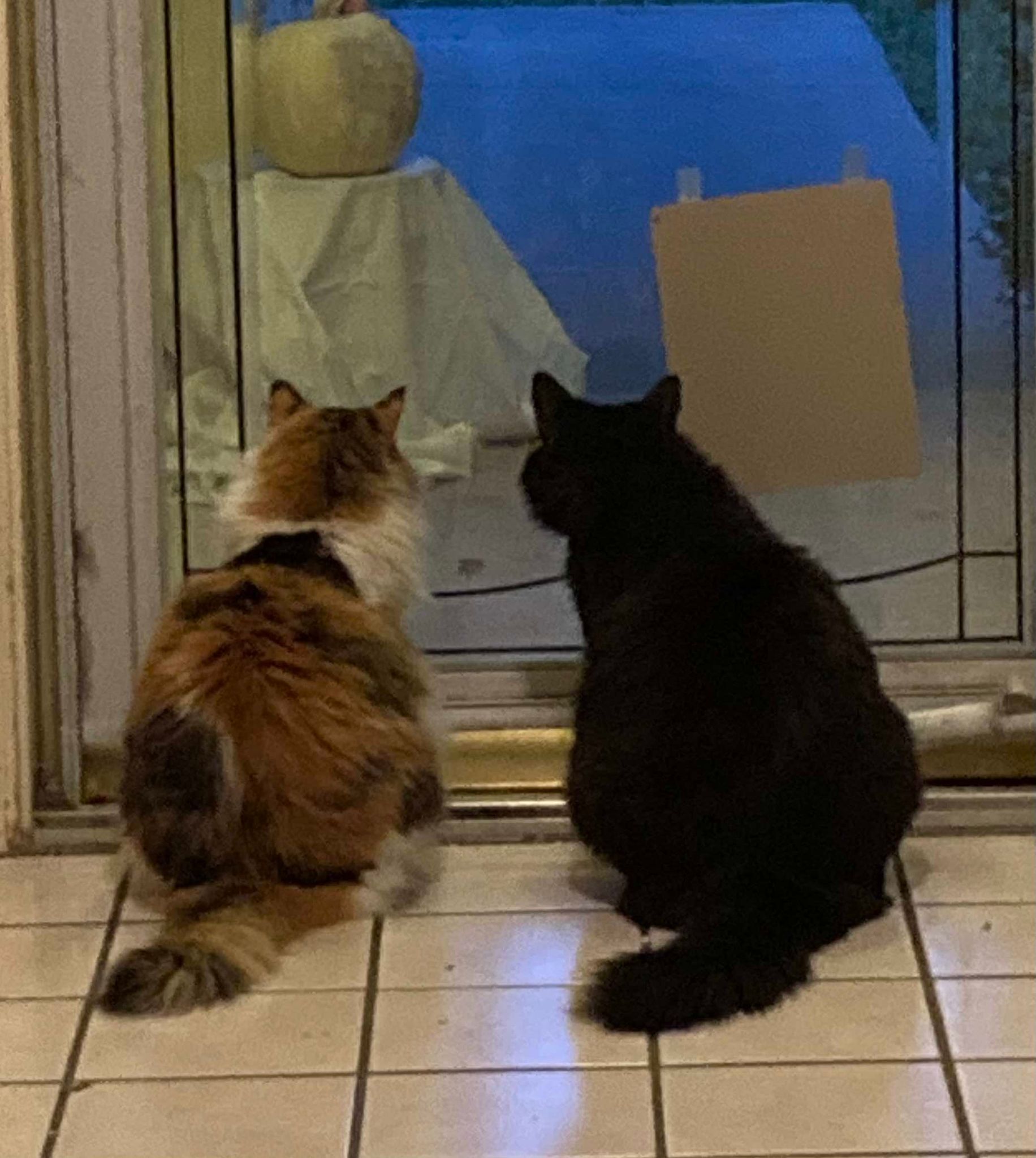
She was afraid of the outside for the first two years of her life. The other cats would encourage her to join them on a jaunt around the yard, but she would sit and watch through the glass door. One day, we left the door propped open with a chair and let them come and go freely for a few hours. They had the best time entering and exiting at will, no need for humans to open anything. The two older cats decided it was high time that the younger, less experienced of the pack join them. They spoke the magic language of cats, convincing her it was safe, then one or the other of them sat by her side as she took her first tentative steps onto the porch. However far she felt comfortable venturing, one of them was right by her side for a good 30 minutes or so. It was heartwarming to watch.
Chika probably had pica. She loved to lick plastic shopping bags if she could get her paws on one, and another cat owner told us it was like a drug addiction to the chemicals on the bag, that it would give her a bit of a buzz. I was unable to find research to back up that claim, however. More likely, she liked the texture, and her brain told her it was something to put in her mouth. Whatever the reason, we had to be careful with plastic bags and make sure none were left out anywhere that Chika could access them. She also sucked or chewed on soft blankets as she was kneading them with her little cat claws.
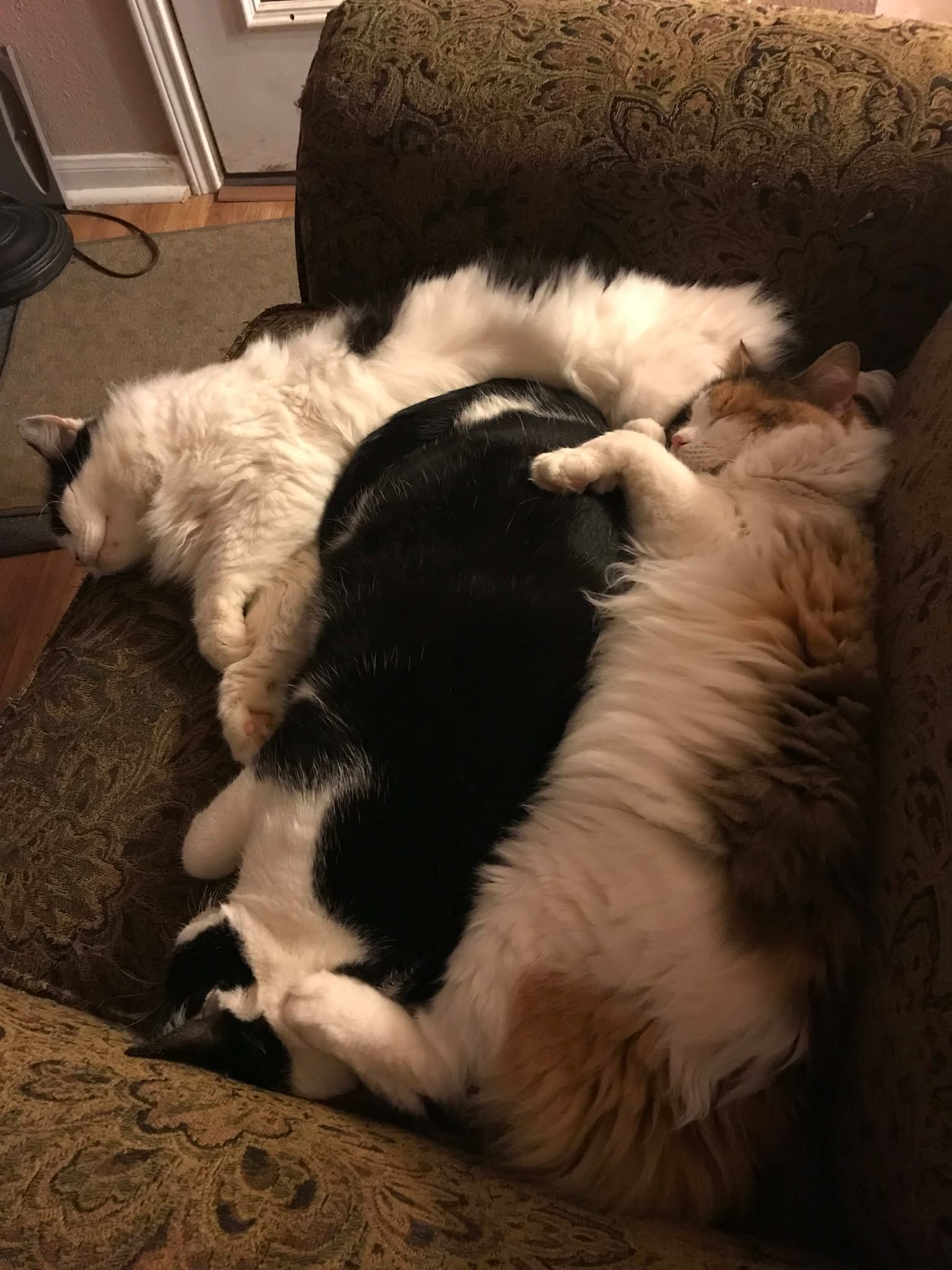
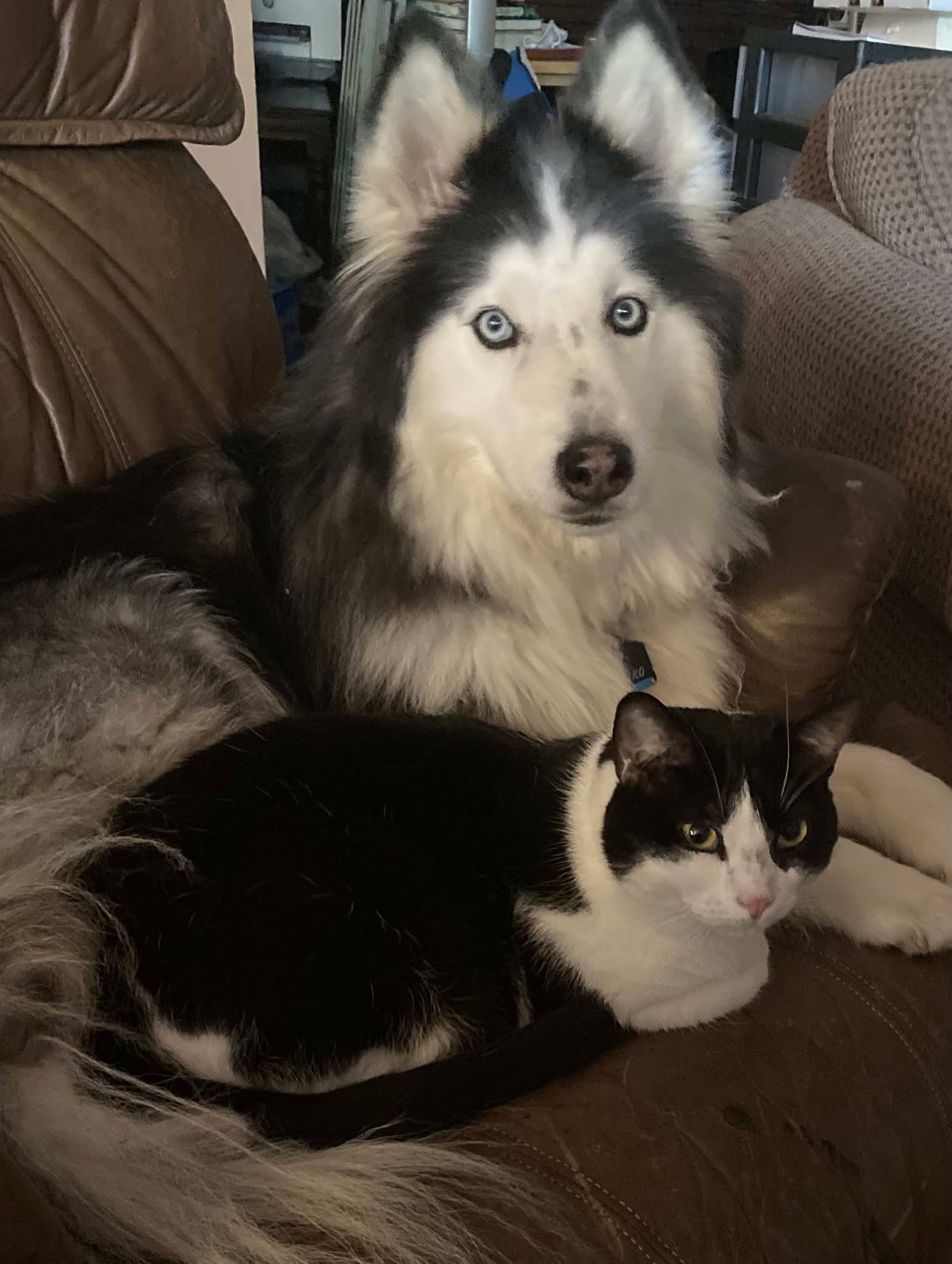
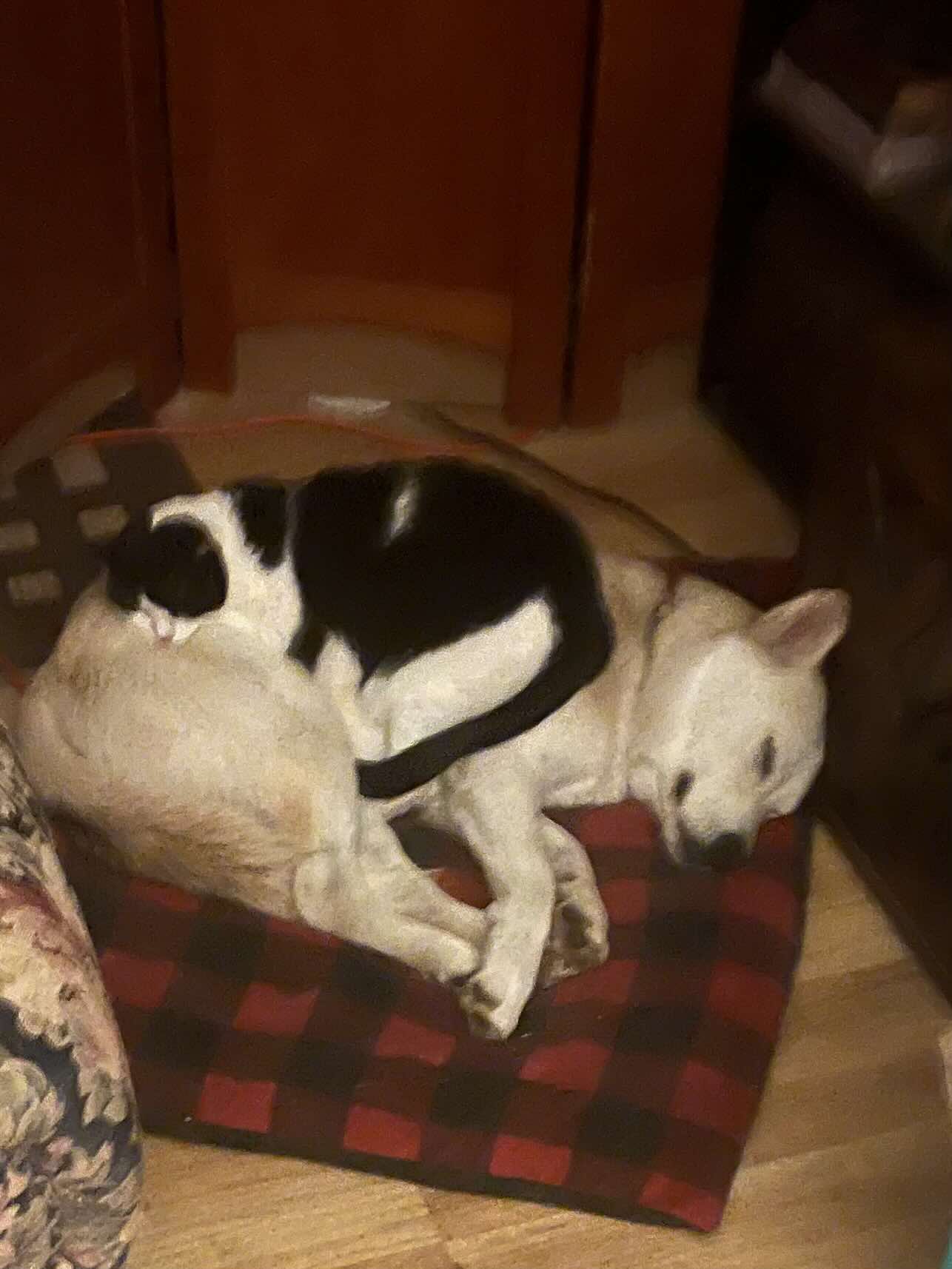
She hated to be brushed. She wasn’t much on cat treats or fancy wet cat food or even human food. She preferred her dry food, and keep it coming, thank you very much. She expected the bowl to always be full, so she could eat when she felt like it. She was not really a big fan of other animals and took her sweet time getting used to any new ones who entered our home. Even after years of knowing a “new” animal, she might hiss at them if they ventured too close. She decided the dogs were tolerable because she could sleep with them, and they were warm. She liked the sleeping in a pile at night snuggling with others, but by day, she wanted her space.
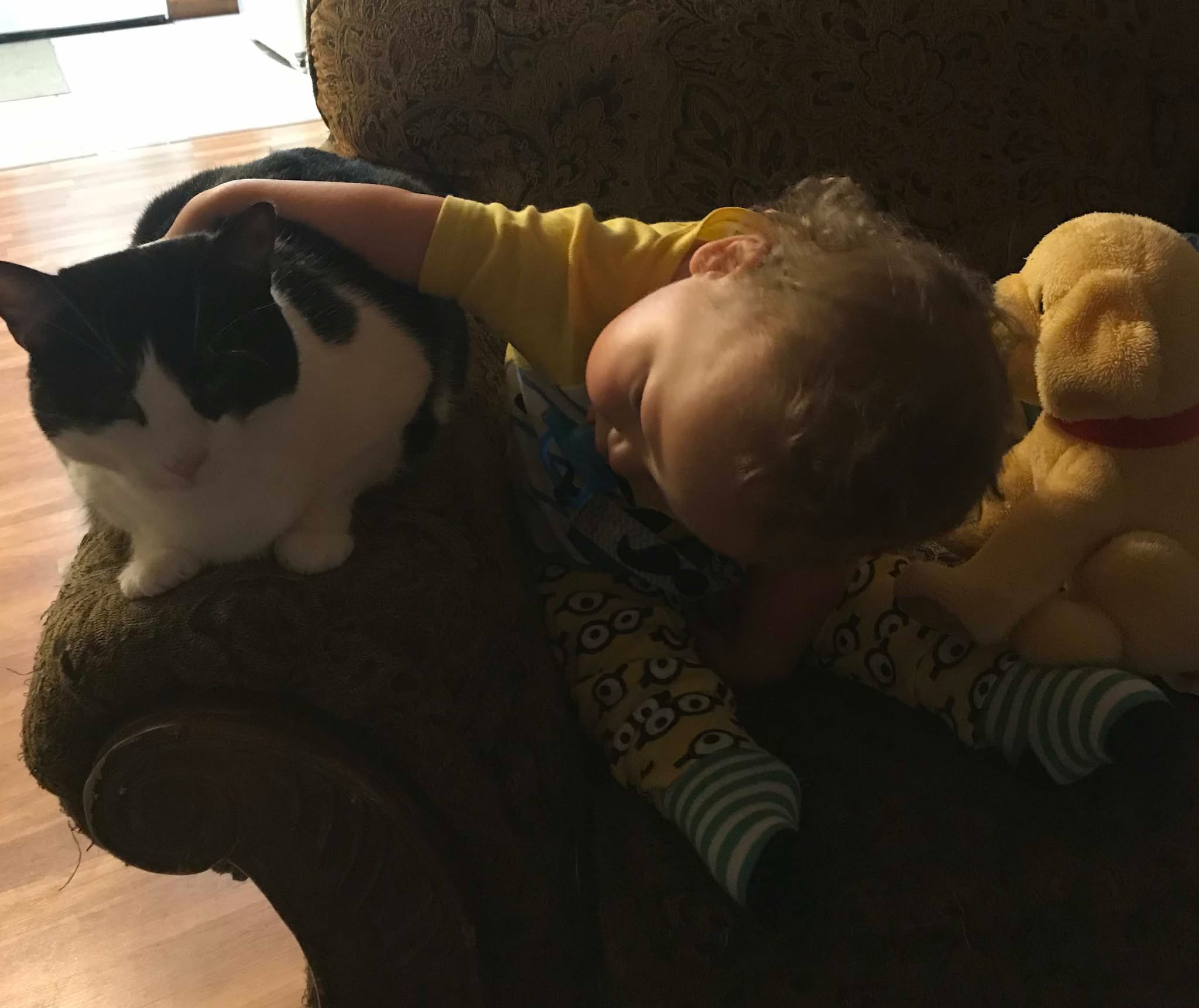
Chika was hot or cold with affection. She mostly permitted pets when she was in the mood. She liked a warm lap, but the lucky person was selected by her, and the chosen one had no say in the matter. She jumped up, settled in, and waited expectantly for pets. It did not matter if you liked cats, wanted a cat in your lap, or preferred to be left alone. Once she decided you were going to pet her, you might as well get it over with because she would not leave you alone until you did your job. She would look at you with the most severe expression that made you feel at once judged and found unworthy. Hers was a stern cat face. She couldn’t help it. It was just her face, but her countenance gave the impression that everything and everyone were somehow annoying her by their mere existence.
I think she might have killed a bird once in her younger days, but mostly she watched them in the trees, inspiring dive-bombing mothers and cacophonies of threatening bird chatter. She sat under trees where squirrels fussed at her just because she knew it annoyed them. Though she did not have the energy to chase them, she loved that her presence could affect them so.
My heart hurts knowing she has left this plane of reality, though I am comforted by the knowledge that she no longer has to labor to breathe. I never have to trick her into taking medicine again or pin her down so I can attempt to give her a breathing treatment (not an easy accomplishment.) No more late-night searches through the house to make sure she is inside and safe before we lock up. Still, it is hard to say goodbye to someone with whom you’ve spent the last eight years of your life. My tears are selfish. I’m the one who will miss her grumpy, sick, uncomfortable, curmudgeonly, snotty presence. I have a feeling she was relieved to finally bid us all ado. Yes, my girl Chika is gone. May she finally rest in peace.
Rebekah Marshall @Home Studio
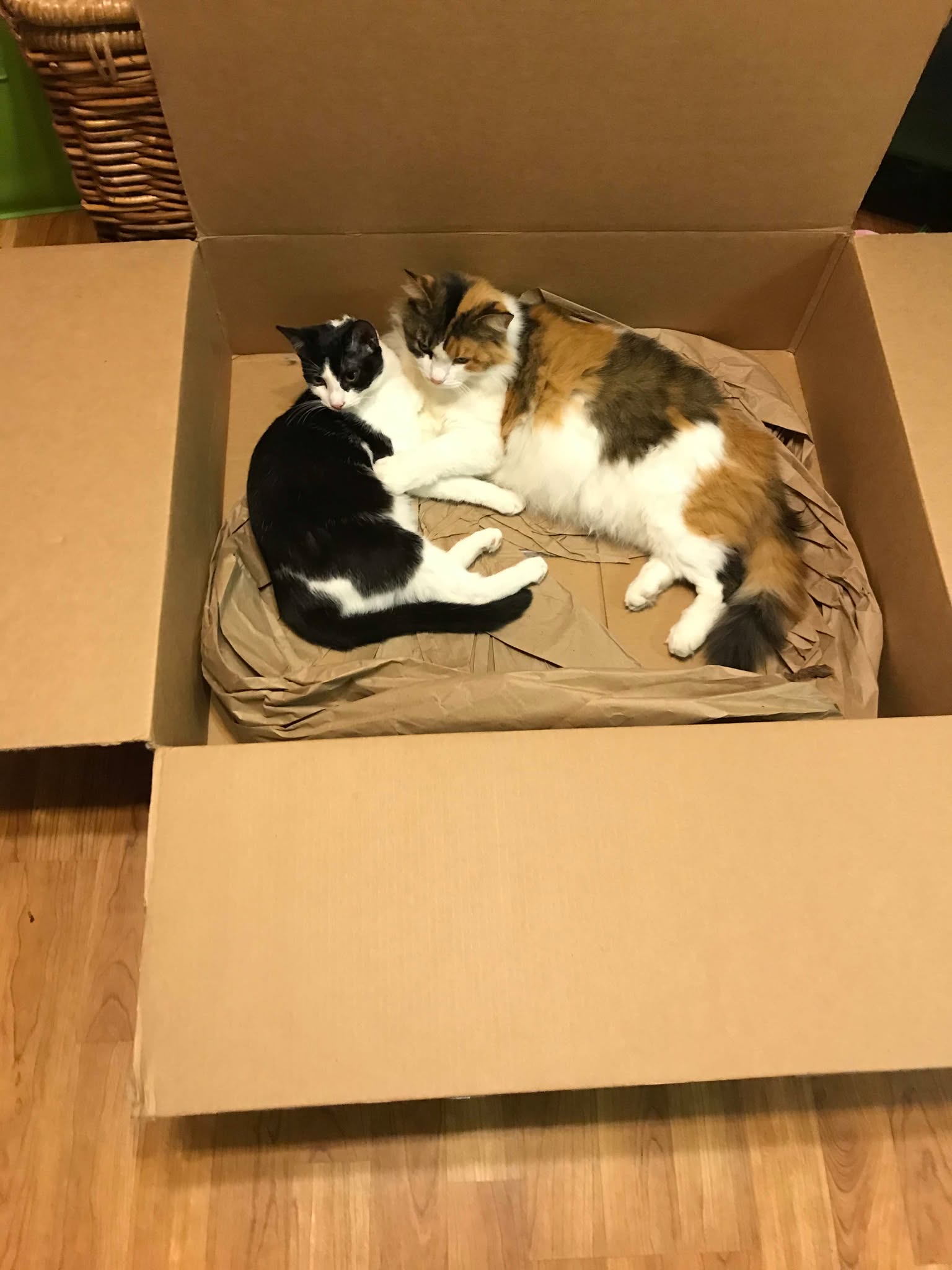
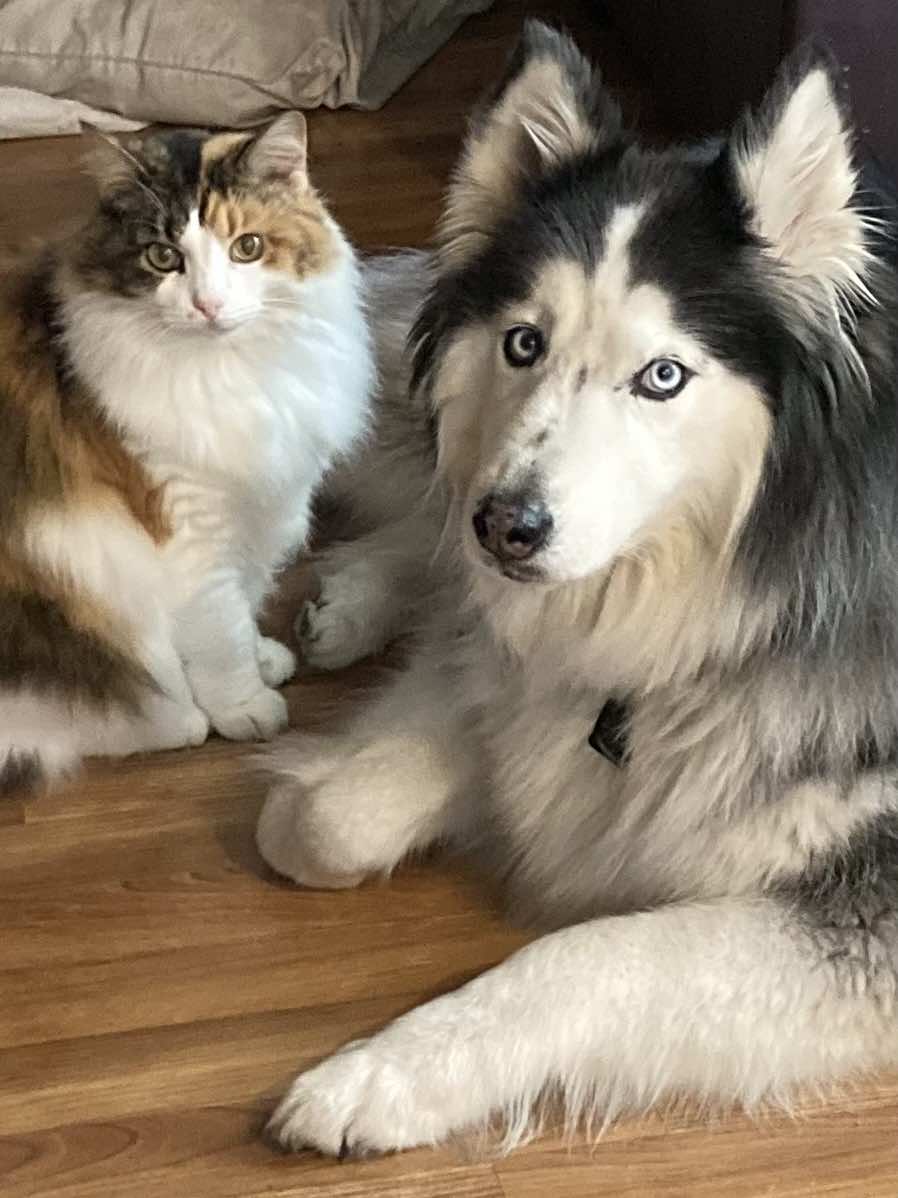
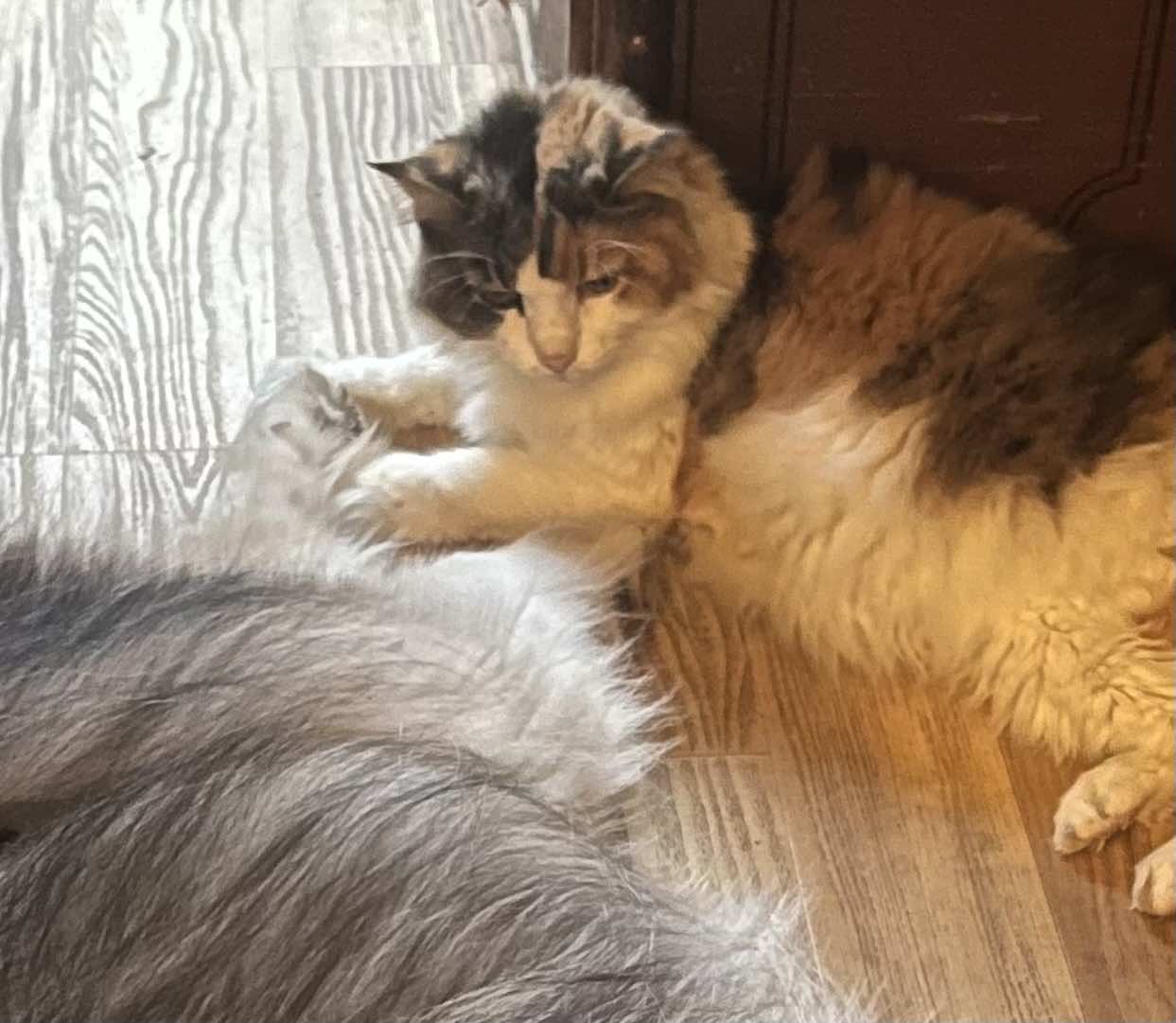
Beauty became a surrogate mom when we adopted Chika. From left to right, Sassy, Chika, Beauty.
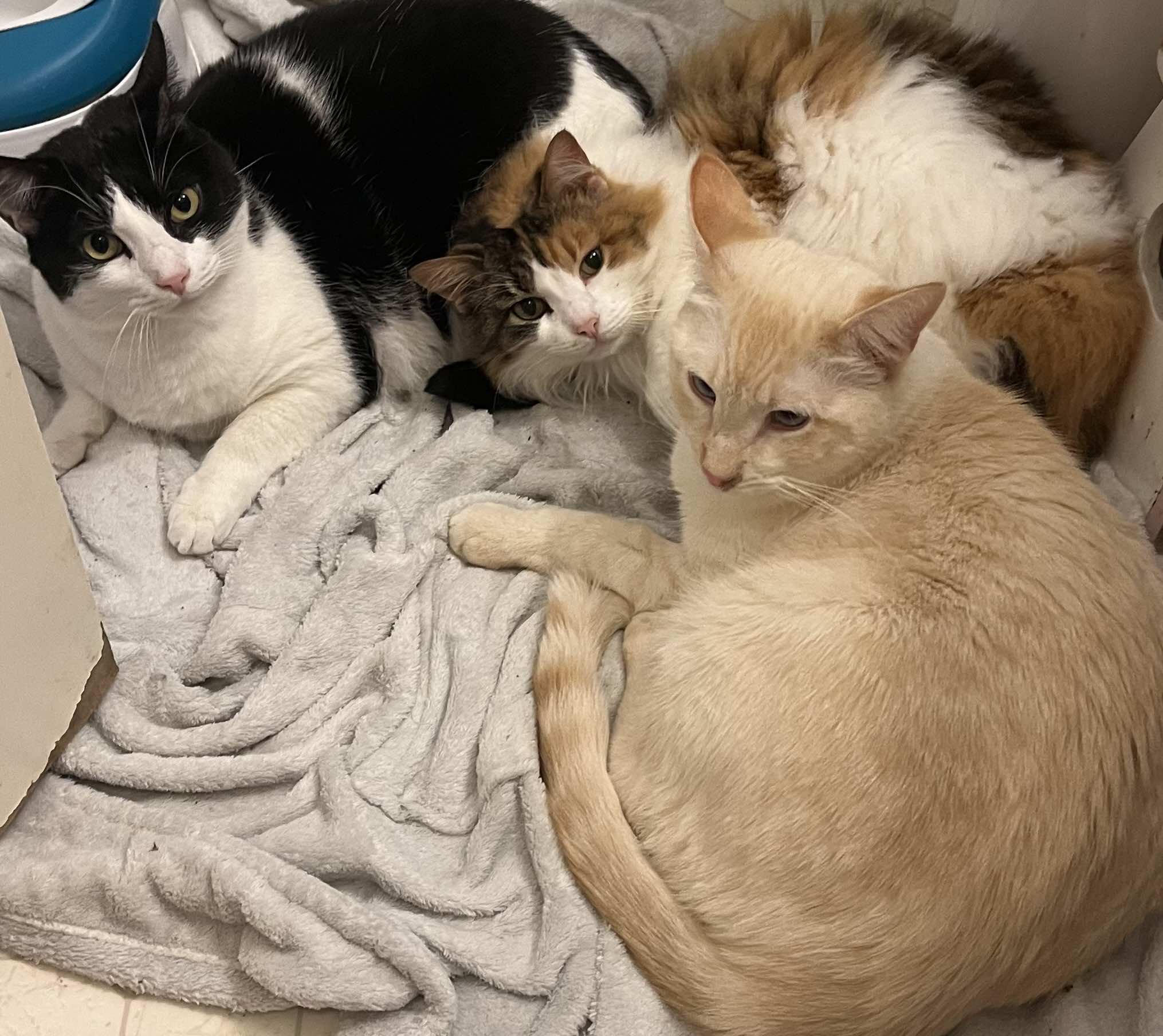
Sleeping with Aiko and Kenji for warmth.
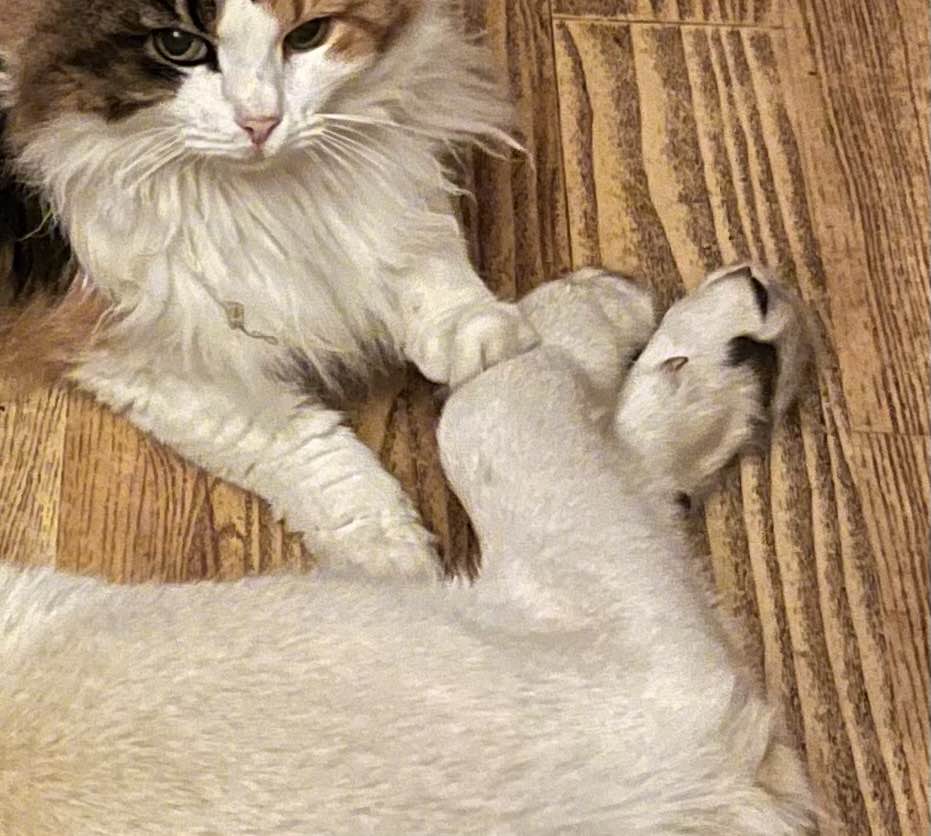
Tolerating Julian’s love.
Too scared to go outside with Charlotte.
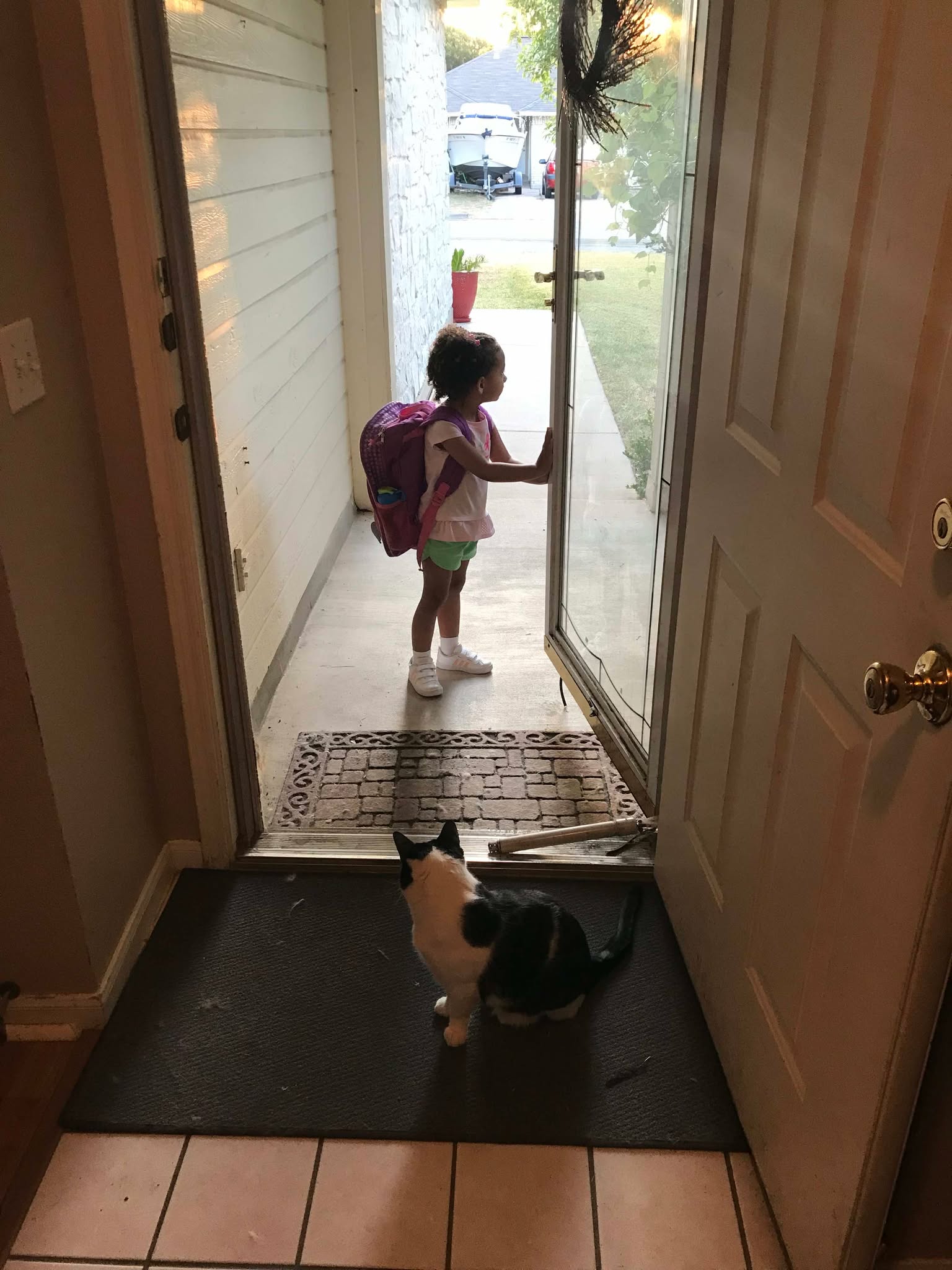
On the threshold, stepping out, encouragement to be brave, looking back for reassurance.
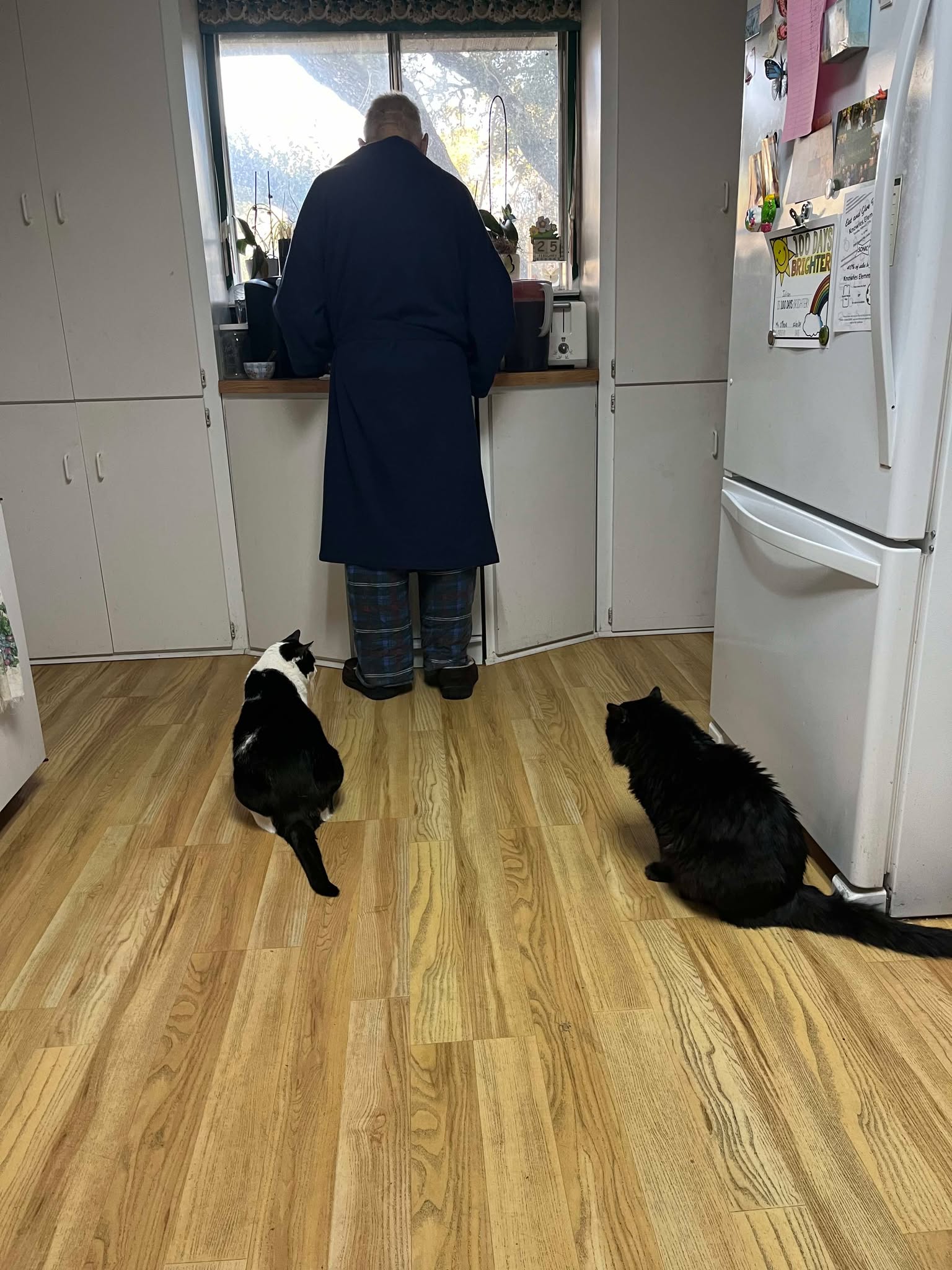
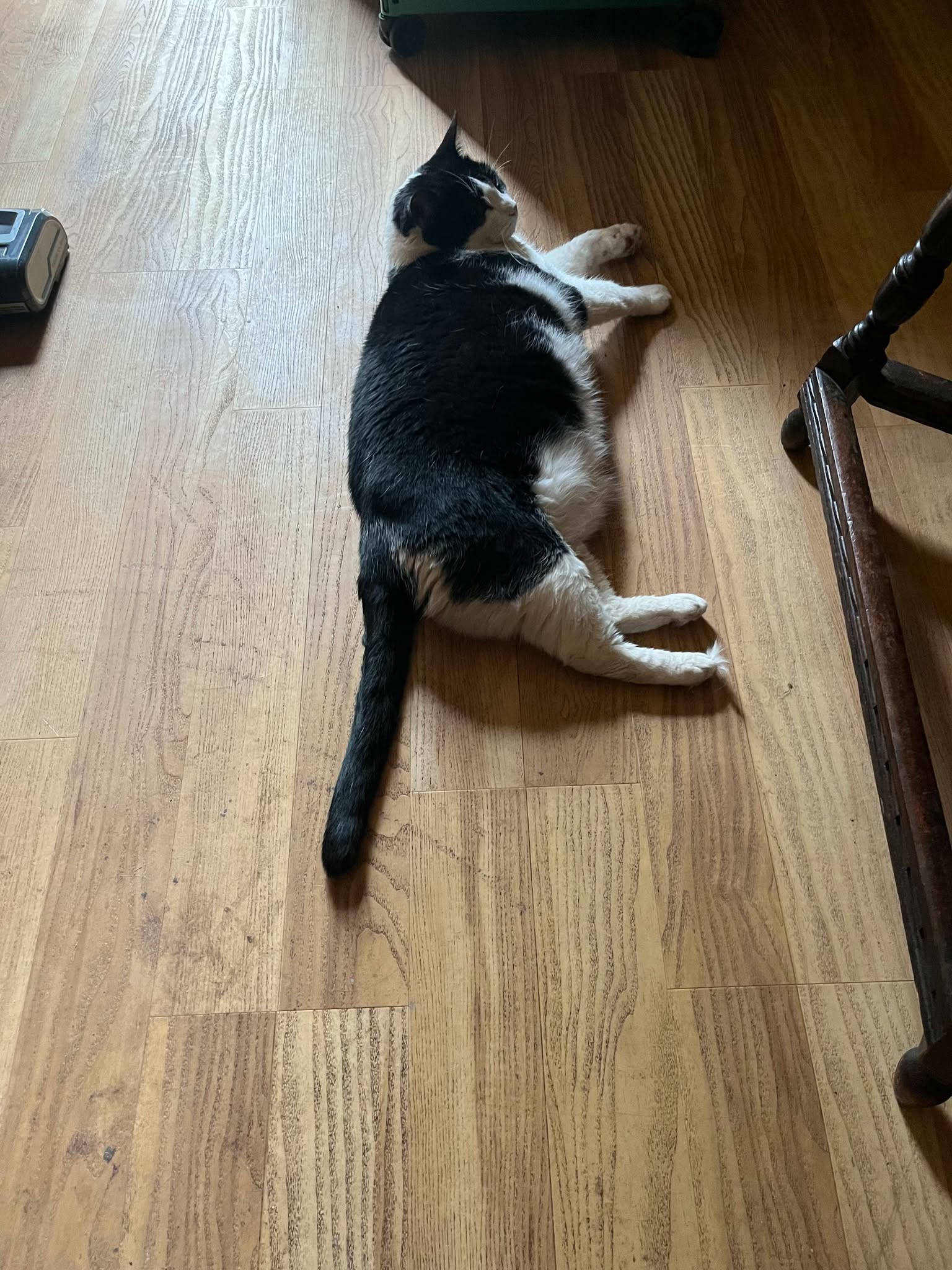
Chika stayed by Grandad’s side in the weeks after my Mema’s passing. It seemed like she knew he needed comfort. The other image is her at her fattest, living her best fat cat life (before we had to start a little bit of a healthier diet.)
2024 was a difficult year, made all the more difficult by losing my grandmother, who was one of the people I would commiserate with about all the challenges.
It started off with a bang at 3am on New Year’s Day with taking my husband to the emergency room for a kidney stone.
I spent more time this year in doctor offices, hospitals, or watching my grandchildren so my daughter could be by a hospital bedside than I care to even try to tabulate.
This will not be a list of my woes, nor a lesson in counting my blessings. I do not have the energy for either right now because I am recovering from some sort of upper respiratory infection that has caused me to end my year in a rather puny state.
This is simply an acknowledgement that 2024 was hard—painful—and I am eager to begin anew with fresh perspective and a sober heart to love, create, empathize, meditate, pray, read, sleep, live, learn, and grow.
It makes me so sad that people hurt others and break their own hearts, that alleviating pain destroys so many from the inside out, and we must endure misfortune and loss, especially if we allow ourselves to love with the full volume of our souls.
@Home Studio – 267th poem of the year
Runner ups for the Sad photos to accompany my poem:
Beauty & Aiko in all their regal gorgeousness. They know they rule the kingdom.
To be without Beauty feels plain and bare, lacking in something. A presence at once regal and understated has gone missing, and in its place is an ache, a pang, maybe a twinge of listless longing for some undefined touch of elegance that is both gracious and aloof, familiar and unknowable.
@Home Studio – 248th poem of the year
Runner ups for the Losing Beauty photos to accompany my poem:
12345
1. Beauty & Kage on guard duty. 2. Chika, Beauty, & Cotton Eyed Joe snuggling. 3. Beauty & Chika sharing my chair. 4. Beauty holding hands with Kenji. 5. The last picture I ever took of Beauty—Beauty & Aiko holding hands.
Pain is not truth; it is simply what we must endure to find truth. This body we are experiencing is an embroidered flower, merely representative, beautiful, but artificial, not the full living embodiment of the flower. Thoughts are guests checking in and out of our quaint inn, just as this form is temporary, a visitor who will travel on. We take death so personally, spend a lifetime preventing loss, projecting fear from our own ignorance, denying our own place in the circle. It is only possible to lose what is not real. Even if we think we’ve lost everything, what remains is what is real.
@Home Studio – 93rd poem of the year
Chopra, Deepak. The Way of the Wizard: Twenty Spiritual Lessons for Creating the Life You Want. New York, United States of America, Harmony Books, 1995, pp. 96-101.
Runner ups for the circle of life photos to accompany my poem:
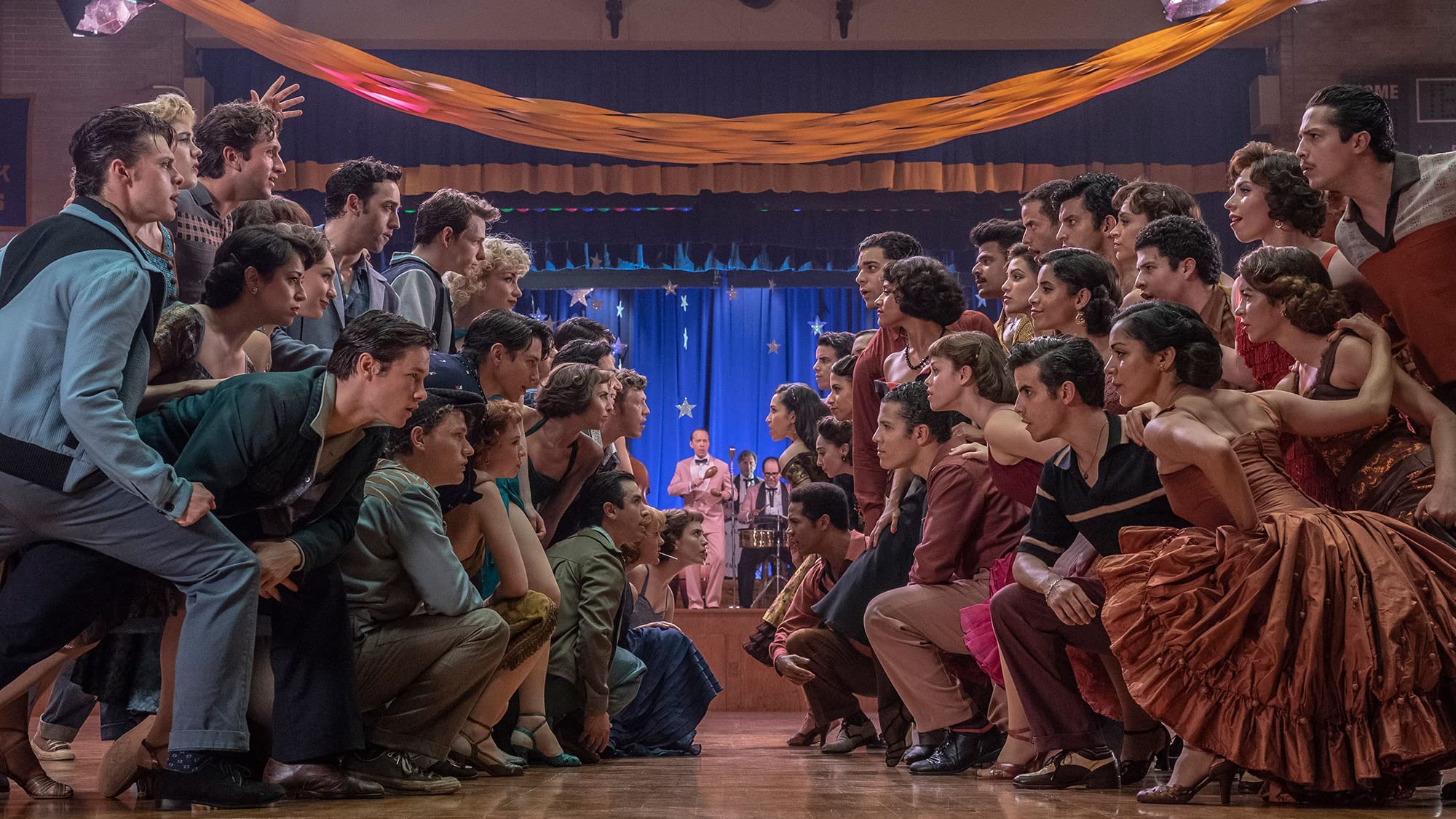
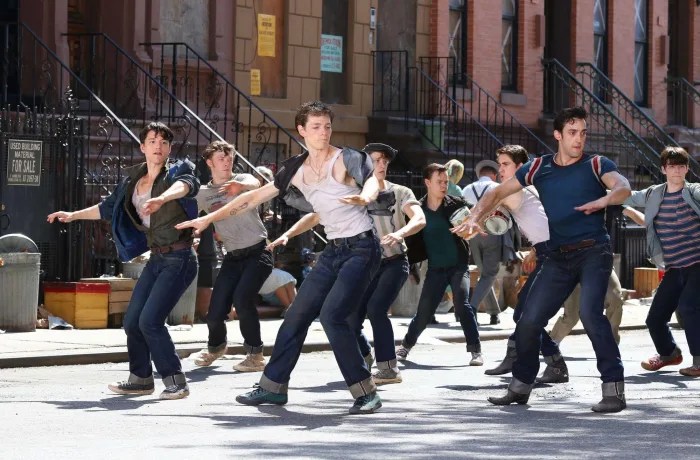
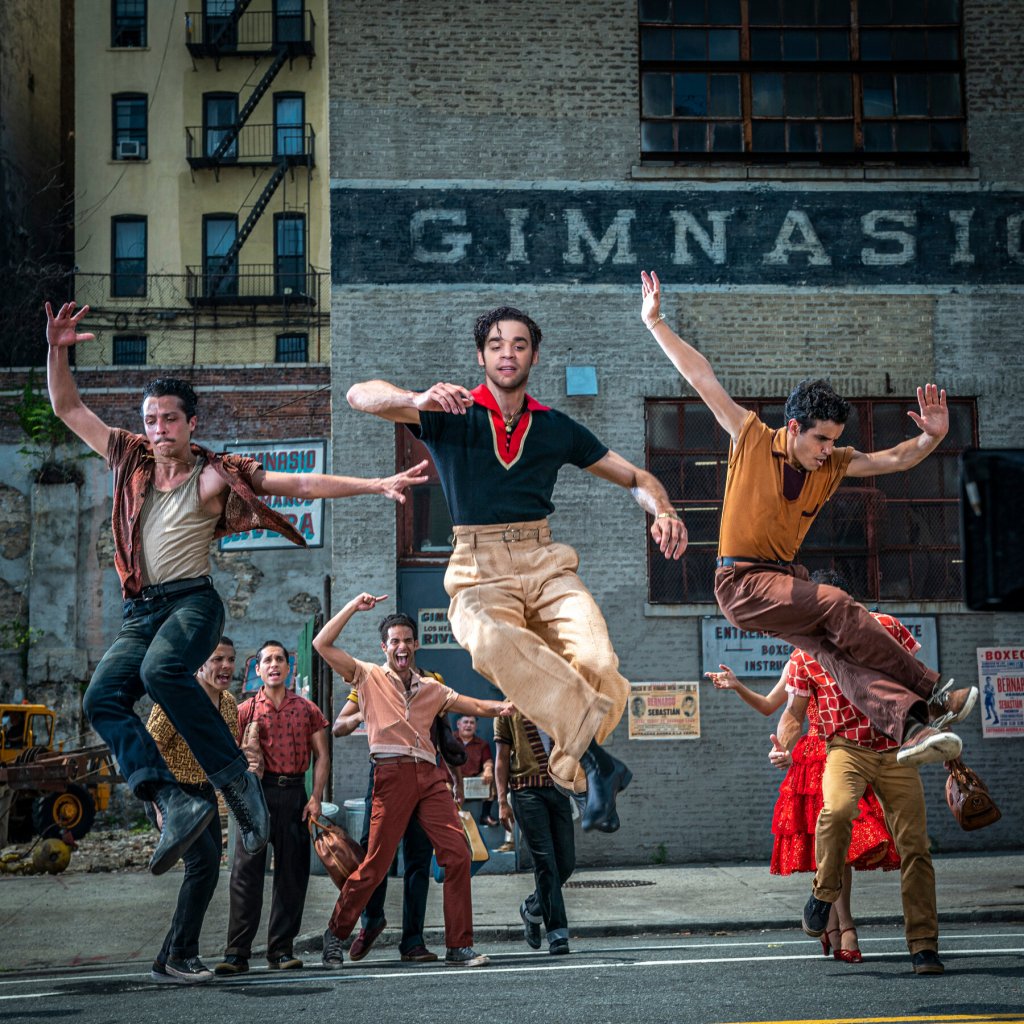
Seething anger must be aimed at an enemy, or else. If there is no target, they risk ricochet; with no one else to hurt, they have to feel all the pain.
@Home Studio – 59th poem of the year (after watching the 2021 version of Westside Story with Debbie, Yulia, and Celinda)






























 rebekahjmarshall