All images created by Rebekah Marshall’s prompts using AI on Gencraft.com website.
The Midnight Library by Matt Haig is a lovely reality check for anyone struggling with wishing their life could be different. Some quantum theorists think every alternative reality possible happens simultaneously. In one reality, I’m here writing this book review. In another, I’m still in the middle of reading the book. In another, no one gave me this book as a gift, so I haven’t read it at all. And in yet another, heaven forbid, I don’t even like reading fiction.
Our protagonist has reached such a state of melancholy in the beginning of the novel that she cannot see past midnight. She decides to end her life and finds herself in a library containing all the books of every variation of her that exists. It is the chance to see how different versions of life could be if various choices changed the trajectory of her past. It is an adventurous dive into the world of what ifs. I have enjoyed such thought experiments on myself. What if I had not gone into teaching, but had chosen a more lucrative profession? What if I had not married my first husband nor had children? What if I had moved away from Texas and was living somewhere cooler up north?
It is sometimes easy to get lost in those alternate wishful versions of ourselves and forget to appreciate all the little things that make up the lives we are living in the here and now. Though there were many poignant, sad, discouraging revelations in her journey, I was satisfied with the lessons she learned. I recommend this book for anyone who could use a reminder to feel a little more grateful or who sometimes wishes they would have made different choices in life.
Haig, Matt, The Midnight Library, Penguin Books, 2020.
All images created by Rebekah Marshall’s prompts using AI on Gencraft.com website.
I am reading Hafiz’s Little Book of Life, poetry by Hafiz-e Shirazi. He is challenging me to become more comfortable with ambiguity. I will share his poem and some of my thoughts on his poem (sometimes with the help of experts when the concepts are too hard for me), followed by a poem and some art inspired by his poem.
Hafiz’s Poem 17:
Vanity, my dear
Is merely proof
Of sheer ignorance
Some thoughts:
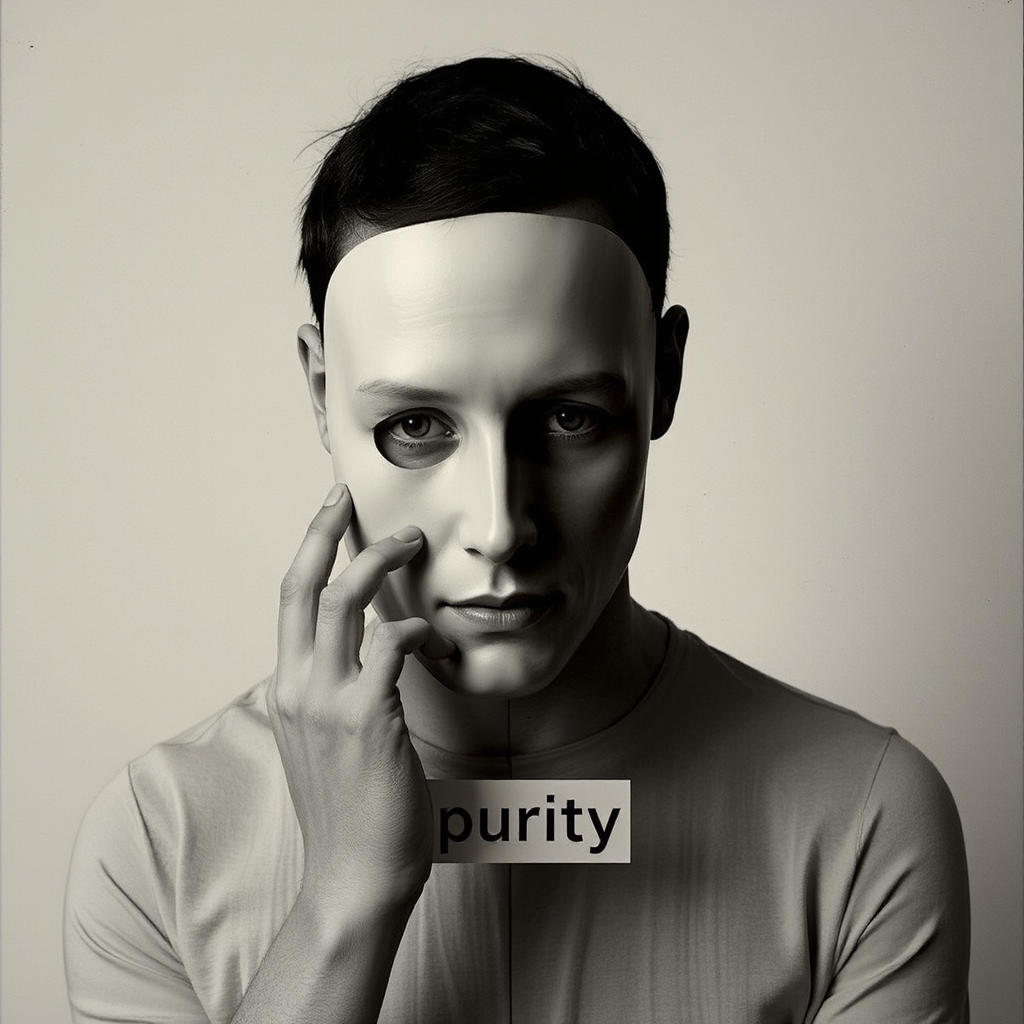
Hafiz seems to be addressing someone he cares about, by calling them “my dear.” This does not seem like a harsh rebuke, but more of a compassionate, gentle reminder. There is no need to be vain if we understand our true worth. Either we are over or under-inflating reality when we assess ourselves as less than or greater than we should.
If we mistake attention for worth, confuse a mask for the self, or are more concerned about appearance than authenticity, we are missing the mark. We are beautiful, magical, stardust creatures who are part of a giant, miraculous cosmos. We should not forget our true fabulousness by replacing it with vain imaginings that are neither helpful nor accurate. We are better than that.
My Poem 17:
Both extremes of vanity are inaccurate reflections of your miraculous beauty.
You are but dust and ashes, no greater than anyone else on this giant flying rock.
But the point is that you are stardust and magic, the hope of your ancestors made real.
Don’t confuse being ordinary with missing the fabulous truth that you are a singularity.
There has never been and never will be another you the same as the wondrous you right now.
Hafiz. Hafiz’s Little Book of Life. Translated by Erfan Mojib and Gary Gach, Hampton Roads Publishing, 2023.
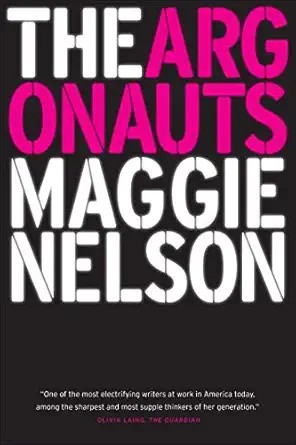
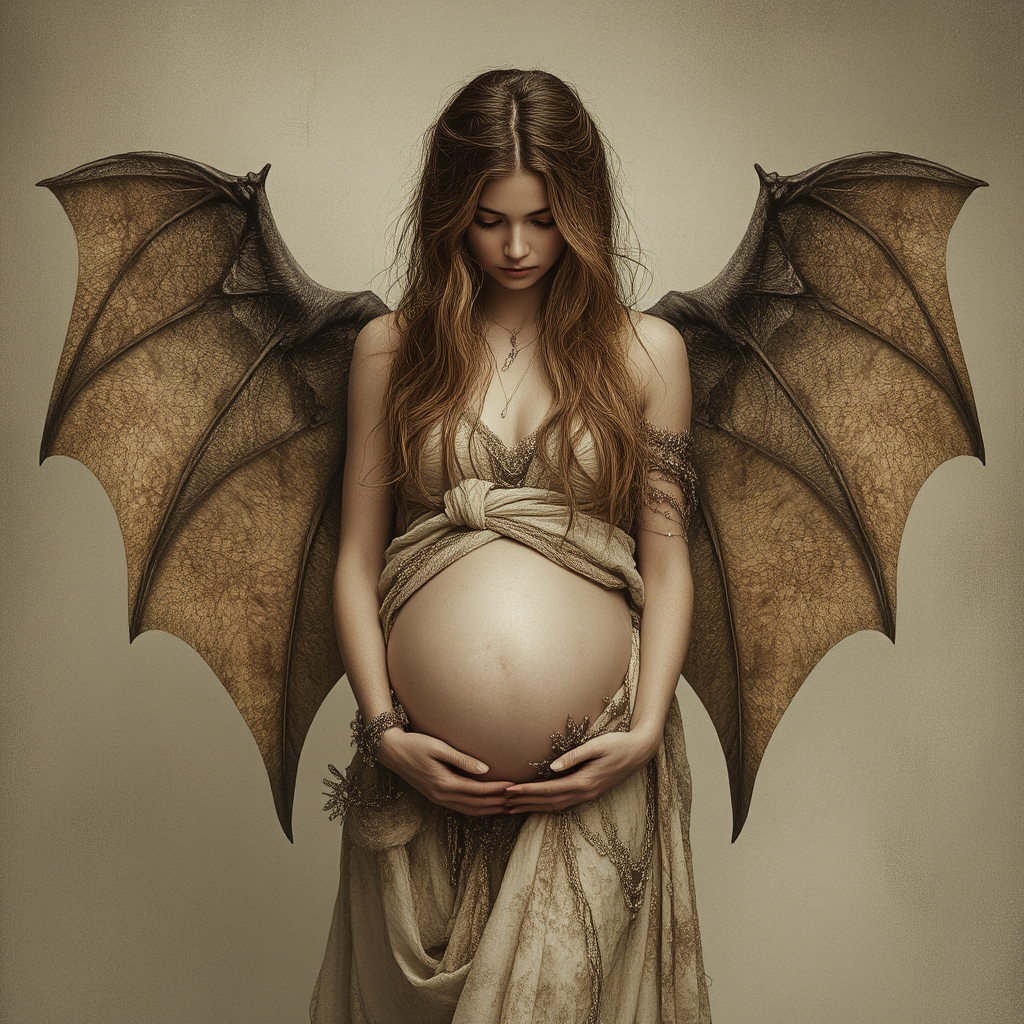
The Argonauts by Maggie Nelson felt like a slap in the face, a comforting hug, an electric shock, and a soothing warm bath. The format was unique and felt experimental—blocks of text, quotes, memories, verbal snapshots, reporting, and textbook-like excerpts all woven into a seamless narrative. The subject matter is raw, often unfiltered, intimate details that feel way more personal than I would ever be comfortable sharing with total strangers. But good for Maggie Nelson for having the chutzpah to attempt such a thing. I love that she finds her own voice by the end by admitting that she is still searching and leaving room for vulnerability in a way that is honest and impressively real.
Her descriptions of pregnancy, sexuality, dealing with loss, giving birth, holding on to self, nursing, her relationship with her partner, gender identity, and expert opinions, *in no particular order, combine to weave almost a stream-of-consciousness-style memoir that defies classification. I think I might have blushed a few times, certainly opened my eyes a bit wider, and definitely wondered why my college courses weren’t quite as shocking as some of hers. But the fact that I felt a connection shows the depth of both her humanity and her fabulous writing talent (since I am a southern, more conservative than her, heterosexual, certainly more comfortable with conventional-vanilla bedroom activities sort of gal. I’ll put it this way—I learned a lot from this book.)
*I jest about the “no particular order” comment because I am sure there is a well-crafted method to her madness that makes it feel like a jumble of thoughts and also a coherent work.
Also, if you are interested in the book, I recommend Googling “Why is Maggie Nelson’s book titled The Argonauts?” It gives a fabulous description of what you are getting yourself into. A brief quote from that Google search using their AI is as follows: “The title reflects the “constantly shifting” nature of queer identity, family-making, and language.”
AI Overview, Google, searched 31 Jan 2026.
Nelson, Maggie, The Argonauts, Graywolf Press, 2015.
All images created by Rebekah Marshall’s prompts using AI on Gencraft.com website.
I am reading Hafiz’s Little Book of Life, poetry by Hafiz-e Shirazi. He is challenging me to become more comfortable with ambiguity. I will share his poem and some of my thoughts on his poem (sometimes with the help of experts when the concepts are too hard for me), followed by a poem and some art inspired by his poem.
Hafiz’s Poem 15:
The tavern door’s been closed up Oh God
May this not open the door
To the house of hypocrisy & lies
Some thoughts:
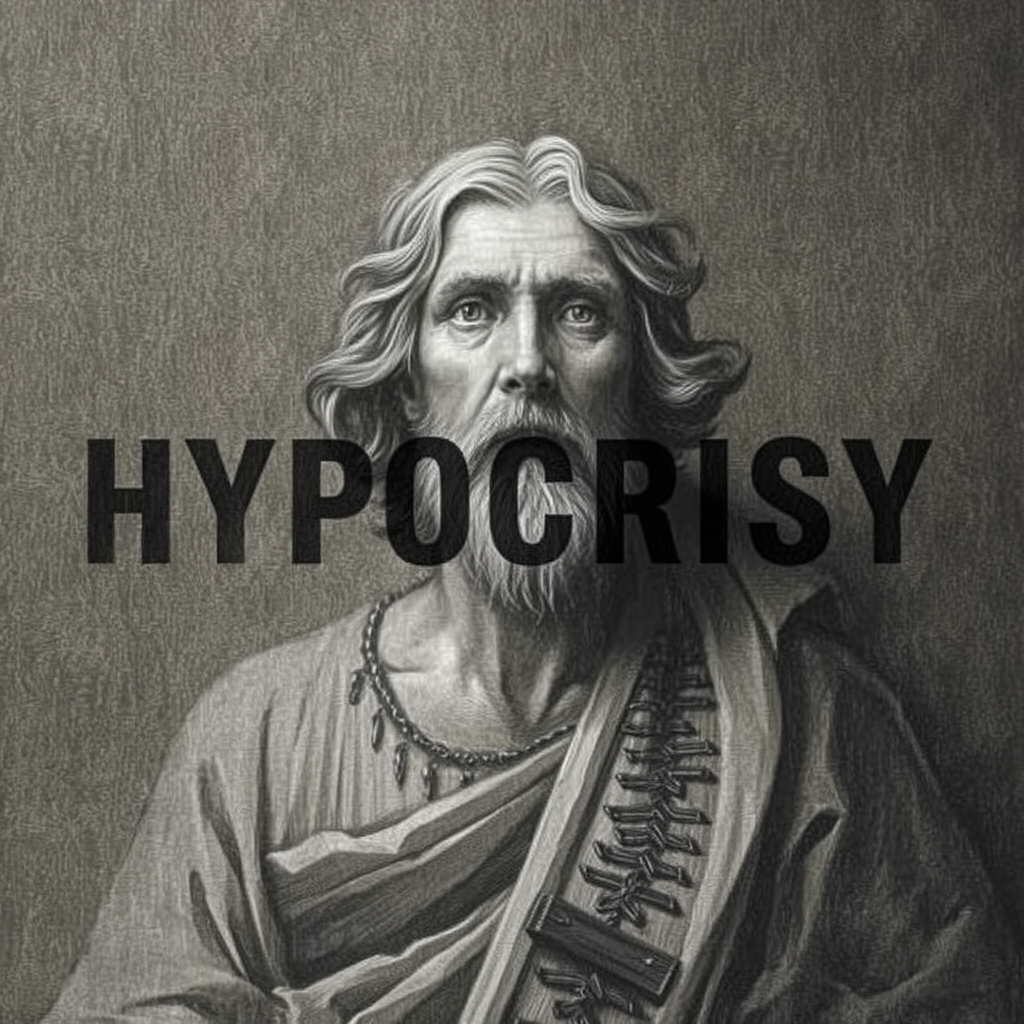
When morality is legislated harshly and too conservatively, Hafiz seems to be implying, the stage is set for inauthenticity and deception. When we judge others for their faults, weaknesses, or perceived sins, we are focusing in the wrong direction. Don’t we have our own lives that need work? “I would never…” is the common refrain of the hypocrite. Many different religious traditions have examples of spiritual greatness being found in unexpected moments that would be perceived by others as sinful or improbable.
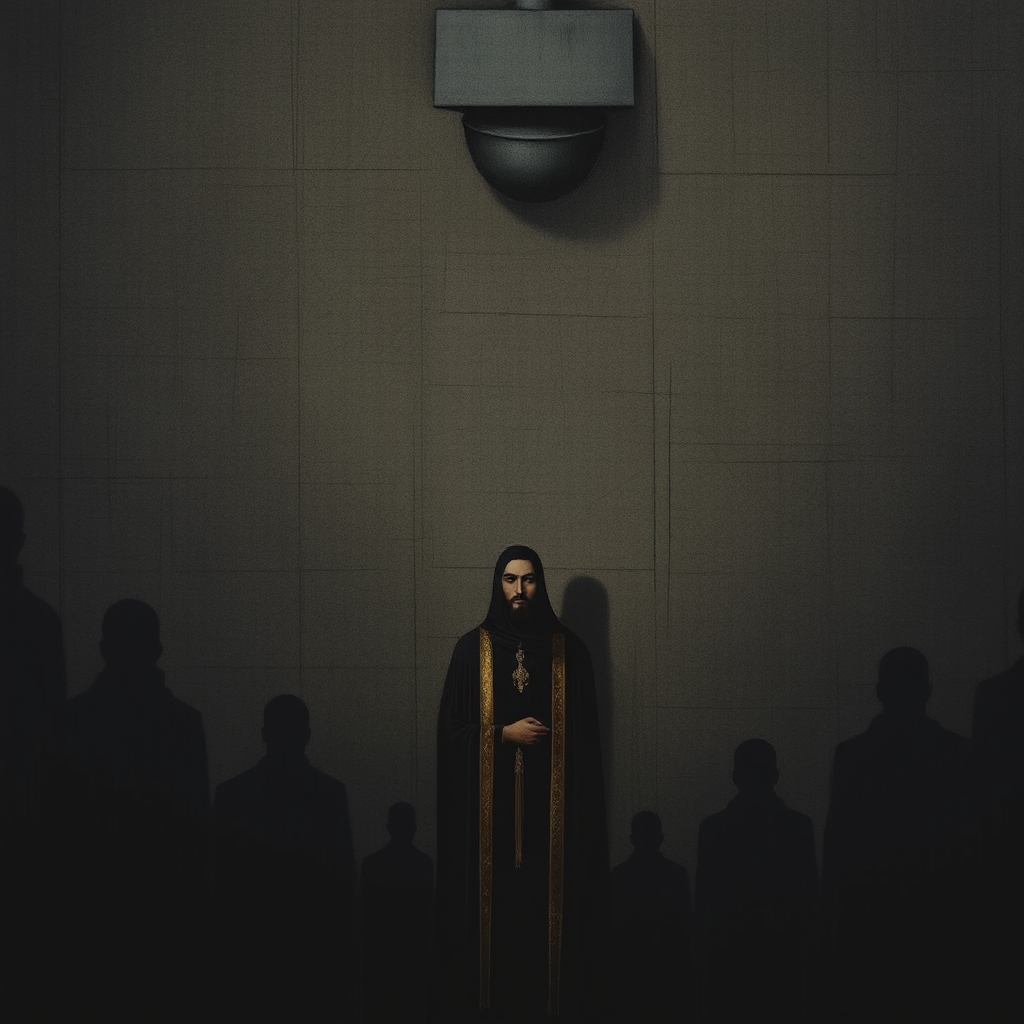
The weaponizing of purity destroys authentic community and honest communication and instead creates an atmosphere of performative righteousness. Appearances become more important than vulnerability, truth, or freedom. Pretension takes the place of connection. Control replaces joy and expression. And obedience replaces love. People tend to lie more when they have to hide their true selves.
My Poem 15 (This is of course facetious, a picture of hypocrisy.):
Praise the Lord I am nothing like those sinners who break the law to provide for their families.
I would never because I was born here in the land of the free and am a good religious person of faith.
People should accept the fate they’ve been handed with grace and obedience instead of causing problems for everyone else.
You’ll never see me stealing resources for myself and taking advantage of a system that is too soft on thieves.
Hafiz. Hafiz’s Little Book of Life. Translated by Erfan Mojib and Gary Gach, Hampton Roads Publishing, 2023.
All images created by Rebekah Marshall’s prompts using AI on Gencraft.com website.
I’m not sure what I was expecting of C.S. Lewis’s The Four Loves, but I was surprised by the conversational tone. Though I did not agree with all his assertions, many of the ideas and categorizations of types of love made sense. He breaks love into the categories of Affection, Friendship, Eros, and Charity. Then he has another discussion around the Likings and Loves for the Sub-Human, like when we say we like taking naps or love cheesecake. Many examples within each of the categories also fall into what he calls Need-love vs. Gift-love. Need-love would be assigned to necessary-for-survival-type loves, like a child to a parent or water to quench thirst. Gift-love would be assigned to unnecessary-type loves, like appreciation of a beautiful piece of art or taking care of a sick person.
The reader should be prepared for strict opinions based on Lewis’s beliefs regarding gender roles, nature, science, the fall of mankind, sin, the afterlife, and other principles that Lewis views as black or white, rather than a possible spectrum of interpretation of Biblical text. If that is an accepted foundation going in, the concept of love can be the focus for analysis. I find the idea of even attempting to categorize love somewhat grandiose. However, Lewis’s arguments are well thought out. There are probably many more nuances that could be catalogued by culture, historical context, language, psychotropically induced vs. naturally occurring, gender-related, conscious v. subconscious, etc. I wonder if there are as many different types of love as there are people on the planet. That would be a much thicker book, though.
Lewis, C.S. The Four Loves, Houghton Mifflin Harcourt Publishing Company, 1960.
All images created by Rebekah Marshall’s prompts using AI on Gencraft.com website.
WARNING – SPOILERS
A Court of Silver Flames, the 5th book in the ACOTAR series, kept me on the edge of my seat. The female-centered, recovery-journey, inner-struggle deep dive is both inspirational and aspirational. I was never made to feel pity for the women fighting to regain their power but something more akin to sisterhood, hope, and absolute celebration. Every step of the way, each woman had to come into her own and claim her strength. Those are the role models girls need today.
This book is definitely some of the steamiest spiciness out of the five books so far. I was fanning myself a few times. It is more concentrated on Nesta’s story, but all the main characters appear hear and there so we can keep up with their lives, as well. We fear for the lives of several main characters whose love has set them on a straight course for death. I won’t give anything away, but the tension and concern are intense. I’ve grown to love these characters and always yearn for happy endings.
The newer characters that have been added to our family hold up their end of making us fall in love with them. When they are endangered multiple times, I am guilty of getting pre-mad at Sarah J. Maas. Creating characters for us to bond with only to kill them off would be the grossest form of manipulation and might lead to reader protests in the streets. I kept hoping she would not break my heart.
Maas, Sarah J. A Court of Silver Flames. Bloomsbury Publishing, 2021.
Image created by Rebekah Marshall’s prompt using AI on Gencraft.
WARNING – SPOILERS
A Court of Frost & Starlight, the 4th book in the ACOTAR series is a lovely, little, short novel wrapping up the last remaining threads of Feyre’s transformation. It focuses on her trying on her new role as High Lady and true partner to her love and delves into the parts of her that have been neglected because of war and survival. A key aspect is her art and desire to create, share her creativity, and understand creation as vital to her fulfillment.
It is a peak into homelife, an intimate Winter Solstice celebration, growth and blossoming of friendships, Mor’s self-realizations, and one of Feyre’s sisters suffering from emotional turmoil that gets totally out of hand. Interestingly, different voices begin to emerge. There are portions of the book from the perspectives of Rhysand, Cassian, Nesta, and Mor. The majority are in Feyre’s voice, but it is a nice change experiencing the inner thoughts of some of her loved ones.
This felt like a pause before a storm, a much-needed rest after the war and carnage of the 3rd book. I was disappointed that it was so short, as I wanted to learn more about all the members of the team & family. But book 4 is appropriately long, so I look forward to diving into that one immediately.
Maas, Sarah J. A Court of Frost and Starlight. Bloomsbury Publishing, 2018.
TRIGGER WARNING: This essay discusses patriarchal oppression, gender-based violence and punishment, sexual shaming, social ostracism, and cultural trauma. These topics are examined in a literary and analytical context.
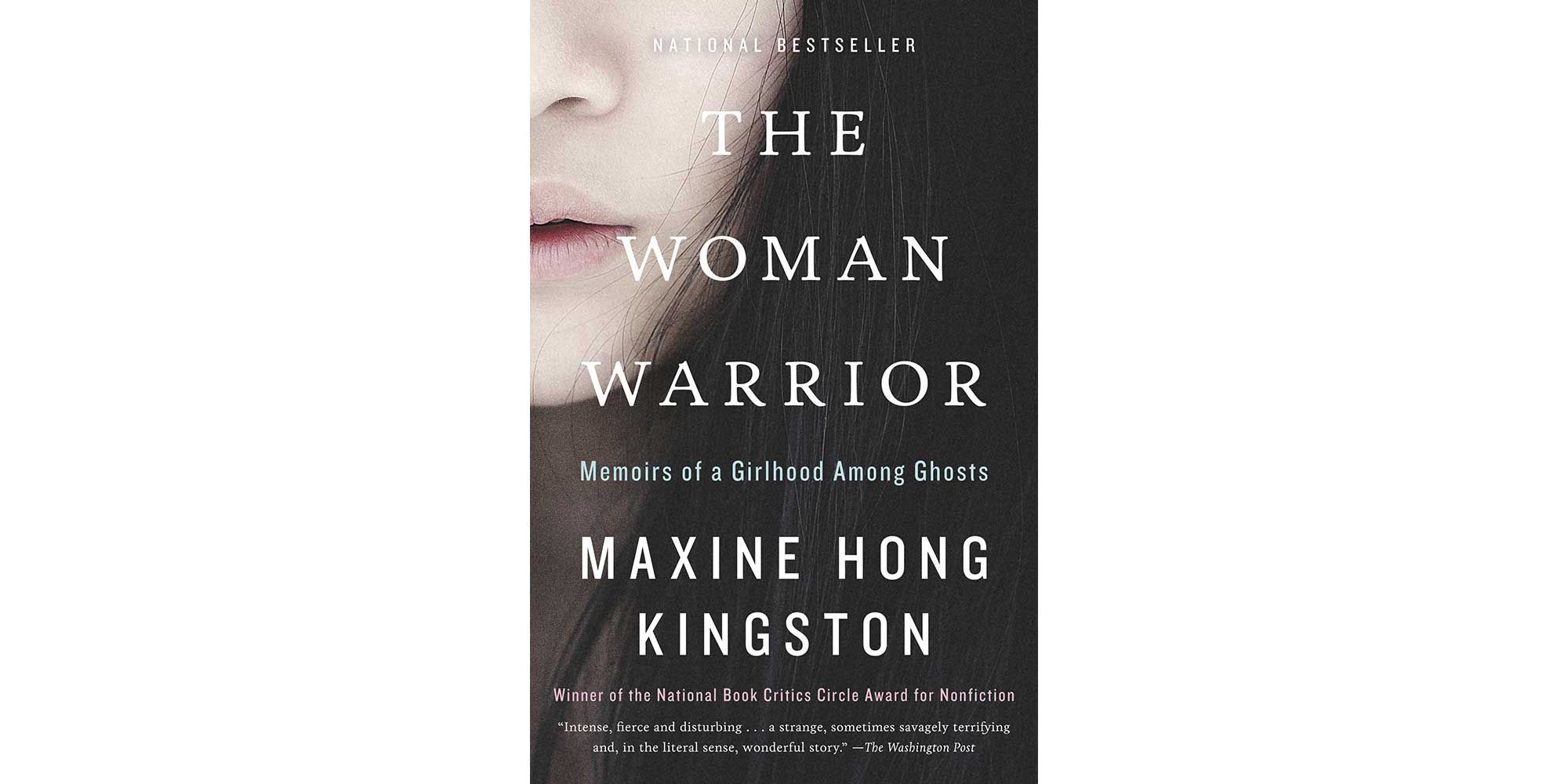
The Woman Warrior by Maxine Hong Kingston paints a picture of harsh expectations placed upon Chinese/Chinese American women. Though the narrator rejects some of the notions and attempts to forge her own path, she still feels duty-bound to uphold some of the traditions. Each section of the book focuses on a different woman and explores the expectations placed upon her specific to the time and place where that portion of the story is set.
For instance, No Name Woman lives in a village in China early in the 20th Century. She is expected to remain “pure” (no sex) until her husband’s return from war. Her sexual desires are not a consideration and her ensuing pregnancy is punished by shaming the family and destroying their crops, livestock, and stored foods. The family then disowns her and never speaks her name again, ensuring she would “suffer forever, even after death” (16). There is no mention of the man who must have impregnated her on the part of the villagers or her family. She must bear the full weight of the “crime” of having sex and becoming pregnant.
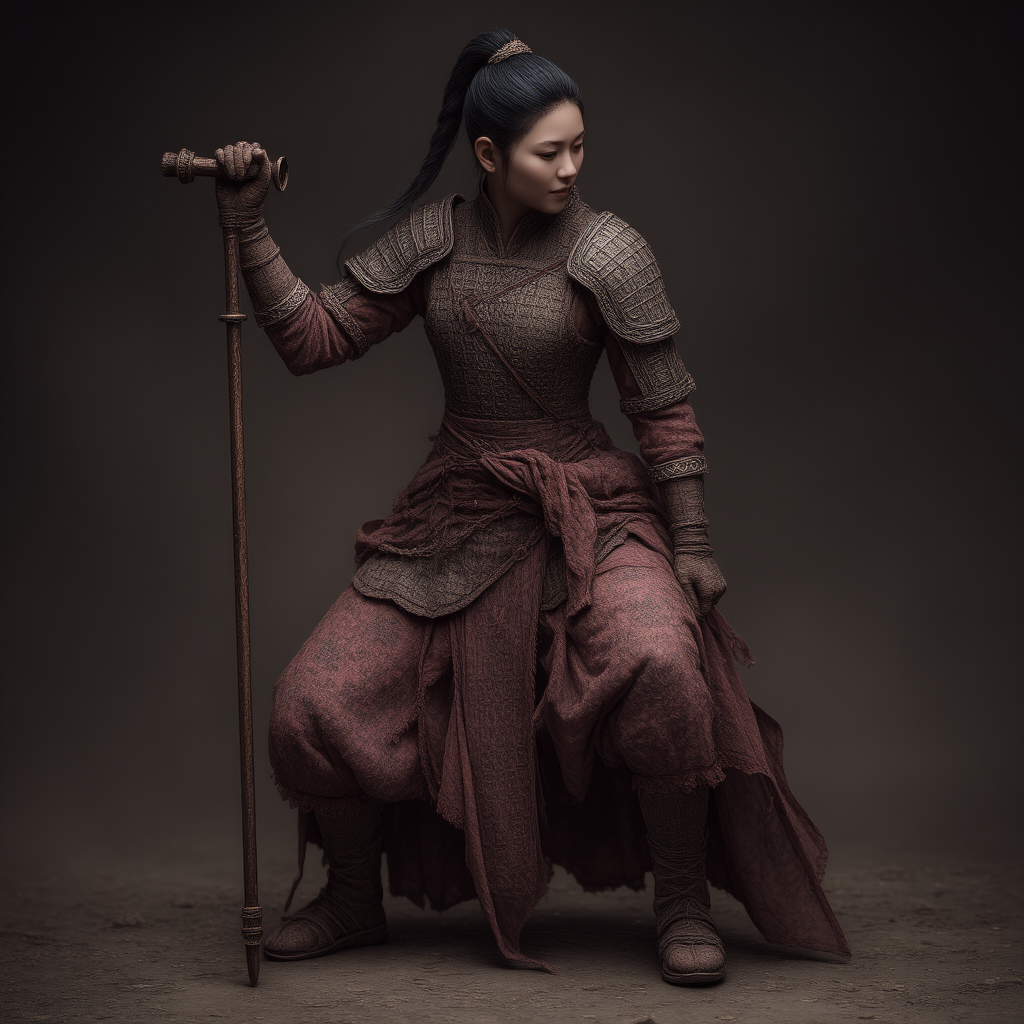
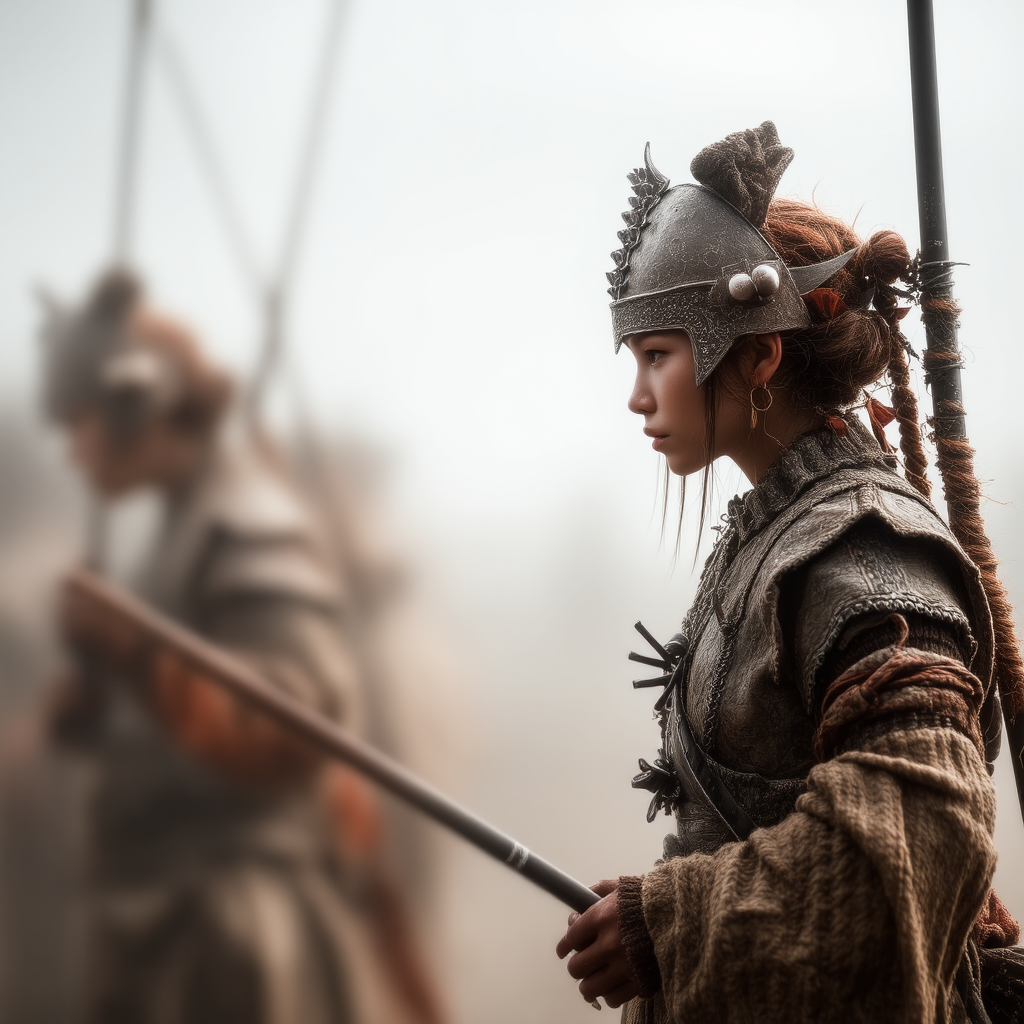
Fa-Mulan in the “White Tigers” section of the book becomes the greatest hero in the land saving her family, her village, and her country from evil rulers. She is a warrior, savior, and leader who has trained for 14 years to become the best hero possible. Yet, once her mission ends, she is expected to return to the “appropriate” role of wife, daughter-in-law, mother. There is no option for leadership in her world. This character is thought to have lived sometime around the year 500 in China. Women were not supposed to use their brains or their brawn, except in service to men. Any woman who attempted to pass as male enter the military or school would be executed, “no matter how bravely they fought or how high they scored on the examinations” (19).
The “Shaman” section about Brave Orchid shows the variety of domestic expectations placed on Chinese women. Brave Orchid lives the first half of her life in China and the second half in America spanning the 20th Century. She works as a medical practitioner in China and then in the family laundry business in America. Besides working long hours, she picks tomatoes as a part-time job to make more money, does all the cooking and cleaning, and manages all aspects of the household. She is also expected to carry on the traditions of the culture by keeping the rituals, ceremonies, and talk story alive so that it will pass on to the next generation. She must also protect everyone’s souls by calling them back when they have forgotten their way home. Brave Orchid’s eyes fill with tears as she tells her adult daughter, “I work so hard” (103). Chinese women are unrealistically expected to do more than their fair share of the work.
The section “At the Western Palace” highlights the way Chinese women in the past had little power in marital situations. Their partners were chosen for them and husbands might take multiple wives. The women were expected to tolerate and support these traditions without question. When Moon Orchid comes to America in the 1950’s, she is confronted by a different reality in which women have more rights and her husband rejects their marriage. She is expected to accept his continued financial support without living as his wife. Chinese American women seem to still have parents attempting to meddle with selecting their potential suitors according to the narrator.
In the final section “A Song For a Barbarian Reed Pipe” the narrator implies that a “good” Chinese American girl in America in the 1950’s should be able to speak fluent English and Chinese. She should attend Chinese school and American school. It is an interesting note that “good manners…is the same word as traditions” in Chinese (171). To please the Chinese, she should be obedient and demure, soft-spoken, and graceful, domestically competent – able to cook, clean, serve, and heal, and pleasant in interactions while not making eye contact, use opposites to confuse evil spirits, keep all Chinese traditions, send money to family members in China, lie to Americans so no one can trap her or deport her or trick her somehow, and remember that men are valued more highly than women. To please the Americans, she should be assertive and firm of voice, intelligent, sexy, able to defend herself, and independent making strong eye contact, speaking from a place of science and logic rather than any mention of evil spirits, creating a comfortable lifestyle that is America-focused, be a patriot, and believe that women and men are equal. A Chinese American woman is expected to do all of this and figure out how to be healthy, happy, and prosperous without driving herself crazy over the paradoxes such disparate expectations create.
Works Cited
Kingston, Maxine. The Woman Warrior – Memoirs of a Girlhood Among Ghosts. Vintage Books, New York, 1975.
TRIGGER WARNING: This essay contains discussion of racism, racial violence, police brutality, and psychological trauma in a literary context.
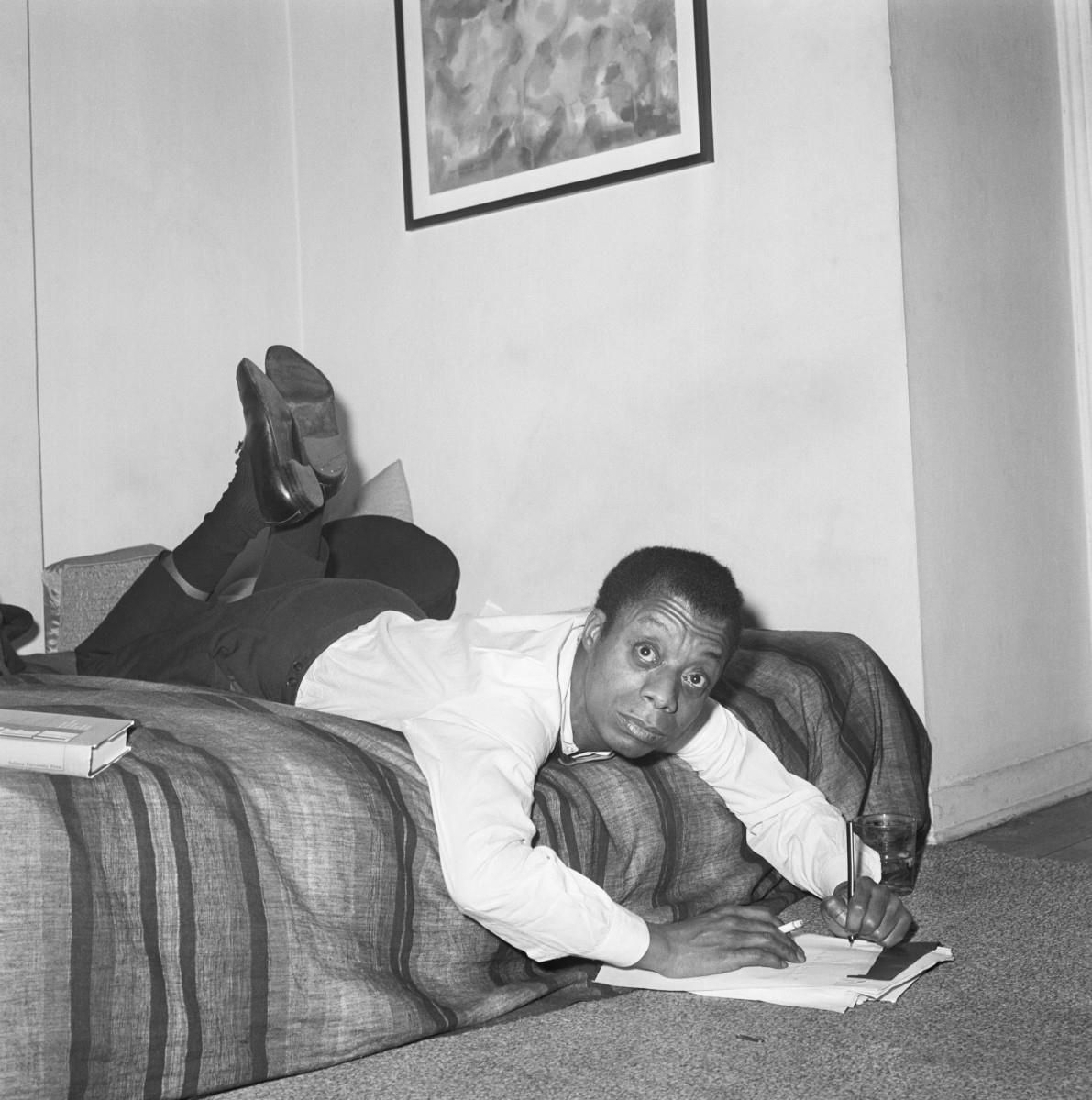
Baldwin’s writings seem to assert that all people deserve the opportunity to be understood, and barring that, at least given a fair shake to make their way in the world. A self-proclaimed witness to the treatment of his people, he uses story to persuade others to open themselves to the possibility of relationship, or at least the ability to visualize the other. In “Previous Condition”, the main character is a black man having an affair with a white woman. She grew up in poverty and argues with him when he implies that only black people have it hard economically. The argument sounds as though it could have been heard on YouTube with its layers of race, class, gender, and privilege still such hot current issues. However, Ida the white woman, does not get kicked out of a dwelling simply because of the color of her skin, as is the case for the black actor she is debating. Even more horrible is the description in “Sonny’s Blues” of white men running over and murdering Sonny’s uncle just for the fun of it. Evil breeds hatred. Sonny’s father “never really did get right again. Till the day he died he weren’t sure but that every white man he saw was the man that killed his brother” (Going 118). These are examples of the ways in which people as individuals interact in his stories showing the depth of conflict created by race in relationships.
In “This Morning, This Evening, So Soon” Baldwin paints the scene of a black man who has forgotten how to play the game of pacifying the white police officers as is so often necessary to ensure minority safety. The main character says, “I had once known how to pitch my voice precisely between curtness and servility…” (Going 163). He’s been in France so long and interacted with white people under a different social contract for so long that he has forgotten the tricks he used to know to keep himself safe around white people with power who hate him. This speaks to the “armies” of whom Baldwin speaks. The police represent the powers that be and are an ever-present menace to the black characters in his books. In “Going to Meet the Man,” the main character is a white police officer who truly believes he is simply enforcing rules God himself established. He says it wasn’t his fault the black people “fight against God and go against the rules laid down in the Bible” (Baldwin Going 235). This is an example of the way church gets mixed up in all the oppression in people’s minds. All these systems interact to create menaces of themselves.
Yet, somehow, despite all the horrors Baldwin witnessed and wrote about, he continually returns to the theme of love. He seems to believe that love can prevail. I am in awe of his optimism. In “A Letter to My Nephew,” he writes, “love shall force our brothers to see themselves as they are, to cease fleeing from reality and begin to change it” (Baldwin Letter). I hope and pray that he is right.
Works Cited
Baldwin, James. “A Letter to My Nephew.” The Progressive. 1 Dec, 1962, progressive.org/magazine/letter-nephew/
Baldwin, James. Going to Meet the Man. Vintage International, 1948.
TRIGGER WARNING: This essay discusses fatphobia, body shaming, bullying, racial and ethnic stereotyping, and includes quoted ableist and homophobic language from the source text.
Image created by Rebekah Marshall’s prompt using AI on Gencraft.
Oscar, the main character in Junot Diaz’s novel The Brief Wondrous Life of Oscar Wao, is less concerned about his appearance than everyone around him, especially the narrator Yunior. If others could accept his size, color, eyes, and nerdy persona, things might go a little better for the protagonist. Alas, such is not to be in poor Oscar’s world populated by people who demand that stereotypes be enacted and maintained in order for the world they understand to continue to turn on its carefully constructed axis. In high school Oscar was the “fat, lonely, nerdy kid” who weighed “260 when he was depressed, which was often” (Diaz 19). He wore his “semikink hair in a Puerto Rican afro”, maintained a non-stylish mustache, had thick black-rimmed glasses, behind which eyes too “close-set…made him look retarded” (Diaz 20). Yunior says of him that he “wore his nerdiness like a Jedi wore his light saber…couldn’t have passed for Normal if he’d wanted to” (Diaz 21). The way Yunior (Diaz’s narrator) words it, Oscar didn’t want to hide his nerdiness. It was who he was, and he was ok with that.
The fact that girls don’t love him back seems to be what most makes Oscar feel unattractive. When he falls in love with Ana and is still hoping she might love him, too, Oscar “wakes up feeling like he’d been unshackled from his fat” (Diaz 40). He seems to simply want others to accept him as he is, but they refuse. The white kids think he’s black because of his skin color; the “kids of color” can’t accept him as Dominican because of the way he speaks and moves. He does not fit into any of their versions of who he should be. Even the narrator, especially the narrator, Yunior, can’t accept Oscar’s size. As he writes about him, he calls him “the fat loser”, “some fat kid I roomed with”, “the gordo”, “that fat homo Oscar Wilde” (which is of course where he gets the nickname Oscar Wao), “his monstro-ness”, and “fatboy” to name a few (Diaz 176-181). Yunior goes on a mission to change Oscar into a more acceptable version and fails miserably, damaging their relationship in the process. Oscar shuts him down in no uncertain terms and firmly remains himself.
So I don’t spoil the ending, I will reserve the comments about self-acceptance I was planning to mention. I simply would like to point out that Oscar is fine with who he is and the consequences of his choices by the end of the novel. I am not arguing that his mindset is necessarily the mentally healthy or smart path to take, but he does not seem concerned with his appearance at all by the end of the book. And perhaps that is a bit of the humanity that Yunior needed to learn in the process of writing this book. (Yes, I know the real author is Diaz, but I’m going with the story here of Yunior as author and life lessons learned from Oscar being a thing.)
Works Cited
Diaz, Junot. The Brief Wondrous Life of Oscar Wao. Riverhead Books, New York, 2007.