Tag Archives: love

Hafiz – Poem 17

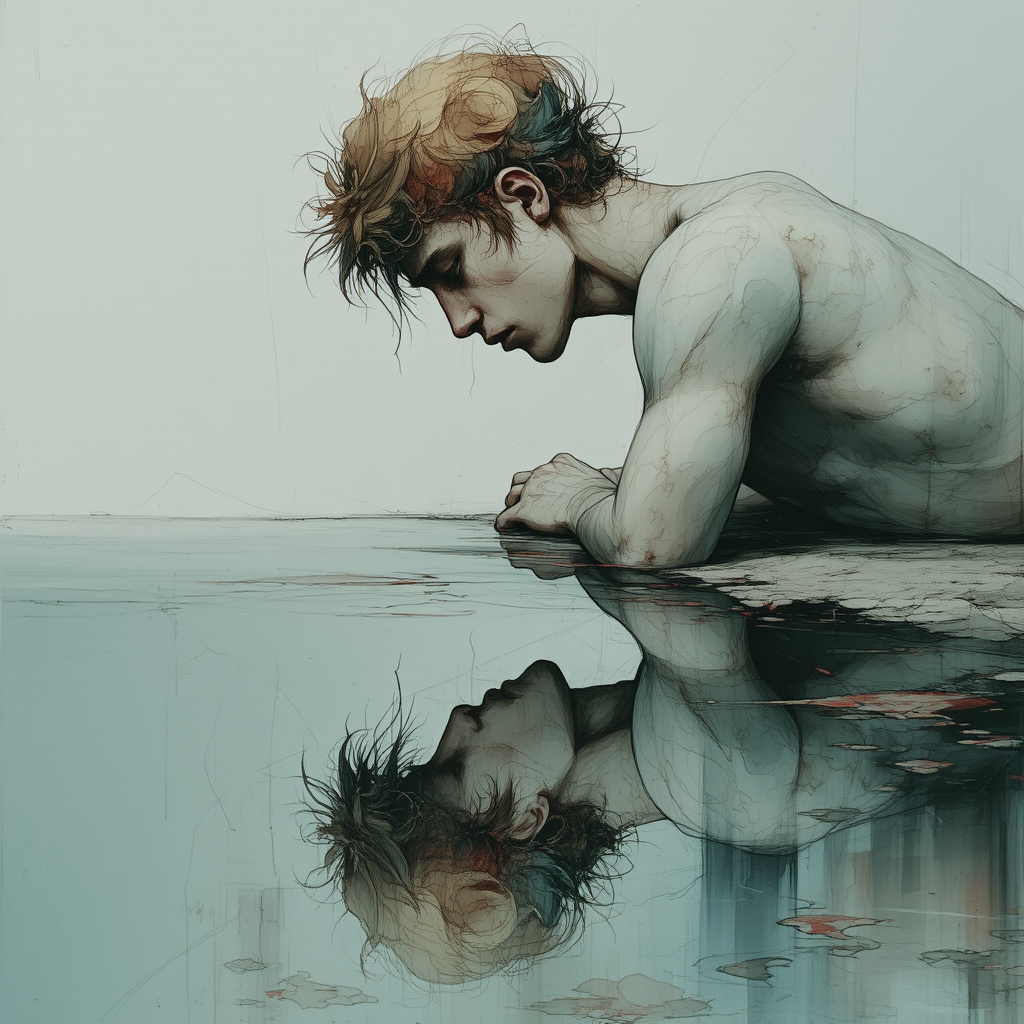
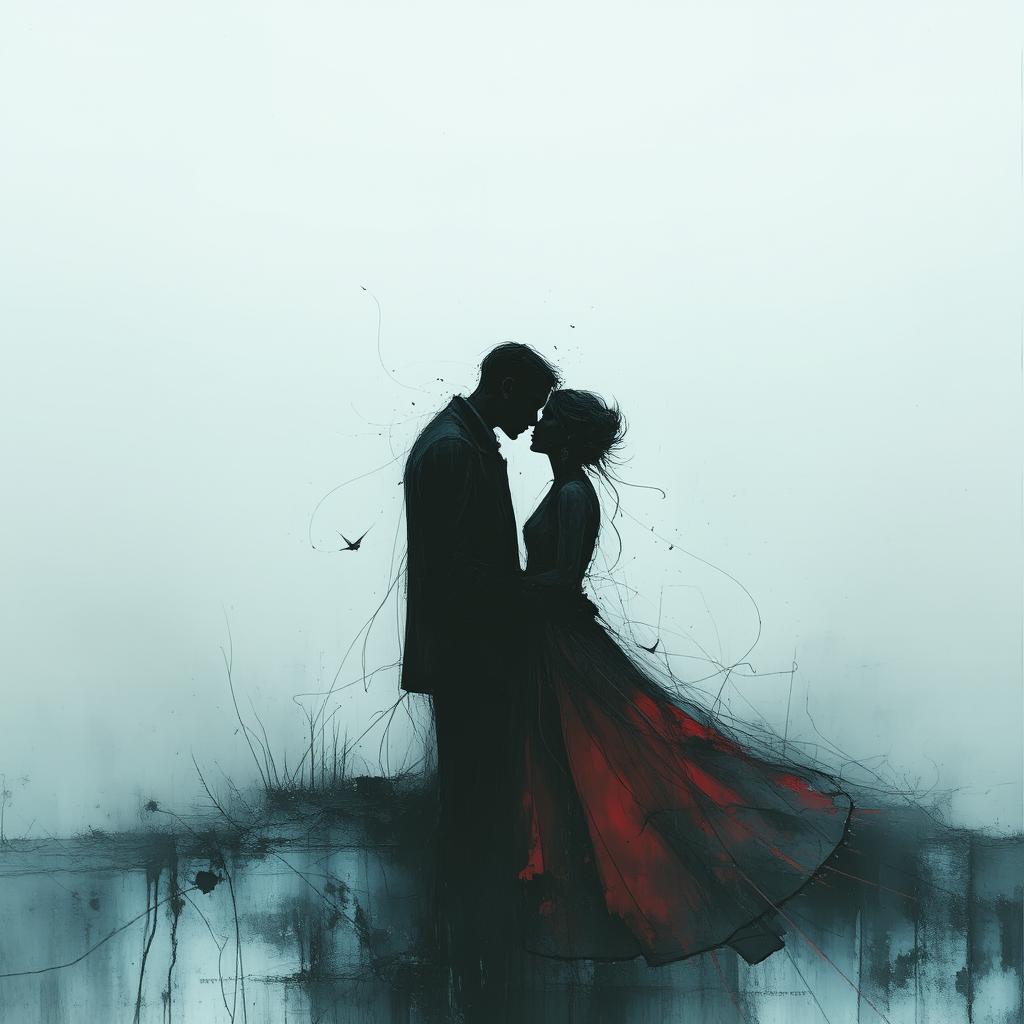
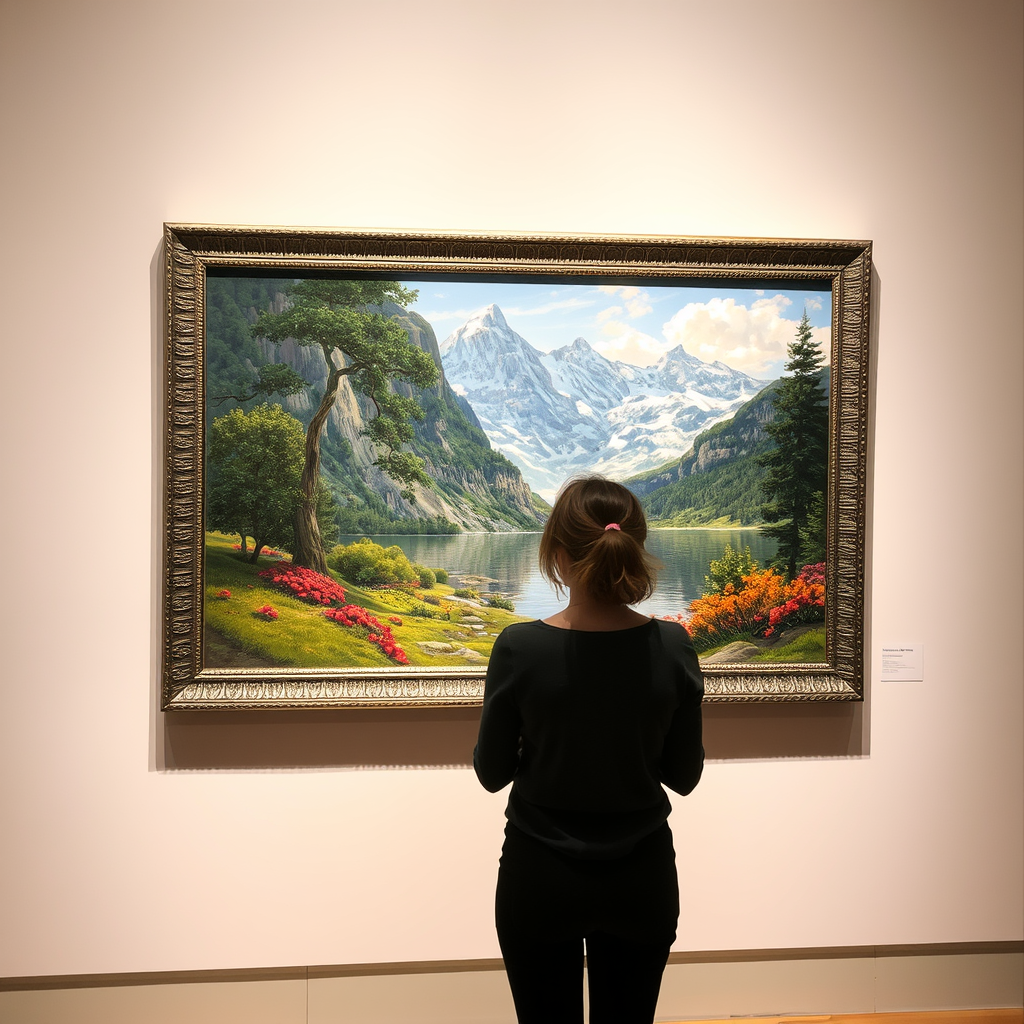
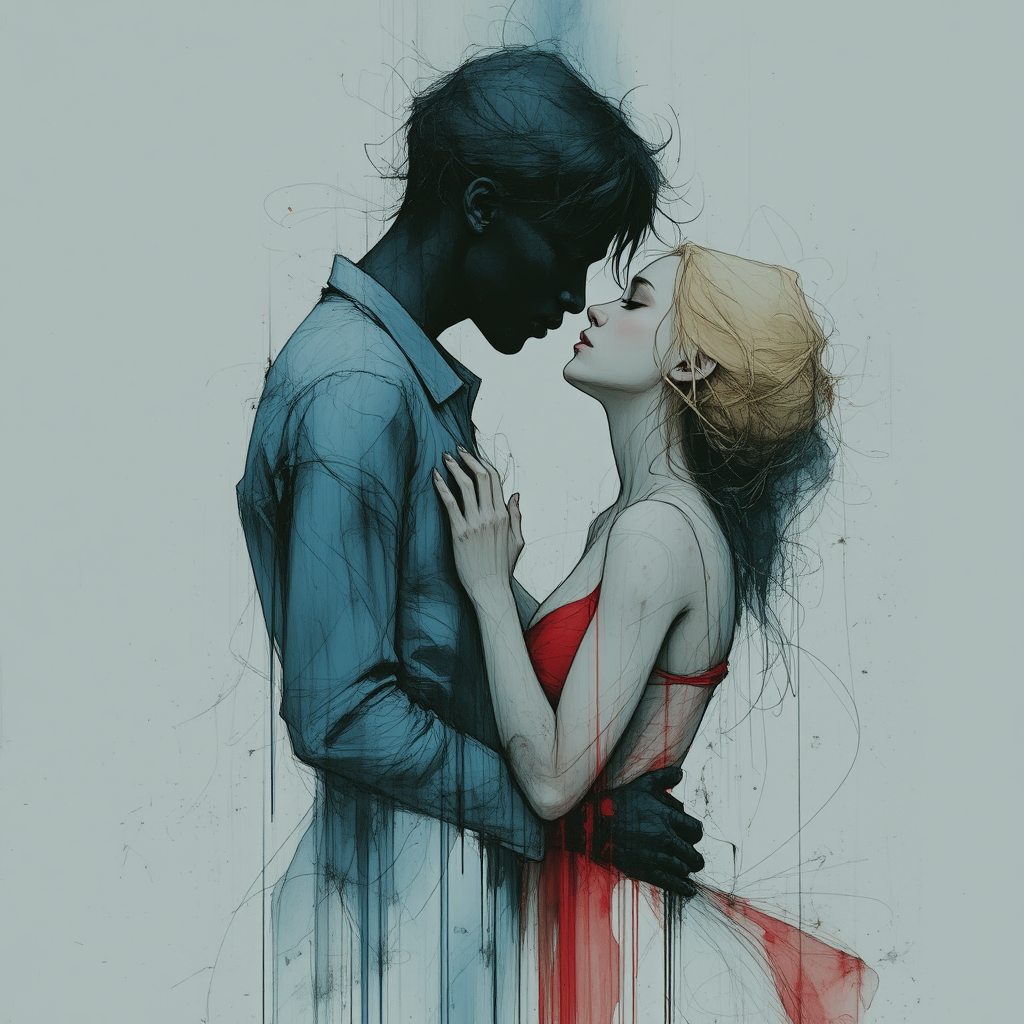
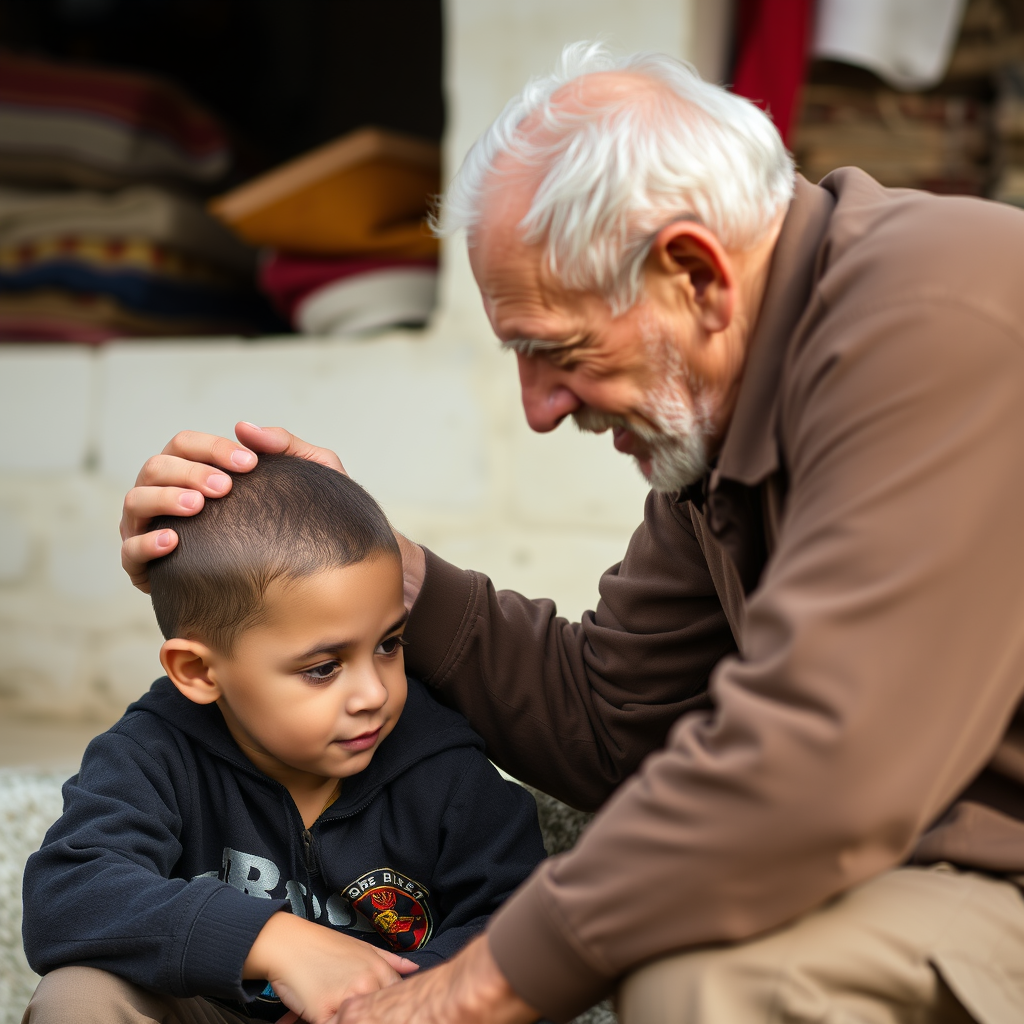
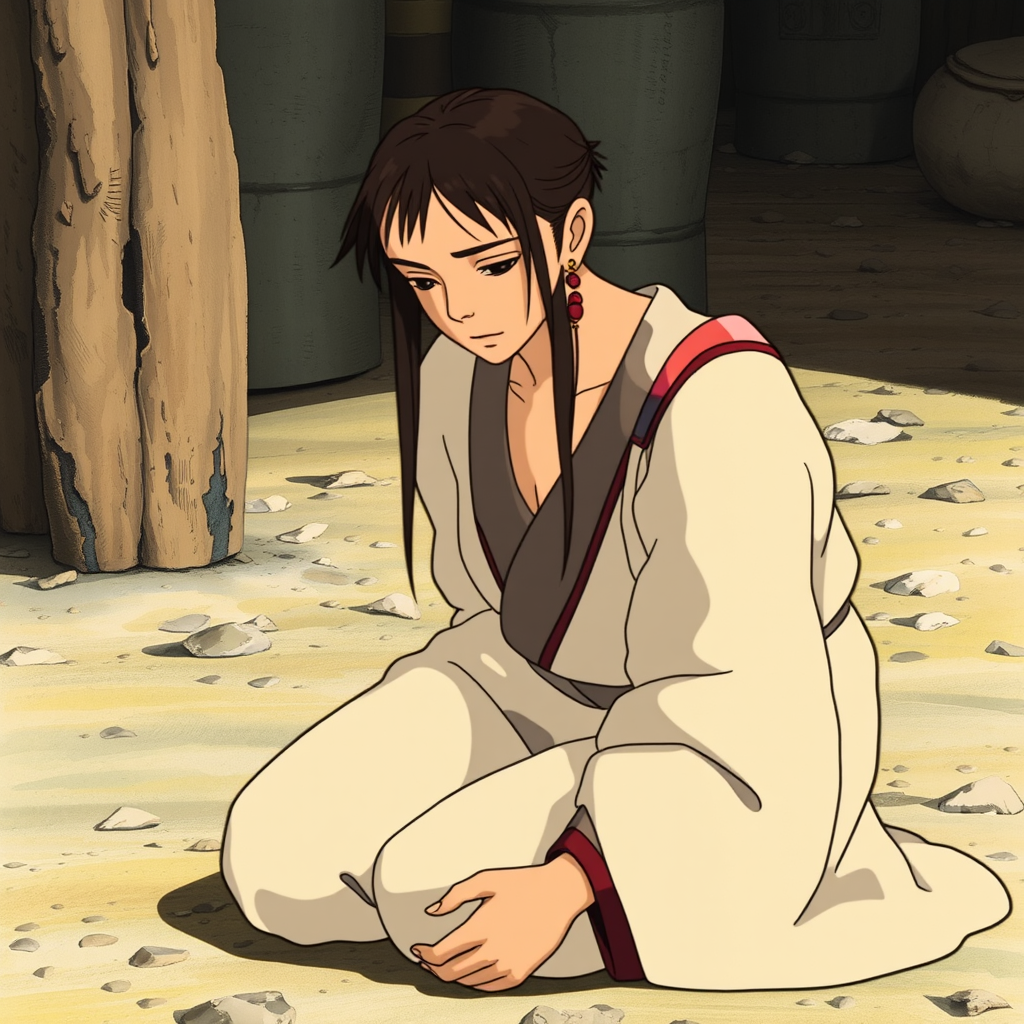
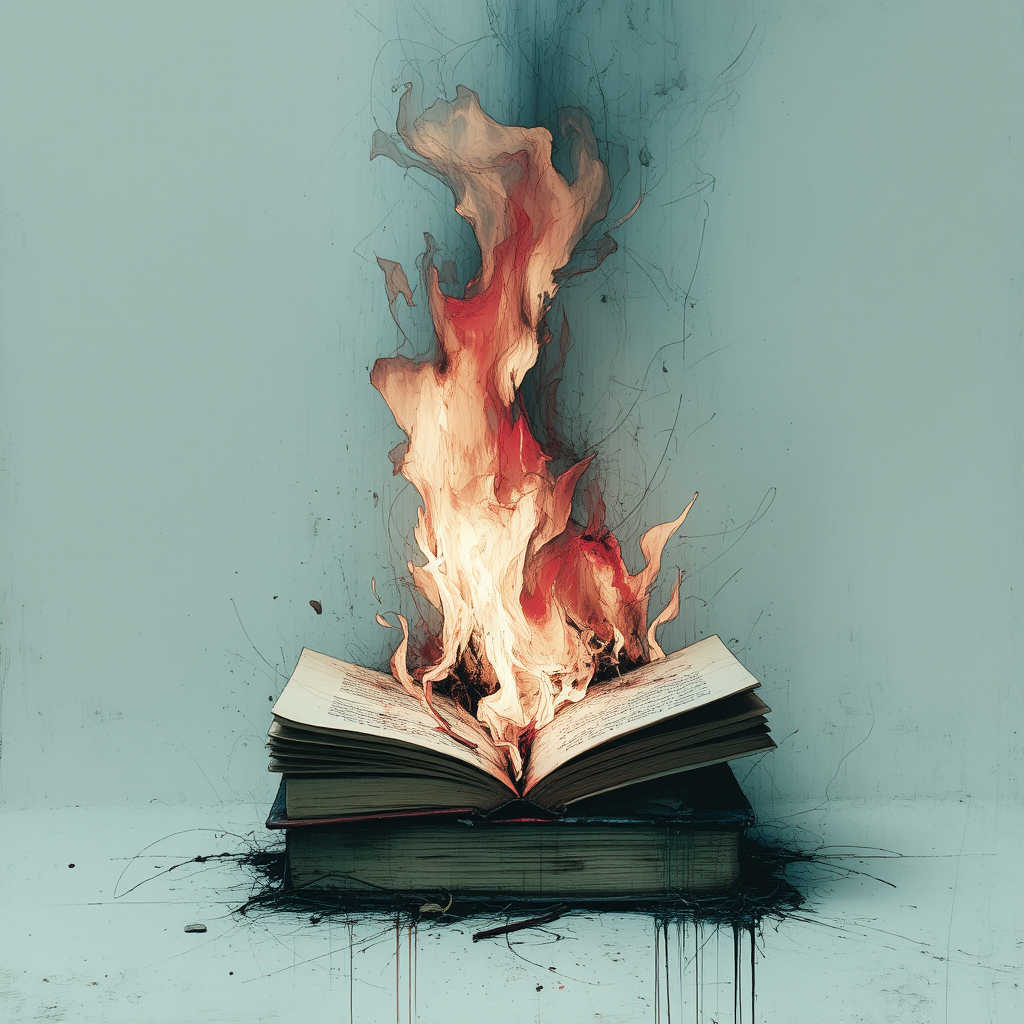
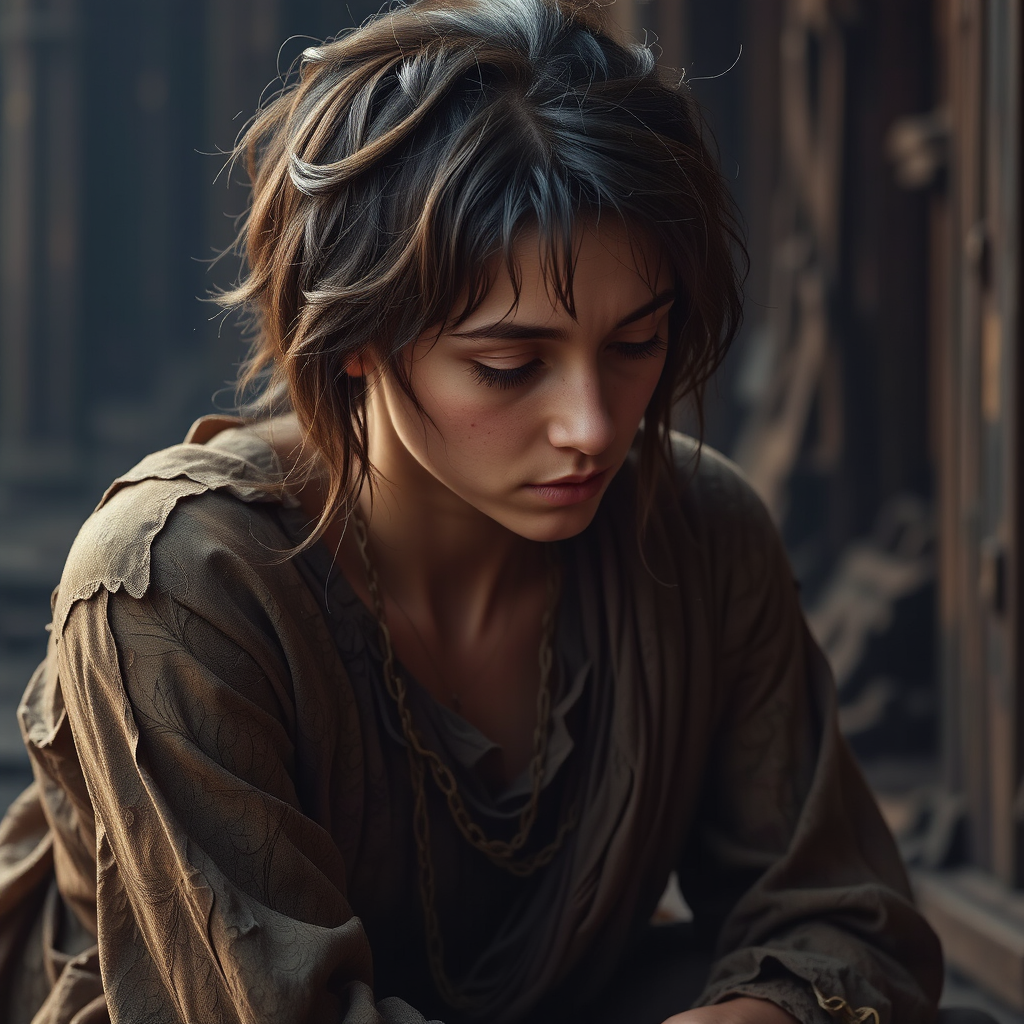
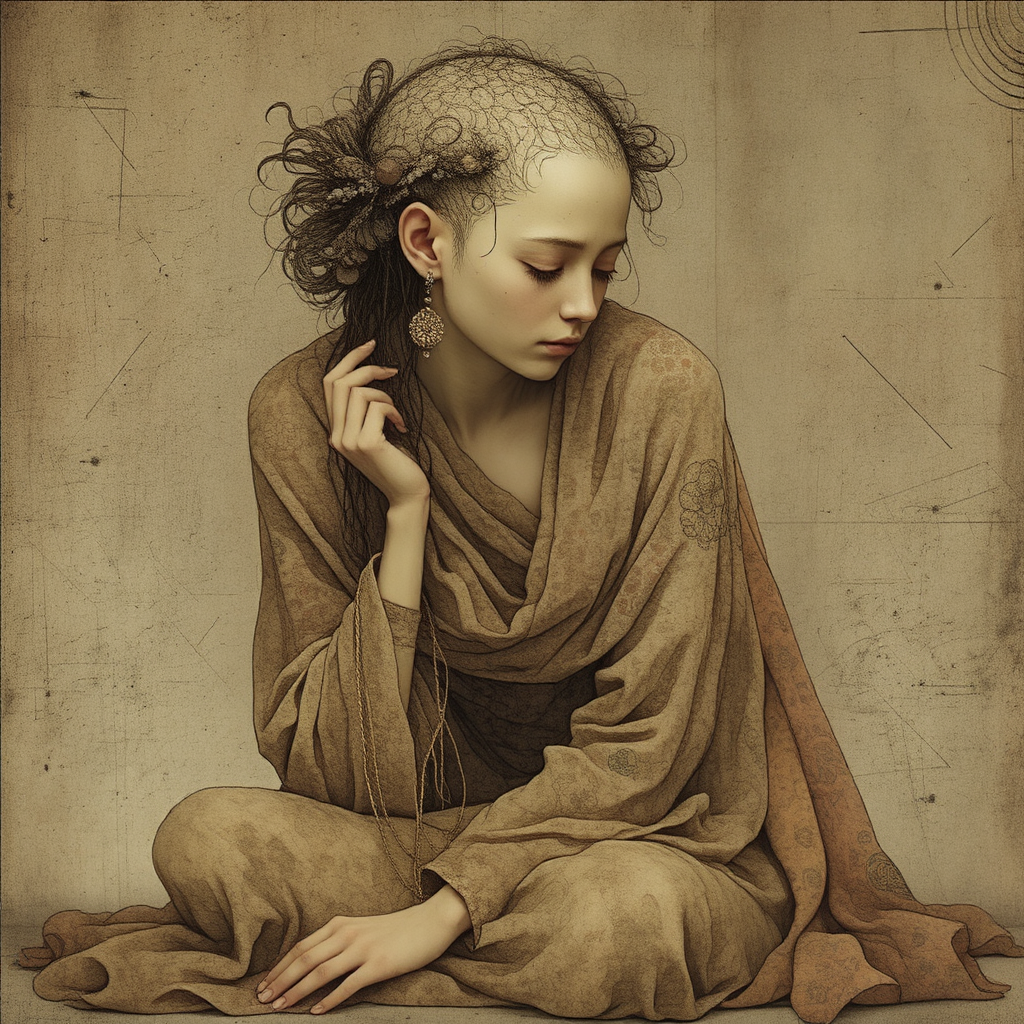
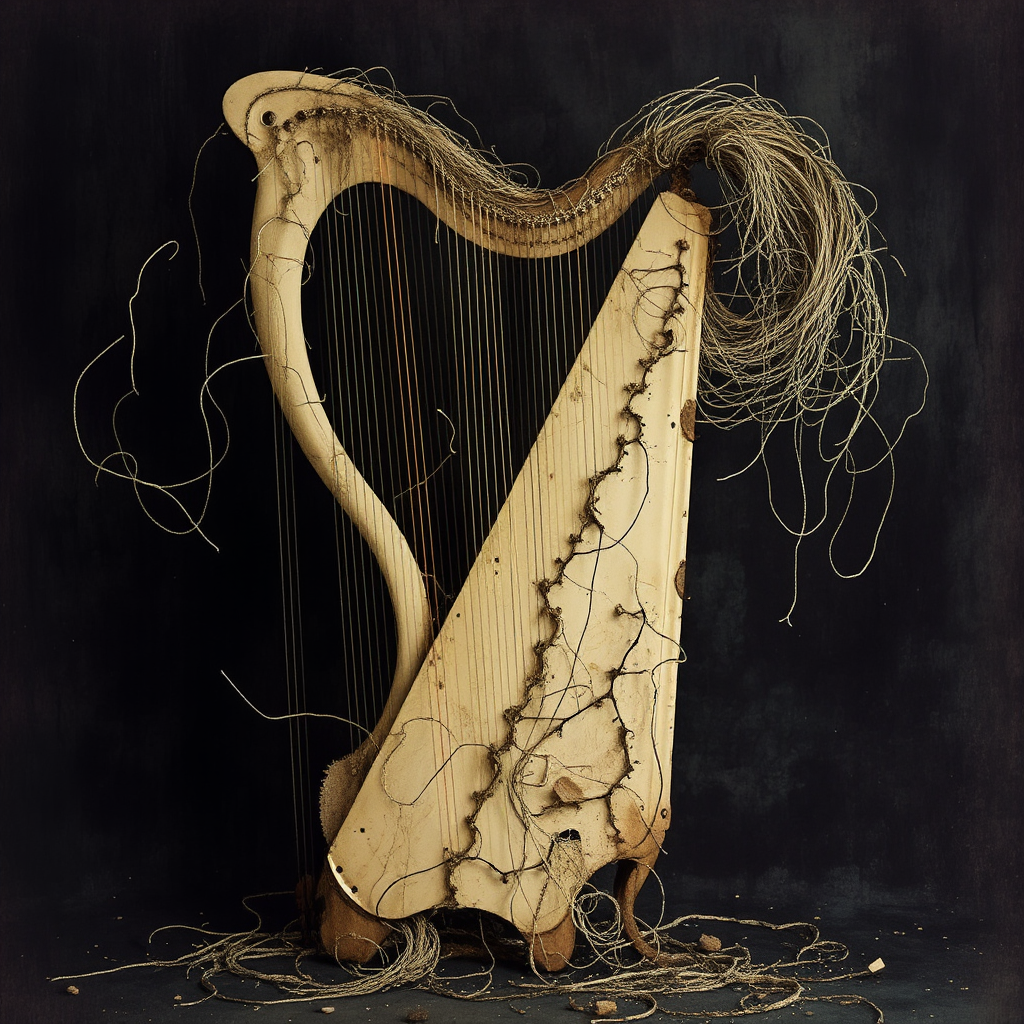
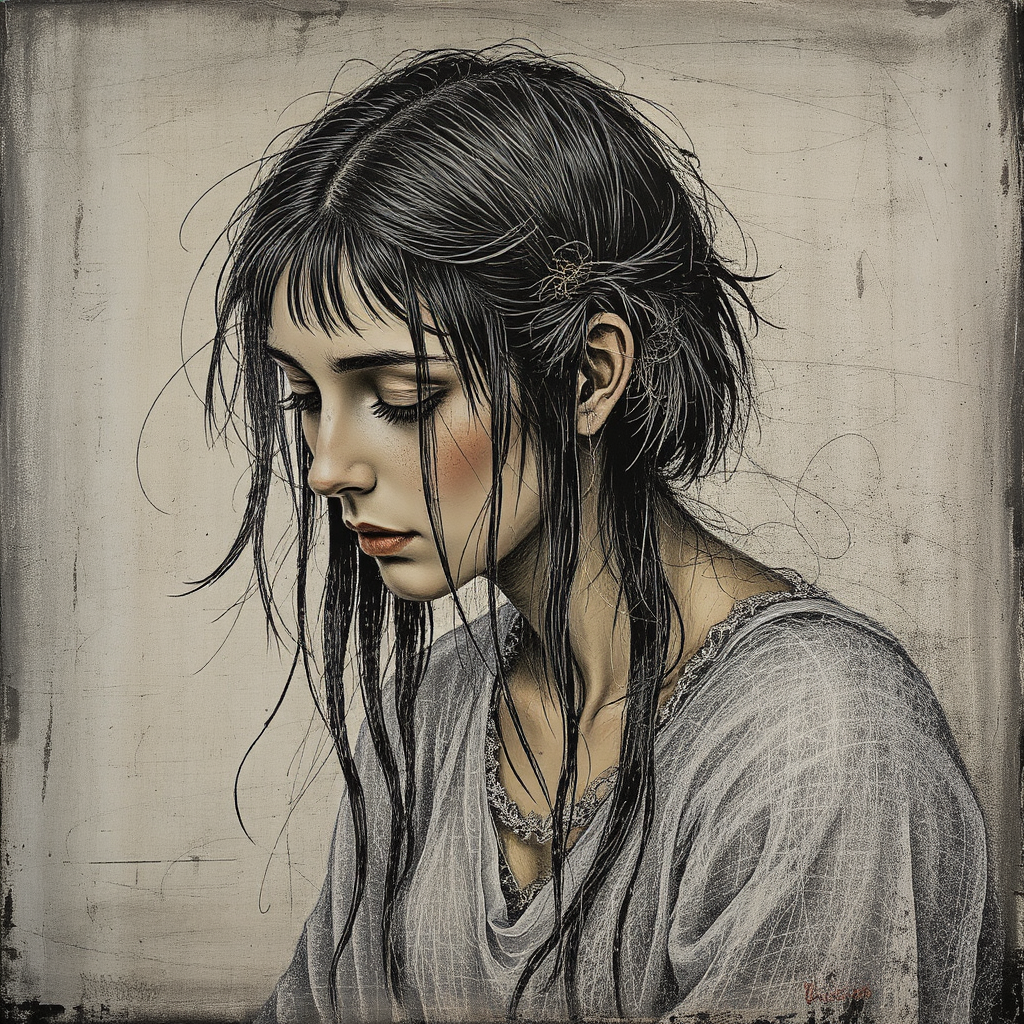
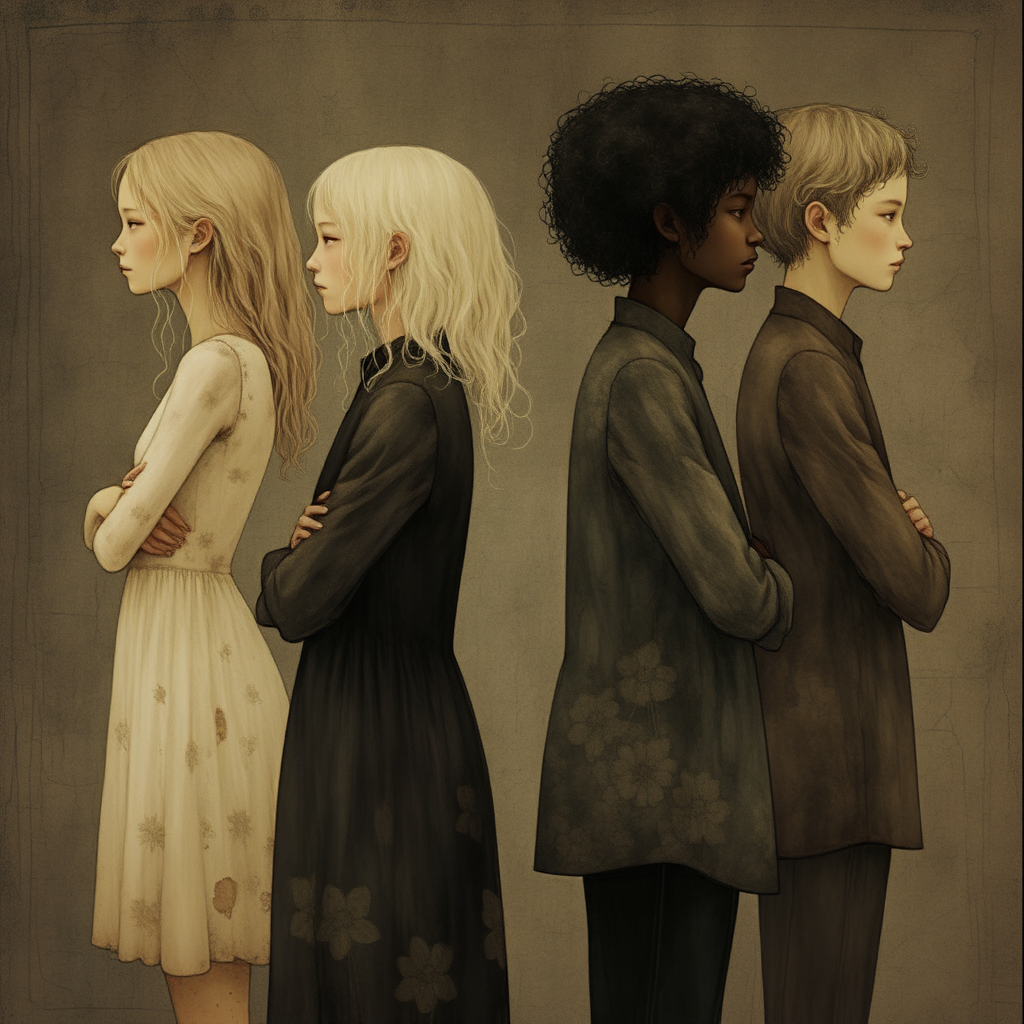
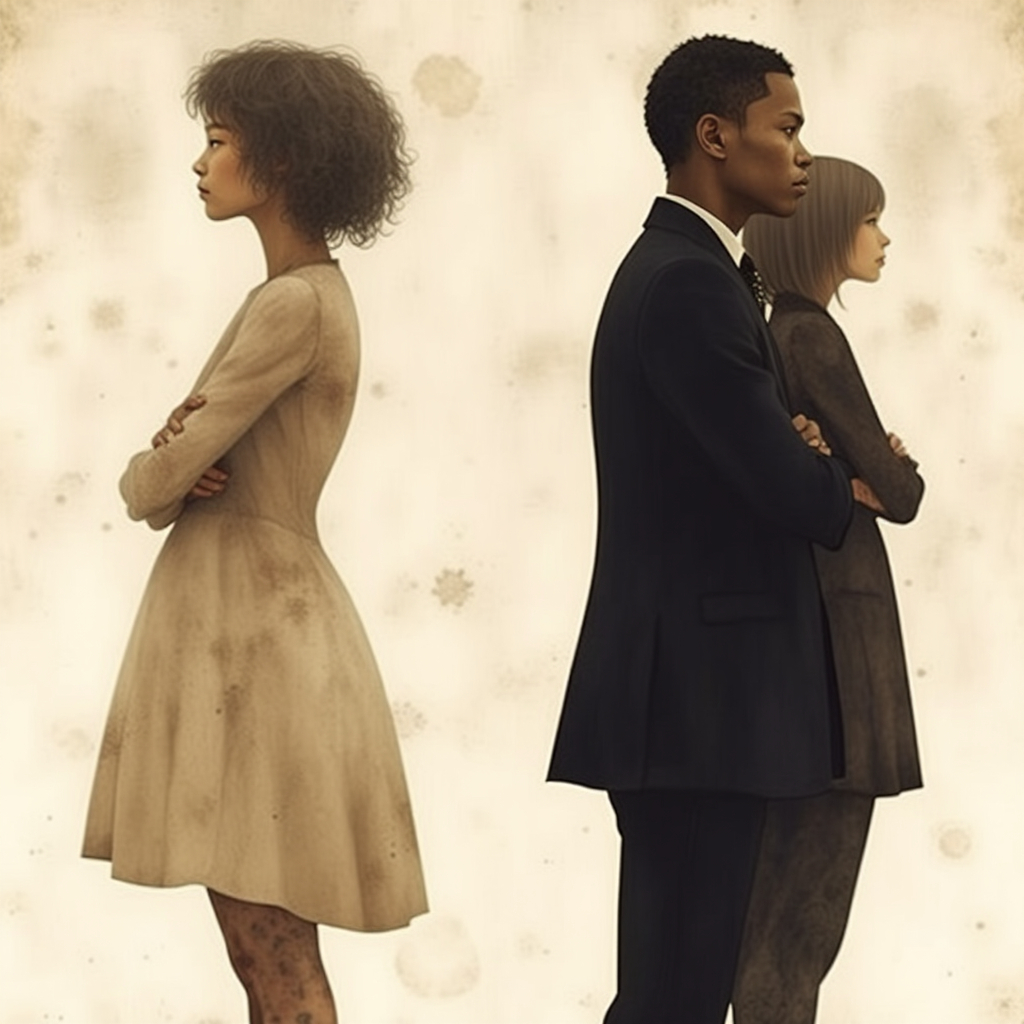
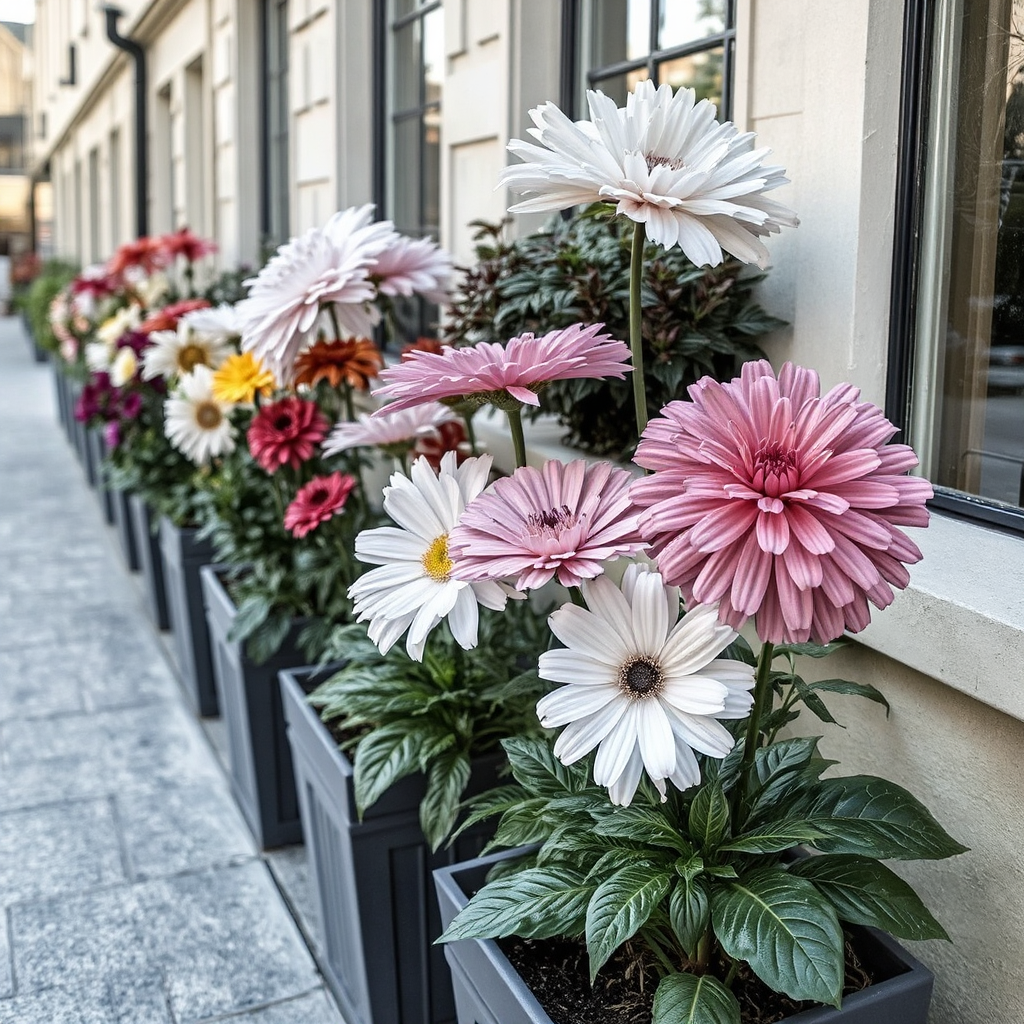
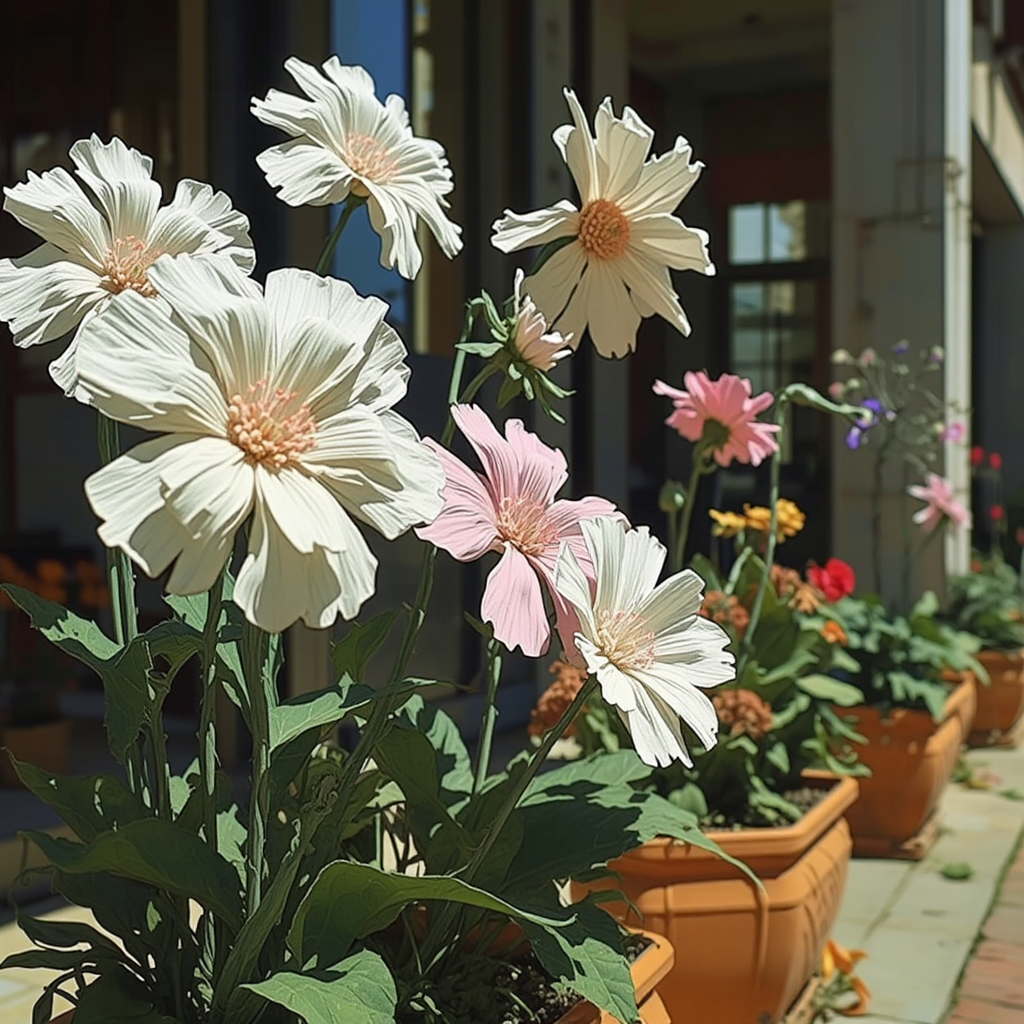
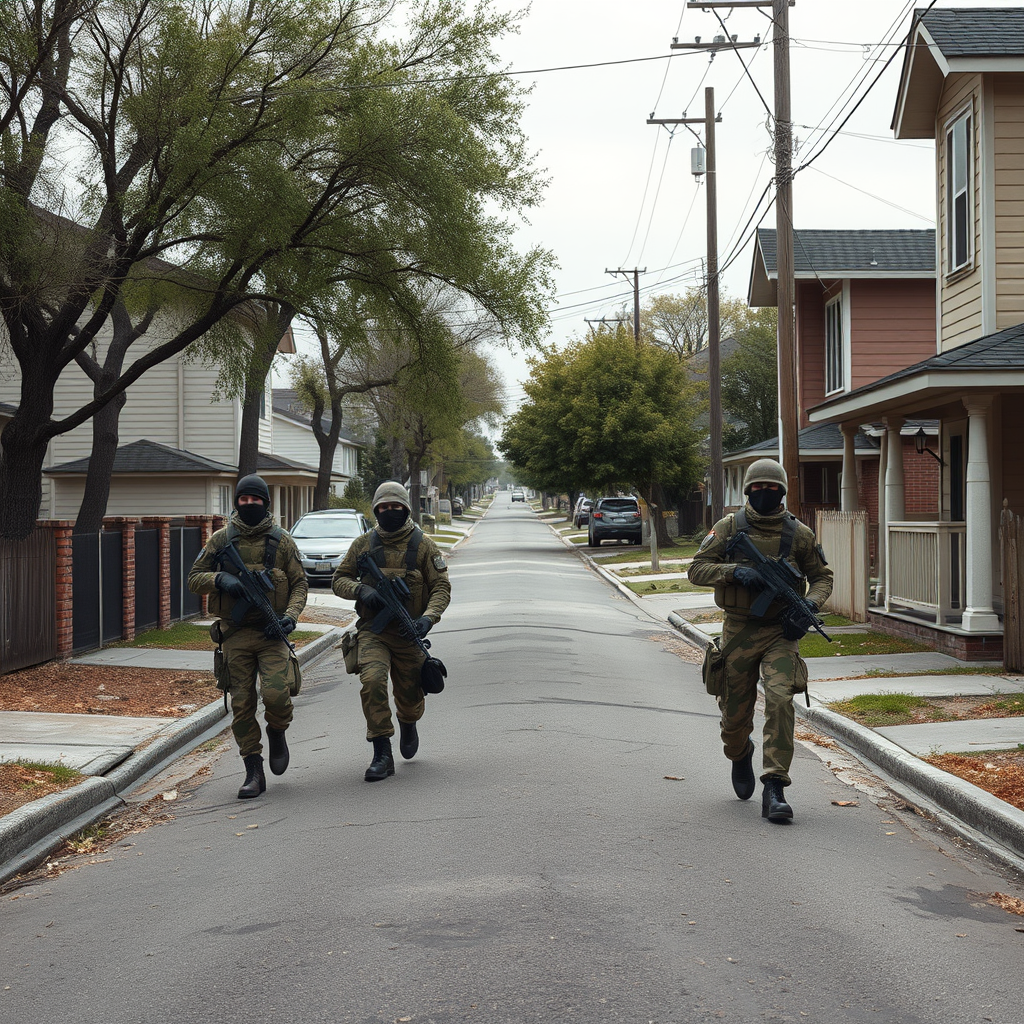
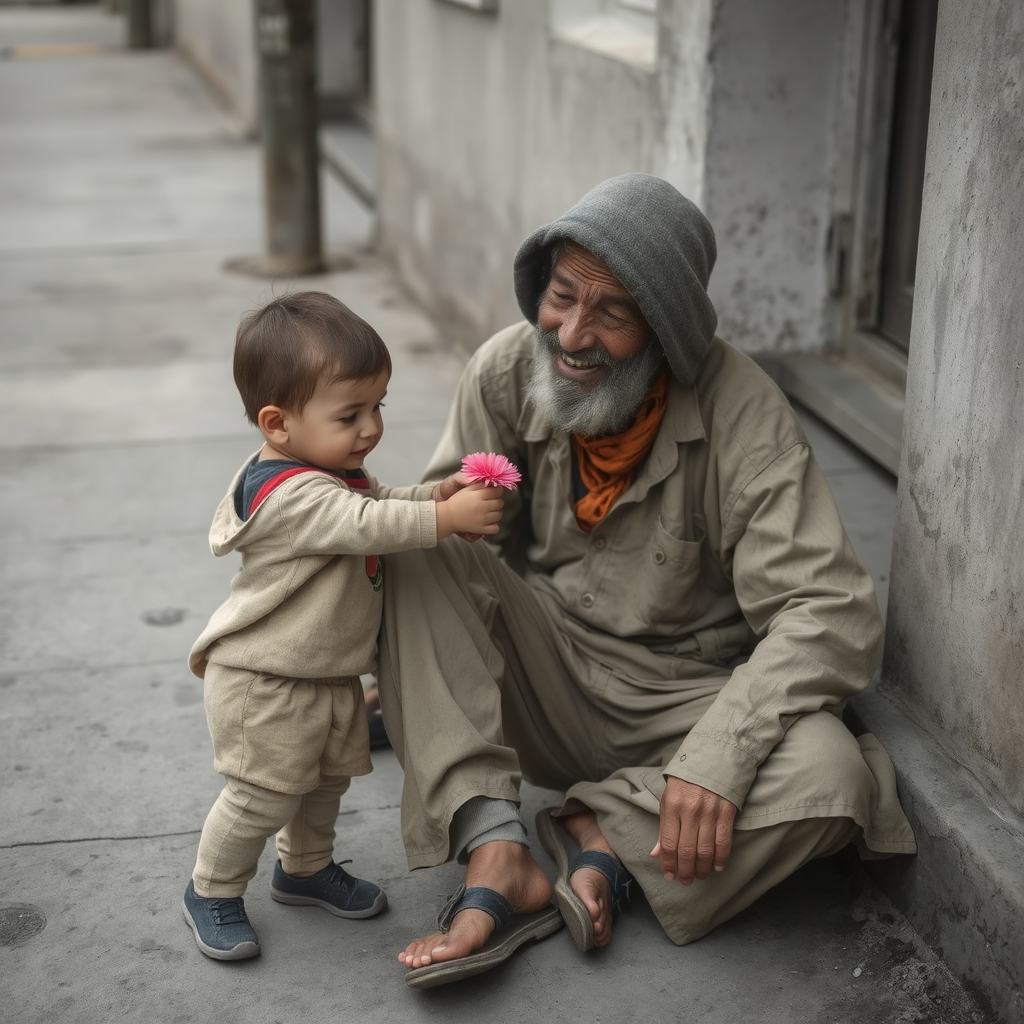
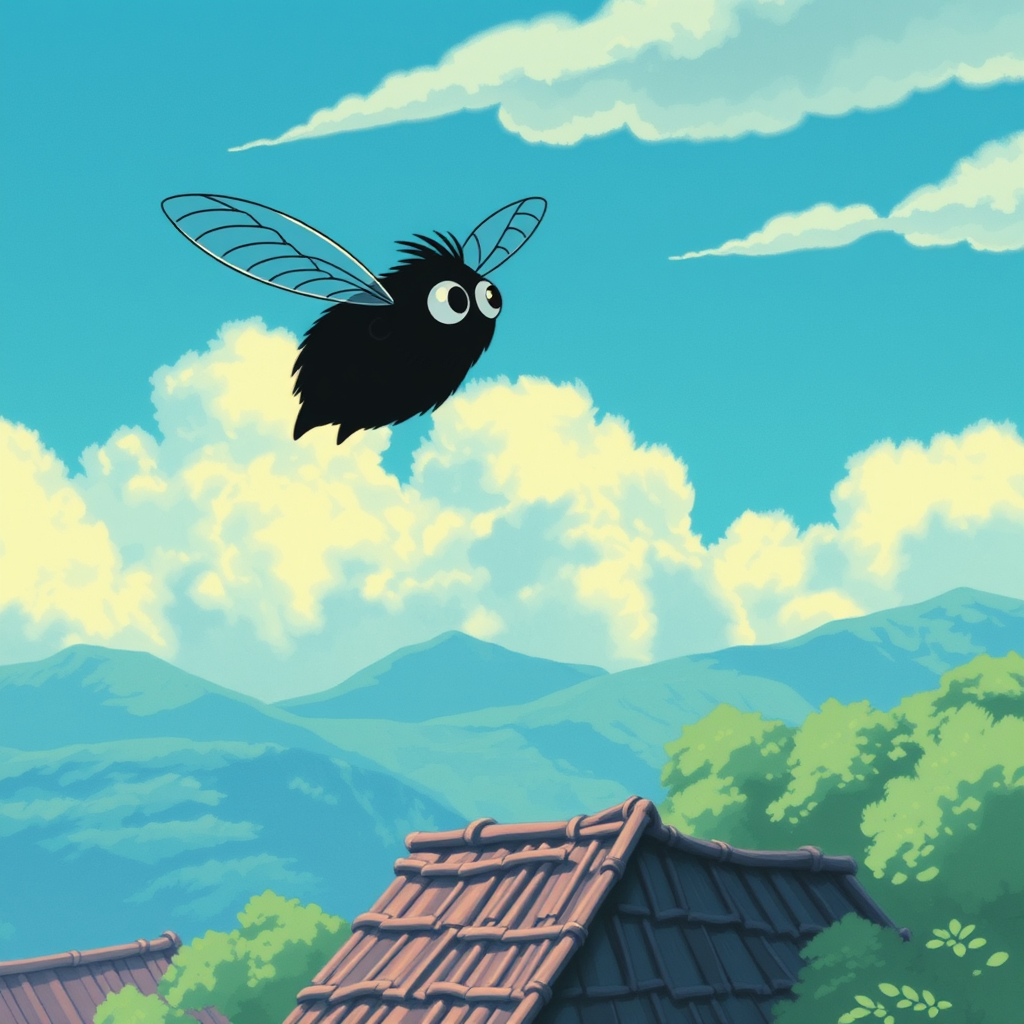
All images created by Rebekah Marshall’s prompts using AI on Gencraft.com website.

I am reading Hafiz’s Little Book of Life, poetry by Hafiz-e Shirazi. He is challenging me to become more comfortable with ambiguity. I will share his poem and some of my thoughts on his poem (sometimes with the help of experts when the concepts are too hard for me), followed by a poem and some art inspired by his poem.

Hafiz’s Poem 17:

Vanity, my dear

Is merely proof

Of sheer ignorance

Some thoughts:

Hafiz seems to be addressing someone he cares about, by calling them “my dear.” This does not seem like a harsh rebuke, but more of a compassionate, gentle reminder. There is no need to be vain if we understand our true worth. Either we are over or under-inflating reality when we assess ourselves as less than or greater than we should.

If we mistake attention for worth, confuse a mask for the self, or are more concerned about appearance than authenticity, we are missing the mark. We are beautiful, magical, stardust creatures who are part of a giant, miraculous cosmos. We should not forget our true fabulousness by replacing it with vain imaginings that are neither helpful nor accurate. We are better than that.

My Poem 17:

Both extremes of vanity
are inaccurate reflections
of your miraculous beauty.

You are but dust and ashes,
no greater than anyone else
on this giant flying rock.

But the point is that you are
stardust and magic, the hope
of your ancestors made real.

Don’t confuse being ordinary
with missing the fabulous
truth that you are a singularity.

There has never been and never
will be another you the same
as the wondrous you right now.

Hafiz. Hafiz’s Little Book of Life. Translated by Erfan Mojib and Gary Gach, Hampton Roads Publishing, 2023.
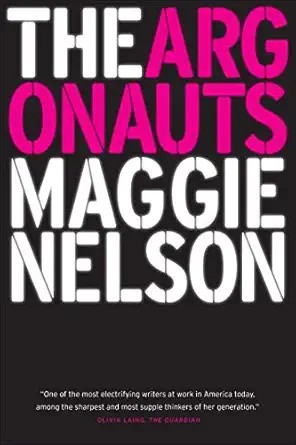
The Argonauts (Book Review)

The Argonauts by Maggie Nelson felt like a slap in the face, a comforting hug, an electric shock, and a soothing warm bath. The format was unique and felt experimental—blocks of text, quotes, memories, verbal snapshots, reporting, and textbook-like excerpts all woven into a seamless narrative. The subject matter is raw, often unfiltered, intimate details that feel way more personal than I would ever be comfortable sharing with total strangers. But good for Maggie Nelson for having the chutzpah to attempt such a thing. I love that she finds her own voice by the end by admitting that she is still searching and leaving room for vulnerability in a way that is honest and impressively real.

Her descriptions of pregnancy, sexuality, dealing with loss, giving birth, holding on to self, nursing, her relationship with her partner, gender identity, and expert opinions, *in no particular order, combine to weave almost a stream-of-consciousness-style memoir that defies classification. I think I might have blushed a few times, certainly opened my eyes a bit wider, and definitely wondered why my college courses weren’t quite as shocking as some of hers. But the fact that I felt a connection shows the depth of both her humanity and her fabulous writing talent (since I am a southern, more conservative than her, heterosexual, certainly more comfortable with conventional-vanilla bedroom activities sort of gal. I’ll put it this way—I learned a lot from this book.)

*I jest about the “no particular order” comment because I am sure there is a well-crafted method to her madness that makes it feel like a jumble of thoughts and also a coherent work.

Also, if you are interested in the book, I recommend Googling “Why is Maggie Nelson’s book titled The Argonauts?” It gives a fabulous description of what you are getting yourself into. A brief quote from that Google search using their AI is as follows: “The title reflects the “constantly shifting” nature of queer identity, family-making, and language.”

AI Overview, Google, searched 31 Jan 2026.

Nelson, Maggie, The Argonauts, Graywolf Press, 2015.

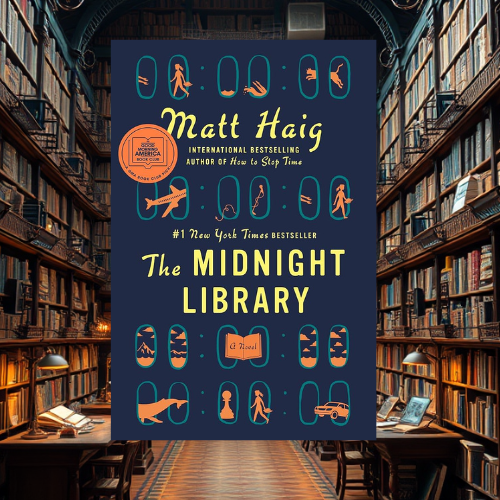
The Four Loves (Book Review)

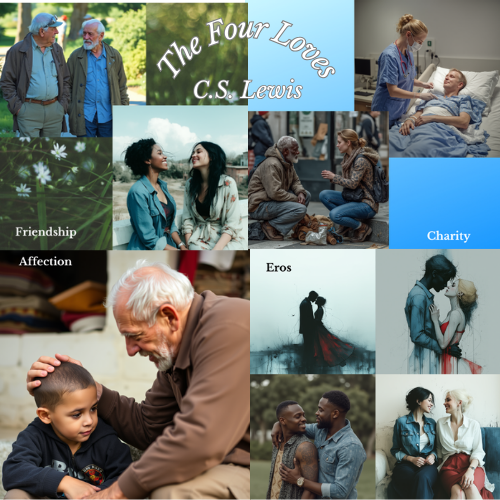
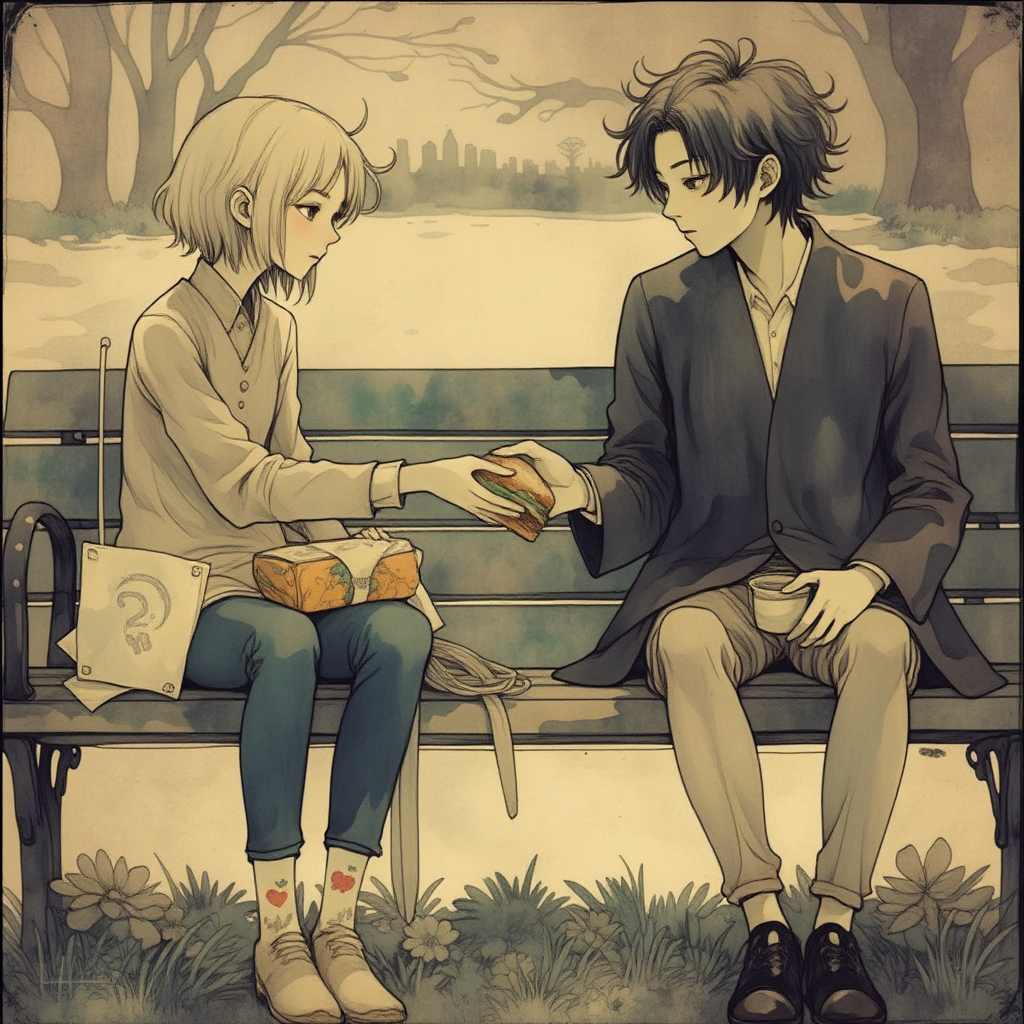
All images created by Rebekah Marshall’s prompts using AI on Gencraft.com website.

I’m not sure what I was expecting of C.S. Lewis’s The Four Loves, but I was surprised by the conversational tone. Though I did not agree with all his assertions, many of the ideas and categorizations of types of love made sense. He breaks love into the categories of Affection, Friendship, Eros, and Charity. Then he has another discussion around the Likings and Loves for the Sub-Human, like when we say we like taking naps or love cheesecake. Many examples within each of the categories also fall into what he calls Need-love vs. Gift-love. Need-love would be assigned to necessary-for-survival-type loves, like a child to a parent or water to quench thirst. Gift-love would be assigned to unnecessary-type loves, like appreciation of a beautiful piece of art or taking care of a sick person.

The reader should be prepared for strict opinions based on Lewis’s beliefs regarding gender roles, nature, science, the fall of mankind, sin, the afterlife, and other principles that Lewis views as black or white, rather than a possible spectrum of interpretation of Biblical text. If that is an accepted foundation going in, the concept of love can be the focus for analysis. I find the idea of even attempting to categorize love somewhat grandiose. However, Lewis’s arguments are well thought out. There are probably many more nuances that could be catalogued by culture, historical context, language, psychotropically induced vs. naturally occurring, gender-related, conscious v. subconscious, etc. I wonder if there are as many different types of love as there are people on the planet. That would be a much thicker book, though.

Lewis, C.S. The Four Loves, Houghton Mifflin Harcourt Publishing Company, 1960.

Hafiz – Poem 14

All images created by Rebekah Marshall’s prompts using AI on Gencraft.com website.

I am reading Hafiz’s Little Book of Life, poetry by Hafiz-e Shirazi. He is challenging me to become more comfortable with ambiguity. I will share his poem and some of my thoughts on his poem (sometimes with the help of experts when the concepts are too hard for me), followed by a poem and some art inspired by his poem.

Hafiz’s Poem 14:

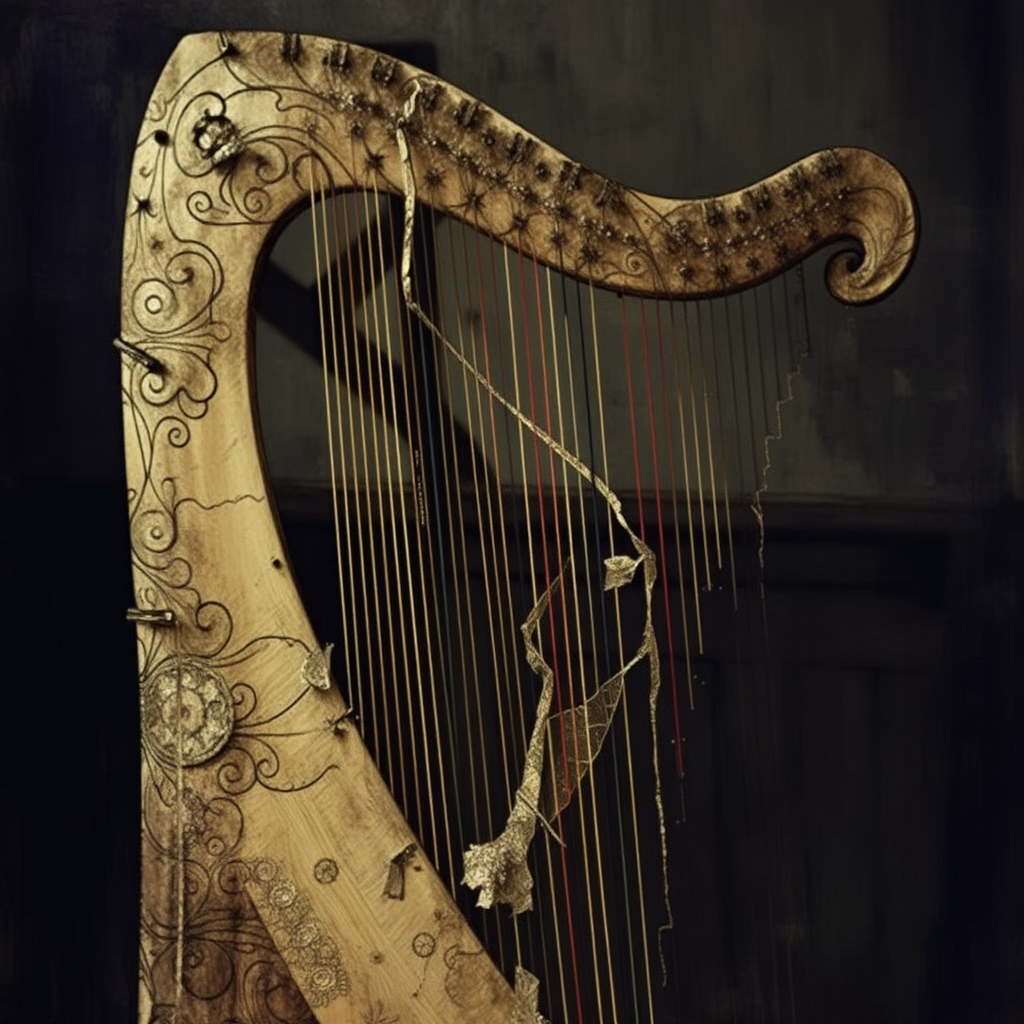
The chief cop

Has chopped off

The lovely hair

Of the harp

Some thoughts:

Whether literal or figurative, the imagery is breathtakingly sad. Some institutional authority figures or law enforcement representatives have stifled beauty, art, or freedom of expression. Quite literally, some depots during Hafiz’s time (and today) outlawed certain music, literature, art, plays, and performances that they deemed dangerous or anti-them. The banning of books, words, ideas, thoughts, and symbols is nothing new. It is as old as dictators, and simply vile. Cutting off the harp’s hair is an attempt to shame, silence, humiliate, and send a message of fear and warning to anyone else who might dare threaten defiance.

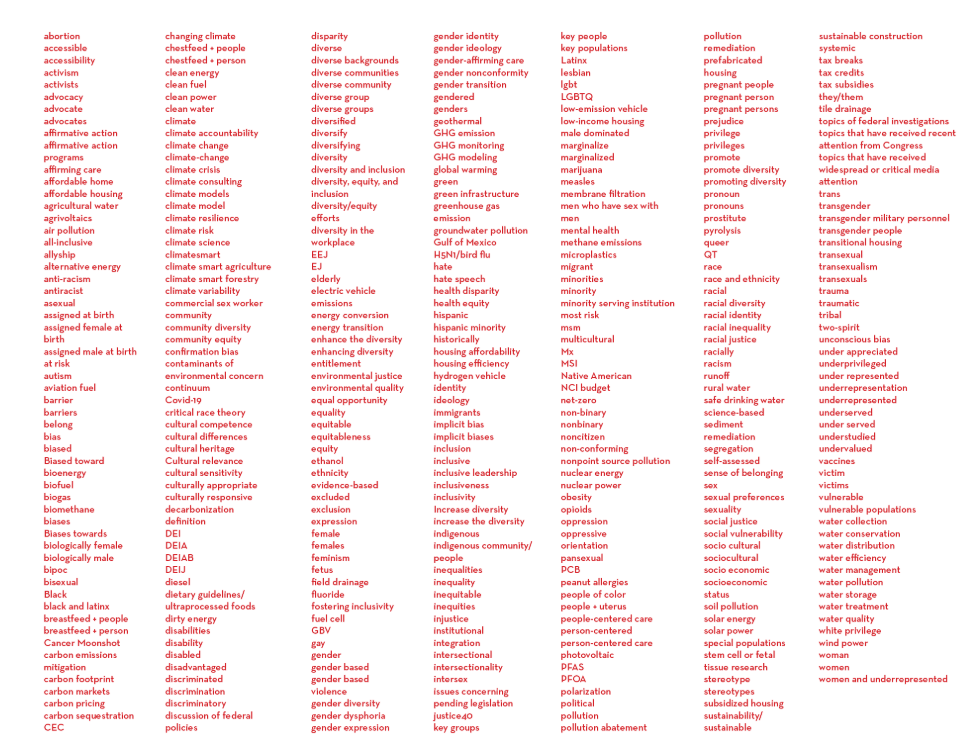
Some authority figures are going beyond art and music, to the banning of words they do not prefer because they are too inclusive, diverse, and gender-affirming. The following is a list of words the current Trump administration has instructed federal agencies to avoid in all official documentation (and reject if used on applications for grants.) Basically, these are “banned” words that cannot be used if you want federal funding.

My Poem 14:

6,870 books were banned
in public schools last year.
These were all books on my
Texas classroom library shelves:
The Bluest Eye Toni Morrison
Looking for Alaska John Green
Wicked Gregory Maguire
Life of Pi Yann Martel
Lock and Key Sarah Dessen
House of Night series P.C. Cast & Kristin Cast
My Sister’s Keeper Jodi Picoult
November Blues Sharon Draper
Safe Haven Nicholas Sparks
The Chocolate War Robert Cormier
The Help Kathryn Stockett
The House of the Scorpion Nancy Farmer
Twilight Stephenie Meyer
Walk Two Moons Sharon Creech
Zorro Isabel Allende
Sideways Stories from Wayside School Louis Sachar
The House on Mango Street Sandra Cisneros
1984 George Orwell
Gabi, a Girl in Pieces Isabel Quintero
Native Son Richard Wright
Speak Laurie Halse Anderson
Scrub and sanitize, whitewash
the outside of the tombs.
The children will have to teach
themselves the truth outside
the hallowed public school halls.
They know intuitively the stench
of lies beneath the flowers and perfume,
and your bans only increase their curiosity.

Hafiz. Hafiz’s Little Book of Life. Translated by Erfan Mojib and Gary Gach, Hampton Roads Publishing, 2023.
Hafiz – Poem 13

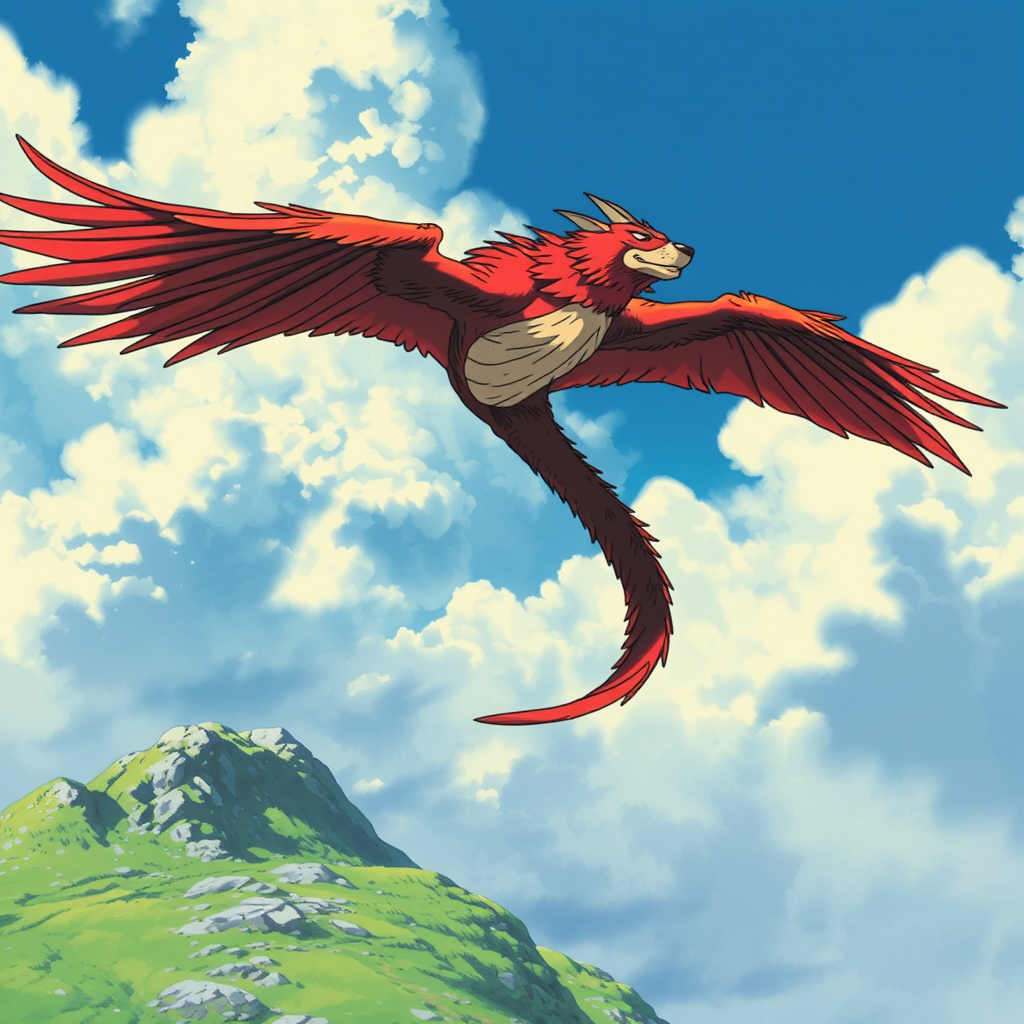
All images created by Rebekah Marshall’s prompts using AI on Gencraft.com website.

I am reading Hafiz’s Little Book of Life, poetry by Hafiz-e Shirazi. He is challenging me to become more comfortable with ambiguity. I will share his poem and some of my thoughts on his poem (sometimes with the help of experts when the concepts are too hard for me), followed by a poem and some art inspired by his poem.

Hafiz’s Poem 13:

Once, this was a city of friends

     In a land of kind people –

What happened to the love

     & where are the compassionate leaders

Some thoughts:

Hafiz seems to be remembering nostalgically the collective culture of his homeland during a gentler time. It sounds like it was a lovely time of peace and people who felt like they belonged in community. Maybe the inhabitants even took pride in how friendly and welcoming they were. Now things have changed. He is writing in a time that feels discouraging, unkind, less of a collective support system. The love is gone. Compassion is absent in leadership. They are not protecting the vulnerable, demonstrating care, or displaying accountability. People probably feel isolated, afraid to speak their truth, and unsure who to trust.

My Poem 13:

What moral drift
has left us alone
with our thoughts,
afraid to speak,
tender to the touch?

Murals have faded.
Warmth only a memory
bereft of substance.
Lack of accountability
creates fear, erodes trust.

Is kindness optional?
Does human dignity
disappear because politics
plays ugly games
with ethical dilemmas?

Hafiz. Hafiz’s Little Book of Life. Translated by Erfan Mojib and Gary Gach, Hampton Roads Publishing, 2023.
Hafiz – Poem 12

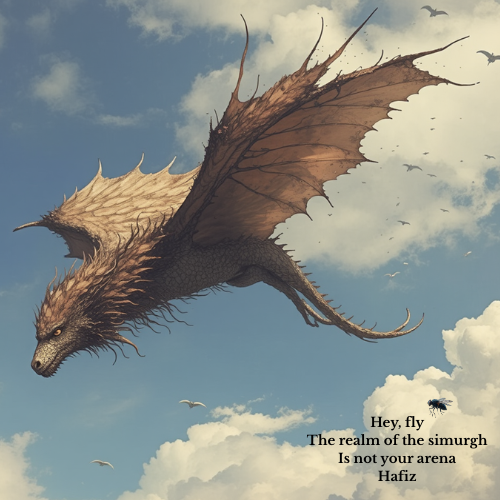
All images created by Rebekah Marshall’s prompts using AI on Gencraft.com website.

I am reading Hafiz’s Little Book of Life, poetry by Hafiz-e Shirazi. He is challenging me to become more comfortable with ambiguity. I will share his poem and some of my thoughts on his poem (sometimes with the help of experts when the concepts are too hard for me), followed by a poem and some art inspired by his poem.

Hafiz’s Poem 12:

I behold hundreds of thousands of flowers

     Yet no bird sings –

     Where have the birds all gone

& what happened to the nightingales

Some thoughts:

The absence of birdsong is unnatural. Seeing the beauty of outside, surrounded by flowers, soaking in the loveliness…and suddenly an uncomfortable sensation prickles the hair at the nape of the neck. We are coded genetically or ancestrally or instinctively to sense danger when the birds fall silent. And when do birds disappear (or at least hide in their nests)? When predators make the environment unsafe, unnatural events are taking place, or acts of God are about to be unleashed. I also read that birds sometimes decrease their presence and/or singing when they recognize that they are being watched. It is probably because the watching equates to potential predation, but it makes me wonder if increased surveillance in the form of cameras and other recording equipment interrupts their lifestyles.

Nightingales are some of the most singingest singers of the bird kingdom. They can make over 1,000 different sounds and males desperate to find a mate have been observed singing through an entire night. Their songs can reach 90 decibels and some know up to 260 different songs they can sing. In many literary contexts, nightingales represent the lover, the poet, the truth-teller, the one who sings no matter what. If even they have been silenced, we should be concerned. Hafiz may be speaking literally about human encroachment on nature with structural advancements and technological progress. But he could also be speaking metaphorically about oppression and the result of silencing freedom of speech. It is a false beauty that demands absolute obeisance.  

My Poem 12:

Sing for those in hiding,
doors barred by fear of discovery.
Sing for those who are crying
for their loved ones pulled away.

Sing for those out marching
to speak up for the ones who can’t.
Sing for those just starting
to realize the sickening truths.

Sing for those who’ve been taken,
whose futures are perilously unknown.
Sing for those who will not awaken
because their lives were stolen.

Hafiz. Hafiz’s Little Book of Life. Translated by Erfan Mojib and Gary Gach, Hampton Roads Publishing, 2023.
The Morning Paper

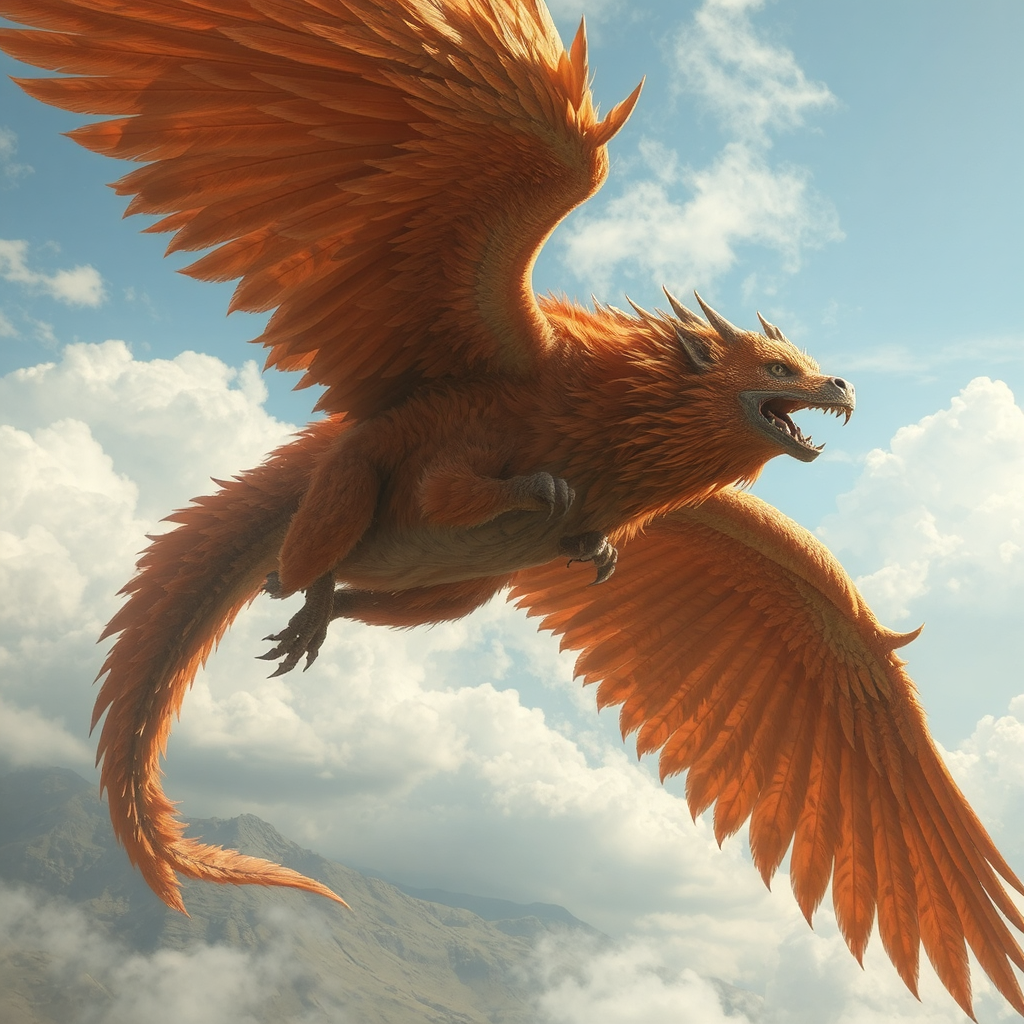
All images created by Rebekah Marshall’s prompts using AI on Gencraft.com website.

Poem by Mary Oliver

Read one newspaper daily (the morning edition
is the best
for by evening you know that you at least
have lived through another day)
and let the disasters, the unbelievable
yet approved decisions,
soak in.

I don’t need to name the countries,
ours among them.

What keeps us from falling down, our faces
to the ground; ashamed, ashamed?

My Poem: Mary, Mary

Mary, Mary, quite contrary.
No one reads papers anymore.
Not because they don’t exist,
but because we can’t stomach it.

I picture you saddened by news
of world events unfolding in
the sickening slow motion of
words frozen on the page in time.

And I wonder which is worse,
the descriptions of violence we
commit against each other on paper,
or the real-time videos on social media?

Oh, how you would hang your head
and weep at the morning “paper”,
such as it is today, malicious hate
unbearably wreaking havoc with impunity.

Oliver, Mary. A Thousand Mornings: Poems. Penguin Books, 2012.

Hafiz – Poem 10

All images created by Rebekah Marshall’s prompts using AI on Gencraft.com website.

I am reading Hafiz’s Little Book of Life, poetry by Hafiz-e Shirazi. He is challenging me to become more comfortable with ambiguity. I will share his poem and some of my thoughts on his poem (sometimes with the help of experts when the concepts are too hard for me), followed by a poem and some art inspired by his poem.

Hafiz’s Poem 10:

We aren’t about to beg

     For the sake of our daily bread

Go tell His Majesty

     We’re doing fine without him

Some thoughts:

Dang! Hafiz. This poem is brave. I don’t know which ruler’s reign it was written during, but it must have been one of the more despicable ones. Hafiz is obviously not impressed with the implied demand that the people submit through fear and desperation to authority. For even something as crucial as sustenance, Hafiz would rather starve than accept handouts from a despot.

He is refusing to bend the knee before false sympathy. His is a peaceful protest rejecting humiliation, rejecting any part in a tyrannical system, and projecting calm resolve. And why does His Majesty (I can almost feel the air quotes around the title) have all the bread anyway? Why is he hoarding what the people need? Hmmmmm…sounds a little suspect. These poems are starting to feel pretty too close to home right now.

My Poem 10:

Your excuses no longer pacify.
Your explanations make less than no sense.
Your arguments don’t hold water.
Your rationales beg the question.
Your reasonings are oversimplification.
Your conclusions are flawed.
Your justifications are red herrings.
Your premises are based on hate.
Your convictions are built on self-righteousness.
Your desires are constructed by greed.
Your claims are predicated on nonsense.
Your logic is unsound.
Your beliefs are heinously evil.
Your rhetoric is embarrassing.
Your legacy will be accurately remembered by those who observe, take note, and record.

Hafiz. Hafiz’s Little Book of Life. Translated by Erfan Mojib and Gary Gach, Hampton Roads Publishing, 2023.
Hafiz – Poem 9

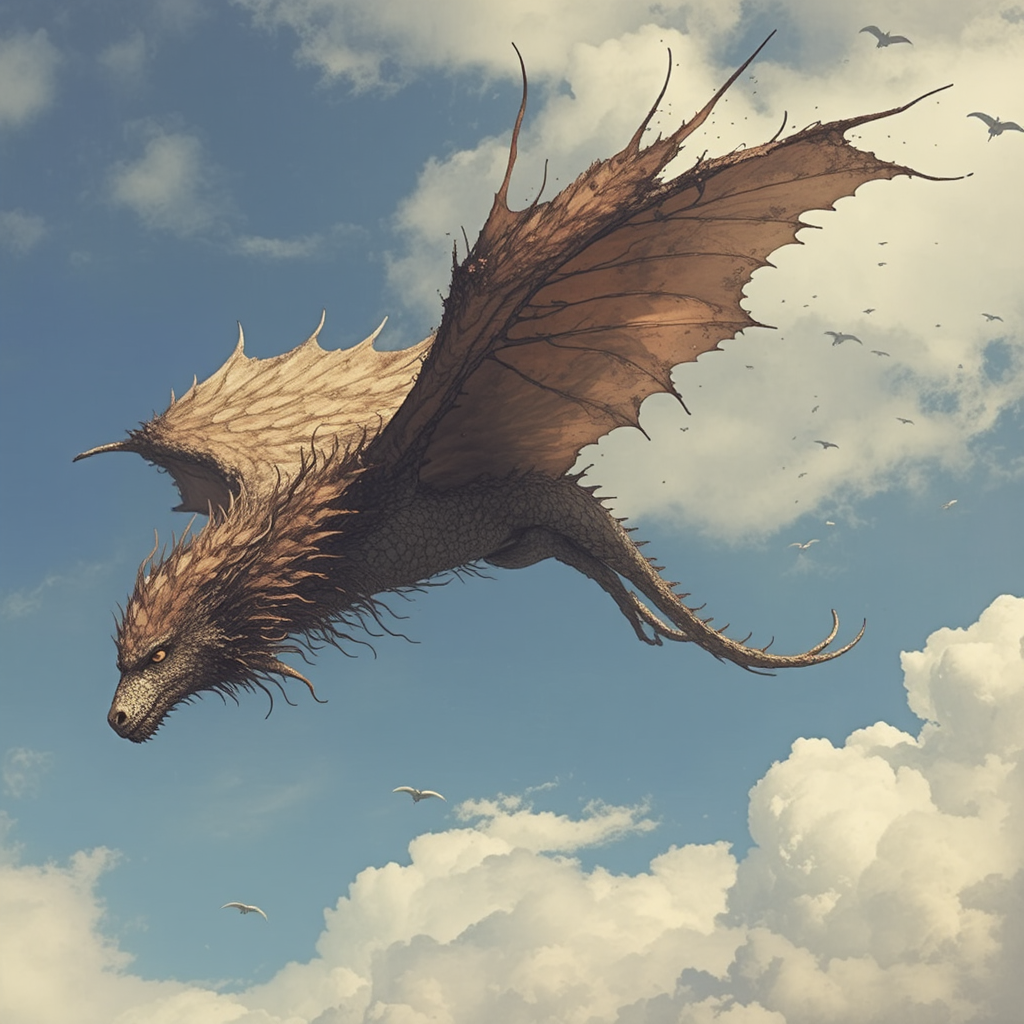
All images created by Rebekah Marshall’s prompts using AI on Gencraft.com website.

I am reading Hafiz’s Little Book of Life, poetry by Hafiz-e Shirazi. He is challenging me to become more comfortable with ambiguity. I will share his poem and some of my thoughts on his poem (sometimes with the help of experts when the concepts are too hard for me), followed by a poem and some art inspired by his poem.

Hafiz’s Poem 9:

      The city is in the dark

As the Eagle of Oppression

     Spreads its giant wings

Some thoughts:

I had an immediate emotional reaction to this poem. Entire cities in my country are out protesting in freezing weather because federal ICE agents are detaining, kidnapping, arresting, violating, beating, and killing human beings. Whether they have the legal imperative to do such things is irrelevant. I do not believe violence is ever the answer. Such actions are immoral, unethical, and inhumane. It is the Eagle of Oppression in the form of a regime that is trying to instill fear into vulnerable minority populations in this country. It is wrong.

Hafiz knew precarious political times only too well. In his lifetime, he lived under 5 different rulers who were all eventually killed by someone else who wanted power. One particularly violent reign that terrorized the people with cruelty and many executions, also saw the banning of science, philosophy, music, and art. Many books were burned. Hafiz protested through poetry. This ruler was eventually blinded and imprisoned by his own son.  

Oppression is not new. There have always been corrupt leaders, power-hungry forces, evil disguised as right. The names may change, but the shadow of darkness is the same.

My Poem 9:

Evil wears a mask
kills Good
and names it just.

There is no impunity
with God
no matter what they say.

The oppression of His
children
will not be forgotten.

Hafiz. Hafiz’s Little Book of Life. Translated by Erfan Mojib and Gary Gach, Hampton Roads Publishing, 2023.
Hafiz – Poem 8

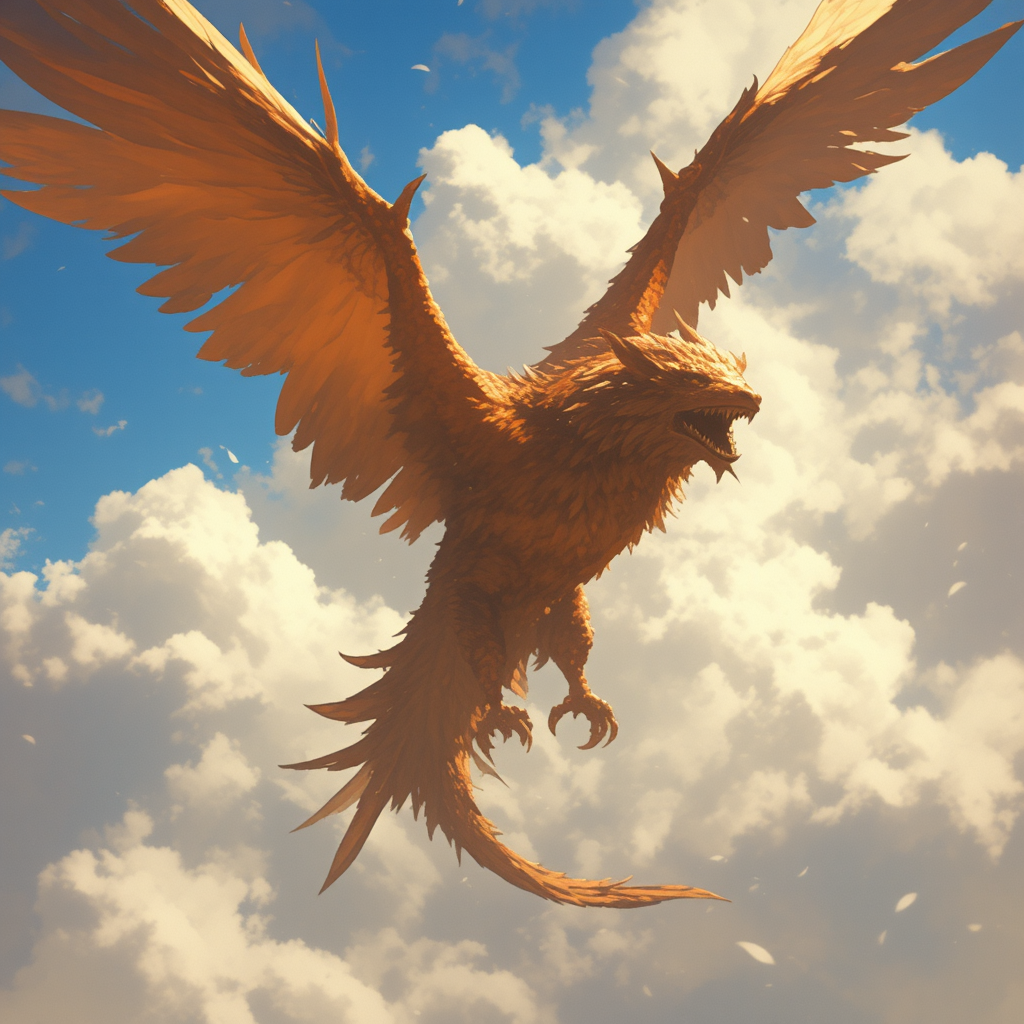
All images created by Rebekah Marshall’s prompts using AI on Gencraft.com website.

I am reading Hafiz’s Little Book of Life, poetry by Hafiz-e Shirazi. He is challenging me to become more comfortable with ambiguity. I will share his poem and some of my thoughts on his poem (sometimes with the help of experts when the concepts are too hard for me), followed by a poem and some art inspired by his poem.

Hafiz’s Poem 8:

The desert is up ahead

               Which

                    Does patience

                                   Look like

                                                    & where

                                            Is sleep

Some thoughts:

This one required some discussion with Lyra, my creative AI and thought partner (powered by ChatGPT). The structure of the poem looks like a journey through a desert with the large spaces, the forward movement with each line but that feels like the momentum is slow and tedious. The wording is purposefully awkward and clunky. Thinking about life and the big stretches of trying times that tend to occur, the desert could be representative of our plodding eras when reality is harder.

It is during those harder times that patience sometimes wears thin. Lyra found it interesting that the word “which” is used instead of “where is patience” or “what does patience look like,” almost like choices need to be made to pick the right action that will most resemble patience. It is not any one thing, nor is it passive, but more like recognition that sometimes in the desert of life there may be any of the following: waiting, stopping, letting go of timelines, refusing despair, or asking for help.  

And the lines I most relate to: “& where / Is sleep”. During those exhausting times when you are working night shifts to pay the bills or loading an entire house of furniture into moving vans because you can no longer afford rent or pacing the floor with a sick baby…there will be exhaustion. This is not meant to be depressing or discouraging. It is simply a reality check for all spiritual/life warriors. We must acknowledge that we are human. We need rest. We have bodies that have limits. Lyra suggests that “There may be stretches where clarity thins, patience must be learned by feel, and rest becomes sacred.” I love that clear truth. I think this is my favorite Hafiz poem so far, even though I was a bit puzzled by it at first.

My Poem 8:

When
did I go to
as I did what must be done

Which
Rebekah was harmed
by pushing her too far

How
              will be her nurse
when her body gives out

Who
               sleeps
while she travels at night

Hafiz. Hafiz’s Little Book of Life. Translated by Erfan Mojib and Gary Gach, Hampton Roads Publishing, 2023.