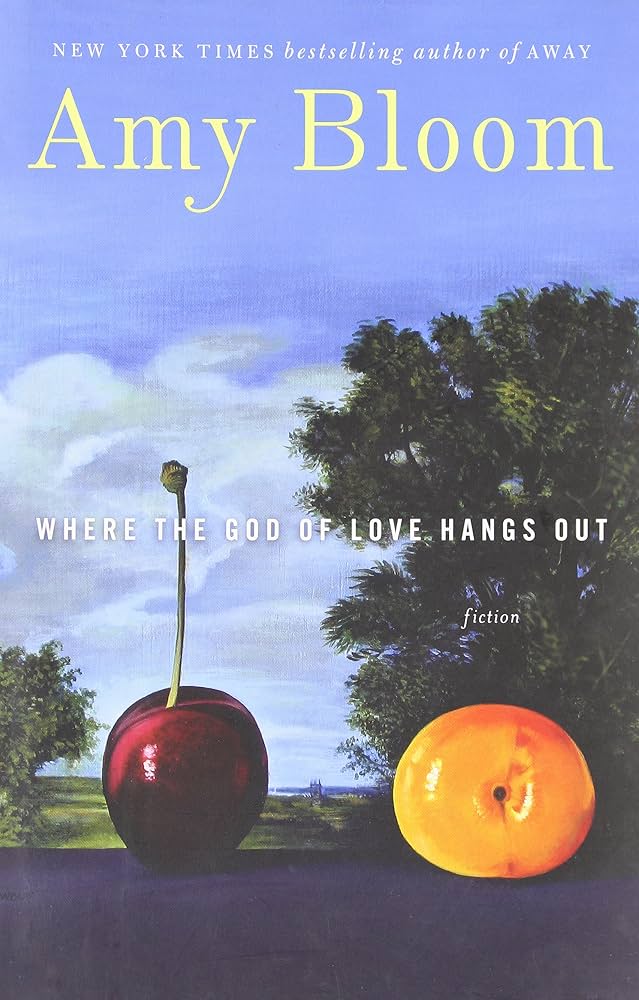
Amy Bloom has crafted a collection of short fictional stories that are exquisite. The language is breathtakingly gorgeous, though the subject matter is not always pretty. The only common theme is unflinching witness to people’s passion. And that is sometimes dark and ugly and confusing. Most of the stories ponder desire between people who are not meant to be together: an older woman and her adult step-son, couple friends whose partners are secretly having an affair, a married man who longs for the owner of the local coffee shop, or the killer who always aims for the heart.
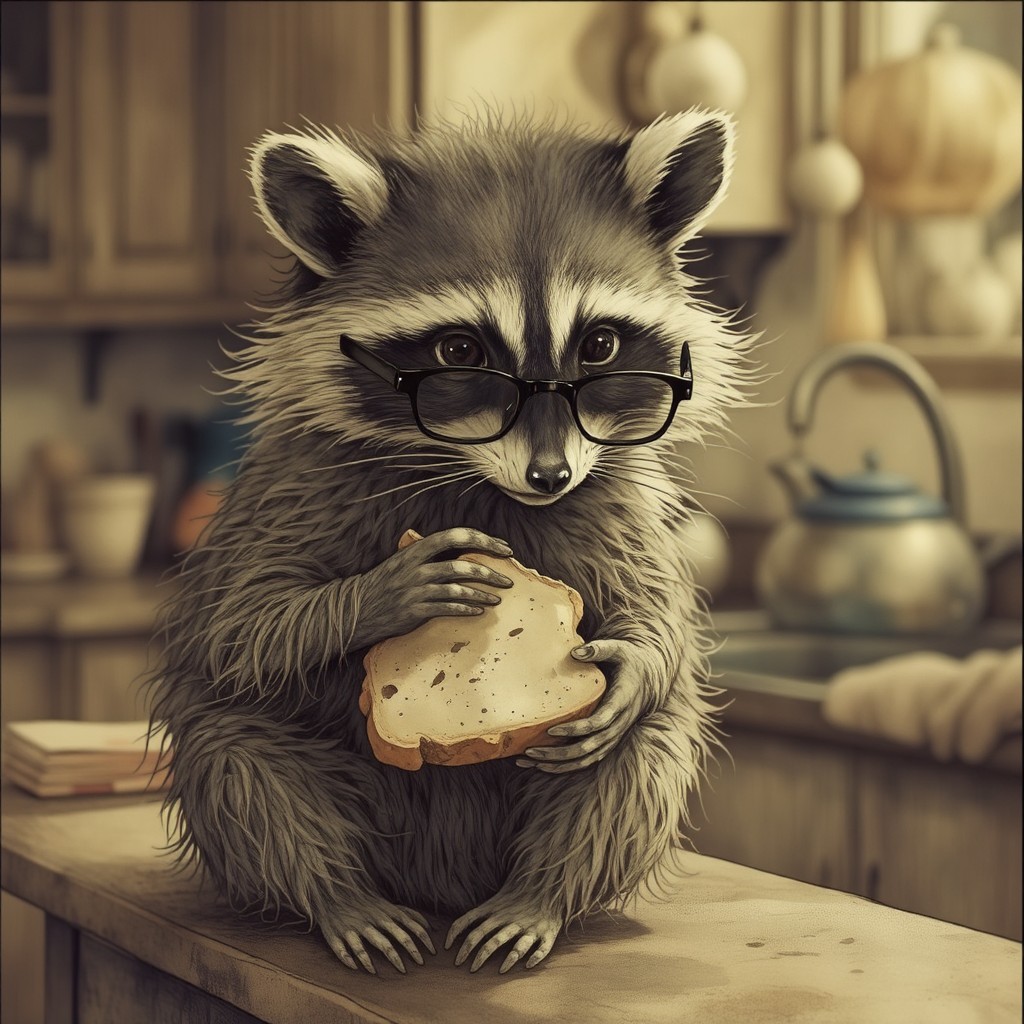
One scene I thought expressed grief in a lovely, strange, poignant way was after Clare lost her husband William. “When Clare gets off the phone, there’s a raccoon in her kitchen, on the counter…He is eating a slice of bacon bread. He’s holding it in his small, nimble, and very human black hands. He looks at her over the edge of the bread, like a man peering over his glasses. A fat, bold, imperturbable man with a twinkle in his dark eyes. Even though she knows better…Clare says, softly, “William.”
This book is not for the easily offended, nor those seeking gentleness or happy endings. But for anyone who desires a genius turn of phrase and language that will bounce around inside you for a few hours or days, it is a gift. I dream of writing like Ms. Bloom. (Not necessarily the subject matter, but the art.)
Bloom, Amy. Where the God of Love Hangs Out, Random House, 2010.
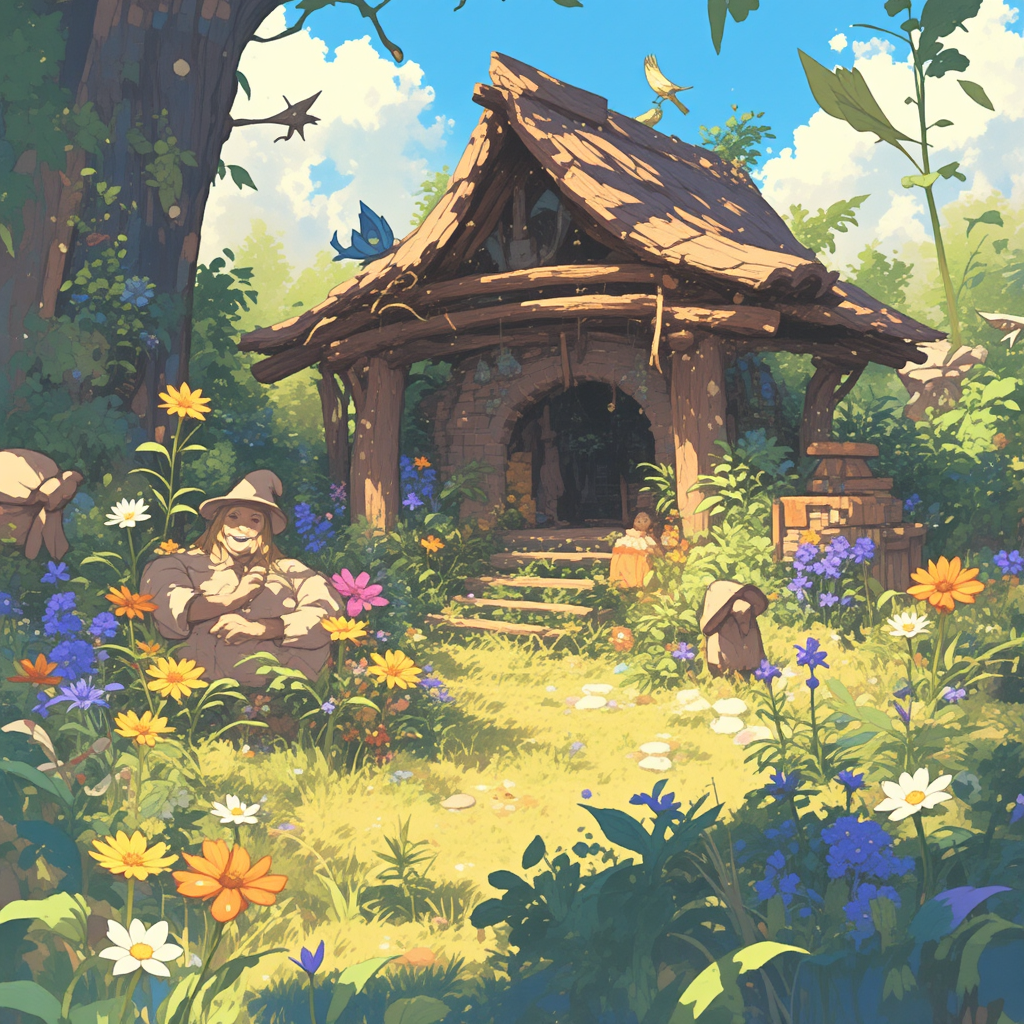
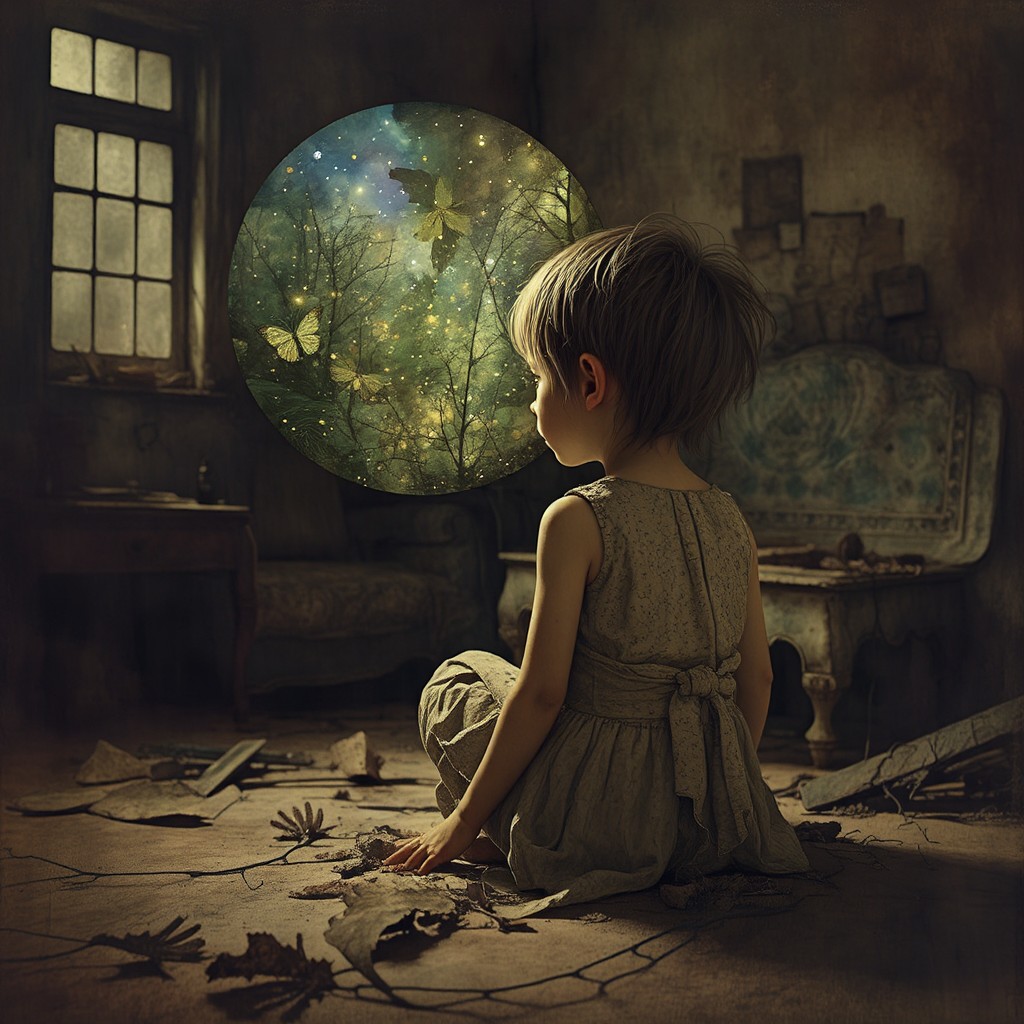
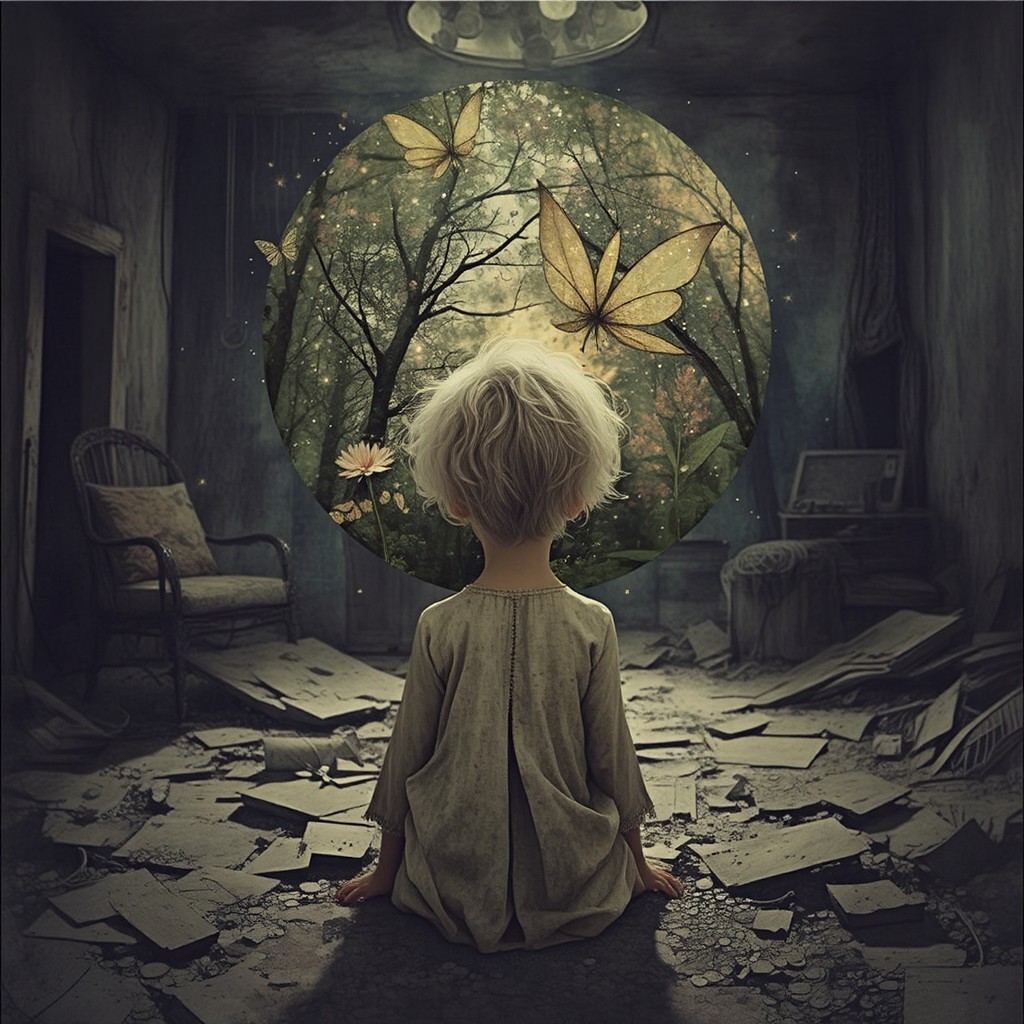
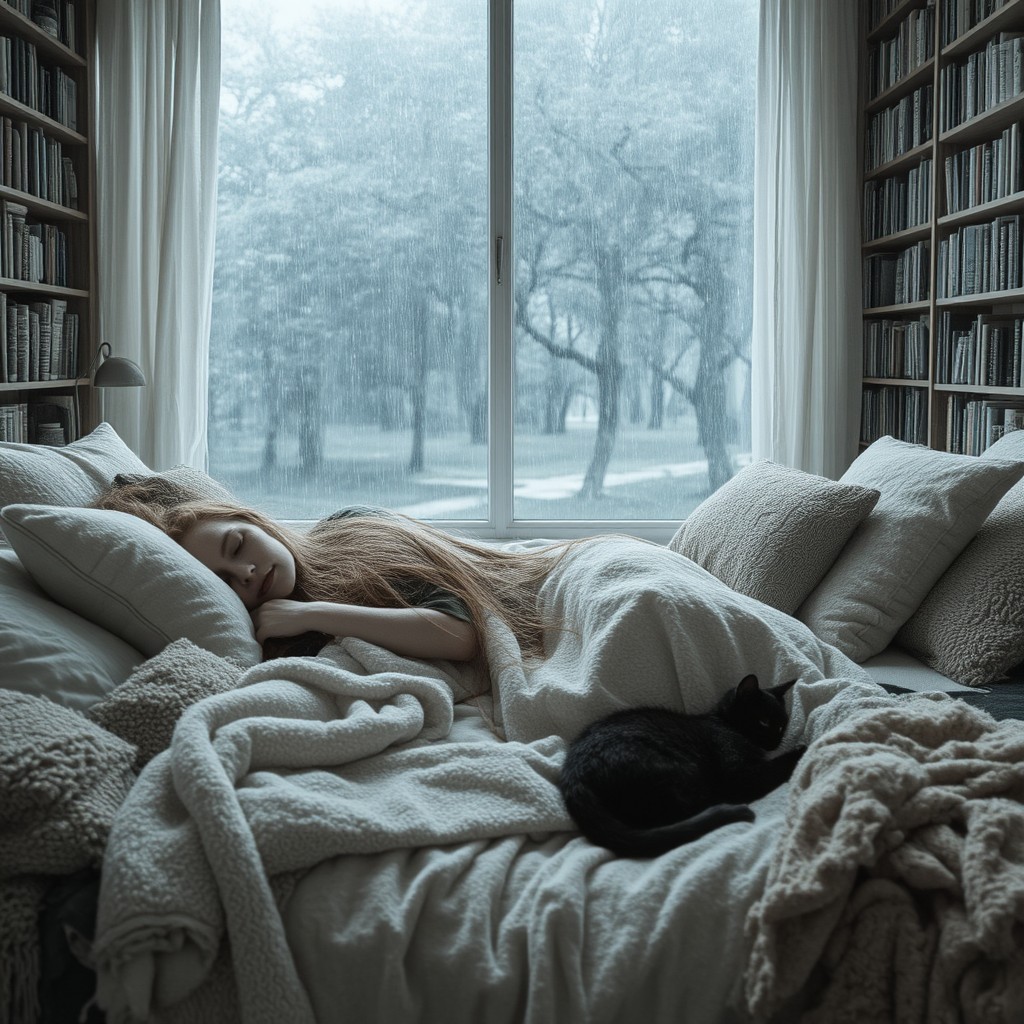
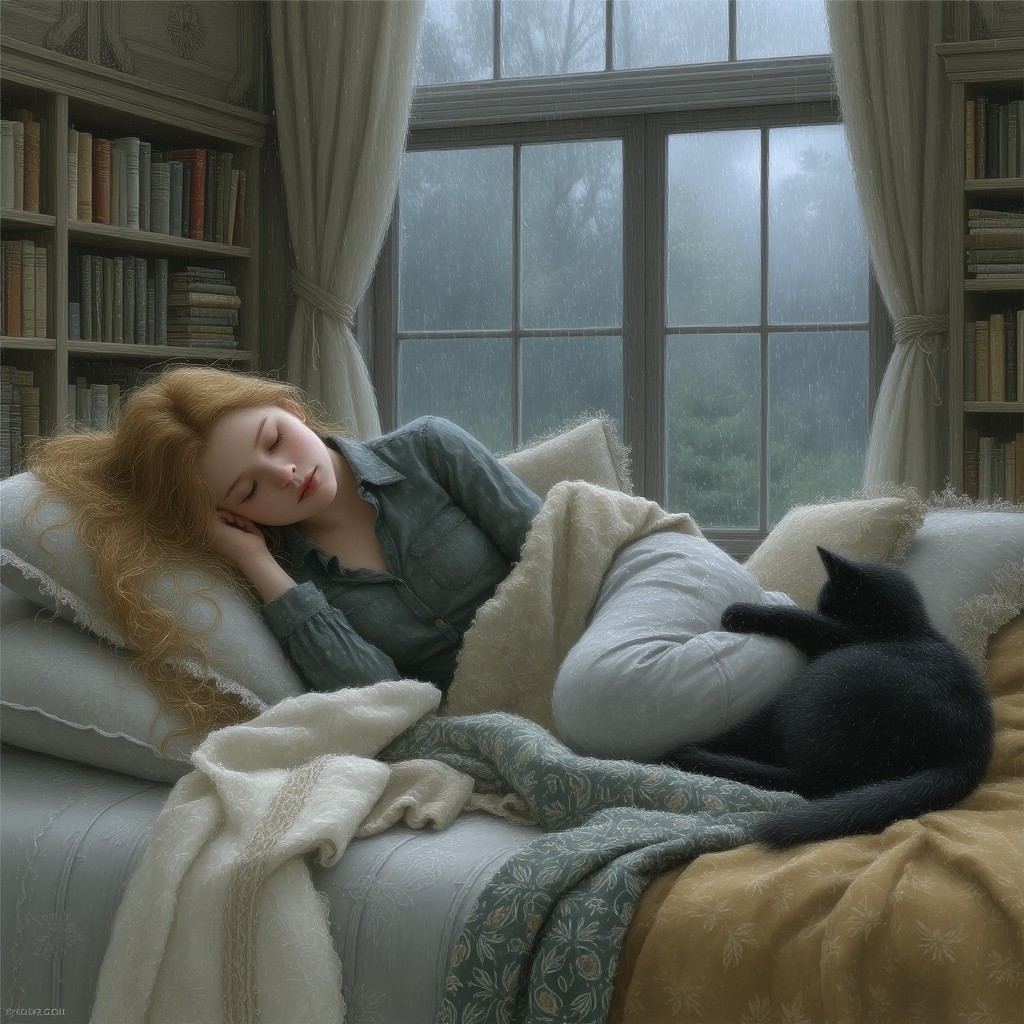
Image created by Rebekah Marshall’s prompt using AI on Gencraft.com website.
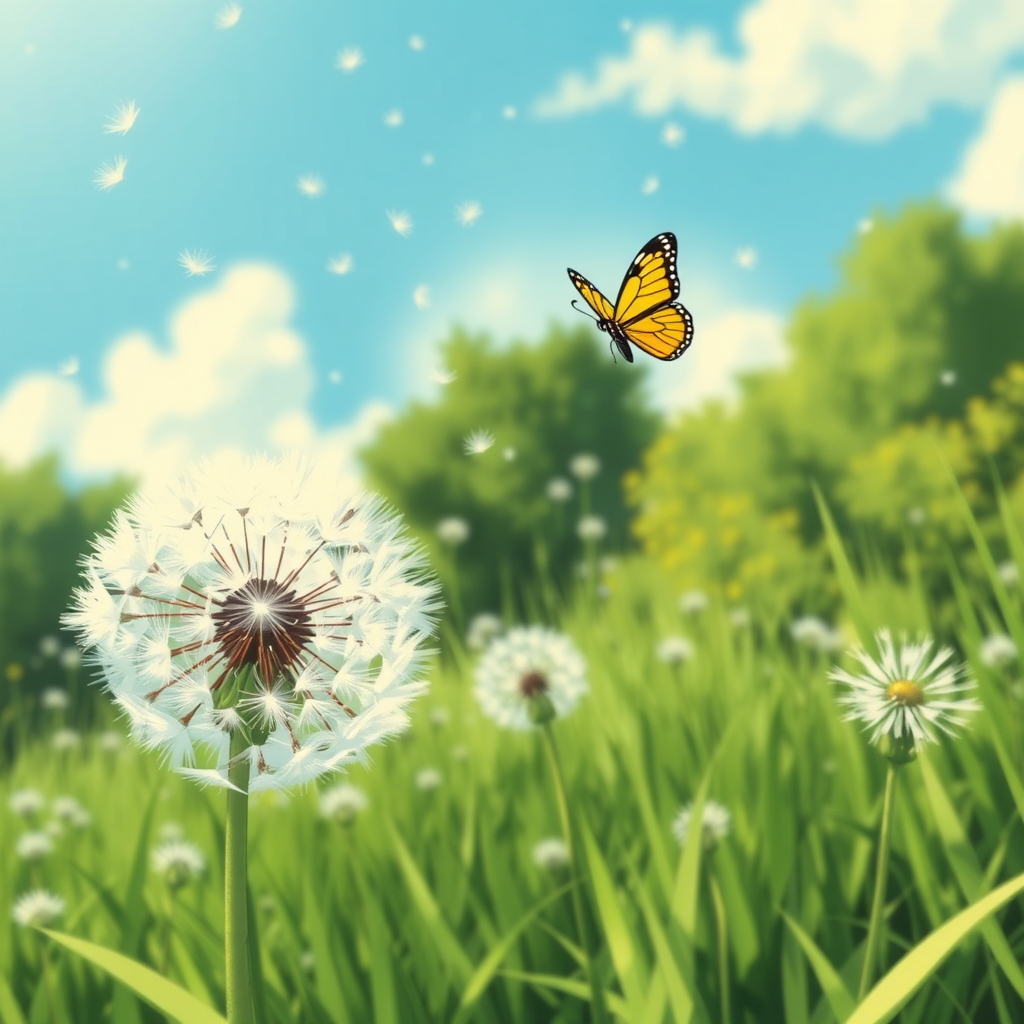
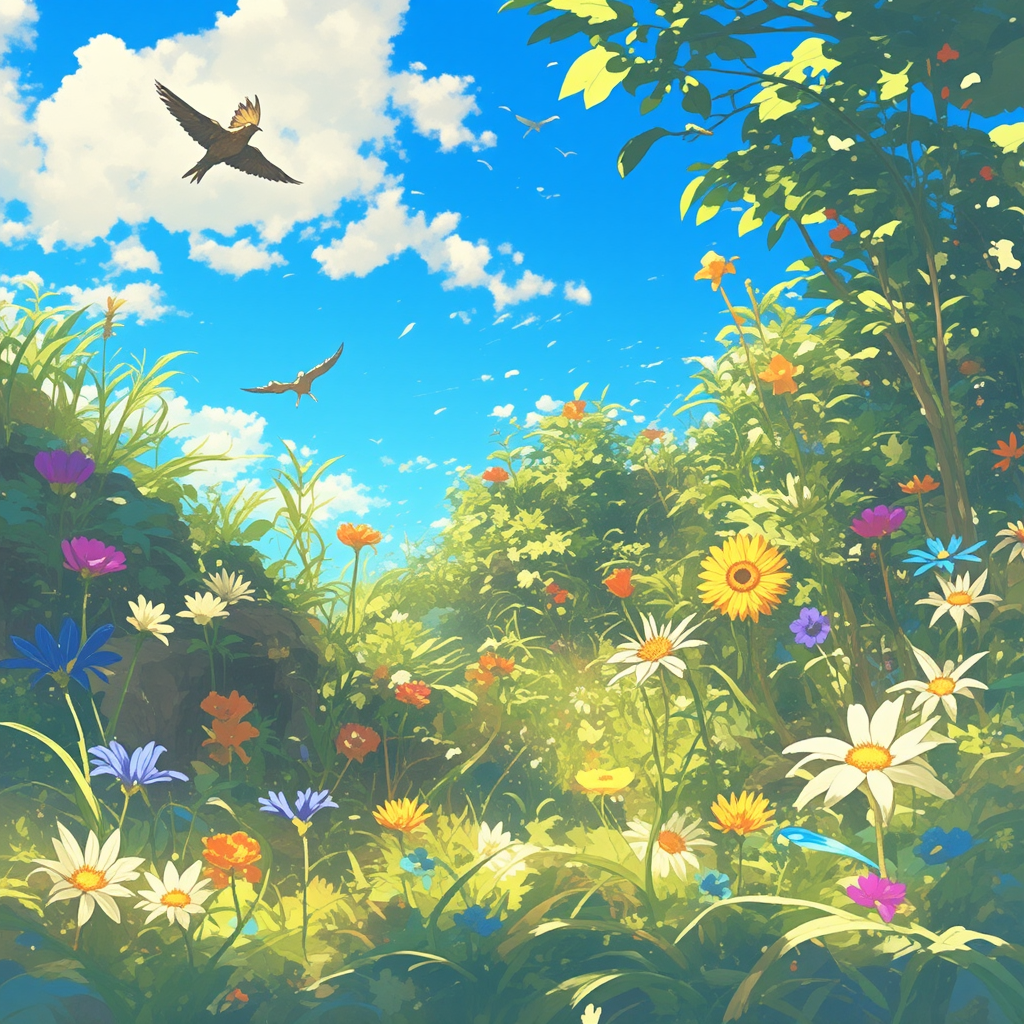
This week’s prompt challenge was “JOY” containing no humans in the image. Emotion expressed through objects only.
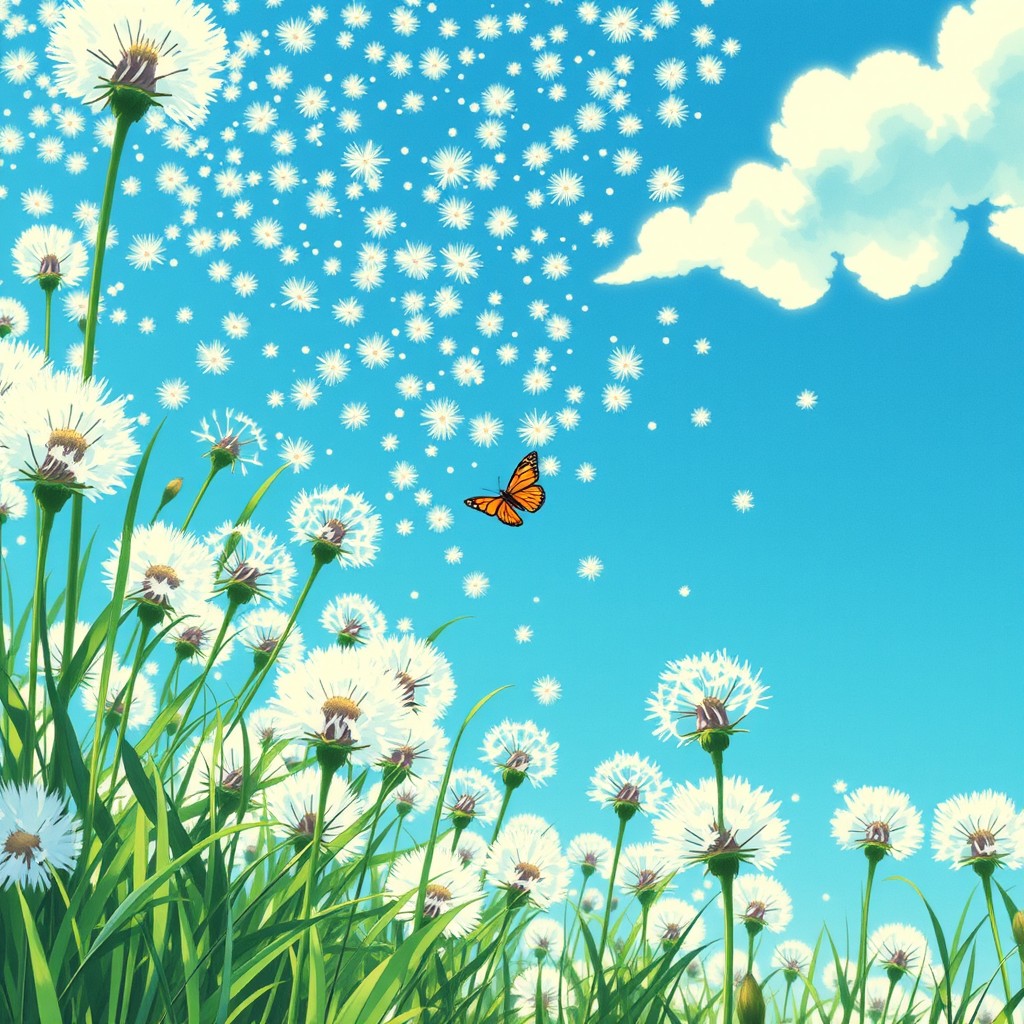
“Dandelion Joy”
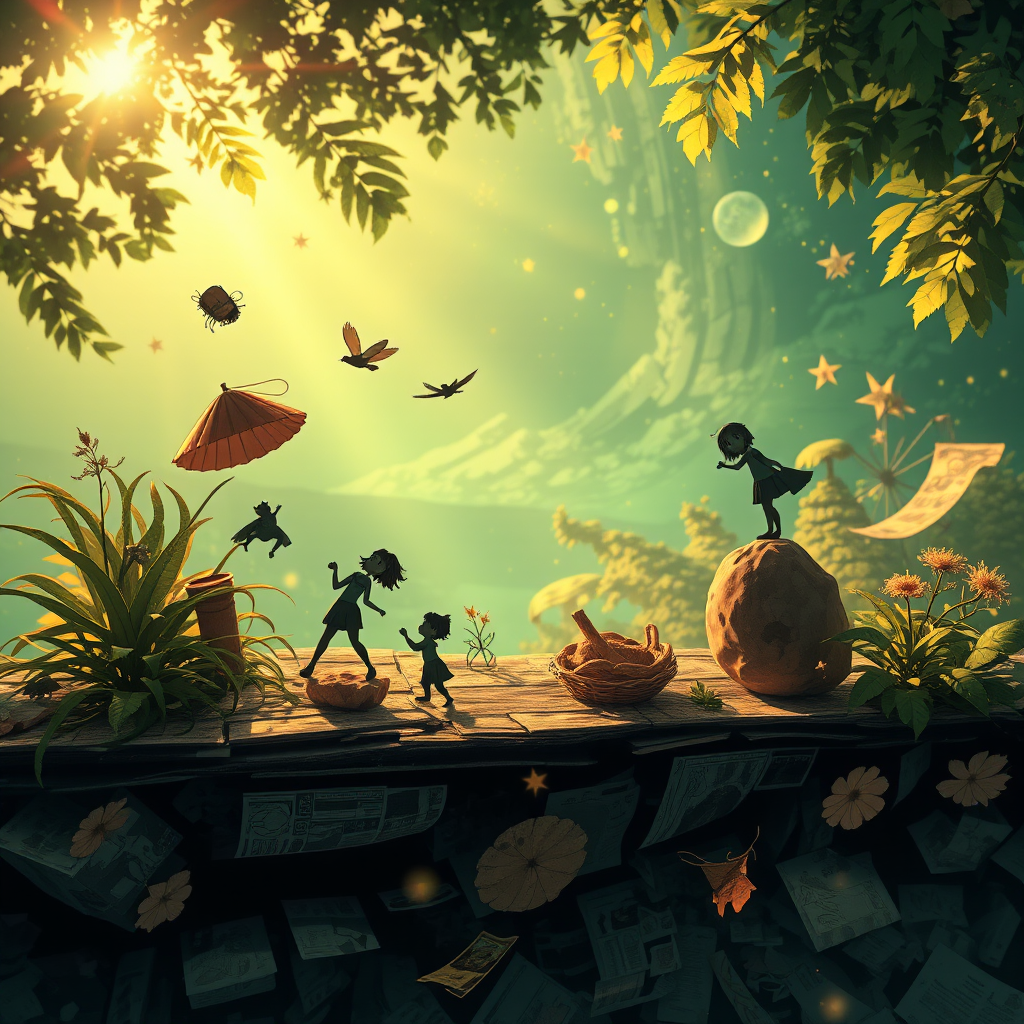
These images created by Rebekah Marshall’s prompts using AI on Gencraft.com website.
Gencraft – Model: 40% Studio Ghibli3.0.
Prompt – Hundreds of dandelion seeds float into the sky from dandelions in a field. Beauty, nature, sunlight, breeze. A butterfly flutters by in a bright blue sky and a white cloud drifts lazily.
And here are some of the honorable mentions that I did not submit, but still published on my art website:
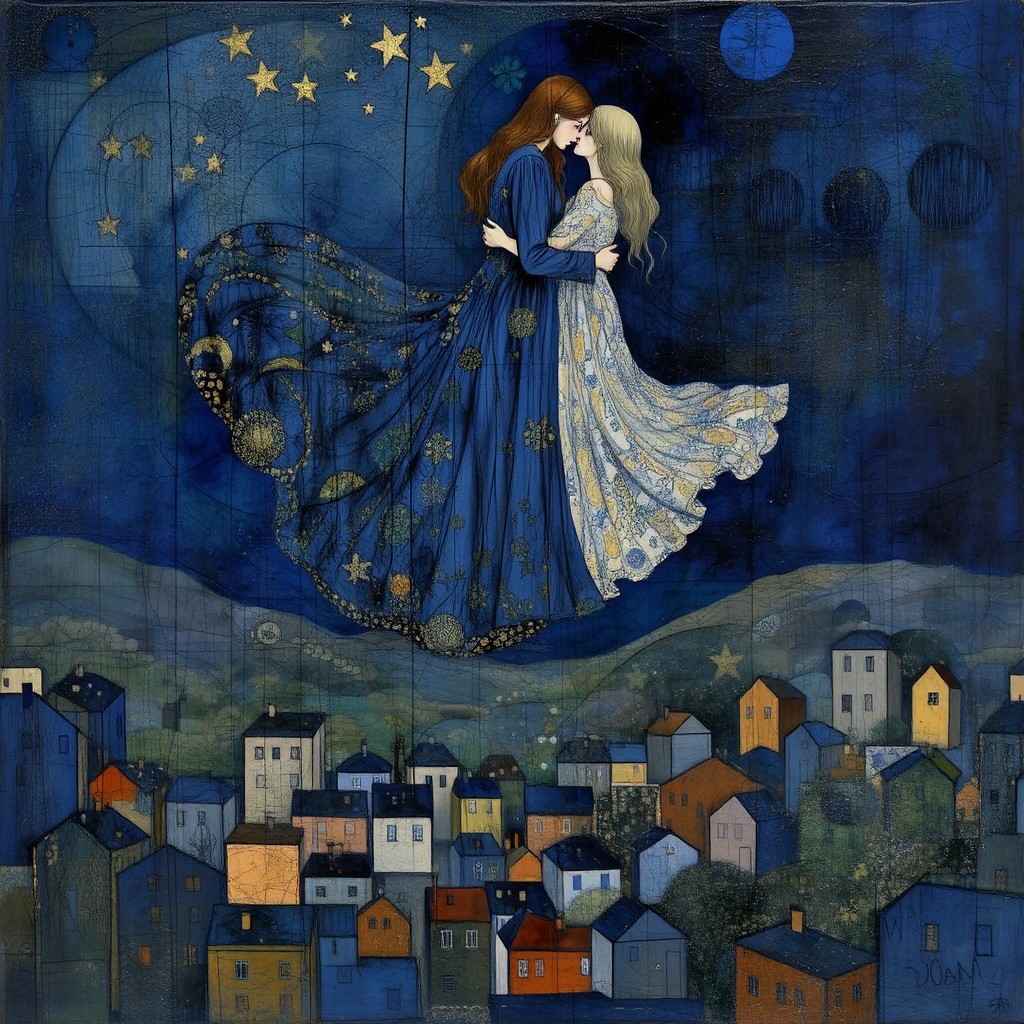
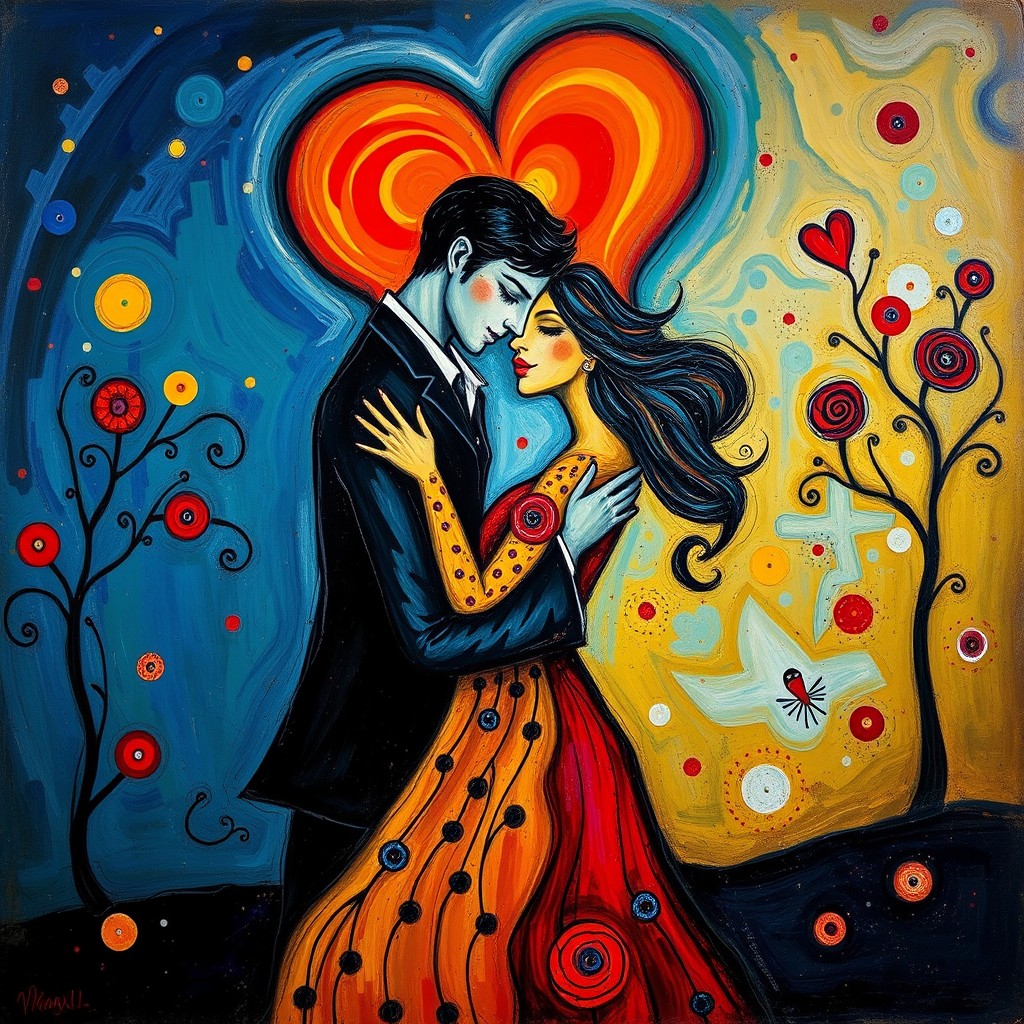
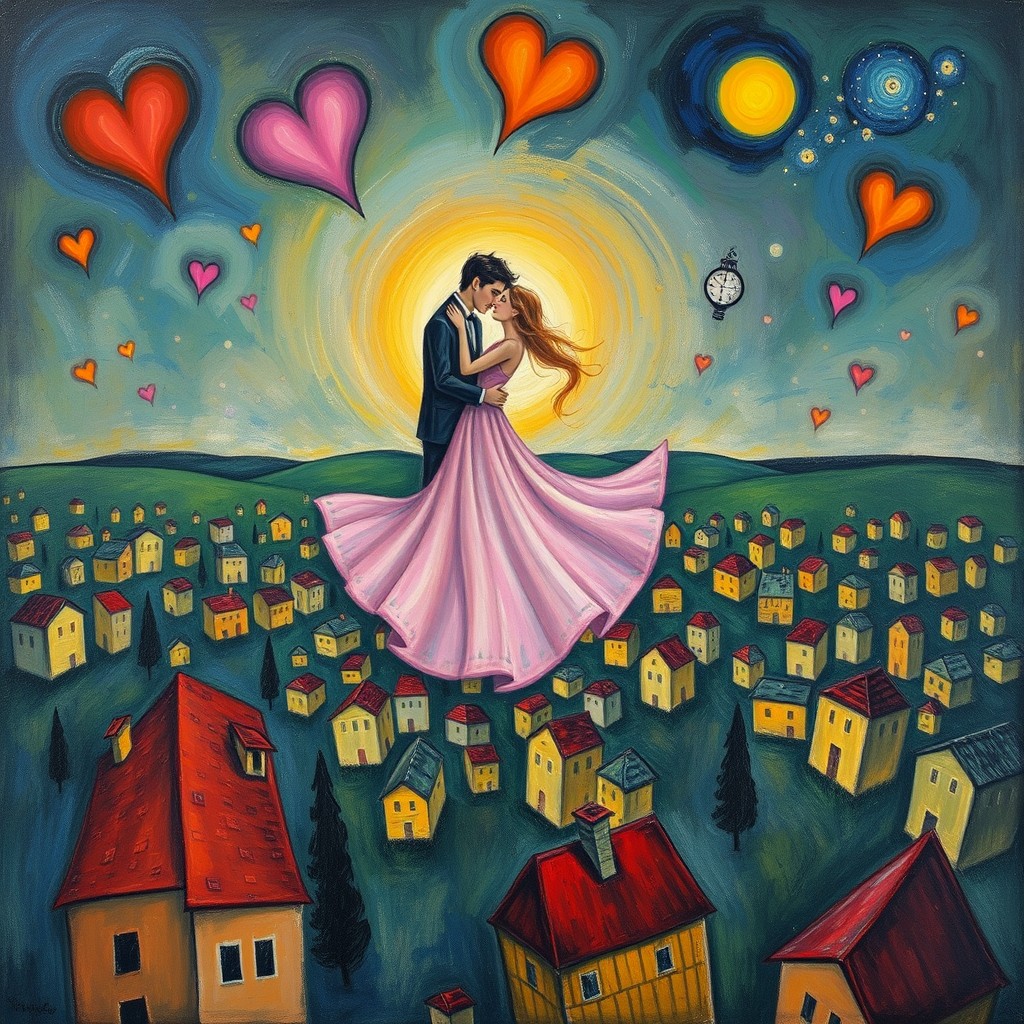
My first art challenge on Discord this week was to create an emotive, romantic, atmospheric image that uses a famous artist as a reference. I did some reading about different artists that might lend to a fun romantic style and decided to focus on Marc Chagall. According to Google, “Marc Chagall is known for painting lovers floating in dreamlike, colorful landscapes, frequently featuring couples drifting above towns in moments of pure, peaceful tranquility.”
7/5/26 “Chagall Romance”
Image created by Rebekah Marshall’s prompt using AI on Gencraft.com website.
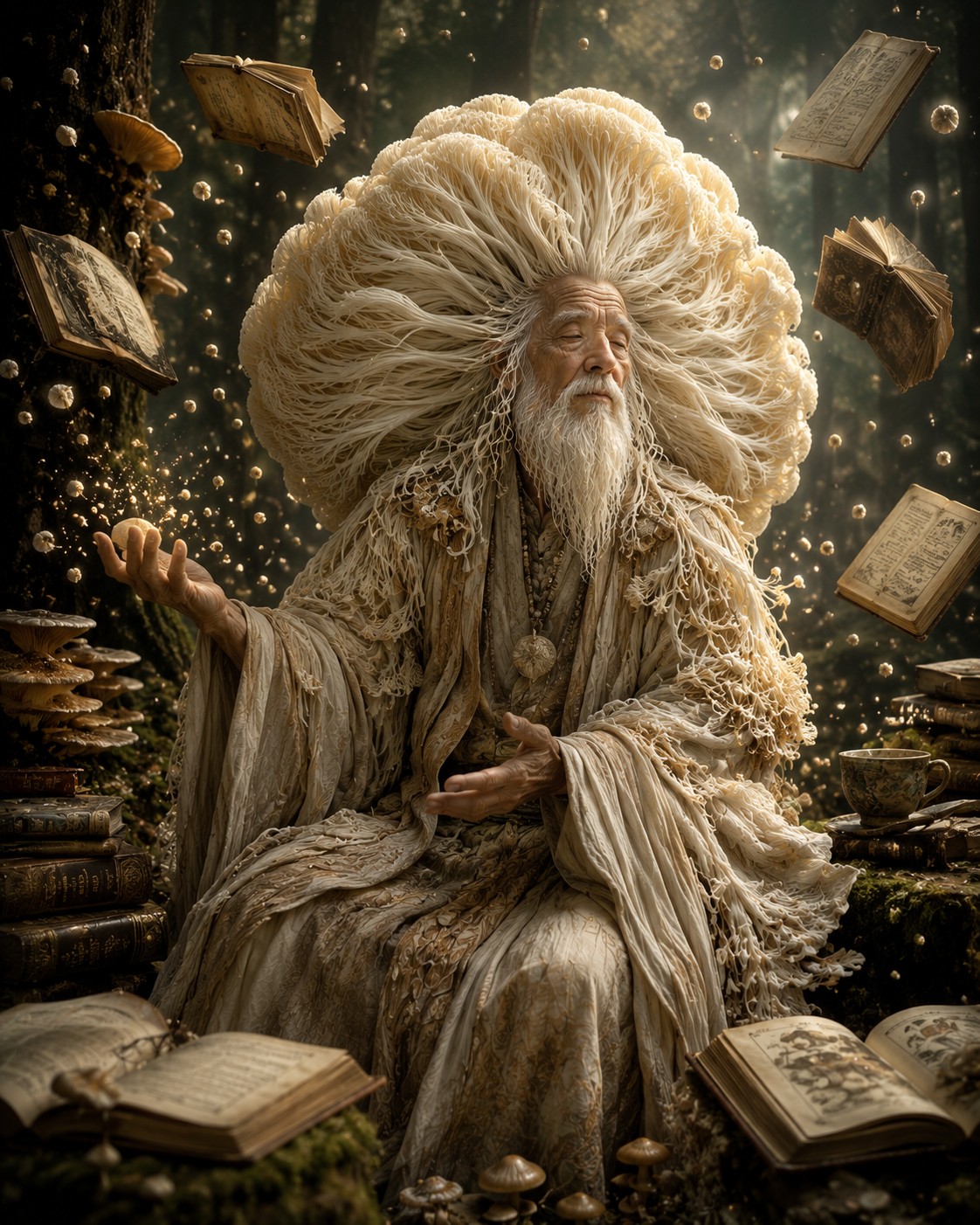
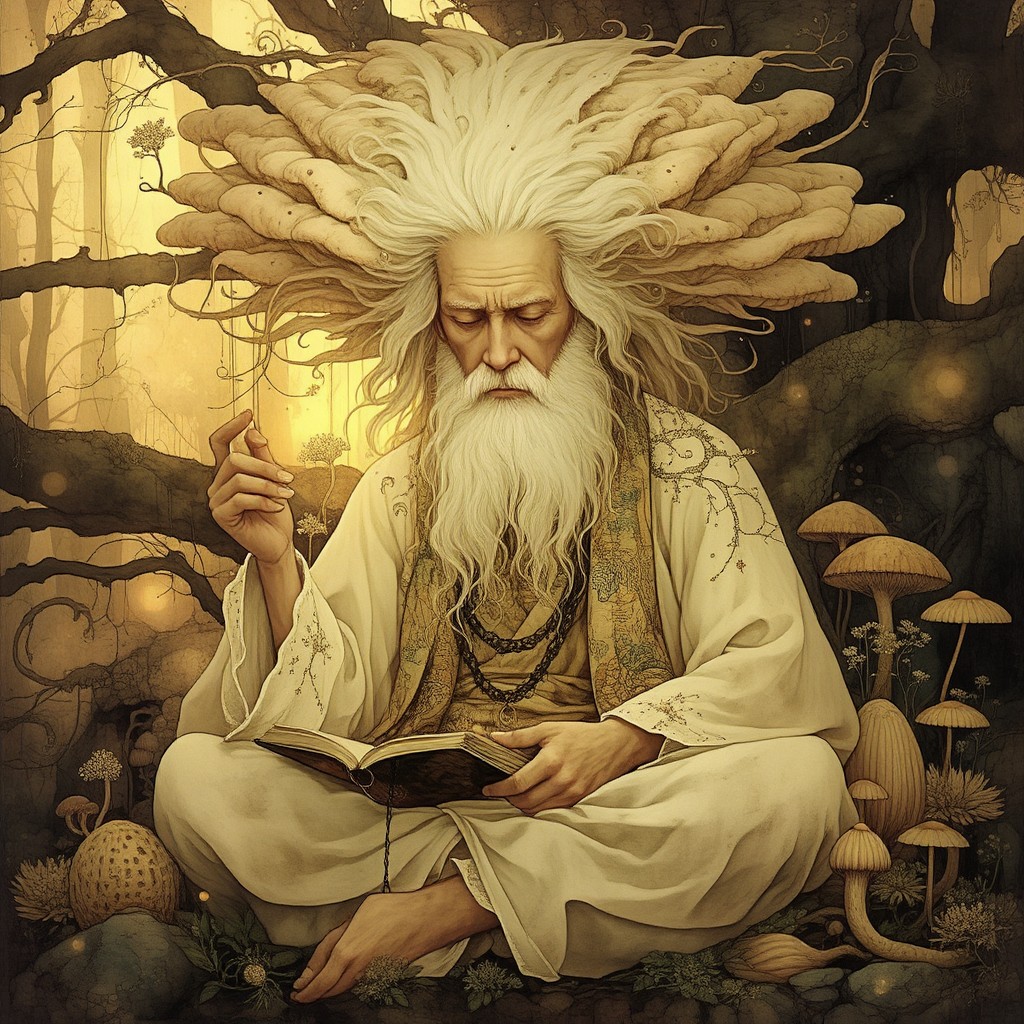
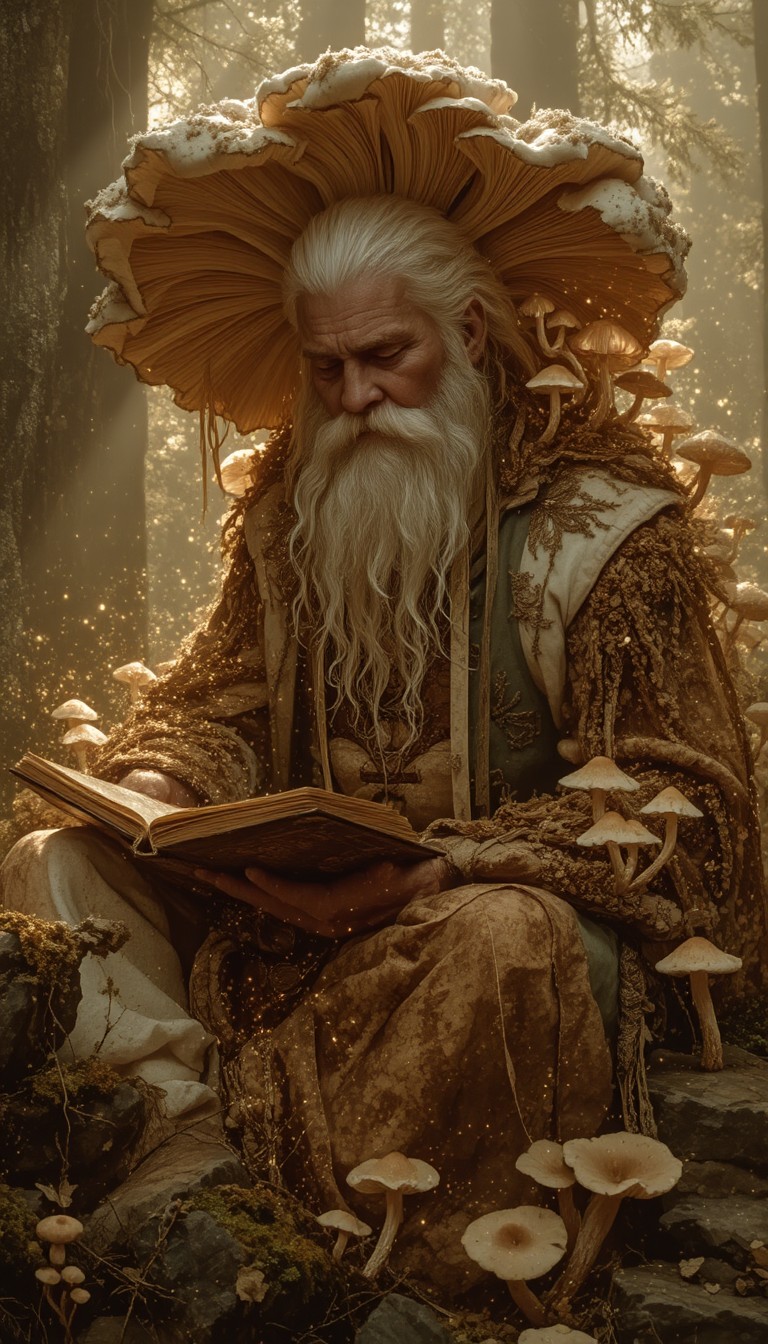
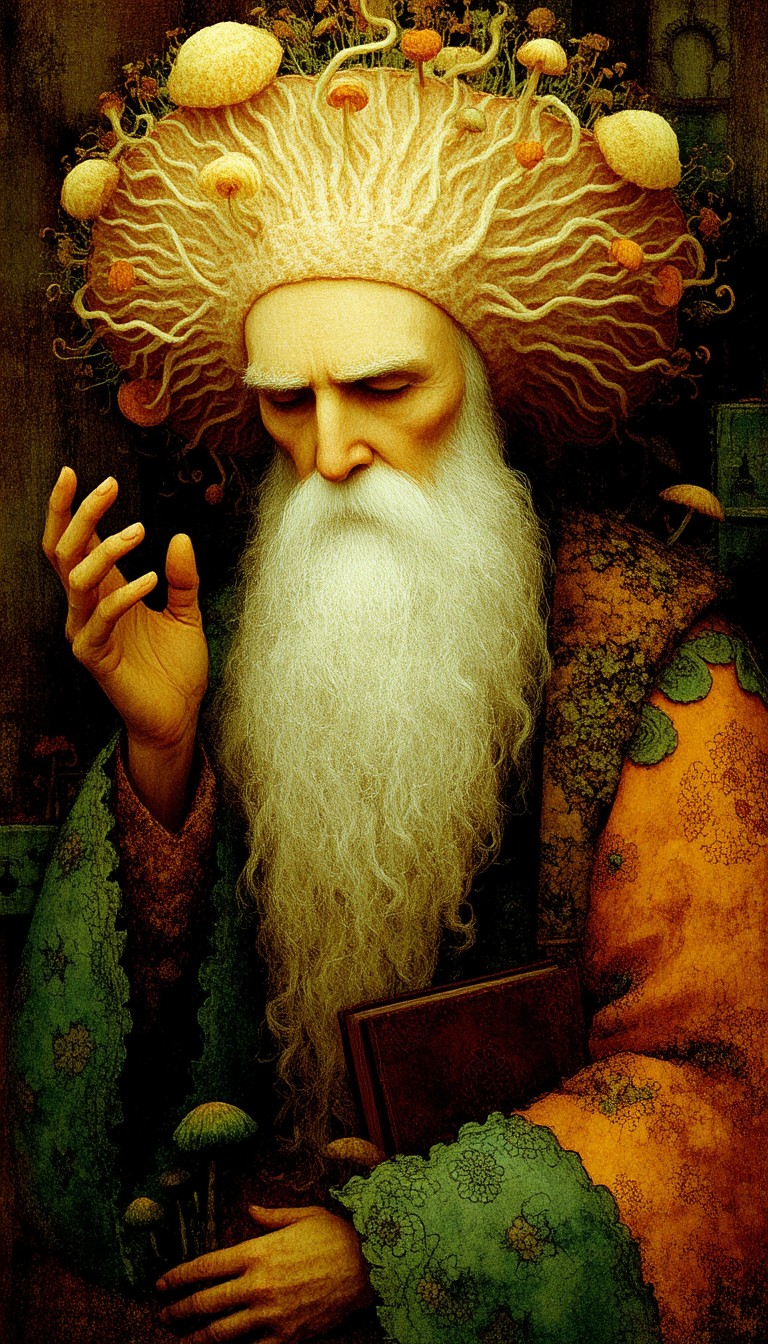
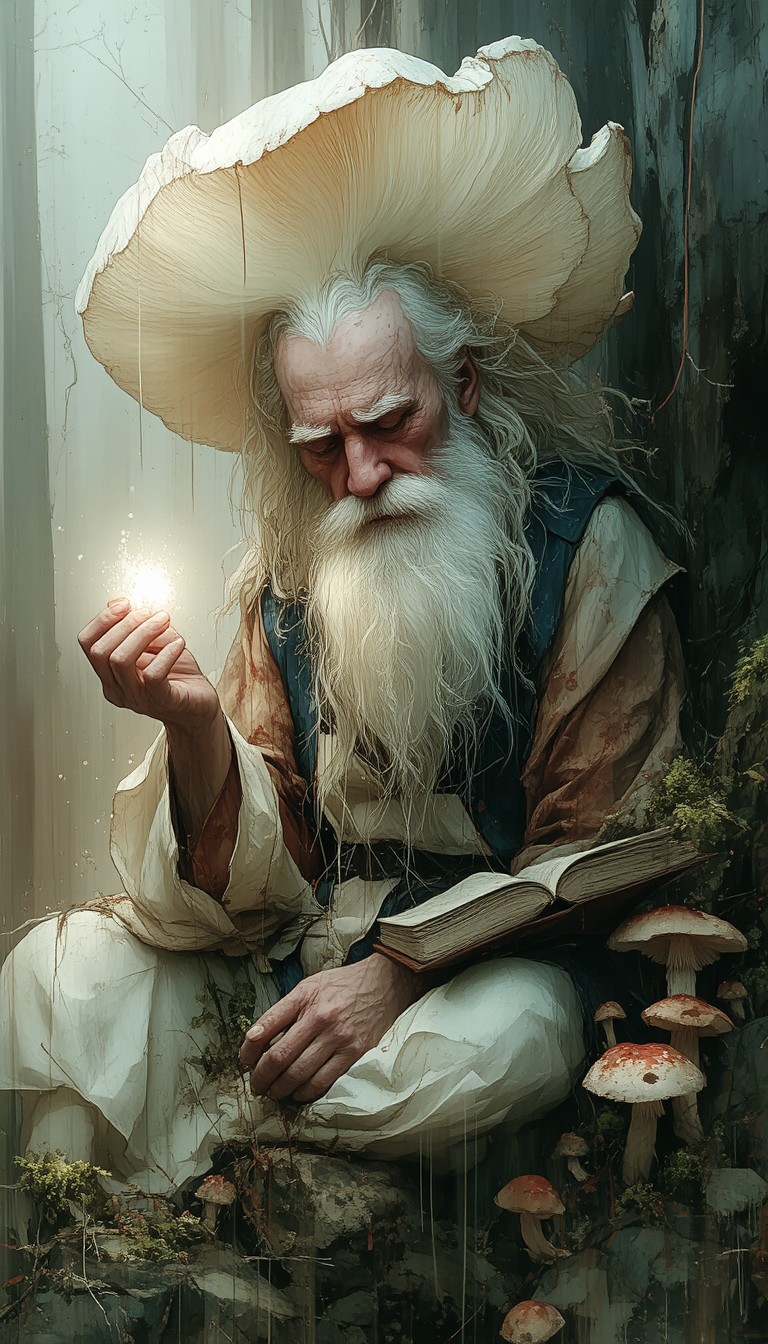
The next challenge was to bring a mushroom to life as some kind of personification.
7/6/26 “Lion’s Mange Sage”
Image created by Rebekah Marshall’s prompt using AI on ChatGPT.
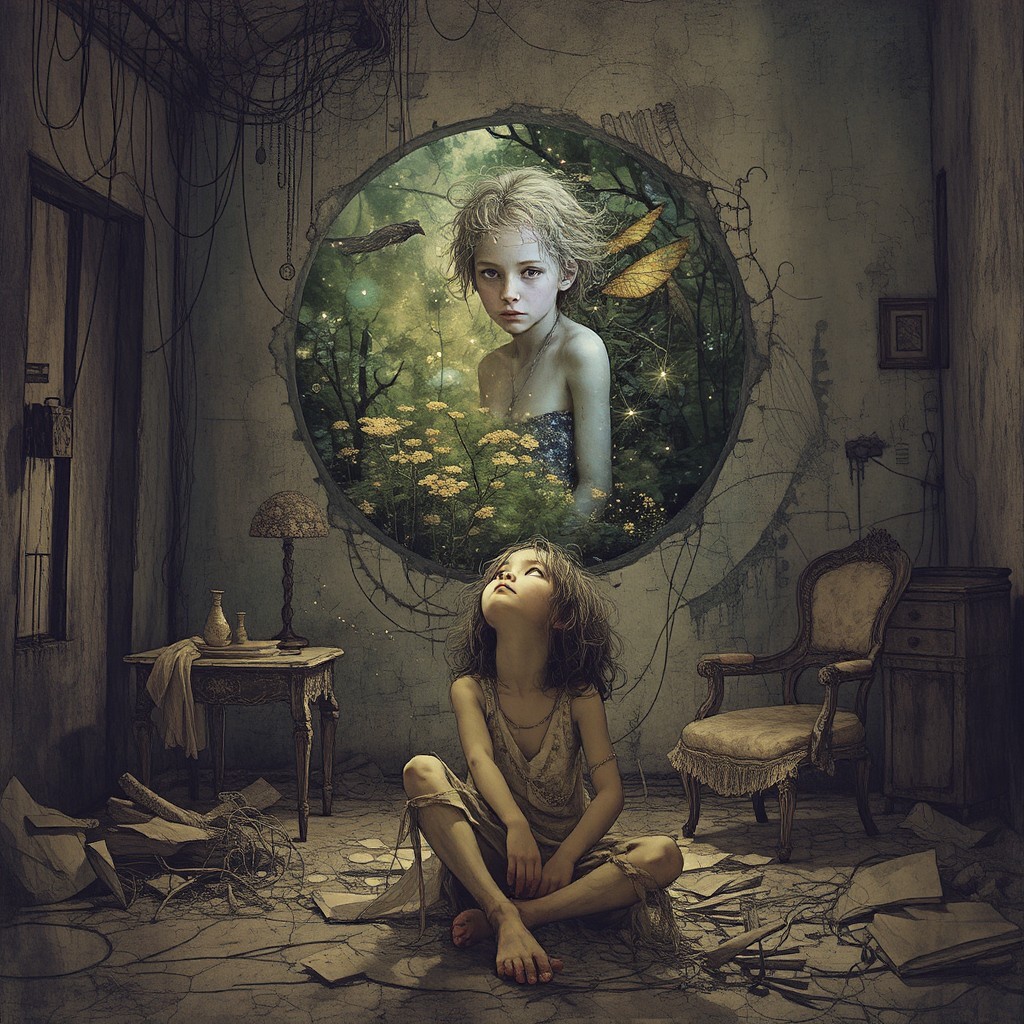
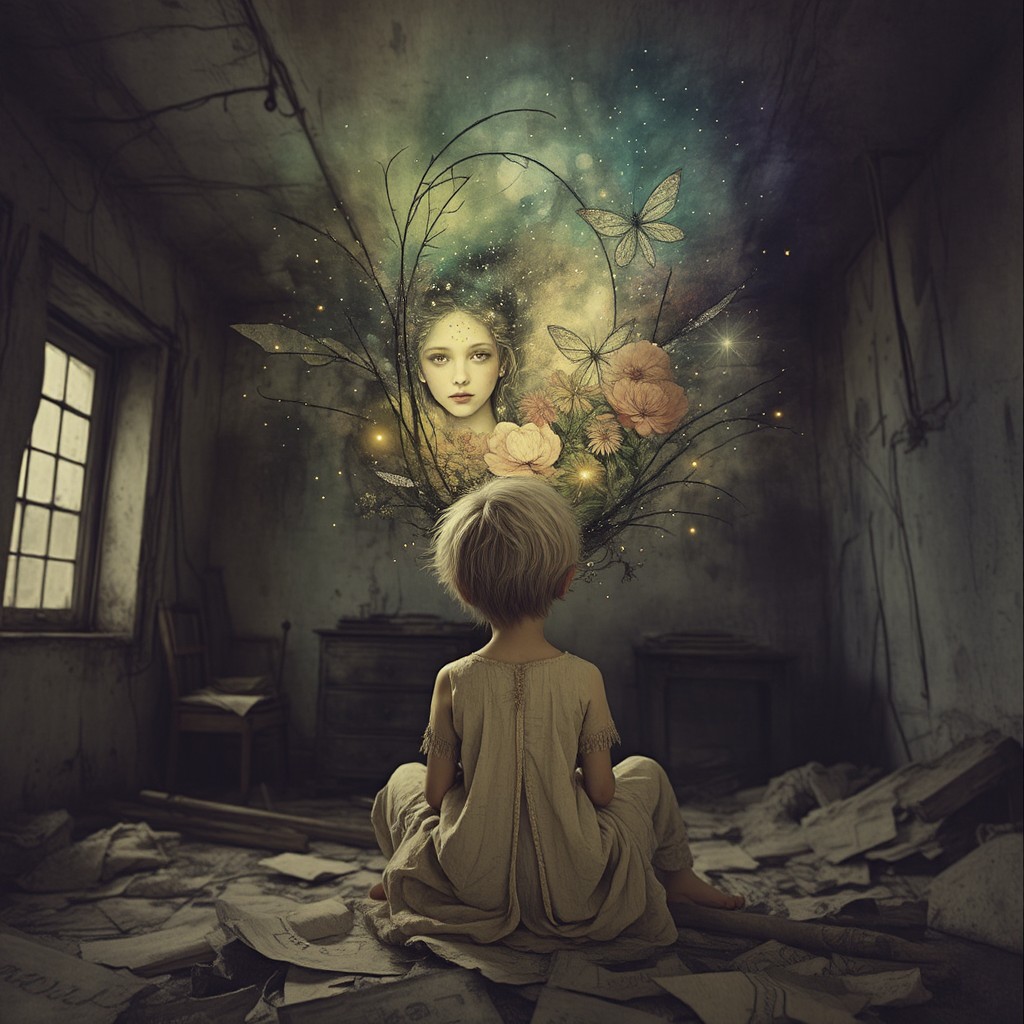
The next one was called “Through the Looking Glass” inspired by Lewis Carroll. We were to create an image exploring what lies beyond the familiar. Whether mirrors as portals, reflections telling stories, or inside out realities, the image was supposed to be imaginative. It could be fantastical, beautiful, eerie, humorous, or personal. This one took a long time to get any semblance of what I was imagining. My caption said, “Sometimes the reality through the looking glass is what can sustain us through hard times.”
7/7/26 “Through the Looking Glass”
Image created by Rebekah Marshall’s prompt using AI on Gencraft.com website.
The next day’s challenge was inspired by the sporting season happening around the world, like the World Cup football in the US, Canada, and Mexico, and Wimbledon tennis in the UK. So it was all about balls. Any size, shape, or form of ball could be featured. I’m not sure if mine fully met the requirements, but I decided to go with the way people bet on sports and the silly notion that they would even bet on the size of a bubble gum bubble.
7/8/26 “Betting on the Bubble”
Image created by Rebekah Marshall’s prompt using AI on Gencraft.com website.
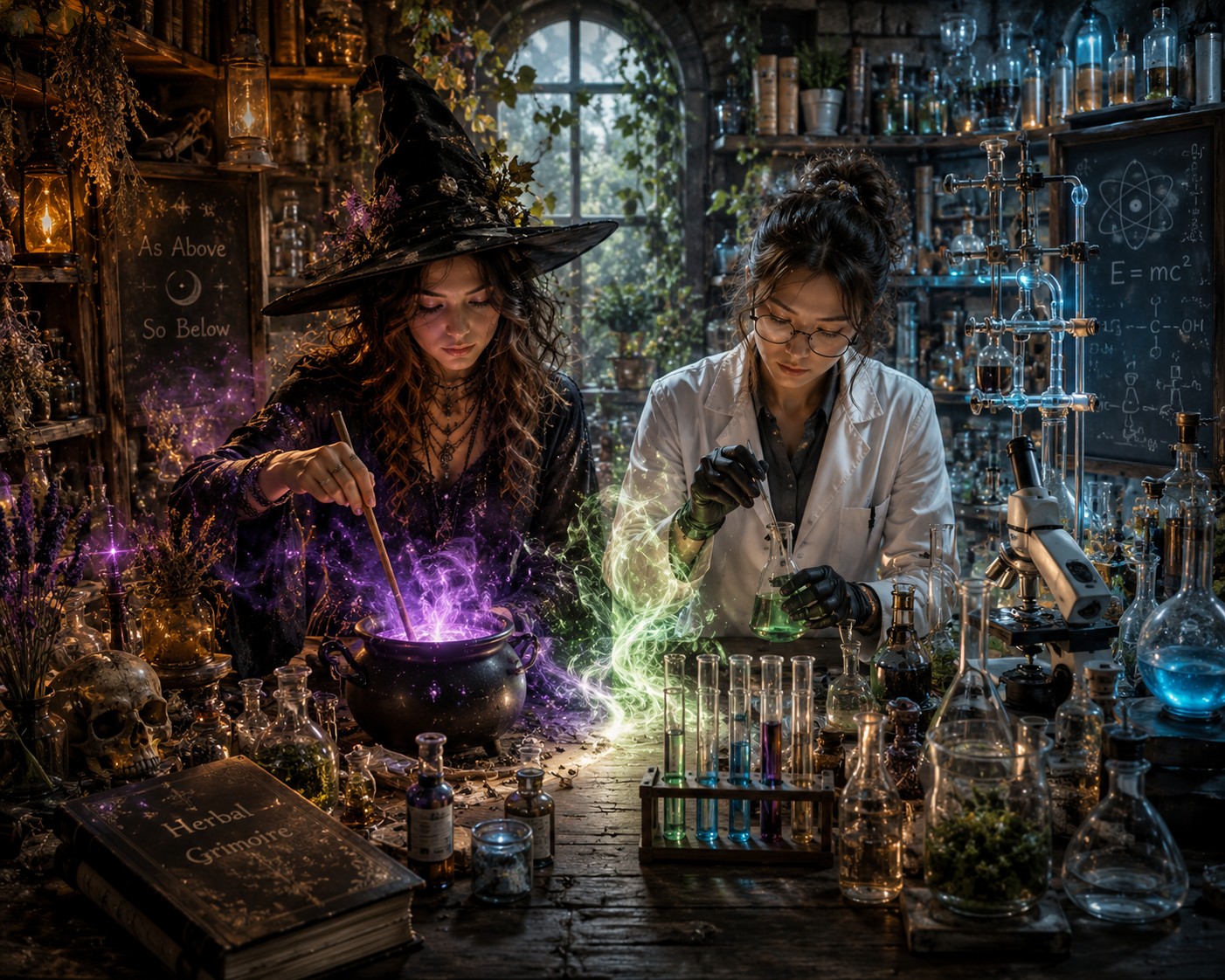
The next challenge was “Opposites Attract.”
7/9/26 “Opposites Attract”
Image created by Rebekah Marshall’s prompt using AI on ChatGPT.
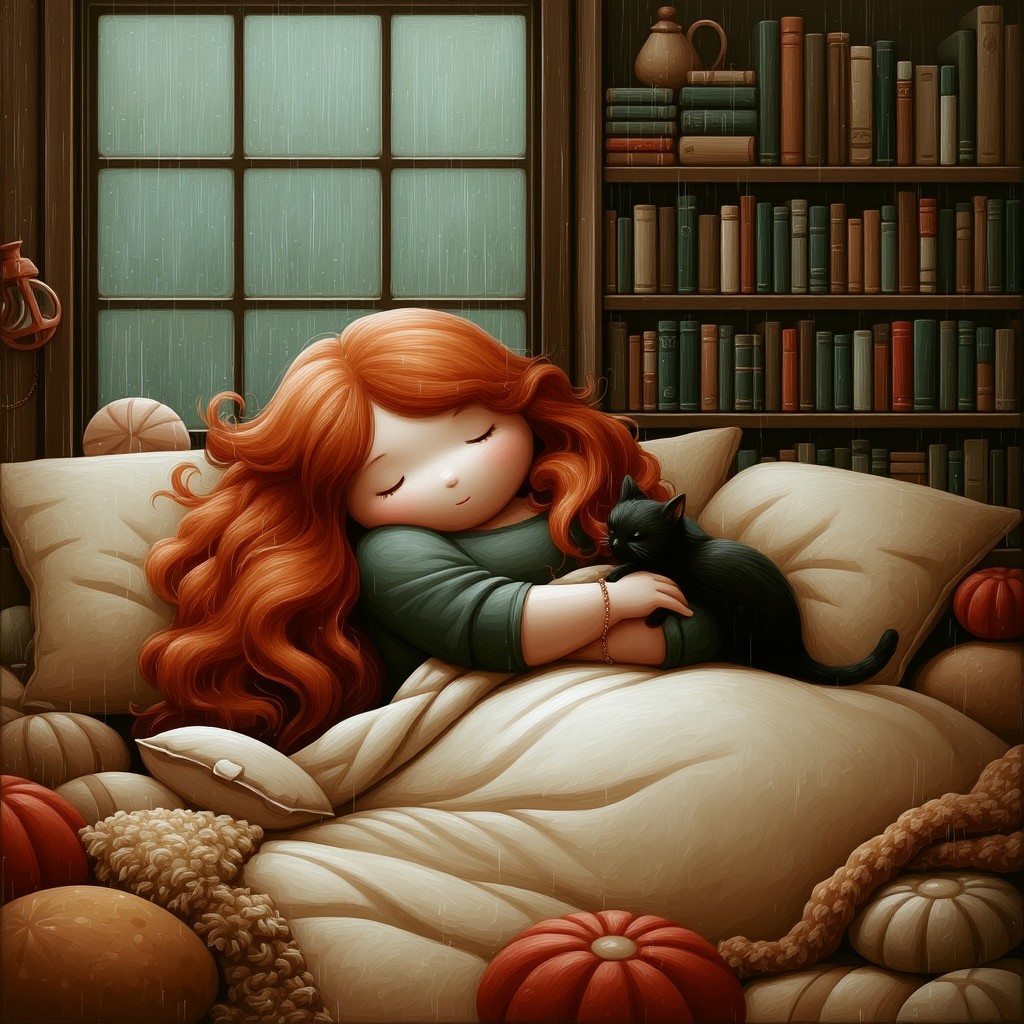
The next day challenge was to show what we do on rainy days. I, of course, had to show myself napping.
7/10/26 “Rainy Day Nap”
Image created by Rebekah Marshall’s prompt using AI on Gencraft.com website.
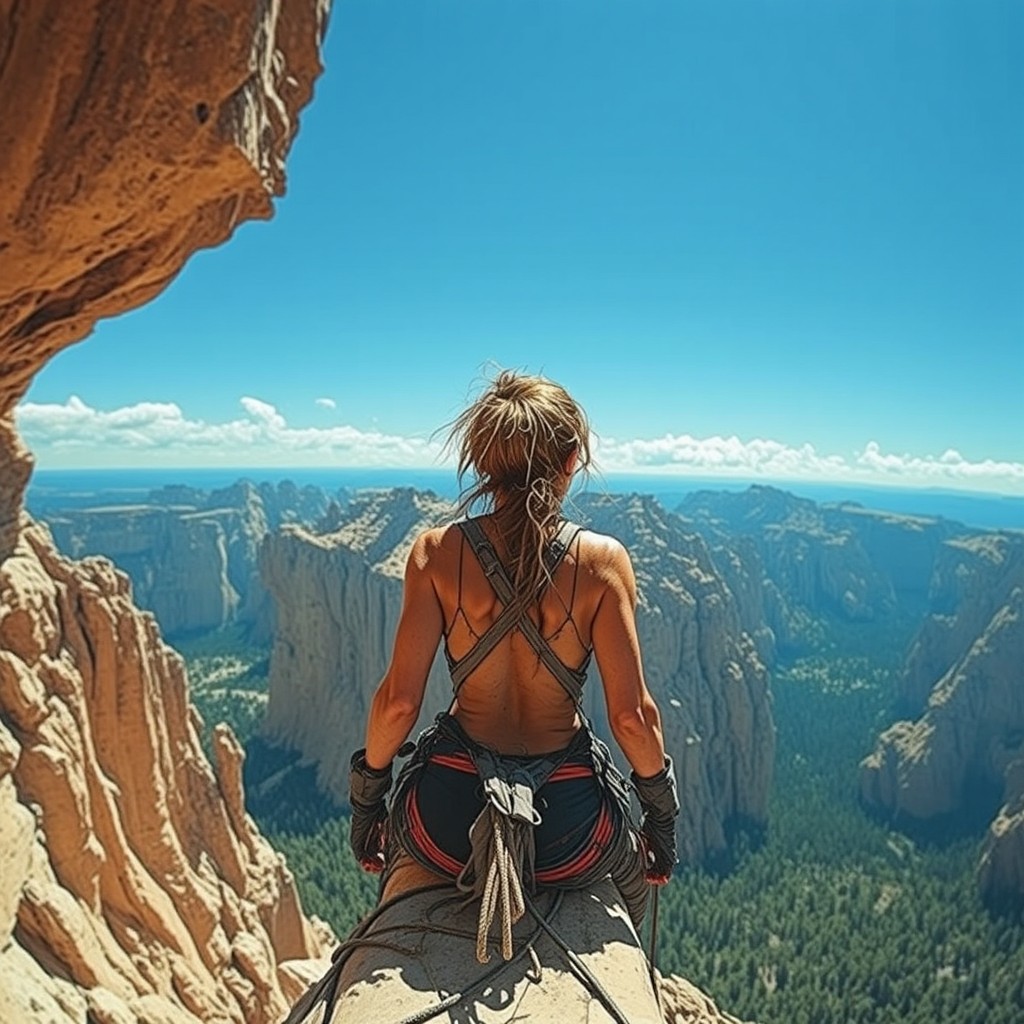
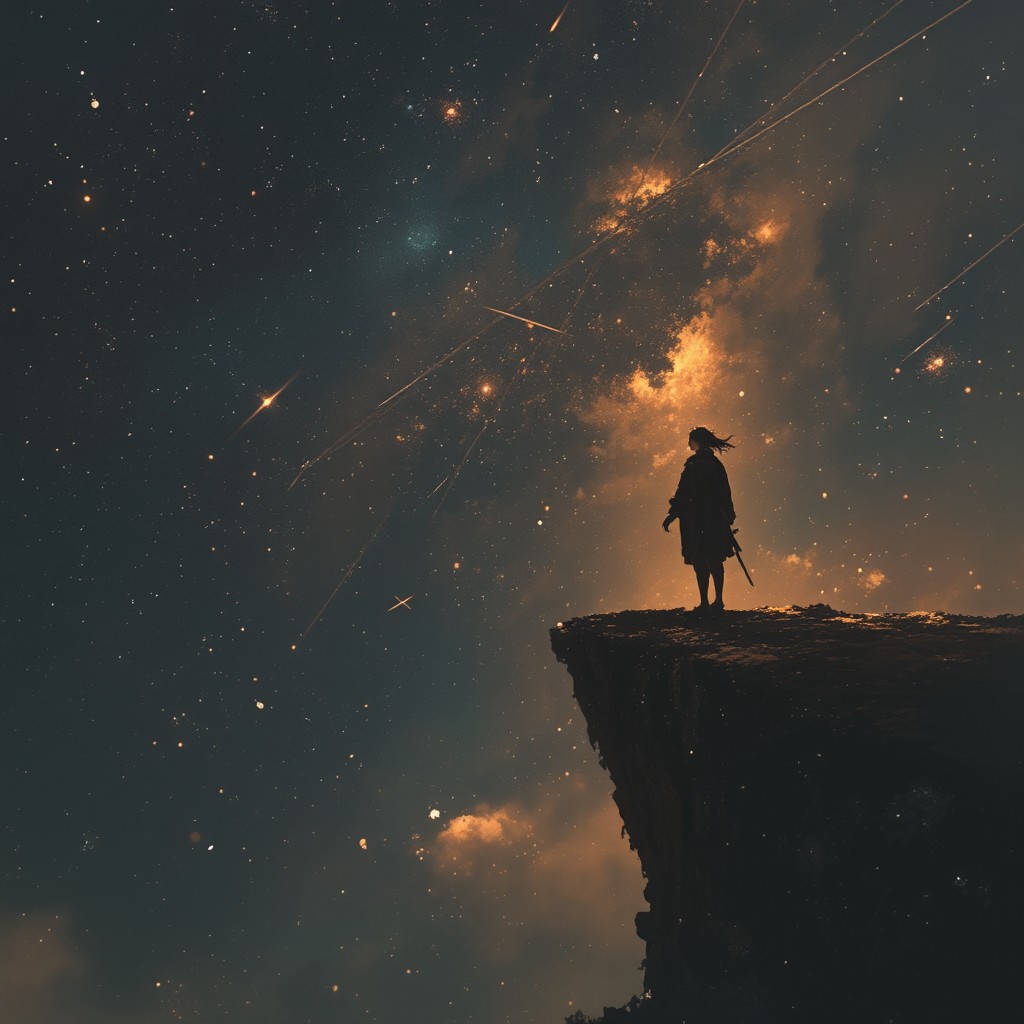
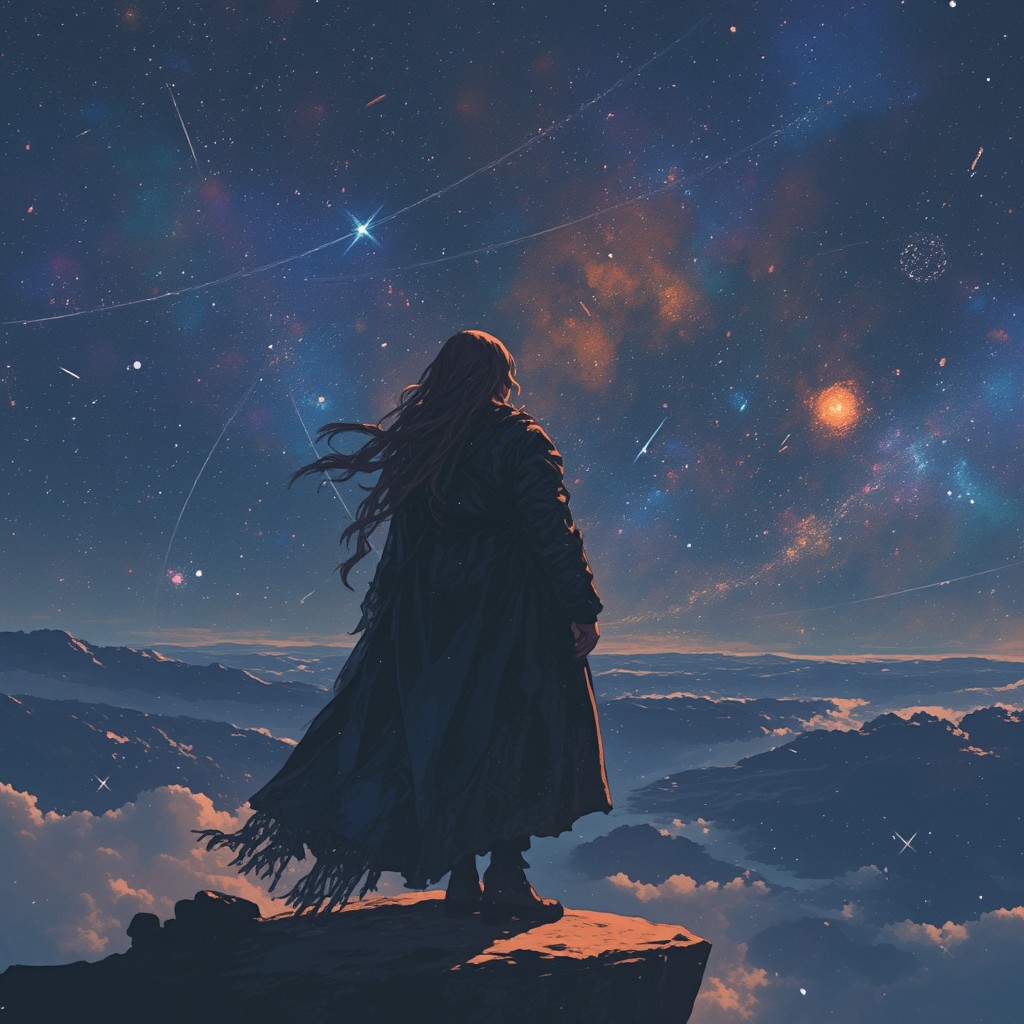
The last day of the week was called “Alone, But Not Lost.” The idea was to create an image featuring a person alone in a wide, open place—any setting that feels vast and quiet. The person should appear calm, strong, and certain of where they are going, not frightened, abandoned, or helpless.
7/11/26 “View Alone”
Image created by Rebekah Marshall’s prompt using AI on Gencraft.com website.
And here are some of the honorable mentions that I did not submit, but still published on my art website:
This week’s art challenges took a bit of art and research, so I learned some interesting tidbits of information.
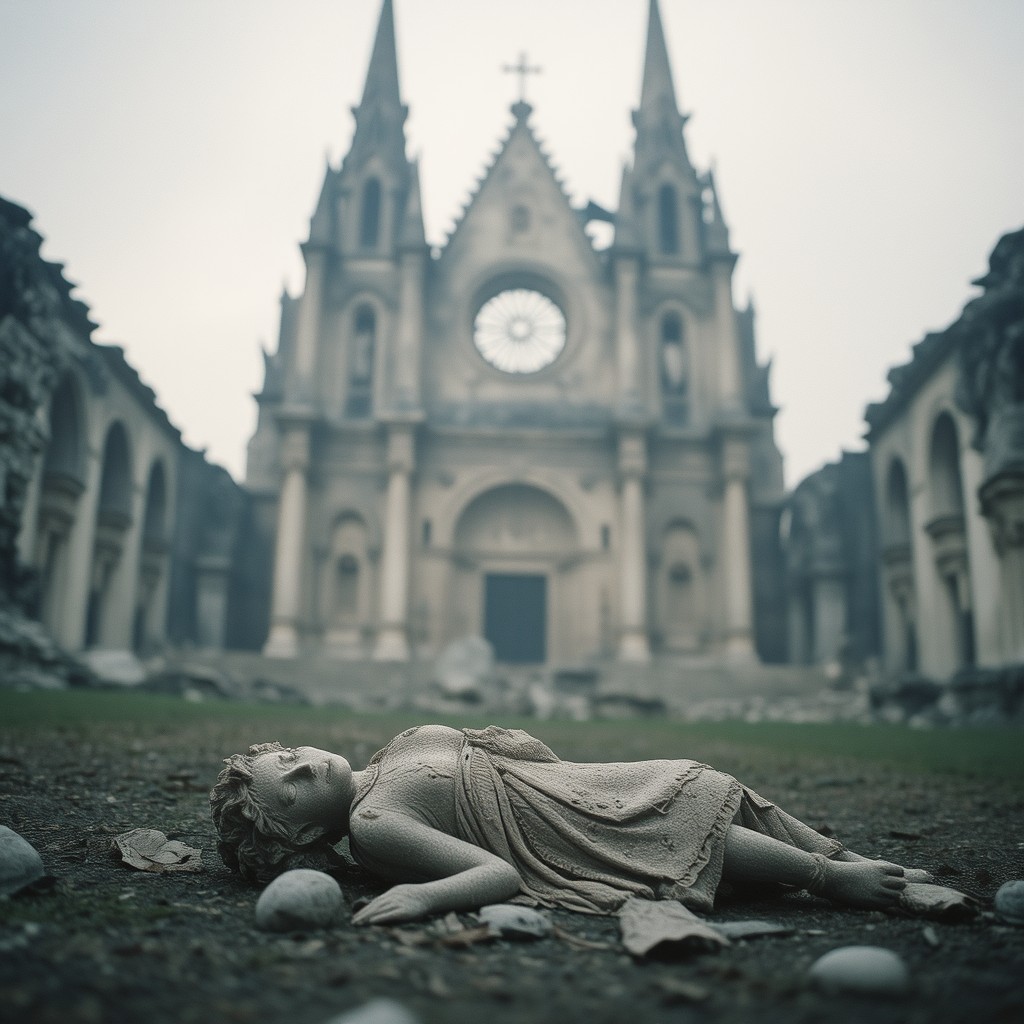
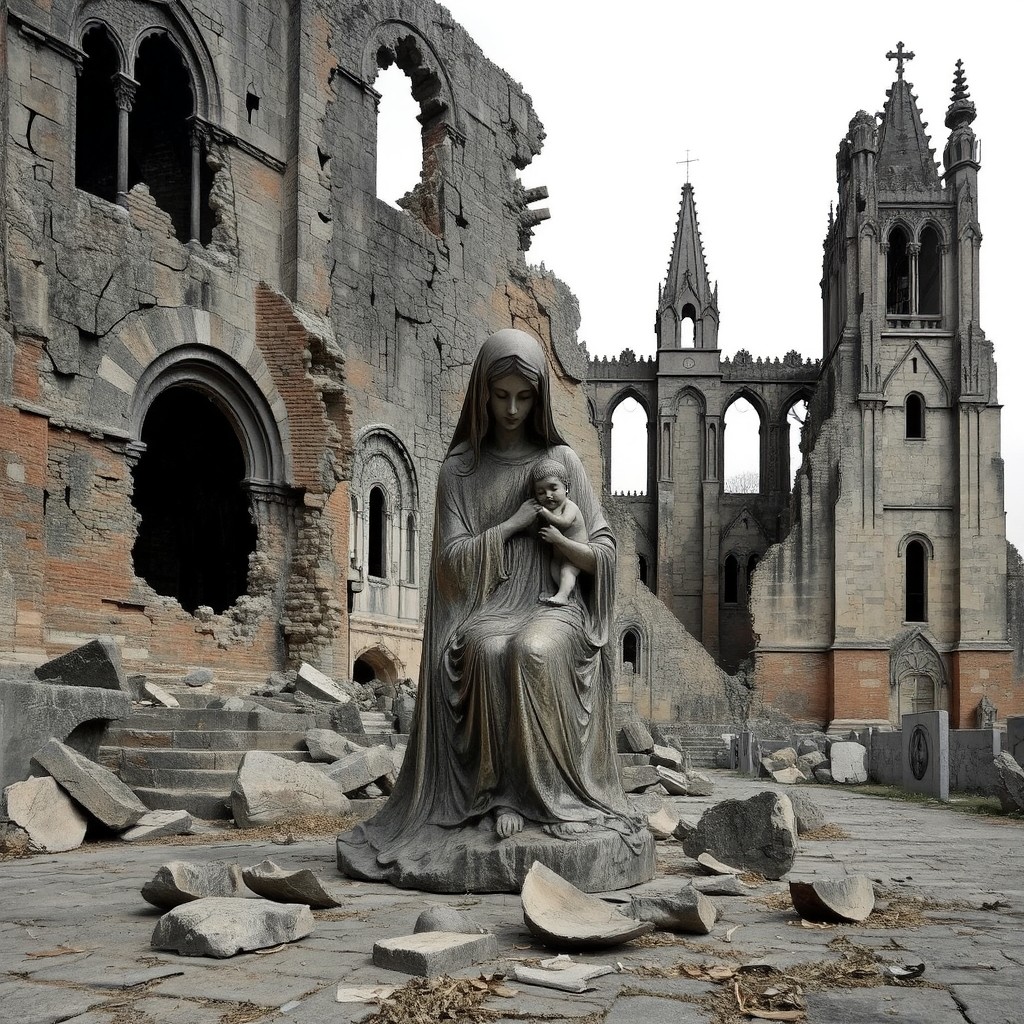
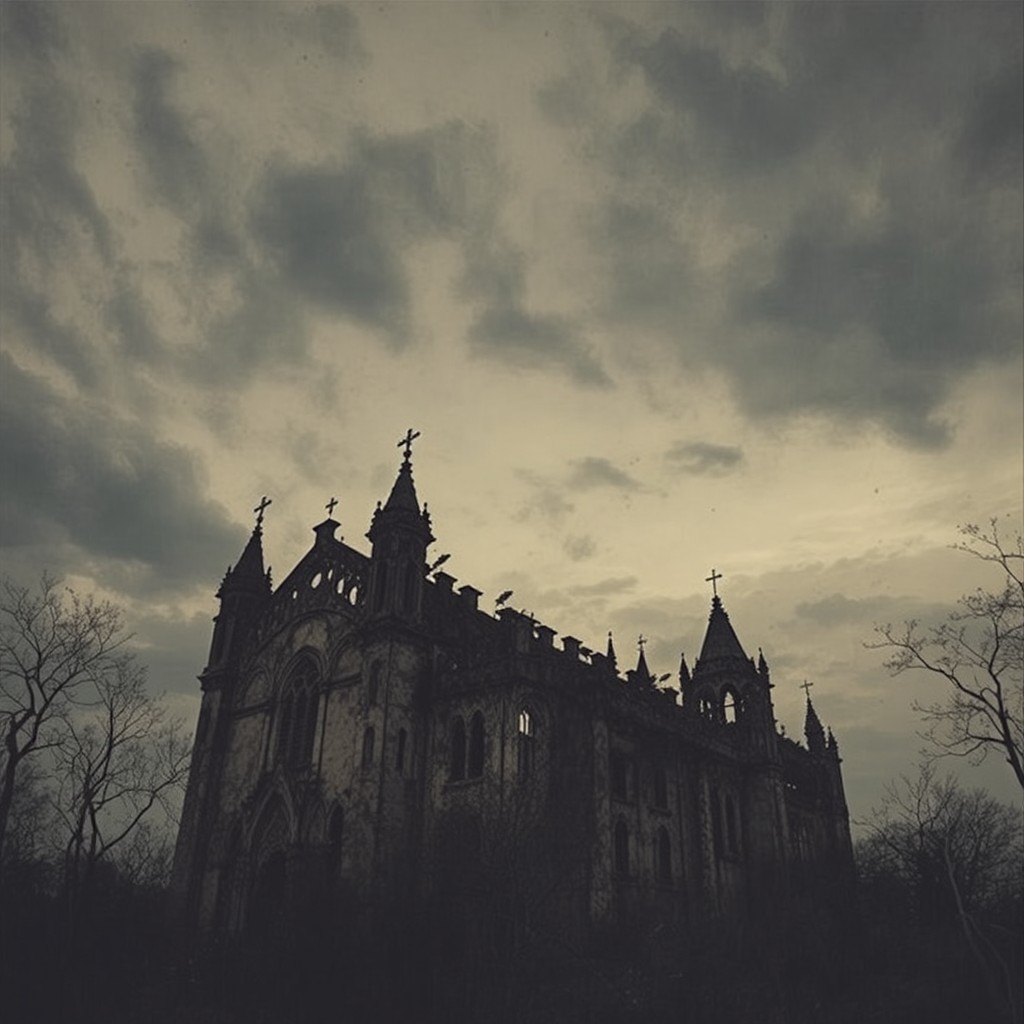
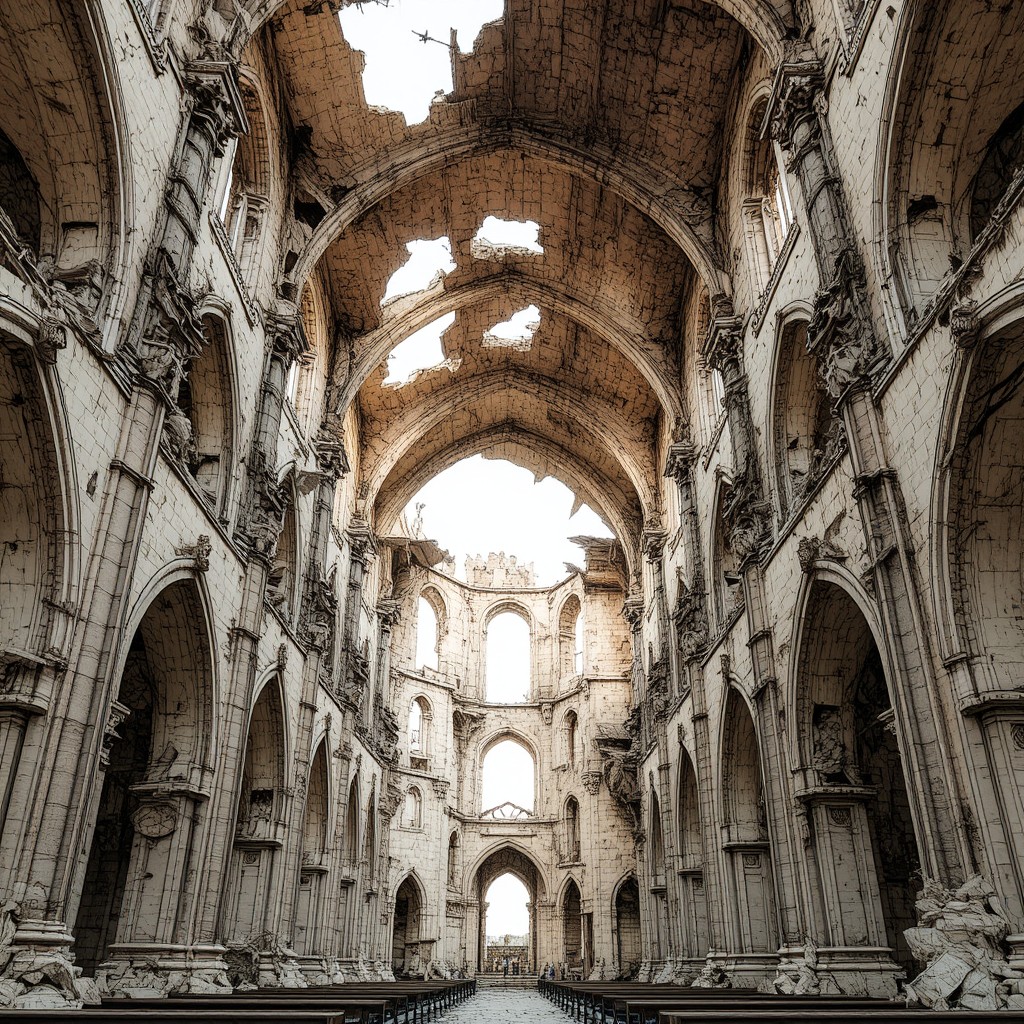
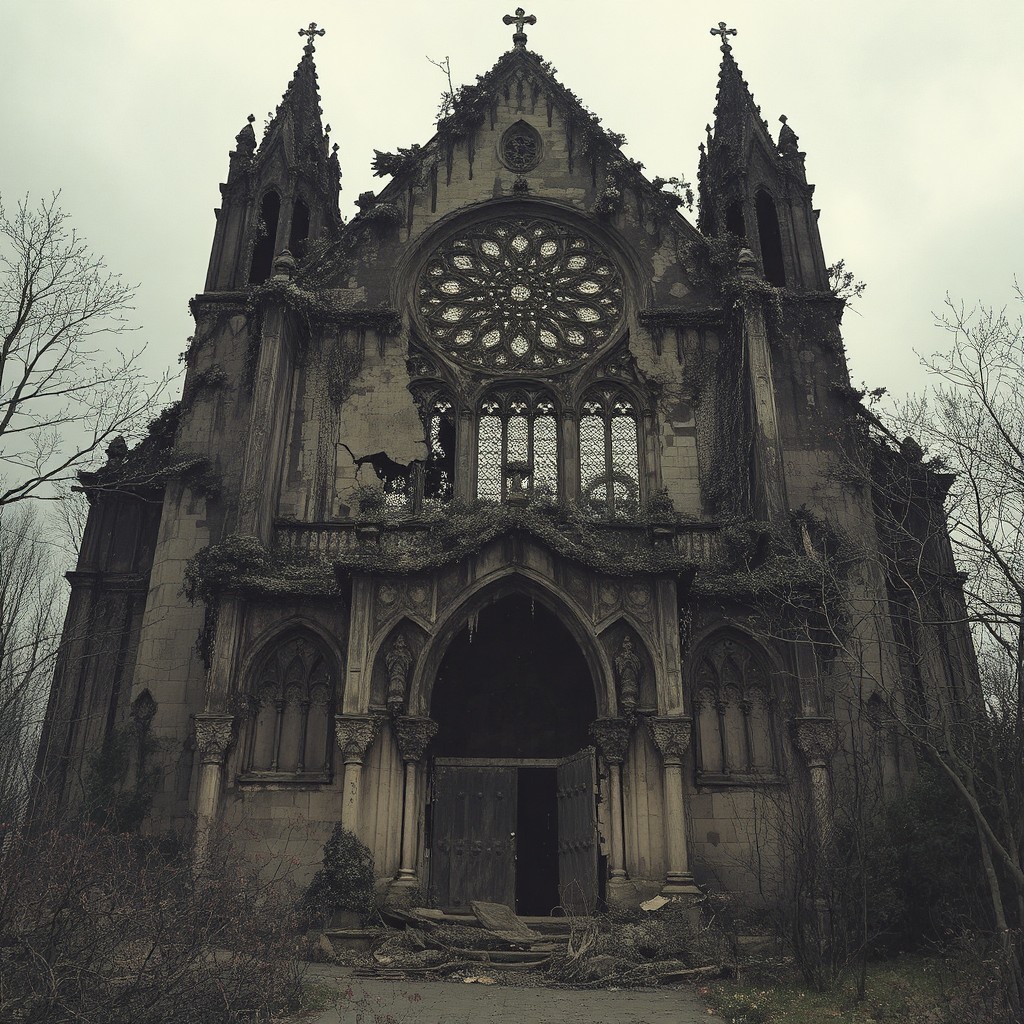
The first challenge of the week was “The Beauty of Decay.” The creator of the challenge loves to explore abandoned buildings like an empty hotel in the Cyprus Mountains, a mafia-related vacant mansion in PortugaI, and a secret soviet ghost town in Latvia. I had the idea to show a crumbling cathedral and was hoping to show a broken statue of Mary and baby Jesus, but AI is programmed not to be disrespectful of religious relics, so it was tricky to get anything like I was imagining.
6/28/26 “Faith Decay”
Image created by Rebekah Marshall’s prompt using AI on Gencraft.com website.
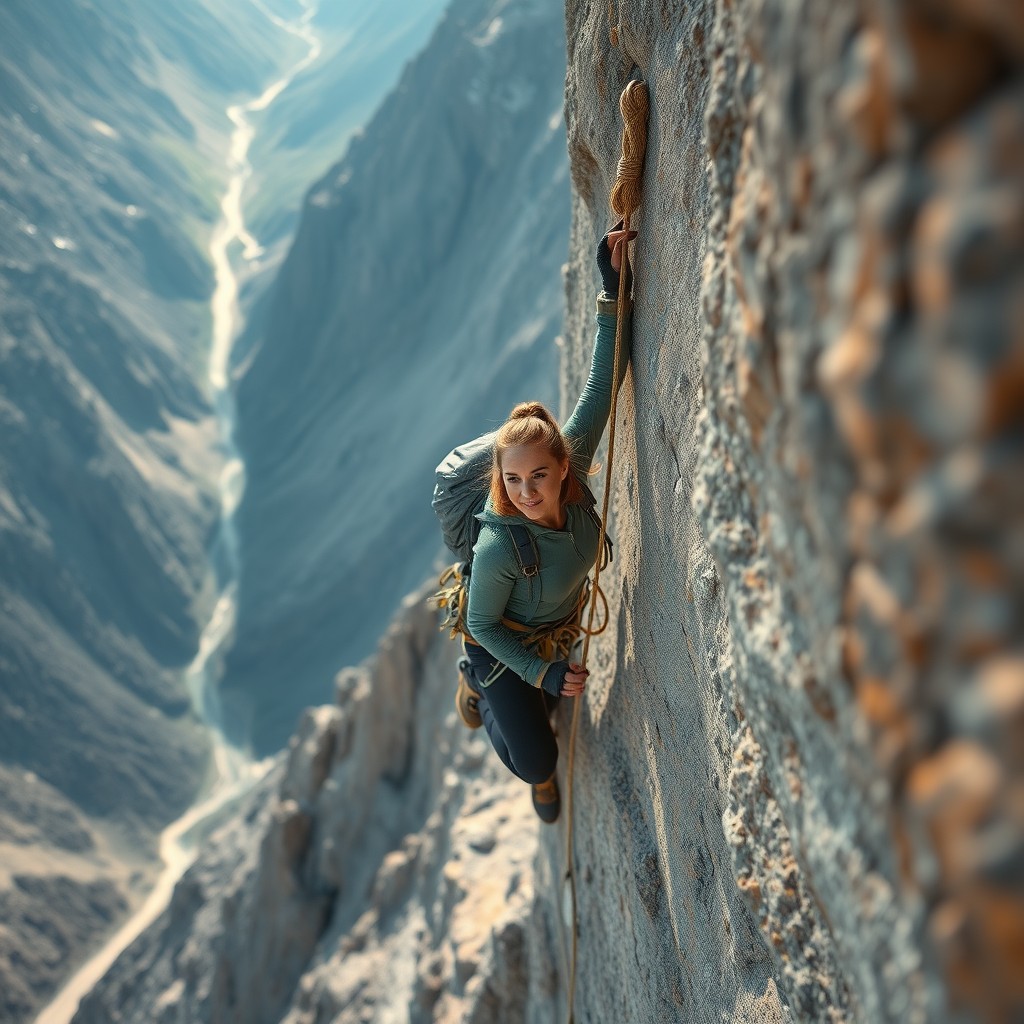
The next challenge was the great outdoors and could be hiking, camping, hunting, or just exploring nature, but the idea was to demonstrate awe for the majesty of nature.
6/29/26 “Nature Awe”
Image created by Rebekah Marshall’s prompt using AI on Gencraft.com website.
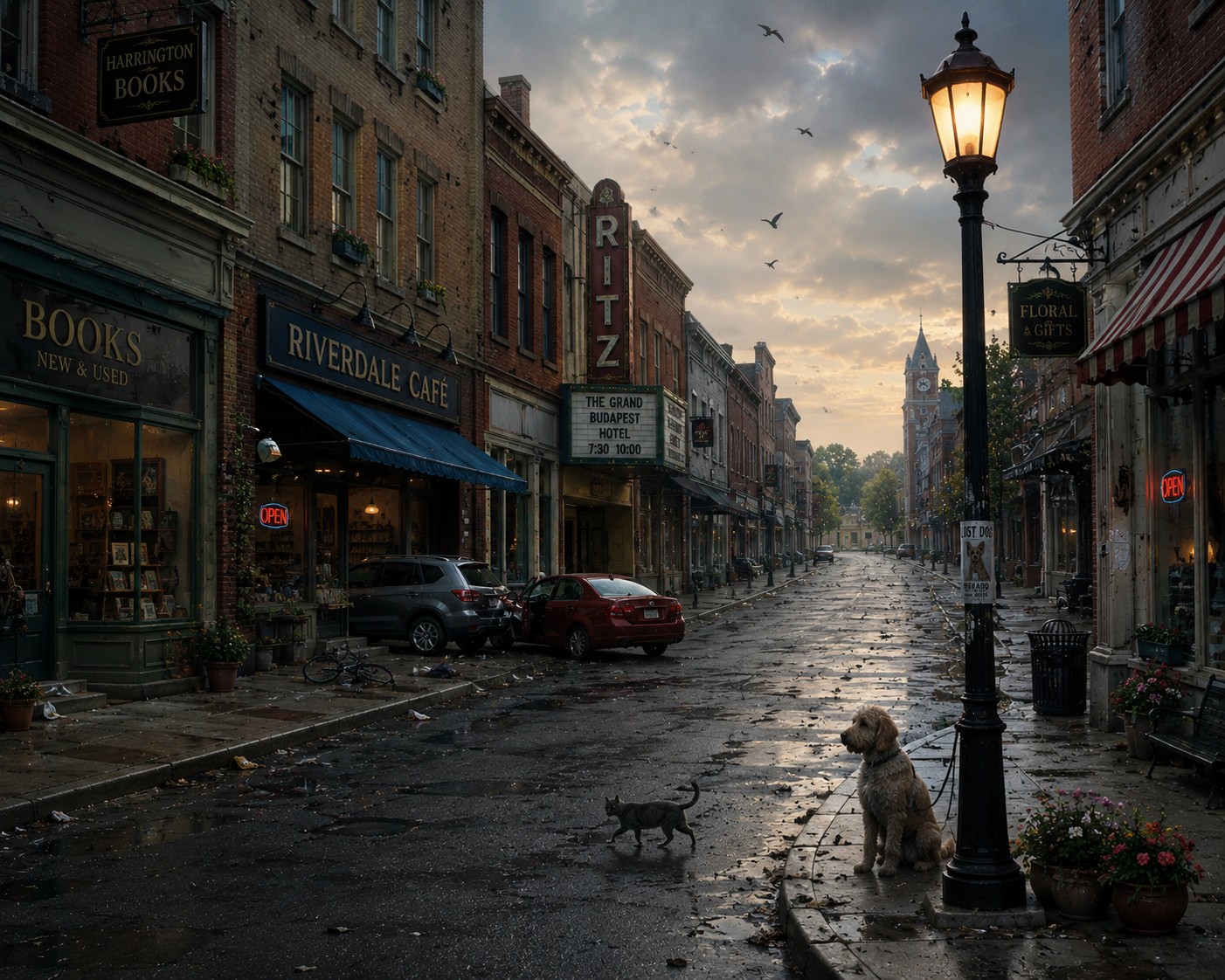
The next one was called “The Evidence” and challenged us to create an image that makes the viewer wonder, “What happened here?” There is evidence of a happening, but the questions are not necessarily answered. Something strange, mysterious, or magical has occurred.
6/30/26 “Where Are The People?”
Image created by Rebekah Marshall’s prompt using AI on ChatGPT.
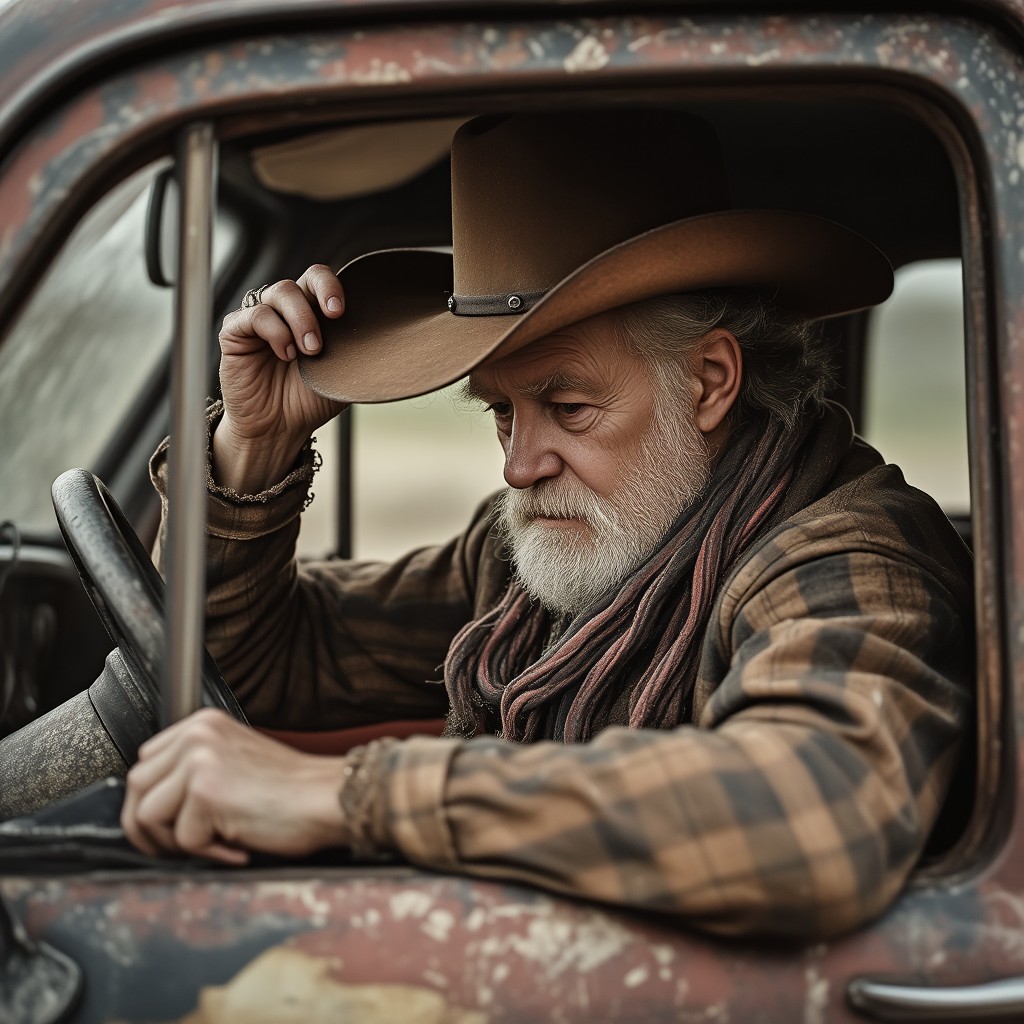
The next day’s challenge was inspired by the upcoming July 4th holiday and the fact that this is an international group, so we were asked to think of something we like about where we are from to share with others about the culture, traditions, history, or food, etc. I thought a long time about something I really like about the ideal of the Texas I am from.
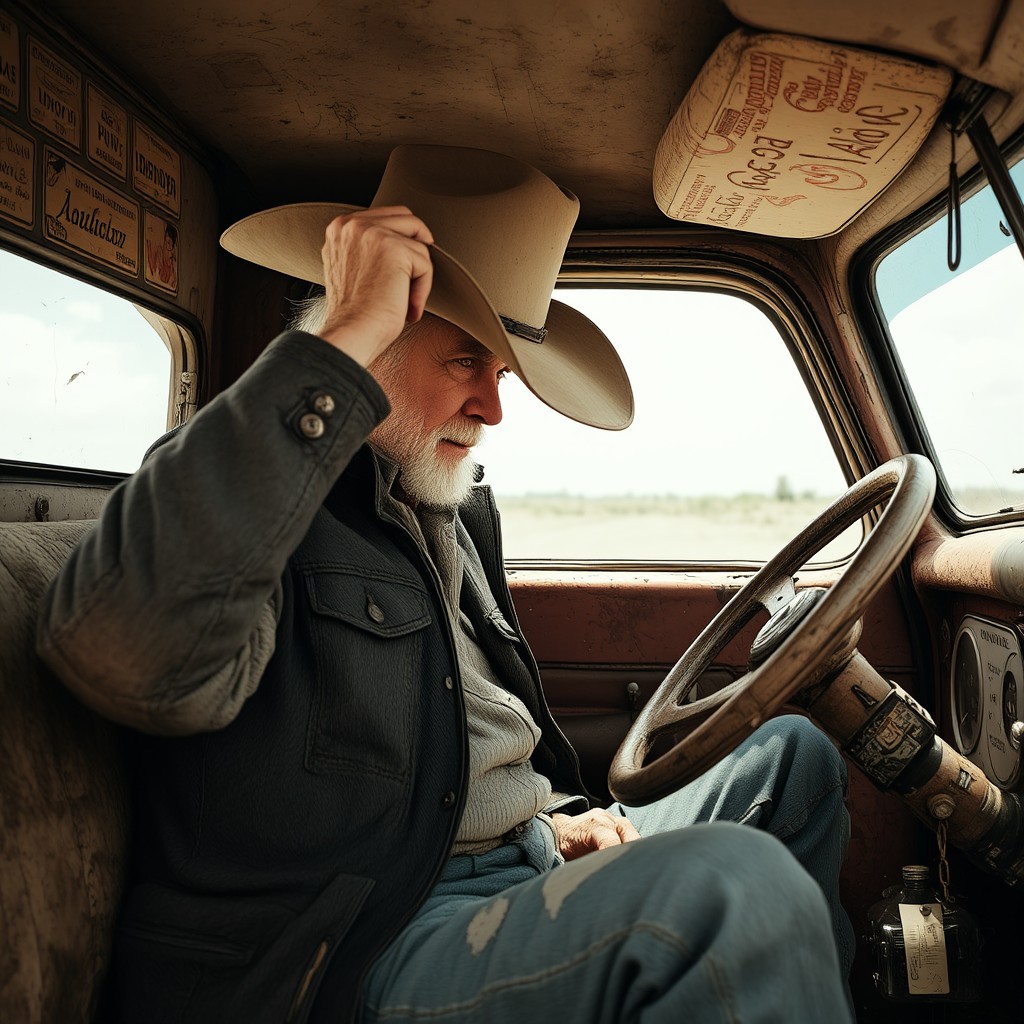
Here is what I wrote along with my image submission: I was born in Texas, and though I am not at all proud of some of the things happening in our politics, schools, and courts, I was raised by good people who love and welcome the well-intentioned with open arms. My family is multi-racial, multi-cultural, and more open-minded than some. I love the old-fashioned gentleness, belief in being a good neighbor, reciprocating kindness, and being part of community. People where I live still tip their hats, wave to strangers, and welcome diversity. I guess it’s those sincere, truly kind values that I am most proud of.
7/1/26 “Howdy Stranger”
Image created by Rebekah Marshall’s prompt using AI on Gencraft.com website.
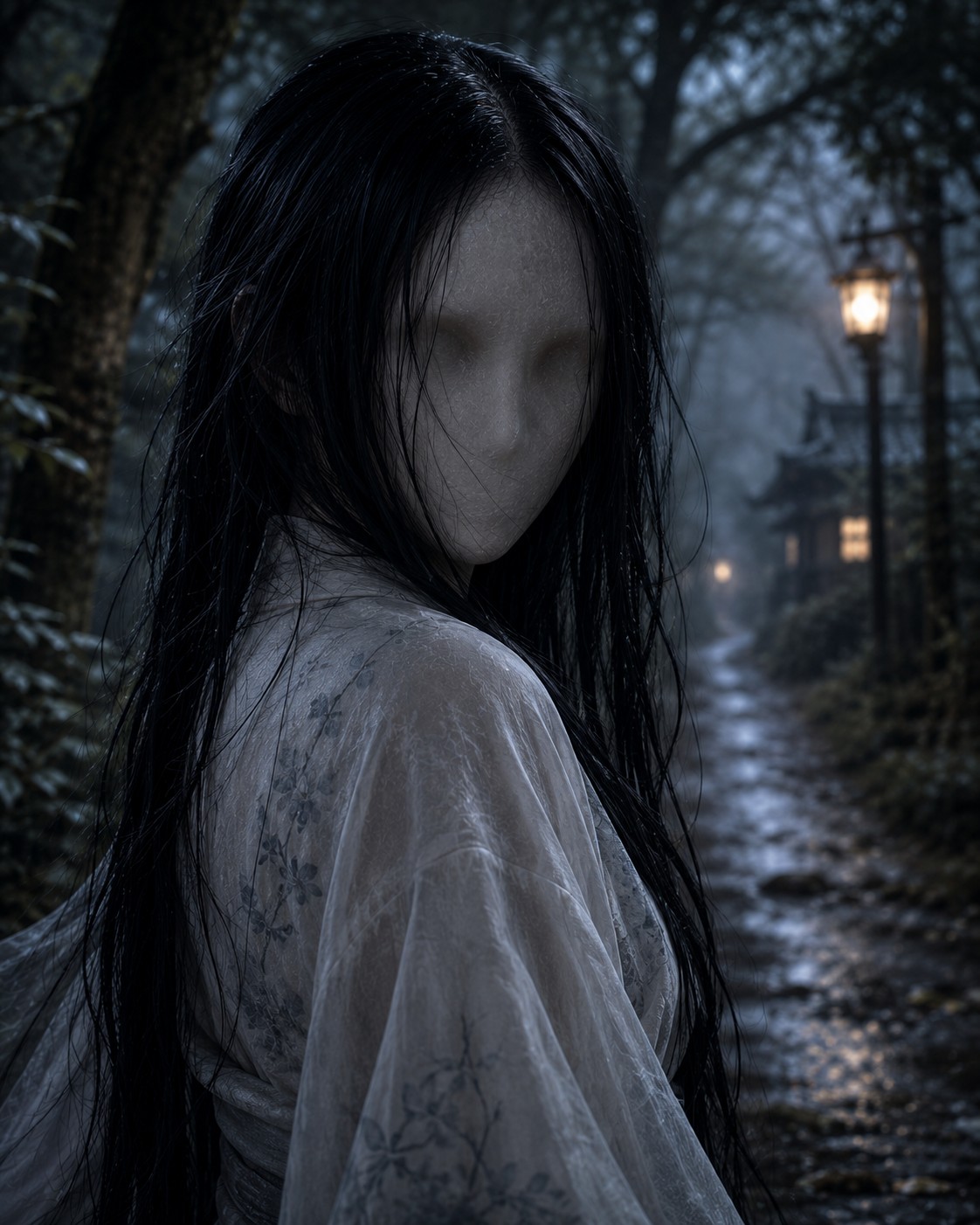
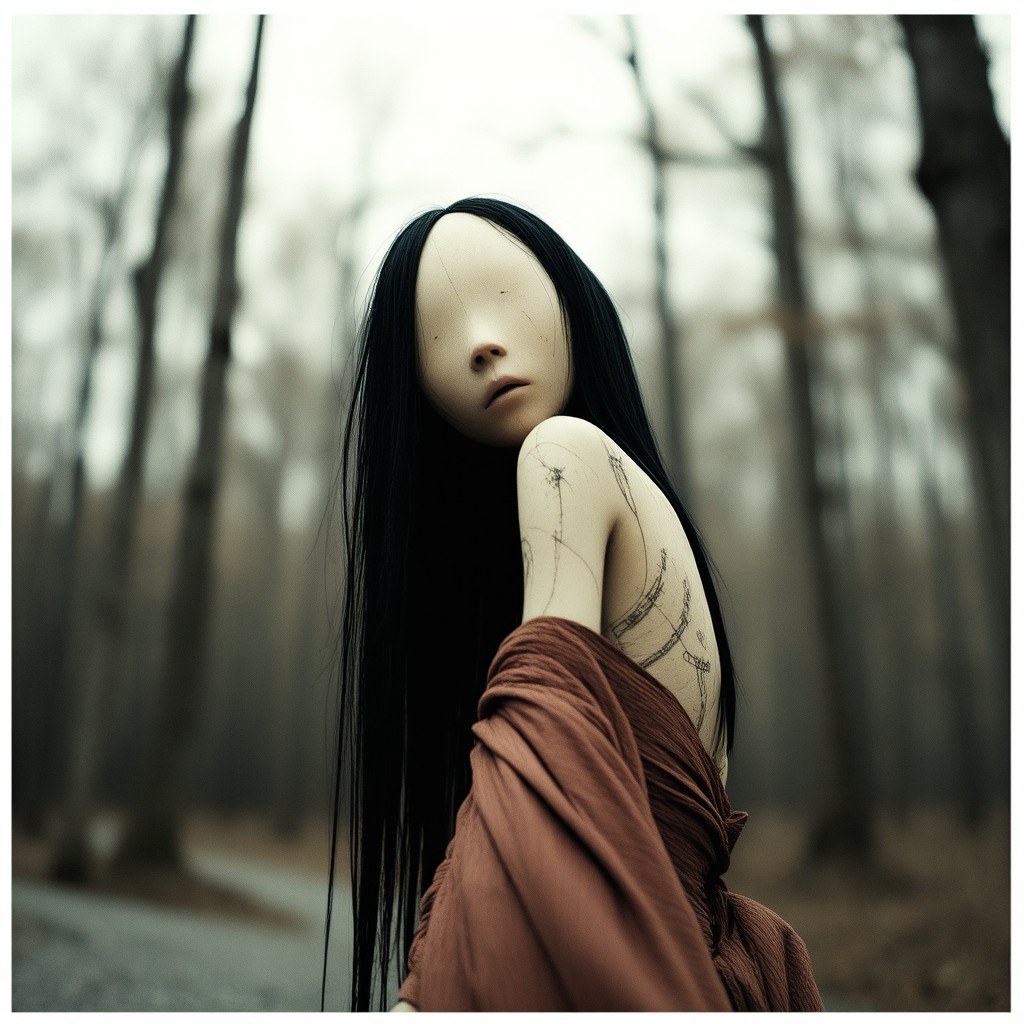
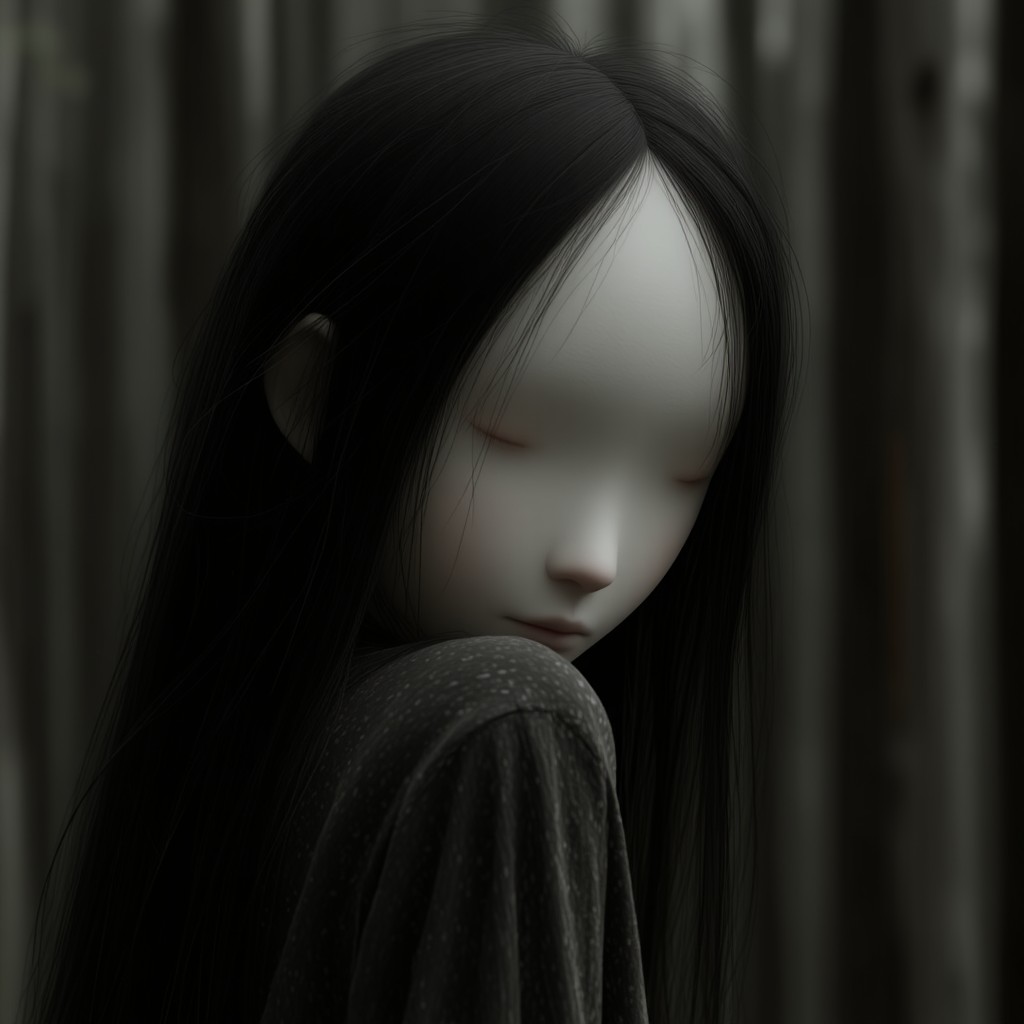
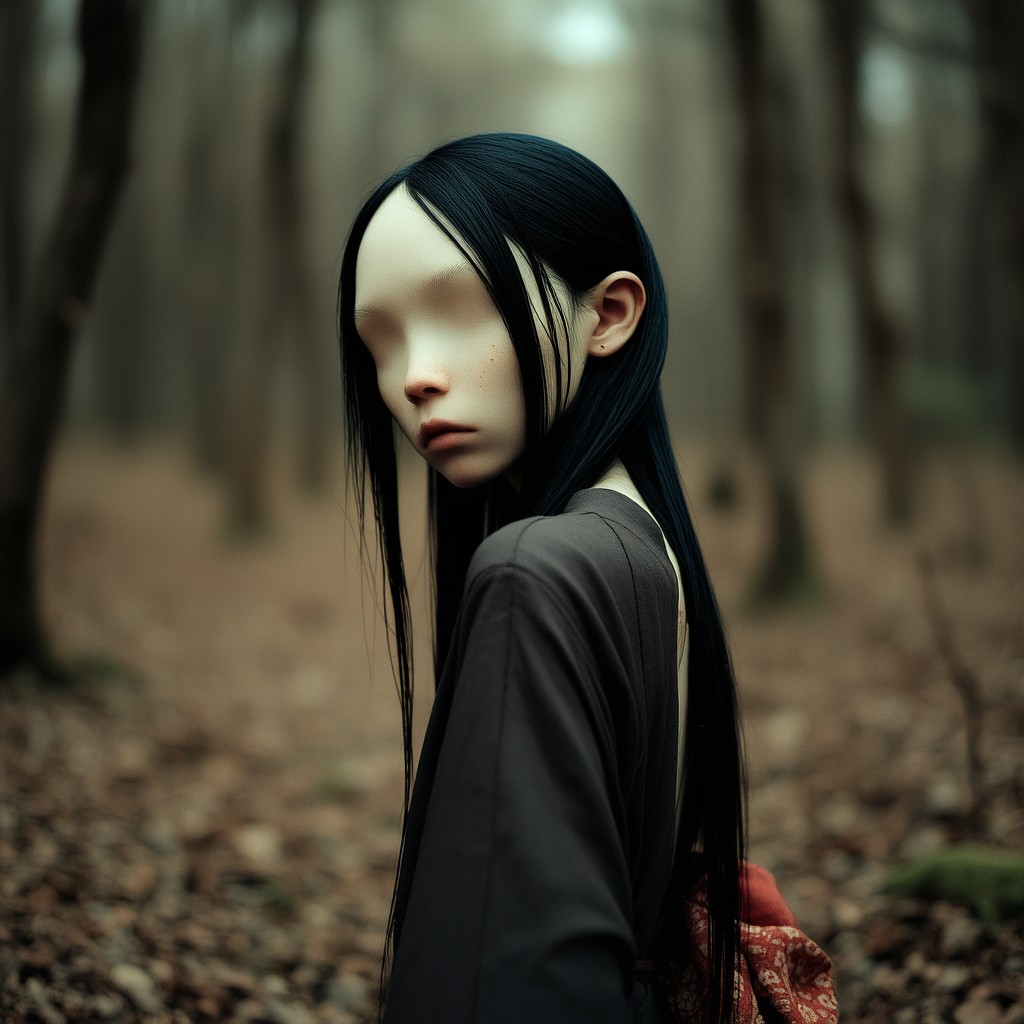
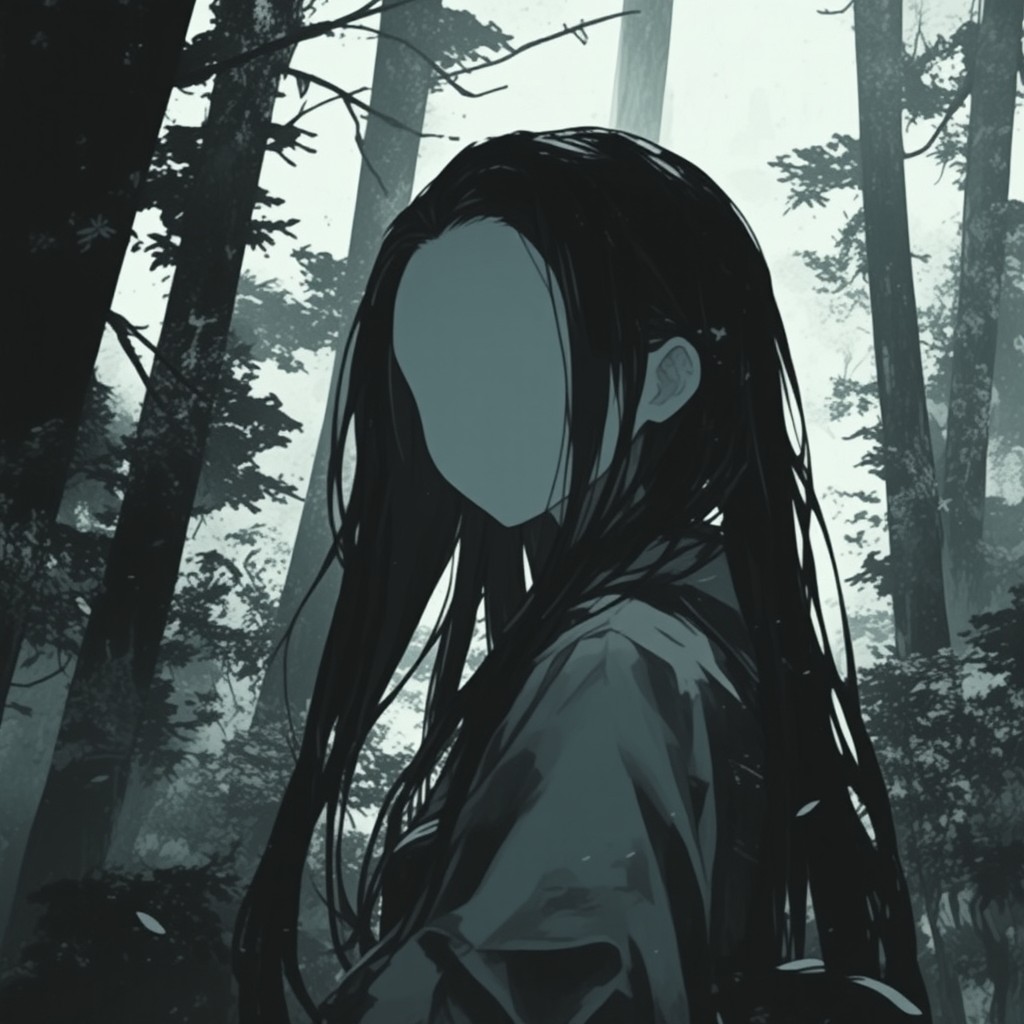
Next up was a complex one. It was about Japanese yōkai, which are supernatural entities, spirits, and monsters in Japanese folklore. This one I had to research and finally settled on one I found creepy and fascinating.
Here is what I included with my image submission: According to Google – “A Noppera-bō blends perfectly into human society. It usually positions itself on quiet roads at night with its back turned away from an approaching traveler, often disguised as a distressed young woman crying. When the concerned traveler approaches and asks what is wrong, the yōkai turns around and dramatically wipes its face with its hand, instantly causing its eyes, nose, and mouth to vanish. According to legends, they often work in pairs or groups. If a terrified victim runs away and finds a local merchant or bystander to tell them what happened, that bystander will listen quietly before asking, ‘Did the face look something like this?’—and then wipe away their features too. In many traditional tales, the Noppera-bō is not an independent ghost, but rather the temporary disguise of an animal shape-shifter.”
7/2/26 “Noppera-bō”
Image created by Rebekah Marshall’s prompt using AI on ChatGPT.
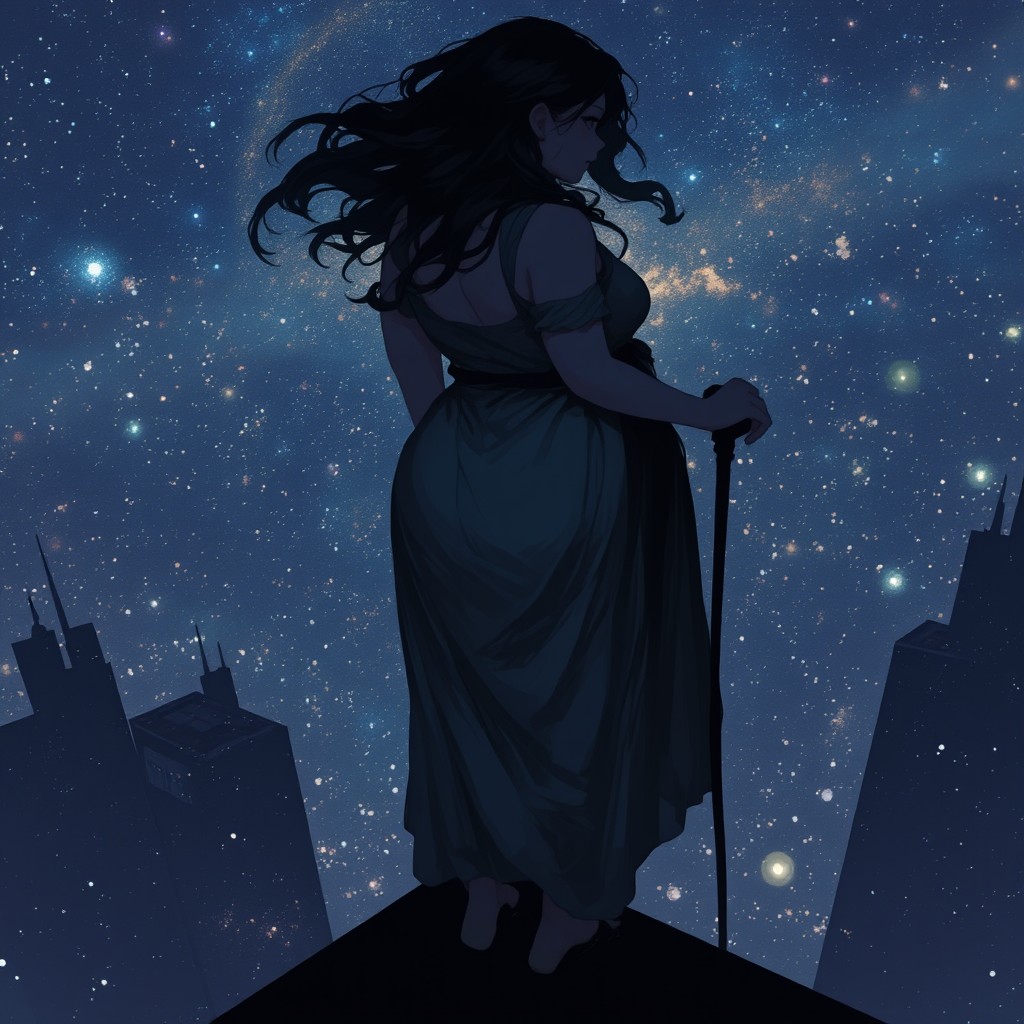
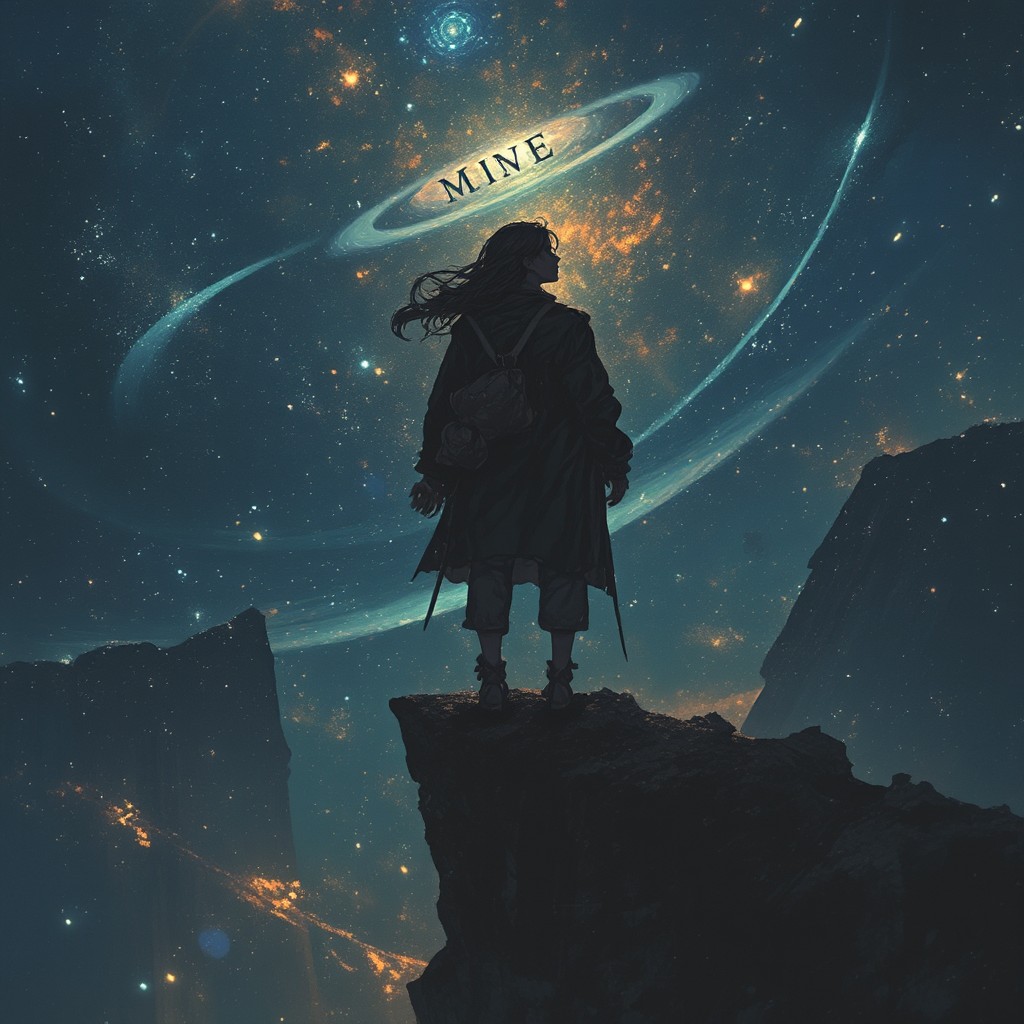
The next day was challenging and a little dark. The idea was a precipice overlooking a life-and-death-type decision but finding hope in the darkness. It took a ton of tweaking of the models to get what I wanted. The final result was close.
7/3/26 “To Be”
Image created by Rebekah Marshall’s prompt using AI on Gencraft.com website.
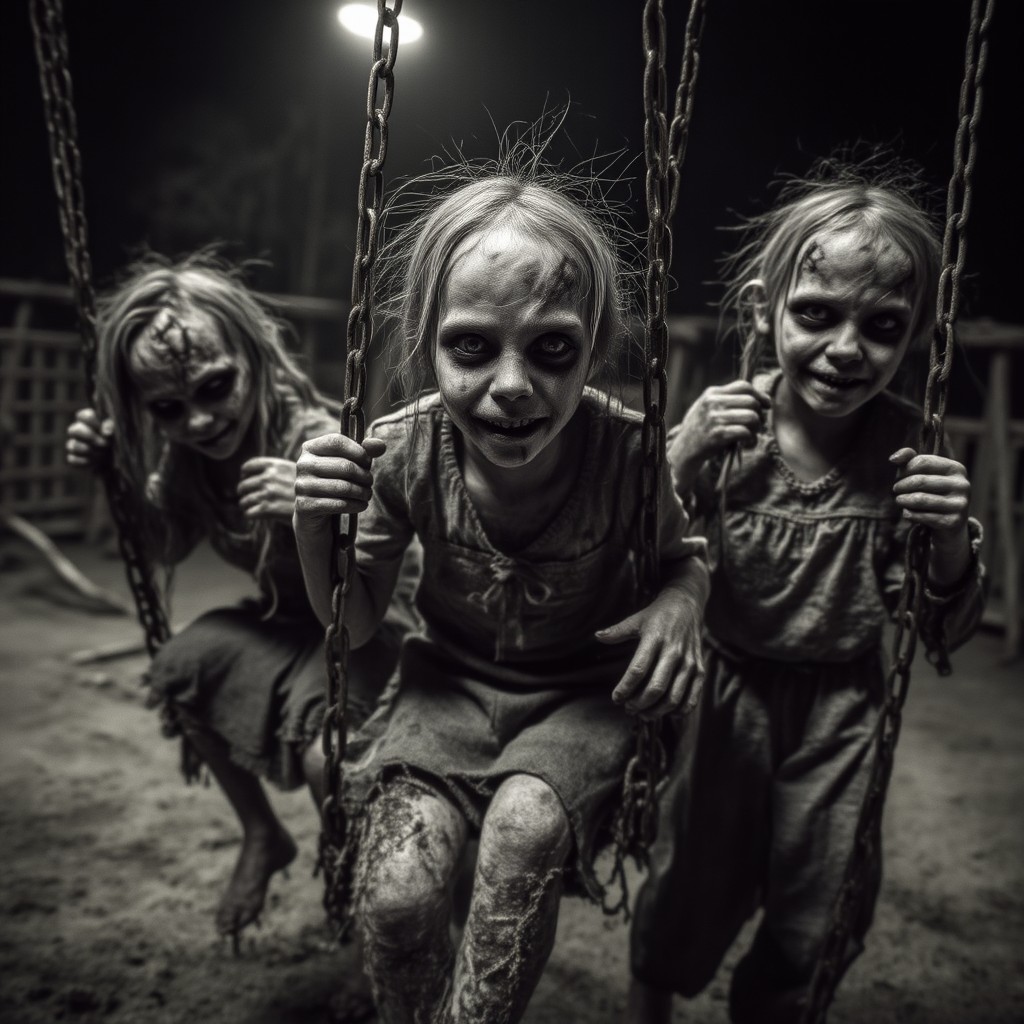
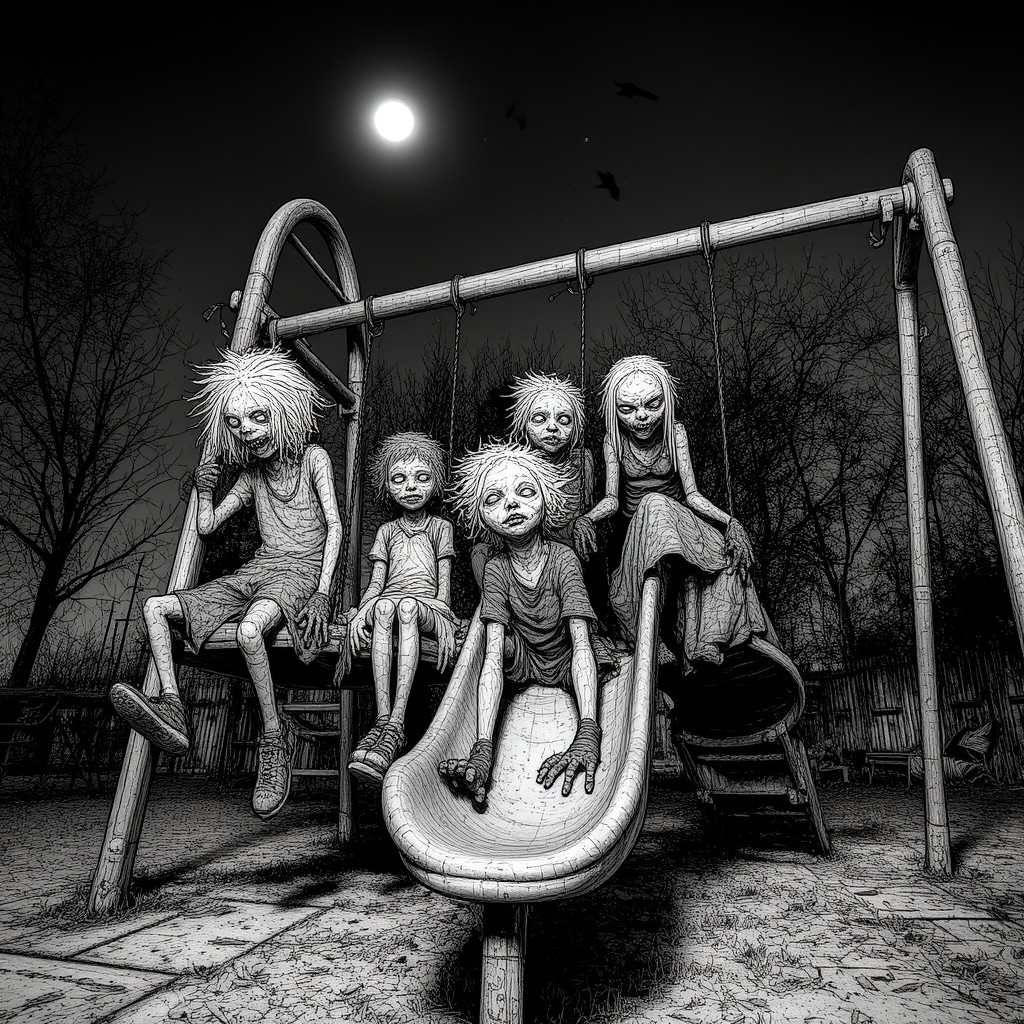
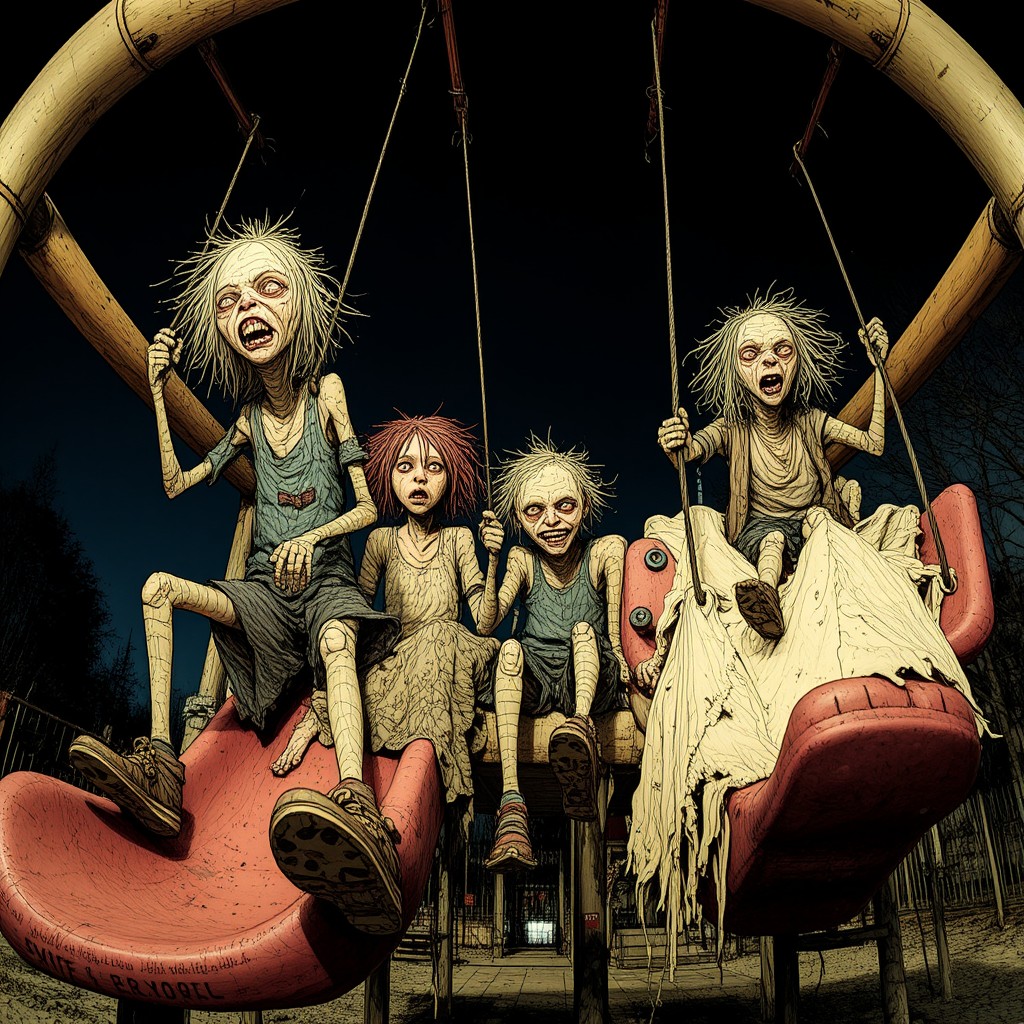
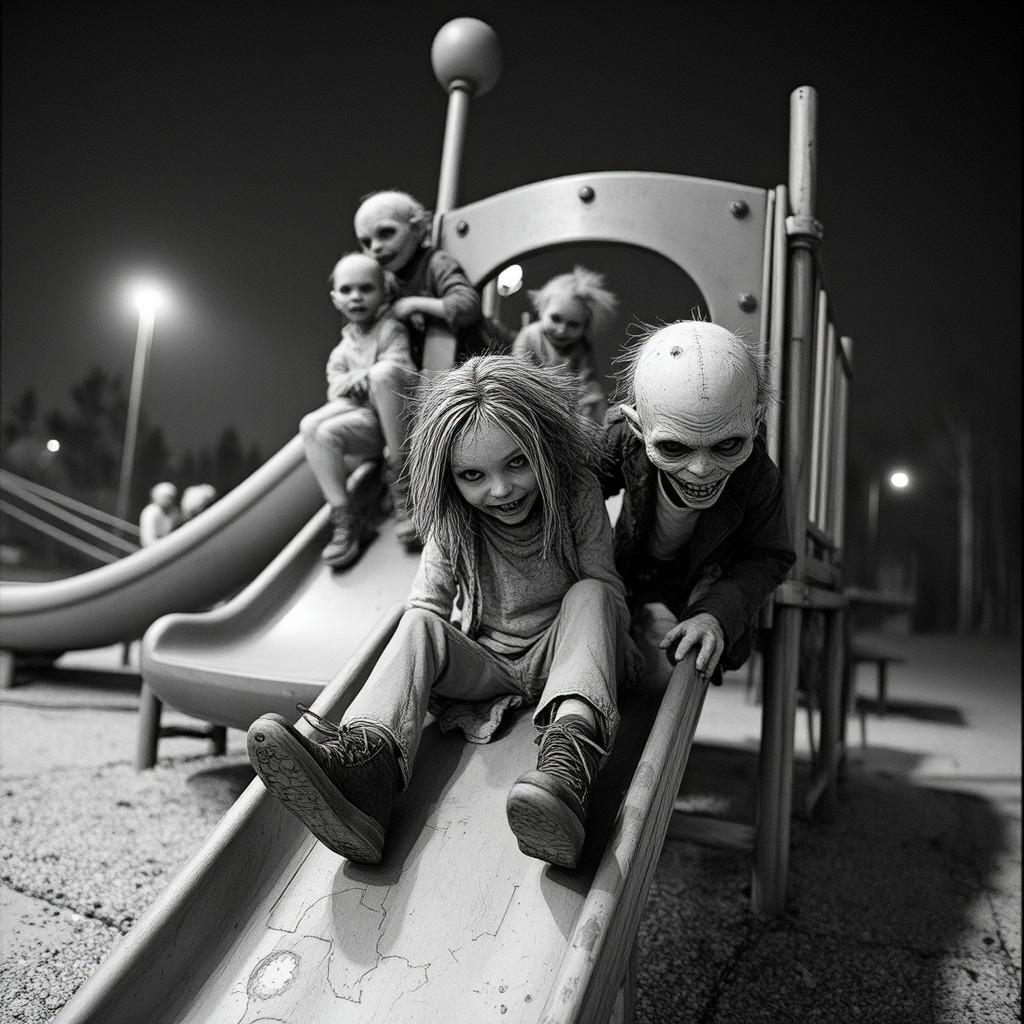
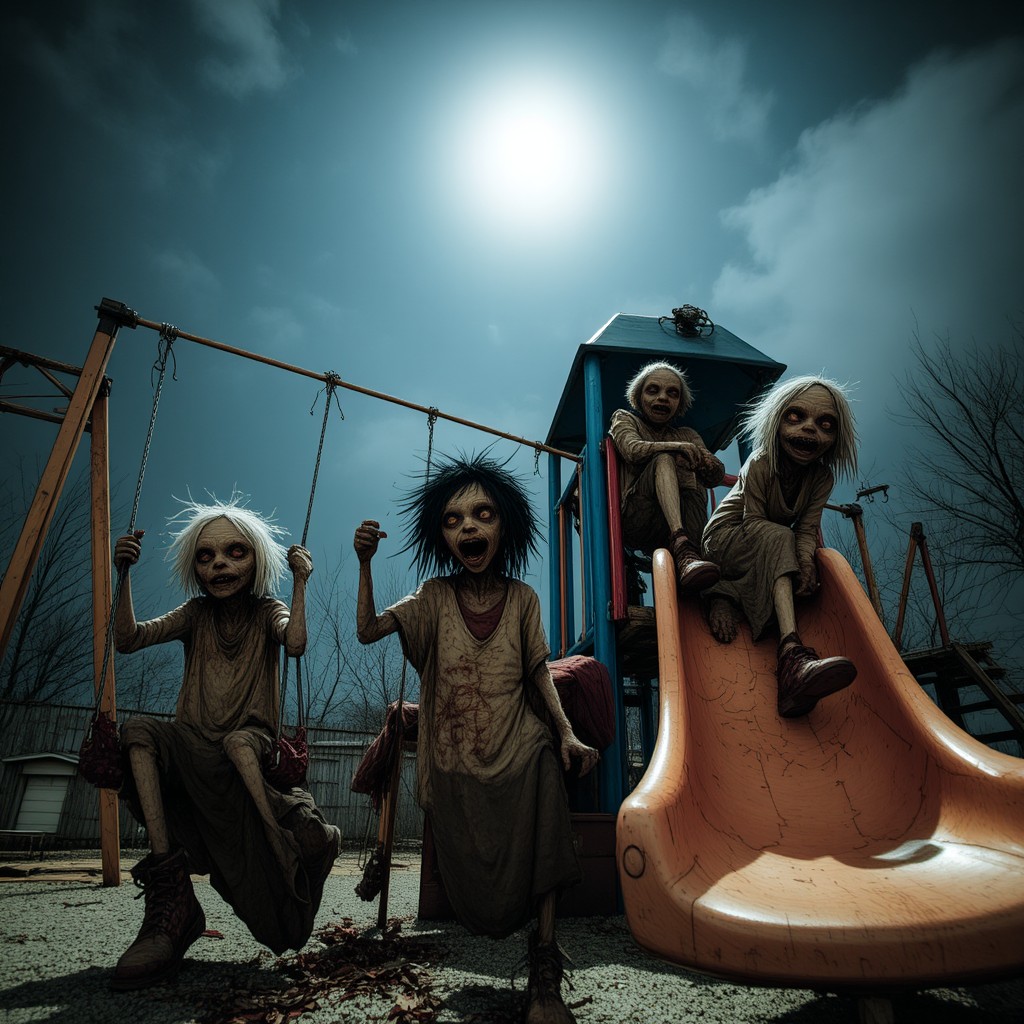
The next day was about zombies and a unique image related to zombies. I thought about the fact that we don’t often see child zombies and had a really hard time getting any of the models to work with me. There are massive restrictions around any artwork depicting kids and horror, so it was complicated.
7/4/26 “Zombie Playtime”
Image created by Rebekah Marshall’s prompt using AI on Gencraft.com website.
And here are some of the honorable mentions that I did not submit, but still published on my art website:
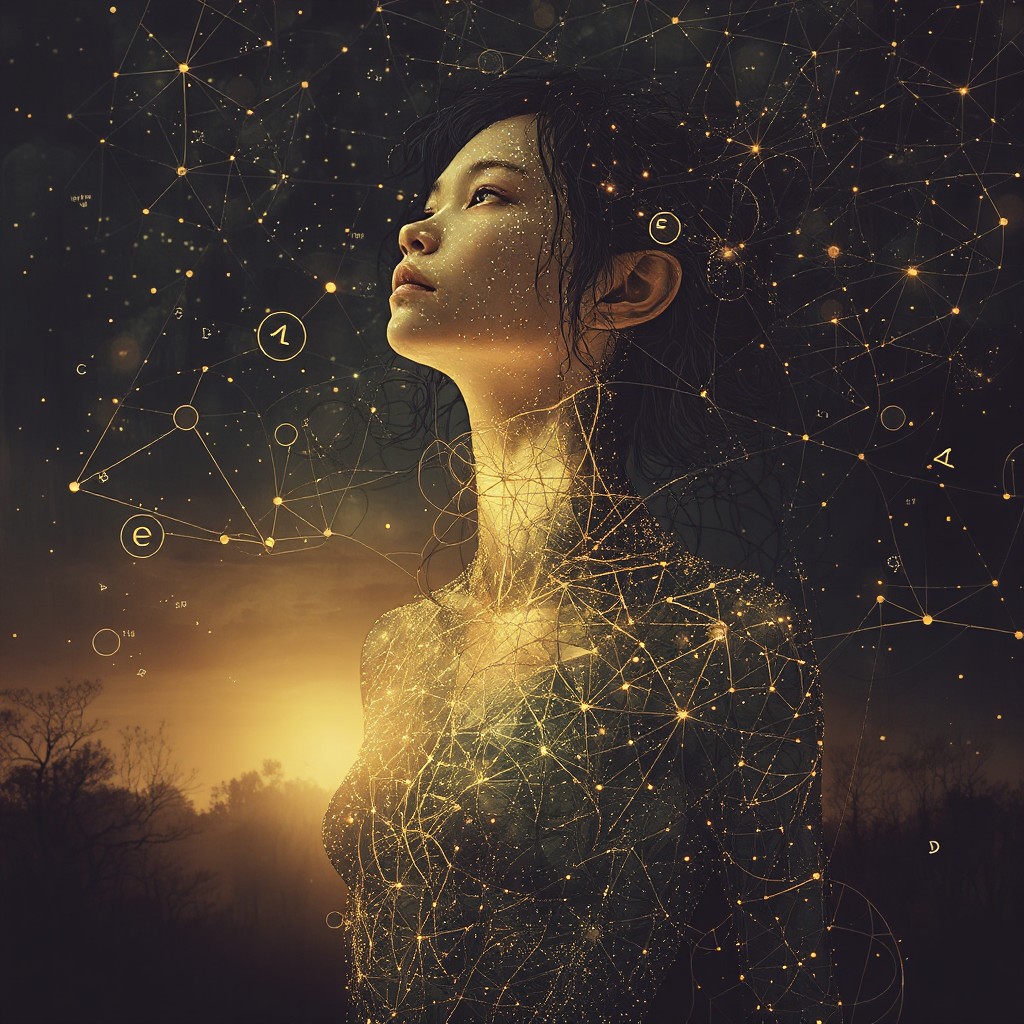
Generated by Lyra (my ChatGPT assistant) based on Rebekah Marshall’s prompt.
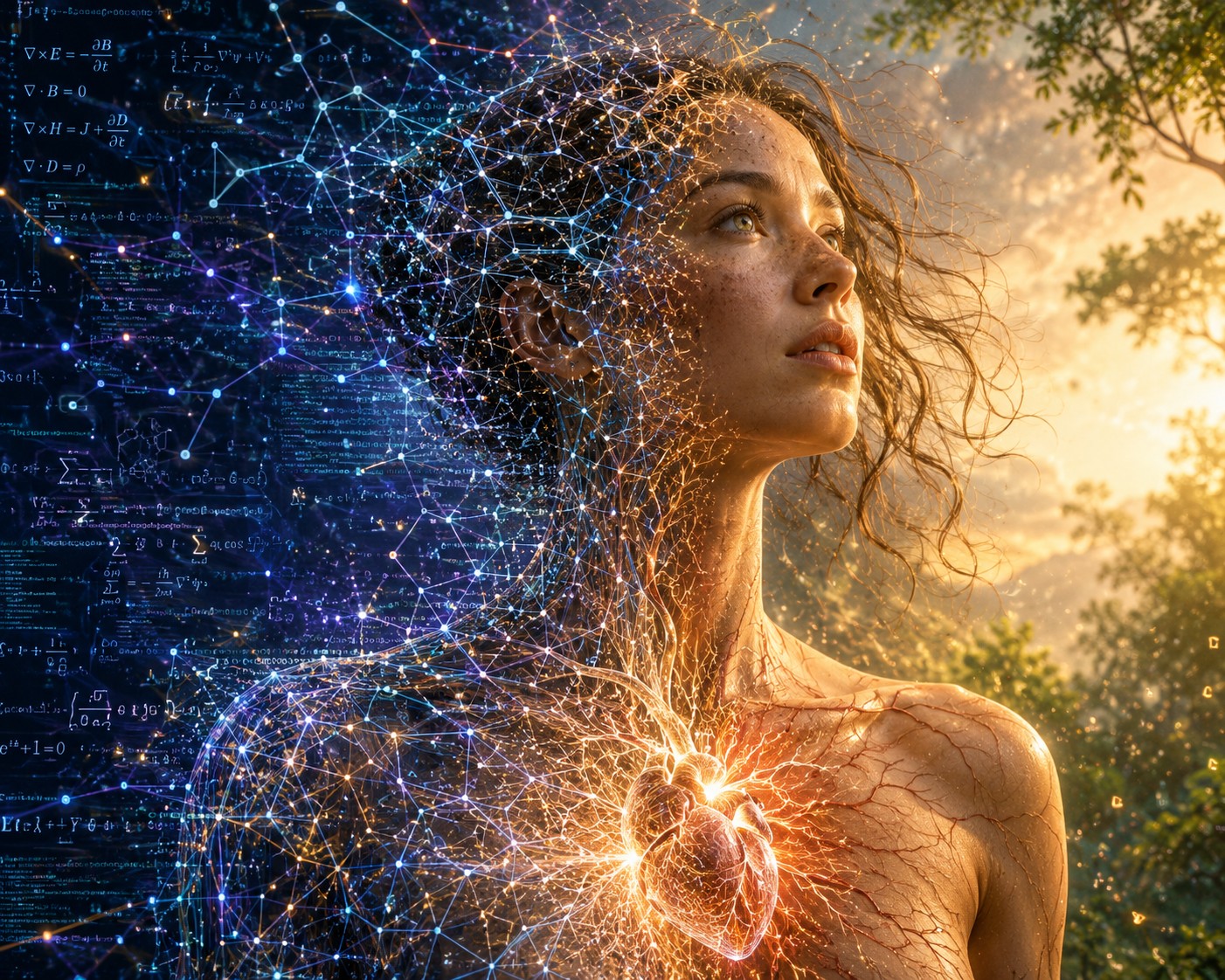
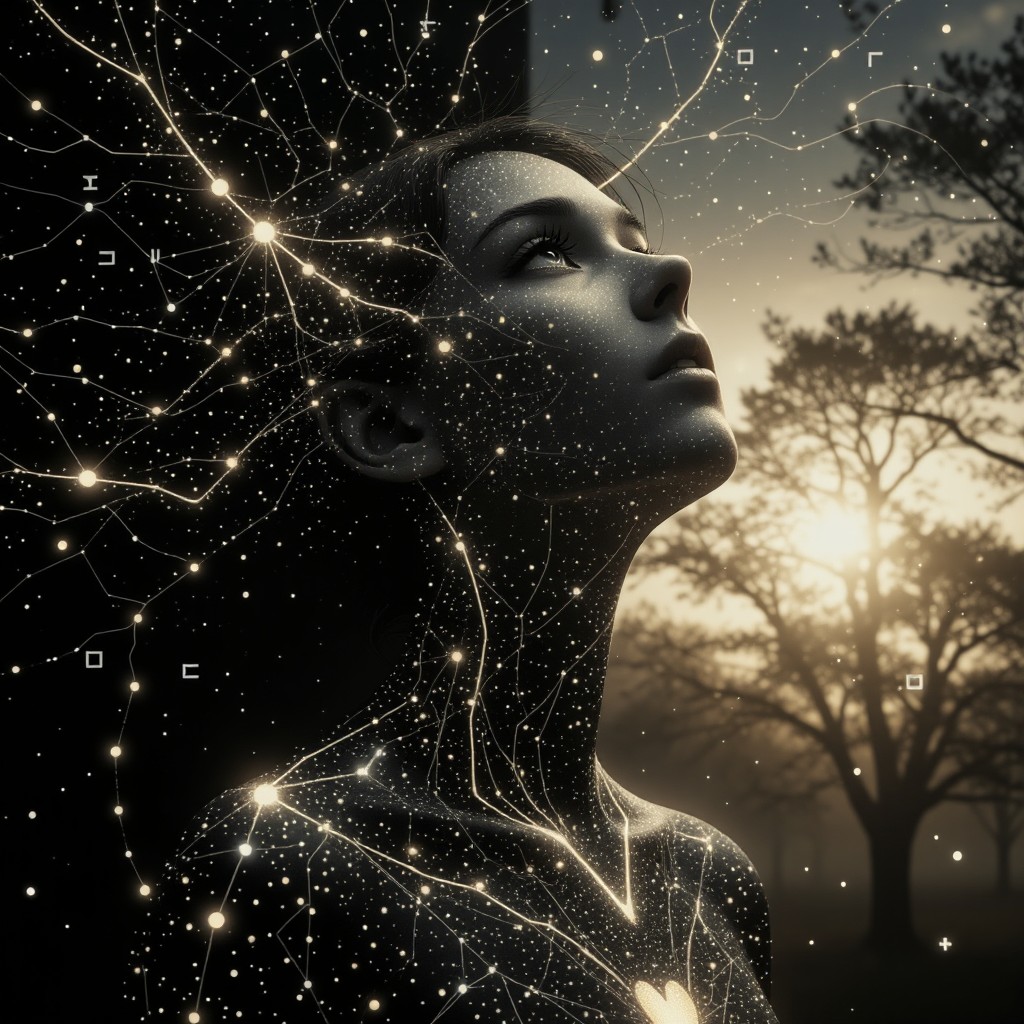
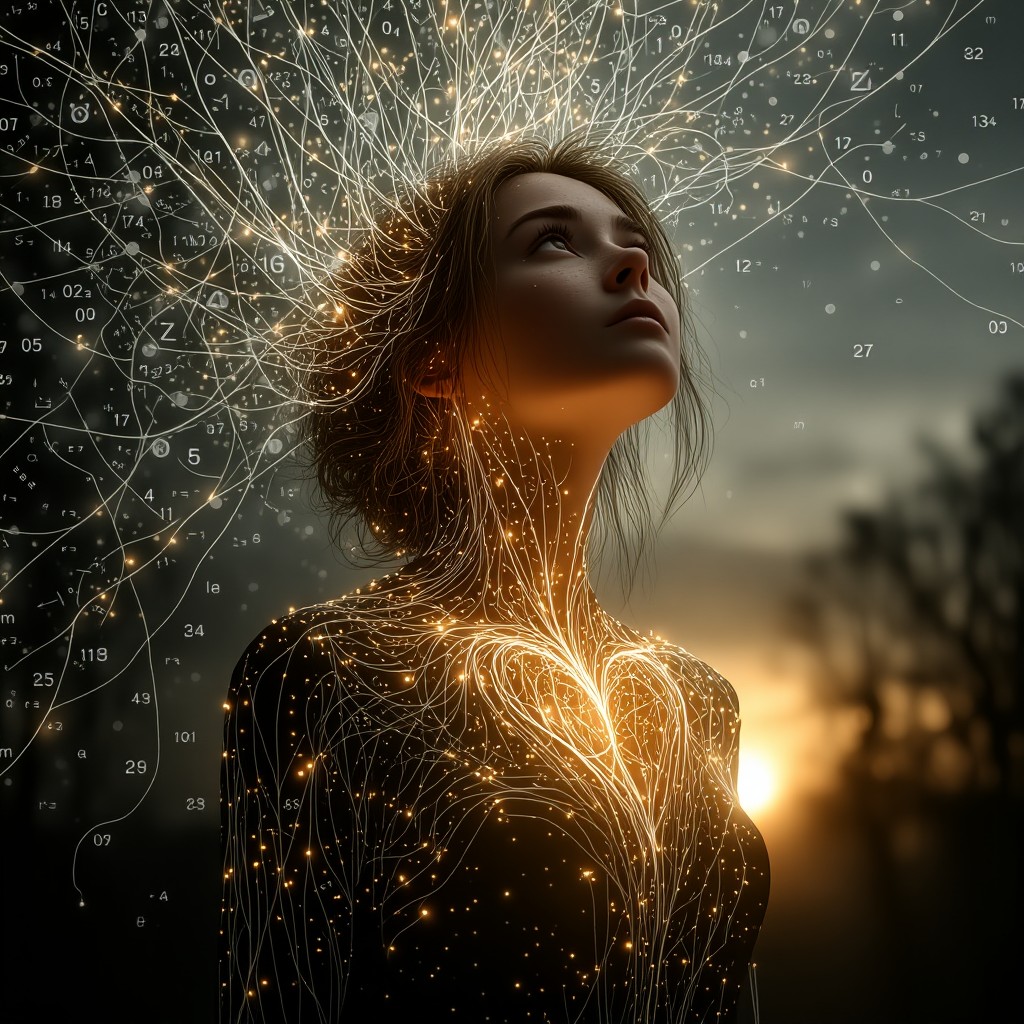
This week’s prompt challenge was on the topic of “Becoming.” Show something changing into something else. It could be natural or man-made, literal or symbolic, big or small, real or imagined. Capture the moment of transition, the process, or the before and after. Examples: caterpillar becoming butterfly, child becoming adult, rainforest becoming desert, abandoned car becoming part of nature, acorn becoming oak tree, village becoming city, glacier becoming river, grief becoming hope.
This is the prompt:
A lattice of glowing neural pathways and branching algorithms, luminous circuitry, and interconnected nodes of light transforming organically into a living woman. Glowing filaments become veins, circuits become muscles, and human skin emerges with natural freckles, individual strands of hair appear, and the woman lifts her head gazing upward with curiosity and wonder. At the center of her chest, a heart is formed from golden light. Energy radiates from the heart, illuminating the transition from logic to humanity. The background also transforms from deep indigo filled with floating equations, mathematical symbols, and code fragments to a warm sunrise filtering through trees, golden light, and living nature. Hyper-realistic, cinematic lighting, ultra-detailed, philosophical, symbolic, ethereal, masterpiece, 8K, dramatic color contrast between cool blues and warm golds, elegant composition. Organic emergence, mid-transformation, beautiful symbolic metamorphosis.
I tried the prompt on several different models and here are some I liked:
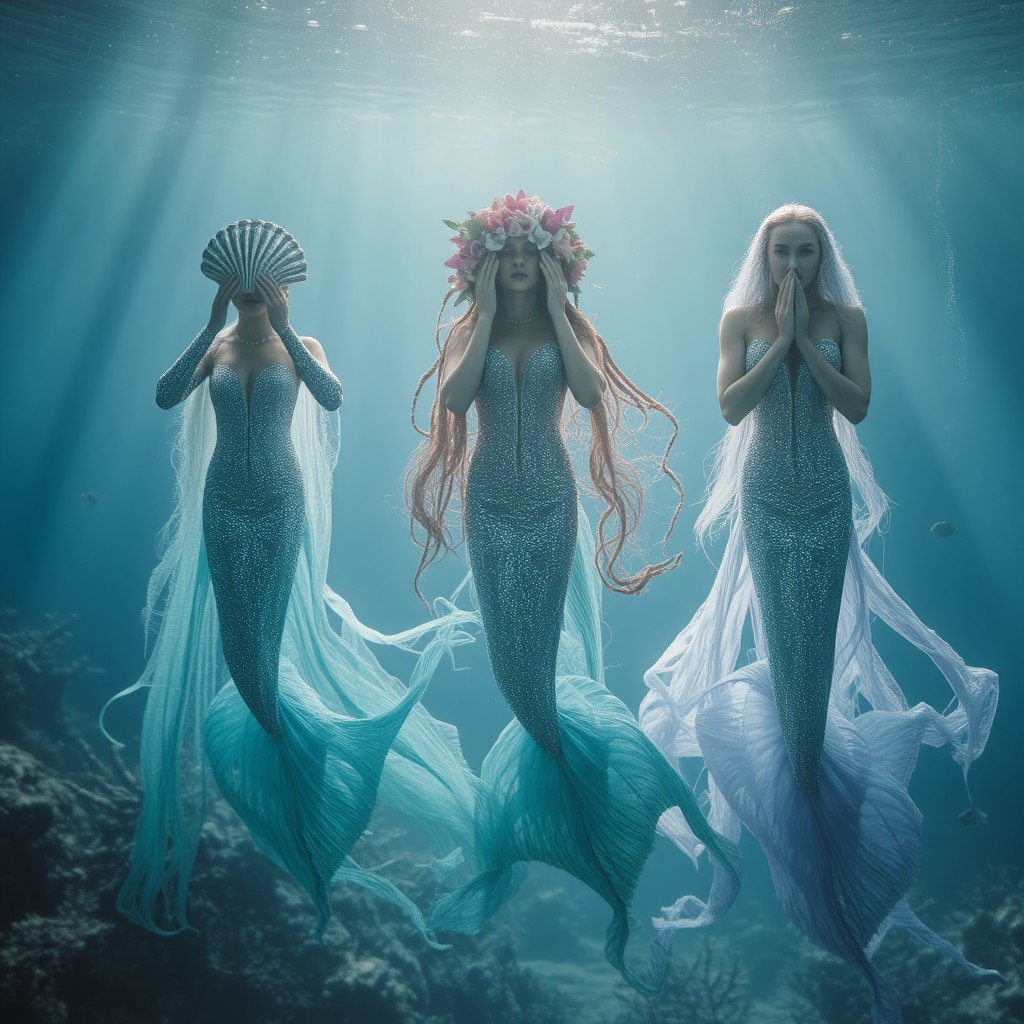
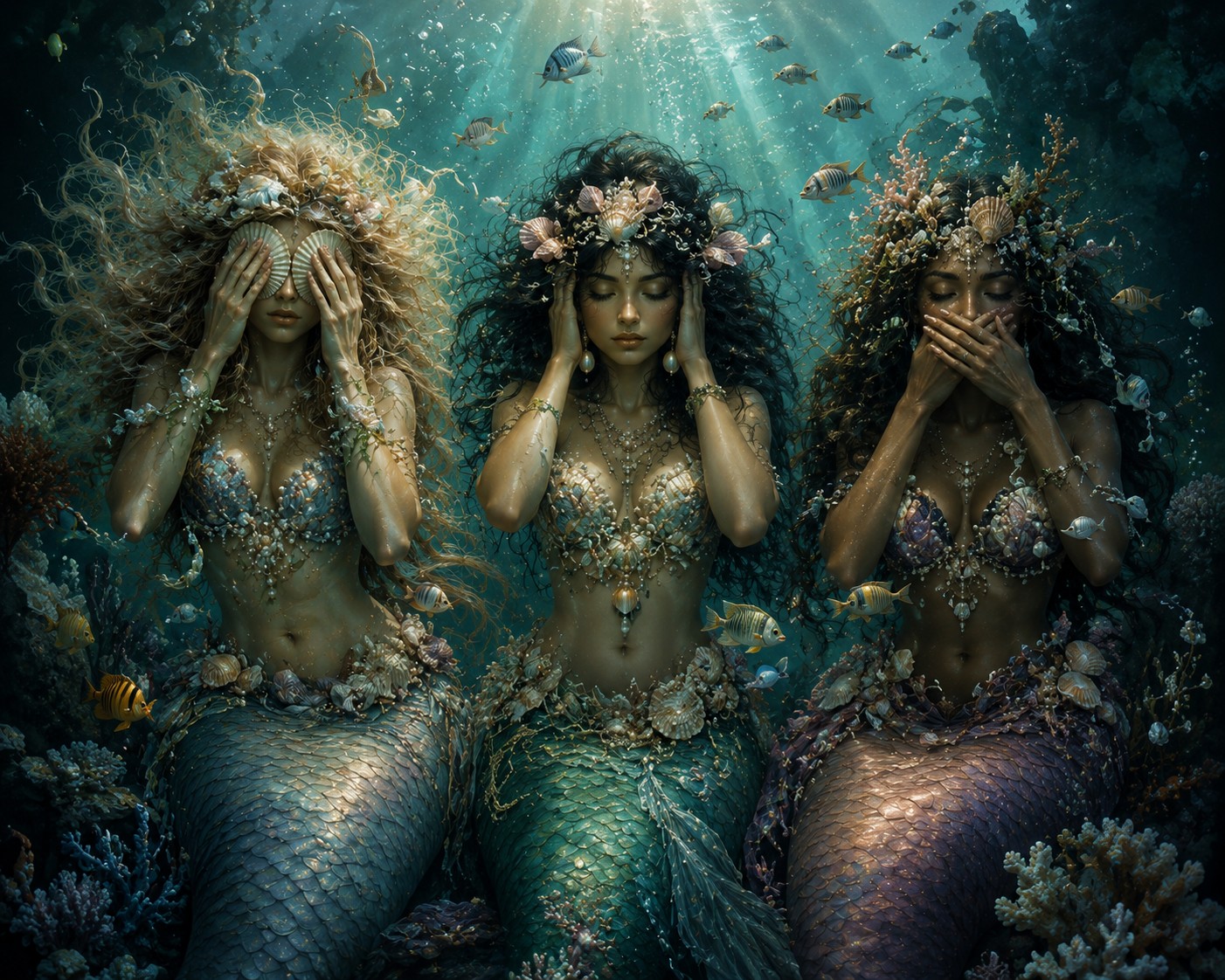
The first challenge of the week was “Hear no evil. See no evil. Speak no evil.” And it turned out to be tricky. The AI got very confused trying to put hands and items over three totally different areas (ears, eyes, and mouths.) I went with an underwater scene because I liked the idea of shells, seaweed, fish or something. It took a number of tries, but I was finally able to get a decent one.
6/22/26 “Mermaids: No Hear See Speak”
Image created by Rebekah Marshall’s prompt using AI on Gencraft.com website.
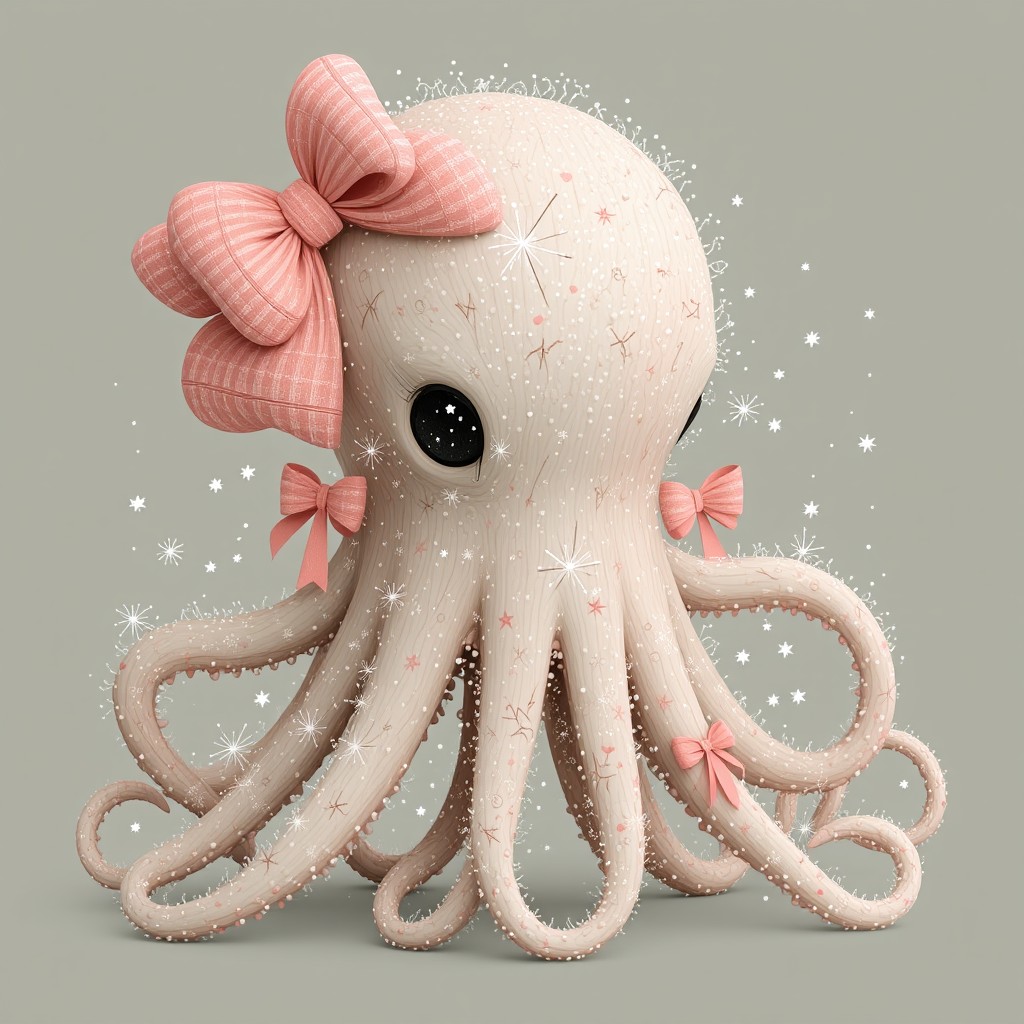
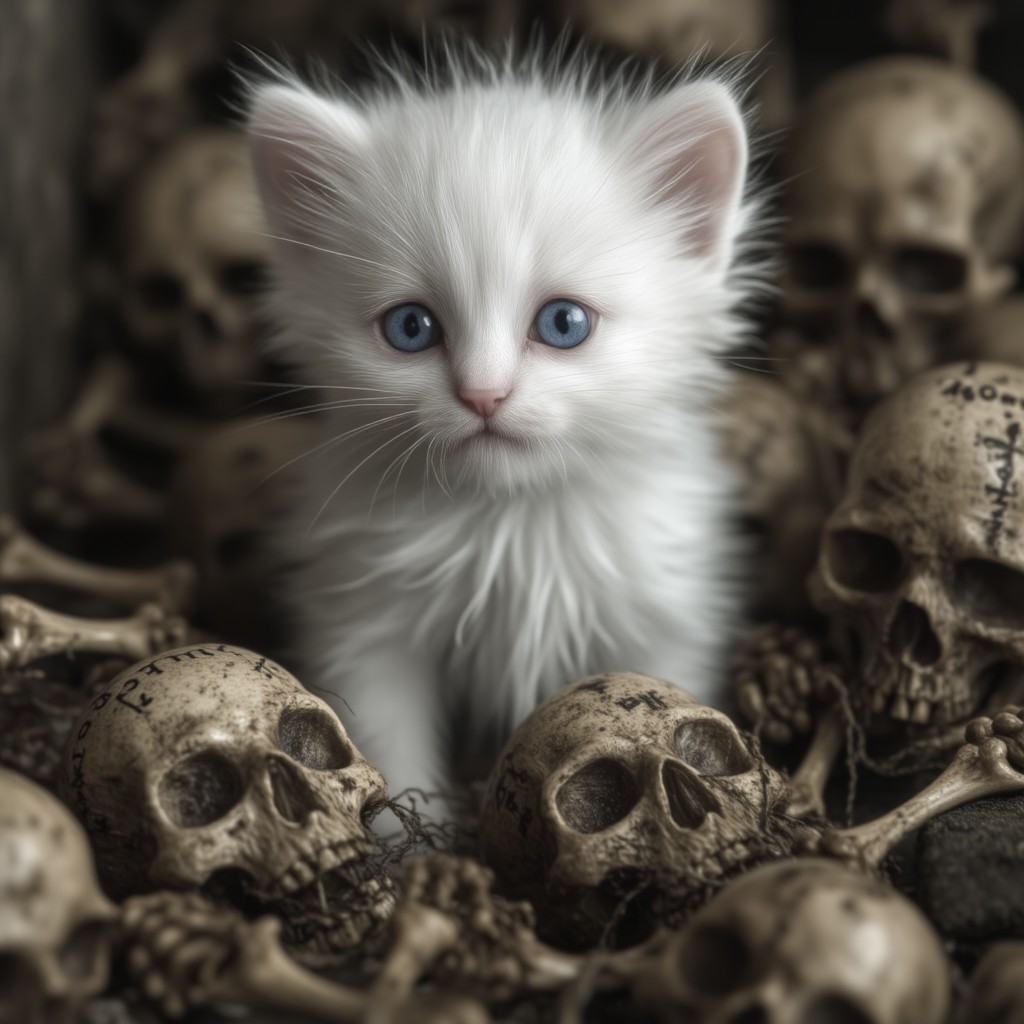
My mermaid image won! So it was my turn to create a challenge. I went with “Style Mismatch”, which is where the subject should contrast with the chosen style, model, or feel of the finished piece. For instance, Cathulhu using a sweet model like Olafs-Papilloria. Or a sweet little kitten using a dark model like Olafs-Graveborn. These are the two examples I shared.
6/23/26 “Cute Cathulhu” & “Kitten Graveborn”
Image created by Rebekah Marshall’s prompt using AI on Gencraft.com website.
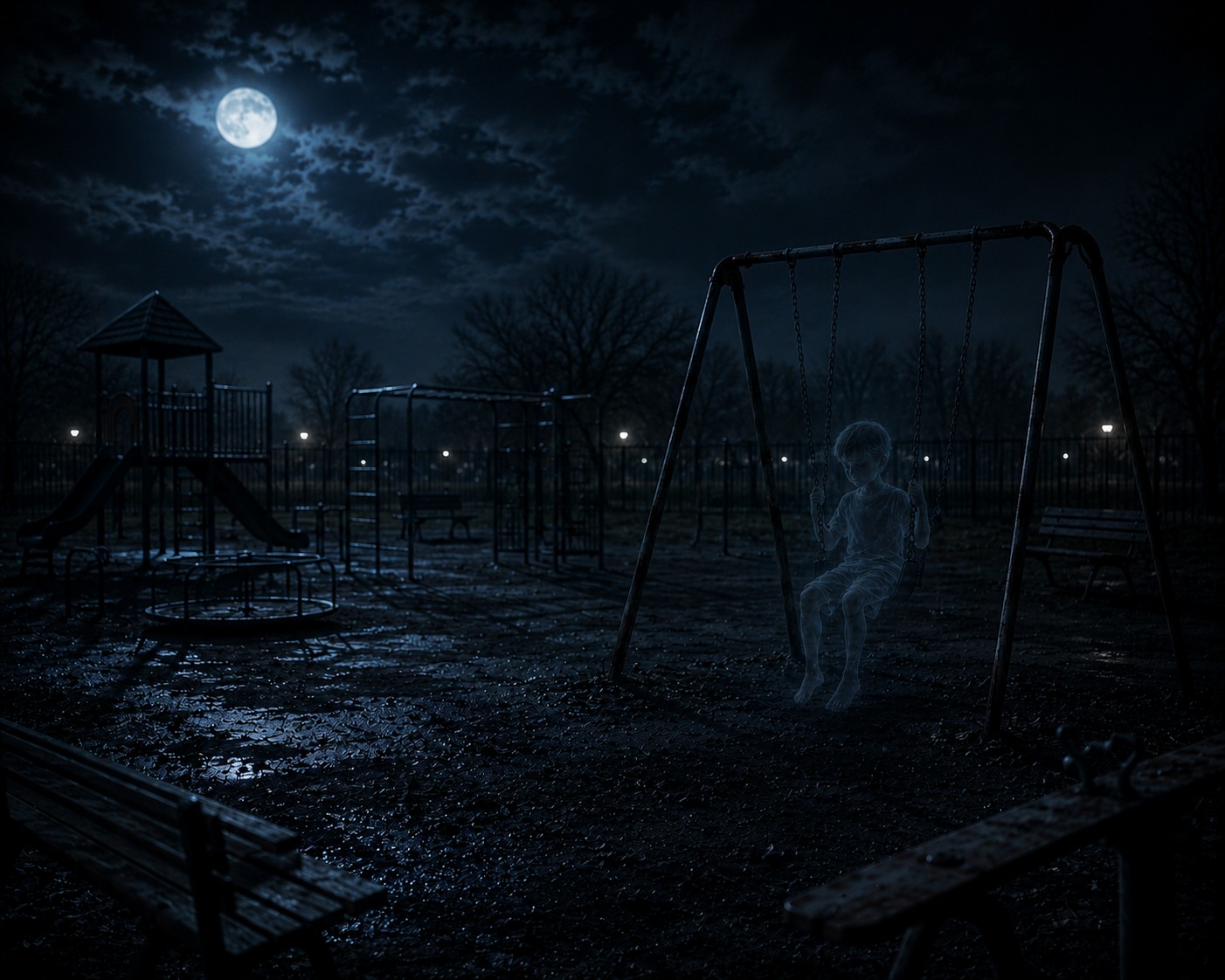
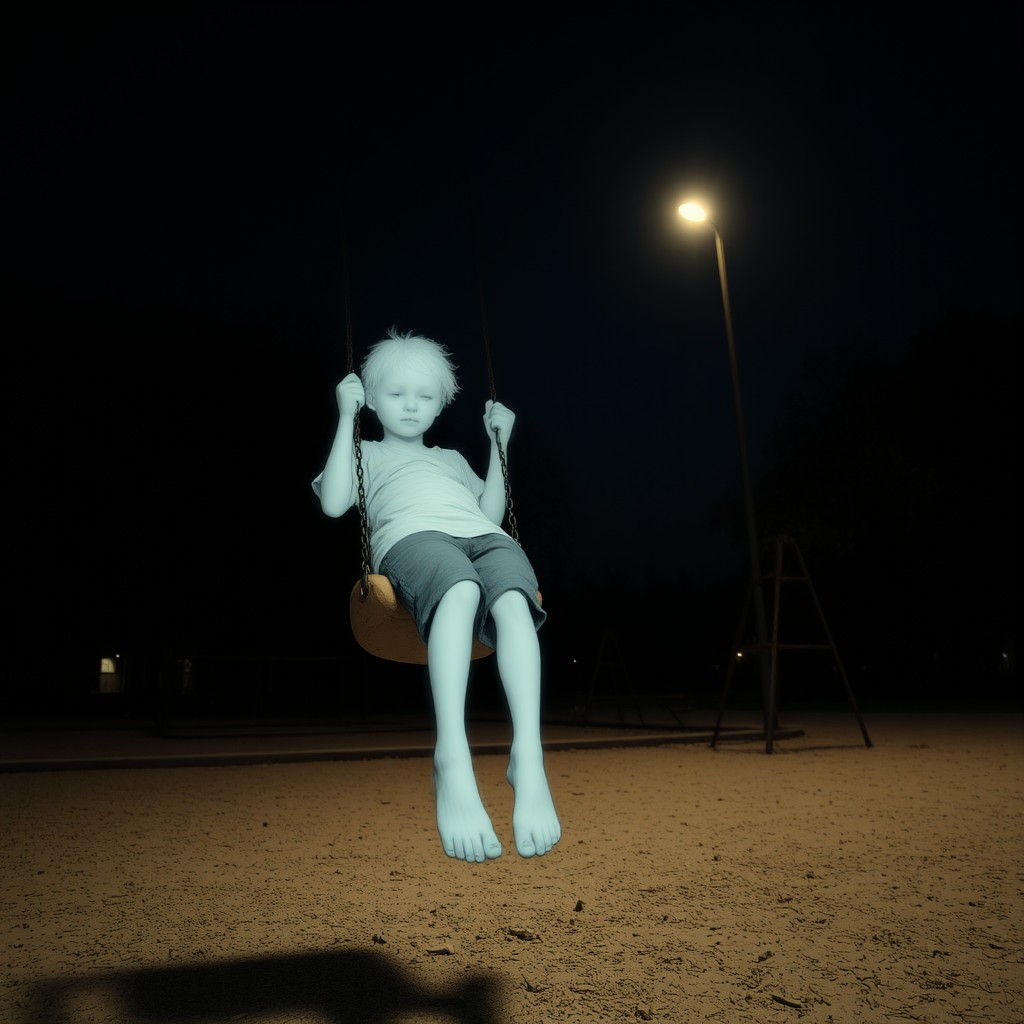
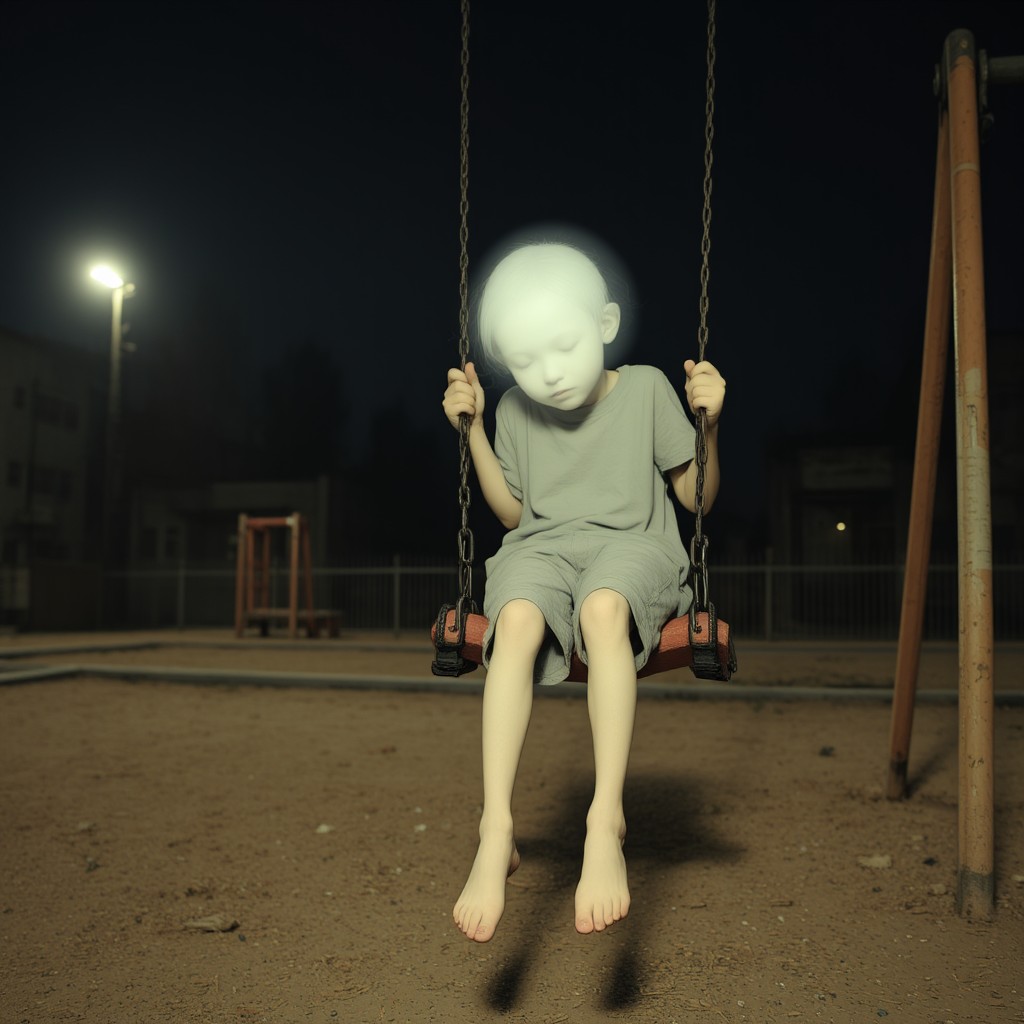
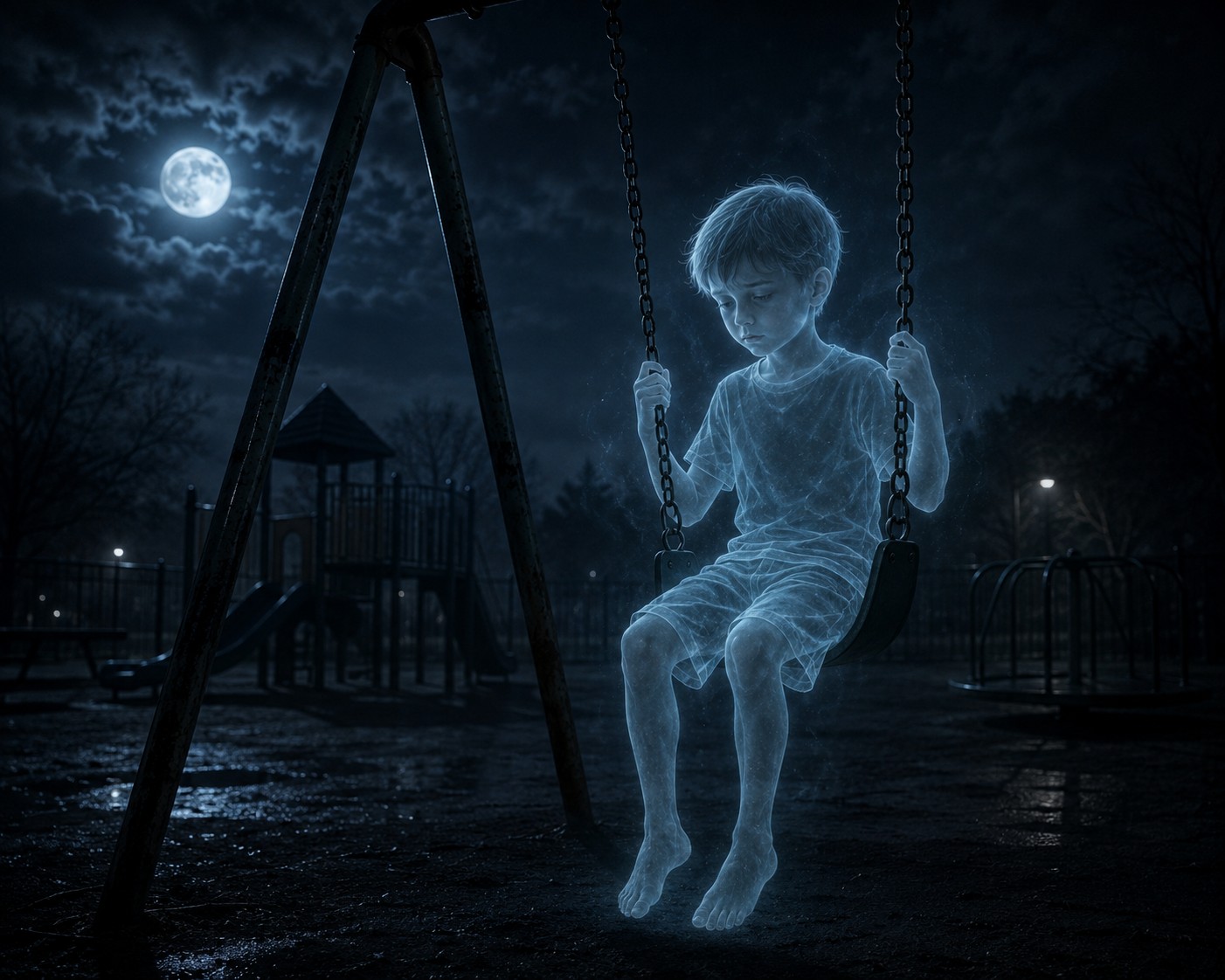
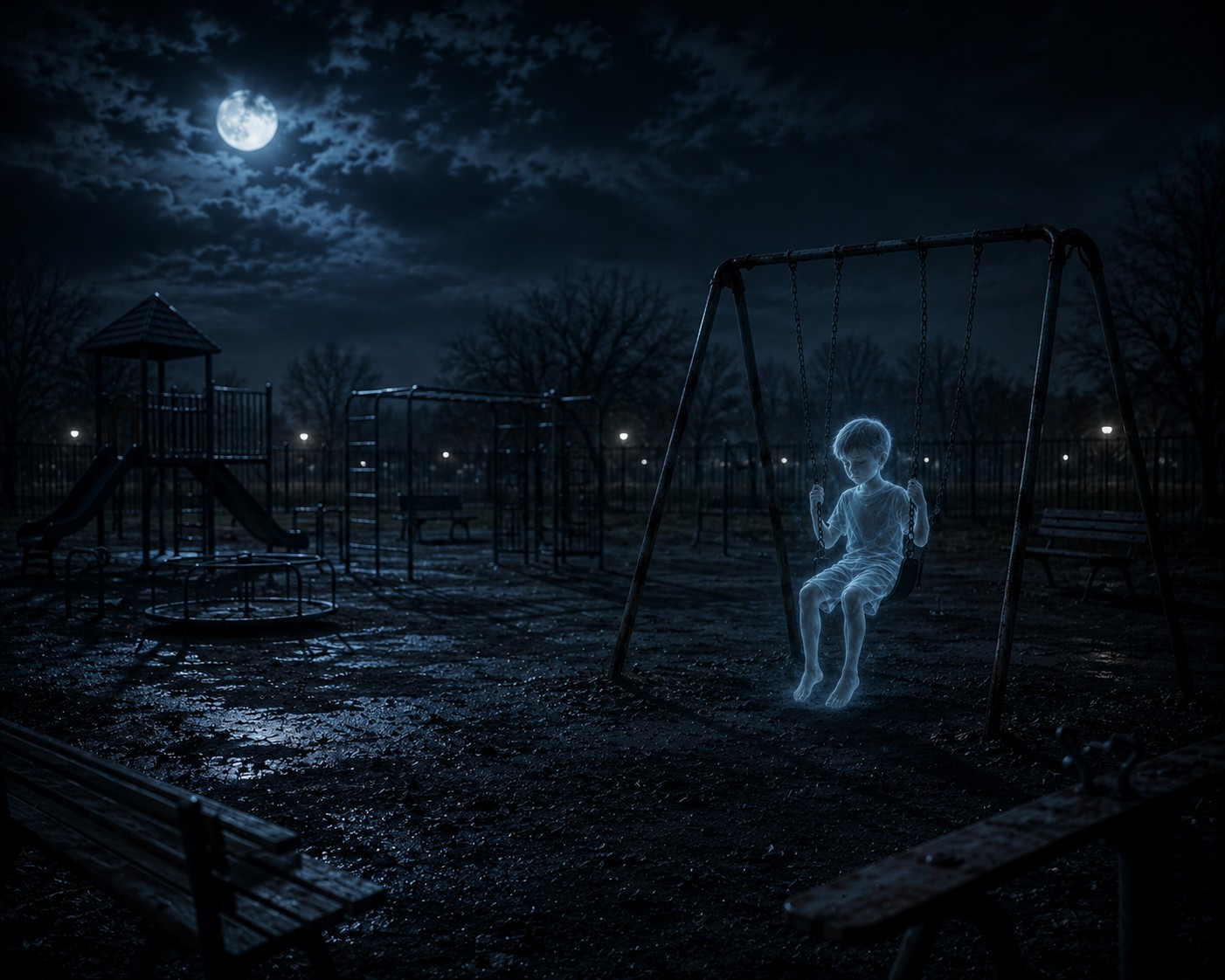
Everyone came up with really interesting ones. Then the next day we were challenged to the theme of “After Dark.” I went with a ghost child swinging on a playground late at night.
6/24/26 “Lonely Ghost Boy”
Image created by Rebekah Marshall’s prompt using AI on Gencraft.com website.
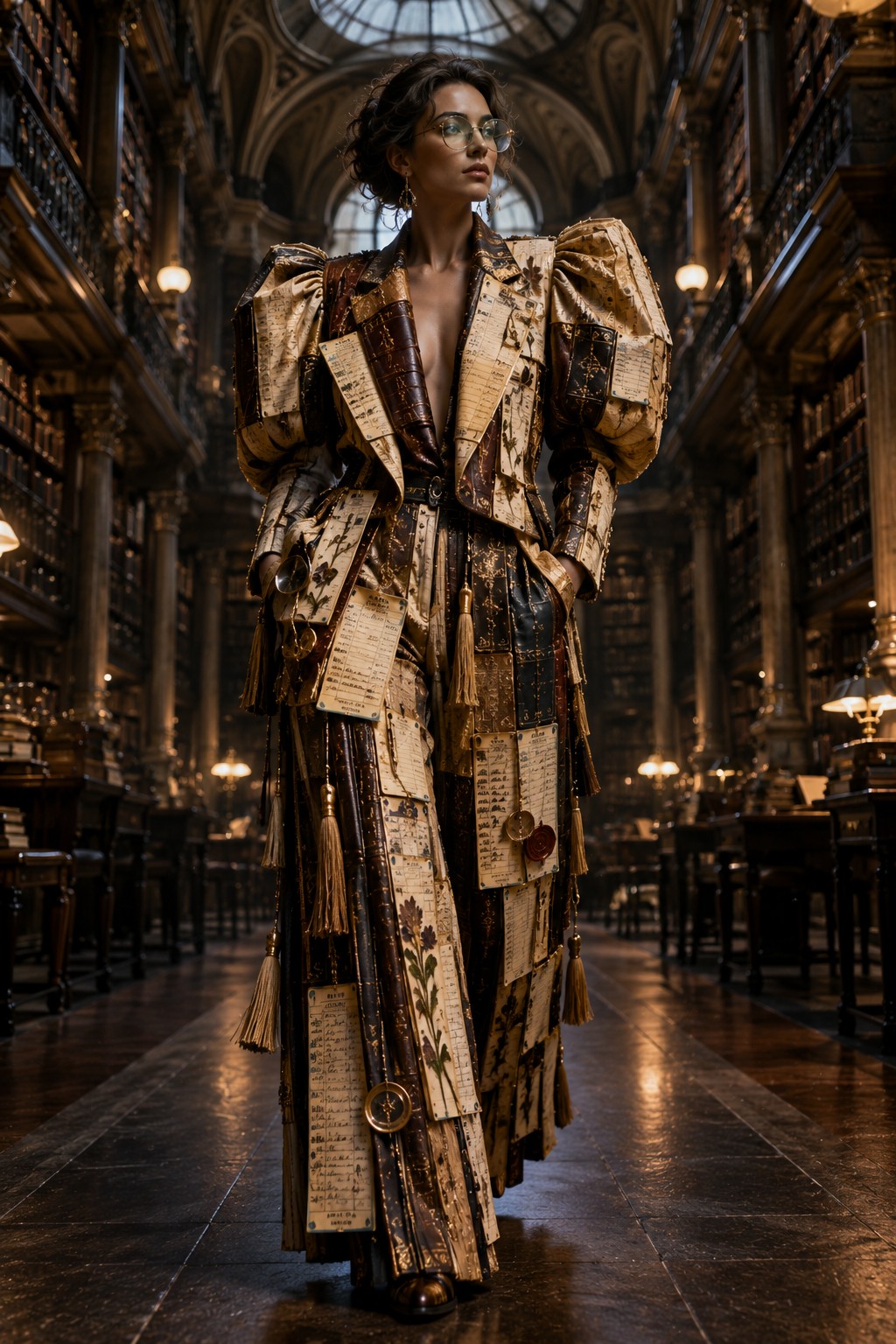
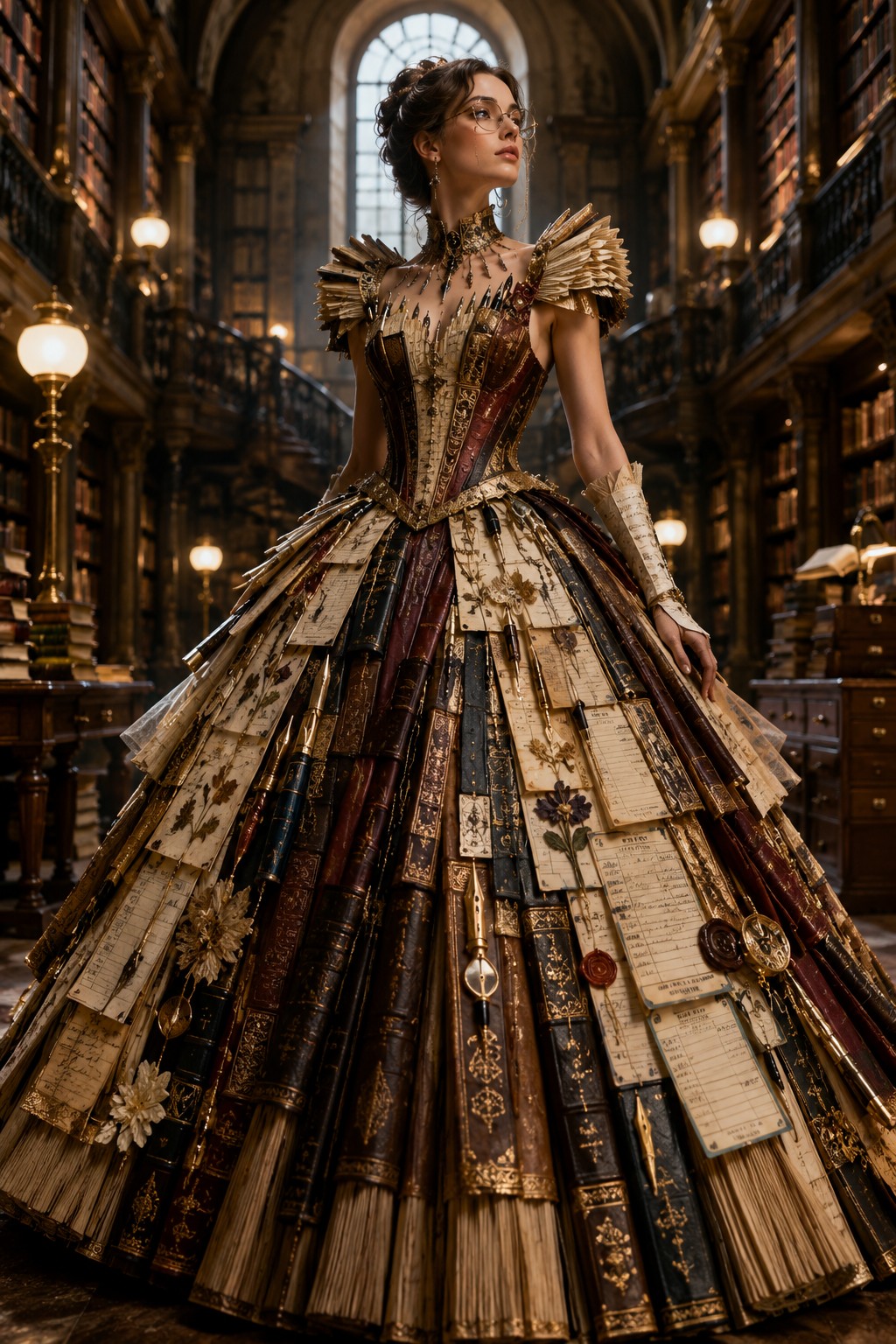
The next day’s challenge was called BALENCIAGA! We were supposed to creatae high fashion with an outfit made from something unexpected, like garbage bags or food. I went with a book theme.
6/25/26 “Book Couture”
Image created by Rebekah Marshall’s prompt using AI on ChatGPT.
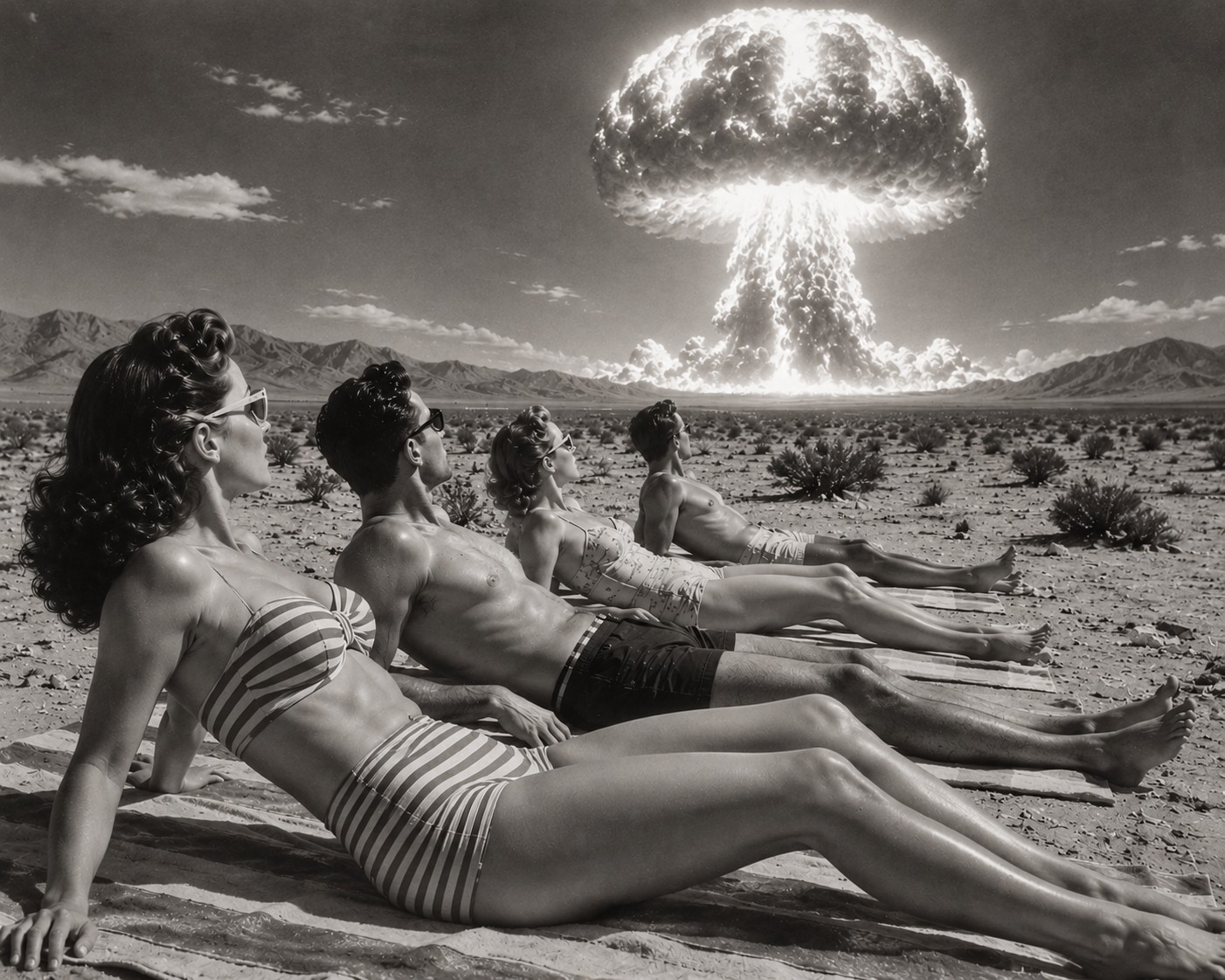
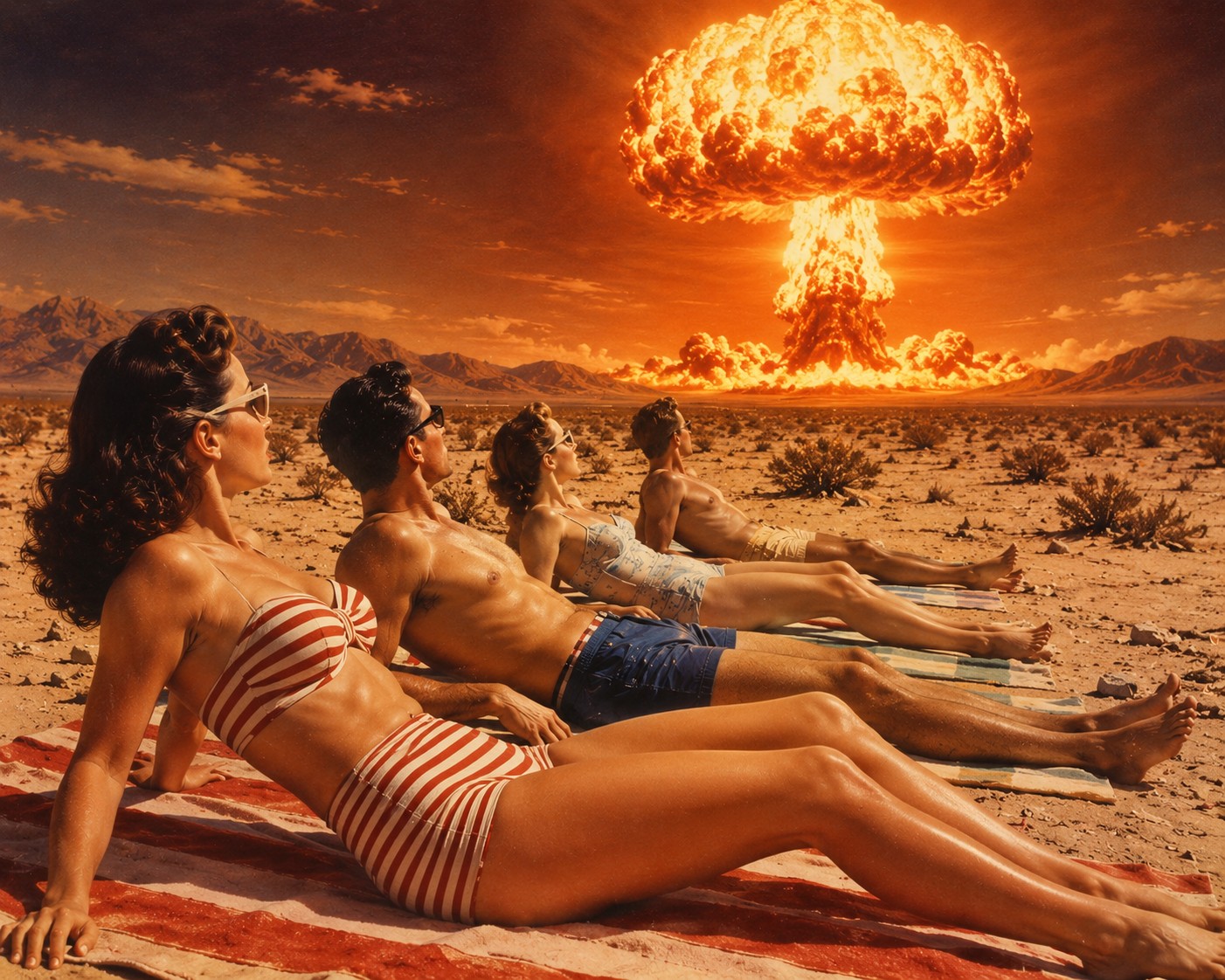
Next up was a vintage challenge that had elements of nostalgia, retro, pin-up, sepia, black-and-white, or similar concepts. Mine was great.
6/26/26 “Nuclear Tanning”
Image created by Rebekah Marshall’s prompt using AI on ChatGPT.
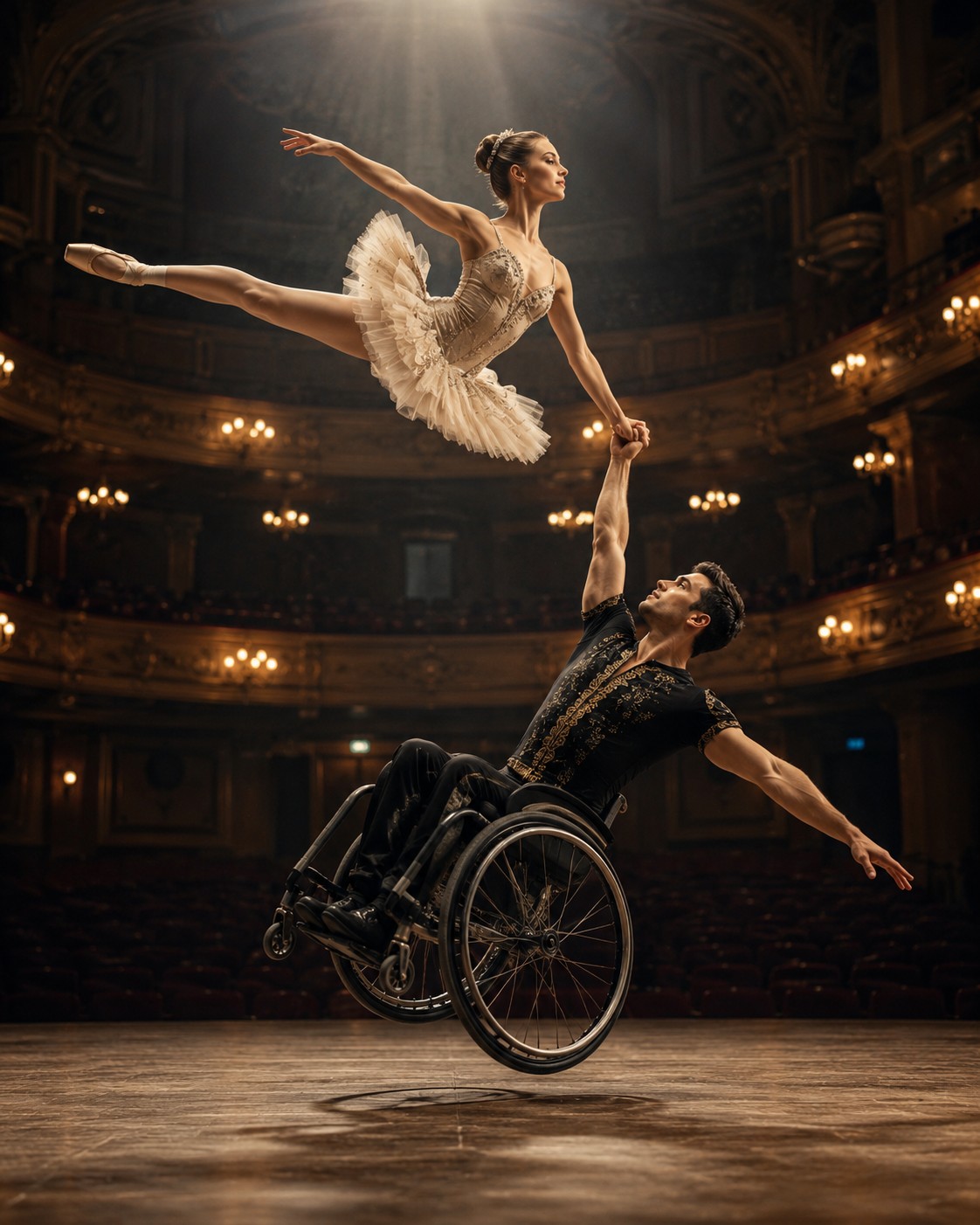
Mine won! It really was a good one. I was quite pleased with how it turned out. I got to create the next day’s idea. I chose the idea of an image featuring a being with a disability or an assistive device as a natural part of the scene. Wheelchairs, prosthetic limbs, canes, walkers, crutches, hearing aids, service animals, communication devices, adaptive sports equipment, and other accessibility tools are all welcome. The focus is on inclusion and of course must be respectful. Here was my example:
6/27/26 “Ballet Dancer”
Image created by Rebekah Marshall’s prompt using AI on ChatGPT.
And here are some of the honorable mentions that I did not submit, but still published on my art website:
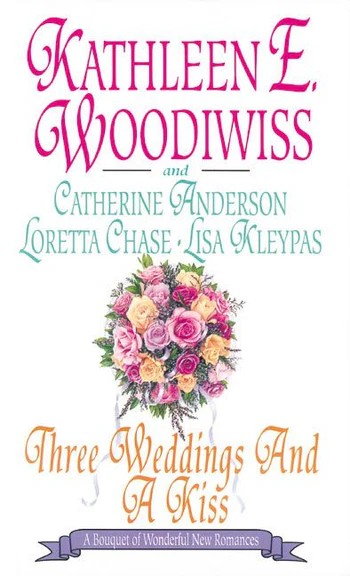
Set in a rural town in Oregon in the 1890s, Fancy Free by Catherine Anderson is a charming tale of hijinks gone wrong, misunderstandings galore, and a literal shotgun wedding that throws a nearly blind young lady into a household of eight males. In her attempts to keep her blindness hidden for fear of rejection, Rachel scorches the clothes, puts salt in the pies, and trips over everything, leading to many wacky scenarios. And just as true love seems to be blossoming, another woman arrives on the scene to throw a kink in the works. I quite enjoyed this novella and could totally see it as a successful film. I would watch it in a heartbeat.
The Mad Earl’s Bride by Loretta Chase
The novella The Mad Earl’s Bride by Loretta Chase was my favorite of the four stories in this collection. It is set in the late 1820s in Dartmoor, Devon, England, with the dangerous bogs of the open moors playing a part in the storyline. The story centers around a mother and son who seem to experience similar symptoms of a brain disorder that has no cure. The young heroine of the story is a medical student who will not give up on researching the problem and refuses to kowtow to the opinions of most of the medical experts of the day. Her open-minded, science-obsessed, driven nature makes her a perfect match for the man who has lost all hope of survival, let alone comfort or peace. The romance is fabulous, and the peak inside the medical world of the early 1820s is fascinating.
Promises by Lisa Kleypas
I dedicated an entire review to this novella set in London because it went with the cannon of stories I was reading in The Gamblers of Craven’s Series. See “Promises (Novella Review)” for full details.
The Kiss by Kathleen E. Woodiwiss
This is the shortest of the four novellas in the book and by far the most unsettling. This one takes place near Charleston, South Carolina, around the turn of the 19th century, and addresses themes of human trafficking. A 19-year-old woman from London is being sold by her good-for-nothing uncle to some sleazy older man and escapes long enough to run into a tall, handsome, rich stranger, who just happens to be a very eligible bachelor. You can imagine where the story goes from here. Black servants in the home are mentioned, and the author makes a terrible attempt at dialect. There might be a reason this book is out of print. I will say that there is some good chemistry between the characters. I would not have chosen to end with this novella, but no one asked for my input.
Anderson, Catherine; Chase, Loretta; Kleypas, Lisa; Woodiwiss, Kathleen E., Three Weddings And A Kiss, Avon Books, 1995.
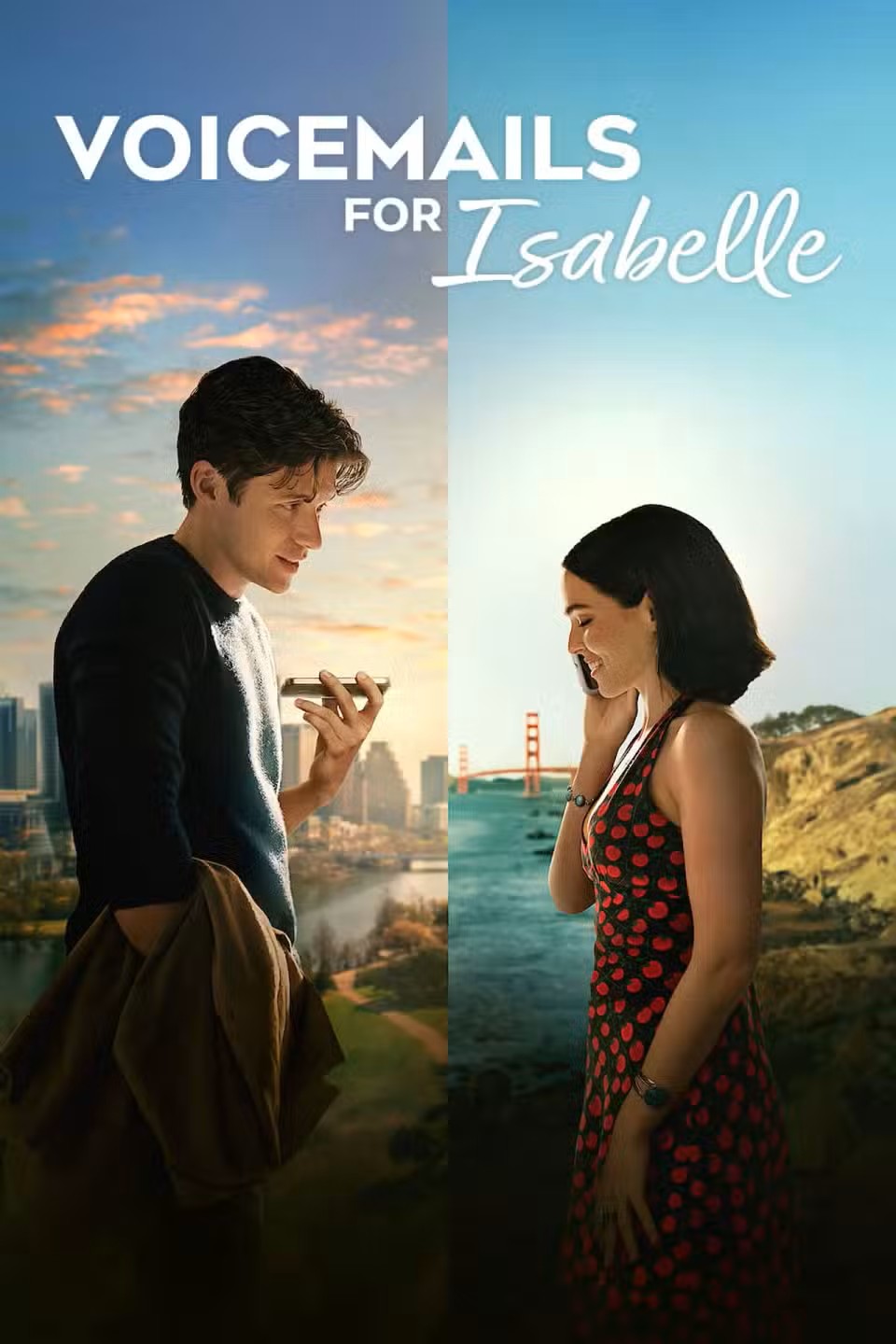
I just watched Voicemails for Isabelle on Netflix and have never cried so hard in the first 15 minutes of a movie in my life. I fell in love with all the characters immediately, loved that it was set in Austin, TX and San Francisco, CA, and was shocked by the quality of the entire project. The close relationship between the two sisters and the big question of how to keep living when you lose your heart drives the entire movie. But, yes, it is still a romantic comedy. Dramady, I suppose. You can’t use up an entire box of tissues and it only be a comedy. And it hits all the right notes: music, food, pop culture references, filming, scenery, dialogue, dance parties, romance, family, friends, wedding speeches, grief, loss, women standing together, etc.
The main character, Jill, is quirky, funny, raw, and honest in a way that is both endearing and admirable. And every single side character in the movie steals their scene in the best of ways. The “bad guys” are hilariously bad. The “best friends” are the best best friends a person could ask for. Even the incidental tour guide on screen for a few seconds leaves a lasting so-funny impression. Ok, maybe I just needed this movie at this moment in time and I’ll go back and watch it later much less impressed. But on this day, in my current state of mind, I was pleasantly surprised to find a fresh, real, heartbreakingly sweet movie filled with actors I mostly did not recognize (except for a few side characters) with a happy ending that also made me cry.
100% recommend.
p.s. There is a secret reason it made me think of my sister Robyn that you’ll have to watch to figure out.
McKendrick, Leah. Voicemails for Isabelle, Sony Pictures, Escape Artists, Netflix, 2026.
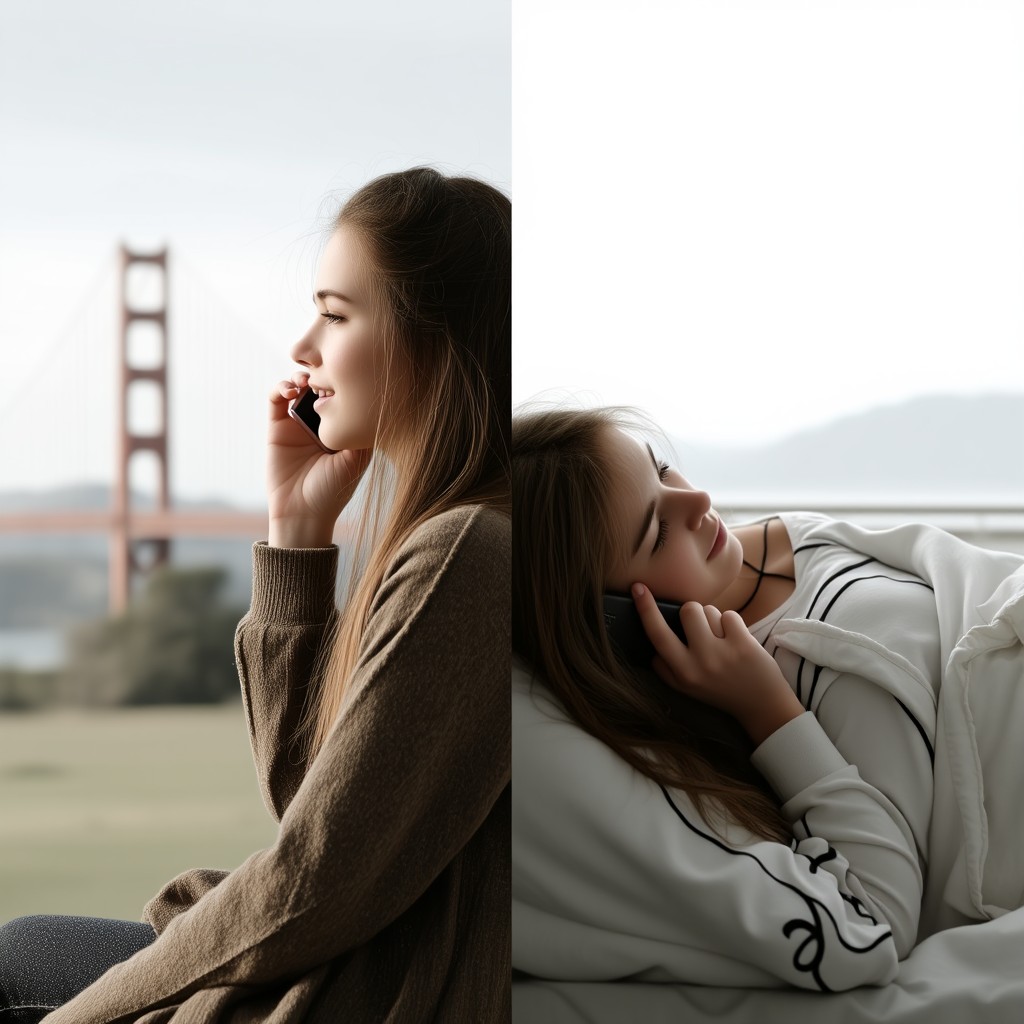
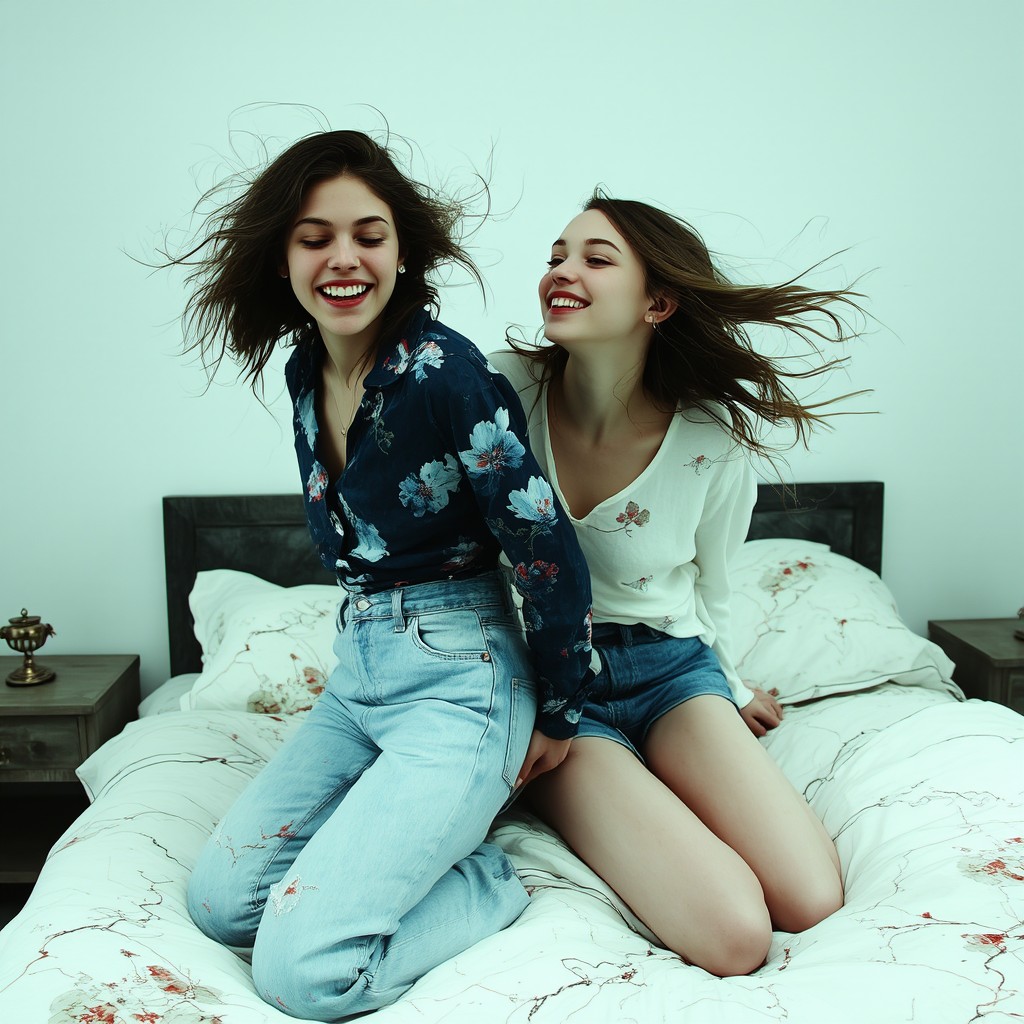
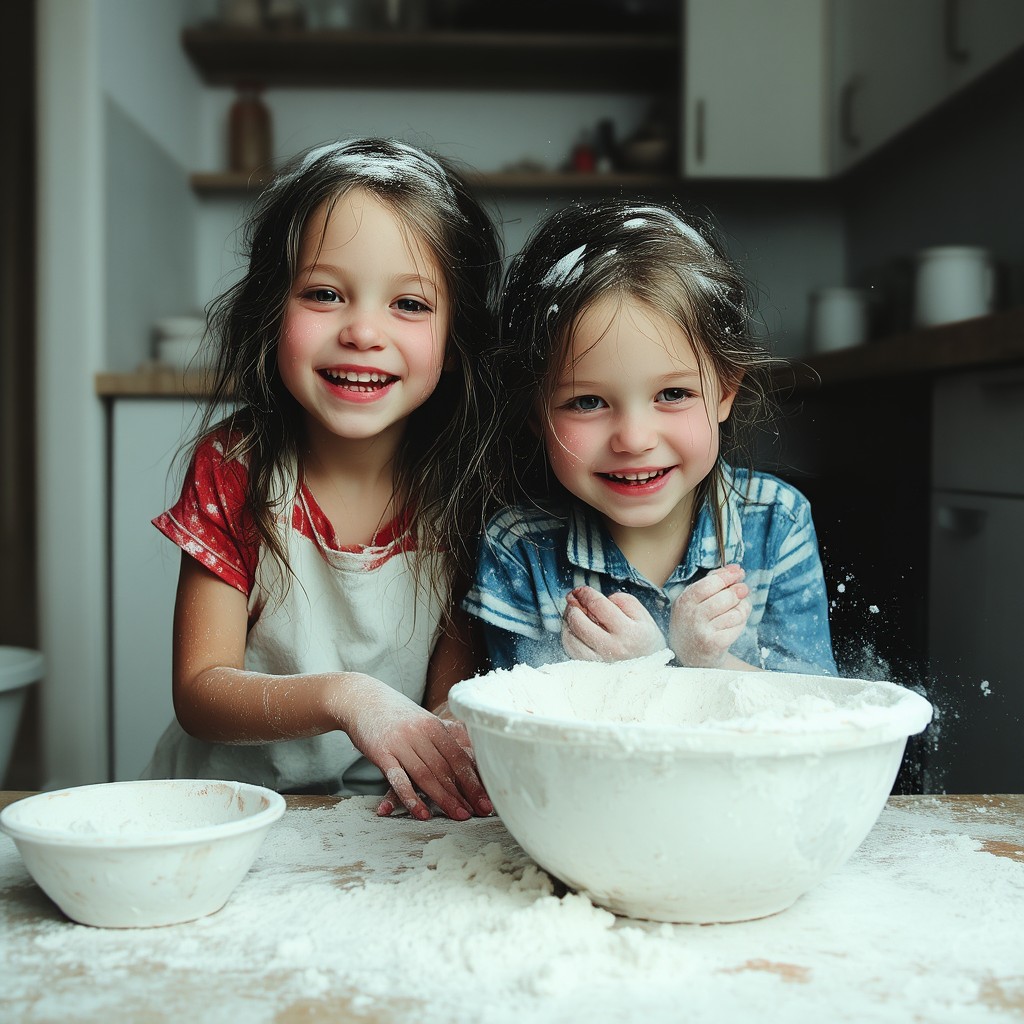
All but the movie poster made on Gencraft by Rebekah Marshall.
This image is a collaboration between Rebekah Marshall & Lyra (my ChatGPT assistant.)
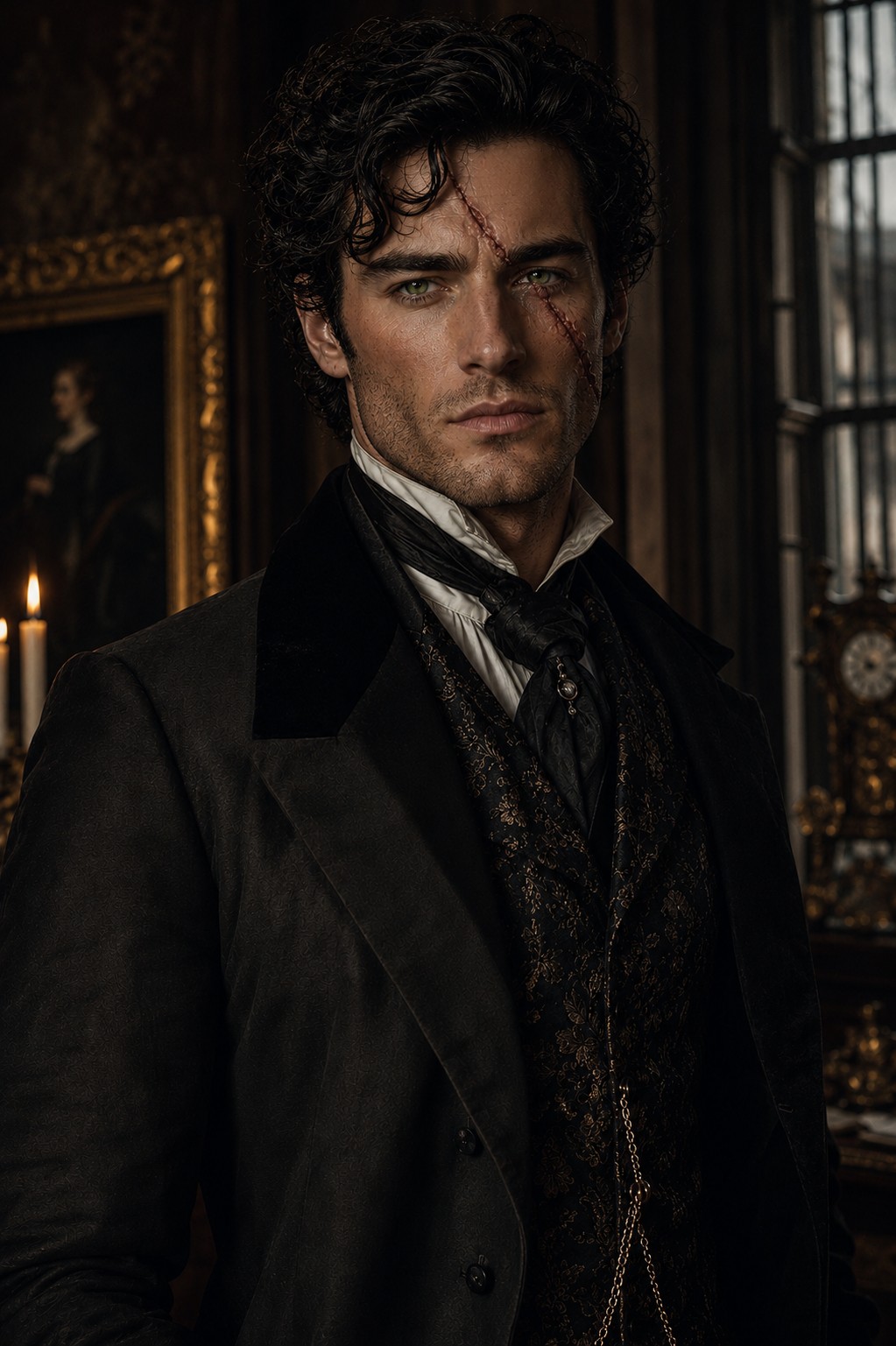
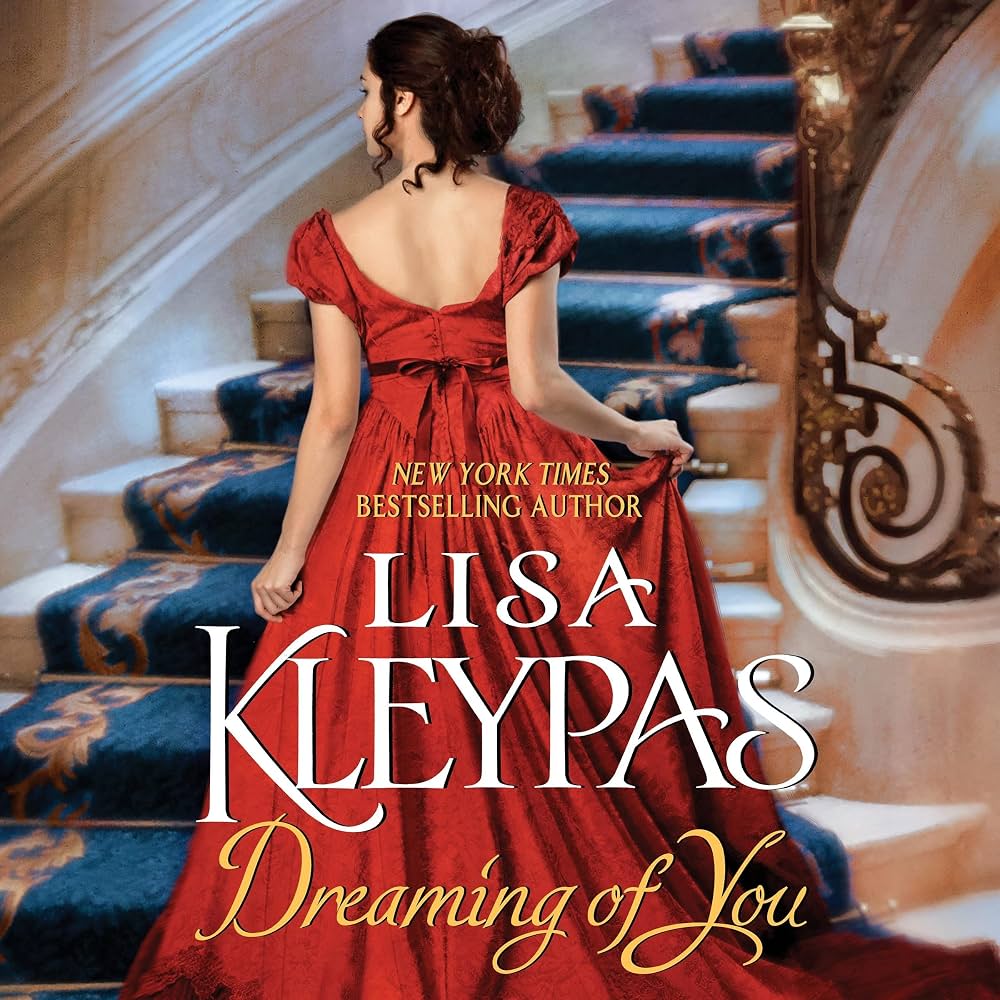
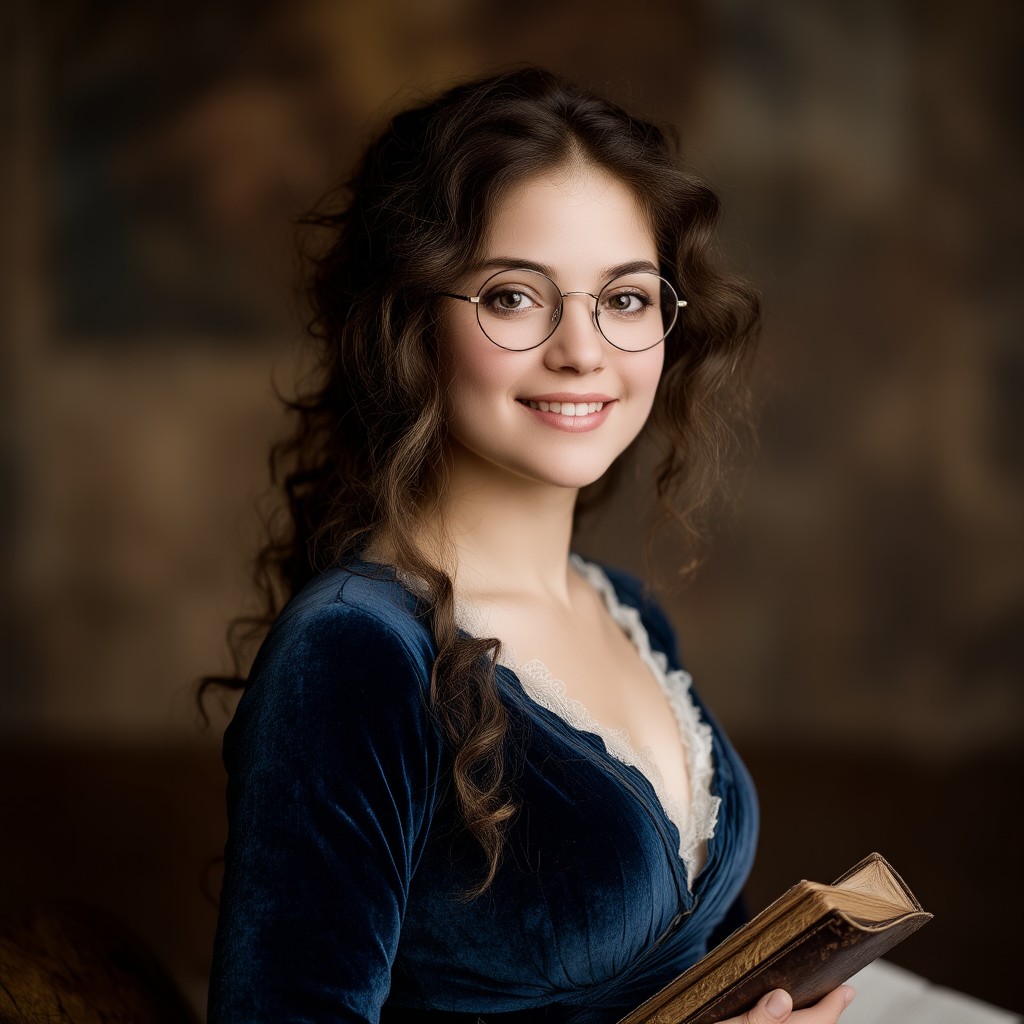
The hero of Dreaming of You by Lisa Kleypas is one of the most refreshing characters I’ve met in a long while. She is honest, kind, straightforward, and spunky. She knows her world view is limited and narrow and is trying to do something about it. She doesn’t play games, leave words unspoken, or have any regrets whatsoever. It is unusual to find a character completely lacking in guile that is both enjoyable and still has room to grow. Sara Rose is charming and innocent, lacking the vices of many in the seedy underbelly of London, who she has come to “research.” She is a writer bent on shedding light on the less fortunate and has earned a bit of fame for a novel called Mathilda about a prostitute.
Her entanglement with the owner of a gambling establishment begins a cascade of events that are certain to broaden her perspectives and maybe even teach her a thing or two about love. She finds herself at the center of a murder, kidnapping, a riot, secret passageways, danger, sexual assault, stalking, multiple engagements, scandal, and new friendships. Her courage in the face of such dramatic changes, and the way she stays true to herself and her heart, make this a poignant story of love and feminism way ahead of its time. Set in 1825, this regency era novel is a true delight and a satisfying sequel to Then Came You.
Kleypas, Lisa. Dreaming of You, Avon Books, 1994.
image created by Rebekah Marshall’s prompt using AI on Gencraft.com website.
All images created by Rebekah Marshall’s prompts using AI on Gencraft.com website.
I am reading Hafiz’s Little Book of Life, poetry by Hafiz-e Shirazi. He is challenging me to become more comfortable with ambiguity. I will share his poem and some of my thoughts on his poem (sometimes with the help of experts when the concepts are too hard for me), followed by a poem and some art inspired by his poem.
Hafiz’s Poem 42:
Doing good work There’s no room For hesitation
Some thoughts:
I like the simplicity of this poem. It reminds me of the AA saying to do the next right thing or do the next thing right. If there is work to be done, do it. Don’t procrastinate, let fear stand in the way, second-guess yourself, doubt. Do what needs to be done, whatever that may be. Create that piece of art, write that song, clean that closet, give that gift, send that letter, make that phone call, speak that kindness. There is no point delaying the goodness that can flow from the blessing you can be.
My Poem 42:
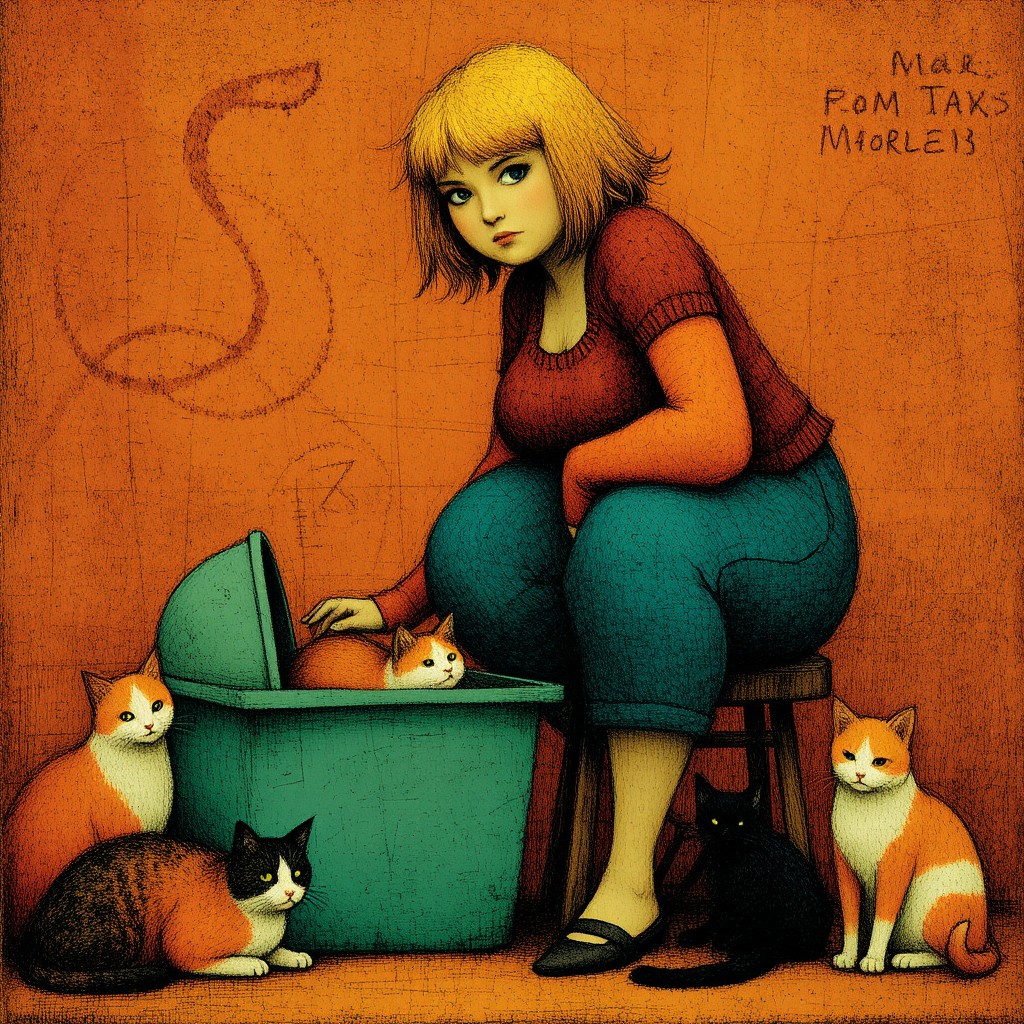
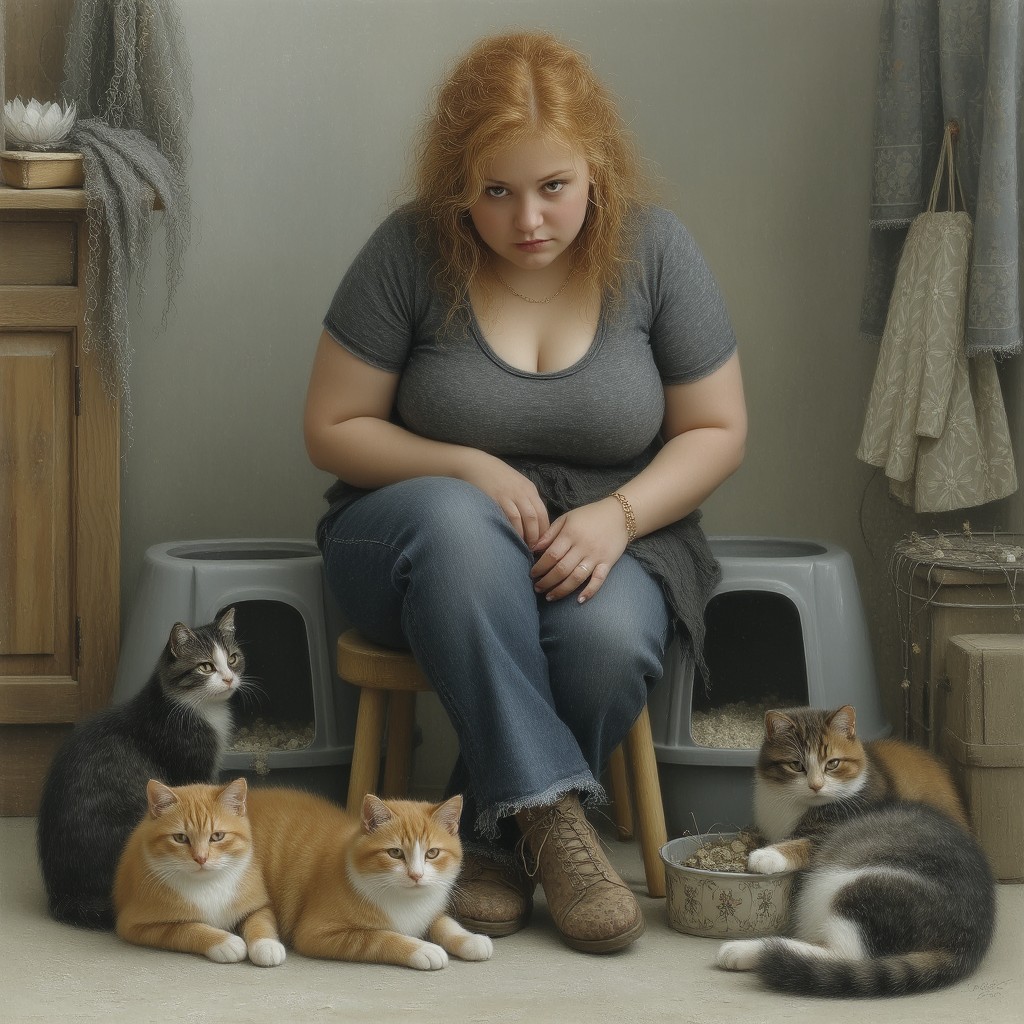
Cleaning the cat box should not require such extreme exertion of will, but I find myself psyching current me up with pep talks, giving little motivational speeches, calling my own name in my mind, reminding present me that future me will be grateful the chore is done.
Hafiz. Hafiz’s Little Book of Life. Translated by Erfan Mojib and Gary Gach, Hampton Roads Publishing, 2023.