Tag Archives: recovery

Wheelchair 1

Image created by Rebekah Marshall’s prompt using AI on Gencraft.

9 plastic spokes radiate from the center of

23-inch diameter fixed-position wheels

solid Urethane black tires worn to the rim

handrims, breaks, bearings, black steel, bolts

black vinyl handle grips with finger indentations

7-inch rotating wheels, axles, nuts, forks

padded vinyl arm rests, spacers, screws

blue vinyl seat, pillow to cushion the ride                                

A Court of Frost and Starlight (ACOTAR Book Review 4)   

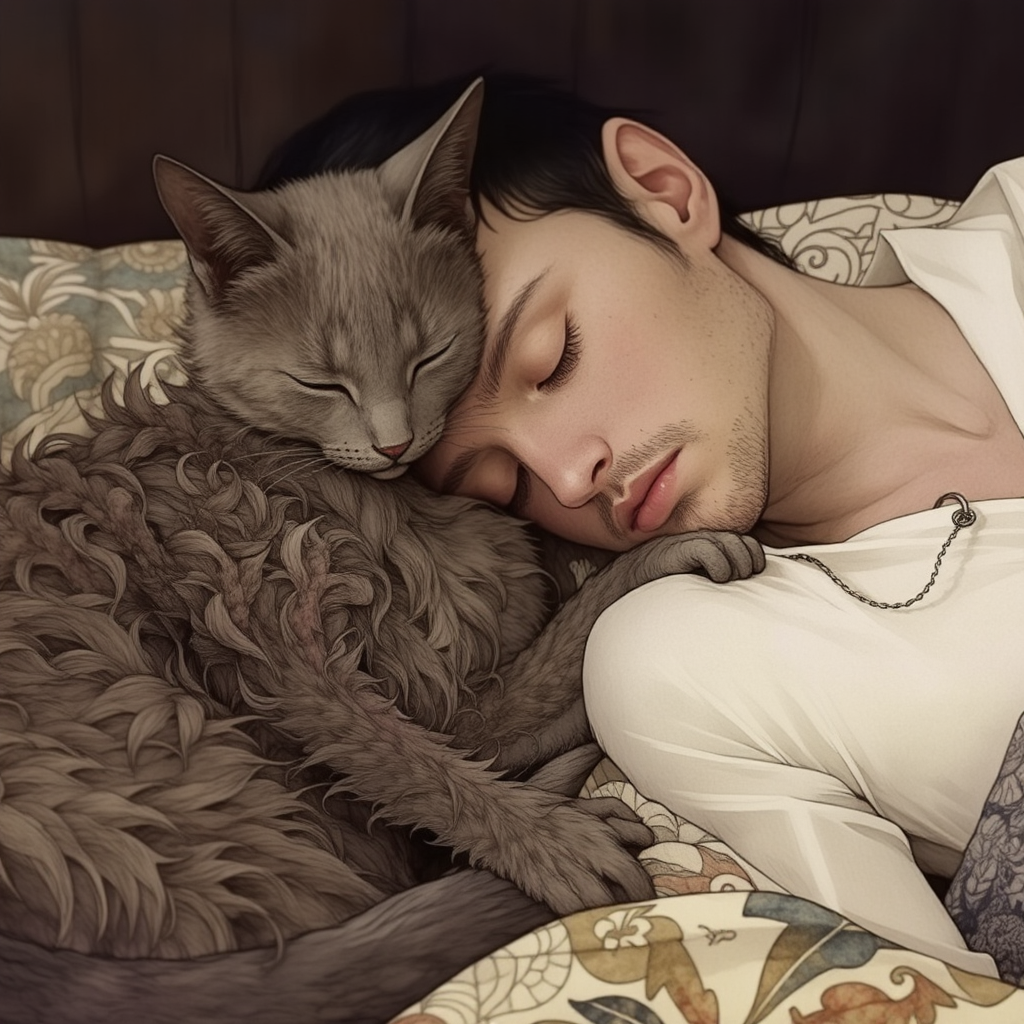
Image created by Rebekah Marshall’s prompt using AI on Gencraft.

WARNING – SPOILERS

A Court of Frost & Starlight, the 4th book in the ACOTAR series is a lovely, little, short novel wrapping up the last remaining threads of Feyre’s transformation. It focuses on her trying on her new role as High Lady and true partner to her love and delves into the parts of her that have been neglected because of war and survival. A key aspect is her art and desire to create, share her creativity, and understand creation as vital to her fulfillment.  

It is a peak into homelife, an intimate Winter Solstice celebration, growth and blossoming of friendships, Mor’s self-realizations, and one of Feyre’s sisters suffering from emotional turmoil that gets totally out of hand. Interestingly, different voices begin to emerge. There are portions of the book from the perspectives of Rhysand, Cassian, Nesta, and Mor. The majority are in Feyre’s voice, but it is a nice change experiencing the inner thoughts of some of her loved ones.

This felt like a pause before a storm, a much-needed rest after the war and carnage of the 3rd book. I was disappointed that it was so short, as I wanted to learn more about all the members of the team & family. But book 4 is appropriately long, so I look forward to diving into that one immediately.

Maas, Sarah J. A Court of Frost and Starlight. Bloomsbury Publishing, 2018.

Reflections on The Woman Warrior by Maxine Hong Kingston

TRIGGER WARNING: This essay discusses patriarchal oppression, gender-based violence and punishment, sexual shaming, social ostracism, and cultural trauma. These topics are examined in a literary and analytical context.

The Woman Warrior by Maxine Hong Kingston paints a picture of harsh expectations placed upon Chinese/Chinese American women. Though the narrator rejects some of the notions and attempts to forge her own path, she still feels duty-bound to uphold some of the traditions. Each section of the book focuses on a different woman and explores the expectations placed upon her specific to the time and place where that portion of the story is set.

For instance, No Name Woman lives in a village in China early in the 20th Century. She is expected to remain “pure” (no sex) until her husband’s return from war. Her sexual desires are not a consideration and her ensuing pregnancy is punished by shaming the family and destroying their crops, livestock, and stored foods. The family then disowns her and never speaks her name again, ensuring she would “suffer forever, even after death” (16). There is no mention of the man who must have impregnated her on the part of the villagers or her family. She must bear the full weight of the “crime” of having sex and becoming pregnant.

Fa-Mulan in the “White Tigers” section of the book becomes the greatest hero in the land saving her family, her village, and her country from evil rulers. She is a warrior, savior, and leader who has trained for 14 years to become the best hero possible. Yet, once her mission ends, she is expected to return to the “appropriate” role of wife, daughter-in-law, mother. There is no option for leadership in her world. This character is thought to have lived sometime around the year 500 in China. Women were not supposed to use their brains or their brawn, except in service to men. Any woman who attempted to pass as male enter the military or school would be executed, “no matter how bravely they fought or how high they scored on the examinations” (19).

The “Shaman” section about Brave Orchid shows the variety of domestic expectations placed on Chinese women. Brave Orchid lives the first half of her life in China and the second half in America spanning the 20th Century. She works as a medical practitioner in China and then in the family laundry business in America. Besides working long hours, she picks tomatoes as a part-time job to make more money, does all the cooking and cleaning, and manages all aspects of the household. She is also expected to carry on the traditions of the culture by keeping the rituals, ceremonies, and talk story alive so that it will pass on to the next generation. She must also protect everyone’s souls by calling them back when they have forgotten their way home. Brave Orchid’s eyes fill with tears as she tells her adult daughter, “I work so hard” (103). Chinese women are unrealistically expected to do more than their fair share of the work.        

The section “At the Western Palace” highlights the way Chinese women in the past had little power in marital situations. Their partners were chosen for them and husbands might take multiple wives. The women were expected to tolerate and support these traditions without question. When Moon Orchid comes to America in the 1950’s, she is confronted by a different reality in which women have more rights and her husband rejects their marriage. She is expected to accept his continued financial support without living as his wife. Chinese American women seem to still have parents attempting to meddle with selecting their potential suitors according to the narrator.

In the final section “A Song For a Barbarian Reed Pipe” the narrator implies that a “good” Chinese American girl in America in the 1950’s should be able to speak fluent English and Chinese. She should attend Chinese school and American school. It is an interesting note that “good manners…is the same word as traditions” in Chinese (171). To please the Chinese, she should be obedient and demure, soft-spoken, and graceful, domestically competent – able to cook, clean, serve, and heal, and pleasant in interactions while not making eye contact, use opposites to confuse evil spirits, keep all Chinese traditions, send money to family members in China, lie to Americans so no one can trap her or deport her or trick her somehow, and remember that men are valued more highly than women. To please the Americans, she should be assertive and firm of voice, intelligent, sexy, able to defend herself, and independent making strong eye contact, speaking from a place of science and logic rather than any mention of evil spirits, creating a comfortable lifestyle that is America-focused, be a patriot, and believe that women and men are equal. A Chinese American woman is expected to do all of this and figure out how to be healthy, happy, and prosperous without driving herself crazy over the paradoxes such disparate expectations create. 

Works Cited

Kingston, Maxine. The Woman Warrior – Memoirs of a Girlhood Among Ghosts. Vintage Books, New York, 1975.

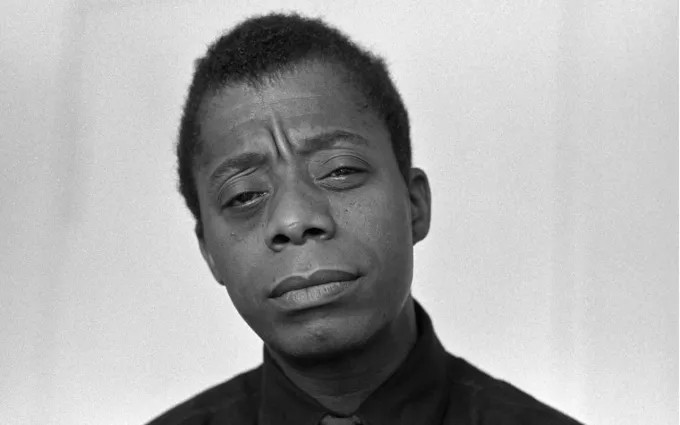
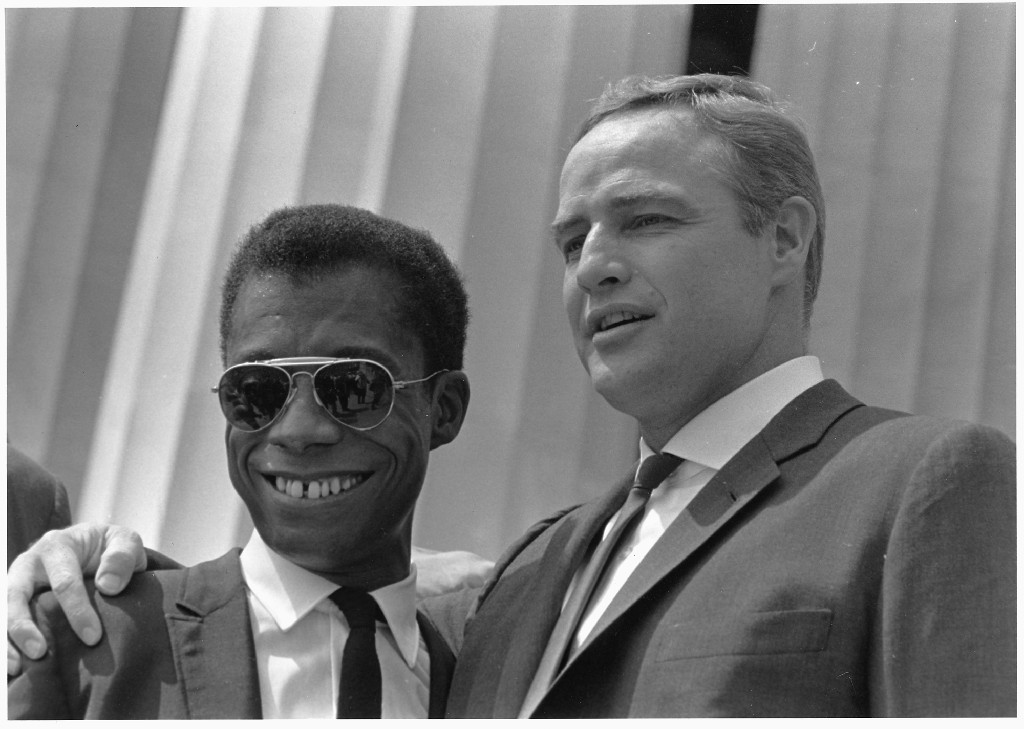
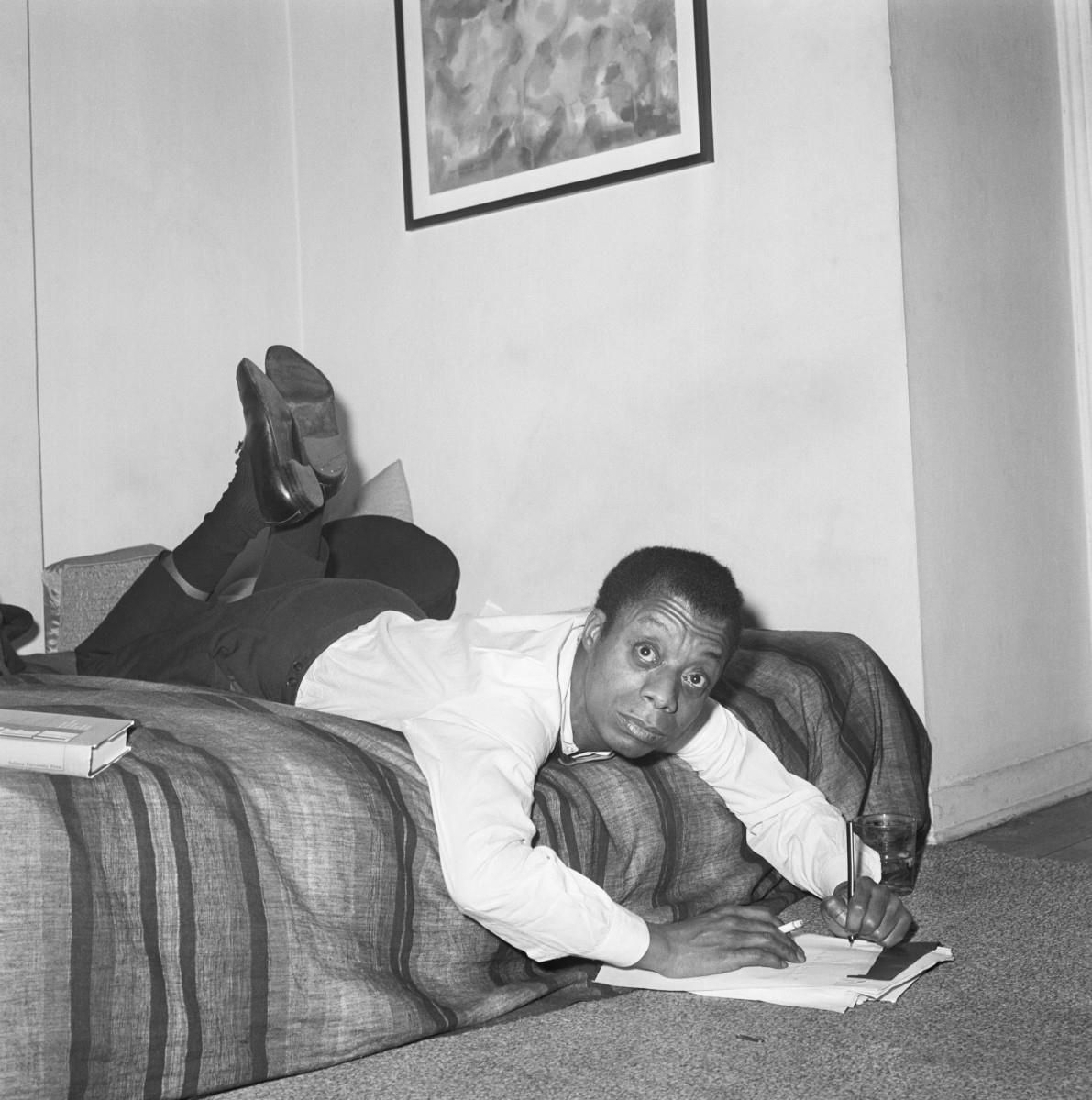
Reflections on James Baldwin’s Appeal to the Possibility of Relationship

TRIGGER WARNING: This essay contains discussion of racism, racial violence, police brutality, and psychological trauma in a literary context.

Baldwin’s writings seem to assert that all people deserve the opportunity to be understood, and barring that, at least given a fair shake to make their way in the world. A self-proclaimed witness to the treatment of his people, he uses story to persuade others to open themselves to the possibility of relationship, or at least the ability to visualize the other. In “Previous Condition”, the main character is a black man having an affair with a white woman. She grew up in poverty and argues with him when he implies that only black people have it hard economically. The argument sounds as though it could have been heard on YouTube with its layers of race, class, gender, and privilege still such hot current issues. However, Ida the white woman, does not get kicked out of a dwelling simply because of the color of her skin, as is the case for the black actor she is debating. Even more horrible is the description in “Sonny’s Blues” of white men running over and murdering Sonny’s uncle just for the fun of it. Evil breeds hatred. Sonny’s father “never really did get right again. Till the day he died he weren’t sure but that every white man he saw was the man that killed his brother” (Going 118). These are examples of the ways in which people as individuals interact in his stories showing the depth of conflict created by race in relationships.

In “This Morning, This Evening, So Soon” Baldwin paints the scene of a black man who has forgotten how to play the game of pacifying the white police officers as is so often necessary to ensure minority safety. The main character says, “I had once known how to pitch my voice precisely between curtness and servility…” (Going 163). He’s been in France so long and interacted with white people under a different social contract for so long that he has forgotten the tricks he used to know to keep himself safe around white people with power who hate him. This speaks to the “armies” of whom Baldwin speaks. The police represent the powers that be and are an ever-present menace to the black characters in his books. In “Going to Meet the Man,” the main character is a white police officer who truly believes he is simply enforcing rules God himself established. He says it wasn’t his fault the black people “fight against God and go against the rules laid down in the Bible” (Baldwin Going 235). This is an example of the way church gets mixed up in all the oppression in people’s minds. All these systems interact to create menaces of themselves.

Yet, somehow, despite all the horrors Baldwin witnessed and wrote about, he continually returns to the theme of love. He seems to believe that love can prevail. I am in awe of his optimism. In “A Letter to My Nephew,” he writes, “love shall force our brothers to see themselves as they are, to cease fleeing from reality and begin to change it” (Baldwin Letter). I hope and pray that he is right.

Works Cited

Baldwin, James. “A Letter to My Nephew.” The Progressive. 1 Dec, 1962, progressive.org/magazine/letter-nephew/

Baldwin, James. Going to Meet the Man. Vintage International, 1948.

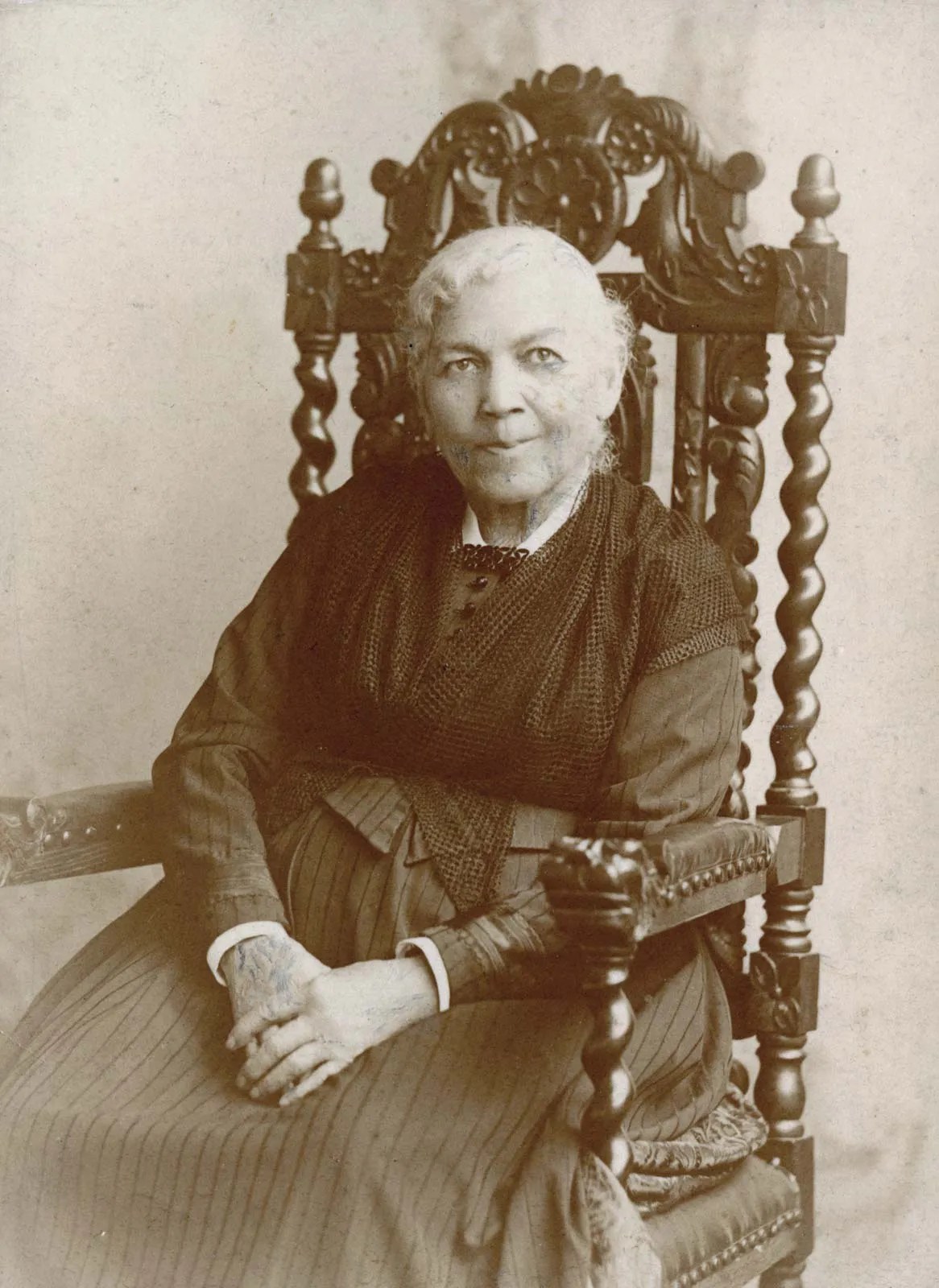
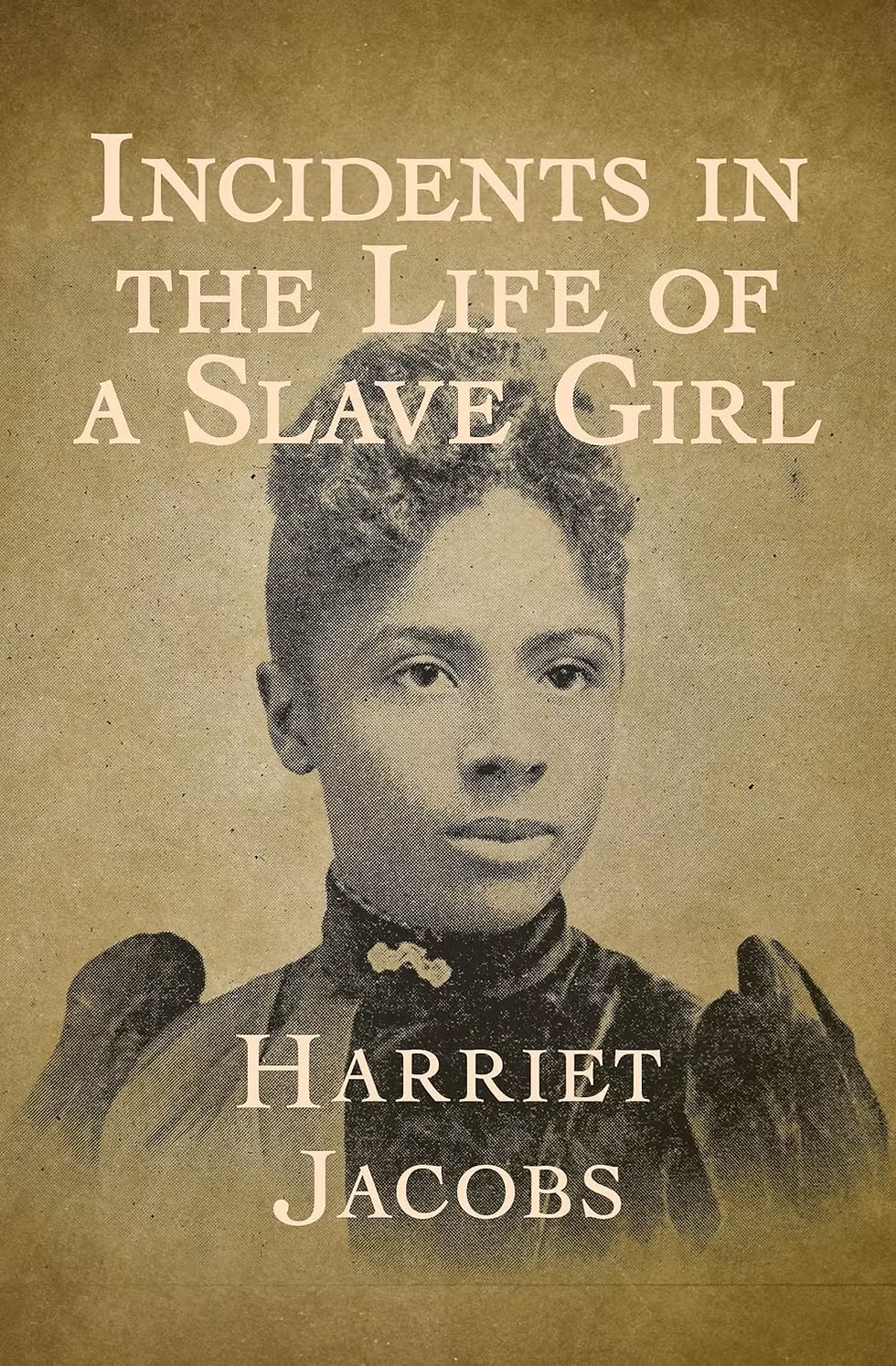
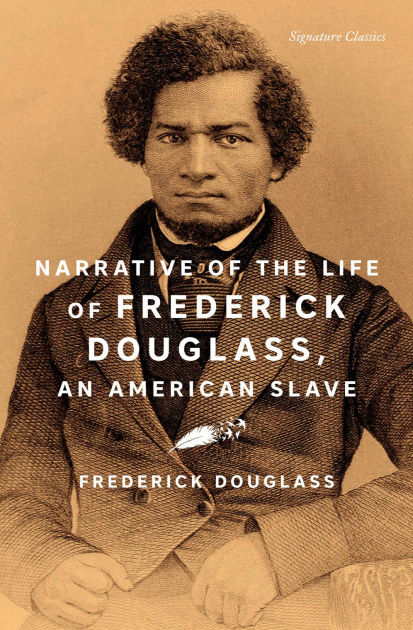
Gender differences as depicted in the enslaved Africans’ narratives Incidents in the Life of a Slave Girl by Harriet Jacobs and Narrative of the Life of Frederick Douglass by Frederick Douglass

TRIGGER WARNING: This essay examines historical slave narratives and includes discussion of slavery, sexual violence and exploitation, rape, human trafficking, physical and psychological abuse, forced reproduction, separation of families, infant and maternal death, religious abuse, and systemic racism. These topics are addressed in an academic and analytical context but may be distressing to some readers. Please proceed with care.

Introduction

People brought to America for the purpose of enslavement were expected to learn English, adopt Christianity as their religion, and accept the social, cultural, and gender norms of white America. They had to leave behind their own languages, customs, and beliefs. Add to the confusion the conflicting messages created by abusive practices used to manipulate, control, and dominate the humans forced into slavery, and healthy psychological development becomes extremely difficult. Gender affected the daily experiences of enslaved people, the means by which they escaped to freedom, and the values by which their characters were judged once they told their stories. Frederick Douglass and Harriet Jacobs both endured the horrors of slavery and escaped to freedom, but their stories focus on different attributes to be exalted because they were appealing to white America and complying with their understanding of the gender norms expected of them.

Literature Review

Kimberly Drake writes of the concept of slaves being forced to accept the gender norms of American culture in her article “Rewriting the American Self…”  Jennie Lightweis-Goff argues that Douglass could only have experienced some of his story as a male due to the social constraints about female violence and male independence at the time that would not have permitted the same actions for a woman. Both narratives describe sexual abuse of women to a greater degree than that of men. Jill LeRoy-Frazier asserts that Jacobs uses skills only a female would possess to escape slavery by way of tricking her captor with feigned innocence and a scheme to avoid seduction (LeRoy-Frazier). These sources support the ideas that male and female roles as perceived in American culture in the 1800’s contributed to differing experiences for black people both during enslavement and after they found freedom.

Theoretical Model

Because slaves were forced to accept the model of male and female as presented by the American culture in which they were enslaved, it would make sense to use a psychoanalytic lens to study gender differences as depicted in the narratives of people who have been enslaved. Several key concepts of the human psyche are severely interrupted by the institution of slavery including the following: the formation of a sense of self that is developed in relation to the mother, the ability to express and process trauma (instead of repression of trauma that leads to psychological imbalance), and healthy creation of individual and collective identities. The stories told by people traumatized by the violent institution of slavery are colored by their psychologically-affected views of themselves, the society in which they live, and the amount of healing they have been able to experience individually and collectively. Little healing was able to occur in a culture that continued to place burdens based on race and gender upon people who escaped from slavery.

Analysis – Male Independence v. Female Submission

The quest for freedom through struggle, physical feats, and courage are part of the age-old hero’s tale respected and admired by culture. However, in the 1800’s such heroism was admired and expected more as regards men than women. The cultural norm for women was submission and quiet acceptance, whereas men were expected to voice their complaint and strive for physical mastery in situations of inequity. Such double standards had root in Christian principles of hierarchy and their belief that gender roles were ordained by God. Only men were supposed to strive for independence. Women were expected to be in a household guided by a man of some sort, whether a father, husband, or older brother. Therefore, it seemed more natural in white American culture for a male slave to strike out on his own for freedom and build a new life – to become a self-made man. A woman desiring to do the same thing had hurdles to overcome besides those men had to endure. They also had to face the scrutiny of white cultural norms demanding that they find a place to submit to male dominance.

When Douglass narrates the moment that he decides to fight back against the white slave master Covey, readers are shocked and impressed by his courage. Prior to his revolt, Douglass masterfully details the tortures Covey enacts on the slaves in his employ after renting them from their owners. He has profited from a cheap labor system to work his land by building a “reputation as a slave breaker.” Douglass’s rebellion “subverts the oppressive powers” and demonstrates the beginnings of his psychological differentiation from the institution he has grown up in (Hoffman). He no longer accepts that slavery must be his reality and determines to separate himself from the system. The description is full of action and bloody, with Douglass the clear victor and a white slave master who “trembled like a leaf” (Douglass 368). He goes on to detail his seven-mile walk “covered in blood from head to toe” (Brown) to petition his owner for redress and looks “like a man who had escaped a den of wild beasts” (Douglass 367).

Another concept of male independence less available to females in the 1800’s was the ability to earn a living respectably. Douglass was able to do physical labor while in Boston and negotiate a percentage to keep for himself despite being a slave. It is not an easy affair and his enslaver ends up taking quite a bit of his money, but Douglass is able to save enough to use for his escape. Such industry is highly valued and admired for men and key to independence. Once free, he is able to support himself and his family with the wages he is able to earn. He buys a modest home and can furnish it comfortably with his income. Douglass also focuses on the lengths to which he strives to educate himself. Through sly actions and quick thinking, he sneaks books to read and bribes boys in the streets to give him lessons, while studying secretly to advance his knowledge. Such tenacity is viewed as commendable for a boy. Douglass harnesses the concepts esteemed by the dominant white American culture of education, physical power, and self-preservation and uses those to assist in developing his own individual identity, as well as to secure his own freedom (Webster).

In contrast, Jacobs mentions little of her path to literacy. Almost in passing and as a reason to let go of bitterness at not being freed, she mentions that her mistress taught her “to read and spell” (Jacobs 227). In another section when she is telling of the sexual advances that are becoming more frequent from her master Mr. Flint, she writes, “One day he caught me teaching myself to write” (Jacobs online 49). If anything, she downplays her ability to read and write and uses her skills to conceal rather than proclaim (Le-Roy Frazier 154). For example, Mr. Flint begins sending her notes filled with seductive language. She claims she cannot read them. Later, when hiding in the attic, she sends letters covertly from cities in the North to trick Mr. Flint and keep him from knowing her true location. She also feigns innocence multiple times about the meaning of Mr. Flint’s intentions. Her refusal to participate in his advances buys her time and admiration from white audiences reading her accounts because a woman is expected to be virtuous in sexual matters. Even her eventual affair with another white man resulting in several children is presented as an understandable moral failing after years of suggestive training at the hands of Mr. Flint and her foiled marriage to an eligible freed black man.

Rather than focus on the independence and strength necessary for escape, Jacobs highlights the communal assistance she receives. She describes the family efforts to protect her hiding place in the attic while feeding and nurturing her the best they can. The focus continues to shine on the grandmother’s sacrifices and the generations of love built into her concealment. When she finally escapes to the North, she remains determined to liberate her children and reunite her family. This family-oriented focus was the socially acceptable mindset for a woman in American culture in the 1800’s. Not only would Jacobs receive more support from white Christian readers for this attitude, but it would correspond to the psychological development of a woman living in that culture. She is also unable to write about earning money to aid in escape because she does not have a way to do that. Even once she is free, it is difficult for her to earn a living except in housekeeping or childcare. There are few opportunities for women in the labor force in the 1800’s. Jacobs says she dreams of owning her own small home where her daughter can be with her, but recognizes that her vision will probably never become a reality. Without marriage which would provide the income of a man, it is nearly impossible for a woman to live independently and afford a home of her own. She is bound by the restrictions of her time and place. The desire to be independent is seen “as a deviation” in a woman, whereas it is normal for a man (Drake 98).

Analysis – Sexual Exploitation

The brunt of sexual exploitation fell to women to endure in slavery. Jacobs claims that slavery “is far more terrible for women” because of the sexual abuse they must endure (Jacobs 240). Their white masters deemed them property with which they had the right to copulate (increasing their wealth by producing more property.) Douglass gives the example of an enslaved woman named Caroline who was purchased for the express purpose of being a “breeder” (Douglass 364). They also viewed slaves as possessions they could use to fulfil their own sexual pleasures. The enslaved women did not have a say in the matter and were often raped if they refused the master’s advances. Certainly, enslaved men also experienced sexual exploitation, but the social mores were less forgiving for women masters participating in such behavior than for that of male masters, so the instances were less frequent. Jacobs mentions one instance of an enslaved male being sexually exploited in her narrative by the daughter of a slave owner. The girl forces an enslaved man who is “the most brutalized, over whom her authority could be exercised with less fear of exposure” to impregnated her. Then she gives him documents asserting his freedom and sends him to another state (Jacobs online 81).

Enslaved people were often unable to form healthy sexual identities due to the constant fear of abuse, pregnancy resulting in children doomed to lives of slavery, and the threat of offspring being sold off and sent away. They were also often not permitted to legally marry and told by their newly adopted Christian religion (which they were supposed to obey) that marriage was a requirement for sex. Any sex that occurred for slaves was viewed as sinful, so many struggled with feelings of guilt for giving in to natural human desires. These conflicting emotional struggles added to the trauma and turmoil many slaves experienced on a daily basis.

After being sexually assaulted and traumatized, enslaved people were often blamed for the ensuing pregnancies or jealousies of the spouse. Jacobs was mistreated, scrutinized, yelled at, hit, and manipulated frequently by either Mr. or Mrs. Flint related to the marital friction caused by Mr. Flint’s preoccupation with Jacobs. Jacobs was even afraid to speak to her grandmother about the constant incursions on her propriety because she was ashamed and afraid she would be blamed for the situation. Women were often considered at least in part at fault for the sexual indiscretions of the men. For example, Jacobs tells of a white woman furious that her husband had sex with a slave girl. She stands by the beside of the girl who is dying after giving birth and mocks her, saying she is glad and that the girl deserves to die (Jacobs 230). She “rejoices in her suffering” (Zimmerman). The white woman goes on to declare that both the girl and the child will not go to heaven, implying that the girl’s behavior is too sinful and the bastard child such an abomination that not even God will accept them. Her declaration is the ultimate hypocritical irony since the very religion, impregnation, and death have been brought on by the slavery inflicted upon them by the white woman and her husband in the first place. Enslaved people are forced to accept the American norms thrust upon them in order to create identities, then forbidden from actually participating fully in those norms by their enslavers. The result is a confusion of identity that is fractured (Drake 92).

Analysis – Maintaining Familial Structure for Generations

Most forms of mistreatment visited upon enslaved people appears to affect both genders equally, however, a greater degree of emotional trauma seems to be sustained by women attempting to maintain familial structures to manage care of multiple generations. Enslaved women are expected to be wet-nurses and caregivers to white babies and behave in a nurturing maternal fashion. They are expected to bear children as deemed fit by the masters in order to add to his wealth. They are required to be mothers, but only as long as the master deems it expedient. They are expected to turn off their mothering instincts and accept the ripping of their children from their arms if that is the decision of the owner. They were considered “chattel, entirely subject to the will of another” (Jacobs 234). Sometimes babies were sold shortly after birth to protect the dignity of the slave owner who might not want people to know he had sex with his slave (Burke). Douglass says that “It was a common custom, in the part of Maryland from which I ran away, to part children from their mothers at a very early age. Frequently, before the child has reached his twelfth month, its mother is taken from it and hired out on some farm a considerable distance off, and the child is placed under the care of an old woman, too old for field labor.” Douglass suggests that the point of this practice was to “hinder the development of the child’s affection toward its mother, and to blunt and destroy the natural affection of the mother for the child” (Douglass 338). The result of this also damages the psychological development of a child who needs to be able to form bonds in order to reach important milestones of growth. Douglass did not know much of his own mother. She was a field hand and had to walk seven miles after work to come see him, so she was only able to make the trip three or four times before her early death.

Mothers who are able to raise their children and bond with them still run the risk of seeing their children sold off when they reach an age at which they can do more labor. When Jacobs’s grandmother’s master died, her grandmother’s children were divvied up as inheritance to each of his four children. Because she had five children, her youngest son was sold (to keep things even and fair) and the money from his sale split between the four heirs. He was only 10 years old (Jacobs 225). Jacobs’s grandmother had multiple generations of children to attempt to care for. It was the grandmother who raised them when Jacobs decided to go into hiding and eventually escape. Though she could watch their growth from her attic peephole, Jacobs was unable to assist in their care in any way. It is significant that Jacobs hides for seven years in the attic watching over her children. Her escape from slavery still keeps her bound to her children who are in slavery, unlike Douglass who simply disappears without a trace and relinquishes all ties. It is not always as easy for women to leave their families behind and escape because so many people depend on them for literal survival. Mothers who were permitted to keep their children often had to find ways to feed them and care for them if their masters did not provide enough food or clothing. They also had to put the needs of their white charges ahead of their own children. Jacobs narrates that her own mother had to be weaned at only three months old because her grandmother was a wet nurse for the white baby of her master. They wanted to be sure that their baby was getting enough food. They did not care if the wet nurse’s own child received enough nourishment.

Women of childbearing age also had to endure the frequent physical stress of pregnancy, difficult labor without proper resources, and increased infant and maternal mortality rates due to poor prenatal care and unsafe living conditions. As mentioned previously, Jacobs tells of the woman and child who died in childbirth and were mocked by the white wife of the slave owner. The dying woman’s mother was by her side through the whole ordeal, hoping to save her own child and grandchild. She is the one who exclaims, “I hope my poor child will soon be in heaven,” and is blasted by the woman for even hoping her daughter could enter heaven (Jacobs 230). Jacobs herself was mistreated by her slave owner only four days after giving birth to her child. She was weak and having a slow recovery, but he made her stand so that he could verbally abuse her as he examined the baby. The ordeal caused her to lose consciousness and fall to the ground with the baby in her arms. She thought she might die and says, “I should have been glad to be released by death, though I had lived only nineteen years” (Jacobs 241). Enslaved women were tortured with the knowledge that their daughters would have to endure the same sexual exploitation as them. There was nothing they could do to protect their young daughters from being raped (Hoffman). Jacobs’s most earnest prayer was probably that of every black parent who was enslaved. “I prayed that she might never feel the weight of slavery’s chain” (Jacobs 241).    

Women who were caregivers for multiple generations of white and black children often found themselves without care once they were ailing or unable to be of use to the white slave owners. Douglass says the metaphorical straw that broke the camel’s back for him as regards the evils of slavery was the “ingratitude to my poor old grandmother” (Douglass 357). It broke his heart to find out that his grandmother whose service spanned lifetimes of white owners from birth to death was rewarded with being turned out into a lonely forest to die. They put her there in a little mud hut and left her to fend for herself in complete isolation, basically waiting to die. How can such cruelty and inhumanity possibly permit the victims to develop any semblance of healthy psyches?

Results and Conclusion

It is no wonder that inter-generational trauma and complicated painful legacies continue to be unearthed in the collective consciousness of the black descendants of enslaved people in America. Enslaved men and women were forced to create identities influenced by American cultural norms, but were denied the tools, resources, and freedom to do so. They were actively thwarted at every turn by opposing demands such as men being required to act in a subservient manner, though male culture admires dominance and independence. Women were required to work hard like men and “breed like an animal”, though female culture expects domesticity and protection of their virginity (Drake 94). It is no wonder that people of color have grievances toward white America and the lack of empathy for their current situation in the socio-economic, political, and cultural milieu in which they are forced to exist.

Works Cited

Brown, Danisha. “2-2 Blog – Female and Male Slave Narratives.” LIT-550-Q3765 Black

Literary Traditions 21T23. SNHU, Mar. 3, 2021, learn.snhu.edu/d2l/le/content/ 673815/viewContent/12036773/View

Burk, Christine. “2-2 Blog – Female and Male Slave Narratives.” LIT-550-Q3765 Black Literary Traditions 21T23. SNHU, Mar. 3, 2021, learn.snhu.edu/d2l/le/content/ 673815/viewContent/12036773/View

Douglass, Frederick. Narrative of the Life of Frederick Douglass. The Norton Anthology of African American Literature Third Edition Volume 1. W.W. Norton & Company, 2014.

Drake, Kimberly. “Rewriting the American Self: Race, Gender, and Identity in the Autobiographies of Frederick Douglass and Harriet Jacobs.” MELUS, vol. 22, no. 4, 1997, pp. 91–108. JSTOR, www.jstor.org/stable/467991. Accessed 28 Mar. 2021.

Hoffman, Catherine. “2-2 Blog – Female and Male Slave Narratives.” LIT-550-Q3765 Black

Literary Traditions 21T23. SNHU, Mar. 3, 2021, learn.snhu.edu/d2l/le/content/673815/ viewContent/12036773/View

Jacobs, Harriet. Incidents in the Life of a Slave Girl. The Norton Anthology of African American Literature Third Edition Volume 1. W.W. Norton & Company, 2014.

Jacobs, Harriet. Incidents in the Life of a Slave Girl. Documenting the American South. Online version Second edition, University of North Carolina at Chapel Hill, 2003, docsouth.unc. edu/fpn/jacobs/jacobs.html

LeRoy-Frazier, Jill. “’Reader, my story end with freedom:’ Literacy, Authorship, and Gender in Harriet Jacobs’s ‘Incidents in the Life of a Slave Girl.’” Obsidian III. 5(1):152-161; North Carolina Arts Council and the national Endowment for the Arts in Washington, D.C., 2004, eds-b-ebscohost-com.ezproxy.snhu.edu/eds/pdfviewer/pdfviewer?vid=6&sid=f7b7c976-06b0-4ccb-b9b8-d8a17ab92ce7%40sessionmgr101

Lightweis-Goff, Jennie. “Interior Travelogues and ‘Inside Views’: Gender, Urbanity, and the Genre of the Slave Narrative.” Signs: Journal of Women in Culture & Society, 00979740, Autumn2015, Vol. 41, Issue 1. eds-b-ebscohost-com.ezproxy.snhu.edu/eds/detail/detail? vid=3&sid=f7b7c976-06b0-4ccb-b9b8-d8a17ab92ce7%40sessionmgr101&bdata=JnNpd GU9ZWRzLWxpdmUmc2NvcGU9c2l0ZQ%3d%3d#AN=108825638&db=sih

Webster, Emily. “2-2 Blog – Female and Male Slave Narratives.” LIT-550-Q3765 Black Literary Traditions 21T23. SNHU, Mar. 3, 2021, learn.snhu.edu/d2l/le/content/673815/ viewContent/12036773/View

Zimmerman, Bernadine. “2-2 Blog – Female and Male Slave Narratives.” LIT-550-Q3765 Black Literary Traditions 21T23. SNHU, Mar. 3, 2021, learn.snhu.edu/d2l/le/content/673815/ viewContent/12036773/View

Healing the Whole Person – in Leslie Marmon Silko’s Ceremony

TRIGGER WARNING: This essay contains discussion of war trauma, PTSD, death, violence, alcohol abuse, and the psychological and cultural impacts of colonial oppression.

Introduction

Leslie Marmon Silko’s Ceremony follows the healing journey of a man named Tayo who has been devasted by a lifetime of abuse, neglect, and discrimination, and is now a surviving WWII prisoner of war. Silko addresses an important idea about healing that can be applied to many suffering from trauma. People need healing that touches mind, body, soul, relationships, nature, and society. Each strand is like a string of a spider web. Navajo tradition teaches that the world was created in part by a spider spinning a web of thoughts into existence. Tayo’s web strands become entangled due to evil influences and must be carefully untangled. Silko creates a variety of characters who help Tayo along his journey and is asserting that there is no one right way to heal. Tayo must reject the techniques that do not work and continue to search for methods that will bring peace, healing, and wholeness to his life. Integral to his healing will be the recognition of archetypes necessary to unify his self.

Literature Review

Many scholars have addressed different aspects of healing in Silko’s Ceremony, including Kristin Czarnecki’s focus on psychological healing in “Melted Flesh and Tangled Threads…” The trauma of being orphaned, mistreated for his mixed heritage, confused about his loyalty and pride in being Native American when others around are ashamed, and suffering from PTSD after returning home from WWII where he saw his cousin killed are carefully addressed in this piece (Czarnecki). Jude Todd addresses the physical healing Tayo must experience in his essay “Knotted Bellies and Fragile Webs…” Though the illness cannot be explained, it is very real for the protagonist. “Tayo’s ailment…he vomits repeatedly…if he continues this way he will die…”(Todd). Others focus on the spiritual/soul healing that needs to happen for Tayo’s health including Anthony Obst’s “Ceremony Found…” (Obst) and Jin Man Jeong’s “How and What to Recollect…” (Jeong). Gloria Bird explains that Christianity does not work for Tayo in her essay “Towards a Decolonization” (Bird). And others focus on the relationships that must be strengthened or severed, depending on how healthy they are to Tayo. Kurt Caswell addresses those that need to be released in “The Totem Meal…” (Caswell) and Jeong points out the people that should be remembered and embraced (Jeong). Still others focus in on the need to heal the land and claim a rightful place in society that is not subservient to colonial influences. Aaron Derosa’s “Cultural Trauma” (Derosa), Ana Brigido-Corachan’s “Things which don’t grow…” (Brigido), and Martin Premoli’s “His sickness…” (Premoli) are a few that analyze these aspects of healing that are larger than any one individual person. With so many elements necessary for Tayo’s healing, it is clear that there is no one right way to achieve that end. He must search and persevere through as many modalities as necessary until he finds the help and healing he needs. I will also show that part of that process is uncovering the conscious and subconscious archetypes present in his psyche so that he can unify his self.

Theoretical Model

The healing journey Tayo experiences can be viewed through a psychoanalytic lens due to the multiple layers of collective unconscious that he must sift through to find the images that work for him. Carl Jung theorizes that people wear a mask that is an outward representation of self, but must grapple with the shadow that is the inner darker self. Jung’s theories focus on myth, religion, and ritual as well as archetypes that for Tayo show up as people and creatures from his cultural stories. It is only by healing and unifying the disparate parts of himself that Tayo can become whole again and be a true self, which is the term Jung uses to define a whole, healthy human being.

Archetypes are like prototypes or symbols that represent common ways of thinking, behaving, or believing among people. People hold within their unconscious beings multiple archetypes that present themselves in different situations or as the need arises for that particular archetype’s qualities or strengths to be utilized. Jung believed that archetypes “are continually…reproduced in all cultures in all ages” (Mackey-Kallis). Because the stories recorded by humans throughout time have consistently utilized these archetypes, it is believed that they are a part of the collective unconscious for all humans, hardwired like instinct into the human psyche. To have a healthy self, people must find balance between their unconscious and conscious realities. Because Tayo is struggling with this unification, he is unwell, and his personality is fractured. He must embark upon a journey to unify his unconscious and conscious realities while uncovering the strengths of his innate wisdom found in each of his archetypes.

The main archetypes he will access are as follows: the child, the hero, the hunter, the shadow, and the anima. He will also interact and learn from archetypes that affect him including the father, the trickster, the mother, and the wise old man. It is through these various experiences and interactions that Tayo will be able to heal and unify the different aspects of his consciousness so he will no longer be a fractured self.

Analysis – Healing the Mind and Body

In the beginning of Ceremony, Tayo cannot stop throwing up. He is unable to function and remains bedridden most of the time because of overwhelming nausea. Western medicine in the form of medication, sedation, talk-therapy, and hospitalization have been unable to help him get a grip on his illness. The doctor from the military says “No Indian Medicine” but back home on the reservation, his family decides to call in a healer from their community (Silko 31). Silko shows that accepting help from within the community may be crucial in times of crisis. Ku’oosh is called in and reminds Tayo of the rattlesnakes who slither on their bellies near the cave that goes so deep it “enters into the very belly of the earth” (Todd). This memory makes Tayo’s stomach feel slightly better and Ku’oosh can go on to try to heal Tayo the old traditional way, reserved for warriors who have killed. Tayo has not killed anyone whose eyes he could see and cannot find words to explain to Ku’oosh the way modern warfare works, “…white warfare—killing across great distances without knowing who or how any had died” (Silko 33). Yet, he seems to feel better after the healing and keeps down some food. It is one step in his healing, though only the beginning.

He must also heal from the emotional trauma he has suffered throughout his life and especially recently in war time that has created mental anguish in the form of PTSD. Tayo has attempted to self-medicate with alcohol, like the other young veterans on the reservation, but his body often throws up the liquid and it is not the panacea for him that others experience. Silko seems to be addressing the issue with alcoholism that is prevalent in native communities, but does not decide to make that the focus of Tayo’s problems. He finds an unconventional healer Betonie who talks him through the trauma he experienced when the Japanese soldiers were executed in front of him and he saw his uncle Josiah as one of them. Betonie reassures Tayo that he is right and explains it in a way that works with his culture and the stories of his people, showing the collective unconscious that exists for humanity (Silko 114).  

Through his interactions with Betonie, Tayo becomes influenced by the archetype of the wise old man. He learns from Betonie and accepts the help he has to offer. Because something deep in his instinct recognizes the wise old man in Betonie, he is finally willing and able to accept that help unlike when it was offered before by others. Not only is the advice in line with what Tayo senses as true to his circumstances, but he follows through with the suggestions of Betonie showing that he develops trust in his ways.

Beonie’s rituals and ceremonies have an impression on Tayo’s healing. An article by Ted Kaptchuk analyzes ways in which Navajo rituals for healing affect the sick. It is couched in the scientific realm of placebo studies that compares rituals, acupuncture, and biomedical healing. After examining multiple ritual healings in which many participants reported improvement of their symptoms, conclusions were drawn that rituals can be affective. “Patient improvement…represents changes in neurobiology…Specific areas of the brain are activated and specific neurotransmitters and immune markers may be released” (Kaptchuk). Also, just as Tayo had to find a healer that was affective for him, the study showed that “different healers can have different effects on patients” (Kaptchuk). Even though Tayo engages in the ceremony and hopes that it will help, he is not completely convinced until he reaches the end and experiences healing. The same study reports that “when engaged in a ritual, patients do not abandon practical sensibilities. Hope, openness and positive expectancy are tempered with uncertainty and realistic assessment” (Kaptchuk). According to the science perspective, or as Silko might label it, the white man’s perspective, “ritual effects are examples of how environmental cues and learning processes activate psychobiological mechanisms of healing” (Kaptchuk).

Over time and through many days of adventures, Tayo begins to build his strength and improve his stamina. By the time he arrives at the apricot tree to encounter Ts’eh, he can keep down food more consistently. She cooks chili with corn and venison, and he eats. They make love and he sleeps peacefully having pleasant dreams. Each of these is a sign that he is improving, healing, gathering the pieces of himself to himself. When he awakens the next morning, he remembers the ritual of singing for the sunrise. His memories are coming alive and he is reconnecting with his people. He is now ready for the most rigorous portion of his adventure.

Analysis – Healing the Soul and Relationships

Tayo has been told terrible things about his mother his entire life. His aunt resents raising him, so he does not receive the motherly love that a child needs. When he returns to the makeshift village on the banks of the muddy river where he lived as a child, he is overcome by memories of pain, starvation, and neglect. His healing cannot begin until he recognizes the wounded child archetype within himself. He must relate to the people who continue to struggle for survival in much the same way he did as a child. The painful memories are nurtured when he gives spare change to several destitute people begging for money. Silko allows each piece of the healing to unfold naturally, as part of a journey or process that cannot be rushed or forced. Tayo also welcomes the reassurance from Betonie that part of his big story is the fact that he is a combination of cultures. Betonie is also mixed blood and is unconventional because he takes imagery and samplings of medicine from different cultures, “the ultimate collector and recycler of Western refuse” (Brigido). He is not afraid to adapt the methods to the person and the changing culture that accompanies the situation. He recognizes that without change, the ways of his people will die. These are lessons that Tayo must learn as well, in order to heal. It is through the ceremonies Tayo experiences that he realizes fully his spiritual place is with the native traditions, not Christianity. He needs the mother he never had, which he can only find in native stories, not Christianity. “Christianity separated the people from themselves…Jesus Christ was not like the Mother who cared for them as her children…” (Silko, Bird). Silko does not shy away from depicting the influence of Christianity as a negative force for the native community.

Tayo also has the opportunity to fall in love with a woman who brings him great comfort and help in his time of need. By embarking on the journey Betonie helps him to begin, he opens himself to the experience and is able to love and be loved in a way that has never happened for him before. The love that Tayo receives from Ts’eh shows him the archetype of the mother.  Her archetype provides comfort, is reassuring, and makes Tayo feel secure. Her presence is a key element in the final resolution of Tayo’s healing by helping him to capture the missing cattle he has been searching for and giving him a mission to plant the seeds that will rejuvenate the land. By passing on the task of planting, preservation, and regeneration, Ts’eh is awakening Tayo’s anima archetype. He will now show growth by presenting feminine qualities in a balanced way that was not available to him before. Tayo is only able to experience these things because he decides to accept help from the people who have his best interests at heart including “Old Grandma, Ku’oosh, Betonie,…Night Swan, Ts’eh, and Josiah” (Caswell).

Tayo must come to the realization that Josiah represented the father archetype for him. For years he receives advice, comfort, and companionship from Josiah. Tayo works the land with Josiah, chases the cattle with him, and protects Josiah’s secrets. He struggles with Josiah’s loss more than he can bear and needs help coming to terms with that loss. Because he must come to recognize the father archetype in Josiah, he is unable to heal until he makes right the loss of cattle and plight of the family’s farm. He must take ownership of his part in healing the financial and subsistence aspects of the family.

There are relationships Tayo must sever so he can heal. He can no longer cavort with his war buddies if he hopes to be healthy. Not only do their behaviors lead to negative outcomes regularly for Tayo, but they truly intend evil for him. Silko weaves myth into their final act, which is a ceremonial scene of witchery where two people are murdered. Tayo is the originally intended victim, and he is nearly pulled into the plot by the desire to save one of the victims. It is only after realizing that his involvement would result in a needless sacrifice or in him murdering another that he stays hidden and removed from further traumatizing himself with their evil. Tayo recognizes the trickster archetype in Emo as they are preparing the ceremony to kill the human sacrifice. Only once he sees the trickster for who he really is can he free himself from acting on his instincts. “The witchery had almost ended the story according to its plan…He would have been another victim” (Silko 235). This also required that Tayo recognize his own shadow archetype. He wants to ram the screwdriver he is holding into Emo’s head. He is trembling with the anticipation of being the savior turned martyr of the scene. Knowing he will kill, which will fulfil the witchery and make him implicit in the evil is what stops him from carrying out the murder.  In the terms of his cultural stories, he does not participate in the ceremony and thwarts evil’s desire to consume him. This releases the bond he shared with them and will no longer pull him from the healthy path he has embarked upon. After Silko shows Tayo avoiding the evil ceremony, she carefully constructs another ceremony for Tayo to participate in that shows the people he has decided to align himself with. He sits with the Laguna elders and tells “his story of healing” which “counters the witch’s story of destruction” (Caswell). With these people, he breaks bread and drinks healthy water, not alcohol (Silko 239). He is once again the hero archetype. He has broken the cycle of evil and good may bloom.

Analysis – Healing the Land and Society

Tayo’s pain is tied up in the plight of his people after white culture has stolen their resources (including uranium to make their atomic bombs), fenced off their grazing and hunting lands, and contributed to the “degradation of the…landscape” (Premoli). In order to begin to reconnect with the land, Tayo must spend time in nature. Silko uses the movement of Tayo’s journey to undo the curse of witchery by following the sunwise cycle (Swan). He must use his knowledge of the land and the ways of animals to track the cattle, a form of amends to his Uncle Josiah. His experiences observing the stars, clouds, weather patterns, herbs and plants used for healing, animal tracking, and geography remind him of his roots and further his healing. Silko shows the “boundarylessness” that should be when she has him cut open the fencing that white people used to slice up the land. During the scalp ceremony, Tayo first feels this lack of boundaries and realizes that it will take a long time for this type of healing to reach the entire world. Silko opens the door to that possibility, however, and implies that more tellings of stories that bring healing are the way to a future that is no longer bent on destruction.

As Tayo endures the difficulties of inclement weather, exhaustion, physical pain, and fear necessary to track the cattle he is determined to reclaim, he relies on instinct and ritual. When he thinks he can go no farther he receives help in the form of a mountain lion. He has collapsed beneath a tree in the pine needles overwhelmed by fatigue. He is sure his search is over until a mountain lion shows him the direction he needs to go to find the cattle. His rituals teach him that the mountain lion is the helper of the hunter. He sprinkles “yellow pollen into the four footprints” of the mountain lion in honor of the guidance with which he has been blessed (Silko 182). Once he finds the cattle, his instincts tell him that they will follow the fence line and head south. He hopes that their collective consciousness will drive them toward Mexico as their ancestors have always done. His instincts are relying on their instincts and he is right to do so. The animals do exactly as he hopes, and his patience pays off. He reclaims the cattle who have been unjustly stolen from Josiah and strengthens his own hunter archetype in the process.

The story Silko tells of Tayo’s pain demonstrates in one character the ways society has damaged an entire group of people. In English public schools, the native language is discouraged, their religious views and traditional ways of looking at the world are argued to be merely superstition, and the model for a future is to leave the reservation and make something of yourself elsewhere in white society. Tayo must fight back against the lies he has been told throughout his childhood of white superiority, shame for his appearance, language, and culture, and resentment at being used for violence in war by that same culture. He remembers a time in a science class when the teacher presented dead frogs for a lab. They were “bloated with formaldehyde, and the Navajos all left the room” (Silko 181). The teacher does not respect the traditions of the Navajos and is not even apologetic once he understands the offense. Rather, he laughs so hard he cries and makes fun of the children. He tells them their beliefs are “stupid” (Silko 181). These types of interactions occur throughout Tayo’s life. As an adult returned from war, he is told by the army doctors that his beliefs are merely “superstitions” (Silko 181). 

When Tayo is caught by the white cowboys for trespassing on a white man’s property, he is treated like a thief. They assume he is poaching deer or trying to steal a cow so he can have beef. Though Tayo does not confirm or deny their accusations, they decide to let him go so they can try to track the mountain lion. Once again, the mountain lion helps the hunter. They believe they have put him in his place and taught him a lesson. The Texan says, “These…Indians got to learn whose property this is” (Silko 188). They do not understand that they are the ones trespassing on Indian land, that they are the ones partitioning with fencing, hindering the natural grazing lands and flow of nature, the hunting grounds for all. When they finally leave, “he lay there and hated them” (Silko 189). He imagines tracking and killing them the way they are planning to harm the mountain lion. They do not understand the significance of the graceful cat they hope to kill. The more Tayo ponders his hatred of the white people, he comes to the realization that “it was the white people who were suffering as thieves do, never able to forget that their pride was wrapped in something stolen.” He comes to understand that the “destroyers had sent them to ruin the world” (Silko 189). He says that the white people had been tricked by the destroyers just as the Indians had. He cannot blame them for succumbing to the very same evil that his own people had.

Rather than devolve into a place of hatred toward white society or trying to figure out who to blame for all the evil, Tayo determines that witchery is the root cause of the evil unleashed on the world. He chooses to believe that people’s trickster archetypes and shadow archetypes have come to the fore. Silko seems to be saying through her text that rather than spend time seeking vengeance, people should put their energies into figuring out how to heal.

Results and Conclusion

The ending of Silko’s novel implies that Tayo has unified his self archetype and will be able to call upon the strengths of each of his archetypes as needed. If he is to heal the land and raise the cattle, he may need to call upon the nurturing of his anima (mother) archetype. If he needs to lead his family in tandem with Robert, he may need to call upon the father archetype (whether his aunt likes it or not.) He will need to continue to be the hero archetype so that he can help to heal his tribe and his family from the pain they have endured. Tayo probably has more healing to continue participating in, as creating a healthy life can take a lifetime, but he is on the right path. His journey is a model for anyone desiring to bring healing into their own lives.

Silko has created a model for analyzing which portions of a journey are ours, which portions belong to others, and which portions are a shared experience. Some aspects of Tayo’s journey are his alone to deal with. He must recognize that he gave his power over to the white government when he signed up to take part in World War II. He reveled in being treated like a war hero when in uniform and liking the way white women wanted him. He tried to escape with alcohol, self-pity, and sleep. He must come to terms with the fact that he survived when his cousin did not. These are his parts in the healing journey that he can take ownership of. The areas that are not his to own occurred at the hands of others. He cannot bear the guilt of his mother’s lifestyle that brought him into the world. He cannot bear the shame of his aunt’s negativity toward him because of his bi-racial genetics. He cannot take on the oppression he suffered at the hands of both Indians and white people who would not accept him as he was. Other people did these acts causing him to be a victim of those circumstances. Tayo must take part in a shared process of healing when it comes to his community, his family, and his relationships. He must be willing to work with his family to keep them provided for and functioning. He must be willing to work with the religious leaders in his community to strengthen their rituals and grow as a people. Ultimately, he must be vulnerable and giving if he hopes to love and be loved in the future.

This is the same for all humans. If we hope to heal from trauma, engage in meaningful relationships, and be part of the community in which we find ourselves, we will have to become empowered to experience a journey much like Tayo. Silko has written a myth and a parable that

is both inspiring and powerful because it examines the pain and recovery that is possible for anyone willing to face their shadow archetypes. If we are willing to examine our own archetypes and see those of others, we can unify our divided selves. Only then can we take responsibility for the ways we and our ancestors have harmed others and begin to rectify those evils.

Works Cited

Bird, Gloria. “Towards a Decolonization of the Mind and Text 1: Leslie Marmon Silko’s Ceremony.” Wicazo Sa Review. Vol. 9, No. 2 (Autumn, 1993), pp. 1-8, www-jstor-org.ezproxy.snhu.edu/stable/1409177?seq=1#metadata_info_tab_contents

Brigido, Anna. “’Things which don’t shift and grow are dead things’: Revisiting Betonie’s Waste-Lands in Leslie Silko’s Ceremony.” Alicante Journal of English Studies. 27(2014): 7-23, eds-a-ebscohost-com.ezproxy.snhu.edu/eds/pdfviewer/pdfviewer?vid=22&sid=280ec025-fedb-4ba3-9945-98d3d1a25659%40sdc-v-sessmgr03

Caswell, Kurt. “The Totem Meal in Leslie Marmon Silko’s Ceremony.” Interdisciplinary Studies in Literature and Environment. 15(2): 175-183; Association for the Study of Literature and Environment (ASLE), 2008, 1 July 2008, eds-a-ebscohost-com.ezproxy.snhu.edu/ eds/pdfviewer/pdfviewer?vid=3&sid=e07b3eb9-ba2a-4fa5-bac1-05895319b975%40sdc-v-sessmgr01

Causey, Tara. “The Only Cure Is a Dance – The Role of Night Swan in Silko’s Ceremony.” Western American Literature. 1 Oct, 2015, eds-b-ebscohost-com.ezproxy.snhu.edu/eds/ pdfviewer/pdfviewer?vid=1&sid=97020738-c912-40a7-9306-bc301c837a14%40pdc-v-sessmgr02

Czarnecki, Kristin. “Melted Flesh and Tangled Threads: War Trauma and Modes of Healing in Virginia Woolf’s Mrs. Dalloway and Leslie Marmon Silko’s Ceremony.” Woolf Studies Annual, 1 Jan. 2015, eds-a-ebscohost-com.ezproxy.snhu.edu/eds/pdfviewer/pdfviewer? vid=1&sid=a9b0de2e-ed92-4a23-8cb3-d88432b7baa9%40sdc-v-sessmgr03

Derosa, Aaron. “Cultural Trauma, Evolution, and America’s Atomic Legacy in Silko’s Ceremony.” Journal of Literary Theory. 1 Jan., 2012, eds-a-ebscohost-com.ezproxy.snhu.edu/eds/pdfviewer/pdfviewer?vid=2&sid=134fbcaa-3dea-454f-8b07-8dbbf22bd7d0%40sdc-v-sessmgr03

Jeong, Jin Man. “How and What to Recollect: Political and Curative Storytelling in Silko’s Ceremony.” Mosaio: An Interdisciplinary Cricial Journal. Vol. 49, No. 3 (September 2016), pp. 1-17, www-jstor-org.ezproxy.snhu.edu/stable/44030746?seq=1#metadatainfo_tab_content

Kaptchuk, Ted. “Placebo studies and ritual theory: a comparative analysis of Navajo, acupuncture and biomedical healing.” Philosophical Transactions of The Royal Society Biological Sciences. Volume 366, Issue 1572, 27 June 2011, doi-org.ezproxy.snhu.edu/10.1098/rstb.2010.0385

Mackey-Kallis, Susan. “Jungian archetypes and the collective unconscious.” Salem Press Encyclopedia of Health, 2019, eds-a-ebscohost-com.ezproxy.snhu.edu/eds/detail/detail? vid=1&sid=fab8f0e6-92c3-49d0-a751-9410de786517%40sdc-v-sessmgr01&bdata=JnNp dGU9ZWRzLWxpdmUmc2NvcGU9c2l0ZQ%3d%3d#AN=93872068&db=ers

Obst, Anthony. “Ceremony Found: Sylvia Wynter’s Hybrid Human and Leslie Marmon Silko’s Ceremony.” as/peers – emerging voices in American studies. www.aspeers.com/2019/obst?fulltext

Phillips, Bernard. “Jung and Sociological Theory: Readings and Appraisal – Review.” Contemporary Sociology. 48, 5, journals-sagepub-com.ezproxy.snhu.edu/ doi/pdf/10.1177/0094306119867060pp

Plaut, Alfred. “Freud’s ‘id’ and Jung’s ‘self’ as aids in self-analysis.” The Journal of Analytical Psychology. 1 Feb., 2005, eds-a-ebscohost-com.ezproxy.snhu.edu/eds/pdfviewer/ pdfviewer?vid=14&sid=b9e8529d-0d1c-4a49-be56-d08f263dfddc%40sdc-v-sessmgr03

Premoli, Martin. “’His sickness was only part of something larger’: Slow Trauma and Climate Change in Leslie Marmon Silko’s Ceremony.” American Imago, Volume 77, Number 1, Spring 2020, Johns Hopkins University Press, muse-jhu-edu.ezproxy.snhu.edu/article/753067

Silko, Leslie Marmon. Ceremony. Penguin Group, 1977.

Swan, Edith. “Healing Via the Sunwise Cycle in Silko’s Ceremony.” American Indian Quarterly. Vol. 12, No. 4 (Autumn, 1988), pp. 313-328, University of Nebraska Press, www-jstor-org.ezproxy.snhu.edu/stable/1184404?seq=1#metadata_info_tab_contents

Todd, Jude. “Knotted Bellies and Fragile Webs: Untangling and Re-spinning in Tayo’s Healing Journey.” American Indian Quarterly. Spring95, Vol. 19 Issue 2, p 155-170. 16p. muse-jhu-edu.ezproxy.snhu.edu/article/753067


All in a Day’s Work: Teaching in a Psychiatric Center During COVID (Creative Nonfiction)

TRIGGER WARNINGS: Brief mentions of violence, abuse, self-harm, suicide, traumatic events, mental health disorders, death, explosive rage, murder, confinement in a residential treatment center, rape, addiction, human trafficking, and COVID.

Image created by Rebekah Marshall’s prompt using AI on Gencraft.

Being spit at, called a variety of explicit names, and having items hurled their way are all in a day’s work for teachers at treatment centers for youths in crisis. Teachers join with classroom aids, mental health technicians, nurses, doctors, and therapists to manage the care of children in treatment centers all over the United States. Because the work involves minors whose identities must be protected and due to both HIPPA and FERPA regulations, little is known about the daily grind these teachers endure.

Many are called upon to work long hours in less-than ideal conditions including inadequate classrooms and minimal planning time, with little training related to the disorders with which their students suffer, and no more pay than typical school teachers in traditional school settings. Add to these struggles the current horrors of COVID-19, which include anxiety about catching the virus, extra work preparing lessons for both in-person and remote students, and the daily hustle to sanitize every possible surface to stop the spread of illness. These men and women on the front lines of educating some of the most dangerous, difficult, at-risk youth during a pandemic cannot be personally applauded due to the secret nature of their jobs. At least maybe a look into their world can create some appreciation for these unsung heroes.

One teacher, we’ll call her Ms. Sue, starts her day by heading into the main office to get her temperature checked. A fever means automatically being sent home and will require a negative COVID-19 test before returning. The forehead thermometer reads 96.7 (they read lower than the other kinds of thermometers), so she begins her daily duties cleaning her classroom, setting the thermostat to 72 degrees Fahrenheit (she says that temperature tends to please no one, but causes the least complaints and fights overall), making sure the toilet is working and sanitary supplies are stocked for female students in the bathroom available in her portable classroom, and checking emails to be sure nothing emergent needs managing prior to students arriving for class. 14 desks are arranged in neat rows spaced as far apart as possible to provide social distance. 6 new desktop computers are lined against a back wall, but only every other computer may be used due to the need for students to be spaced out. When asked about putting plexiglass between them so all of the computers can be used, Ms. Sue says she proposed that idea and shrugs her shoulders with a smile.

The floor is in need of sweeping; grass and mud has been tracked into the room and a decorative rug is littered with bits of paper and dirt. Ms. Sue mentions that she is out of time to vacuum as the kids will be arriving any second, and she will have to try to do it at lunch. When asked about janitorial staff, she replies that their only job is to take out the trash. Another shrug and smile are accompanied by an eye roll.          

A boisterous group of teenage girls flood into the room ranging in age from 12 to 17. They look like any group of teenagers might, fashionably dressed, hair in messy buns or sticking out from under crocheted hats, backpacks full of books and school supplies, and cheerful greetings to their teacher. All of the girls seem to want to talk to Ms. Sue at once and she reminds them to come in and get settled before raising their hands to ask questions. The girls seem very well behaved for a treatment center and look as though they know the routines. Several are getting paper from a bin, one is passing out binders with first names only written on the sides (they explain that no last names are posted for confidentiality), and other than one skirmish over whose seat is whose, everyone sits in their assigned seat. All but one girl has her mask on, though several have let it slip down below their nose. Several mental health techs have accompanied the students into the classroom (it turns out that some of them identify as male, so though they look like a group of girls, they are referred to as class or students so as not to offend.) The techs talk with Ms. Sue in quiet voices, letting her know which students are struggling emotionally, have refused to come to school and remain at their dorms, who is at a doctor’s office, and point out one that is new and will need additional instructions in order to begin class. Apparently, students come and go depending on the course of their treatment, beds opening up, and insurance running out. Length of stay can vary from six weeks to six months. This group regularly has 15 or 16 students, though only 12 are present today.

One chosen student is leading a therapeutic group to start the day with each student explaining a treatment goal and how they are currently feeling. Ms. Sue listens and takes notes. It is not a requirement of her job, but she says it helps her work with the students the more she is aware of their treatment issues. The students are surprisingly insightful and seem to know the language of both goal-setting and recognizing a variety of feelings. The techs reveal that students present have issues ranging from attempted suicide, family problems, drug and alcohol addiction, eating disorders, and paranoia, to bipolar, depression, psychosis and personality disorders. Though each student has different problems or illnesses that they are working on, a positive peer culture is encouraged to support one another as they work their treatment.

Ms. Sue starts the day showing CNN 10 a daily 10-minute news segment created for schools that covers some of the big topics happening in the world. Most of the students look mesmerized and I find out that it is because this is the only outside information they get while in treatment. They do not have cell phones, internet access, or even television with commercials. The news does not shy away from the big headlines and several students are angered by what they consider to be a biased statement about President Trump. A minor argument breaks out, but is quickly squelched when they are reminded that they will not be allowed to watch tomorrow if they argue about politics.

When class officially begins, the pace is mind-blowing. Six grade levels are present in the room. A few of the grade levels are studying the same concept and can work together. Others have completely different lessons. Between a teacher and an aid, student questions and needs are being addressed for an hour straight. One girl throws her papers on the floor and storms into the restroom. Another puts her head down and starts to cry. The MHT’s jump into action and address the two having meltdowns while the teacher and aid continue putting out fires related to educational questions. The school principal walks into the room to do a walk-through observation in the middle of the mayhem. In some schools, teachers complain about having to put on an act for their observations. There does not appear to be a dog-and-pony show going on here. This is the reality of teaching in the trenches at a psych facility.

Clean up time is a whirlwind of activity. Every desk, chair, pencil, marker, keyboard, laptop, mouse, headphone set, stress ball, doorknob, and handle is wiped down with paper towels sprayed with industrial cleaner. Each kid helps with wiping down their area and is given some sort of reward ticket if they offer to do extra. The mood is almost festive and appears to be well-orchestrated. They all wave and laugh, chattering loudly as they exit, the weeping girl from the bathroom even bubbly once again. I expect a moment of calm to relax for a second before any more activity, but that is not the case.

Within seconds, another group of students enters the room. This group is also girls, but seems to be a smaller group. They are a bit more disheveled and do not talk as loudly nor as confidently as the previous group. They look more concerned about my presence and crowd around the teacher like little birds awaiting morsels of bread. Ms. Sue reminds them all of the routine which includes coming in quietly, getting supplies, and taking seats. I find out that this group has more neurological problems and some have seizures. Some of them have suffered brain damage and may have more educational needs due to difficulties with learning. Their staff seem more relaxed and playful than the previous MHT’s. I notice that a similar routine occurs with this group, but the pace is less frenetic. Everyone speaks a little more quietly and there are some delays in response from the students. A constant refrain is the reminder to keep face masks up over the nose. The kids let them slip down so they can breathe better. At one point, no one in the room (including Ms. Sue) has theirs on correctly. Granted, she is taking a drink of her coffee. All goes smoothly until one girl accuses another of cheating. Screaming ensues and the one who dealt the accusations must be led from the room and talked to outside. Her screams and obscenities can still be heard, but everyone seems strangely calm. I later am told that the screamer does that at least once per day over something. No one ever knows what will trigger her. Everyone has gotten used to ignoring her and going on about their business.

The same pattern repeats itself with different groups of children throughout the day. Ms. Sue teaches 7 classes in all with 2 hours off for lunch, planning, and meetings. She says she has an average of 4 meetings per week including working with her department, staff meetings with the entire school, ARD meetings for special education students, 504 meetings for students with special needs who do not qualify for special education, and meetings with the hospital staff to learn more about the medical side of the patients’ needs. I ask her which meetings are her favorite and she says meeting with the hospital staff. She loves learning about the kids’ home lives and how they are doing therapeutically. It helps her teach them to know some of their background and what they are working on outside of the classroom. When asked if it is difficult for her emotionally to hear some of the abuse and horrors these kids have endured, she shakes her head no. She says she has done this so long that nothing shocks her anymore. It is all simply information she can use to understand the kid better and do a better job reaching them in learning. I asked if the kids are aware that she knows their history, and she assures me that they are. The philosophy at their facility is a team approach and the kids know that everyone is a part of their treatment team, including the educators.

I ask her what kinds of cases used to shock her. Children whose parents were killed by serial killers and are now teenagers dealing with that reality. Children who are the product of rape or incest and are now teenagers dealing with that reality. Children who were kept in cages. Children who were raising themselves and their siblings at 10 years old and no one knew it. Children who took guns to school planning to kill as many people as they could. Children whose parents tried to kill them, but they survived – by throwing them out windows, running them over with cars, throwing them in the lake, or shooting them and leaving them for dead. Children with no parents at home because both are active military. Children kidnapped, then rescued. Children sold into slavery, escaped from dangerous countries, rescued from sex trafficking, found in dumpsters, found in deserts, found floating at sea. She started to laugh and it startled me.

“One of my favorites is children kicked out of countries because they are so bad that country won’t let them live there anymore.” She goes on to tell an insane story that sounds a bit like a plot to a Hangover movie, only the star is a teenage girl with way too much time, money, and imagination for one country she was invited to never return to. She was born in America, so that is where she got sent back to. Apparently, this happens on planet earth.

In the afternoon, Ms. Sue has a complicated moment with a young boy, 11 years old. He begins to scream at her that she is a liar. According to him, she has ruined his life and destroyed his faith in his father. He begins to call her horrible names that most certainly do not describe the kind woman I have spent the day with. He knocks over his desk, breaks his plastic binder in half, and wails an inhuman sound resonating from deep in his belly. He reminds me of a cornered, wounded animal, terror on his face like he is being assaulted. Ms. Sue is frozen in place. She has not moved since the start of the rant. I begin to wonder if she is unsure what to do. The boy is bigger than her and could most certainly hurt her if he attacks. Two other MHT’s have approached from the other side and are trying to convince him to take his concerns outside where they can talk about it more calmy, but he keeps pointing at her and screaming obscenities. He doesn’t seem to hear them at all. Spittle is flying and mixing with tears and snot. He declares her an unfit teacher who does not know how to work with children like him. He informs her in no uncertain terms that she needs to go get a different job or retire or something because she is terrible as a teacher. He is quite eloquent, even in the midst of his rage.

Ms. Sue later explains that this happens with him at least twice per week. They will be working just fine and then he explodes for no reason that she can ascertain. This time it was because she told him the colors of the rainbow. Thinking I misheard, I ask her to repeat herself.

Apparently, when she told him that two of the colors of the rainbow are indigo and violet, he lost it. He had never heard those words used in connection with the rainbow and therefore, she was a liar. Because his dad had told him the colors of the rainbow and not included those words, Ms. Sue was also calling the child’s dad a liar. All faith in humanity, parents, teachers, and life itself balanced on the tip of this knowledge and she had destroyed his world with the words indigo and violet. She rolls her eyes.

“It’s always something,” she says with a sigh.

I asked her why she just stood there and she says it seemed to be the best method for staying safe. Any sudden movements could be perceived by him as an attack. Staying still and calm, breathing deeply, willing a slower heartrate and not adding to the verbal stimulation are ways to de-escalate a neurological rage. When pushed further, she explains that some kids have seizure-like episodes that are set off by a strong emotion and they cannot control themselves well while it is happening. Often afterwards, they need sleep and have little memory of the incident, much the way other types of seizures effect people. My observation of the panic and terror on the boy’s face were real-time wild animal feelings he was experiencing. His perception was that everything around him was a threat. Ms. Sue chuckles and says that the boy got one thing right. She does not know how to work with children like him. I ask what she means and she shrugs.

“I just try different things every day until something works. Today it didn’t work.” She looks defeated, like this one shook her a little, even if she doesn’t admit it.

Ms. Sue has had to physically restrain children in the past, but not in a long time. She uses her words, calm demeanor, plenty of physical distance, and personal relationships with the children to create a safe environment. She says she stays over an arm’s length away at all times. She does not get down on their level like all the teaching manuals say she should. She does not touch them. She does not stare into their eyes when telling them to do something. She does not power struggle…ever. That is the worst possible thing you can do with children with conduct disorder. Physical space, emotional space, and even space in time…asking a question or giving an instruction, then waiting a few minutes if need be for a result are her tricks. Some of the children have slower processing speeds that cause a delay. Many other reasons can cause delays including depression, OCD, psychosis, intellectual disabilities, and ADHD. She says children want to do well. They just don’t always have the tools they need. She tries to give them tools. There is no dumb question. She repeats instructions 400 times if need be. She is a broken record. I have her instructions memorized and want to yell at the next kid who says, “What are we doing?” after she has already explained it in detail. She calmly begins to explain again. She says many of the students have ADHD or other issues that make focus difficult.

When asked which kids she enjoys working with the most, she says the really smart bad ones, the ones that annoy everyone else with their narcissistic or borderline tendencies. She says she can see right through them to the wounded child and has a heart for getting them to do their best work without all the bluster and nonsense. She says at their core they are terrified of life and reality and need someone to hold them accountable for doing their best work and not accepting their excuses.

The teacher next door prefers the boys like the one who threw his desk because of the rainbow colors. She absolutely loves the challenge of figuring out what structure will help them thrive. As they get more med stable during their stay at the hospital, she is able to streamline their educational experience so that they begin to experience true success in school, sometimes for the first time in a long time. The teachers say they help each other out sometimes with ideas for how to work with these very different kids. They also say they point out to each other when they might need to tag out and let someone else take a turn. Ms. Sue said she has never had to tag out, but probably should have once or twice. When pushed, she shrugs, but does not reveal more.

By the end of the day, I am exhausted. I don’t know how Ms. Sue is still on her feet. She seems to have the same smile, same energy, same cheerful tone in her voice for the last group as she did with the first. Luckily, the last group seems to be a really easy class. They are quiet, doing their work, and seem capable. They are older – juniors and seniors, one getting close to graduation. Ms. Sue whispers that they are not as sweet as they seem and are the type of kids that would plot to run away, get you to let down your guard, steal your keys, steal your car, wreck your car, get caught by the police, then throw you under the bus as the person who helped them escape. But they look so innocent.

When the day is over, Ms. Sue packs up a big stack of papers to grade at home. There is not enough time during the day to finish her grading. I am worried that my time with her might have caused this, but she laughs and assures me that she does her best grading in front of Hulu every night. She likes to take her time while grading and write personal notes and examples of things kids are doing well on each paper.

While cleaning up I decide to ask her specifically about COVID. She claims she is not afraid. She could die of an aneurysm right this second. She could die in a car wreck on the way home. Some of her students have died by suicide after leaving the treatment center. Death is a part of life. As our conversation about life and death and coping with 2020 continues I find myself sharing in her perspective. We’re doing our best to mask, social distance, clean, etc. What good is fear? Then I realize that she is using that same calm face, stillness, and quiet voice trick I witnessed with the rainbow boy. She’s good. She’s very good.

She’s been doing this for over 20 years and has no intention of stopping anytime soon. When asked why she does it, she says it is a job she fell into. There was an opening, it was close to home, and they provided a paycheck. She did not have special training beyond her teaching degree. Her training occurred on the job. They paid for her to get her special education and several other certifications, and she continues learning new areas of psychological training as she goes. She thinks anyone with patience could do this job. I beg to differ. When I point out that she is doing something amazing, she shrugs and says she would quit in a heartbeat if she won the lotto. I think she means it. She looks exhausted and walks slowly to her car.

Silent Romance (A Short Story)

Image created by Rebekah Marshall’s prompt using AI on Gencraft.

Silence has become the standard by which I judge all things. People who talk too much or too loudly, chew food in a way that amplifies the crunch, have loud ringers on their phones, or wear hard soled shoes that clomp across the floor…well, let’s just say I don’t let them into my inner circle. So, when a mewling kitten showed up in the drainage ditch near my house, I was reluctant to take it in. The incessant screeching forced me to rescue it, if for no other reason than to try to stop the sound.

She needed to be bottle fed, not an easy feat for a person with no sense of time. I am a book scout and read all day for a living. I will sometimes read for six or seven hours straight if I’ve got enough material, only taking quick restroom breaks and snacking while I read. I set alarms for my alarms because I also sometimes fall asleep while I read, my brain giving out without notice. And they aren’t supposed to be held like human babies. They have to be on their bellies and knead something like they would on their mother’s teat. I look all of this up so I would do it right, including stimulating her anus with a wet cotton swab to imitate the attentions her mother would naturally provide.

Phoebe is an ugly kitten. Her face is squished, not in a cute way; what little hair she has is a non-descript greyish-brown. Her mother probably abandoned her because her front paws have something wrong with them. The four fingers and one thumb on each seem to be fused together and the paws twist inward slightly. Even worse, she’s loud. Her back paws seem fine.    

My small rental is situated on a cul-de-sac near an elementary school. The plan is to advertise as close to the school as I can once Phoebe is old enough to wean. Children are suckers and their parents are even worse. A disabled kitty will have a home in no time. I just have to make it another month.

We’ve settled into a routine, Phoebe and I. She cries, I respond to stop the horrific noise with whatever I think she needs most right then, she falls asleep, and I get some work done. The longest stretch of silence we have achieved is 2 hours. In all honesty, it might have gone longer, but I got worried and jiggled her to make sure she was alive. She awoke with a vengeance and ate until her belly nearly burst.

It’s a ridiculously silly comparison, I know, but this experience has made me appreciate my mother more. When I was born, she had no one to help her and worked long hours to provide for us. My stepdad came into the picture when I was nine, but for years it was just us. All on her own, she kept me alive – the nighttime feedings and diaper changes, the cooking and cleaning. The woman deserves an award. I can’t wait until this kitten can eat solid food and I can find her a home. I’m worn out.

She likes to sleep in the hood of my hoodie and makes a great neck warmer. It gets chilly in the alcove where I like to work, looking out at a pecan tree growing in the neighbor’s yard. The branches hang down over the privacy fence that connects our back yards and pecans spill onto my property. I don’t mind at all because I take them all every year and make pecan pies for the holidays. This year I’m planning to make praline. Last year some of the pies went to waste because I have no one to share them with other than my parents.

I decide to take a walk to the mailbox at the end of my street with Phoebe curled up in my hood. Movement doesn’t seem to wake her, only hunger, but it is about time for a feeding and she has begun to wiggle and squeak. On the way back home, she begins climbing the cloth of her makeshift bed with her tiny claws and I fear she might fall out of my hood. In my haste to grab her I drop my mail rather dramatically. A man raking leaves in his yard stops mid-rake and waves; I pretend not to notice, busy with my mail. He doesn’t take the hint and assumes my lack of eye-contact requires a verbal interaction.

“Hey!” he says, tilting the rake he is holding away from himself and adjusting his baseball cap with his free hand. He could be on the cover of a men’s health or fitness magazine. His every movement draws my eyes, the unabashed grin demanding my attention. I stop, say hello, and even force a smile. He seems genuine in his attempt to be friendly, but as he starts to walk toward me a compulsion to bolt wells up. I squelch it because he is really cute.

“Can I see?” His hazel eyes light up and the corners crinkle the way I find sexy in men of that age. I am confused for a second, but then realize he is talking about Phoebe. He gathers all of my mail for me. I find gentlemanly manners quite sexy, as well.

“My turn,” he says, and offers a trade, the mail for the kitten. A wave of overprotective fear grips me. No one else can hold my baby kitten. He might not do it right. What if he drops her? I push back the irrational panic and gently place Phoebe in his big hand. She looks so vulnerable it makes me want to cry.

We chat amiably about kittens and how much work they are. He tells me he is new to the area, having moved here to be closer to his 11-year-old daughter and in a home where he can have her over every other weekend. I can see I may have found a home for Phoebe already.

I warm up a little and decide to offer some neighborly advice. “If you’ve never eaten at the Thai restaurant on Main, you have to check it out. Their lunch specials are really cheap and the food is authentic.”

“I love Thai,” he says. “How about tomorrow at noon?”

I smile and nod, then realize he is asking me to join him and I freeze. I guess I started it. I might have even sounded like I was angling for a date. “I wasn’t trying to ask you out,” I fumble. “I was just trying to tell you about some good places around here.”

“I know,” he says, the twinkle in his eye giving away amusement at my back peddling. 

I decide to be brave. It’s just lunch.

*************************************

Styling my shoulder-length thick brown hair into some semblance of order proves impossible. A messy bun with a few loose curls hanging here and there will have to do. Phoebe is wiggling around in the bathroom sink where she was curled up in a hand towel sleeping only a moment ago. I imagine she can sense my excitement and is nervous about being left home alone. I begin to worry that this was a bad idea. What if she cries so hard that she stops breathing and dies? What if, in her panic, she escapes her box and gets trapped inside the couch and can’t be rescued? I almost cancel my lunch date, then scoop Phoebe into a snuggle, willing myself some of her spunky courage. She is my little good luck charm. She begins to scream because she’s learned that is what gets her a bottle. I sigh and roll my eyes, knowing her pathetic cries are fake.

“Little drama queen, I already fed you,” I tease before putting her into the box on the bathroom floor. I check my mascara in the mirror, take a deep breath, and head out. When I am almost to the front door, her cries intensify and I run back to the bathroom. I decide to set the box in the bathtub as an added safety measure.

***************************************

Phoebe stretches out between us, one paw across Mitchell’s forehead. Her intermittent purring blends with Mitchell’s rhythmic soft snore, but all I hear is silence. My sweet lover bought me custom molded shooting earplugs that hunters use to block out the loud sounds of weapons blasting next to ears.

I moved into his place because it made sense, but we brought most of my furniture because his consisted of bean bags and futons. His back yard has a wide oak that shades the patio and there is a pecan tree in the front. He loves to work outside and keeps the lawn pristine. I hate the sound of the lawn mower revving up, knowing I’ll have to put in my earplugs to get any of my own work done. I do occasionally miss the silence of my manless sanctuary, but then I take in the stunning view – not of the trees, of him muscling things into place along the fence or digging a hole for who-knows-what-reason men dig holes. And for the adorable way he clangs and bangs and slams tools around outside, then slips off his boots at the door and wears socks in the house so I don’t hear footfalls.

Things are a little more raucous when Mitchell’s daughter comes over for a weekend, but I’ve found I can tolerate joyful exuberance more than I realized. And it is worth it to see how happy it makes Mitchell when she’s sprawled on our couch watching movies with us while scrolling through her phone. They make fun of me by doing fake sign language and whispering dramatically when I’m in the room. When they are at work and school and I have the house to myself, I revel in the quiet – absolute peace for me to dig into my books.

I obviously never tried to find Phoebe another home. After a few months of never leaving my side, I couldn’t bear to part with her. She nestled her way right into my heart. And the only time she puts up a fuss is when I am taking too long to feed her and she thinks I deserve a scolding. She walks just fine, though her paws curve in, so she looks a little like she’s walking on the wrists of her front legs. She doesn’t climb well, but can jump really high because her back legs are quite powerful. She rarely needs help doing anything. She likes to curl up on my lap, and every once in a while, when I’ve had my fill of silence, I’ll take out my ear plugs and listen to her purr while I read.

Your Subconscious Brain Can Change Your Life (Book Review)   

All images created by Rebekah Marshall’s prompts using AI on Gencraft.com website.

I struggled to finish Your Subconscious Brain Can Change Your Life by Dr. Mike Dow. Though the information is fabulous, and the techniques seem like valuable hypnotherapeutic practices, it felt like a medical textbook. That said, in the back of the book is a link to recorded resources for retraining the subconscious by listening to scripts. I have only just begun listening to them, but think I might have stumbled across some really helpful tools this way. Perhaps I should have listened to this book as an audio book, rather than reading it.

The practice is called Subconscious Visualization Technique and is recommended to be paired with other more traditional methods like medication, Cognitive Behavioral Therapy, etc. The author shows in study after study that SVT, when paired with other strategies, boosts recovery, decreases pain, and increases positive desired effects beyond traditional strategies only. And in some cases, SVT alone outpaces the traditional treatments.

The mind can be a very powerful ally if we learn to partner with it, train it, and set it to work on the systems that run these complex machines we live in. Though I cannot recommend the book as an enjoyable read, it is certainly an excellent resource and provides access to hypnotherapeutic recordings via links in the back that could prove invaluable. I have only listened to one so far, so the jury is still out, but I plan to continue listening to them and seeing how they help with reducing pain and inflammation, and increasing joy and contentment in my life.

Dow, Dr, Mike, Your Subconscious Brain Can Change Your Life, Hay House, Inc., 2019.

WHAT TO SAY WHEN YOU TALK TO YOUR SELF (Book Review)

All images created by Rebekah Marshall’s prompts using AI on Gencraft.com website.

I highly recommend What to Say When You Talk to Your Self by Shad Helmstetter, PhD. As a practitioner of positive self-talk for years, I was thrilled to find a book that helped to explain some of the basic reasoning behind the practice, as well as a framework with clear instructions for the most productive forms of self-talk.

The concept is outlined as such:
Programming creates beliefs.
Beliefs create attitudes.
Attitudes create feelings.
Feelings determine actions.
Actions create results.

The general idea is that we are programmed by others from the second we are born without any choice in the matter. Much of the results we are experiencing in the present are due to that programming that may or may not suit our true selves. We may not even realize that some of our deeply held beliefs, attitudes, and feelings are because of programming that might not even be accurate. We have acted on these beliefs, attitudes, and feelings building our lives, sometimes with faulty programming.

This book is about rewriting our own code through more carefully structured instructions to our subconscious that will in turn make our lives easier as we work toward outcomes that are more in line with our current ideals. I think I just really love the idea that there is something we can do to dig in deep and rewrite the underlying messages.

My first script that I began today is as follows:
I practice positive self-talk every day and make it a permanent part of my life by monitoring my thoughts and speech, editing all negative messaging, and listening to self-talk sessions a minimum of 15 minutes each day.

I’m going to experiment on myself for 90 days and see if any improvements occur in my life. I’ll do a follow-up post with anything I notice after 90 days.

Helmstetter, PhD, Shad, What to Say When You Talk to Your Self, Simon & Schuster, Inc., 1986.