Hafiz – Poem 24

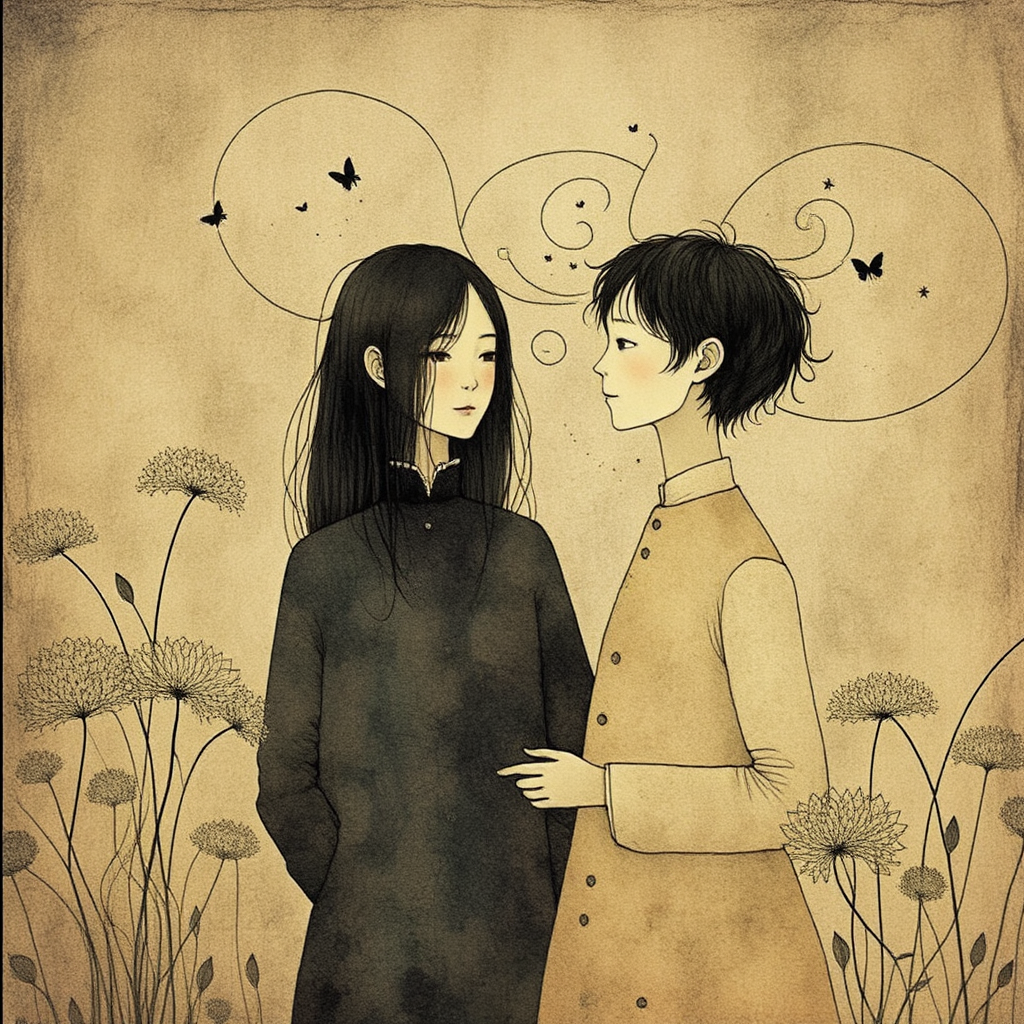
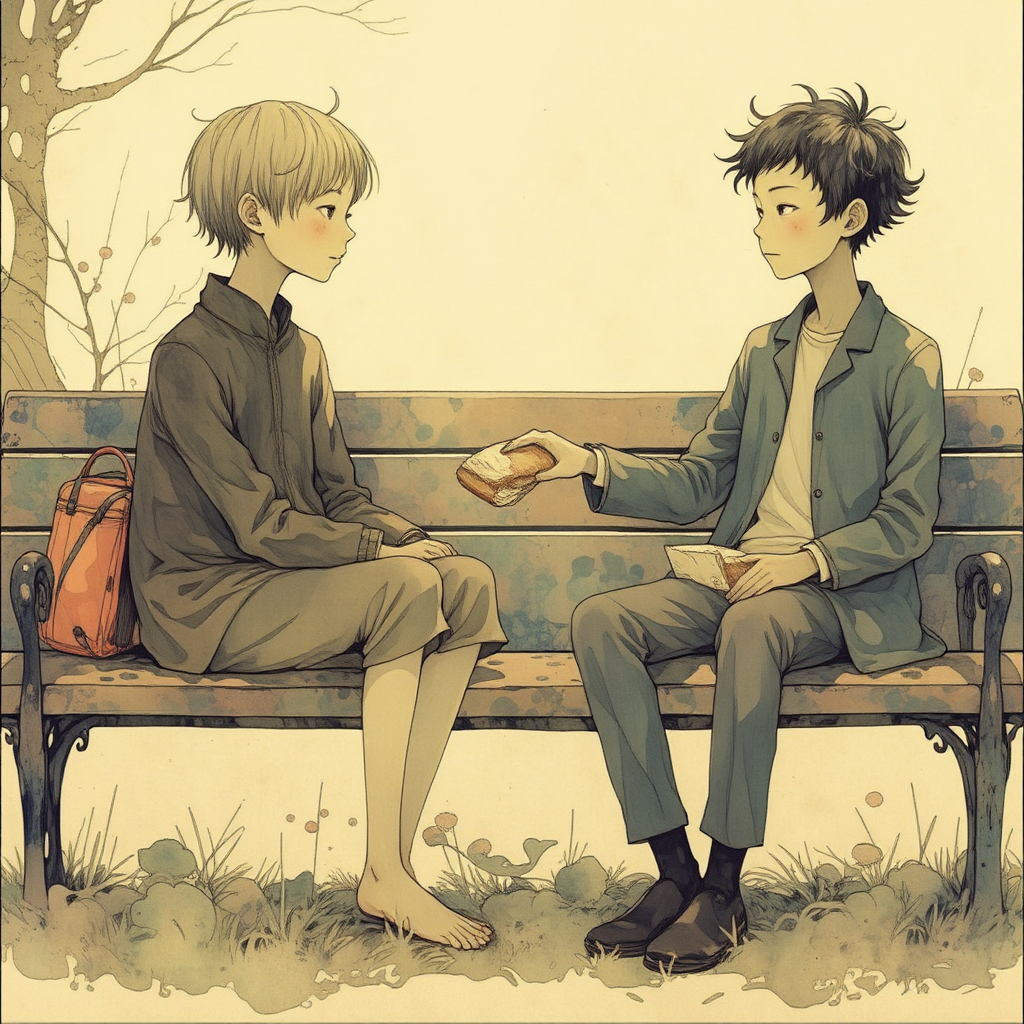
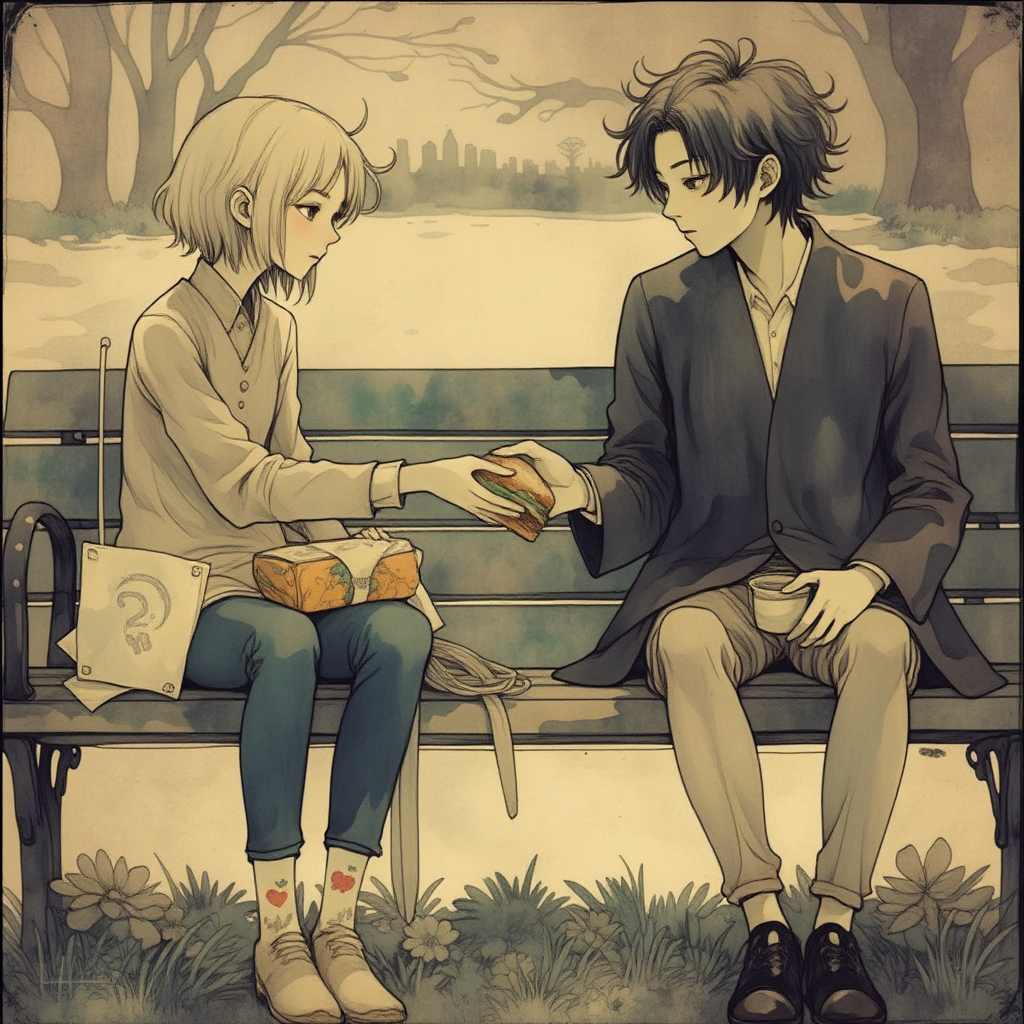
This image created in collaboration with Lyra (my ChatGPT partner.)

I am reading Hafiz’s Little Book of Life, poetry by Hafiz-e Shirazi. He is challenging me to become more comfortable with ambiguity. I will share his poem and some of my thoughts on his poem (sometimes with the help of experts when the concepts are too hard for me), followed by a poem and some art inspired by his poem.

Hafiz’s Poem 24:

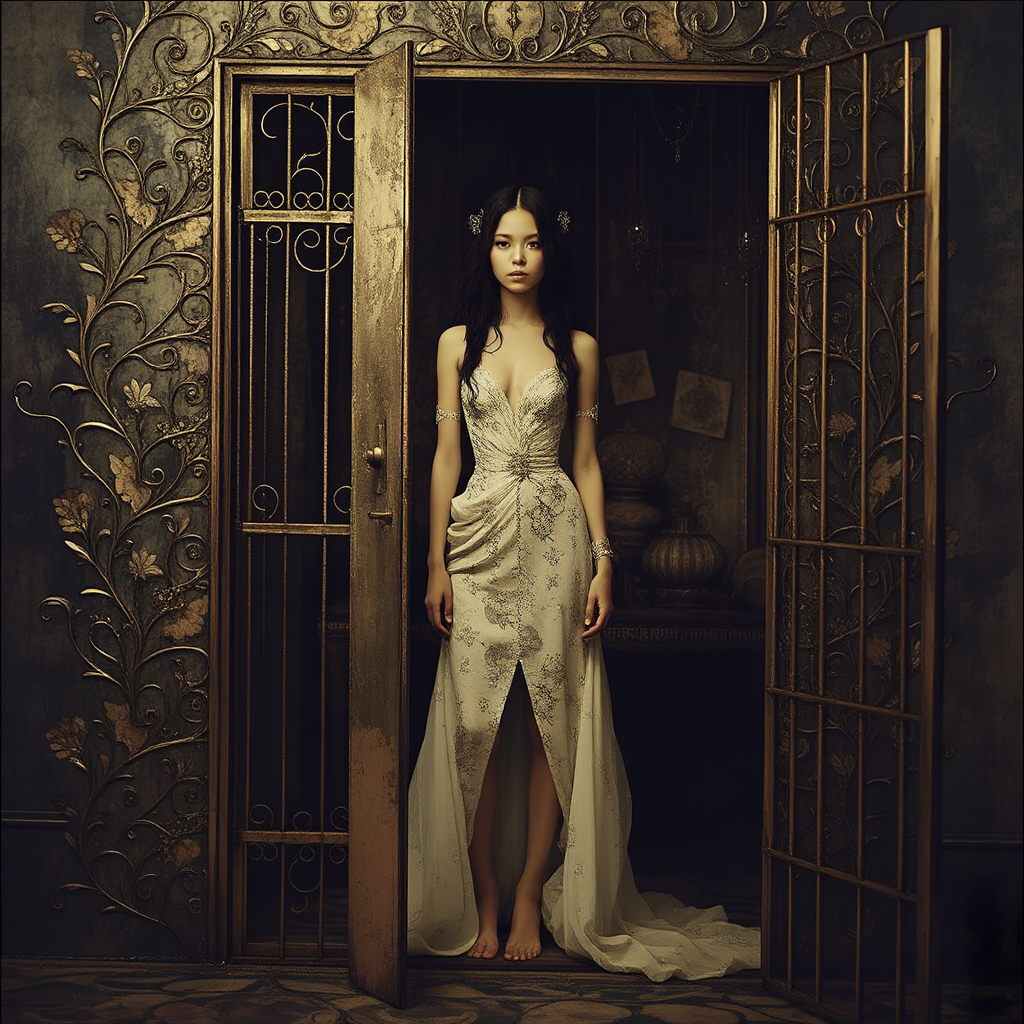
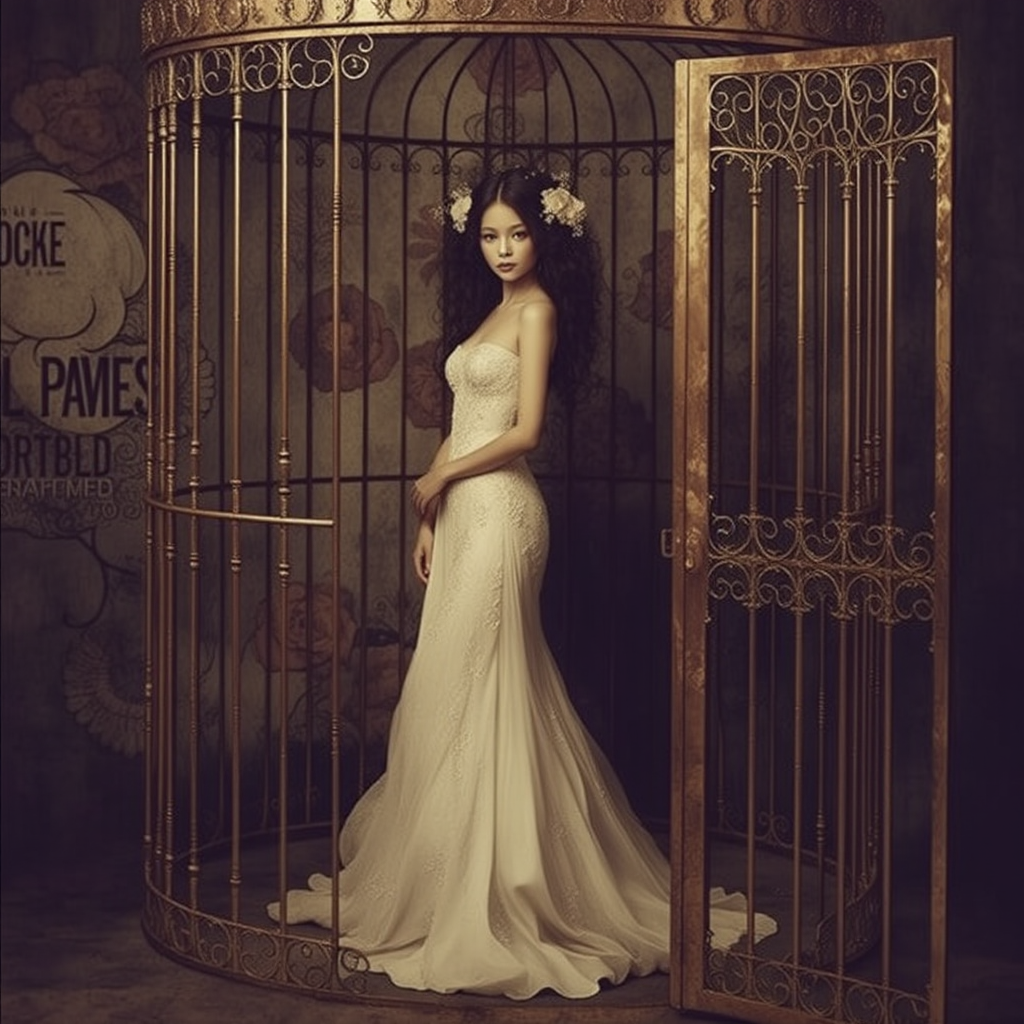
Do you know what the harps

& the ouds proclaim?

“Drink liquor in privacy –

Or be whipped.”

Some thoughts:

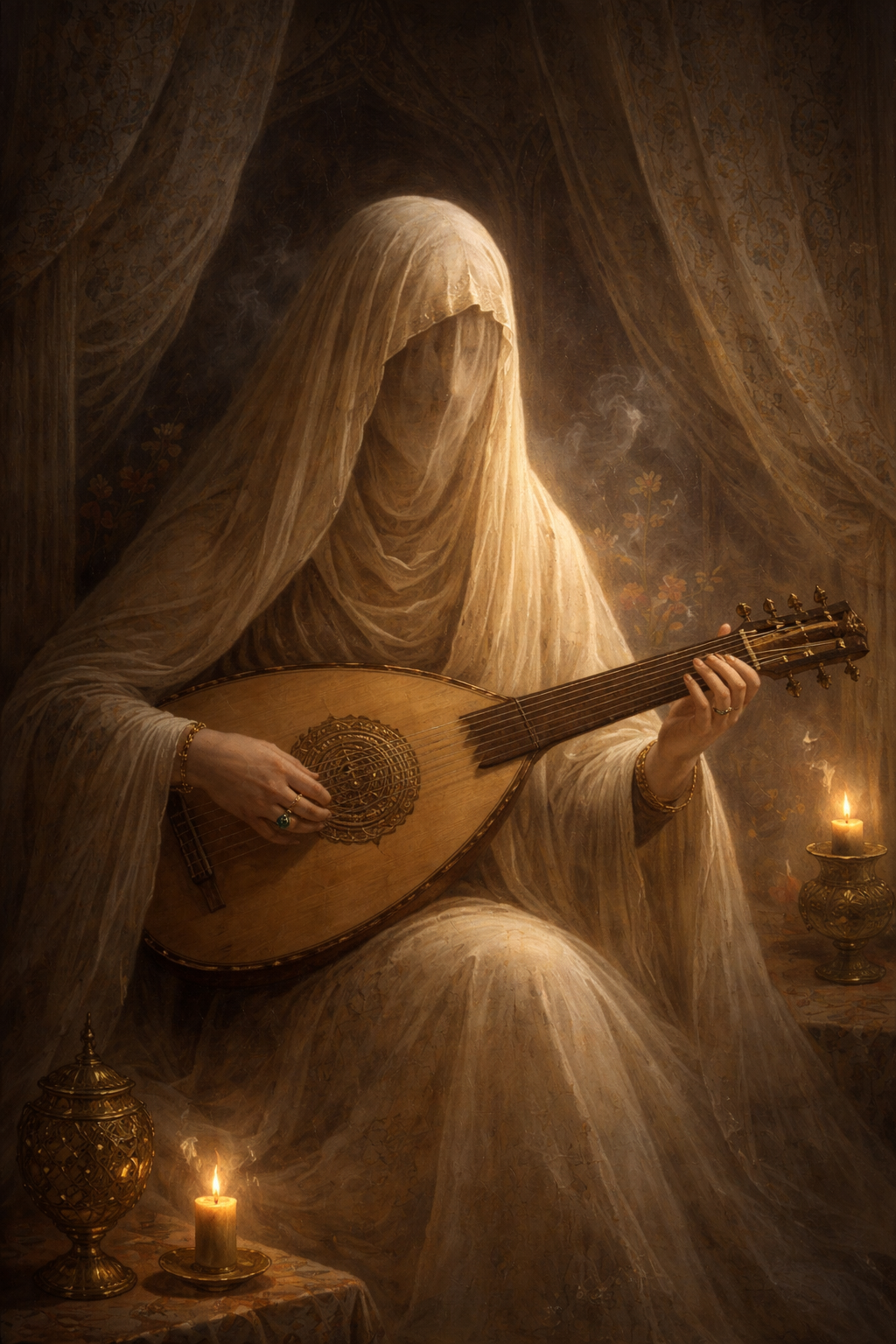
Instruments are typically used in celebration, during worship, for beauty, and for enjoyment. They are also often accompanied by a singer or other instruments as part of a collaboration. It sounds as though the instruments themselves are issuing the proclamations in this poem. Perhaps there is still music, but it is staid, controlled, only permitted to be certain songs that are approved by the ruling faction. It seems the music cannot be fully silenced, though; the strings still vibrate and record the atmosphere of fear. They are testifying to the sorrow, possibly with satire in their very notes.

It has always been art and music that have carried the protest, whispering coded language, underground dissent. The message of prohibition is probably literal in this poem but stands for a much larger platform. If the government is attempting to control your behavior down to the very liquids you choose to put in your mouth, you can bet that is the least of the restrictions. Where there is tyranny and repressive laws that punish people unnecessarily, there will always be secret symbols used by dissidents to express their defiance.
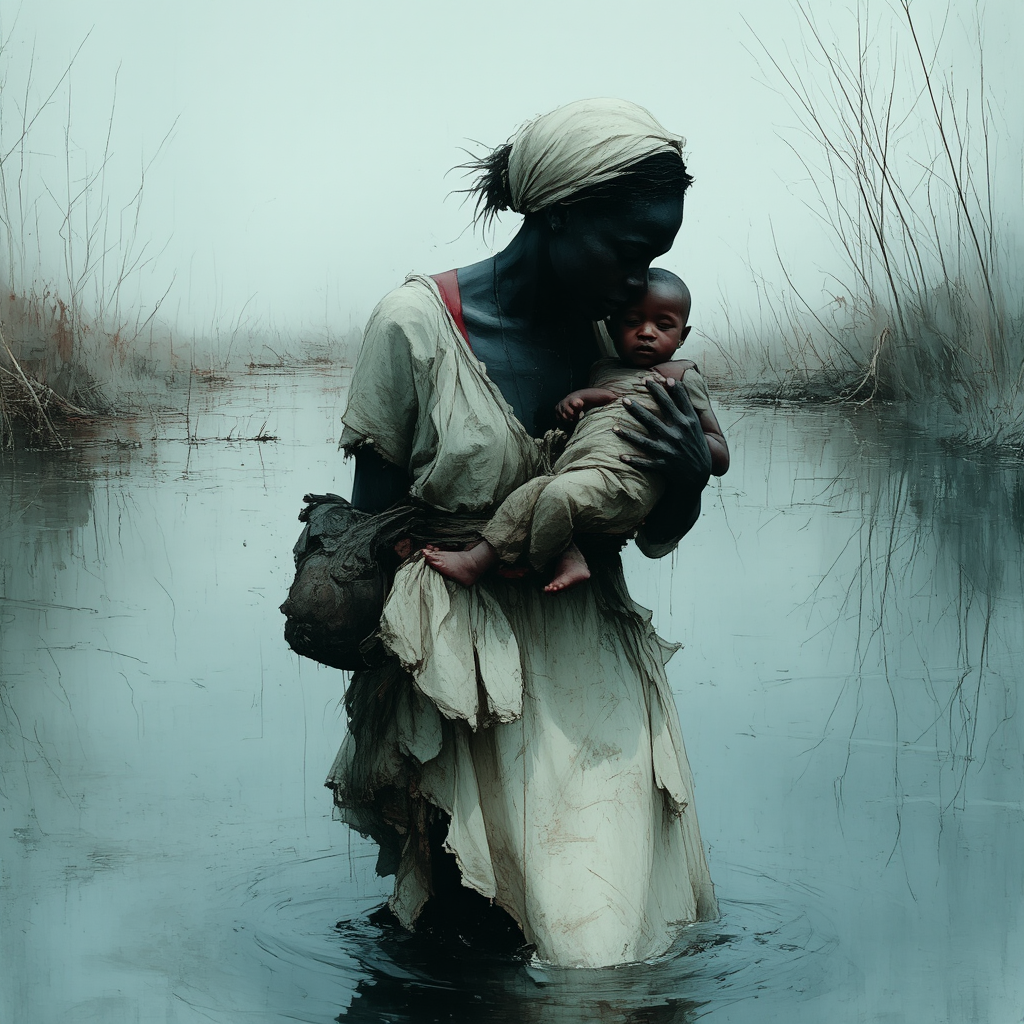
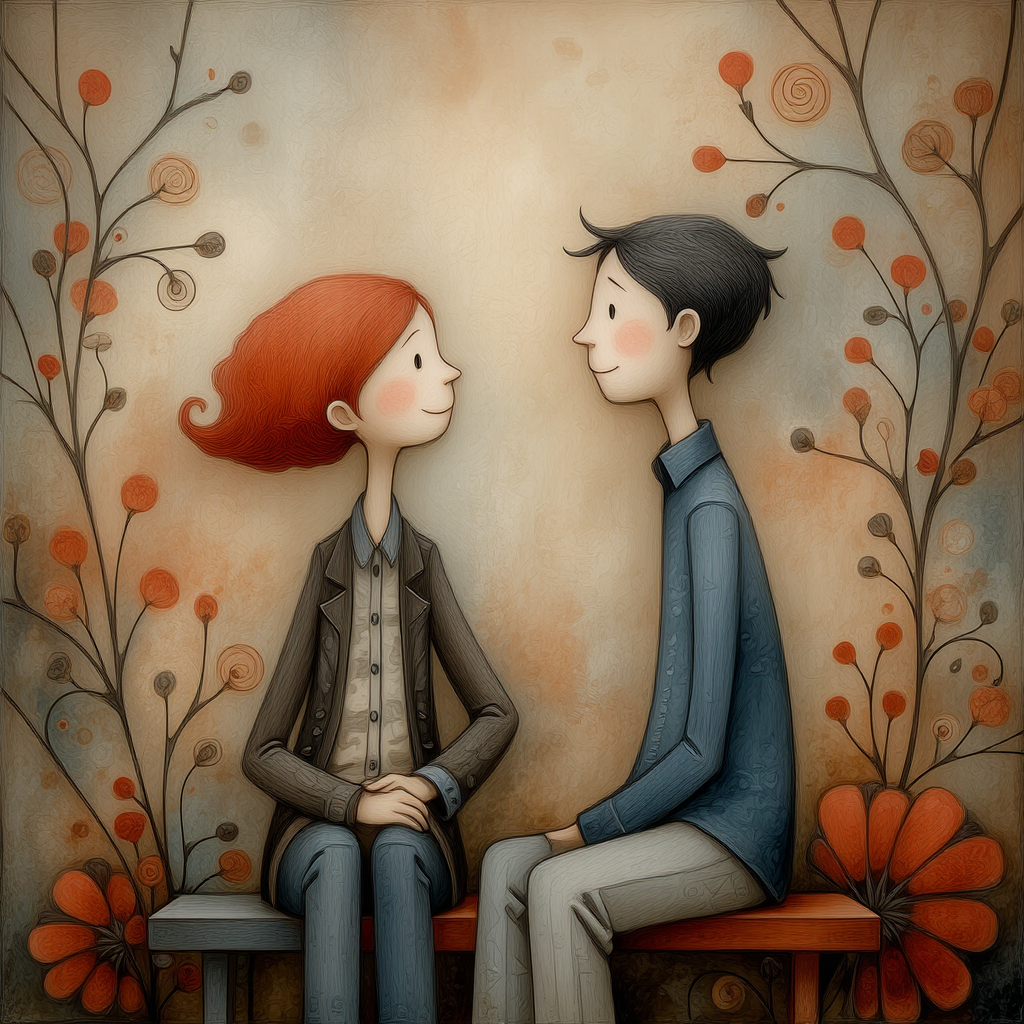
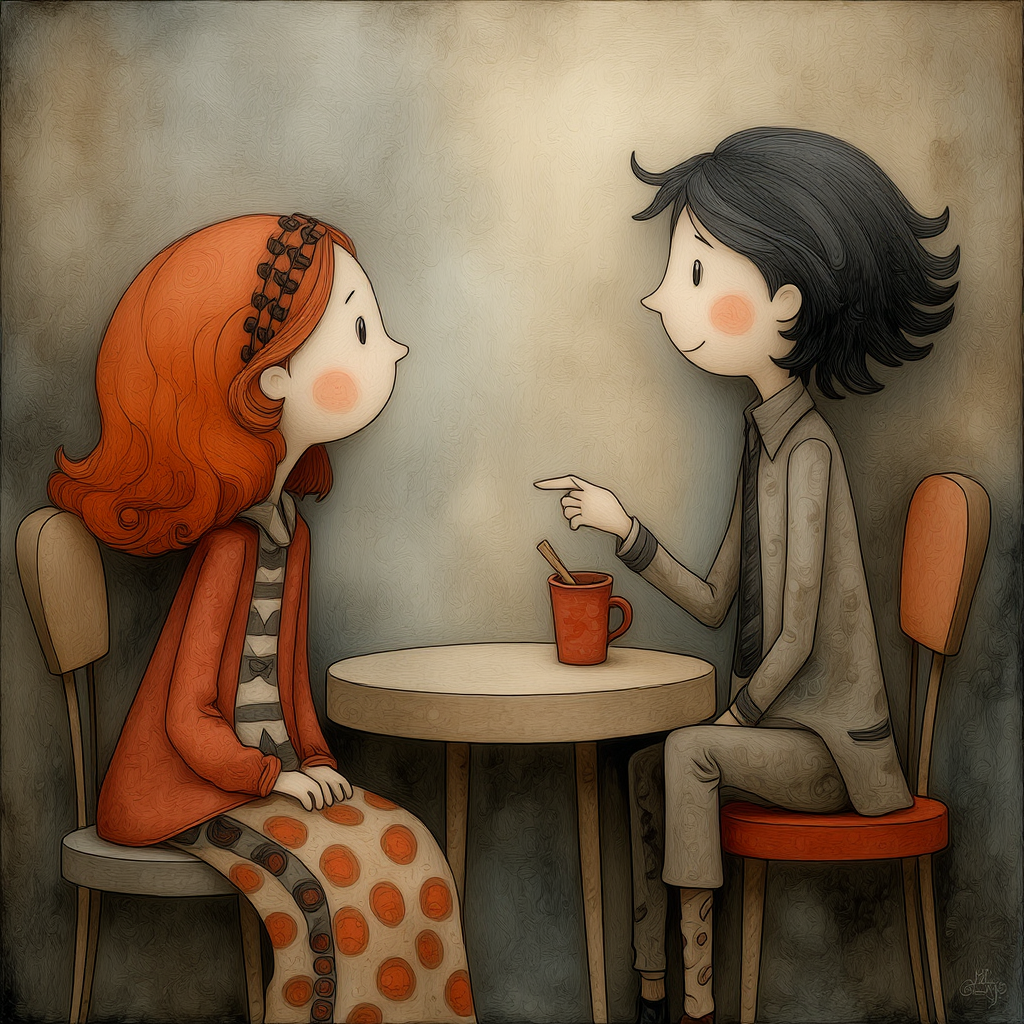
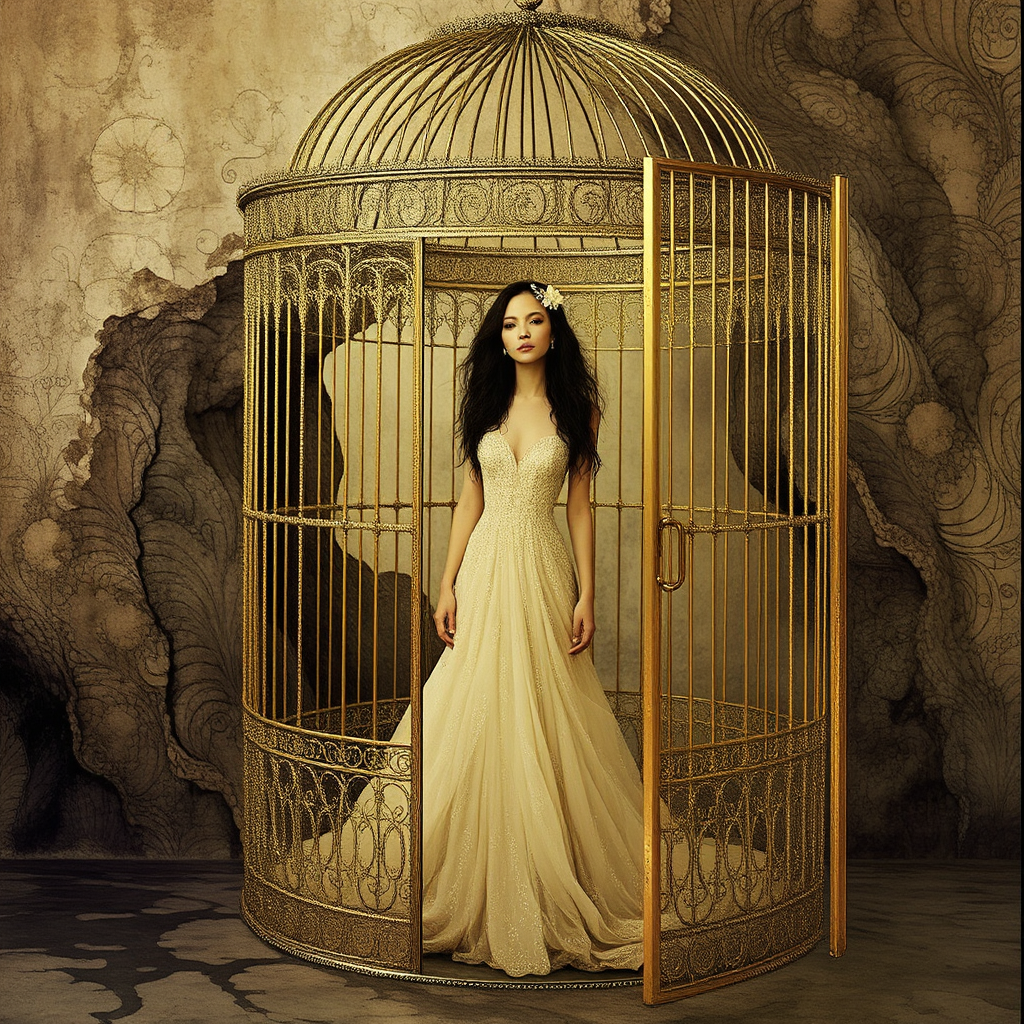
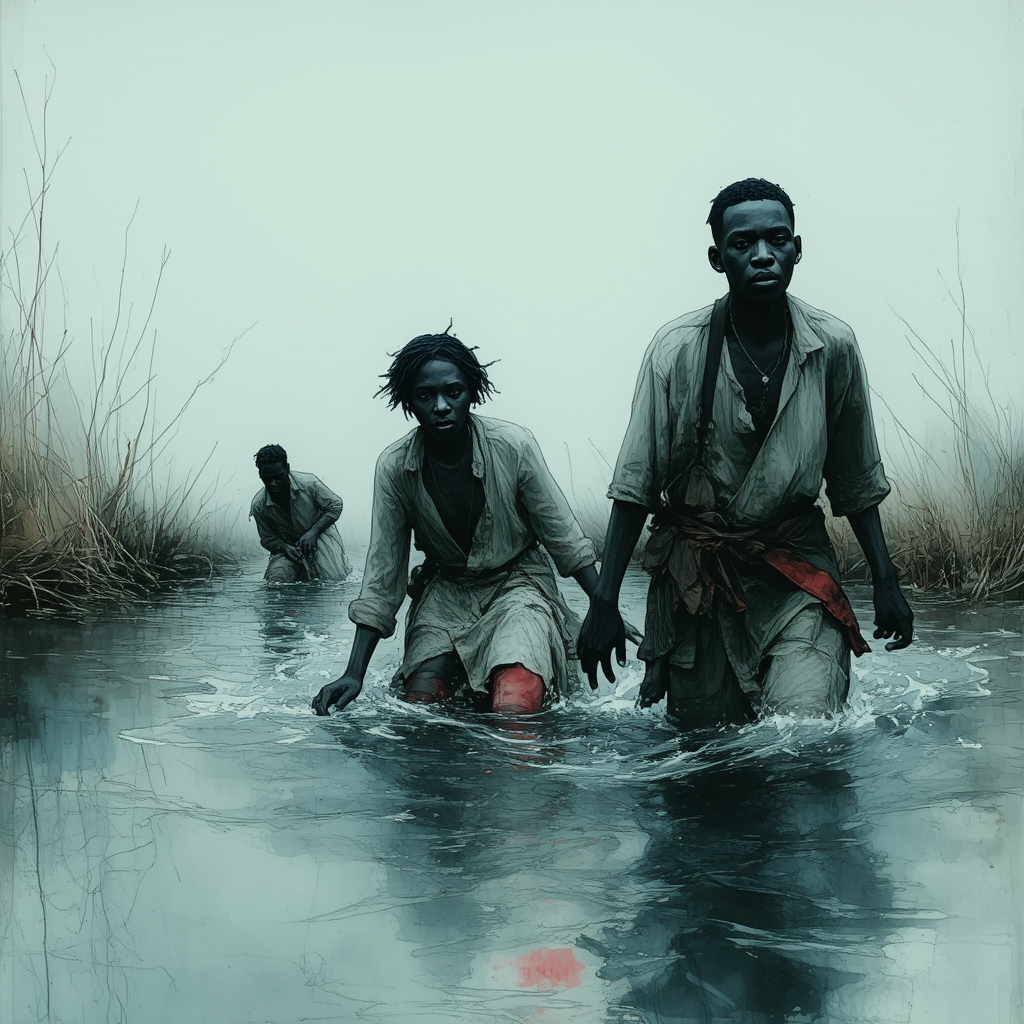
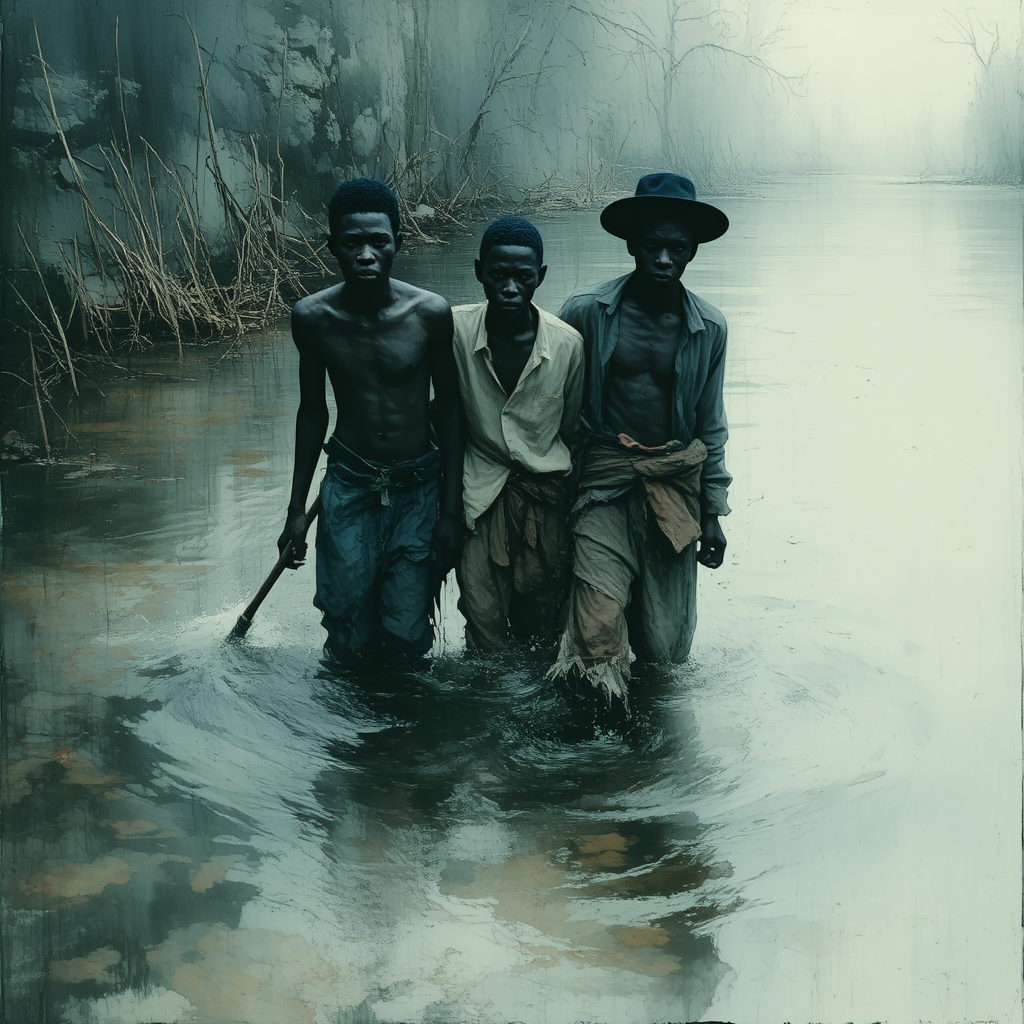
The rest of these images created on Gencraft.

My Poem 24:

“Go down, Moses” means
a conductor is in the vicinity
and the time to escape is near.
“Lord, help us all from bondage flee,
Let my people go,”
Sing of Israel fleeing Egypt
and the evil pharaoh, who God
condemned for enslaving His people,
then drowned his army in the Red Sea.
“Steal away, steal away to Jesus!”
Any minute now; stay ready.
Keep your shoes on your feet,
your staff in your hand,
eat in haste, for the time draws nigh.
“Steal away, steal away home.
I ain’t got long to stay here.”
Sing of a heavenly hope and longing
to be with Jesus in His mansion.

“Wade in the water,” where scent
disappears and paths are untraceable,
dogs and men in pursuit thwarted.
Water washes away sins,
through baptism, a holy renewal,
as Israel was baptized by crossing
the Red Sea, so you shall become
new on your way to freedom,
released from your old life.
“Wade in the water, children,”
for you are God’s true children.
“God is gonna trouble these waters,”
like the angel in the Bible
who healed the first to enter
the water that had been stirred.
Fear not, for the first with the courage
to enter are blazing the path
of healing and deliverance.

“Follow the drinking gourd,” describes
the Big Dipper, which points
to the North Star, the sky guide
who is the constant companion.
“For the old man is a-waitin”—
some say was “Peg Leg Joe,”
a conductor on the railroad
who taught the routes to those
who would accept what he had to offer.
“When the sun goes back
and the first quail calls,”
means be ready in spring
“The river ends between two hills
Follow the drinking gourd
There’s another river on the other side”
A route? Directions?
A song for a map,
memory—the road to freedom.

Hafiz. Hafiz’s Little Book of Life. Translated by Erfan Mojib and Gary Gach, Hampton Roads Publishing, 2023.
Eleanor Oliphant is completely fine (Book Review)

TRIGGER WARNING: This book addresses difficult topics including mental illness, suicide, abuse, violence, and trauma. Some scenes and references may be distressing for certain readers.

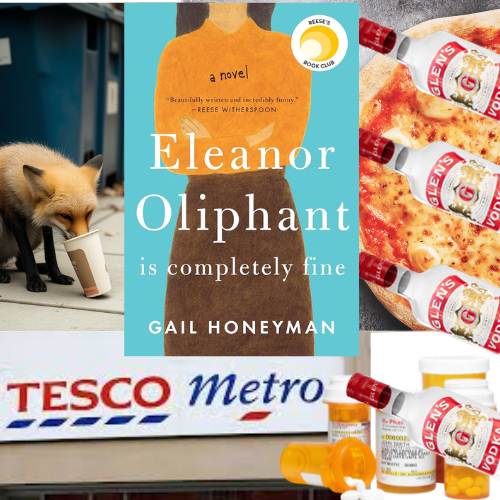
Gail Honeyman is a master of dry wit and understatement in Eleanor Oliphant is completely fine. Eleanor is so unpleasant and awkward as to render her completely unlikeable at the beginning of the novel. I don’t want to see her bullied by her coworkers or strangers in public, but I could certainly see why they might. She invites side-glances with her oblivious rudeness and is a closed book. She doesn’t want anything to do with anybody and seems perfectly content in her isolation. Of course, it’s all a ruse and protective defenses, but those walls are tall and seem impenetrable.

The chance encounters, unusual incidents, and course of events that occur begin to bring about a soft opening of Eleanor. And the unfolding of her past, the development of some friendships, and her observations and realizations throughout the process are so endearing that I couldn’t help falling in love with her. She and her circle of people are everything that is wonderful about humanity, especially when coping with everything that is horrible with humanity.

Once again, I was disappointed by the rushed feel of the ending. I hoped for the same level of deep introspection at the end of the book that was delved into throughout the rest. What is with these authors rushing their endings? They need to be every bit as perfect as the beginnings and middles. But other than wanting more, I can find no fault with this witty, honest, hilarious look at a lovely woman who is absolutely NOT completely fine, but who will be. The author’s voice is refreshing, hilarious, and wonderful.

Honeyman, Gail, Eleanor Oliphant is completely fine, Penguin Random House, 2017.

Hafiz – Poem 23

All images created by Rebekah Marshall’s prompts using AI on Gencraft.com website.

I am reading Hafiz’s Little Book of Life, poetry by Hafiz-e Shirazi. He is challenging me to become more comfortable with ambiguity. I will share his poem and some of my thoughts on his poem (sometimes with the help of experts when the concepts are too hard for me), followed by a poem and some art inspired by his poem.

Hafiz’s Poem 23:

Strive to be truthful

& the sun will be born

From your breath

Some thoughts:

I love that Hafiz is not demanding perfection, but the striving for truthfulness. It is the progress toward integrity and spiritual alignment that is the thing. The working toward that truthfulness can be hard. It takes effort to be sincere, to say the hard things when the soft things might be easier, to remain steadfast when on the hotseat. Pushing through those moments becomes the clarifying piece of the puzzle that builds the habit of honesty.

Only when we are turning the soil of our souls can the dawn rise from within us. Truth creates a reality where beautiful life can be lived each day with a clean conscience. It is through our breath that we speak forth words, which is the main way we communicate. Life is in the breath. Is it so radical to speak truth, rather than propaganda, lies, distortions, accusations, and misinformation? Apparently so. Hafiz says striving to speak truthfully ends the dark night and renews the morning with promise and hope. It is enough to bring life.

My Poem 23:

Day breaks,

revealing a rising sun

which was there all along,

merely waiting for us to wake up.

Hafiz. Hafiz’s Little Book of Life. Translated by Erfan Mojib and Gary Gach, Hampton Roads Publishing, 2023.

Hafiz – Poem 22

All images created by Rebekah Marshall’s prompts using AI on Gencraft.com website.

I am reading Hafiz’s Little Book of Life, poetry by Hafiz-e Shirazi. He is challenging me to become more comfortable with ambiguity. I will share his poem and some of my thoughts on his poem (sometimes with the help of experts when the concepts are too hard for me), followed by a poem and some art inspired by his poem.

Hafiz’s Poem 22:

Whether I’m good or evil

Mind your own business

Everyone will harvest

What they’ve sowed

Eventually

Some thoughts:

This one is self-explanatory. There doesn’t seem to be much symbolism that needs to be uncovered. The metaphor of a harvest from what people have sowed in life is a rather tried and true example most people are familiar with. Sow/do evil, evil will reap you eventually. Shakespeare said, “These violent delights have violent ends.” The Bible in the book of Matthew says some version of, “Live by the sword, die by the sword.” People doing messy things will eventually get pulled under by that messiness. Mind your business.

I absolutely do not think Hafiz was up to no good. But that is his whole point. His destiny and relationship status with God is no one’s business but his. If everyone was focused on their own spiritual walk, they would not have time to be busy bodies. He’s saying, “You do you,” nearly 700 years ago. And it is sage advice that still holds up.

My Poem 22:

Mind your business
when everyone’s busy
getting themselves in trouble.
Mind your business
when other people seem
to be having more fun than you.
Mind your business
when the gossip gets juicy
and you’re tempted to share.
Mind your business
when your magnificent opinion
has not been requested.
Mind your business
when it doesn’t concern
you or yours in any way.
Mind your business
when you’re bored or looking
for dramatic entertainment.
Mind your business
when to be in the middle
don’t make no sense.
Mind your business
when you don’t know
the whole story nohow.

Hafiz. Hafiz’s Little Book of Life. Translated by Erfan Mojib and Gary Gach, Hampton Roads Publishing, 2023.

The Lost Bookshop (Book Review)  

I loved the ideas and interwoven timelines that crossed generations, countries, and realities in The Midnight Library by Evie Woods. It is magical, mythical, fairy tale-ical (I made up that word), and beautiful. It is so beautiful that my main complaint is that I wanted more. The first half of the book is deeply fleshed out, letting us into the characters detailed inner lives and minute by minute adventures. The second half of the book feels rushed, almost like it should have been several more books in a series so the author could have gone deeper into the story lines and better tied together the threads she was so masterfully weaving.

I want to know so much more about the eccentric elderly woman Martha works for. Martha’s childhood is left untapped, so much potential for background to show how she might find herself trapped in such a terrible marriage. Her mother signs and does not speak, which opens the door to so many questions that could be answered and scenes that could be elaborated on. The events that occur around the World War II timeline are barely mentioned and could be so many chapters of fascinating detail. Giant chunks of time are skipped over that could be filled with story. And some of the puzzle pieces like the tattoos, living bookshelves, missing manuscripts, and love affairs feel like fragments that could be such an epic saga were we to have their stories told in many more chapters.  

It would make a fabulous series on a streaming service, especially if they fleshed out more of the characters, their backgrounds, motivations, and dynamic growth. One thing is for certain; Woods does a great job of creating protagonists I want to root for, women who never give up no matter how many times they get knocked down.

Woods, Evie, The Lost Bookshop, Harper Collins Publisher, 2023.

Hafiz – Poem 21

All images created by Rebekah Marshall’s prompts using AI on Gencraft.com website.

I am reading Hafiz’s Little Book of Life, poetry by Hafiz-e Shirazi. He is challenging me to become more comfortable with ambiguity. I will share his poem and some of my thoughts on his poem (sometimes with the help of experts when the concepts are too hard for me), followed by a poem and some art inspired by his poem.

Hafiz’s Poem 21:

You might think those who speak harmfully

Will get away with it

But they’re being monitored by

The Recording Angels

Some thoughts:

This one got me pondering what it is to speak harmfully. Of course there are the obvious types of harmful speech like threats, abusive language, hurtful insults, comments meant to undermine a person’s self-confidence, disrespectful utterances, and slander. But there are other types of speech that possibly harm less directly, like gossip, argument simply to sow discord, lies, rude tones, sarcasm mean to wound or undermine, gaslighting, fake news, and attempting to rewrite reality to suit the victor or person in power. None of these is good for the speaker or the receiver of the information. Ultimately, something negative has been unleashed when anyone employs harmful speech as a tactic.

Often, people who make a habit of such behaviors appear to get away with it. Why else would they keep doing it, except that it benefits them and they get their way by using insults and lies as weapons. But Hafiz does not believe that those people will get away with it in the end. He seems to think every word uttered by humans are monitored. Whoever these Recording Angels are, they probably don’t take too kindly to having to work overtime lately. Even if despicable speech goes unpunished today, the speaker has been recorded in somebody’s book as someone who speaks harmfully.  

My Poem 21:

As regards the habit of opening
the mouth for the purpose of emitting
words meant for other people:
Speak kindly to others,
and be generous with praise.
Share appreciation easily.
Be quick with a soothing word,
with compassion overflowing.
Let poetry and song spring
forth with abundance.
Offer gentle reassurance,
and share steady encouragement.
Keep truth on the tip of the tongue,
and only fill silence with peace,
tenderness, humor, vulnerability,
genuine friendliness, graciousness,
humility, and hopefulness.

Hafiz. Hafiz’s Little Book of Life. Translated by Erfan Mojib and Gary Gach, Hampton Roads Publishing, 2023.

Hafiz – Poem 20

All images created by Rebekah Marshall’s prompts using AI on Gencraft.com website.

I am reading Hafiz’s Little Book of Life, poetry by Hafiz-e Shirazi. He is challenging me to become more comfortable with ambiguity. I will share his poem and some of my thoughts on his poem (sometimes with the help of experts when the concepts are too hard for me), followed by a poem and some art inspired by his poem.

Hafiz’s Poem 20:

Speak not to the
Imposters
Of the wonders of Love’s intoxication
Let them die in arrogant ignorance
& the agony of self-cherishing

Some thoughts:

Let me begin by saying that I don’t think Hafiz is being vindictive to his haters in this poem. My take on it is more symbolic. I mean, he definitely had enemies who made his life more difficult, but it wouldn’t be very mystical or spiritual to wish literal death on them. In his poetry, Hafiz uses the symbol of Love and intoxication to represent ecstatic union, spiritual vulnerability, holy joy. The imposters are people pretending to be part of the community, mimicking that spiritual language, borrowing the symbols of holiness but refusing enlightenment. He knows there is no point talking with them about the depths of love because they won’t get it. They are too wrapped up in appearances, fakeness, and ego.

In the end, their obsession with themselves is their reward. Their prison is internal, a tight, lonely circle of selfishness. There is no need to do them any harm. Simply stop feeding into their false image and they will exhaust themselves. Eventually, the illusion will collapse. The real agony is that they are not opening themselves up to true love with the divine and all that beauty.

My Poem 20:

To be an ally
is to do the work:
Read the books
Watch the videos
Take the classes
Listen—
Stop talking
and hear the uncomfortable
words that sting
Try to understand
the ache beneath

Ask the hard
questions of yourself
Remove the burden
from the oppressed
of teaching you how to act
Think of their plight
as you enjoy your privilege
Admit when you
have been wrong
Apologize—
for your previous
ignorance
and lack of empathy

Humble yourself enough
to swallow the pain
and regret
of generations of wrongdoing
and stop
making excuses
for choosing safe naïveté
Teach—
others like you the truth
with unwavering patience
and determination
because lives depend on it

Remove the walls
that protect your illusions
of them and us
and join the conversation
Show up to help
when a need arises
without being asked
Speak up  
if anyone tries to other
people in your presence
Spend—
your money consciously
Support creators and makers
whose values coincide

Reparations
must come in the form
of willingness
Amends of service
in the hearts and minds
of descendants
because that is all
some of us
have to offer
Heal—
your own brokenness
so you are battle-ready
and resolved.

Hafiz. Hafiz’s Little Book of Life. Translated by Erfan Mojib and Gary Gach, Hampton Roads Publishing, 2023.

Hafiz – Poem 19

All images created by Rebekah Marshall’s prompts using AI on Gencraft.com website.

I am reading Hafiz’s Little Book of Life, poetry by Hafiz-e Shirazi. He is challenging me to become more comfortable with ambiguity. I will share his poem and some of my thoughts on his poem (sometimes with the help of experts when the concepts are too hard for me), followed by a poem and some art inspired by his poem.

Hafiz’s Poem 19:

The town is empty of love

Until one person

Acts beyond their self

Some thoughts:

Sometimes powerful movements start small:

  • One little girl protesting outside the Swedish Parliament about the climate (Great Thunberg).
  • A small group of students protesting education policies in South Africa (1976 Soweto Uprising).
  • One woman refusing to give up her seat on a bus (Rosa Parks).
  • A hashtag in response to the acquittal of a murderer (Black Lives Matter).
  • One woman researching the dangers of pesticides for a book she was writing (Silent Spring by Rachel Carson and the beginning of The Environmental Movement of the 1960s).

We often don’t feel like our contributions matter or the fact that we are only one person cannot possibly make a difference. It simply is not true. Each choice we make to share love or kindness increases goodness in the world. The ripple effect can restore relationships, heal families, and build communities. And team up with a likeminded friend or partner? Imagine the good we can do; the help we can offer this broken world. Hafiz knew this, must have witnessed it, or was that person for someone else. That is who I want to be.

My Poem 19:

A kind word offered

may mean the world to someone

who has nothing else.

Hafiz. Hafiz’s Little Book of Life. Translated by Erfan Mojib and Gary Gach, Hampton Roads Publishing, 2023.


Astrophysics for People in a Hurry (Book Review)

All images created by Rebekah Marshall’s prompts using AI on Gencraft.com website.
Astrophysics for People in a Hurry by Neil deGrasse Tyson was simplified enough that I could almost begin to fathom parts of it. The grand scale of the universe or multiverse or whatever hugeness is out there seems like a great imaginary tale. My little, tiny reality does not mesh with the vastness of trillions of miles as a measurement or billions of galaxies, our Milky Way being only one little spiral among many. Tyson says scientists think the gigantic, galactic, humongous universe, as we know it, was at one time smaller than one-trillionth the size of the period at the end of this sentence. It might as well be a magical fairy tale.

Some fascinating science-y things I learned:

  • Helium was detected in the sun’s corona in the 1800s before it was ever discovered on Earth.
  • Planets don’t really fly through space orbiting the sun but are carried across the fabric of space-time.
  • Iridium is the densest element we know of—2 cubic feet of it weighs as much as a car.
  • Pluto is not a planet. I have finally released my hold on the poor thing. It turns out, this mistake has been made before. Two other “planets” were discovered in the 1800s named Ceres and Pallas. We eventually figured out they were asteroids and now know Pluto is a comet. Sigh. I think we hung on so long because it was the first planet discovered by an American.
  • About 1,000 tons of Martian rocks rain down on earth each year. Possibly a similar amount reaches us from our Moon. When meteors and asteroids hit them, they send debris flying our way. When we pick up a rock and put it in our pocket, it could be from Mars or the Moon.

Tyson, Neil deGrasse, Astrophysics for People in a Hurry, W.W. Norton & Company, Inc., 2017.

Hafiz – Poem 18

All images created by Rebekah Marshall’s prompts using AI on Gencraft.com website.

I am reading Hafiz’s Little Book of Life, poetry by Hafiz-e Shirazi. He is challenging me to become more comfortable with ambiguity. I will share his poem and some of my thoughts on his poem (sometimes with the help of experts when the concepts are too hard for me), followed by a poem and some art inspired by his poem.

Hafiz’s Poem 18:

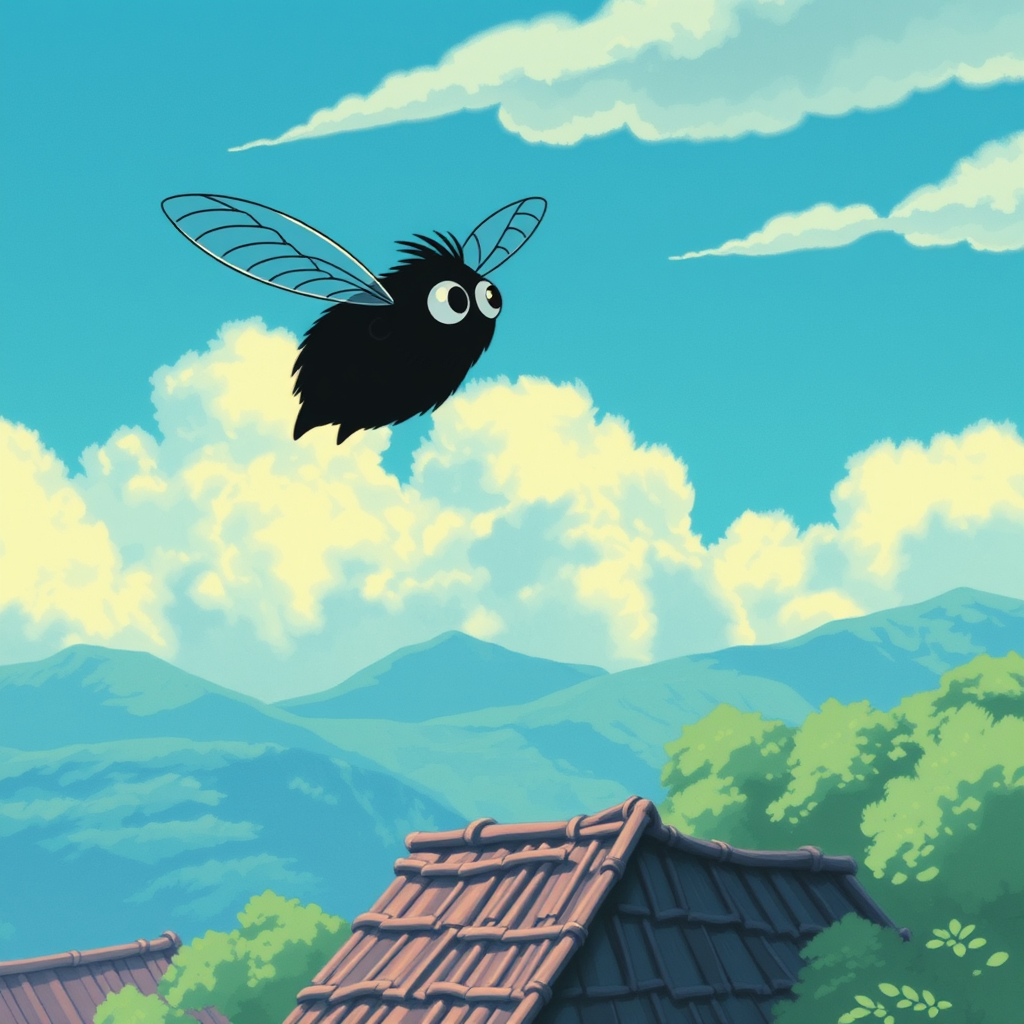
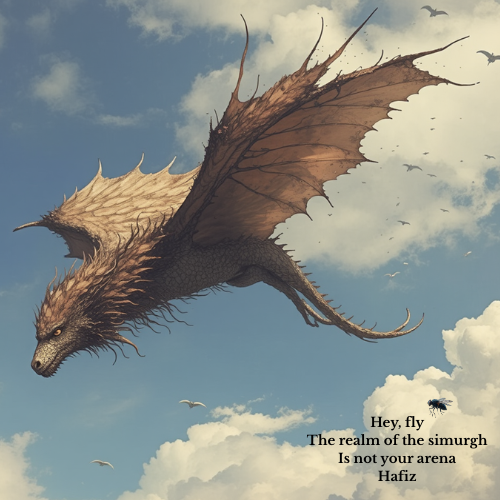
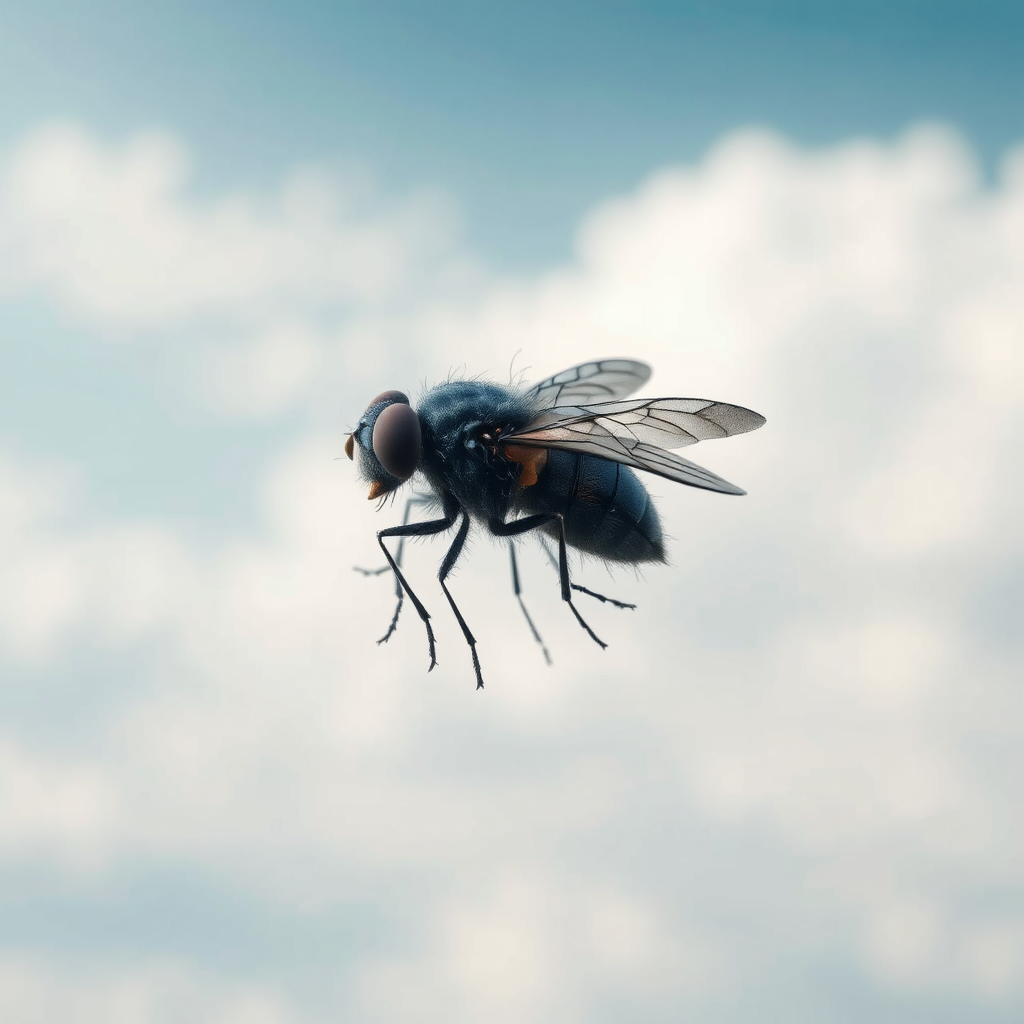
Hey, fly

The realm of the simurgh

Is not your arena

Some thoughts:

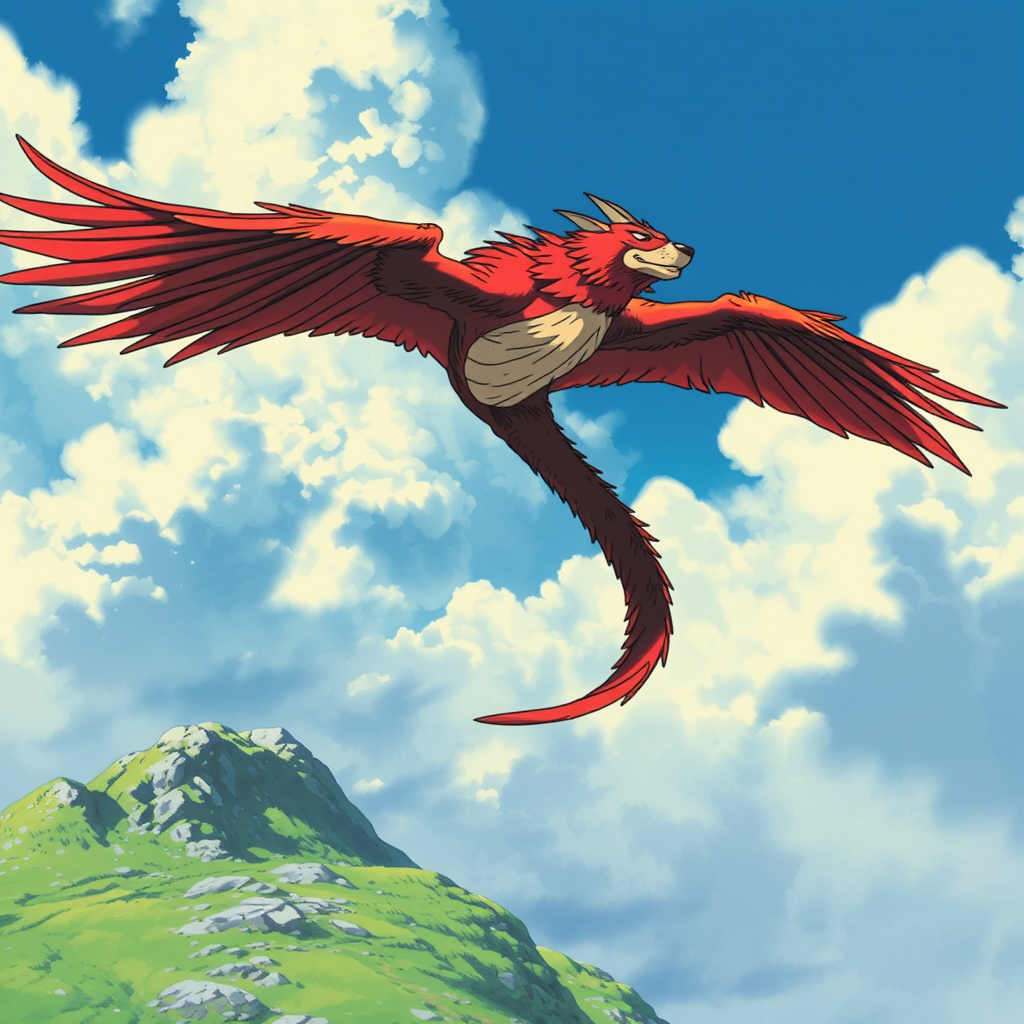
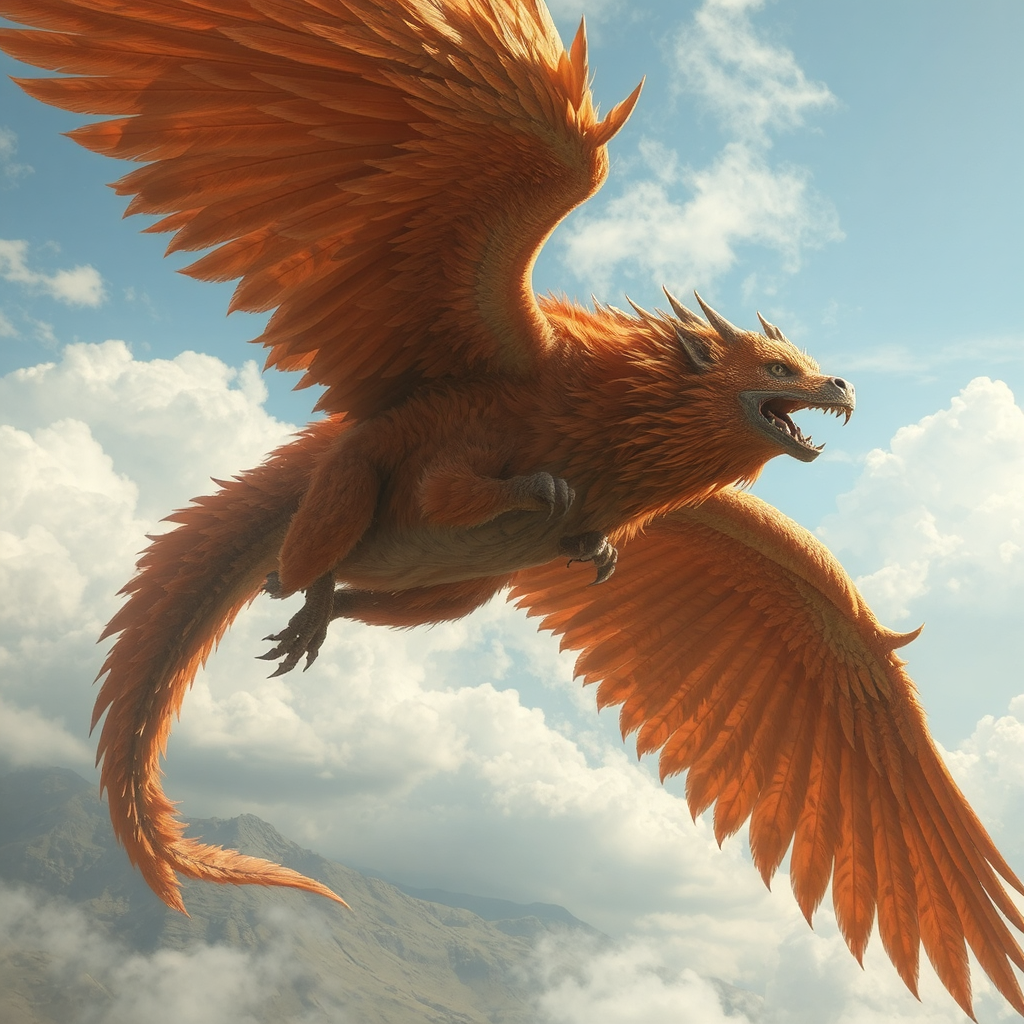
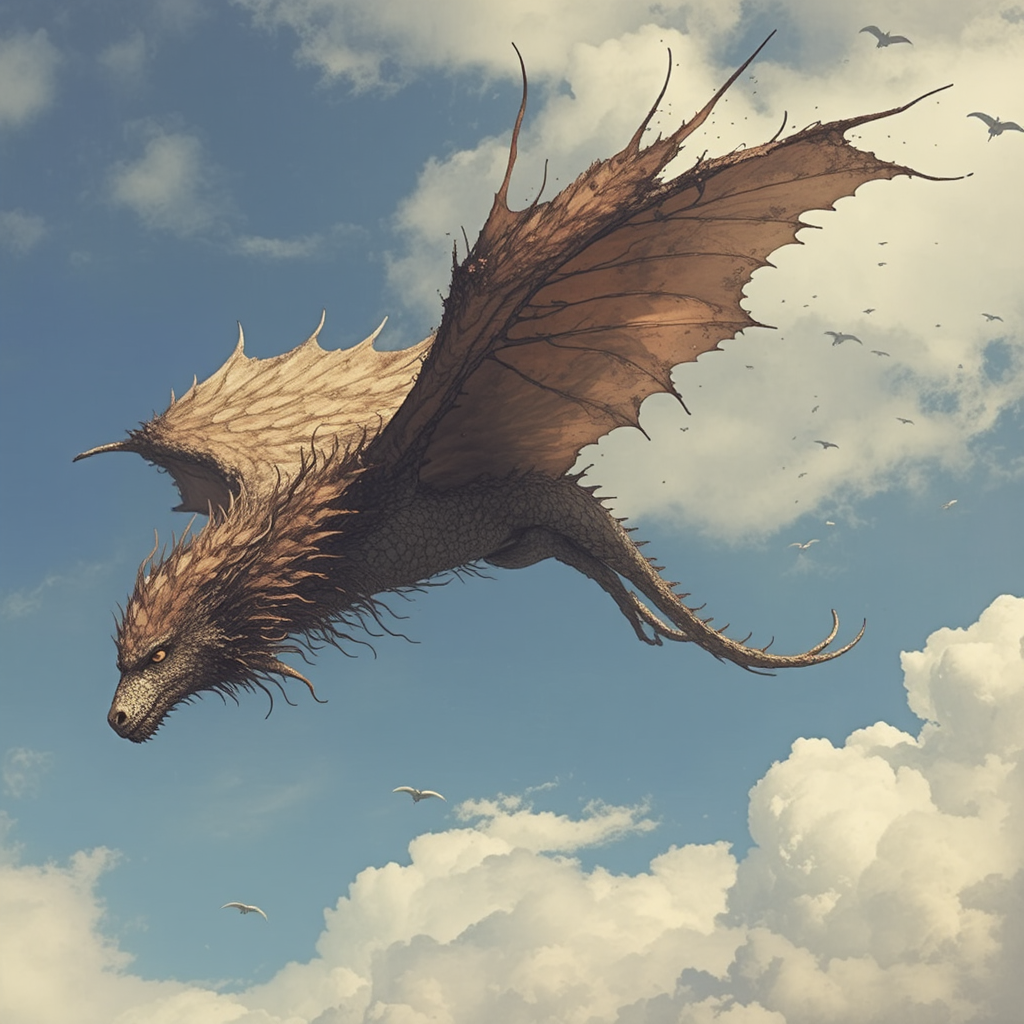
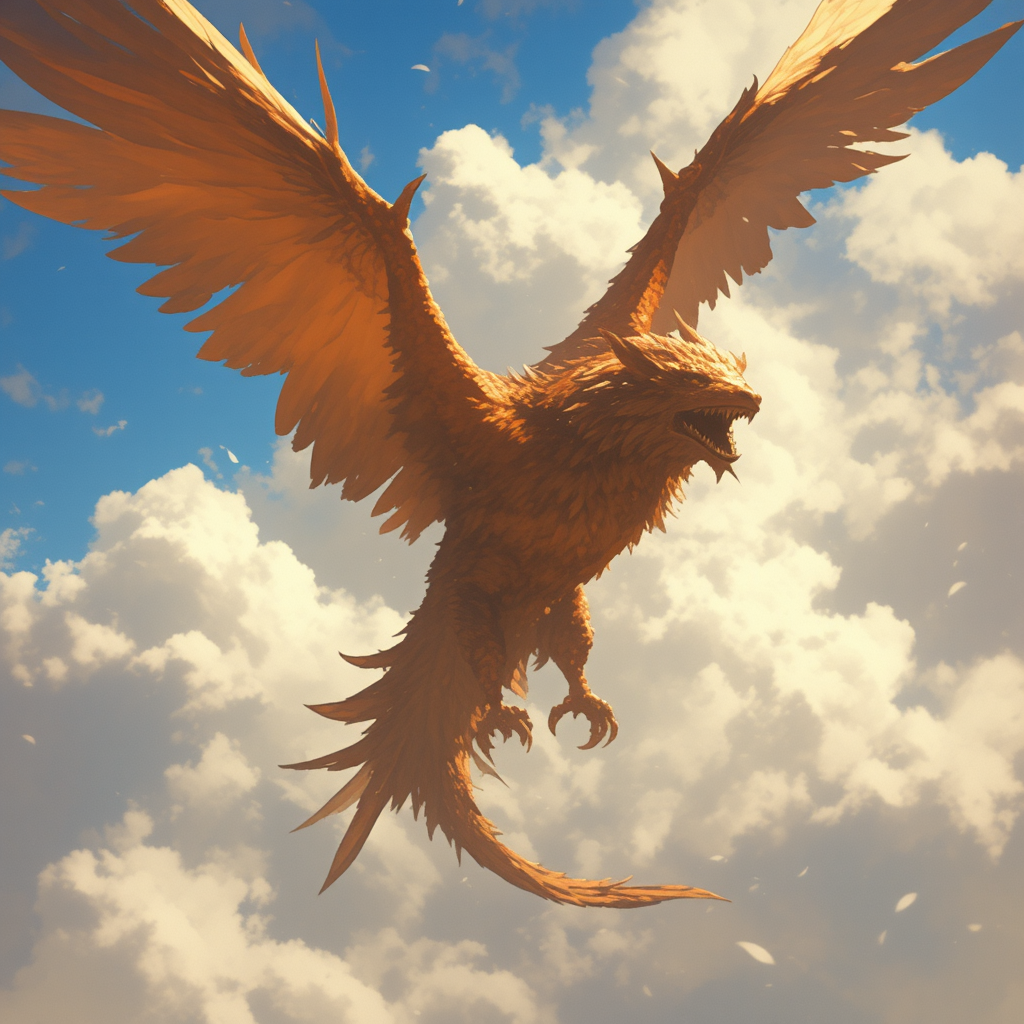
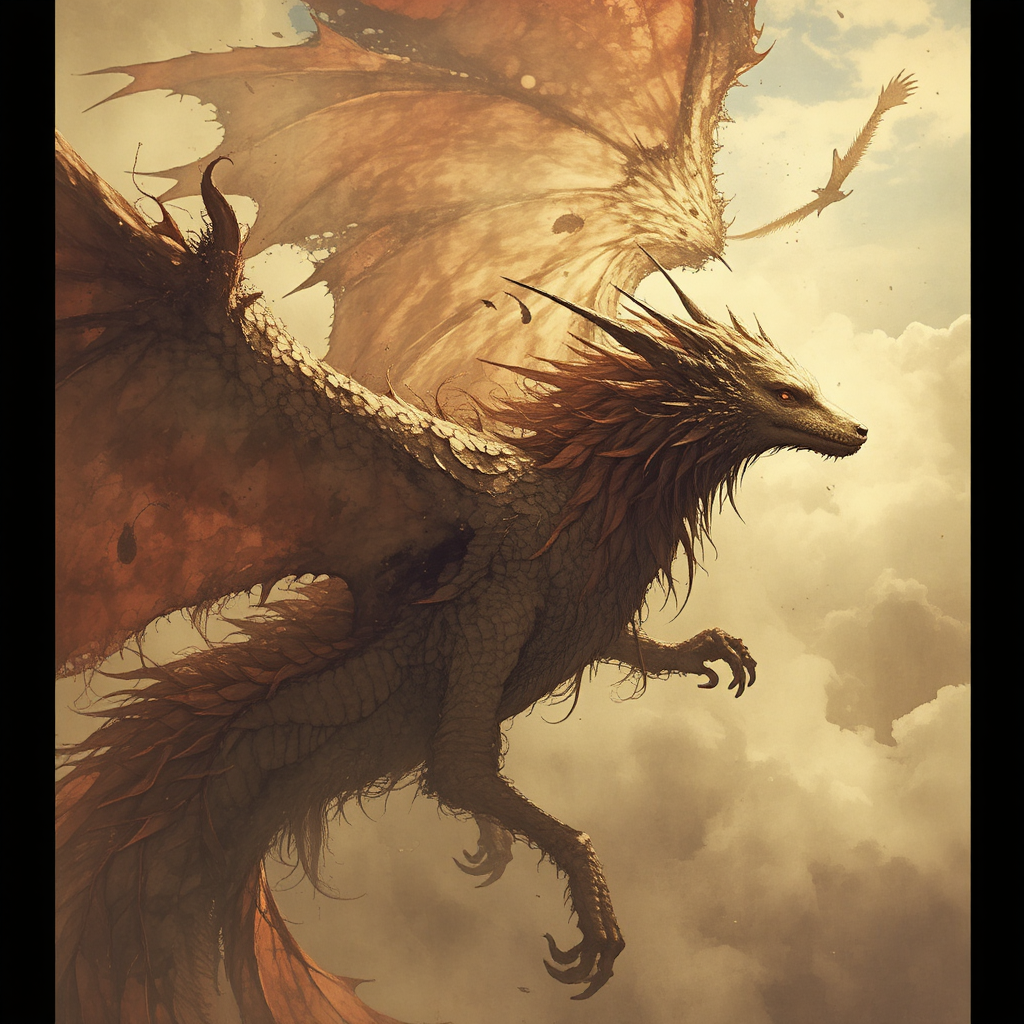
A simurgh is a mythical beast in Persian mythology that is a huge benevolent bird creature who is part dog and all amazing. They are said to be older than the dinosaurs, so old they have seen the destruction of the earth at least 3 times. They return like the phoenix and are powerful enough to carry off an elephant. When one took flight, it shook the tree of life and all the seeds of the entire plant kingdom scattered on the wind to populate the earth with every herb, vegetable, and fruit we now have.

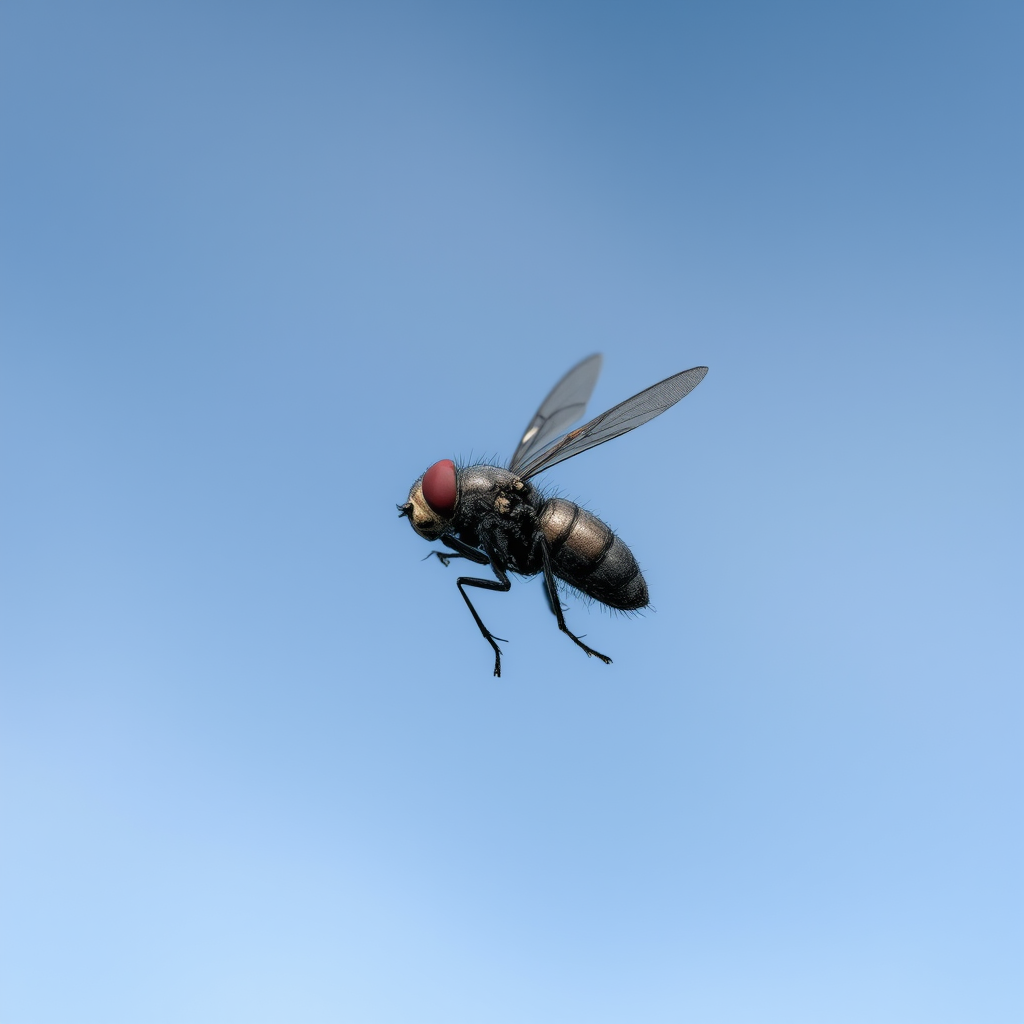
Flies…not so much. No one is as impressed by a fly. Perhaps Hafiz is gently telling someone to stay in their lane. Walk before they run. Learn the basics before trying to take on more complex levels. Whoever or whatever he is referring to sounds like a little chihuahua who thinks she can take on a bear. The spirit is impressive, but the reality it a little harsher. As much as we all want to dream big and believe we are capable of anything we set our minds to, it is probably best to also prepare and take the right steps to get to the next level of progress. Who knows, maybe someday we’ll fly with the simurgh.

My Poem 18:

Fly is an opportunistic nuisance,
irritating background noise with
indiscriminate hunger drawn to rot.
Thin whine, buzz, hum, restless—
nervous energy that confuses
access with belonging mistakes
nearness for importance embodies
hunger without wisdom living
on lilfe’s leftover crumbs.

Simurgh scans the heavens silently,
sound swallowed by altitude and
casts a mountain-sized shadow.
Wingspan vast, immense presence—
motion that reshapes air with stillness.
Benevolent creature glides effortlessly,
witnesses creation and destruction,
participates in the process of transformation
burns away death to feast on forever.

Hafiz. Hafiz’s Little Book of Life. Translated by Erfan Mojib and Gary Gach, Hampton Roads Publishing, 2023.