All images created by Rebekah Marshall’s prompts using AI on Gencraft.com website.
I’m not sure what I was expecting of C.S. Lewis’s The Four Loves, but I was surprised by the conversational tone. Though I did not agree with all his assertions, many of the ideas and categorizations of types of love made sense. He breaks love into the categories of Affection, Friendship, Eros, and Charity. Then he has another discussion around the Likings and Loves for the Sub-Human, like when we say we like taking naps or love cheesecake. Many examples within each of the categories also fall into what he calls Need-love vs. Gift-love. Need-love would be assigned to necessary-for-survival-type loves, like a child to a parent or water to quench thirst. Gift-love would be assigned to unnecessary-type loves, like appreciation of a beautiful piece of art or taking care of a sick person.
The reader should be prepared for strict opinions based on Lewis’s beliefs regarding gender roles, nature, science, the fall of mankind, sin, the afterlife, and other principles that Lewis views as black or white, rather than a possible spectrum of interpretation of Biblical text. If that is an accepted foundation going in, the concept of love can be the focus for analysis. I find the idea of even attempting to categorize love somewhat grandiose. However, Lewis’s arguments are well thought out. There are probably many more nuances that could be catalogued by culture, historical context, language, psychotropically induced vs. naturally occurring, gender-related, conscious v. subconscious, etc. I wonder if there are as many different types of love as there are people on the planet. That would be a much thicker book, though.
Lewis, C.S. The Four Loves, Houghton Mifflin Harcourt Publishing Company, 1960.
All images created by Rebekah Marshall’s prompts using AI on Gencraft.com website.
WARNING – SPOILERS
A Court of Silver Flames, the 5th book in the ACOTAR series, kept me on the edge of my seat. The female-centered, recovery-journey, inner-struggle deep dive is both inspirational and aspirational. I was never made to feel pity for the women fighting to regain their power but something more akin to sisterhood, hope, and absolute celebration. Every step of the way, each woman had to come into her own and claim her strength. Those are the role models girls need today.
This book is definitely some of the steamiest spiciness out of the five books so far. I was fanning myself a few times. It is more concentrated on Nesta’s story, but all the main characters appear hear and there so we can keep up with their lives, as well. We fear for the lives of several main characters whose love has set them on a straight course for death. I won’t give anything away, but the tension and concern are intense. I’ve grown to love these characters and always yearn for happy endings.
The newer characters that have been added to our family hold up their end of making us fall in love with them. When they are endangered multiple times, I am guilty of getting pre-mad at Sarah J. Maas. Creating characters for us to bond with only to kill them off would be the grossest form of manipulation and might lead to reader protests in the streets. I kept hoping she would not break my heart.
Maas, Sarah J. A Court of Silver Flames. Bloomsbury Publishing, 2021.
Image created by Rebekah Marshall’s prompt using AI on Gencraft.
WARNING – SPOILERS
A Court of Frost & Starlight, the 4th book in the ACOTAR series is a lovely, little, short novel wrapping up the last remaining threads of Feyre’s transformation. It focuses on her trying on her new role as High Lady and true partner to her love and delves into the parts of her that have been neglected because of war and survival. A key aspect is her art and desire to create, share her creativity, and understand creation as vital to her fulfillment.
It is a peak into homelife, an intimate Winter Solstice celebration, growth and blossoming of friendships, Mor’s self-realizations, and one of Feyre’s sisters suffering from emotional turmoil that gets totally out of hand. Interestingly, different voices begin to emerge. There are portions of the book from the perspectives of Rhysand, Cassian, Nesta, and Mor. The majority are in Feyre’s voice, but it is a nice change experiencing the inner thoughts of some of her loved ones.
This felt like a pause before a storm, a much-needed rest after the war and carnage of the 3rd book. I was disappointed that it was so short, as I wanted to learn more about all the members of the team & family. But book 4 is appropriately long, so I look forward to diving into that one immediately.
Maas, Sarah J. A Court of Frost and Starlight. Bloomsbury Publishing, 2018.
TRIGGER WARNING: This essay discusses patriarchal oppression, gender-based violence and punishment, sexual shaming, social ostracism, and cultural trauma. These topics are examined in a literary and analytical context.
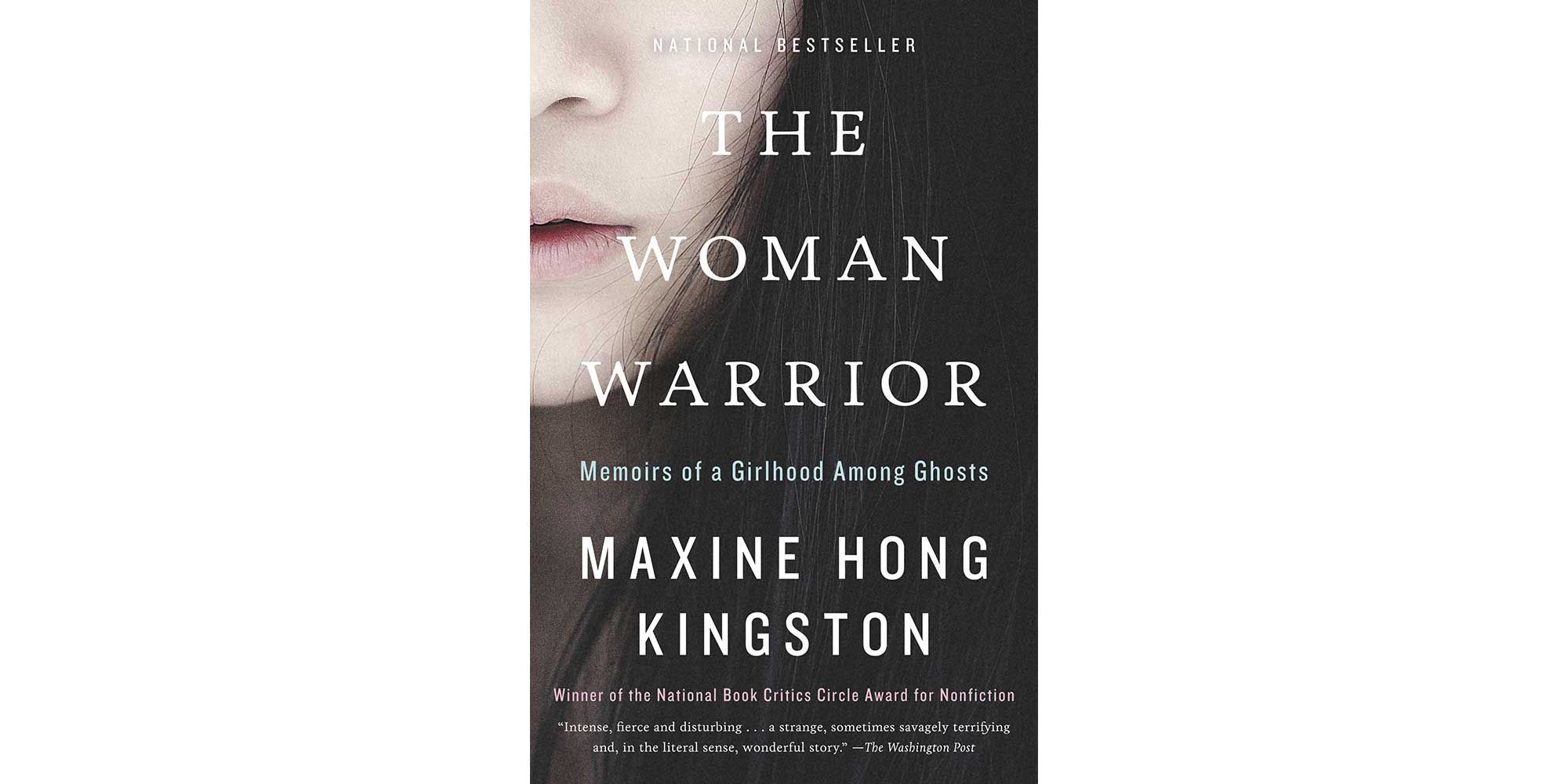
The Woman Warrior by Maxine Hong Kingston paints a picture of harsh expectations placed upon Chinese/Chinese American women. Though the narrator rejects some of the notions and attempts to forge her own path, she still feels duty-bound to uphold some of the traditions. Each section of the book focuses on a different woman and explores the expectations placed upon her specific to the time and place where that portion of the story is set.
For instance, No Name Woman lives in a village in China early in the 20th Century. She is expected to remain “pure” (no sex) until her husband’s return from war. Her sexual desires are not a consideration and her ensuing pregnancy is punished by shaming the family and destroying their crops, livestock, and stored foods. The family then disowns her and never speaks her name again, ensuring she would “suffer forever, even after death” (16). There is no mention of the man who must have impregnated her on the part of the villagers or her family. She must bear the full weight of the “crime” of having sex and becoming pregnant.
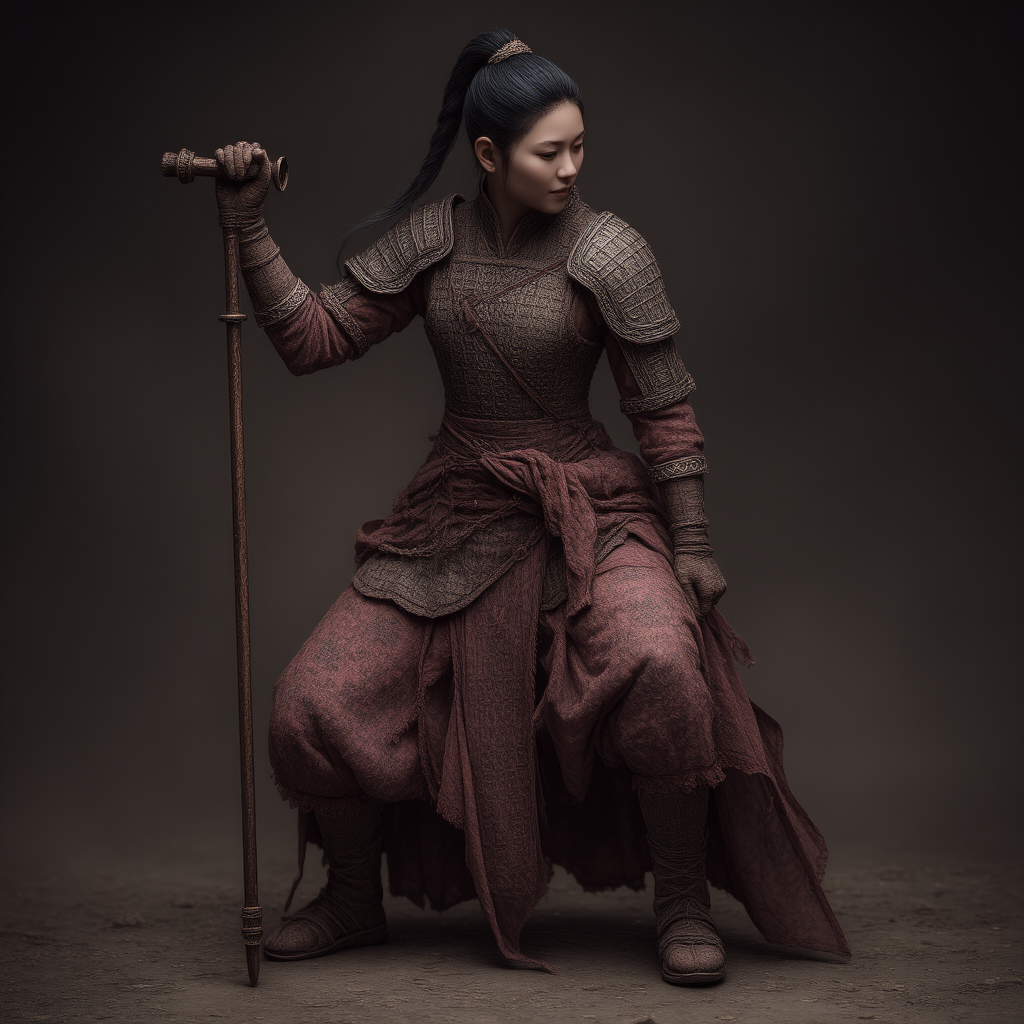
Fa-Mulan in the “White Tigers” section of the book becomes the greatest hero in the land saving her family, her village, and her country from evil rulers. She is a warrior, savior, and leader who has trained for 14 years to become the best hero possible. Yet, once her mission ends, she is expected to return to the “appropriate” role of wife, daughter-in-law, mother. There is no option for leadership in her world. This character is thought to have lived sometime around the year 500 in China. Women were not supposed to use their brains or their brawn, except in service to men. Any woman who attempted to pass as male enter the military or school would be executed, “no matter how bravely they fought or how high they scored on the examinations” (19).
The “Shaman” section about Brave Orchid shows the variety of domestic expectations placed on Chinese women. Brave Orchid lives the first half of her life in China and the second half in America spanning the 20th Century. She works as a medical practitioner in China and then in the family laundry business in America. Besides working long hours, she picks tomatoes as a part-time job to make more money, does all the cooking and cleaning, and manages all aspects of the household. She is also expected to carry on the traditions of the culture by keeping the rituals, ceremonies, and talk story alive so that it will pass on to the next generation. She must also protect everyone’s souls by calling them back when they have forgotten their way home. Brave Orchid’s eyes fill with tears as she tells her adult daughter, “I work so hard” (103). Chinese women are unrealistically expected to do more than their fair share of the work.
The section “At the Western Palace” highlights the way Chinese women in the past had little power in marital situations. Their partners were chosen for them and husbands might take multiple wives. The women were expected to tolerate and support these traditions without question. When Moon Orchid comes to America in the 1950’s, she is confronted by a different reality in which women have more rights and her husband rejects their marriage. She is expected to accept his continued financial support without living as his wife. Chinese American women seem to still have parents attempting to meddle with selecting their potential suitors according to the narrator.
In the final section “A Song For a Barbarian Reed Pipe” the narrator implies that a “good” Chinese American girl in America in the 1950’s should be able to speak fluent English and Chinese. She should attend Chinese school and American school. It is an interesting note that “good manners…is the same word as traditions” in Chinese (171). To please the Chinese, she should be obedient and demure, soft-spoken, and graceful, domestically competent – able to cook, clean, serve, and heal, and pleasant in interactions while not making eye contact, use opposites to confuse evil spirits, keep all Chinese traditions, send money to family members in China, lie to Americans so no one can trap her or deport her or trick her somehow, and remember that men are valued more highly than women. To please the Americans, she should be assertive and firm of voice, intelligent, sexy, able to defend herself, and independent making strong eye contact, speaking from a place of science and logic rather than any mention of evil spirits, creating a comfortable lifestyle that is America-focused, be a patriot, and believe that women and men are equal. A Chinese American woman is expected to do all of this and figure out how to be healthy, happy, and prosperous without driving herself crazy over the paradoxes such disparate expectations create.
Works Cited
Kingston, Maxine. The Woman Warrior – Memoirs of a Girlhood Among Ghosts. Vintage Books, New York, 1975.
TRIGGER WARNING: This essay contains discussion of racism, racial violence, police brutality, and psychological trauma in a literary context.
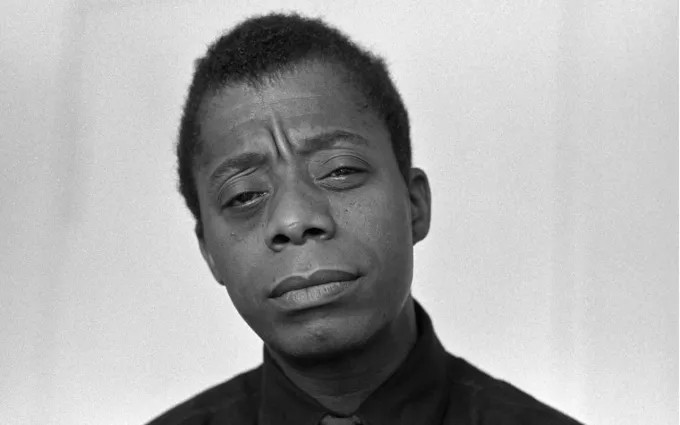
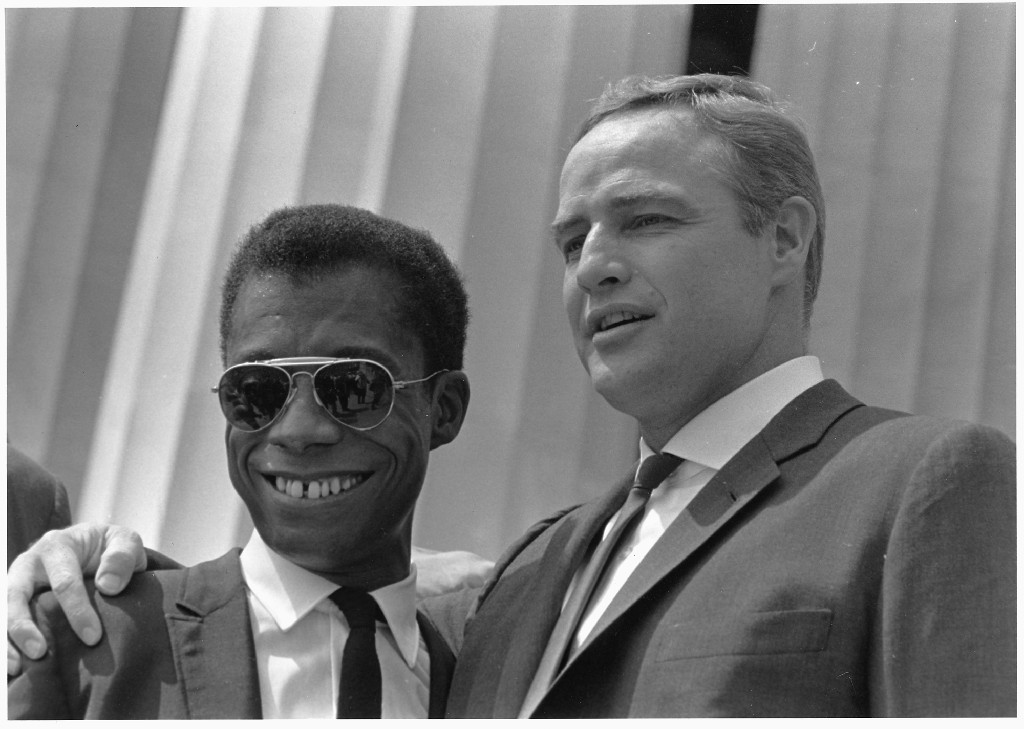
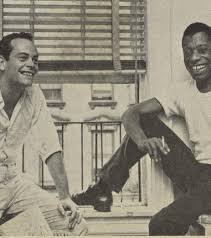
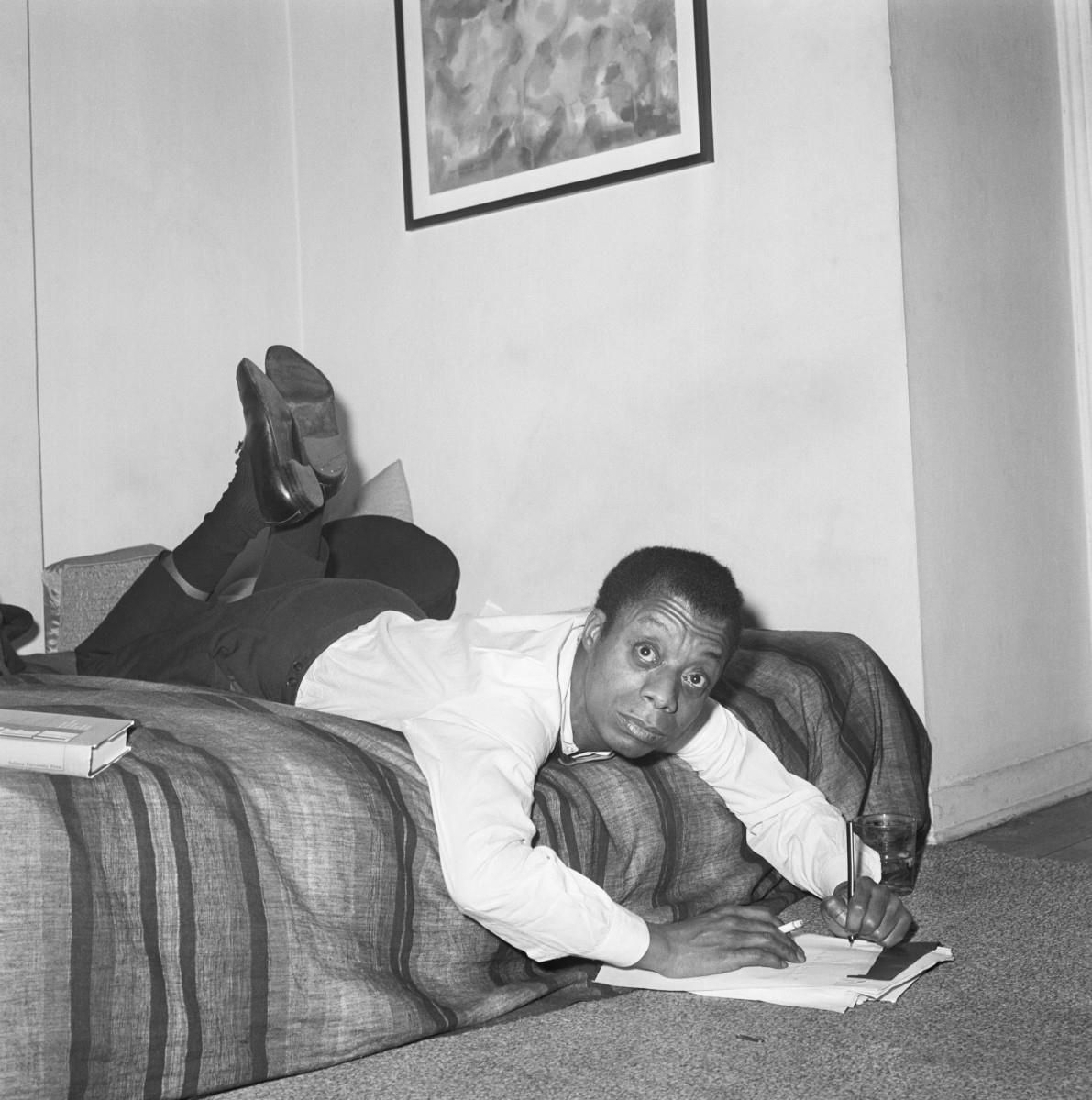
Baldwin’s writings seem to assert that all people deserve the opportunity to be understood, and barring that, at least given a fair shake to make their way in the world. A self-proclaimed witness to the treatment of his people, he uses story to persuade others to open themselves to the possibility of relationship, or at least the ability to visualize the other. In “Previous Condition”, the main character is a black man having an affair with a white woman. She grew up in poverty and argues with him when he implies that only black people have it hard economically. The argument sounds as though it could have been heard on YouTube with its layers of race, class, gender, and privilege still such hot current issues. However, Ida the white woman, does not get kicked out of a dwelling simply because of the color of her skin, as is the case for the black actor she is debating. Even more horrible is the description in “Sonny’s Blues” of white men running over and murdering Sonny’s uncle just for the fun of it. Evil breeds hatred. Sonny’s father “never really did get right again. Till the day he died he weren’t sure but that every white man he saw was the man that killed his brother” (Going 118). These are examples of the ways in which people as individuals interact in his stories showing the depth of conflict created by race in relationships.
In “This Morning, This Evening, So Soon” Baldwin paints the scene of a black man who has forgotten how to play the game of pacifying the white police officers as is so often necessary to ensure minority safety. The main character says, “I had once known how to pitch my voice precisely between curtness and servility…” (Going 163). He’s been in France so long and interacted with white people under a different social contract for so long that he has forgotten the tricks he used to know to keep himself safe around white people with power who hate him. This speaks to the “armies” of whom Baldwin speaks. The police represent the powers that be and are an ever-present menace to the black characters in his books. In “Going to Meet the Man,” the main character is a white police officer who truly believes he is simply enforcing rules God himself established. He says it wasn’t his fault the black people “fight against God and go against the rules laid down in the Bible” (Baldwin Going 235). This is an example of the way church gets mixed up in all the oppression in people’s minds. All these systems interact to create menaces of themselves.
Yet, somehow, despite all the horrors Baldwin witnessed and wrote about, he continually returns to the theme of love. He seems to believe that love can prevail. I am in awe of his optimism. In “A Letter to My Nephew,” he writes, “love shall force our brothers to see themselves as they are, to cease fleeing from reality and begin to change it” (Baldwin Letter). I hope and pray that he is right.
Works Cited
Baldwin, James. “A Letter to My Nephew.” The Progressive. 1 Dec, 1962, progressive.org/magazine/letter-nephew/
Baldwin, James. Going to Meet the Man. Vintage International, 1948.
TRIGGER WARNING: This essay discusses fatphobia, body shaming, bullying, racial and ethnic stereotyping, and includes quoted ableist and homophobic language from the source text.
Image created by Rebekah Marshall’s prompt using AI on Gencraft.
Oscar, the main character in Junot Diaz’s novel The Brief Wondrous Life of Oscar Wao, is less concerned about his appearance than everyone around him, especially the narrator Yunior. If others could accept his size, color, eyes, and nerdy persona, things might go a little better for the protagonist. Alas, such is not to be in poor Oscar’s world populated by people who demand that stereotypes be enacted and maintained in order for the world they understand to continue to turn on its carefully constructed axis. In high school Oscar was the “fat, lonely, nerdy kid” who weighed “260 when he was depressed, which was often” (Diaz 19). He wore his “semikink hair in a Puerto Rican afro”, maintained a non-stylish mustache, had thick black-rimmed glasses, behind which eyes too “close-set…made him look retarded” (Diaz 20). Yunior says of him that he “wore his nerdiness like a Jedi wore his light saber…couldn’t have passed for Normal if he’d wanted to” (Diaz 21). The way Yunior (Diaz’s narrator) words it, Oscar didn’t want to hide his nerdiness. It was who he was, and he was ok with that.
The fact that girls don’t love him back seems to be what most makes Oscar feel unattractive. When he falls in love with Ana and is still hoping she might love him, too, Oscar “wakes up feeling like he’d been unshackled from his fat” (Diaz 40). He seems to simply want others to accept him as he is, but they refuse. The white kids think he’s black because of his skin color; the “kids of color” can’t accept him as Dominican because of the way he speaks and moves. He does not fit into any of their versions of who he should be. Even the narrator, especially the narrator, Yunior, can’t accept Oscar’s size. As he writes about him, he calls him “the fat loser”, “some fat kid I roomed with”, “the gordo”, “that fat homo Oscar Wilde” (which is of course where he gets the nickname Oscar Wao), “his monstro-ness”, and “fatboy” to name a few (Diaz 176-181). Yunior goes on a mission to change Oscar into a more acceptable version and fails miserably, damaging their relationship in the process. Oscar shuts him down in no uncertain terms and firmly remains himself.
So I don’t spoil the ending, I will reserve the comments about self-acceptance I was planning to mention. I simply would like to point out that Oscar is fine with who he is and the consequences of his choices by the end of the novel. I am not arguing that his mindset is necessarily the mentally healthy or smart path to take, but he does not seem concerned with his appearance at all by the end of the book. And perhaps that is a bit of the humanity that Yunior needed to learn in the process of writing this book. (Yes, I know the real author is Diaz, but I’m going with the story here of Yunior as author and life lessons learned from Oscar being a thing.)
Works Cited
Diaz, Junot. The Brief Wondrous Life of Oscar Wao. Riverhead Books, New York, 2007.
TRIGGER WARNING: This essay analyzes Jewish American identity in mid-20th-century literature and includes discussion of antisemitism, cultural and gender stereotypes, prejudice, and historical references to World War II. These topics are discussed in a literary and analytical context.
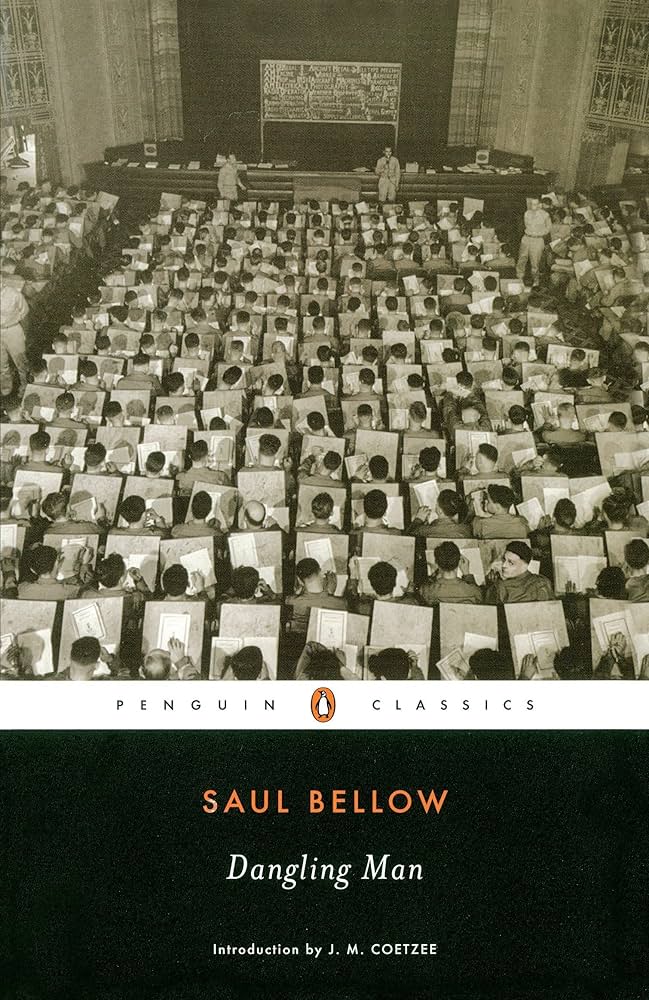
The main characters in Saul Bellow’s Dangling Man and Philip Roth’s Goodbye, Columbus react to Jewish stereotypes by challenging some and confirming others. The writers allow the characters to explore their Jewish identity within the context of the larger American culture of which they are a product.
Joseph in Dangling Man lives in early 1940’s Chicago. Antisemitism was prevalent in American culture. Jews were often characterized as greedy and dishonest. Vandalization of synagogues and Jewish cemeteries were a common occurrence. Literature spouting antisemitic rhetoric and symbols like swastikas were the norm (Freeman). Joseph does not mention any of this, but it is the reality in which he resides. He is not always honest with his wife and has an affair. His hot-headed temper gets him into trouble off and on. And his judgmental views of others reveal hypocrisy. In these ways, he upholds some stereotypes that others may have had concerning Jews. However, his pondering journal entries debate such concepts as materialism, honor, integrity, and truth, inner wrestling that defies the stereotypes of the time while he waits to be drafted to fight in WWII.
In one case he struggles with how to view the world and find his own place in it. “Joseph suffers a feeling of strangeness, of not quite belonging to the world…” (Bellow 17). He mentions the complicated nature of the world with both good and malevolence present to contend with and it bothers him when people try to simplify life to either good or bad. Yet, he has his own standards that he struggles to uphold. He endeavors to be honest with himself. He battles against his brother who wants to give him a handout. He is judgmental of his brother’s family and their materialism, viewing their desire for more than four rationed pairs of shoes per year as vanity. (Bellow 42). And he is disappointed that his wife Iva does not want to improve herself and her way of thinking to become a more enlightened person like him.
Neil in Goodbye, Columbus lives in late 1950’s Boston and is a secular Jew unsure of his position within his culture. He has definite opinions regarding what good Jews should do, like not get nose jobs to hide their Jewishness. He lived in a time “when antisemitism was at an all-time low” compared to the 1940s. However, non-Jews reported worrying about the materialism, excessive amounts of freedom, and lack of values that Jewish youth were perceived as possessing (Prell). Neil verifies that these stereotypes may have been founded concerning some of the more well-to-do Jewish families as he describes Brenda’s family’s wealth. He is amazed and seems critical of their “sporting goods trees”, housekeeper, giant home with guest bedrooms, multiple well-stocked refrigerators, and extra rooms full of outdated furniture (Roth).
This was also the time period when the Jewish American Princess began to be talked about. Brenda is the perfect example of this stereotype, the spoiled, bratty, argumentative Jewish girl who gets her way by manipulating her father. There is also a stereotype of the critical Jewish mother who is difficult to endure. Mrs. Patimkin certainly fits this description quite well. It is as though Neil is painting his experience with Brenda’s family as a lesson in all of the stereotypes Americans believed during the 1950s. Though he does not fit most of these, he is very aware of their presence and is looking in like a non-Jewish outsider observing this family as a case study.
By the end of the book, Neil returns to his world that is not connected to the Patimkins (Roth 135). Despite being the first day of Jewish New Year, he goes to work and resumes his life as the kind of Jew that does not fit into most of the stereotypes he has encountered during his previous summer romance. He may not have it all figured out, but his experience with Brenda’s family has at least provided him with an example of what he doesn’t want in his life.
Works Cited
Bellow, Saul. Dangling Man. Penguin Group, 1944.
Freeman, Lauren. “The US and the Holocaust Project Group: Antisemitism.” Dec 2003, updated H. Marcuse March 26, 2012, marcuse.faculty.history.ucsb.edu/classes/33d/projects/ usholo/LaurenAntisemPage.htm
Prell, Riv-Ellen. “Stereotypes in the United States.” Jewish Women’s Archive – Encyclopedia. jwa.org/encyclopedia/article/stereotypes-in-united-states
Roth, Philip. Goodbye, Columbus. Vintage International Edition, September, 1993.
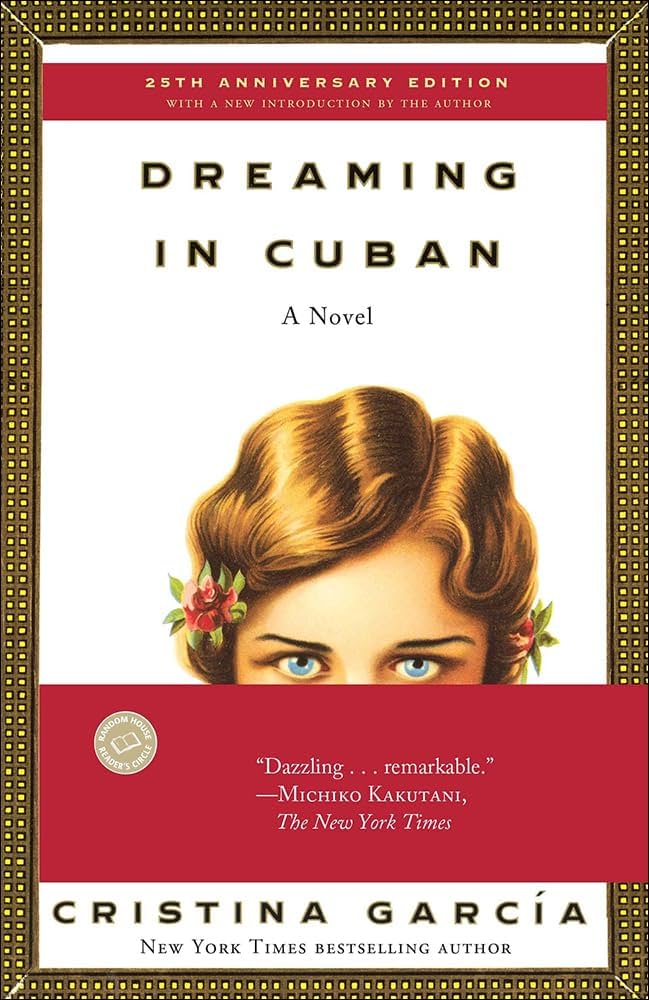
Cristina Garcia’s novel Dreaming in Cuban paints a portrait of two different Cuban American women and the way exile has helped to shape their identities as American citizens. Lourdes is a wife and mother at the time she flees to America to escape Fidel Castro’s Cuba. She leaves behind her parents and siblings to build her new life with her husband and daughter. Her American ideal is the stuff of movies and 50’s sitcoms. She has no patience for non-believers in the American dream and goes about creating her new identity from scratch. Pilar is a toddler when she leaves Cuba and it is not by choice. She is ripped from the arms of her grandmother and must accompany her parents to the U.S. She is torn between Cuba and America throughout her childhood due to her memories of her grandmother and a yearning to be reconnected with her. She resents the patriotism and blind faith her mother Lourdes places in the American dream and rebels against her mother’s ideals.
Lourdes owns a chain of Yankee Doodle Bakeries and is proud of the business she is building. She is a volunteer for the police force who patrols the neighborhood and believes it to be her “civic duty” (Garcia 136). She does things she believes to be distinctly American like she makes “Jello-O molds with miniature marshmallows” and “barbecues anything she can get her hands on” (Garcia 137). She attends the Thanksgiving Day parade on Fifth Avenue and watches the Rose Parade for New Year’s on television. For the American bicentennial, she plans to sell “tricolor cupcakes and Uncle Sam marzipan” (Garcia 136). She openly opposes anything that hints of communism or Cuban patriotism. “She’s convinced she can fight Communism from behind her bakery counter” (Garcia 136). Her daughter thinks she dreams of sponsoring her own float someday, “maybe a huge burning effigy of El Lider” (Garcia 137).
She only begrudgingly returns for a visit to Cuba in 1980 at the request of her daughter and is miserable the entire time arguing with the locals, complaining about the poor accommodations, criticizing the economy, etc. Garcia shows the contrast of Lourdes’s praise and pride in America with her disdain for Cuba. When she comes within killing distance of El Lider, Lourdes fantasizes about assassinating him, and her final act on the island is helping her nephew escape. She becomes a patriotic American whose love for her new country is partially a reaction to her escape and hatred of her old country. Her exile is her salvation and she is proud of her choice.
In contrast, Pilar struggles to figure out her identity. She takes for granted the country she grows up in because she did not have negative experiences in Cuba. She longs for a return to the island to see her grandmother and views those who bar her way as obstinate for no good reason. Pilar is a product of American society. She is drawn to the rebellious punk culture and uses her art to protest societal norms. She says she likes to “confront people” and that her art says, “Hey, we’re here too and what we think matters!” (Garcia 135). It is not until she returns to Cuba for a visit to her grandmother that she is confronted with the reality of the social, political, and economic unrest of her birthplace. Though she loves Cuba, she belongs in New York. “I know now it’s where I belong – not instead of here, but more than here” (Garcia 236). Her exile becomes real to her and that is when Pilar truly chooses America as her own, ready to claim it as part of her identity.
Works Cited
Garcia, Cristina. Dreaming in Cuban. New York, Ballantine Books, 1992.
All images created by Rebekah Marshall’s prompts using AI on Gencraft.com website.
WARNING – SPOILERS
A Court of Wings & Ruin, the 3rd book in the ACOTAR series, held its own in the cannon. It was not my favorite of the books but was a necessary middle step to Feyre righting her life and fully coming into her own. She must make more heartbreaking decisions to save herself, save those she loves, and end things once and for all with her past relationships that keep weighing her down.
I like that the book is messy, things don’t go as planned quite often, pivots must be made, and even immortal beings must repeatedly circle back to try to fix things over and over again. It feels very human, very relatable to not have everything be an easy win as these magnificent beings battle their way to try to save the world. There are gigantic beasts, ulterior motives, dark ancient magic, impossible choices, and unlikely alliances.
Elaine (Feyer’s sister) begins to come into her own as she wrestles with her powerful gifts in this book. And her lack of interest in the being to whom fate has declared her a mate is a fascinating twist. Nesta must figure out how to live in this world she hates, and grapple with why she is strangely drawn to Cassian. I love that her character is super cantankerous. She is not very likeable, and that makes her interesting. She doesn’t seem to care about being liked. Feyre and her mate keep our hearts pounding with their love. And Mor’s secrets about her love life are a perfectly revealing piece of the puzzle.
I must say that the deaths in this book had me sobbing. I will say no more about that, so I don’t ruin anything too grievous for anyone. I will simply say that the toll of war is well-depicted and heartbreakingly devastating.
Maas, Sarah J. A Court of Wings and Ruin. Bloomsbury Publishing, 2017.
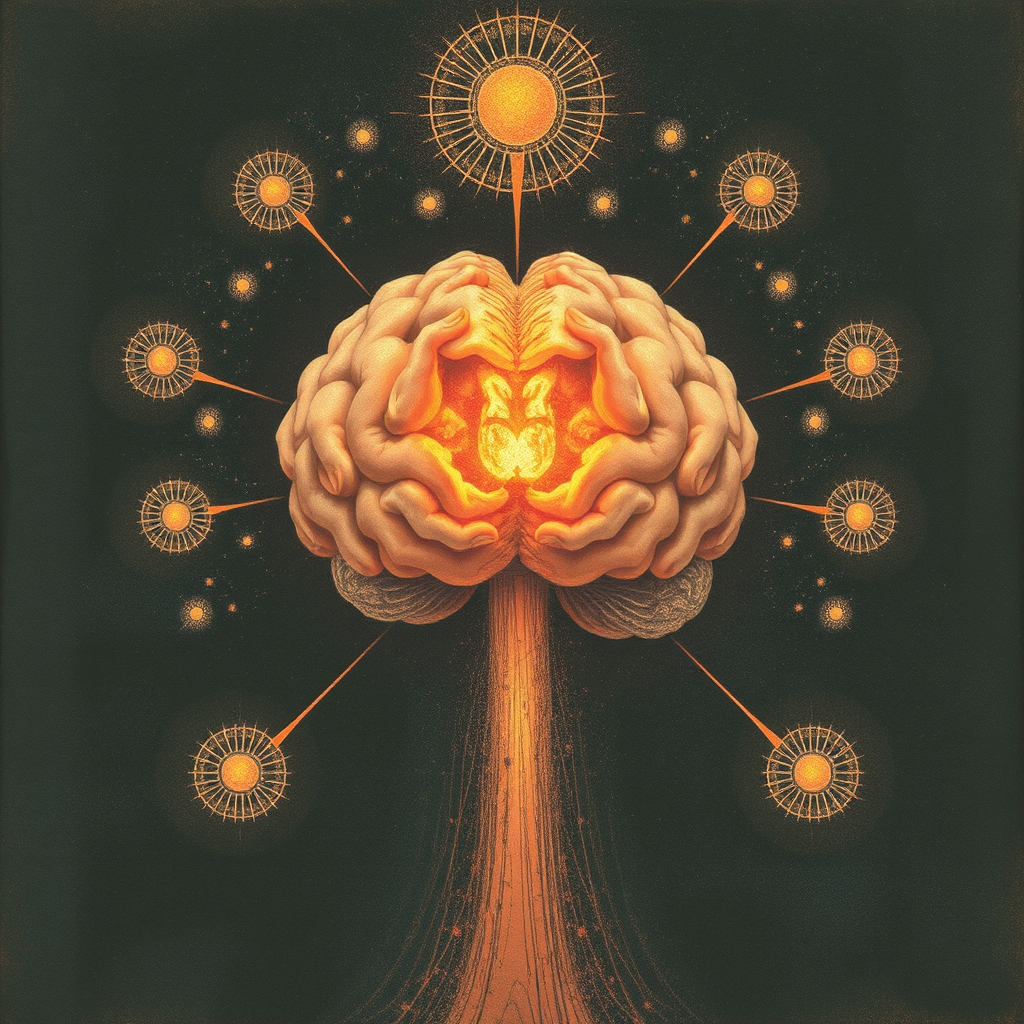
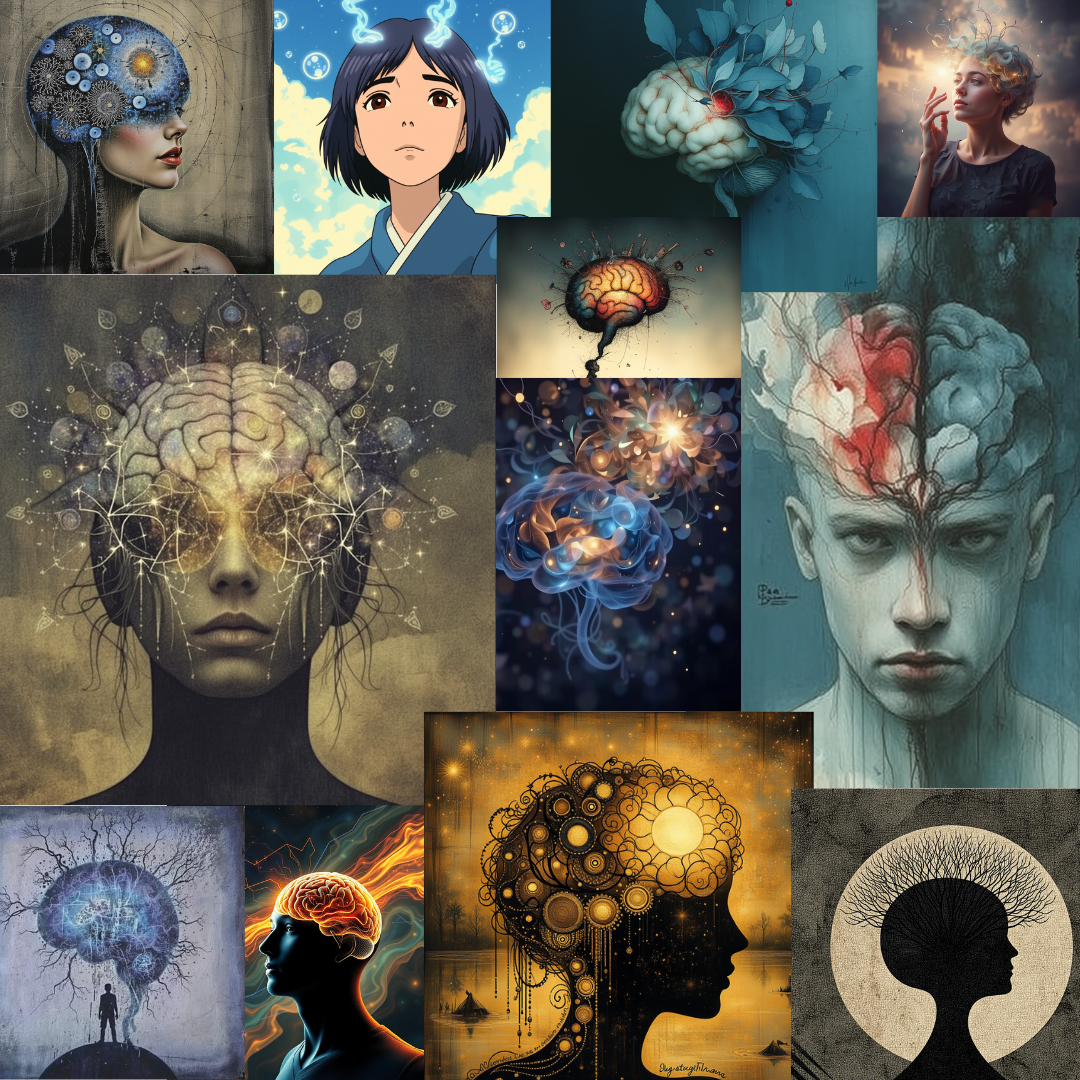
All images created by Rebekah Marshall’s prompts using AI on Gencraft.com website.
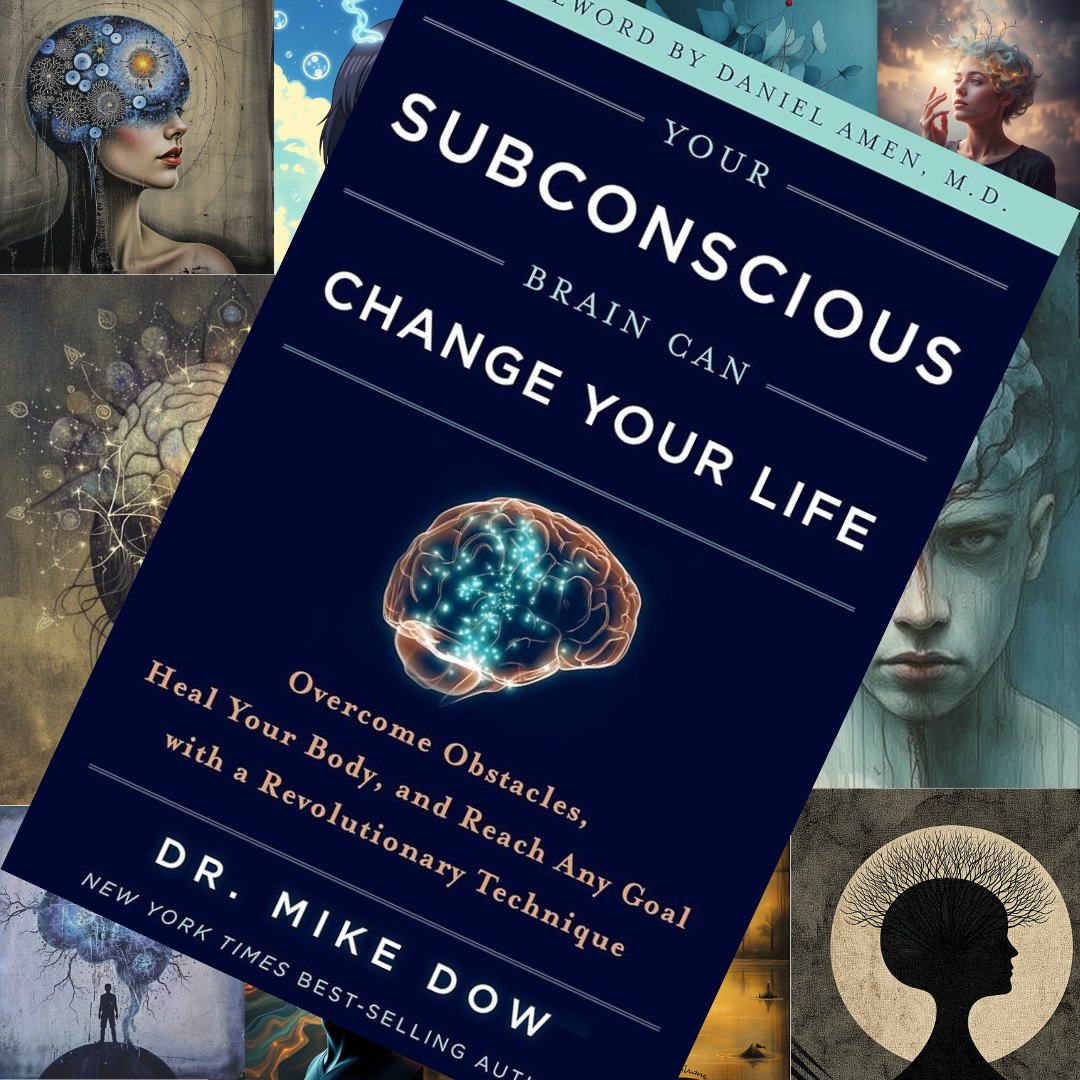
I struggled to finish Your Subconscious Brain Can Change Your Life by Dr. Mike Dow. Though the information is fabulous, and the techniques seem like valuable hypnotherapeutic practices, it felt like a medical textbook. That said, in the back of the book is a link to recorded resources for retraining the subconscious by listening to scripts. I have only just begun listening to them, but think I might have stumbled across some really helpful tools this way. Perhaps I should have listened to this book as an audio book, rather than reading it.
The practice is called Subconscious Visualization Technique and is recommended to be paired with other more traditional methods like medication, Cognitive Behavioral Therapy, etc. The author shows in study after study that SVT, when paired with other strategies, boosts recovery, decreases pain, and increases positive desired effects beyond traditional strategies only. And in some cases, SVT alone outpaces the traditional treatments.
The mind can be a very powerful ally if we learn to partner with it, train it, and set it to work on the systems that run these complex machines we live in. Though I cannot recommend the book as an enjoyable read, it is certainly an excellent resource and provides access to hypnotherapeutic recordings via links in the back that could prove invaluable. I have only listened to one so far, so the jury is still out, but I plan to continue listening to them and seeing how they help with reducing pain and inflammation, and increasing joy and contentment in my life.
Dow, Dr, Mike, Your Subconscious Brain Can Change Your Life, Hay House, Inc., 2019.
















































 rebekahjmarshall