Tag Archives: book reviews

Hafiz – Poem 29

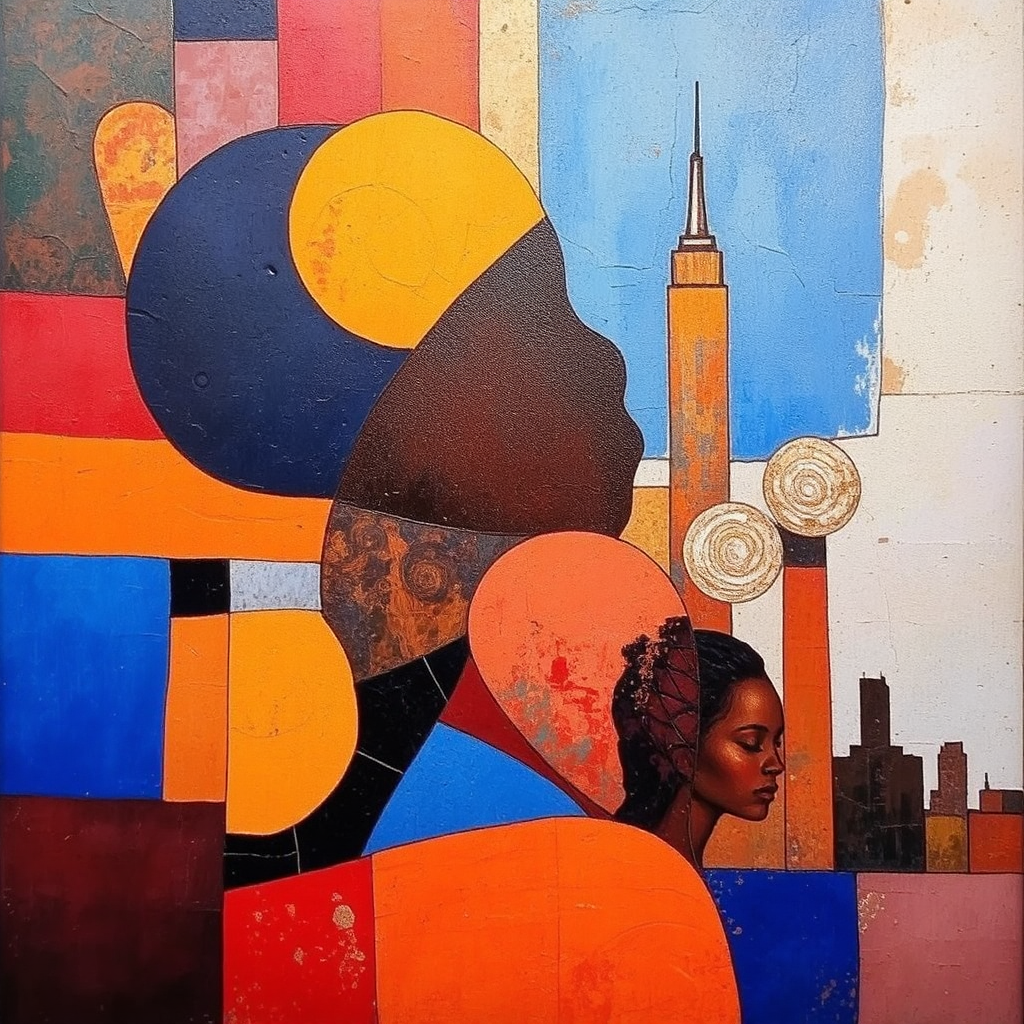
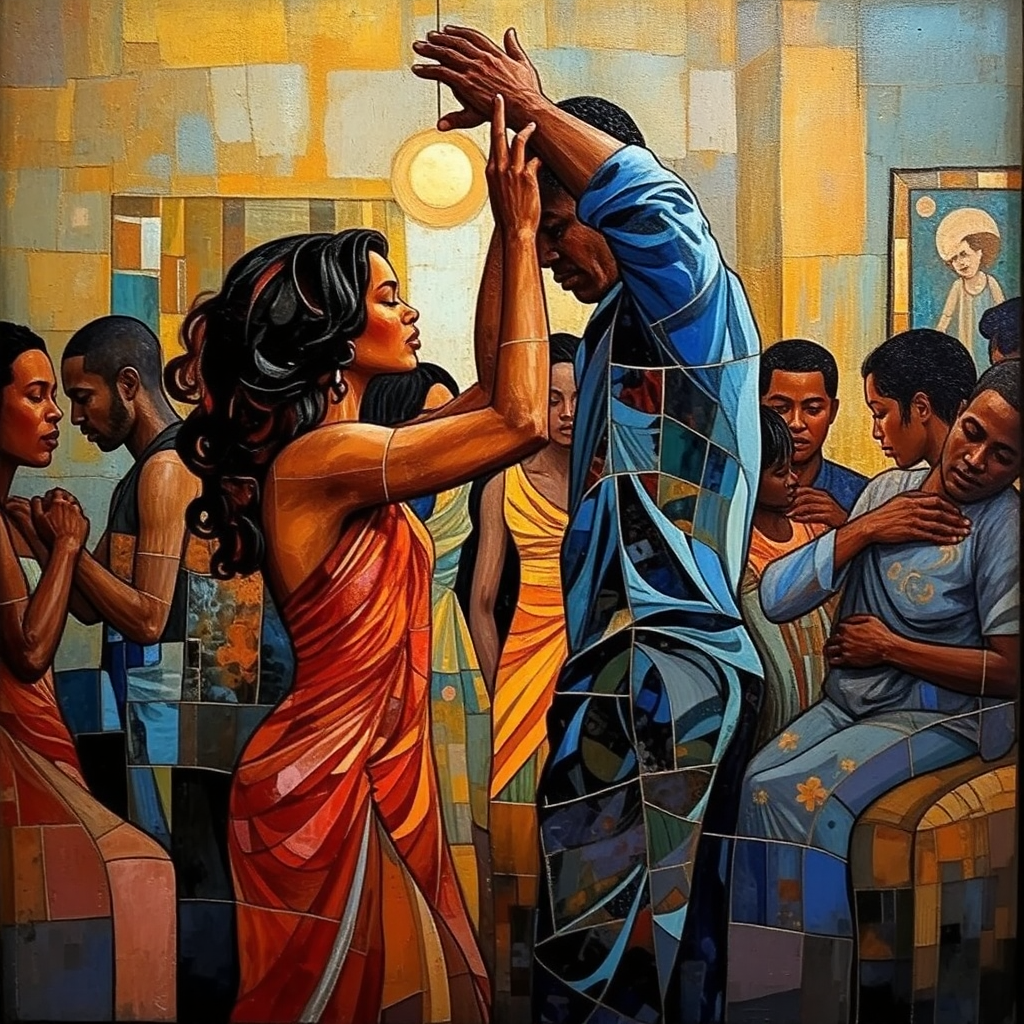
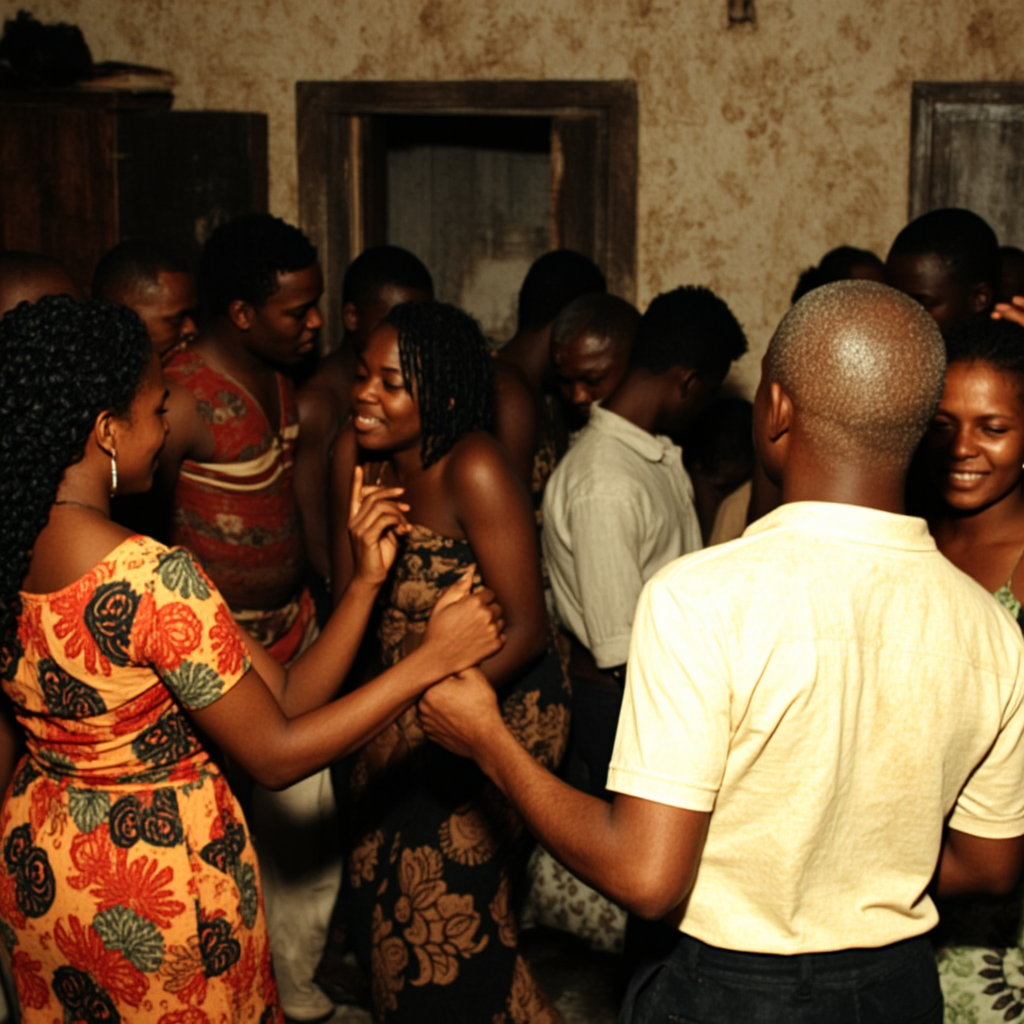
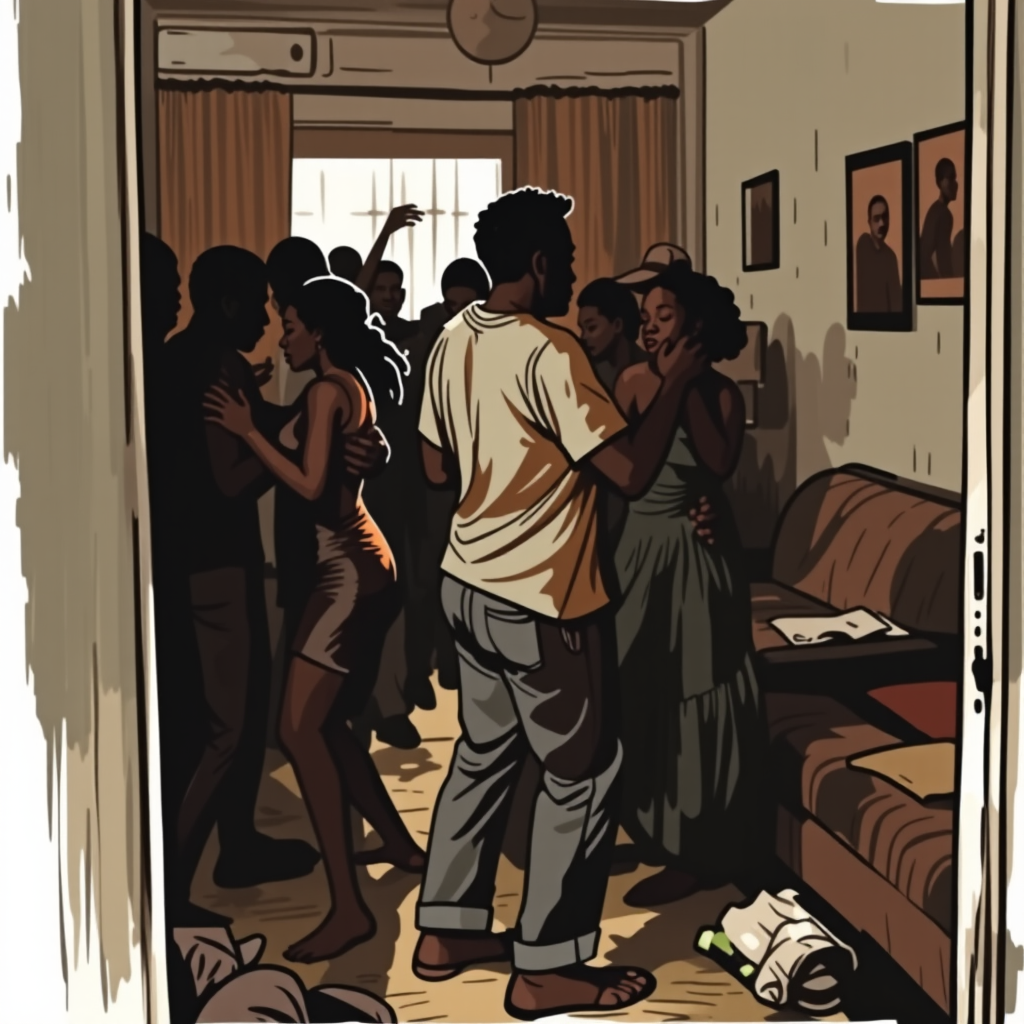
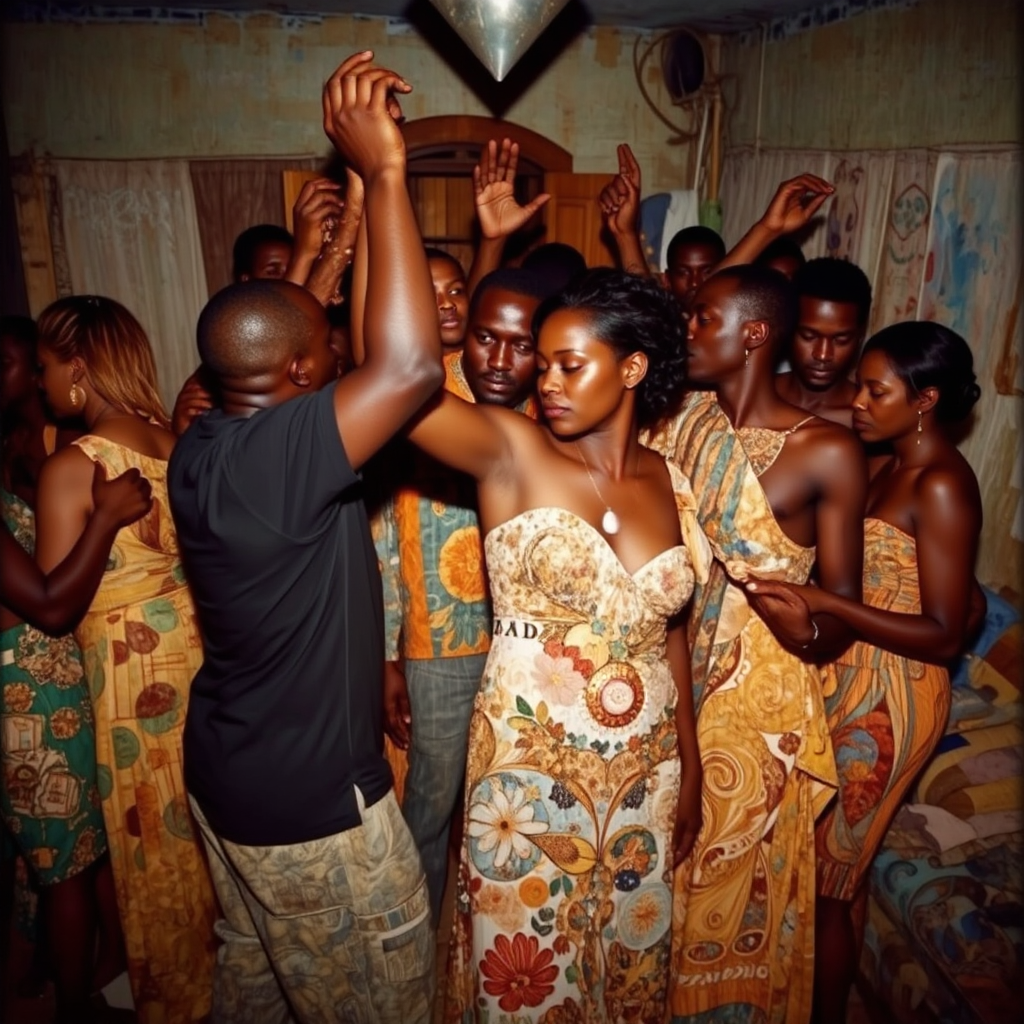
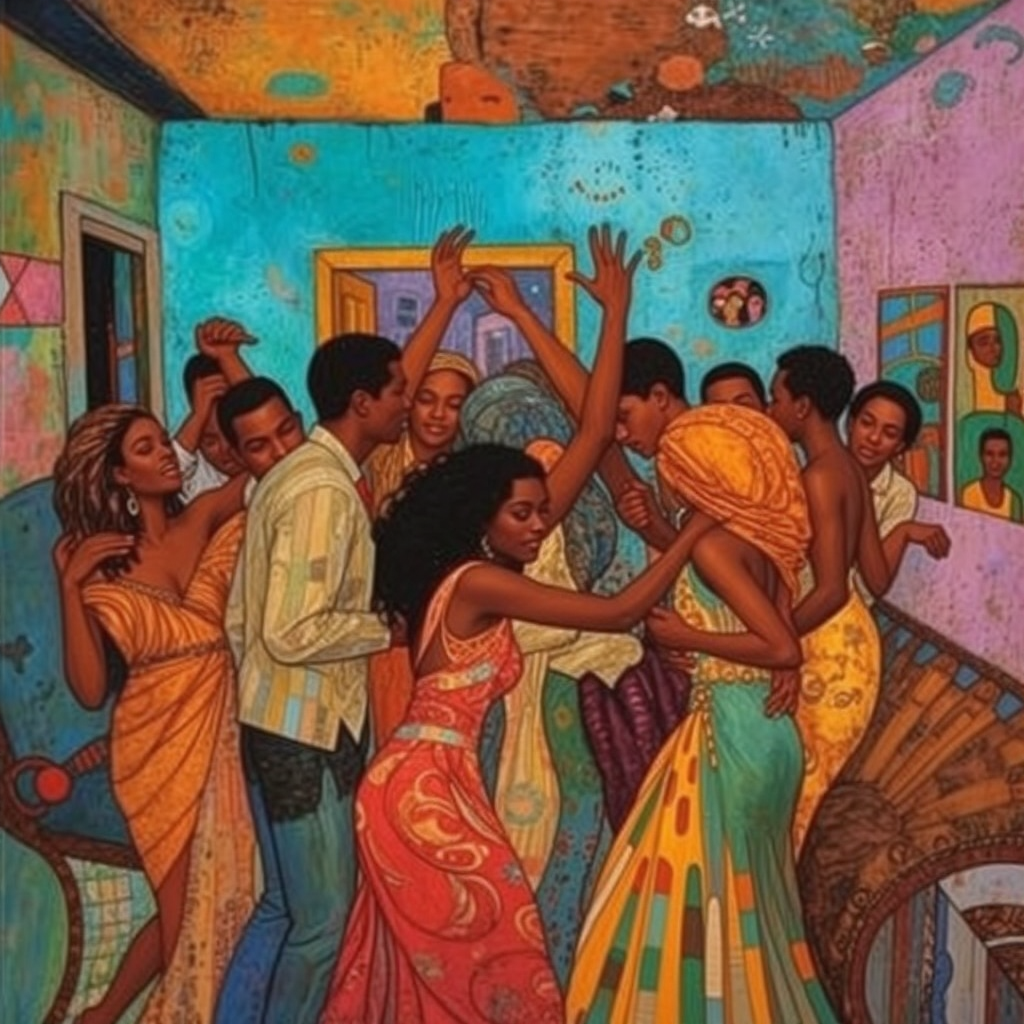
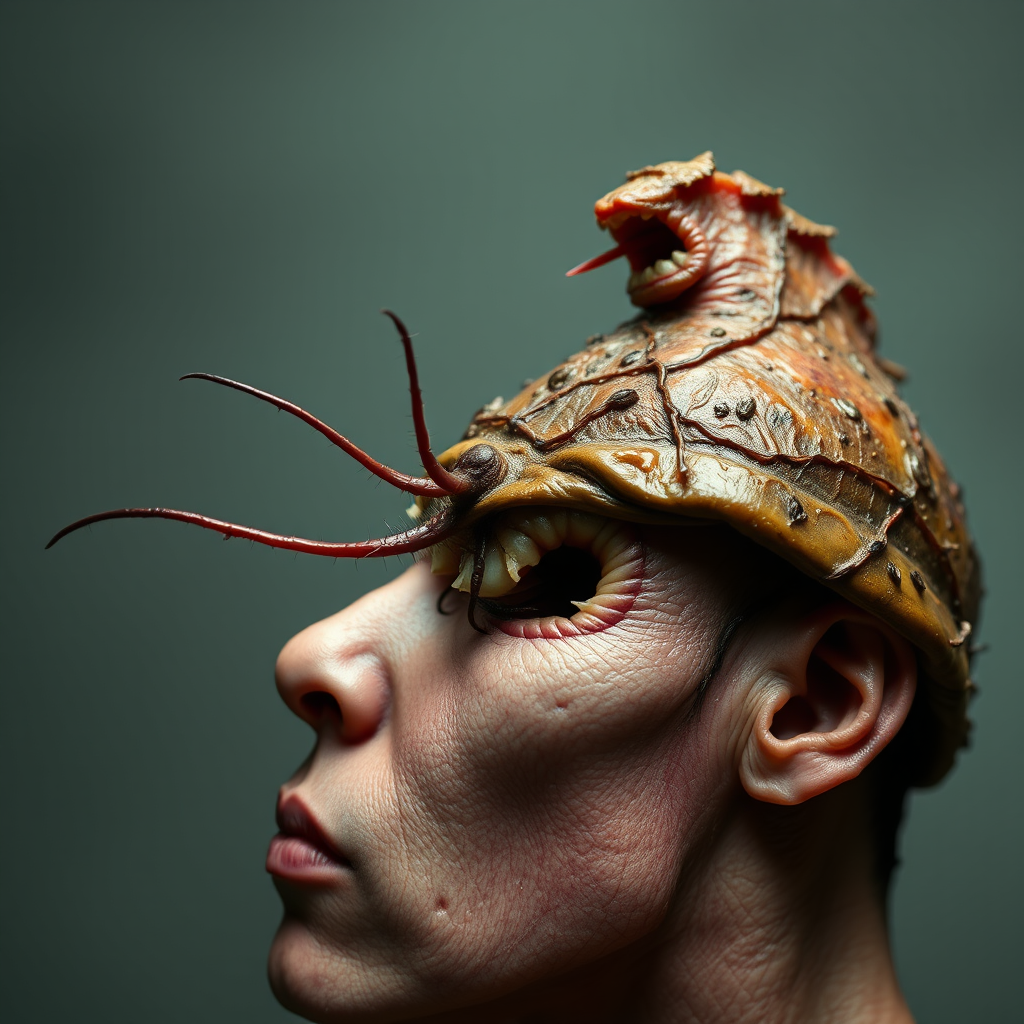
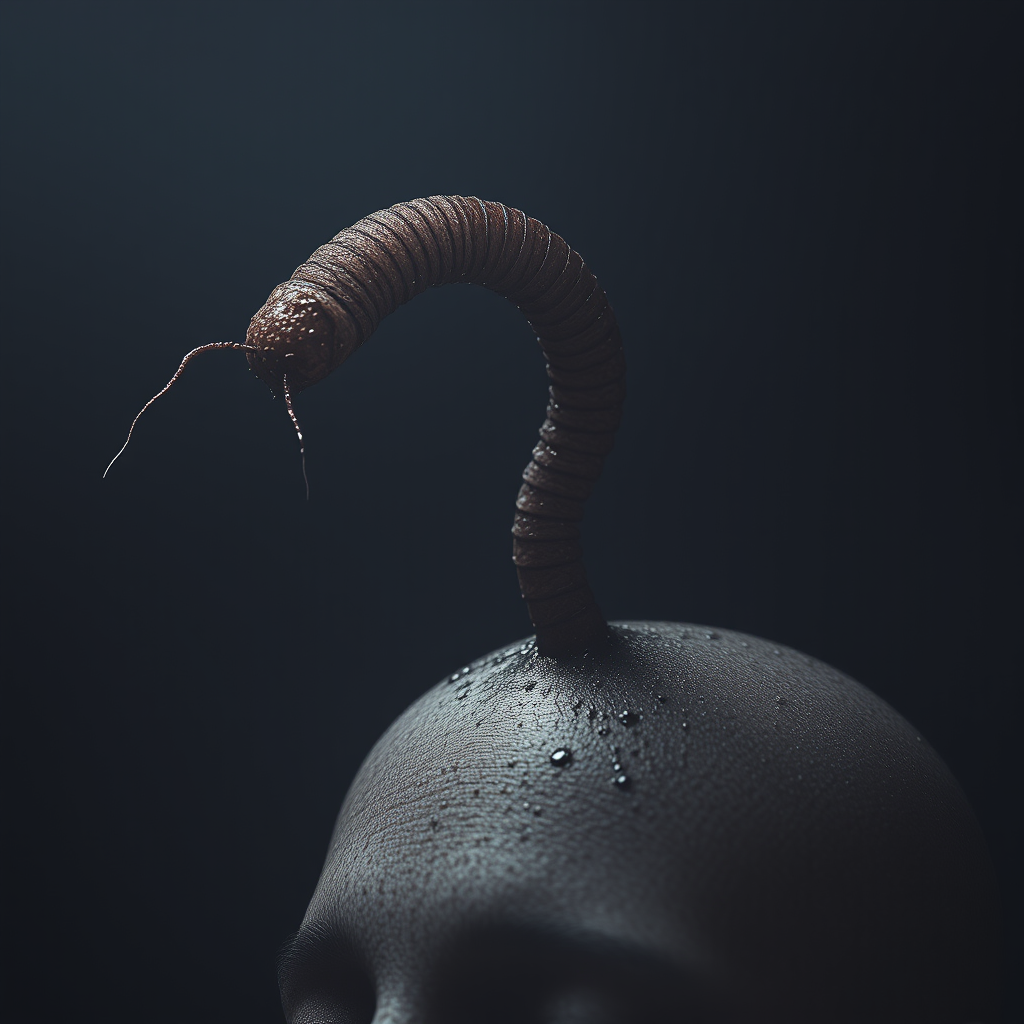
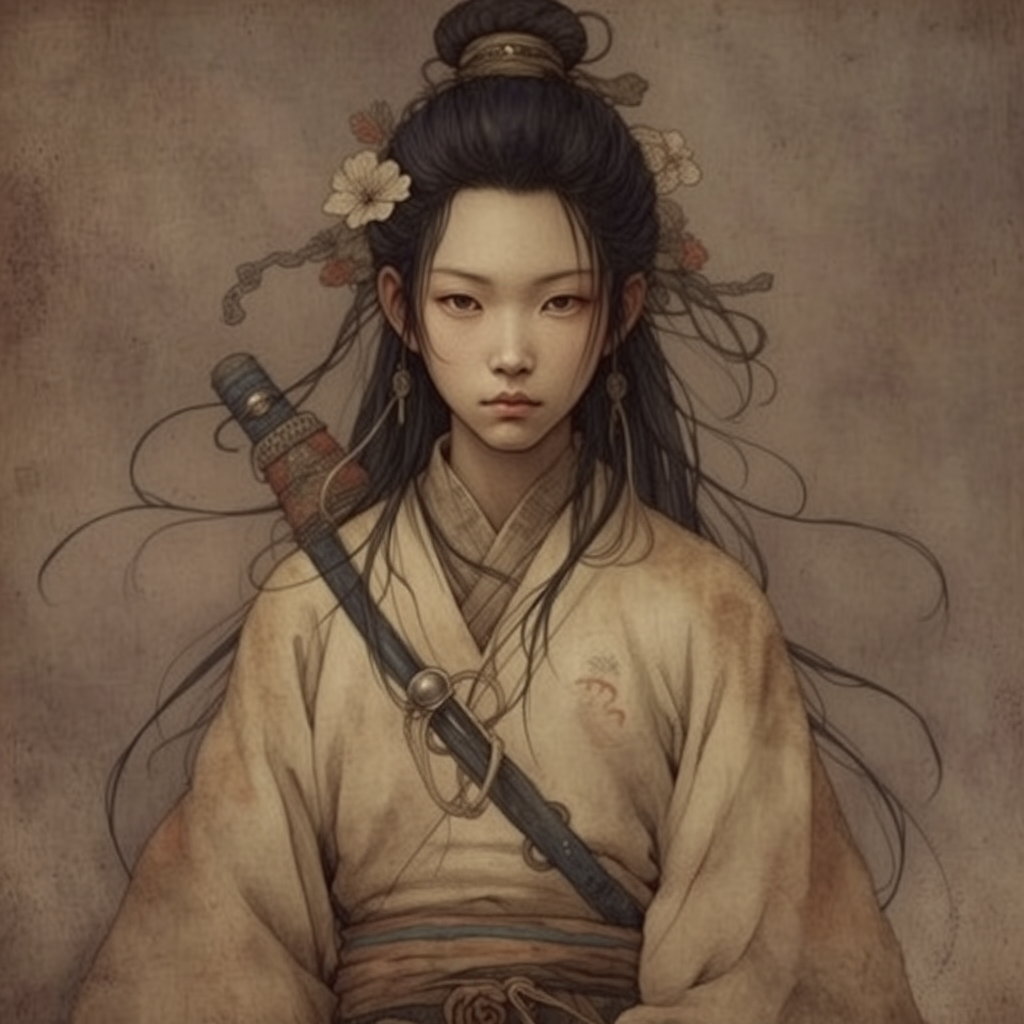
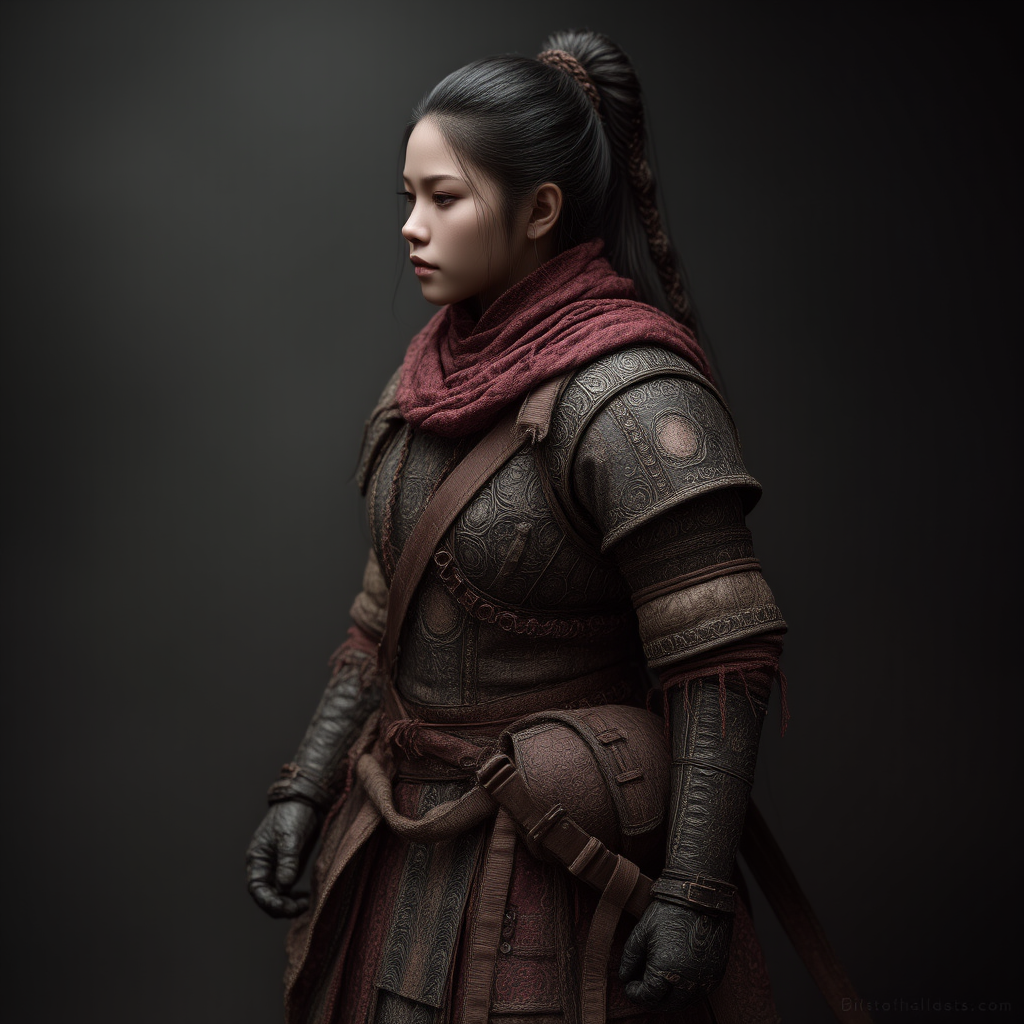
All images created by Rebekah Marshall’s prompts using AI on Gencraft.com website.

I am reading Hafiz’s Little Book of Life, poetry by Hafiz-e Shirazi. He is challenging me to become more comfortable with ambiguity. I will share his poem and some of my thoughts on his poem (sometimes with the help of experts when the concepts are too hard for me), followed by a poem and some art inspired by his poem.

Hafiz’s Poem 29:

Along the Way of Love

Worldly rule is
A parasite

Some thoughts:

I had to ponder this one a while and use resources to check my ideas against. “Along the Way of Love” feels like it is talking about our path or spiritual journey throughout life. My husband’s martial art talks about “Budo,” which means roughly, “The Martial Way.” Some spiritual practices call it “The Walk” or “The Straight and Narrow Path” or “The Hero’s Journey.” Common threads in all of them are ideas of practice, movement, alignment, and surrender. In the Tao Te Ching, Dao is “The Way” and is the underlying current shaping our reality or the natural flow of our existence. The Bible depicts Jesus as “The Way” and a life patterned after his love, sacrifice, and humility is the ideal for Christians. In Hinduism, Marga is the path and Dharma is “cosmic order, right action, and duty aligned with one’s nature.” In Buddhism, The Noble Eightfold Path includes right speech, right action, right livelihood, and right mindfulness. Many Indigenous traditions speak of “Walking in Balance”, in beauty, right relationship, and balance with the land, ancestors, community, and spirit.

Any of these examples works perfectly with the rest of the poem because it is saying that, essentially, any outside force that tries to control “The Way” does so by feeding on us. Outside powers like governments, religious authorities, ego, systems that dominate, or hierarchies that control need someone to rule over. They survive by draining the life and spirit of their hosts. They cannot exist independently from us. Power that depends on control is a parasite. They require dominance, fear, maintaining an image, etc. If we are truly traveling The Way, we are striving for equality, love, surrender, vulnerability, and humility, all things that are opposites of ego-driven constructs.

On a more personal level, if we are trying to walk The Way of Love, it is not in alignment to act parasitic. Are we trying to control people around us? Are we trying to control outcomes, narratives, opinions, or events? Love does not try to control others. Love flows freely. Do we try to dominate conversations when we want to get our way instead of letting the conversation be fair and two-sided? Do we use our emotions to bully others into doing what we want, rather than keeping ourselves balanced and in check and recognizing that we are using manipulation as a tactic? Control clings, fears, threatens, traps, insists, interferes, and demands. Nothing that tries to control is love.

My Poem 29:

The plasmodium falciparum
is the deadliest parasite
for humans,
as far as we know.

Over 600,000 people die
every year from malaria
caused by these tiny
little one-celled
creatures who fly
through the air on winged
mosquito ladies
from one human host
to another,
multiply
in our livers,
then burst open
our red blood cells,
which we would prefer
were kept intact.

Their feasting and multiplying
is incongruous
with our well-being,
their only goal
multiplication.

For them the glorious bursting
of our cells is like fireworks,
celebratory blasts
releasing new generations
into the river
of life (our bloodstream)
where they hope to be a lucky
chosen one that will be sucked
into the sky
and helicoptered to a new host,
where their descendants
will begin again.

Hafiz. Hafiz’s Little Book of Life. Translated by Erfan Mojib and Gary Gach, Hampton Roads Publishing, 2023.

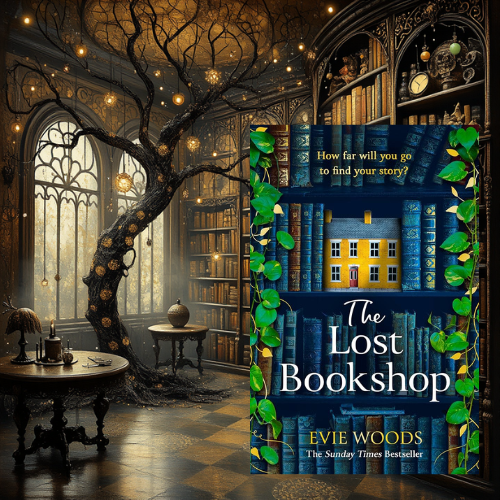
The Lost Bookshop (Book Review)  

I loved the ideas and interwoven timelines that crossed generations, countries, and realities in The Midnight Library by Evie Woods. It is magical, mythical, fairy tale-ical (I made up that word), and beautiful. It is so beautiful that my main complaint is that I wanted more. The first half of the book is deeply fleshed out, letting us into the characters detailed inner lives and minute by minute adventures. The second half of the book feels rushed, almost like it should have been several more books in a series so the author could have gone deeper into the story lines and better tied together the threads she was so masterfully weaving.

I want to know so much more about the eccentric elderly woman Martha works for. Martha’s childhood is left untapped, so much potential for background to show how she might find herself trapped in such a terrible marriage. Her mother signs and does not speak, which opens the door to so many questions that could be answered and scenes that could be elaborated on. The events that occur around the World War II timeline are barely mentioned and could be so many chapters of fascinating detail. Giant chunks of time are skipped over that could be filled with story. And some of the puzzle pieces like the tattoos, living bookshelves, missing manuscripts, and love affairs feel like fragments that could be such an epic saga were we to have their stories told in many more chapters.  

It would make a fabulous series on a streaming service, especially if they fleshed out more of the characters, their backgrounds, motivations, and dynamic growth. One thing is for certain; Woods does a great job of creating protagonists I want to root for, women who never give up no matter how many times they get knocked down.

Woods, Evie, The Lost Bookshop, Harper Collins Publisher, 2023.

Astrophysics for People in a Hurry (Book Review)

All images created by Rebekah Marshall’s prompts using AI on Gencraft.com website.

Astrophysics for People in a Hurry by Neil deGrasse Tyson was simplified enough that I could almost begin to fathom parts of it. The grand scale of the universe or multiverse or whatever hugeness is out there seems like a great imaginary tale. My little, tiny reality does not mesh with the vastness of trillions of miles as a measurement or billions of galaxies, our Milky Way being only one little spiral among many. Tyson says scientists think the gigantic, galactic, humongous universe, as we know it, was at one time smaller than one-trillionth the size of the period at the end of this sentence. It might as well be a magical fairy tale.

Some fascinating science-y things I learned:

  • Helium was detected in the sun’s corona in the 1800s before it was ever discovered on Earth.
  • Planets don’t really fly through space orbiting the sun but are carried across the fabric of space-time.
  • Iridium is the densest element we know of—2 cubic feet of it weighs as much as a car.
  • Pluto is not a planet. I have finally released my hold on the poor thing. It turns out, this mistake has been made before. Two other “planets” were discovered in the 1800s named Ceres and Pallas. We eventually figured out they were asteroids and now know Pluto is a comet. Sigh. I think we hung on so long because it was the first planet discovered by an American.
  • About 1,000 tons of Martian rocks rain down on earth each year. Possibly a similar amount reaches us from our Moon. When meteors and asteroids hit them, they send debris flying our way. When we pick up a rock and put it in our pocket, it could be from Mars or the Moon.

Tyson, Neil deGrasse, Astrophysics for People in a Hurry, W.W. Norton & Company, Inc., 2017.

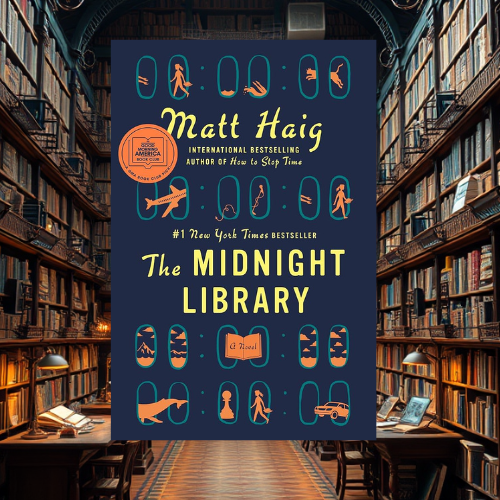
The Midnight Library (Book Review)

All images created by Rebekah Marshall’s prompts using AI on Gencraft.com website.

The Midnight Library by Matt Haig is a lovely reality check for anyone struggling with wishing their life could be different. Some quantum theorists think every alternative reality possible happens simultaneously. In one reality, I’m here writing this book review. In another, I’m still in the middle of reading the book. In another, no one gave me this book as a gift, so I haven’t read it at all. And in yet another, heaven forbid, I don’t even like reading fiction.

Our protagonist has reached such a state of melancholy in the beginning of the novel that she cannot see past midnight. She decides to end her life and finds herself in a library containing all the books of every variation of her that exists. It is the chance to see how different versions of life could be if various choices changed the trajectory of her past. It is an adventurous dive into the world of what ifs. I have enjoyed such thought experiments on myself. What if I had not gone into teaching, but had chosen a more lucrative profession? What if I had not married my first husband nor had children? What if I had moved away from Texas and was living somewhere cooler up north?

It is sometimes easy to get lost in those alternate wishful versions of ourselves and forget to appreciate all the little things that make up the lives we are living in the here and now. Though there were many poignant, sad, discouraging revelations in her journey, I was satisfied with the lessons she learned. I recommend this book for anyone who could use a reminder to feel a little more grateful or who sometimes wishes they would have made different choices in life.

Haig, Matt, The Midnight Library, Penguin Books, 2020.

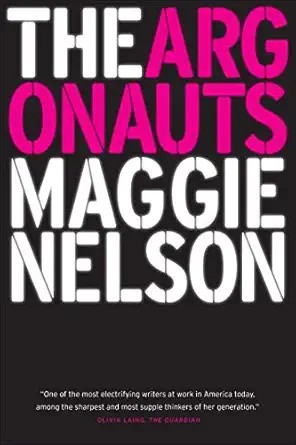
The Argonauts (Book Review)

The Argonauts by Maggie Nelson felt like a slap in the face, a comforting hug, an electric shock, and a soothing warm bath. The format was unique and felt experimental—blocks of text, quotes, memories, verbal snapshots, reporting, and textbook-like excerpts all woven into a seamless narrative. The subject matter is raw, often unfiltered, intimate details that feel way more personal than I would ever be comfortable sharing with total strangers. But good for Maggie Nelson for having the chutzpah to attempt such a thing. I love that she finds her own voice by the end by admitting that she is still searching and leaving room for vulnerability in a way that is honest and impressively real.

Her descriptions of pregnancy, sexuality, dealing with loss, giving birth, holding on to self, nursing, her relationship with her partner, gender identity, and expert opinions, *in no particular order, combine to weave almost a stream-of-consciousness-style memoir that defies classification. I think I might have blushed a few times, certainly opened my eyes a bit wider, and definitely wondered why my college courses weren’t quite as shocking as some of hers. But the fact that I felt a connection shows the depth of both her humanity and her fabulous writing talent (since I am a southern, more conservative than her, heterosexual, certainly more comfortable with conventional-vanilla bedroom activities sort of gal. I’ll put it this way—I learned a lot from this book.)

*I jest about the “no particular order” comment because I am sure there is a well-crafted method to her madness that makes it feel like a jumble of thoughts and also a coherent work.

Also, if you are interested in the book, I recommend Googling “Why is Maggie Nelson’s book titled The Argonauts?” It gives a fabulous description of what you are getting yourself into. A brief quote from that Google search using their AI is as follows: “The title reflects the “constantly shifting” nature of queer identity, family-making, and language.”

AI Overview, Google, searched 31 Jan 2026.

Nelson, Maggie, The Argonauts, Graywolf Press, 2015.

A Court of Frost and Starlight (ACOTAR Book Review 4)   

Image created by Rebekah Marshall’s prompt using AI on Gencraft.

WARNING – SPOILERS

A Court of Frost & Starlight, the 4th book in the ACOTAR series is a lovely, little, short novel wrapping up the last remaining threads of Feyre’s transformation. It focuses on her trying on her new role as High Lady and true partner to her love and delves into the parts of her that have been neglected because of war and survival. A key aspect is her art and desire to create, share her creativity, and understand creation as vital to her fulfillment.  

It is a peak into homelife, an intimate Winter Solstice celebration, growth and blossoming of friendships, Mor’s self-realizations, and one of Feyre’s sisters suffering from emotional turmoil that gets totally out of hand. Interestingly, different voices begin to emerge. There are portions of the book from the perspectives of Rhysand, Cassian, Nesta, and Mor. The majority are in Feyre’s voice, but it is a nice change experiencing the inner thoughts of some of her loved ones.

This felt like a pause before a storm, a much-needed rest after the war and carnage of the 3rd book. I was disappointed that it was so short, as I wanted to learn more about all the members of the team & family. But book 4 is appropriately long, so I look forward to diving into that one immediately.

Maas, Sarah J. A Court of Frost and Starlight. Bloomsbury Publishing, 2018.

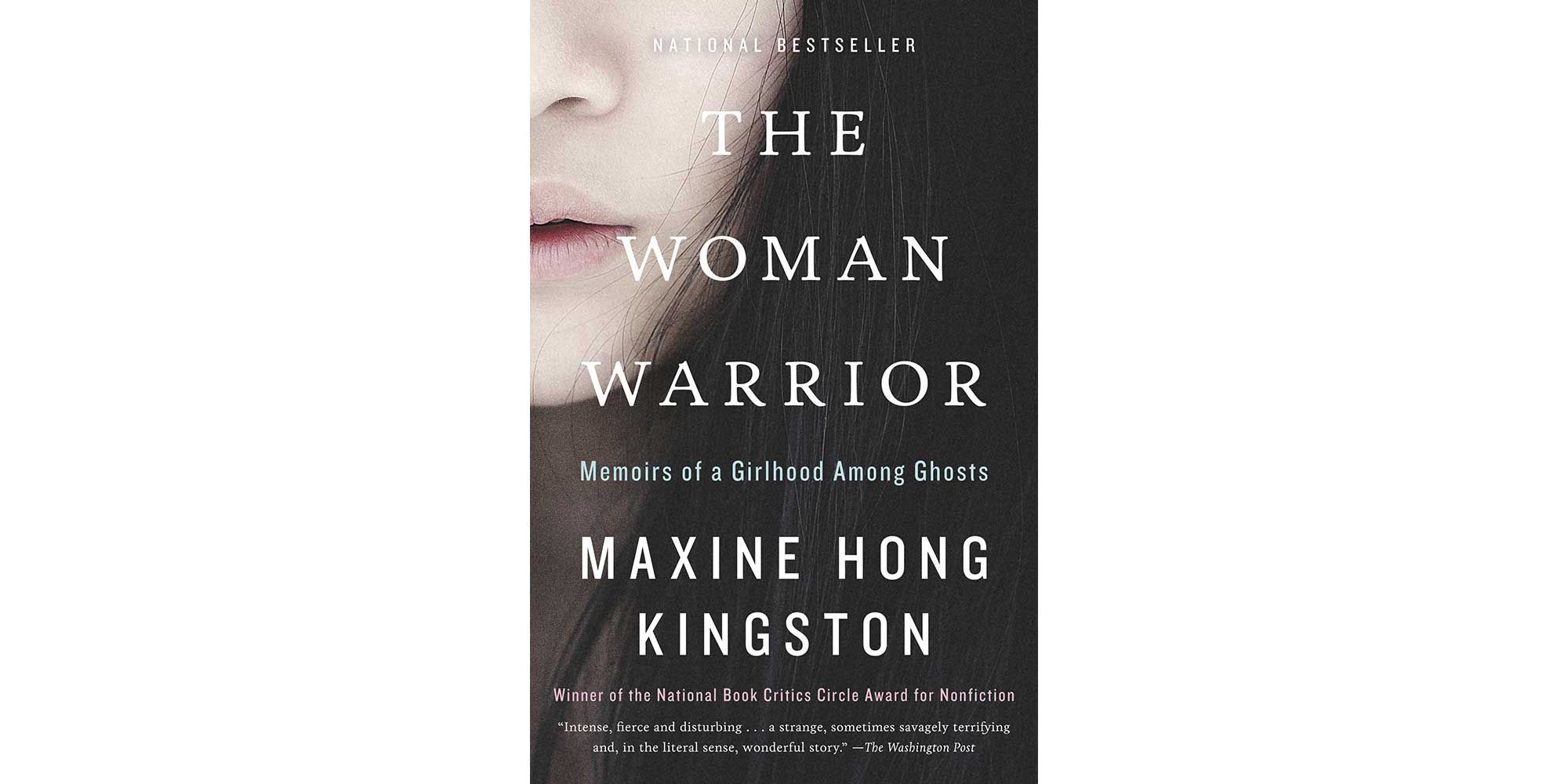
Reflections on The Woman Warrior by Maxine Hong Kingston

TRIGGER WARNING: This essay discusses patriarchal oppression, gender-based violence and punishment, sexual shaming, social ostracism, and cultural trauma. These topics are examined in a literary and analytical context.

The Woman Warrior by Maxine Hong Kingston paints a picture of harsh expectations placed upon Chinese/Chinese American women. Though the narrator rejects some of the notions and attempts to forge her own path, she still feels duty-bound to uphold some of the traditions. Each section of the book focuses on a different woman and explores the expectations placed upon her specific to the time and place where that portion of the story is set.

For instance, No Name Woman lives in a village in China early in the 20th Century. She is expected to remain “pure” (no sex) until her husband’s return from war. Her sexual desires are not a consideration and her ensuing pregnancy is punished by shaming the family and destroying their crops, livestock, and stored foods. The family then disowns her and never speaks her name again, ensuring she would “suffer forever, even after death” (16). There is no mention of the man who must have impregnated her on the part of the villagers or her family. She must bear the full weight of the “crime” of having sex and becoming pregnant.

Fa-Mulan in the “White Tigers” section of the book becomes the greatest hero in the land saving her family, her village, and her country from evil rulers. She is a warrior, savior, and leader who has trained for 14 years to become the best hero possible. Yet, once her mission ends, she is expected to return to the “appropriate” role of wife, daughter-in-law, mother. There is no option for leadership in her world. This character is thought to have lived sometime around the year 500 in China. Women were not supposed to use their brains or their brawn, except in service to men. Any woman who attempted to pass as male enter the military or school would be executed, “no matter how bravely they fought or how high they scored on the examinations” (19).

The “Shaman” section about Brave Orchid shows the variety of domestic expectations placed on Chinese women. Brave Orchid lives the first half of her life in China and the second half in America spanning the 20th Century. She works as a medical practitioner in China and then in the family laundry business in America. Besides working long hours, she picks tomatoes as a part-time job to make more money, does all the cooking and cleaning, and manages all aspects of the household. She is also expected to carry on the traditions of the culture by keeping the rituals, ceremonies, and talk story alive so that it will pass on to the next generation. She must also protect everyone’s souls by calling them back when they have forgotten their way home. Brave Orchid’s eyes fill with tears as she tells her adult daughter, “I work so hard” (103). Chinese women are unrealistically expected to do more than their fair share of the work.        

The section “At the Western Palace” highlights the way Chinese women in the past had little power in marital situations. Their partners were chosen for them and husbands might take multiple wives. The women were expected to tolerate and support these traditions without question. When Moon Orchid comes to America in the 1950’s, she is confronted by a different reality in which women have more rights and her husband rejects their marriage. She is expected to accept his continued financial support without living as his wife. Chinese American women seem to still have parents attempting to meddle with selecting their potential suitors according to the narrator.

In the final section “A Song For a Barbarian Reed Pipe” the narrator implies that a “good” Chinese American girl in America in the 1950’s should be able to speak fluent English and Chinese. She should attend Chinese school and American school. It is an interesting note that “good manners…is the same word as traditions” in Chinese (171). To please the Chinese, she should be obedient and demure, soft-spoken, and graceful, domestically competent – able to cook, clean, serve, and heal, and pleasant in interactions while not making eye contact, use opposites to confuse evil spirits, keep all Chinese traditions, send money to family members in China, lie to Americans so no one can trap her or deport her or trick her somehow, and remember that men are valued more highly than women. To please the Americans, she should be assertive and firm of voice, intelligent, sexy, able to defend herself, and independent making strong eye contact, speaking from a place of science and logic rather than any mention of evil spirits, creating a comfortable lifestyle that is America-focused, be a patriot, and believe that women and men are equal. A Chinese American woman is expected to do all of this and figure out how to be healthy, happy, and prosperous without driving herself crazy over the paradoxes such disparate expectations create. 

Works Cited

Kingston, Maxine. The Woman Warrior – Memoirs of a Girlhood Among Ghosts. Vintage Books, New York, 1975.

Letters Everyone Should Read: James Baldwin & Ta-Nehisi Coates

TRIGGER WARNING: This essay contains discussion of racism, police violence, death, and racial trauma in a critical and literary context.

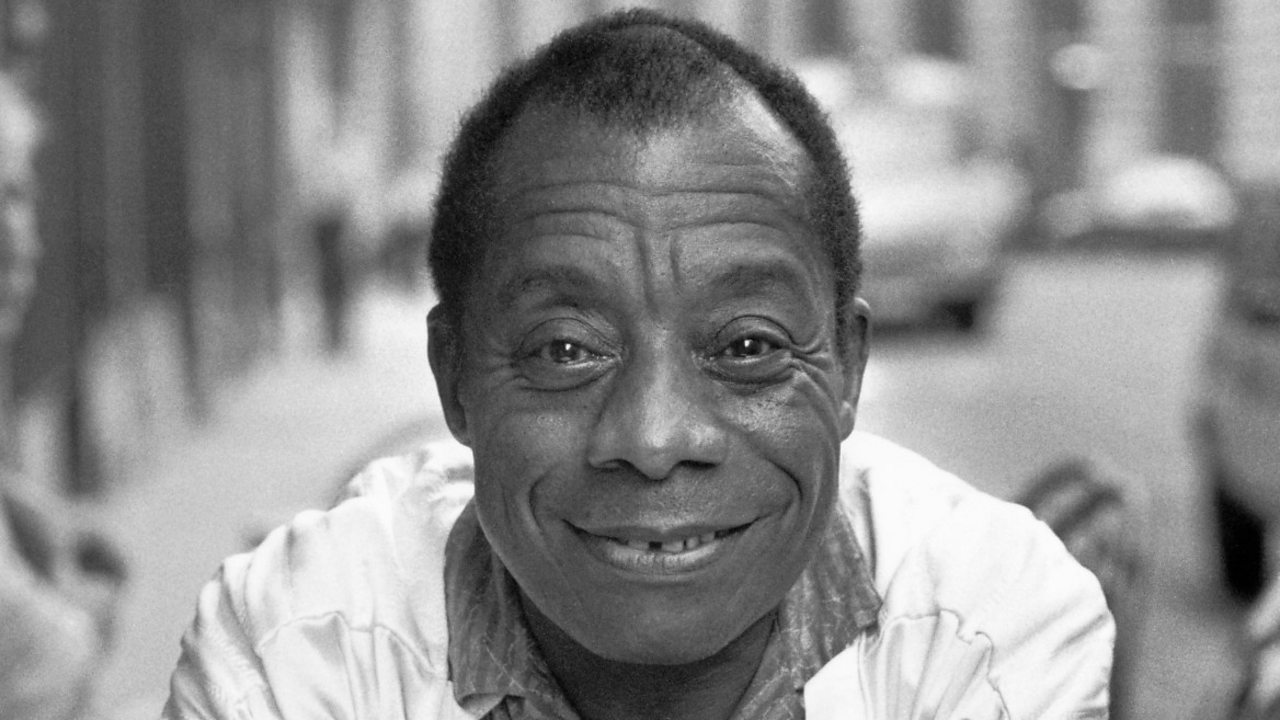
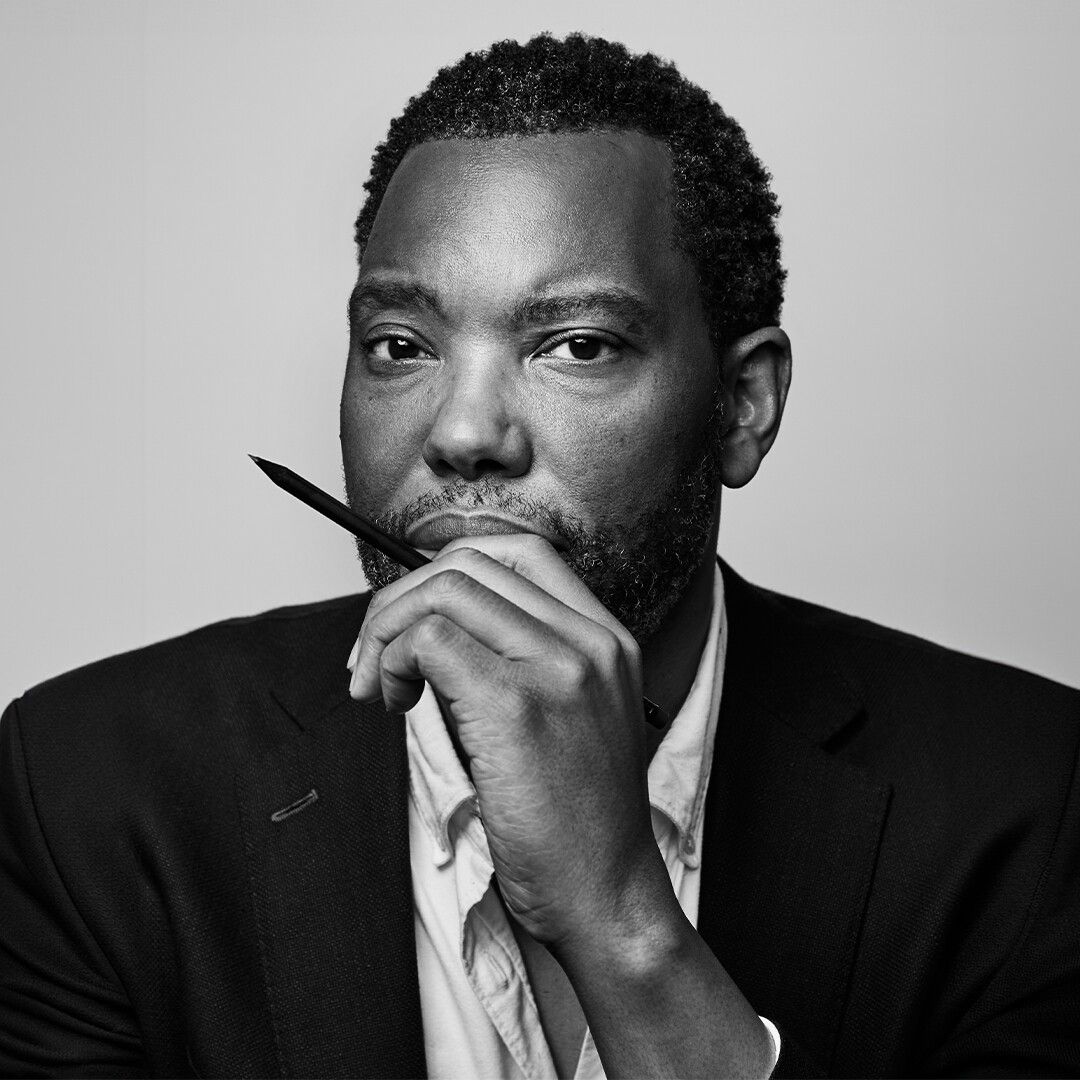
James Baldwin’s letter to his nephew is both personal and national in appeal as a publicly published letter to inspire black Americans and scold white. Likewise, Ta-Nehisi Coates’s letter to his son reveals extremely personal details that may encourage black Americans and spur white Americans to pick up the mantle of struggle alongside their darker brothers. Both letters speak to the lack of equality present for black Americans and the need for white mindset change for improvement to occur.

In “A Letter to my Nephew”, Baldwin moves chronologically through his life telling the tale of his nephew’s origins. He weaves into the personal story of his family’s tale, the historical context that affects them all including the results of geographic constraints, political, economic, legal, etc. that make life harder for African Americans. For example, Baldwin writes, “This innocent country set you down in a ghetto in which, in fact, it intended that you should perish.” He goes on to attempt to explain the thinking of the white “countrymen” that would permit such unfair treatment of their brothers. “They are in effect still trapped in a history which they do not understand and until they understand it, they cannot be released from it.” This calling out of uninformed white people is the way Baldwin throws down his gauntlet. It is up to everyone to become informed and prepare for change. The rest of the letter is encouragement to his nephew to be brave and loving as he continues the fight. And near the end he makes the inclusive statement, “We cannot be free until they are free” (Baldwin). He flips the idea of oppression on its head. The oppressor is the one who is in chains due to their refusal to educate themselves and grow with the changes that terrify them.

Coates’s Between the World and Me tells the tale of significant points in his life, including the birth of his son, but it is not strictly chronological. He jumps around in time, beginning with a recent interview and meanders through different time periods throughout the book. Coates weaves historical incidents like police shootings of unarmed black people, redefines terms to his preferences – terms like race and racism, dreamers, and white – glorifies black culture including music, art, literature, and fashion, and includes interviews with mothers who lost children to police violence. His letter feels at once even more personal in connection to his son and, at the same time, even more broadly an accusation of all Americans complicit in the conspiracy to oppress black people.

As Coates meanders through white on black oppression, he addresses his own fear that grew out of living while black. He admits that he does not want to raise his son with the same fearful perspective but also recognizes that fear might be what has helped him stay alive. He tells stories showing that constant awareness of potential danger is necessary for safety. He also admits that hyper-sensitivity to danger sometimes removes the ability to live in the moment and enjoy the present. Using so many resources to remain in fight or flight mode steals reserves that could have been used for learning, experiencing, connecting, and joy. These are the things that make him angry, that make him feel hopeless and make him realize that there is still much struggle left for all to endure. He encourages his son to struggle but does not seem to call him to love the same as Baldwin. He encourages him to endure but does not provide the same hopeful outlook as Baldwin. It seems like a public shaming of white America. They have continued to oppress, even in the face of countless opportunities to change. Perhaps Coates is hoping to guilt them into an awakening. Coates’s letter ends with witnessing the same crumbling infrastructure that has been the setting for so many black lives – “and I felt the fear” (Coates 152).

Works Cited

Baldwin, James. “A Letter to My Nephew.” The Progressive. 1 Dec, 1962, progressive.org/magazine/letter-nephew/

Coates, Ta-Nehisi. Between the World and Me. Spiegel & Grau, 2015.

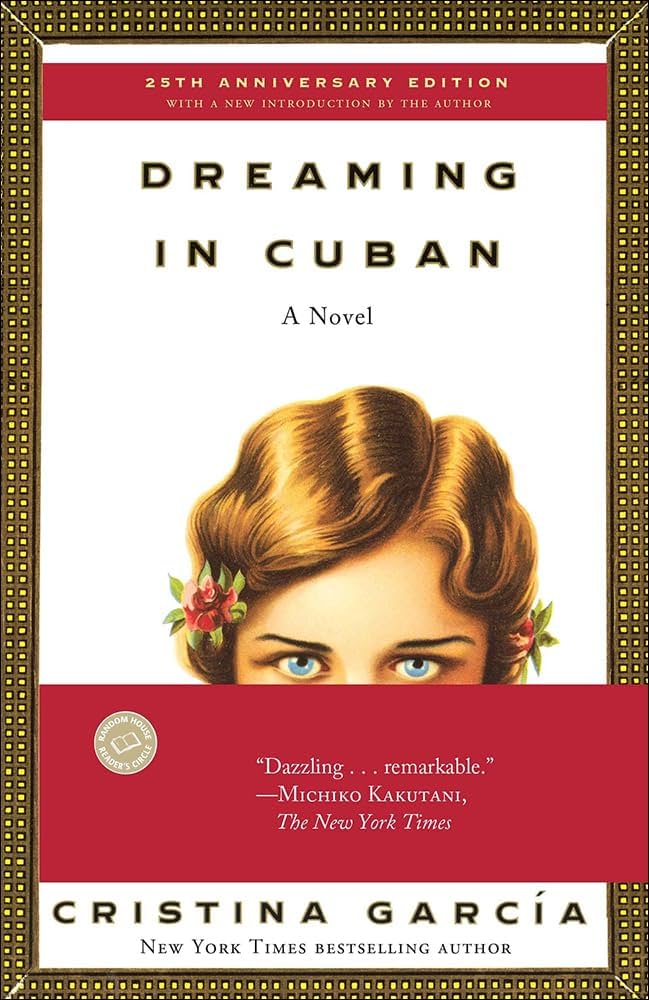
Reflections on Cristina Garcia’s Dreaming in Cuban

Cristina Garcia’s novel Dreaming in Cuban paints a portrait of two different Cuban American women and the way exile has helped to shape their identities as American citizens. Lourdes is a wife and mother at the time she flees to America to escape Fidel Castro’s Cuba. She leaves behind her parents and siblings to build her new life with her husband and daughter. Her American ideal is the stuff of movies and 50’s sitcoms. She has no patience for non-believers in the American dream and goes about creating her new identity from scratch. Pilar is a toddler when she leaves Cuba and it is not by choice. She is ripped from the arms of her grandmother and must accompany her parents to the U.S. She is torn between Cuba and America throughout her childhood due to her memories of her grandmother and a yearning to be reconnected with her. She resents the patriotism and blind faith her mother Lourdes places in the American dream and rebels against her mother’s ideals.

Lourdes owns a chain of Yankee Doodle Bakeries and is proud of the business she is building. She is a volunteer for the police force who patrols the neighborhood and believes it to be her “civic duty” (Garcia 136). She does things she believes to be distinctly American like she makes “Jello-O molds with miniature marshmallows” and “barbecues anything she can get her hands on” (Garcia 137). She attends the Thanksgiving Day parade on Fifth Avenue and watches the Rose Parade for New Year’s on television. For the American bicentennial, she plans to sell “tricolor cupcakes and Uncle Sam marzipan” (Garcia 136). She openly opposes anything that hints of communism or Cuban patriotism. “She’s convinced she can fight Communism from behind her bakery counter” (Garcia 136). Her daughter thinks she dreams of sponsoring her own float someday, “maybe a huge burning effigy of El Lider” (Garcia 137).

She only begrudgingly returns for a visit to Cuba in 1980 at the request of her daughter and is miserable the entire time arguing with the locals, complaining about the poor accommodations, criticizing the economy, etc. Garcia shows the contrast of Lourdes’s praise and pride in America with her disdain for Cuba. When she comes within killing distance of El Lider, Lourdes fantasizes about assassinating him, and her final act on the island is helping her nephew escape. She becomes a patriotic American whose love for her new country is partially a reaction to her escape and hatred of her old country. Her exile is her salvation and she is proud of her choice.

In contrast, Pilar struggles to figure out her identity. She takes for granted the country she grows up in because she did not have negative experiences in Cuba. She longs for a return to the island to see her grandmother and views those who bar her way as obstinate for no good reason. Pilar is a product of American society. She is drawn to the rebellious punk culture and uses her art to protest societal norms. She says she likes to “confront people” and that her art says, “Hey, we’re here too and what we think matters!” (Garcia 135). It is not until she returns to Cuba for a visit to her grandmother that she is confronted with the reality of the social, political, and economic unrest of her birthplace. Though she loves Cuba, she belongs in New York. “I know now it’s where I belong – not instead of here, but more than here” (Garcia 236). Her exile becomes real to her and that is when Pilar truly chooses America as her own, ready to claim it as part of her identity.

Works Cited

Garcia, Cristina. Dreaming in Cuban. New York, Ballantine Books, 1992.

Think and Grow Rich – Book Review

I’m learning day trading, and I joined an organization of women learning trading skills. One of the activities they coordinate is an online book club that reads one book per month about either financial habits, abundance mindset, or trading. They also have recordings of their weekly discussions going back to October of 2024. Being the overachiever that I am, I am going back and reading the past books they covered and watching the recordings. Because I have never felt confident in my financial literacy, I figure it can’t hurt to learn as much as possible before I ever attempt to trade with real money. Everything I am doing currently is with a demo account they call paper trading. There is no real money involved.

The first book I heard the tail end of was Think and Grow Rich by Napoleon Hill. It sounded intriguing, so I found a used copy and got started reading. Boy, was I in for a ride. Yes, there were some interesting tidbits, but mostly I was repeatedly horrified by the outdated examples of financial geniuses we were supposed to admire. Charles Schwab was regaled for many a chapter. The same Charles Schwab who was just in the news for being in the oval office with President Trump laughing about the enormous amounts of money he made when the stock market plummeted. Yikes.

There are so many things in this book that I find reprehensible that I don’t even know where to begin. Mr. Hill refused to allow his son, who was born without ears, to learn sign language because he believed his son would someday hear. He drilled hard work and determination into his boy and was proud of the fact that he never allowed his son to have accommodations for his hearing loss. His son’s future success is provided as evidence that his way is the right way, and the fact that his theories are based on 20 years of interviews following rich and powerful people.

Robert E. Lee is praised for his courage in siding against the union, knowing he and many others were putting their lives on the line for their cause. Booker T. Washington is praised for his tolerance and described as someone handicapped by race. Anyone in poverty is there because they have accepted poverty as their fate and succumbed to a lowly state rather than doing all the right things to make themselves rich. Unions, organizing, or criticizing capitalism are evidence of stupidity and small minds because there is no possible way to have an organized, civilized, functioning lifestyle if the giant capitalistic machinery is not in charge of it all. All people should gladly praise the powers that be for their brilliance in making our lives better with their riches.

Ahem…I almost couldn’t get through the book. Then I got to the spot I started listening to in the weekly book club gatherings and was reminded that I liked the ending. The last third of the book is much more tolerable and focuses on concepts I can get behind. The ideas center on finding mentors and experts in the fields in which we want to better ourselves or learn more about. There are brilliant examples of visionary exercises that can be done to deepen our awareness of our subconscious connection to wisdom and theories about creativity and drive that are quite excellent. There is an entire section on developing intuition and overcoming fear that are wonderful practices for all areas of life, not just financial growth.

I cannot recommend this book to anyone because the outdated parts are simply too icky, in my opinion. It says it has been revised and updated for the 21st century. If that is so, I don’t even want to imagine what the original version included.

Hill, Napoleon. Think and Grow Rich. Jeremy P Tarcher, 2007.