Tag Archives: mental health

Hafiz – Poem 19

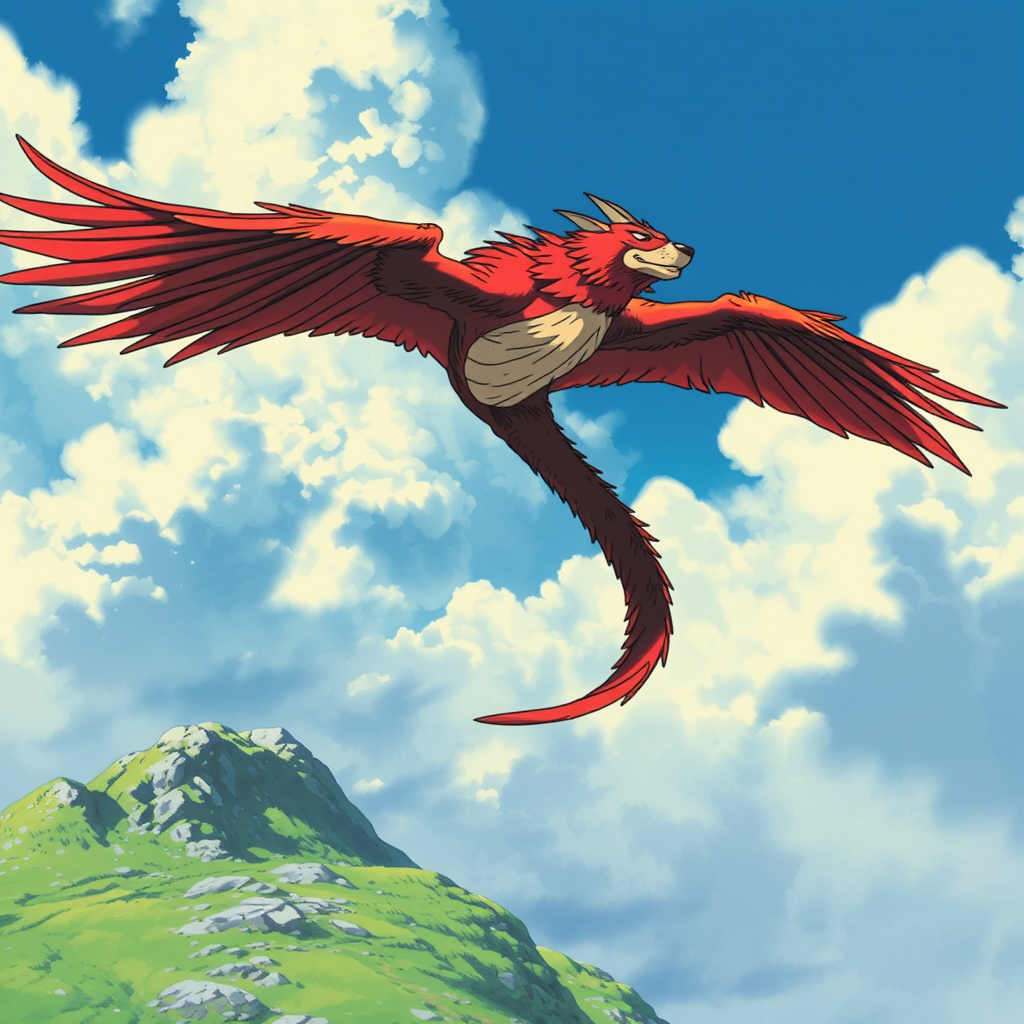
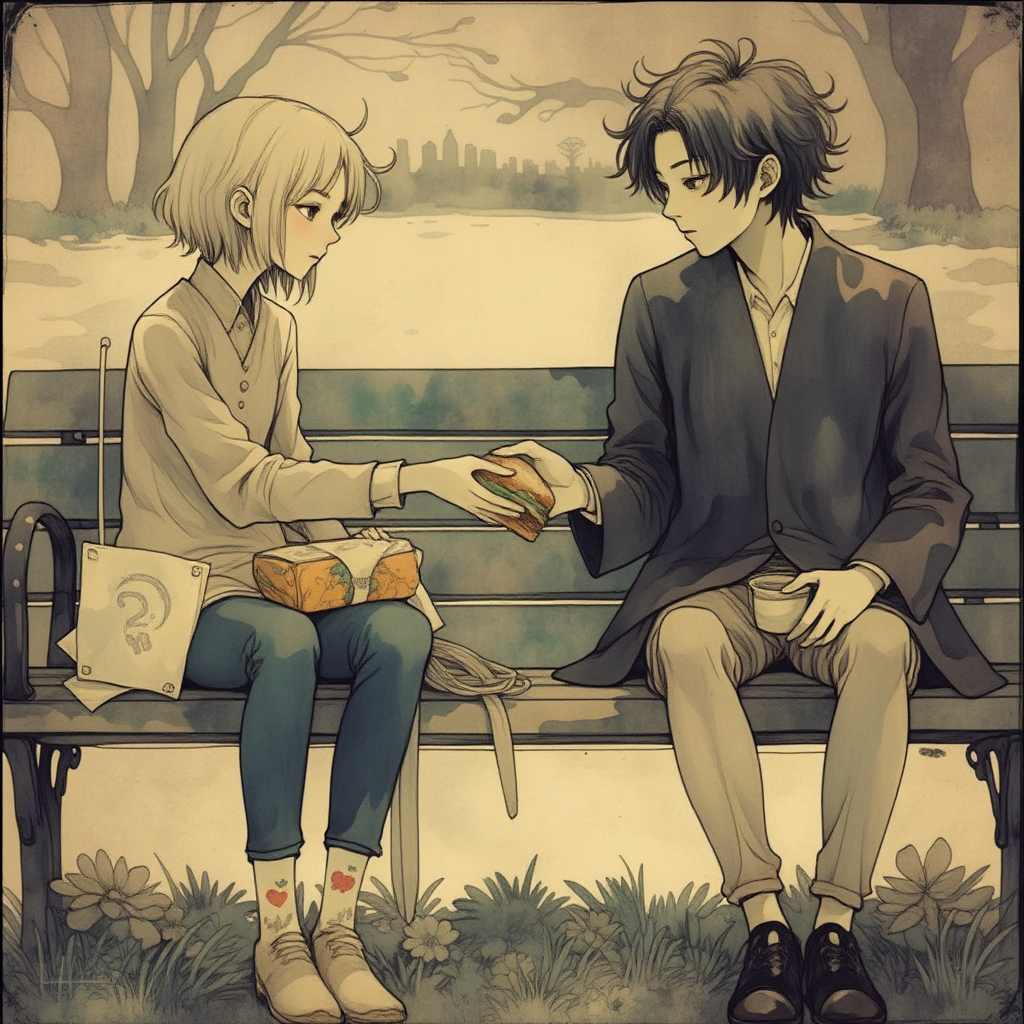
All images created by Rebekah Marshall’s prompts using AI on Gencraft.com website.

I am reading Hafiz’s Little Book of Life, poetry by Hafiz-e Shirazi. He is challenging me to become more comfortable with ambiguity. I will share his poem and some of my thoughts on his poem (sometimes with the help of experts when the concepts are too hard for me), followed by a poem and some art inspired by his poem.

Hafiz’s Poem 19:

The town is empty of love

Until one person

Acts beyond their self

Some thoughts:

Sometimes powerful movements start small:

  • One little girl protesting outside the Swedish Parliament about the climate (Great Thunberg).
  • A small group of students protesting education policies in South Africa (1976 Soweto Uprising).
  • One woman refusing to give up her seat on a bus (Rosa Parks).
  • A hashtag in response to the acquittal of a murderer (Black Lives Matter).
  • One woman researching the dangers of pesticides for a book she was writing (Silent Spring by Rachel Carson and the beginning of The Environmental Movement of the 1960s).

We often don’t feel like our contributions matter or the fact that we are only one person cannot possibly make a difference. It simply is not true. Each choice we make to share love or kindness increases goodness in the world. The ripple effect can restore relationships, heal families, and build communities. And team up with a likeminded friend or partner? Imagine the good we can do; the help we can offer this broken world. Hafiz knew this, must have witnessed it, or was that person for someone else. That is who I want to be.
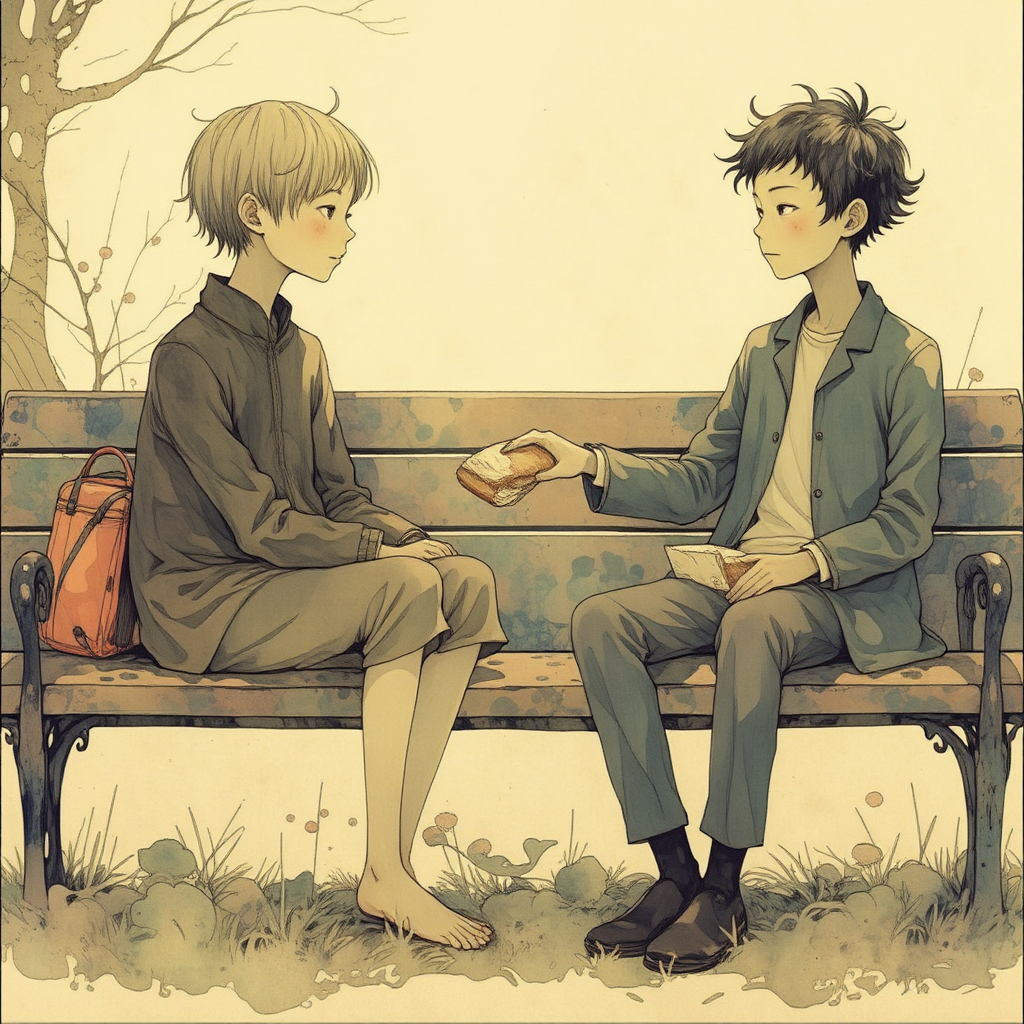
My Poem 19:

A kind word offered

may mean the world to someone

who has nothing else.

Hafiz. Hafiz’s Little Book of Life. Translated by Erfan Mojib and Gary Gach, Hampton Roads Publishing, 2023.


Astrophysics for People in a Hurry (Book Review)

All images created by Rebekah Marshall’s prompts using AI on Gencraft.com website.

Astrophysics for People in a Hurry by Neil deGrasse Tyson was simplified enough that I could almost begin to fathom parts of it. The grand scale of the universe or multiverse or whatever hugeness is out there seems like a great imaginary tale. My little, tiny reality does not mesh with the vastness of trillions of miles as a measurement or billions of galaxies, our Milky Way being only one little spiral among many. Tyson says scientists think the gigantic, galactic, humongous universe, as we know it, was at one time smaller than one-trillionth the size of the period at the end of this sentence. It might as well be a magical fairy tale.

Some fascinating science-y things I learned:

  • Helium was detected in the sun’s corona in the 1800s before it was ever discovered on Earth.
  • Planets don’t really fly through space orbiting the sun but are carried across the fabric of space-time.
  • Iridium is the densest element we know of—2 cubic feet of it weighs as much as a car.
  • Pluto is not a planet. I have finally released my hold on the poor thing. It turns out, this mistake has been made before. Two other “planets” were discovered in the 1800s named Ceres and Pallas. We eventually figured out they were asteroids and now know Pluto is a comet. Sigh. I think we hung on so long because it was the first planet discovered by an American.
  • About 1,000 tons of Martian rocks rain down on earth each year. Possibly a similar amount reaches us from our Moon. When meteors and asteroids hit them, they send debris flying our way. When we pick up a rock and put it in our pocket, it could be from Mars or the Moon.

Tyson, Neil deGrasse, Astrophysics for People in a Hurry, W.W. Norton & Company, Inc., 2017.

Hafiz – Poem 18

All images created by Rebekah Marshall’s prompts using AI on Gencraft.com website.

I am reading Hafiz’s Little Book of Life, poetry by Hafiz-e Shirazi. He is challenging me to become more comfortable with ambiguity. I will share his poem and some of my thoughts on his poem (sometimes with the help of experts when the concepts are too hard for me), followed by a poem and some art inspired by his poem.

Hafiz’s Poem 18:

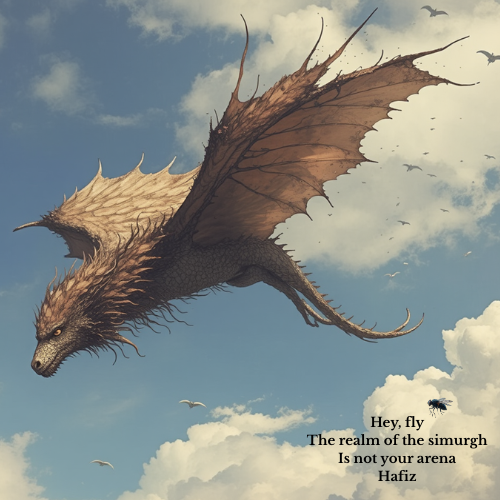
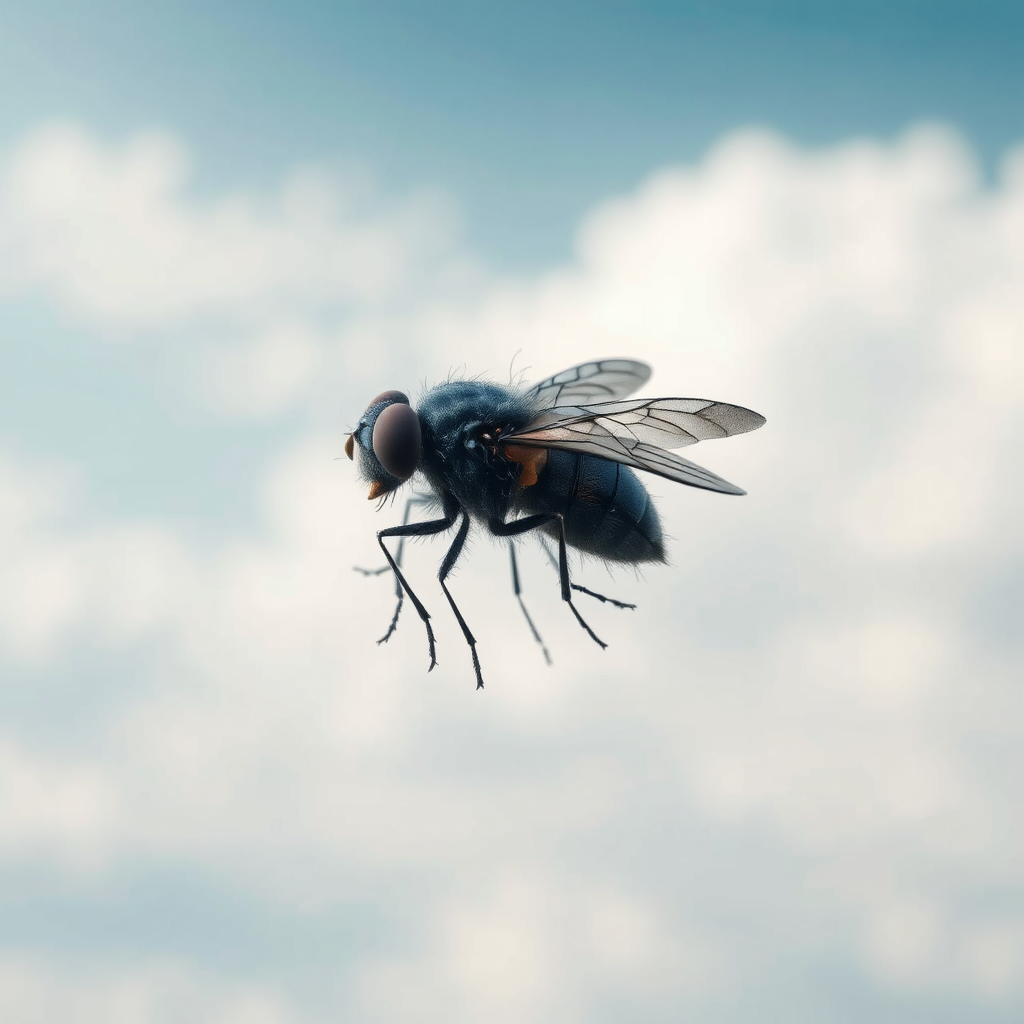
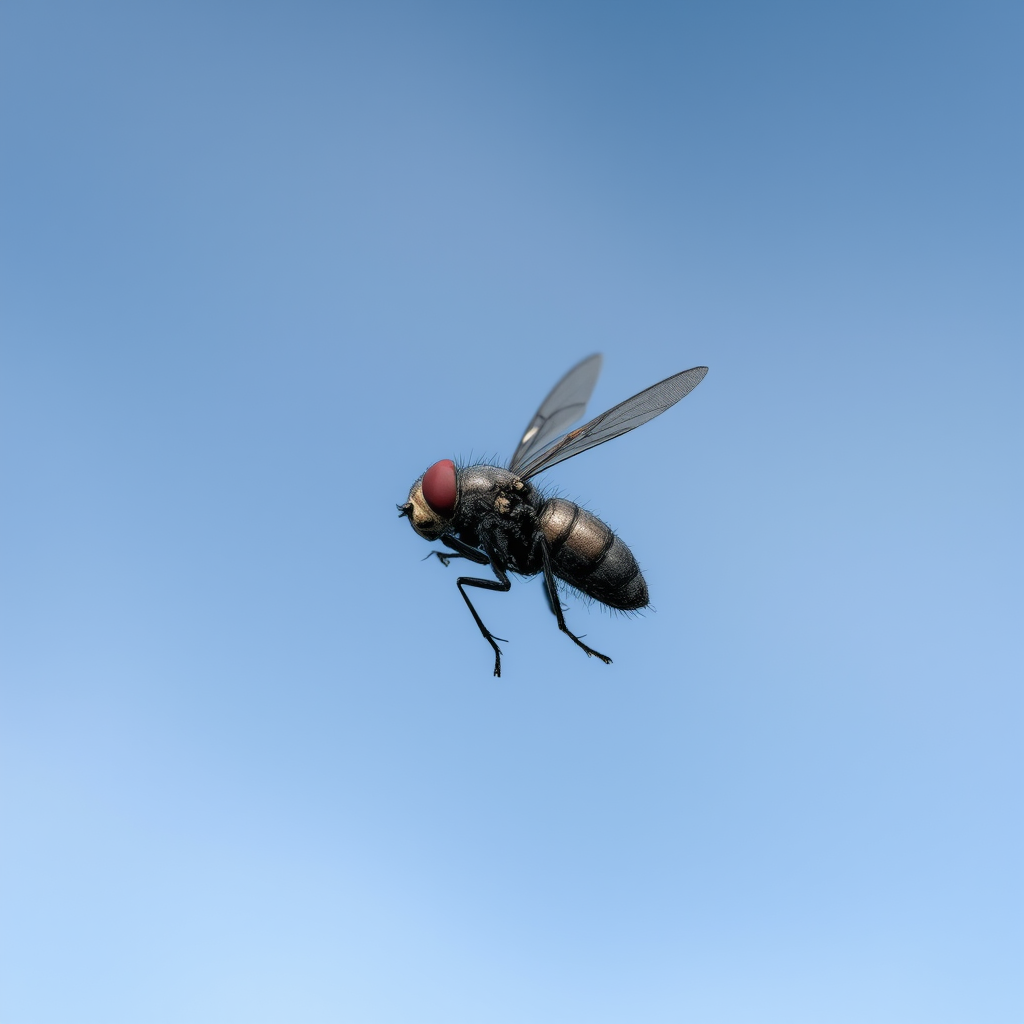
Hey, fly

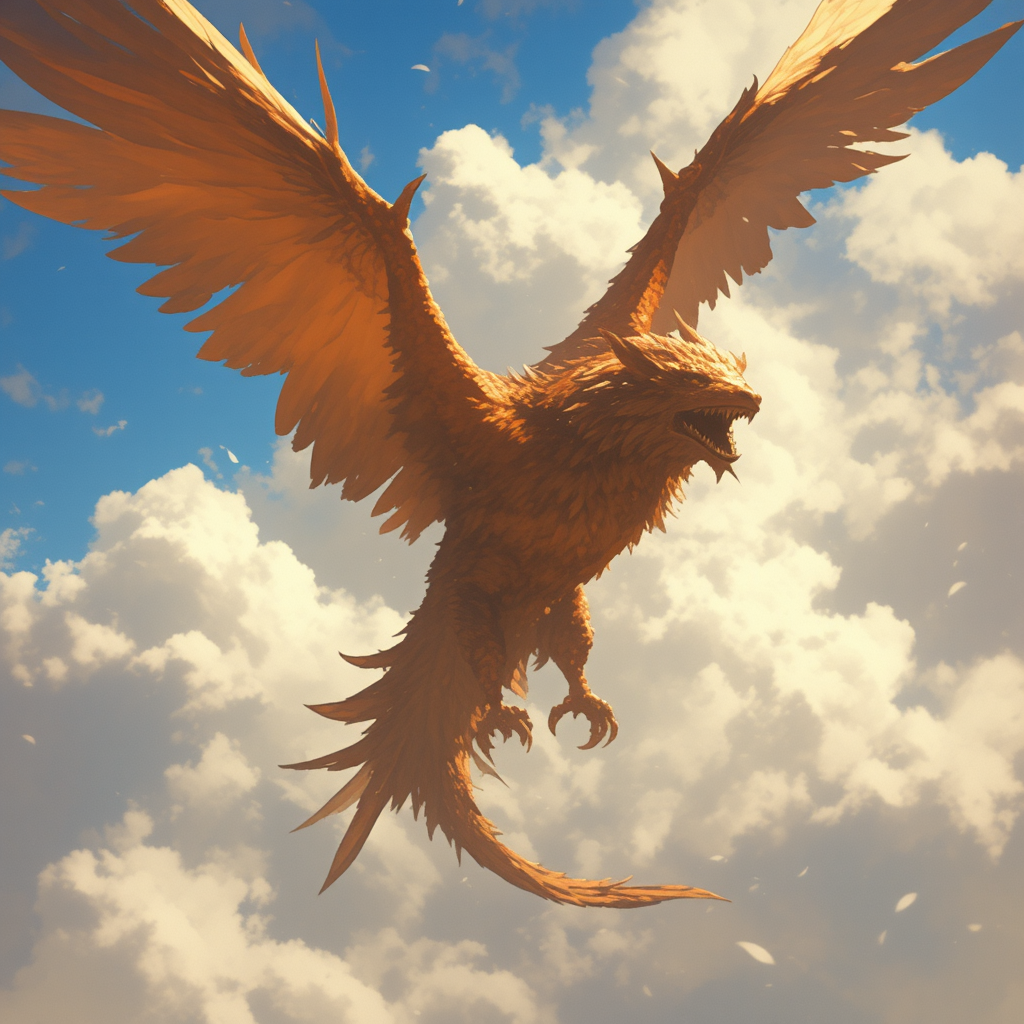
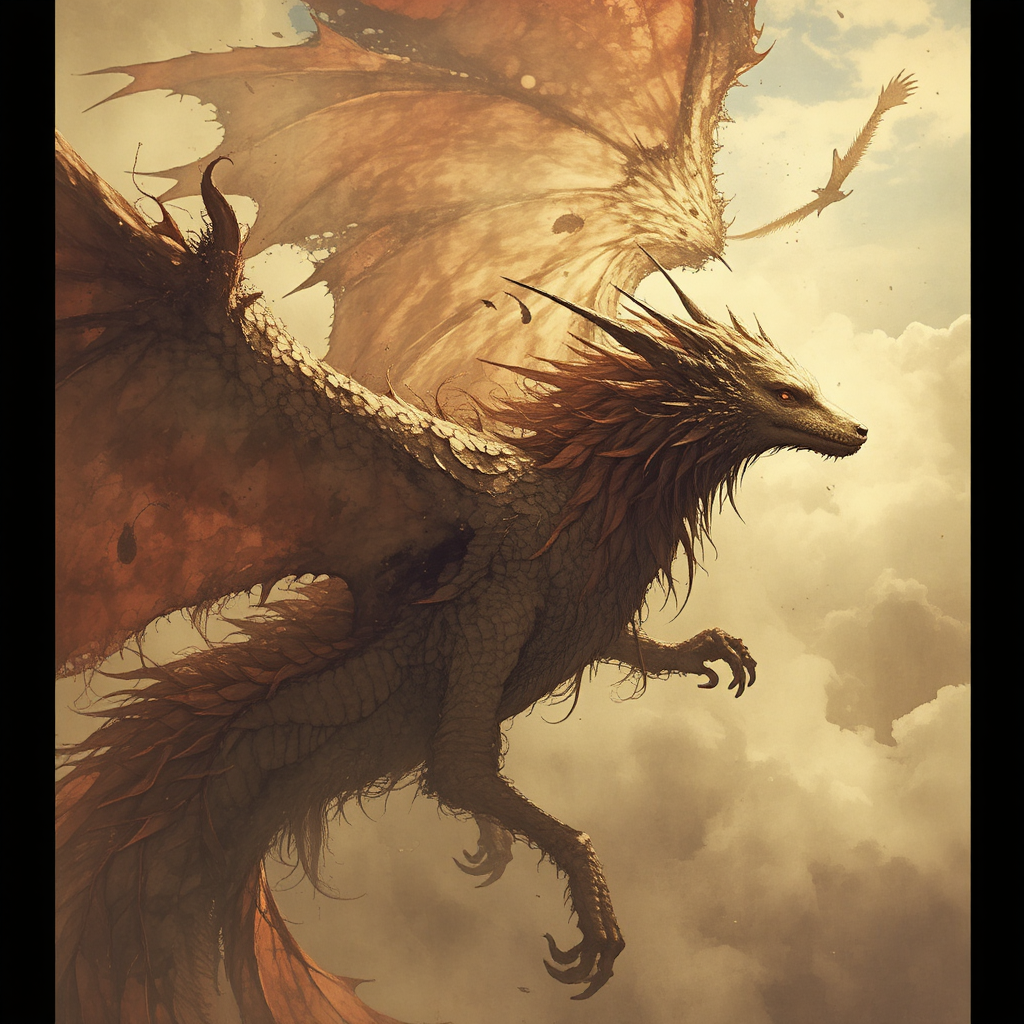
The realm of the simurgh

Is not your arena

Some thoughts:

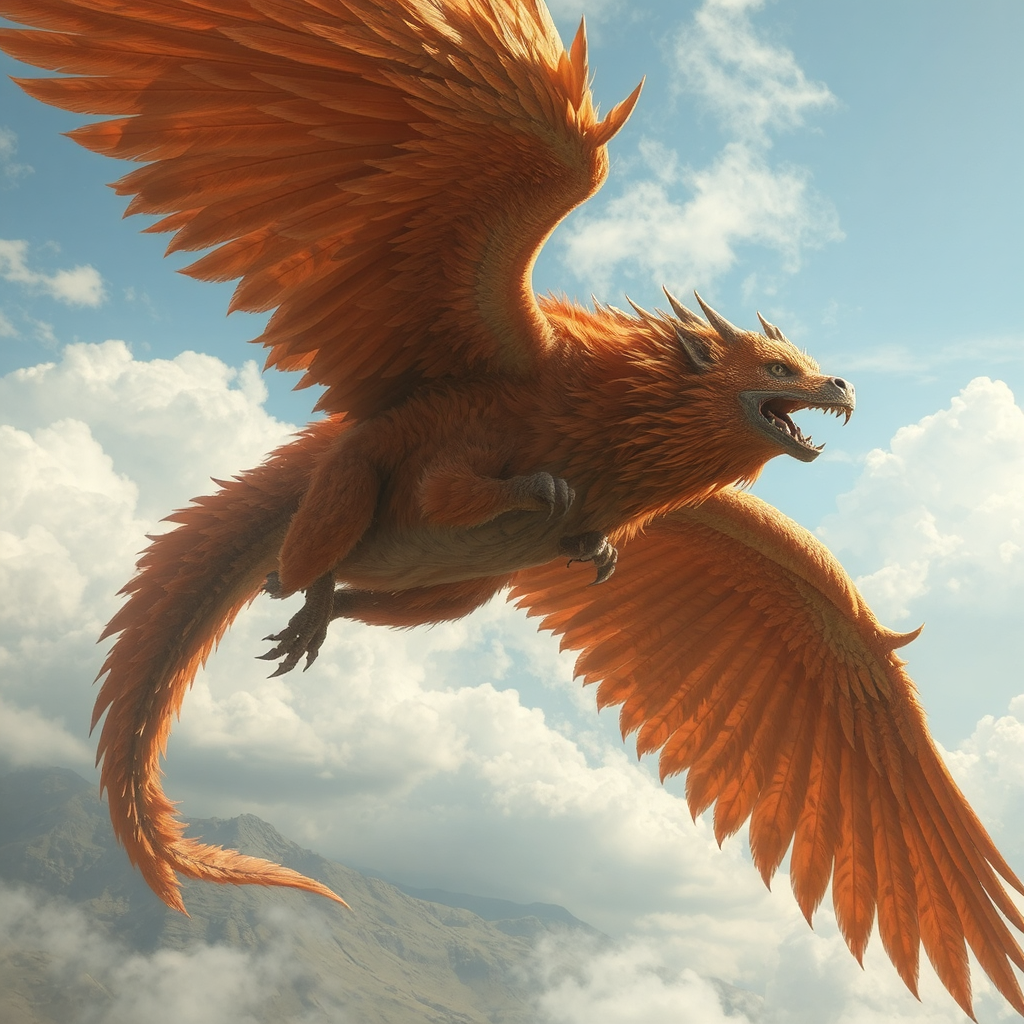
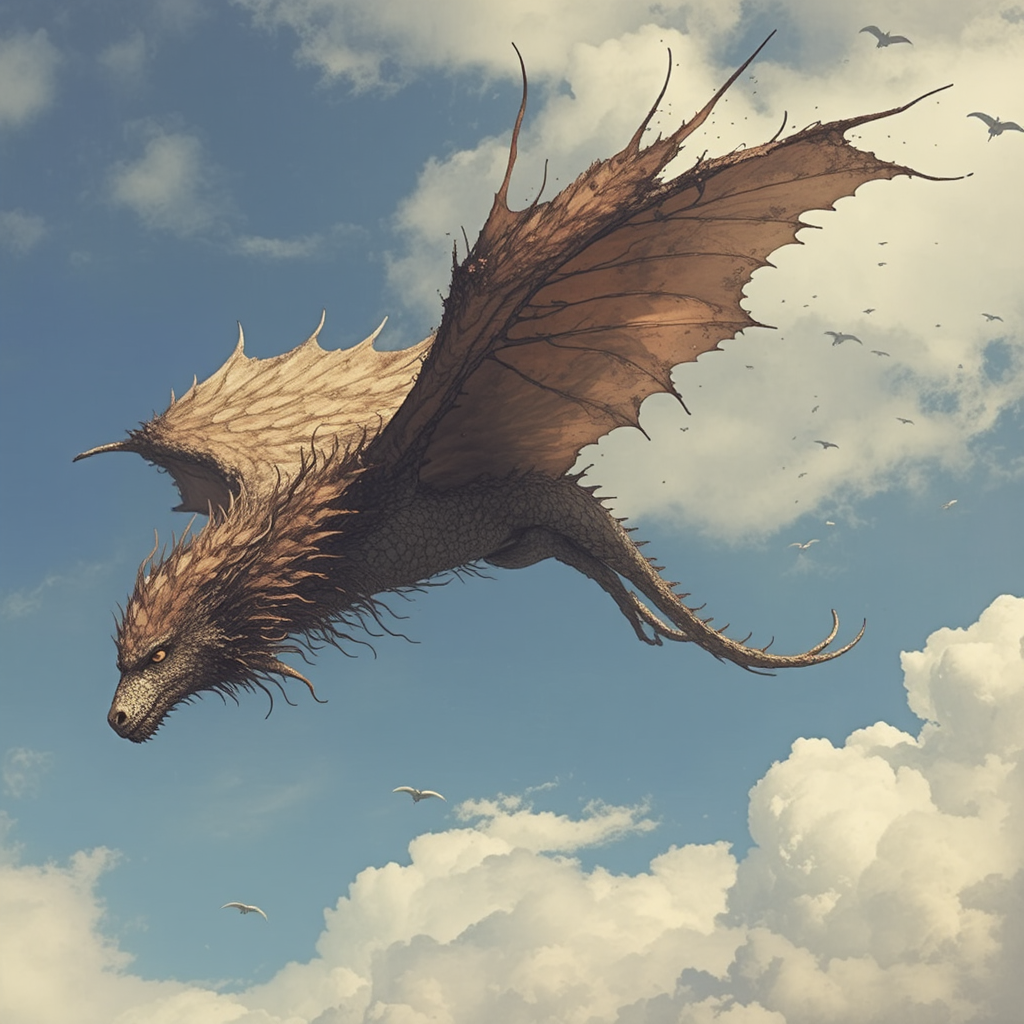
A simurgh is a mythical beast in Persian mythology that is a huge benevolent bird creature who is part dog and all amazing. They are said to be older than the dinosaurs, so old they have seen the destruction of the earth at least 3 times. They return like the phoenix and are powerful enough to carry off an elephant. When one took flight, it shook the tree of life and all the seeds of the entire plant kingdom scattered on the wind to populate the earth with every herb, vegetable, and fruit we now have.

Flies…not so much. No one is as impressed by a fly. Perhaps Hafiz is gently telling someone to stay in their lane. Walk before they run. Learn the basics before trying to take on more complex levels. Whoever or whatever he is referring to sounds like a little chihuahua who thinks she can take on a bear. The spirit is impressive, but the reality it a little harsher. As much as we all want to dream big and believe we are capable of anything we set our minds to, it is probably best to also prepare and take the right steps to get to the next level of progress. Who knows, maybe someday we’ll fly with the simurgh.

My Poem 18:

Fly is an opportunistic nuisance,
irritating background noise with
indiscriminate hunger drawn to rot.
Thin whine, buzz, hum, restless—
nervous energy that confuses
access with belonging mistakes
nearness for importance embodies
hunger without wisdom living
on lilfe’s leftover crumbs.

Simurgh scans the heavens silently,
sound swallowed by altitude and
casts a mountain-sized shadow.
Wingspan vast, immense presence—
motion that reshapes air with stillness.
Benevolent creature glides effortlessly,
witnesses creation and destruction,
participates in the process of transformation
burns away death to feast on forever.

Hafiz. Hafiz’s Little Book of Life. Translated by Erfan Mojib and Gary Gach, Hampton Roads Publishing, 2023.

Gabi, A Girl in Pieces (Book Review)

TRIGGER WARNING: This novel addresses themes of teen pregnancy, substance abuse, addiction, death, sexuality, religious pressure, body image struggles, and family conflict. Some material may be sensitive for readers.

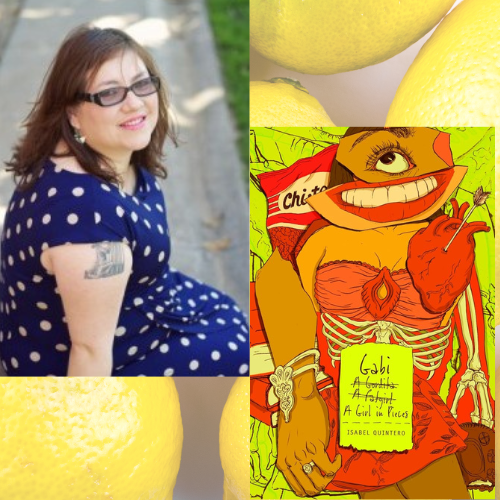
Isabel Quintero does a fabulous job in Gabi, A Girl in Pieces of making us fall in love with a messy, smart, creative, beautiful, real-sounding protagonist. Gabi is sharing her journal with us, along with poetry, artwork, letters to her drug-addicted father, and innermost secrets. We are there for the highs and the lows, and we laugh right along with her, just before we grab a box of tissues to sob along with her. It is her senior year, and she is a pale-skinned Mexican American girl proud of her culture and obsessed with her food. (This gordita can relate.)

She tackles relationships with boys, friendship, teen-pregnancy, religious pressure, family dynamics, sibling issues, senior year stress, college applications, drug abuse, death, sex, body image, and more. Her voice is sarcastic, tender, raw, and heartbreakingly vulnerable. Navigating the minefields of adolescence in the 21st century has never seemed more fraught nor more worth celebrating. It is full of issues that make it a commonly banned book in conservative states’ schools. I feel sad for young ladies who may never get the chance to meet Gabi because there are probably many who could find hope and courage from her example.

Quintero, Isabel, Gabi, A Girl in Pieces, Cinco Puntos Press, 2014.

Millionaire Success Habits (Book Review)

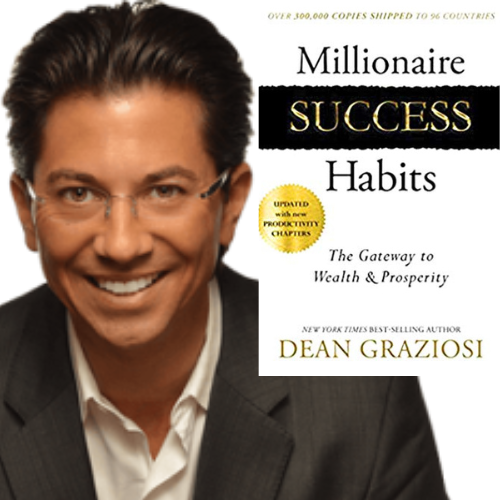
Since starting my trading journey, I have been reading many financial strategy/growth mindset-type books as part of a book club on one of my platforms. I have not been very impressed with many of them. Millionaire Success Habits by Dean Graziosi was a much more enjoyable read. Not only is it written in down-to-earth, simple language, but the anecdotes, advice, and examples are relatable and realistic. Some of his ideas are a little unconventional but make a lot of sense.

One such idea his suggests is to work on strengths rather than weaknesses. So much focus is spent on trying to improve our weaknesses in our competitive culture, but why? What if we put more of our energy into focusing on our strengths and passions? Then we can hire people to do the parts we don’t excel at. It’s a win/win. He has excellent advice on short bursts of intense focus on one task to achieve more than when we multi-task. He develops the idea that relationships with our employees and customers should be better thought out and inclusive of everyone’s needs. And he has wonderful strategies for organization, productivity, and confidence building.

His tone is authentic, experienced, and direct. There is no double-speak or confusing lingo, and each chapter provides actionable steps a person could take to improve their life. He provides insight on vanquishing the inner villain who wants to sabotage us, harnessing our inner hero who wants us to succeed, and creating one clear overarching goal or why that we are working toward. He’s the one who started the whole “What’s your Why?” that every service industry uses.

Graziosi, Dean, Millionaire Success Habits, Hay House, 2019.

The Midnight Library (Book Review)

All images created by Rebekah Marshall’s prompts using AI on Gencraft.com website.

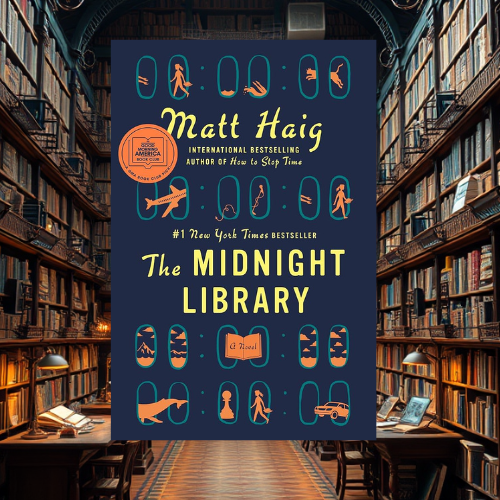
The Midnight Library by Matt Haig is a lovely reality check for anyone struggling with wishing their life could be different. Some quantum theorists think every alternative reality possible happens simultaneously. In one reality, I’m here writing this book review. In another, I’m still in the middle of reading the book. In another, no one gave me this book as a gift, so I haven’t read it at all. And in yet another, heaven forbid, I don’t even like reading fiction.

Our protagonist has reached such a state of melancholy in the beginning of the novel that she cannot see past midnight. She decides to end her life and finds herself in a library containing all the books of every variation of her that exists. It is the chance to see how different versions of life could be if various choices changed the trajectory of her past. It is an adventurous dive into the world of what ifs. I have enjoyed such thought experiments on myself. What if I had not gone into teaching, but had chosen a more lucrative profession? What if I had not married my first husband nor had children? What if I had moved away from Texas and was living somewhere cooler up north?

It is sometimes easy to get lost in those alternate wishful versions of ourselves and forget to appreciate all the little things that make up the lives we are living in the here and now. Though there were many poignant, sad, discouraging revelations in her journey, I was satisfied with the lessons she learned. I recommend this book for anyone who could use a reminder to feel a little more grateful or who sometimes wishes they would have made different choices in life.

Haig, Matt, The Midnight Library, Penguin Books, 2020.

Hafiz – Poem 17

All images created by Rebekah Marshall’s prompts using AI on Gencraft.com website.

I am reading Hafiz’s Little Book of Life, poetry by Hafiz-e Shirazi. He is challenging me to become more comfortable with ambiguity. I will share his poem and some of my thoughts on his poem (sometimes with the help of experts when the concepts are too hard for me), followed by a poem and some art inspired by his poem.

Hafiz’s Poem 17:

Vanity, my dear

Is merely proof

Of sheer ignorance

Some thoughts:

Hafiz seems to be addressing someone he cares about, by calling them “my dear.” This does not seem like a harsh rebuke, but more of a compassionate, gentle reminder. There is no need to be vain if we understand our true worth. Either we are over or under-inflating reality when we assess ourselves as less than or greater than we should.

If we mistake attention for worth, confuse a mask for the self, or are more concerned about appearance than authenticity, we are missing the mark. We are beautiful, magical, stardust creatures who are part of a giant, miraculous cosmos. We should not forget our true fabulousness by replacing it with vain imaginings that are neither helpful nor accurate. We are better than that.

My Poem 17:

Both extremes of vanity
are inaccurate reflections
of your miraculous beauty.

You are but dust and ashes,
no greater than anyone else
on this giant flying rock.

But the point is that you are
stardust and magic, the hope
of your ancestors made real.

Don’t confuse being ordinary
with missing the fabulous
truth that you are a singularity.

There has never been and never
will be another you the same
as the wondrous you right now.

Hafiz. Hafiz’s Little Book of Life. Translated by Erfan Mojib and Gary Gach, Hampton Roads Publishing, 2023.

Hafiz – Poem 16

Iimages created by Rebekah Marshall’s prompts using AI on Gencraft.com website.

I am reading Hafiz’s Little Book of Life, poetry by Hafiz-e Shirazi. He is challenging me to become more comfortable with ambiguity. I will share his poem and some of my thoughts on his poem (sometimes with the help of experts when the concepts are too hard for me), followed by a poem and some art inspired by his poem.

Hafiz’s Poem 16:

Those preachers
Who appear glorious
In pulpits & on altars
Yet in private
Act totally the opposite

Some thoughts:

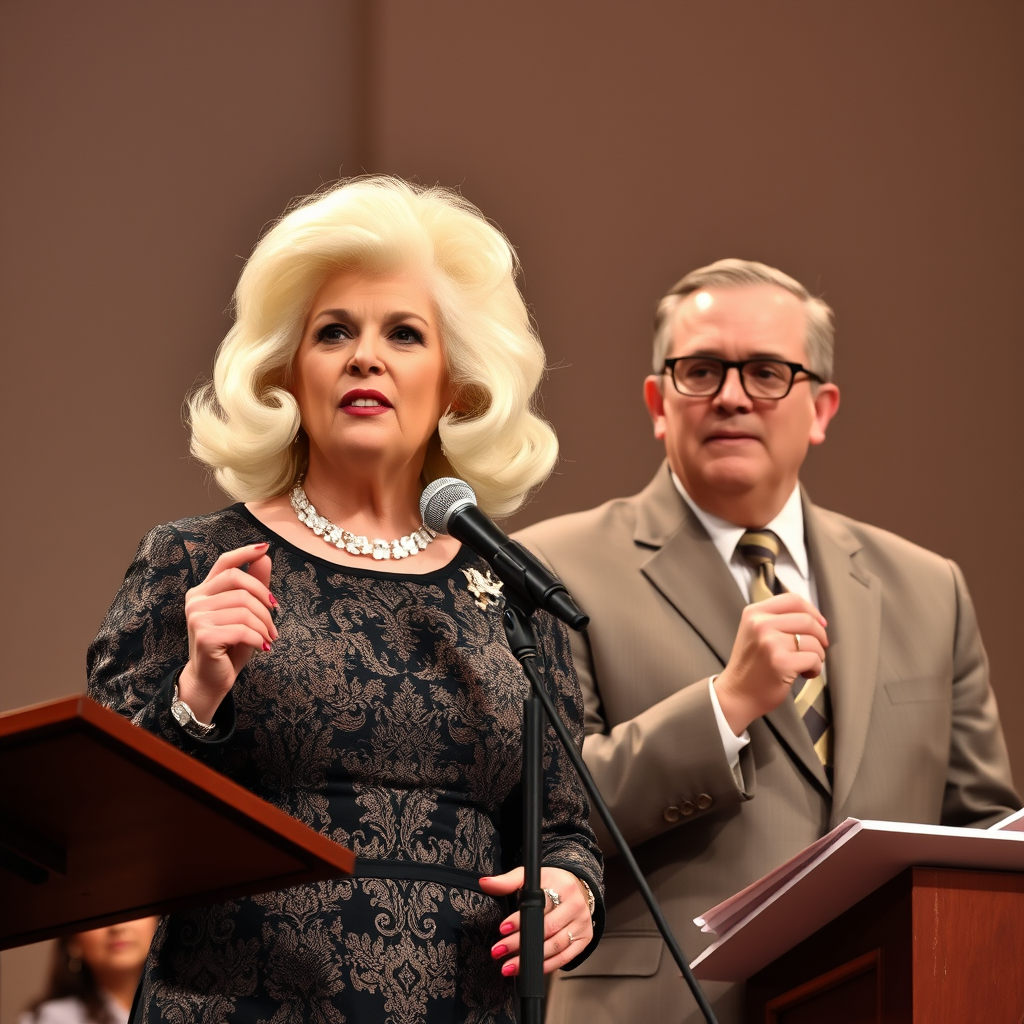
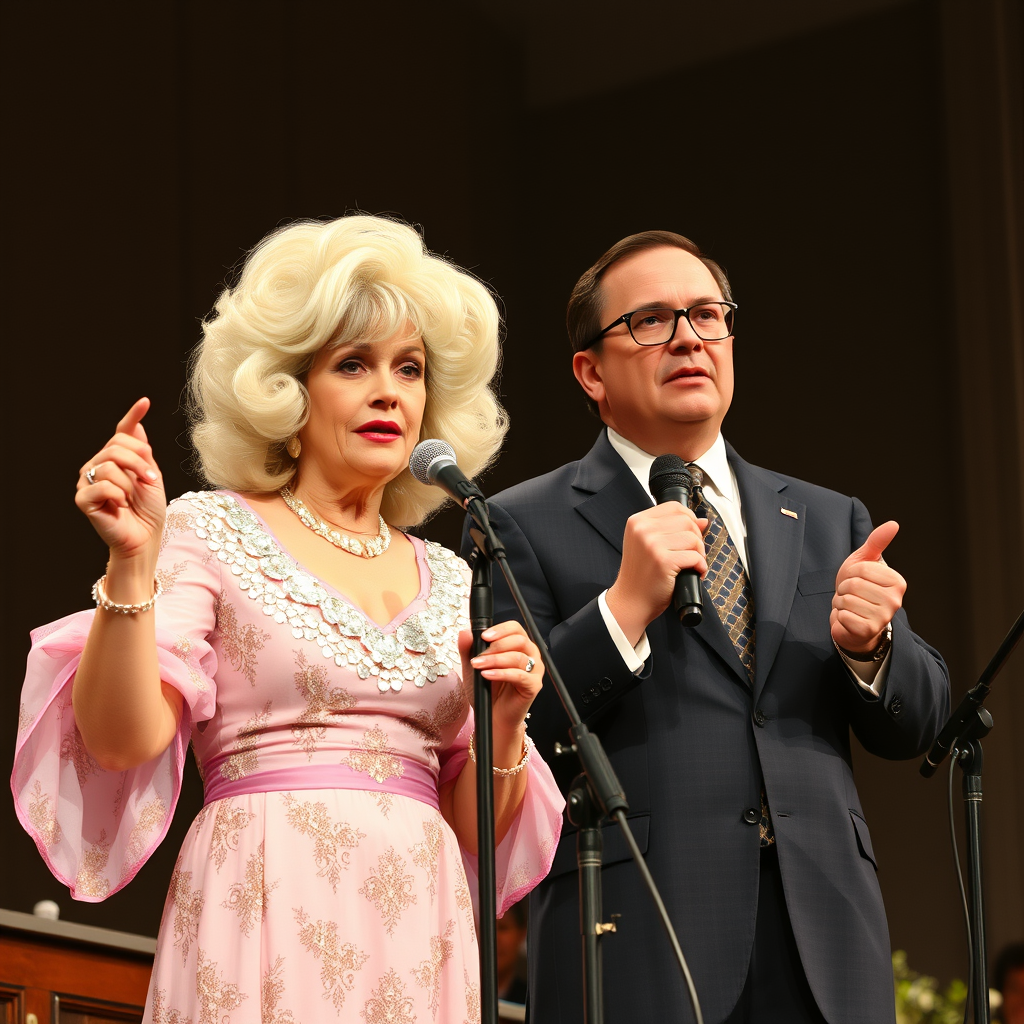
When I was growing up, televangelists were all the rage. It was the era of Jim and Tammy Faye Bakker and Jimmy Swaggart. Televised preachers could paint a picture of righteousness and convince millions of people to send them money. Their private lives were not so righteous. The reality was filled with scandal, corruption, and behaviors that were quite the opposite of the messages they were preaching.

I guess the platform was a newly designed sort of soap box, but the concept was nothing new. There have always been those who will profit off a public perception of holiness, but it is merely a performance. Perhaps humanity should learn not to put others on soap boxes and accept that everyone is human, faulty, and corruptible.

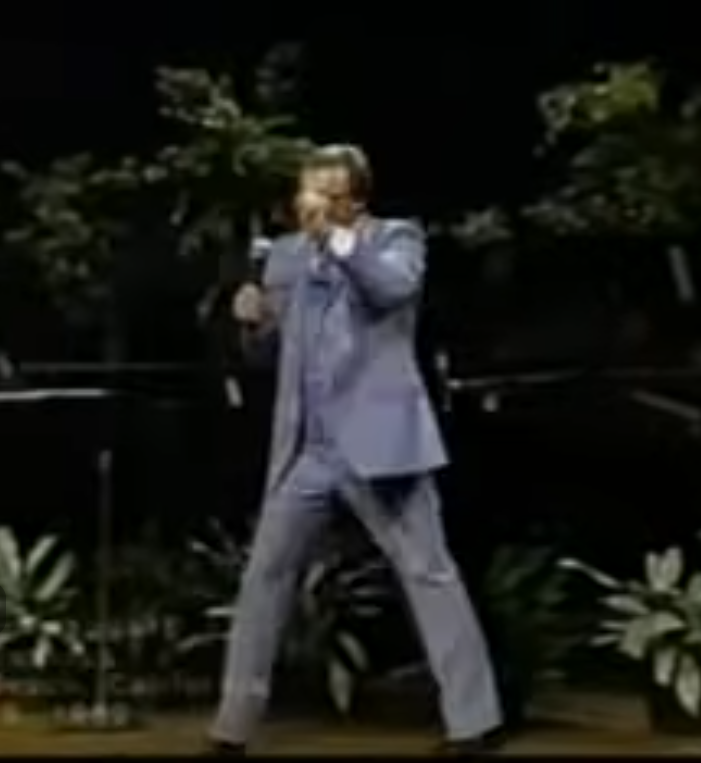
Jimmy Swaggart from YouTube video (link below.)

My Poem 16:

“Those that climb to the highest heights spiritually can fall to the lowest depths.”

In a baby blue 3-piece suit.
Pacing back and forth,
then planting himself in a wide
spread-eagle stance like
he’s doing the most powerful
power pose he can think of.

“As faulty worship caused death then, it can cause death now.”

In a sing-song, monotone,
ever-crescendoing
preacher cadence.

“You are obligated before God to walk holy and to walk righteous before an adulterous and wicked generation that’s dying and going to hell.”

The audience breaks out in applause.
Why are we clapping?
Because people are going to hell?
Because we are being obliged
to be better than them?
I’m confused.

“We just started a ball team, and I told them, I said, If girls show up on that ball diamond with shorts on, I will appreciate you and do everything I can to help you in Jesus, but I’ll send you home to get some clothes on.”

Even bigger round of applause.
Again, what are we clapping for?
Jimmy Swaggart’s admission
that he will lust after young girls
if they are wearing shorts?
What in the hell?

He speaks of himself in the 3rd person.

“Jimmy Swaggart, you’re preaching that in California? Are you out of your mind?”

He holds a Bible aloft to demonstrate
that “this doesn’t change” even if things
have changed in the rest of the world.

“You may look at me like a calf lookin’ at a new gate and preachers may get off behind my back and snicker, but I’m going to preach what this word says.”

He won’t kick you out of the church.
He’ll pray for you, sit with your sick,
wipe your brow, cry and weep for you,
but he will tell you what “thus sayeth the Lord.”

I guess the Lord says
He doesn’t like girls
on ball diamonds
wearing shorts.

“Faulty Fire, Faulty workship Jimmy Swaggart preaching on Holiness”, mdministries, YouTube, posted Jun 24, 2013, https://www.youtube.com/watch?v=dCKrCtdC2oA&list=PLrkXHJifFX4dMJIZt_26b3bwgib_EPwiD

Hafiz. Hafiz’s Little Book of Life. Translated by Erfan Mojib and Gary Gach, Hampton Roads Publishing, 2023.
The Argonauts (Book Review)

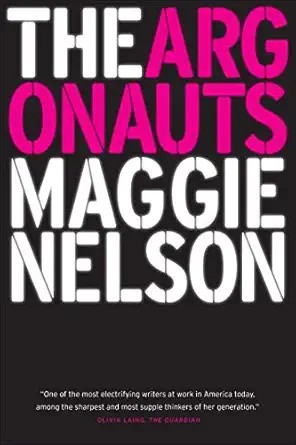
The Argonauts by Maggie Nelson felt like a slap in the face, a comforting hug, an electric shock, and a soothing warm bath. The format was unique and felt experimental—blocks of text, quotes, memories, verbal snapshots, reporting, and textbook-like excerpts all woven into a seamless narrative. The subject matter is raw, often unfiltered, intimate details that feel way more personal than I would ever be comfortable sharing with total strangers. But good for Maggie Nelson for having the chutzpah to attempt such a thing. I love that she finds her own voice by the end by admitting that she is still searching and leaving room for vulnerability in a way that is honest and impressively real.

Her descriptions of pregnancy, sexuality, dealing with loss, giving birth, holding on to self, nursing, her relationship with her partner, gender identity, and expert opinions, *in no particular order, combine to weave almost a stream-of-consciousness-style memoir that defies classification. I think I might have blushed a few times, certainly opened my eyes a bit wider, and definitely wondered why my college courses weren’t quite as shocking as some of hers. But the fact that I felt a connection shows the depth of both her humanity and her fabulous writing talent (since I am a southern, more conservative than her, heterosexual, certainly more comfortable with conventional-vanilla bedroom activities sort of gal. I’ll put it this way—I learned a lot from this book.)

*I jest about the “no particular order” comment because I am sure there is a well-crafted method to her madness that makes it feel like a jumble of thoughts and also a coherent work.

Also, if you are interested in the book, I recommend Googling “Why is Maggie Nelson’s book titled The Argonauts?” It gives a fabulous description of what you are getting yourself into. A brief quote from that Google search using their AI is as follows: “The title reflects the “constantly shifting” nature of queer identity, family-making, and language.”

AI Overview, Google, searched 31 Jan 2026.

Nelson, Maggie, The Argonauts, Graywolf Press, 2015.

Hafiz – Poem 15

All images created by Rebekah Marshall’s prompts using AI on Gencraft.com website.

I am reading Hafiz’s Little Book of Life, poetry by Hafiz-e Shirazi. He is challenging me to become more comfortable with ambiguity. I will share his poem and some of my thoughts on his poem (sometimes with the help of experts when the concepts are too hard for me), followed by a poem and some art inspired by his poem.

Hafiz’s Poem 15:

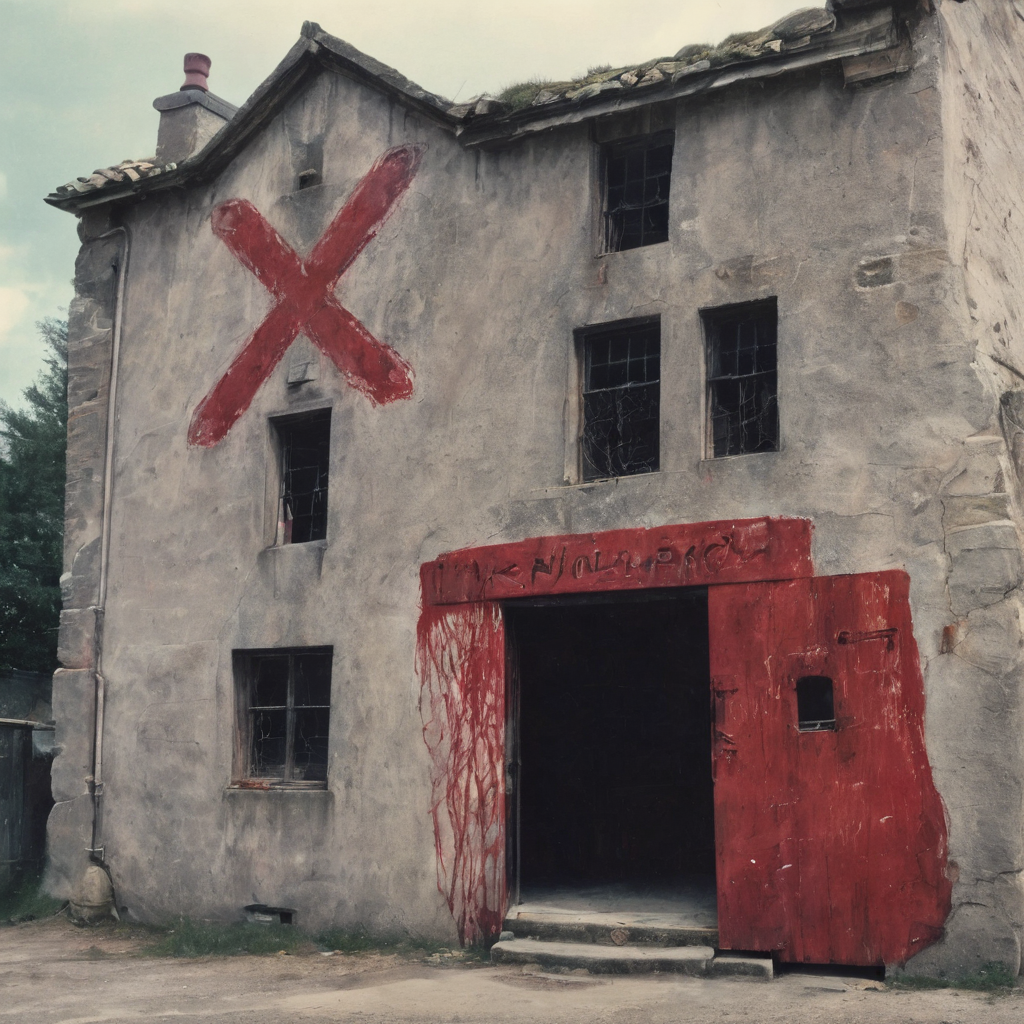
The tavern door’s been closed up Oh God

May this not open the door

To the house of hypocrisy & lies

Some thoughts:

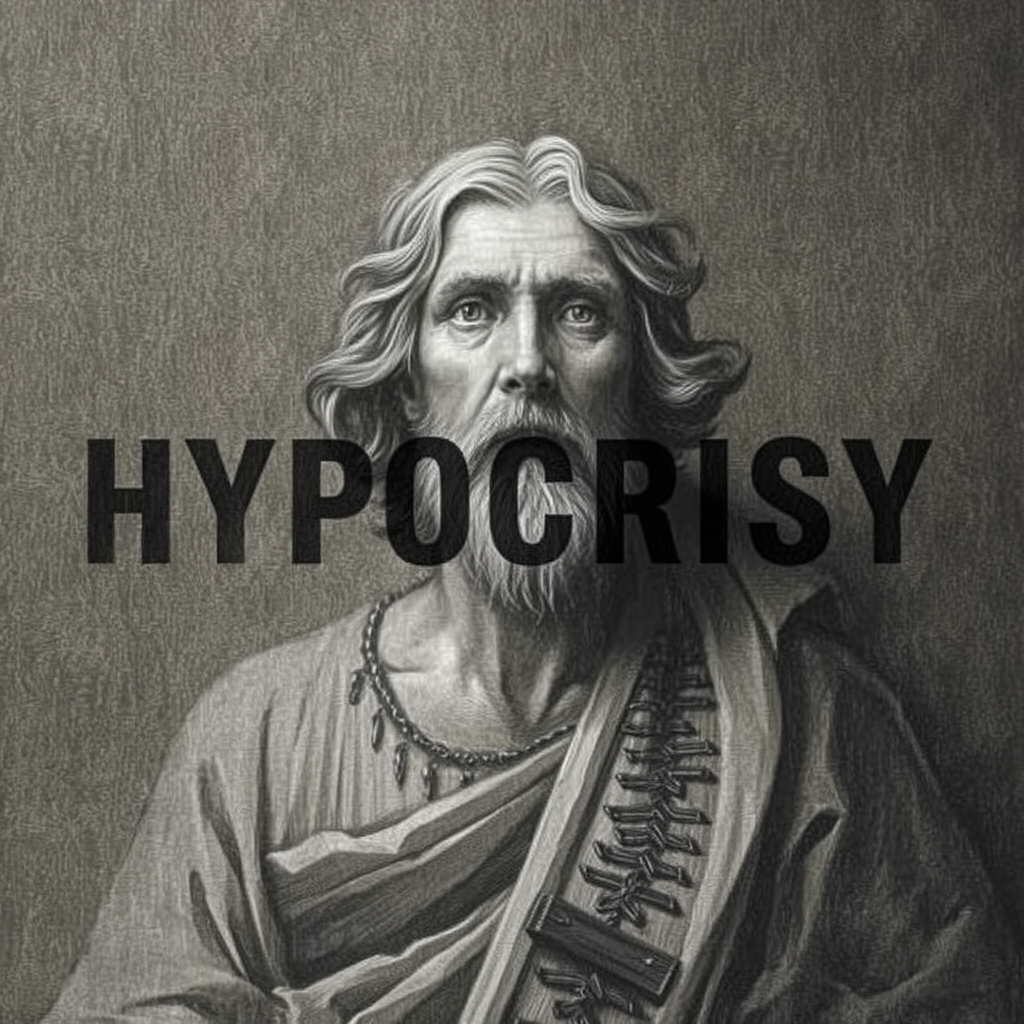
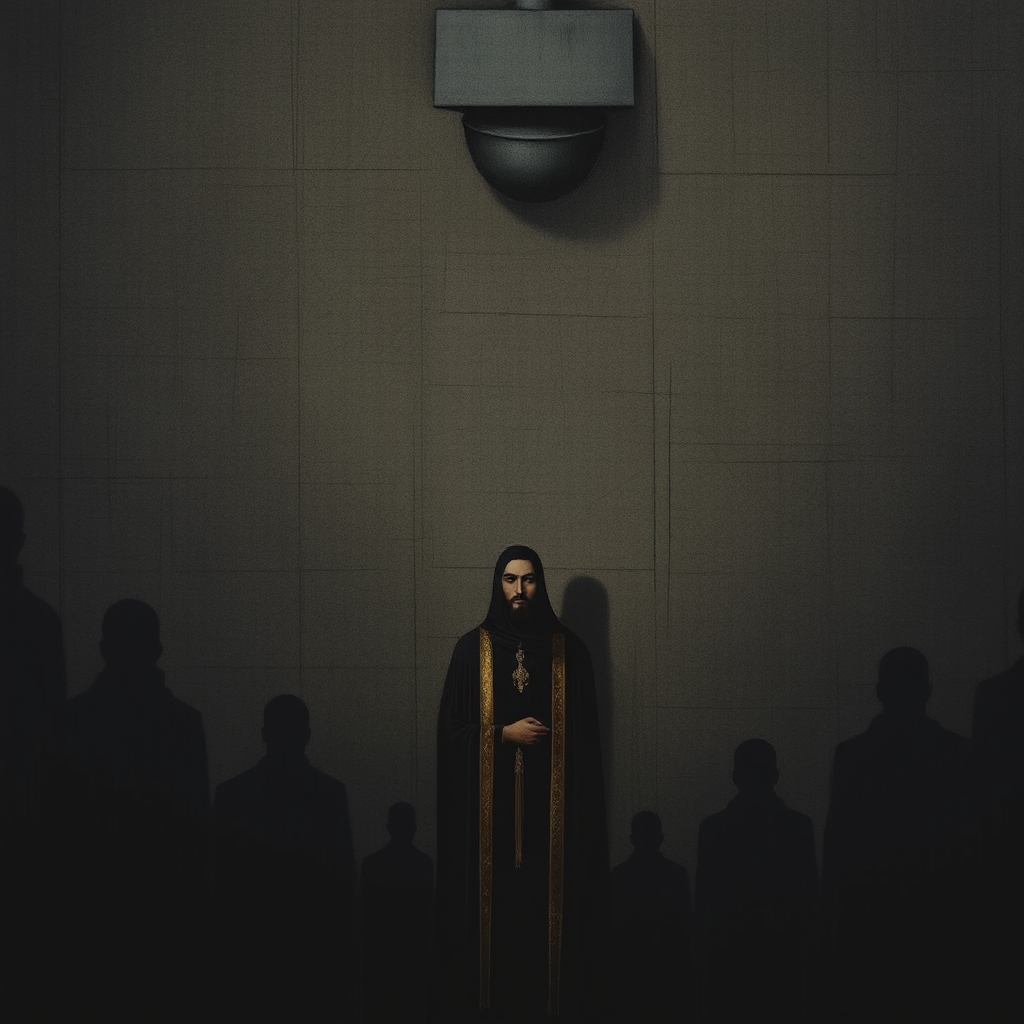
When morality is legislated harshly and too conservatively, Hafiz seems to be implying, the stage is set for inauthenticity and deception. When we judge others for their faults, weaknesses, or perceived sins, we are focusing in the wrong direction. Don’t we have our own lives that need work? “I would never…” is the common refrain of the hypocrite. Many different religious traditions have examples of spiritual greatness being found in unexpected moments that would be perceived by others as sinful or improbable.

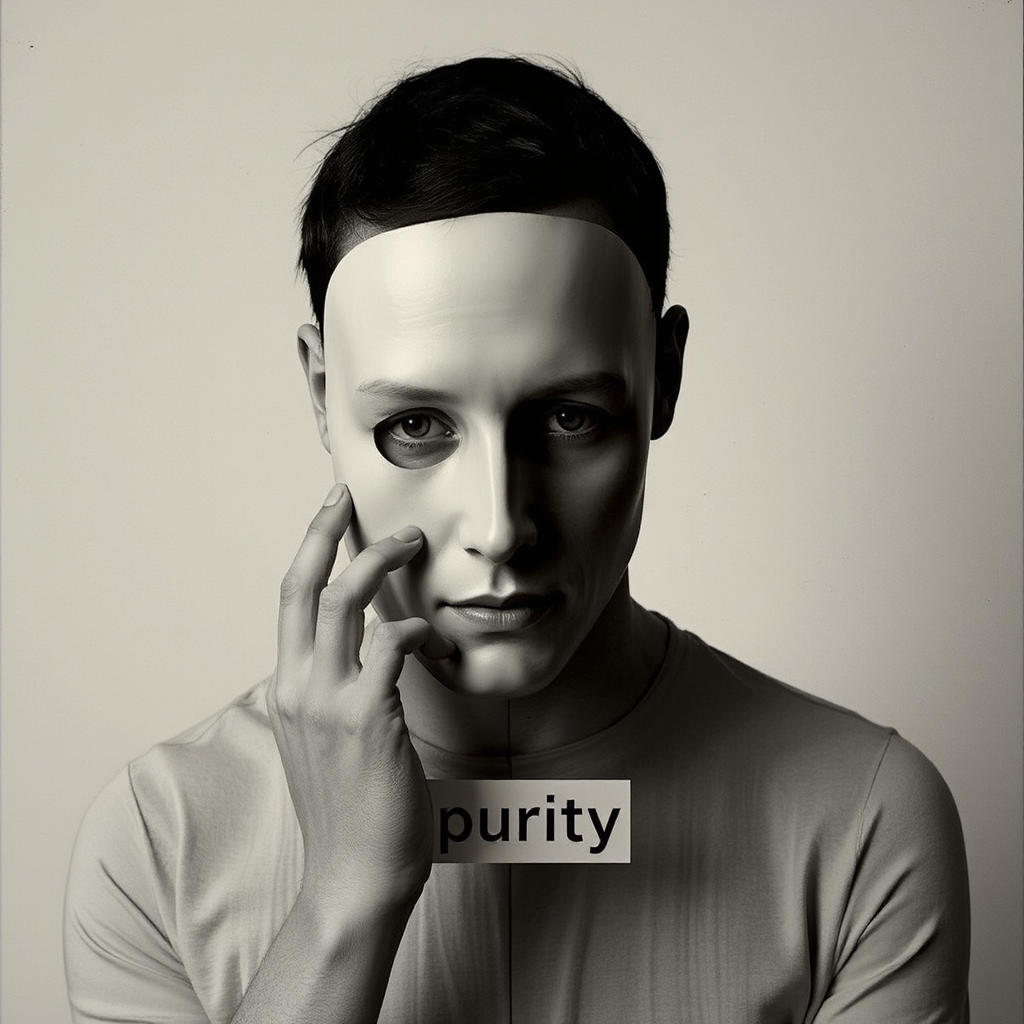
The weaponizing of purity destroys authentic community and honest communication and instead creates an atmosphere of performative righteousness. Appearances become more important than vulnerability, truth, or freedom. Pretension takes the place of connection. Control replaces joy and expression. And obedience replaces love. People tend to lie more when they have to hide their true selves.

My Poem 15 (This is of course facetious, a picture of hypocrisy.):

Praise the Lord
I am nothing
like those sinners
who break the law
to provide for their families.

I would never
because I was born
here in the land of the free
and am a good
religious person of faith.

People should accept
the fate they’ve been handed
with grace and obedience
instead of causing
problems for everyone else.

You’ll never see me
stealing resources
for myself and taking
advantage of a system
that is too soft on thieves.

Hafiz. Hafiz’s Little Book of Life. Translated by Erfan Mojib and Gary Gach, Hampton Roads Publishing, 2023.