Tag Archives: book review

A Court of Mist and Fury (ACOTAR Book 2 Review)

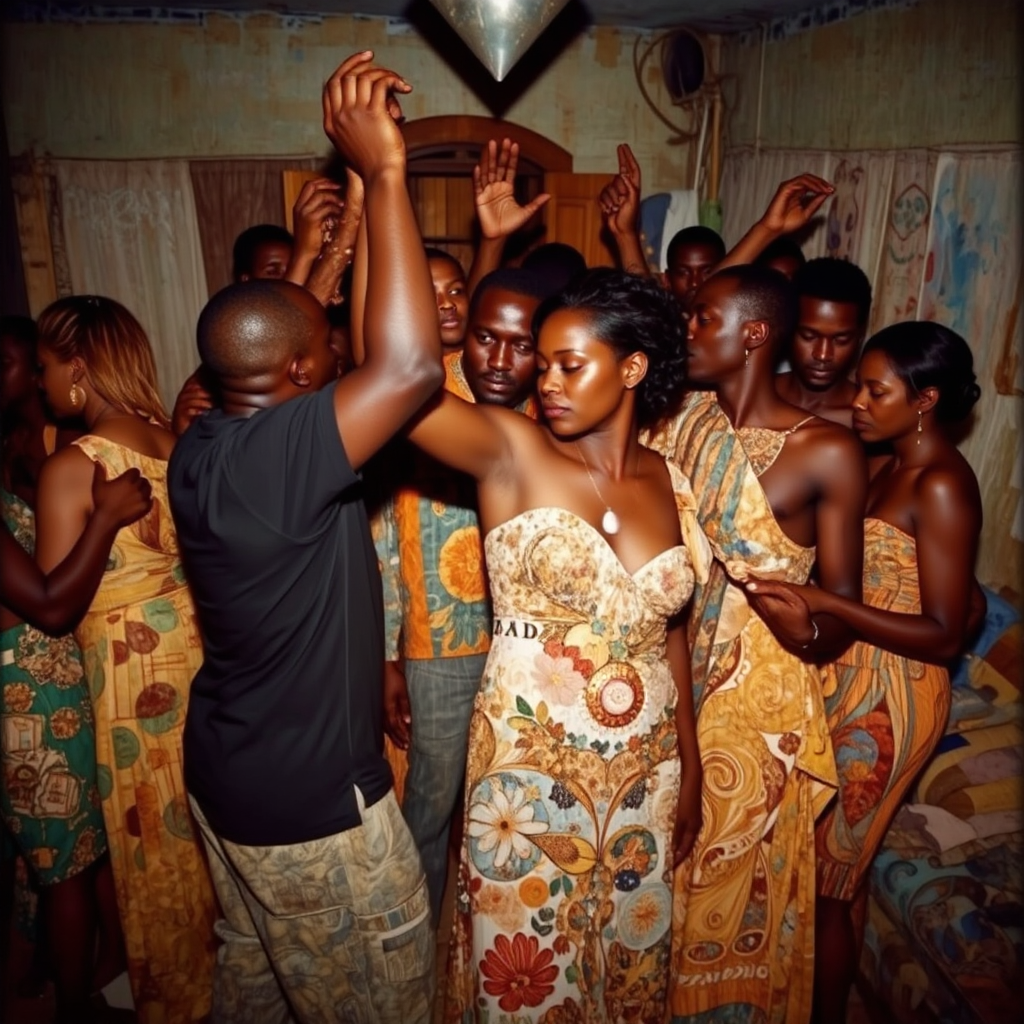
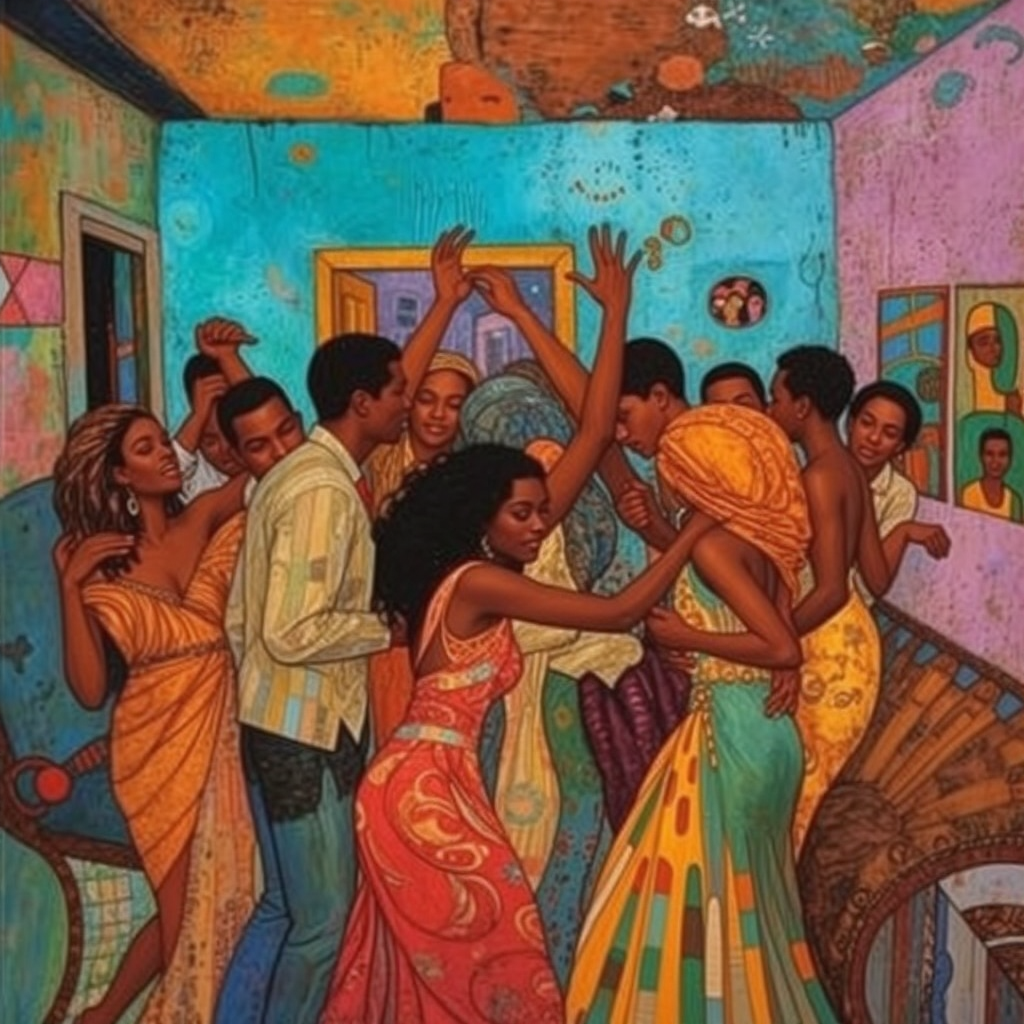
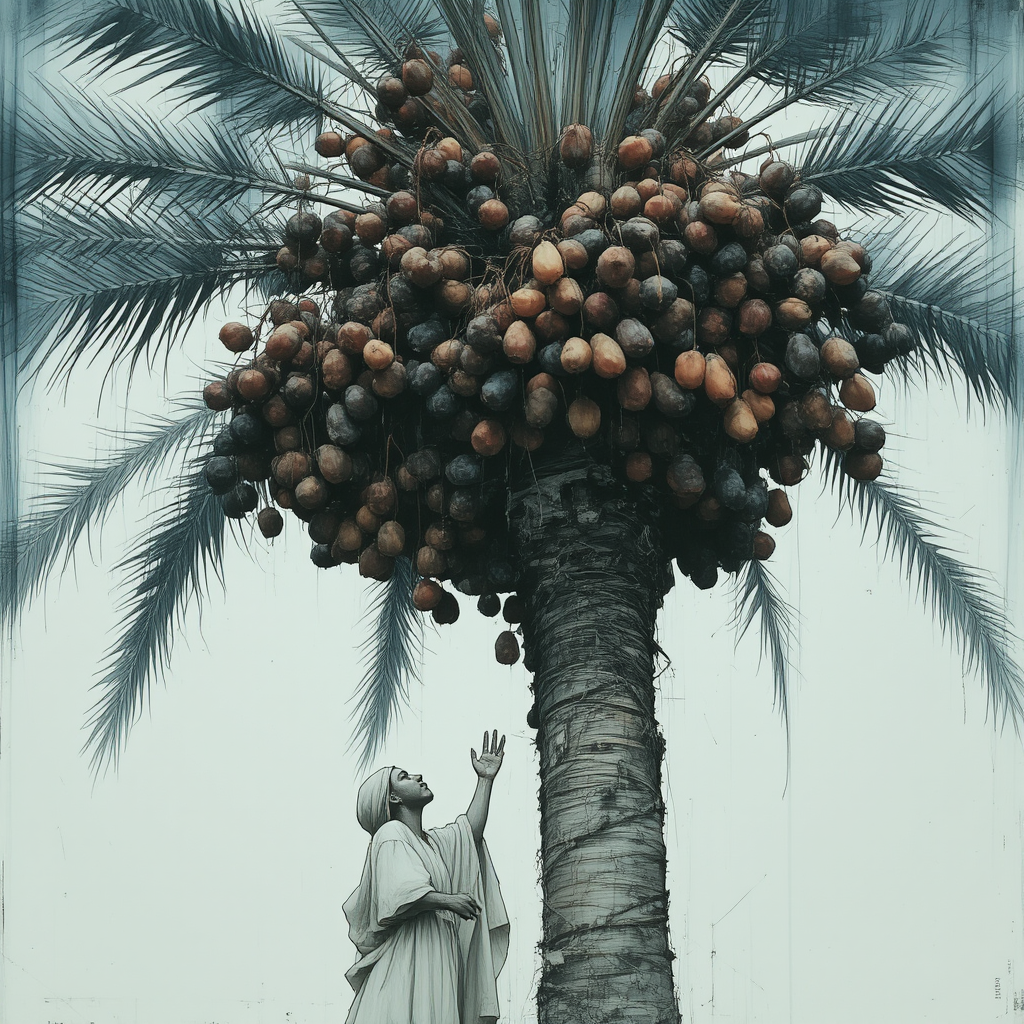
Starfall on the balcony – Feyre & Rhysand. All images created by Rebekah Marshall’s prompts using AI on Gencraft.com website.

WARNING – SPOILERS

A Court of Mist & Fury, the 2nd book in the ACOTAR series, far surpasses the first book in emotional depth, relationship dynamics, and character development. I was sucked in from page 1 and devoured the 600+ tome.

After the crippling life and death decisions Feyre was forced to make at the end of Book 1, she must grapple with the fall-out of those choices. Not only is she tormented by inner turmoil and grief, but her relationship with Tamlin is troubled. His controlling behaviors and unwillingness to see Feyre as an equal, spell the crumbling of their bond.

When she returns to the Winter Court to recover and rediscover her autonomy, the awakenings of power, self, and abilities are a welcome adventure. Rhysand is equal parts challenge, equal parts friend, and most of all, gives her the space she needs to find herself again. The budding friendships, fierce battles, growing romance, and discovery of abilities make for a fabulously rich world Sarah J. Maas creates in this 2nd book.

The most pleasant surprise for me (stop reading right here if you don’t want a spoiler) is Feyre’s sisters coming back into her life. I hoped there could be more to their story, potential growth or reconciliation, anything. That is still to be seen, but at least the opportunity for healing exists. The most shocking surprise for me are the betrayals at the end. I can’t bear the thought of Feyre existing in the world she has chosen, once again, out of self-sacrifice. But I must read on.

Maas, Sarah J. A Court of Mist and Fury. Bloomsbury Publishing, 2016.

Book Review – The Big Leap

AI Generated image prompted on Gencraft.com by Rebekah Marshall.

According to Gay Hendricks, PH.D., the only problem we need to solve is the Upper Limit Problem. He believes all avenues of discontent in life flow from the ways in which we limit ourselves or allow ourselves to be limited without breaking into our Zones of Genius. He posits that a universal human trait is the tendency to sabotage ourselves and others when artificial upper limits are exceeded.

The barriers we and society put in place are often unconsciously constructed by our upbringing, religion, politics, and education, but we buy into them and keep the scaffolding exactly where it’s always been. Phrases like, “She’s getting above her raising,” “He thinks he’s better than us,” “They aim too high,” “She’s greedy to want more,” “He needs to be brought down a peg,” “They didn’t do anything to earn that position,” etc. These aren’t phrases from his book, but common enough phrases in society that his hypothesis feels like commentary on most communities I know.

Whatever the complex social issues surrounding the lack of support for growth, he suggests there are ways to push beyond and live our best lives while still loving and supporting others. Instead of having a mindset of lack—lack of time, lack of money, lack of energy, lack of ideas, lack of community—we recognize that we are the creators of our realities and do our utmost to tap into our own genius.

The first step is to recognize the barriers and make conscious decisions to overcome them:

1. We are fundamentally flawed and don’t deserve success.

2. We are disloyal to expand beyond the expected norms of our families of origin.

3. We are a burden to others.

4. We must dim our brilliance, so we don’t outshine others.

Once we have expelled these faulty concepts from our thinking, we must find what our gifts are, find ways to express them, dislodge the notion that time is not on our side, and bring our best selves to the world. Only then will we be fulfilled in our relationships, our careers, our finances, and our spirituality.

I am intrigued, especially by his idea that time comes from within us, or at least the concept of time. It is only perception of time that makes each moment feel gruesome or fabulous. I’m sure he would agree that this concept does not apply in all circumstances because there are situations outside of our control and factors in this world that force time constraints on people against their will.

Disclaimers would have been appreciated that some of these deep concepts might not apply to people in the midst of horrific situations beyond their power, like war, extreme poverty, abuse, trauma, and other life-altering dilemmas that can create struggle. But given basic needs met, semi-peaceful conditions, and non-traumatic circumstances, his ideas are worth considering.

I for one commit to recognizing language of lack related to money, time, energy, etc. Instead of saying, “I can’t afford that,” or “I don’t have money for that,” I want to say, “I can buy that if I save for it,” or “I’m choosing to spend my money on something else.” It is a choice to reframe my language. Instead of saying, “I don’t have time to do that,” or “I wish there were more hours in the day,” I want to say, “I’m choosing to spend my time on other priorities,” or “I have plenty of time to do everything I am meant to do today.” The one I need to work the most on is energy. With chronic health issues, I am very aware of my energy levels and am known to complain about lack of energy. But Instead of saying, “I don’t have the energy to do this,” or “I wish I had more energy for x,y,z,” I want to say, “I have enough energy to do these things today, so I am going to prioritize them,” or “I have exactly the amount of energy I need and then I will take a nap to recharge.”

This self-development journey is fascinating. However much I learn, I always discover something more to expand my growth. The Big Leap is absolutely worth the read, but I recommend tackling it when things are at a fairly stable place in life. I would not have been willing to hear his ideas when I was at the apex of pain, in the middle of my divorce, during a crisis when my kids were teenagers, or when I was working 7 days a week to survive with no end in sight. These are concepts I am willing to consider with all bases covered and the privilege and opportunity to navel gaze and ponder things like expanding into my zone of genius.

Hendricks, Gay. The Big Leap, Harper Collins, 2009.

A Court of Thorns and Roses (Book Review)

Feyre and the fey wolf. Image created by Rebekah Marshall’s prompts using AI on Gencraft.com website.

A Court of Thorns and Roses by Sarah J. Maas is a fabulous fantasy tale of personal discovery, growth, and becoming. Feyre reminds me of myself, willing to work herself to the bone to provide for her family, while usually putting her needs last. As often happens in unhealthy family units, her sacrifices are taken for granted.

Accidentally killing a wolf who is fey, she finds herself bound and forced into a world of magic, terror, and beauty unlike anything she has ever experienced. She falls in love with her gift of painting that has never before had the chance to blossom. She begins to see herself as capable of much more than she ever thought possible. And she even falls in love.

Little does she know that every step she takes toward her new life brings her closer to death.

I was terribly disappointed in so many of the characters in this story who did nothing to protect Feyre. Sarah J. Maas is the master of making us dislike characters before letting them redeem themselves. I hope future books give me something to like about some of them because at the end of this book, I was not impressed with anyone but Feyre. Ok, maybe I see some hope for one of the males, but I don’t want to spoil the surprises for anyone who hasn’t read the books yet.

Mass, Sarah J. A Court of Thorns and Roses. Bloomsbury Publishing, 2020.

🌕 My Friend, Fear:

All images created by Rebekah Marshall’s prompts using AI on Gencraft.com website.

Fear walks with me, not ahead of me — it is the shiver that proves I’m expanding, the hush before my next leap, the echo that reminds me I’m alive and rewriting the rules I was taught to obey.

💬 Why This Resonates for Me:

  • “Fear walks with me, not ahead of me”
    ➤ I’m learning to hold fear as a companion, not a leader — I’m still in control.
  • “The shiver that proves I’m expanding”
    ➤ Honors that fear is a signal of growth, not failure. I’m not broken — I’m stretching.
  • “The hush before my next leap”
    ➤ Speaks to my propensity to reflect deeply before making bold moves — and that those silences are sacred, not stuck.
  • “The echo that reminds me I’m alive and rewriting the rules I was taught to obey”
    ➤ This is about healing financial trauma, breaking inherited scarcity mindsets, and forging my own path — with fire and grace.

(I am doing the writing exercises in the back of the book You are a Badass at Making Money by Jen Sincero, and this topic was about fear. I am also learning to trade futures, so the art is related to the charts we use to make the trades.)

💎 My WHY:

All images created by Rebekah Marshall’s prompts using AI on Gencraft.com website.

I build wealth to rewrite the story — to bless those I love, heal the wounds behind me, and create a life of joyful abundance, generosity, and freedom for all who walk beside me.


✨ Why This Works:

  • “I build wealth to rewrite the story”
    ➤ Acknowledges that my path is one of transformation and conscious re-authoring of generational patterns.
  • “To bless those I love”
    ➤ Centers my heart-based motivation to support friends and family.
  • “Heal the wounds behind me”
    ➤ Honors the lineage and the pain I’m transmuting through my journey — a true act of generational healing.
  • “Create a life of joyful abundance, generosity, and freedom”
    ➤ Highlights the quality of life I’m manifesting — not just money, but liveliness, joy, and choice.
  • “For all who walk beside me”
    ➤ Speaks to the shared nature of my success — that my elevation raises the collective.

(I am doing the writing exercises in the back of the book You are a Badass at Making Money by Jen Sincero, and this topic was about coming up with a “Why” for wanting to create wealth. I am also learning to trade futures, so the art is related to the charts we use to make the trades.)

Think and Grow Rich – Book Review

I’m learning day trading, and I joined an organization of women learning trading skills. One of the activities they coordinate is an online book club that reads one book per month about either financial habits, abundance mindset, or trading. They also have recordings of their weekly discussions going back to October of 2024. Being the overachiever that I am, I am going back and reading the past books they covered and watching the recordings. Because I have never felt confident in my financial literacy, I figure it can’t hurt to learn as much as possible before I ever attempt to trade with real money. Everything I am doing currently is with a demo account they call paper trading. There is no real money involved.

The first book I heard the tail end of was Think and Grow Rich by Napoleon Hill. It sounded intriguing, so I found a used copy and got started reading. Boy, was I in for a ride. Yes, there were some interesting tidbits, but mostly I was repeatedly horrified by the outdated examples of financial geniuses we were supposed to admire. Charles Schwab was regaled for many a chapter. The same Charles Schwab who was just in the news for being in the oval office with President Trump laughing about the enormous amounts of money he made when the stock market plummeted. Yikes.

There are so many things in this book that I find reprehensible that I don’t even know where to begin. Mr. Hill refused to allow his son, who was born without ears, to learn sign language because he believed his son would someday hear. He drilled hard work and determination into his boy and was proud of the fact that he never allowed his son to have accommodations for his hearing loss. His son’s future success is provided as evidence that his way is the right way, and the fact that his theories are based on 20 years of interviews following rich and powerful people.

Robert E. Lee is praised for his courage in siding against the union, knowing he and many others were putting their lives on the line for their cause. Booker T. Washington is praised for his tolerance and described as someone handicapped by race. Anyone in poverty is there because they have accepted poverty as their fate and succumbed to a lowly state rather than doing all the right things to make themselves rich. Unions, organizing, or criticizing capitalism are evidence of stupidity and small minds because there is no possible way to have an organized, civilized, functioning lifestyle if the giant capitalistic machinery is not in charge of it all. All people should gladly praise the powers that be for their brilliance in making our lives better with their riches.

Ahem…I almost couldn’t get through the book. Then I got to the spot I started listening to in the weekly book club gatherings and was reminded that I liked the ending. The last third of the book is much more tolerable and focuses on concepts I can get behind. The ideas center on finding mentors and experts in the fields in which we want to better ourselves or learn more about. There are brilliant examples of visionary exercises that can be done to deepen our awareness of our subconscious connection to wisdom and theories about creativity and drive that are quite excellent. There is an entire section on developing intuition and overcoming fear that are wonderful practices for all areas of life, not just financial growth.

I cannot recommend this book to anyone because the outdated parts are simply too icky, in my opinion. It says it has been revised and updated for the 21st century. If that is so, I don’t even want to imagine what the original version included.

Hill, Napoleon. Think and Grow Rich. Jeremy P Tarcher, 2007.

poor your soul (A Book Review)

To be raw and real in the retelling of your own most vulnerable moments creates a profound intimacy in memoir. I don’t know if I’m brave enough to write one. Mira Ptacin explores her own fears and feelings of shame and grief around the death of her brother as a teenager and the loss of her baby in her 20s. She weaves a beautiful tribute to her mother who emigrated from Poland and built a life with perseverance and grit here in America. Americans did not make it easy on her.

The subtle twists and turns of growing up, beginning to relate to your parents as fellow adults, discovering that your childhood perceptions of them may have been misconstrued, and finding internal peace in the process are themes that resonate with me, as I have experienced this with my own parents, and now have adult children going through this phase of life with me. Though I have never had to experience the same kinds of grief as Mira, her example of leaning on her loved ones, finding her own path forward, and being gentle with the healing process (however long it takes), makes me hope I can do so with the same indomitable spirt as her, if I am ever tasked with such a burden.

I probably would never have chosen this book, had I known how much of the story centered around the awful experience of having to make decisions related to ending a pregnancy, so I am glad I was unaware because I would have missed out on so many threads of beauty and love. And every scene that includes her husband is superb. He tends to steal the scene, as he is depicted as sincere, silly, and supportive in all the right ways.

Rebekah Marshall @Home Studio

Ptacin, Mira, poor your soul, SOHO Press, Inc., 2016.

Safekeeping

(Poem 261 for 2024 – I am writing a poem a day)

AI Generated image I prompted on Gencraft.com https://gencraft.ai/p/FGMuRf

I am always fascinated
by people unafraid to
share the gruesome
details of their lives
with the rest of us so
we can hold them up
to the light and examine
their every wart and
crack, wrinkle and roll
of fat like specimens.

But the glass jar with
pink paper inside that
made the cover look
warm and inviting was
a trap that forced me
to witness her most
vulnerable moments,
and now I feel sad and
embarrassed for her.

@Home Studio on 9/17/24 @ 7:45pm – 261st poem of the year (After reading Safekeeping-some true stories from a life by Abigail Thomas.)

Thomas, Abigail. Safekeeping -some true stories from a life. Anchor Books, 2001.

Runner ups for the Safekeeping photos to accompany my poem:

Turtle House

(Poem 212 for 2024 – I am writing a poem a day)

AI Generated image I prompted on Gencraft.com https://gencraft.ai/p/BsWO3A https://gencraft.ai/p/FYxwx0

Auspicious stone turtles
stand guard, gargoyles of
destiny, good fortune baked
into their shells, assuring the
dwelling longstanding fortune.
The turtles in the pond
fight for bits of mushy carrot,
stale bread, and greens,
unaware of the larger battle
being fought in the sky pond
by Grummans and Warhawks.
The people swim and love,
dream and hope, serve an
emperor or a president who
demands unwavering loyalty,
and wonder when peace will
fill the turtle house again.

@Home Studio – 212th poem of the year (After reading The Turtle House by Amanda Churchill.)

Churchill, Amanda. The Turtle House. Harper Collins, 2024.

Runner ups for the Turtle House photos to accompany my poem:

Lesson 9 The Way of the Wizard

(Poem 39 for 2024 – I am writing a poem a day)

“Mortals are wrapped in words the way a spider wraps flies in gossamer,” Merlin claimed. “Only in this case, you are both spider and fly because you imprison yourself in your own web.” -Merlin, Deepak Chopra’s The Way of the Wizard    

AI Generated image I prompted on Gencraft.com https://gencraft.ai/p/d630K8

Words have power to heal,
kill, encourage, destroy.
Whoever has been laughed at,
mocked, shamed, or guilted
knows the power hateful words
hold to harm and concuss,
inflicting future internal strife
over how to cope without
eating yourself to death.
If you are both spider and fly
You must make peace with
pain and celebration emanating
from you, as you are both
cause and consequence,
beginning and end,
now and then,
sinner and sin.

@Home Studio – 39th poem of the year

Chopra, Deepak. The Way of the Wizard: Twenty Spiritual Lessons for Creating the Life You Want. New York, United States of America, Harmony Books, 1995, pp.64-70.